
During the pandemic, the car manufacturers learned that online events could be run with relative success and, more importantly, at significantly lower cost. But there’s nothing quite like seeing the latest new car in real life, and shows have since tried to put a fresh take on what had become a traditional, rigid motor show model.
Munich’s attempts to take over from the biennial Frankfurt motor show resulted in a disjointed experience that separated the general public from the industry and media, with lukewarm results. The Paris equivalent had been slowly dying, getting to the point where it was mainly local distributors and national brands participating.
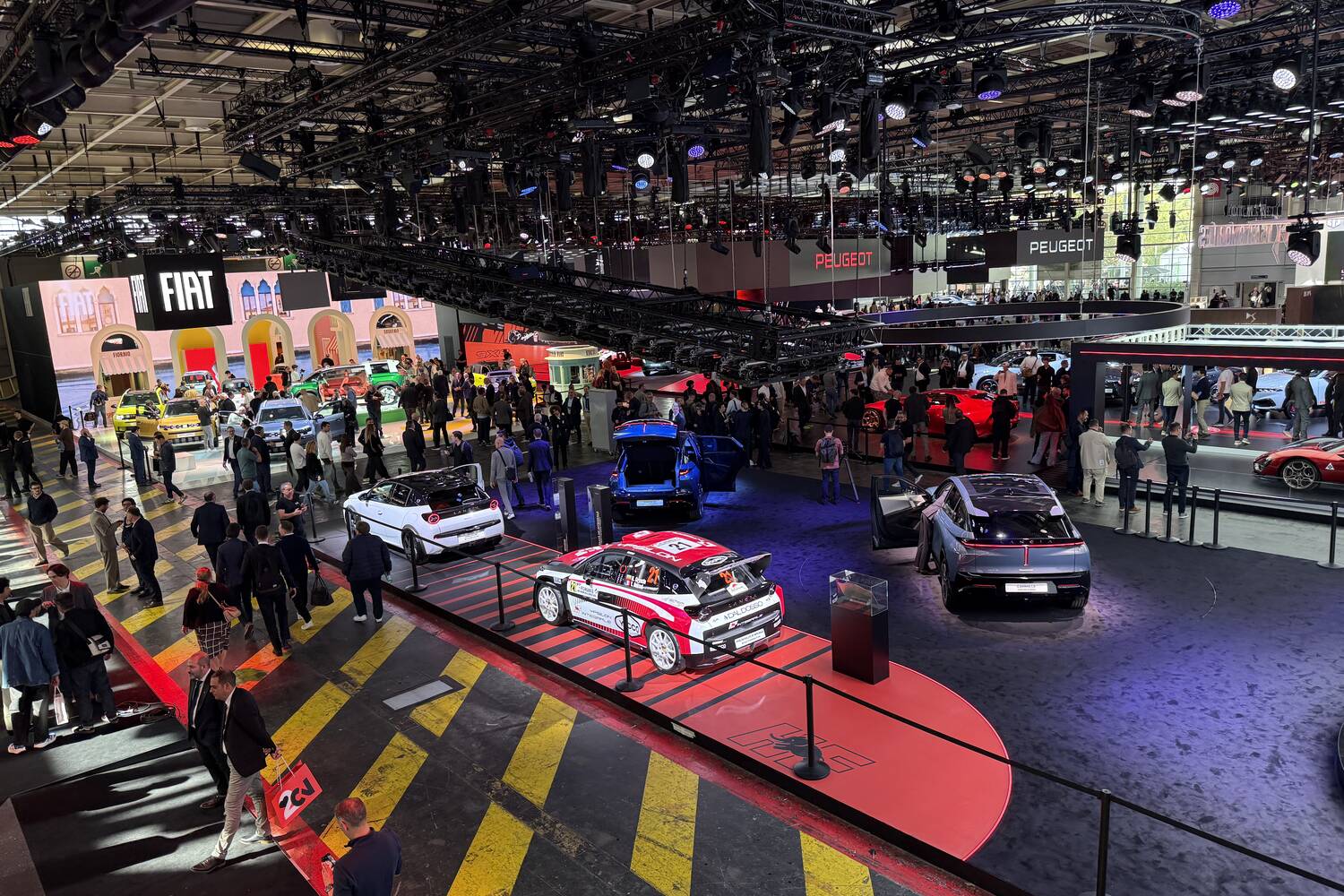
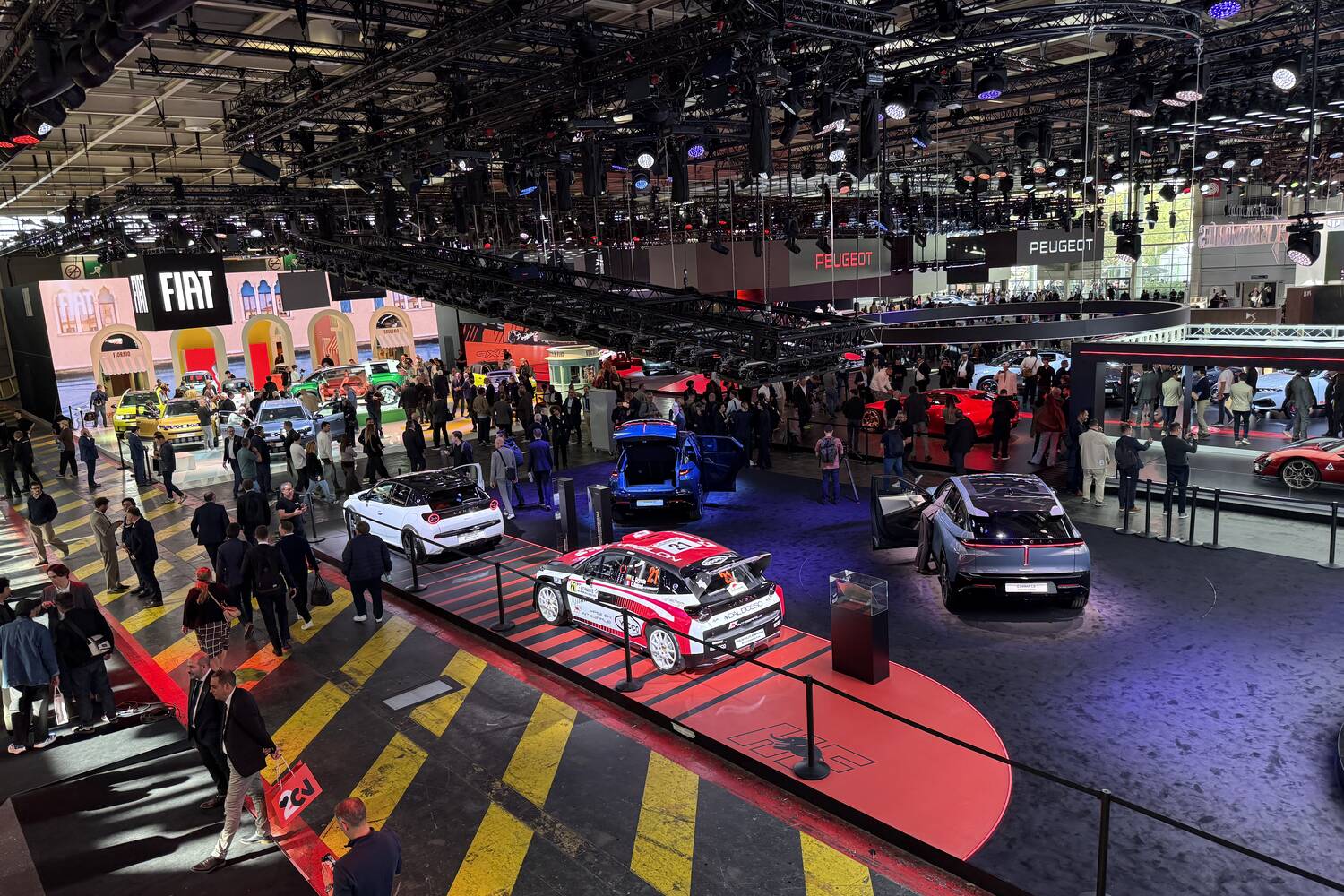
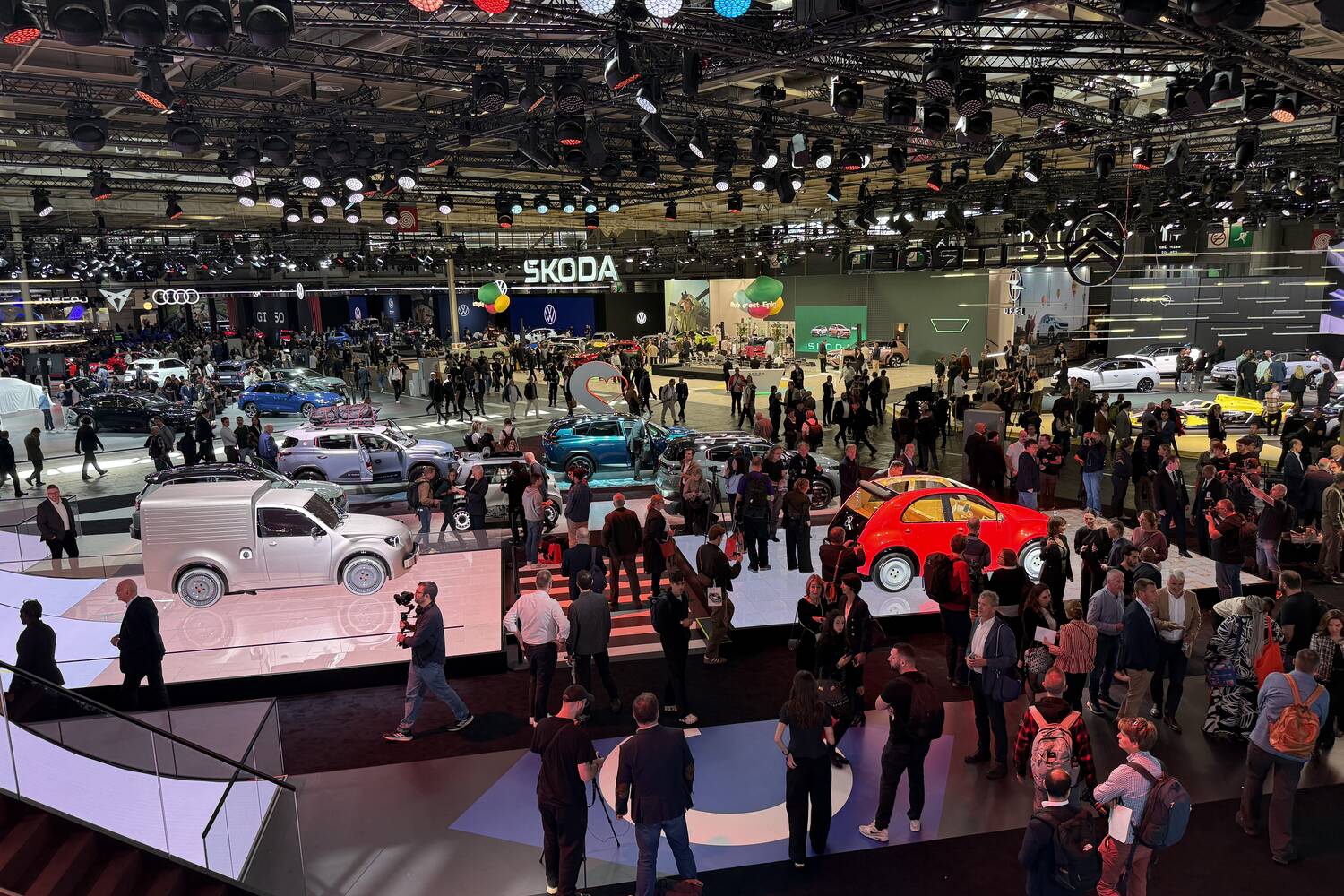
But this year’s Paris Motor Show was the most ‘motor show’ we’ve experienced since ‘the before times’, and it was very much one that pitched the Chinese against the European brands.
The Chinese challenge
The threat from Chinese companies in Europe is one the motor industry is well aware of, but while these new players are making inroads in some markets, it hasn’t quite been the steamroller effect that many predicted.
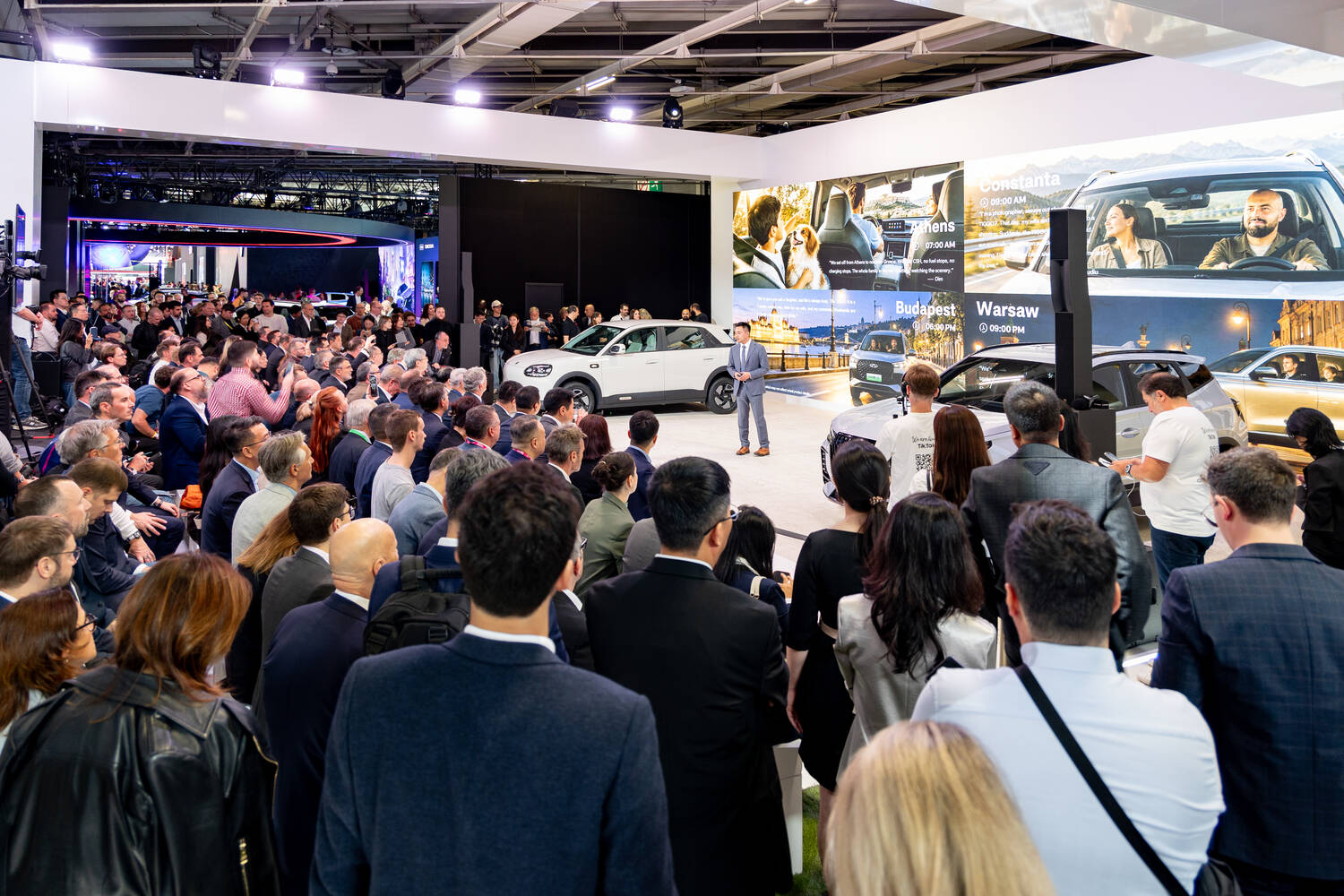
Yes, Chinese brands doubled their sales between 2024 and 2025, but they still account for only around six per cent of the market overall.
Ask them off the record and most of the Chinese brands will admit that Europe has been far more difficult than they expected, leading some to knee-jerk reactions, including ditching national distributors on account of lower-than-expected sales volumes.
That hasn’t stopped the established European brands from continuing their cries of wolf and expressing apprehension about what’s coming from the East.
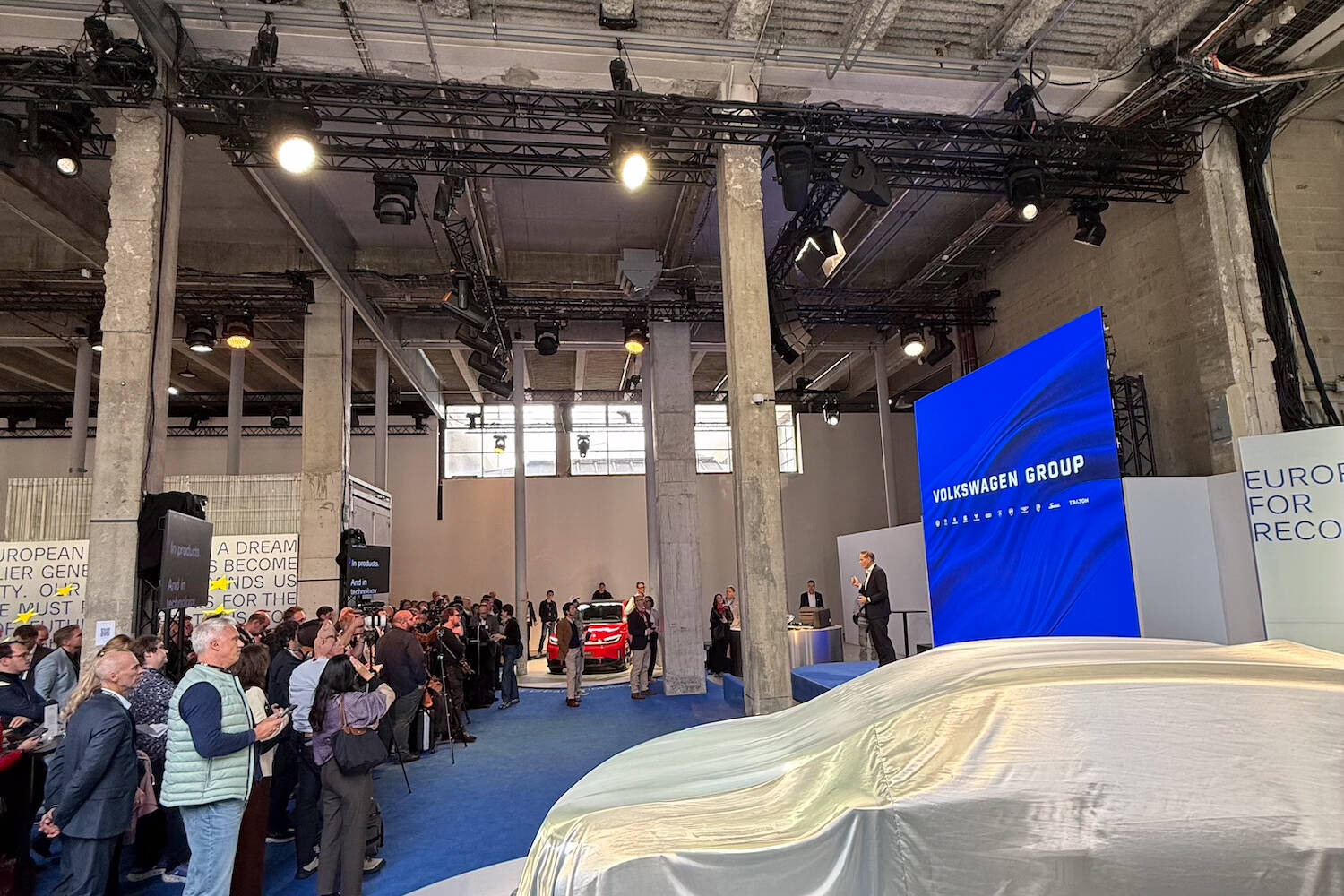
At a Volkswagen event on the eve of the show, senior management outlined the market challenges being faced and acknowledged the need to move more quickly and build more affordable cars.
The event, with its minimal set dressing that seemed more political party than major car manufacturer, couldn’t have been further from Volkswagen’s past, when it threw multi-million-euro ‘Group Night’ events to roll out its latest wares.
Those would typically be the events to attend at any motor show. And while Volkswagen stopped short of calling for protectionism from Europe, it is calling for better support and backing for European manufacturers.
Stellantis comes out swinging
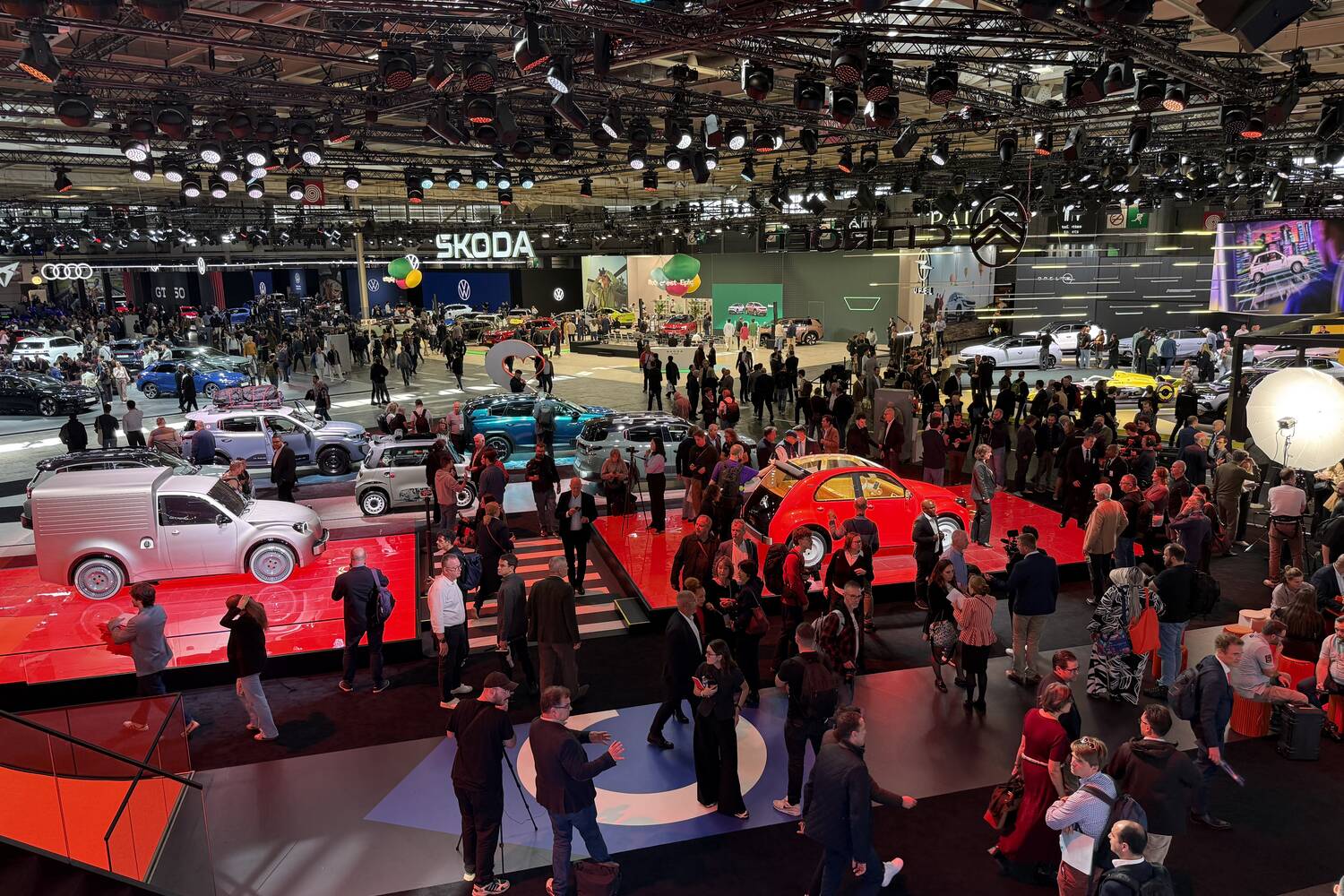
Stellantis, on the other hand, did exactly what Volkswagen Group used to do, hosting a ‘The Night Before’ event where it rolled out six stunning concept cars, including its reimagining of the Citroen 2CV.
In short, there was only one thing being talked about on the eve of the Paris Motor Show, and it was how Stellantis had come out swinging and landed every punch.
These concept cars weren’t there just to look good. To the credit of its CEO, Antonio Filosa, and the design teams, these were the best step yet towards creating some breathing space between the brands.
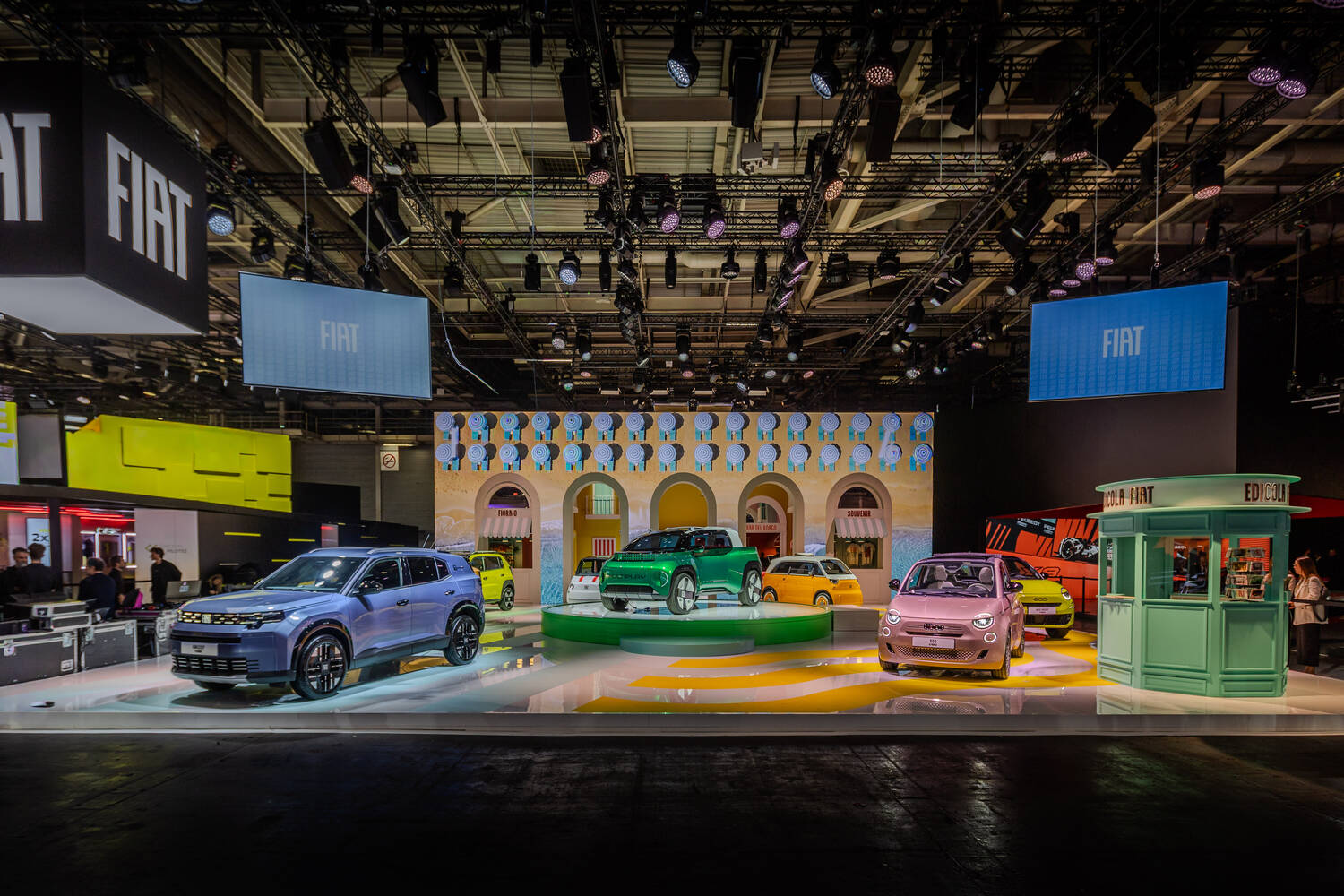
Unlike the Volkswagen Group’s portfolio, which covers a broad spectrum of the market, too many of Stellantis’ brands are currently competing for the same piece of the pie.
Yes, some of these concepts are little more than that, but they did at last get everyone talking.
The same was also true of Renault, which rolled out the striking E-Space concept, while its other brands, Dacia and Alpine, had a notable presence.
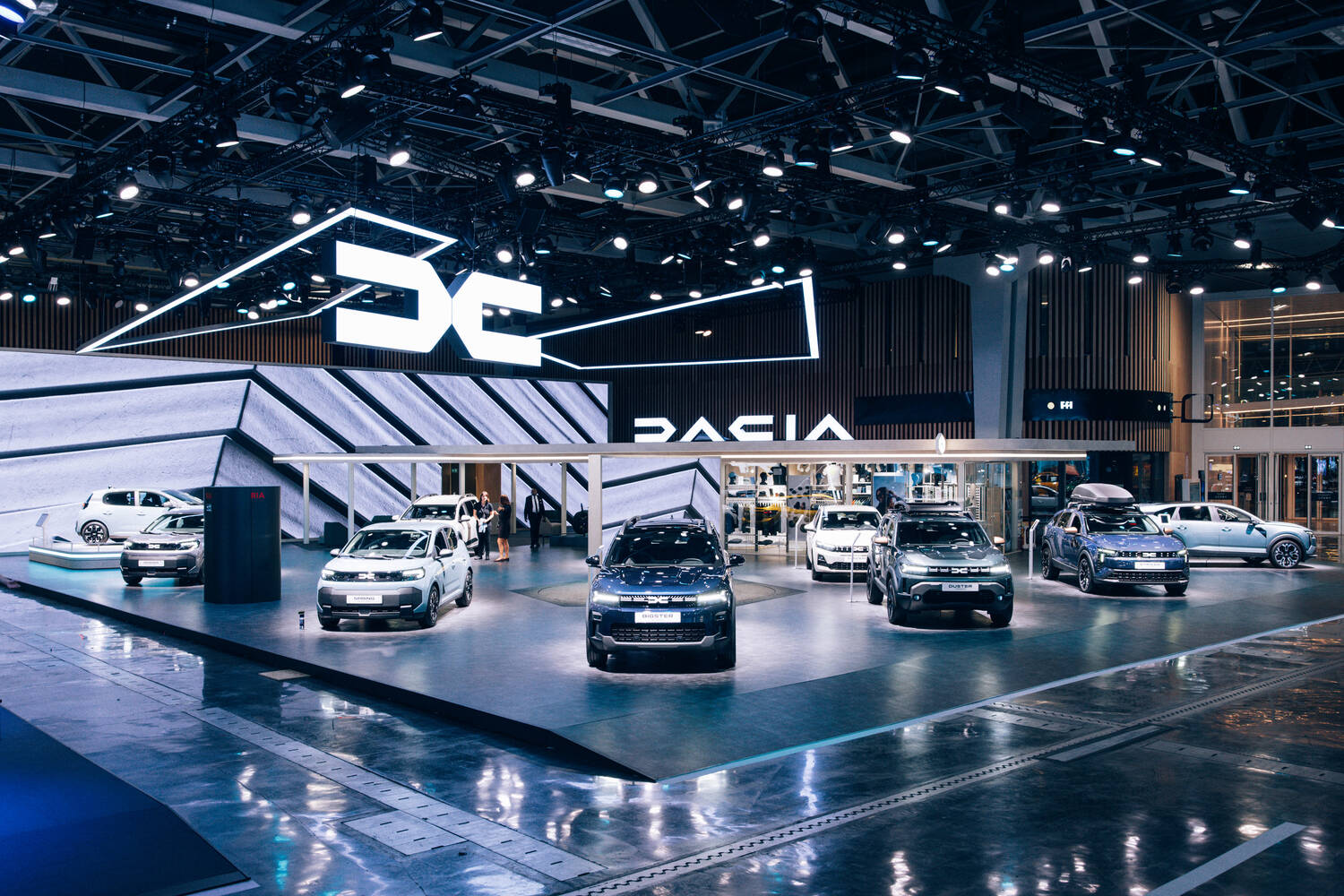
Alpine continued to tease its next A110, but in the meantime delighted with the A310 Vision, a retro-supercar concept.
Different approaches from East and West
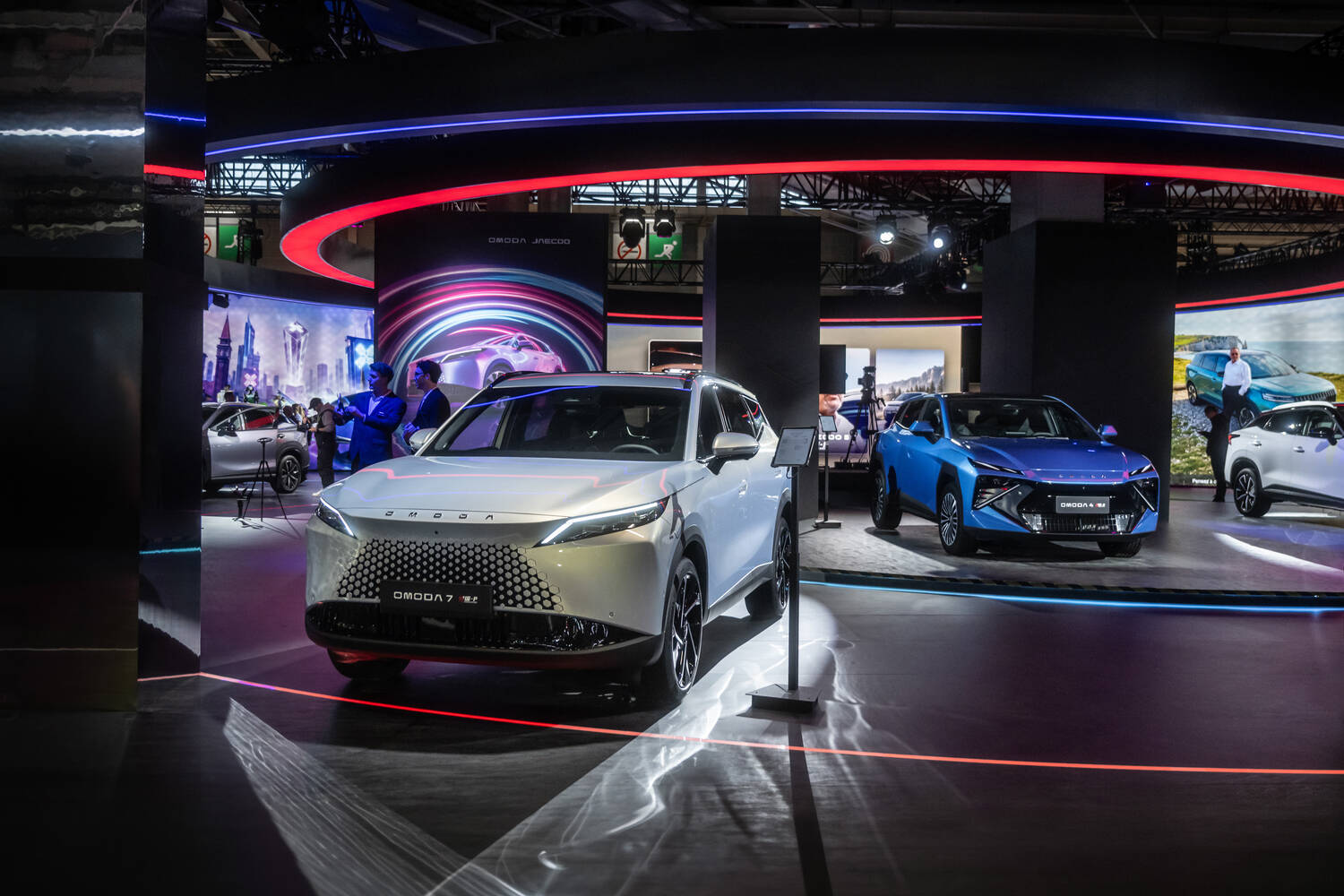
In contrast, the Chinese brands took a more pragmatic approach, with less fanfare and simpler show stands that showcased their new models.
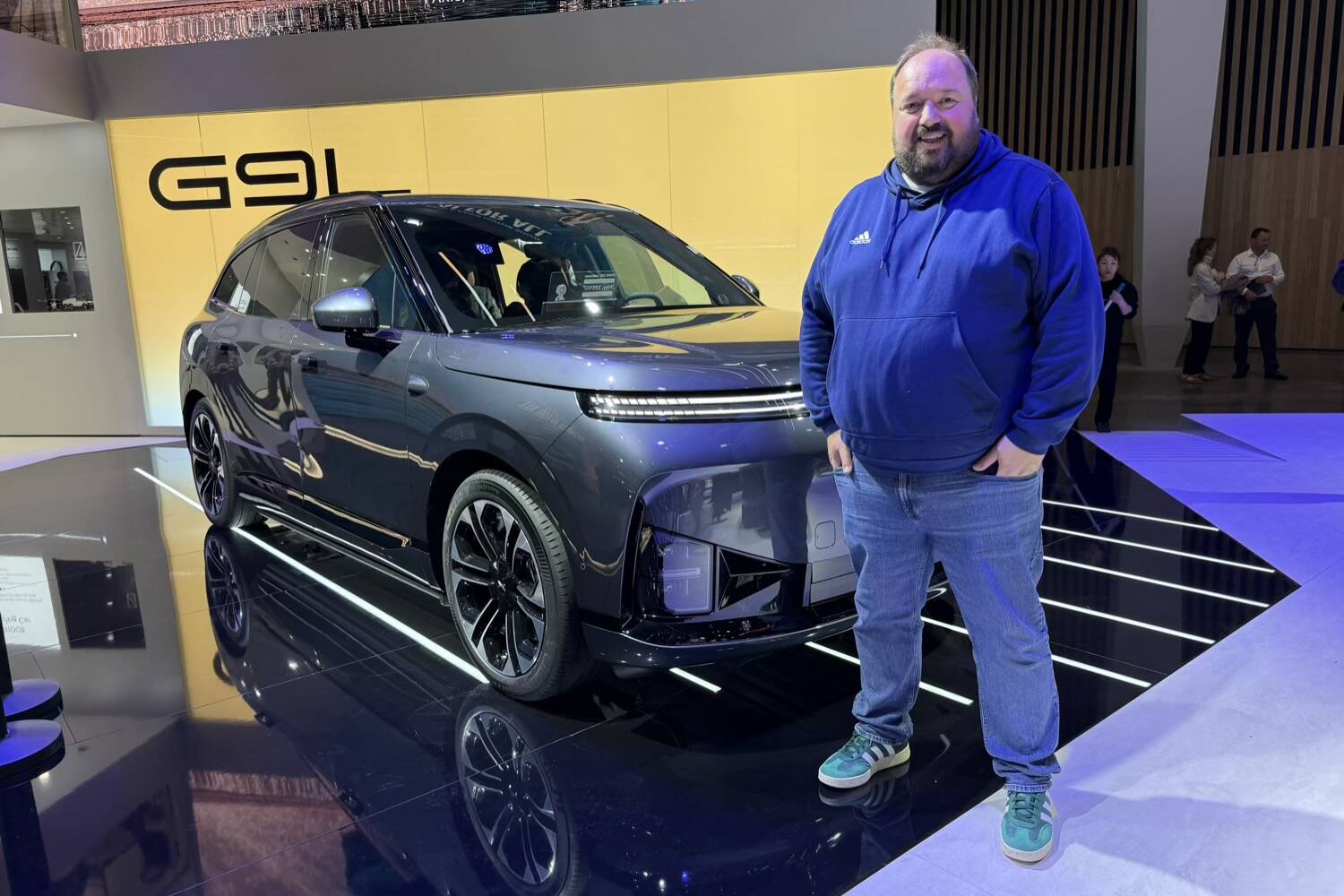
BYD and Xpeng both debuted new SUVs for Europe, as did Aito, while GAC showed a smaller crossover version of the Aion UT.
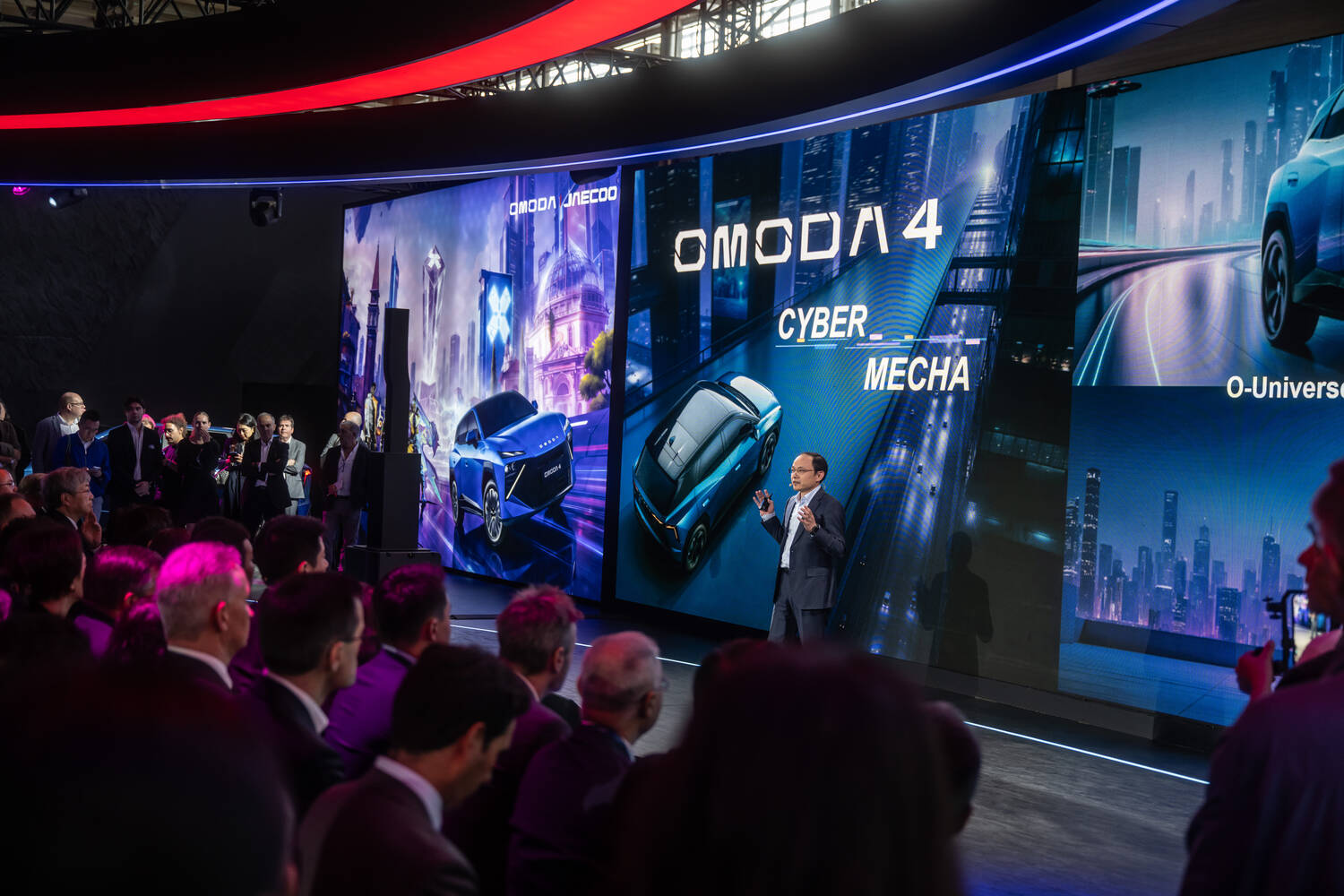
Geely, soon to launch in Ireland, was also there, as was Chery, another brand that’s soon to come to our shores. Li Auto, Lynk & Co, Avatr, Jaecoo and Omoda were also among the Chinese marques represented, and all garnered notable interest.
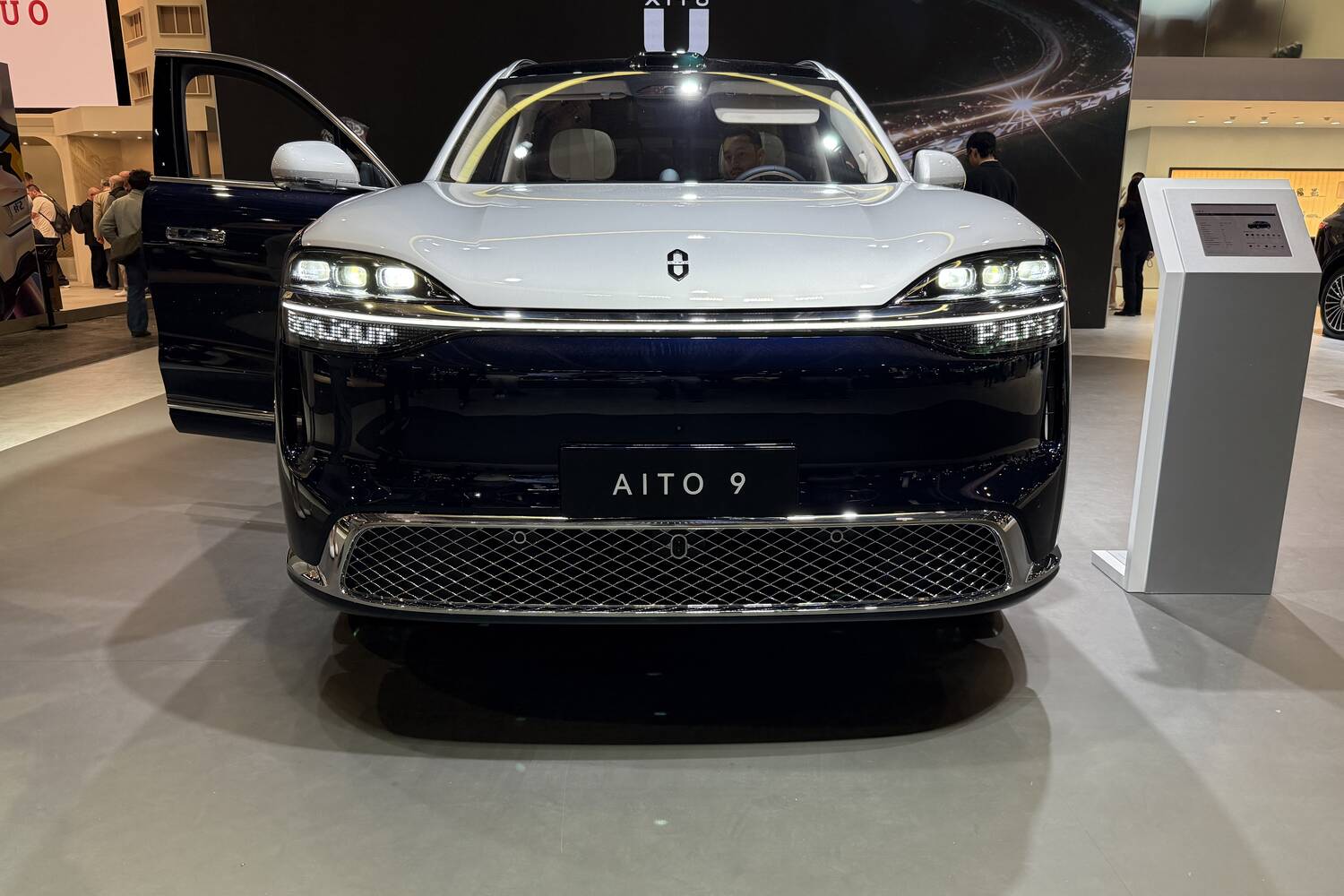
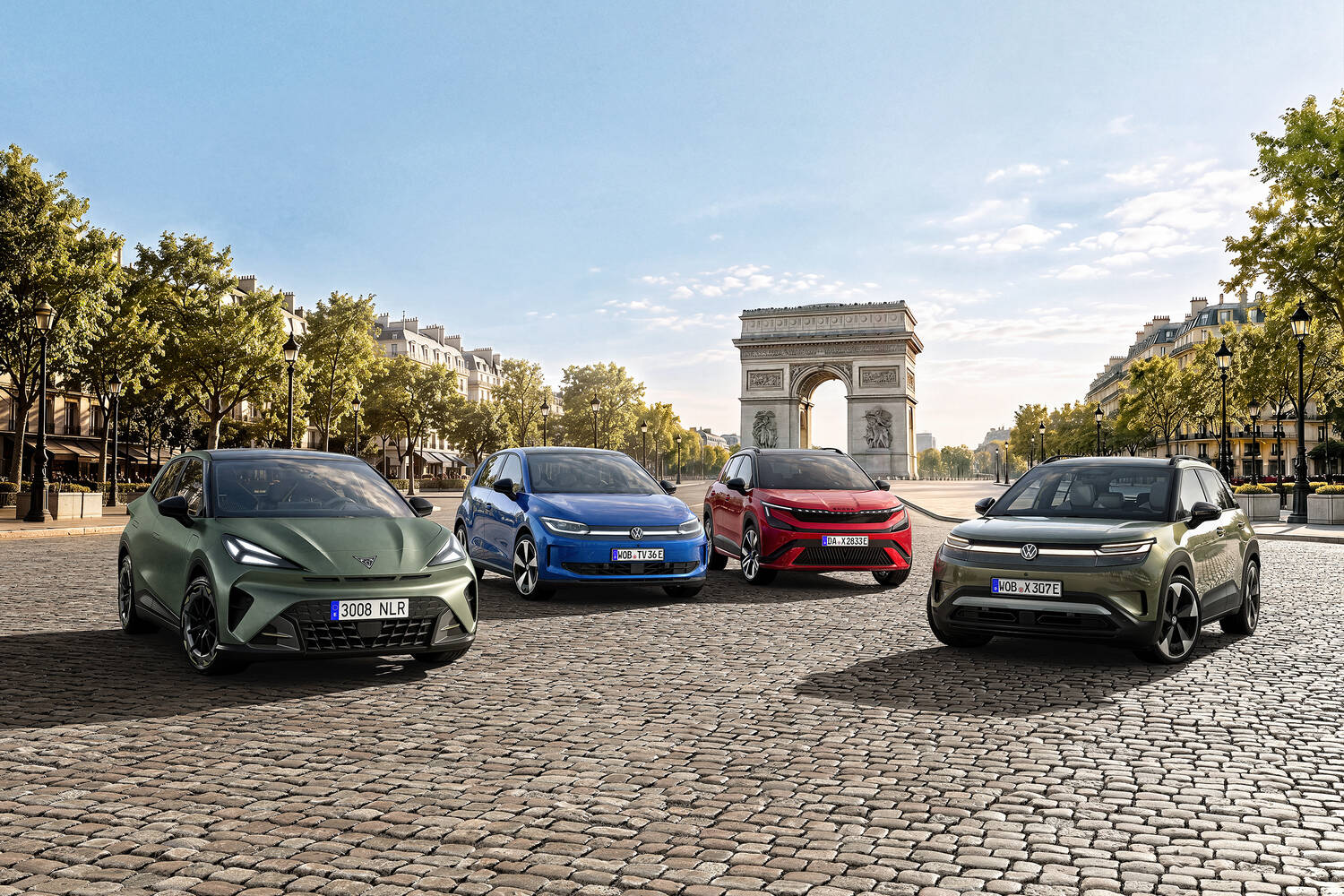
But while the Chinese came with SUVs, including ones that could spell out messages via their headlights and others that provided karaoke options for passengers inside, what most of the European brands did was demonstrate that they know design, they have heritage and they know how to combine the latest technology to wrap it all up into a product that is both emotional and desirable.
Whether that’s enough to win over buyers remains to be seen over the coming years, but one thing that does seem certain is that motor shows are back.
Here's our A-Z of the key cars in Paris
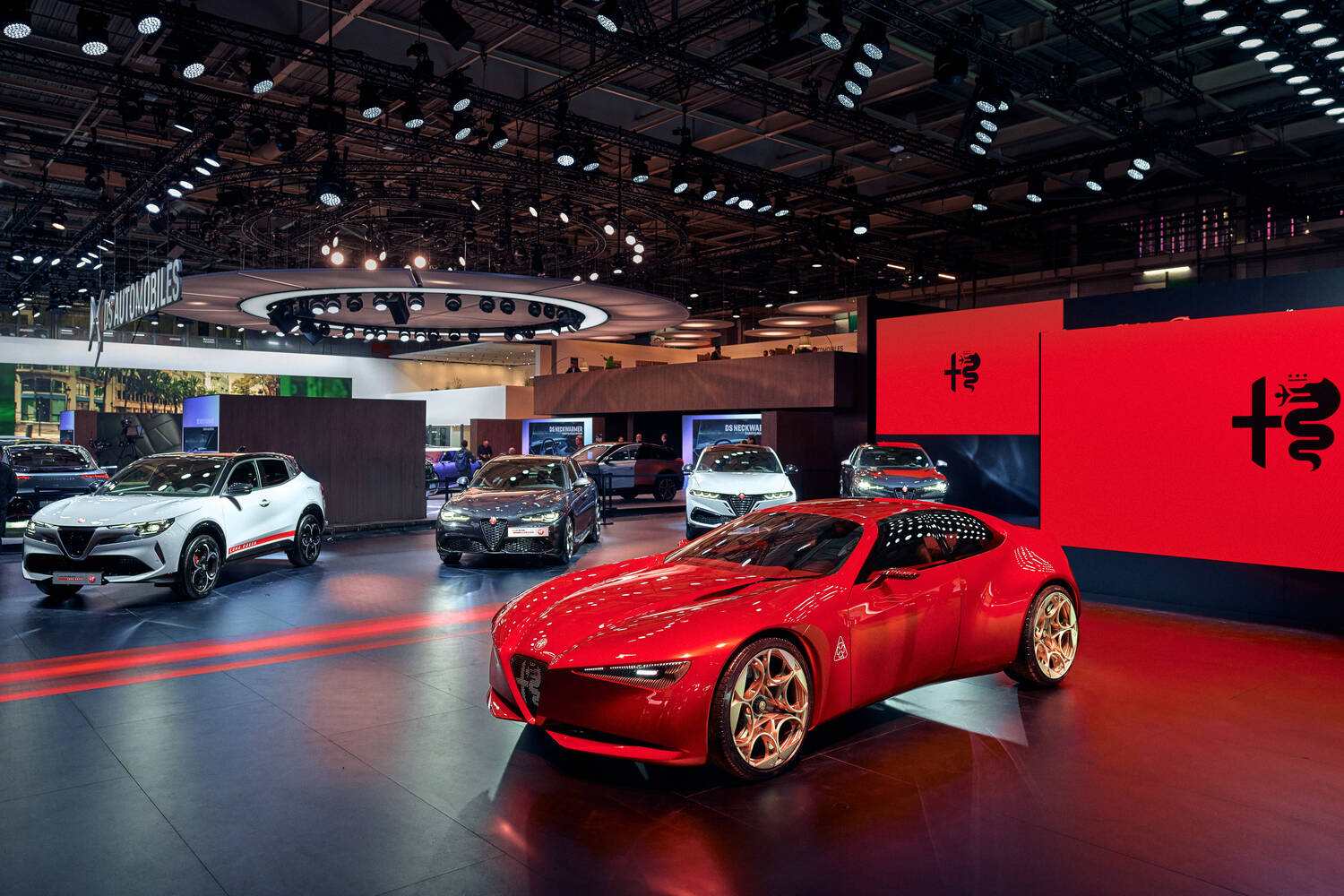
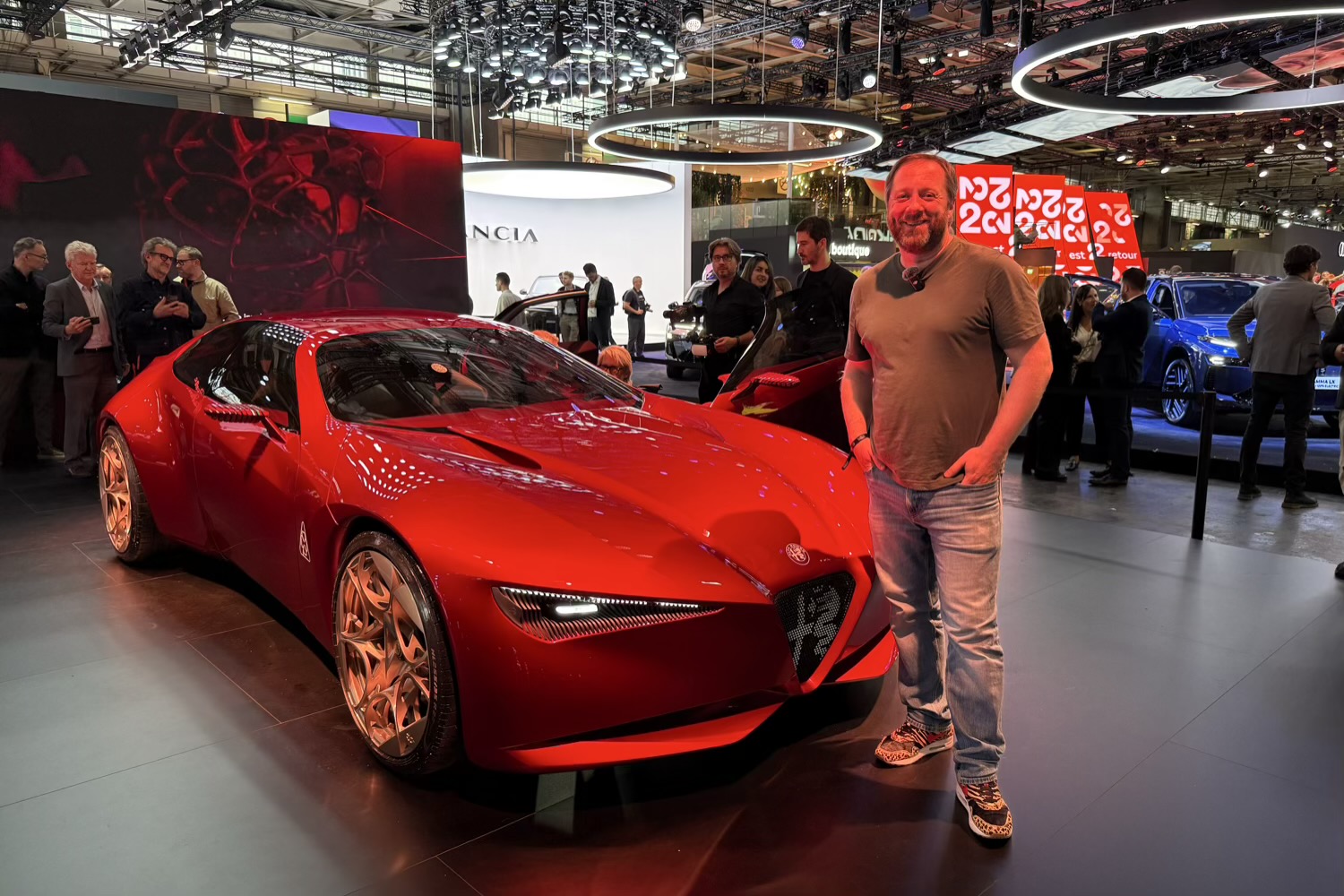
Read the full Alfa Romeo Cuorerosso concept story
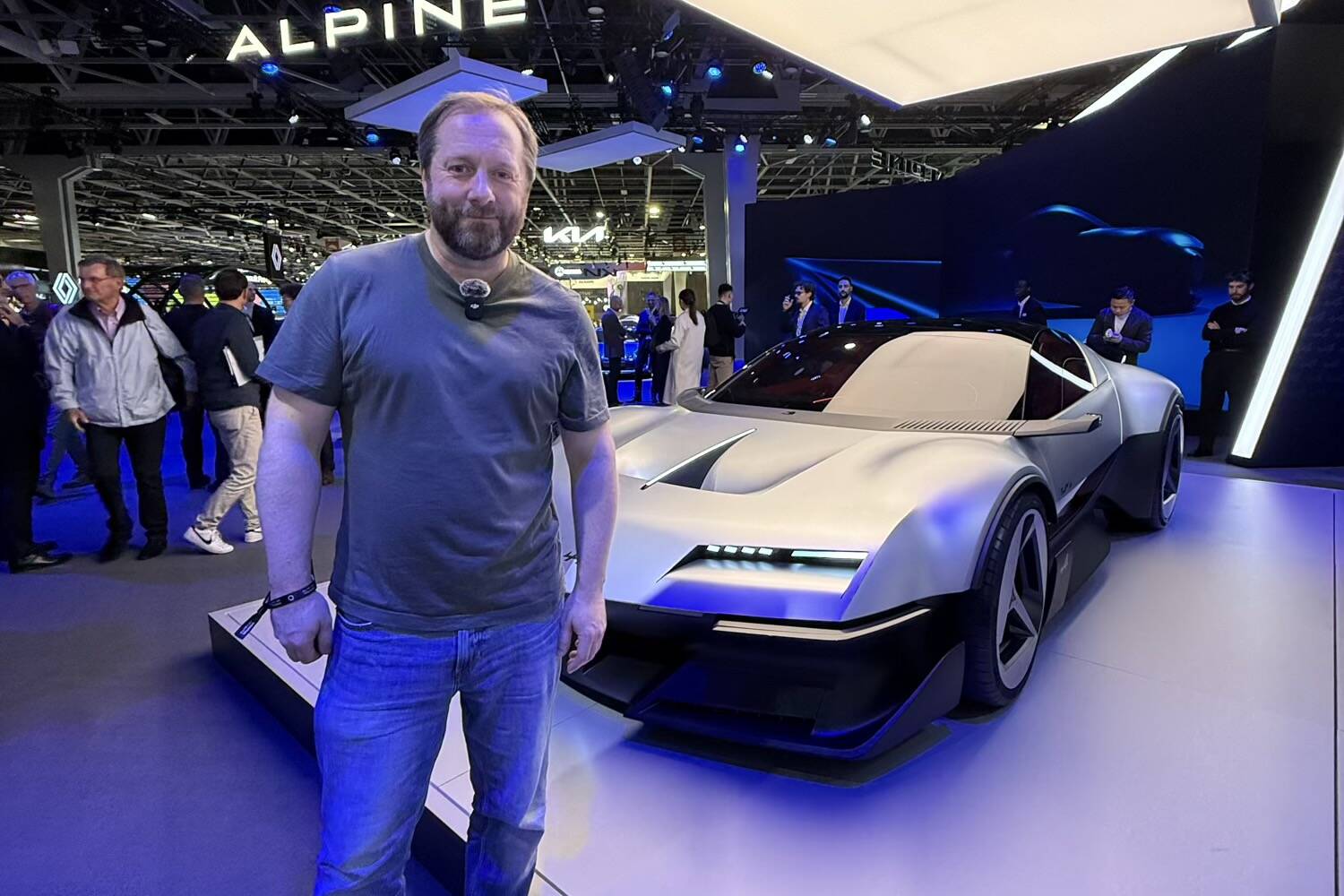
Read the full Alpine A310 Vision concept story
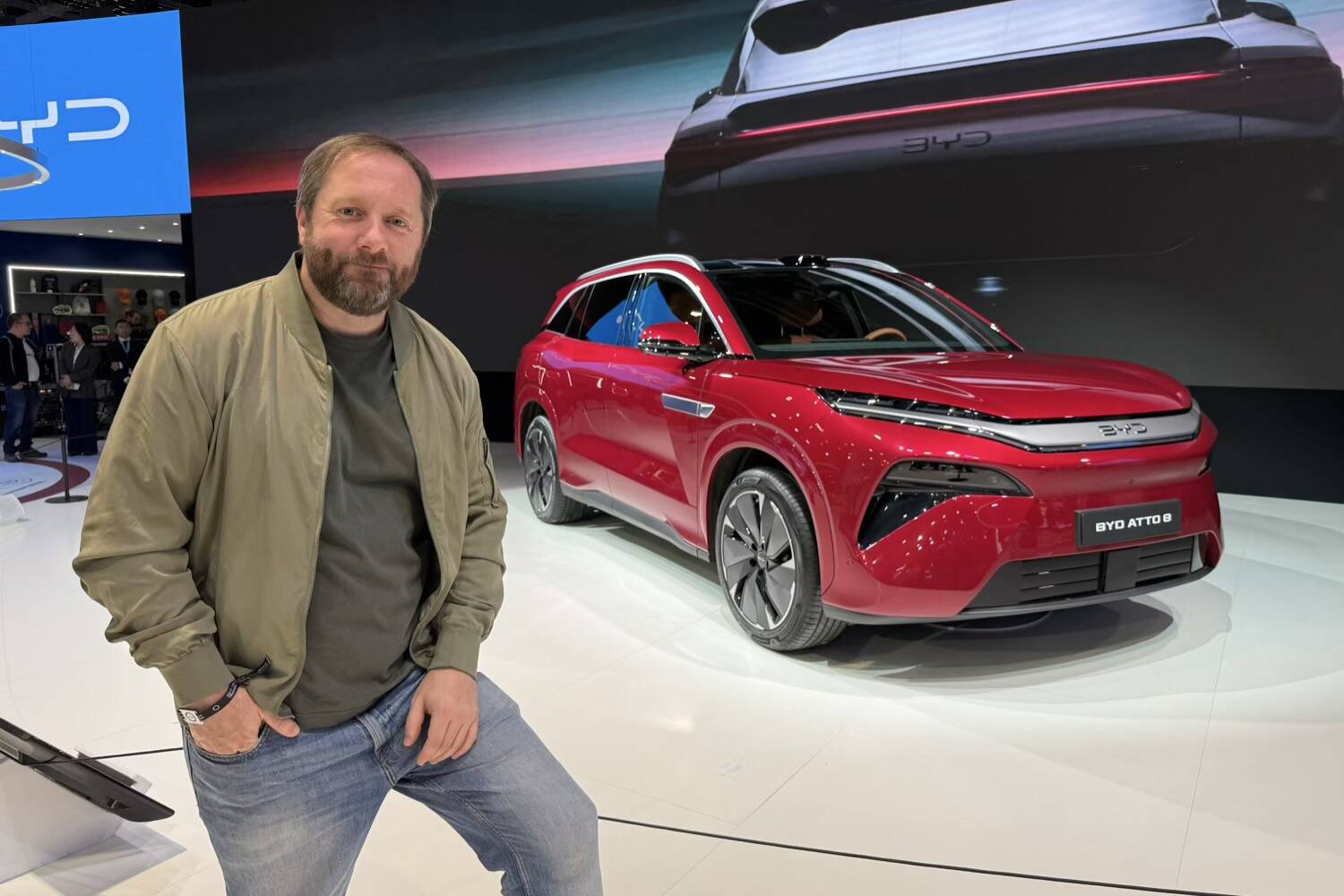
Read the full BYD Atto 8 story
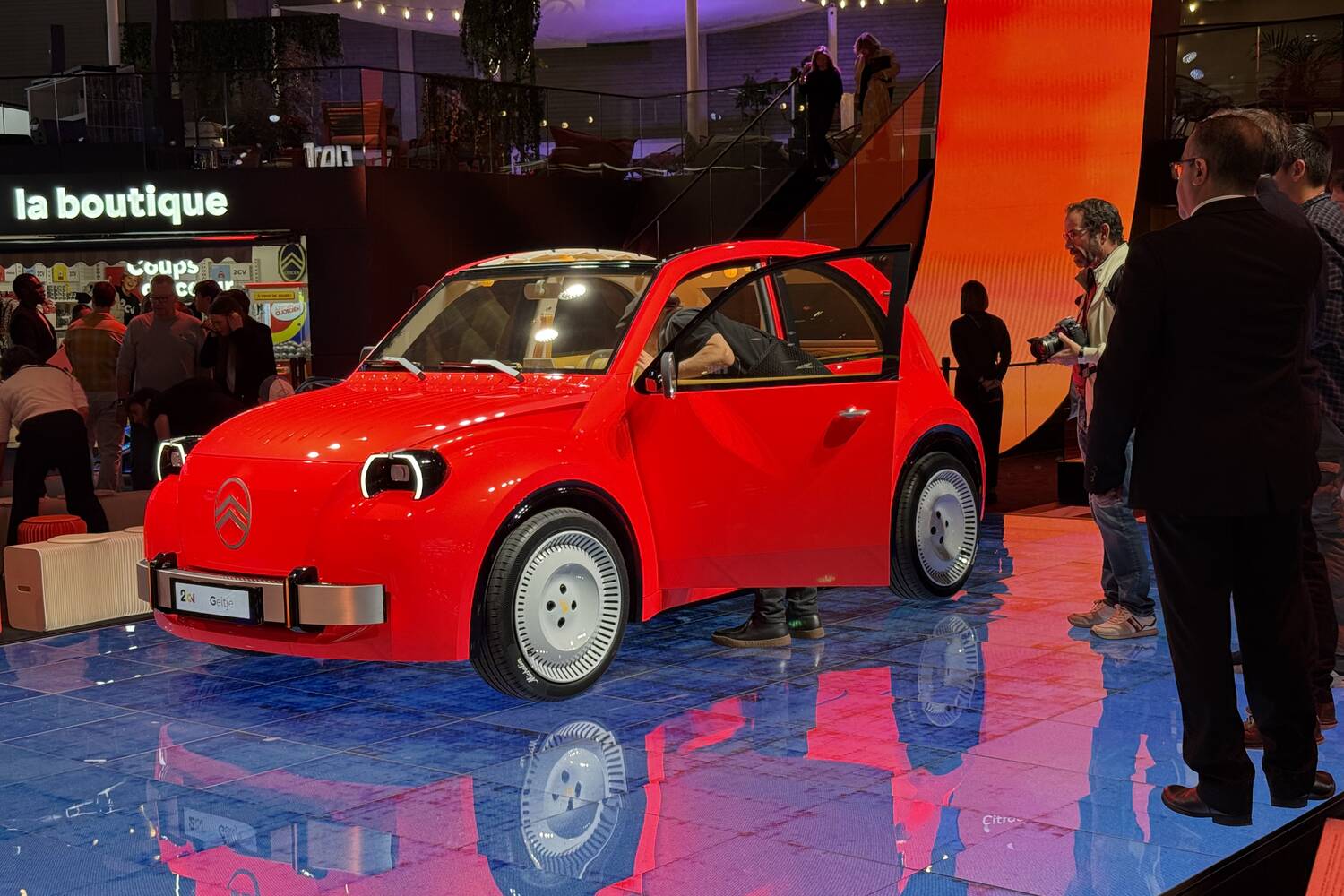
Read the full Citroen 2CV concept story
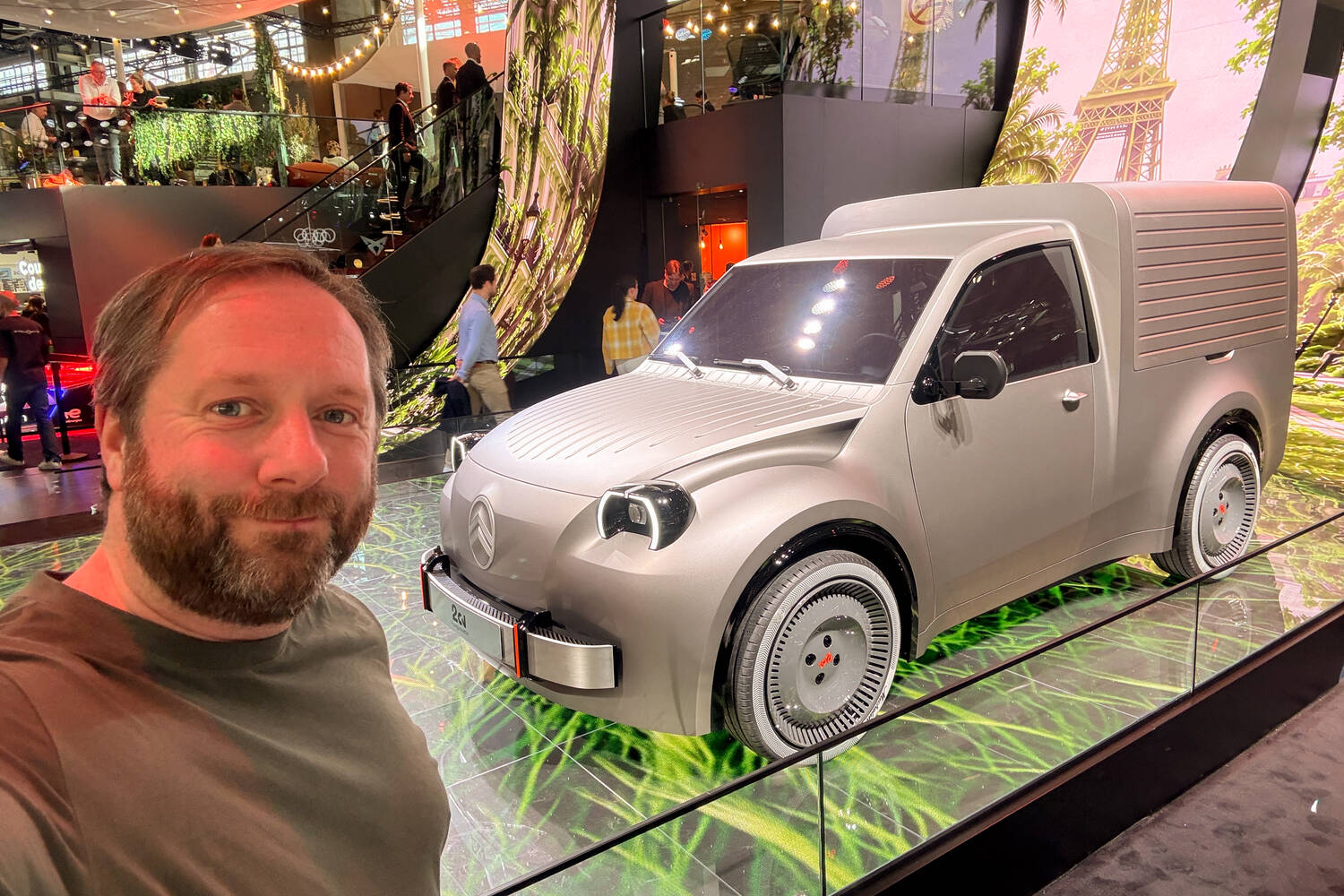
Read the full Citroen 2CV Fourgonnette concept story
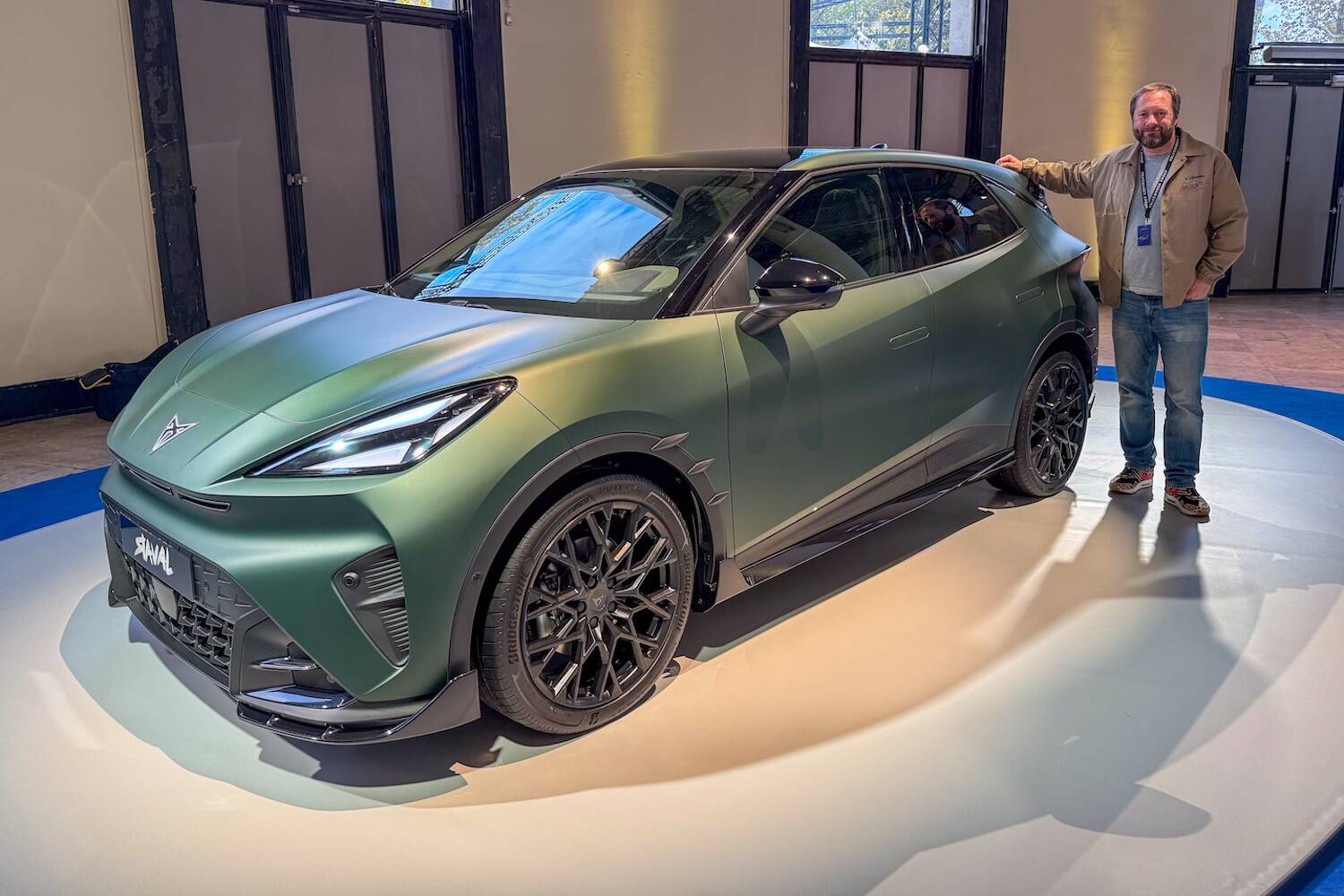
Read the full Cupra Raval ABT story
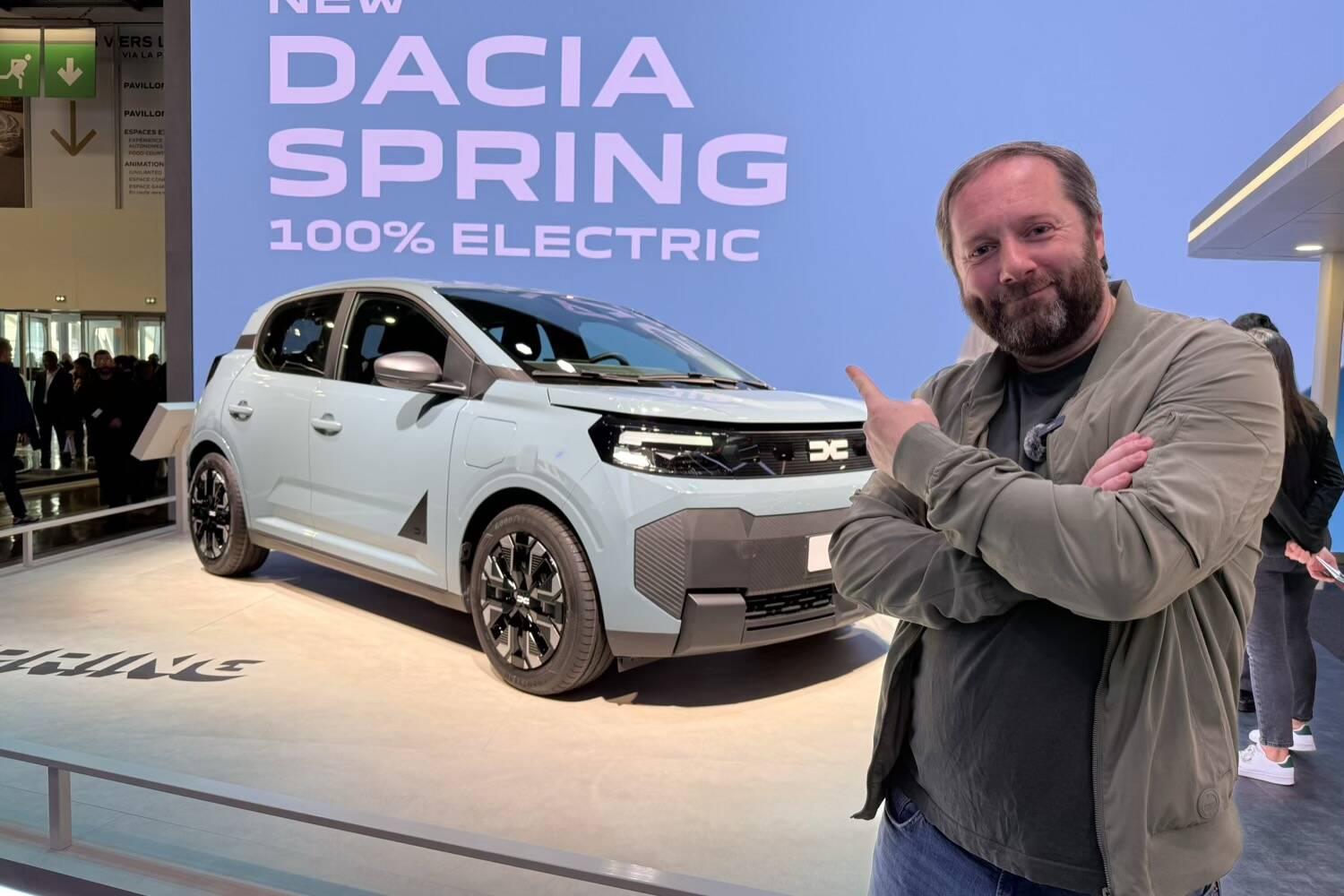
Read the full Dacia Spring story
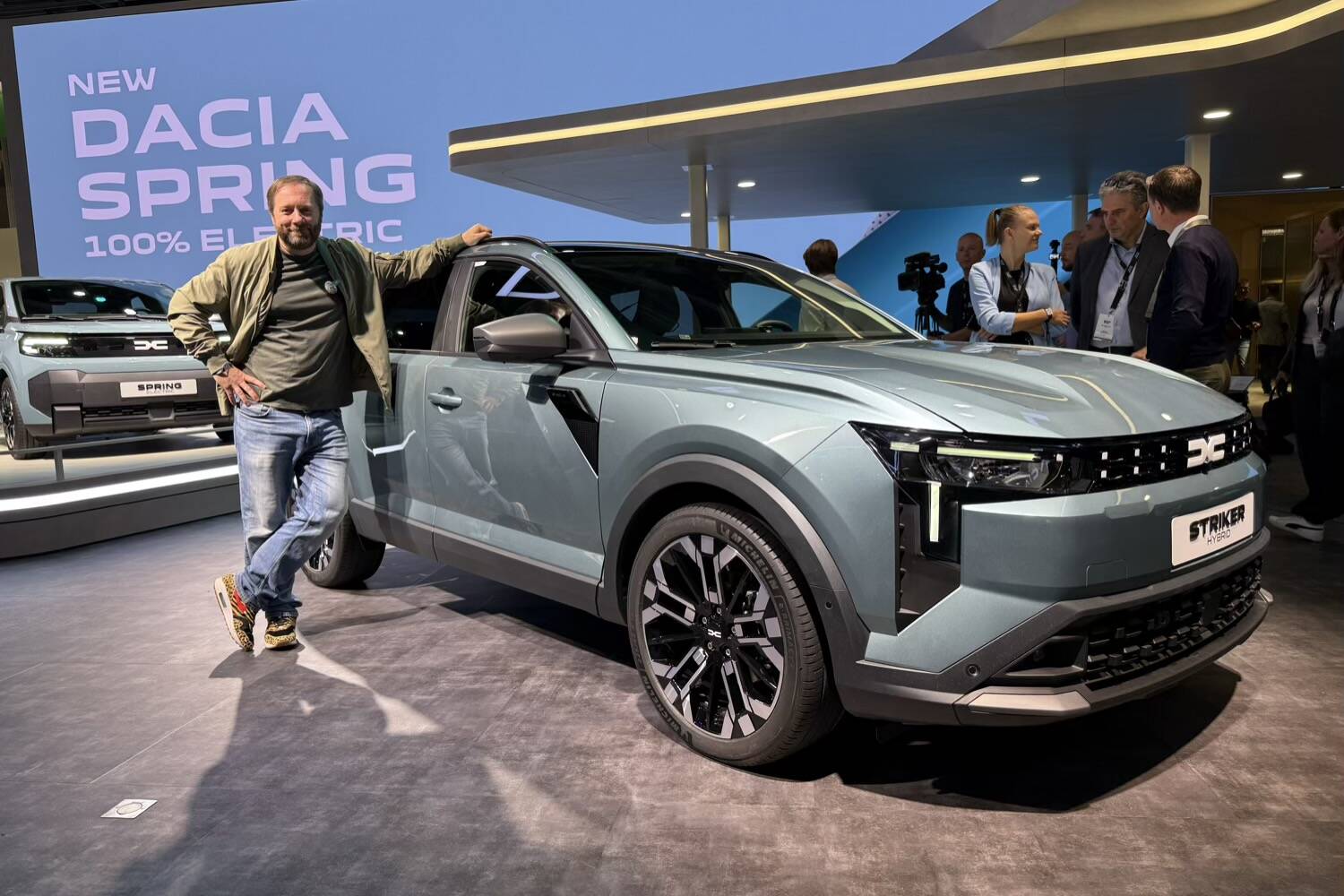
Read the full Dacia Striker story
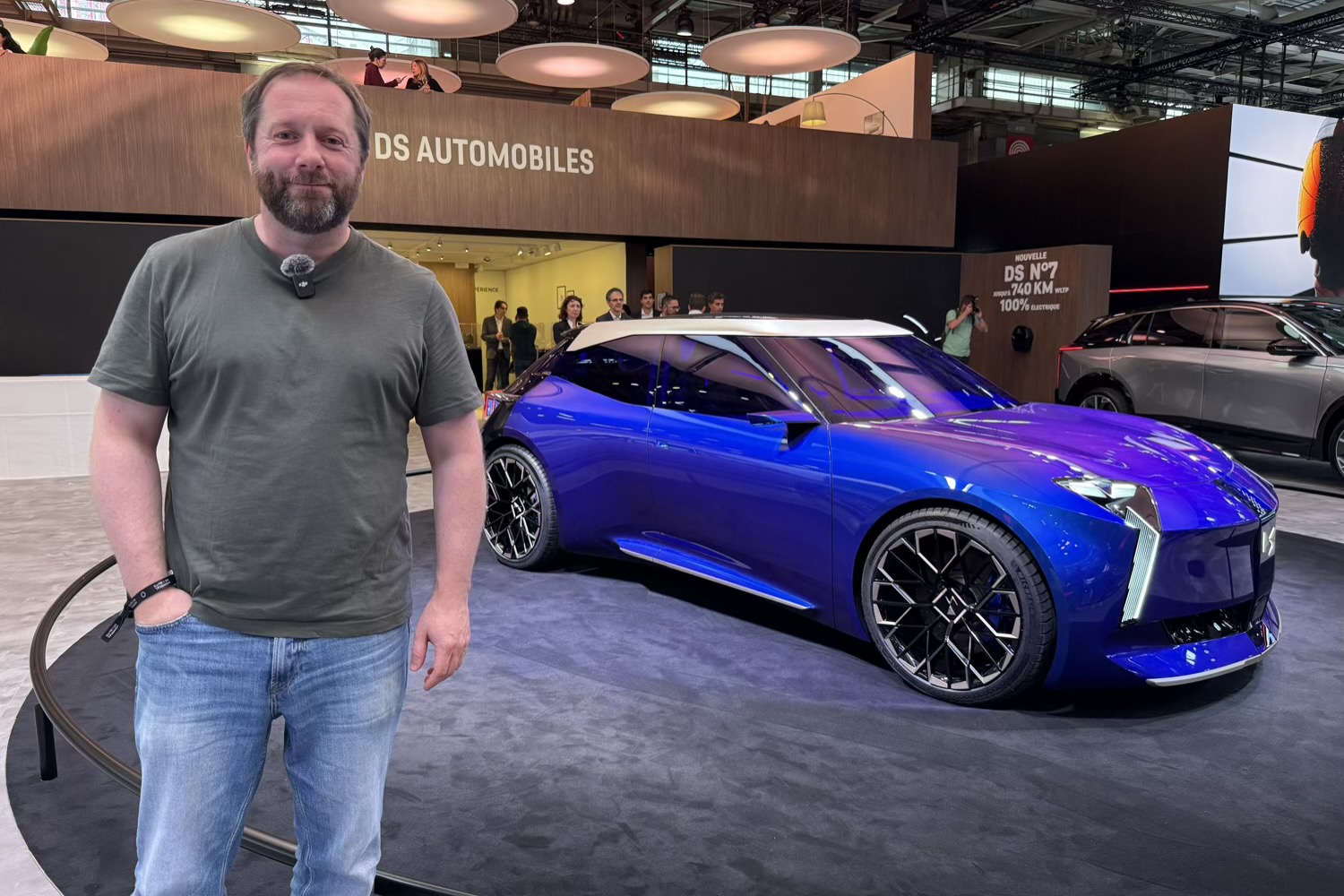
Read the full DS Automobiles F3ver concept story
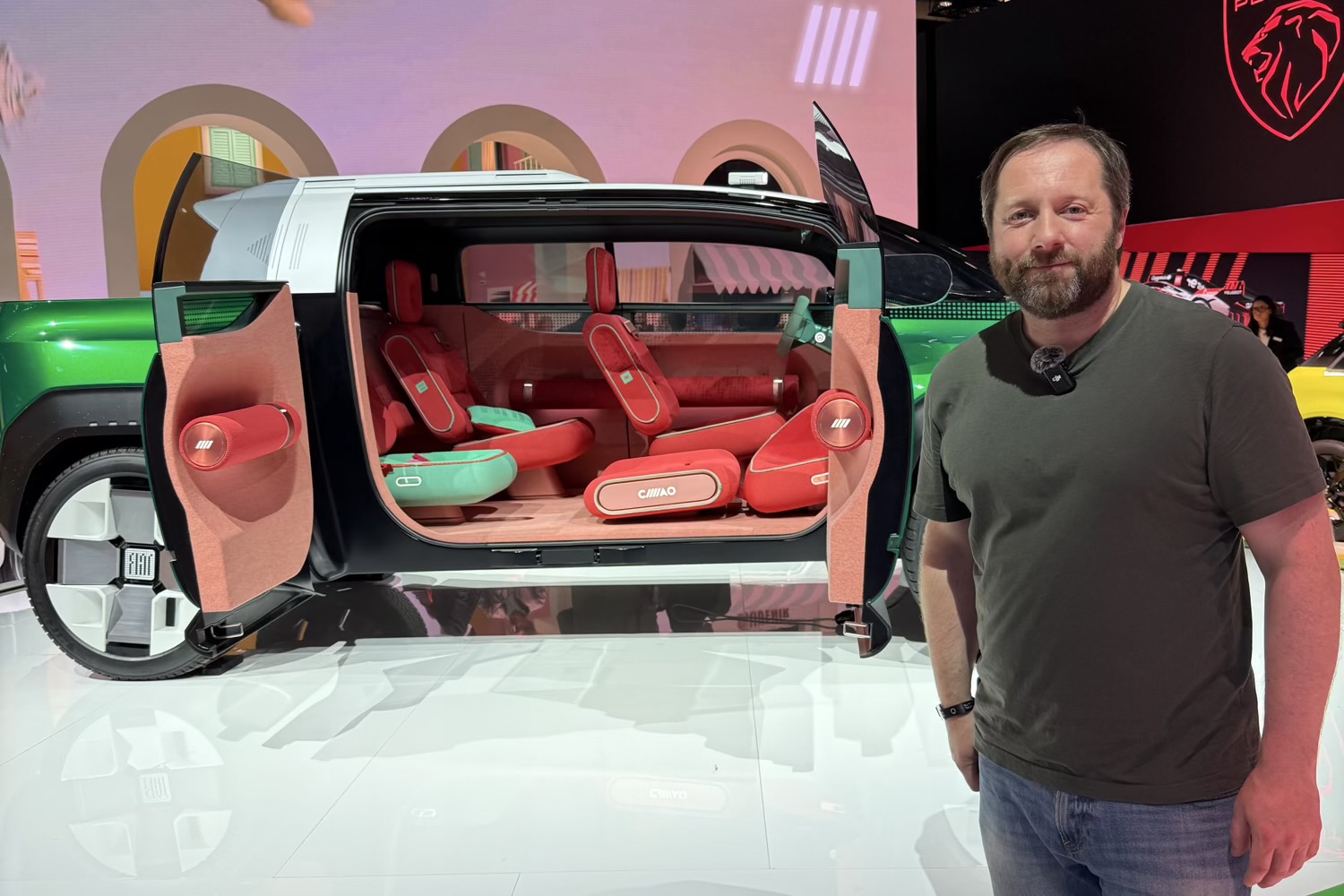
Read the full Fiat Multiplay concept story
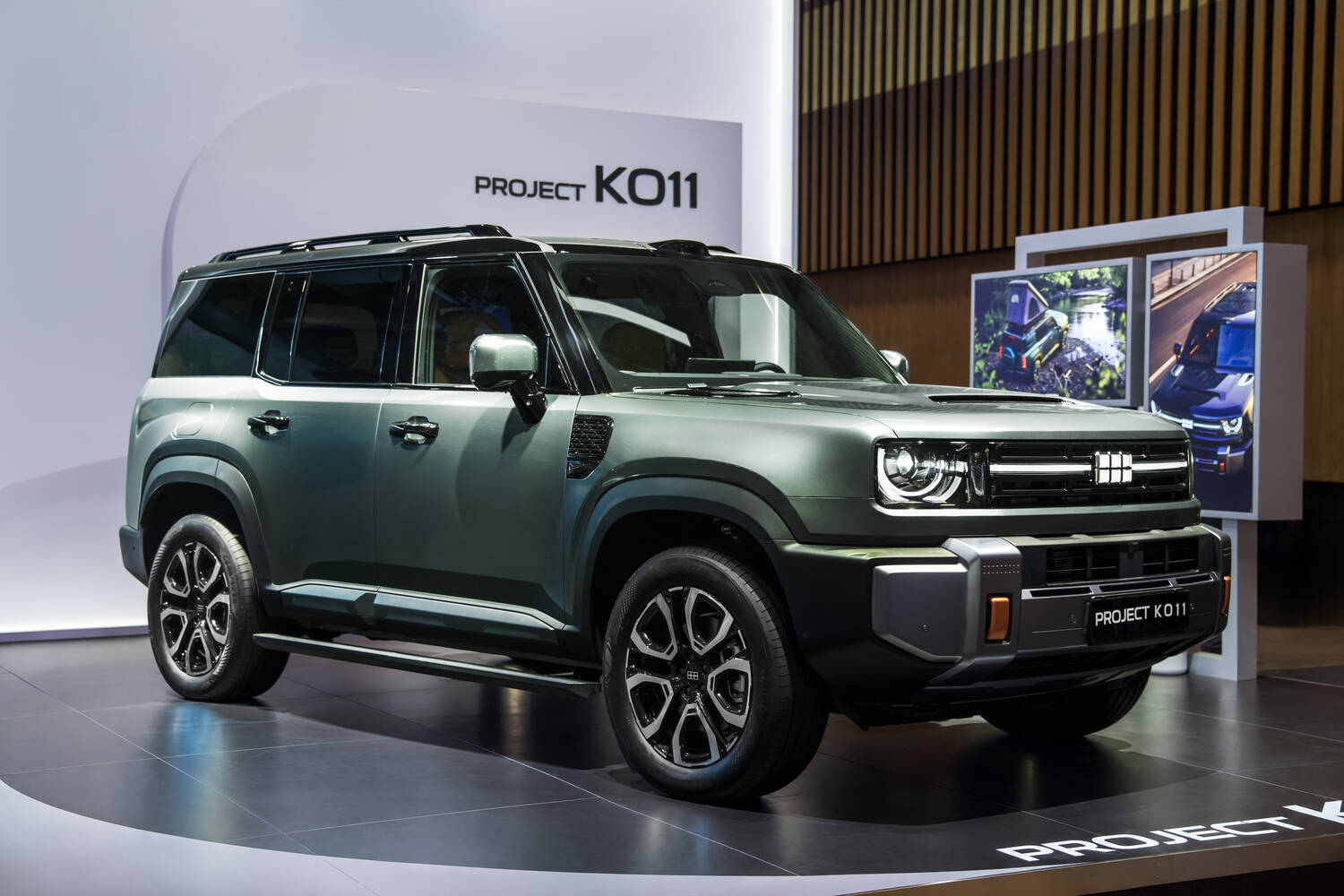
Read the full Geely KO11 story
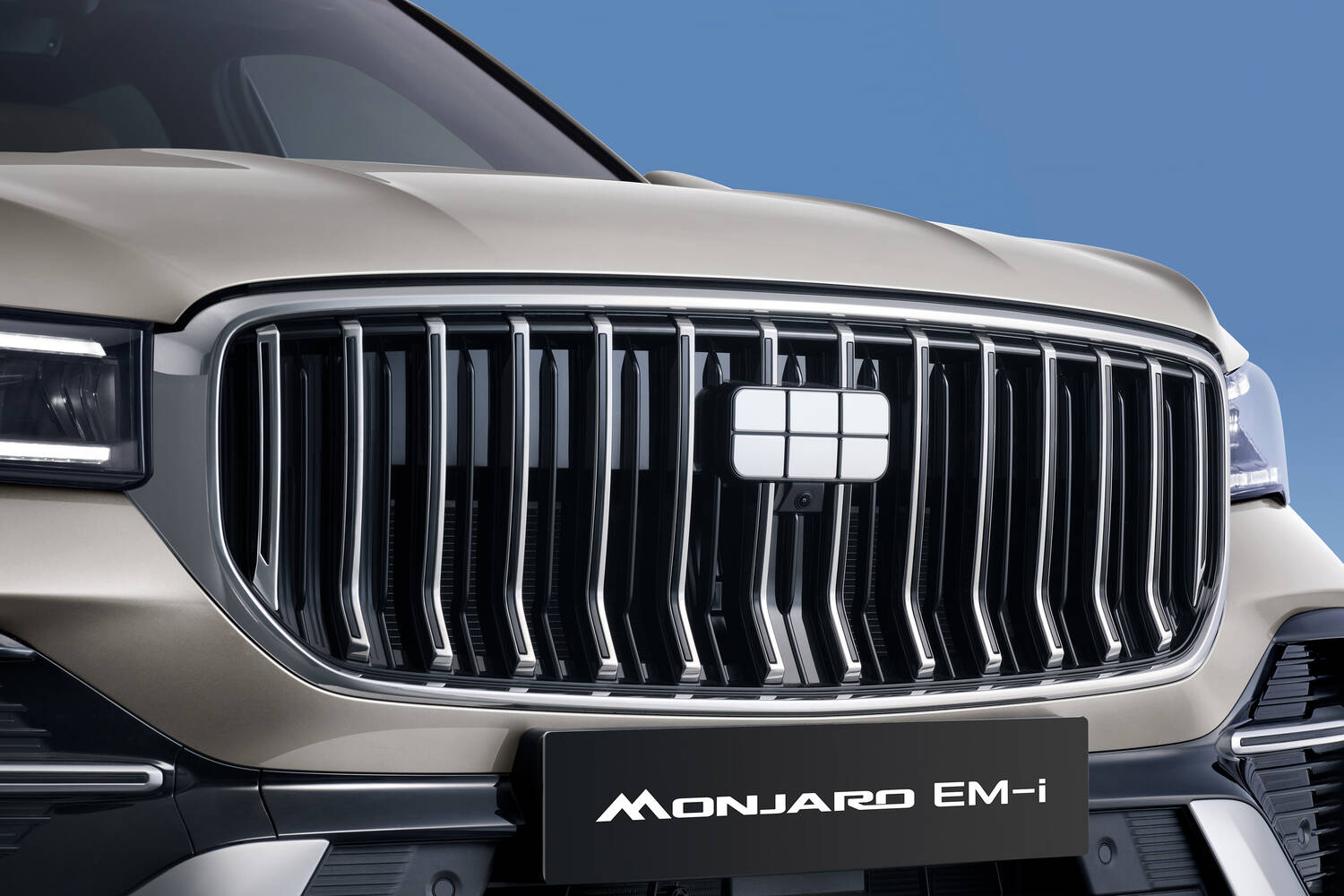
Read the full Geely Monjaro story
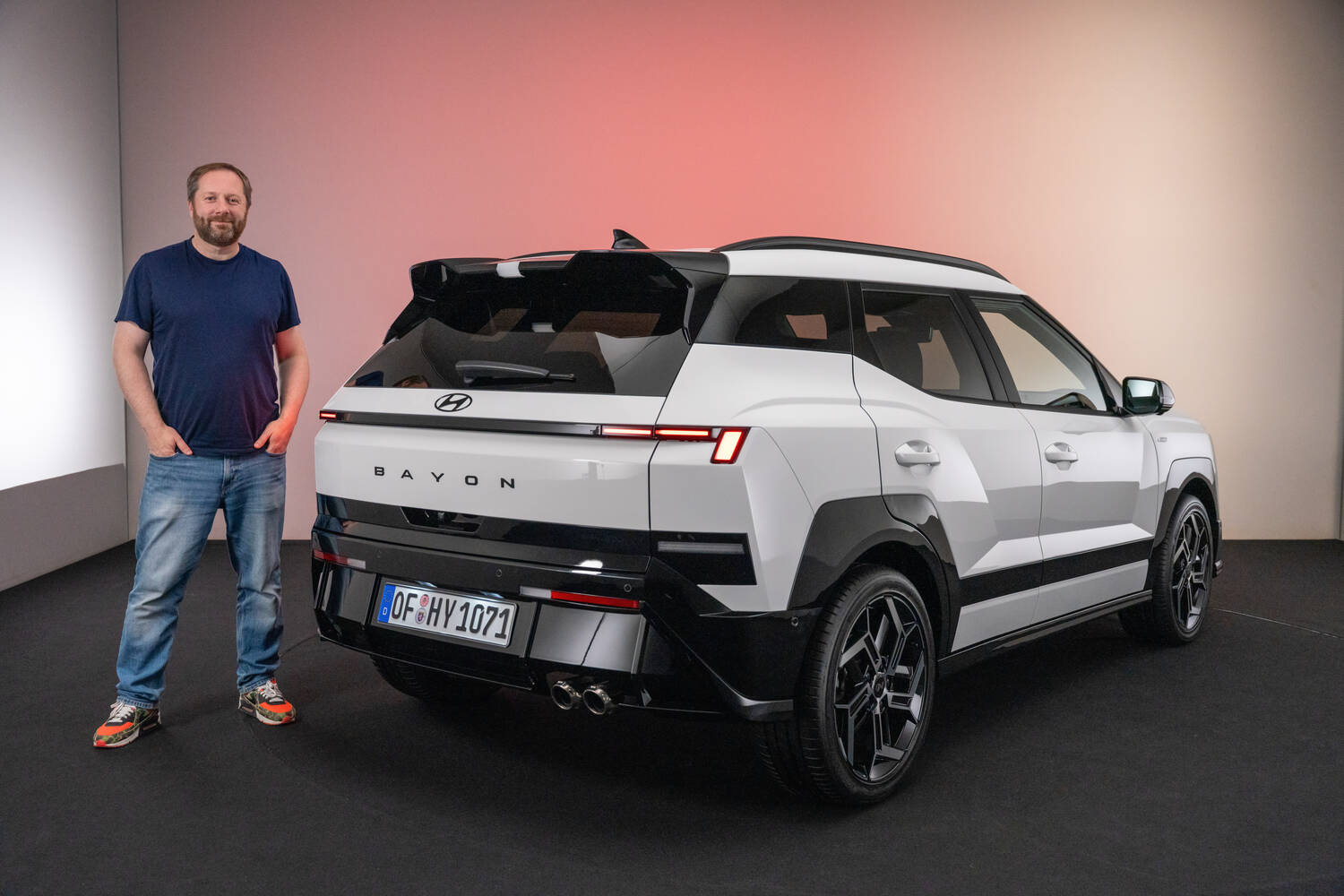
Read the full Hyundai Bayon story
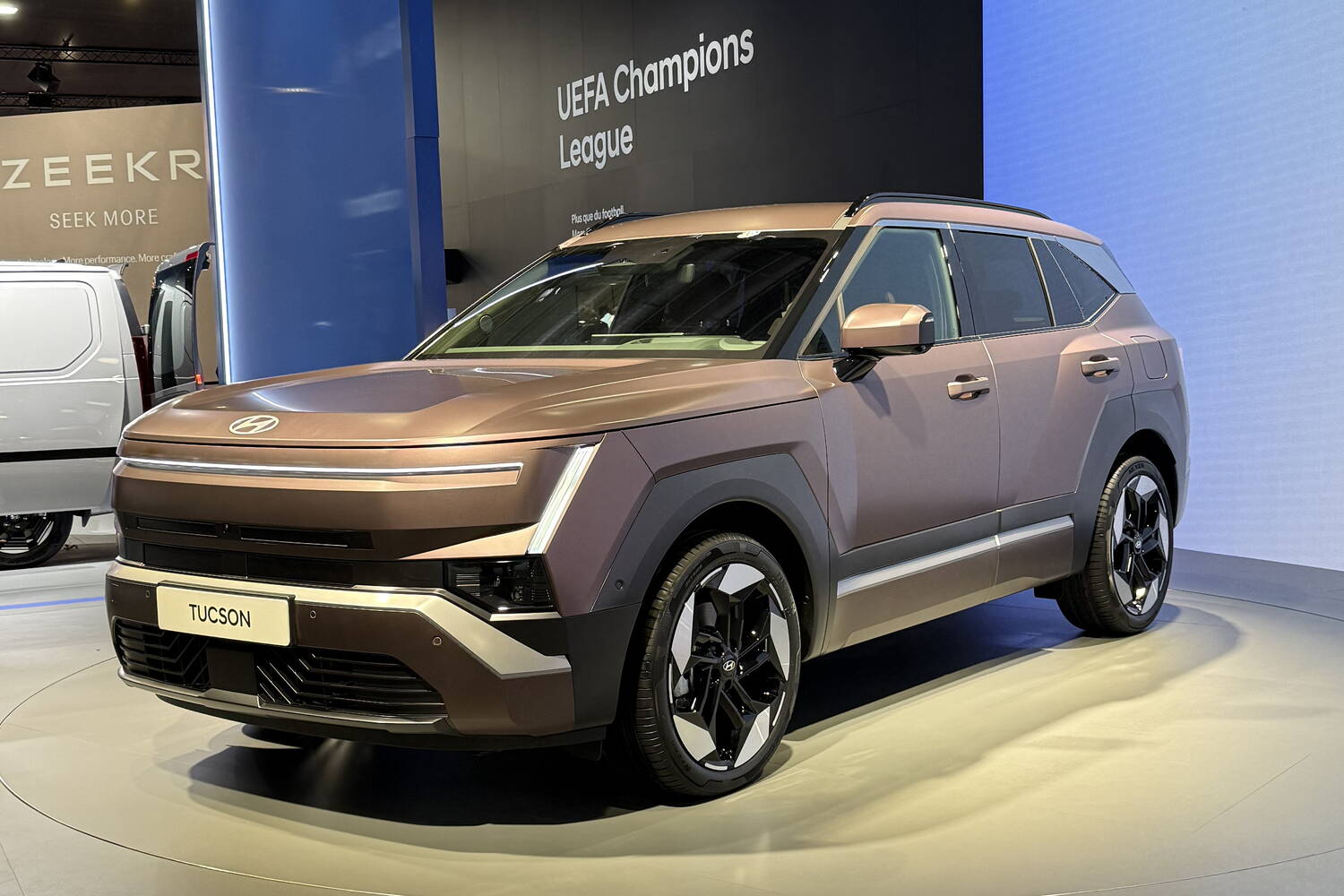
Read the full Hyundai Tucson story
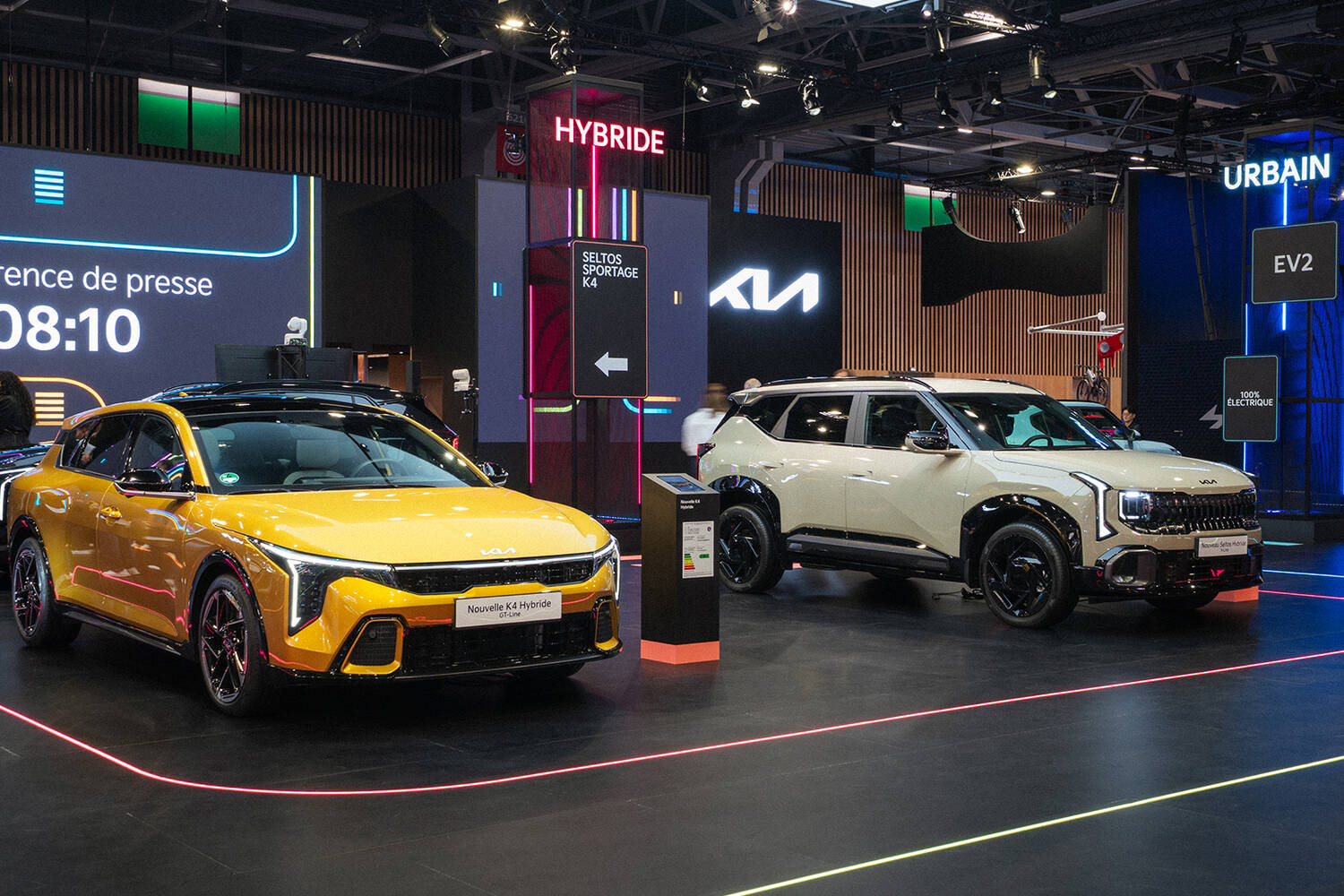
Read the full Kia Seltos story
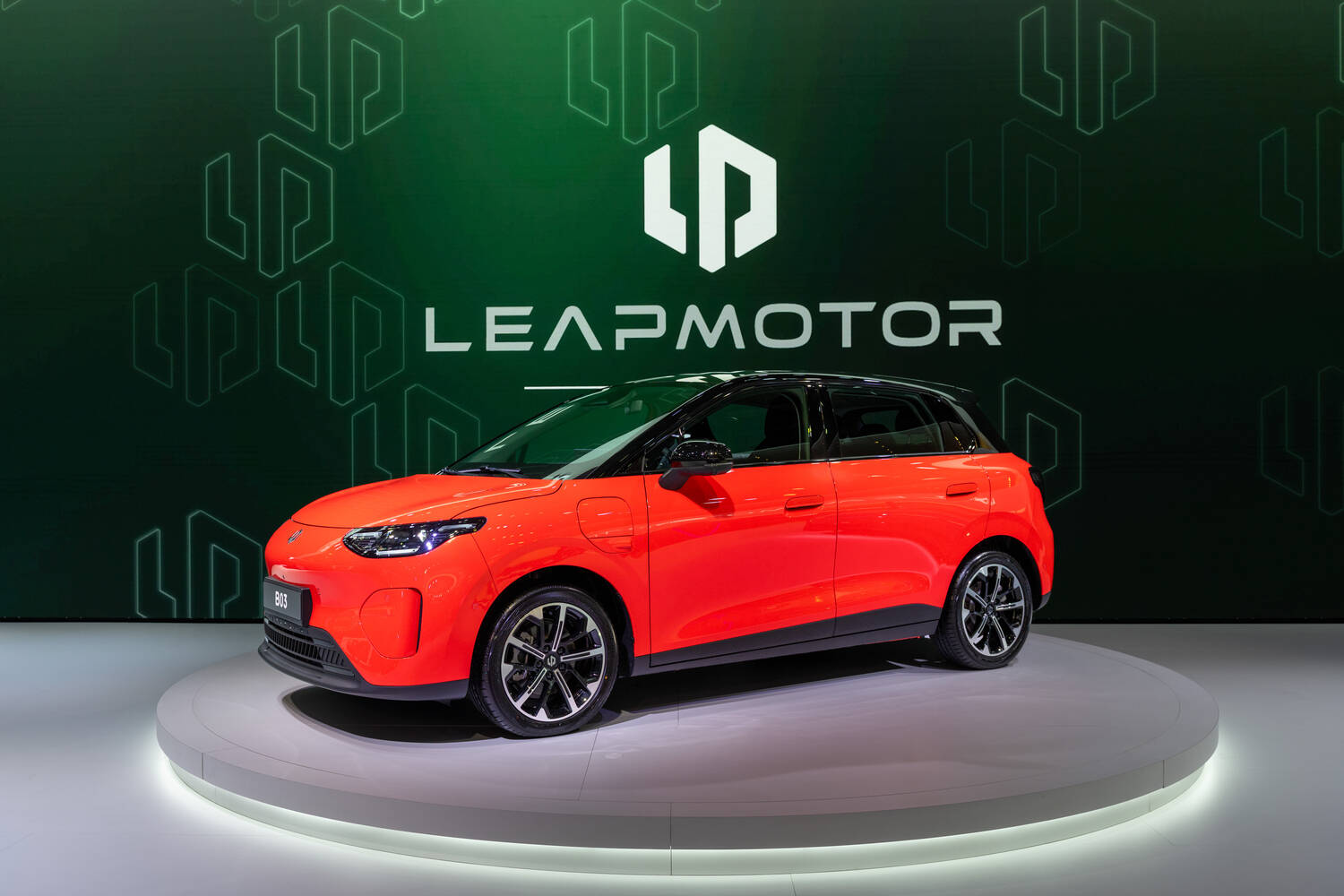
Read the full Leapmotor B03 story
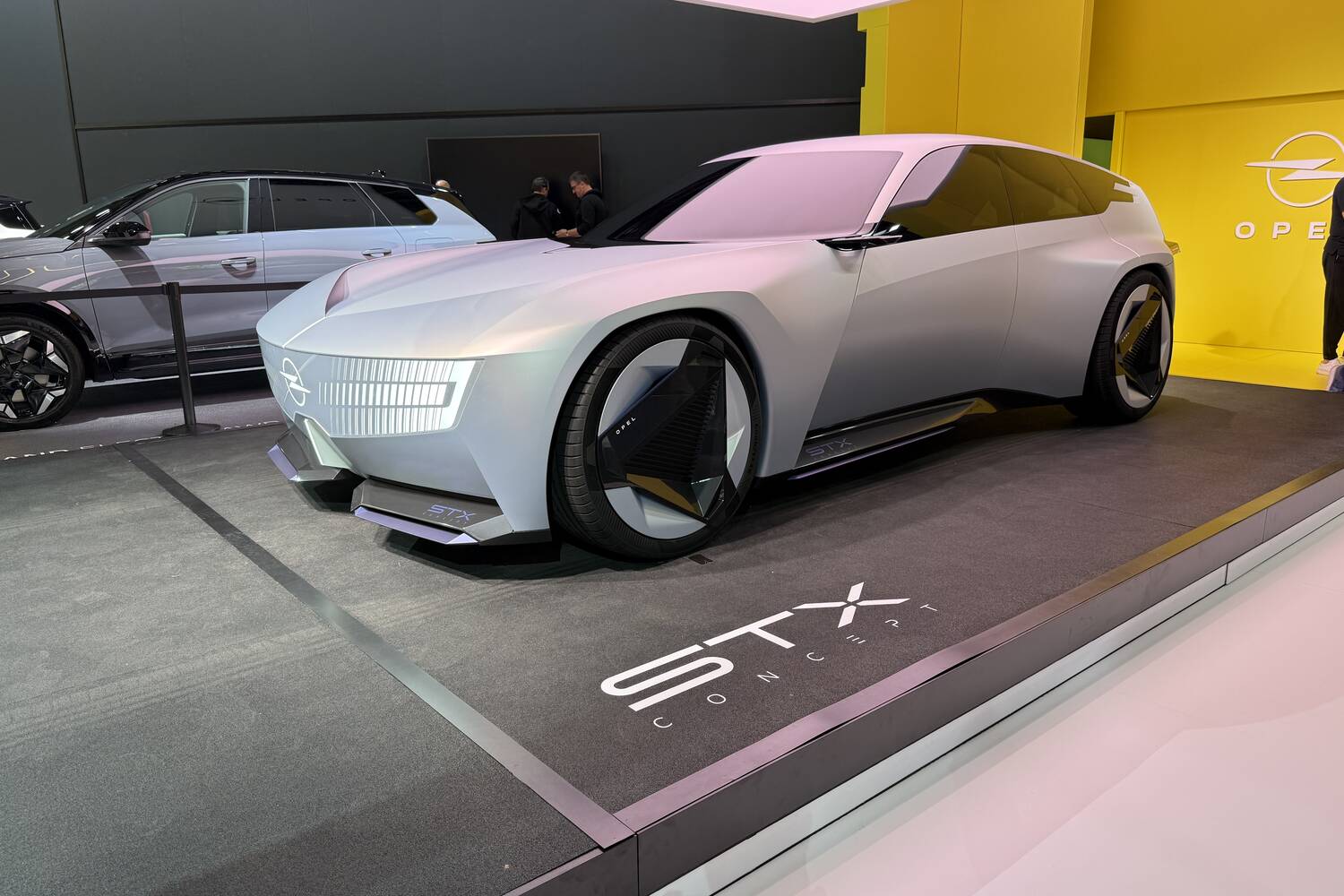
Read the full Opel STX concept story
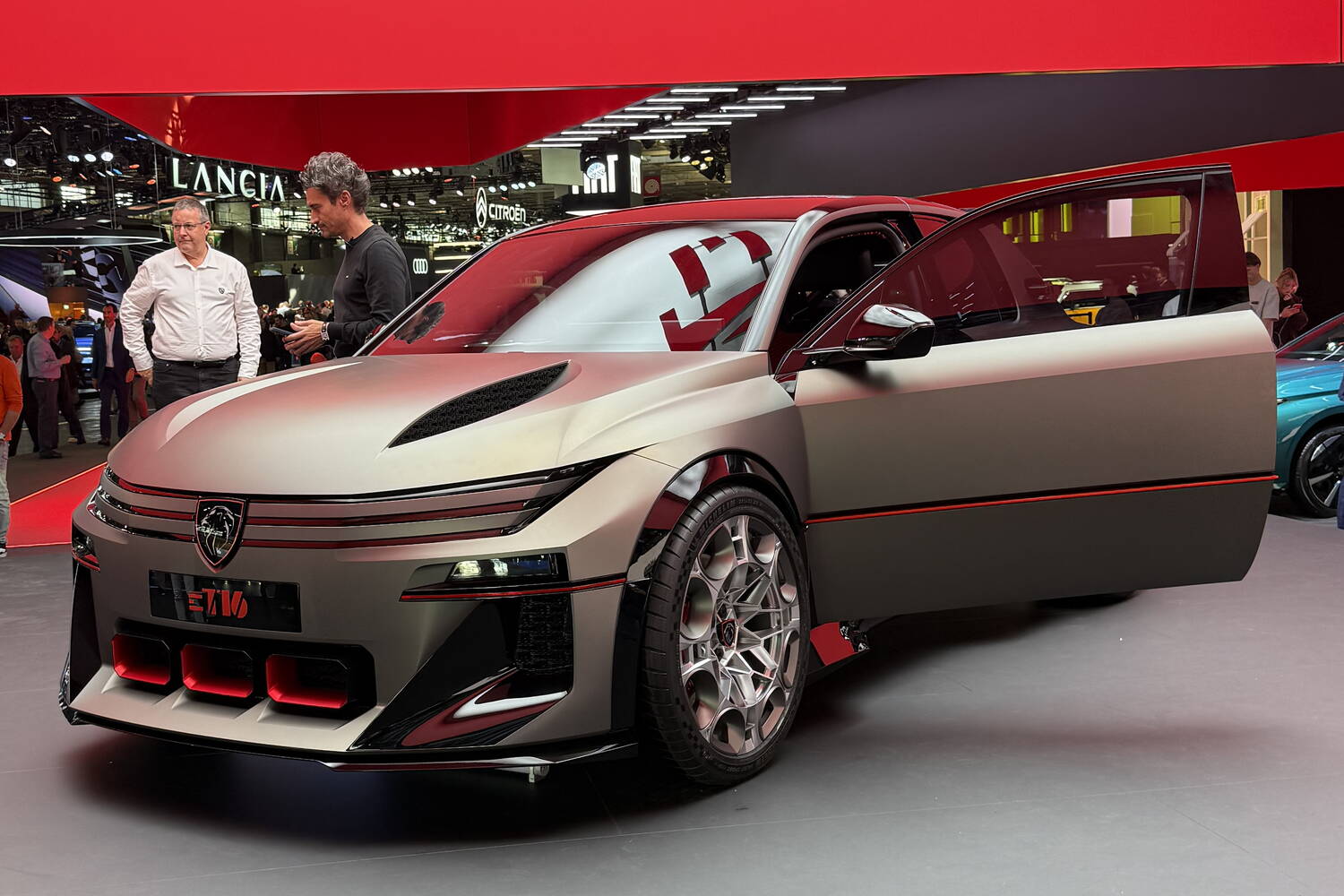
Read the full Peugeot E-T16 concept story
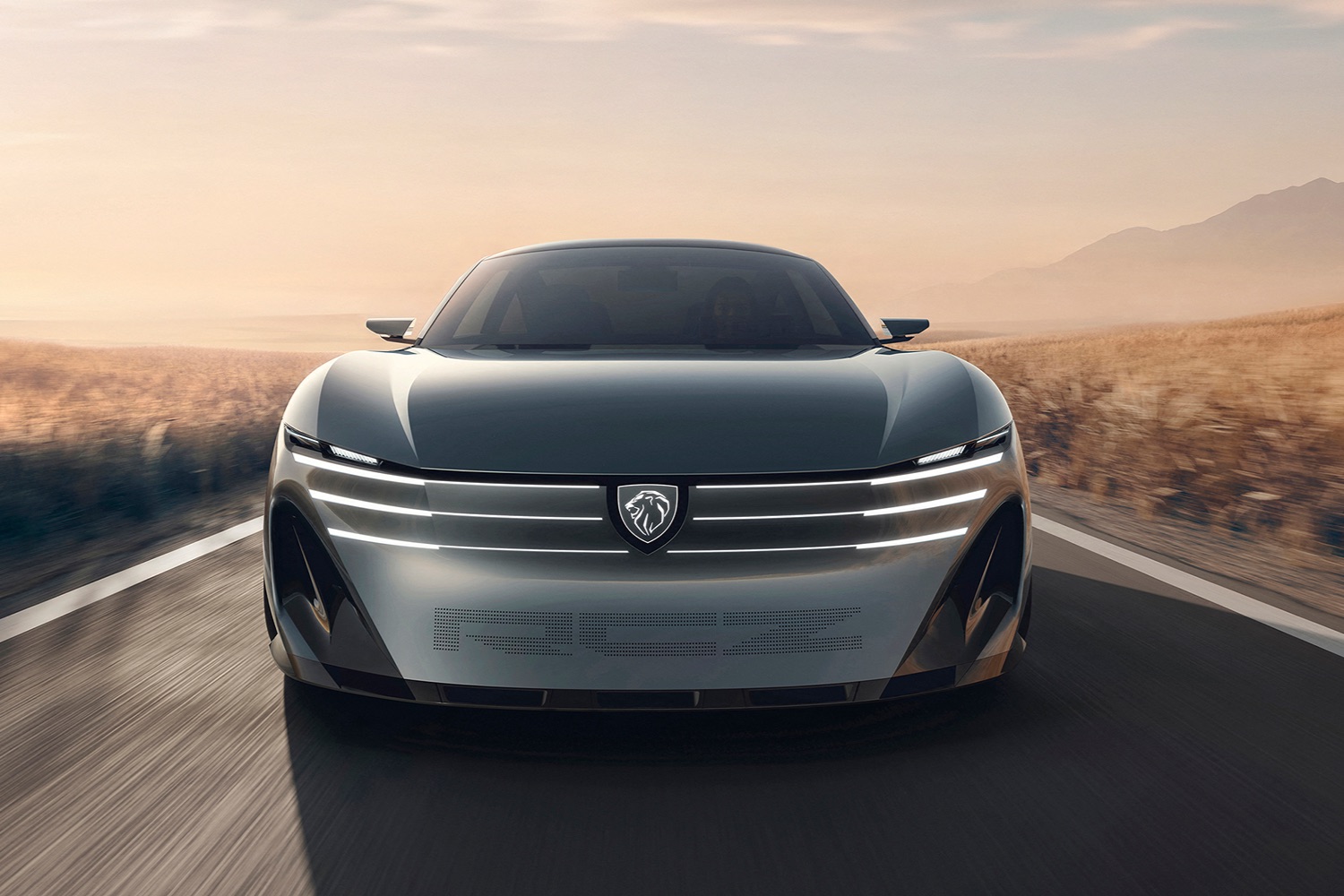
Read the full Peugeot RCZ concept story
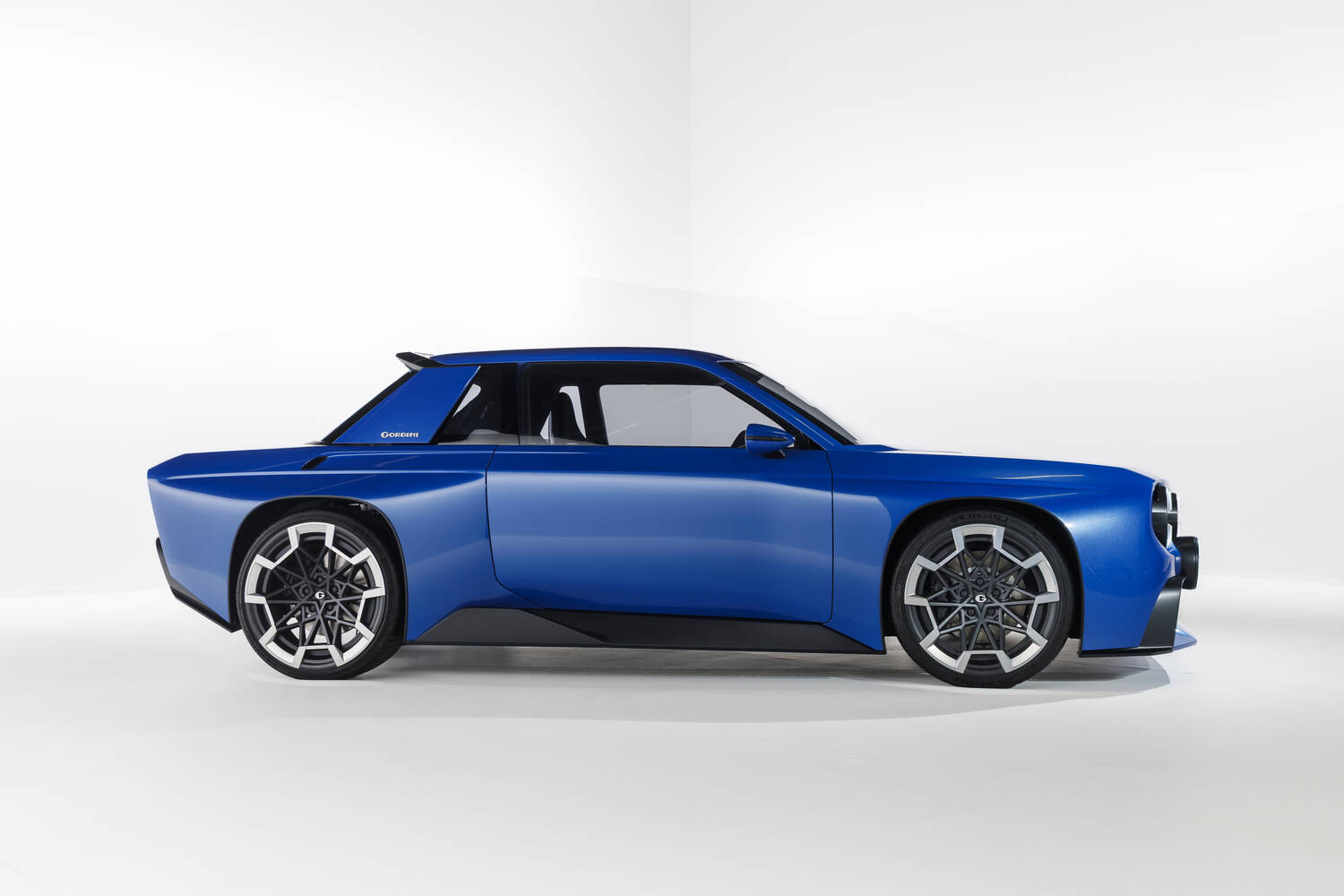
Read the full Renault 8 Gordini concept story
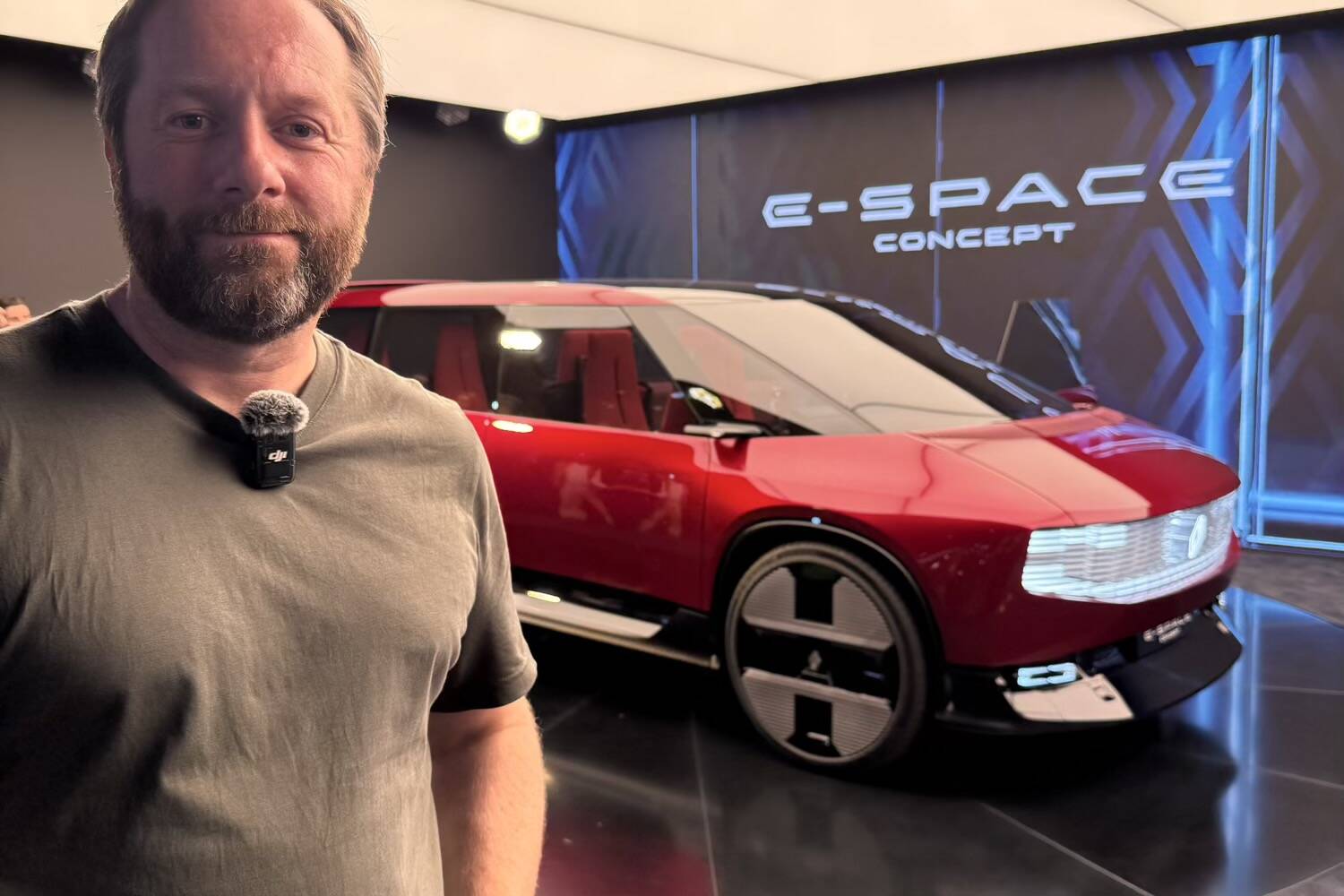
Read the full Renault E-Space concept story
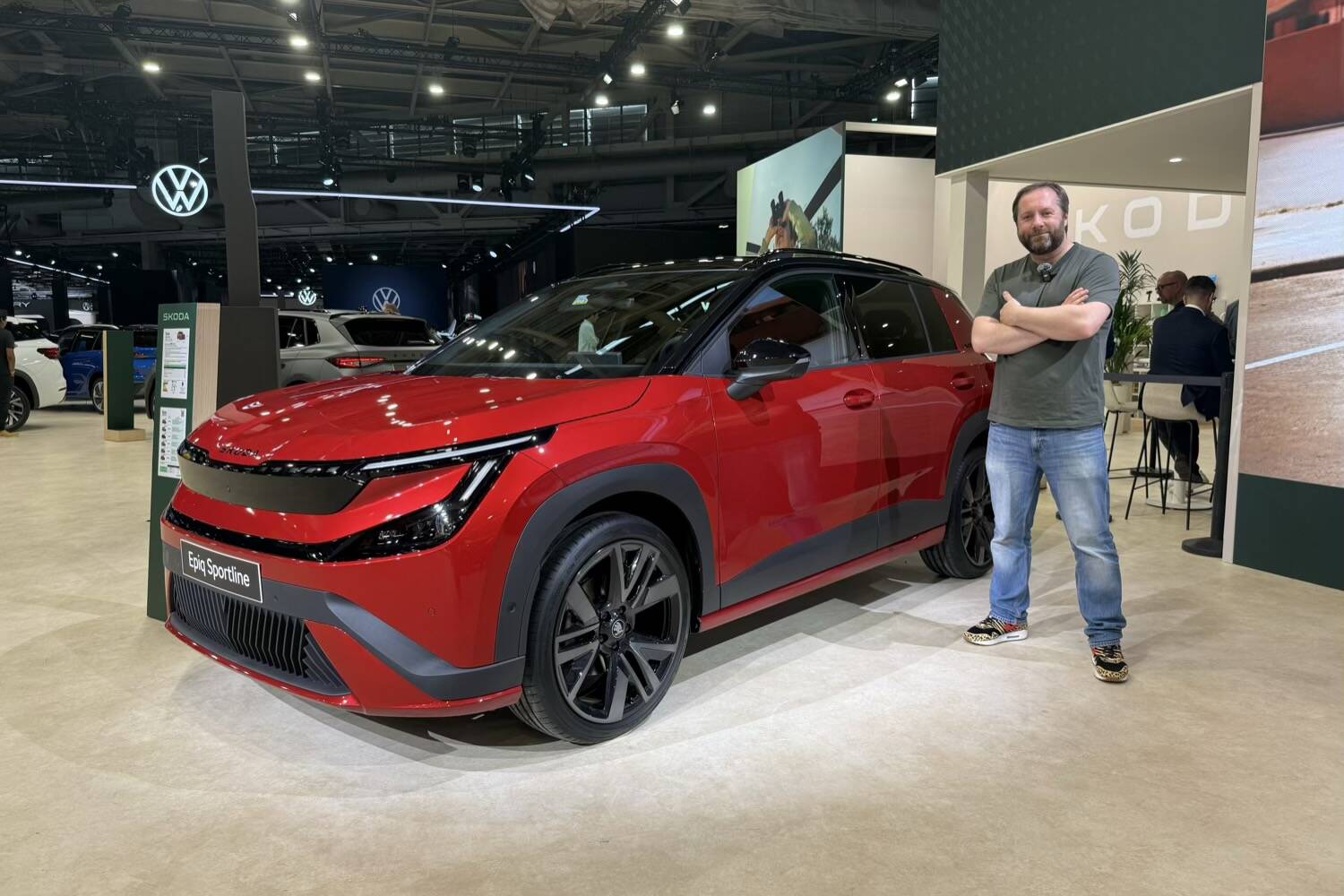
Read the full Skoda Epiq Sportline story
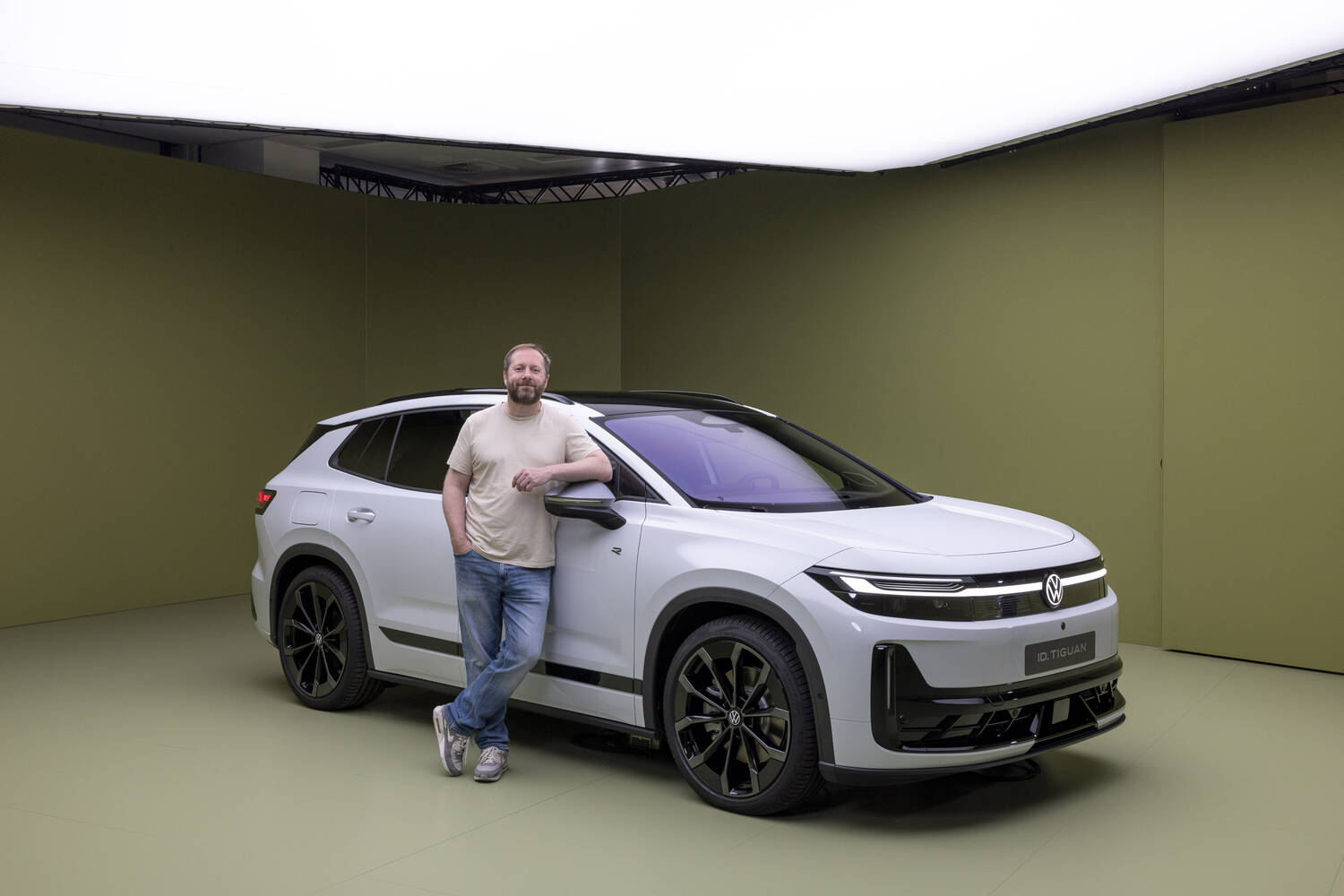
Read the full Volkswagen ID. Tiguan story
If there is anything about this story we have not covered, you can avail of our expert advice service via the Ask Us Anything page.