

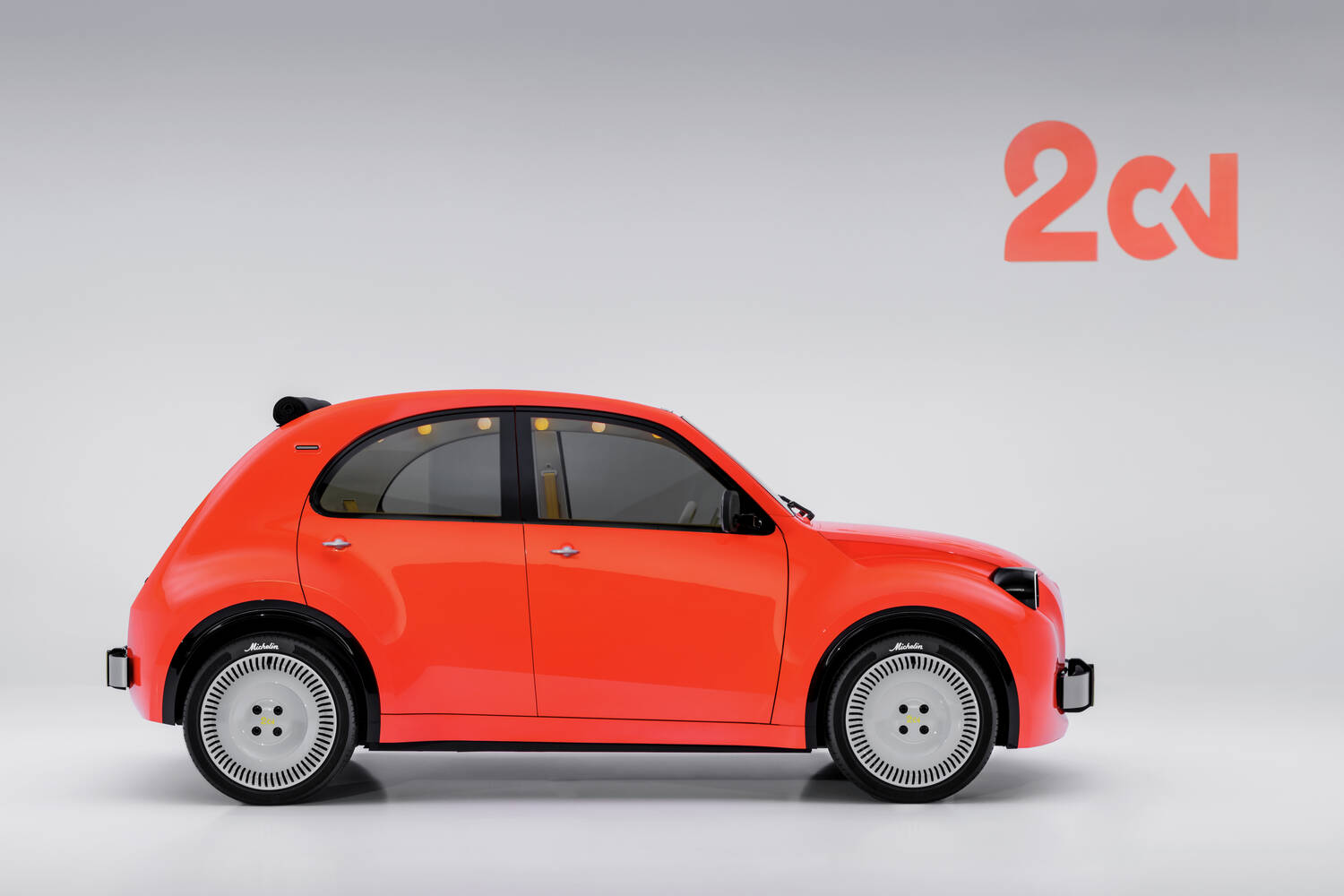
Is a production version really going to look that cute?
We think so, because this doesn’t look a million miles away from being showroom-ready, wild concept-car interior aside.
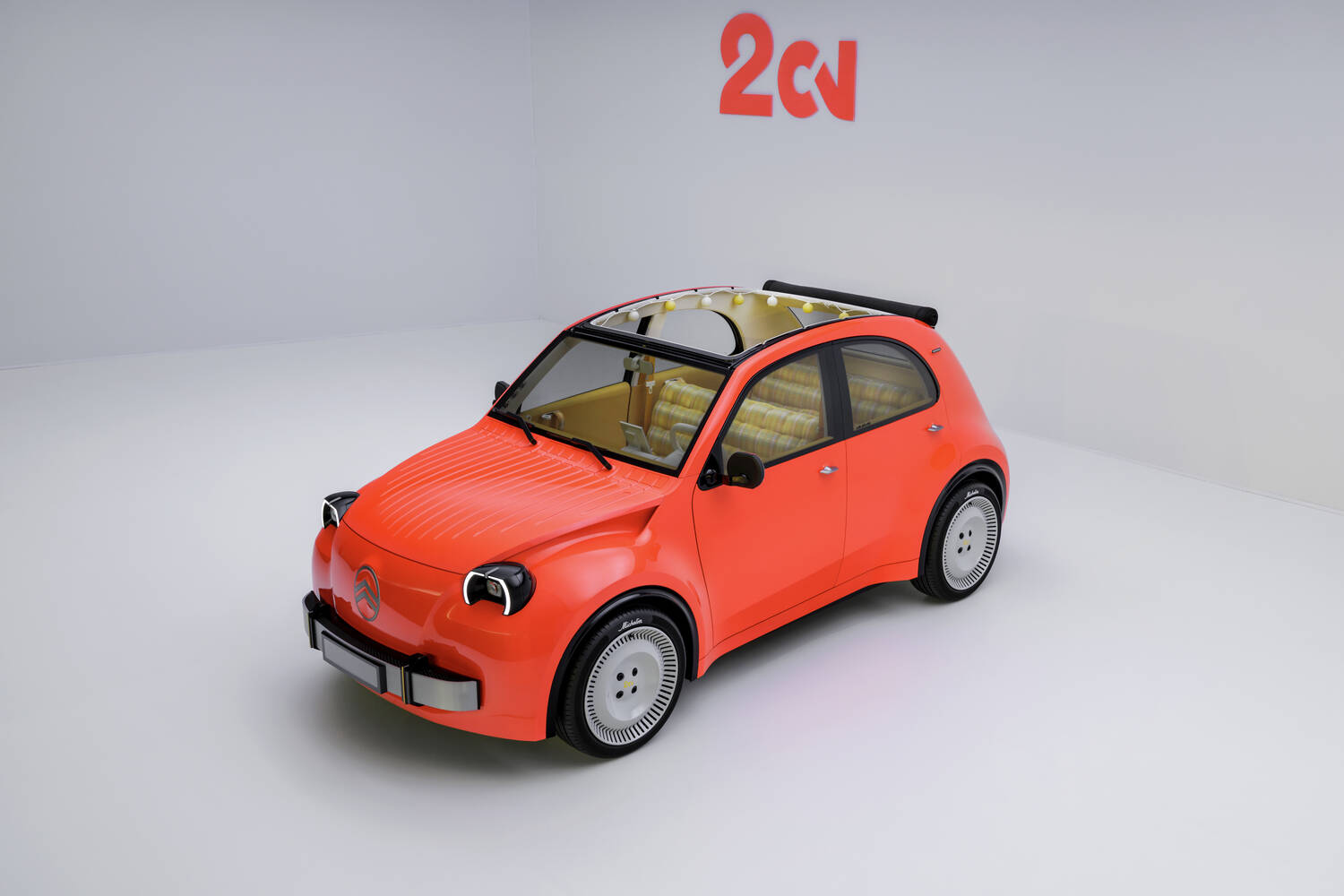
Citroen itself happily says the 2 CV concept “heralds a future model set to join the range by 2028” and adds that it will have a “distinctive, fresh and cheerful style.” Well, they don’t get much more cheerful or distinctive than this.
Any specifics on the tech?
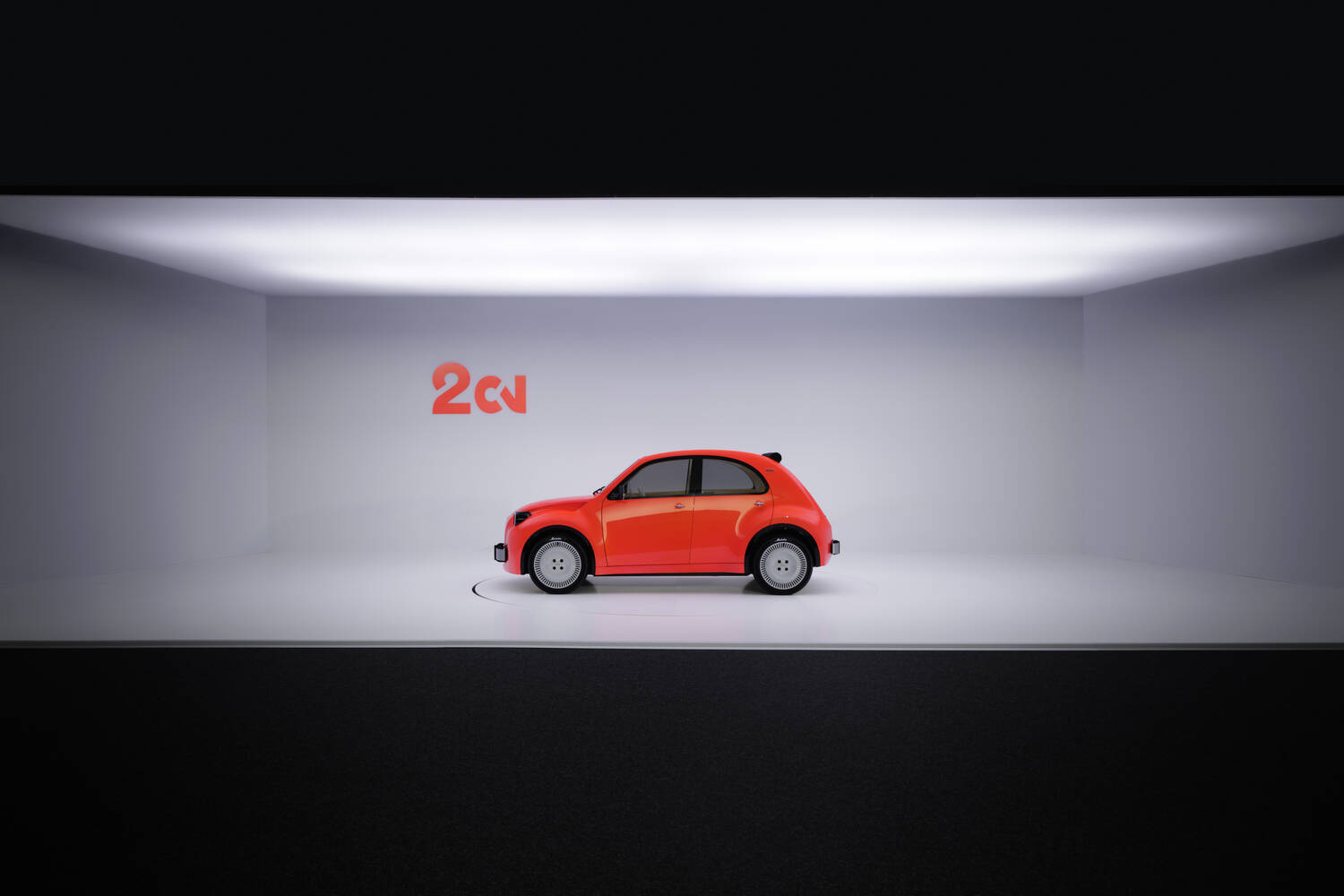
Not a huge amount at this stage, but we do know the newcomer – being unveiled at the 2026 edition of the very same motor show at which the original 2CV made its debut, way back in 1948 – is only 3.76 metres long, which makes it tiny by modern standards.
And shorter than the original 2CV if you’re wondering.
The new car is designed to sit between Citroen’s Ami quadricycle, and its current smallest EV, the e-C3 hatchback - and it will meet the latest European E-Car regulations.
Perhaps the best bit is that the 2 CV’s targeted starting price for two years down the line is going to be just €15,000.
By making electric mobility so readily available to the masses, the EV lives up to the precedent set by its ancestor, which essentially mobilised rural France in the immediate post-war era.
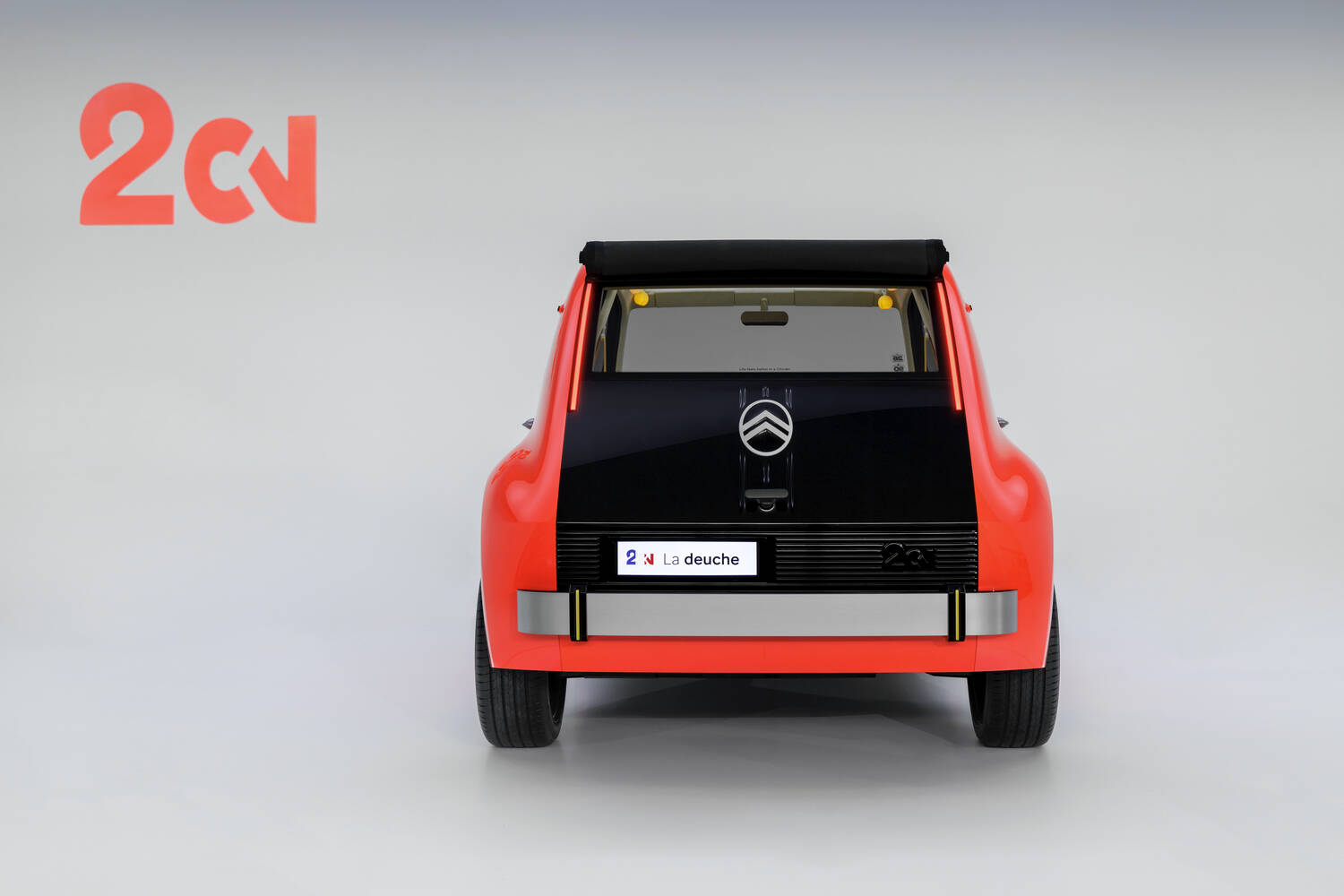
It’s also supposedly going to be very light for an EV, with a kerb weight of one tonne the aim. This’ll allow for the use of a smaller, more cost-effective battery. So don’t go expecting a 600km range from the showroom model.
And Citroen wants to make the 2 CV easy to maintain and repair (if necessary), so there are lots of flat surfaces on show, direct air intakes beneath the windscreen and even bumpers which can detach easily from the bodywork to be independently replaced.
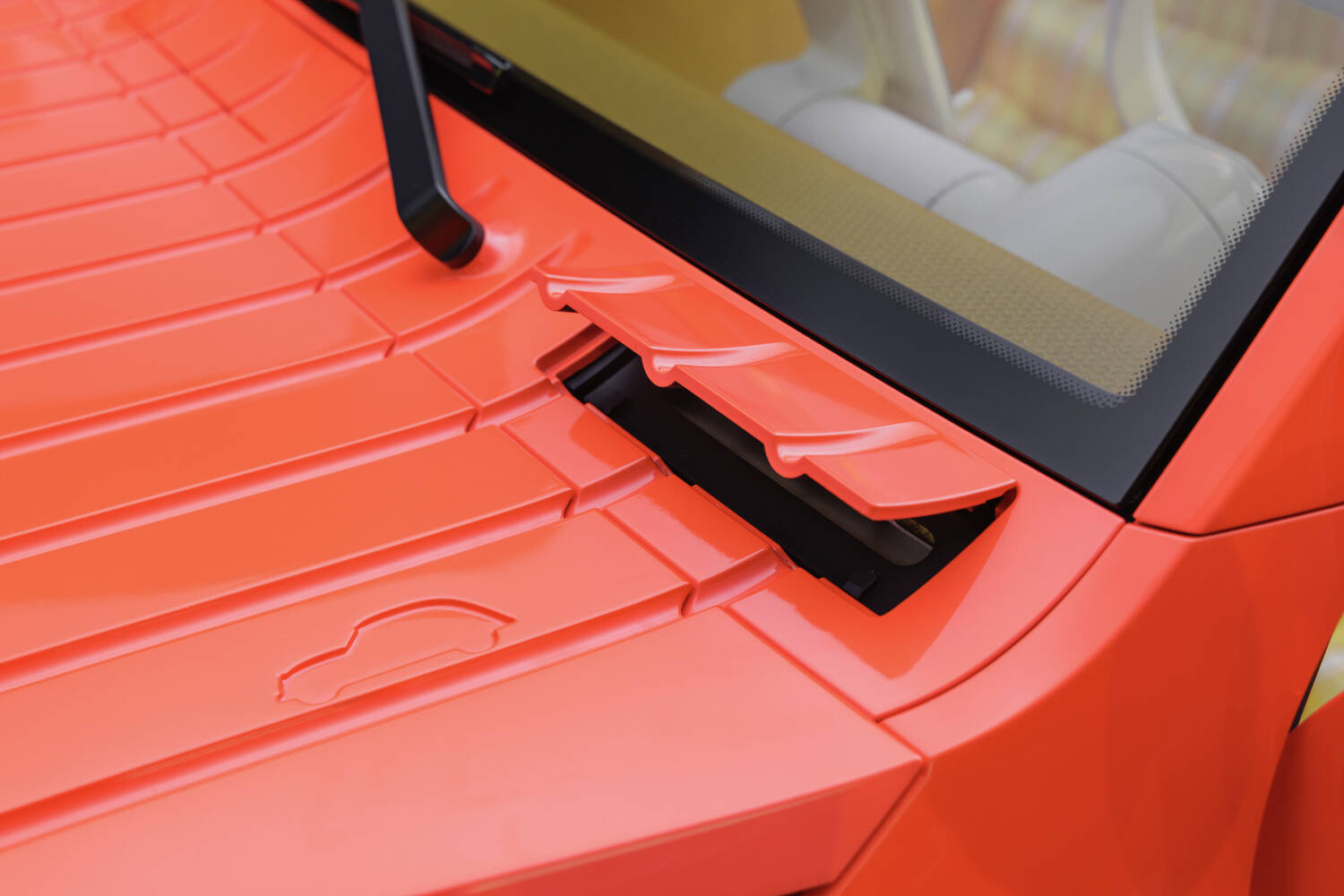
Talk a little about the magnificent appearance
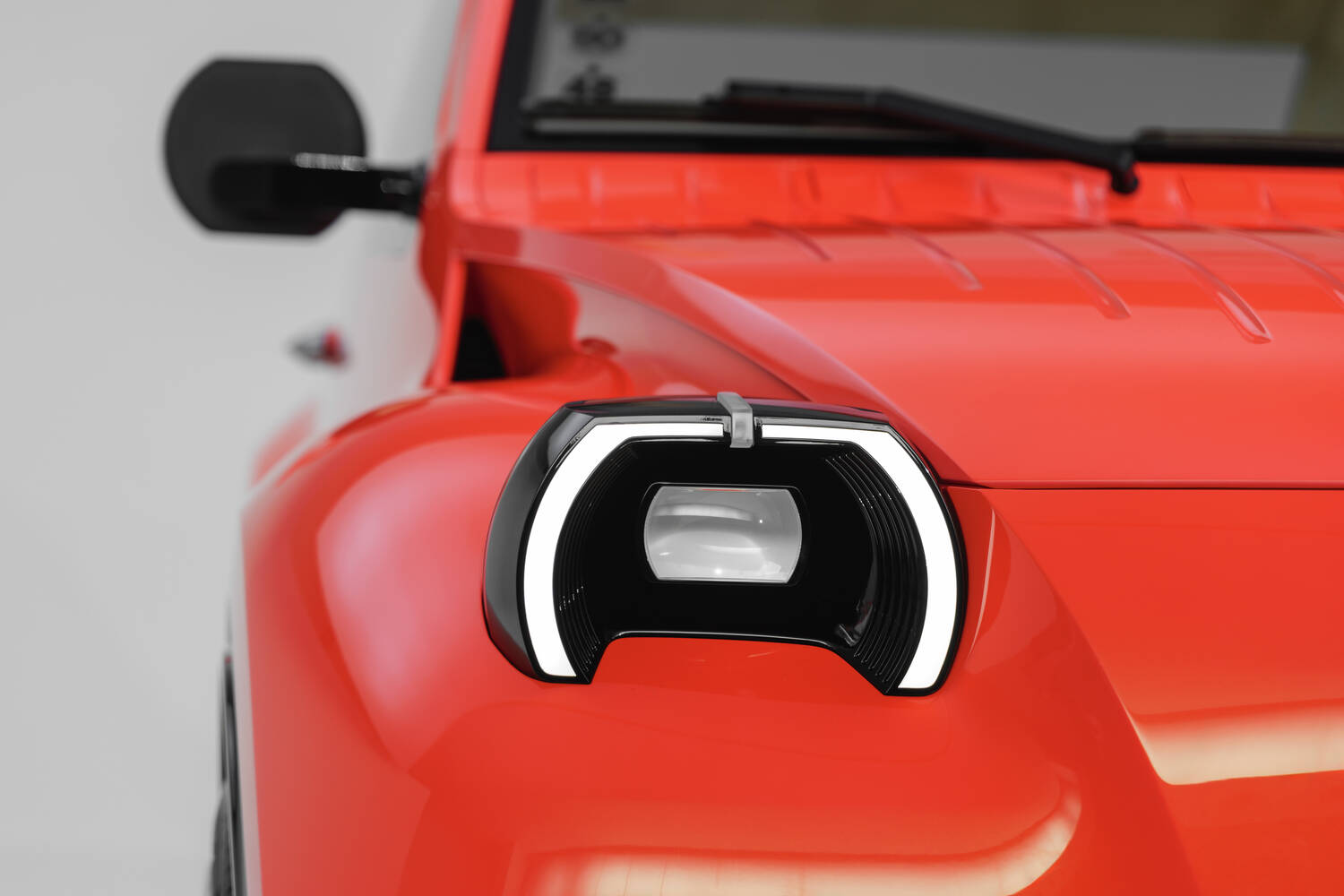
The separate, rounded headlamps are a clear nod back to the old 2CV, but as they’re LED items, they’re sure to work effectively at night, while vertical sides and a curved, flowing roof are further hallmarks of the original old ‘Dolly’.
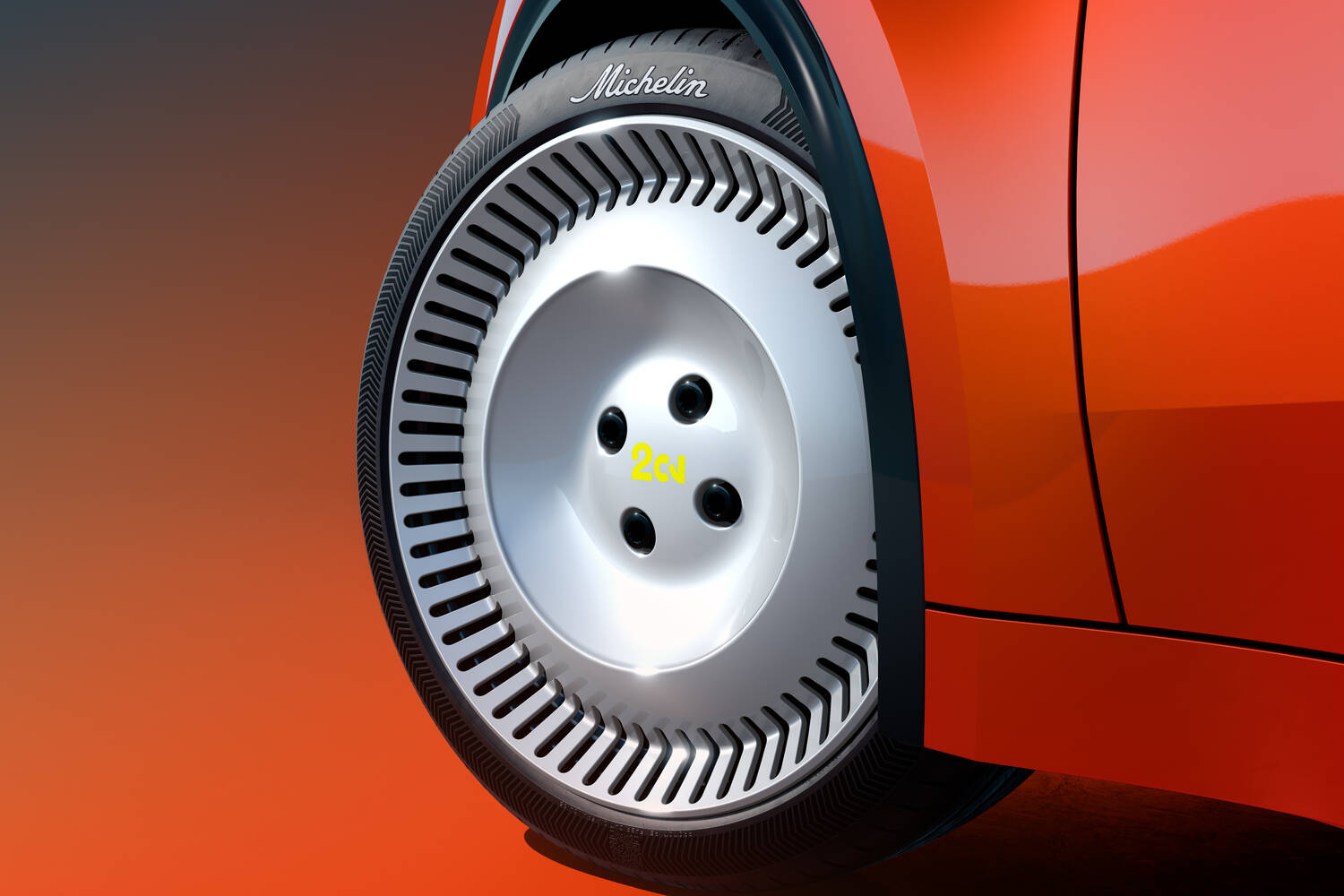
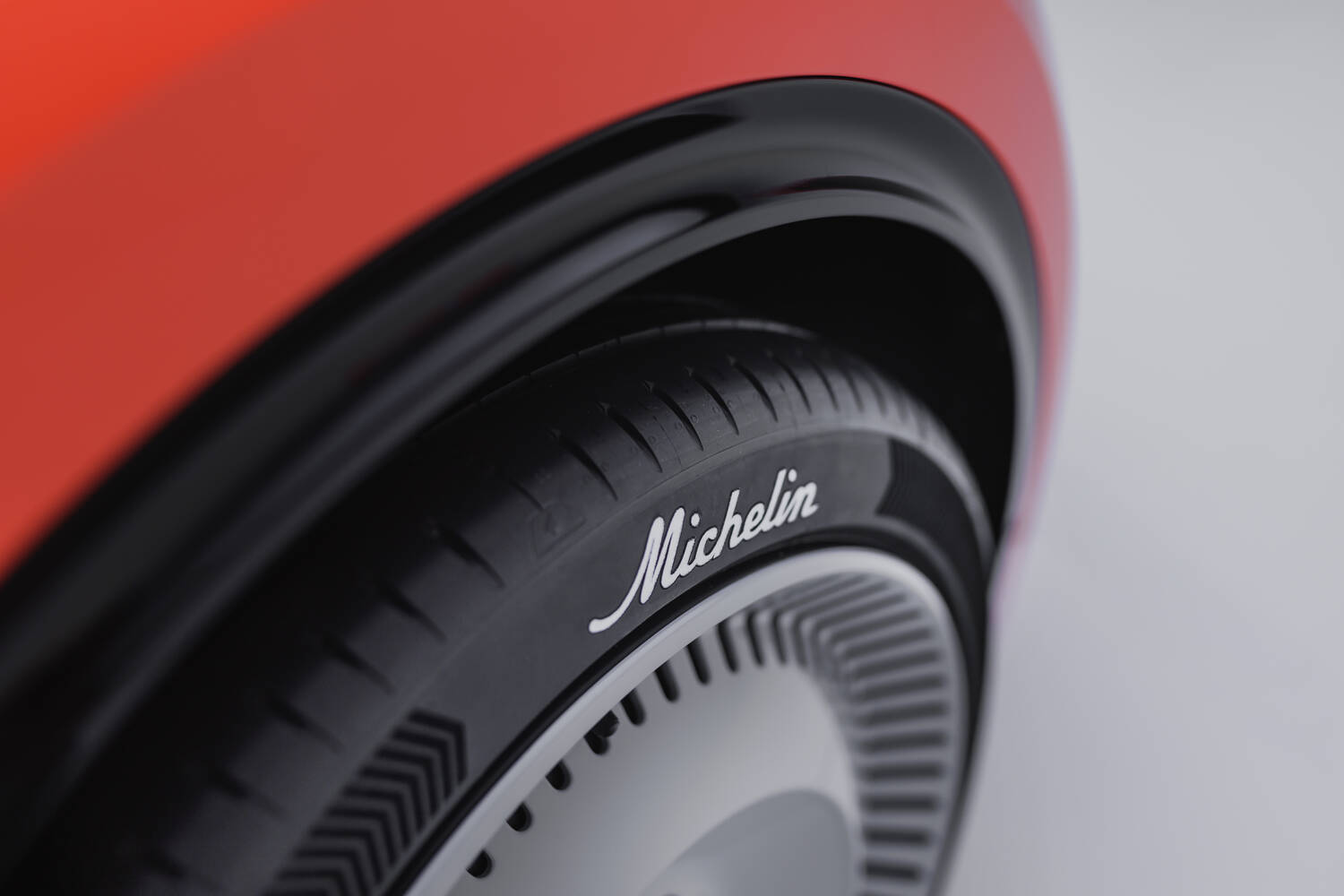
However, 19-inch wheels are very much a modern touch, although they’re steel rims rather than alloys. They’re also wrapped in bespoke Michelin tyres with that brand’s wordmark in heritage script.
At the rear, the darkened tailgate and visible boot handle are again reminiscent of the 1940s-born original, although ultra-slim LED lights are very much a 21st-century thing.
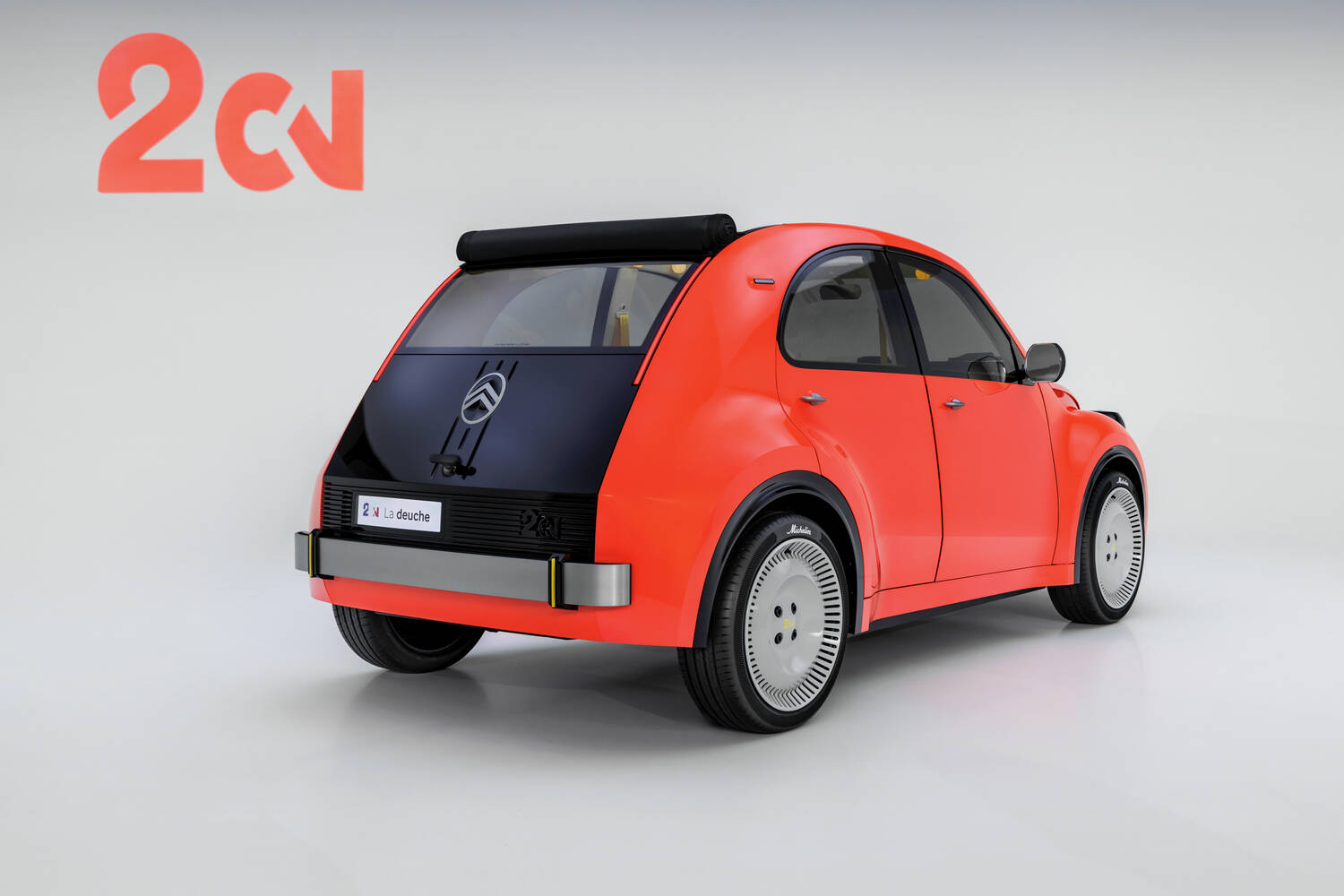
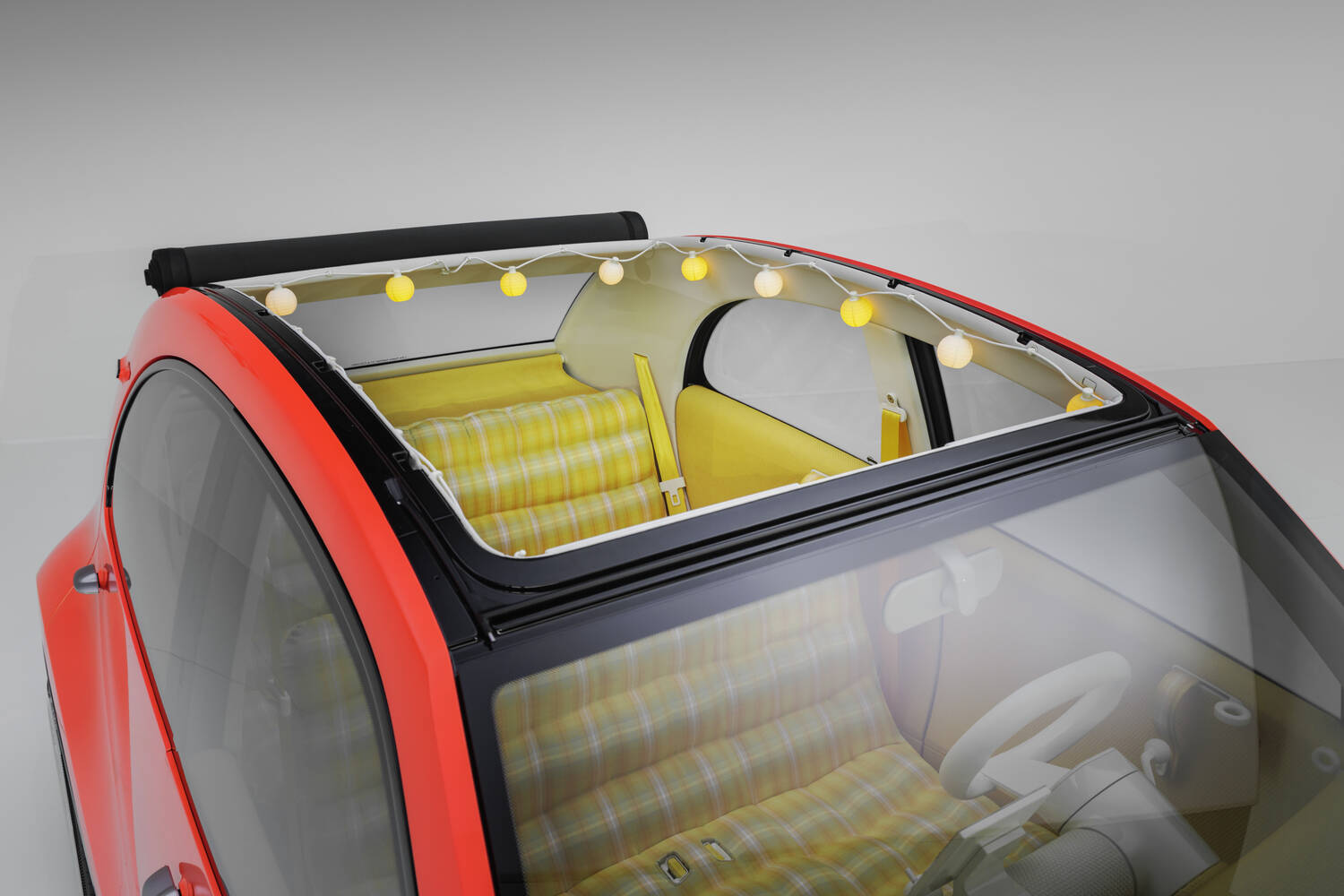
And yes, the 2 CV concept has a retractable fabric roof for joyous open-air motoring.
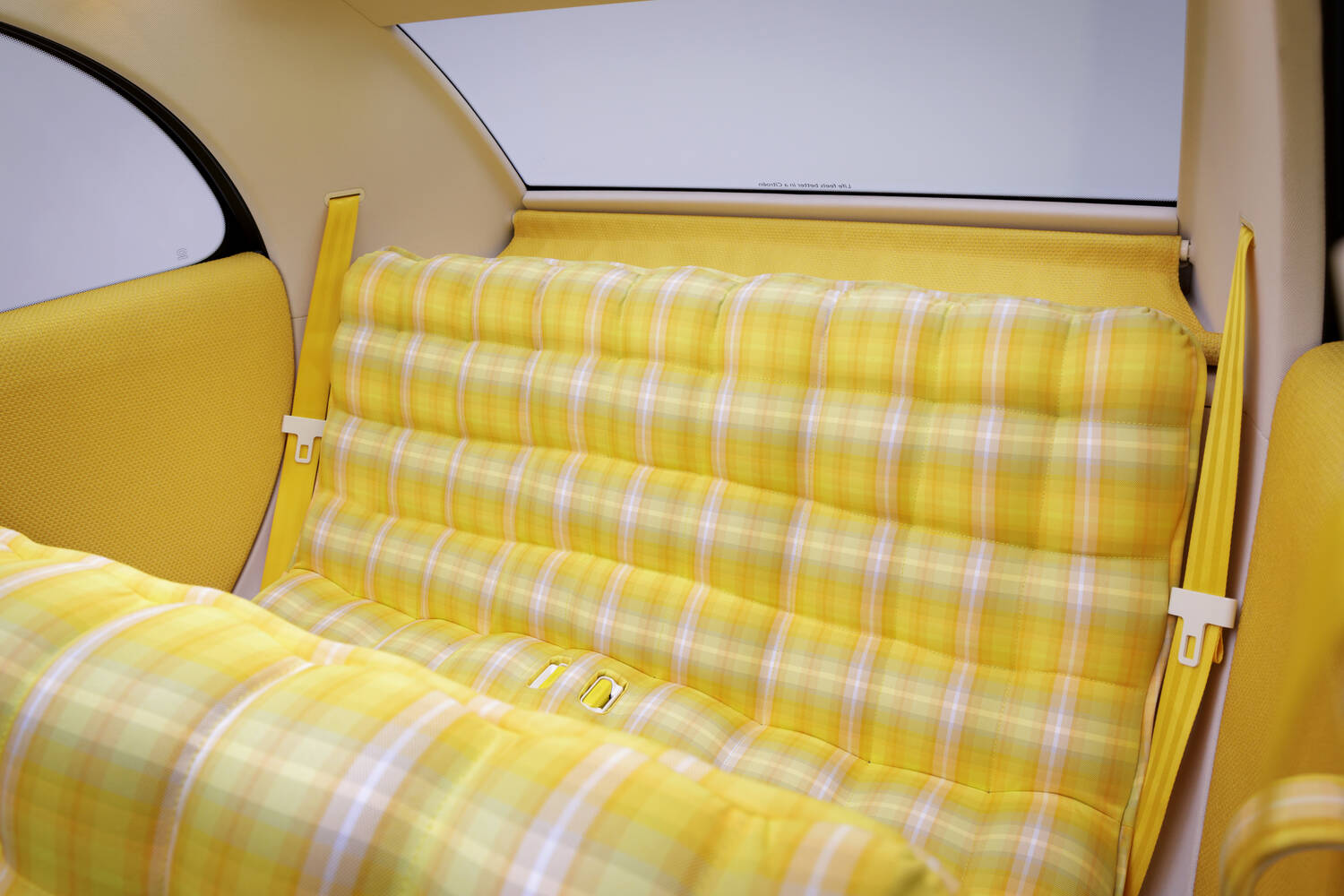
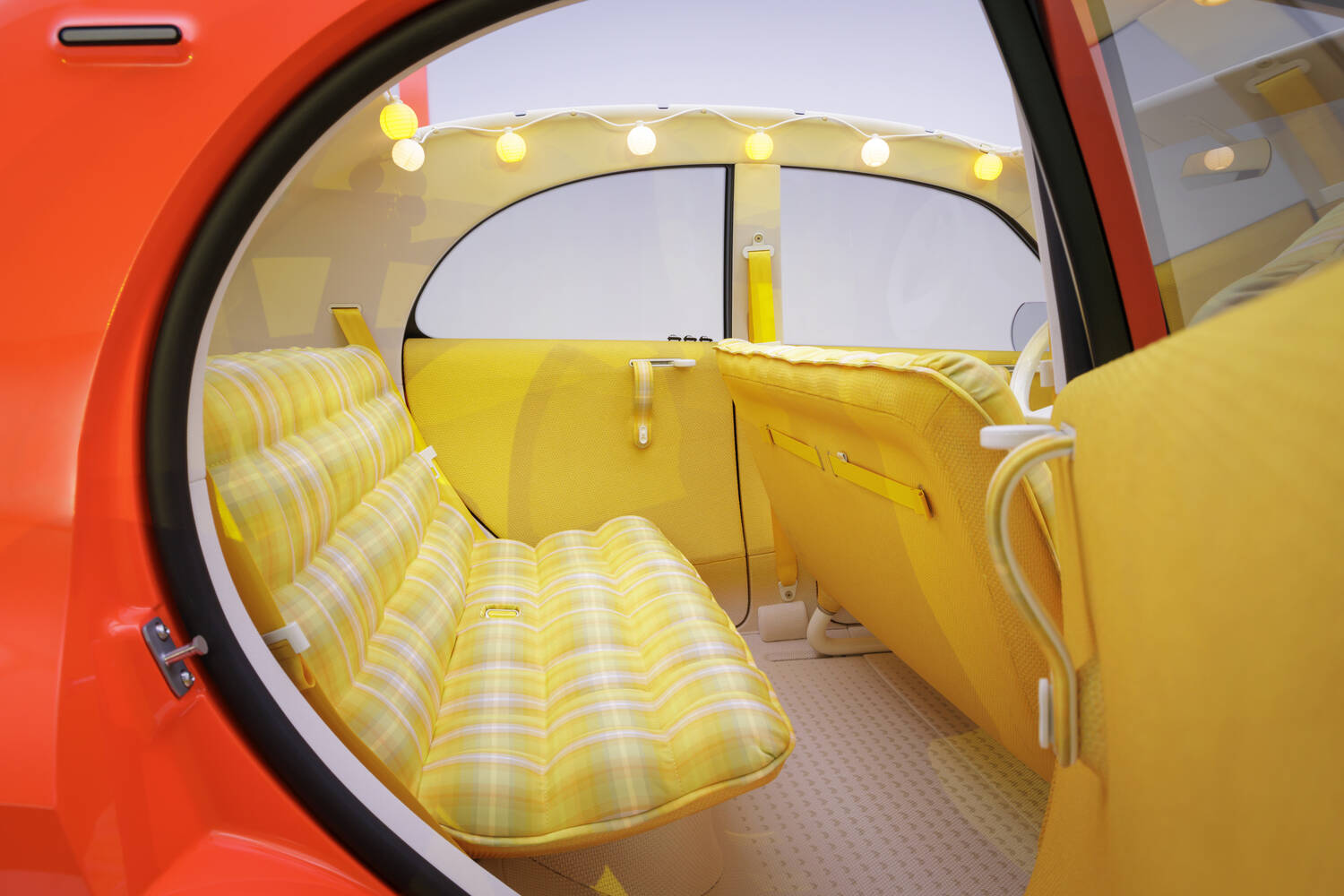
Inside, the show car’s bright cabin is less likely to meet the necessary safety regulations to be put on sale, but it’s no less marvellous for that fact.
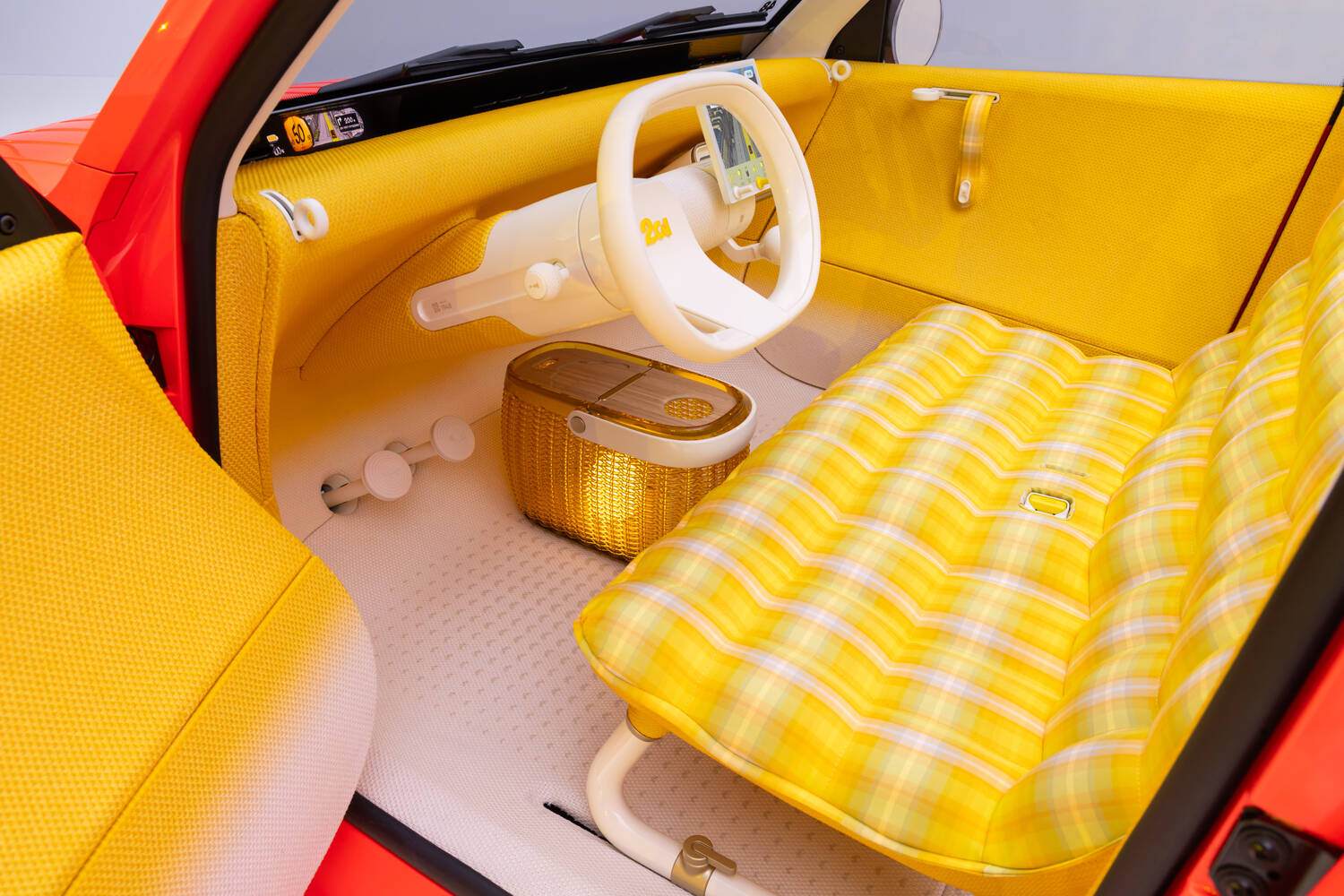
‘Advanced Comfort’ seats are shared with current Citroens available to the public, although the 2 CV’s front version is pull-out like the old car’s, so that you can use it as a bench for countryside picnics.
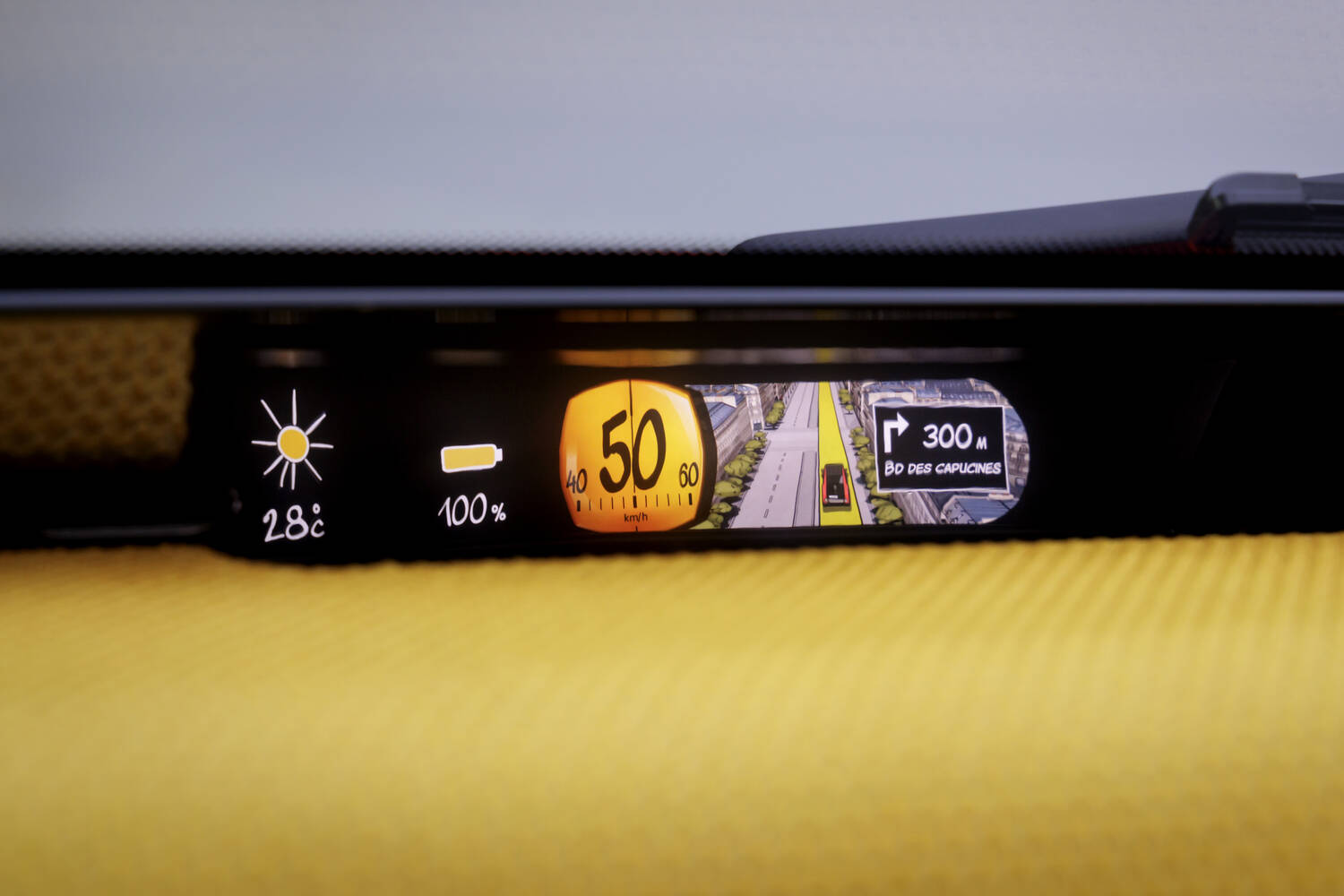
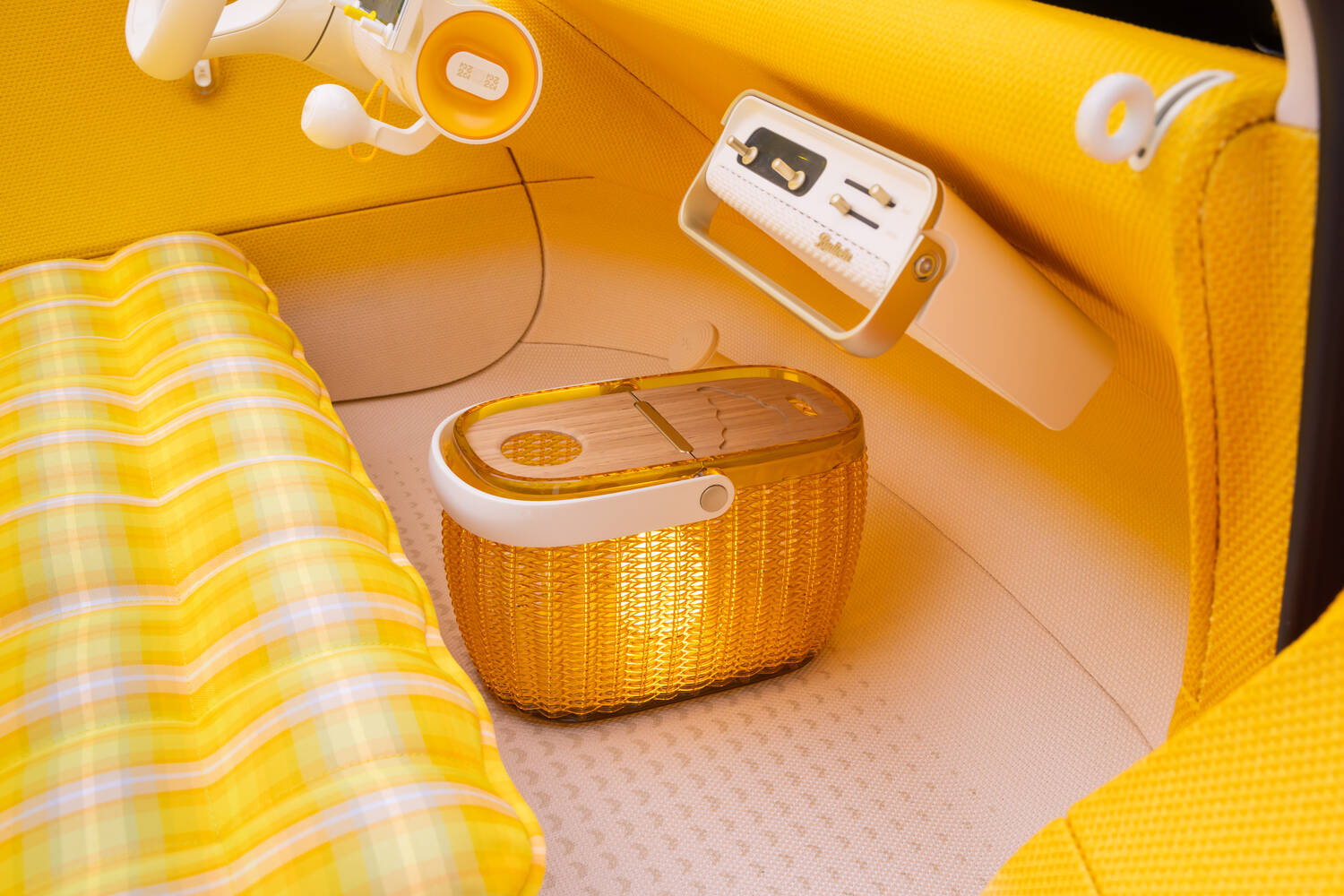
No dashboard, minimalistic readouts, barely any switchgear and a removeable storage basket in place of a central console are further pure motor-show-concept-car flourishes.
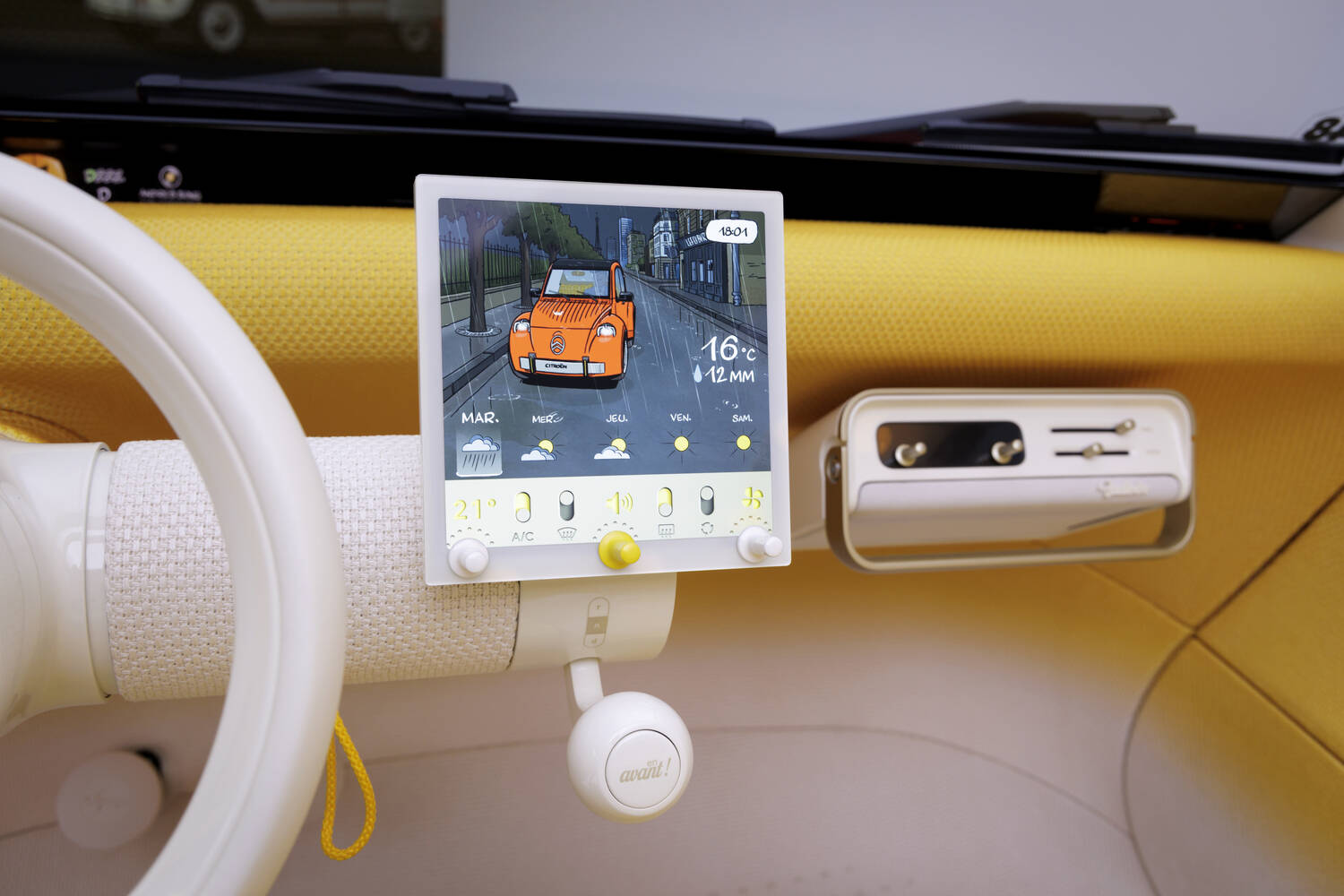
One thing we’re not keen on is the word ‘phygital’ for the eight-inch square touchscreen, which is a word coined to describe a cross between physical and digital. Ugh. Citroen isn’t alone in using this, but still. Ugh.
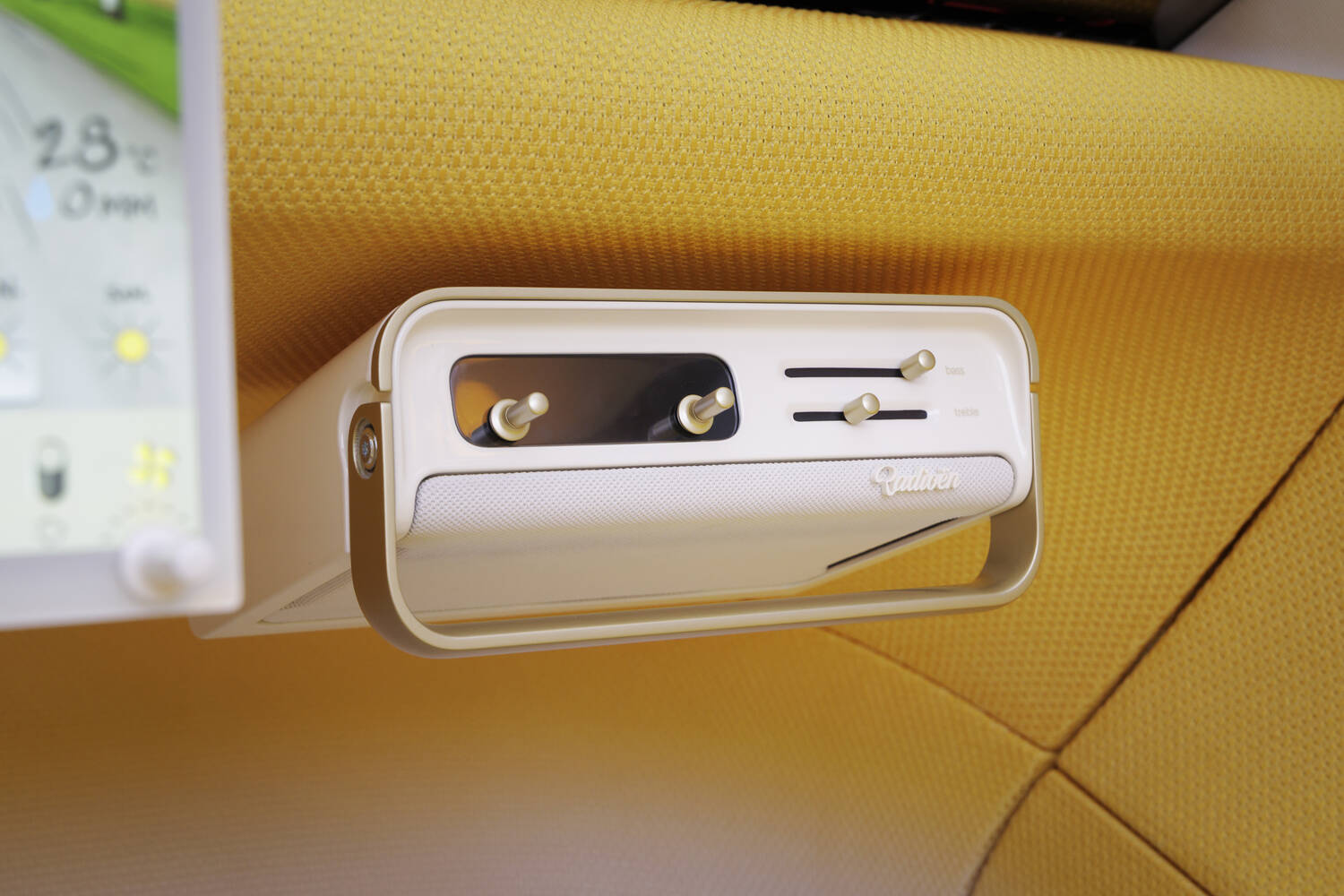
We are much more enamoured with the ‘Radioën’ on the passenger-side dash, mind, which is both the in-car entertainment and a removable Bluetooth speaker.
What else on this car links to 2CV heritage?
Both the sound of the horn and the electric motor when starting the car have been tuned to sound like the old 2CV.
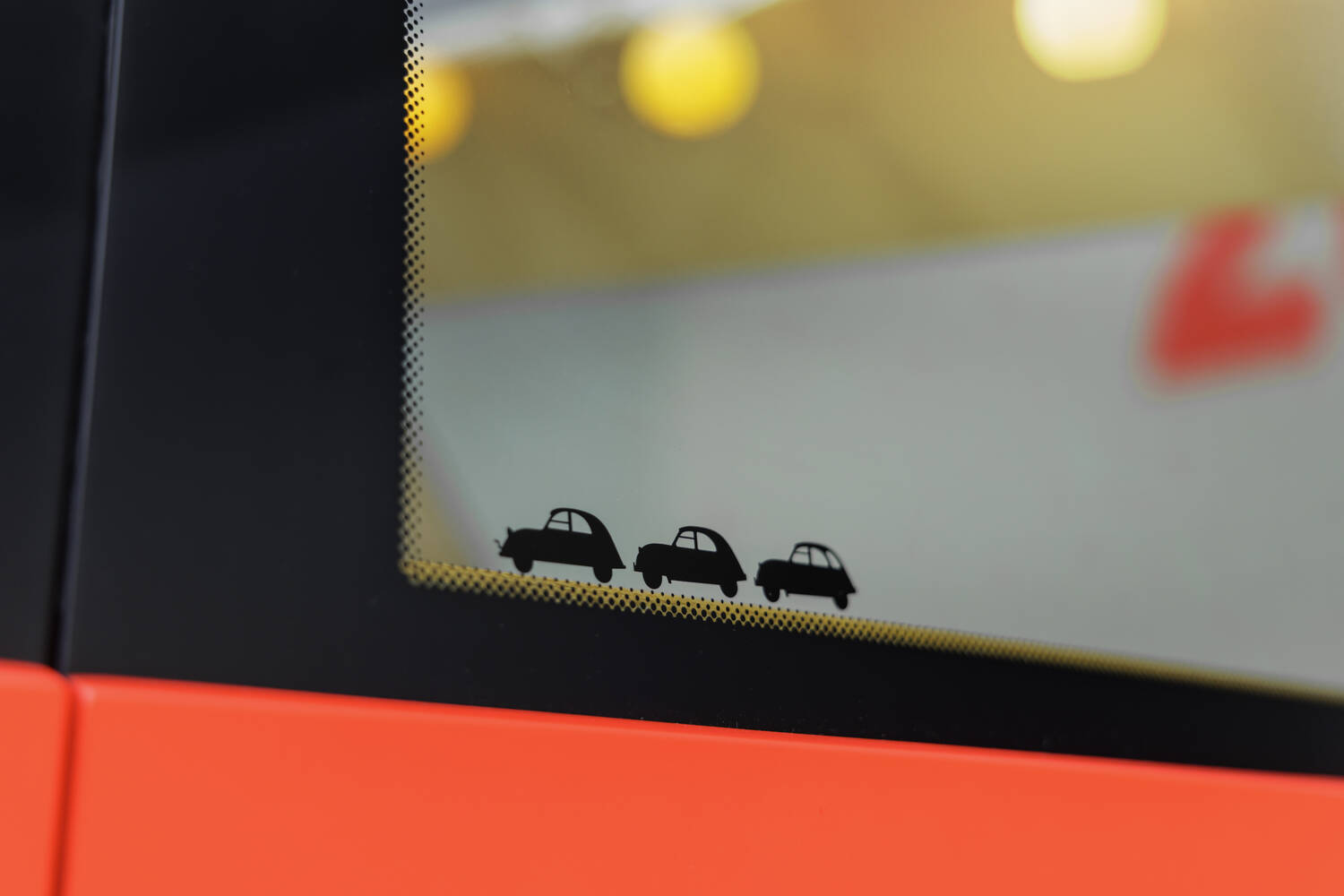
On the windscreen, the numbers ‘48/90/26’ relate to the year the original car launched, the year it went out of production, and the year of this concept’s reappearance, respectively.
And on the registration plate at the back, the various (and multitudinous) nicknames given to the original 2CV all around the world, in various languages, can be displayed.
The Germans and the Dutch, for instance, both called the car the ‘Duck’ in their native tongues (Ente or Eend, if you want to look multilingual).
And what are those eggs that I can see in one of the pictures all about?

One of the non-negotiables of the original 2CV’s design brief was that it could cross a freshly ploughed French field with a basket of eggs onboard and yet be softly suspended enough to not break a single one.
This ouef-related tomfoolery came about because the old Citroen was a car aimed squarely at bucolic France, rather than inner-city urbanites – who are much more likely to be the core market for the 2028 version, rather than gruff farmers in the country’s interior.
Any final words from Citroen peeps?
Xavier Chardon, Citroen’s CEO, said: “Reinventing the 2CV isn’t about replicating a car from the past; it’s about reinventing what made it unique: its simplicity, its accessibility and the freedom it offered.”
If there is anything about this story we have not covered, you can avail of our expert advice service via the Ask Us Anything page.