

Why Japanese imports are popular in Ireland
Importing used cars from Japan, something that became hugely popular in the 1990s and early 2000s, is now back on the up in Ireland. A favourable Euro-to-Yen exchange rate helps, but the real reason we're turning Japanese again is simple: Brexit. The UK's decision to leave the EU meant that extra taxes and import duties were applied to our hitherto biggest source of imported used cars, making bringing in a UK car often too expensive.
Meanwhile, Japanese cars are built in right-hand drive, and it does no harm that, in general, Japanese buyers maintain their cars fastidiously and trade them in young, with low mileage. Doing the importing yourself is tricky, unless you speak Japanese and can handle the confusion of auction websites, but there are plenty of specialist importers in Ireland, and they don't just bring in Japanese brands either, as popular European-built models are often reimported simply because the quality and price of the stock is so good.
It's easy to be confused, though, as Japanese market cars often come with different names and badges, and even sometimes different body styles, so it can be tricky to know what you're getting.
What are the best Japanese used cars to buy in Ireland?
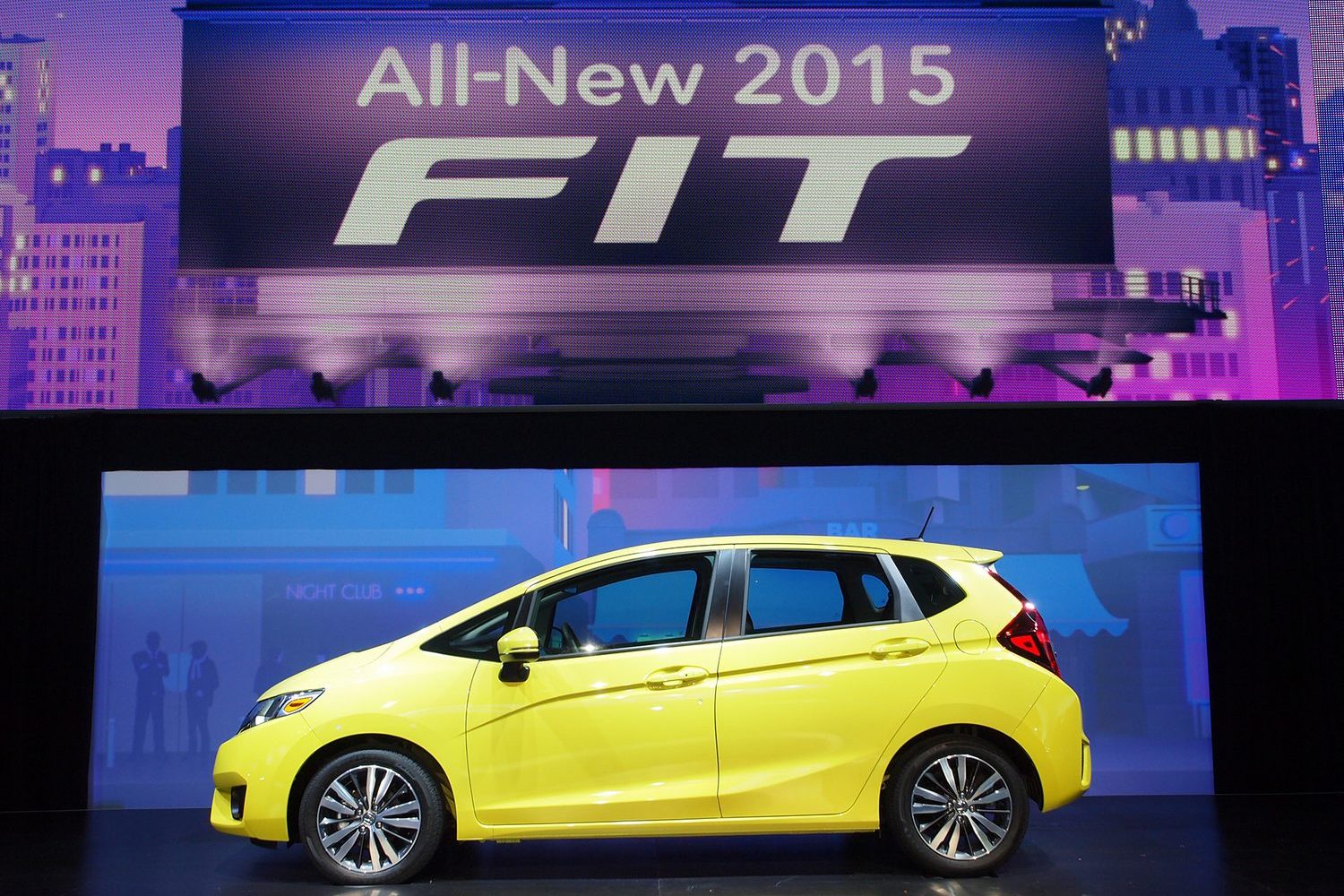
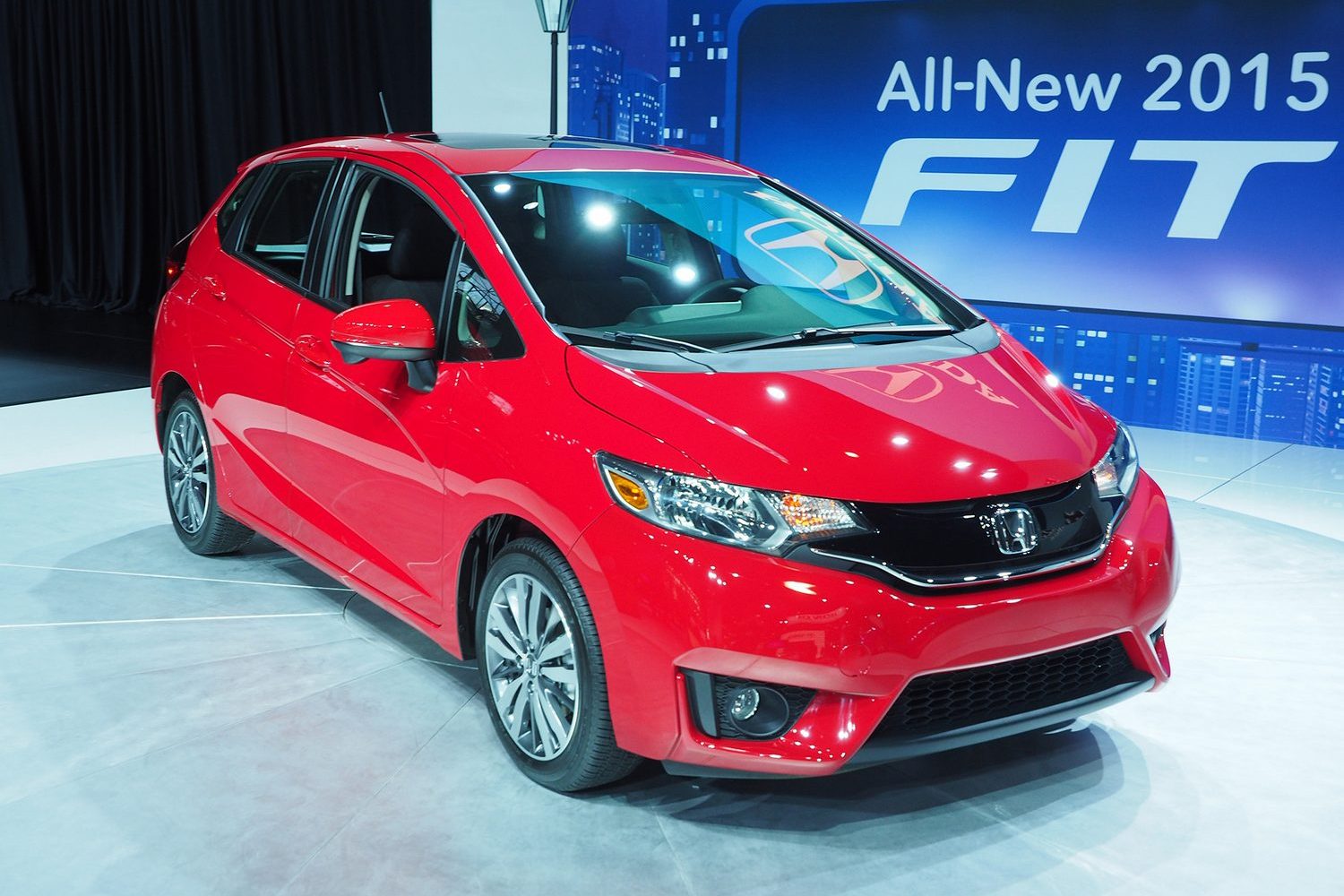
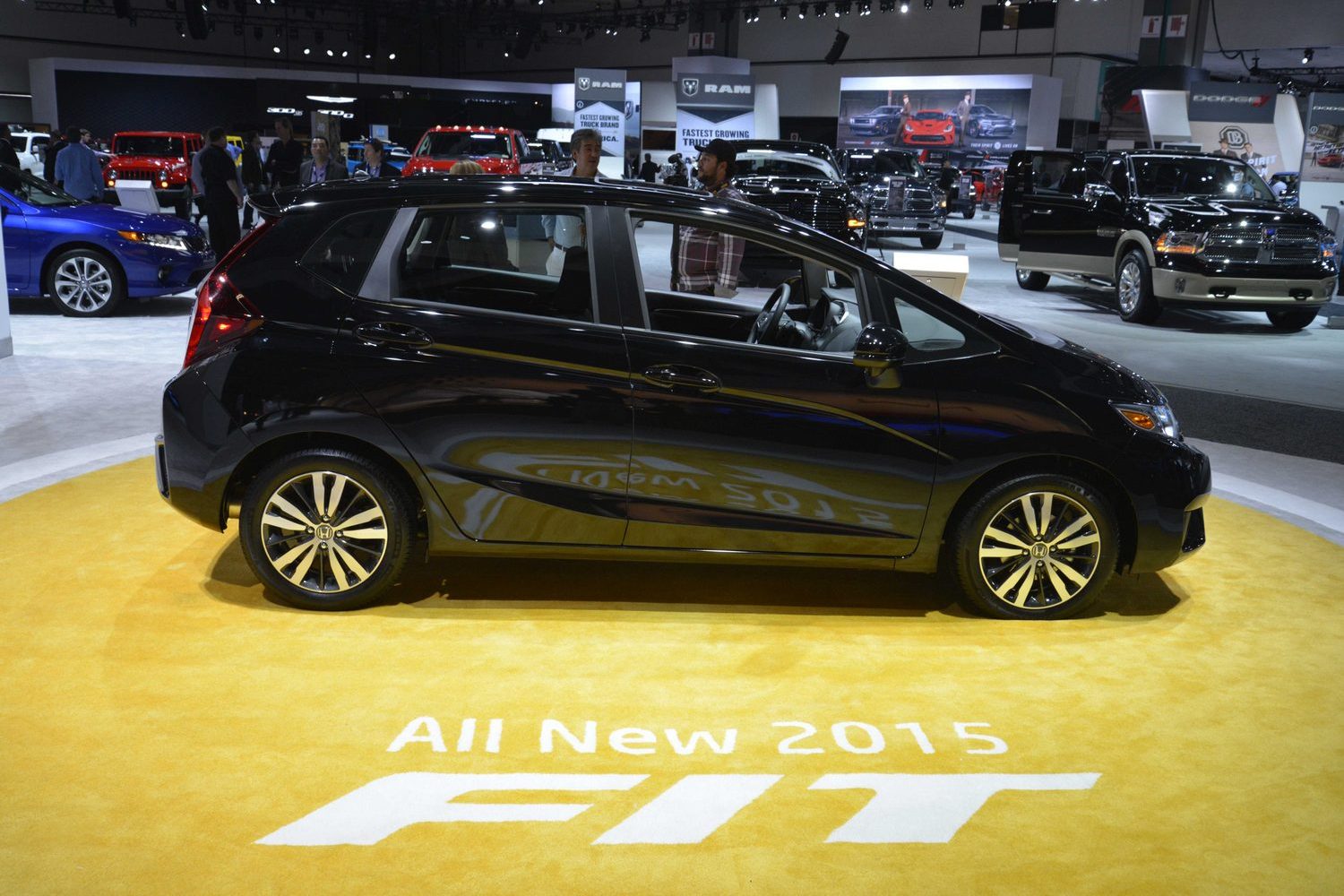
There are some obvious candidates here. The Toyota Vitz, for instance, is actually pretty familiar because that's just the Japanese name for the older generations of Yaris. Likewise, the Honda Fit is instantly recognisable as the Honda Jazz, but then the water is instantly muddied because there's also a Honda Fit Shuttle, which is a bigger, taller, longer Jazz that's half-way between an estate and an SUV.
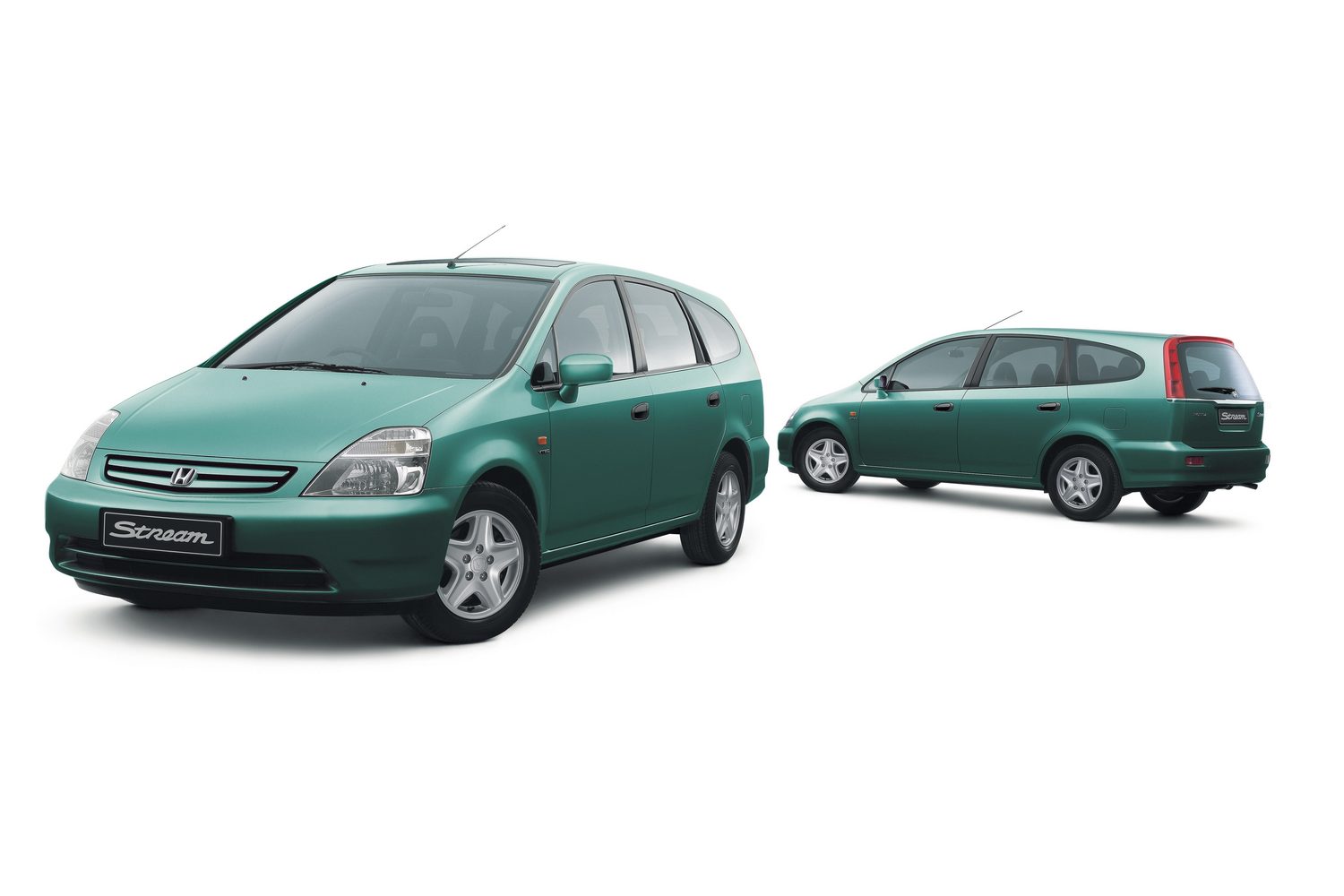
Equally, Irish buyers only ever got one chance to buy a Honda Stream seven-seat MPV, back in the early 2000s, but that model name stayed in production right up to 2014, and the later Japanese market versions still make an excellent buy for those needing seven seats at a low cost.
Of course, if you want seven seats (sometimes even eight - it depends on the model) with hybrid power, there's also the Honda Stepwagon, which has gone through six different generations now, and while the looks are... a little challenging (at least until the new model came out in 2022, which looks kind of cool), it's certainly space-efficient.
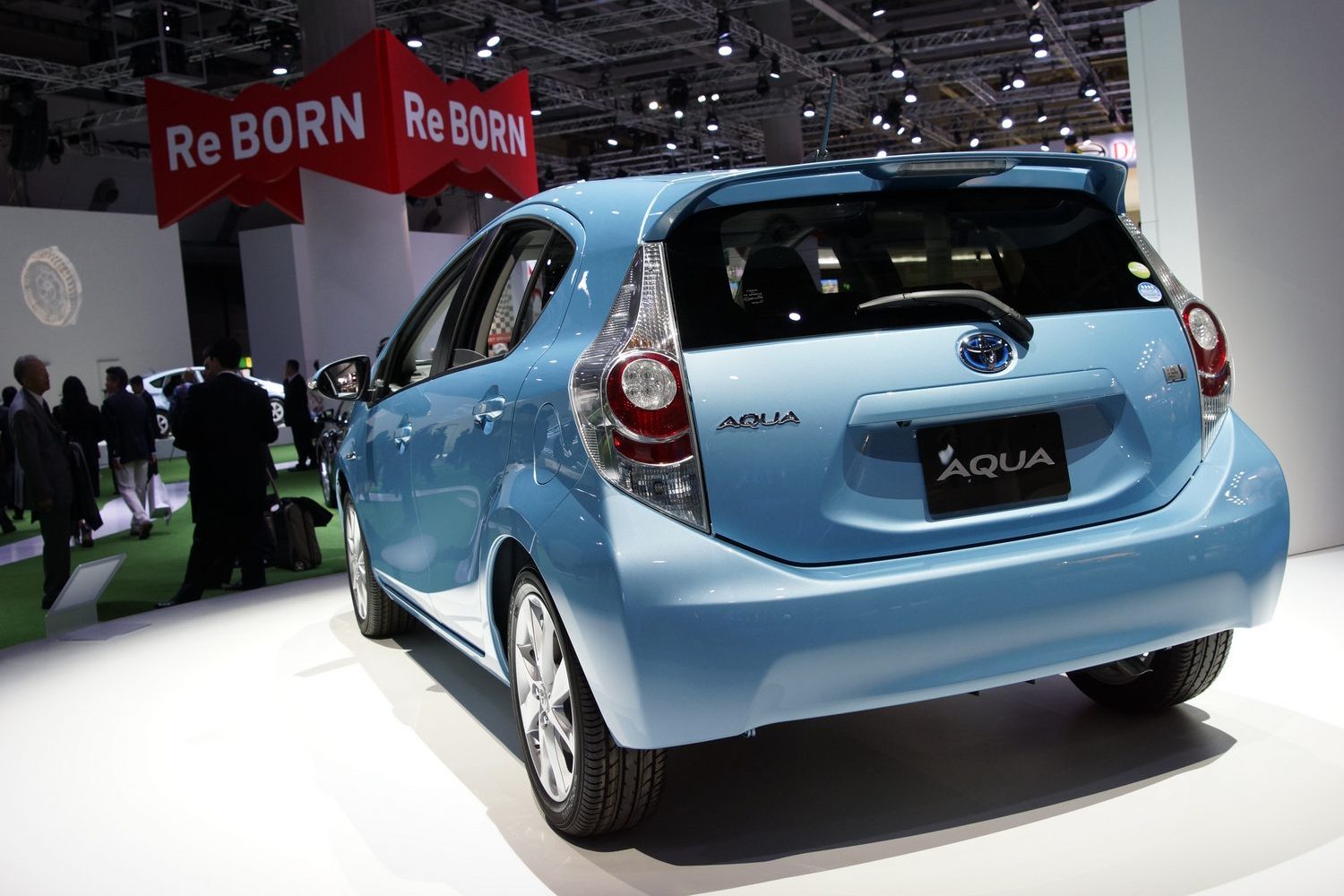
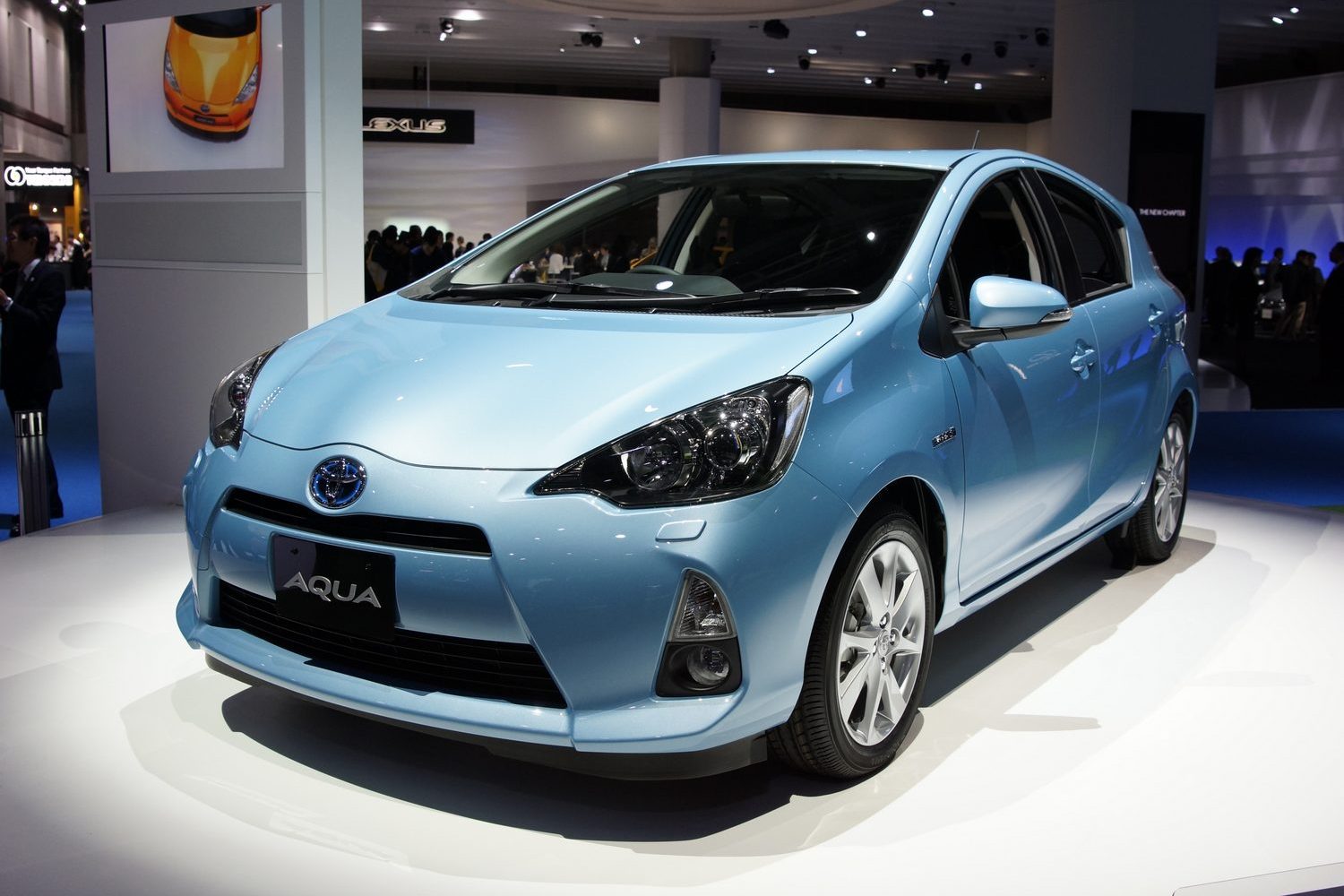
You can have seven seats and hybrid power in the Toyota Prius Alpha, which was better known here as the Toyota Prius+, or if you fancy something smaller, there's also the Toyota Aqua, which was sometimes known as the 'Prius c' and which is a smaller hatchback version of the third-generation Prius which never got sold in Ireland - possibly because Toyota didn't want to dilute sales of its European-built Auris Hybrid.
The Honda Accord might have left these shores some time ago, but you can still buy one from Japan, with the 10th generation model - built from 2017-2023 - proving popular. That one often comes with hybrid power and it's a rather handsome four-door saloon. Count us in.
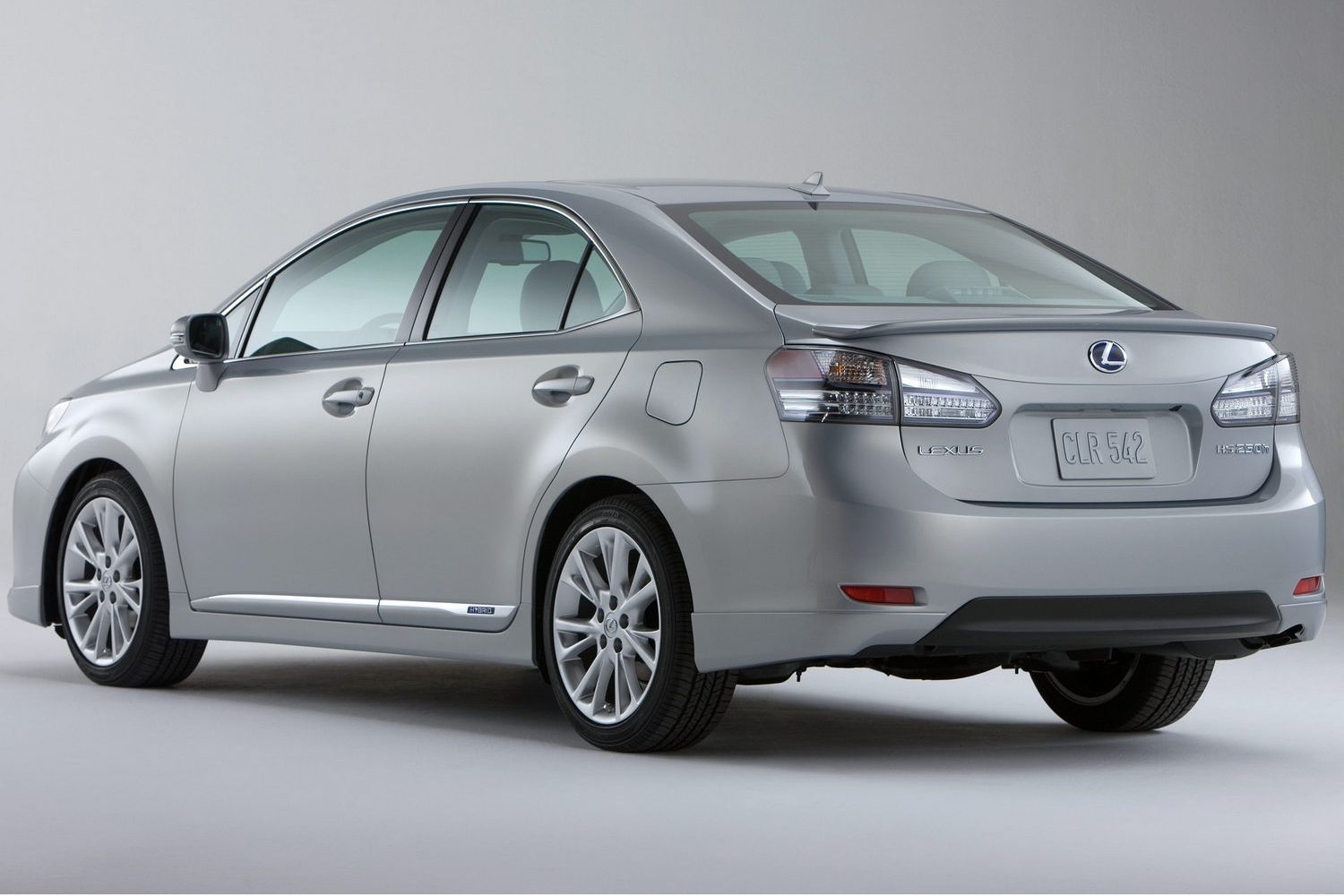
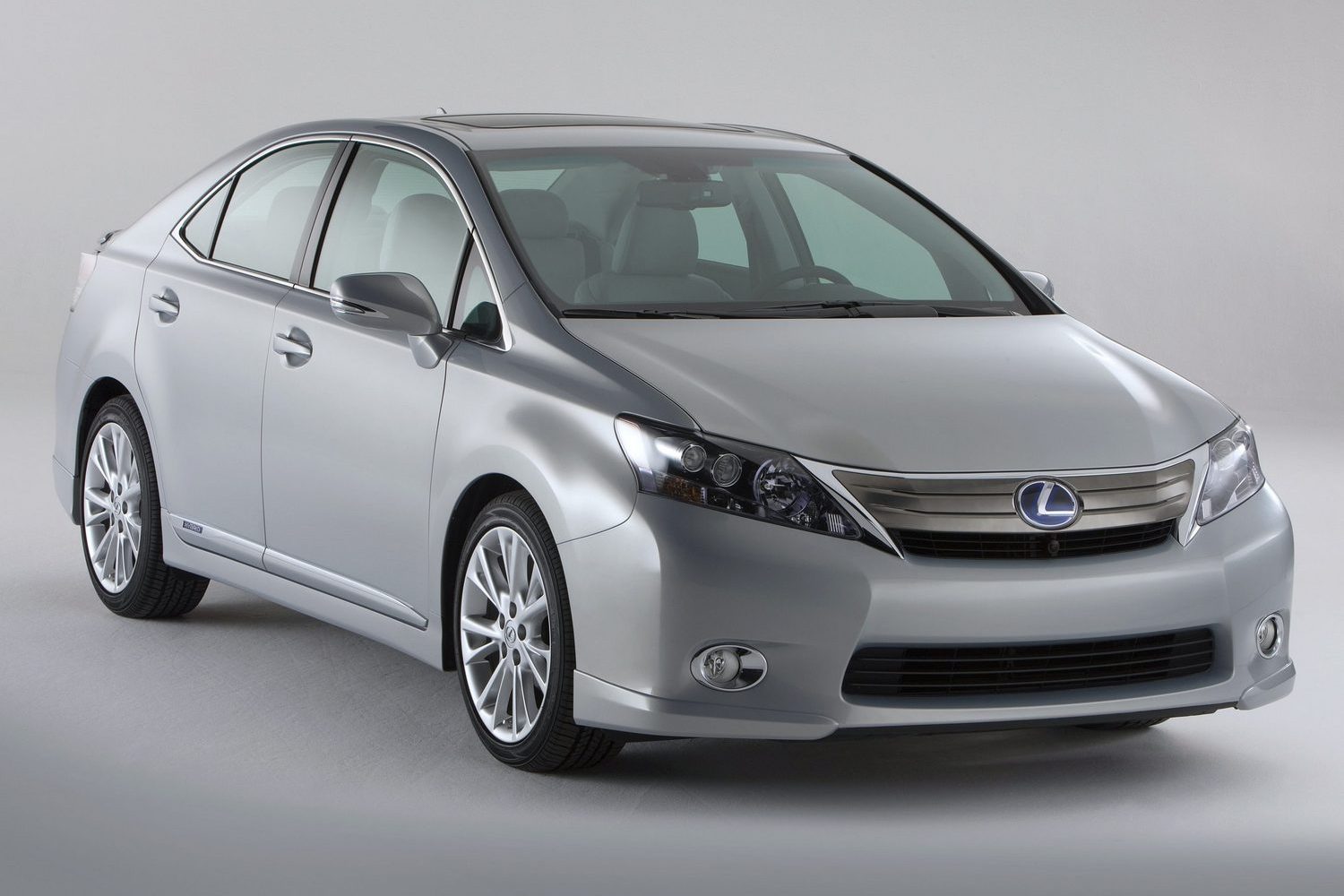
Less handsome, but very efficient, is the Lexus HS 250h, a combination of the IS 250h's hybrid running gear with the last-generation Toyota Avensis chassis and - mostly - bodywork. It's a long way from Lexus' best-looking car ever, but it's a reliable fuel-sipper, so don't rule it out.
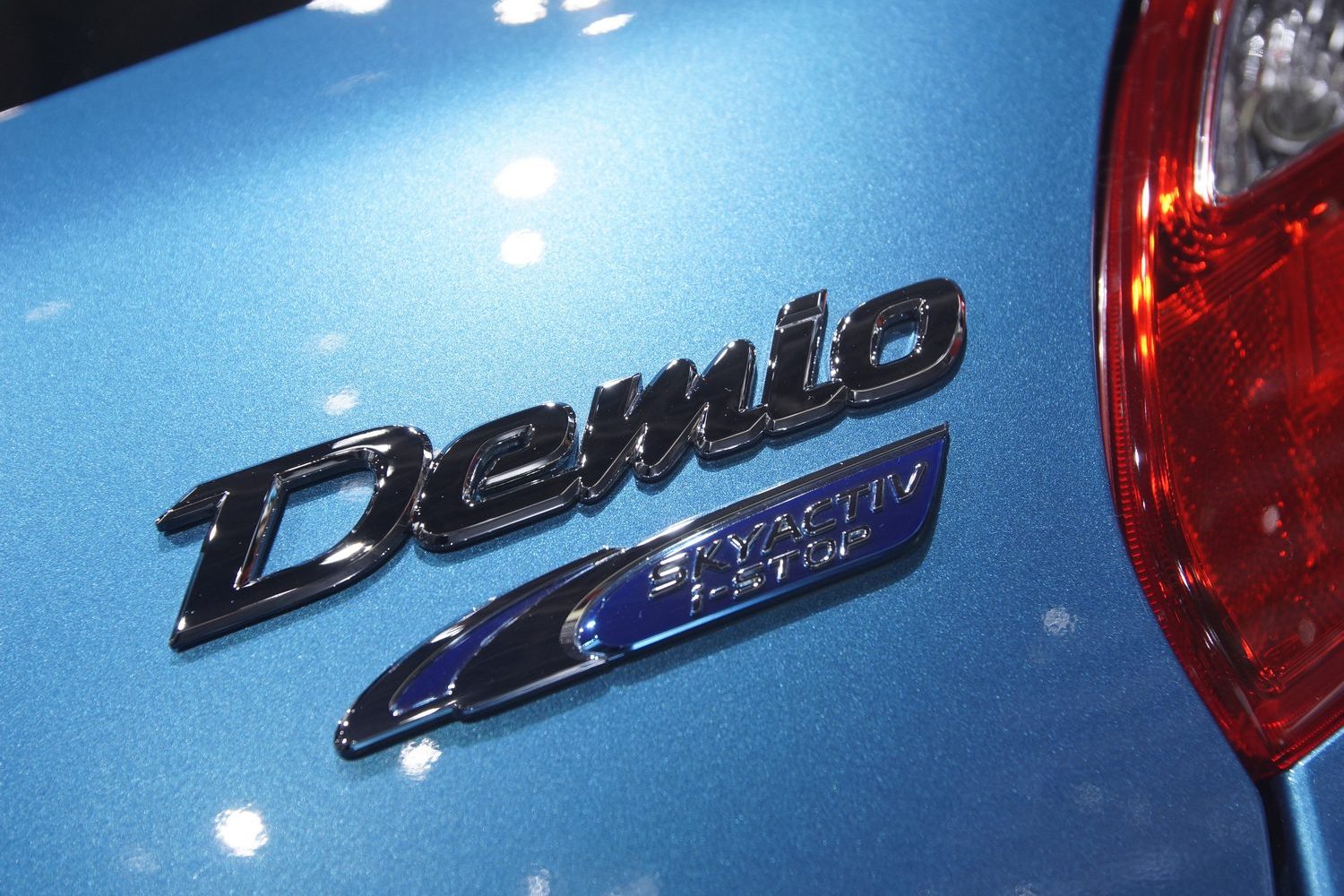
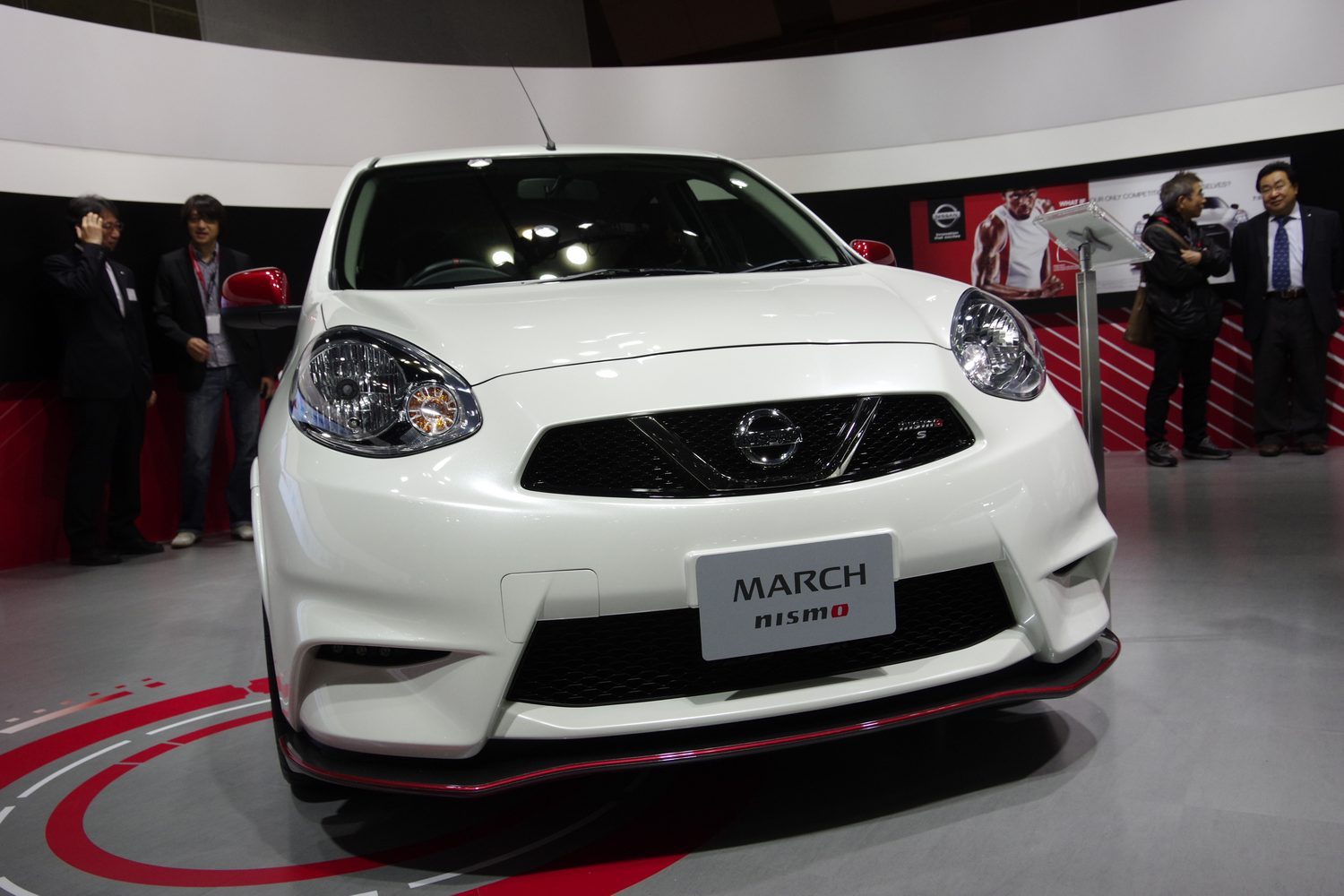
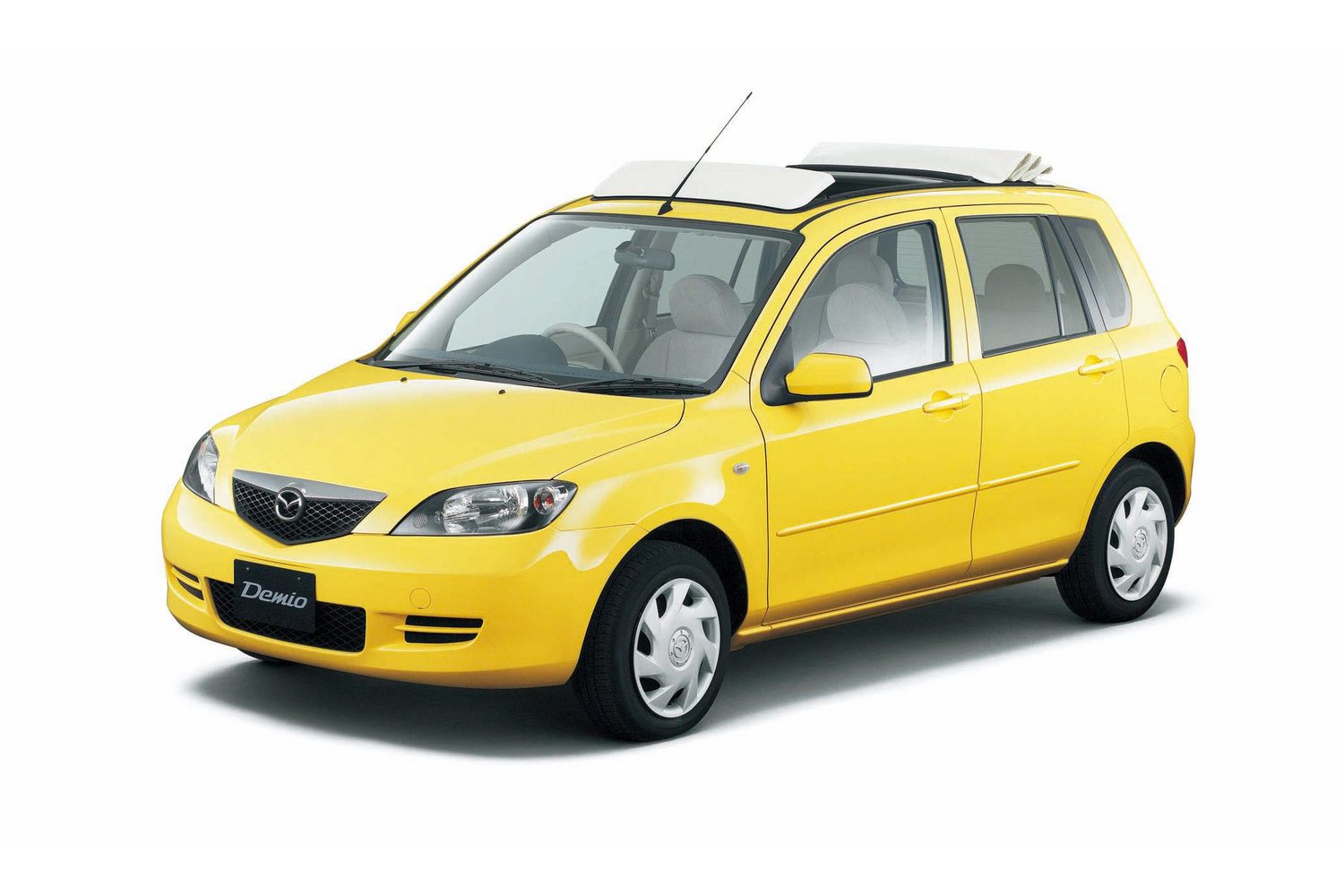
Need something smaller? How about a Mazda Demio, of where there are loads of generations stretching back to the early 2000s? PlayStation fans will remember a first-gen Demio as one of the starter cars in the original Gran Turismo video game, but here we've always known it as the Mazda2. Or there's the Nissan March, which since the 1980s has been badged here as the Micra.
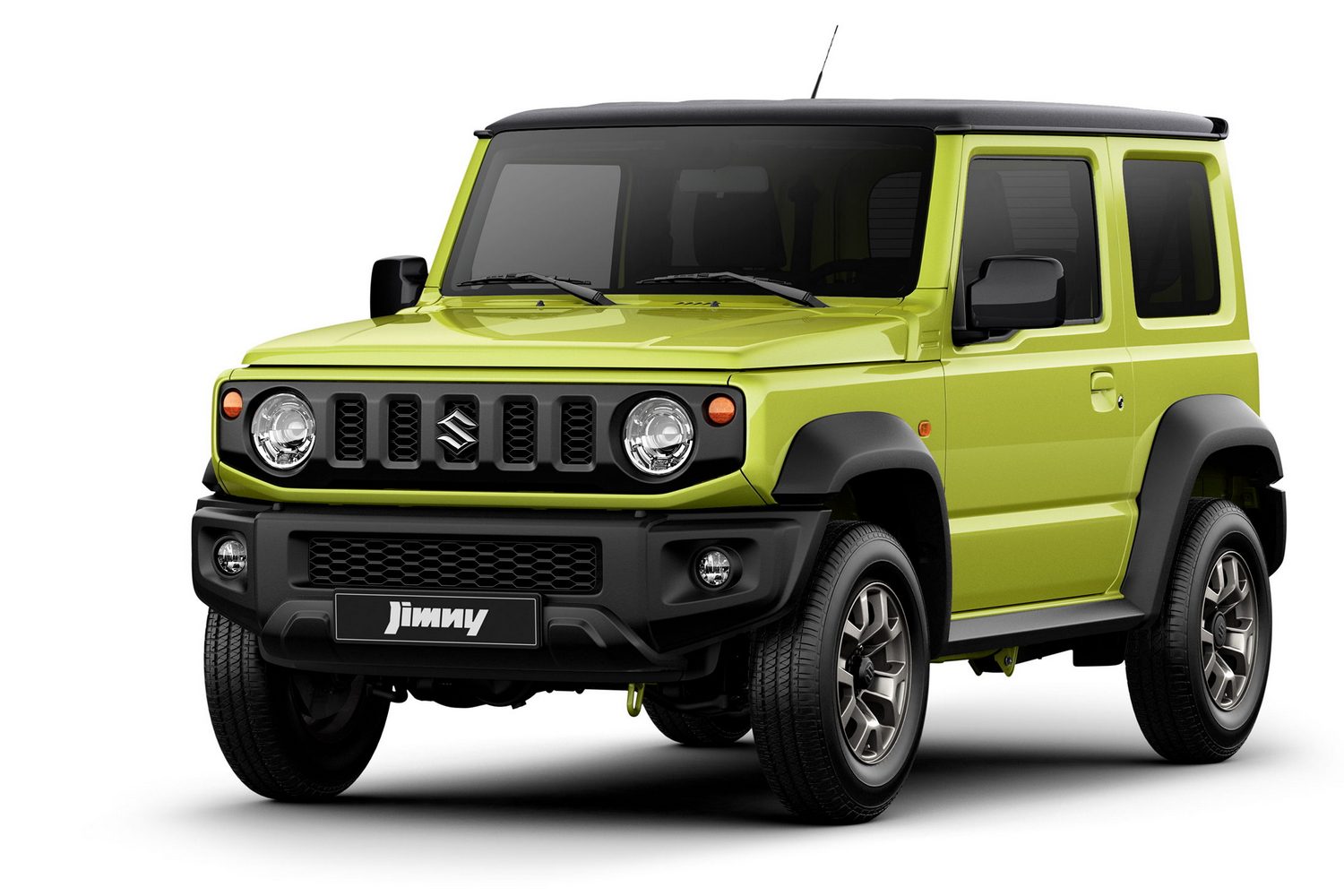
And then there are the real oddballs... How about a Toyota Passo? It's a compact hatch with a blocky rear body but a front end that looks very Mini-like and comes with a zippy 1.0-litre engine. The Daihatsu Rocky is a teeny-tiny SUV which you can have with a turbocharged 1.0-litre petrol engine as well. Speaking of SUVs, the brilliant little Suzuki Jimny is still on sale in Japan...
Or you could go full Kei-car. Kei-cars are small city cars built to stringent Japanese tax rules and limited to 660cc engines. Of course, asking a Japanese engineer to build a tiny, efficient engine is like asking Cordon Bleu chef to make you a cheese sandwich - you're going to get something way tastier than you imagined. Kei-cars are often rather boxy and even ugly, but there are a few that get amazing styling - often retro - and those little 660cc engines are very, very tune-able.
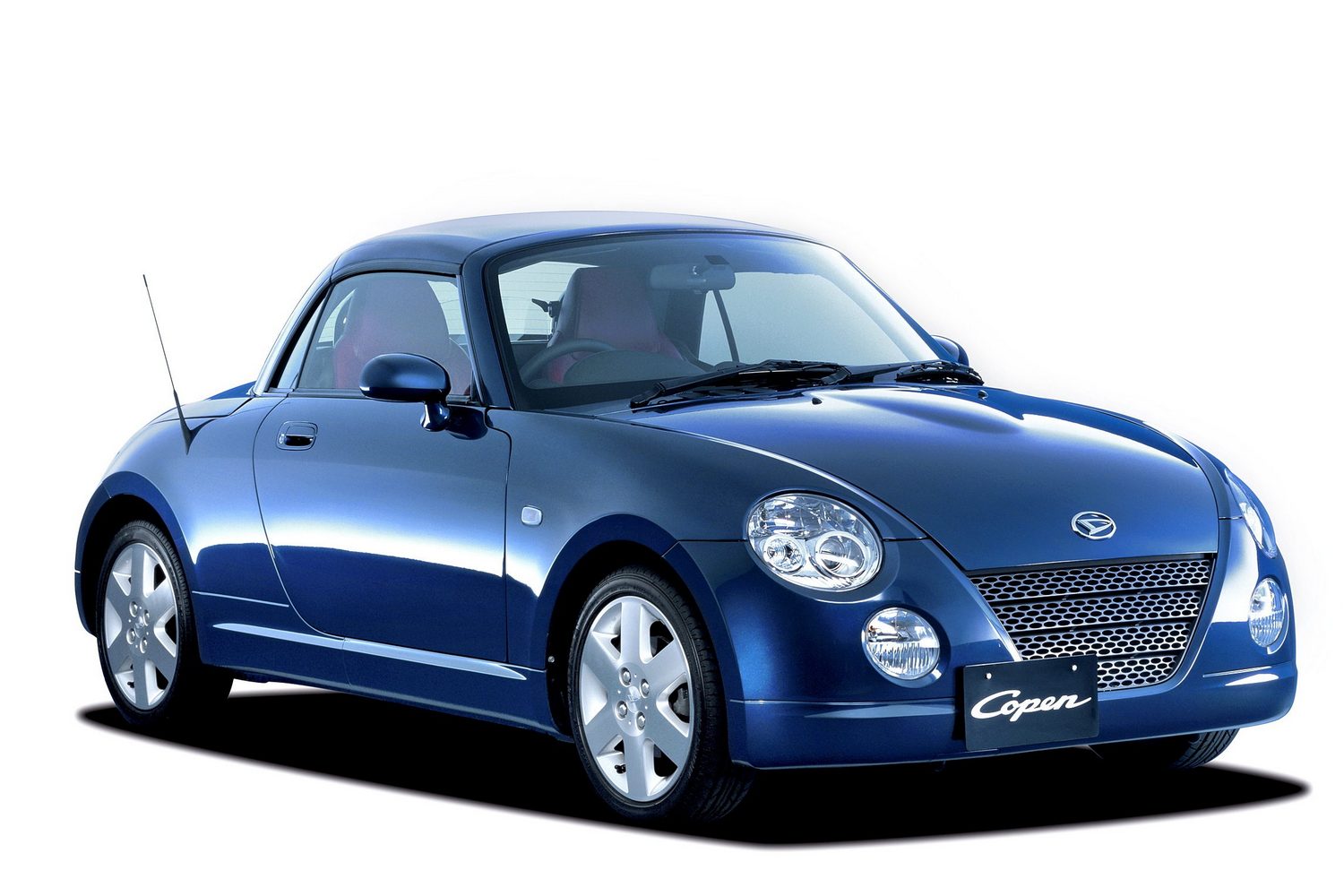
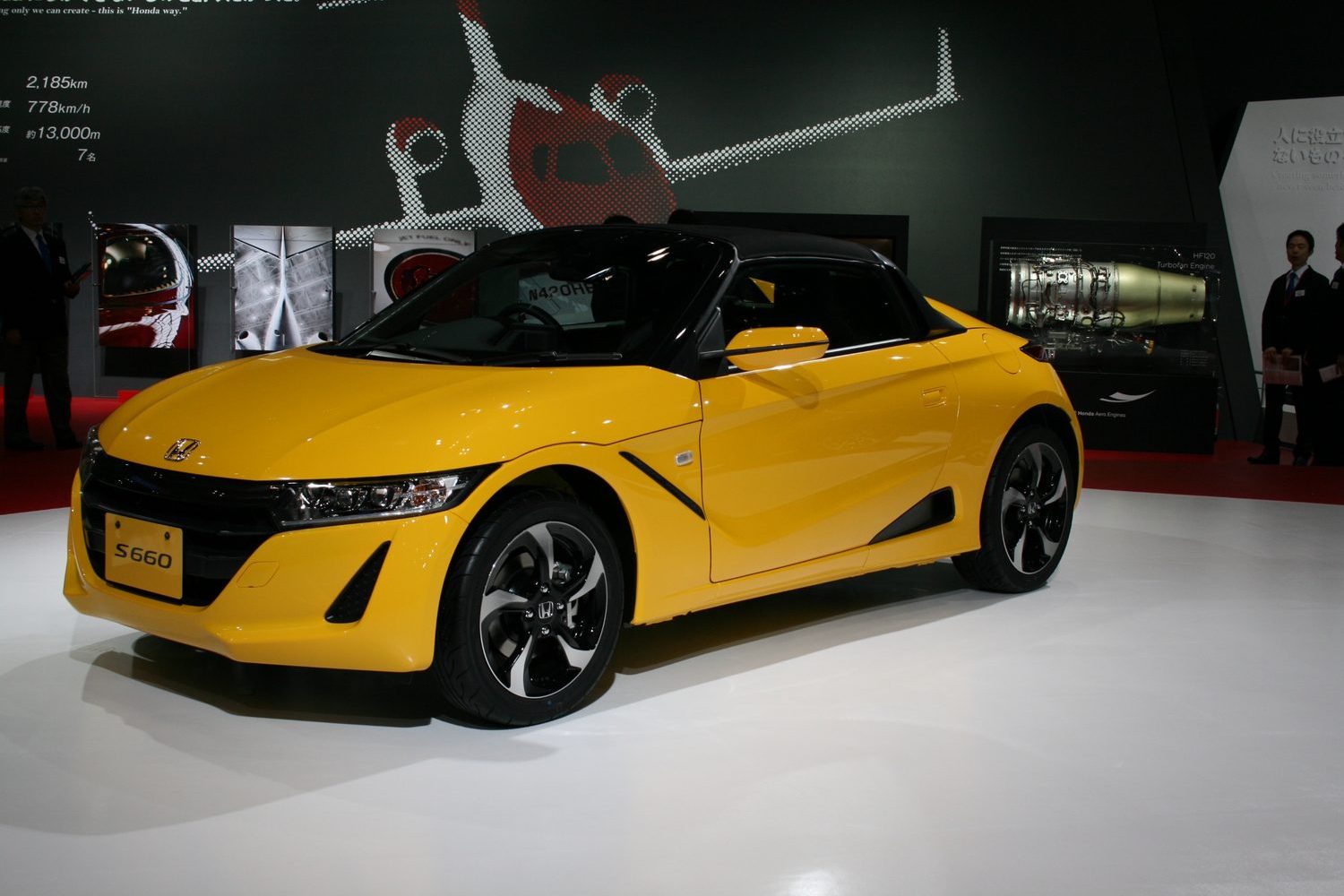
How about a Suzuki Alto Turbo RS, that looks as if it was teleported here from 1985? Or of course the brilliant little Daihatsu Copen, which is a two-seat sports car barely bigger than a Garda's shoe. Better still, there's the Honda S660, a descendent of the original Honda Beat, which looks like someone shrunk a Corvette in the wash.
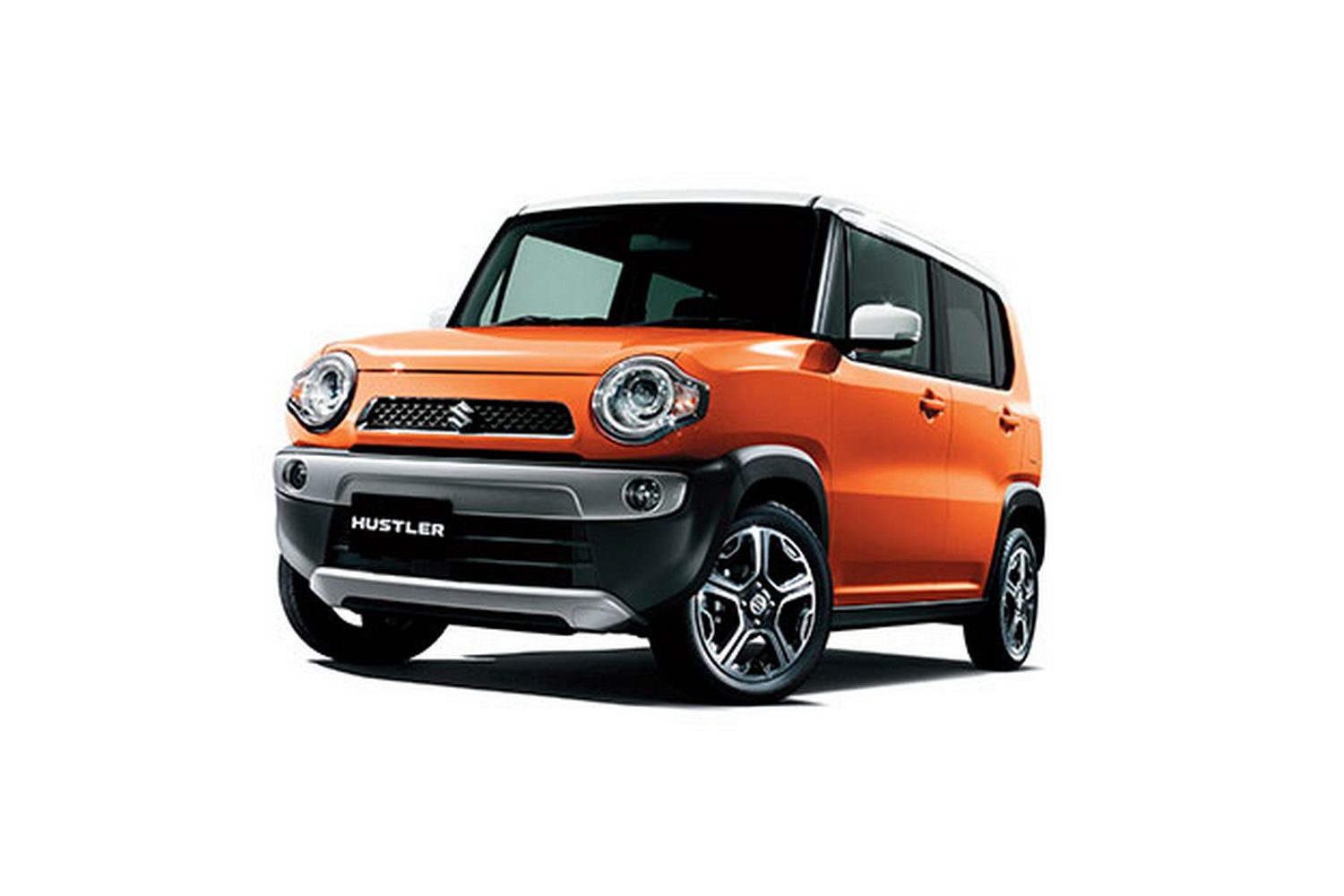
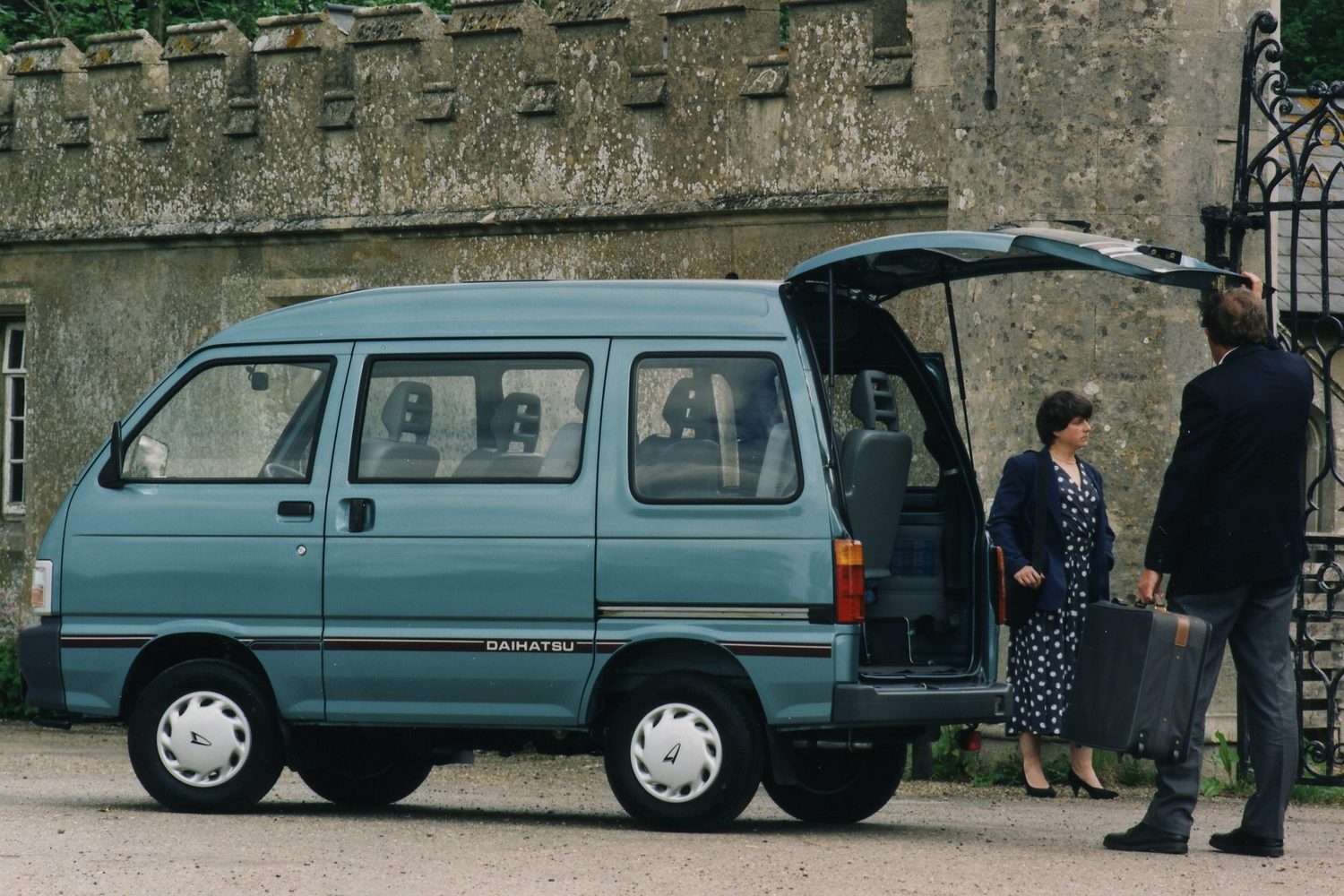
There's the Suzuki Hustler, which looks like someone gave the same boil-wash treatment to a Toyota Land Cruiser, or there's the awesome Daihatsu HiJet, a tiny van and chassis-cab that can be built up as the smallest six-seater you ever saw, or even a pickup truck with a tipper bed.
What are the risks of buying a used Japanese import car in Ireland?
What do you need to watch for when it comes to importing a Japanese car? Well, there's plenty of paperwork to wade through - from customs payments (usually ten per cent of the purchase price plus shipping costs), VRT (which can be tricky to calculate on models not normally sold here) and smaller jobs such as reprogramming the stereo to work on European frequencies (or more likely replacing it), translating the touchscreen to English, and even getting the NCT centre to recognise what the car actually is.
There's a bit of a spectre of rust too, as cars in Japan are not routinely given sealant under the body, but that can be taken care of pretty easily. The issue of spare parts is also generally easier than you'd imagine, as many Japanese market models share components with European cars, albeit not all.
Another downside is that immobilisers are not routinely fitted to Japanese-market cars.
We spoke to Paul O'Connor, who runs a Japanese import specialist firm in Dungarvan, Co. Waterford, and he told us that the maths can add up in imports' favour: “You'll actually pay more in tax than you will on the cost price of the car,” said O'Connor. “So sometimes I pay maybe €5,000 for a car, but then we'll pay €7,000 in taxes on top of that, and shipping is another €1,500 or so on top. I'd say the cost of the actual car is about 40 per cent of the final price.”
“There's not much of a car maintenance culture in Ireland,” says O'Connor. “So cars of that sort of price in Ireland are often high-mileage cars and maintained to quite a poor standard. There's just such a culture of respect in Japan, for cars and for everything else. They look after their cars like they would their house, or even their cities. The cars that come in from Japan need very, very little work doing to them, whereas an eight-year-old Irish car? Oh my god... The main reason we have to go to Japan is because the Irish car market is crying out for clean, low-mileage sub €20-25,000 cars. At the moment, that kind of car is very hard to find on an original Irish registration.”
Anthony McCarthy agrees. McCarthy spends most of his time in Yokohama, working for Autocom Japan Ltd, which exports lots of used cars to Ireland. The Irish market for Japanese imports, said McCarthy, “Continues to grow, even this year. I think it's up 15 per cent again for the first half of this year. So I think it will continue to grow. We're forecasting 40,000 Japanese imports into Ireland by 2027, based on what we're seeing. And that's up from about 5,000 in 2019. Brexit changed everything, really. Ireland used to import the bulk of the used cars from the UK. So, of course after Brexit they have to pay the VAT now on those cars. So a lot of people, and dealers, turn to Japan to source the cars instead. The cost to bring it in from Japan is probably on par with what they pay for the cars in the UK, but the cars in Japan are just cleaner and usually higher in spec.”
Why are Japanese-owned cars in so much better nick than an equivalent Irish car, though?
“They don't really need to use their cars, as most people commute by public transport because it's so efficient and it's convenient, so that keeps a low mileage on the cars,” said McCarthy. “And the other thing in Japan, the equivalent of the NCT in Japan, is called a 'Sha-Ken', which is very, very strict, and it's very expensive as well. Once a new car reaches four years old, it has to go for the Sha-Ken every two years. I think the NCT in Ireland is, what, €55, and you might have to pay for some repairs, but the Sha-Ken in Japan, starts at about €800-€900 depending on the car and you're paying that every two years. So there's an incentive there to replace cars quickly.”
Further reading
How Much VRT is Paid in Ireland?
Motor Road Tax Prices in Ireland Explained
Guide To Importing Cars From The UK
Guide To Importing a Car From Northern Ireland
Ask CompleteCar.ie for help
If you have a specific question relating to buying a Japanese import, or indeed any motoring query at all, pop it into our Ask Us Anything page and we'll do our best to answer it.