

What happened to the old Spring?
The previous Dacia Spring was super-cheap (as little as €15,000) but also quite small inside, and limited in range, hence why it wasn’t all that well suited to the Irish market.
This new Spring is larger (15cm longer, 18cm wider) and significantly more sophisticated thanks to sharing a platform with the new Renault Twingo.
It doesn’t look much like a Twingo…
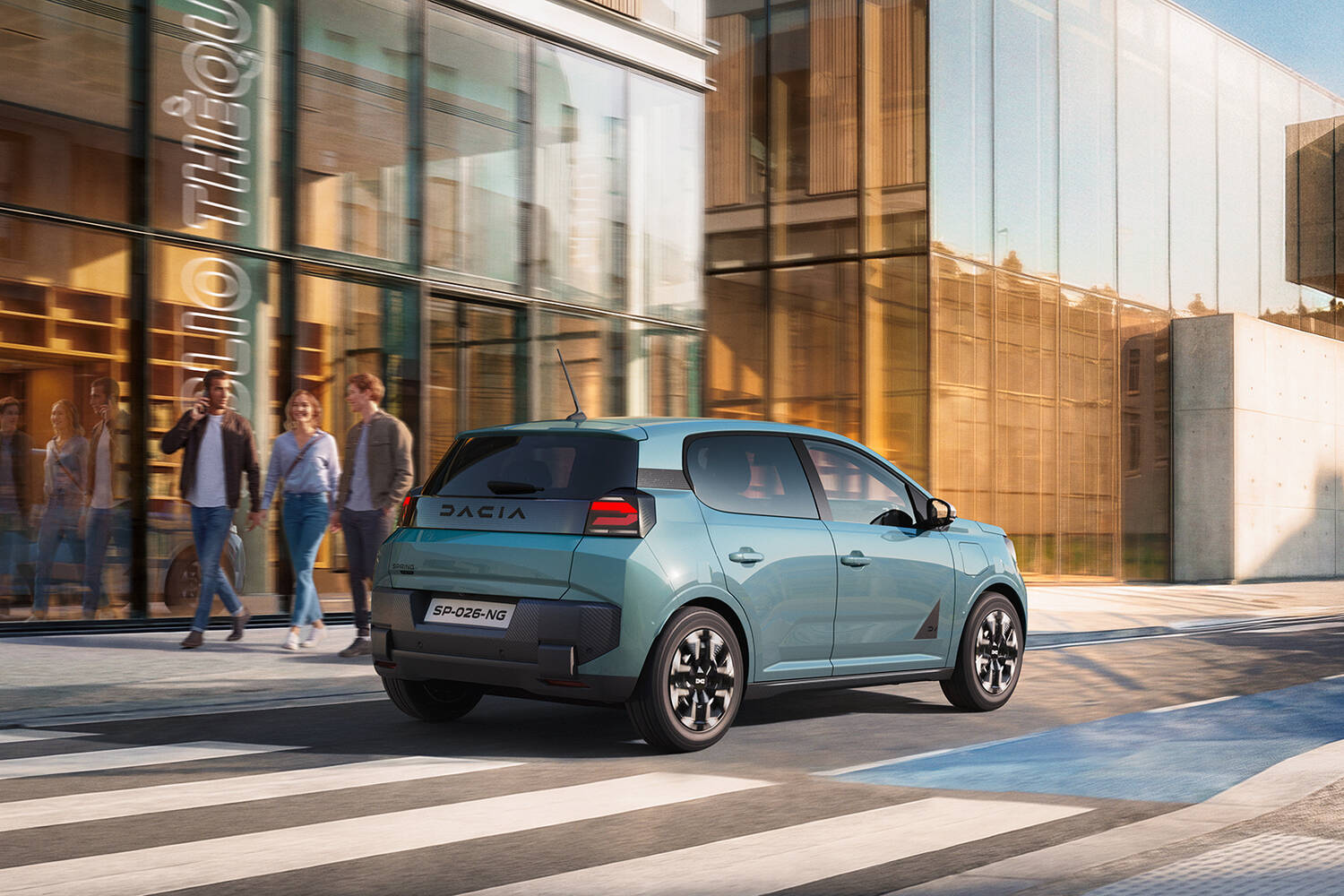
It’s not supposed to. While the Renault Twingo has to live up to the style of the original, this Dacia Spring is a little more utilitarian in its design and its nature.
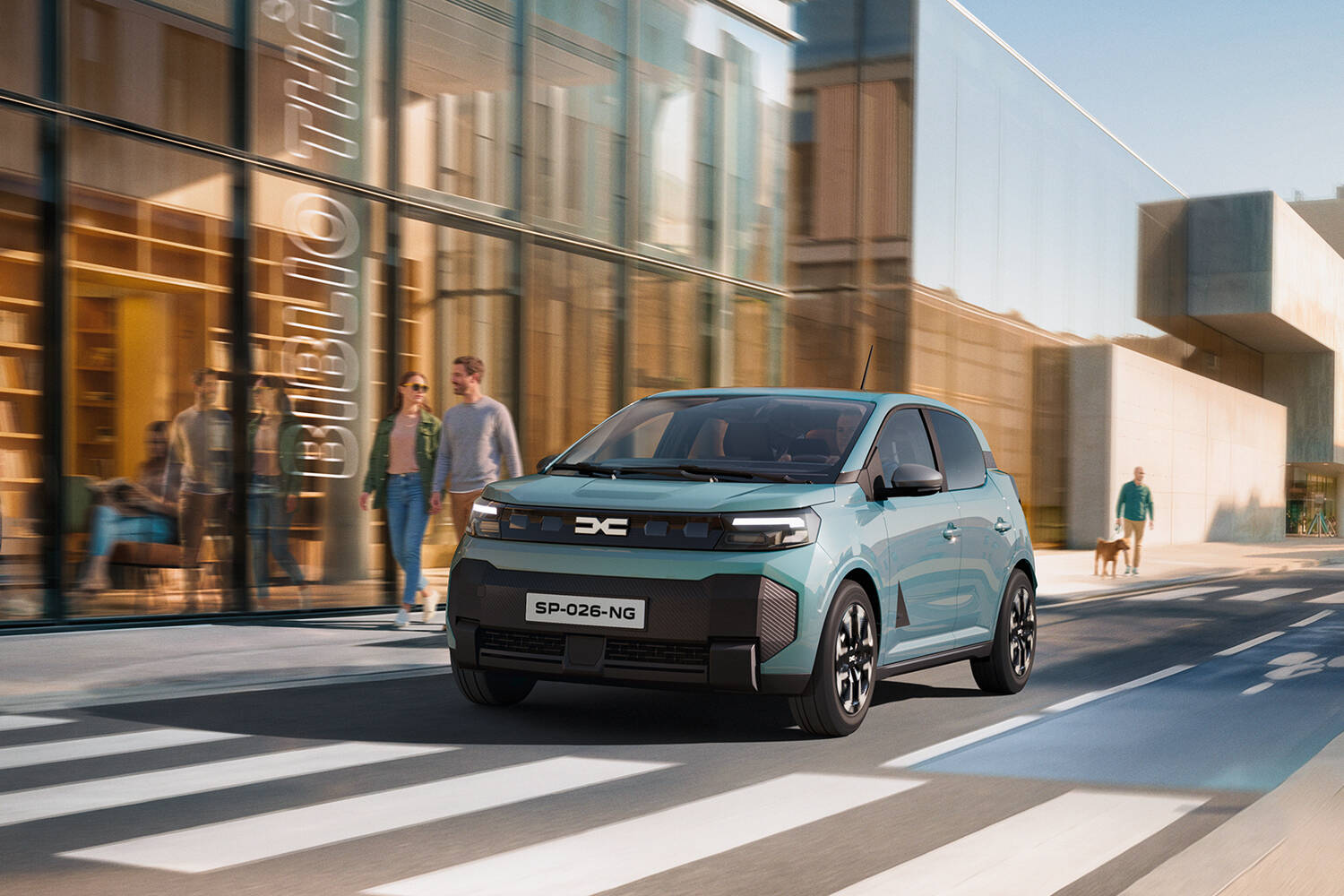
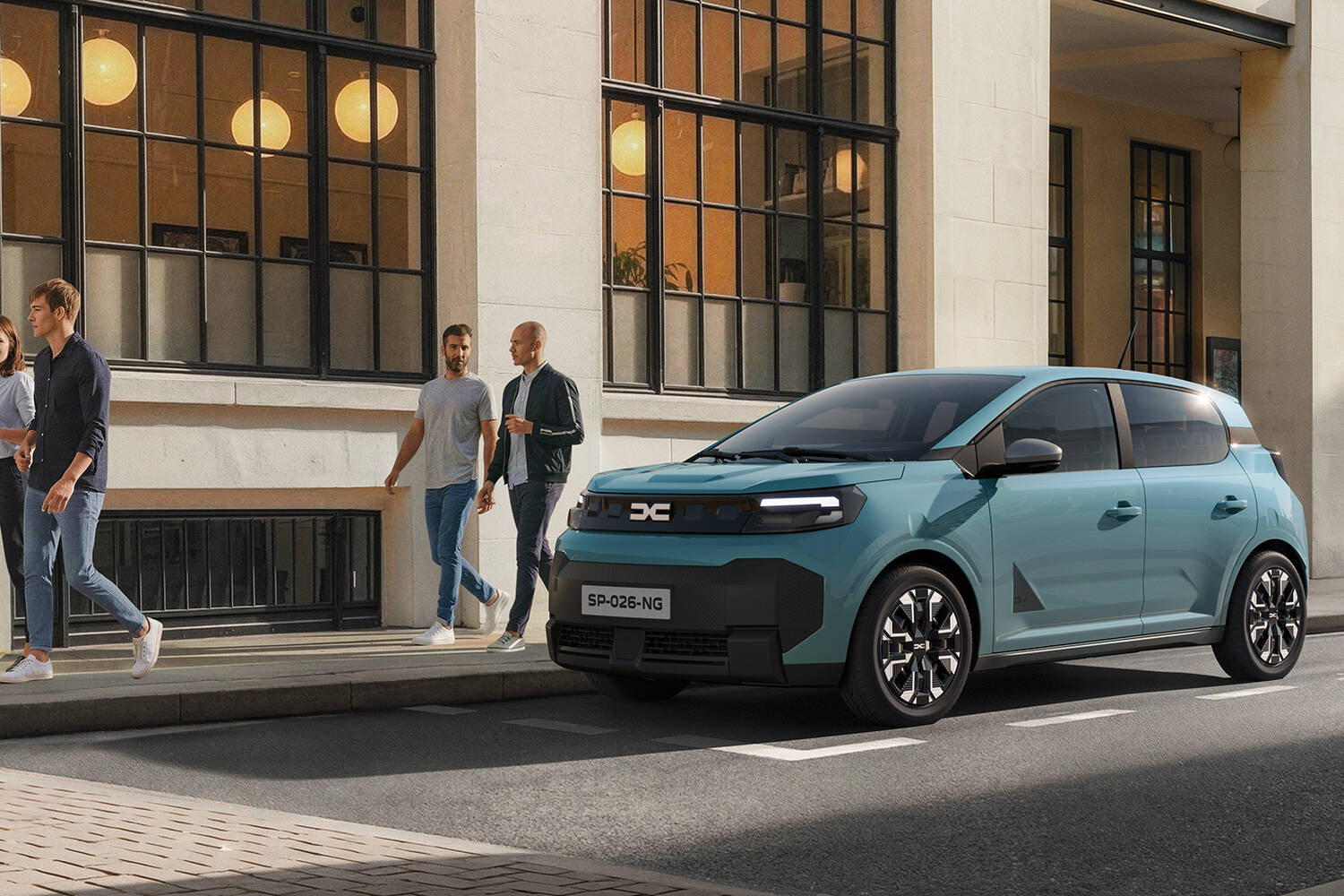
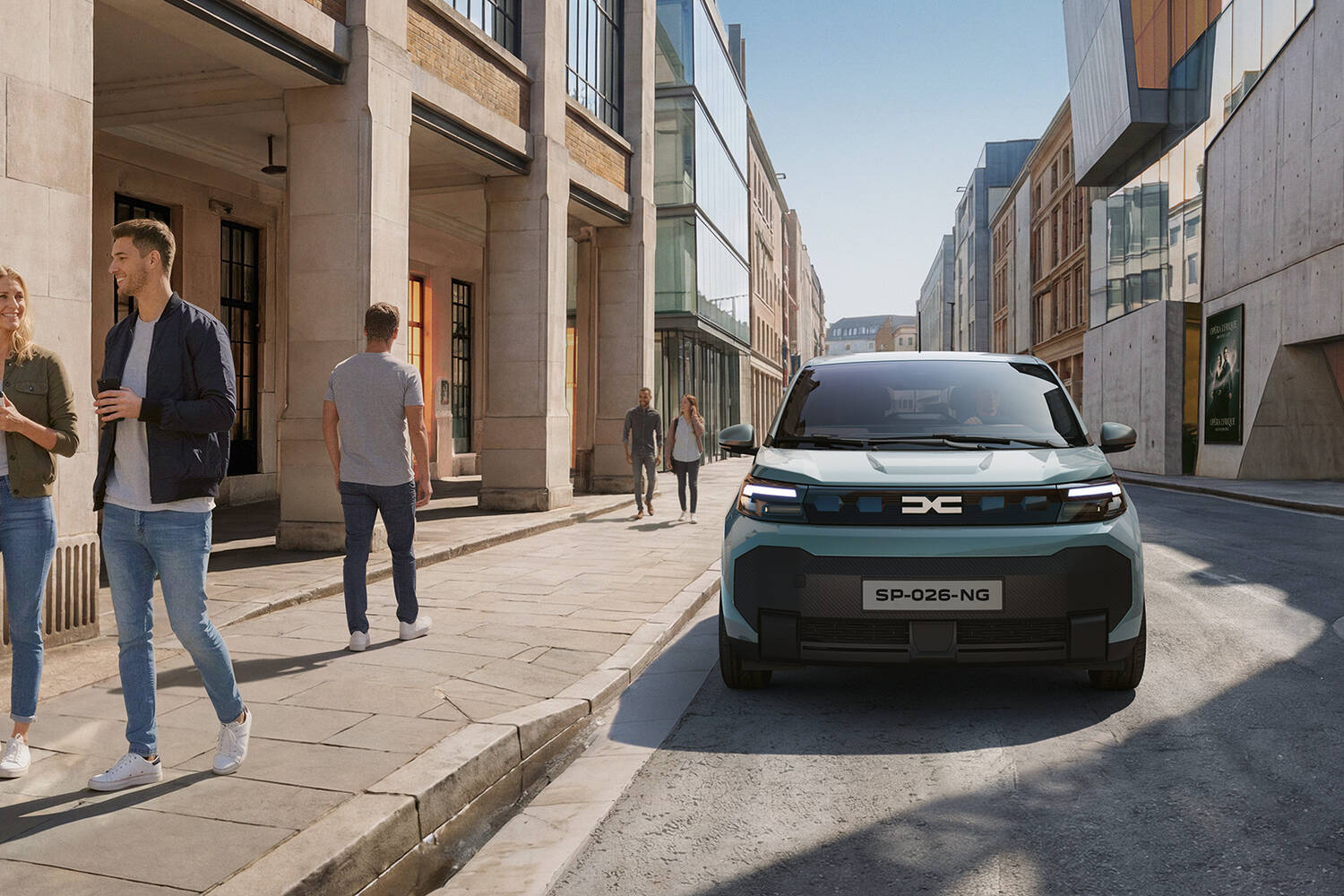
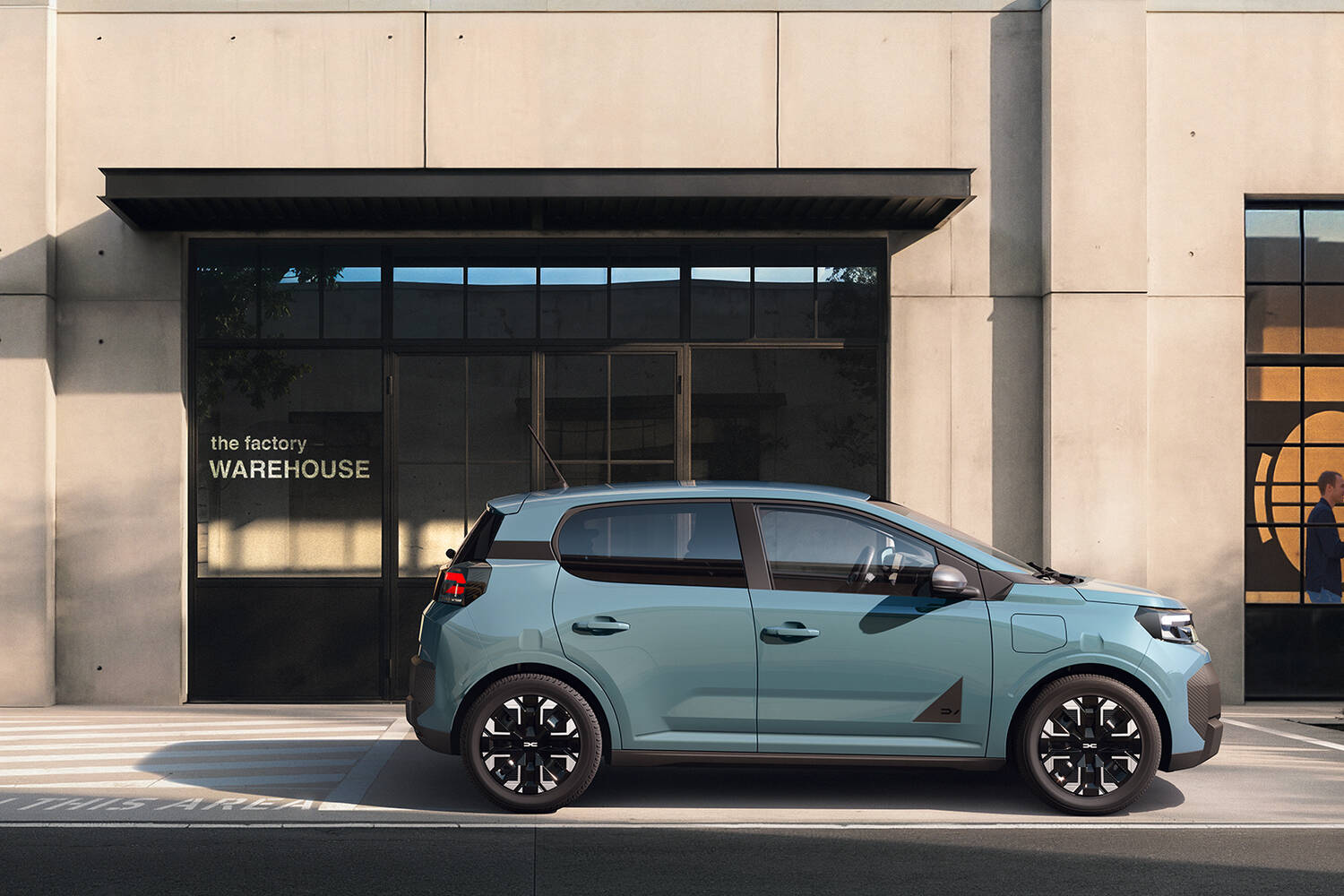
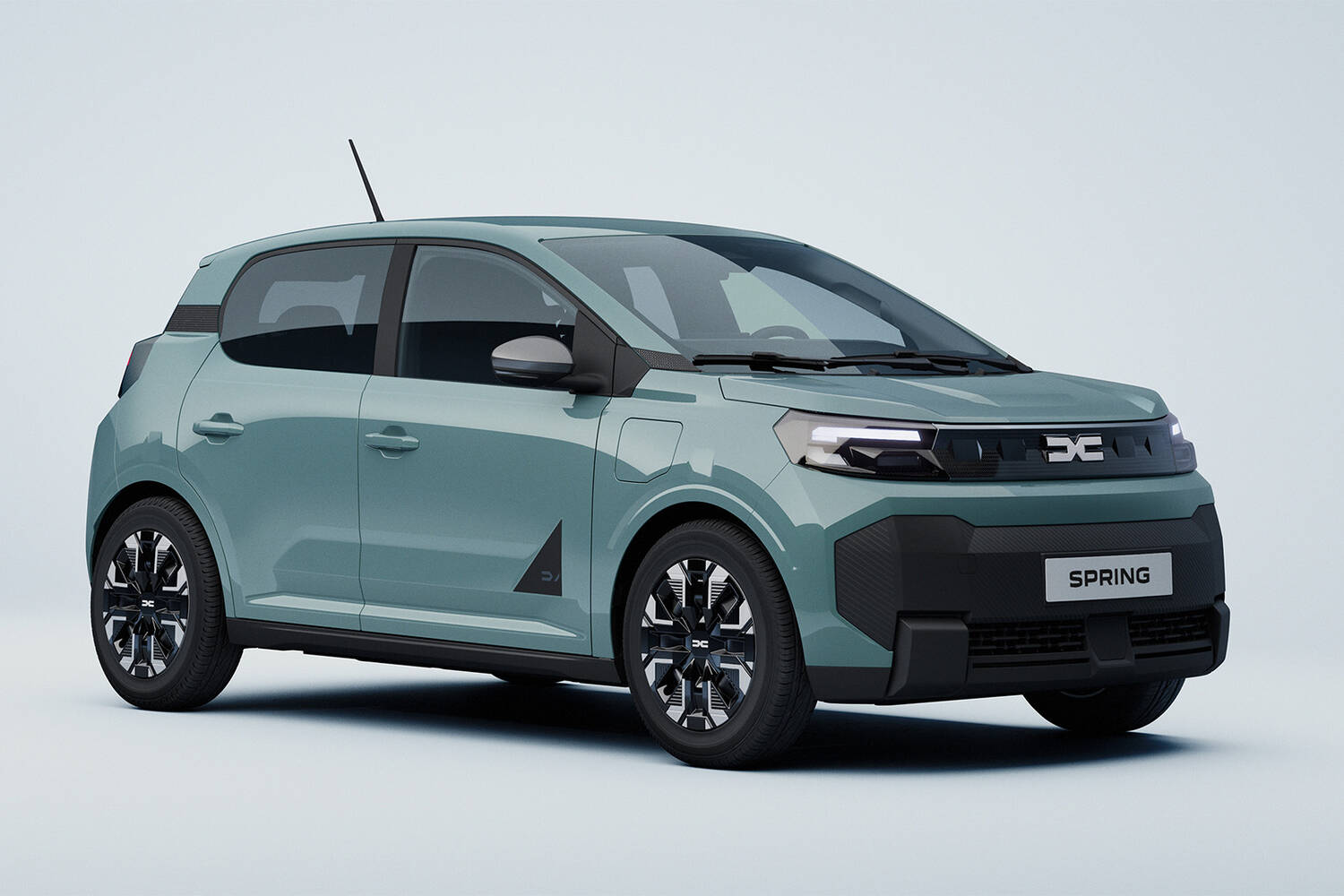
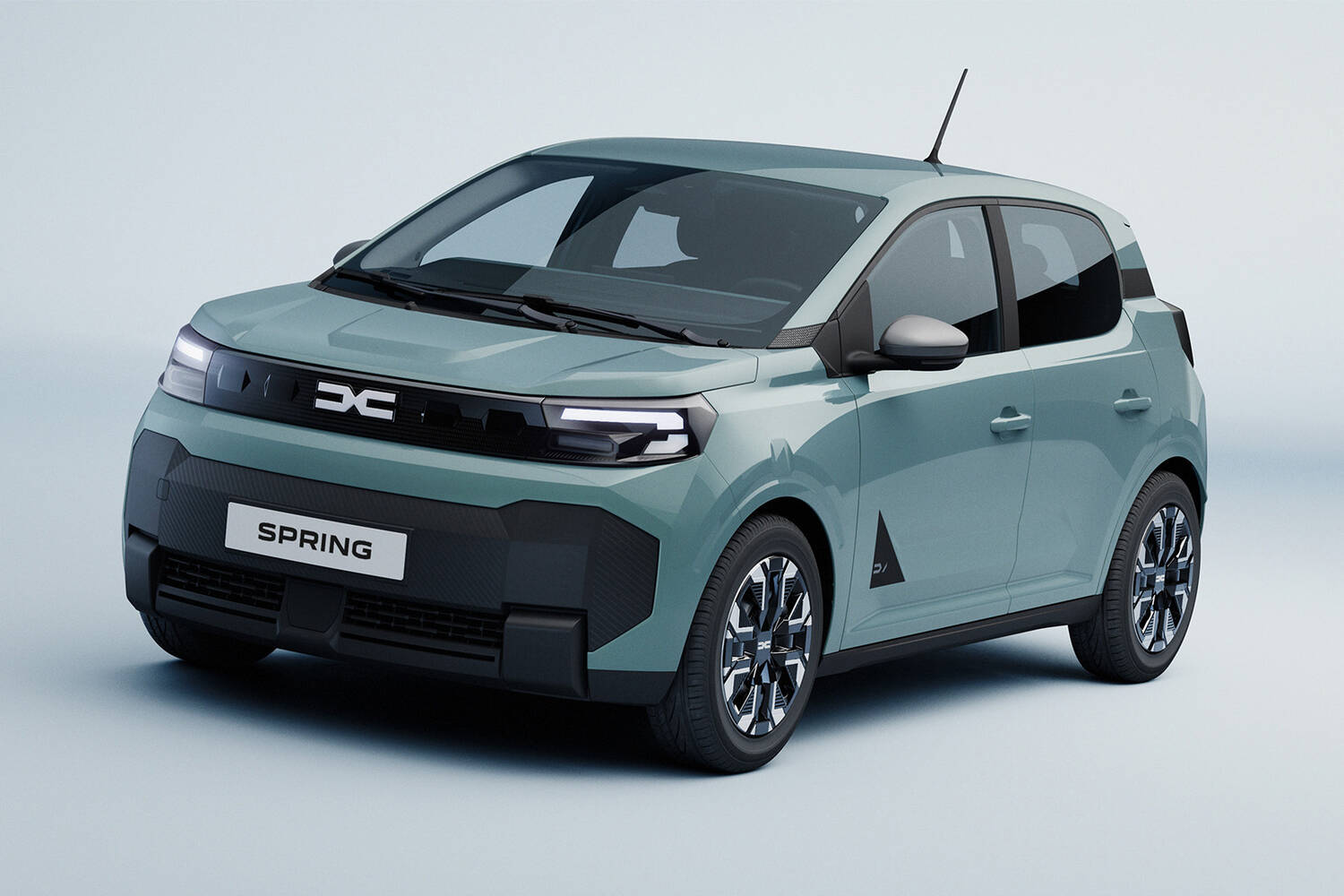
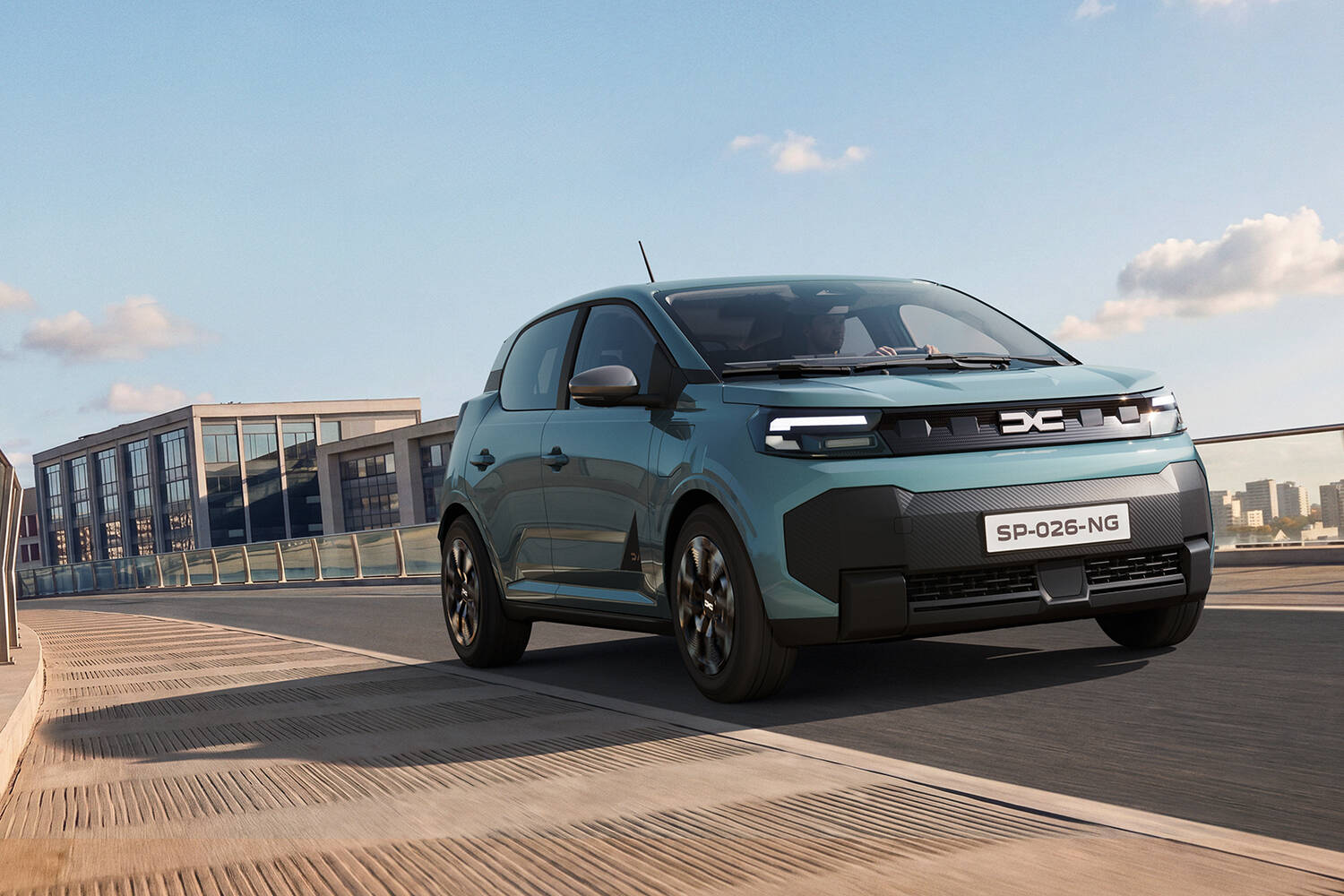
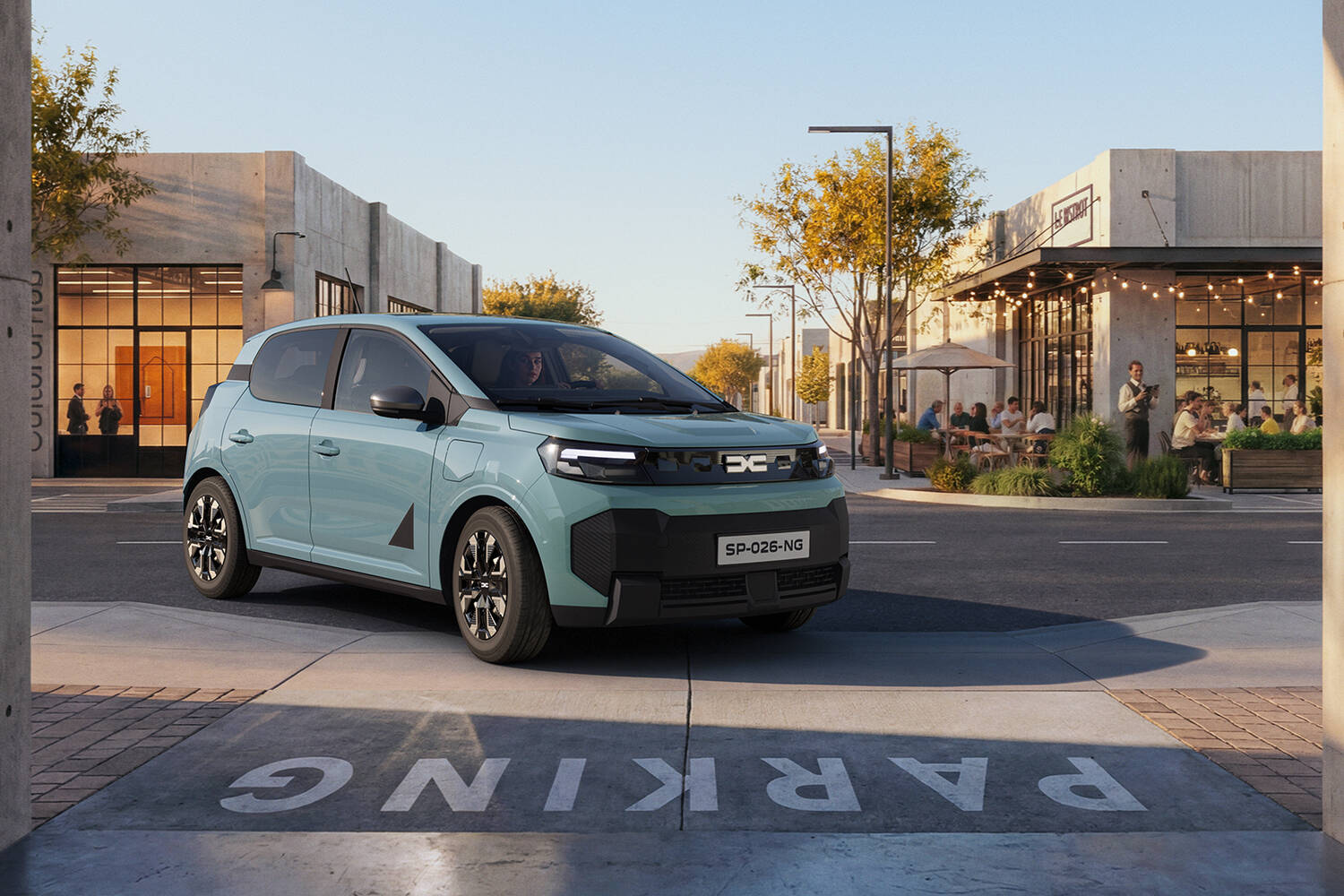
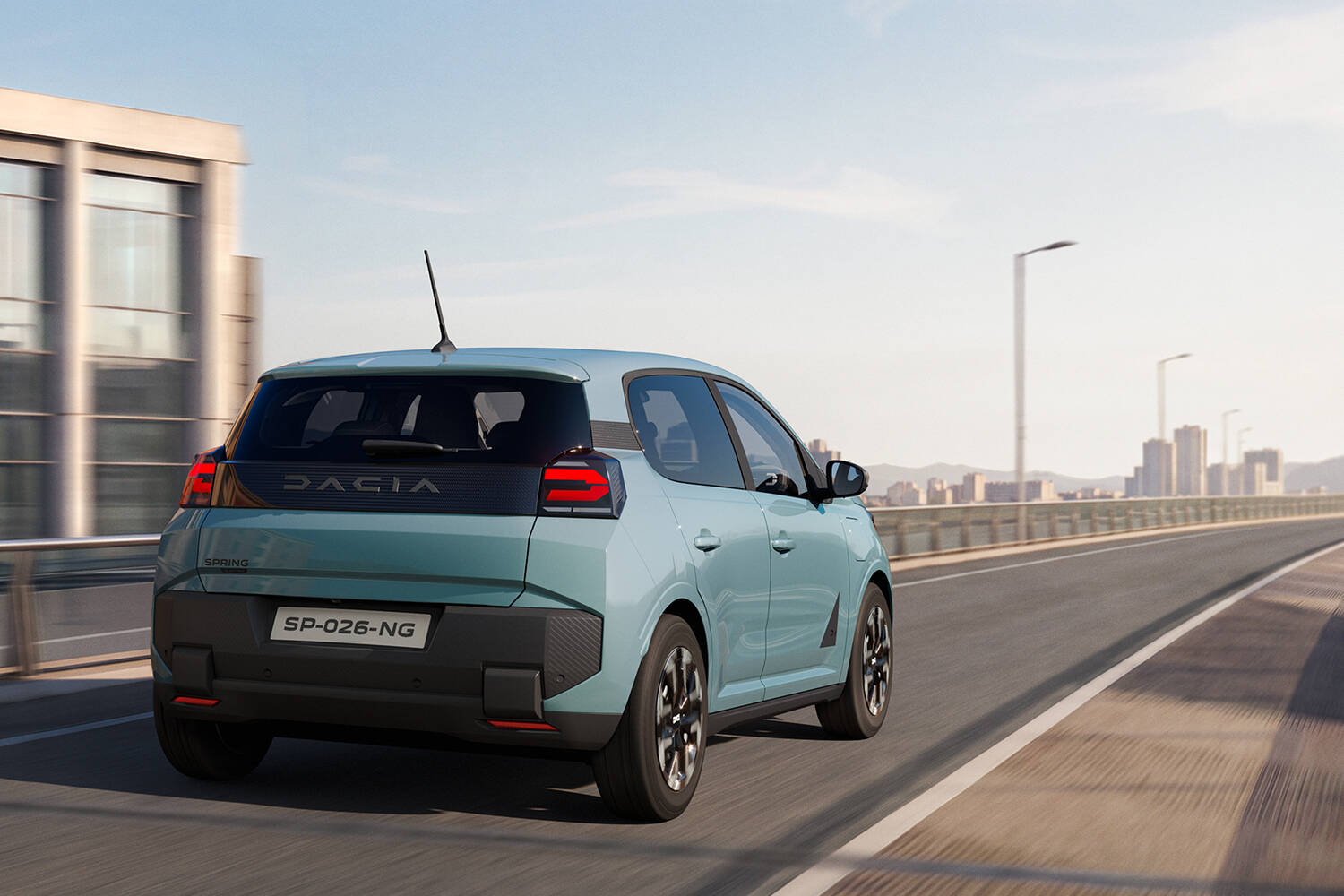
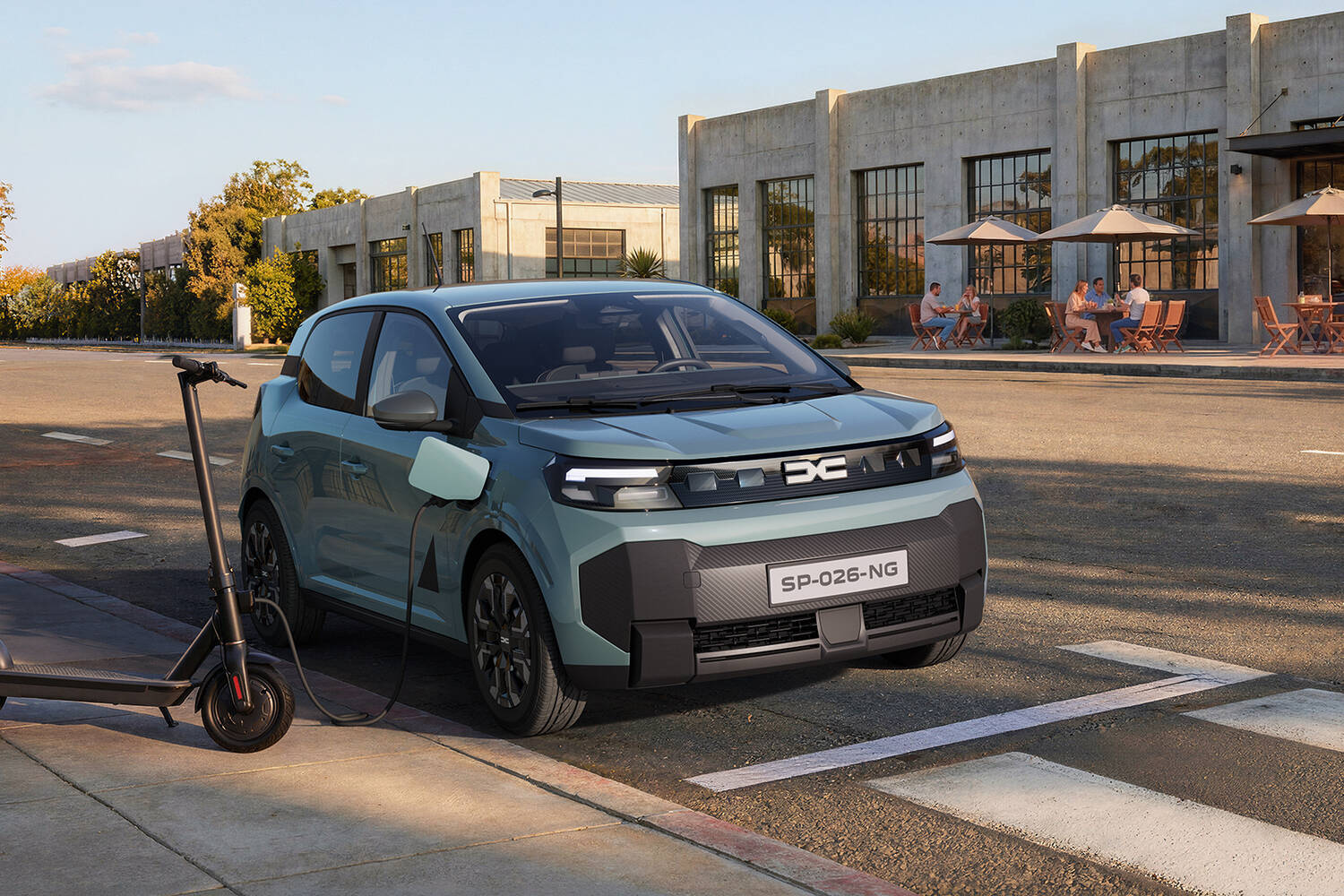
That said, it’s hardly the Twingo’s ugly sibling, with neat styling that has a faint touch of crossover (especially around the wheelarches).
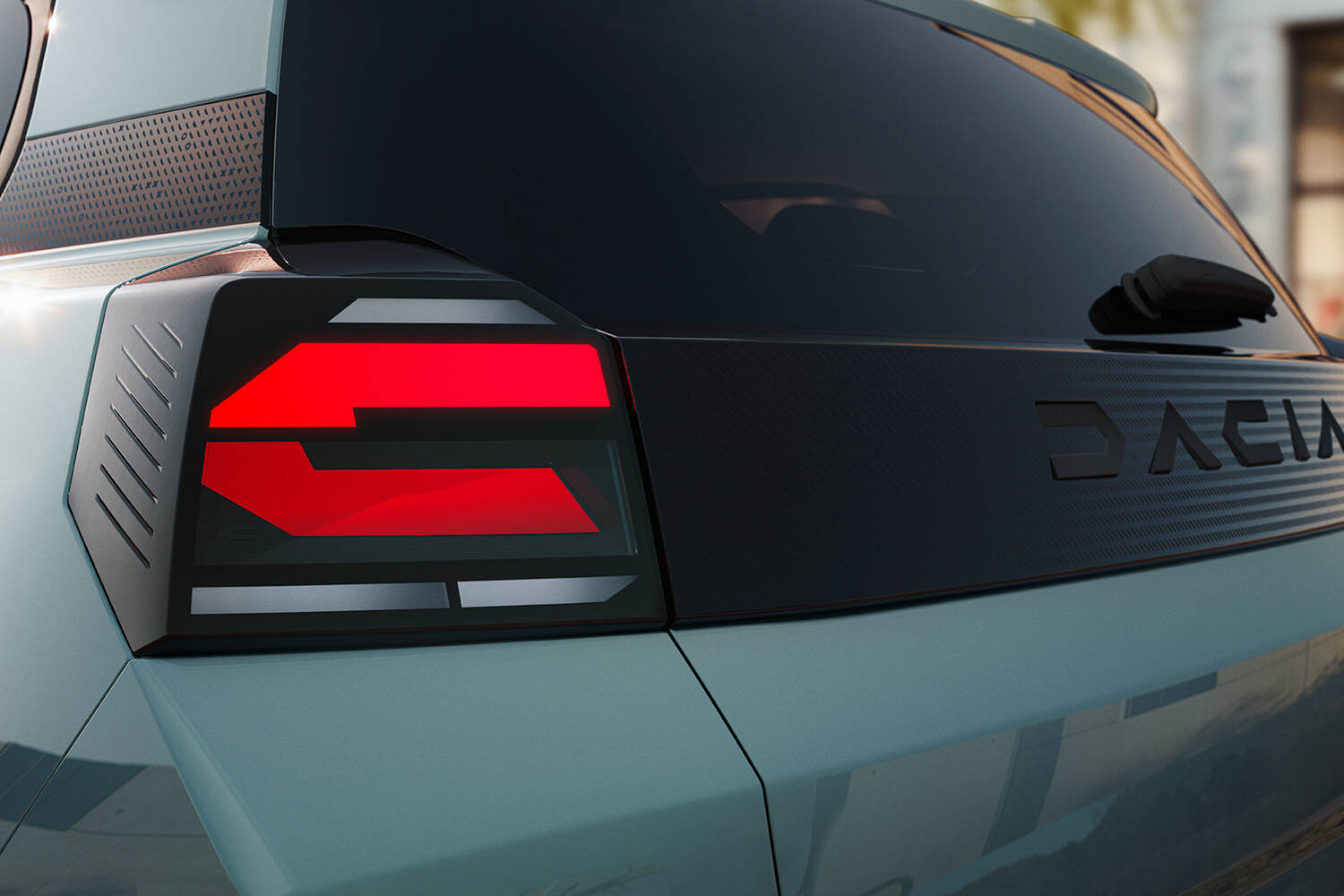
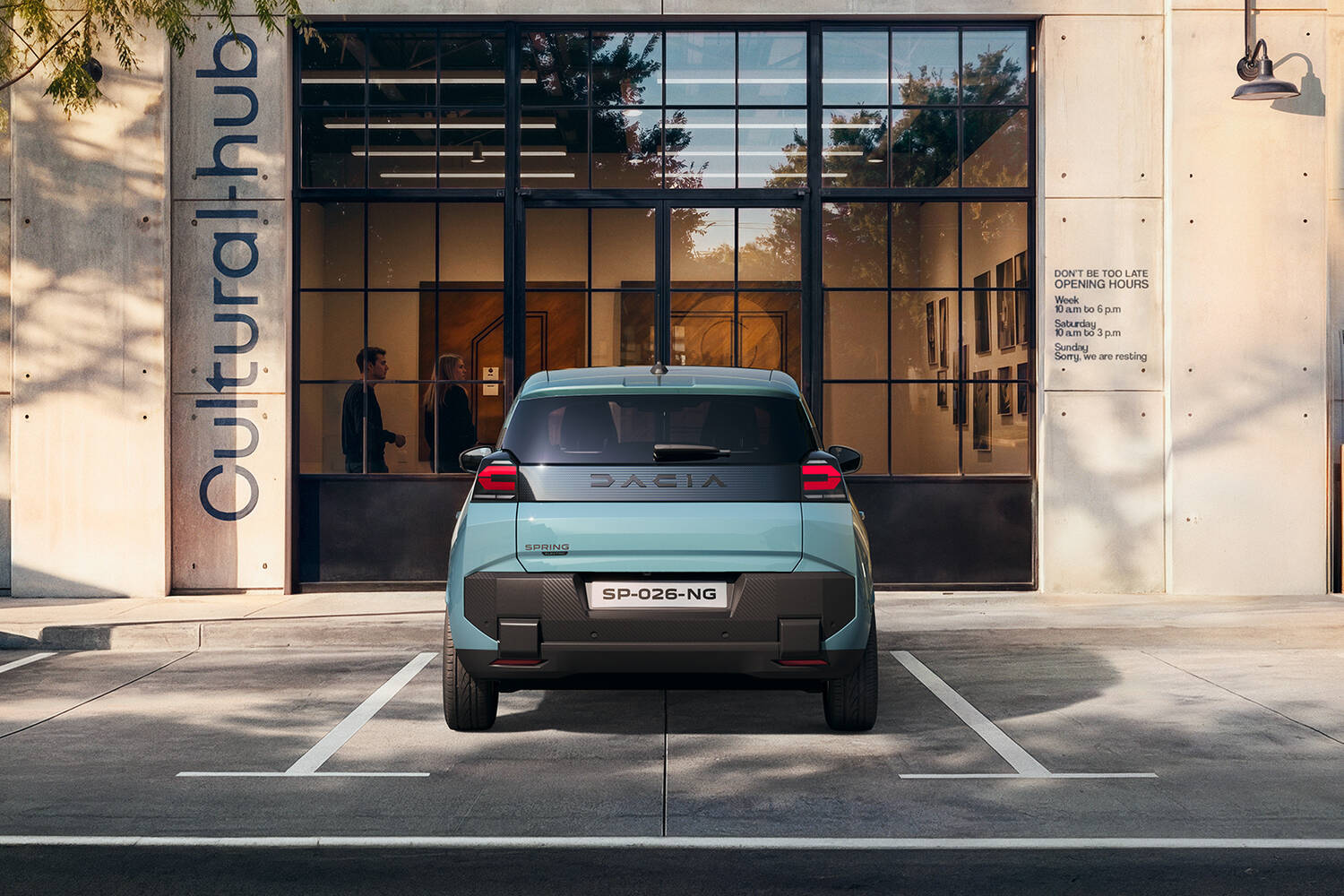
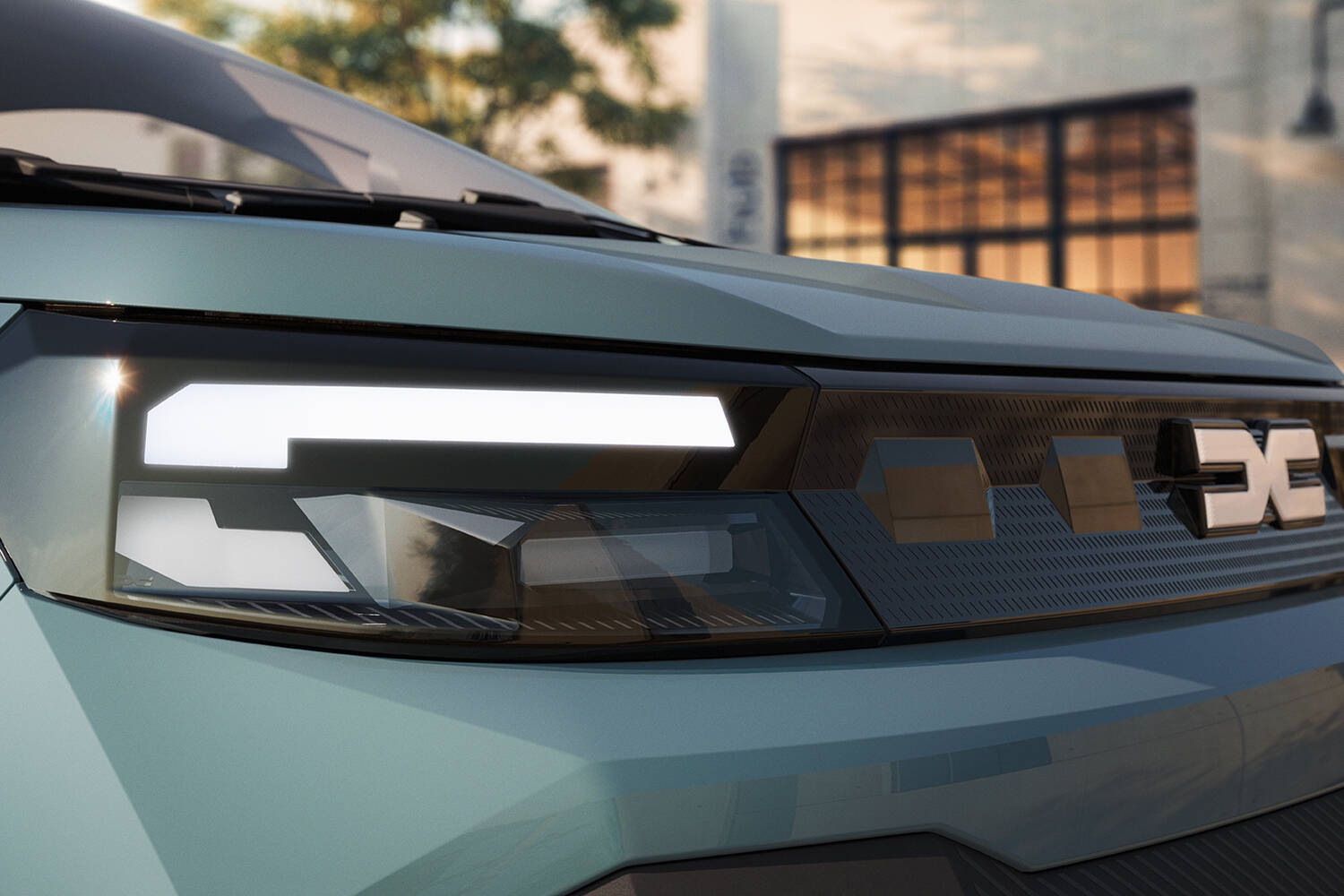
There are big unpainted black bumpers front and rear to soak up parking knocks and scrapes, and a nice touch in the headlights and brake lights — what look like two-element LED running lights are actually just one lit upper element and a lower reflector, meaning that the Spring has twice the lights for half the cost. A typical Dacia touch to enhance affordability.
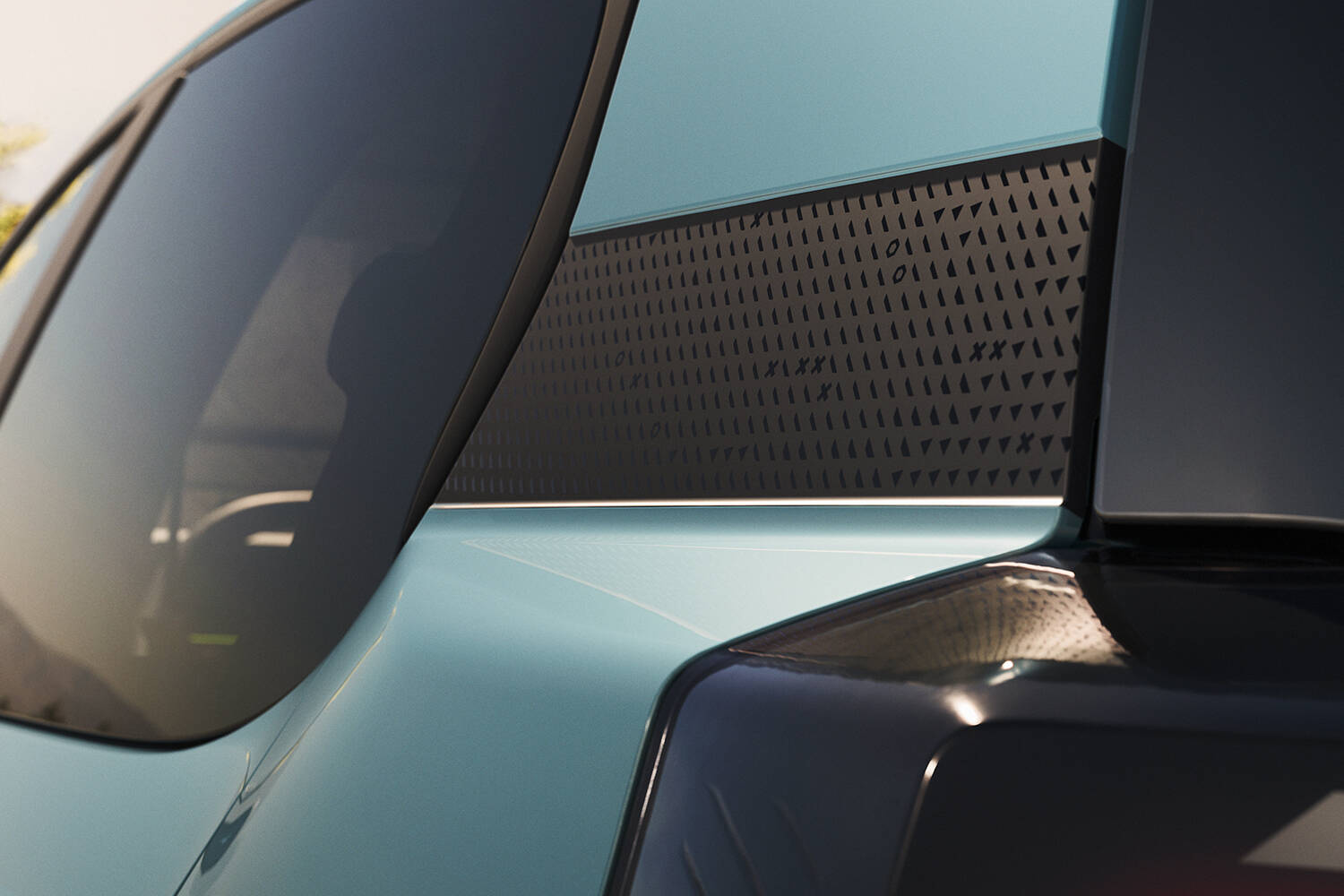
Around the back, there’s more unpainted black bumper sections, and neat, slim brake lights that mimic the shape of the headlights, plus a distinctive black band in the C-pillar that separates the roof from the rest of the bodywork.
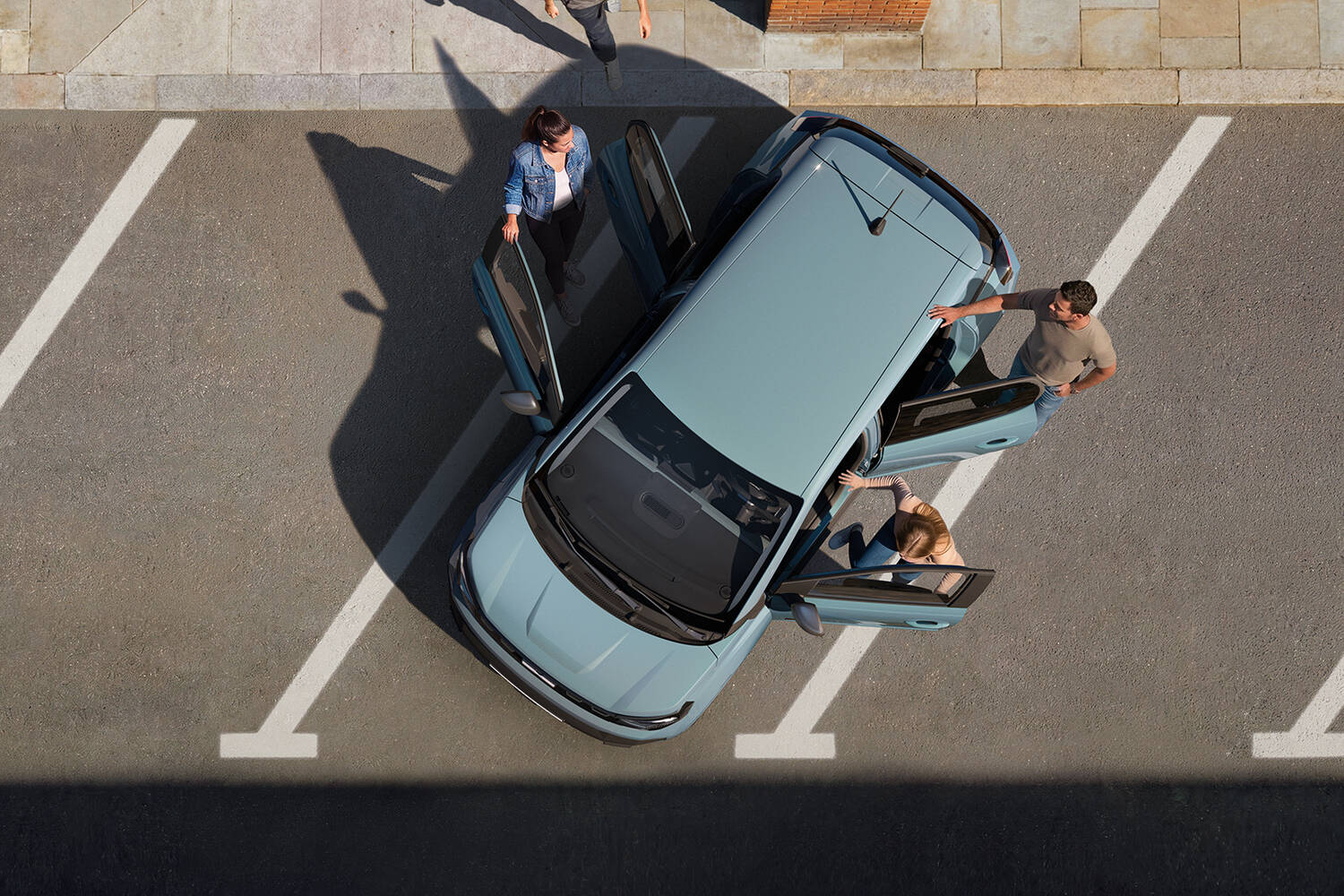
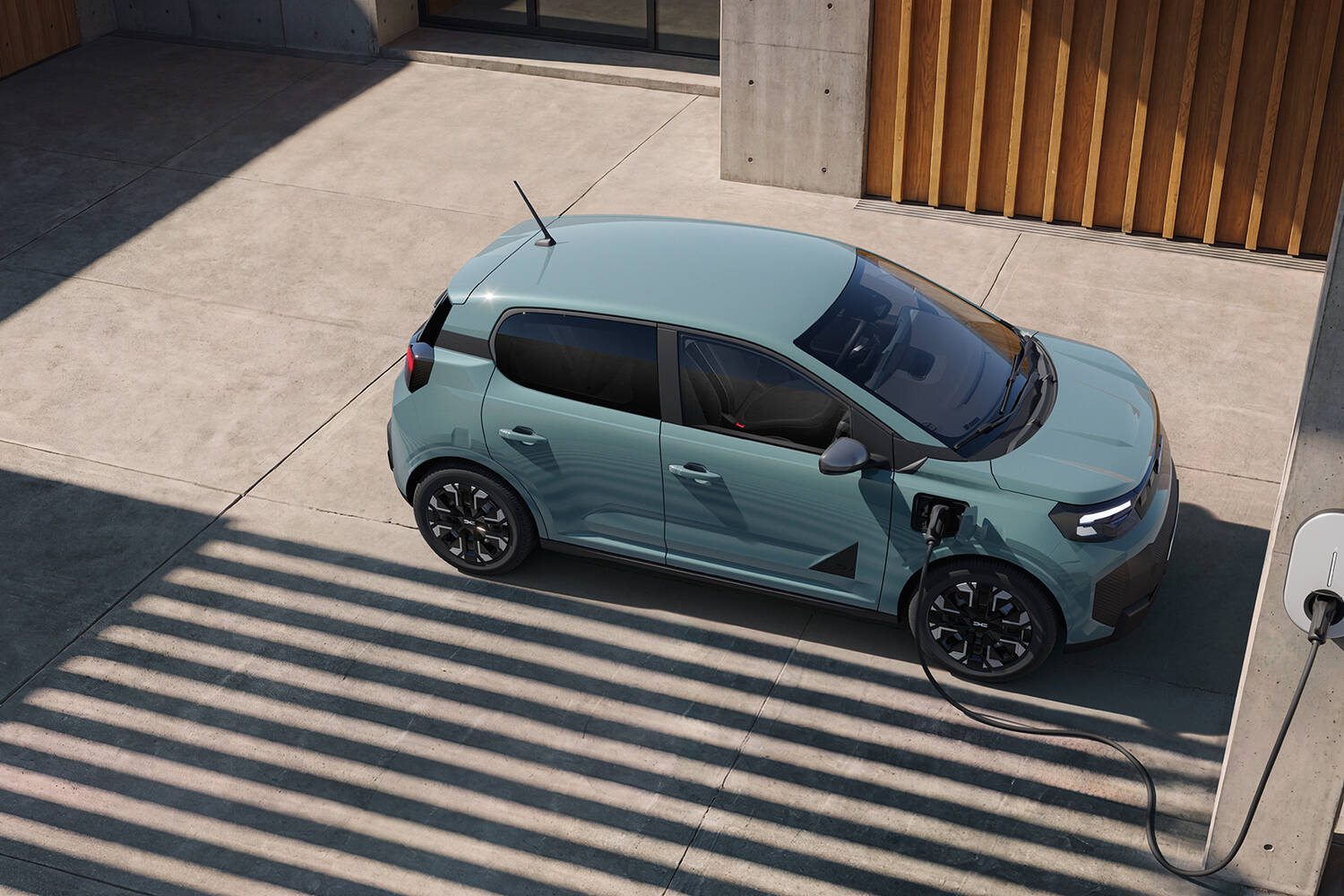
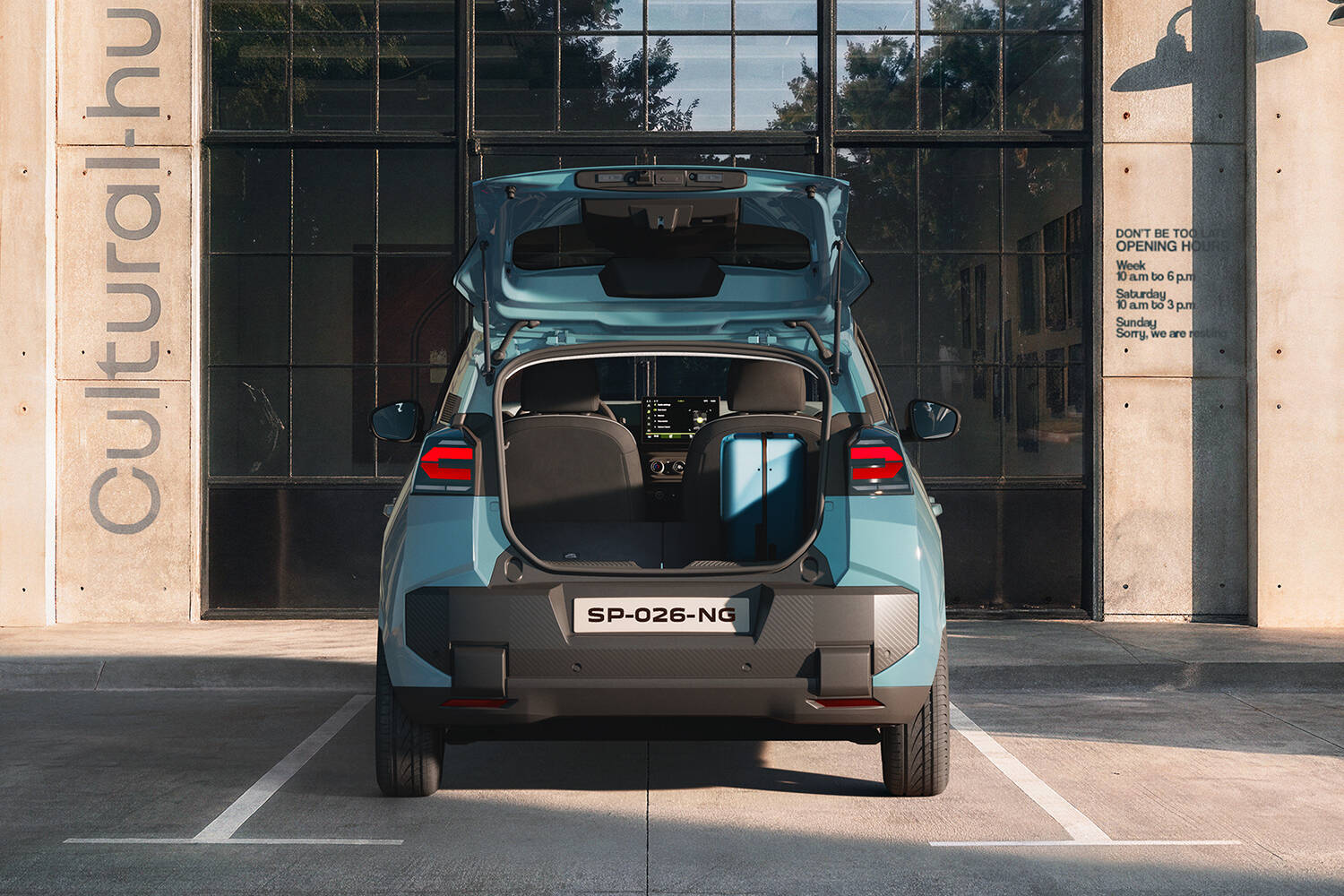
To keep costs down, only four colours are available — Agave, which is a denim blue and is the colour of the car in these photos, Schist Grey, Diamond Black and Glacier White.
Is the Spring much bigger inside?
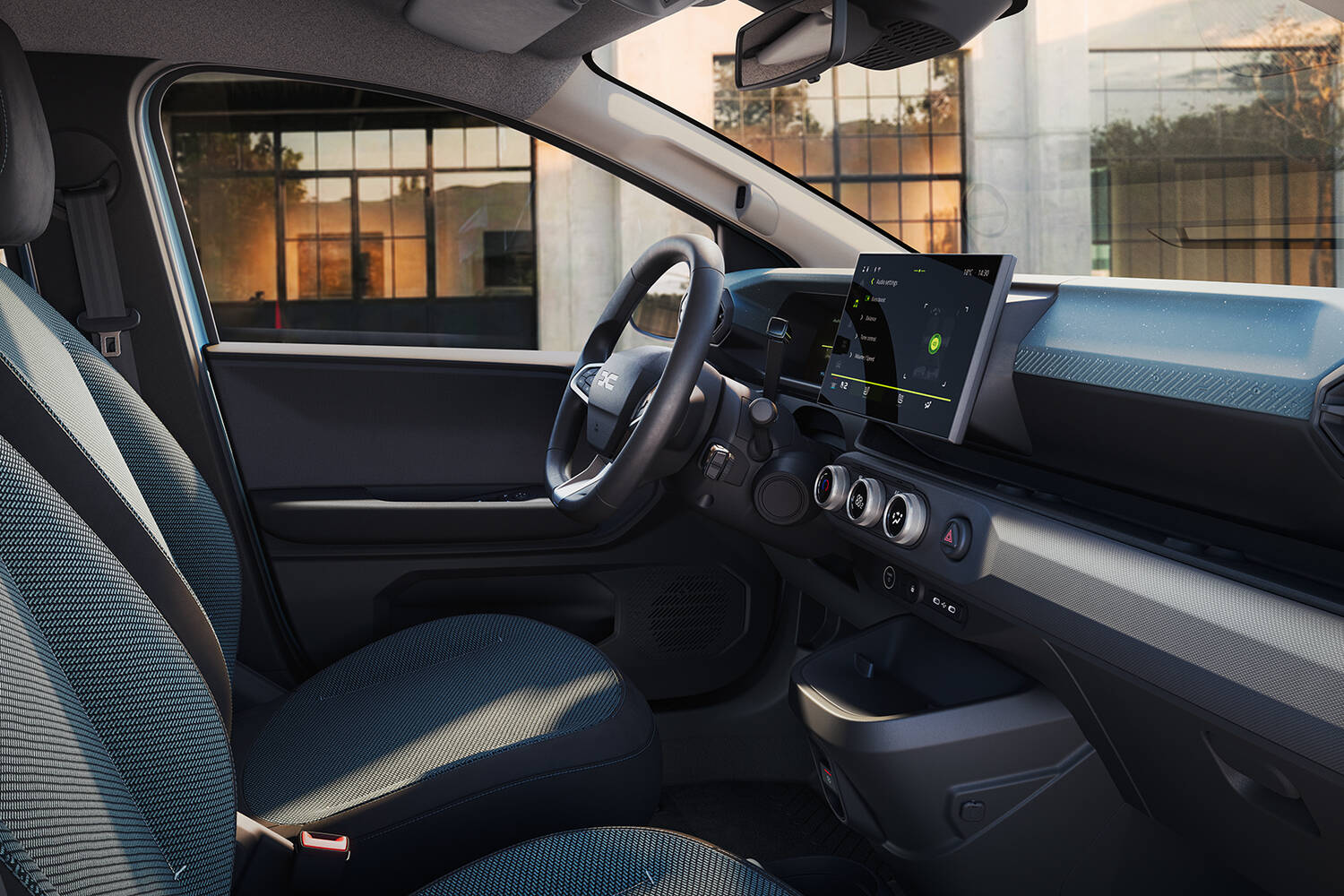
Yes, it is, and it’s the extra width that’s most noticeable. No clashing elbows with your front seat passenger in this Dacia Spring.
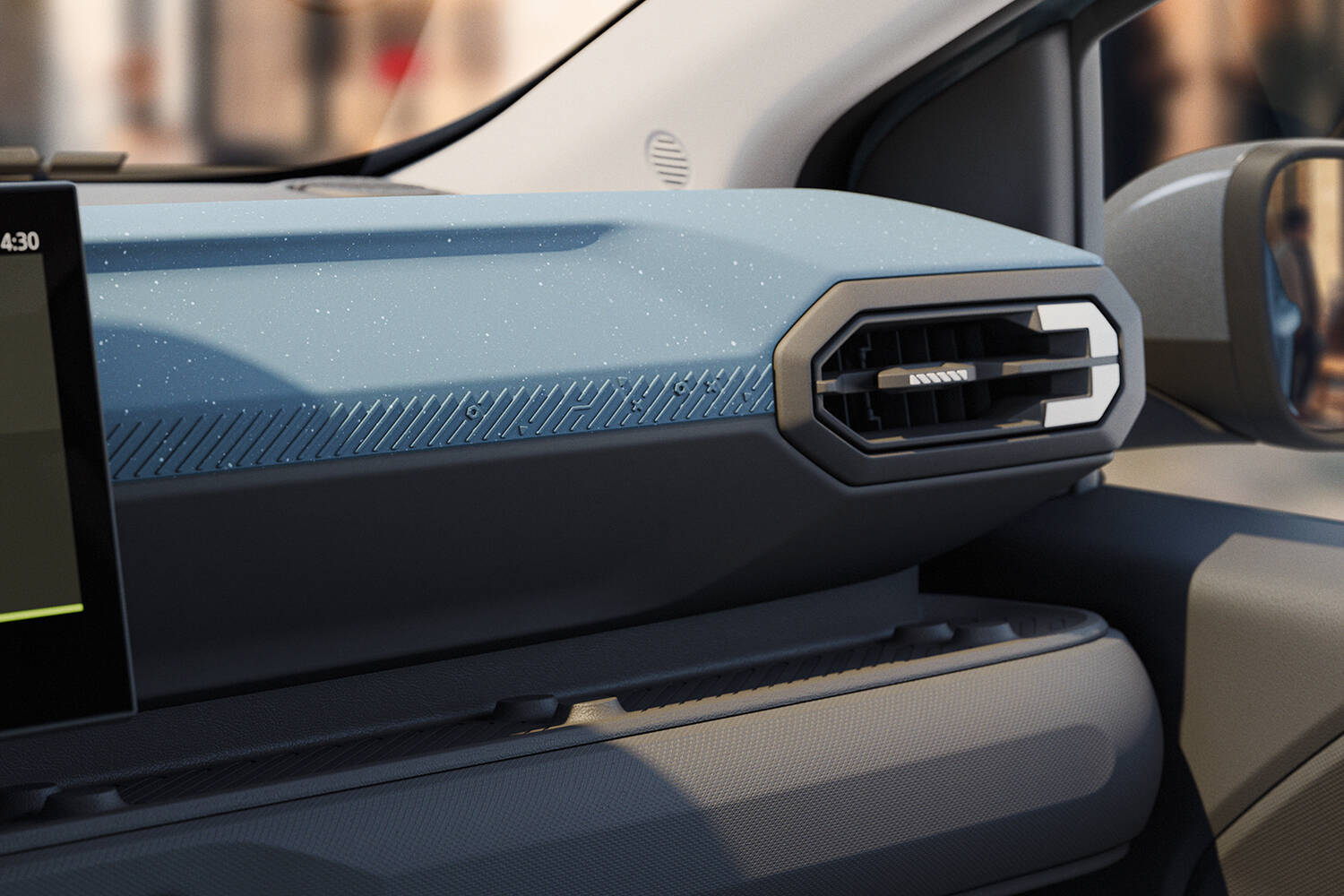
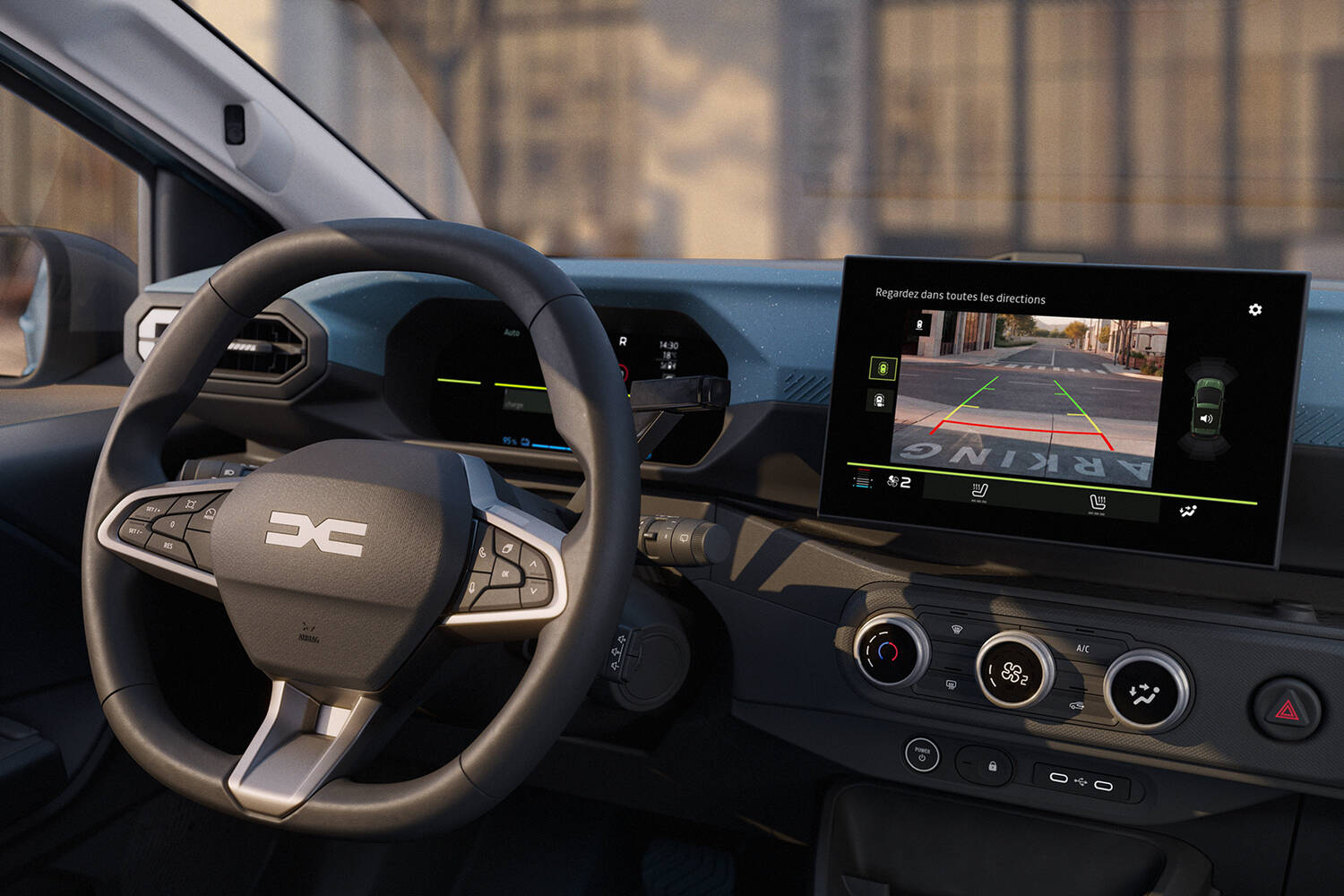
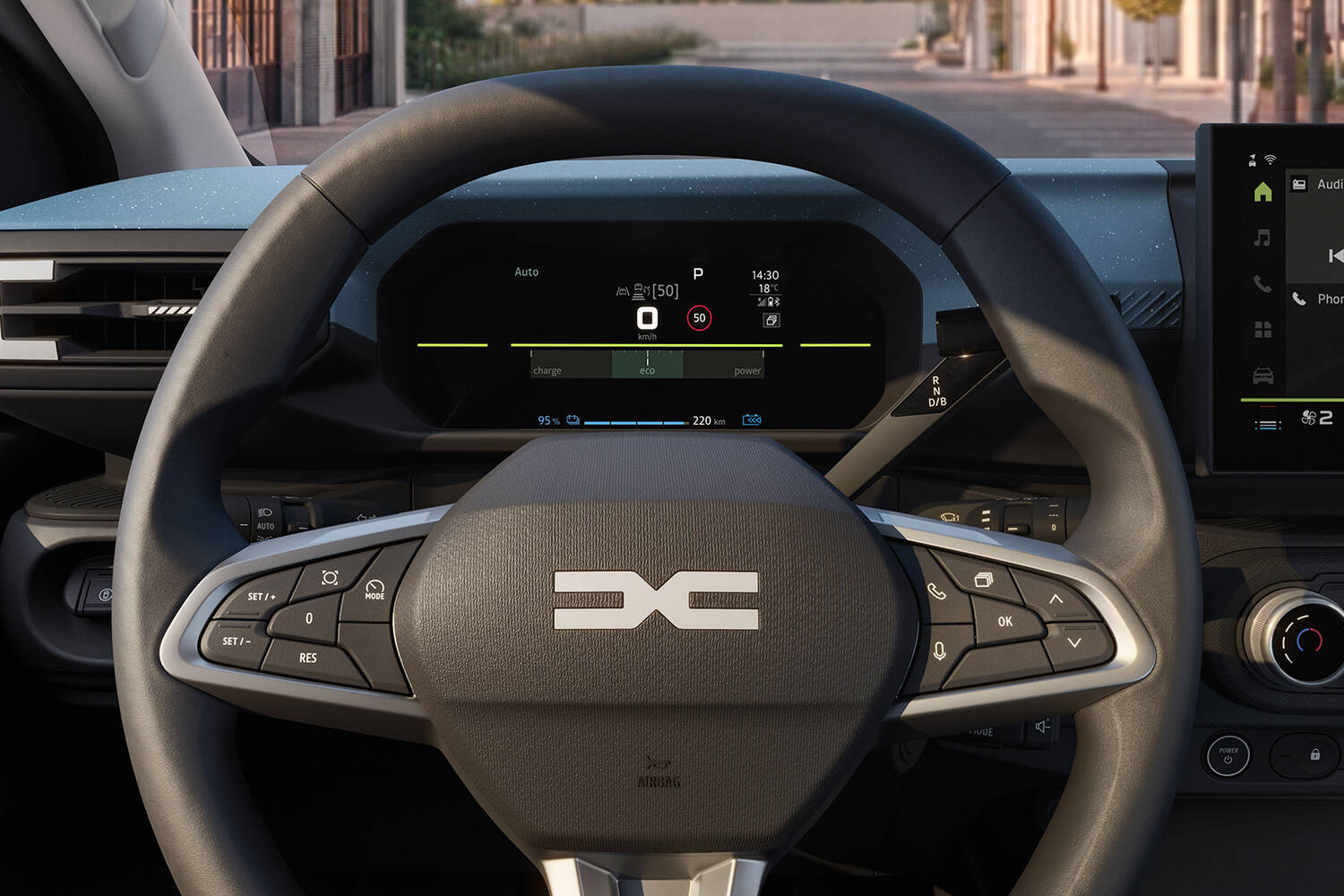
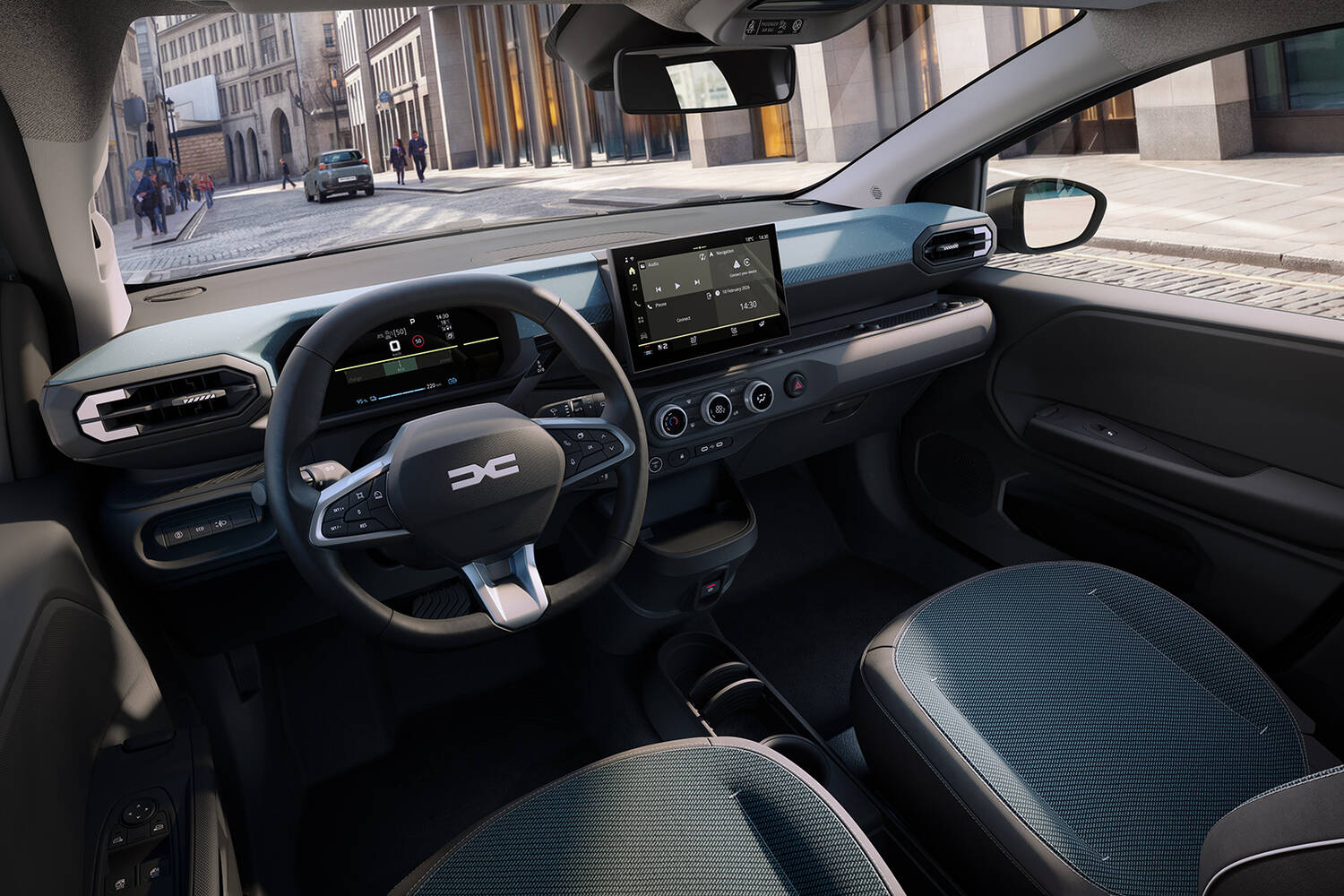
The dashboard is mostly made up of cheap, but rugged, black plastic but it doesn’t seem oppressively cost-cut inside. There’s a neat band of soft-touch ‘Starkle’ plastic — Dacia’s in-house material, made of recycled plastics, with a distinctive white fleck — that’s coloured a plain grey-black for Expression models, and Agave for Journey versions, and runs across the top of the dashboard.
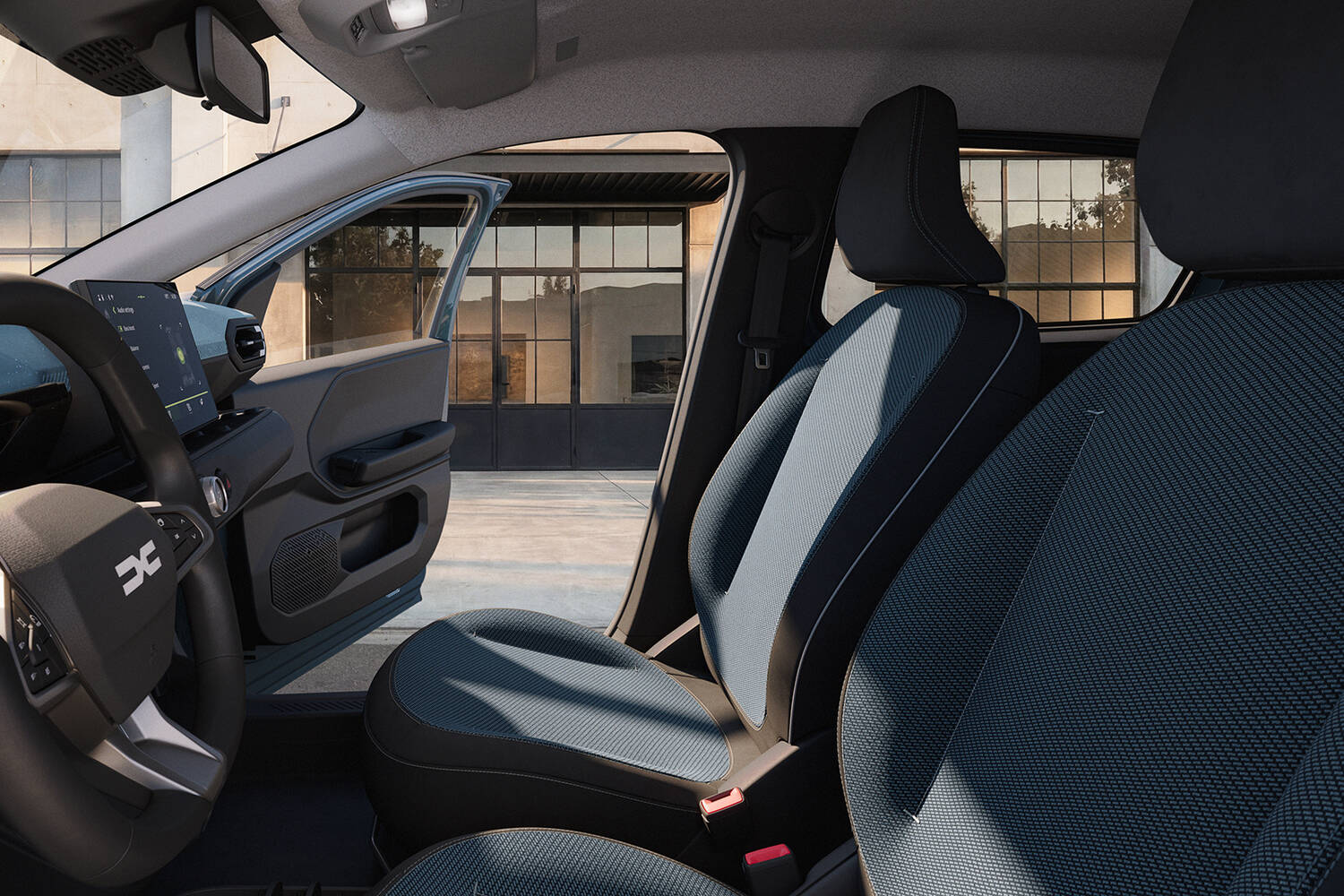
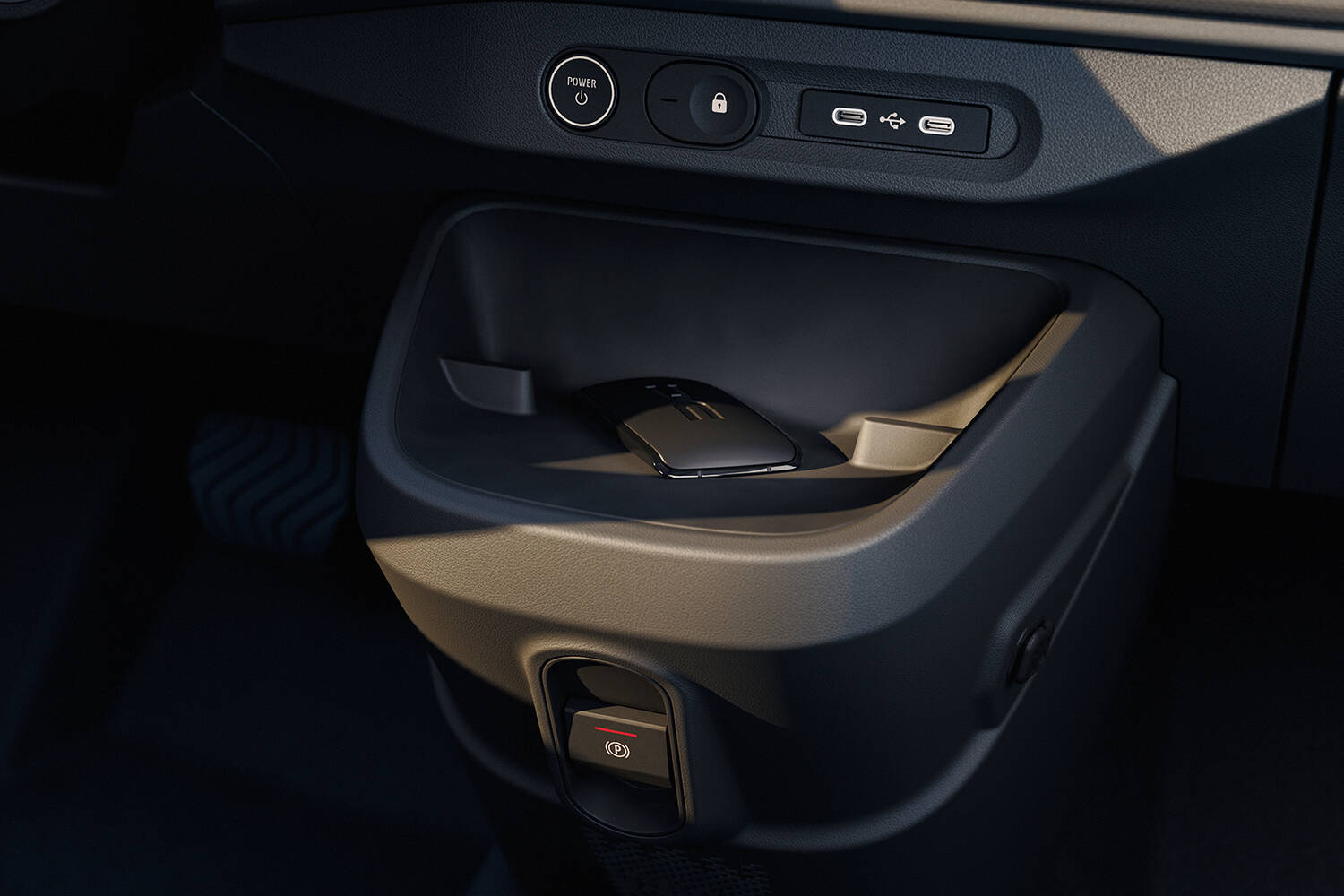
The front seats are notably more comfortable than before, and there’s more room for legs and heads too. There’s decent storage as well, with up to 20 litres of cabin stowage divided between slightly slim door bins, a large glovebox and cupholders mixed with open trays in a console on the floor between the front seats.
That’s before you look at Dacia’s new ‘Pelican’ console below the centre of the dash, which is supposed to look like the gaping, open mouth of that bird. It’s actually a bit shallow, but it gets a grippy rubber surface, and that’s backed up by an open shelf above the glovebox.
To help keep things simpler, and to save on both printed paper and cabin storage, there’s no traditional owner’s manual, but instead a series of QR codes you can scan for info on how to correctly use your Spring.
What about rear-seat space?
The new Dacia Spring is roomier in the back than before, making it a much more useable family car. The Spring doesn’t get the sliding rear seats of the Twingo, but as with the Twingo there are just two seats in the back. Then again, it’s quite a narrow car so there wouldn’t have been much useable space in a middle seat anyway.
There is adequate legroom and headroom in the back for adults, however, and although the high-set floor means your knees are raised a little, the seats themselves are comfortable.
As is common in the sector, there aren’t winding rear windows, but instead simple pop-out windows to allow a little extra ventilation.
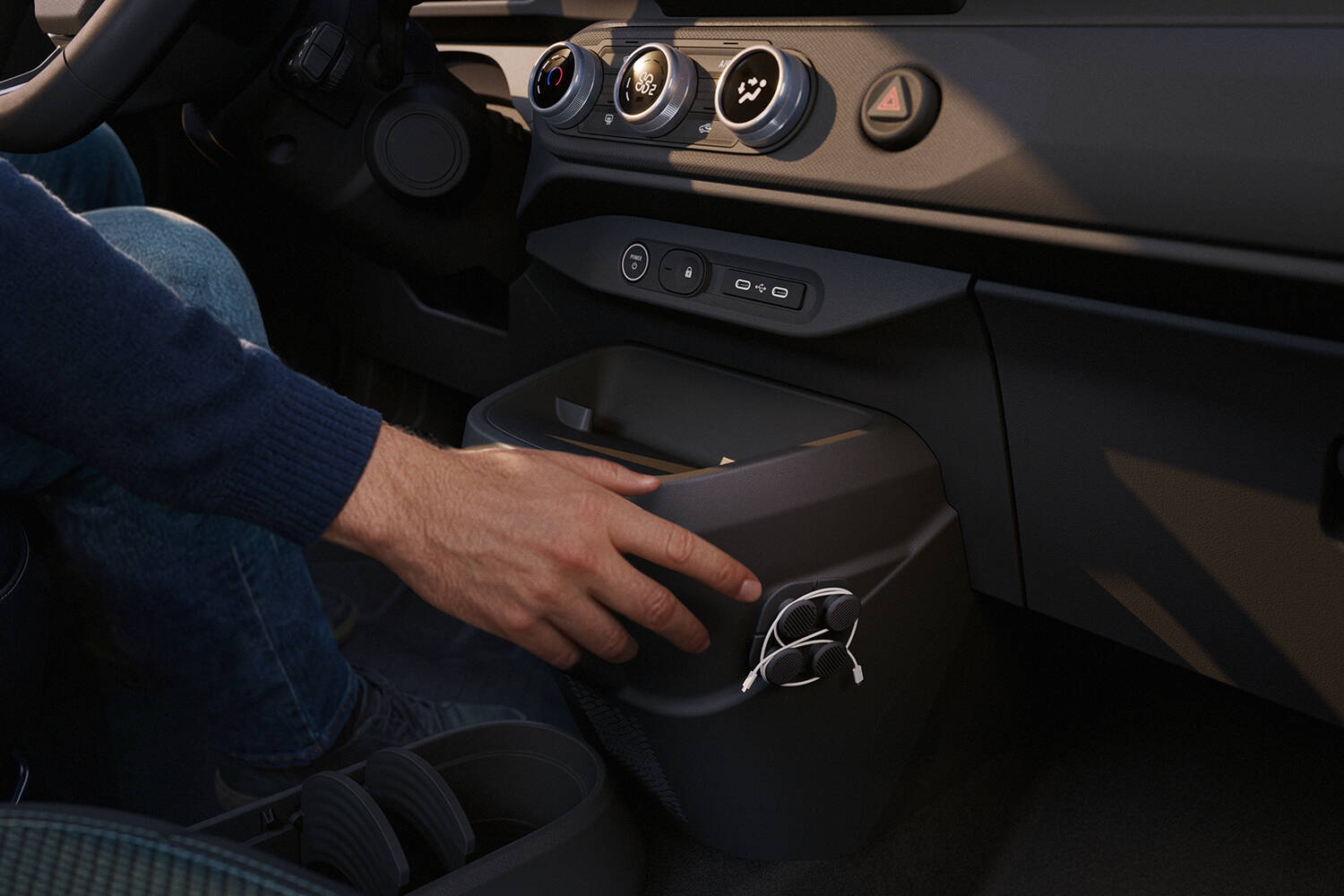
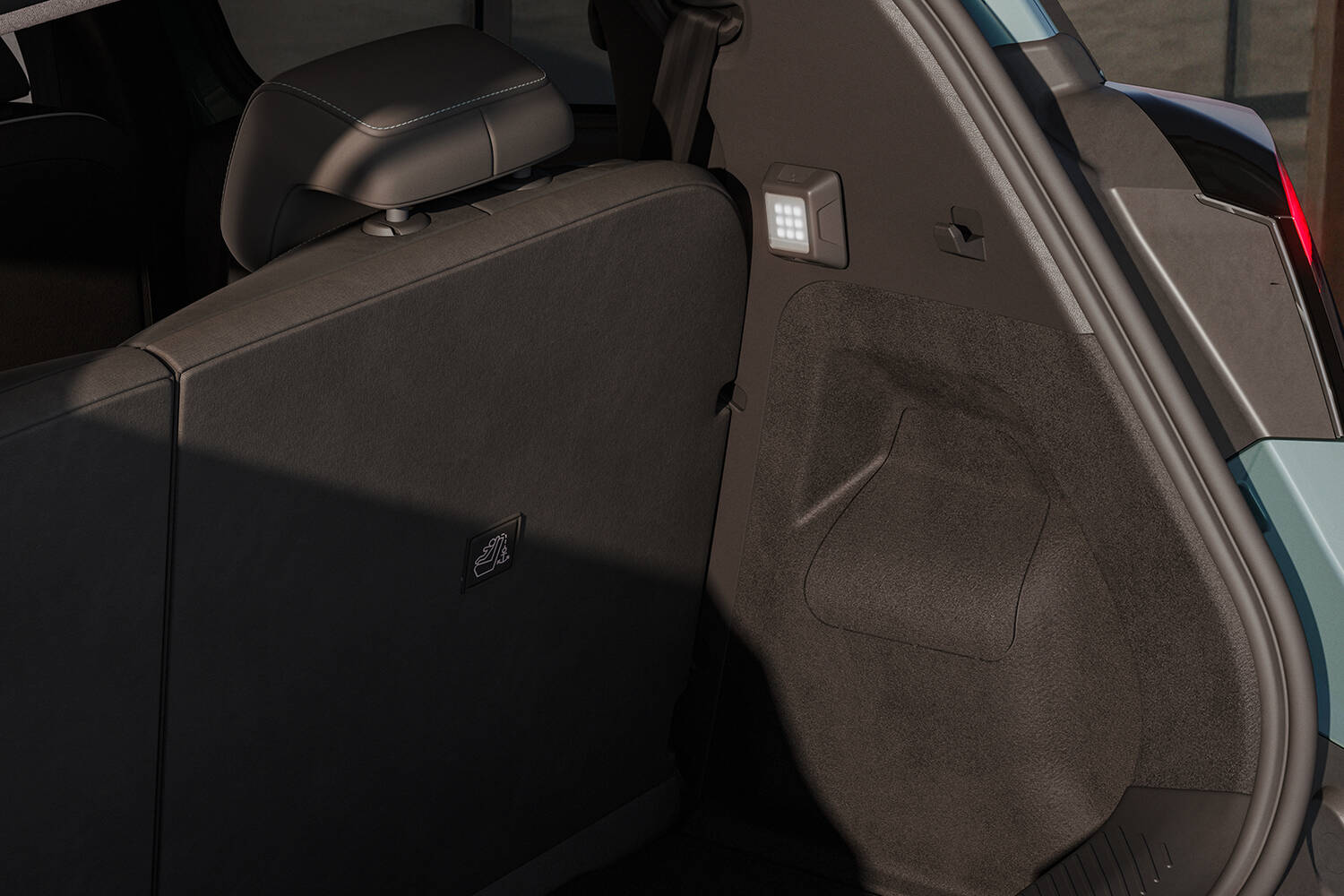
The Spring also comes with up to three ‘YouClip’ anchor points, allowing you to add on extra accessories such as cupholders or bag hooks, and there are two ISOFIX points for child car seats in the back.
What kind of tech does the Spring come with?
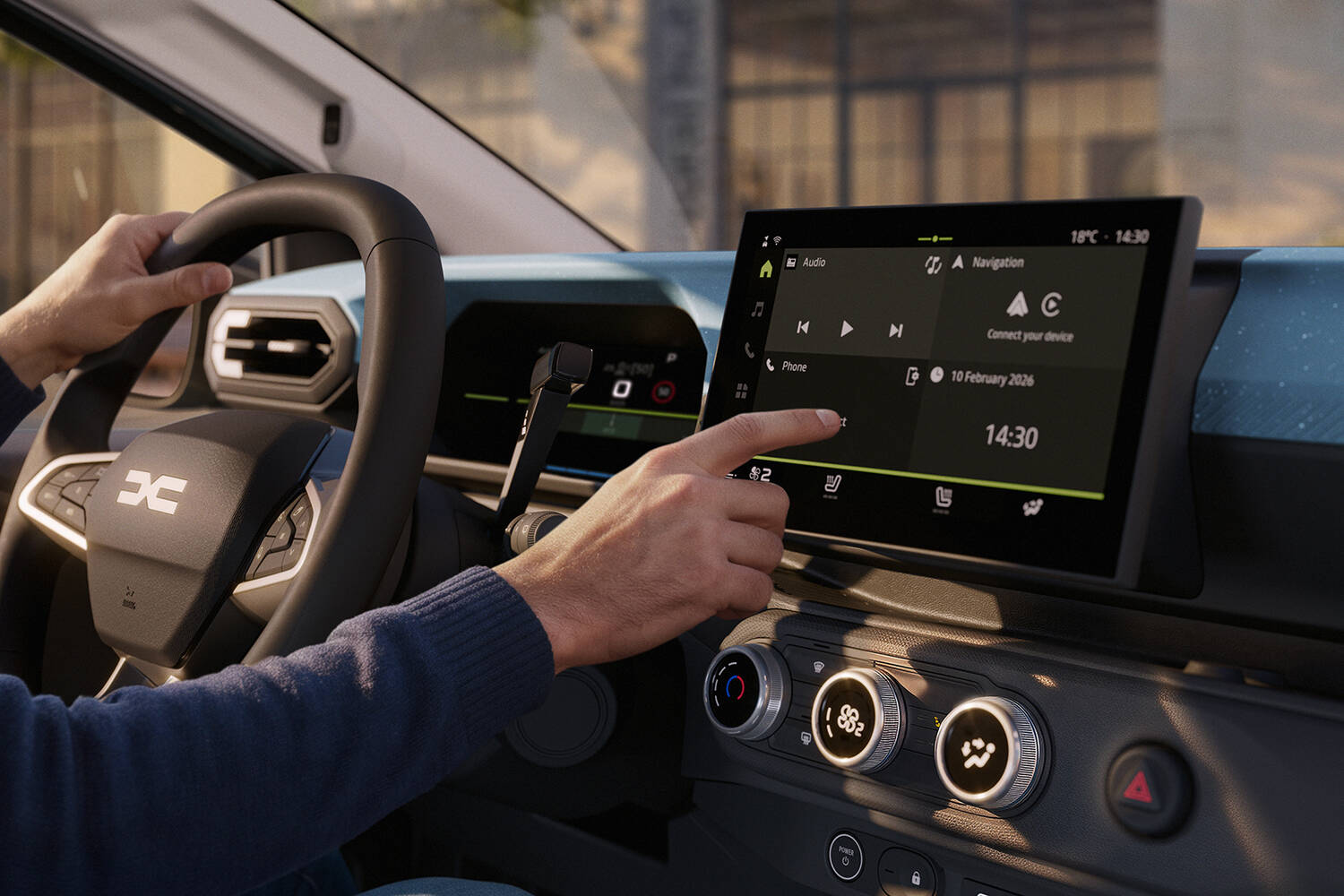
Not a lot, in keeping with Dacia’s what you need and no more philosophy. In fact, basic models don’t even get a touchscreen, and instead you get a clamp on the dashboard which holds your phone in place, and a downloadable app that then turns your phone into the car’s infotainment screen.
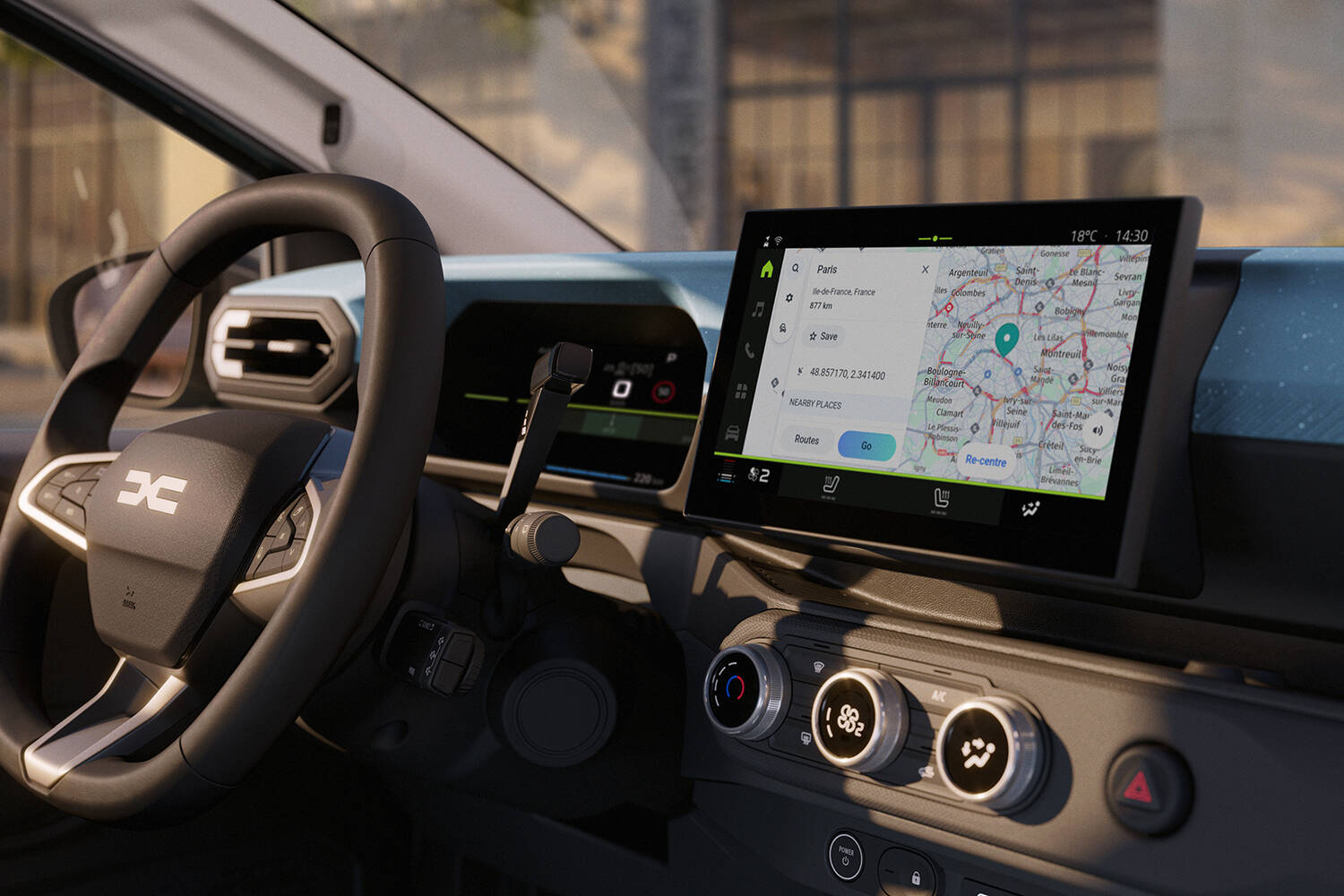
Higher-spec models do get a 10.1-inch touchscreen, familiar from other Dacia models, which will include navigation as well as the ability to schedule the Spring’s charging, and pre-condition the cabin.
Is the Spring’s boot big?
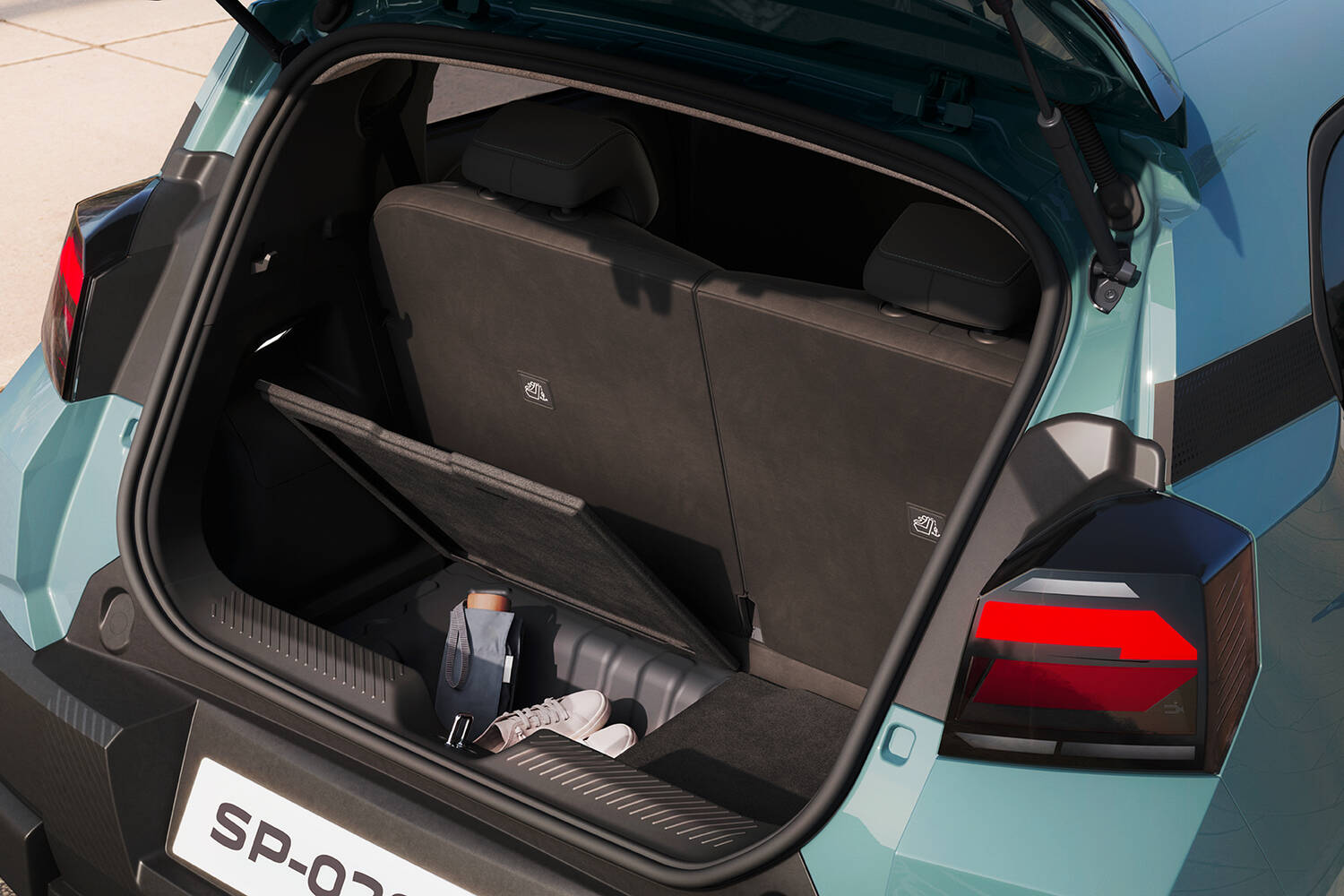
It’s roomier than it used to be, accommodating 337 litres up to the parcel shelf, and 1,283 litres if you fold the back seats. There is underfloor storage too, and some handy panels in the boot floor which can be removed entirely or used to divide up the available space.
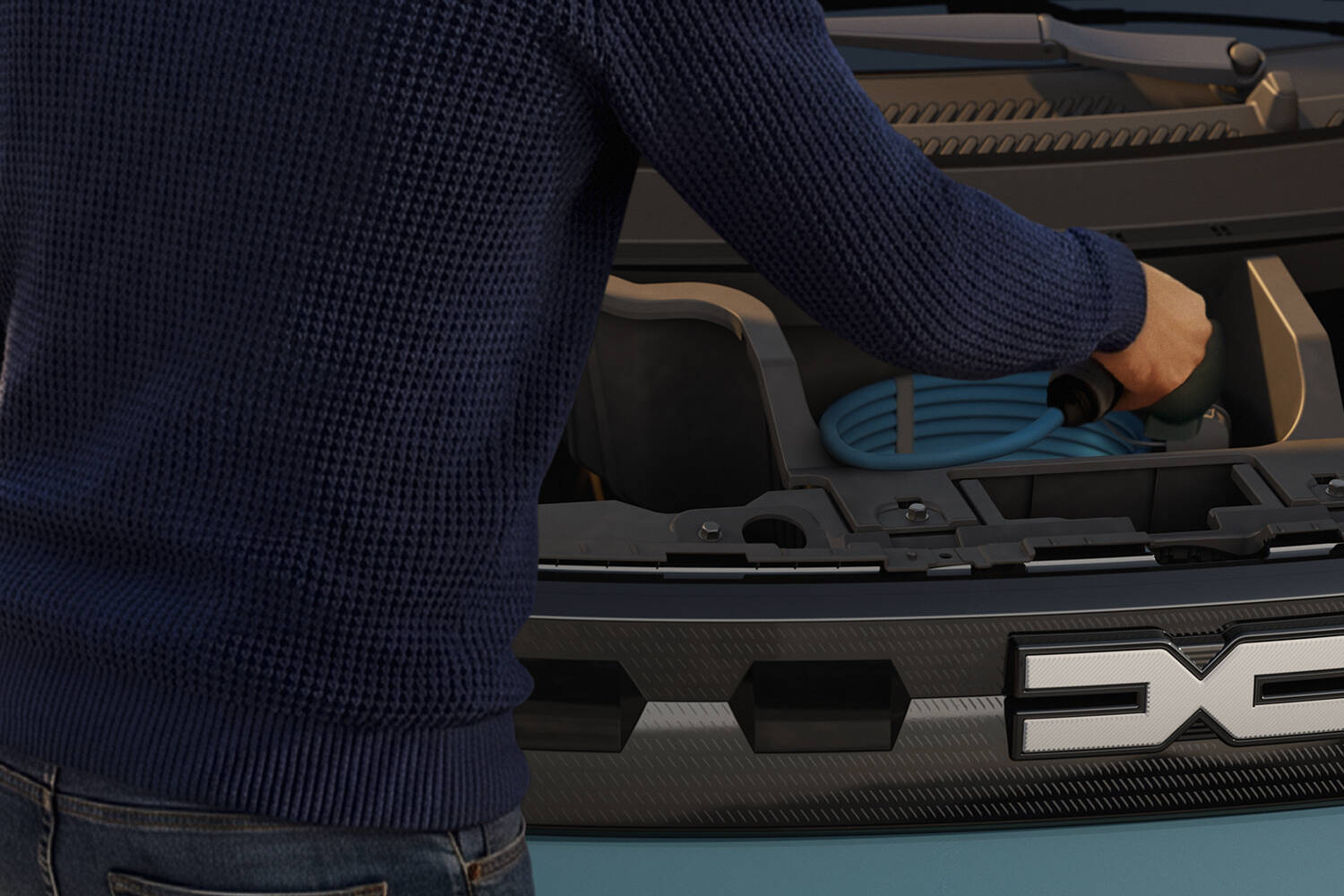
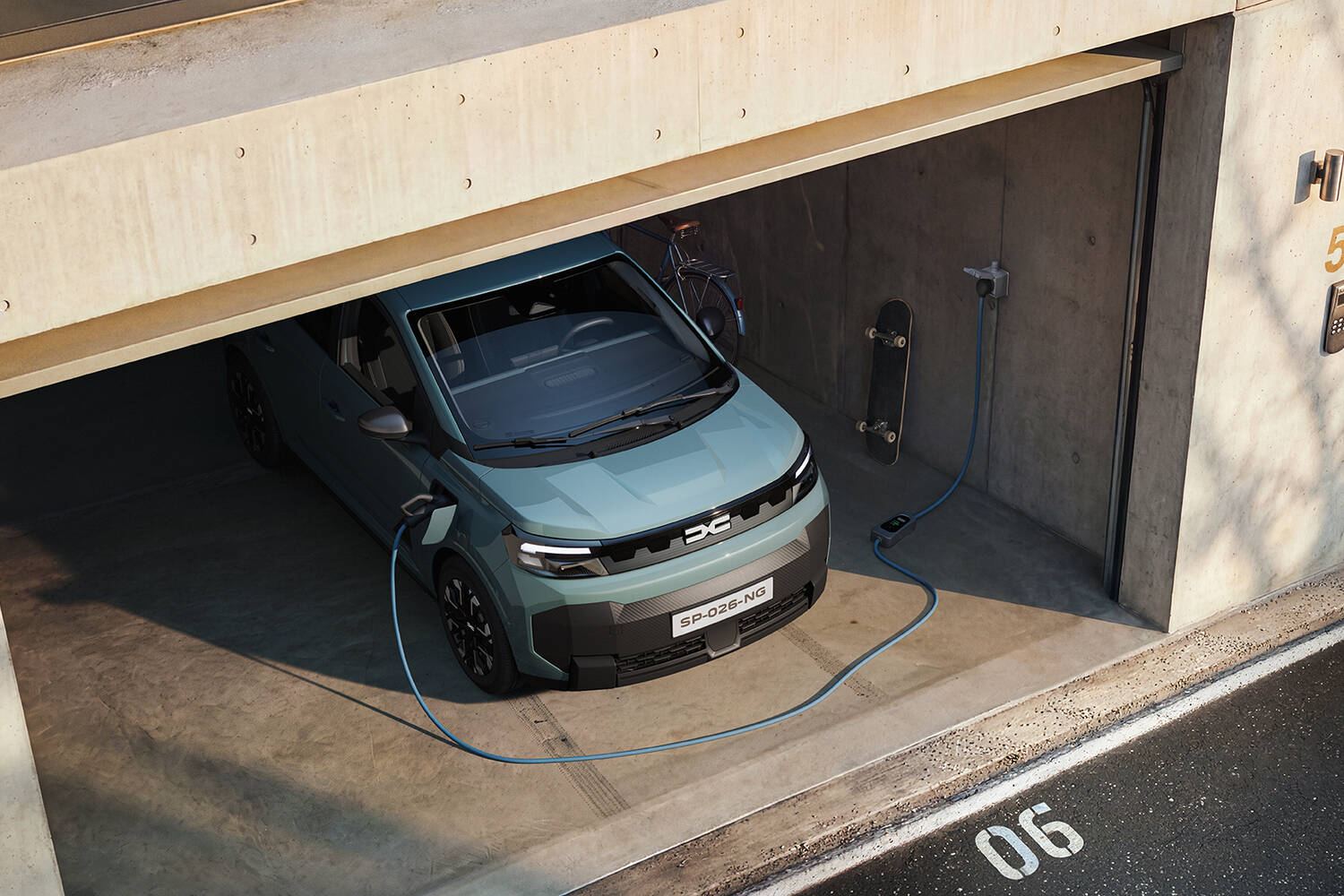
There’s also an 18-litre ‘frunk’ in the nose, which is small, but enough to squeeze in a couple of charging cables. That means this new Spring has 32 litres more boot space than before (plus the frunk, meaning a total of 50 litres more).
How much range does the new Dacia Spring have?
Thanks to a 27.5kWh lithium-iron-phosphate battery, the Spring can go for a quoted 250km on one charge.
Unlike the previous Spring, which offered a choice of 75hp or 100hp motors, this version gets just the one 80hp electric motor driving the front wheels, giving it a claimed 0-100km/h time of 12.1 seconds.
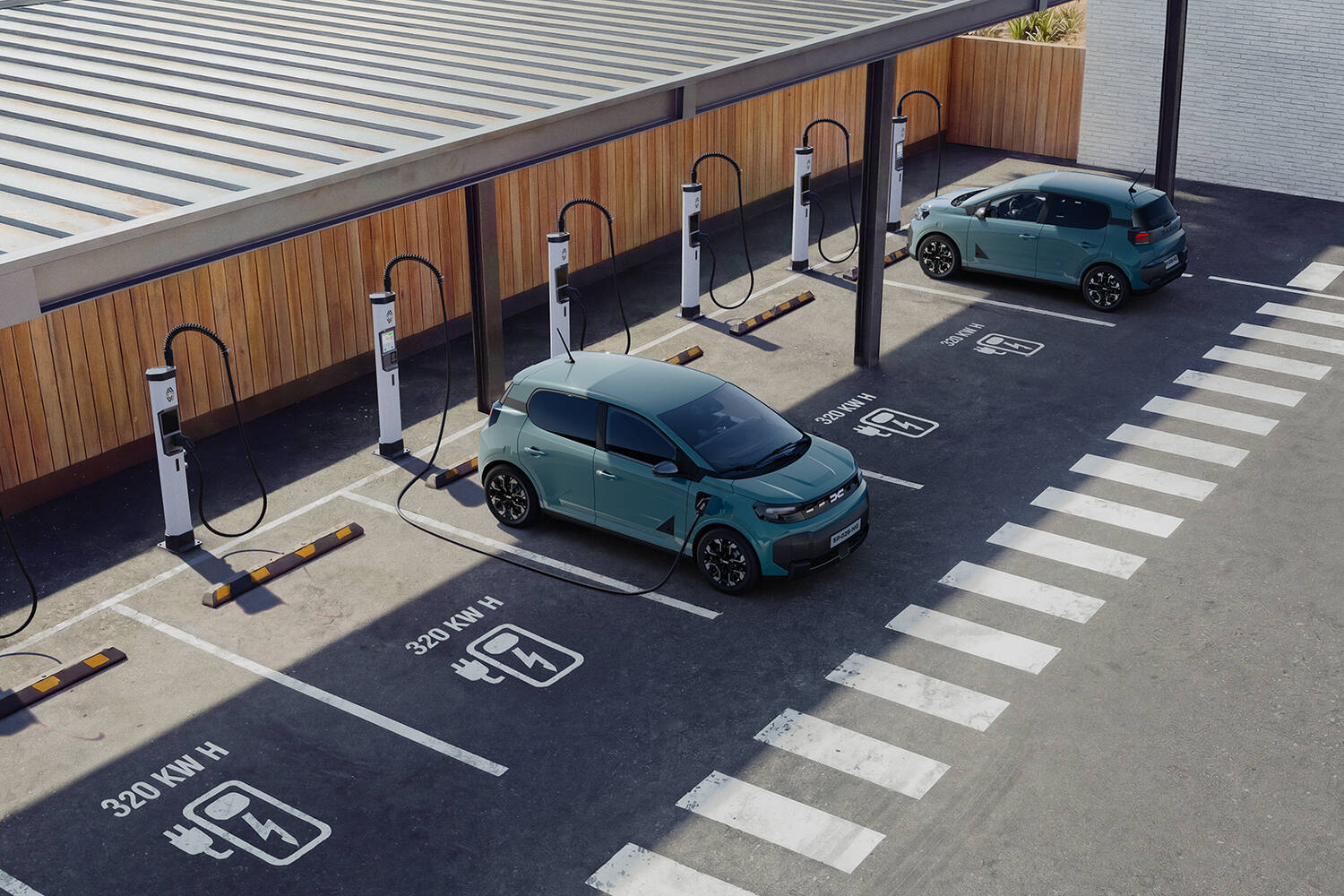
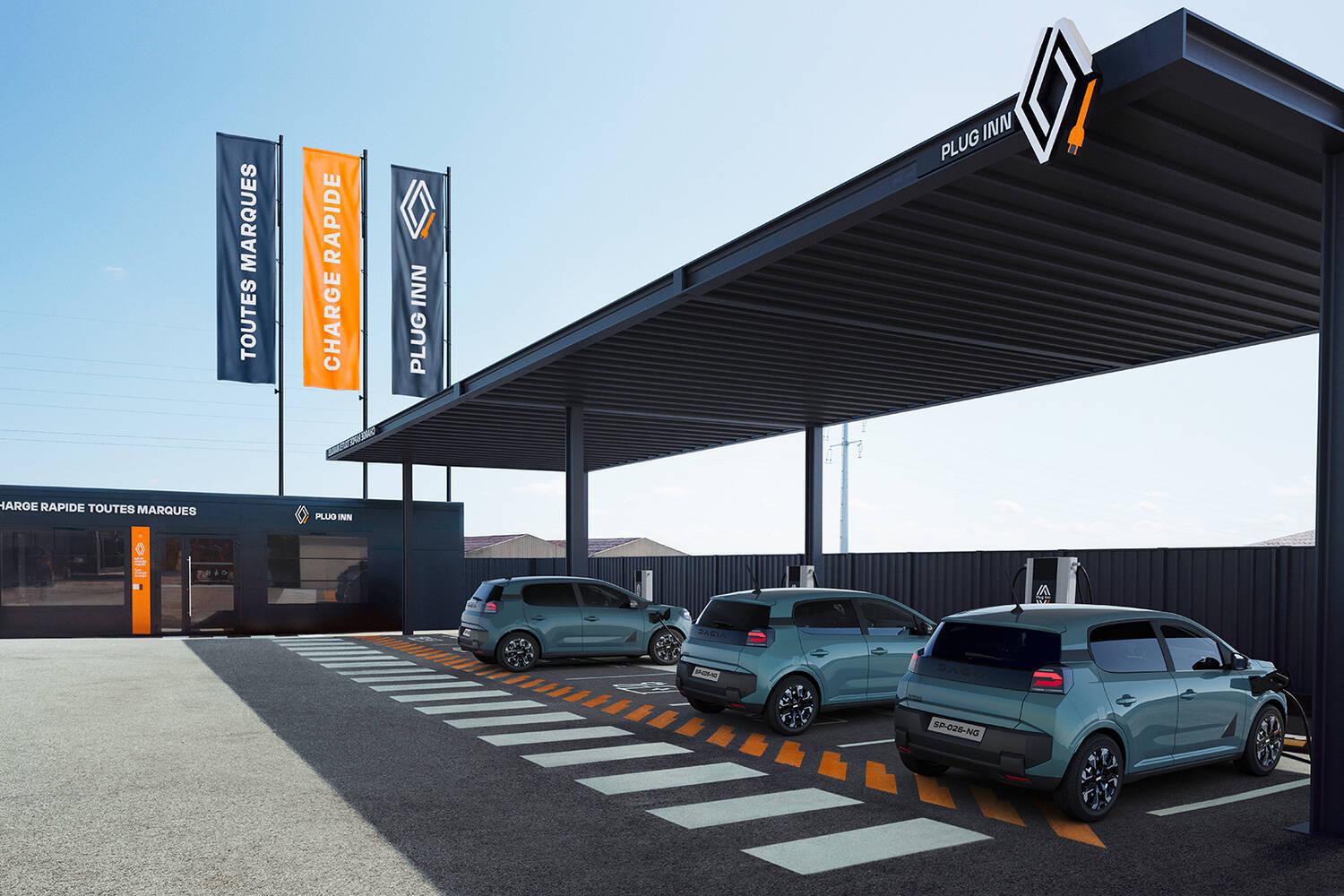
More importantly, Dacia says the new Spring can average 12.7kWh/100km, which is very frugal indeed. In some parts of Europe, basic Spring models will come with just 6.6kW AC charging, but in Ireland all Springs will get an upgrade to 11kW AC charging and 50kW DC charging, which should allow a 15-80 per cent charge-up in 28 minutes.
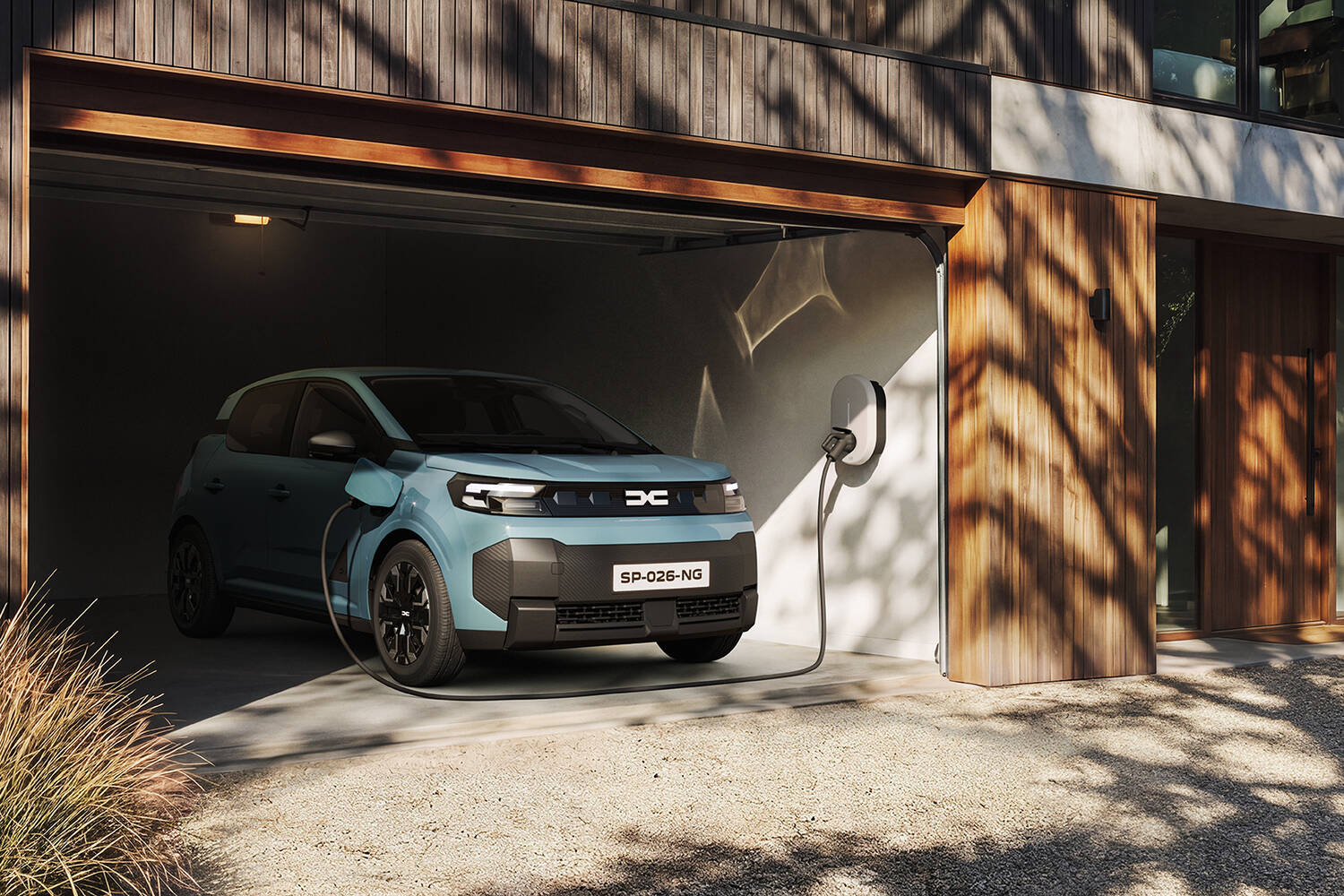
There’s also vehicle-to-load (V2L) charging so you can use the Spring’s battery as a big mobile power bank.
The compact battery, and the fact that the Spring is now built in Europe, rather than China (as was previously the case), gives the car an impressively low whole-life CO2 rating, which Dacia claims is some 60 per cent lower than for an equivalent combustion-engined model.
How much will the new Dacia Spring cost in Ireland?
We don’t know yet, and the Spring won’t arrive in Ireland until July 2027 or thereabouts. We do know that it should be cheaper than the Twingo, probably by around €500-1,000, and that ought to mean an entry price tag in the region of €17-18,000.
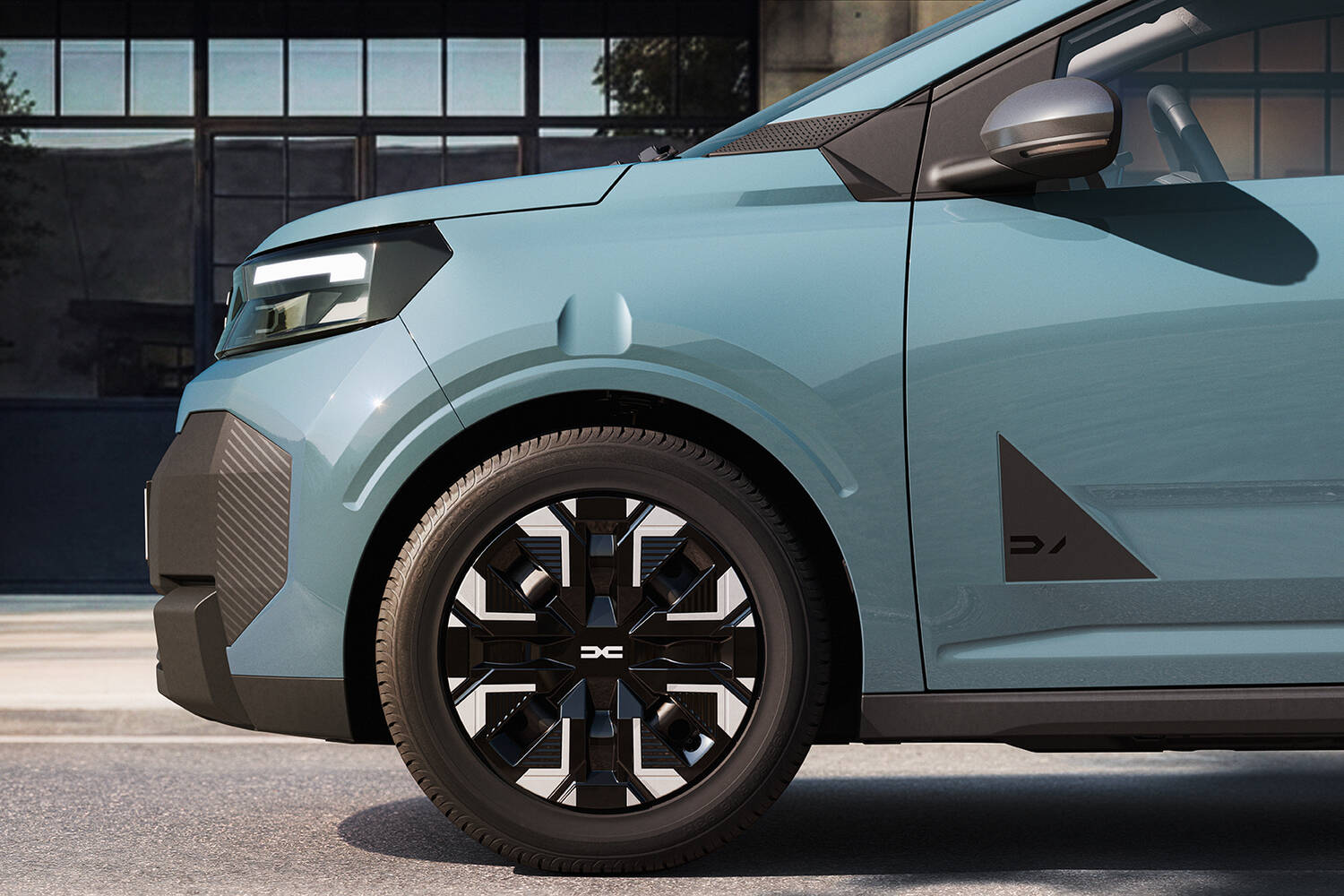
There will be two specifications. The entry-level Expression model comes with 15-inch steel wheels, manual air conditioning, auto headlights, rear parking sensors, a height-adjustable driver’s seat and a clamp on the dashboard for your mobile phone in lieu of a touchscreen.
Higher-spec Journey cars will add 16-inch steel wheels, a reversing camera, a 10.1-inch touchscreen with navigation, two UCB-C sockets and a luggage cover.

Video player loading.
Video unavailable. Watch on YouTube
If there is anything about this story we have not covered, you can avail of our expert advice service via the Ask Us Anything page.