

It’s certainly not bland looking…
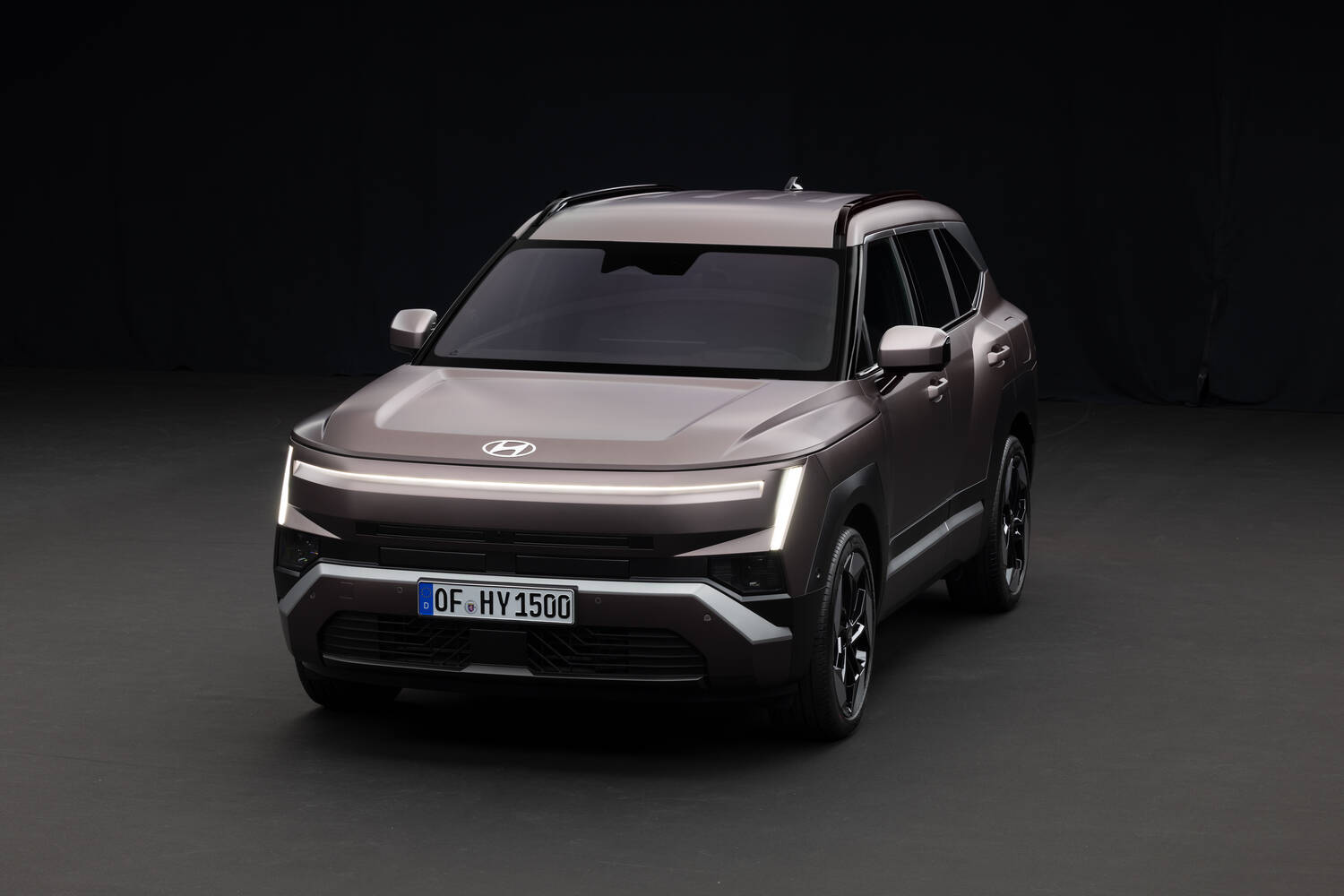
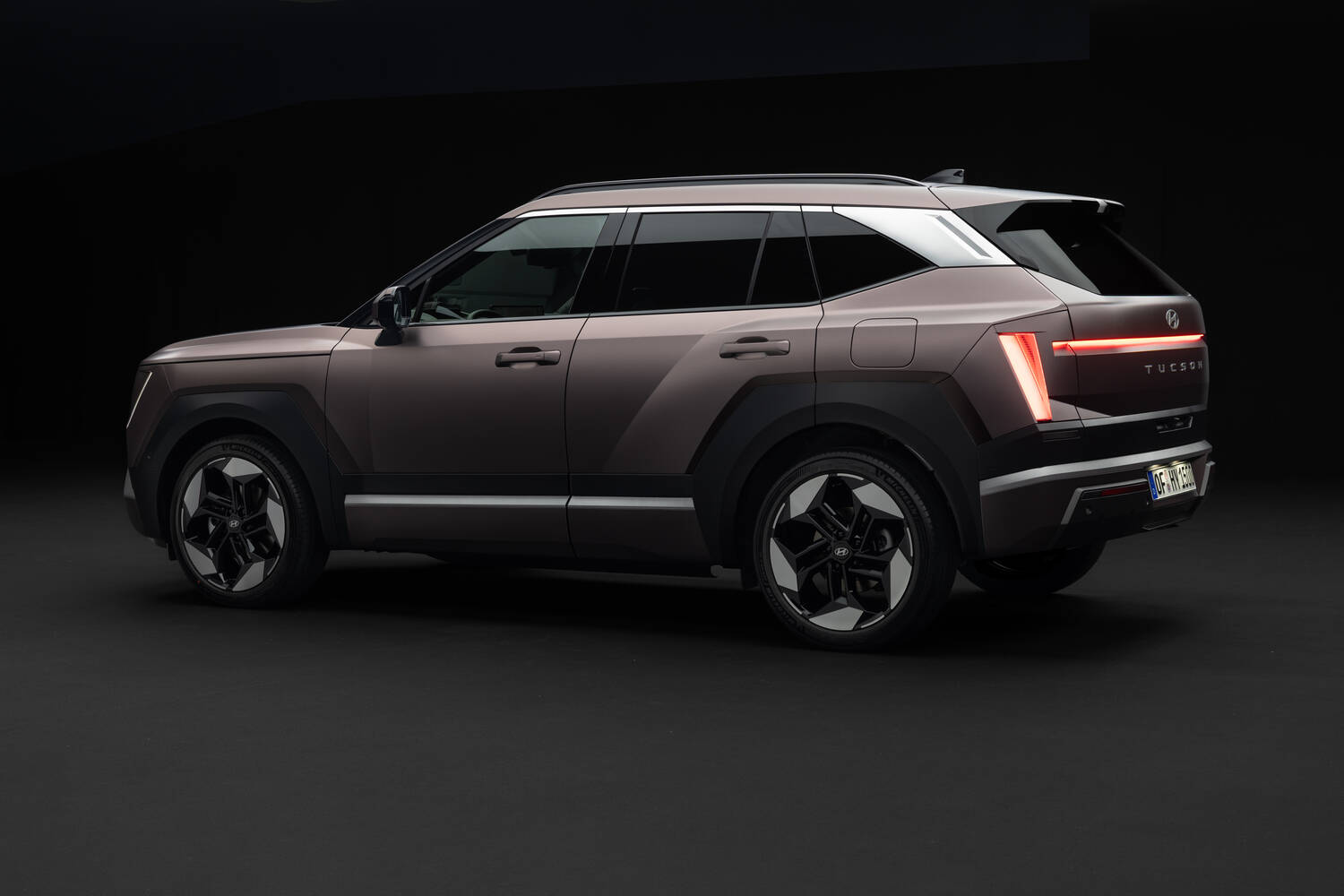
Agreed, though we’re waiting to see the finished product in daylight before casting our final judgement, as the new Tucson is a boldly designed car, that’s for sure. Dave went to see it in a studio before the unveiling and described it as “polarising.”
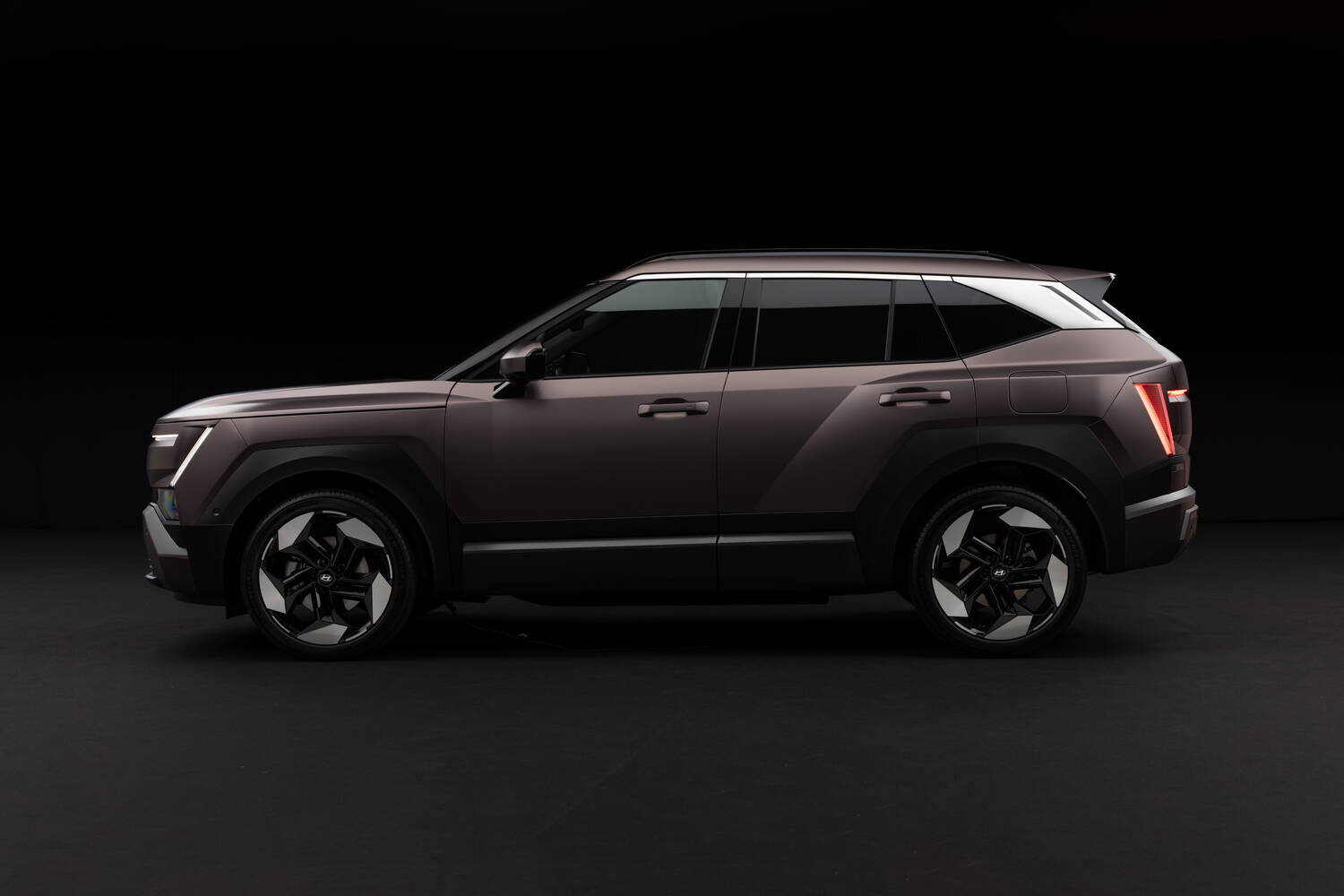
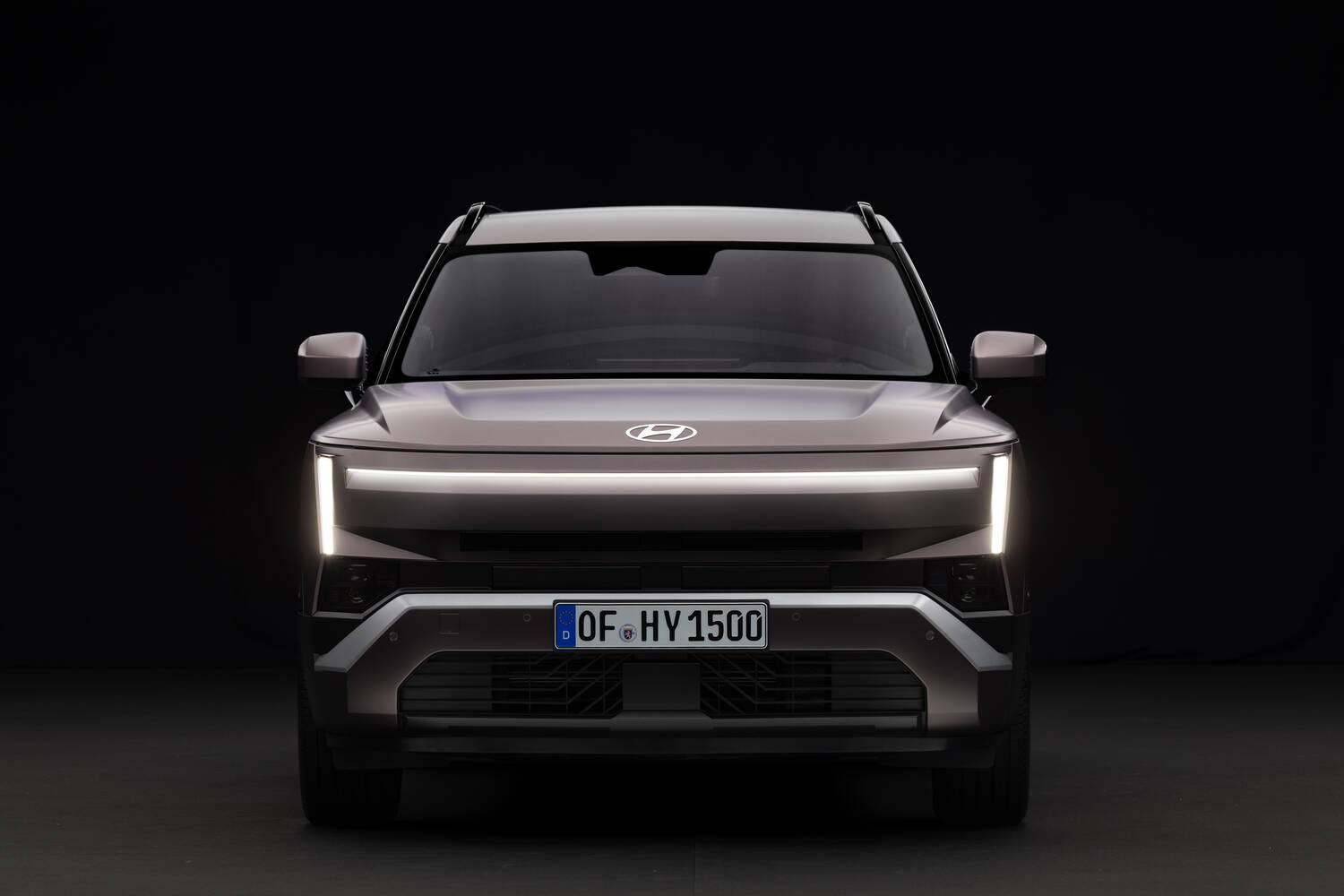
Hyundai’s designers applied their ‘Art of Steel’ philosophy to the car, as first seen on the Ioniq 3 EV, where the overall proportions and big volumes can in theory be replicated by bending steel. Translating from designer-speak, there are plenty of interesting creases and folds defining the bodywork of the Tucson, with very little visually linking it to the outgoing model.
This time around – the fourth generation of the Tucson (with the ix35 between the first and second) – the design language is edgy and upright, but perhaps the most eye-catching aspect of the new car is its lighting.
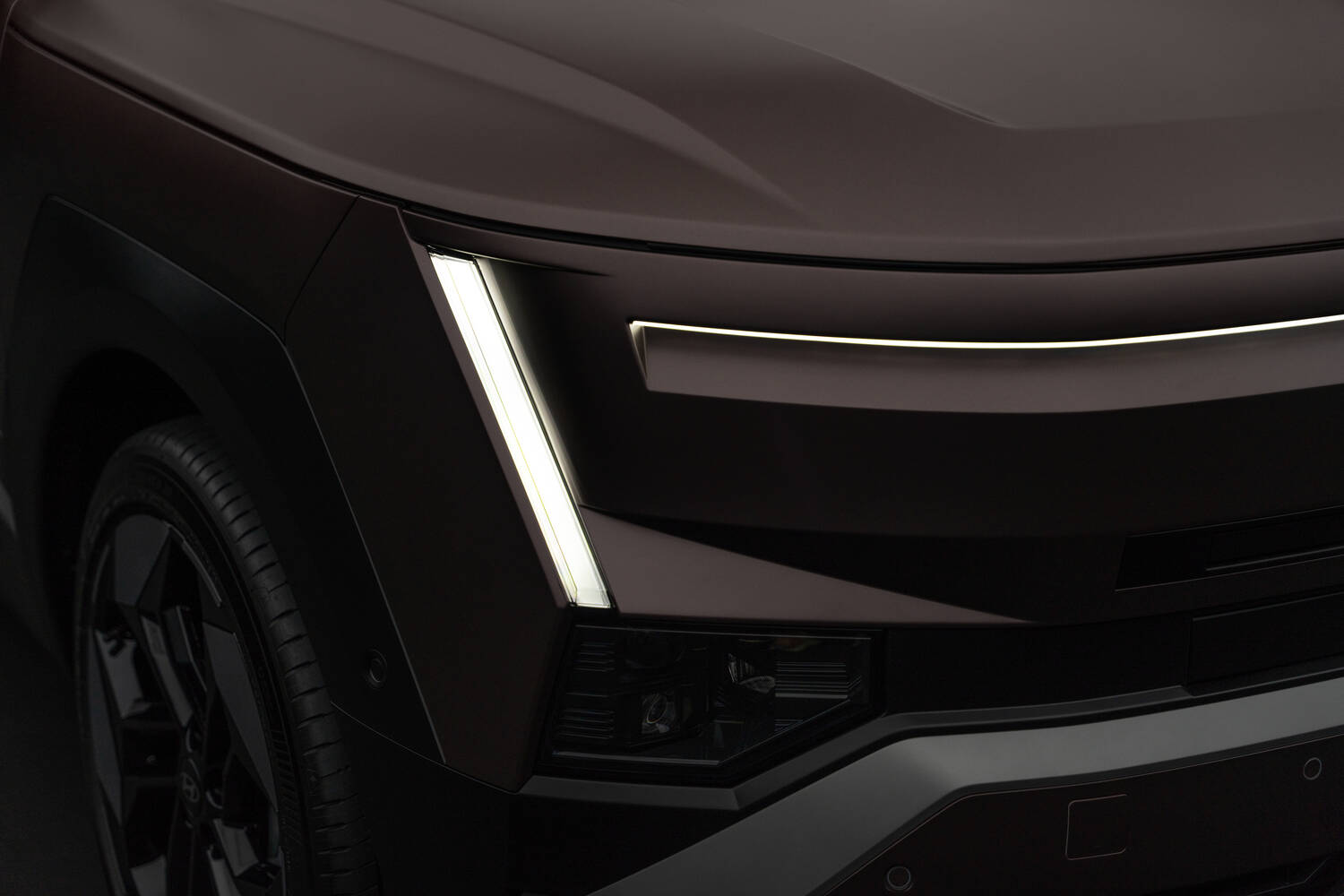
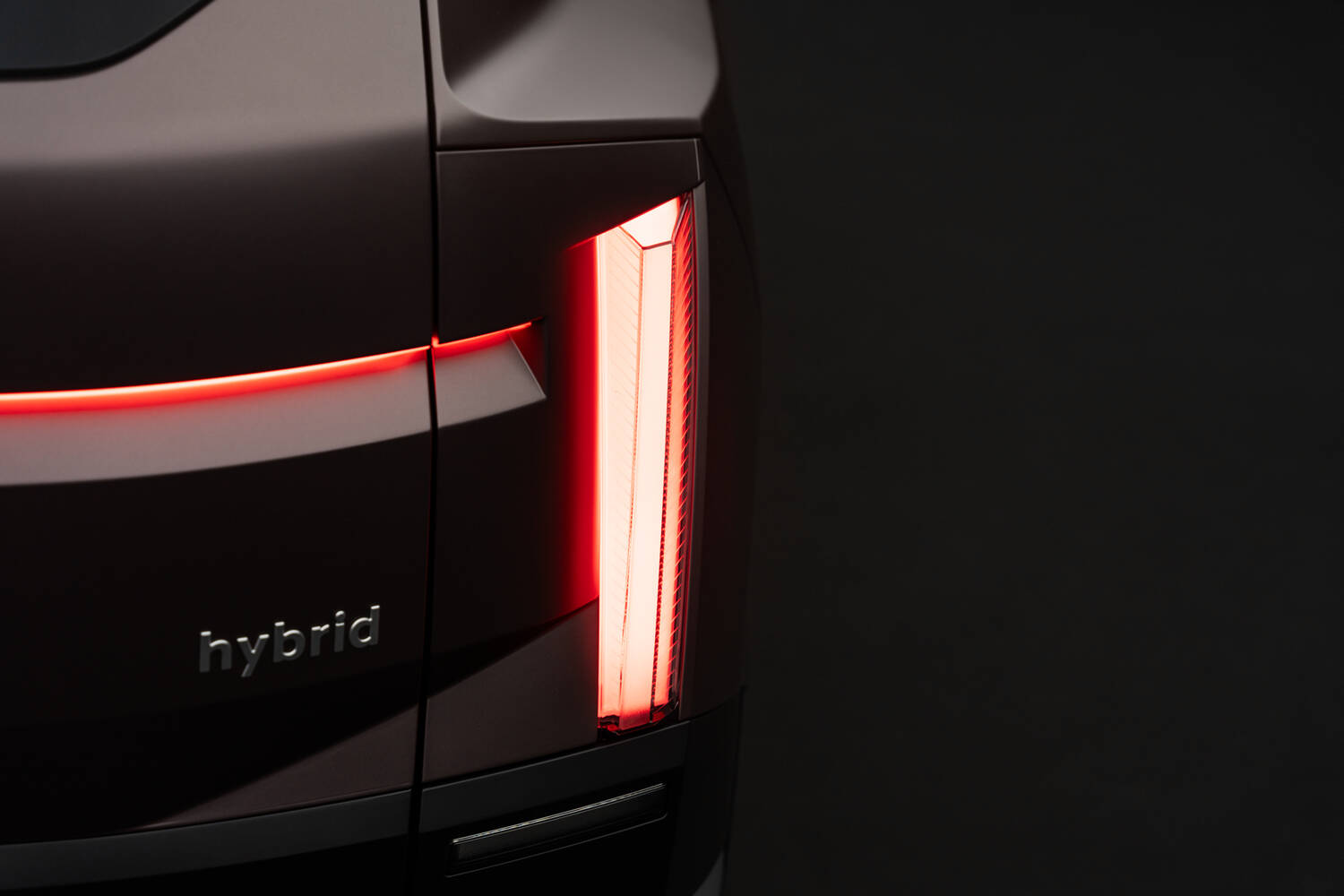
Up front is what Hyundai calls ‘H-Edge’ lighting, featuring an almost full-width central LED bar created using indirect light. This is flanked by two taller light bars, while the main-beam units beneath are barely noticeable when switched off. Saying that, Micro Pixel Lighting (MPL) using 25,600 individual LED pixels can be fitted here.
The same H-shaped approach is used at the rear, though the larger outer lights are referred to as ‘Prism Rear Lamps’ which, in conjunction with the massive Tucson wordmark, really emphasises the width of the car.
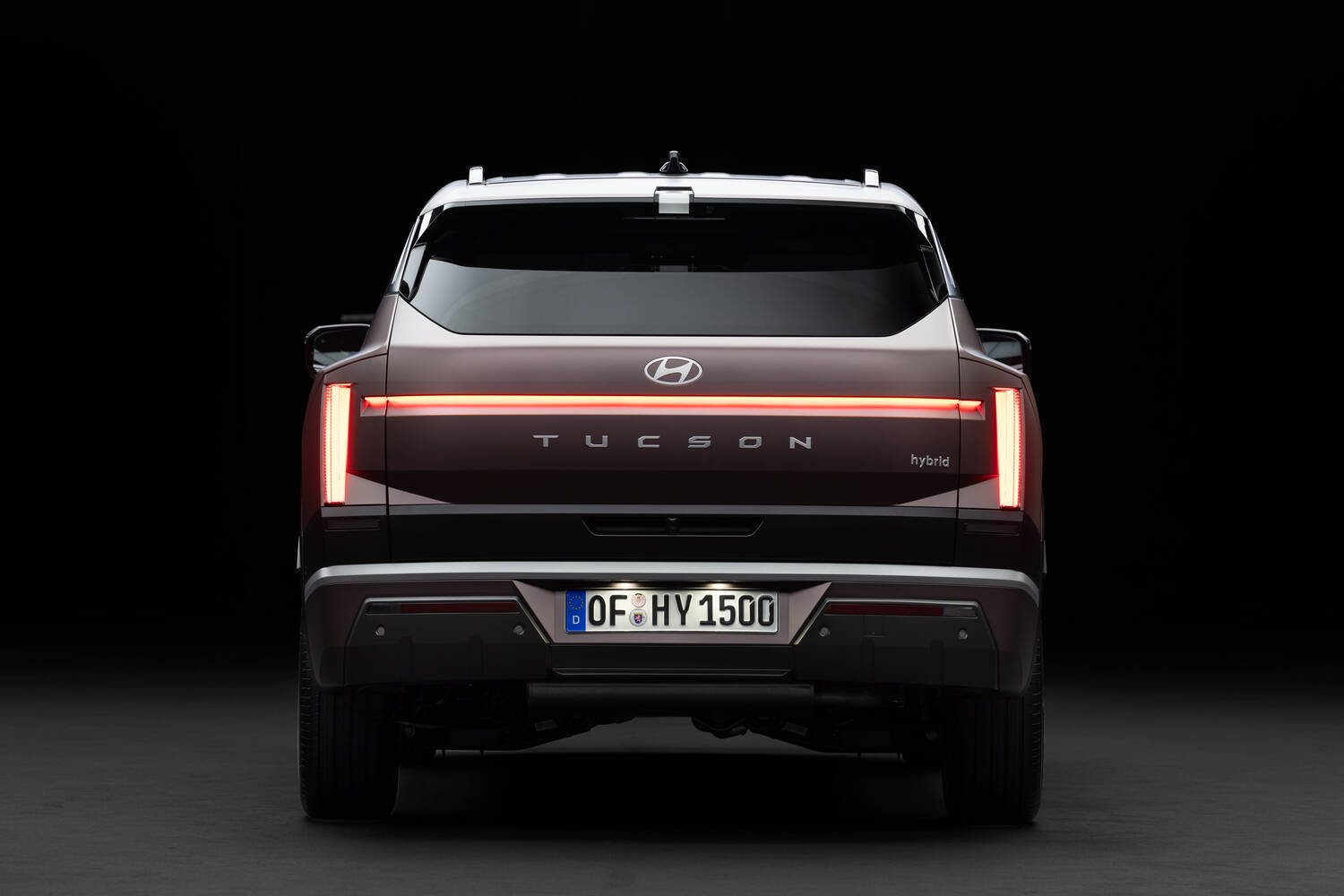
It’s not your imagination, though, as the new Tucson is indeed 35mm wider than the old model. In fact, it’s larger in all directions, at 50mm longer and 20mm taller, while the wheelbase – the distance between the front and rear axles – is 40mm longer in the new car.
That presumably means more interior space?
It certainly does, with more headroom and shoulder space all round, plus more rear legroom than before in the back.
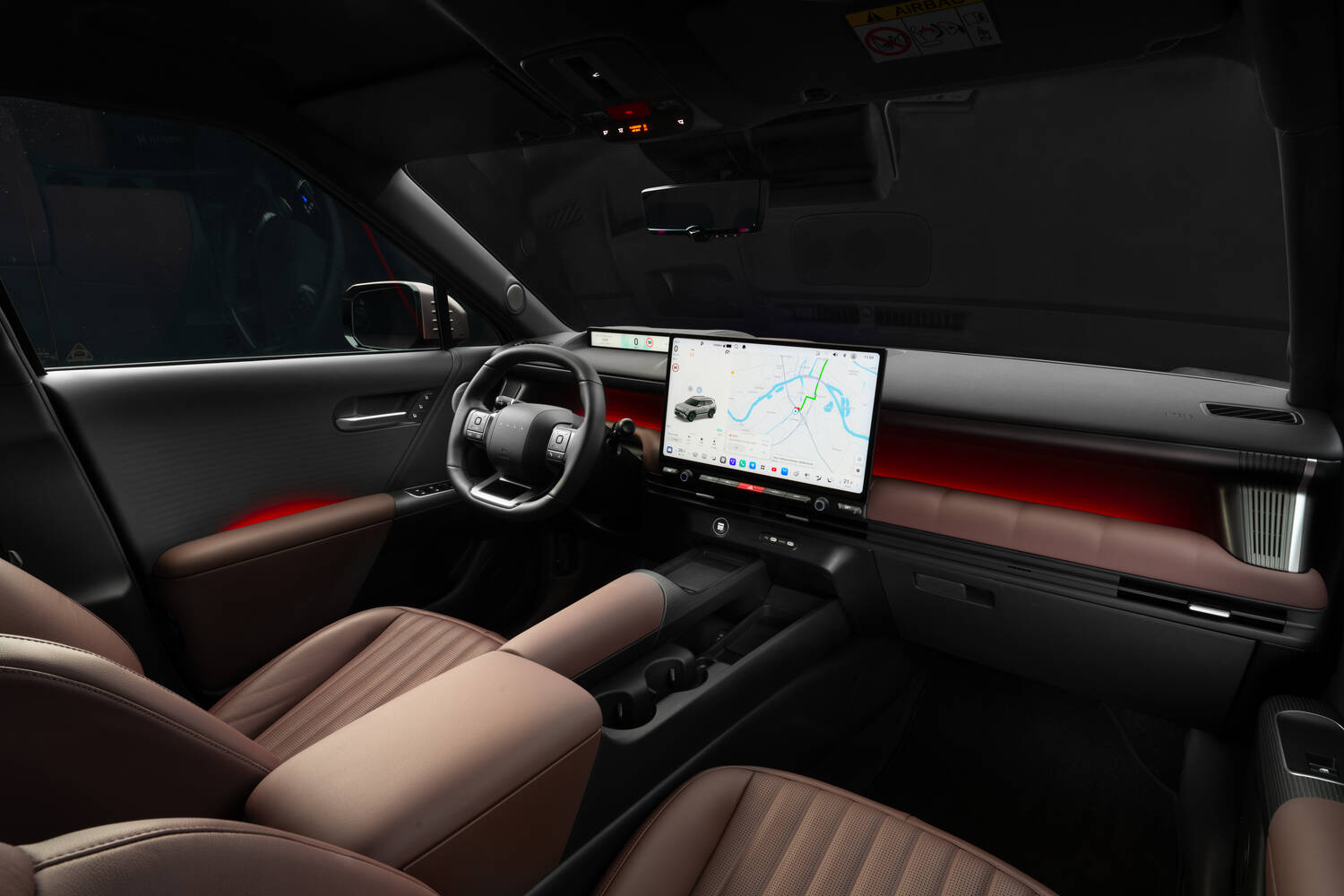
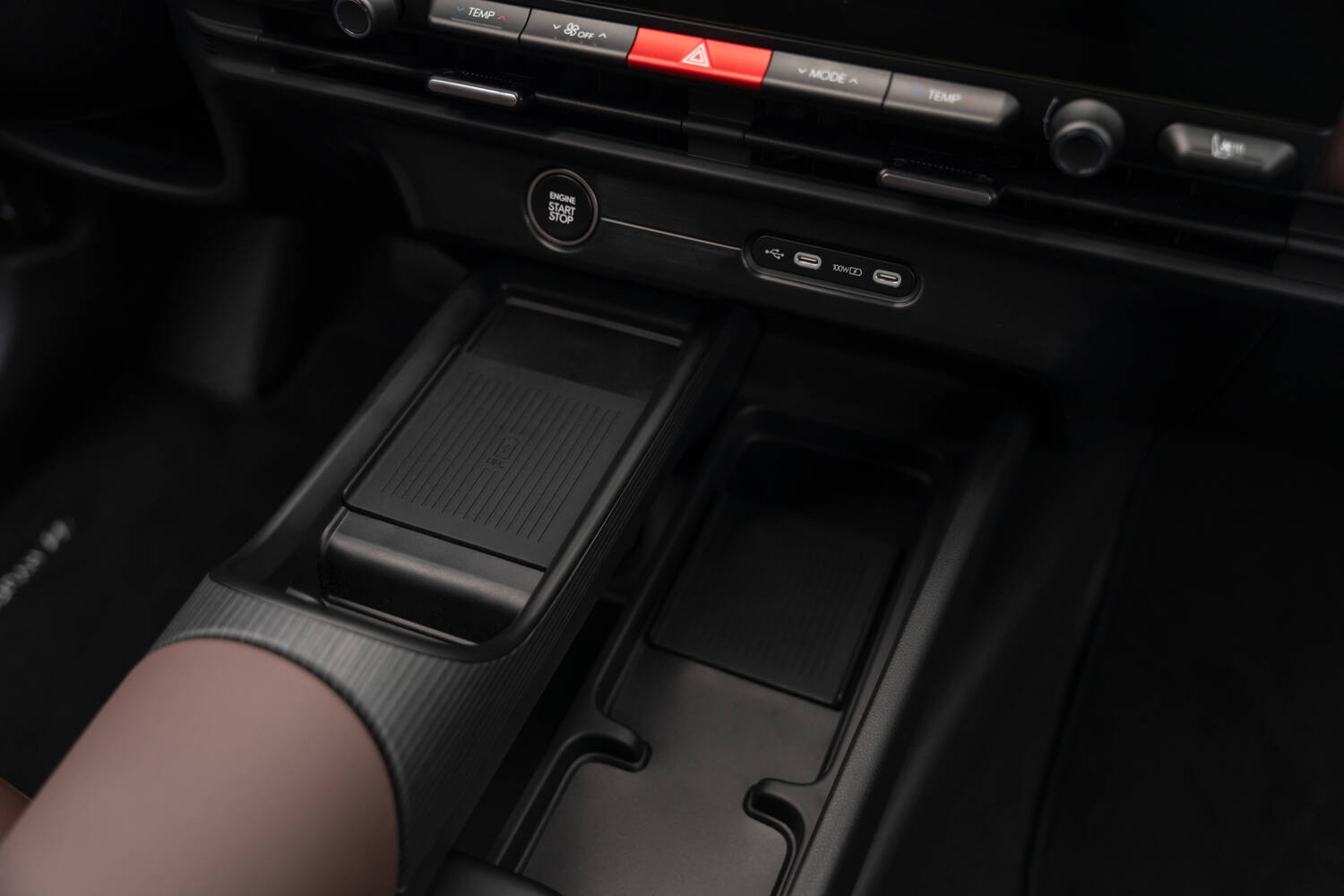
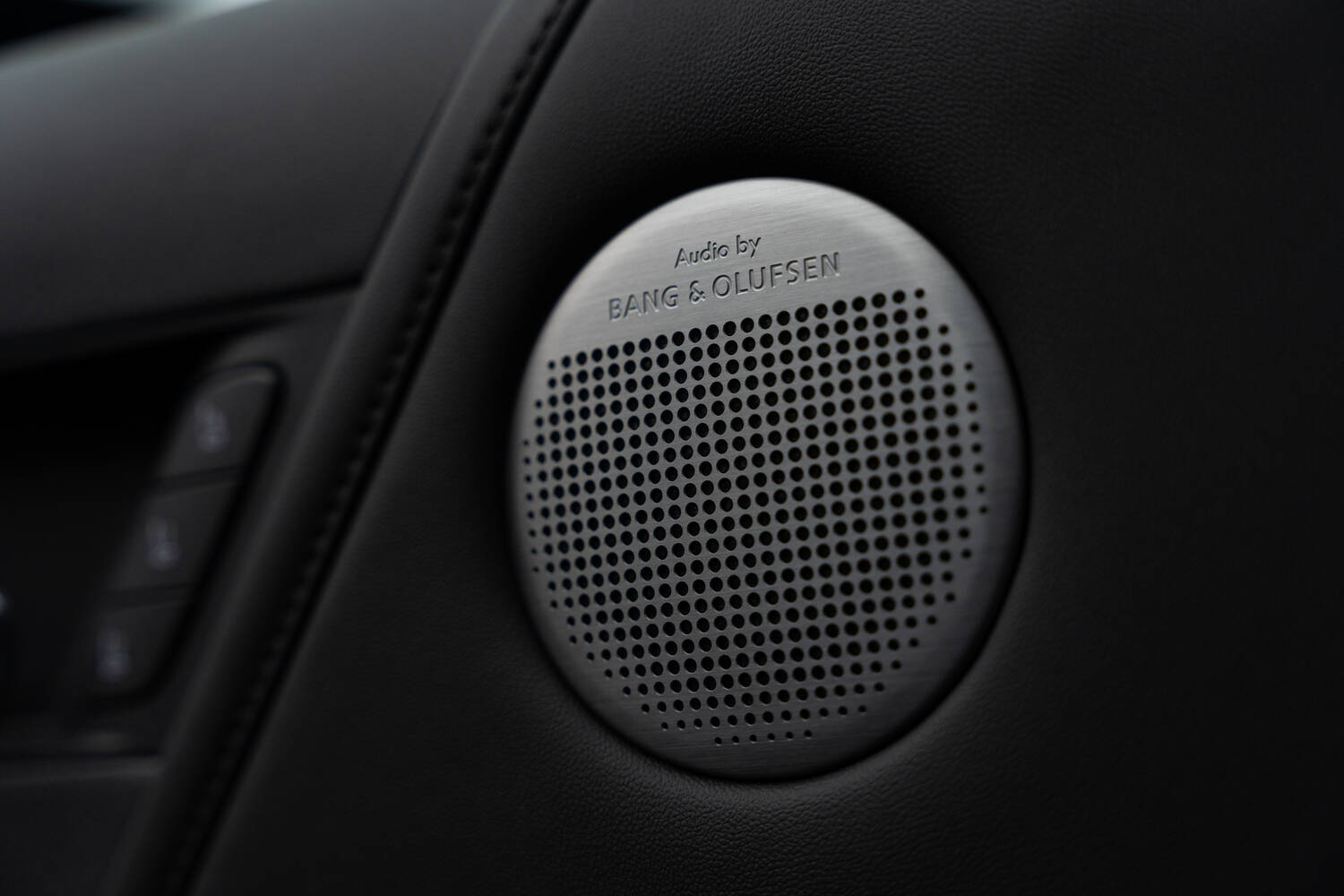
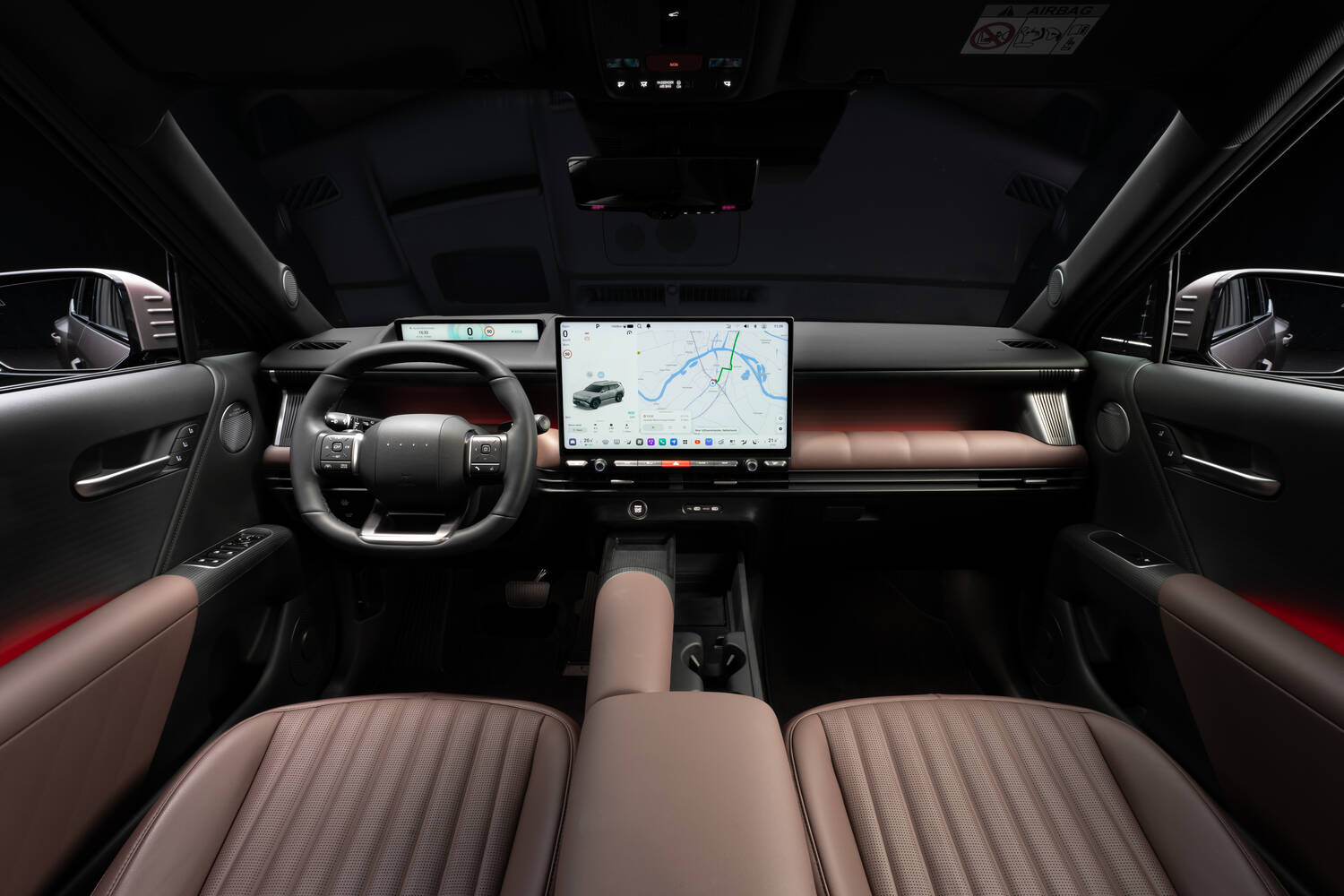
The new interior style will grab your attention first, though, mixing lots of technology with furniture-inspired surfaces and cushioning, an asymmetrical design for the centre console and, praise be, plenty of physical switchgear.
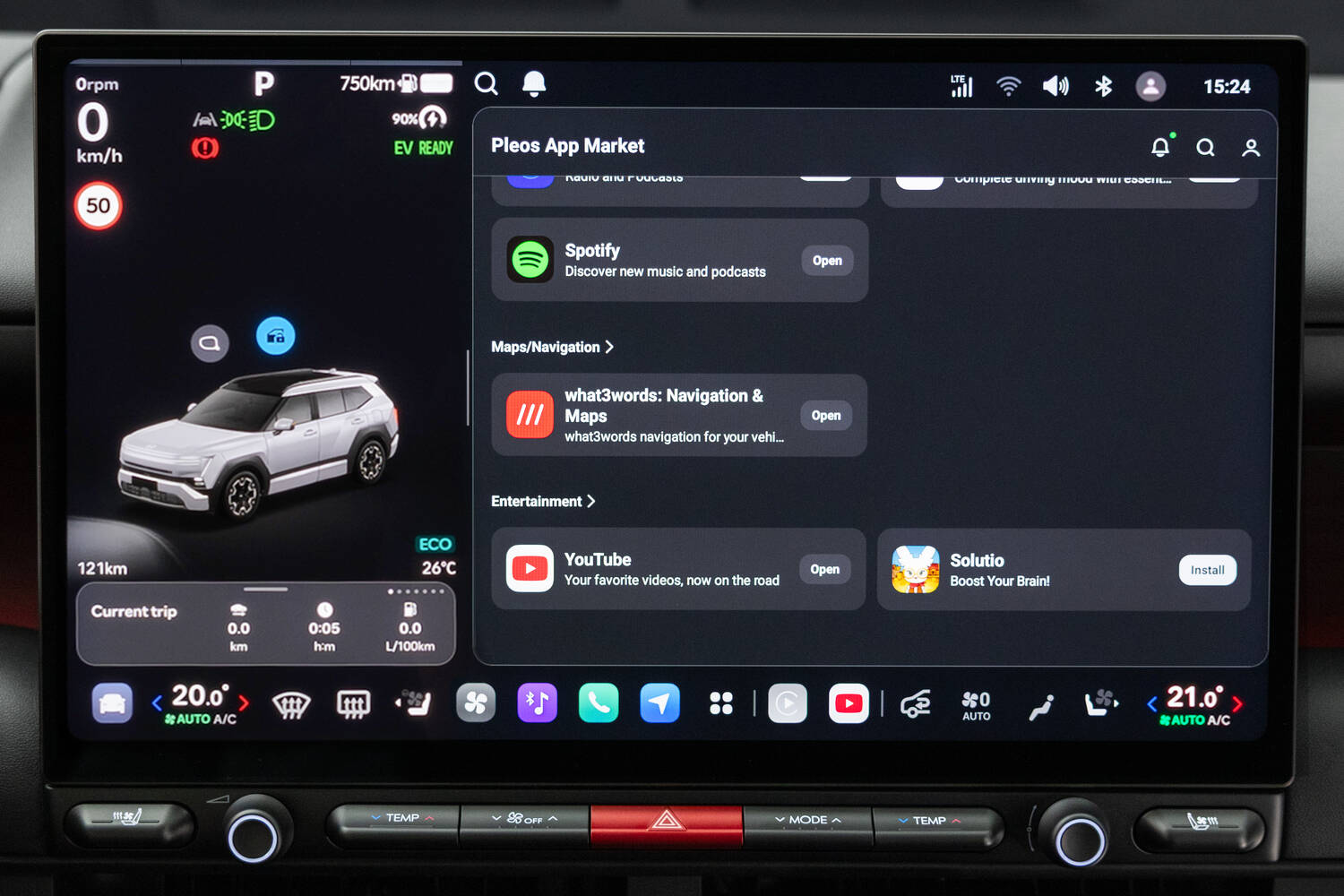
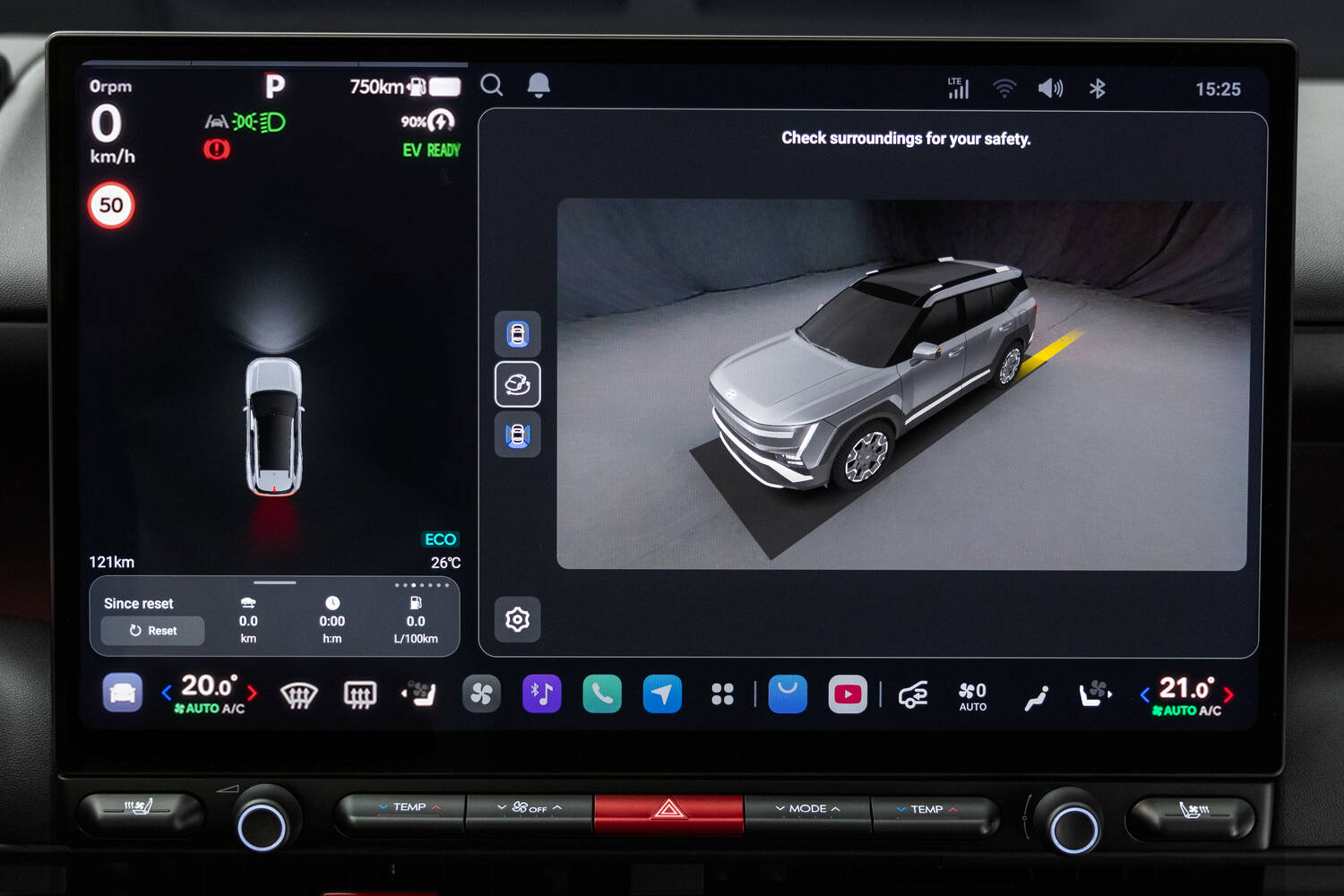
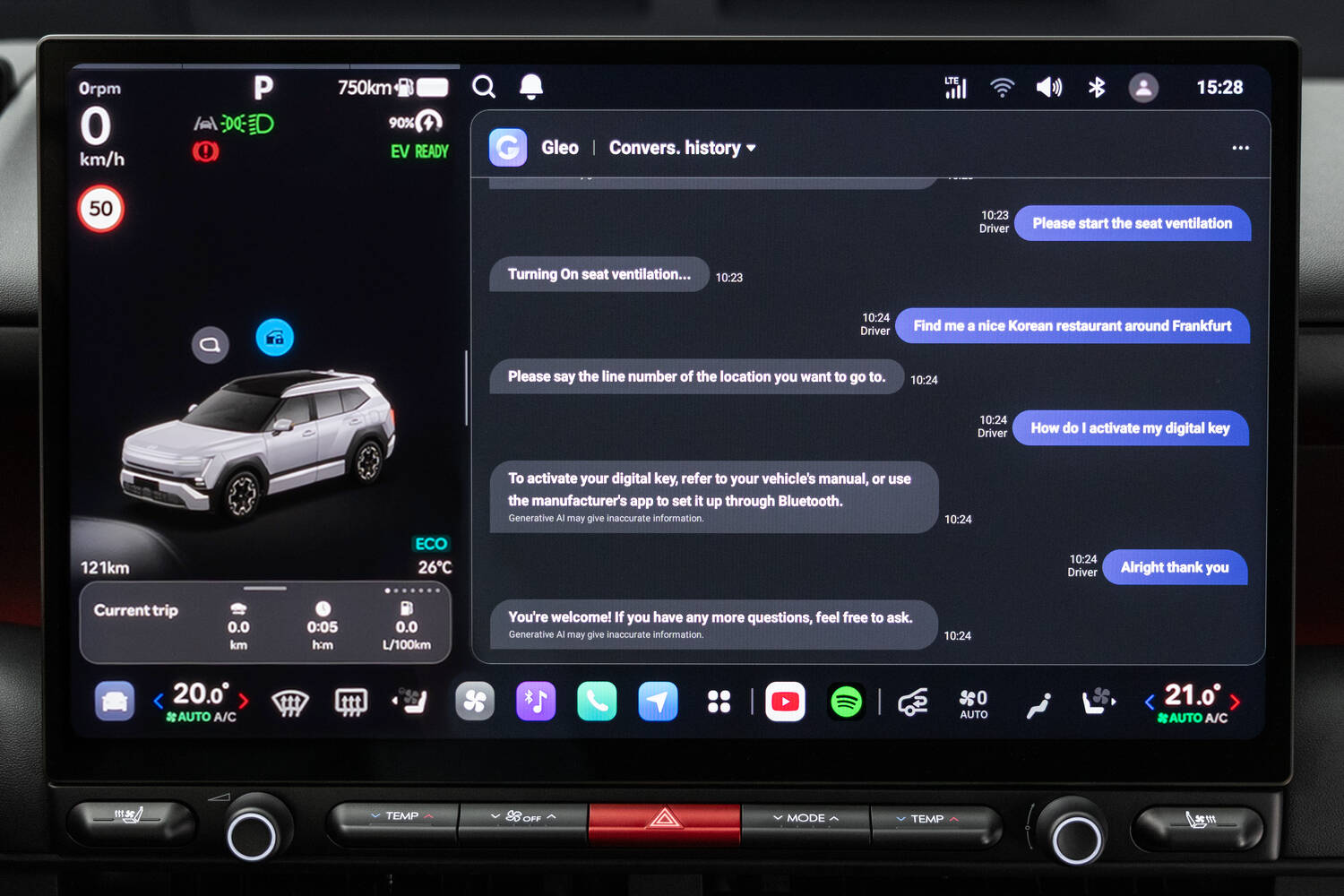
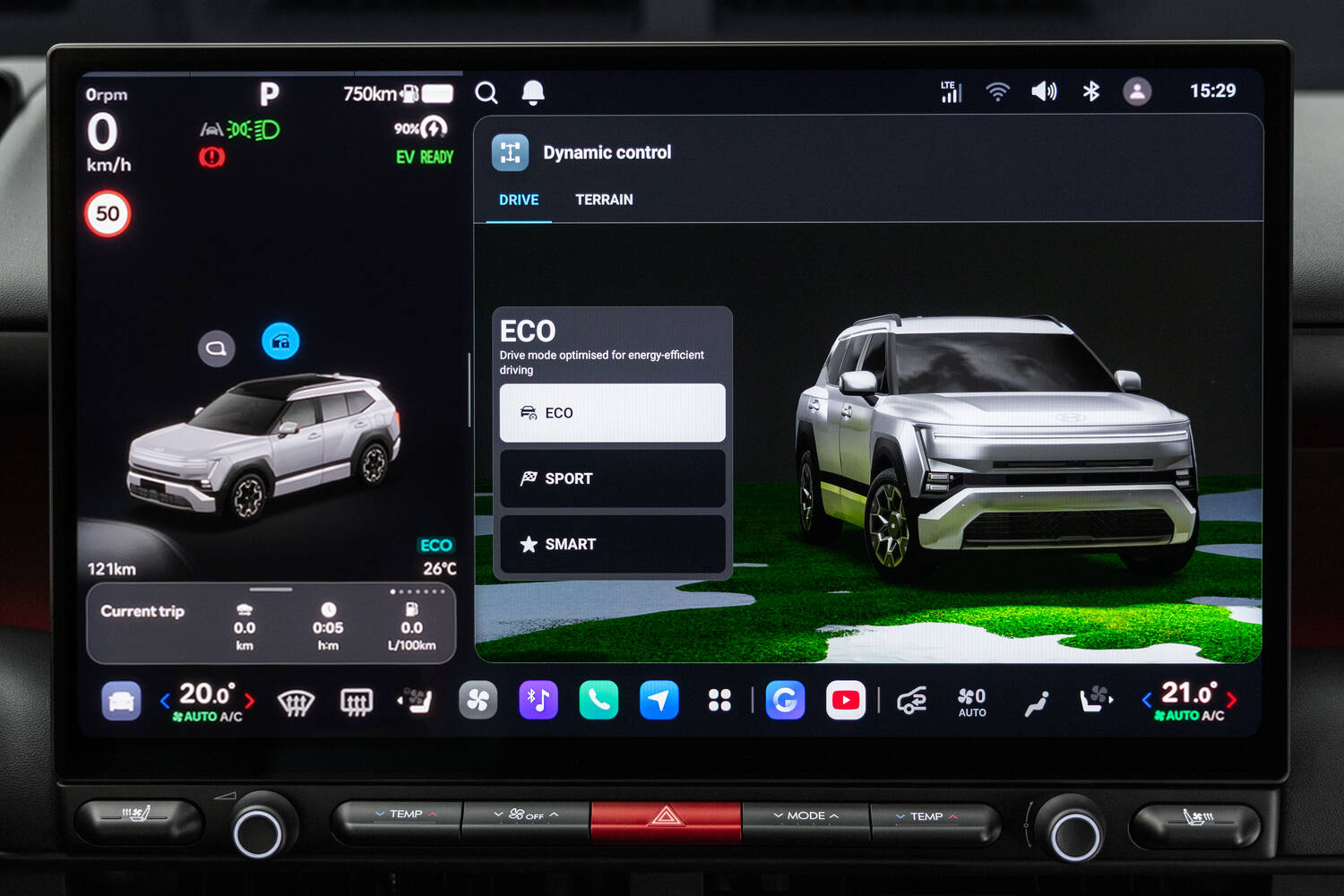
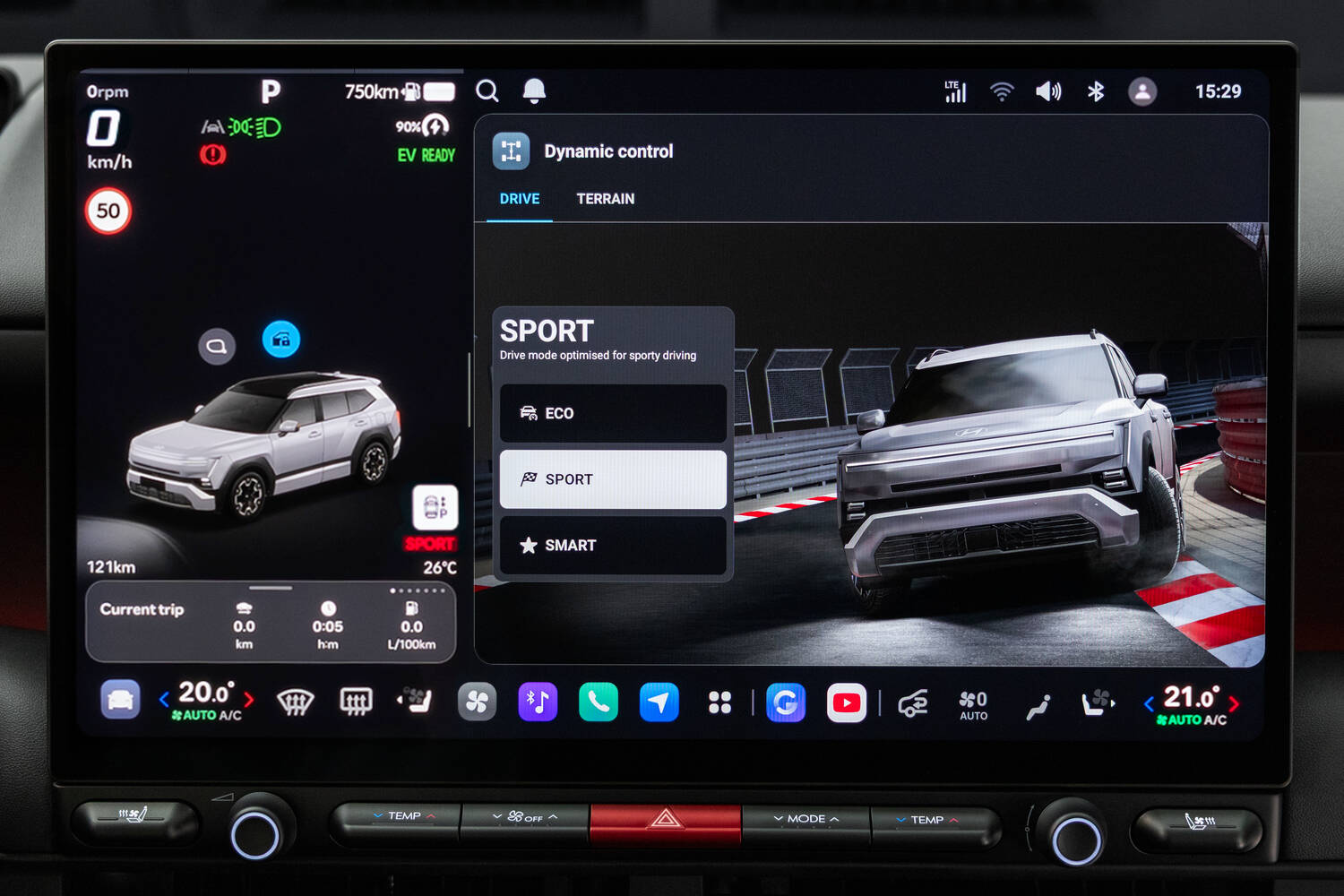
Obviously, there’s a touchscreen as well. The centrally mounted item can be had in 12.9- or 17-inch sizes and it runs Pleos Connect software, based on Android Automotive OS (AAOS). It’s highly customisable and has an AI-powered voice-recognition system called Gleo, along with the expected over-the-air update capability.
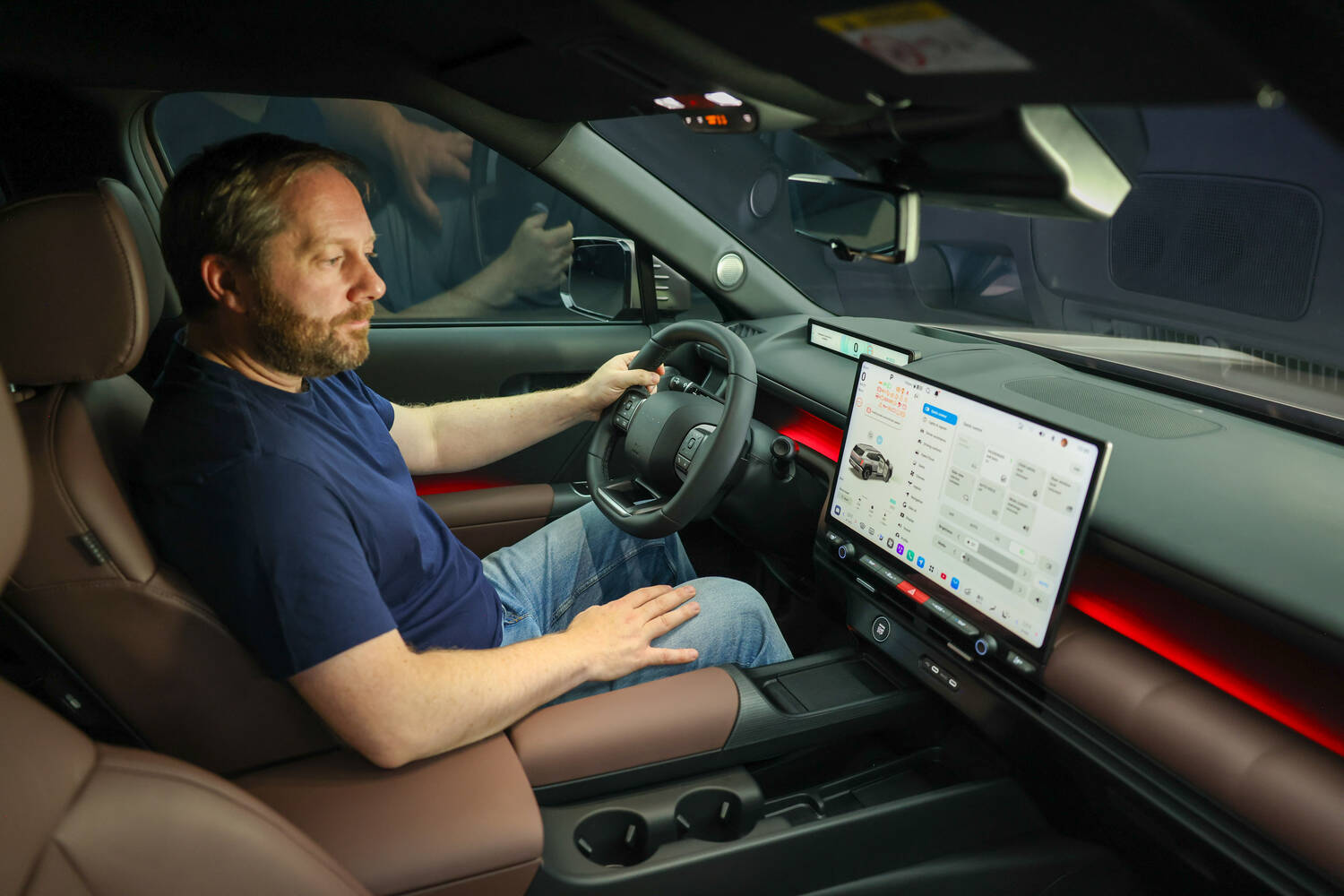
Ahead of the driver is a slender strip of digital screen measuring 9.9 inches across the diagonal.
Neatly, depending on powertrain, the Tucson has the ability to allow various functions such as climate control and device charging to continue when parked up and the engine is switched off.
In practical terms, Hyundai has increased the angle the back doors open by to make it easier to get in and out, or, more likely, to get kids in and out of their child seats.
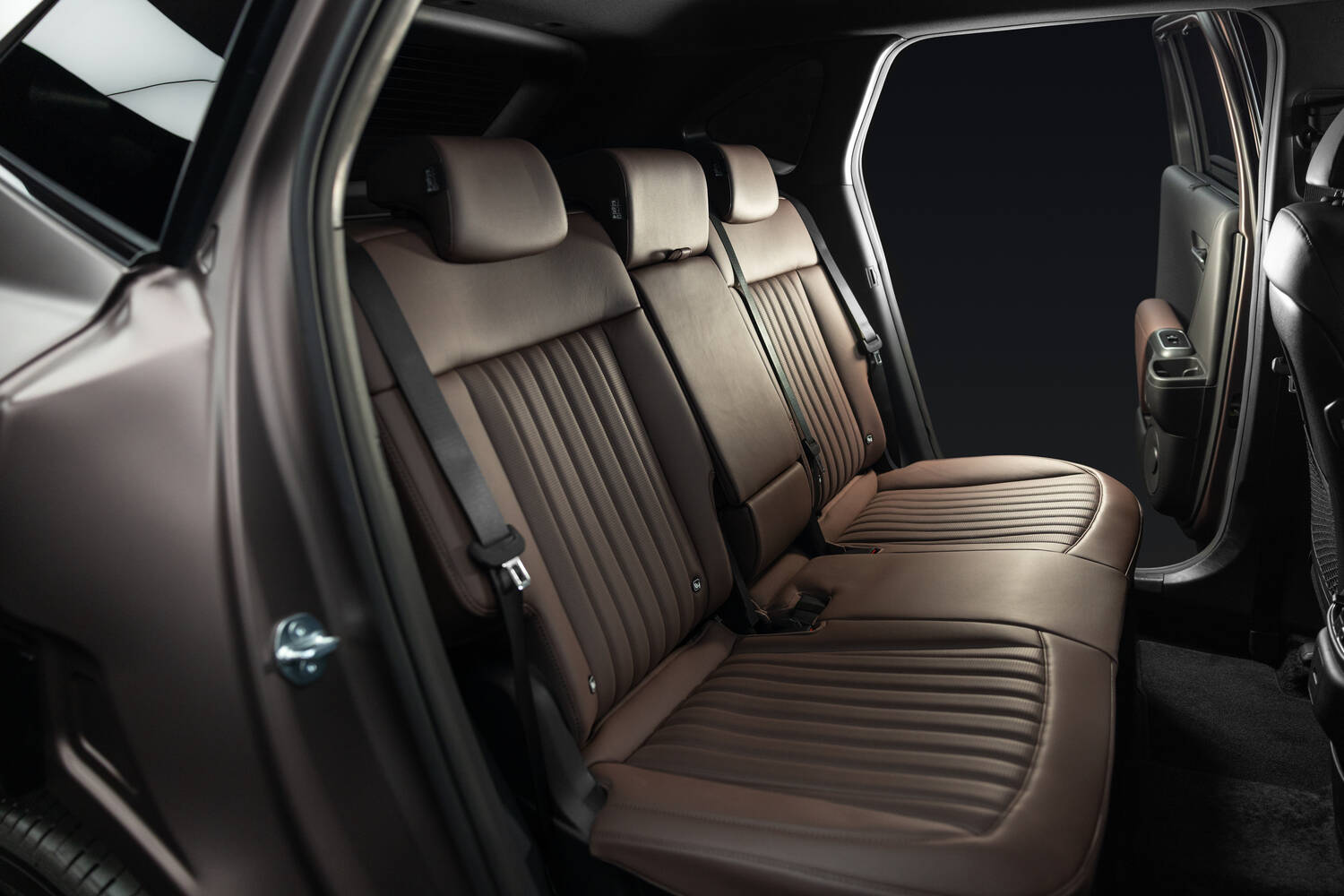
There are ISOFIX points on the outer two seats as usual and a centre position in which you may even get certain boosters to fit.
Otherwise, there’s a wide central armrest that can fold down, and adult passengers will be glad of the generous legroom, though the floor isn’t completely flat all the way across. There are air vents, though, and USB-C ports.
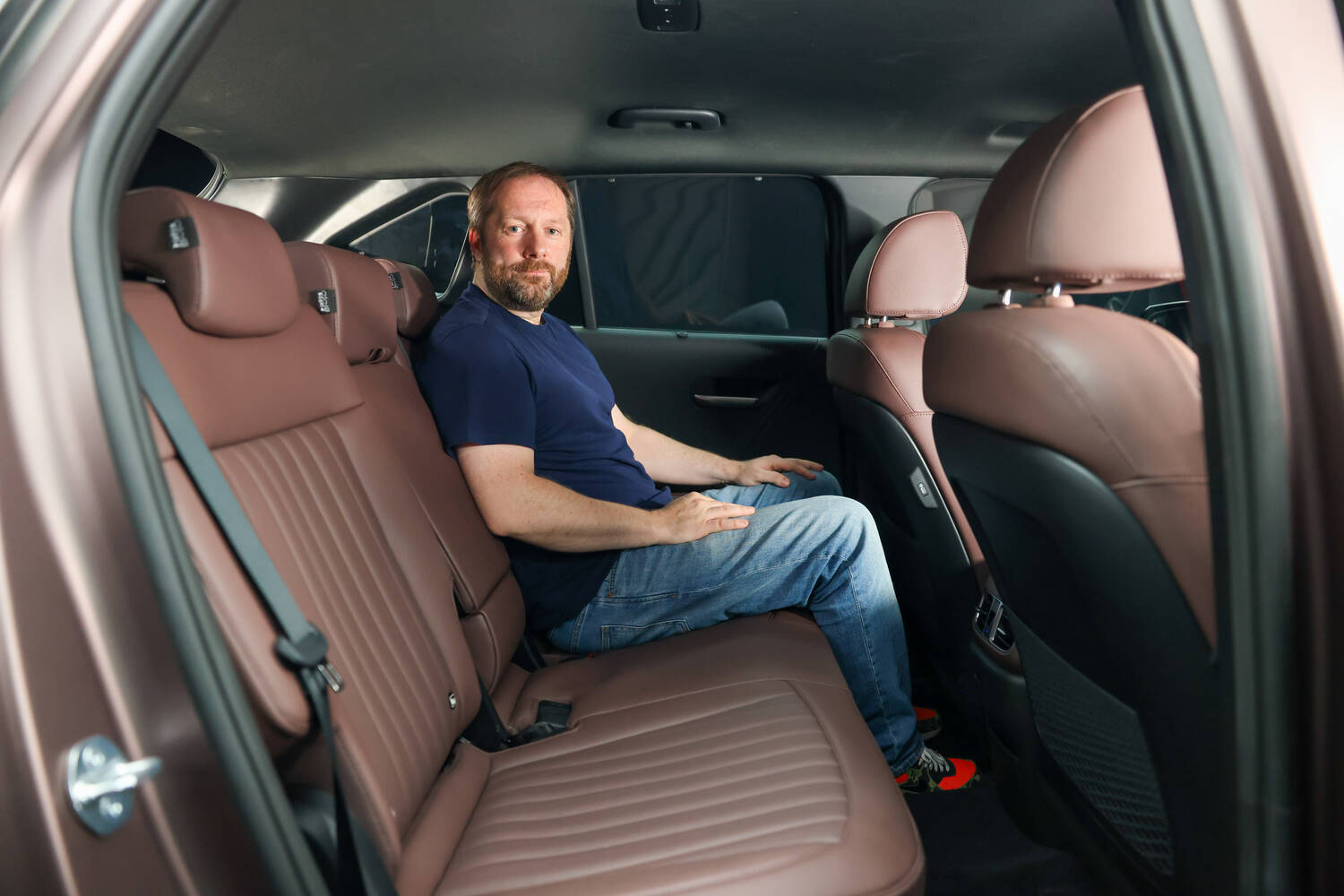
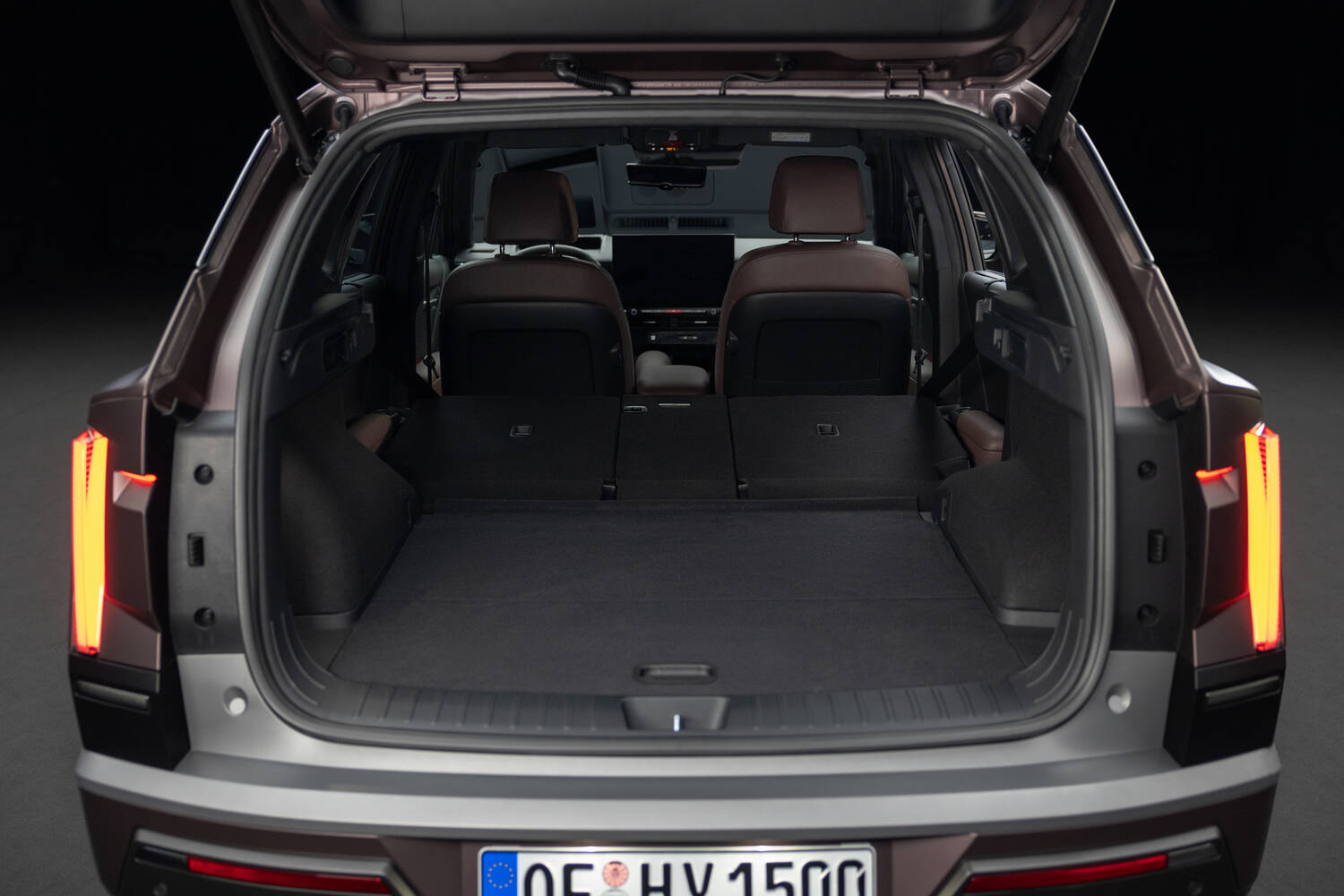
The rear seats slide by up to 150mm, too, and the backrest is split 40:20:40 for extra versatility. Hyundai quotes a boot volume of up to 695 litres when the rear seats are in use, though it drops to 581 litres in the hybrid and 492 litres in the PHEV. Maximum cargo capacity is 1,692 litres.
Now seems like a good time to talk about what’s under the bonnet…
While the Irish lineup has yet to be announced, it would appear that diesel is no more for the Tucson and instead there’s an entry-level petrol option and two different hybrids.
All use a turbocharged 1.6-litre four-cylinder unit as their base, referred to as the T-GDI. Only the base engine – making up to 150hp and 250Nm of torque – can be paired with a manual gearbox. It’s a little faster when the seven-speed, dual-clutch automatic gearbox is specified, with 0-100km/h in 9.9 seconds.
There’s a regular hybrid (HEV) and a plug-in hybrid (PHEV) to choose from, both using a six-speed automatic transmission and sending their power to either the front wheels alone or all four wheels, depending on specification.
The Tucson HEV puts out 245hp and 380Nm of torque for 0-100km/h in 8.3 seconds, while the PHEV produces up to 292hp, with the same peak torque number. It manages 0-100km/h in 7.9 seconds.
Usefully, the PHEV can cover over 80 kilometres on a charge, but it’s a tad disappointing that there’s a 7.2kW AC charging limit, with no DC-charging capability at all.
Any word on an Irish launch for the new Tucson?
Nothing firm as yet, though we expect the new Tucson to arrive in Ireland at the start of 2027. Hyundai remains tight-lipped on pricing and trim levels, too, though for reference, the most affordable of the outgoing hybrid models is about €44,000. Oh, and we expect the sporty looking N-Line version to be unveiled at the Paris Motor Show on October 12.
If there is anything about this story we have not covered, you can avail of our expert advice service via the Ask Us Anything page.