

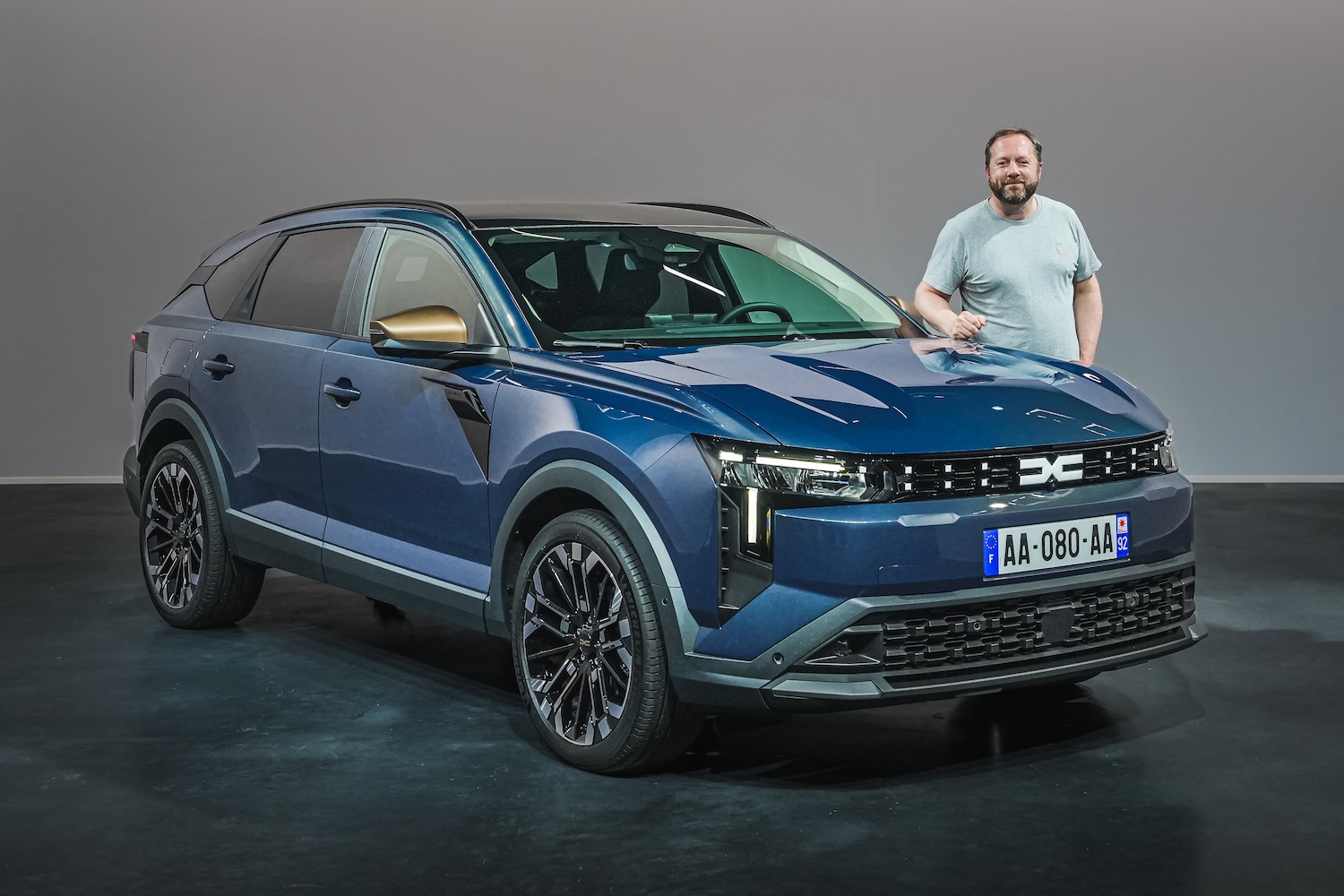
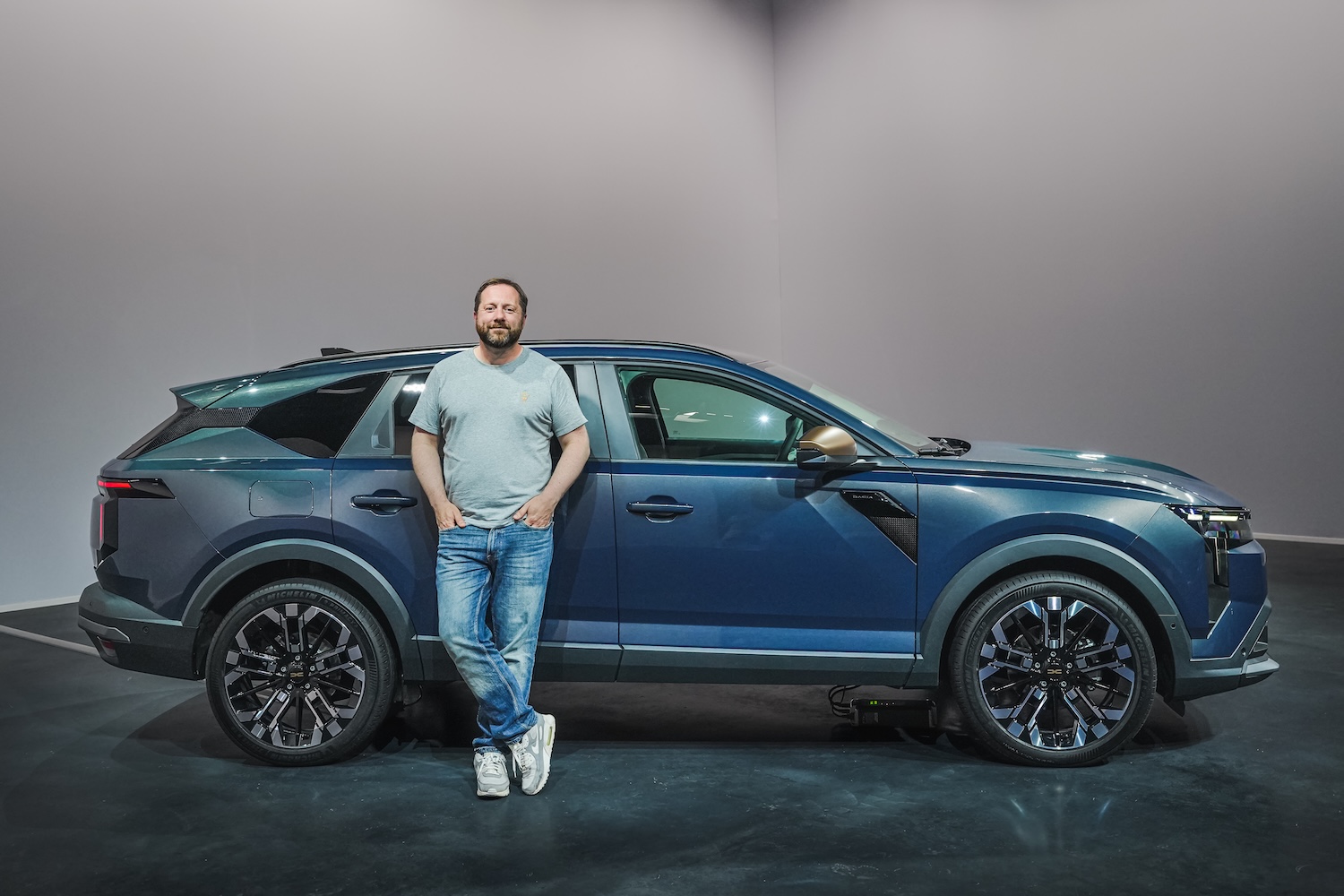
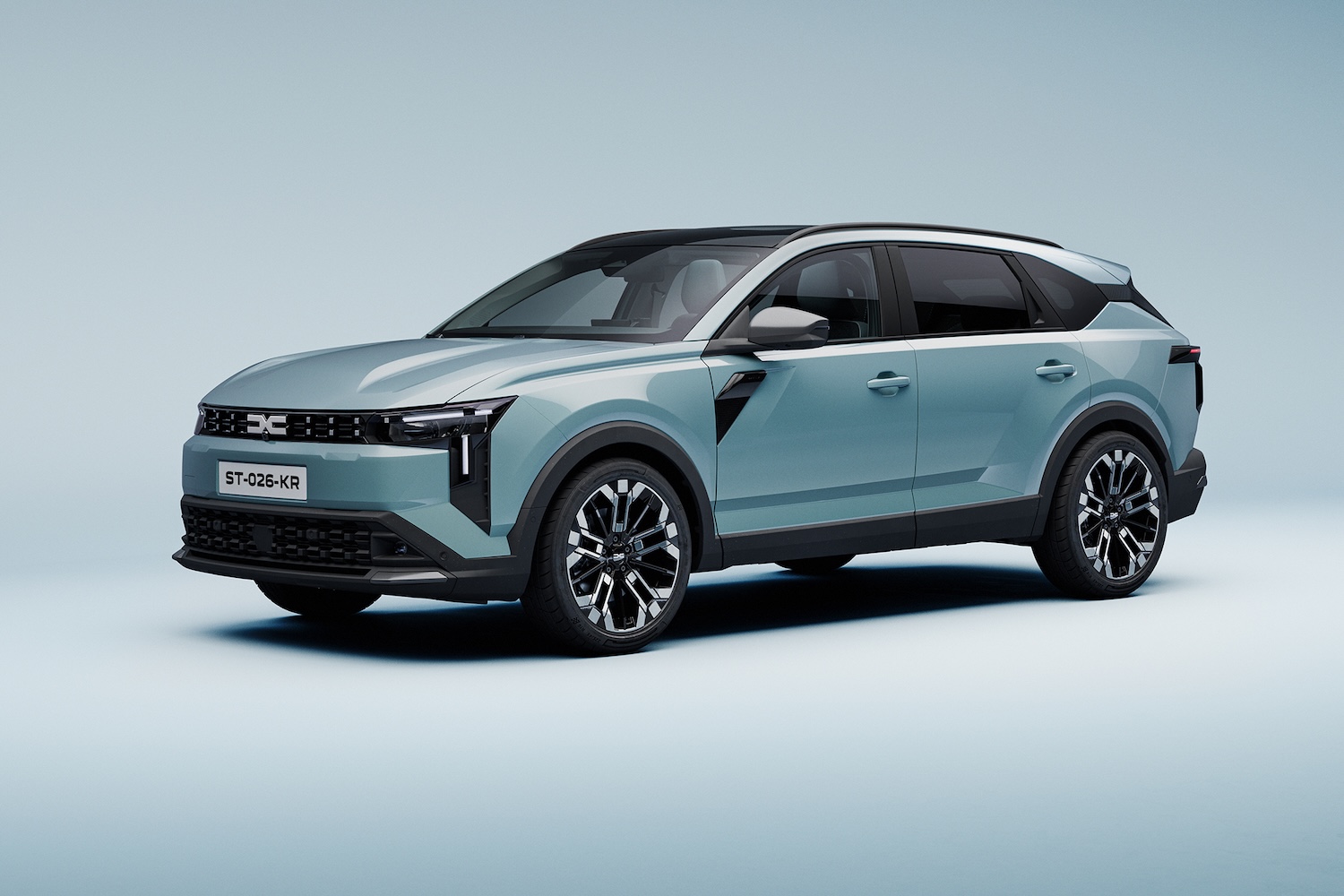
Designed as an alternative to the usual tall, boxy SUV, the Striker still manages to provide a raised body with a ground clearance of 200 millimetres, yet stands only 1.53 metres tall. The estate body retains rugged cladding made from Dacia's patented 'Starkle' material around its lower sections. There is a choice of wheel sizes on the Striker ranging between 17-, 18-, and 19-inch steel or alloy wheels depending on specification grade.
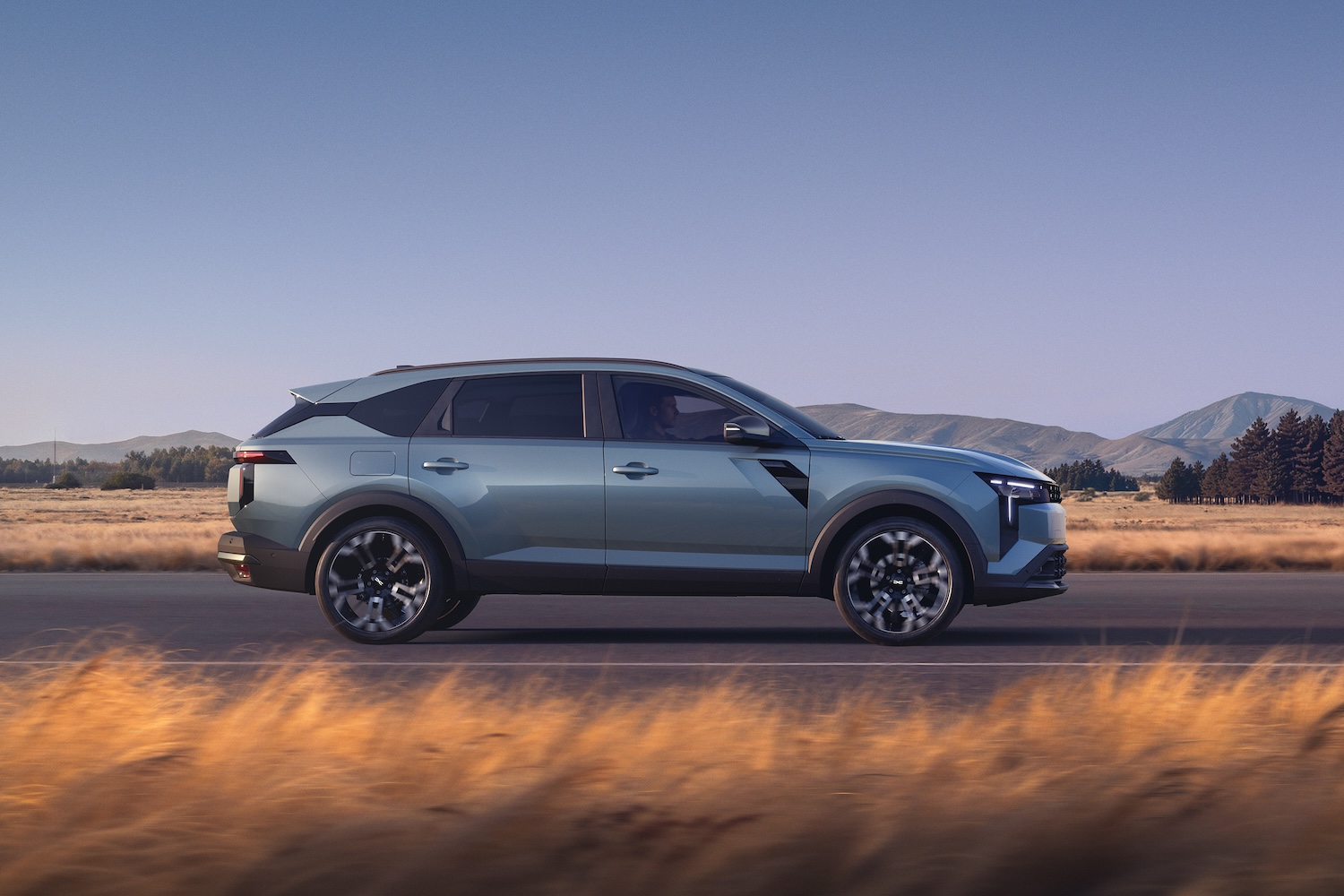
Its exterior design builds on what can already be seen in the latest Dacia models. The Striker adds a new T-shaped lighting signature that marks out the corners of the car and forms part of the strong brand graphic across the nose. The lower front bumper section includes a mesh intake area and pronounced splitter that is finished in the Starkle material, a plastic that is impregnated with its colour, which gives it a mottled appearance, but it is better at hiding scratches.
With the exception of the door garnish, which includes the GPS co-ordinates to Romania's famous Transfăgărășan road in the southern Carpathian Mountains, there is no gloss black material on the exterior. Instead, Dacia has stuck to a more traditional plastic that should age and wear far better over time.
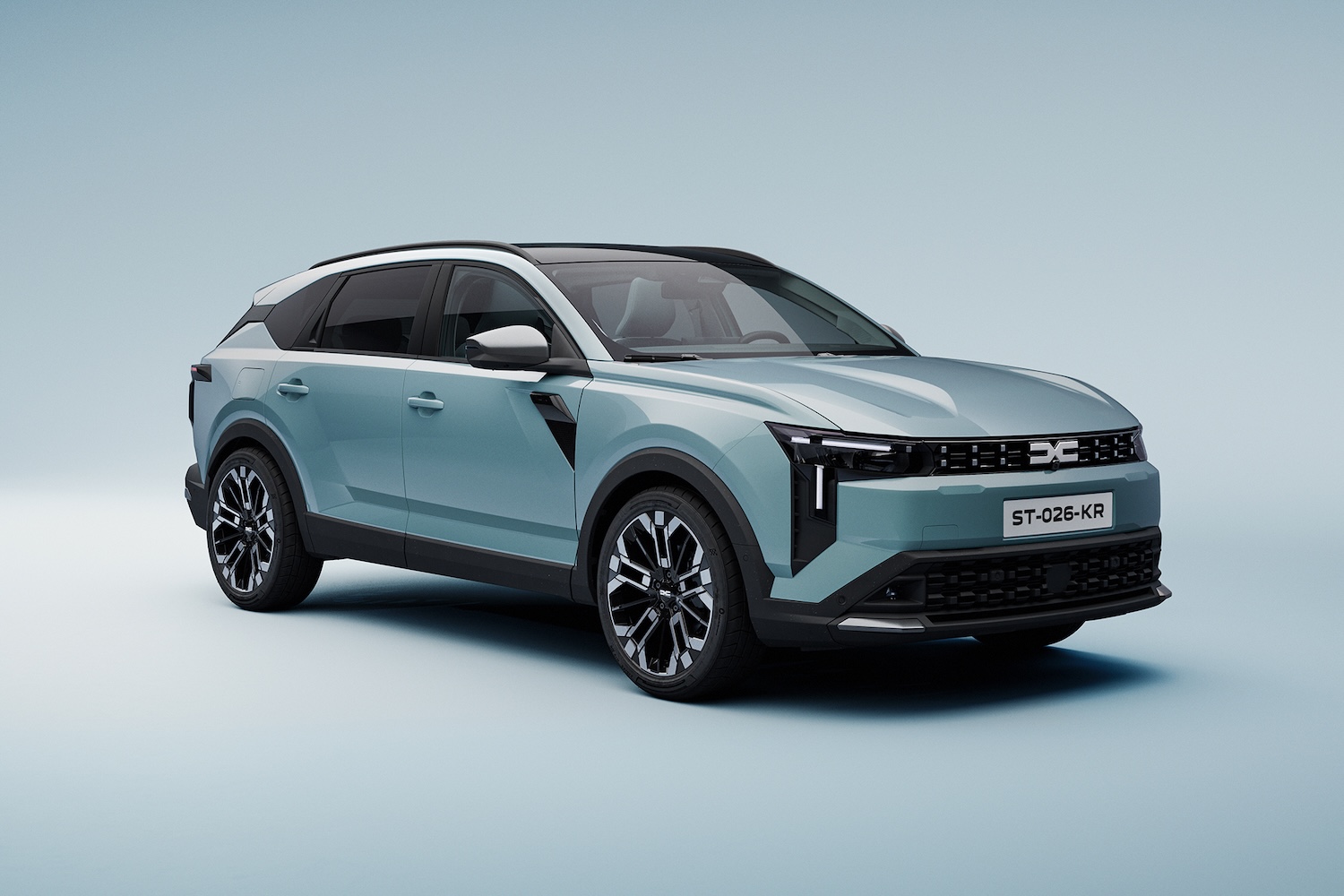
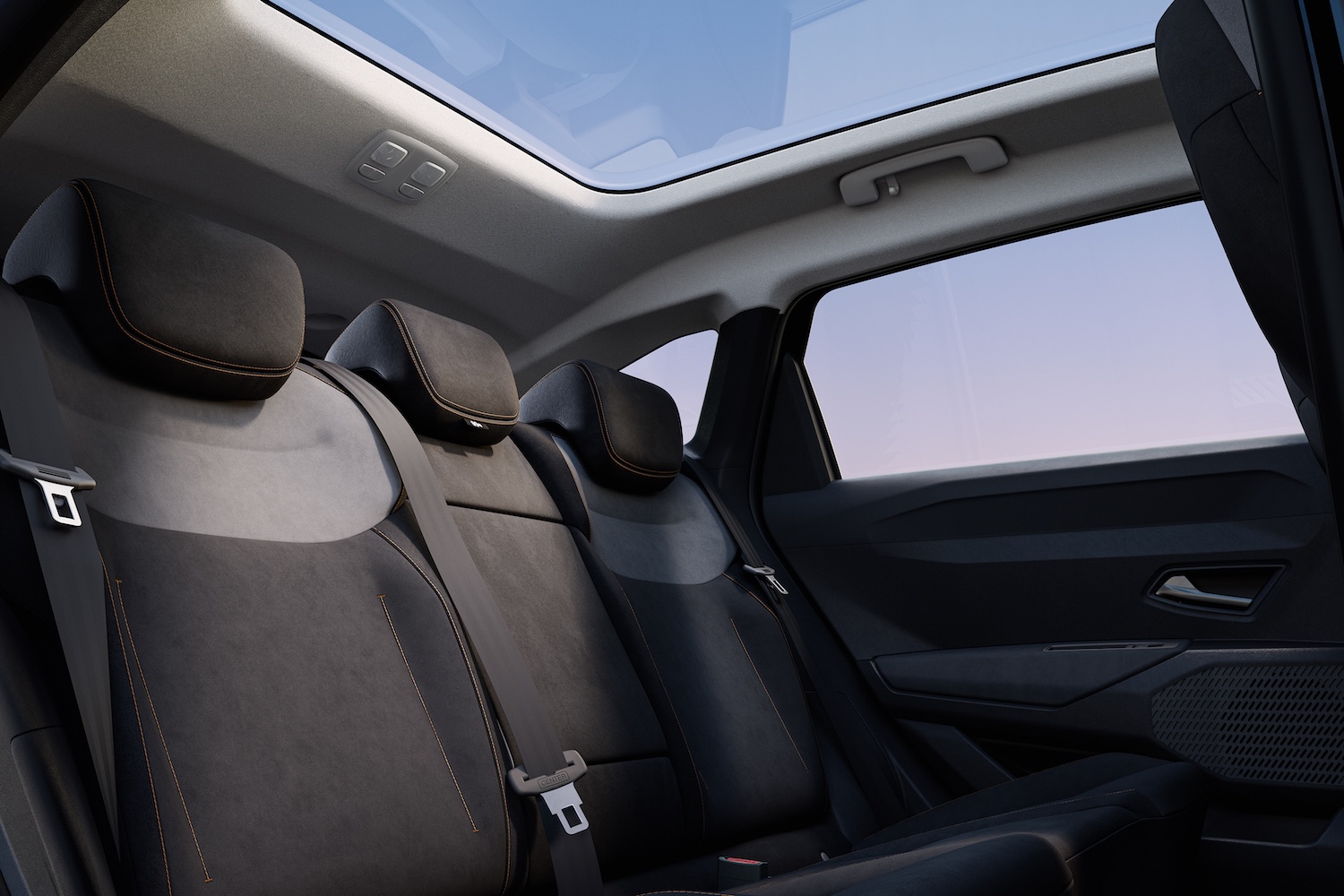
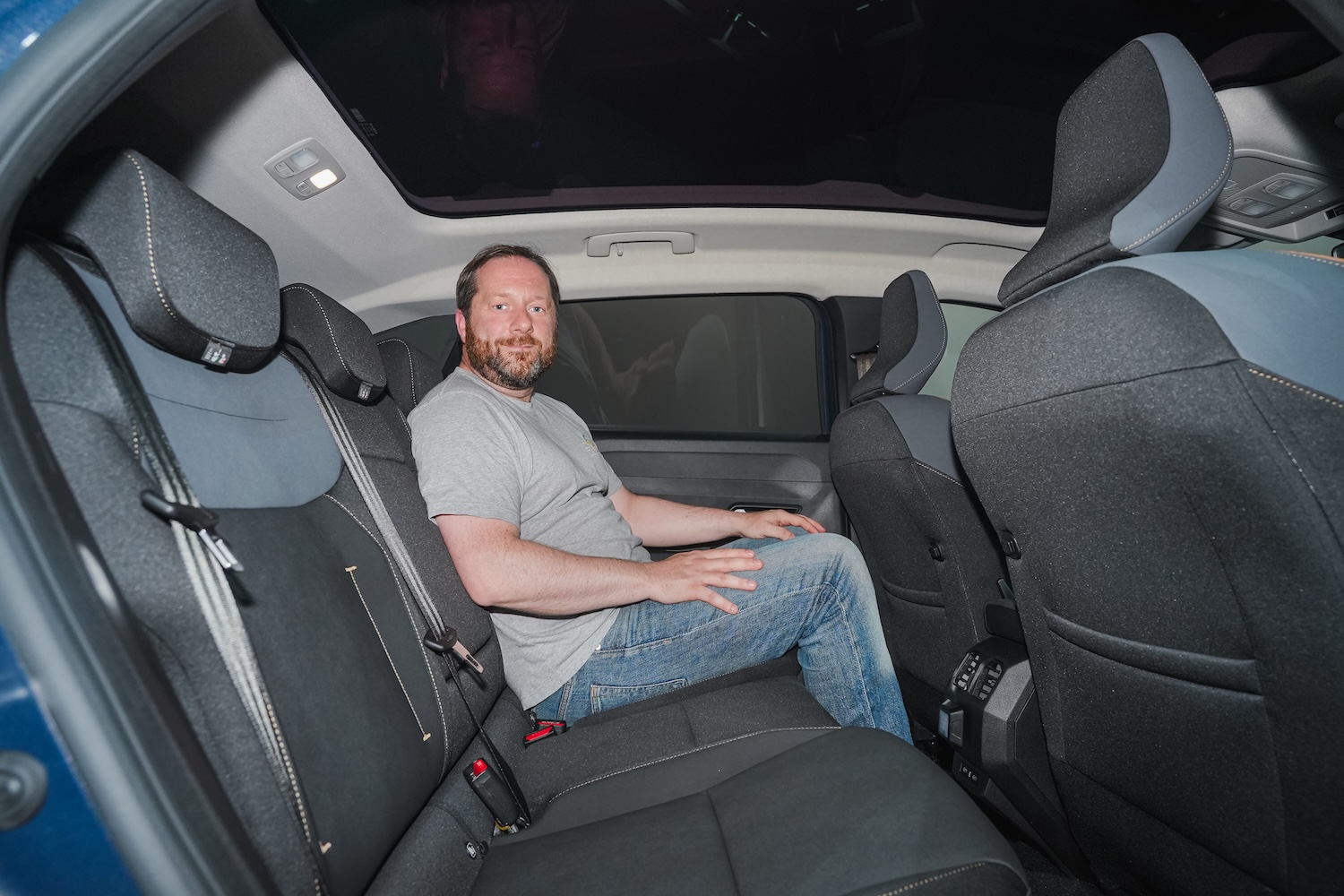
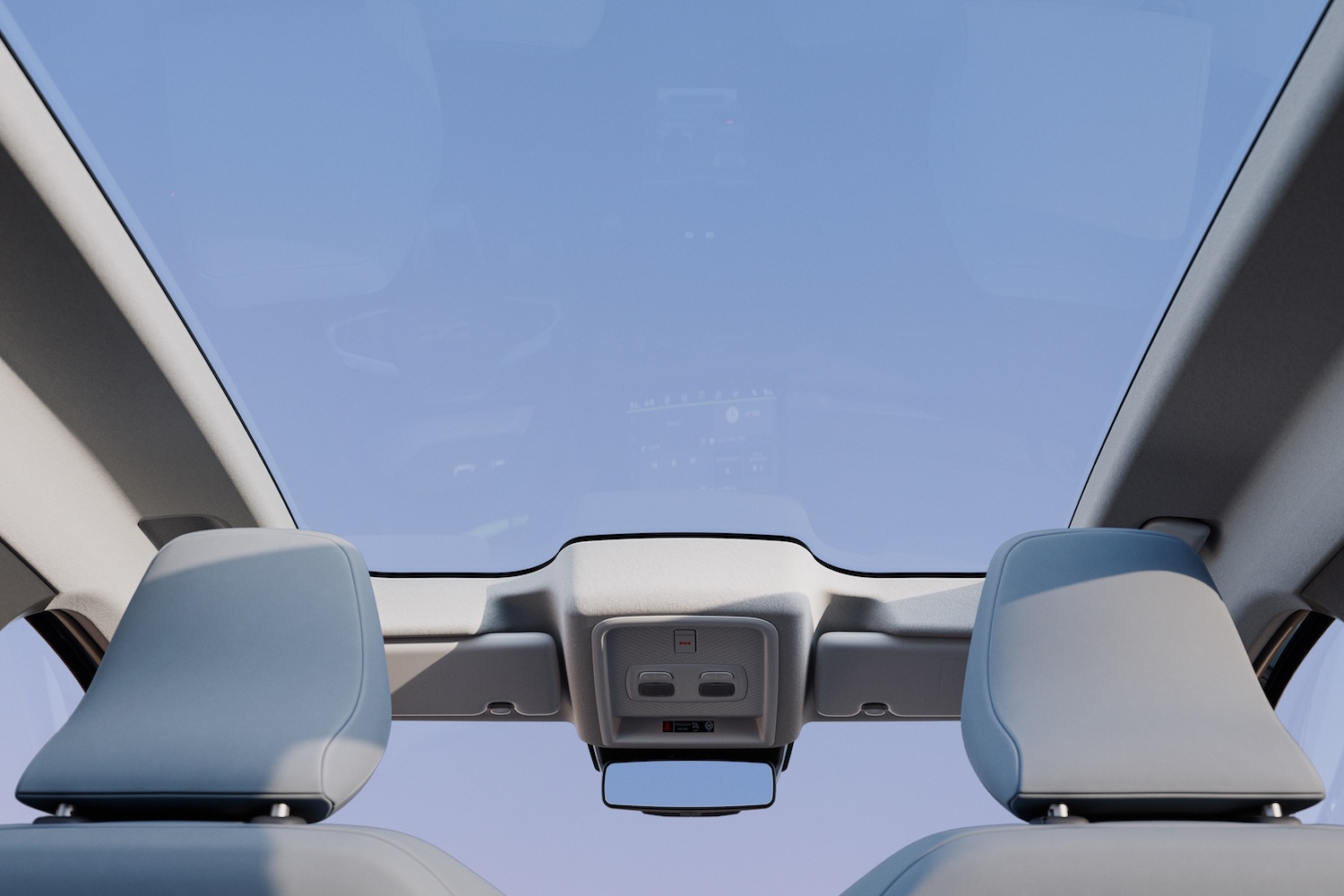
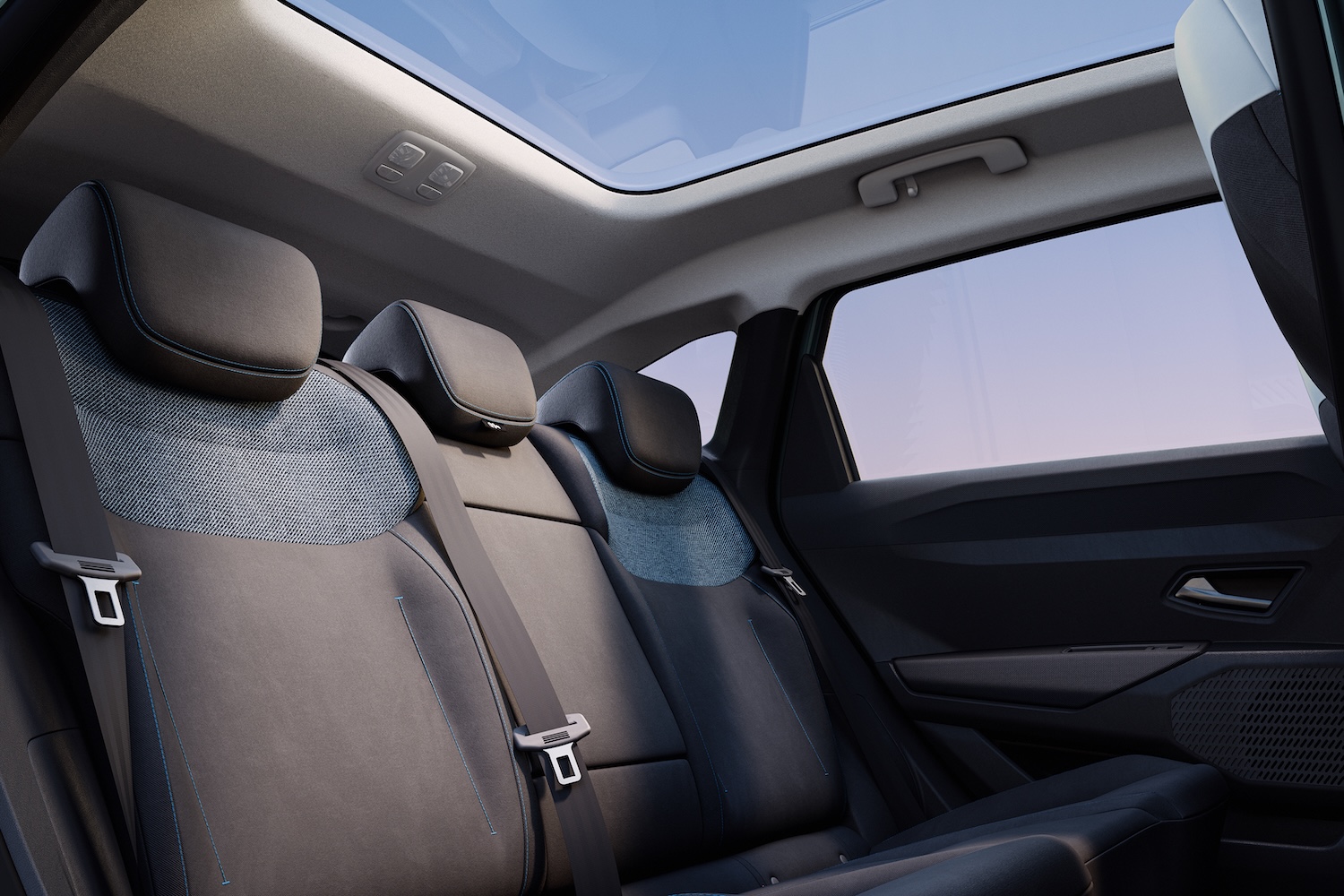
A sloping roofline flows into a raked rear window, making the Striker a sleeker-looking estate than the seven-seat Dacia Jogger. It is equipped with roof rails and features a large panoramic glass roof. In what is a first for the brand, Dacia has added a feature that detects when you're standing at the rear of the car and, once you have the key fob on your person, automatically opens the tailgate for your convenience.
How much boot space does the Dacia Striker have?
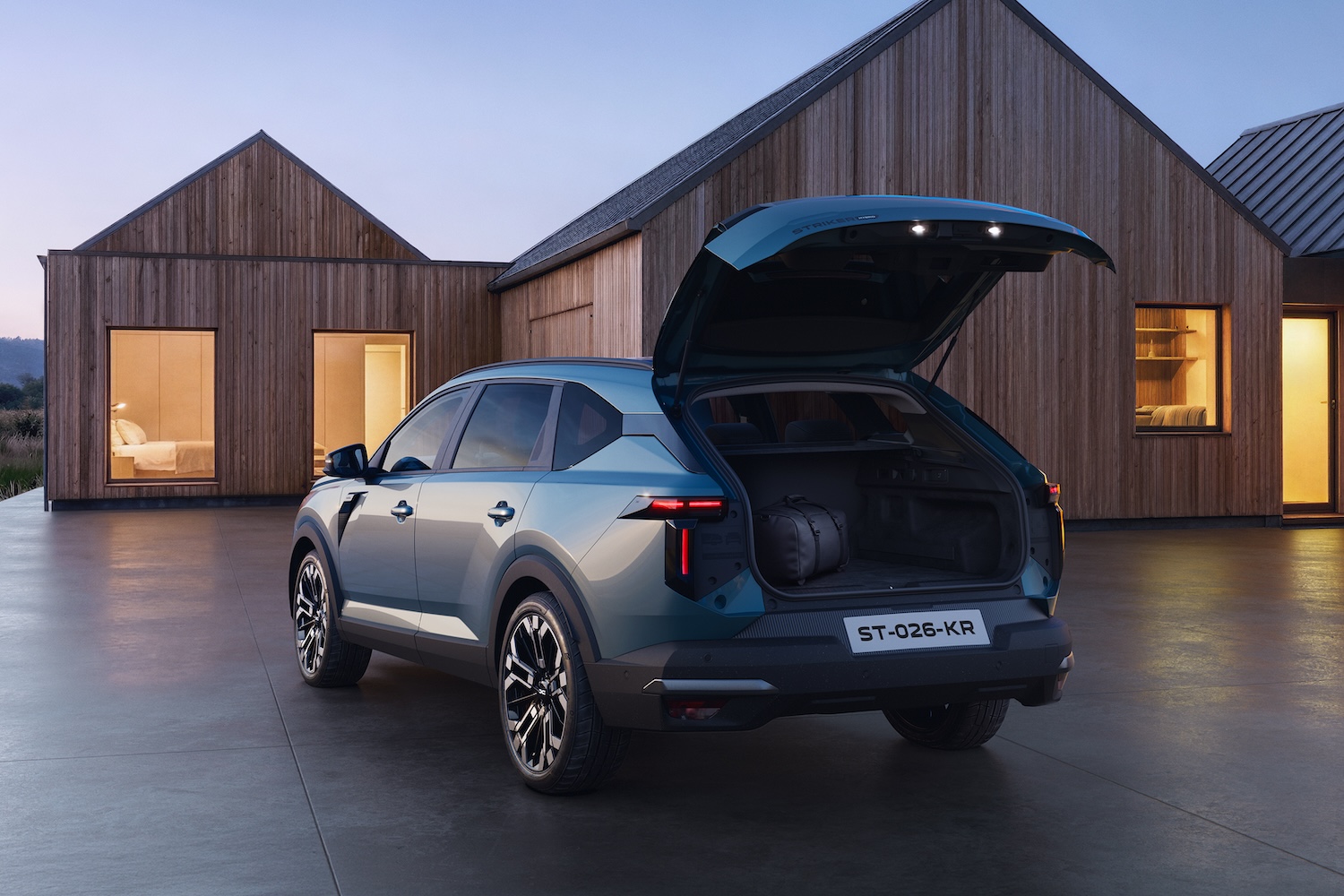
There are 600 litres of boot space in the Striker, and if you fold down the rear seats - they have a 60/40 split - the cargo volume increases to 1,600 litres. In the non-all-wheel-drive variants, a different boot floor is available, featuring a three-section compartment that can be configured in up to 20 variations to enable separation of items. As with other Dacia models, there are YouClip anchor points in the boot that allow accessories, including lights and shopping bags, to be fitted.
What's it like inside the Dacia Striker?
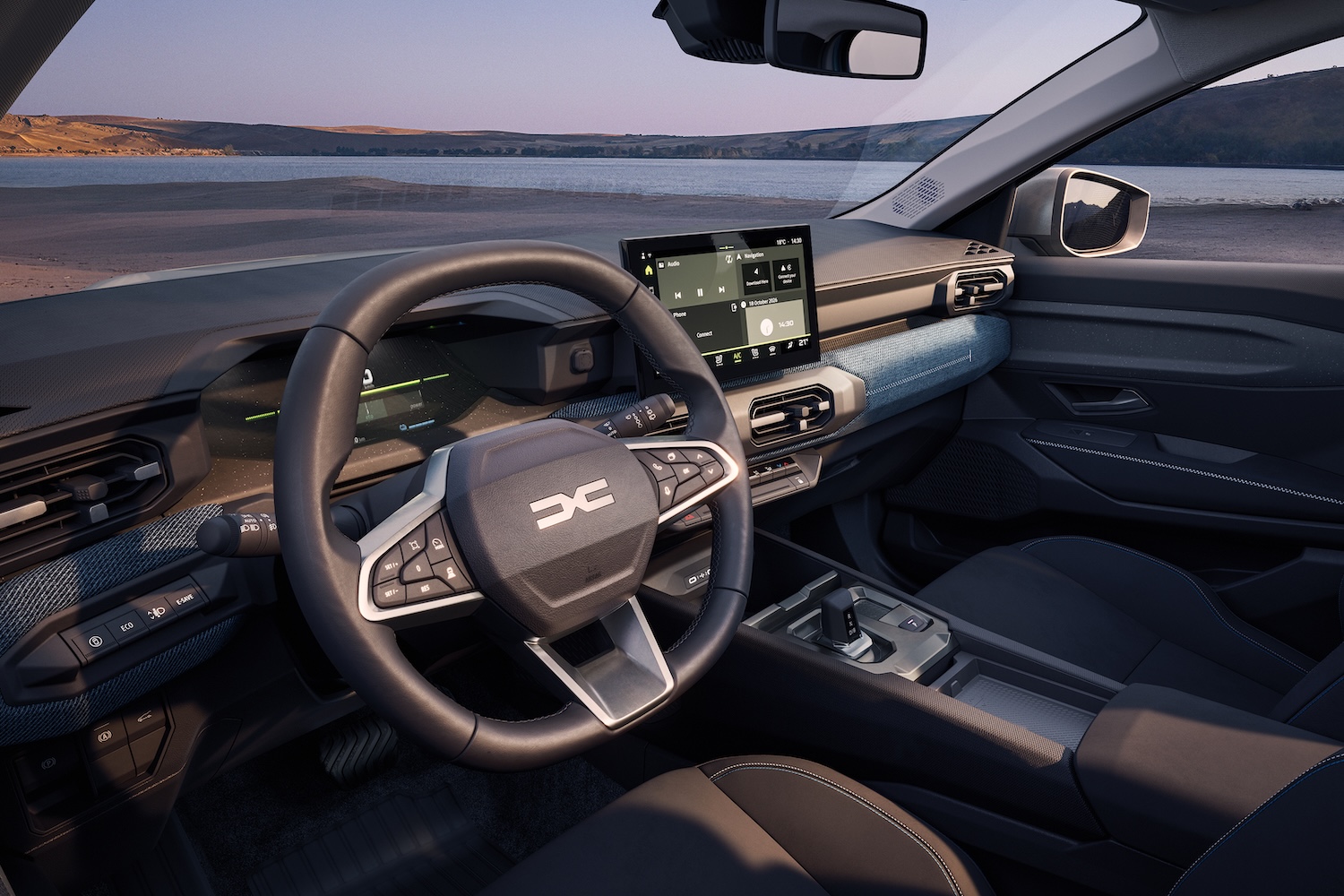
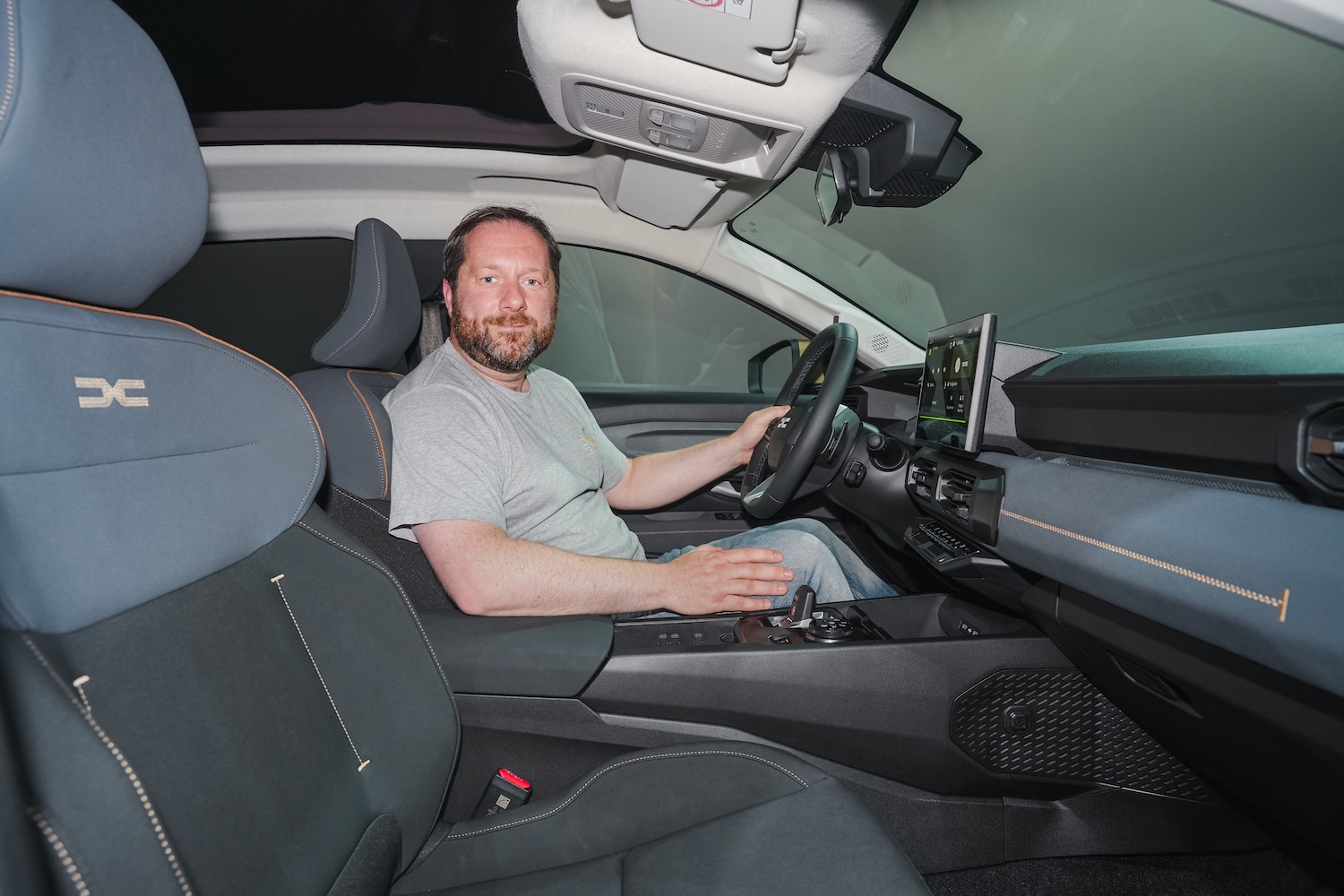
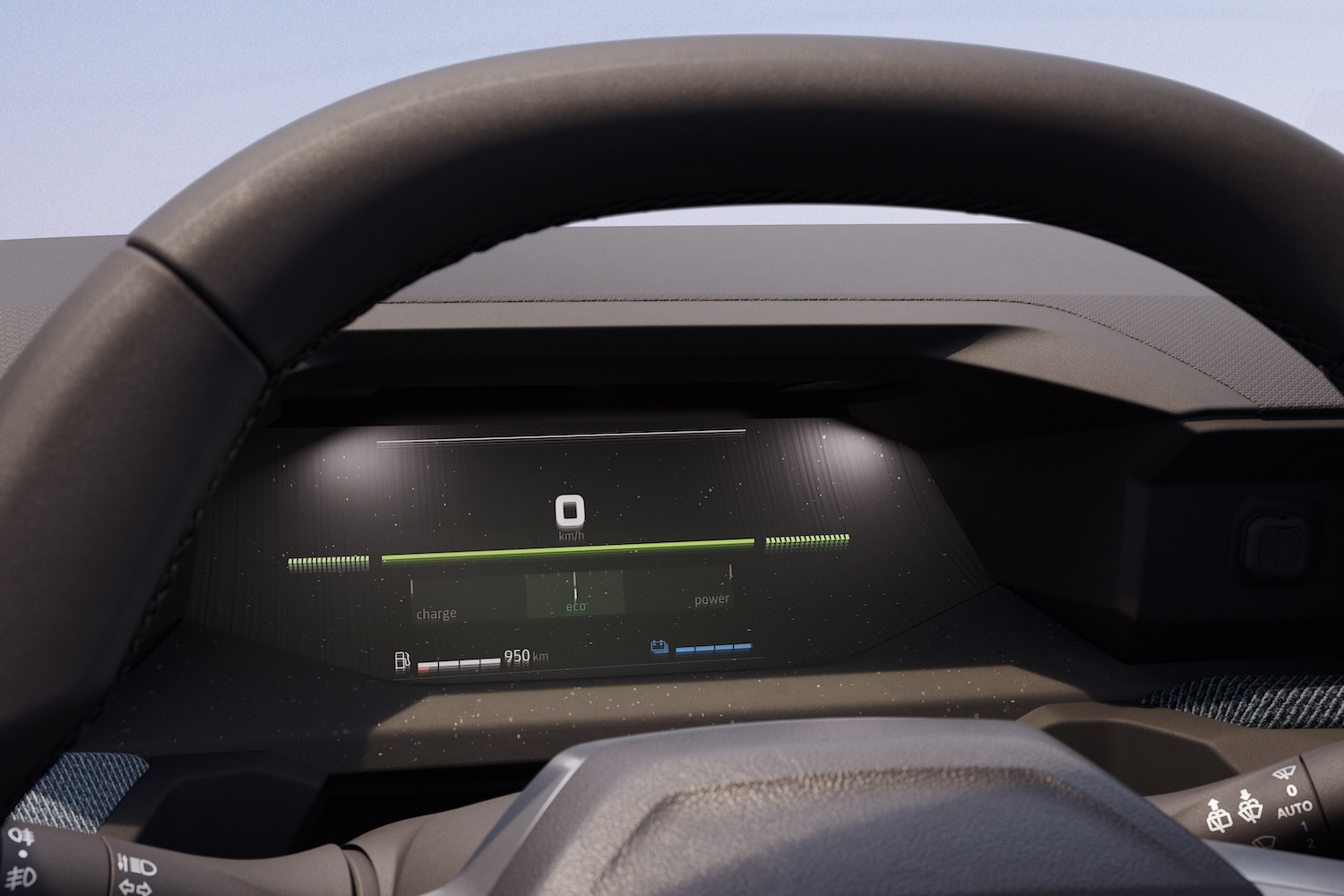
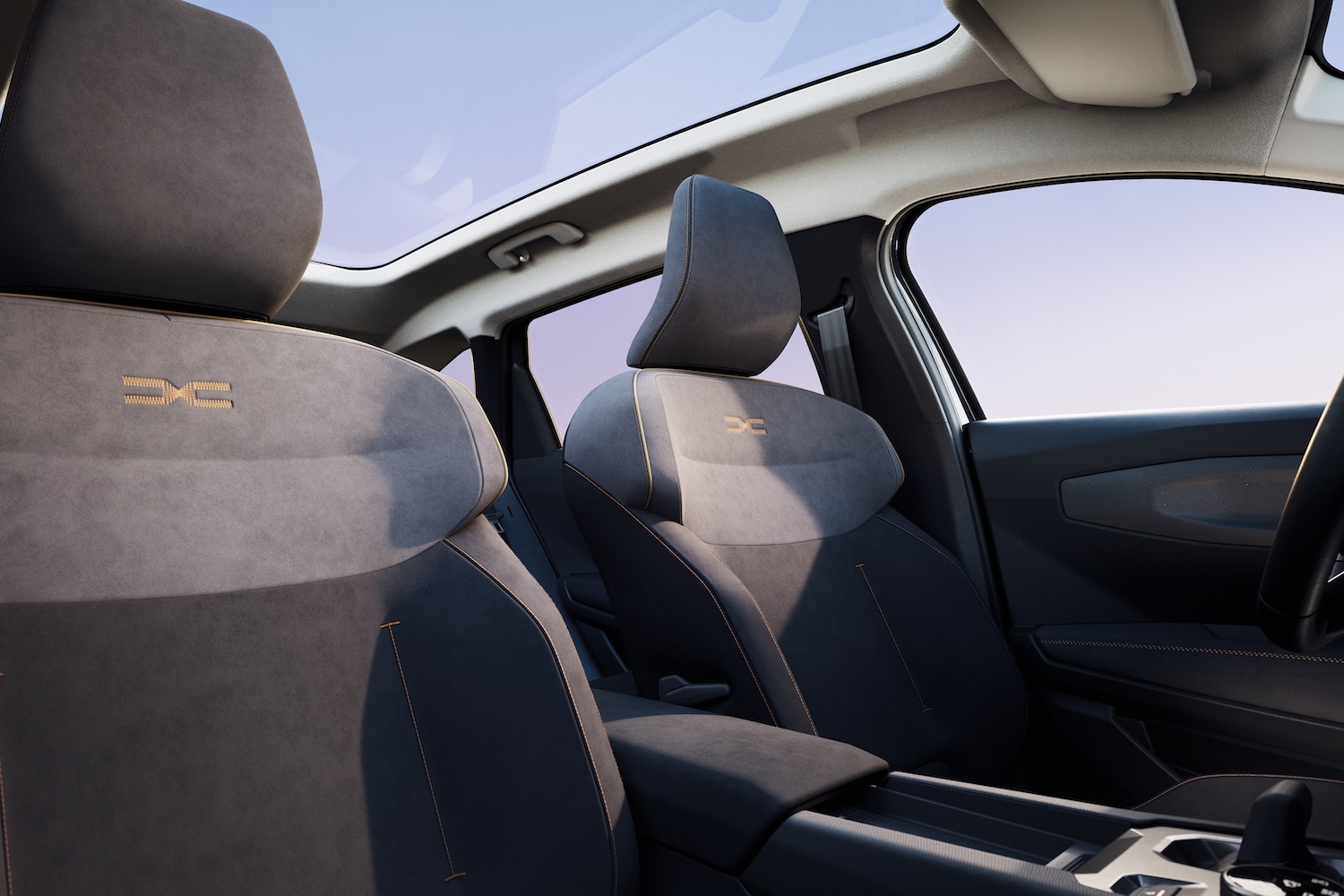
The interior weaves some new design elements into a look and feel that is in keeping with the other models in the Dacia line-up. A multifunction steering wheel contains physical buttons, and in front of that is a fresh take on the digital instrument display. It uses a 7-inch screen, which is mounted horizontally inside the panel and projects downwards. The result is a three-dimensional look that sets it apart from its competitors.
A 10.1-inch touchscreen display, angled slightly towards the driver, is standard. In addition to the standard infotainment menu, there is smartphone mirroring with Android Auto and Apple CarPlay supported. We also like that it retains physical buttons below the central air vents to control the air conditioning and cabin temperature.
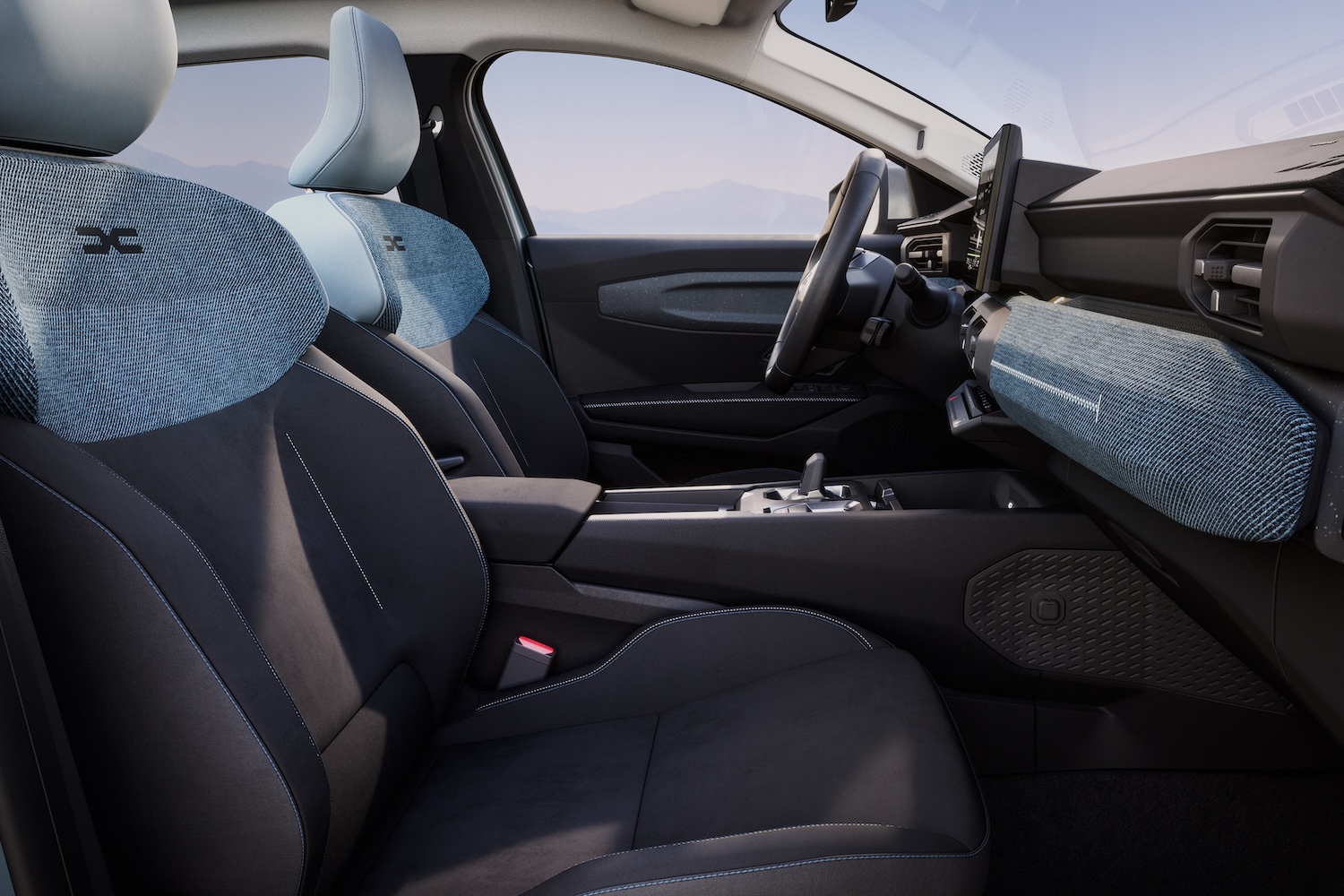
A new centre console design incorporates a sliding compartment that can hold a smartphone and keep it out of sight while you're driving, reducing the temptation to use it. A wireless charging pad is available in addition to USB-C charging ports.
Who is the Dacia Striker aimed at?
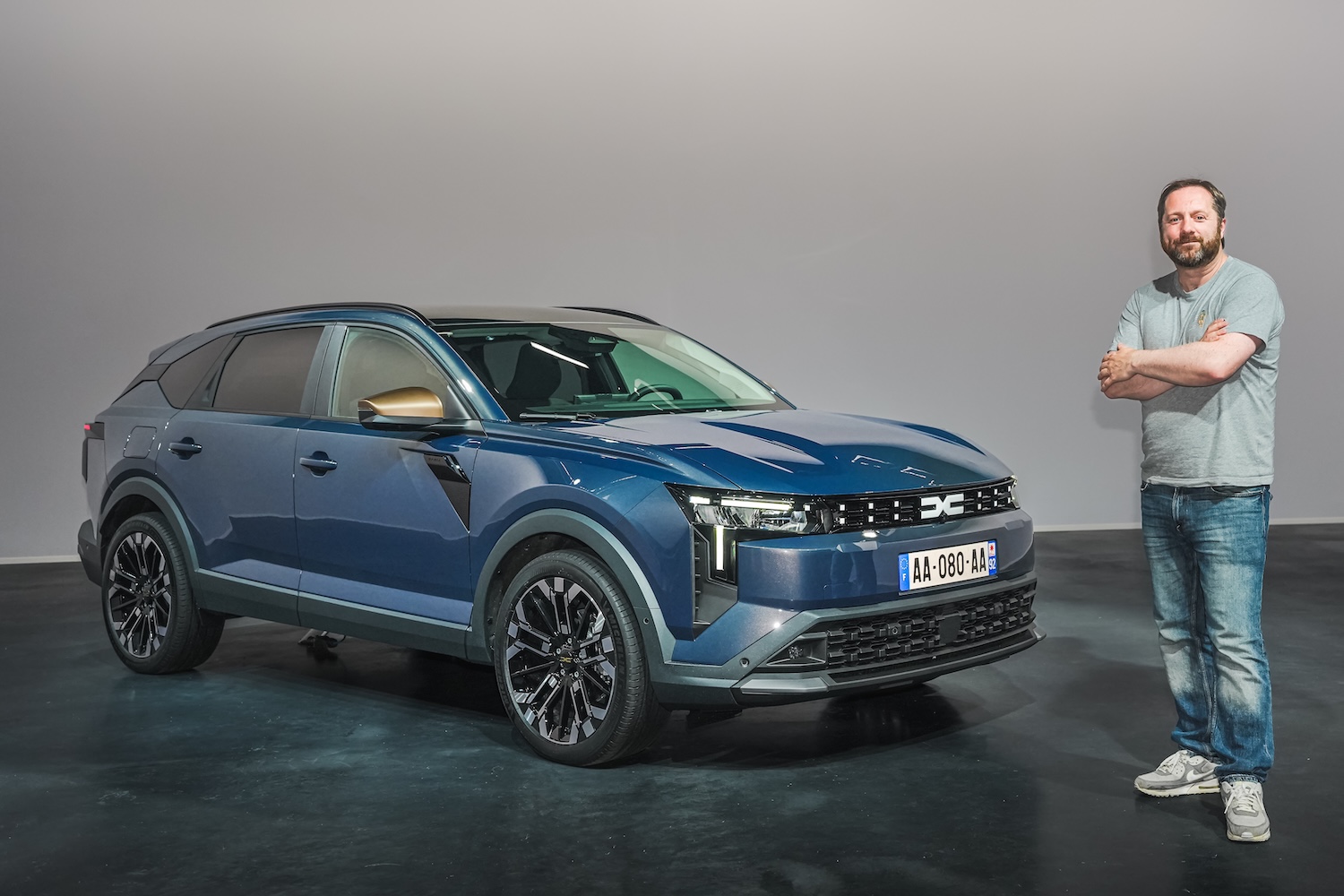
Despite SUVs accounting for 60 per cent of sales in the C-segment, that still leaves a healthy 40 per cent of buyers who want something else, and that is who Dacia is hoping to win over with the Striker. The company already has the Bigster in that market segment, but it predicts the Striker will complement, rather than detract from, its large SUV's success.
Where does the Dacia Striker fit into the range?
The Dacia Striker sits alongside the Bigster rather than being positioned between it and the smaller Duster. Both are distinct SUVs, whereas the Striker's raised, stretched profile gives it a different feel altogether. David Durand, Design Director at Dacia, said: "Striker is a new and complementary response to current automotive expectations, based on a balance different to that of conventional SUVs.
Click here to read our reviews of Dacia models.
What engine does the Dacia Striker get?
When the Dacia Striker is introduced to the Irish market in 2027, it will be available with a single powertrain. The Striker Hybrid 155 uses a 1.8-litre four-cylinder petrol engine producing 108hp, paired with two electric motors. The first of which produces 49hp while the other is a high-voltage start/generator. A 1.4kWh battery supports frequent short periods of engine-off driving, with Dacia claiming that as much as 80 per cent of city driving can be done using electric power.
In other markets, the Dacia Striker will also be offered with a mild-hybrid G-140 powertrain. This 1.2-litre three-cylinder engine utilises 48-volt electrification with a 0.8kWh battery and is capable of running on both petrol and LPG. This powertrain will be available with either a six-speed manual or automatic transmission that drives the front wheels.
Dacia will also offer an all-wheel drive variant in some European markets, badged as the Striker Hybrid 150 4x4. It combines a 140hp 1.2-litre three-cylinder petrol engine with 48-volt mild-hybrid technology, producing 230Nm and sending drive to the front axle via a six-speed dual-clutch automatic transmission.
On the rear axle, an electric motor produces 31hp and 87Nm and is paired with a two-speed gearbox. Both axles are disengageable, meaning they can provide high rear-wheel torque at low speeds for off-road driving in first gear and switch to front-wheel drive in normal driving conditions. The rear axle can re-engage at up to 140km/h when traction is lost at the front.
Are there many colour choices for the Dacia Striker?
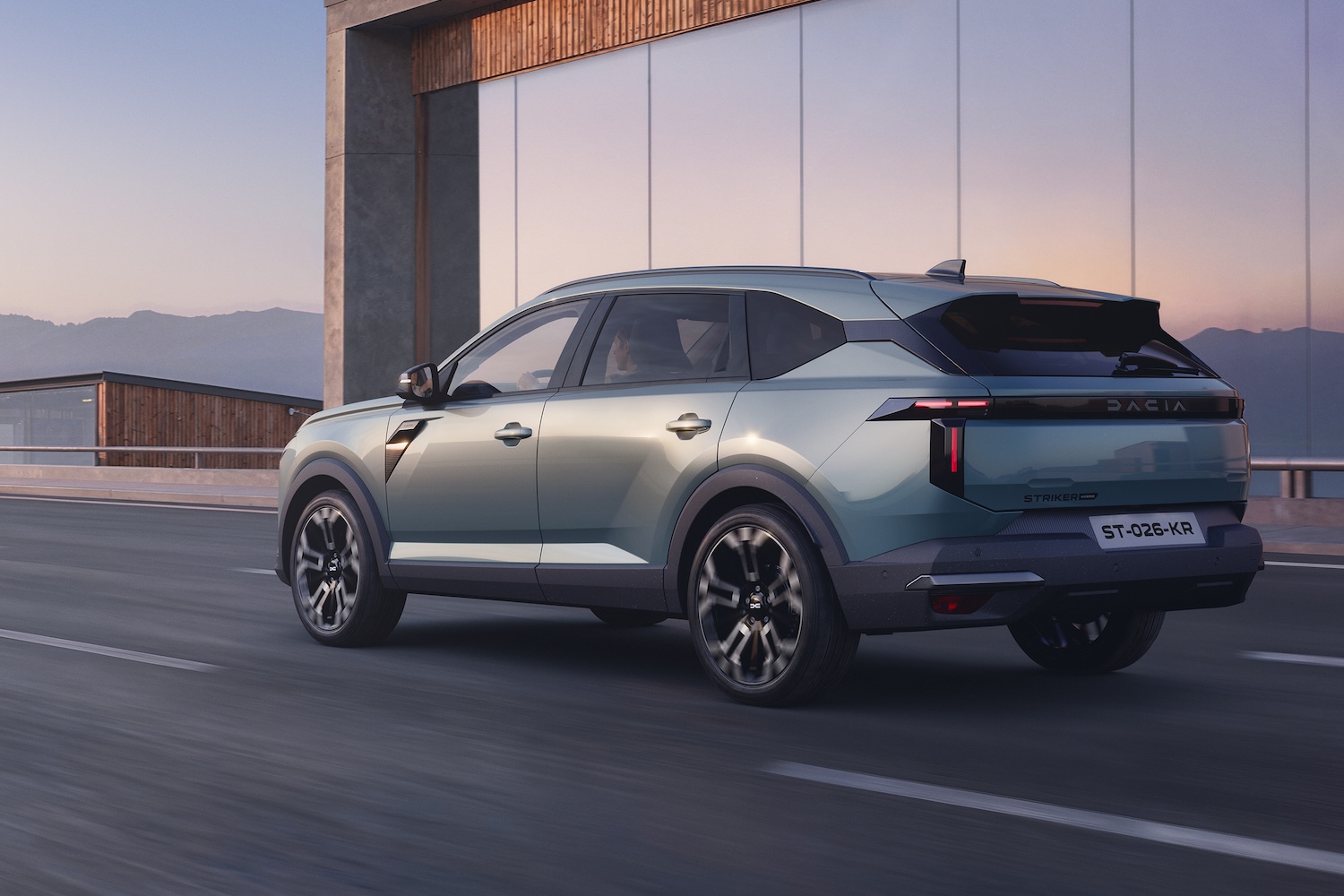
In total, there are seven exterior colours available for the Striker. These include two new colours for Dacia, called Frost Green and Cosmic Blue. Buyers can also choose from Diamond Black, Glacier White, Shadow Grey, Cedar Green and Terracotta.
When will the Dacia Striker be on sale and how much will it cost?
Order books are due to open in mid-October 2026, while deliveries should begin in time for Q1 of 2027. The exact pricing structure for Ireland is in the process of being finalised, but Dacia Ireland has confirmed that it will have a starting price below €25,000.

Video player loading.
Video unavailable. Watch on YouTube
If there is anything about this story we have not covered, you can avail of our expert advice service via the Ask Us Anything page.