

Having become one of Volkswagen’s best-selling models and one of the most commonly sold electric cars in Ireland, the ID.4’s replacement is sure to build on a stable base.
While the ID. Tiguan uses an evolution of the ID.4’s platform, now called MEB+, there are as many changes under the skin as outside, suggesting that this is more than a mere facelift and a name change.
Talk us through the exterior design
Every exterior panel of the ID. Tiguan is new, and the car takes on an SUV appearance that is more angular than its predecessor.
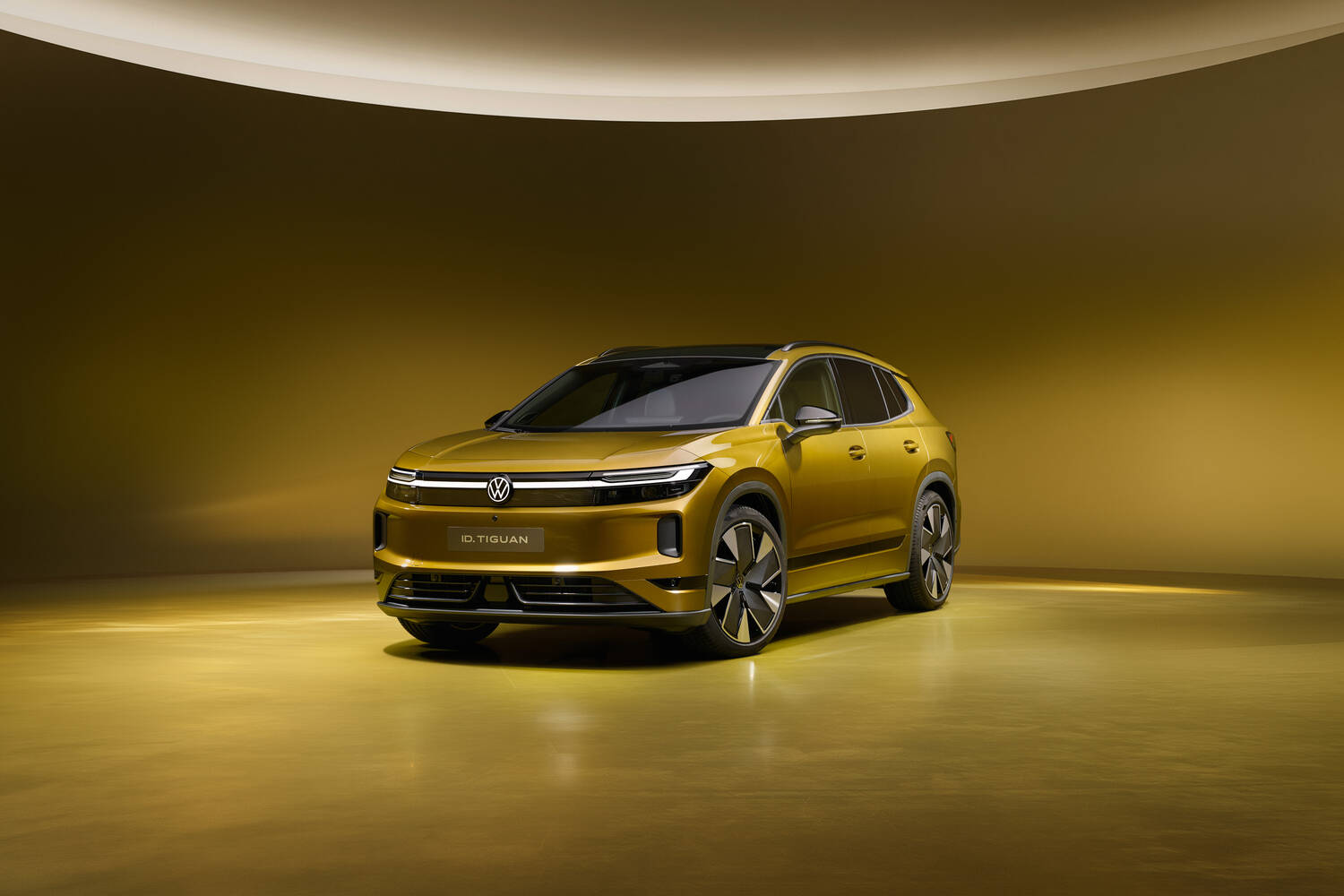
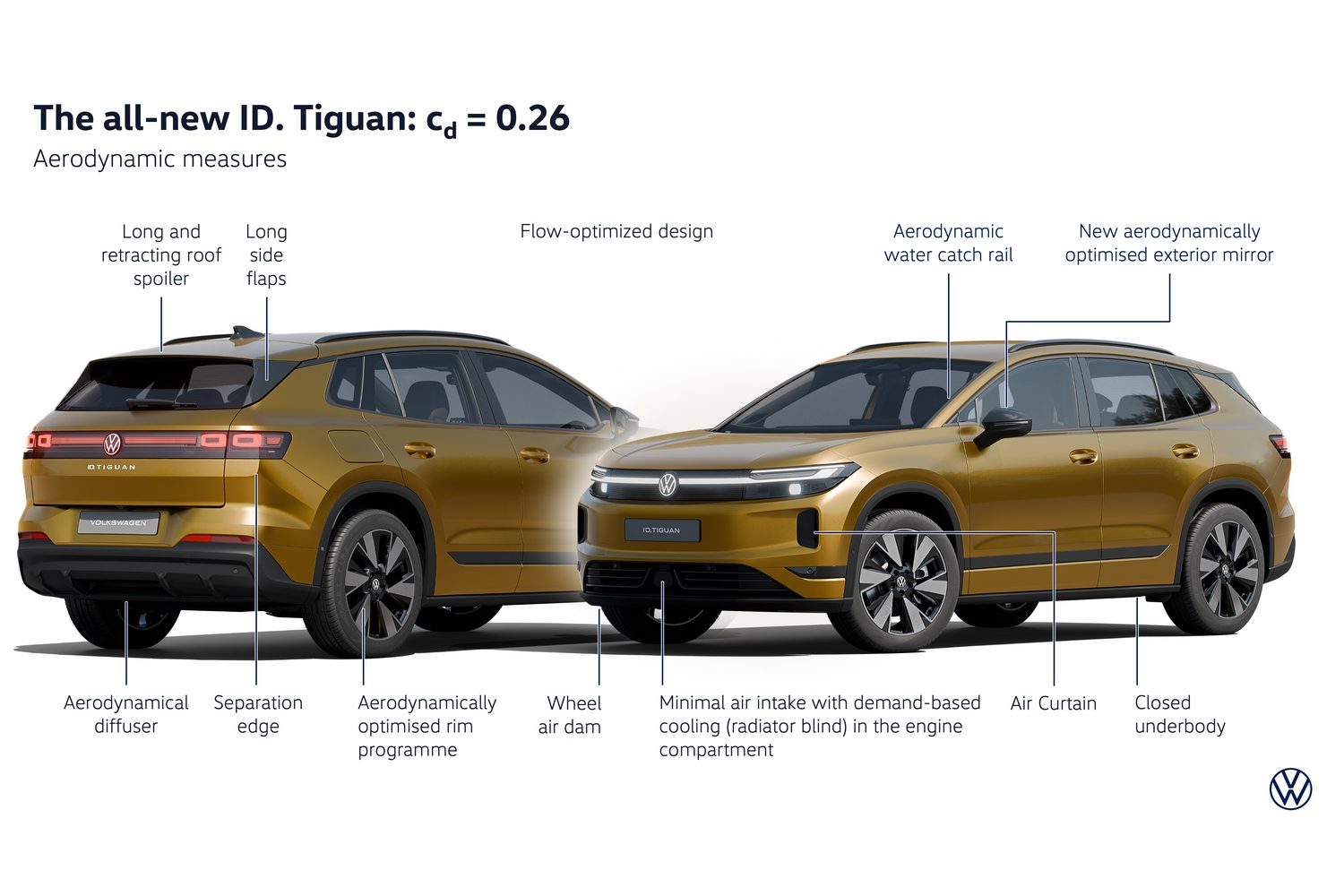
At the front, it is more upright and has a distinctive look with slimmer headlights that can be fitted with Volkswagen’s ‘IQ. Light’ LED-matrix technology, along with an illuminated bar that links the two headlights, with an illuminated VW logo in the middle.
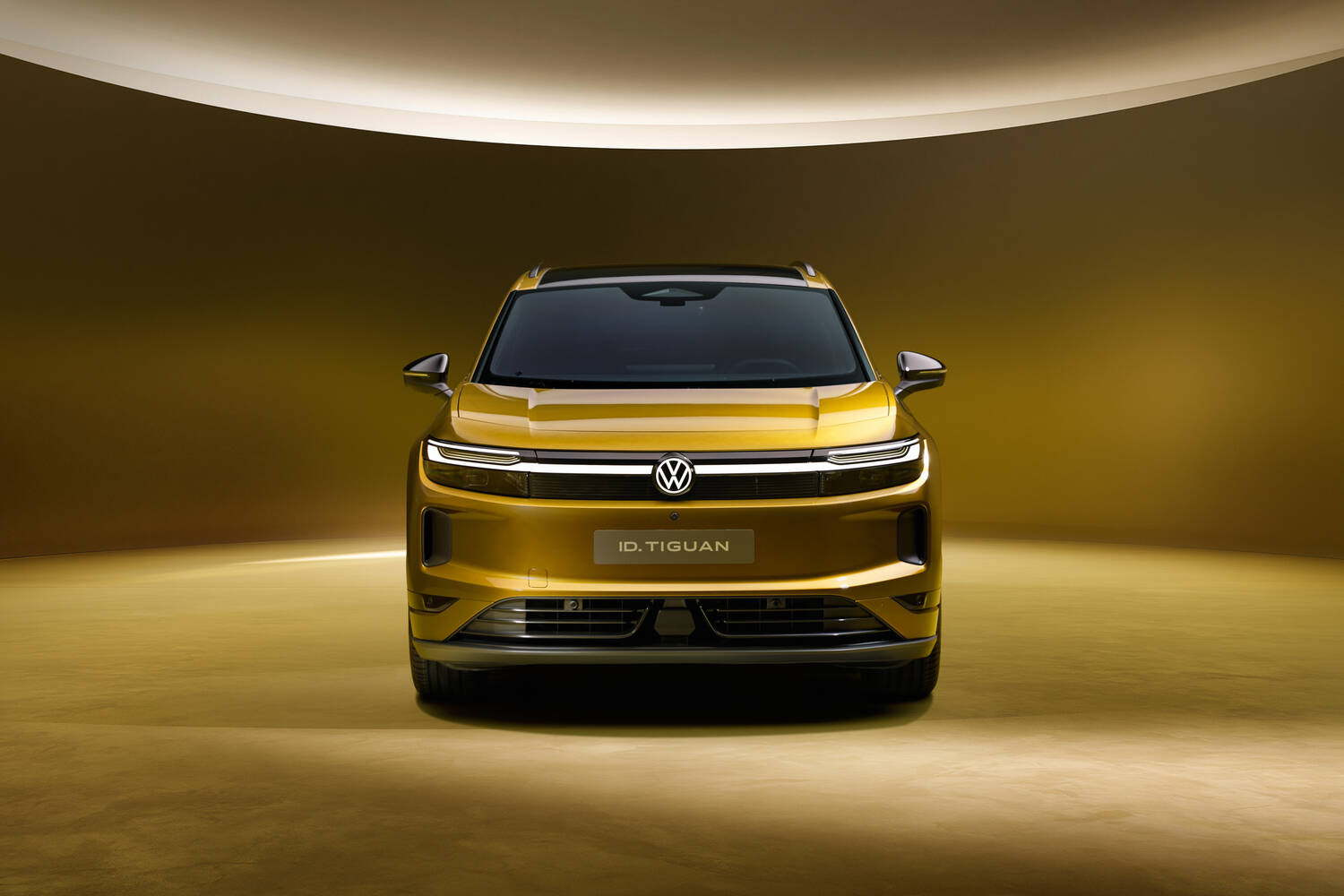
Lower down, there are new air curtains in the front bumper to help channel air down along the car’s sides and a larger intake at the bottom.
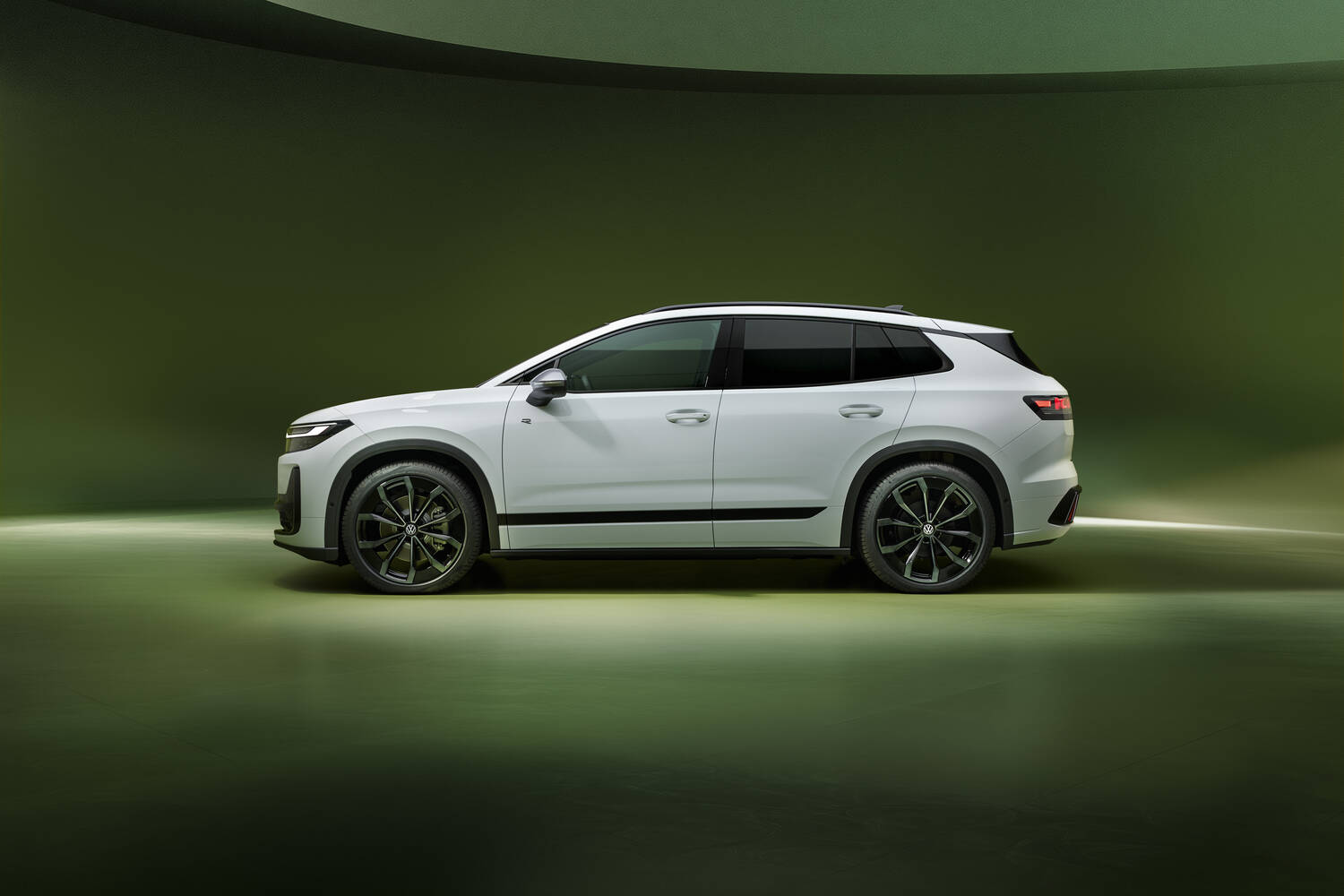
A range of wheel sizes that start at 19 inches and go up to 21 inches is available, and many of these designs are claimed to be aerodynamically optimised to help boost range and efficiency.
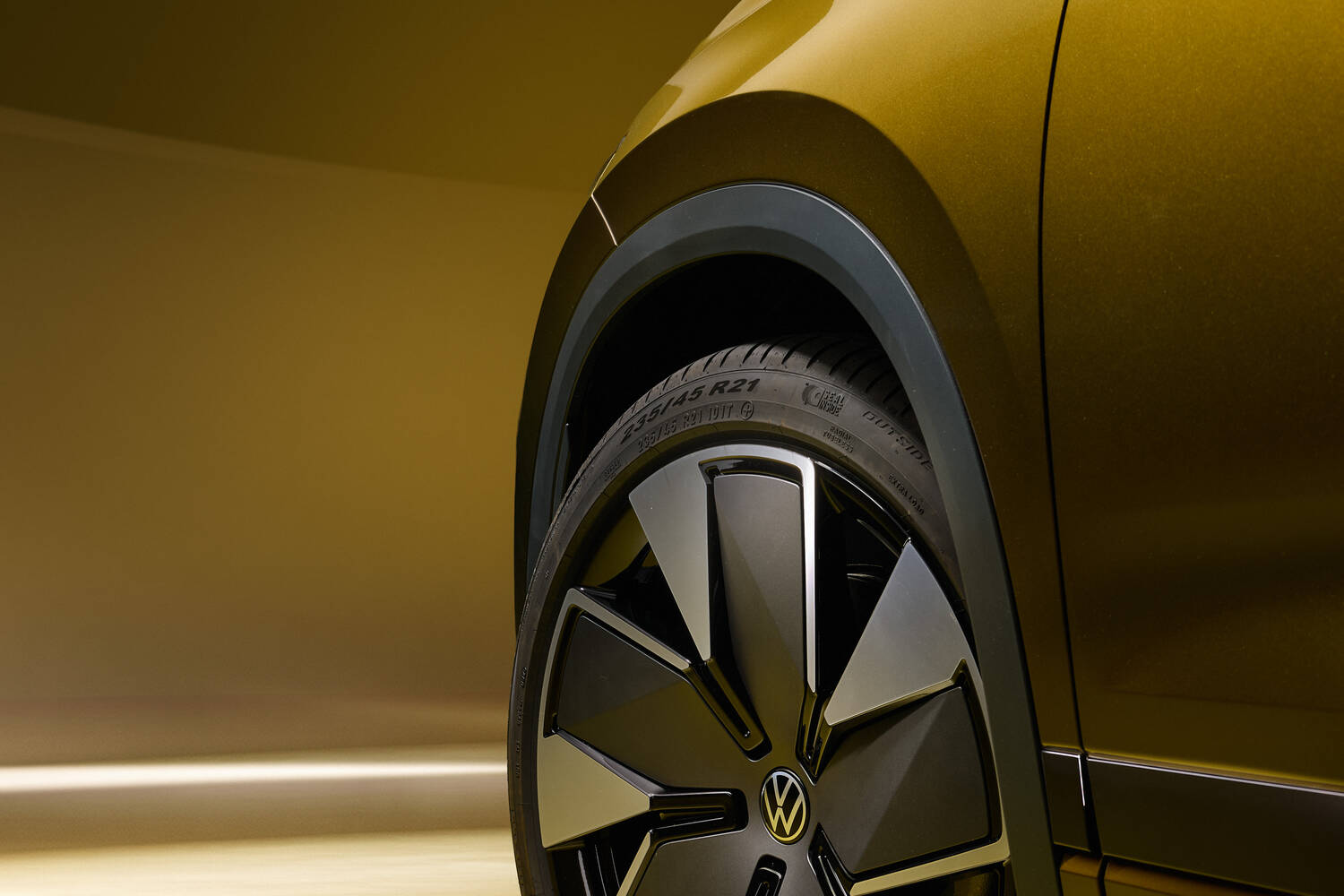
There are other subtle details that contribute to that, including an asymmetric front wheel arch design that reduces the gap at the leading edge to the wheel, thus reducing air turbulence.
Meanwhile, a black piece of trim extends from the front wheel arch to help reduce the visual height of the car, while traditional pull-type door handles replace the old touch-sensitive items of the ID.4.
A fresh look around the C-pillar further distances the ID. Tiguan from its predecessor. It retains a large rear spoiler though and thankfully keeps its rear window wiper.
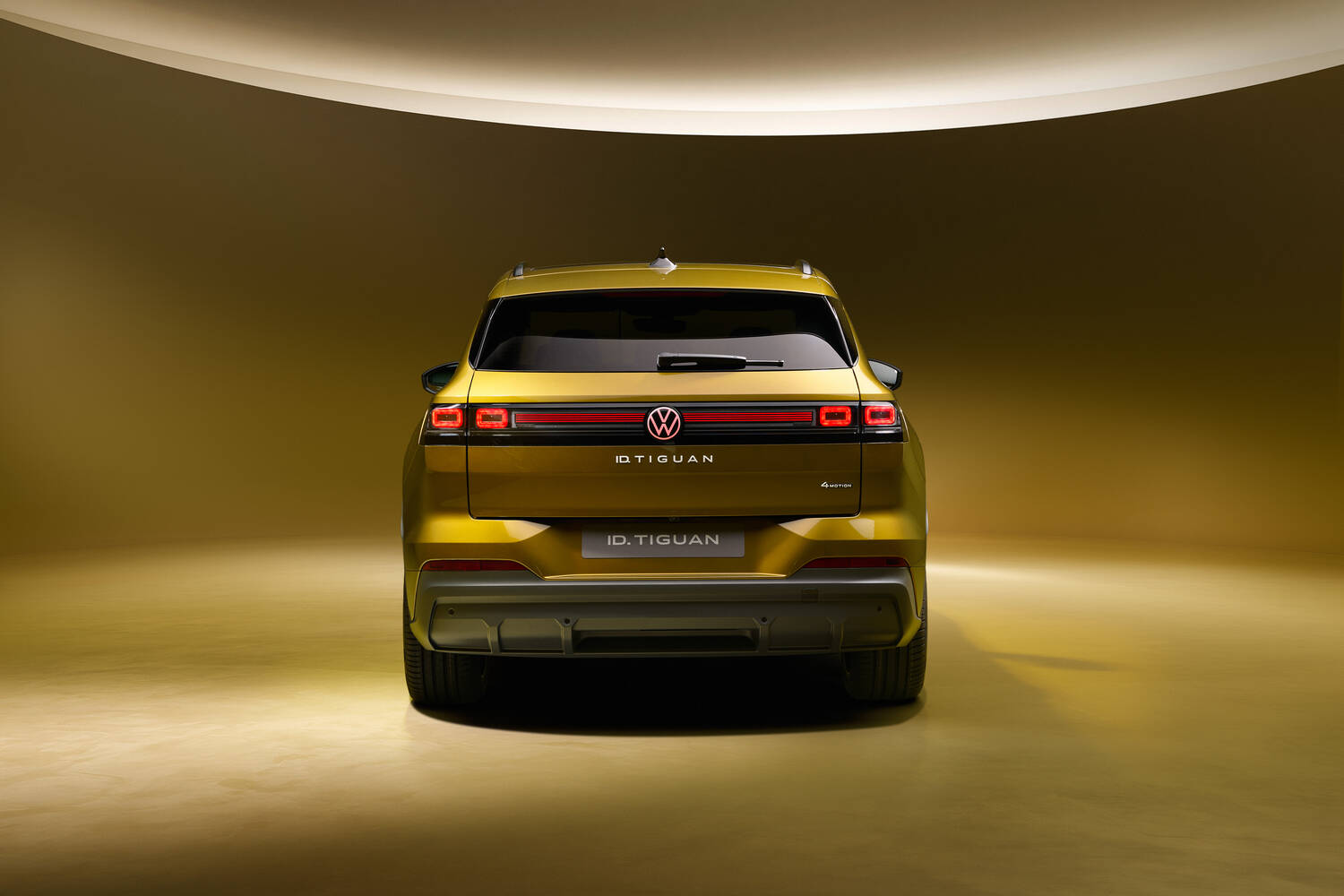
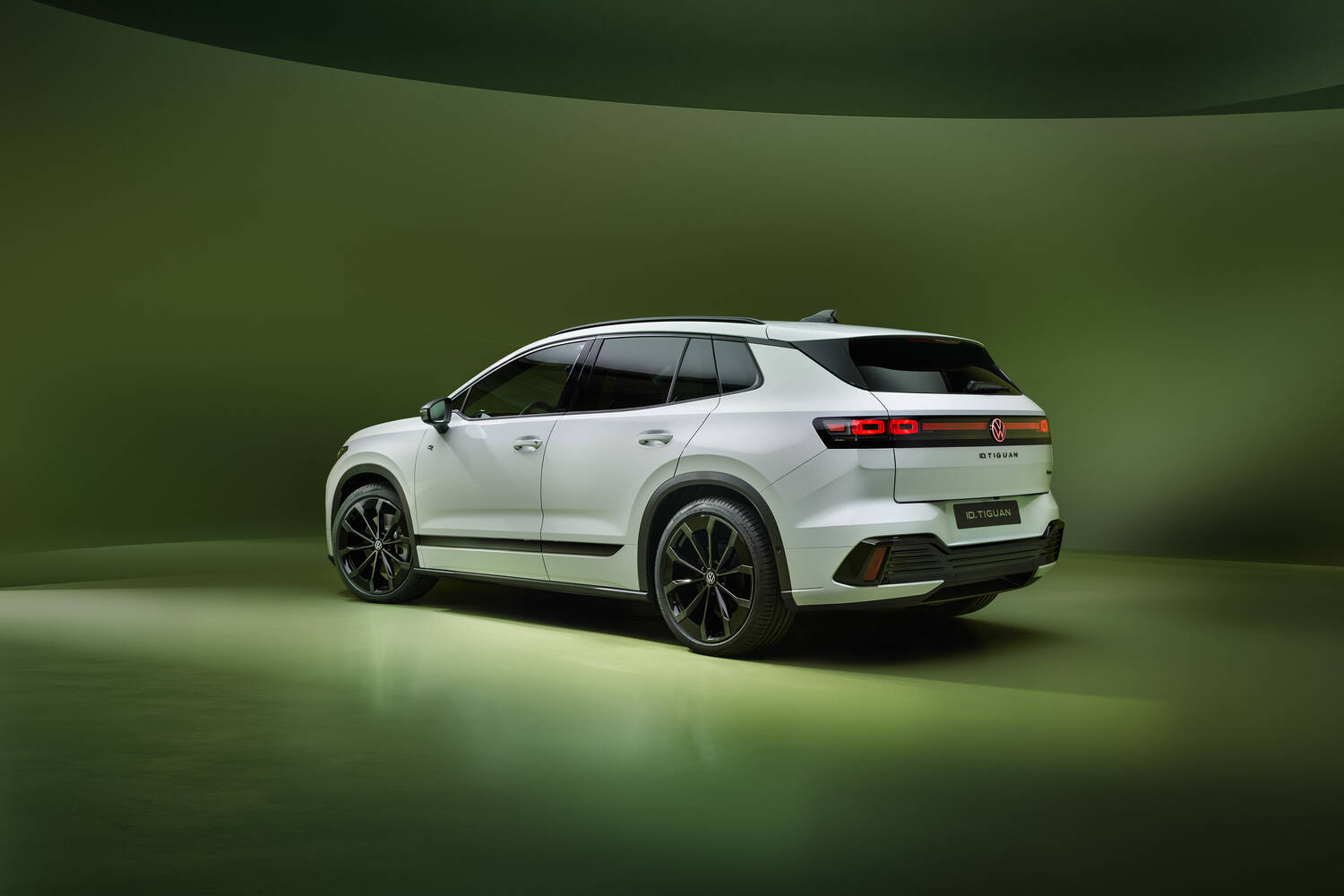
The rear design has changed in much the same way as the front, featuring a light panel spanning the tailgate and wrapping around the sides. This ties in with a similar design seen on the smaller ID. Polo.
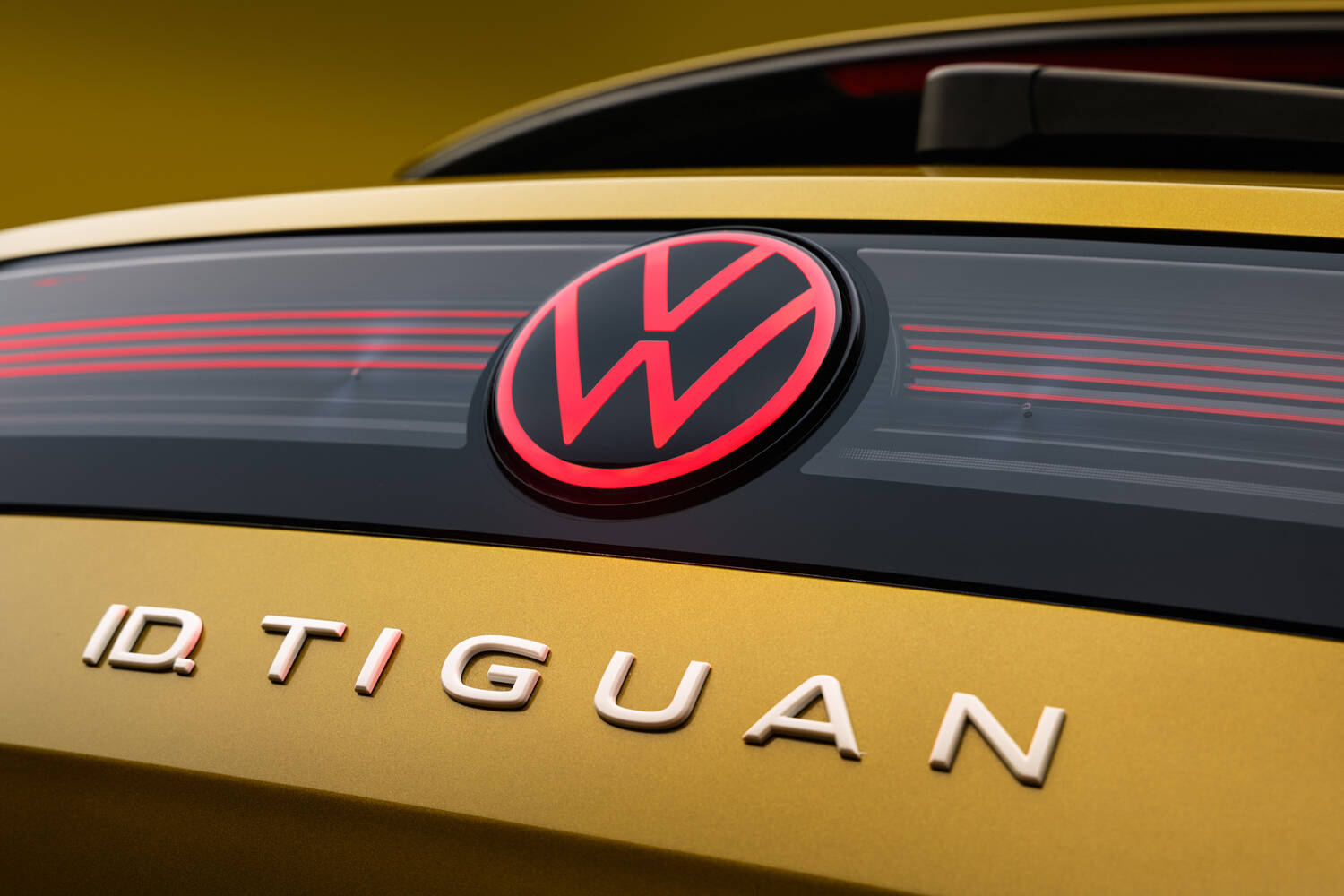
The VW logo lights up, and several thin strips form a detailed light bar that extends to the rectangular clusters, which feature a three-dimensional look.
What’s the boot space like?
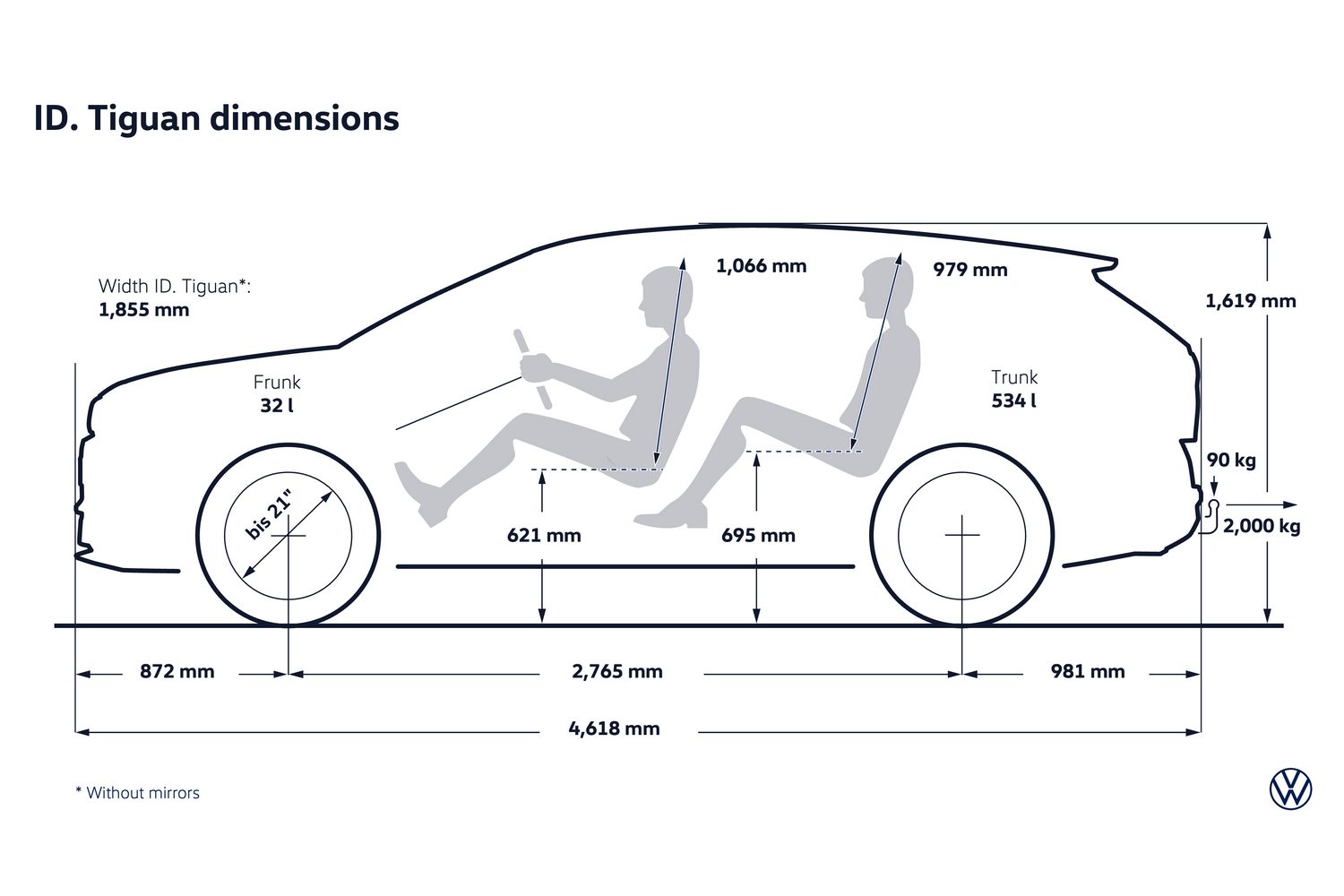
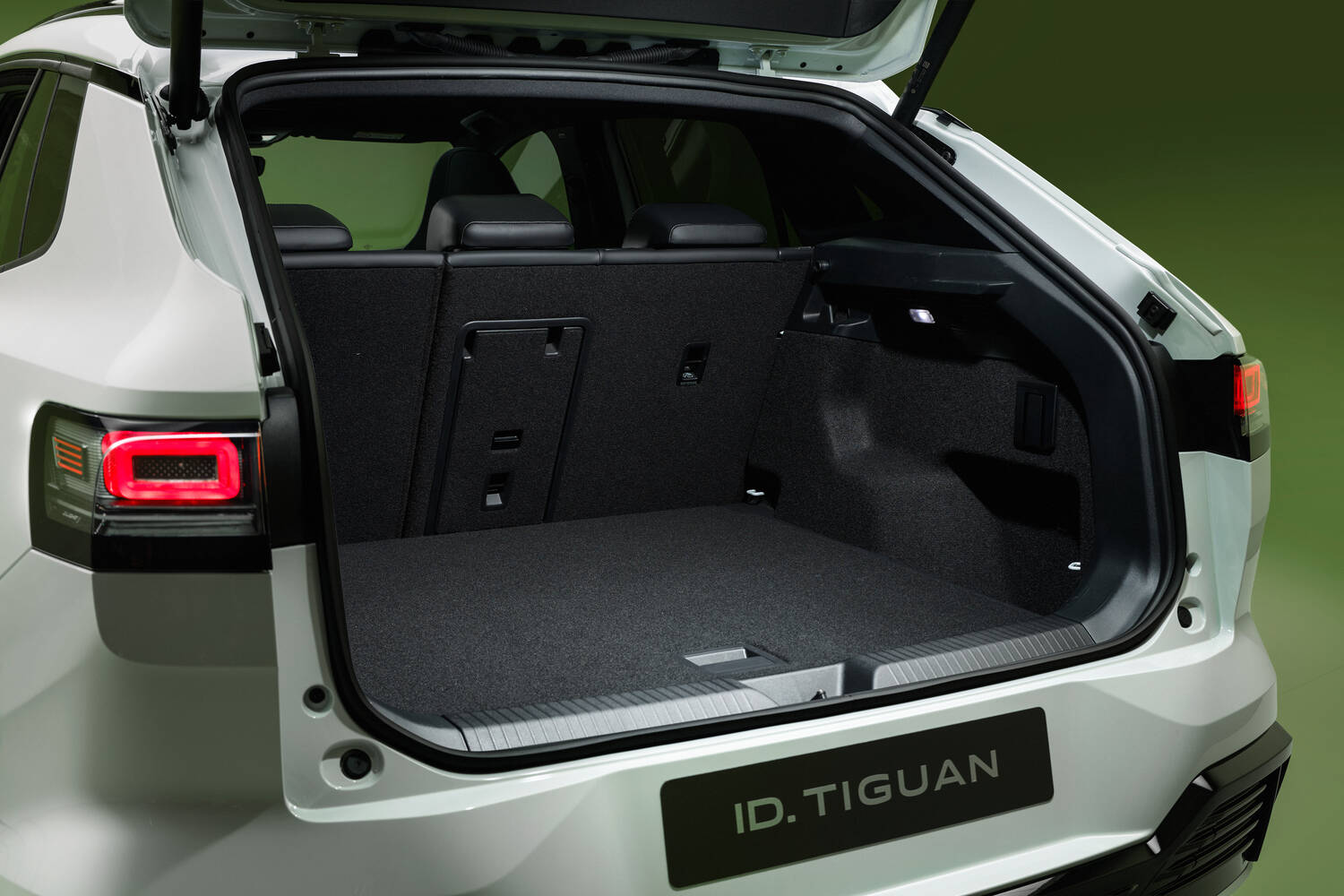
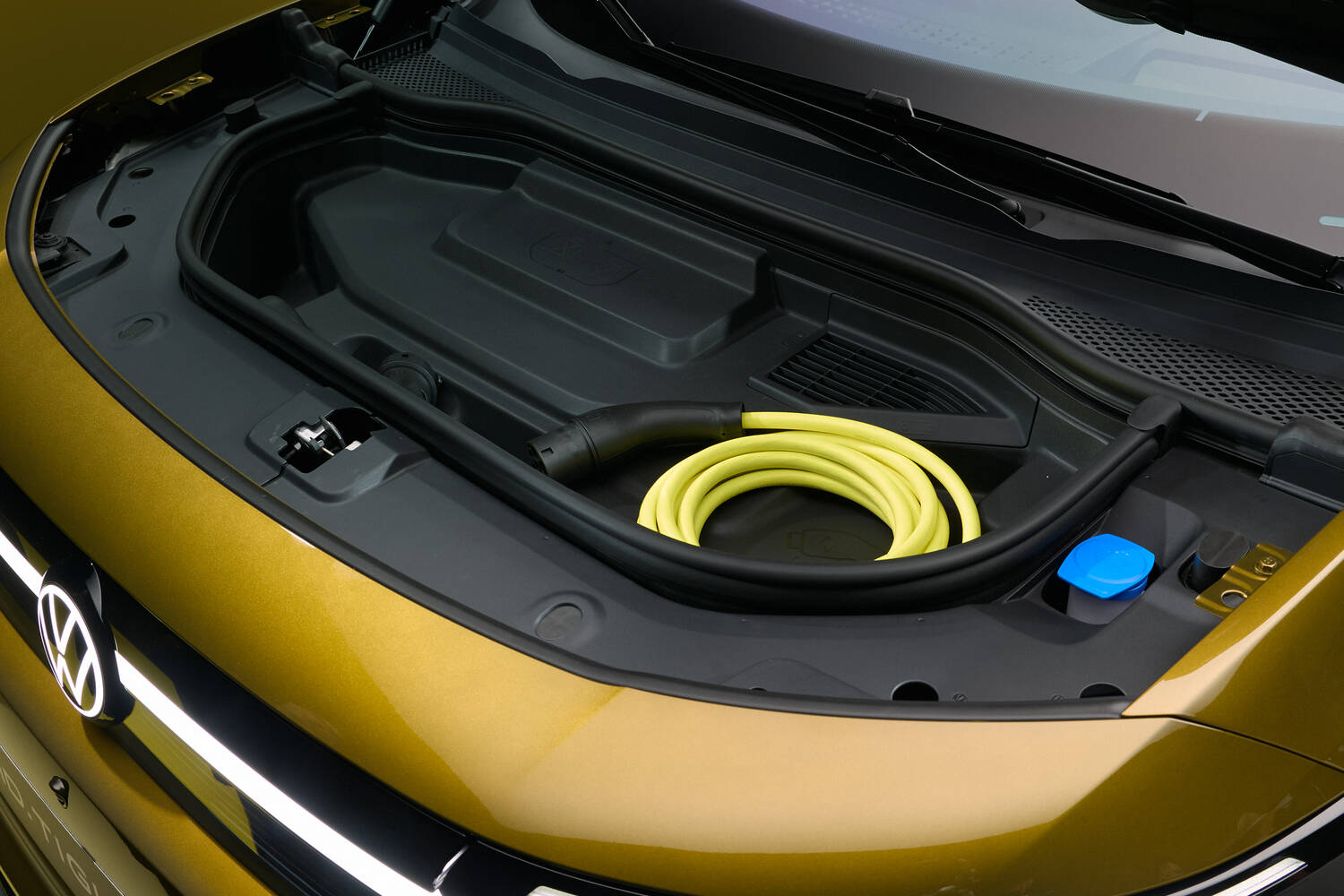
There’s little change to the amount of boot space available in the ID. Tiguan in comparison to the ID.4. It has 534 litres available with all seats in use and should you need more, the rear seats can fold down to increase cargo capacity to 1,577 litres.
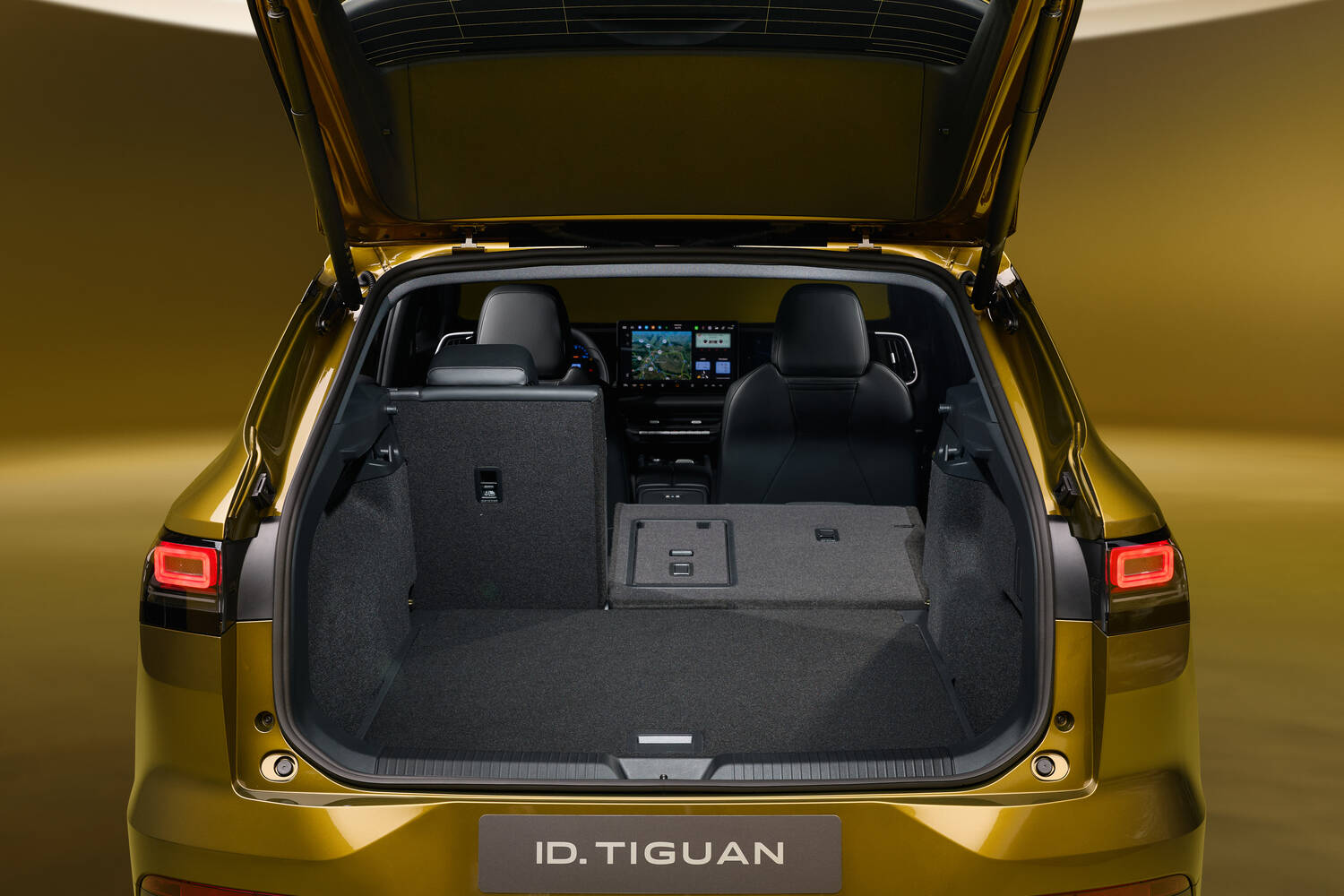
Furthermore, the roof is capable of carrying a 75kg load, while the towing weight limit is up to 2,000kg with a braked trailer, depending on the powertrain.
So, what are the battery and motor options for the ID. Tiguan?
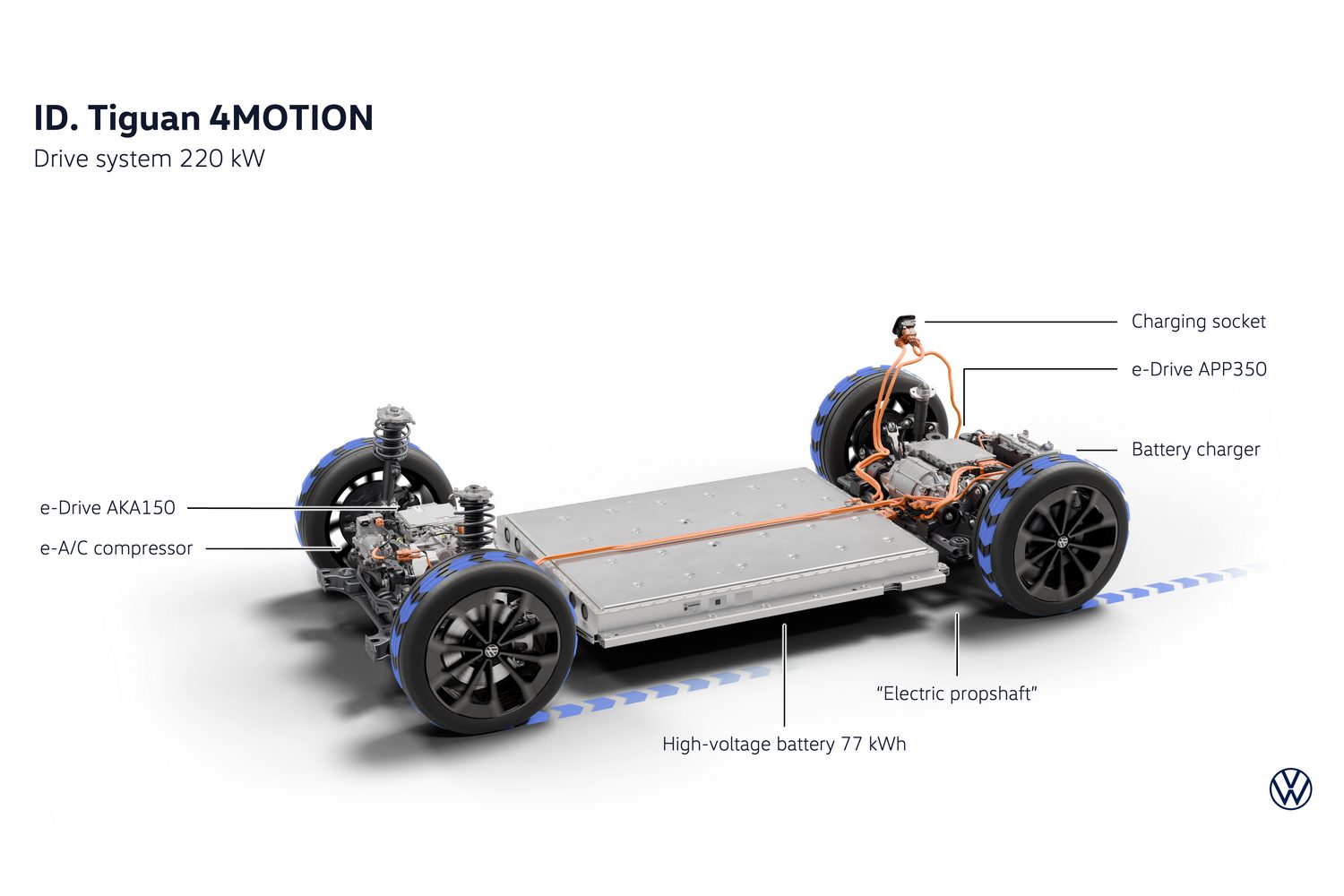
At launch, buyers will have the choice of three variants of the ID. Tiguan. The entry-point to the lineup features a new 58kWh LFP (lithium-iron-phosphate) battery that is paired with a 190hp electric motor on the rear axle, resulting in a quoted driving range of 450 kilometres.
That battery should help the ID. Tiguan achieve a competitive entry price and has the added benefit of being capable of repeated charging to 100 per cent. An 11kW AC charge rate on three-phase outlets and a 105kW peak DC charge rate are available with this battery.
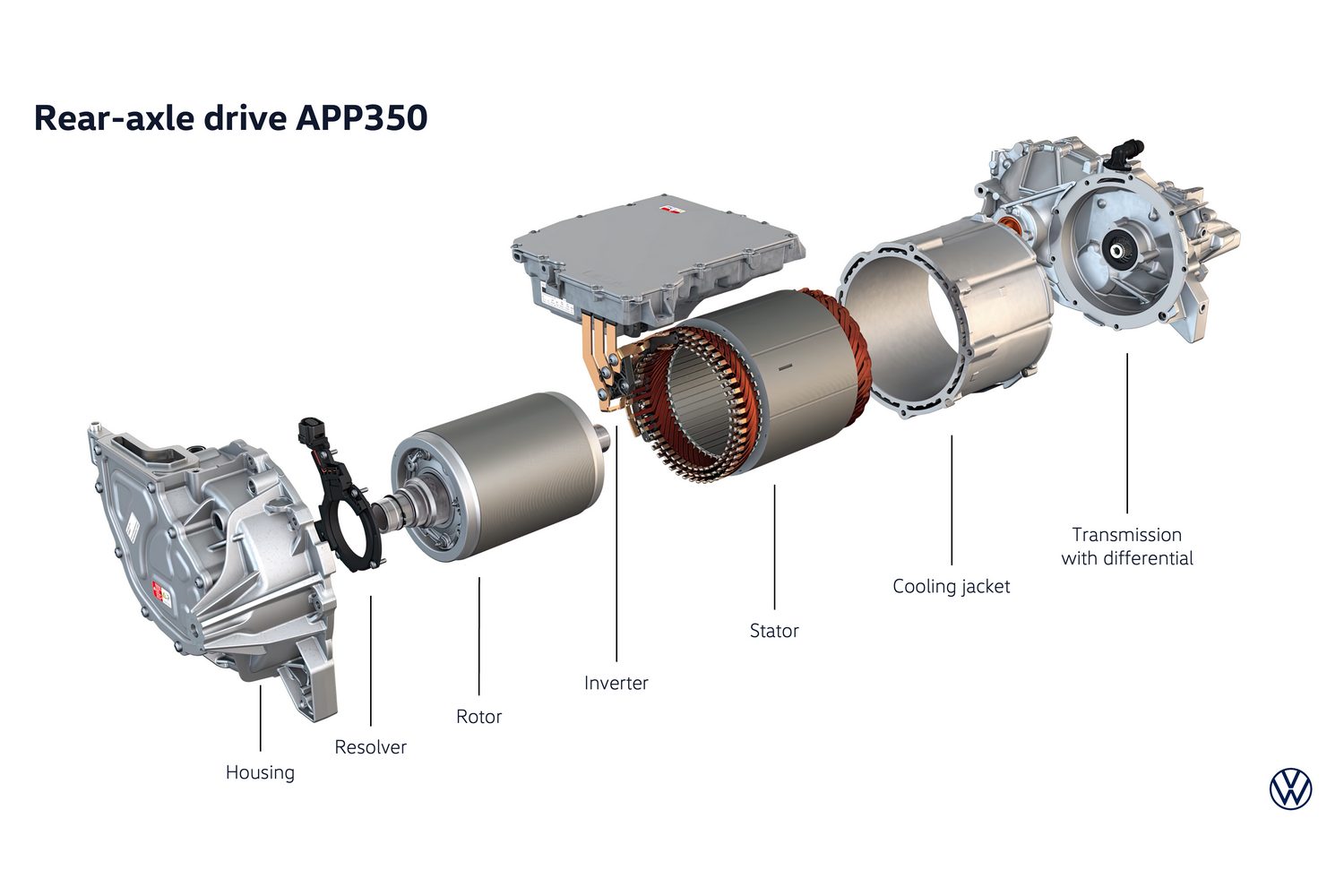
From there, the ID. Tiguan moves to a 77kWh NMC (nickel-manganese-cobalt) battery. The mid-range version uses a single electric motor on the rear axle producing up to 286hp.
This is set to be the range champion of the lineup with around 600 kilometres between charges on the WLTP cycle. This battery also gets 11kW AC charging, but a higher 165kW DC-charge rate.
Topping the ID. Tiguan portfolio for now is the dual-motor version that has a maximum power output of 299hp and up to 560 kilometres of range.
Both of those 77kWh cars get the higher towing capacity mentioned above, while the 52kWh variant can is limited to 1,800kg.
What’s new on the inside of the ID. Tiguan?
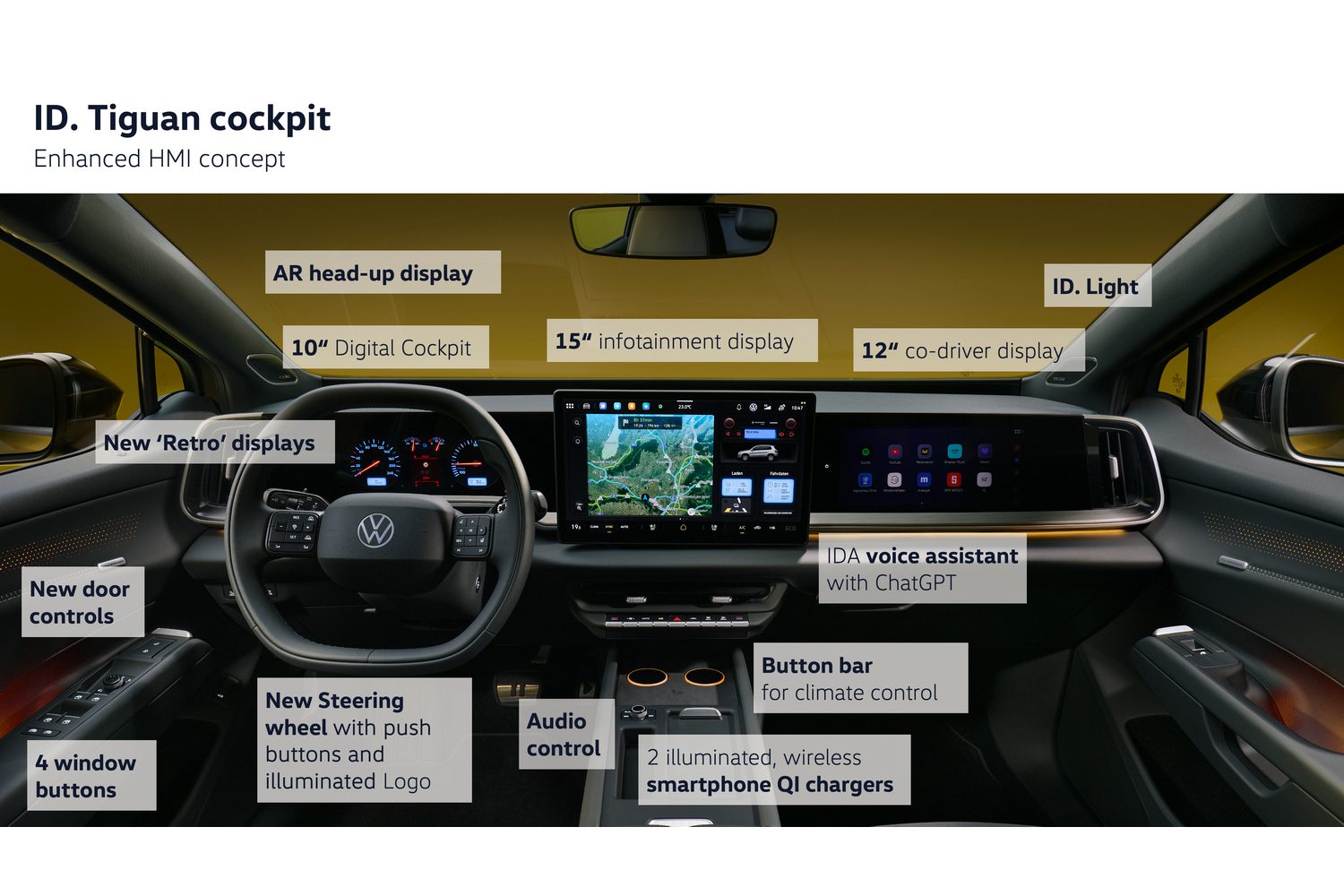
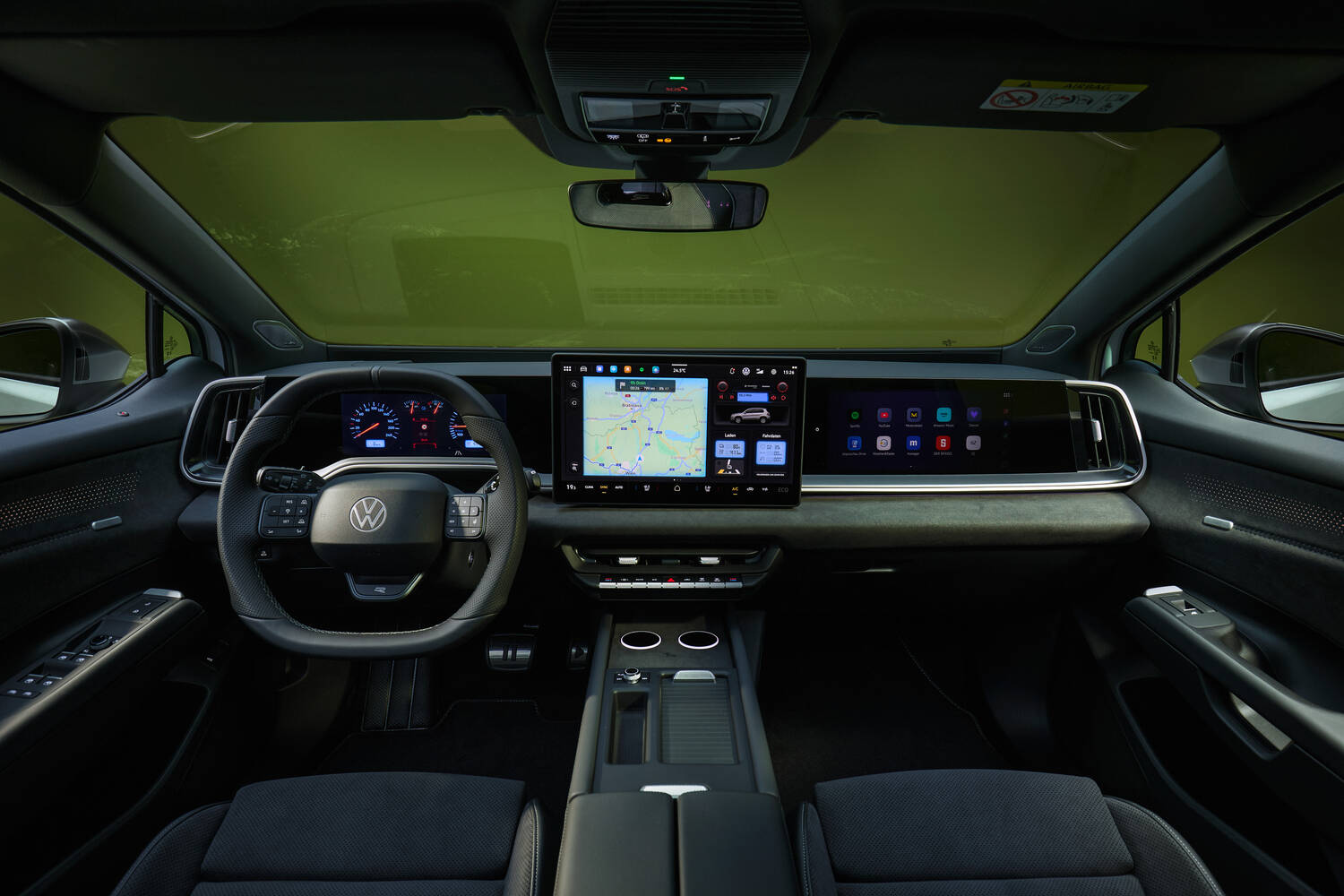
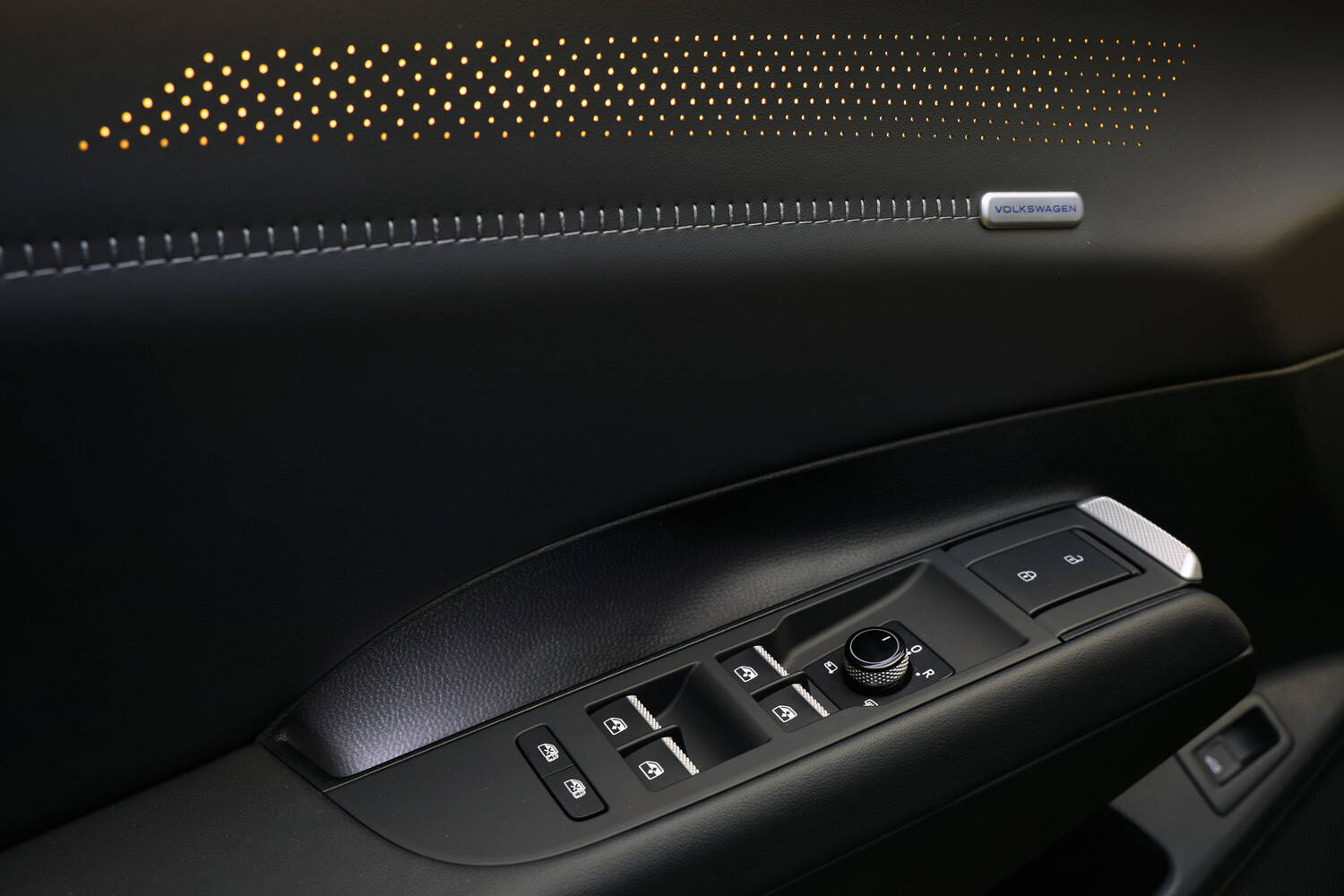
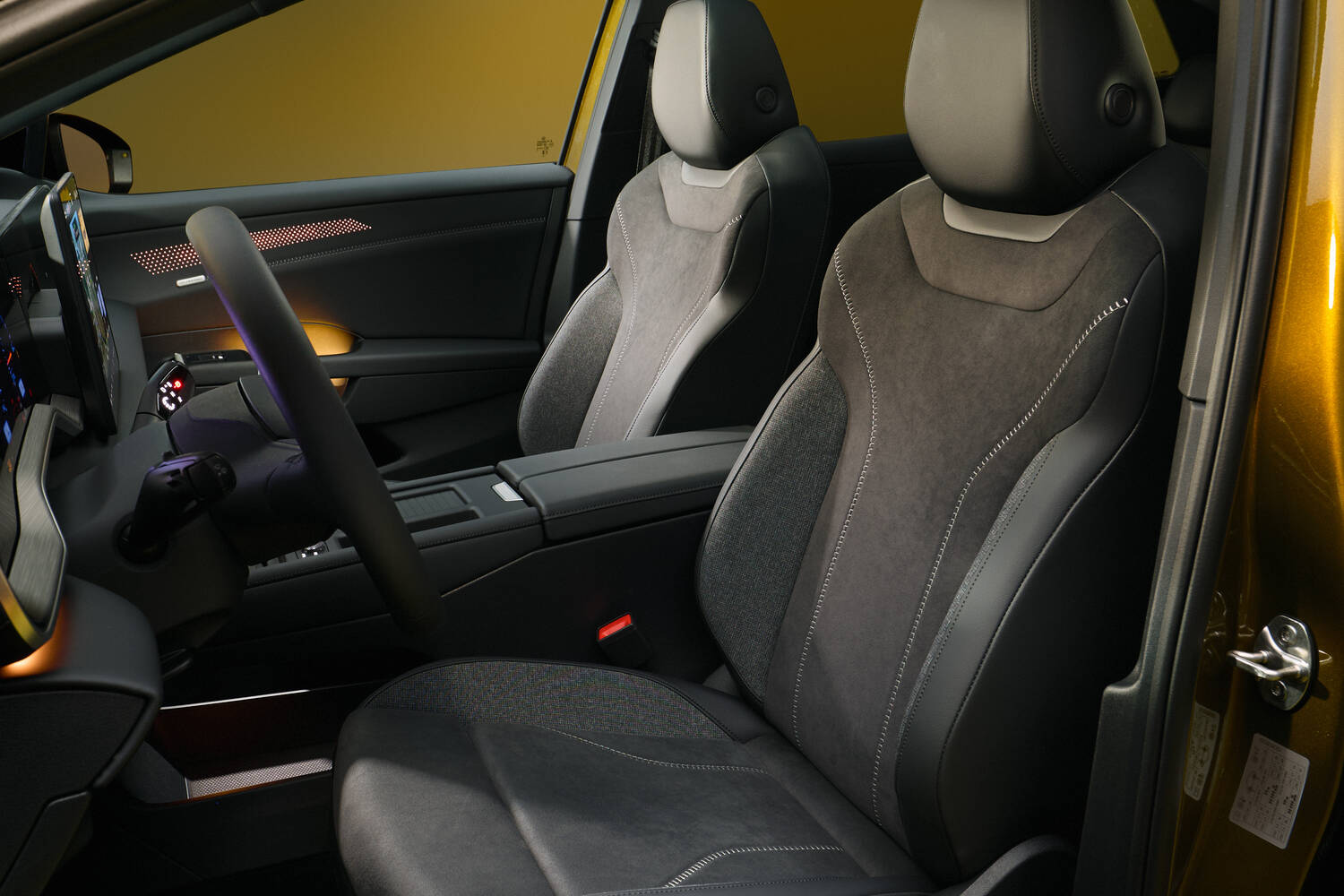
Volkswagen has made a lot of changes to the layout of the interior and also the materials used throughout. The dashboard has a new appearance with more screen area than before for a start.
The driver’s seat can be electrically adjusted and fitted with massage functionality in addition to seat heating. A new-look two-spoke steering wheel contains physical buttons that are far easier to use than the old haptic-feedback versions.
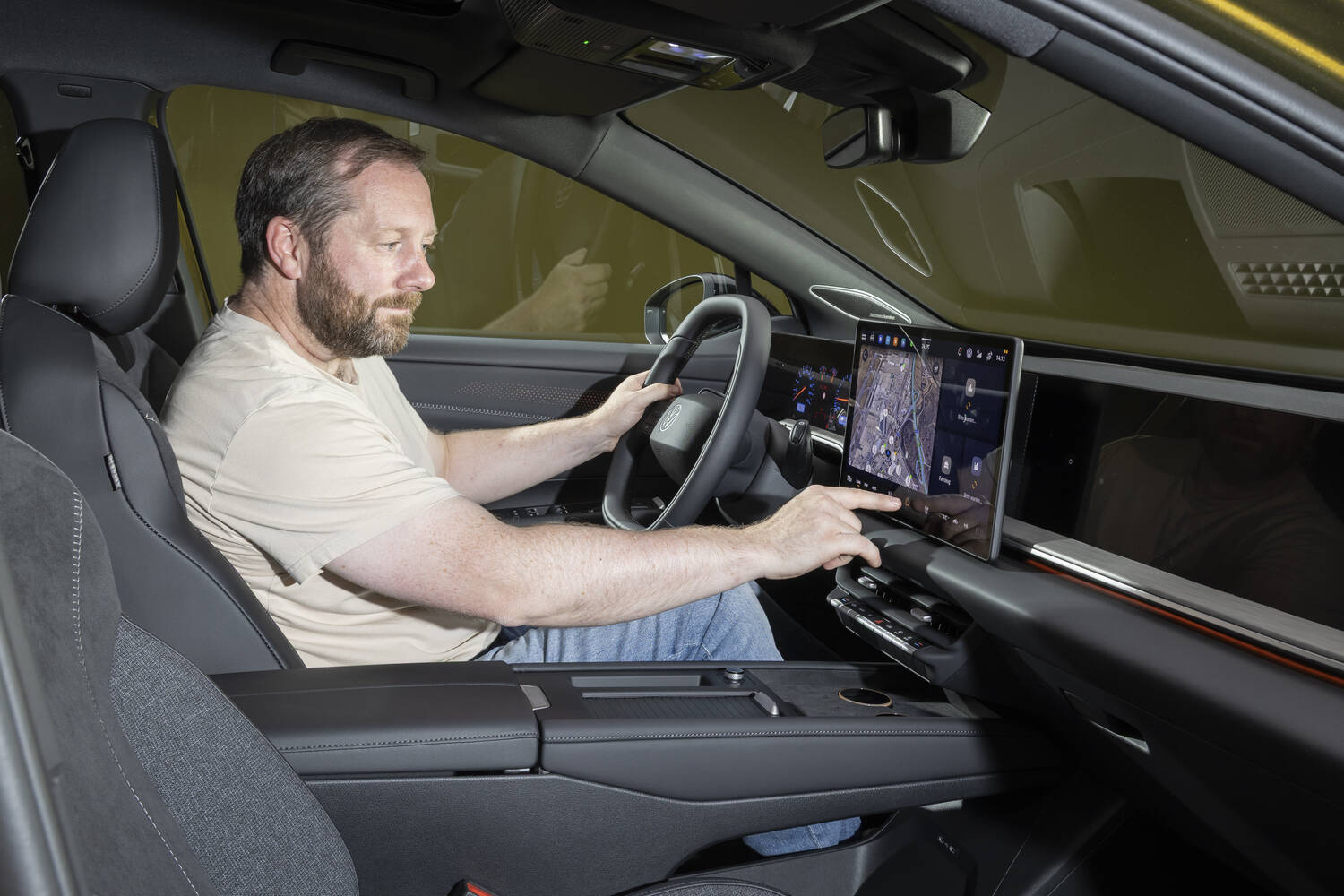
A twist-style drive selector on the right is used and a single stalk on the left of the steering wheel operates the wipers and indicators.
A 10-inch digital instrument display relays all the relevant information in a clear and easy-to-read way to the driver. As we’ve already seen on the ID. Polo, there’s a retro theme available for this screen, this time styled on the instrument dials from the MkIV Golf.
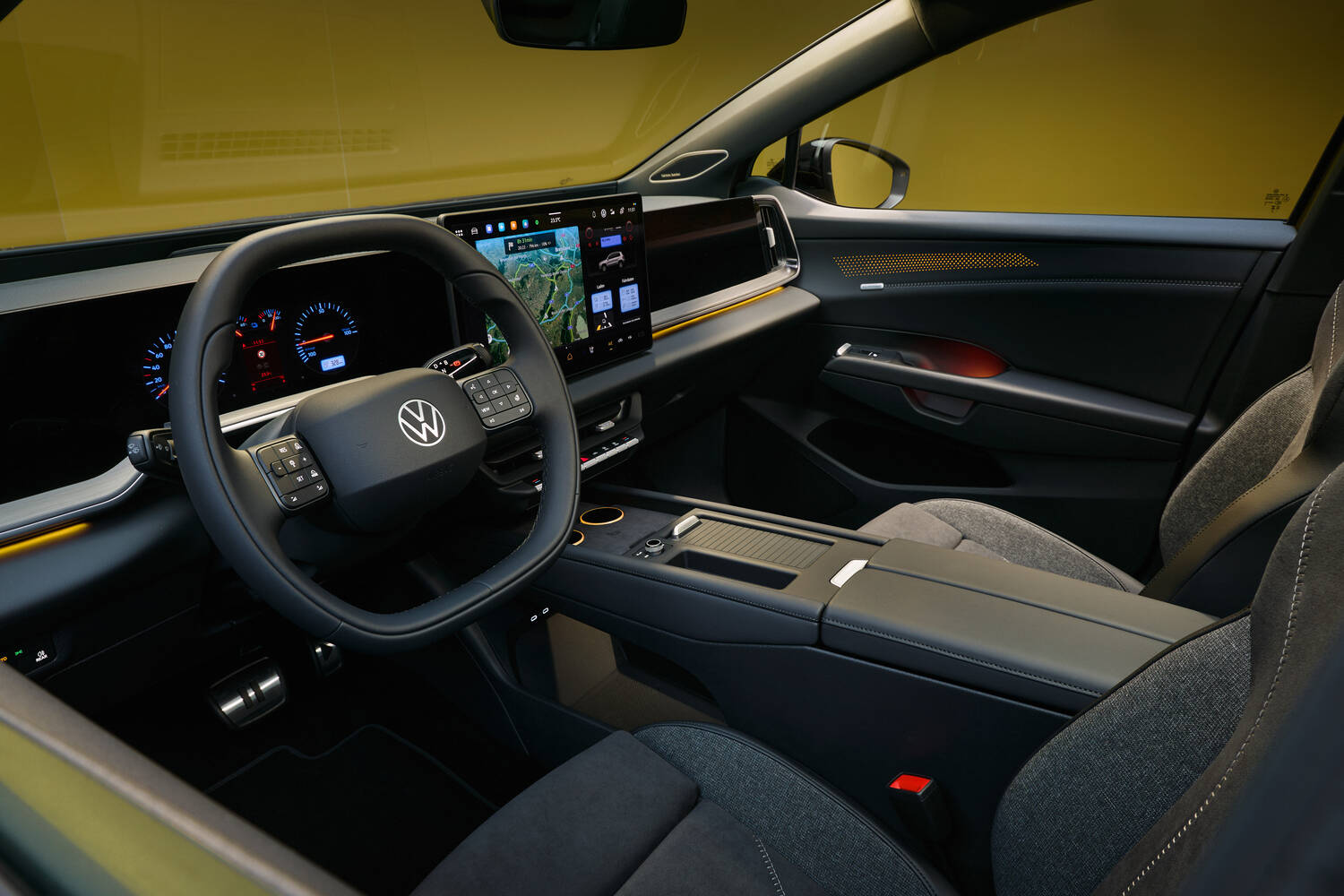
In the centre of the dashboard is a larger 15-inch touchscreen that sits slightly proud of the fascia. Its new-look menu is quite smartphone-like, with app icons to get to various parts of the system, and it also offers a retro skin that includes a small ‘garage’ that shows a number of the company’s past models.
You can swipe through the selection to show your favourite, though choosing one might be tricky. They include the original Tiguan, Beetle, MkI, MkII and MKIV Golfs, the Beetle and the Race Touareg.
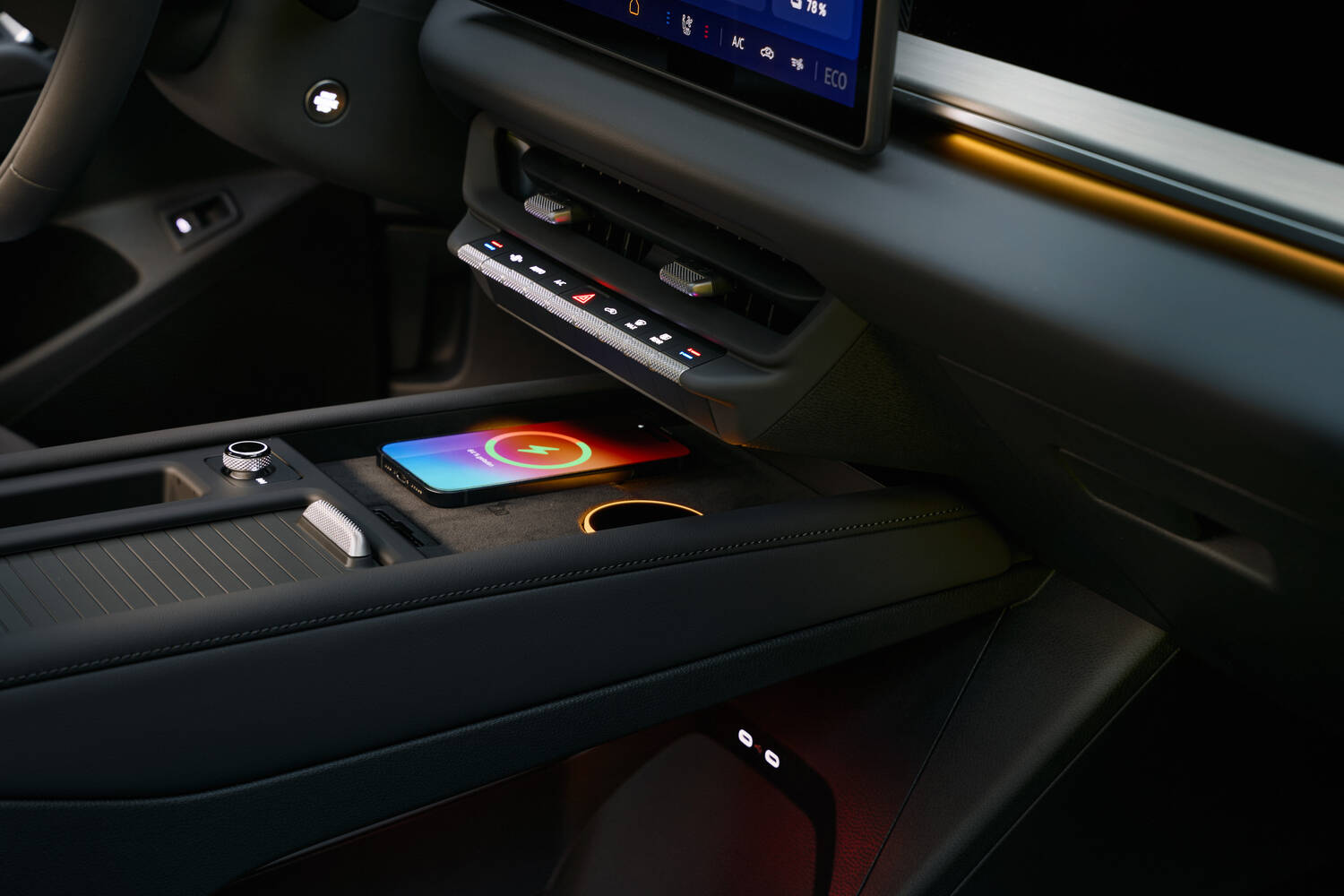
A more welcome addition to the interior is a bank of proper switches for the climate and temperature controls that are just below the touchscreen, while a new centre console design incorporates two wireless phone chargers.
These circular units are magnetic, so your device will snap into place and stay there while you’re driving. They’re also illuminated to match the interior ambient colour.
Other details include two cupholders, a proper volume knob, space underneath the centre armrest and more storage below the console in an open area that includes two USB-C charge ports.
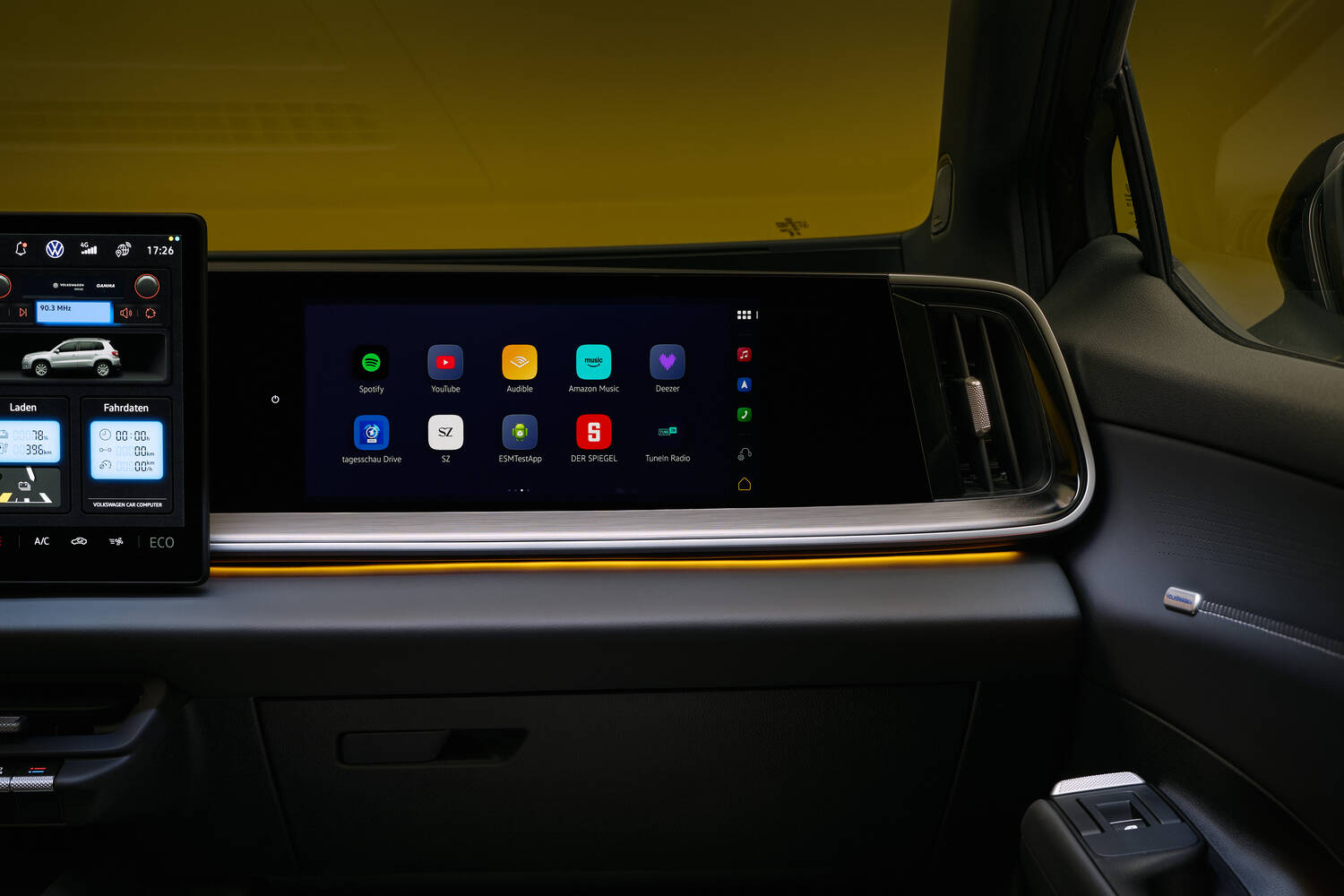
Volkswagen will offer a third display for the first time in a European model. This 12-inch touchscreen is placed in front of the front passenger seat.
The co-driver display allows a passenger to control certain aspects of the infotainment system and stream their own media. To ensure drivers are not distracted, the display uses technology similar to privacy screen covers on laptops and phones, so it can only be viewed when seen head-on.
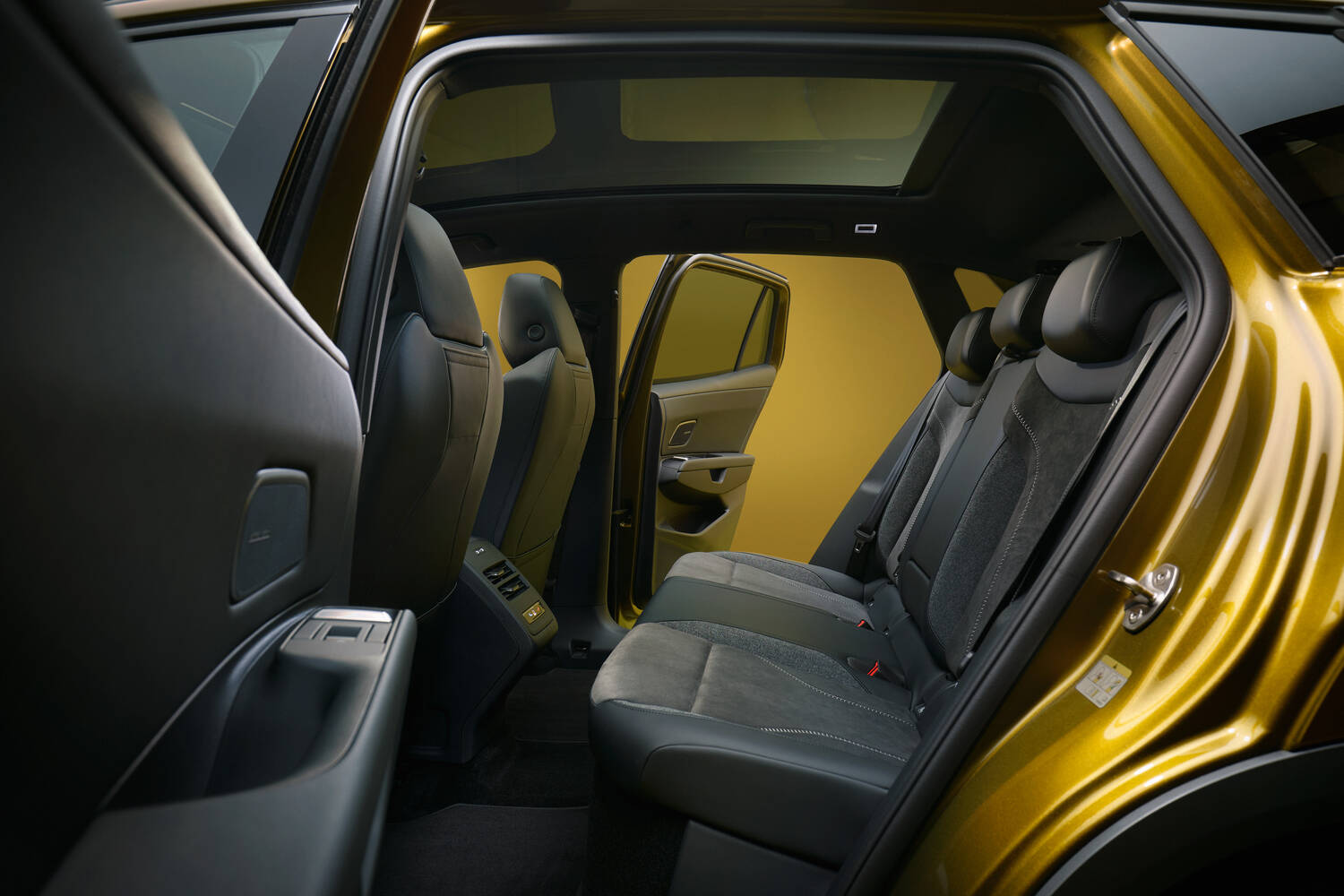
Space in the rear is largely unchanged from that of the ID.4 and there are good levels of headroom and legroom, at least for those in the outer seats.
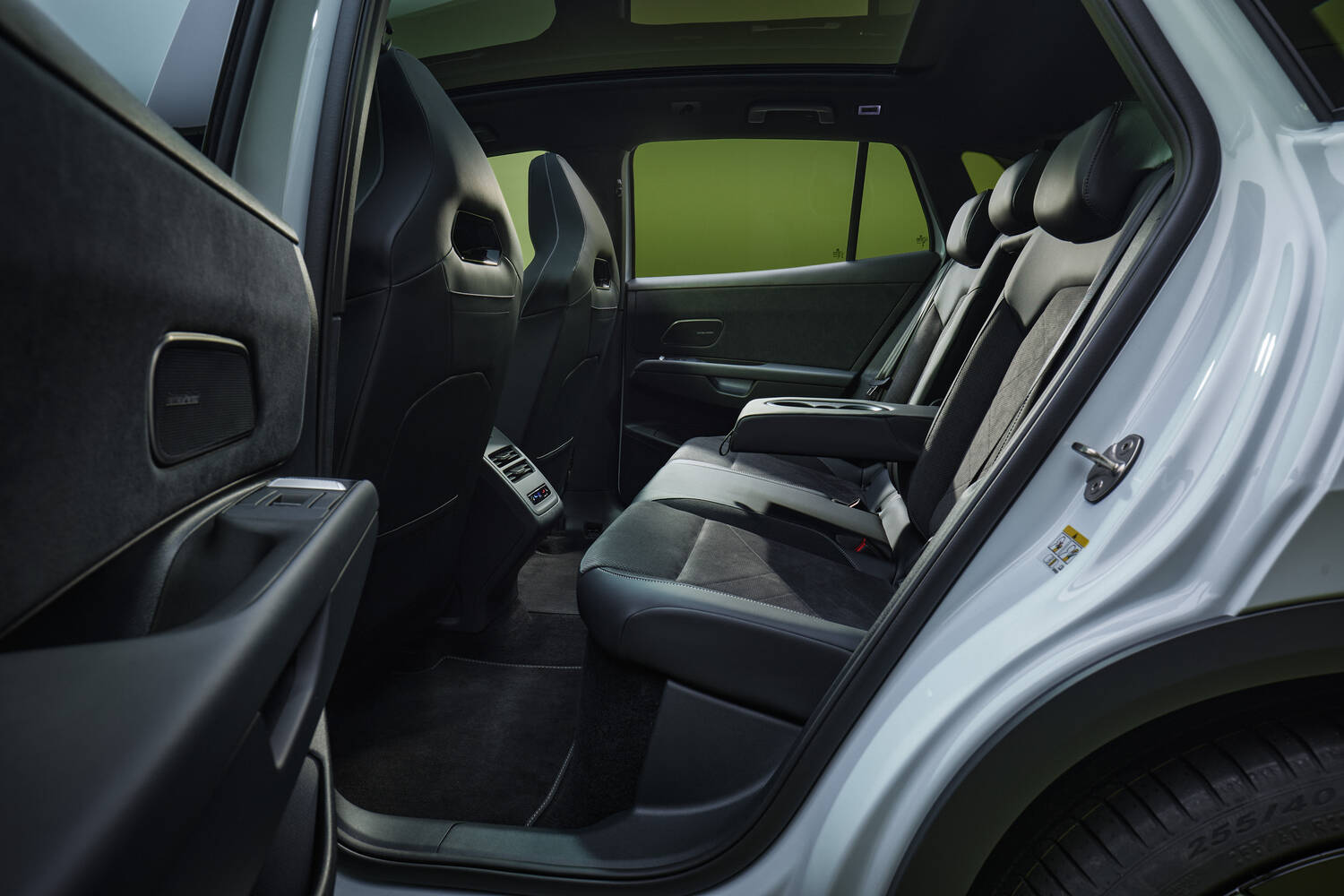
That new centre console does extend rearwards, which takes away some foot room for whoever may be sitting in the middle rear seat.
Anything else you can tell us about the ID. Tiguan?
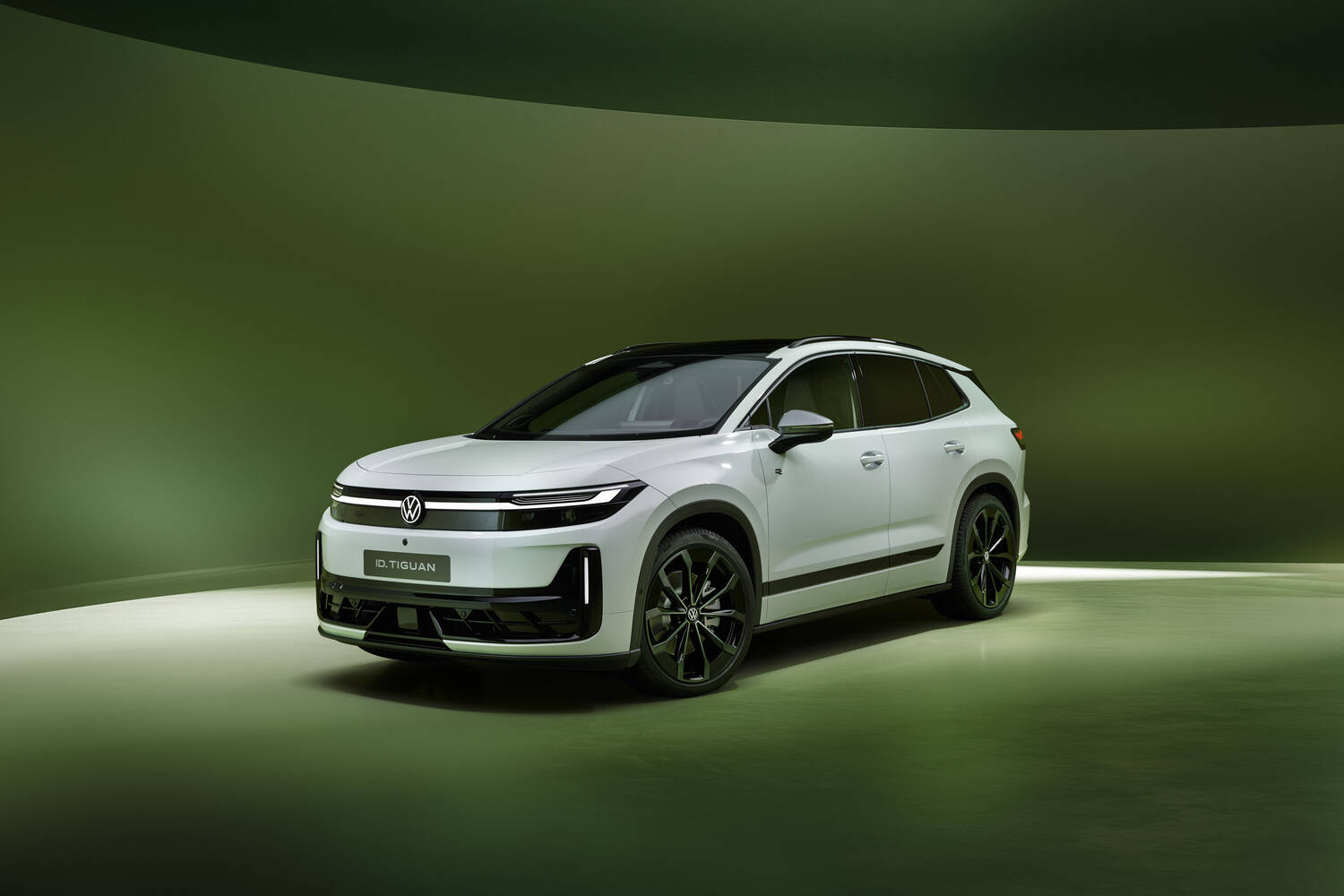
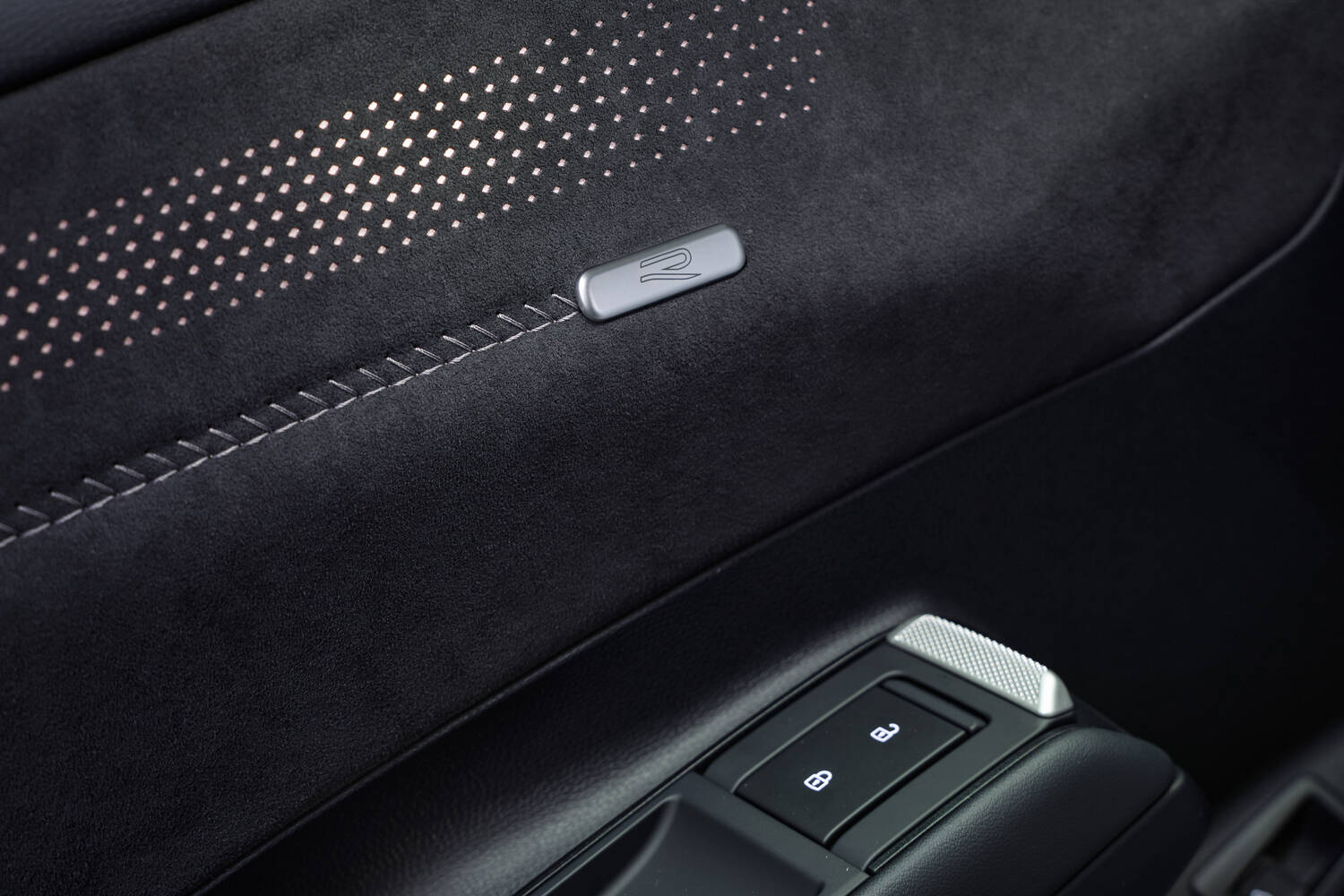
There will be four specification grades available: Trend, Life, Style and R-Line. The latter gains a more distinctive exterior styling package, with sportier looking bumpers, including a front one that features vertical LED running lights on the air curtains. Specific wheel designs in 21-inch diameter also feature a more open look.
Pricing for the Volkswagen ID. Tiguan is due to be announced soon, ahead of the car’s arrival in Ireland in 2027.
Video player loading.
Video unavailable. Watch on YouTube
If there is anything about this story we have not covered, you can avail of our expert advice service via the Ask Us Anything page.