


Skoda Octavia Mk3 overview
Range overview: petrol or diesel; manual or automatic; front- or all-wheel drive; hatchback, estate and crossover estate
Reliability: above average for class
Cost to repair: average for class
Most common: Skoda Octavia 1.6 TDI hatchback
Best for economy and long-distance driving: Skoda Octavia Combi 2.0 TDI 150 DSG
Best for urban driving: Skoda Octavia 1.0 TSI 115 DSG hatchback
Our favourite performance version: Skoda Octavia Combi RS 230
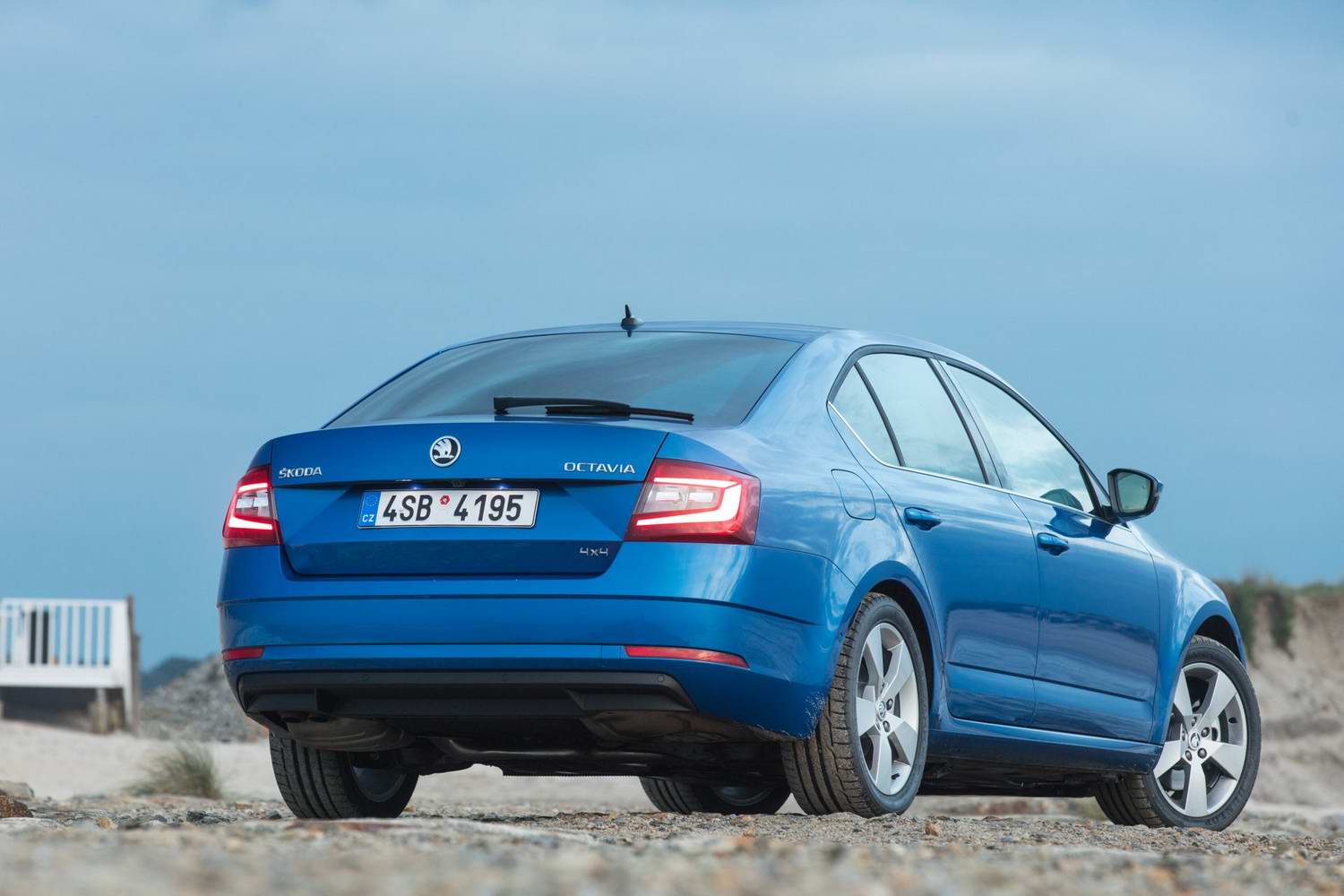
Skoda's third-generation Octavia is an excellent family car option, mainly because it is based on the same underpinnings as the Volkswagen Golf Mk7, but in terms of size and prestige, it feels like a vehicle from the class above - populated by the likes of the Ford Mondeo and more.
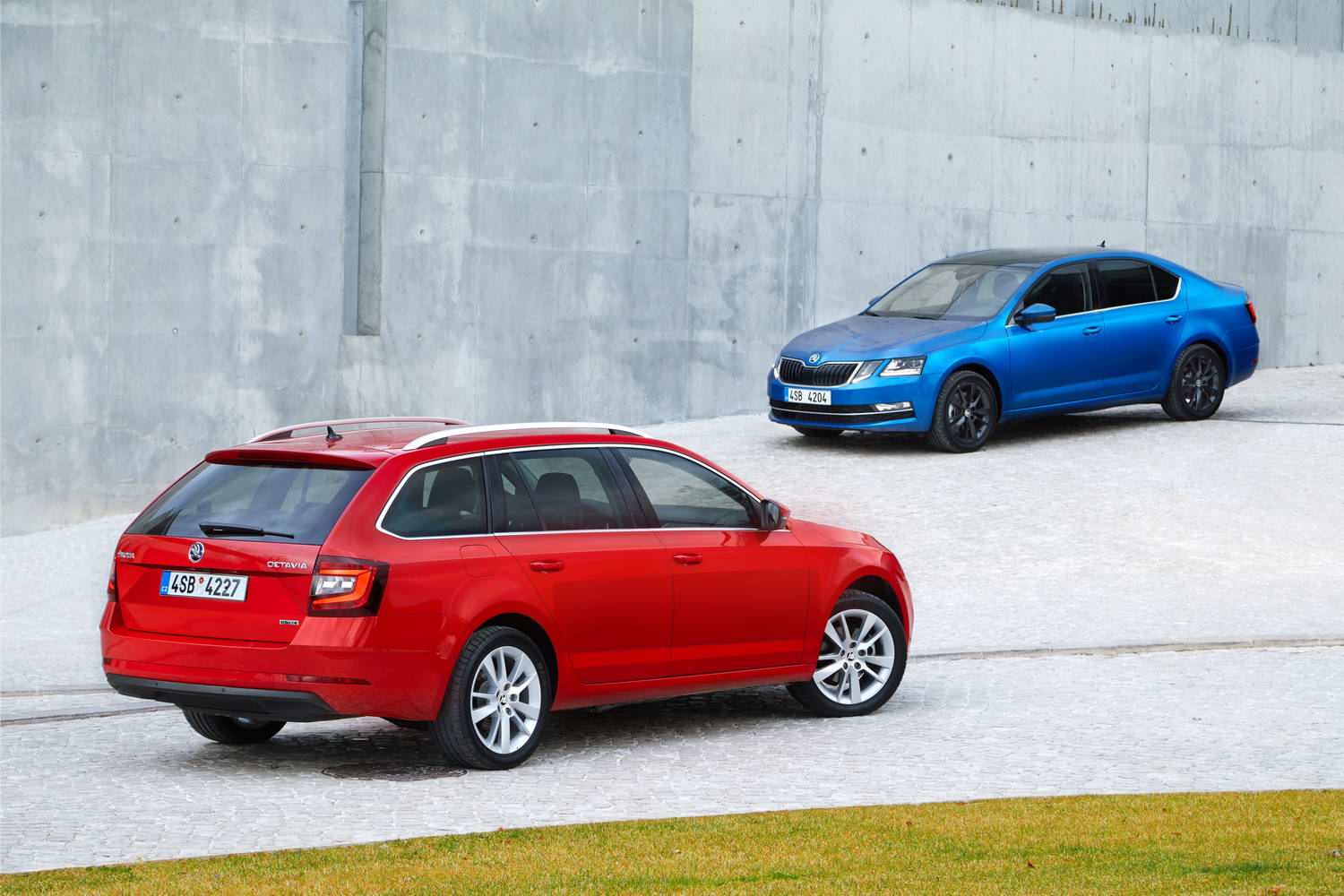
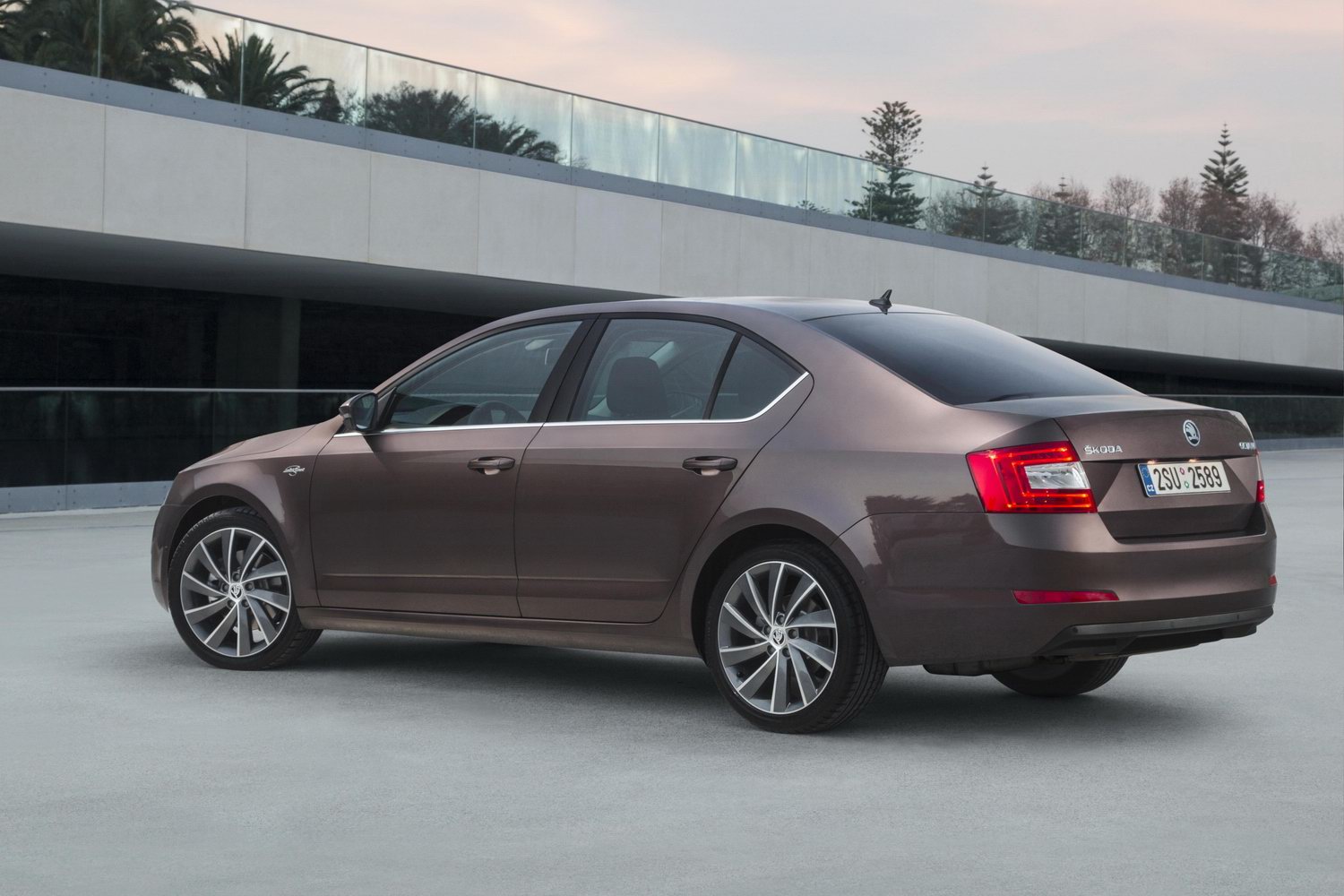
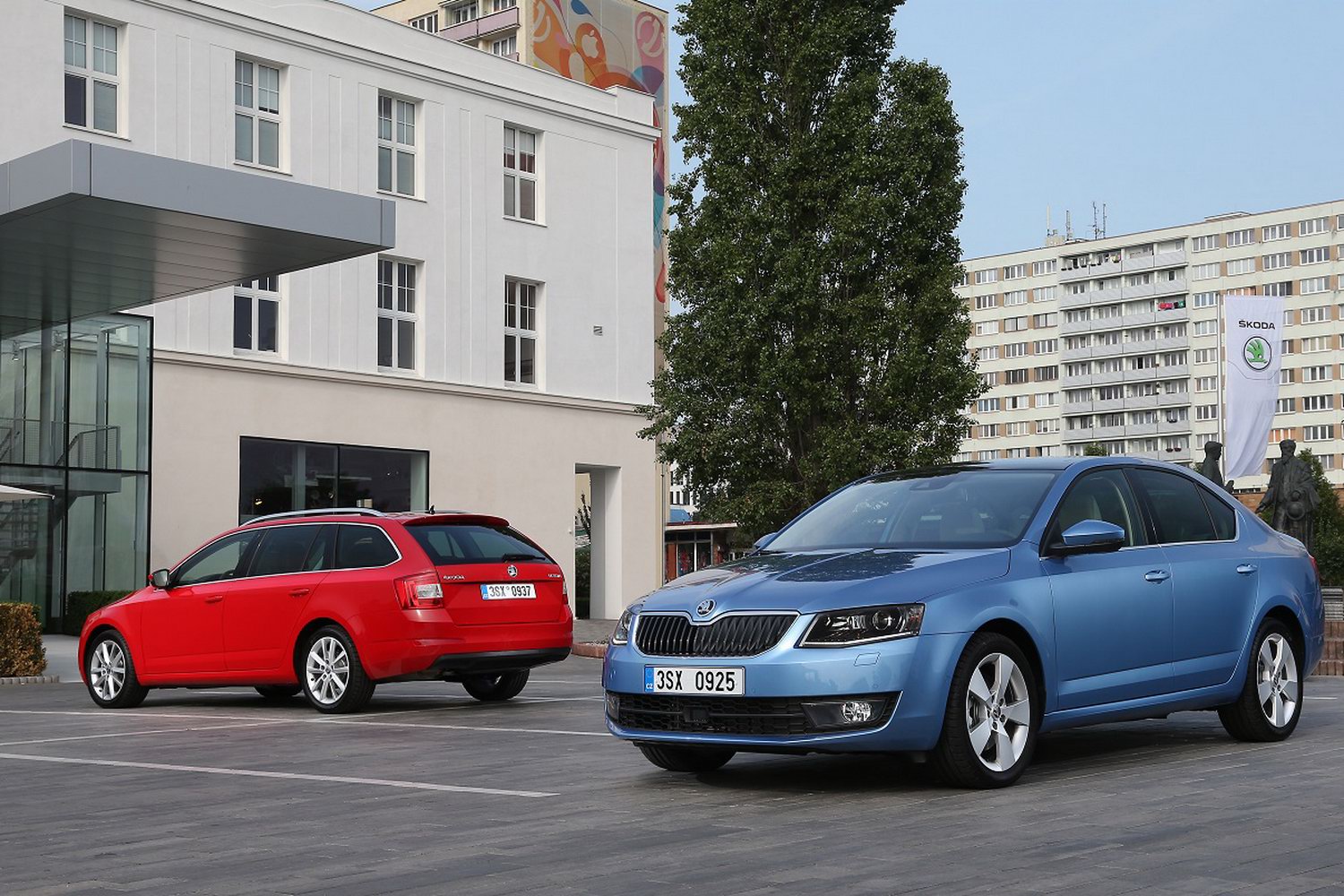
With a good spread of turbocharged three- and four-cylinder petrol and diesel engines, the option of four-wheel drive on some models, two main body styles (hatchback - regularly referred to as an Octavia 'saloon' - and Combi estate) and also an off-road-themed Octavia Scout variant, there's plenty of choice for buyers after a good example of this third-generation Skoda. And for those who want performance, there's an impressive array of faster RS models, too.
On driving the Octavia Mk3 for the first time, CompleteCar.ie said: "Skoda describes the Octavia as being in a class of its own. It is a car that carries the price of a compact hatch with the space of a mid-size saloon. Bigger and better appointed than before, this is the car for buyers who want Volkswagen quality but for whom the Golf is too small. Styling may be predictable and the drive not as exciting as it could be, but neither of these factors are likely to affect the Octavia's sales."
Engine and range options for the Skoda Octavia Mk3
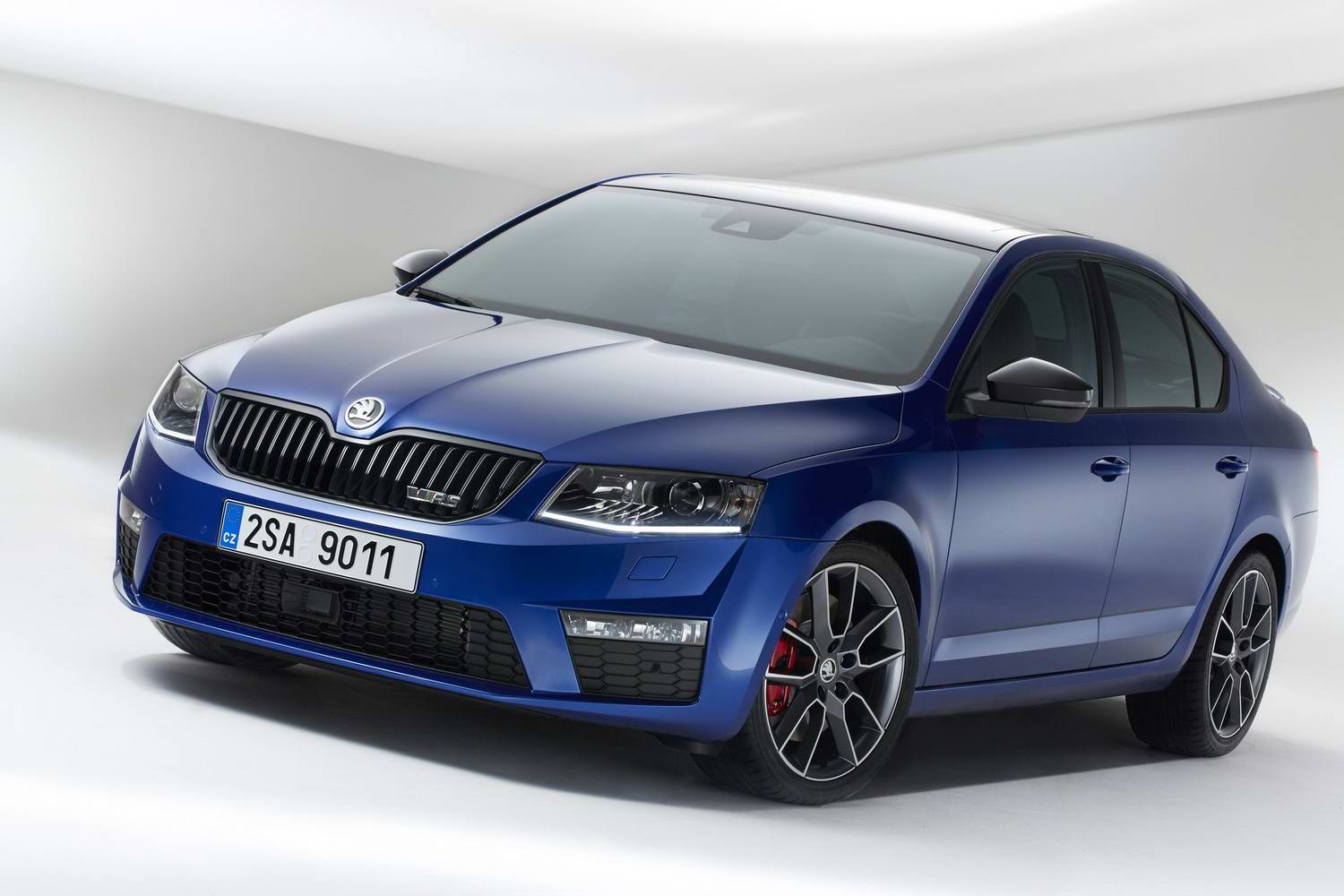
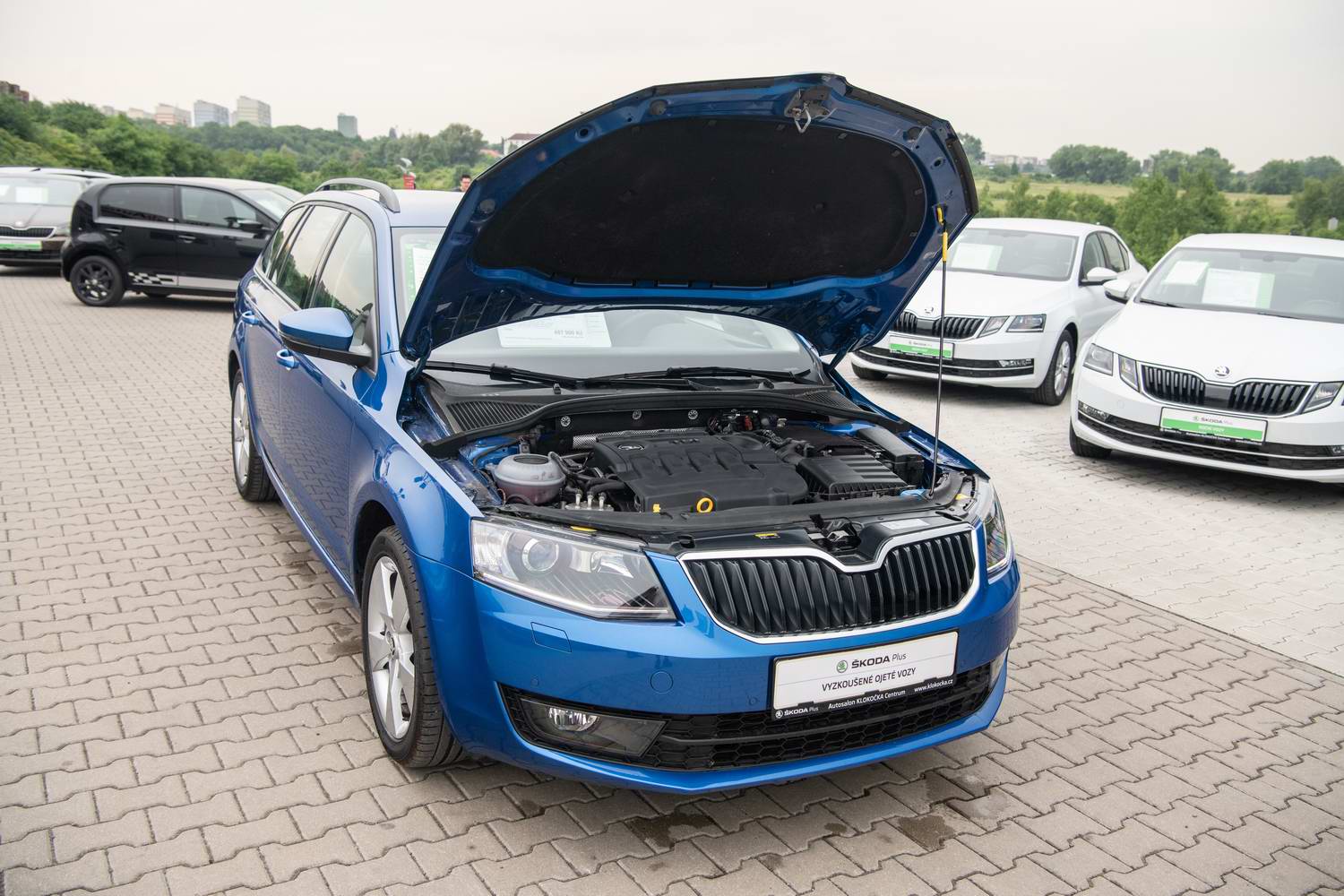
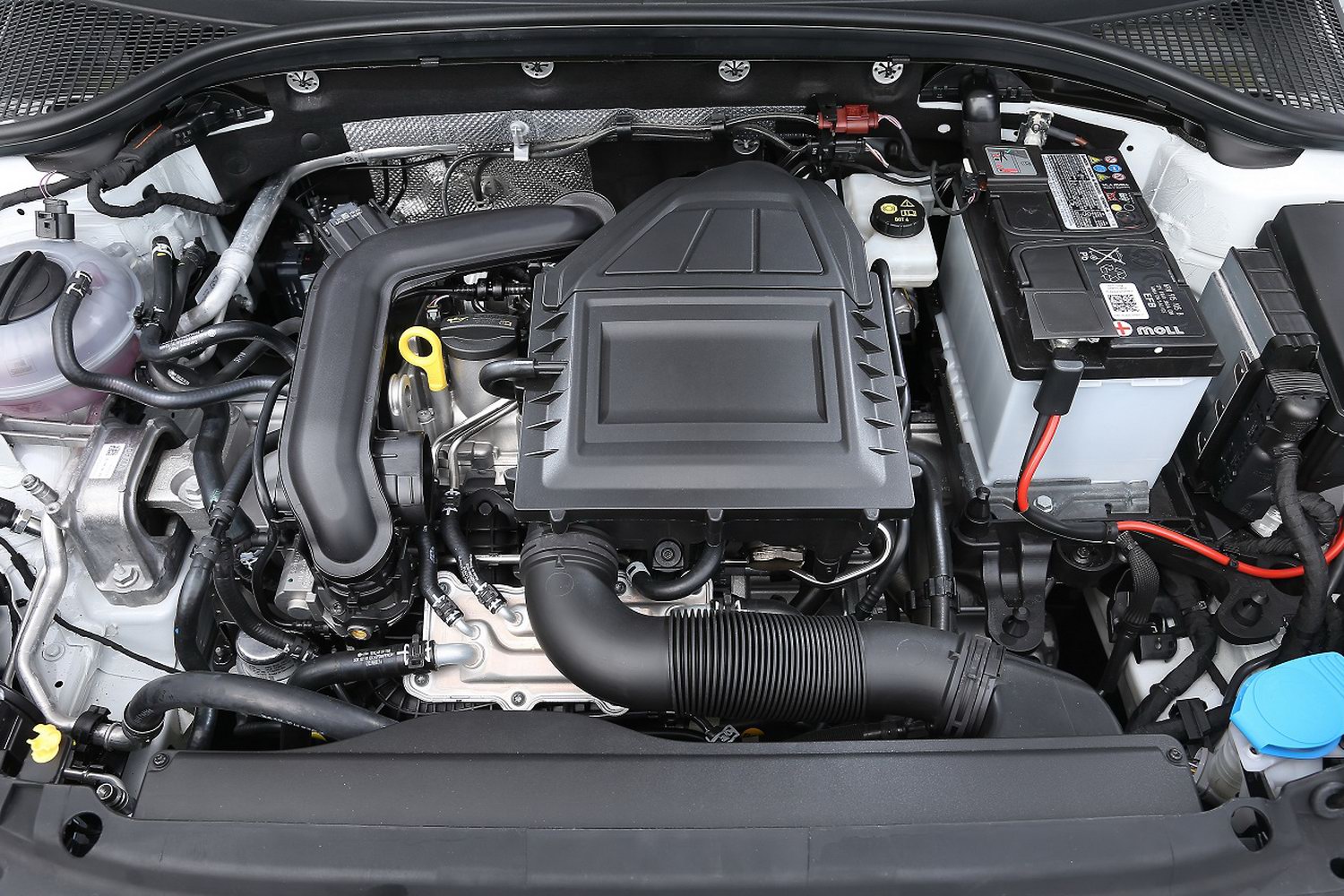
Skoda originally launched the Mk3 Octavia with an entirely four-cylinder engine line-up. Beginning with the petrol models, there was a 1.2-litre TSI with either 86- or 105hp, the former using a five-speed manual gearbox and the latter a six-speed transmission. Above these, a 1.4-litre TSI was briefly offered, with 150hp, while the 2.0 TSI was reserved for the high-performance RS models, developing 220hp in the regular RS and 230hp in special version called, unsurprisingly, the RS 230.
Over with the diesels, a 1.6-litre TDI kicked things off and began with 90- and 105hp derivatives, these again using the five-speed manual, while a 2.0-litre TDI produced either 150hp in regular Octavias or 184hp for the diesel version of the RS. All engines above the 1.2 TSI and 1.6 TDI used six-speed manual gearboxes as standard.
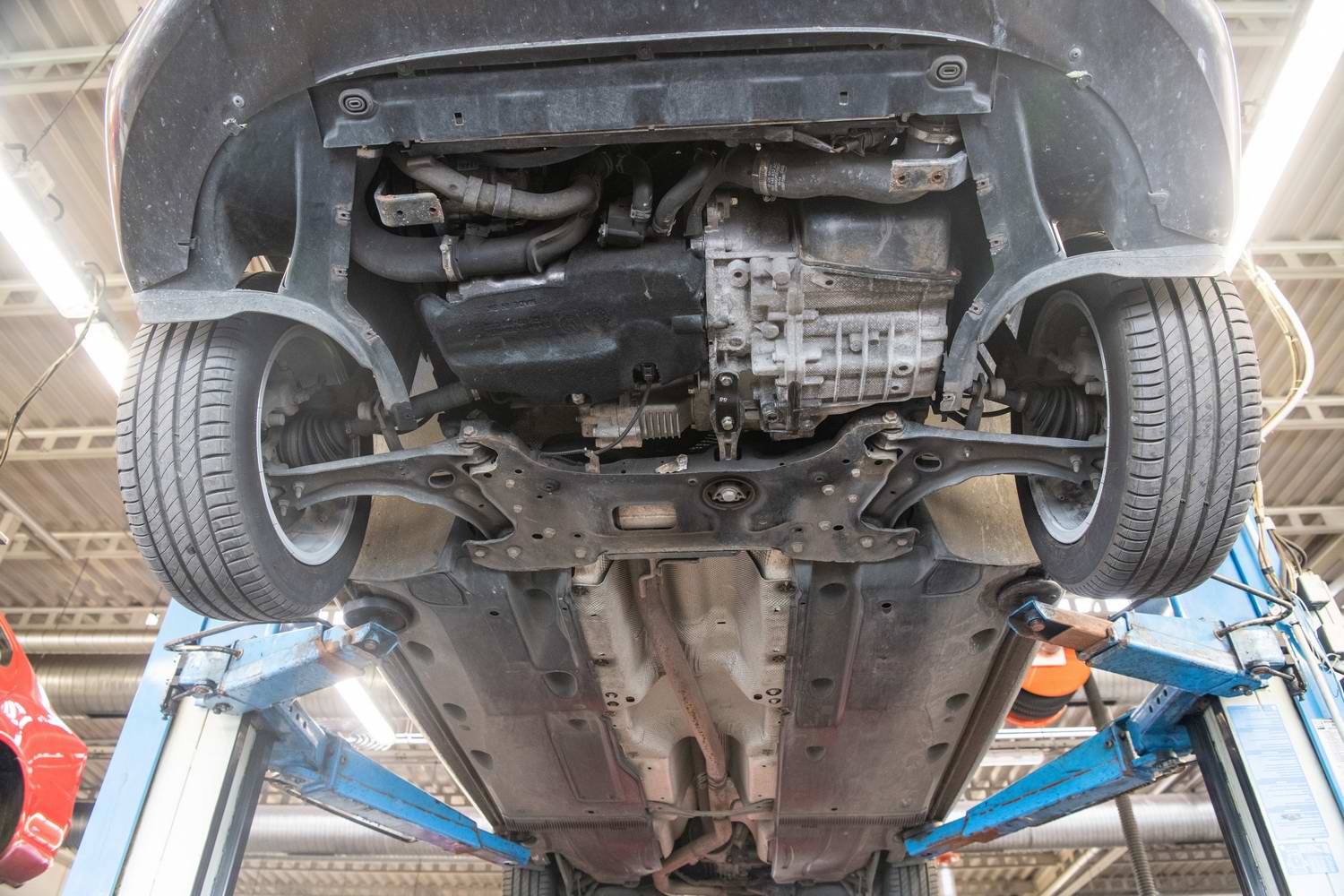
The Combi estate soon followed the hatch and would continue to use all the same drivetrain options throughout the Octavia Mk3's life cycle, which means that the next big development was the introduction of the Octavia Scout in 2014. This was based upon the Combi wagon and was a lifestyle estate with rugged black plastic body extrusions, underbody protection front and rear, a ride height raised by 31mm and the addition of off-road-biased tyres on bespoke alloy wheels.
One engine option not offered in Ireland, for any Octavia Mk3, was the 180hp 1.8-litre TSI petrol and this was one of three choices available internationally for the Scout, the others being the 150- and 184hp TDI engines - which are obviously the two you will therefore find exclusively powering any Irish Octavia Scout models you come across.
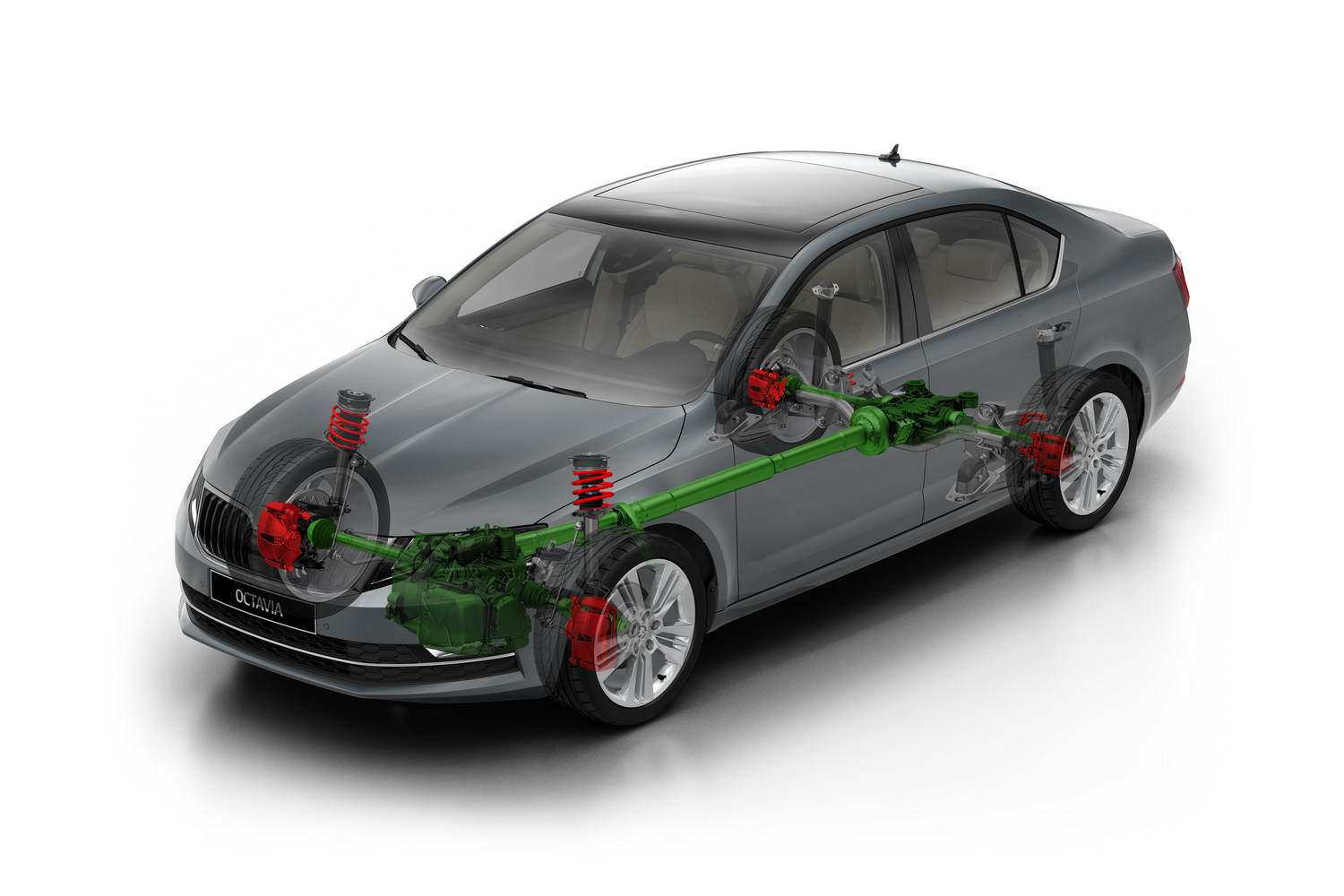
As it was an off-road-type estate, the Scout could be had with 4x4, but it could also be front-wheel-drive only, and conversely the regular Octavia models could be specified with four-wheel drive if needed, although only in conjunction with the 2.0 TDI engine - this applied to either power output, and it was available for the RS TDI too.
The next big development in the third-gen Octavia's life was the arrival of the first engine without four cylinders in late 2016. The 1.0-litre TSI three-cylinder turbocharged petrol unit delivered 115hp and replaced the more potent version of the 1.2 TSI, which had increased from its launch output of 105- to 110hp during the first three years of the model's life. The 86hp 1.2 TSI continued to be sold in Ireland alongside the 1.0 TSI, but the latter proved more popular once the Octavia had been facelifted in 2017.
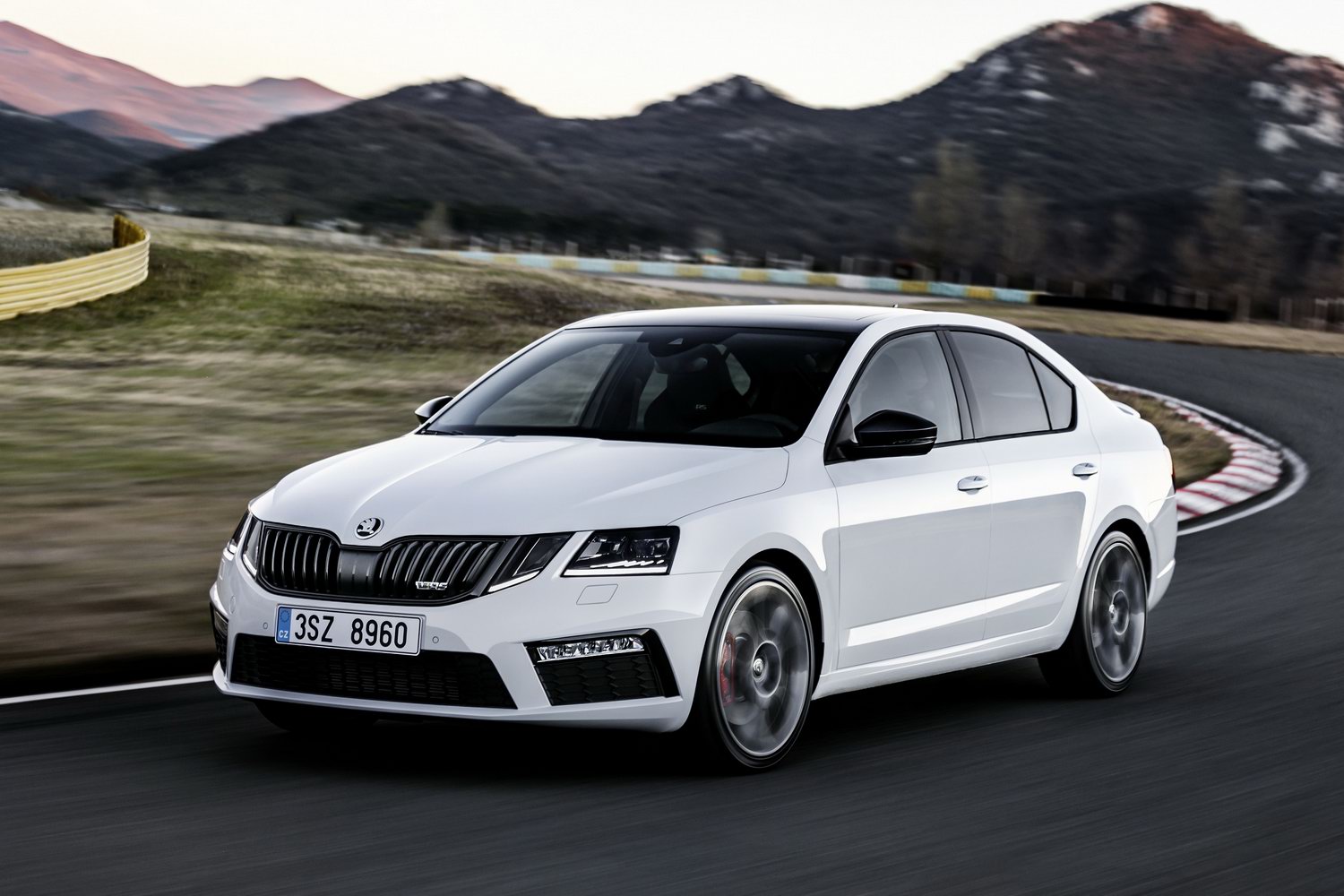
This was a notable update for the Octavia Mk3, because it not only brought in new technologies and engine choices, it also saw the front-end styling of the Skoda significantly changed - and, in many people's opinion, not for the better. The Octavia, which previously had one-piece oblong headlights, now switched to a quad-lamp set up and it was a little fussy in terms of design. However, it does mean there should be absolutely no doubt for a buyer as to whether they're looking at a facelifted Octavia Mk3 or not, as the pre- and post-facelift cars look quite different.
Up until this point, the automatic option (where available) was a six-speed dual-clutch DSG gearbox, but once the facelift took place a seven-speed DSG was made available. The Combi and Scout both went through the same changes and, aside from some trim-line rationalisations, nothing else changed until the Mk3 went off sale in 2020 in readiness for the arrival of the Mk4. The only other thing to note was that the 1.6 TDI evolved to 110hp and then ultimately to 115hp throughout its seven-year service in the Octavia Mk3, but the increase of 10hp from launch version to run-out model didn't make much difference to the way the Skoda drove nor its fuel economy.
Specifications originally ran Active, Ambition, Style and Elegance, with a richly equipped Laurin & Klement flagship introduced after. Both the Scout and the RS models were considered as their own unique equipment lists, according to their lifestyle and performance outlooks (respectively), and therefore stood apart from this hierarchy. Later on in the third-gen Octavia's life, the base Active grade (which at least had Bluetooth and rear parking sensors, among more) was dropped to leave Ambition as the entry point, while Elegance and L&K were replaced by an enhanced Style model. A late-in-the-run Soleil special edition was also announced.
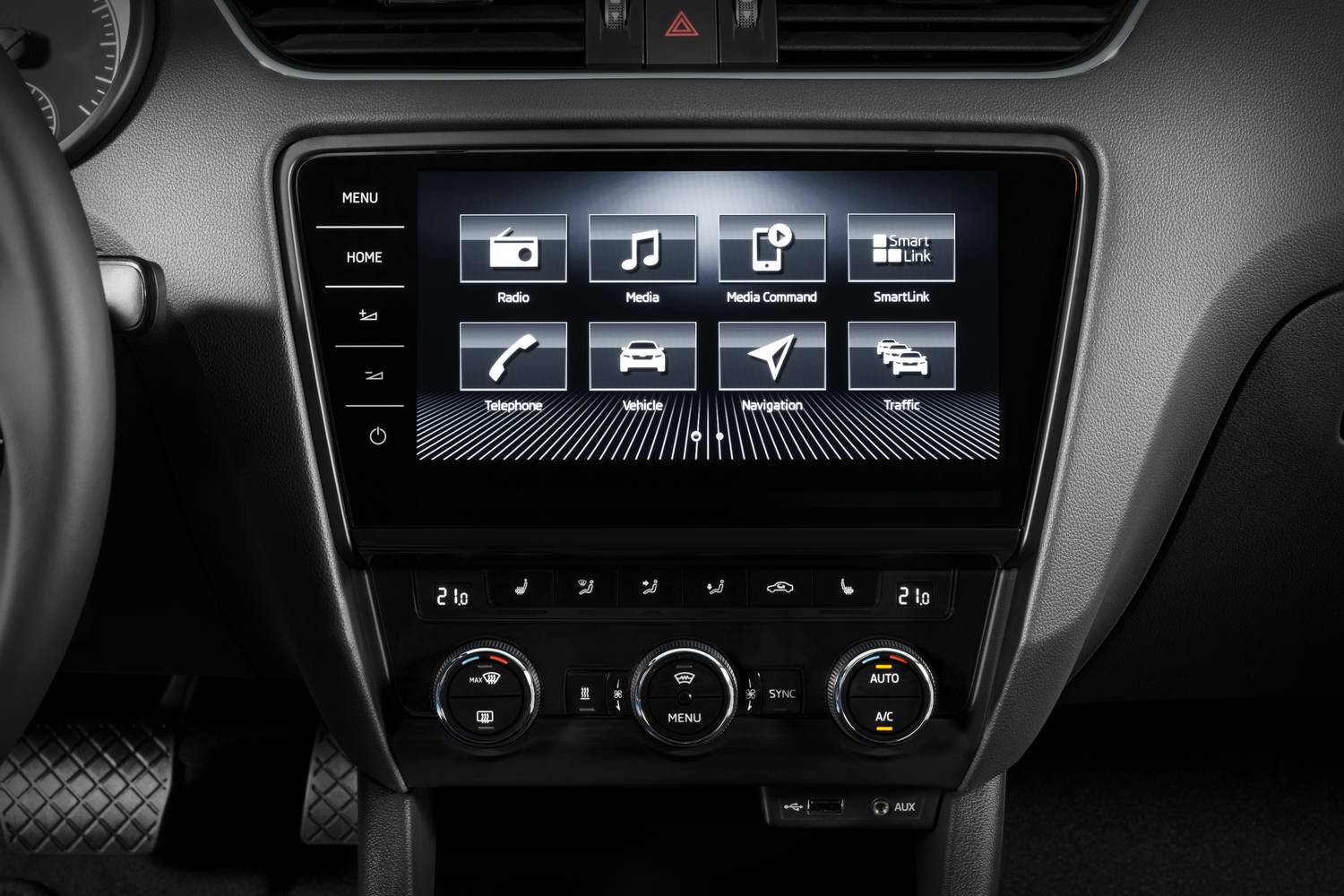
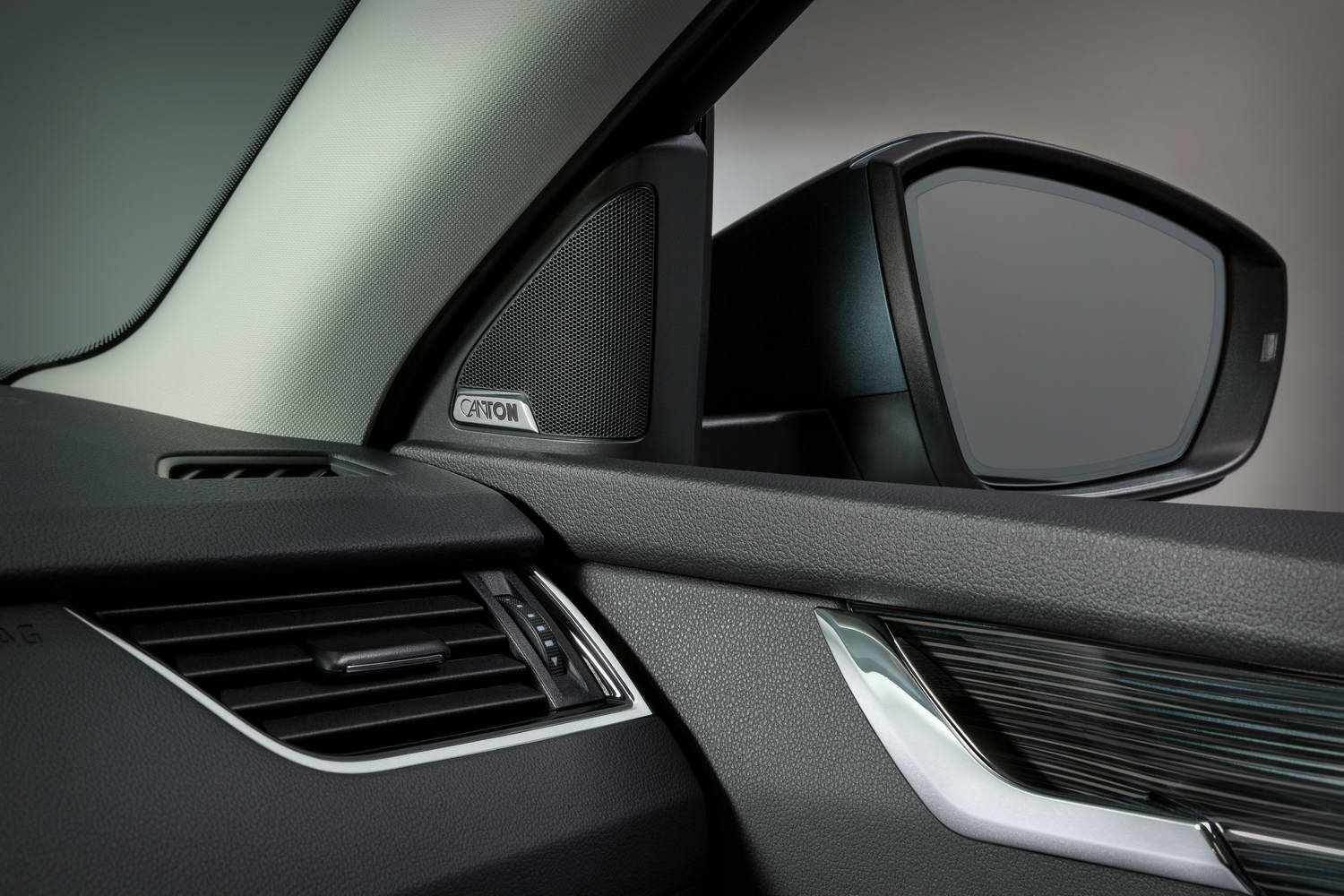
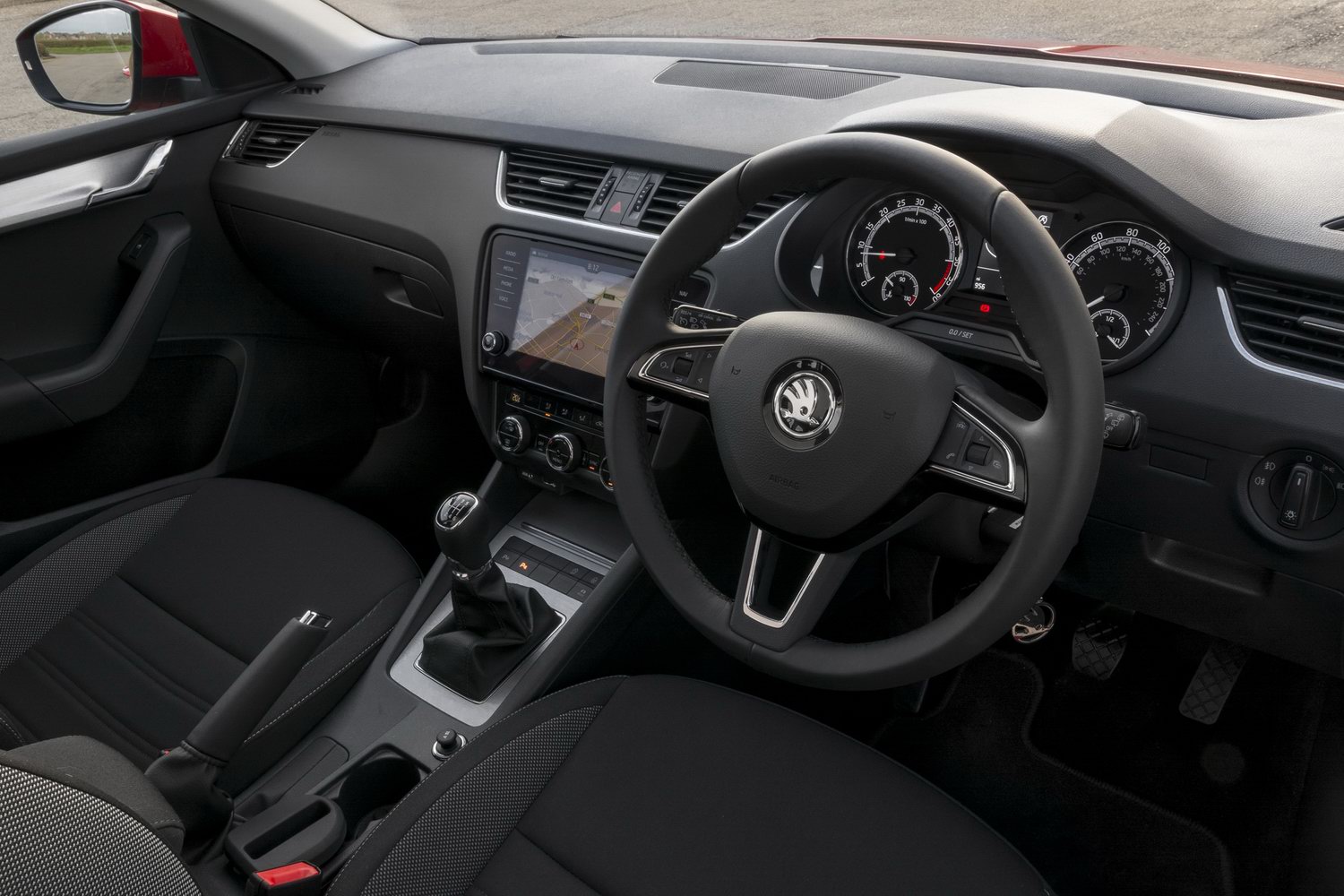
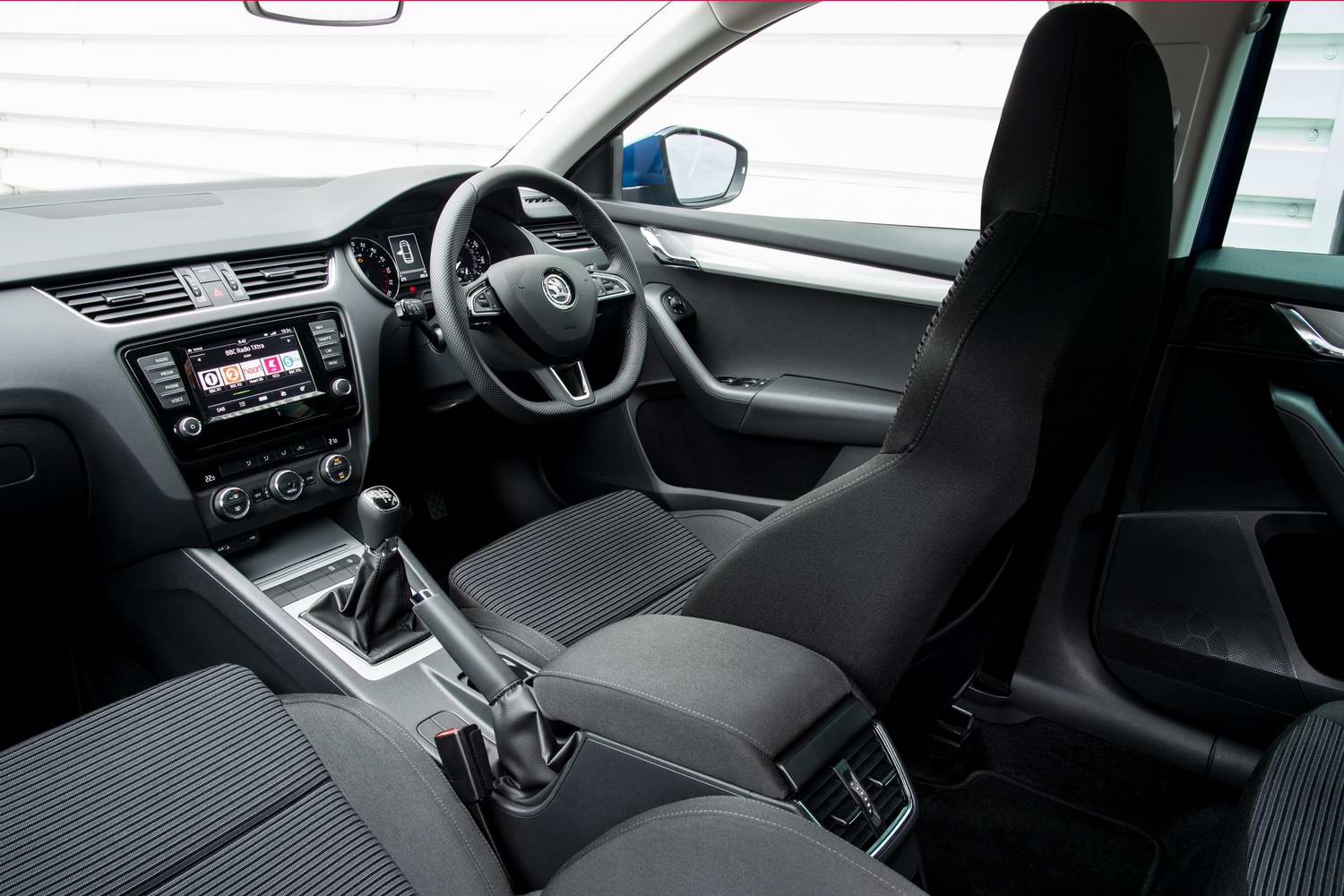
As trim levels were broadly similar throughout the car's life, we'll focus on the later Ambition, Soleil and Style specifications to give you an idea of the equipment-count on an Octavia Mk3. An Octavia Ambition came with air conditioning, rear parking sensors, cruise control, auto lights and wipers, power-folding door mirrors, a Maxidot multifunction display in the instrument cluster, the Bolero eight-inch touchscreen infotainment with voice control, USB port, eight-speaker stereo, Bluetooth and Smartlink (incorporating Apple CarPlay and Android Auto), 16-inch alloy wheels, front fog lights, LED daytime running lamps and taillights, height adjustable front seats with lumbar support, 60:40 split-folding rear seats and a leather multifunction steering wheel.
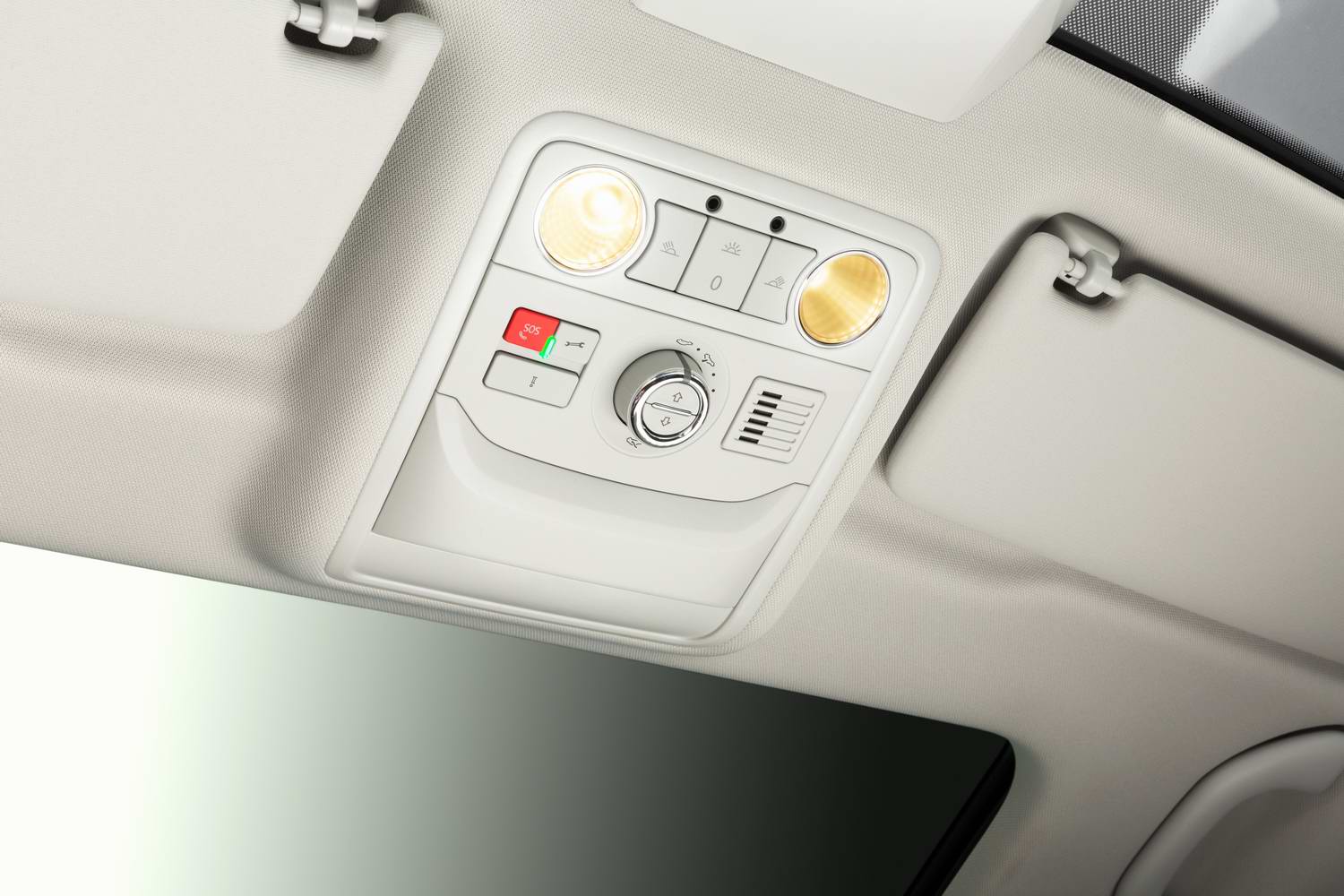
The Soleil upgraded this with LED headlights including adaptive technology, half-leather upholstery, heated front seats, tinted privacy glass, an auto-dimming rear-view mirror, the eCall emergency assist system and front headlight washers, much of which was roughly equivalent to pre-facelift Style models. Post-facelift Style models in essence replaced both Elegance and L&K cars, with a comprehensive package of equipment including 17-inch alloys, dual-zone climate control, chrome exterior detailing, a colour Maxidot display, the 9.2-inch Columbus satnav with gesture control, DAB and Wi-Fi connectivity and a leather sports steering wheel.
Aside from the obvious exterior styling pack, the RS model was equipped with 18-inch alloy wheels, LED headlights with adaptive technology, red brake callipers, RS front sports seats in fabric and Alcantara, an RS leather sports steering wheel with DSG shift paddles on automatic cars, LED ambient interior lighting, aluminium door sills and sports pedals. The RS 245 (and its RS 230 predecessor) had additional kit again, including 19-inch 'Xtreme' Anthracite-coloured alloys, Drive Mode Select, an electronic differential lock (EDL) on the front axle, dark-tinted privacy glass, heated front seats and, if specified by the first buyer when new, either 'RS 230' or 'RS 245' decals at the base of the rear doors.
How much is it to tax the Skoda Octavia Mk3?
Refer to our Motor Road Tax Prices in Ireland Explained feature for the up-to-date cost to tax the Skoda Octavia.
How reliable is the Skoda Octavia Mk3?
It would appear to have proved itself a dependable vehicle for many, as the main complaints around the Skoda Octavia Mk3 revolve around the earlier six-speed DSG unit. It can occasionally lock in gear, which is a fault with the mechatronics unit, or you can experience a shuddering sensation if the dual-mass flywheel is worn. Shift-control software issues are also a possible flaw with these earlier DSGs, but they're not gearboxes to be avoided - rather, when buying a used automatic Octavia, especially a pre-facelift 2013-2016 car, just make sure it shifts gears smoothly and responds to throttle and sequential shift-gate inputs with little hesitation.
General electrical maladies can also manifest in the rest of the Octavia's systems, so ensure that all the electric-powered equipment on the car functions as it should. Owners have reported failed water pumps on some models, and as with any turbocharged cars and/or turbodiesels, you need to watch for worn turbos on higher-mileage used examples (any sign of excessive white smoke or any blue smoke at all from the exhaust pipe is to be avoided) of both the petrol engines and the TDIs, and on the latter you might also encounter clogged diesel particulate filter (DPF) problems if the previous owner used the Skoda for lots of regular, short journeys - these don't allow the DPF to get up to the optimum temperature and clean itself through properly.
Two voluntary recalls were issued during the Skoda Octavia Mk3's life. The first, heralded in July 2016, affected the manufacturing period from November 25, 2016, to April 14, 2016, and concerned the manual child locks. These could break as they were potentially damaged during the production process, meaning that a manual child lock could be unnoticeably switched off, especially in the case of strong jolts (bumps in the road) going through the car. This would then allow children in the back to open the rear doors with the vehicle in motion, so the Czech company took action and recalled 1,490 affected vehicles in the Irish market. Bear in mind these won't all be Octavias, as this recall also affected Skoda's Rapid and Citigo models.
Then, in February 2019, a recall was issued on Octavia models (and Karoq SUVs, too) produced between May 2018 and August 2018. This revolved around a possibly defective rear-seat backrest, with the fitting for the head restraint not meeting requirements - meaning the support and protection offered by the head restraint could be compromised in the event of an accident. This recall affected 163 cars in Ireland, spread across the two models, so there will only be a minor few Octavias affected, but check that any car you're looking at that falls into these two recall brackets has had the necessary remedial work carried out by a previous owner.
When should I service my Skoda Octavia Mk3?
A quick oil service (oil, oil filter, check the brakes) is required every 15,000km or once a year, whichever comes first. An inspection service is required every 30,000km or every year, checking a myriad of items in the car. At three years (regardless of mileage) and then every two years after, it's recommended that the brake fluid and clutch fluid are drained and renewed. The cabin filter must be changed every 60,000km or two years. For the petrol engines, the spark plugs are due replacement at 60,000km or four years, while the fuel filter in the diesel cars must be changed every 90,000km. Finally, for all Octavias, the air filter should be renewed at 90,000km or six years. If the dual-clutch gearbox is fitted, its oil and filter must be changed every 60,000km, regardless of time.
Does the Skoda Octavia Mk3 have a timing belt?
Most engines in the Skoda Octavia III have timing belts. The exceptions, which use timing chains instead, are the 1.8 TSI and 2.0 TSI petrol engines, the latter found in the Octavia RS.
For all of the diesel engines, the recommended timing belt change interval is 210,000km, regardless of time.
Oddly, for the petrol engines, there is no recommended change schedule. Instead, the belt must be inspected by an experienced mechanic periodically to advise the owner when it should be replaced. If you're buying a petrol model and there's no evidence of the belt being changed in the past 100,000km, we'd highly recommend having it replaced. That or have a mechanic remove the top timing belt cover (usually a very quick and easy job) to inspect the belt condition. Don't take a risk on that though, as a broken belt is likely to cause engine damage.
Can I fit child seats and a buggy in the Skoda Octavia Mk3?
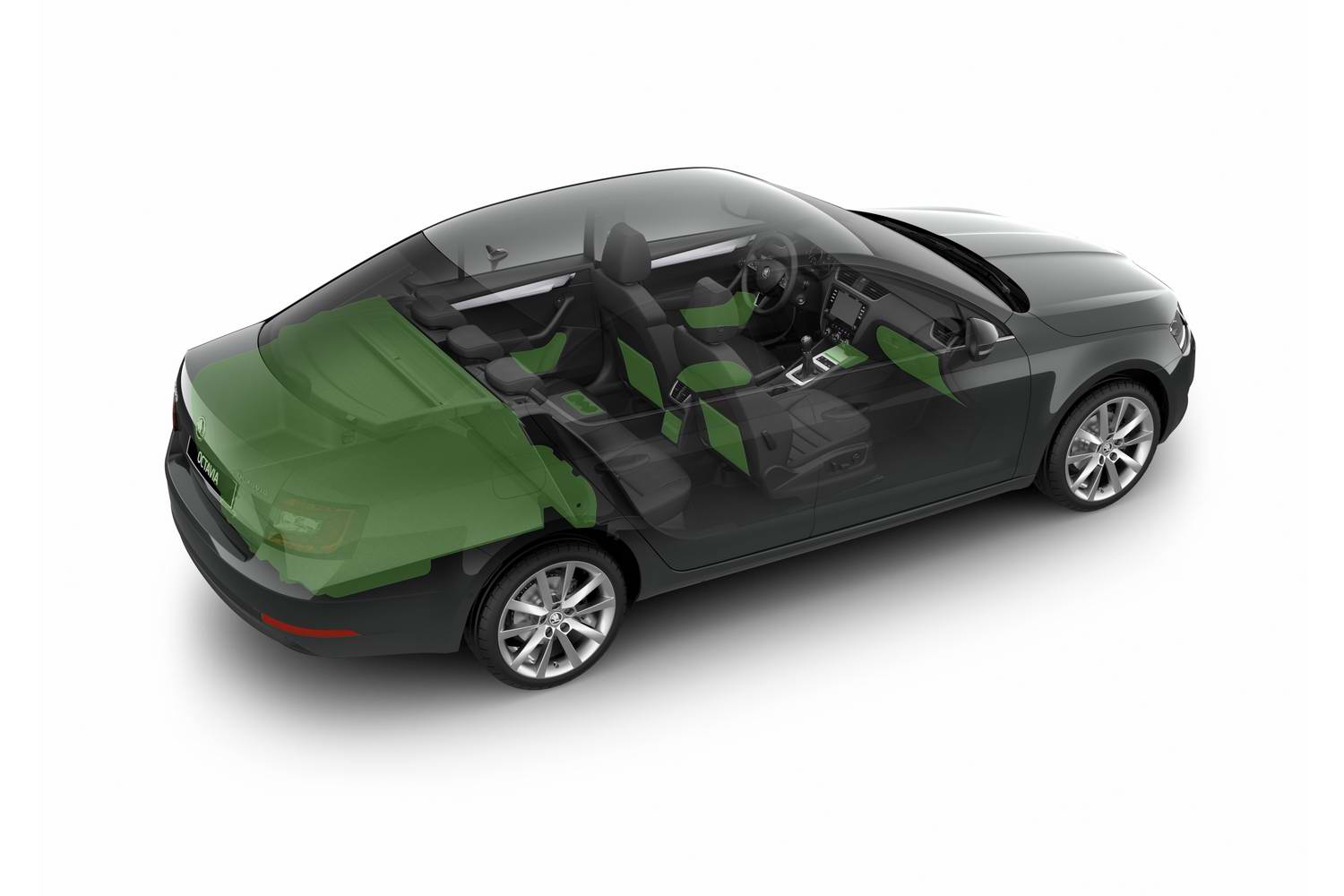
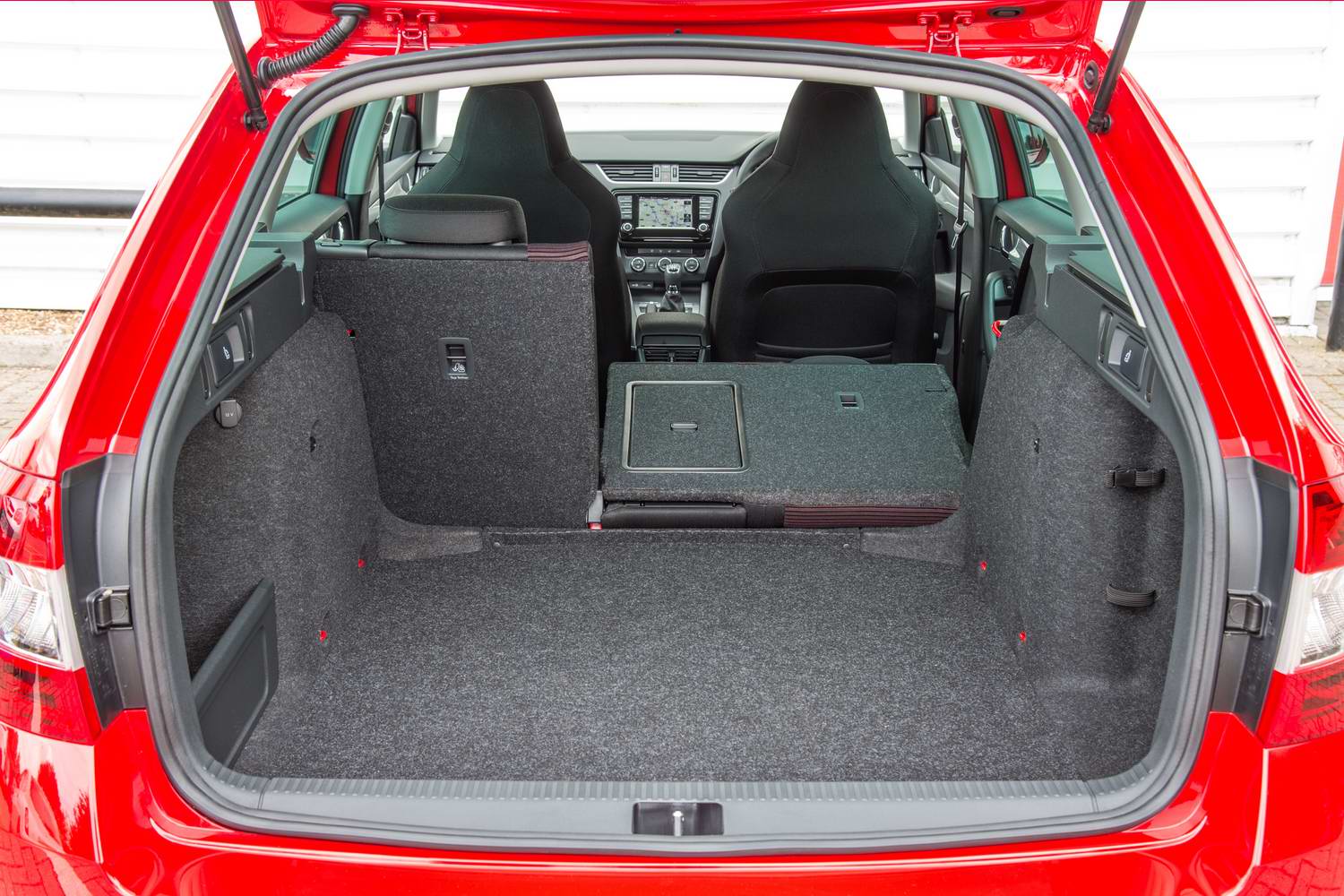
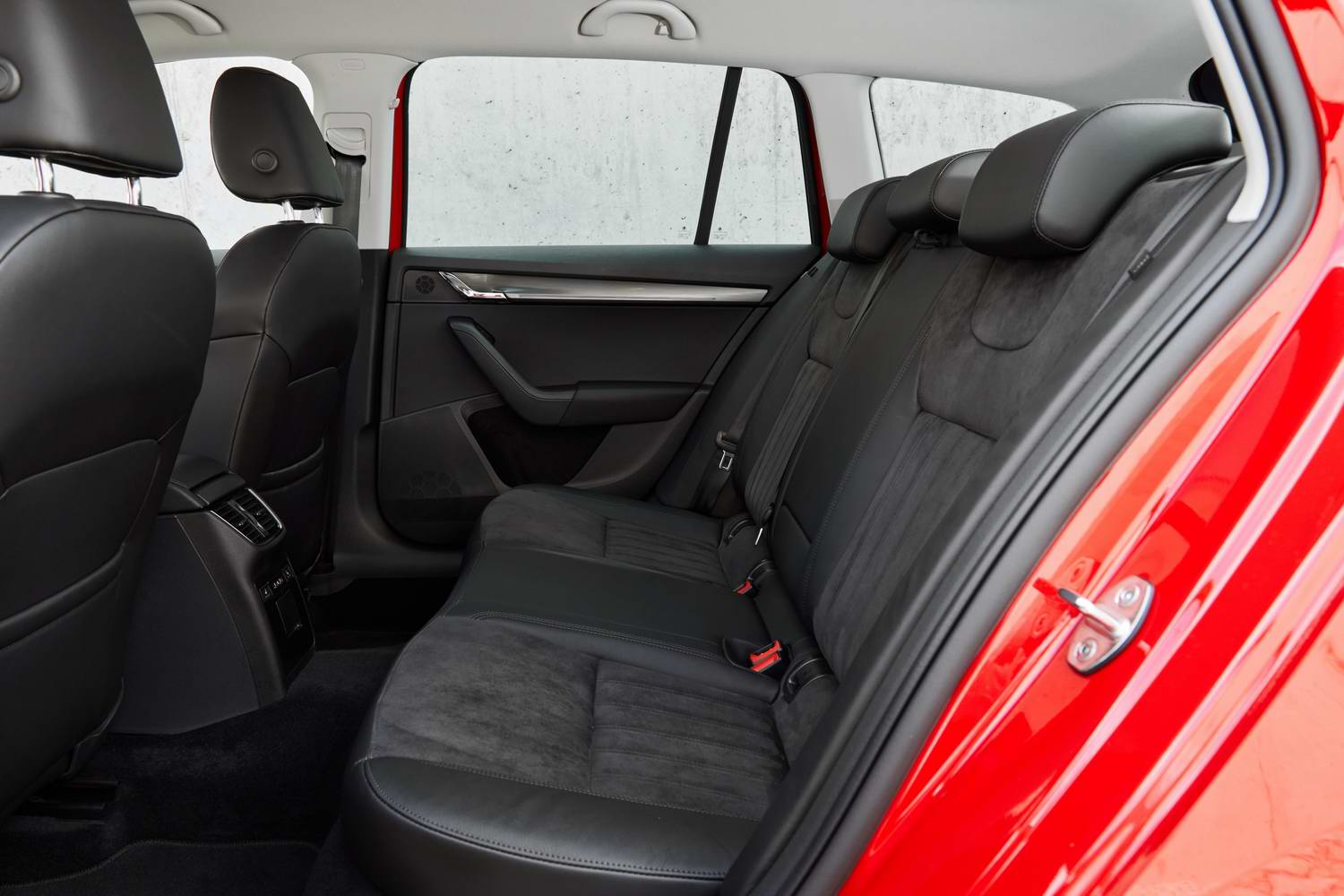
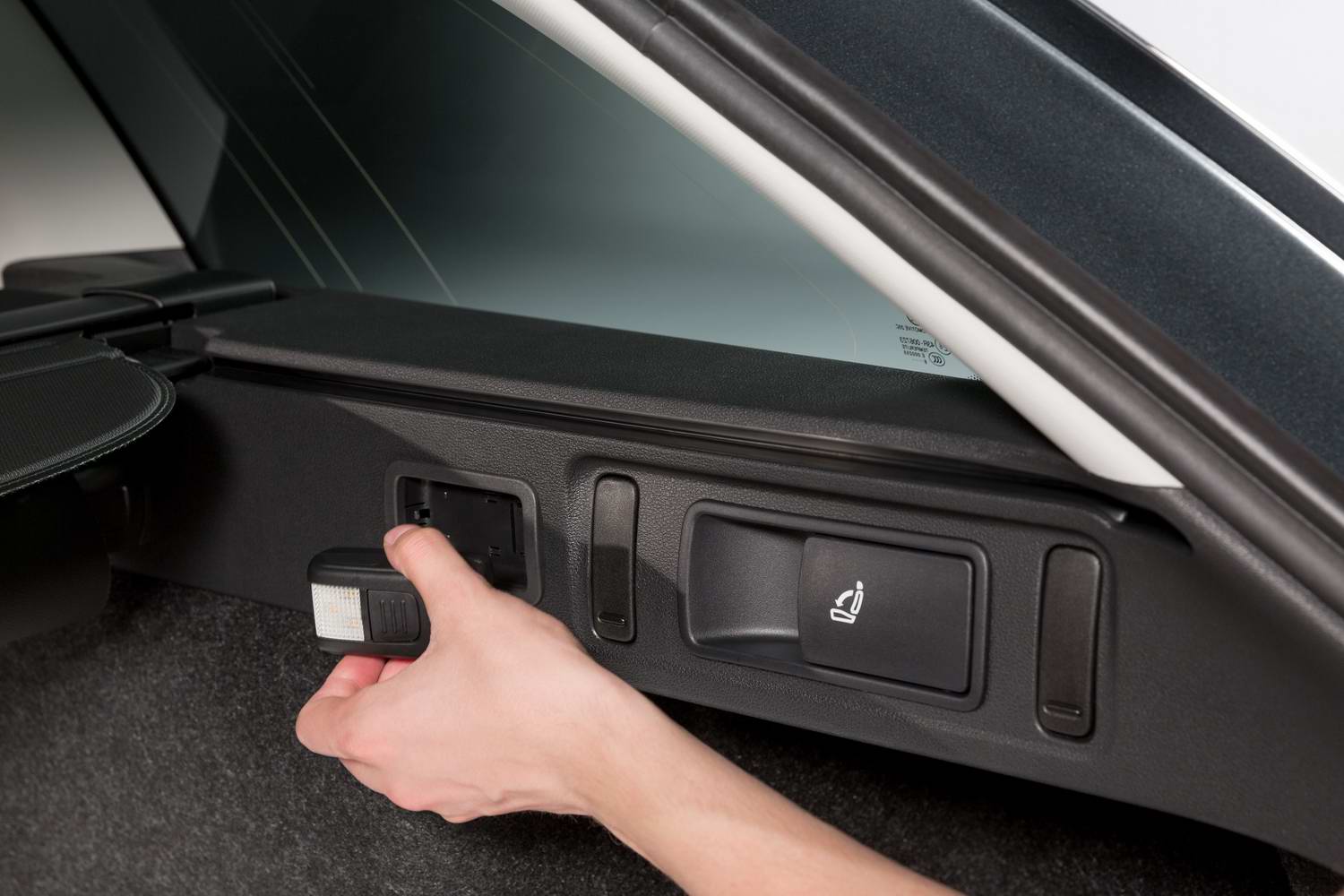
You absolutely shouldn't struggle in terms of stashing baby buggies and any other amount of kid-related paraphernalia in the back of the Skoda, as luggage capacity is one of its strongest suits. The Octavia has a simply colossal boot for this class, the hatchback offering 590 litres with all seats in place and up to 1,580 litres with the back row folded away, while the Combi/Scout models go even further with a massive 610 litres as a minimum, rising to 1,740 litres with the seats folded down. Not only do both the hatch and the estate models have big boots, they're also a good shape, with wide access apertures and flat loading floors, as well as easy-to-operate levers on either side to drop each section of the split rear seat-backs in an instant.
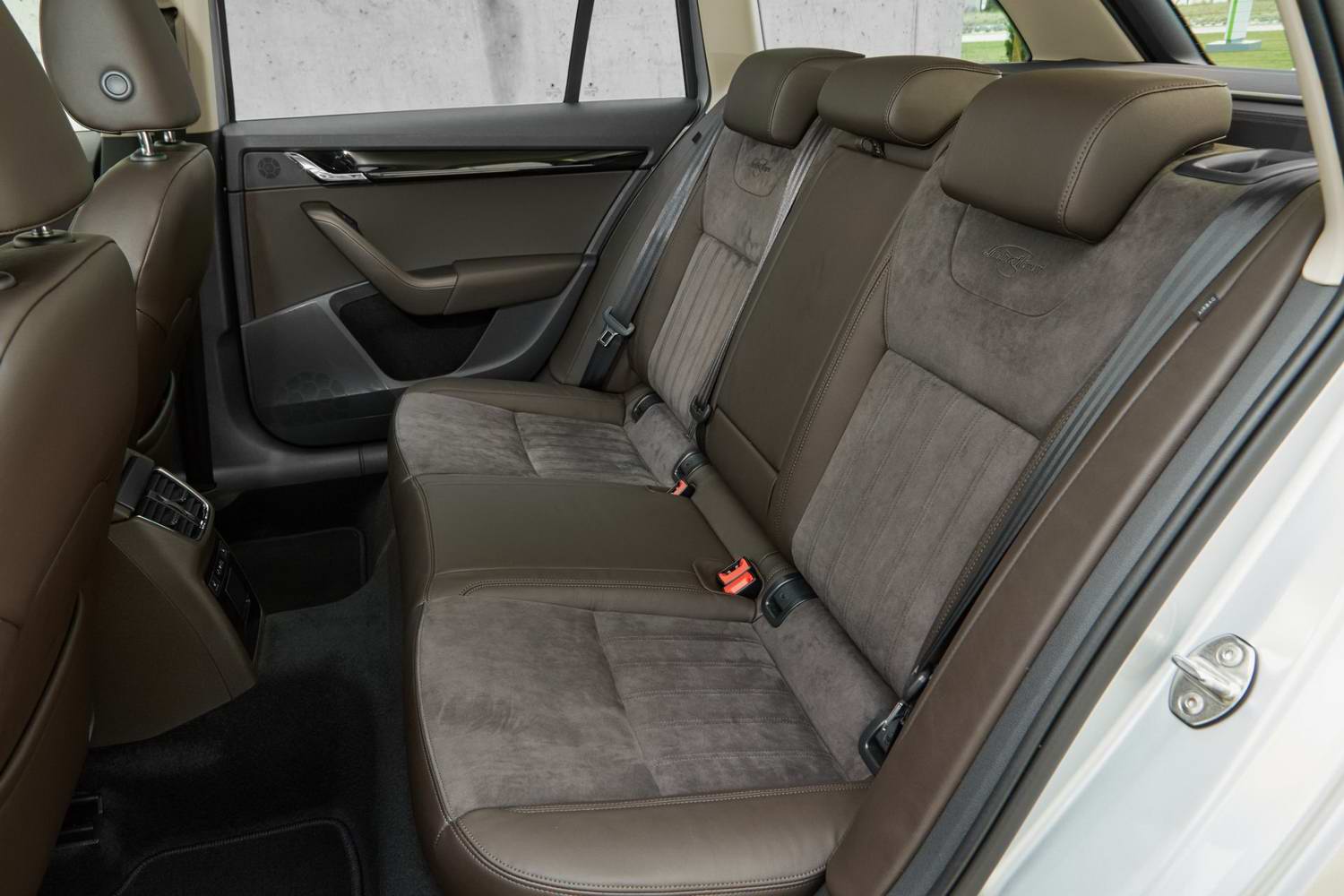
Similarly, the interior is capacious and there's a better chance of getting three child seats across the second row of the Octavia than in some other C-segment hatchbacks, but while there's a full trio of three-point seatbelts in the rear, only the outer two chairs have ISOFIX mounting points. Best idea is to take the child seats in question along to a viewing, to see if they'll all fit three-abreast. If you don't need to fit three child seats, though, instead requiring only two or one to be installed, then know that the Octavia's impressive rear legroom means that manoeuvring bulky ISOFIX bases into place is easier than in most cars in this sector.
How safe is the Skoda Octavia Mk3?
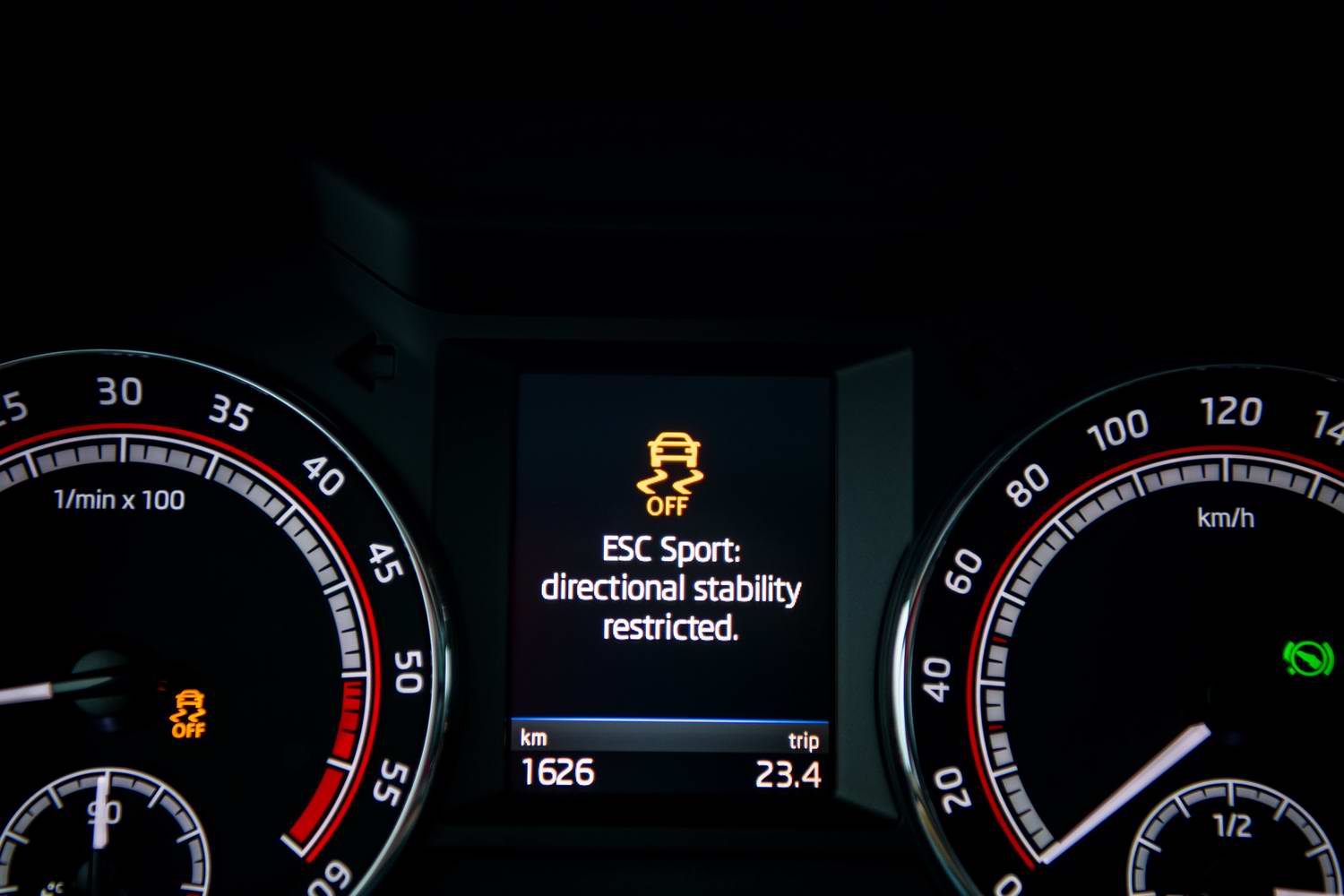
Like many cars, the Octavia picked up a full five-star EuroNCAP safety rating when tested in 2013, recording individual section scores of 93 per cent for adult occupant safety, 86 per cent for child occupant safety, and 66 per cent for both pedestrian safety and also safety assist systems. All models come with seven airbags, a seatbelt warning system, stability control (ESC) with anti-slip regulation and a tyre-pressure monitoring system, while later options included a speed limiter, hill-hold control, parking sensors all round, High-Beam Control, Lane Assist, Travel Assist (Traffic-Sign Recognition, Lane Assist and High-Beam Control), a third ISOFIX point (on the front passenger seat), additional curtain and side airbags in the rear, Forward Collision Warning with Emergency Brake and Pedestrian Protection, and adaptive cruise control, too.
Alternatives to the Skoda Octavia Mk3
Alfa Romeo Giulietta
Audi A3
BMW 1 Series
Chrysler Delta
Citroen C4
Fiat Bravo
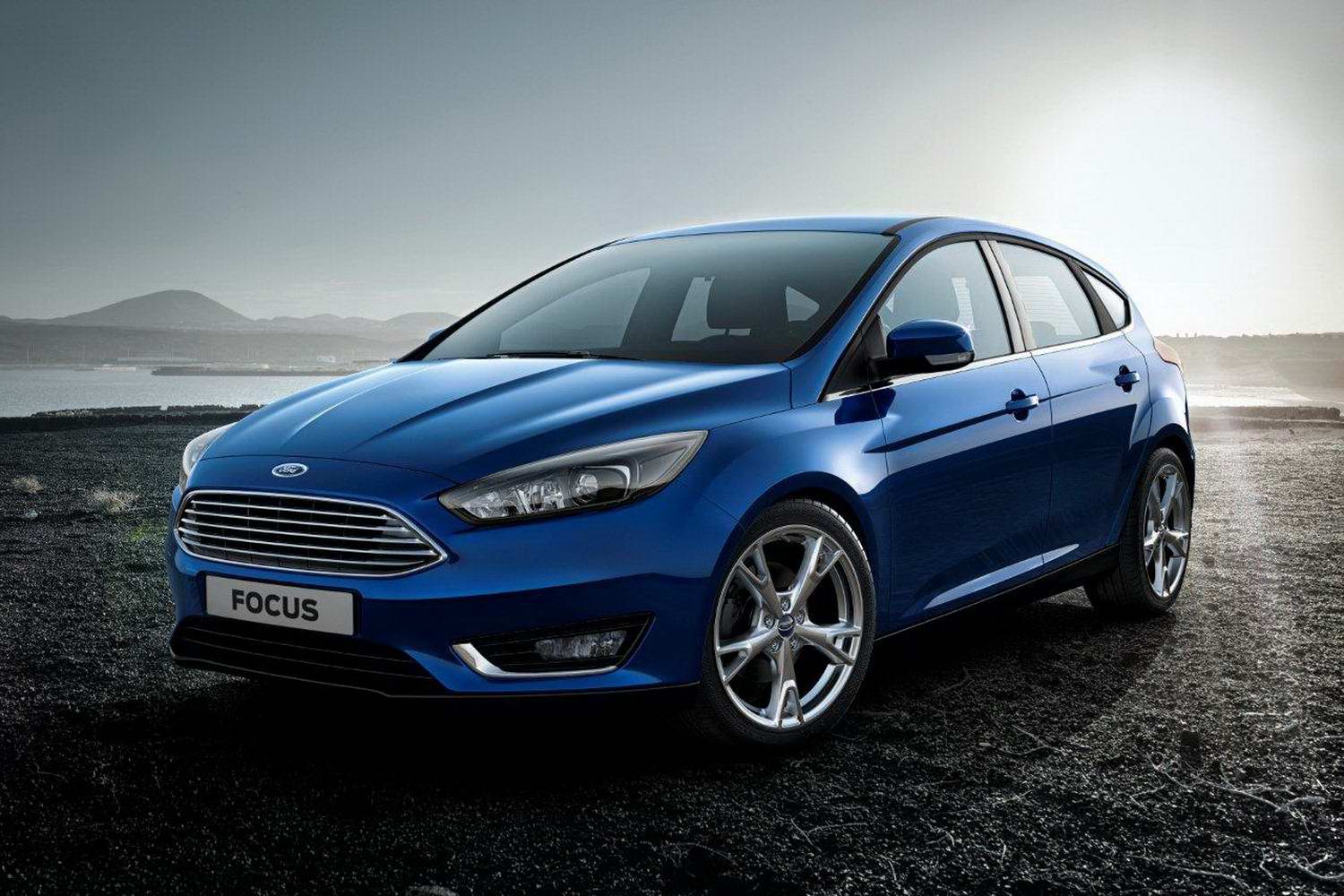
Ford Focus
Ford Focus Mk3 (2011-2018) used car buying guide
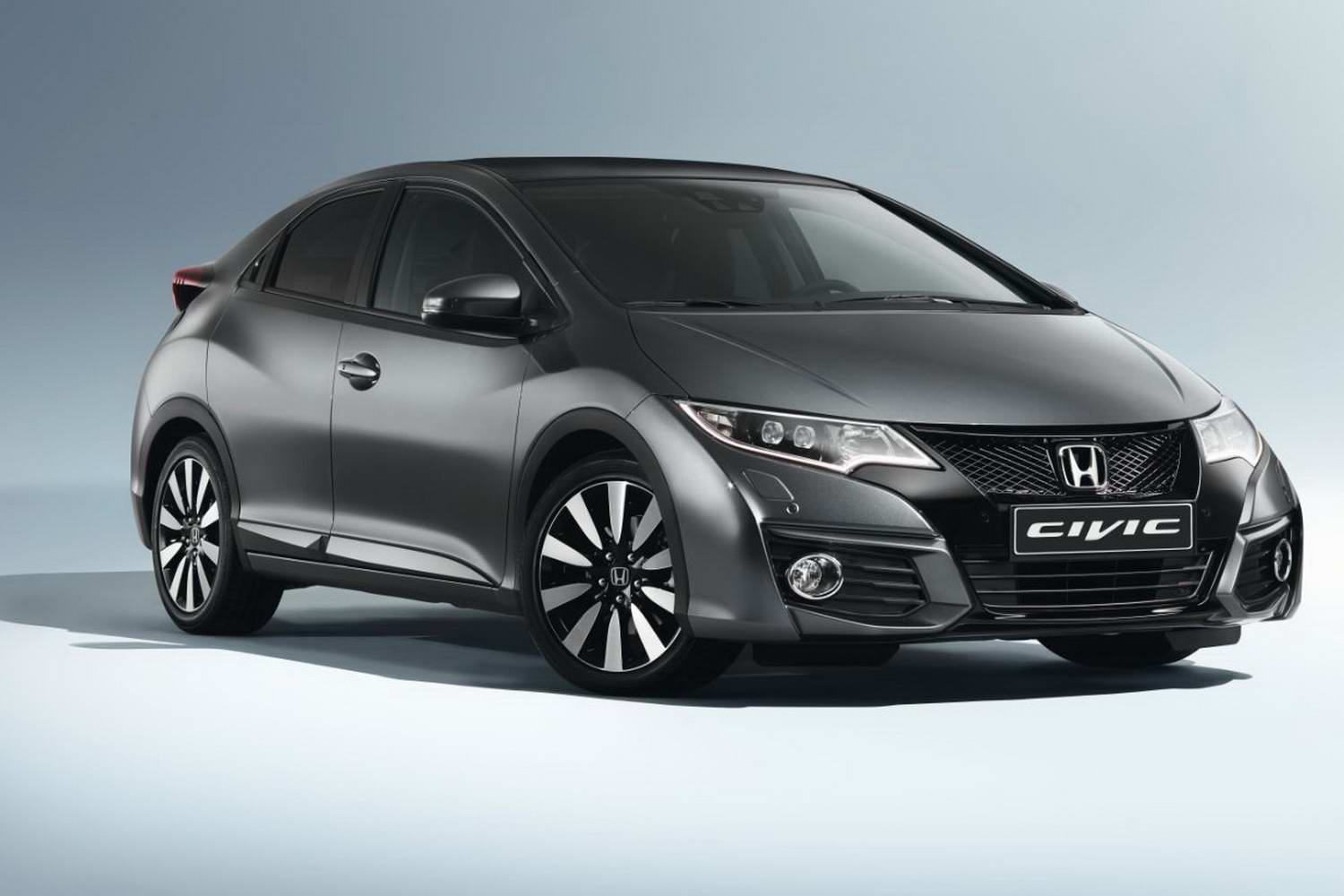
Honda Civic
Hyundai i30
Kia Ceed
Lexus CT 200h
Mazda3
Mercedes-Benz A-Class
Mitsubishi Lancer Spaceback
Nissan Tiida
Opel Astra
Peugeot 308
Renault Megane
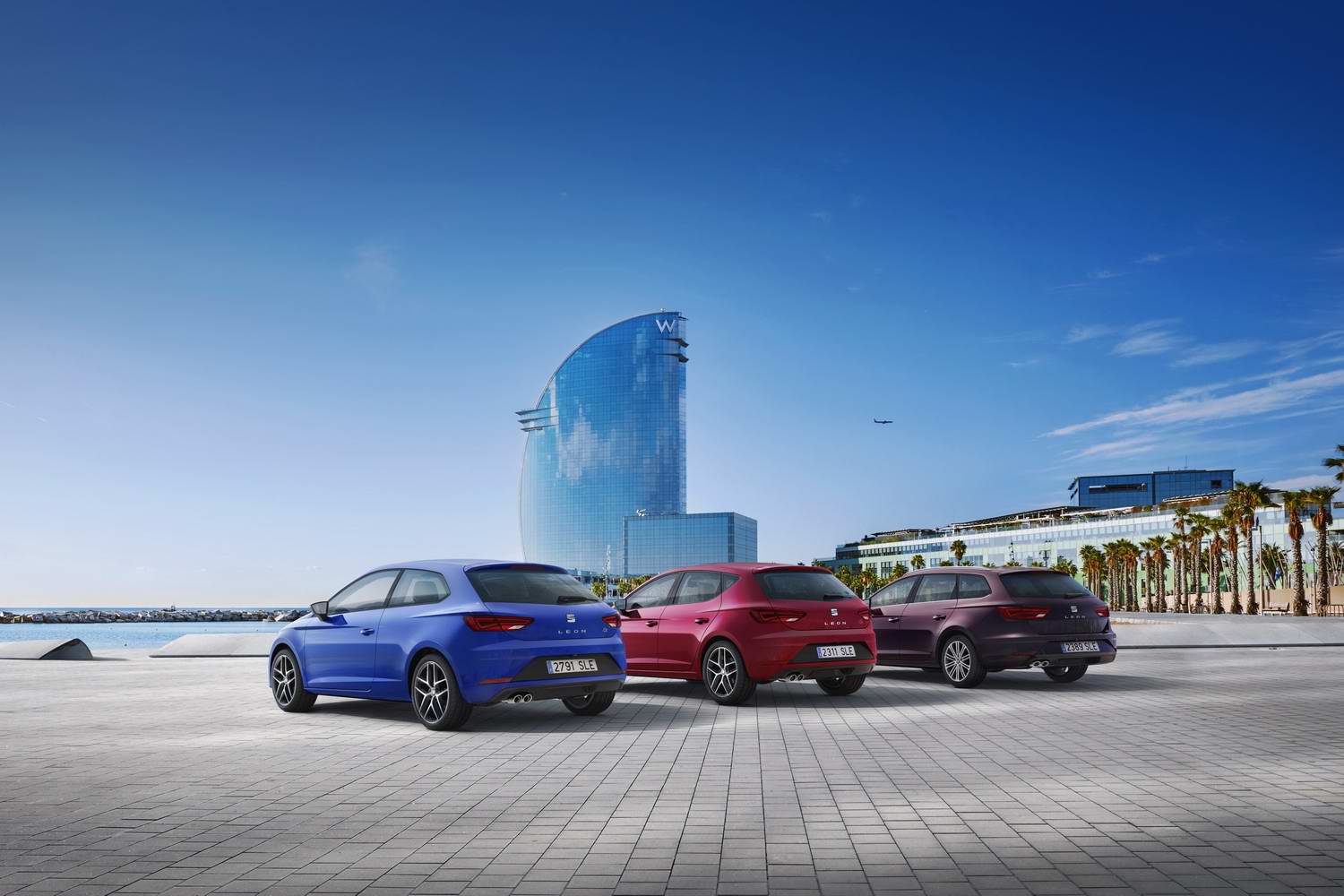
SEAT Leon
Skoda Octavia
Toyota Auris
Volkswagen Golf
Volkswagen Golf VI (2008-2012) buying guide
Volvo V40
How much is a Skoda Octavia Mk3 worth?
For estimates of the current value of a given car, drop us a message using the Ask Us Anything page with as much detail as possible in it.