

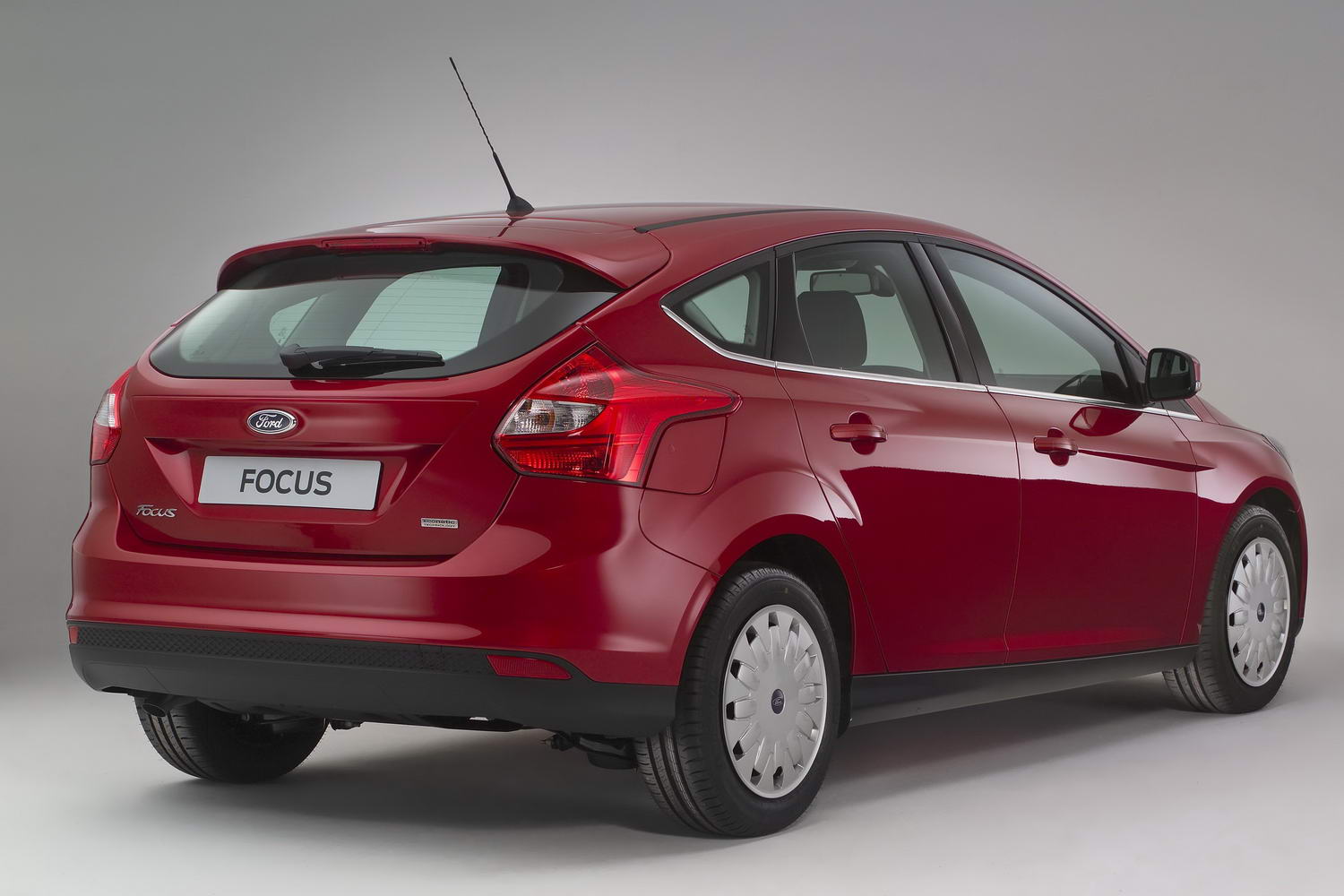
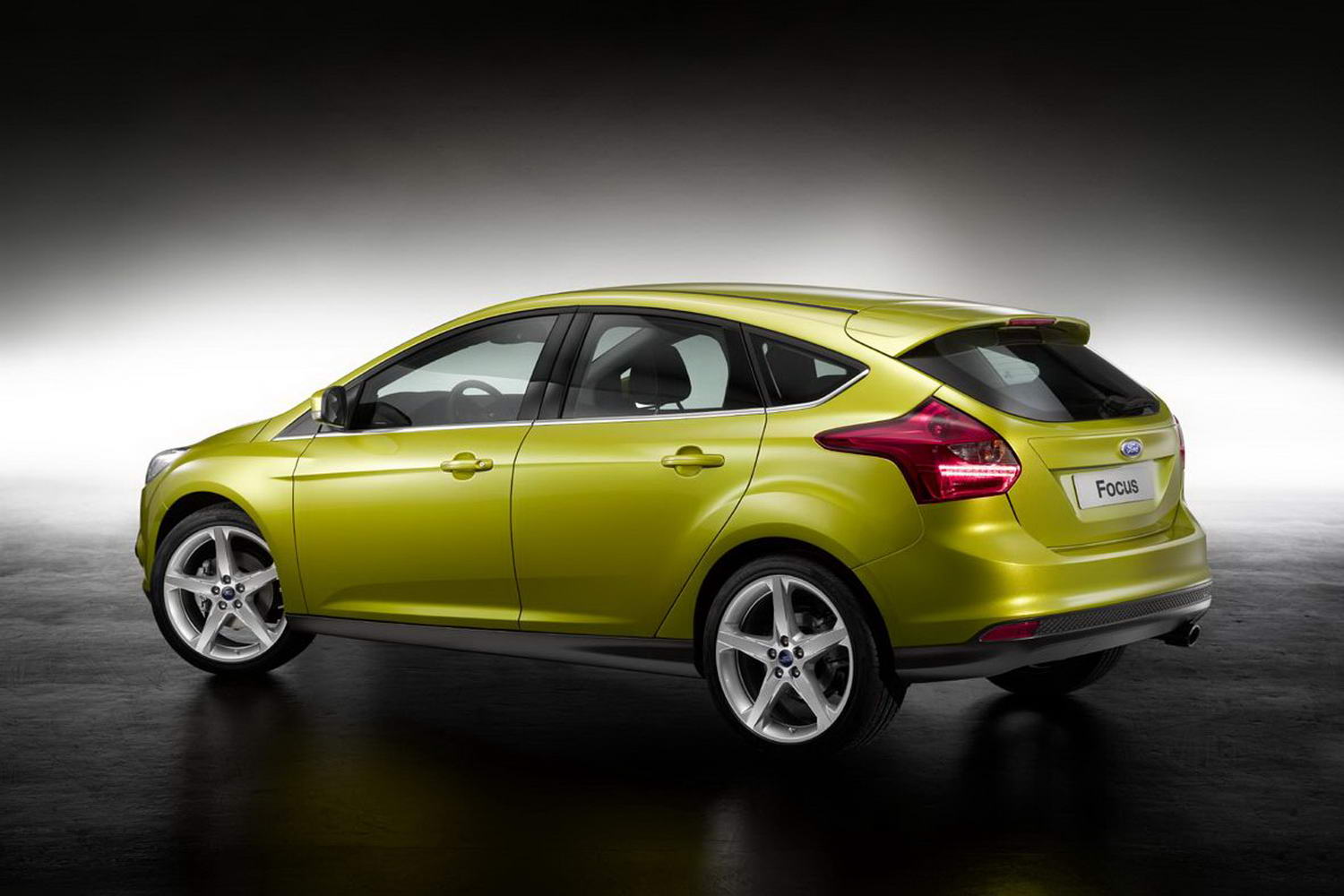
Ford Focus Mk3 overview
Range overview: petrol, diesel or electric; manual or automatic; almost all front-wheel drive (Focus RS has all-wheel drive); hatchback, saloon and estate body styles
Reliability: average for class
Cost to repair: cheaper than average
Most common: Ford Focus Zetec 1.6 TDCi 115 hatchback
Best for economy and long-distance driving: Ford Focus 1.6 TDCi 105 Econetic
Best for urban driving: Ford Focus 1.0T EcoBoost 125
Our favourite performance version: Ford Focus RS
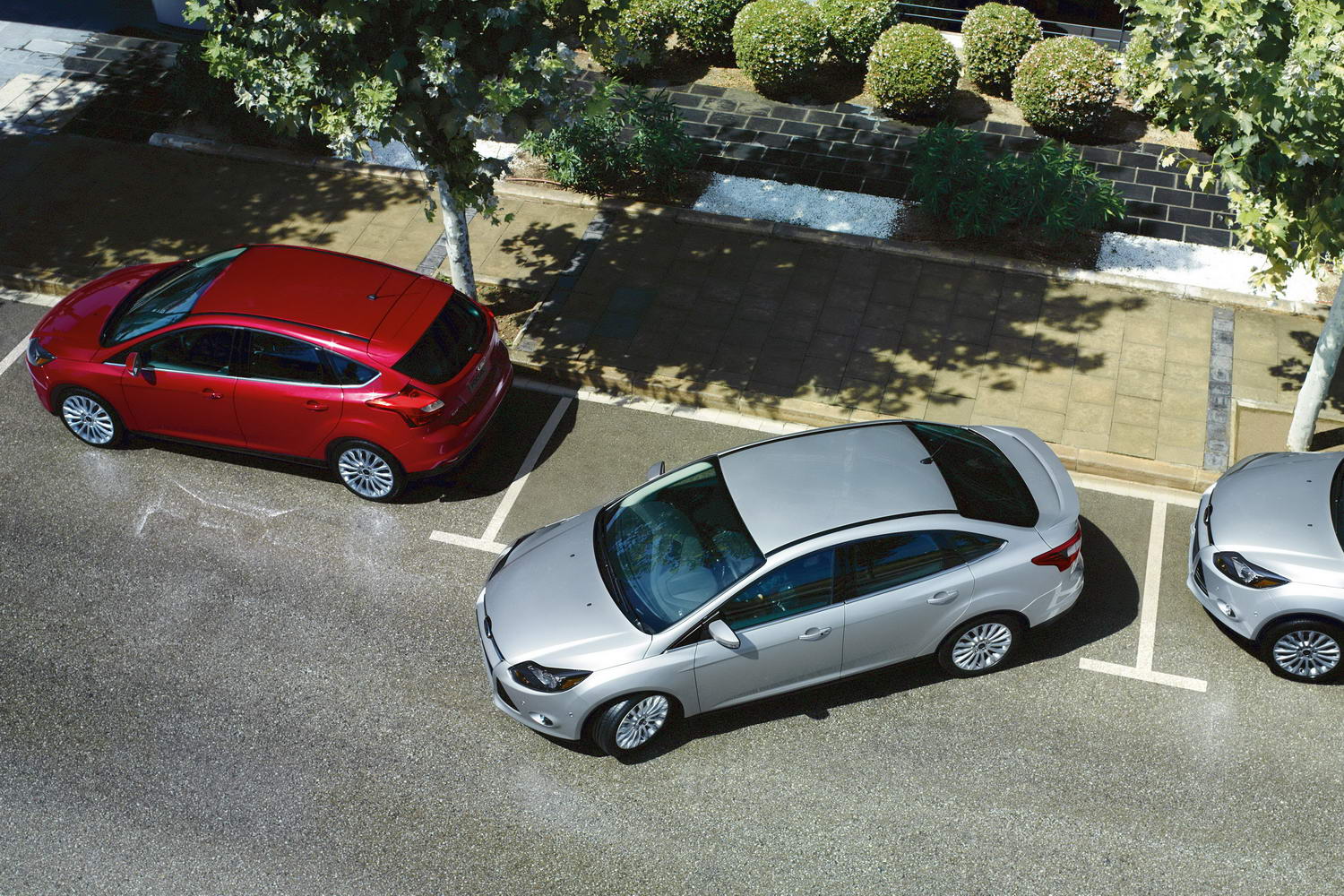
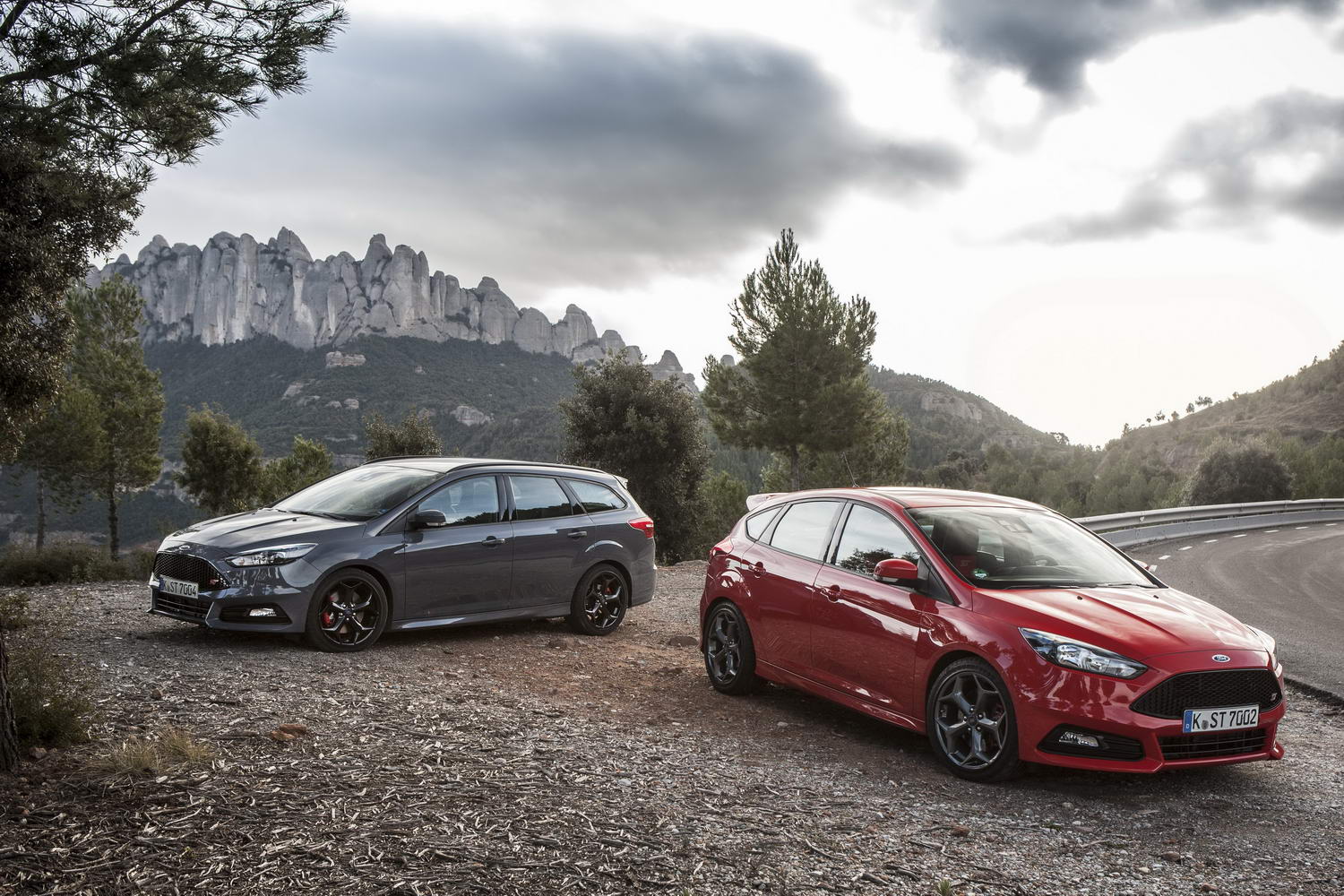
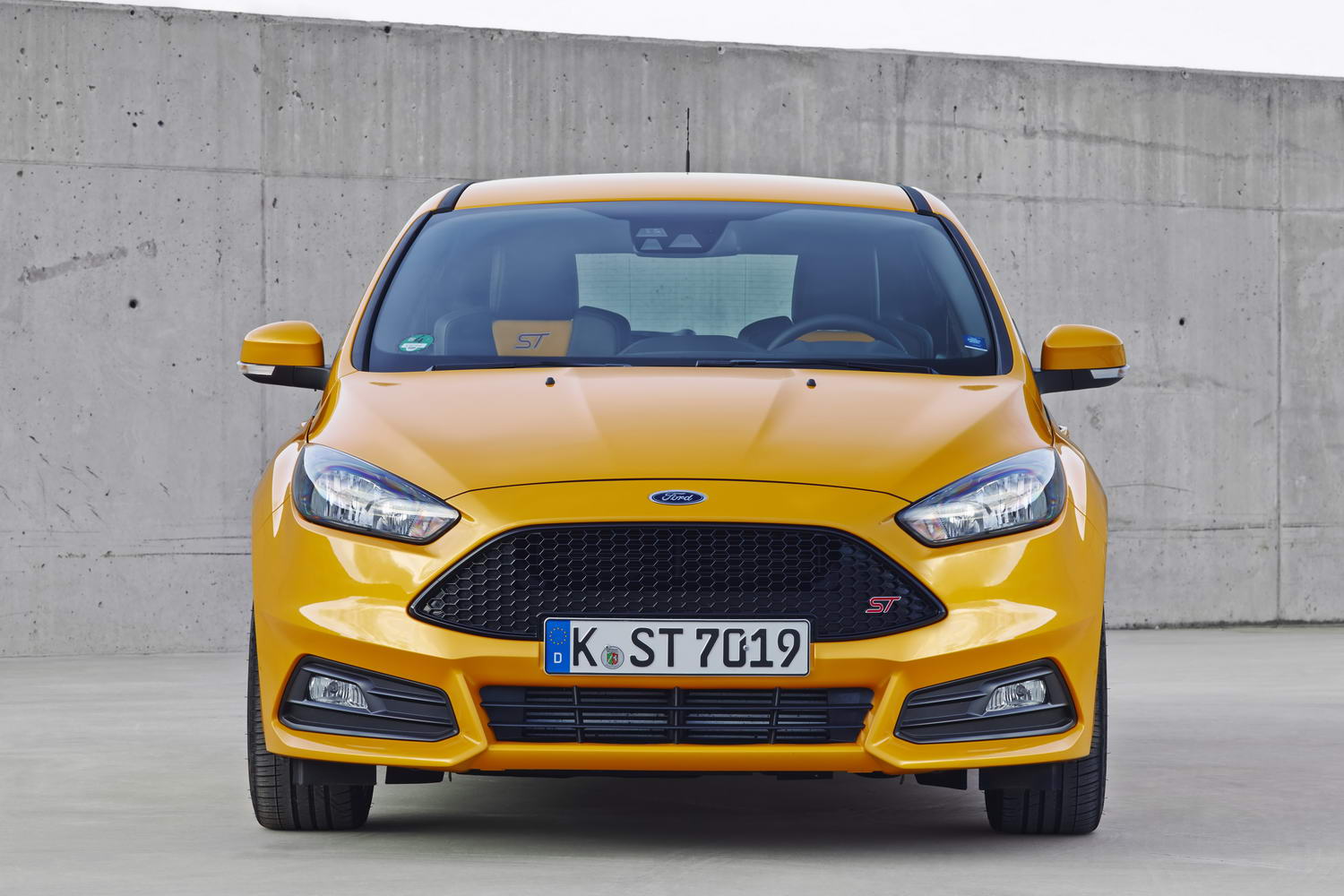
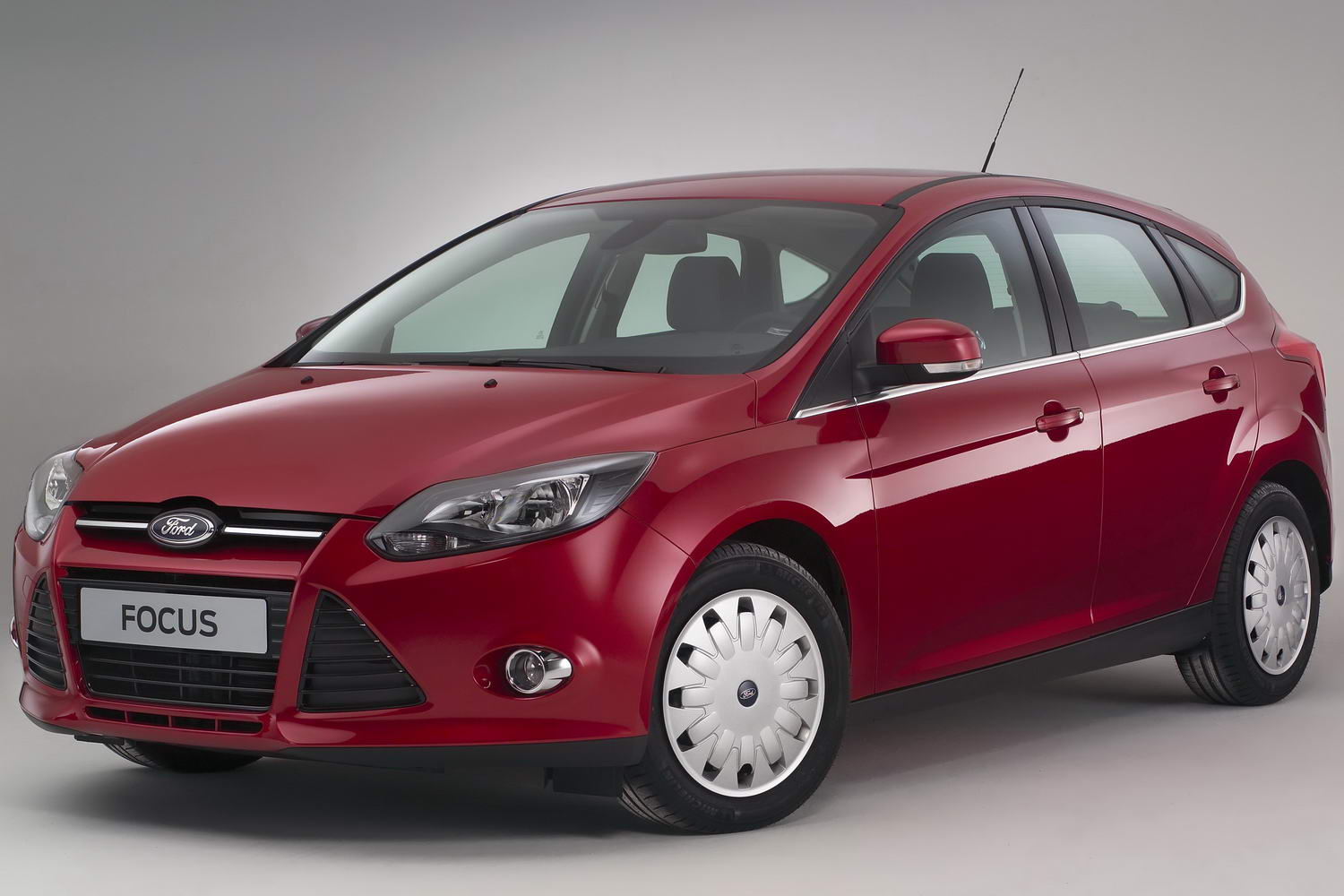
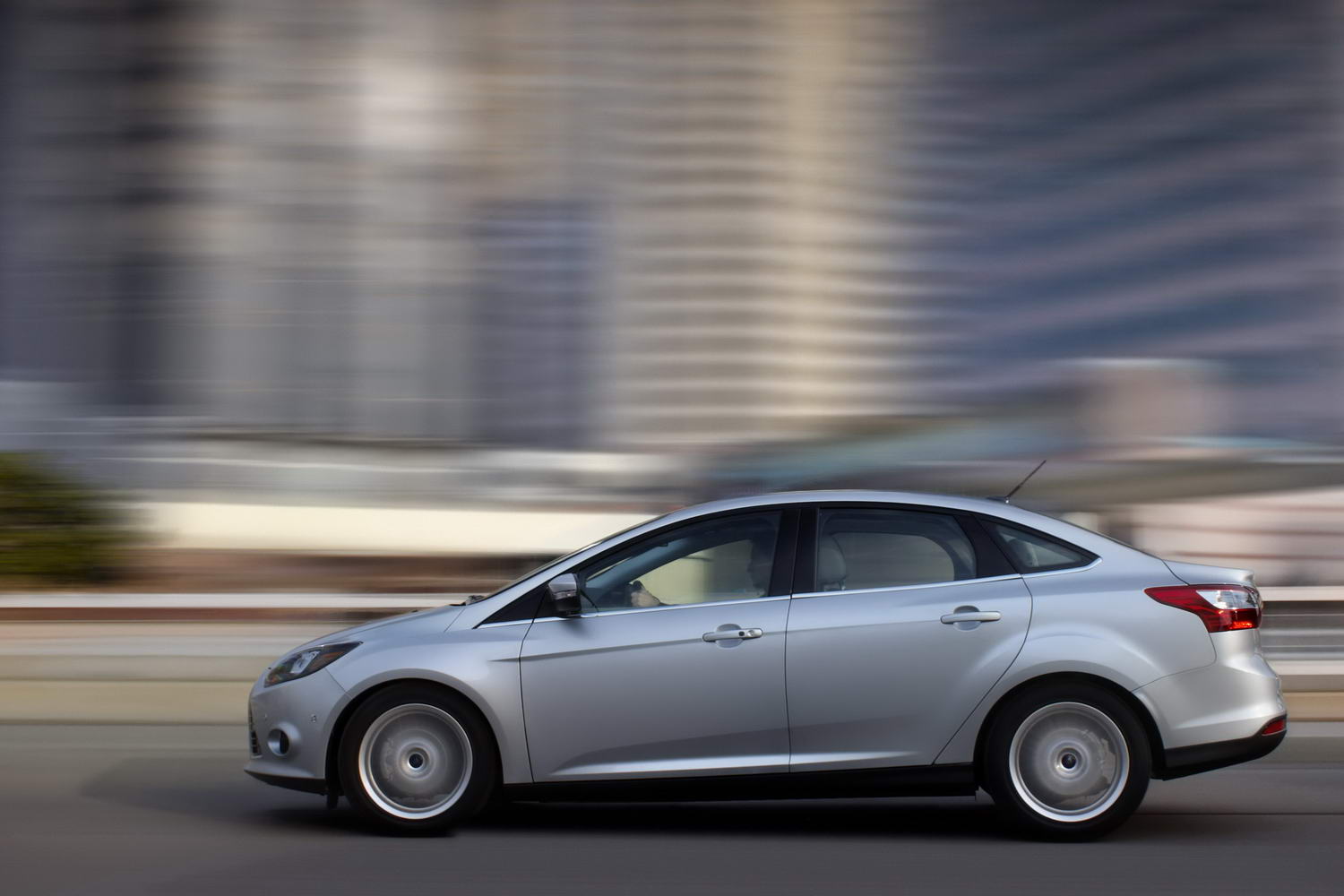
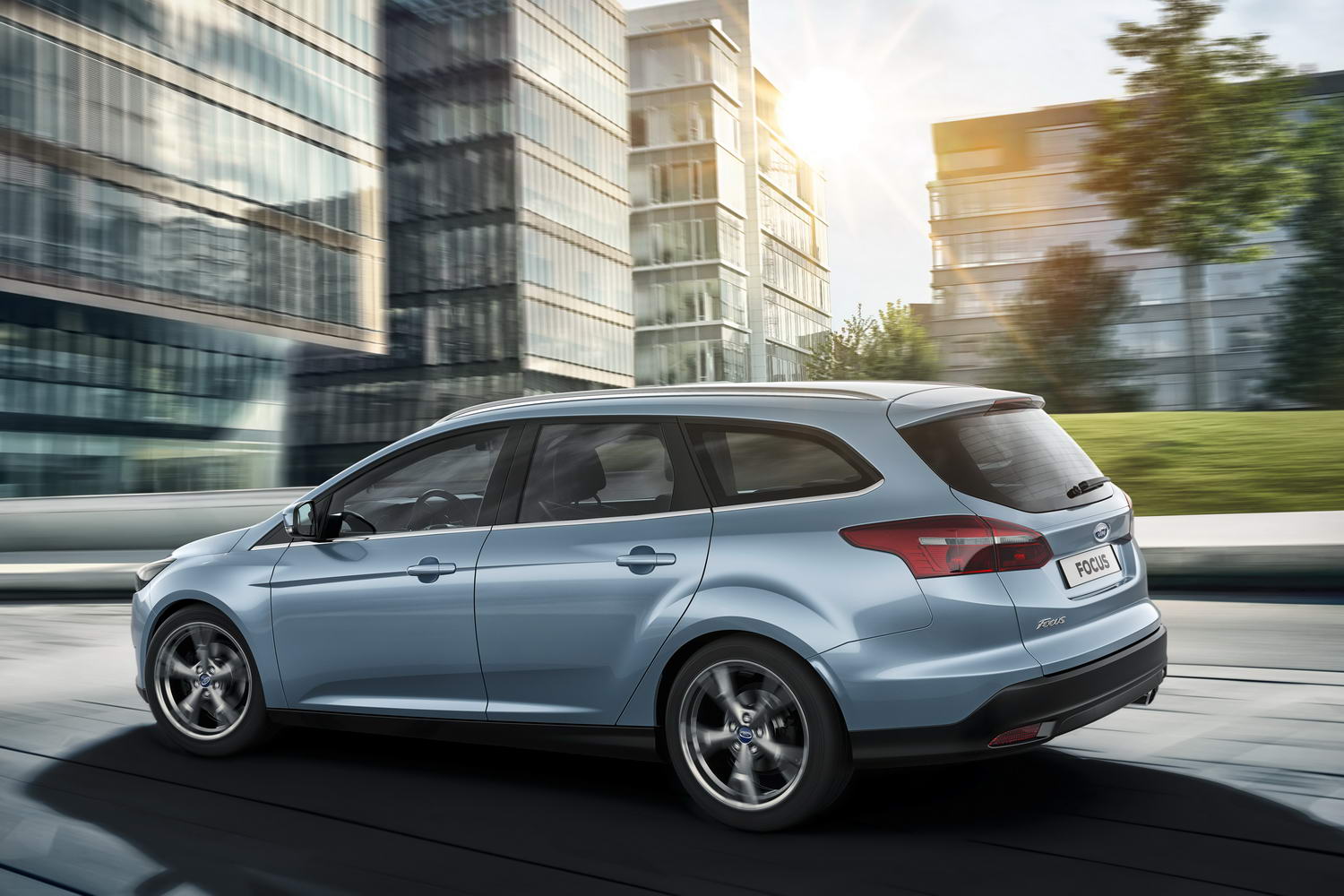
The third generation of the Ford Focus went on sale in 2011.Three body styles were offered in Ireland, which were the four-door Focus Saloon, the Focus Estate and the also-five-door Focus hatchback, and it is the last of these three that is by far the most commonplace on the used market.
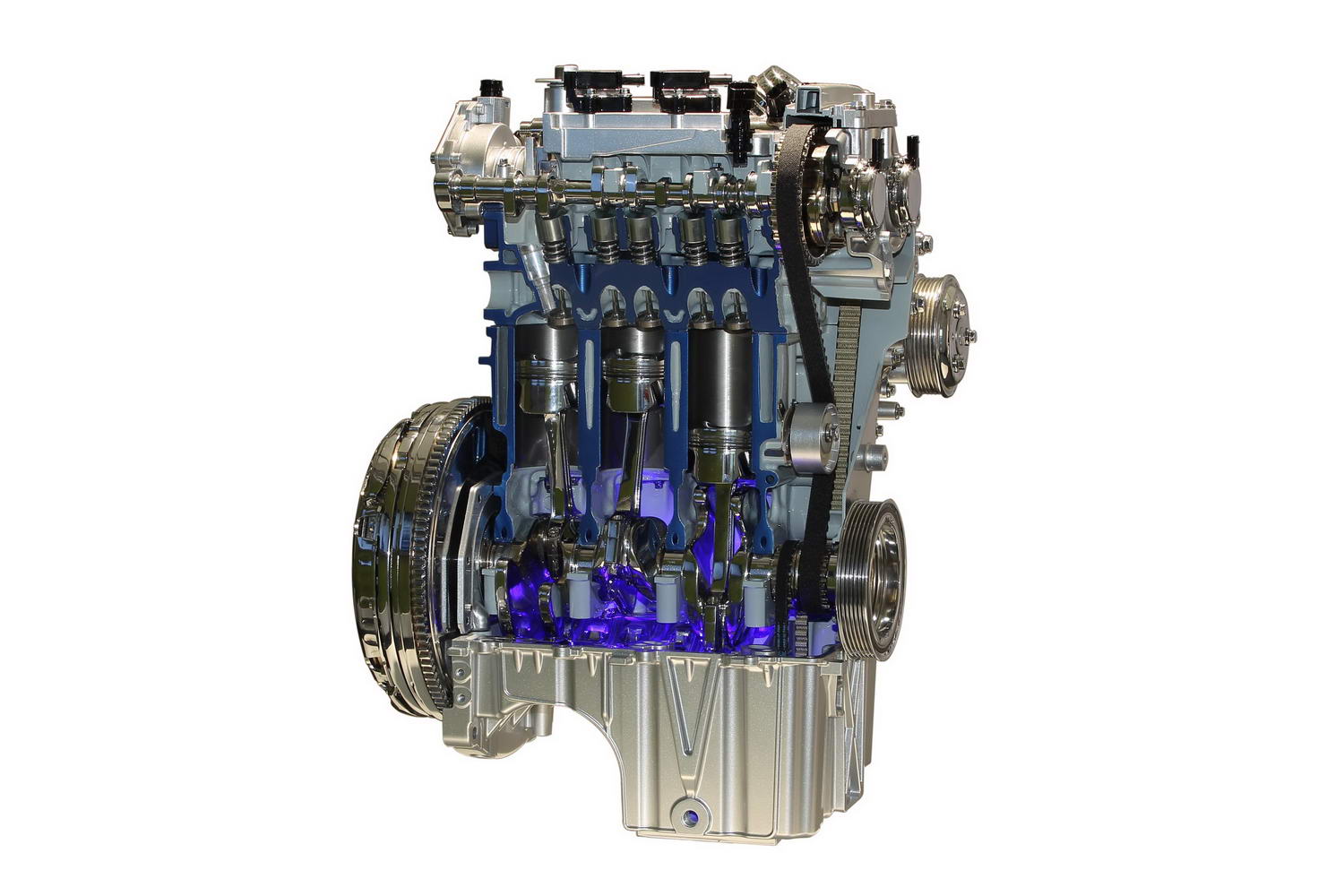
On driving the Focus Mk3 with the 1.0-litre EcoBoost petrol engine for the first time, CompleteCar.ie said: “Game-changing, a new dawn, the biggest revelation since the Ford Model T. There's been plenty of hyperbole bandied about for this new engine, but does it really deserve it? It's not a tough question to answer, and the result is a resounding yes. Never before has a 1.0-litre, three-cylinder turbocharged petrol engine combined quite so well with a sensible family car.”
Engine and range options for the Ford Focus Mk3
Concentrating on the Focus hatchback in the main here, as it had the full array of engines available to it (whereas the Saloon and Estate did not), the Focus originally arrived with a quartet of four-cylinder powerplants: a 1.6-litre Duratec Ti-VCT normally aspirated petrol engine, with a choice of 85-, 105- or 125hp, and then a 1.6-litre EcoBoost turbocharged petrol unit with 150hp, which is very rare. Diesels were a 1.6-litre TDCi, offered with 95- or 115hp, and a 140hp 2.0-litre TDCi or a more potent 163hp derivative of the same unit.
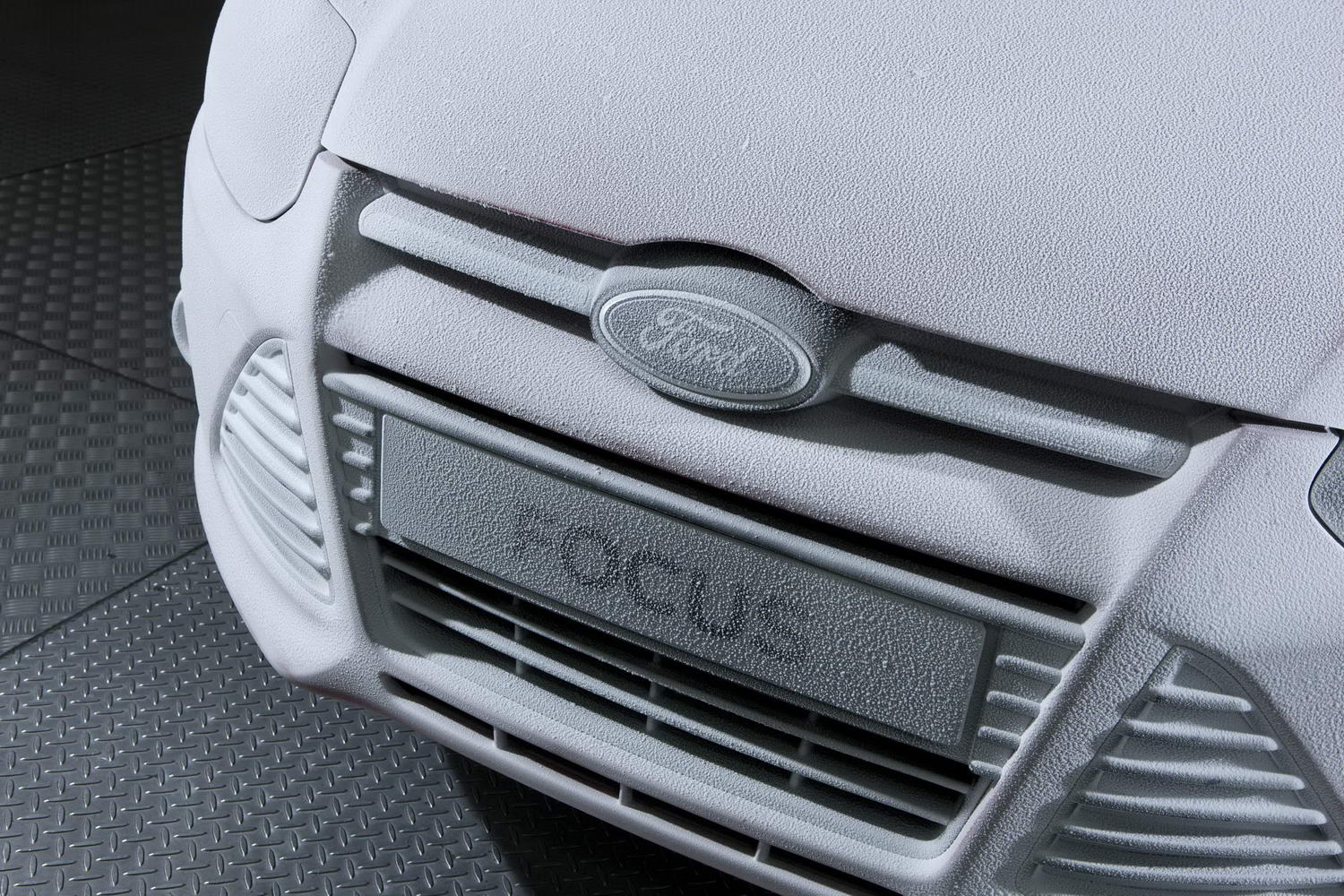
The first of these, though, the Ti-VCT, did not last long. It was replaced by the 'Fox' three-cylinder turbocharged EcoBoost 1.0-litre petrol engine in 2012. This little gem had either 100- or 125hp and is arguably the best engine to choose for any Focus Mk3, if you don't do a lot of long-distance driving. A significant facelift to the range in 2014 brought about a much-changed front-end for the Focus Mk3, with new 1.5-litre engines arriving in 2015 to replace the 1.6 EcoBoost and TDCi units. These 1.5-litre EcoBoost and 1.5 TDCi Duratorq engines were more powerful, smoother and more efficient. The petrol one had either 150- or 182hp, while the TDCi delivered 95- or 120hp in its regular guises, and 105hp as the fuel-saving Econetic model - a Focus fitted with low rolling resistance tyres, active aerodynamics and other economy-biased features.
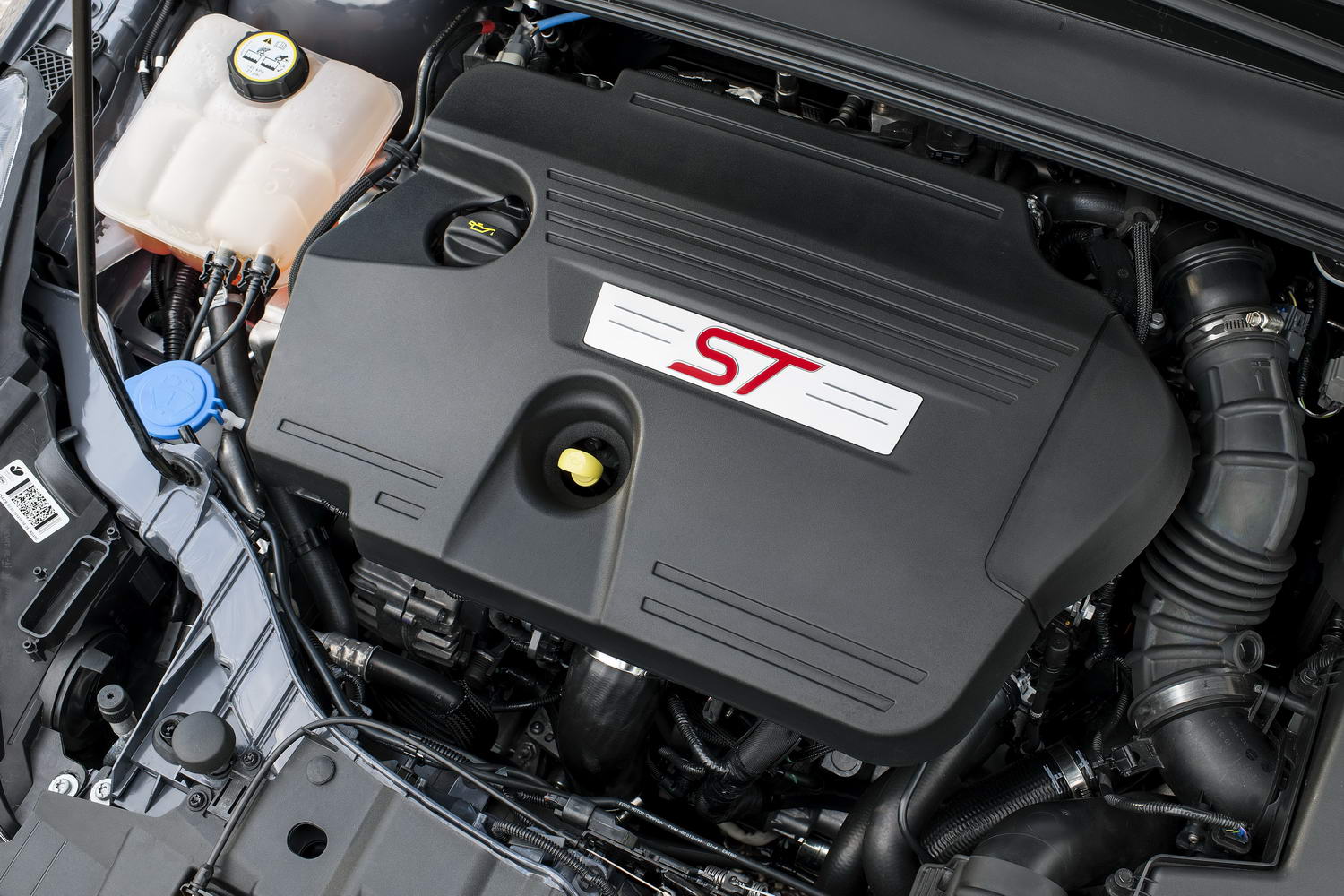
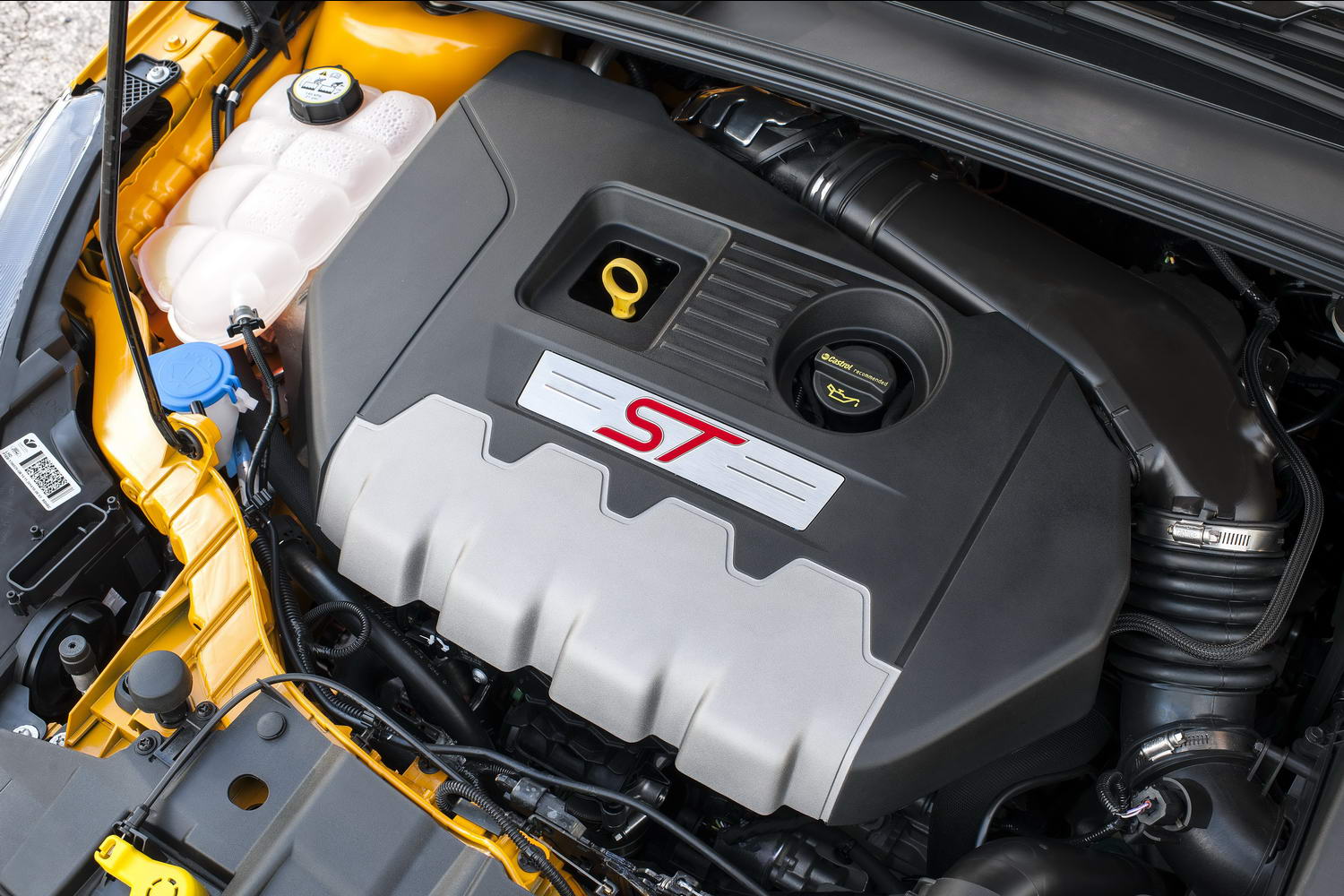
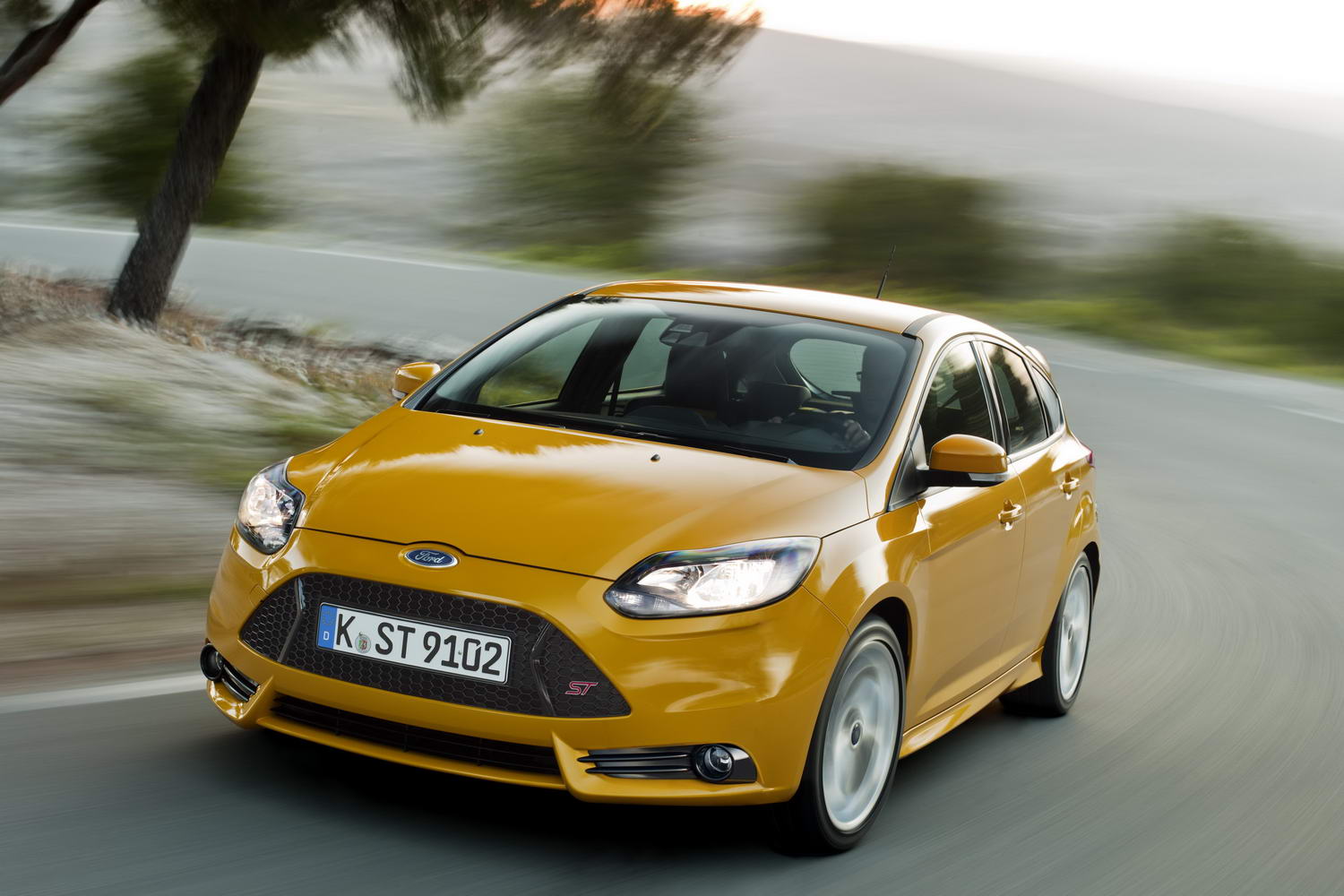
Meanwhile, the 2.0 TDCi switched to outputs of 163- and 185hp, the higher-powered version being reserved for high-spec models of the Focus. This included the ST performance version, which arrived first in 2012 with a 2.0-litre, four-cylinder EcoBoost petrol engine rated at 250hp, driving the front wheels only. Available as a hatchback or an Estate only, the petrol engine was mechanically unchanged after the 2014 facelift, but was joined by a diesel ST Duratorq version using the 185hp 2.0 TDCi in 2015.
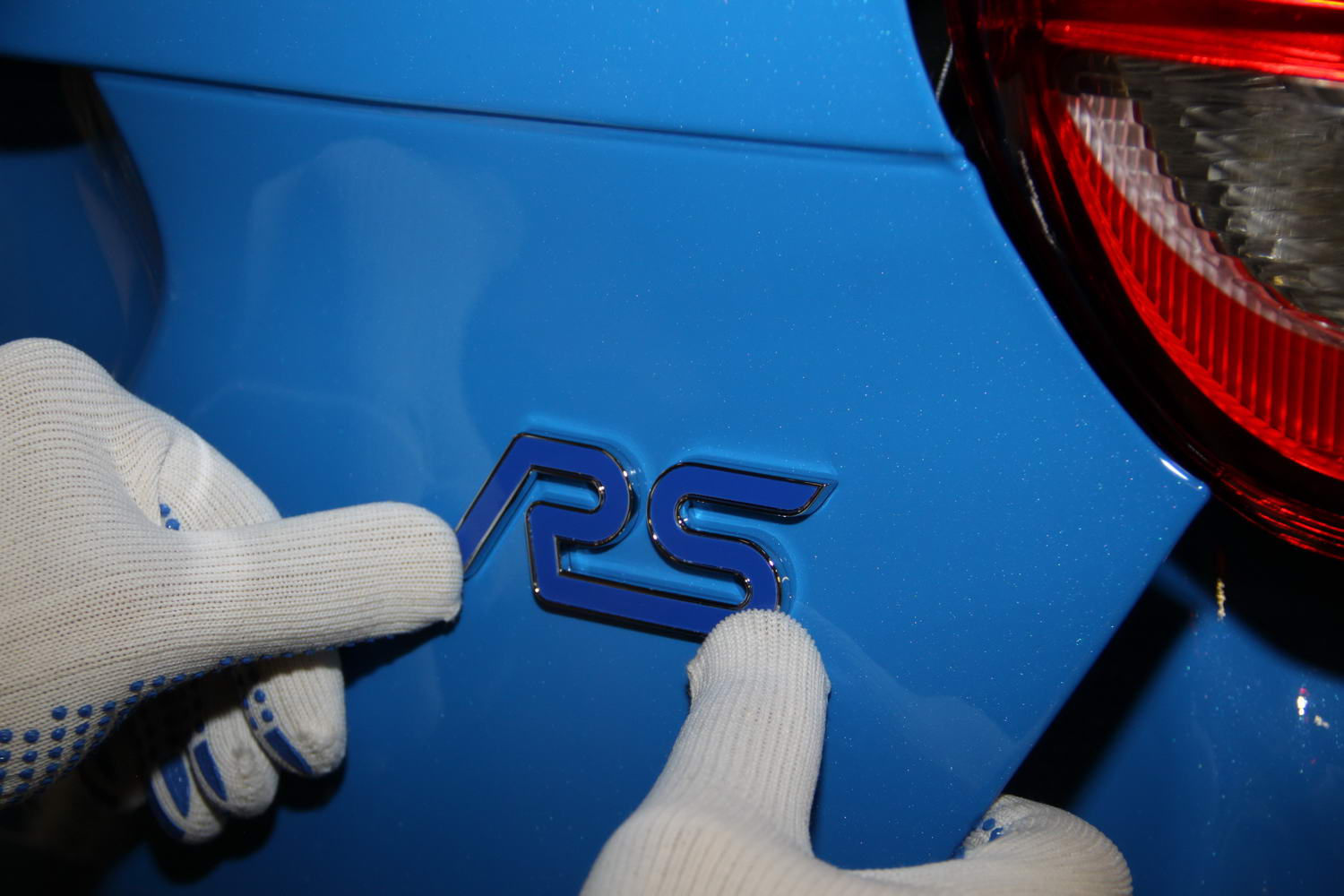
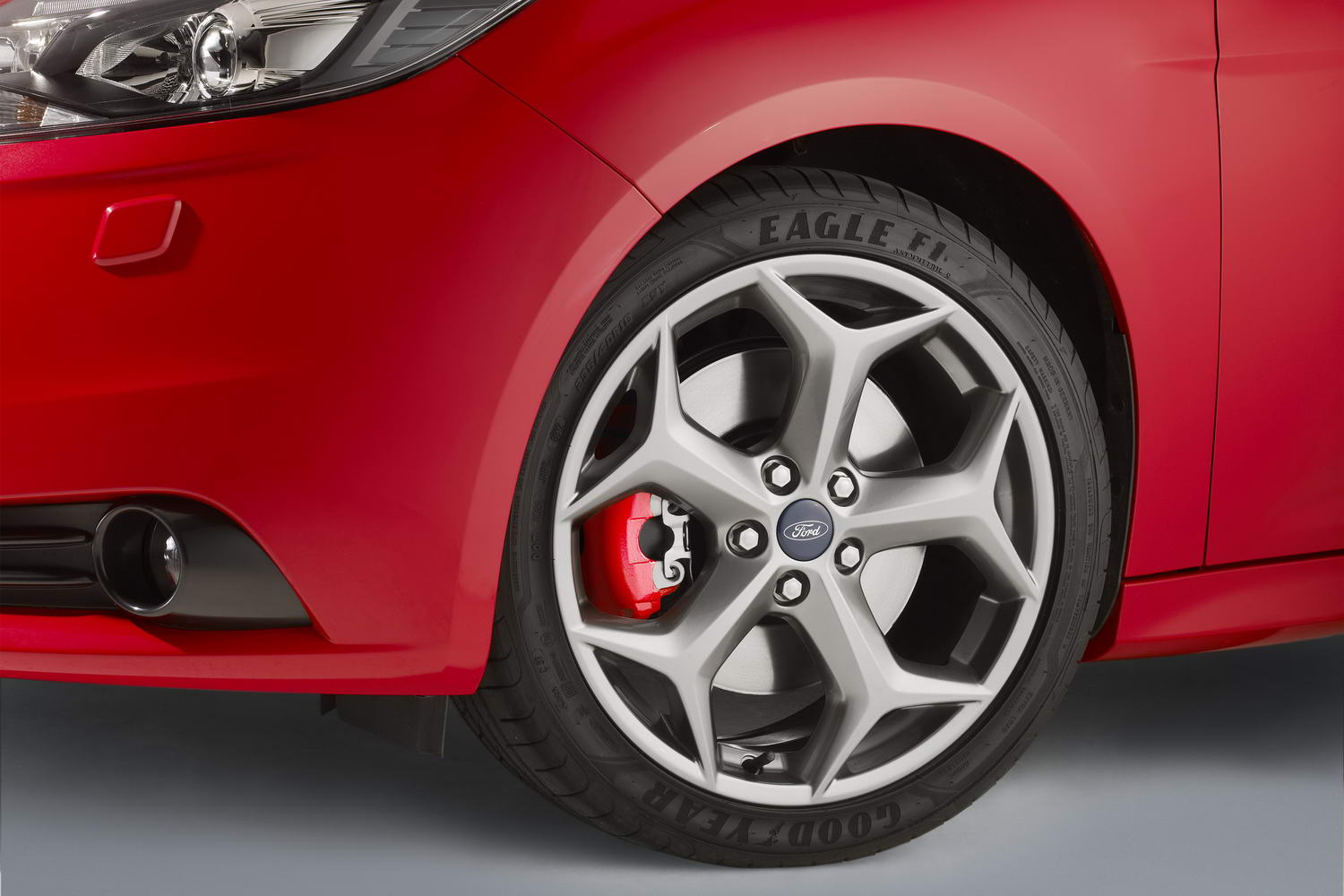
For the ultimate in performance, however, the Focus RS Mk3 of 2016 was the one. It used an engine bespoke to it in the Focus range, a 2.3-litre four-cylinder EcoBoost derived from the Mustang's unit. In the RS application, it made 350hp, which had to be delivered to all four wheels due to the reasons of harnessing mammoth torque (440Nm) and the concomitant traction advantages. Later in life, power upgrades from Ford's approved tuner Mountune took the Focus RS to 375hp, if so specified by owners. The Focus RS, incidentally, was only ever available as a hatchback.
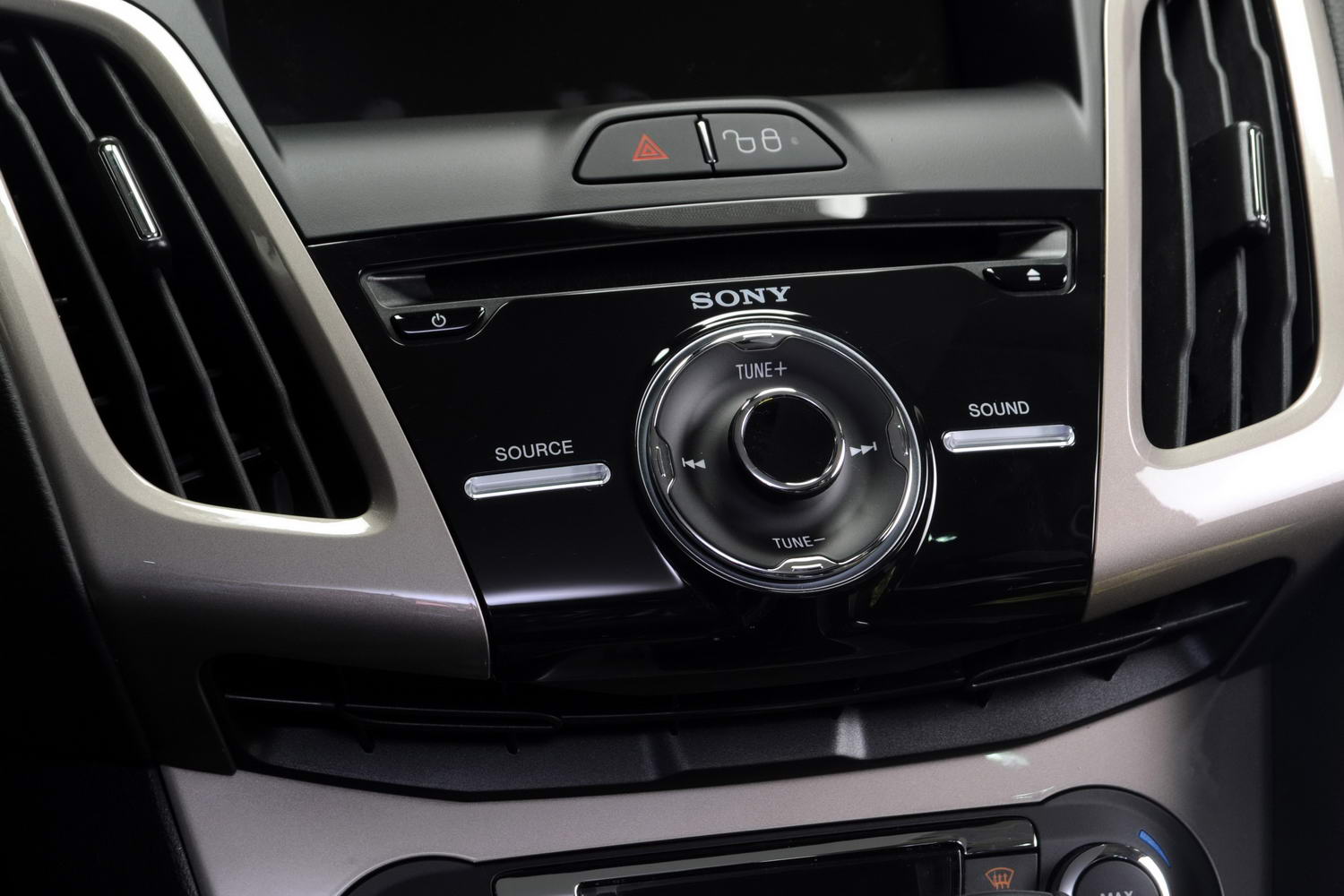
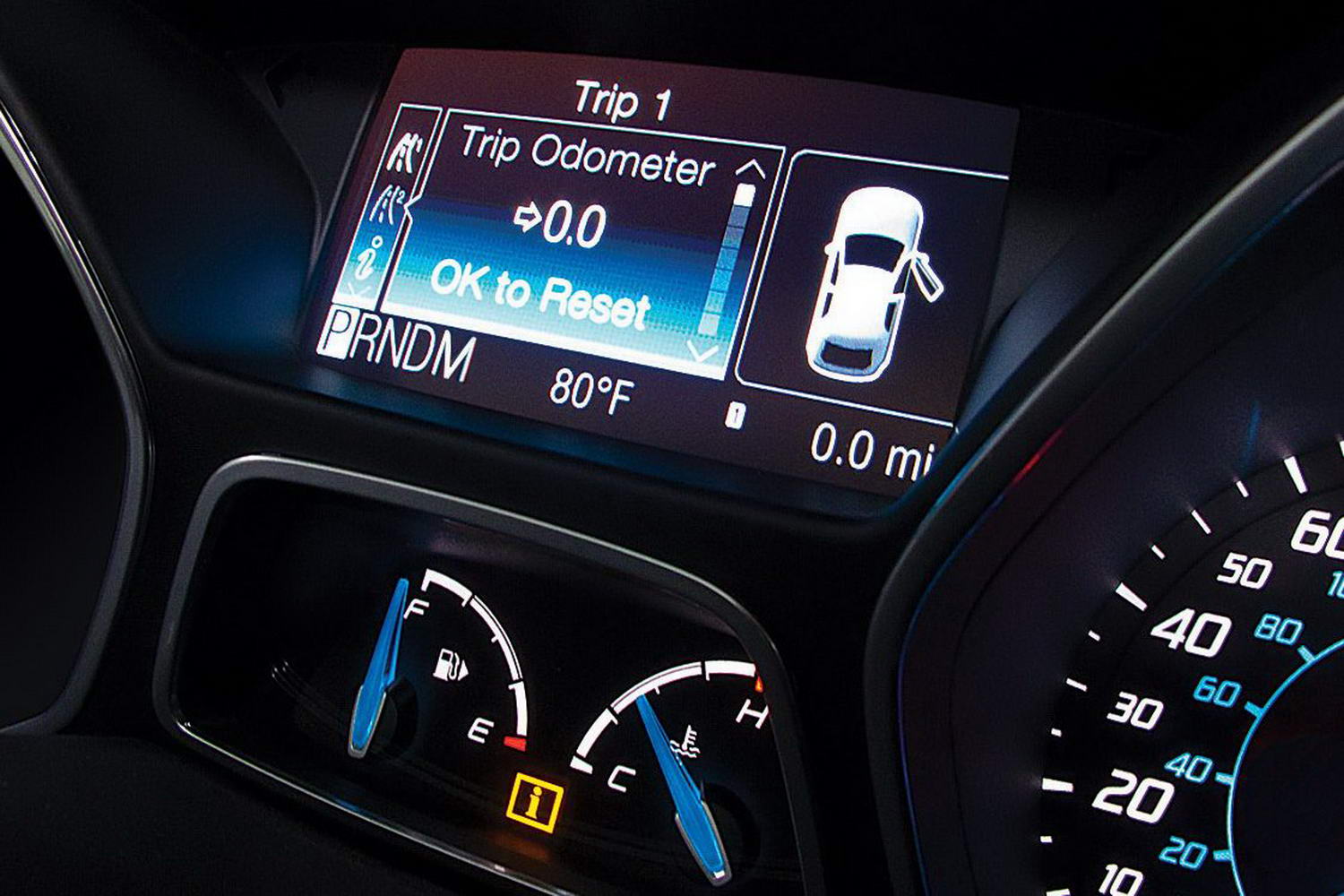
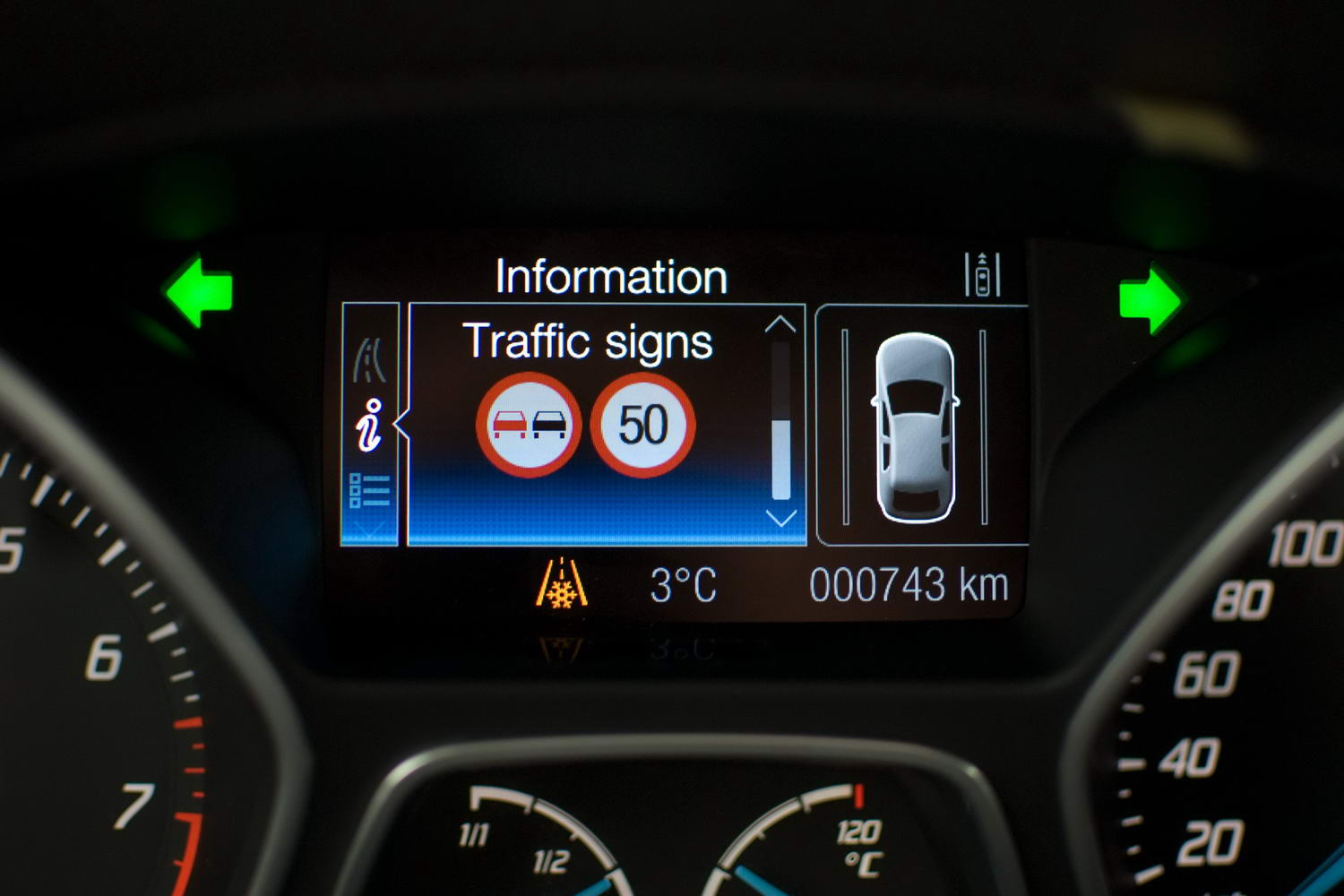
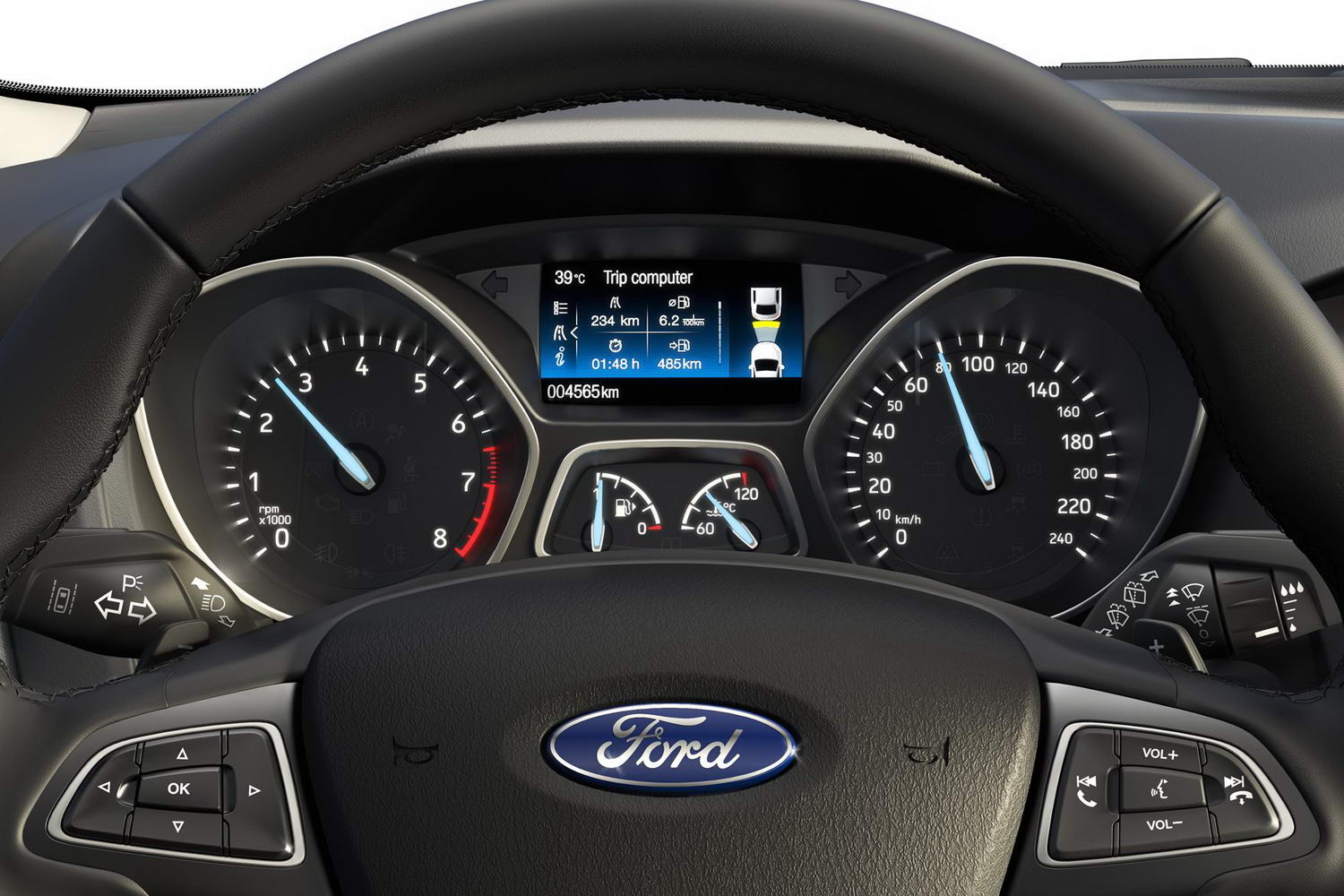
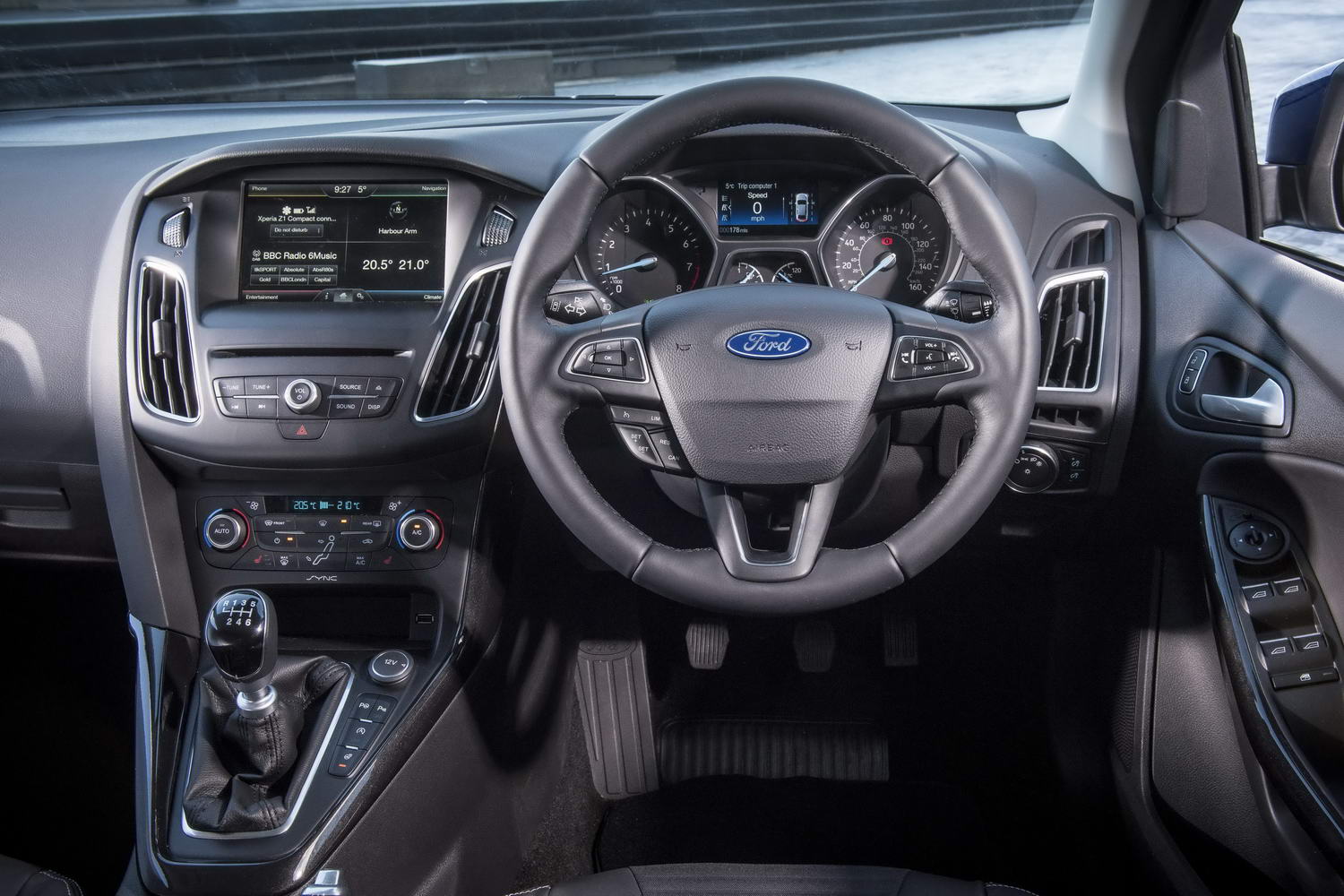
Trim levels across the range ran 'plain' Focus, then Style, Zetec, Zetec Plus (often rendered as 'Zetec +'), Zetec S, Titanium, ST-Line (from 2016-on) and then ST (considered a trim line of its own). All cars were fitted with a tyre-pressure monitoring system, front electric windows, hill-hold assist, a MyKey car-settings system, a multifunction steering wheel and the EasyFuel 'capless' fuel-filler. Style added to this with SYNC infotainment, air conditioning, body-coloured door handles and (powered) exterior mirrors, 16-inch alloys, leather trim for the steering wheel and gear knob and a USB connection. Zetec models went further, with front fog lights, lowered sports suspension, the Quickclear heated windscreen, sportier seats and an upgraded centre console.
Zetec Plus brought in keyless start, 17-inch alloys, LED rear lights and a premium centre console with a sliding armrest, while Zetec S had sporty exterior looks; this was later replaced by ST-Line, which did much the same thing (i.e. mimicked the appearance of the performance ST version, only with almost totally regular mechanicals, save for the suspension and wheels). Titanium was the plushest specification for the regular Focus models, with dual-zone climate control, cruise control with a speed limiter, electric windows all round, velour upholstery and various other sundry items. The ST models built on the Titanium's generous spec with their own chassis and drivetrain updates.
Gearboxes for the Focus Mk3 were an array of five- and six-speed manuals, or six-speed automatics. The automatic transmission branded 'PowerShift' was a dual-clutch item.
How much is it to tax the Ford Focus Mk3?
Refer to our Motor Road Tax Prices in Ireland Explained feature for the up-to-date cost to tax the Ford Focus.
How reliable is the Ford Focus Mk3?
The Ford Focus Mk3 is considered one of the more reliable models in its C-segment class - and not only that, but the ubiquity of the Focus, and Fords in general, means that spare parts are in plentiful supply and are relatively inexpensive, compared to those of some 'premium' rivals.
Nevertheless, the Focus Mk3 did not prove to be a faultless machine during its life cycle. Diesel models are said to be a bit more dependable than the petrol alternatives, but there are issues affecting both fuel types - such as premature failure of the clutch and/or dual-mass flywheel. It's not a common fault, yet if either lets go then you will be faced with big bills. Owners also report intermittent auto stop/start issues, which is normally a sign that the battery is on its way out and not unique to the Focus by any means. Watch also for excessive use of coolant, usually traceable to a leaking thermostat housing - which, thankfully, is reasonably easy to replace. Annoyingly, water ingress into the front door handles can lead to issues with the keyless entry if fitted, but it's not an expensive fix.
One of the biggest issues Ford had on the Mk3 Focus was with the PowerShift gearbox. It was a dry-clutch unit and it often displayed juddering tendencies, with clonking noises and poor gear-shifting, too. Some of that can be fixed by replacing the input shaft speed sensor. Eventually Ford replaced it with a wet-clutch unit from about 2015 on, or just a plain torque-converter automatic, which eradicated the problems with the earlier PowerShift transmissions. The manual gearboxes aren't completely free from issues, either, so make sure they, for example, don't pop out of first or second gear.
Ford issued a trio of voluntary recalls on the Focus Mk3, throughout 2018 and 2019. The first affected models were built from July 2014 to 2015, using the 2.0-litre Duratorq TDCi. An engine control module calibration may have possibly failed to detect overheating in the turbodiesel, which - in severe cases - could mean that a TDCi unit that cooked itself would breach its own oil sump, causing loss of all engine oil.
The next recall affected models with the 1.0- and 1.5-litre EcoBoost engines, built between June 2, 2015 and August 17, 2018. The six-speed manual gearbox could suffer clutch pressure-plate fracture, resulting in excessive clutch smell, reduced vehicle speed and impaired performance. A similar issue culminated in a third recall at the end of 2019, for various Ford models built between 2009 and 2013 (in the Focus' case, only from 2011-2013). This one was again for the clutch pressure-plate breaking while the car was in motion, which could see a loss of power and even possible engine fires.
Most of these recalls should have been carried out by now, as they only affected a small number of cars in Ireland, but get the registration number and VIN (if possible) of any Focus you are looking at, before checking with Ford Ireland to see if the remedial work has been done.
If you've owned a Focus Mk3, we'd love to hear from you about its reliability and running costs. Send us a message via the contact form on this page with as much detail as you can. We may publish the information here, accompanied by your first name if you provide it. Thank you.
When should I service my Ford Focus Mk3?
The standard service interval for the Focus is 20,000 kilometres or one year, at which point the oil and filter will be changed (and the cabin pollen filter where applicable) and everything else checked over, including the air conditioning system if requested. The brake fluid should be changed every two years, regardless of mileage, and the engine coolant must be renewed at least once every 10 years.
It's worth bearing in mind that those recommendations were released when the Focus was new and we'd highly recommend that owners of older cars service them at least once a year, regardless of how low mileage they are doing.
Does the Ford Focus Mk3 have a timing belt?
It depends on the specific engine under the bonnet. All of the diesels use timing belts, though some confusion might arise from the fact that the 2.0-litre TDCi engine has a timing belt at the front of the engine and then a short timing chain at the back that joins the camshafts. For examples of the 1.6-litre TDCi engine made up to July 2011, the recommended interval is 140,000 kilometres or 10 years (as ever, whichever comes first). For 1.6 TDCi engines made after that date, the distance was upped to 180,000 kilometres (or 10 years, as before) and that's the interval that carries over to the newer 1.5-litre TDCi engine. Meanwhile, the 2.0-litre TDCi's timing belt should be changed at least every 200,000 kilometres or 10 years. That goes for the Focus ST TDCi as well.
All 2.0-litre and 2.3-litre petrol engines in the Focus use timing chains instead of belts, which covers the ST and RS variants. The remaining petrol engines all use timing belts. The three-cylinder 1.0-litre EcoBoost engine's belt change interval is a massive 240,000 kilometres or 10 years, the 1.6 EcoBoost's is 200,000 kilometres or 10 years (as is the newer 1.5 EcoBoost's) and the older 1.6 Ti-VCT engine's belt must be changed every 160,000 kilometres or eight years.
Can I fit child seats and a buggy in the Ford Focus Mk3?
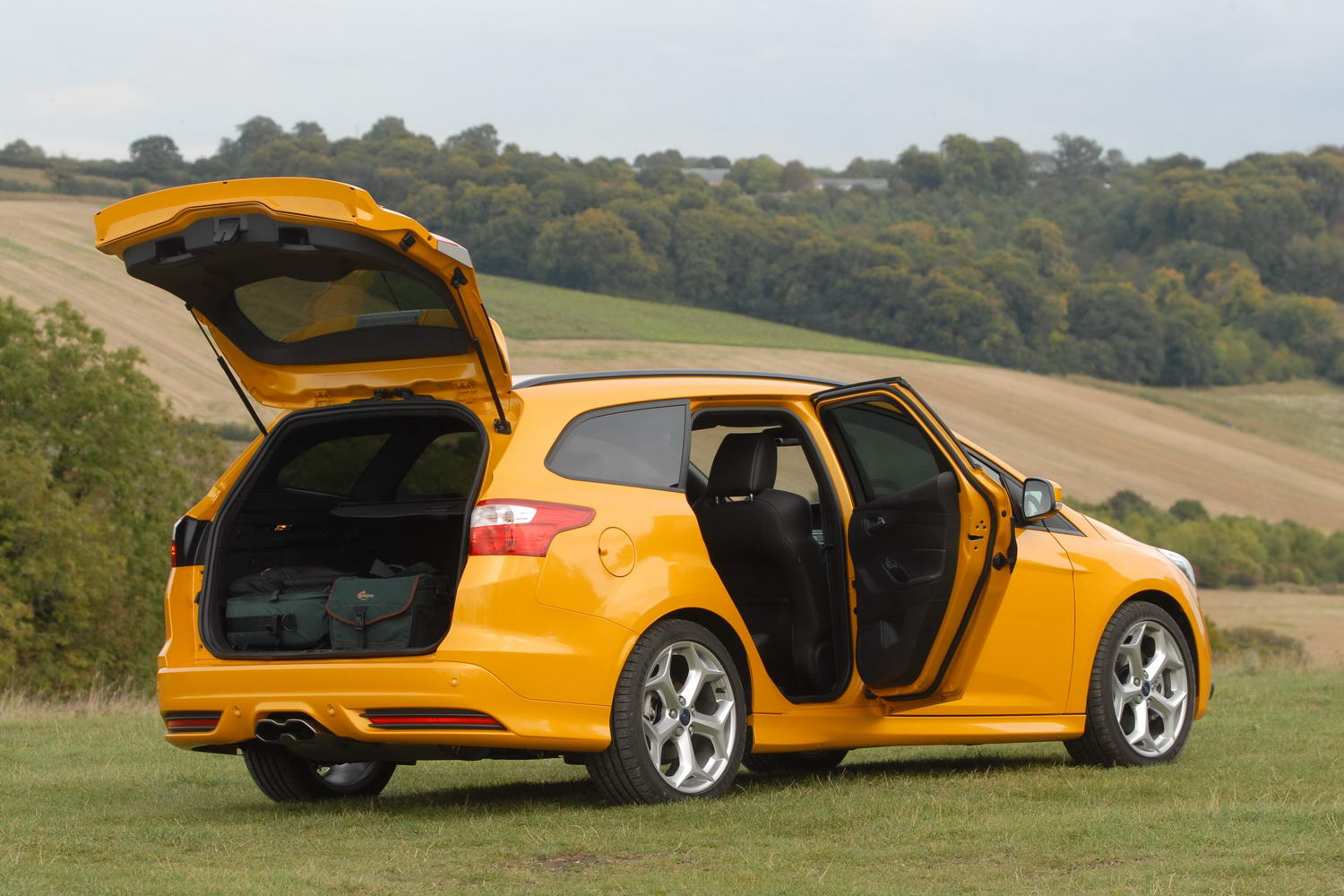
The Focus Mk3 never had the largest boot, the hatchback only managing to accommodate 316 litres at most. Bulky buggies and pushchairs will fold up and go in there, but you won't be able to fit anything more into the cargo area in such instances. The RS model, by the way, has an even smaller boot, because the rear driveshafts and differential for its all-wheel-drive system cut the load bay down to a measly 260 litres. The Focus Estate is obviously better on this score, with 476 litres on offer with all seats in use and up to 1,502 litres with the rear row folded away, but it was always a long way off the biggest wagons in the sector in terms of outright carrying capacity.
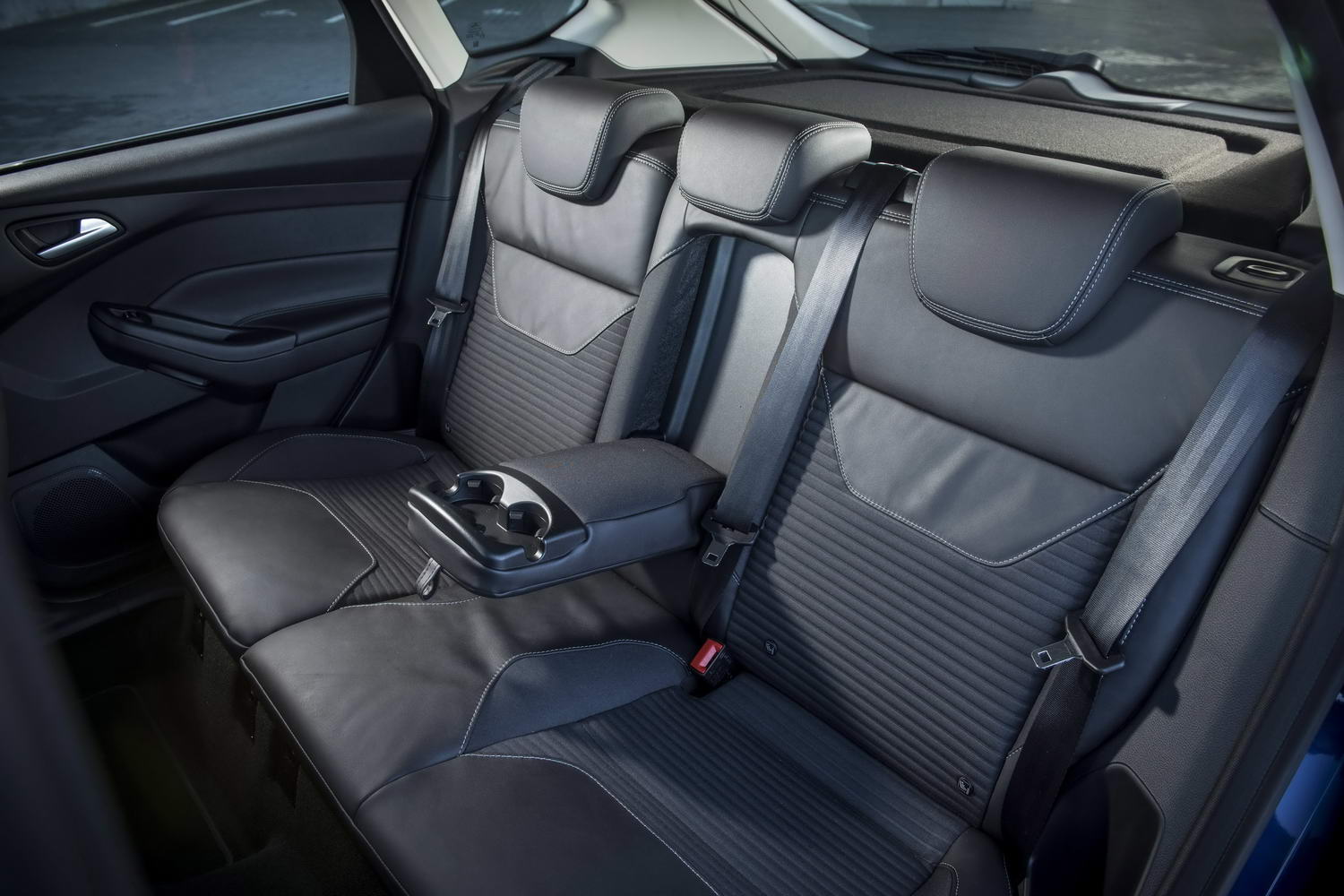
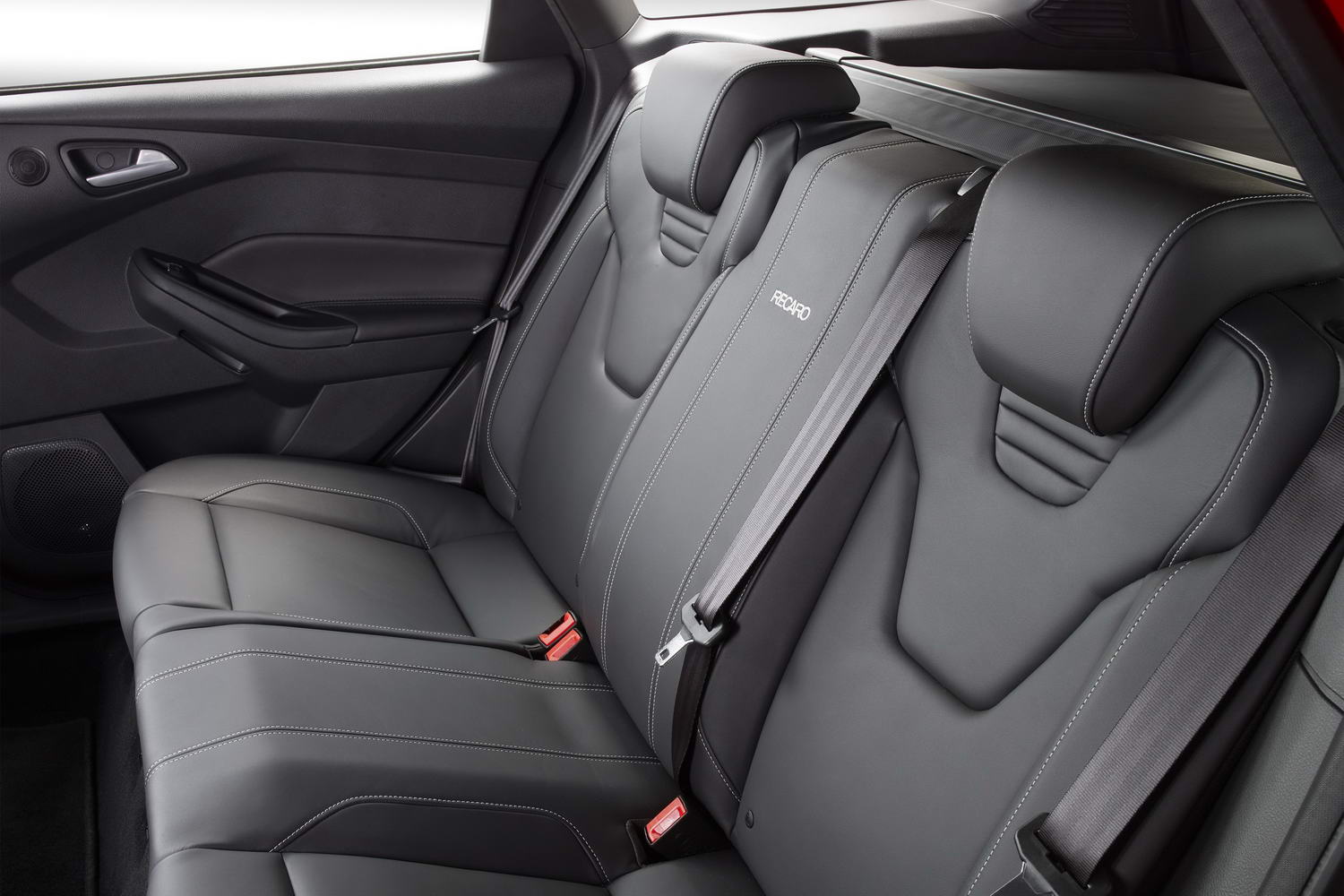
With two ISOFIX fittings in the second row, compatible child seats can be fitted quickly and easily, but the chances of fitting three child seats across the back are very low. There are three seating positions in the back of the Focus, all with seatbelts, but it will depend entirely on how bulky the child seats/boosters you have are, so take them along to any viewing of a second-hand car to see if they fit. Ford did offer an airbag deactivation key-slot for the front passenger seat, however, allowing a child seat to be fitted there if necessary.
How safe is the Ford Focus Mk3?
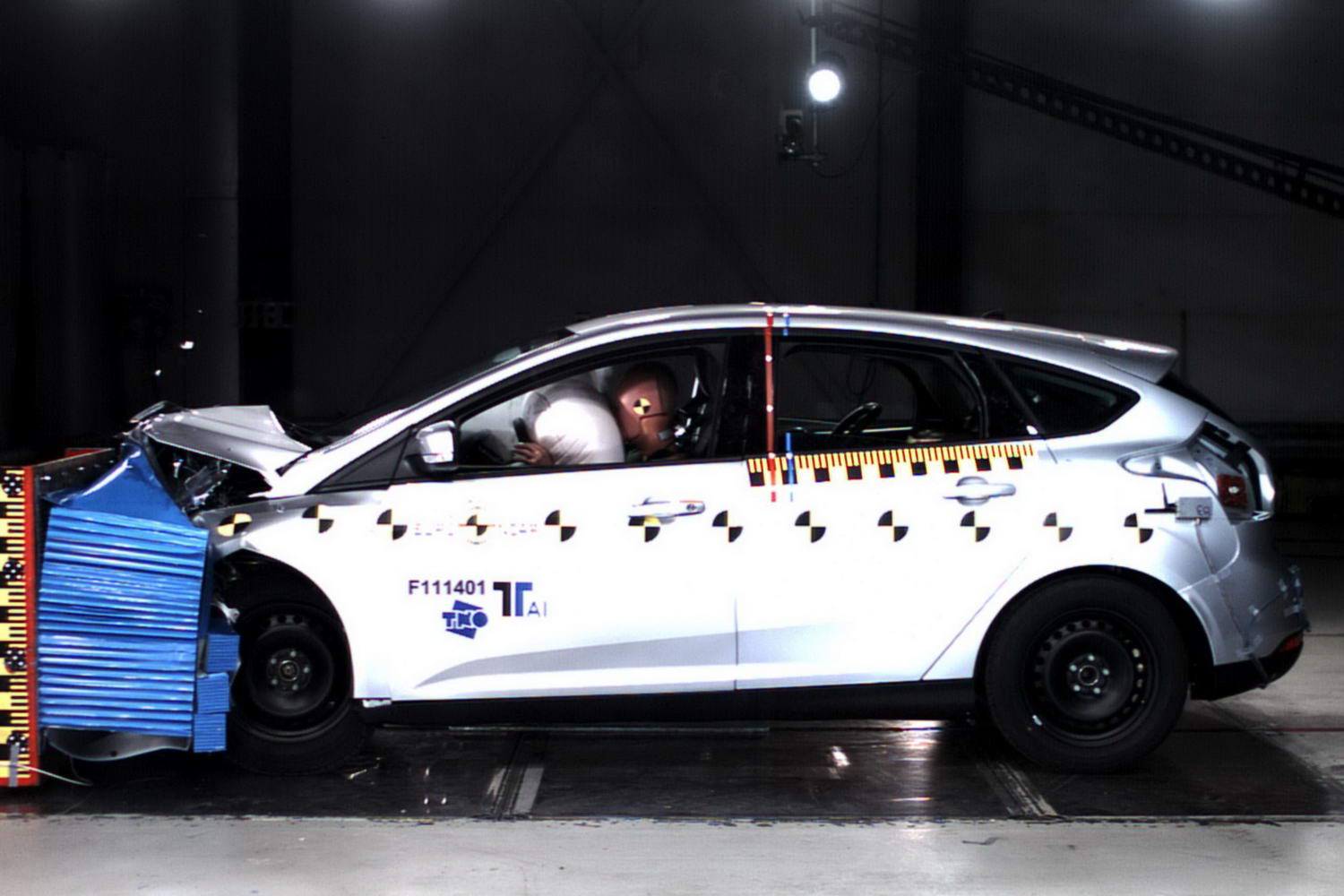
The Focus Mk3 underwent its EuroNCAP testing in 2012, after the safety body had changed its procedures in the late 2000s (meaning a lot of models had to be re-tested under the new regime). Under the stricter procedures, the Focus Mk3 picked up the full five-star rating, recording scores of 92 per cent for adult occupant safety, 82 per cent for child occupant safety, 72 per cent for pedestrian protection and 71 per cent for safety assist. As mentioned above, the Focus Mk3 has a pair of ISOFIX child-seat fitting points in the outer-most two rear seats, plus it gets six airbags up front for adult occupant protection.
Click here for the full EuroNCAP report on the Ford Focus Mk3
Alternatives to the Ford Focus Mk3
Alfa Romeo Giulietta
Audi A3
BMW 1 Series
Chrysler Delta
Citroen C4
Fiat Bravo
Honda Civic
Hyundai i30
Kia Ceed
Lexus CT 200h
Mazda3
Mercedes-Benz A-Class
Mitsubishi Lancer Spaceback
Nissan Tiida
Opel Astra
Peugeot 308
Renault Megane
SEAT Leon
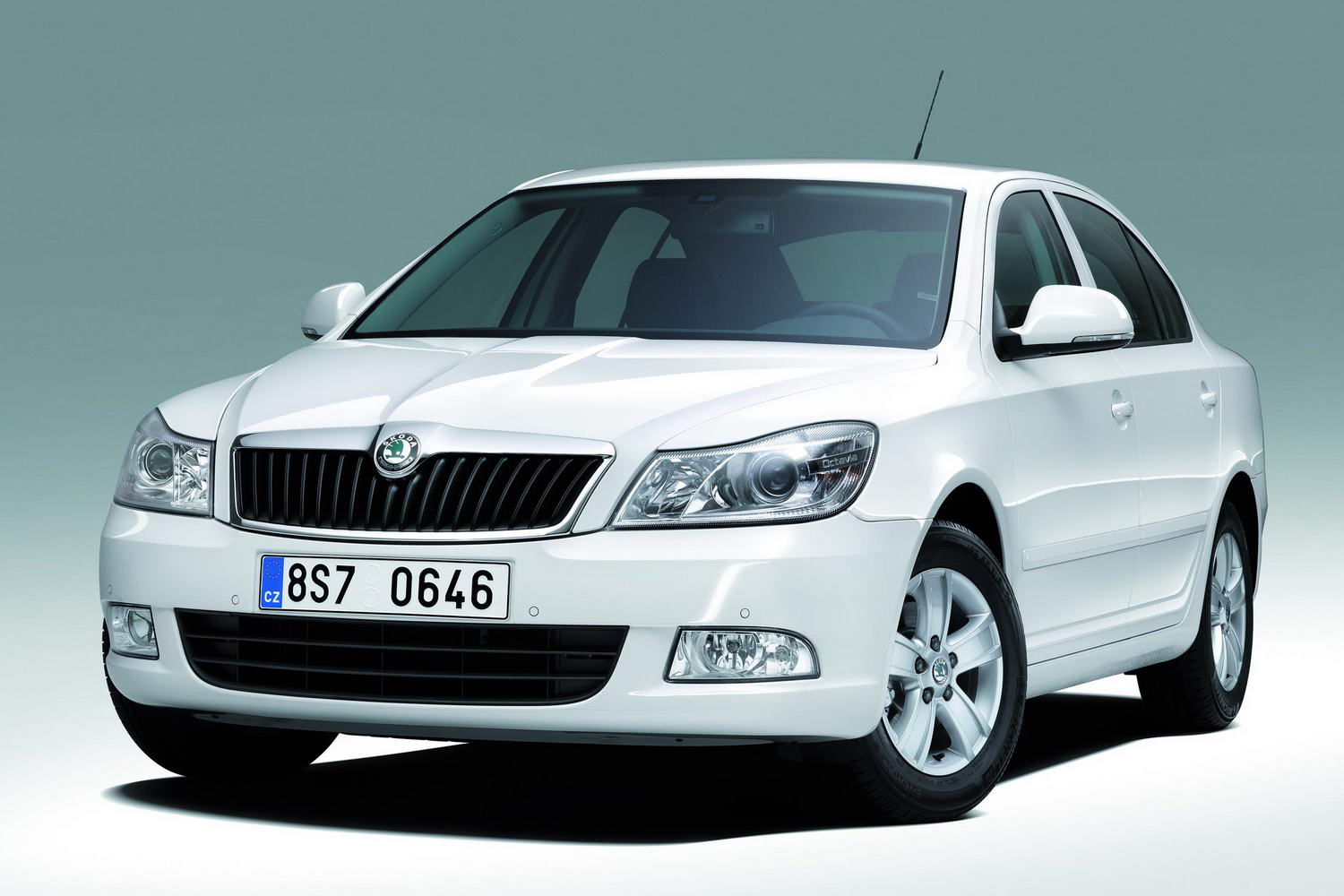
Skoda Octavia
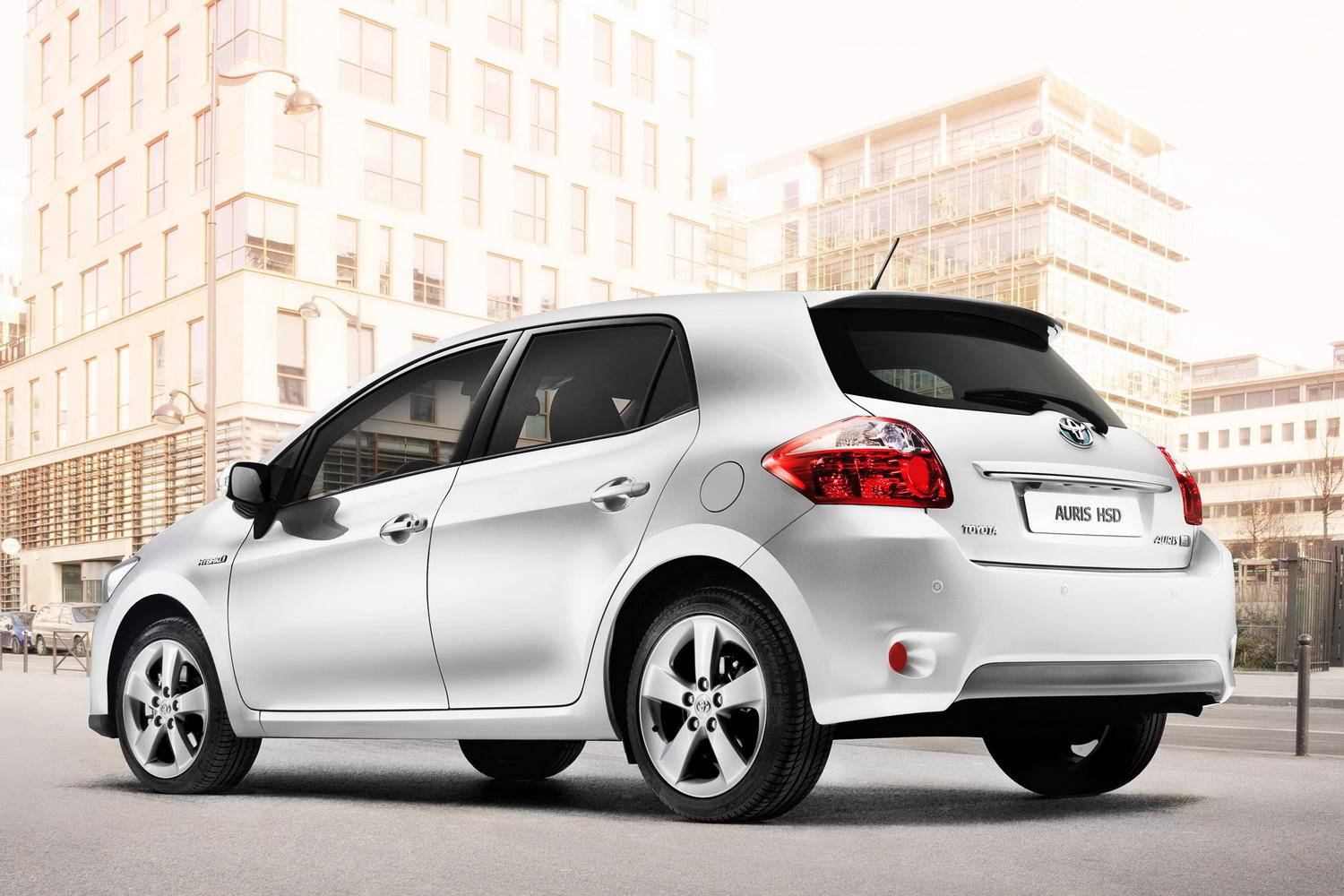
Toyota Auris
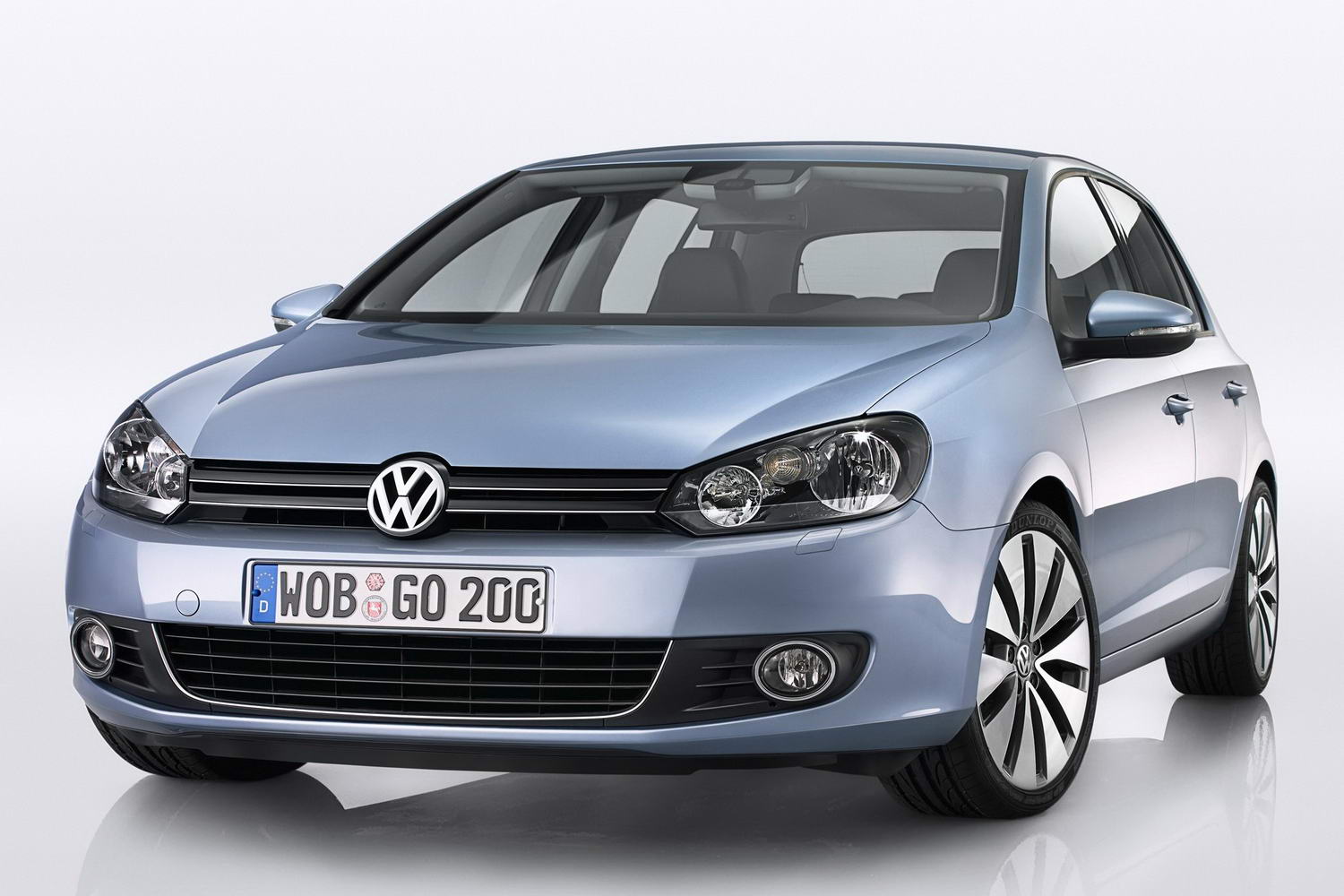
Volkswagen Golf
Volkswagen Golf VI (2008-2012) buying guide
Volvo V40
How much is a Ford Focus Mk3 worth?
For estimates of the current value of a given car, drop us a message using the Ask Us Anything page with as much detail as possible in it.