

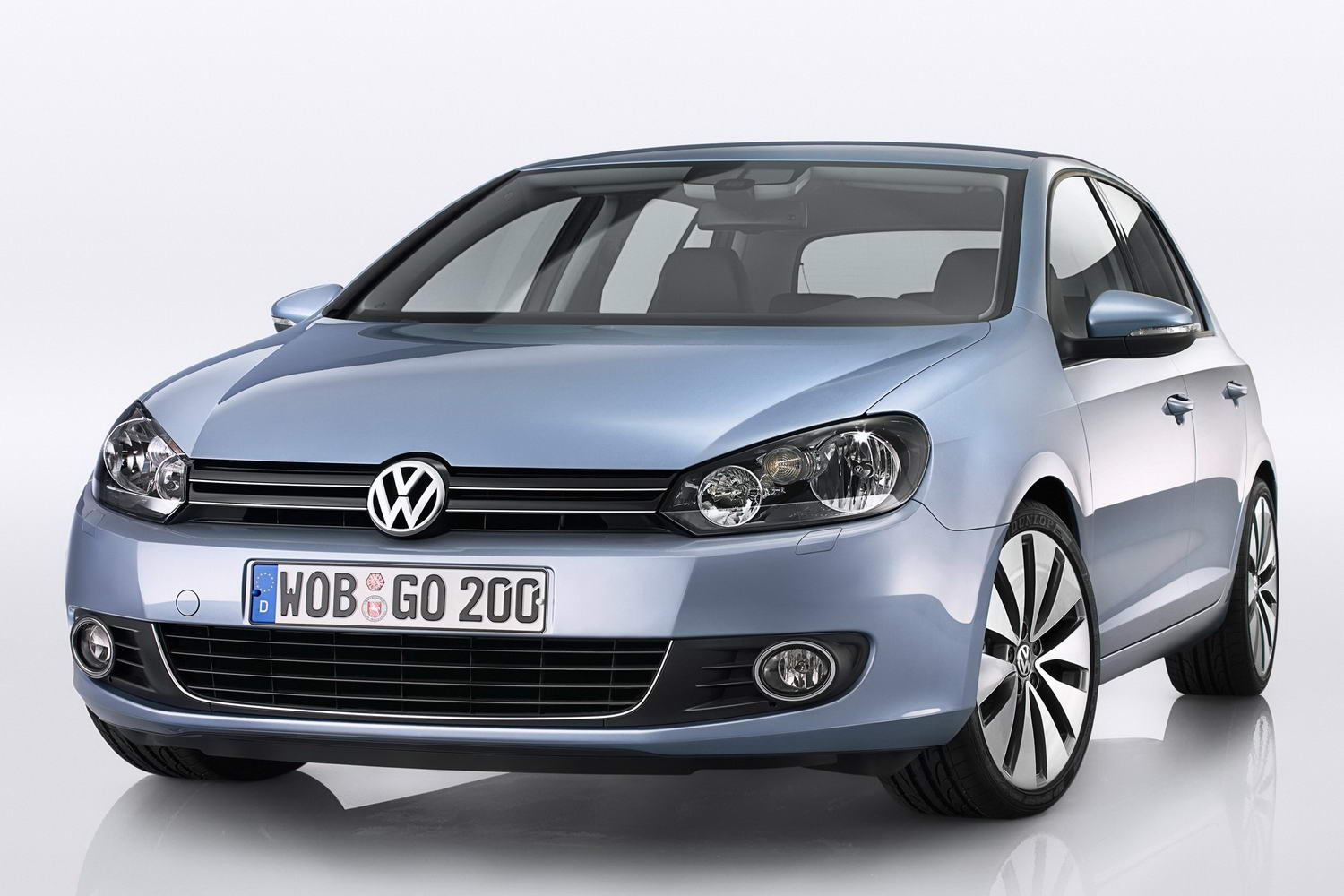
Volkswagen Golf VI overview
Range overview: petrol or diesel; manual or automatic; almost all front-wheel drive (Golf R has all-wheel drive); hatchback, cabriolet and estate body styles
Reliability: average for class
Cost to repair: more expensive than average
Most common: Volkswagen Golf Comfortline
Best for economy and long-distance driving: Volkswagen Golf 1.6 TDI
Best for urban driving: Volkswagen Golf 1.2 TSI
Our favourite performance version: Volkswagen Golf GTI
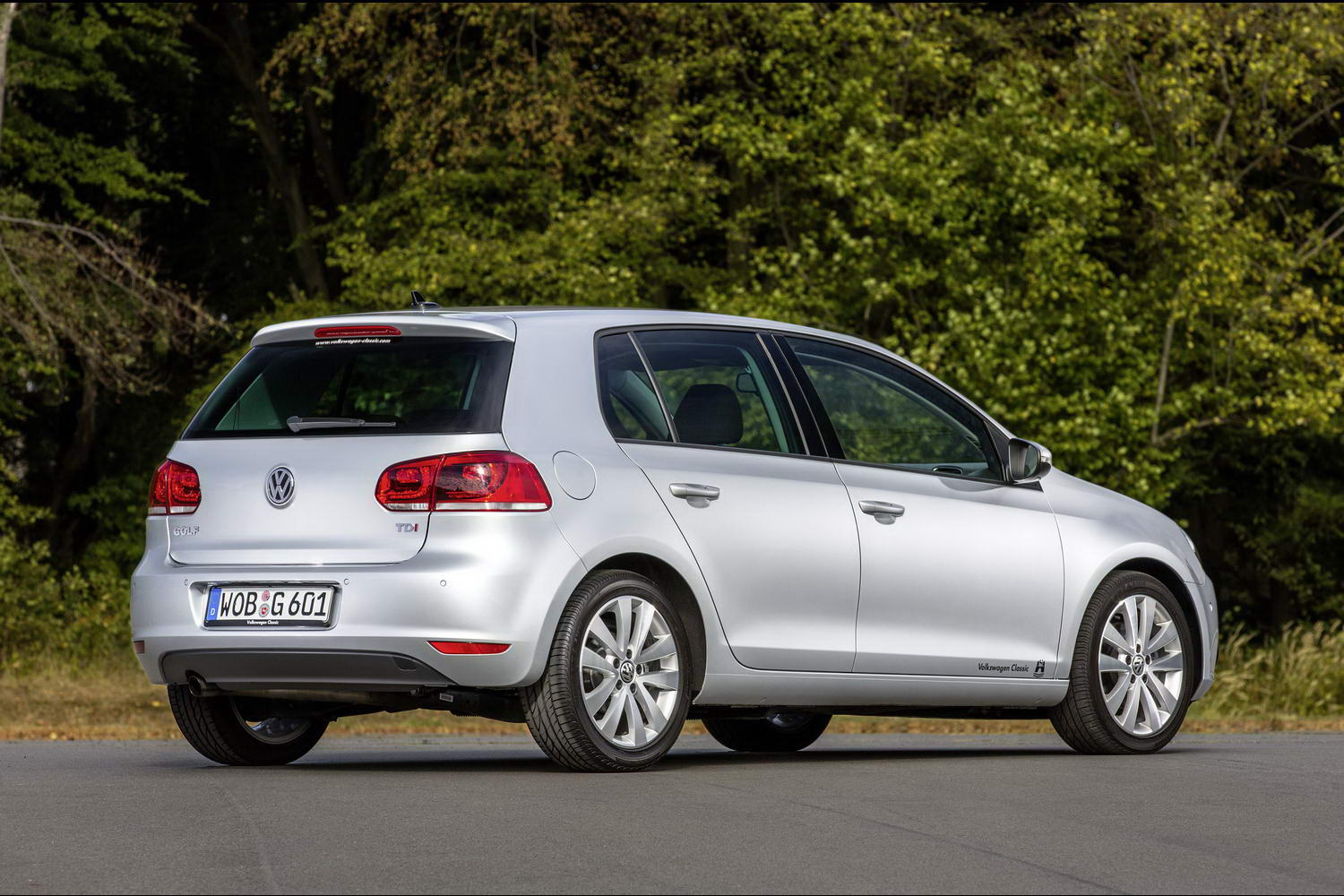
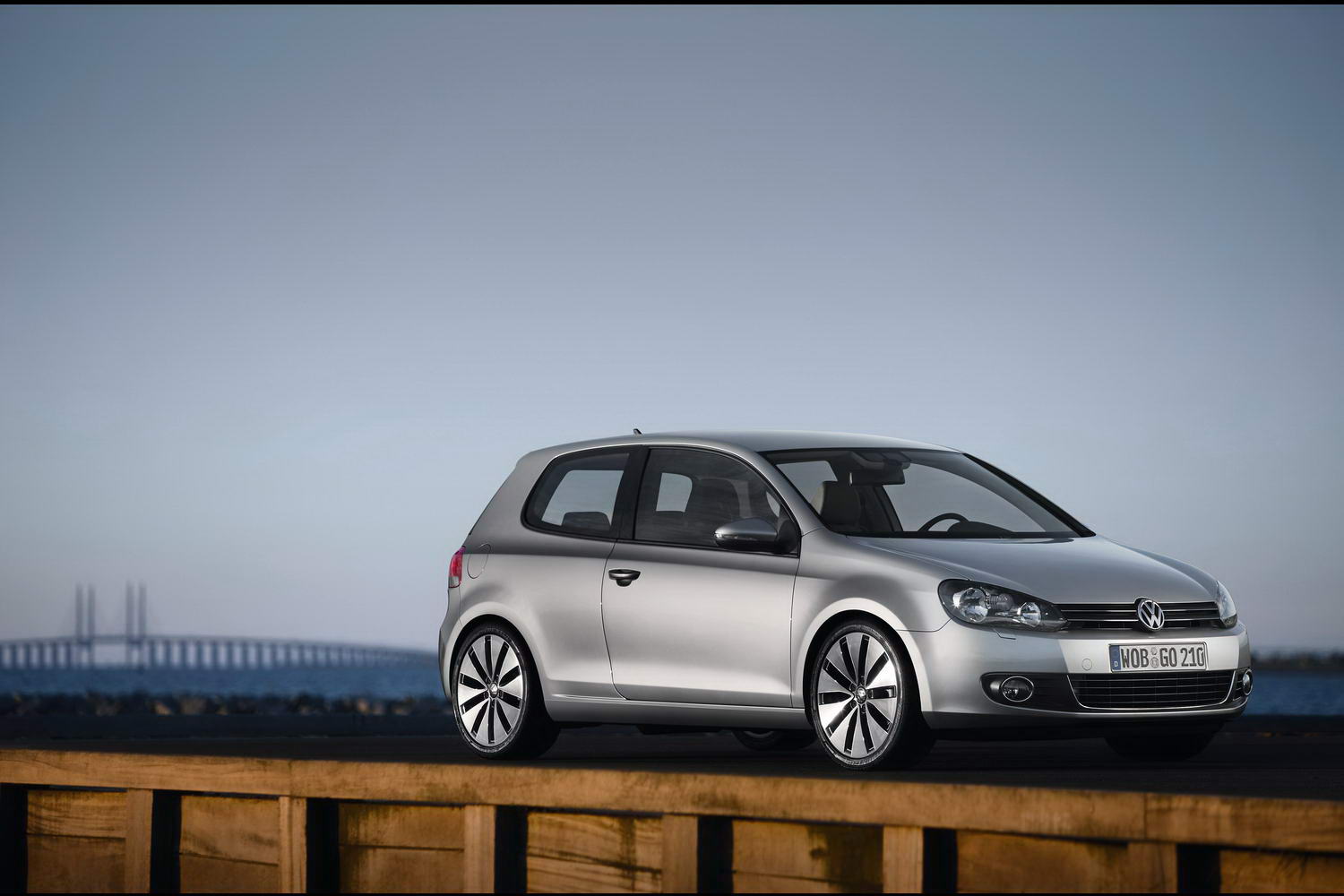
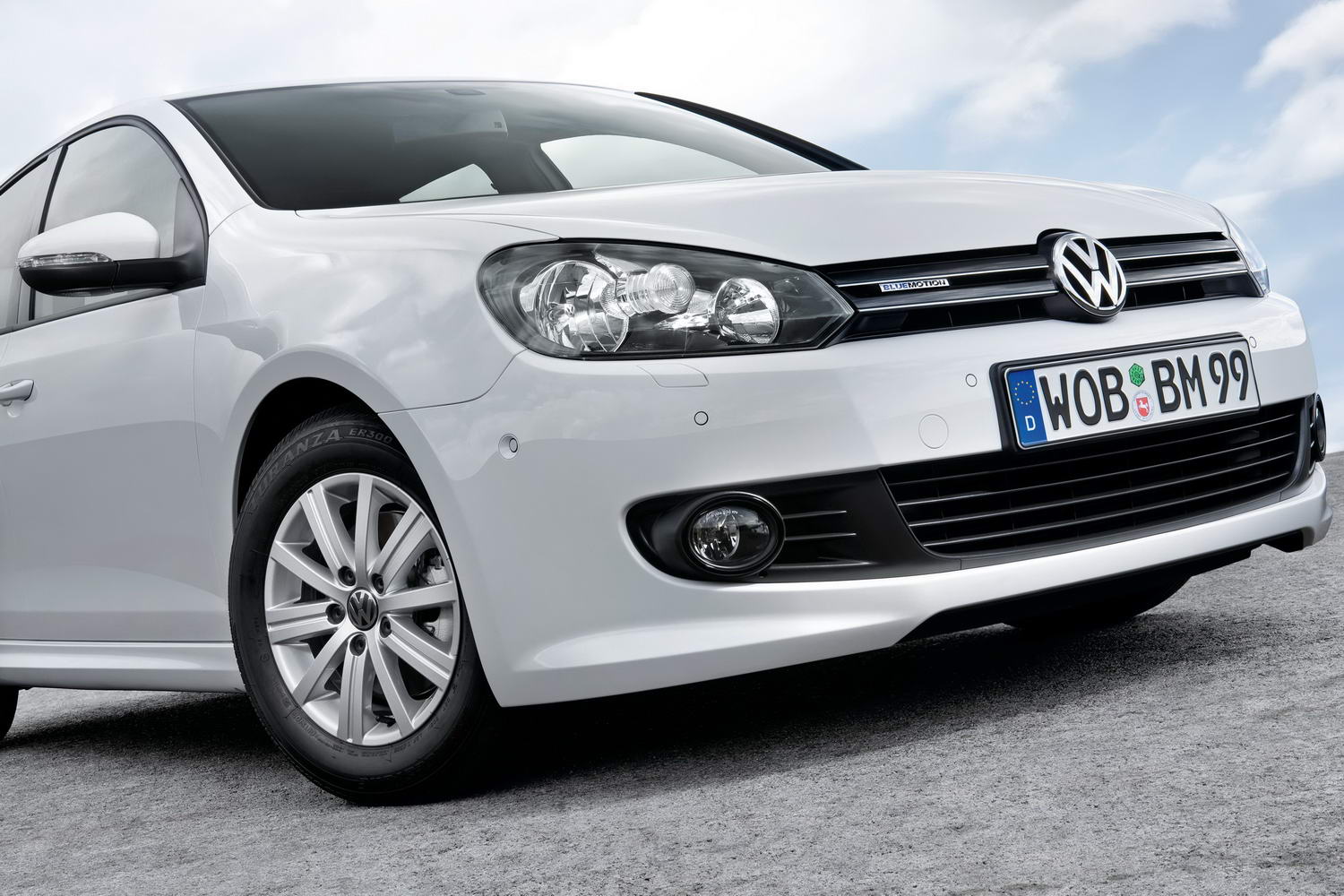
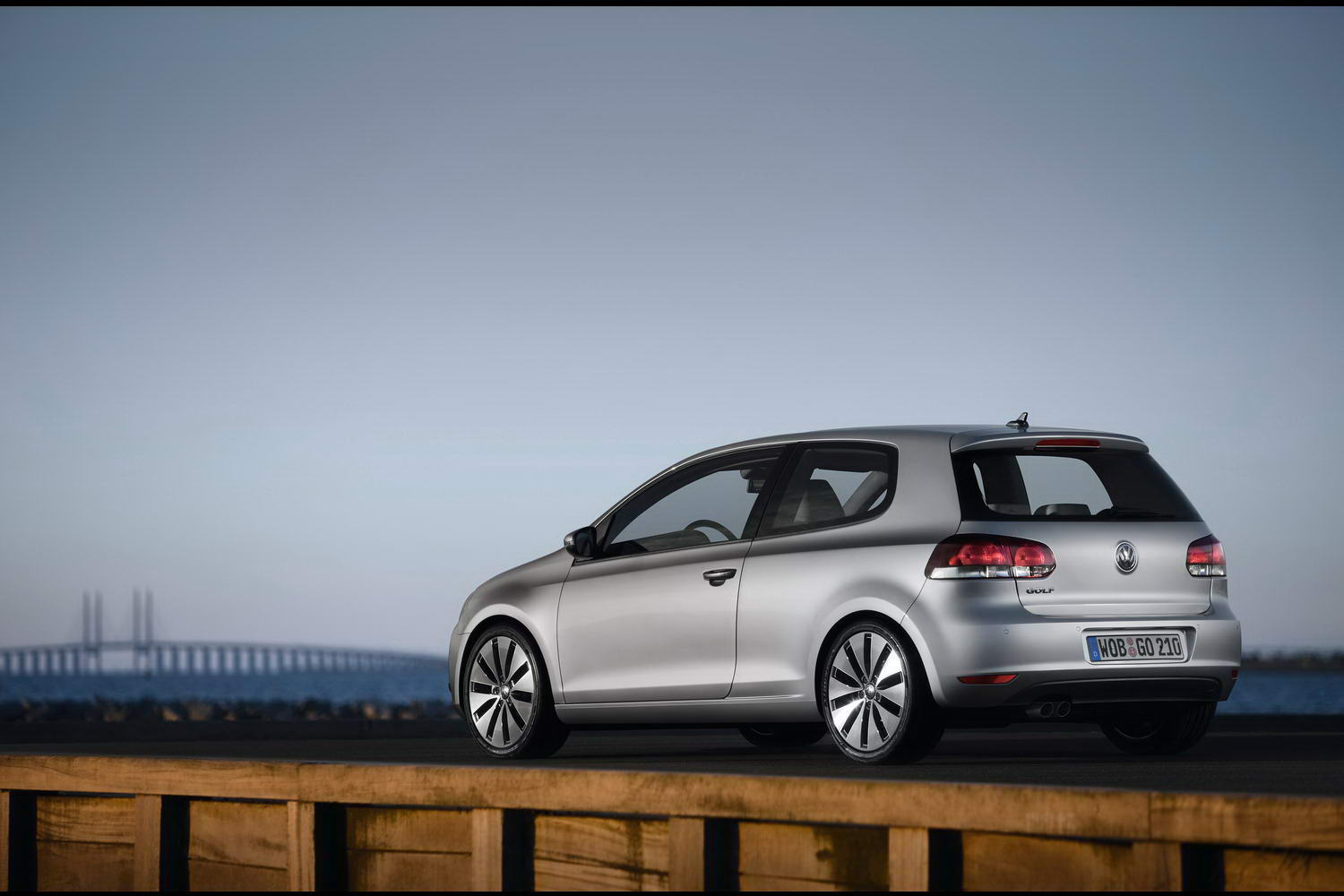
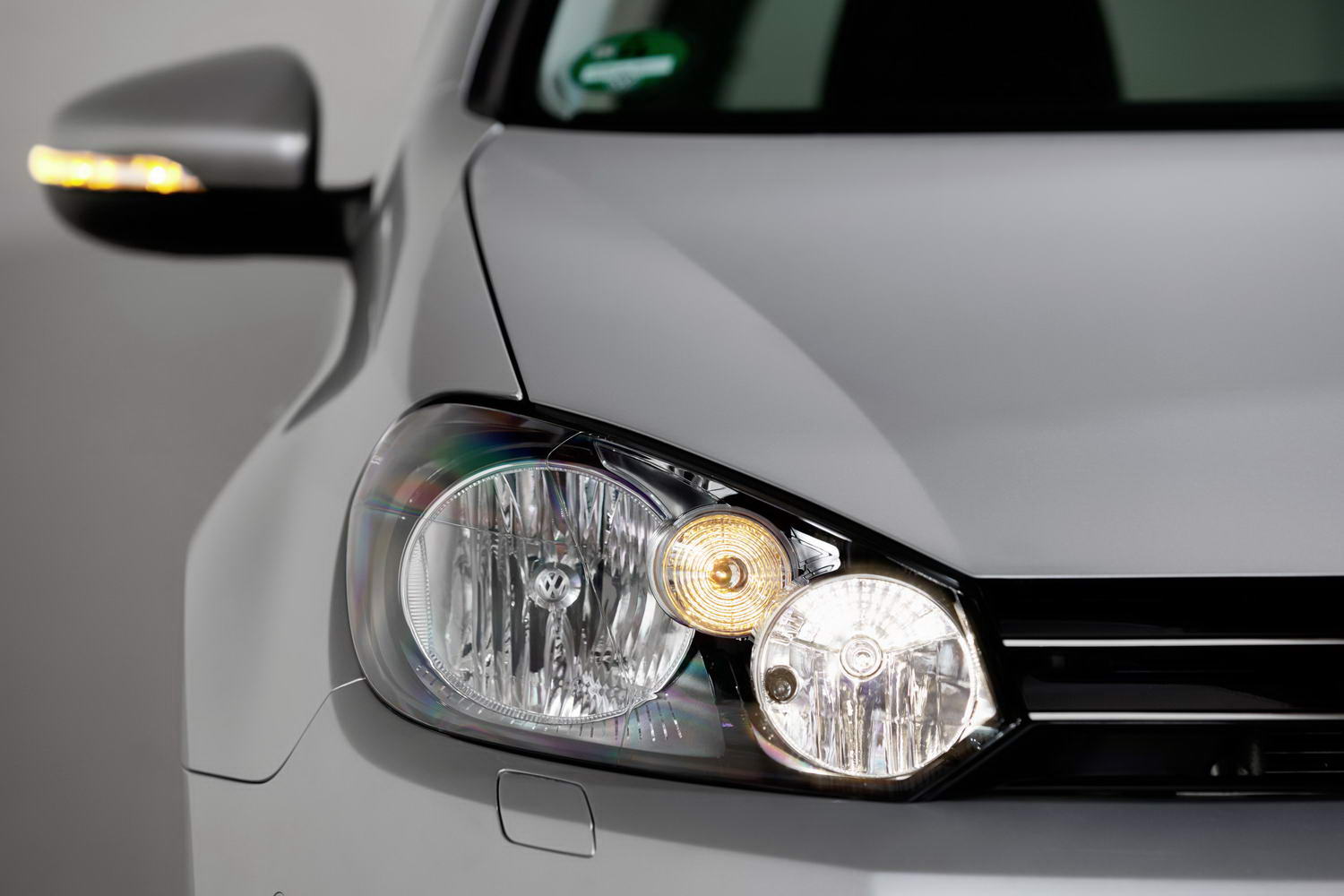
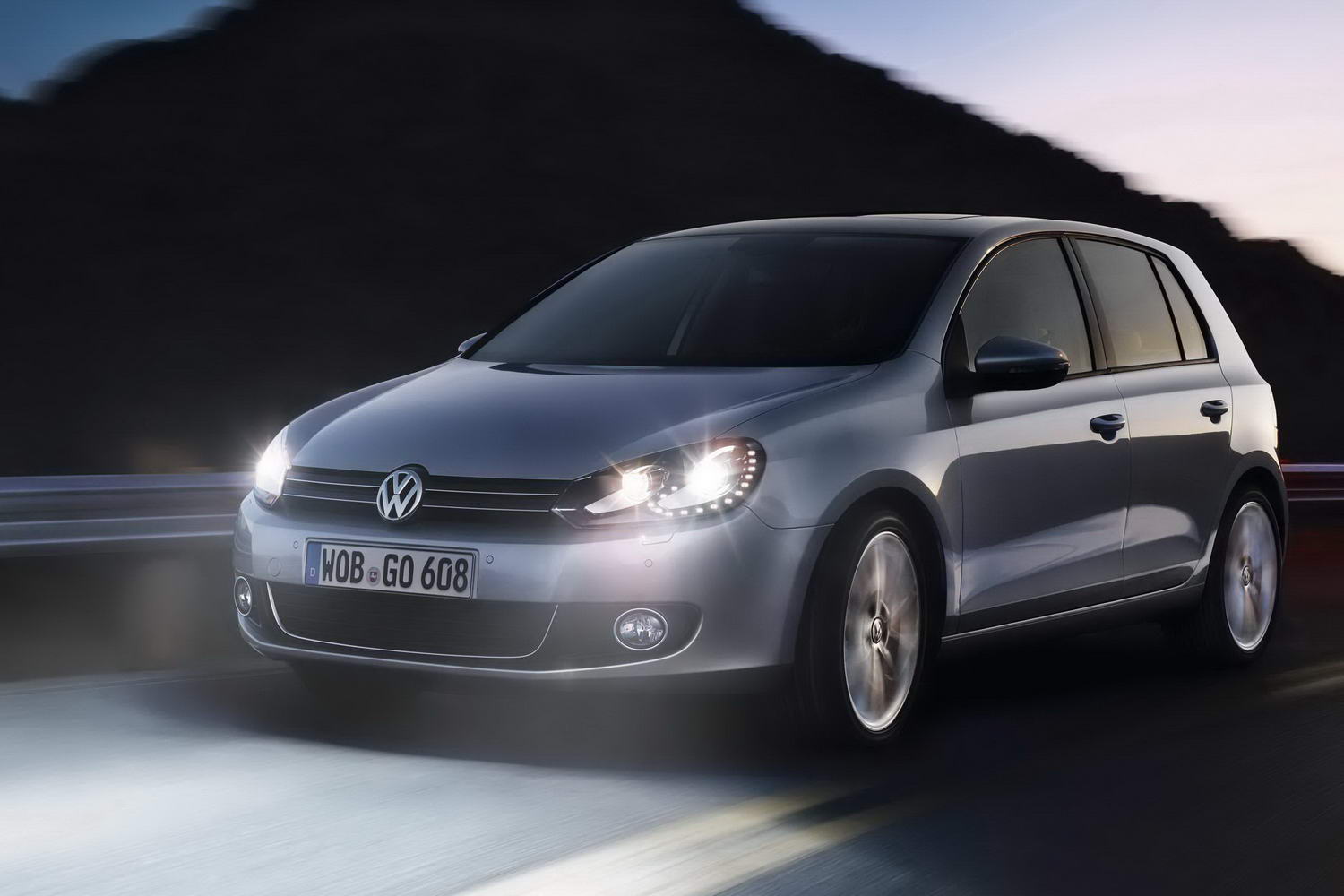
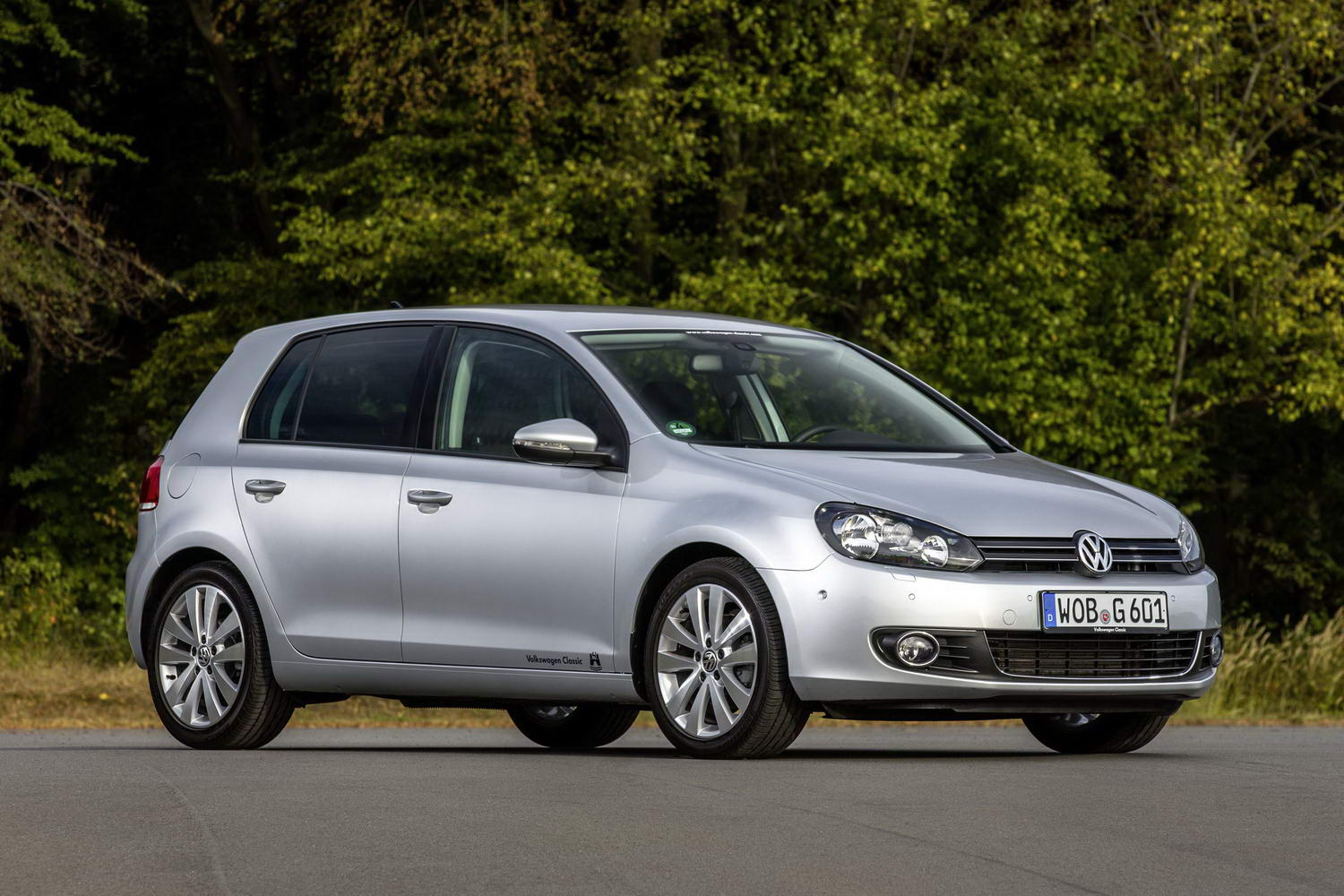
Revealed to the world in 2008, the Volkswagen Golf VI was actually a major revamp of the Golf V rather than an all-new car. It hit the Irish market in 2009.
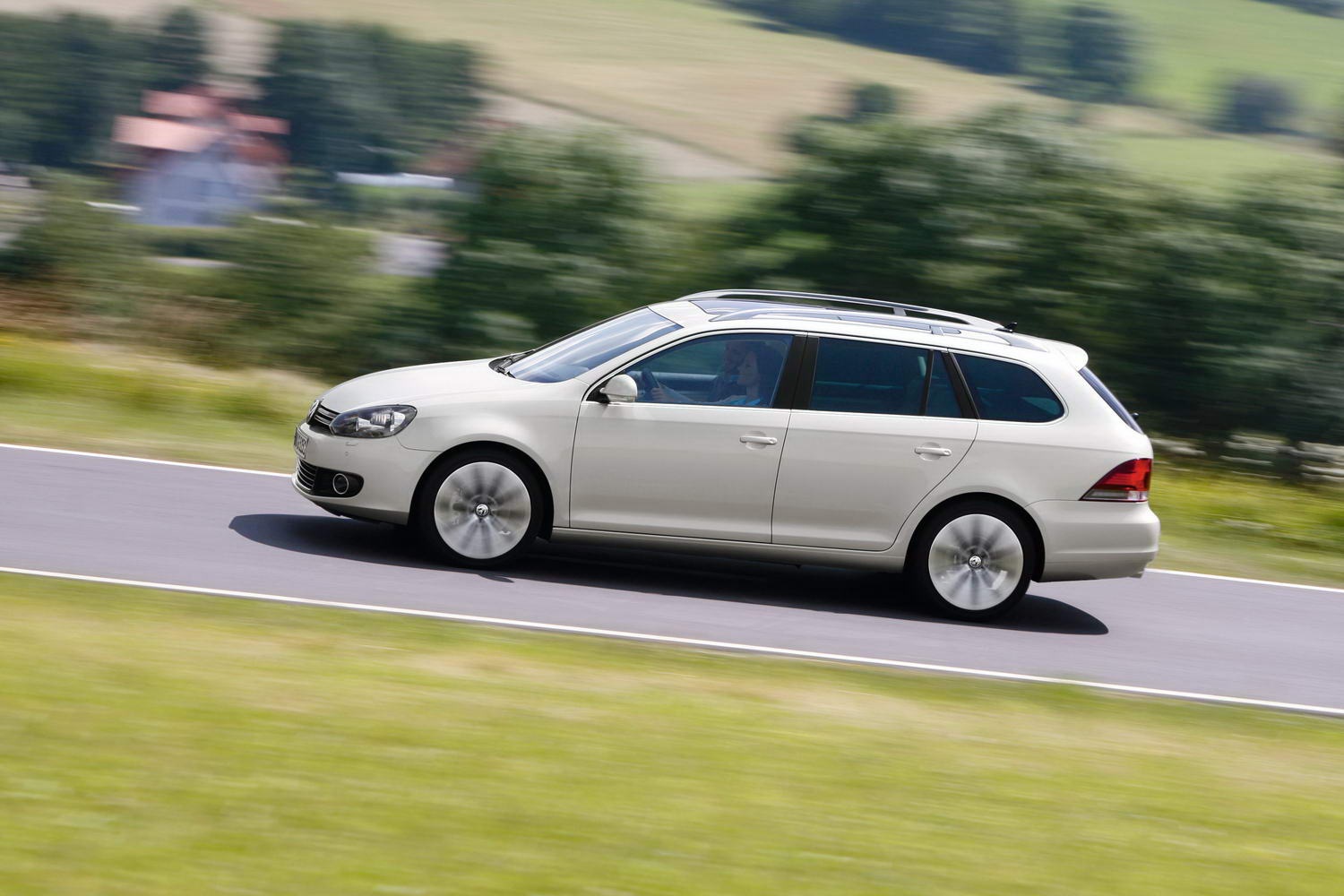
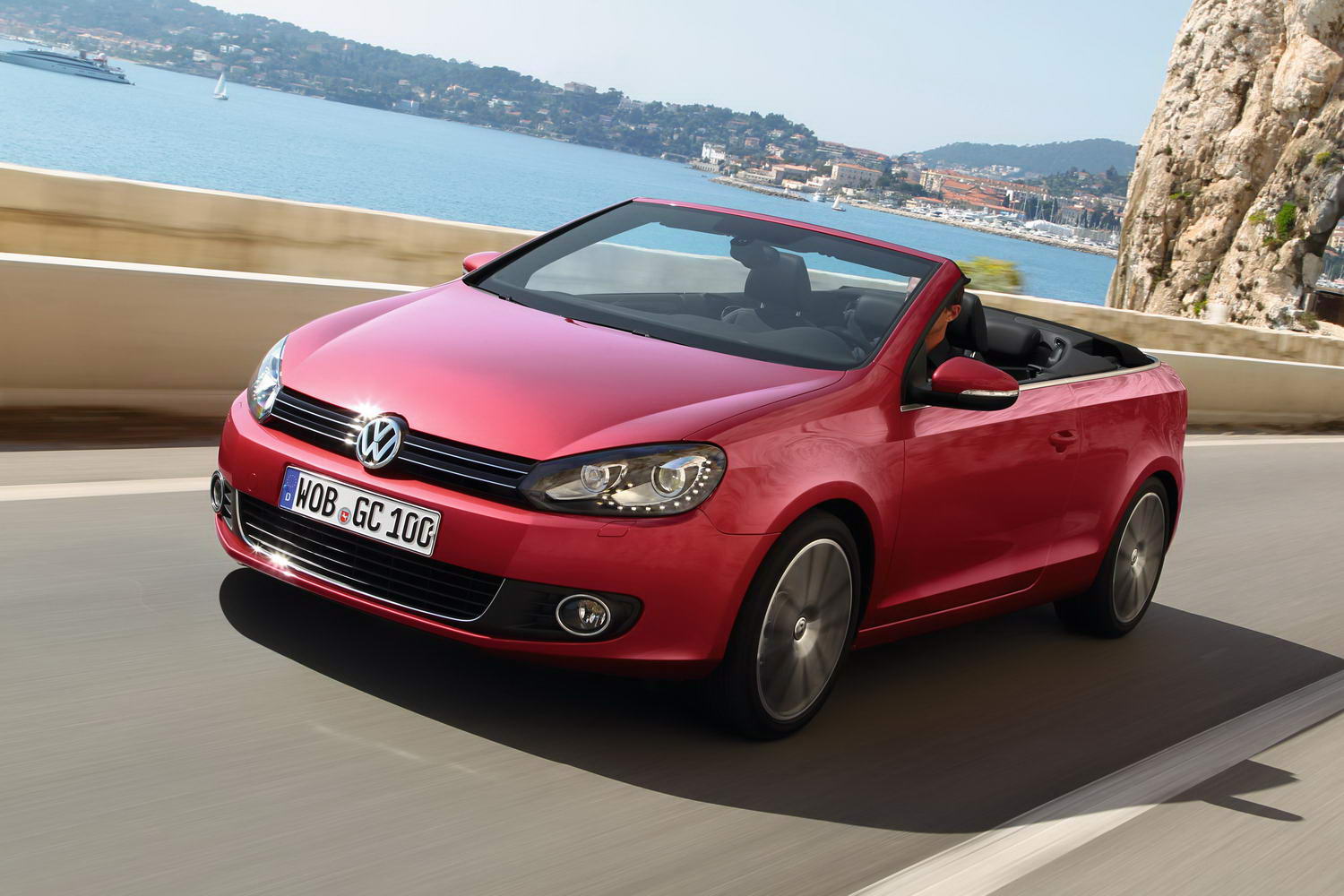
The VW Golf VI was offered in three- and five-door hatchback body styles throughout its lifecycle. A two-door Golf Cabriolet never sold well in Ireland, so was only on sale for a short period, while the estate version of the Golf VI - actually a Golf V underneath - was never officially offered by Volkswagen Ireland.
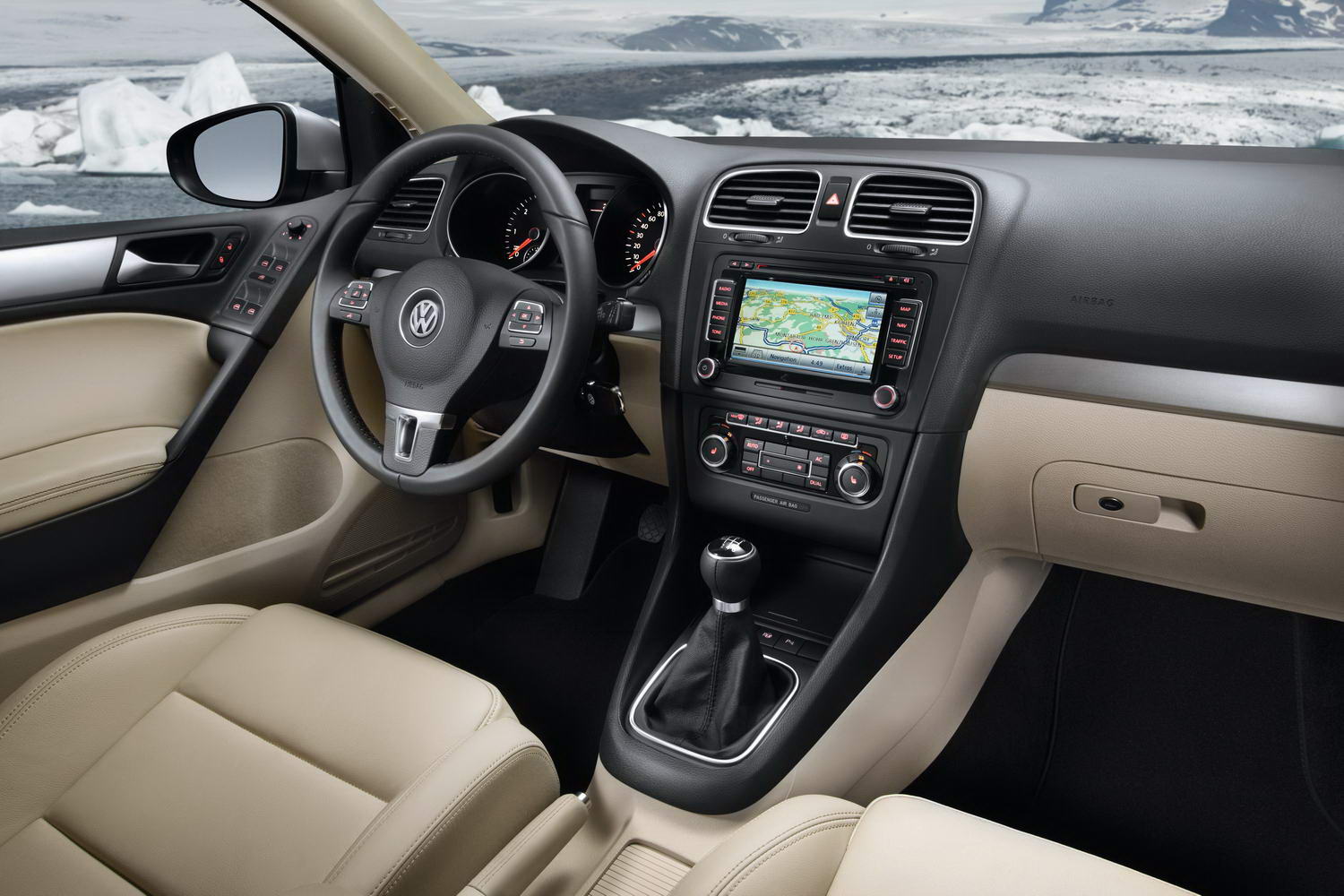
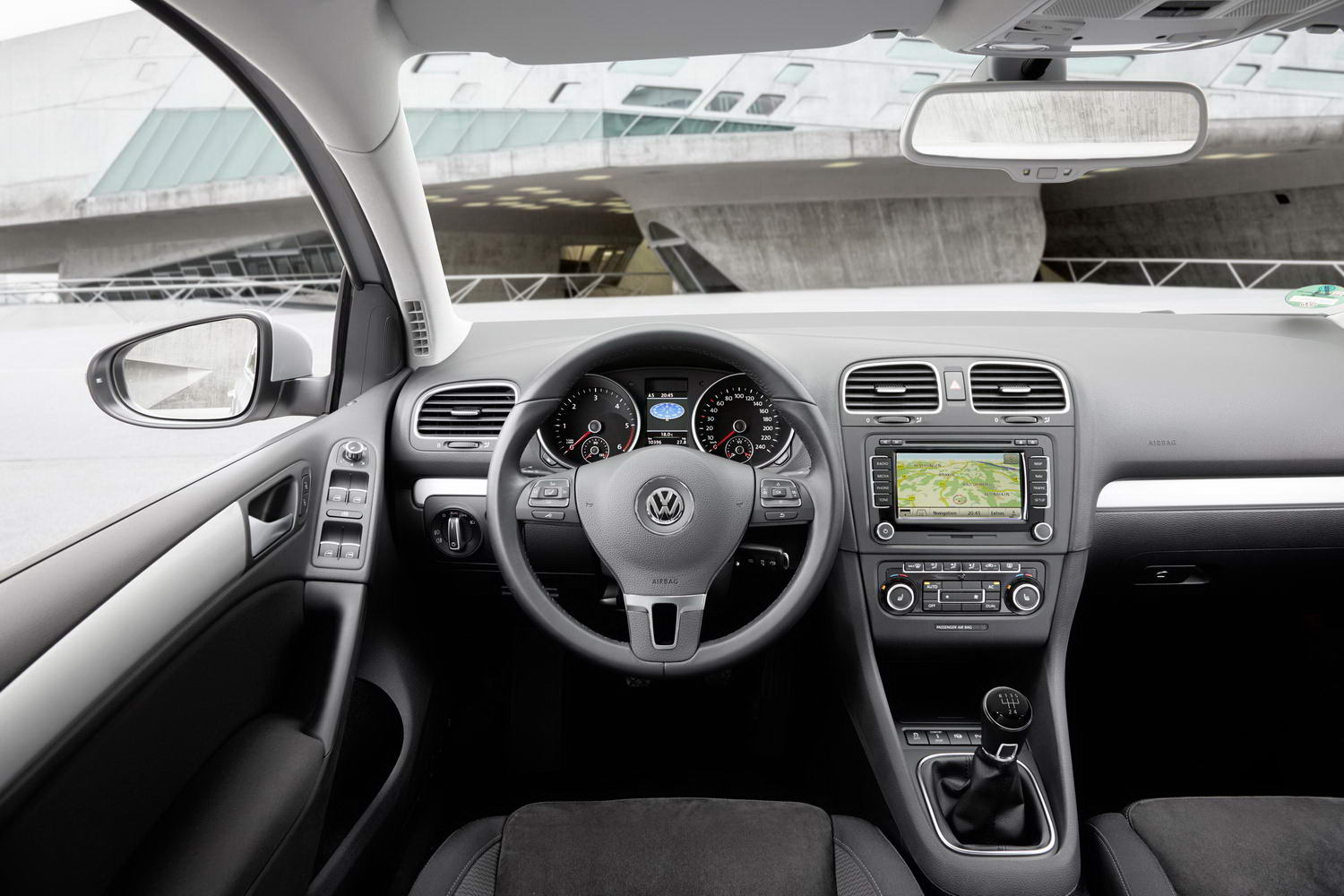
On driving the Golf VI for the first time, CompleteCar.ie summarised: "Volkswagen has been conservative with its sixth generation Golf's styling, but the overall package is significantly improved. Building on the Golf's reputation for quality, the new car really does feel above its key rivals for interior ambience, comfort and refinement. It drives better than ever too, and should you have deep pockets you can specify it with the sort of equipment that used to be exclusively reserved for the executive class."
Engine and range options for the Volkswagen Golf VI
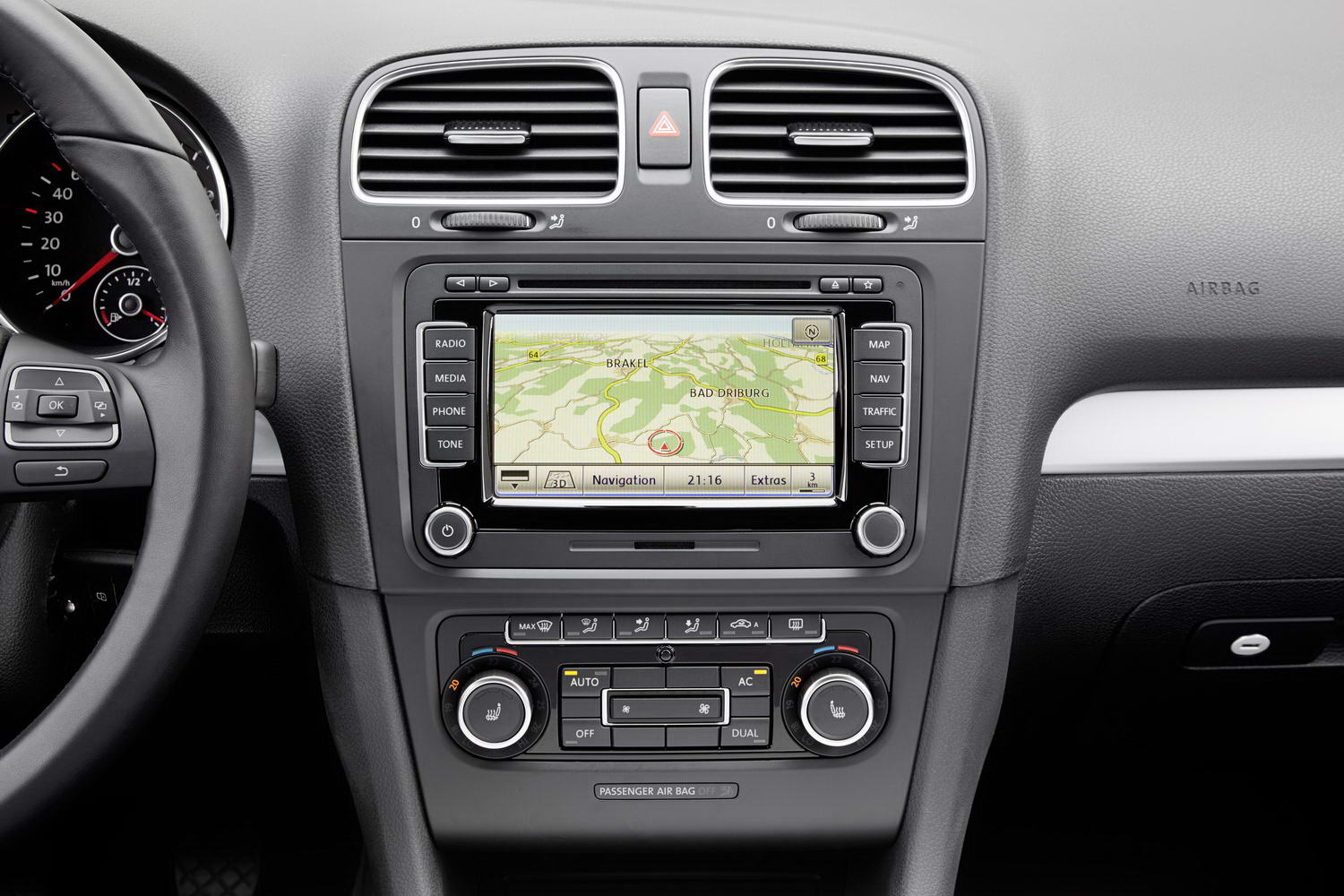
Entry-level versions of the Golf VI are called Trendline (or TL) and even they feature air conditioning and a CD stereo, but it’s worth holding out for the far nicer Comfortline (CL) car - it's also one of the most common. Topping the range is the Golf Highline (HL), which had loads of extra equipment as standard - and a more premium look - plus it was regularly upgraded further by buyers. It’ll offer great value as a used buy for those that like to have lots of toys. Along with those three core models, there were many special editions and of course there are others again that have been imported from the UK.
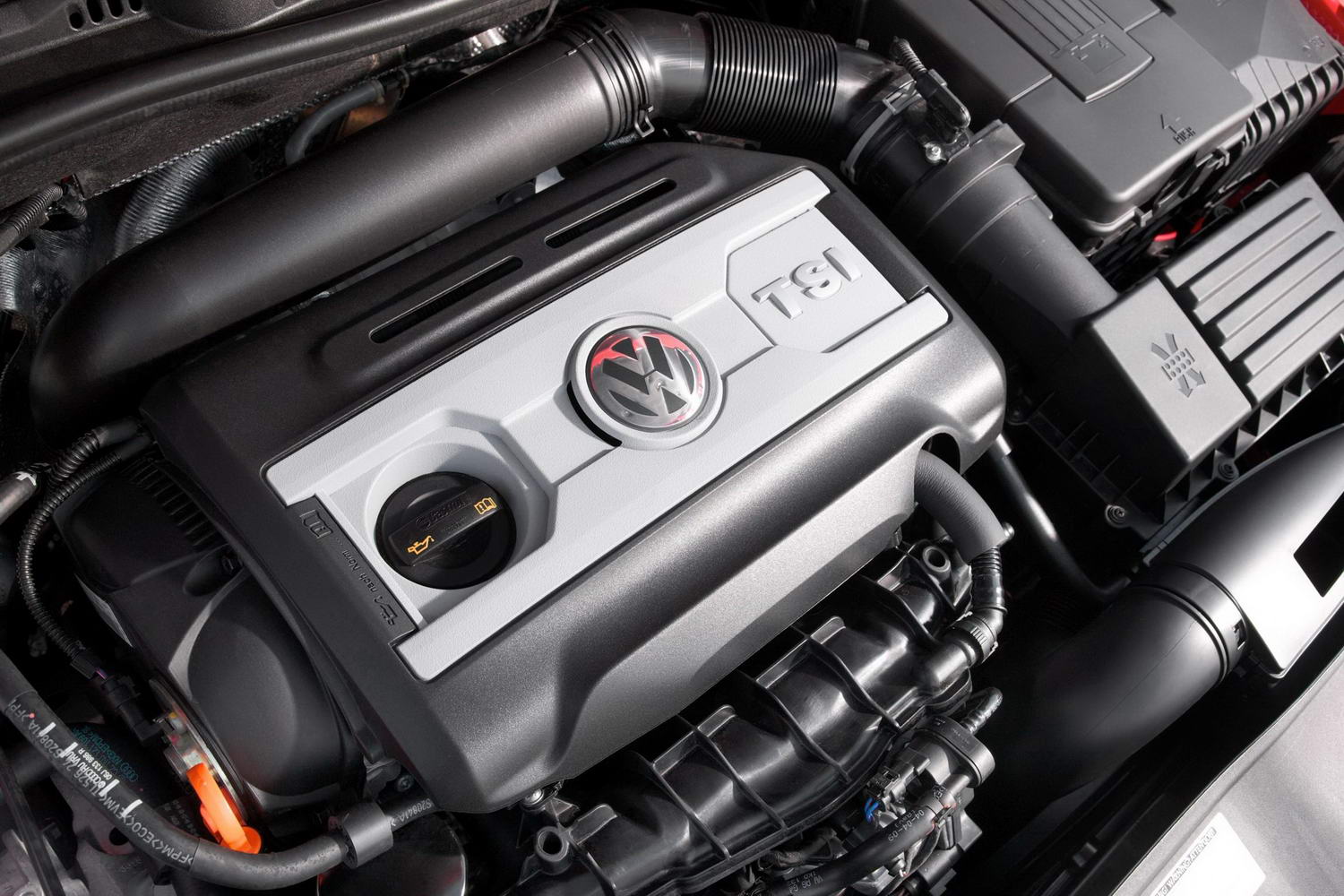
A wide range of conventional petrol and diesel engines were offered in the VW Golf VI throughout its lifecycle. The last of the old-school naturally aspirated petrol options were 1.4 (80hp) and 1.6 (102hp), but a far better bet if you’re considering petrol power is one of the TSI engines; these are all turbocharged. Even the entry-level 1.2 TSI engine is a good match to the Golf, produced in 86- and 105hp states of tune. For a little more performance, it’s worth seeking out a 1.4 TSI version. This engine was produced in 122hp, 140hp, 160hp and 170hp guises, which, curiously, overlaps with the 1.8 TSI unit, producing 160hp. Those are not at all common, though.
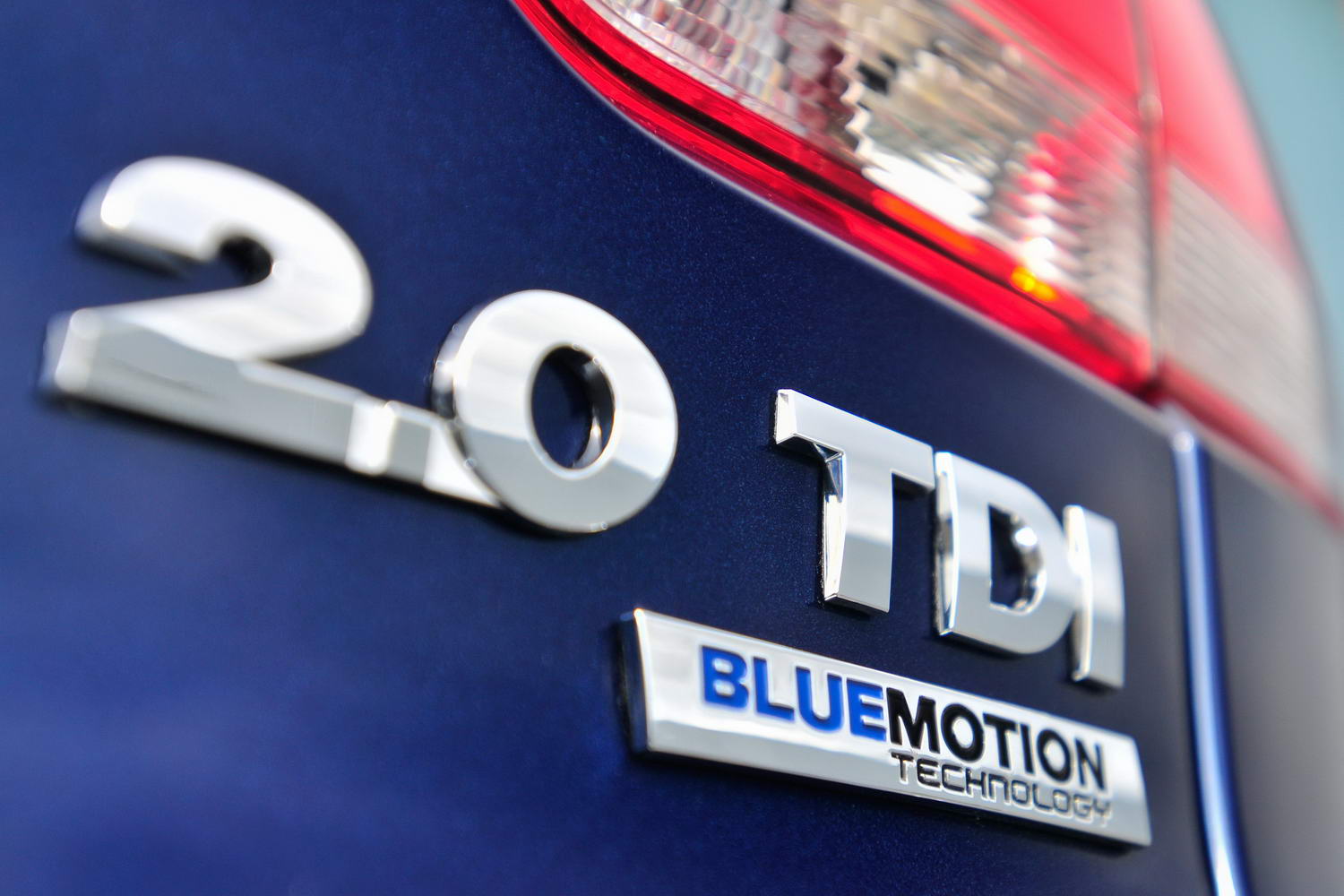
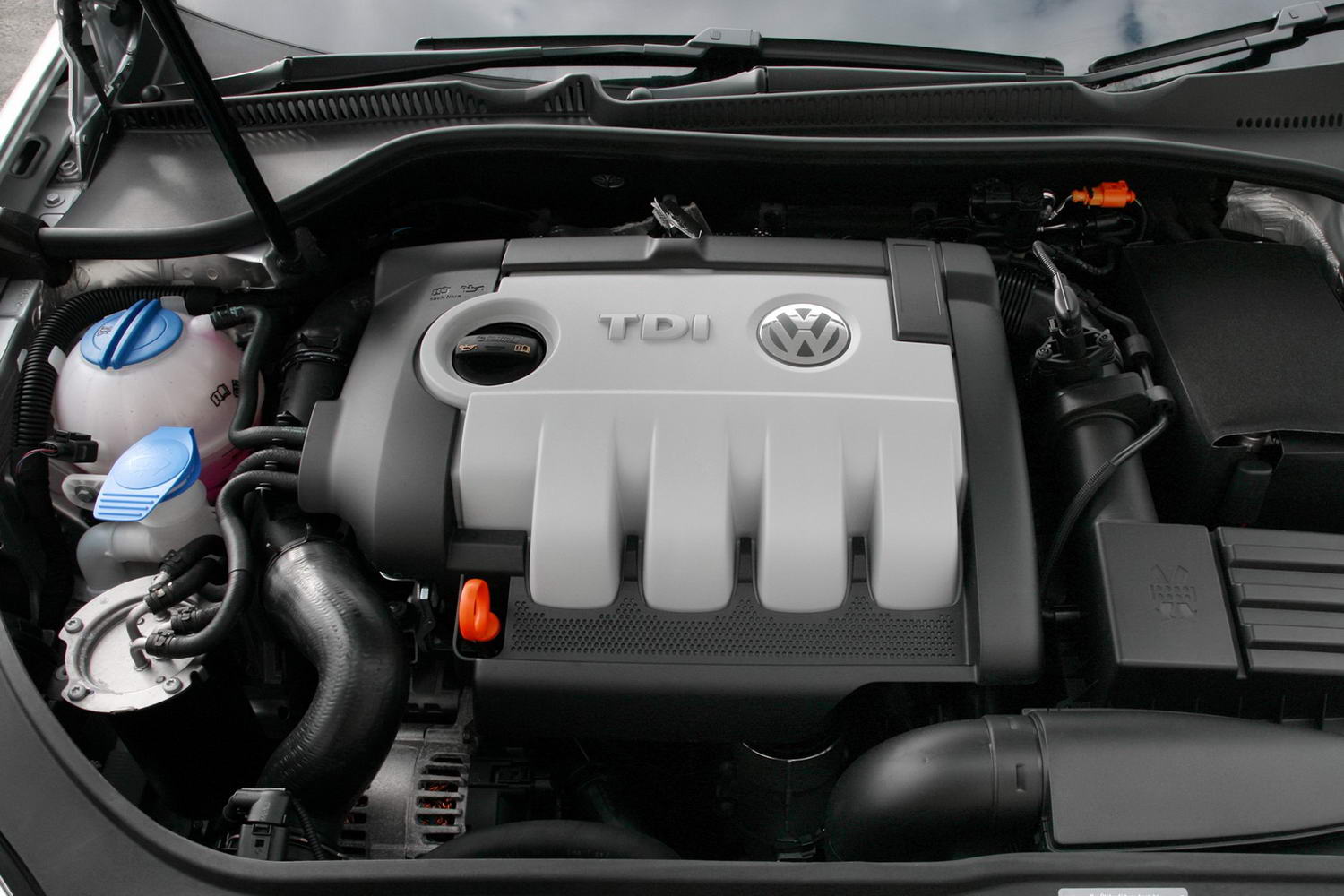
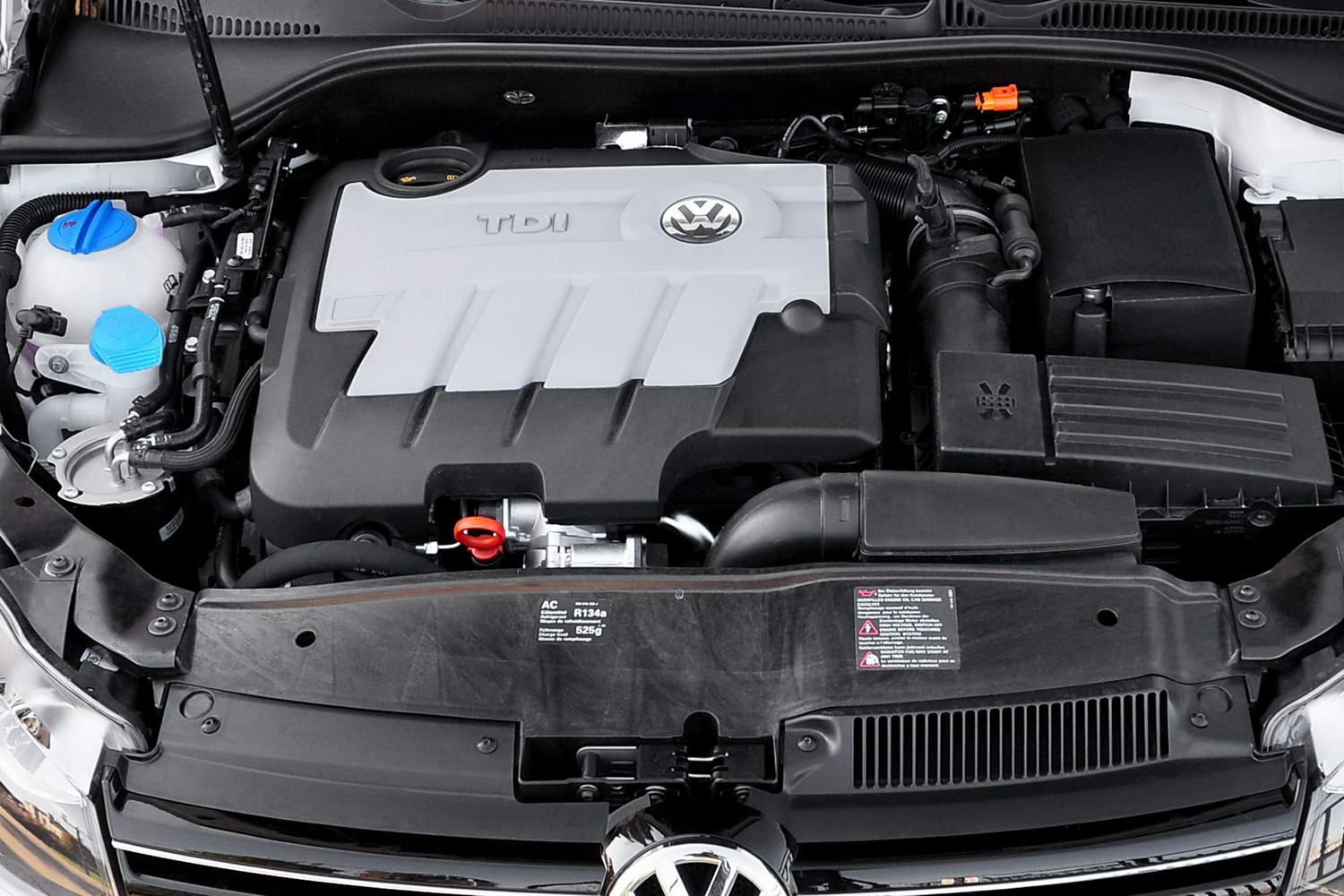
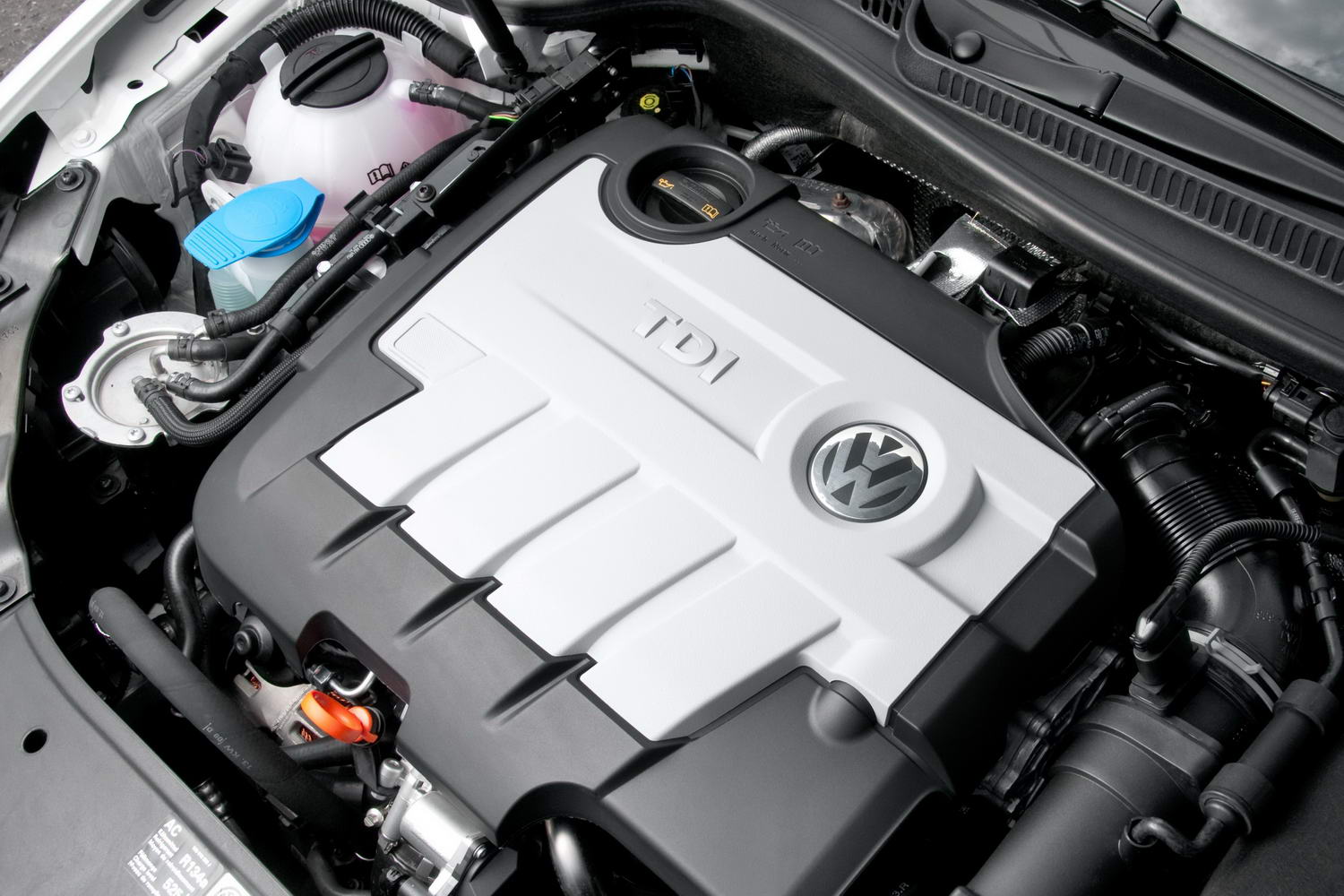
If long-distance frugality is of interest, it’s well worth checking out the TDI diesel versions of the Golf, as they’re all economical. The 1.6 TDI engine is smooth and cheap to run - and made in 90- and 105hp guises, while the beefier 2.0 TDI option (110hp, 136hp, 140hp or 170hp depending on model year and variant) can give the Golf more performance for those that need to carry lots of passengers and luggage regularly. The Golf GTD, with its 170hp 2.0-litre turbodiesel engine, makes for a fast hatch that also can return good economy. Just don’t expect it to handle or drive with quite as much verve as the Golf GTI proper.
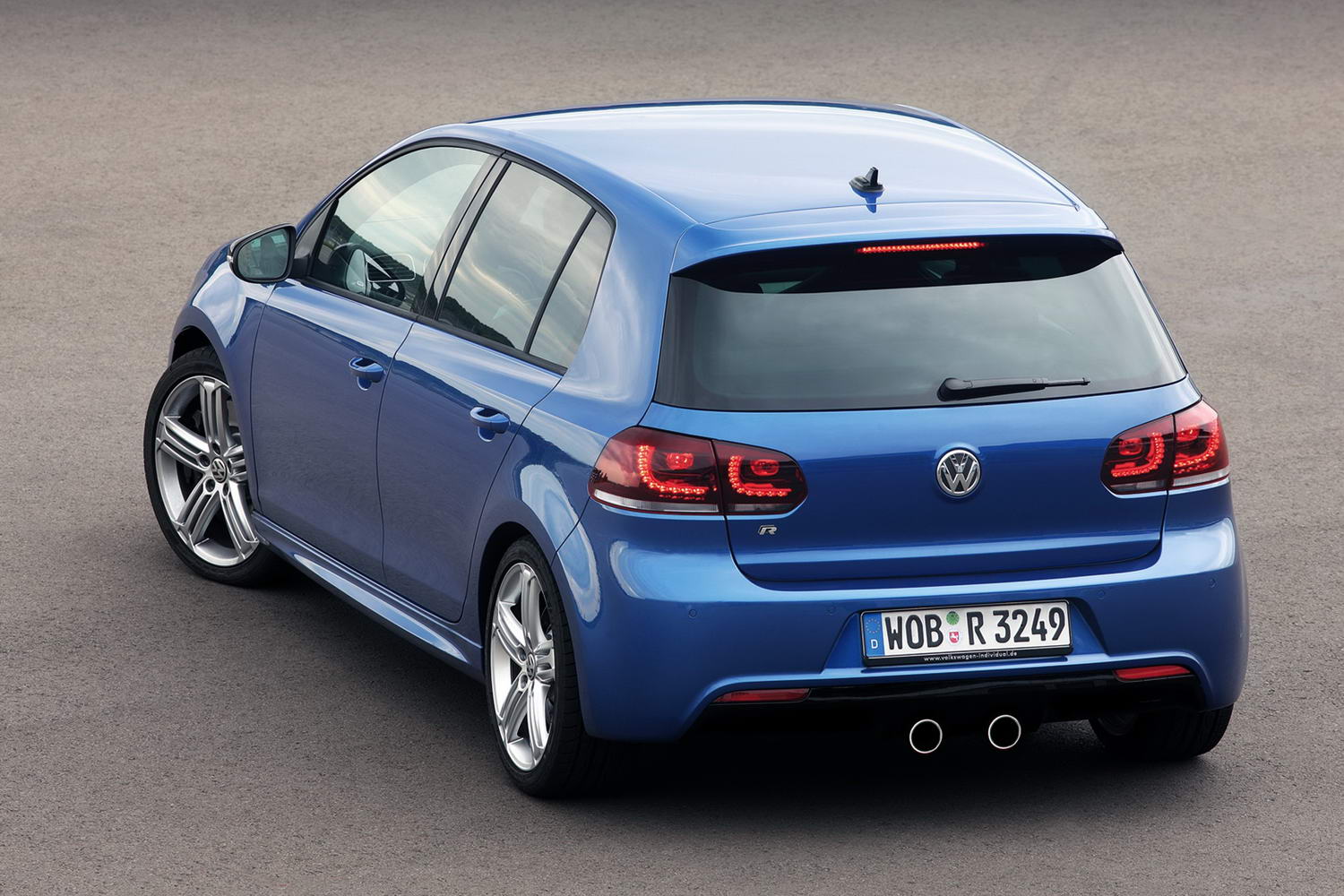
Speaking of which, there are plenty of good used examples of that hot hatch around that make for a great fun car with relatively low running costs. To begin with, the Golf GTI’s 2.0-litre TSI engine made 211hp, but this was upgraded to 235hp in the Golf GTI ‘35’. Topping them all is the Golf R, using a 270hp version of the same basic engine as the GTIs. The Golf R is the only version sending power to all four wheels, via VW’s ‘4Motion’ four-wheel-drive system. All other Golfs are front-wheel drive.
In terms of gearboxes, it depends on the engine, but you’ll find five- and six-speed manual gearboxes and either six- or seven-speed DSG (dual-clutch) automatics across the range.
How much is it to tax the VW Golf VI?
Refer to our Motor Road Tax Prices in Ireland Explained feature for the up-to-date cost to tax the Golf VI.
How reliable is the Volkswagen Golf VI?
In general, the Golf VI’s reliability is above average for all cars, but only average for cars of the same size. On top of that, repairs are often more costly than for those in similarly sized alternatives.
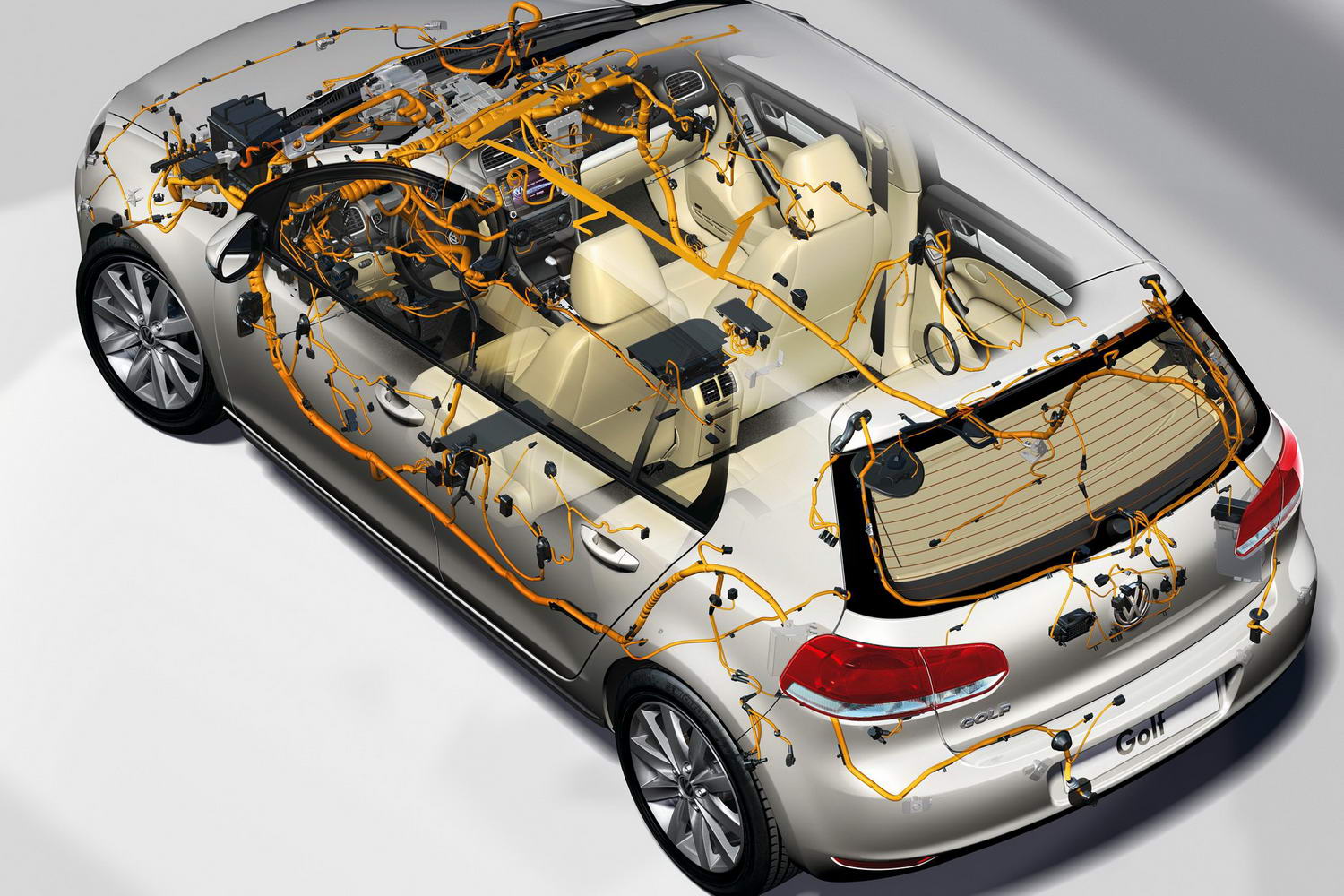
There are a few well-known issues in the Golf VI to watch out for that affect all versions. For instance, all models can seem to lose power on acceleration, possibly accompanied by an engine malfunction light. Looks serious, but is often caused by nothing more than a poor connection between the wiring harness and the throttle pedal. And, as on many cars of a certain age, watch out for rattling or banging over bad roads through the suspension, as that may mean that the anti-roll bar link rods have failed and need replacement to pass the next NCT.
If you’re testing a car with the seven-speed DSG transmission and there’s a grinding noise from the front, it’s best to walk away, as they are known to terminally fail, while the smaller TSI petrol engines can develop an erratic idle due to carbon build-up in their throttle bodies. These can be cleaned out by a good mechanic, but it’s not a small job. Other ECU (electronic control unit - the engine’s brain, essentially) issues on those cars may lead to a knocking noise under the bonnet during hot weather or a high-pitched noise from the high-pressure fuel pump. Both these things can usually be cleared by plugging the car into a diagnostic computer, but may require reprogramming of the ECU.
Finally, on all the diesel Golf VIs, watch out for coolant leaks from the radiator, or a coolant level warning light, as their radiators can be easily damaged by poor fitting of the fan behind.
In terms of recalls that affect the Golf VI sold in Ireland, in 2018 it was identified that many Volkswagens (including the Golf) manufactured between March and July 2011 were fitted with a dodgy starter motor. The technical defect is described as ‘a spring in the starter motor's magnetic switch was incorrectly installed’ and the risk as ‘the starter motor may overheat, which could lead to a fire breaking out in the vehicle.’
As with all recalls, get the registration number and, if possible, the VIN, of any car you are looking at to check with Volkswagen Ireland if the recall work has been done. It should be free to do, but it’s still worth knowing ahead of time what is required.
If you've owned a Golf VI, we'd love to hear from you about its reliability and running costs. Send us a message via the contact form on this page with as much detail as you can. We may publish the information here, accompanied by your first name if you provide it. Thank you.
When should I service my VW Golf VI?
No matter which engine the Golf VI has, the recommended service schedule is the same, though there are two distinct regimes. The first is called ‘fixed interval servicing’ and is for cars without service indicators. For those, there should be an ‘oil service’ at least every 15,000 kilometres or every year (whichever comes first); an ‘interval service’ every 30,000 kilometres or every two years; and an ‘inspection service’ after 60,000 kilometres or three years - and then every two years after that. Cars with service indicators are on what’s called the ‘long life’ service schedule and, while they must be given the same inspection service as described above, otherwise the owner goes by either the service indicator or has the car serviced every two years.
If fitted, the DSG dual-clutch automatic transmission must also be serviced every 60,000 kilometres, which means an oil and filter changed.
It’s worth bearing in mind that those recommendations were released when the Golf VI was new and we’d highly recommend that owners of older cars service them at least once a year, regardless of how low mileage they are doing.
Does the VW Golf VI have a timing belt?
It depends on the specific engine under the bonnet. The 1.2 TSI, 1.4 TSI and 1.8 TSI turbocharged petrol engines all use timing chains and the rest have timing belts. The recommended change interval varies from engine to engine, however, though there are no time limits, just mileages. So, the naturally aspirated 1.4 and 1.6-litre petrol engines must have their timing belts changed at 90,000km and then checked every 30,000km after. The timing belt in the 1.6 TDI diesel engine must be changed at least every 210,000km regardless of time, and the same applies to newer versions of the 2.0 TDI. Some early batches of the 2.0 TDI came with a recommended interval of 180,000km, while the timing belt in the Golf GTI and Golf R should also be changed at least every 180,000km.
Can I fit child seats and a buggy in the VW Golf VI?
The boot of the Golf hatchback isn’t huge. You’ll get most ‘travel system’ style buggies and prams in there when they’re folded down (and sometimes they’ll need dismantling), but don’t factor on getting much else in. Obviously the estate version of the Golf has a much larger boot, while the Cabriolet has a tiny one.
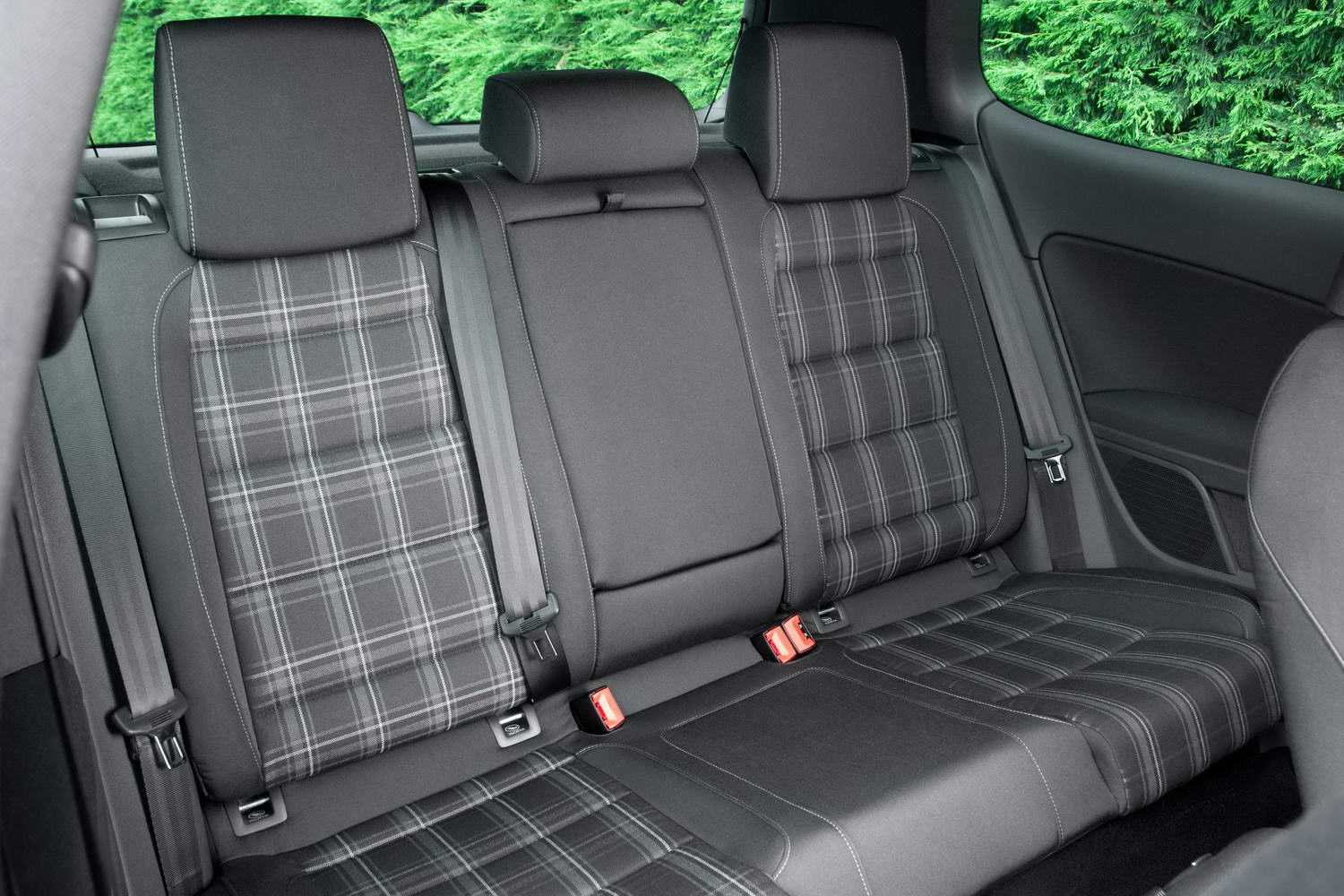
In the back seats, there are two sets of ISOFIX mountings for child seats, but bulky child seats will restrict how far back the front seat occupants can slide their chairs, as there’s not a lot of rear legroom in the Golf VI.
While there are three seatbelts in the back (except in the Cabriolet, which has only two), it is highly unlikely that you’ll find a way to safely fit three child seats or bulky boosters in the back. The rear seat is just not wide enough.
As ever, if you’re considering a used car, and it has to accommodate an existing buggy and/or child seats, make sure you bring them along to the test drive to see how they fit in.
How safe is the VW Golf VI?
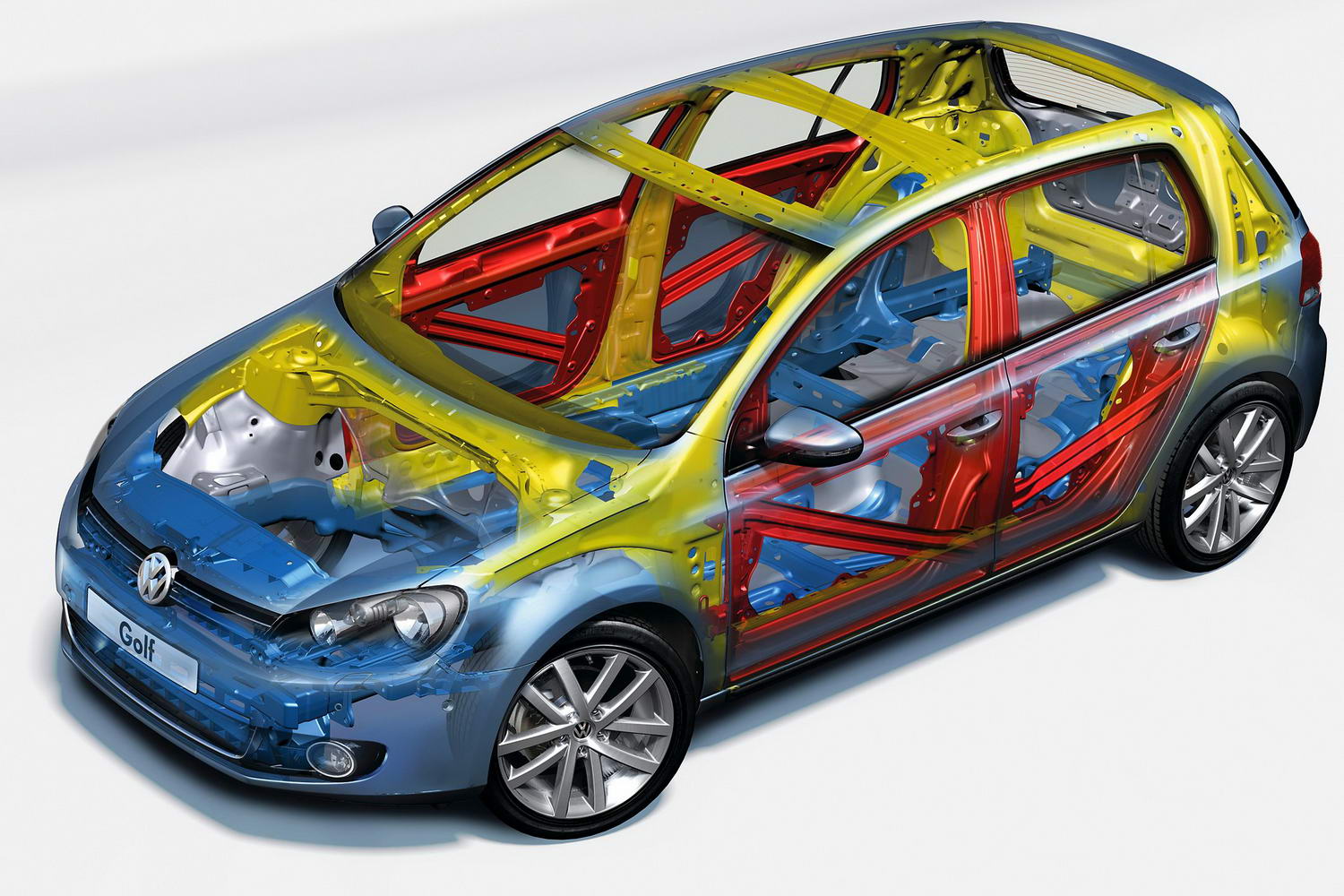
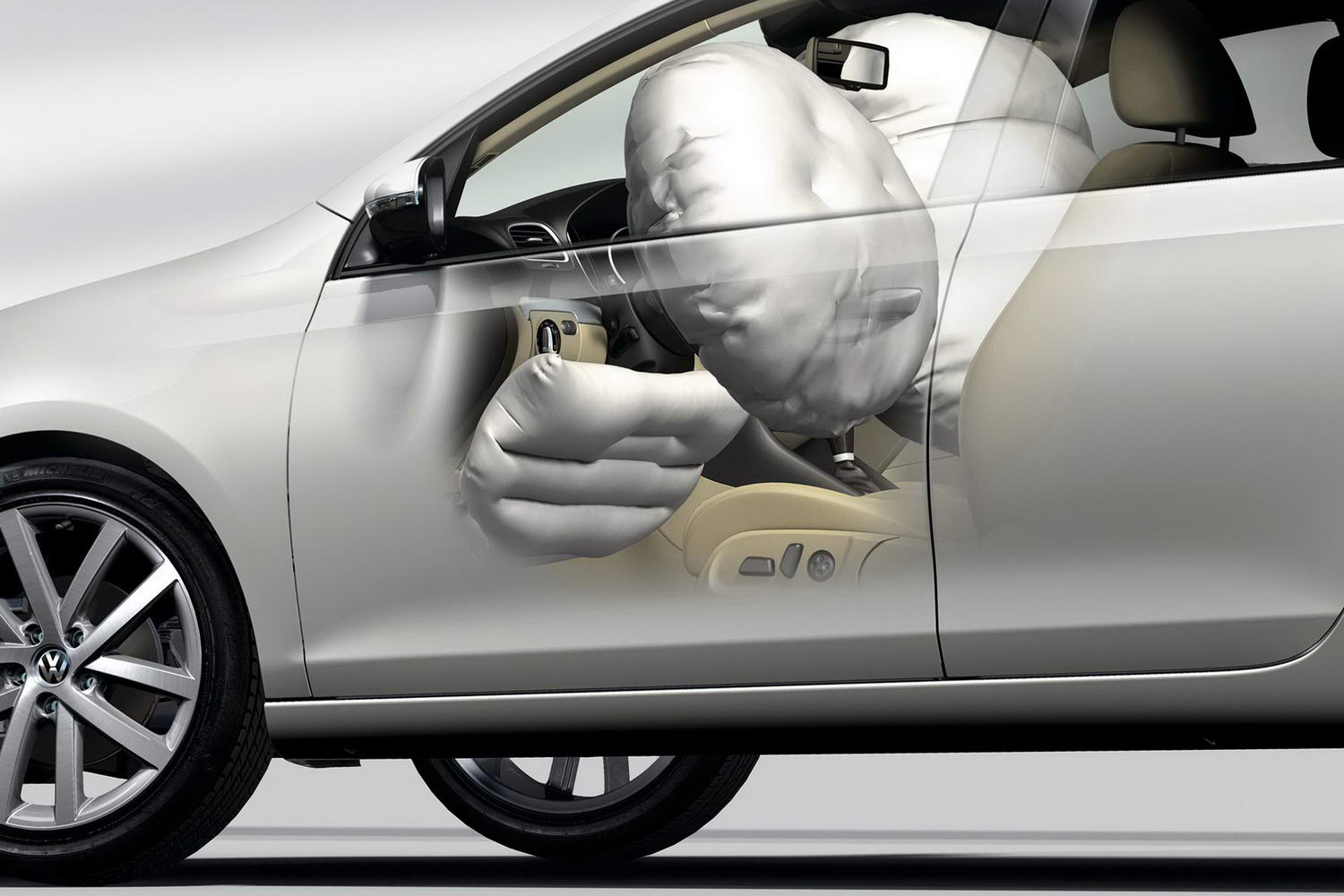
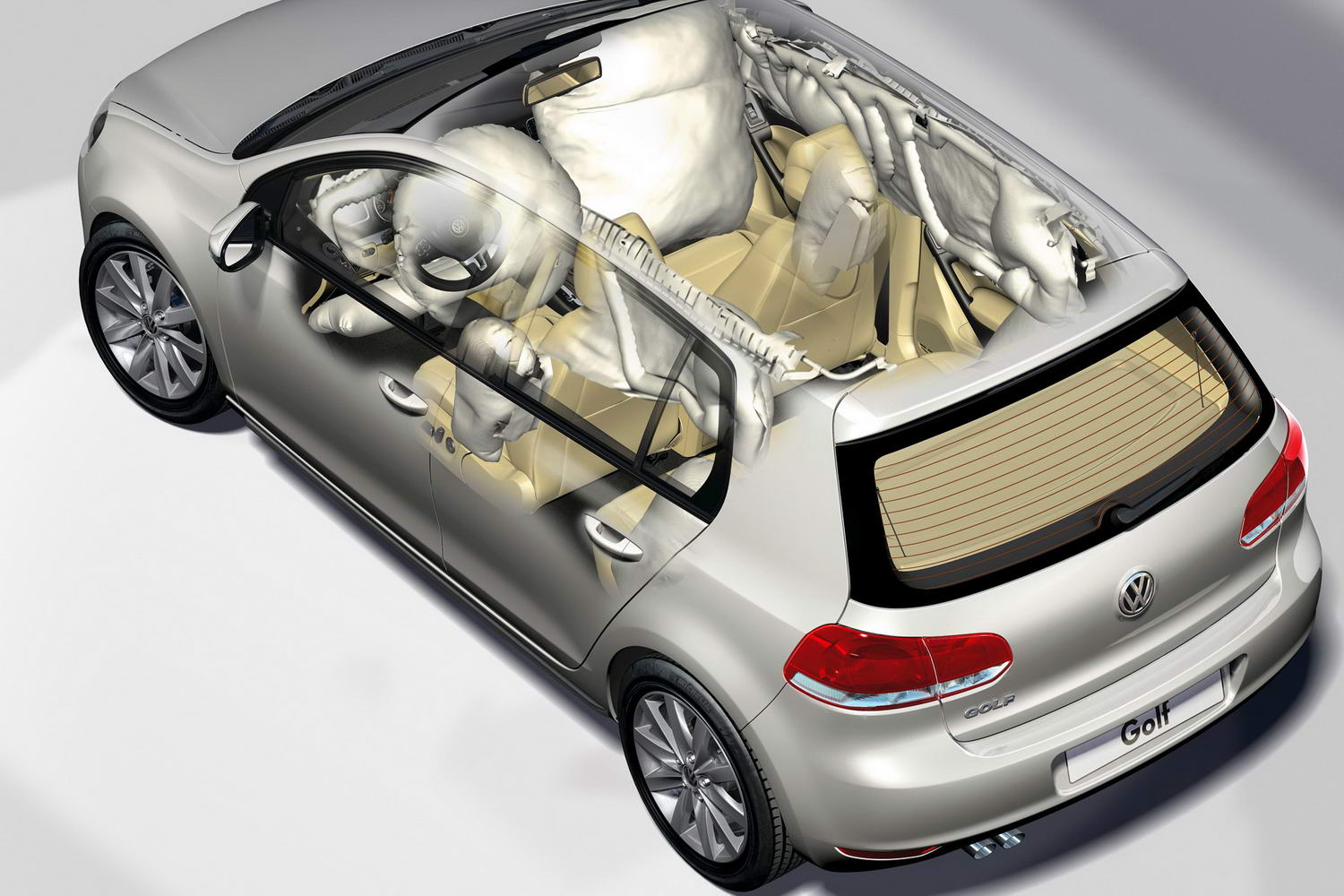
When the Volkswagen Golf VI was tested by EuroNCAP in 2008, it fared well, getting the full five stars for adult occupant protection, four stars for child occupant protection and three stars for pedestrian protection. Some of the safety equipment fitted as standard include front seatbelt pre-tensioners and load limiters, driver frontal airbag, side airbags for the body and head and a driver’s knee airbag.
The Golf was retested in 2009 by EuroNCAP as the organisation changed how it rated cars. This time around, the adult occupant rating was 97 per cent, child occupant rating was 84 per cent, pedestrian protection was 61 per cent and the Golf scored 71 per cent in the new ‘Safety Assist’ category. Along with the above safety equipment, it was noted that the Golf featured ISOFIX mountings in the rear, front seat occupant seatbelt reminders, and ESC (Electronic Stability Control).
Click here for the full EuroNCAP report on the VW Golf VI
Alternatives to the Volkswagen Golf VI
Alfa Romeo Giulietta
Audi A3
BMW 1 Series
Chrysler Delta
Citroen C4
Fiat Bravo
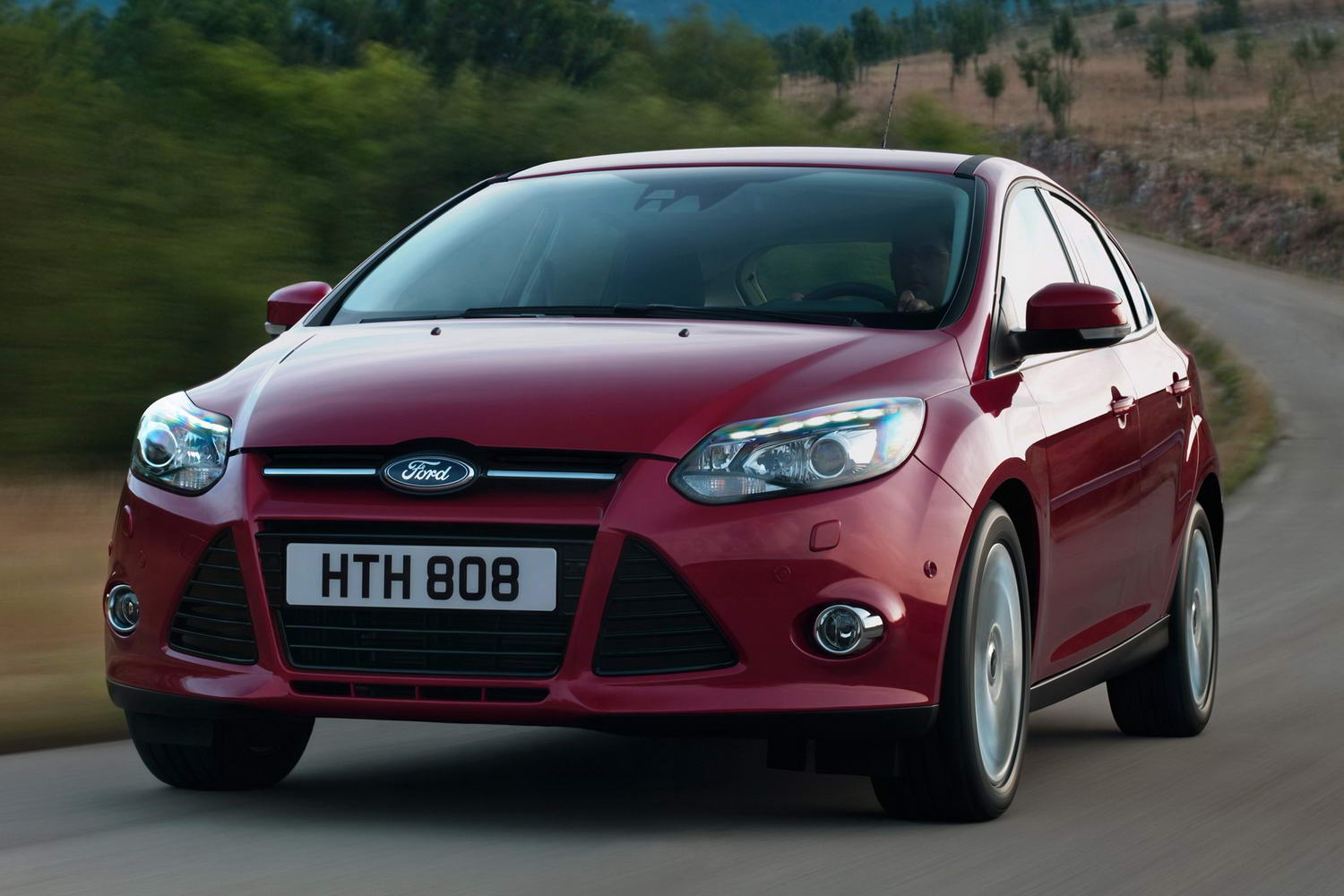
Ford Focus
Ford Focus Mk3 (2011-2018) buying guide
Honda Civic
Hyundai i30
Kia Ceed
Lexus CT 200h
Mazda3
Mercedes-Benz A-Class
Mitsubishi Lancer Spaceback
Nissan Tiida
Opel Astra
Peugeot 308
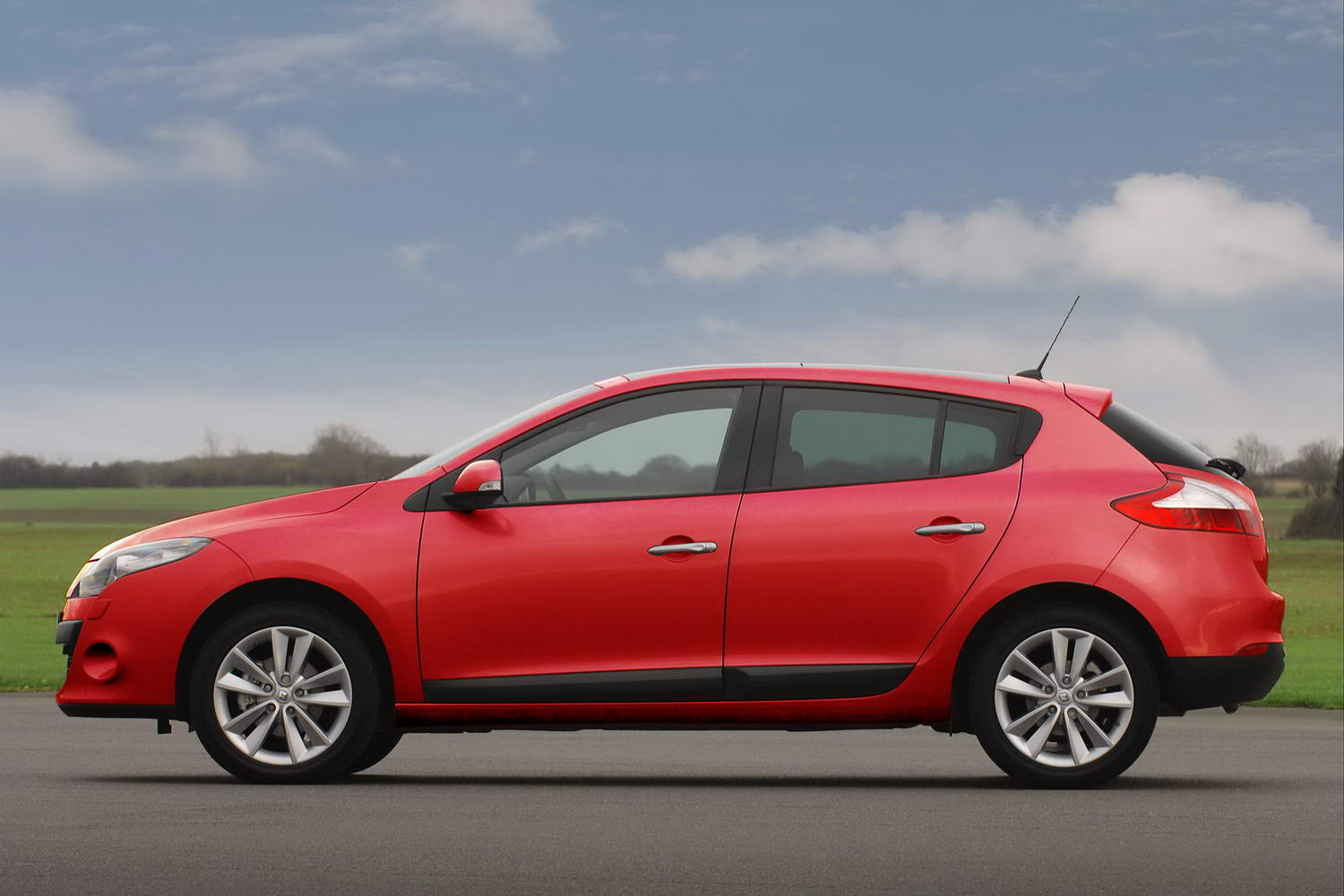
Renault Megane
SEAT Leon
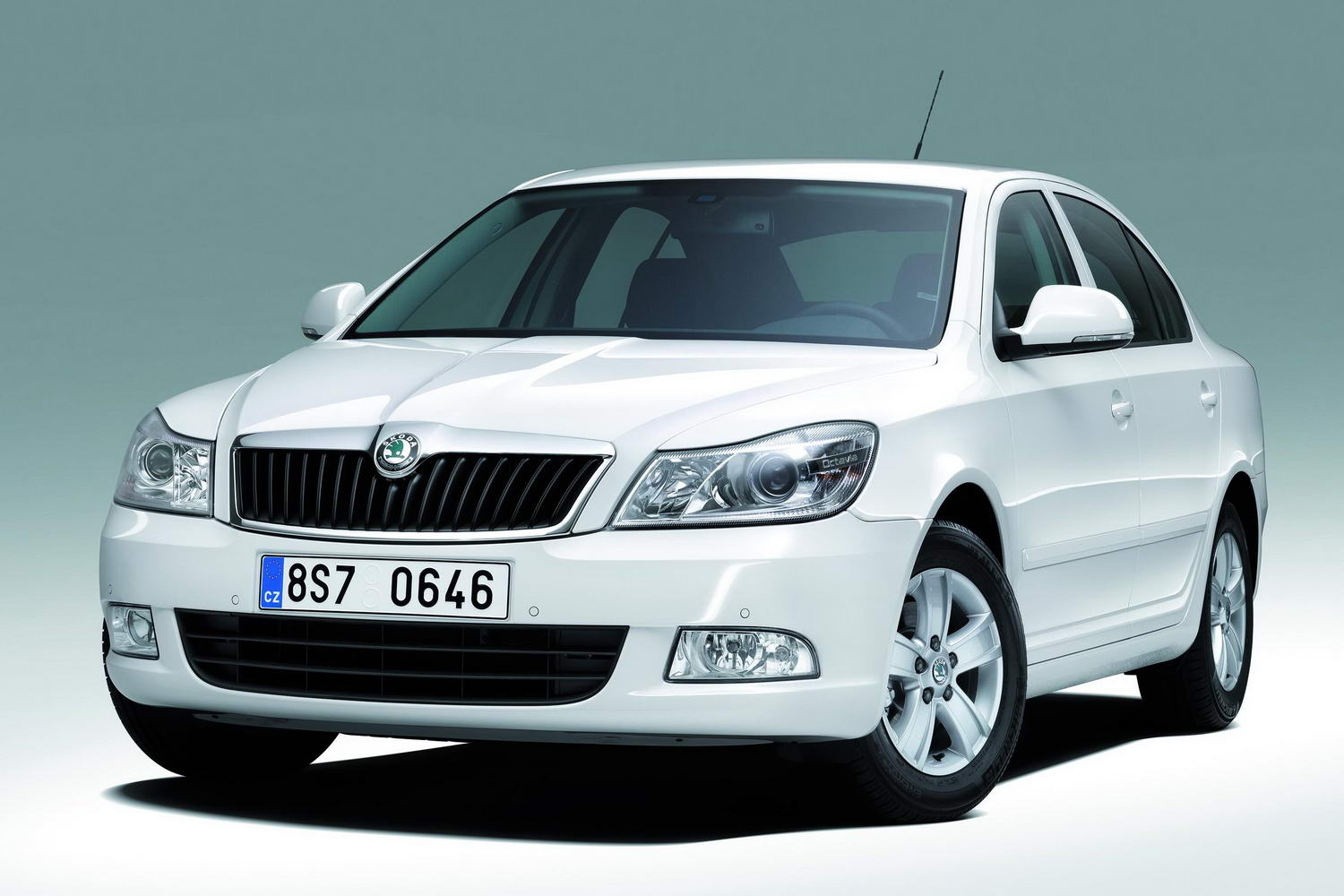
Skoda Octavia
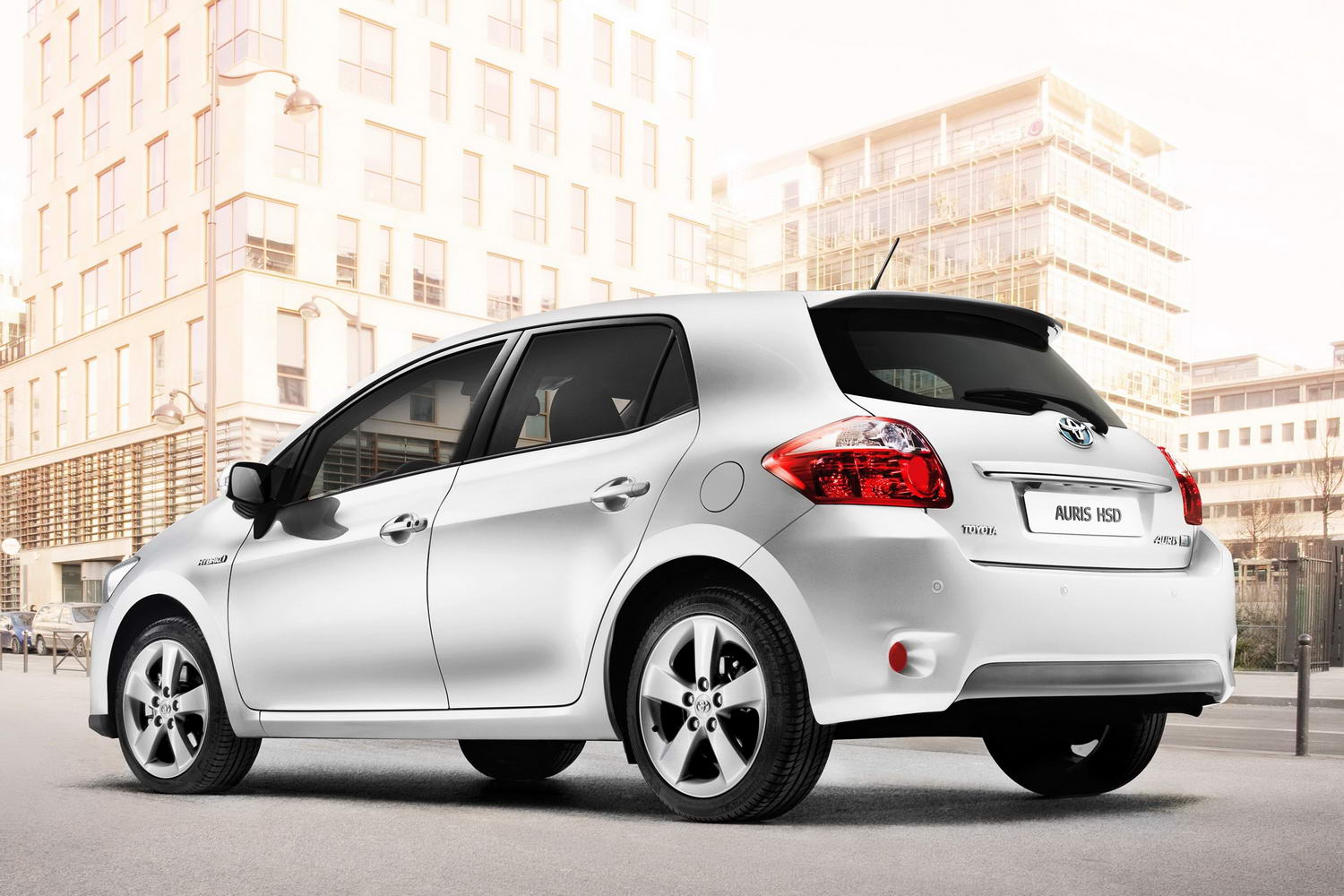
Toyota Auris
Volvo V40
How much is a VW Golf VI worth?
For estimates of the current value of a given car, drop us a message using the Ask Us Anything page with as much detail as possible in it.