

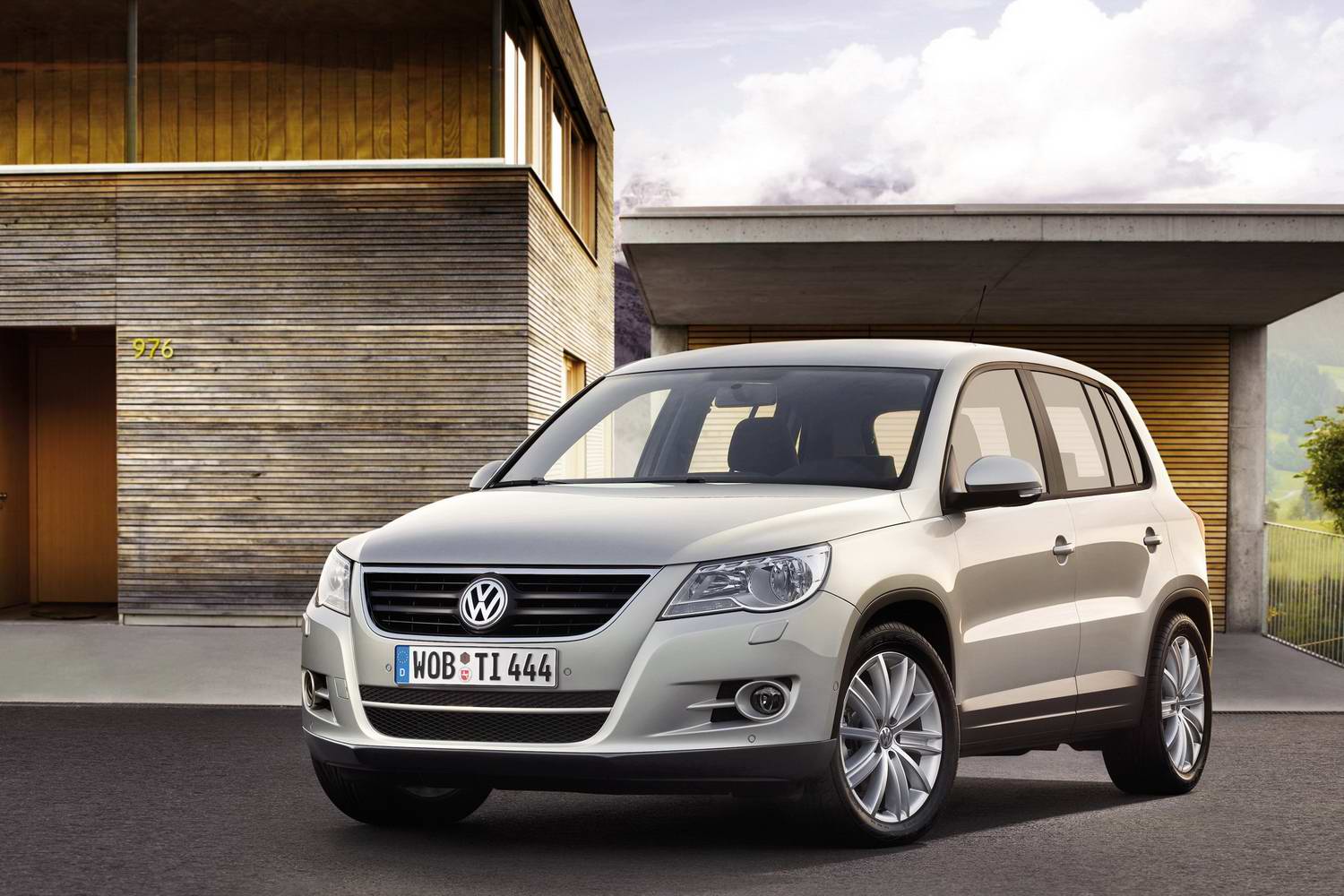
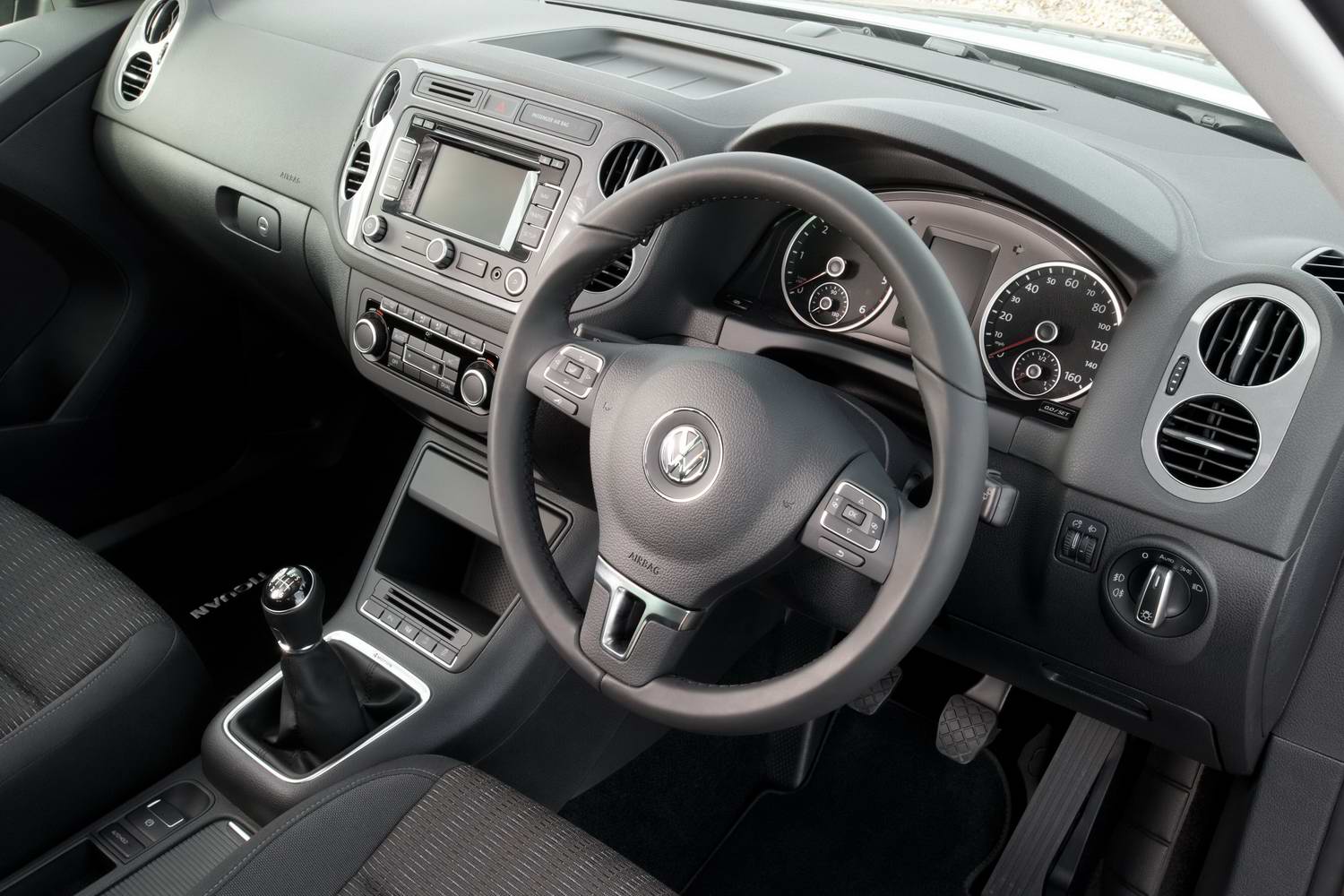
Range overview: petrol or diesel; manual or automatic; front- or all-wheel drive; crossover-SUV
Reliability: below average for class
Cost to repair: average for class
Most common: Volkswagen Tiguan 2.0 TDI 110
Best for economy and long-distance driving: Volkswagen Tiguan 2.0 TDI 140
Best for urban driving: Volkswagen Tiguan 1.4 TSI 122
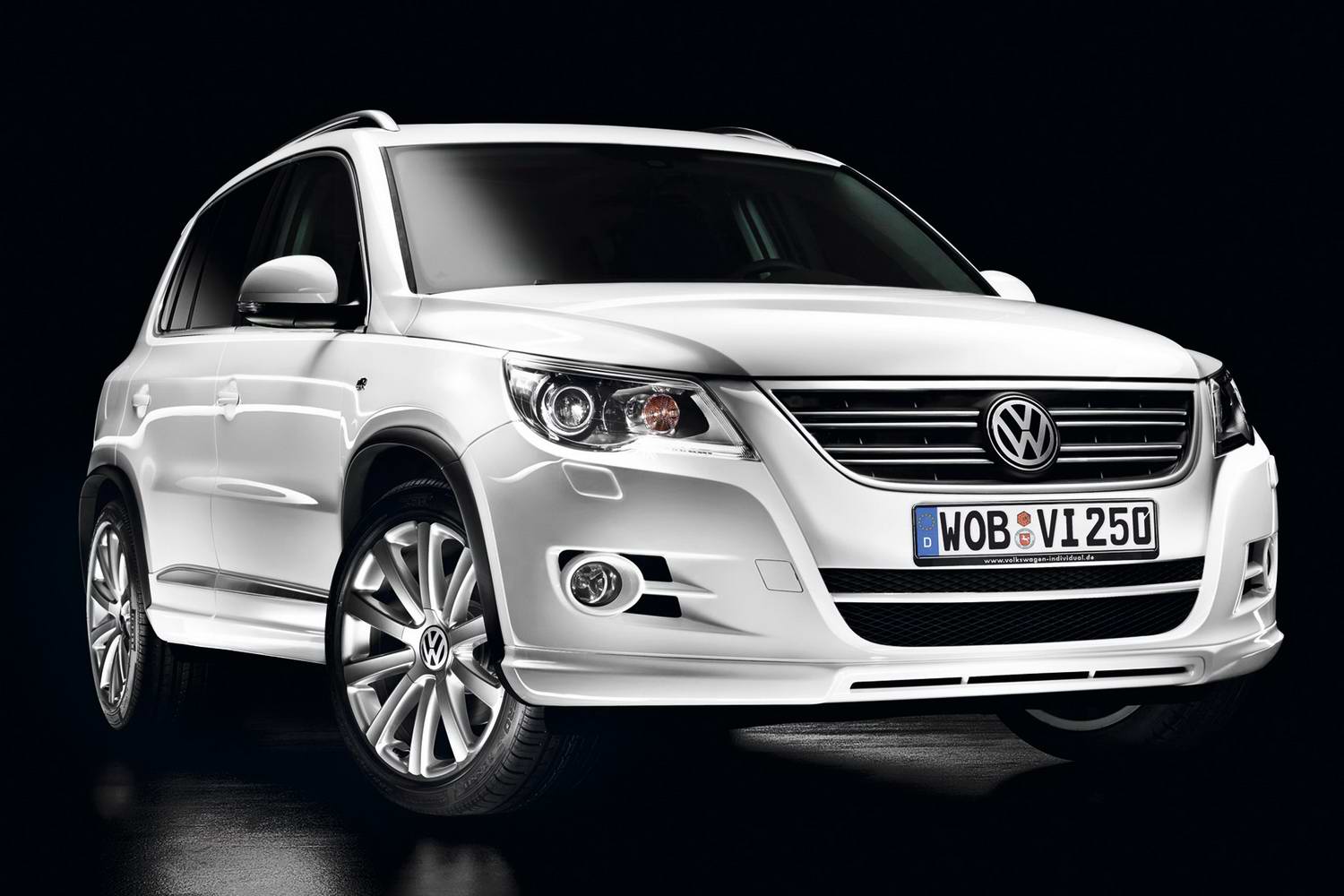
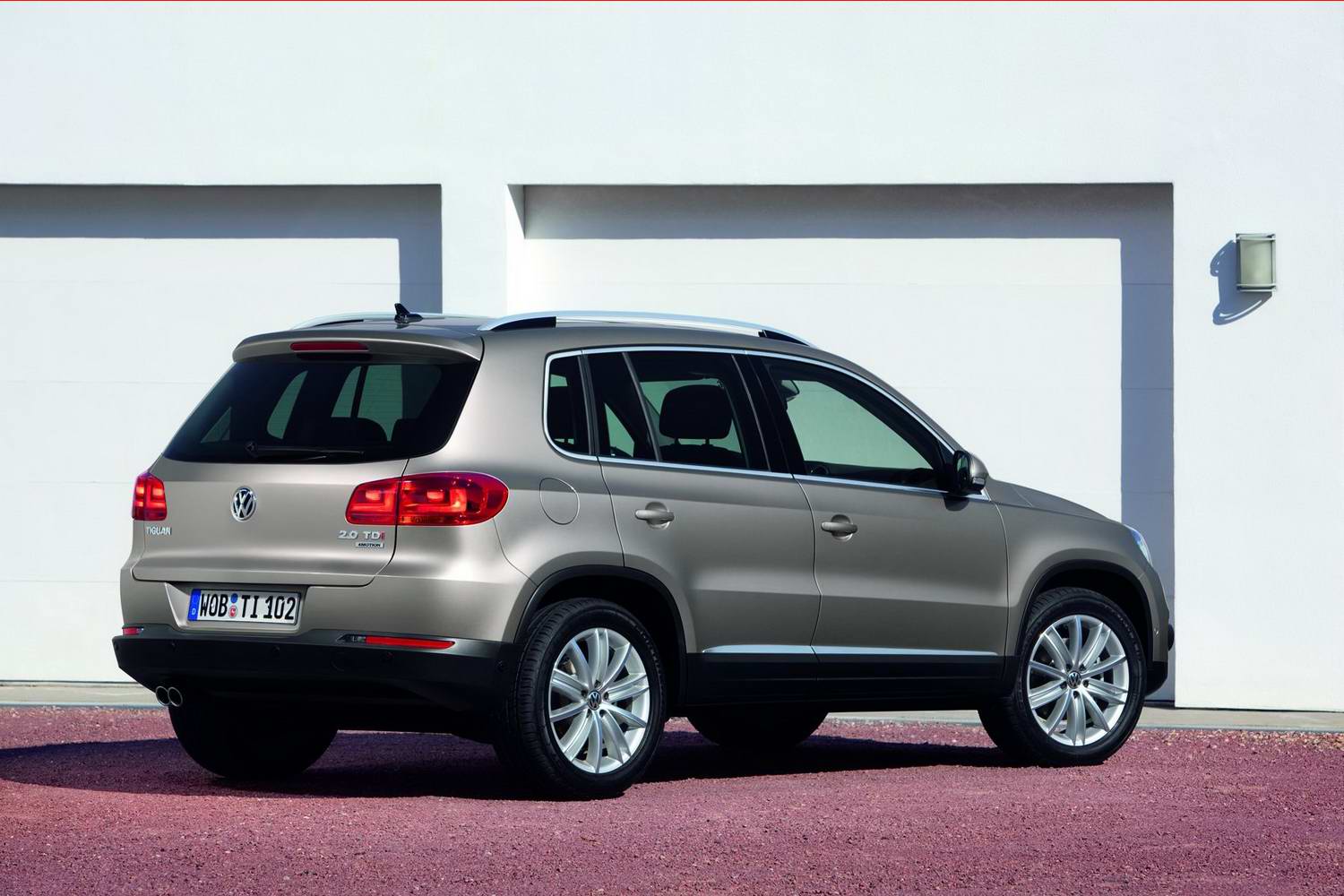
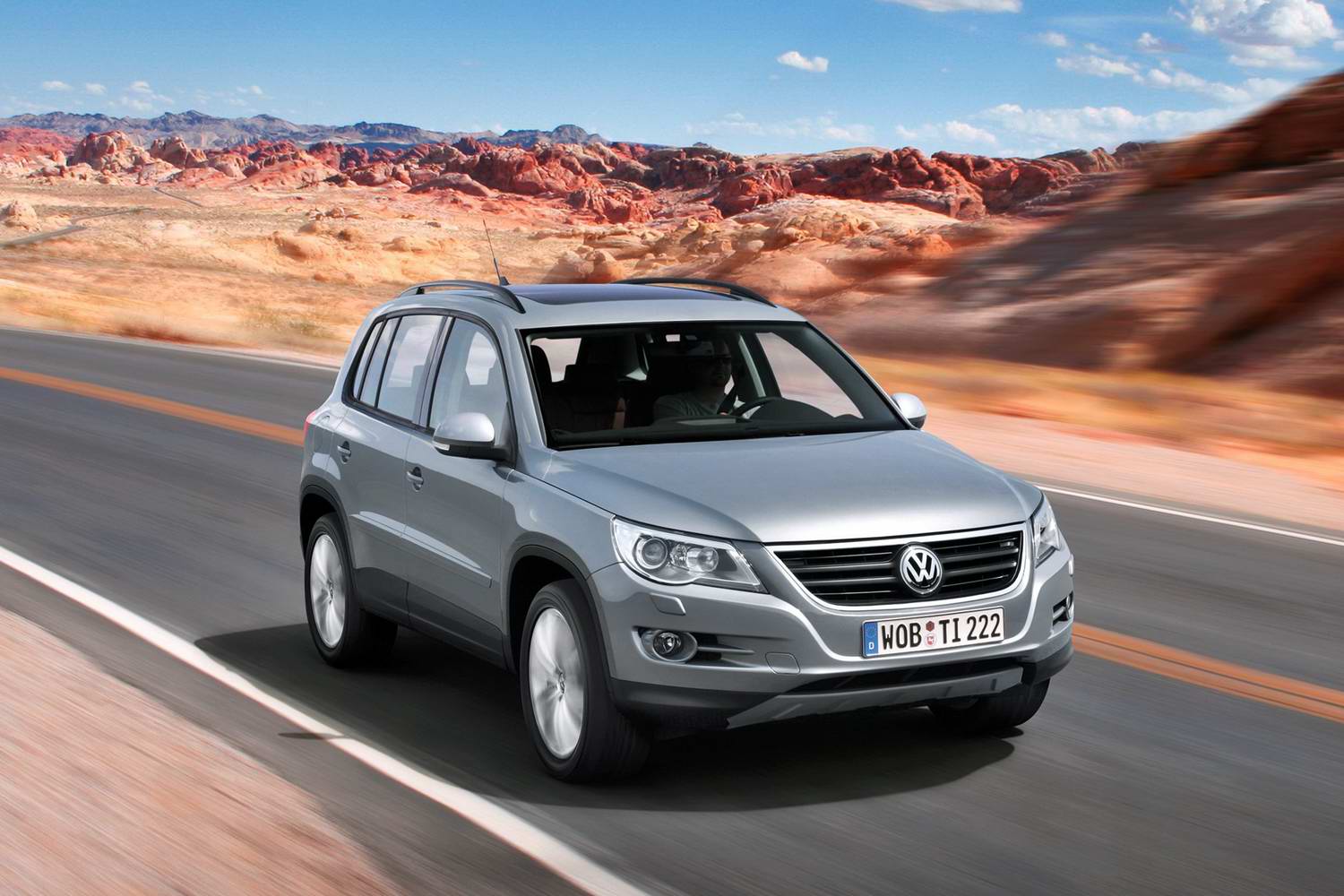
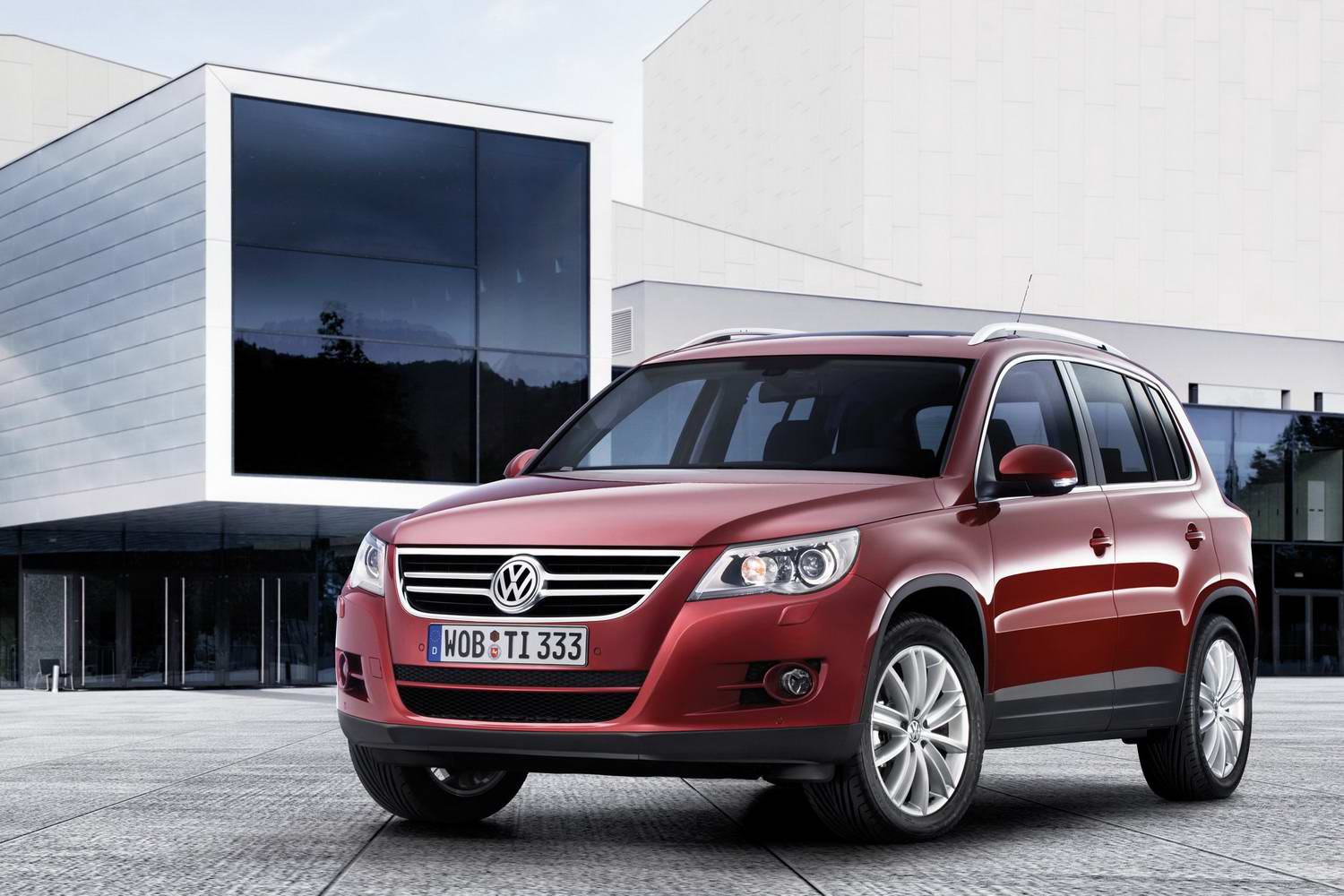
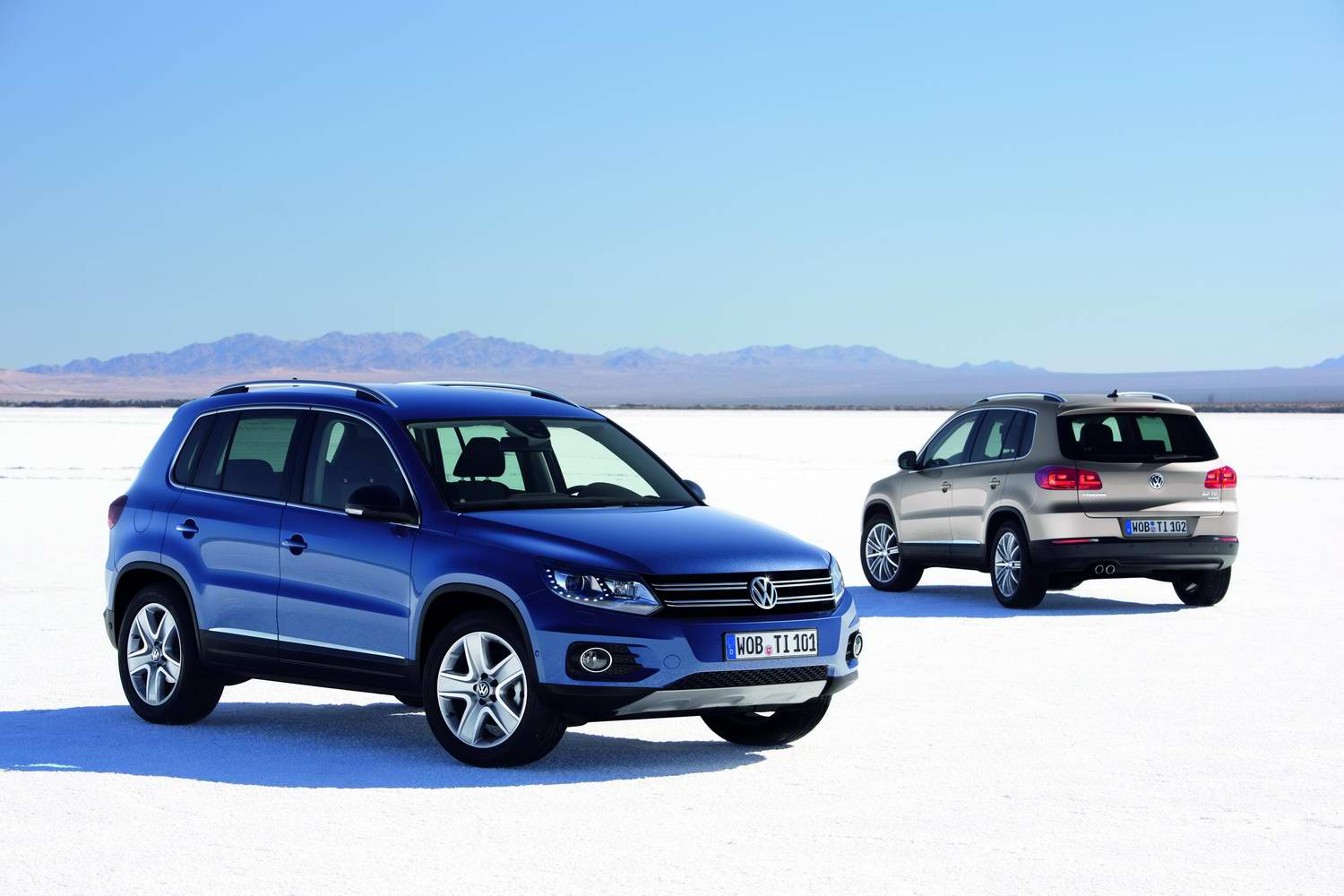
The first-generation Tiguan was Volkswagen's earliest foray into the lucrative crossover market and only its second SUV-type vehicle after the Touareg, which launched in 2002. The Tiguan was based on the platform of the contemporary Passat (itself a development of the Volkswagen Golf chassis) and it has begat not only a second-generation car in 2016, but a whole new wave of smaller crossovers from the German company, such as the T-Cross and T-Roc.
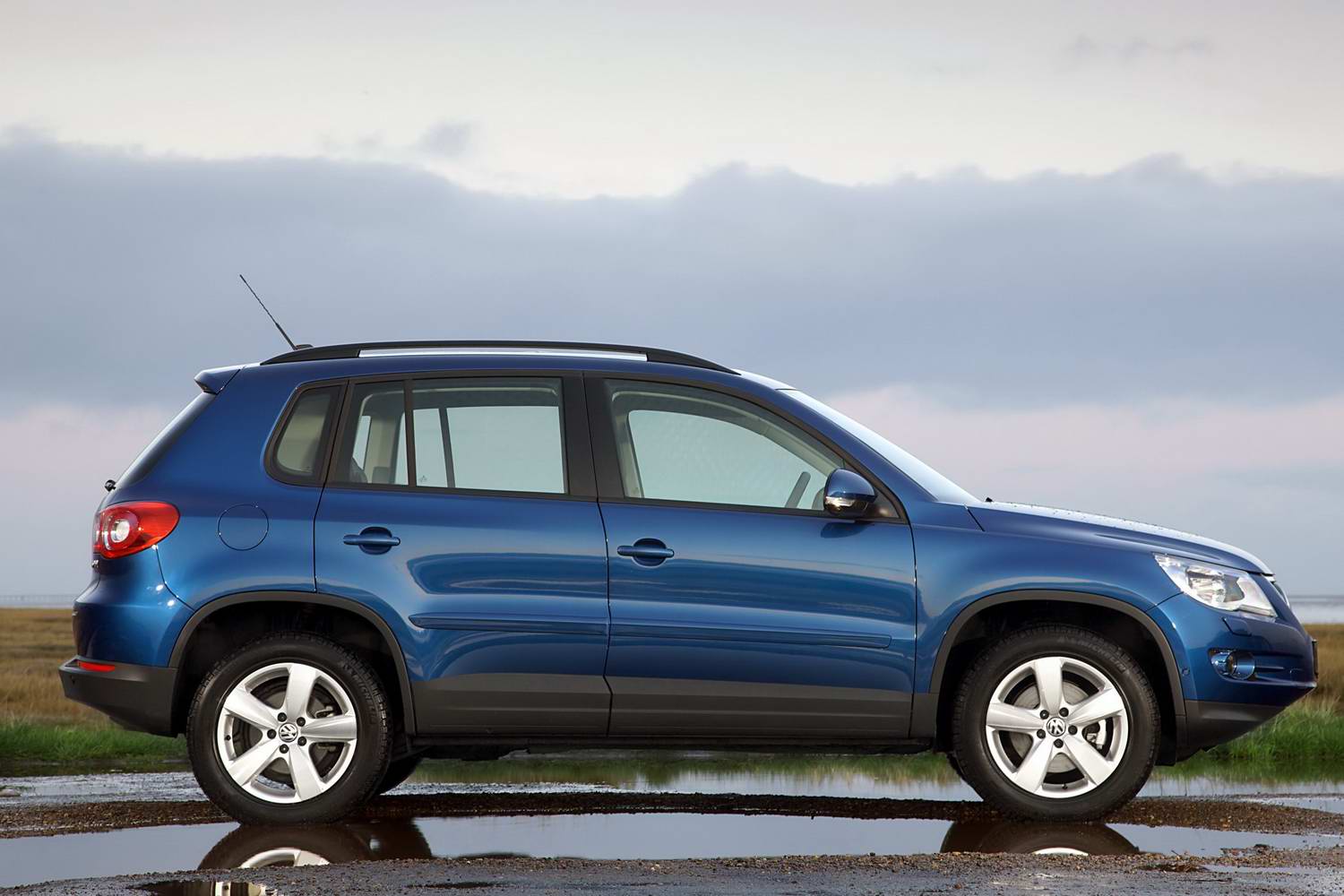
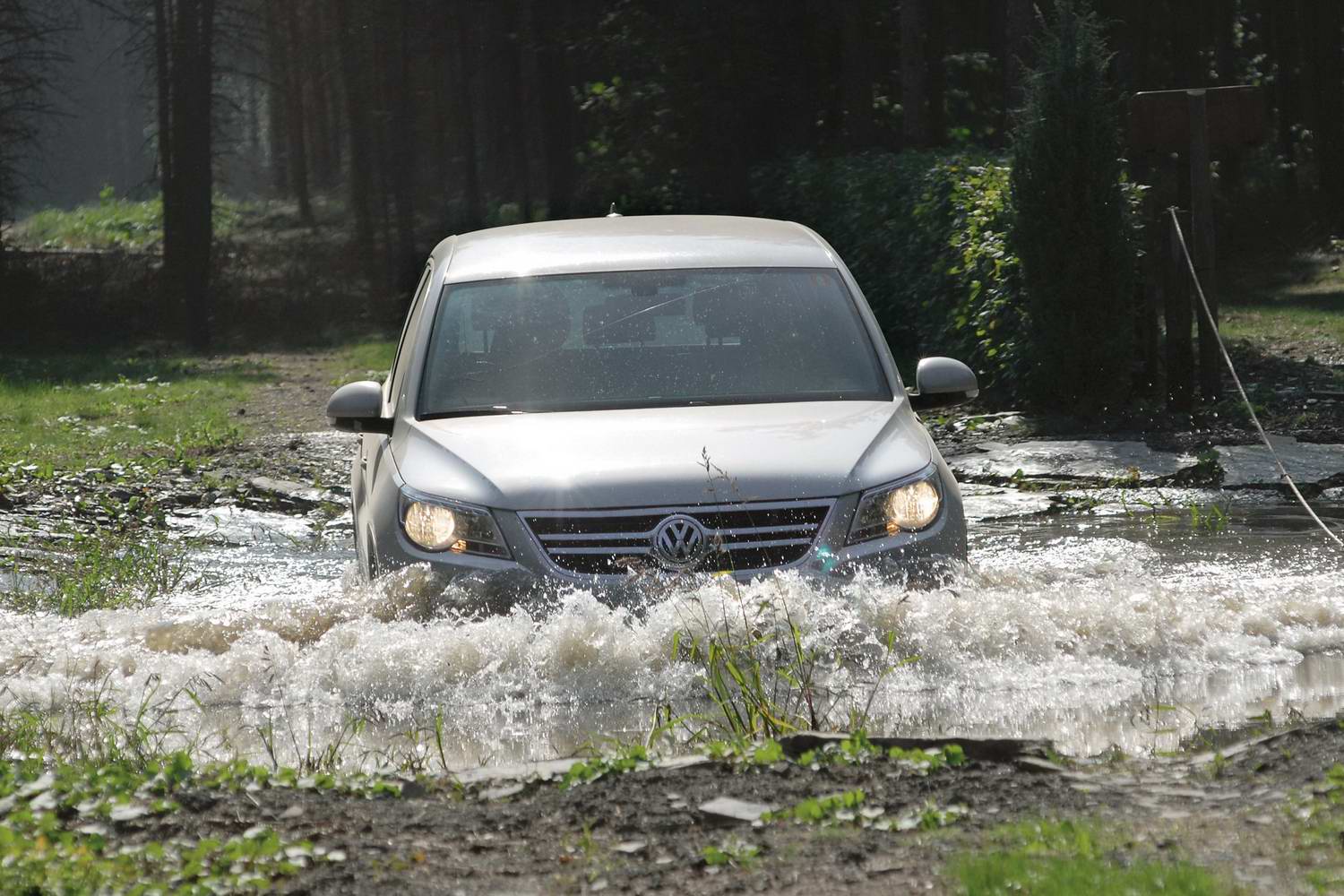
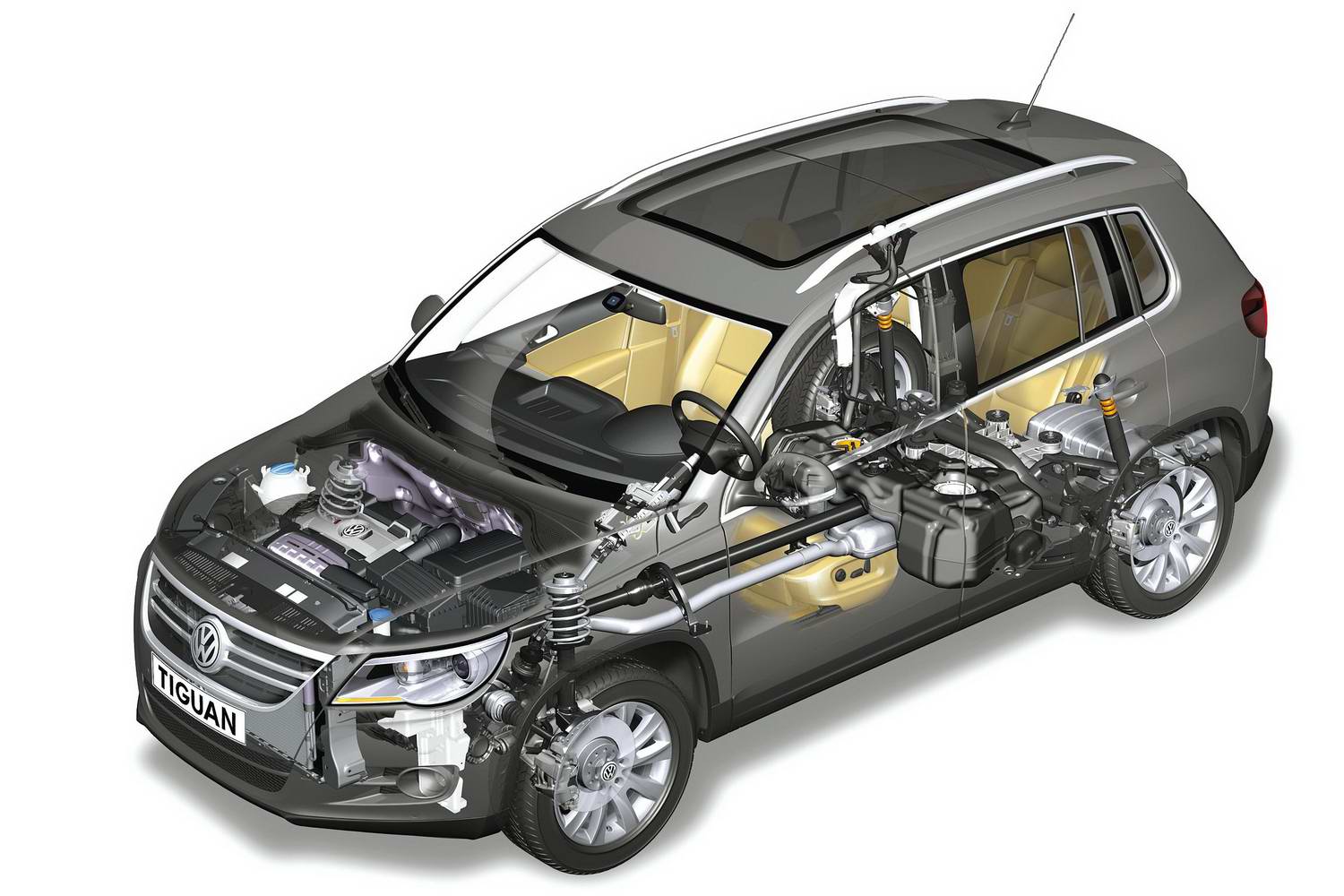
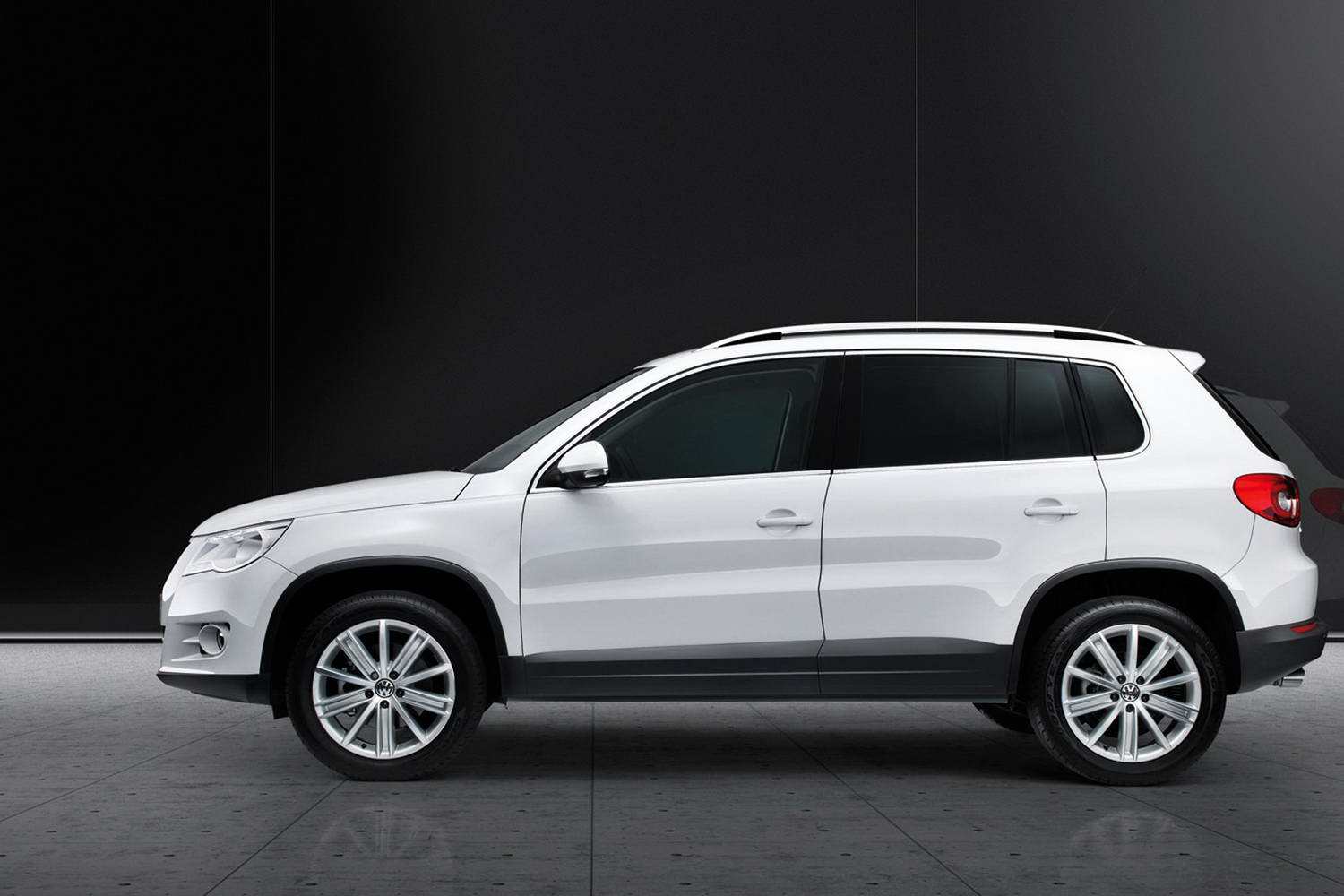
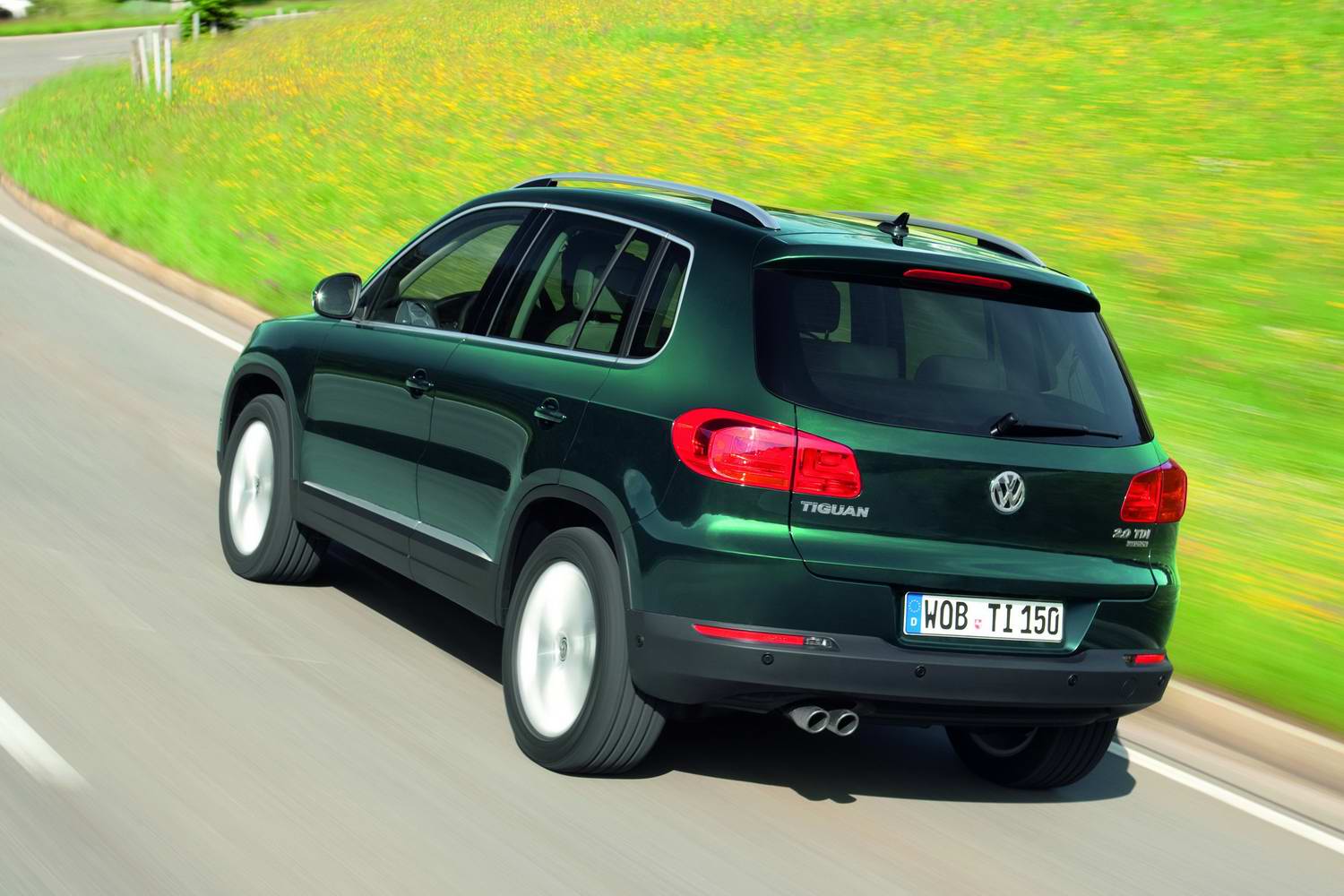
Volkswagen offered the Tiguan Mk1 with forced induction petrol and diesel engines during its life, as well as the option of front- or four-wheel drive (badged 4Motion) and a manual or DSG automatic gearbox. All Mk1 Tiguans were five-seat, five-door crossover SUVs, unlike the Mk2, which has a longer, seven-seat 'Allspace' derivative.
Engine and range options for the Volkswagen Tiguan Mk1
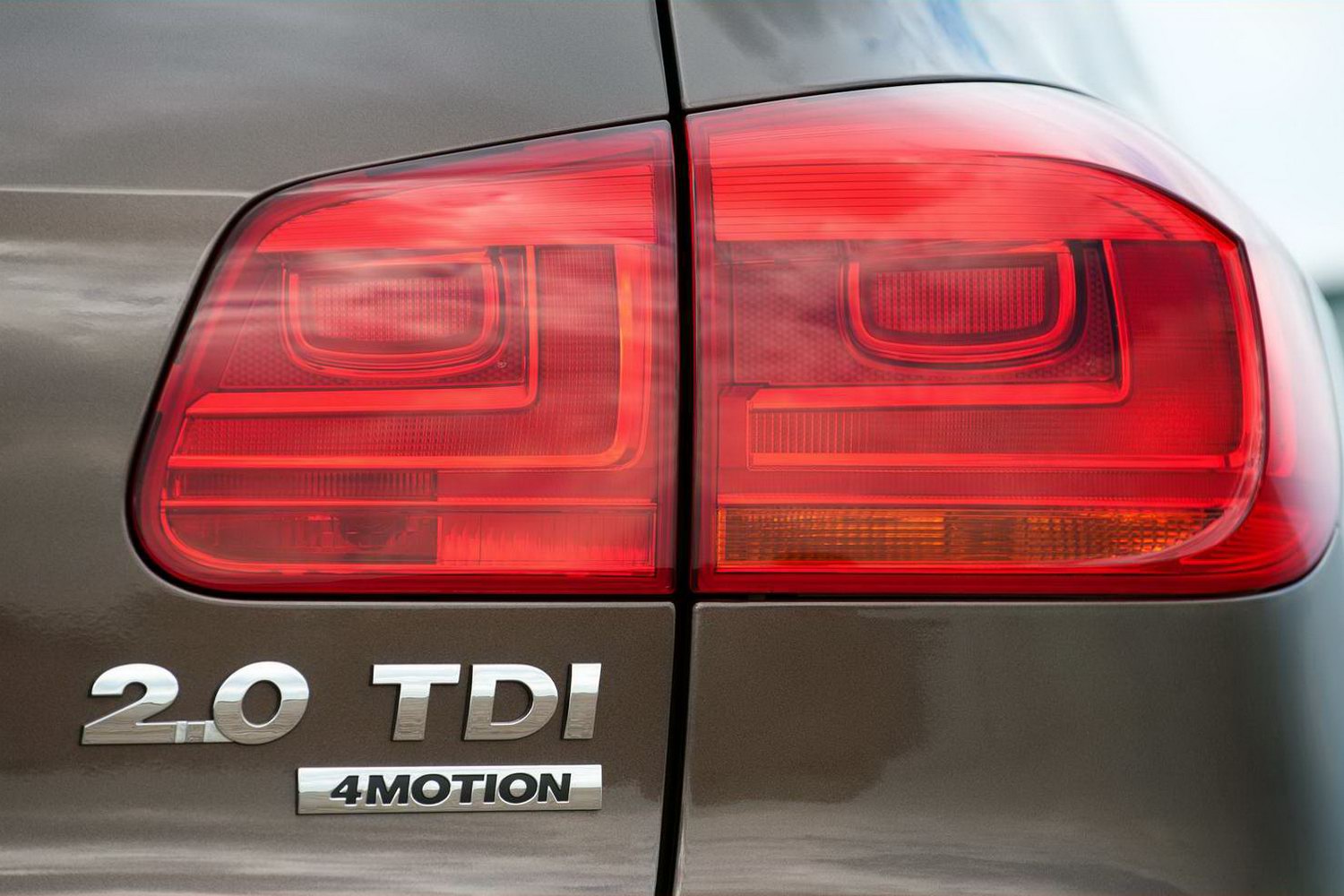
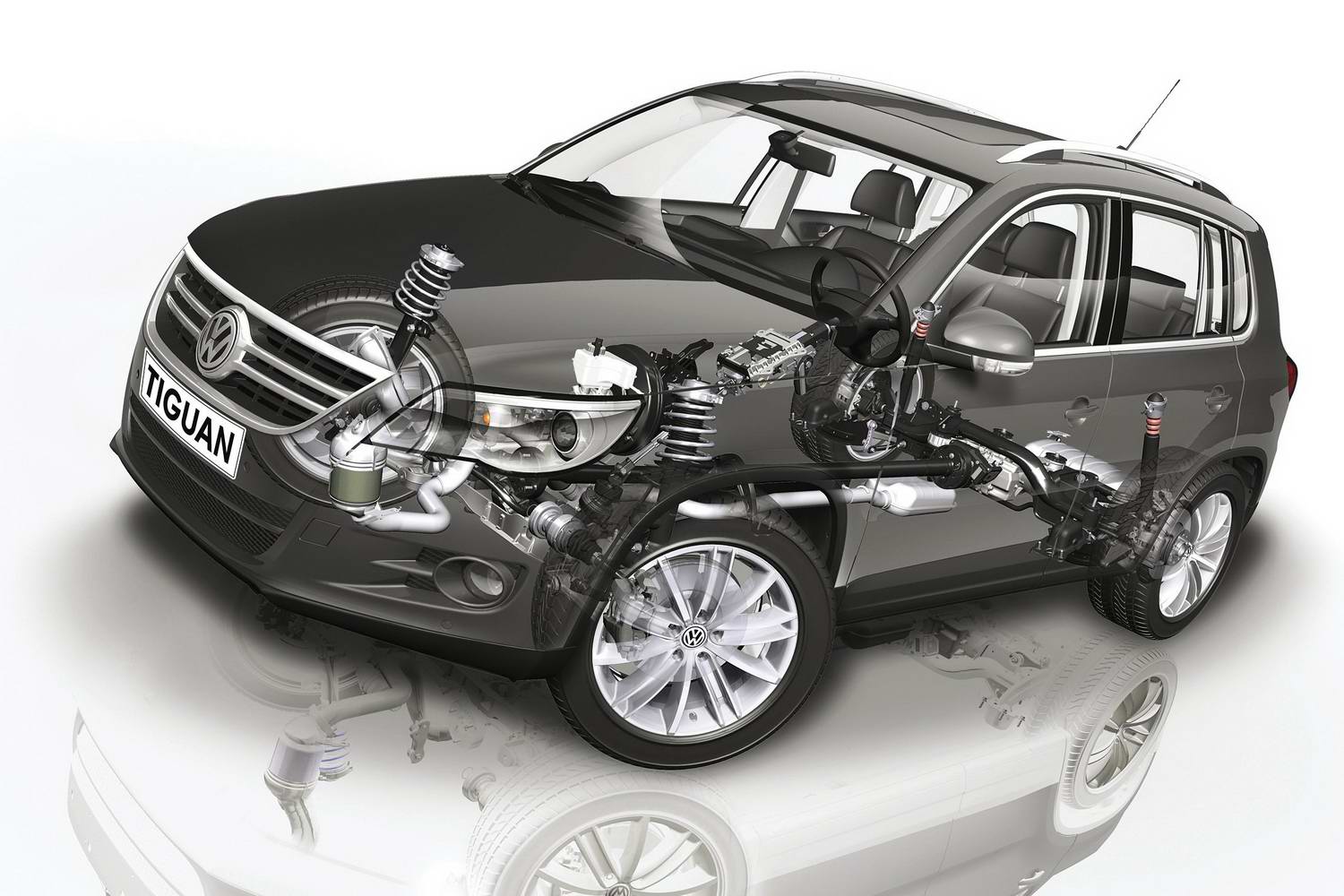
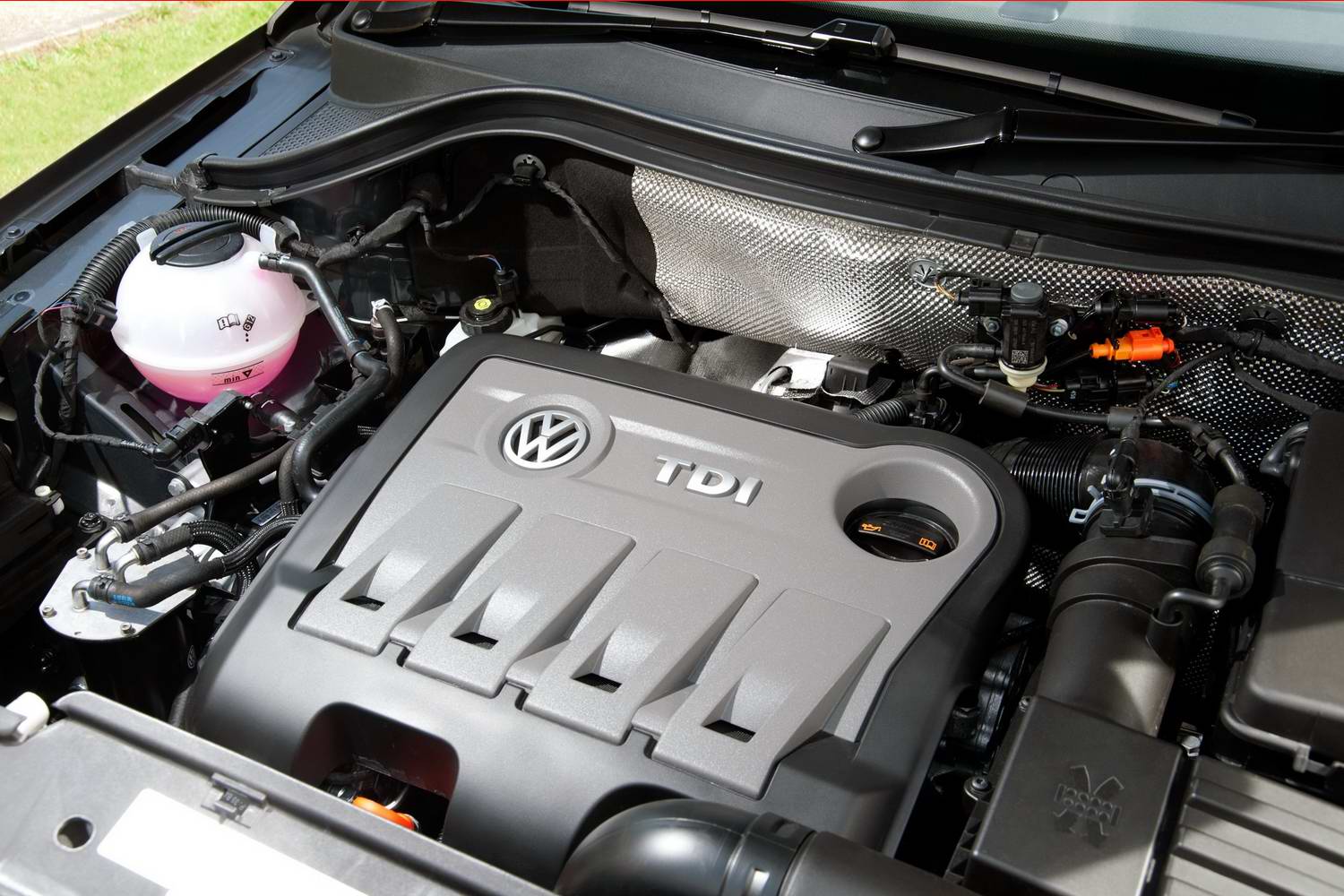
Volkswagen originally launched the Tiguan with a couple of mid-power engines, coupled to 4Motion all-wheel drive. A supercharged and turbocharged 1.4-litre TSI petrol engine developed 150hp and 240Nm, while the much-more-common 2.0 TDI had less power, at 140hp, but considerably more torque with 320Nm. The standard gearbox was a six-speed manual, although a six-speed DSG auto was optionally available.
As the range developed, front-wheel-drive versions of both this 1.4 TSI and 2.0 TDI arrived, as did a lower-powered derivation of each: the 1.4 TSI equipped with 122hp and the 2.0 TDI trimmed to 110hp; these engines were mated only to front-wheel drive. There was also a 4Motion-only 177hp 2.0 TDI offered, as well as a couple of 2.0 TSI turbocharged petrol options (with 170- and 200hp), but none of these three high-powered versions was offered here in Ireland. You may find some UK imports of them on the second-hand market, however.
A facelift took place in 2011 and, in later years, a seven-speed DSG automatic made an appearance in some models, although this is rare, so in the main used Tiguans tend to have a six-speed gearbox of some kind and anything between 110- and 150hp. Later in the model's life, all Irish 4Motion Tiguans were the 150hp TDI versions, with other cars running front-wheel drive instead.
Trim lines for the Tiguan are very confusing. To understand why, we can tell you that the Tiguan was named by the public, following a competition held by a leading motoring magazine in Volkswagen's homeland of Germany, with the moniker being a conflation of 'tiger' and 'iguana'.
To match with this "spirit of youth and lifestyle" in terms of coming up with the model's name, Volkswagen also abandoned its usual trim and specification names for a line-up that ran Trend & Fun, Sport & Style and Track & Field. Confounding the issue further, variants just called 'Sport' (often used as shorthand for Sport & Style) or 'Sportline' appeared in various markets (including the UK, from which some imports may have been sourced for Ireland), while an Edition-R later paved the way for the more familiar R-Line trim, which continues in Volkswagen products today.
Volkswagen dealers more comfortable with the prevalent Trendline, Comfortline and Highline ascendancy can also sometimes refer to different specifications of Mk1 Tiguans by these names, which clouds the situation further.
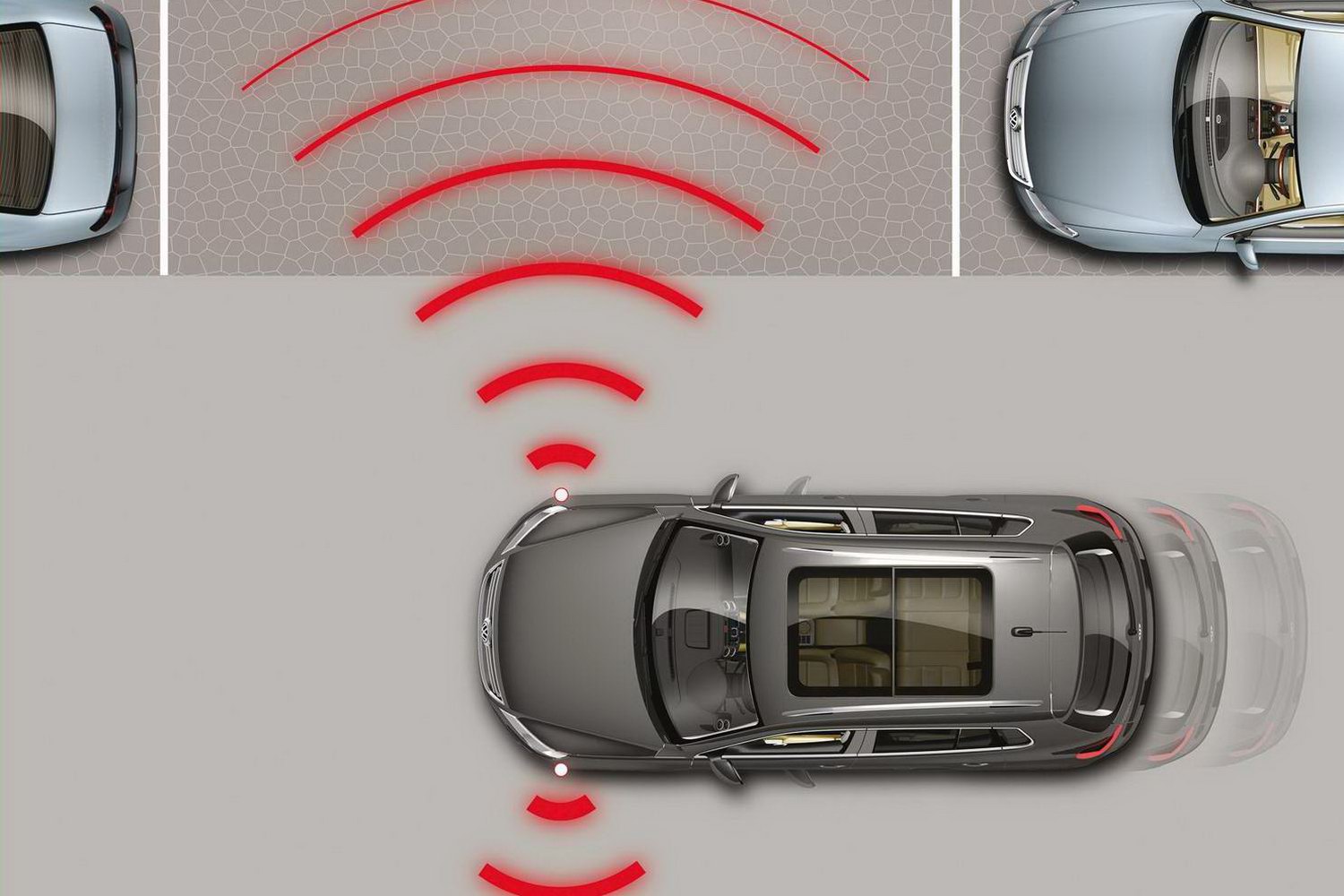
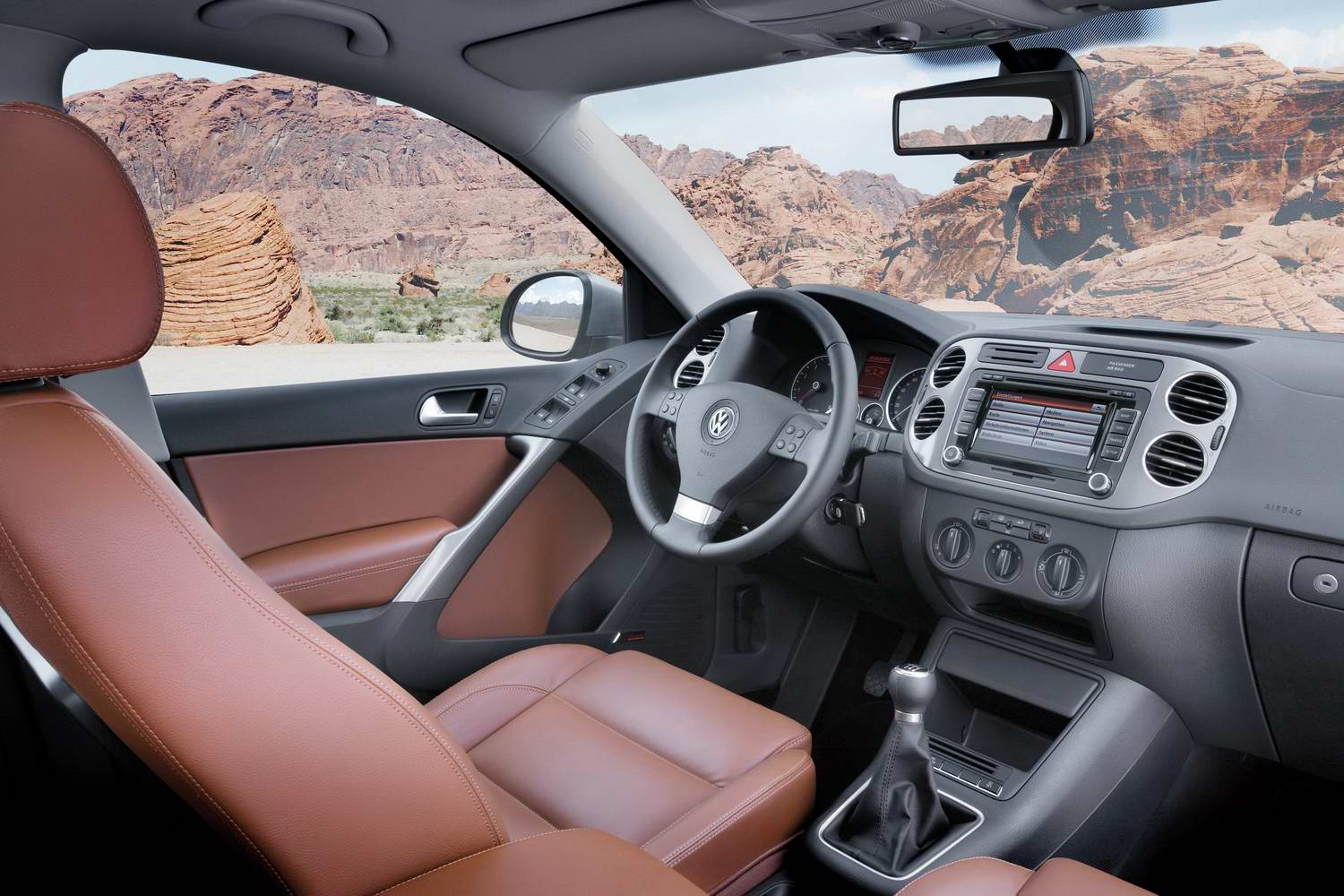
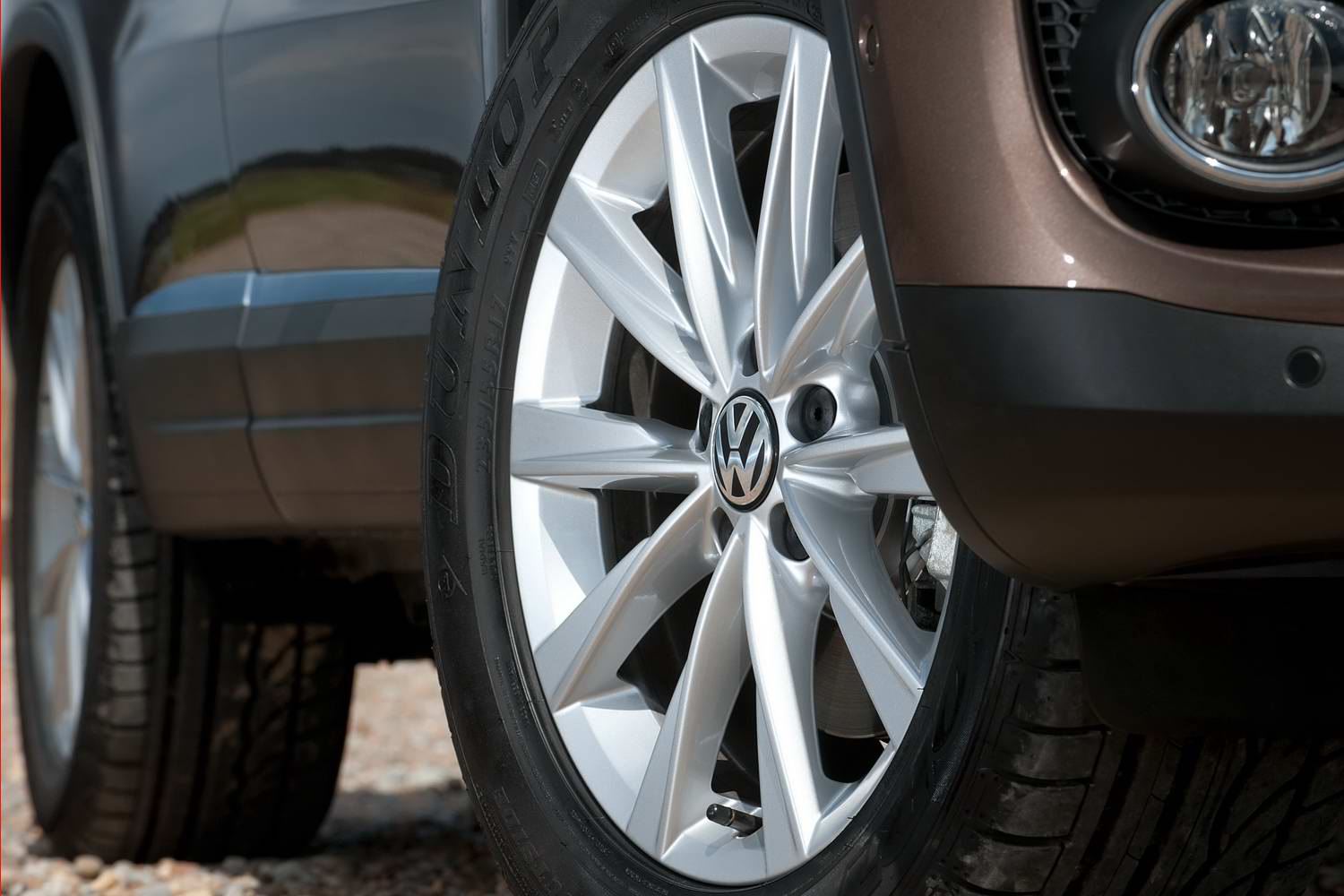
Therefore, in the interests of clarity, we will concentrate on the official, post-facelift line-up of Life & Leisure, Sport & Style and then Edition-R to give an idea of the equipment levels you will find on various used Mk1 Tiguans. The Life & Leisure models came as standard with a multifunction leather steering wheel, 60:40 split-folding rear seats, a height-adjustable driver's seat with lumbar support, a trip computer and Multifunction Display Plus in the instrument cluster, 17-inch 'New Orleans' alloy wheels, electrically adjustable and heated door mirrors, body-coloured bumpers with black roof rails and side-window surrounds, halogen headlights, front fog lights with a fixed cornering function, the five-inch Composition Colour radio/CD player with eight speakers, Bluetooth, cruise control, front and rear Park Distance Control with parallel Park Assist, Hill-Hold Control, dual-zone climate control, electric windows all round and remote central locking.
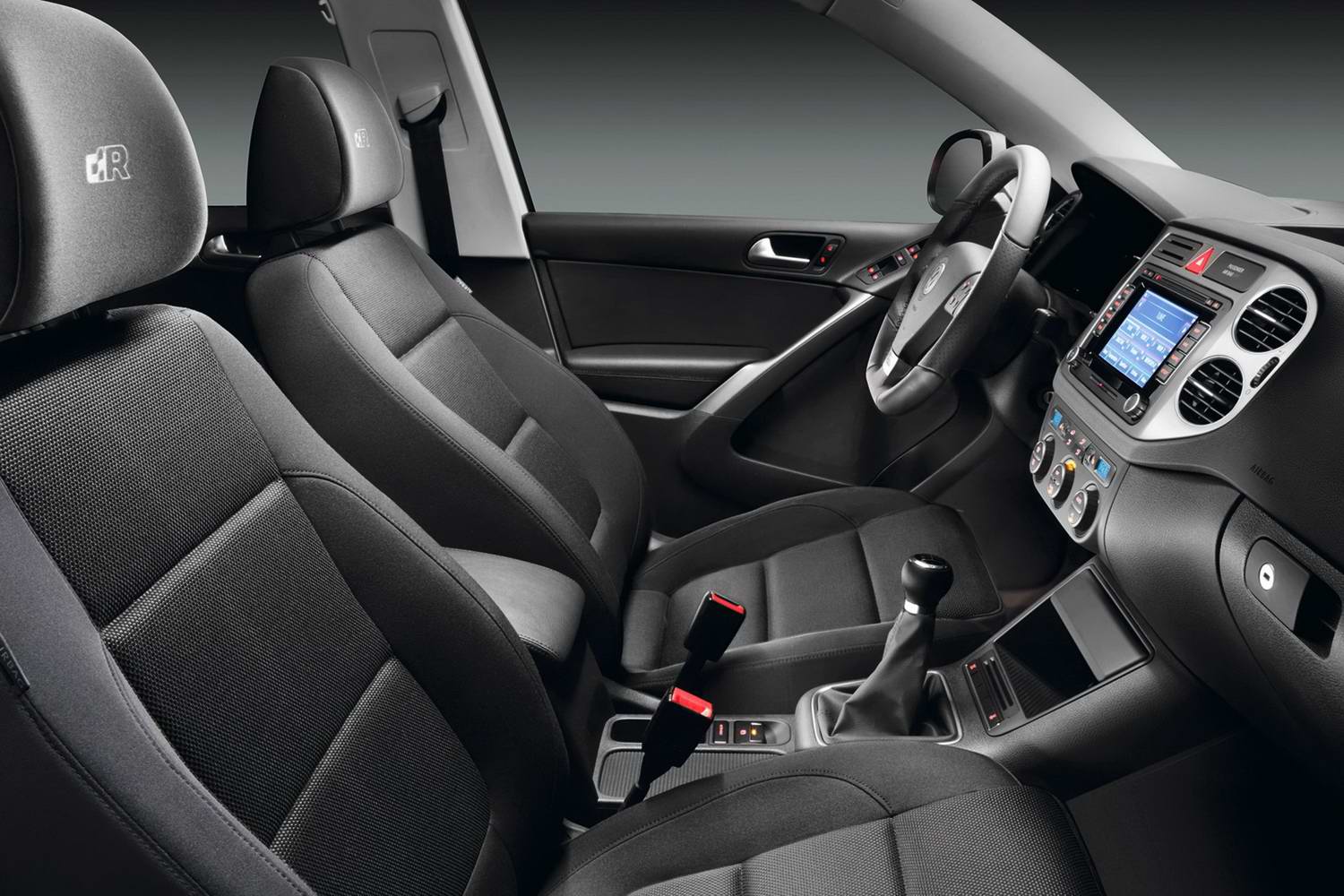
Stepping up to Sport & Style built on this generous specification, with 'Vienna' leather upholstery, heated front sports seats, a power-adjustable driver's seat, 18-inch 'New York' alloys, silver roof rails and chrome window surrounds, the addition of folding functionality, puddle lights and a Kerb View camera to the door mirrors, auto headlights and wipers, the 6.5-inch Composition Media system, ambient lighting and also the Multifunction Display Premium. Top-grade Edition-R added 'R-Line' logos to the steering wheel, the Vienna leather and the head restraints of the seats, while also bringing in stainless steel pedals, a Titanium Black headliner, 18-inch 'Mallory' alloy wheels, an R-Line rear spoiler, R-Line bumpers, the ultimate 6.5-inch Discover Media TFT satnav system, sports suspension and a USB media interface for iPods and iPhones.
One final note: many of these specifications are often abbreviated on the used-car market, so expect to see listings of the Volkswagen crossover with 'TFN', 'LL', 'TFD', 'TL', 'CL' and 'HL' for the various specifications.
How much is it to tax the Volkswagen Tiguan Mk1?
Refer to our Motor Road Tax Prices in Ireland Explained feature for the up-to-date cost to tax the Volkswagen Tiguan.
How reliable is the Volkswagen Tiguan Mk1?
The Volkswagen Tiguan performed poorly for reliability on various customer surveys. Common issues with the engine, the suspension, the electrical systems and the transmissions were reported, and while the costs of repairing these were about middling for the class at the time, the Tiguan was nevertheless not particularly cheap to run as a result.
Check for failures of the air conditioning system, which may not be related to the compressor but are instead down to faulty switchgear, while fuse boxes on the Tiguan Mk1 could often melt due to high voltages, causing electrical maladies. Due to its propensity to stall, the 2.0 TDI needed plenty of revs to get it off the line, so on manual models a worn clutch is a common occurrence. Audible rattles might not just be squeaky trim problems, but possibly broken front suspension springs, while there were reports of the Mk1's water pump failing on occasion as well.
Further common maladies included a failure of the power steering, especially in sub-zero temperatures, the issue traceable to a control unit in most instances - although it's not uncommon for the rack itself to be problematic. Another cold-weather glitch is a false sounding of the vehicle's alarm, which can be rectified with a tweak of the sensitivity settings, although it doesn't work in all cases, while the electronic parking brake can cause problems for owners too - so check it works properly.
Volkswagen Ireland issued two recalls during the life of the Tiguan Mk1, although one of them came right at the end of production and is not likely to affect many examples of the crossover. It relates to various Volkswagen models, not just the Tiguan, and revolves around a possible manual child lock failure, allowing the rear doors to be opened from within after the vehicle encounters a strong jolt (such as a big bump in the road). As this only applied to vehicles manufactured from November 2015 into the first quarter of 2016, it's unlikely a Mk1 is affected, but check with Volkswagen Ireland just in case.
The primary recall came in January 2012 and was due to cracked and/or leaking fuel-injection pipes on models with the 2.0-litre TDI engine. A total of 1,963 Irish cars were affected but, again, this wasn't specific to the Tiguan, as all of the Passat, Golf, Scirocco and Transporter were included in the advisory. Check the Tiguan's chassis number with Volkswagen Ireland and you'll find out if the car you are looking at was affected and, if so, whether the remedial work has been carried out.
When should I service my Volkswagen Tiguan Mk1?
The standard oil and filter service is every 15,000km or 12 months, whichever comes first, unless the car has a service indicator, in which case, be guided by that up to the same limit. The oil sump plug should be renewed at the same time.
The brake fluid should be renewed every two years in all Tiguans, while the clutch fluid in the diesels should be changed at that time, too. On the subject of the TDI engine, its fuel filter should be replaced every 30,000km. If the car has 4Motion four-wheel drive, its differential oil must be changed every three years. If it has a DSG automatic gearbox, its oil must be changed every 60,000km.
The cabin filter should be swapped for a new one at the same time (or every two years, whichever comes first). Air filters are due for replacement every 90,000km or six years. That's the same interval for spark plugs in the 2.0 TSI petrol engines, except for cars made from 2014 on; for some reason, their spark plugs need to be changed more frequently, at 60,000km or four years. That applies to all model years of the 1.4 TSI, incidentally.
Does the Volkswagen Tiguan Mk1 have a timing belt?
The 2.0 TDI diesel engine in the Tiguan uses a timing belt. Up to 2010 models, the recommended schedule for changing it was every 180,000km, regardless of time, with the tensioner changed every second time the cam belt is. From 2010 on, however, the interval was upped to 210,000km, applying to the belt and the tensioner. The 2.0 TSI petrol engines use timing chains.
It's not so clear cut for the 1.4 TSI petrol engines, as, up to 2015, these used timing chains, but from then on they switched over to timing belts. The engines using cam belts can be identified by their engine codes, which start with "CZD". And there's no set replacement schedule for these. Instead, Volkswagen recommends that the belt is checked by a mechanic at 240,000km (regardless of time) and then every 30,000km after that until it's deemed necessary to change it.
Can I fit child seats and a buggy in the Volkswagen Tiguan Mk1?
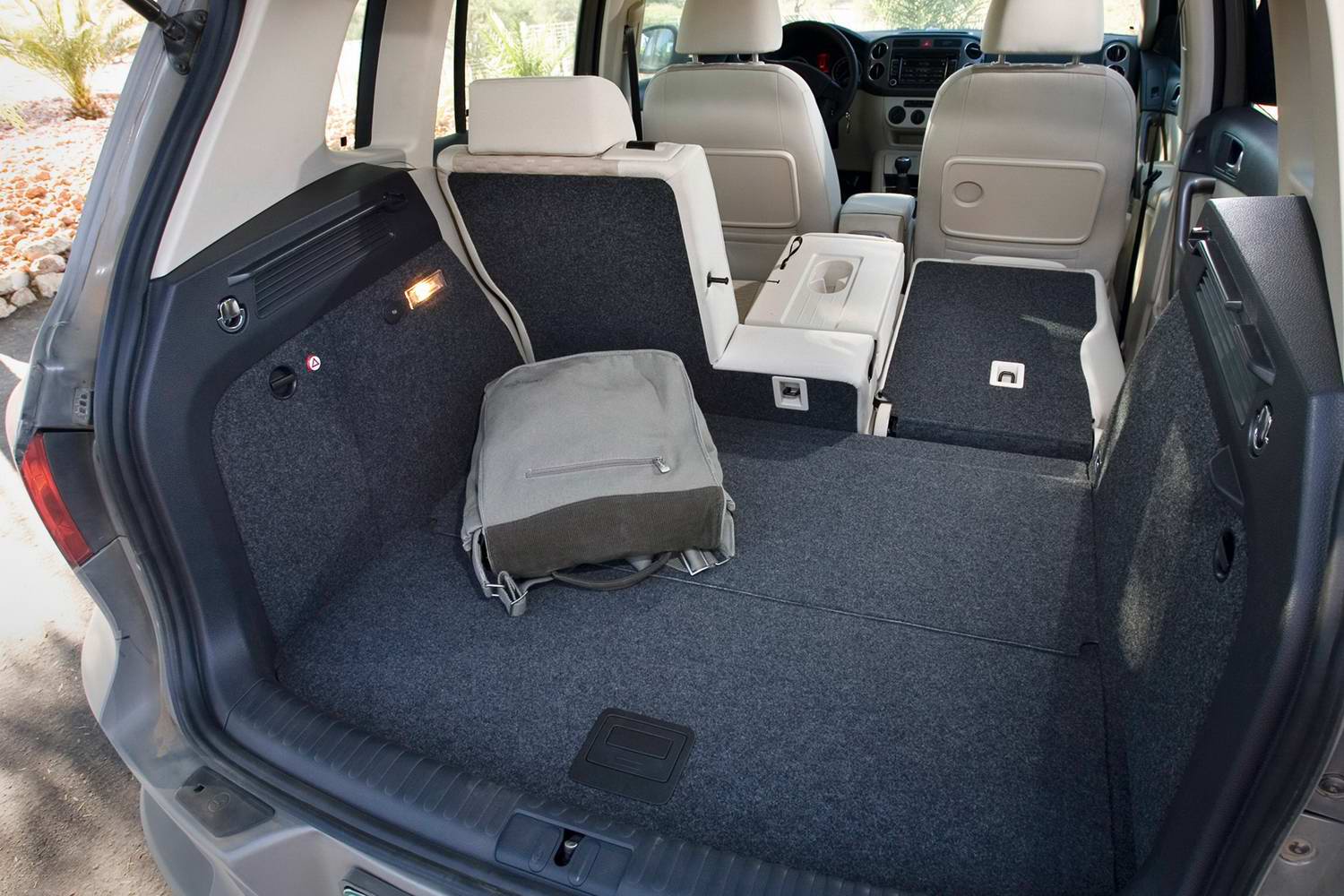
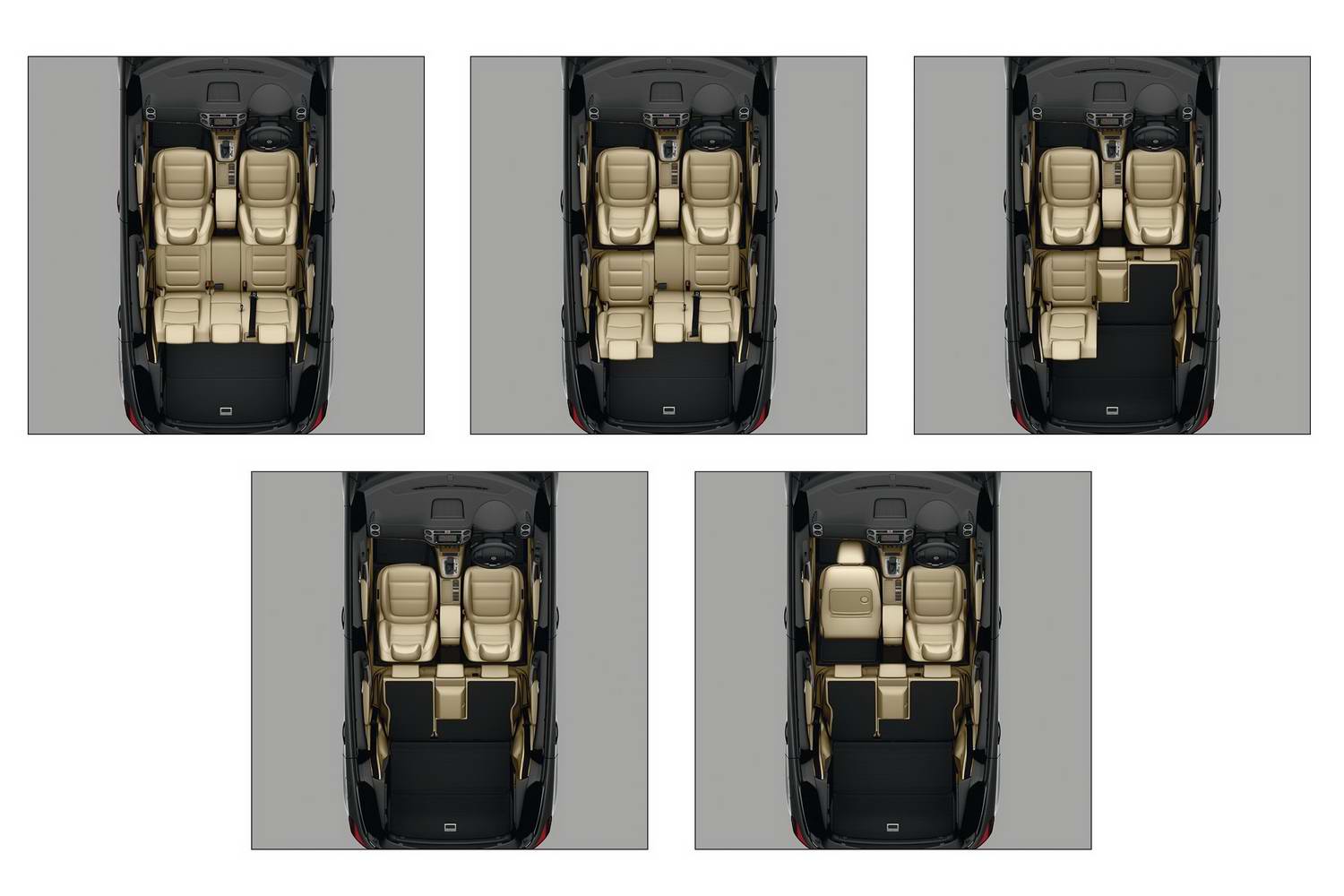
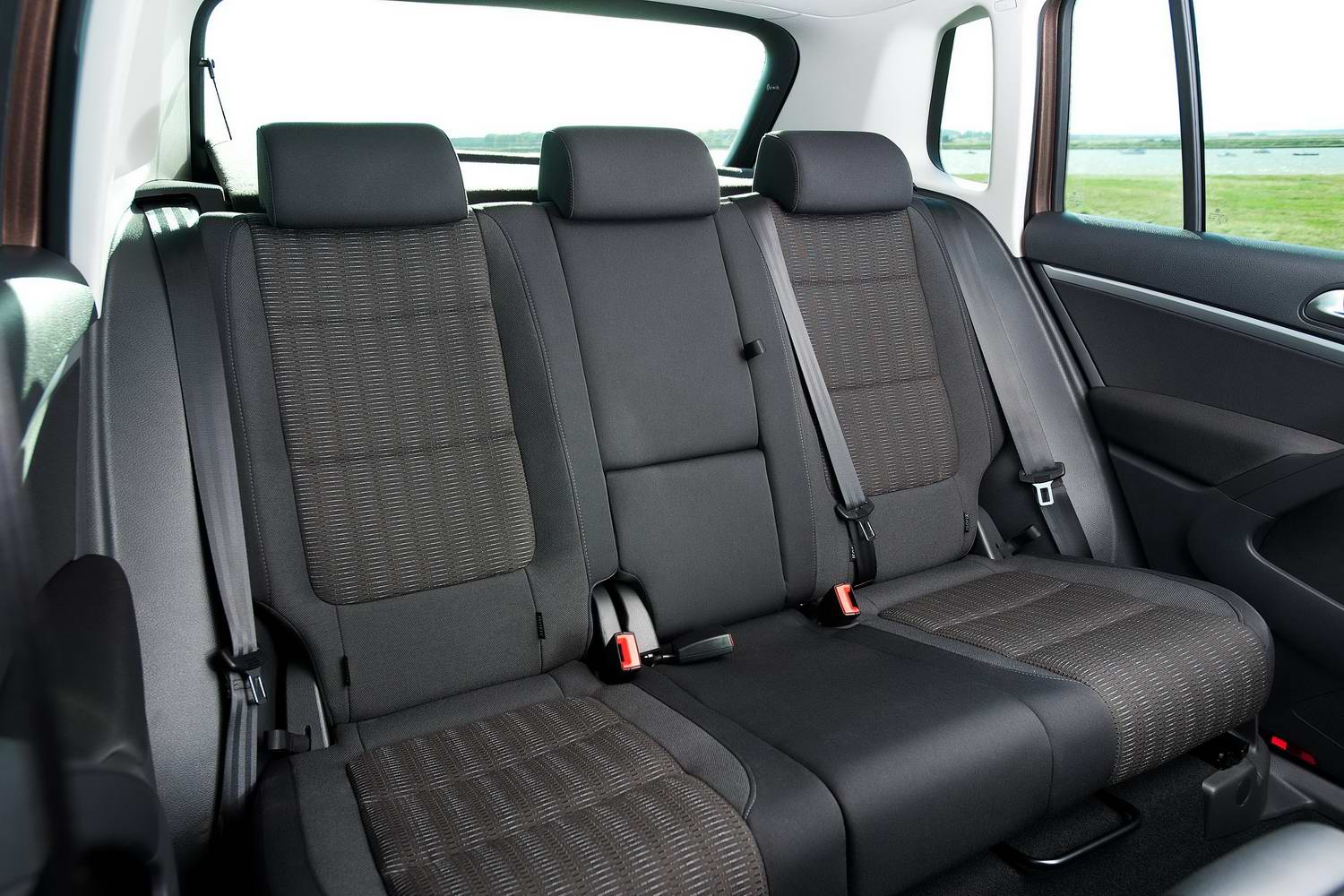
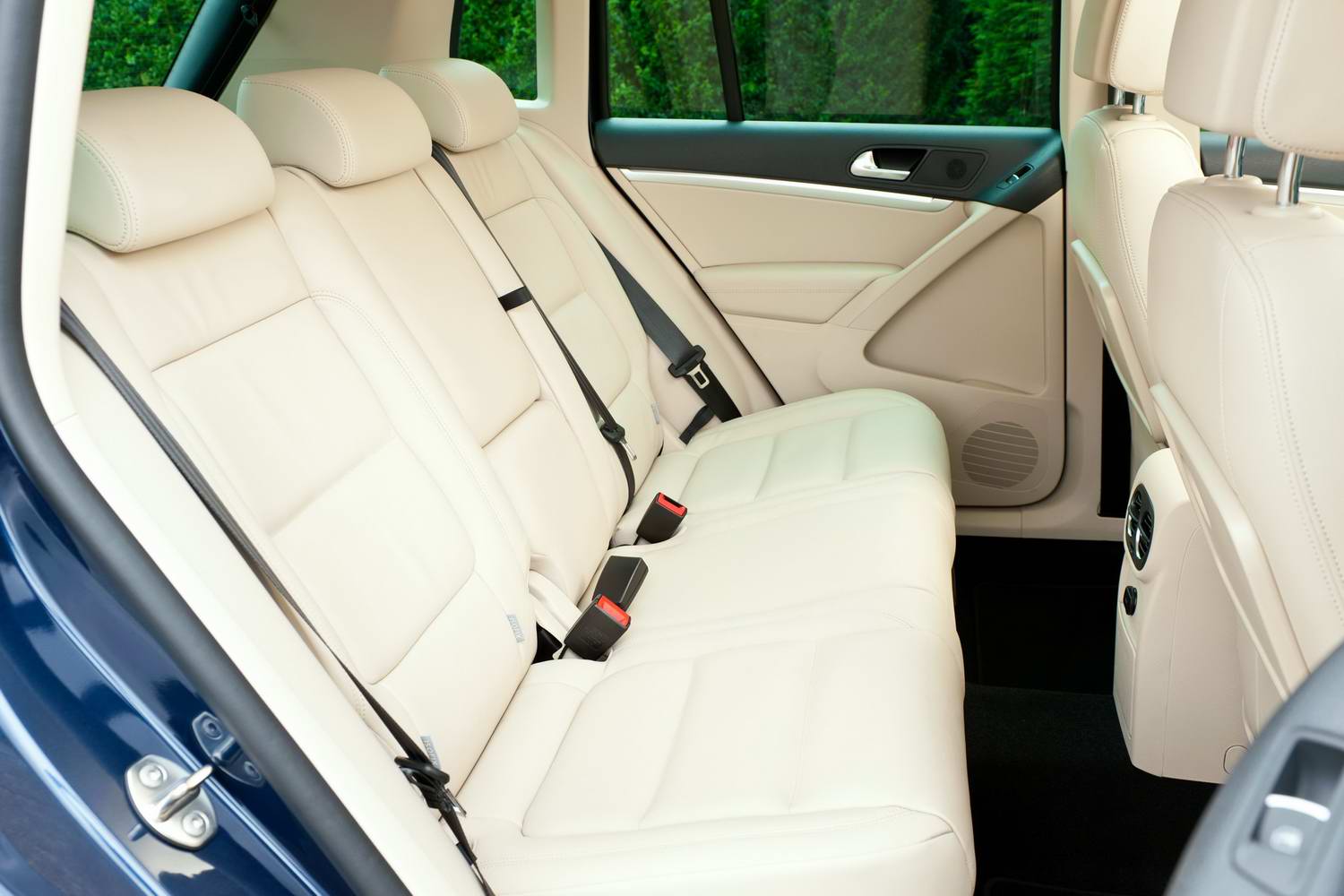
It has a fairly capacious boot, measuring 470 litres with all seats in place and 1,510 litres with the 60:40-split rear seats folded down, where they lie completely flat. With three-point seatbelts across the back row and two ISOFIX mounting points, the Tiguan has the ability to potentially take three child seats in the back, depending on their size. Be aware that because it could come with 4Motion, there's a raised transmission tunnel in the back of the Volkswagen, which limits legroom in the centre-rear seat.
How safe is the Volkswagen Tiguan Mk1?
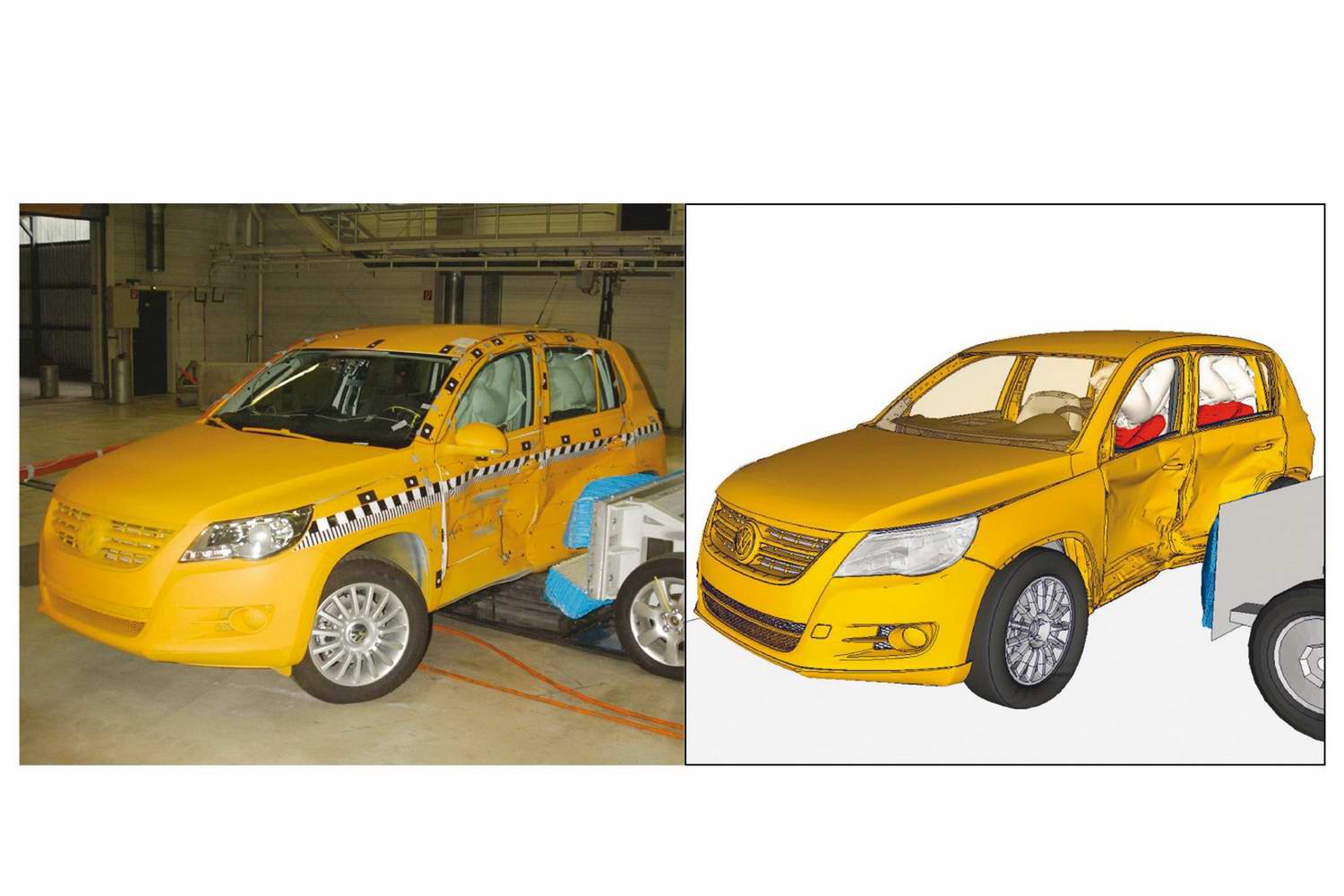
The Tiguan was originally tested by EuroNCAP under its pre-2009 regime, where it picked up five stars out of five for adult occupant safety, four stars out of five for child occupant safety and two stars out of four for pedestrian safety. Under its retest in 2009, it garnered the full five-star overall rating, despite recording a mere 48 per cent for pedestrian safety. A more impressive 71 per cent for safety assist systems remedied this, as did adult occupant and child occupant safety scores of 87 and 79 per cent, respectively.
All Mk1 Tiguans came with electronic stability control, anti-lock brakes, an anti-slip regulator, the EDS electronic differential lock, six airbags and a tyre-pressure monitoring system. Stepping up to the Sport & Style trim also brought in Fatigue Detection, a driver-tiredness monitor, and further semi-autonomous safety aids were on the options list of later cars.
Alternatives to the Volkswagen Tiguan Mk1
Audi Q3
BMW X1
Citroen C4 Cactus
Citroen C-Crosser
Dacia Duster
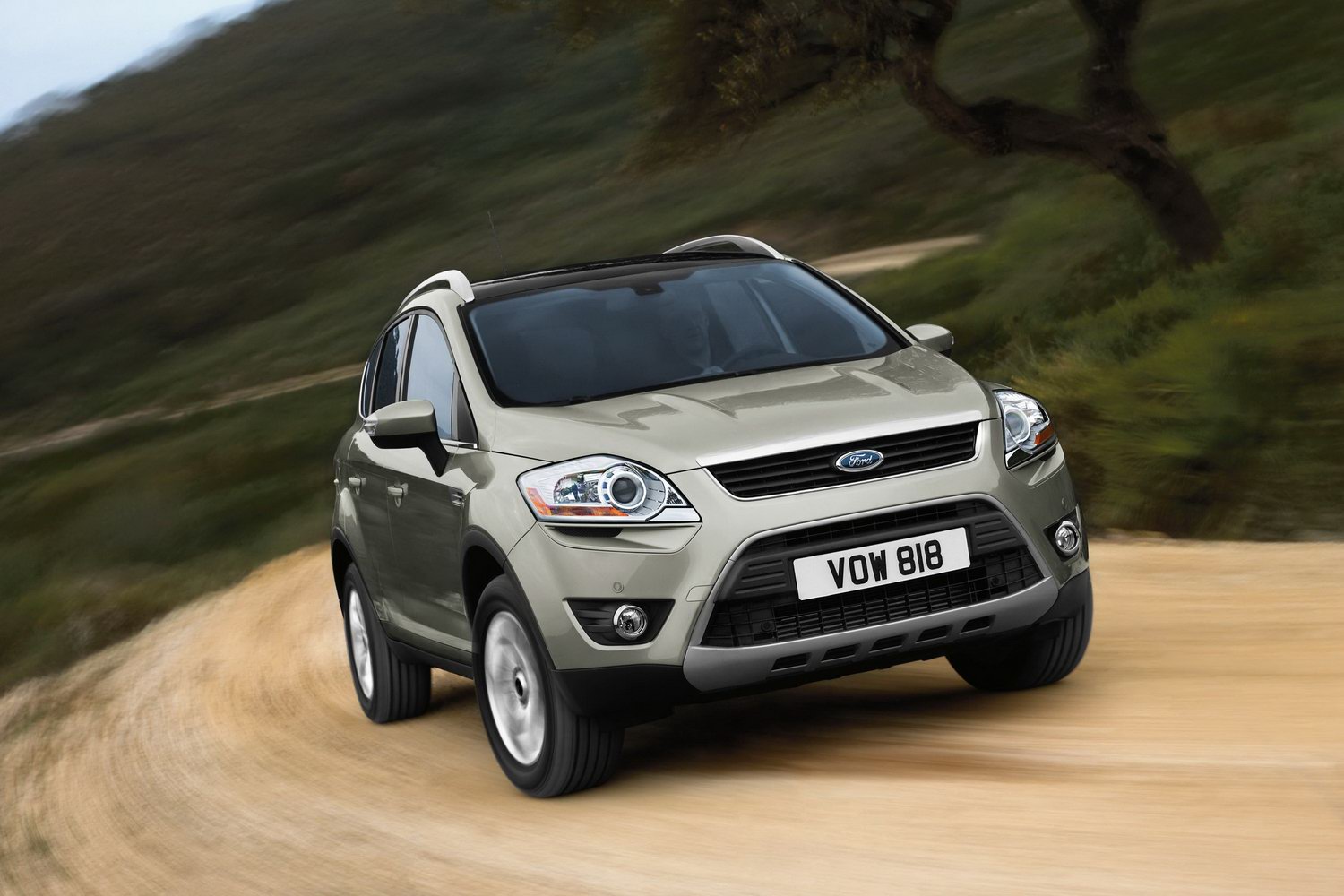
Ford Kuga
Honda CR-V
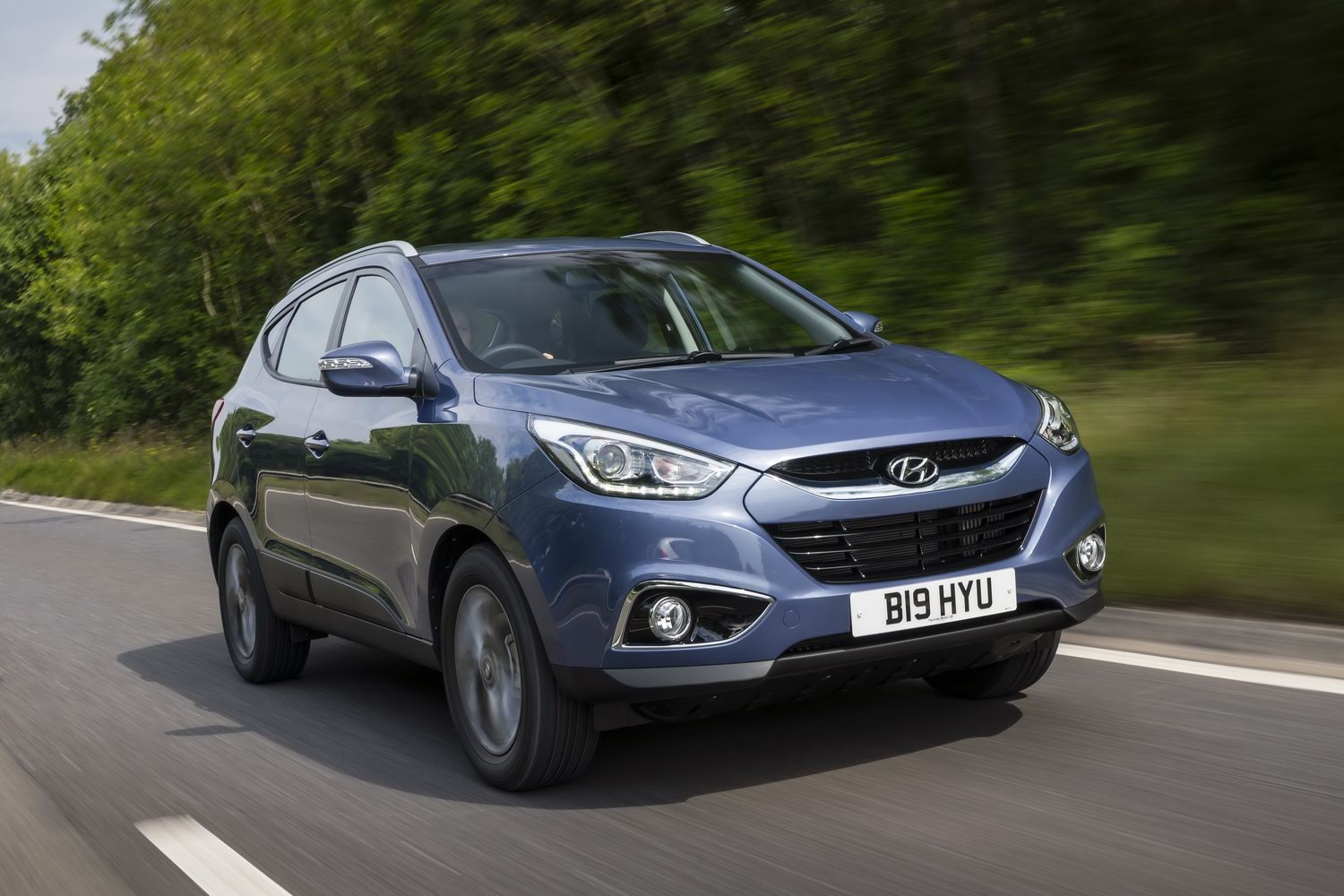
Hyundai ix35
Hyundai ix35 (2009-2015) used car buying guide
Jeep Compass
Jeep Patriot
Kia Sportage
Mazda CX-5
Mercedes-Benz GLA
MINI Countryman
Mitsubishi ASX
Nissan Qashqai
Nissan Qashqai Mk2 (2014-2021) used car buying guide
Opel Antara
Peugeot 3008
Range Rover Evoque
Renault Kadjar
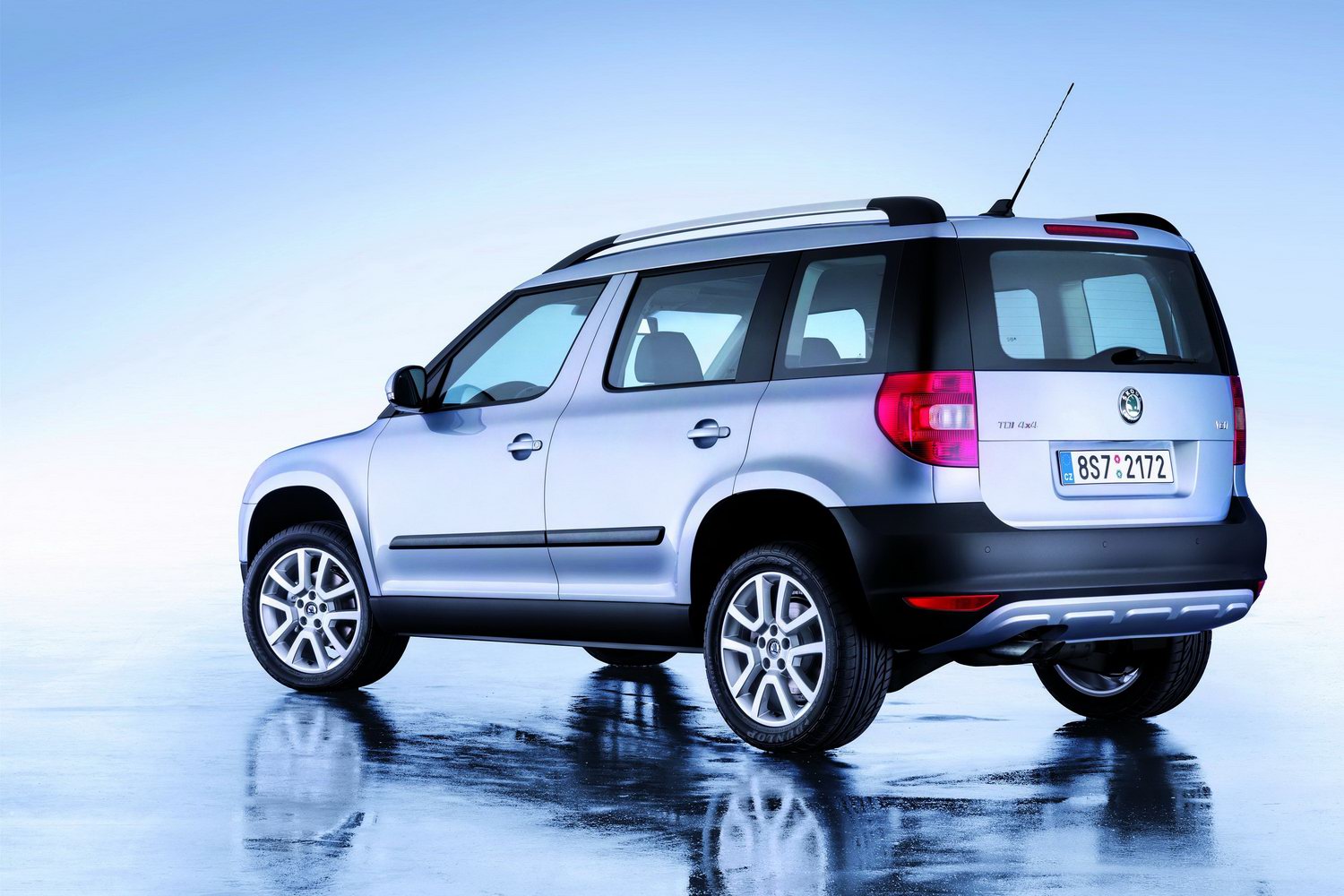
Skoda Yeti
SsangYong Korando
Subaru Forester
Suzuki SX4 S-Cross
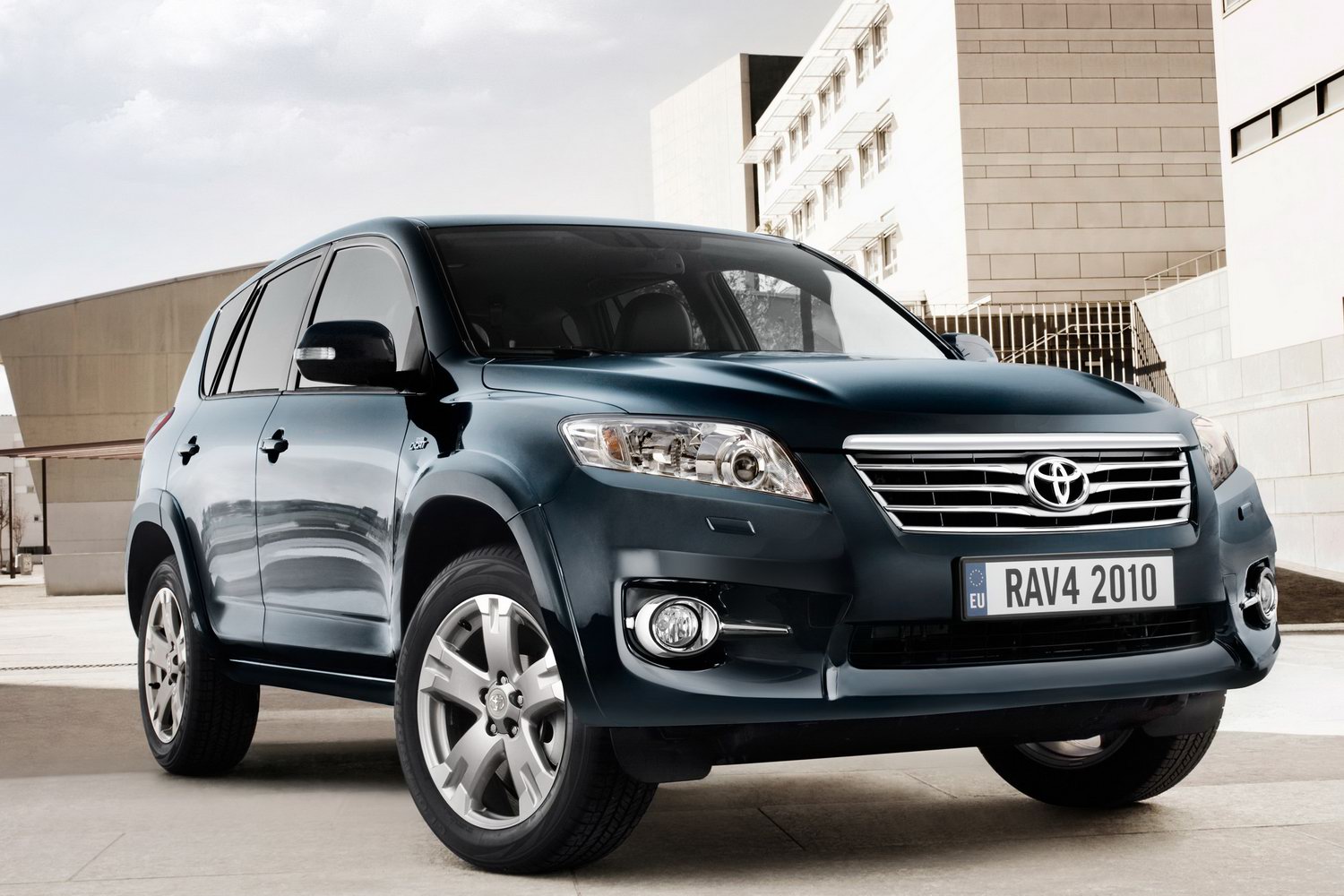
Toyota RAV4
How much is a Volkswagen Tiguan Mk1 worth?
For estimates of the current value of a given car, drop us a message using the Ask Us Anything page with as much detail as possible in it.