

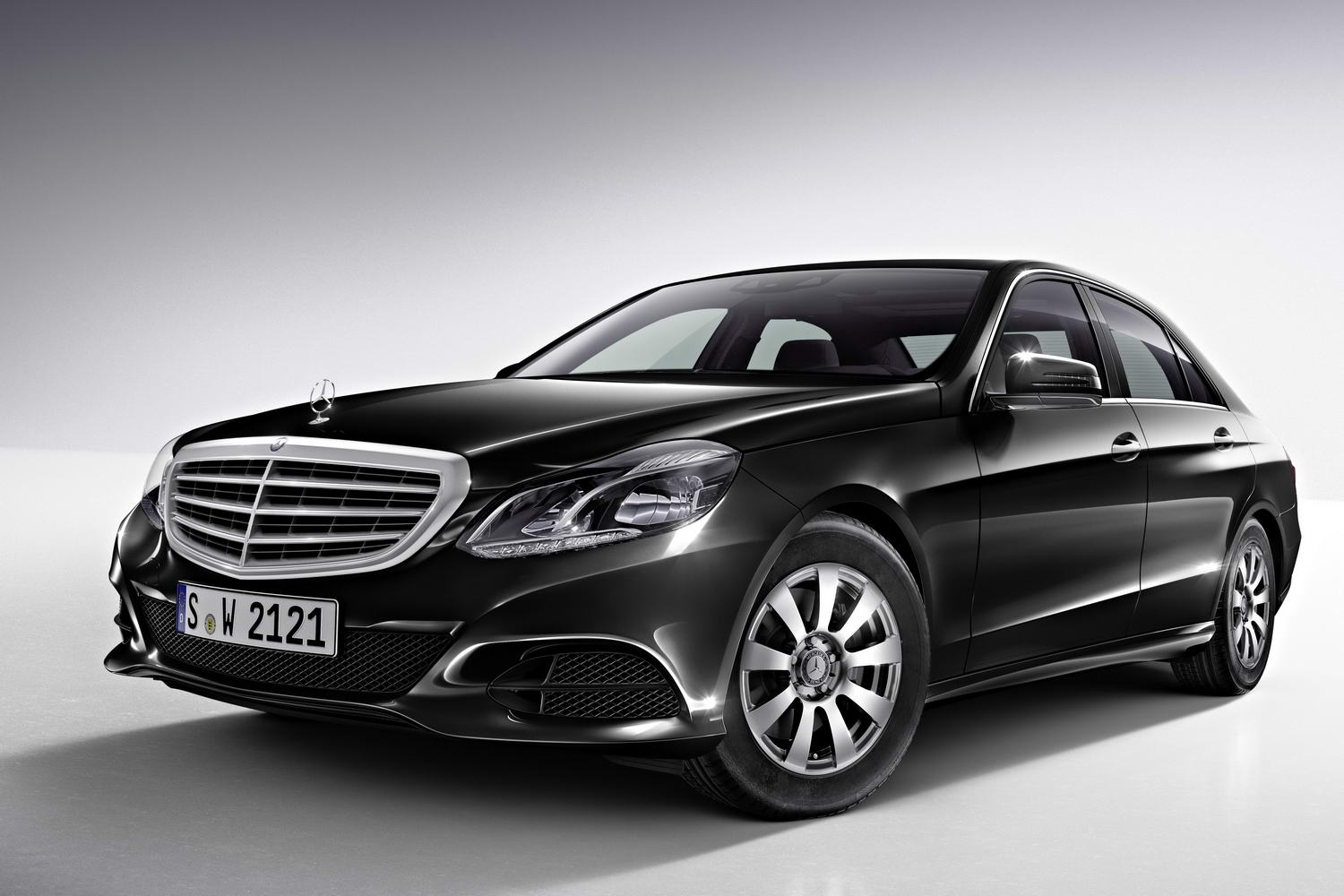
W212 Mercedes E-Class overview
Range overview: petrol, diesel or hybrid; manual or automatic; rear- or all-wheel drive; saloon, estate, coupe and cabriolet
Reliability: above average for class
Cost to repair: dearer than average
Most common: Mercedes-Benz E 220 CDI (or E 220 d)
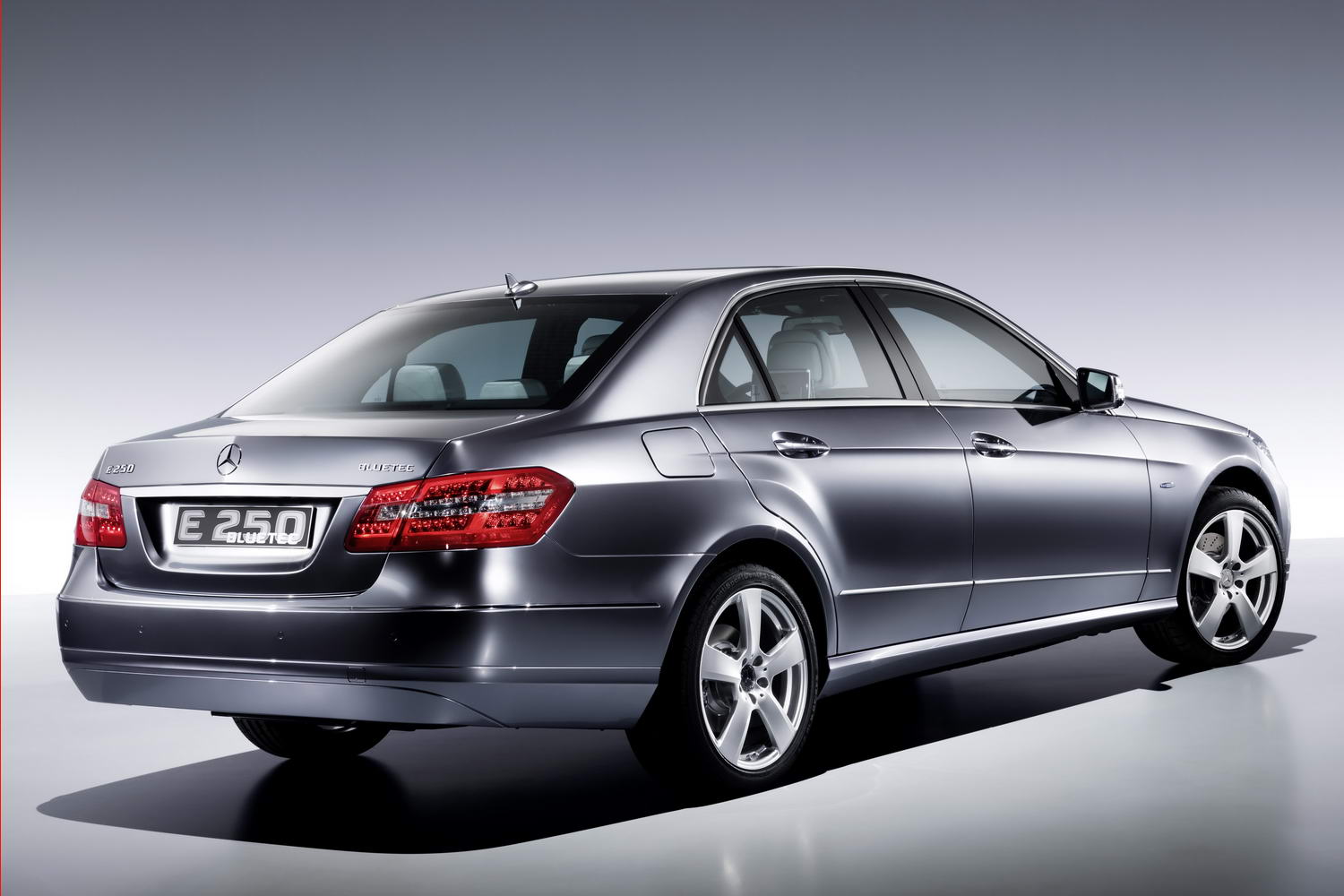
Best for economy and long-distance driving: Mercedes-Benz E 250 CDI (or E 250 d)
Best for urban driving: Mercedes-Benz E 300 BlueTec Hybrid
Our favourite performance version: Mercedes-Benz E 63 S AMG
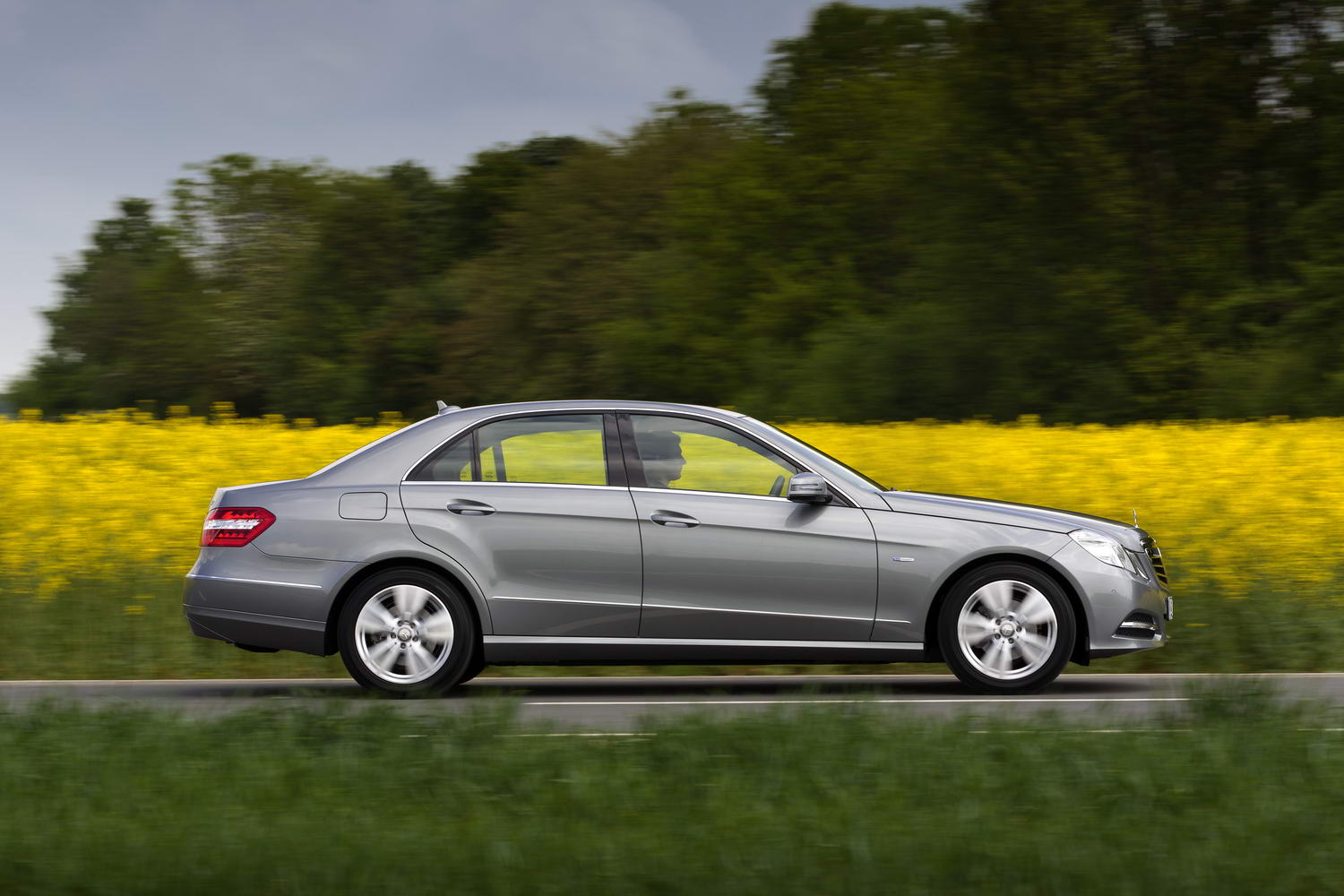
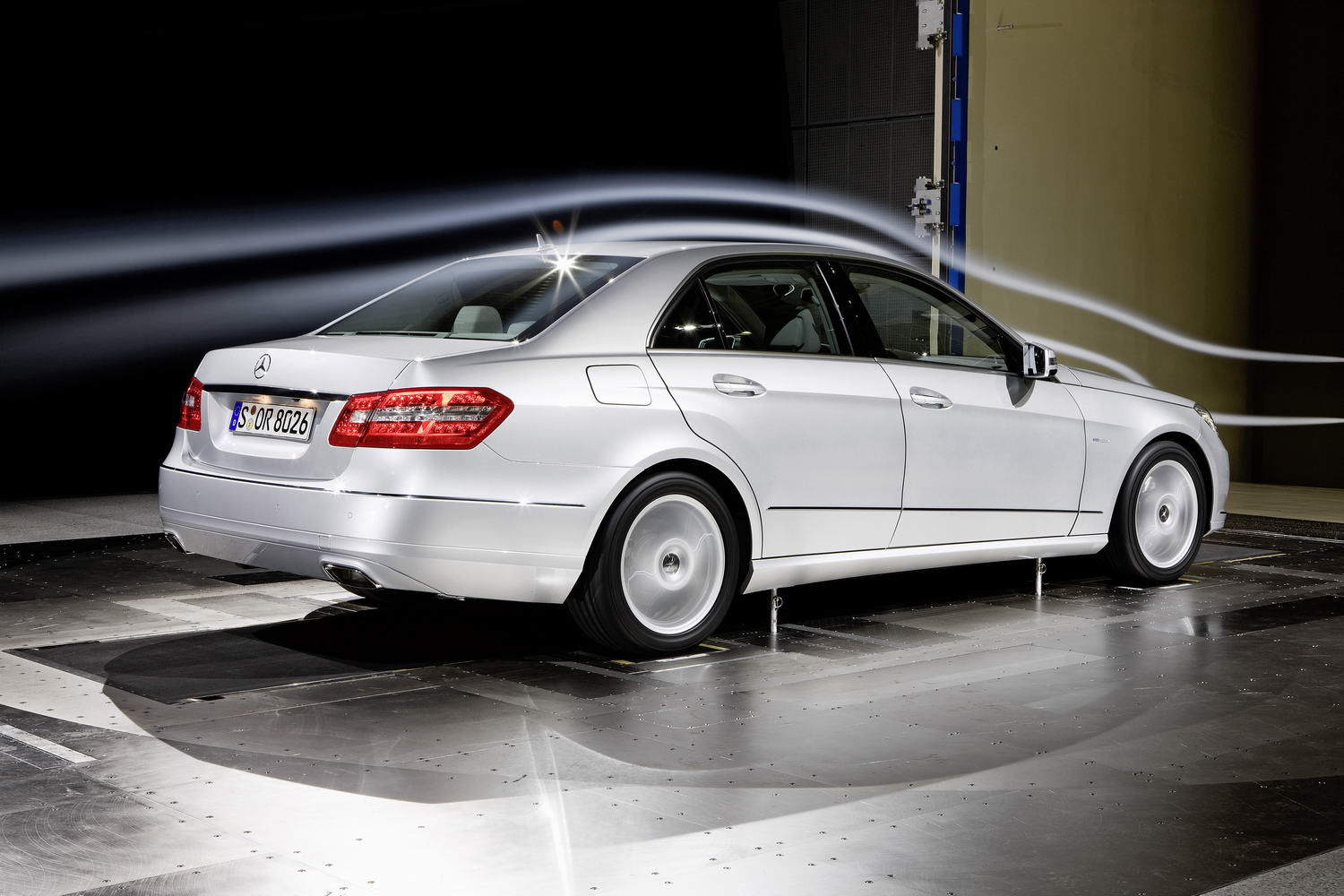
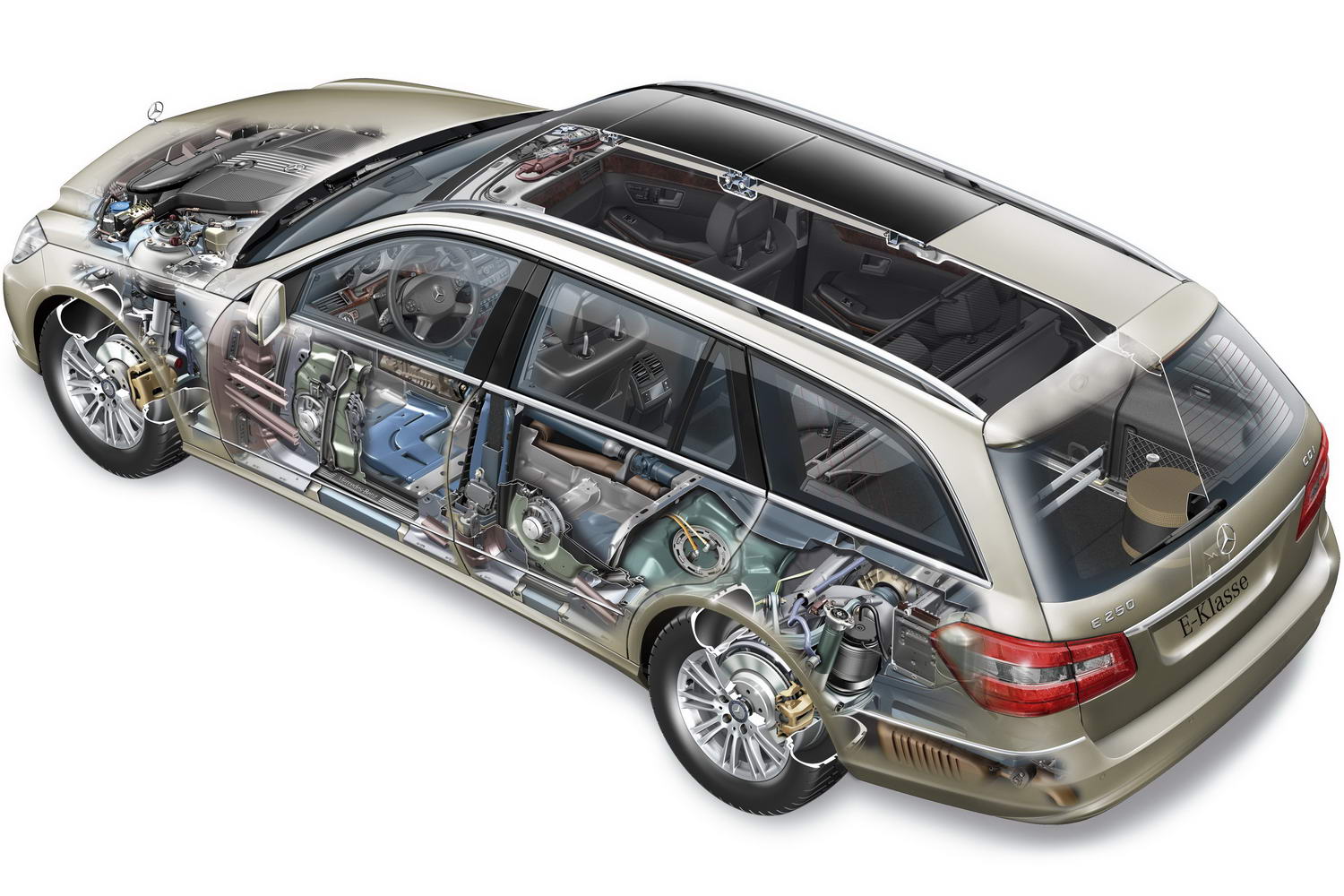
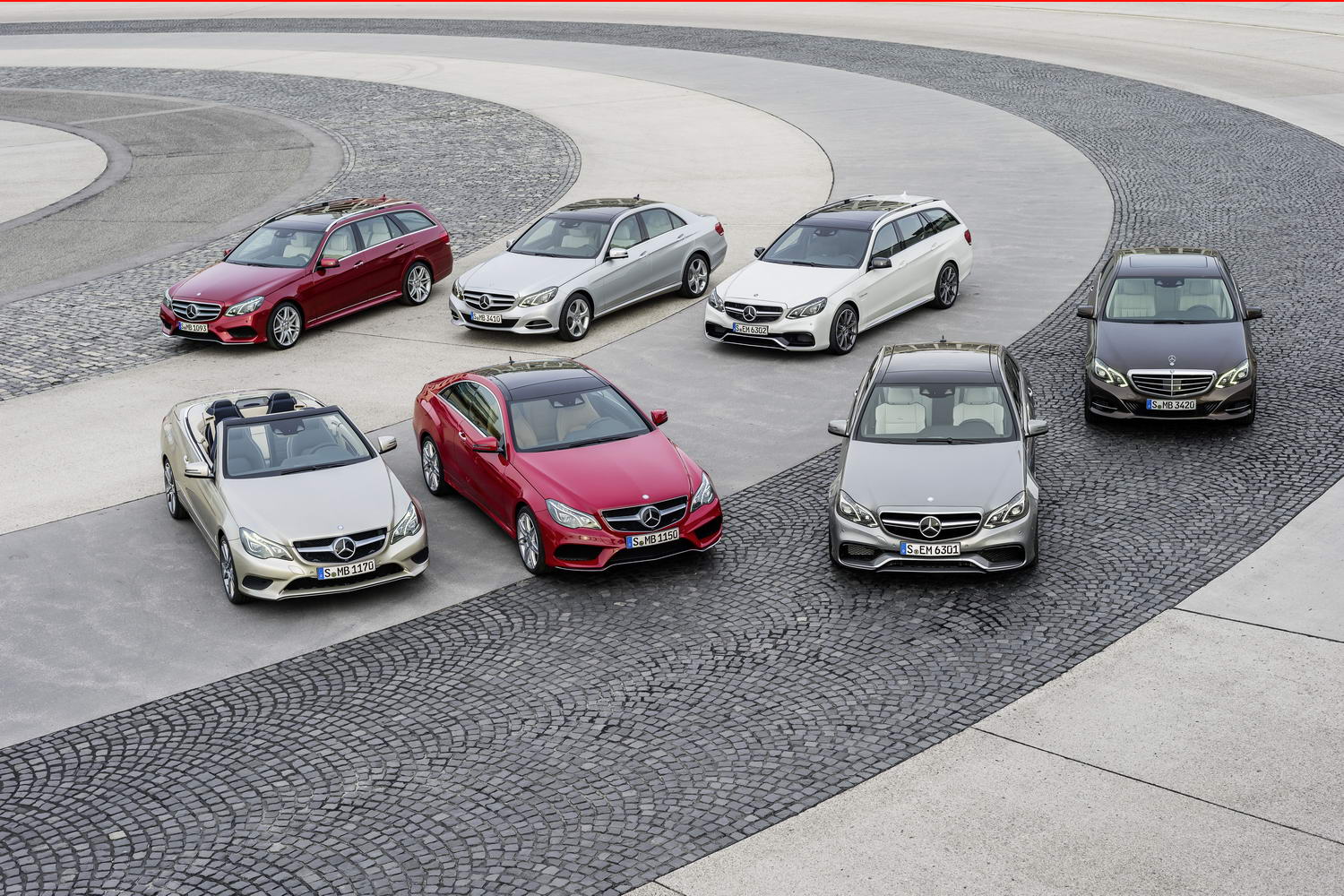
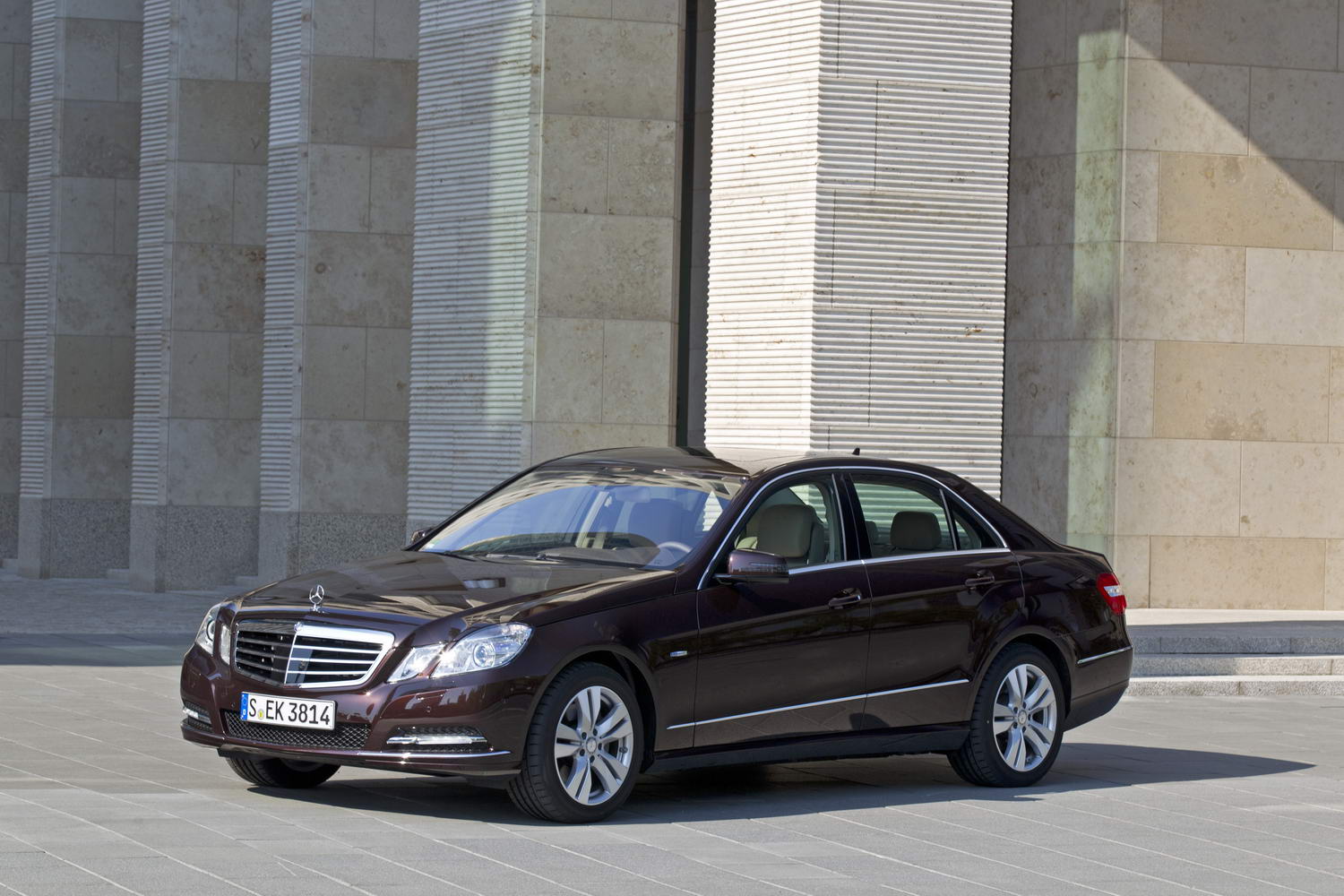
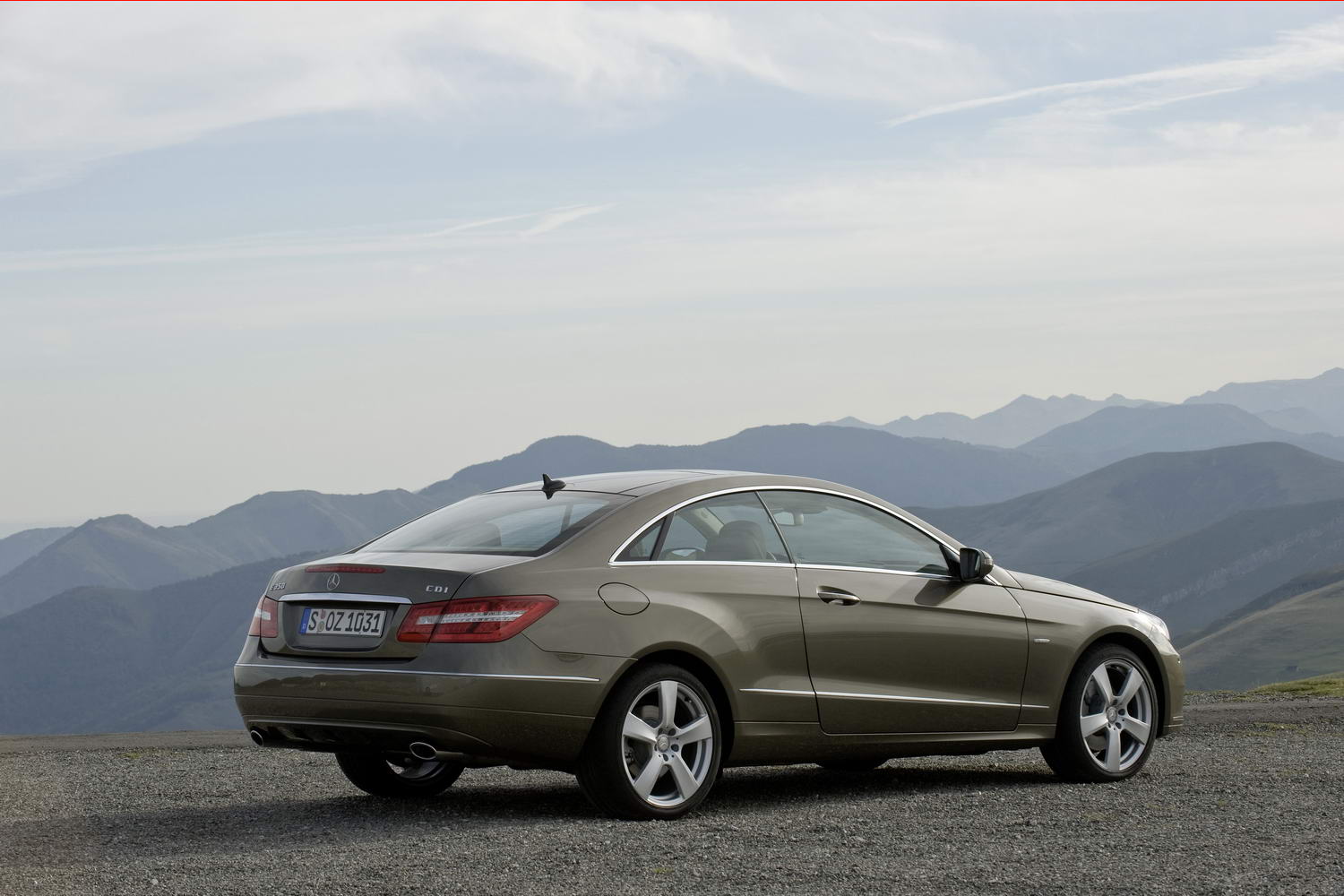
Mercedes' E-Class lineage dates back to the 1950s, but the fourth car to wear the 'E-Class' name officially was the model that launched in 2009. Often collectively referred to as the 'W212', this code only actually applies to the four-door saloon; the E-Class Estate, also launched in 2009, is the 'S212', while the Coupe and Cabriolet models (both launched in 2010) are correctly known as the 'C207' and 'A207' respectively. However, for simplicity's sake, we'll refer to all versions as the Mk4 E-Class.
So, with four body styles to choose from, as well as a wide array of petrol and diesel engines, two hybrid derivatives, standard rear-wheel drive or optional 4Matic all-wheel drive, and manual and automatic gearboxes, there's a lot of choice with the E-Class Mk4 and there should be a model to suit everyone. There's a slightly confusing array of model names to wade through, which we'll deal with in the sections below, but otherwise this is a solid, classy and elegant mid-sized executive car that makes for a rewarding second-hand buy.
On driving the facelifted E-Class Mk4 for the first time in 2013, CompleteCar.ie said: "While the updated E-Class is most obvious in Avantgarde format, the enhancements throughout are worth having. It remains the comfortable, refined choice of the premium saloons, though it is more efficient than before too. Mercedes-Benz buyers will love the upgrades."
Engine and range options for the Mercedes E-Class Mk4
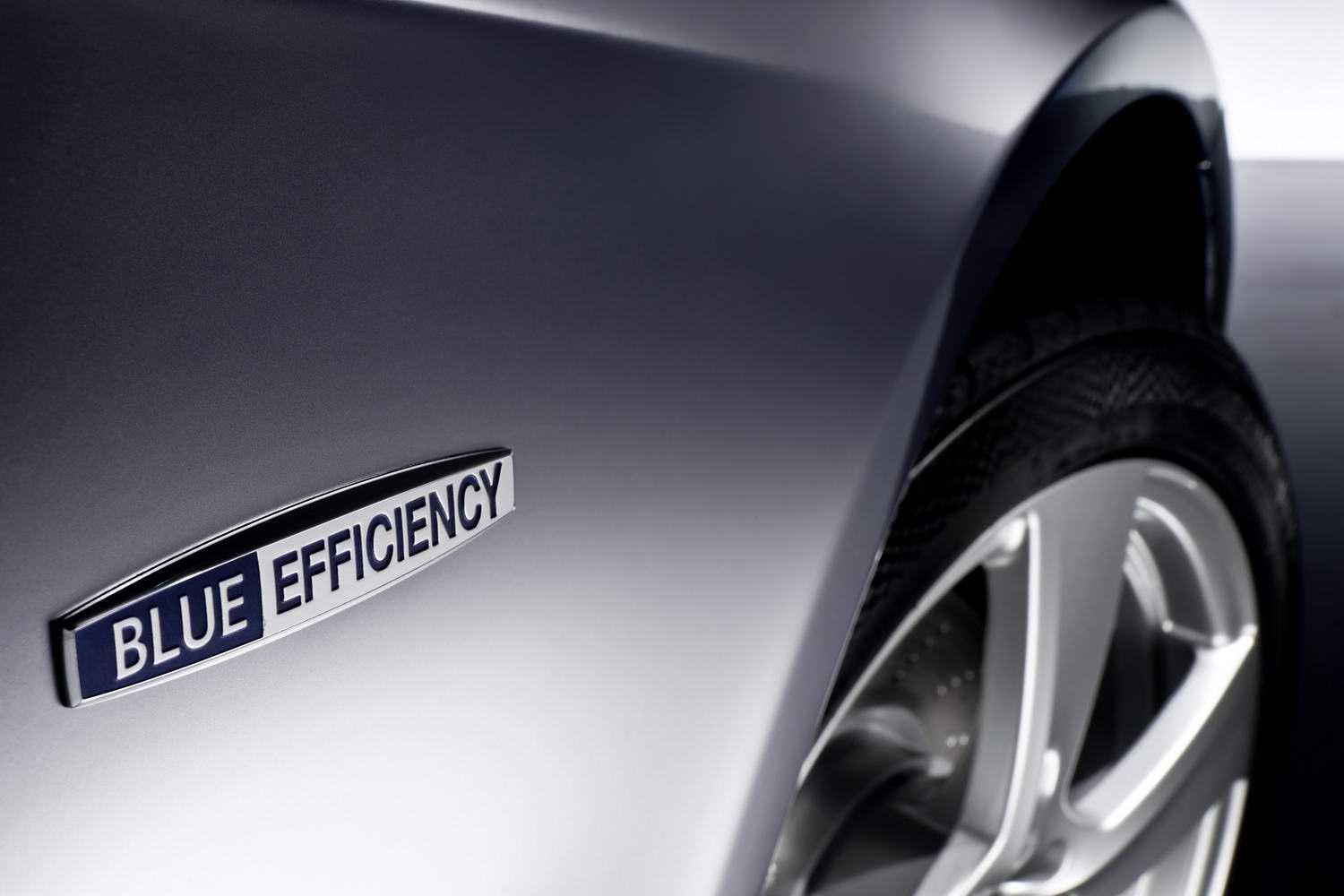
Launched in 2009 as the saloon and estate, the Mk4 E-Class line-up had a mix of turbocharged and naturally aspirated petrol engines, and an array of turbodiesels. It is worth pointing out before we go further that this E-Class lived through a period of Mercedes' life when it made a lot of changes to badging, the names of certain technologies and model identifiers, so you will see the terms 'CDI', 'BlueTec', BlueEfficiency' and 'd' all used for diesel Mercs, as well as BlueEfficiency appearing on a handful of the petrol models, while early petrol E-Class cars could also be badged 'CGI'. The cars that were initially called CDI BlueTec became CDI BlueEfficiency and then, finally, just 'd', so we're going to retrospectively refer to all the diesels as E 200 d, E 220 d, E 250 d and so on.
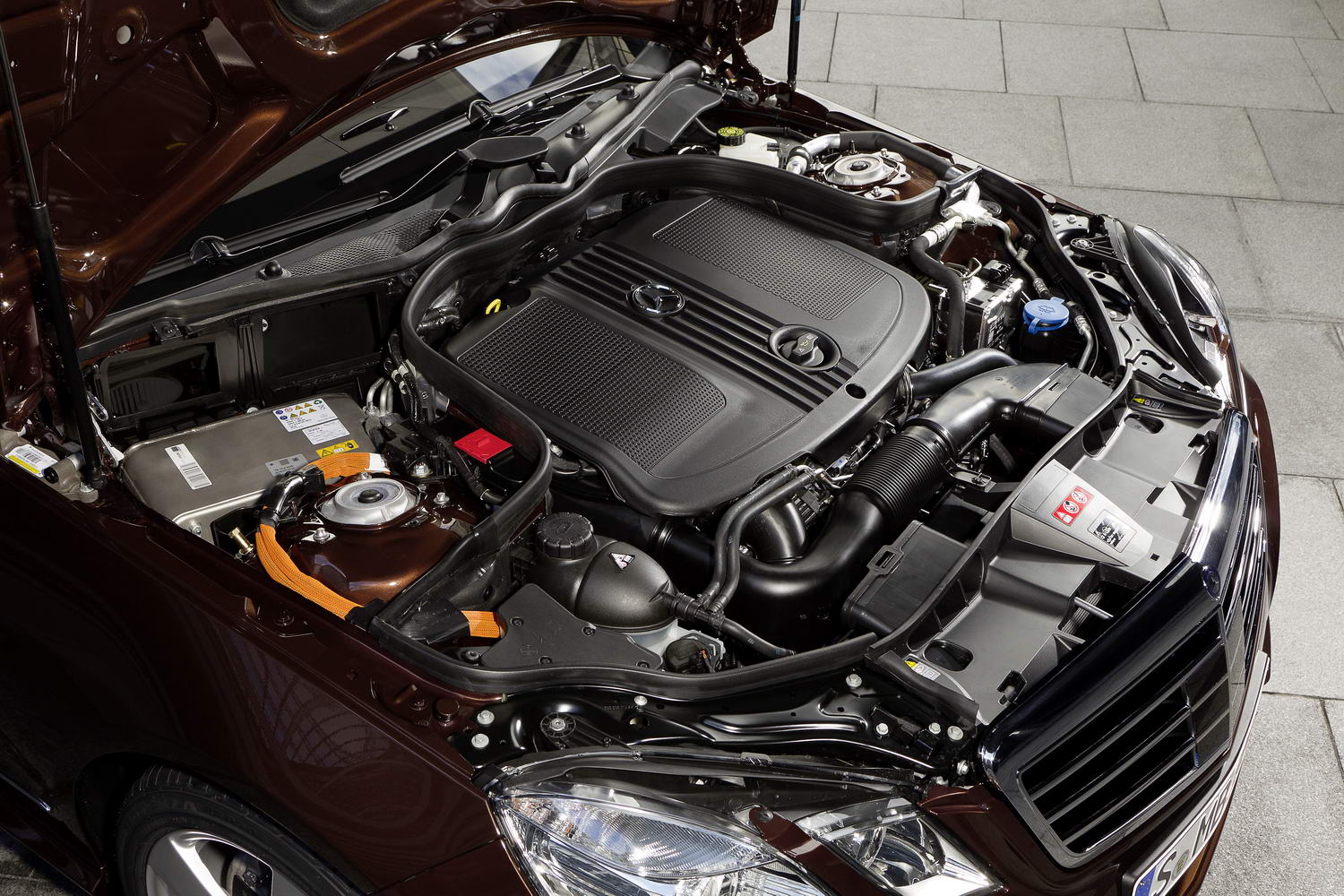
Therefore, the E-Class began with the venerable 2.1-litre four-cylinder turbodiesel doing most of the work. It launched as the E 220 d (170hp/400Nm) and E 250 d (204hp/500Nm) originally, with a lower-powered E 200 d (136hp/360Nm) joining in 2010. A larger 3.0-litre V6 diesel was installed in the E 300 d and E 350 d models, again the difference in model names coming down to their power outputs. The E 300 d had the same power and torque as the E 250 d, weirdly, while the E 350 d managed 231hp and 540Nm. Mercedes soon realised that there needed to be more between the four-cylinder E 250 d and the V6 E 300 d, so it took the latter to the 350 d's old figures of 231hp/540Nm, while simultaneously raising the E 350 d to 265hp and 620Nm in 2010.
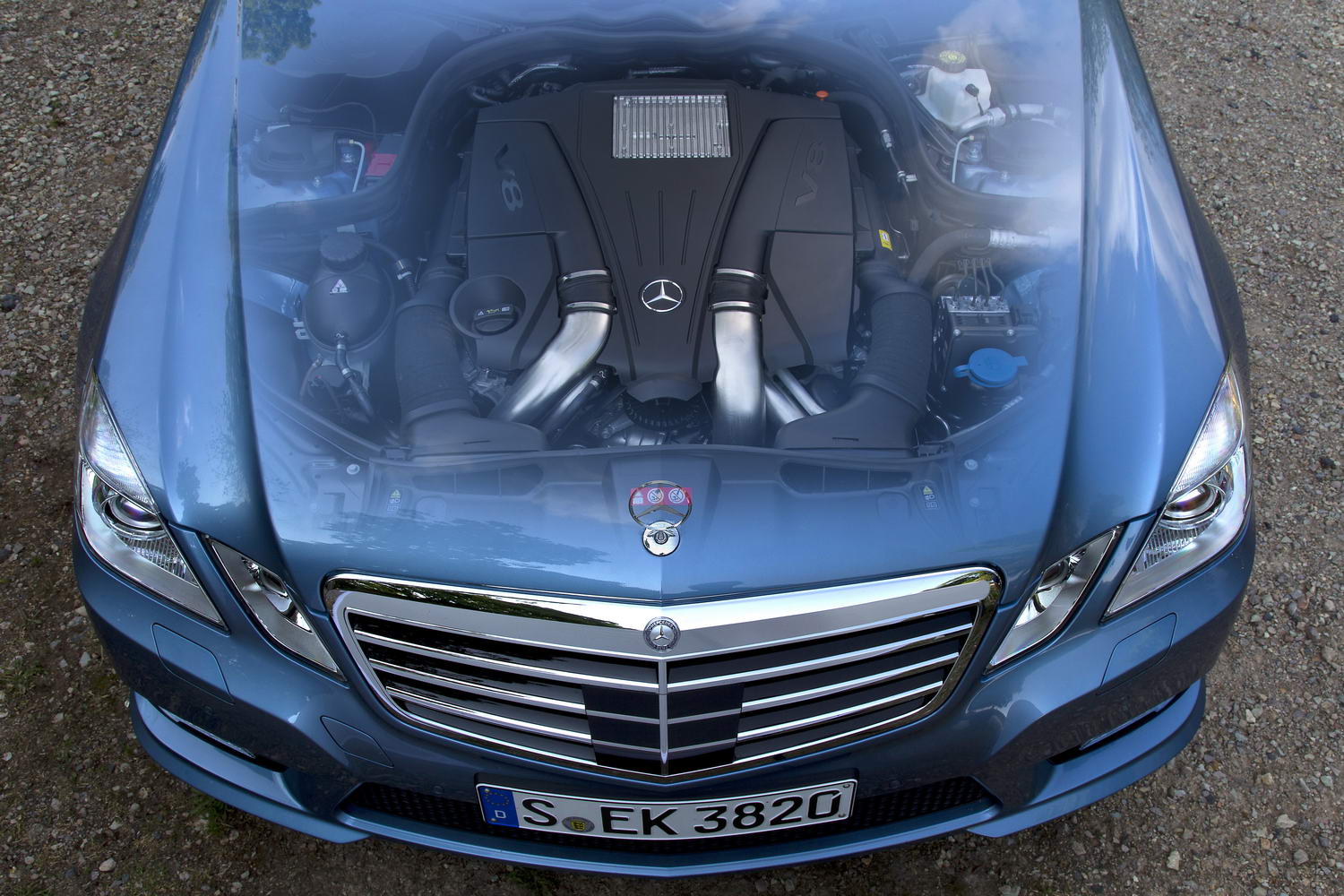
On the petrol side of things, there were E 200 and E 250 models that both used a 1.8-litre, four-cylinder turbocharged unit. This gave 184hp/270Nm for the E 200 and 204hp/310Nm for the E 250. A 3.5-litre normally aspirated V6 powering the E 350 provided real muscle, delivering 292hp and 365Nm from the off, while there was a mighty 5.5-litre V8 with 387hp and 530Nm in the E 500; admittedly, we didn't get that car in Ireland, but there may be the odd UK import floating around.
In 2011, the first of some significant engine changes took place, with the V6 diesels growing in power (as stated above), while the 3.5-litre V6 was used on two disparate models in order to plug a gap between the E 250 and E 350. In essence, a lower-powered derivative of the V6 arrived with 252hp and 340Nm, and was badged as the E 300, while the E 350 continued but now with 306hp and 370Nm, moderate increases of 14hp and 5Nm over its predecessor. Meanwhile, the E 500 dropped to a 4.7-litre biturbo V8, although power and torque both went up to 408hp and 600Nm.
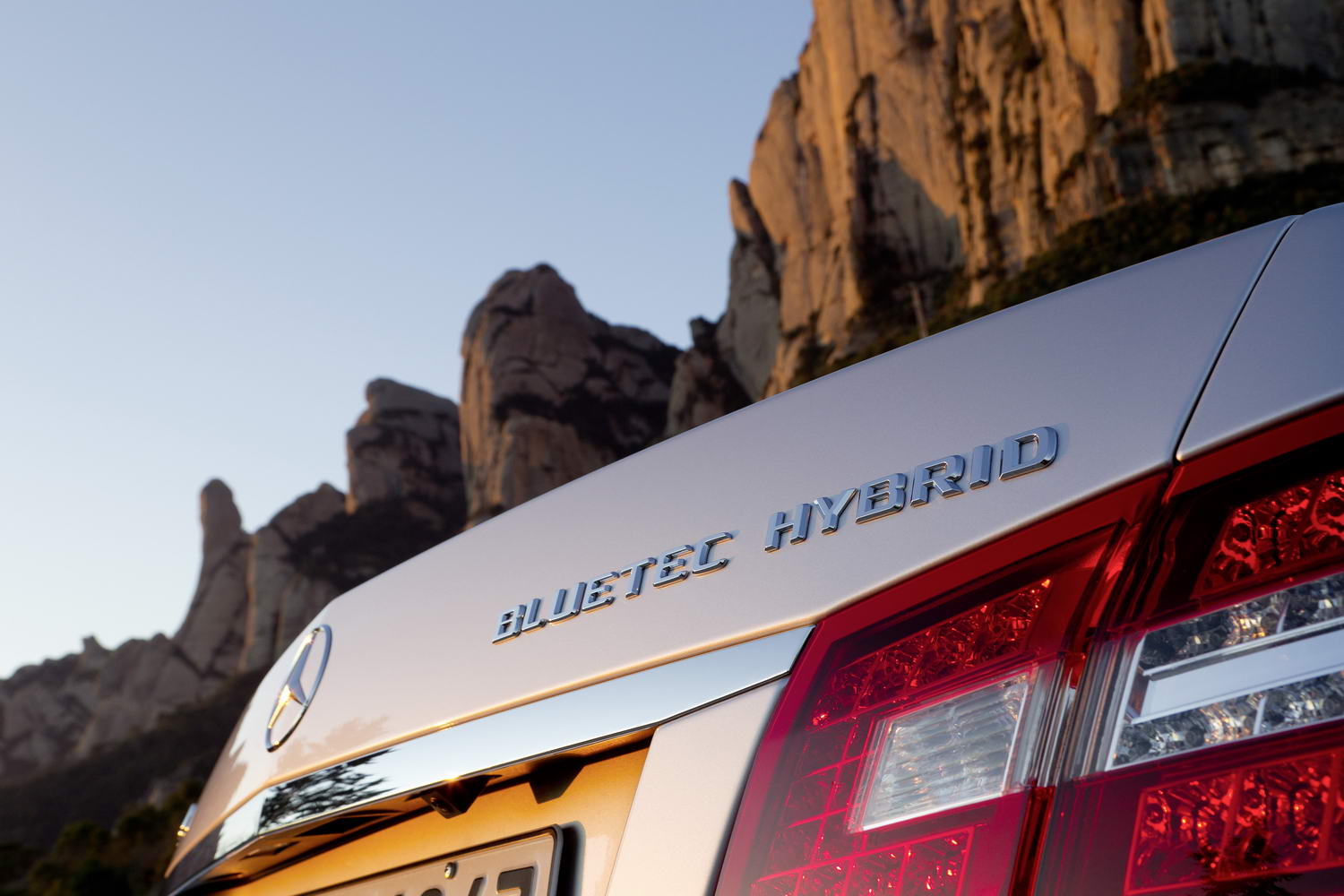
Prior to the major facelift in 2013, the hybrids appeared in 2012. There was a petrol model, called the E 400 Hybrid, which used a 3.5-litre V6 and electric power for outputs of 331hp and 620Nm, but it never came to Ireland. The diesel hybrid, however, did, and was called the E 300 BlueTec Hybrid. It used the 2.1-litre four-cylinder engine with electric augmentation to deliver 231hp and 750Nm; the selling point here being lower CO2 figures and more torque than any other E-Class without an AMG badge.
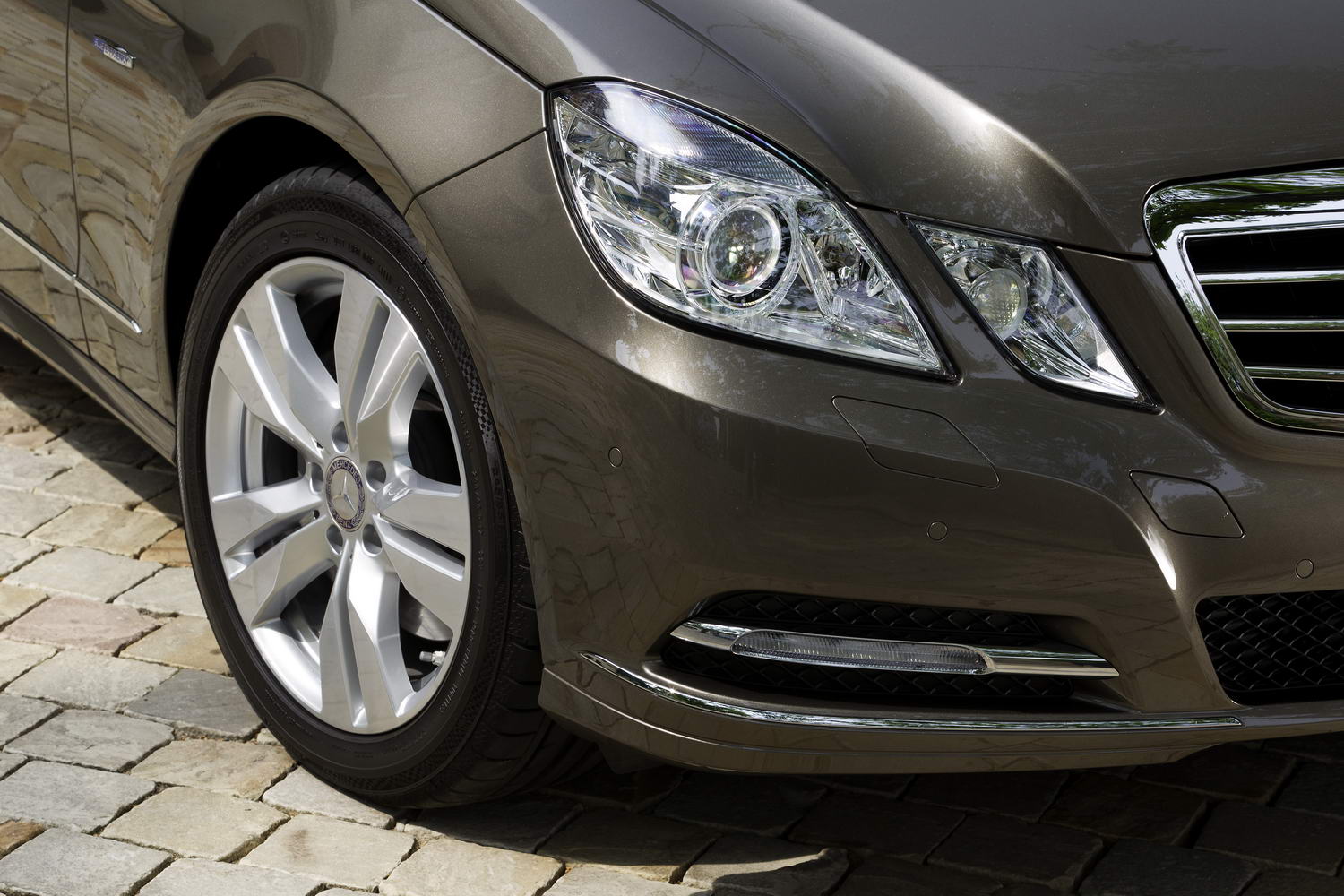
The 2013 facelift of the Mk4 E-Class is quite easy to spot, as the pre-facelift models of the car had a quad-headlight arrangement with a fillet of body-coloured metal running between the front lamp clusters. However, facelifted Mk4s had one-piece headlight units and smoother looks all round. It was at this point that much of the merging of CDI/BlueTec/BlueEfficiency/d badging took place, while there were more engine changes. Both the E 200 and E 250 petrol models ditched the wheezy old 1.8-litre unit for a new 2.0-litre turbocharged four-cylinder engine, which improved refinement. The E 200 gained no more power, but torque rose 30Nm to a peak of 300Nm, while the E 250 went up to 211hp (+7hp) and 350Nm (+40Nm). Meanwhile, a 3.0-litre V6 twin-turbo arrived in the E 400, which got 333hp and 480Nm, eclipsing its E 300 and E 350 normally aspirated siblings, which continued in production.
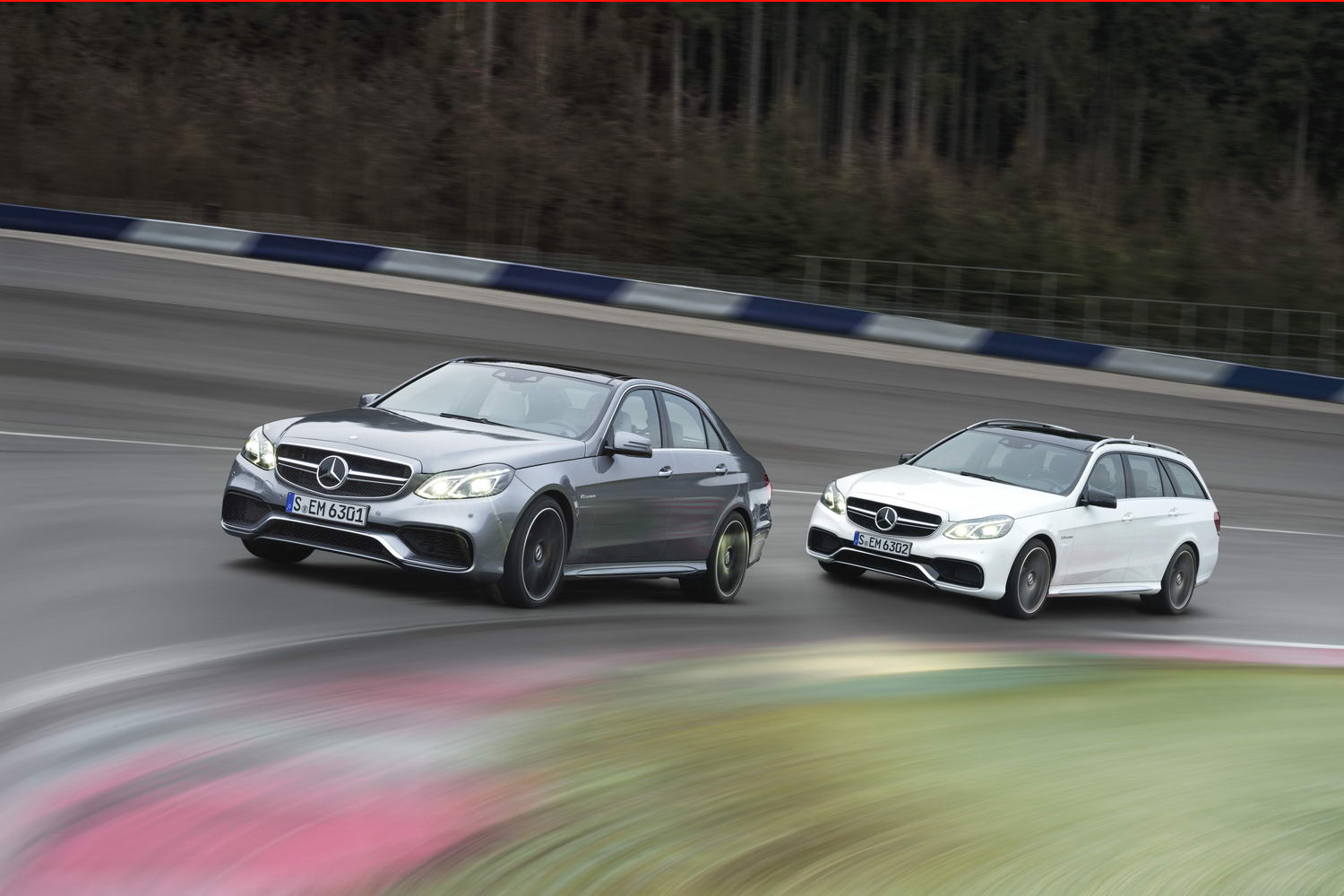
That just leaves the AMG version. This was only available in the four-door and Estate bodies, as the Coupe and Cabriolet both topped out as E 500s. It was initially AMG's magnificent 6.2-litre normally aspirated V8 engine, delivering 525hp and 630Nm to the rear wheels alone until 2011, when it switched to a 5.5-litre twin-turbo V8. Power, of course, went up to 557hp and 720Nm, unless you went for the E 63 S, which had colossal outputs of 585hp and 800Nm. It is no surprise that, for the next-generation AMG E-Class, the decision to switch from rear- to all-wheel drive was taken as a result.
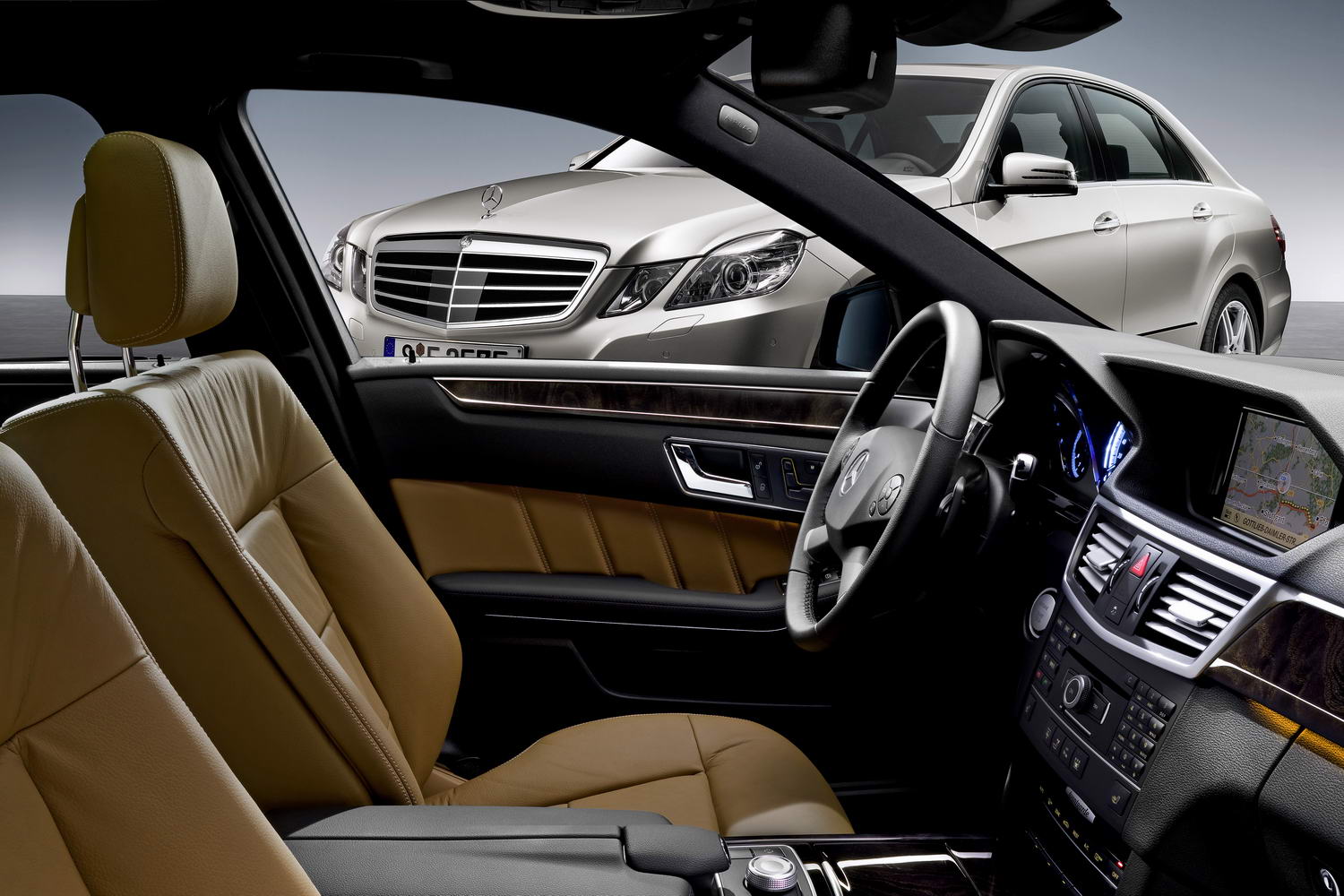
The Mk4 E-Class had rear-wheel drive on most models, although 4Matic all-wheel drive was offered throughout the range (including on the Coupe and Cabriolet models, where it's much rarer than it is on the saloon and Estate). A six-speed manual gearbox was offered on the E 200 and the four-cylinder diesels, but take-up was exceptionally low, so most Mercedes E-Class models of this generation are automatics with the 7G-Tronic seven-speed unit. A few had the 5G-Tronic five-speeder, but these were early cars, while the Coupe and Cabriolet received the 9G-Tronic that still sees service today on the four-cylinder turbodiesels from the facelift onwards. The AMG had its own seven-speed AMG Speedshift transmission. Trim levels ran basic Classic, then luxury-oriented Elegance, with Avantgarde being a sportier and plusher version. AMG Line cars appeared later in the Mk4's life, which took the sporty looks to another level, but all Mk4 E-Class cars come with a decent level of standard specification, as befitting its executive status.
How much is it to tax the Mercedes E-Class Mk4?
Refer to our Motor Road Tax Prices in Ireland Explained feature for the up-to-date cost to tax the Mercedes E-Class.
How reliable is the Mercedes E-Class Mk4?
Reliability surveys suggest the W212 family were more reliable than most of their competitors and certainly some of its direct ancestors of the 1990s and early 2000s, which were plagued with build-quality issues. Diesel injectors were known to fail on early models, but these should have long since been fixed by now. Pay particular attention to whether any parking sensors fitted to the car work properly if you're viewing a Mk4 E-Class.
Other known issues with this E-Class include:
- Intermittent failure of the keyless start system (usually fixed via software upgrade)
- Issues with the DAB radio sound (again, usually fixed via software)
- A noisy and quick-wearing alternator belt [1.6- and 2.0-litre petrol engines] is usually due to misalignment of the alternator itself
The 2.1-litre diesel engine is very common in Irish-market models and it is not without some problems:
- The EGR valve can block up and fail to work, causing an engine check light (it's expensive to replace) and the EGR system's cooler bypass valve can spring a coolant leak as well
- An unusual one that might be tricky to diagnose is the internal collapse of the intercooler outlet hose. It usually manifests itself in poor running, plus the engine check light, and shouldn't cost a fortune to remedy
- Another difficult one to work out is chafing of the wiring loom on the engine cover, causing all kinds of error codes and possibly poor engine running, too. It may be necessary to repair the loom and modify the cover
Three official recalls were carried out on this generation of E-Class, two of them issued in March 2017. The first affected cars built from October 2014 until 2016 and related to the installation of the front windscreen wiper motor, which may have been positioned too close to the wiper rod linkage. In such instances, it would damage the wiring harness of the vehicle while the wipers were in motion. A total of 988 cars were affected and the remedial work should have been carried out by now. Then, on cars built from October 2015 into 2016, the second recall affected the possibility that if the front passenger seat were adjusted to its lowest or rear-most position, it could cause a pressure hose underneath to bend. This would make the car's software erroneously identify the passenger as a child seat, meaning the airbag was deactivated. Again, this should have been sorted by now on any car you're looking at.
The final recall was only issued at the end of May 2020 and would relate to early Mk4 E-Class models, if affected. It is on all C-Class, E-Class, CLK and CLS vehicles built from January 1, 2000, until July 15, 2010, a grand total of 2,783 cars in Ireland overall, and pertains to the bonding between the glass panel and sliding-roof frame becoming less adhesive, meaning glass sunroofs could become completely detached from the vehicle.
When should I service my Mercedes E-Class Mk4?
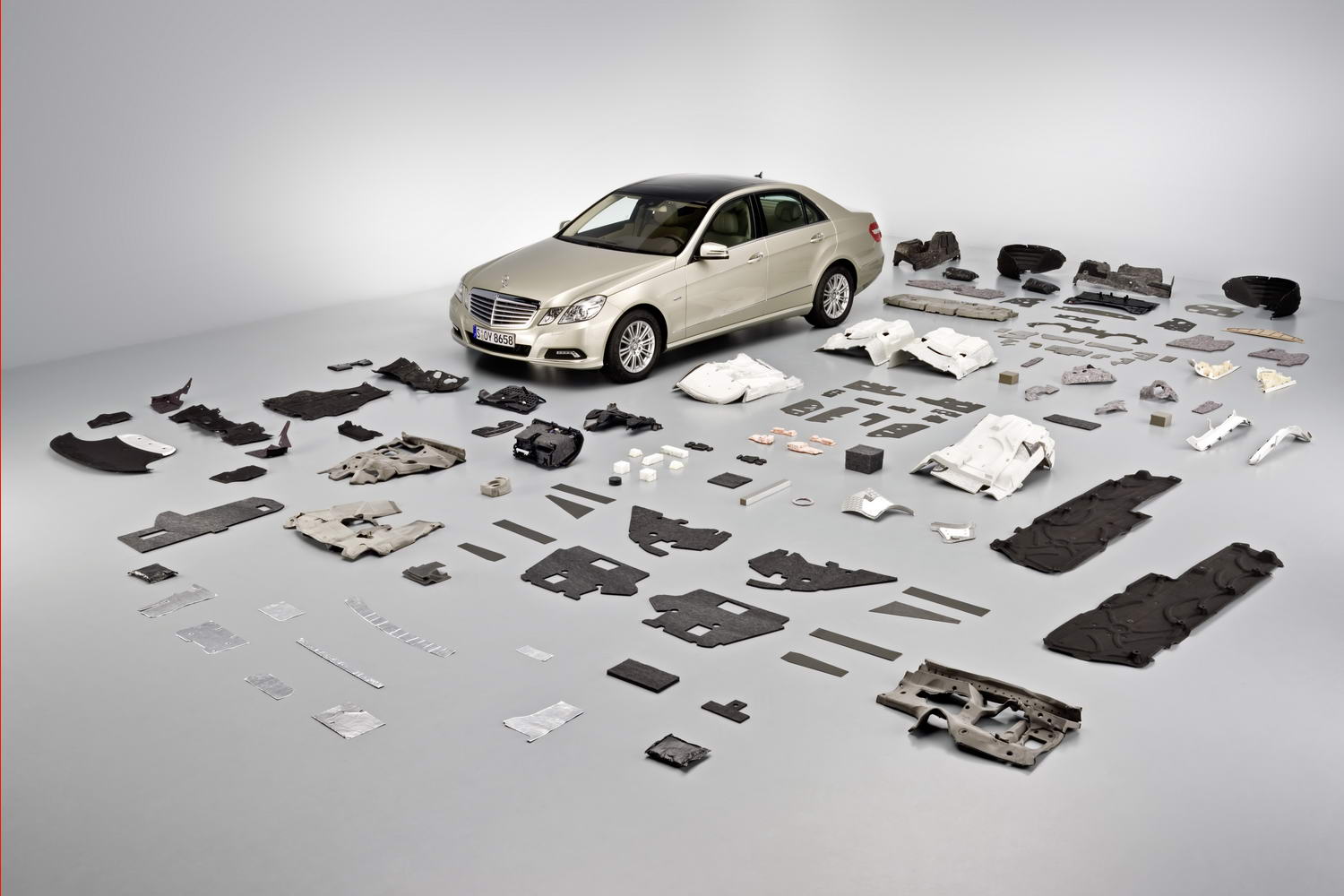
All examples of the W212 E-Class use an automated service indicator. It lets the driver know when a service is due and the garage then can access the system to determine which items are required. Along with checking all levels and a myriad of other items, a normal service would include replacing the oil and oil filter, and sometimes the cabin filter. Every two years, the brake fluid should be changed, regardless of mileage.
At 50,000km or three years, it's time to replace the air filter and, if the rear differential is a special one, its oil must be changed at this time, too. If an automatic gearbox is fitted, then its oil and filter should be renewed as well. The in-tank fuel filter is scheduled for replacement every 250,000km or 15 years, which is when the engine coolant and antifreeze should be flushed out and renewed, too. In petrol engines, the spark plugs should be replaced every 75,000km or four years.
As ever, the schedules we quote here were decided by the manufacturer when the E-Class was new, and it's advisable to service a car at least once a year, especially as it ages.
Does the Mercedes E-Class Mk4 have a timing belt?
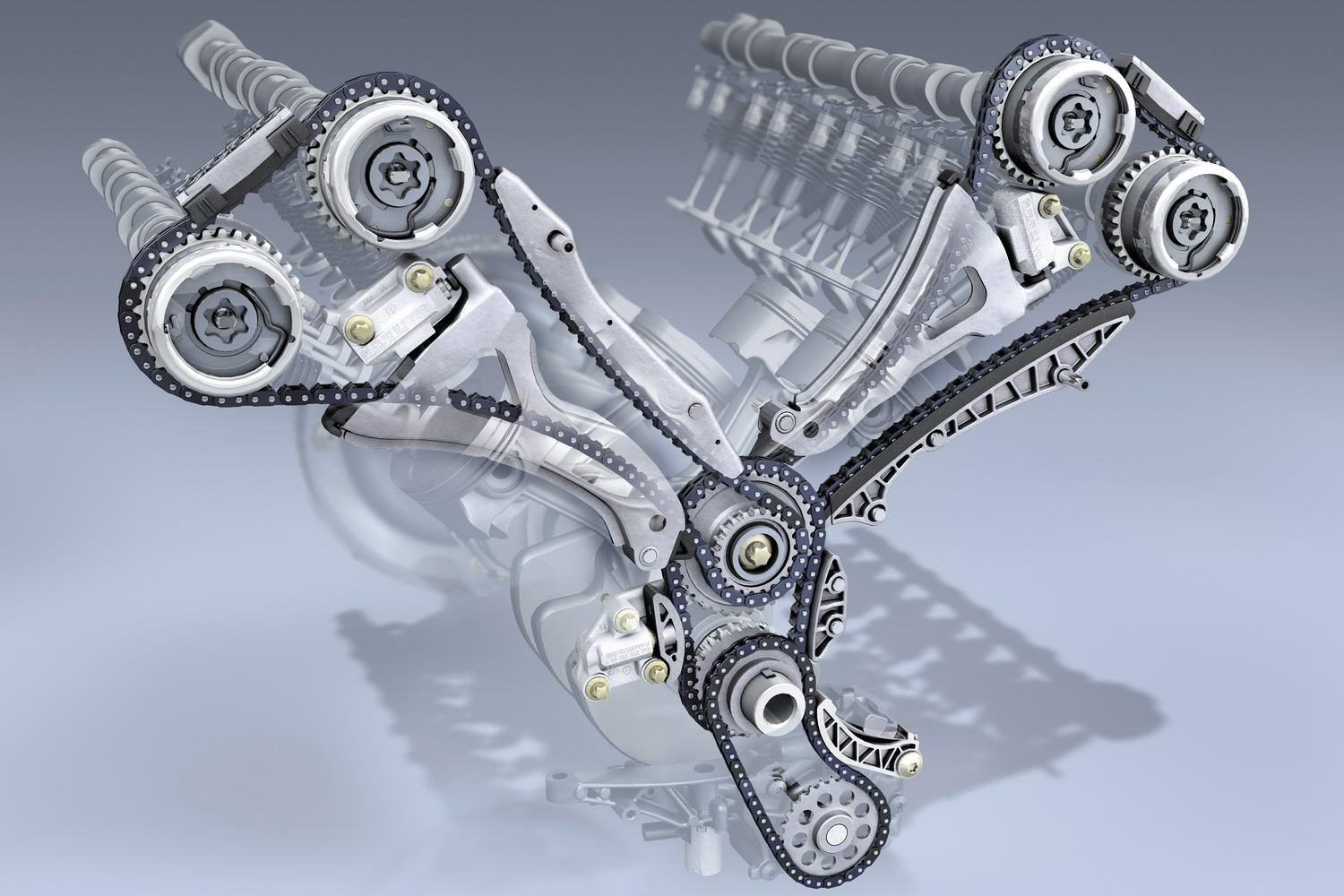
Nope. All engines fitted to the W212 Mercedes E-Class, whether petrol or diesel, used timing chains, which don't generally come with set replacement schedules.
Can I fit child seats and a buggy in the Mercedes E-Class Mk4?
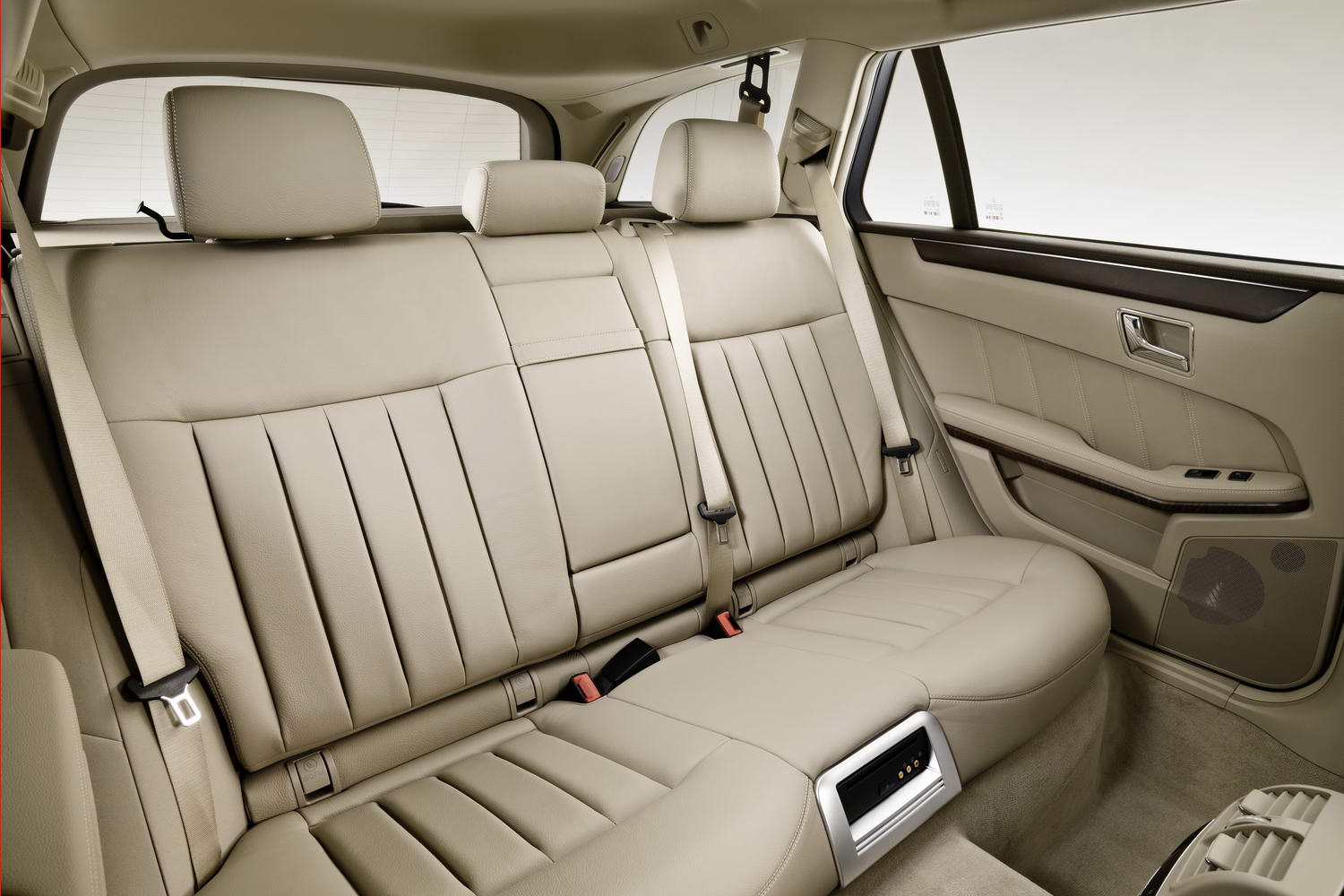
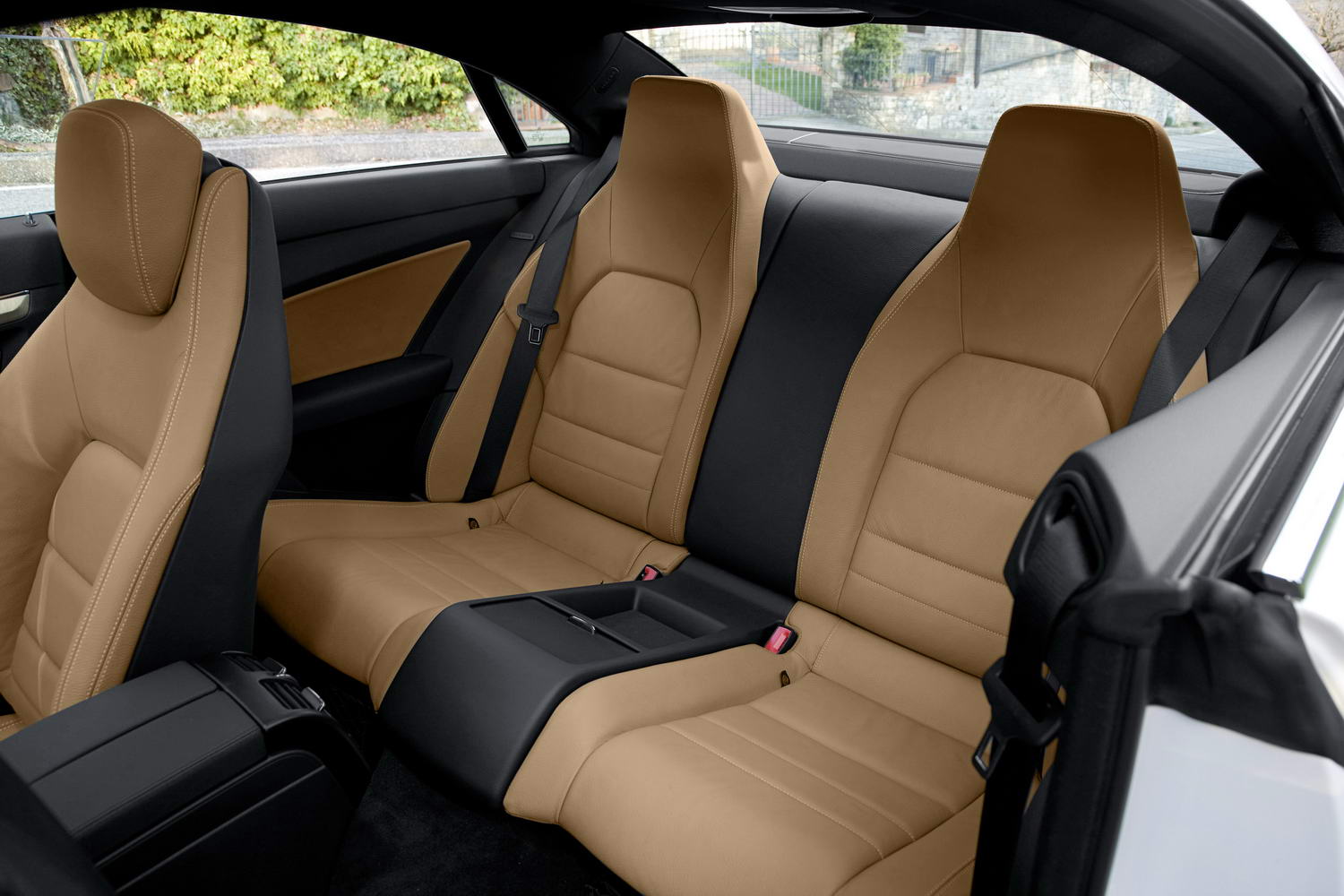
With the saloon packing a 540-litre boot, storage in the E-Class is pretty decent, but 60:40 split rear-seats were a cost option, so not every car will have them. The E-Class Estate is clearly the model to go for if you've got kids, because its boot is a whopping 695 litres, rising to 1,950 litres with the rear seats folded away. The Coupe takes 450 litres, while the Cabriolet manages 390 litres with its hood up and 300 litres with its hood down, so neither of these is ideal for families - and that's doubly true of the interior, because these two are four-seaters, whereas the saloon and Estate are five-seaters.
However, there's still a sizeable transmission tunnel in the back of those E-Class cars, so getting three child seats across the second row might not be easy, despite the Mercedes' physical size. Like most cars of this era, the W212 has two ISOFIX mounting points in the rear row.
How safe is the Mercedes E-Class Mk4?
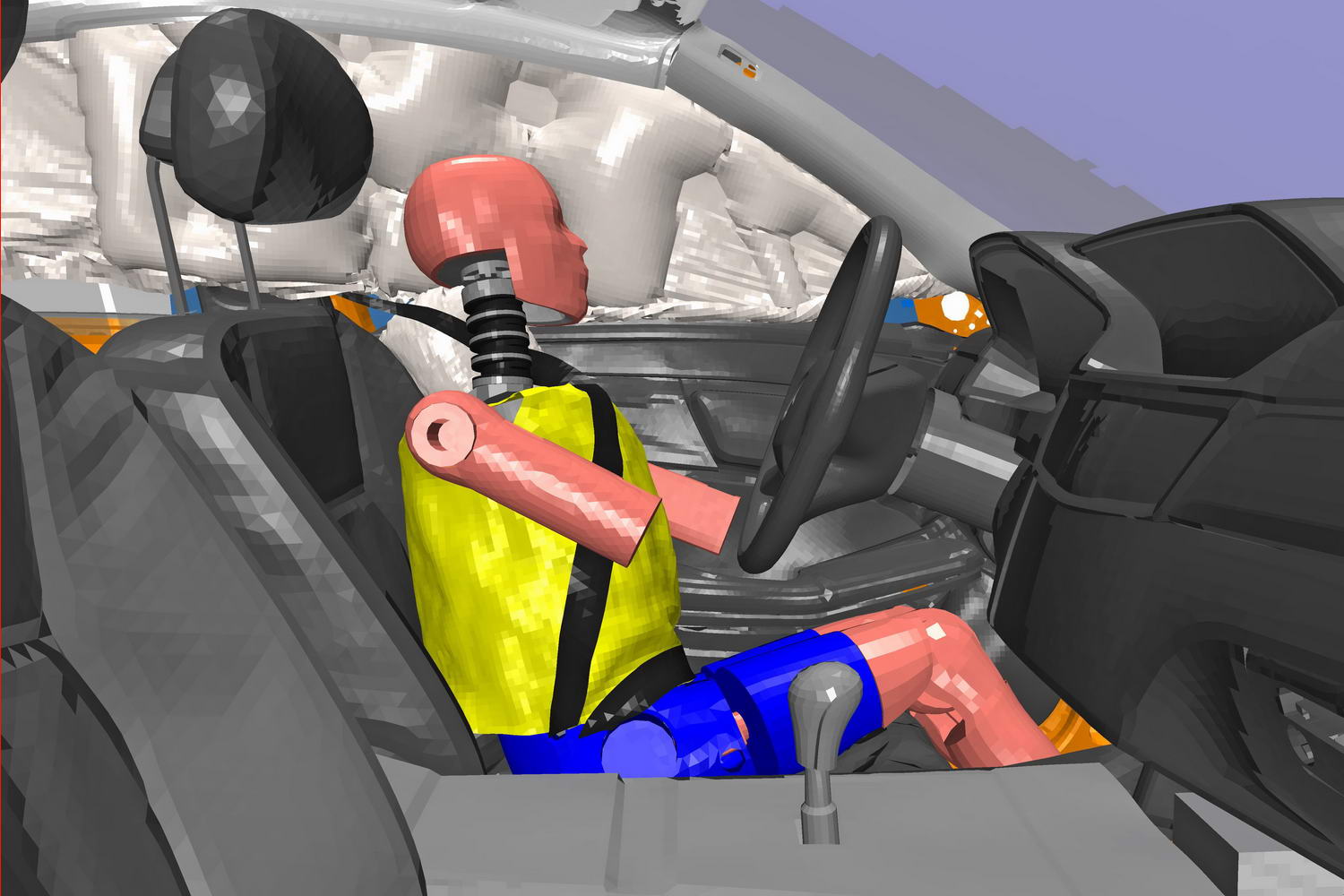
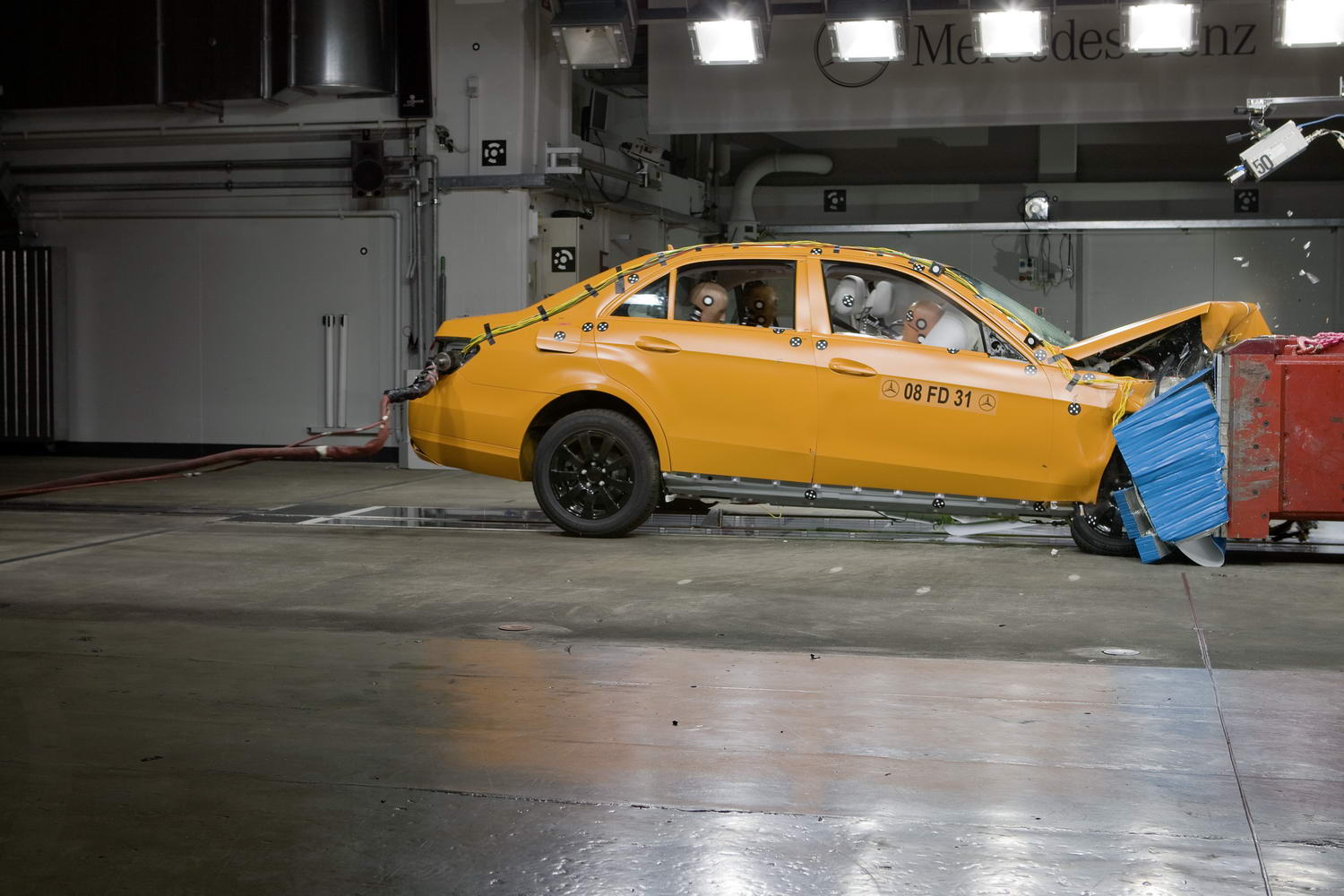
Tested by EuroNCAP in 2010, the Mk4 E-Class picked up the full four-star rating, with notably impressive scores of 86 per cent for both adult occupant safety and its safety assist systems - the latter pointing to the fact that the every new E-Class is always a technologically advanced machine when it launches. The Mk4 also recorded 77 per cent for child occupant safety and a more modest 59 per cent for pedestrian safety, but it's a sturdily built machine with a plethora of airbags and safety systems as standard, so its safety rating should give buyers peace of mind.
Alternatives to the Mercedes E-Class Mk4
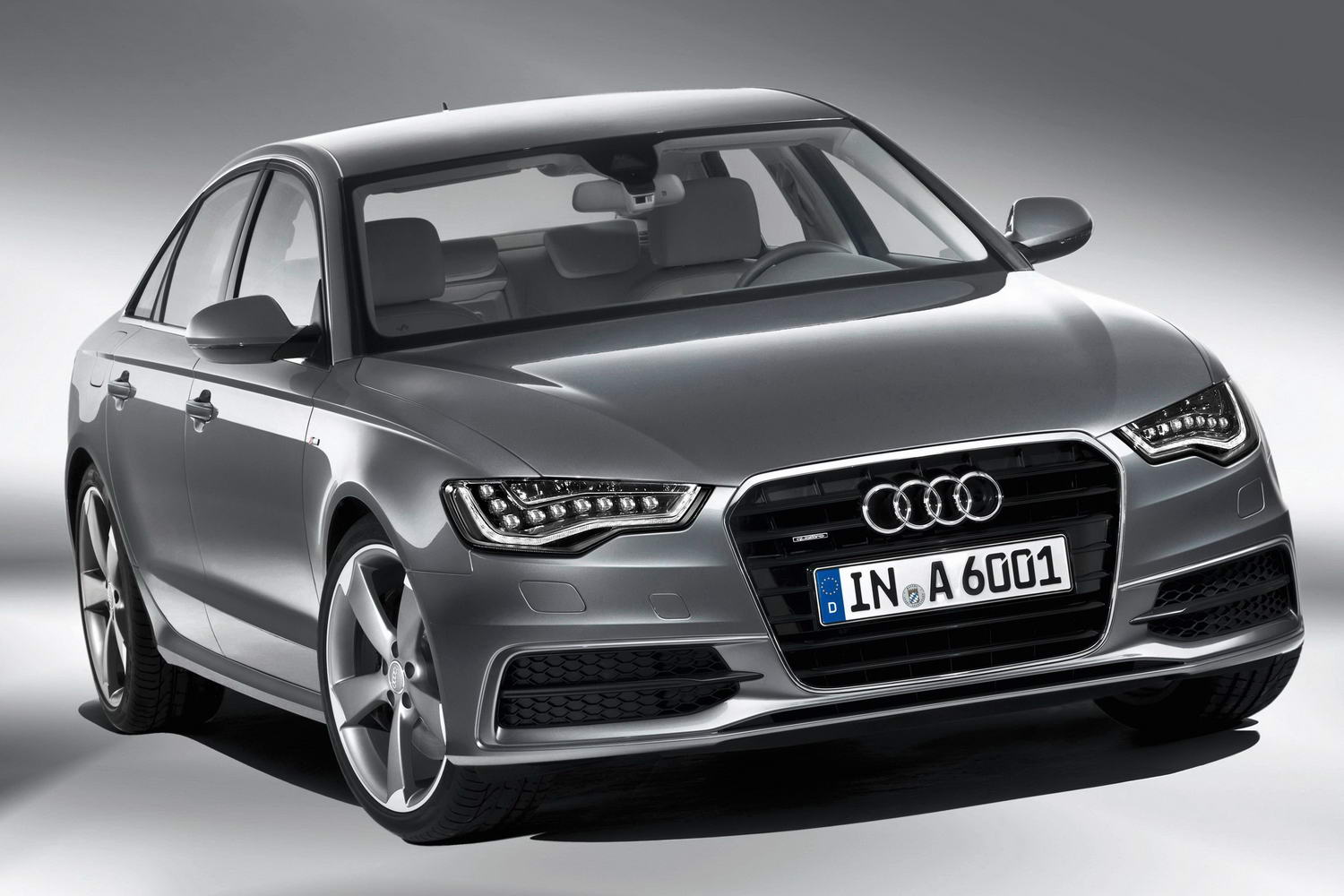
Audi A6
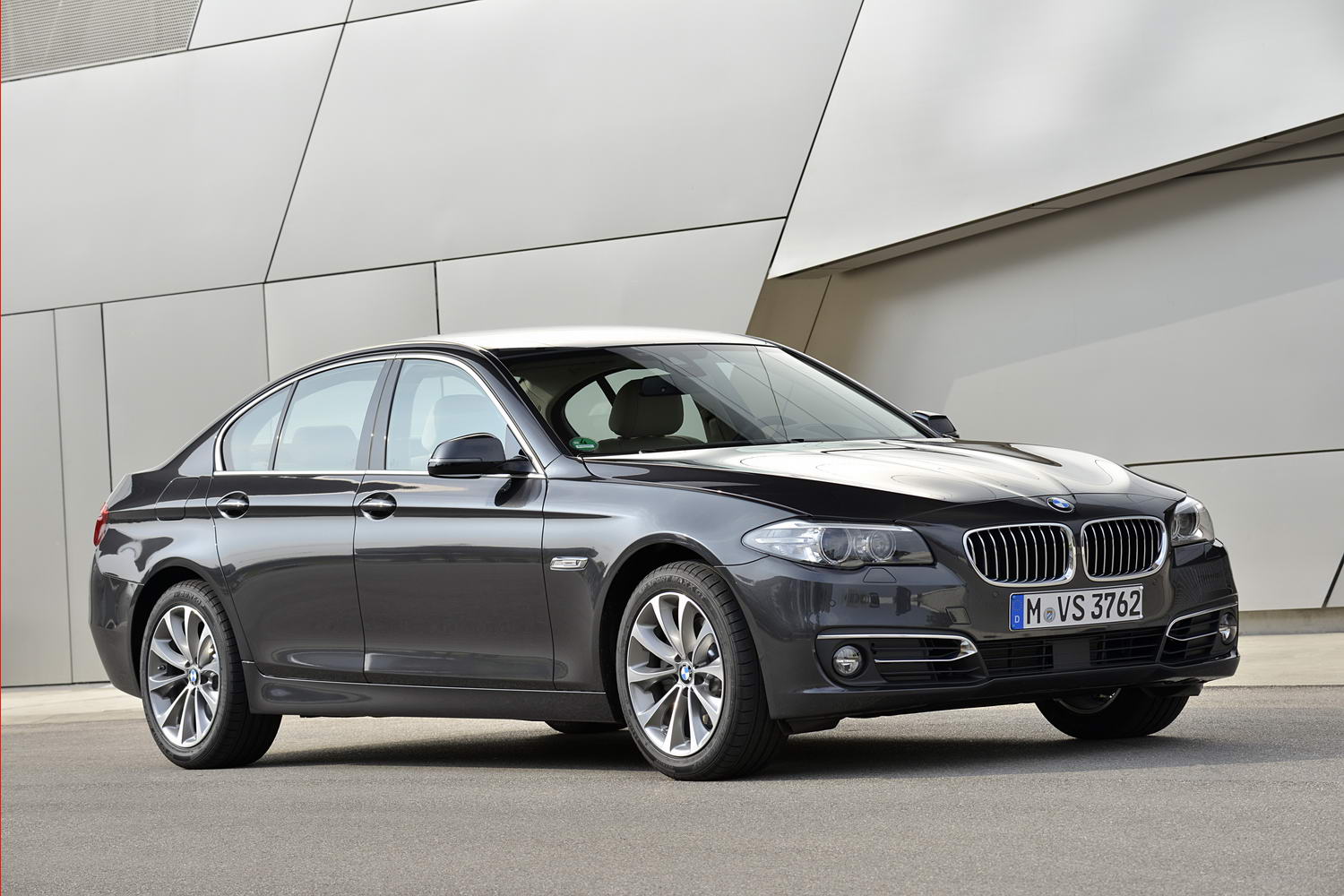
BMW 5 Series
BMW 5 Series F10 (2010-2017) used car buying guide
Jaguar XF
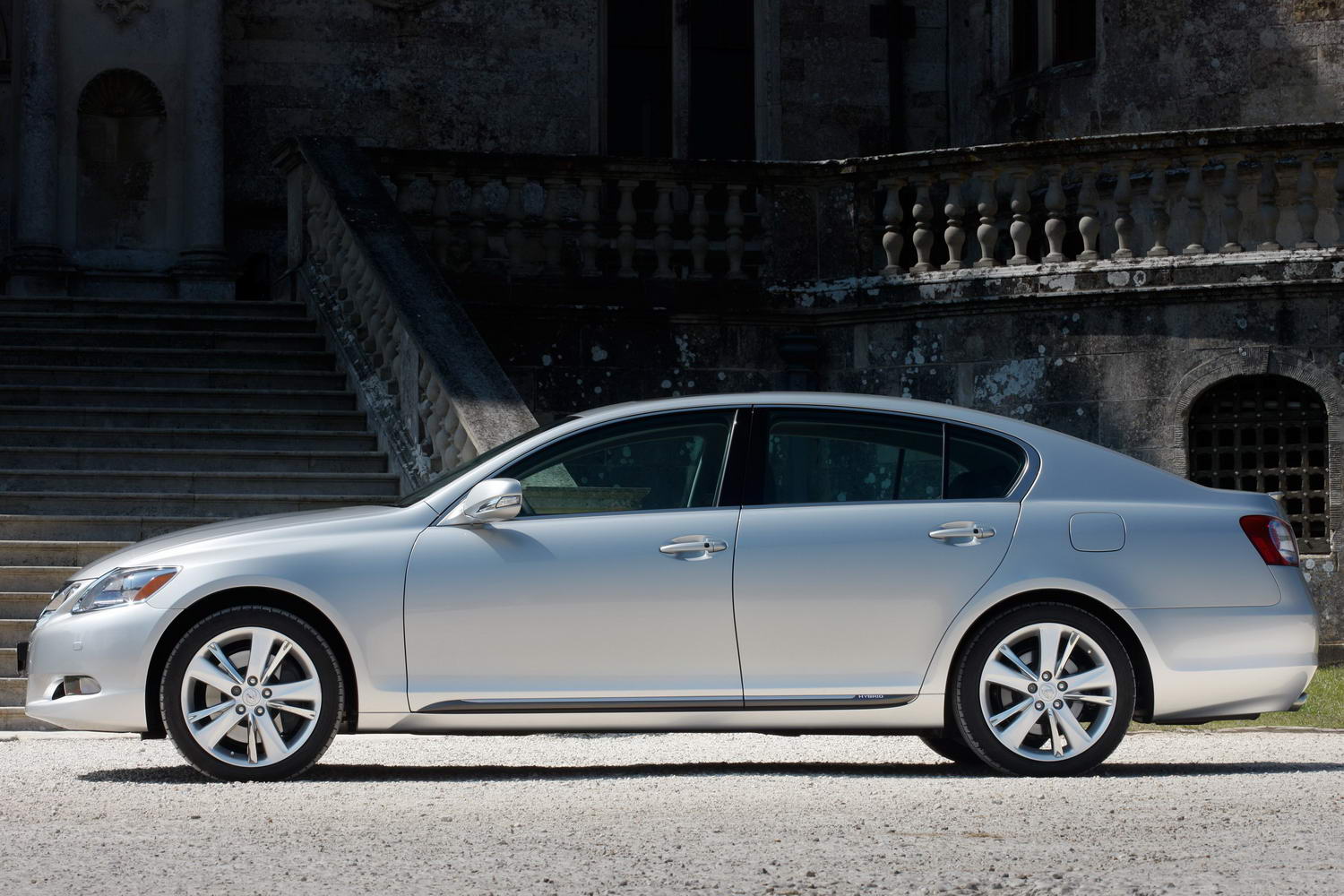
Lexus GS
Maserati Ghibli
Mercedes-Benz E-Class
Porsche Panamera
Volvo S80
Volvo S90
How much is a Mercedes E-Class Mk4 worth?
For estimates of the current value of a given car, drop us a message using the Ask Us Anything page with as much detail as possible in it.