

BMW 5 Series F10 overview
Range overview: petrol, diesel or hybrid; manual or automatic; rear-wheel drive; saloon, hatchback or estate
Reliability: above average for class
Cost to repair: dearer than average
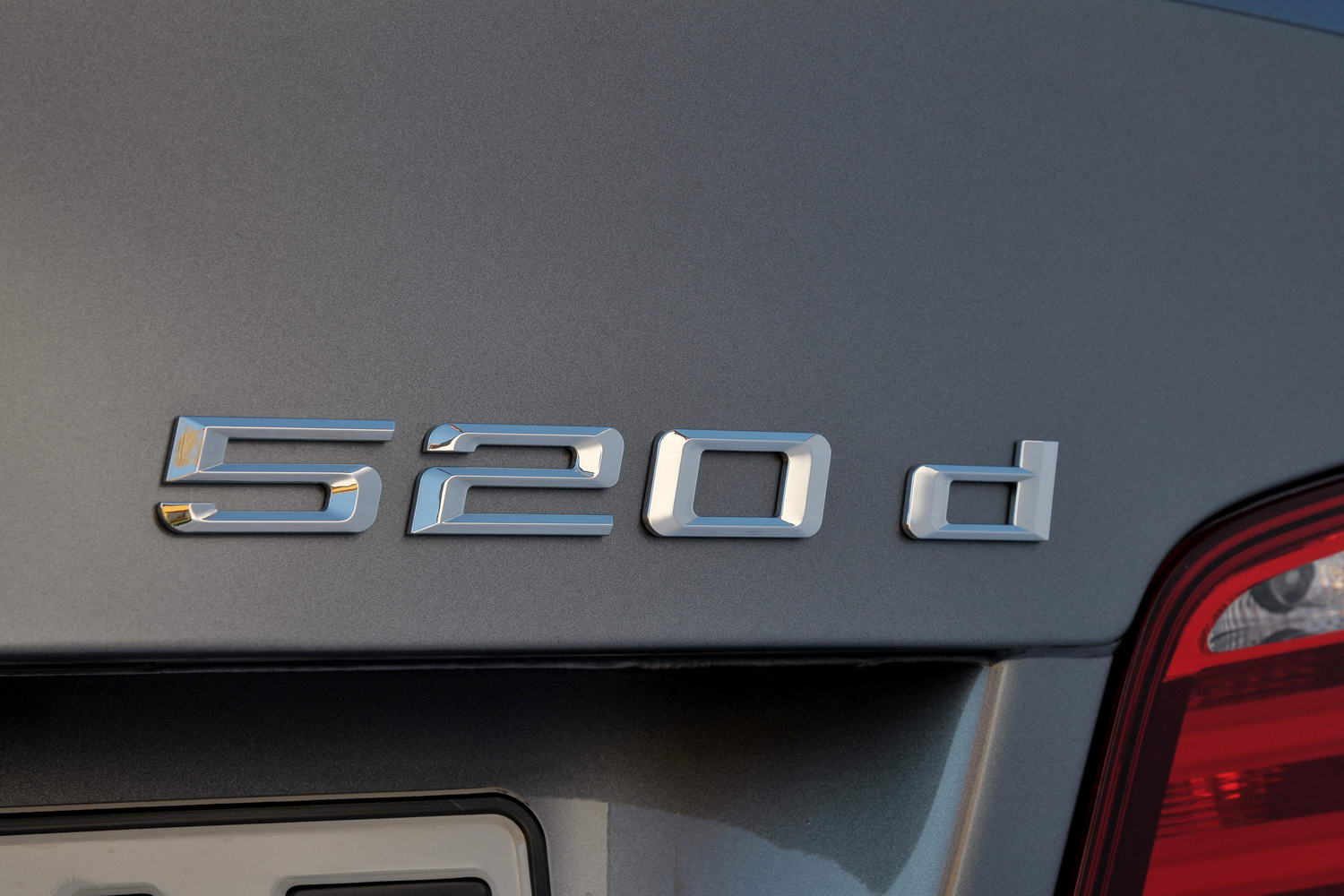
Most common: BMW 520d
Best for economy and long-distance driving: BMW 520d
Best for urban driving: BMW 520i
Our favourite performance version: BMW M5 Competition Package
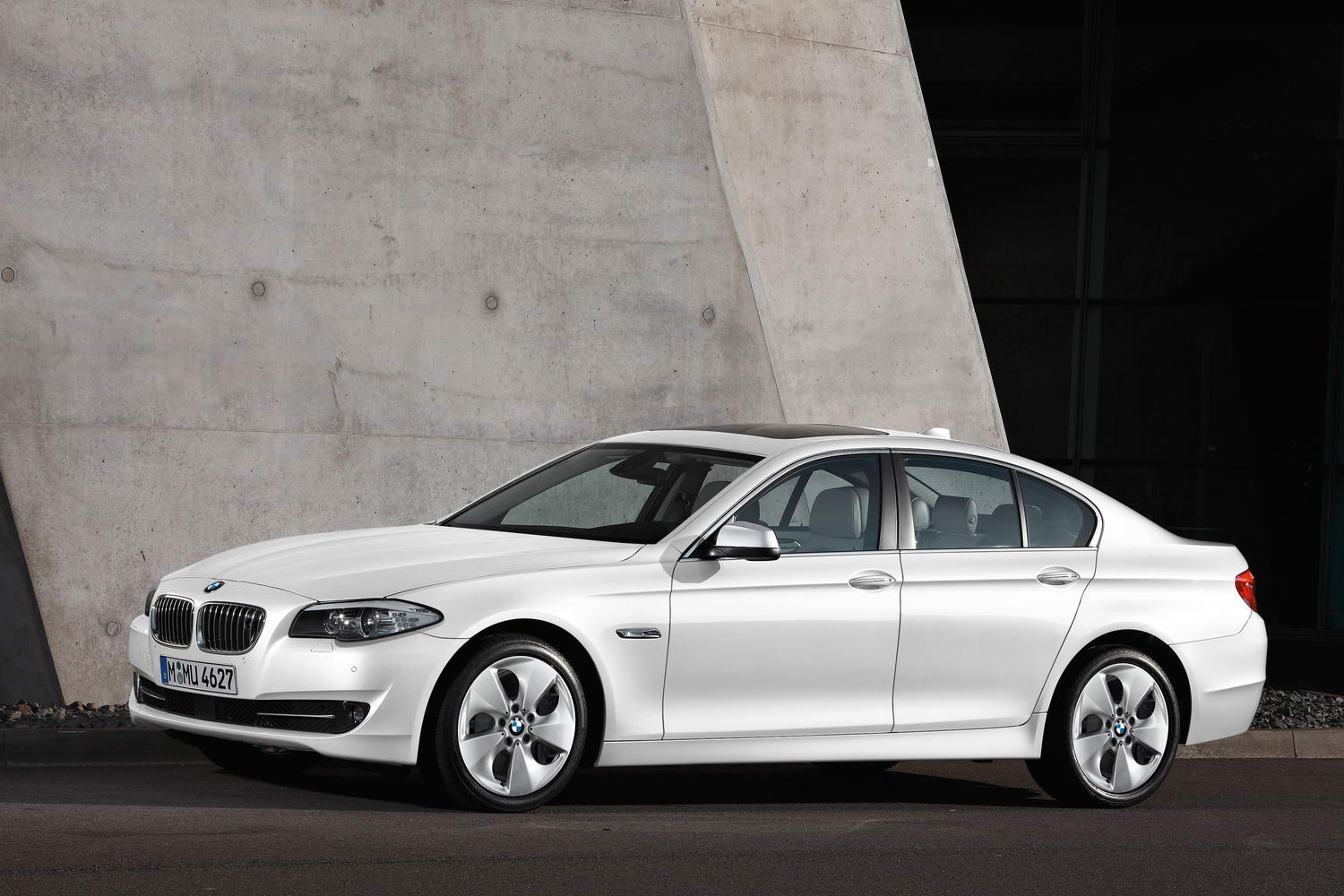
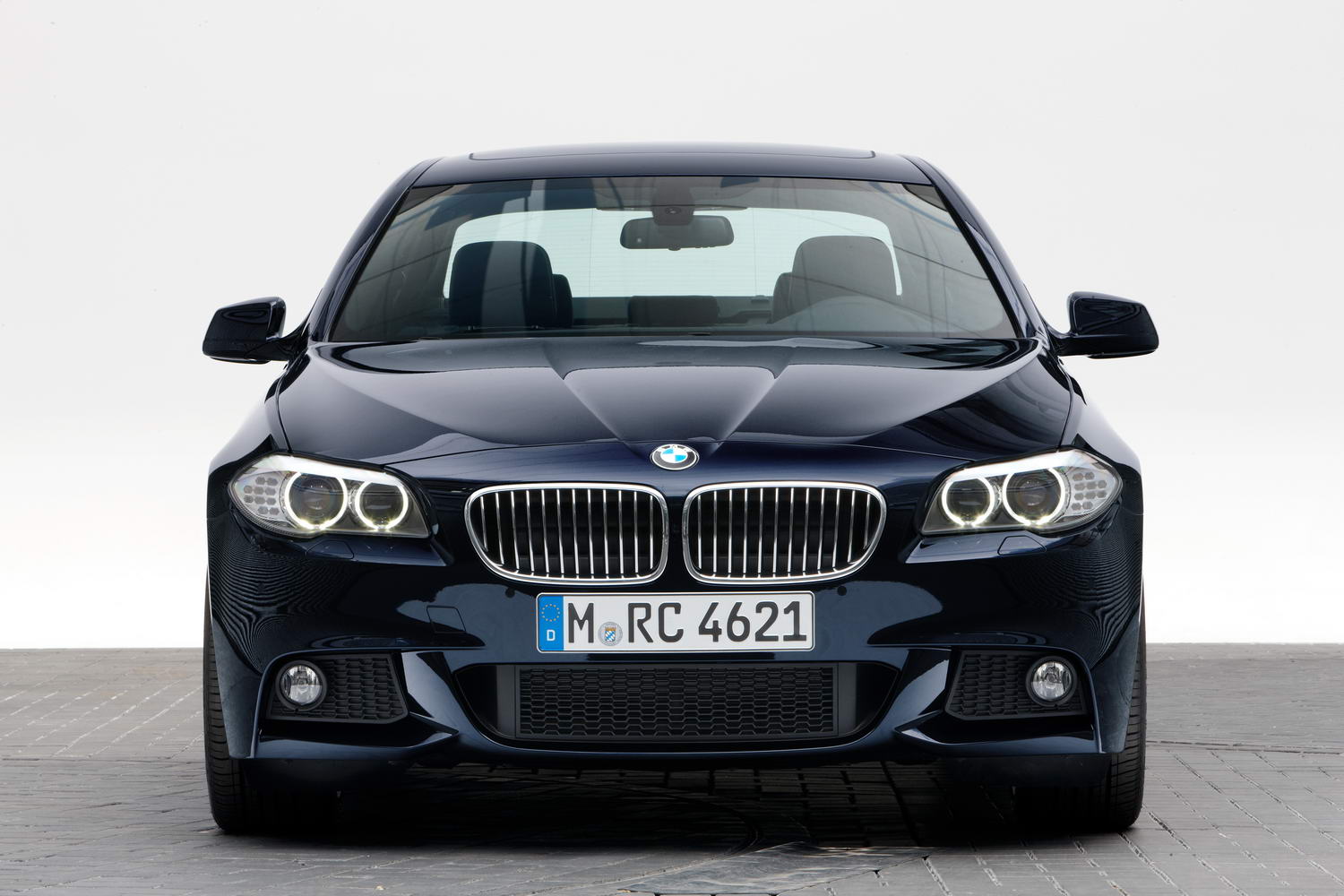
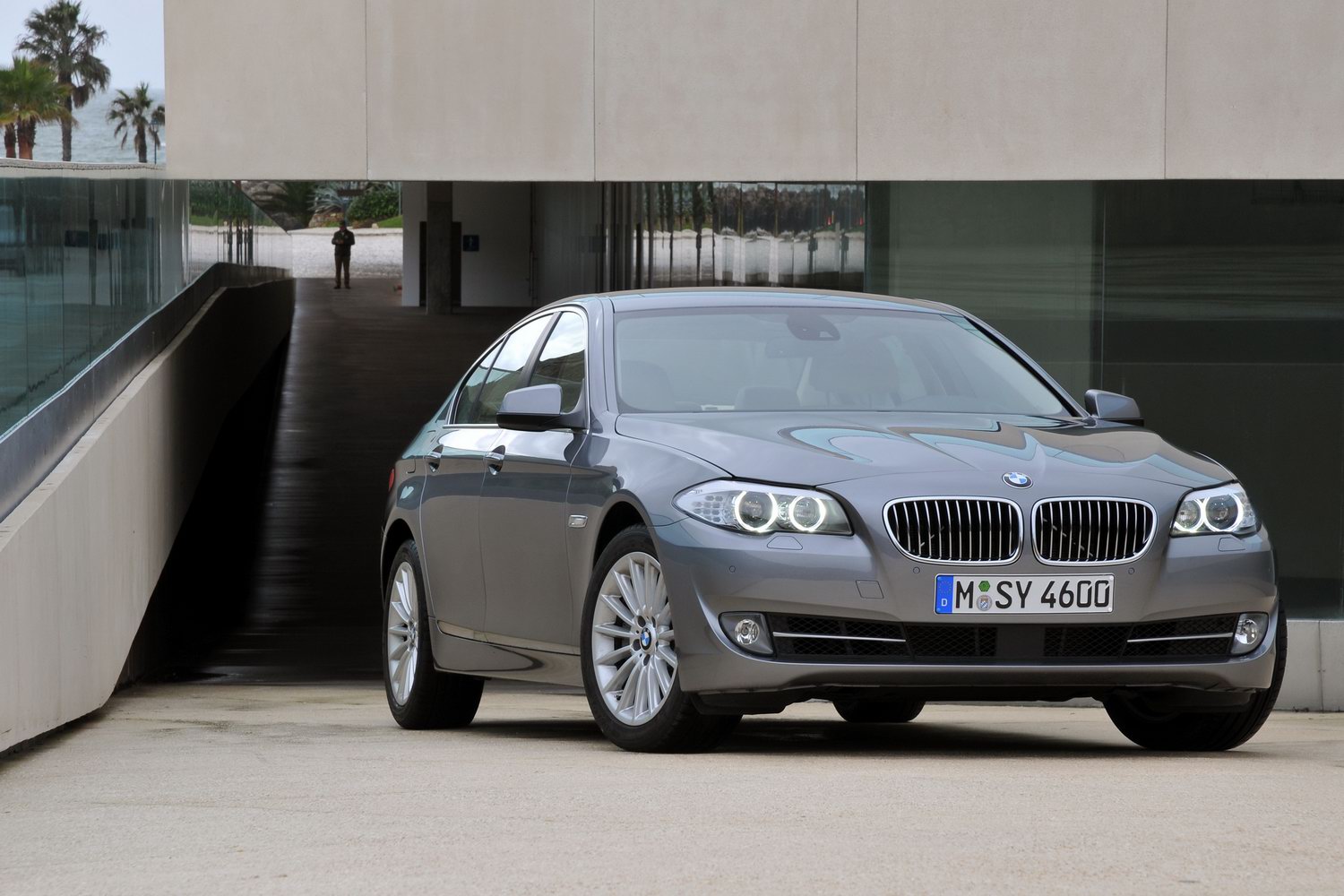
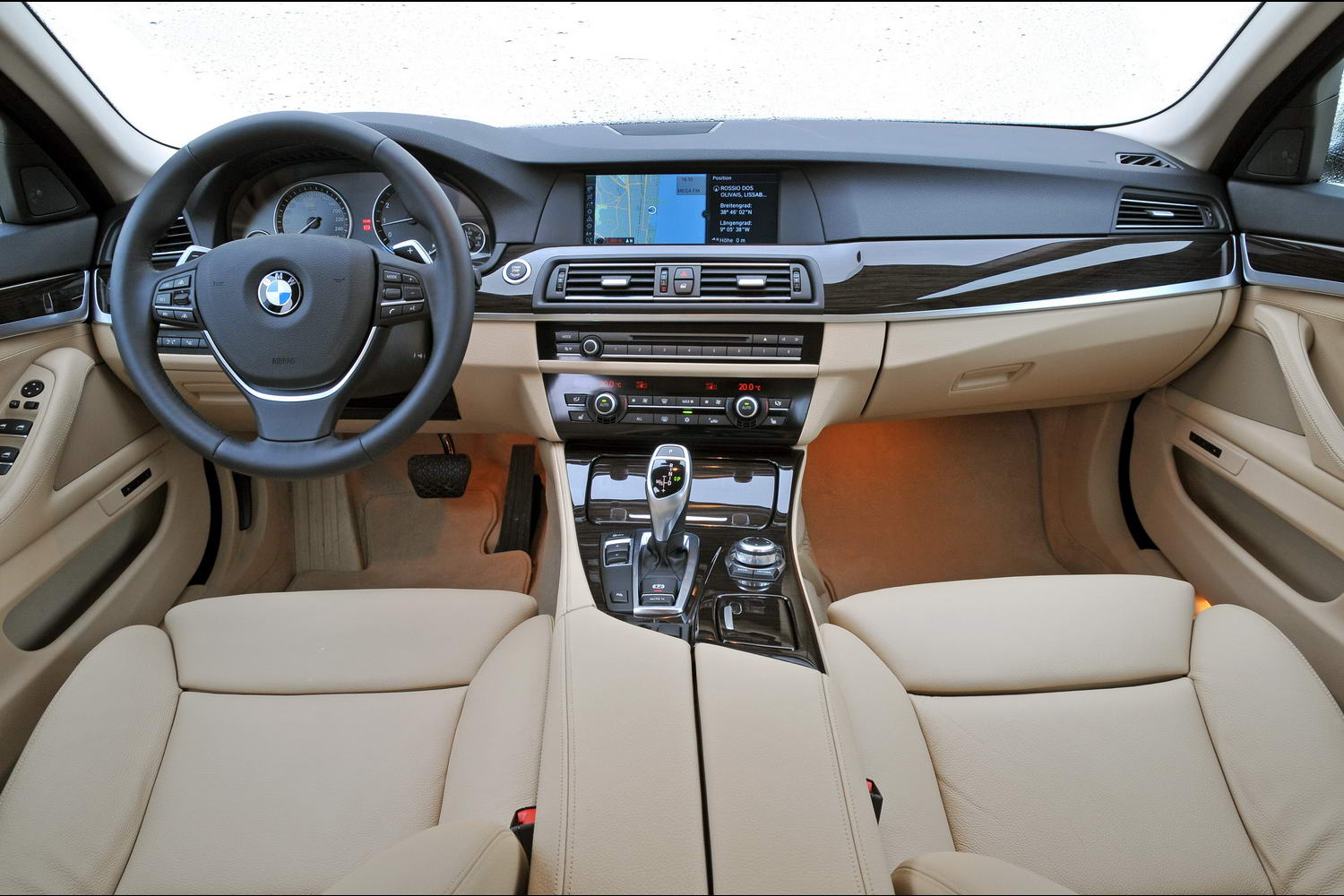
The sixth generation of the BMW 5 Series launched in 2010, smoothening off the angular looks of its predecessor and added some refinement too, making it more like a shrunken 7 Series in aspect and demeanour.
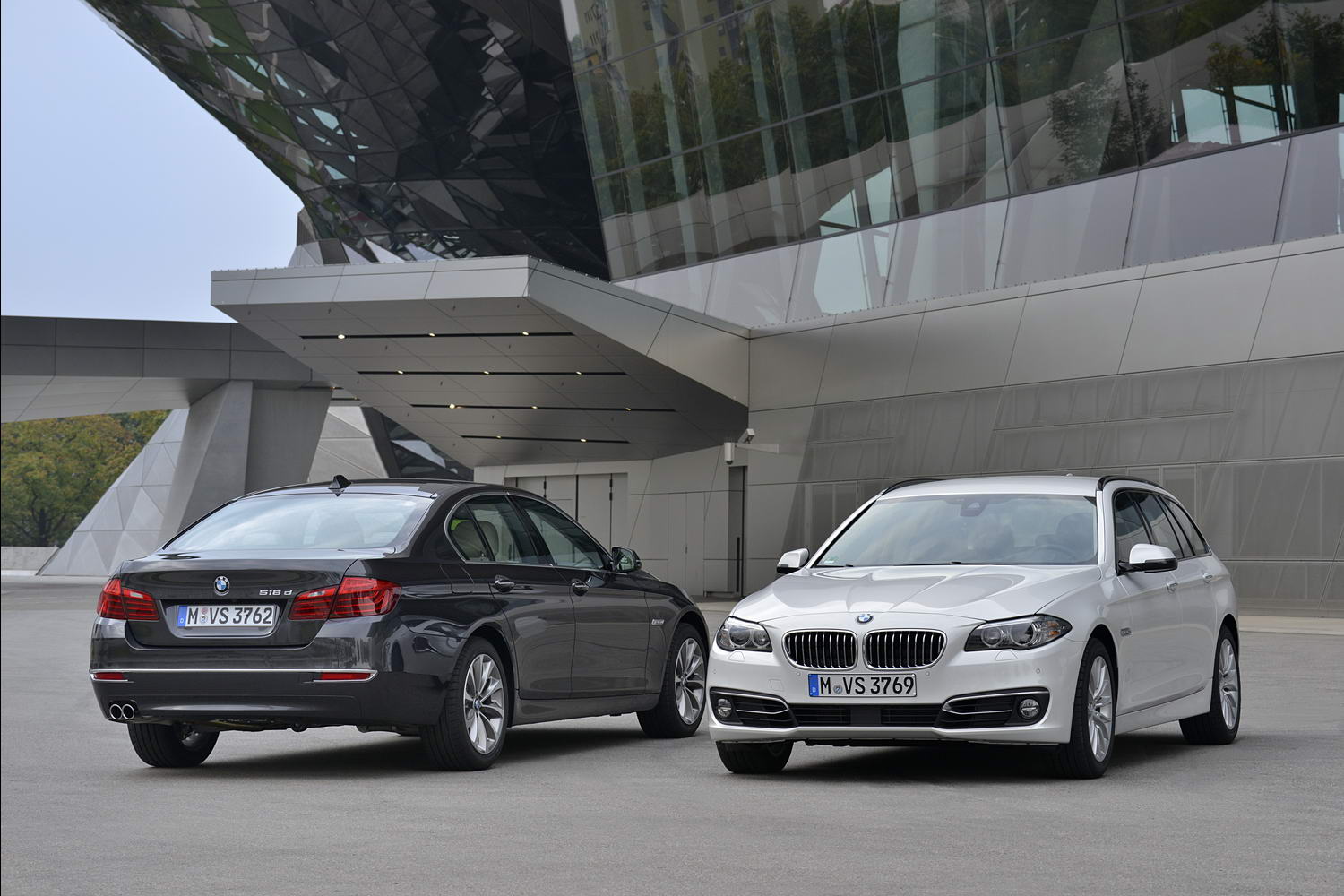
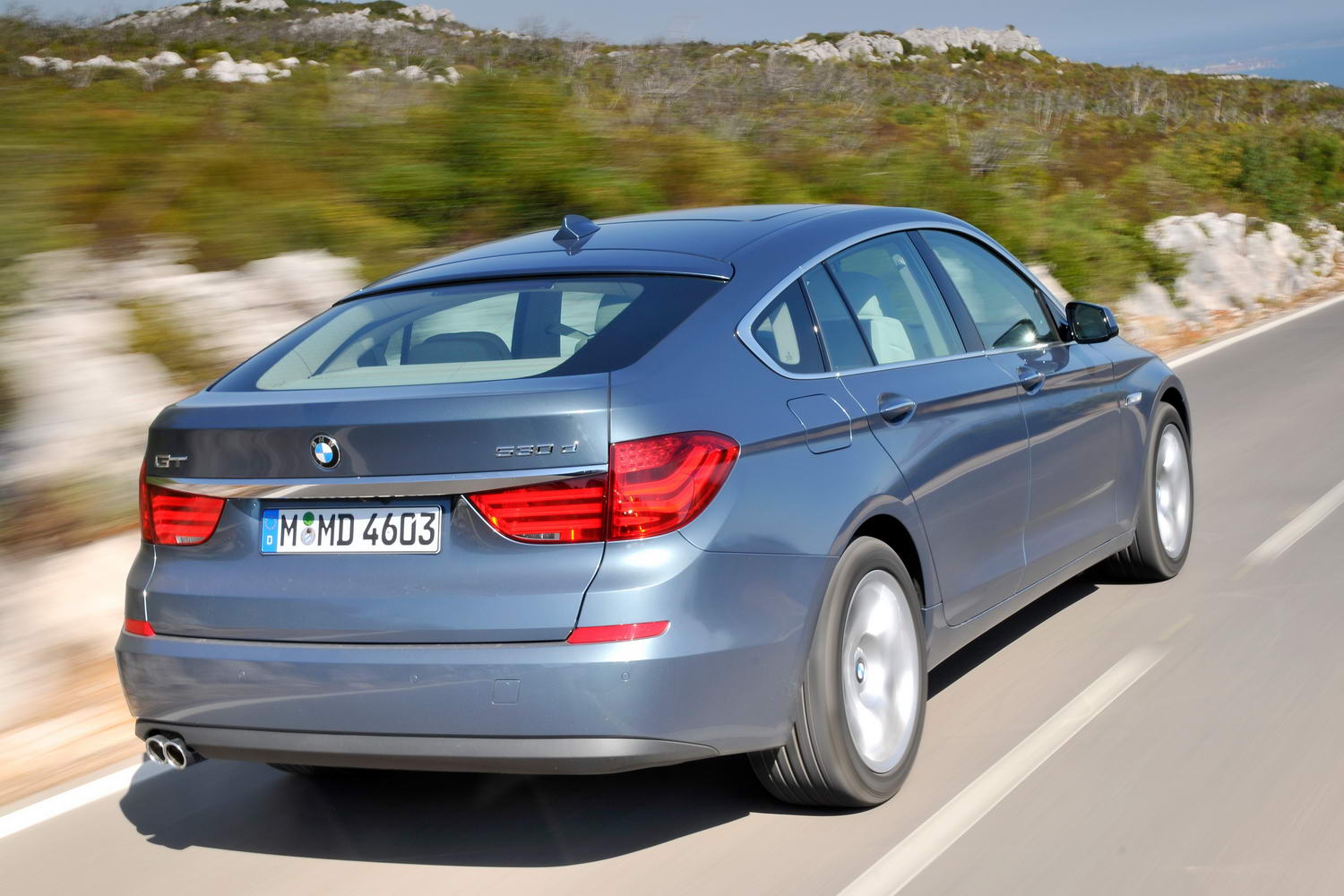
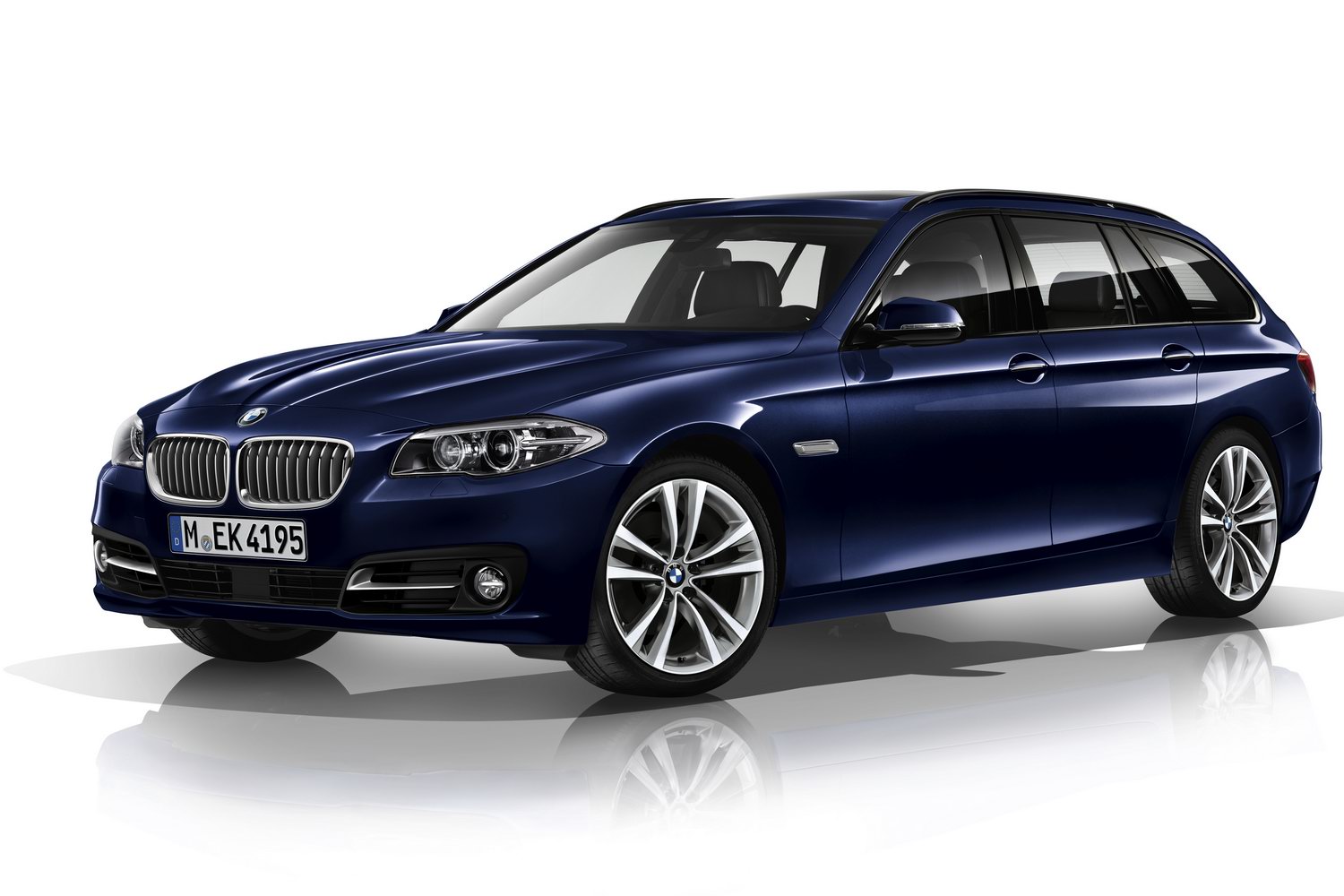
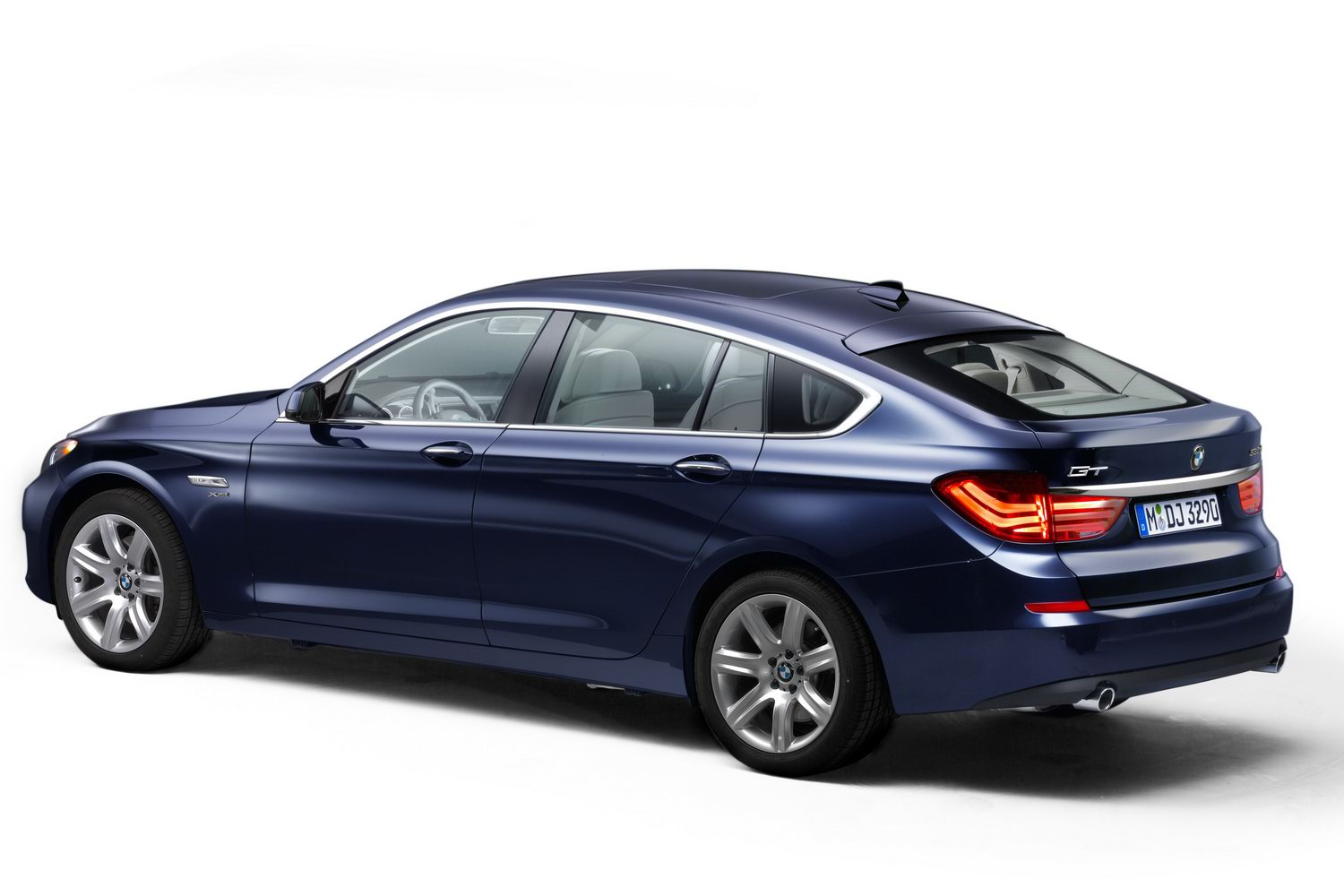
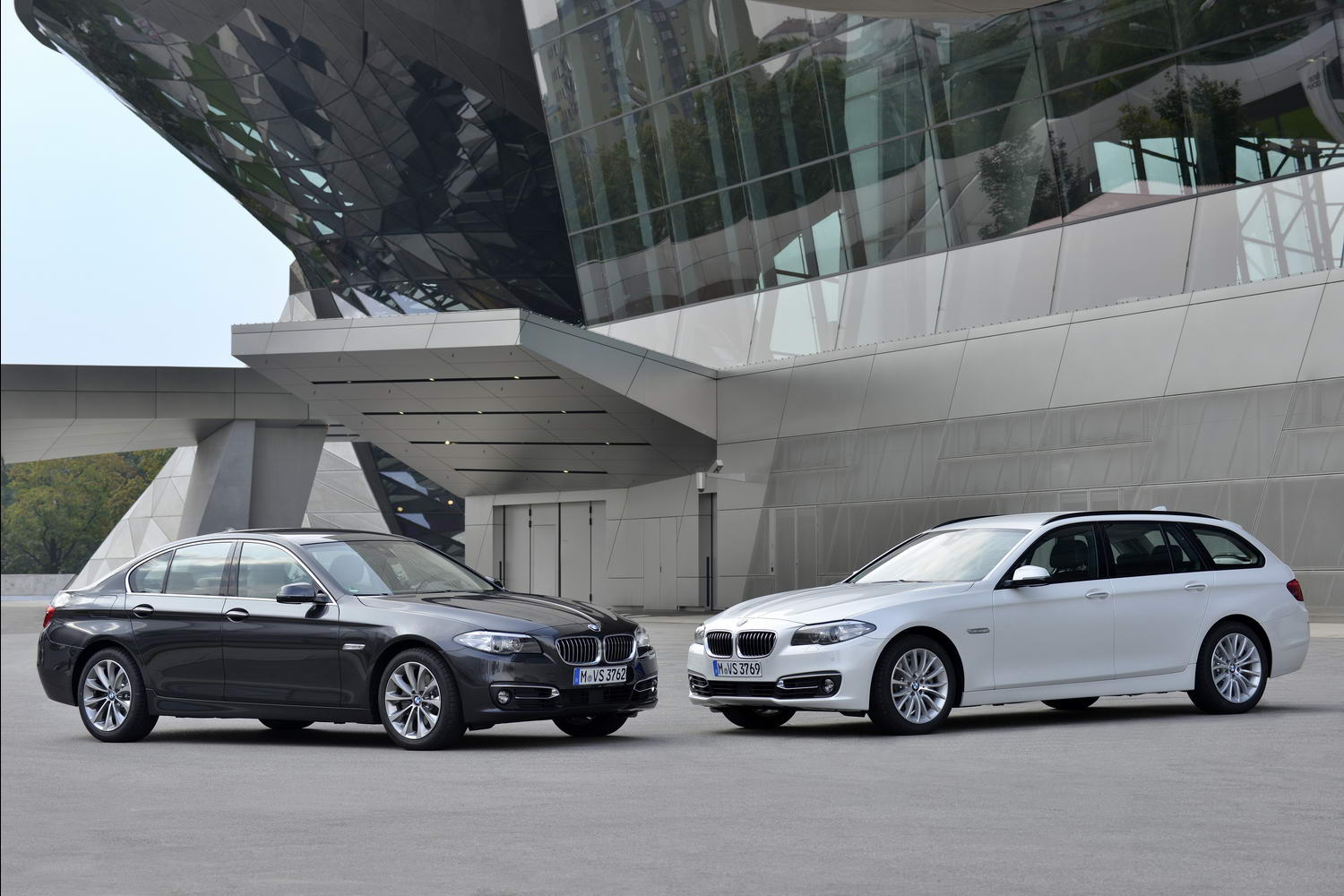
There were three body styles for the sixth-generation 5 Series, which were a four-door saloon (codenamed the F10), a five-door 'Touring' estate (the F11) and then a first-of-its-kind-for-BMW five-door hatchback christened the 'Gran Turismo' (the F07), although most refer to all three types of the Mk6 5 Series as the F10.
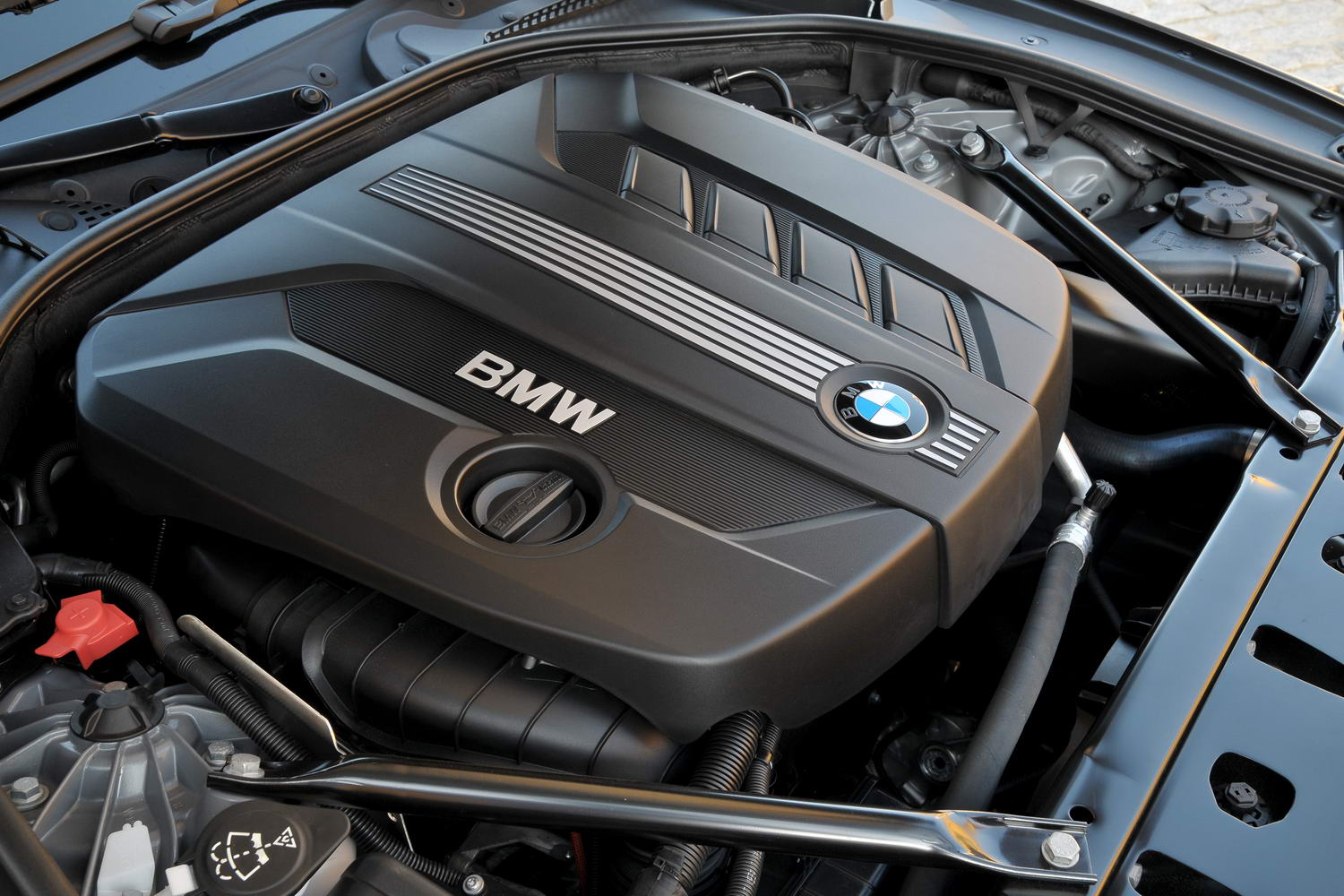
The usual range of BMW straight-sixes and V8s was offered, with turbocharged and four-cylinder engines making an appearance throughout the Five's life. It was a model that appeared slightly before BMW's decision to expand xDrive all-wheel drive to its regular saloon-car ranges, so while there are certain versions of this 5 Series that do come with xDrive, they were not sold in Ireland - meaning all used examples of this 5 Series are rear-wheel drive. Furthermore, there was never a plug-in hybrid variant of the Mk6, but the ActiveHybrid 5 was available during the early part of the car's life cycle.
On driving the 5 Series Mk6 for the first time, CompleteCar.ie said: "Without doubt the current BMW 5 Series is one of the most desirable cars around today and in Touring form it is, for us, one of the most complete cars on sale - at any price. Would we have the M Sport version? No: it just doesn't suit the estate, but it is a super car nonetheless and we would have it over any SUV too."
Engine and range options for the F10 BMW 5 Series
The sixth-generation BMW 5 Series lived out almost the entirety of its life in the period after our road tax laws changed to a heavily CO2-emissions-biased system in 2008 - meaning an incredibly high proportion of the used examples on our market are diesels; to the point that among 500 cars or thereabouts that may be on sale at any one time, only single-digit numbers of them will be petrol-powered.
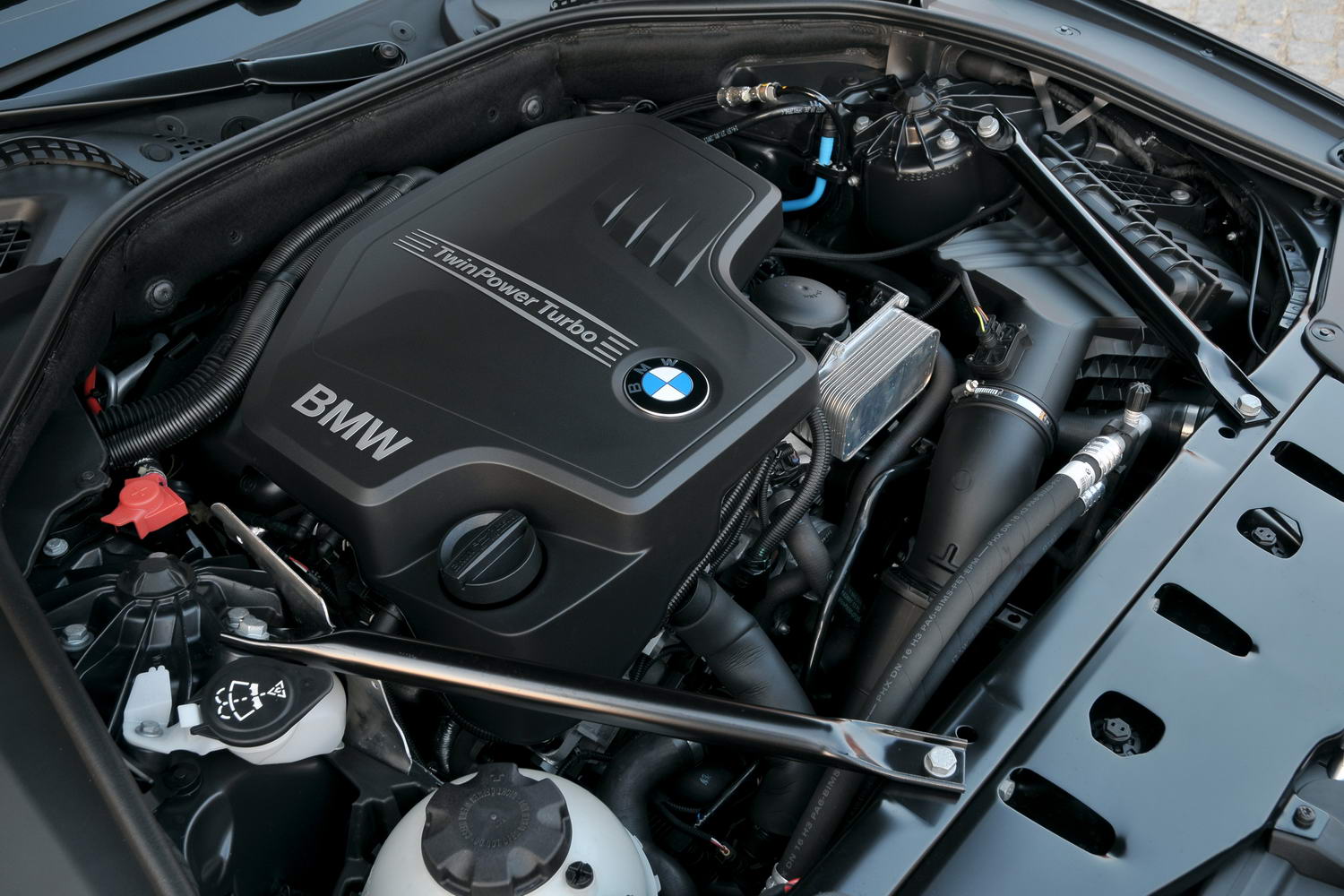
Nevertheless, we'll outline the petrol options that were available. This was the 5 Series where normally aspirated straight-six petrol engines were replaced by smaller turbocharged fours and sixes too. With a suite of 'N53' straight-six naturally aspirated petrol engines to start with, there was the 523i (204hp) and the 528i (258hp), the latter of which was soon replaced by the 530i with 272hp. A 535i twin-turbo 3.0-litre delivered 306hp, while top-dog status was reserved for the 550i and its biturbo 4.4-litre V8, delivering 408hp.
But in 2012, the wider switch to turbos started to happen. The 520i replaced the 523i and gave 184hp from a 2.0-litre turbocharged four. The 528i also returned, although now as a more potent twin-turbo 2.0-litre with 245hp. The 530i was also dropped in 2013 but as succour for fast BMW fans, the F10 M5 arrived in 2012, with its 560hp twin-turbo 4.4-litre V8. A later, optional Competition Package version saw the output increased to a remarkable 600hp.
In 2014, the life-cycle impulse (LCI - BMW's way of saying 'facelift') saw the 550i raised to 450hp with a development of its V8 engine, but the F10 remained with the 520i, 528i, 535i and 550i structure for the rest of its build. There was an ActiveHybrid 5 with a 340hp petrol-electric powertrain built from 2011-2016, but as it was heavier and more expensive than the deeply impressive diesels, it never found great favour with buyers. No plug-in hybrid F10 5 Series was ever built.
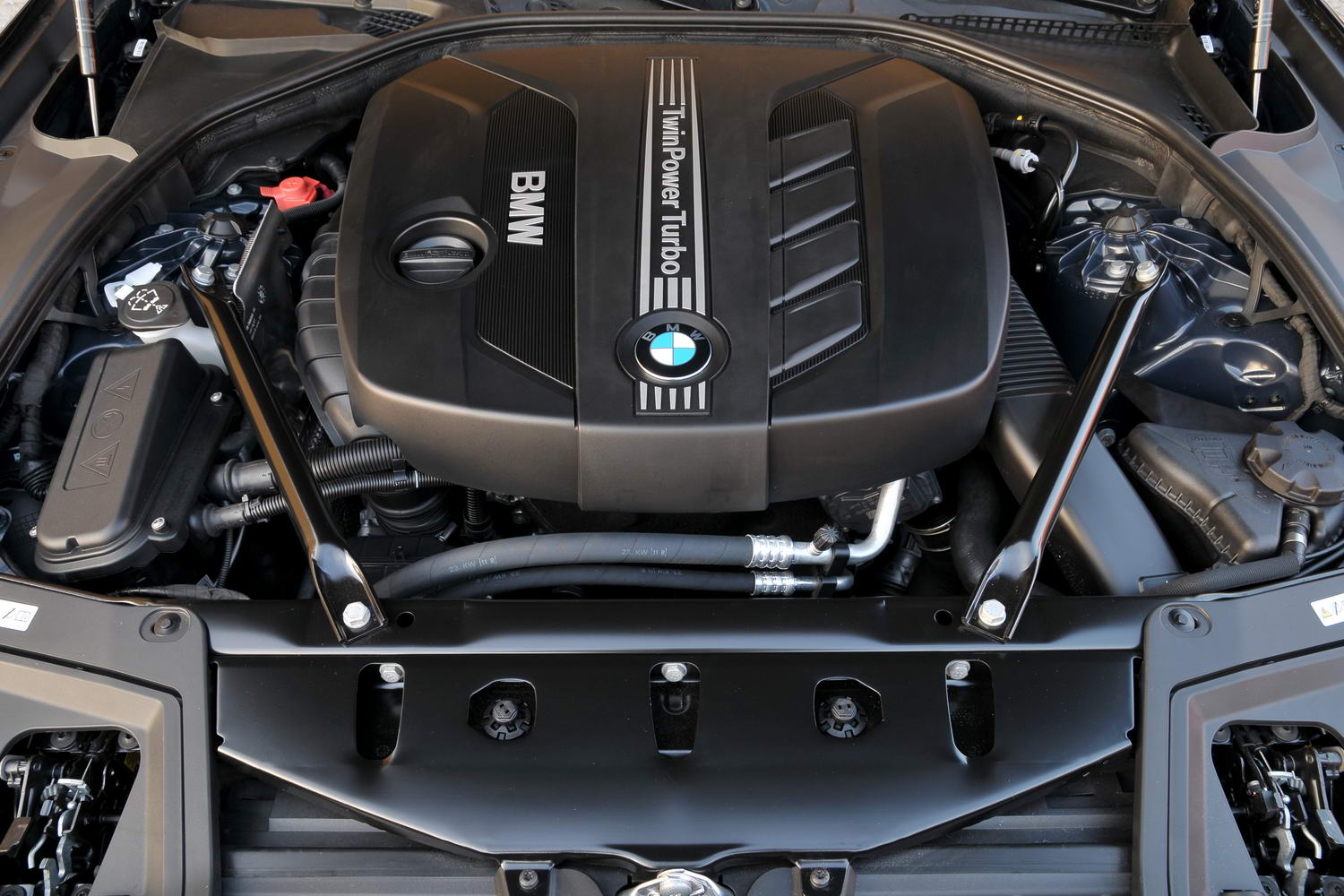
The diesels are much easier to understand. They ran 518d, 520d, 525d, 530d and then 535d. Most of these were four-cylinder units, the 525d originally launching with a 3.0-litre six-cylinder engine with 204hp, but later replaced (in 2012) by a 2.0-litre four with 218hp. All of the 520d, 530d and 535d were available from launch or very soon after, the four-cylinder 520d with 184hp, while the two bigger six-cylinder units delivered 245- and 306hp respectively. Both of these were uprated in 2012 to 258- and then 313hp, but the more notable update happened when the 520d (which had been increased to 190hp in 2012) was given a new 'B47'-type engine for 195hp. A similar switch from N47 to B47 engines happened with the 518d, a detuned 2.0-litre turbodiesel introduced in 2013 with a 143hp engine, taken to 150hp with the facelift. The 525d stuck with the N47 engine until it was phased out around 2015. The Irish market never received the triple-turbo M550d xDrive and its 381hp engine.
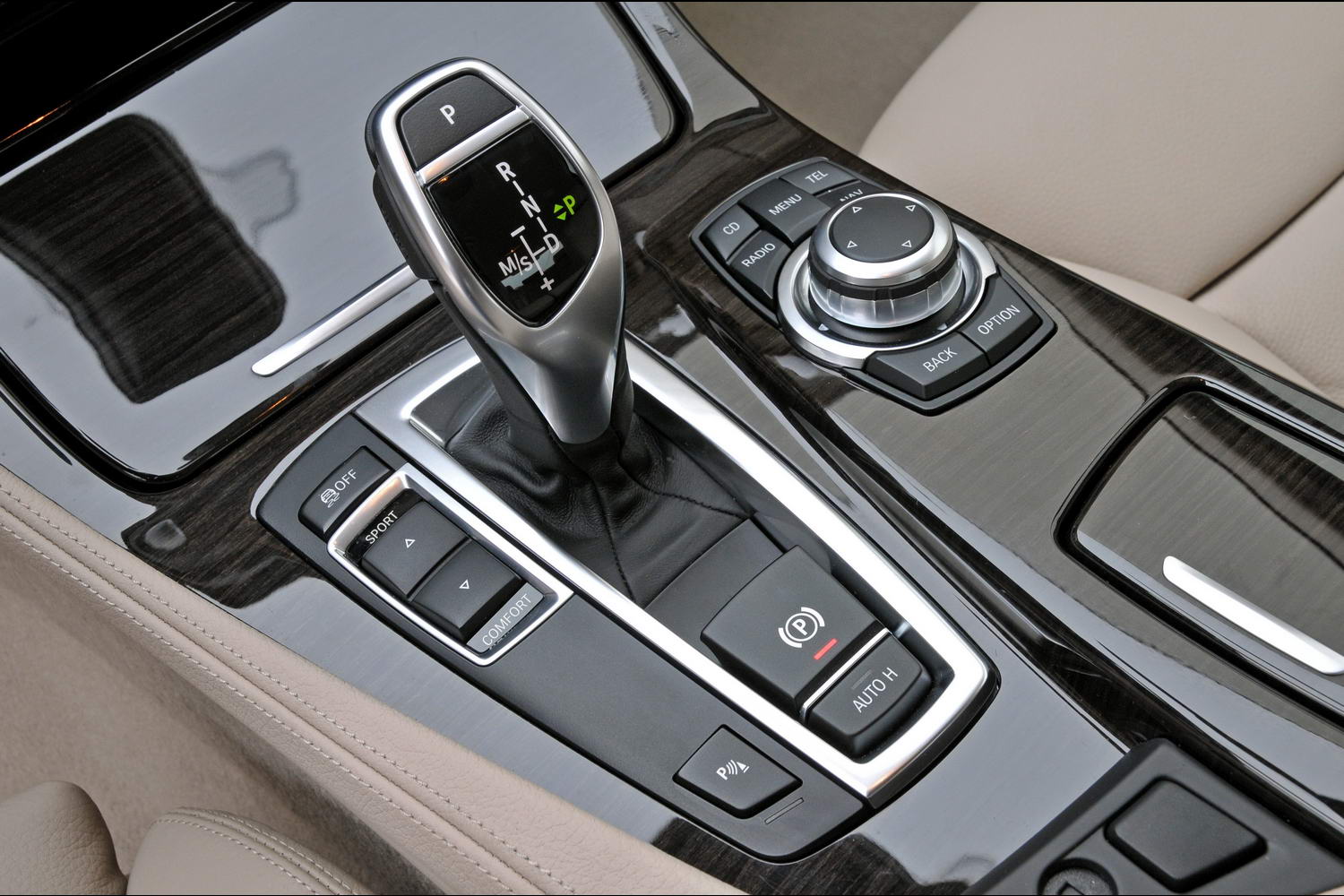
BMW only offered a gearbox choice of a six-speed manual or an eight-speed automatic on the mainstream models, the latter being far more common than the former. The M5 had a dual-clutch automatic 'DCT' transmission, and both this DCT and the eight-speed auto were firsts for the 5 Series lineage, as were the turbocharged V8 petrol engine and the hybrid model.
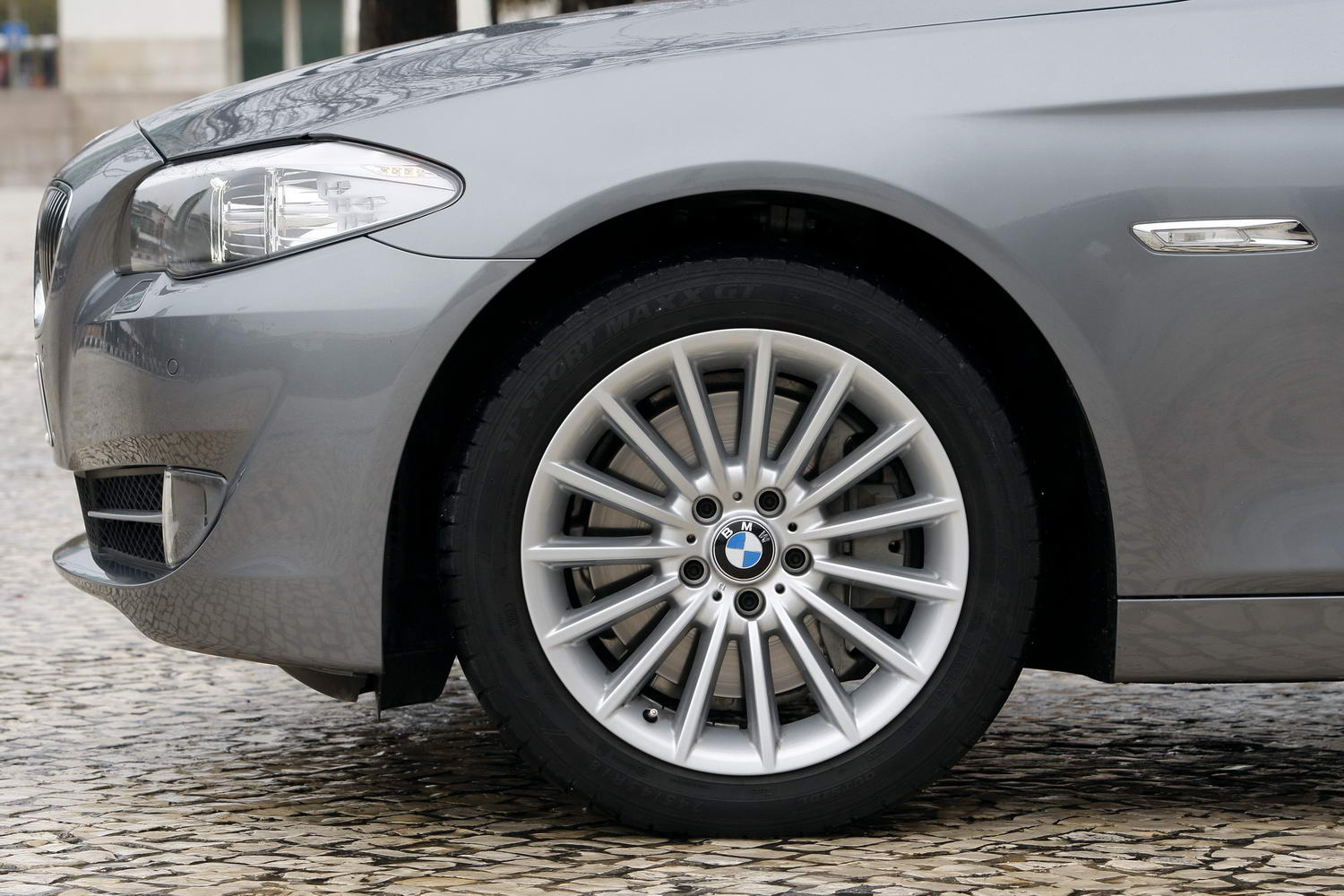
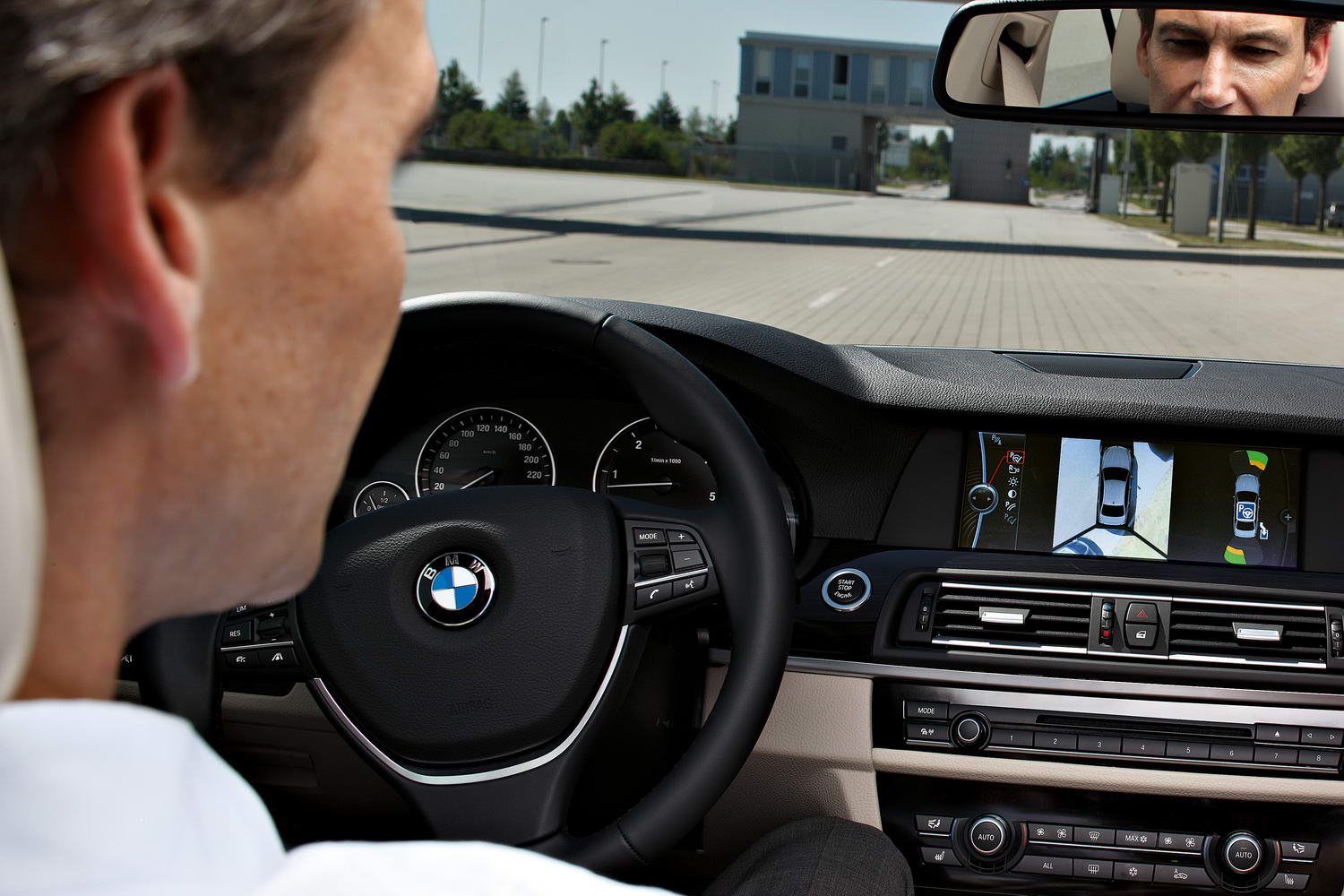
In Ireland, the trim structure followed an SE, Sport and then M Sport hierarchy. All cars will have at least 17-inch alloys, dual-zone climate control, Park Distance Control front and rear, a BMW Business navigation system, Bluetooth, DAB, leather upholstery, Xenon lights, part-electrically-adjusted front seats and auto lights and wipers as standard. Sport cars added a different style of alloy wheel and some sundry dark-chrome trim details, but the M Sport specification was much more popular - this brought in 18-inch alloy wheels, full exterior body styling, LED front fogs, an M Sport multifunction steering wheel and sports seats in the front.
You may also find Modern and Luxury examples on the used market, which will be post-facelift UK imports (where BMW UK dropped the Sport trim in favour of Modern and Luxury, which sat between SE and M Sport). The Modern is roughly analogous to the departed Sport, albeit with 18-inch wheels, while the Luxury loaded up glitzy chrome and additional connectivity/Voice Control functions to emphasise the plush nature of the 5 Series. Again, it sat on 18-inch alloys, but neither the Modern's nor the Sport's wheels looked like the M Sport's 18-inch rims.
How much is it to tax the F10 BMW 5 Series?
Refer to our Motor Road Tax Prices in Ireland Explained feature for the up-to-date cost to tax the BMW 5 Series.
How reliable is the F10 BMW 5 Series?
Its performance in customer satisfaction surveys was normally strong and in the main it's a reliable vehicle, although the sixth-gen 5 Series was not without its faults. Minor electrical niggles and problems with some of the engines, most notably premature timing chain wear on earlier turbodiesel models, are the most commonly reported maladies, and it's worth bearing in mind that the F10 is often very hard on its suspension joints and brakes; it'll need these components replacing on a fairly regular basis.
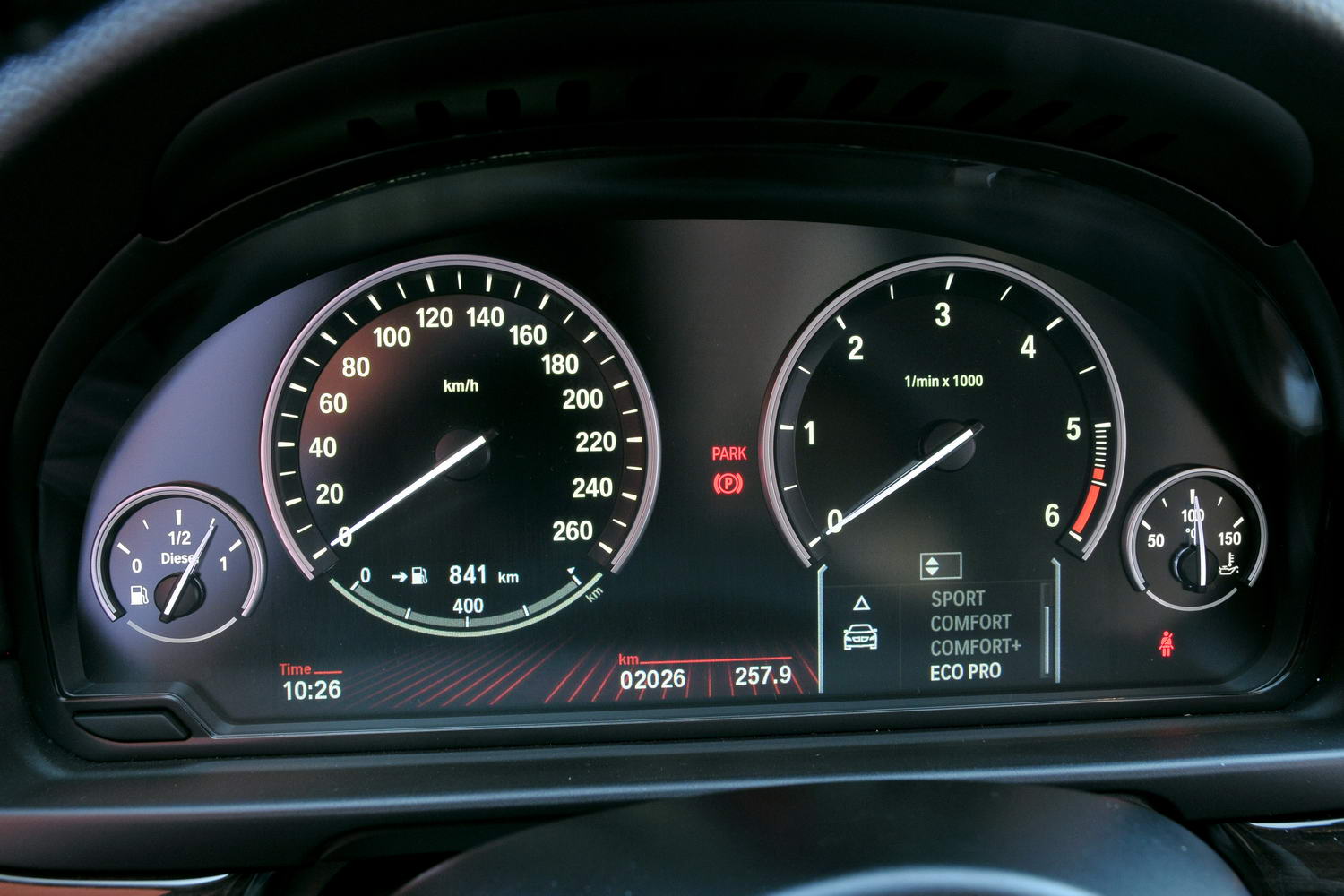
Check that any car fitted with Variable Damper Control has a functioning system - you should notice a difference in the firmness of the ride quality when you switch the car through its various drive modes, which run from Comfort to Sport. If you don't, there's a fault that will need fixing and it won't be inexpensive to rectify. A couple of advisories were issued for the F10 5 Series during its life, although BMW Ireland issued no official recalls, but watch for a quartet of potentially faulty engine bolts on pre-November 2011 models. These should have been replaced, but if not, they can cause an oil leak into a sensitive area of the engine bay and result in an engine management warning light illuminating. A defective oil pump on the M5 (examples built from July-September 2012) might result in engine damage, while welds in the air conditioning condenser on various models can fail, resulting in a loss of coolant. Check that the air conditioning therefore blows ice-cold on any car you're looking at.
One final point: BMW parts prices and servicing costs are usually above average, so fixing a faulty 5 Series will be an expensive business. Therefore, check you are looking at a solid second-hand example before you buy.
When should I service my F10 BMW 5 Series?
The 5 Series was fitted with an automatic system to let owners know when an oil change is due. The average distance seems to be around 18,000km, while BMW itself suggests a maximum of 25,000km or two years between oil services. We'd recommend no more than 15,000km or one year between services, regardless of what the on-board indicator says. The oil and oil filter should be done at that stage, along with the cabin filter. That applies to both petrol and diesel models. Then, every second oil change, the engine air filter should be renewed. The same applies to the diesel fuel filter and the spark plugs in the petrol engines.
Does the F10 BMW 5 Series have a timing belt?
Nope. All engines fitted to the F10 5 Series, whether petrol or diesel, used timing chains, which don't generally come with set replacement schedules.
Can I fit child seats and a buggy in the F10 BMW 5 Series?
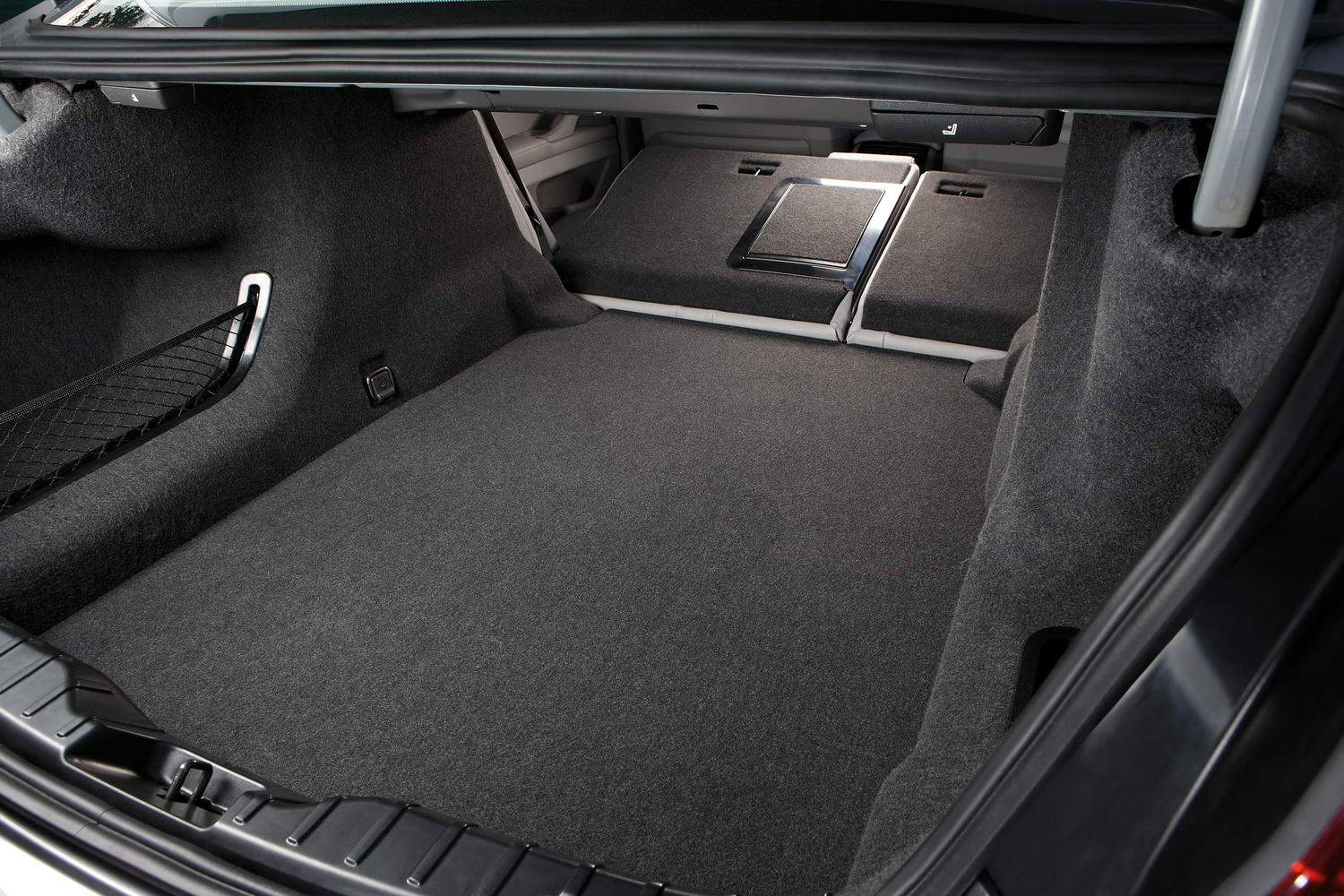
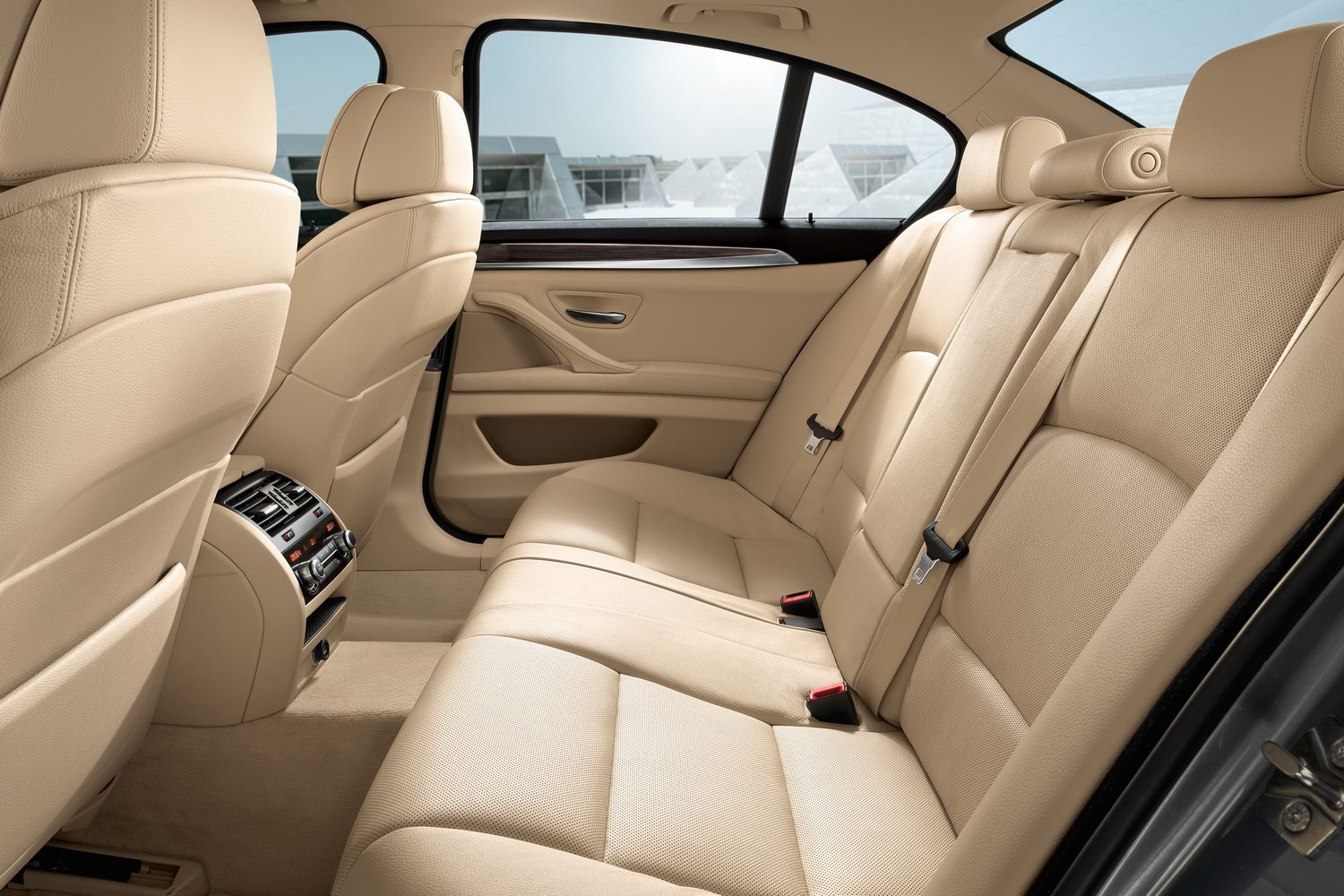
Parents shouldn't struggle to get a buggy or fold-up pushchair in any 5 Series, as the saloon has a basic 520-litre boot. Both the Touring (560 litres) and the Gran Turismo (500-650 litres, depending on how far forward you slide the rear row of seats) are also capacious, but bear in mind that the 5 Series saloon had a smaller boot than any of its obvious rivals like the Audi A6 and Mercedes E-Class of day. Perhaps the negative to note here is that the 5 Series didn't come with split-folding rear seats as standard (they were a cost option), so you will likely find some used examples with a fixed back bench.
Similarly, because it's a big, luxurious executive car, there's a good chance three slim child seats could be fitted across the second row in the BMW, but it will depend entirely on the size of the child seats themselves as to whether this will work. Also, there are only two ISOFIX points in the rear of the vehicle, rather than three, but there's a full complement of three-point seatbelts - which is why you might be able to get three of the right type/size child seats in the back of the 5 Series.
How safe is the F10 BMW 5 Series?
While the BMW 5 Series picked up the full five-star EuroNCAP safety rating when tested in 2010, even registering a perfect 100 per cent for the then-newly-added safety assist section, it's worth bearing in mind that active safety systems and EuroNCAP's stringency of testing have both moved on since the F10 received such marks.
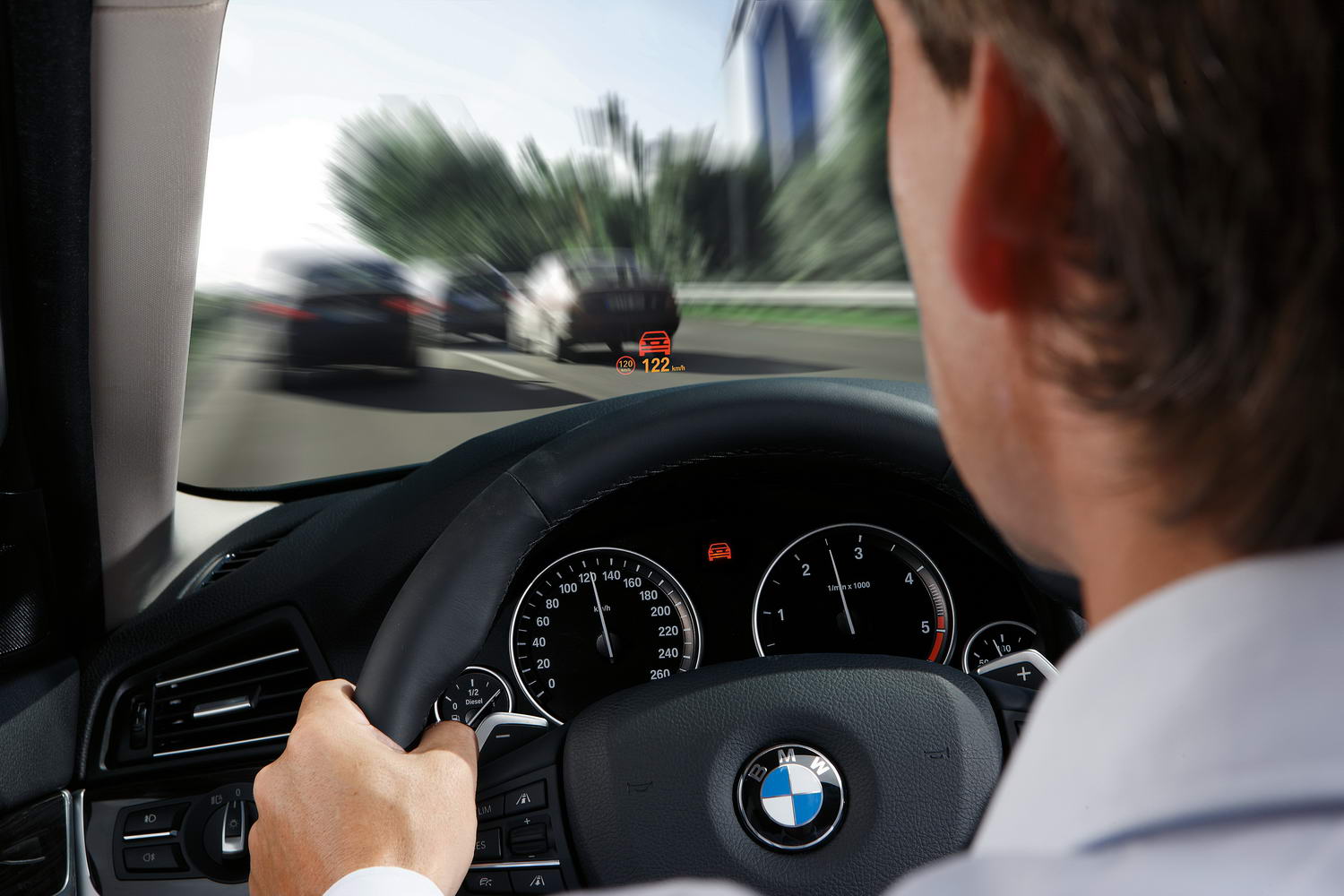
Nevertheless, it's a big, sturdy car and with other section scores of 95 per cent for adult occupant safety, 83 per cent for child occupant safety and 78 per cent for pedestrian safety, it's a car you can buy second-hand with plenty of peace of mind. BMW did start filtering more and more of its active-assist safety equipment to the F10 throughout its life, so later, post-facelift cars will be more technologically advanced in that regard than the early models.
Alternatives to the F10 BMW 5 Series
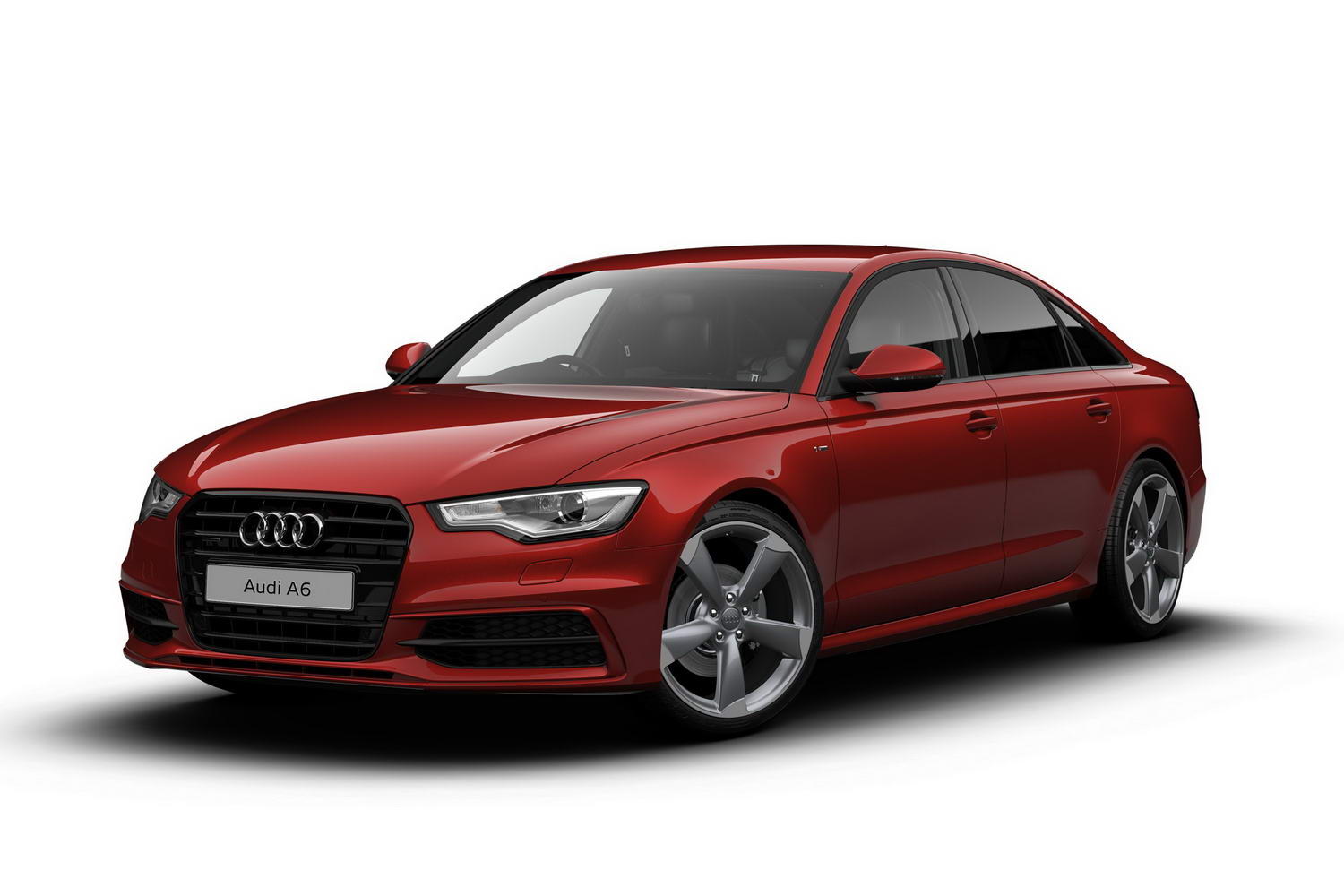
Audi A6
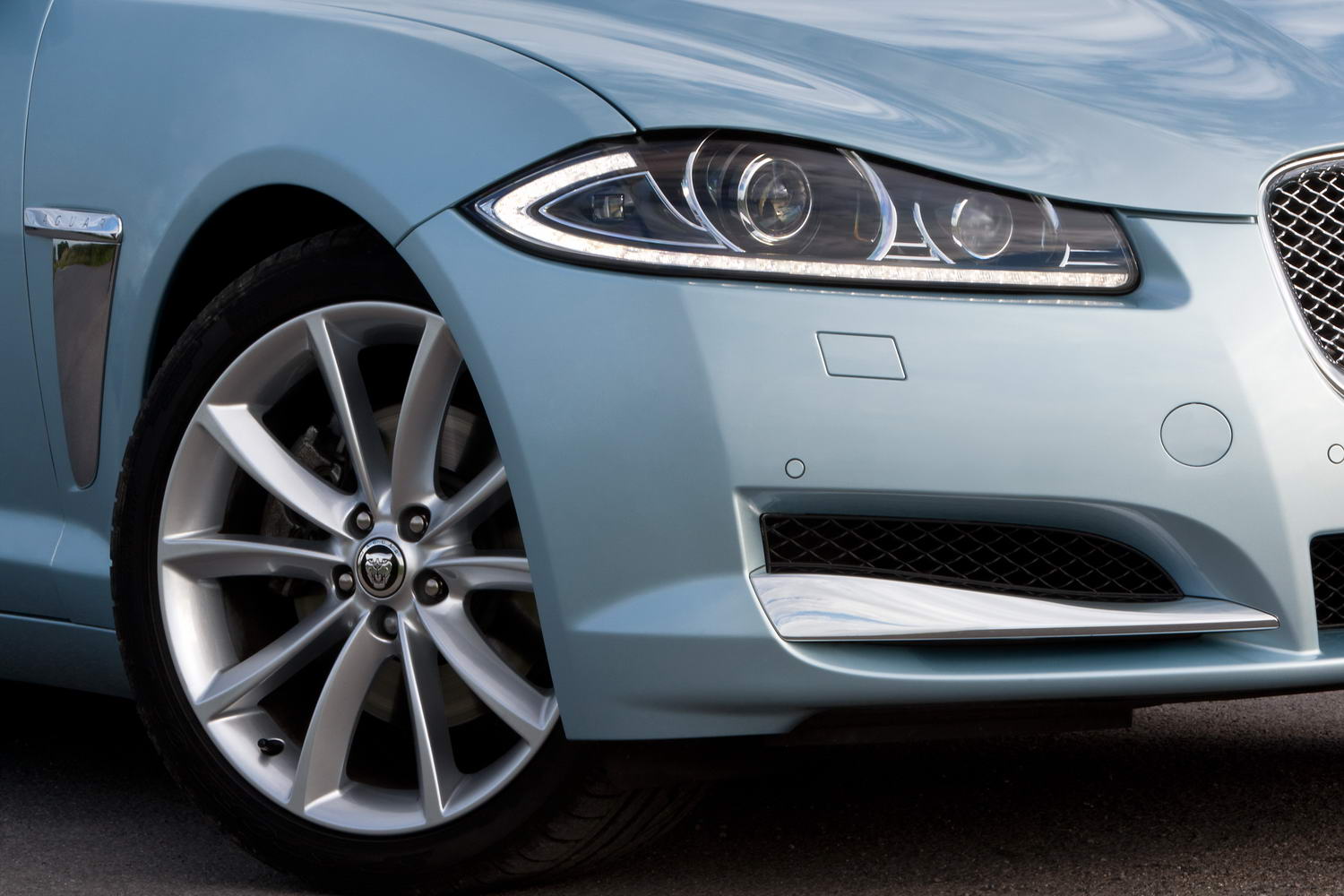
Jaguar XF
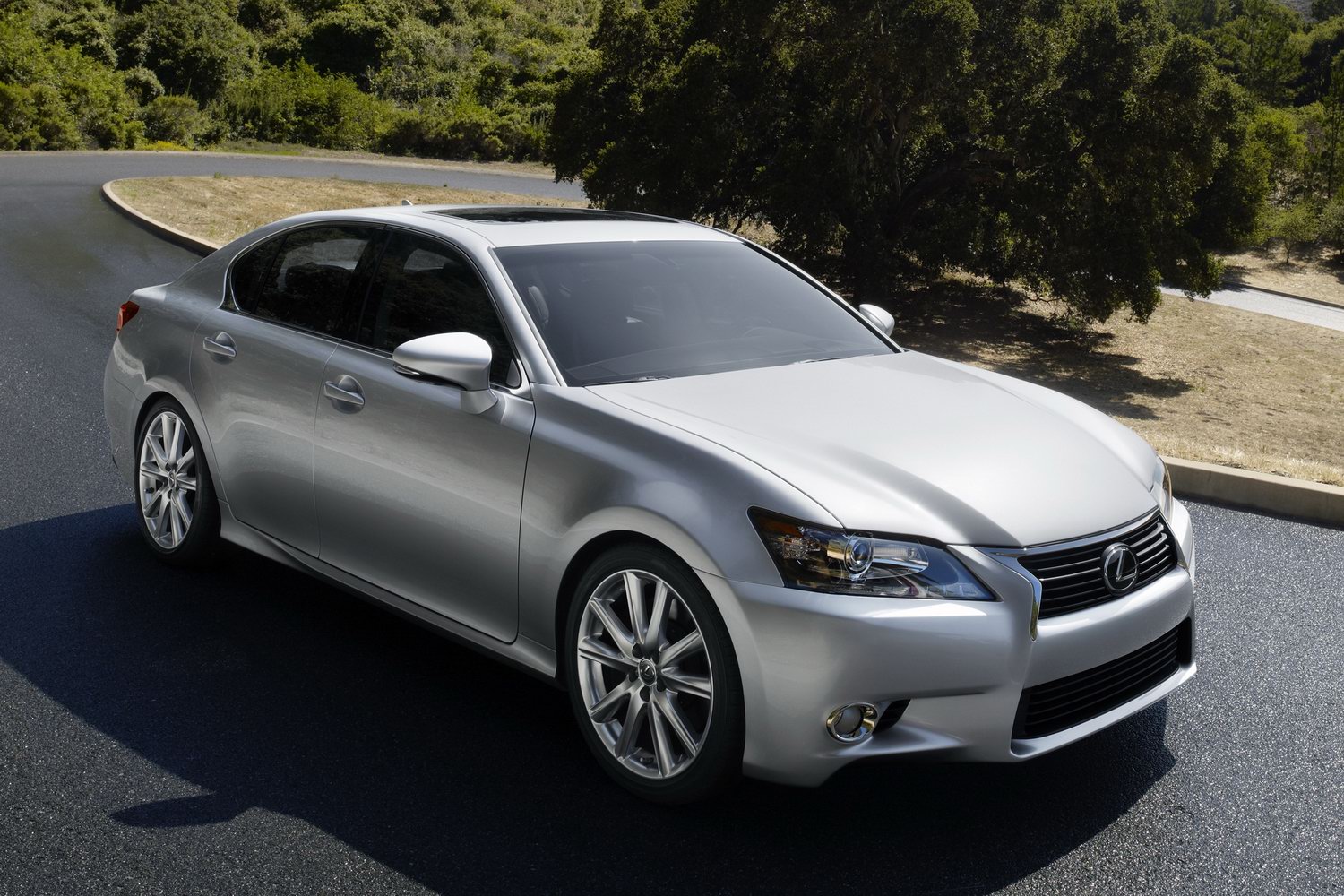
Lexus GS
Maserati Ghibli
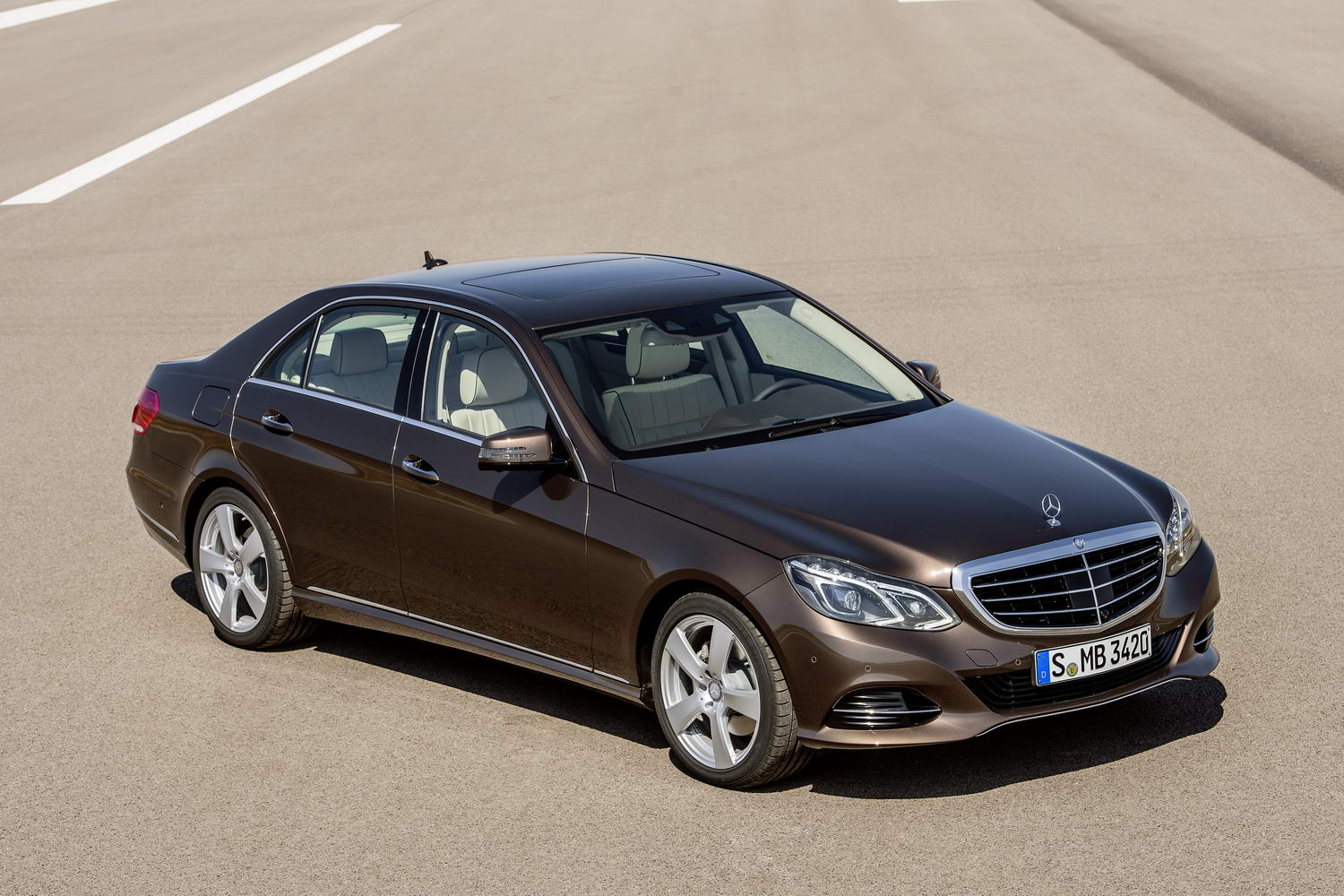
Mercedes-Benz E-Class
Porsche Panamera
Volvo S80
Volvo S90
How much is an F10 BMW 5 Series worth?
For estimates of the current value of a given car, drop us a message using the Ask Us Anything page with as much detail as possible in it.