

Nissan Leaf Mk1 overview
Range overview: electric; single-speed automatic; front-wheel drive; five-door hatchback
Reliability: above average for class
Cost to repair: more expensive than average
Most common: Nissan Leaf 24kWh
Best for economy and long-distance driving: Nissan Leaf 30kWh
Best for urban driving: Nissan Leaf 24kWh
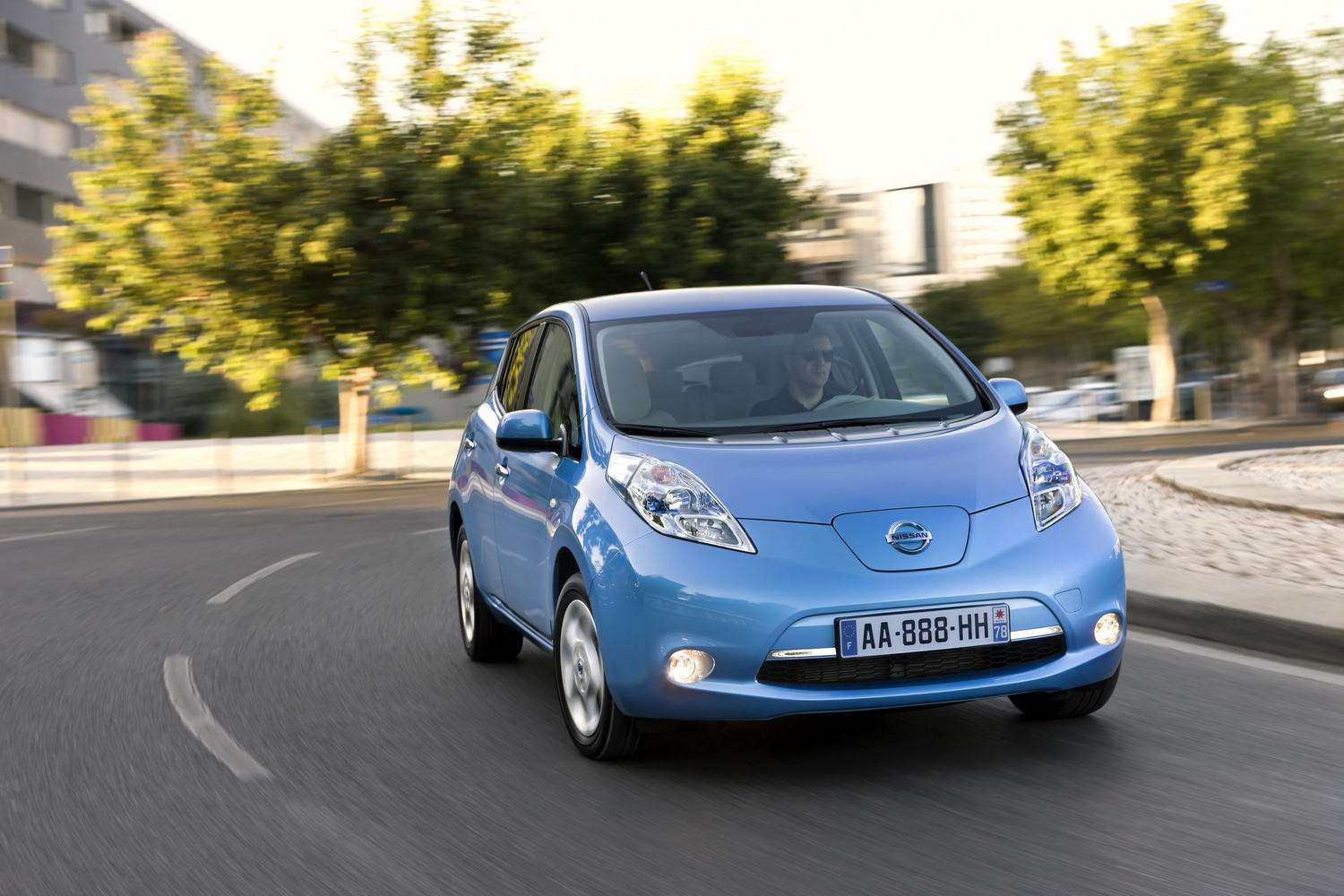
Nissan was by no means the first to produce an electric vehicle (EV) for mass-market consumption, but with the launch of the original Leaf in 2011, it could be argued that the Japanese democratised EVs - as the Leaf was an affordable hatchback available to the majority of the public, rather than a hyper-expensive performance vehicle reserved for a well-heeled few.
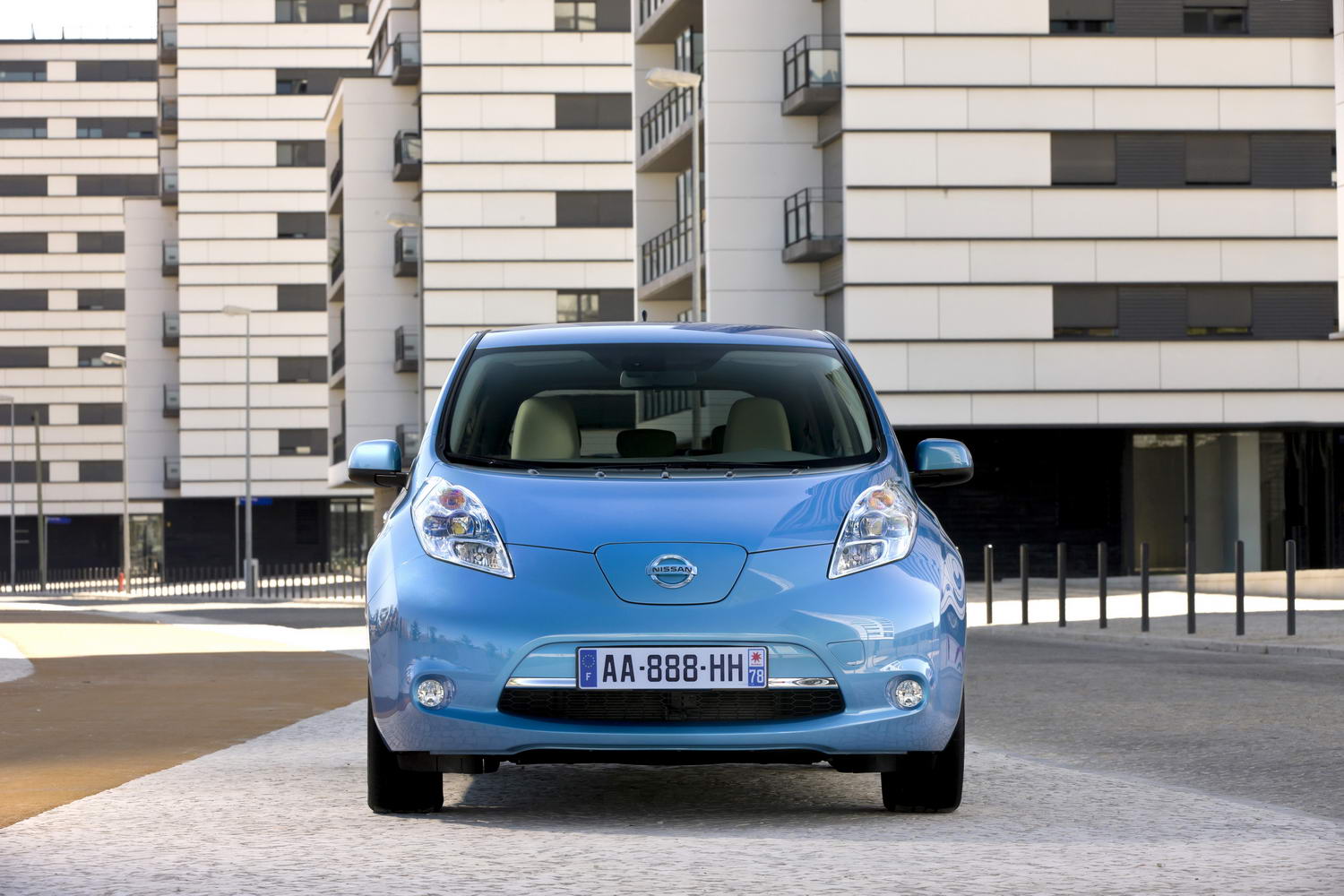
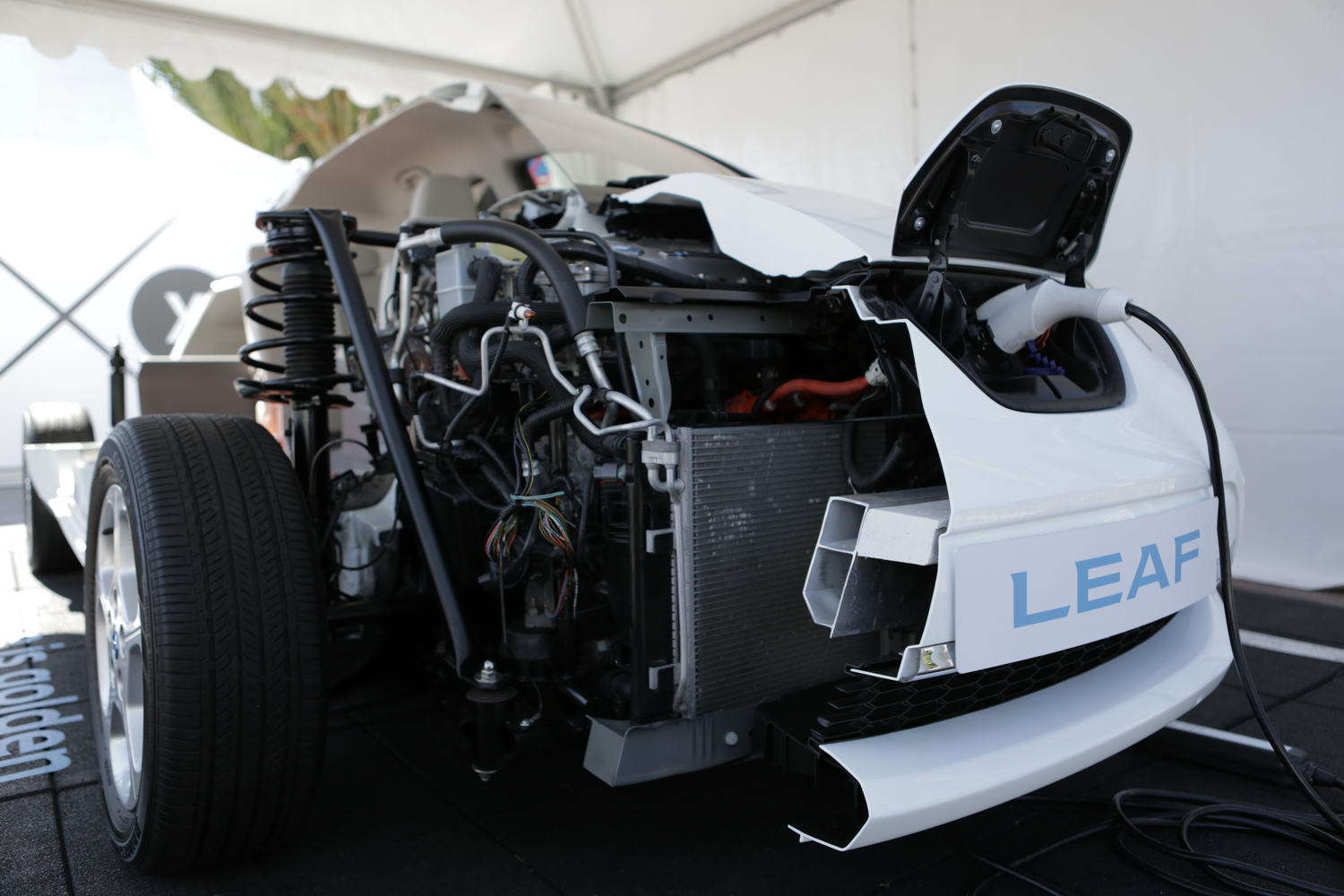
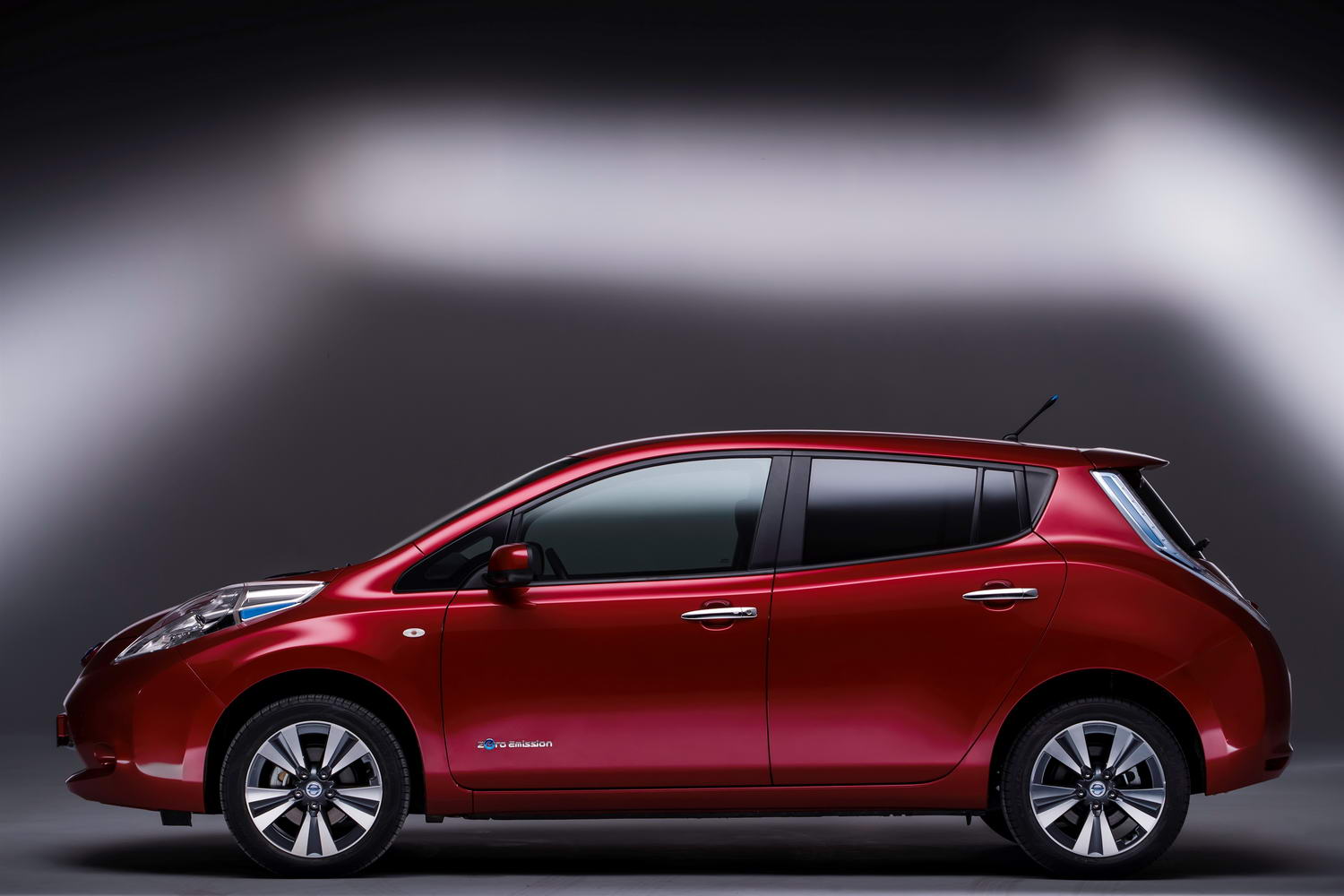
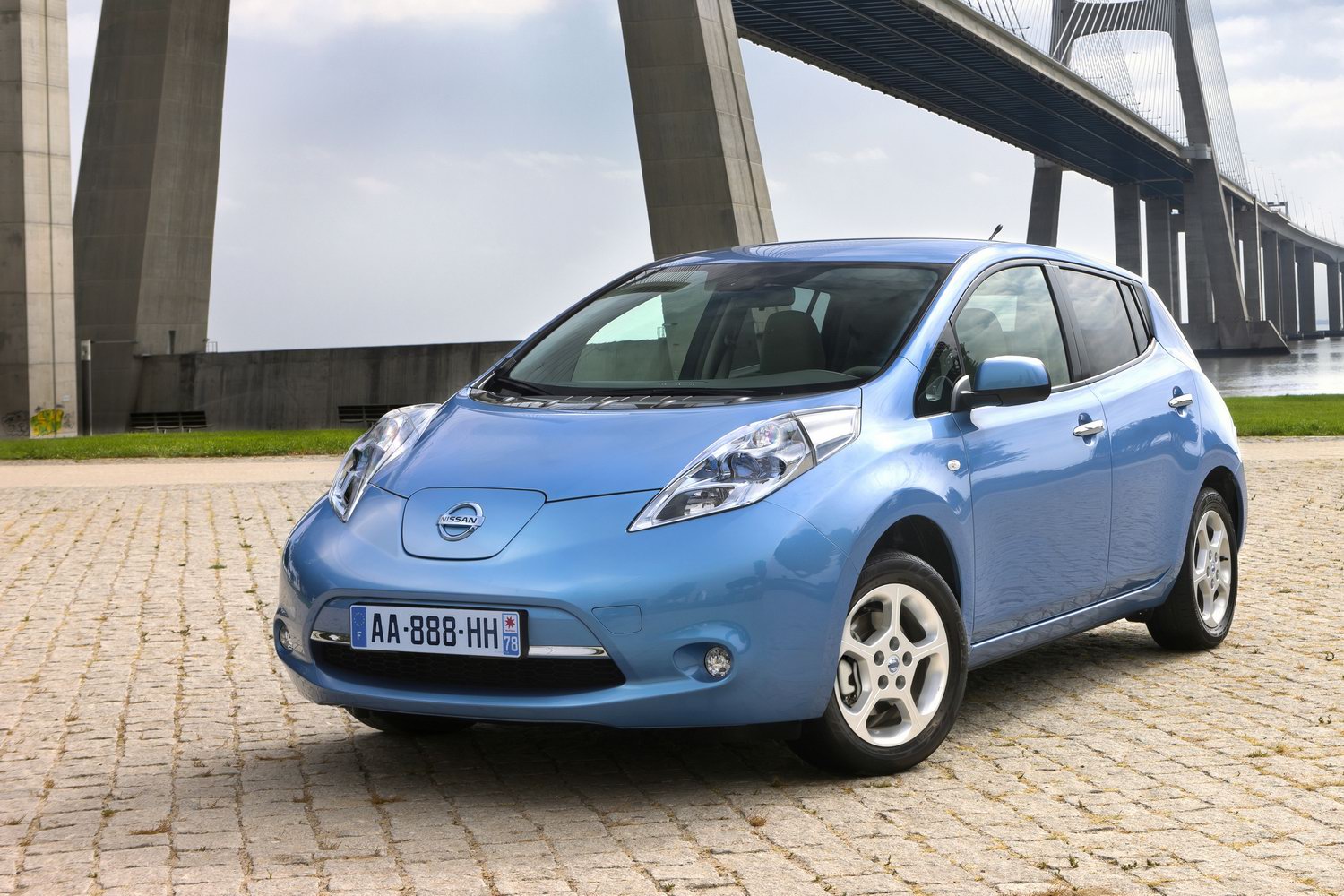
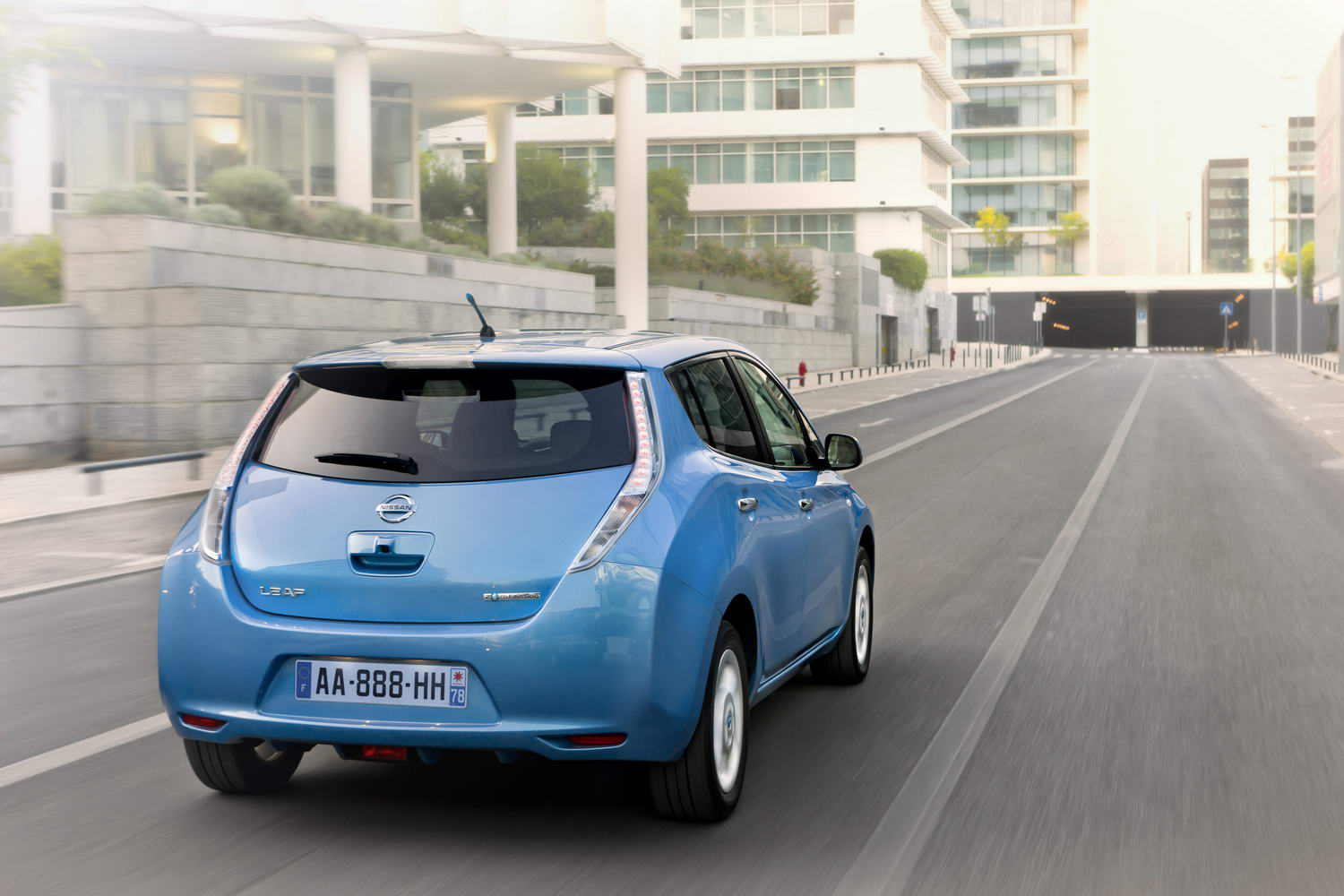
Understanding the Leaf Mk1 is very simple, as it has been a front-wheel-drive, automatic, electric, five-door hatchback for the duration of its lifecycle. The only detail that has changed over the years has been the energy capacity of the battery pack - and hence the range between charges.
On driving the Leaf Mk1 in full production format for the first time, CompleteCar.ie said: "We didn't go to what amounts to our third or fourth experience of the Nissan Leaf expecting a surprise, but the finished product is just that. Obviously its range limitations will not suit all drivers, but stats suggest that it would cover average needs. Our main criticisms of the car (namely its exterior styling and overly light steering) could just have easily been applied to a regular vehicle. Has the day of the electric car arrived? We think so."
Engine and range options for the Nissan Leaf Mk1
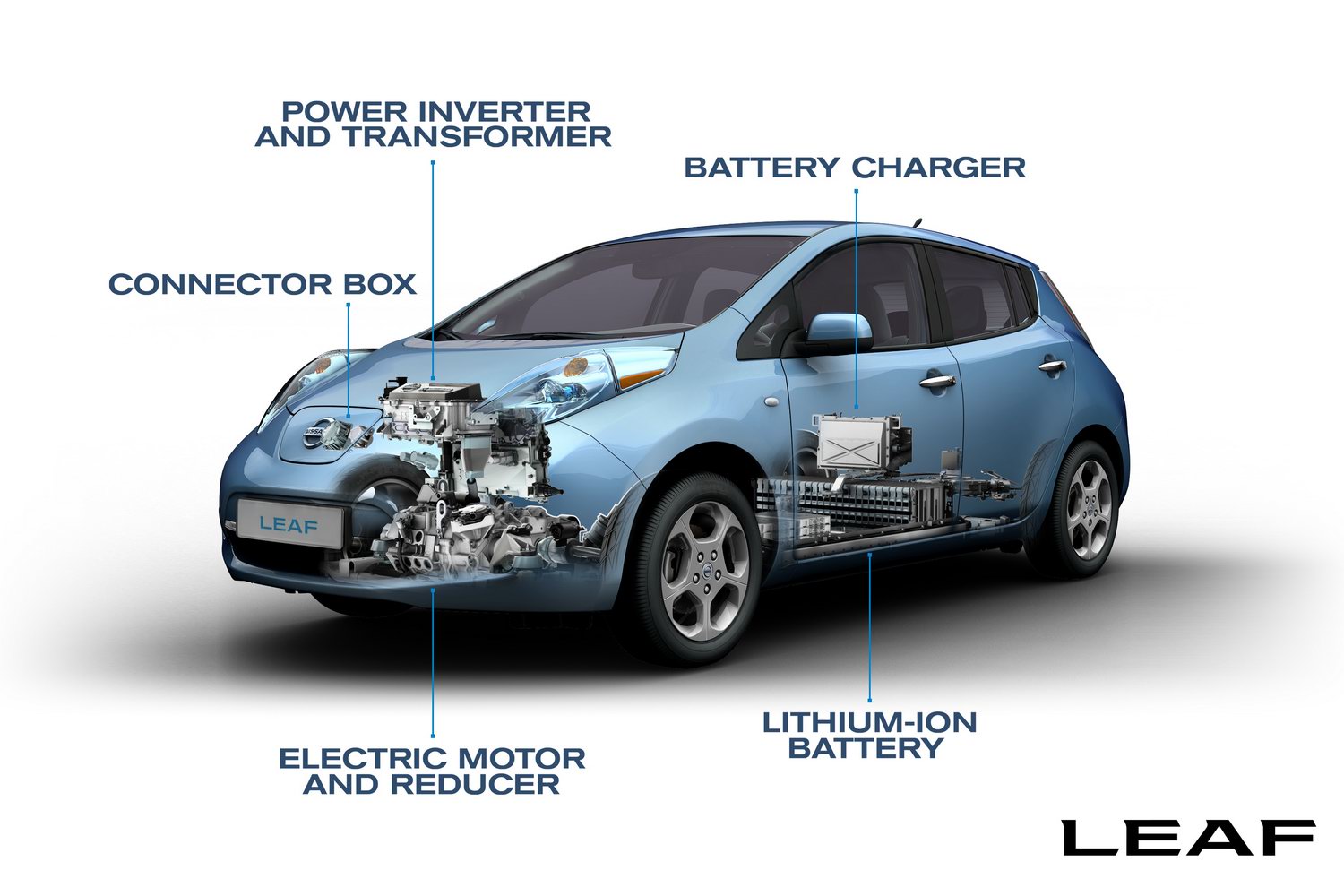
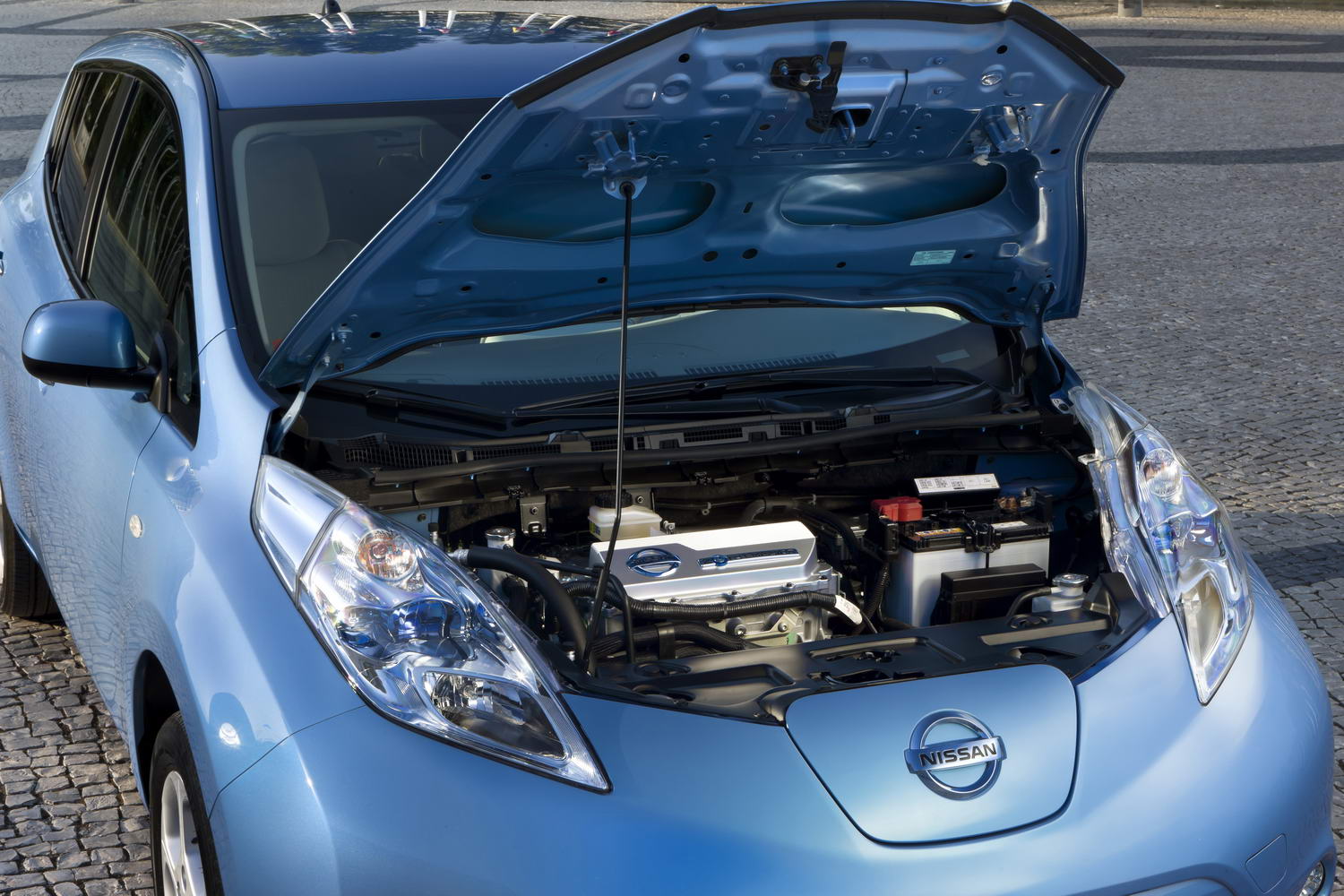
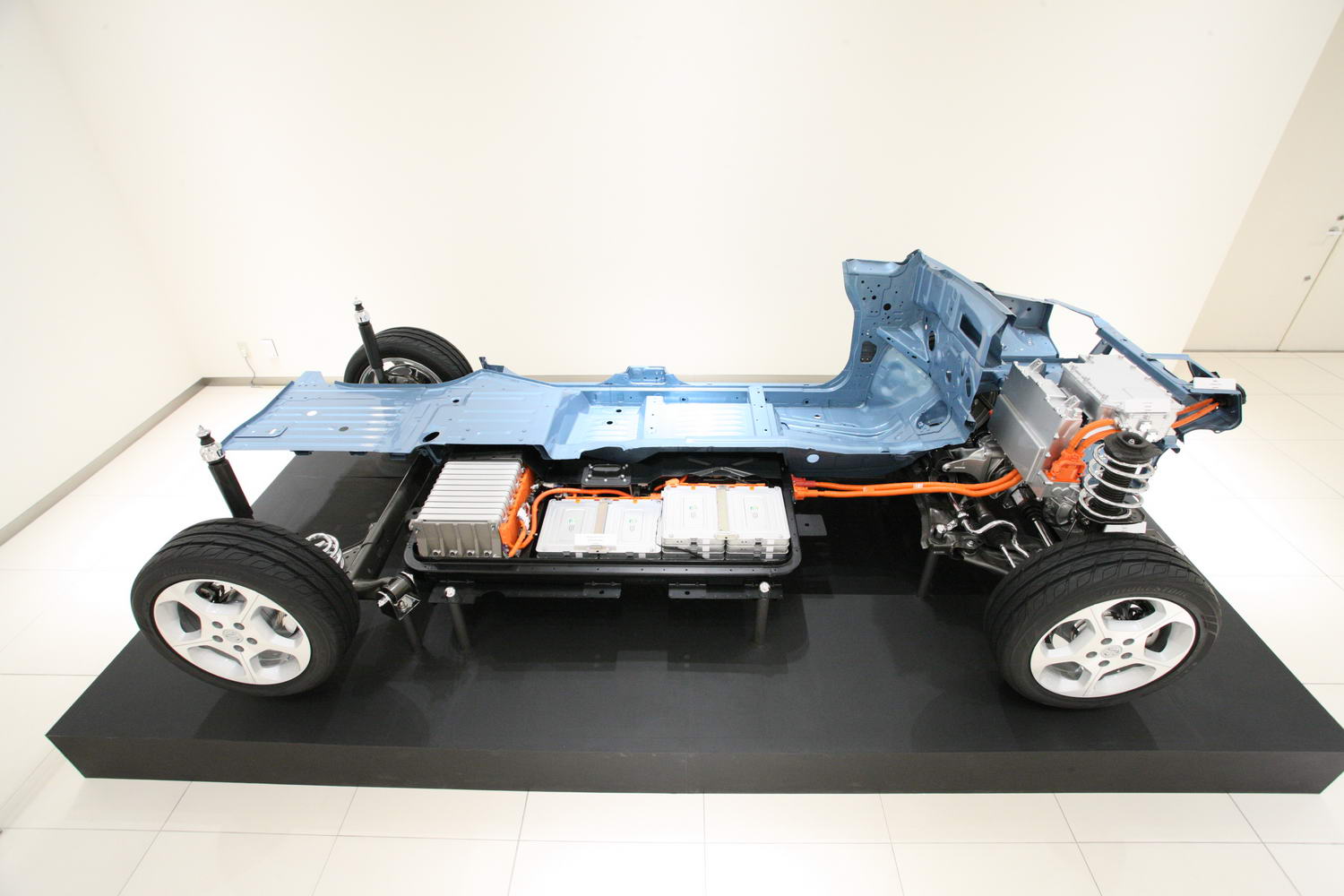
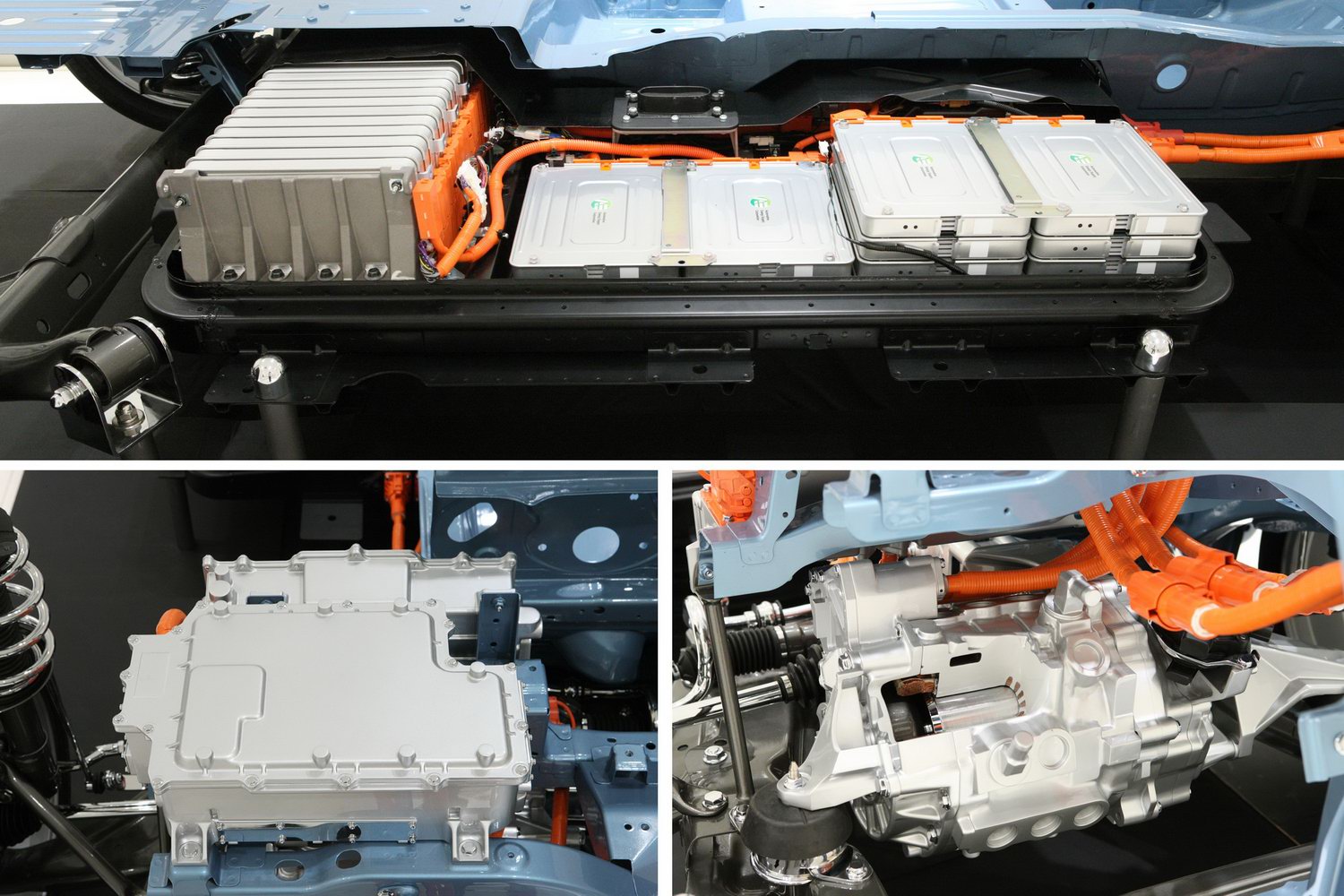
Nissan launched the Leaf in 2011 with an 80kW (that's 109hp, although it is very often referred to as a 110hp motor) electric motor and a 24kWh lithium-ion battery pack, which was arranged in 48 modules with four cells contained within each compartment. Nissan originally quoted a maximum torque output of 280Nm for the drivetrain, although this was later commonly stated to be 254Nm, but either way the 0-100km/h time was 11.5 seconds and the top speed was 145km/h for the entirety of the Mk1's time on sale.
According to the official figures, these original 2011 and 2012 model year (MY) Leafs could go up to 160km on a single charge, although this was on the now-discredited NEDC testing regime and one that Nissan itself admitted could drop to as little as 77km - if the driver ran a lot of electrical drains on the car while travelling in cold weather and busy traffic, for instance. A tweak to the energy storage system saw Nissan quoting an improved 200km range for the 2013MY and 2014MY cars, but the big change came in 2016.
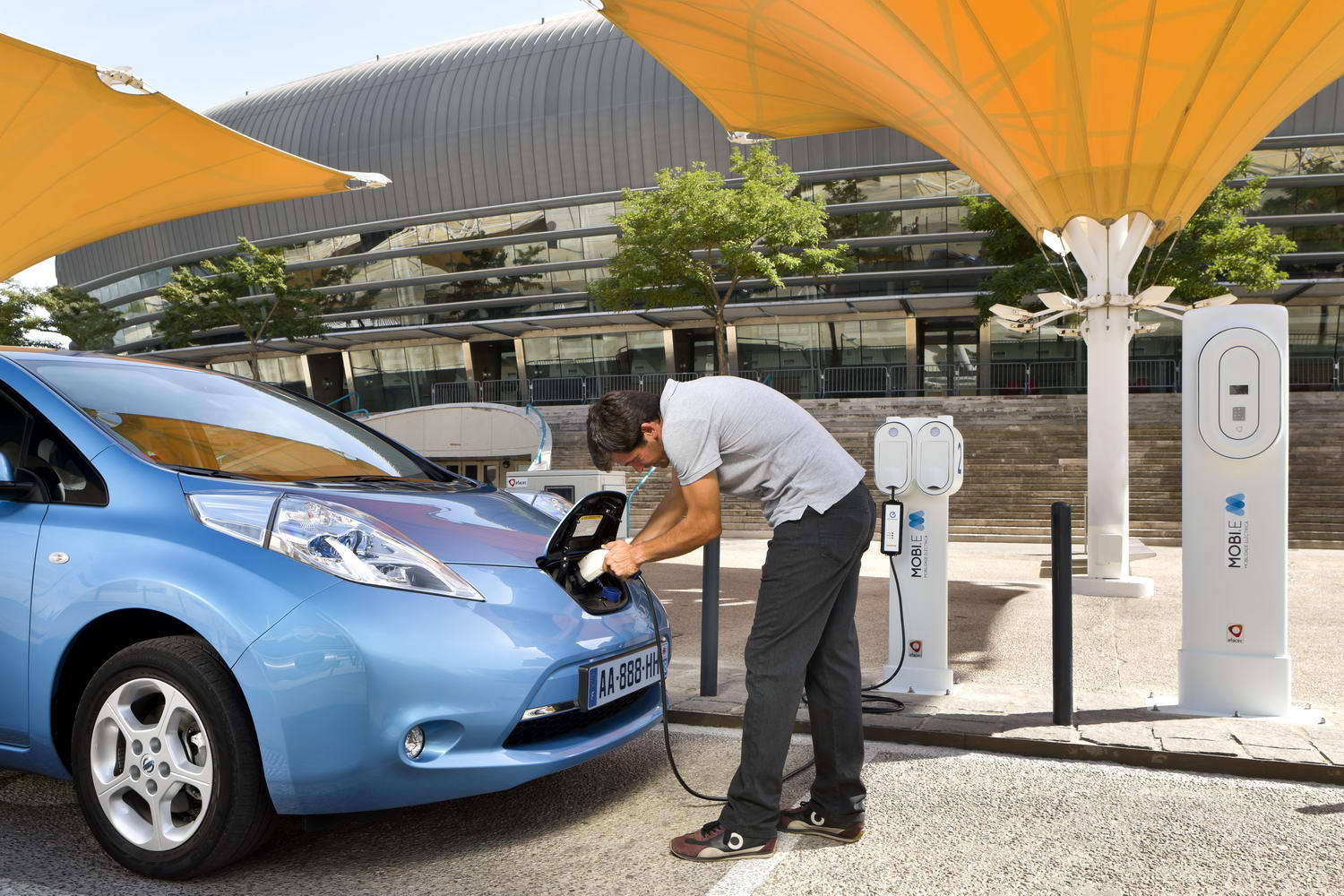
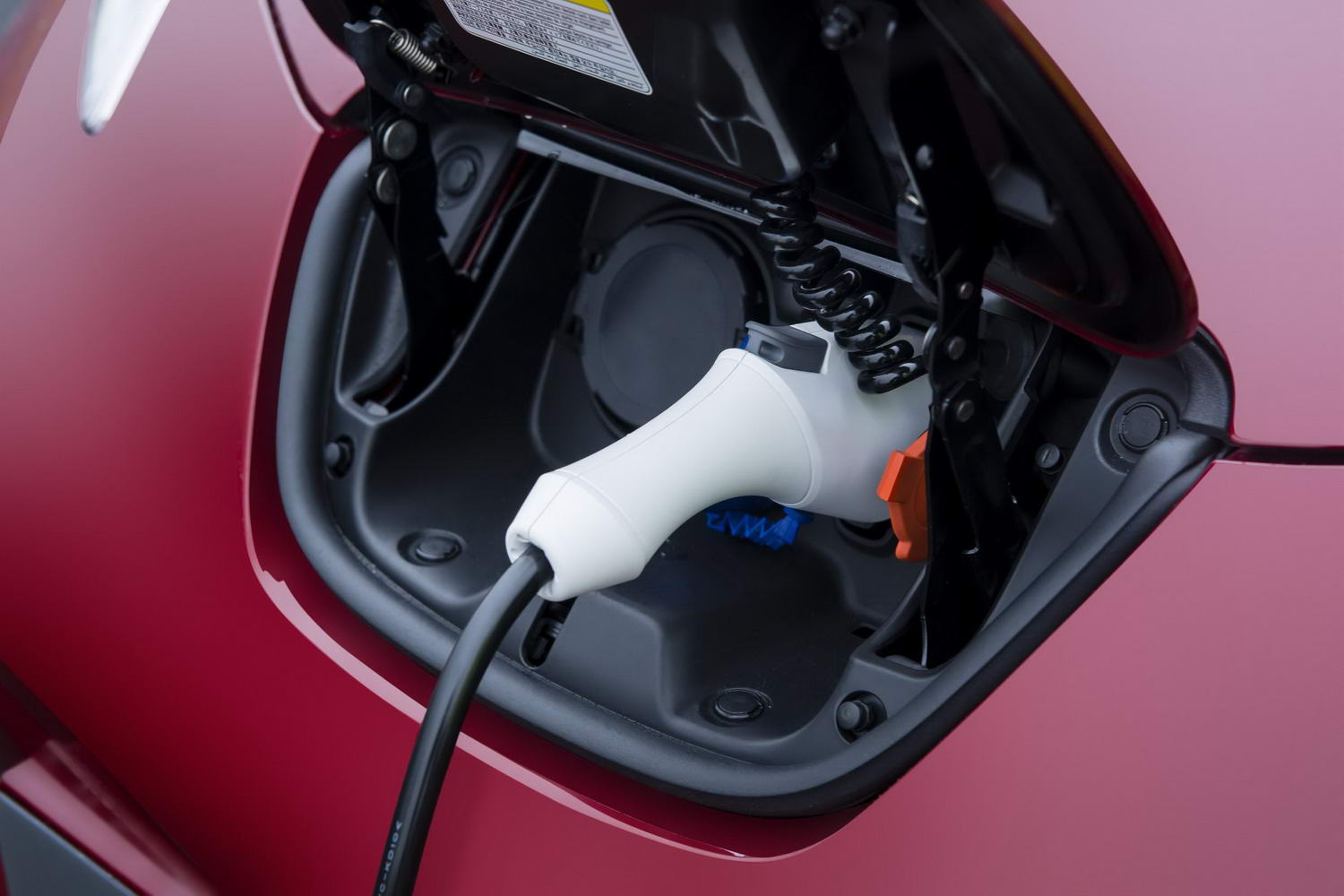
That's when a longer-range 30kWh Leaf model was added. The 24kWh version continued, but the 30kWh was said to be capable of up to 250km on a single charge. It's worth noting that the 24kWh and 30kWh's official 200km and 250km range figures were reduced to 135km and 172km once the more realistic WLTP testing came in, and this gives an idea of realistic driving capability on a Leaf Mk1 when new. All variants of the Leaf had the ability to be hooked up to fast chargers, replenishing the battery pack to 80 per cent charge in just 30 minutes.
Although there were a few mid-spec Acenta and very high-spec Tekna models of the Leaf available throughout its life, in Ireland the trim range was ultimately refined to a three-tier set-up that ran XE, SV and then SVE, all of which could (from 2016 on) be had with either size of battery pack. XE models kicked off with the quick-charge socket, a standard CD/aux-in/USB audio system with four speakers and Bluetooth capabilities, black door mirrors, black cloth trim, Halogen headlights, 16-inch steel wheels, keyless entry and go, front foglamps, climate control air conditioning, a front armrest, chrome door handles, daytime running lights and LED rear lights.
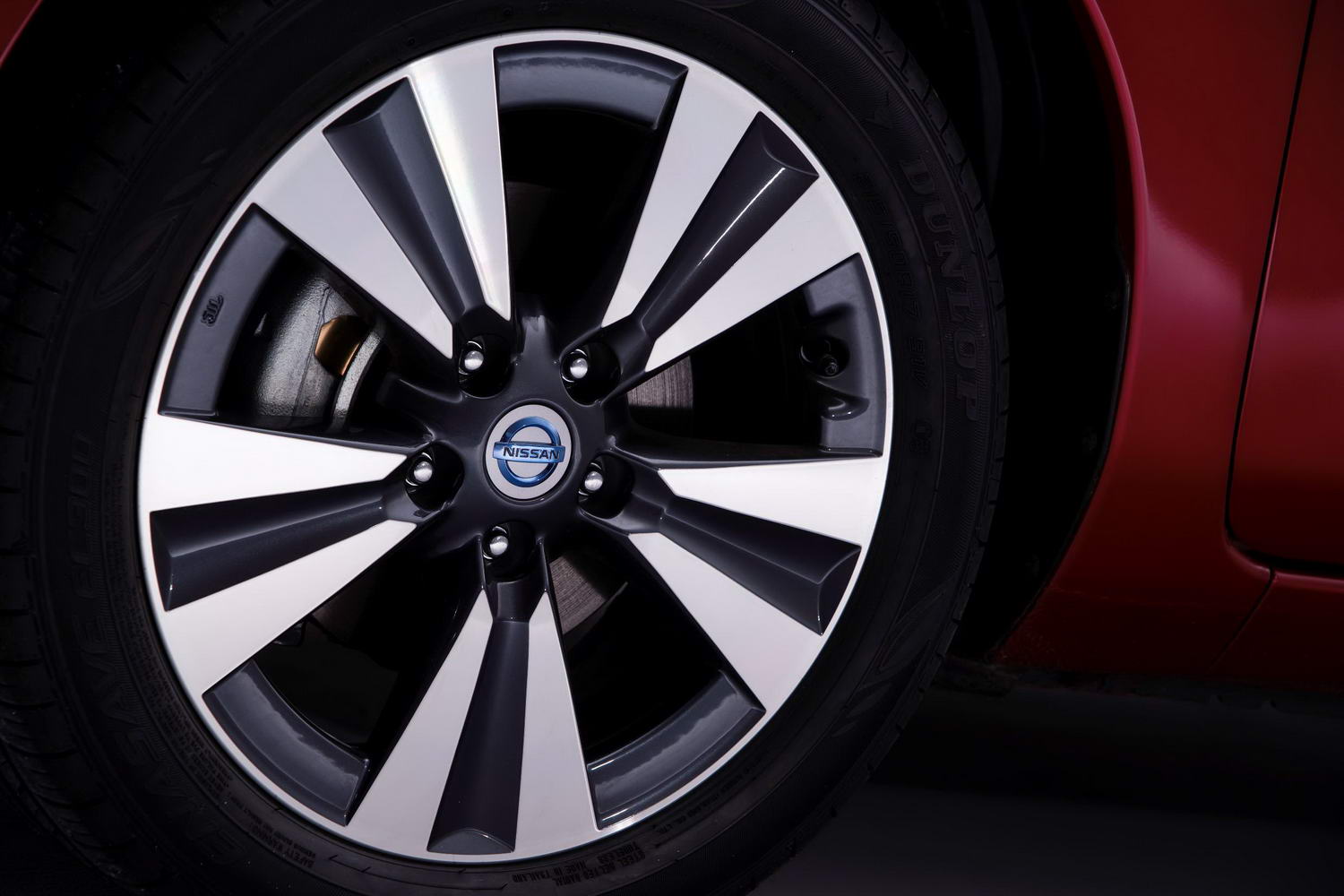
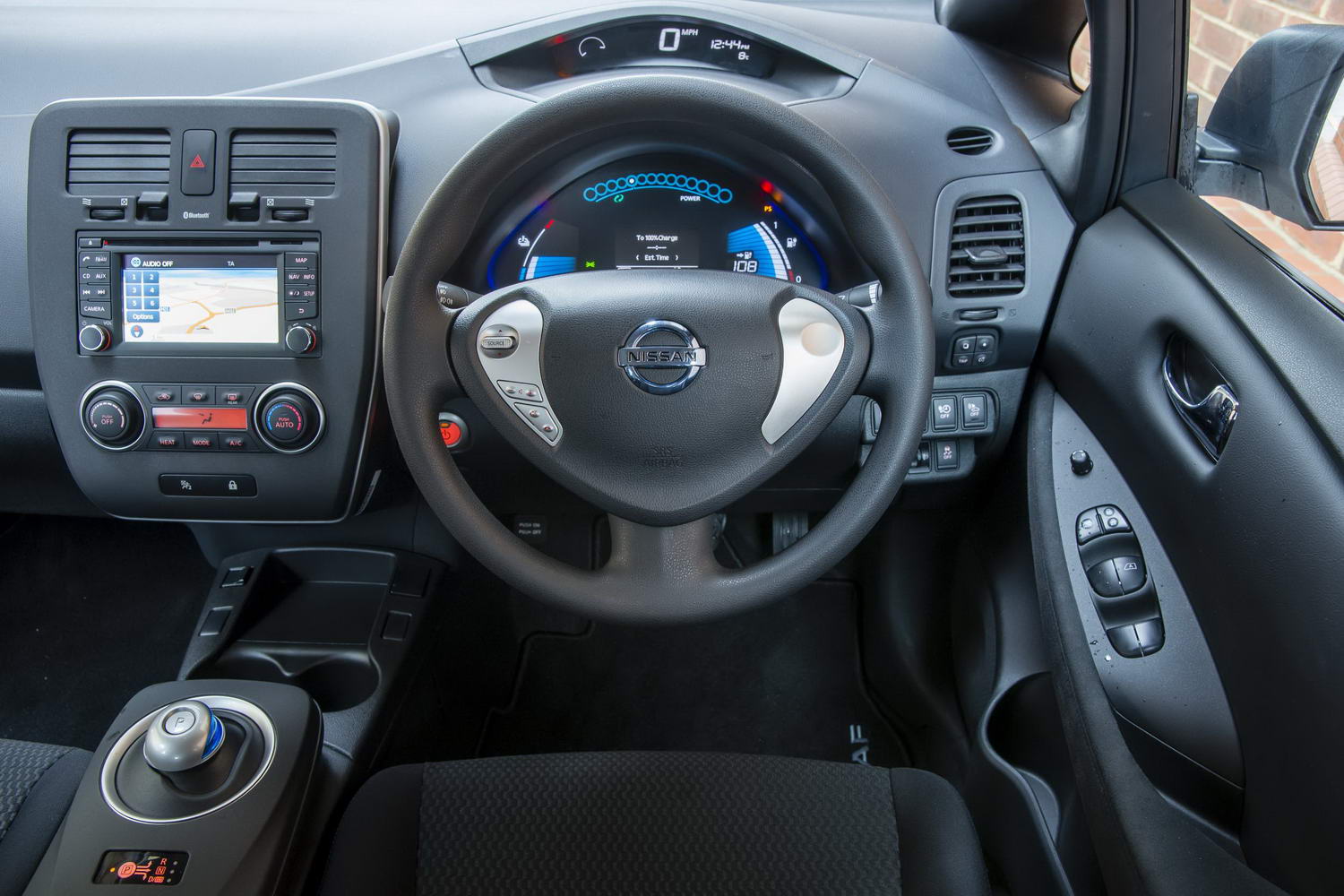
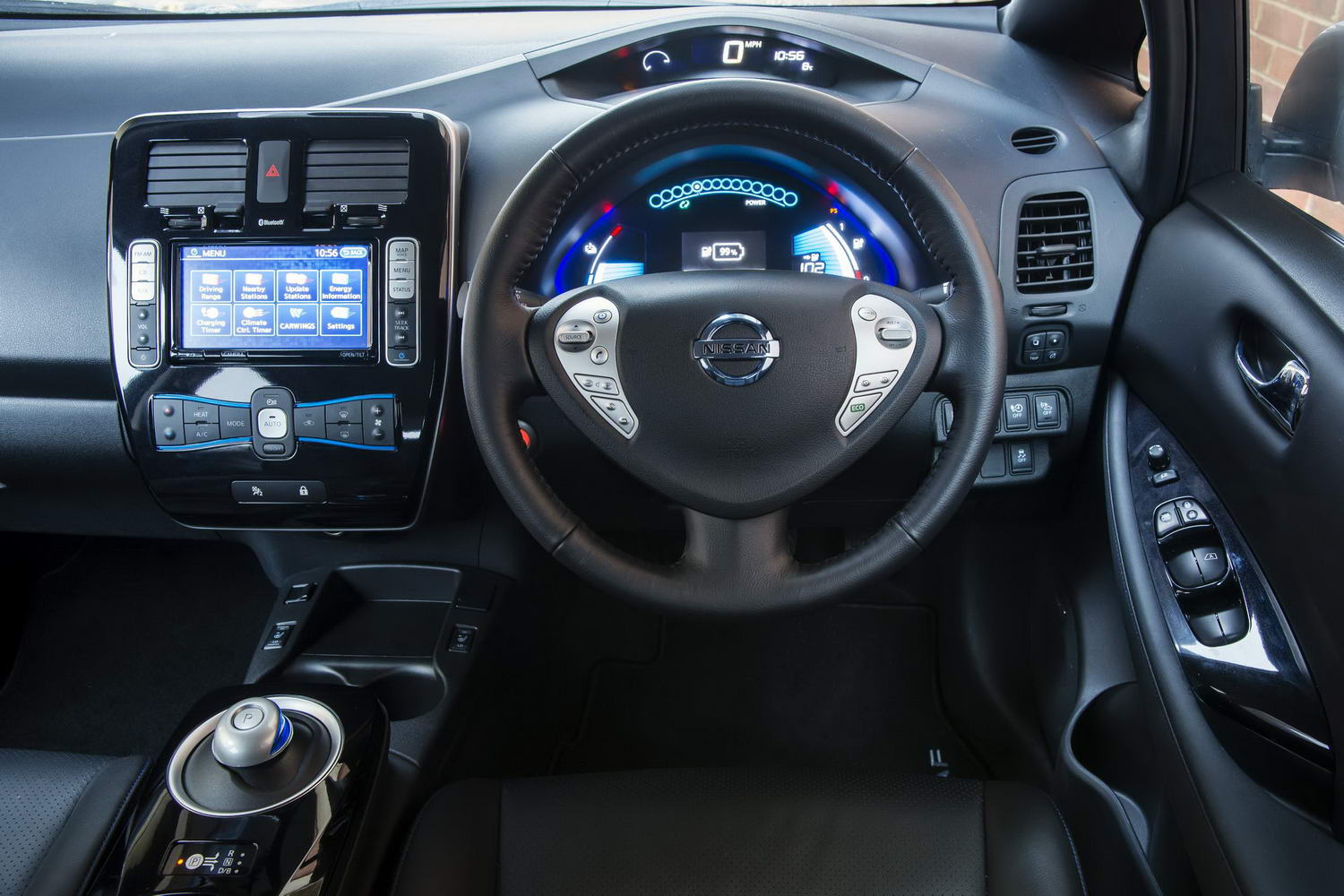
Stepping up to SV added NissanConnect EV Telematics, switched the 16-inch wheels to alloys instead of steels and added in further items like auto lights and wipers, a multifunction steering wheel, cruise control and a speed limiter, a heat-pump heater, a DAB radio with six speakers, electric folding and body-coloured exterior door mirrors, remote charging and heating functions, rear privacy glass, a rear-view camera and an additional driving mode called ‘B' for an increased regenerative braking effect.
The plushest SVE variants also had a 360-degree Around-View Monitor camera system, 17-inch alloys, a Bose sound system with seven speakers and a subwoofer, LED headlamps with auto-levelling, leather upholstery and the Cold Pack - incorporating heated front and rear seats and a heated steering wheel, too.
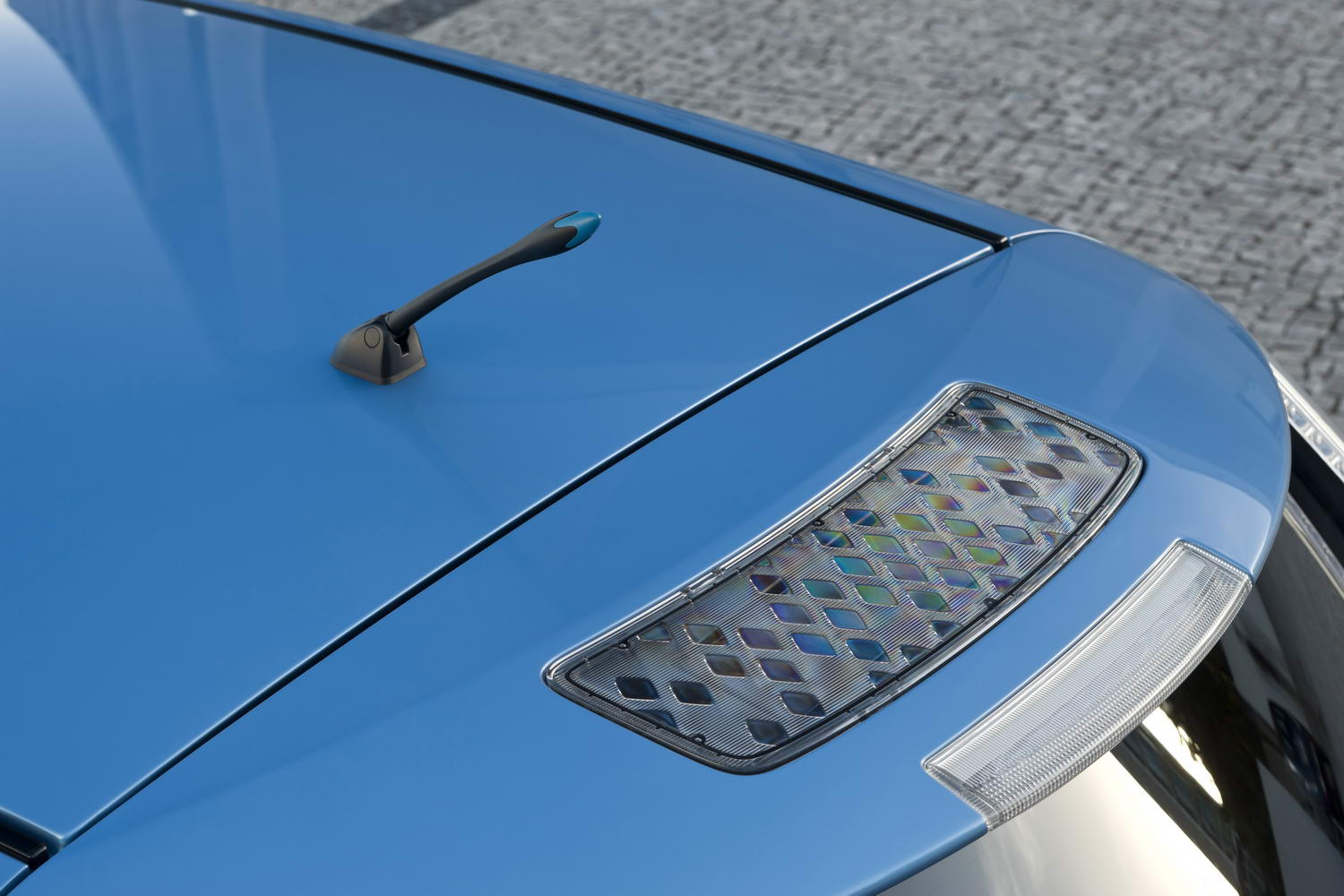
Options on base XE cars amounted to the Nissan Connect 2 infotainment (a seven-inch touchscreen with audio, satnav and rear-view camera functions) and a 6.6kW onboard charger, allowing for AC Type 1 connections. The 6.6kW item was an option across the board on all Leafs so, aside from that, on the SV models the other extras available were the Cold Pack (on the SVE as standard) and solar cells on the rear spoiler - this last item was, beyond the onboard charger, the only other option for the Leaf SVE.
How much is it to tax the Nissan Leaf Mk1?
Refer to our Motor Road Tax Prices in Ireland Explained feature for the up-to-date cost to tax the Nissan Leaf.
How reliable is the Nissan Leaf Mk1?
With far fewer moving parts than a conventional combustion-powered car and Nissan's own reputation for building sturdy, dependable machines, the Leaf is a pretty reliable machine. As far as we're aware, there were no official recalls in Europe, although there were three problems that Nissan would complete remedial work on if necessary.
The first affected the start button on Leafs made between September 10, 2013 and January 6, 2014. The button would remain depressed in its housing and this would cause the Nissan's emergency stop protocol to kick in, shutting the car down and rendering it undriveable. A modification to the housing of the button rectified this and all cars affected should have been repaired by now.
More serious was a loss of steering control on models built between February 12, 2013 and October 16, 2014, as a result of a safety clip in the steering column becoming dislodged. The fix for this was a replacement steering column and it was fitted free of charge, so check that any Leaf models that fall into this age range have had this work done, if necessary.
The final issue related to end-of-the-line Leaf Mk1s, built between February 12, 2017 and March 29, 2017. On affected cars, the automatic aim function of the headlights could be faulty, a problem fixed via nothing more than a software update. A Nissan dealer should have carried out this work by now, but it's worth double-checking before you buy.
How much range has a used Nissan Leaf Mk1?
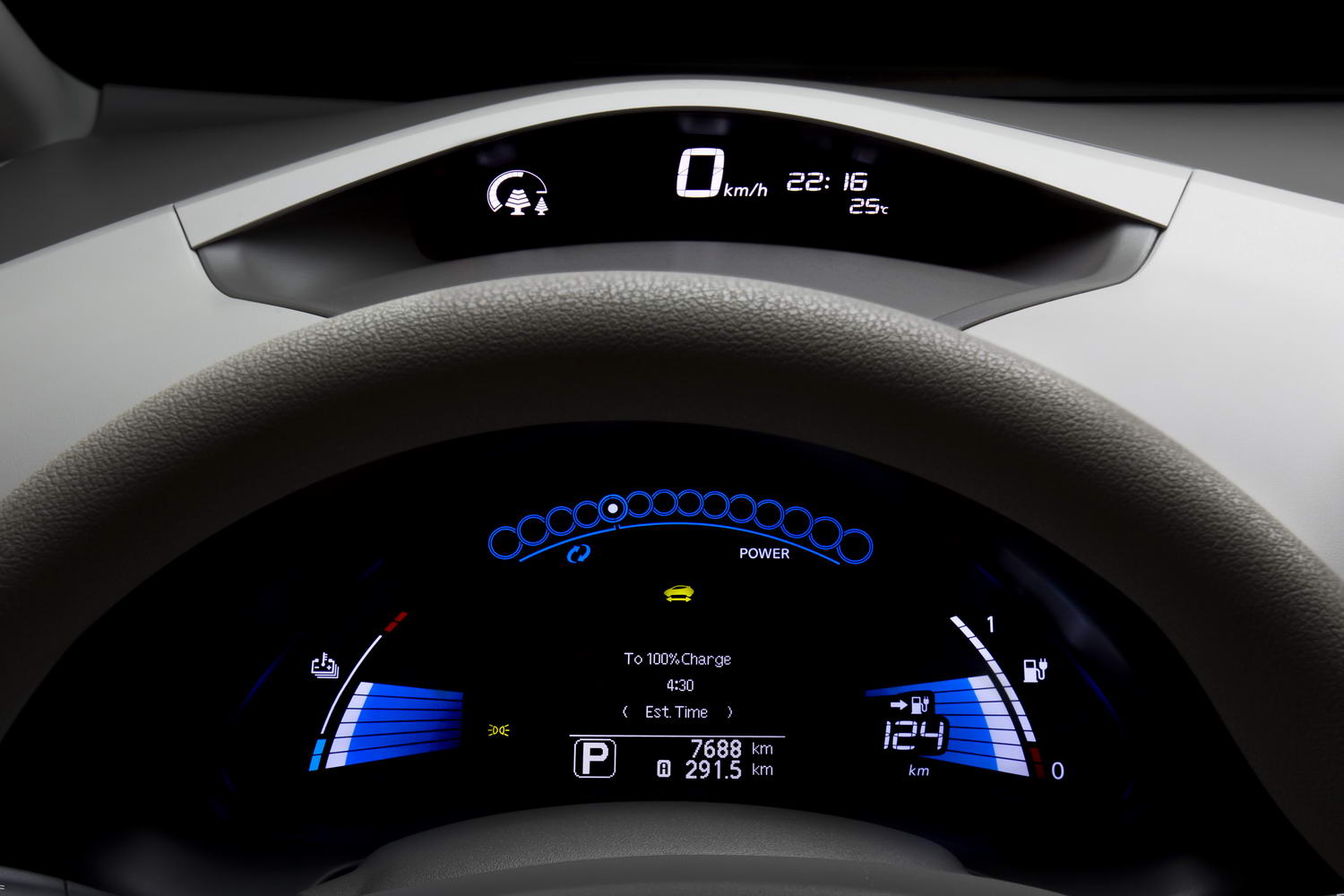
It really does depend on the condition of the battery, which can vary from vehicle to vehicle. You can check this in the instruments. Owner reports indicate that the earliest examples of the Leaf can still do over 100km between charges. The 2013 and later 24kWh models should be good for 150km, while buyers of the 30kWh versions should expect nearly 200km. Check the date this article was updated, as those figures will decline with time.
When should I service my Nissan Leaf Mk1?
Electric cars have much fewer parts in them than internal combustion engined equivalents, which should mean much less and much less expensive servicing and maintenance. Nissan specifies service intervals for all models of 30,000km or 12 months, but those services are more about checking things and topping up fluids than replacing parts. The cabin filter must be changed every 30,000km or two years and the cabin heater fluid should be replaced first at 90,000km or five years (and then every 60,000km or four years after that). Incidentally, the same interval applies to the antifreeze used in the cooling circuit for the electric drive motor and inverter.
Can I fit child seats and a buggy in the Nissan Leaf Mk1?
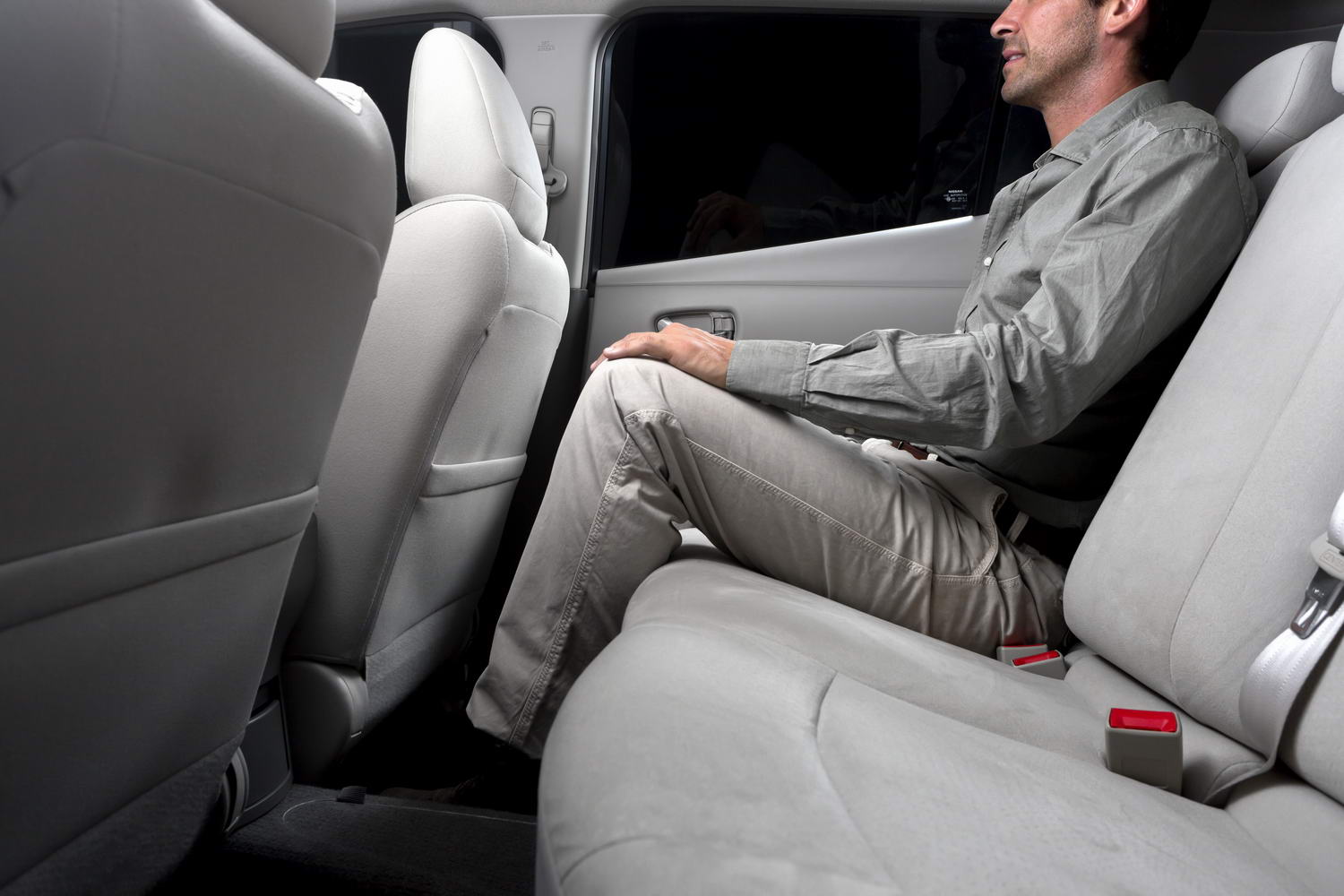
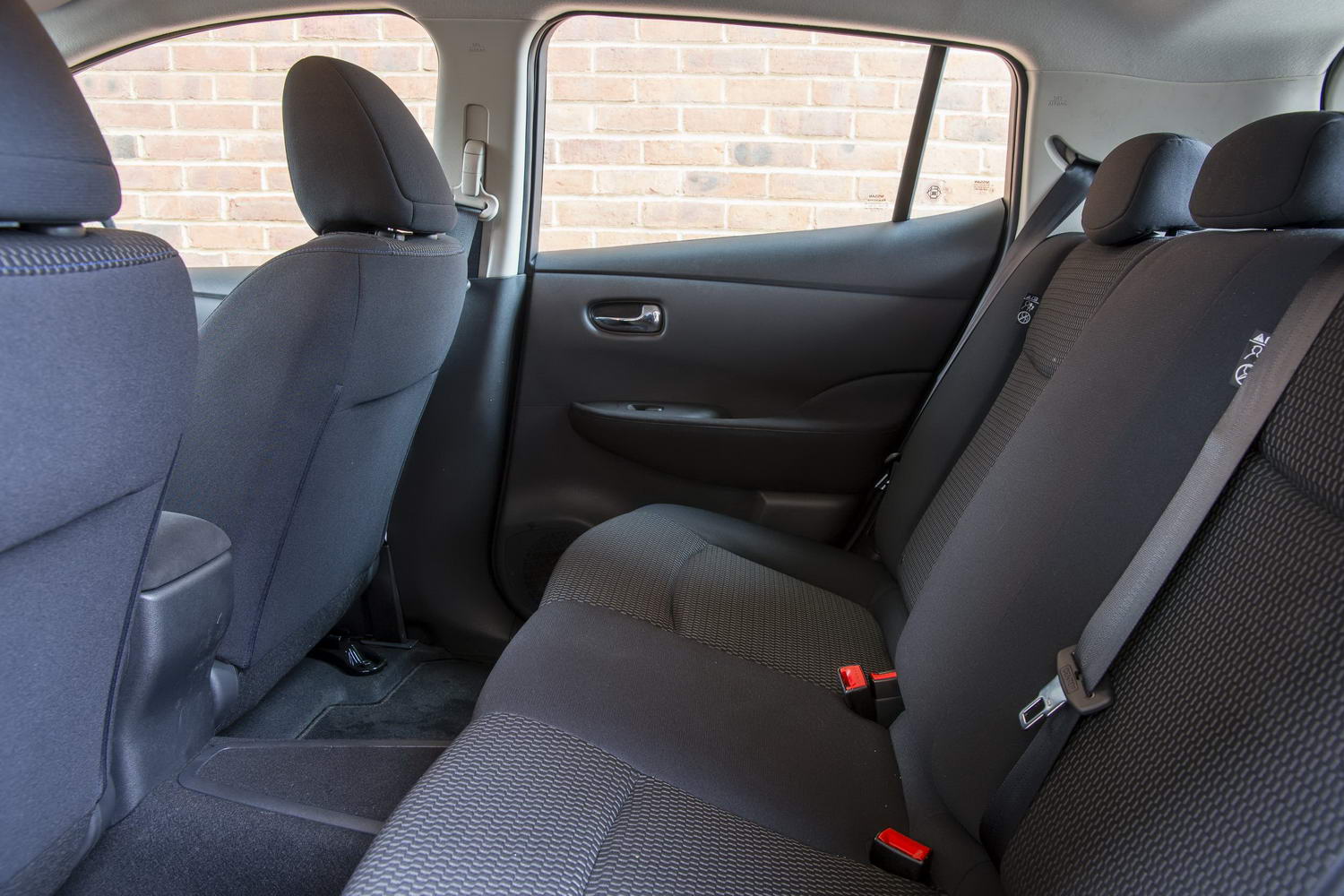
It will be unlikely that three child seats will fit across the second row of chairs in the Nissan Leaf, which is essentially about the same size as a Golf. It has two ISOFIX points on the outer positions of the back bench, but the vehicle is less than 1.8 metres wide anyway and a high transmission tunnel in the centre-rear seating position further robs it of space.
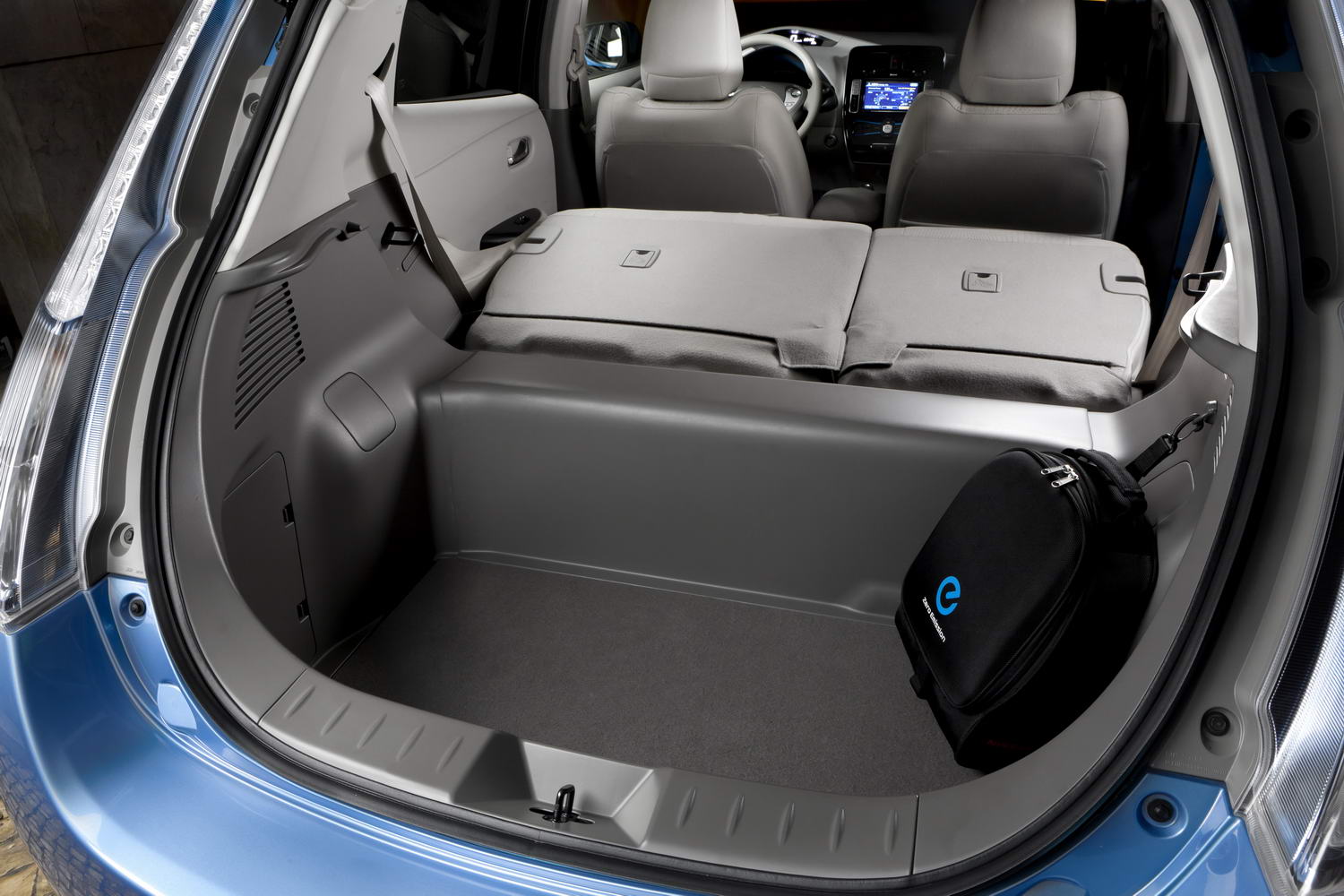
A 370-litre boot is adequate and capable of taking perhaps one or maybe two folded pushchairs/prams, depending on their size, but this is not the car for large families with a lot of very young children.
How safe is the Nissan Leaf Mk1?
The Leaf is down on record as a safe vehicle, picking up the maximum five-star EuroNCAP rating in 2012, thanks to individual sector scores of 89 per cent for adult occupant safety, 83 per cent for child occupant safety, 65 per cent for pedestrian protection and 84 per cent for safety assist. It is also fitted with a tyre-pressure monitoring system, six airbags, ABS, Electronic Brake-force Distribution (EBD) and Vehicle Dynamic Control (VDC) as standard, as well as Hill-Start Assist and an approaching vehicle sound for pedestrians (AVSP). But it isn't replete with active driver-assist safety aids, so even later models can feel a little behind the times compared to newer, more conventional rivals.
Alternatives to the Nissan Leaf Mk1
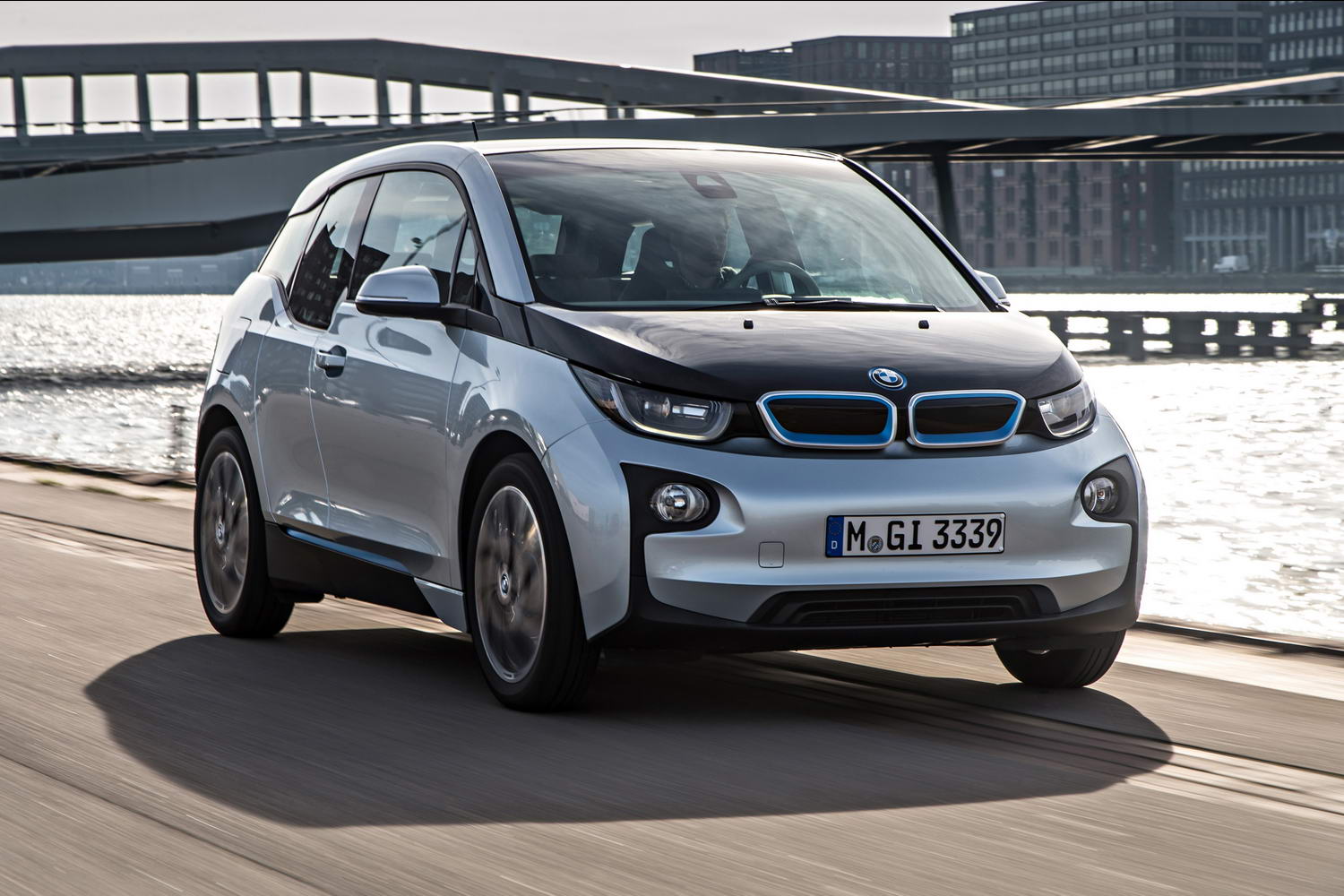
BMW i3
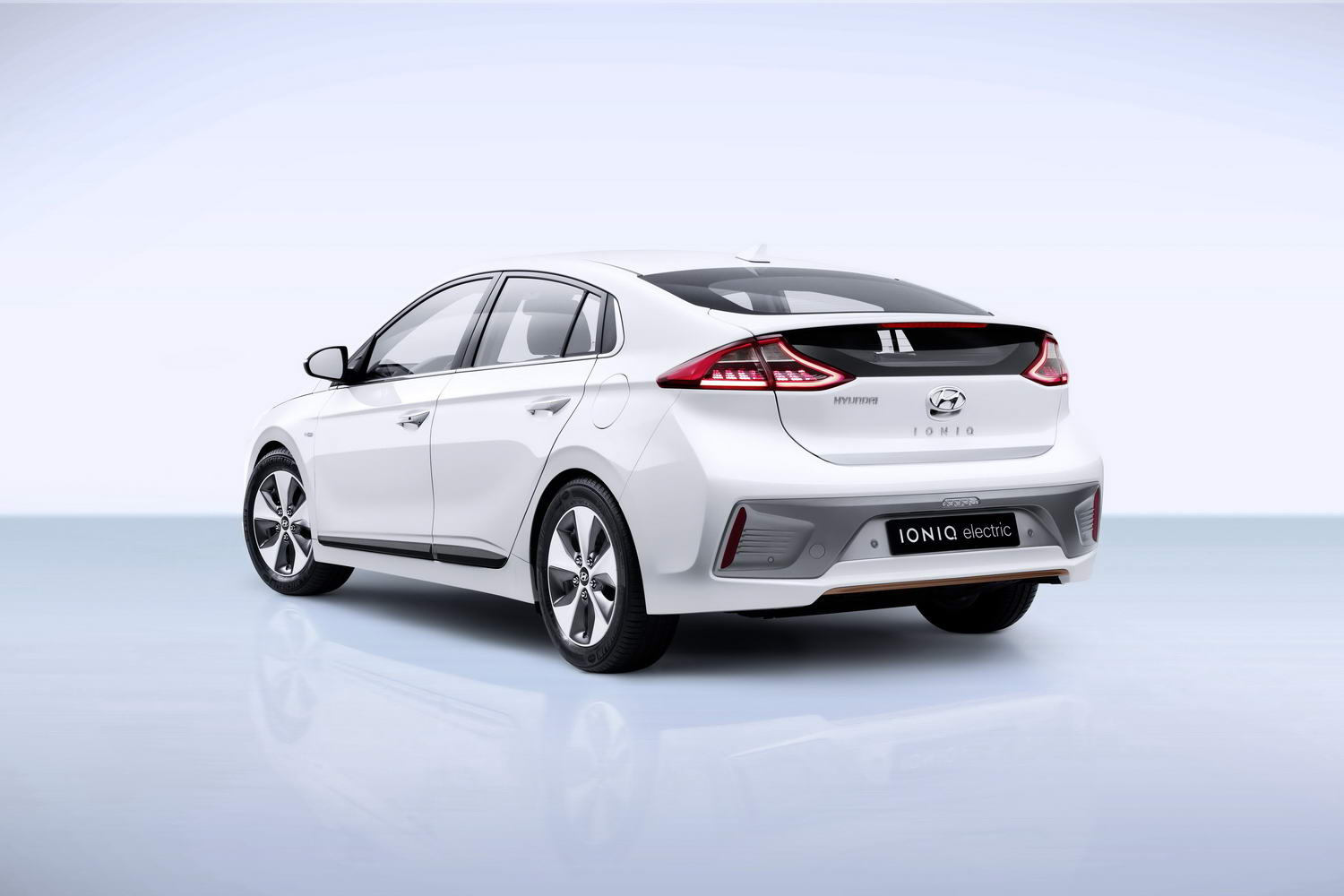
Hyundai Ioniq Electric
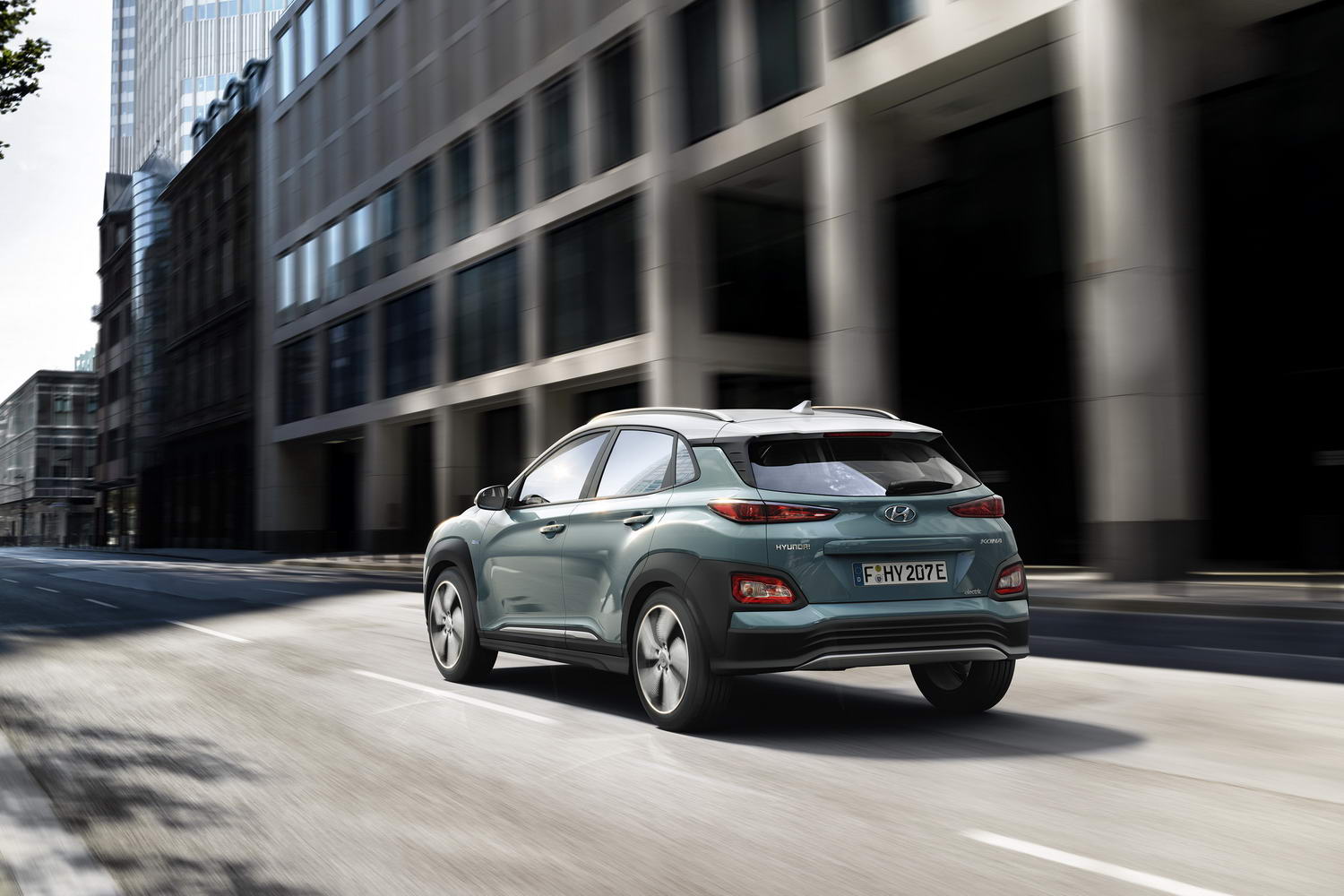
Hyundai Kona Electric
Kia e-Niro
Opel Ampera
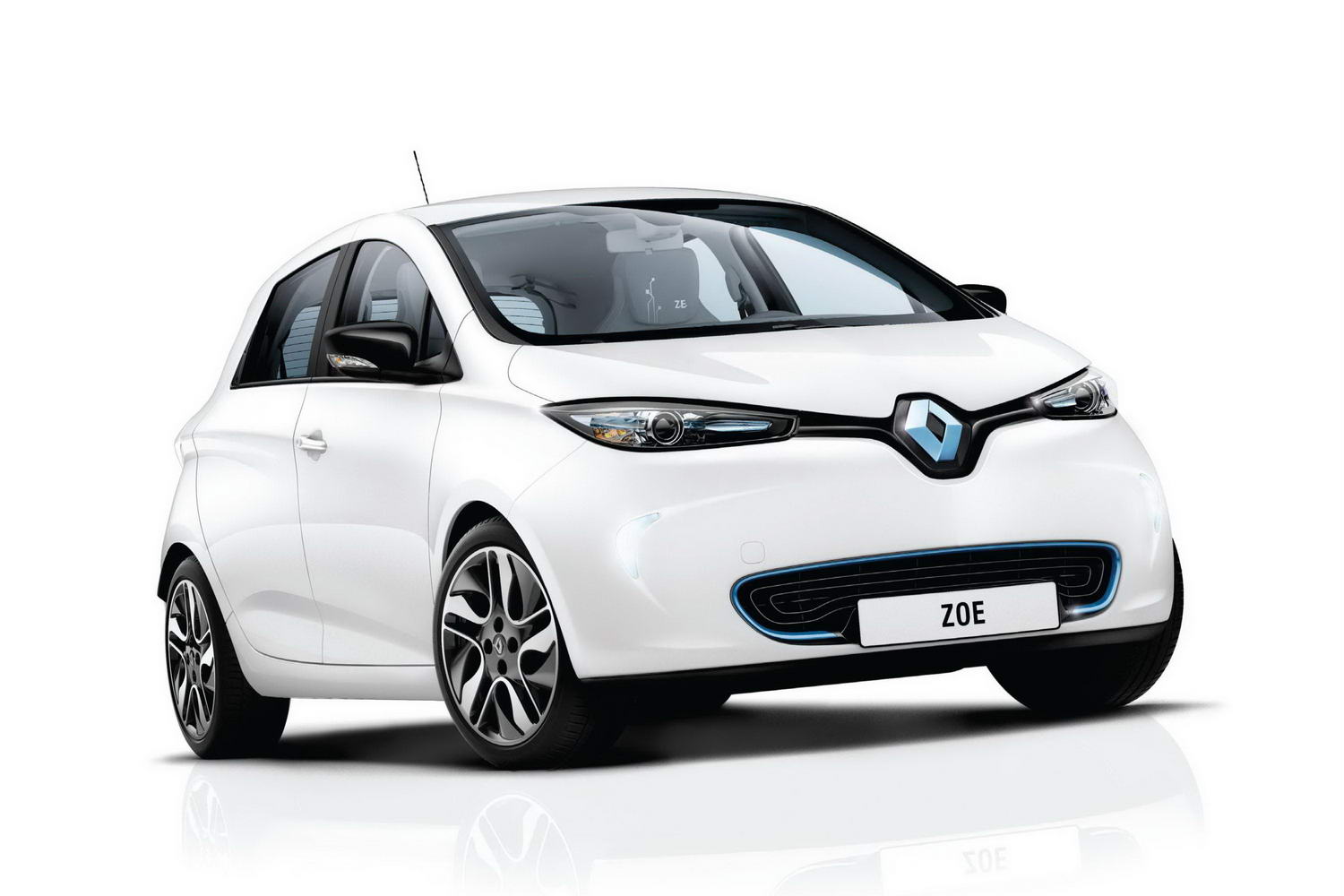
Renault Zoe
Volkswagen e-Golf
How much is a Nissan Leaf Mk1 worth?
For estimates of the current value of a given car, drop us a message using the Ask Us Anything page with as much detail as possible in it.