


Exterior & design of the 2026 Nissan Micra
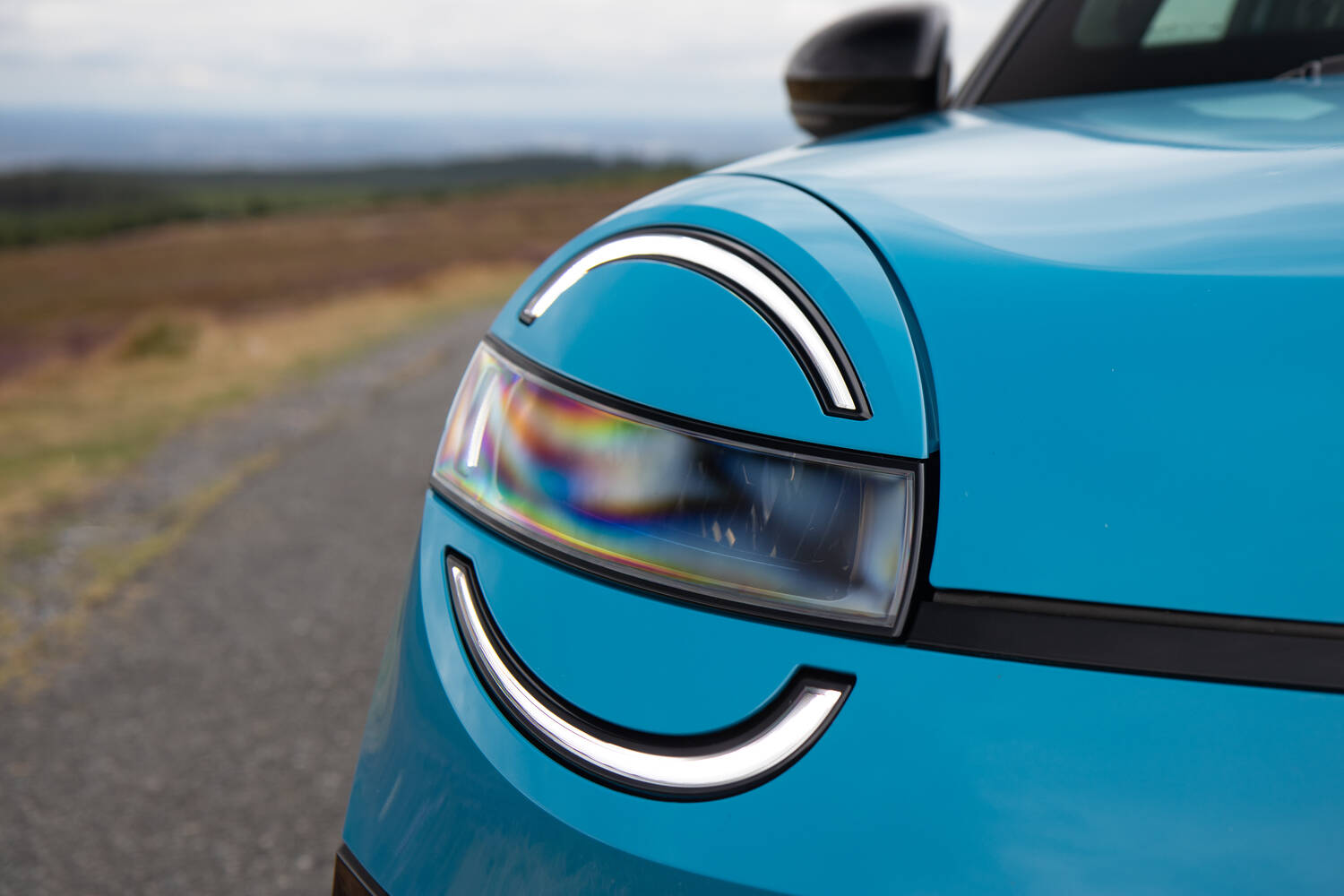
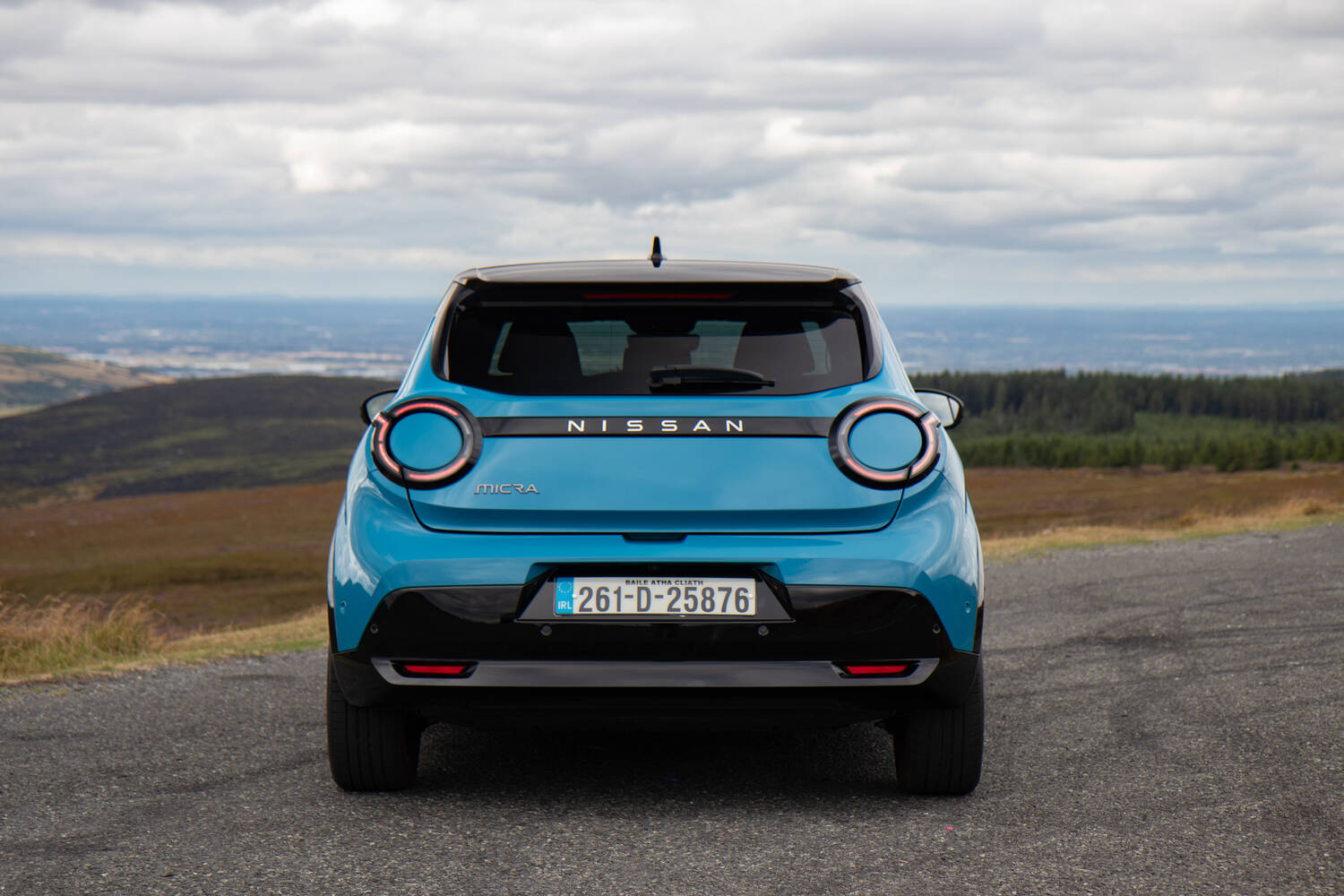
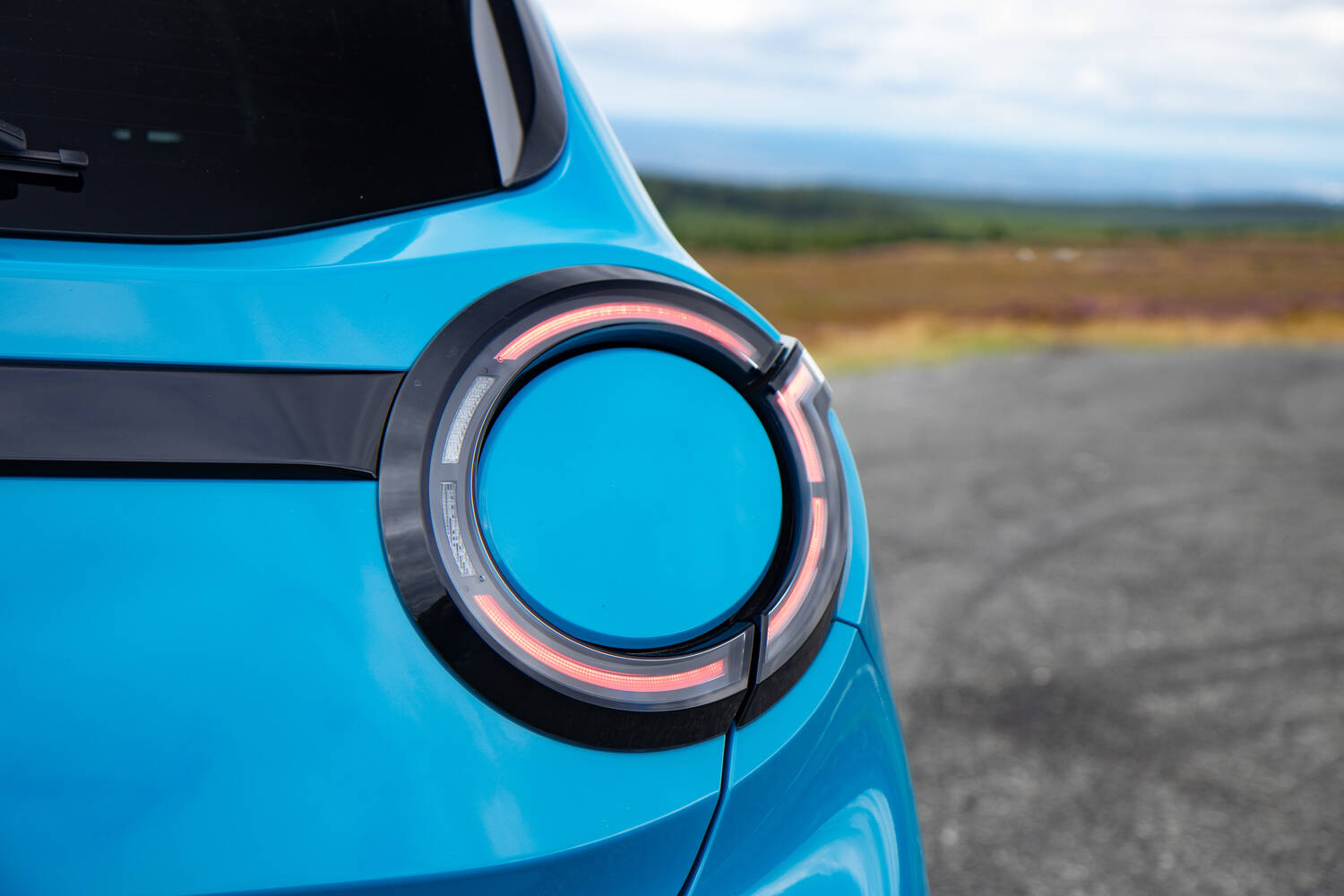
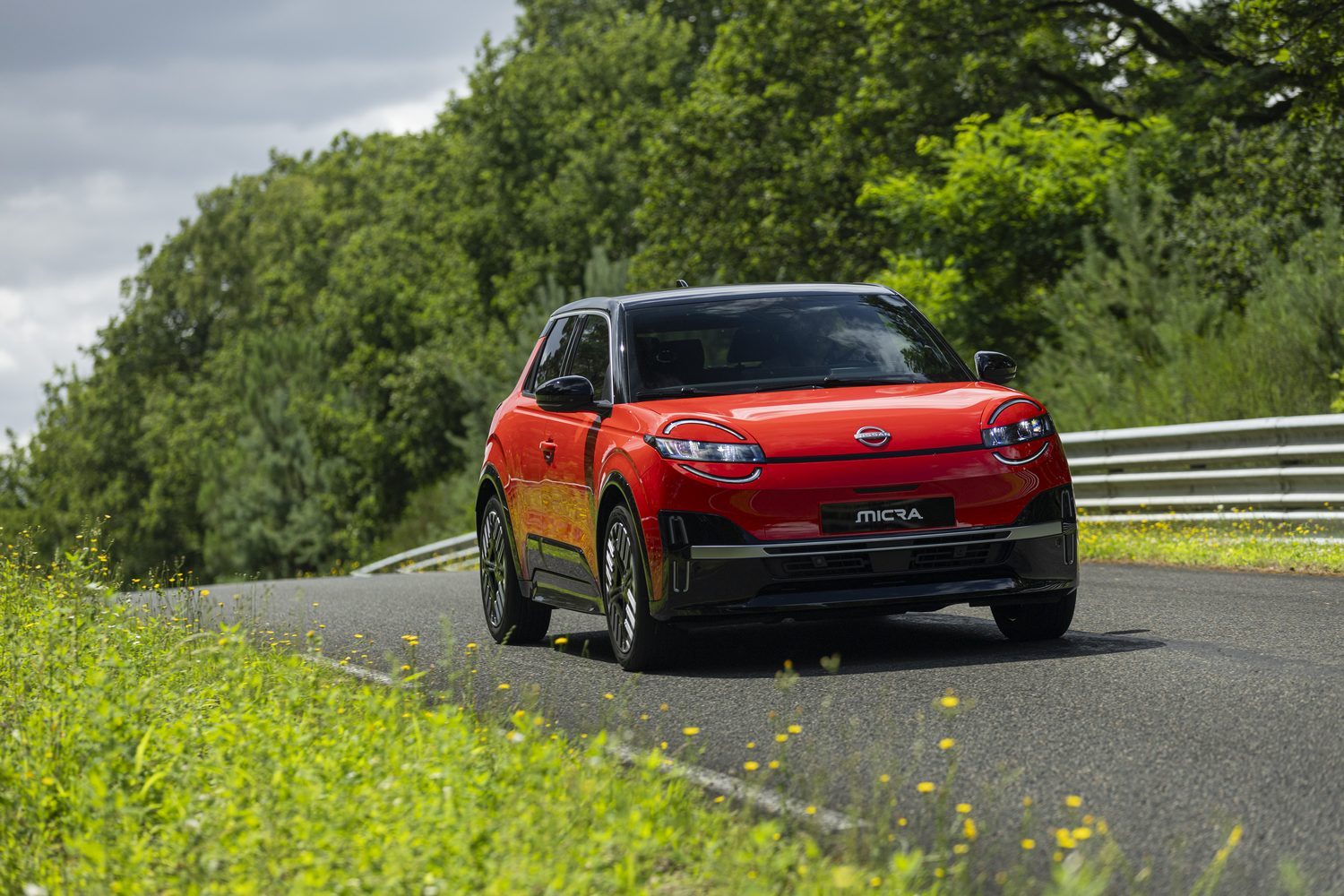
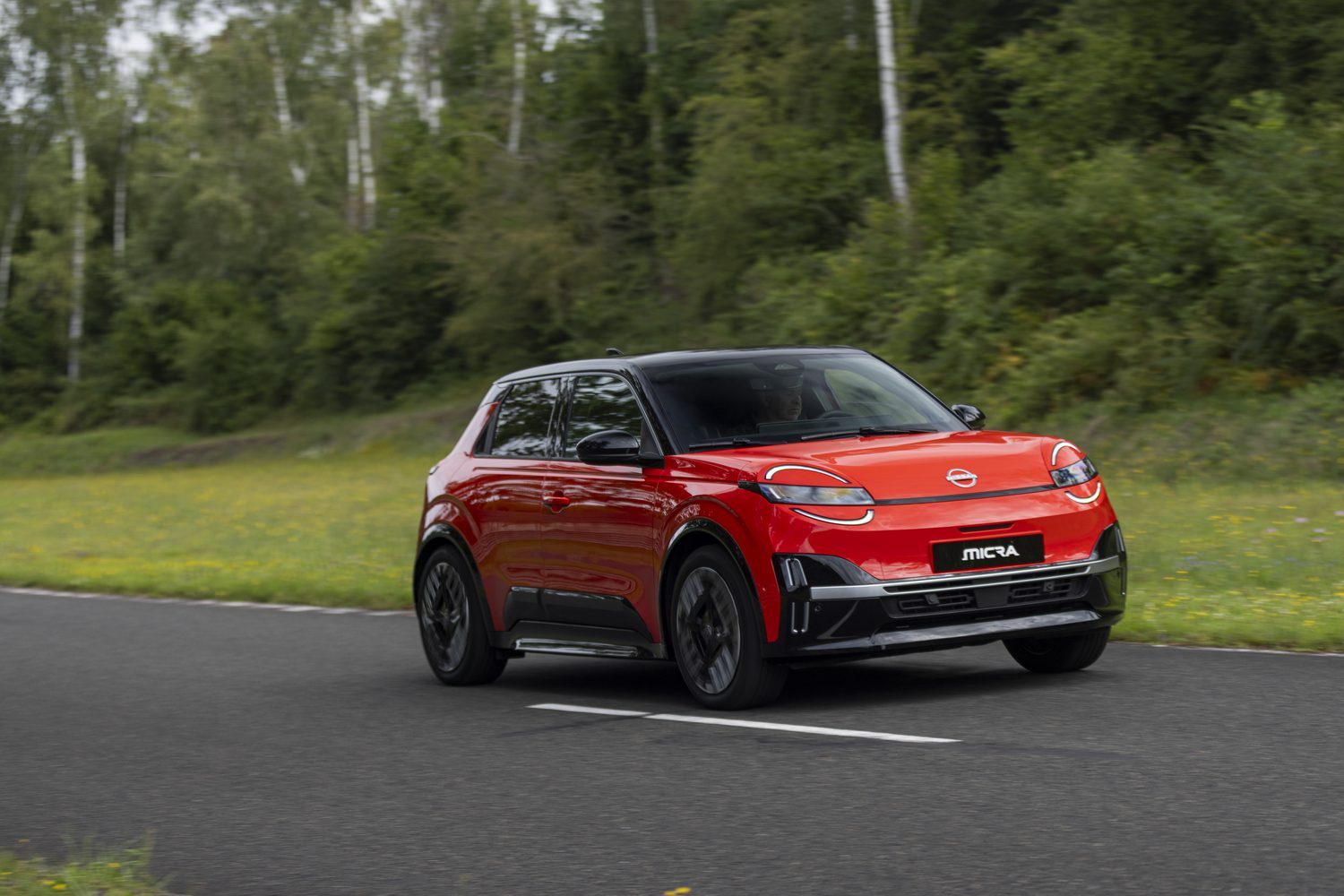
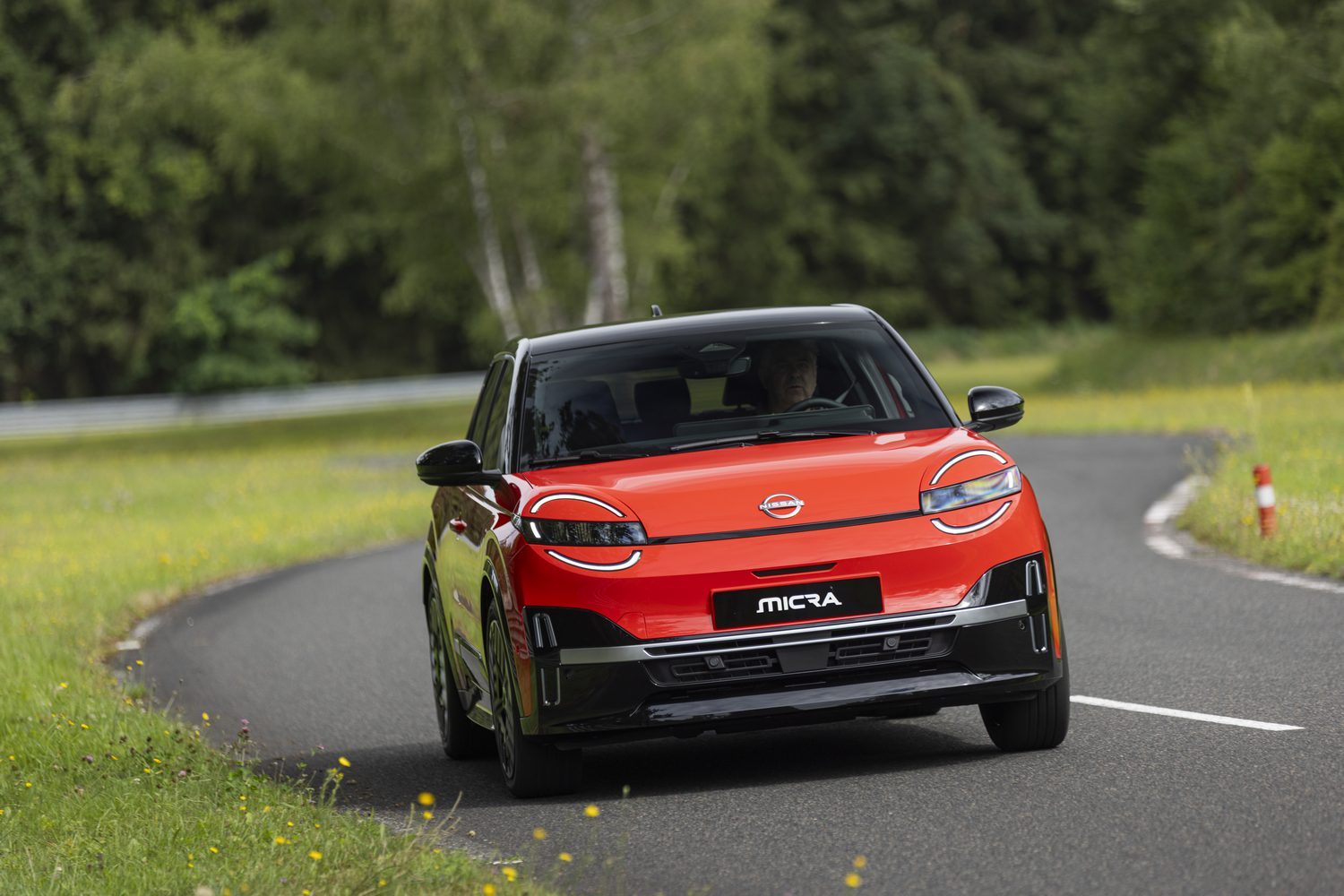
- Round lights hark back to "K12" Micra
- Black or silver roof options
- Easy to see bits shared with Renault
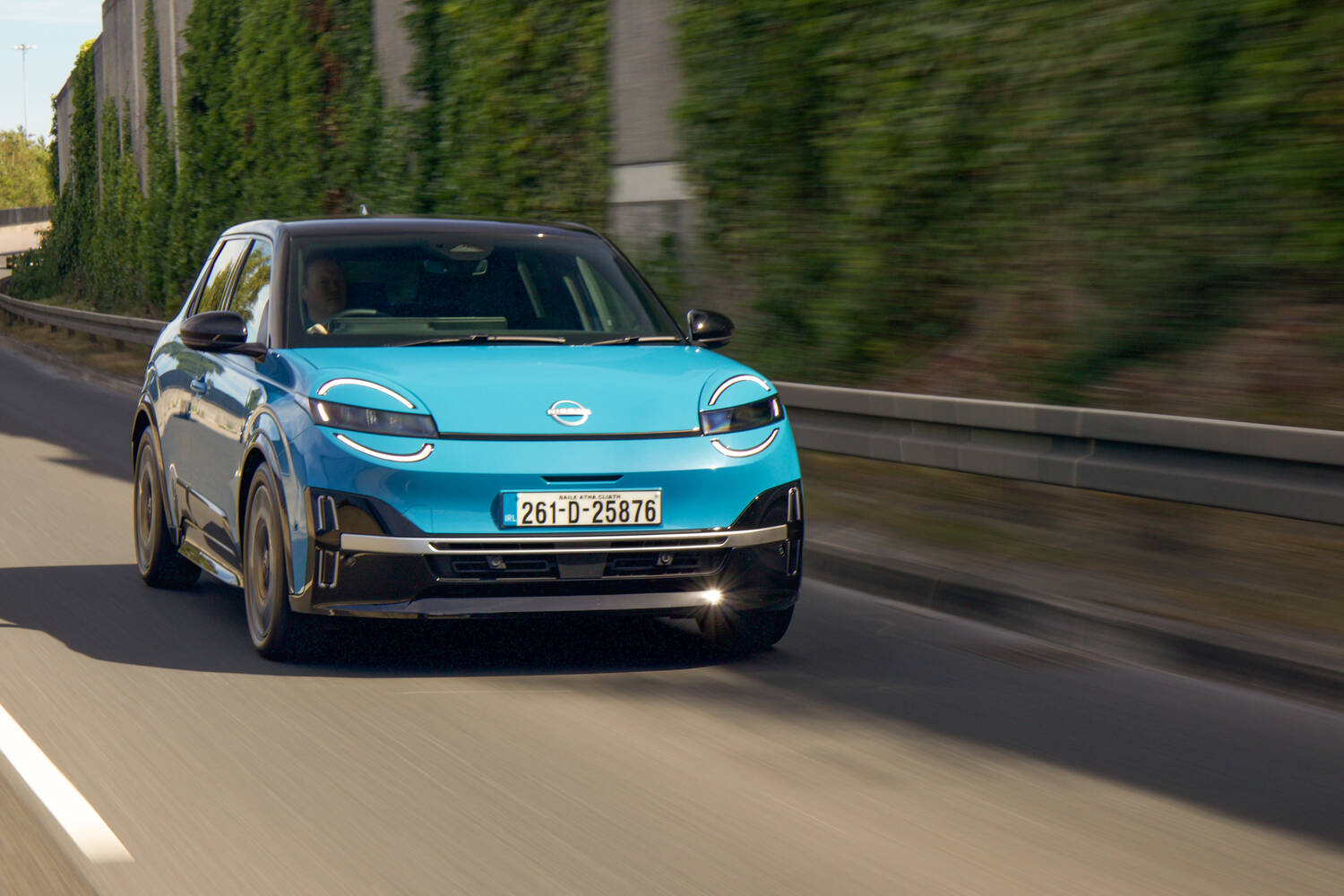
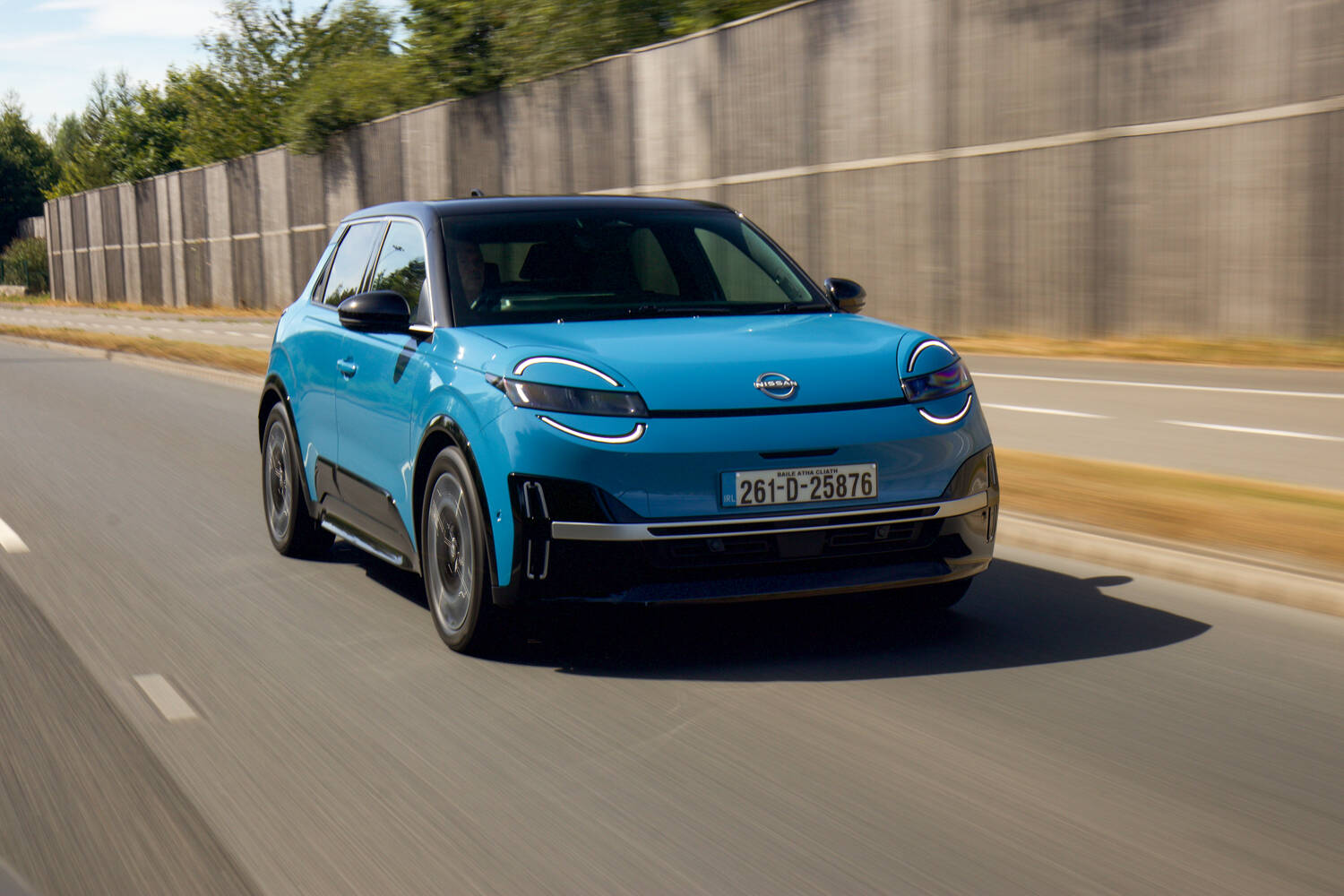
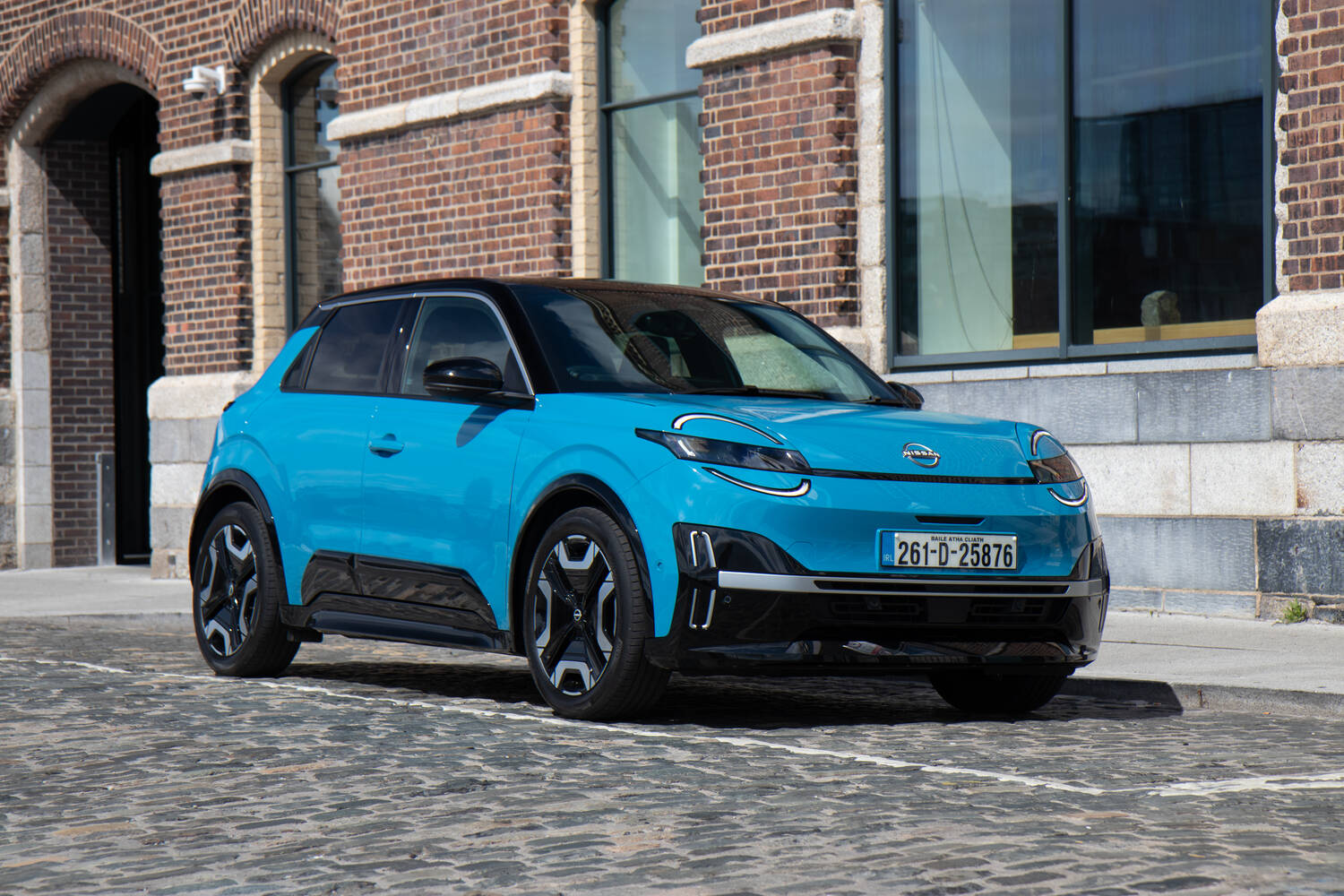
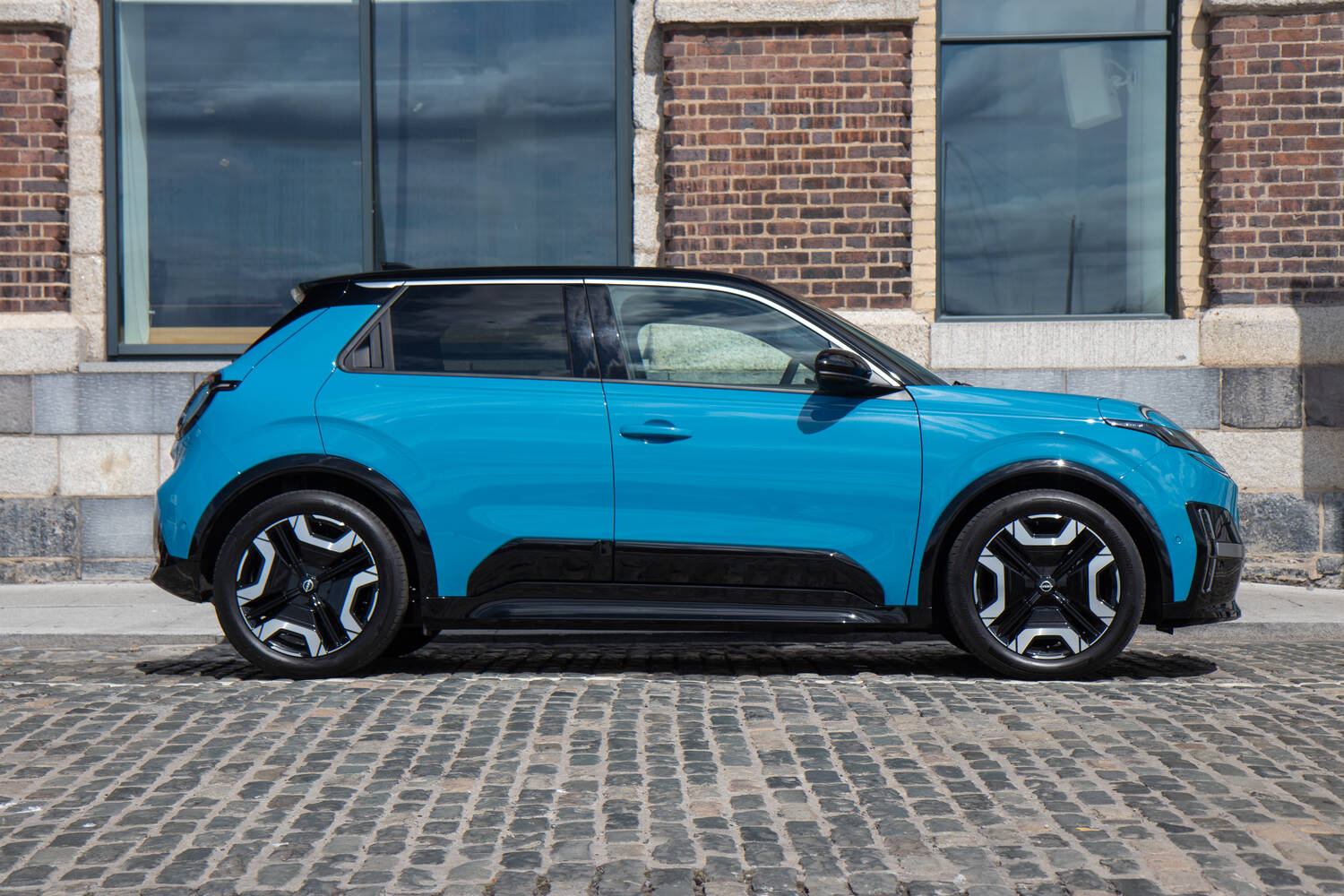
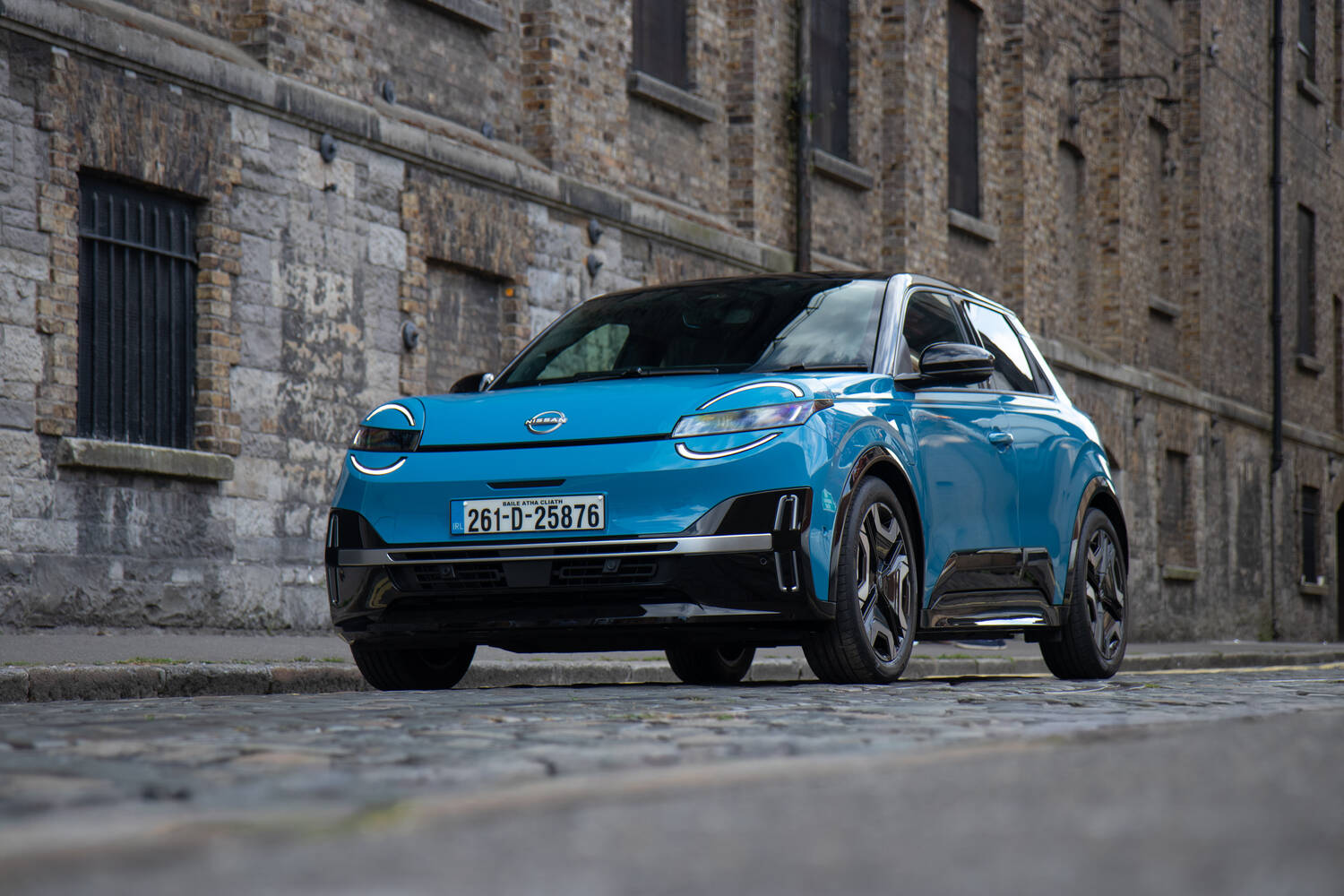
When Nissan revealed the Micra under the glare of studio lighting, its relationship to the Renault 5 was immediately obvious, especially around the doors and side glass, always among the most expensive items to change in styling terms.
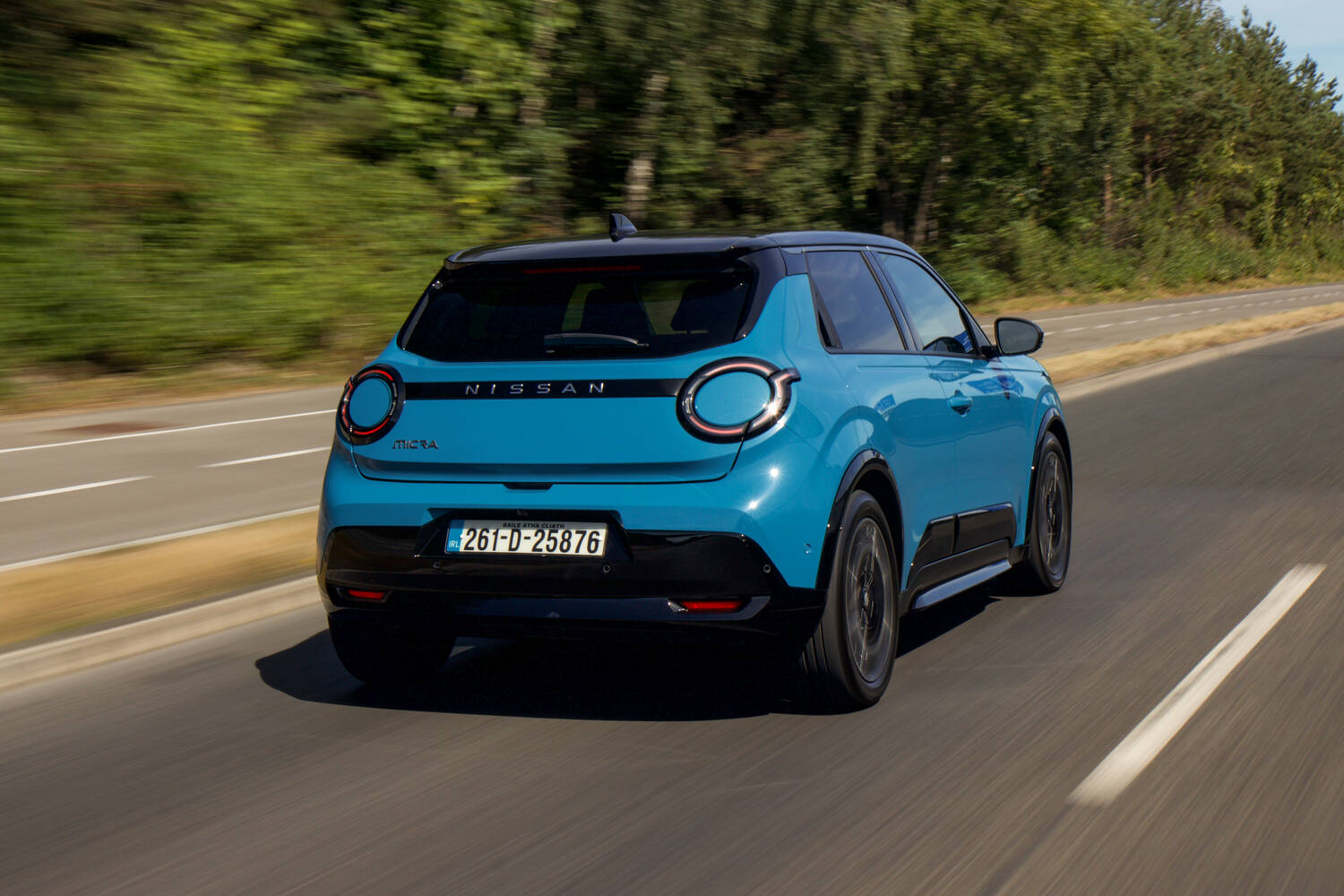
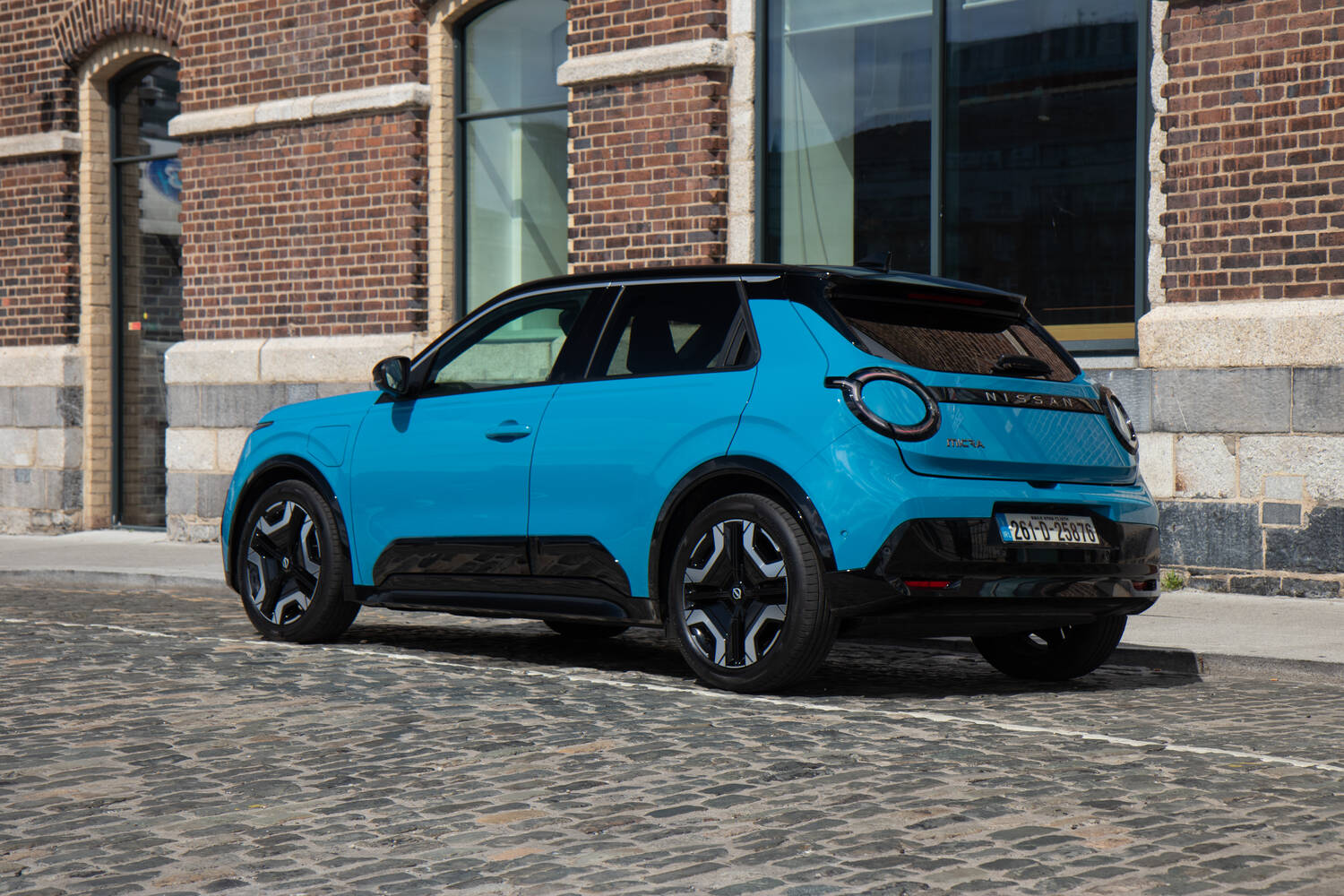
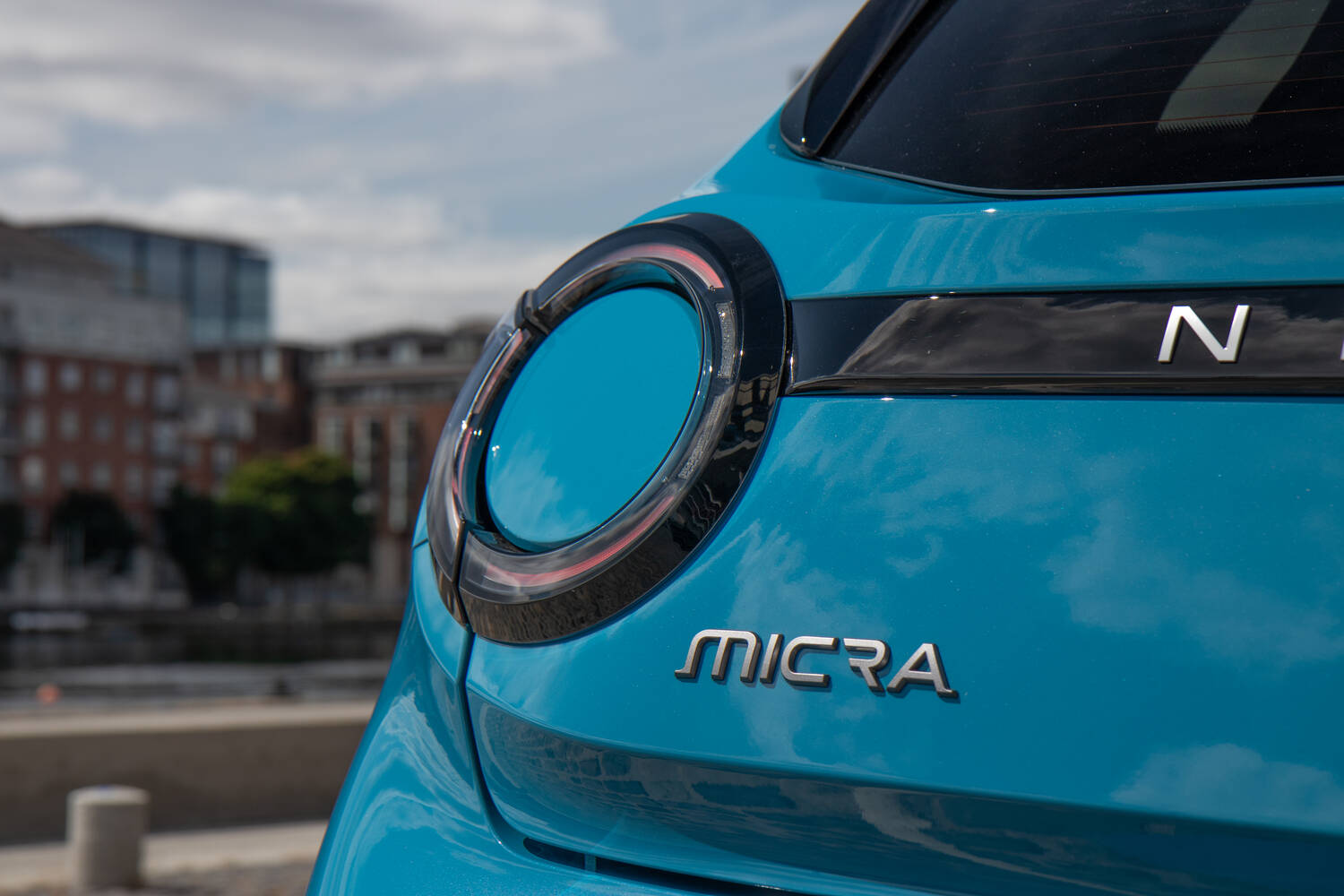
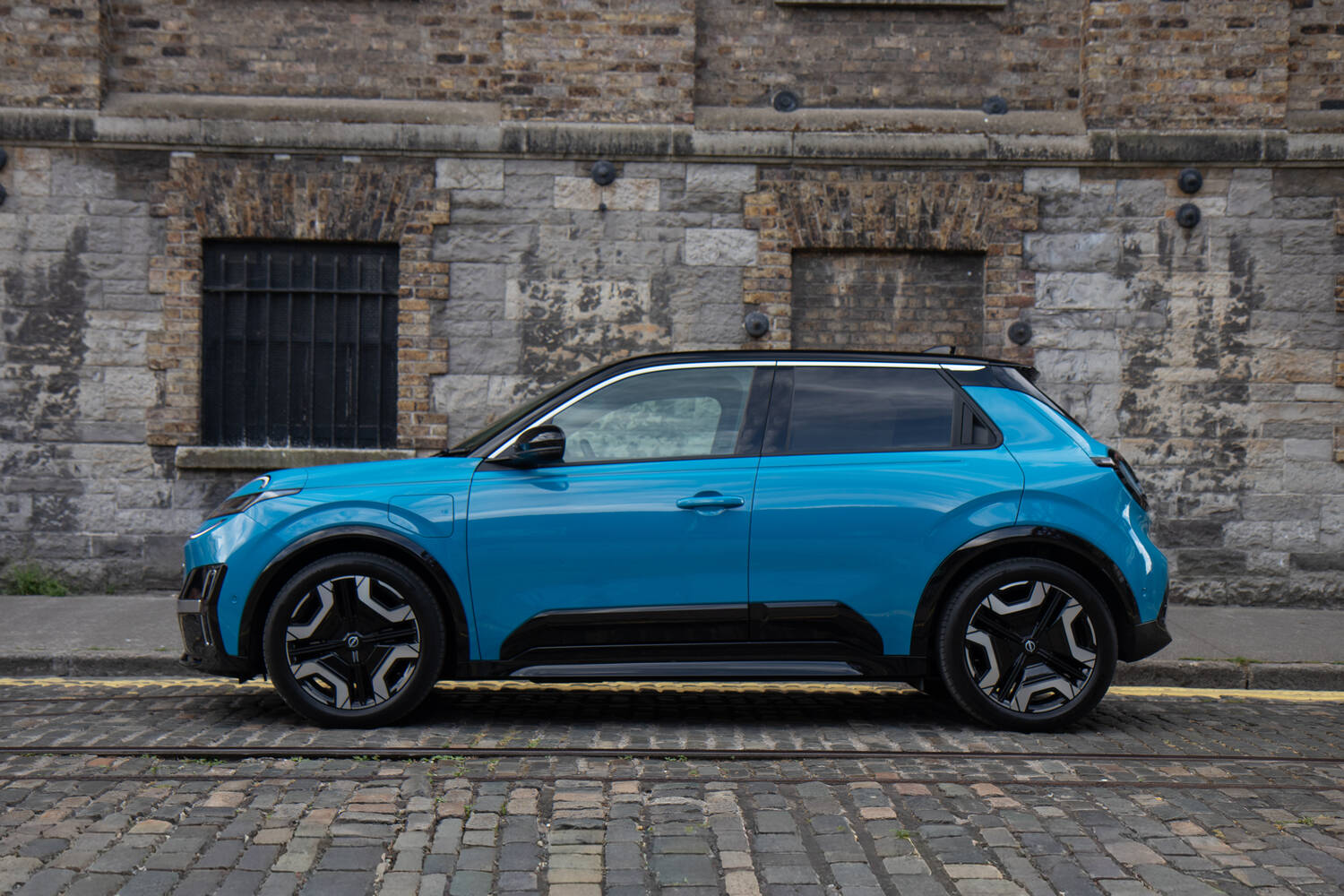
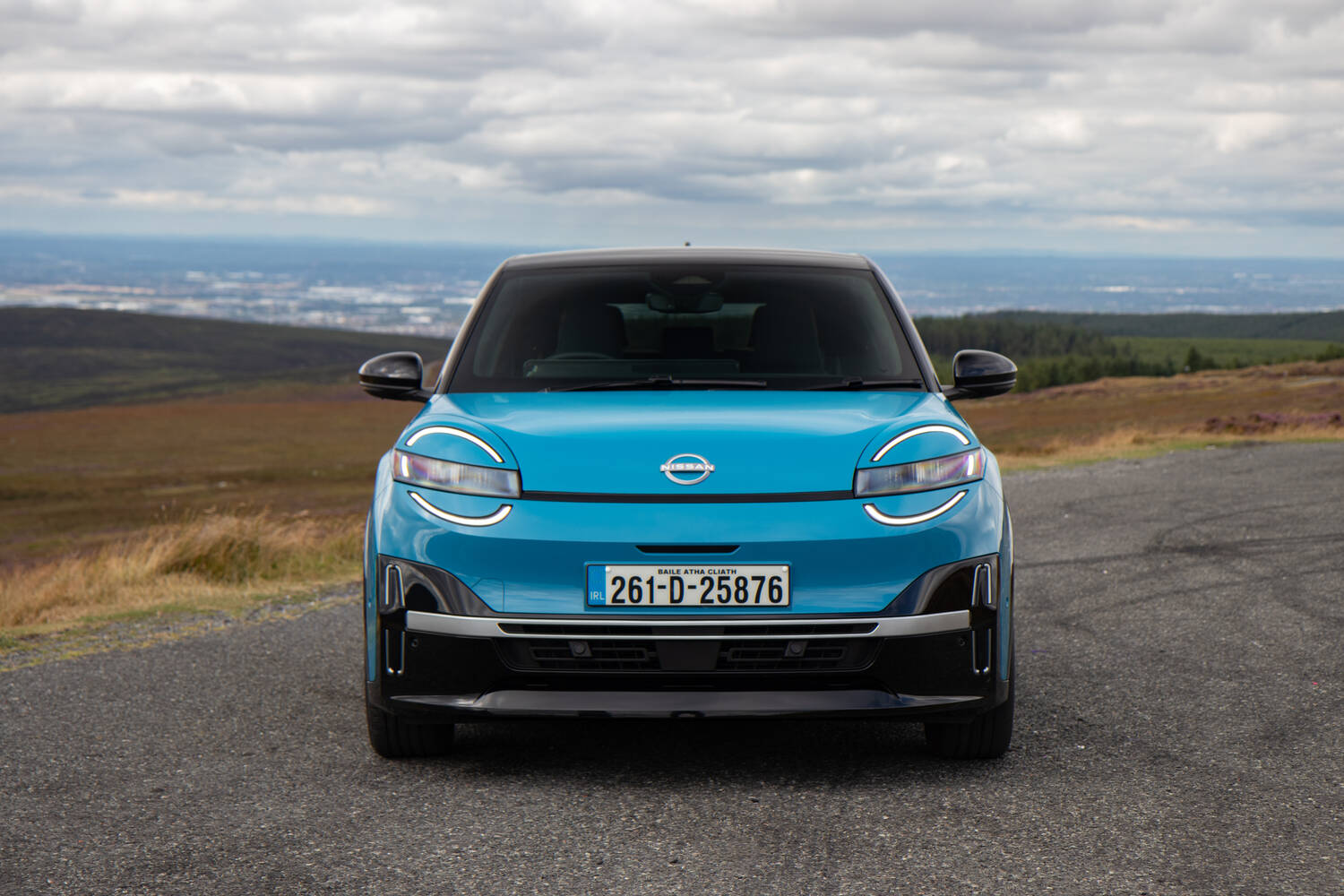
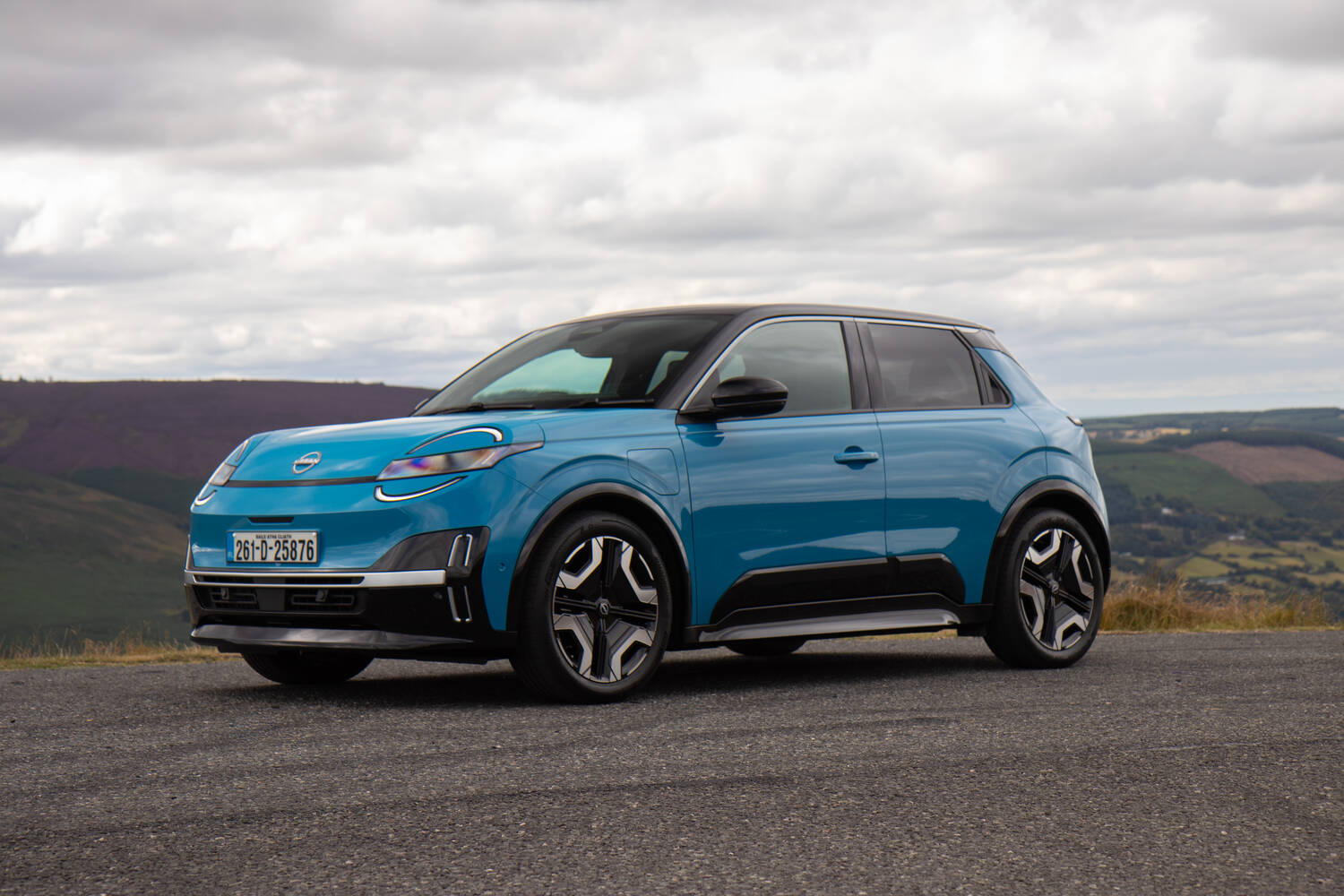
And while the R5 isn't the worst car in the world to share DNA with, we're still glad to see the Micra has a personality all its own, with some obvious nods towards the classic (can we call the Micra a classic now?) 1990s K11 model and the rounded K12 version of the early 2000s.
It's cute, and you could describe it as a bit less overtly sporty looking than its Renault cousin, which some people may prefer.
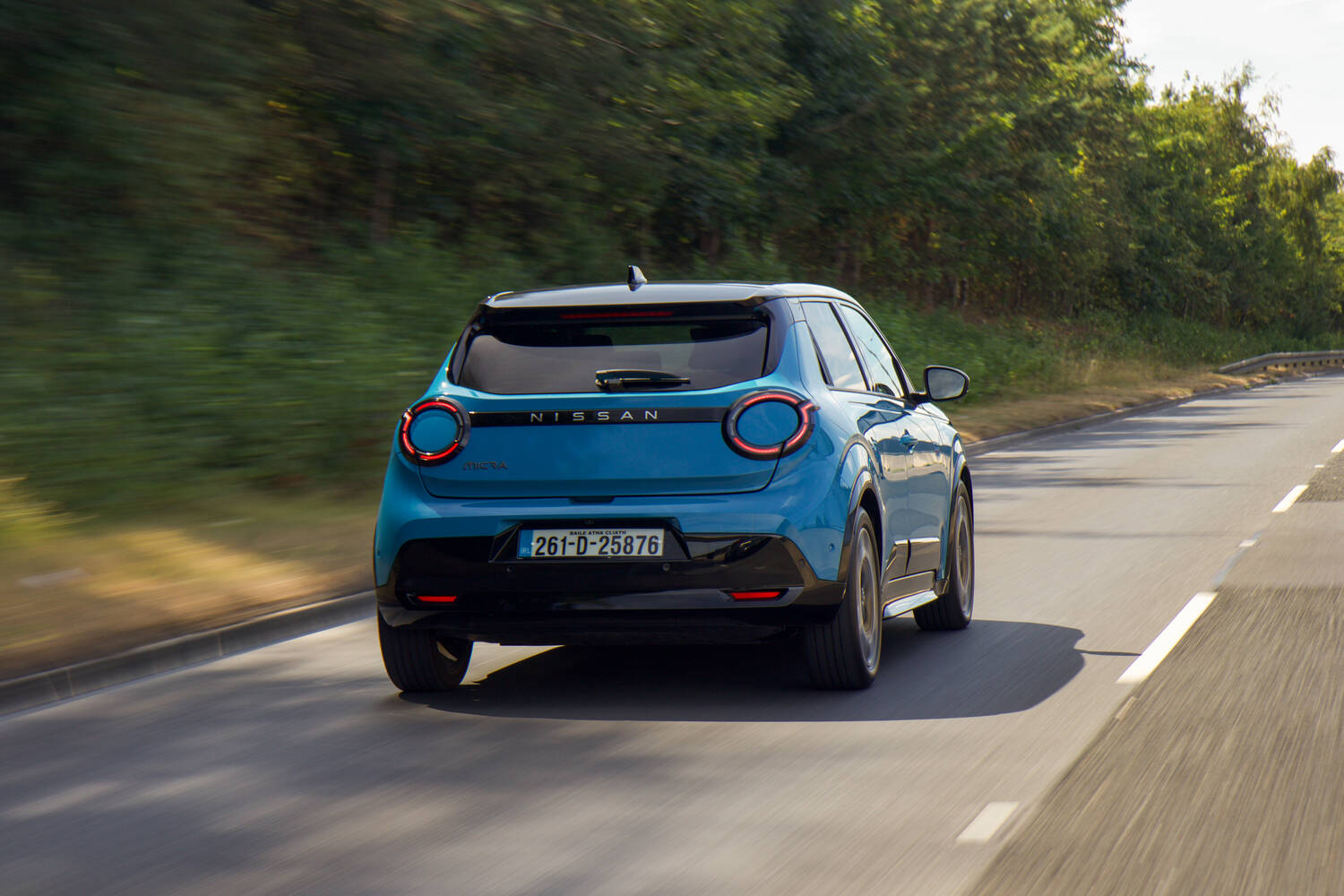
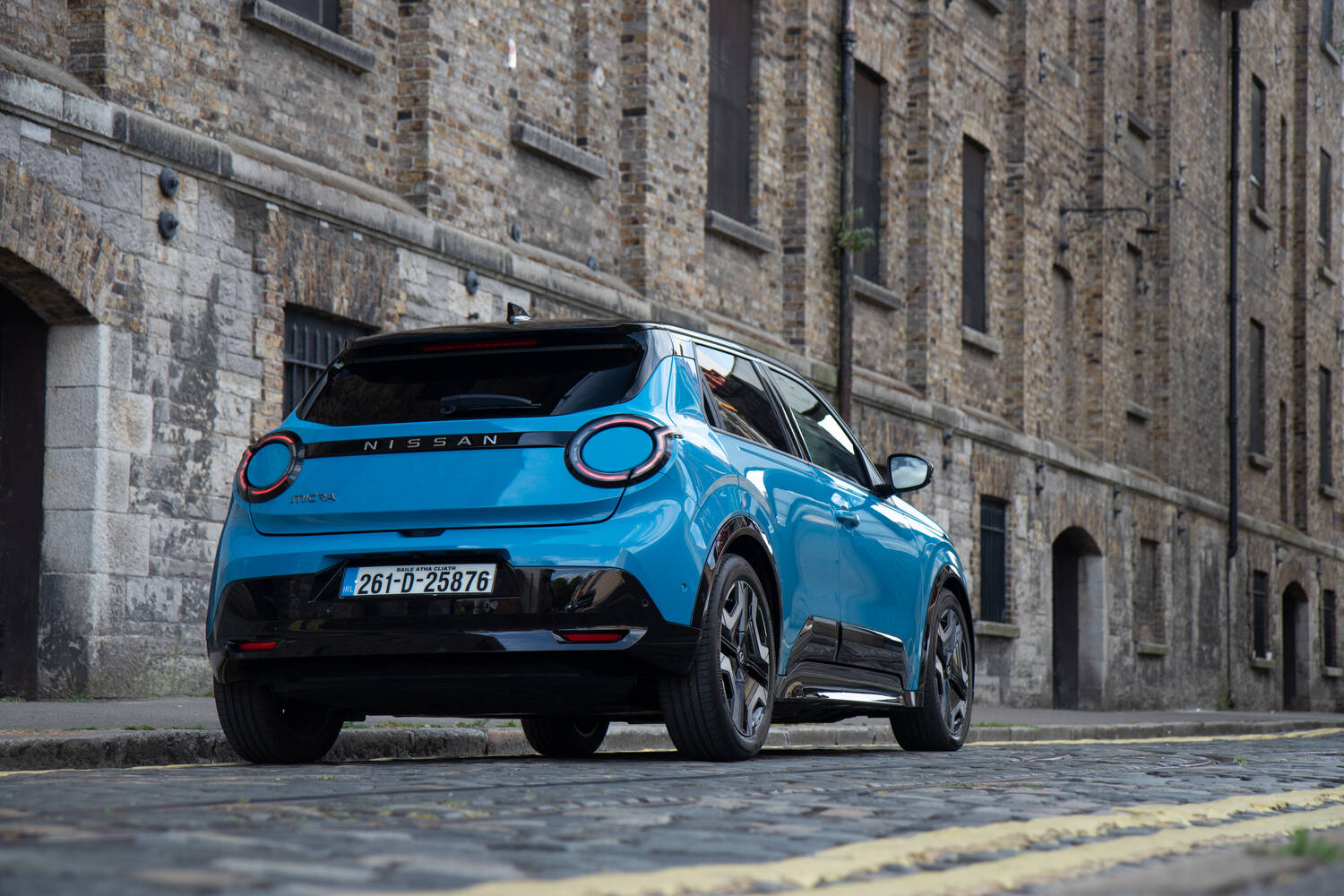
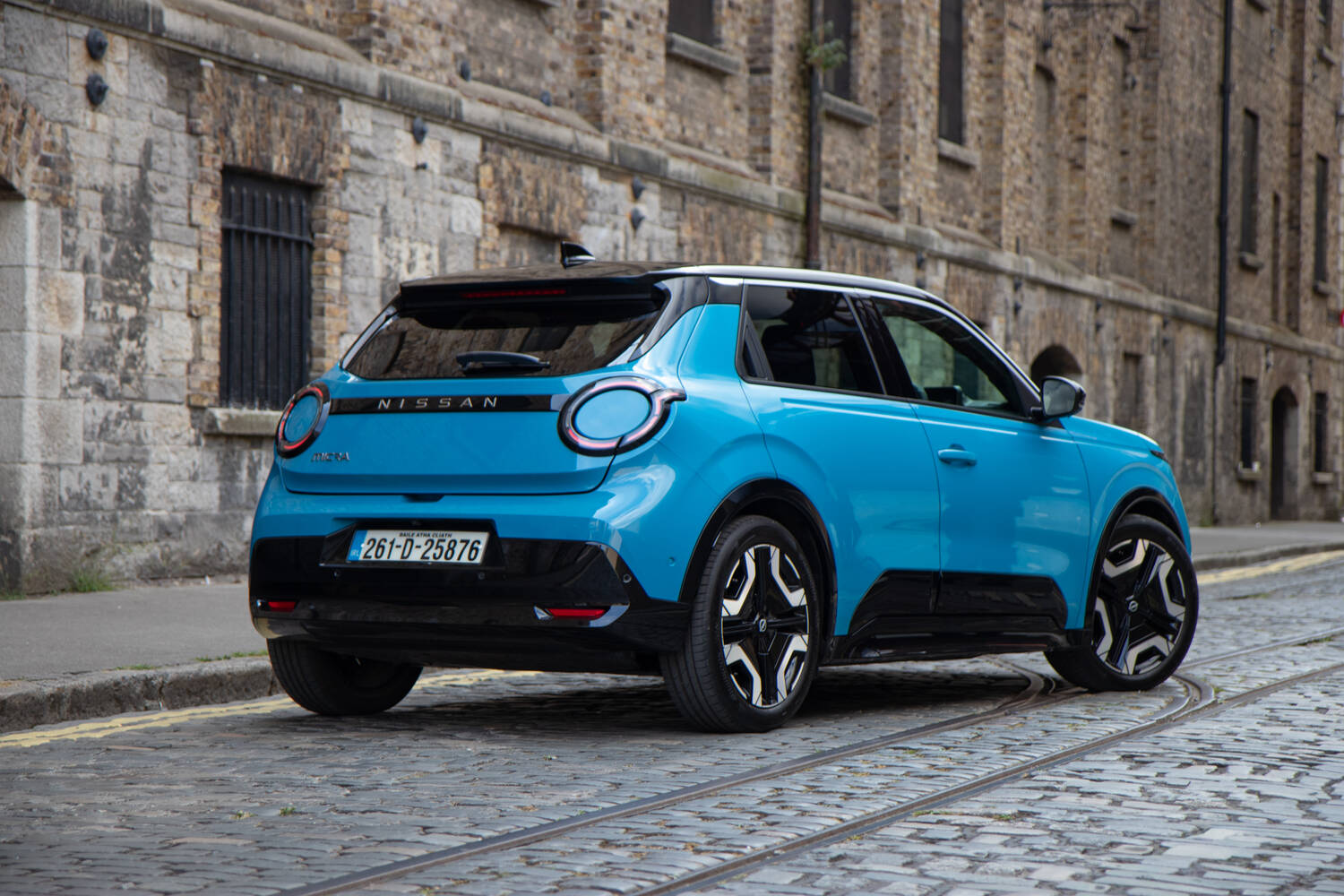
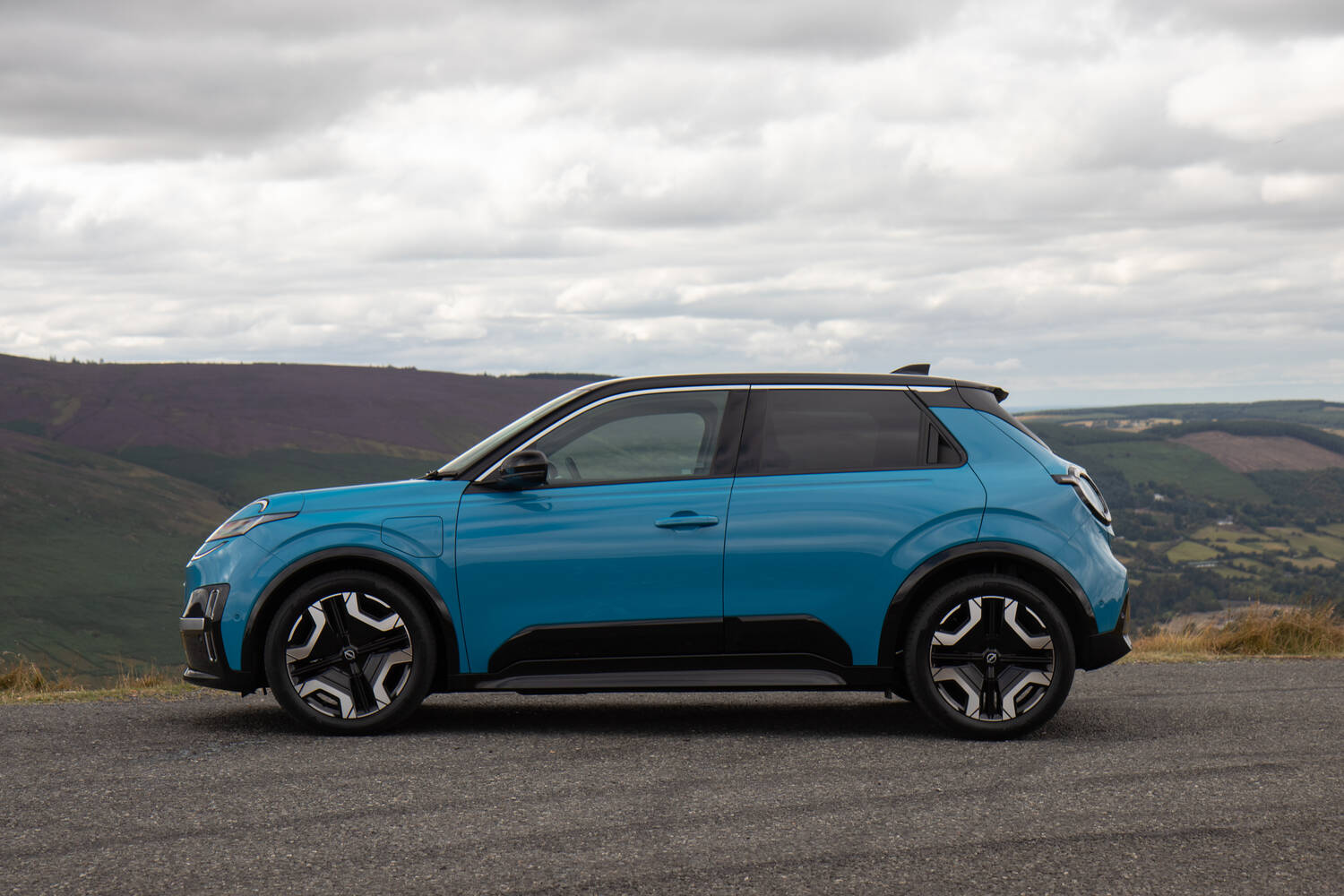
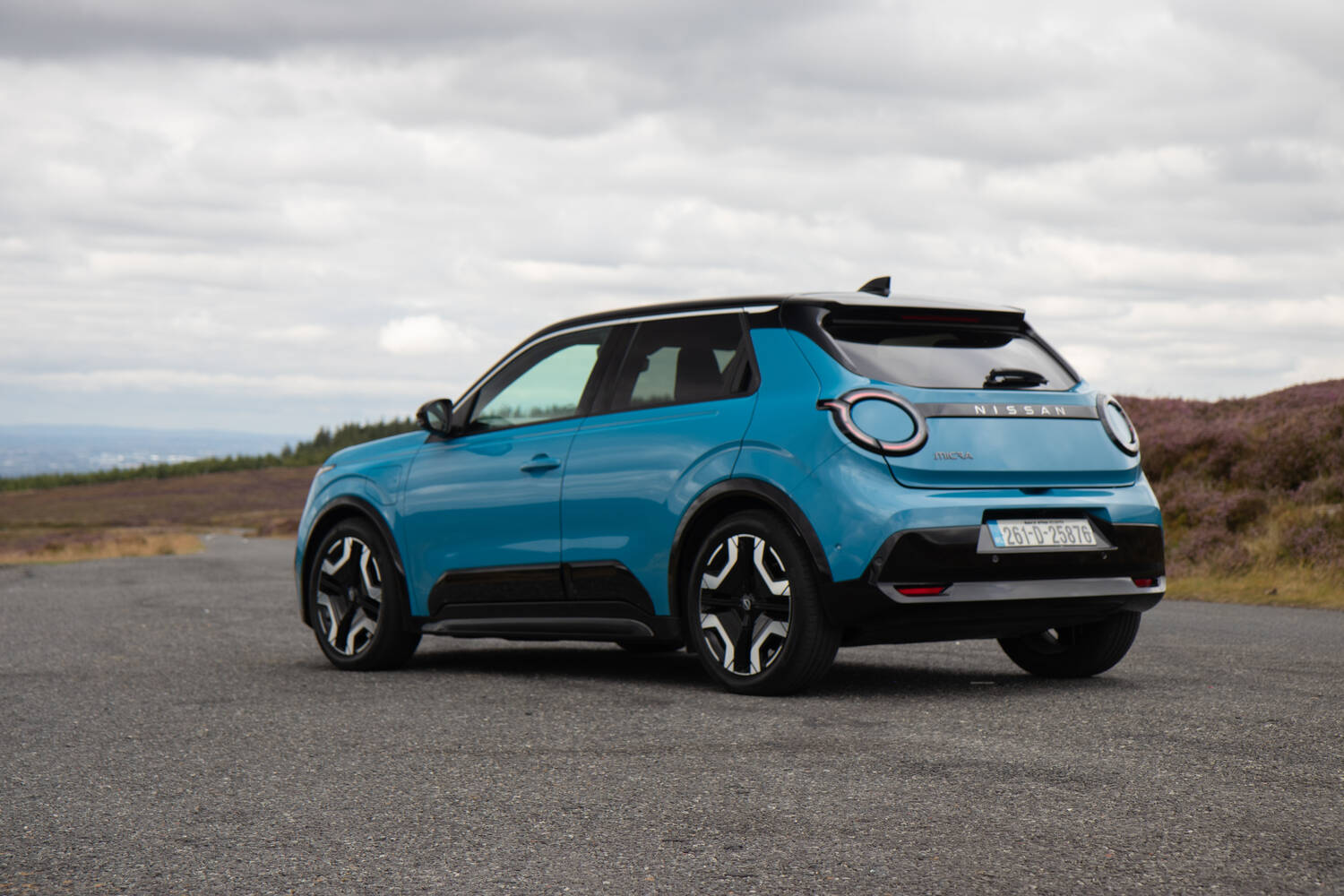
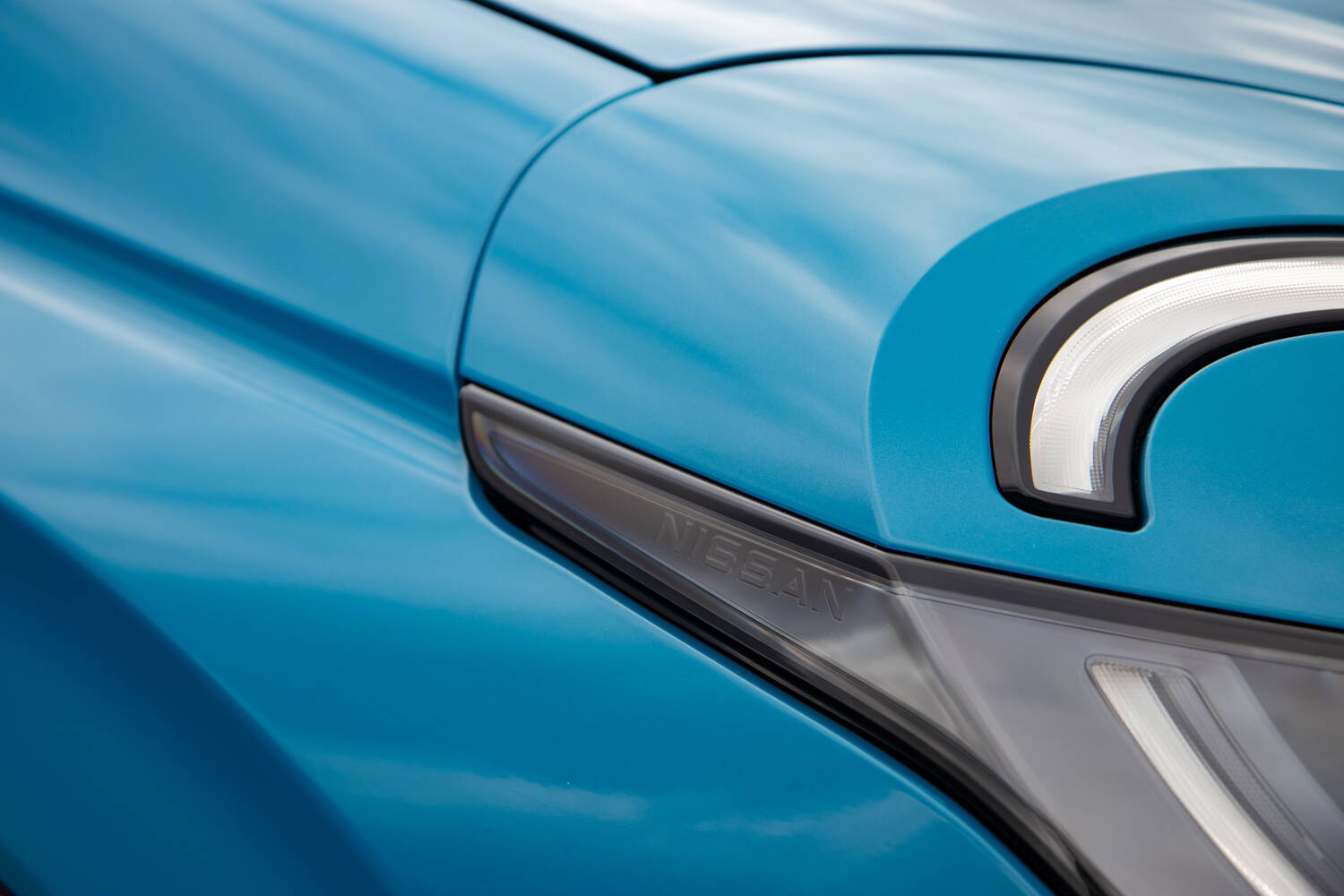
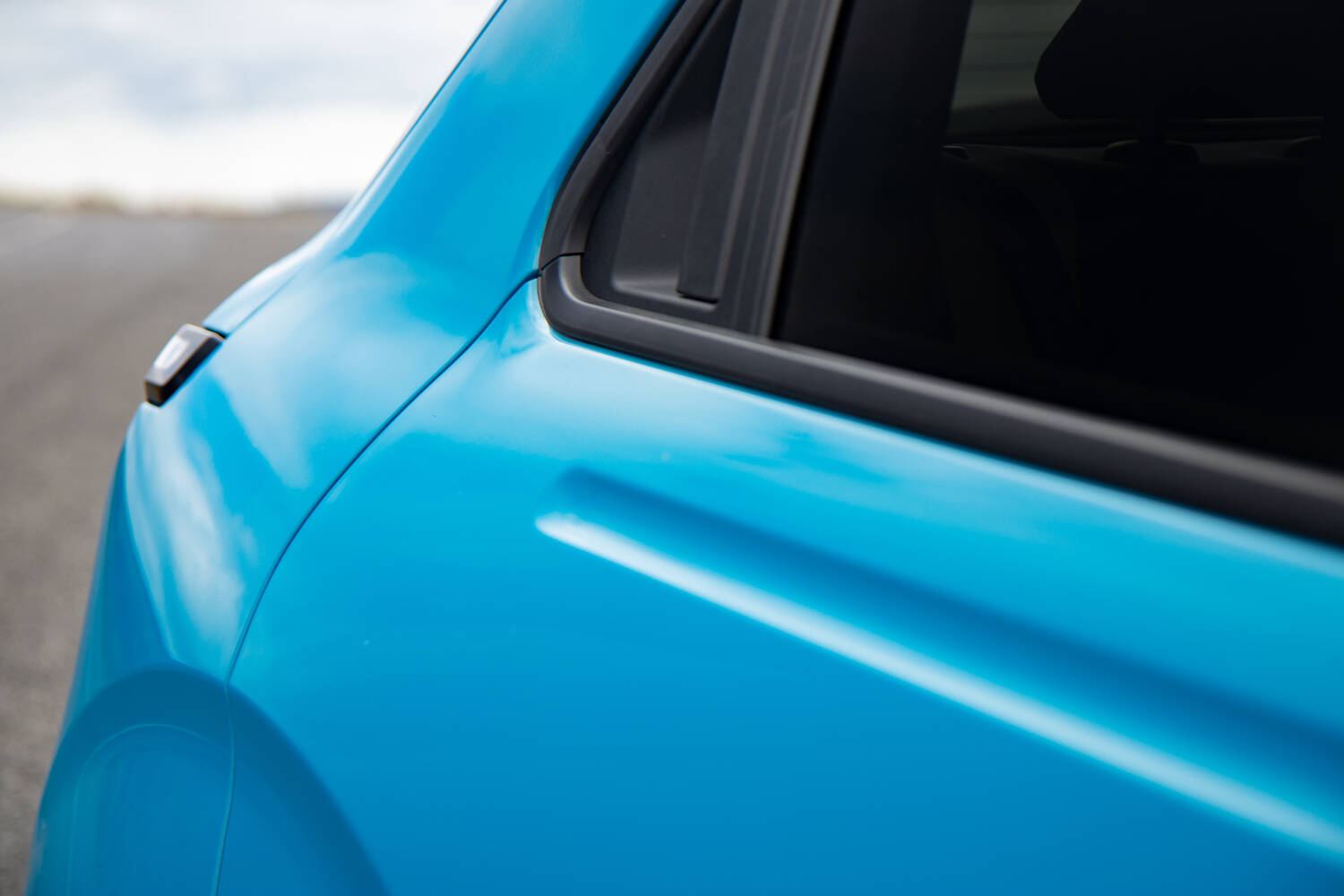
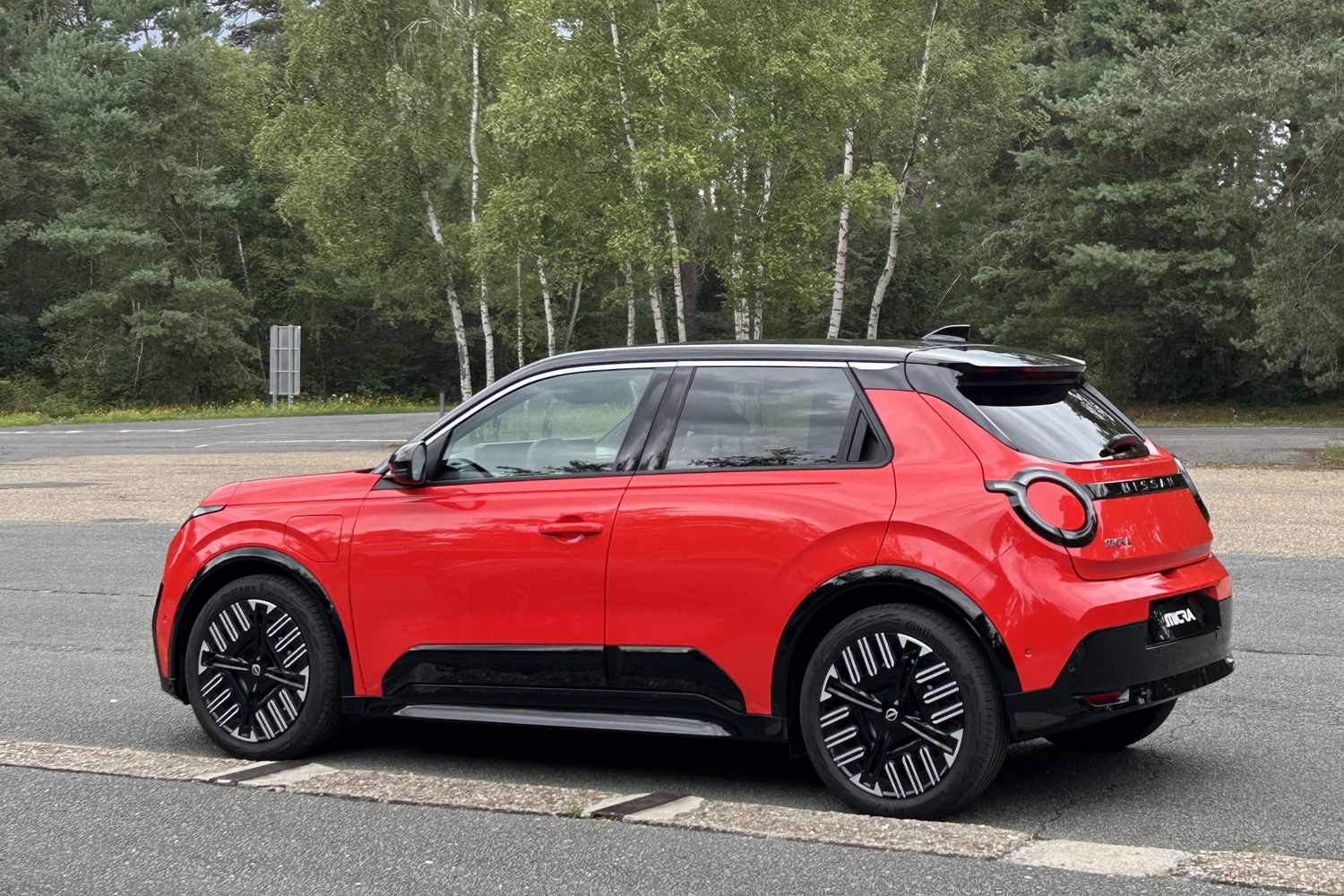
The Micra's look is clearly defined by its round, expressive LED lights front and rear, but don't underestimate the effect of the gloss-black finish for the door mirrors, door sills and unique bumpers front and rear.
They work particularly well with the optional black roof. It's possible to have a grey roof instead with some of the paint colours.
A little titbit of information divulged by a Nissan engineer at the original press-drive event tells us that the Micra causes a little less drag through the air than the equivalent Renault 5, which helps explain the Nissan's slightly longer official range using the same battery capacities.
Paint colours for the 2026 Nissan Micra
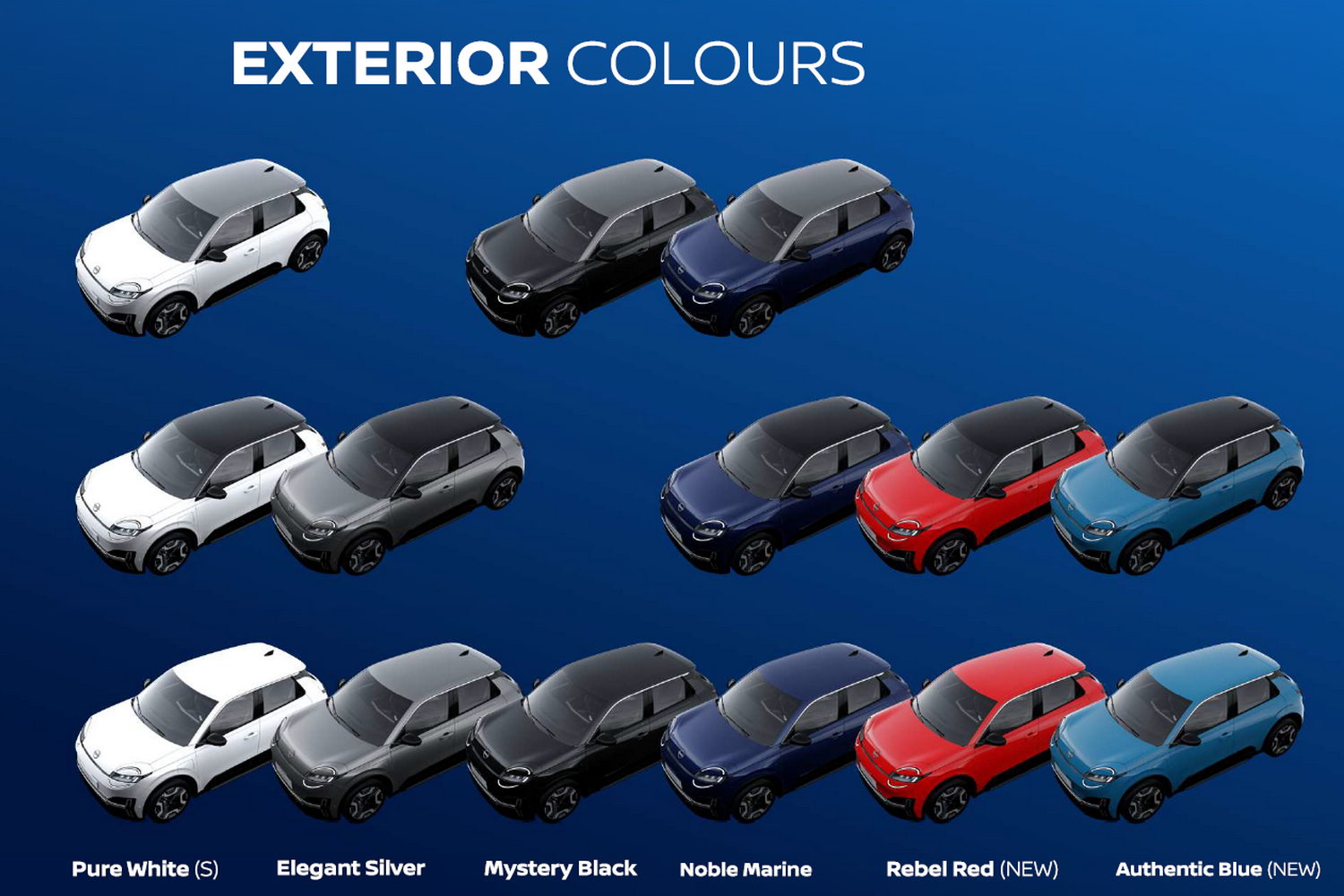
Pure White paint is the Micra's no-cost colour, and after that you can choose from five metallic shades - Rebel Red (no doubt set to be popular in Cork...); Authentic Blue (which has a hint of the electric Nissan Leaf's teal colour to it); Elegant Silver; Mystery Black; and Noble Marine, which is a dark navy blue. They all cost €600 extra.
For €300 on top of that, you can have a contrasting black or grey roof, which works really nicely with the Micra's styling, although note that the contrasting grey roof is only available with the Noble Marine, Mystery Black and Pure White options.
Interior, practicality, tech & comfort of the 2026 Nissan Micra
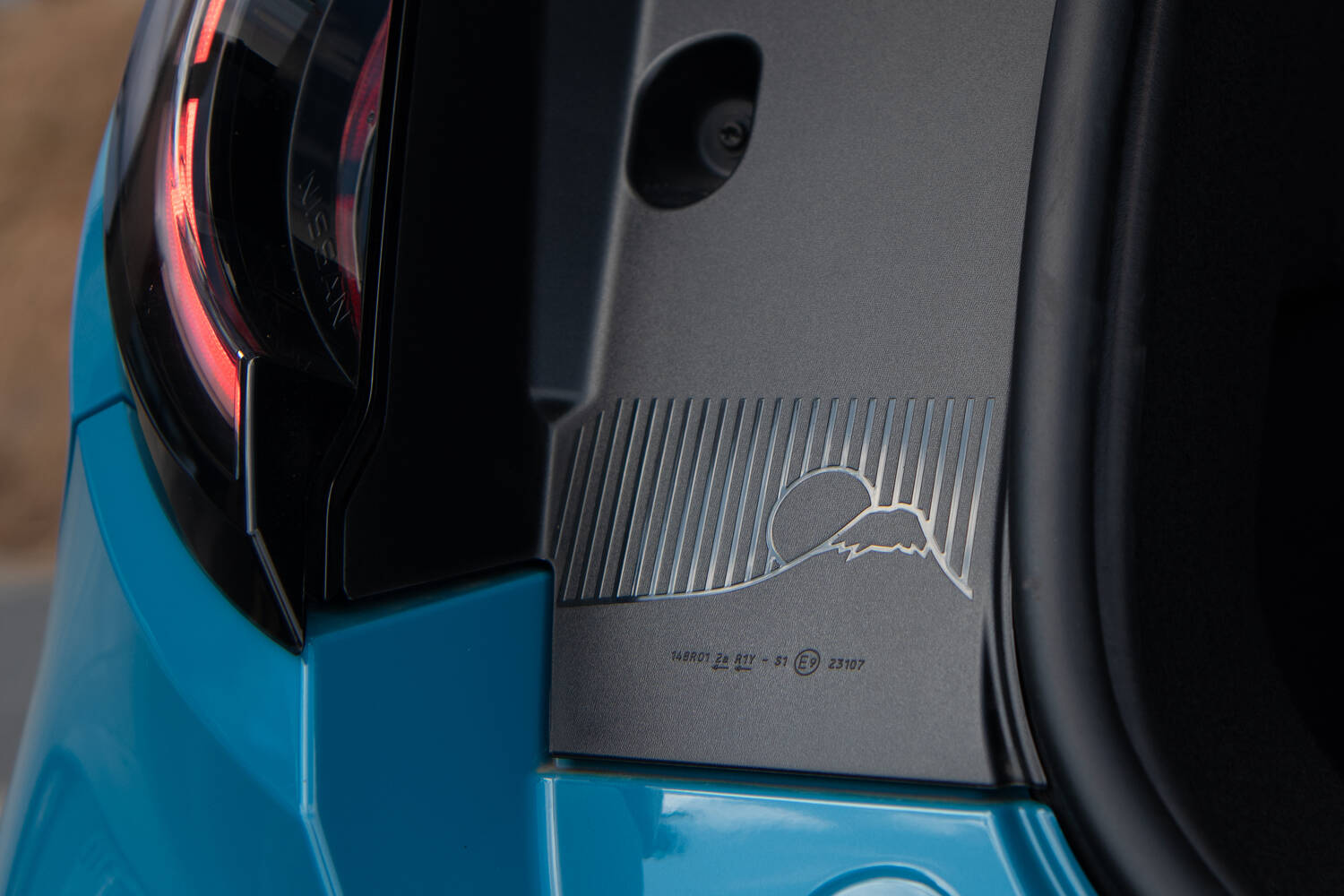
- Look for Mount Fuji motifs
- Excellent infotainment
- Three interior themes
Getting comfortable in the driver's seat
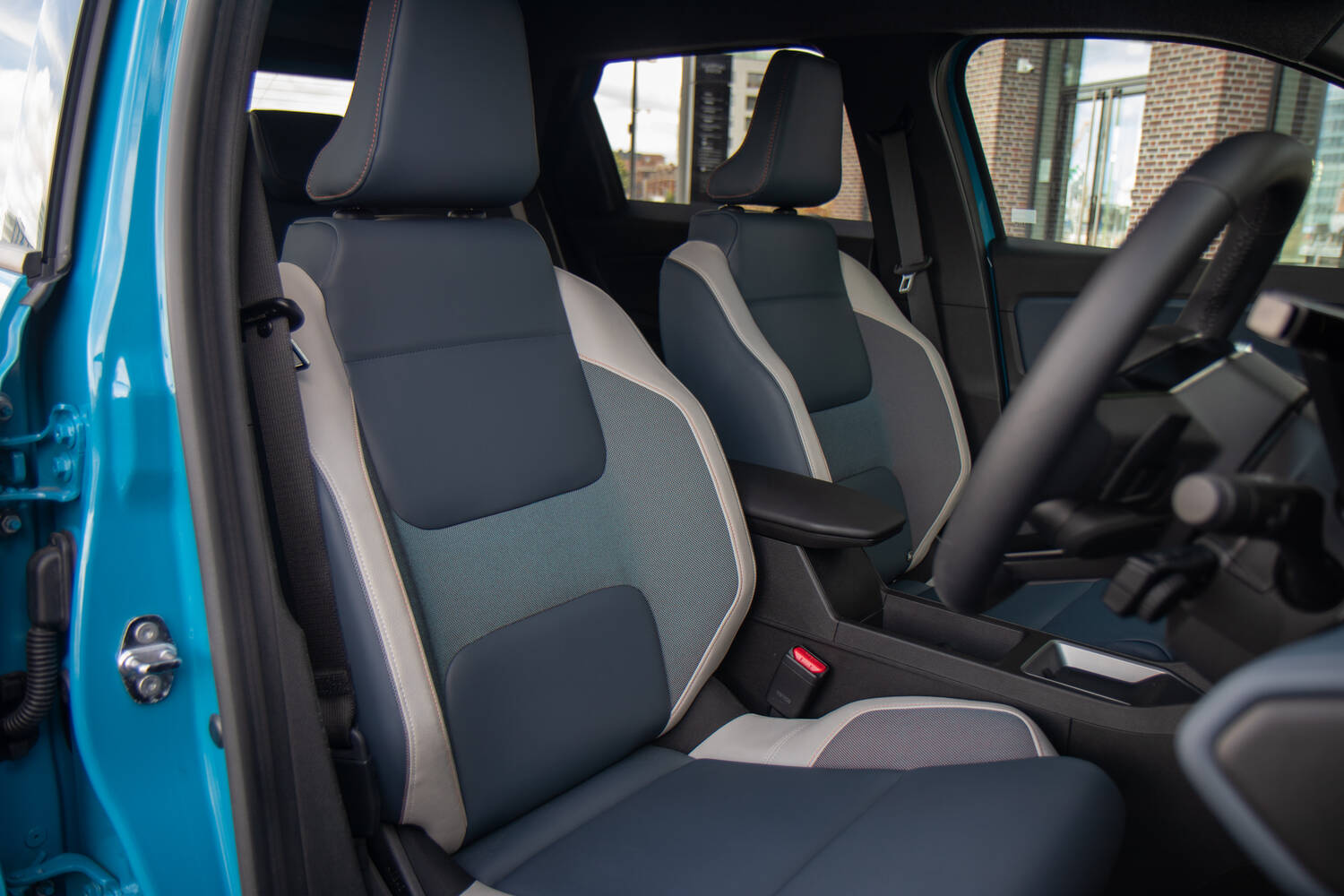
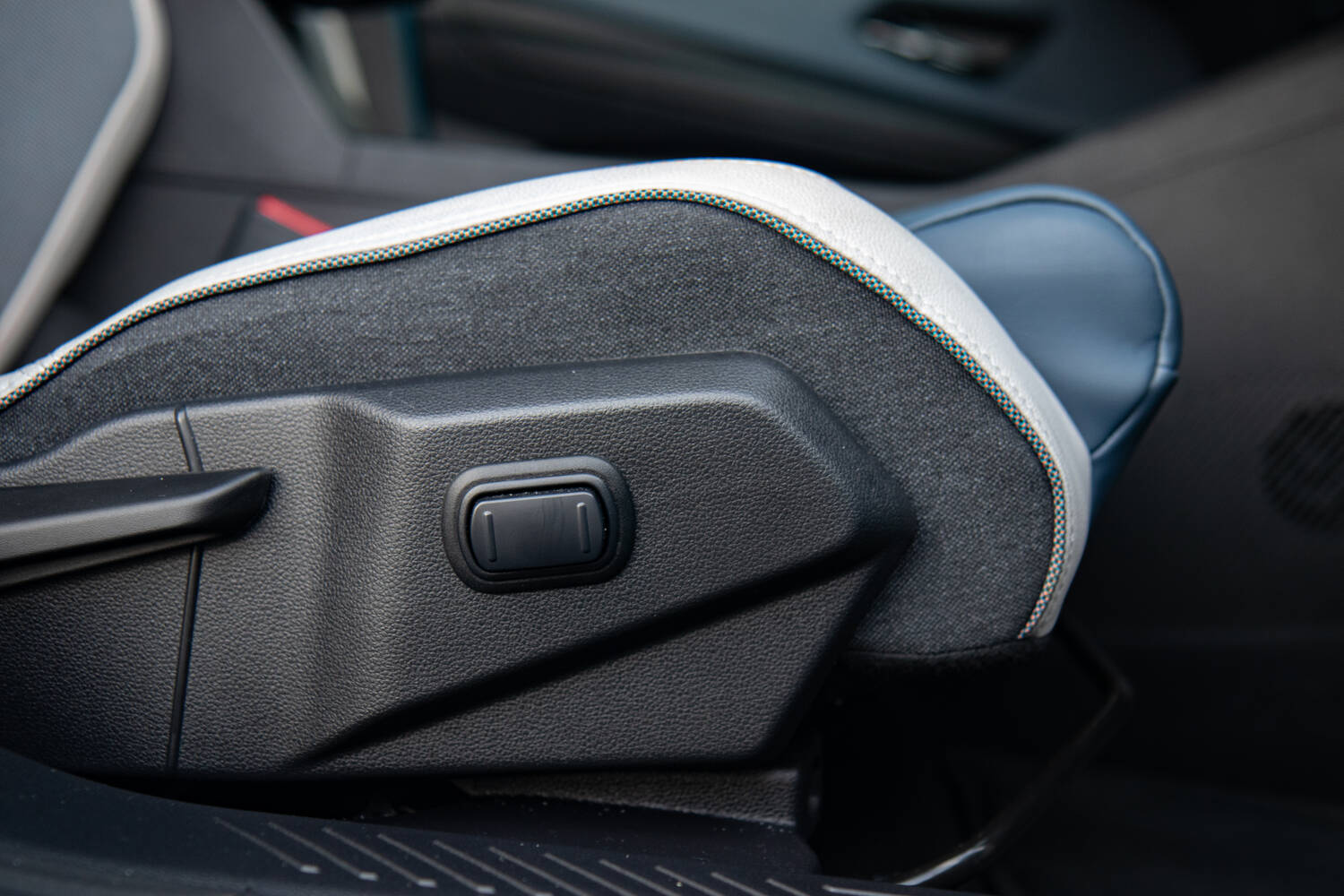
The Micra's right-hand front seat is high-backed, supportive and has height adjustment, so it should be easy enough for most people to get into a comfortable driving position.
The three-spoke steering wheel, which is slightly flat at the top and bottom, has generous adjustment for reach and rake, so most shapes and sizes of driver should be easily accommodated.
Infotainment and technology
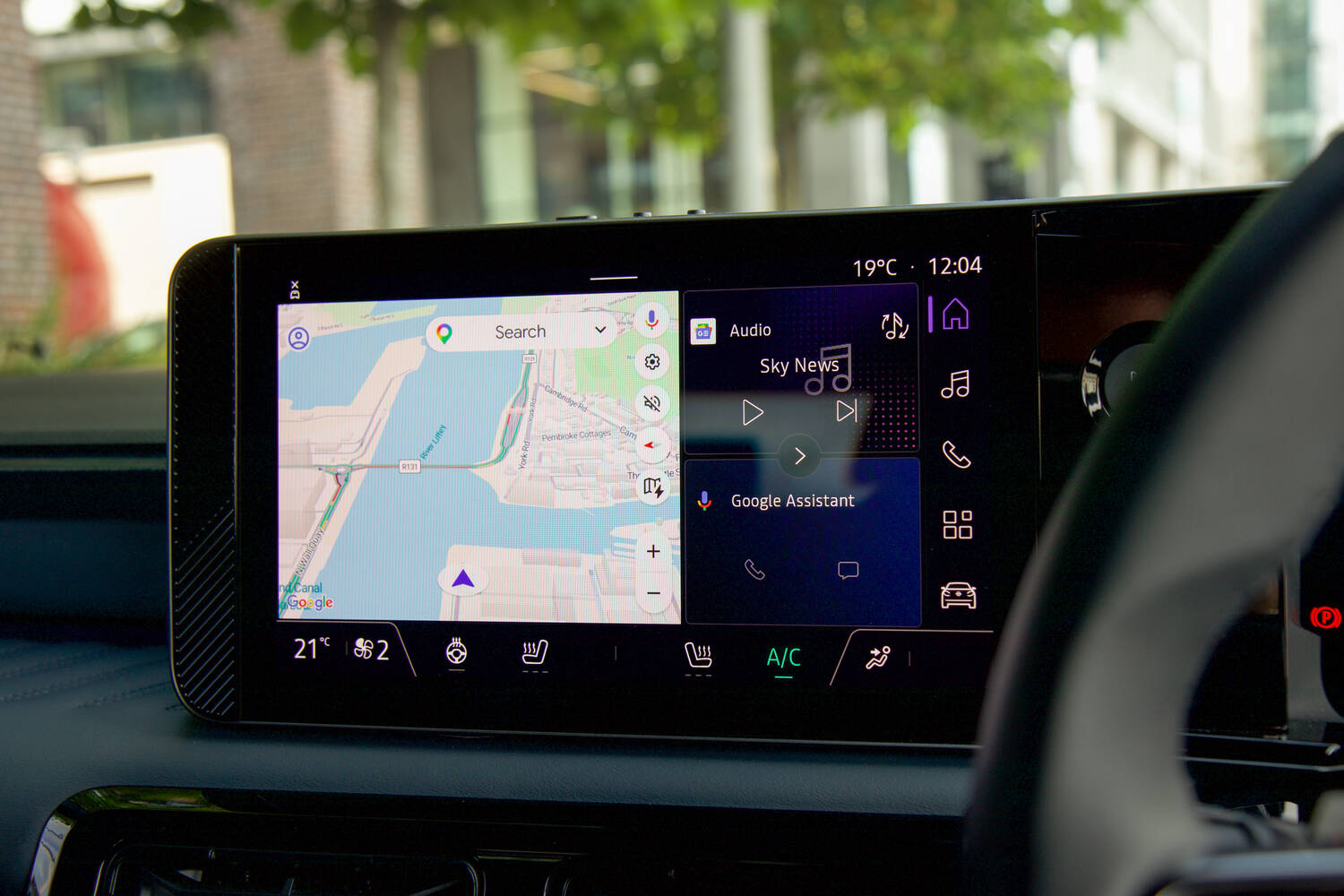
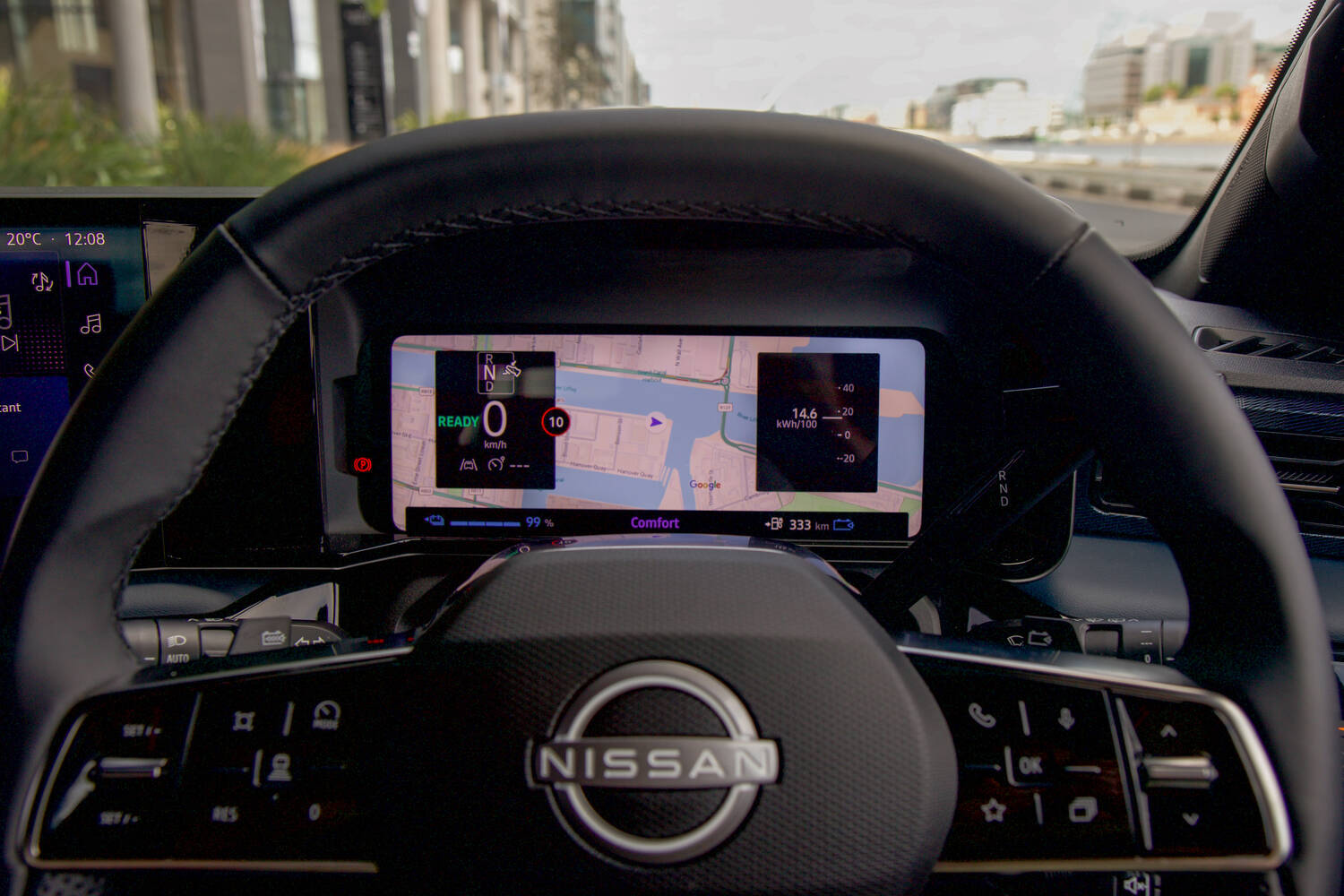
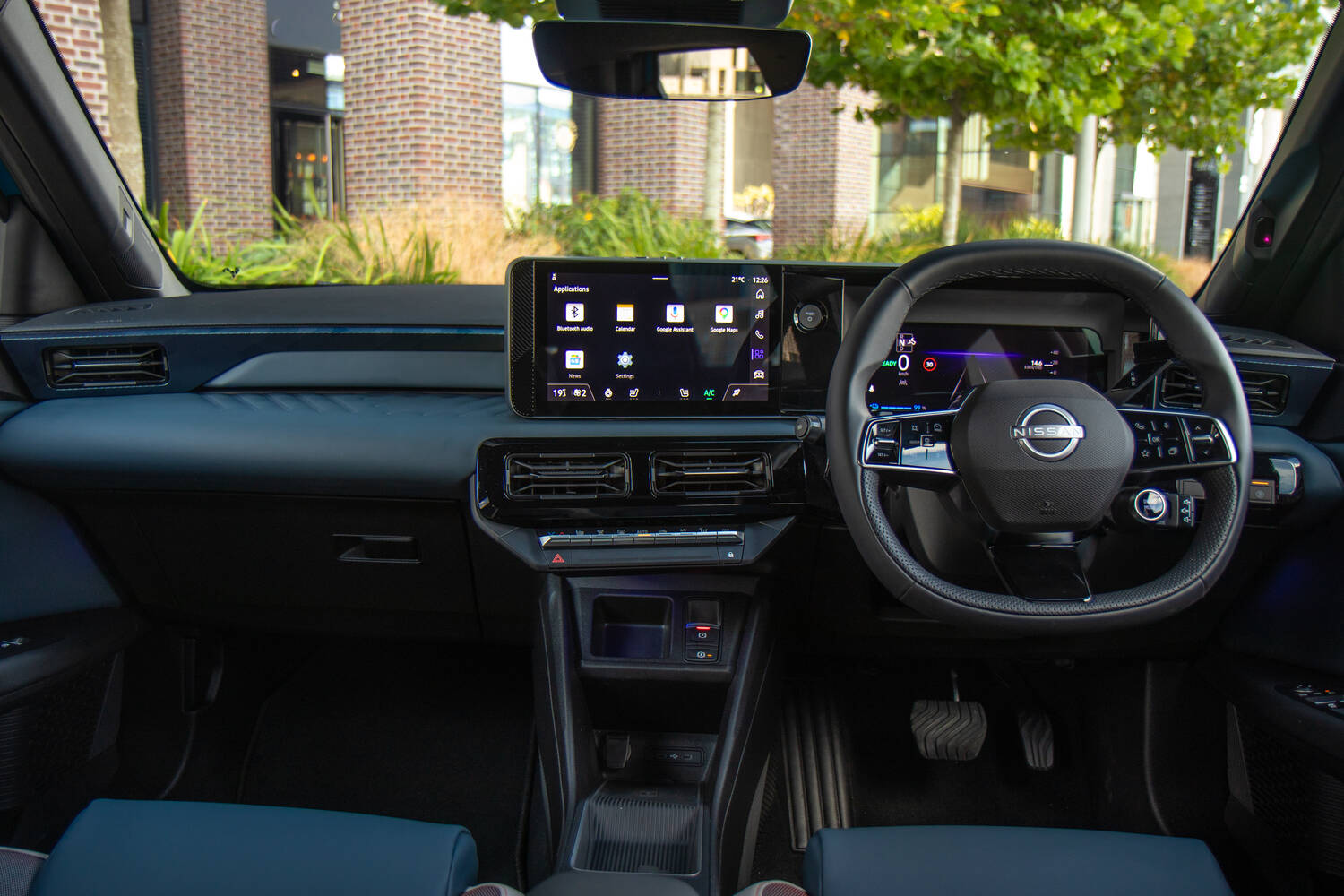
You won't find the same retro-inspired dashboard padding, headlining or seat upholstery in the Micra as has been so well received in the Renault 5, but most of the rest of the cabin is retained, including the excellent dashboard layout featuring two 10.1-inch screens side by side.
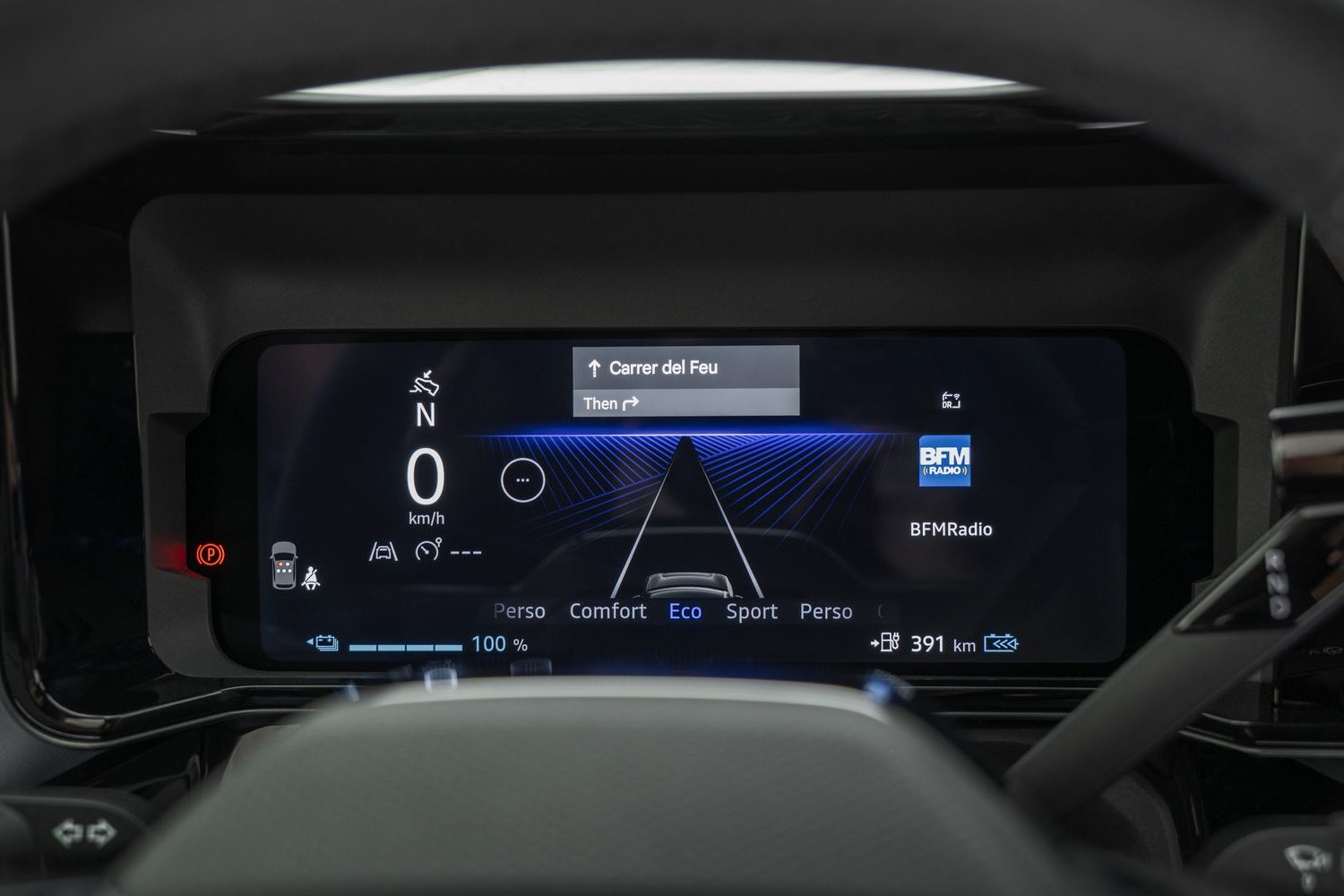
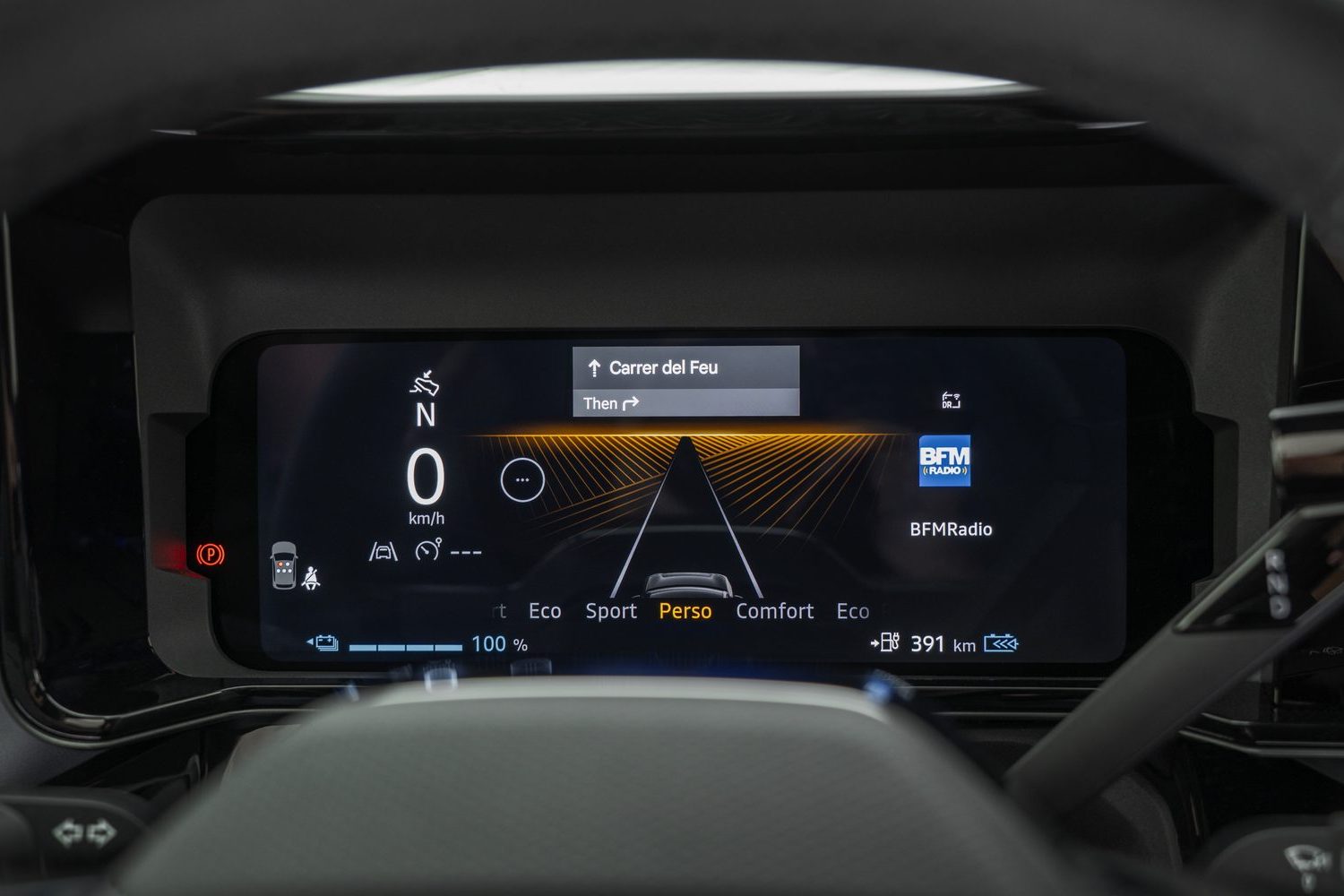
One of those is for the digital instrumentation, the other a touchscreen for infotainment. The latter has Google built in and integrated with the car, so Google Maps has an electric-car route planner, Google Assistant is configured to interface with the Micra and Google Play allows you to download various apps, including streaming services.
The screen shape and layout can occasionally make the displays look a touch squashed, but overall it's among the best in any car at any price.
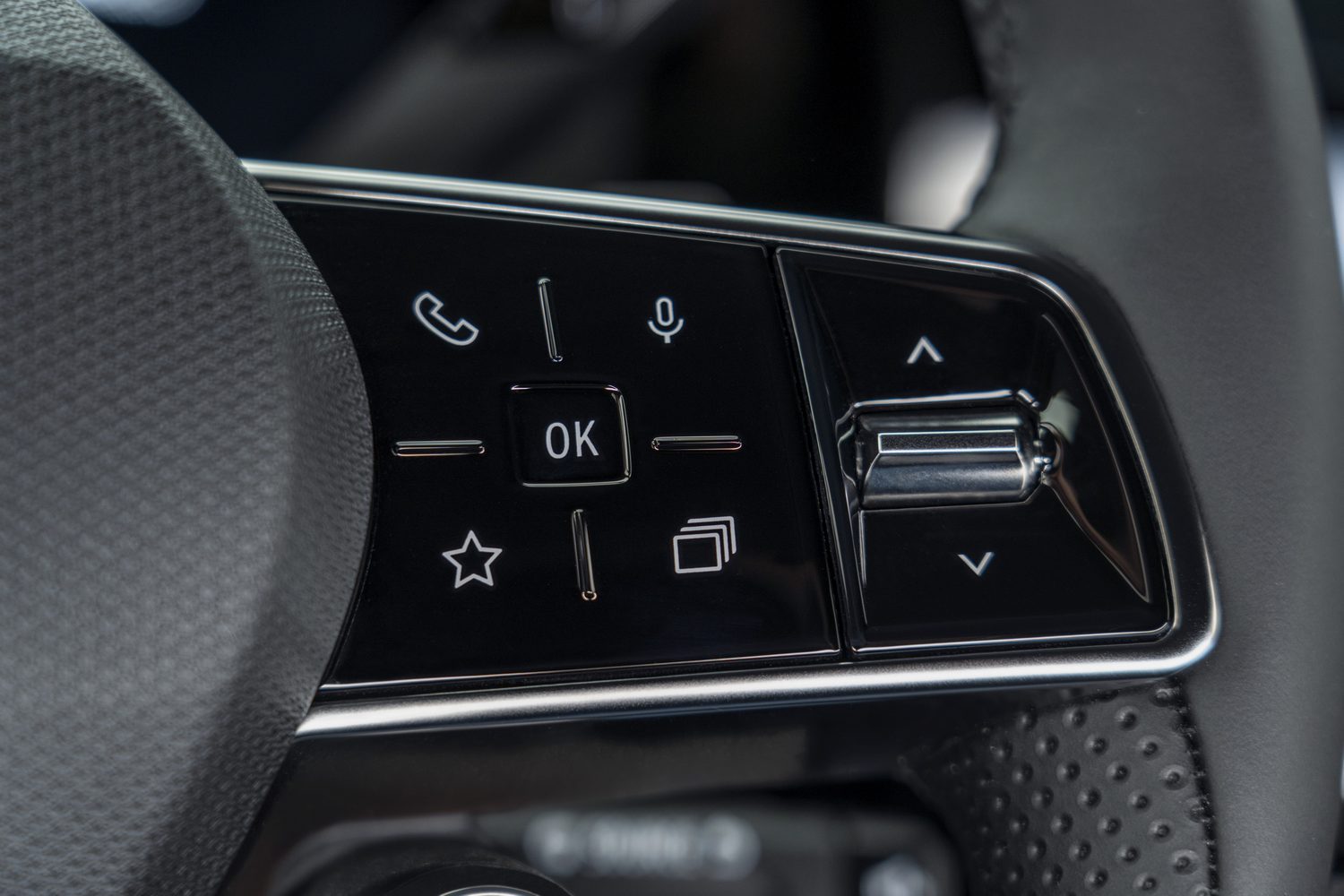
All of that is very useful and it works well, but it's the presence of physical switchgear for the air conditioning underneath that we're most happy to see. It's a shame, then, that the area behind the steering wheel (which also has plenty of tactile physical buttons) is so crowded.
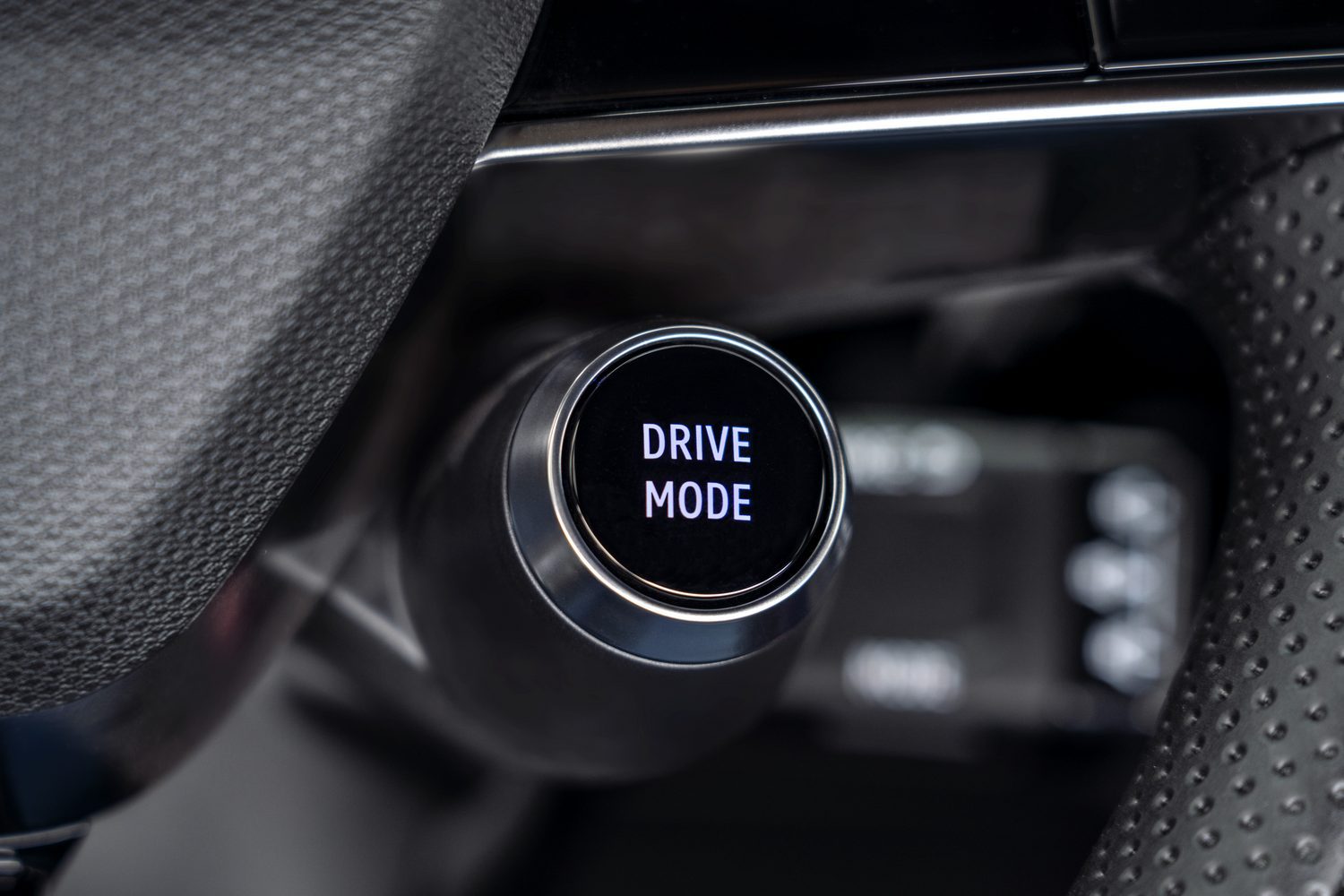
On the left side is the indicator stalk, which is fine, but on the right are the wiper stalk, the drive selector and a chunky extra set of controls for stereo volume, etc.
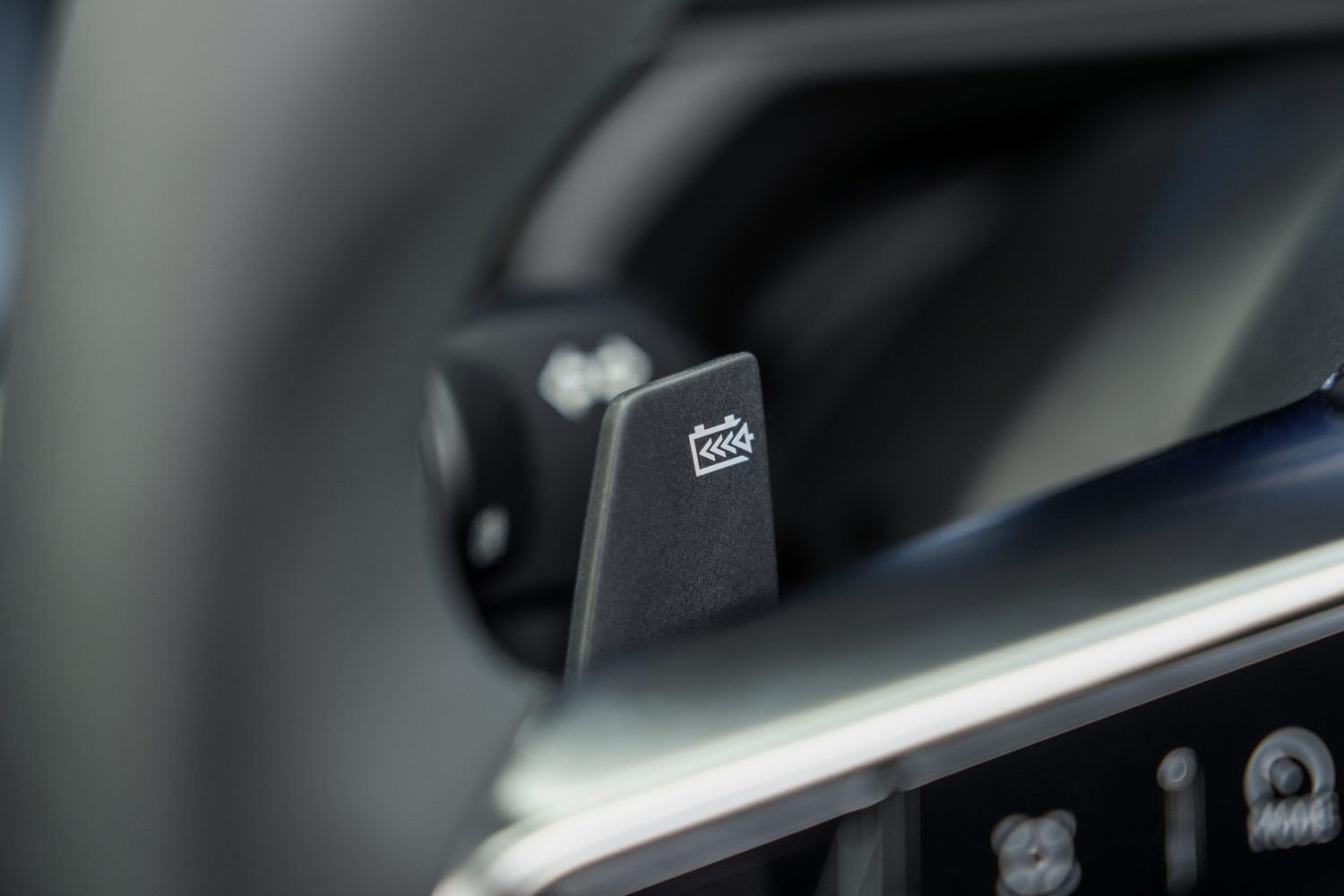
Not to mention the paddles on the back of the steering wheel to alter the level of the brake-energy regeneration system. It doesn't take long to acclimatise to the layout and, smartly, none of the individual stalks feels the same, so you couldn't accidentally put the car into reverse when all you want to do is turn up the volume on your favourite tune.
Practicality around the cabin
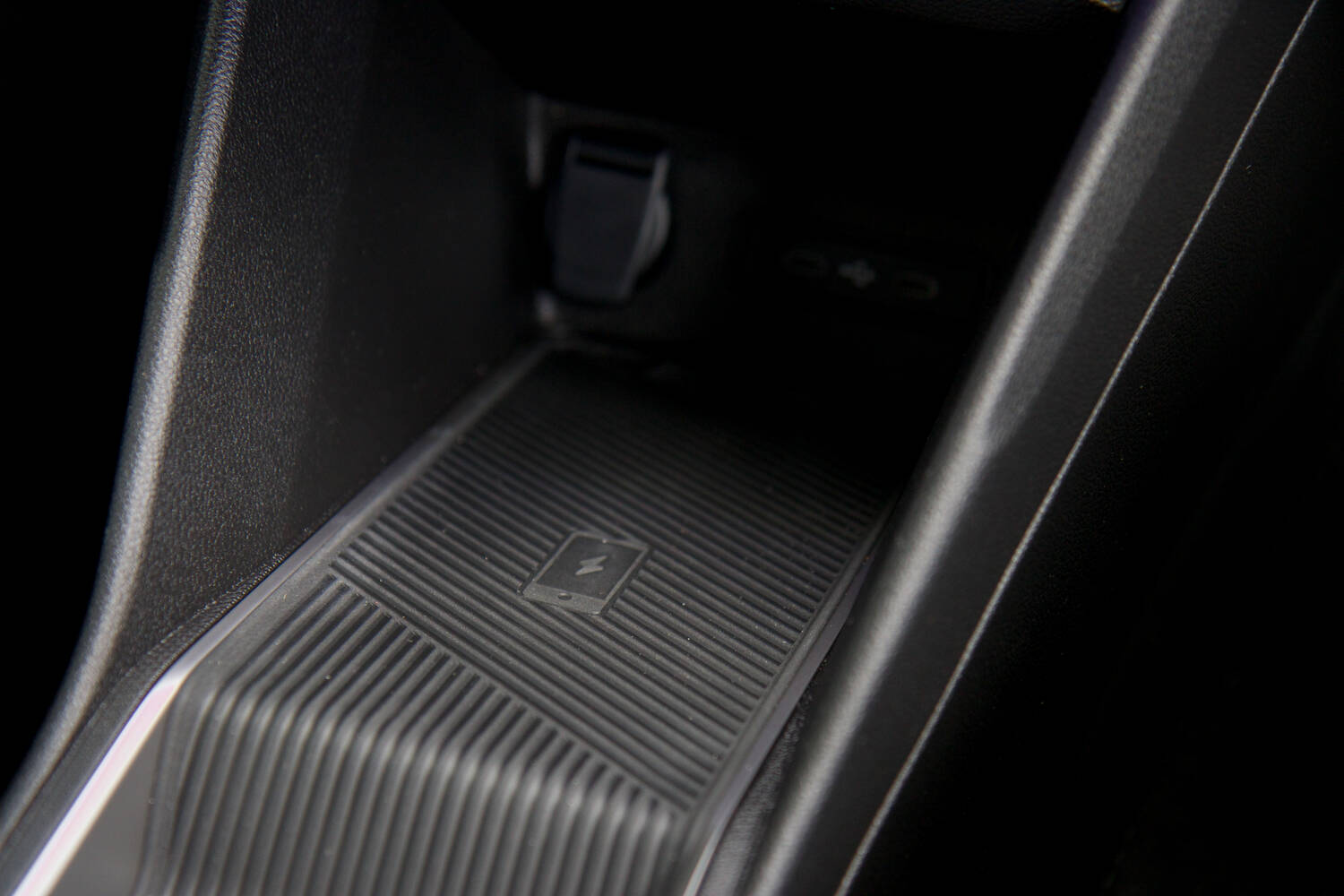
The positioning of the drive selector does at least free up the space between the front seats, where you'll find loads of storage room for odds and ends, plus a little covered bin under the central armrest.
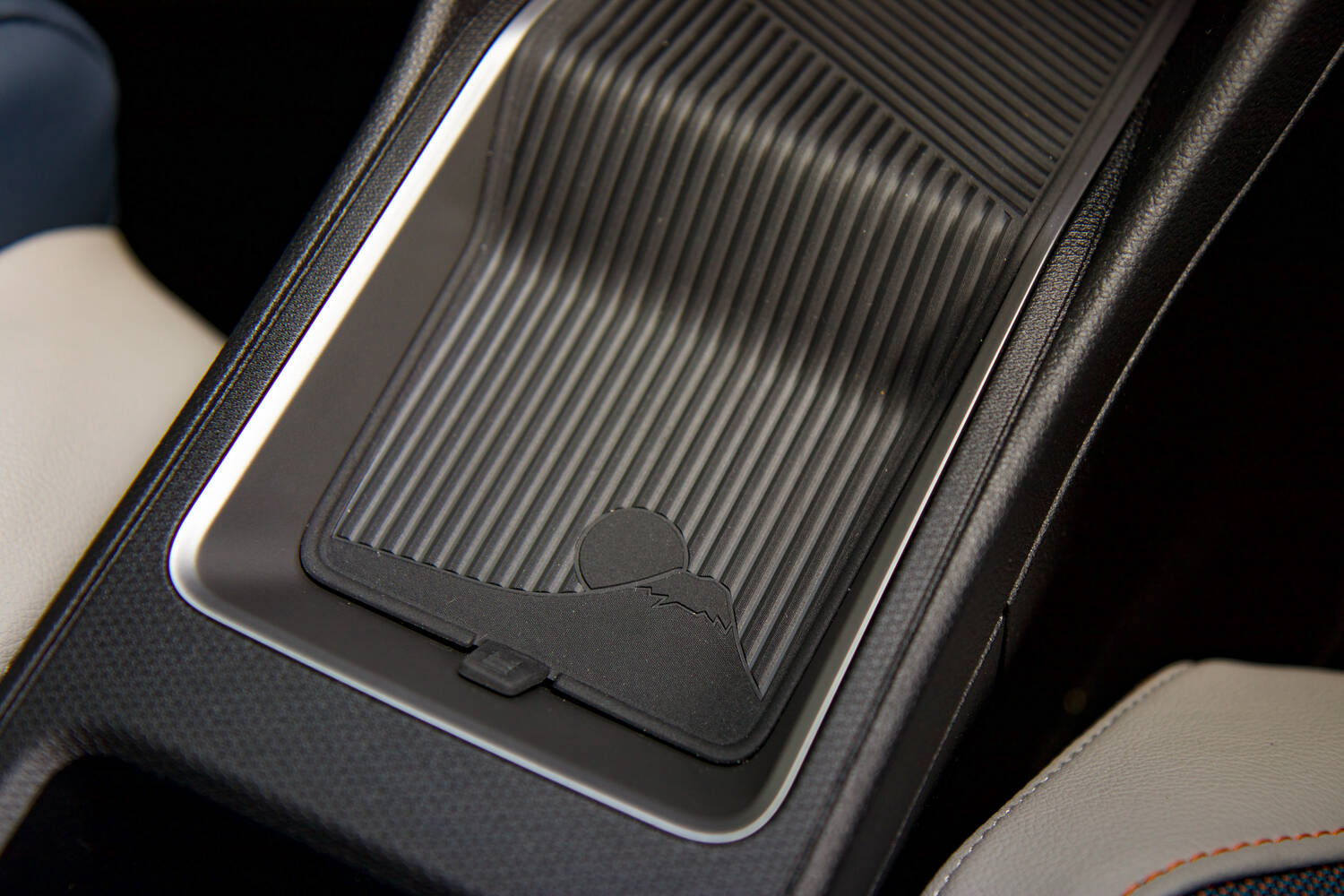
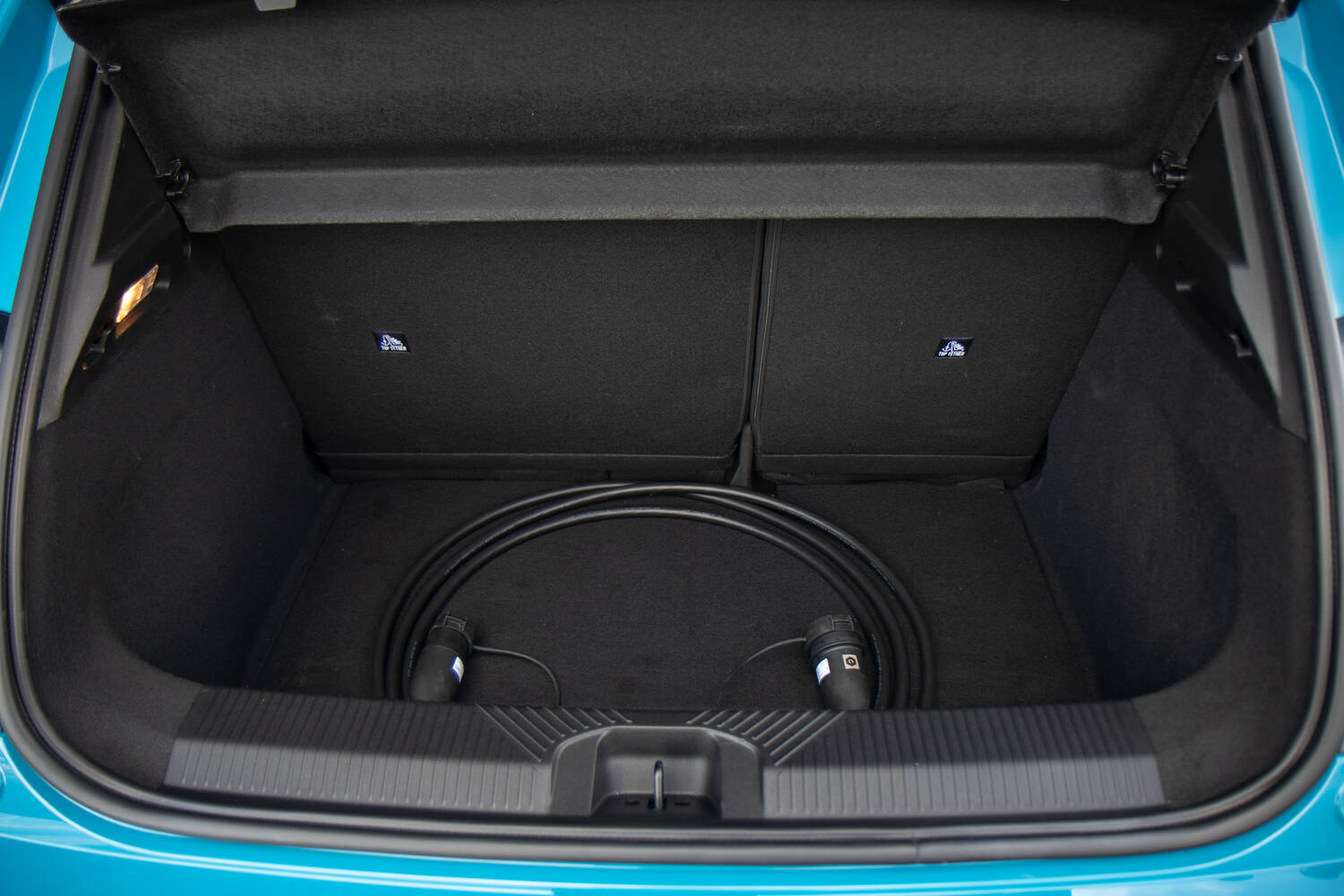
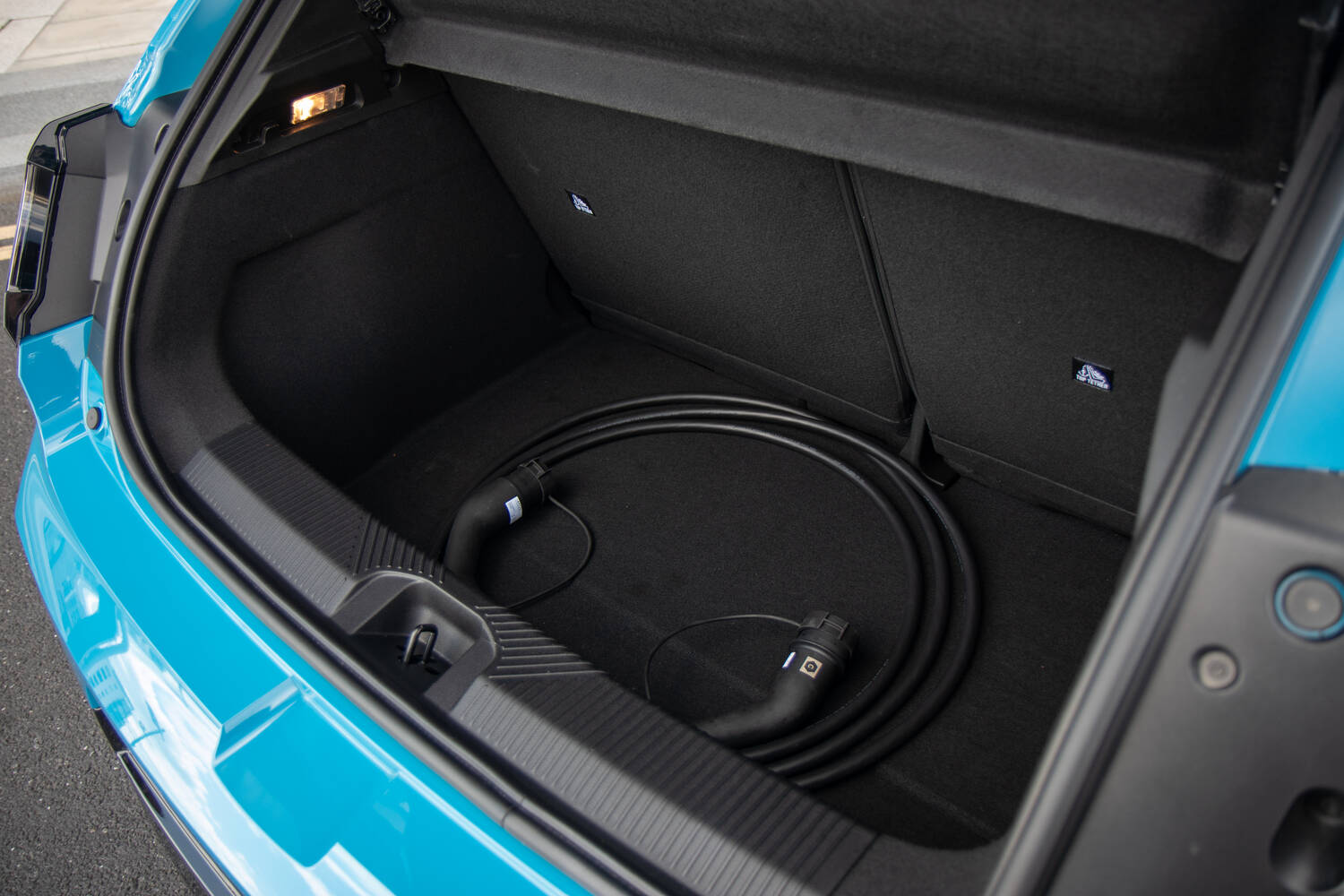
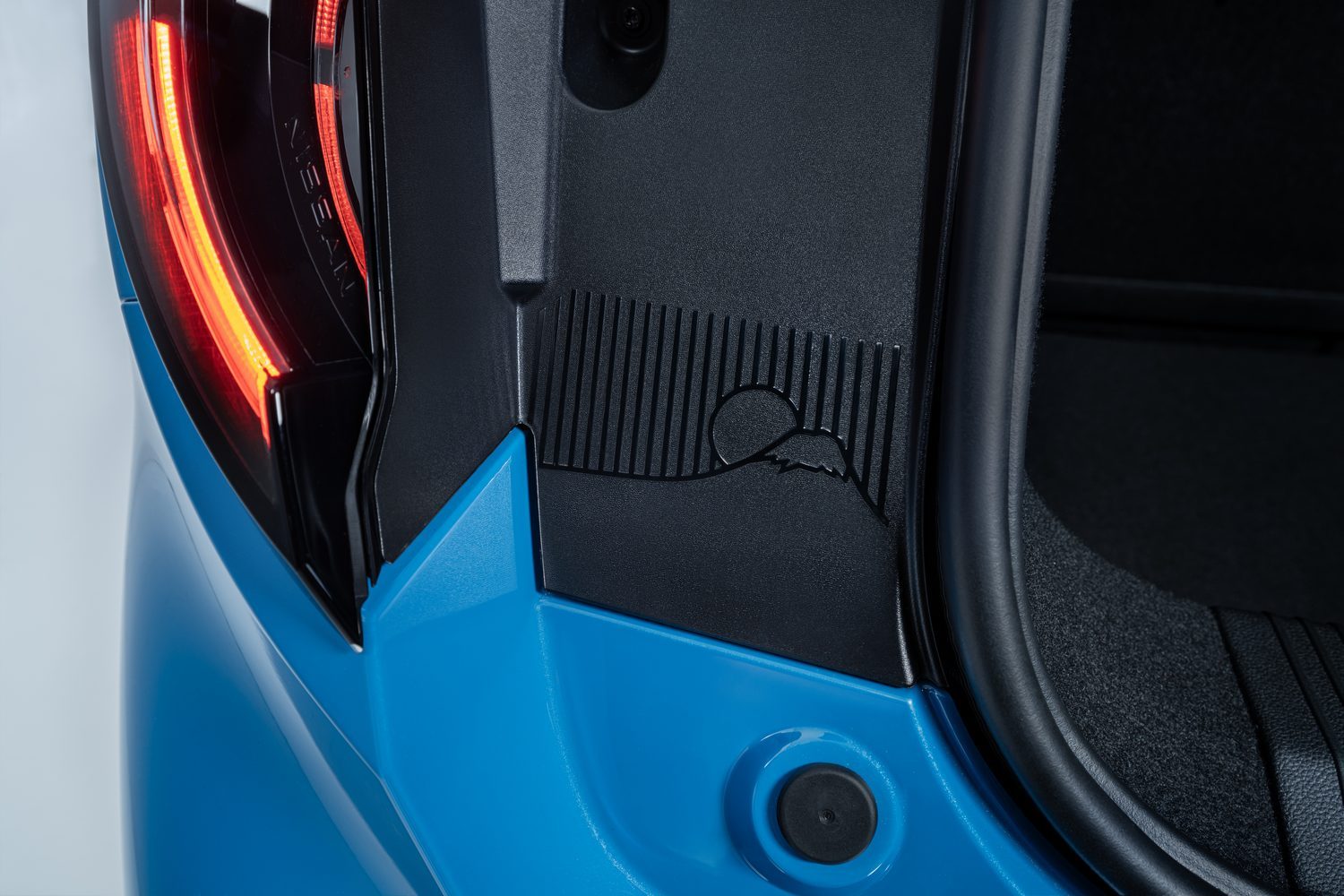
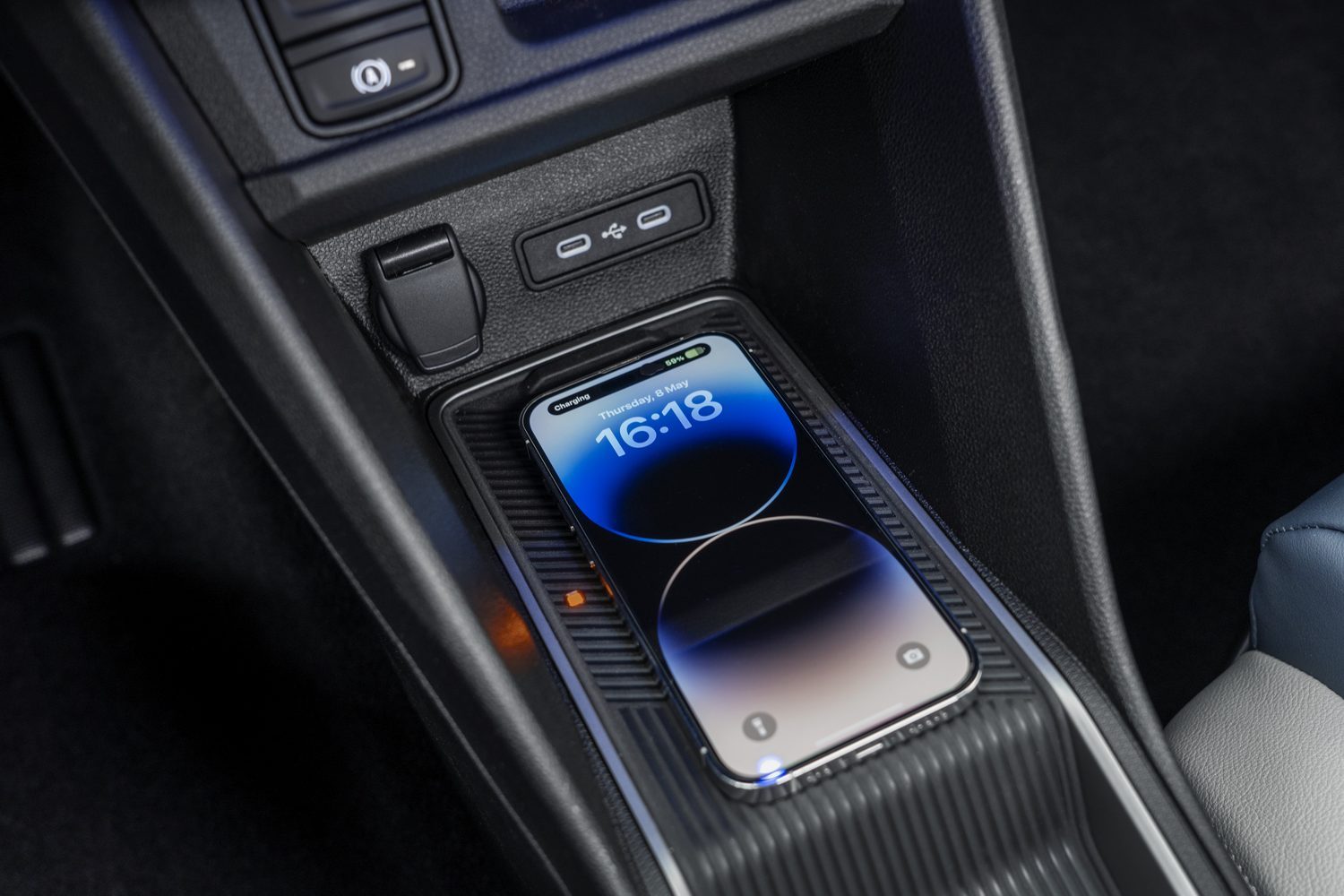
Ahead of that is a rubberised area that's part of the wireless phone charger, featuring a subtle Mount Fuji graphic - a neat nod to Nissan's homeland of Japan. The same motif can be found in the boot when you open the hatch.
Two USB-C ports and a 12-volt socket are provided, with another USB outlet for rear passengers.
Rear-seat passenger space
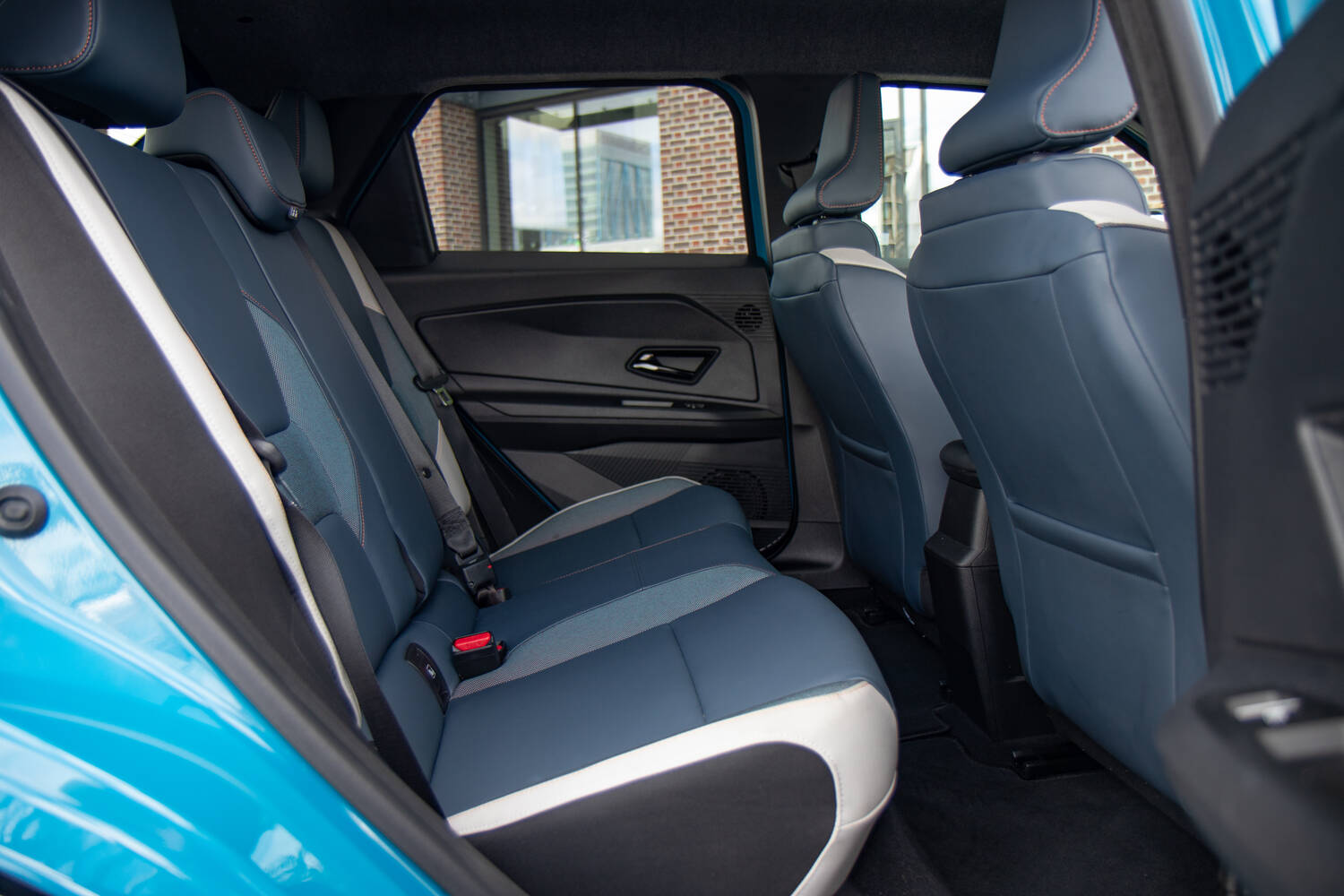
As with the Renault 5, rear-seat space is only about average in the Micra, and four tall adults may struggle to get properly comfortable. It's absolutely fine for kids and teens, though.
The floor is flat all the way across in the back, but given the compact dimensions of the Micra, nobody expects it to carry five adults regularly. Two will be happy in the rear for shorter journeys.
Fitting child seats to the Nissan Micra
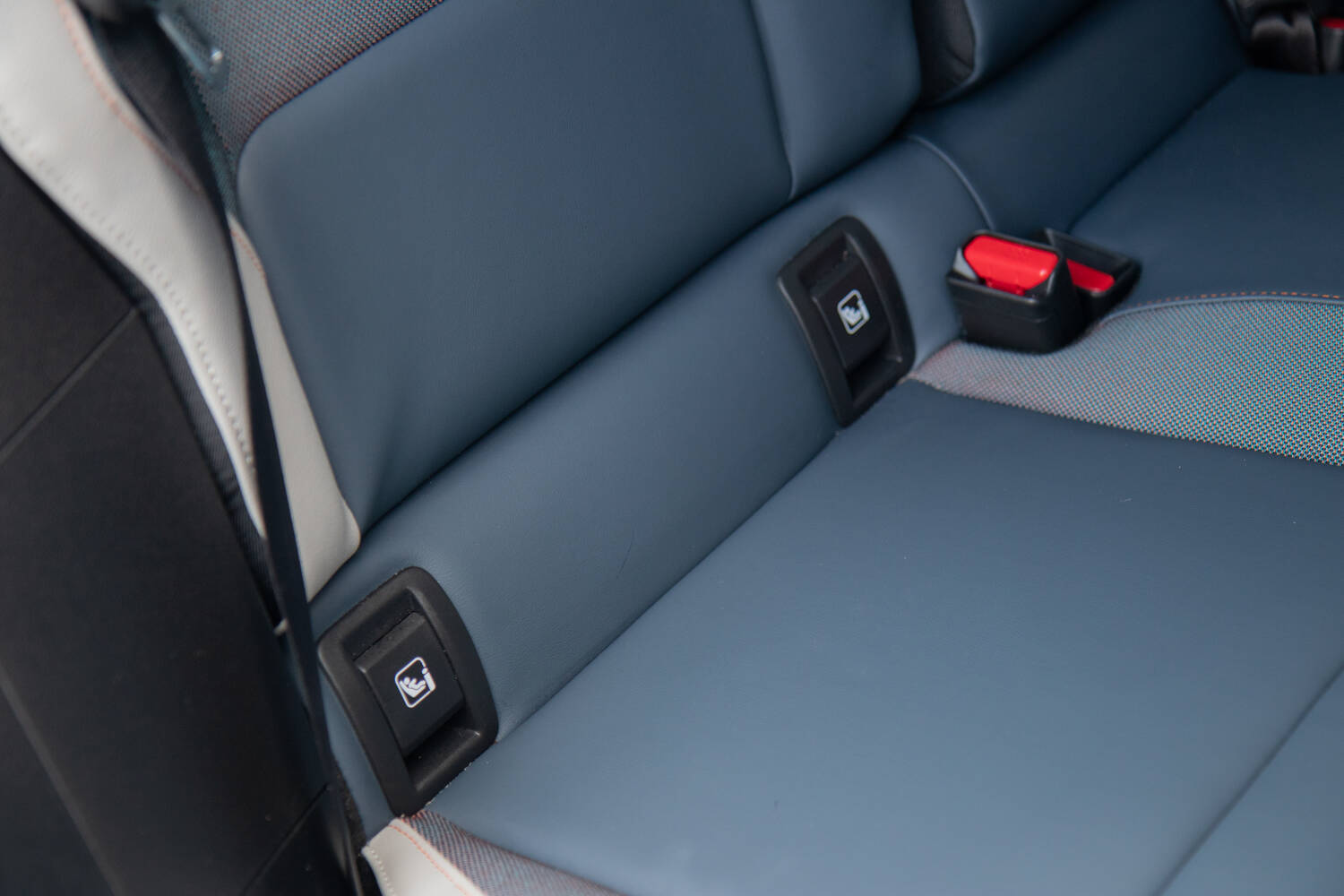
The Micra gets two ISOFIX anchor points in the outer two rear seats, and another set in the front passenger seat, which makes it more useful than many for families. The rear-seat dimensions might make it tricky to fit really bulky seats, though, so try before you buy.
Boot space in the Nissan Micra
The boot holds a decent volume of luggage, certainly for the size of the Micra, at 326 litres, expandable to 1,106 litres when you fold down the 60:40-splitting rear seatbacks. There are some handy bag hooks for shopping too.
Towing with the Nissan Micra
Traditionally, a Micra isn't really the sort of car you'd consider for towing duties, but this electric Micra can manage a maximum towing weight of 500kg, which is actually quite useful.
Safety in the Nissan Micra
All Micras come with rear parking sensors, cruise control with a speed limiter, automatic LED headlights with high-beam assist and the usual expected electronic driver aids, from emergency braking to lane-keeping assist.
The Micra received a four-star safety rating from Euro NCAP, with an 80 per cent rating for both adult and child occupants, 77 per cent for vulnerable road-user protection and 68 per cent for its electronic safety assistance.
Performance of the 2026 Nissan Micra
- Two power outputs
- Perky in 150hp guise
- Fantastic to drive
As it was co-developed alongside the Renault 5 E-Tech, you'll not be surprised that the Micra mirrors the Renault in terms of its choices of 120hp or 150hp electric motors, driving the front wheels, and linked choices of 40kWh or 52kWh battery packs. What you might find surprising is just how darned good this Micra is to drive.
Driving the Nissan Micra 150hp on Irish roads
Words by Neil Briscoe on August 21, 2026
I am one of those people who will go up to bat for the 1992 K11 Micra. Plenty of others will dismiss its dowdy, sensible-cardigan image, but I took a K11 on a long driving holiday all around the south-west UK once and found it to be roomy, smooth-riding and peppy with a willing engine and sharper steering than about 90 per cent of modern cars, to go along with its perfect reliability. What's not to like?
I could more or less transpose that review onto the electric Micra, certainly in 150hp form with the bigger 52kWh battery. OK, so the weight's gone up a bit, but so too has the sophistication. That's a word traditionally alien to the Micra name, but this model has it in abundance.
The driving experience mirrors that. True, as Shane points out, the motor's power does tail off a bit as the speeds rise, but that's really only going to be a problem on racetracks or German Autobahns.
On Ireland's motorways and main roads, there's plenty of performance, and the subjective sensation of that poke only increases when the road gets narrower and the hedges close in.
No previous Micra ever leapt forwards like this when you ask it to. The electric motor delivers its power progressively yet still has enough instant torque when you want it. It's very smooth too, and of course it's quiet.
Shane's comments about the brakes feeling more natural with the regen dialled right back are entirely right, but I didn't have any issues with the pedal feel - maybe that's a track-versus-road thing.
The steering has fantastic balance and weight to it, so this Micra gives you huge confidence - and no little feedback - when tackling a tricky road, and although the ride comfort is on the firm side, it's forgiving enough - and bounce-free - that you don't get jostled around.
Nissan's bigger and more expensive Leaf might be smoother and quieter overall, but the Micra is more fun on a twisty road.
Who'd have ever thought we'd write those words? Me. I'd have thought it. I'd have thought it all those years ago after driving the K11. That I can say this Micra can be directly compared to that predecessor means praise comes no higher from me.
Driving the Nissan Micra 150hp on track in France
Words by Shane O'Donoghue on September 10, 2025
Nissan has managed to keep the weight of the Micra to just over 1,500kg, which is practically a featherweight in electric-car terms. That brings a lot of benefits, starting with performance. There's no need for a high-powered electric motor here.
We've not tried the entry-level 120hp model as yet, but the 150hp electric motor gives the Micra sprightly performance at everyday speeds. It's nippy around town despite the modest 245Nm of torque produced, too.
Sure, performance tails off as speeds rise, but let's remind ourselves we're talking about a compact electric hatchback here.
To maximise response you can press the big drive-mode button on the steering wheel to access the Sport setting, though we reckon the car is so well judged in its standard driving mode that there's just no need to ever do that.
Backing up the perky performance is an agile chassis that neatly blends decent comfort with excellent stability and - whisper it - even a little driver involvement. Most buyers purport not to care about such things, but we'd wager that the same people will step out of the Micra after even a brief drive smiling and telling you they like it.
Its nimbleness helps with that, of course, but a lot of credit goes to the setup of the power steering. It's quite direct, making the nose of the car feel responsive as it darts into corners, yet it's not overly sensitive when all you want to do is get through a long motorway journey in comfort.
If there's any blot in the copybook, we don't love the brake pedal feel, though there's no doubting the stopping power. A few laps of a fast, unlimited circuit didn't faze the system.
You can alter how quickly the brake-energy regeneration kicks in - and by how much - using the paddles behind the wheel, and there's a 'one-pedal' driving mode selectable using the 'e-Pedal' button. I prefer the more organic feel of this all set to the minimum, as it provides a more consistent driving experience as you slow down.
Range, battery and charging of the 2026 Nissan Micra
- Option of 40- or 52kWh battery packs
- Range of either 317- or 416km
- DC charging at up to 110kW
The Micra is offered with 40kWh and 52kWh battery packs, resulting in official ranges of 317- and 416km, respectively. Those figures are slightly higher than the equivalent Renault 5 manages, which Nissan attributes to the Micra's aerodynamics.
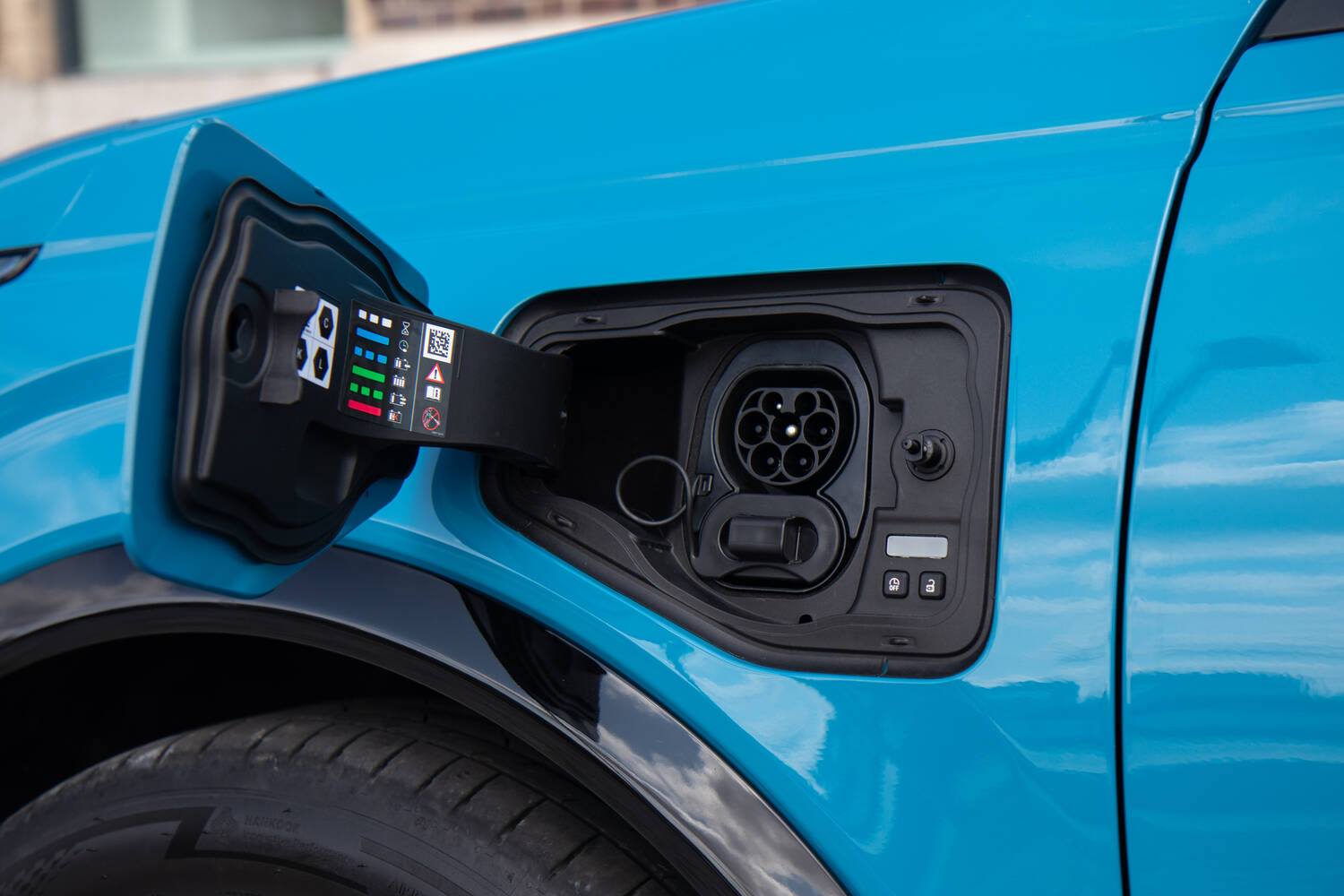
If you're going to rely on public charging, it's probably worth going for the bigger battery, not only for the extra range but also because it allows a faster peak DC-charging rate of 110kW.
The 40kWh battery maxes out at 80kW on DC. Usefully, both batteries can charge at up to 11kW on three-phase AC outlets.
Real-world energy efficiency of the 2026 Nissan Micra
The Micra's real-world range and efficiency are genuinely very good, at least with the 52kWh battery, which is the only one we've had the chance to sample on public roads.
On one long day's drive that included motorway, urban and steep mountain-road driving, the Micra averaged an impressive 14.6kWh/100km in our hands, and we were definitely not driving for economy.
That suggests a real-world range of around 350km, which is decent and in line with what the Renault 5 can manage. Figure on losing about 50km of that if you're on the motorway all day.
Servicing the Nissan Micra
Nissan recommends a service for the Micra either every year or 16,000km, whichever comes up first. There's a prepaid service plan available, which allows you to pay by the month for either two or three services.
Nissan Micra warranty
All Nissan models come with a standard three-year warranty, which runs for up to 100,000km. Paintwork is covered for three years, and there's an anti-perforation warranty that lasts for up to 12 years. The Micra's battery is covered by its own eight-year, 160,000km warranty, and extended warranties can be bought at extra cost.
Irish pricing & rivals to the 2026 Nissan Micra
- Priced identically to the Renault 5
- Good value for money
- Strong standard equipment
The Micra has a starting price of €25,995 - including all State incentives - for the 120hp, 40kWh version in Engage spec, which is the entry-level model, and that's identical in price to the cheapest Renault 5.
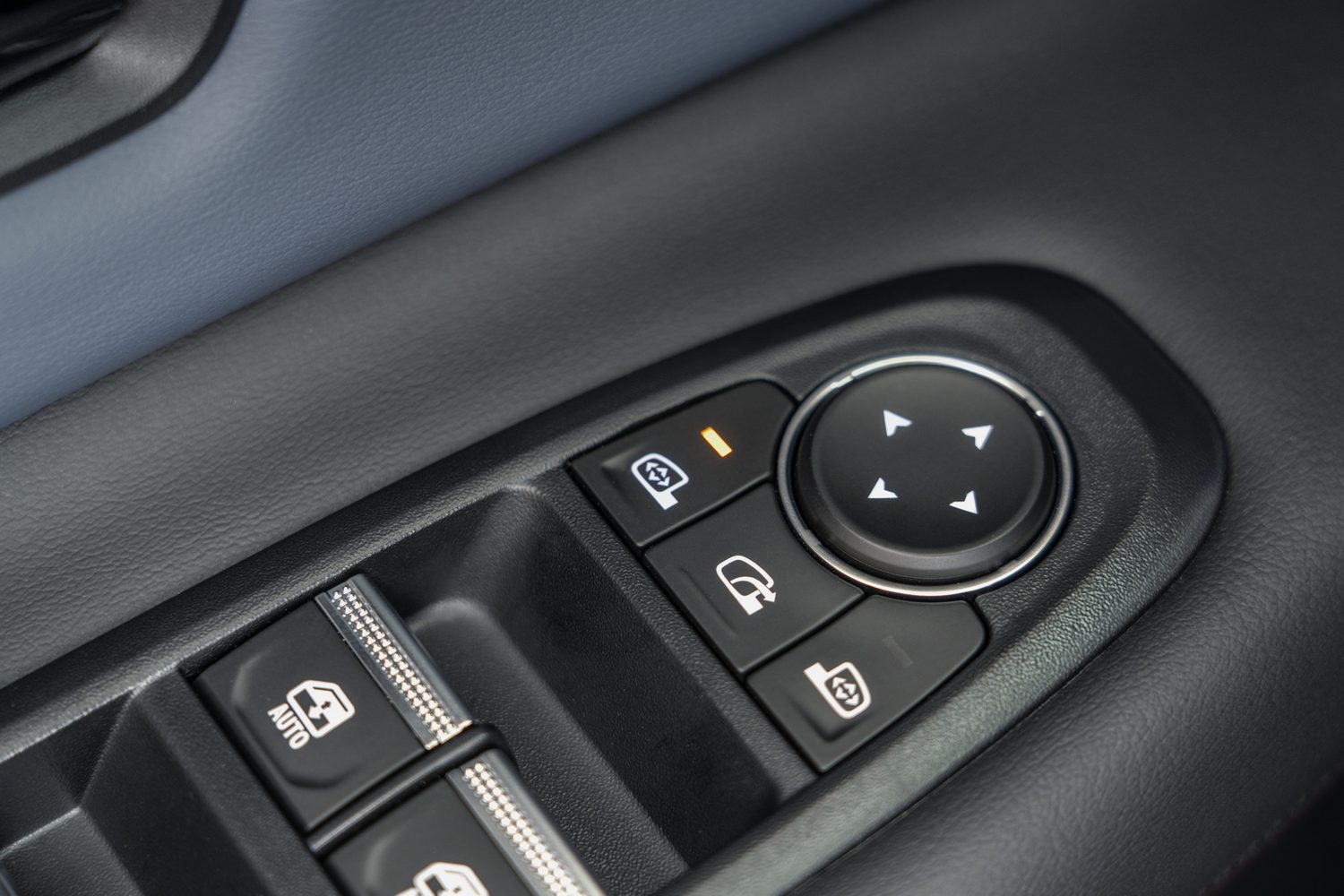
Generous standard equipment includes privacy glass, heated door mirrors, LED headlights with high-beam assist, rain-sensing wipers, a seven-inch digital instrument screen, 10.1-inch infotainment screen, automatic air conditioning (with remote scheduling for pre-conditioning), a heat pump and four one-touch electric windows.
Next up is Advance spec, which costs €27,995 for the 40kWh battery or €30,995 for the 52kWh unit. It adds a synthetic-leather steering wheel, a front-seat armrest, multicolour mood lighting, adaptive cruise control, a rear parking camera, blind-spot warning, 10-inch instrument panel, navigation, wireless phone charging and selectable driving modes.
The top-spec Evolve model comes only in 52kWh form, costs €32,995 and includes its own interior trim, heated front seats with lumbar adjustment for the driver, a premium Harman Kardon sound system, 18-inch alloy wheels, Nissan's ProPilot driver assistance system and paddles to adjust the regenerative braking.
The Renault 5 E-Tech is the most obvious rival to the Micra, but both cars are equally good, so your preference is likely to come down to styling, brand loyalty or perhaps a particular dealer.
Other possible choices include the Cupra Raval, the Peugeot E-208 and the Hyundai Ioniq 3.
Verdict - should you buy the 2026 Nissan Micra?
Yes, you absolutely should. While it's closely related to the Renault 5, there's no difference in quality or driver engagement here, so the Micra is every bit as talented, and it really is excellent to drive. And excellent in almost every way really.
FAQs about the 2026 Nissan Micra
Does the Nissan Micra have a 'frunk'?
No, there's no extra storage space under the bonnet up front.
How many child seats fit in the back of the new Nissan Micra?
There are two sets of ISOFIX points for child seats in the back of the Micra, as is standard across the industry. There's no way you'd fit another booster or use the central seatbelt when those are in use, though, and bulky rear-facing child seats may require the parents up front to slide their seats forward a bit.
That said, the front passenger seat also has ISOFIX, which could well come in handy.
Does the Nissan Micra qualify for the SEAI grant?
Yes, it certainly does. All versions of it do.
Has the Nissan Micra been assessed for safety by Euro NCAP?
Yes, and it picked up four stars out of a possible five. It scored a relatively low 68 per cent for safety-assist features, primarily due to its performance in the speed-assistance, occupant-status-monitoring and driver-monitoring subsections. But it's a safe modern car by any standard.
If there is anything about this car we have not covered, or you would like help choosing between it and other cars, you can avail of our expert advice service via the Ask Us Anything page.