
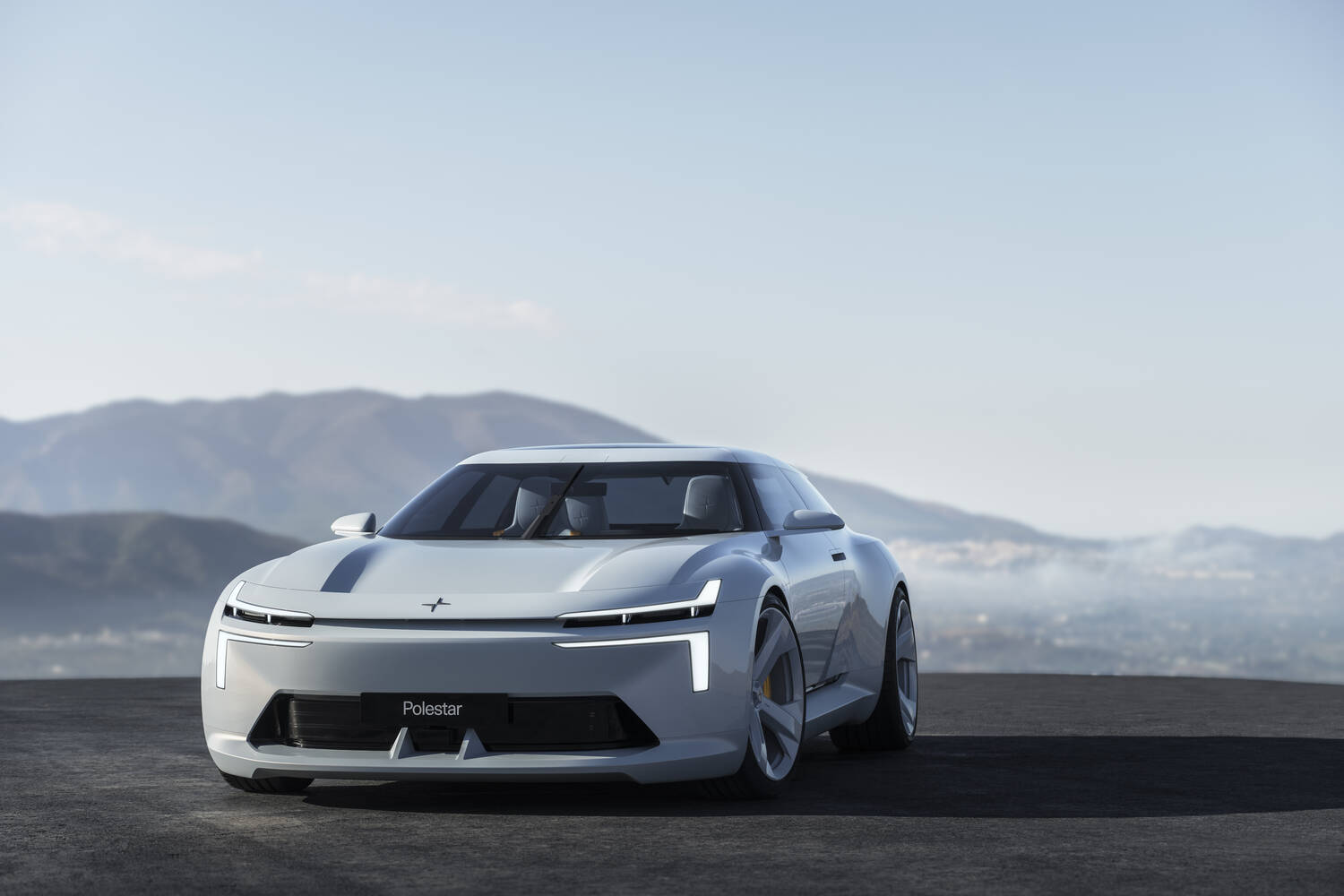
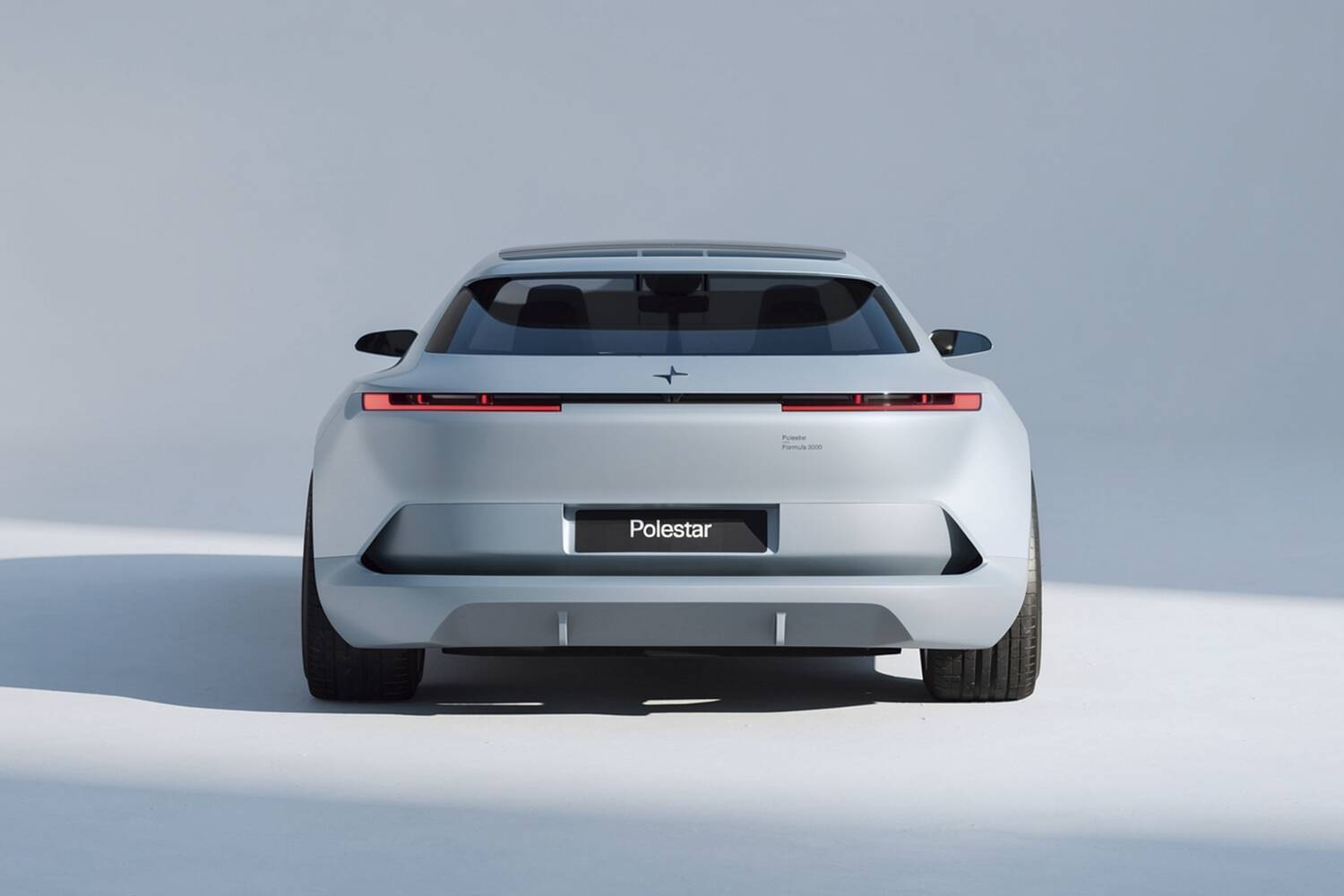
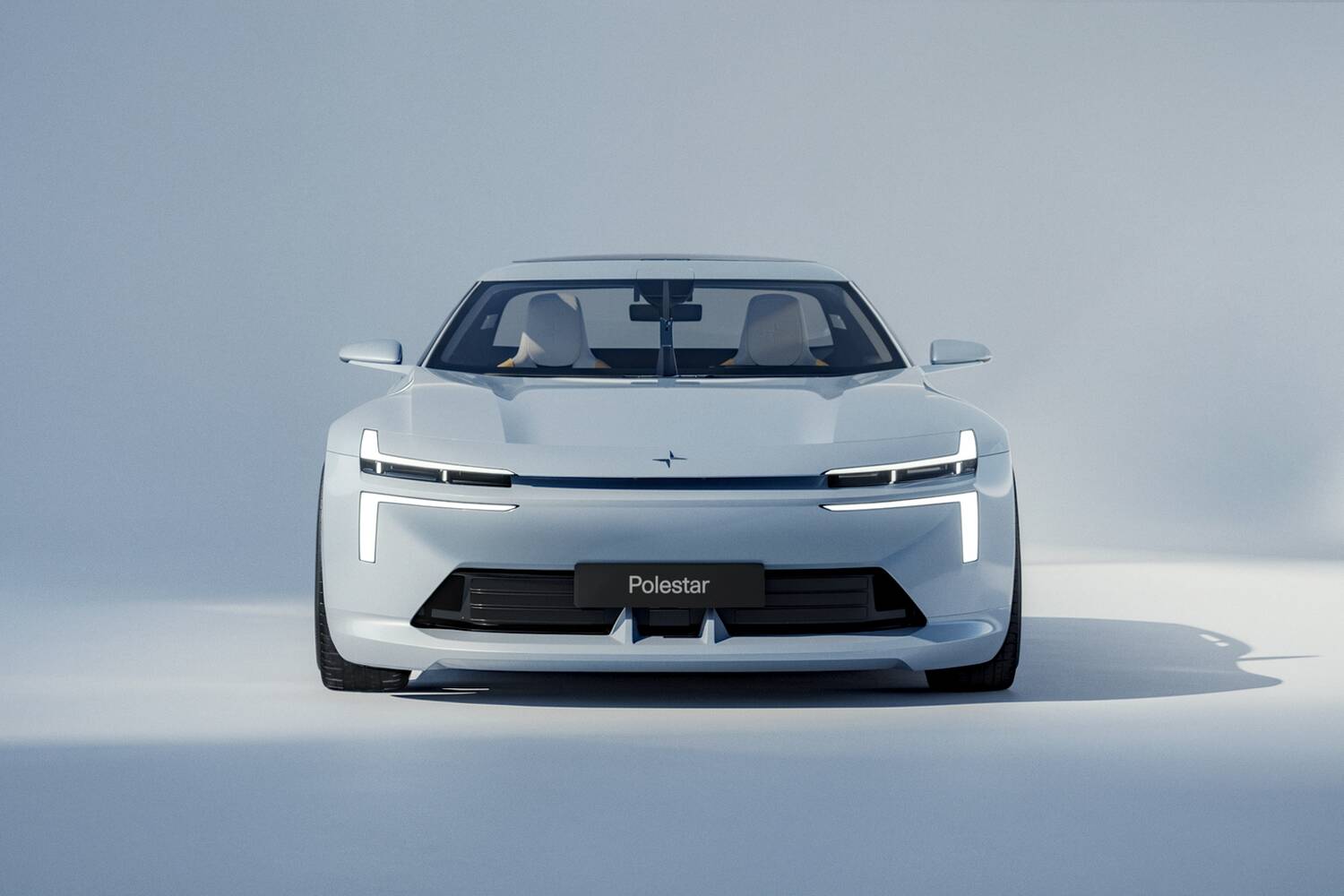
I mention this because, as I say, that’s where my mind first went when Polestar’s head of design Philipp Römers whisked the covers off the new Formula 2030 concept.
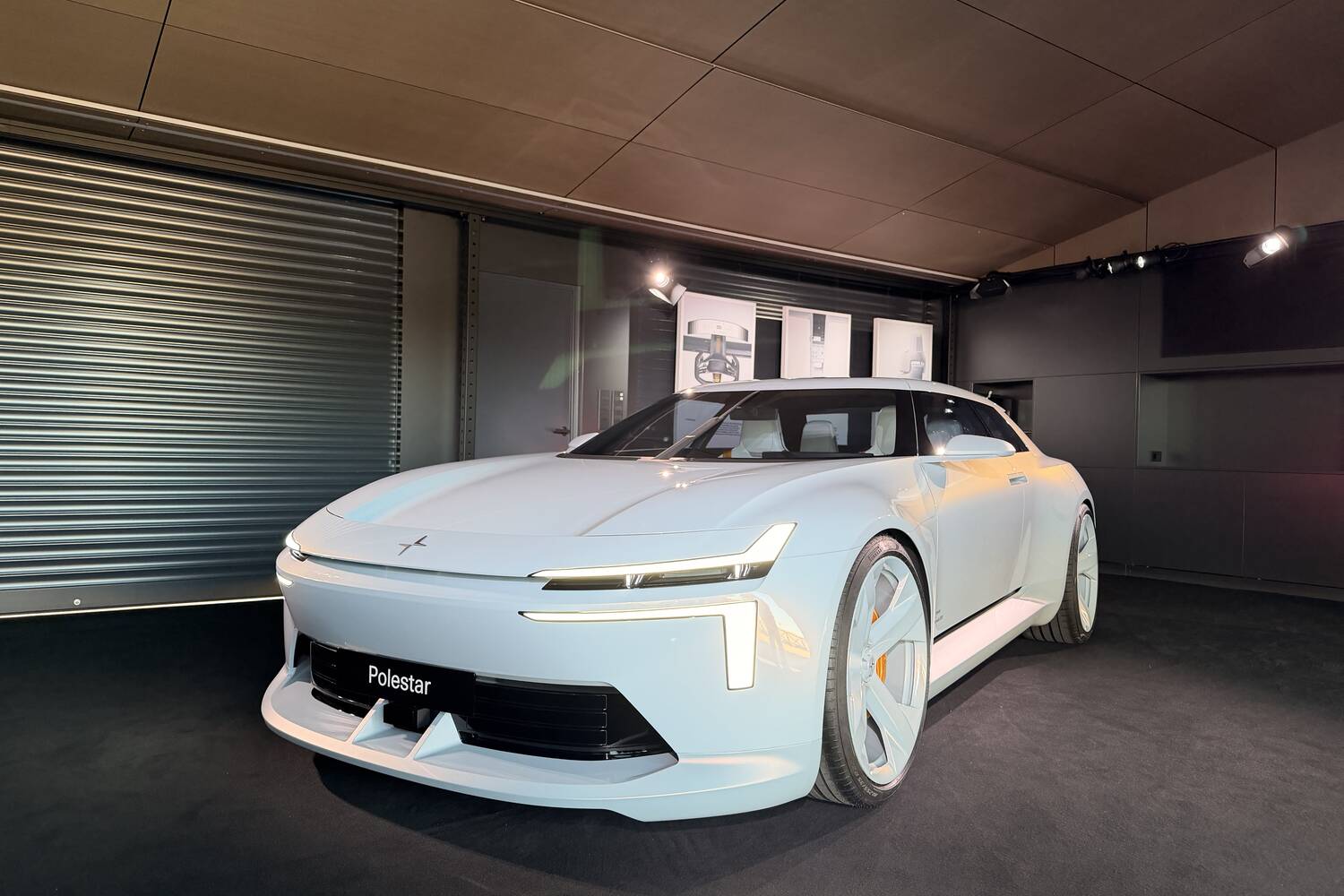
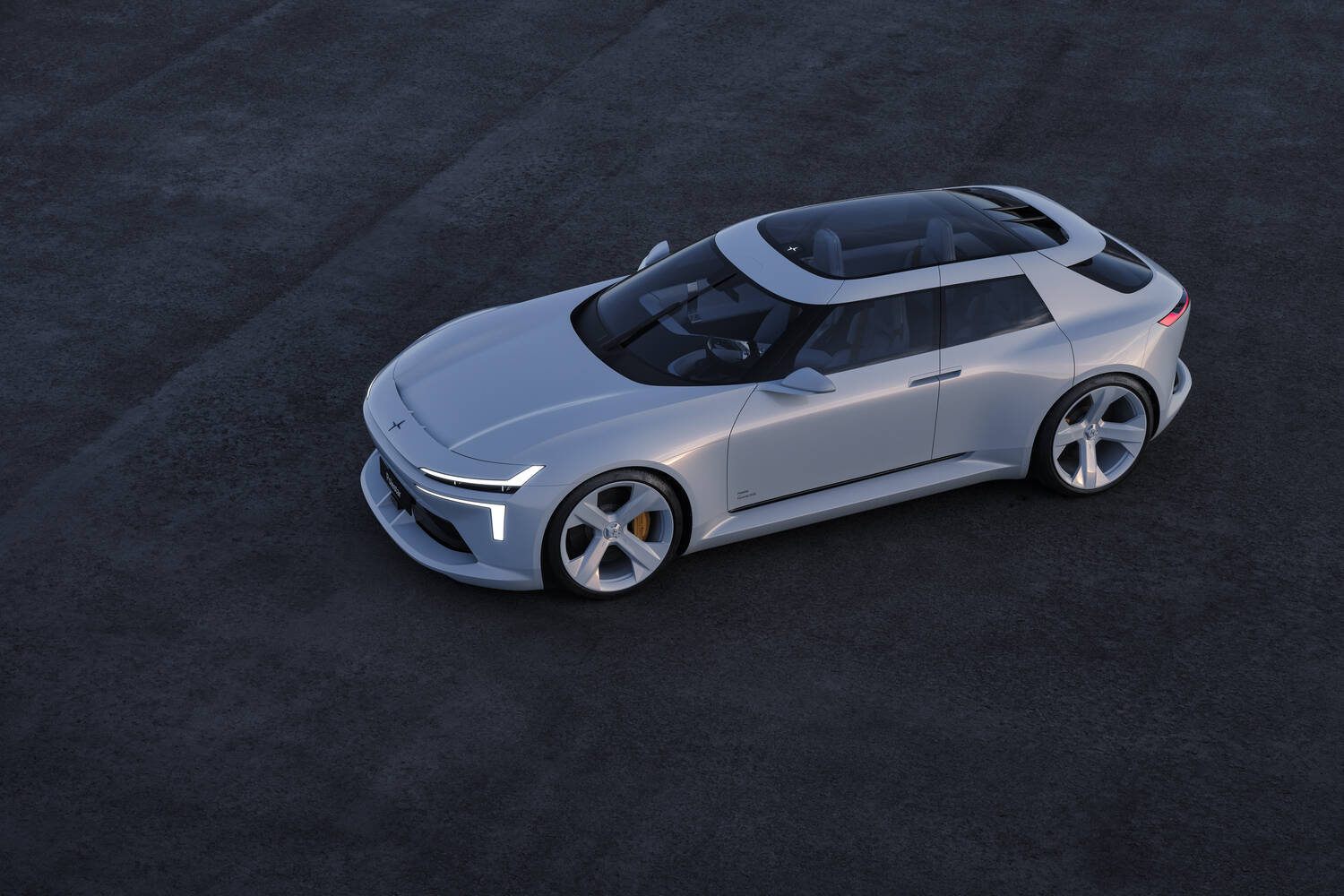
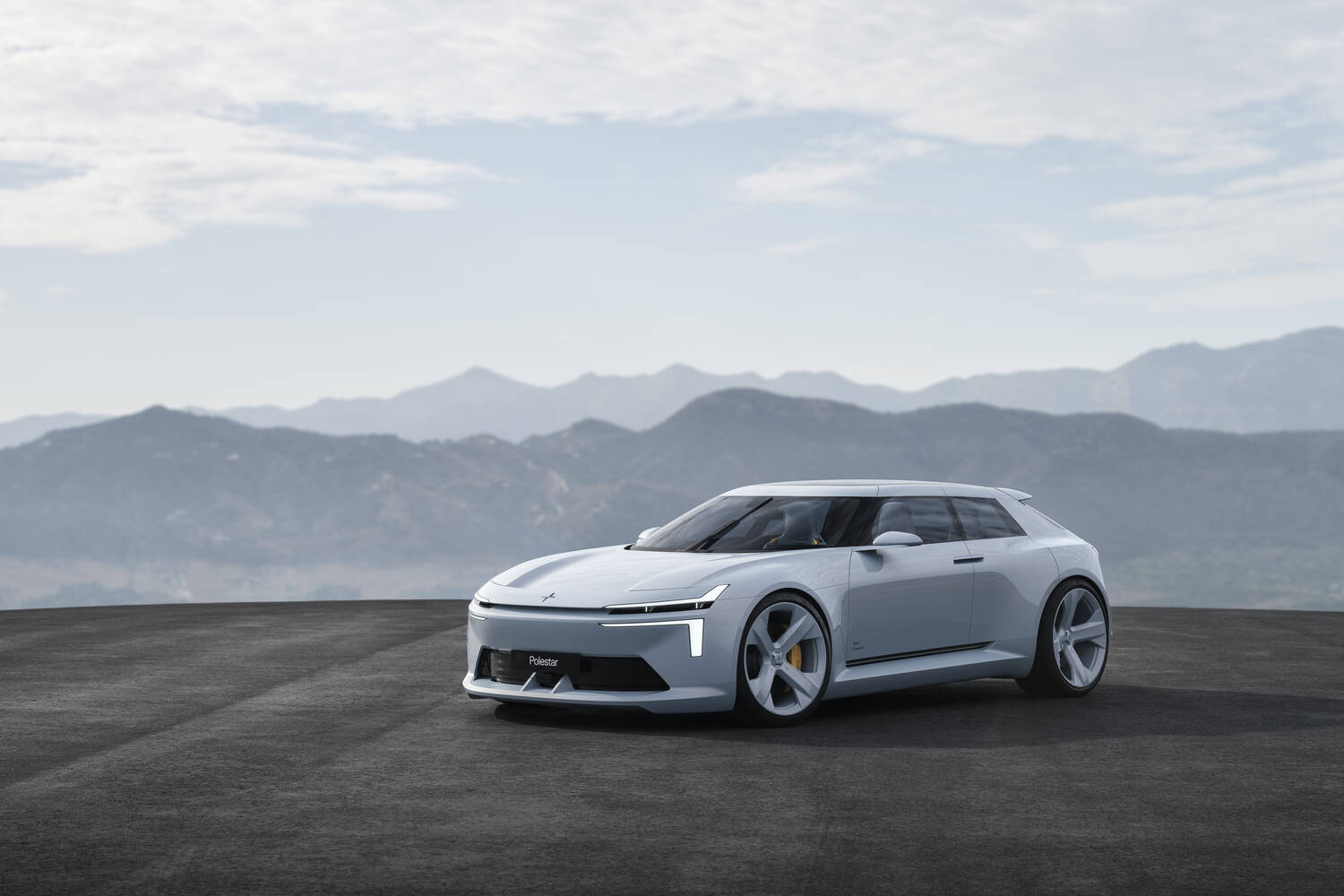
While this car was not designed specifically to preview a new Polestar model, the Formula 2030 does give us a good idea of what to expect from the styling of the new Polestar 2 saloon, and the upcoming Polestar 7, a C-segment SUV.
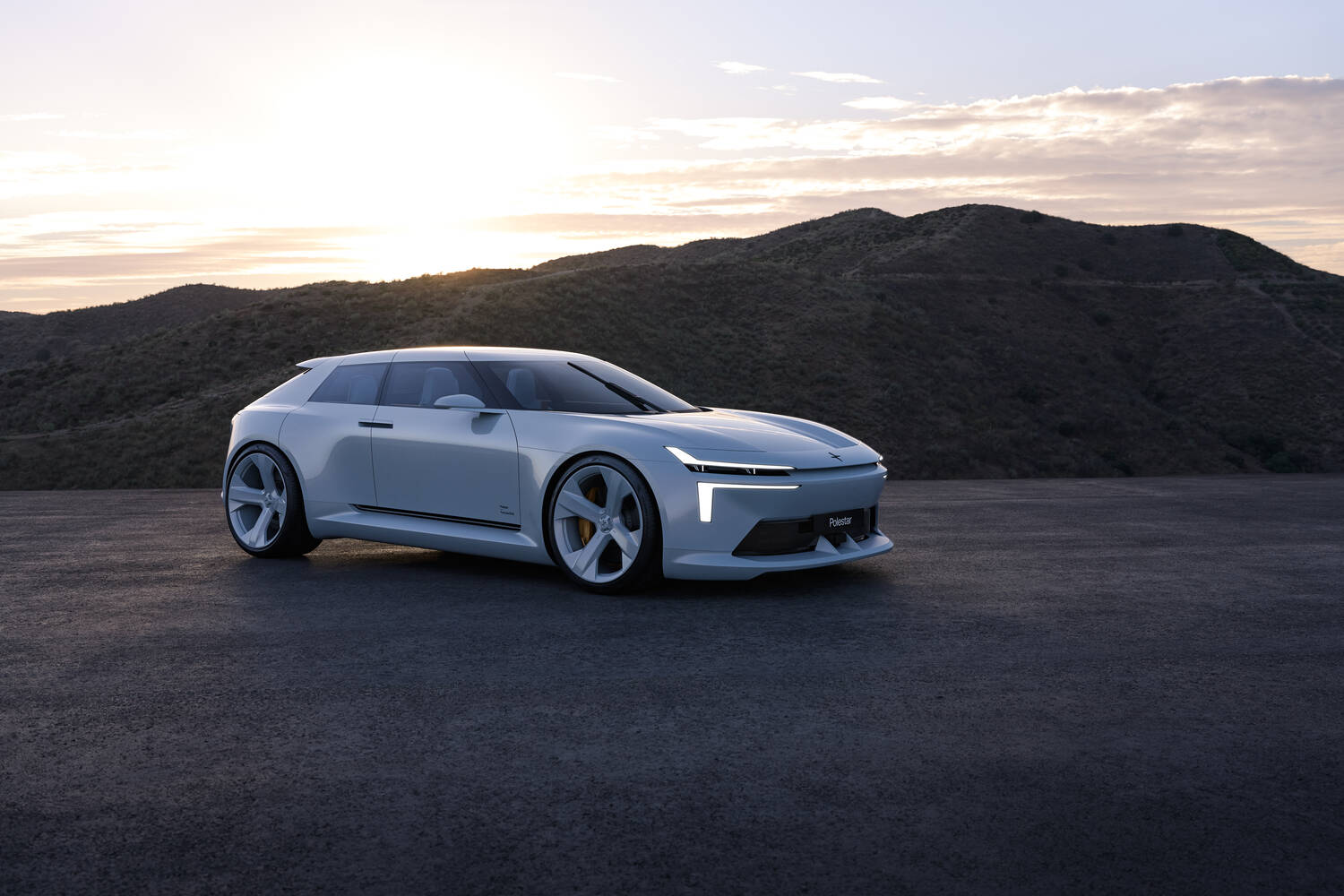
It also looks, to my eyes at least, as if a Group B rally car had been modernised and given a sharp hand-made suit to wear instead of racing overalls, so to speak.
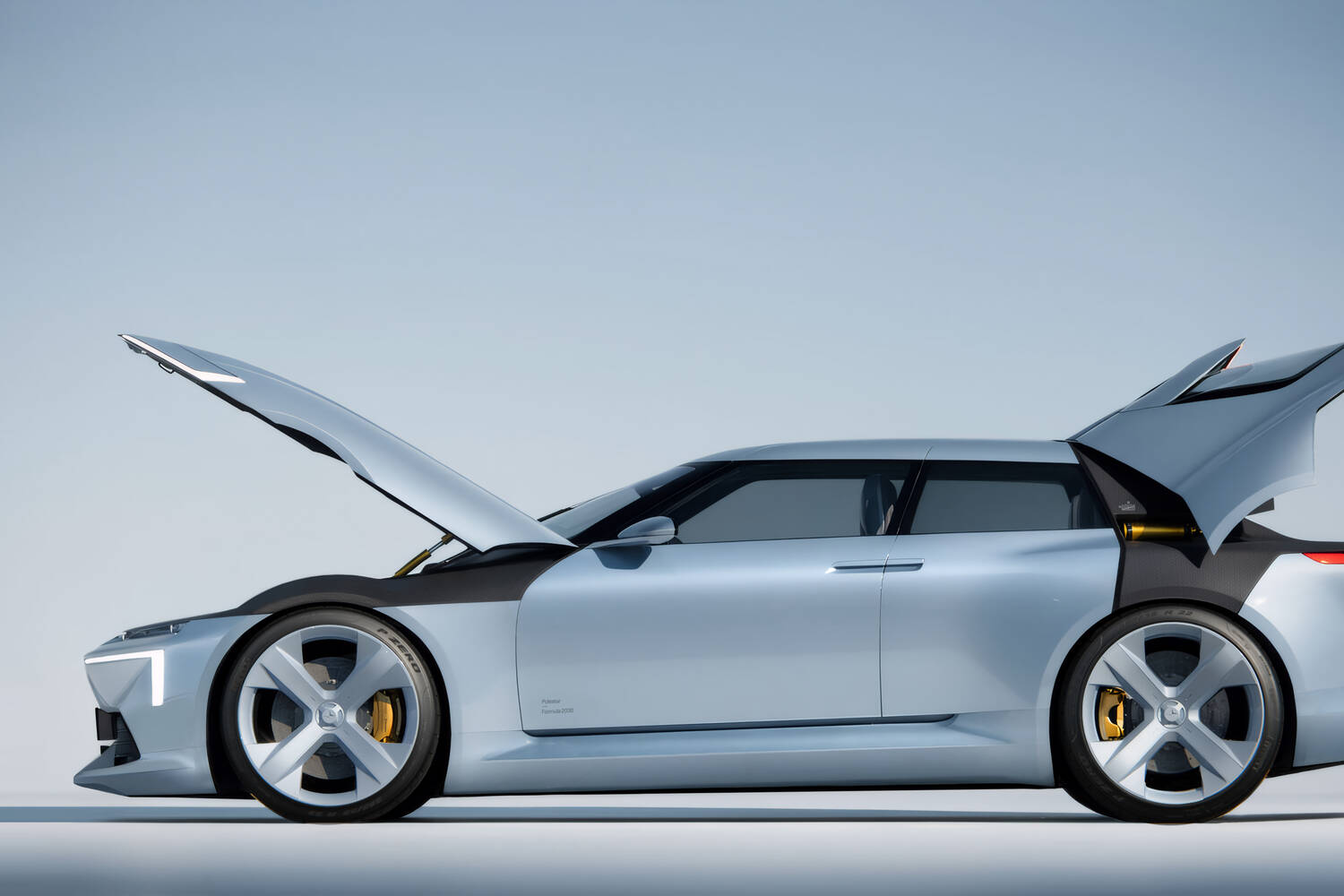
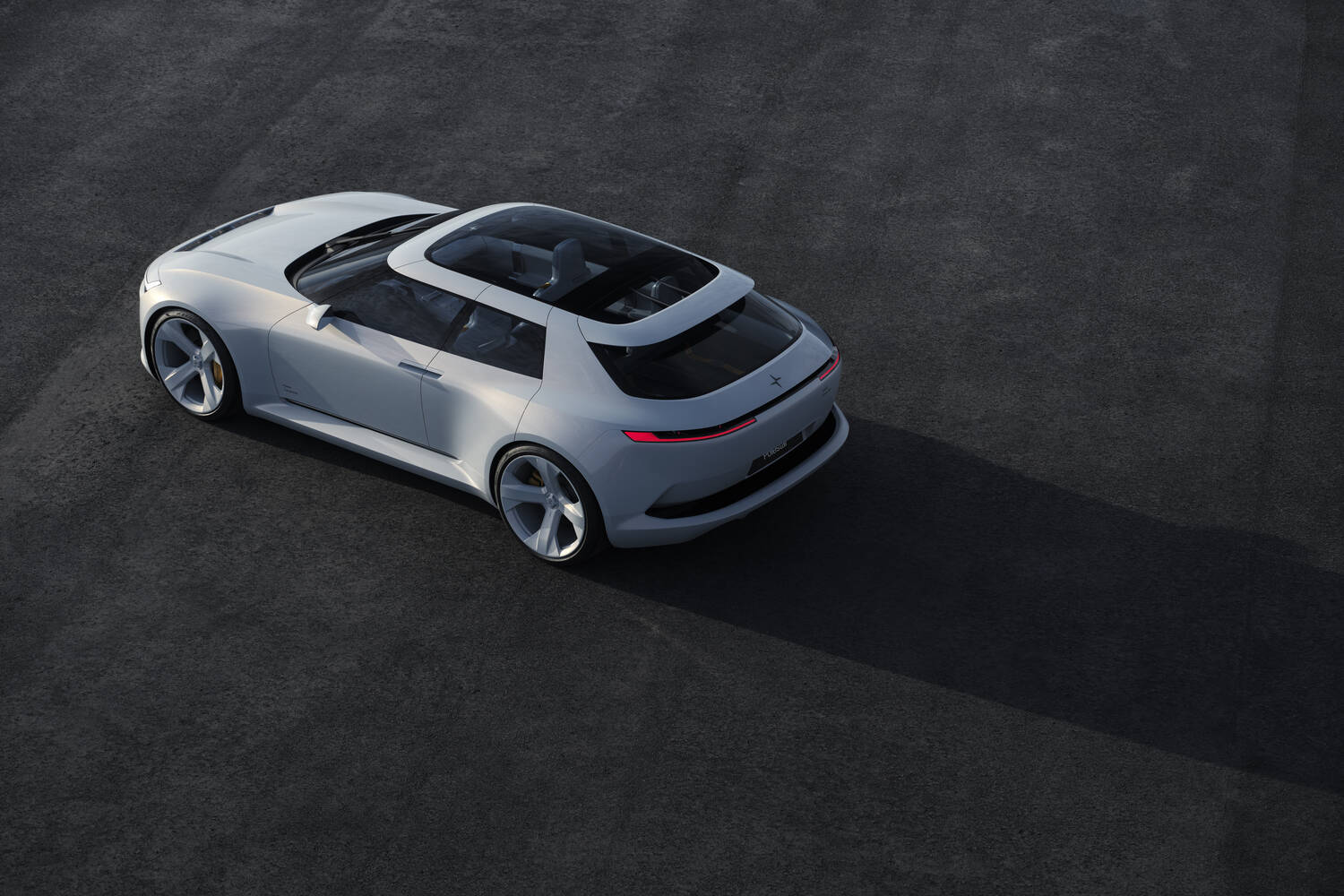
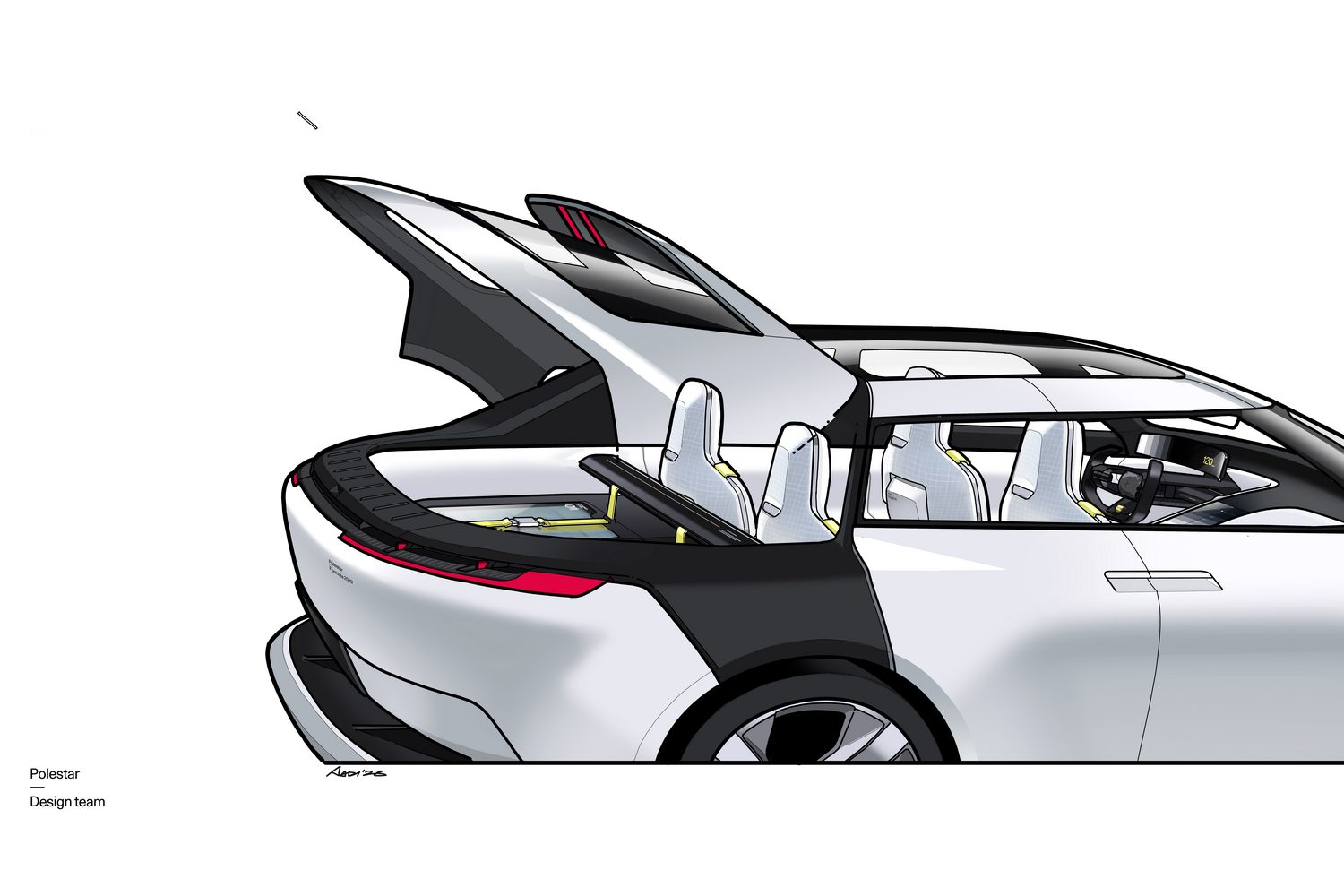
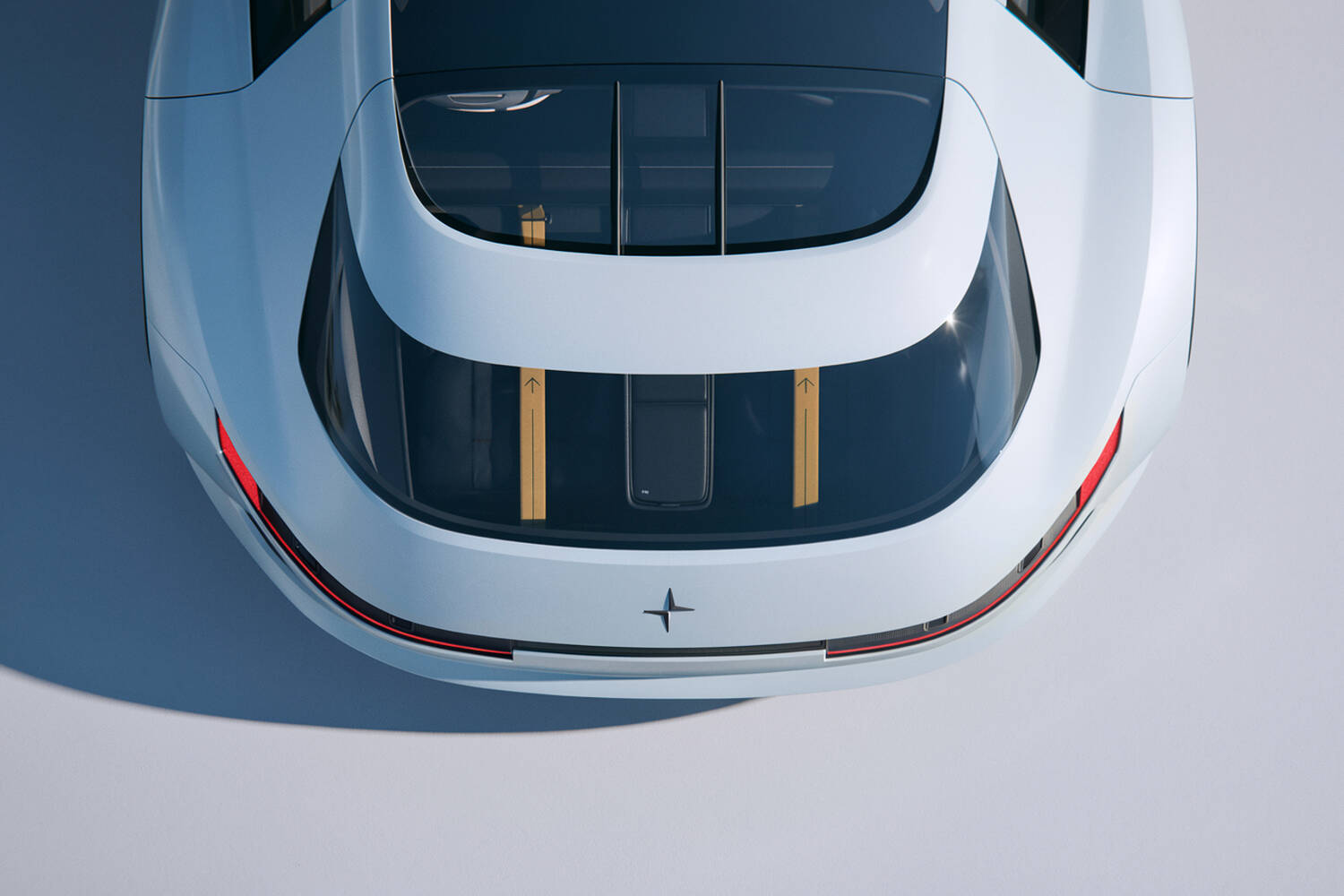
The massive four-spoke wheels sheltering under distended wheelarches. The way the front and rear bodywork opens up like massive clamshells. The huge yellow brake calipers, and the carefully designed ‘frunk’ which is home to a matching pair of crash helmets.
No longer a niche player
For Philipp Römers, the Formula 2030 represents the point at which Polestar moves away from its position as a niche market player to broaden its horizons into more mainstream market segments.
“This car is more than just a design exercise. It's really something which is a physical embodiment of our corporate strategy,” Römers told Complete Car.
“As you all know, Polestar came from motorsport, but we were founded as, I would say, the first truly design-driven brand. Since then, we have a new CEO, Michael Loscheller, and he is enhancing Polestar, making it more commercially successful while preserving the brand’s soul. That’s what this second chapter of Polestar is all about.”
Polestar 4 SUV is the start of it
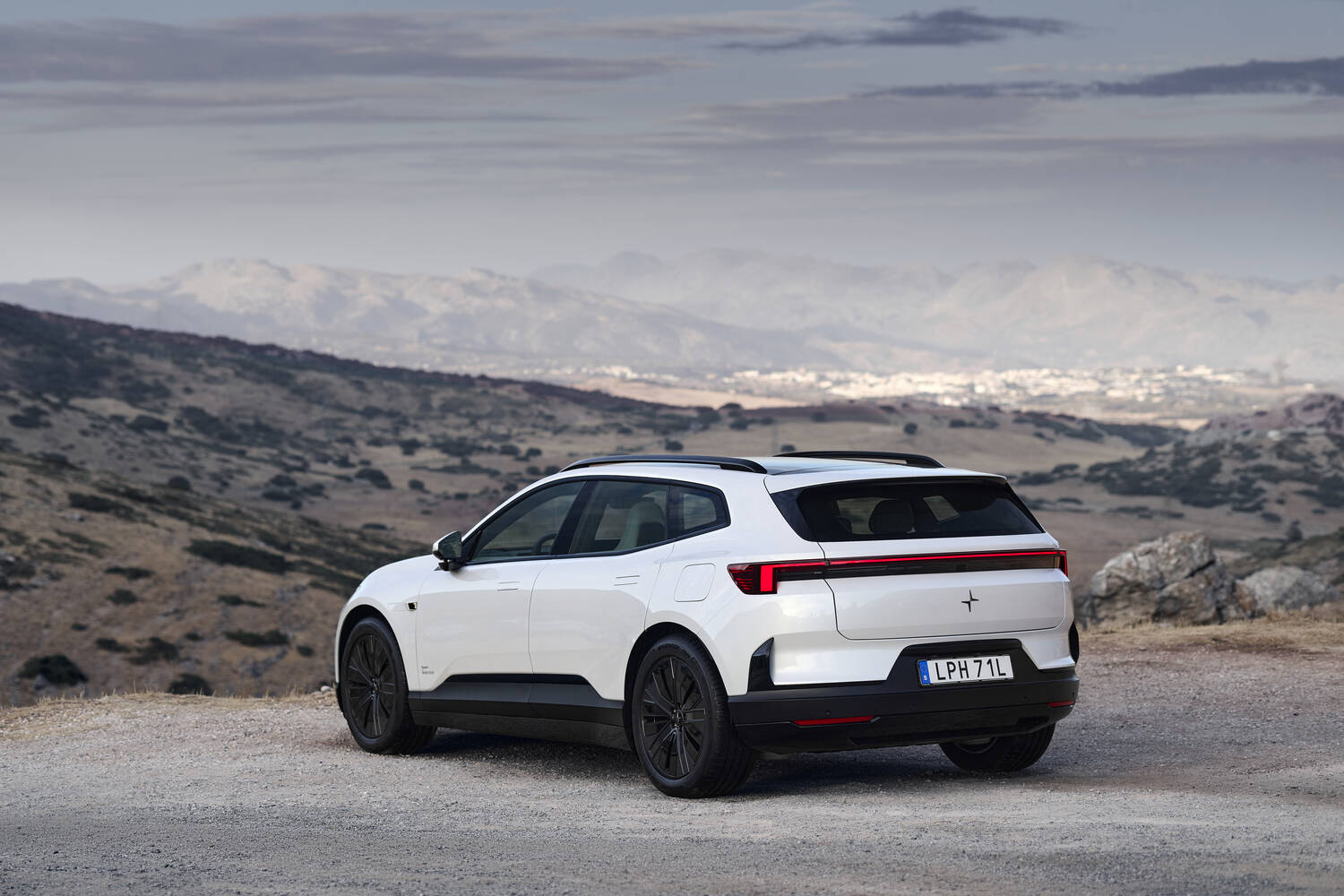
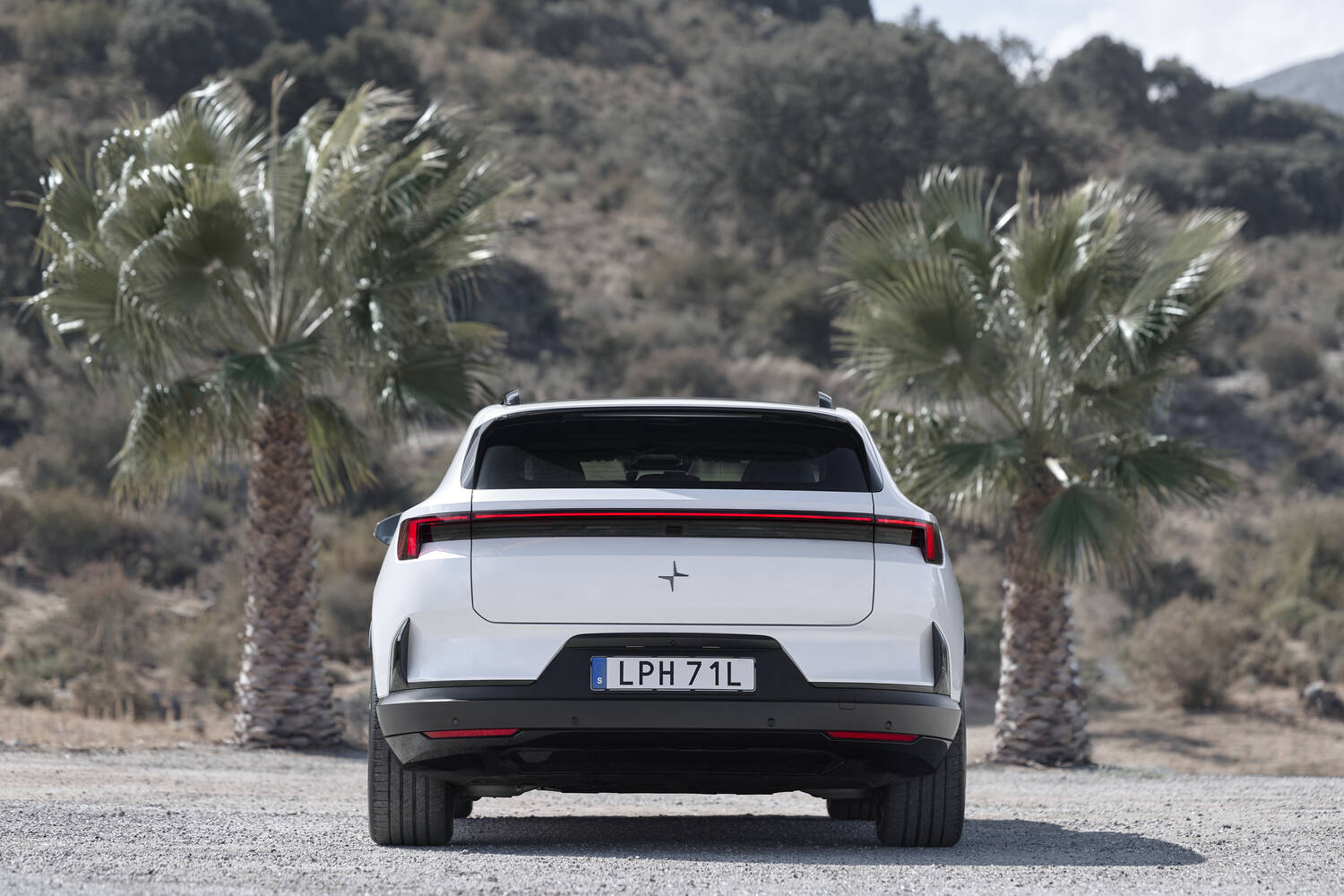
The second chapter has already begun with the launch of the Polestar 4 SUV, a more conventional take on the crossover shape than the rear-screen-less Polestar 4 coupe.
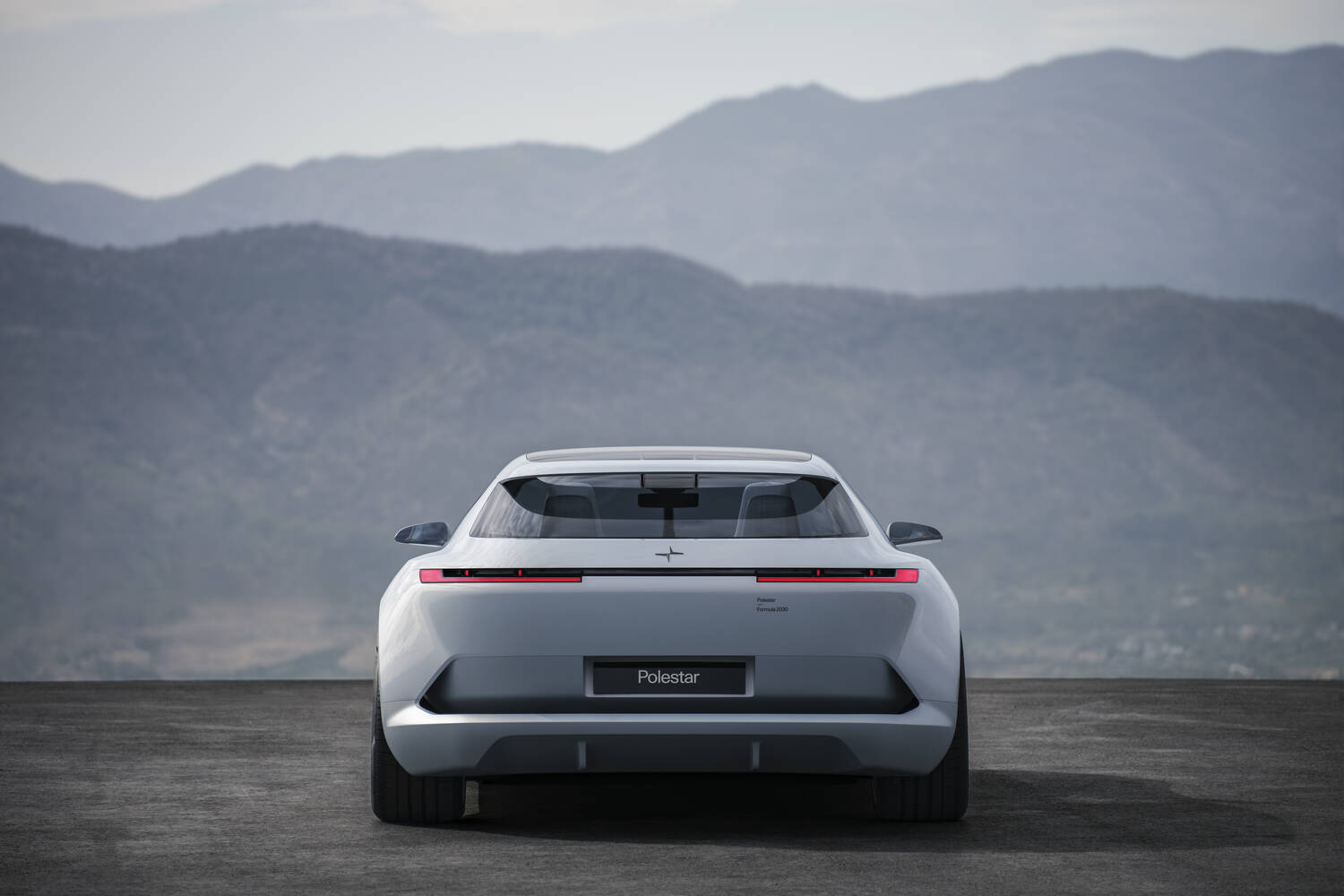
The Formula 2030 preview two cars at once — the next Polestar 2 saloon and 2028’s Polestar 7 SUV, a C-segment car intended to give Polestar something with which to fight the Audi Q4 e-tron and the BMW iX2, as well as the new Mercedes GLA and GLB.
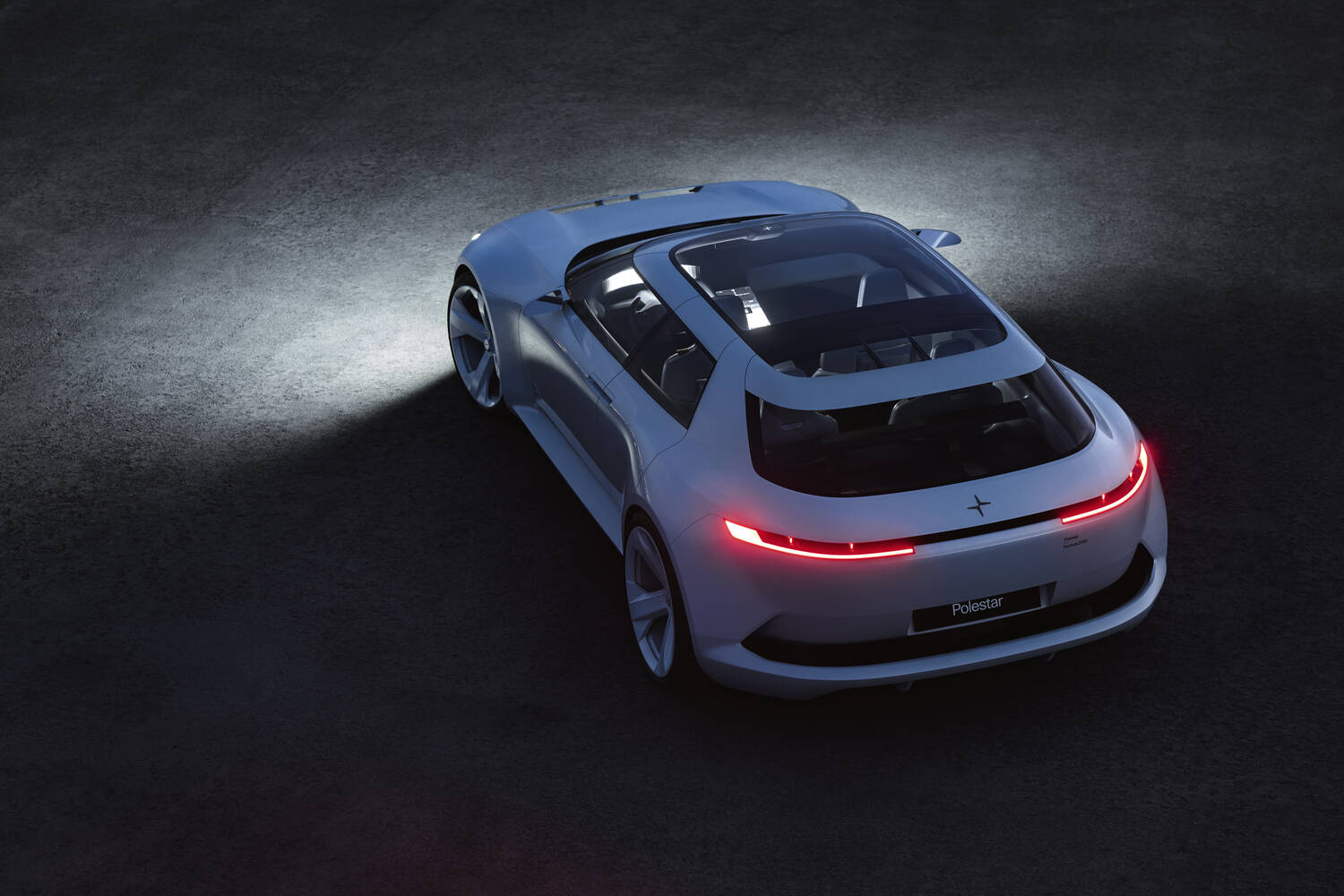
“This Formula 2030 is clearly recognisable as a Polestar,” said Römers. “You see this light graphic, that’s very strong. Then we have the front wing, which we developed for the Polestar 3, and this is quite special. Then there’s the stance — a Polestar always should have a very proper stance. It should look sporty overall, with great proportions.”
Previews the Polestar 2 and 7
Certainly, the Formula 2030 isn’t like a traditional concept car in that it’s not frantically pushing at styling boundaries. What you see is very close to the final production forms of the next Polestar 2 (at the front) and the Polestar 7 (at the back).
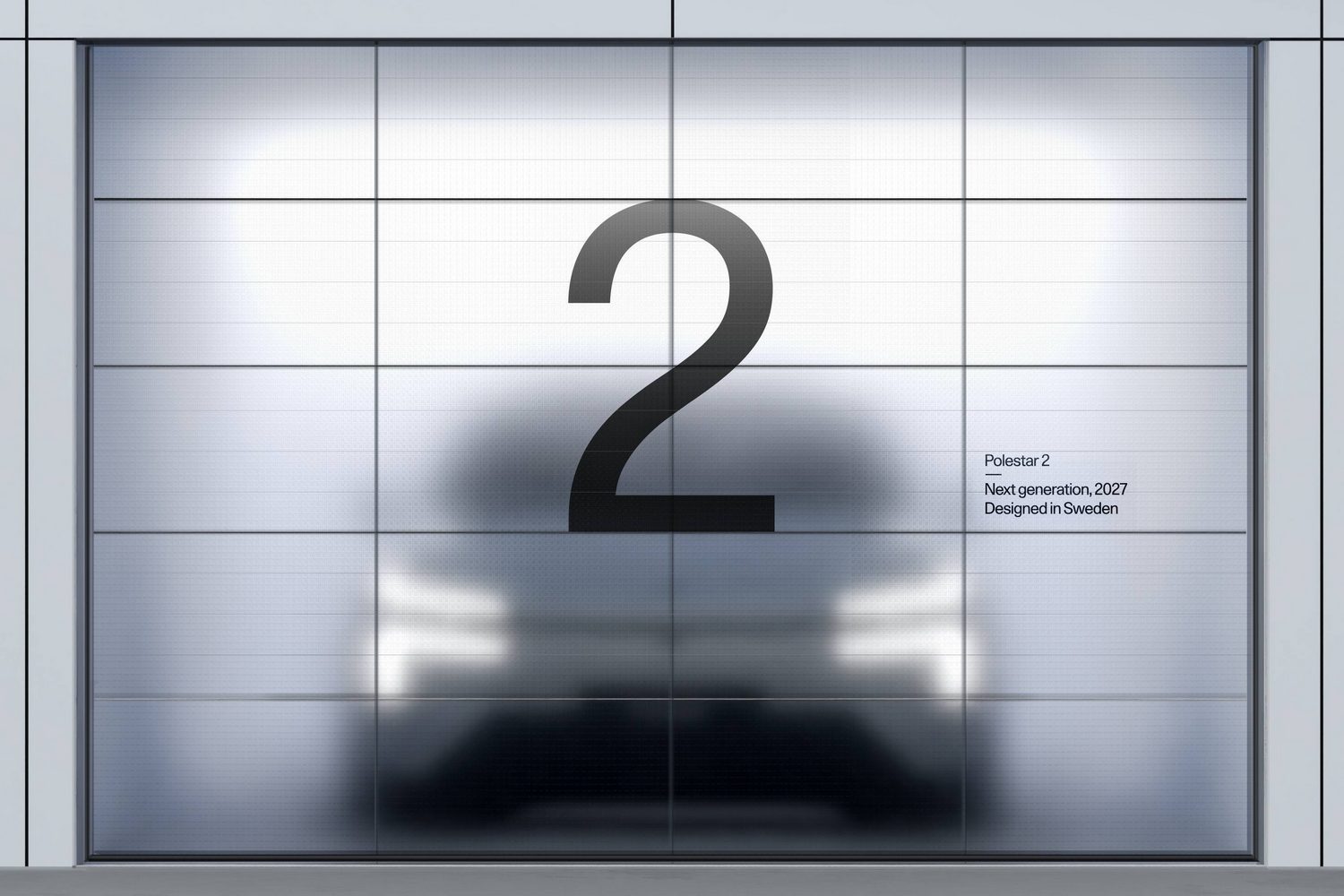
Römers told us that this approach to the styling was very much the point: “When I took this task, I thought ‘a revolution? We can't do a revolution.’ We are still a young brand. It's all about brand awareness and anchoring the brand in the market, so let's aim for an evolution, but an evolution which can be clearly seen.”
Römers said that the Formula 2030 was designed to have the stance and impact of the ultra-high-performance Polestar 5, but to bring that look and feel to much more affordable, accessible segments.
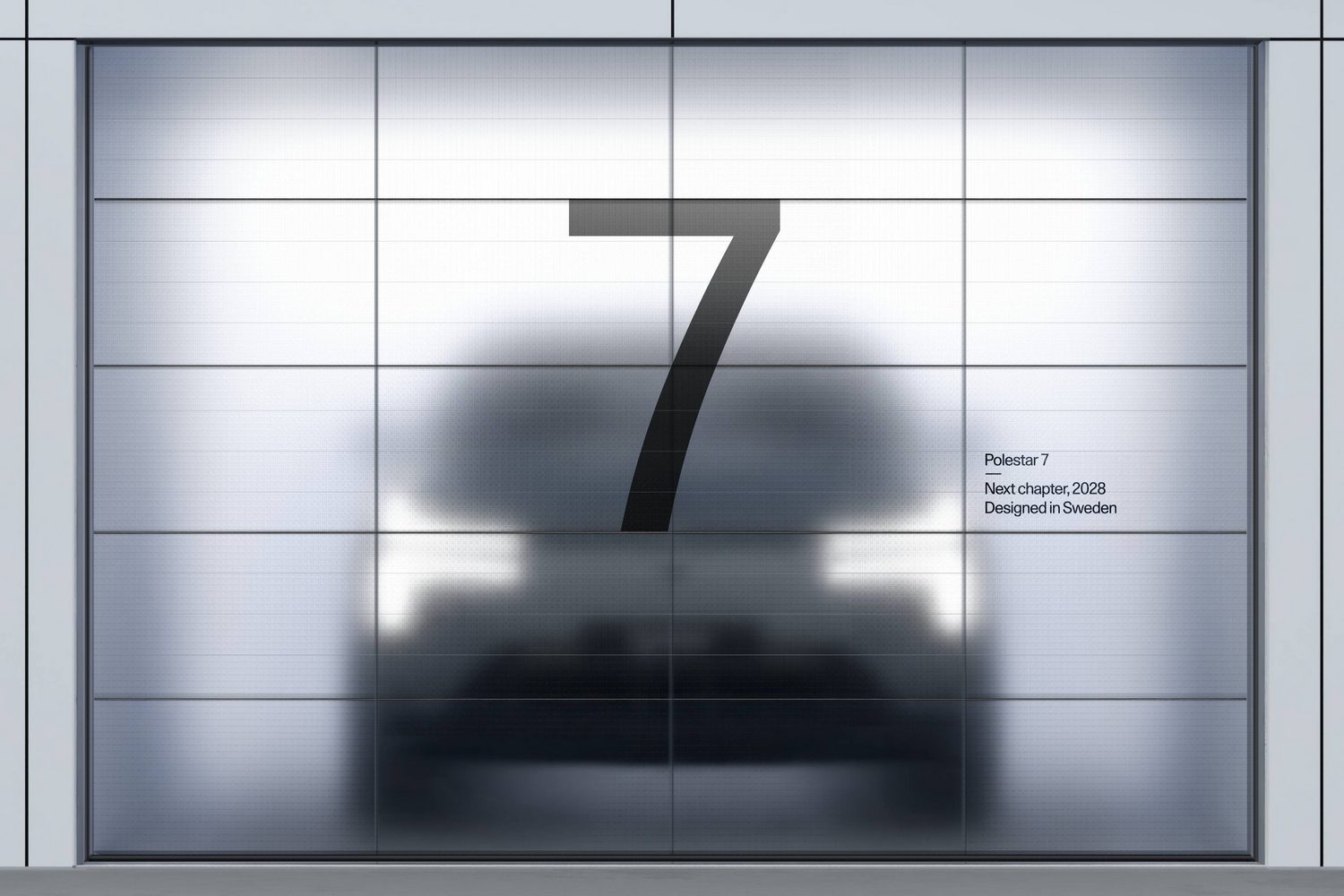
It, sadly, probably doesn’t mean that Polestar is going to make a muscular, all-electric hot hatch (or is the Formula 2030 a shooting brake? Discuss…) but Römers isn’t entirely closing the door on that possibility for the future: “We don’t want to go into specifics, but we looked at it because we expected that question. It would be possible to do it, with platforms that we have in the background, but first we — Polestar — have to become really successful before going out to new segments. But overall, I think that this is a car I would love to drive daily myself.”
There’s a whole team behind the concept
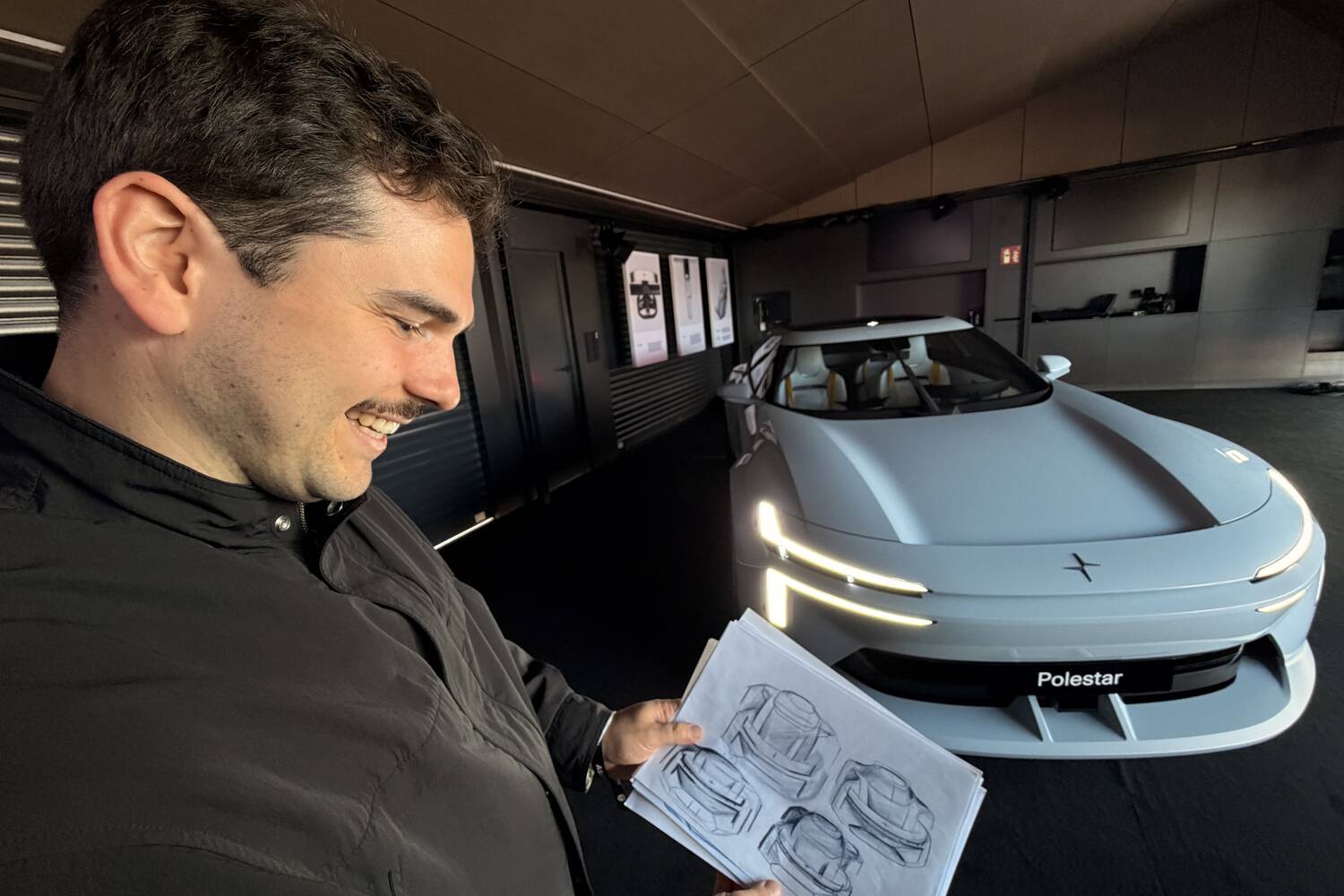
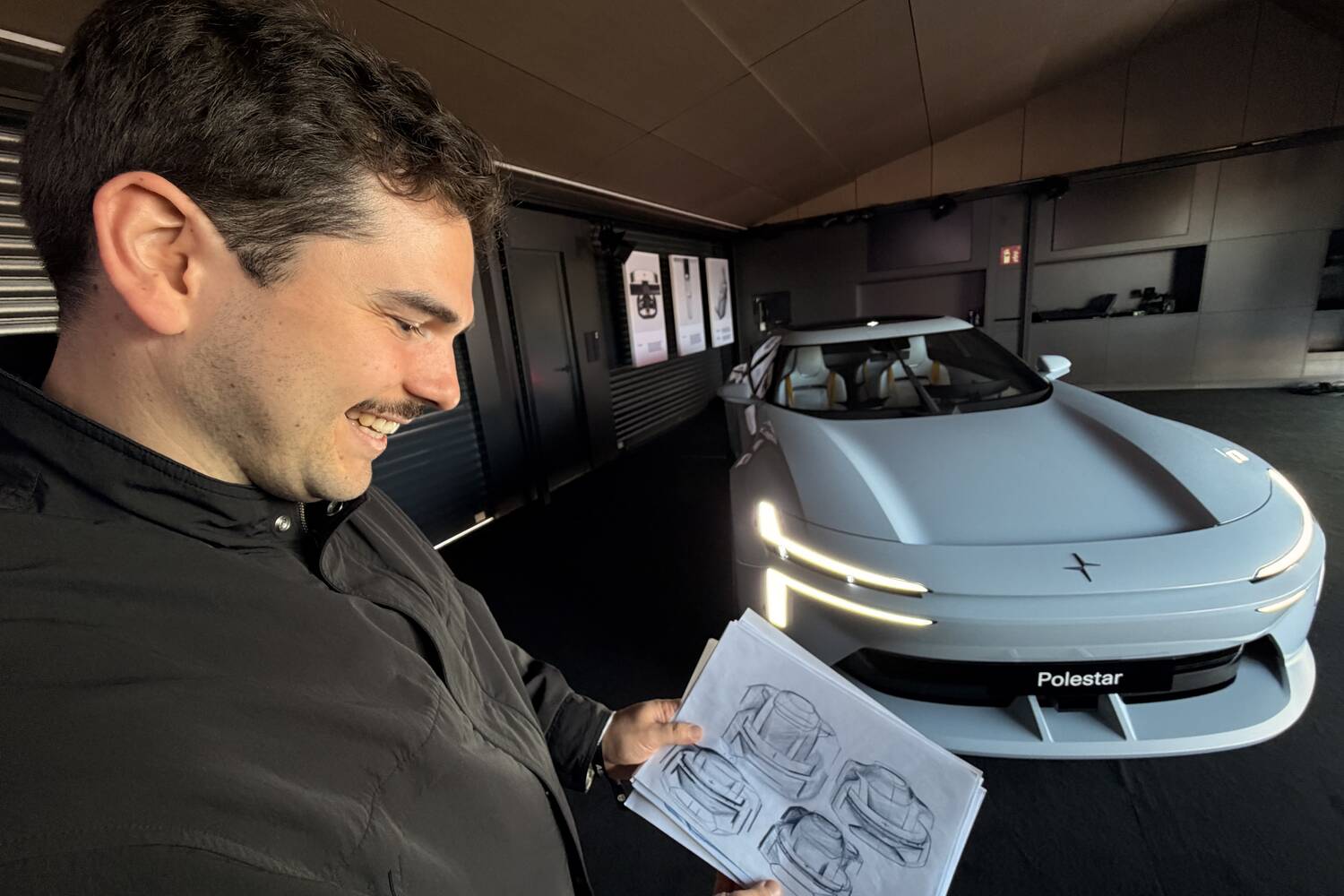
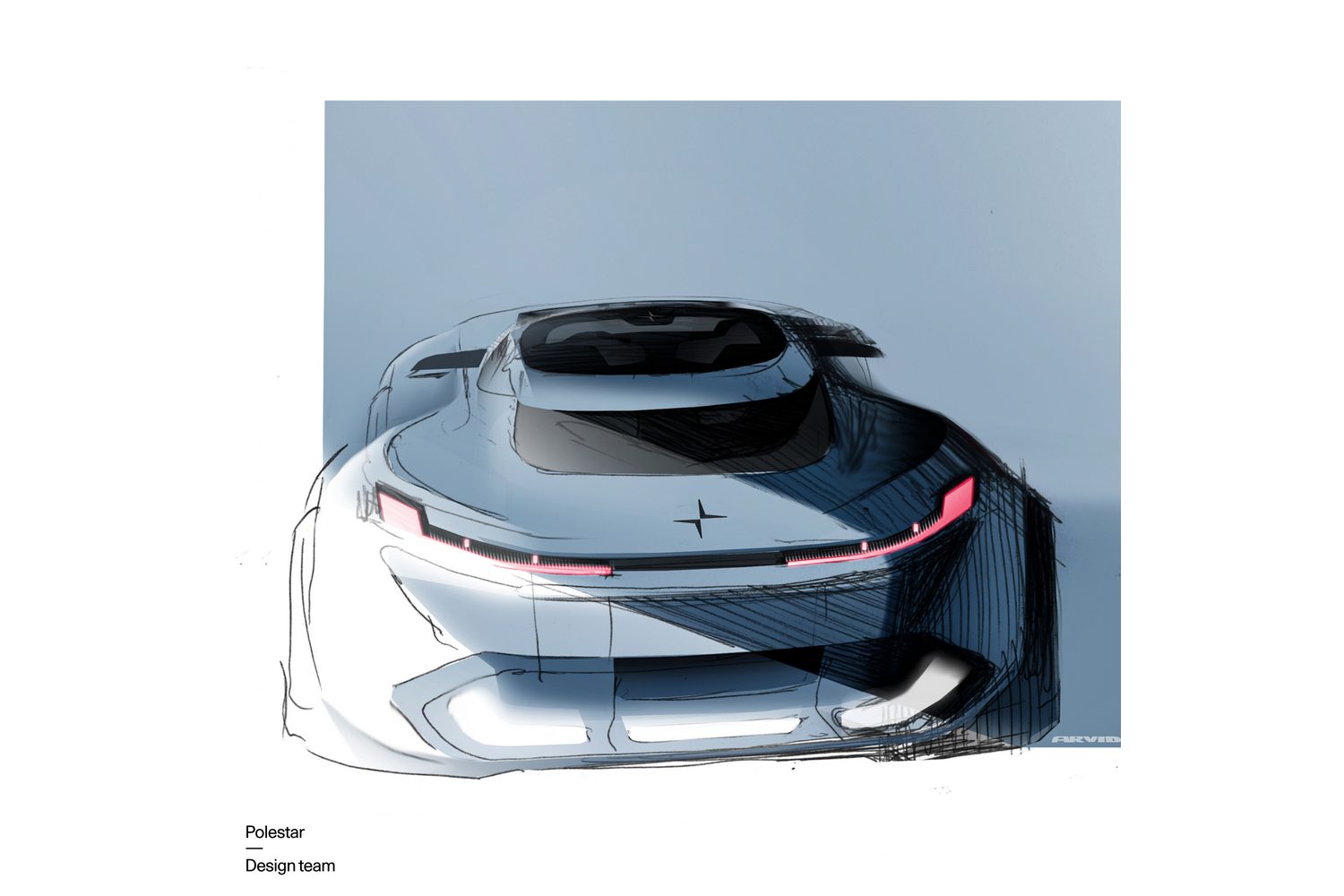
Drive, but not actually strictly speaking design. Römers is Polestar’s head of design, but unlike some other car company design bosses, he’s keen to give credit for the Formula 2030’s look to others, such as designer Arvid Esser.
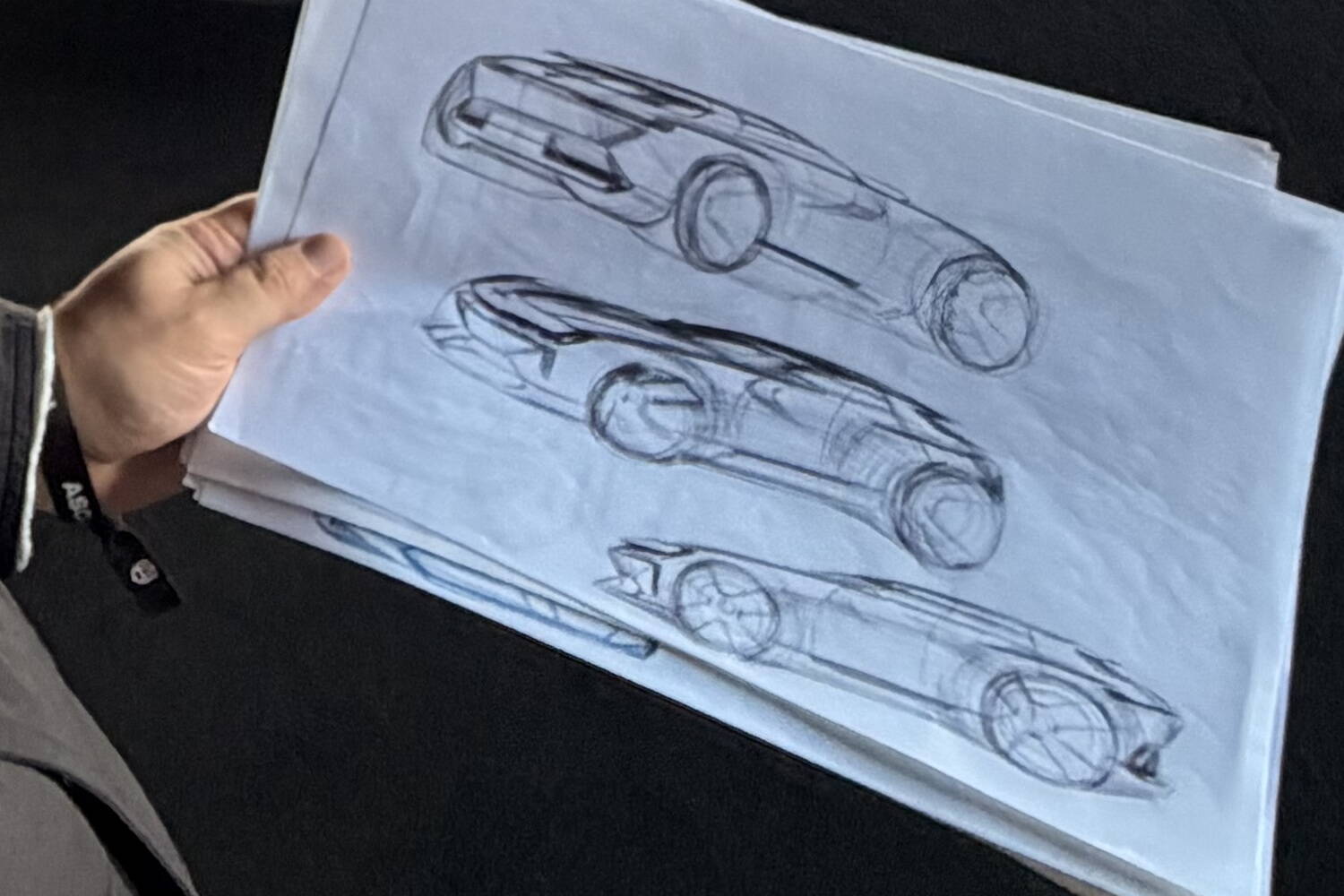
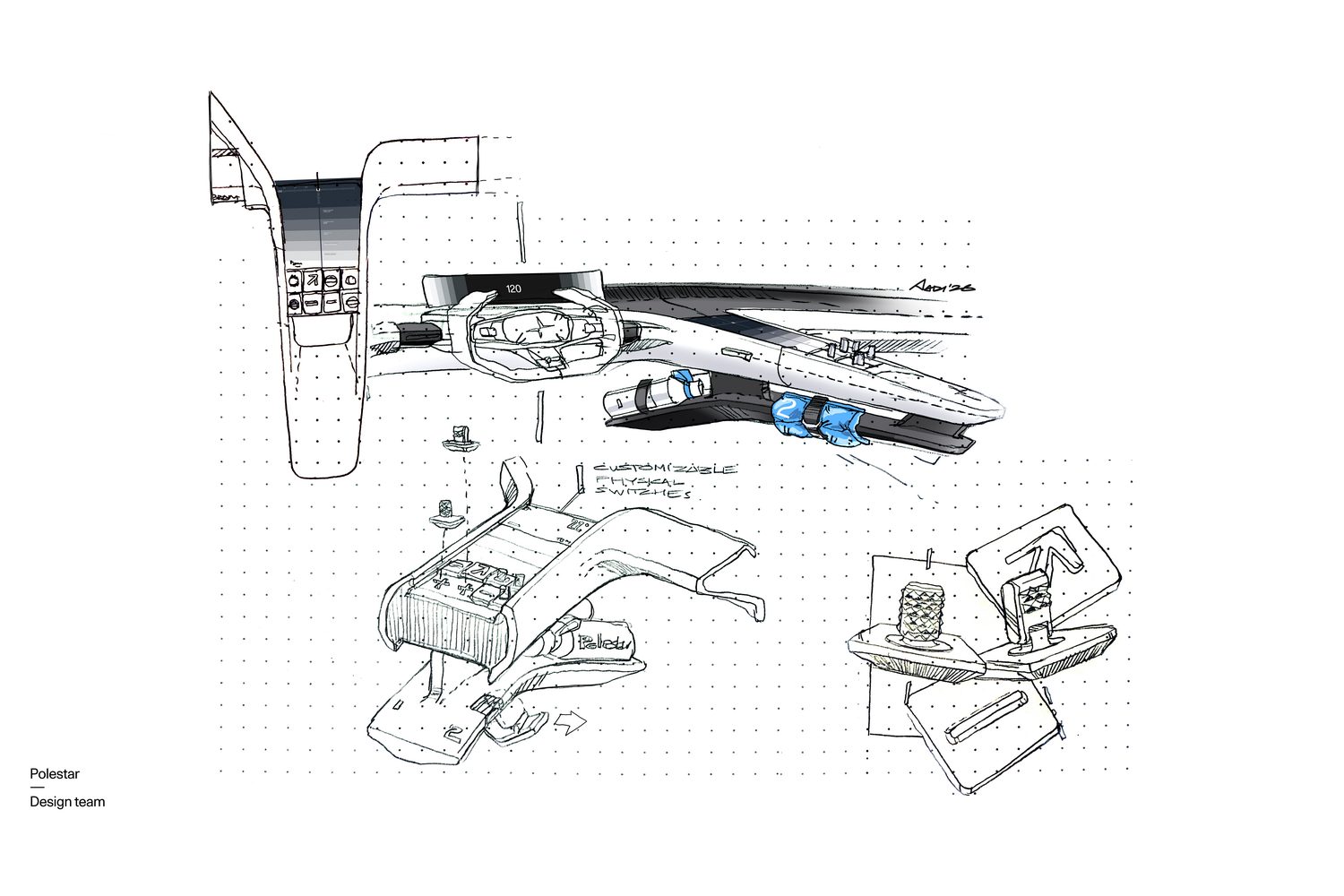
Esser actually showed us some of his original pen-and-ink sketches for the car — the pages lightly mottled from being handled and folded, and such a refreshing change from looking at renders on a screen — and laughed when we suggested that, going by the initial drawings, he must have been a fan of Transformers when he was a kid.
“When we talk about exterior, we talk about the identity of the car, but of course also the brand. So this is our journey. I mean, it all started with Polestar 1, and this is still recognisable in our face. So we went on a journey to create our own milestones to become a character through a brand that stands for its own thing” Esser told Complete Car.
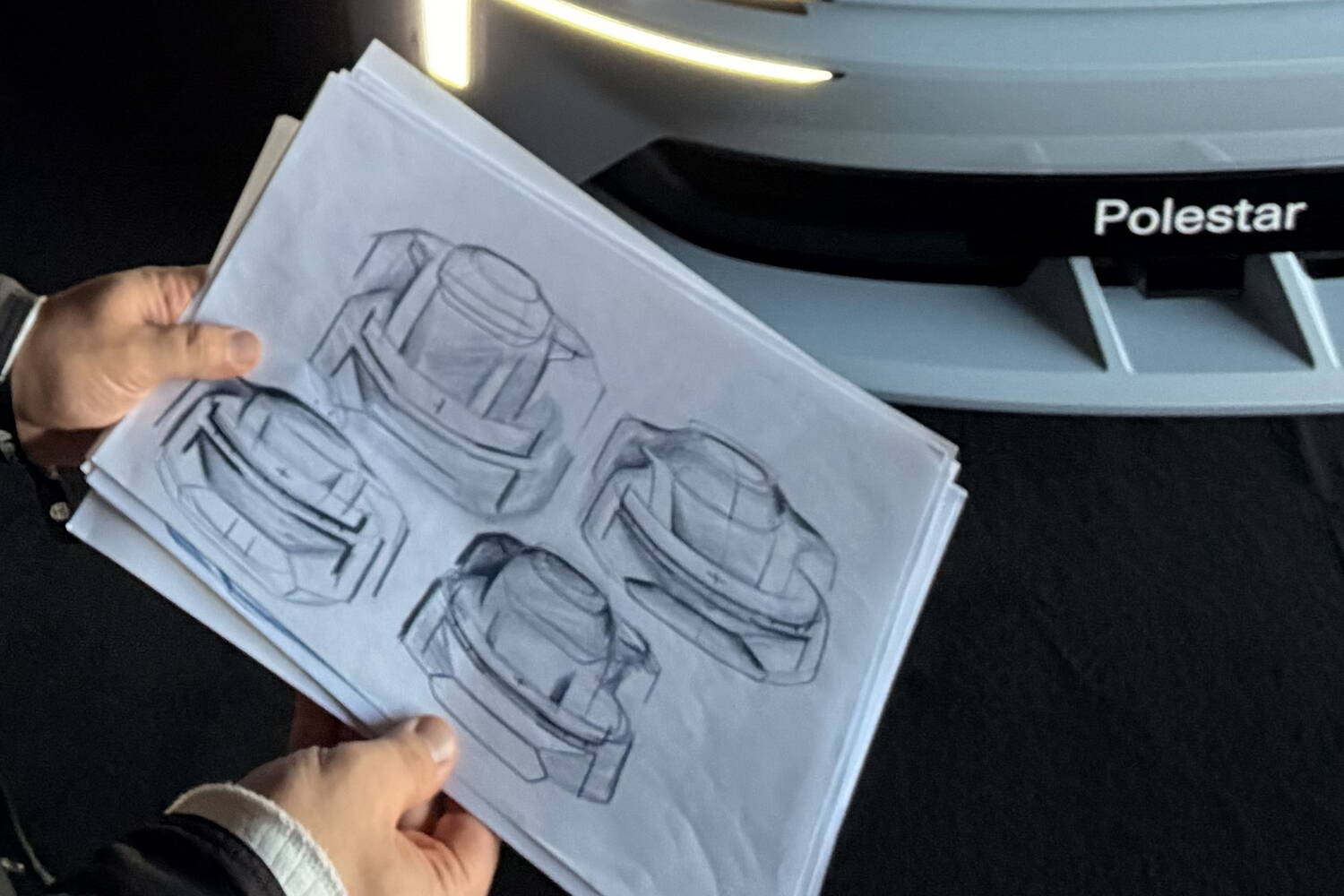
“So there are three things on this car that make it instantly recognisable as a Polestar. One, the aeroblade on the nose, which we used on the Polestar 3. Then we have the dual-blade headlights, which we brought in on Polestar 4 and Polestar 5, which is a signature that is readable during day and night. So we’ve now combined those two elements on the nose, to make a really readable, nice, characterful face out of it.
“Then, third, we have the stance — every Polestar has a great stance. Beyond that, though, we wanted to become less ‘robotic’ in our style and sharpen the contrast between the techy look that we’re known for, but with warmer surfacing that makes the car more timeless.”
The interior is just as important
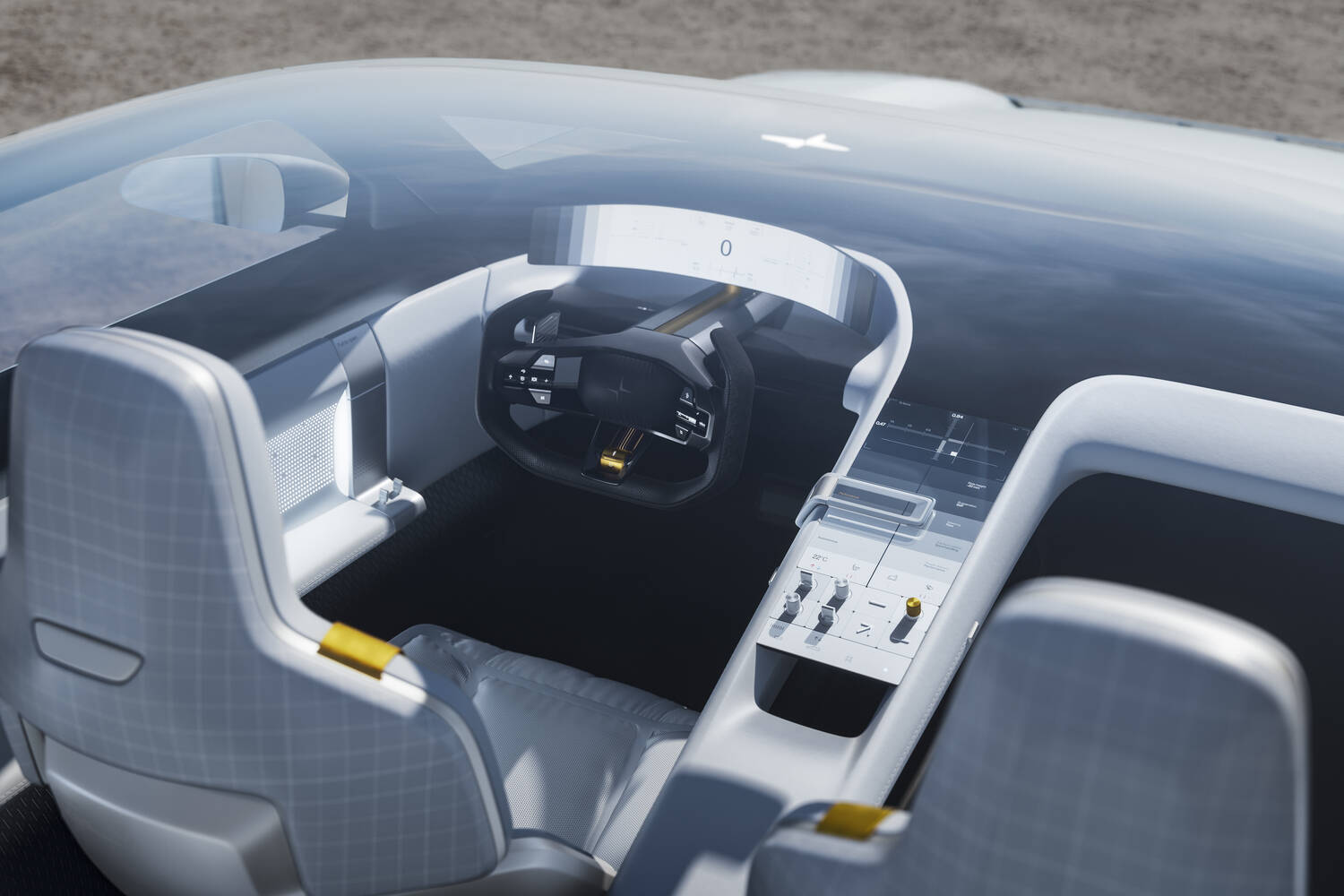
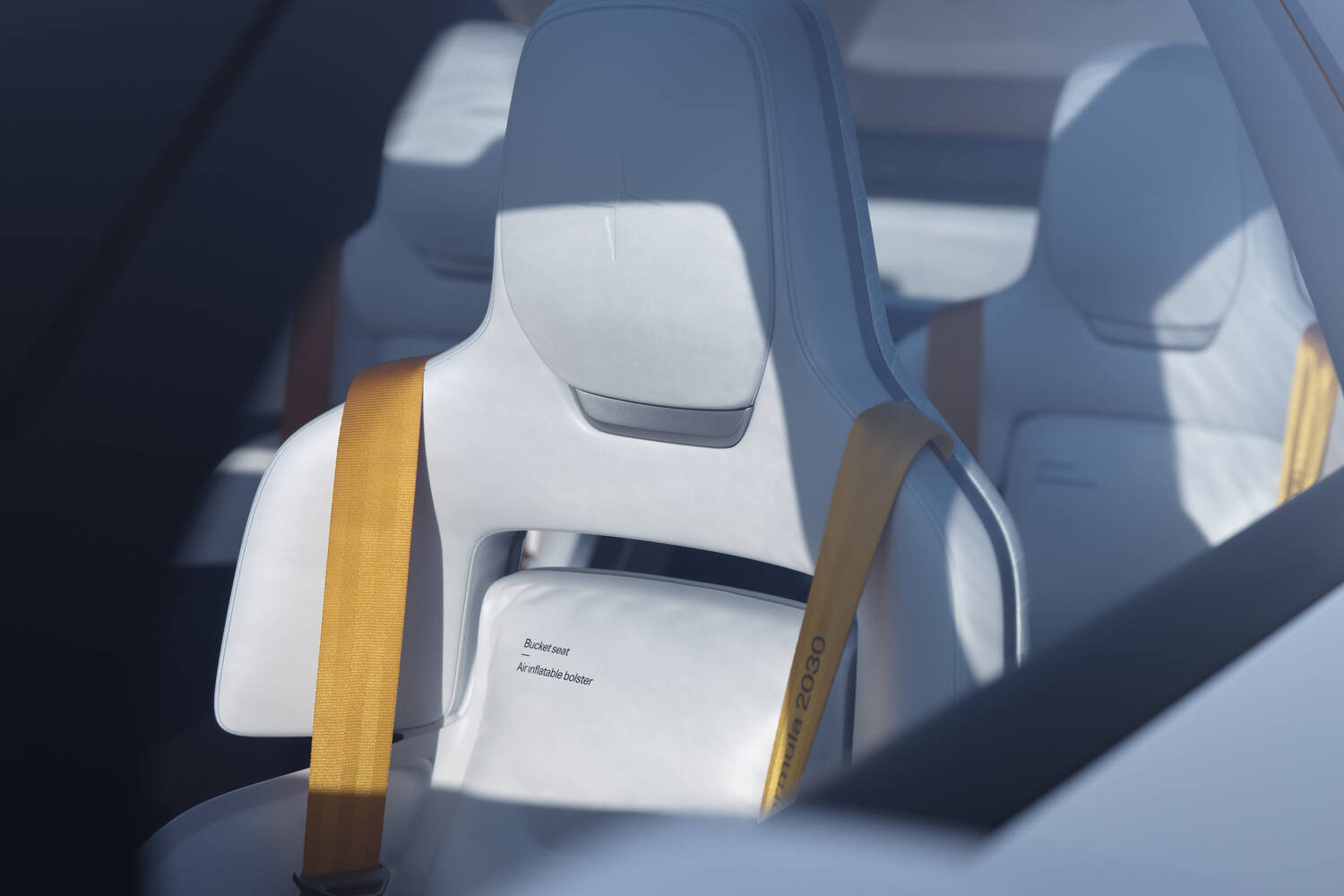
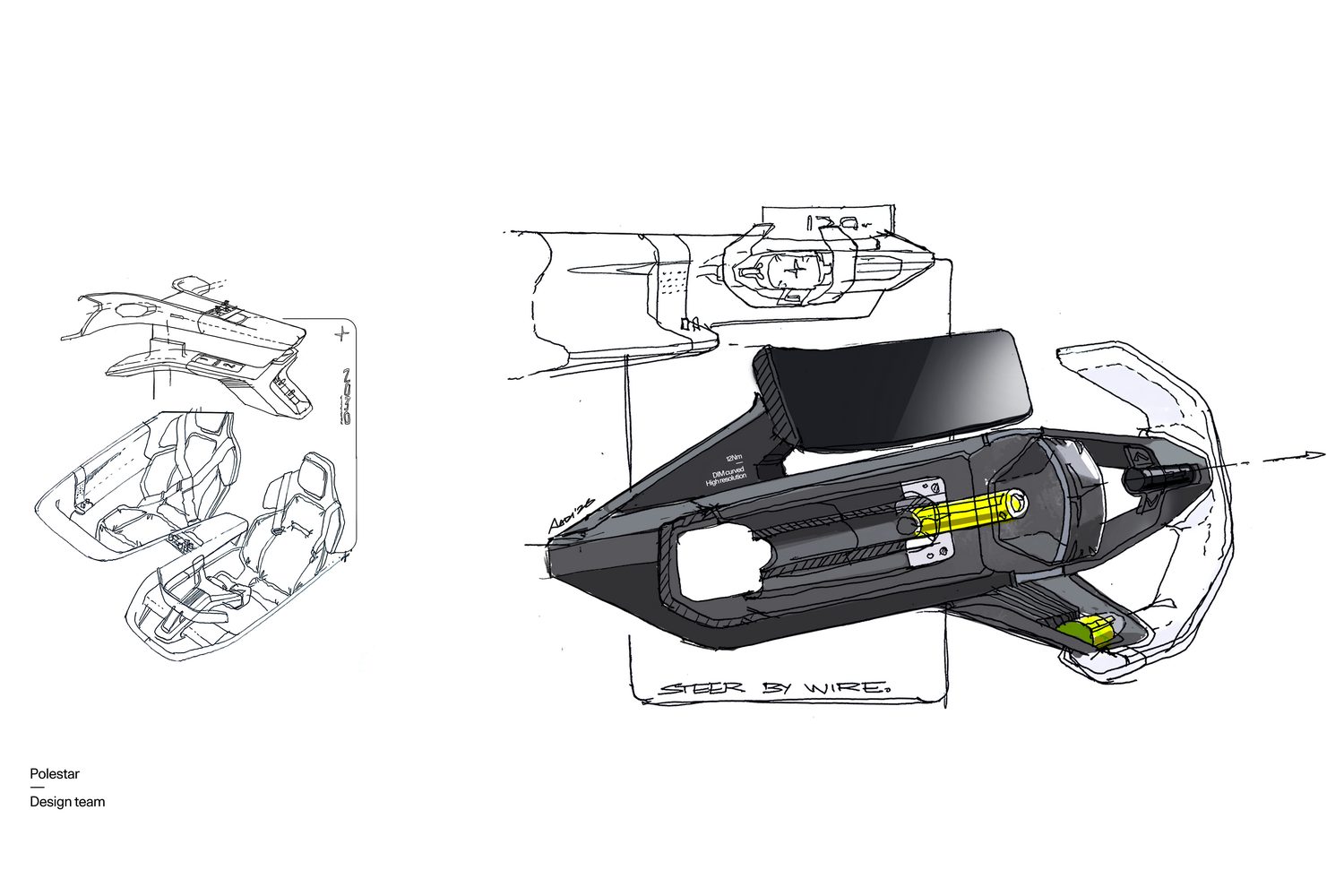
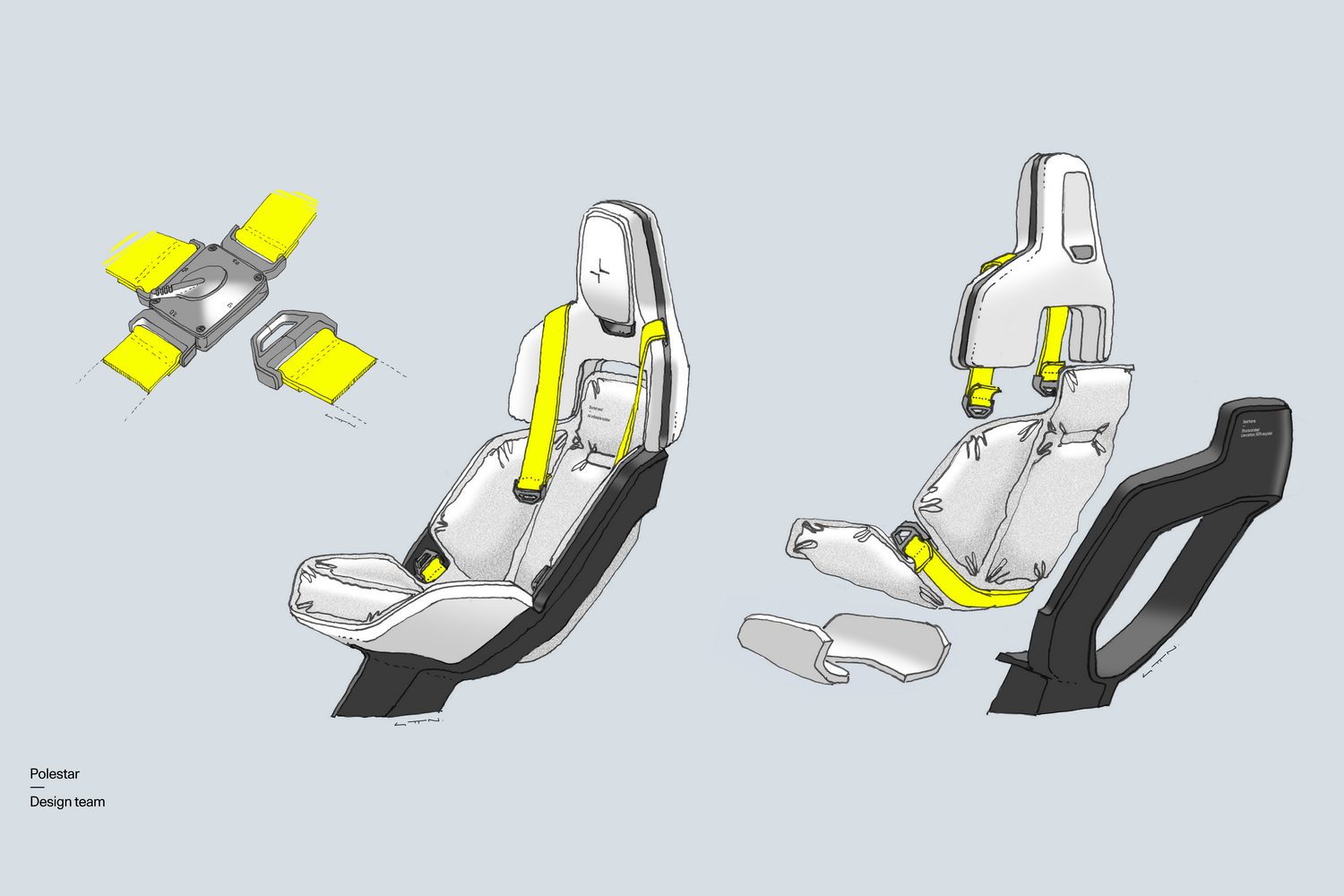
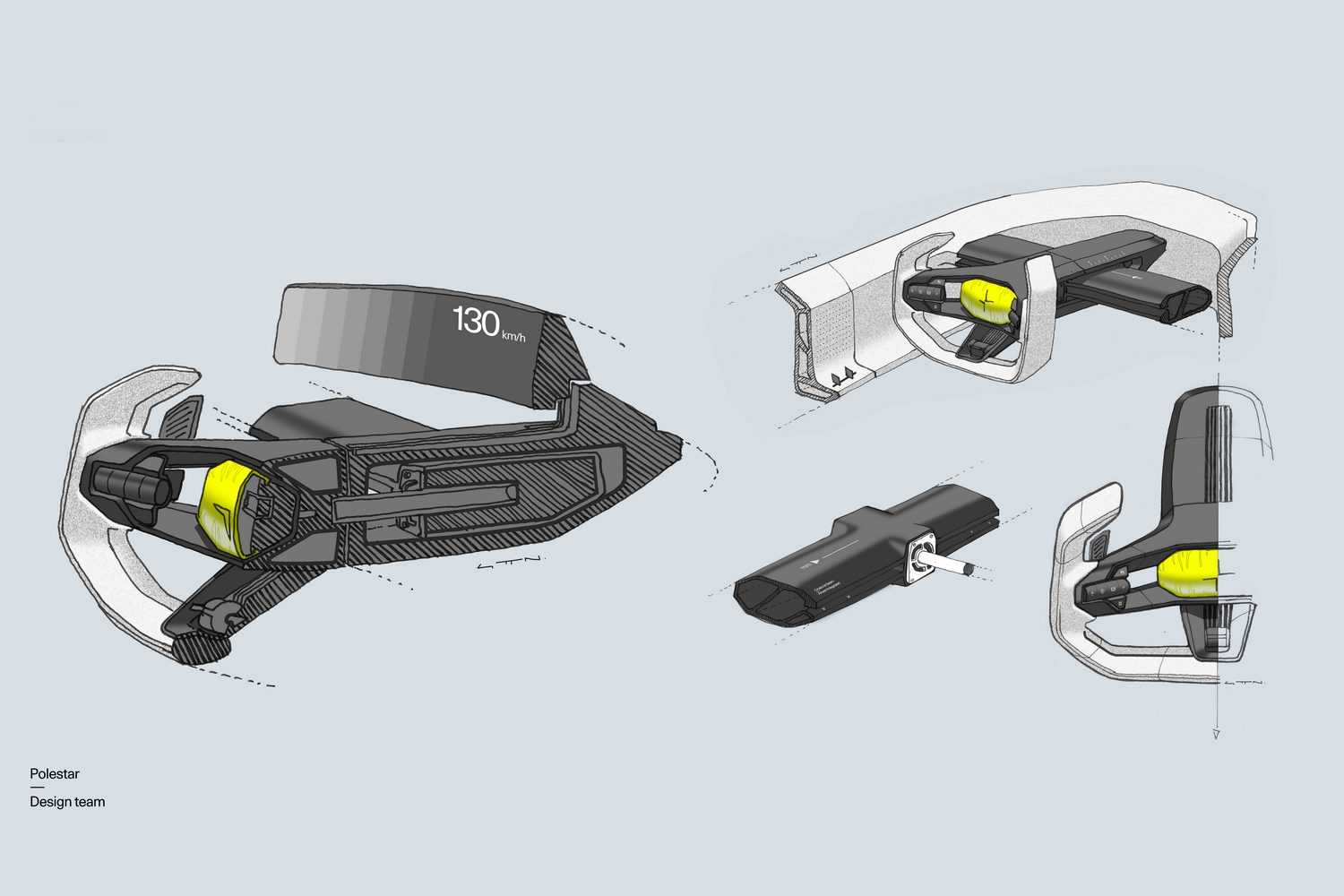
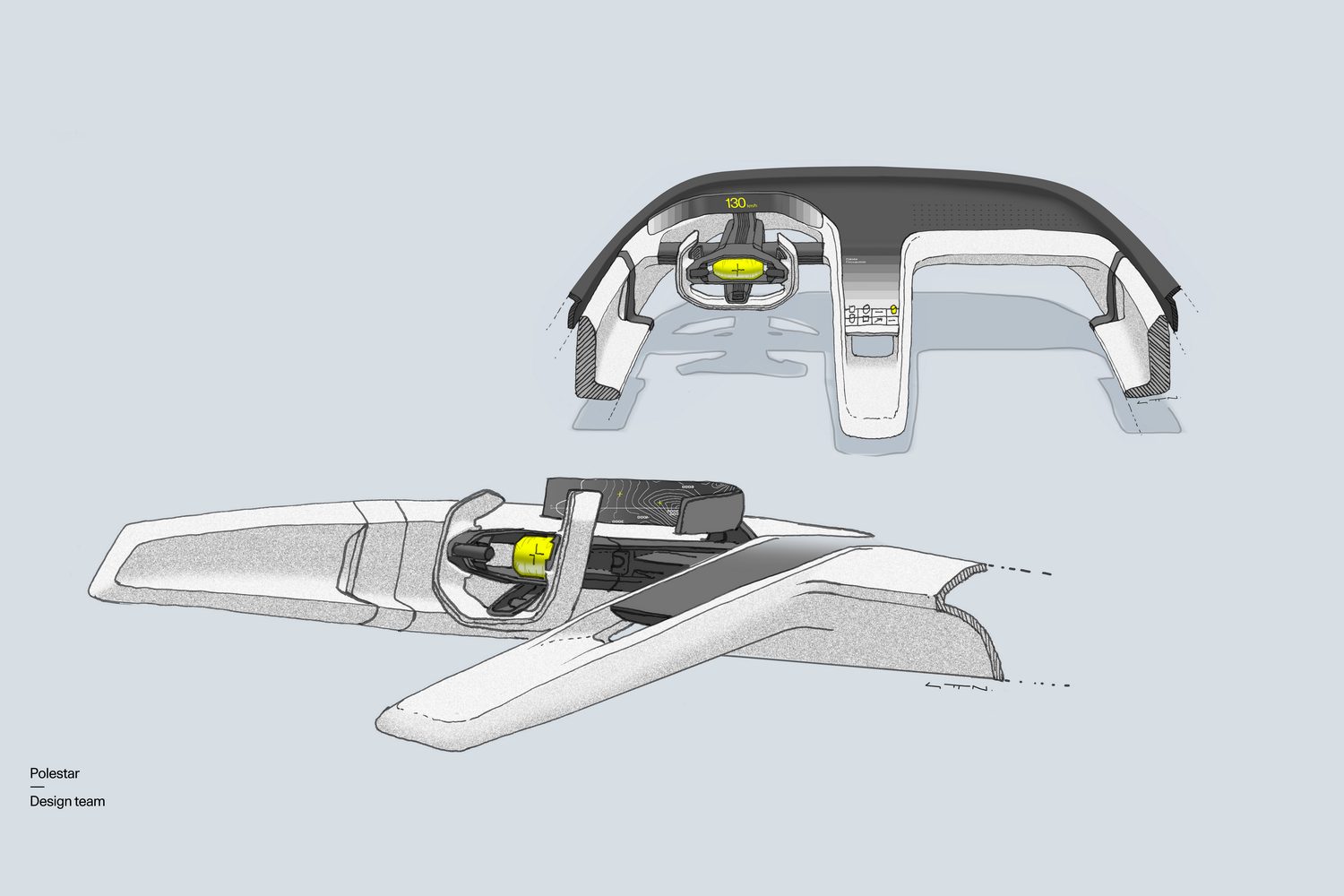
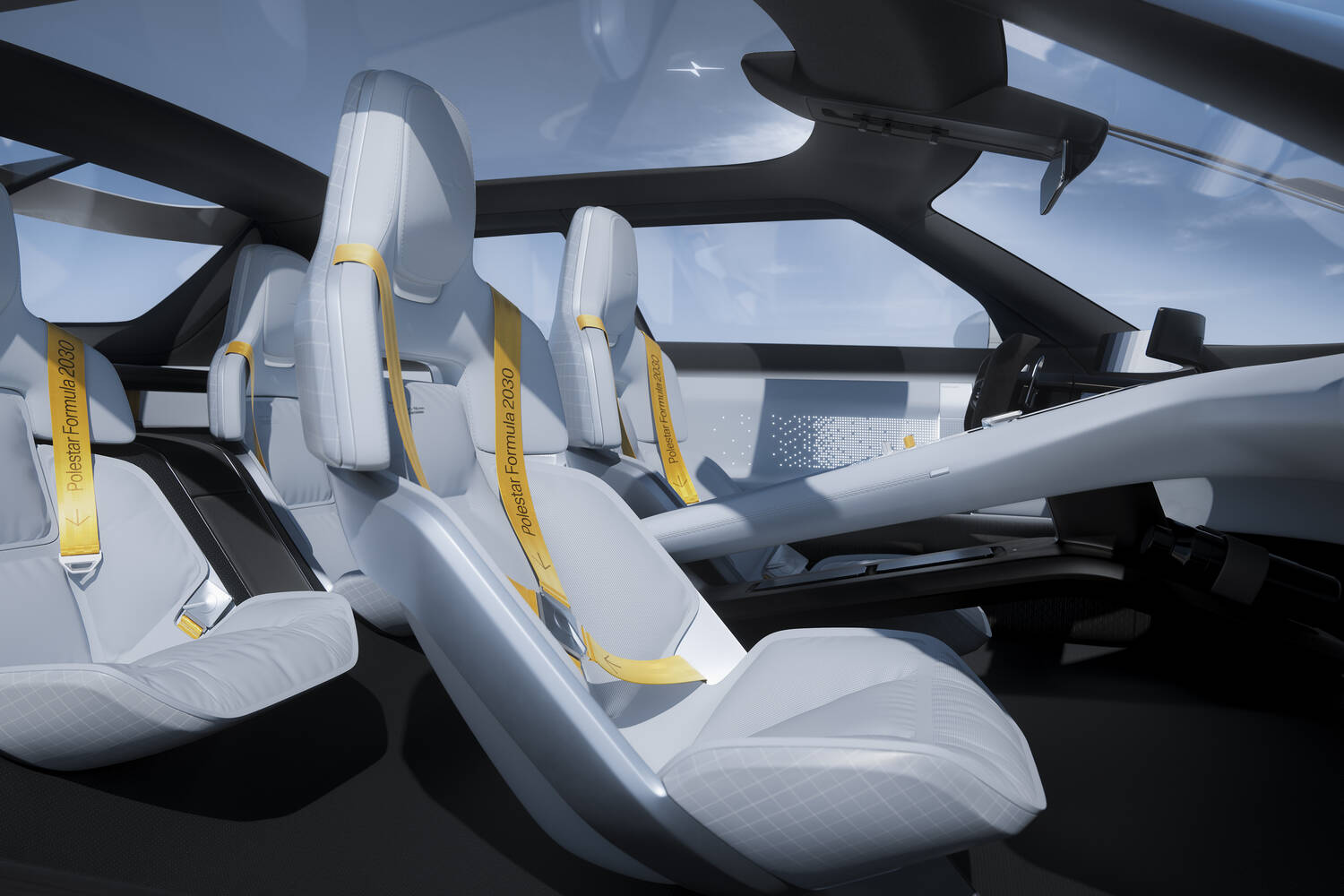
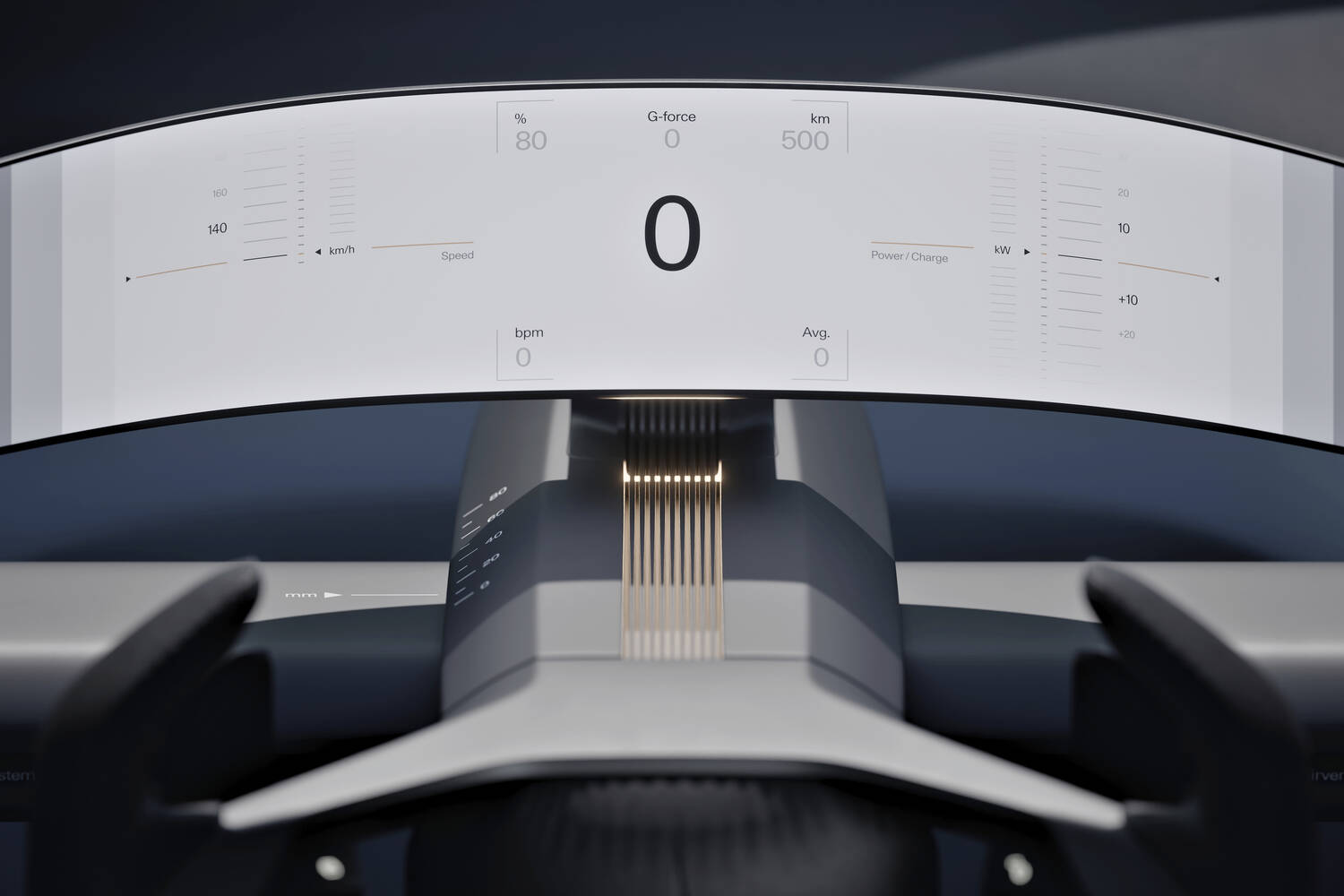
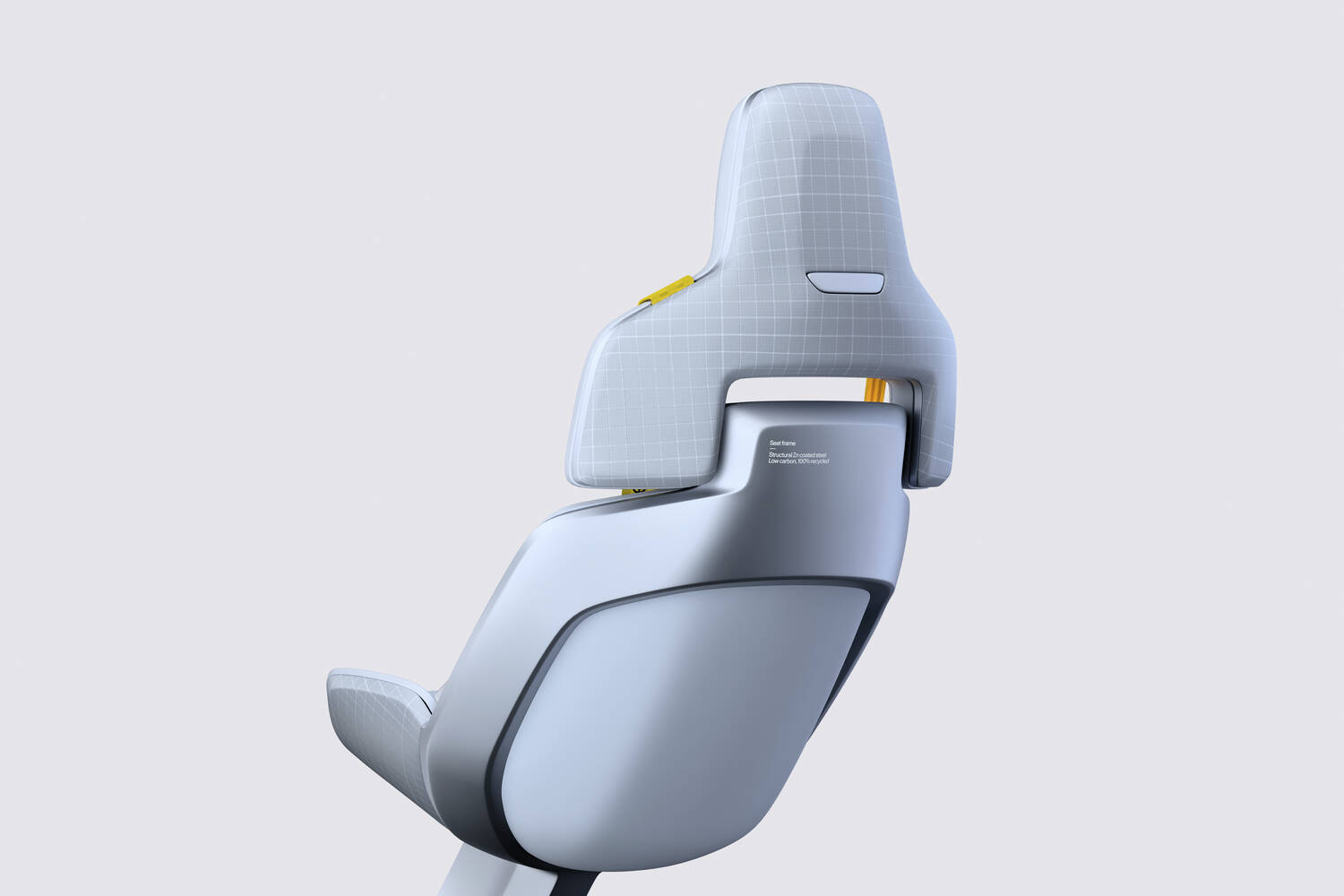
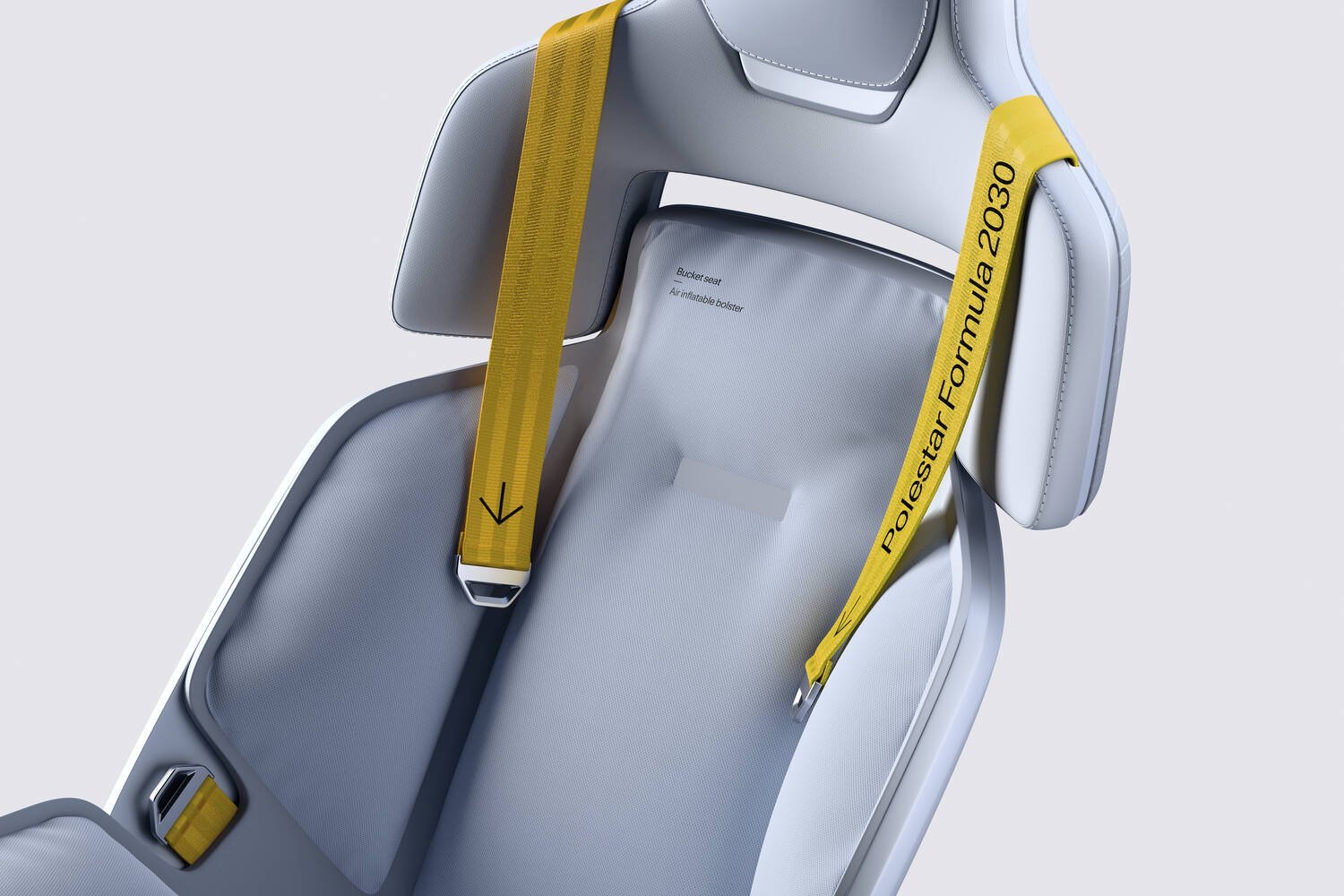
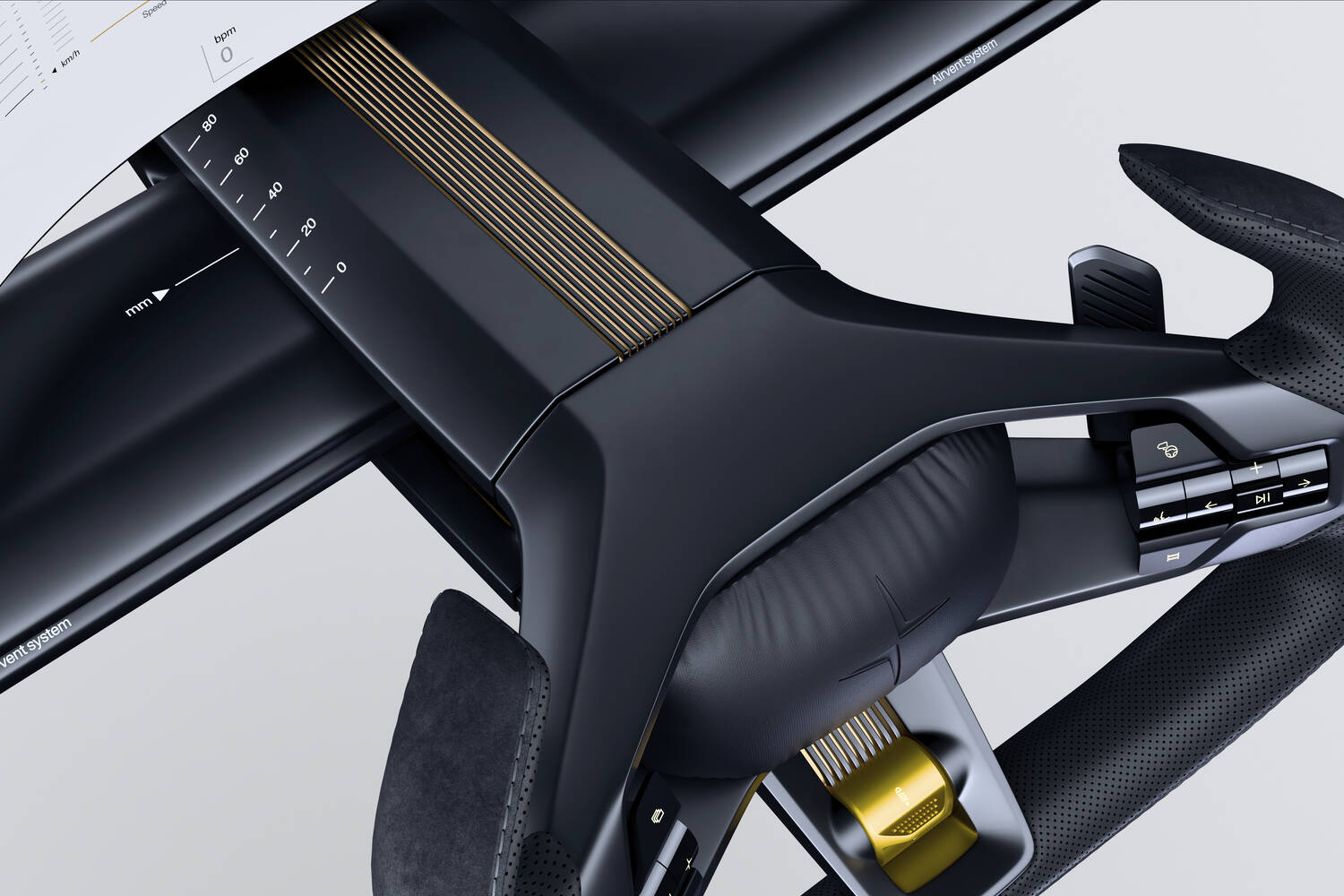
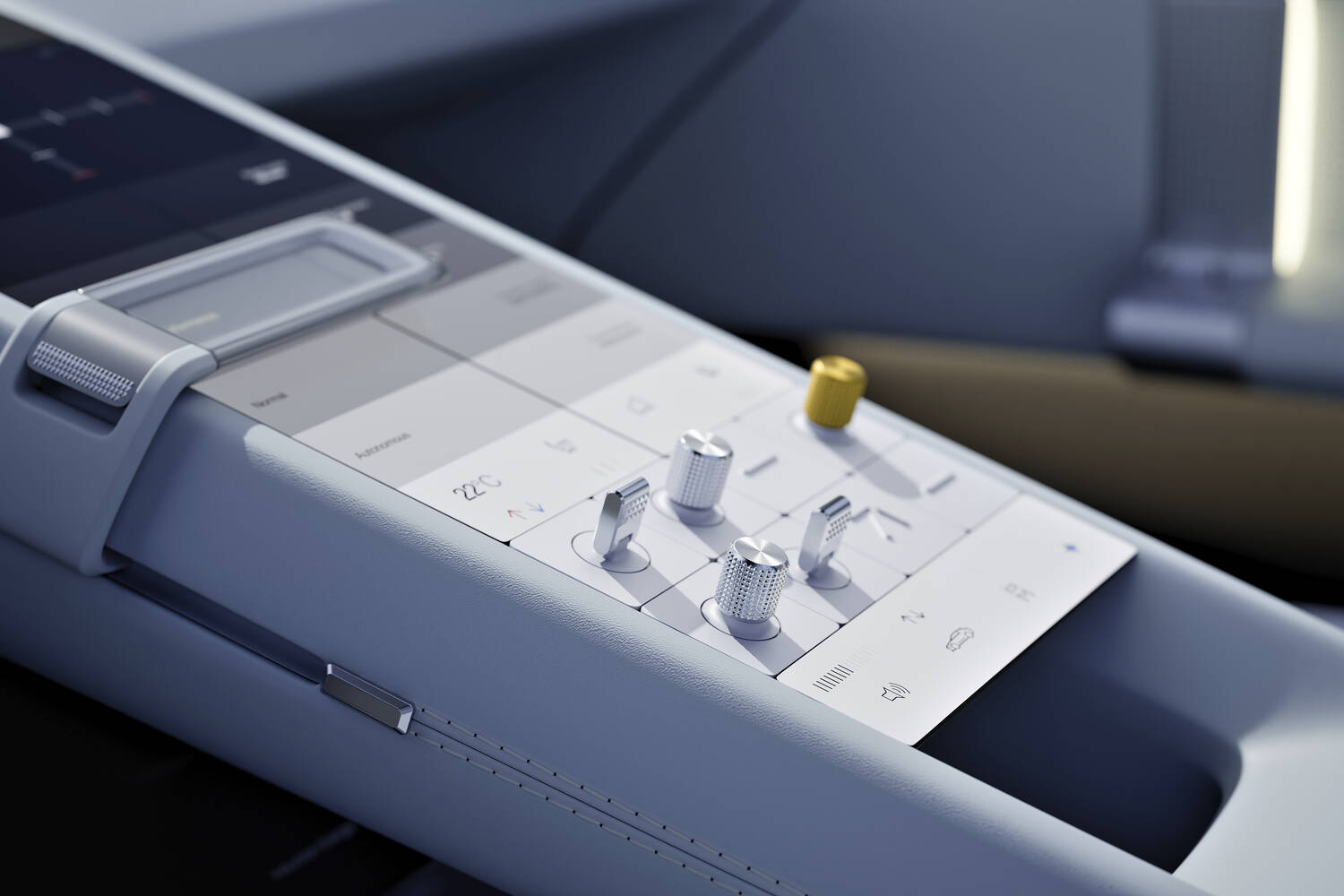
The Formula 2030 concept is not a functional car, so we sadly couldn’t open the doors and start poking around its super-cool new ‘Mechatronic’ interior layout (you can read more about that in our news piece on the Formula 2030 here…) but thankfully Polestar’s colour and trim expert Komal Singh was on hand to talk us through how the brand’s interiors are going to change.
“We've moved away from the equal orientation that we have in most cars to a more driver-focused cockpit feeling in this car. How do we do that? By reducing the centre display and instead extending the driver display area, bringing the focus back to the road,” Singh told us.
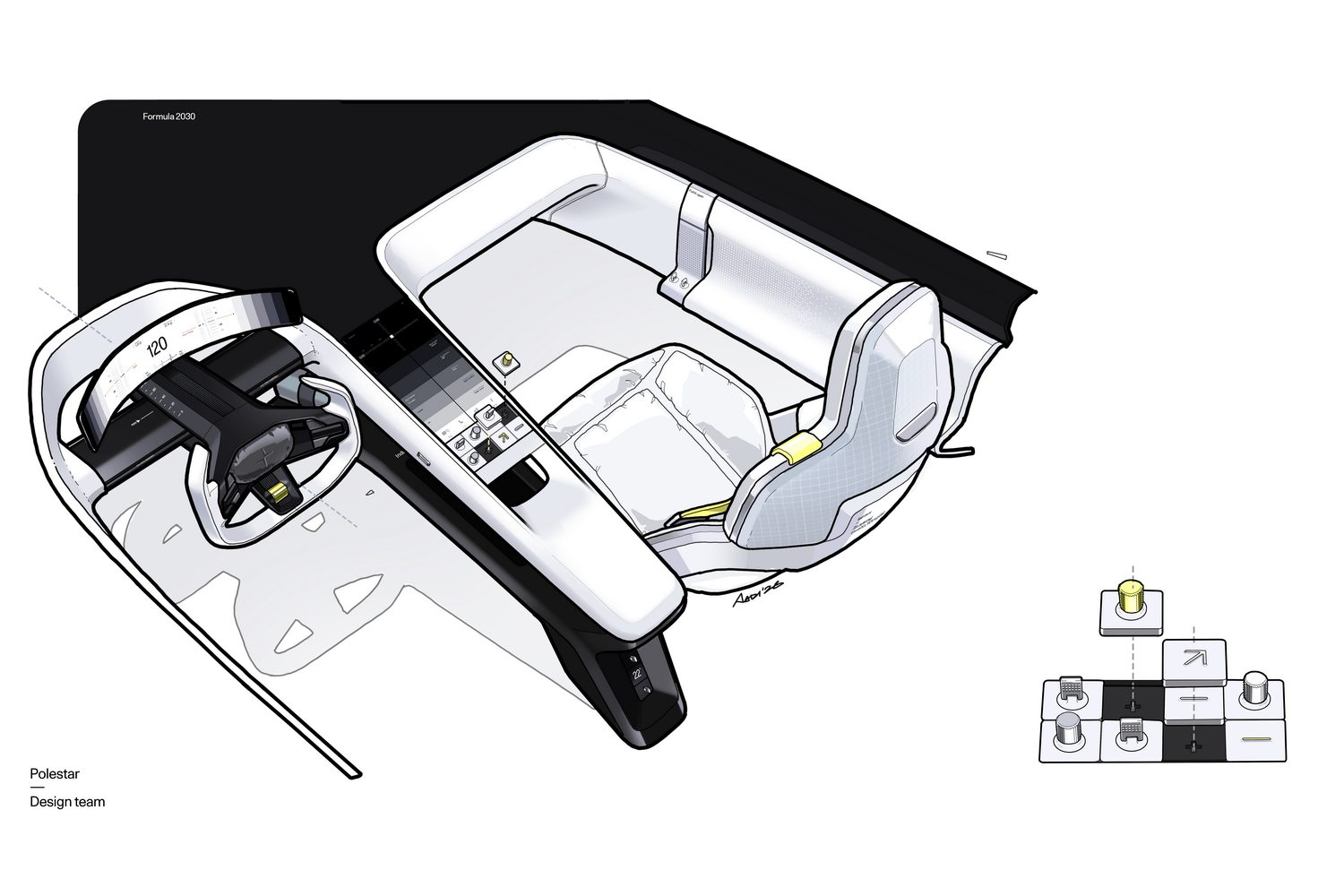
“It's an evolution of how we have done it previously. It's a very important architectural backbone for us, so you see that running across the entire cabin. Secondly, a very high tunnel console, also to elevate and amplify this cockpit feeling for the driver.”
Singh also pointed out that her team is working on a new set of cabin colours for future Polestars, taking them — gently — away from the current stark black and white look: “With colours and materials, which is a very integrated part of the cabin, as we like to design them together with our exterior shape designers, you see this seamless tonality running across the entire exterior to interior.
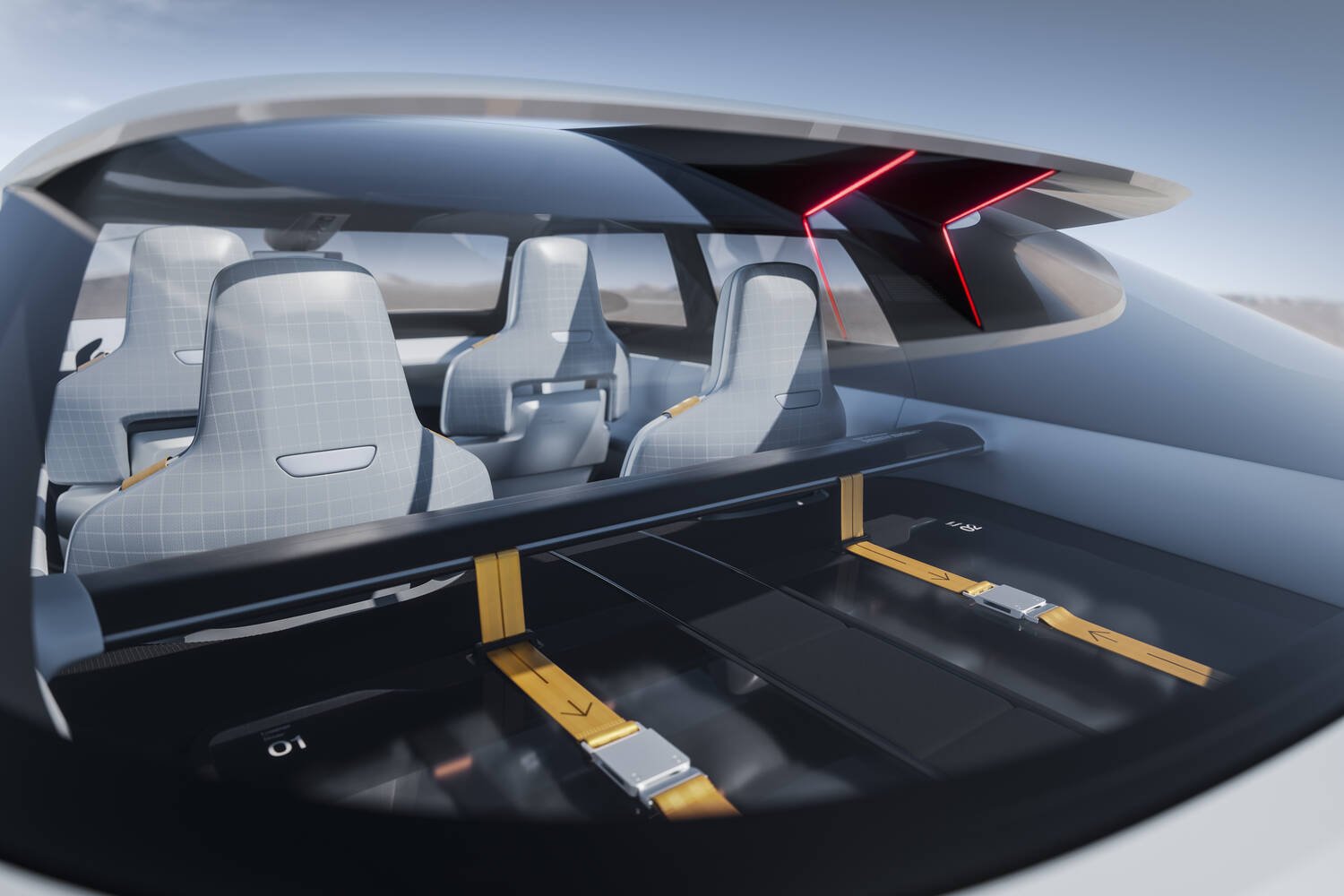
“Previously, Polestar as a young brand, we've tried to stay very white with contrast black details, and of course our Scandinavian Swedish gold, which makes us instantly recognisable. So we will stay with that. We think it brings a great recognition to our brand. But going forward, now it's time to start introducing more colours, but still in our quintessential Scandinavian fashion.”
Light purples and mauves are on the cards, as are softer shades of yellow. It’ll be interesting to see how Polestar cabin designs evolve over the next few years.
Maybe there’s some motorsport influence after all
All of which starts with next year’s Polestar 2 saloon, which we expect to see in full before the end of 2026. Römers wanted to finish, though, on one final detail of the Formula 2030, one that harks back to the brand’s motorsports origins.
“We have to add some emotional elements, which really are a hint to automotive history, because we are in the middle, right? We are kind of a tech brand, and at the same time, we are also kind of a beloved brand,” said Römers.
“And we have to bring these emotional elements in. So as well as moving the suspension, the Öhlins suspension units, inboard like they are on a racing car, we’ve also got the centre windscreen wiper, for example. That's really nice. It’s very Scandinavian, so to say because it has some functional benefits. And of course, it's a link to motorsport, to the touring cars and endurance racers.”
If Polestar can give us a sleek, efficient electric car (or cars) that also have some of the look and feel of its astonishing racing cars — which include the Volvo touring car racers of the 1990s — well, that would be quite something, wouldn’t it? Maybe my Group B rally response wasn’t too far off the mark after all.

Video player loading.
Video unavailable. Watch on YouTube
If there is anything about this story we have not covered, you can avail of our expert advice service via the Ask Us Anything page.