
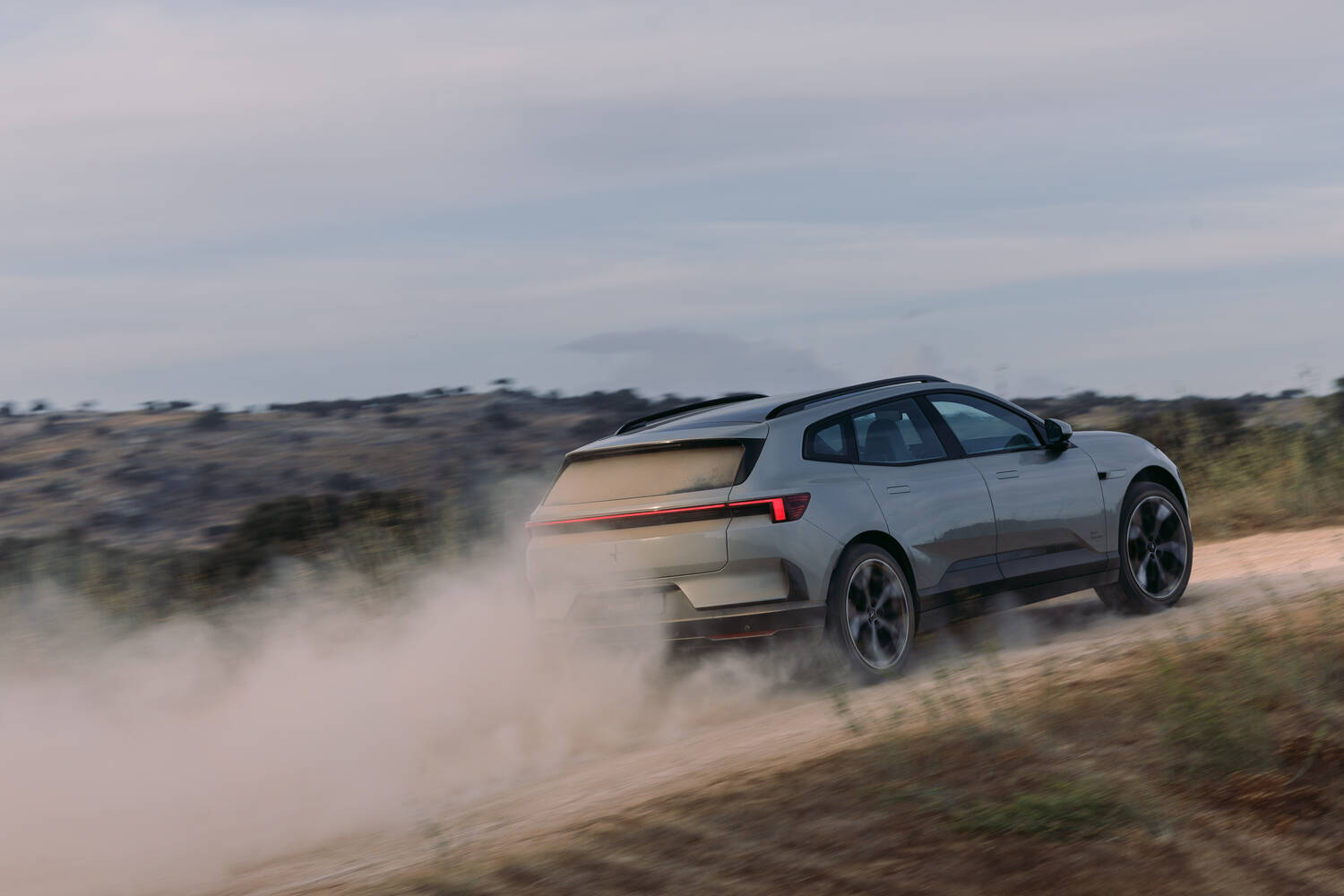
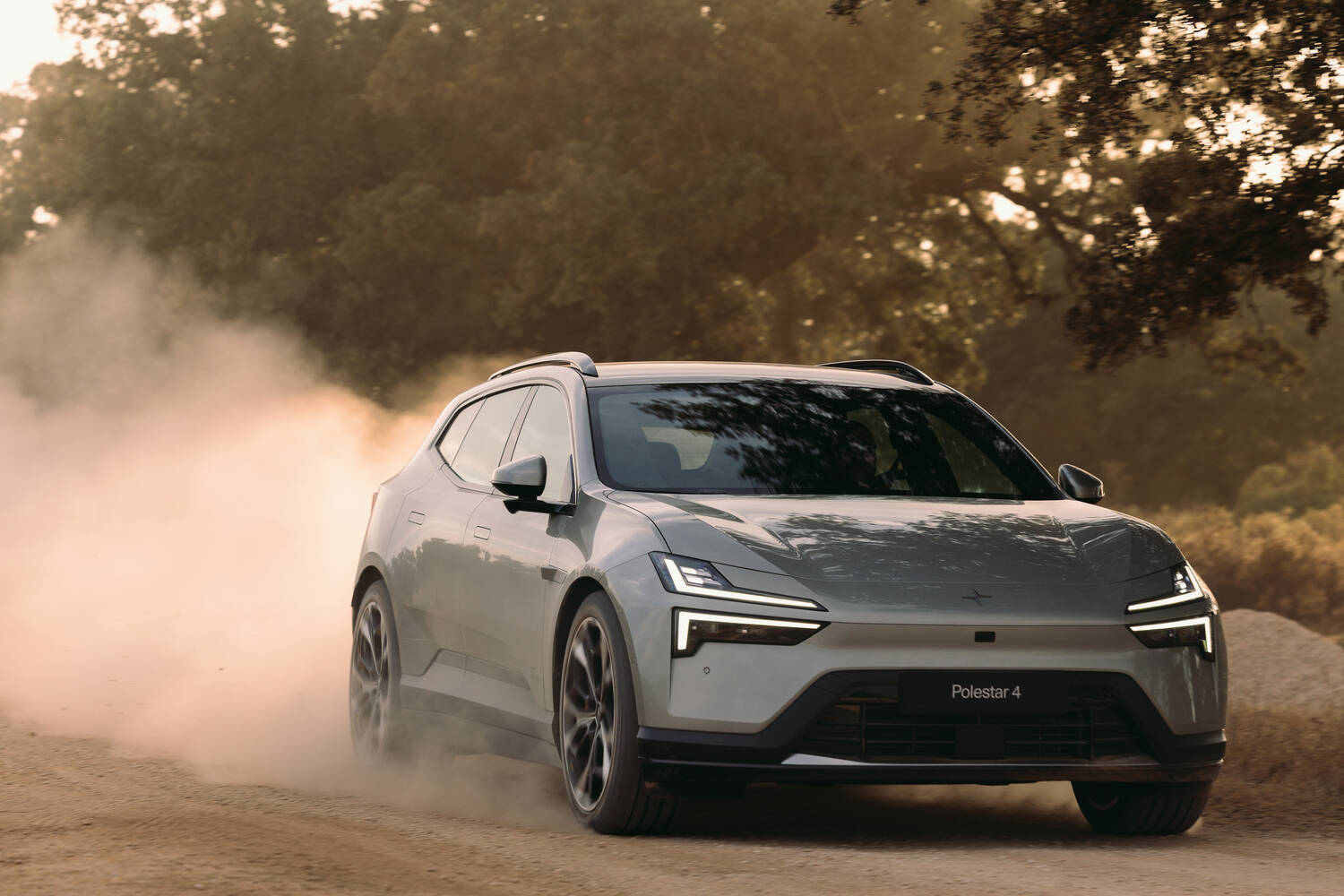

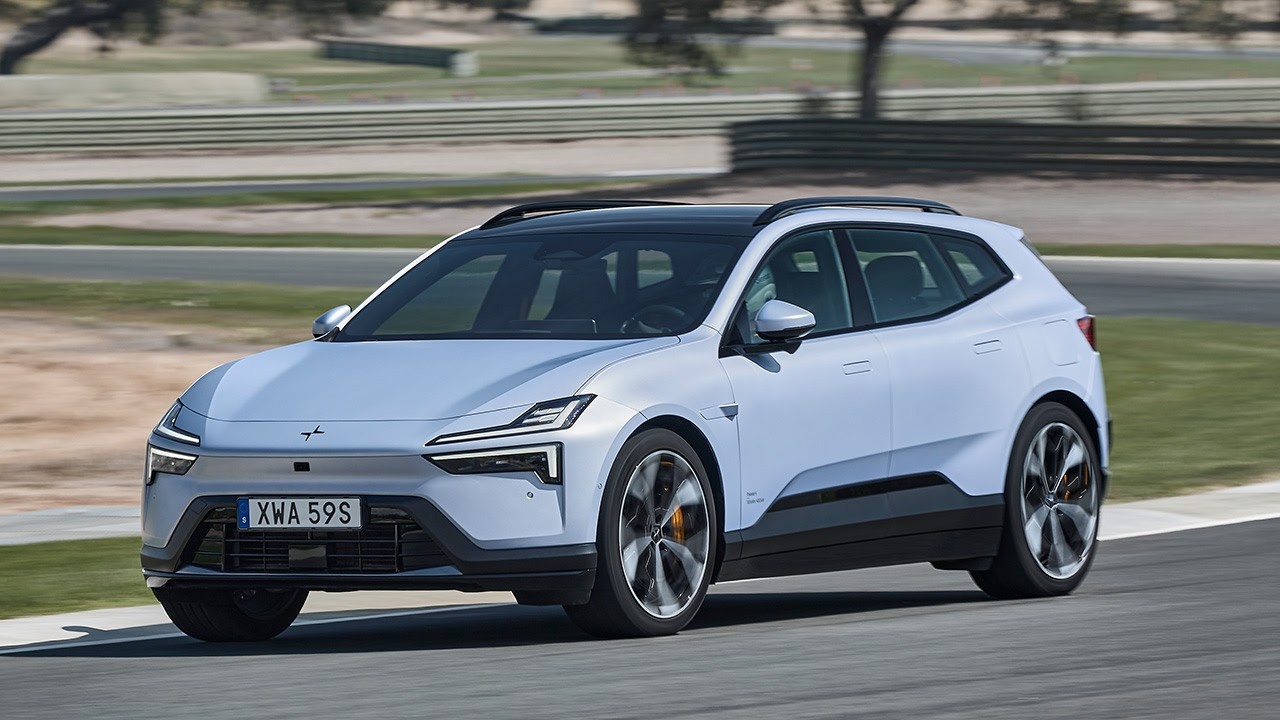
Exterior & design of the 2026 Polestar 4 SUV
- Sleek styling for an SUV
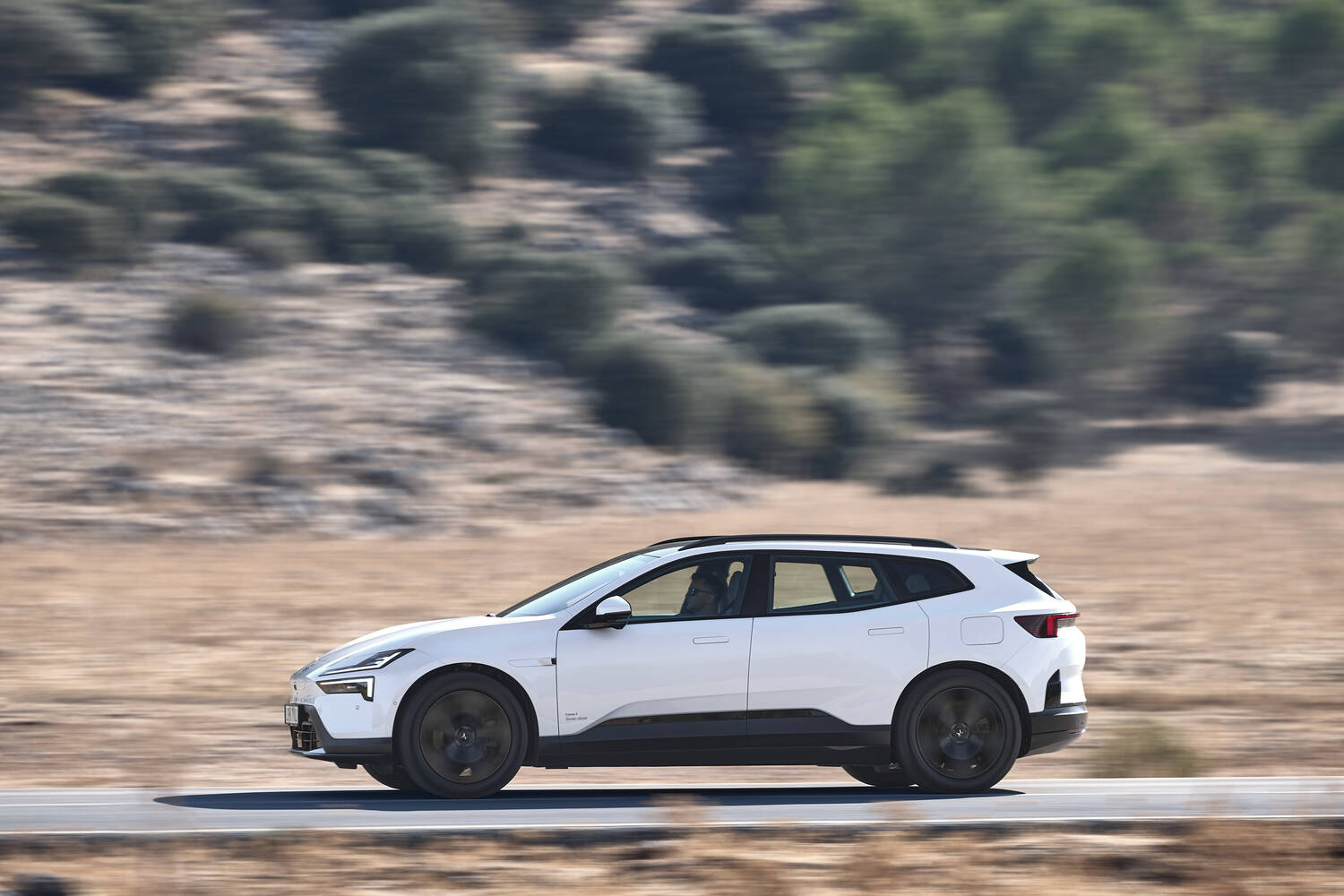
- Almost looks like an estate
- Best looking car in its class?
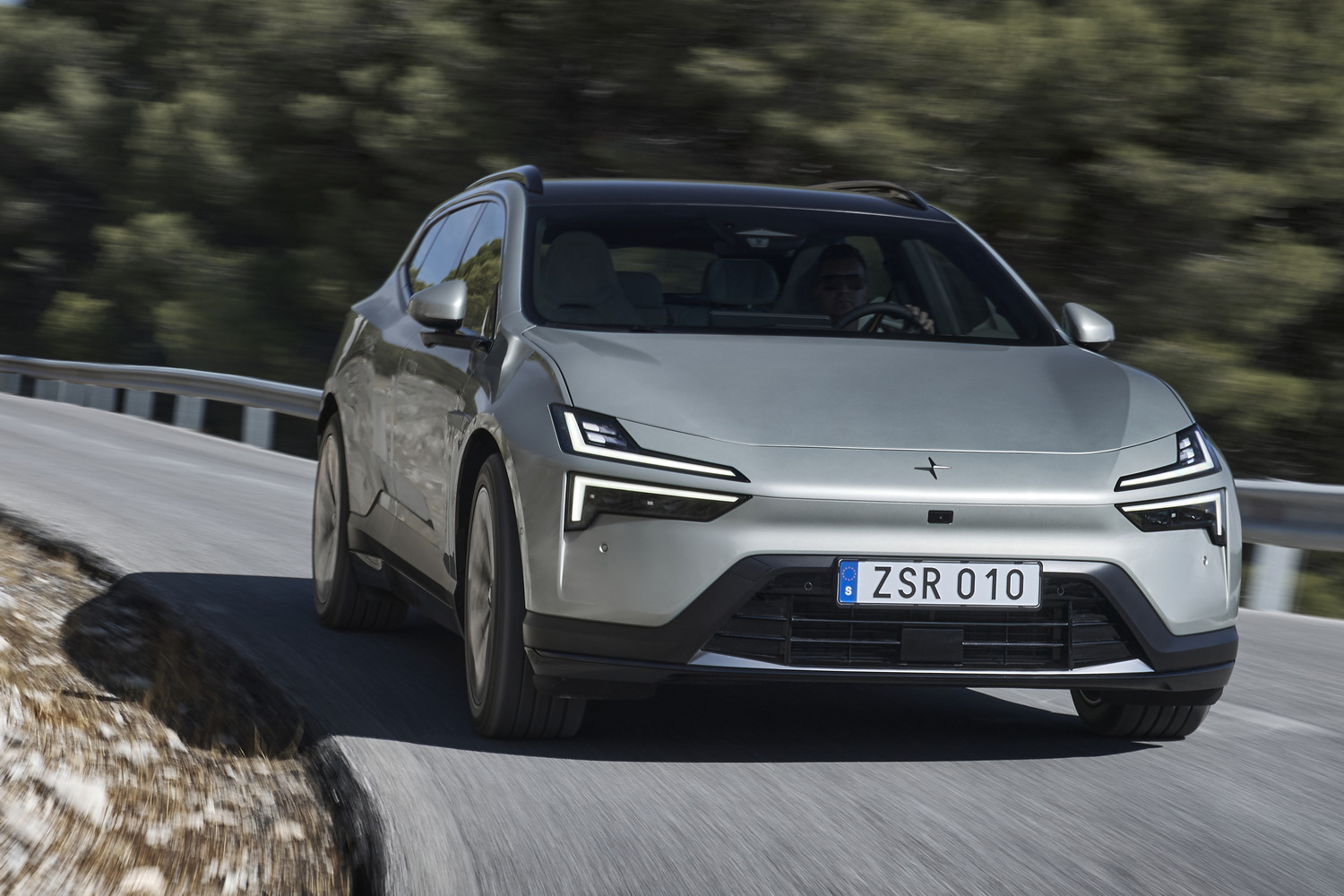
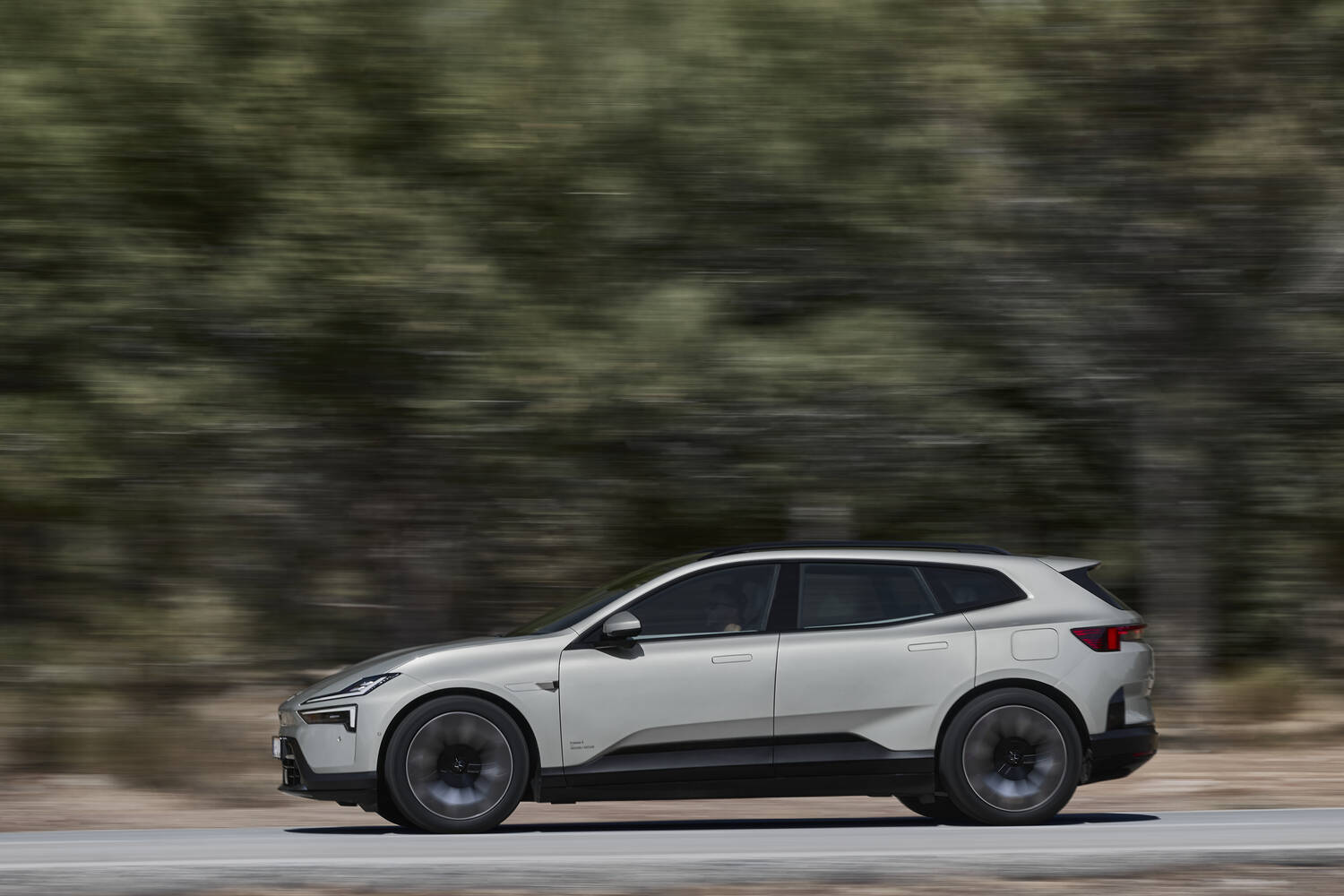
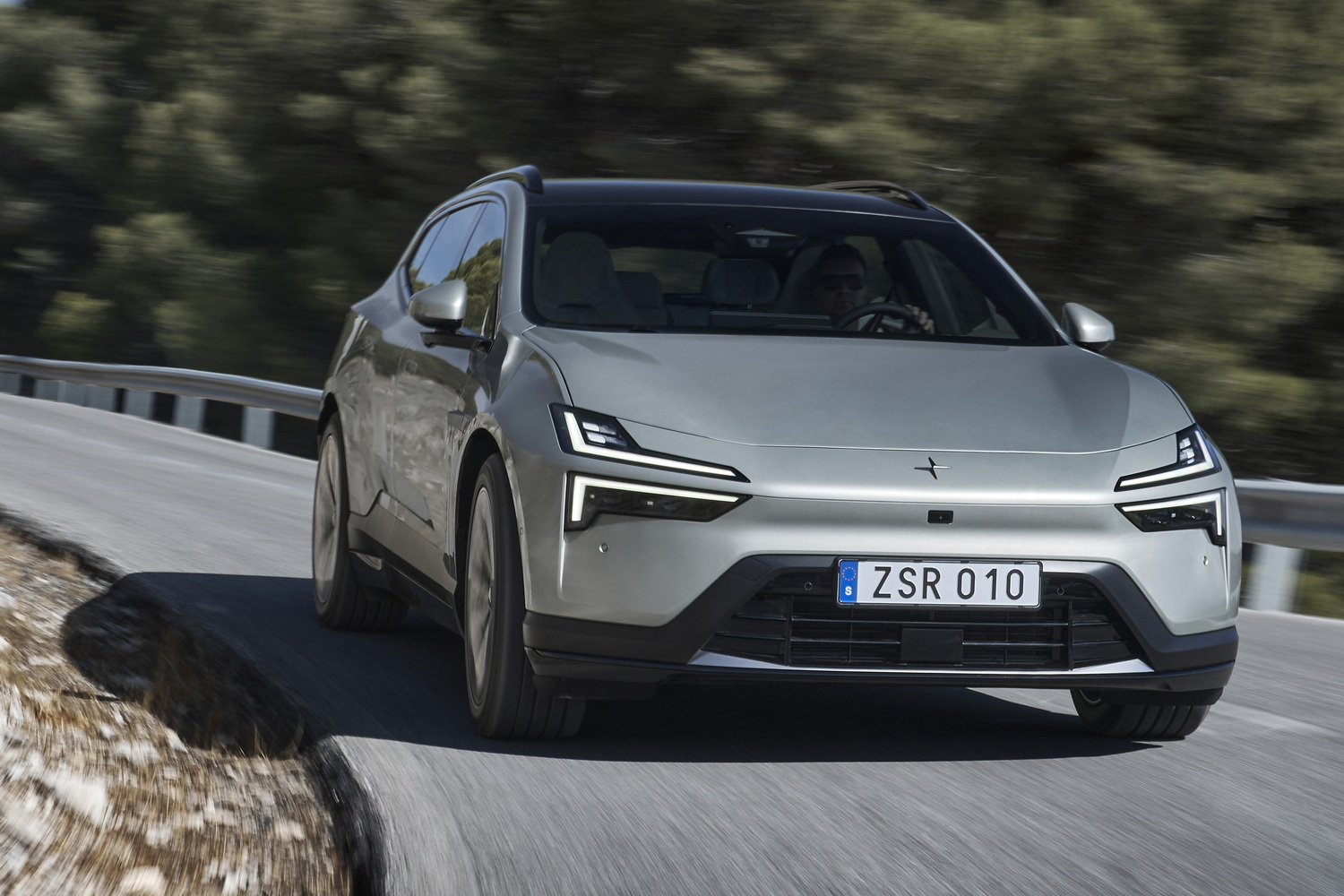
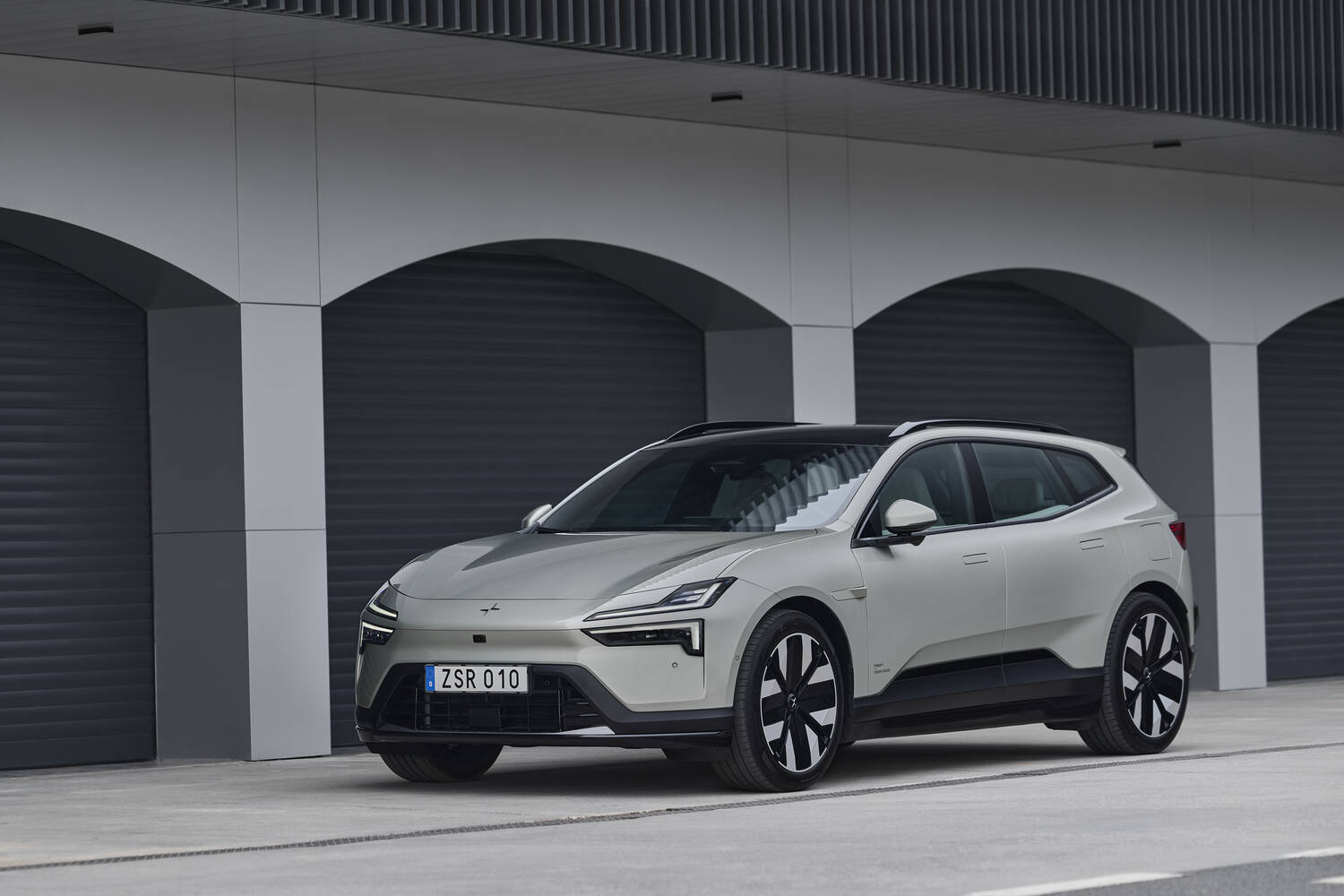
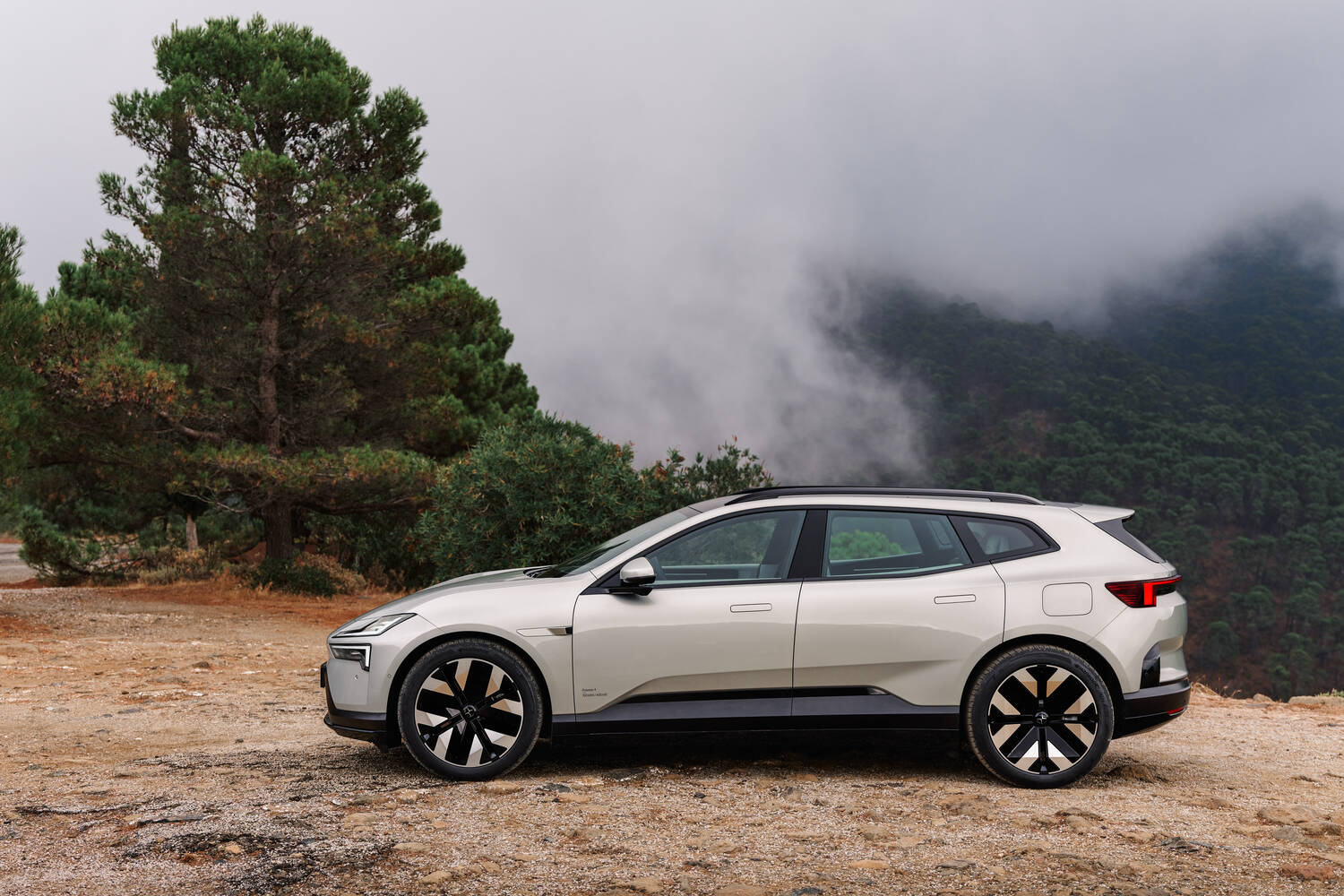
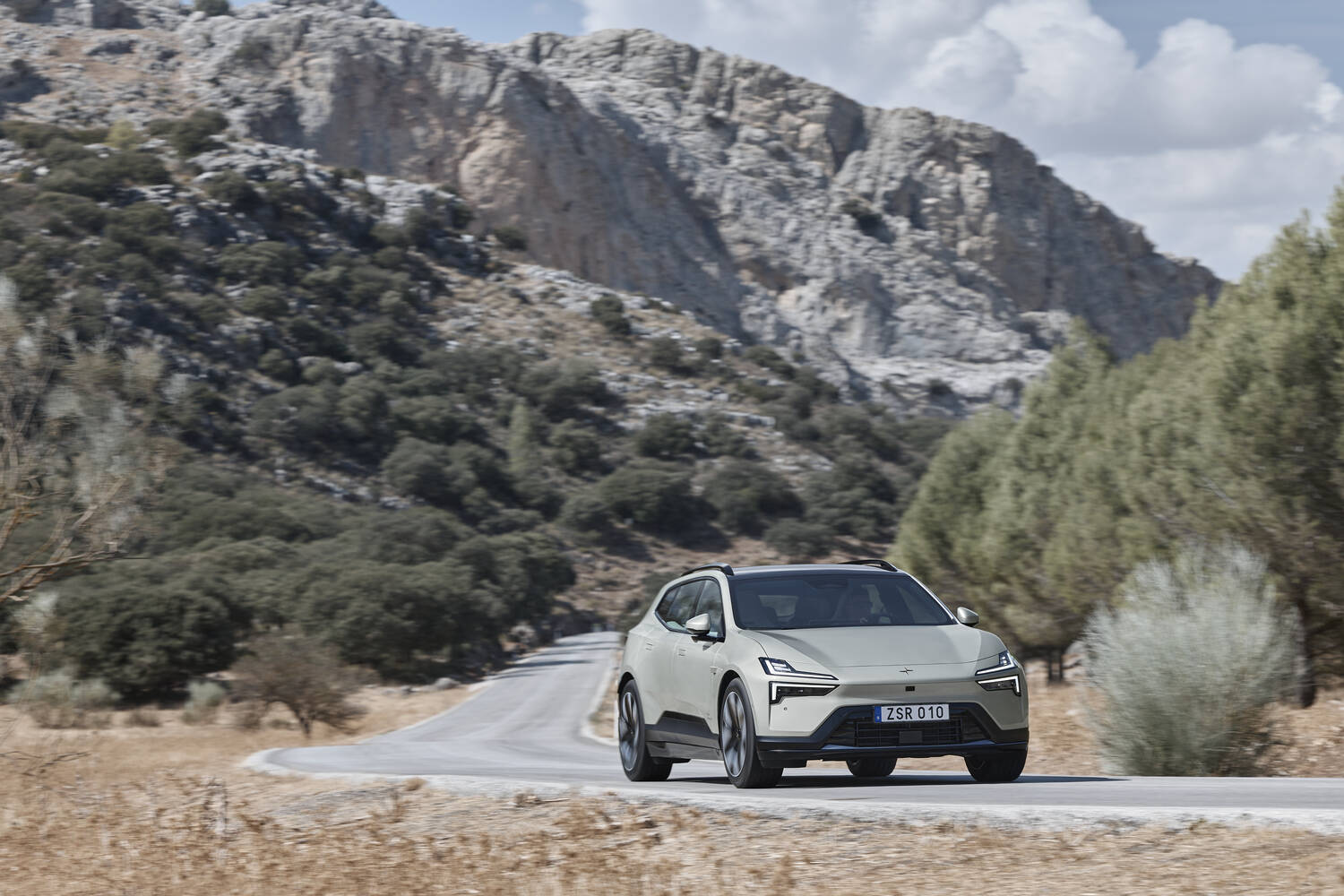
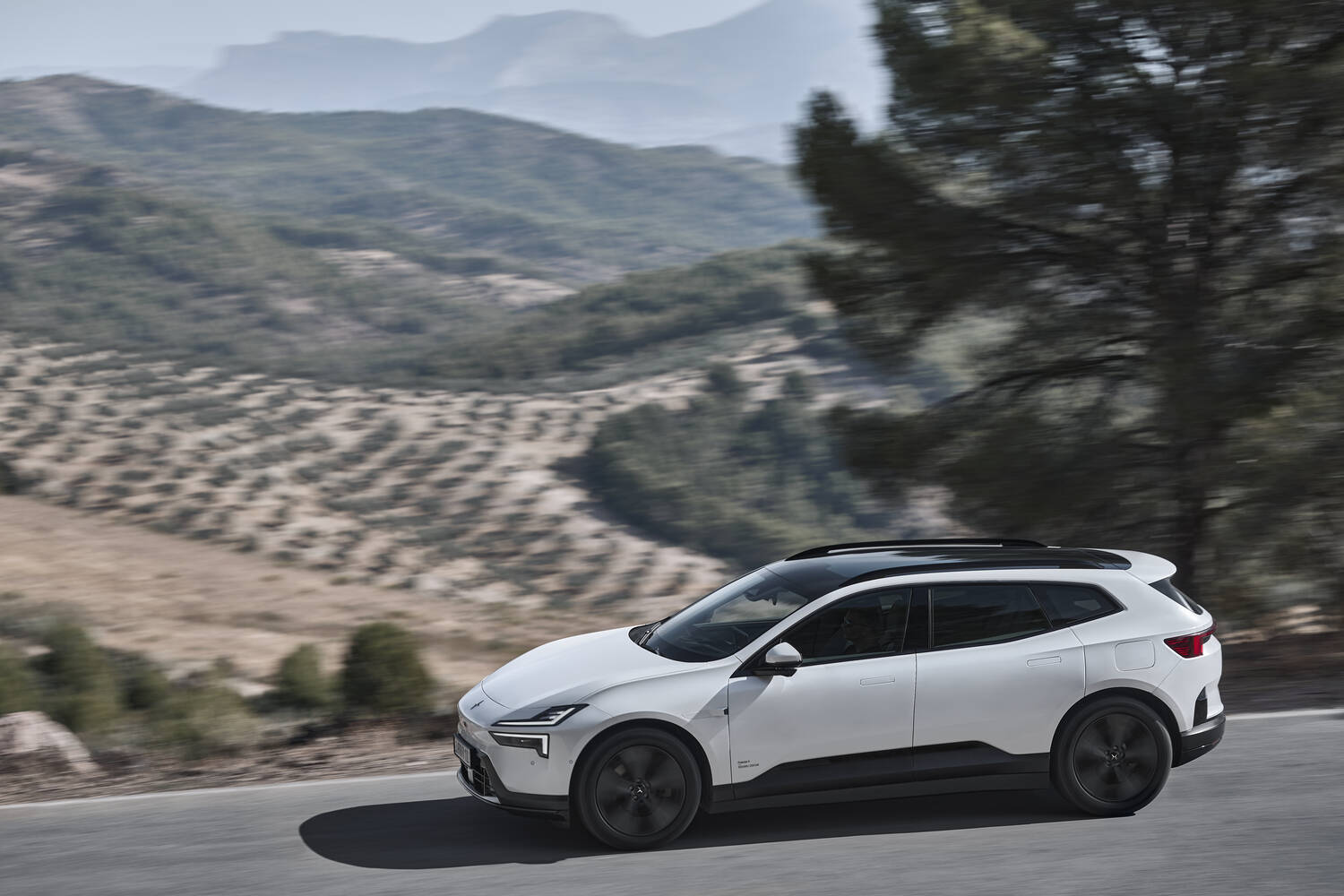
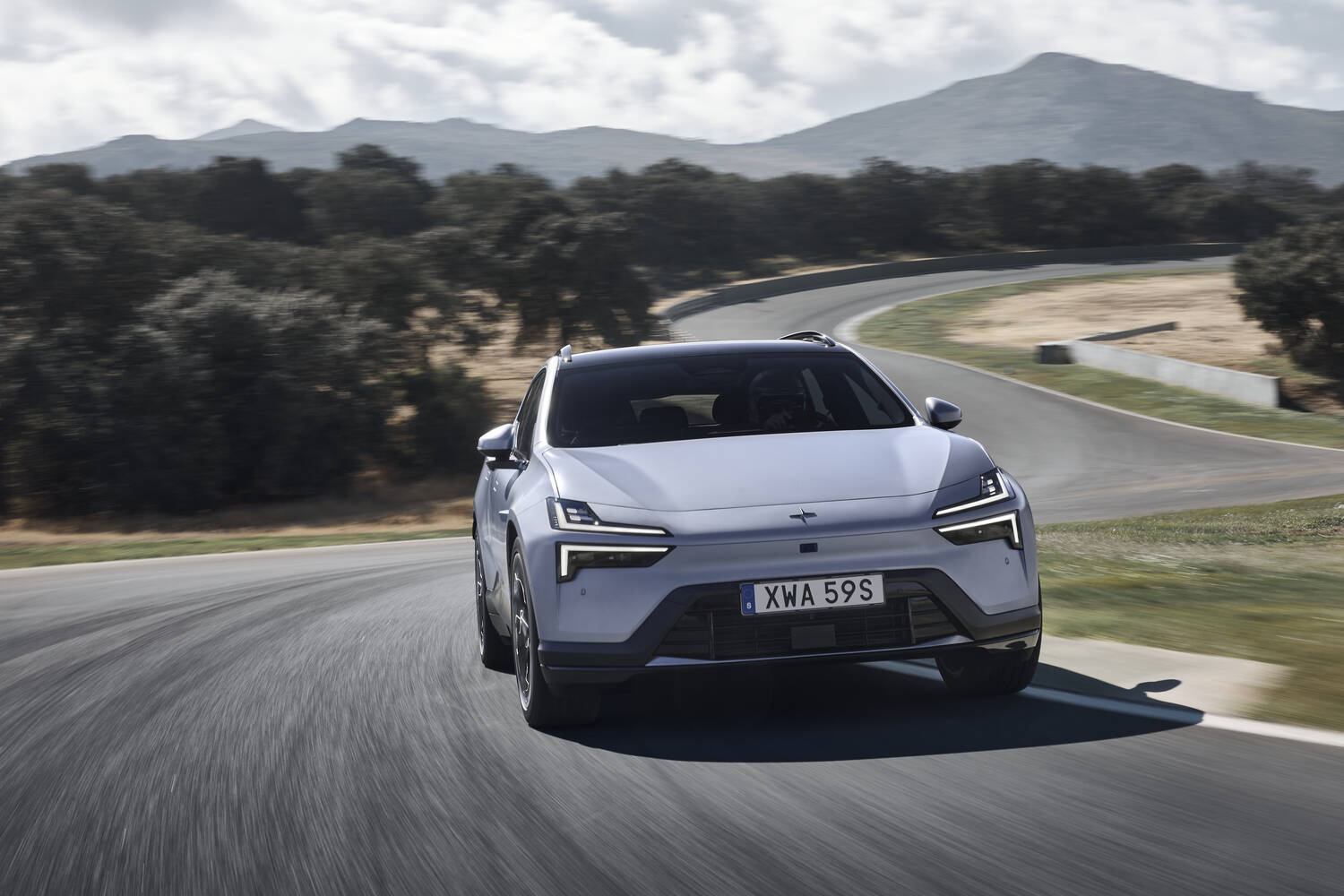
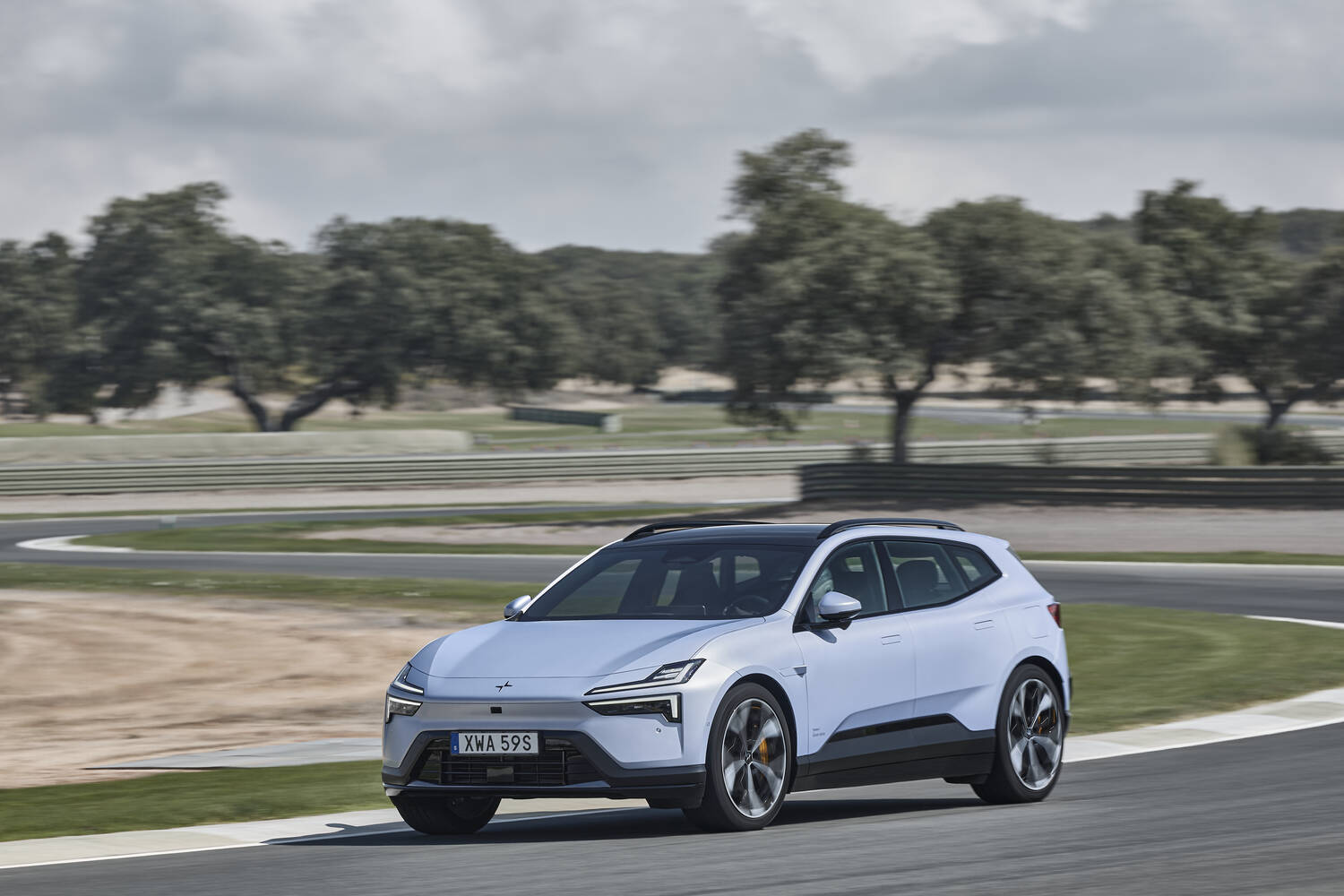
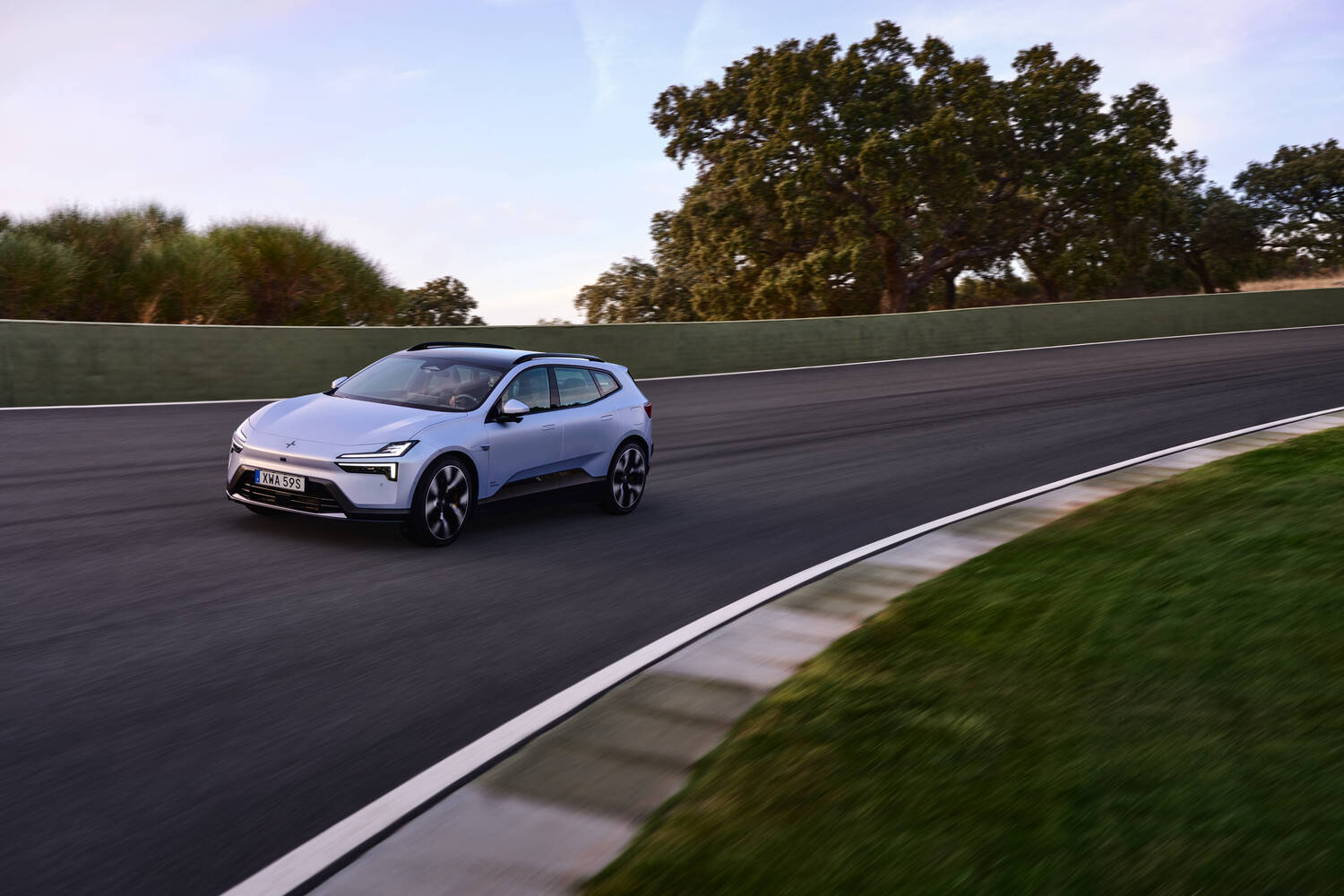
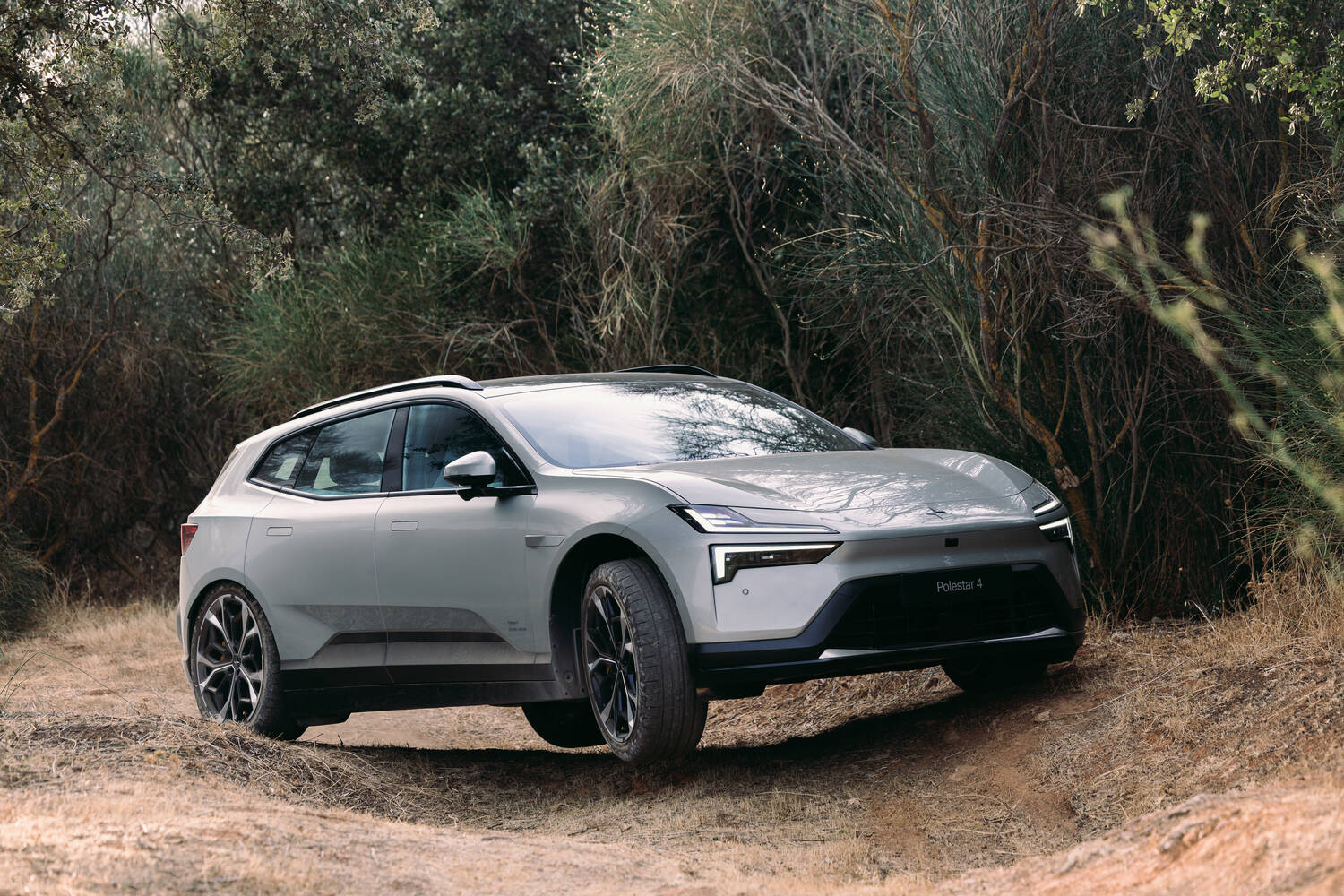
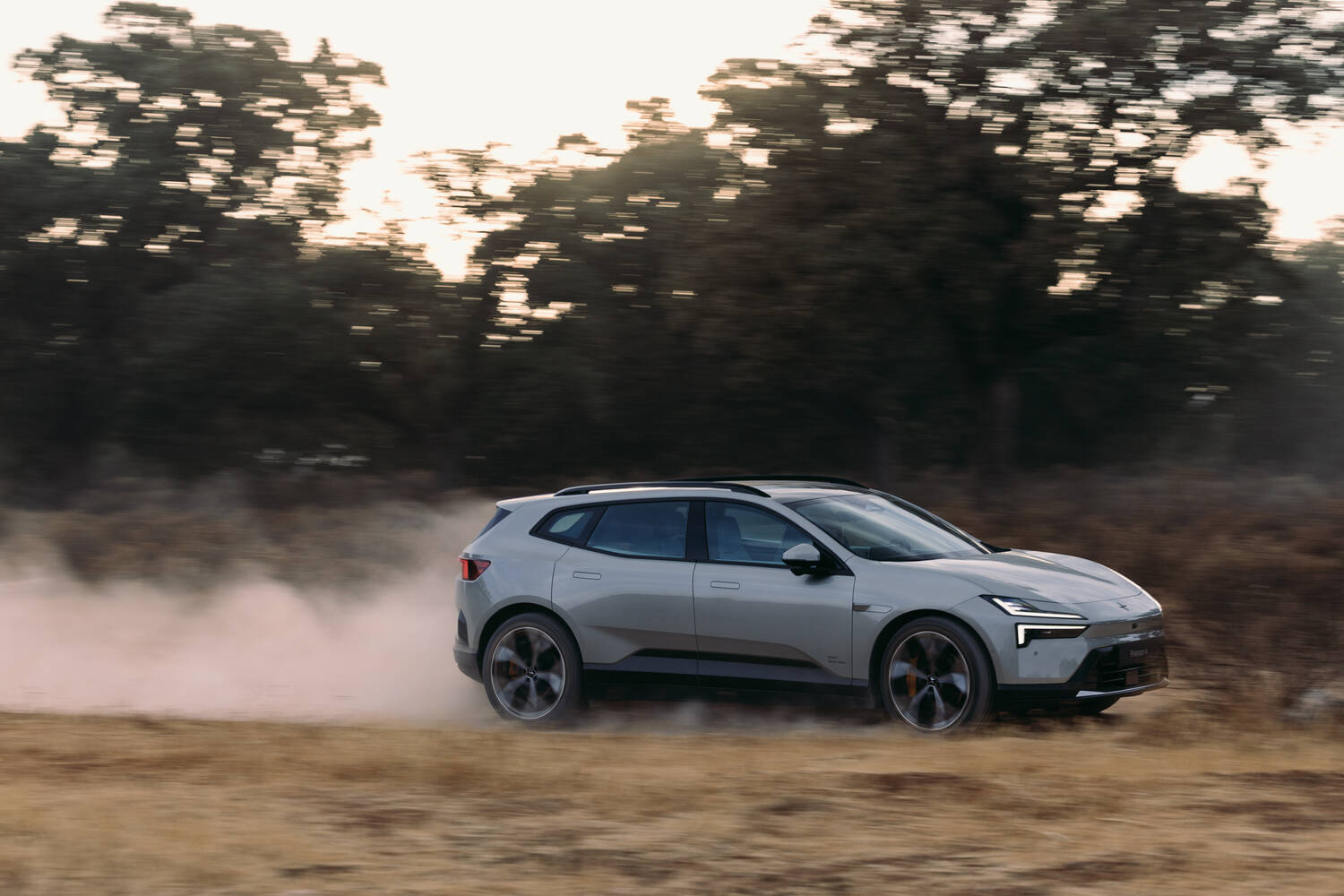
It's a bit reductive to say that the Polestar 4 SUV looks just like the Polestar 4 coupé, only taller. That, though, is pretty much the truth of it and by adding a little extra roof height, and a little extra roof length to the 4 coupé's shape, Polestar has instantly created one of the very best looking electric premium SUVs around.
Compare this to the likes of the BMW iX, Mercedes GLC, or even the handsome Audi Q6 e-tron, and I reckon the Polestar comes out on top. The Porsche Macan arguably gives it a run for its krona, but even then, I'd say it's the Sino-Swedish car that's the better looking one.
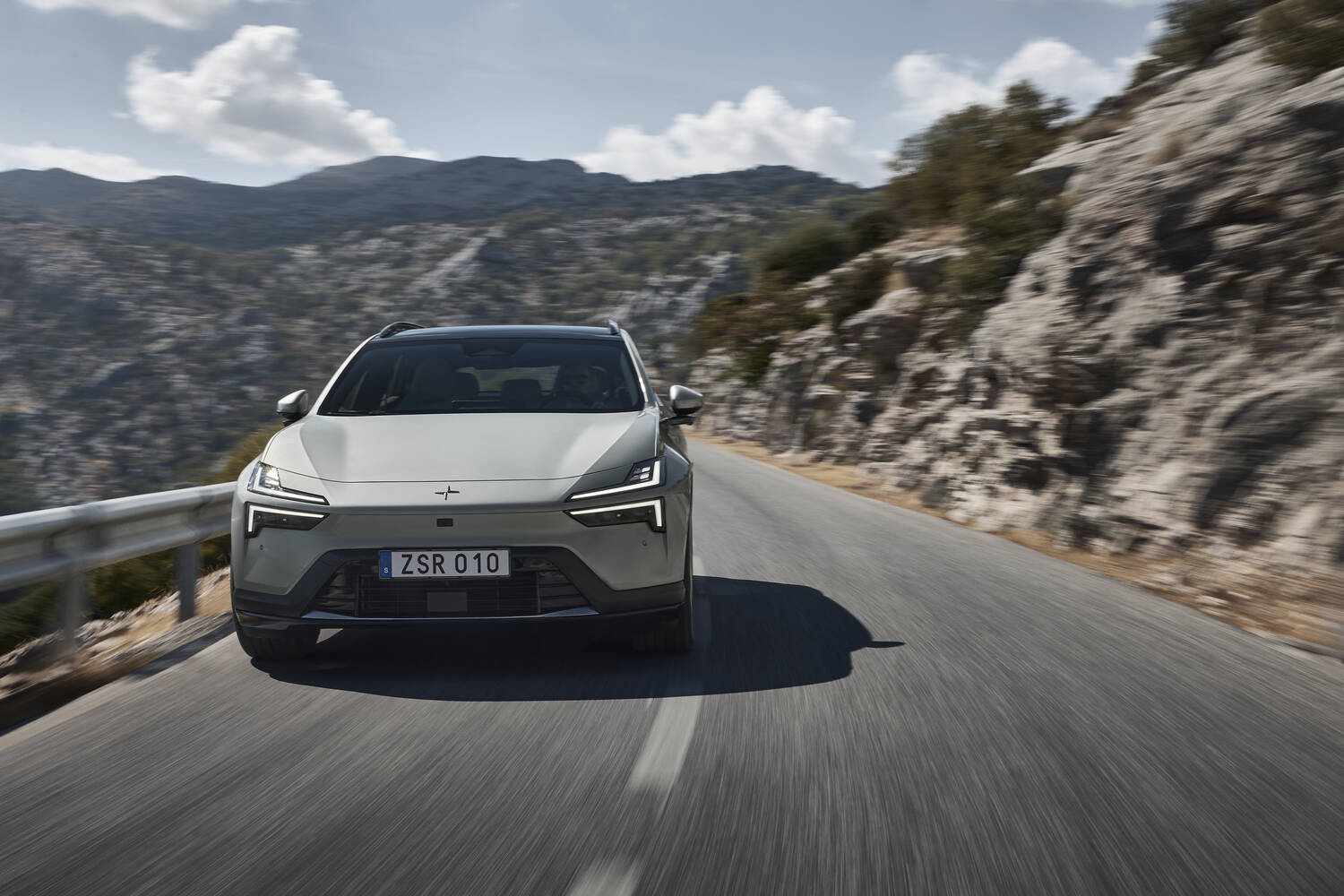
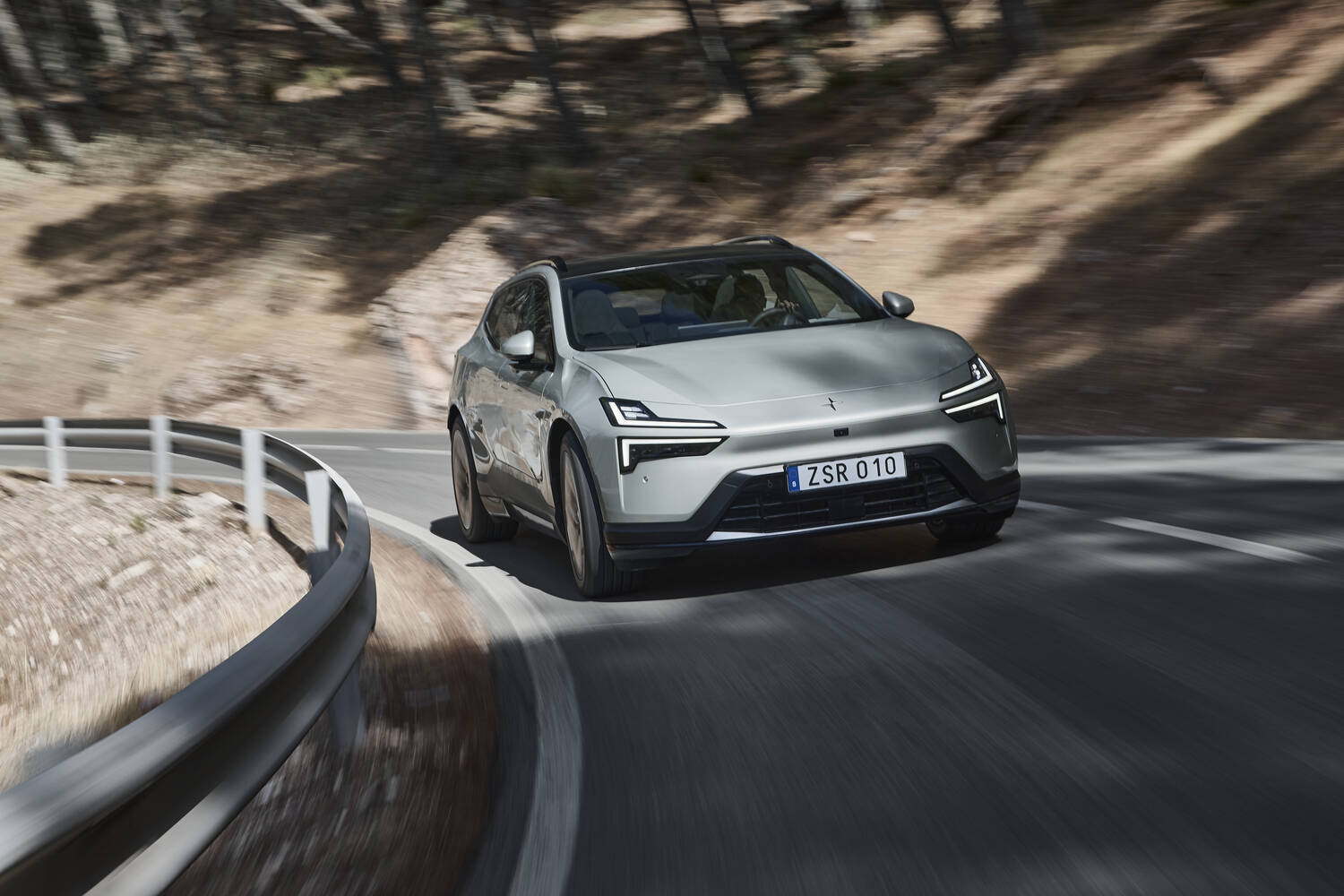
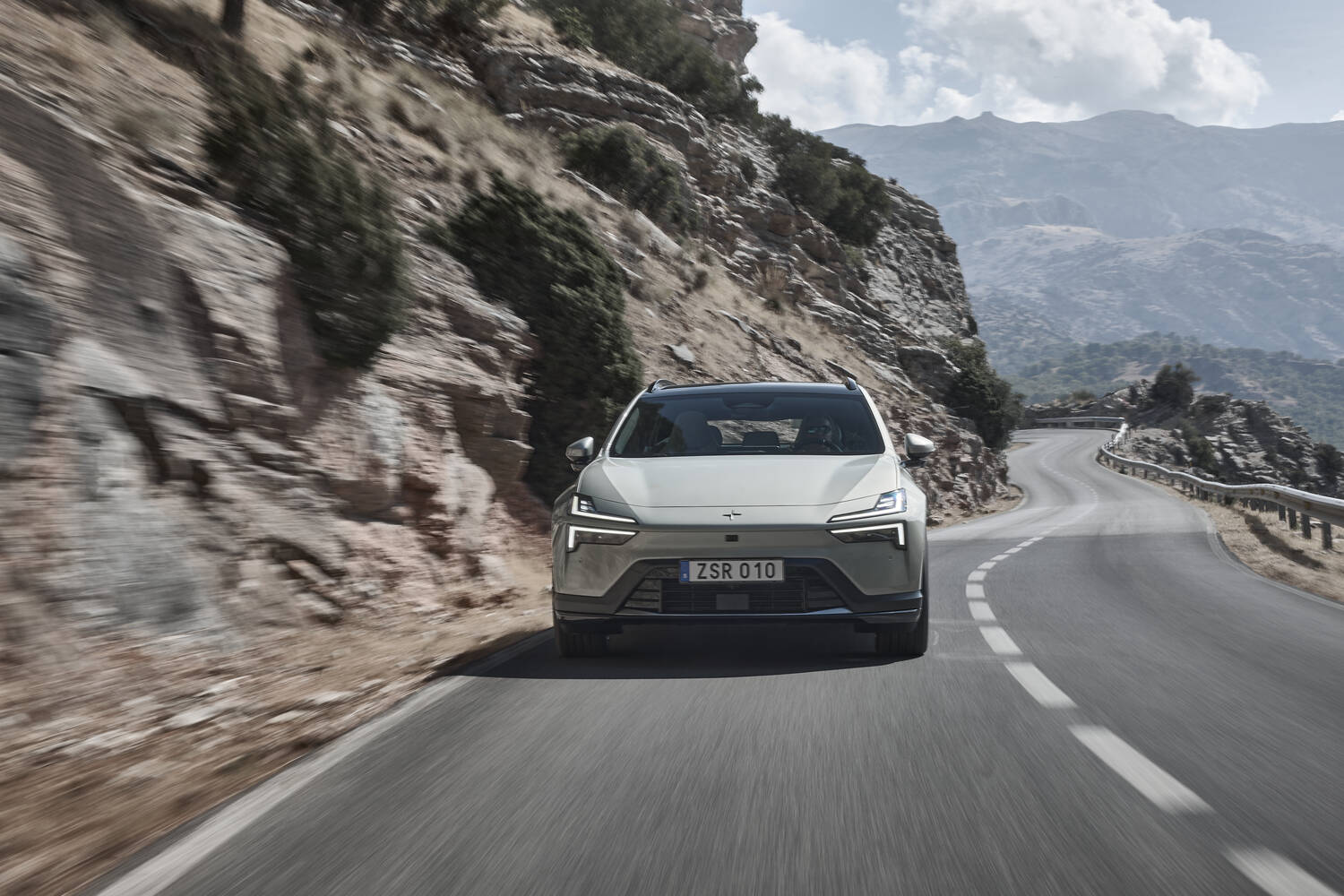
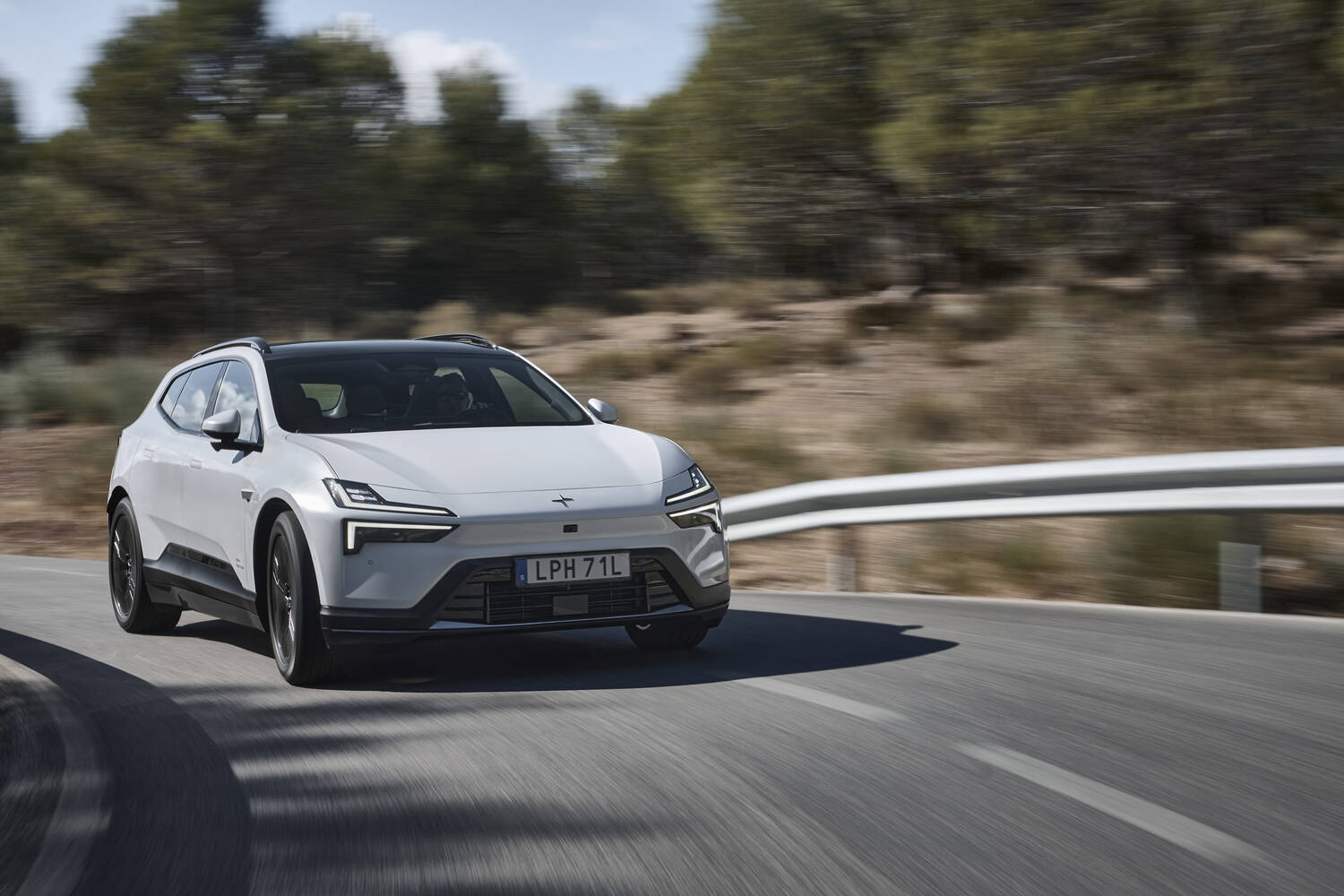
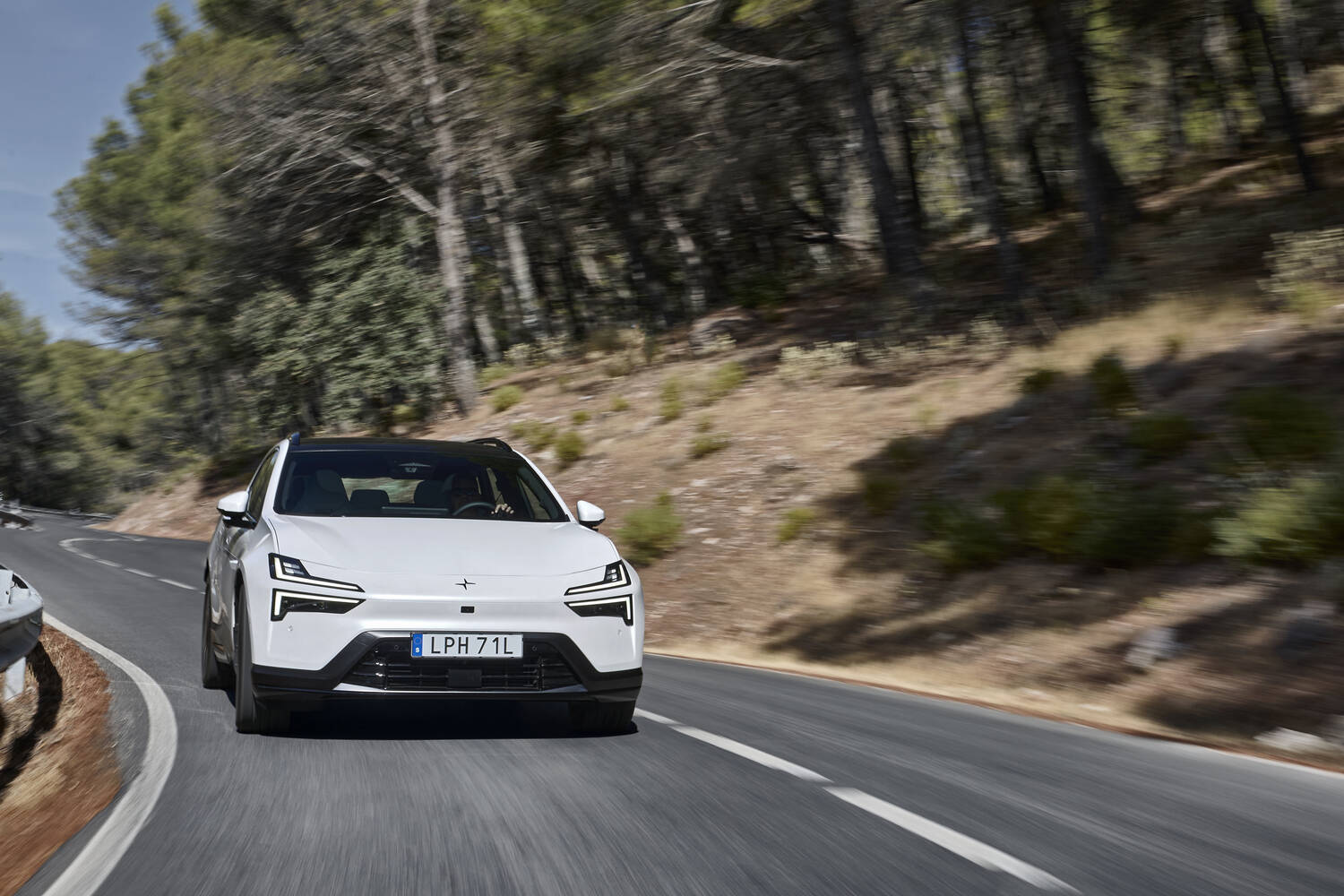
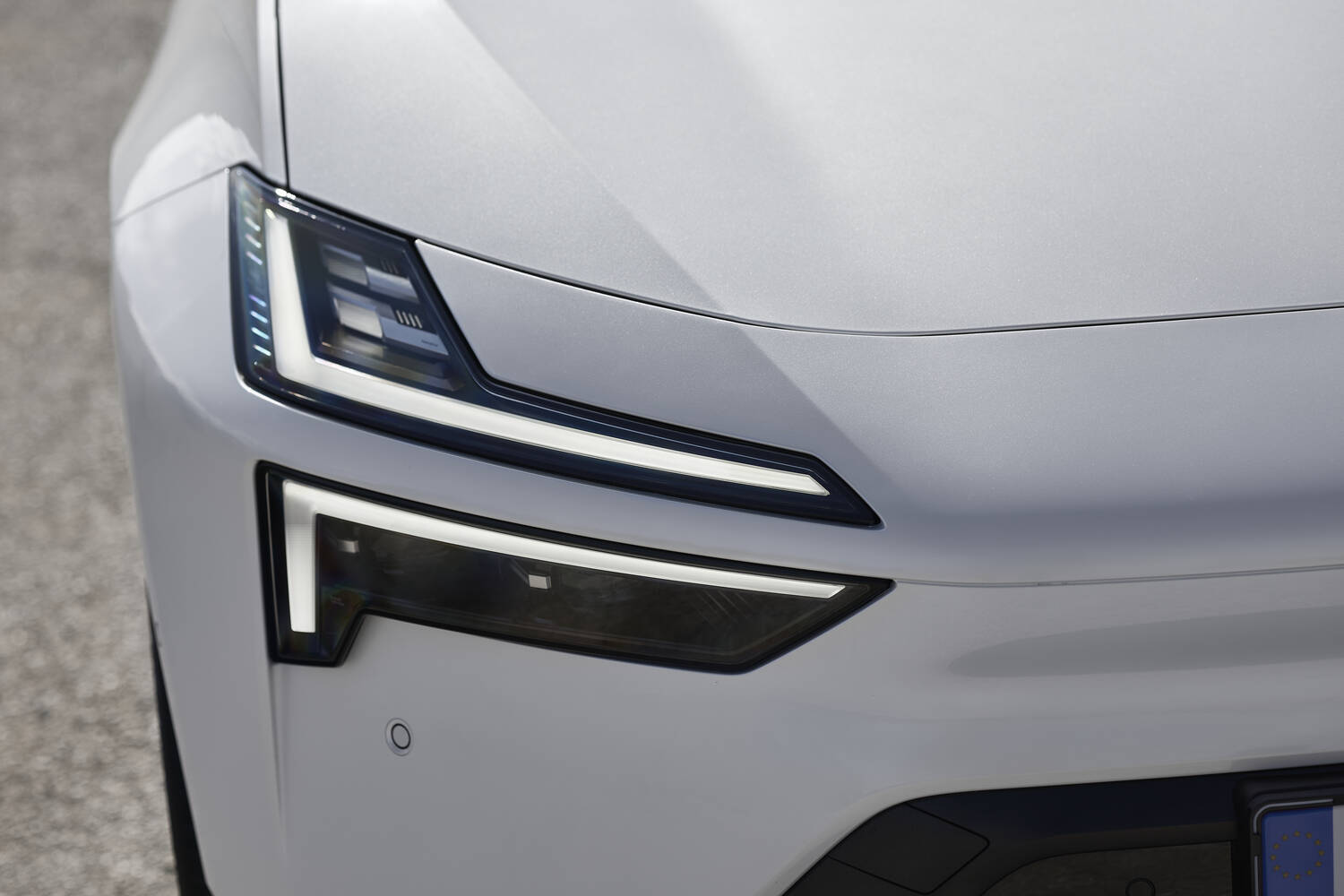
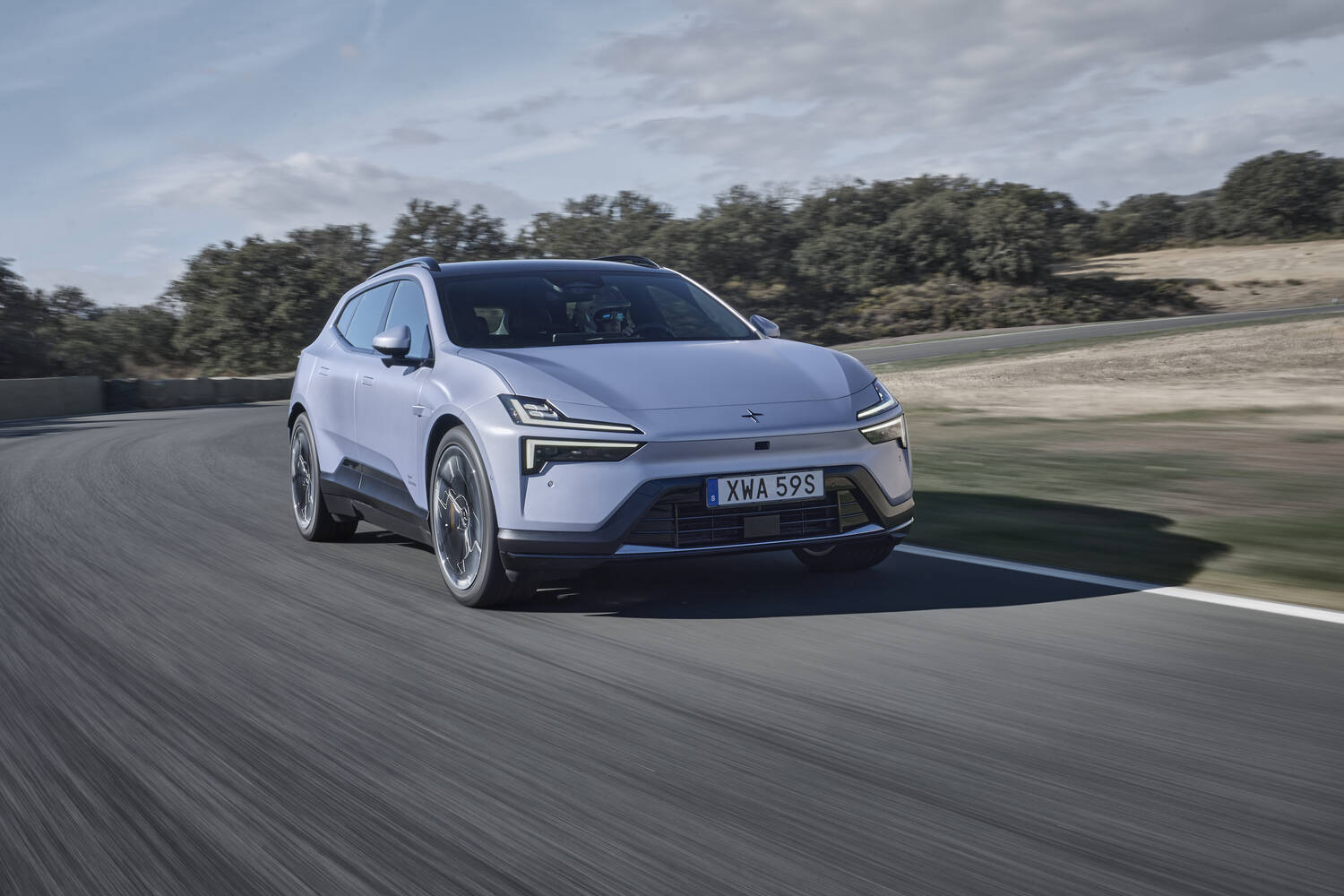
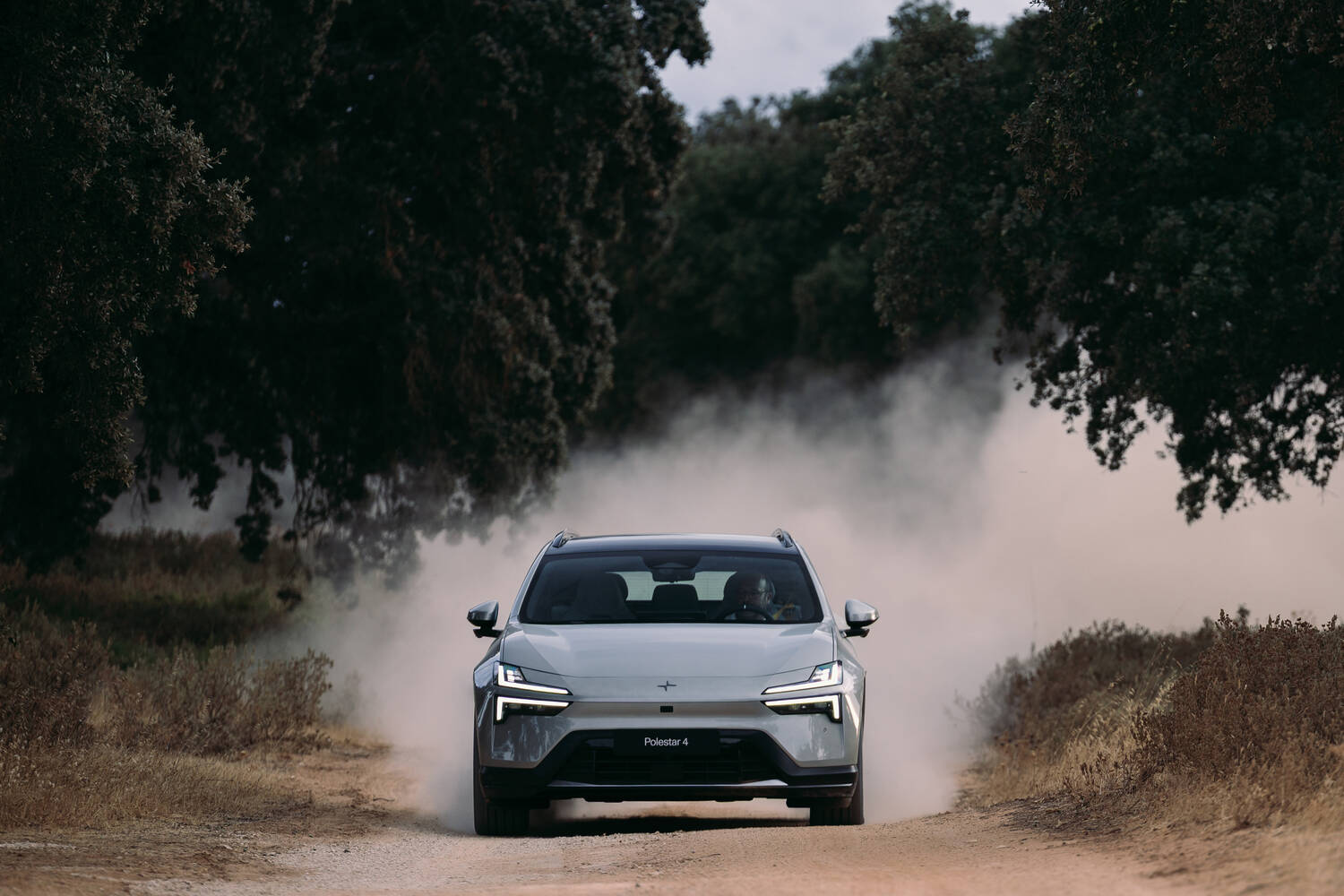
It's especially handsome from the front, where the nose of the Polestar 4 coupé has essentially been retained with its sleek lines that come almost to a blade shape at the tip, framed by the distinctive split-L-shaped headlights.
Even though the Polestar 4 SUV is a taller car overall, the nose isn't any steeper in its climb to the windscreen, so this is an impressively low-slung car by SUV standards, something that's as good for aesthetics as it is for visibility.
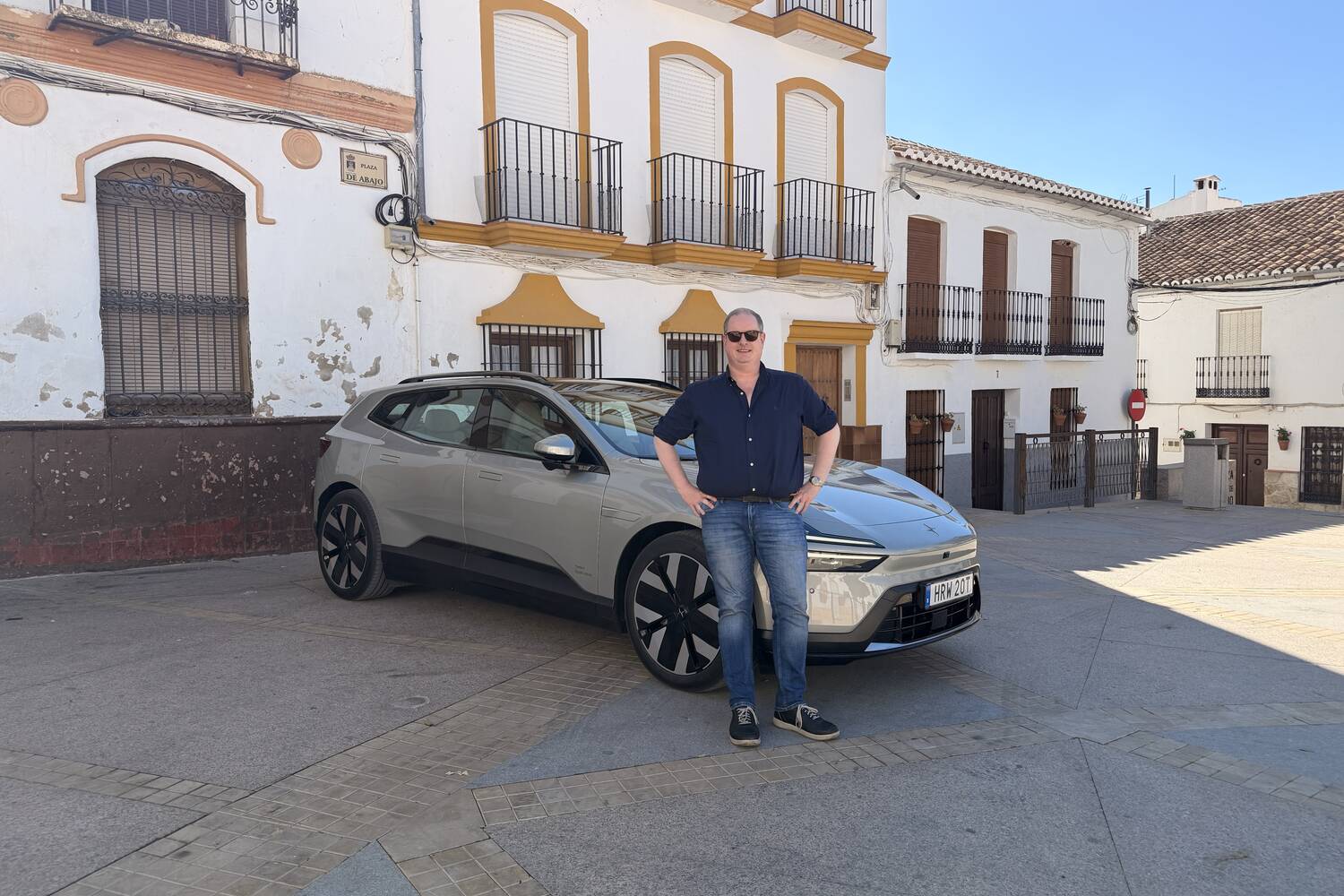
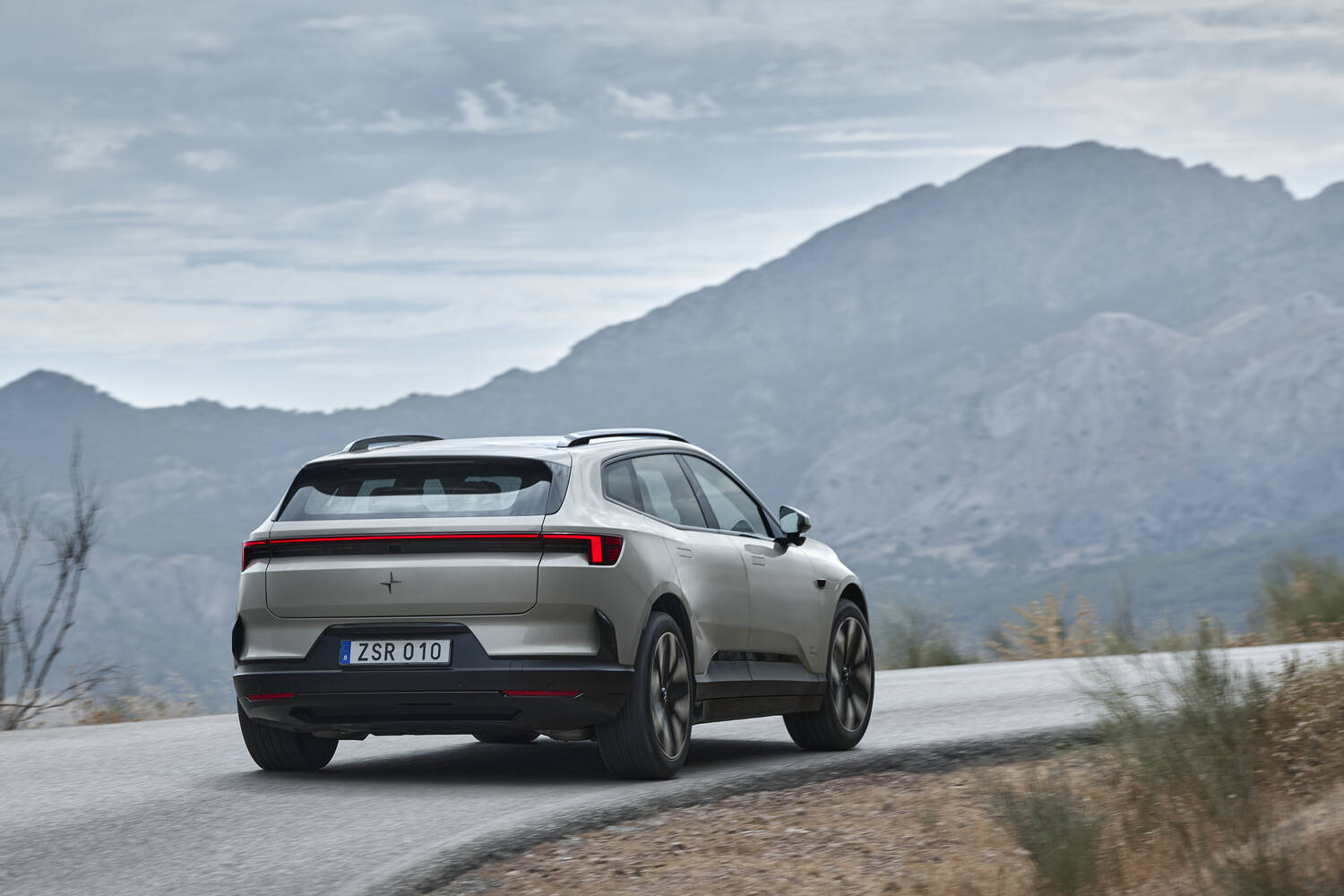
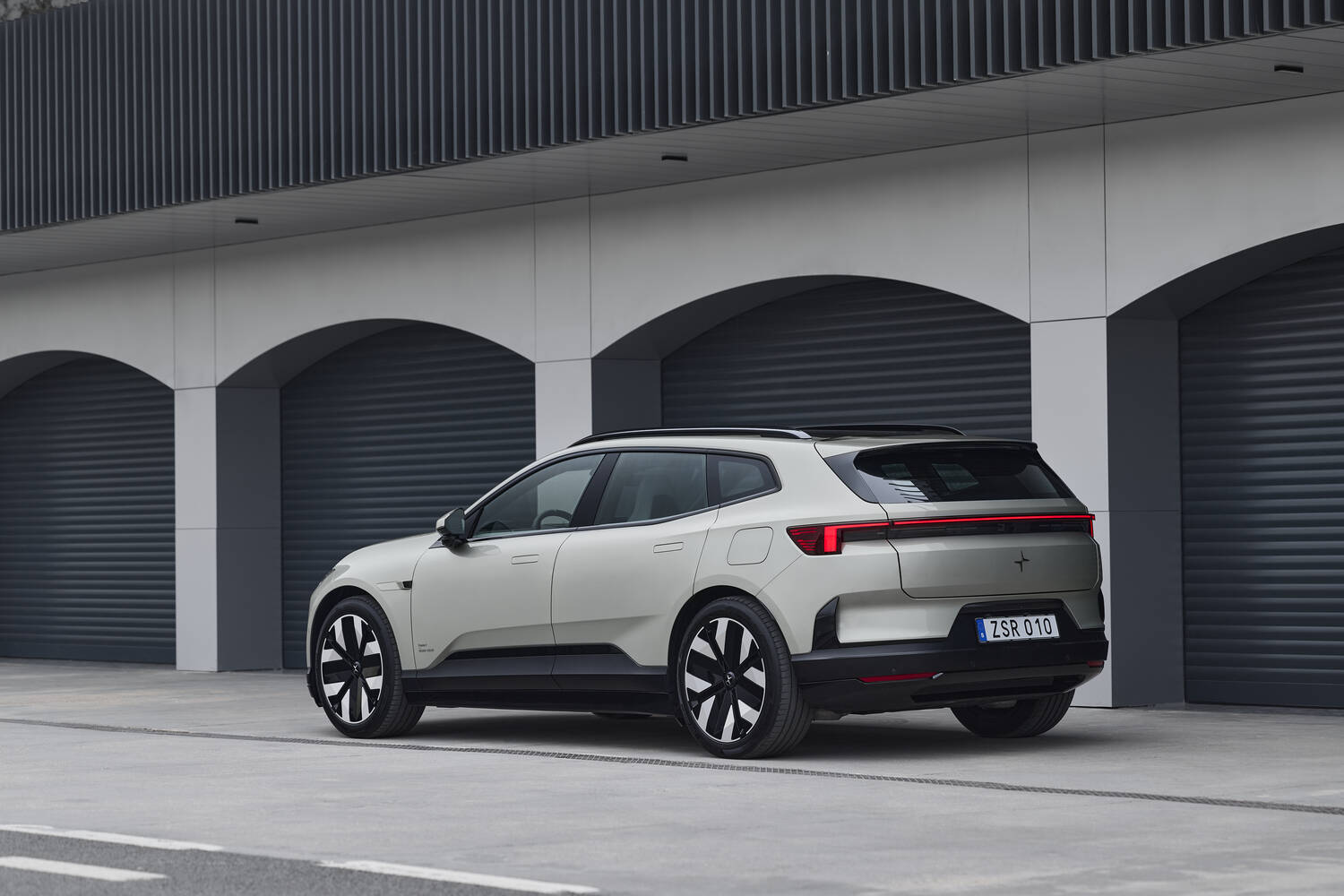
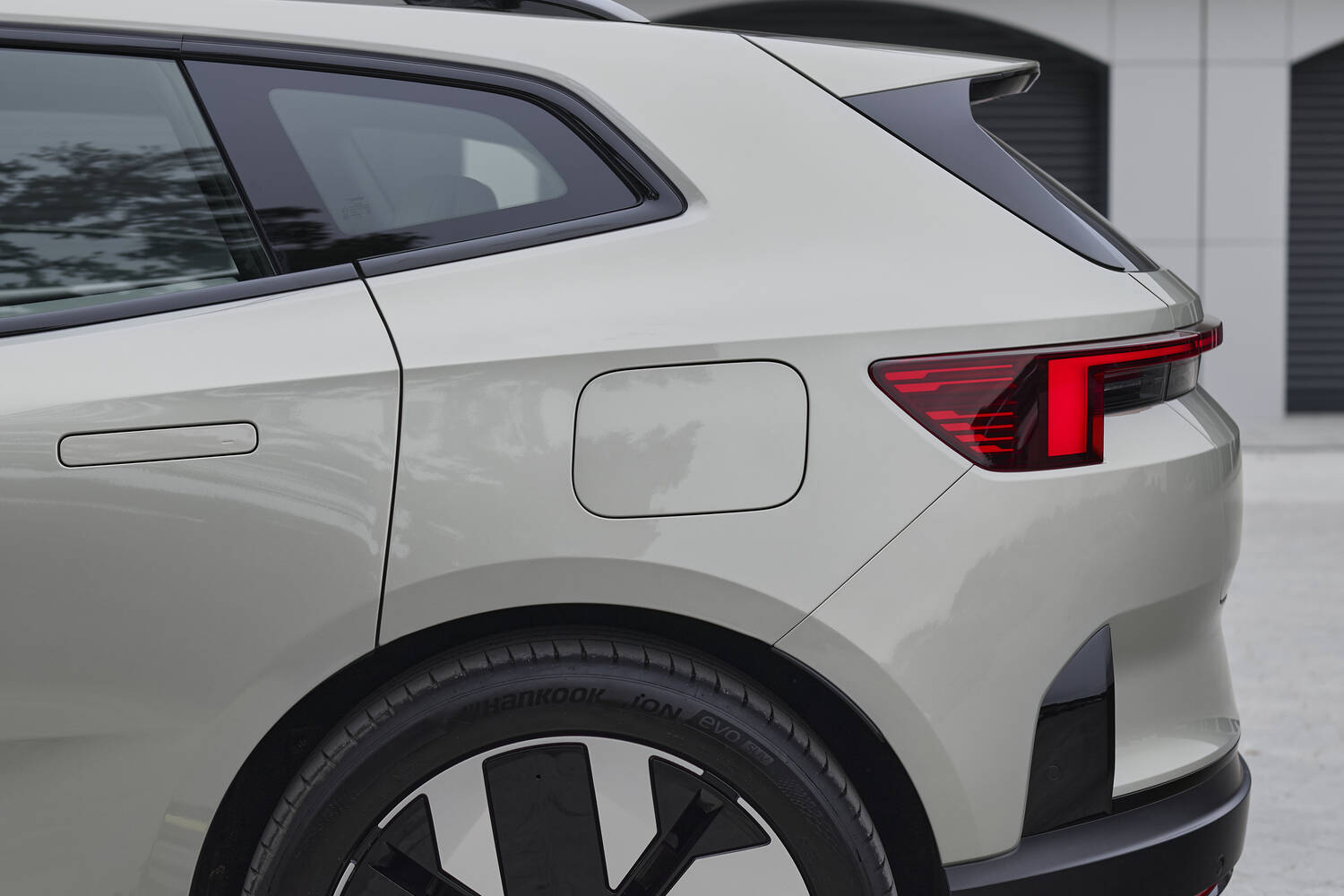
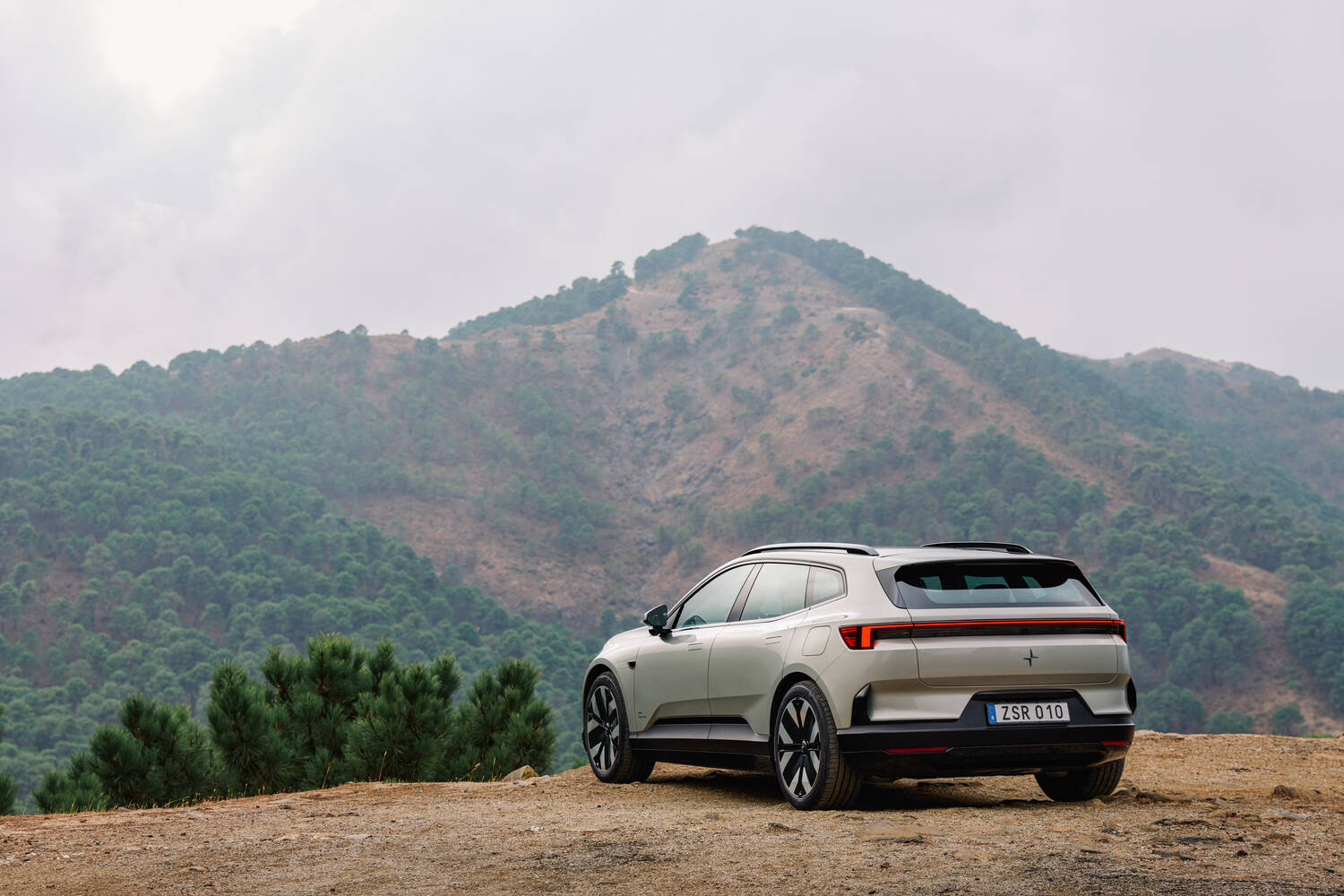
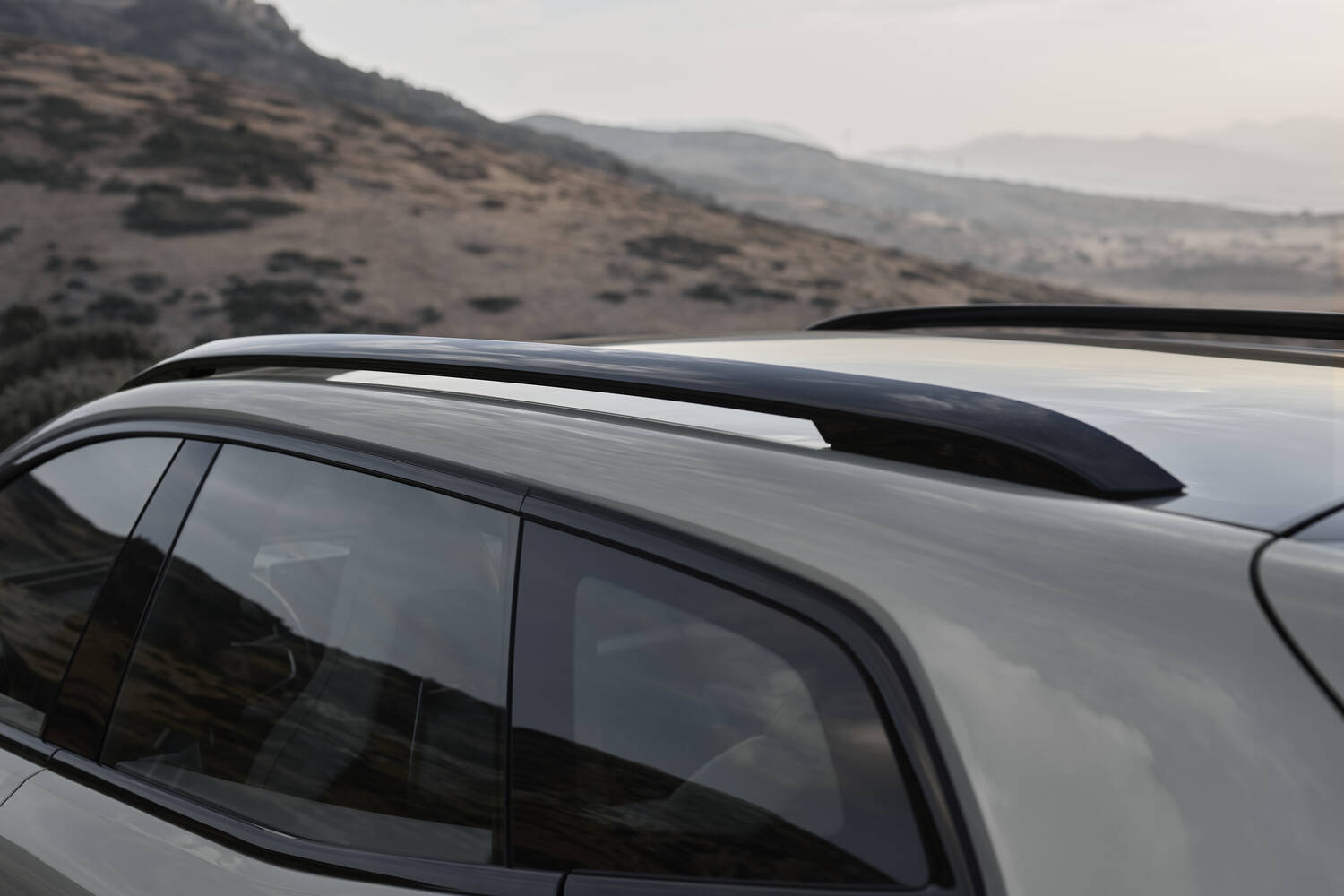
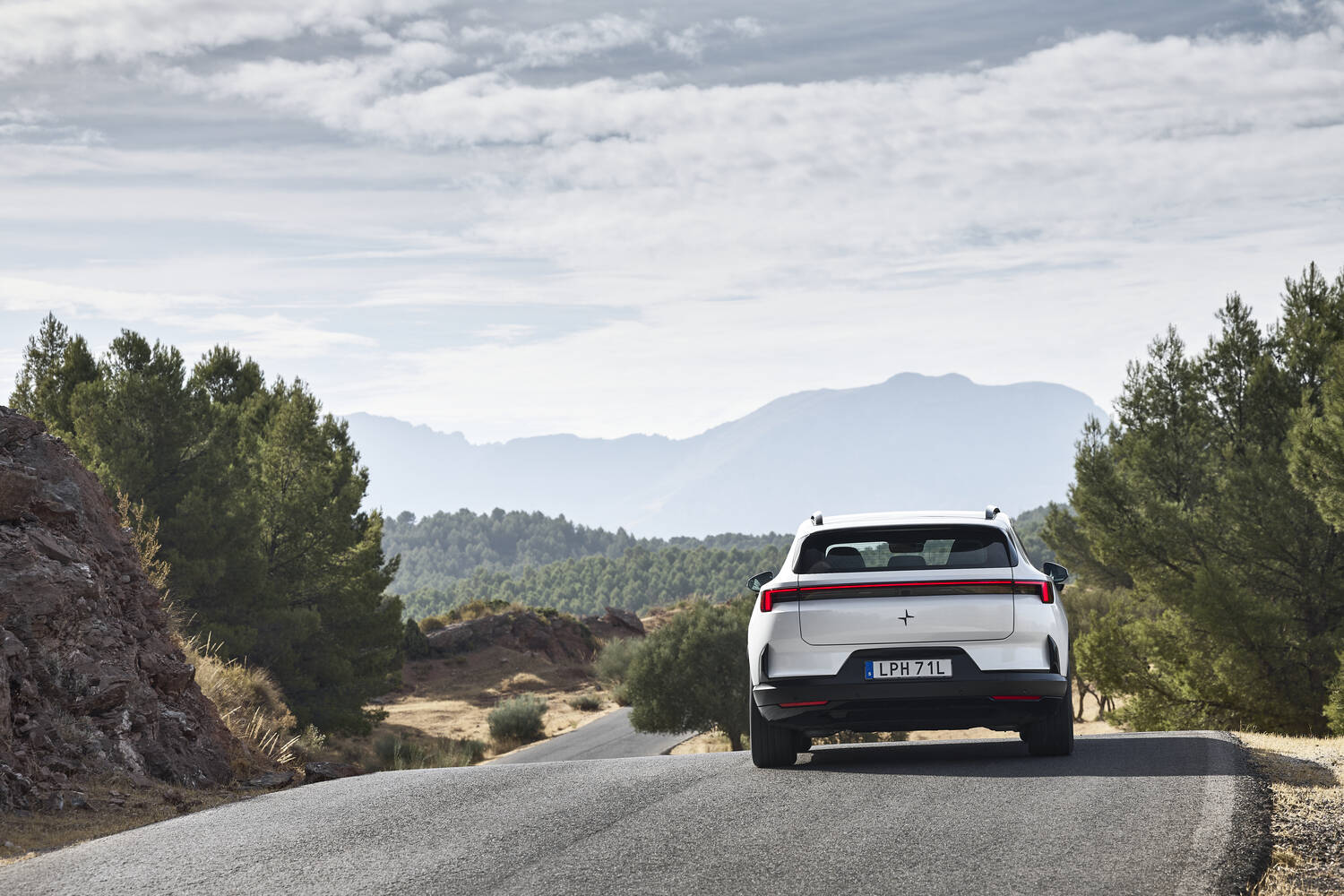
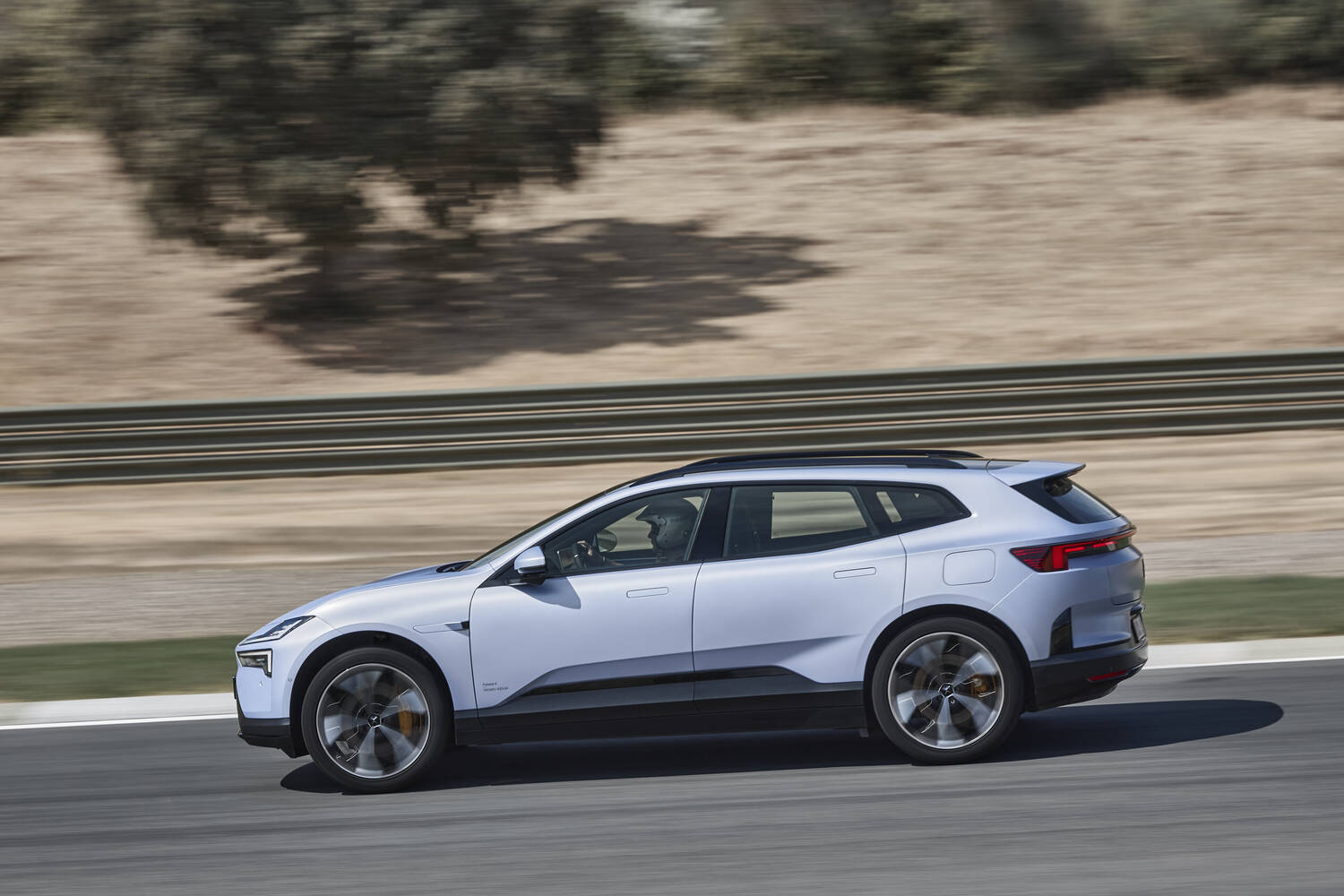
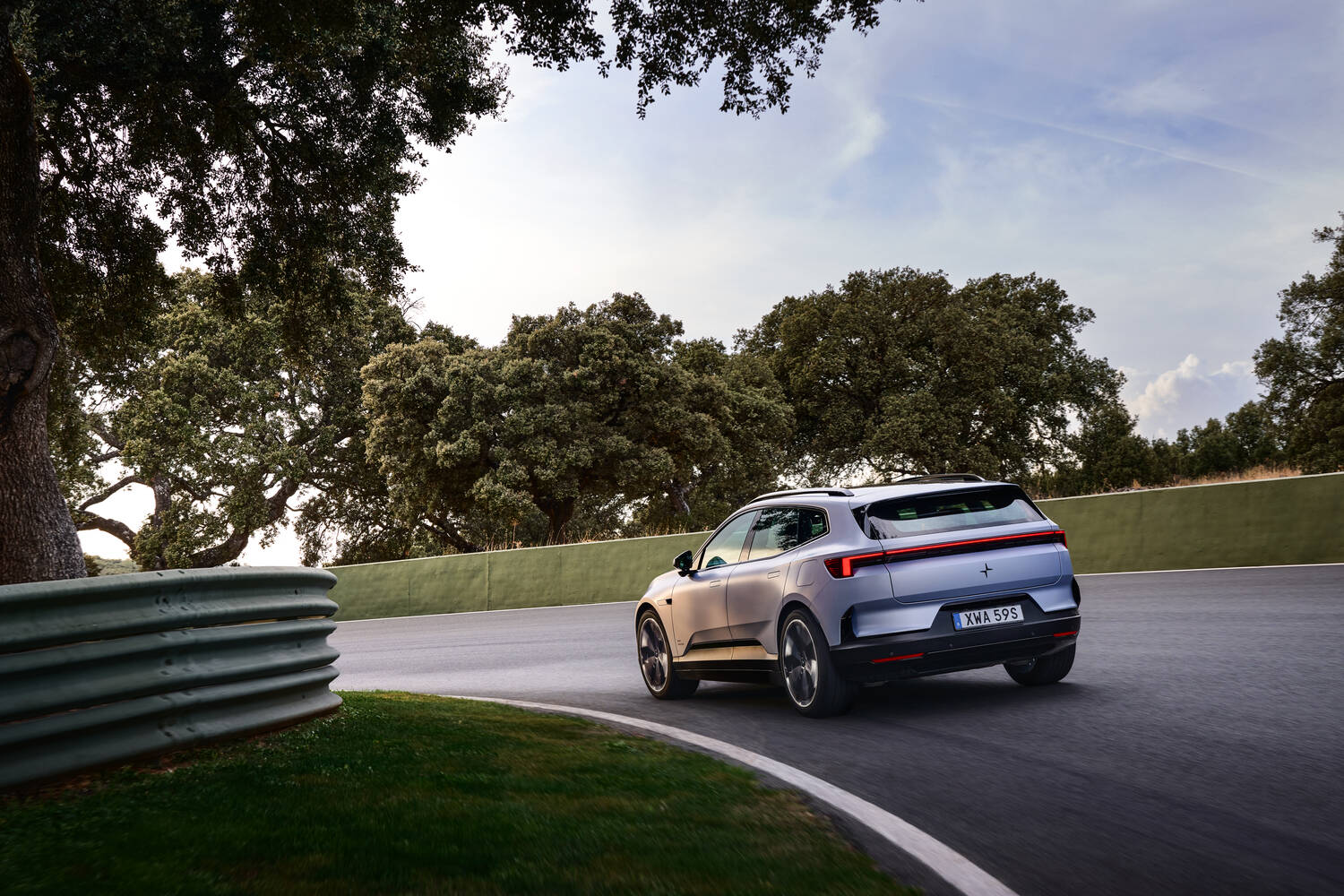
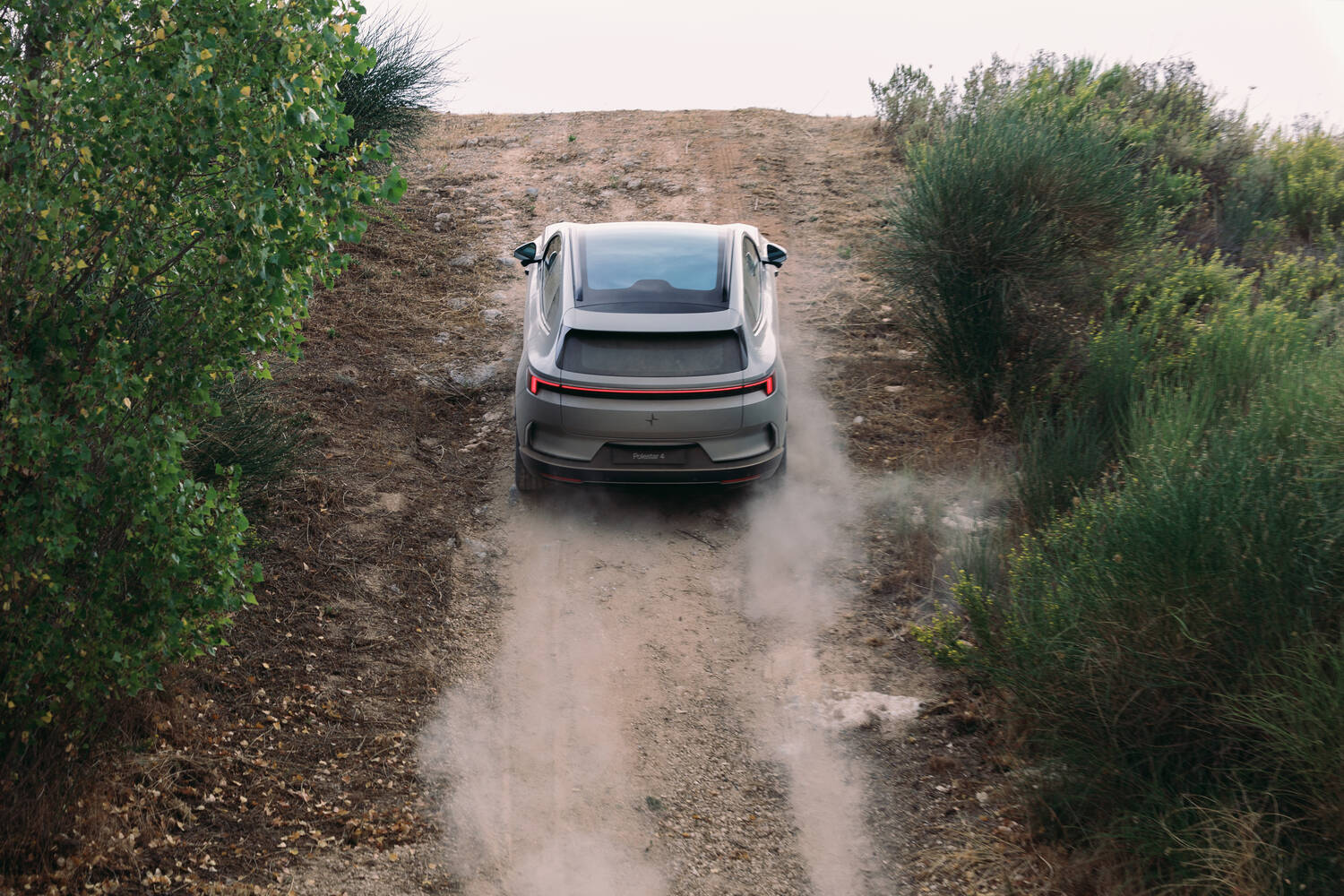
Overall, the Polestar 4 SUV is a mere 22mm taller than the coupé version. So does that mean it's actually, secretly, whisper-it, an estate and not an SUV at all? There's a solid argument to be made for that to be the case, and the rear tailgate with its shallow glass screen reinforces the estate car vibes.
If this is Polestar's way of stealthily moving SUV buyers into lower-slung, better-to-drive cars, then we're all for it.
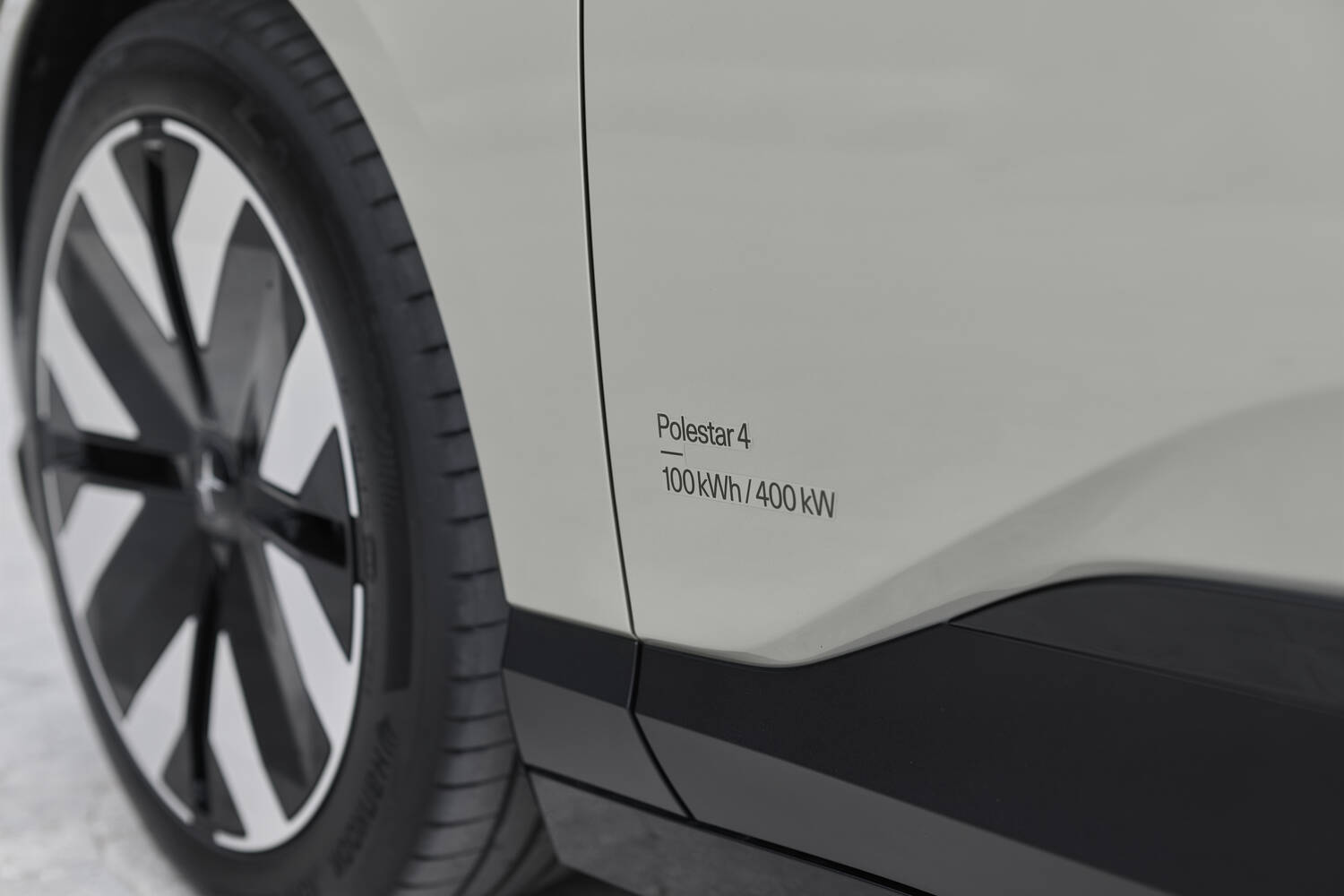
The standard wheels are 20-inch rims with a graphite finish (a silvery finish is also available), which are paired with specially developed Hankook iON tyres.
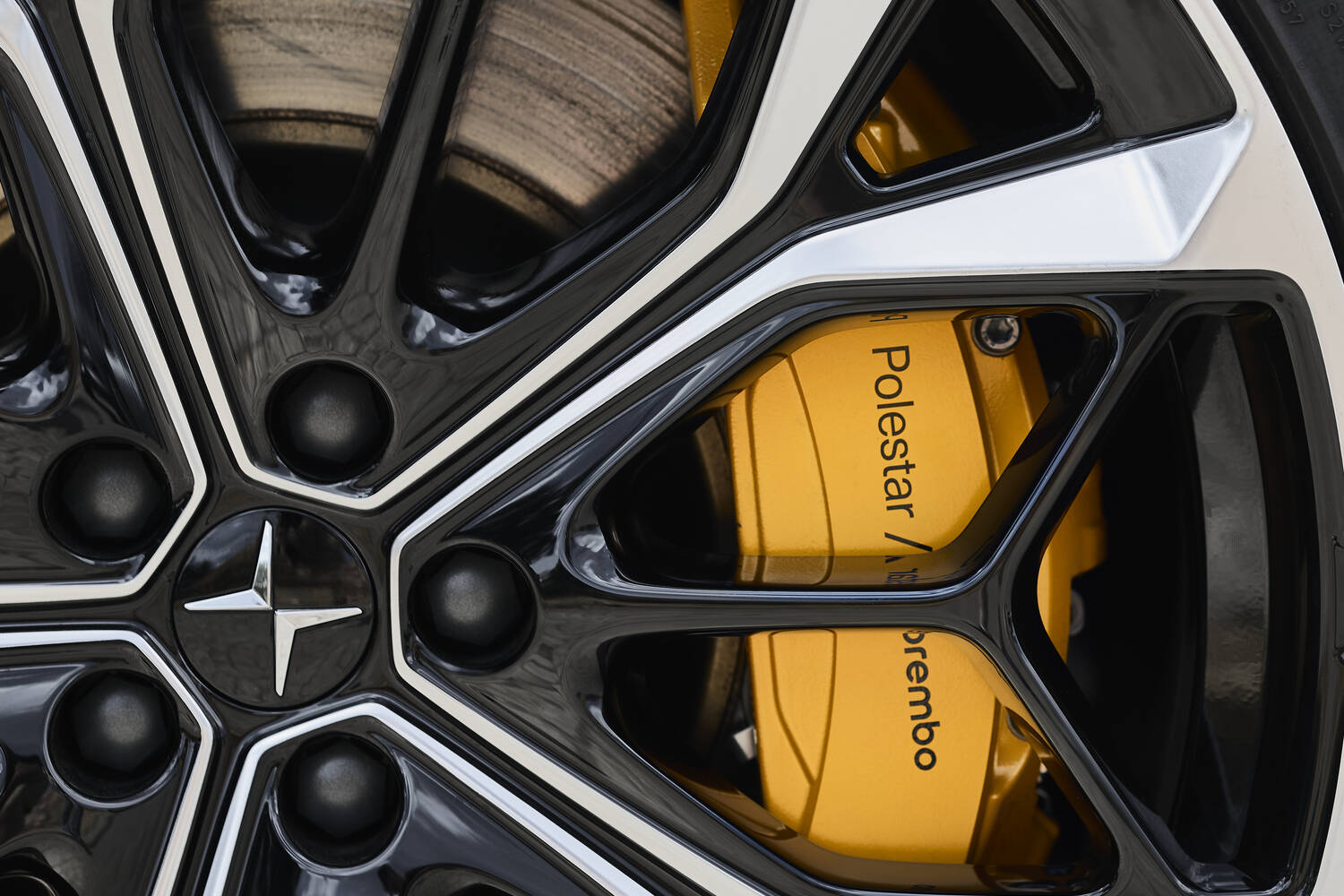
If you go for the Performance Pack, you get forged 22-inch rims, in a lighter finish, shod with more aggressively sporty Pirelli P-Zero tyres. The Performance Pack also brings with it the distinctive 'Swedish Gold' finish for the Brembo brake calipers. Plus models get neat 21-inch alloys, which come with a four-segment design.
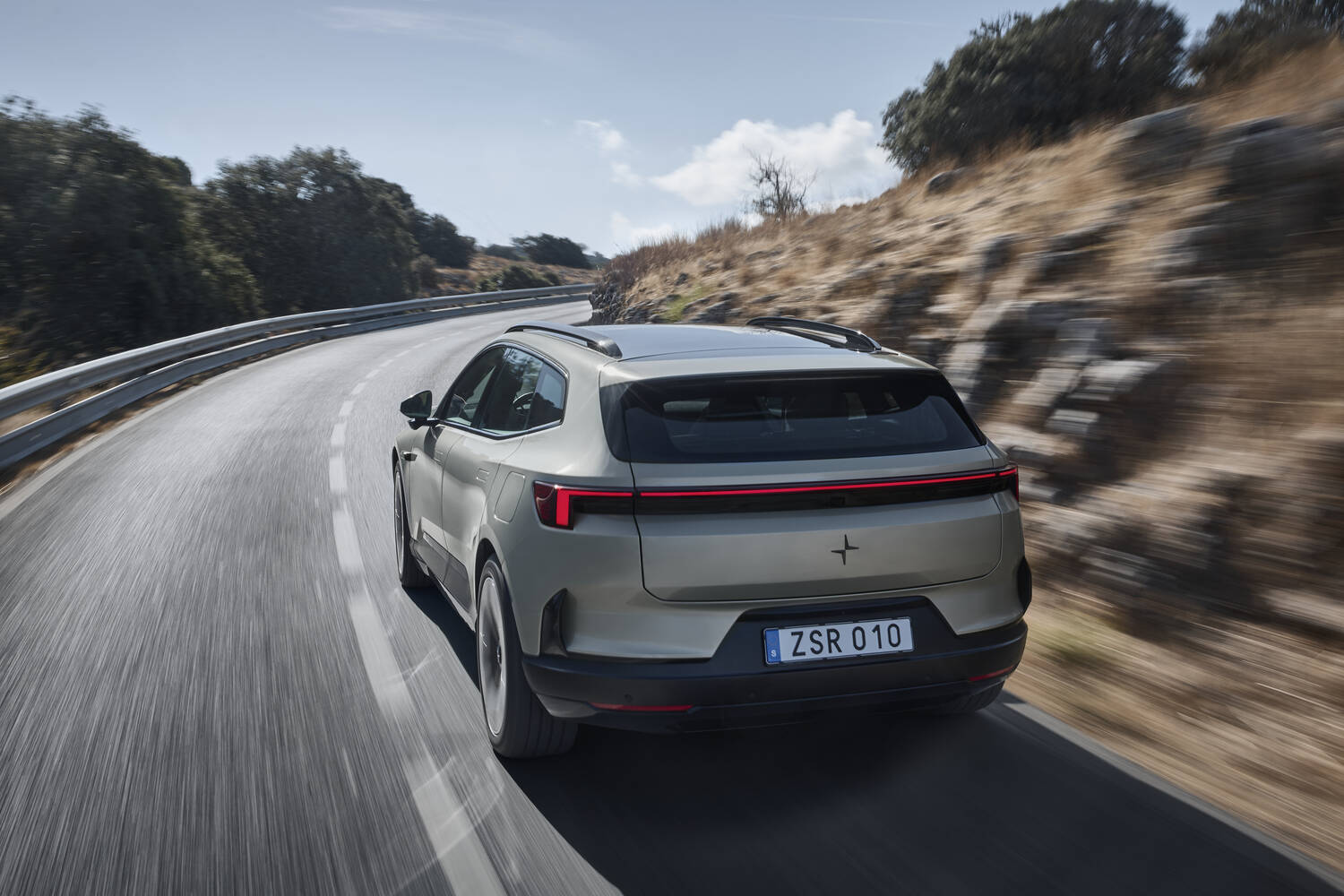
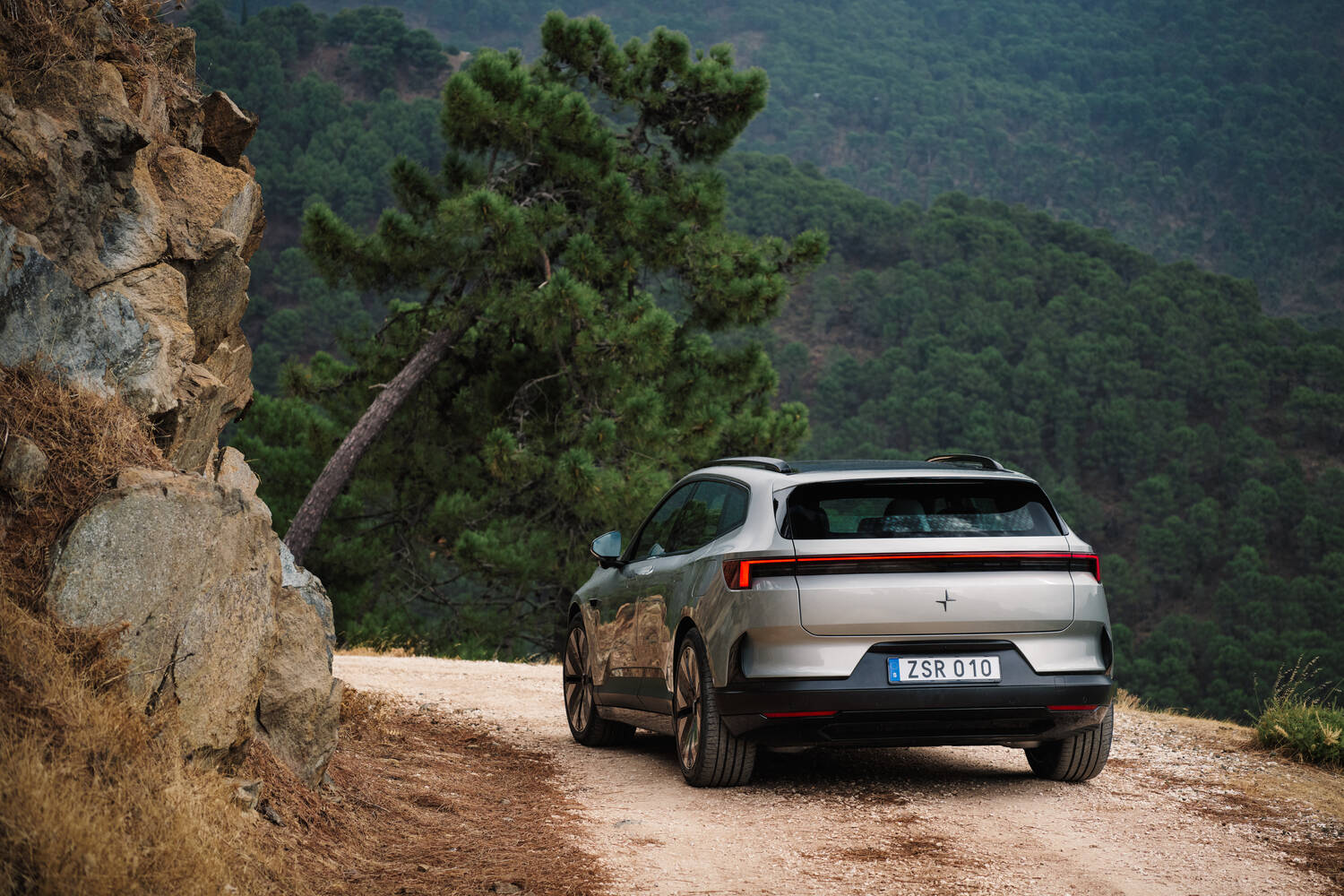
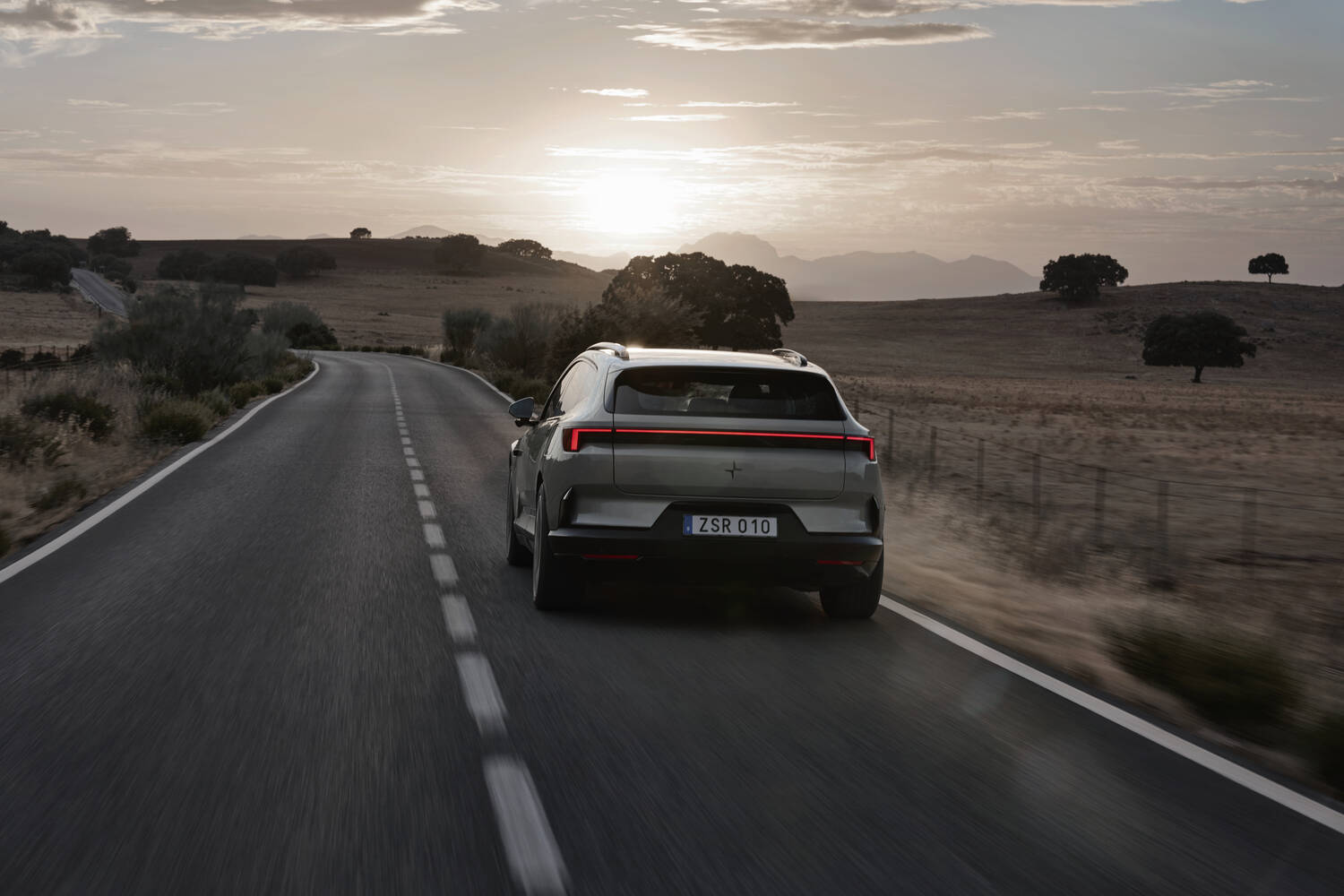
At the rear, the Polestar 4 SUV gets very slim lights, which have a deep undercut to their shape, implying that they're as much a part of the car's aero package as they are for lighting.
They're linked by a full-width brake light bar but aside from that, as at the front, the styling is clean and minimalist.
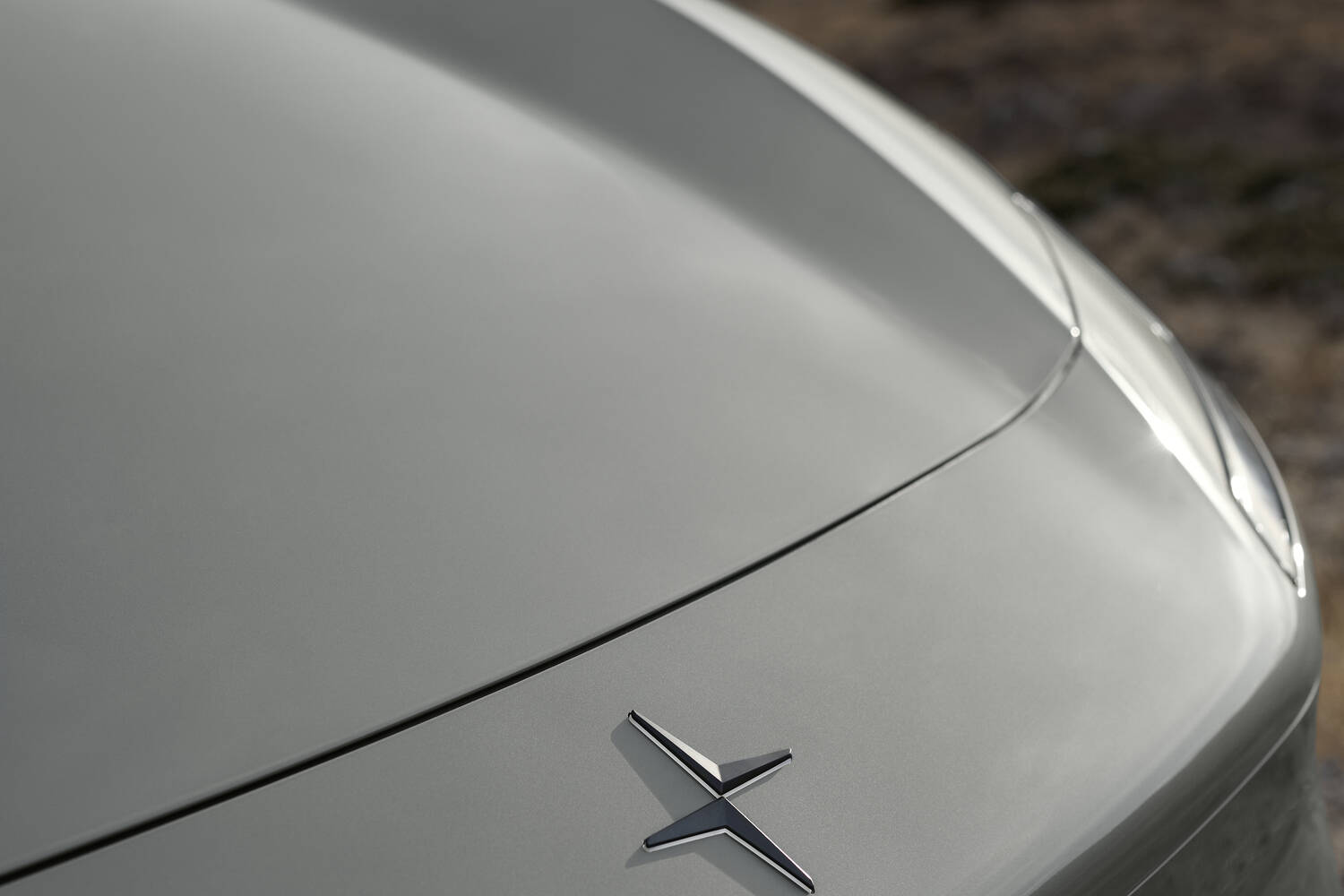
Polestar relies on careful shaping of its metal panels, rather than much in the way of overt ornamentation, and the result is more pleasing to the eye than that of many rivals.
Dimensions of the 2026 Polestar 4 SUV
- Length:
- 4,840mm
- Width:
- 2,067mm
- Height:
- 1,556mm
- Wheelbase:
- 2,999mm
Paint colours for the 2026 Polestar 4 SUV
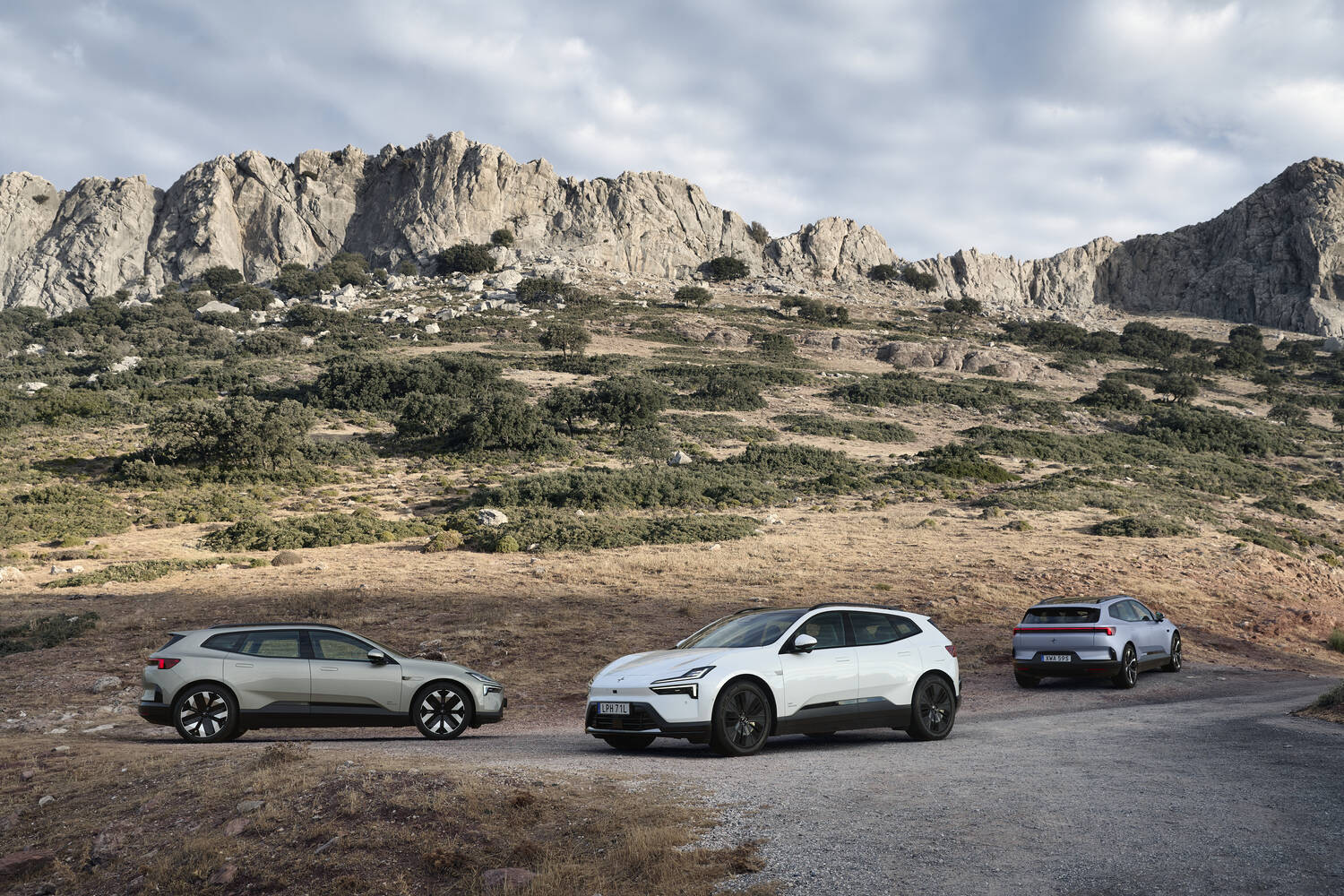
The Polestar 4 SUV's no-cost colour option is called Lightning, which is a pleasing shade of silver. For €1,200 extra you can have Space black, or Stratus dark grey.
Aurora, which is a more platinum-like shade of silver with some faint green tones in some lights, is also €1,200 and you'll have to pay €1,600 for Snow, a pearlescent white.
It's the same price for Ozone, which is a purple-like blue. You can also have Stratus or Ozone in a matte finish, which is €3,600 extra and can only be specified with the Performance Pack for the Dual Motor Long Range model.
Interior, practicality, tech & comfort of the 2026 Polestar 4 SUV
- Exceptional quality
- Slick infotainment
- Plenty of space and comfort
The first thing that strikes you about the cabin of the Polestar 4 SUV is just how well-built it is. Even compared to the best that the big premium German brands can manage, the 4 SUV's interior is seriously well put together, with palpable quality in every panel.
There's a neat soft fabric covering on the dashboard that's made from the same technical material - like that of a high-end running shoe - which is used for the seats, and which is 'bio-attributed' so you know it's environmentally friendly.
The uplift that the cabin gets from the (expensive) leather option, using hides from welfare-monitored herds supplied by Bridge of Weir leather in Scotland, is not to be underestimated though. While the standard cabin is perfectly lovely, the leather option really adds an extra dimension of classiness.
The colour palette is quite stark - it's mostly black, grey, or white, depending on where you're looking - so the flashes of Swedish Gold that come with the Performance Pack option are very welcome.
At night, the ambient cabin lighting works well too, adding another touch of class to proceedings. All in all, then, a fantastic vehicular interior.
Getting comfortable in the driver's seat
Polestar has simplified its electric seat adjusters, so instead of a single oblong controller that had multiple functions, the seats are now moved around by more straightforward seat-shaped buttons down on the side.
There's almost endless movement in the 12-way adjustable front seats, which include high headrests and an adjustable seat squab for extra support under the backs of your legs.
The seats themselves are outrageously comfortable, and it's hard to imagine a setup which would be better from both a support and comfort point of view.
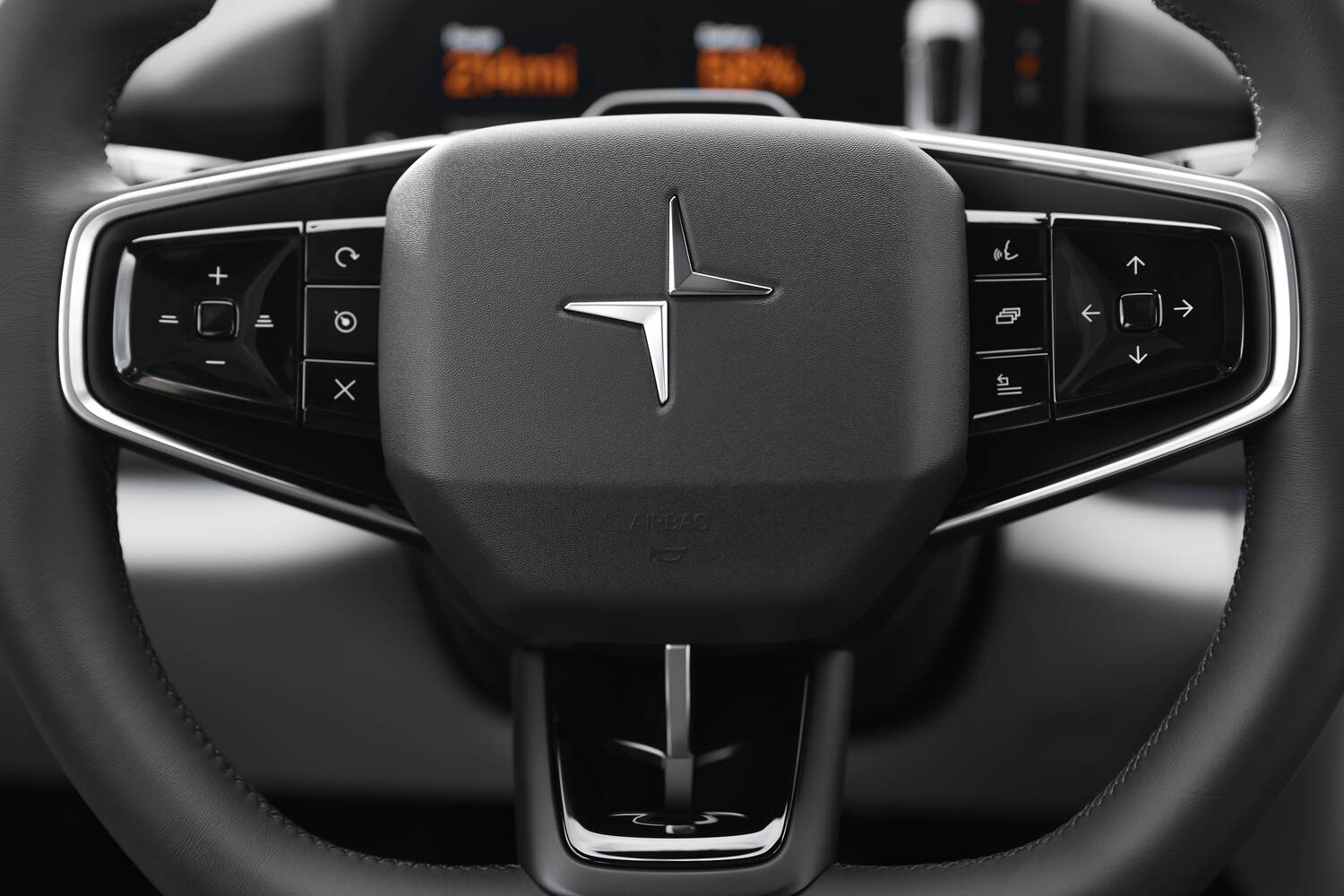
There's plenty of adjustment in the steering wheel, but on all but the base model Polestar 4 SUV this has to be done electrically, first selecting the right option on the touchscreen, and then using the multi-function buttons on the steering wheel itself which is fiddly, and which makes it difficult to make small adjustments when you're on the move.
That goes double for the door mirrors, which have to be adjusted using the same system and which, again, just feels like digital overload.
Polestar has given some indications that it might be about to relent on the everything-on-the-screen nature of its current models, but we're not supposed to talk about that just yet...
Visibility is also much better overall now that there's glass in the back window, although a camera-based rear-view mirror remains an option if you're someone who regularly loads the back of their car right to the roof.
Infotainment and technology
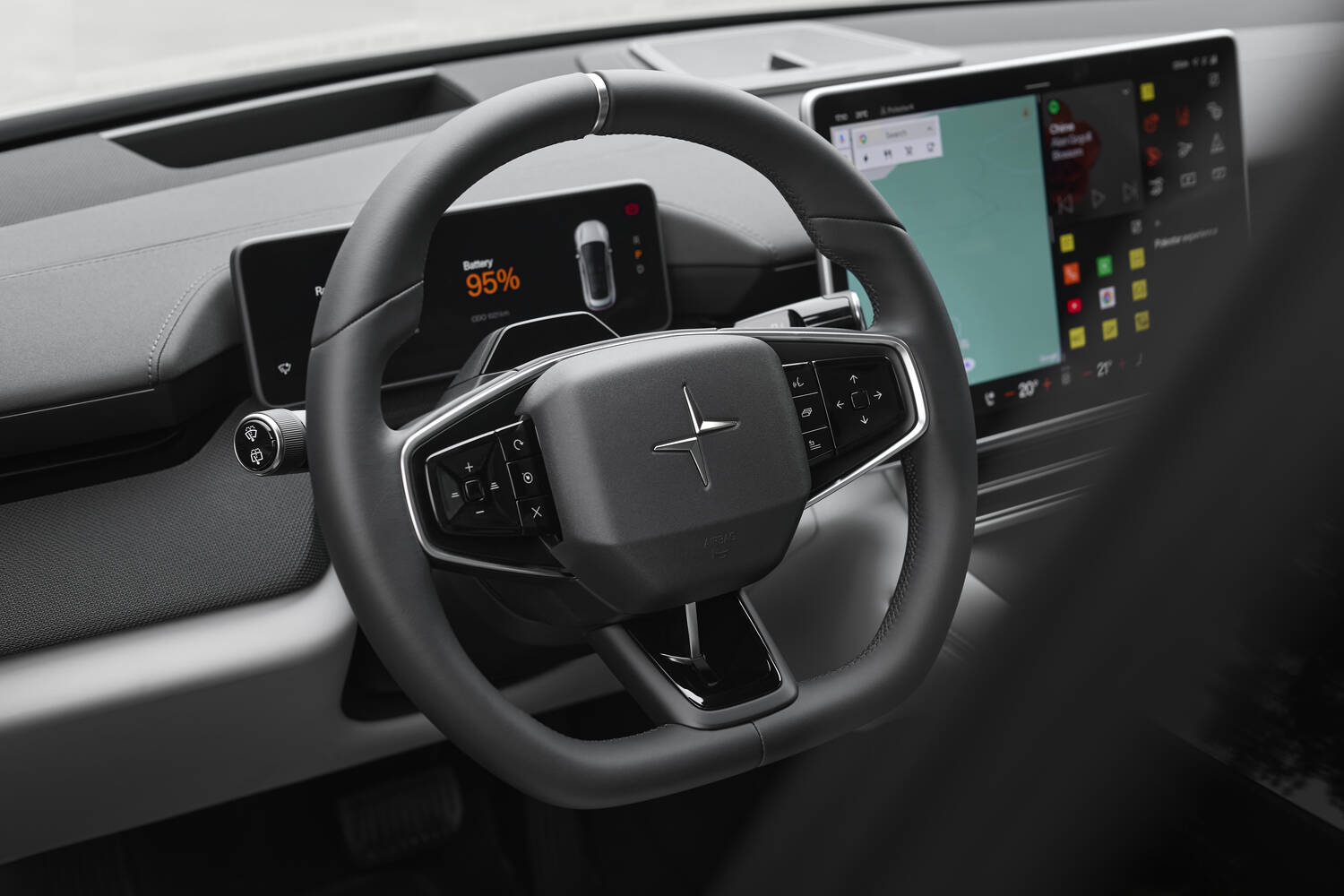
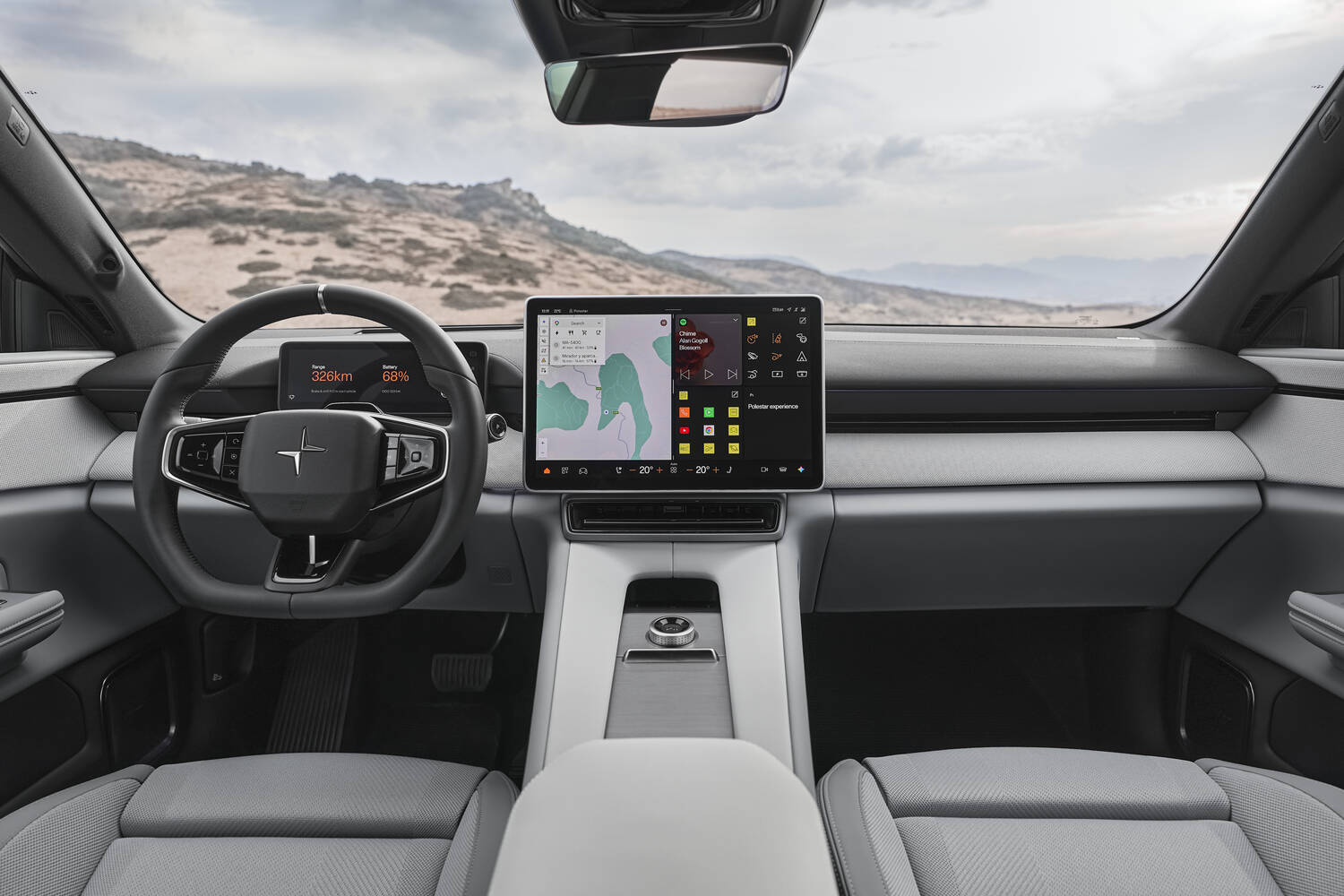
The Polestar 4 SUV's 15.4-inch central touchscreen is definitely one of the better displays in the business. The software it uses is Google-based, so there's an impressive slickness in the speed of response to each touch, and the way the menus are laid out is pretty clear.
Polestar has carefully worked on such minutiae as the way its on-screen fonts are shaped so that they're as clear and crisp as possible, and that effort pays off when it comes to finding your way around the screen.
Built-in Google Maps makes navigation easy (and the system can automatically plan charging stops for you on a long journey) and the fact that the air conditioning and heated seat controls are 'always on' at the base of the screen makes life a little easier.
However, there's a definite sense - once again - of digital overload, and the sheer number of functions and options can occasionally leave you feeling just a touch bewildered. No doubt that'll dissipate for an owner that gets to know their car.
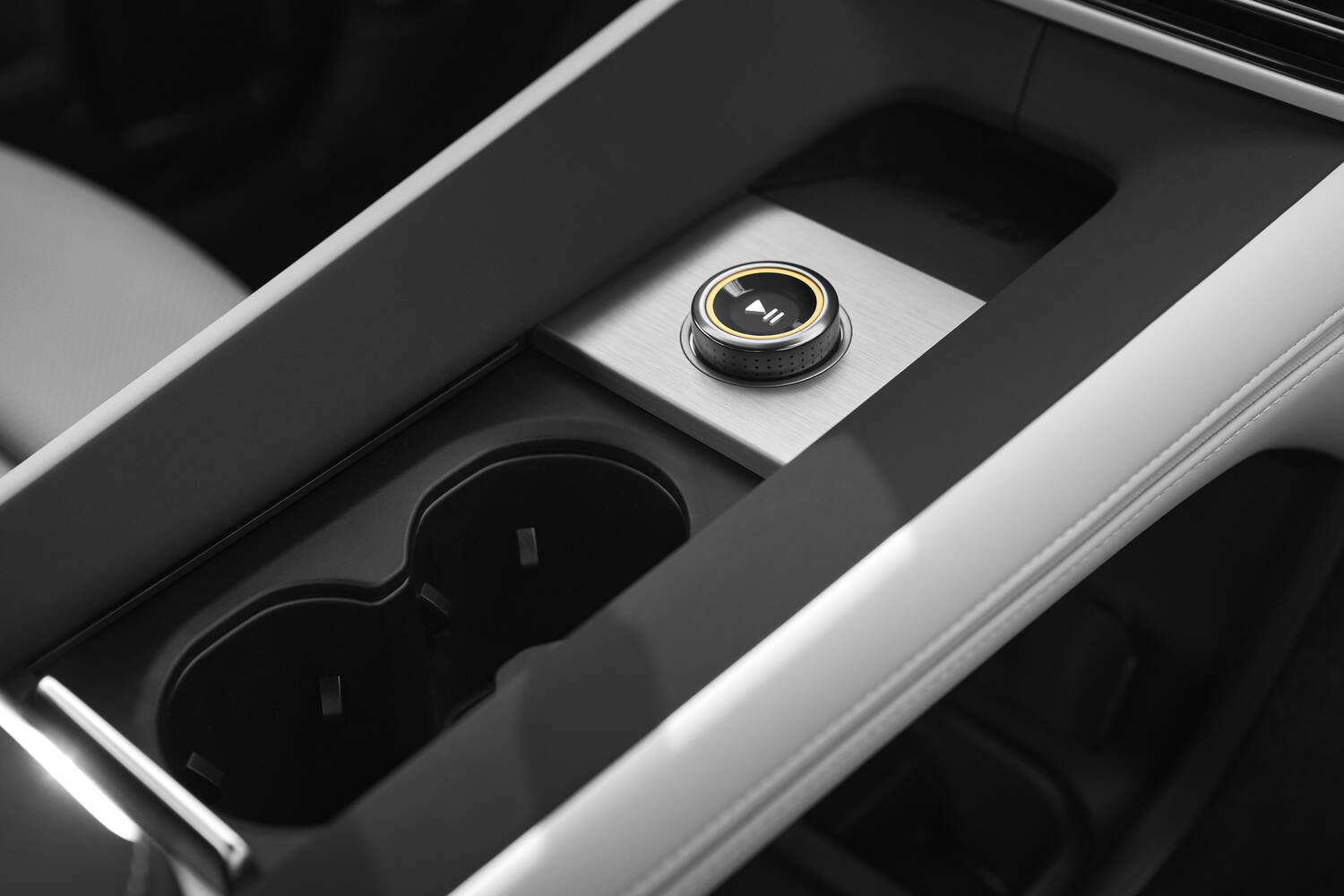
There is only one physical button on the centre of the dashboard, and that's the large rotary controller for the stereo volume and play/pause functions. In fairness, this does feel really good to use, but you can't help but wonder what Polestar could do if it put its interior design genius into making more physical buttons.
There are, unquestionably, some really neat functions though, especially the fact that you set the colour and style of the interior lighting by selecting from your favourite planet of our Solar System (and the Sun, too).
There's also a dimming setup for the big glass roof, which uses electrochromatic cells and which allows you to dim individual sections of the roof, or just the whole thing at once.
Practicality around the cabin
There's plenty of storage space in the front of the Polestar 4 SUV's cabin. Under the tall centre console, there's a large open storage area, while on top - surrounding the volume control knob - there's a small space for a wireless phone charger (which runs at up to 15 watts) and two cupholders under a sliding cover.
Behind those, under the front seat armrest, there's a decent storage space where you'll also find two USB-C sockets.
The door bins are large too and lined with a lightly rubberised material to prevent unpleasant rattles.
There's a good-sized glovebox as well, although you have to work your way through an on-screen menu to find the release button for that.
Rear-seat passenger space
Rear legroom in the Polestar 4 SUV is exceptionally good, with loads of clear air between my knees and a front seat set for my driving position (and I'm 185cm tall).
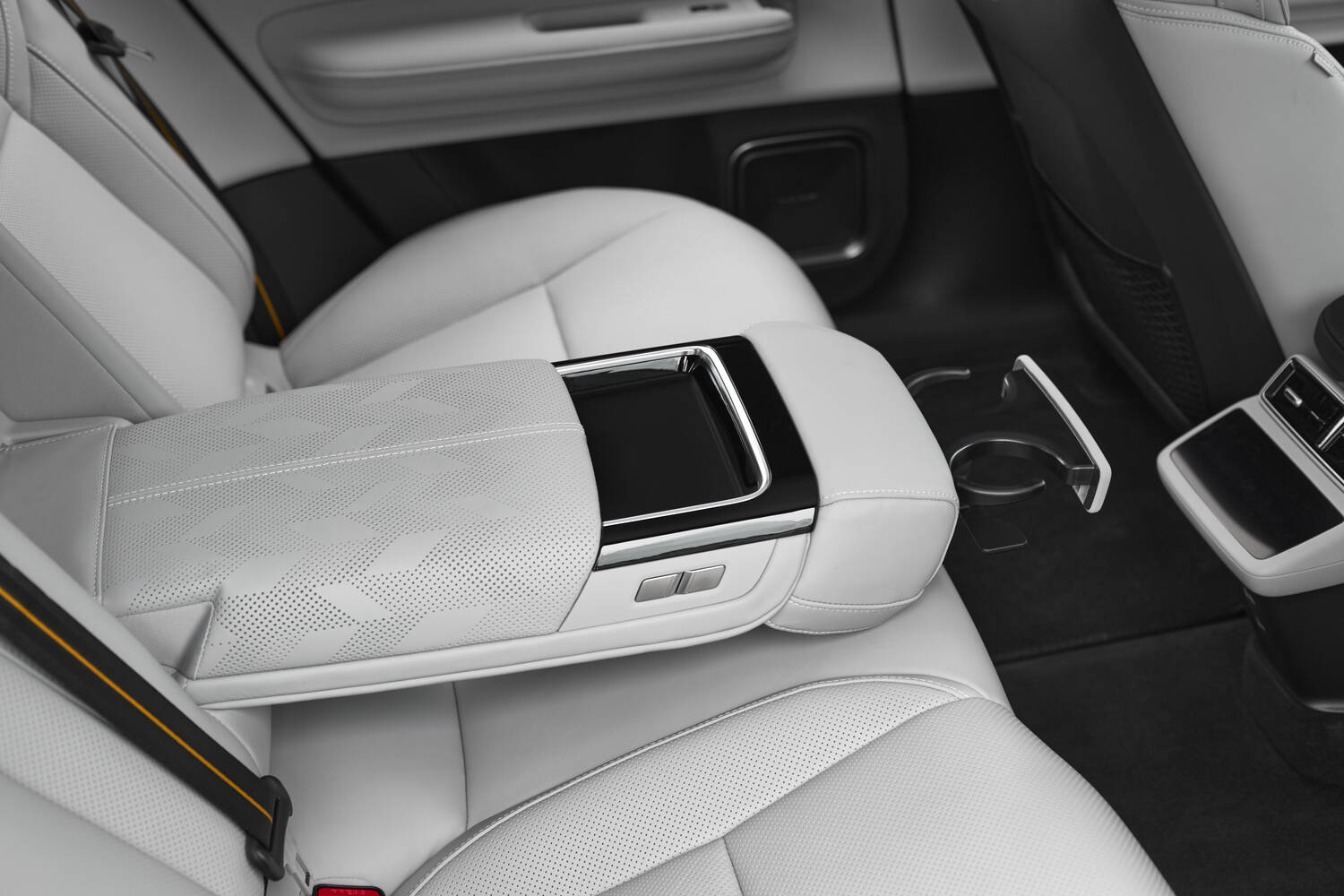
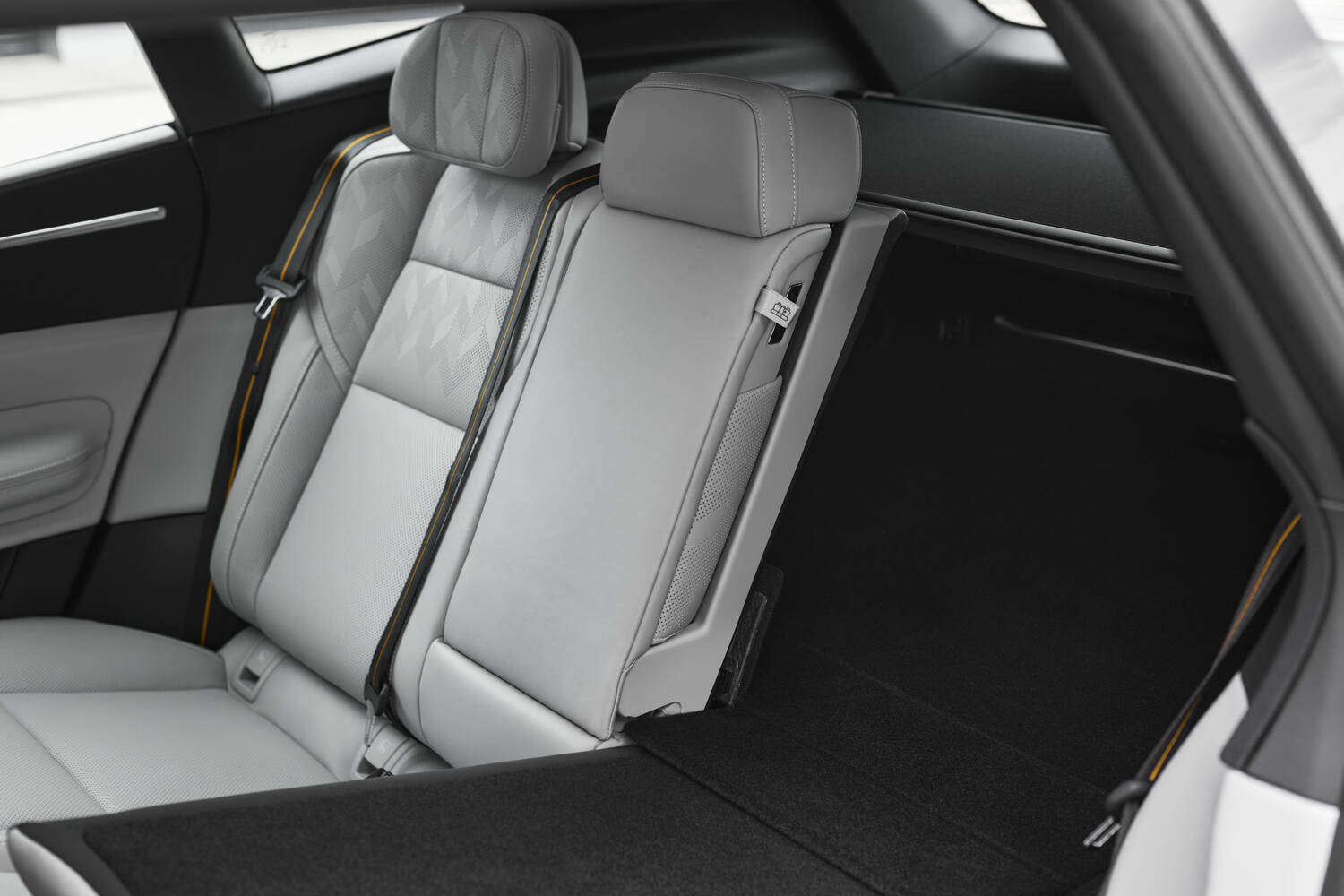
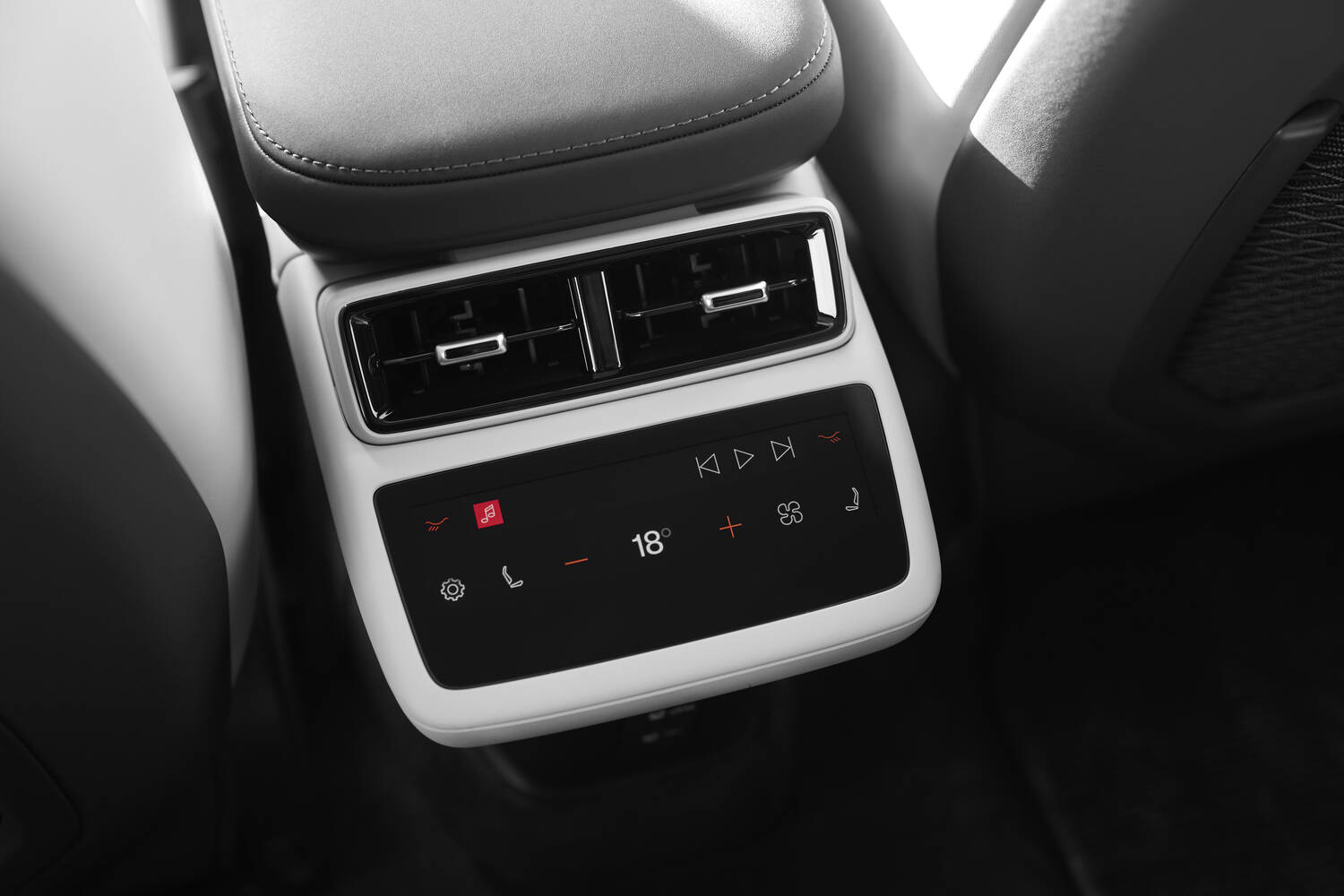
The rear seat is comfortable and supportive too, and the backrest reclines electrically on all but the most basic model, so rear-seat passengers can get very comfy indeed, with their natural eyeline actually up through the glass roof, rather than out the side windows or windscreen.
The central rear seat seems like a bit of an afterthought, but that's about the limit of our criticisms.
There is quite a high-set floor, which isn't great for taller rear passengers, but the electric folding backrest provides a bit of relief in that case, making the 'knees-up' seating position feel a little less tiring.
It's also noticeably airier in the back of this car compared to the Polestar 4 coupé.
Fitting child seats to the Polestar 4 SUV
The Polestar 4 SUV gets two ISOFIX anchors in the outer rear seats, and if you want to fit a child safety seat in the front, that's doable using the seatbelt and the passenger airbag cutoff.
The sheer amount of legroom in the back of the 4 SUV should make fitting even the biggest seats pretty easy, and the rear doors open nice and wide, which helps too.
Boot space in the Polestar 4 SUV
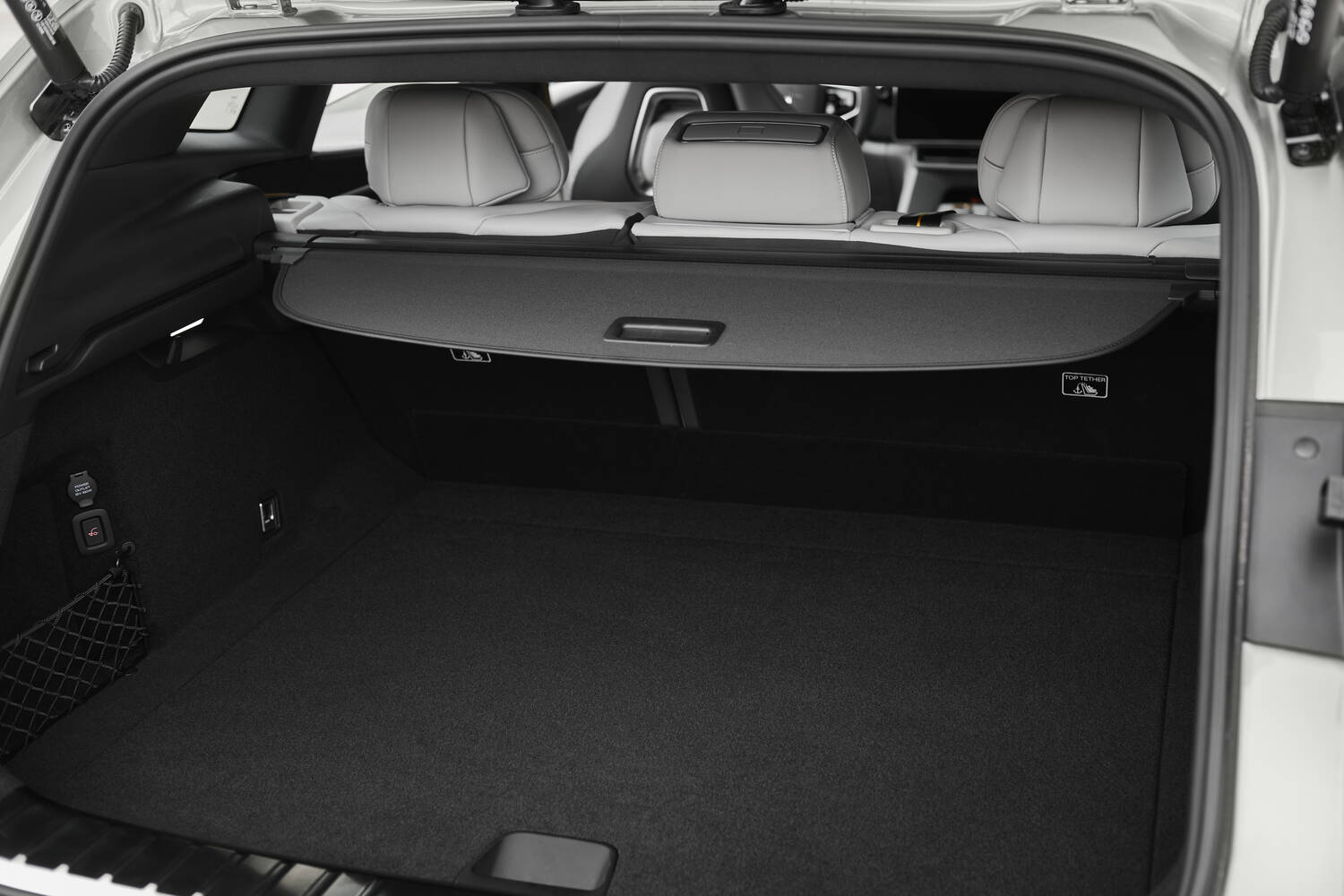
A 530-litre boot capacity isn't a massive gain over the Polestar 4 coupé, but the manner in which the 4 SUV deploys and uses that space is more practical.
Specifically, you've got more space above the line of the luggage cover (665 litres in total) in which to load taller, bulkier items, and there's just shy of a full metre of load length even with the rear seats occupied.
Drop those seats, and there's 1,665 litres of loadspace (well, actually 1,650 litres, because Polestar counts the 15 litres of the 'frunk' too), and with that extra roof height you're going to be able to fill the 4 SUV with much bigger loads than you could manage in the 4 coupé.
There's a small under-floor storage area if you want to stash any items out of sight, and you could also put your charging cables in there, but it might be handier to put them into that small, but useful, frunk in the nose, as then you don't have to unpack shopping/luggage/dogs etc to get at the cable.
The boot floor height is also adjustable, and there's very little load lip when it's in its highest position.
Towing with the Polestar 4 SUV
The Polestar 4 SUV has two towing ratings. The Single Motor Long Range model can cope with up to 1,500kg on a braked trailer, while the Dual Motor Long Range version can haul up to 2,000kg.
Both cars have a specific Trailer Stability Assist function built into the car's electronic safety systems, which should be helpful when carrying a load.
Safety in the Polestar 4 SUV
The Polestar 4 SUV hasn't been independently tested by Euro NCAP, but the Polestar 4 coupé has been and that scored an impressive five stars, with 92 per cent given to its adult occupant protection; 85 per cent to child occupant protection; 81 to vulnerable road user protection; and 79 for active safety systems.
We'd imagine that the 4 SUV won't deviate too far from those scores, if at all. As standard, the Polestar 4 SUV includes such safety kit as 'Understeer Control Logic' which keeps the nose tight to the inside of a corner in extremis, a 'Direct Traction Control' system which is close-coupled to the electric motors, and which Polestar claims responds as much as 10 times faster than a conventional traction control setup.
There's also 'Run Off Road' mitigation, borrowed from Volvo, which seeks to protect occupants in the event that the car runs off the road and down an embankment (we've seen Volvo test this system and it's a staggeringly violent test, one not carried out by Euro NCAP).
Performance of the 2026 Polestar 4 SUV
- Even the Single Motor version has plenty of poke
- Performance Pack mods make it track-capable
- Chassis tweaks compared to the Polestar 4 coupé
In its basic form, with a 272hp electric motor driving the rear wheels, there's no shortage of performance for the Polestar 4 SUV. After all, since when was 272hp not enough for a family car, even a heavy one?
It would be churlish, though, to ignore the appeal of the 544hp Dual Motor Long Range model, especially given that its usable range isn't really much lower.
Meanwhile, the Performance Pack modifications have a surprising effect on the 4 SUV should you - for whatever reason - decide to venture onto a racetrack.
Driving the Polestar 4 SUV Single Motor Long Range on Spanish roads
Words by Neil Briscoe on 27 October 2026
Compared to the Polestar 4 coupé, the SUV has been given a recalibrated chassis, which Polestar developed by adding a 60kg weight mounted high up in the chassis of a test car, to replicate both the extra weight of the car's taller, longer bodywork and the fact that owners would likely be using it to carry heavier items.
To cope with that, the springs have been made slightly stiffer, by up to 12 per cent at the rear, but at the same time the anti-roll bars have been softened up a little. New lower rear suspension links firm up the cornering stiffness, though.
The result is a tallish, quite heavy electric SUV that is genuinely excellent to drive. The steering has very faint feel - you notice it more on roads with a coarse surface - but what it might lack in feedback, it makes up for with weighting, precision and accuracy.
The Polestar 4 SUV's steering has a genuinely natural feel to it, which makes placing this large car (it is quite wide, even if it's not as tall as you might think) truly easy.
It's a car that makes you feel confident, even as the road becomes tighter and more challenging. There's a sense that the Polestar 4 SUV can breathe with a bad surface too, even if there's a bit of vertical pitch in the suspension once the weight of that battery pack starts to move up and down.
Initially, you feel as if the suspension might be a little too stiff, as the 4 SUV fidgets a touch at lower speeds, but it settles down impressively when real bumps come into the equation. It's a really well set-up car, this.
Long range refinement hasn't been ignored either, and while the 4 SUV isn't quite as silent inside as a Mercedes GLC, it is impressively calm all the same.
Driving the Polestar 4 SUV Dual Motor Long Range on Spanish roads
Words by Neil Briscoe on 27 October 2026
The Dual Motor version does everything that the Single Motor model does, just quicker. Saying that, there is a slight sense of diminishing returns with the Dual Motor Polestar 4 SUV, as in spite of its prodigious power, this model doesn't initially feel quite as accelerative as you'd expect of a car packing 544hp, as undoubtedly rapid as it is.
There's also a noticeable effect on the steering, which now that it has to deal with the extra weight and friction of an electric motor up front, doesn't feel quite so sweet as it does in the Single Motor version.
It's a fractional difference, but if you drive both cars back-to-back, you do notice it. You also notice the slight extra touch of vertical pitch in the suspension when it's dealing with bumps.
So is the Dual Motor not worth the extra? If you're being truly sensible, then probably not. However, if you're looking for the ultimate version of a particular model, and one which can provide all-wheel-drive traction in the winter as well, then it does start to look a little more compelling.
No-one really needs the 3.9-second 0-100km/h time, but the way the Dual Motor pivots on its rear axle, settles into a corner and then launches itself out the other side with all four wheels gripping is really quite something.
Even if the steering is a hair less sweet, it's still an impressive machine to drive, and a very reassuring one as you can feel the front motor start to put manners on the car's cornering attitude if you've been a bit cack-handed or the grip levels change.
Driving the Polestar 4 SUV Dual Motor Long Range Performance Pack on the Ascari racetrack
Words by Neil Briscoe on 27 October 2026
The Performance Pack doesn't add any extra power to the Polestar 4 SUV, but it does add adjustable twin-chamber dampers from ZF, bigger brakes with Brembo brake calipers painted in a fetching shade of Swedish Gold and grippier Pirelli tyres fitted to 22-inch alloy wheels.
Now, you wouldn't normally assume that a 2.4-tonne SUV with electric power would feel in any sense at home on a sinuous, challenging racetrack such as the Ascari circuit located in the mountains north of Malaga, but... you'd be wrong.
OK, so there are weight and centre-of-gravity limitations, of course there are, but the way the Performance Pack version powered through the ultra-fast 'Copse' right-hand corner at Ascari, before furiously braking for the tight hairpin of 'Oulton' - and doing so effortlessly, for several laps in a row, was more than a little eye-opening.
At full tilt, you can really get the Polestar 4 SUV up on its toes and it deals with rapid direction changes with far greater poise than you'd ever expect of something this hefty.
Again, here, you can feel the front wheels tug the nose of the car forwards when you've gotten your braking line wrong, while the steering feel is less of an issue and the ability to accurately and faithfully point the nose at a late apex becomes far more important.
Big and heavy the Polestar 4 SUV might be, but in Performance Pack form, it absolutely dances.
Range, battery, charging and running costs of the 2026 Polestar 4 SUV
- All models use the same 94kWh battery
- Impressive official range
- Performance Pack costs a few km
The Polestar 4 SUV gets the one battery choice to power the two powertrain options (the Performance Pack doesn't alter performance, but its grippier tyres do cost you a touch of range).
Battery options and official range
The single battery choice for the Polestar 4 SUV is a 94kWh (that's the net usable capacity - the gross capacity of 100kWh sounds a touch more appealing...) nickel-manganese-cobalt (NMC) pack, mounted in the usual manner in a large single section under the floor of the cabin.
Its 110 individual cells give the Single Motor Long Range version an official range of up to 630km, while the Dual Motor Long Range, with effectively double the power and torque, still manages 600km.
Adding the Performance Pack, with its grippier Pirelli P-Zero tyres, reduces that range a little but Polestar's product experts weren't willing to say precisely how much (we're estimating about 20-30km).
Real-world range and efficiency of the Polestar 4 SUV
The Polestar 4 SUV isn't being spoken of in the same breath as its BMW and Mercedes rivals, as being a 'range monster'. And it's true, the maximum 630km range of the Single Motor model isn't as impressive sounding as the BMW iX3's 800km range (it comes with a 20kWh larger battery).
However, in terms of real-world range, the Polestar seems to be right up there with its German rivals, albeit this test took place in balmy Spanish conditions, whereas an Irish winter would put the battery under more strain.
For the Single Motor version, we were seeing an indicative range of as much as 610km on a full charge, while the Dual Motor wasn't much worse off - around 570km on a full charge, in real world conditions.
Impressively, even the track work at Ascari in the Performance Pack car didn't seem to make much of a dent - after more than half a dozen laps of the 5.4km circuit at full effort, we had only burned through about 20 per cent of a fully charged battery, and the Polestar was still showing a range of more than 400km. Not bad at all.
Charging up the Polestar 4 SUV
As standard, the Polestar 4 SUV charges at 11kW on three-phase AC power (taking a stated 11 hours for a full charge at that speed, but it'll be more like 13 hours on a 7.4kW home connection).
For fast charging duties, the Polestar 4 SUV charges at an impressive 200kW maximum on DC power, and Polestar reckons that will give you a 10-80 per cent charge in precisely 30 minutes.
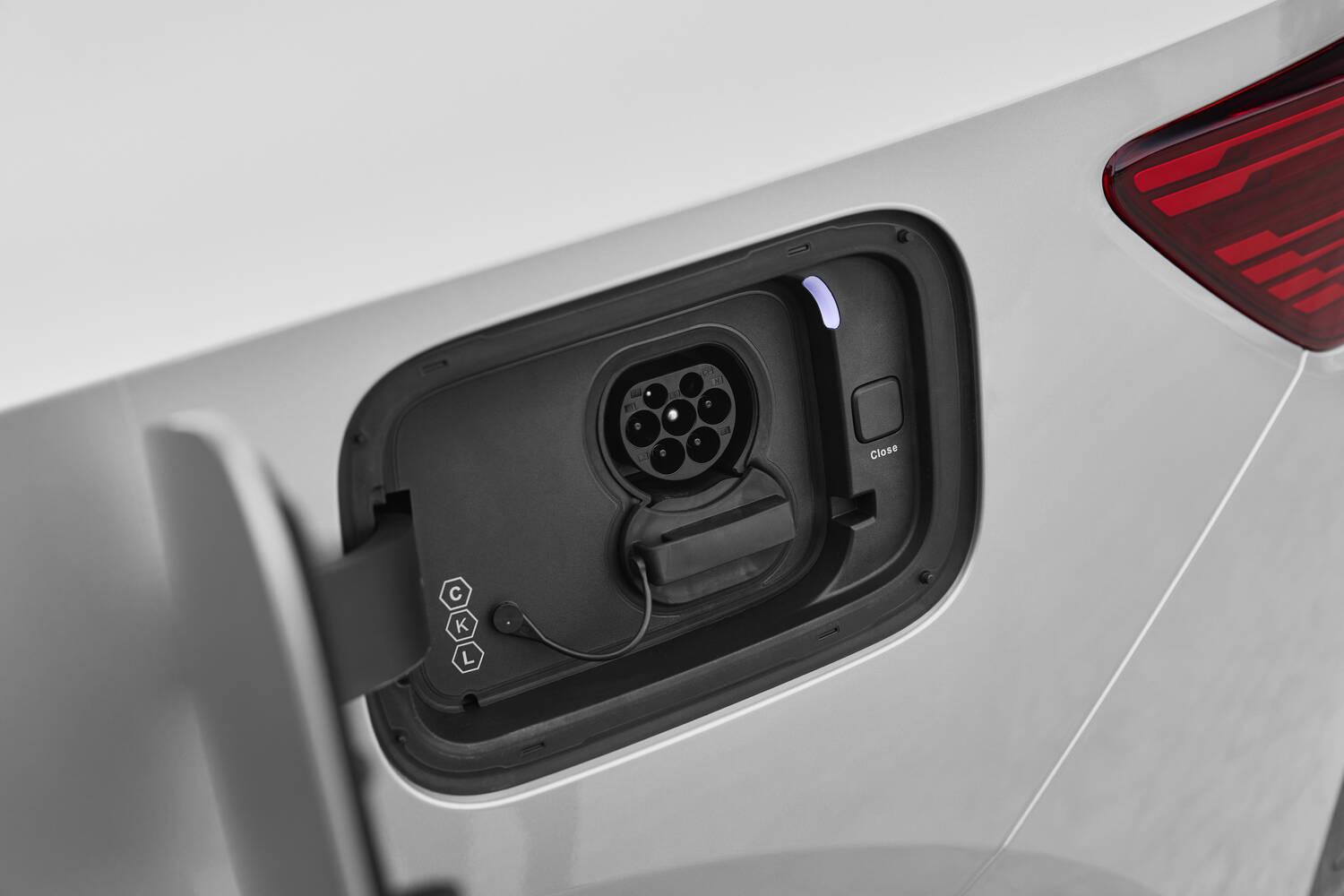
Vehicle-to-load (V2L) charging which can output up to 3.3kW of power from the car's battery to external devices, too. Interestingly, there's a specific 'Camping Mode' which keeps the screens, interior lights and charging sockets live if you want to fold down the seats and throw in an air mattress.
Speaking of camping, rather than put us up in a hotel for our overnight stay in Spain, Polestar instead gave us each a glamping tent at the Ascari Race Resort, which was powered by our 4 SUV test car's V2L system.
It worked rather marvellously. For the record, powering two tents overnight after a two-hour up-hill-and-down-dale test drive, our Polestar 4 SUV ran through around six per cent of its charge, and still had 383km range remaining the next morning.
Servicing the Polestar 4 SUV
Polestar suggests that the 4 SUV only needs a service every two years, or 30,000km.
Although there's only one official Polestar dealership in Ireland (in Sandyford, south Dublin), you can have your Polestar 4 SUV serviced at any of Ireland's Volvo dealers, which is handy.
Polestar 4 SUV warranty
All of Polestar's models are warrantied for up to 100,000km or three years, and there's the usual eight-year, 160,000km warranty for the battery, guaranteeing it against any faults, or a drop below 70 per cent of its original state-of-health. There's also a 12-year anti-corrosion warranty.
Irish pricing & rivals to the 2026 Polestar 4 SUV
- Well priced against rivals
- €56,690 starting price
- Good standard equipment
Against rivals such as the BMW iX3 and Mercedes-Benz GLC, the Polestar 4 SUV is exceptionally well-priced, undercutting them by as much as €20,000.
Does that mean, technically, it's in a different segment of the market to those cars? Kind of - you could think of the Polestar 4 SUV as a rival to, perhaps, the smaller BMW iX2 or the Mercedes GLB, but neither of those represents quite a neat fit either.
In a sense, the Polestar is in something of a class of its own. It can't quite reach the range heights of its German rivals (nor, indeed, its more expensive in-house rival from Volvo, the EX60, which doesn't use the same platform although there are a handful of shared components), but it doesn't fall too far short in real-world conditions, matches or beats them for interior space and practicality, is at least as good to drive and has the same premium feel.
This will all be further confused by the arrival, in 2028, of the Polestar 7, which will be more of a direct iX3/GLC rival.
Unquestionably, the Polestar 4 SUV makes an interesting alternative to those cars at any rate, while the Audi Q6 e-tron is probably a closer rival overall, and the Porsche Macan is the sharpest driving tool in the premium electric SUV box.
Polestar quotes both the Audi A6 e-tron Avant and the higher-spec versions of the Volkswagen ID.7 Tourer as potential rivals too, so perhaps the 4 SUV is an estate after all.
As far as standard equipment goes, the entry-level Single Motor Long Range Business Edition comes with 20-inch alloy wheels, LED headlights with active high beam, flush door handles that deploy automatically, a panoramic glass roof with an etched Polestar logo (optionally you can have electrochromatic dimming for that glass roof too), 'Bio-Attributed MicroTech' interior upholstery, 12-way electrically adjustable front seats, heated front and rear seats, a heated steering wheel, ambient cabin lighting, two-zone climate control, a heat pump, 15-watt wireless phone charging, a 10.2-inch driver's display screen, a 15.4-inch central infotainment touchscreen, an eight-speaker high performance audio system with over-the-air software updates and 12 months of live internet services. There's also a 360-degree parking camera system and adaptive cruise control,
Verdict - should you buy the 2026 Polestar 4 SUV?
It's funny - what should be, and is, Polestar's most conventional model yet is in some ways its most interesting. The Polestar 4 SUV occupies a truly interesting space in comparison to its major rivals.
It's almost as sharp to drive as a BMW iX3, and considerably more so than a Volvo EX60 (if the Volvo counts as a rival). It's longer-legged in real world terms than the Audi Q6 e-tron, and more fun than - if not quite so refined as - the Mercedes GLC.
It's also considerably more handsome than any of them and has a truly gorgeous interior. On top of all that, the Polestar 4 SUV is, crucially, cheaper than all of the above, significantly so in some cases.
Polestar is still a niche brand but with this 4 SUV it's taken a big step into the wider world, and although it might not naturally top everyone's shopping list, frankly it deserves to.
FAQs about the 2026 Polestar 4 SUV
Does the Polestar 4 SUV have a 'frunk'?
Yes, it does. It's quite a small one, at 15 litres, but it's big enough for you to store a coiled-up Type 2 charging cable.
Is the Polestar 4 SUV all-wheel drive?
There is a four-wheel-drive version, the Dual Motor Long Range model, but the entry-level Polestar 4 SUV is rear-wheel drive.
Want to know more about the 2026 Polestar 4 SUV?
If there's anything about the new Polestar 4 SUV we've not covered, or you'd like help in choosing between it and other cars, you can avail of our expert advice service via the Ask Us Anything page.