

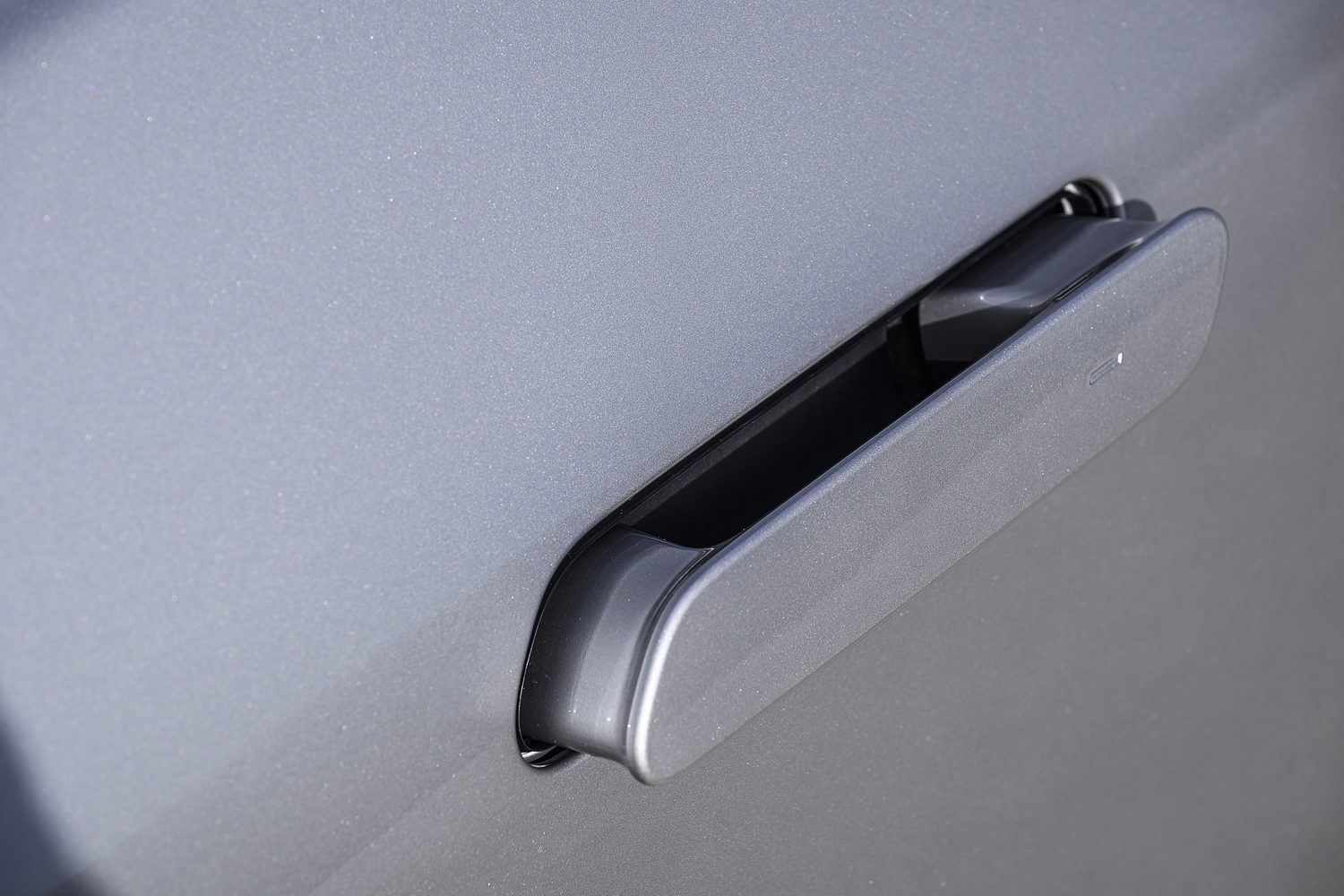



Exterior & design of the 2026 BMW iX3
- At last, the return of small BMW grilles
- LED lighting used instead of chrome
- Clean surfacing to the fore

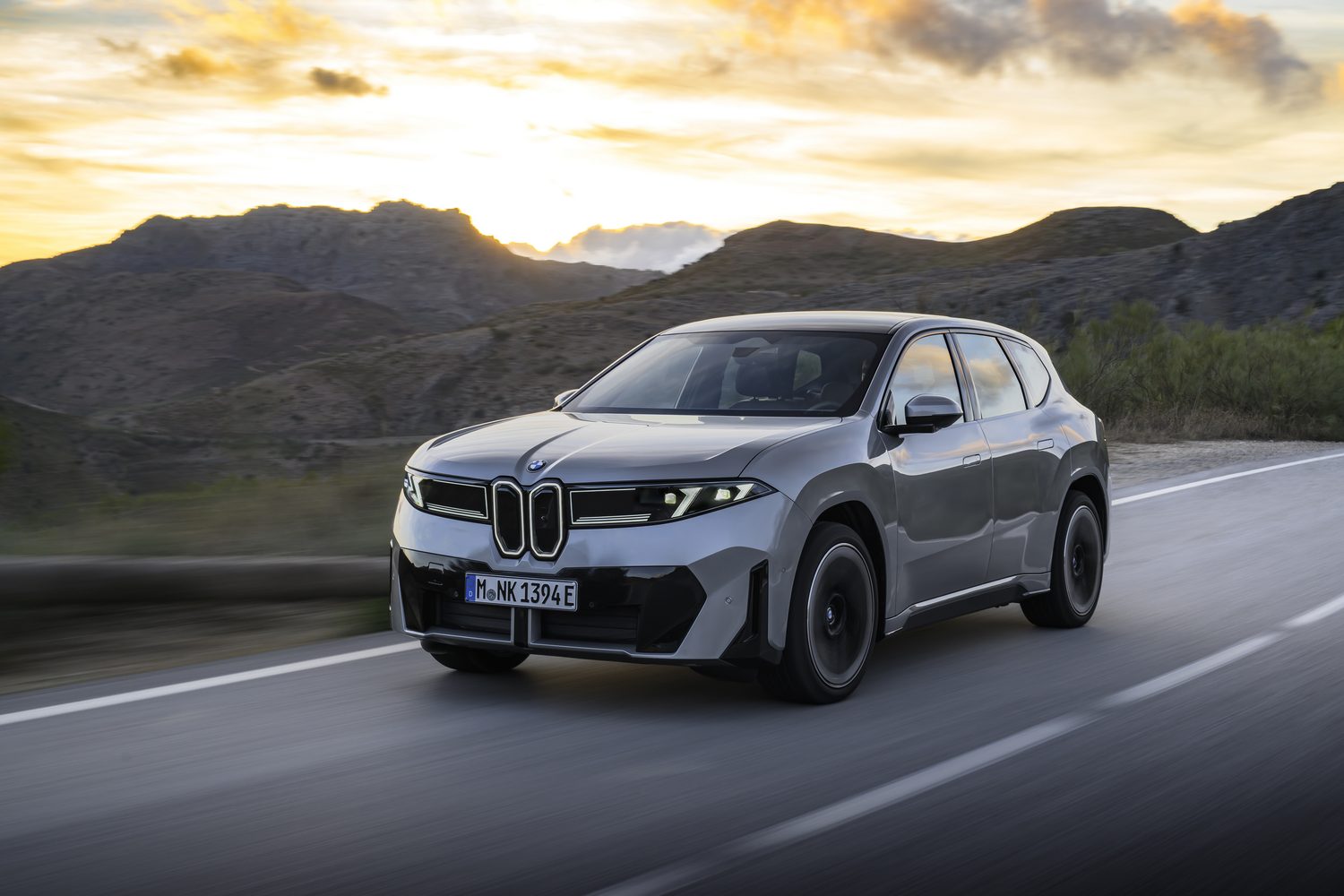
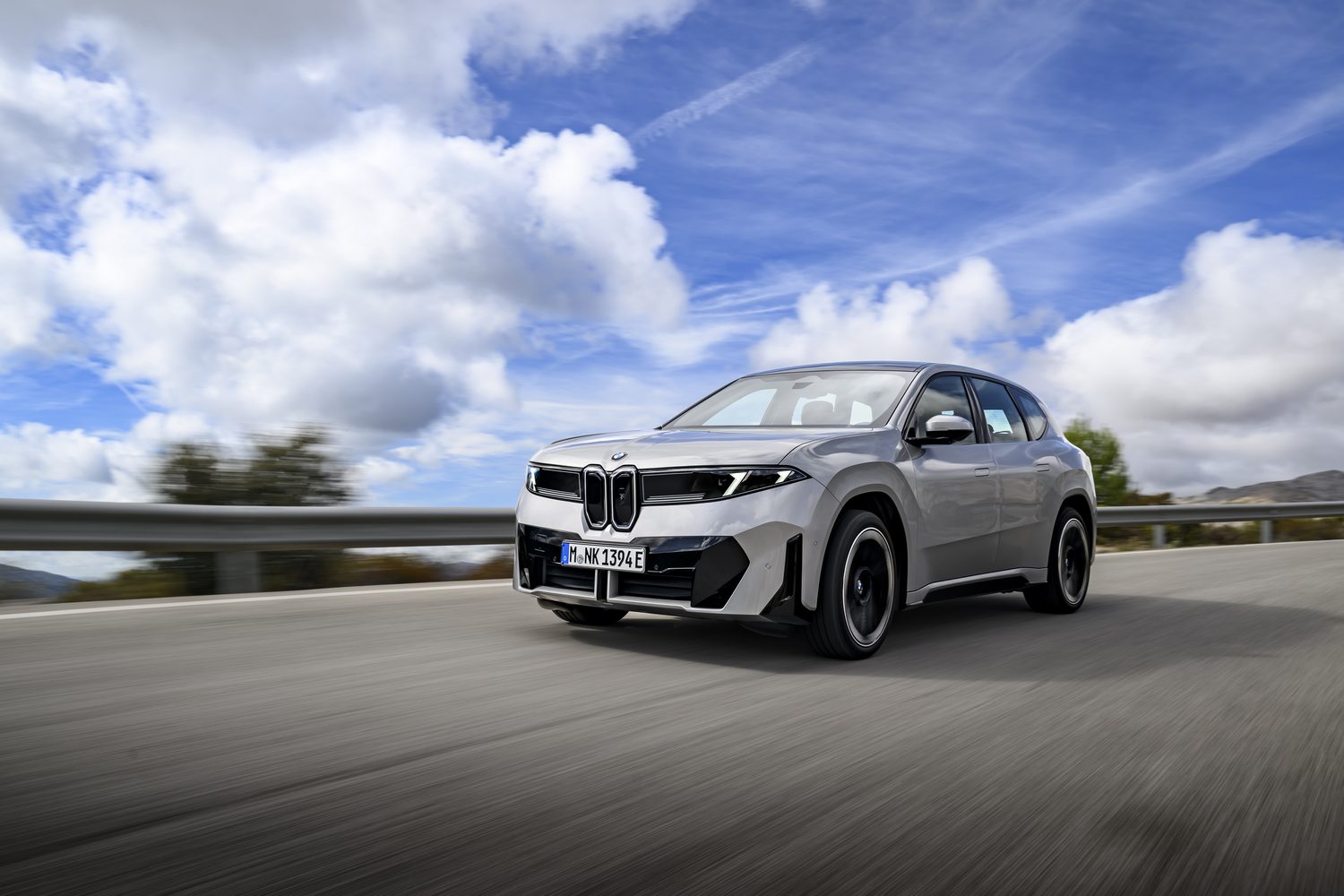
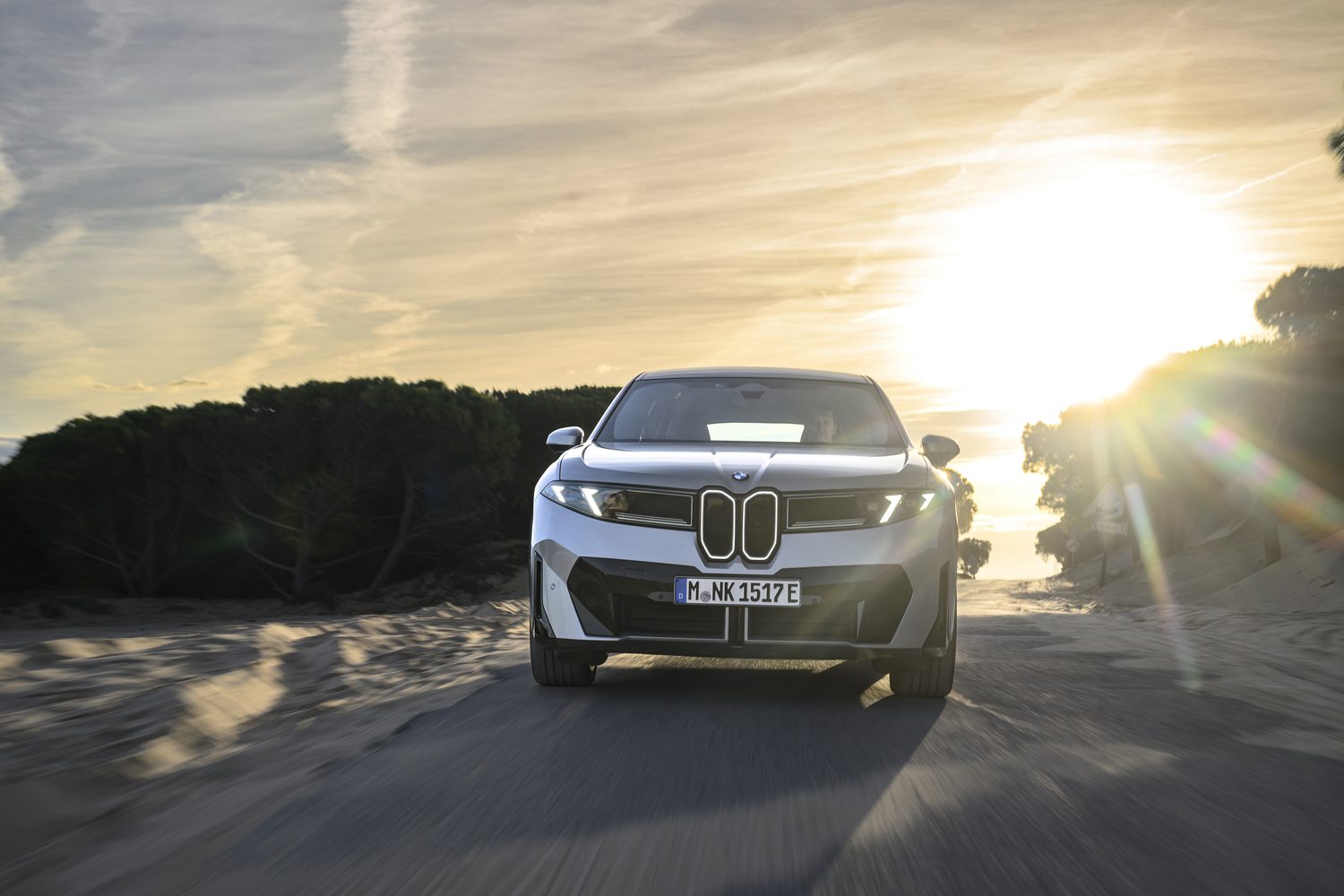
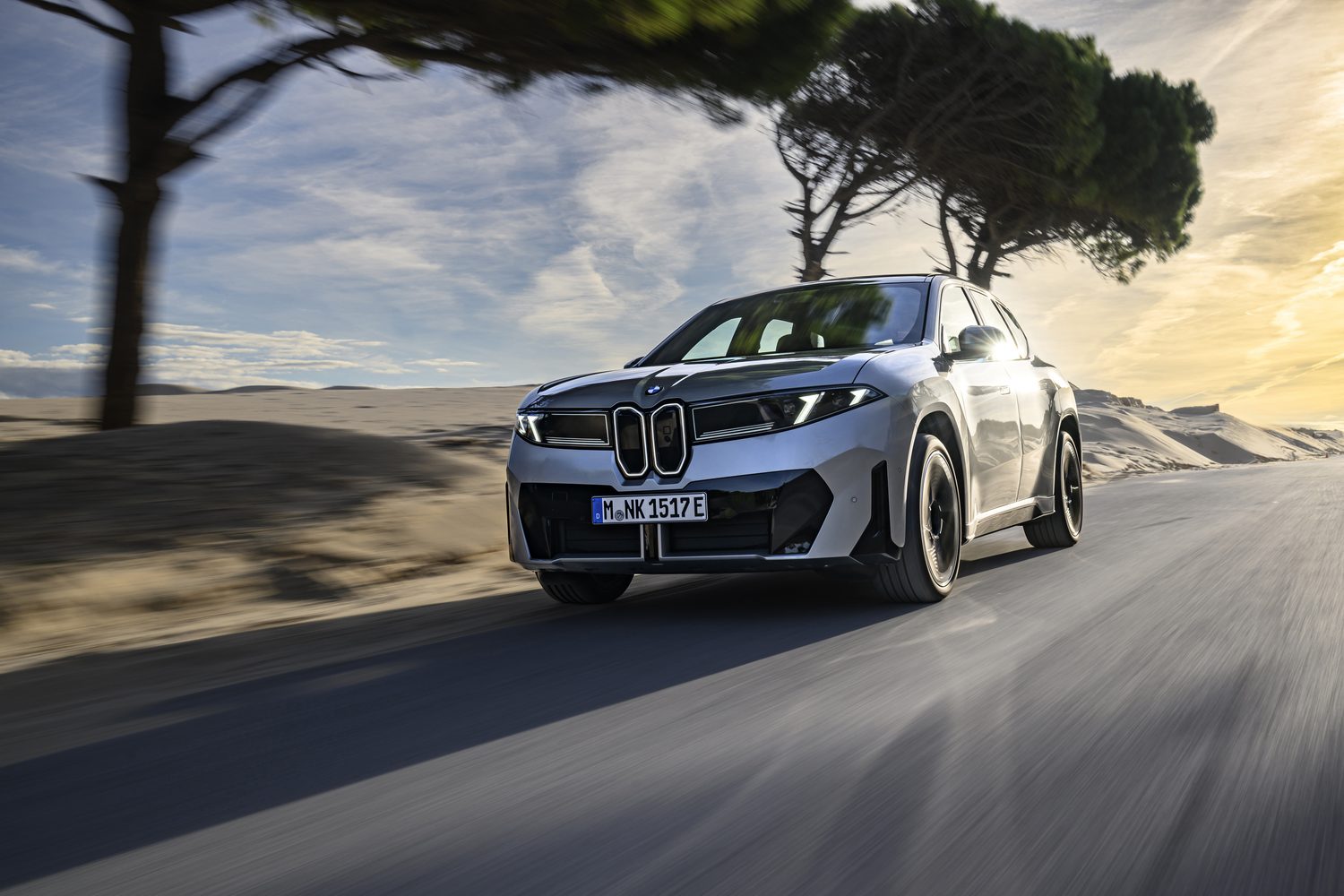
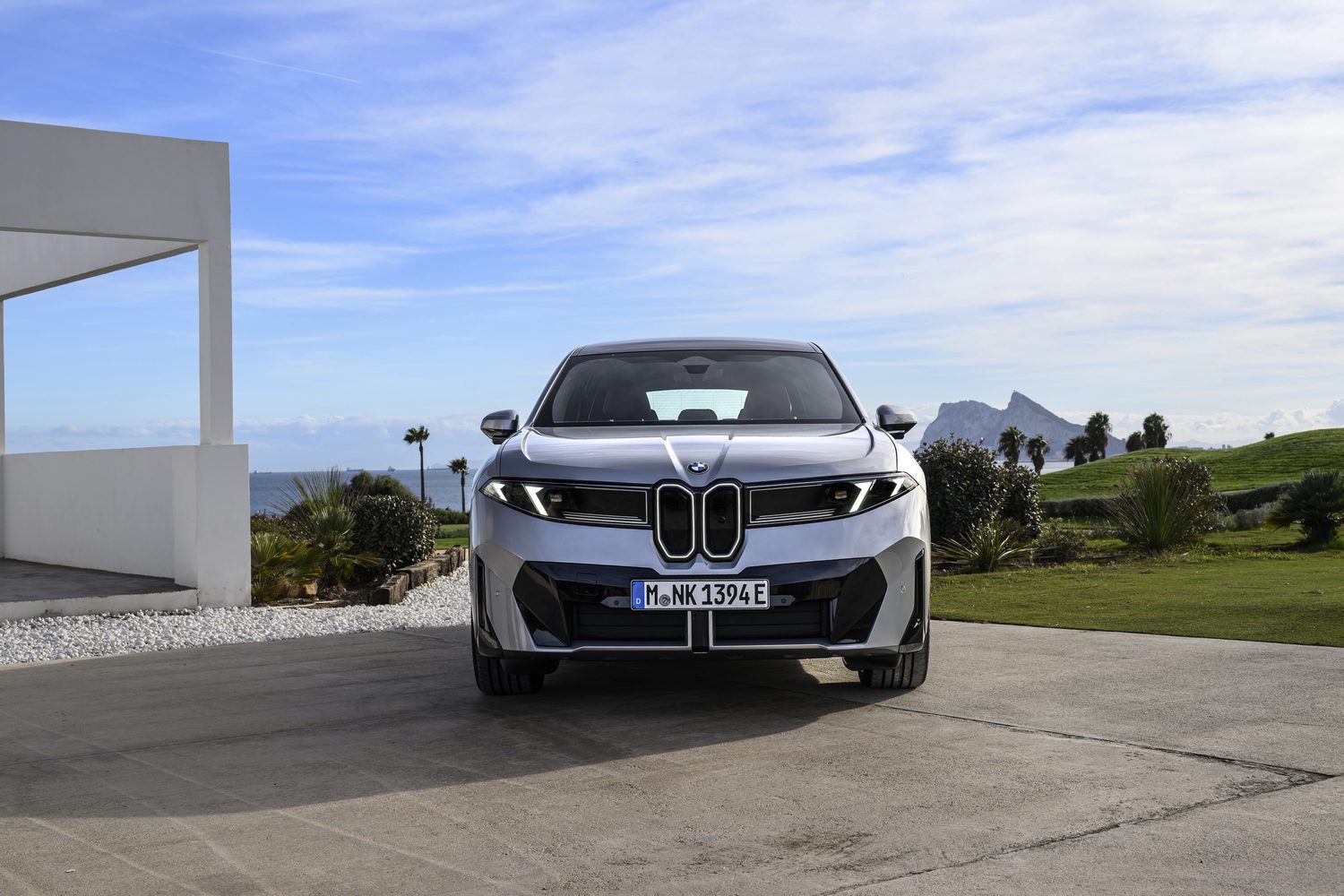
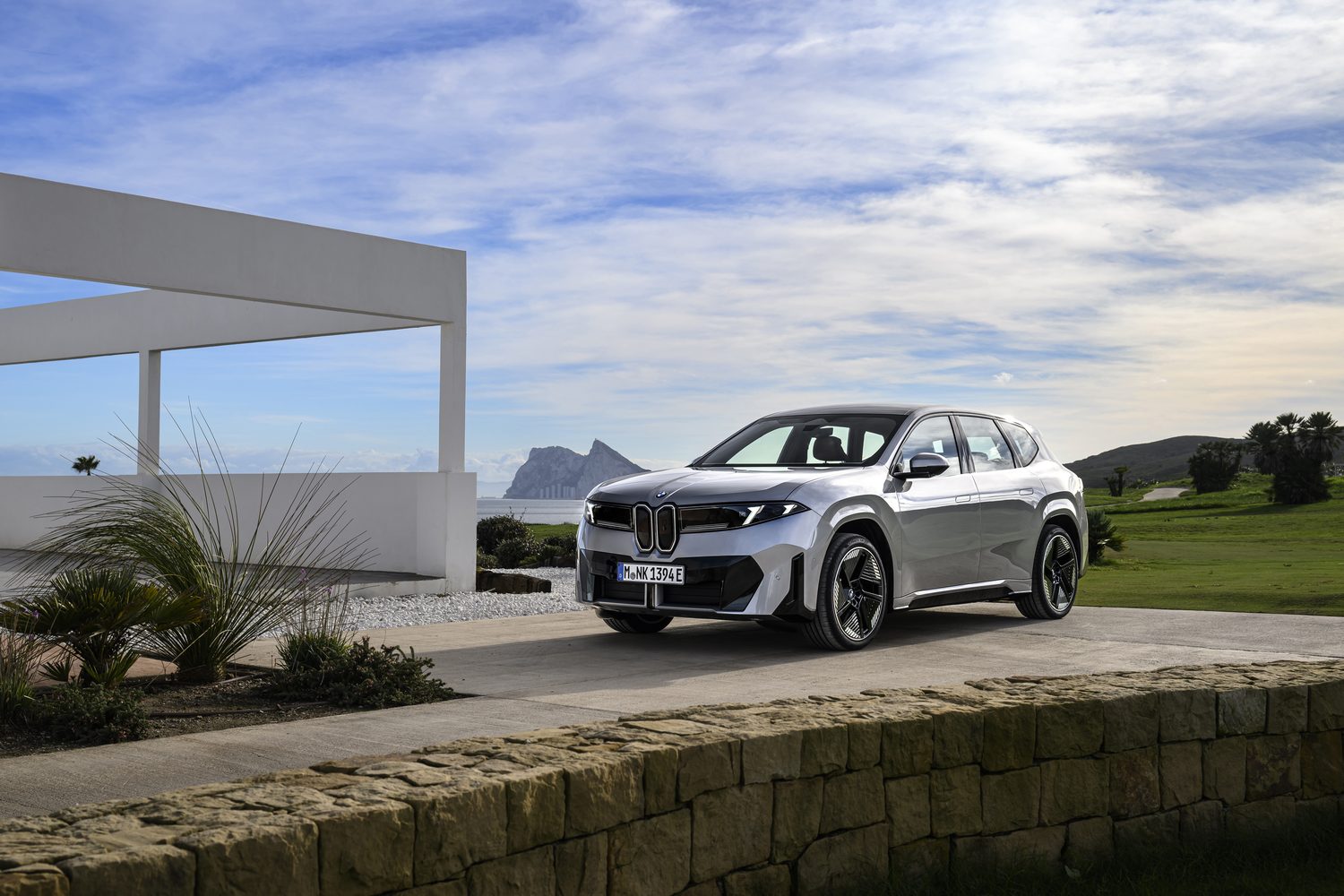
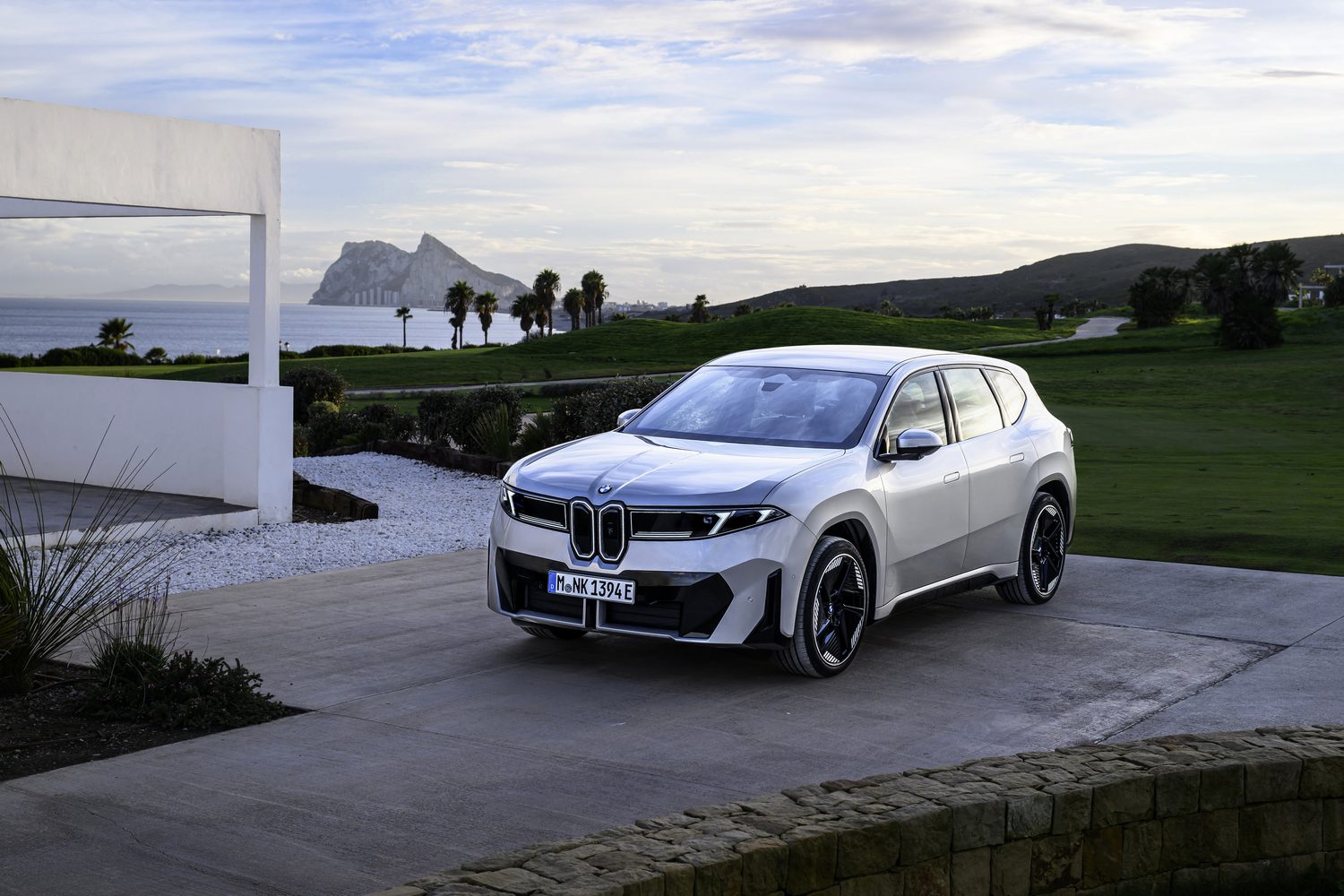
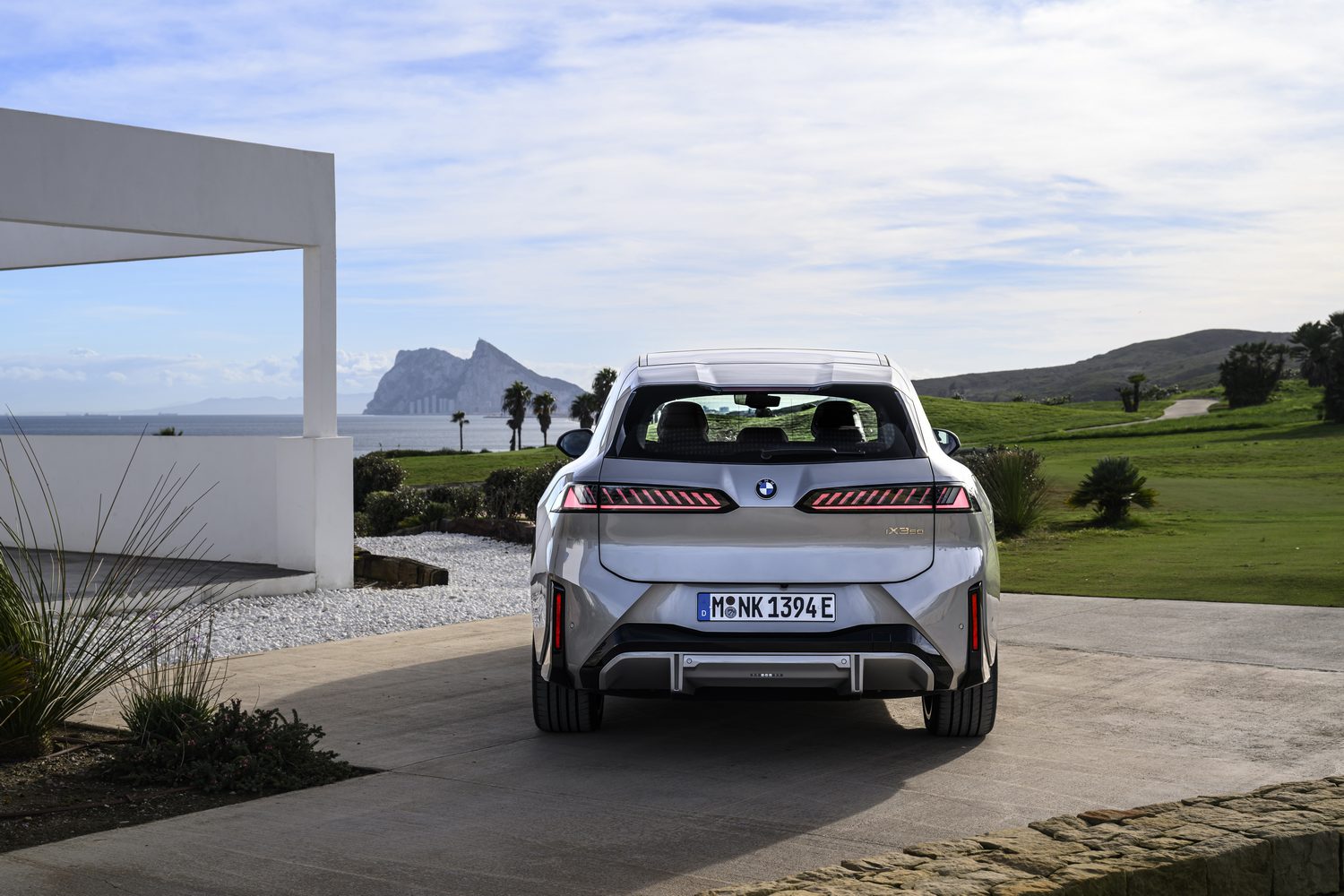
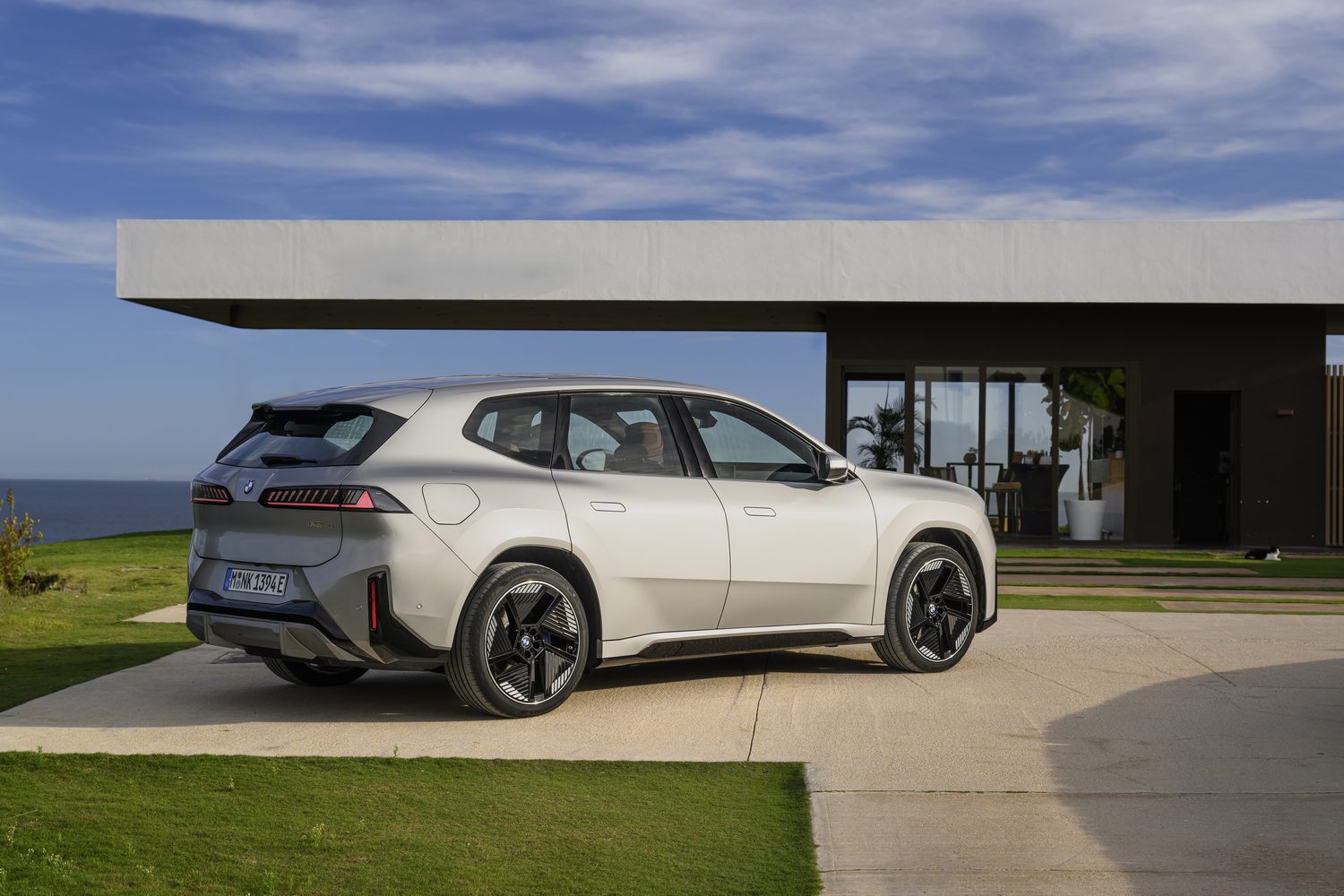
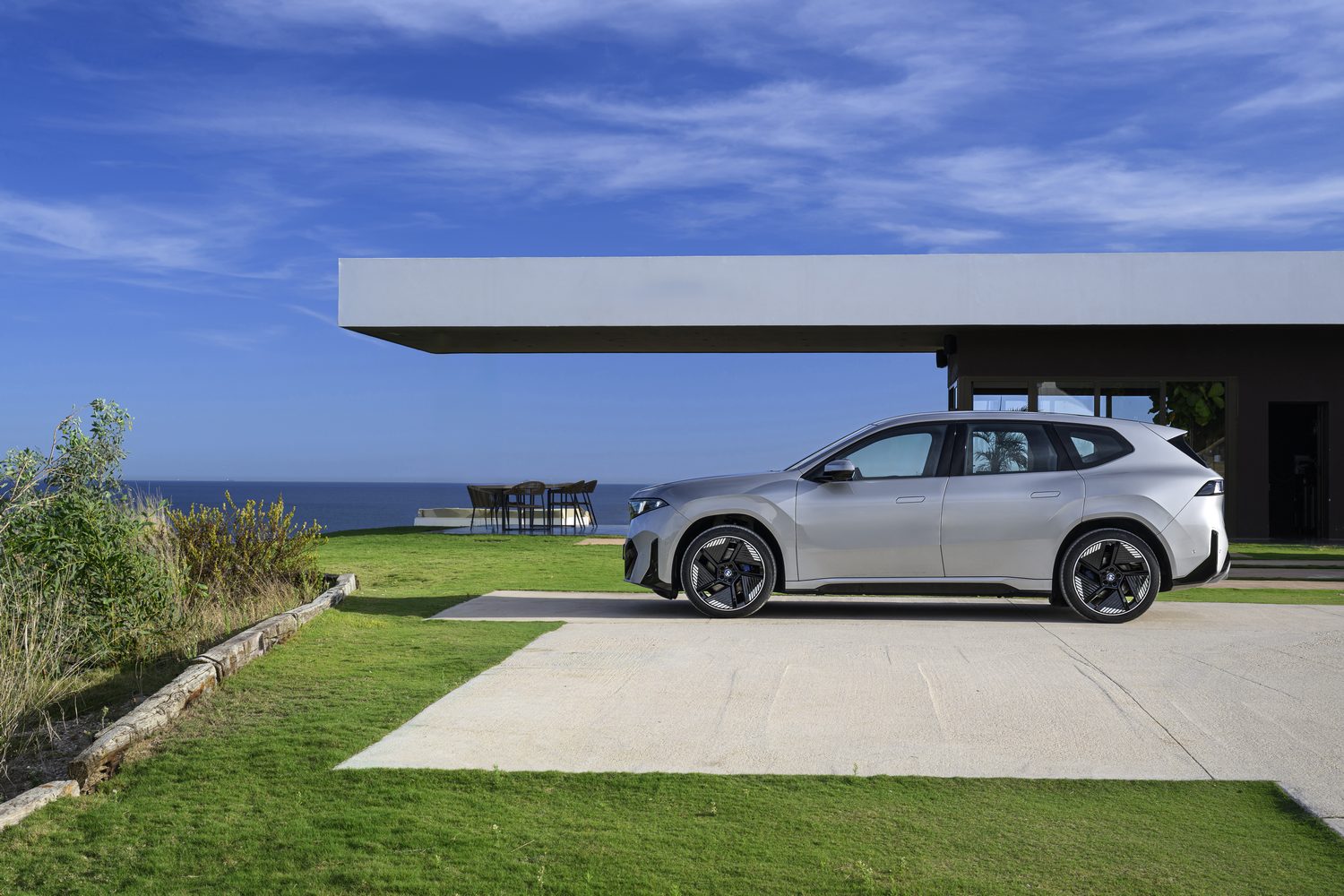
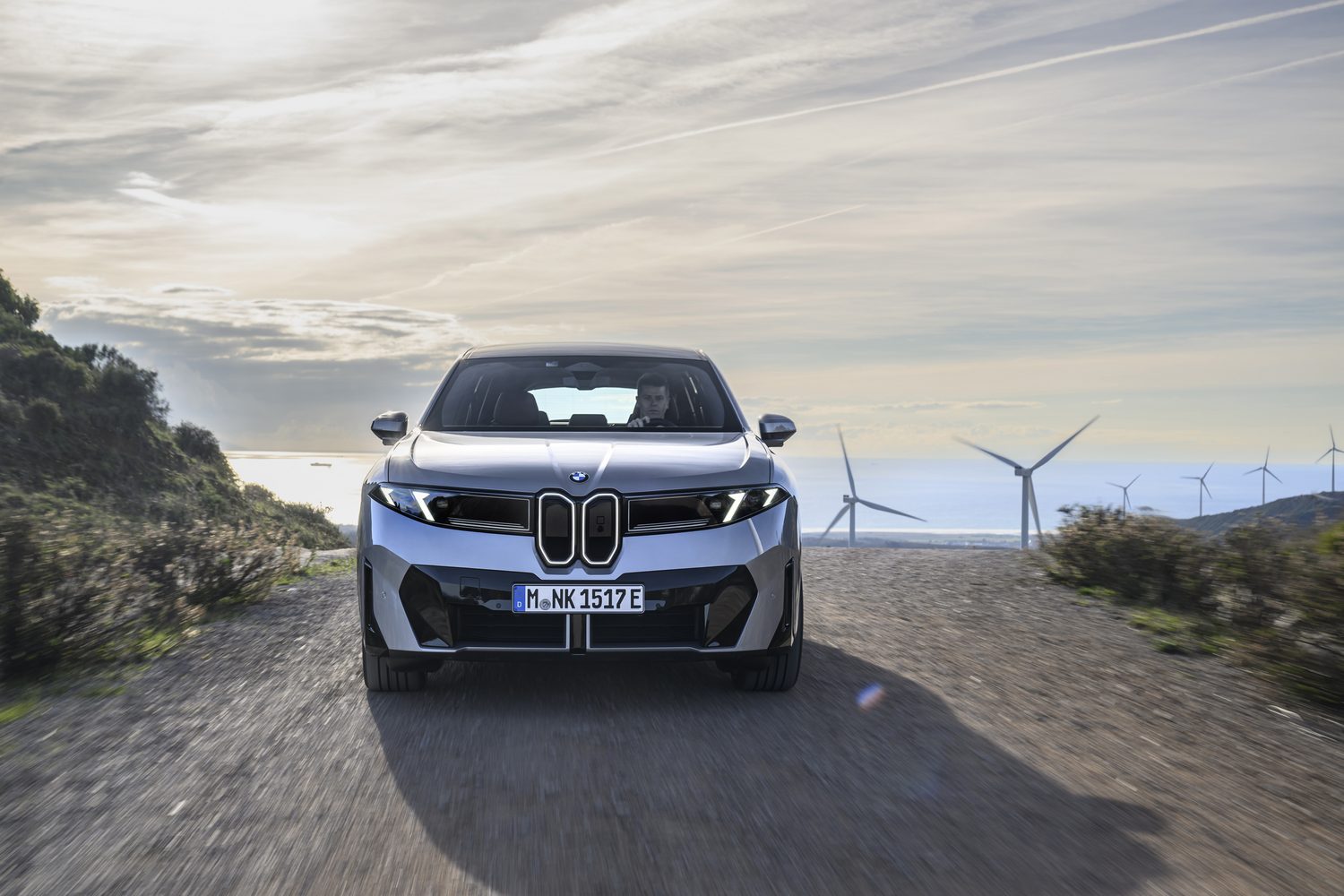
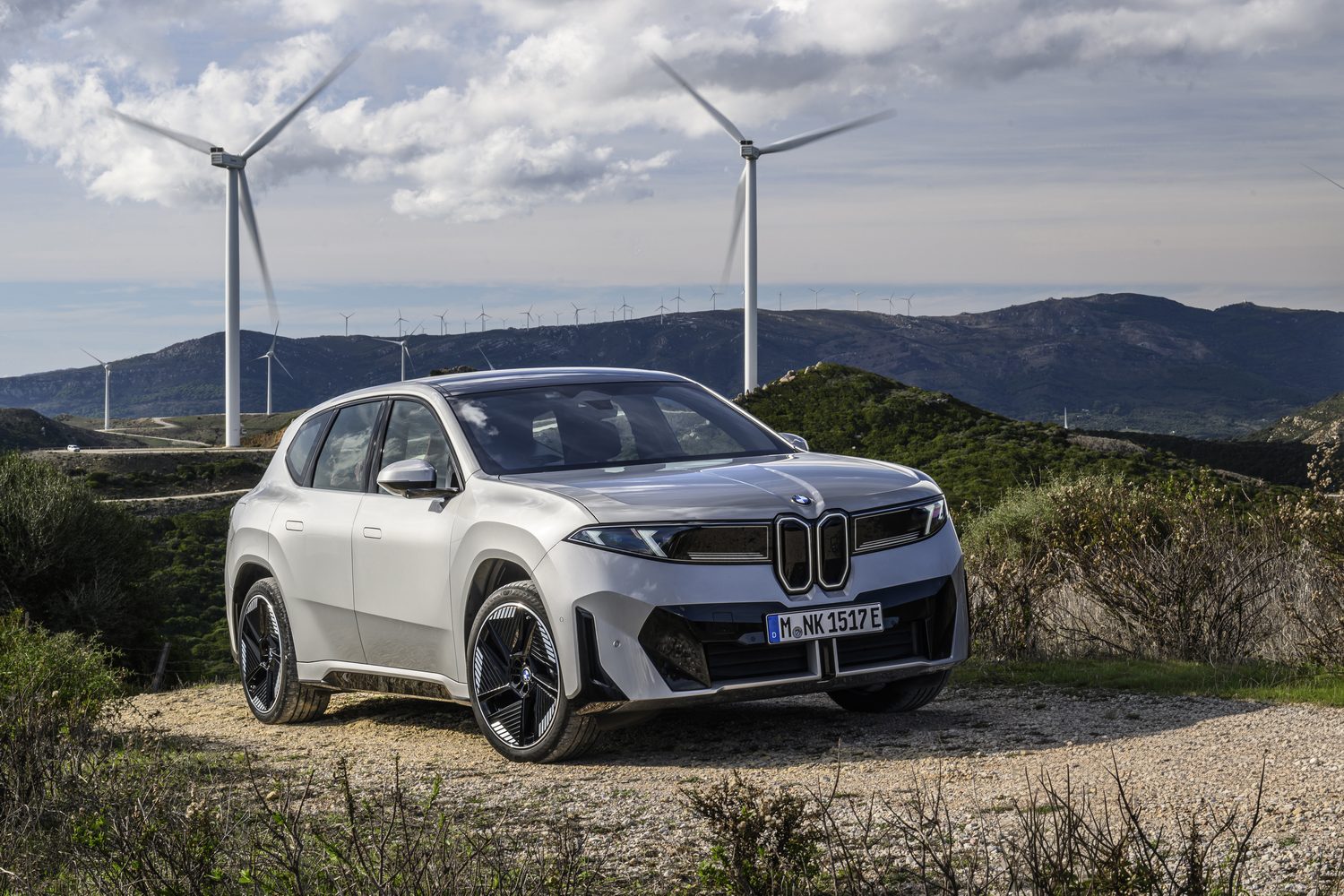
You might struggle to call the BMW iX3 a pretty car (SUVs are designed in general to be imposing more than pretty), but there's no question that it represents a major step forward for BMW's design language, and thankfully a step away from the increasingly vulgar big-grille designs.
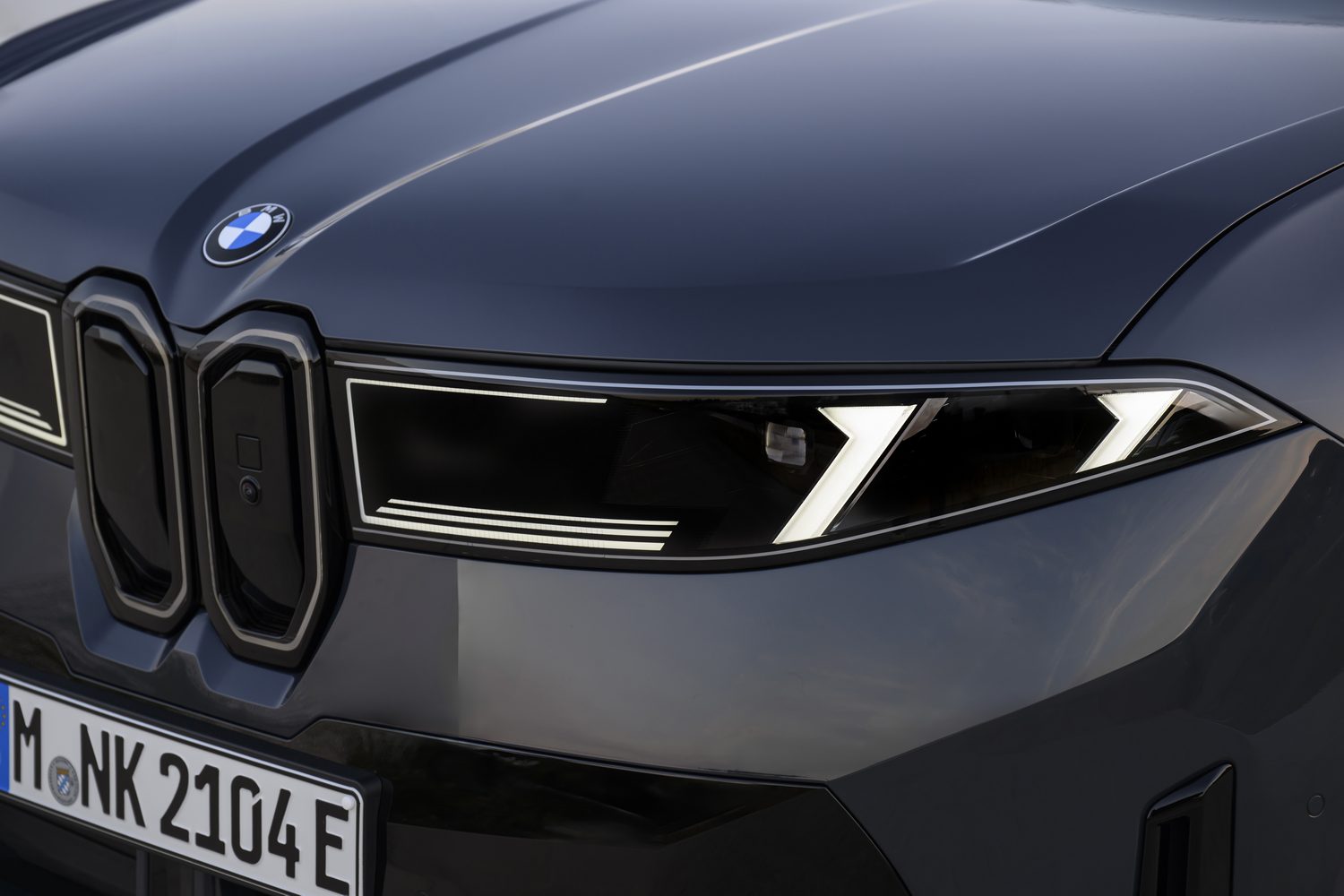
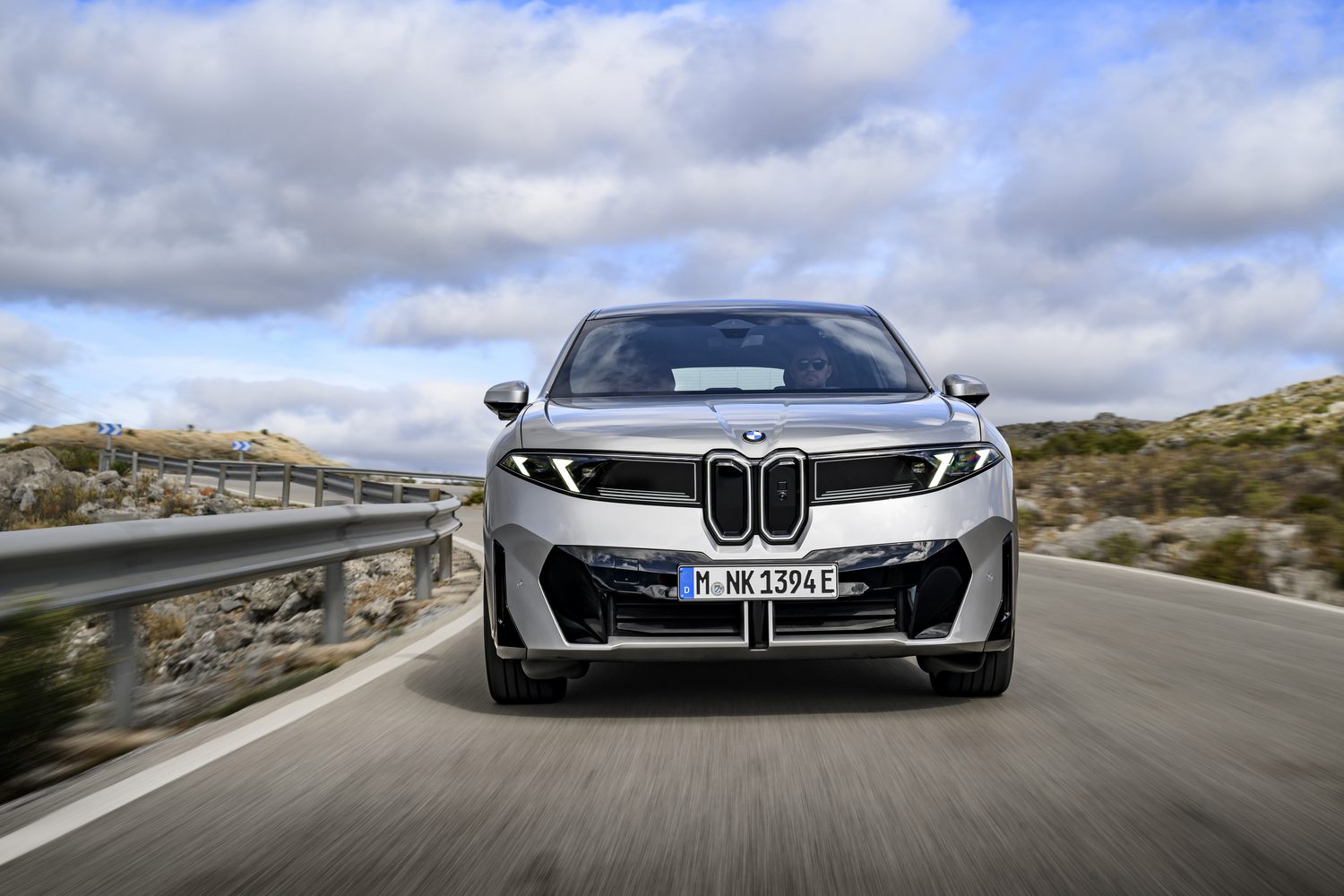
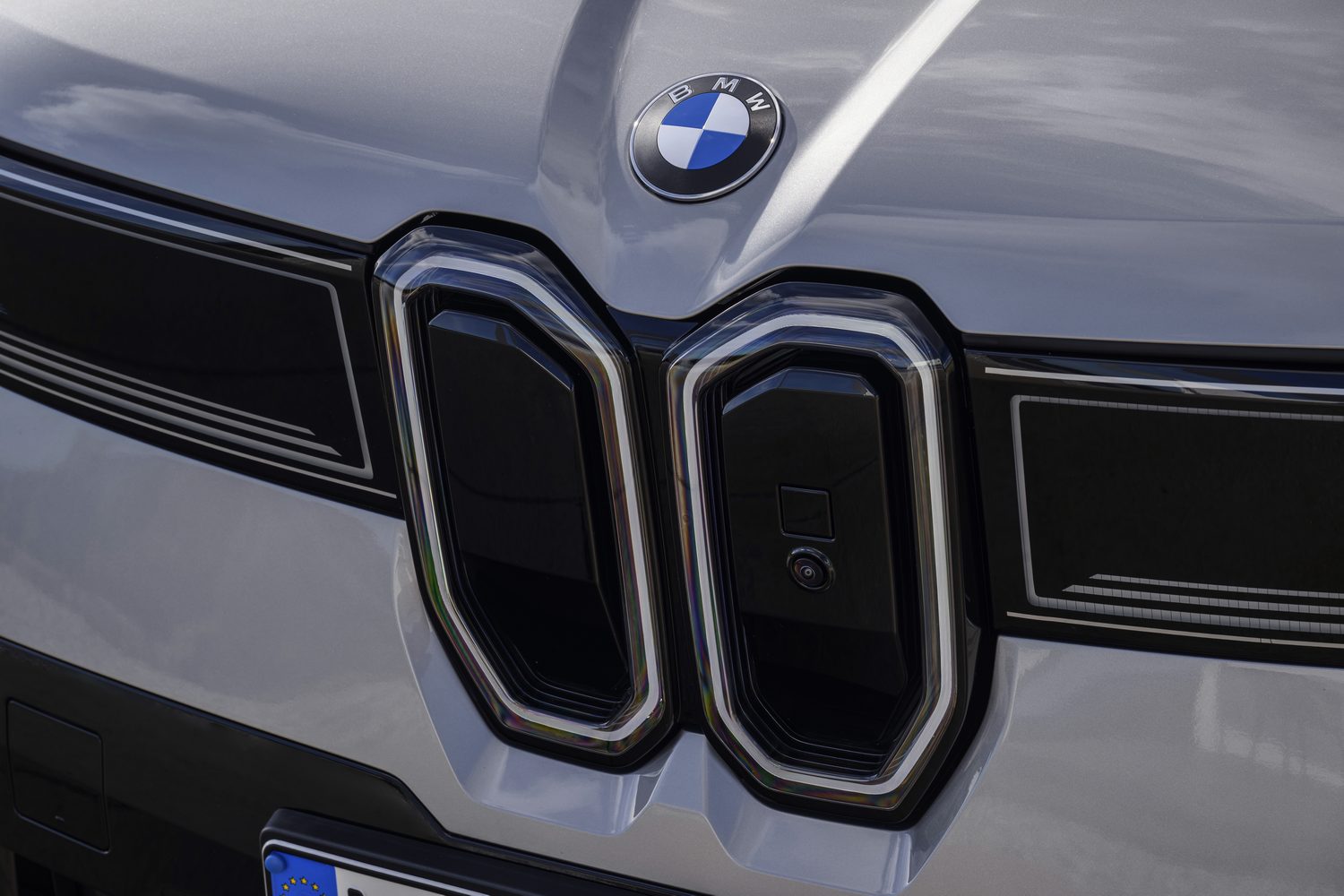
The iX3 represents the return of small BMW grilles. In fact, the 'grille' (it's actually an LED panel, not a gap through which cooling air can flow) is very clearly inspired by the 1962 BMW 1500 saloon, with a shallow shape extending out to the edges of the nose, and with two quite small kidney grilles sitting upright in the centre.

Those grilles were picked out in chrome on the nose of the original 'Neue Klasse' but here LED light takes the place of shiny metal. This not only looks cleaner and more modern, but it also improves the iX3's environmental rating, as the production process for chrome is ecologically nasty. As a bonus, this is the neatest looking front end of any recent production BMW, so bravo for that.
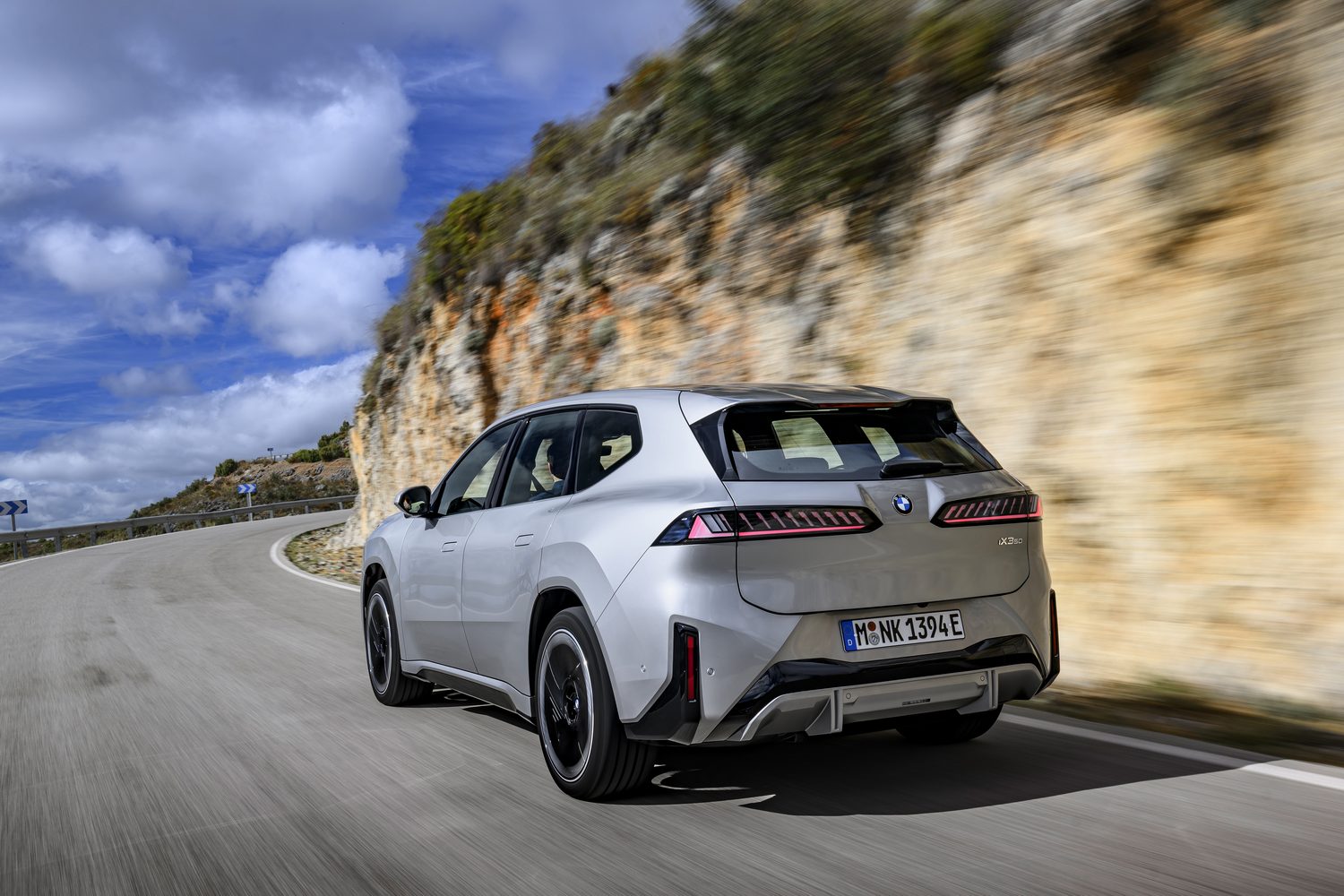
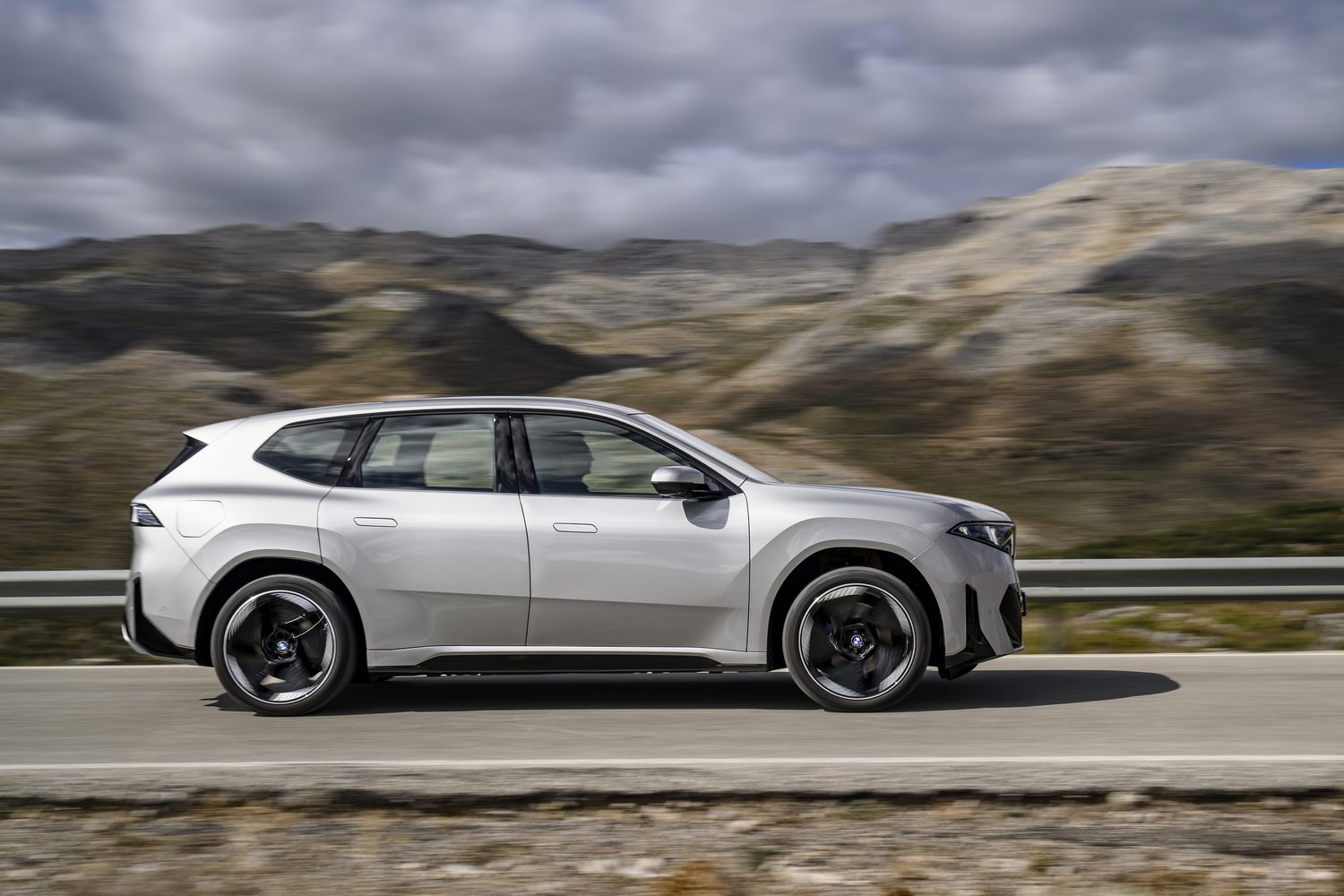
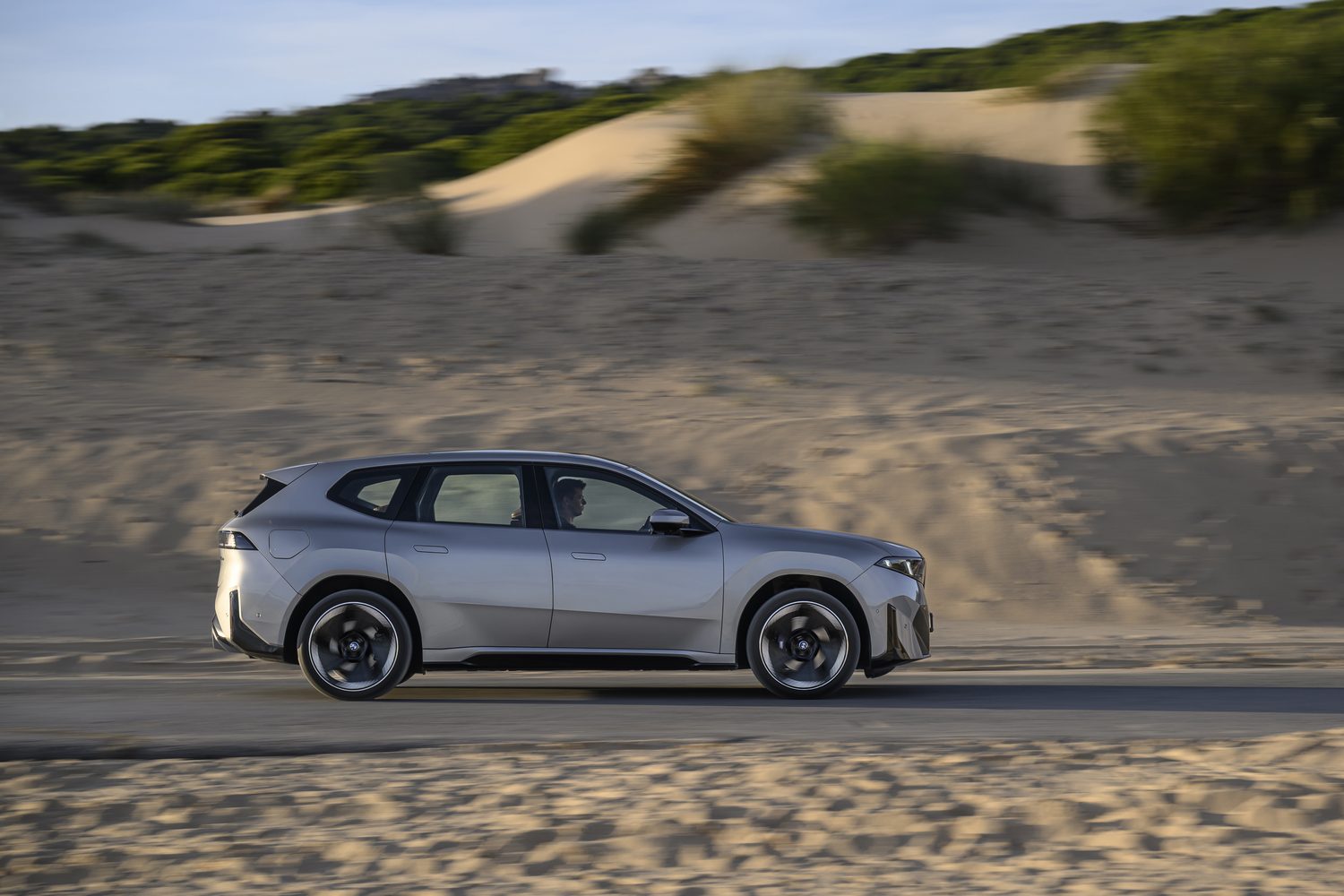
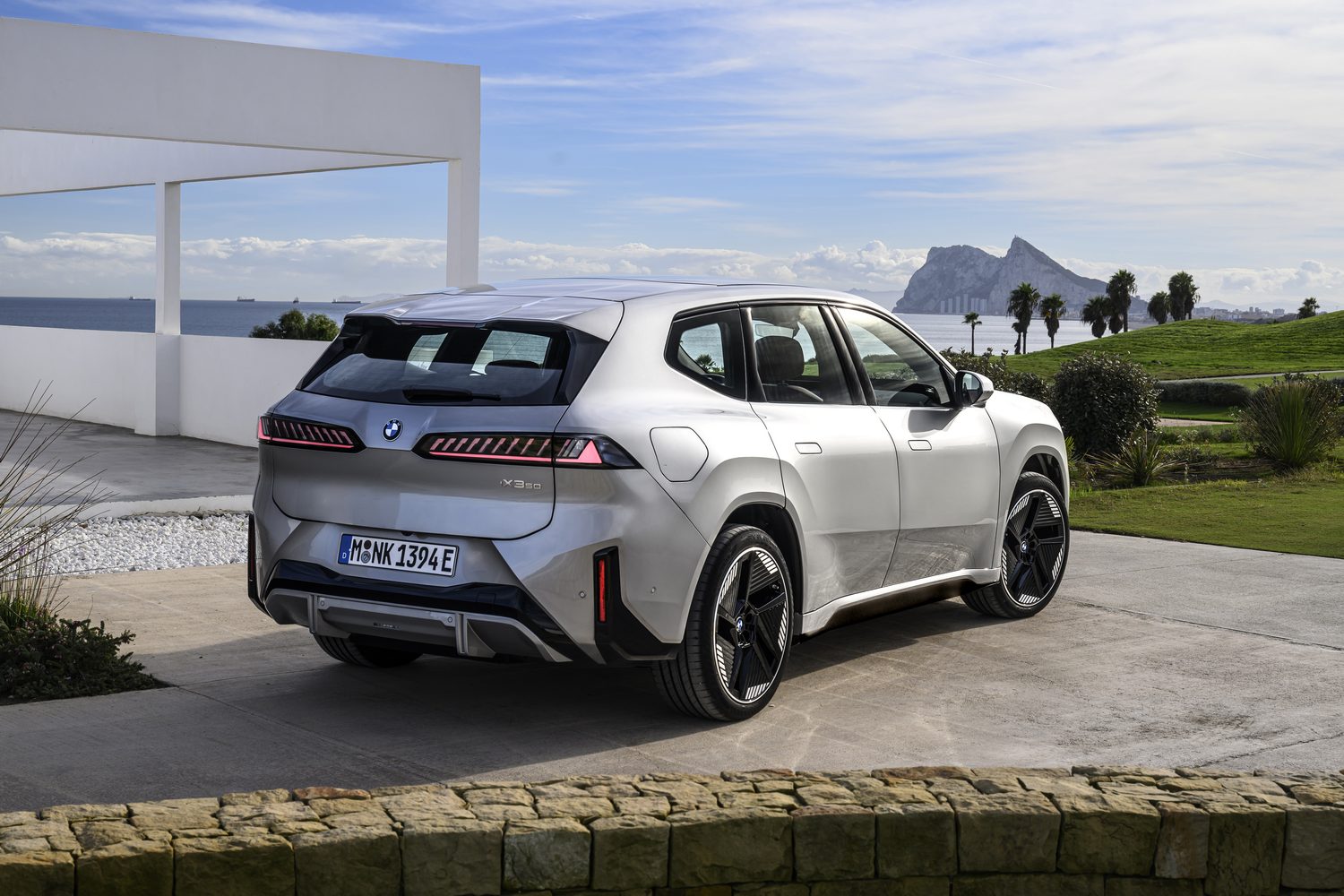
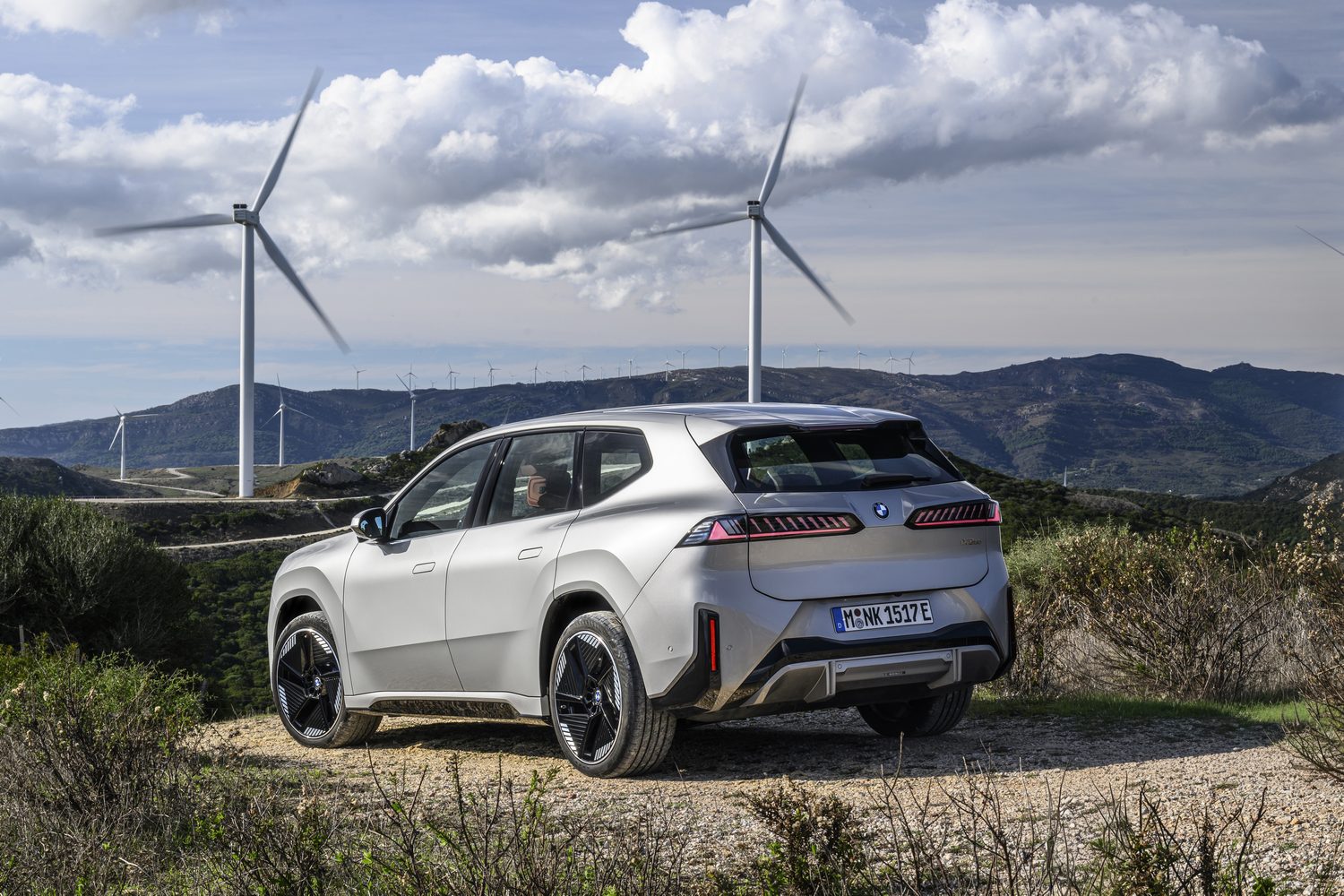
Down the sides of the iX3, you can see some of the same surfacing and the prominent pushed-out wheelarches of the larger BMW iX, but the overall treatment is much cleaner and smoother, and the glasshouse of the iX3 is noticeably larger and deeper.
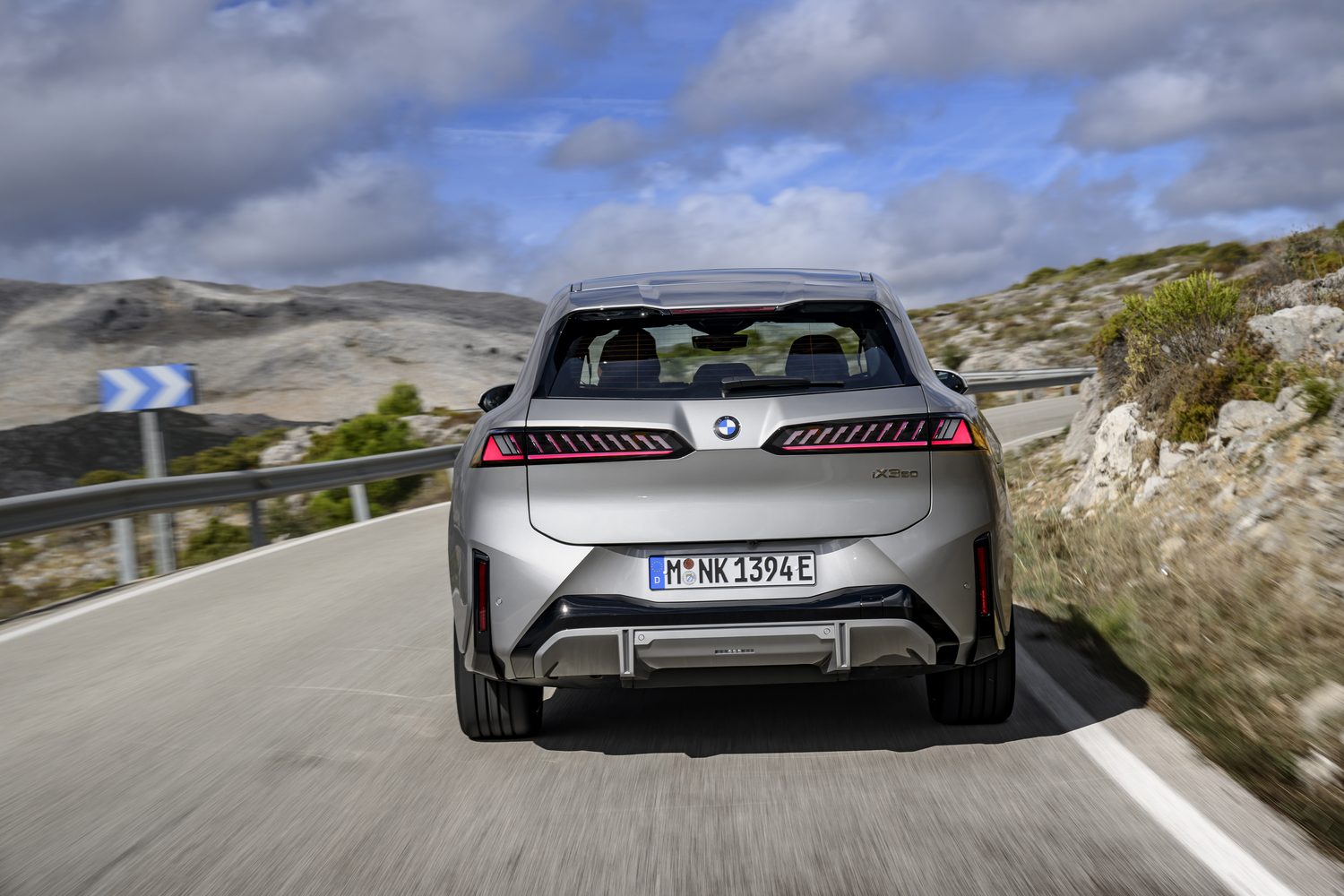
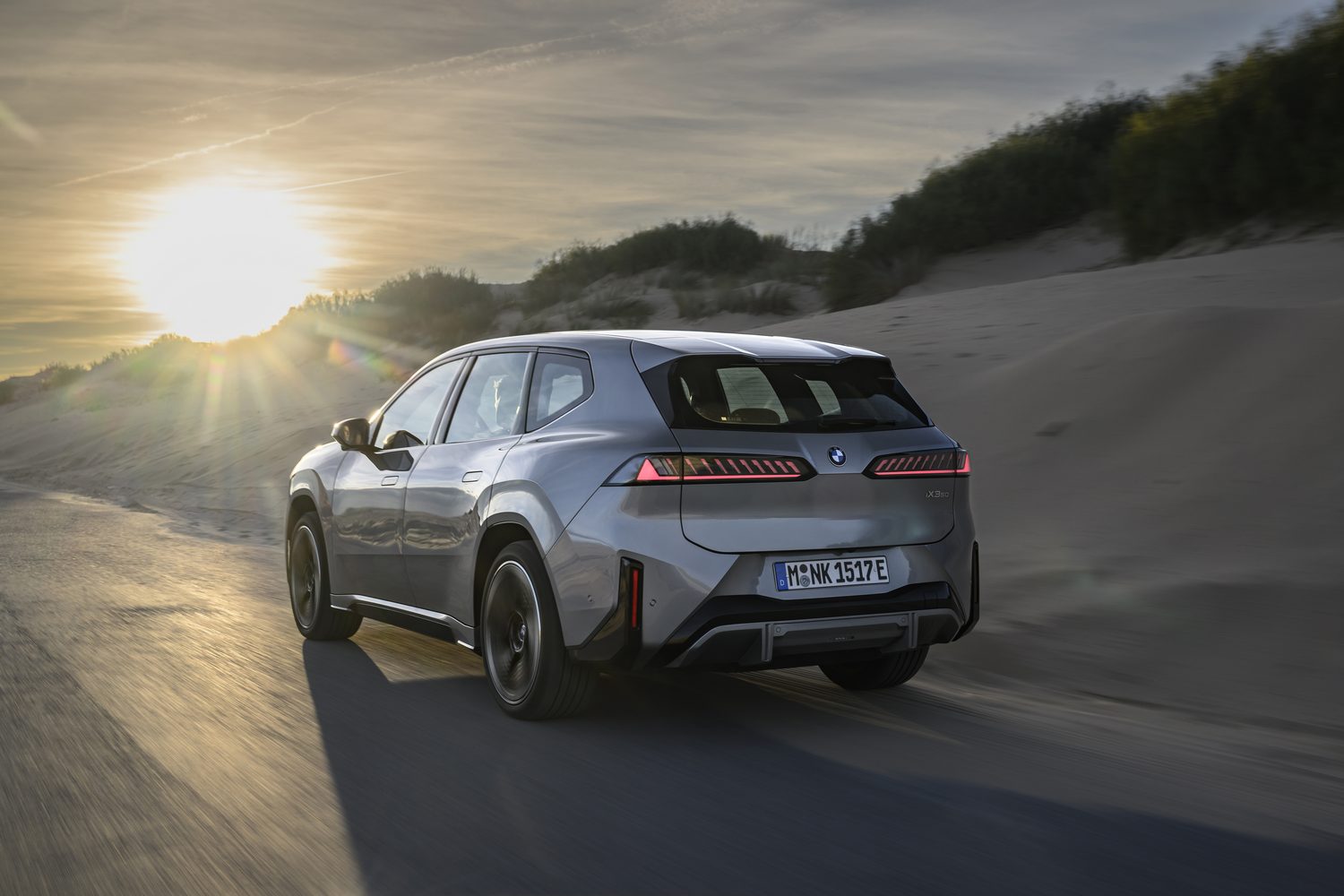
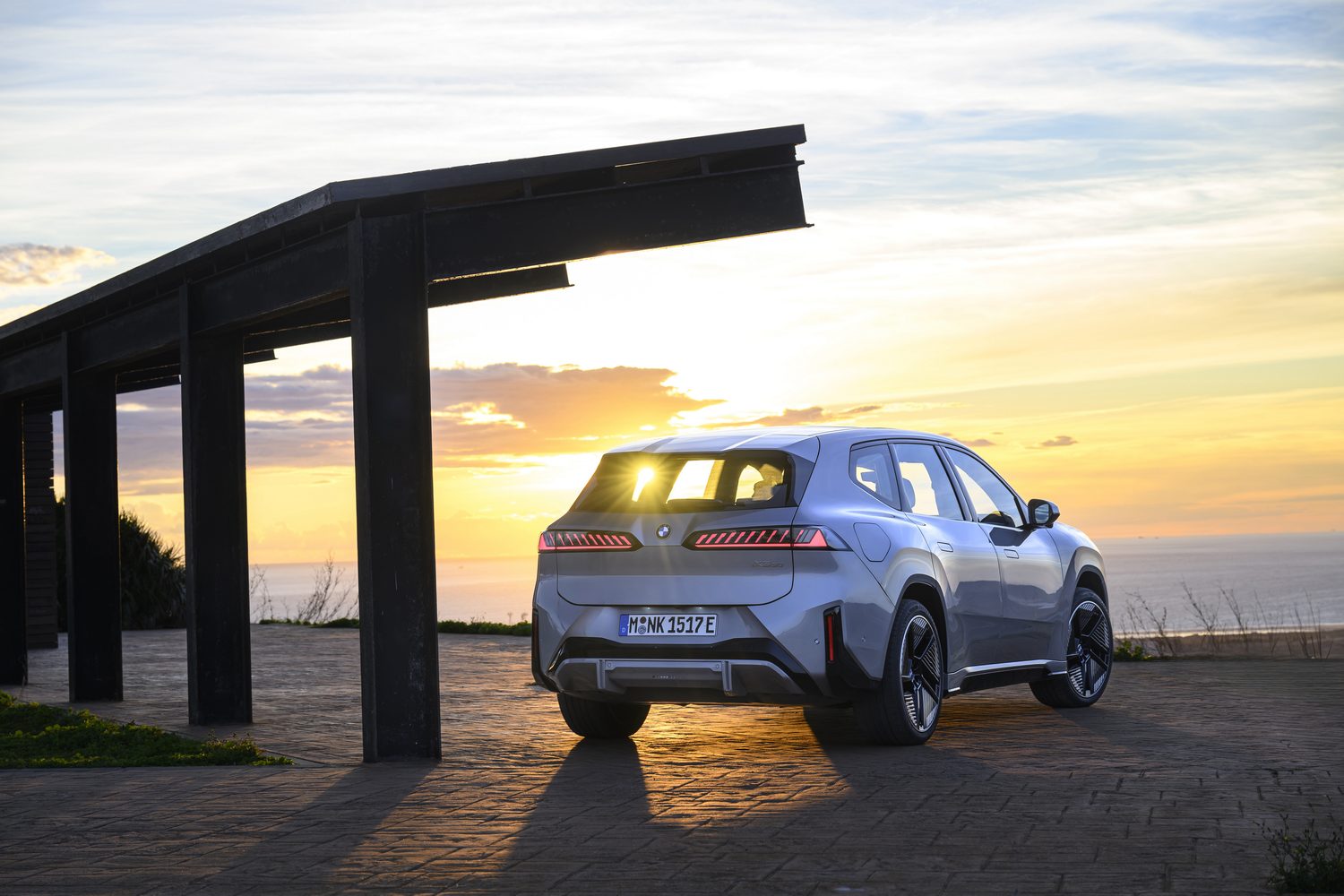
At the rear, the brake lights are both larger and less 'slitty' than those of the iX and also have more in the way of 'digital jewellery' in their design, so the overall effect is more characterful.

There's no doubt about it: the iX3 is a welcome step away from BMW's recent stylistic excesses.
Dimensions of the 2026 BMW iX3
- Length:
- 4,782mm
- Width:
- 1,895 (mirrors folded)
- Height:
- 1,635mm
- Wheelbase:
- 2,897mm
Paint colours for the 2026 BMW iX3

The new BMW iX3 will be available with one solid and five metallic paint finishes from launch. Alpine White is the only standard colour, while Space Silver, Polarised Grey, Black Sapphire and Ocean Wave Blue are all €1,102 extra, and there's a Brooklyn Grey option at €1,322.20. Of these, Space Silver is our favourite option - it has a warmer undertone than some very pale silvers and it really brings out the styling of the iX3, which is more complex and pleasing to the eye than you might think at first.
Interior, practicality, tech & comfort of the 2026 BMW iX3
- Brilliant new full-width digital instruments
- Angled touchscreen works well
- Too few buttons

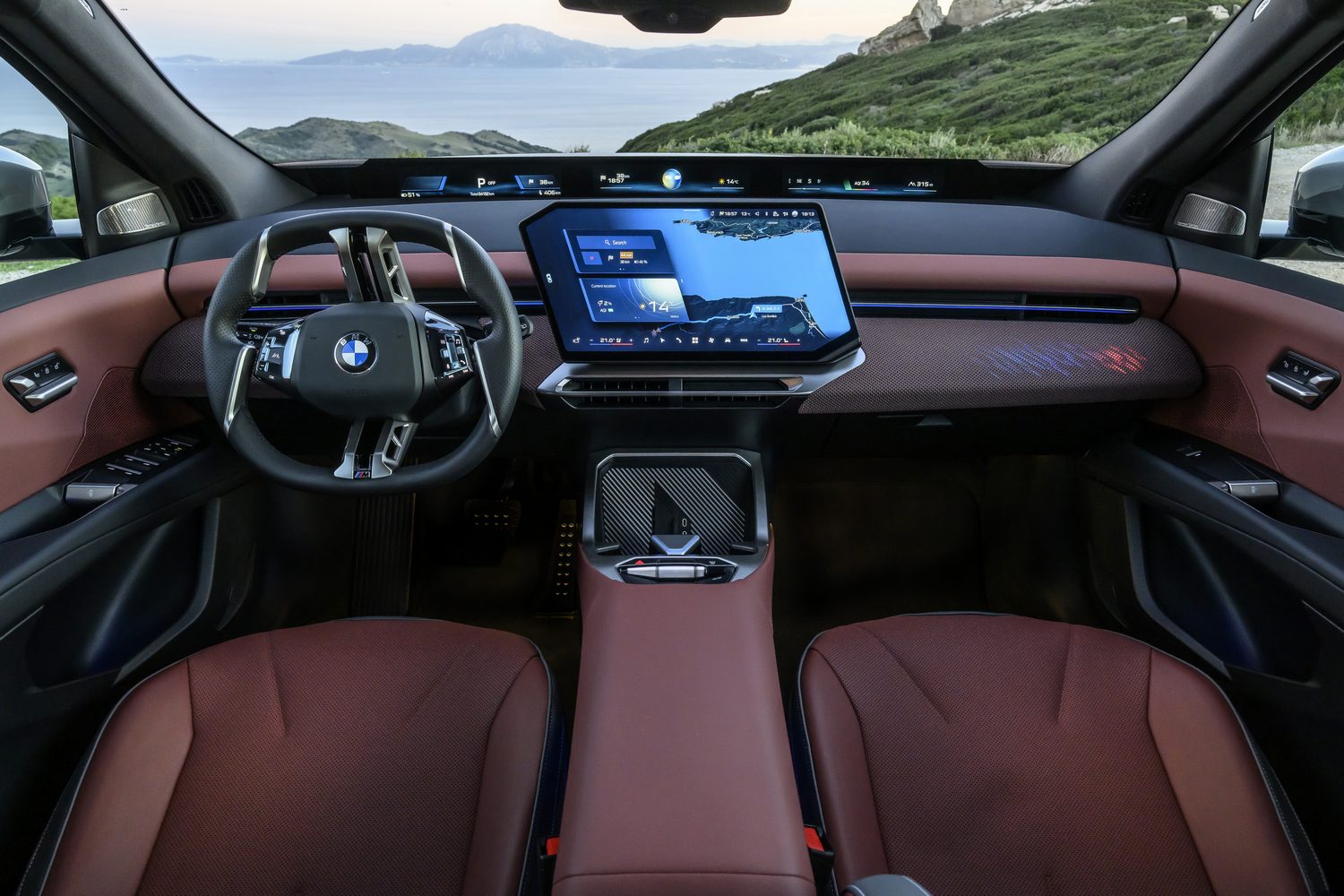
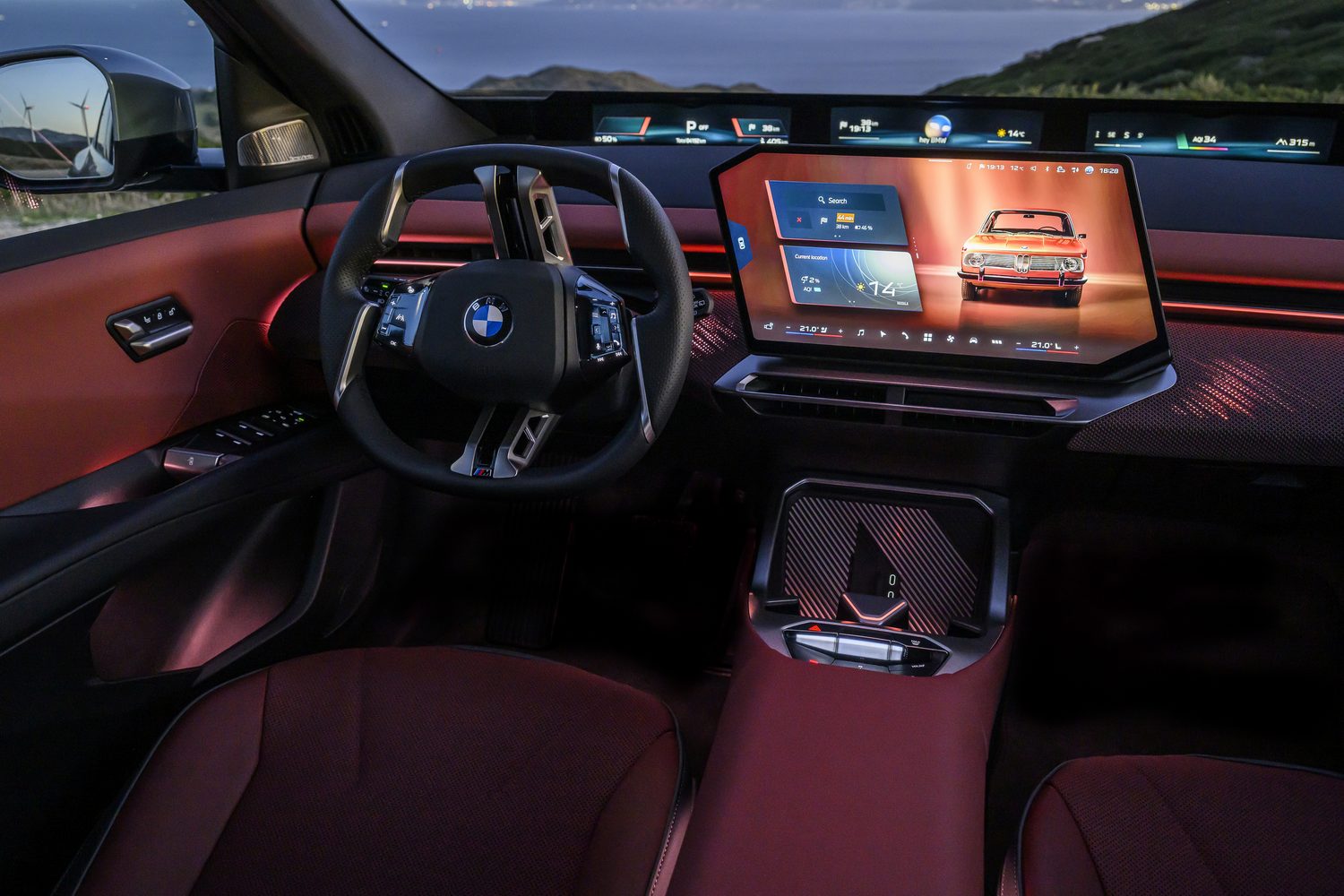
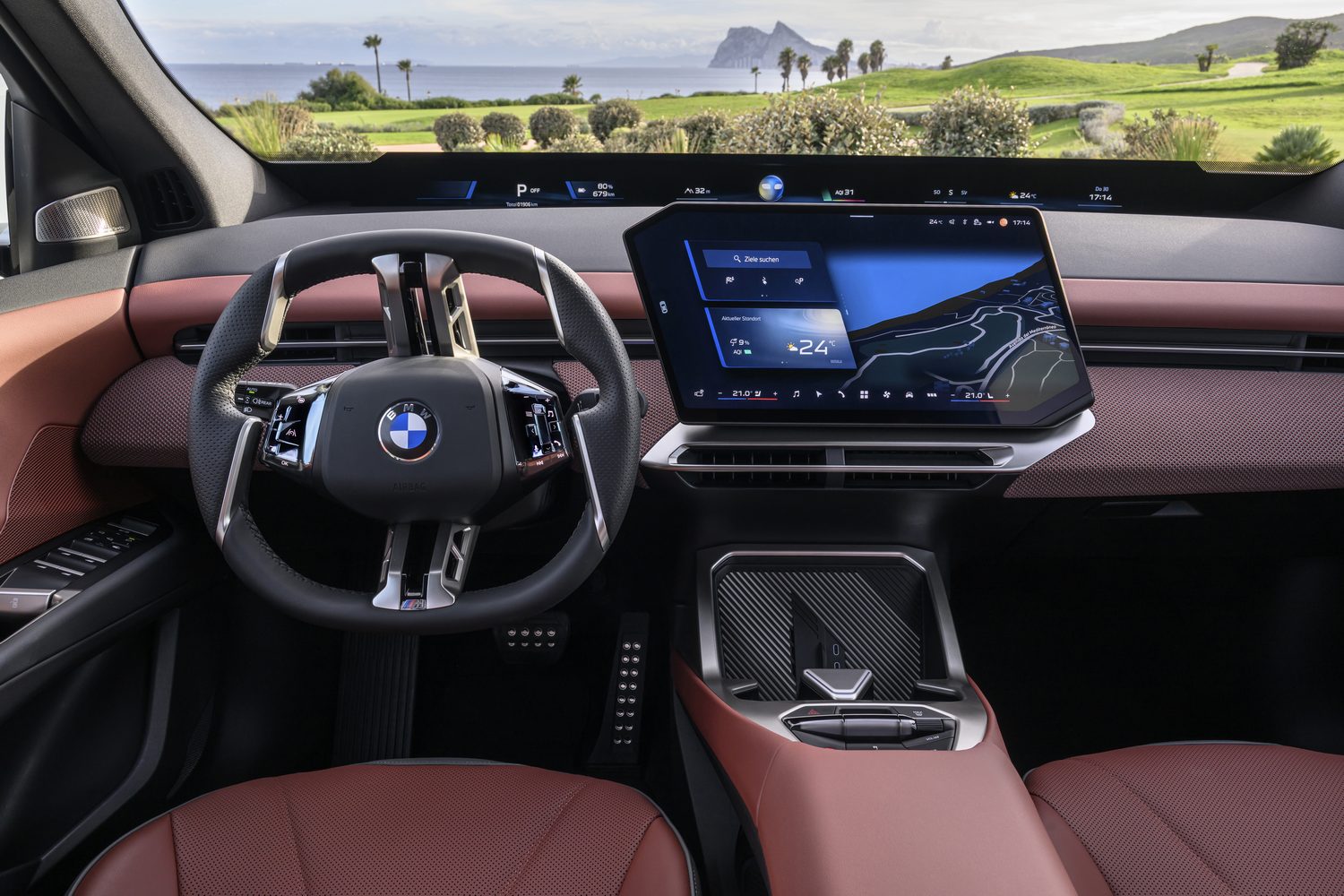
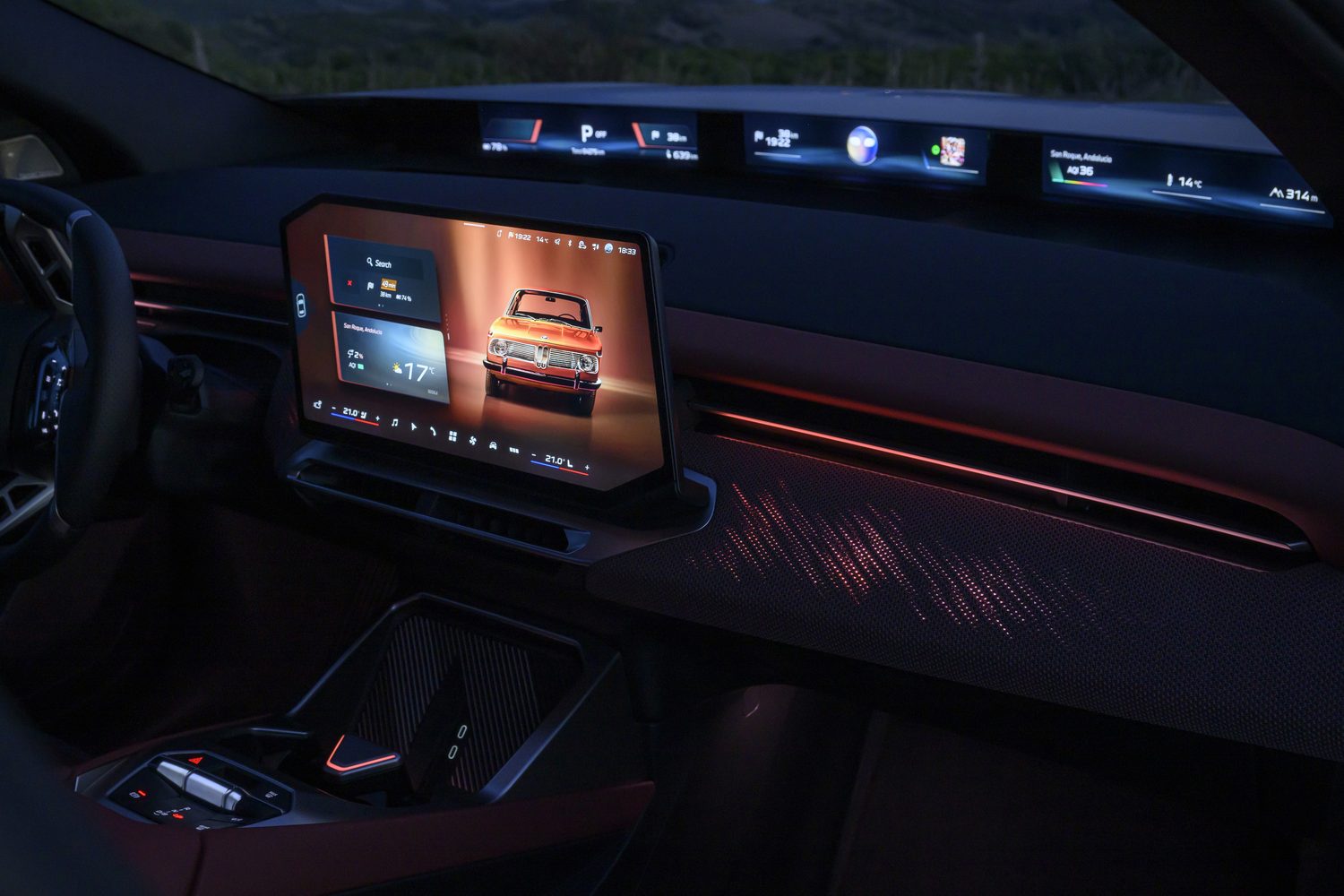
The iX3's interior is dominated by the full-width 'Panoramic Vision' screen that runs along the base of the windscreen, but it's also roomy and practical inside, and the new touchscreen is generally impressive.
Getting comfortable in the driver's seat
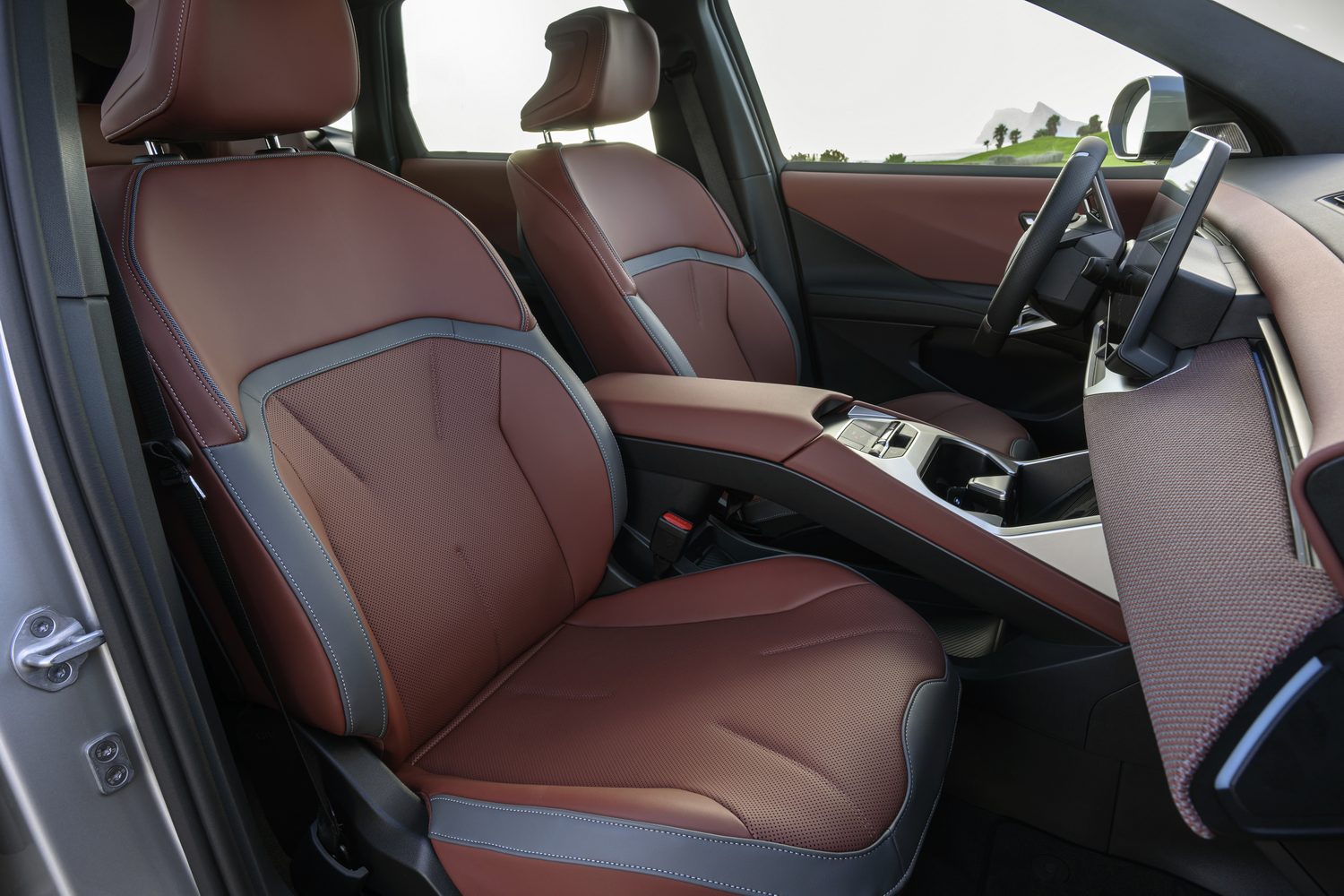
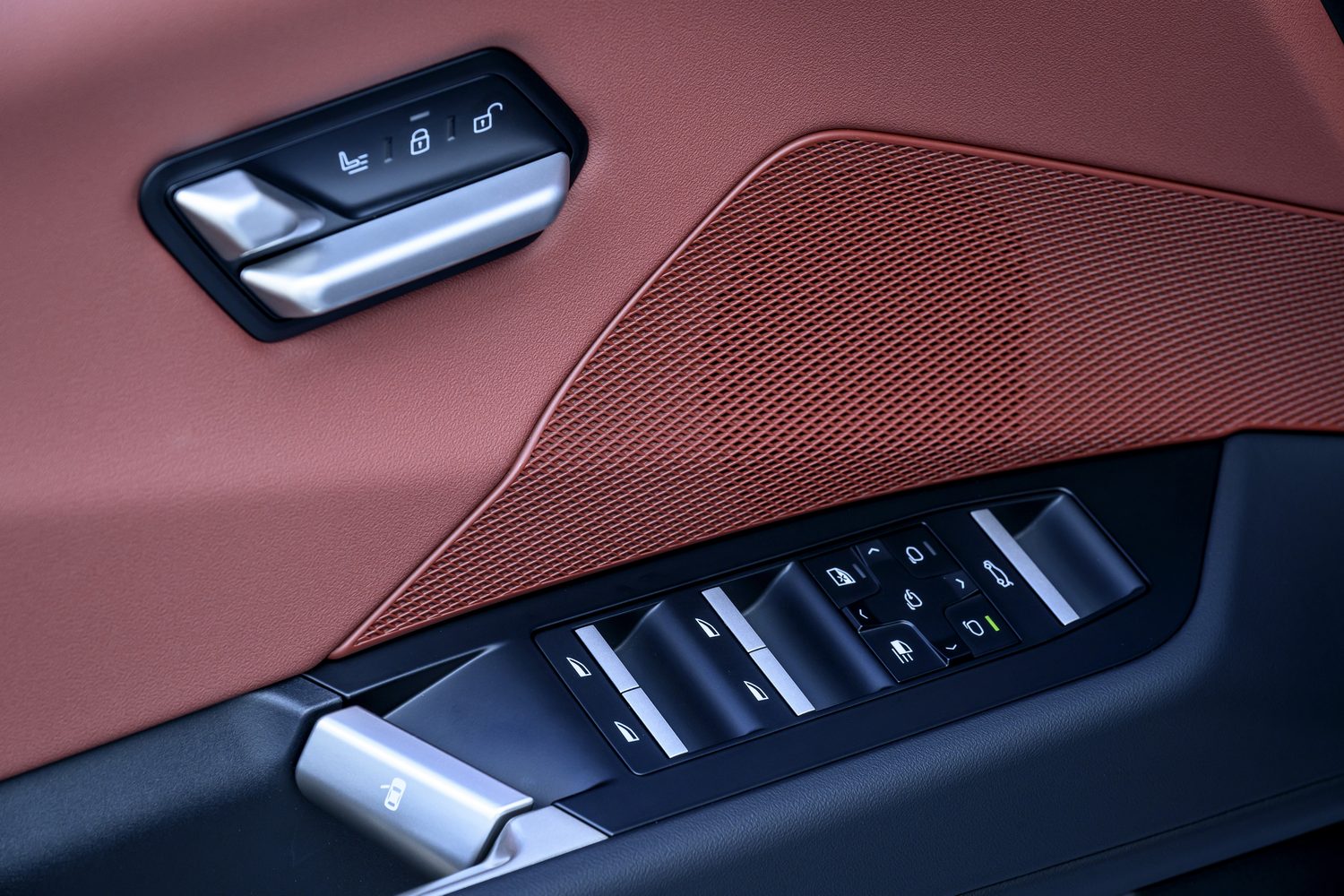
The iX3 uses electrically adjustable seats which have slim, metallic controls mounted on the doors. These are simple to use - one button for up, down, back and forth while there's another small tab for the backrest - but the range of movement in the seat isn't extensive.

While the fore-and-aft movement is sufficient, the height adjustment feels as if it's just getting started when suddenly... it stops. That, combined with the lack of height adjustment for the seatbelts, means that getting a truly comfortable driving position can be a touch tricky depending on your size.
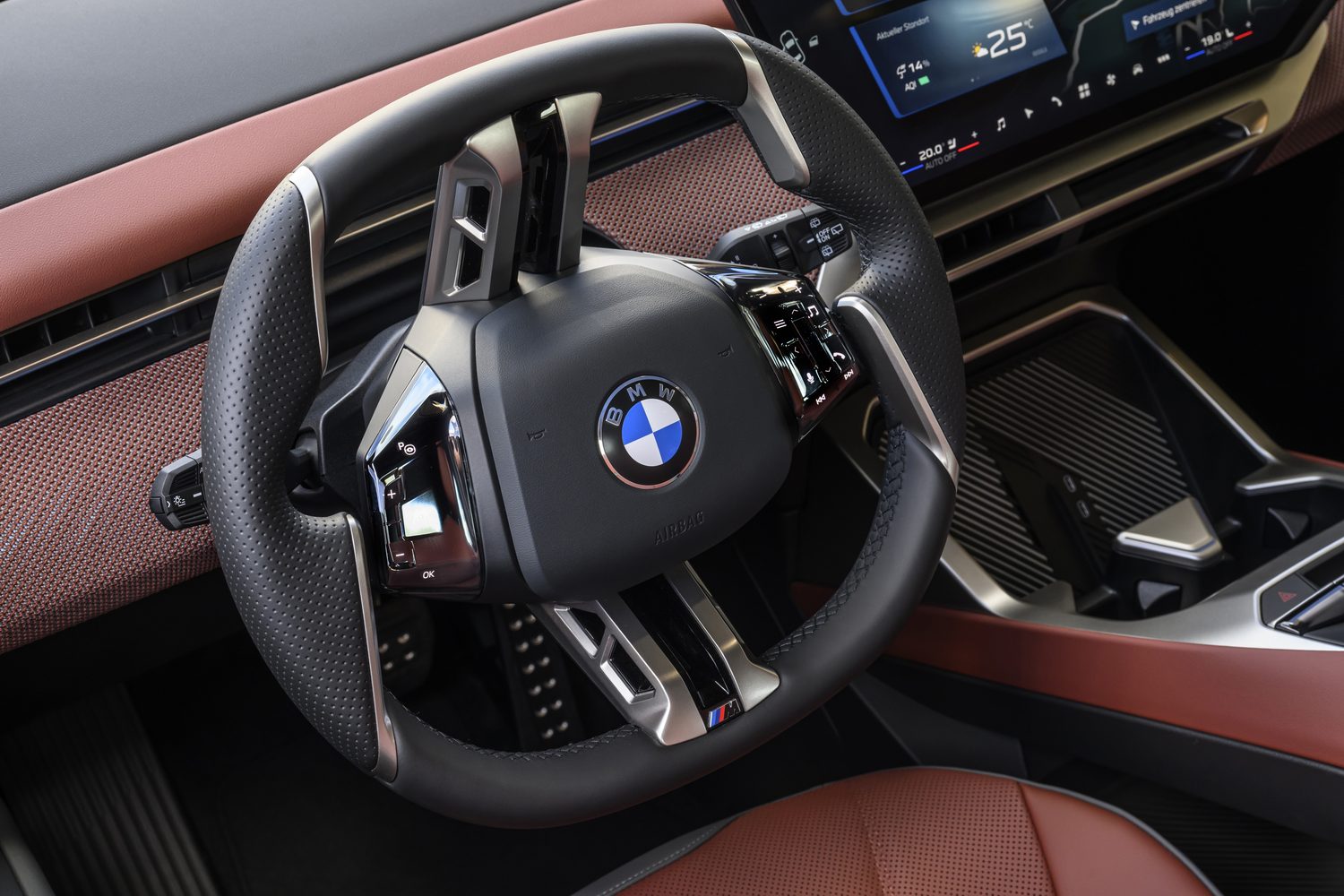
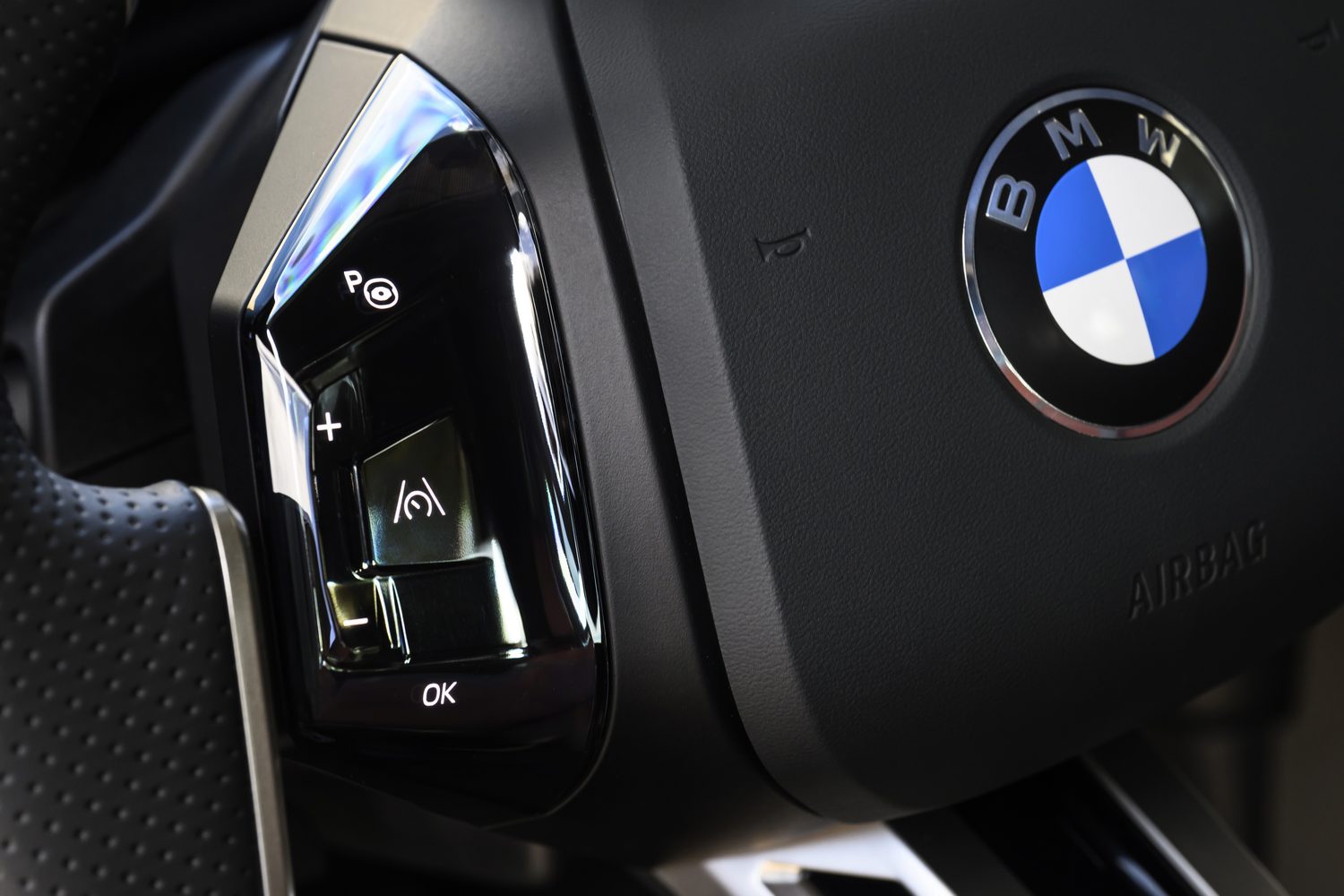
The steering wheel - a new design which uses a low-set two-spoke design and haptic control buttons on the centre - could also do with a bit more upward adjustment, especially for taller drivers.

The front seats that come with the M Sport Pro pack are rather hard - not Ryanair hard or anything, but a bit more squidge in the cushion would be nice, while the huskier among us might find the side bolsters a touch tight. The extending cushion that pops out to offer more under-thigh support is hugely welcome, though.
Infotainment and technology
The iX3's interior layout and design will be steadily rolled out to all new BMW models in the future, and that's a good thing. The big win here is the dramatic sweep of the Panoramic Vision screen that runs more or less from one windscreen pillar to the other.

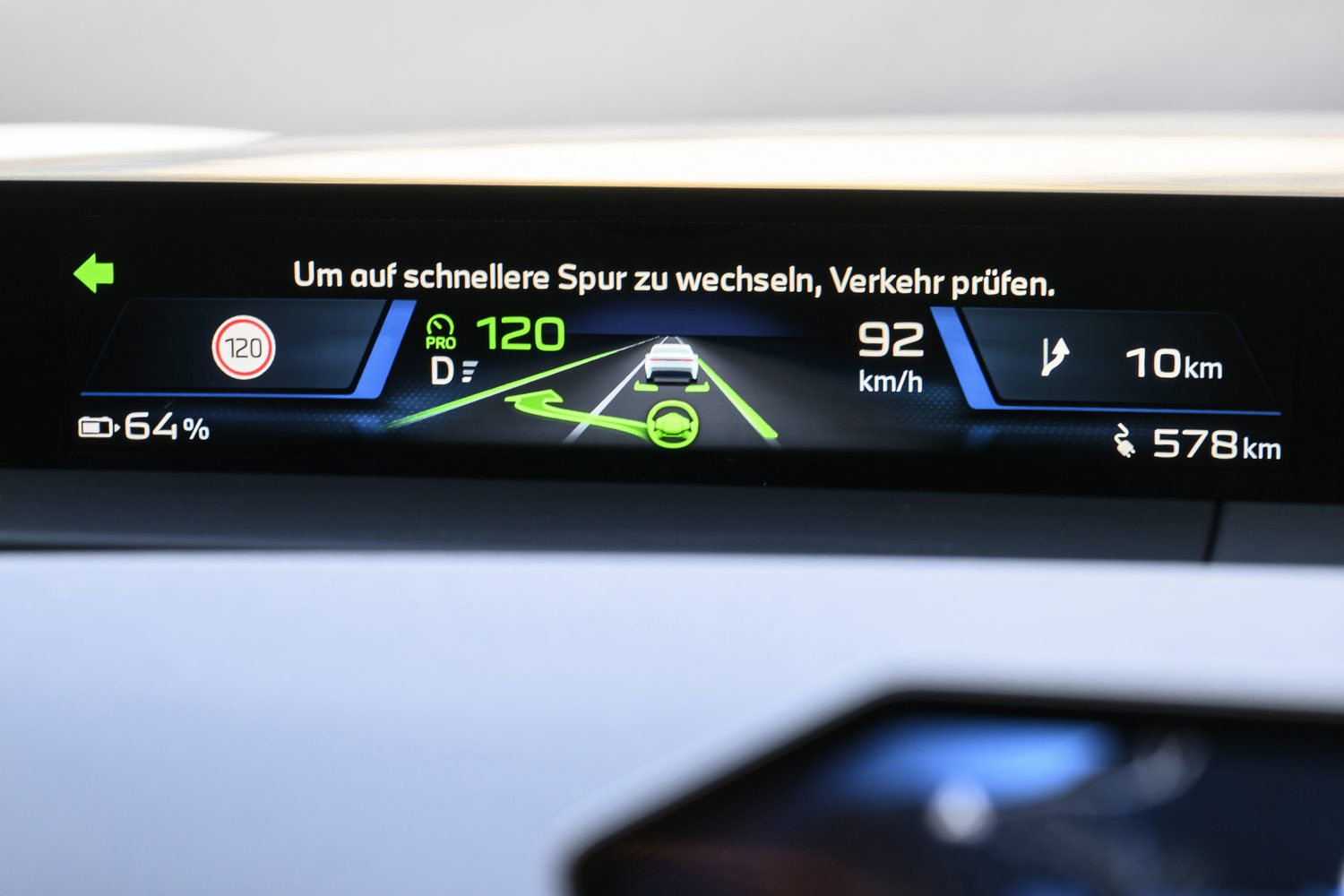
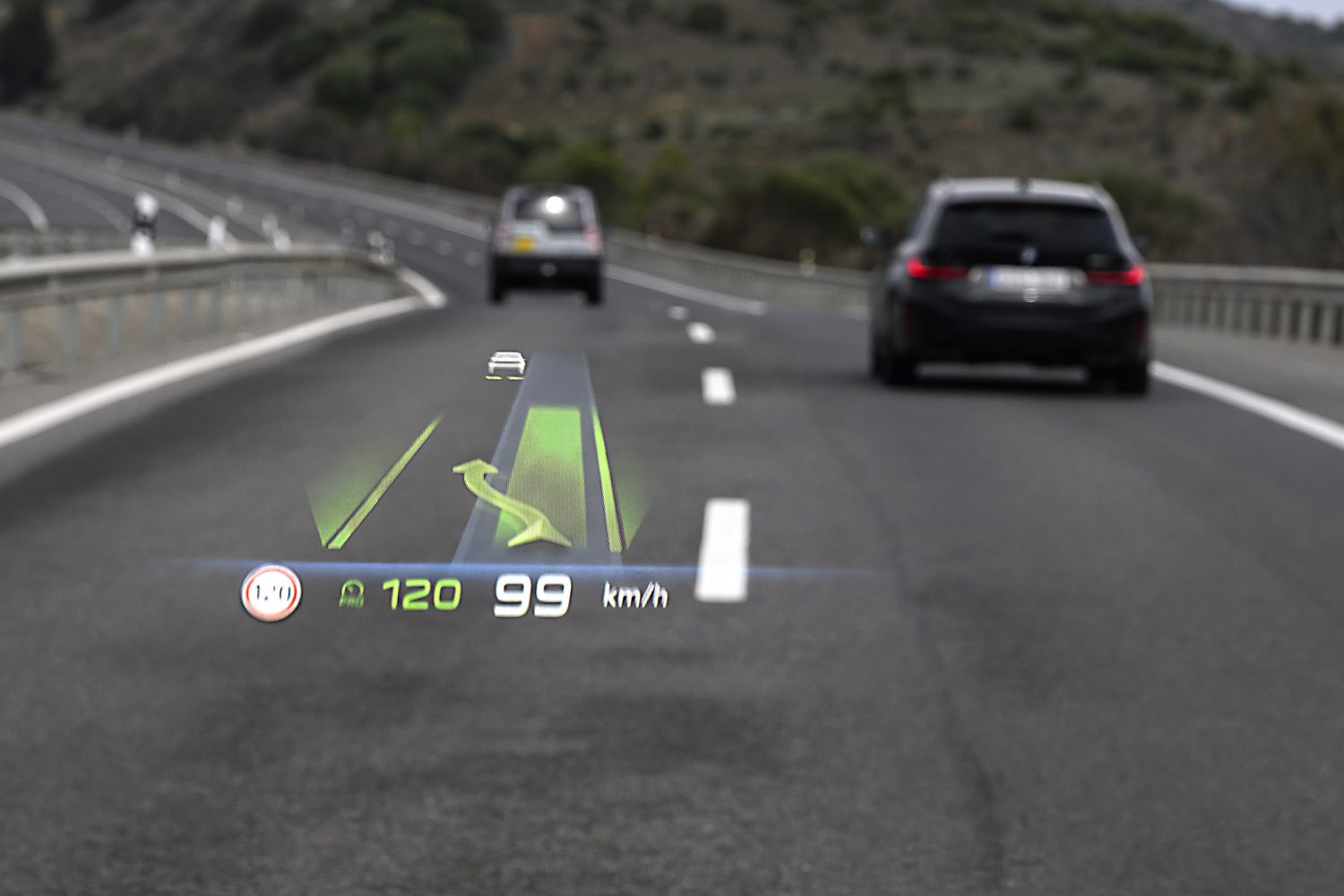
It's almost like peeping under the edge of the bonnet for your instruments, but while that might sound odd, it works really well, keeping those instruments a tiny eye-flick away from your natural direction of view. In fact, the Panoramic Vision display kind of makes the optional projected head-up system redundant.
The display can be customised by selecting from functions on the main 17.9-inch touchscreen, mounted in the centre of the dash, and the Panoramic Vision can tell you not only your speed, range and battery state of charge, but also contain navigation instructions, which music track is playing and sundry other info such as a - for instance - a localised weather forecast, or an air quality indicator.

It also tells you when you're conversing with the 'Hey, BMW' digital voice assistant, but alas, in spite of the boasts of that assistant being able to engage in normal conversation, 'she' proved irritatingly obtuse and obscure when asked basic questions.
Perhaps an upcoming update that will integrate Amazon Alexa AI into the system might improve things, but here is a supposed technological breakthrough that feels rather pointless.
Much better is the big touchscreen, whose offset rhombus shape is angled towards the driver. It is meant to mimic the angled centre consoles of BMWs from the 1980s and 1990s.

The new software that lives on the screen is impressively slick, and in general pretty easy to find your way around. There are items you expect these days, including the option to add extra apps, gaming for whiling away the time at chargers (including a BMW-exclusive Hot Wheels game) and connected services such as live traffic for the navigation, charger locations for long journeys and so on.
It's a slick system, and all corners of the screen are easily within the driver's reach - not always a given. Thankfully, BMW has resisted fitting a - fairly pointless - passenger-side screen and instead has added a passenger function to the My BMW phone app, which means your passenger can pick out music or podcasts, or alter the navigation or the heating and ventilation, without messing with your screen.

As ever, though, some functions are buried just a bit too deep to be easy to find or use when you're actually driving (one in particular, which we'll come to in a bit) and the lack proper buttons, bar a small smattering of shortcuts on the armrest, is a continuing bugbear.
Practicality around the cabin
Up front, the iX3's cabin is practical thanks to a large open storage area under the centre console, on top of which you'll find two well-sized cupholders and a wireless phone-charging pad. There's more storage under the front armrest, but this is a little bit small, and it has a large step in it. The door bins are also on the small side, but the glovebox is fine.
Rear-seat passenger space

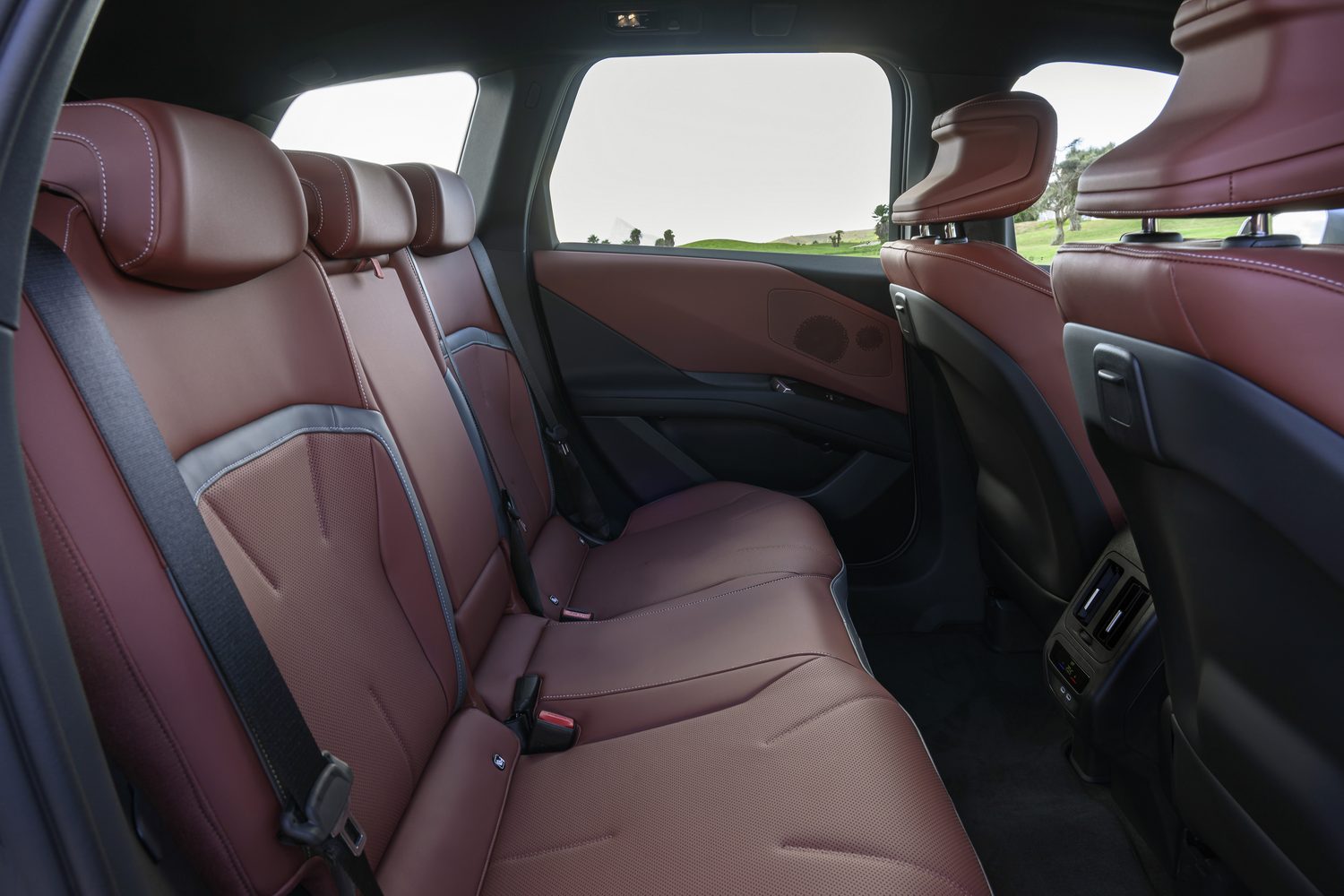
Space in the back of the iX3 is decent, but not especially voluminous. There was easily enough room for me to sit behind my own driving position (and I'm 185cm tall) and while the floor in the back isn't entirely flat, it's pretty close. The centre rear seat is hard and narrow, as you'd expect, but overall space is very good.
Fitting child seats to the BMW iX3
There are just the two ISOFIX fittings in the iX3, both in the back seat, although you could of course fit another seat in the front using the seatbelt. The centre rear seat is just about wide enough to be able to squeeze in a narrow booster cushion, and the rear doors open wide enough that you shouldn't have too much trouble squeezing big seats in. Oh, and as a bonus for the little ones, the iX3 has quite a low windowsill, so they'll have a good view out.
Boot space in the BMW iX3
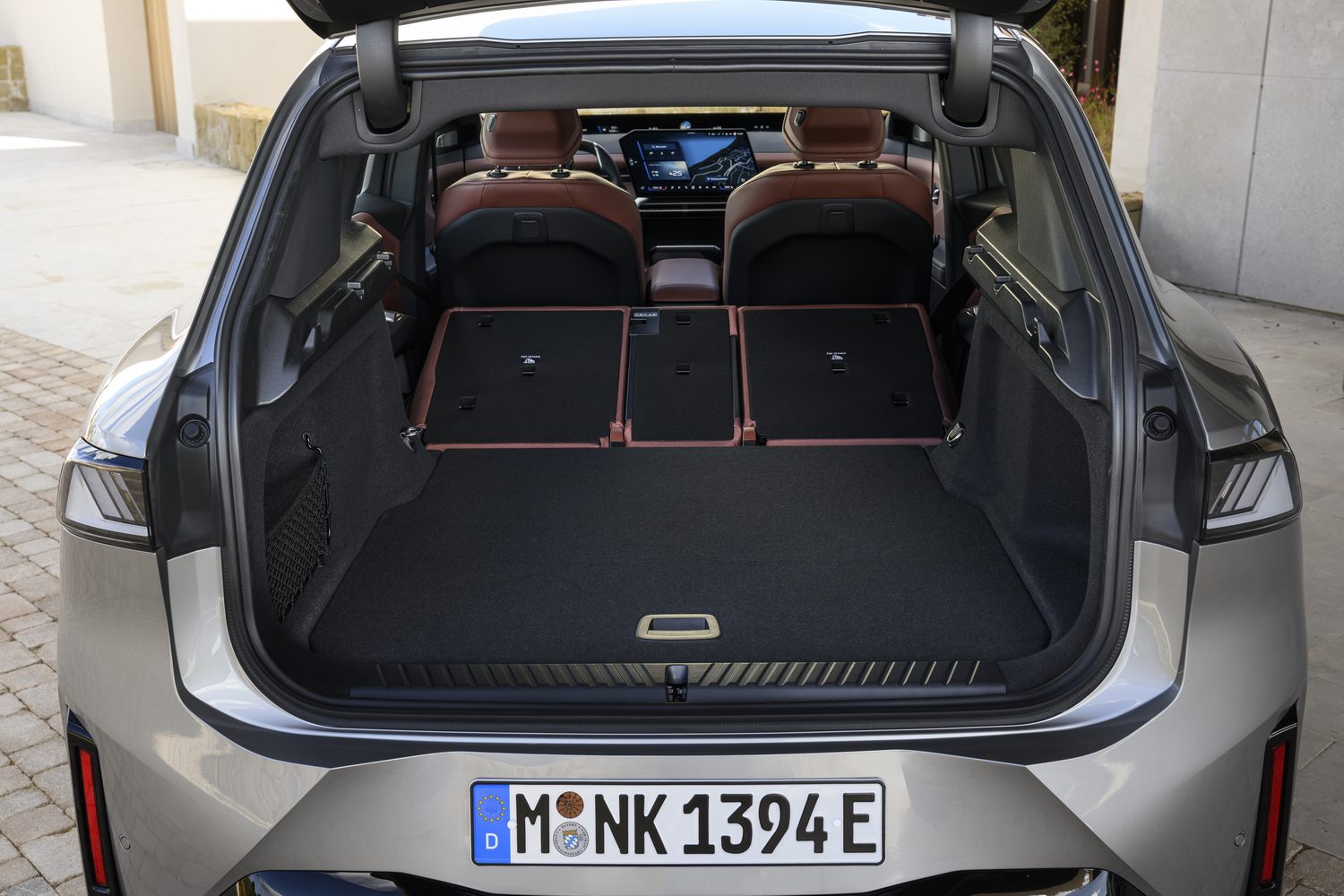
A volume of 520 litres is about bang on the class average, so the iX3 is doing fine when it comes to boot space, even if it's not especially massive. The floor is nice and flat to make loading easy, and there are handy moulded shopping bag hooks at the sides and a netted section to the left.

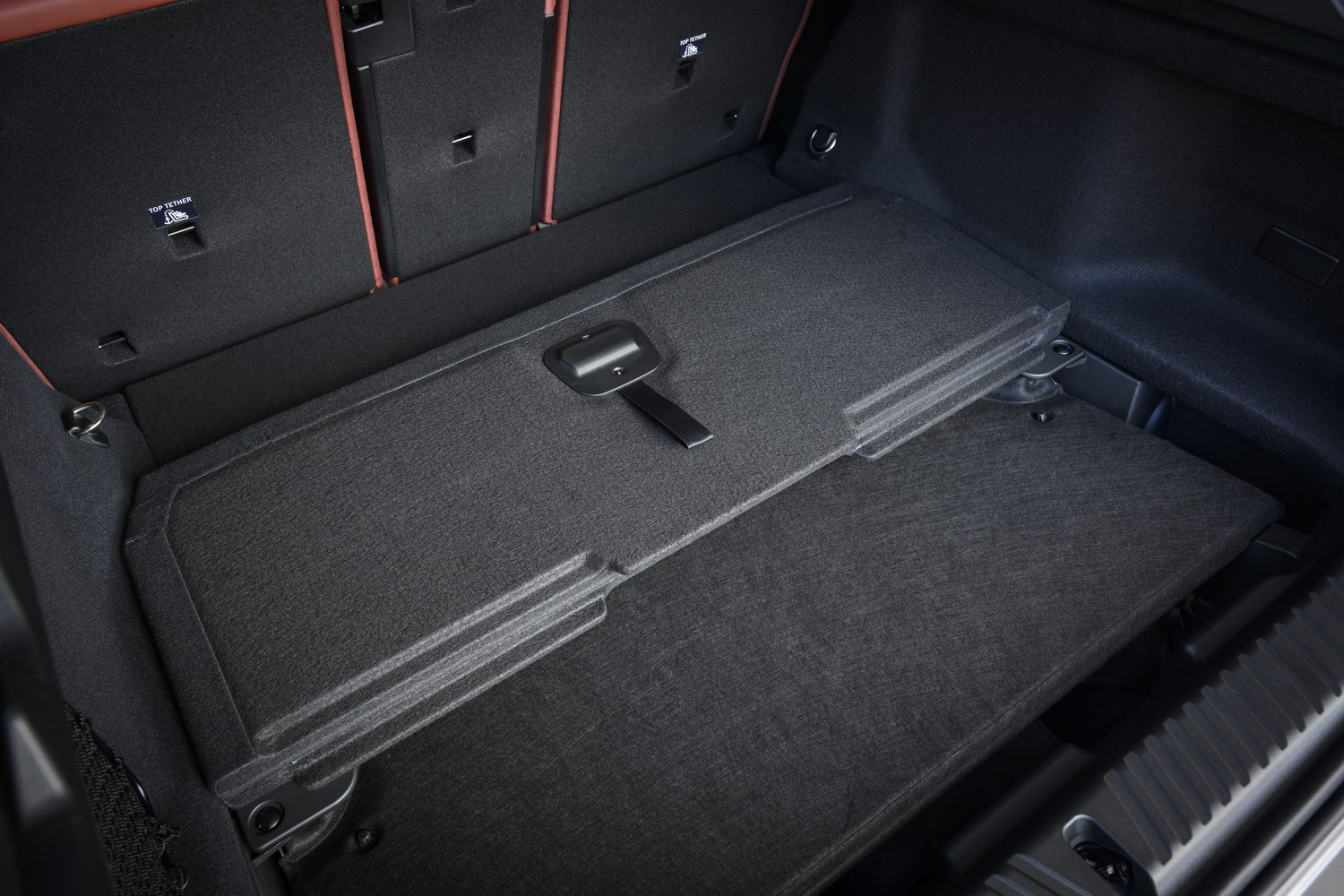
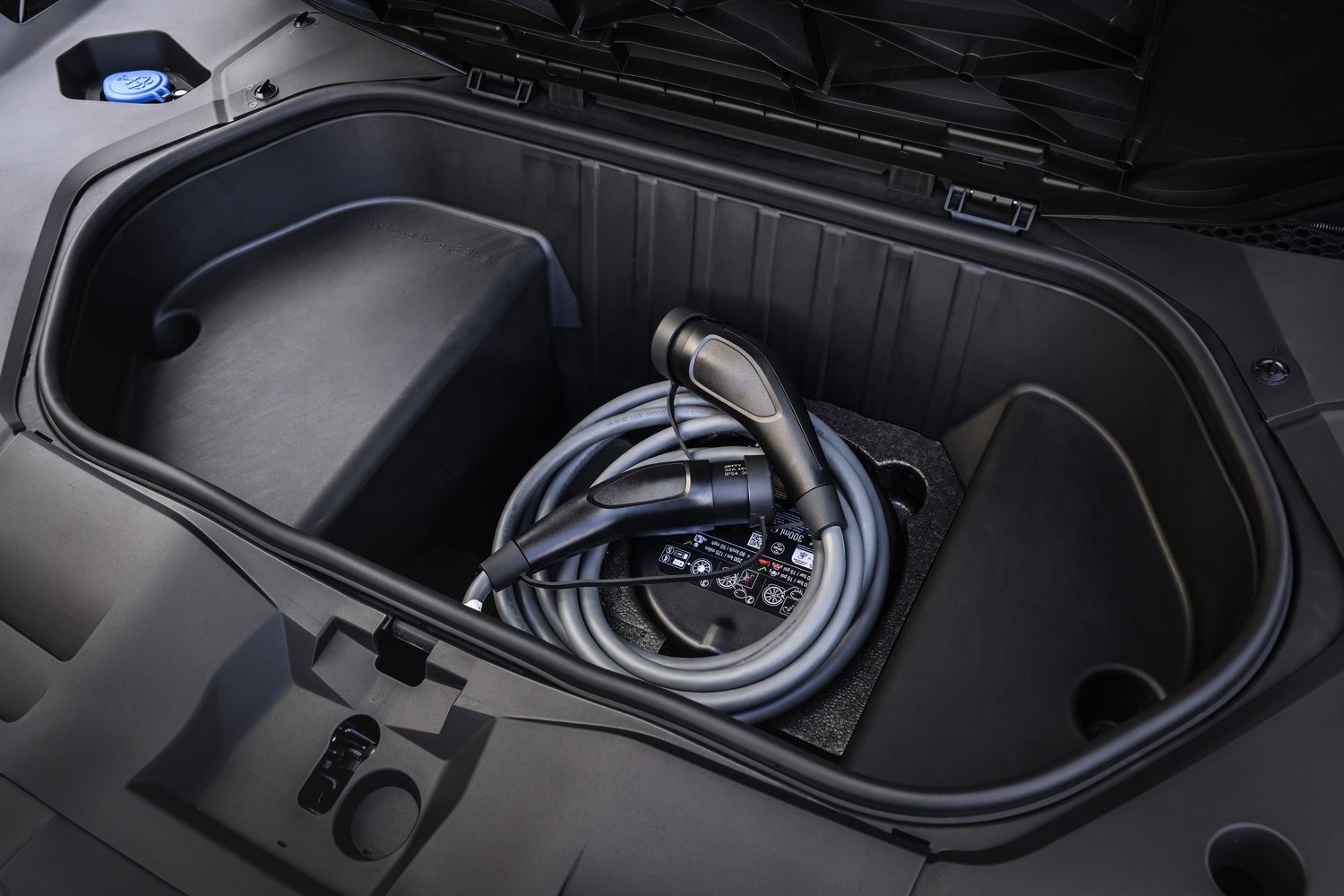
There's some extra space under the boot floor, and the rear seat splits and folds in 40:20:40 formation. Do that and the cargo volume expands to a useful 1,750 litres, although the backs of the seats don't fold entirely flat. The iX3 also has a handy 58-litre 'frunk' in the nose (pull the bonnet release twice for access) which is perfect for charging cables and is also home to the tyre repair kit.
Towing with the BMW iX3
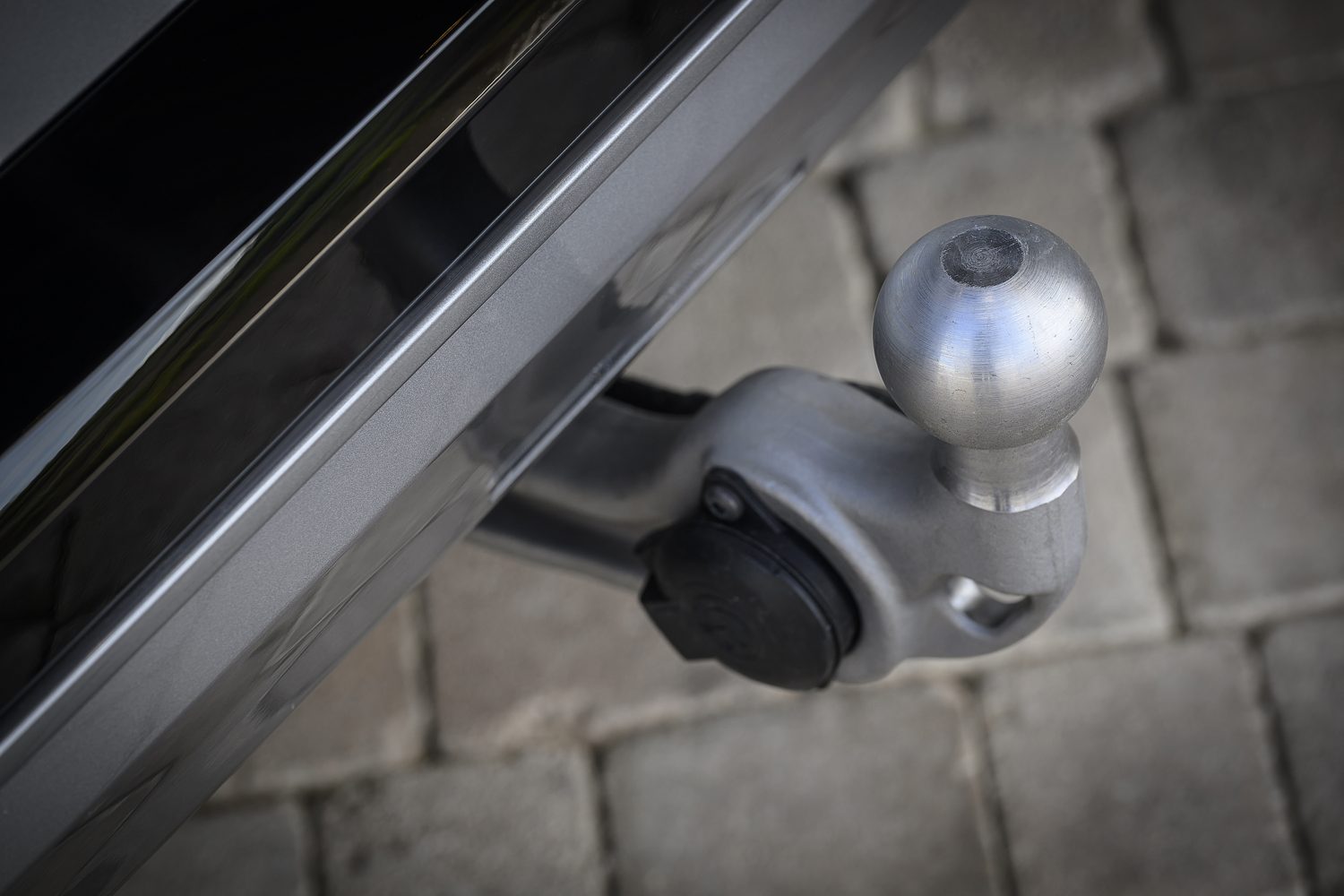
The iX3 has one of the more generous towing weights for an electric SUV, capable of hauling up to 2,000kg on a braked load, and there's a specific menu for towing assistance in the driver's assistance section of the big touchscreen, so there are digital helping hands on offer too.

Actually, if you are using the iX3 for more rugged, life-style-y stuff it may be helpful to know that it also has an impressive water wading depth of up to 400mm, which is no Land Rover Defender, but it's certainly useful when there's a yellow weather warning in place...
Safety in the BMW iX3
The BMW iX3 hasn't yet been tested by Euro NCAP for safety, but it would be hard to imagine it getting anything less than a top score. There's the usual plethora of electronic safety aids, including emergency automatic braking, active speed limiter, adaptive cruise control and a driver drowsiness monitor.
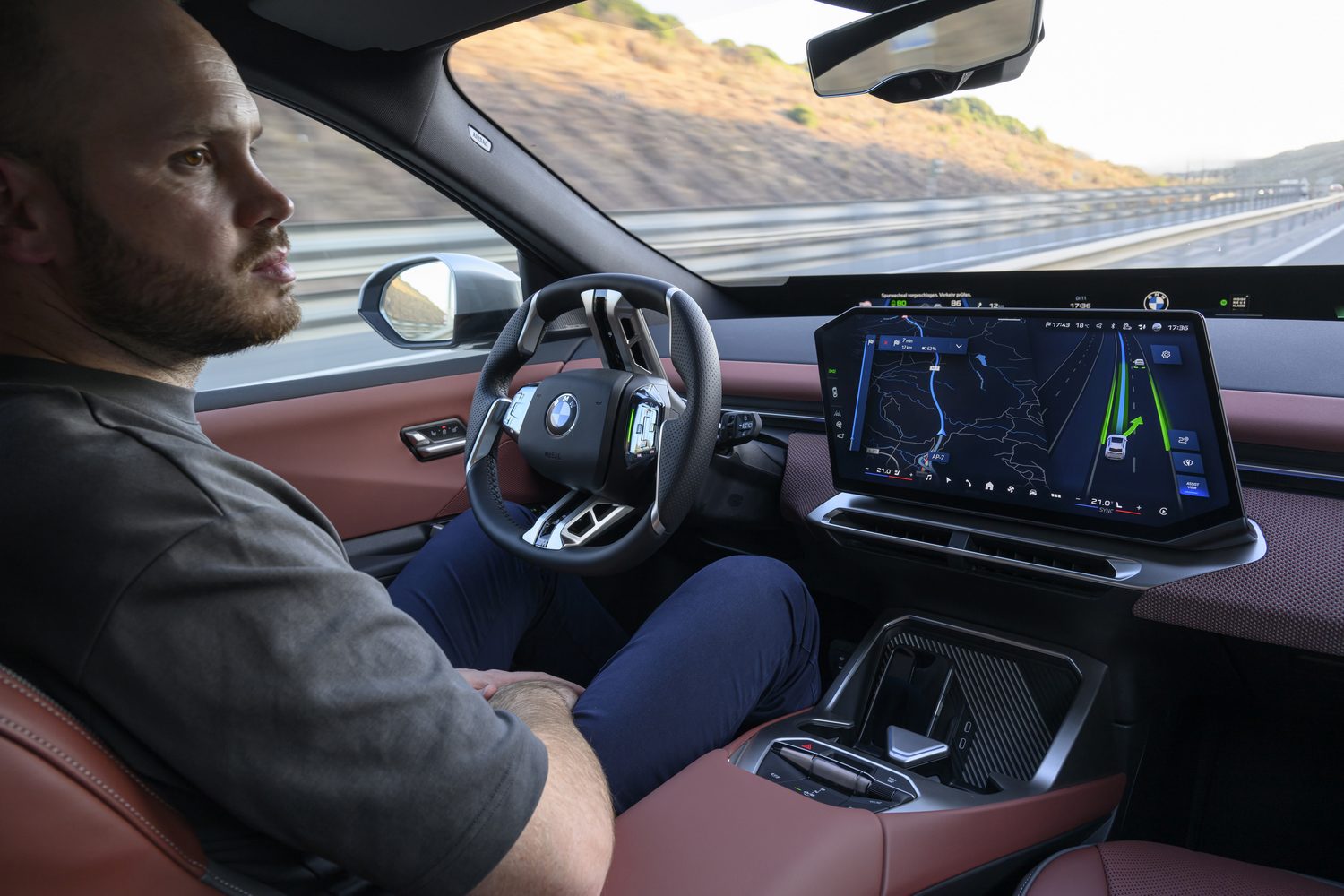
There's also an optional Motorway & City Assistant which combines adaptive cruise control with active steering, and which - in certain circumstances - allows you to drive with your hands entirely off the wheel for extended periods, as long as you keep your eyes on the road (and there's a monitoring camera to ensure that you do so).

It's a good system, allowing you to cue lane changes on the motorway merely by looking at the appropriate door mirror, and it even coped with a twisty mountain road (although why, if you've bought a new BMW, are you letting the computer take the wheel on a twisty mountain road?).
However, the system can be caught out, mostly because it's only really looking at the car directly in front of you and not taking in cues from further ahead on the road - as even a moderately skilled driver would do - so there are times when you have to, quickly, snatch back control.
Performance of the 2026 BMW iX3
- Launches with all-wheel-drive model
- Impressive 469hp power output
- Firm braking responses

The first iX3 to arrive in Ireland will be the '50 xDrive' model, which uses two electric motors for a total of 469hp combined with a 108kWh battery. Other variants, including those with rear-wheel drive and smaller batteries, are expected in due course.
Driving the BMW iX3 50 xDrive on Spanish roads
We'll deal with the biggest question of all - range - in just a second, but first: does the iX3 drive like a true BMW ought? Yes, is the answer although that does come with a couple of caveats.
BMW is using four new computing hubs (called 'Superbrains') to manage all of the iX3's complex and interrelated systems. The one that controls the way the car drives is called 'The Heart Of Joy', which might be a touch cheesy, but which is the true heart of the car.

BMW's engineers say that they've tried to create a 'symbiotic' relationship between the car's steering, suspension, brakes and the various electronic aids, so that the driver ideally shouldn't notice any interventions.
Certainly, the iX3 steers like a proper BMW. The steering weighting is firm, but not excessively so and there's just enough of a tickle of road feel to keep a keen driver entertained. In spite of its 2.3-tonne weight, the iX3 spears eagerly into corners, and understeer only builds up when you're really, really trying.

In more normal driving, the iX3 feels sweetly neutral. Selecting Sport mode puts more emphasis on the rear motor than the front, but again you have to be trying pretty hard to feel the difference.
The iX3's brakes are excellent. BMW says that regenerative braking takes care of more than 90 per cent of the braking you need, and we couldn't detect the crossover point between regenerative and friction braking, while the pedal feel is reassuringly firm.
BMW has included a 'Soft Stop' function which is designed to bring the car to a final halt without the head-tossing jerk that you might expect. However, there's an annoying issue which is that to change the regenerative braking settings, you have to dig deep - way too deep - into the touchscreen menus. Others let you adjust braking with simple steering wheel paddles or buttons, so why have those been abandoned by BMW?

The iX3's ride comfort is really quite firm. In that, it's very similar to the combustion-engined X3, which is stiffly set-up, but which has impressive damping that means the body recovers quickly and smoothly from any impact.
The undulating roads around Malaga had the iX3 reacting sharply at times to lumps and bumps in the road, but again the damping stepped in to stop the movement getting out of hand. So, it's certainly firm, but not uncomfortably so.
Range, battery, charging and running costs of the 2026 BMW iX3
- One, big battery
- Ultra-fast 400kW DC charging
- Potential to add 372km in ten minutes

The iX3's battery pack - using a new-for-BMW cylindrical cell design - is reckoned to be 20 per cent more energy dense than previous designs, 30 per cent faster to charge and around the same amount more efficient overall.
Battery options and official range
For now, the iX3 comes with one battery option - a 108.7kWh pack (that's the net useable energy) with an official range of between 679km and 805km.
That puts it considerably ahead of its most important likely rival, the new Mercedes-Benz GLC EQ, which can manage 654km of range (longer-range variants are likely in the Mercedes pipeline). It gives the iX3 a considerable advantage, especially at the surprisingly reasonable price (in relative terms) BMW is asking for this model.

The battery uses a cell-to-frame design, which means that the battery pack itself is part of the physical structure of the car, which is good for both stiffness and weight.
Real-world range and efficiency of the BMW iX3
That 800km WLTP range? It's within reach in real-world conditions, just. To be fair, between 650km and 700km is probably a more realistic one-charge range, but the iX3's range-to-recharge meter was stubbornly insistent that, on a full charge, it would run for the full 800km before needing another top-up.

Even fast motorway mileage failed to make much of a dent in a fully charged battery, and we finished a long day of that, plus some rapid mountain road climbs and descents with more than 400km of indicated range remaining.
Our best consumption figure of 19kWh/100km suggests that the real-world range might be closer to 500km, but that includes fast mountain road mileage, so driving like a normal person should get you closer to BMW's official energy consumption figure.
What's really impressive is the comparison to the old iX3. That car had a real-world range of around 350km, against an official 470km. So, the new iX3 has almost doubled the range of its predecessor.
Charging up the BMW iX3
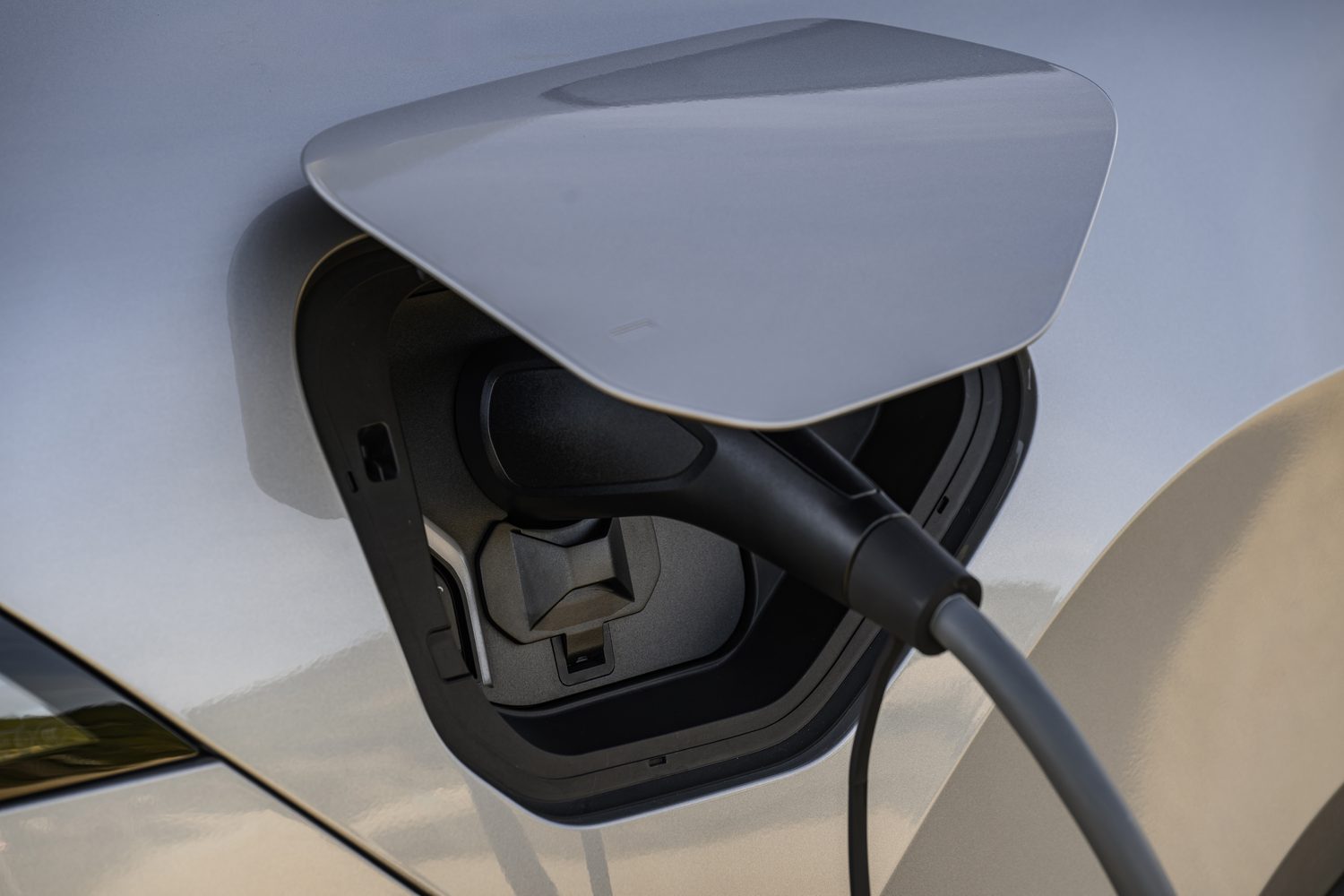
BMW's 'Neue Klasse' battery pack has been designed to be as cutting edge as possible, so it has an 800-volt architecture from the get-go and can handle up to 400kW of charging power (and 400kW DC chargers are just starting to roll out in Ireland at the moment).
At that kind of power, the iX3 can potentially add 372km of extra range in just ten minutes of charging, which is enough to drive from Dublin to Cork and back up the road as far as Cashel, assuming that motorway mileage doesn't drag your range down too far.

On three-phase AC power, the iX3 can manage up to 22kW, which means you could, again potentially, do a 10-80 per cent charge on a kerbside charger in just 3hrs 30 minutes (assuming no-one else plugs in and cuts the charging power in half).
A 10-100 per cent charge from a home charger will take considerably longer - 13 hours - unless you have 11kW three-phase power at home, which would trim that a bit to a little under nine hours.
Servicing the BMW iX3
BMW has long since used a built-in service monitor which tells you when the car needs a service. In theory, that can stretch as far as two years and 30,000km, and there's not much that needs servicing in an EV. There is an inclusive service plan for electric BMWs, which covers all normal servicing needs for up to four years, with unlimited mileage.
BMW iX3 warranty
BMW's new car warranty, which includes roadside assistance, lasts for three years and has unlimited mileage. In common with other car makers, BMW also offers an eight-year, 160,000km warranty for the iX3's battery, insulating you from a drop in energy storage or any manufacturing defects.
Irish pricing & rivals to the 2026 BMW iX3
- Starting price is very reasonable
- Good standard equipment...
- But options list is long and expensive

Standard specification for the new BMW iX3 50 xDrive includes two-zone automatic climate control, keyless 'Comfort Access,' a powered tailgate, the extended exterior mirror package, an alarm system and the wireless phone charging in addition to the likes of the Panoramic Vision instrument screen and large 17.9-inch touchscreen.
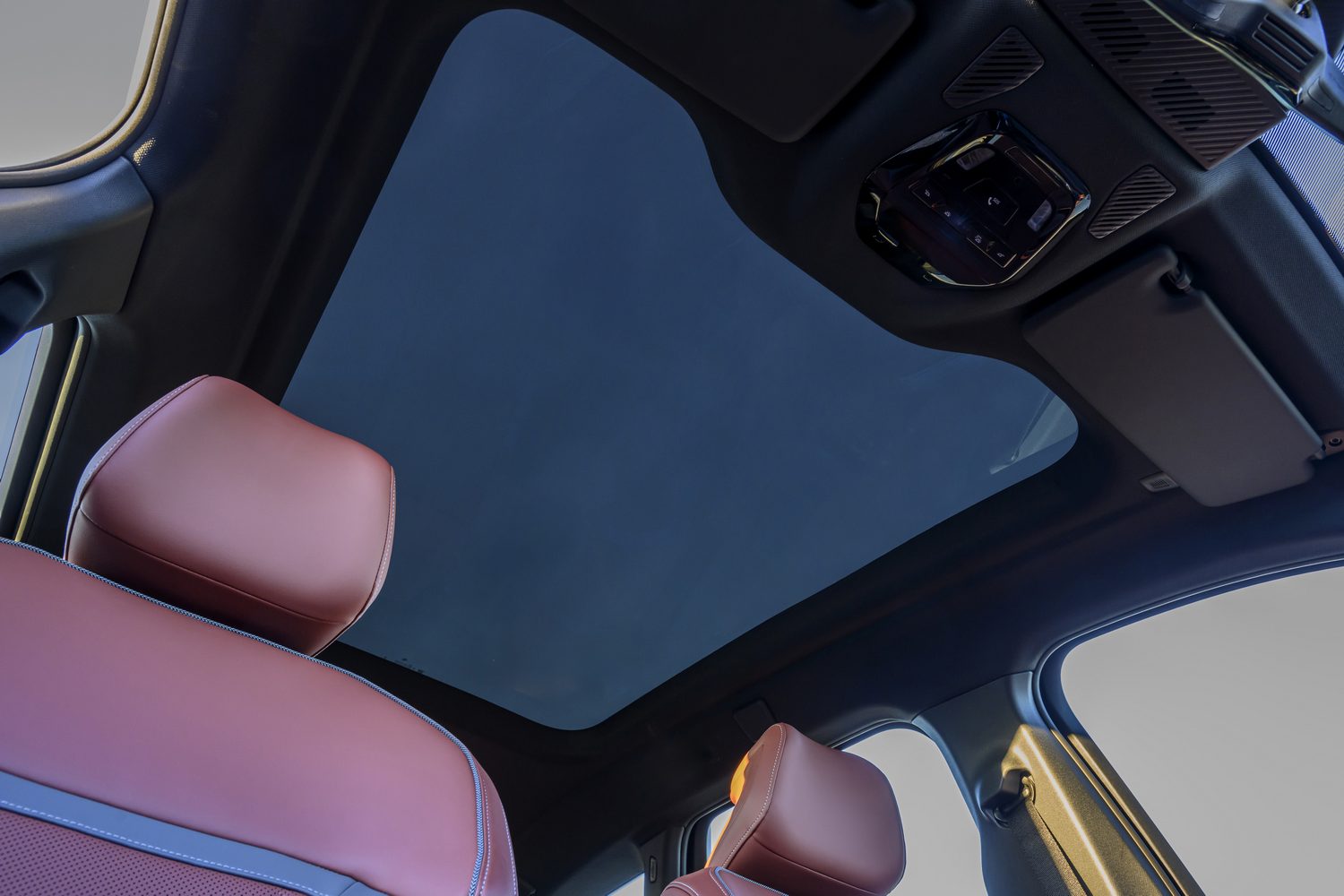
On the options list are the likes of a panoramic glass roof, three-zone climate control, adaptive headlights, a heated steering wheel and a 13-speaker Harmon/Kardon sound system.
The starting price of €73,925 is eye-catching, as this iX3 50 xDrive is far from a basic model, coming with a high-performance two-motor all-wheel-drive system, and that big battery for the long range that it enables.
In fact, it's only about the same price as a BMW X3 plug-in hybrid, which makes the iX3 - with all its added sophistication and future-proofed powertrain - something of a bargain. In relative terms, of course.
Its most significant rival will be the new Mercedes-Benz GLC EQ, which offers a circa-700km range on one charge. Going by its current pricing strategy, the Mercedes could be more expensive, though. The Audi Q6 e-tron is slightly more expensive, in basic form, than the iX3 and we know from experience that it can't get close to matching the iX3's range.
Verdict - should you buy the 2026 BMW iX3?

The iX3 has swept in and claimed the top spot of the premium electric SUV championship. Its brilliant Panoramic Vision dashboard would be almost enough on its own for the iX3 to claim victory, but the fact that it seems to be able to genuinely provide 700-800km of real-world driving range, and has super-fast charging, seals the deal. Oh, and it's thoroughly enjoyable to drive. The ultimate electric driving machine? It's not far off.
FAQs about the 2026 BMW iX3
Can a BMW iX3 park itself?

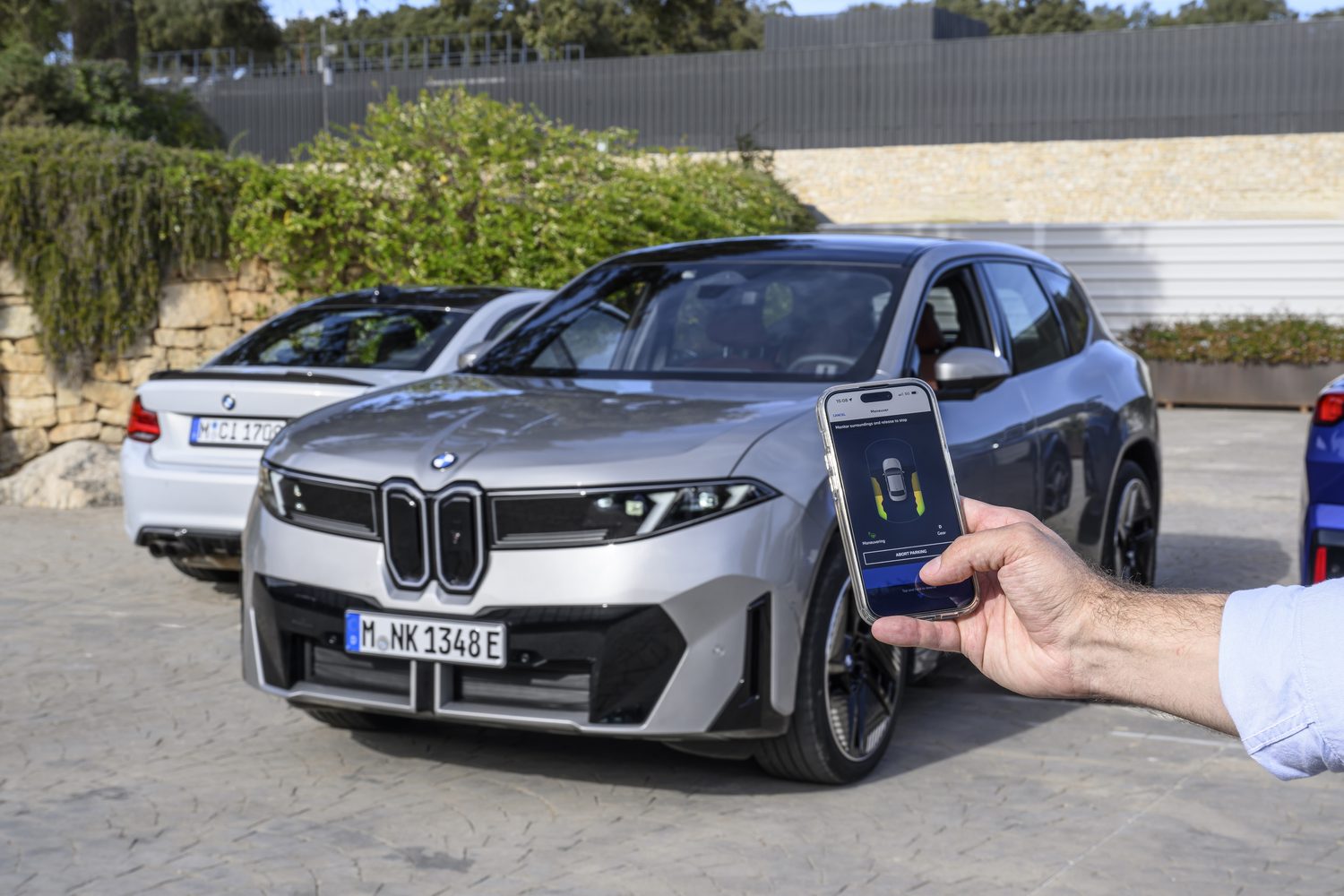
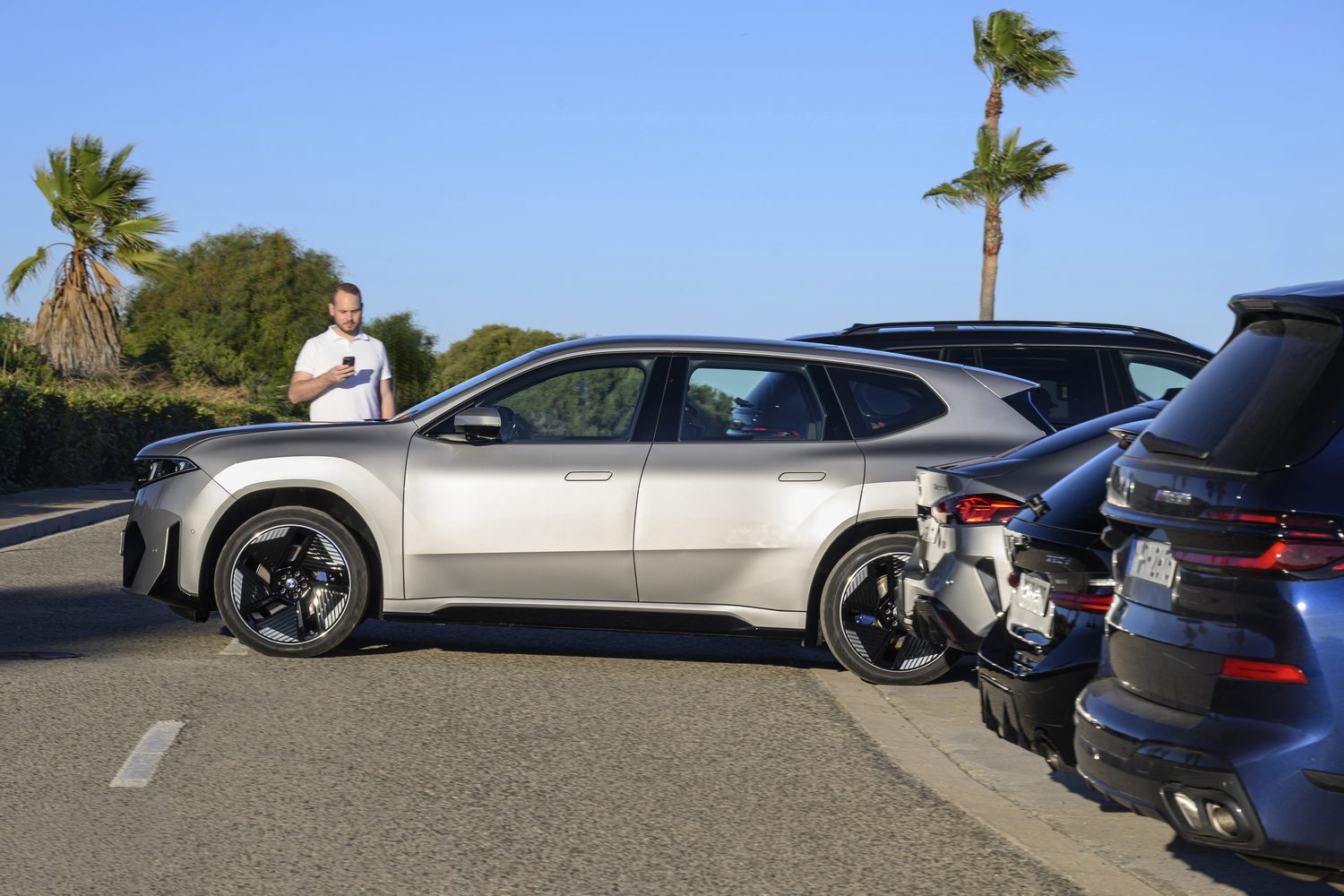
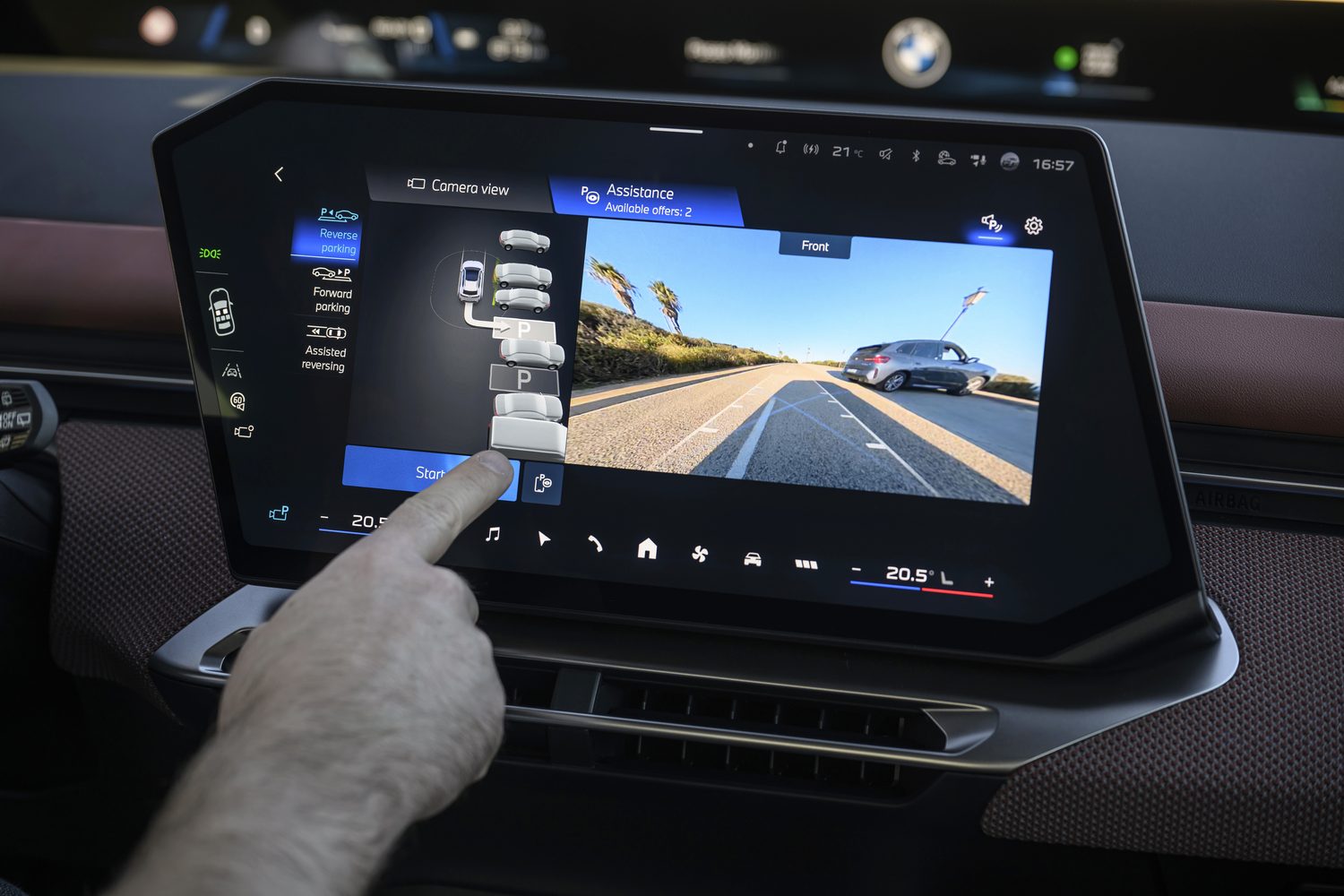
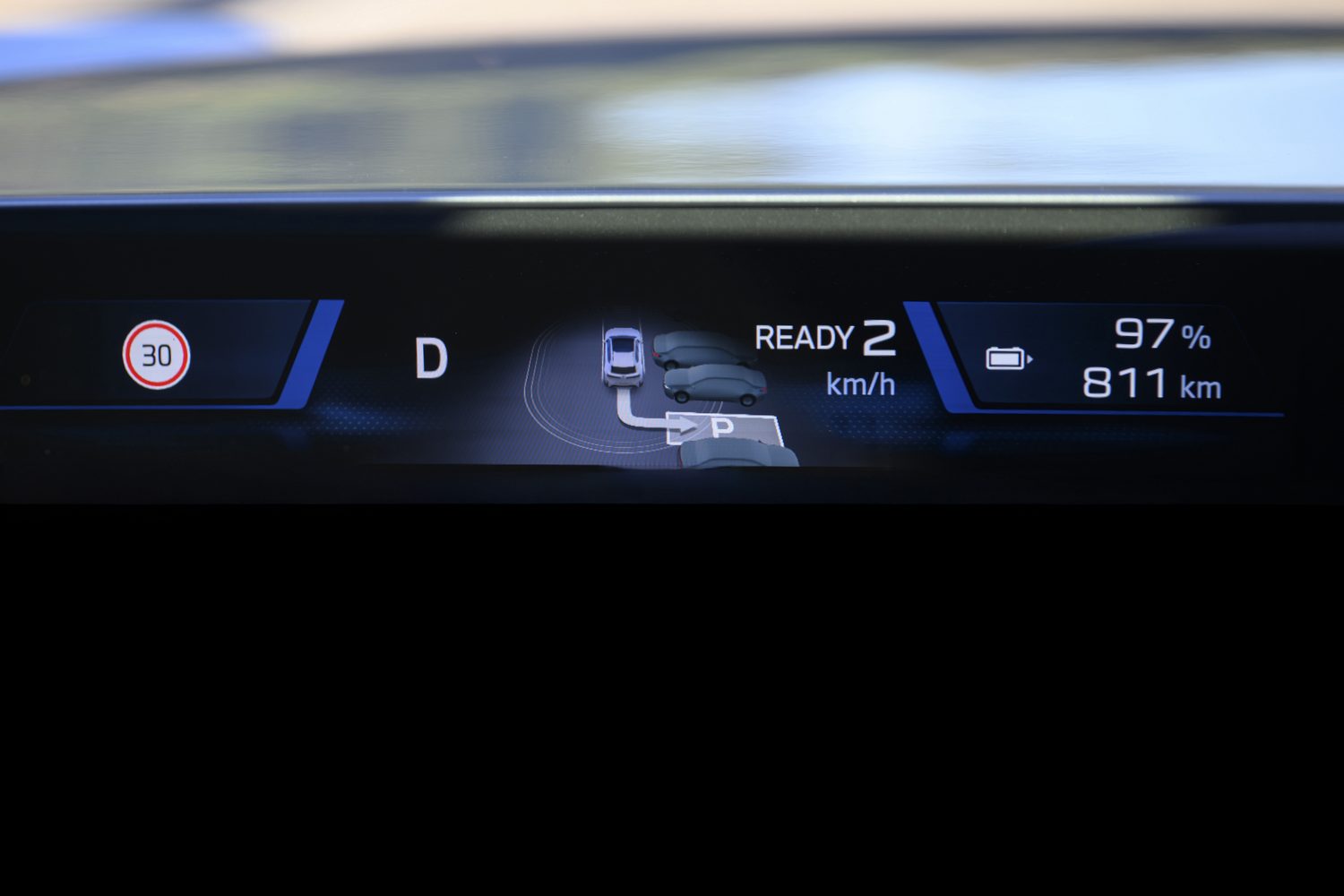
Yes, and not only does the iX3 come with an automated parking function, but you can also remote park it into and out of a tight space using your mobile phone.
Does the BMW iX3 have autopilot?
Well, BMW doesn't call its driver assistance setup anything as grandiose as an 'autopilot' but its combo of adaptive cruise control and lane-keeping steering, along with the potential ability to go hands-off for long periods, means it's at the cutting edge of driver assistance right now, and it works (mostly) very well in real-world conditions.

What is the true range of the BMW iX3?
Our test iX3's range-to-recharge meter was utterly convinced that it can go for the full 800km between charges, but we'd tentatively say that between 650-700km is a slightly safer (and still hugely impressive) bet.
Want to know more about the 2026 BMW iX3?
If there's anything about the new BMW iX3 we've not covered, or you'd like help in choosing between it and other cars, you can avail of our expert advice service via the Ask Us Anything page.
BMW iX3 history
The original iX3 - based on the 'G08' X3 - was first shown in 2018, and entered production at BMW's plant in Shenyang, China in 2020. It was the first fully electric BMW SUV, arriving just ahead of the controversial iX.
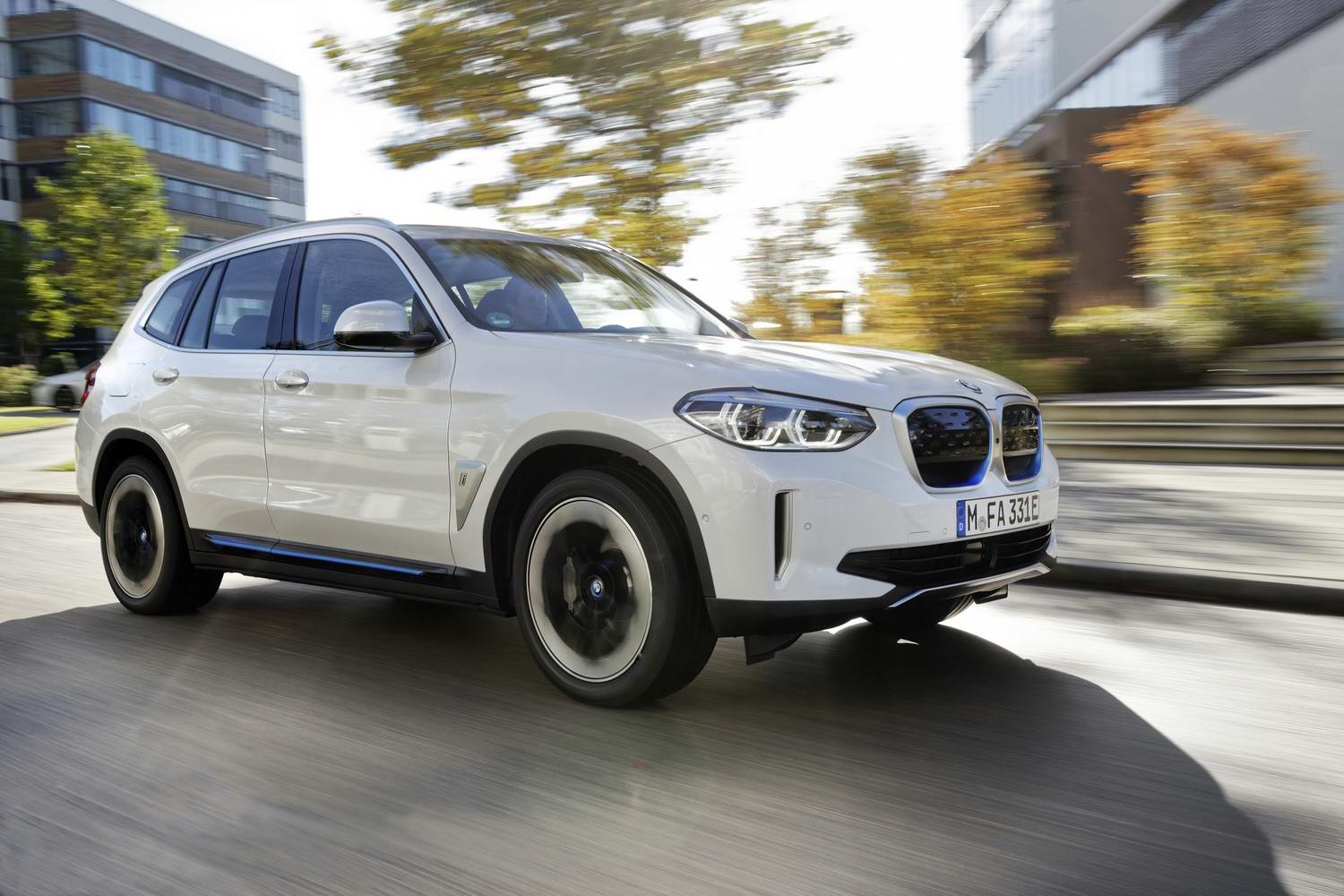
Being based on the combustion-engined X3 had its compromises, but even so the iX3 had a 73kWh battery pack, giving it an official range of 470km, of which about 350km was truly useable in daily driving. Offered in rear-wheel-drive form only, the iX3 was nonetheless good fun to drive, and one of the first EVs to be overly enjoyable for a keen driver. It was also practical and had a notably well-made and roomy interior.
This new iX3 (it's the 'NA5' in BMW code-speak) is a totally new start, using the Munich company's 'Neue Klasse' electric car platform, and a totally new, vastly more efficient, battery pack.