

Exterior & design of the 2027 Volkswagen ID. Polo
- Bright colours available
- Typical Volkswagen styling
- Choice of wheel diameters
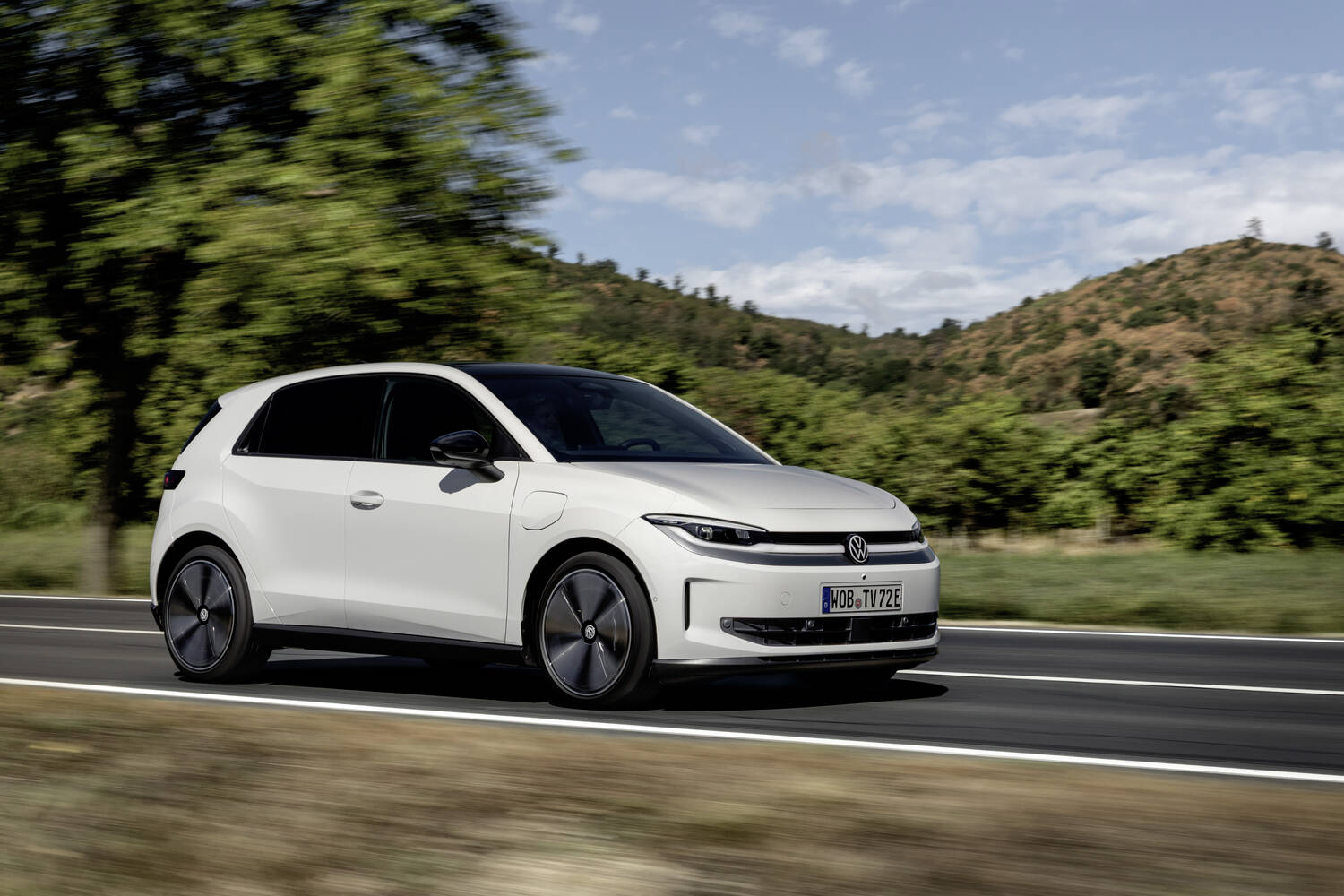
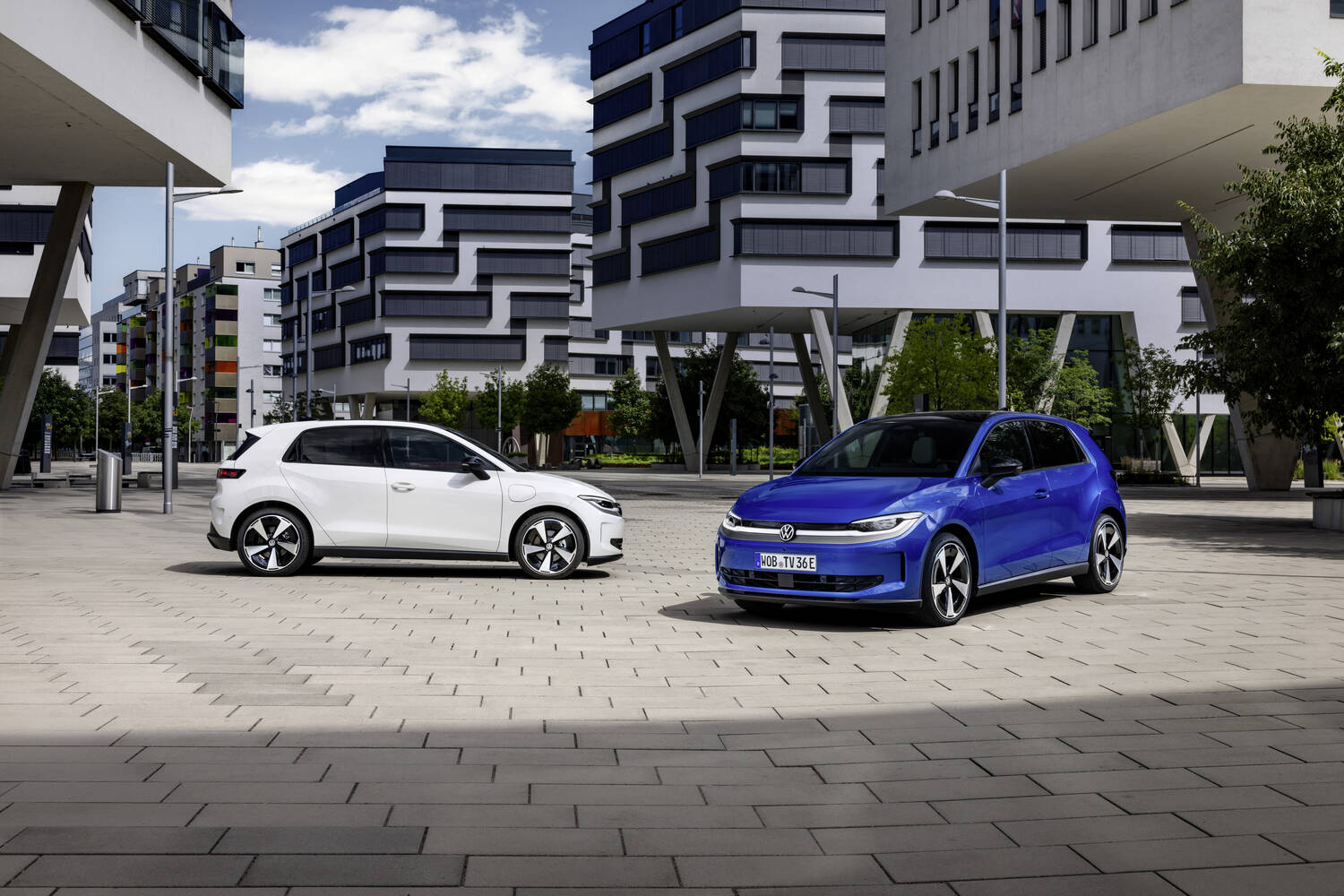
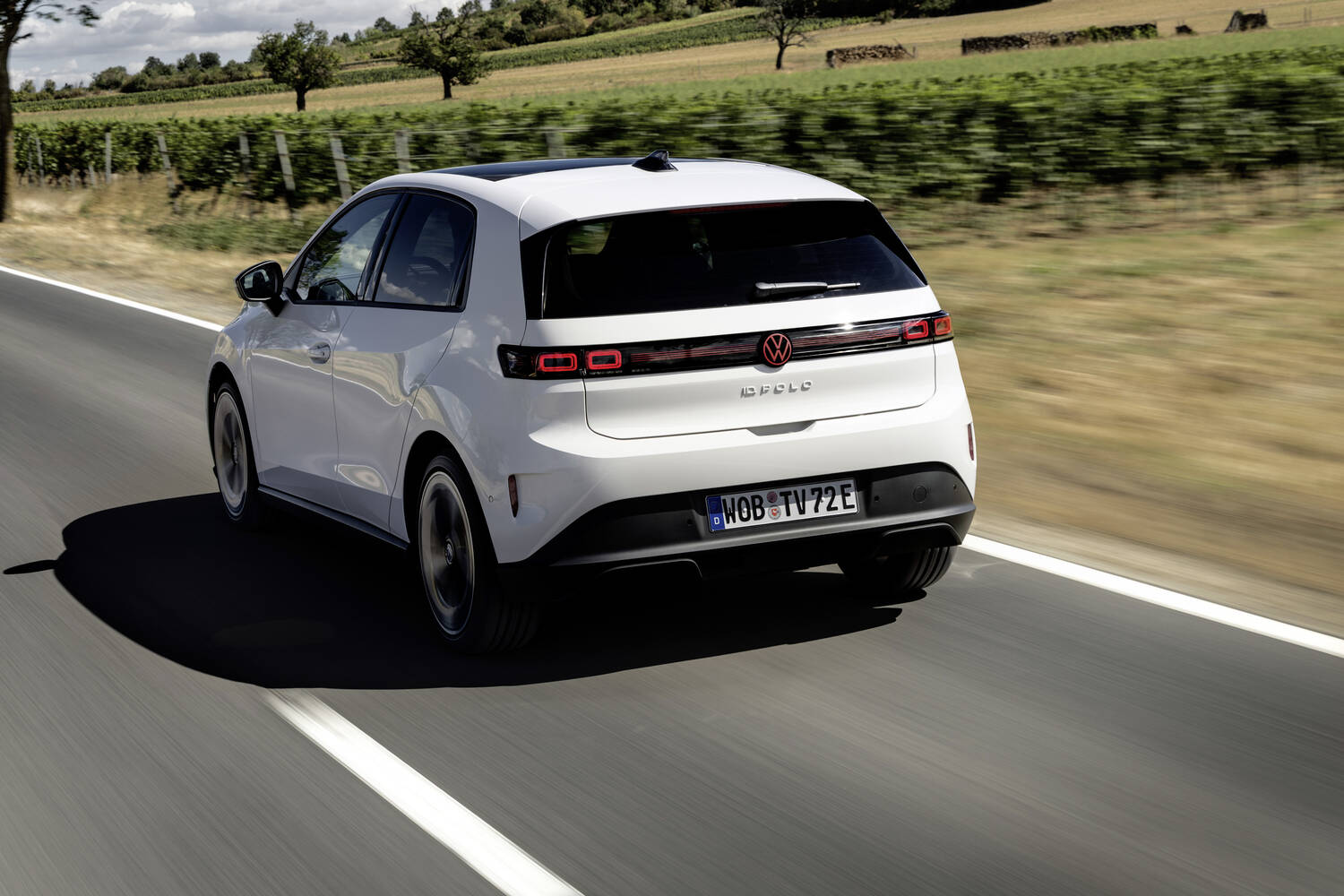
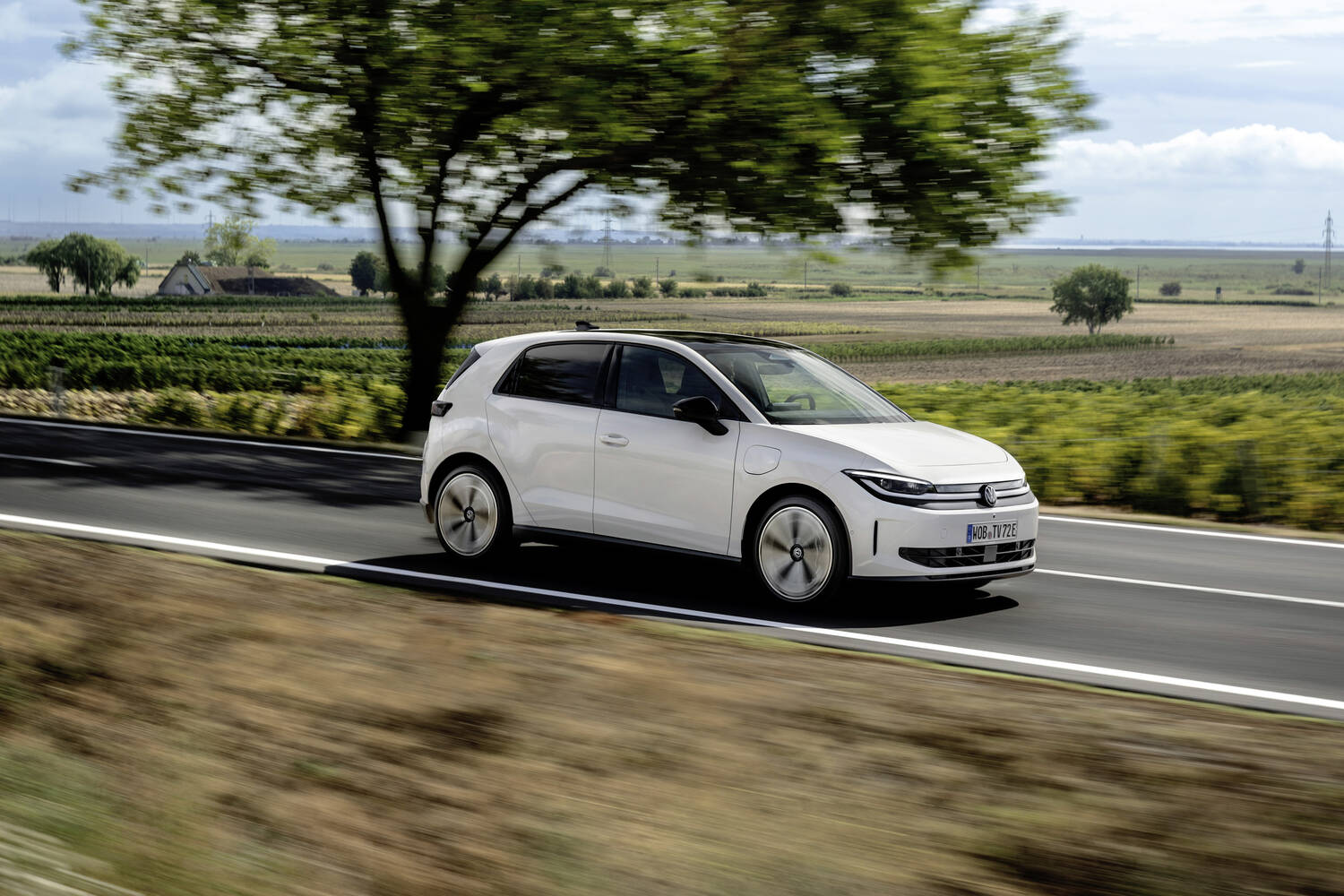
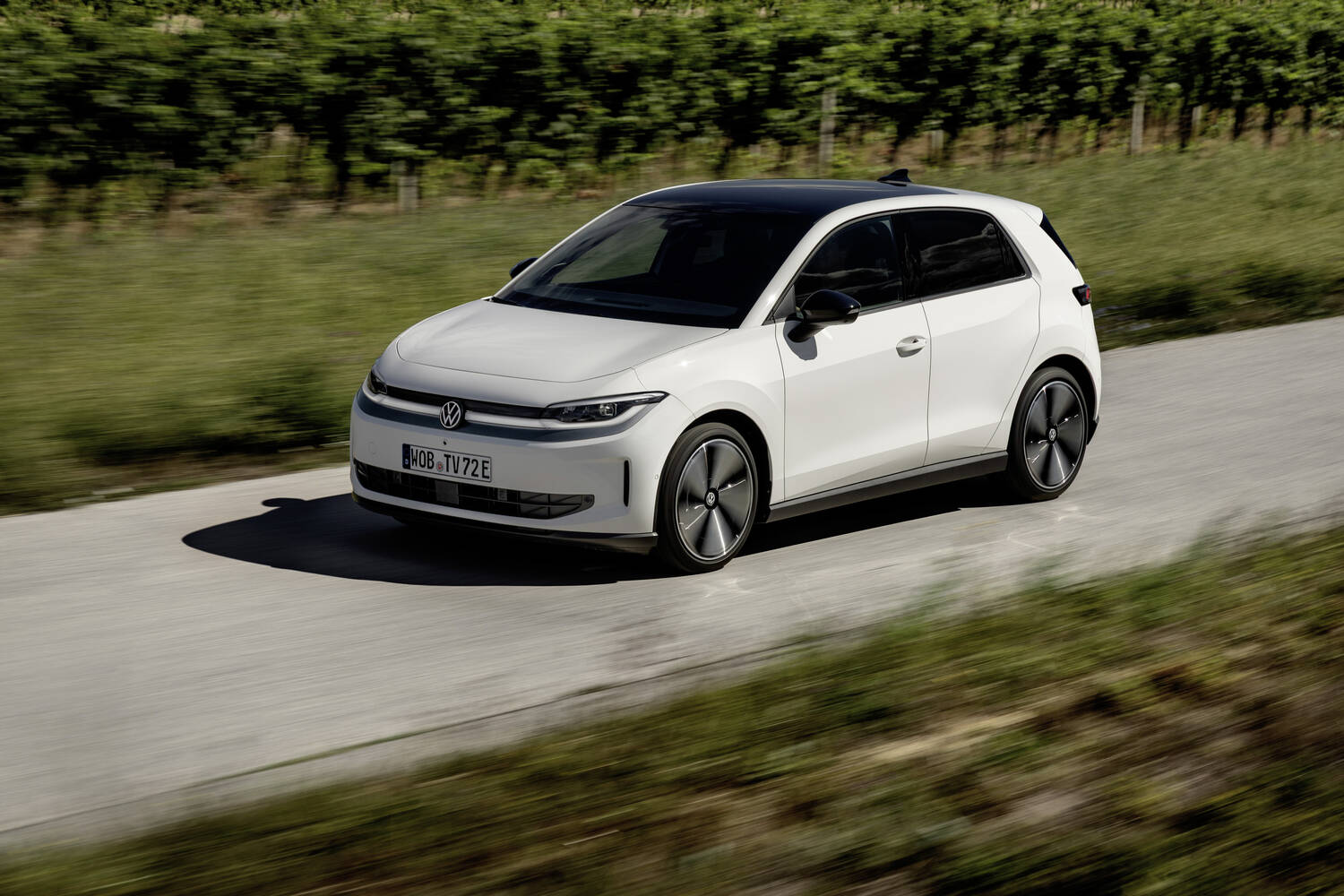
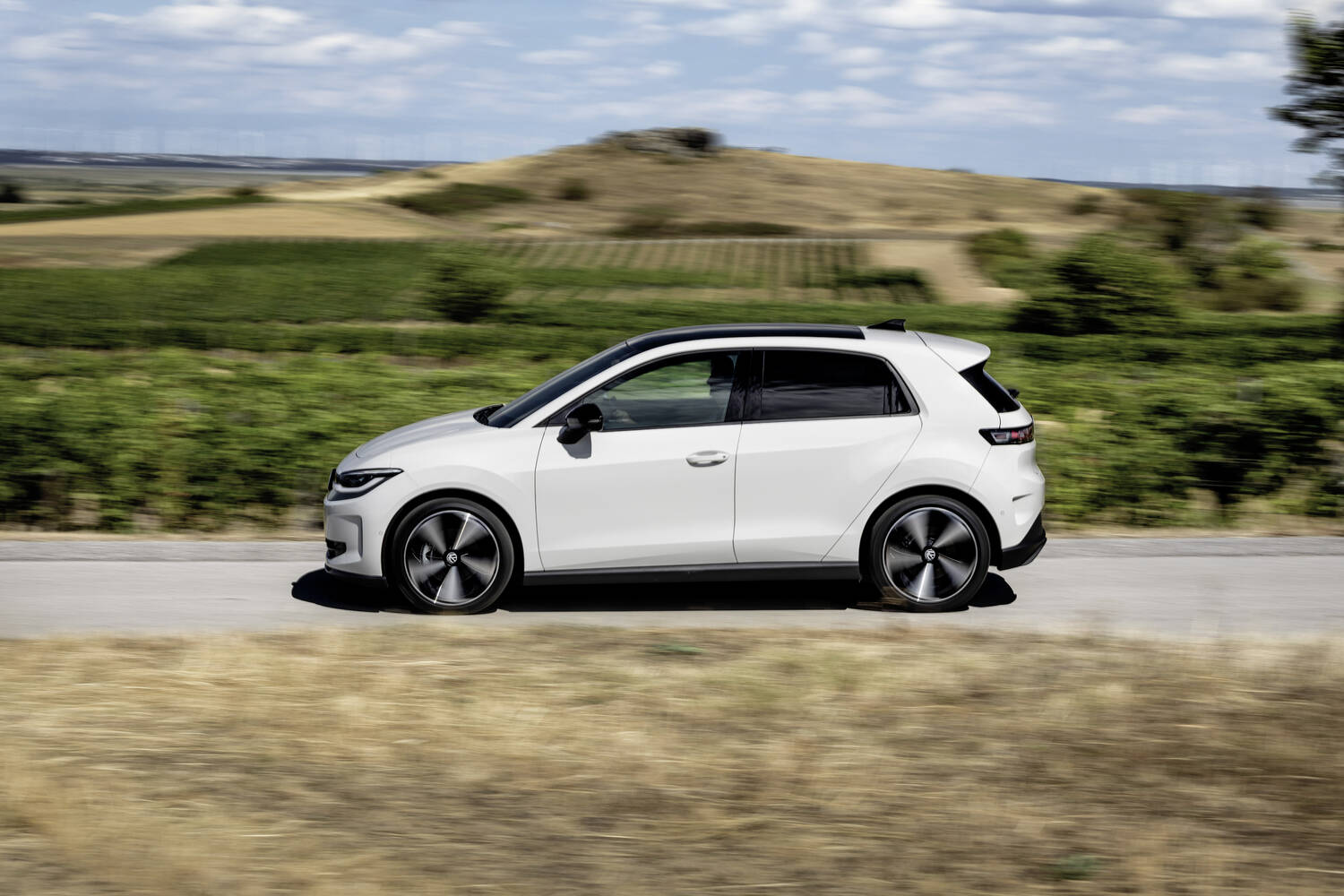
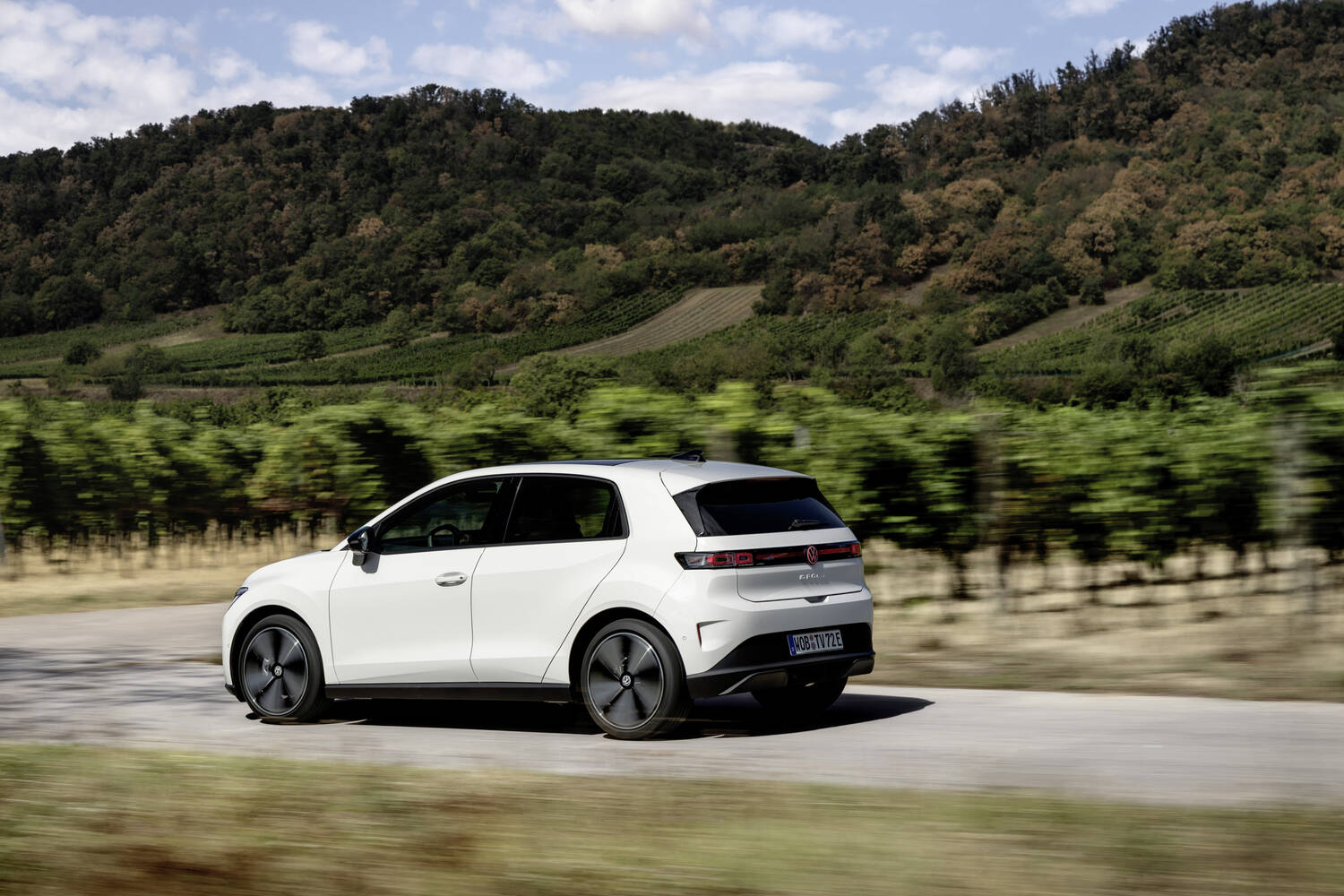
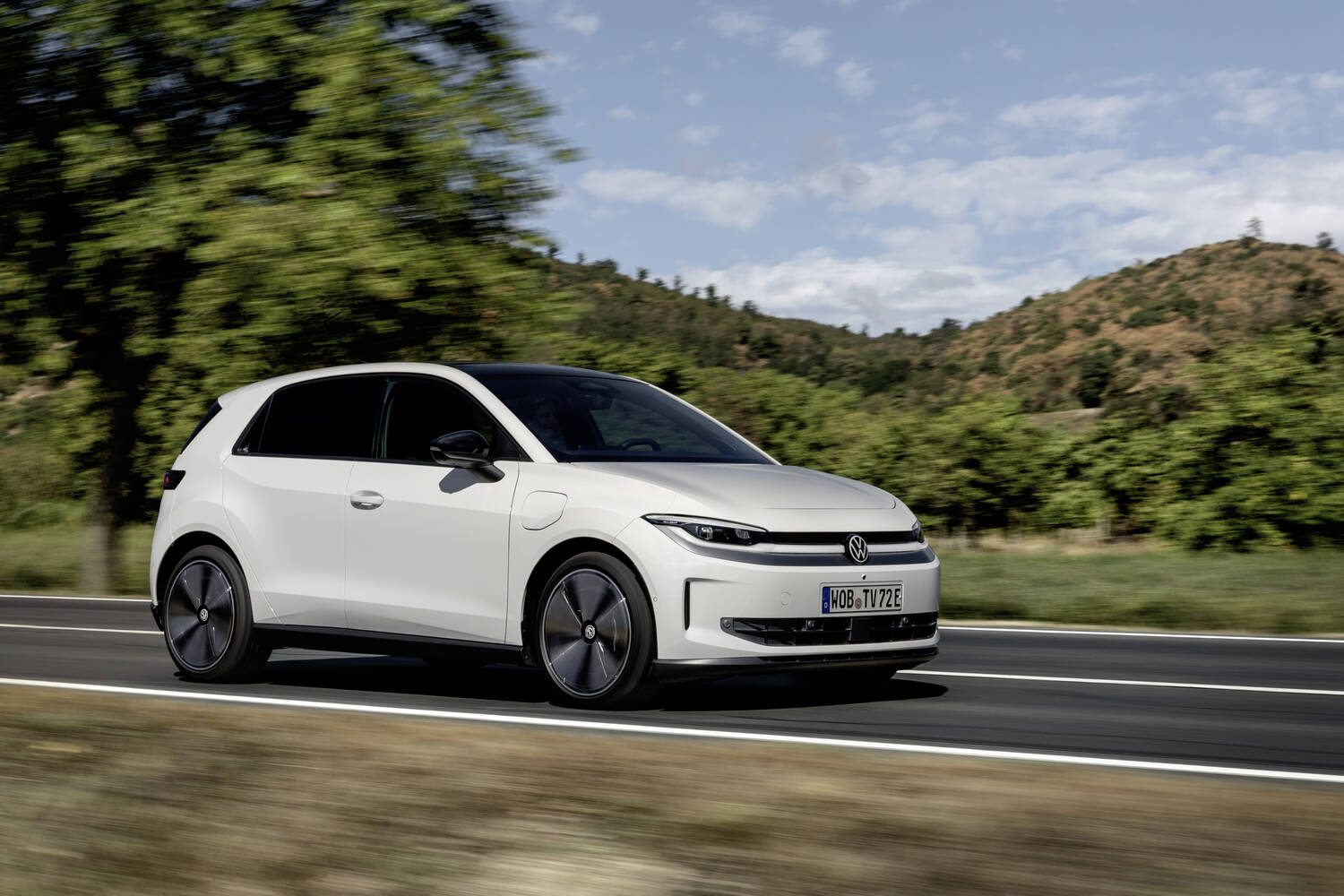
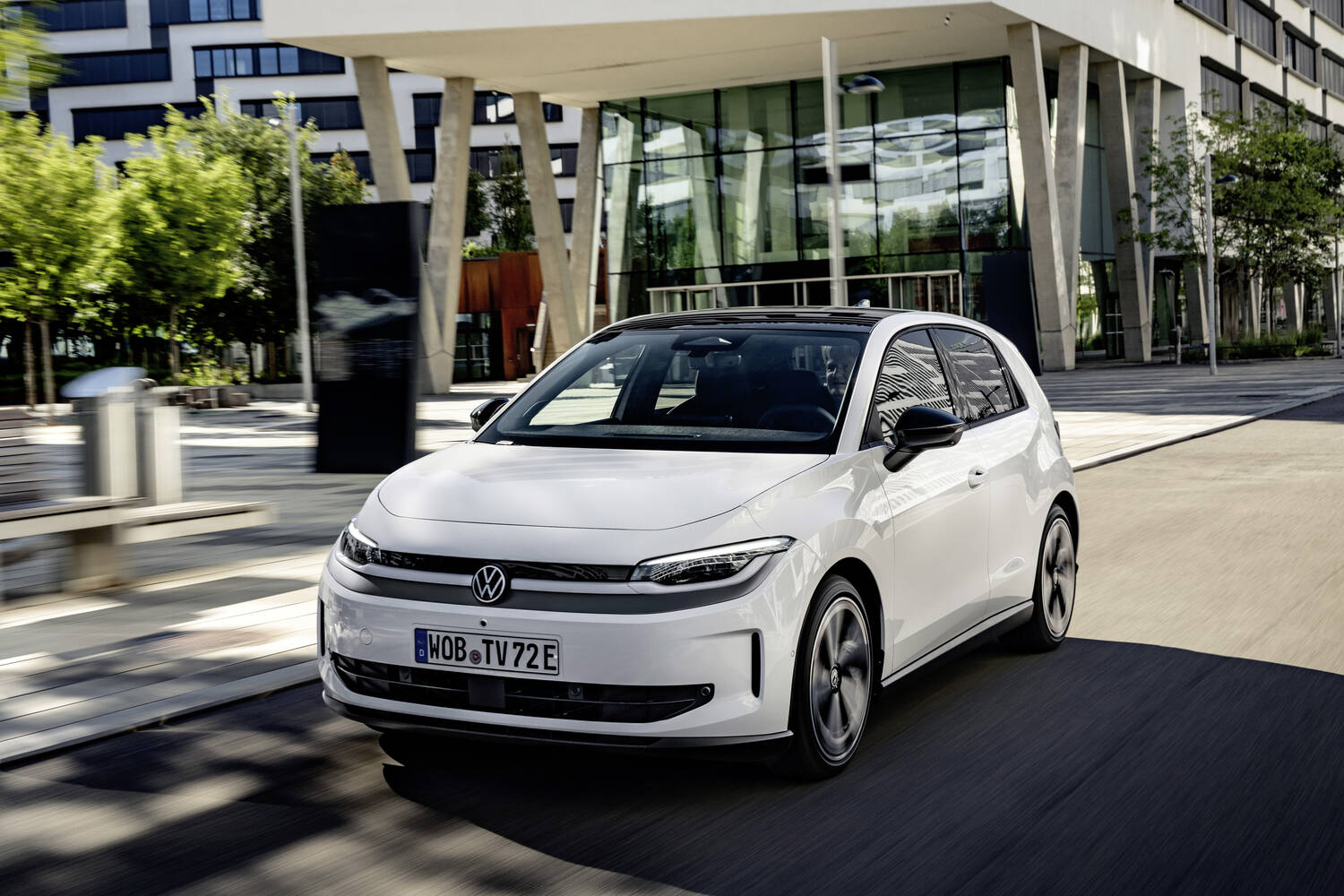
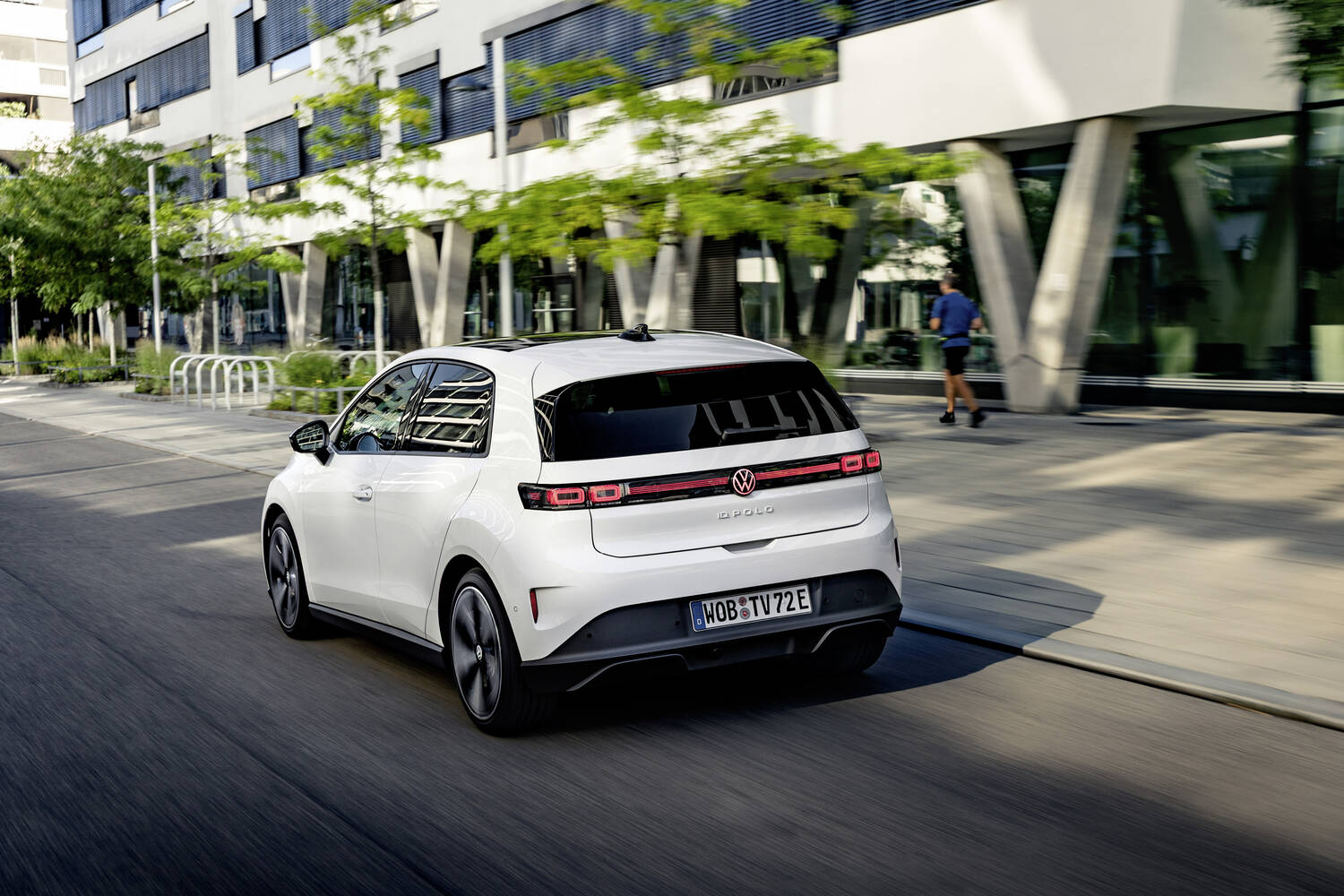
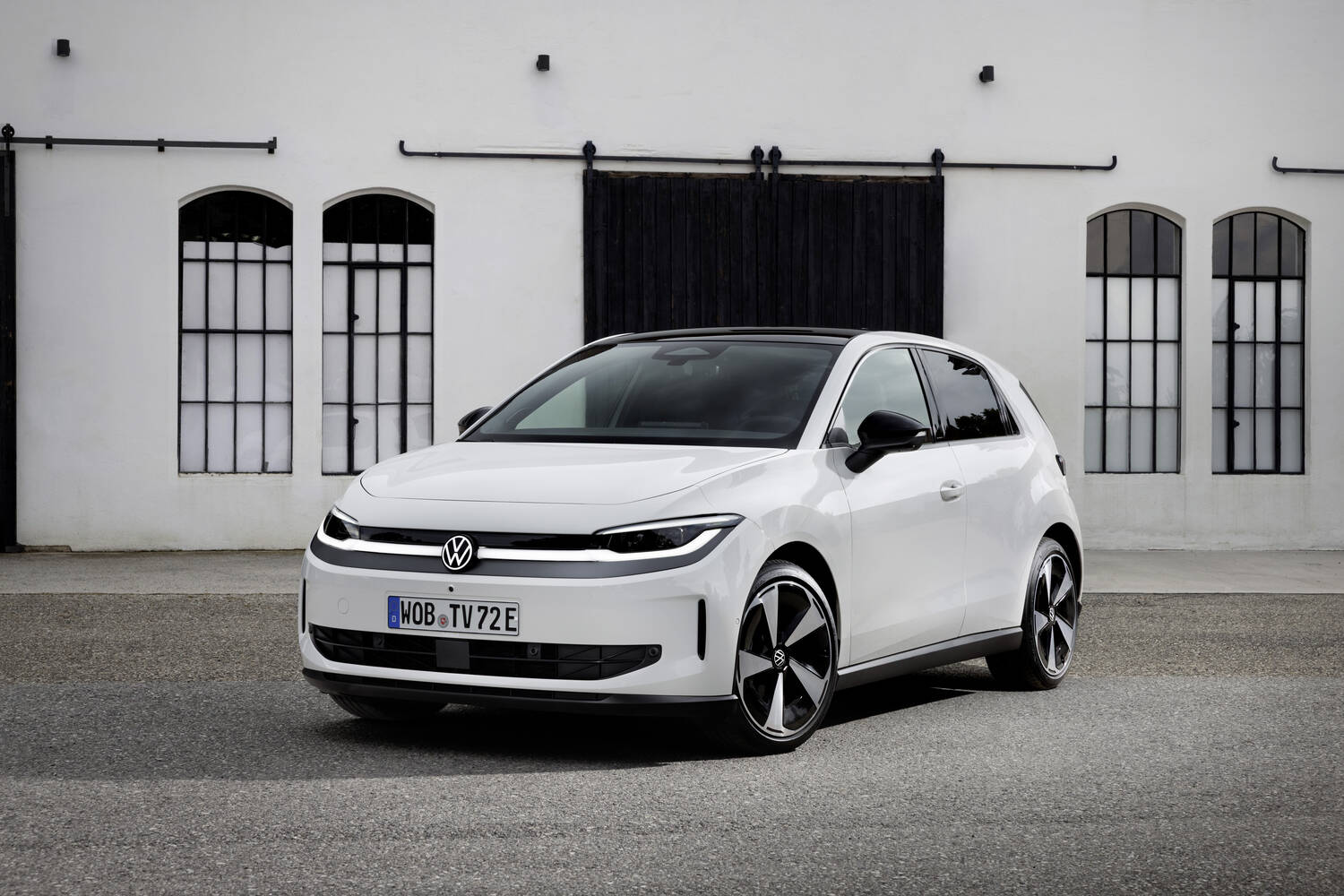
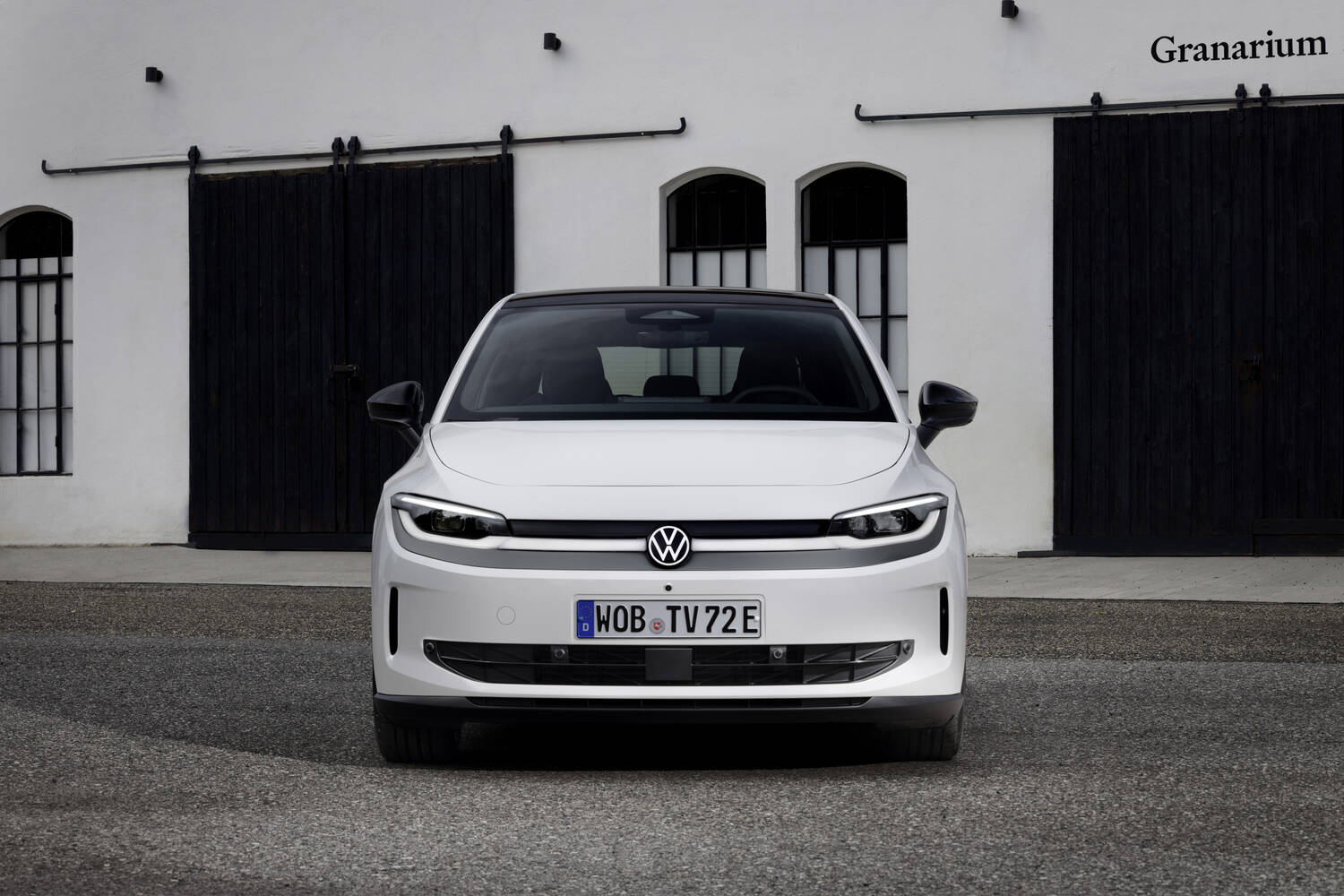
We're glad to see Volkswagen getting back to making car designs that aren't overdone, instead taking a less-is-more approach. The ID. Polo is a good example of that. While it's an EV designed from the ground up, it has an instant familiarity to it and is clearly a Polo based on its size and proportions.
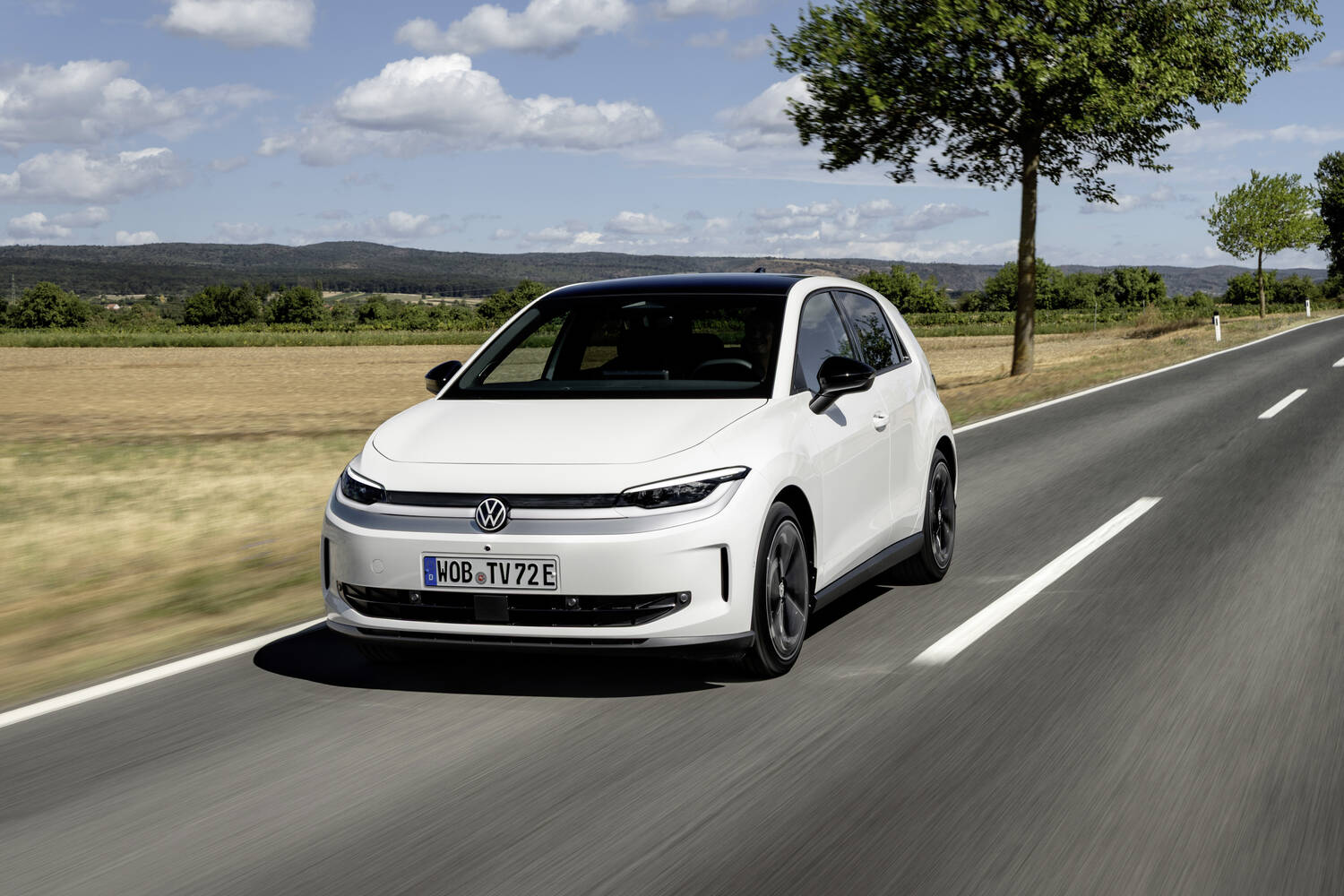
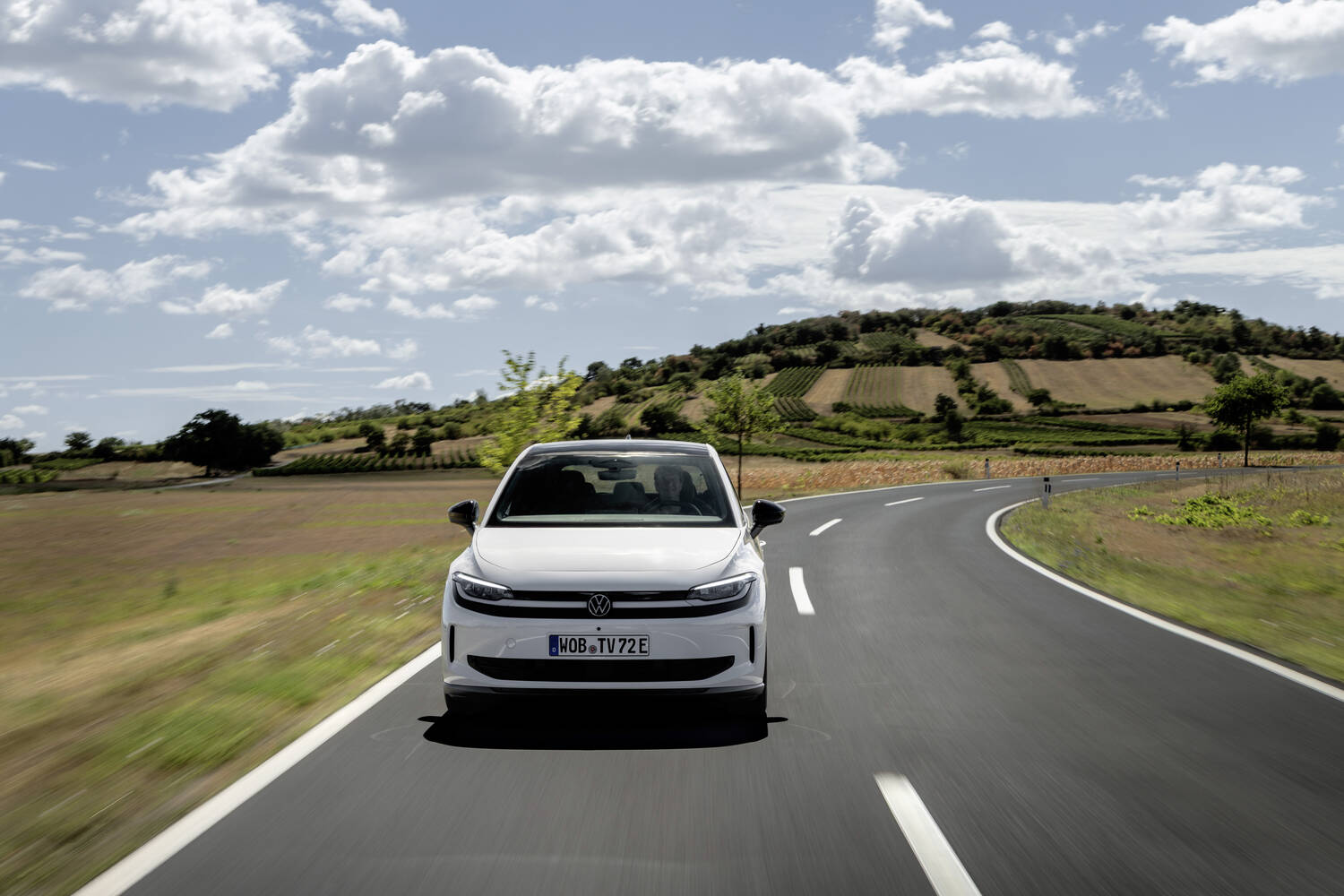
From the front, there's a modern look, with top-spec versions getting an illuminated VW logo on the nose that's joined by a light bar connecting the LED headlights.
The front bumper section houses one broad intake area for the car's cooling needs, while upright air curtains at the edges of the bumper help to direct airflow over the front wheels.
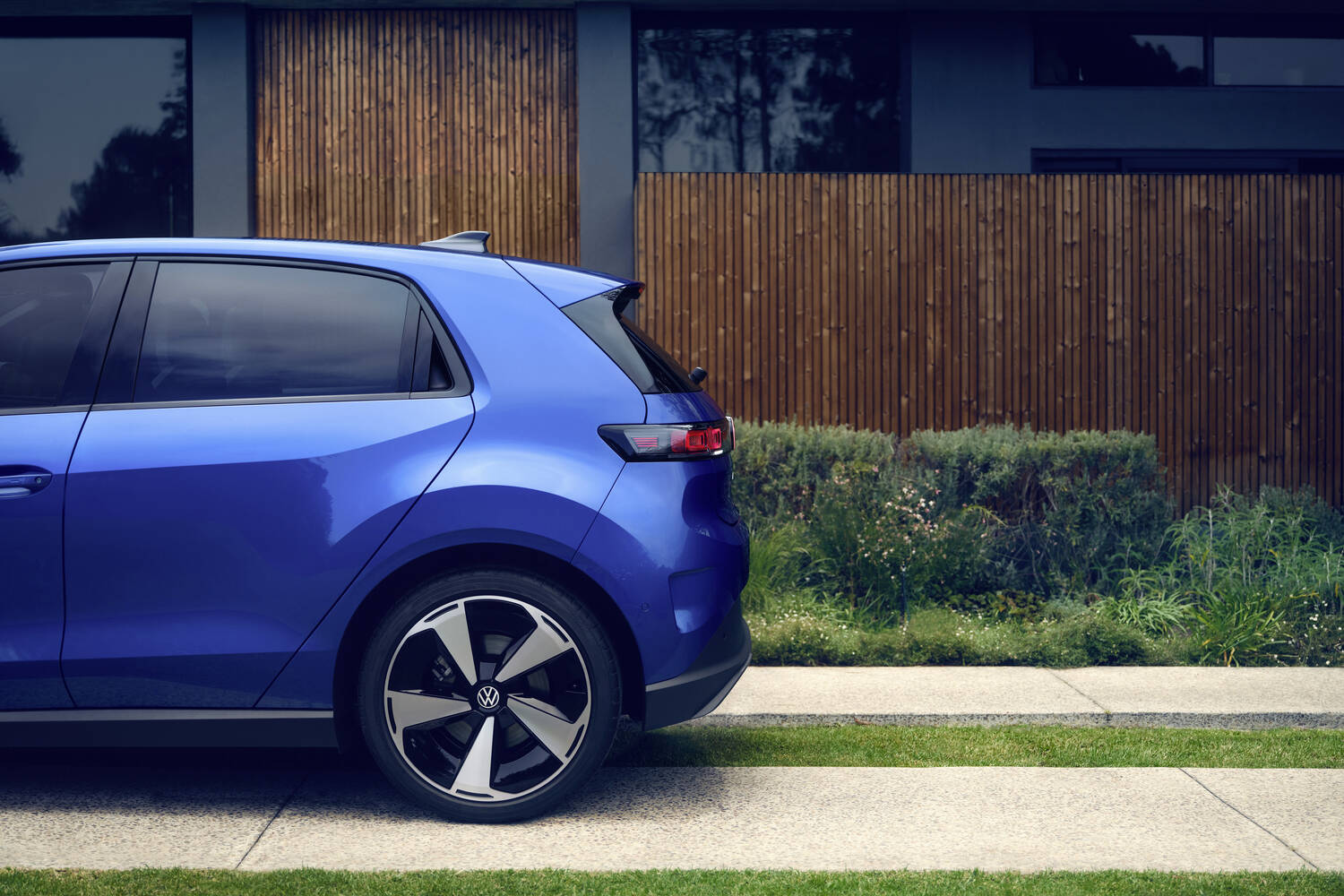
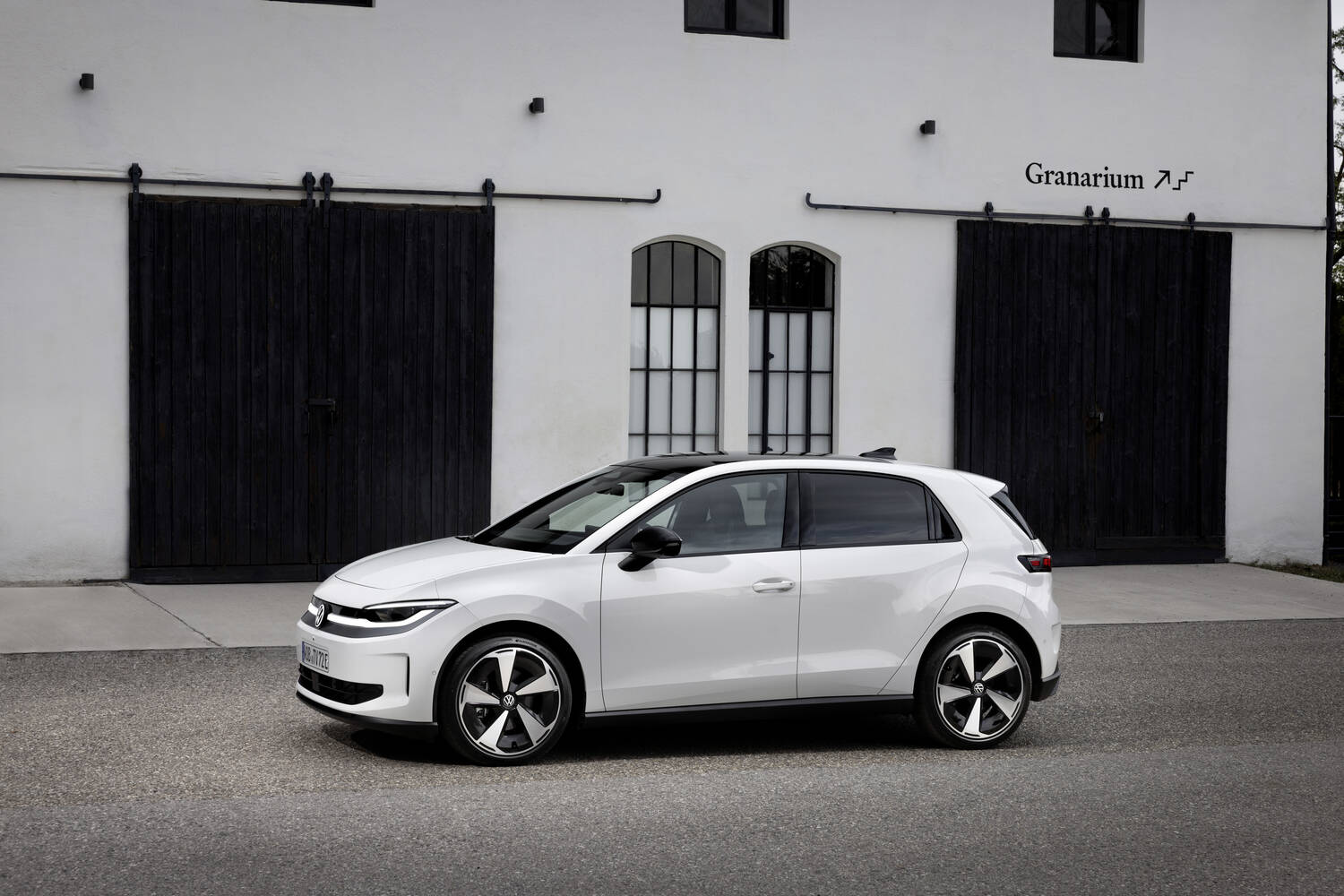
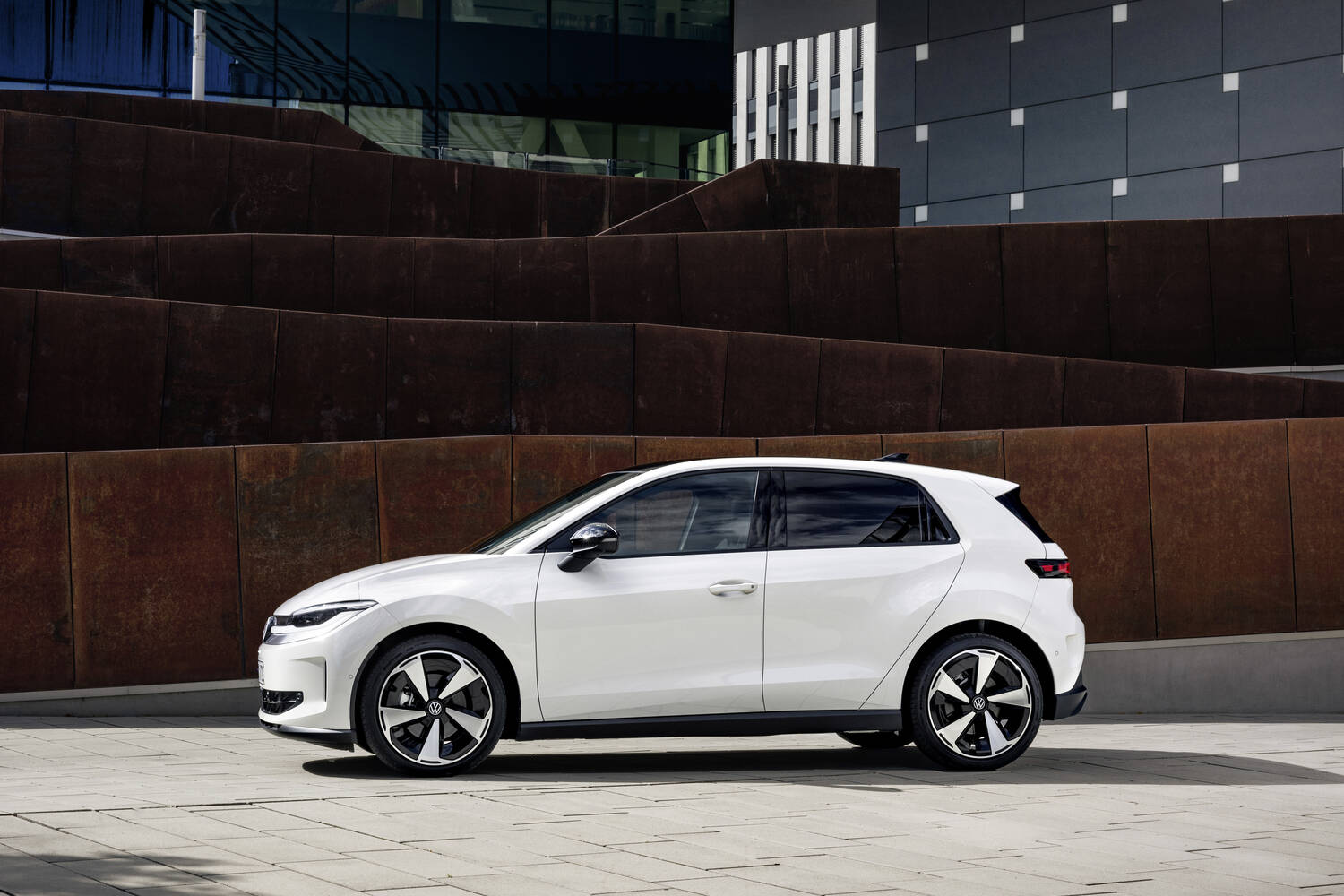
The ID. Polo's side profile features clean surfacing and a pragmatic approach to design. It sticks with conventional pull-type door handles for the front doors, while the rear door handles are integrated into the window frames to give the car more of a three-door hatchback look.
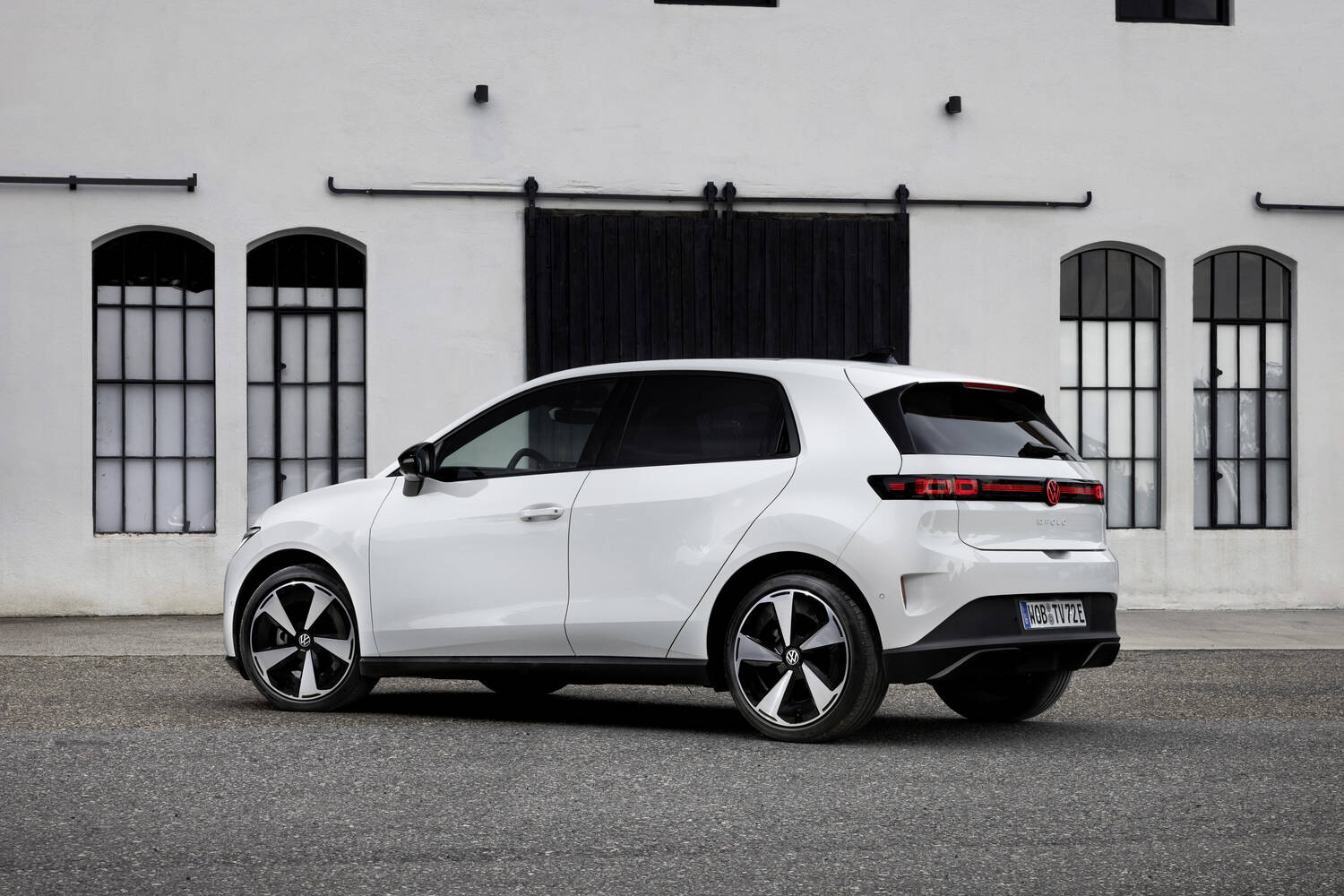
There are several nods to previous Volkswagen models in the ID. Polo, but the most obvious is the C-pillar behind the rear doors, which is very Golf-like.
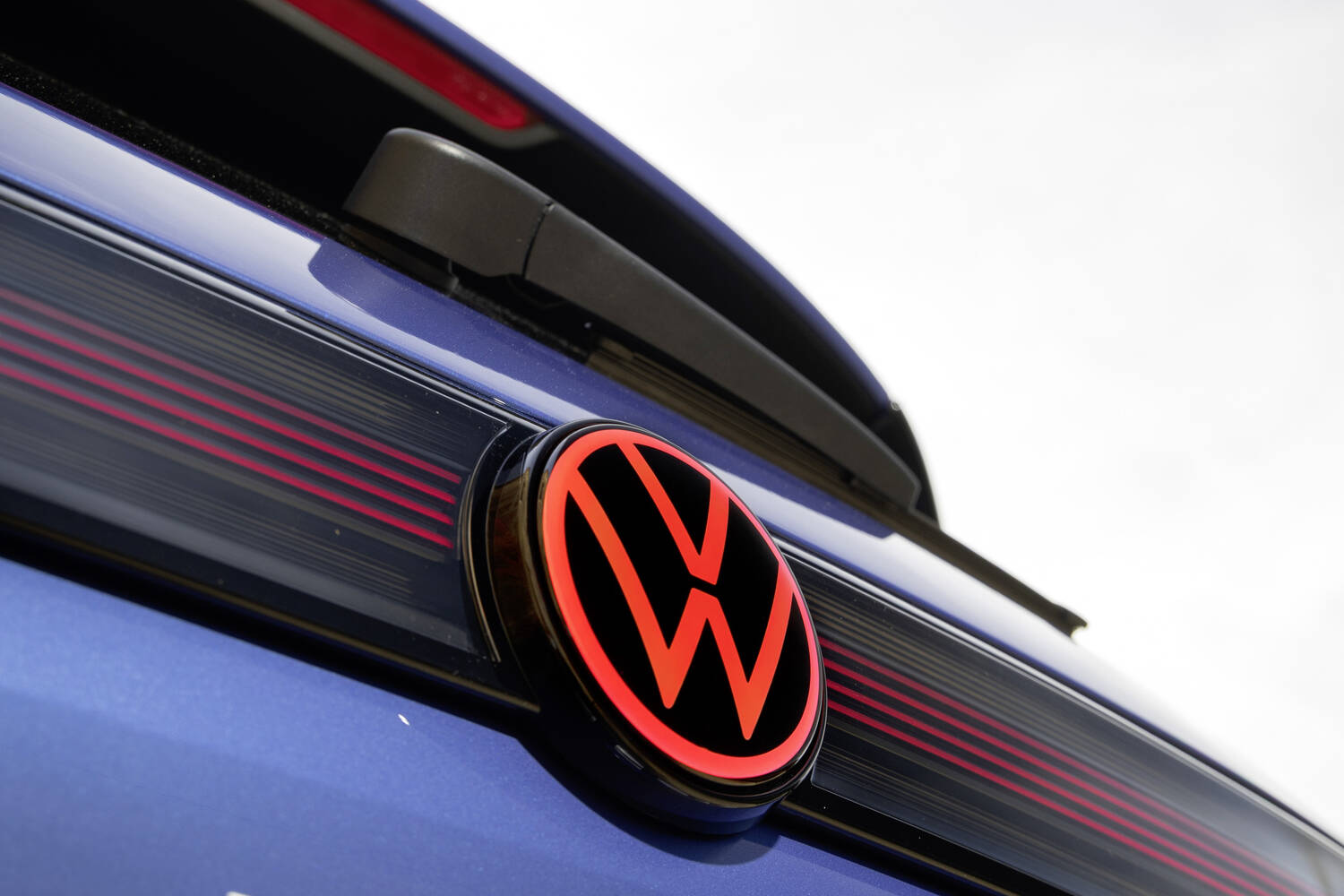
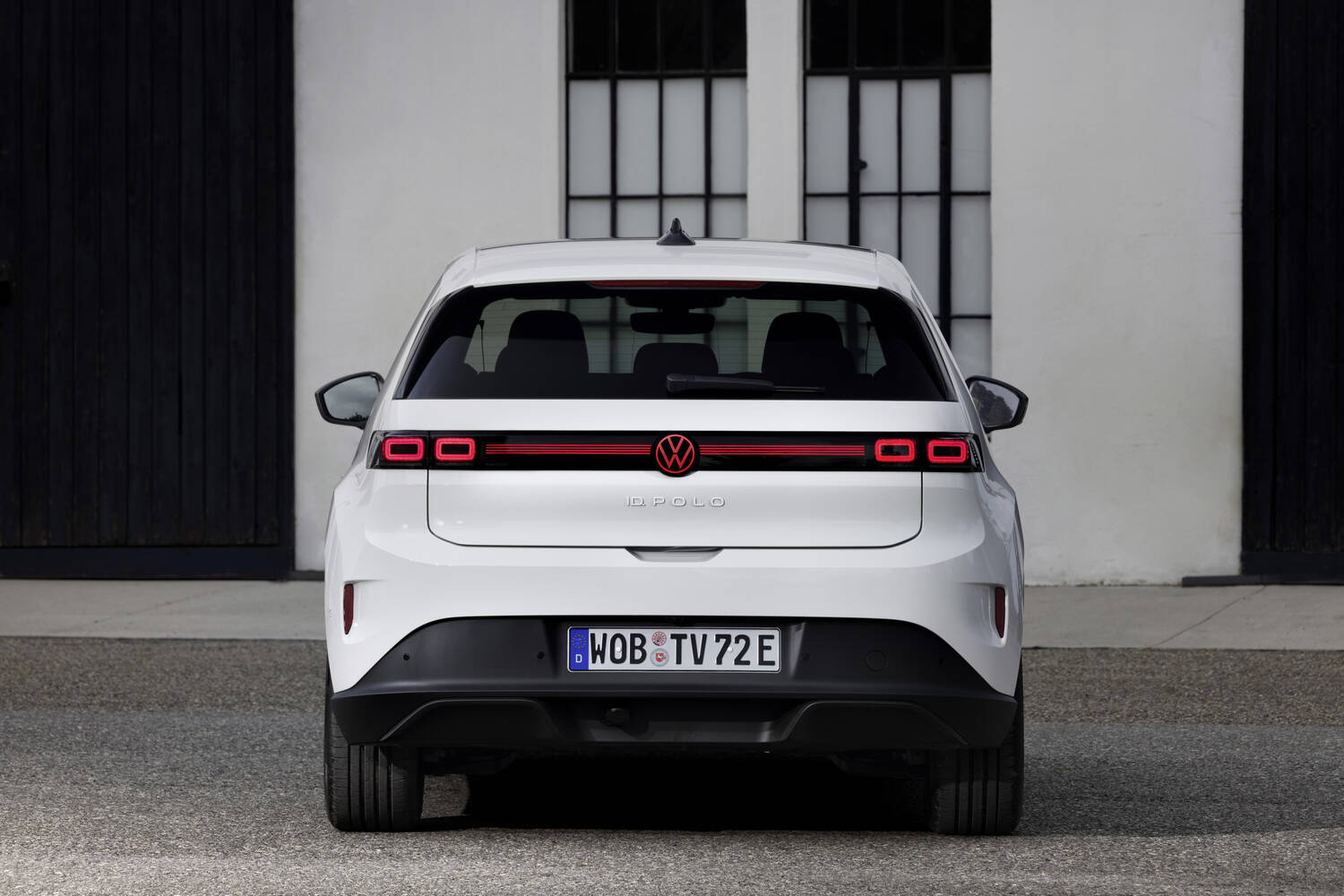
A modest roof spoiler is hemmed in on each side by gloss-black panels. The rear lights wrap around the back of the car and feature two rounded oblong clusters that are quite detailed, while the rear VW emblem can be illuminated.
As an overall design, the Polo works well, striking a good balance between looking modern and avoiding anything too polarising.
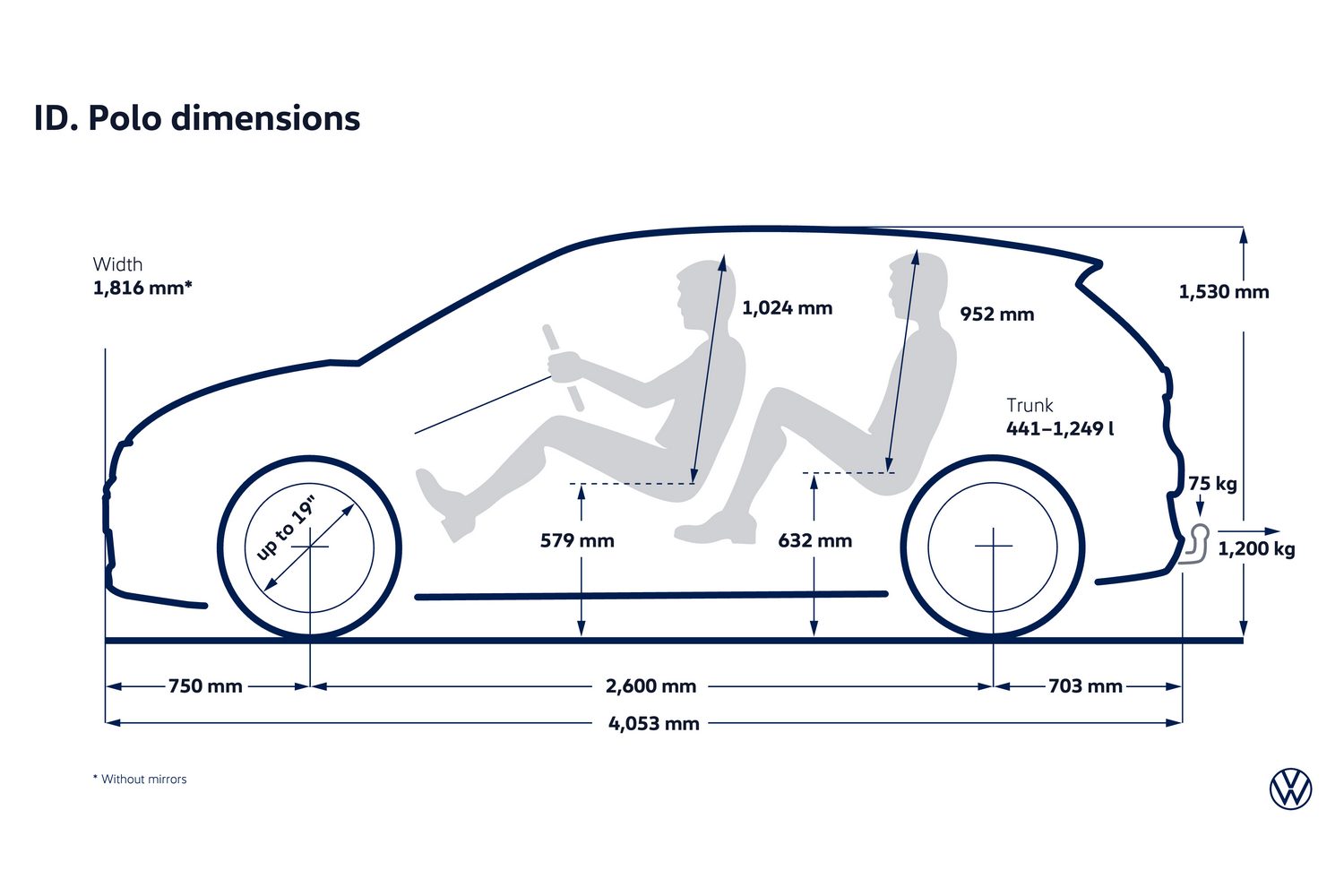
Dimensions of the 2027 Volkswagen ID. Polo
- Length:
- 4,053mm
- Width:
- 2,000mm (1,816mm excluding mirrors)
- Height:
- 1,530mm
- Wheelbase:
- 2,600mm
Paint colours for the 2027 Volkswagen ID. Polo
There are seven paint colours for the Volkswagen ID. Polo, with Python Yellow metallic standard across all three trim levels. Two solid paint options are available: Candy White (€458) and Tornado Red (€567). There are four other metallic colour options: Celestial Blue, Oyster Silver, Magnetic Grey and Grenadilla Black, all of which cost €753.
Interior, practicality, tech & comfort of the 2027 Volkswagen ID. Polo
- Good rear space for two
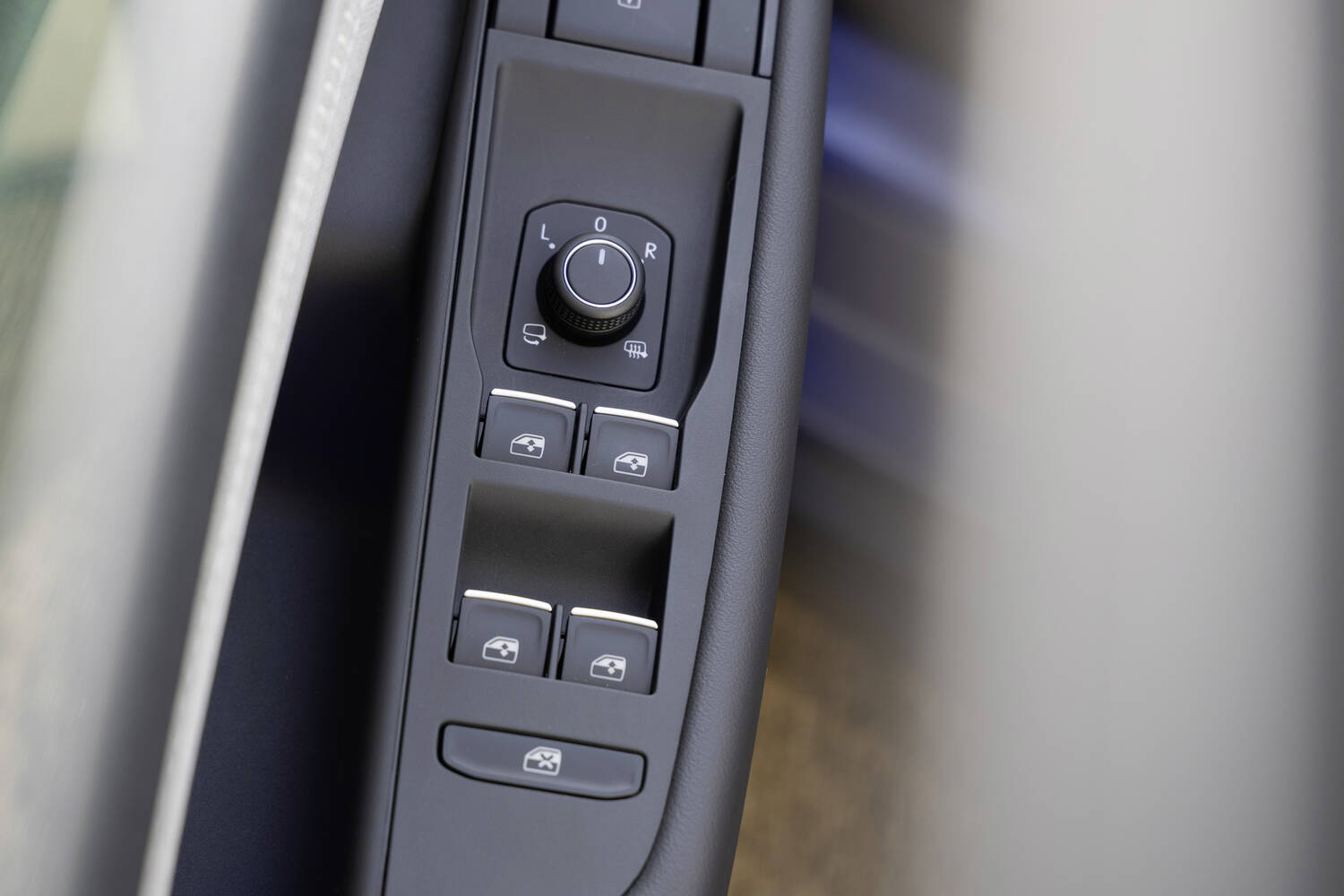
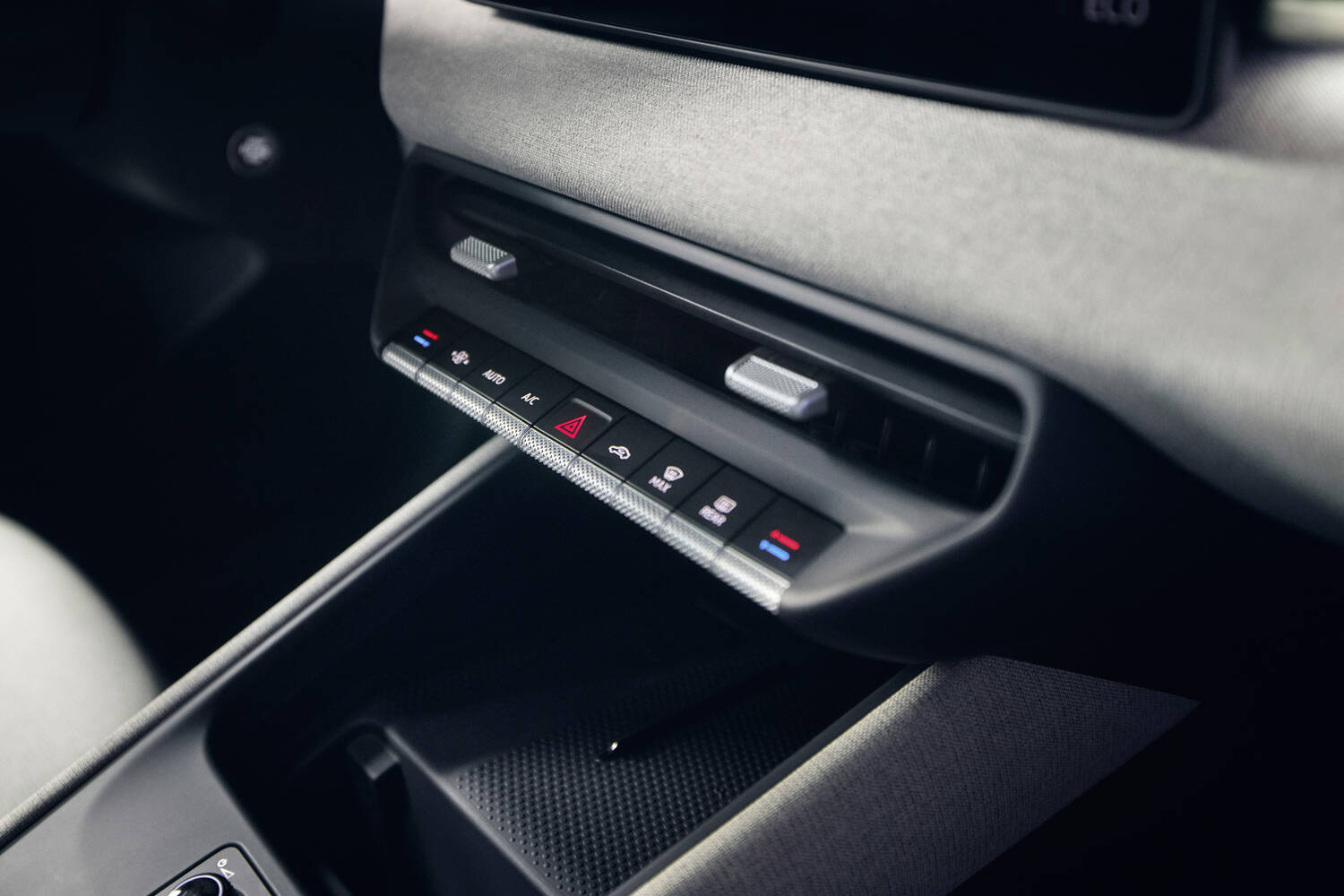
- Use of physical buttons is welcome
- Lighter colours suit it better
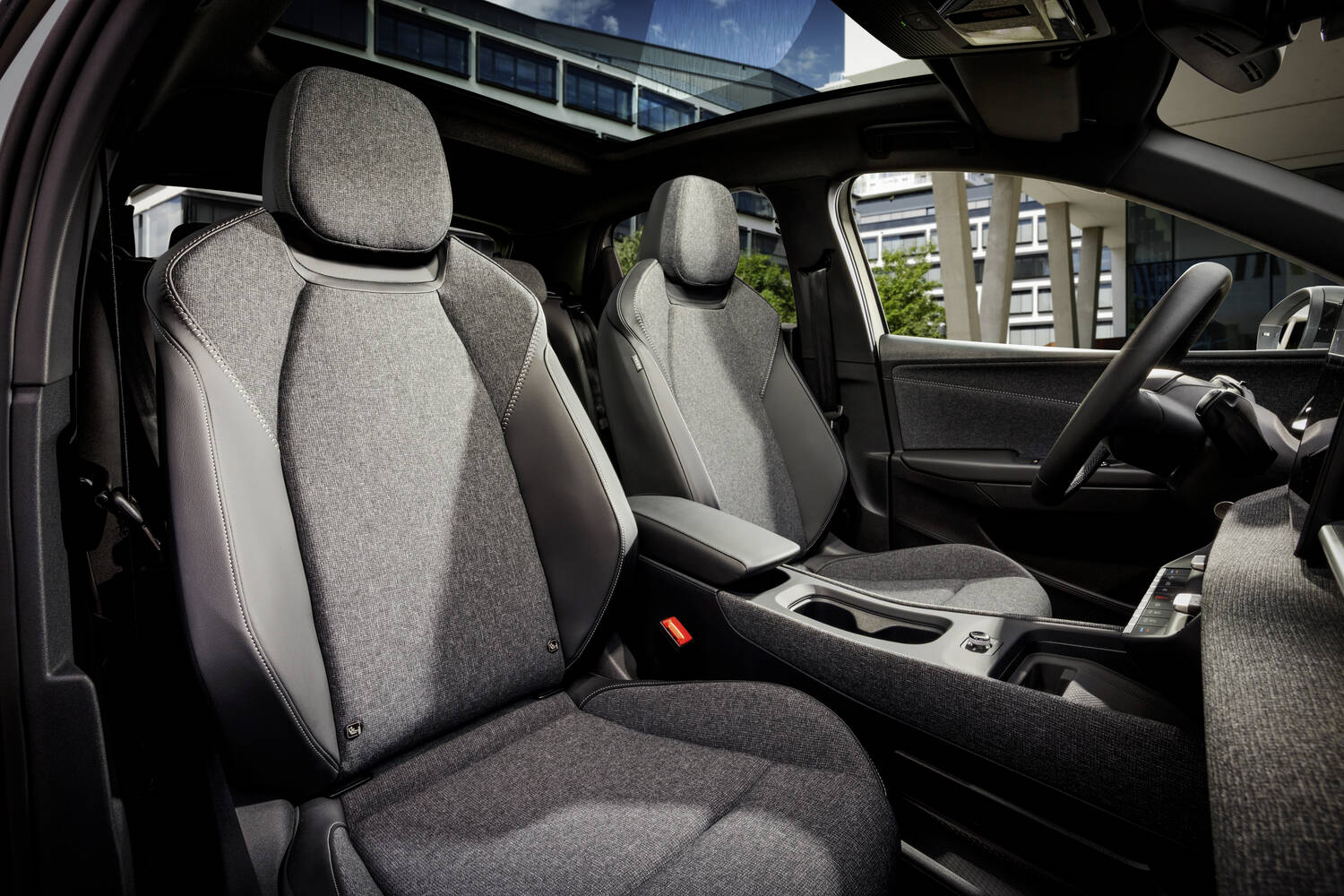
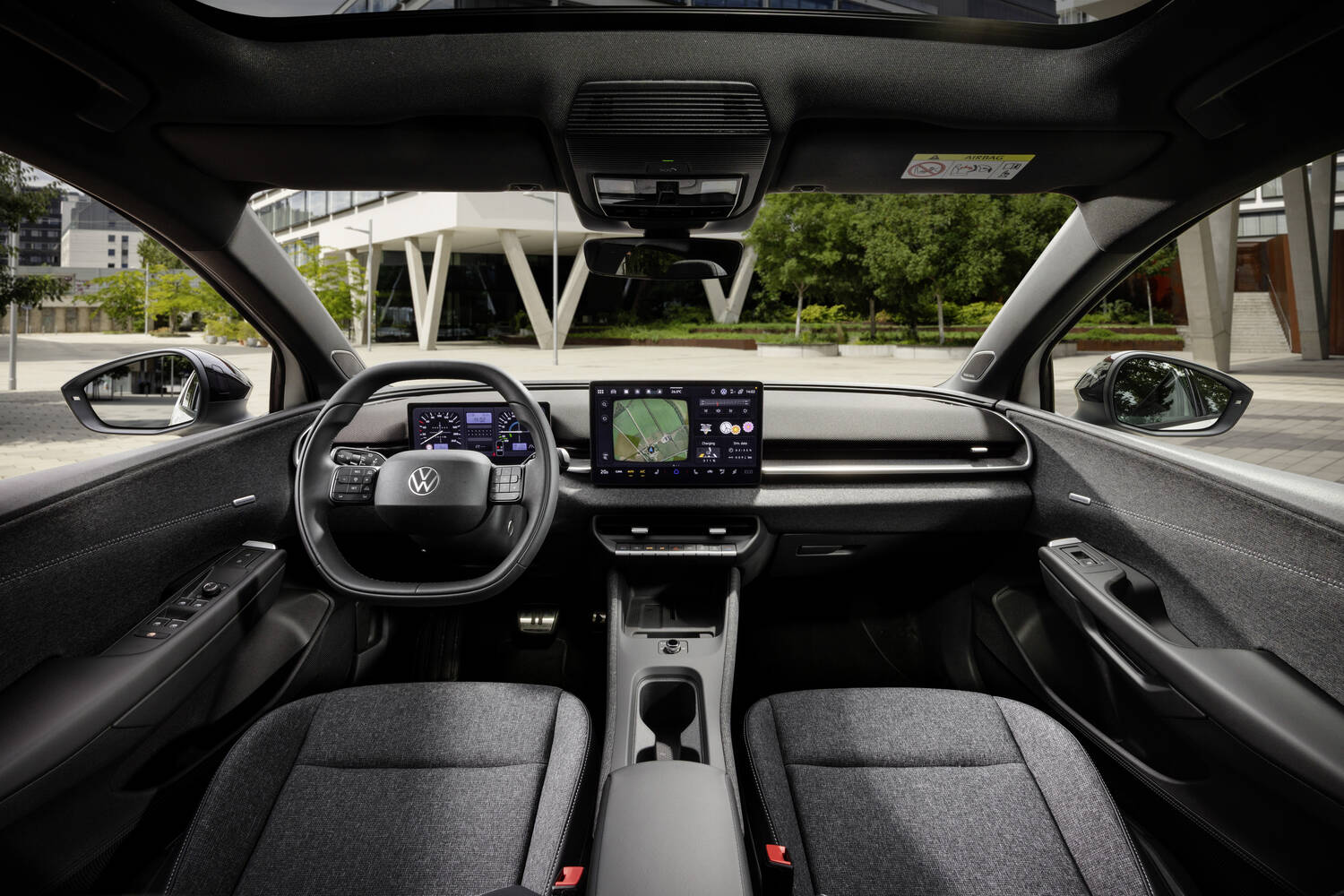
Volkswagen has taken a safe and sensible approach to the interior of the ID. Polo, resulting in a cabin that feels immediately familiar while making good use of the space available in a relatively compact car.
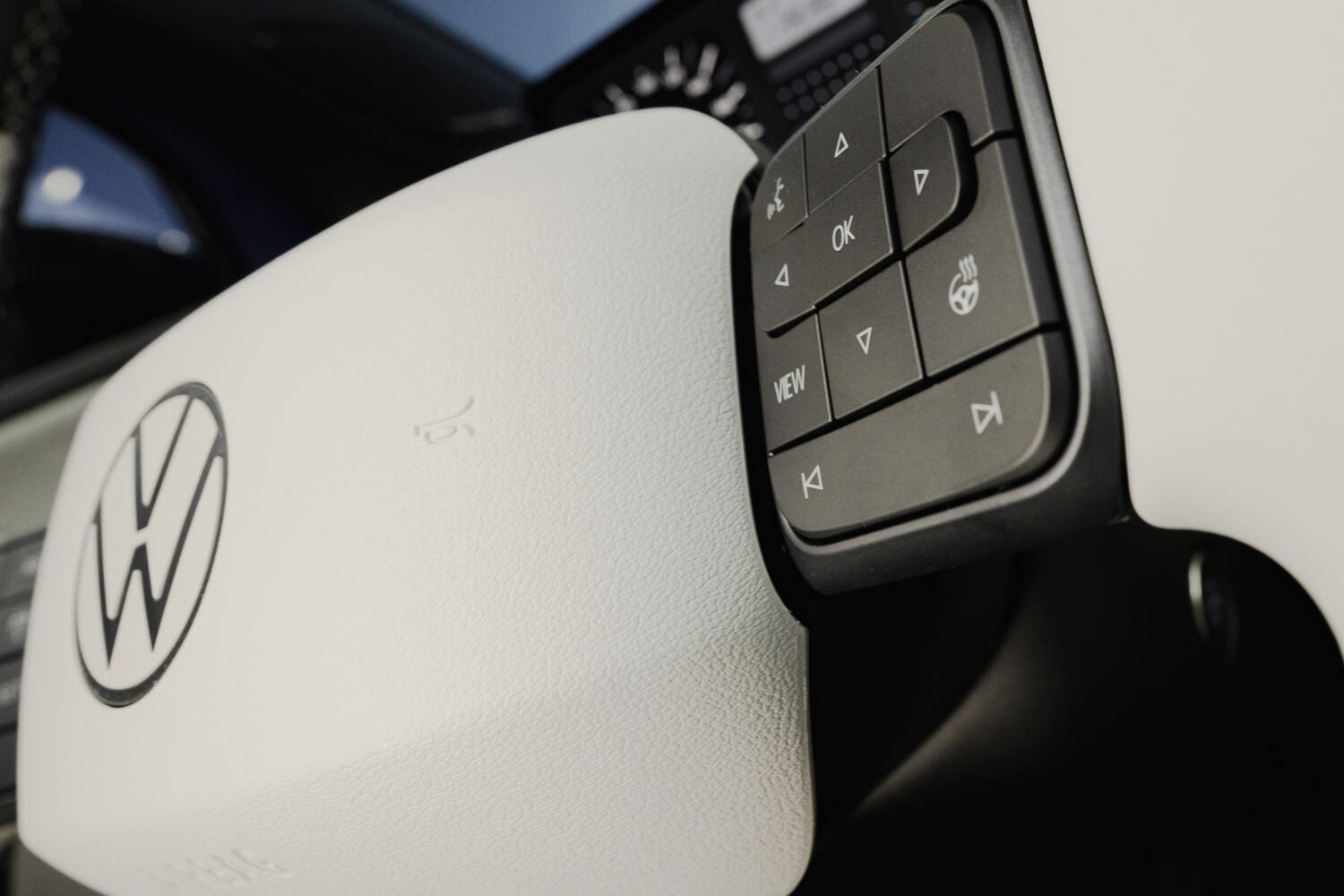
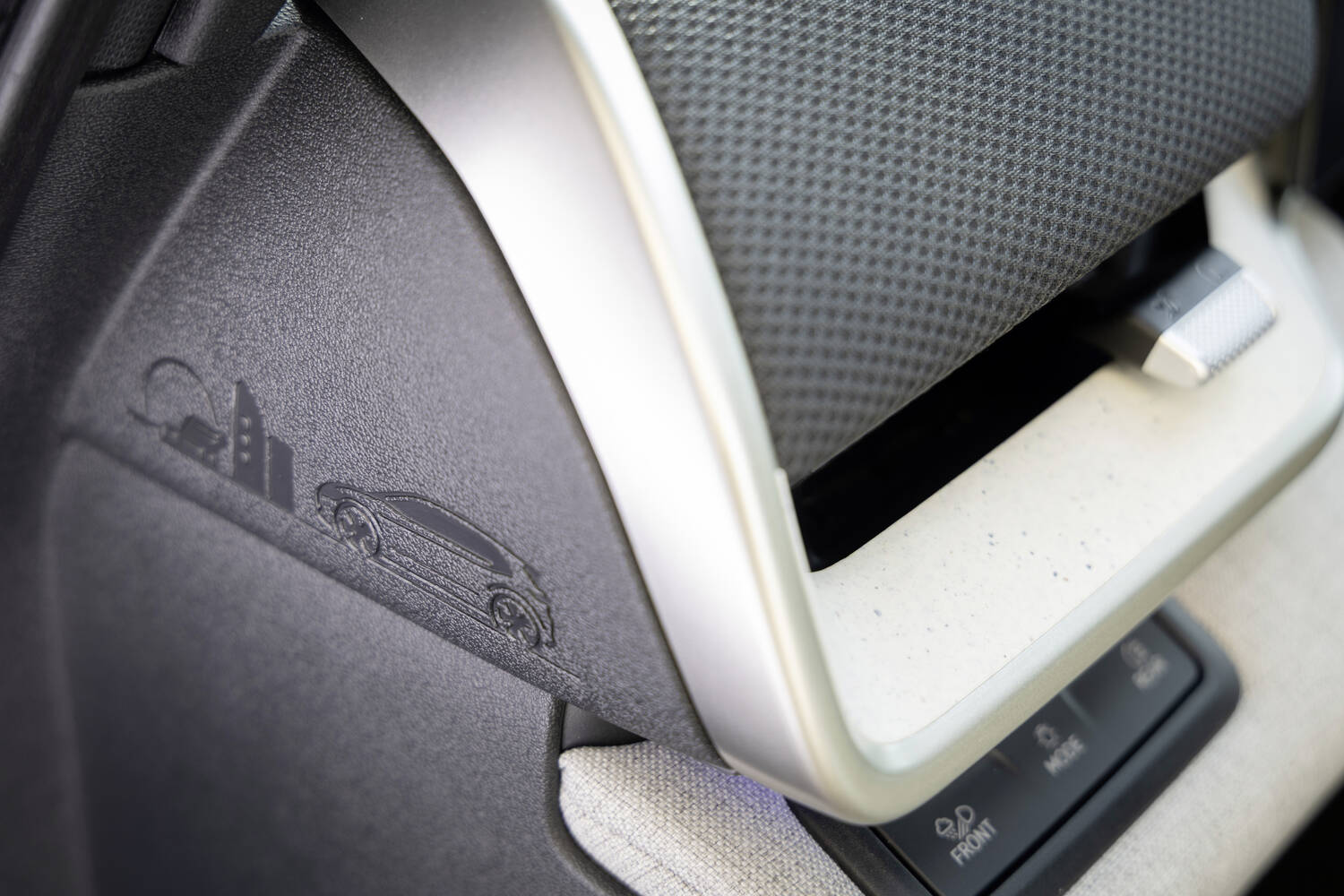
There's a better balance of digital displays and physical controls in the ID. Polo than in some previous Volkswagens, and the steering wheel, although a touch on the large side, also has switchgear you can use without taking your eyes off the road.
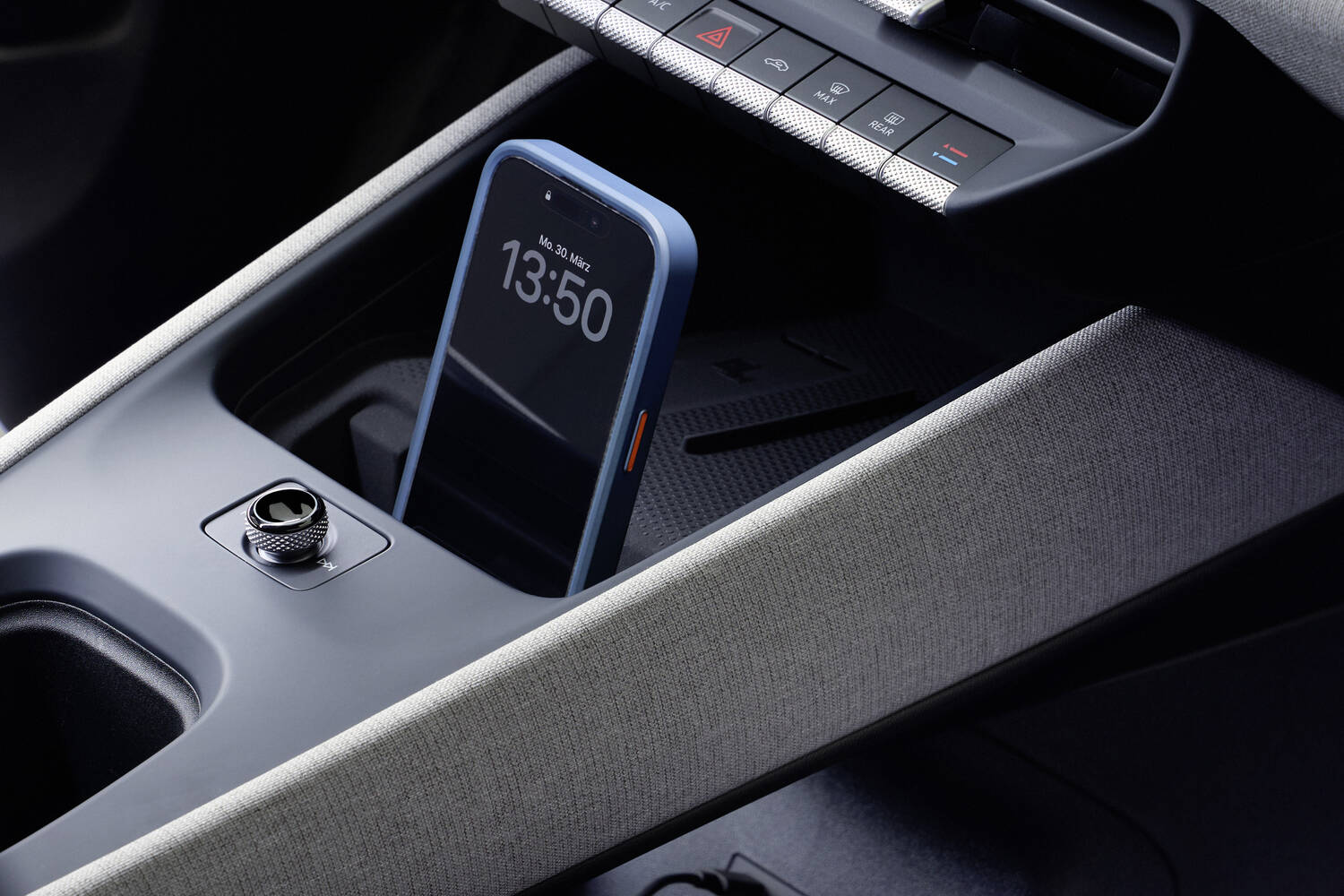
Air vents sit either side of the dashboard, with more in the centre below a bank of switches sitting beneath the touchscreen. A centre console provides additional storage, device-charging options and cupholders.
Getting comfortable in the driver's seat
Most people will find it easy to get in and out of the ID. Polo and, even though there's a battery in the floor, the driving position isn't particularly raised.
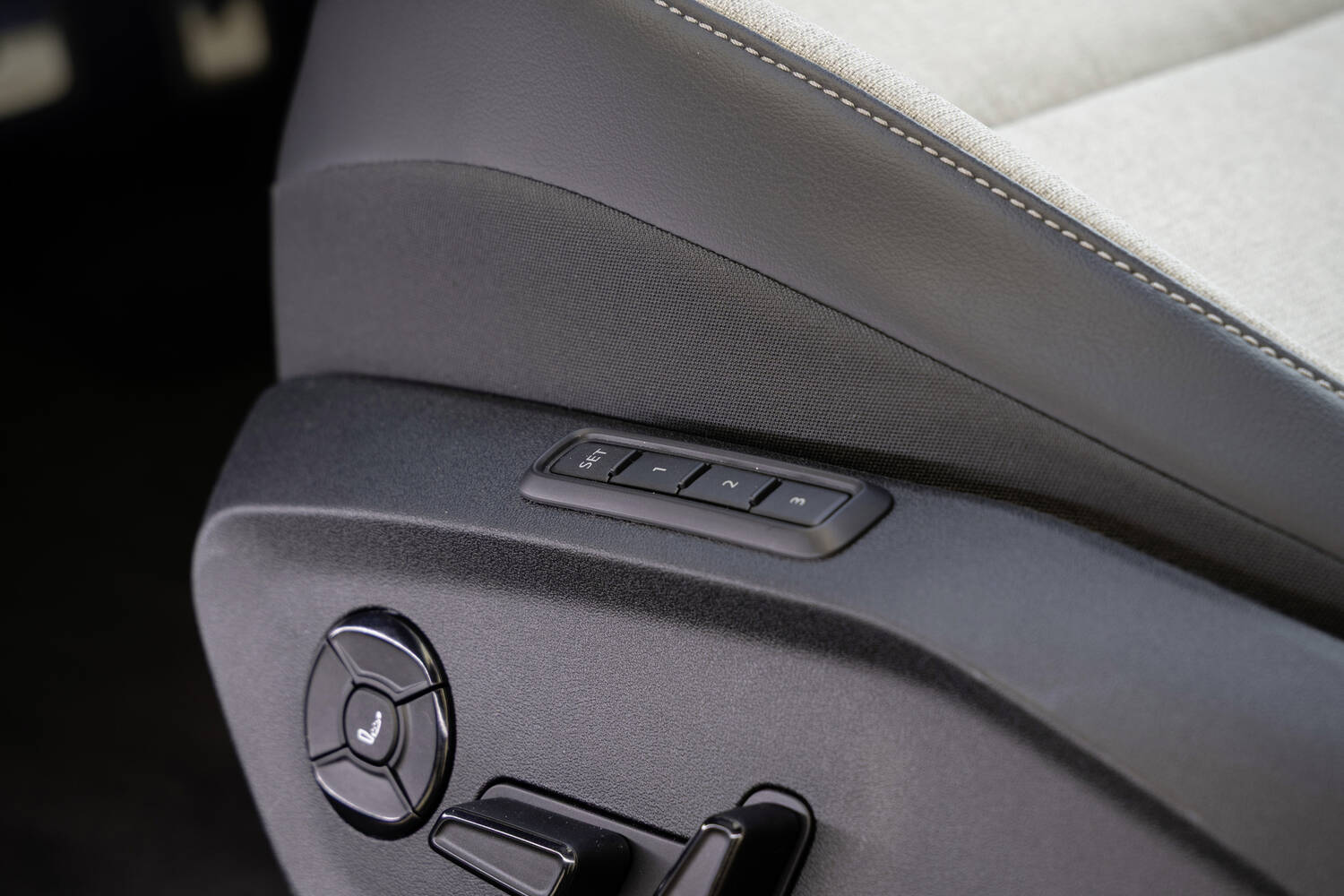
The front seats are manually adjustable as standard but can be electrically powered in Style specification as part of the Comfort package. This also adds a lumbar massage function, and the front seats can also be heated.
The steering wheel is manually adjustable for reach and for rake, and as it moves over a fair distance, getting to a suitable driving position for the vast majority of people shouldn't be an issue.
Infotainment and technology
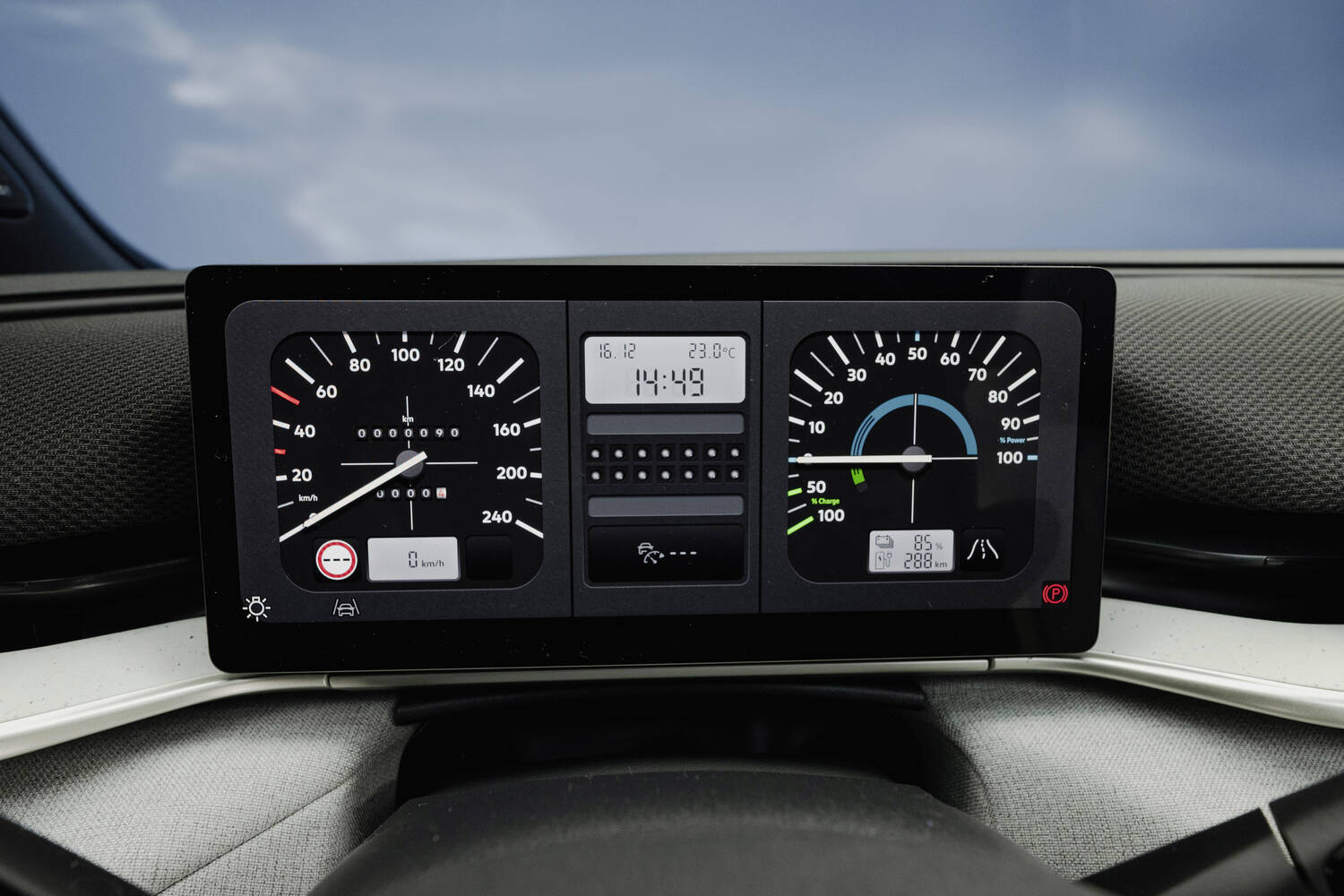
Every ID. Polo comes with a 10-inch digital instrument panel as standard, and it provides all the relevant driving information across various screens. This also includes a neat Retro theme that recreates the look of the instruments that featured on the Mk1 VW Golf.
The 12.9-inch touchscreen is well-positioned, and the menu system is quite clearly laid out and easy to become familiar with, as many of the functions are set out like apps on a smartphone.
Volkswagen does provide a digital voice assistant called IDA that can do some tasks within the car, such as adjusting cabin temperature.
Smartphone mirroring is supported in the ID. Polo, but it is a function-on-demand option on the base specification, which we feel is a bit cheap of Volkswagen and not at all the norm in the market.
In addition to some USB-C ports, there is a wireless charging pad on the top of the centre console, but this is only available on mid- and top-level specs.
Buyers can choose to add a heat pump to improve the car's energy efficiency, but this does come at €1,080 additional cost.
Other tech upgrades include an Innovation Pro infotainment package that adds navigation and supports route planning with charging stops. A Harmon Kardon sound system can be added to the Style model, but this includes a subwoofer that reduces the underfloor boot storage.
Practicality around the cabin
From the driver's seat, everything falls easily to hand. The drive selector is on the steering column.
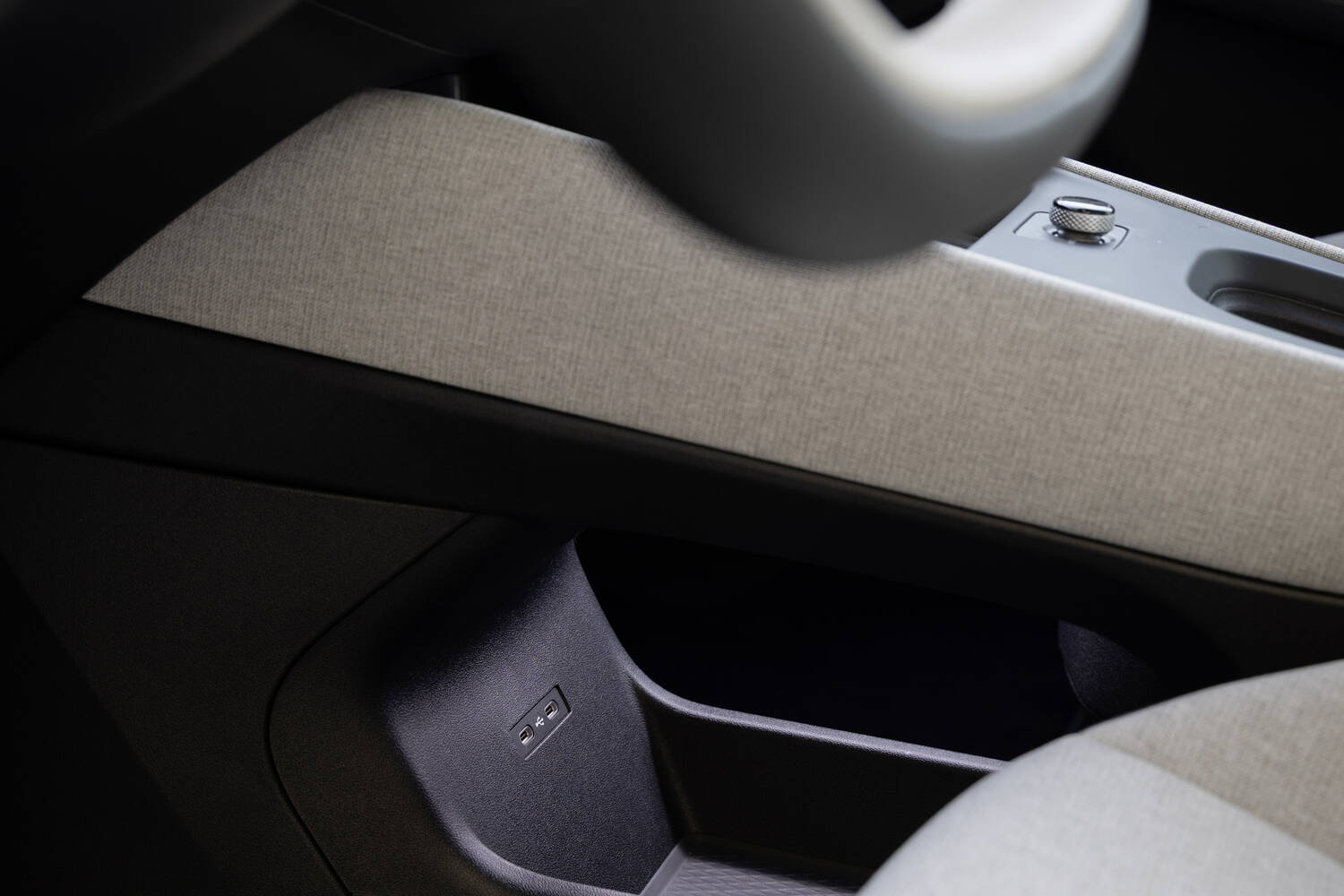
A small storage bin under the central armrest is useful for putting items out of the way, and there's more space beneath the front of the centre console closer to the floor.
There's enough room for a small bag, and this is where you'll find the USB-C ports. Usefully, a small slot above lets you run the charging cable through to keep things neat and tidy up front.
Rear-seat passenger space
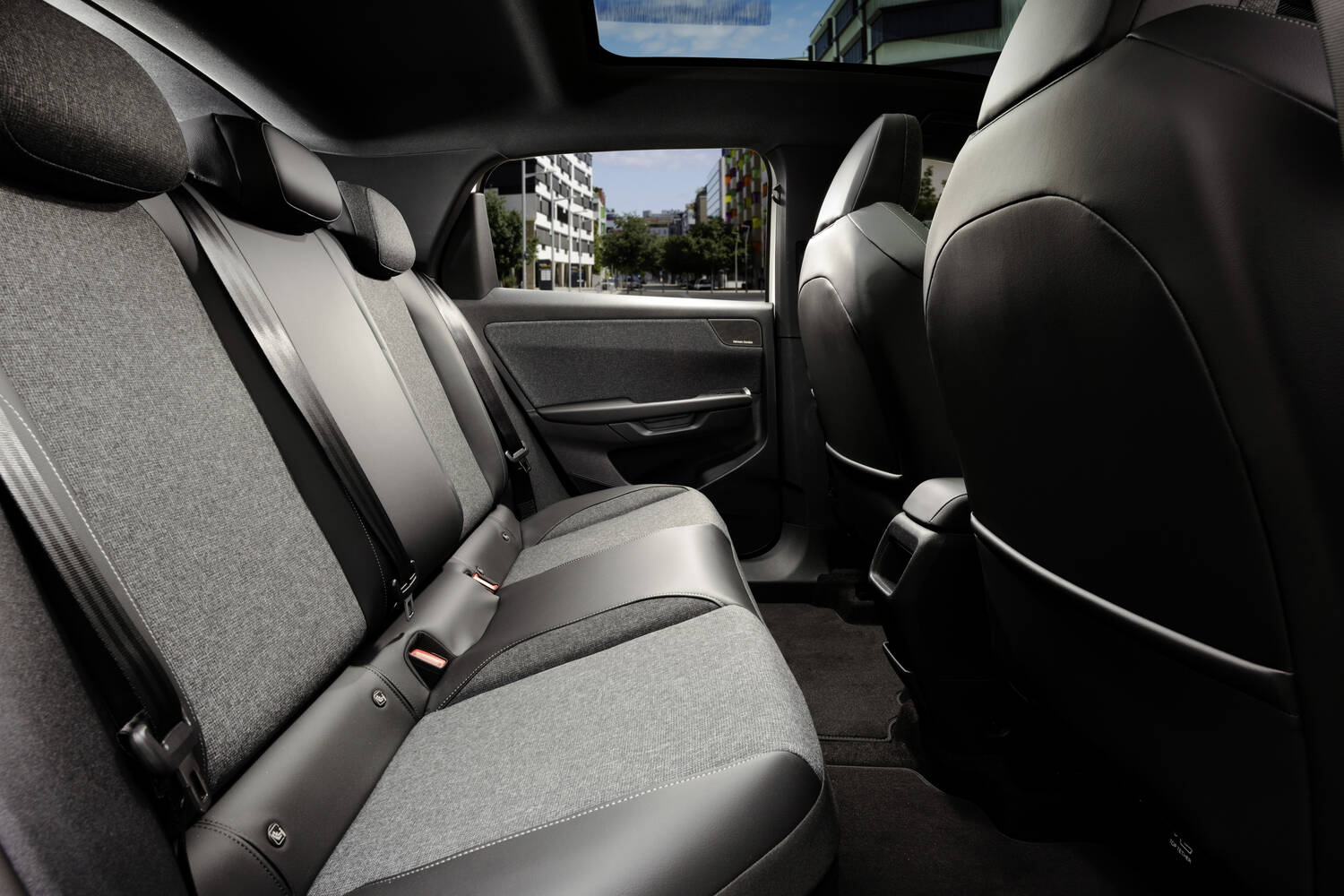
Thanks to the relatively long wheelbase of the ID. Polo, there is a generous level of legroom for passengers seated in the rear. It's ideally suited to accommodating two adults, because of the lack of width, but it will fit three at a push. The optional panoramic glass roof helps create a better sense of space in the rear.
Fitting child seats to the Volkswagen ID. Polo
The ID. Polo has three ISOFIX positions: one on the front passenger seat and one on each of the outer rear seats. The central rear seat is on the narrow side, so it may be too narrow to fit a booster seat. The front passenger airbag can be deactivated when a suitable child seat is fitted there.
Boot space in the Volkswagen ID. Polo
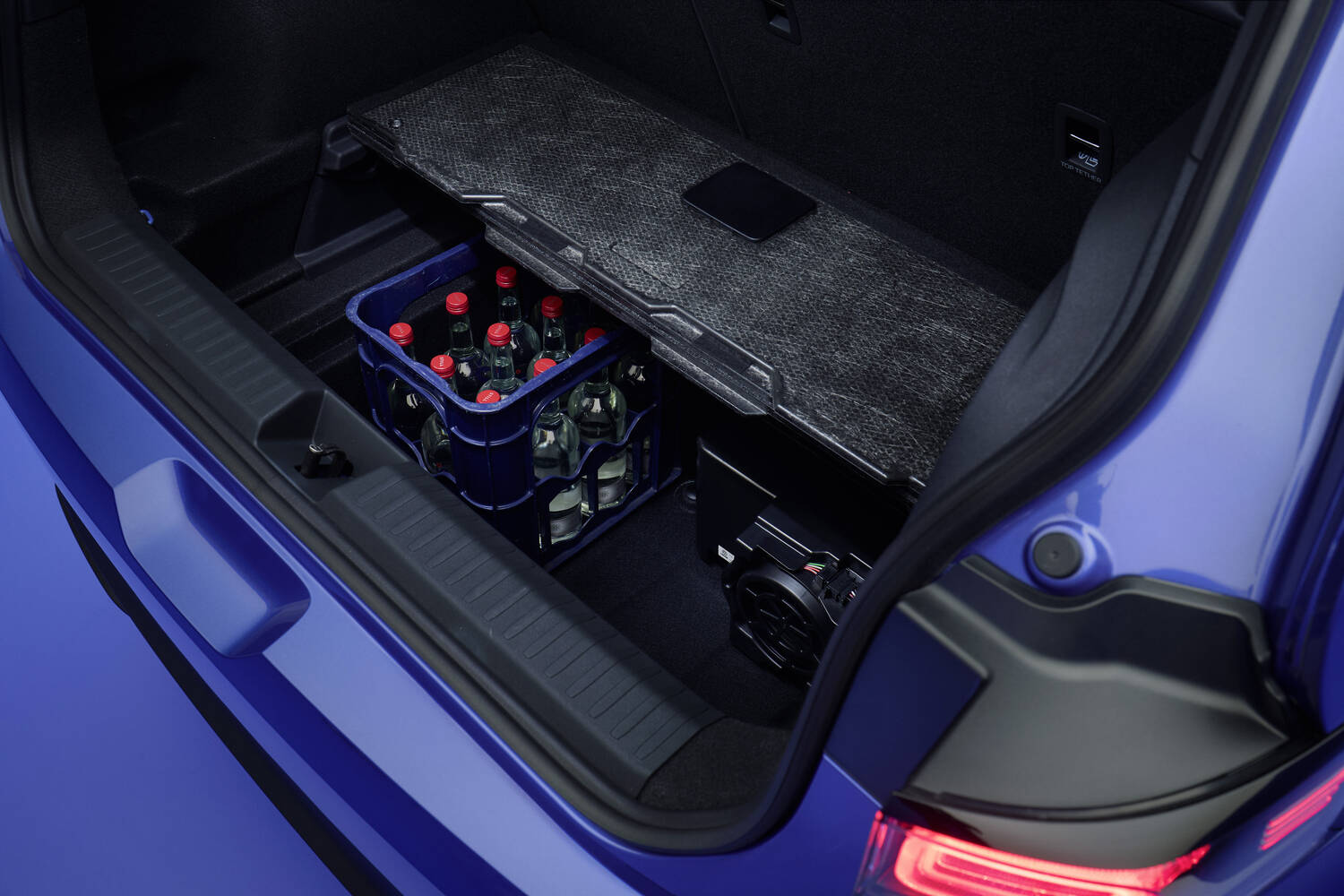
Thanks to the packaging of the ID. Polo's rear axle, there are 441 litres of boot space, including a generous underfloor section that is easily large enough for a travel case.
Folding the rear seats increases total capacity to 1,240 litres. There is no storage compartment under the bonnet ('frunk').
Towing with the Volkswagen ID. Polo
If you plan to tow with the Volkswagen ID. Polo, the 52kWh battery version is the one to choose, as it can tow an unbraked trailer up to 750kg or up to 1,200kg for a braked trailer. Versions with the 37kWh battery have a maximum towing capacity of 500kg.
Safety in the Volkswagen ID. Polo
Volkswagen is keen to achieve a five-star safety rating from Euro NCAP, so all versions of the ID. Polo come with a suite of safety assistance systems to help achieve that. There are front and side airbags, including a central airbag to prevent front occupants from colliding in a crash. Those in the rear also benefit from side and curtain airbags.
On the driver assistance side, all of the current crop of features are standard, including automatic emergency braking, road sign recognition and audible speed limit alerts. Lane assist, rear traffic alert and side assist are also present on all versions of the ID. Polo.
Performance of the 2027 Volkswagen ID. Polo
- Three power options
- All versions are front-wheel drive
- Faster GTI version is separate
As the ID. Polo uses the Volkswagen Group's MEB+ platform architecture, it means that all versions are front-wheel drive, whereas previous-generation electric vehicles from Volkswagen had been either rear- or all-wheel drive.
The change won't make a huge difference to buyer of the ID. Polo, as driving the front wheels is more common in this segment. All versions of the ID. Polo use a MacPherson strut front suspension setup, and a torsion beam rear axle.
With three electric motors to choose from (and two battery sizes), there should be something in the ID. Polo's range to suit every taste and budget. It starts with a 116hp motor that generates 267Nm, getting it off the line and up to 100km/h in 10.6 seconds.
At the mid-point is the 135hp motor, which is largely the same as the one below it, and it also generates the same 267Nm, but it accelerates the Polo slightly faster, reaching 100km/h in 9.5 seconds.
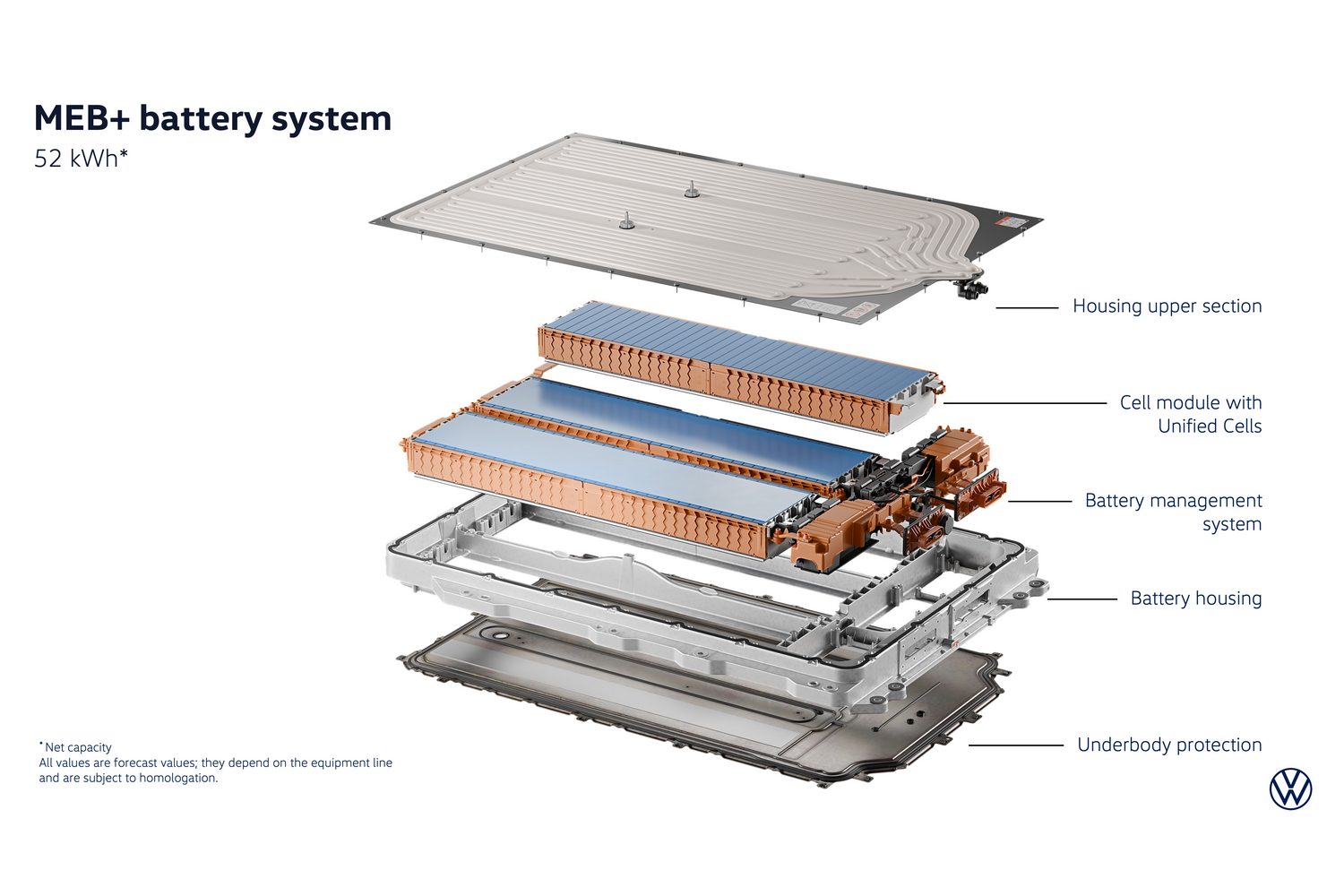
You must choose the larger 52kWh battery if you want to go for the 211hp motor, which also produces a higher torque output of 290Nm. This is the fastest regular ID. Polo, accelerating from 0-100km/h in 7.1 seconds. Volkswagen also has a higher-performance ID. Polo GTI for those seeking more of a hot hatch flavour.
Driving the Volkswagen ID. Polo in Austria
Words by Dave Humphreys on 9 September 2026
Our first impression as we navigate our way out of the airport car park in Vienna is that Volkswagen has made strides with the infotainment and navigation. Even though the ID. Polo doesn't have a fancy augmented reality head-up display like its larger siblings, the 12.9-inch touchscreen is large enough to require only a glance to see where to go next.
Heading onto the motorway for the first time, the ID. Polo gets up to speed briskly enough, though of course we are driving the 211hp version, which is the most powerful model aside from the GTI.
Under hard acceleration, the front axle remains settled, and there's no immediate semblance of torque steer through the steering wheel. The steering wheel is not as awkward to use as a Ford Puma Electric's canteen tray of a steering wheel, but it would be nice if it were just a bit smaller.
At the 130km/h limit there's tyre noise that's perhaps a bit louder than we'd like, though the lack of wind noise is a plus.
Here is the ideal setting to try Volkswagen's Travel Assist system, and it does work rather well, taking some of the load out of longer distance driving. At times the steering inputs do jerk a bit as the lane assist occasionally struggles with keeping the car centred, but generally it performs its task with relative smoothness.
Peeling off onto smaller roads provides reason to get more hands-on with the driving, and Polo feels stable and planted yet still nimble.
The steering is typical Volkswagen, very down the middle and not feeling overly light nor artificially weighted. We reckon (and hope) the GTI will be a much more engaging drive than this ID. Polo, which does feel a bit vanilla overall. Still, that's no bad thing considering how utterly devoid of feedback that some of its competitors are.
The suspension does a reasonable job of soaking up poor road surfaces, but at times the rear axle does thump heavily over features such as motorway expansion joints and changes in road surface. Still, the damping overall is well-judged, and once you're not trying to wring its neck, the ID. Polo is a pleasant car to drive.
Heading back into the city reveals an even more appealing side to the little VW. Making greater use of the energy recuperation does little to diminish the positive brake pedal feel, which is one of the best in its segment. Regardless of what setting you have the energy recuperation set to, the pedal feel is always consistent. In its highest setting, you get a good one-pedal feel, which is ideal for urban settings.
Range, battery, charging and running costs of the 2027 Volkswagen ID. Polo
- 37kWh or 52kWh battery options
- 315-454 kilometres of range
- Peak DC charging of 105kW
Volkswagen offers a choice of two batteries in the ID. Polo, though the most powerful of the three electric motors is only available with the larger battery. The smaller battery is available in every trim level, but only the top two trim levels are available with the larger-capacity battery.
Battery options and official range
The Volkswagen ID. Polo range starts with a 37kWh lithium-iron-phosphate (LFP) battery. This provides an official driving range of 315 kilometres in both Trend and Life specifications when paired with the 116hp electric motor, or 328 kilometres in conjunction with the 135hp motor in Life and Style trim levels.
The larger battery is a 52kWh pack with nickel-manganese-cobalt (NMC) chemistry and provides an official driving range of 454 kilometres.
Real-world range and efficiency of the Volkswagen ID. Polo
The combined energy consumption for the ID. Polo doesn't vary a great deal between the different powertrains. The base version achieves 13.9kWh/100km while the upper end of the lineup with the most powerful motor in the highest trim levels achieves 13.3kWh/100km.
During our time driving the 211hp Style version, which included a variety of motorway, country roads and city driving, the car's onboard computer indicated an energy use of 14.8kWh/100km. That would suggest a real-world driving range of 351 kilometres.
Charging up the Volkswagen ID. Polo
All versions of the Volkswagen ID. Polo come with 11kW AC charging. If you choose the 37kWh battery, DC fast charging is capped at 88kW, while the larger 52kWh battery supports 105kW on DC, which can add 117 kilometres of driving range in ten minutes.
Servicing the Volkswagen ID. Polo
According to Volkswagen Ireland, the ID. Polo is due to be serviced every two years regardless of mileage. This inspection service also includes brake fluid and interior filter replacement.
Volkswagen ID. Polo warranty
All new Volkswagen ID. Polos are covered by a three-year or 90,000-kilometre warranty from the date of first registration, and this remains with the car during ownership changes. A separate warranty for the high-voltage battery lasts for eight years or 160,000 kilometres.
Irish pricing & rivals to the 2027 Volkswagen ID. Polo
- Pricing starts at €21,410 on the road
- Battery and specs drive up prices
- Six variants available
Volkswagen Ireland announced a competitive starting price for the ID. Polo of €19,895, but that doesn't include a 'Delivery & Service' charge that adds €1,525, bringing it up to €21,410 on the road. That gets you the 116hp Trend version with the 37kWh LFP battery.
The Trend specification is quite sparse as it doesn't include basic features such as floor mats and the ability to use Android Auto or Apple CarPlay wirelessly.
Other features such as adaptive cruise control, rear parking sensors and a heated steering wheel are built in but software locked, requiring a subscription payment, which Volkswagen calls 'Function On Demand'.
The jump to the mid-level Life specification is a notable one, at €27,239 on the road. This does include more standard equipment, including a rear-view camera, adaptive cruise control, 17-inch alloy wheels and an upgraded sound system. Upgrading that to the 135hp motor will cost a further €1,216.
If you want the Style version, the price starts at €31,169. This top-spec model adds 18-inch alloy wheels, LED matrix headlights, dual-zone climate control, keyless entry and start, rear privacy glass and dynamic indicators. Moving to the more powerful motor and larger battery brings a starting price of €33,788, while the Style model is €36,502. Those prices are inclusive of government subsidies such as the VRT rebate and SEAI grant.
Verdict - should you buy the 2027 Volkswagen ID. Polo?
The ID. Polo is quite a sensible electric car; it has an attractive design and is available with as much equipment and features as you're likely to ever want, though these can quickly drive up the price.
Some of its nearest rivals don't drive as well and don't have as nice an interior, but this is a very price-sensitive part of the market, and at the upper end of its range at least, the ID. Polo may be priced out of relevance.
FAQs about the 2027 Volkswagen ID. Polo
How does the Volkswagen ID. Polo compare to the Volkswagen Polo?
In comparison to the combustion-engined Volkswagen Polo, the ID. Polo is a little shorter in length but wider and taller, and its longer wheelbase results in more interior space.
Does the Volkswagen ID. Polo have a frunk?
No, there is no frunk for the Volkswagen ID. Polo due to the design of the bonnet and position of the electric motor.
Can I fit three car seats in the back of the Volkswagen ID. Polo?
You will get two child seats into the rear of a Volkswagen ID. Polo using its ISOFIX points if necessary, but the centre seat is narrow, so it's unlikely that you will be able to fit a booster seat in there too. The good news is that the front passenger seat is also capable of taking an ISOFIX-mounted car seat.
Want to know more about the 2027 Volkswagen ID. Polo?
If there's anything about the new Volkswagen ID. Polo we've not covered, or you'd like help in choosing between it and other cars, you can avail of our expert advice service via the Ask Us Anything page.