

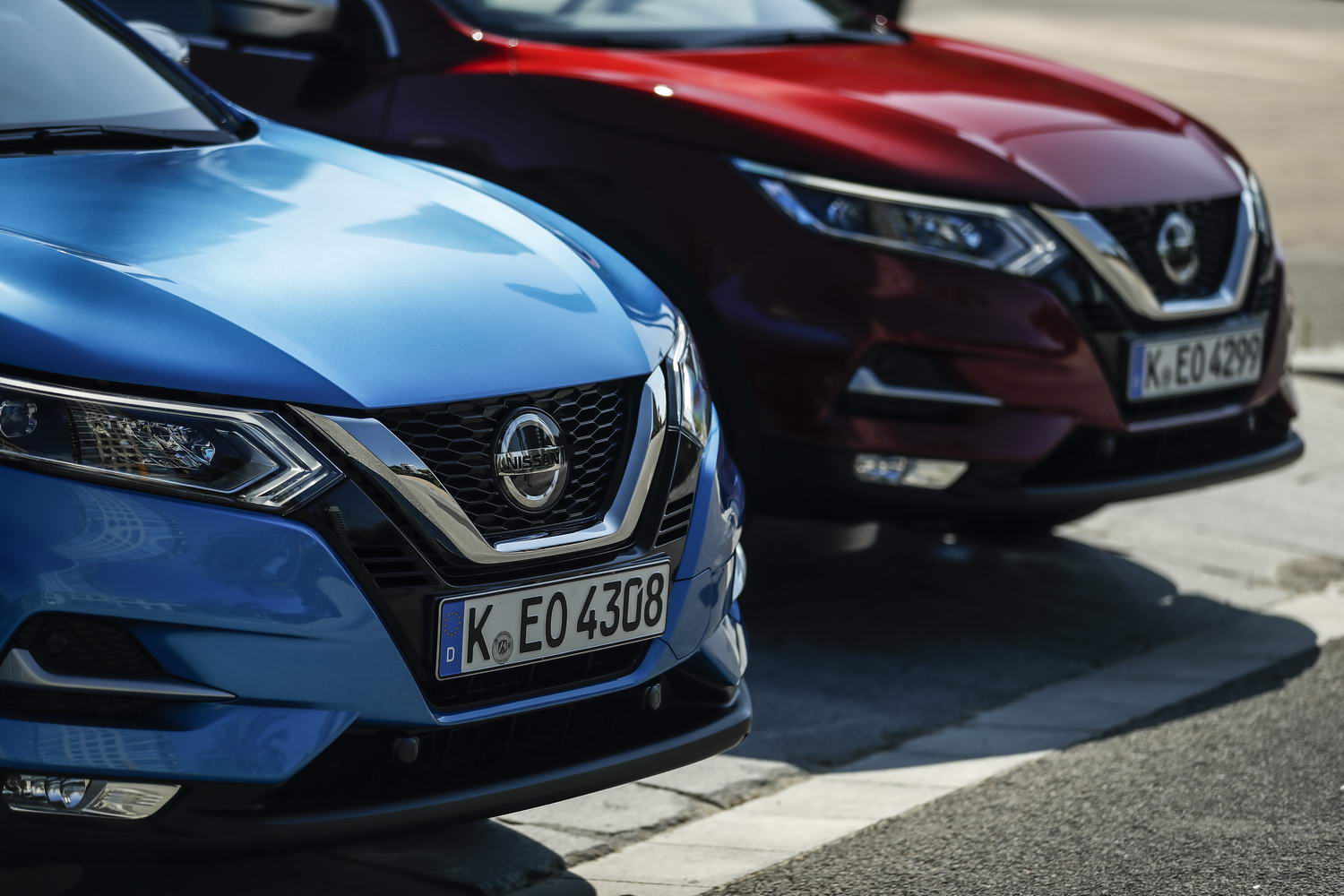
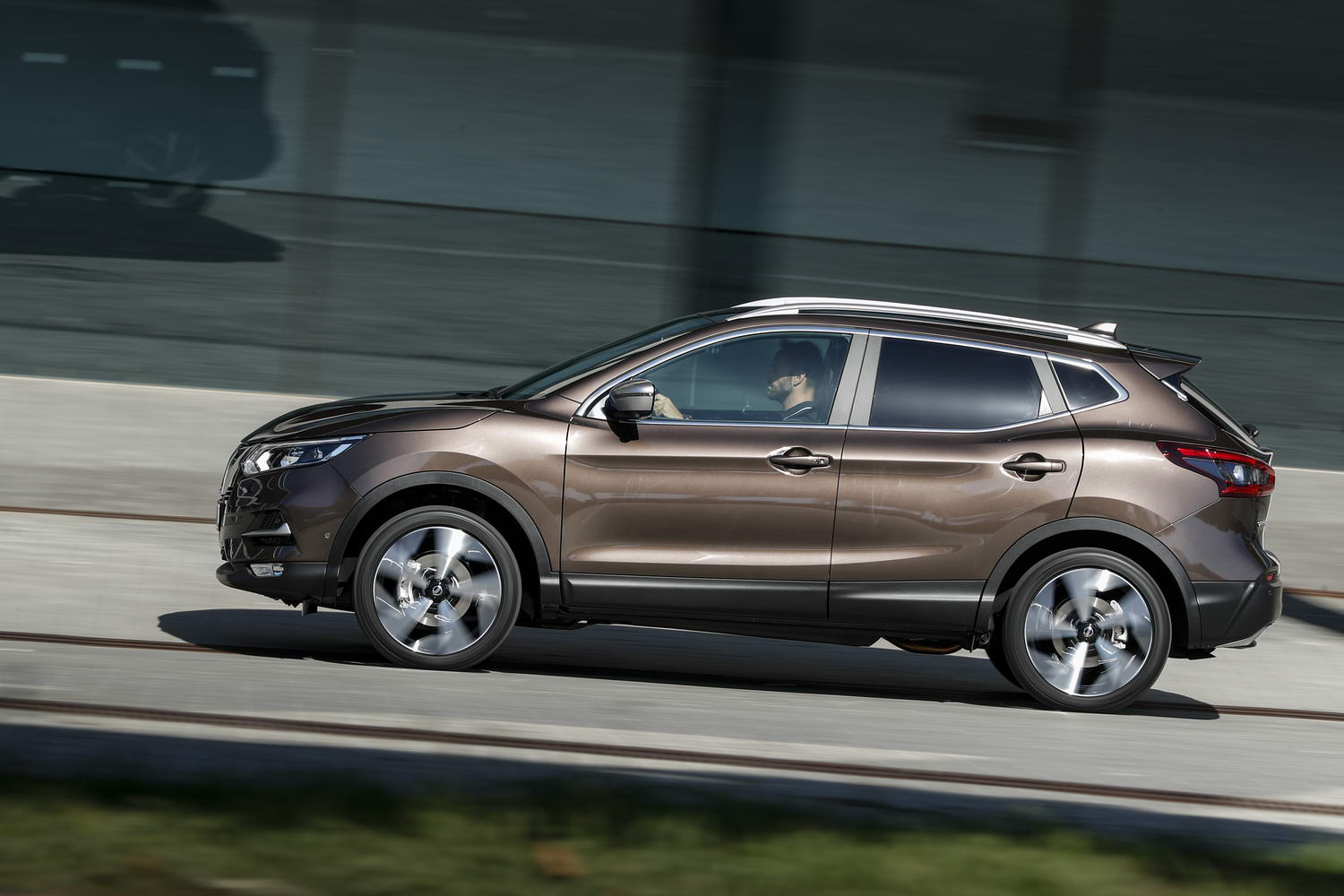
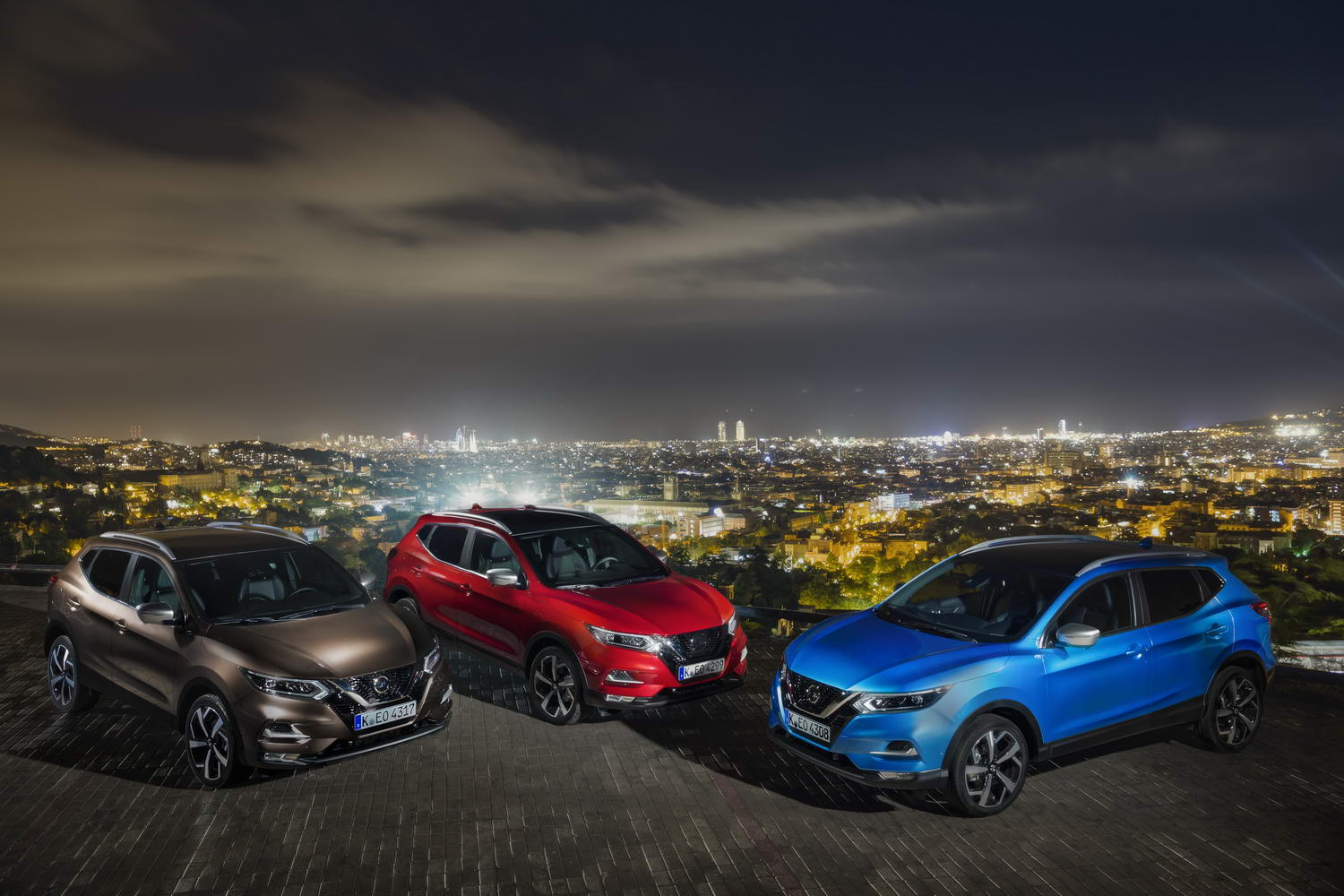
Nissan Qashqai Mk2 overview
Range overview: petrol or diesel; manual or automatic; front- or four-wheel drive; crossover-SUV body style
Reliability: poor for class
Cost to repair: cheaper than average
Most common: Nissan Qashqai 1.5 dCi 110 SV
Best for economy and long-distance driving: Nissan Qashqai 1.7 dCi 150
Best for urban driving: Nissan Qashqai 1.2 DIG-T 115
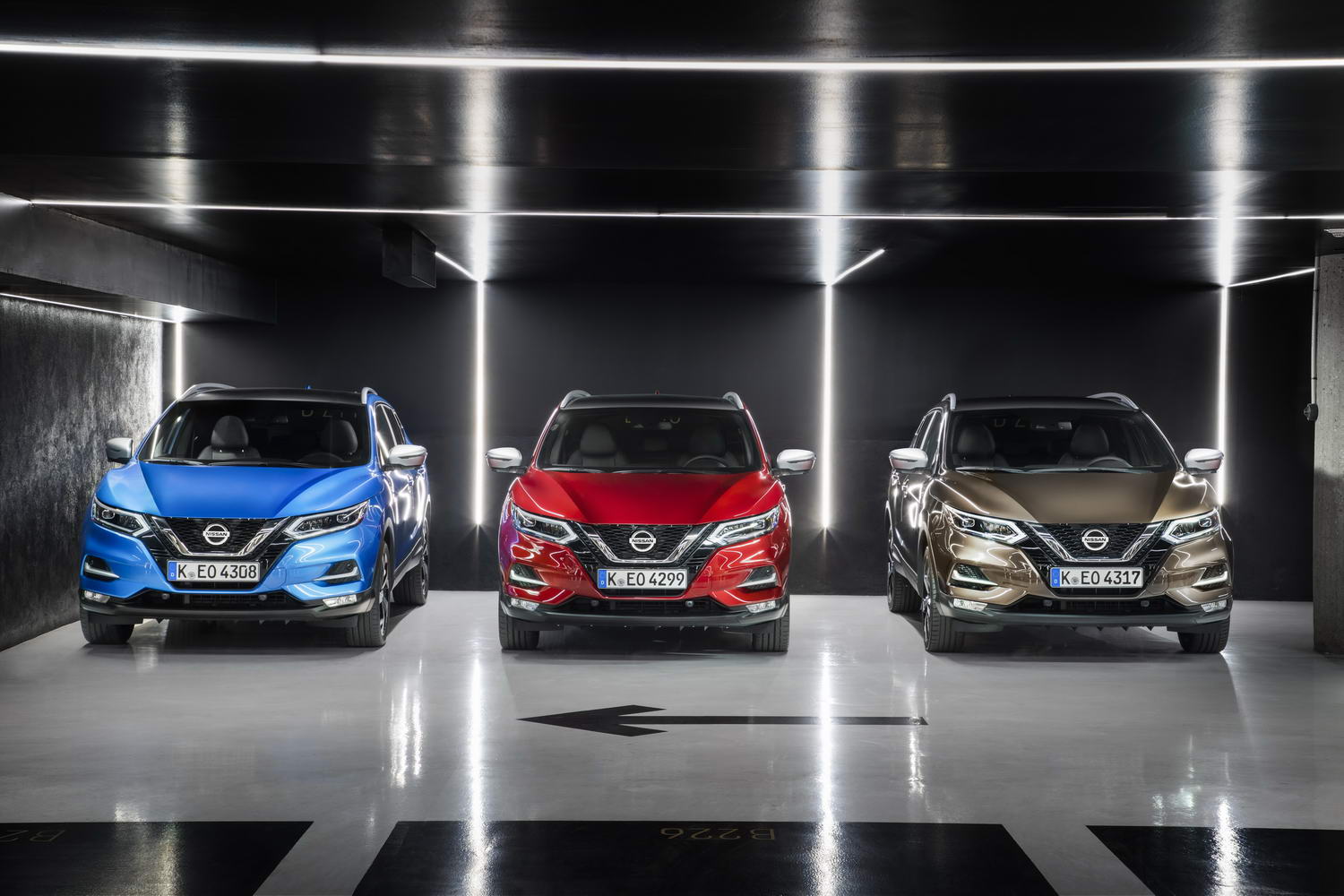
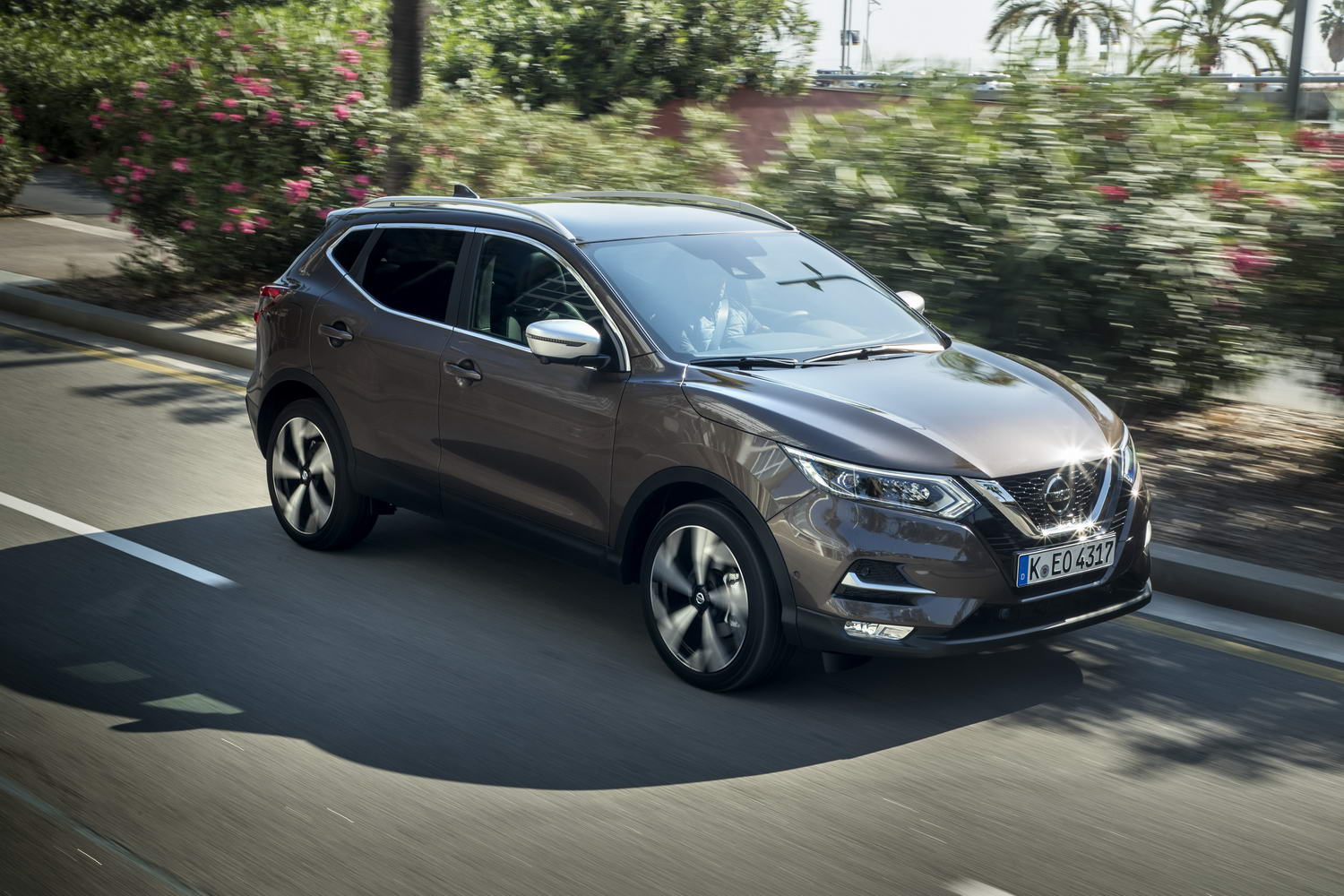
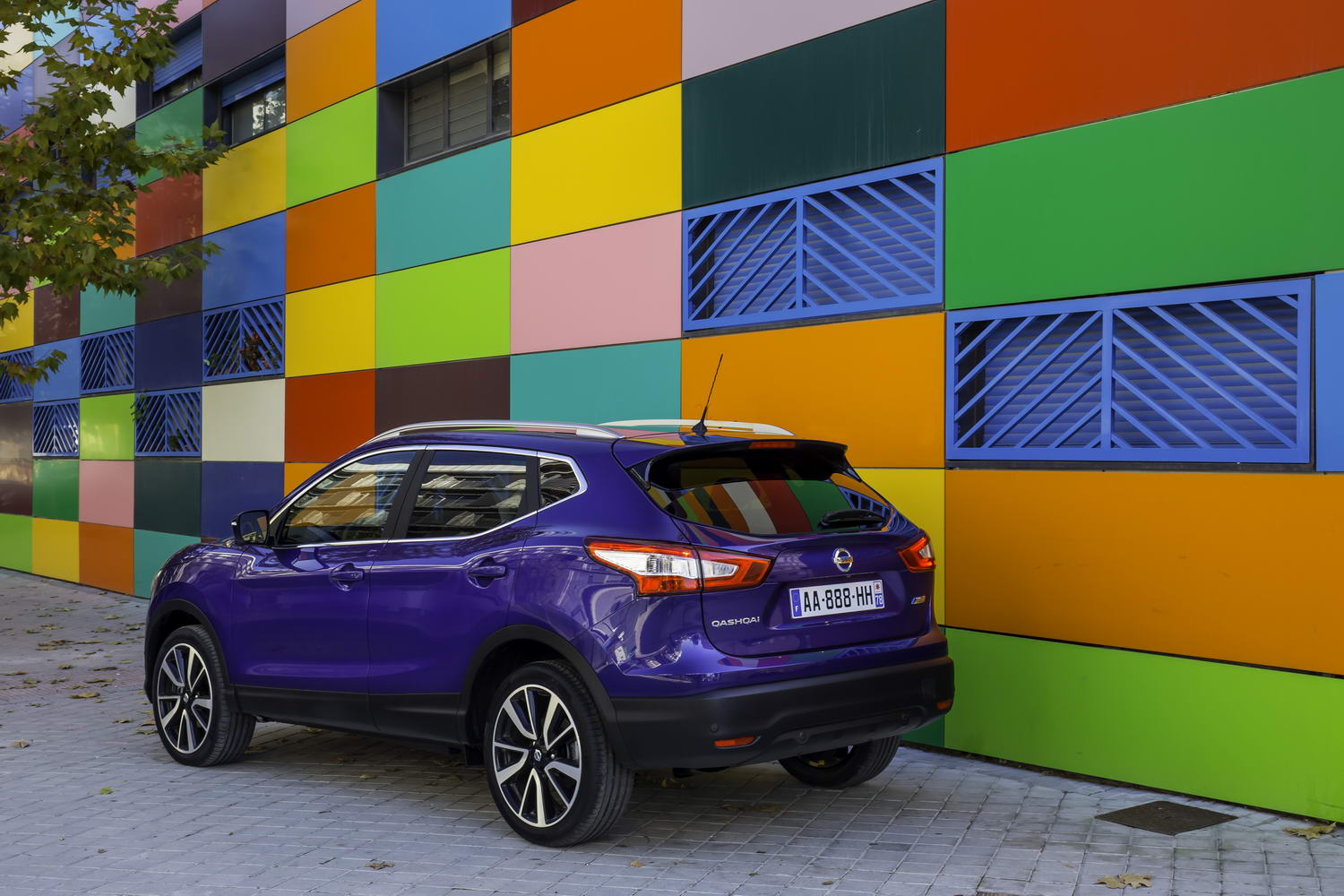
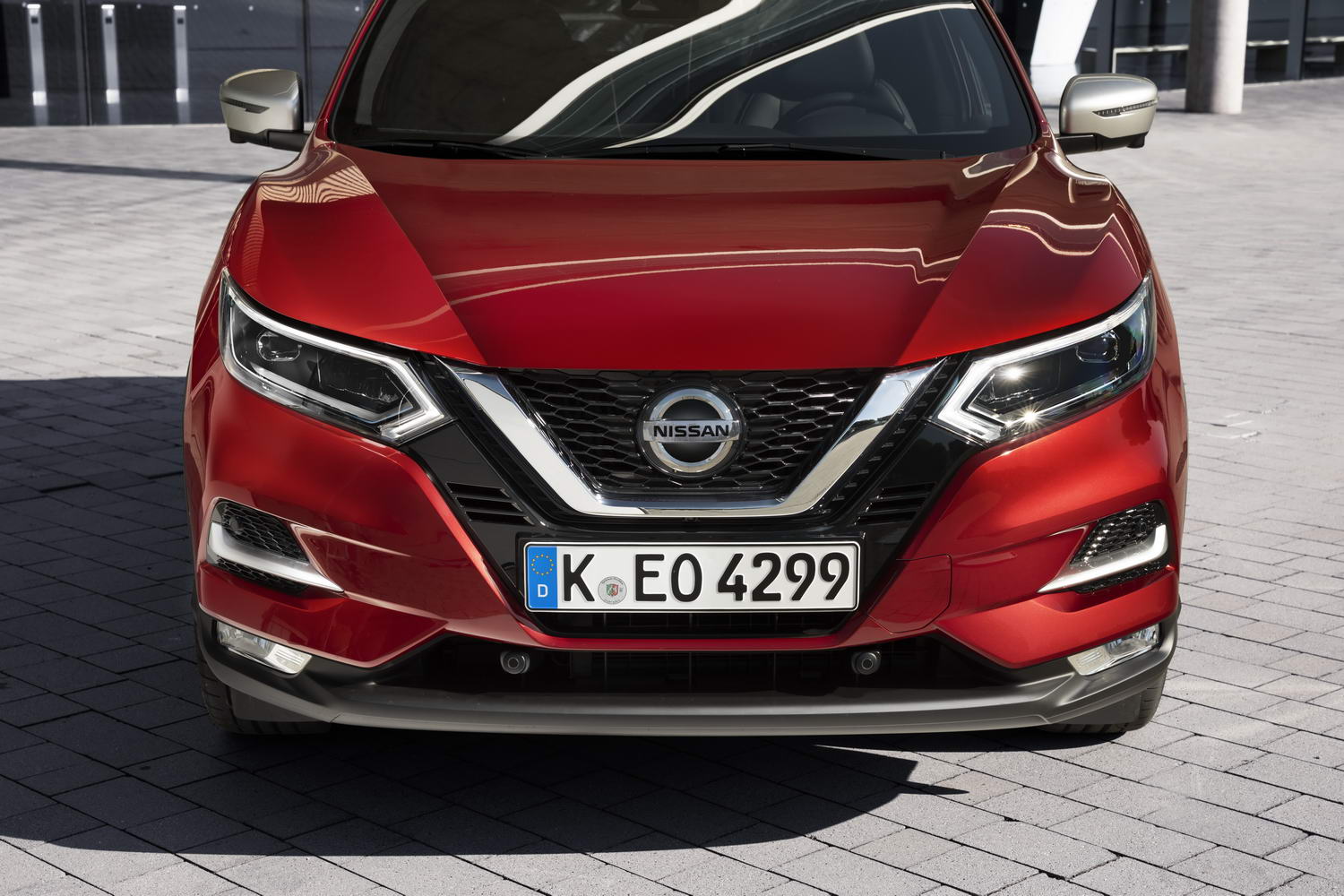
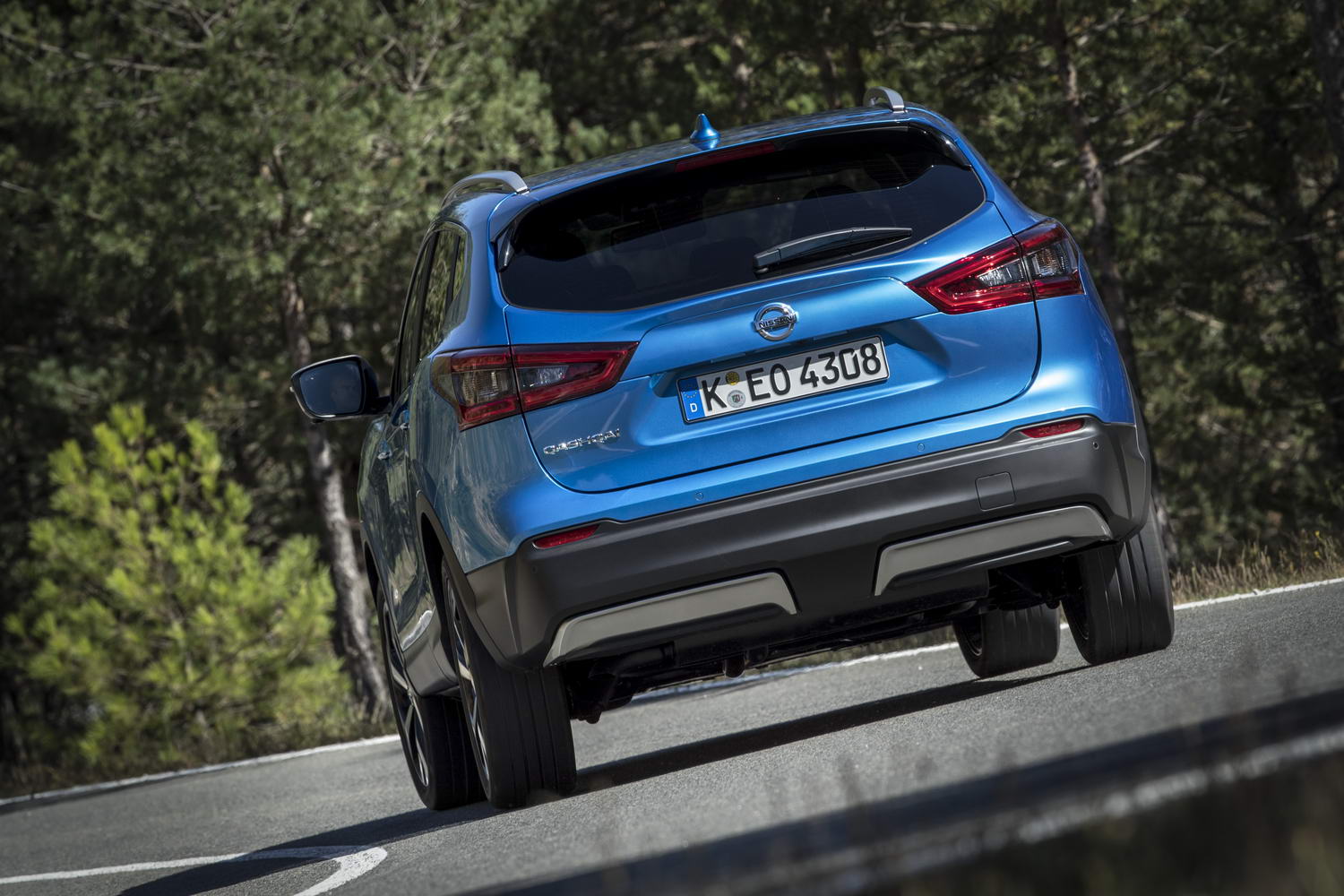
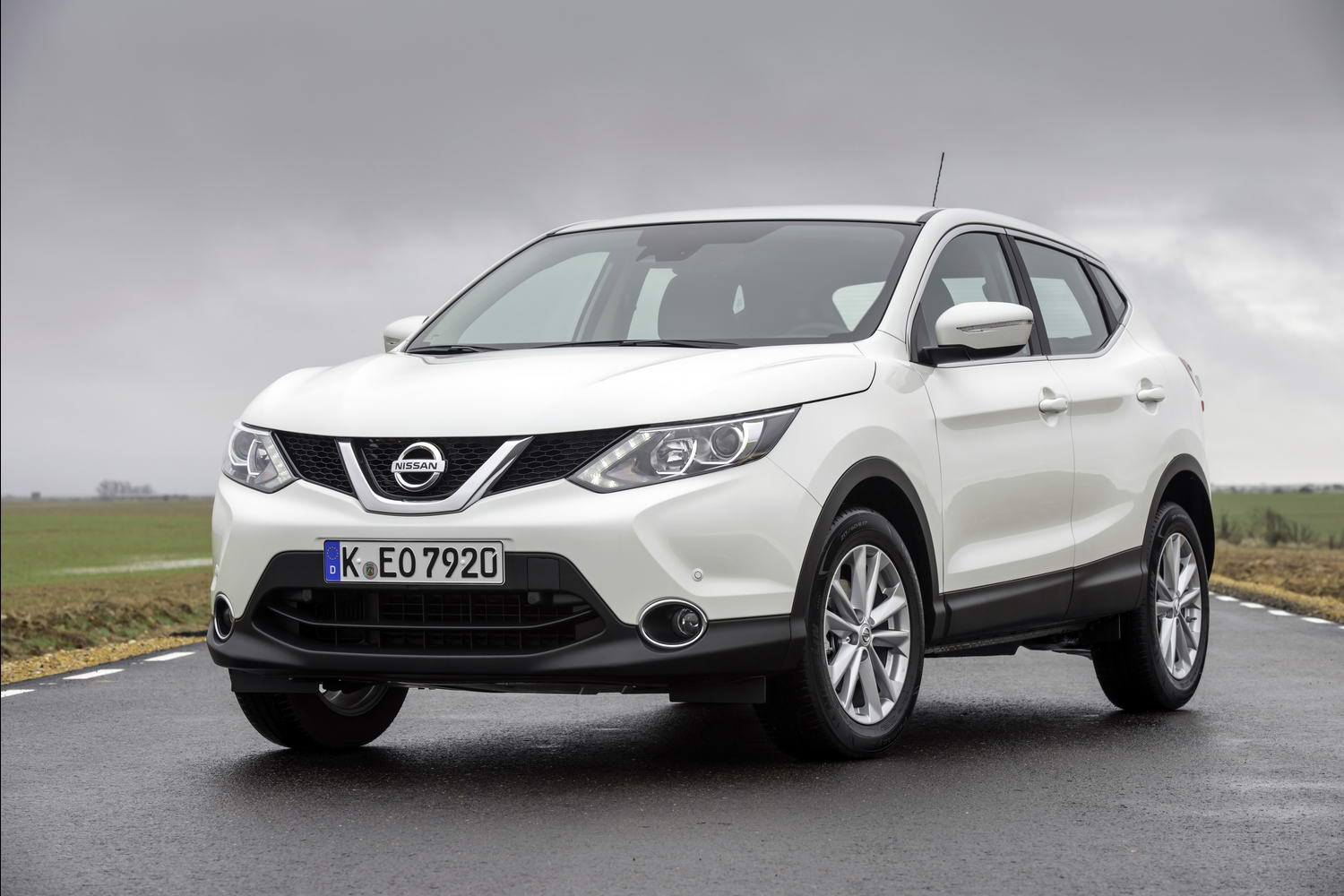
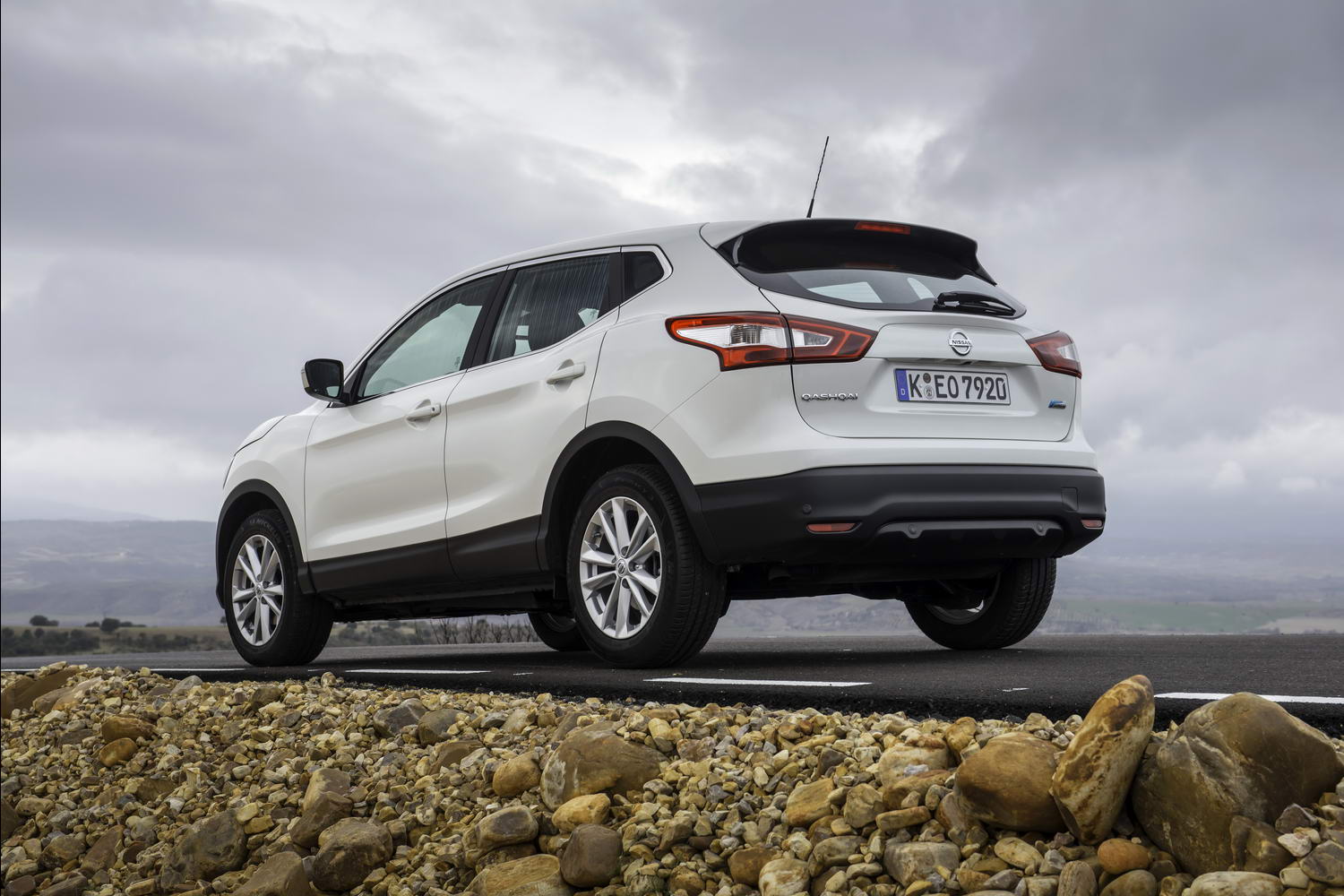
Trying to follow up on its genre-defining mega-sales success in the form of the Qashqai Mk1, Nissan released the second-generation version in 2014. Just one body style has been offered for this Qashqai during its life, a five-door, five-seat crossover-SUV. The seven-seat Qashqai+2 of the preceding generation was dropped, as Nissan concentrated its seven-seat SUV market strategy on the larger X-Trail, which (as a Mk3, also launched in 2014) can be viewed as a long-wheelbase version of the Qashqai, as they look quite similar externally.
On driving the Qashqai Mk2 for the first time, CompleteCar.ie said: "Nissan has done a very good job in creating its new Qashqai, and when you consider just how much more competition it now has, it was no easy feat. Existing buyers will find the changes significant enough while those looking at it for the first time will find it hard not to be impressed."
Engine and range options for the Nissan Qashqai Mk2
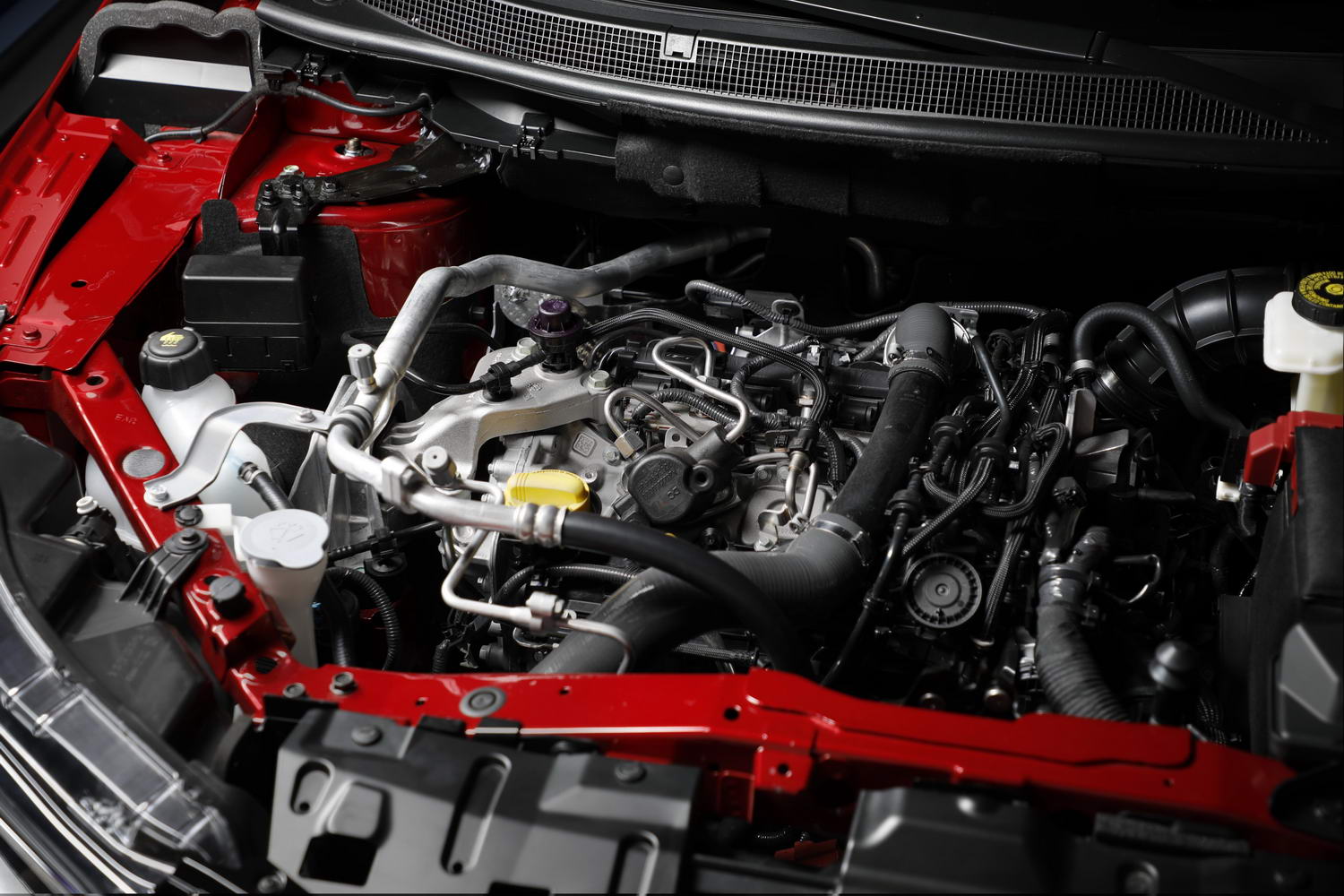
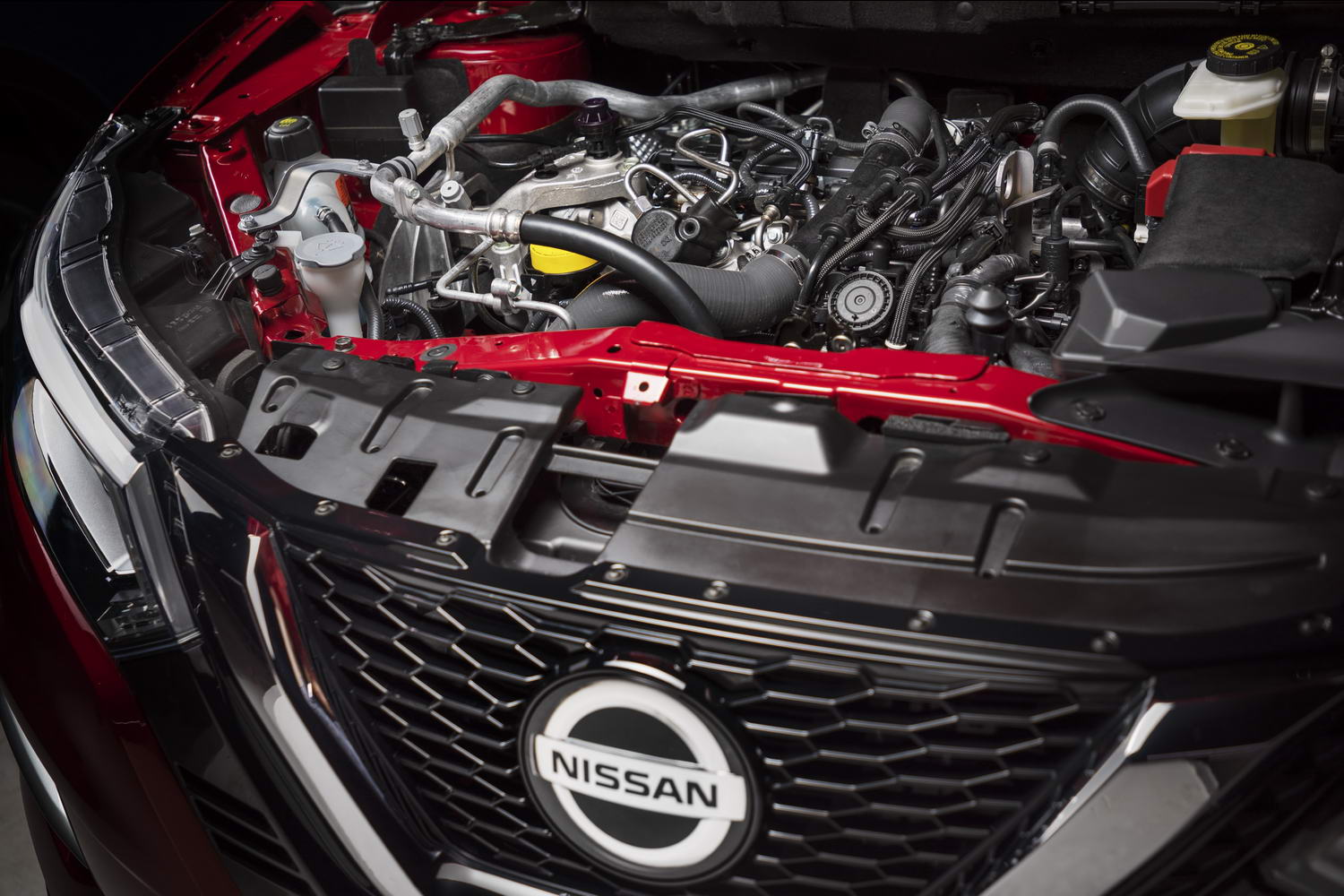
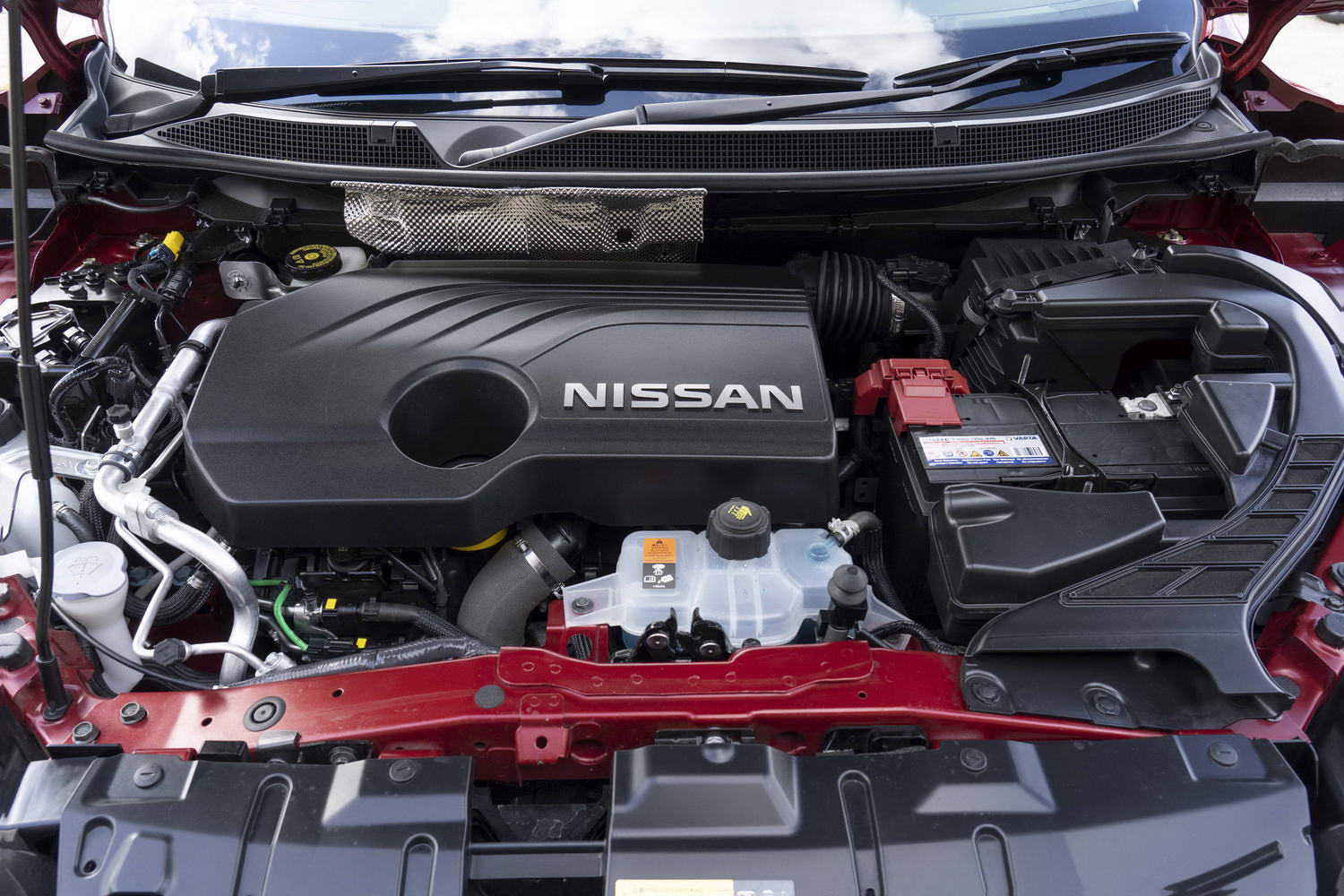
Nissan originally launched the Qashqai with three engines - a 1.2-litre, four-cylinder turbocharged petrol engine with 115hp, and then a pair of modest capacity turbodiesels. There was a 1.5 dCi with 110hp and a 1.6 dCi with 130hp. Gearbox choices were the six-speed manual or an Xtronic CVT, serving as the automatic option, while Nissan even offered four-wheel drive on the 1.6 dCi versions of the Qashqai.
In other markets, a 1.6-litre DIG-T joined the ranks in 2015 and boosted the peak output of the Qashqai to 163hp, but we never took that model in Ireland. Instead, the Qashqai was subjected to a modest technology and visual update in 2017, before a raft of new engines were then introduced in late 2018 to further freshen up Nissan's showroom juggernaut.
Phasing out the 1.2 DIG-T and the 1.6 dCi in one fell swoop (the 1.5 dCi continued, although it was significantly redeveloped, fitted with AdBlue SCR technology and lifted to 115hp), a 1.3-litre four-cylinder turbocharged petrol unit was drafted in with two power outputs, 140- and 160hp, both of which were sold her. Meanwhile, a new 1.7-litre dCi diesel also made an appearance and was rated at 150hp. A seven-speed dual-clutch auto arrived at the same time, although it was only available on selected models. The offer of four-wheel drive continued, on the high-powered diesel only.
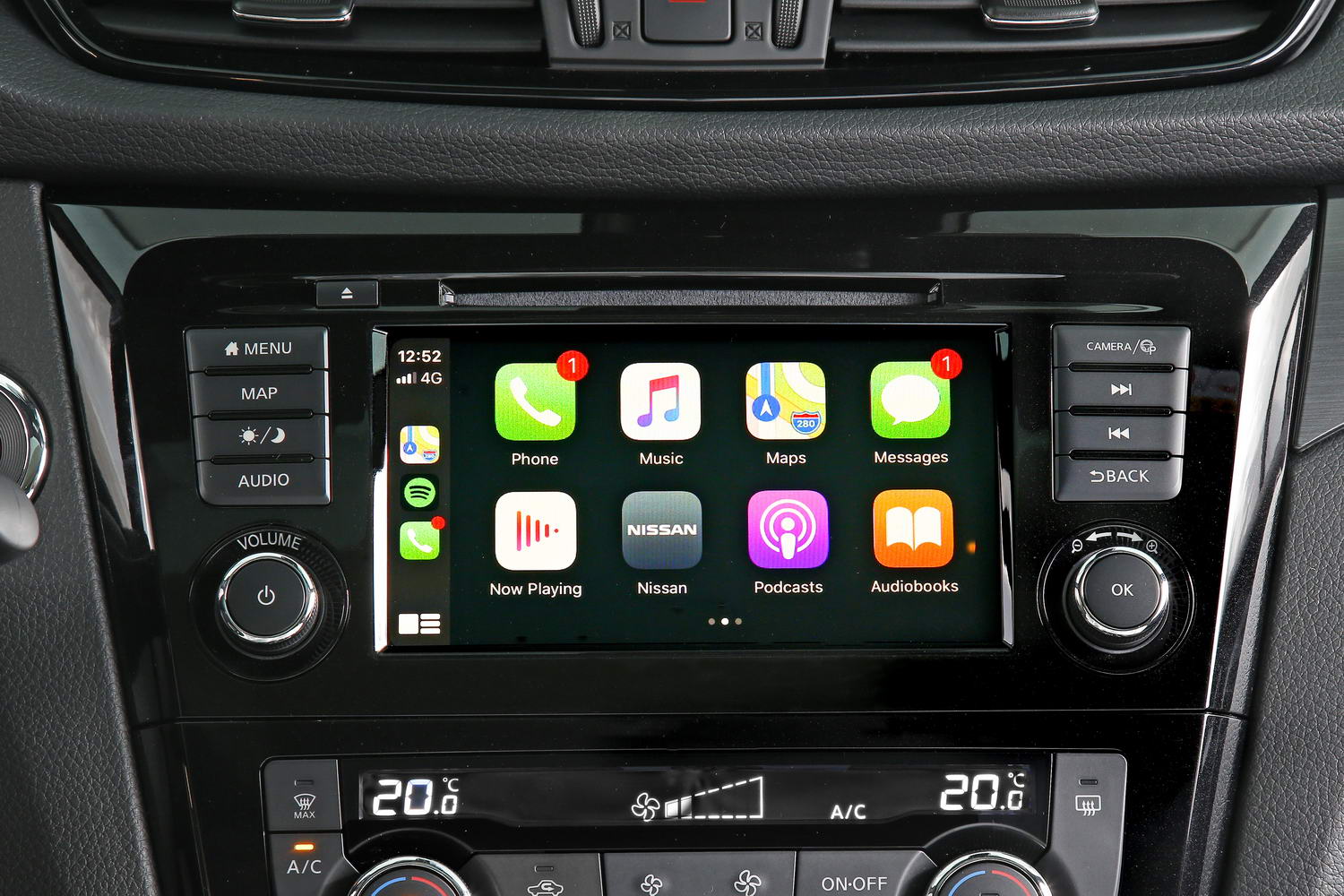
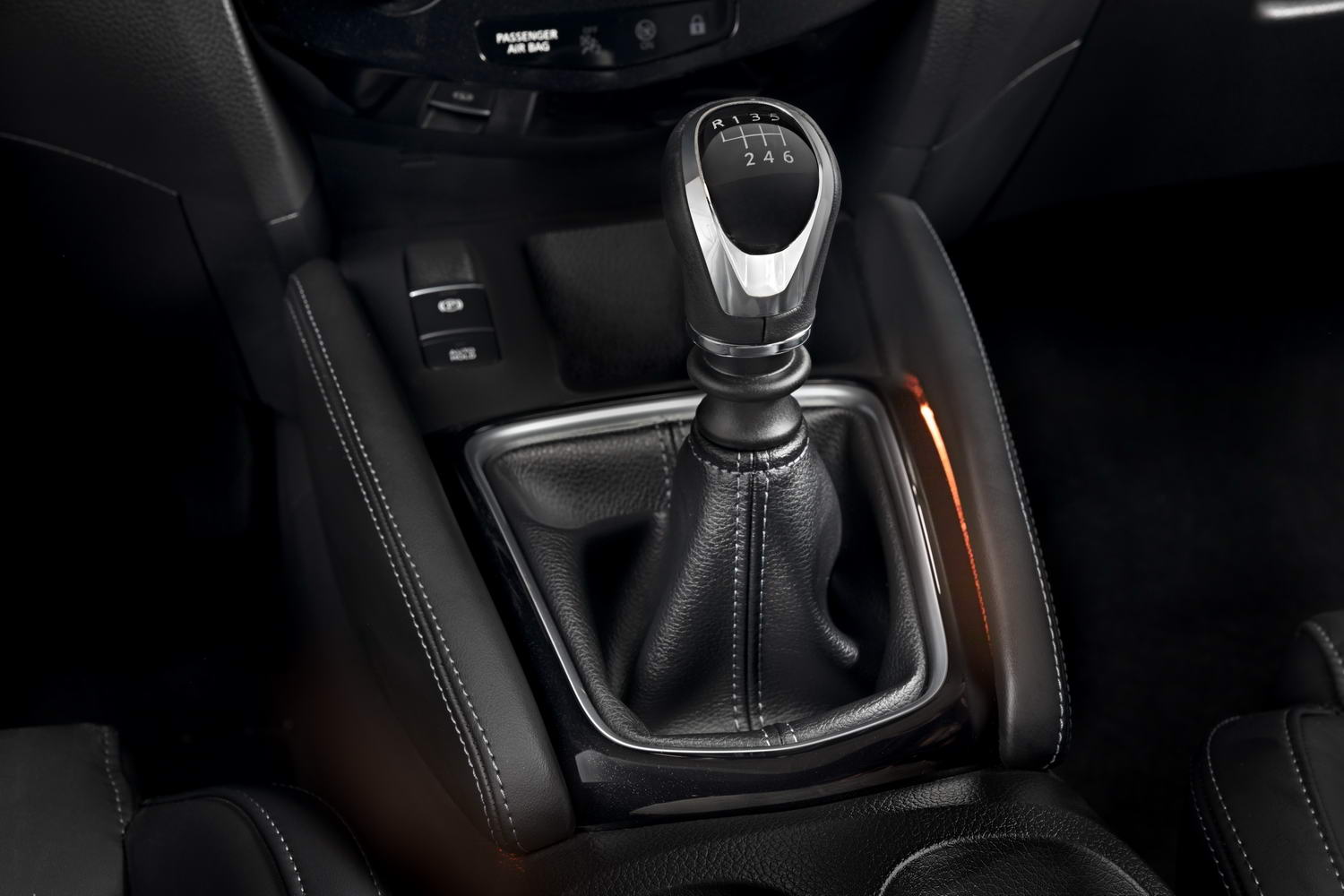
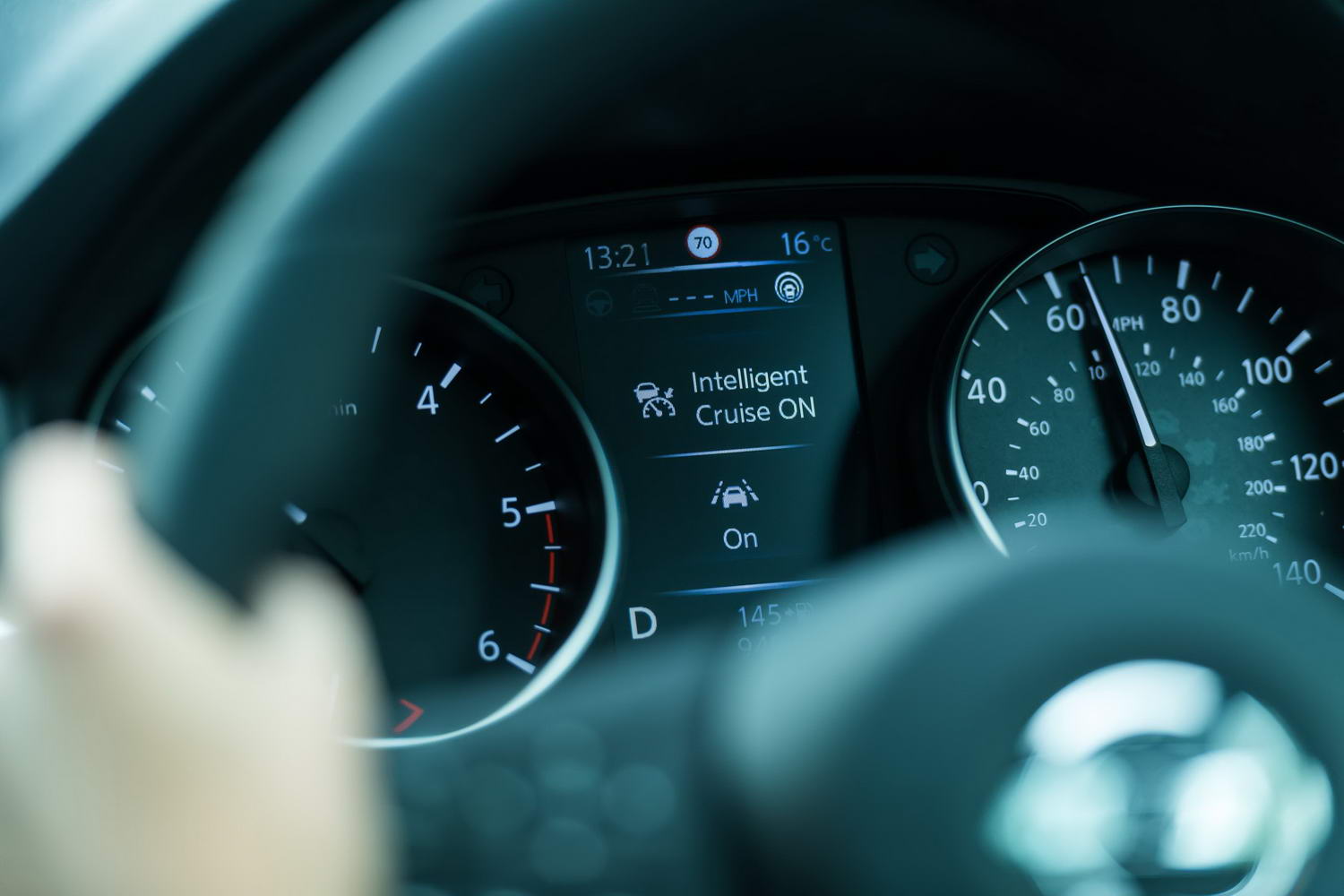
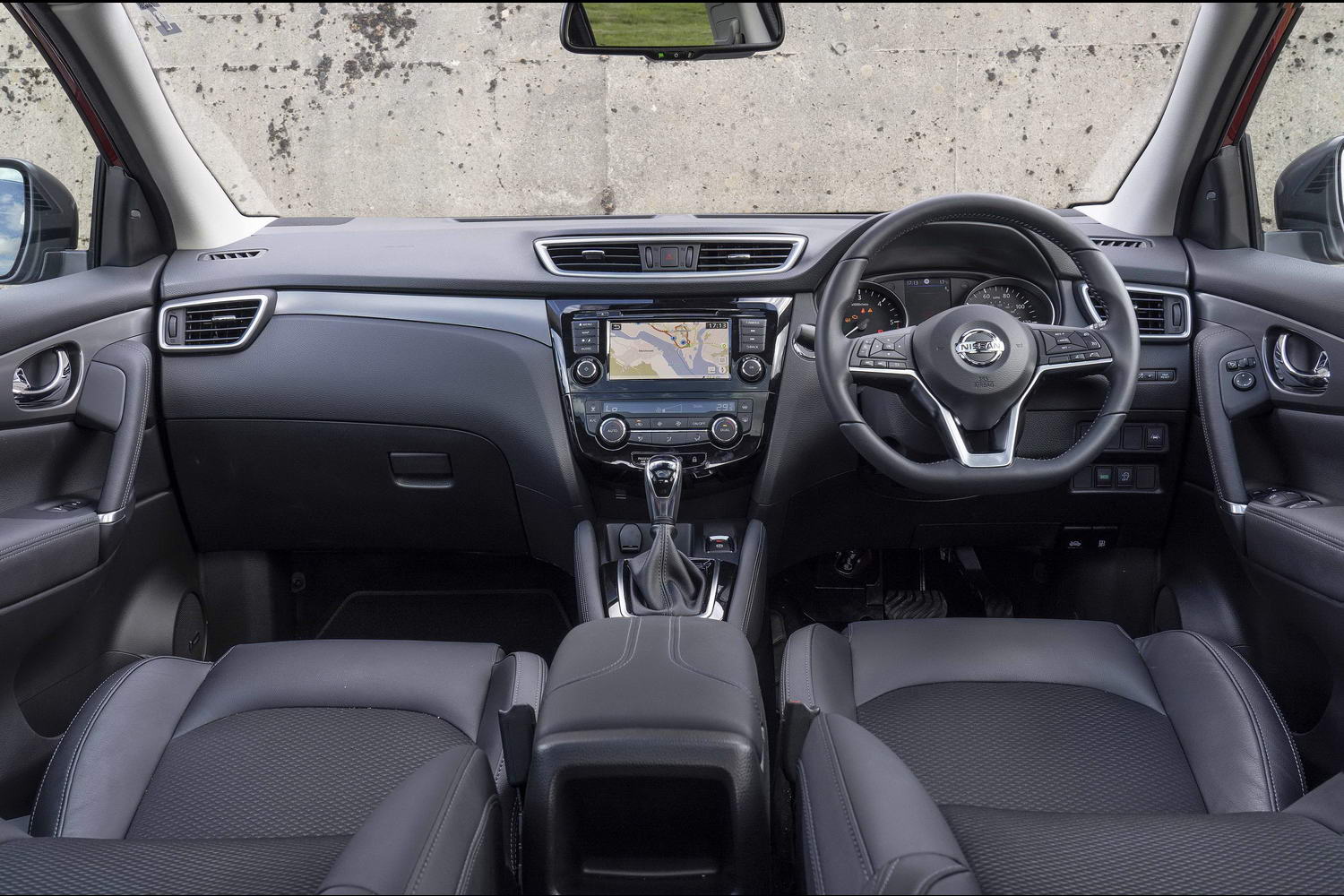
Nissan, throughout the Qashqai Mk2's life, employed its usual trim hierarchy of XE, SE, SV (later SV Premium) and then SVE. Even base XE models got LED signature daytime running lights, keyless entry, a five-inch colour screen in the cluster, cruise control, Bluetooth, USB and aux-in connections, DAB, air conditioning, body-coloured electric and heated mirrors and Hill-Start Assist. The SE upgraded that kit list with a leather-trimmed steering wheel and gear knob, front foglamps, a six-speaker (instead of four) stereo, dual-zone climate control, 17-inch alloy wheels, auto lights and wipers, folding door mirrors, a panoramic glass roof, a set of roof rails, a touchscreen infotainment system with (latterly) Android Auto and Apple CarPlay, voice recognition for various interior controls and a rear-view camera too.
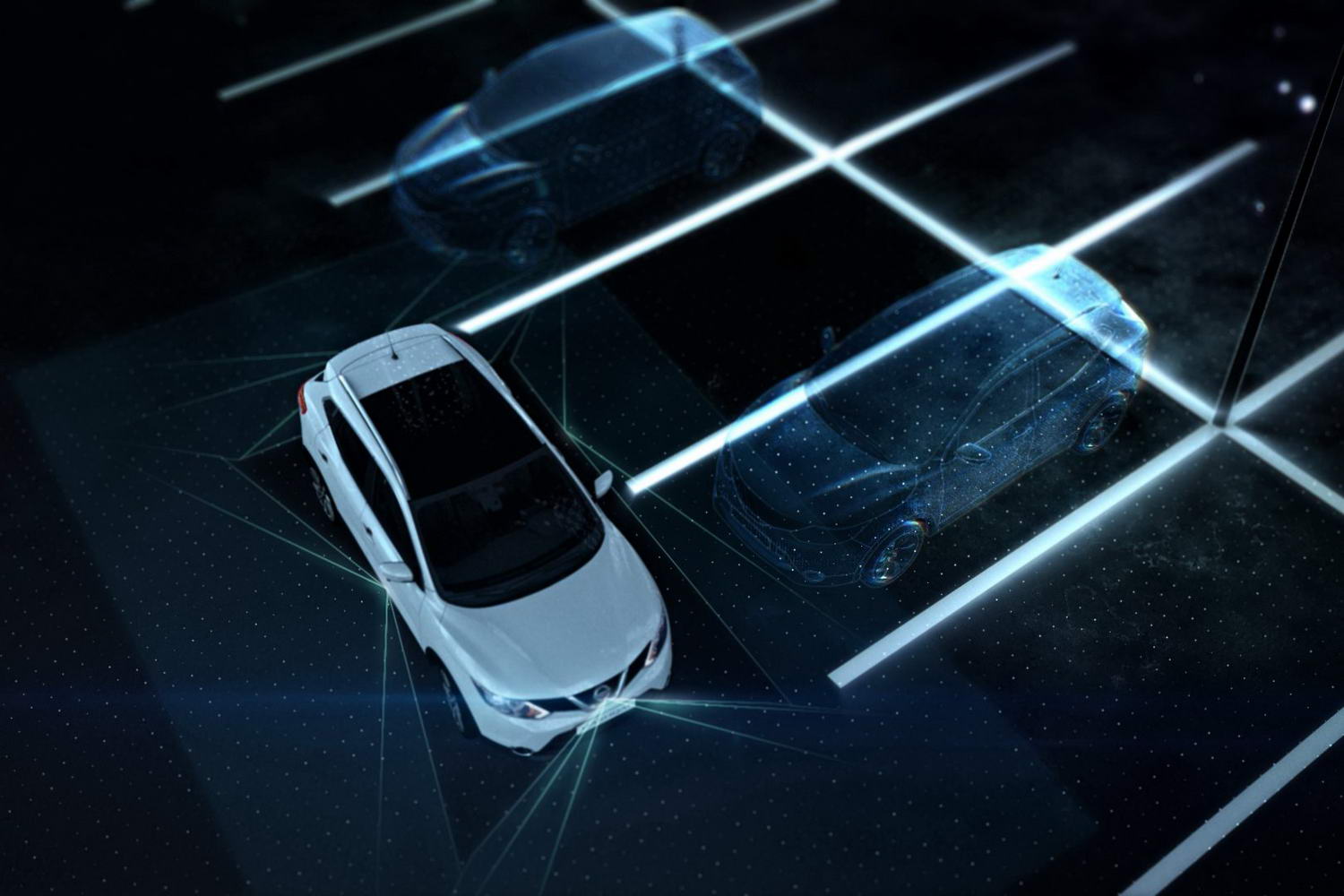
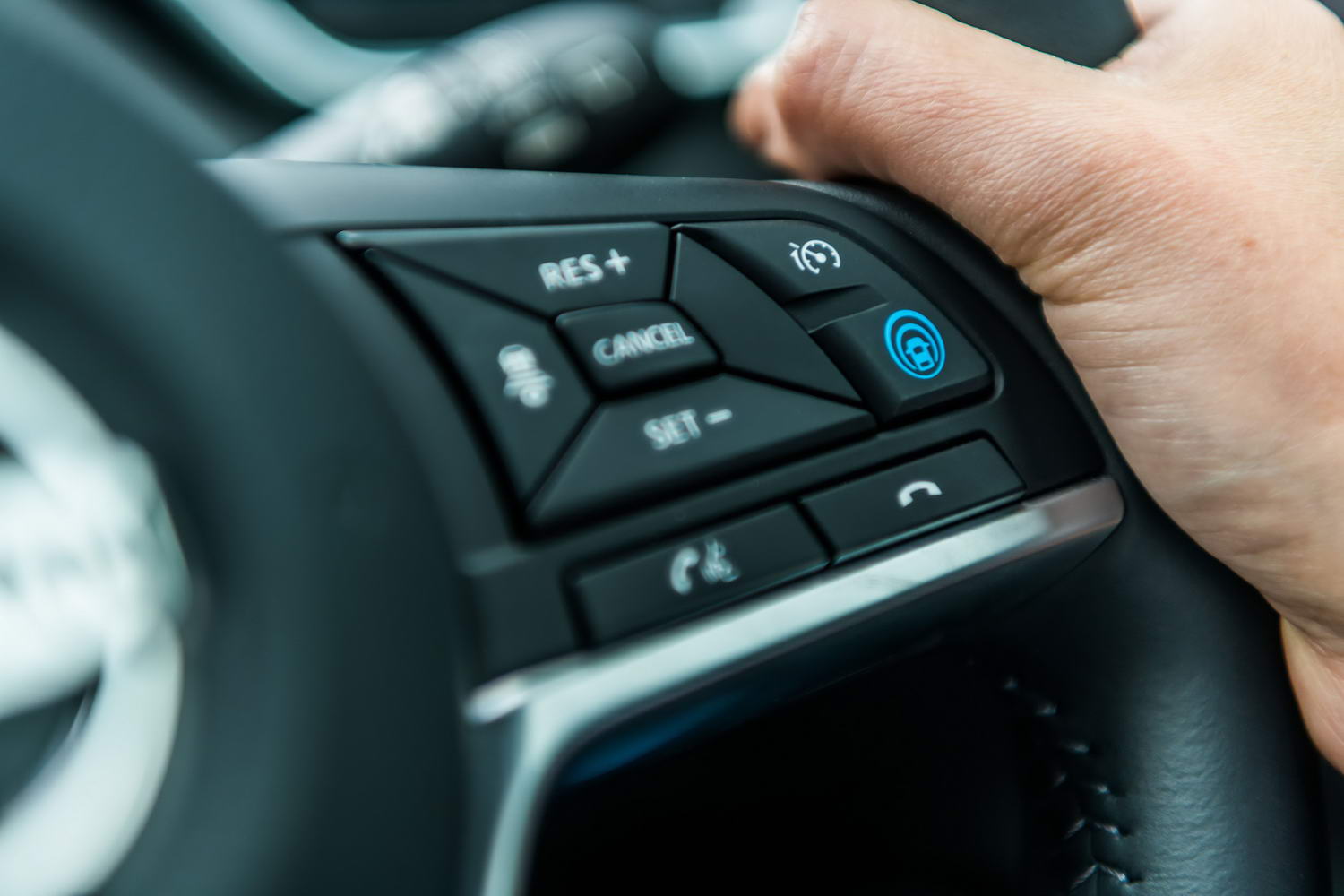
Stepping up to SV, the alloys were enlarged to 18s, while an engine start button increased the Qashqai's keyless capabilities. The SV received the Safety Shield as standard, too, which includes pedestrian forward emergency braking, front and rear parking sensors, an auto-dimming rear-view mirror and High-Beam Assist, all of which were options on the XE and SE. These SV/SV Premium models also got an Around-View Monitor 360-degree exterior camera system and rear USB sockets, with the optional extras at this level being bi-LED headlights with an Adaptive Front Lighting System (AFLS), half-leather upholstery with heated front seats and an electrically adjustable driver's seat, ProPilot semi-autonomous driving features and then Safety Shield Plus - incorporating Blind-Spot Warning, Moving Object Detection, Driver Attention Alert and Intelligent Park Assist.
Top SVE variants were fitted with 19-inch alloys, as well as the bi-LED headlights with AFLS and Safety Shield Plus, as standard. They also benefitted from Nappa premium leather seats, electric front seats for both occupants, a black headlining in the cabin and various silver bits of detailing on the exterior and within the car. Options for the flagship Qashqai amounted to a Bose eight-speaker premium sound system (which necessitated the deletion of the 'spacesaver' spare wheel), ProPilot and also a plum-coloured finish for the black-as-standard Nappa hide.
How much is it to tax the Nissan Qashqai Mk2?
Refer to our Motor Road Tax Prices in Ireland Explained feature for the up-to-date cost to tax the Nissan Qashqai.
How reliable is the Nissan Qashqai Mk2?
Unfortunately, not very, would be the answer to this particular query. It might be due to its immense popularity that a greater number of problems are reported by the general public, but there are lots of owners who have recorded issues with the car - to the degree that many wouldn't recommend the Qashqai to other people. One early problem with the Nissan was a spate of faulty batteries, which required owners to replace them on an all-too-frequent basis. Nissan moved to remedy this by switching its battery supplier, but if you're looking at an earlier 2014-2016 car, consider searching its history to see how often it has had a new battery fitted (it should be in the service records or receipts with the car, if it's a cared-for example).
There are more issues than that. On models with a tow bar fitted, the bolted joints fixing the item to the chassis are known to loosen and can, in extreme cases, detach the entire tow bar from the vehicle. This mainly affects the very earliest 2014 models fitted with the tow-bar kit.
On cars built between April 10, 2014, and May 7, 2016, an electrical short can result in a failure of the exhaust's rear oxygen sensor. It's not a given that the ECU will warn the driver of this problem if it occurs, so check that the Qashqai in question has had its reprogramming to fix this fault/lack of error warning (the recode included getting the dashboard to flash up a notification in the event of sensor failure).
A batch of cars built in June 2017 were prone to their door-mirror-mounted indicators not working if the heated rear windscreen was active. This should have been remedied by a dealer, but it's an easy one to check in the showroom or on a forecourt, without the car's engine even needing to be running. Incorrect VIN plates were fitted to some Qashqais, labelled with the wrong towing information for various gearboxes; again, these should have been replaced with the correct items.
Engine-specific maladies relate to the 1.2-litre DIG-T petrol unit, which can either use an excessive amount of oil or which can have a rattling timing chain. On a broader remit, parking sensors might fail due to water ingress (so check they work on vehicles with them fitted) and the auto stop-start system for the engine can play up intermittently. Regular re-gassing of the air conditioning system is also a concern and it's not a cheap fix, as Nissan uses a special eco-friendly refrigerant; also, the compressor for the air conditioning can fail and that'll be quite a few hundred Euro to fix. Models with four-wheel drive are also known to slip out of reverse gear, so watch for this if you're buying one.
If there are any silver linings here, it's that the Qashqai is (largely) not an expensive car to fix, with surveys showing it has some of the lowest annual maintenance costs going. It has also only been subject to one official recall during its lifespan so far, which came to light in July 2017 - relating to cars built between September 23, 2013, and May 26, 2016, there was a risk that the rear-right (offside) wheel-arch protection could scuff the brake hose, leading to a leak of brake fluid and impaired stopping power as a result. This affected 11,495 vehicles in Ireland, but the rectifying work should have long since been carried out by a Nissan main dealer and this recall should be logged in the service records of the affected models.
When should I service my Nissan Qashqai Mk2?
This varies subtly depending on which engine you're looking at. The popular 1.5-litre dCi diesel engine has an oil change indicator to take heed of, which may show that an oil (and filter) service is due. If it has not done this by 30,000 kilometres (or one year, whichever comes first), then this oil service should be carried out then. The cabin filter is good for 30,000km or two years. The fuel filter should be replaced every 60,000km regardless of time. It is recommended that the coolant/antifreeze is flushed out and renewed at 90,000km or five years and then every 60,000km or four years after that. The 1.6 dCi service schedule is the same as all that, other than the timing chain replacement, mentioned in more detail below.
It seems that all the other engines get fixed intervals for the regular oil and filter change.
Starting with the 1.2 DIG-T petrol engine, the oil and filter must be changed every 20,000km or one year; the spark plugs at 80,000km; and the coolant/antifreeze first at 100,000km/five years and then every 60,000km or four years thereafter.
The 1.3 DIG-T petrol engine arrived in 2018. Its standard oil and filter service is every 30,000km or one year - and the cabin filter must be changed at the same time. Then it's every 60,000km for the spark plugs, while the coolant/antifreeze must be flushed out and replaced first at 90,000km/five years and then every 120,000km or four years thereafter.
If you're looking at an imported Qashqai with the 1.6 DIG-T petrol engine, its oil and filter must be changed every 20,000km or one year; the cabin filter at 20,000km or two years; the spark plugs at 100,000km; and the coolant/antifreeze first at 100,000km/five years and then every 60,000km or four years thereafter.
The last engine in the line-up is the newest diesel, the 1.7 dCi. Its oil, oil filter and cabin filter must be changed every 20,000km or one year; the fuel filter at 60,000km; and the coolant/antifreeze first at 100,000km/five years and then every 60,000km or four years thereafter.
We'll deal with timing belt changes in the next section, but it's worth pointing out here that Nissan suggests that, when an engine has a timing chain, it should be changed at 300,000km. For the 1.7-litre dCi diesel, the crankshaft pulley and bolt must be replaced at the same time.
Finally, if a car has the dual-clutch automatic gearbox, its oil must be replaced every 120,000km, regardless of time.
Does the Nissan Qashqai Mk2 have a timing belt?
All of the Qashqai Mk2's petrol engines, and the 1.6-litre dCi diesel, use timing chains. The only ones with timing belts are the 1.5 dCi and 1.7 dCi. In both cases, the cambelt must be changed every 150,000km or five years. The auxiliary belts, tensioner and idler should be done at the same time.
Can I fit child seats and a buggy in the Nissan Qashqai Mk2?
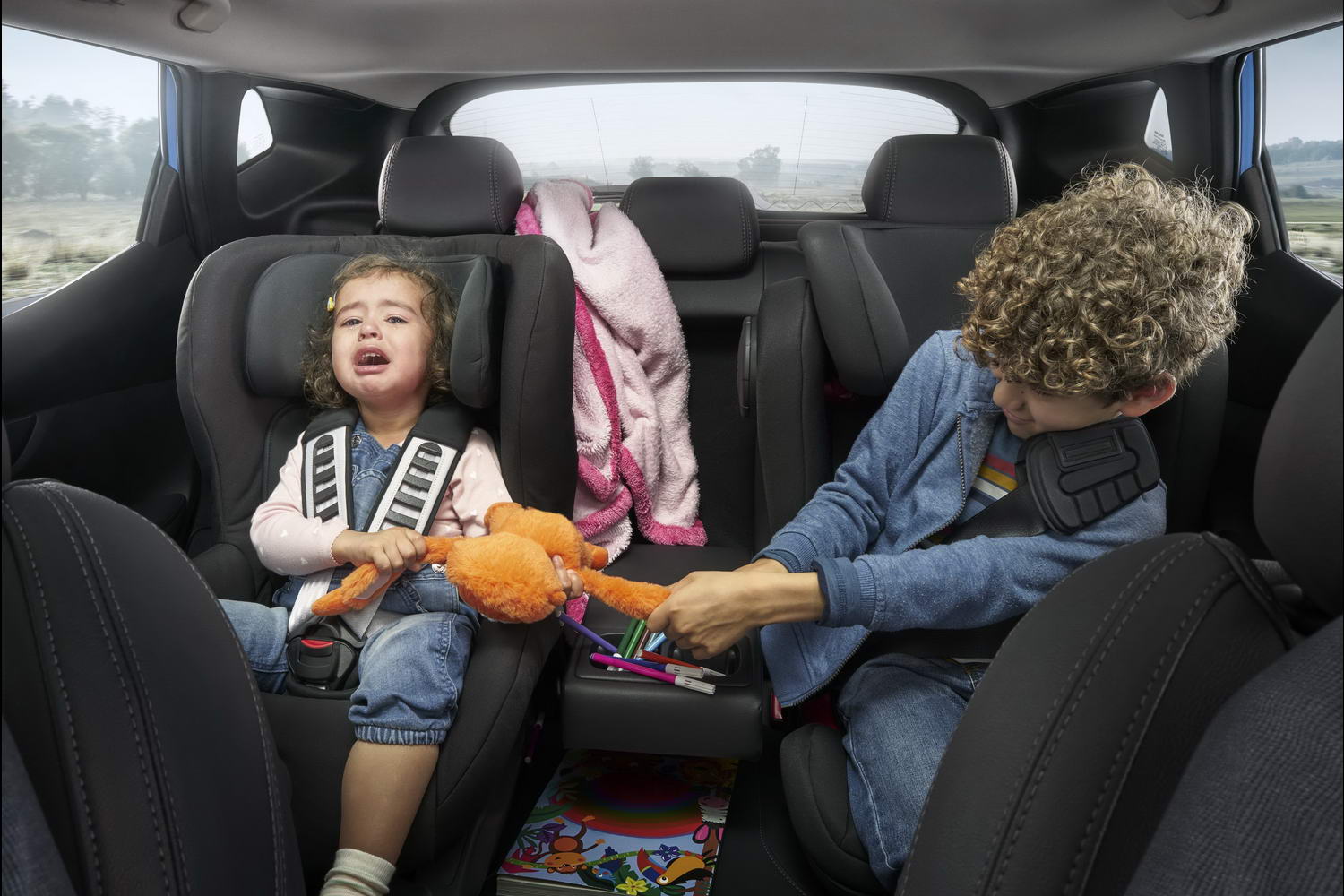
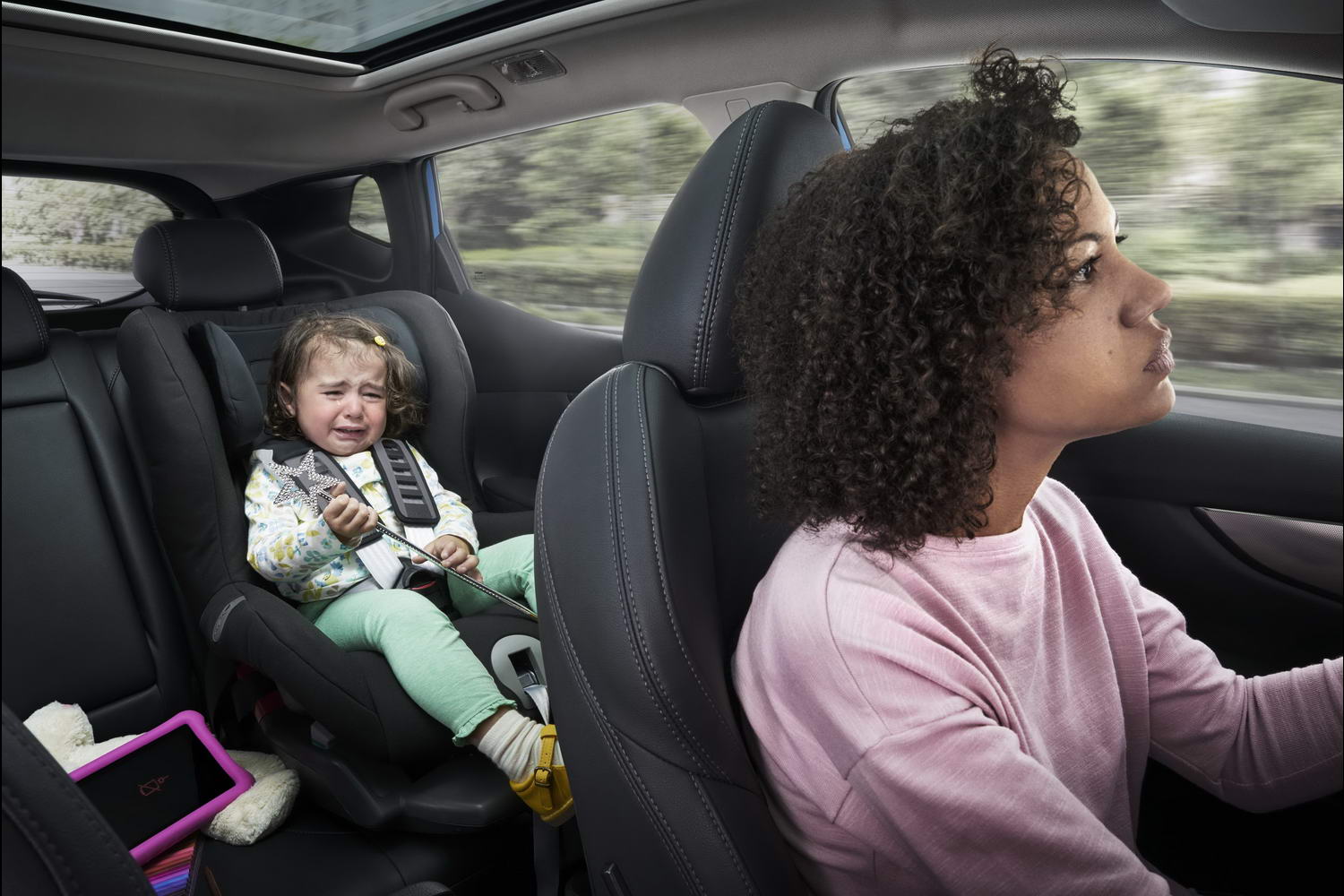
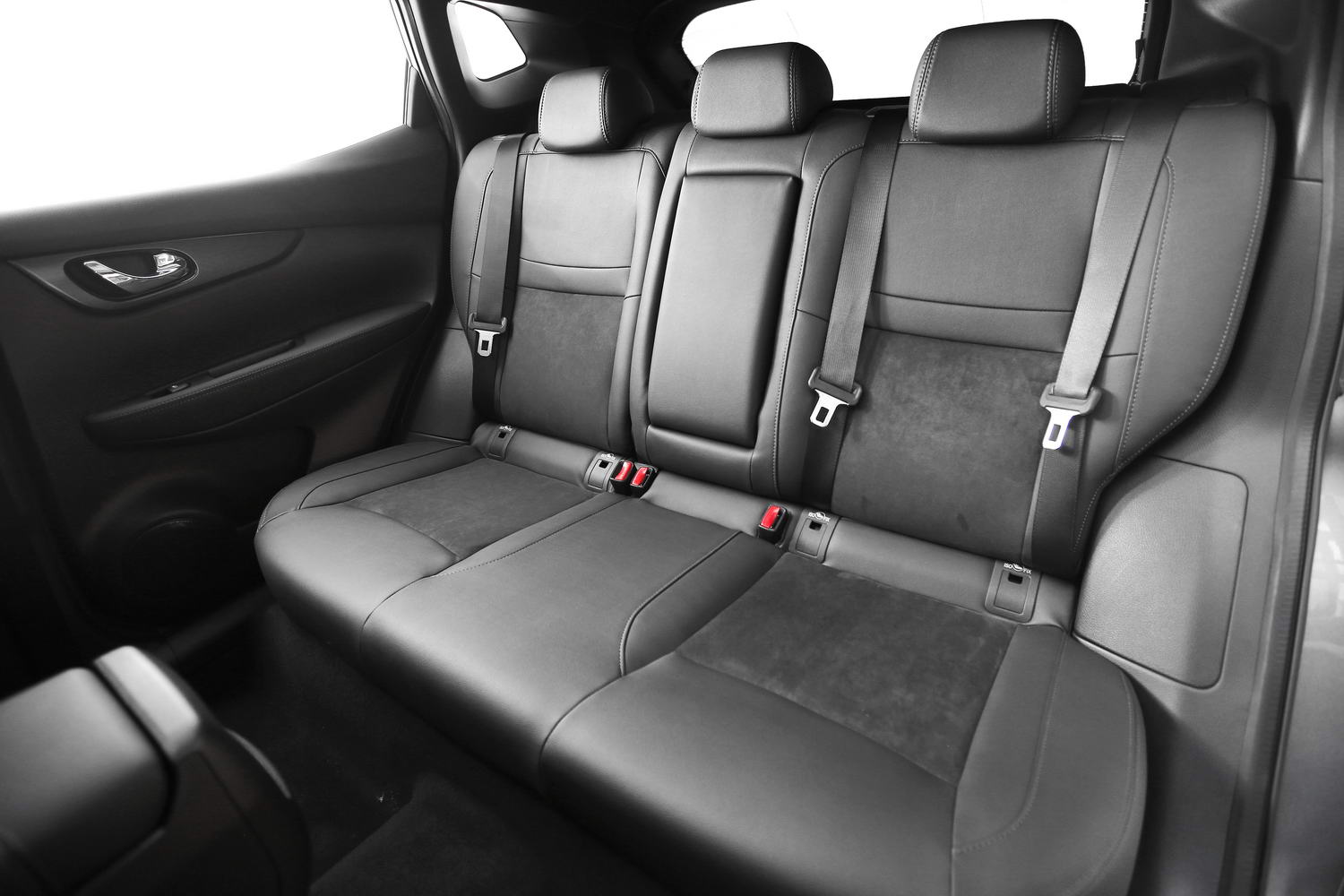
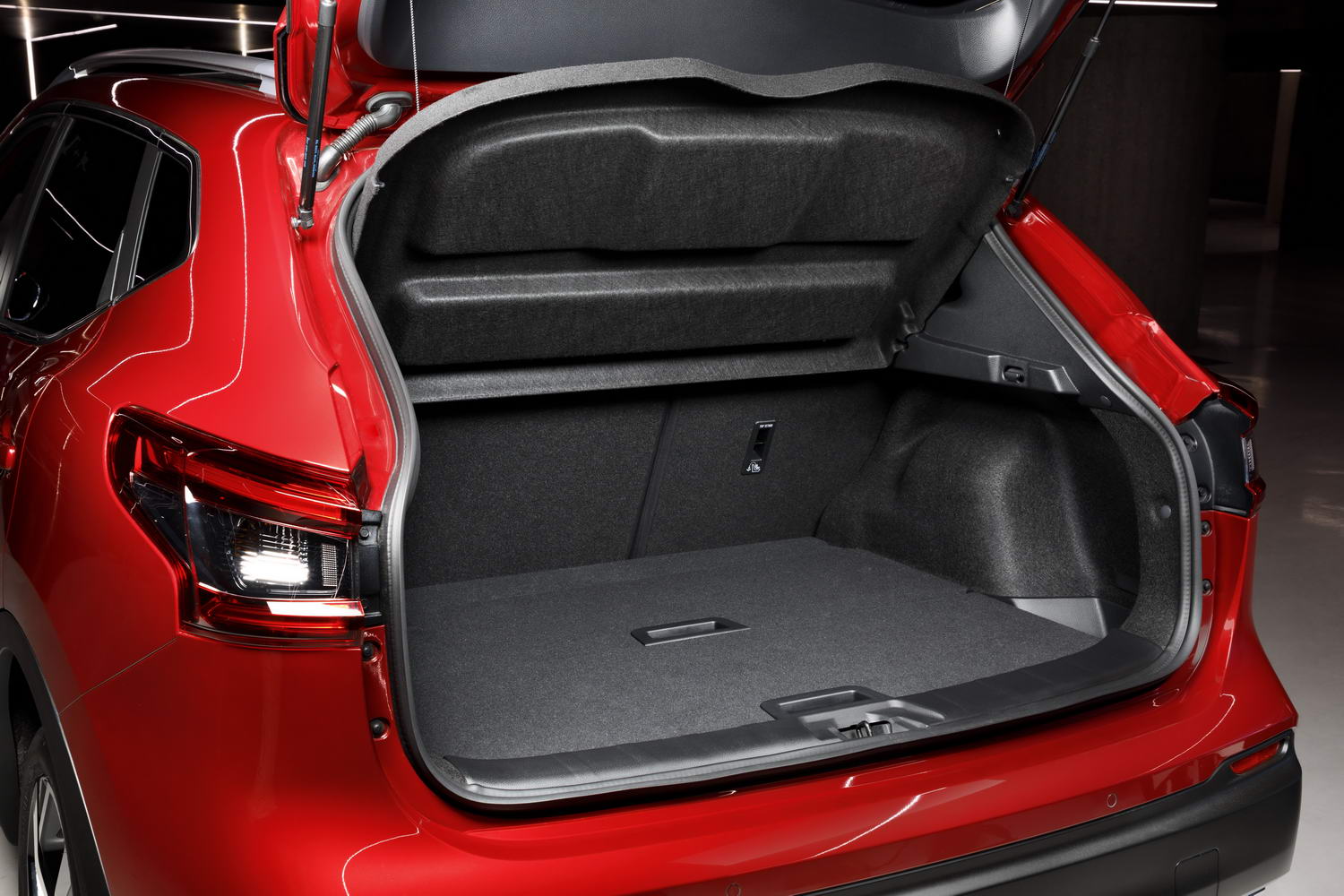
With a 430-litre boot and a focus on family practicality, the Qashqai will take pushchairs and prams in the boot if needs be, but getting three child seats across the second row of the vehicle will be unlikely. However, it's not impossible, as the Qashqai Mk2 has wide base squabs in the back of the car, so if you've got physically smaller child seats then they might all fit side-by-side, although bear in mind there are only two ISOFIX points in the back, on the outer two chairs.
The Nissan's split-folding rear seats are easy to use and fold down quickly to give access to an 860-litre cargo area, which isn't the largest in the world but which remains pretty useable, thanks to the Qashqai's flat loading floor and boot-lip aperture.
How safe is the Nissan Qashqai Mk2?
With a good range of active and passive safety kit, the Qashqai Mk2 is a safe car and it duly picked up the top five-star EuroNCAP rating when it was tested in its launch year of 2014. It turned in scores of 88 per cent for adult occupant safety, 83 per cent for child occupant safety, 69 per cent for pedestrian protection and 79 per cent for safety assist. All models feature at least six airbags, ABS, EBD, ESP and a tyre-pressure monitoring system as standard, with Nissan's Safety Shield roster of options for more advanced and active driver aids available for an extra fee(s) on base models, and standard-fit on higher-spec cars.
Click here for the full EuroNCAP report on the Nissan Qashqai Mk2
Alternatives to the Nissan Qashqai Mk2
Audi Q2
BMW X1
BMW X2
Citroen C4 Cactus
Citroen C5 Aircross
Fiat 500X
Ford Kuga
Honda CR-V
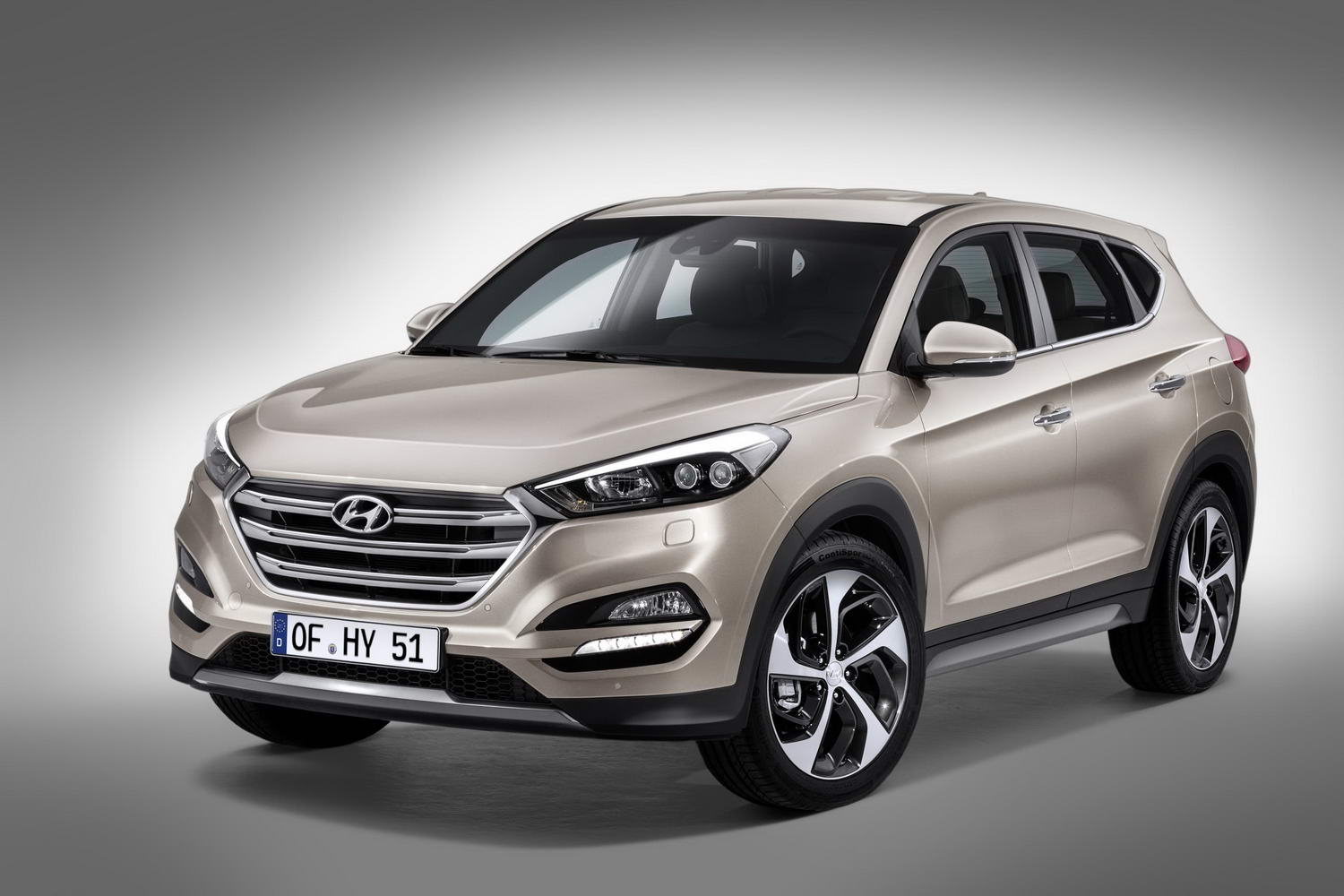
Hyundai Tucson
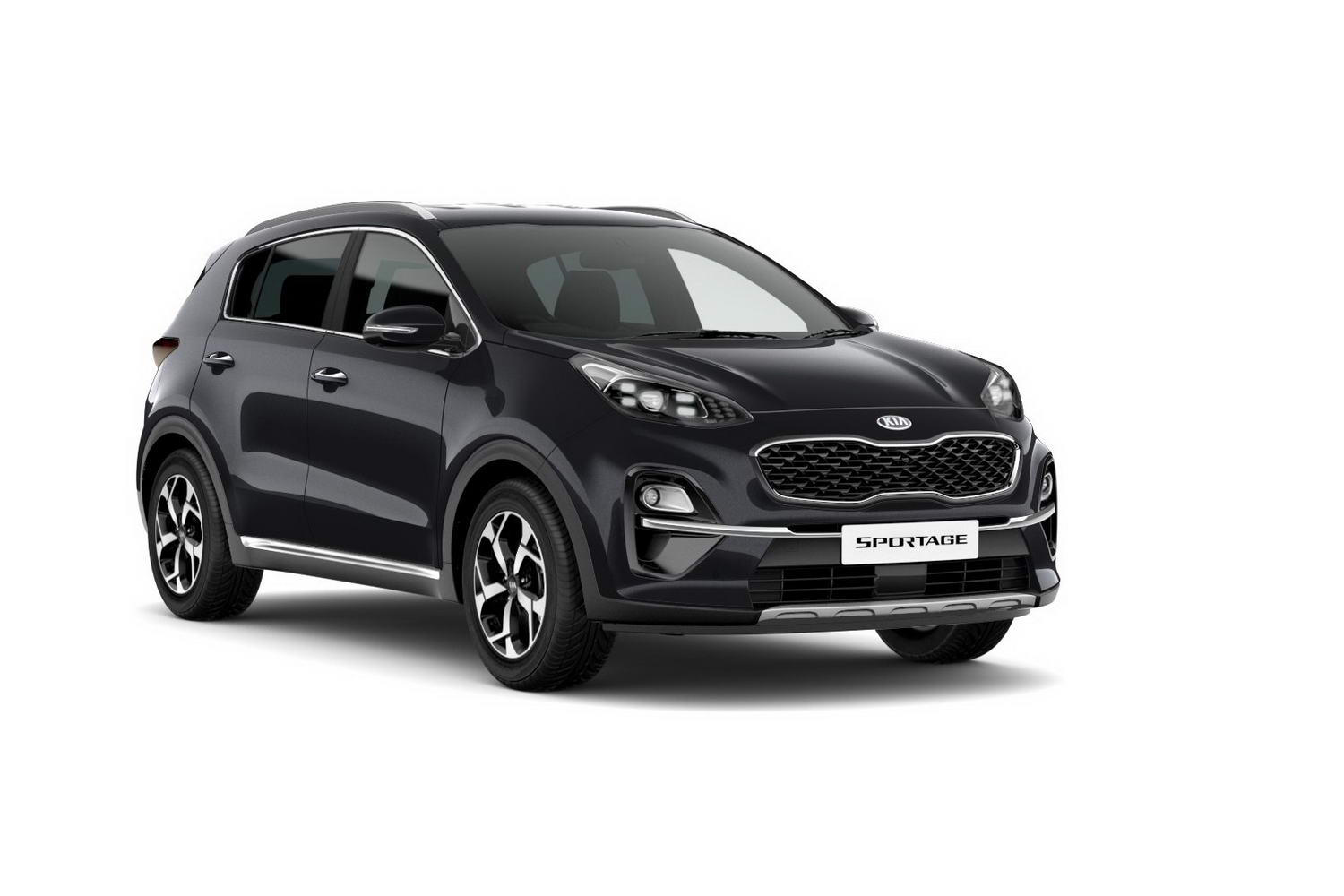
Kia Sportage
Jaguar E-Pace
Jeep Compass
Lexus UX
Mazda CX-5
Mercedes-Benz GLA
MINI Countryman
Mitsubishi Outlander
Opel Grandland X
Peugeot 3008
Renault Kadjar
SEAT Ateca
Skoda Karoq
Subaru XV
Toyota RAV4
Volkswagen T-Roc
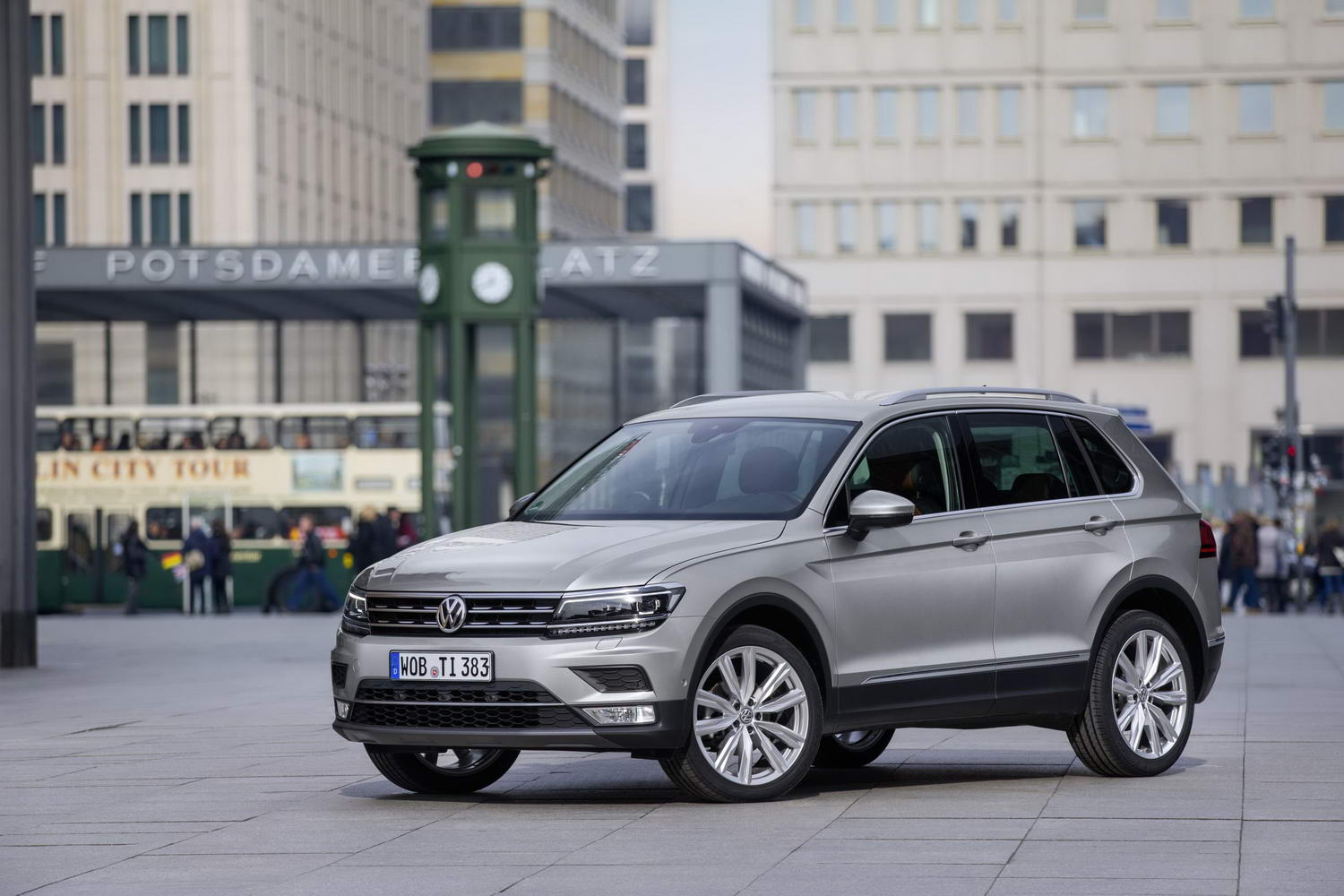
Volkswagen Tiguan
Volvo XC40
How much is a Nissan Qashqai Mk2 worth?
For estimates of the current value of a given car, drop us a message using the Ask Us Anything page with as much detail as possible in it.