

Exterior & design of the 2026 Skoda Superb
- Car shape stands out now
- Chunky grille has BMW overtones
- Wears a strong colour well
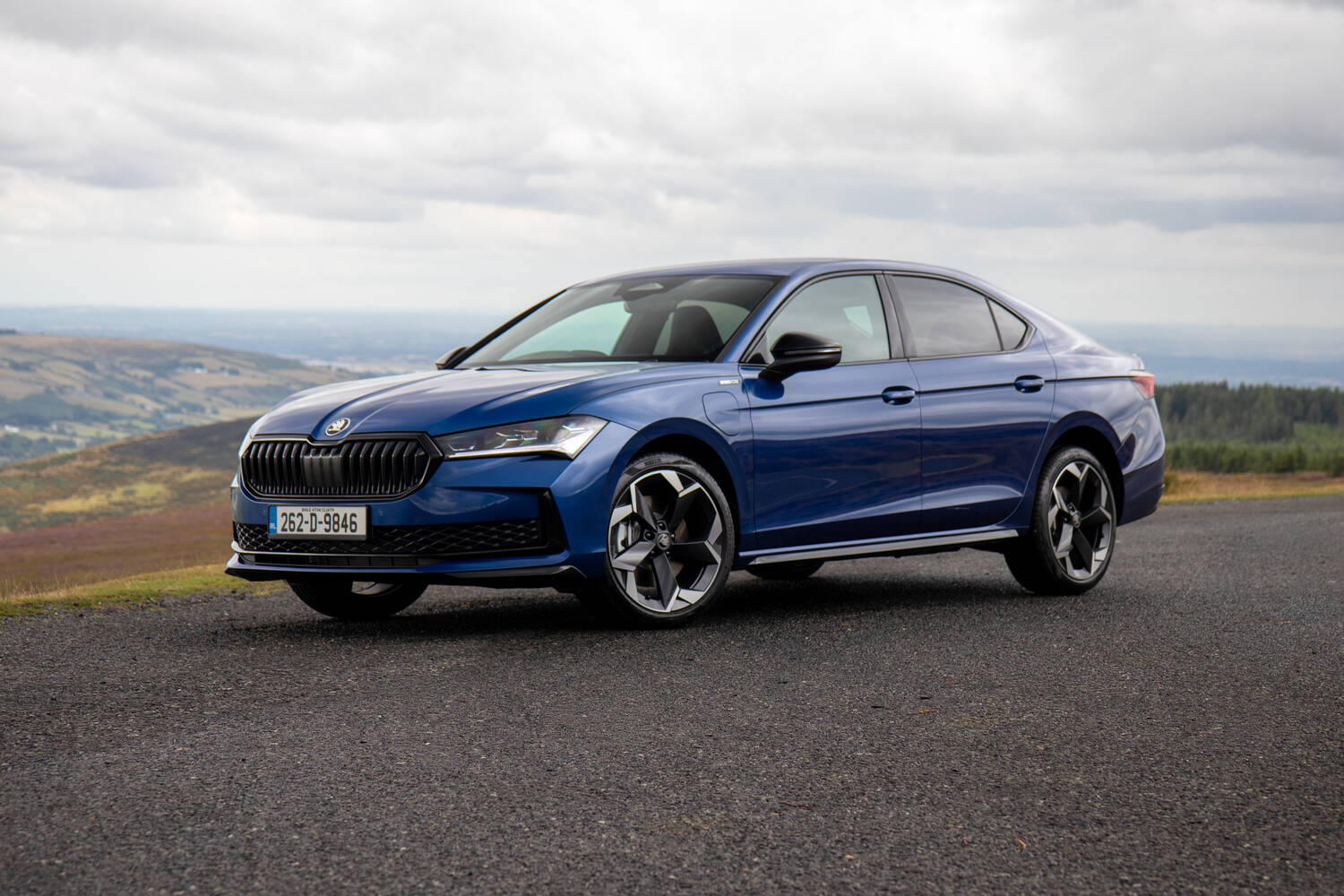
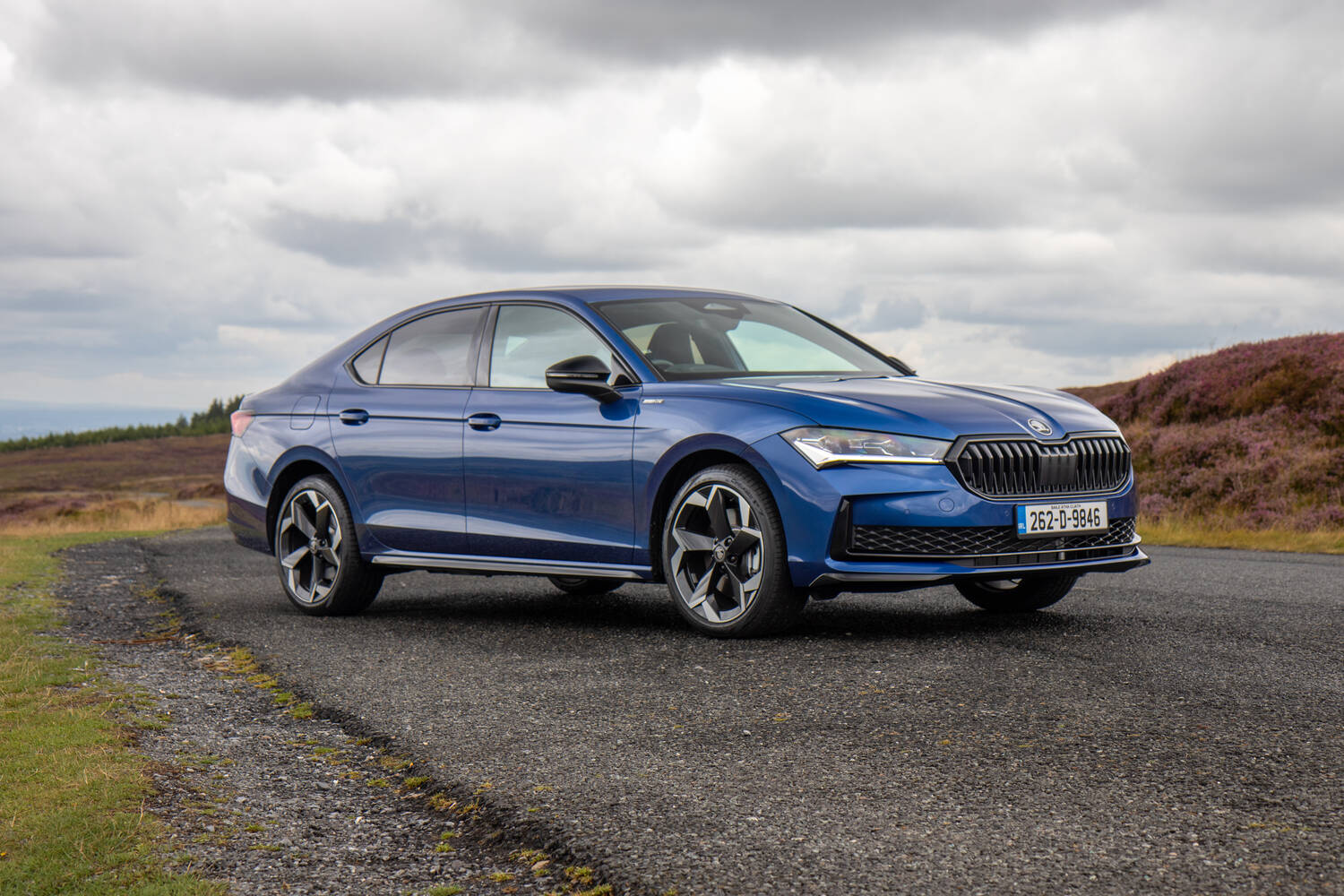
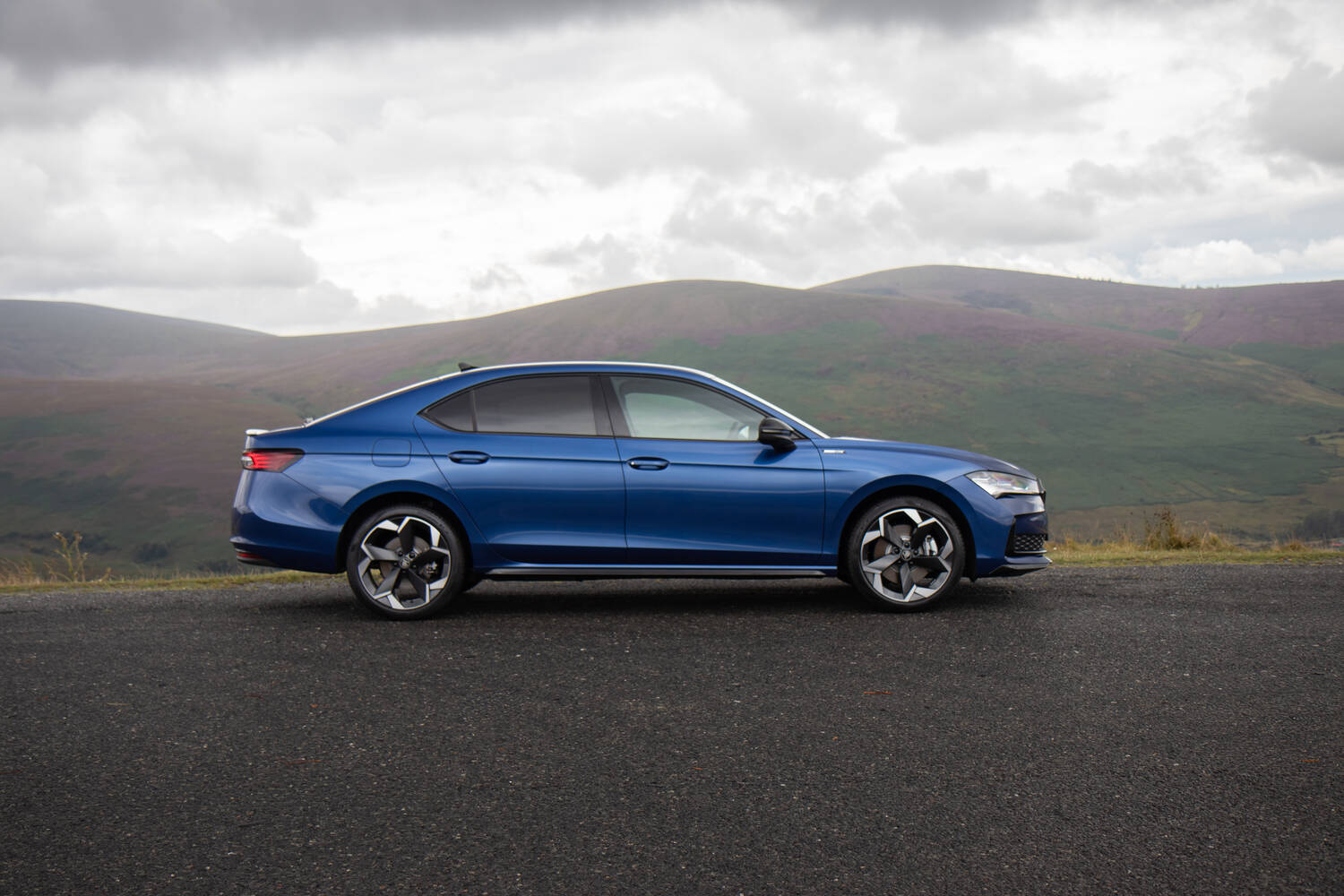
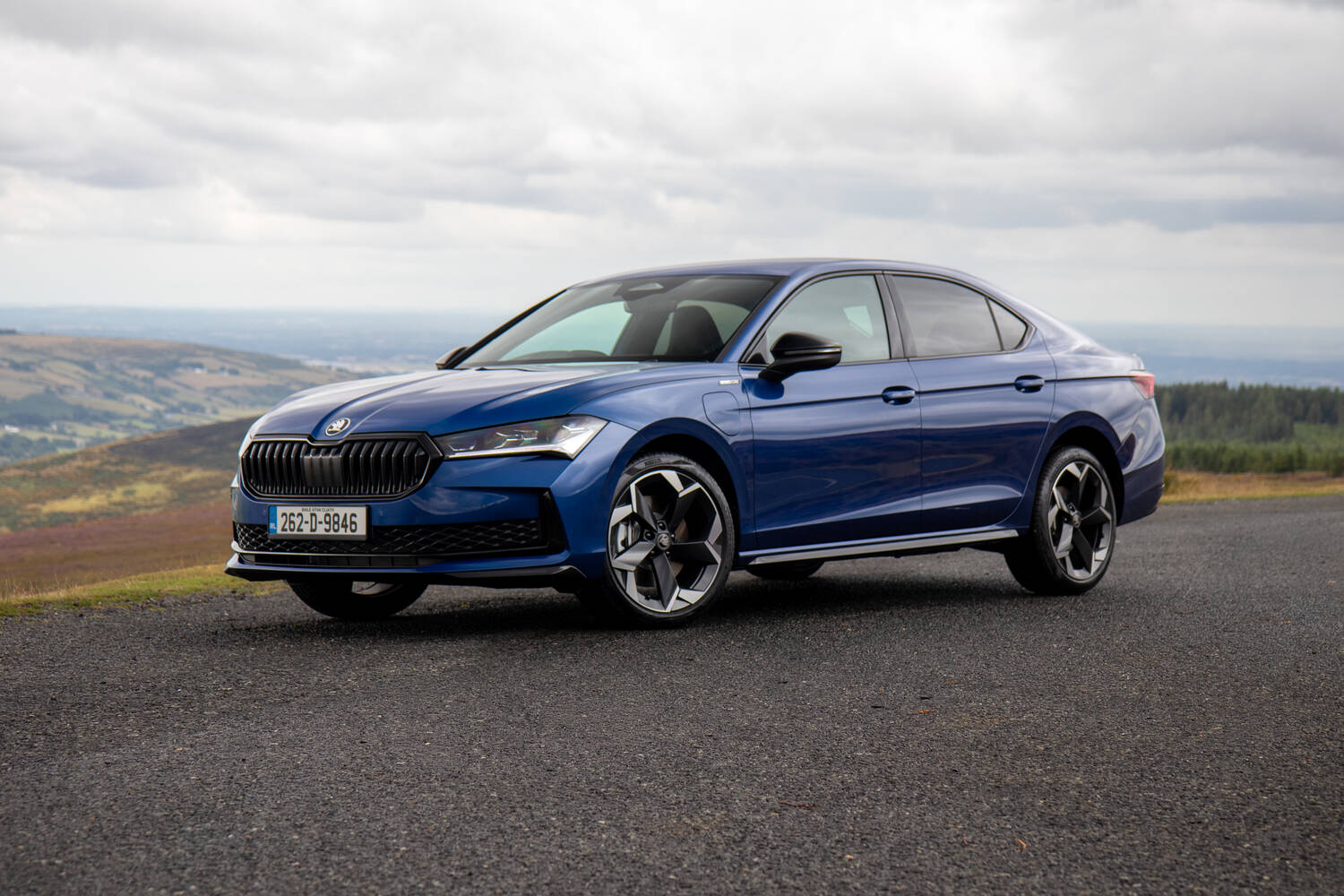
Once upon a time, you might have described the Superb as ordinary to look at, but in a car world that's increasingly overrun by SUVs, this hatchback shape stands out. The Superb has quite a straightforward, upright design but against a taller 4x4, it looks positively sleek.
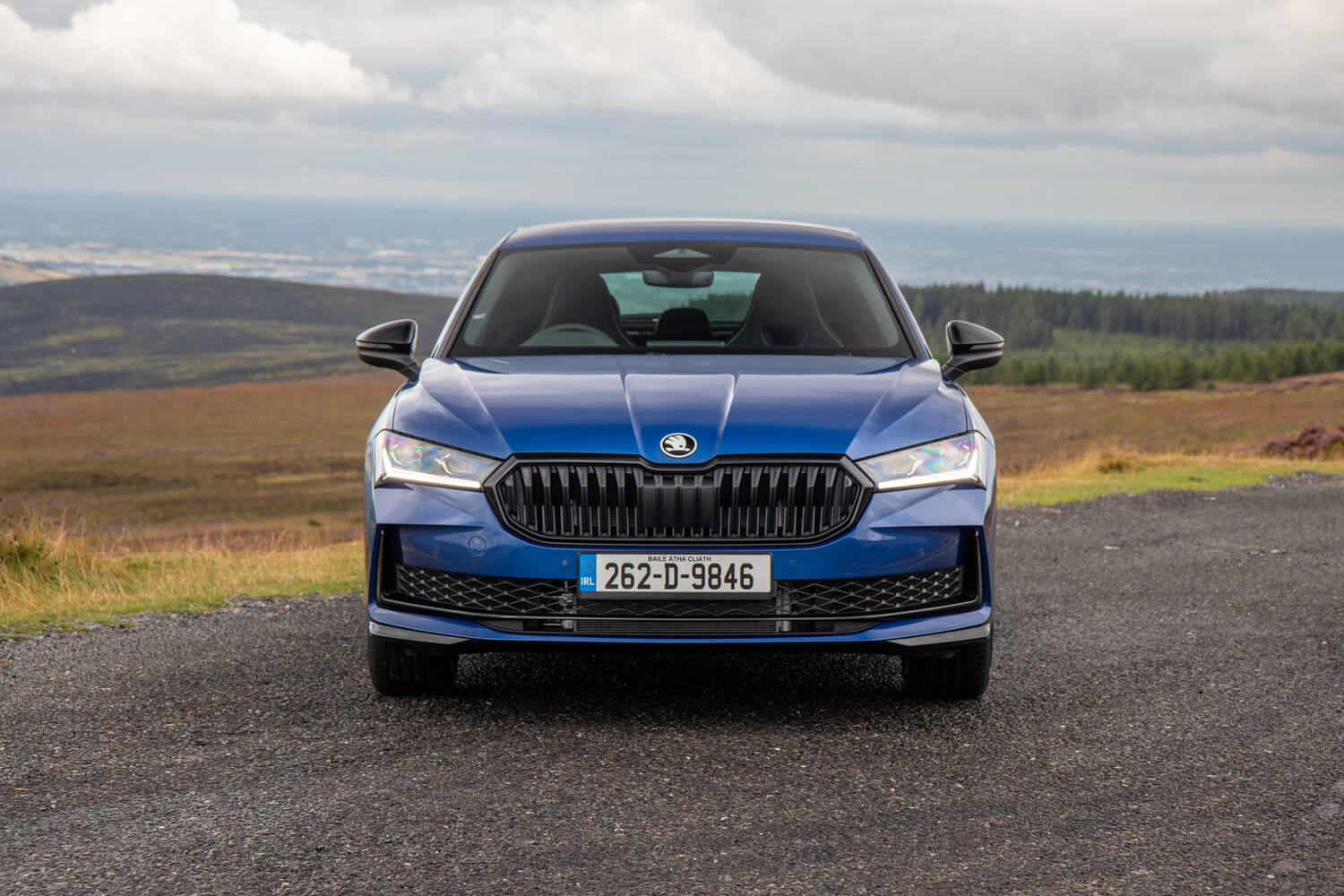
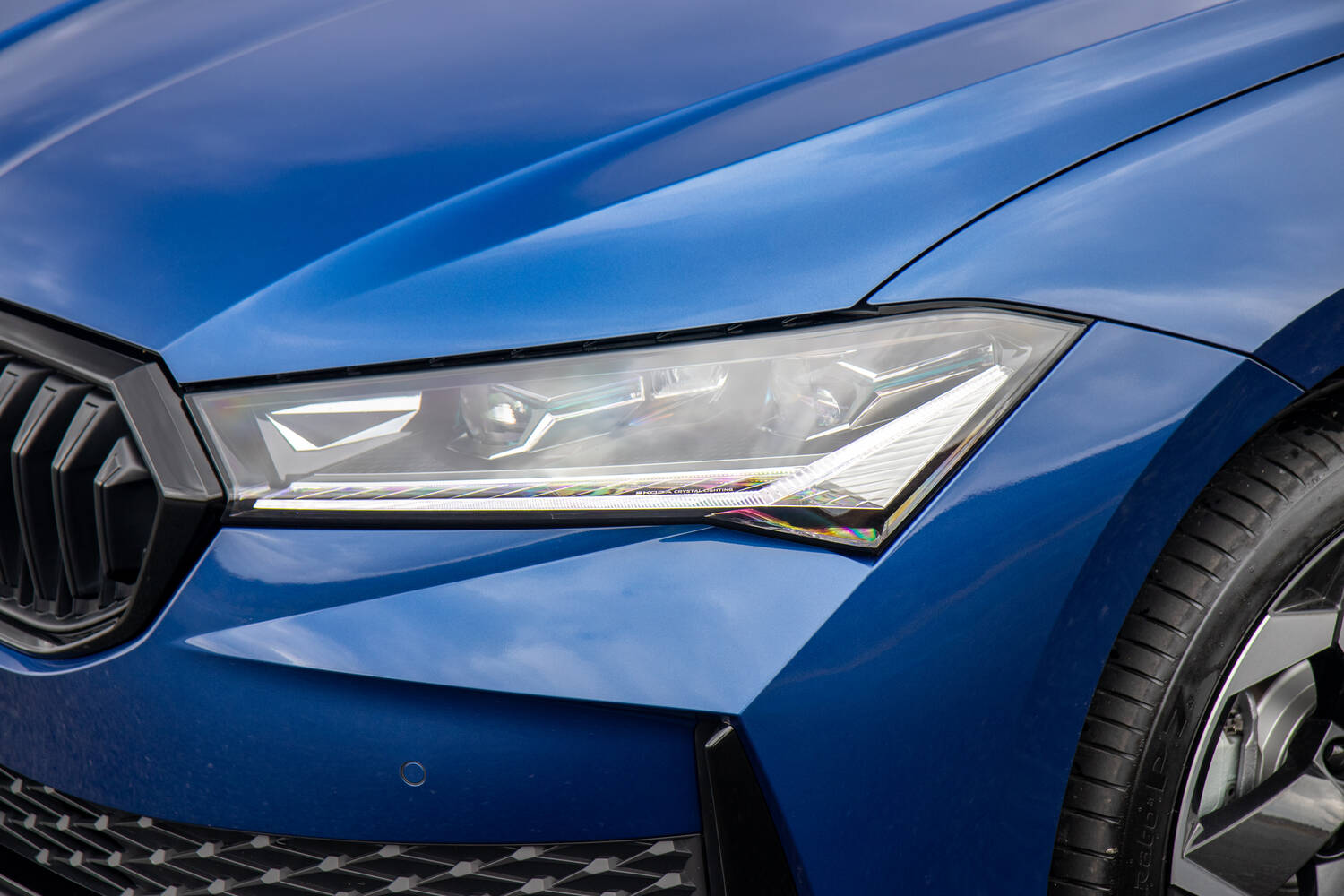
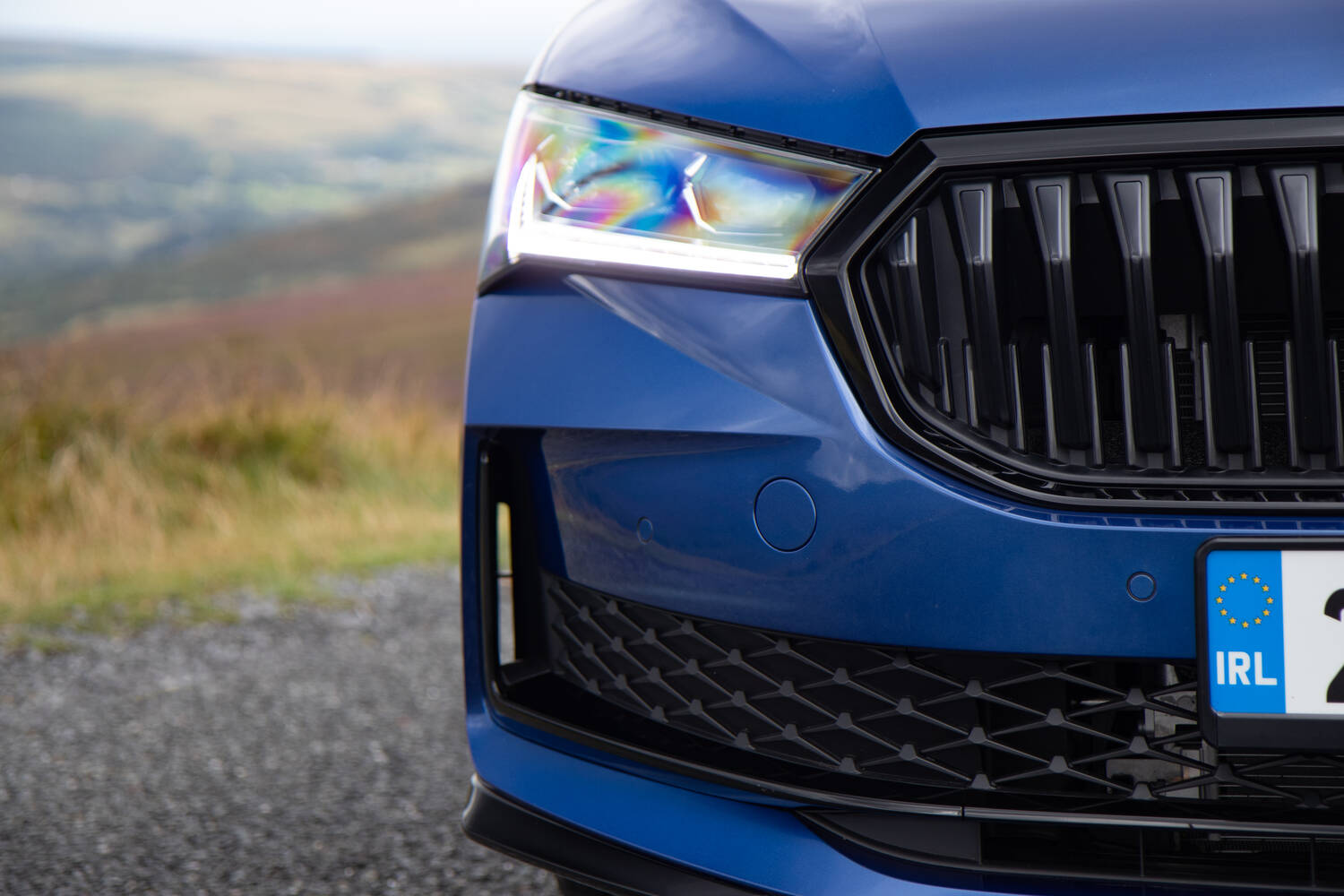
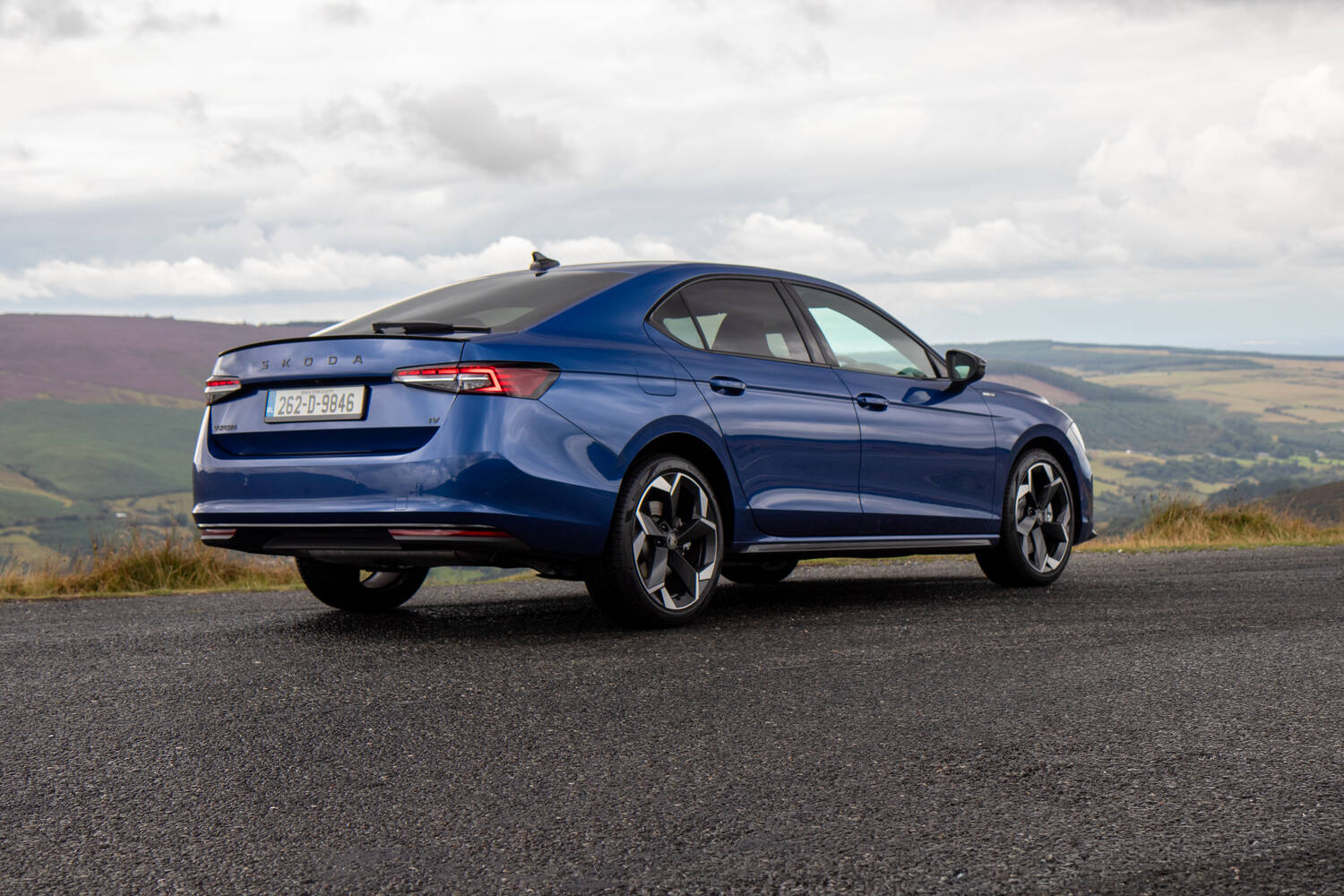
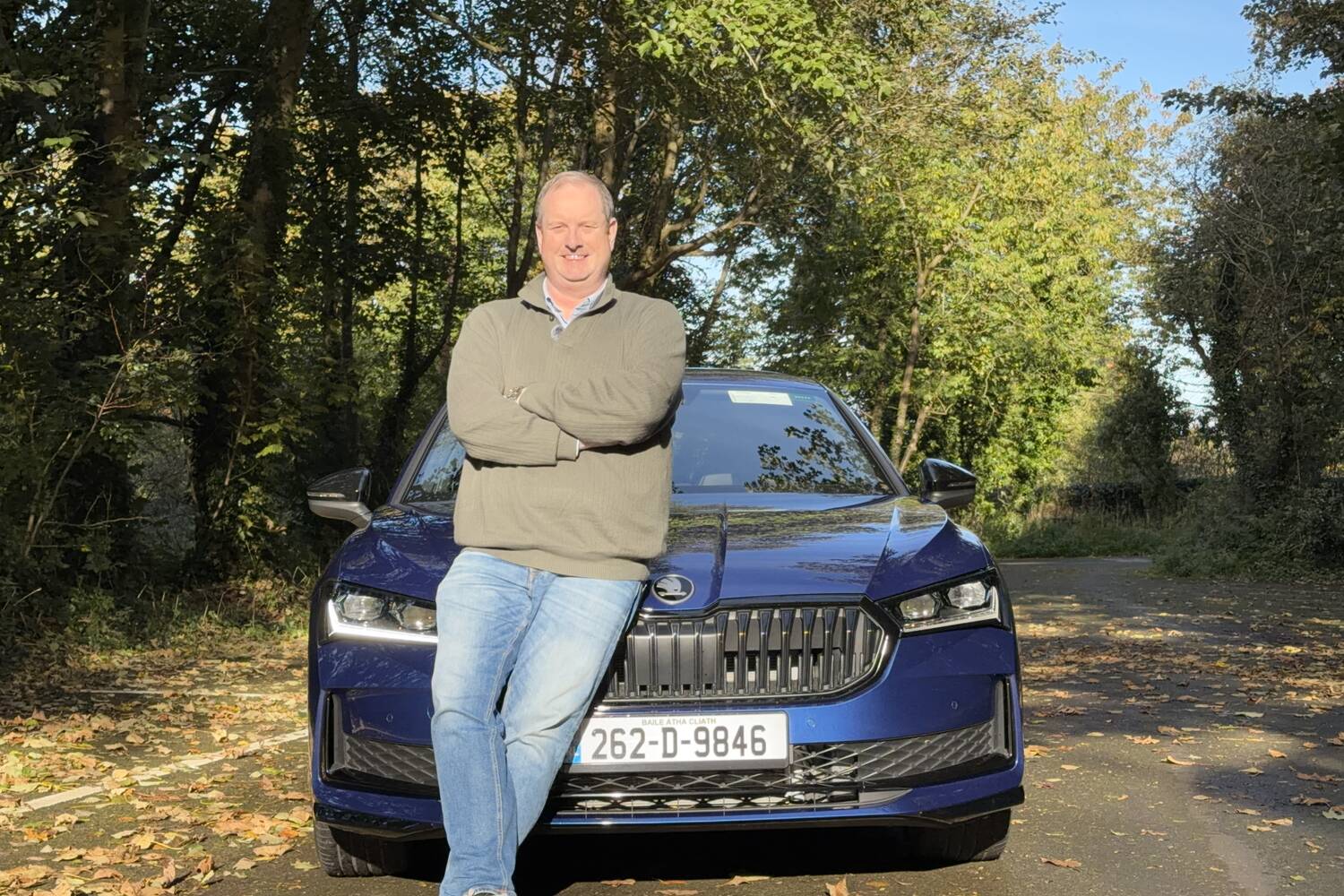
The styling at the front is quite imposing, and there are definite nods to BMW with its large 'moustache' grille and slim headlights (not to mention the 'Hofmeister Kink' in the rear side glass).
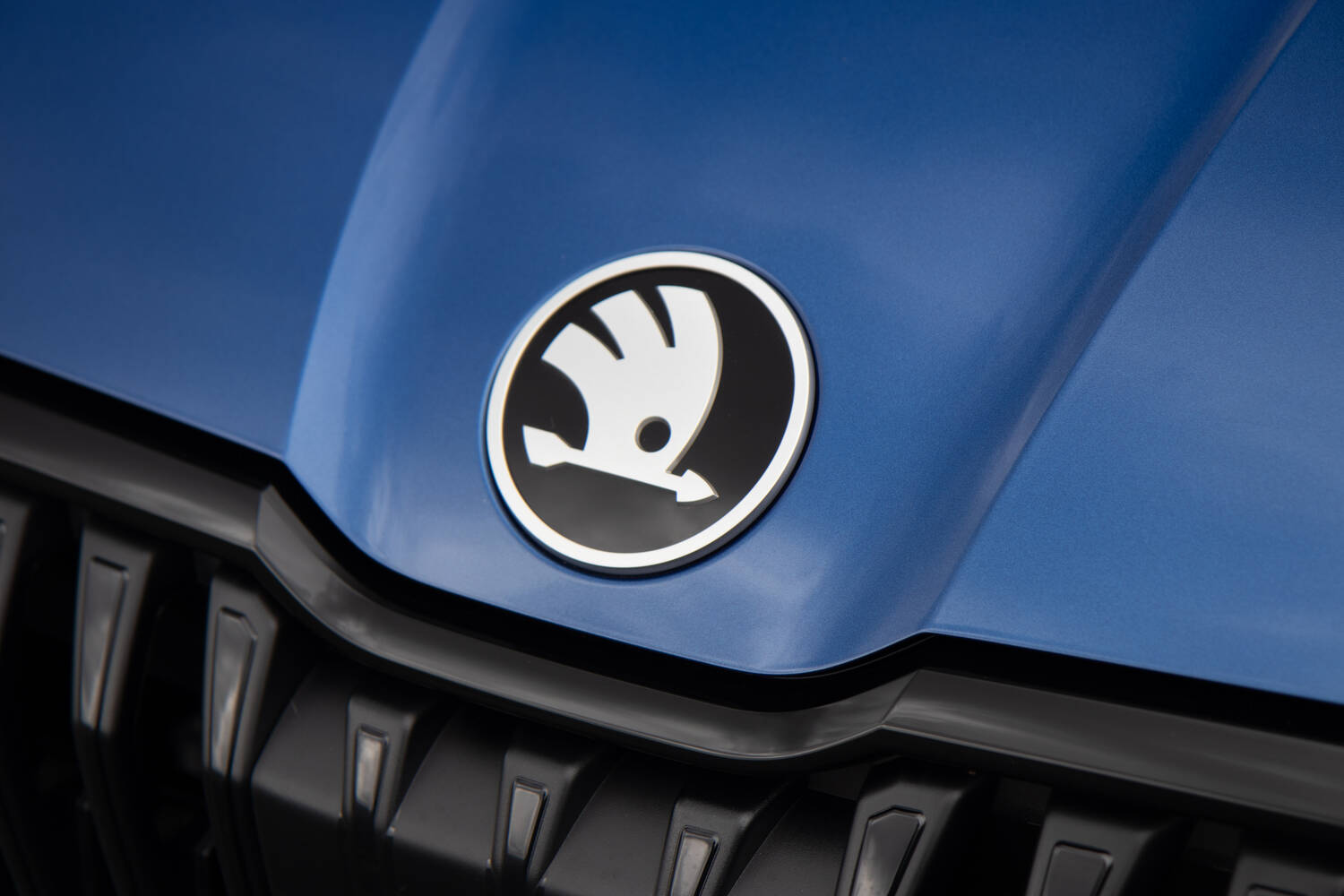
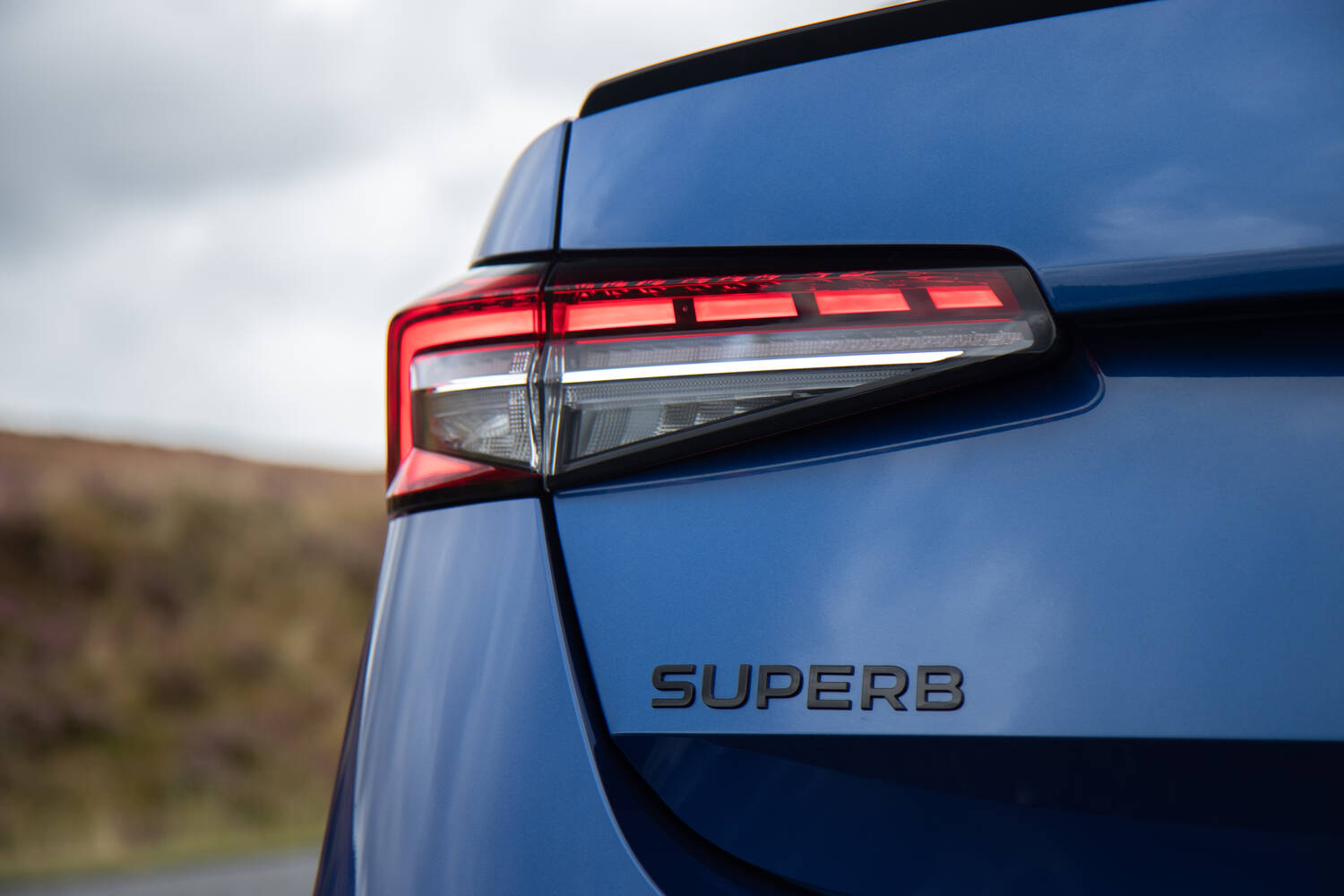
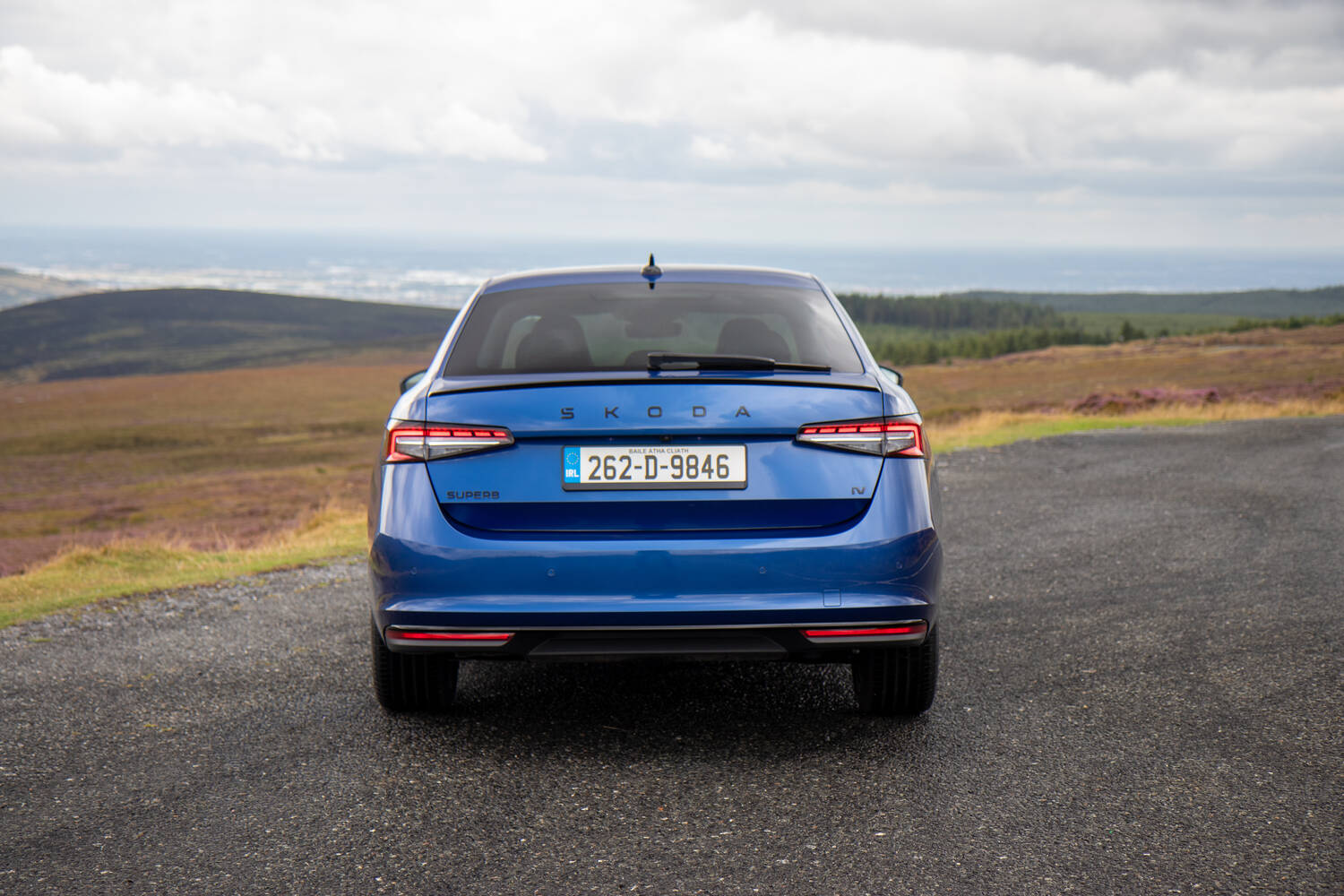
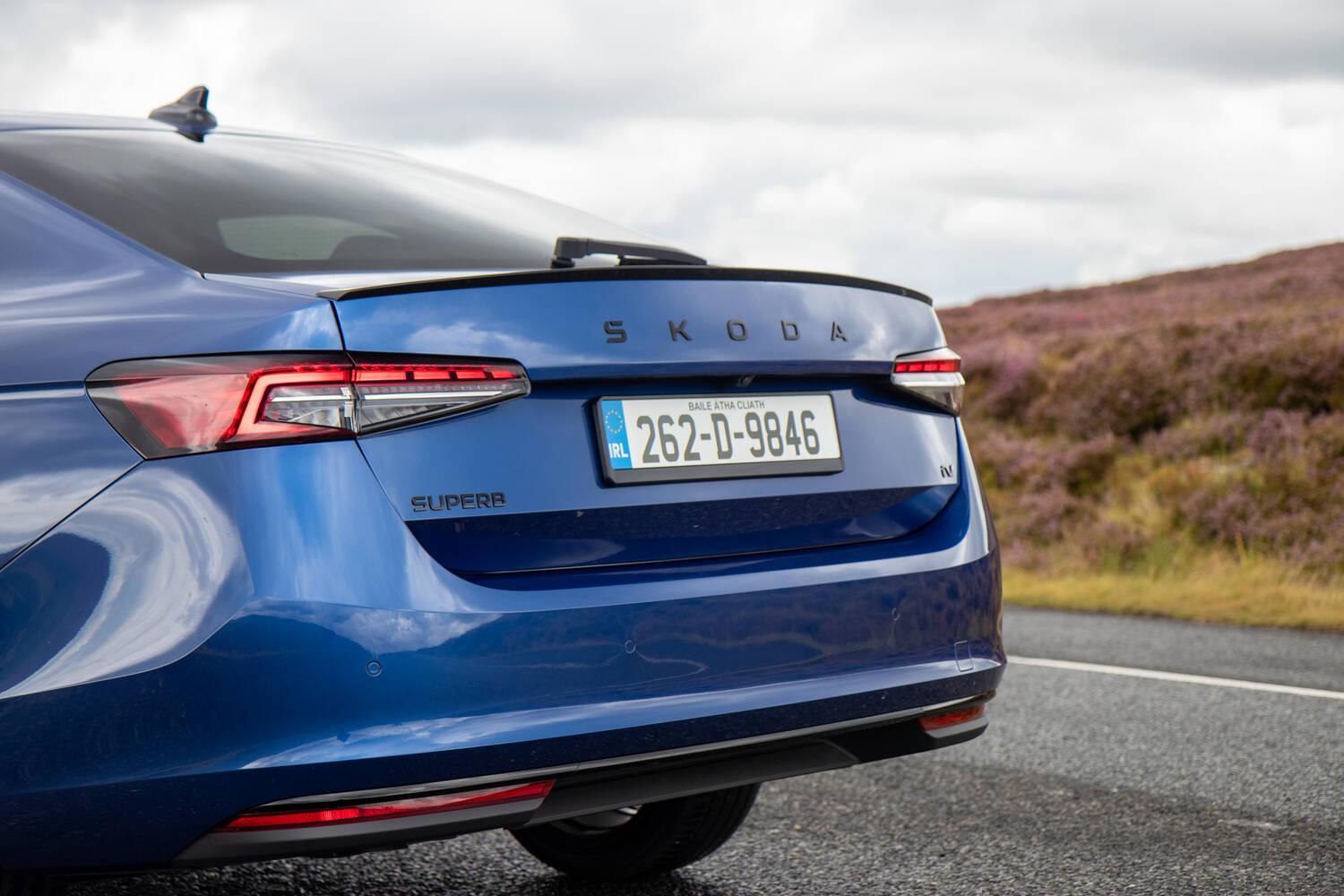
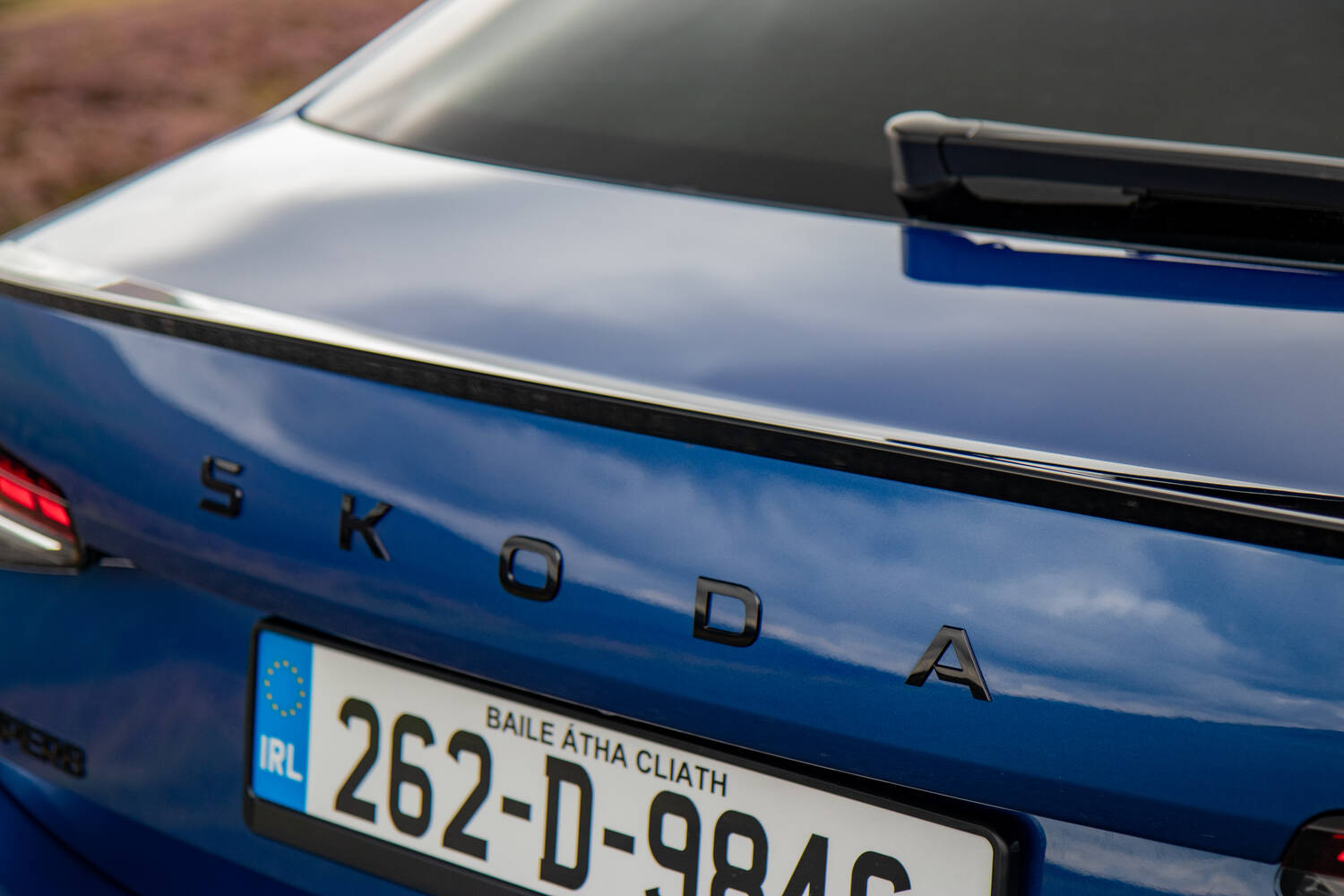
There's a deep cleft in the centre of the bonnet, where the traditional Skoda badge resides, although around the back that classic 'arrowhead' logo has been replaced by the Skoda wordmark picked out in individual letters.
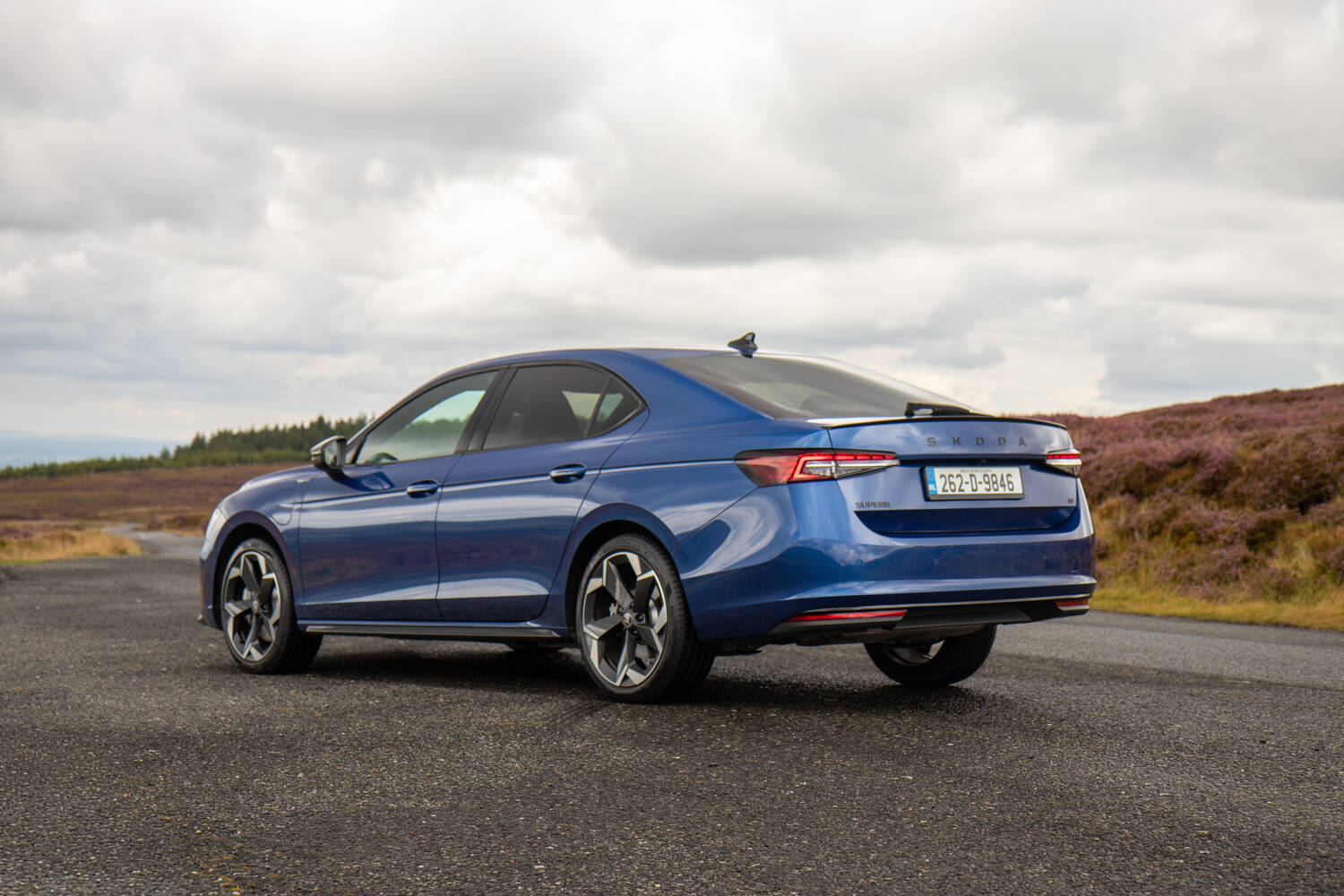
Also at the rear, the long, shallow angle of the tailgate and the depth of metalwork behind the rear glass fool you into thinking that this is a traditional saloon with a separate boot, but of course that's not the case - it's actually a large, and massively practical, liftback. Or hatchback. Or fastback. You choose the terminology you prefer, but it's definitely not a saloon.
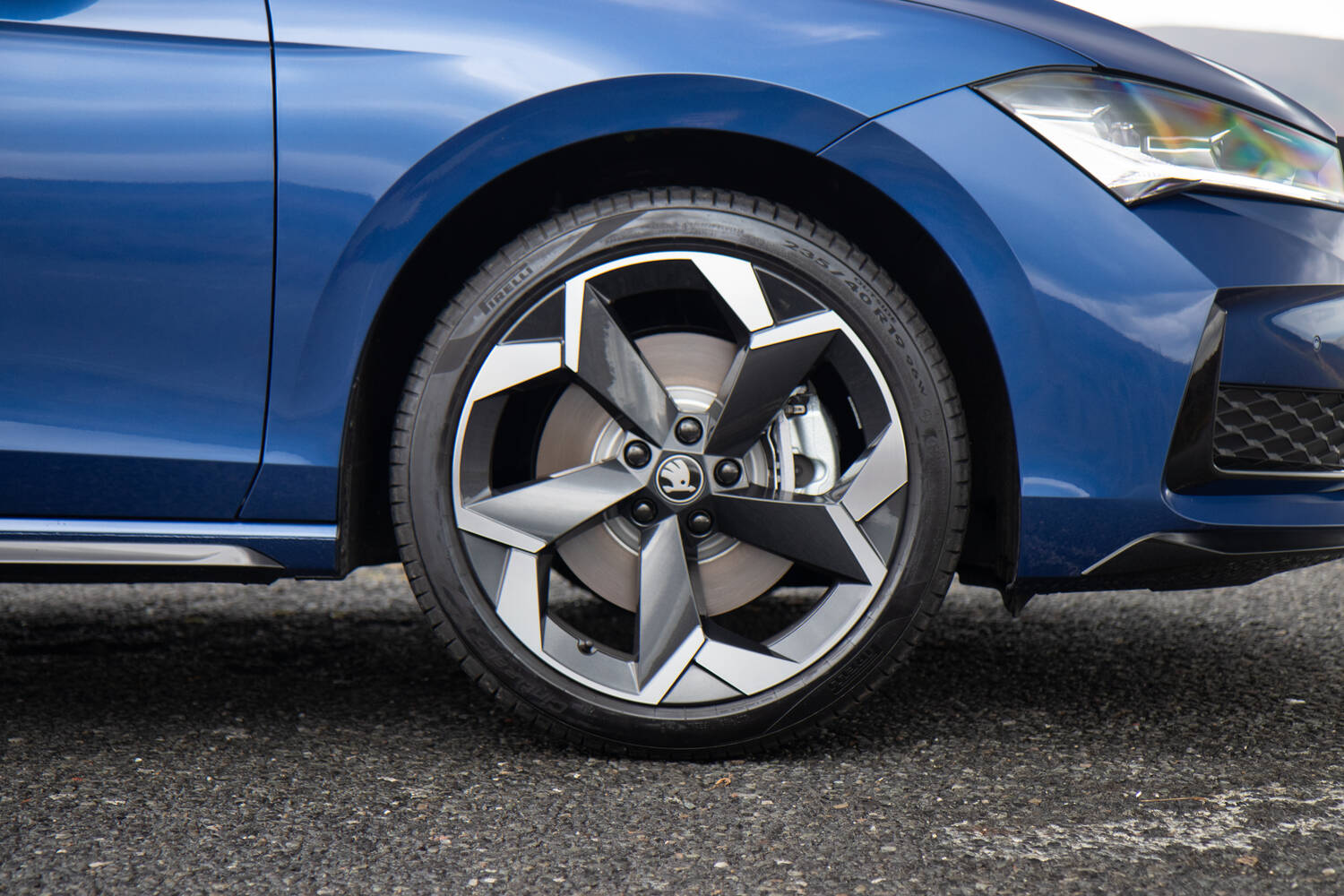
Alloy wheels range in size from 17- to 19 inches, and you can get some quite striking designs, including the 'Torcular' option that comes with Sportline spec.
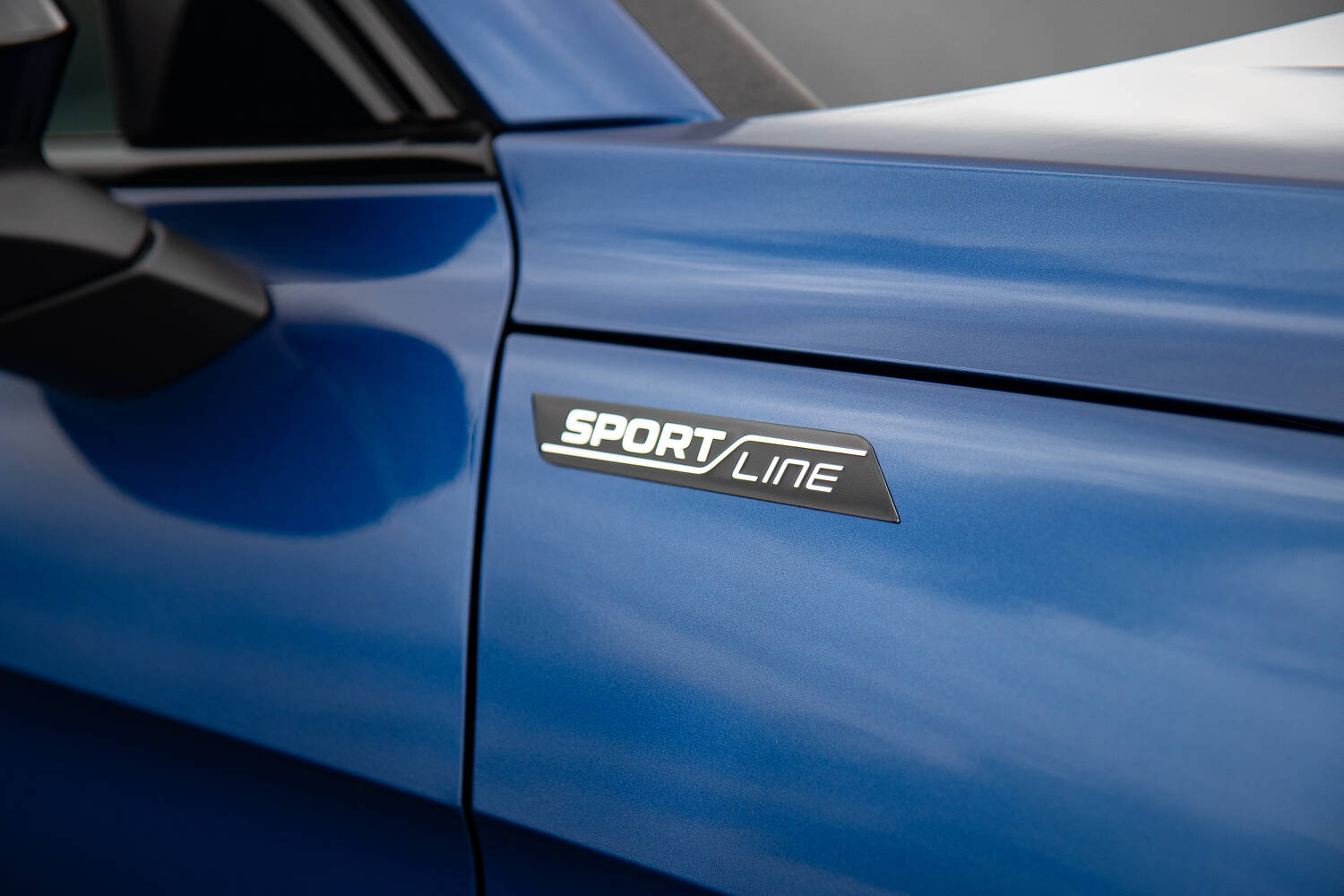
Speaking of which, Sportline also includes dark-finished exterior trim, a subtle body kit and a neat faux-carbon-fibre lip spoiler at the rear of the boot. It certainly makes the Superb look a little sharper, and amps up the BMW-like visuals.
Dimensions of the 2026 Skoda Superb
- Length:
- 4,902mm
- Width:
- 1,849mm (mirrors folded)
- Height:
- 1,482mm
- Wheelbase:
- 2,841mm
Paint colours for the 2026 Skoda Superb
Energy Blue, a bright and vivid shade, is the Superb's sole no-cost colour option, and it's actually quite nice. You'll pay €566 extra if you want Purity White, but as is so often the case, that just gives strong hire-car overtones.
All metallic paint options cost €868 extra, and those include the expected and predictable Graphite Grey, Pebble Silver and Ebony Black.
However, Skoda does offer some strong, bright colours which look rather good on the Superb's bodywork, including Cobalt Blue, Carmine Red and a pale metallic green called Ice Tea Yellow (which looks better on the Combi estate than on the saloon).
Interior, practicality, tech & comfort of the 2026 Skoda Superb
- All the space you could need
- Excellent comfort
- Some cheap bits
This 'B9' Superb's cabin took a bit of a radical departure for the model, as previous Superb interiors had all been quite subdued and simple, although also all religiously well put together.
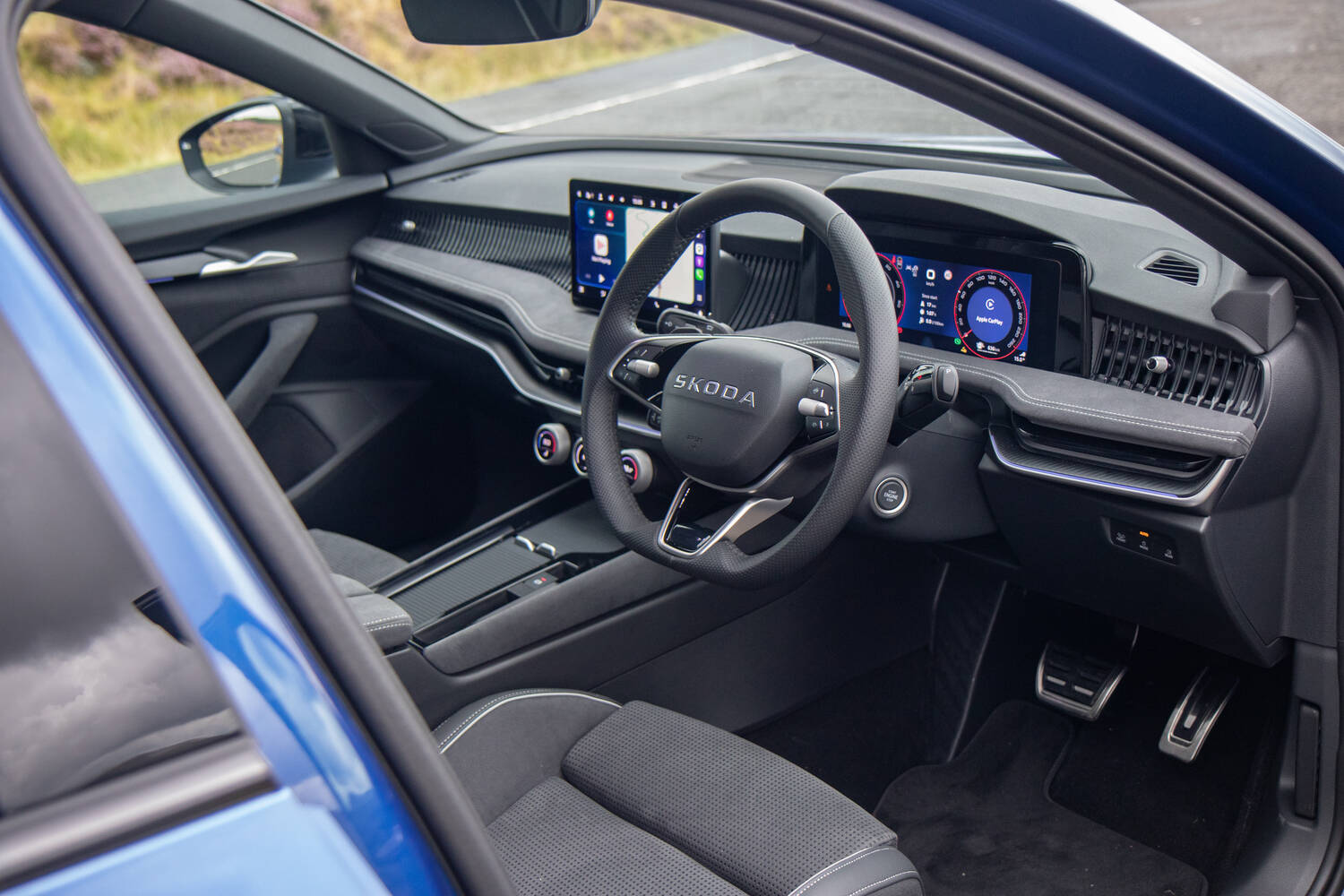
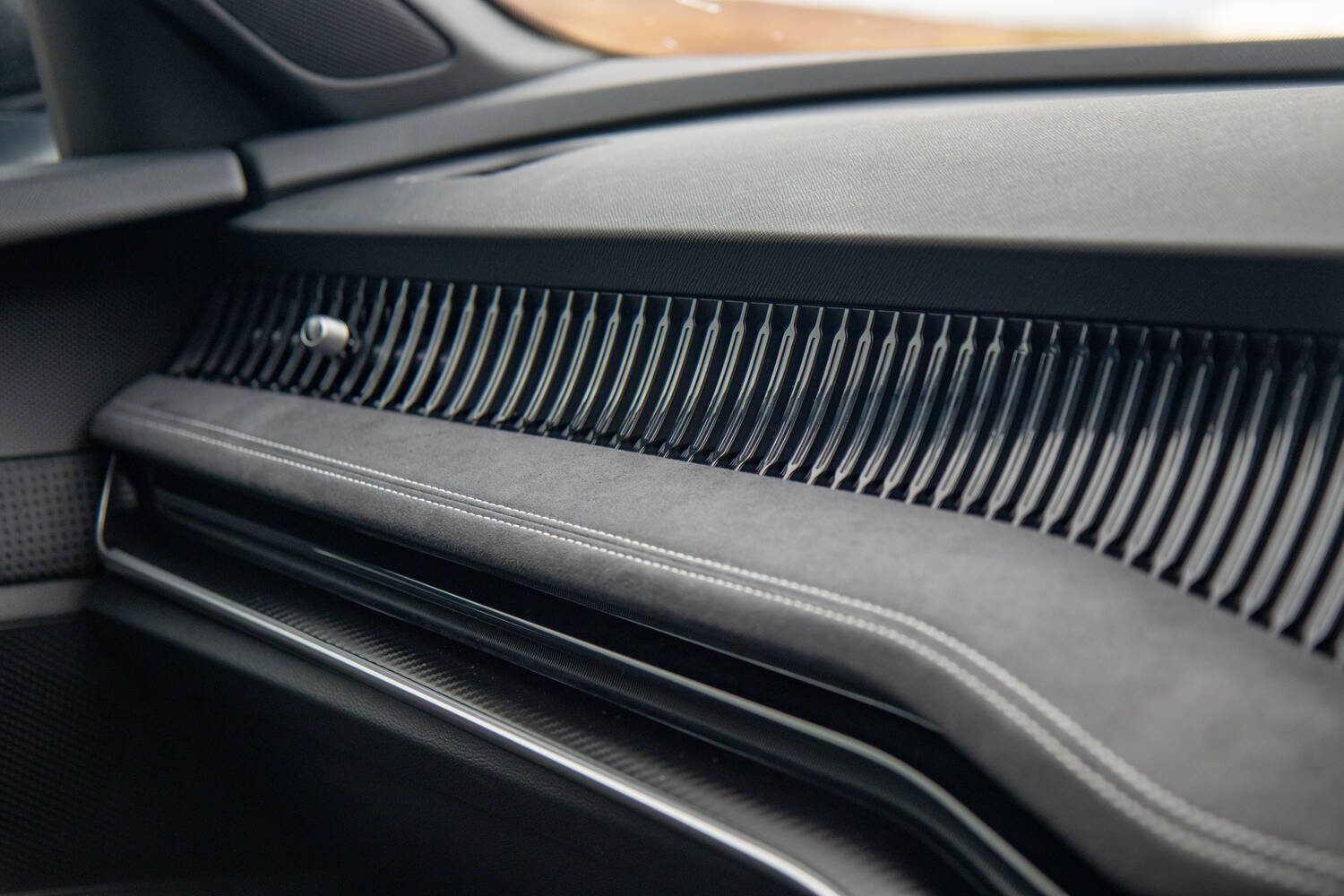
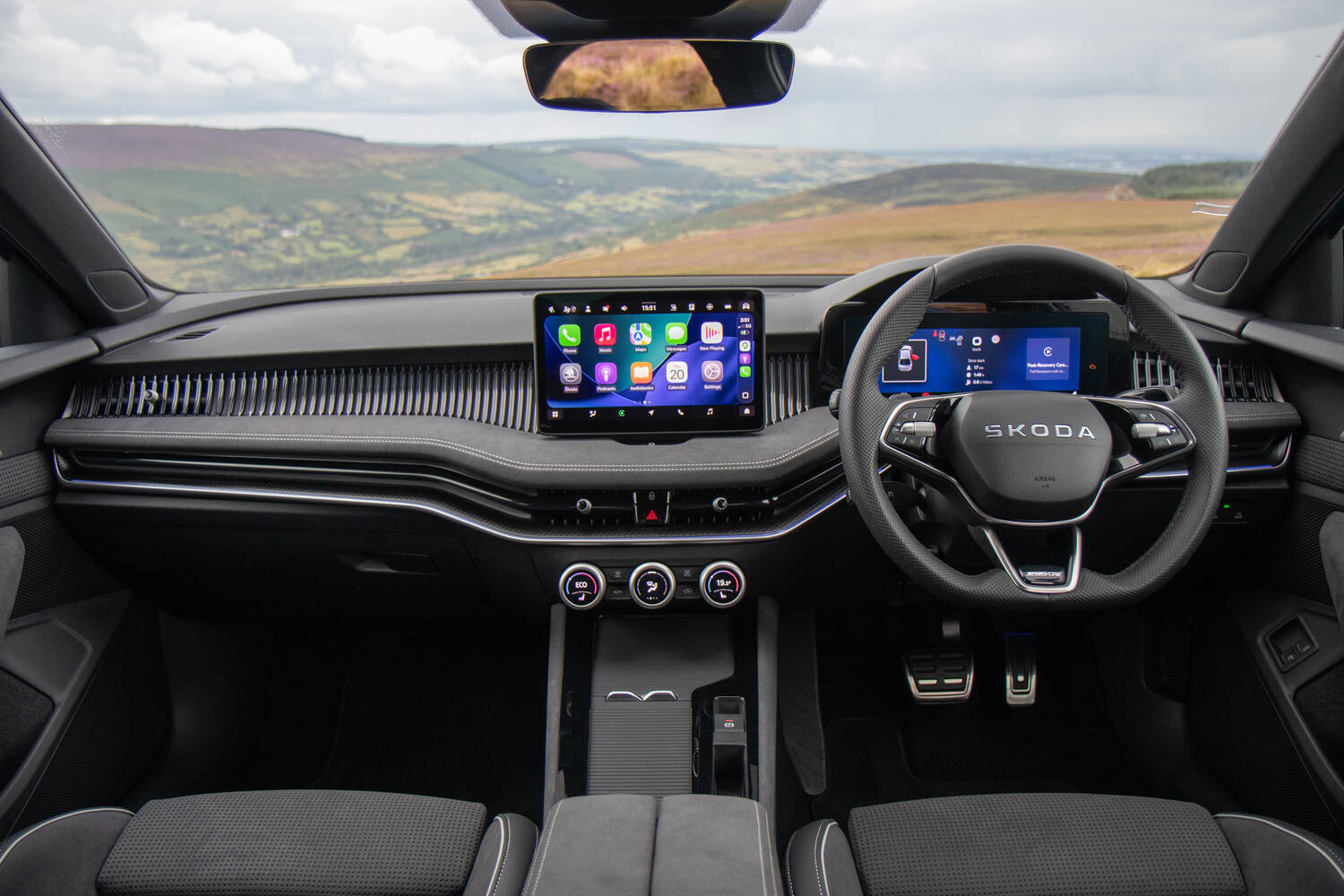
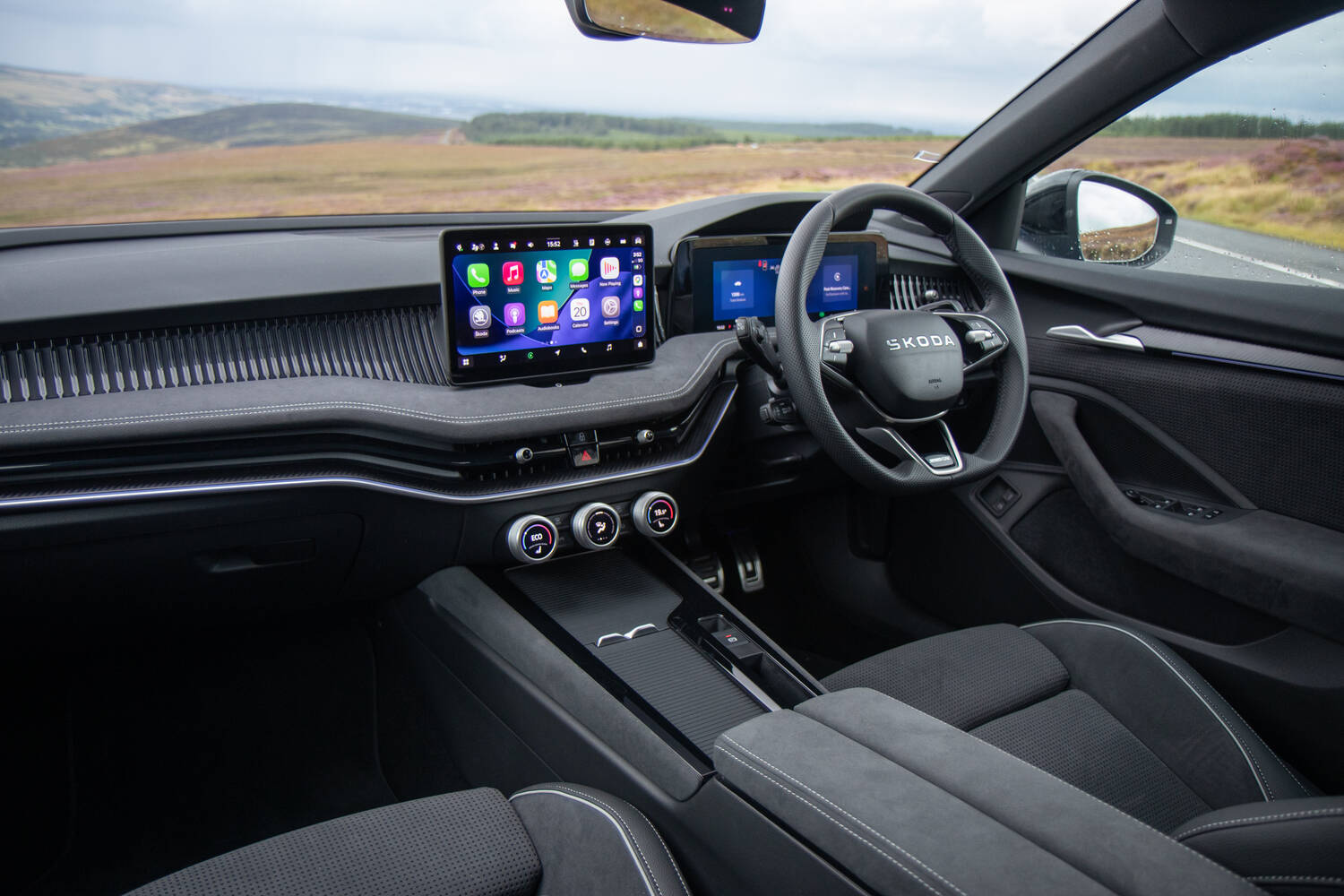
The dashboard in this Superb is more overtly stylish, with a stylised grille that runs almost the full width of the dash, referencing the look of the actual grille on the nose and neatly integrating the face-level air vents into its design.
It's quite striking, although from some angles it does look a bit like Darth Vader's writing desk. Maybe that's not a bad thing.
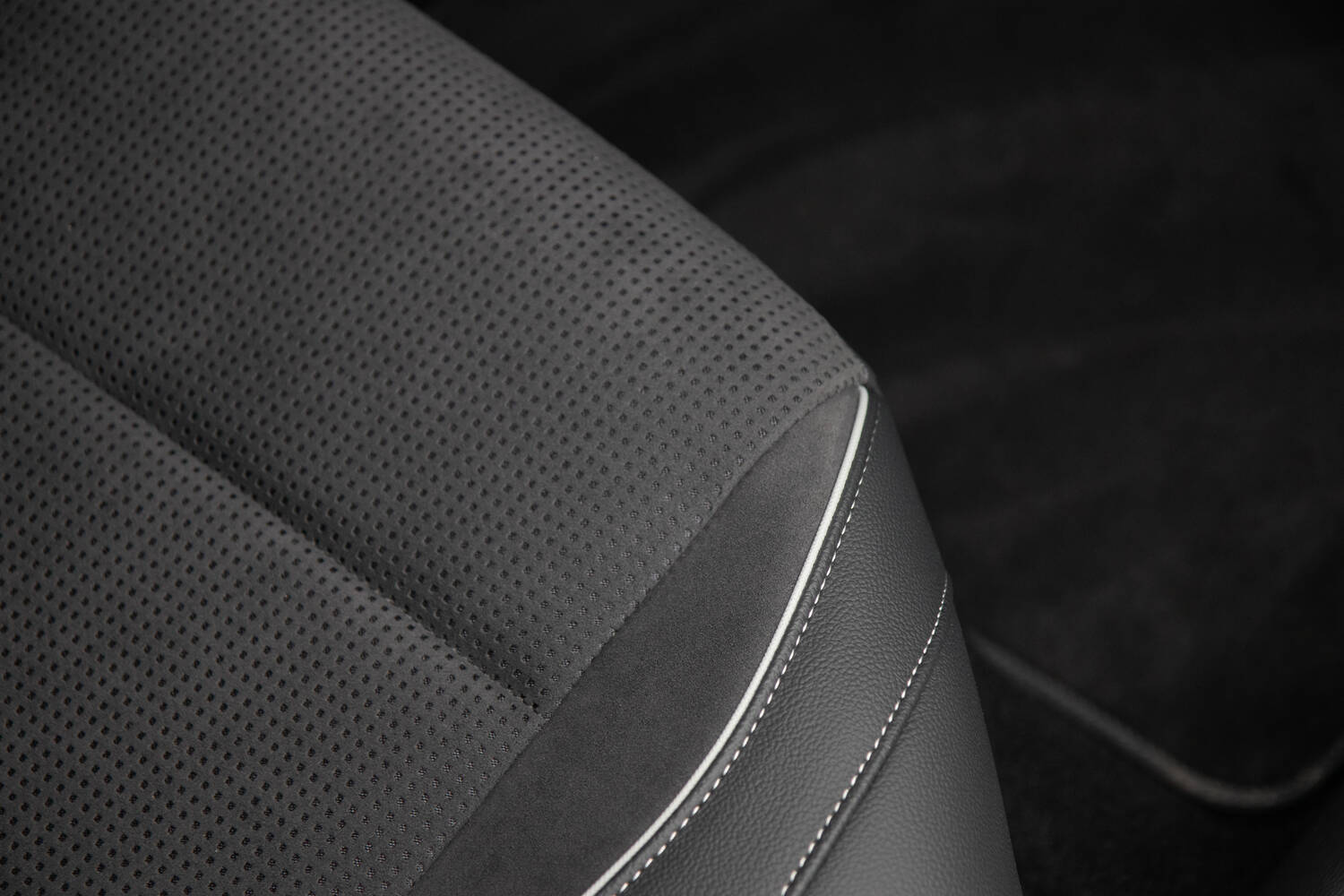
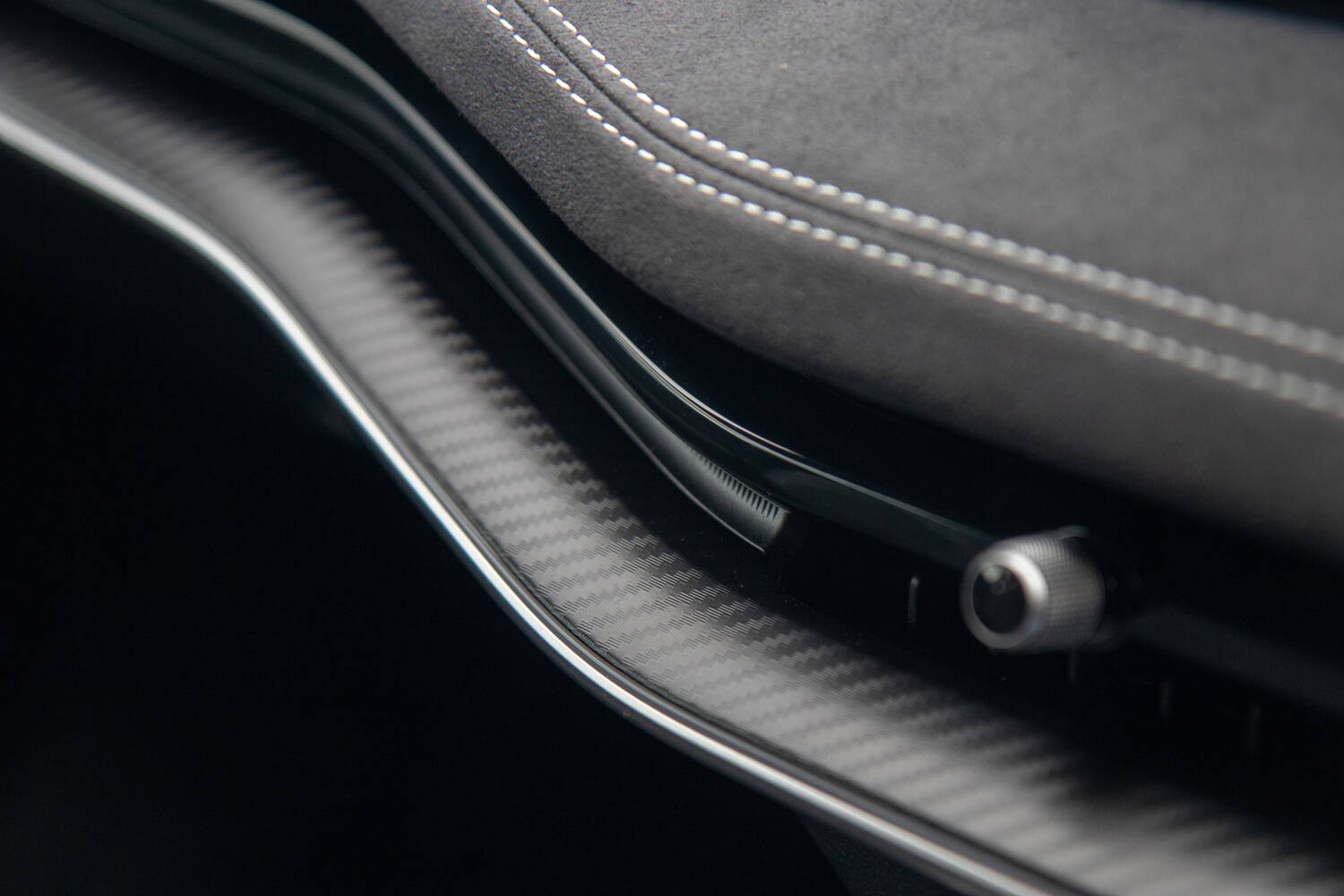
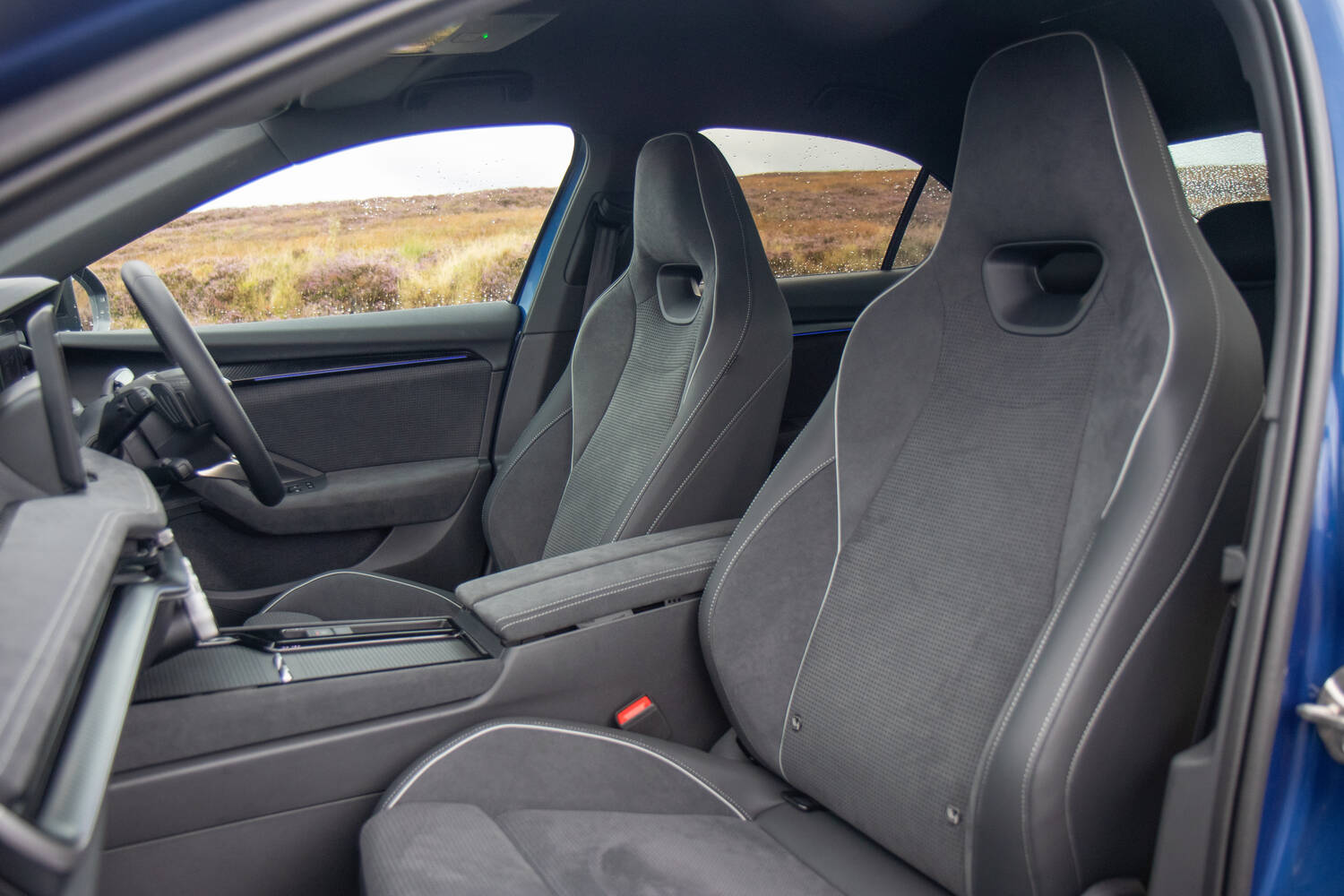
If you go for a Sportline model, there's lots of nice imitation suede trim, along with some fillets of faux carbon fibre, which also spread out across the dashboard, and which do quite a bit to lift the interior ambience.
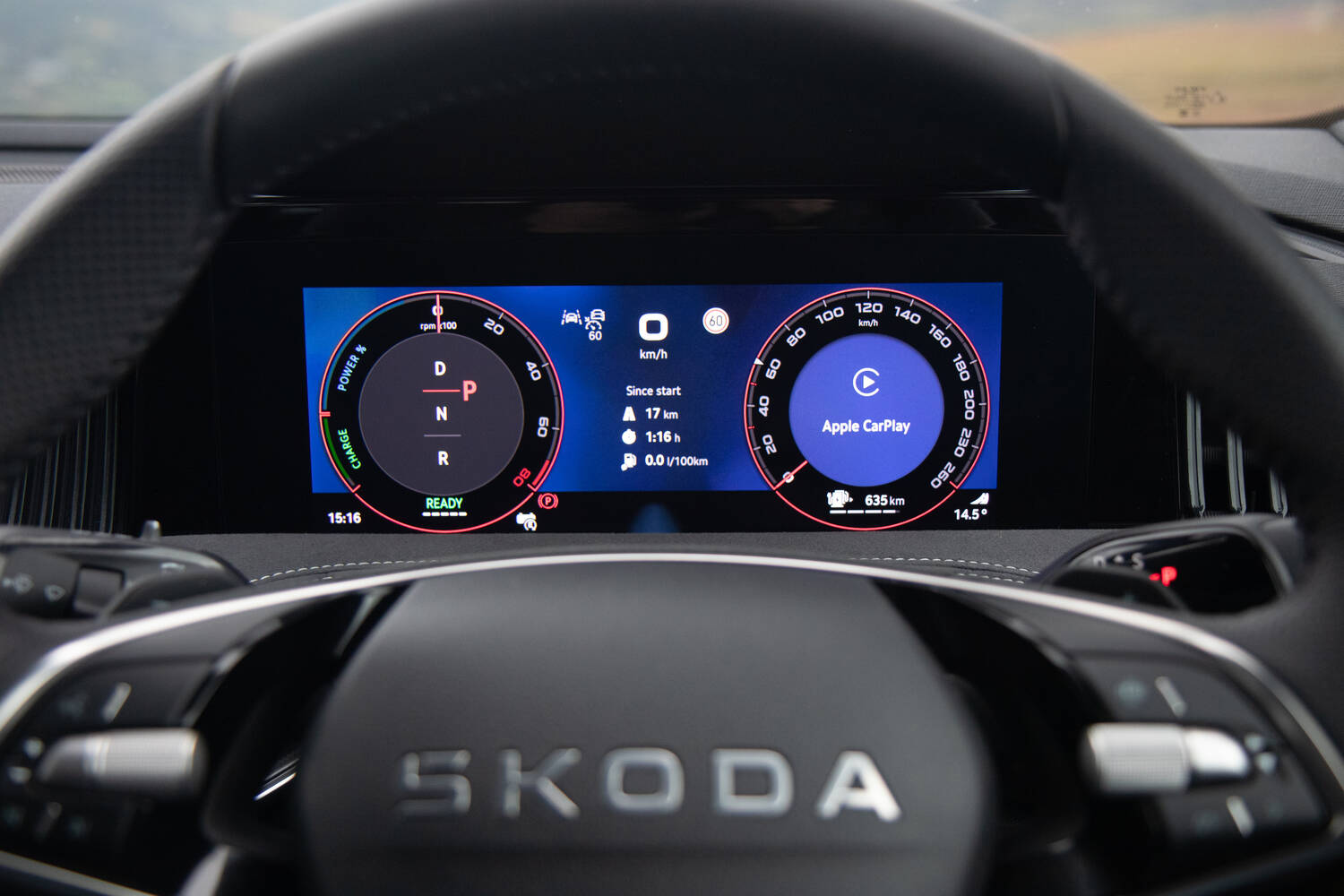
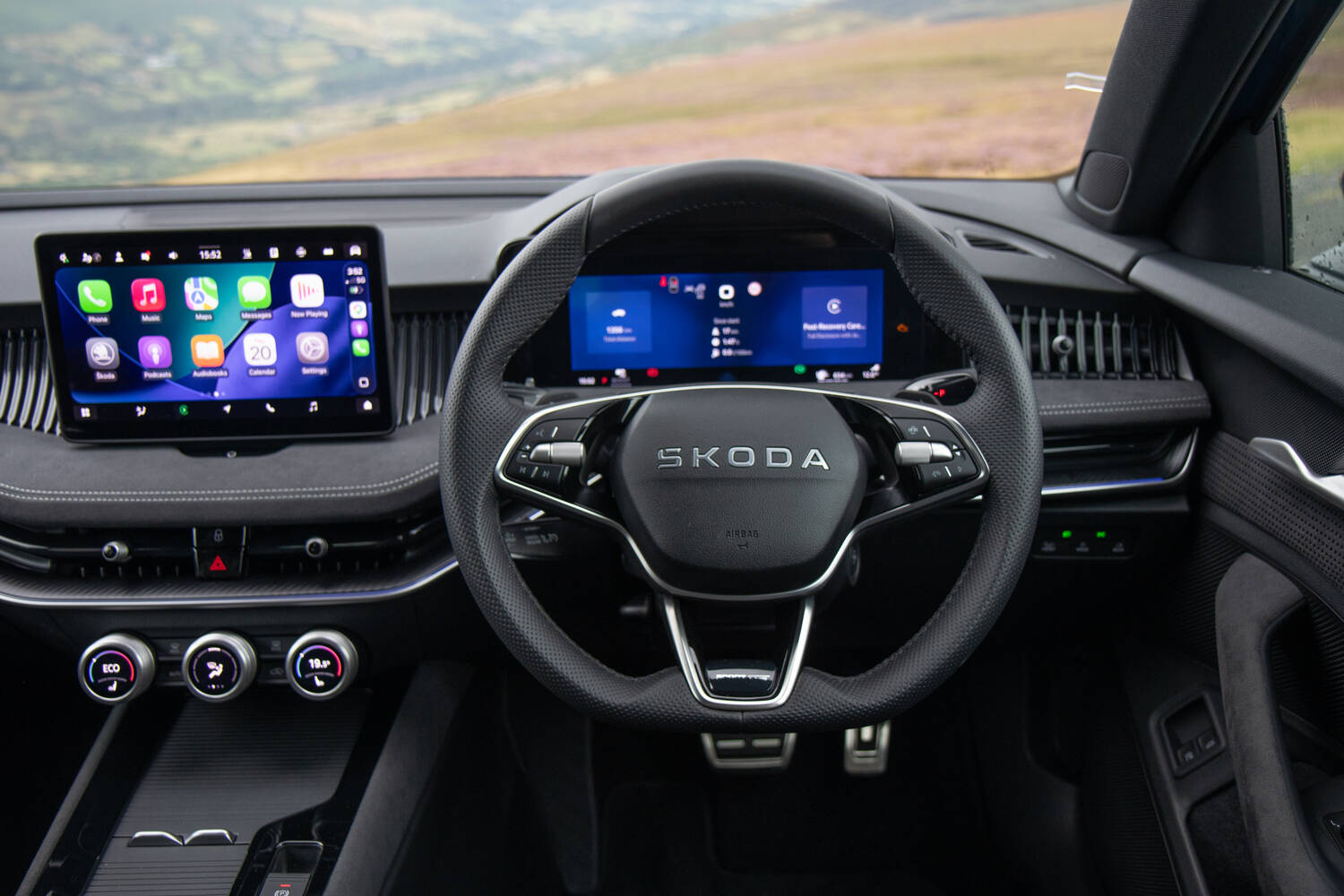
Oddly, the digital instrument screen, behind the wheel, has a bezel that extends out beyond the boundaries of the binnacle that sits on top. It's an odd design decision, presumably a deliberate one but one which does look like a mistake.
Getting comfortable in the driver's seat
The Superb has an excellent driving position, which is in some part down to it being low slung. Now, I'll admit that I'm an oddity - I feel safer sitting down low in a car, whereas many of you will feel the exact opposite - but whatever about that, there's a huge range of adjustment in the steering wheel and the seat which should mean that anyone can find a comfortable driving position.
Better yet, taller drivers will be able to stretch out quite a lot without, as we shall see, meaningfully impacting rear-seat space.
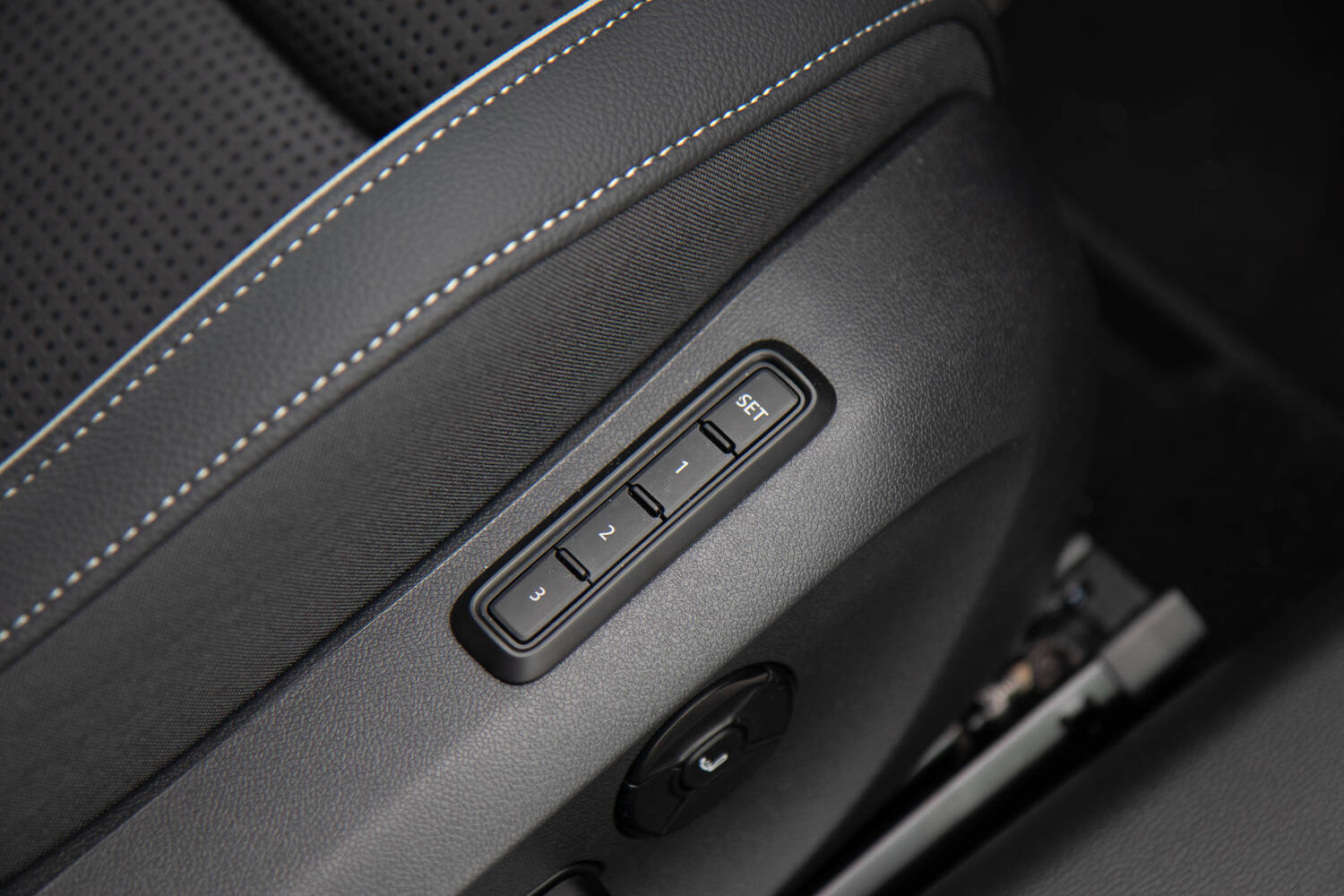
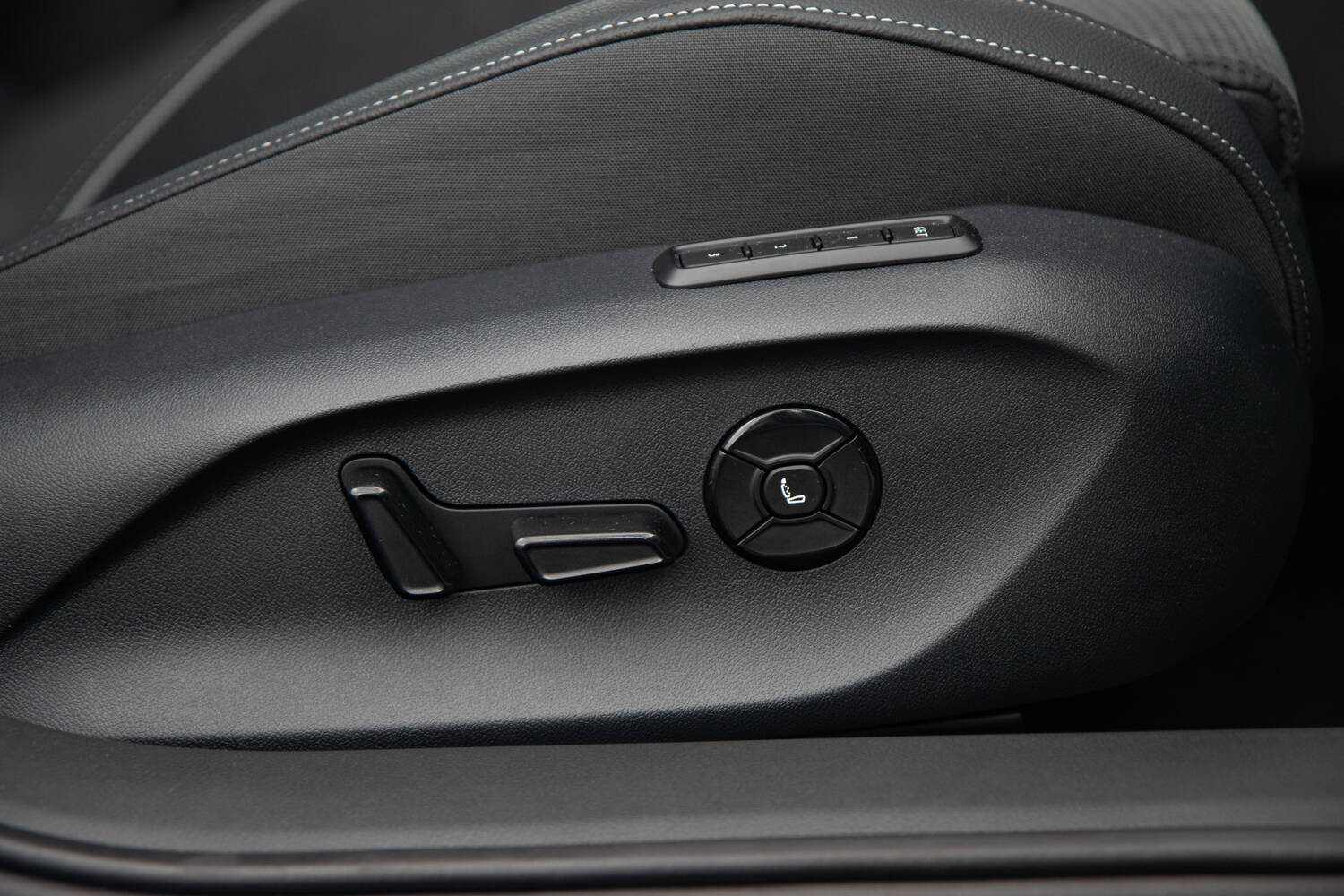
Sportline versions of the Superb get some lovely high-backed bucket seats, upholstered in a mixture of imitation suede and leather, which have electric adjustment, heating and a massage function, as well as an extending section on the seat squab for better leg support on a long run.
Those seats are almost worth the extra cost of the Sportline on their own. Don't forget that the Superb is also good at keeping you comfortable even when you're getting out of the car, as there's the traditional compact umbrella stashed inside the driver's door.
Infotainment and technology
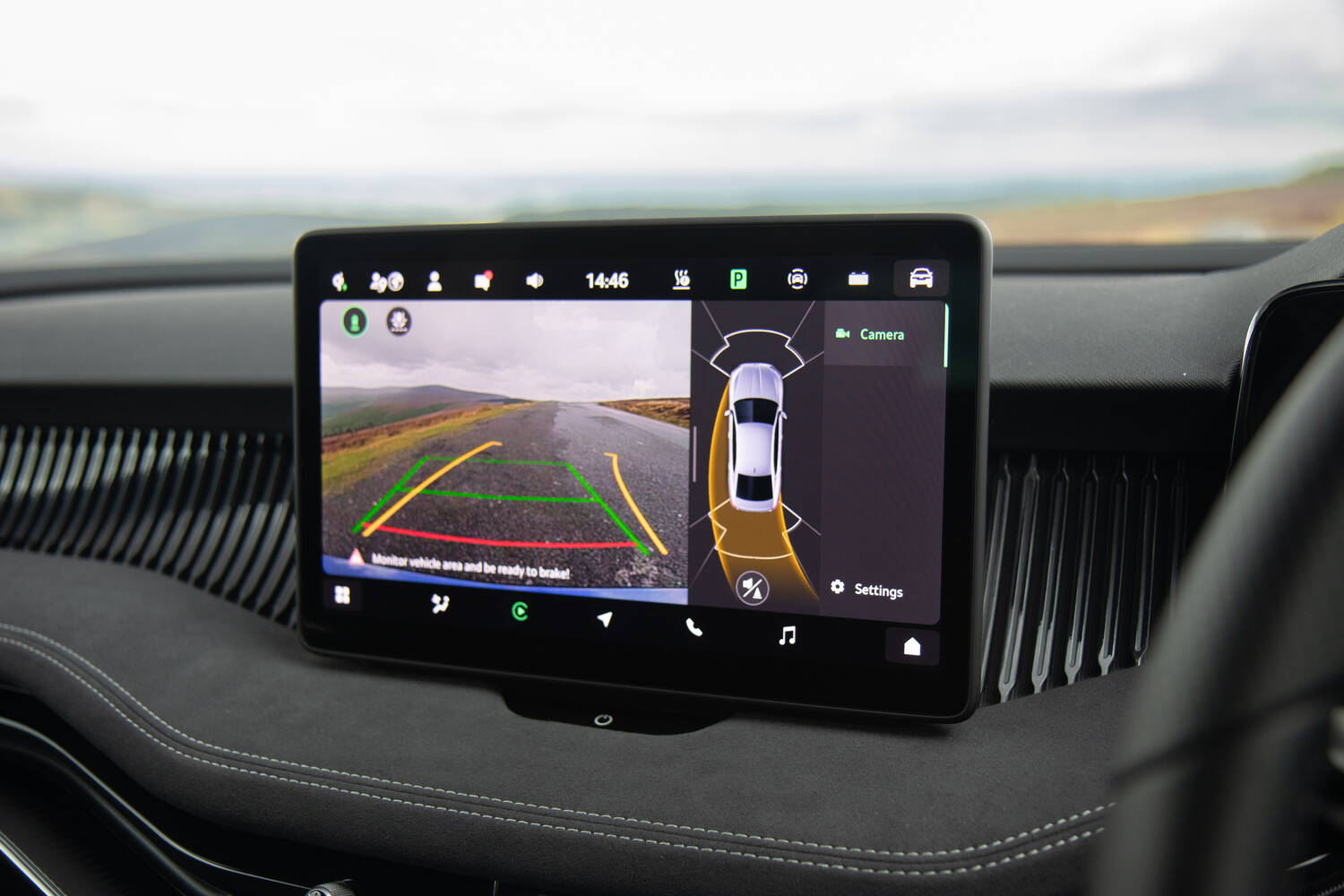
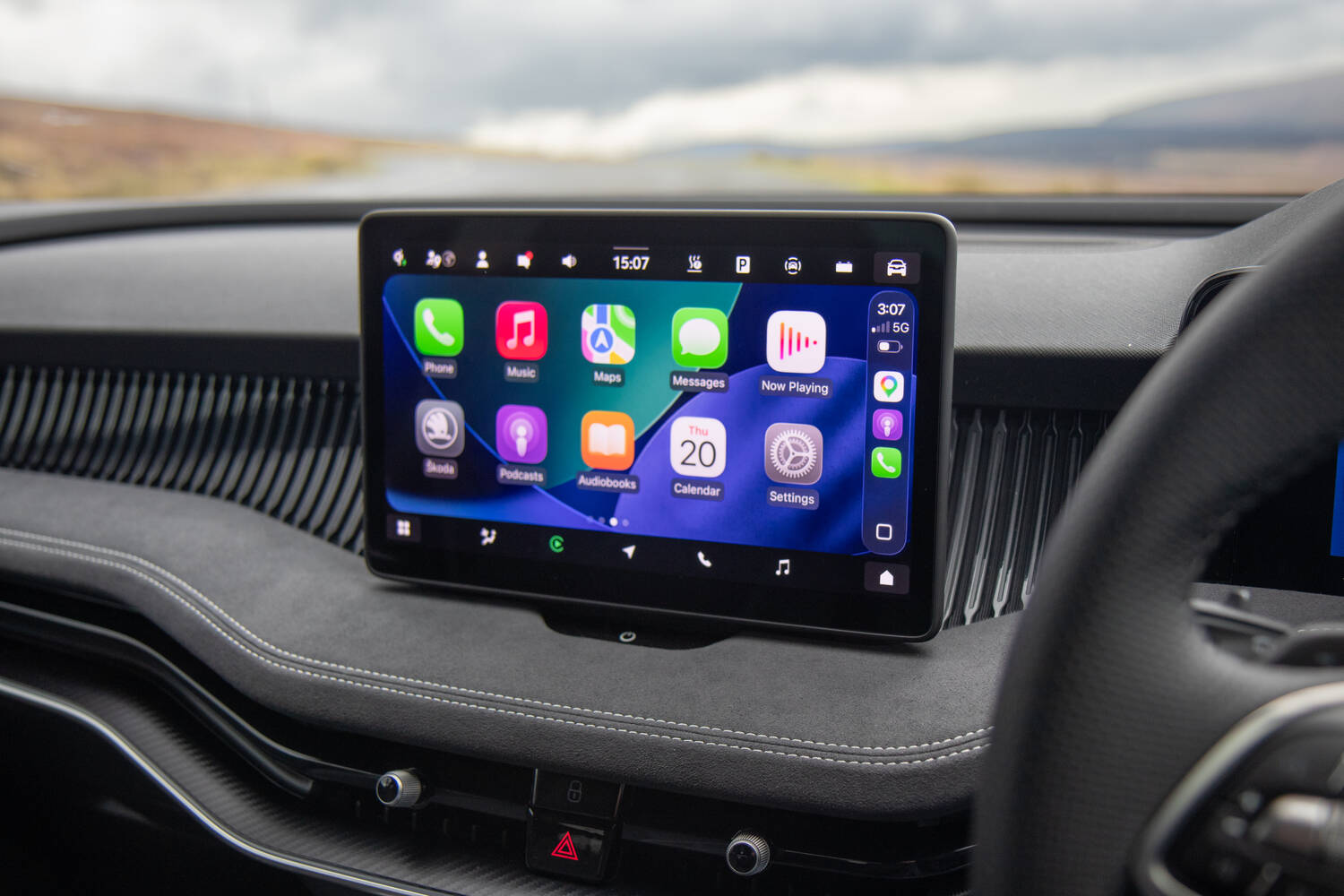
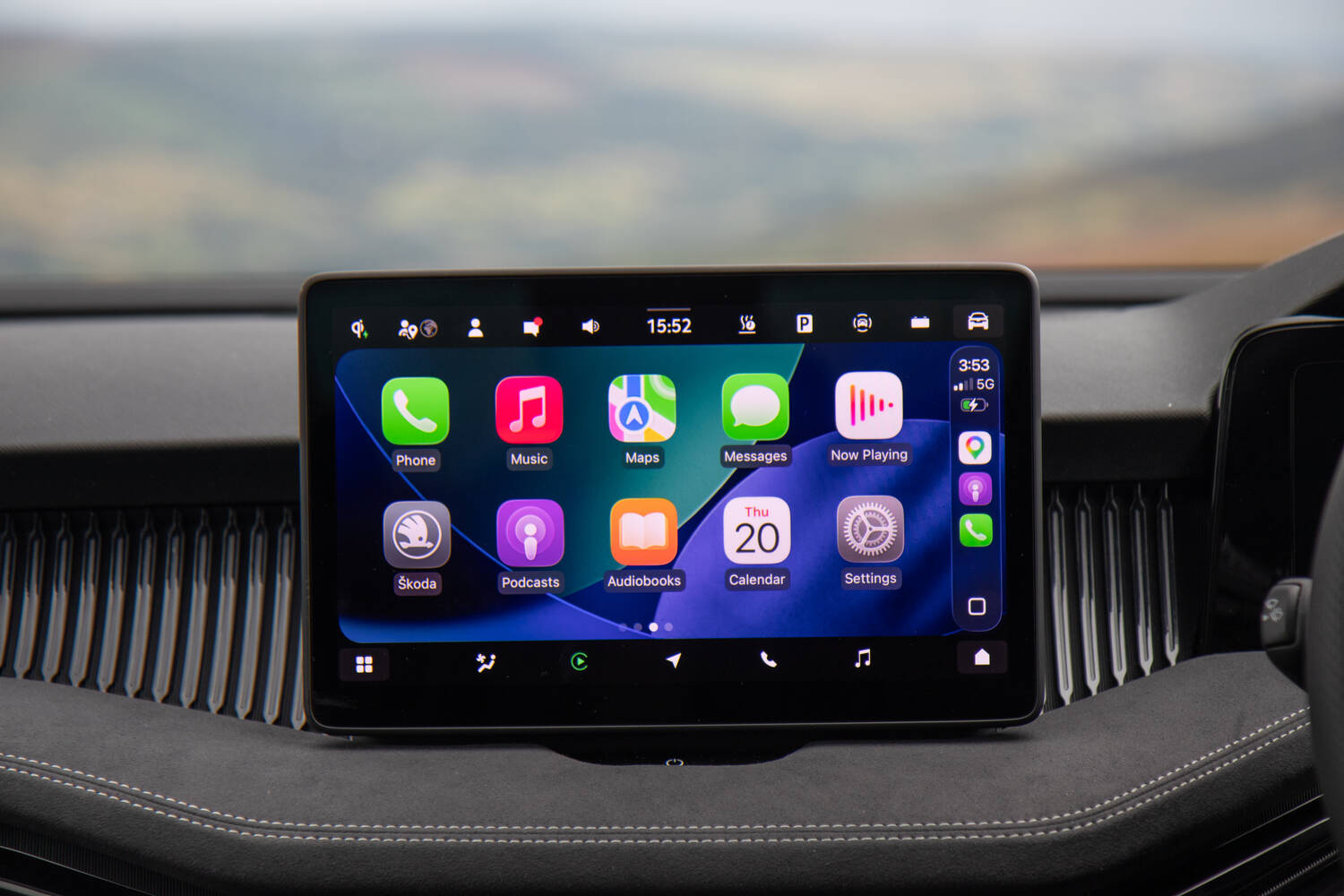
The Superb comes with a choice of two main infotainment touchscreen sizes - 10-inch or 13-inch - and we think you should just stick with the basic 10-inch version unless you need the built-in navigation and online services of the upgrade.
The nice thing about the 10-inch version is that it doesn't dominate the dashboard in the manner of the larger screen, and it's also less of a distraction when you're driving.
Skoda has been steadily updating its software over the years, and the on-screen menus are clearer than they used to be, and the whole screen is easier to use. One or two menu items are still a few too many presses away or placed in sections where you wouldn't expect to find them, but on the whole, this is a decent infotainment setup.
Of course, you can bypass Skoda's software and just use Apple CarPlay or Android Auto.
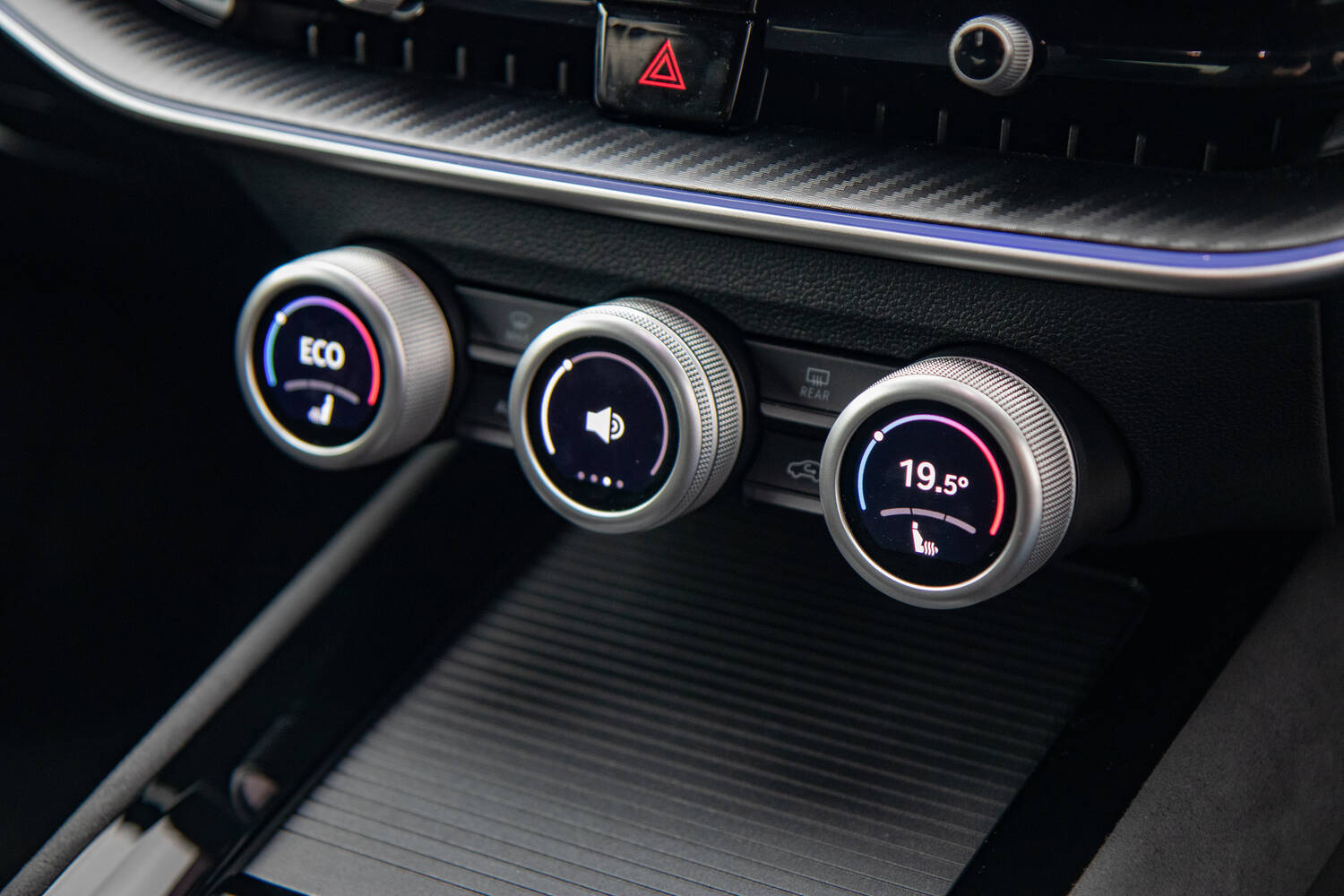
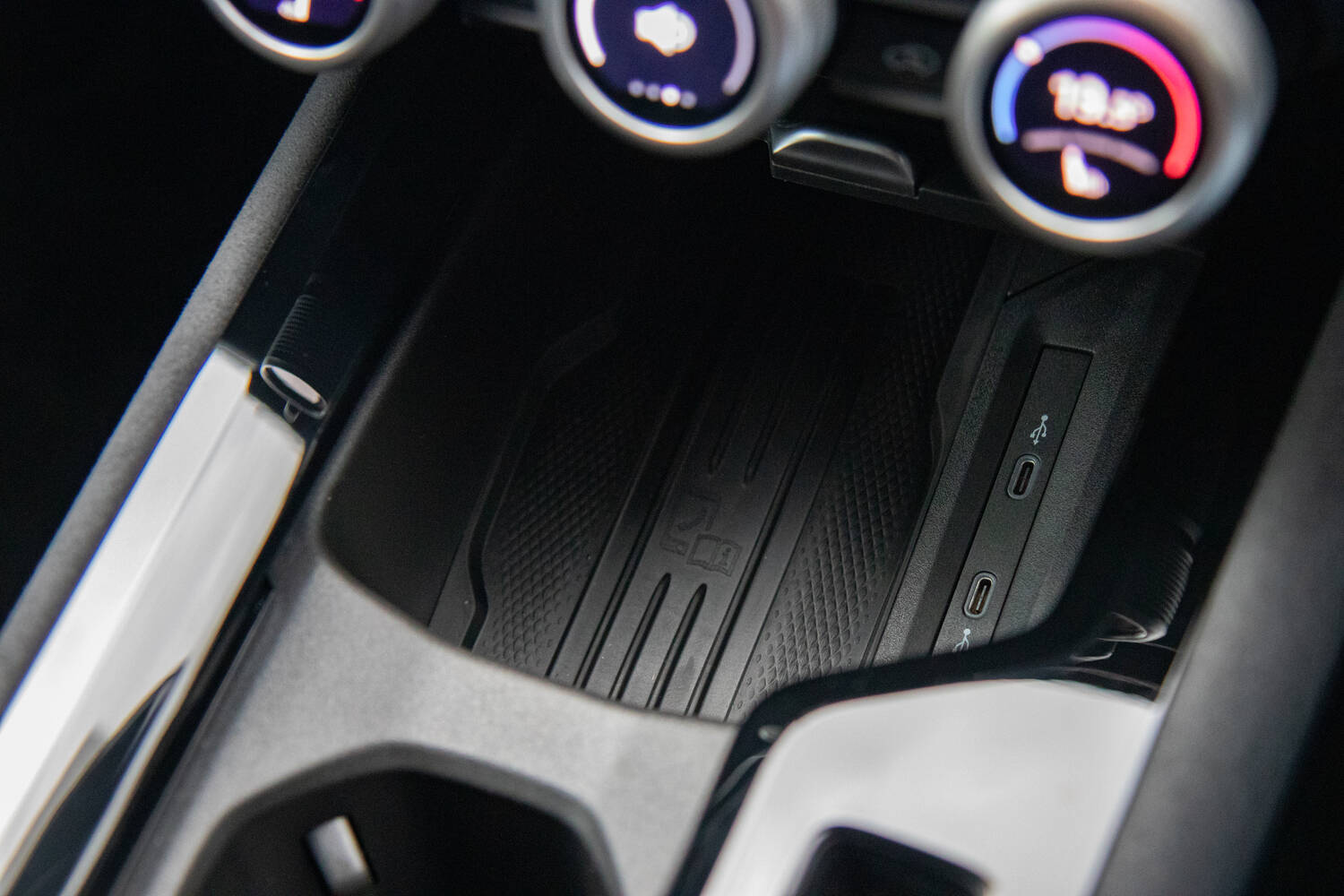
Beneath the screen, on the dashboard, is Skoda's best idea in ages - three physical rotary controllers, each with a small, round touchscreen set into it.
These control cabin heat, heated seats, driving mode, stereo volume, fan speed and airflow direction. They're entirely intuitive to use, and far easier to live with than constantly stabbing at the touchscreen for commonly used functions.
The only downside is that they feel a bit cheap, even to the point of wobbling slightly within their mounting points as you use them, which does detract from what is otherwise a very impressive, high-quality feel to the Superb's cabin.
The driver's instrument display is mildly frustrating, though. Although it's clear, and packed with information, it's slightly tricky at times to get it to display precisely what you want, and you often end up running around in menu circles looking for just the right combination of layout and info.
Practicality around the cabin
Practicality is why the Superb exists. It's a big car overall - almost five metres long - but it parlays that bigness into usefulness inside.
The front of the cabin features a large storage area under a 'butterfly' armrest, in front of which are two cupholders, one of which has a knurled base so that it grips a bottle of water or fizzy drink, allowing you to open it one-handed.
Those cupholders get a sliding solid cover for when they're not in use, and in front of those, also under a sliding cover, is a roomy storage area that's also home to a wireless phone charger and two USB-C sockets.
The door bins are massive, and they're fabric-lined so that any items therein won't clatter about the place.
Rear-seat passenger space
Here's where the Superb really scores over most of its competition, although at this point it's worth mentioning that the VW Passat Estate, which is essentially the same car with a different body, now matches the Superb for rear-seat space, eroding the Skoda's once-unique advantage.
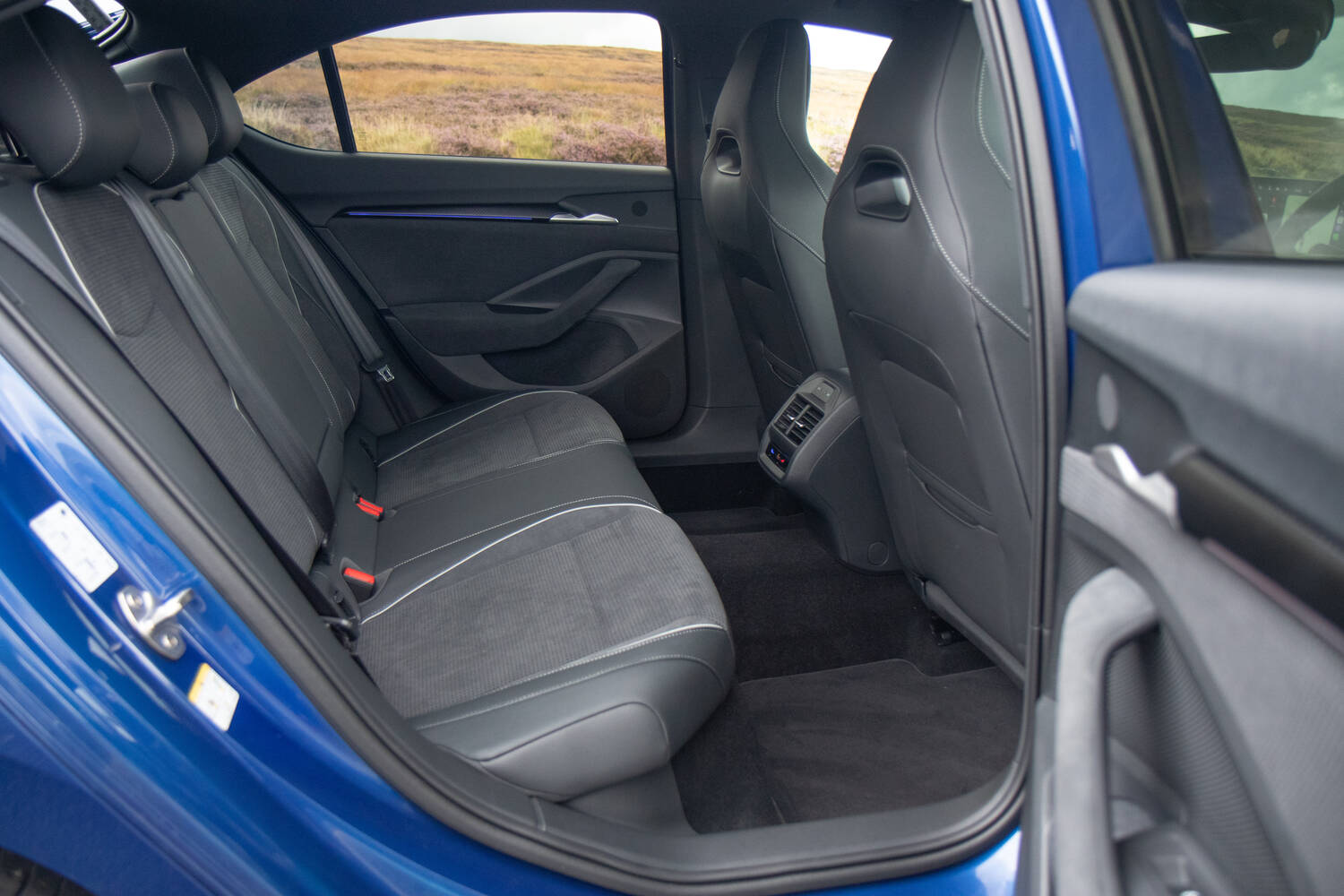
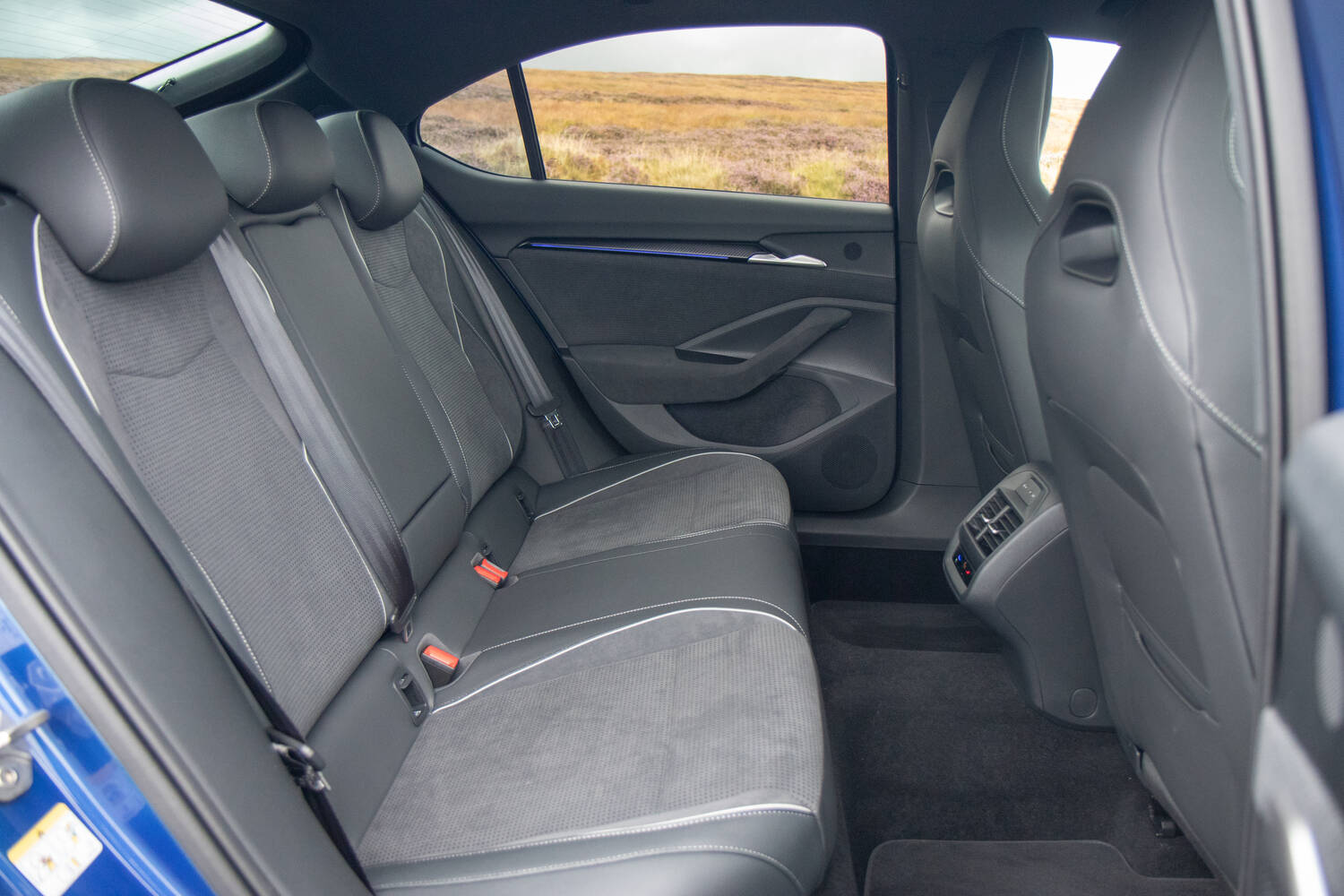
Even so, there are masses of space in the back of the Superb. At 185cm tall, I have plenty of fresh air between my knees and the back of the driver's seat, and headroom is fine too.
True, a Kodiaq would have even more headroom, but that will surely only be an issue for the very, very tall. For all the Superb's size, though, the centre rear seat is only going to be fitfully useable, as it's quite narrow, and there's a chunky transmission tunnel right where anyone sitting in the middle would like to put their feet.
If you're not using the centre seat, there's a nice armrest which folds down. Open up the lid of that and there are two cupholders and a flap with a lip which is an ideal resting place for a mobile phone or small tablet.
There are large seatback pockets for those in the rear, which are split-level so that they have a smaller extra pocket which is handy for stashing items like earbuds which might get lost in the bigger section.
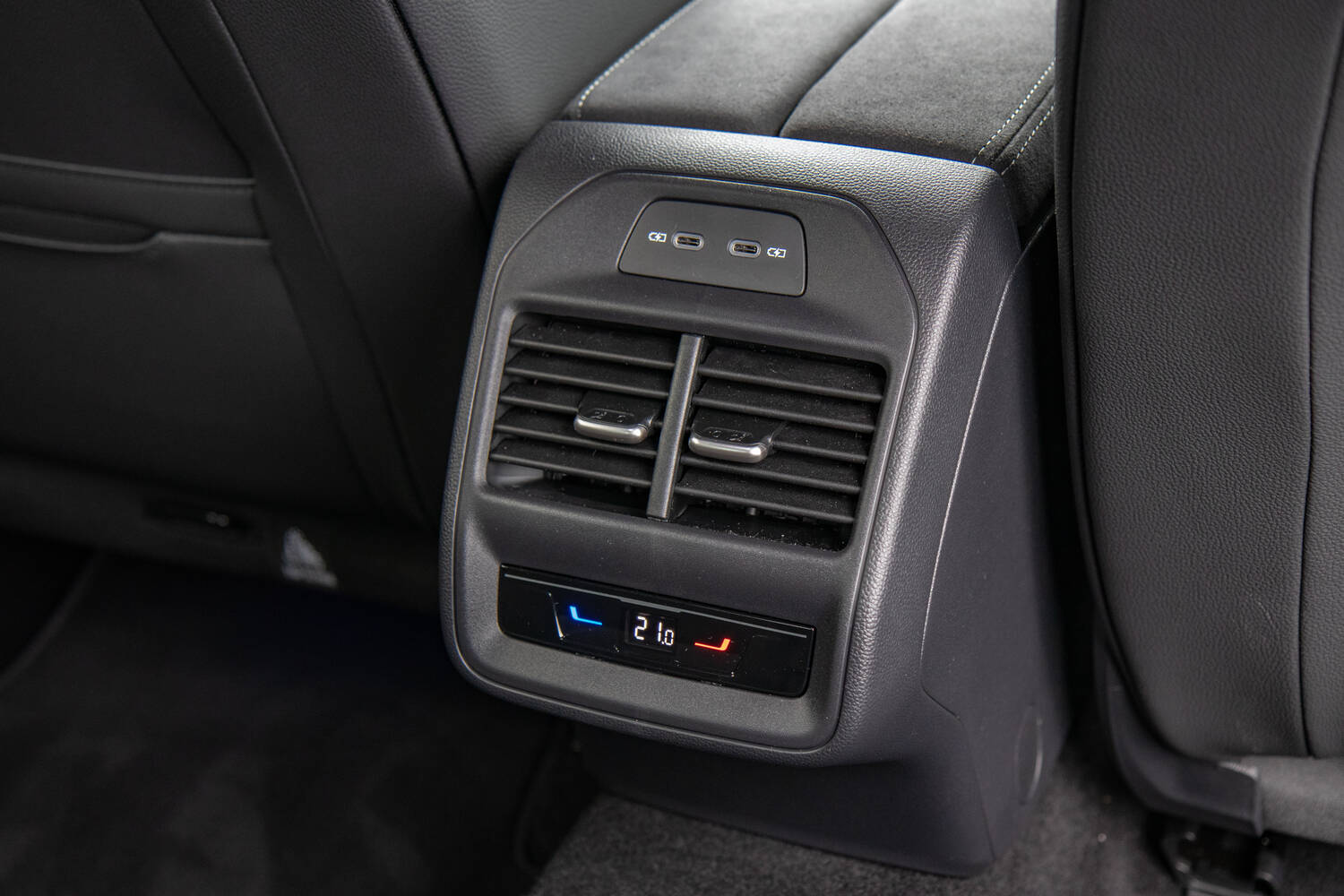
Again, there are large and useful door bins and even basic Superbs come with three-zone climate control, so that rear-seat passengers get their own temperature controls.
Fitting child seats to the Skoda Superb
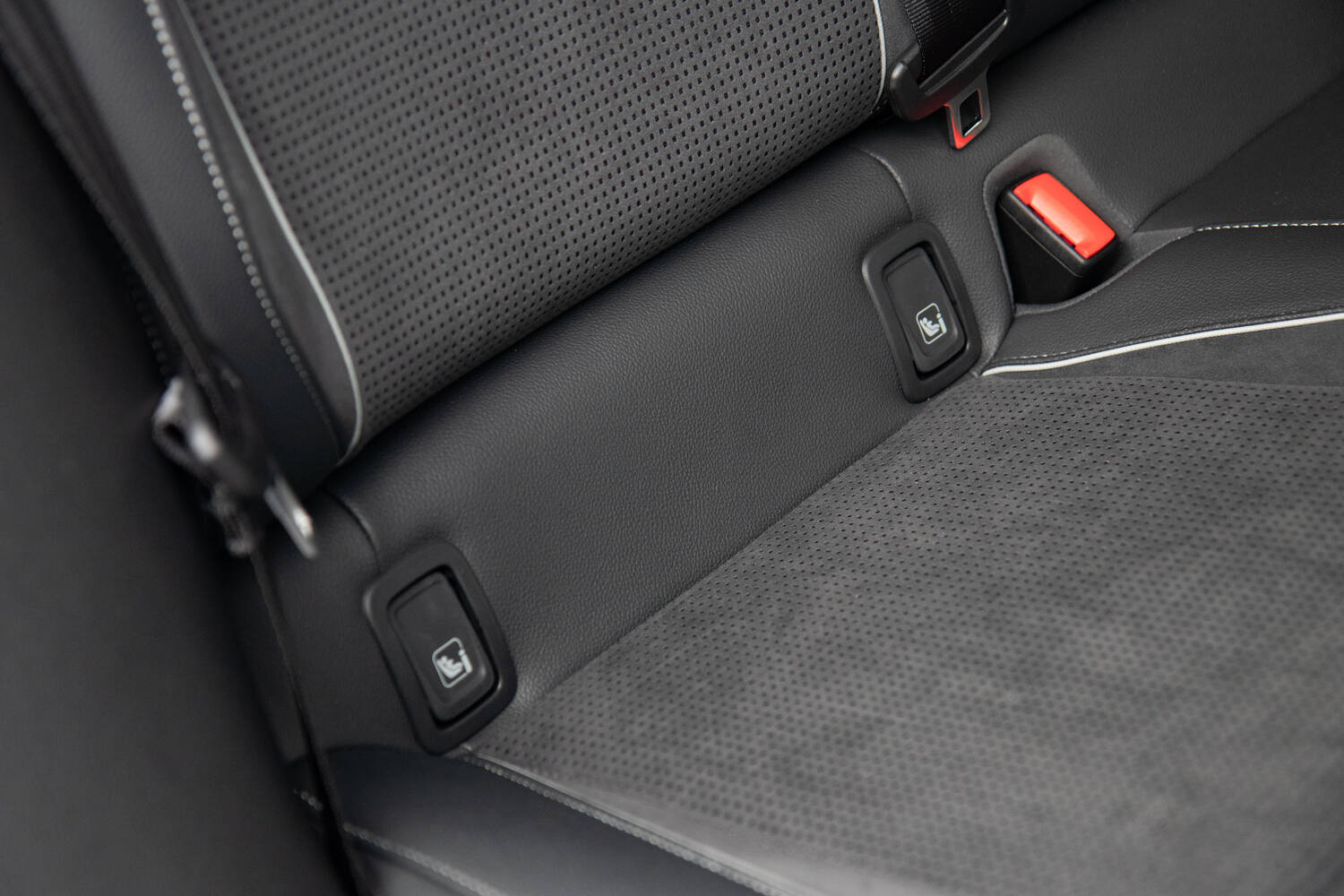
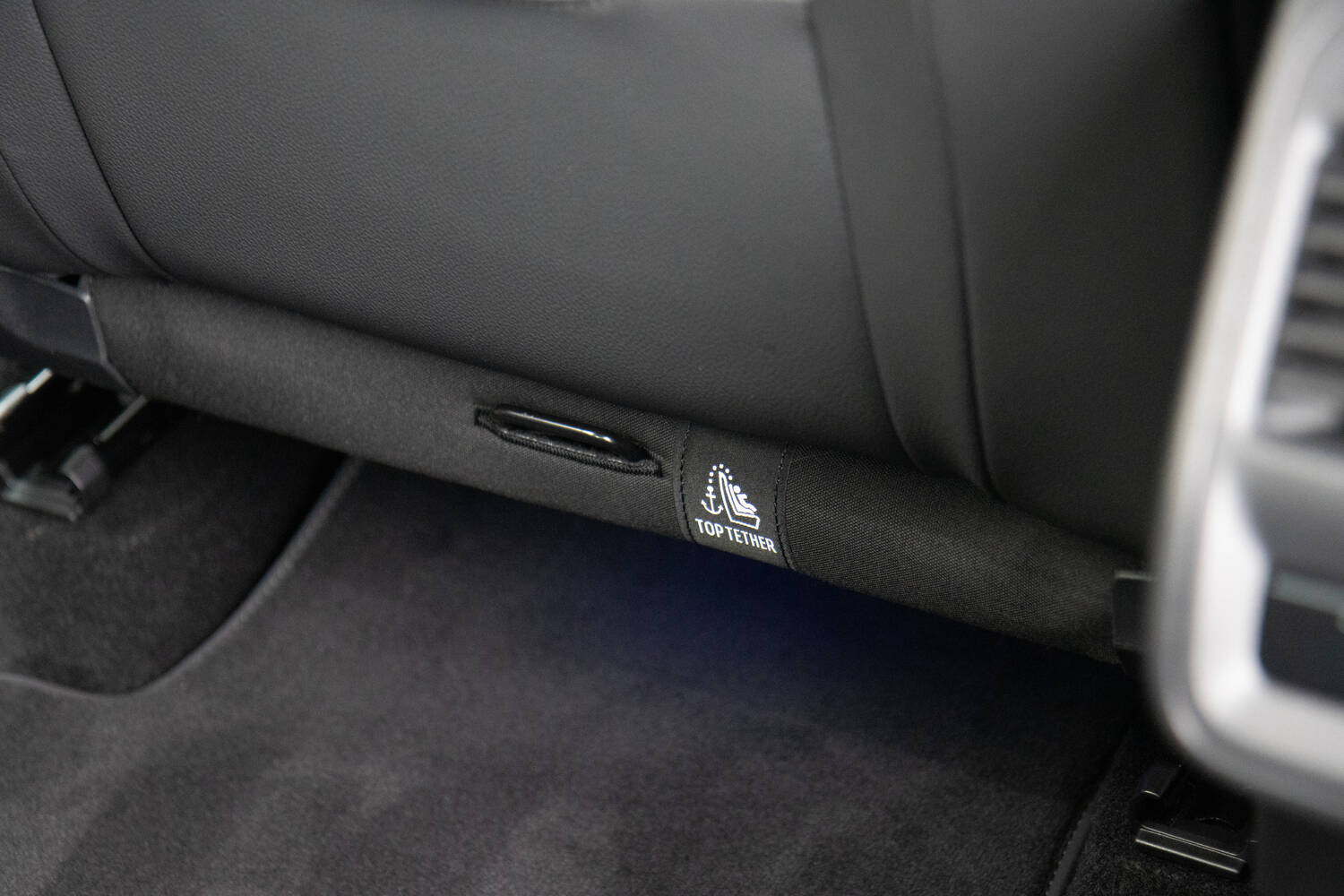
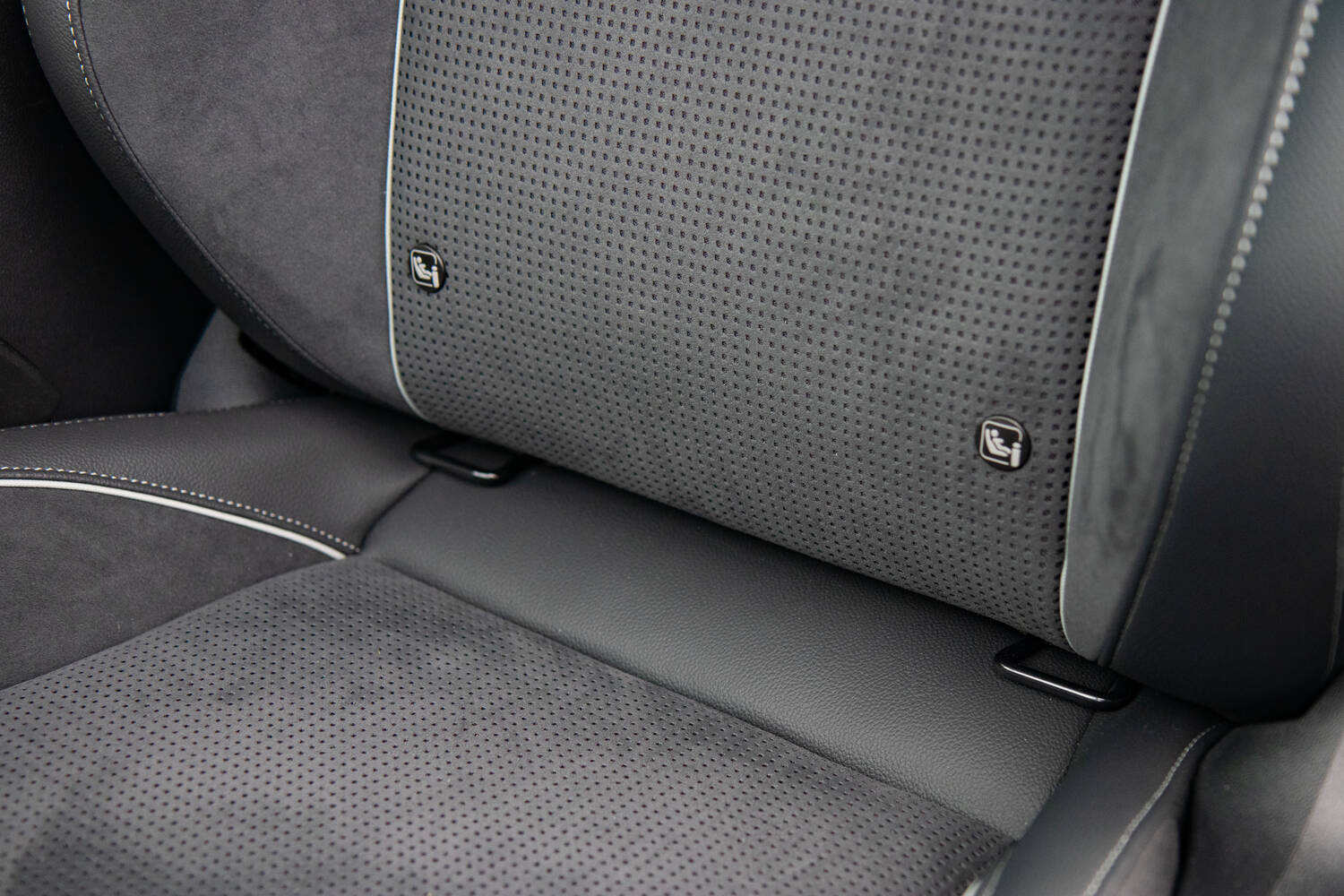
There are two ISOFIX positions in the Superb's rear seat, both under little flip-up plastic covers. There's another set of ISOFIX points in the front passenger seat.
The Superb's rear-seat space and large rear doors mean that it's hard to imagine having any problems fitting even the bulkiest of rear-facing seats. There might just be enough width in the rear bench for a booster cushion to fit in the centre seat but check that before you commit to buying.
Boot space in the Skoda Superb
As with the rear-seat space, the Superb is so well known for its massive boot that it has almost become a luggage centre of excellence. That still holds mostly true.
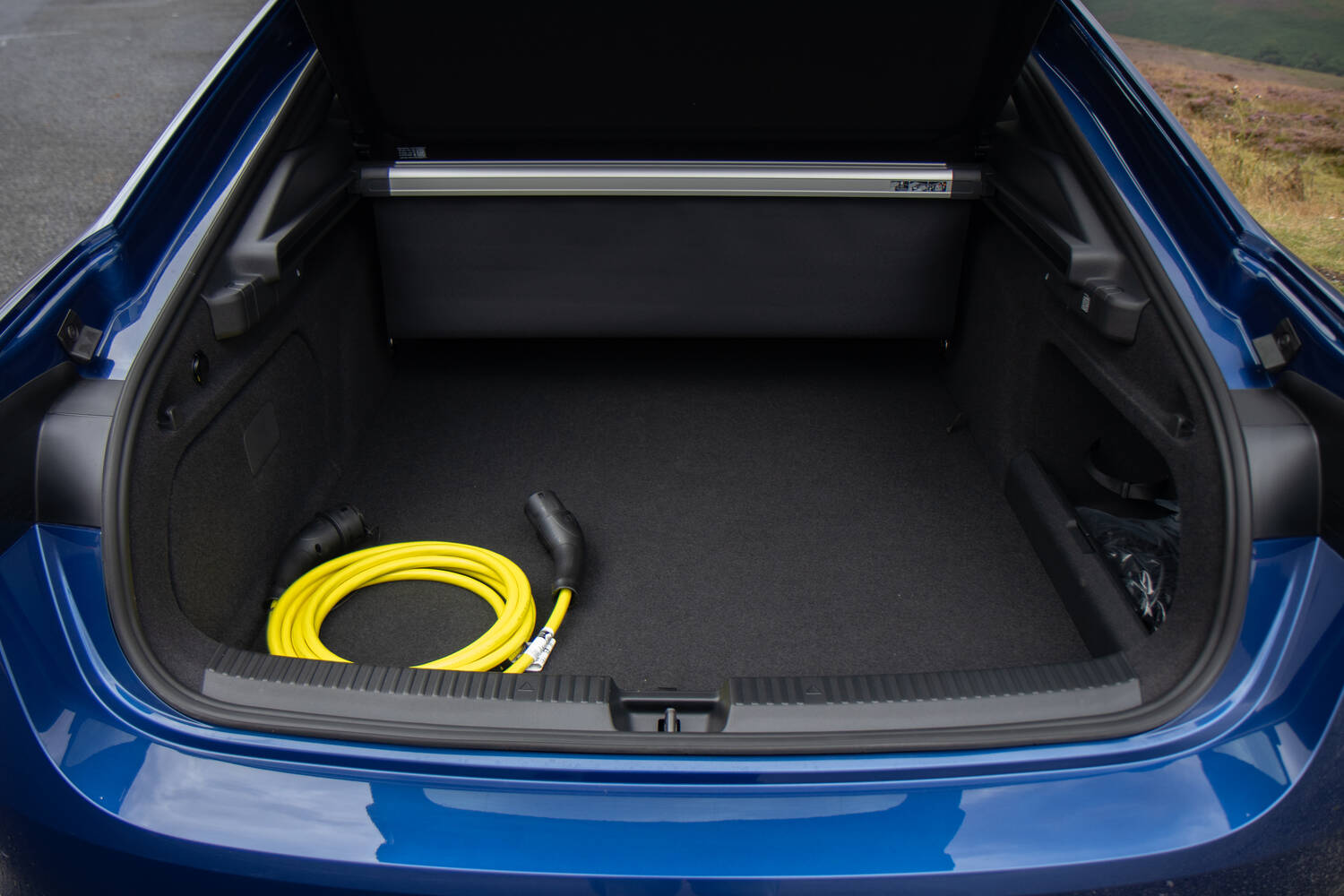
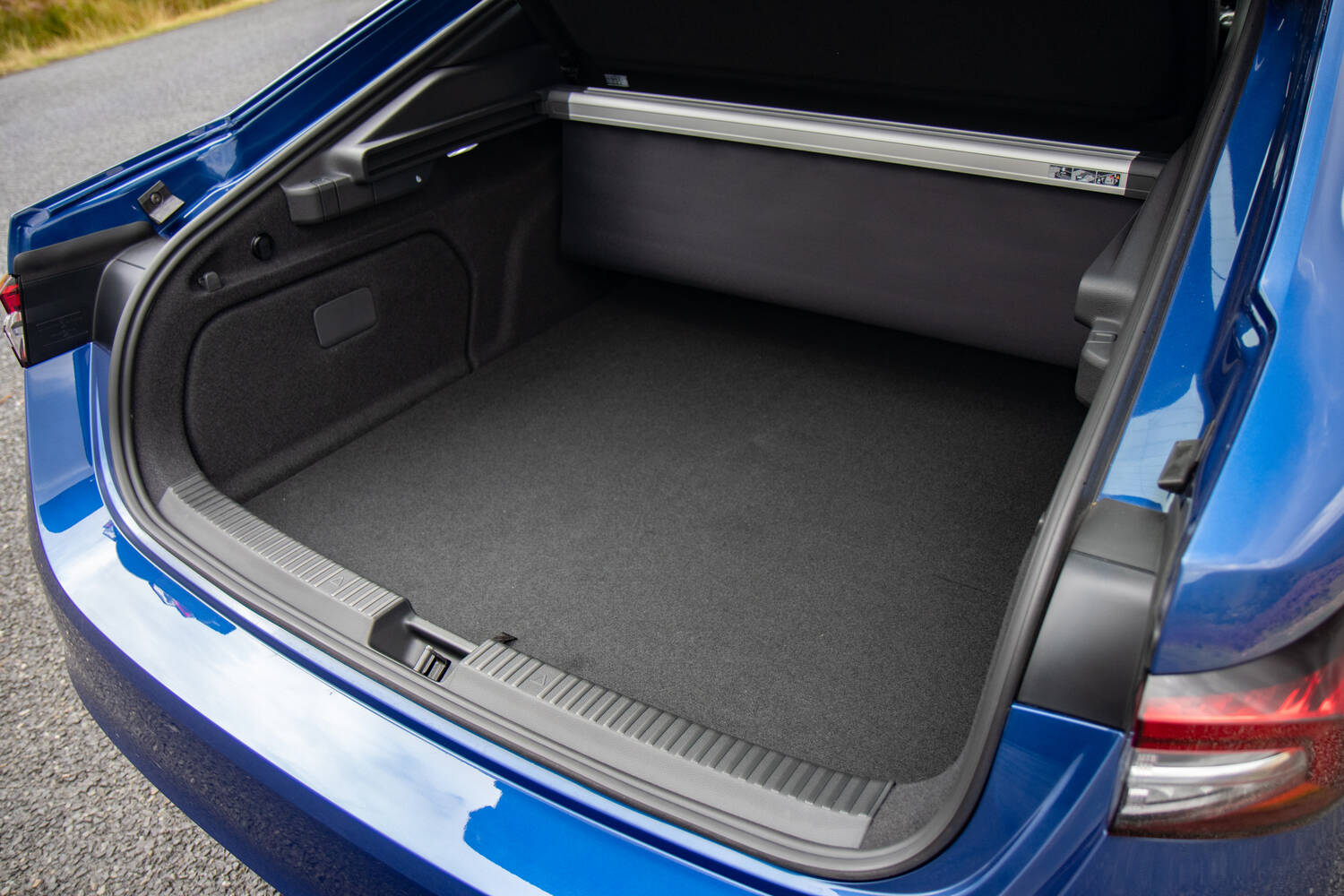
Pick a mild-hybrid petrol Superb, or the 2.0 TDI diesel, and you get an utterly massive boot, with 645 litres of luggage capacity up to the tonneau cover - or 1,760 litres with the back seats folded flat (and there's a load-through hatch in the back seat for long, slim items).
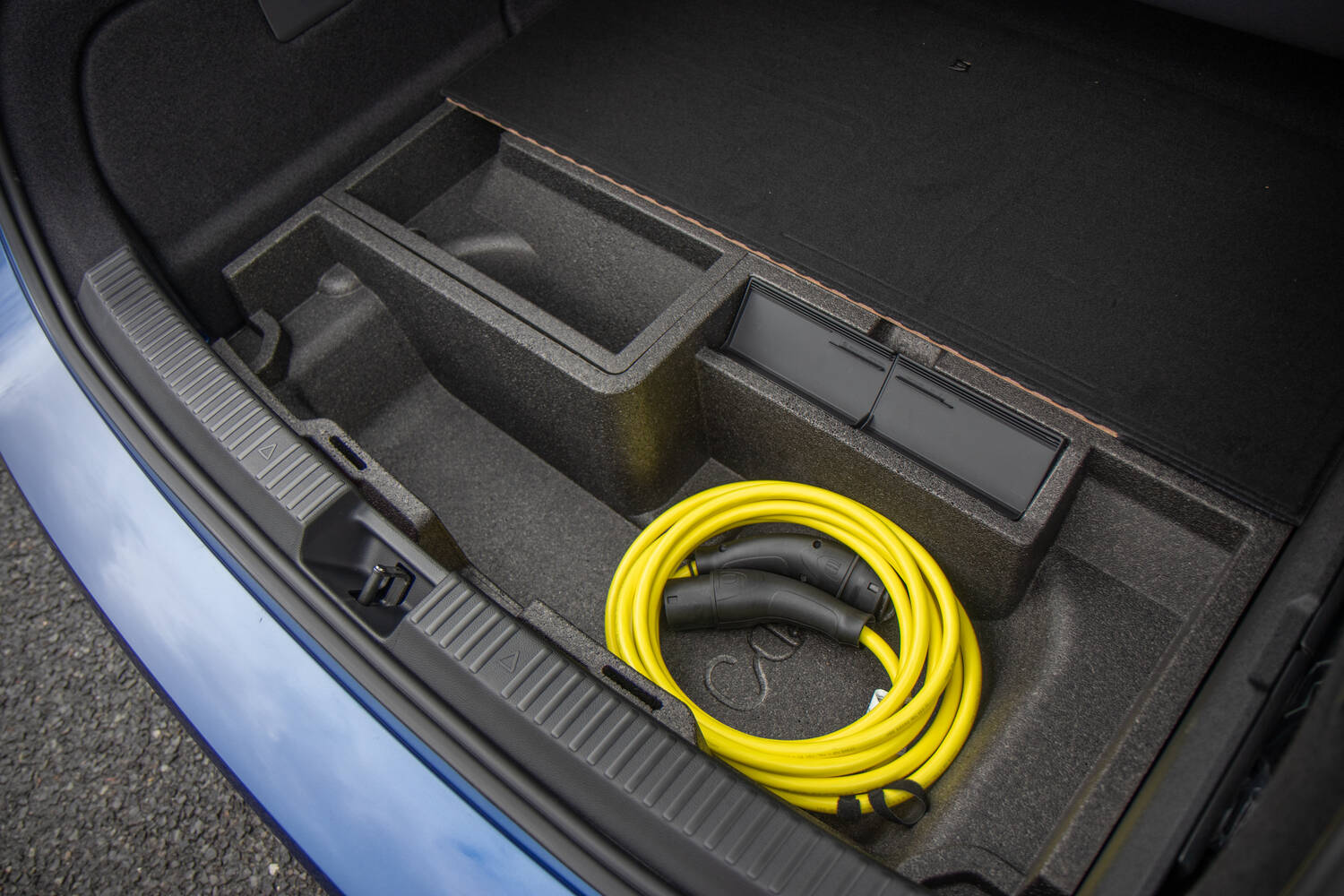
However, if you've picked the plug-in-hybrid Superb, you're going to have to make a compromise - packaging both a fuel tank and the PHEV's large 19kWh battery means a reduction in boot space to 485 litres, which is still quite a bit, but it's more Donkey Kong than King Kong.
Even so, the Superb's boot is fantastically practical, with fold-out hooks for your shopping bags, a 12-volt charging socket, a small storage area to the right-hand side and the option of such helpful storage items as a large fabric 'hammock' that's great for holding delicate items that you don't want rolling around in the boot.
Towing with the Skoda Superb
The entry-level 1.5 TSI-engined version of the Superb has a maximum towing rating of 1,600kg, but both the diesel and the plug-in hybrid can manage up to 2,000kg.
Even more helpfully, if your Superb has been specced with the parking assistant (part of a package that's only available on Sportline and L&K models) there's also built-in Trailer Assist, which not only helps with stability when towing, but which can automatically back the Superb up to meet the trailer's hitch when you're getting everything connected up.
Safety in the Skoda Superb
The Superb received a full five-star rating from Euro NCAP when it was tested for safety, and that included a hugely impressive 93 per cent score for adult occupant protection.
The Superb also scored 87 per cent for child occupant protection, 82 per cent for vulnerable road user protection and 80 per cent for its electronic safety systems.
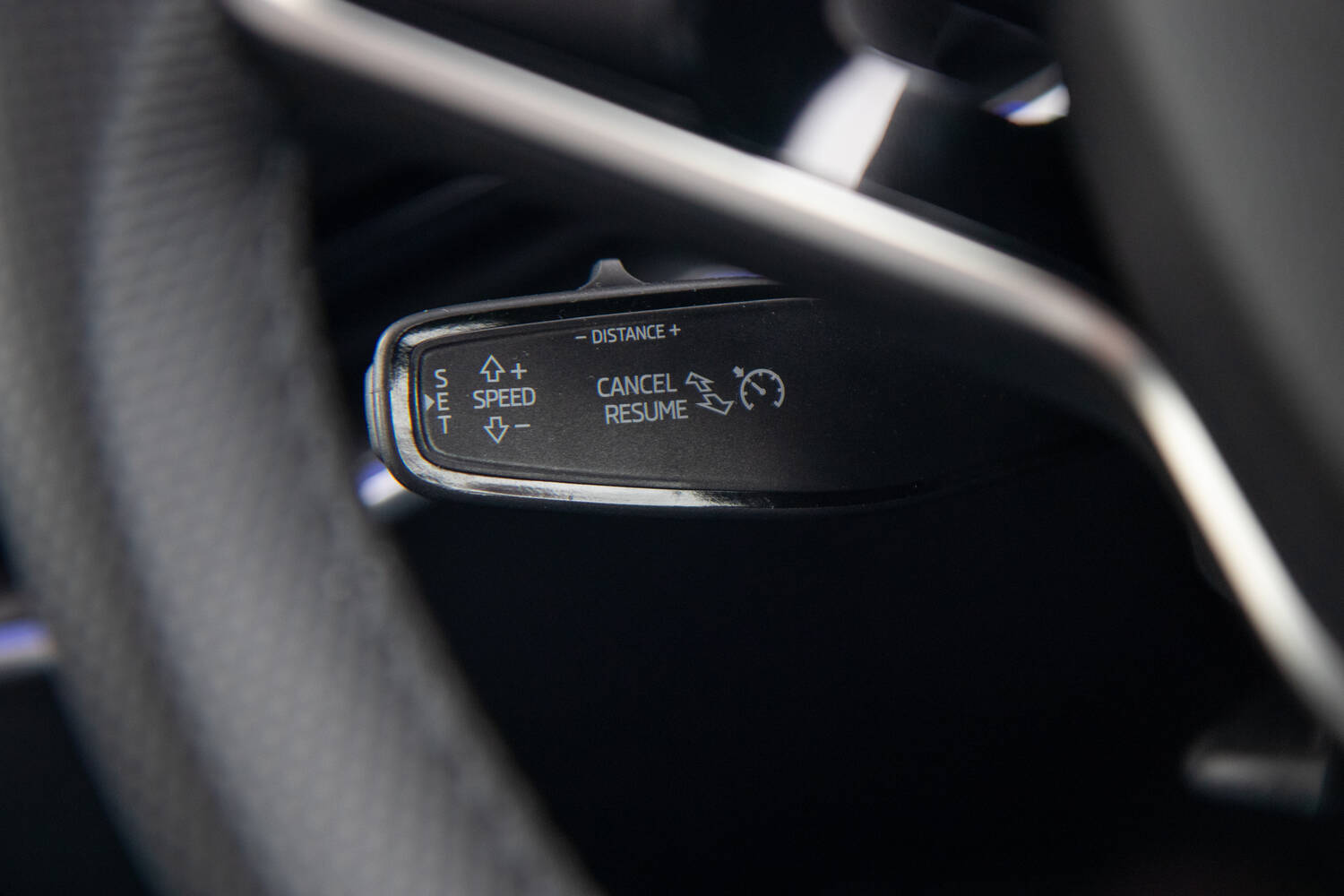
Standard safety kit includes a driver's knee bag, 'front assist' collision detection and braking, lane keeping, steering with emergency turn assistance, an intelligent speed limiter, 'multi-collision' braking assist, which keeps the brakes clamped firmly on after an accident, adaptive cruise control and front and rear parking sensors.
Performance of the 2026 Skoda Superb
- You can still buy a diesel
- Plug-in hybrid has excellent performance
- No manual gearbox option
There's no all-electric Superb yet, but other than that there's more choice in the Superb's engine line-up than is usual these days.
That's because the Superb still comes with the option of diesel power, in the form of a turbocharged 2.0-litre four-cylinder TDI diesel engine with 150hp. The entry-level engine is a turbocharged 1.5-litre four-cylinder TSI petrol engine with mild-hybrid assistance and, at the top of the range is a 272hp plug-in hybrid, which is based around the same 1.5 TSI engine.
Driving the Skoda Superb PHEV Sportline on Irish roads
Words by Neil Briscoe on 20 November 2026
There's a key item on the Superb options list, and it's the 'DCC' adaptive suspension dampers. They're not wildly expensive - indeed, at around a €1,000 add-on for the Sportline model we were testing they cost less than the upgrade to the larger touchscreen, and are far, far more useful.
While you might think that the reason to have the DCC dampers is to make the Superb feel sportier, actually the opposite is true...
You see, when you go into the 'Individual' setting on the driving modes menu, where you'll find it sitting alongside the usual Sport, Eco and Comfort settings, there's the option to select a level for the suspension dampers that's two stages softer even than the standard Comfort setting.
Do that, and the Superb absolutely wafts along, easily soaking up the worst road surfaces. It's not quite as stunningly smooth as an early 1990s Citroen, but it's not a million miles away either.
This kind of comfortable lope is the Superb's default setting really. You can select Sport mode and stiffen everything up if you want. And you might want to, because when you unleash the combined 272hp of both the petrol engine and the electric motor, this Superb Sportline has an impressive turn of pace, even if its on-paper 0-100km/h time of 7.1 seconds doesn't look all that special.
Interestingly, this isn't the same as the plug-in-hybrid Superb Combi estate, which must make do with a less powerful 204hp version of the same engine and hybrid system. The saloon feels far punchier as a result.
However, there's a sense that the Superb is happier doing things at a slightly less frenetic rate, taking a surer and steadier approach to things. That's what makes it an epic coverer of long distances. We drove more than 1,000km in a week in the Superb Sportline, and it's hard to think of a better way to do that.
The only downside is that there's a bit too much road and tyre noise at higher cruising speeds.
Range, battery, charging and running costs of the 2026 Skoda Superb
- Diesel still the choice for high mileage
- PHEV has impressive real-world economy
- Battery can be charged from DC chargers
Efficiency comes in many forms, and the Superb is proof of that. If you're a high-mileage driver, who spends the week pounding up and down the motorway, then the 2.0 TDI is still probably your best bet.
The plug-in-hybrid Superb makes for a tantalising all-rounder, but you still have to be diligent with charging-up. The purely petrol 1.5 TSI makes the most sense for those covering low mileages.
Official emissions, electric range, efficiency and fuel economy
The 1.5 TSI mild-hybrid, officially called the mHEV, has CO2 emissions of 126-133g/km (which are close to those of the diesel version) and fuel consumption of 5.4-5.7 litres per 100km.
The 2.0 TDI 150hp has CO2 emissions of 128-135g/km and consumption of 4.9-5.1 litres per 100km. The Superb plug-in hybrid has an official electric range of 130-140km on a full charge of its 19kWh battery, with fuel consumption of 1.2-1.4 litres per 100km, and CO2 emissions of 28-32g/km.
Real-world fuel economy and range of the 2026 Skoda Superb
The Superb diesel really is hugely economical, easily able to average around 5.5 litres per 100km in real-world conditions. The 1.5 TSI mild-hybrid petrol isn't too far behind it - you should manage around 6.0-6.5 litres per 100km in daily driving.
The plug-in-hybrid Superb is more of a mixed bag, and clearly its economy and efficiency will vary hugely depending on how much you plug it in to charge it up. On long motorway journeys with a depleted traction battery, the Superb PHEV managed a creditable 6.2 litres per 100km average in our hands.
On a full charge, it was capable of around 100km out of that official 140km maximum, which is a big percentage loss, but the overall figure is good enough to cover the commuting distance of a great many potential owners.
Charging up the Skoda Superb PHEV
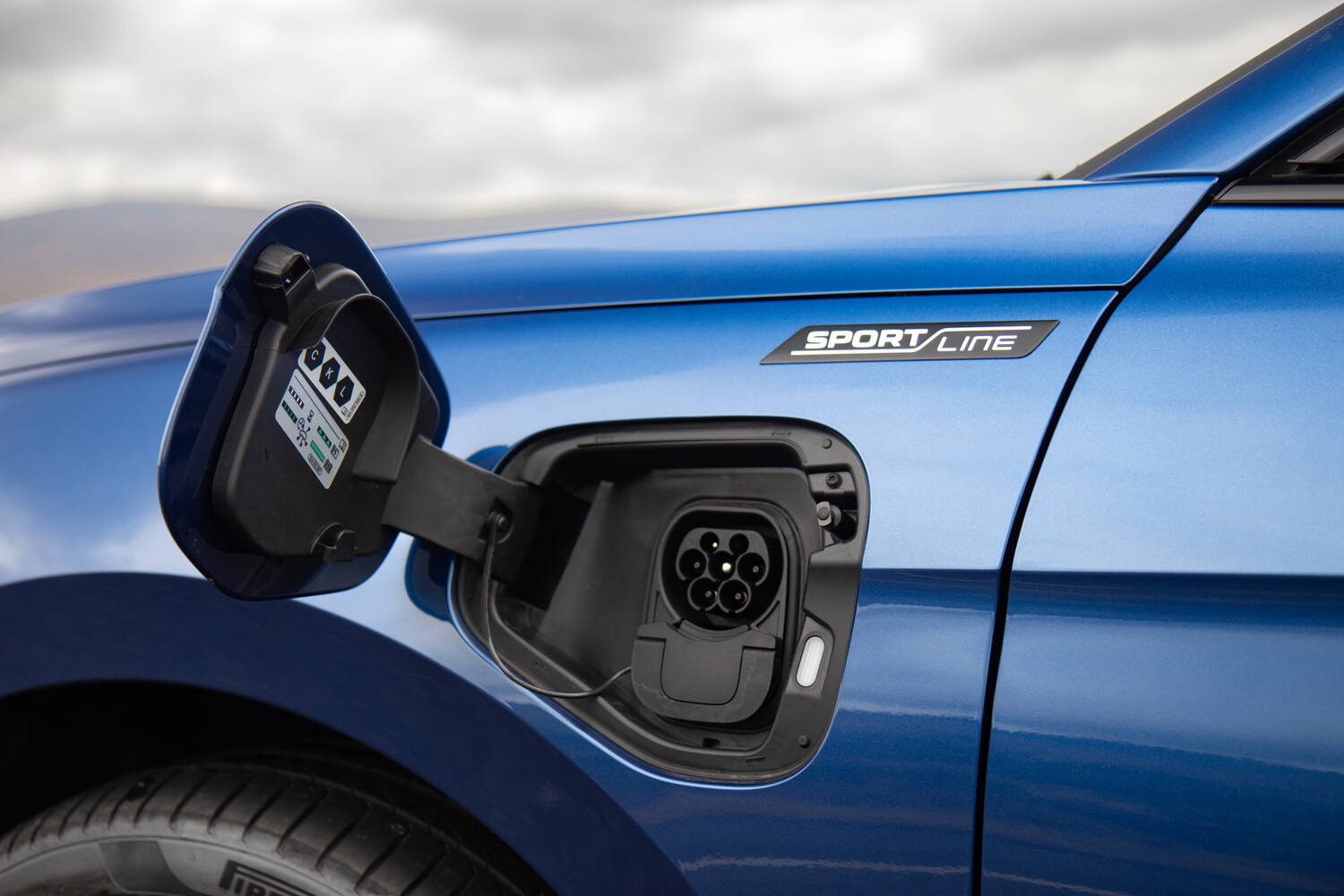
The Superb's hybrid battery can charge at a very useful 11kW on three-phase AC power, which means you could potentially fully charge it in as little as two hours and 30 minutes.
Charge it from a domestic three-pin socket, though, and that will stretch to as long as 11 hours for a full charge. A 7.4kW charging wallbox should do the job in around 3-4 hours.
Usefully, the Superb plug-in hybrid can also be fast-charged from public DC chargers, at up to 50kW on DC, which allows you to do a quick 10-80 per cent top-up in 26 minutes, which is handy if you want to extend your electric range on a long journey.
Servicing the Skoda Superb
Skoda has a flexible service interval, which can be stretched as far as 30,000km and two years depending on the circumstances. There's a recommended annual inspection at 15,000km though, which makes a lot of sense. There are inclusive service plans, which can be rolled into your finance agreement at purchase time.
Skoda warranty
Skoda's standard warranty is a bit basic, covering you for a fairly standard three years, with the first two years having unlimited mileage, and the third year capped at 150,000km.
The plug-in-hybrid model's battery is covered for up to eight years and 160,000km against defects or 'workmanship' but it doesn't get the battery degradation cover that a fully electric vehicle generally comes with these days.
There's also a three-year paintwork warranty, and a 12-year anti-perforation warranty, while you can extend the full-car warranty to five years (although still with the 150,000km cap) for €987.
Irish pricing & rivals to the 2026 Skoda Superb
- No longer a bargain choice
- Impressive standard equipment
- Top models into BMW/Audi price territory
Once upon a time, a Superb was one of the canniest buys in all of motoring. You were effectively getting a VW Passat at a considerable discount. Those days are long gone, though, and in fact now the Passat is, model for model, actually a bit cheaper to buy than the Skoda.
The most affordable Superb is now within touching distance of €50,000 with a €49,975 price tag for the 1.5 TSI mHEV model in Selection form. Delivery charges will easily push that past the €50k barrier.
You can upgrade to a Selection+ for €53,545, a Sportline for €56,660, or the luxurious L&K (named for Skoda's founders, Vaclav Laurin and Vaclav Klement) for €60,255.
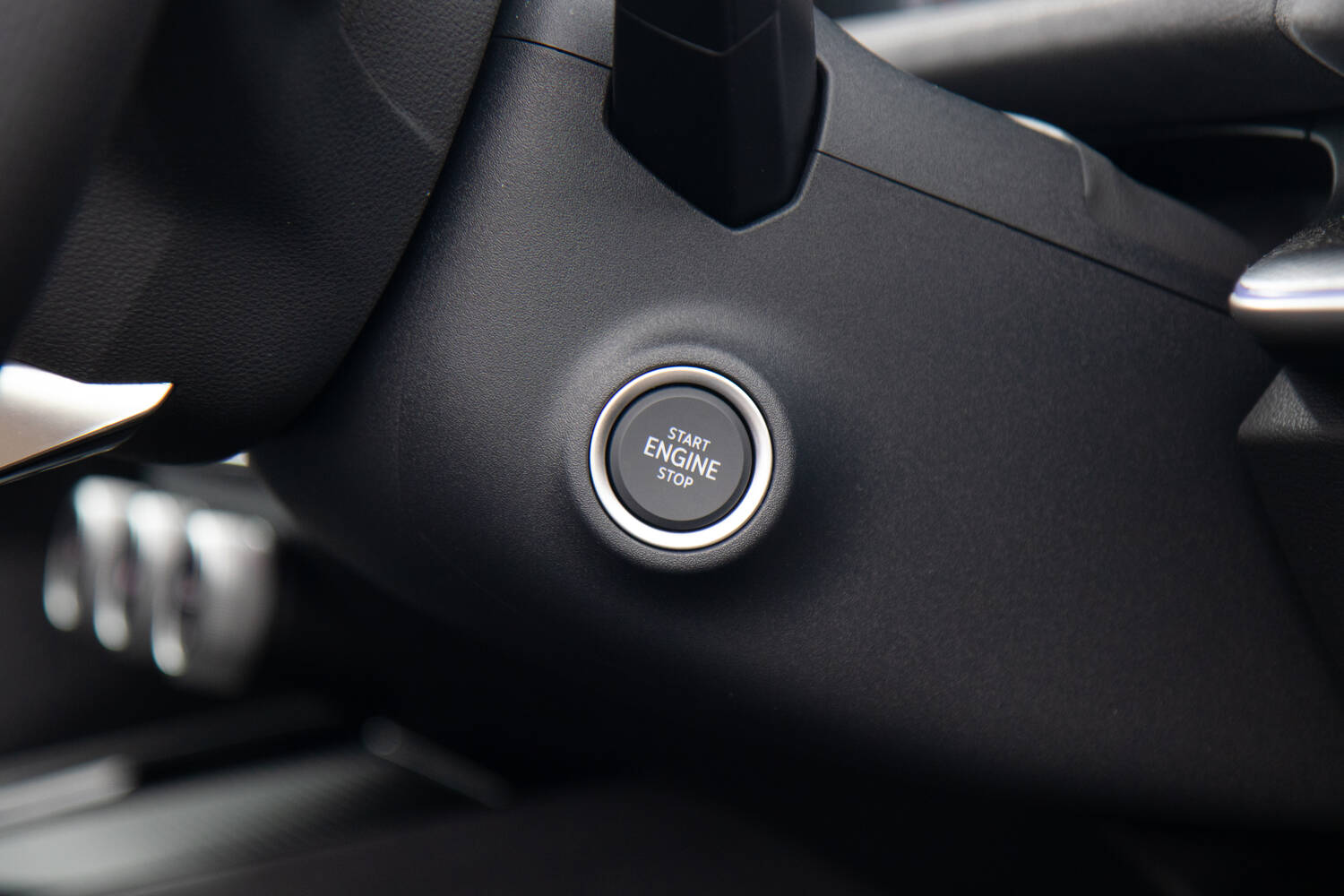
Standard kit in a Selection model includes adaptive cruise control, keyless entry and ignition, wireless Apple CarPlay and Android Auto, a 10-inch touchscreen, three-zone climate control, front and rear parking sensors, a rear parking camera, an electric tailgate, auto-dimming rear-view mirror, heated front seats, heated steering wheel and 17-inch alloys.
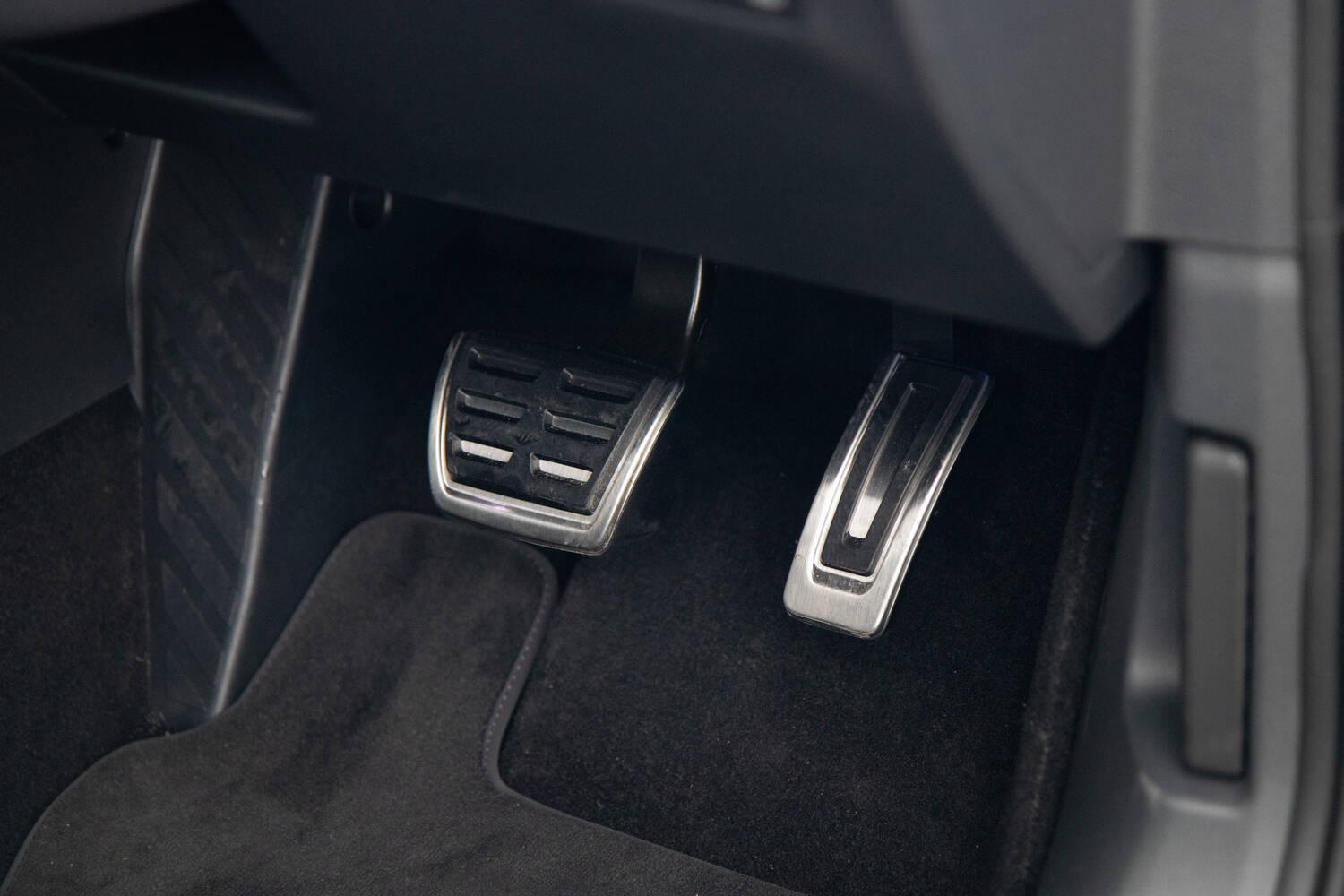
Selection+ adds electrically adjustable leather seats in black or 'Cognac' brown with massage function and seat ventilation, ambient cabin lighting and 18-inch alloys. Sportline models get 19-inch wheels, Matrix LED headlights, selectable driving modes, sports bucket seats with 'Suedia' upholstery, a three-spoke steering wheel, aluminium pedals and a Sportline body kit.
L&K versions come with their own design of 19-inch alloys, the larger 13-inch touchscreen, built-in navigation, contrast stitching for the leather seats, DCC adaptive dampers and a 12-speaker 'Canton' sound system.
If you want the 2.0 TDI diesel, that's going to cost you €50,490 in Selection trim; €54,045 in Selection+; €57,000 as a Sportline; and €61,090 in L&K trim.
The plug-in hybrid costs €50,685 in Selection; €54,185 in Selection+; €57,290 in Sportline; and €59,845 in L&K.
Rivals are thin on the ground these days. There is of course the mechanically identical Passat, which is only sold as an estate, and the pricier Kodiaq SUV is something of an internal rival.
Looking elsewhere, there's a case to be made that the Mercedes-Benz C-Class is a rival, in which instance the Superb suddenly looks like a bargain again. Mazda's all-electric 6e is worth considering, not least because of its significant price advantage.
Verdict - should you buy the 2026 Skoda Superb?
It's a big yes from us - the Superb really is just that, and for all the fact that big cars are unfashionable, this still makes a much more rational and sensible buy than a taller, bulkier SUV. The extra versatility and performance of the PHEV model are very welcome if it suits your driving profile, too. All you have to get around is the chunky price tag.
FAQs about the 2026 Skoda Superb
What is the warranty on a Skoda Superb?
There's a standard three-year, 150,000km warranty for the Superb, but you can extend that out to five years for an extra payment of €987.
How big is the Superb's boot?
It depends on the model. The standard petrol and diesel versions have a massive 645-litre boot, but because of the battery, in the plug-in hybrid that shrinks to 485 litres.
Want to know more about the 2026 Skoda Superb?
If there's anything about the Skoda Superb we've not covered, or you'd like help in choosing between it and other cars, you can avail of our expert advice service via the Ask Us Anything page.