

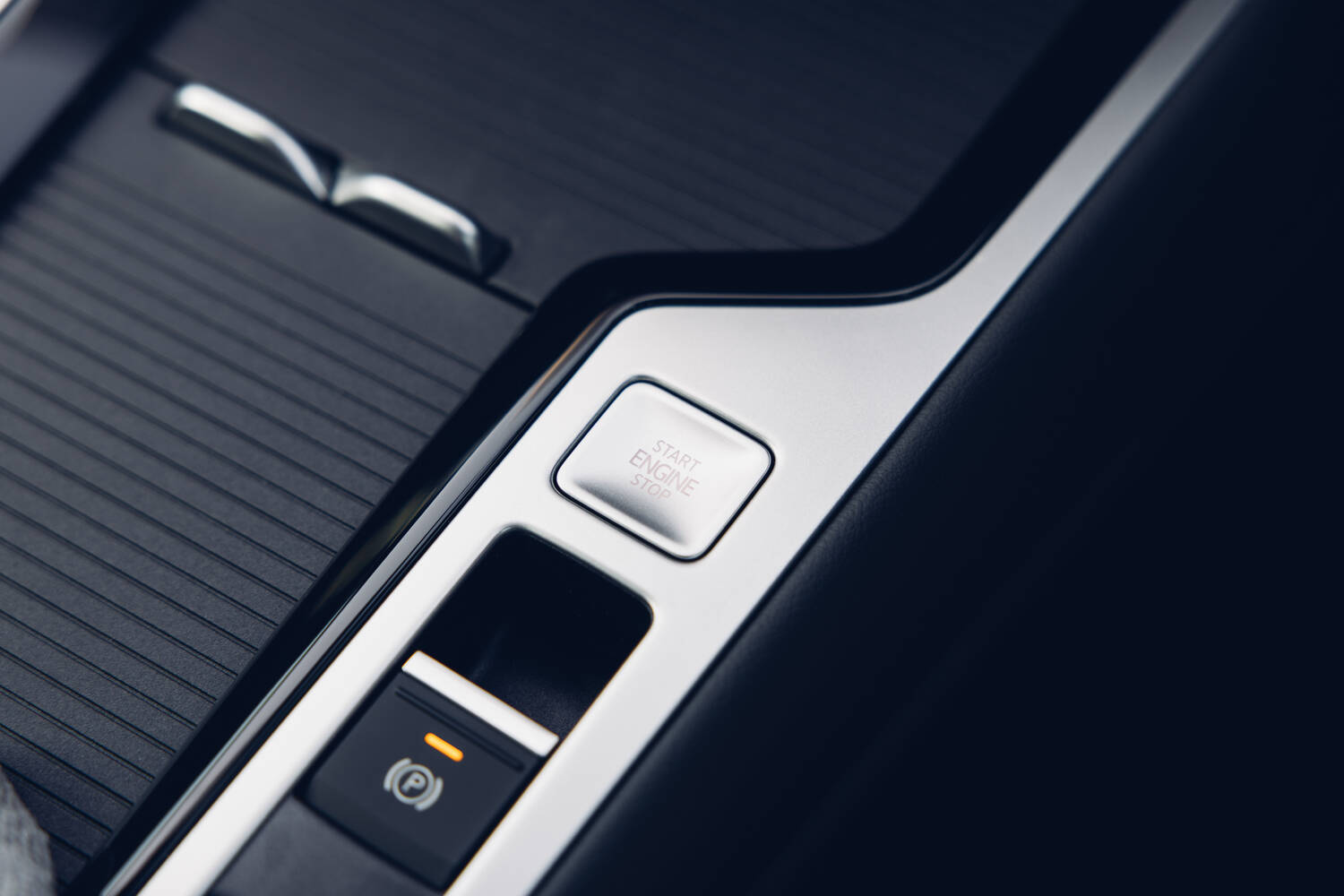
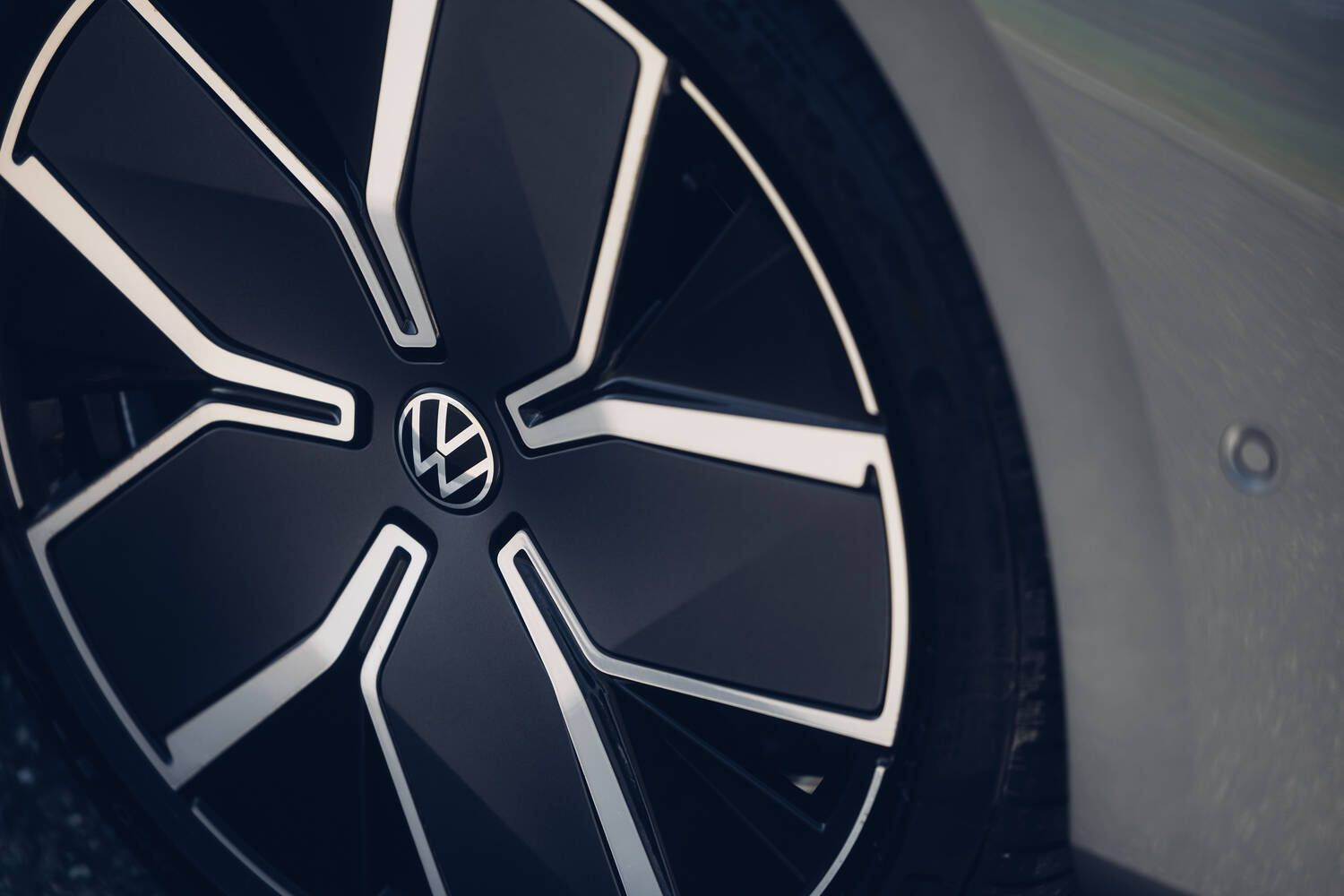

Exterior & design of the 2026 Volkswagen Passat
- Uncluttered styling
- Subtle in the extreme
- The Skoda Superb is more handsome

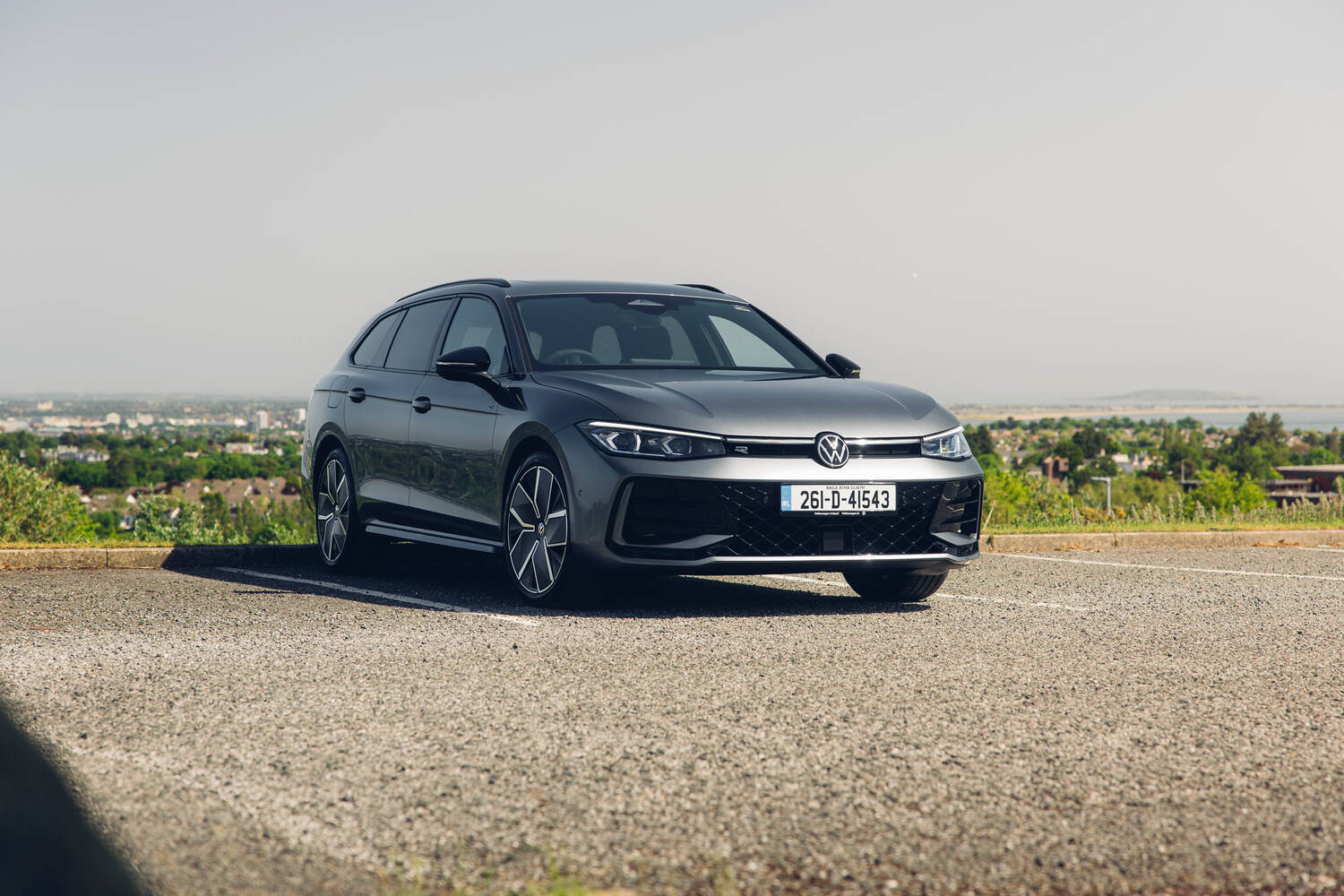
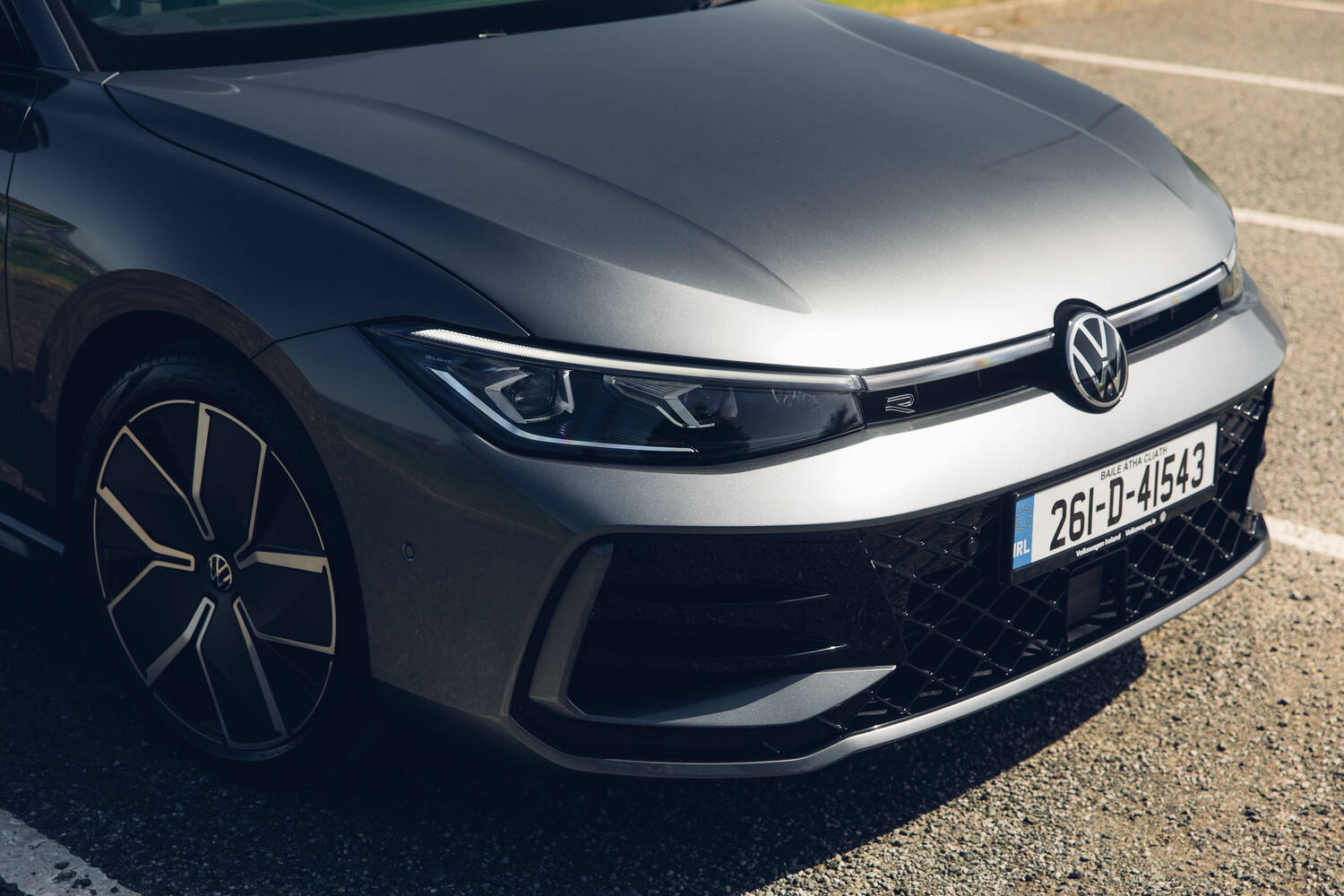
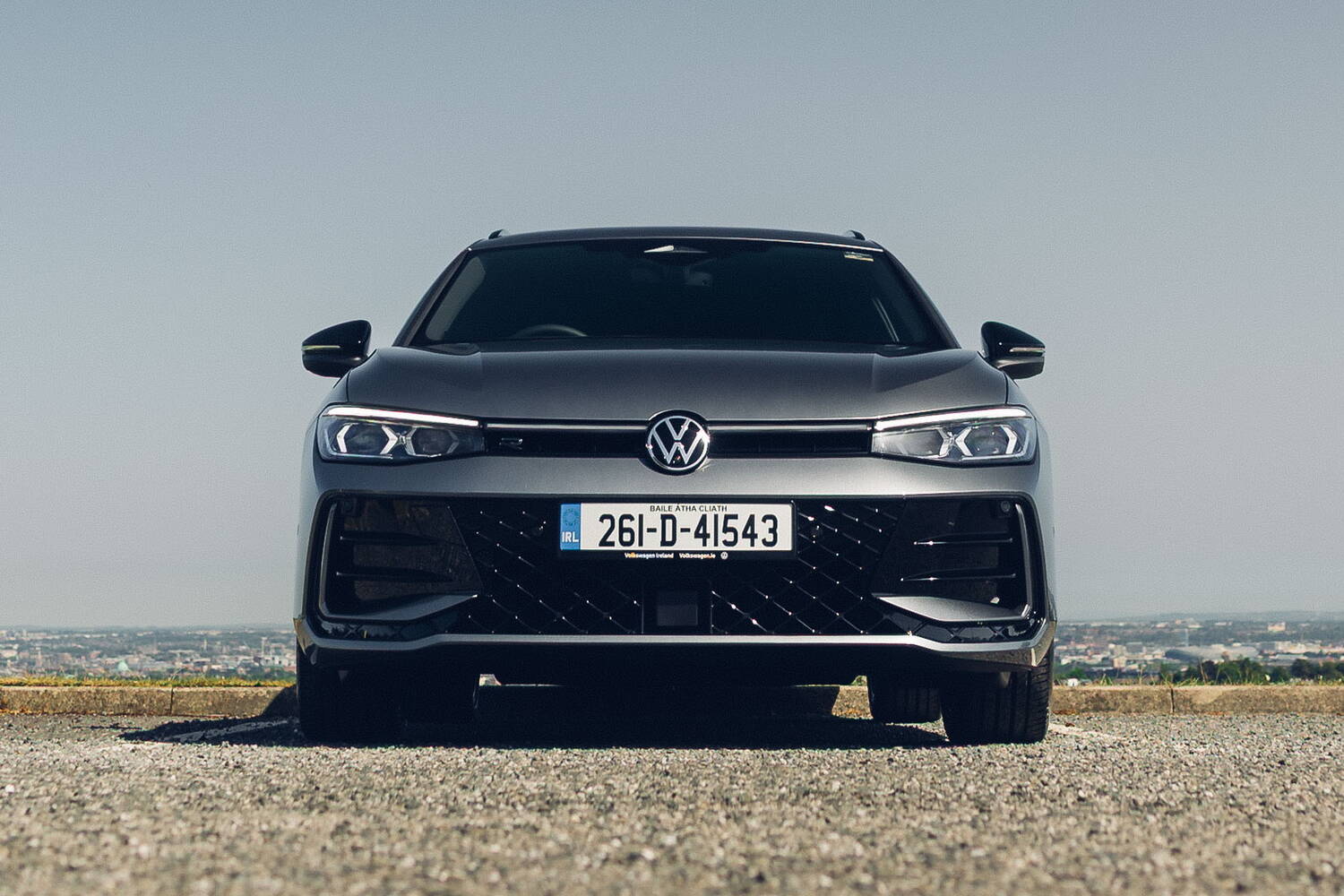
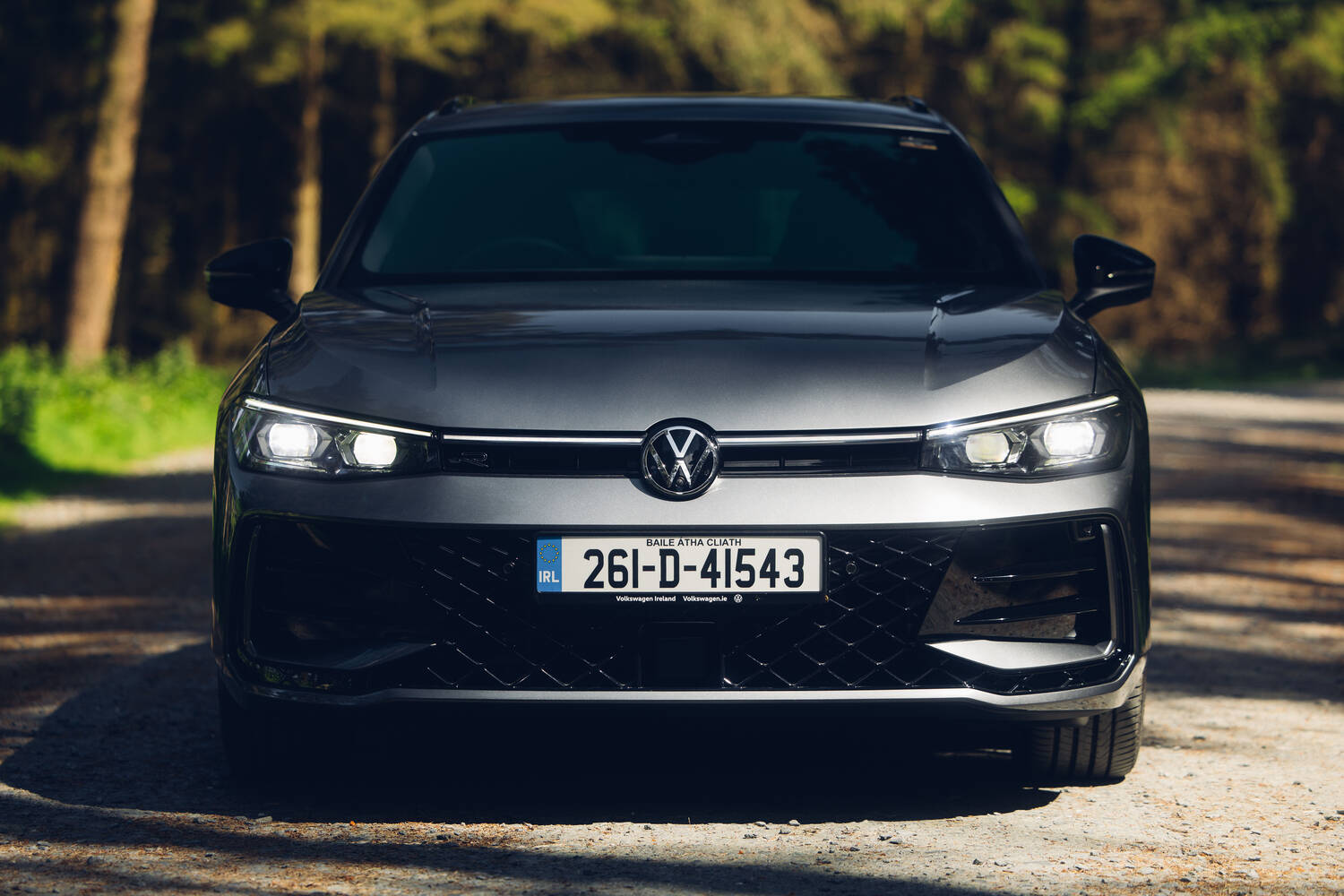
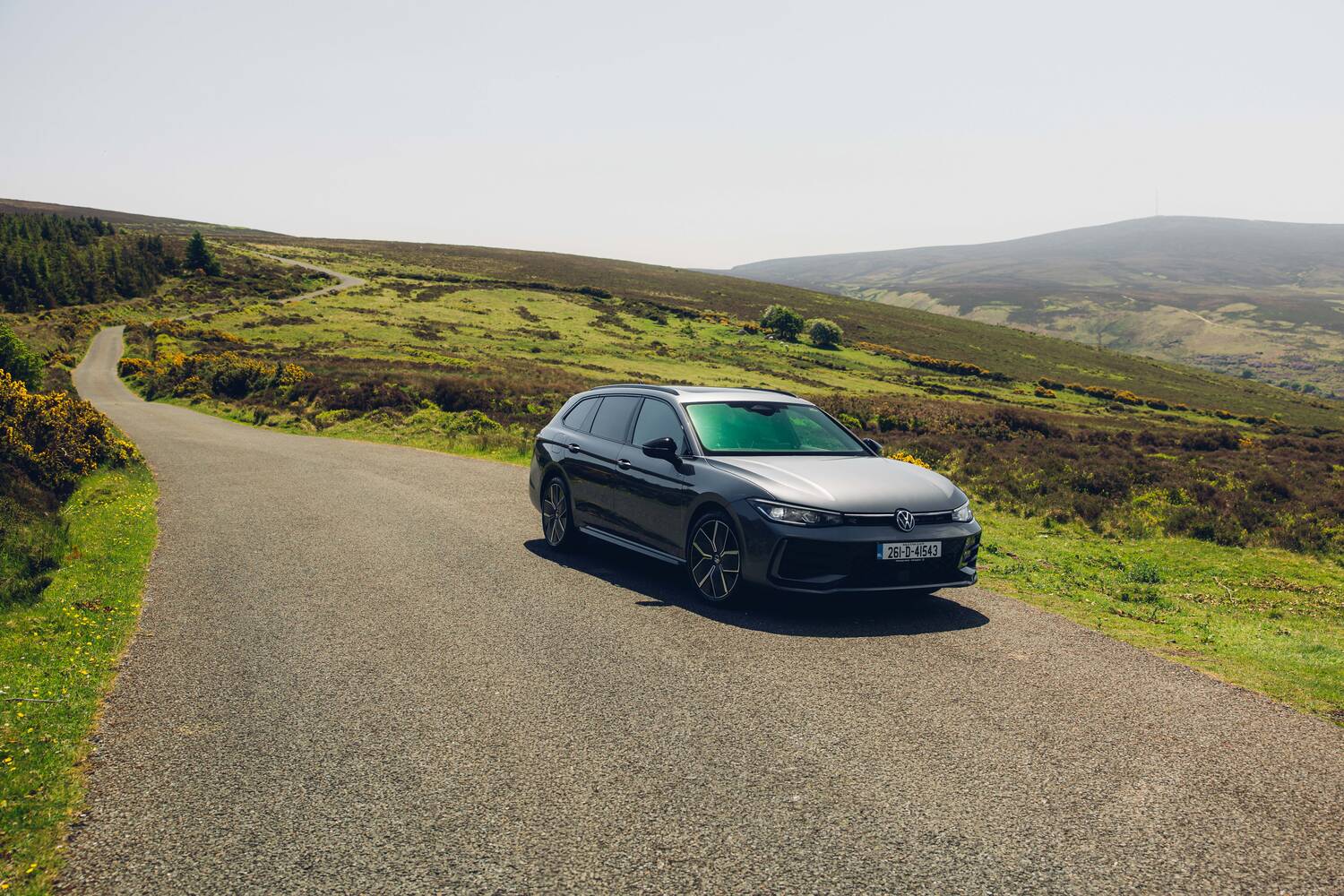
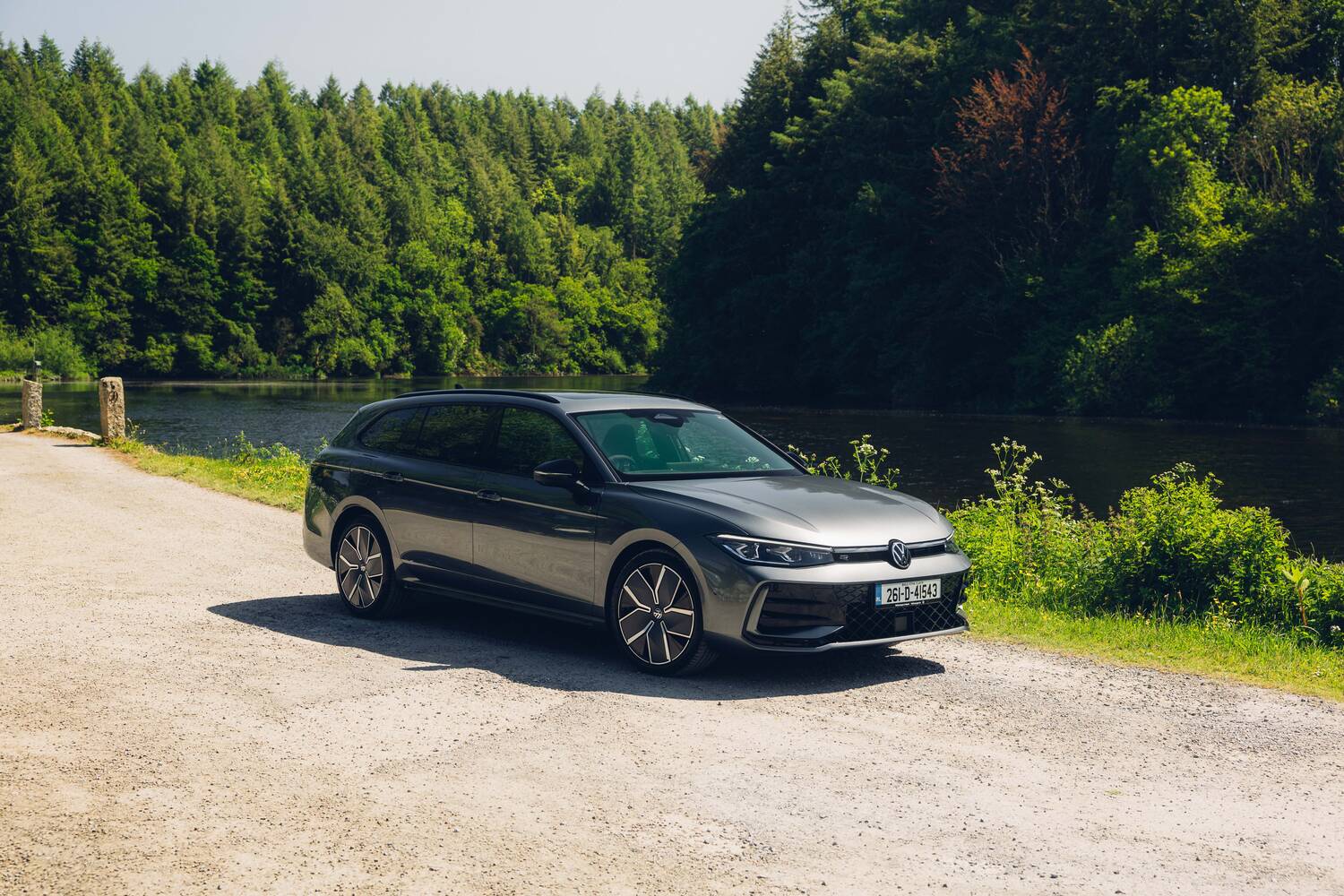
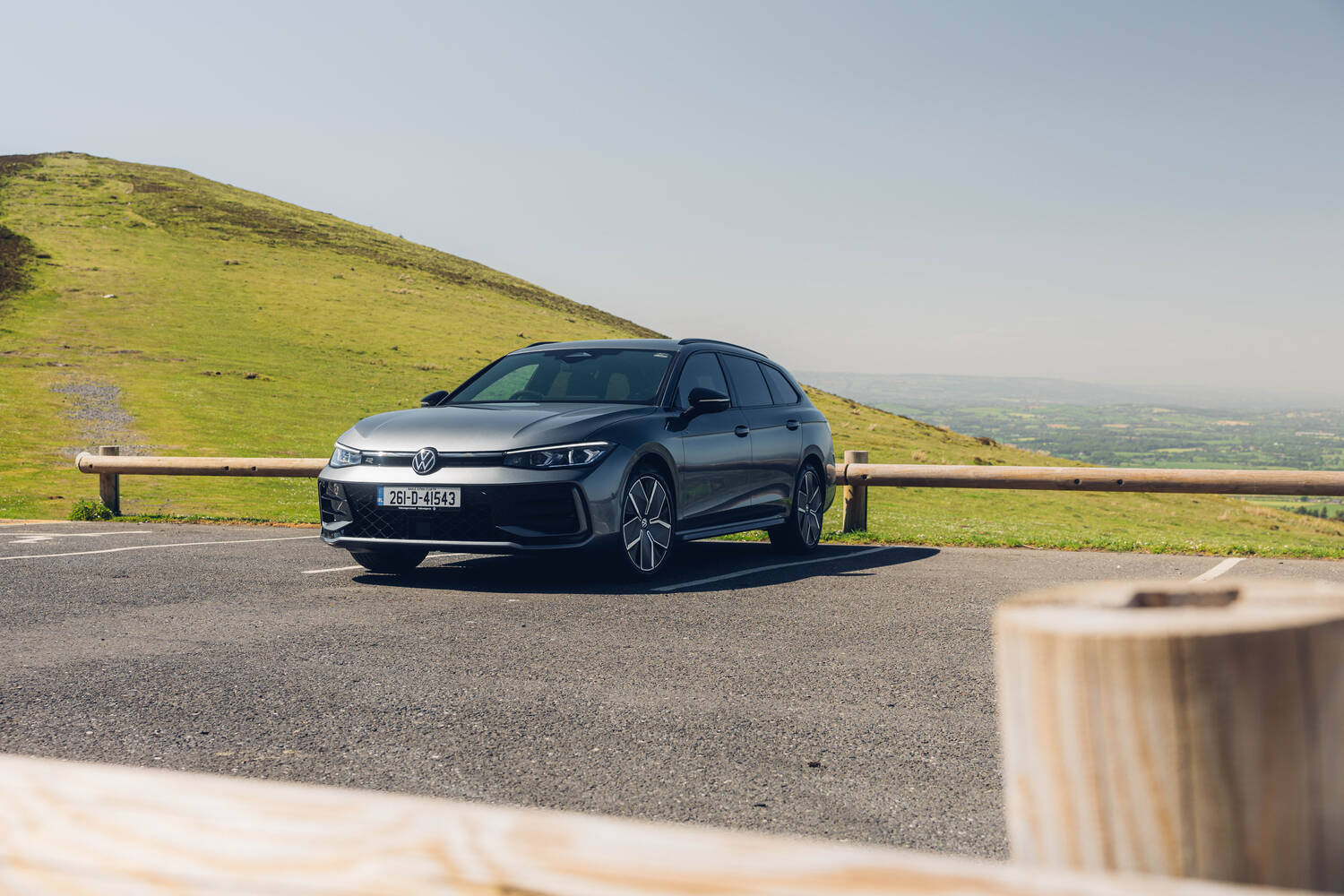
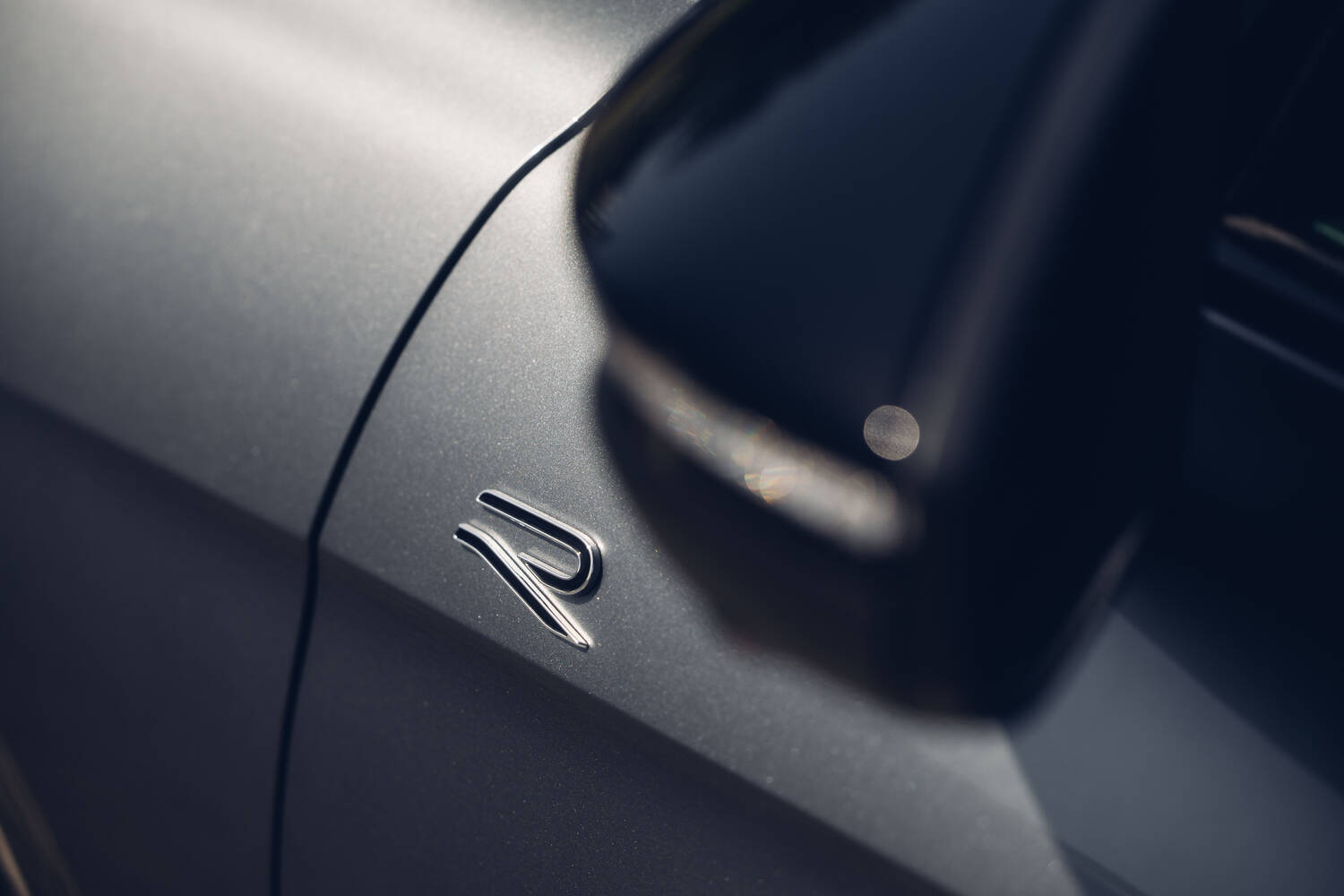
There's a distinct difference between the two different versions of the Passat when it comes to styling. The Business edition gets a lower grille filled with bright metal bars spanning almost the entire width of the nose, while the R-Line versions get a more sculpted lower grille, with aero-look inserts and lots of deep, black intakes for a sportier appearance.
One isn't necessarily better than the other, to be fair, it's down to personal taste and, just as likely, which one your company car manager says you can have.
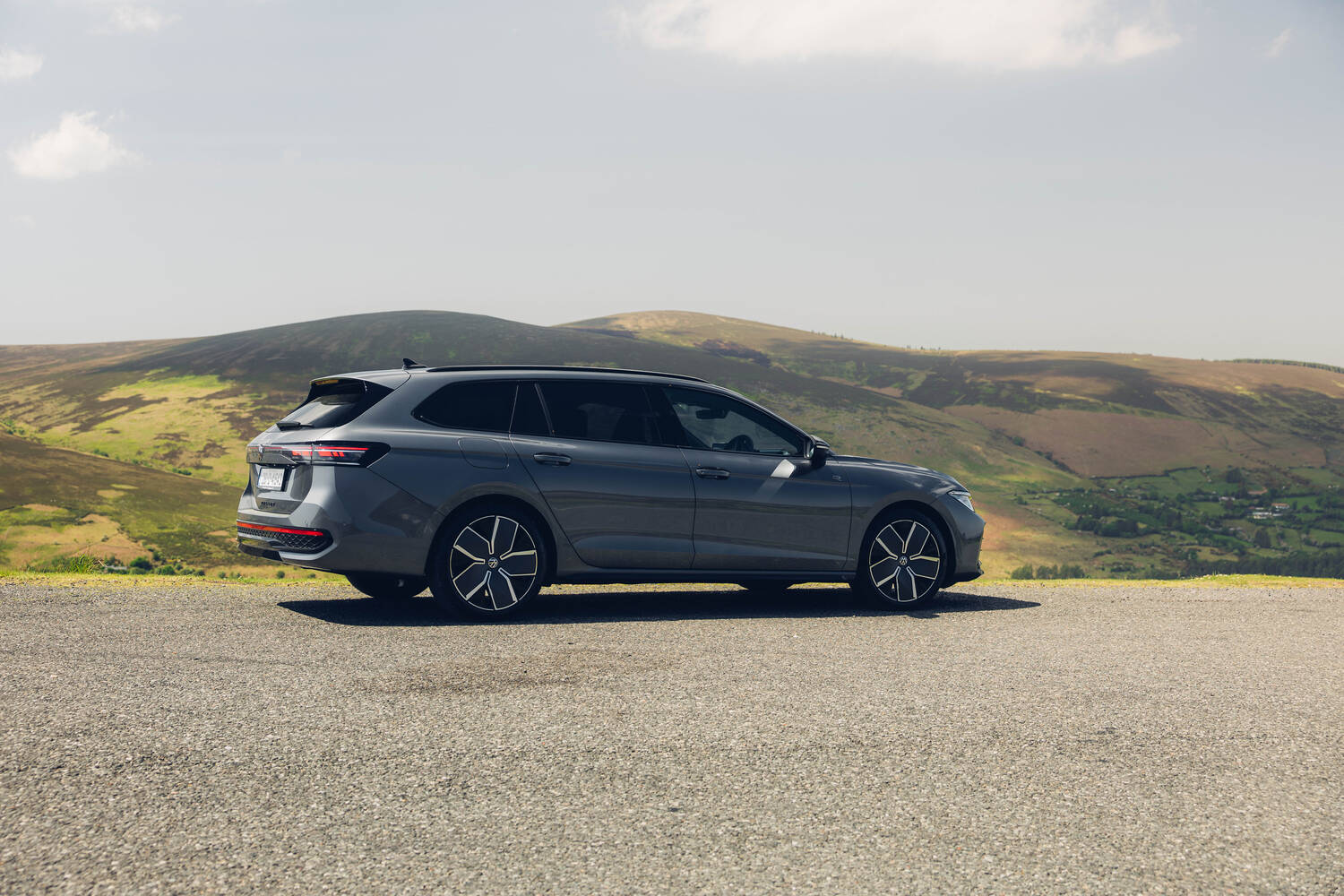
Elsewhere, you can see the clear influence of the previous Passats in the styling, as the relatively clean and uncluttered look is carried over.

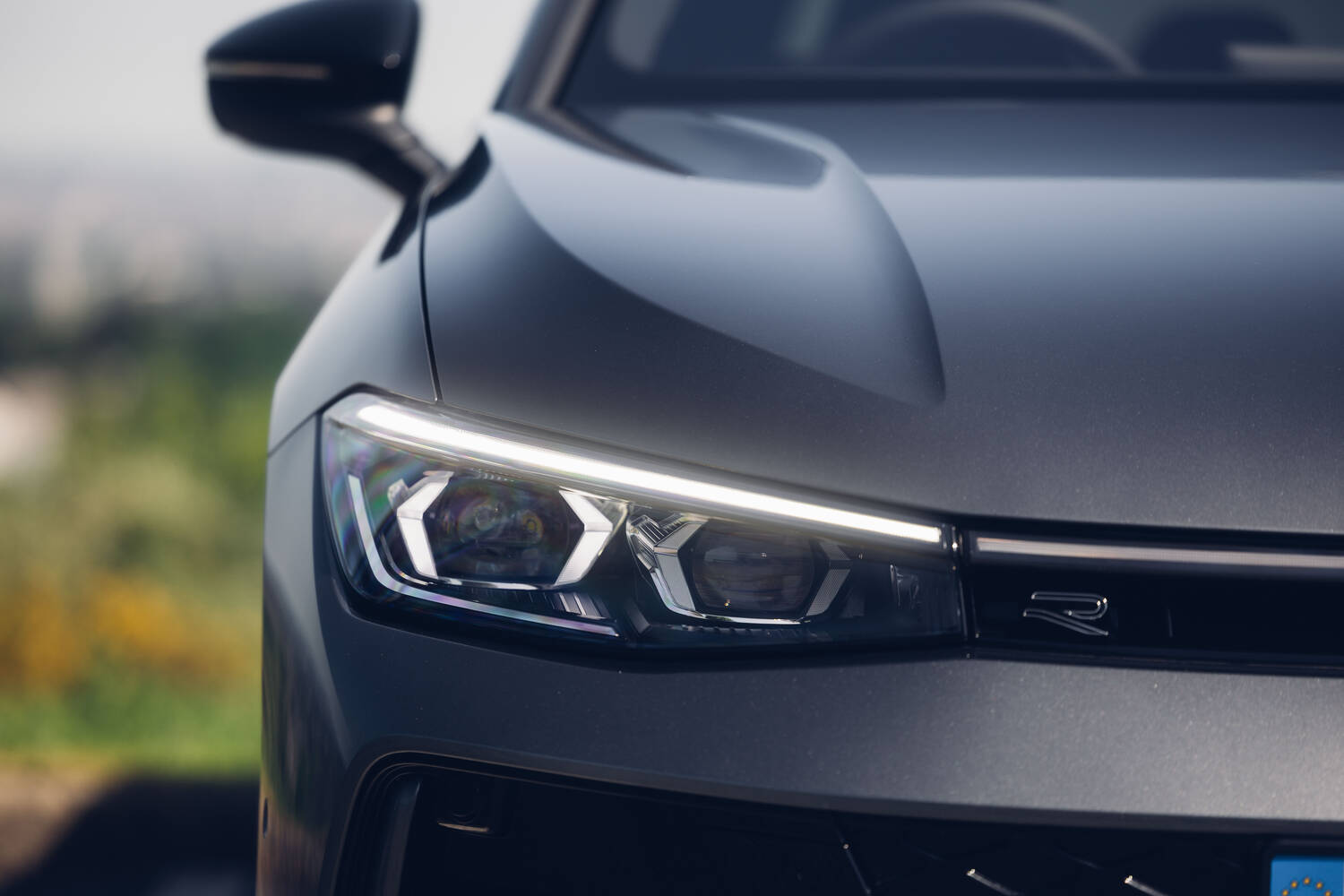
The Passat has sculpted headlights which are quite slim, and which owe an obvious debt to the ID.4 electric SUV - the same approach is used on the VW T-Roc.
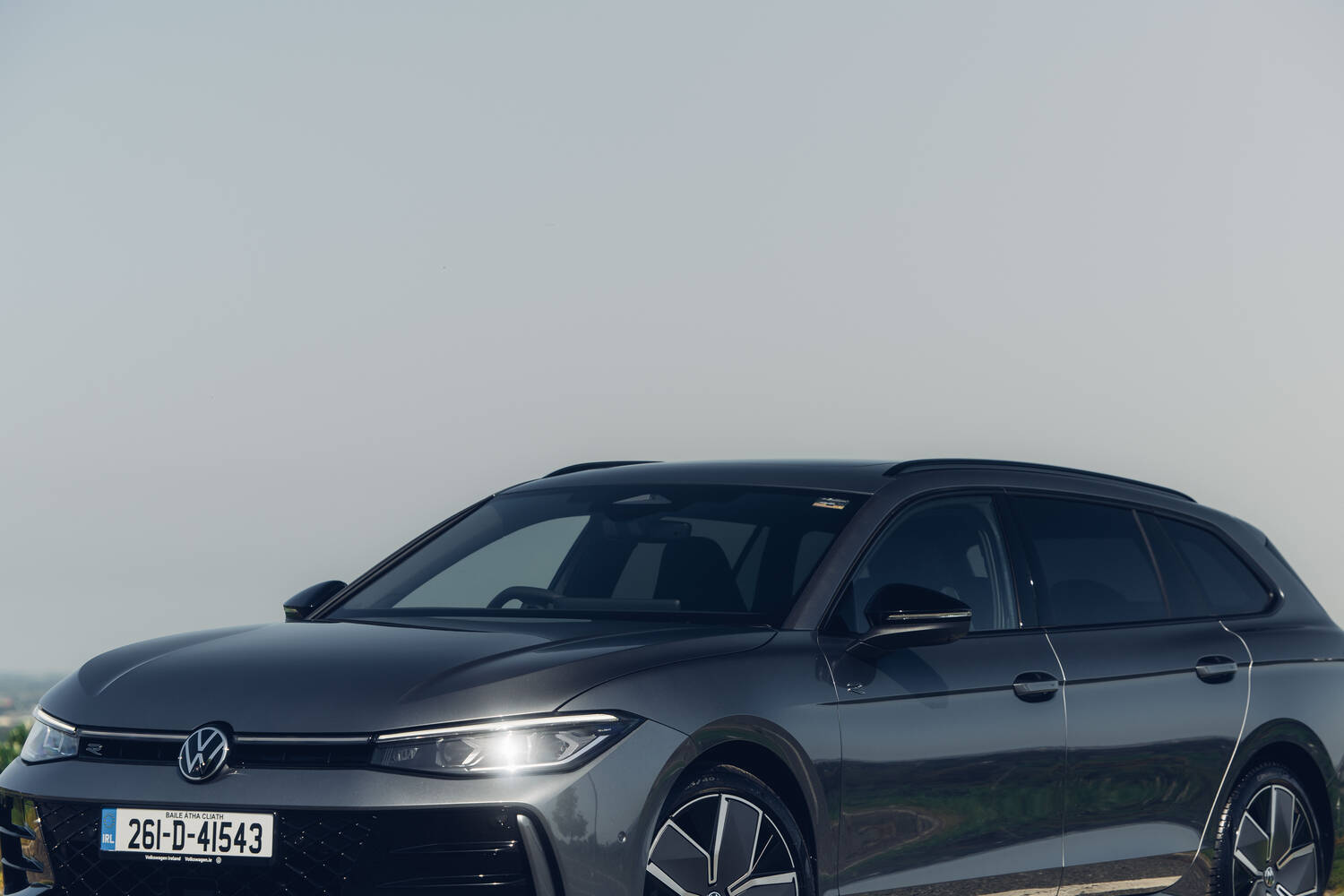
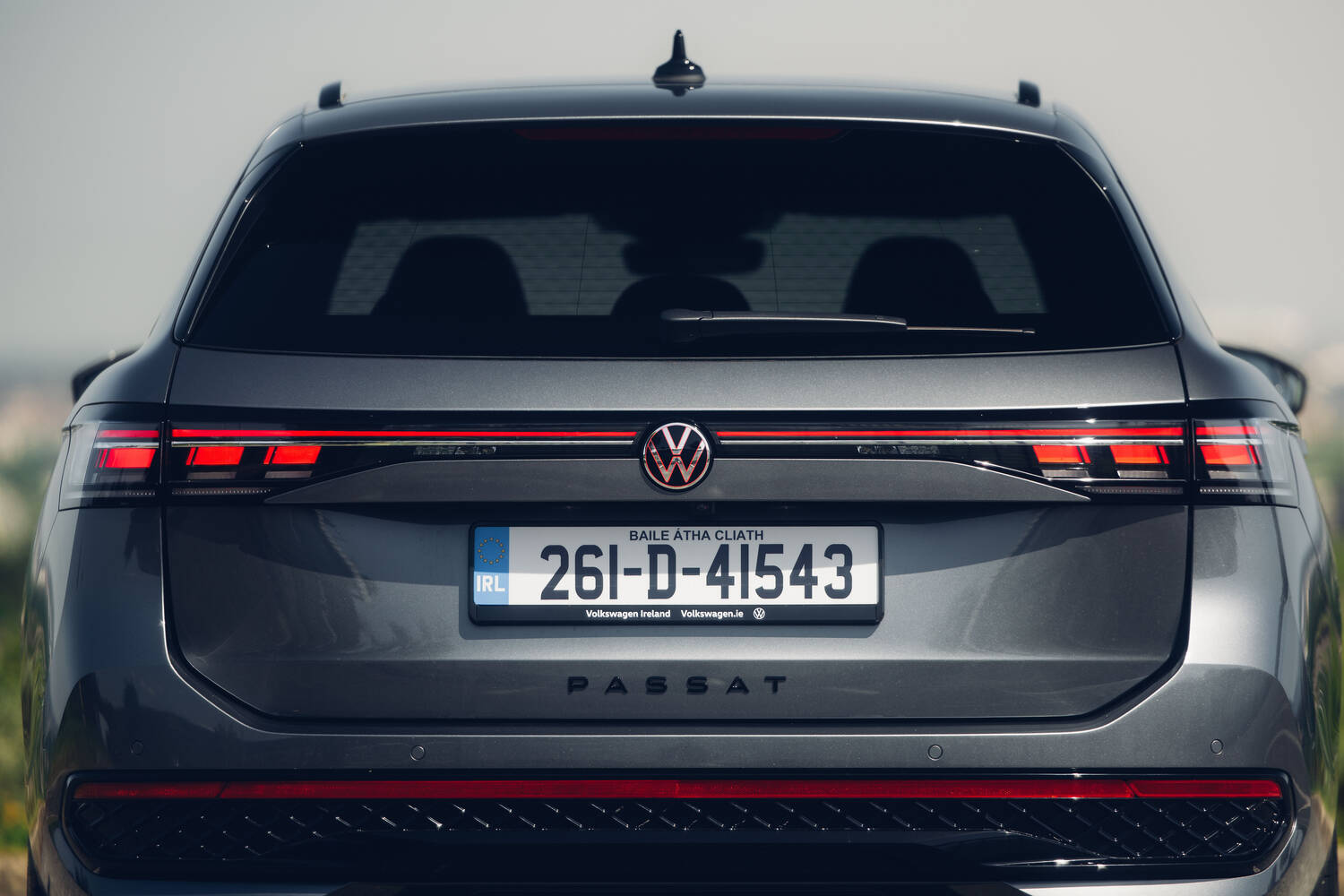
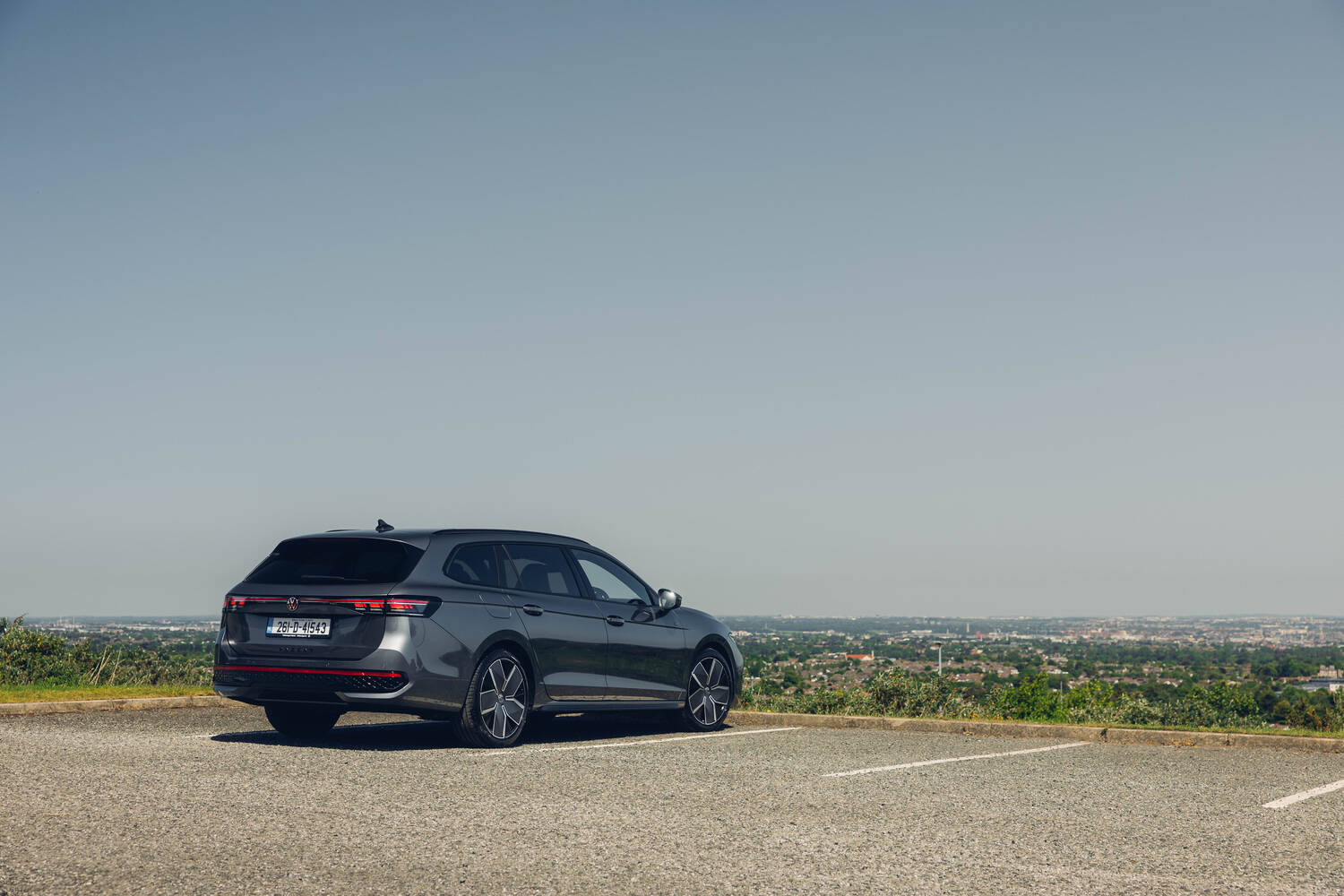
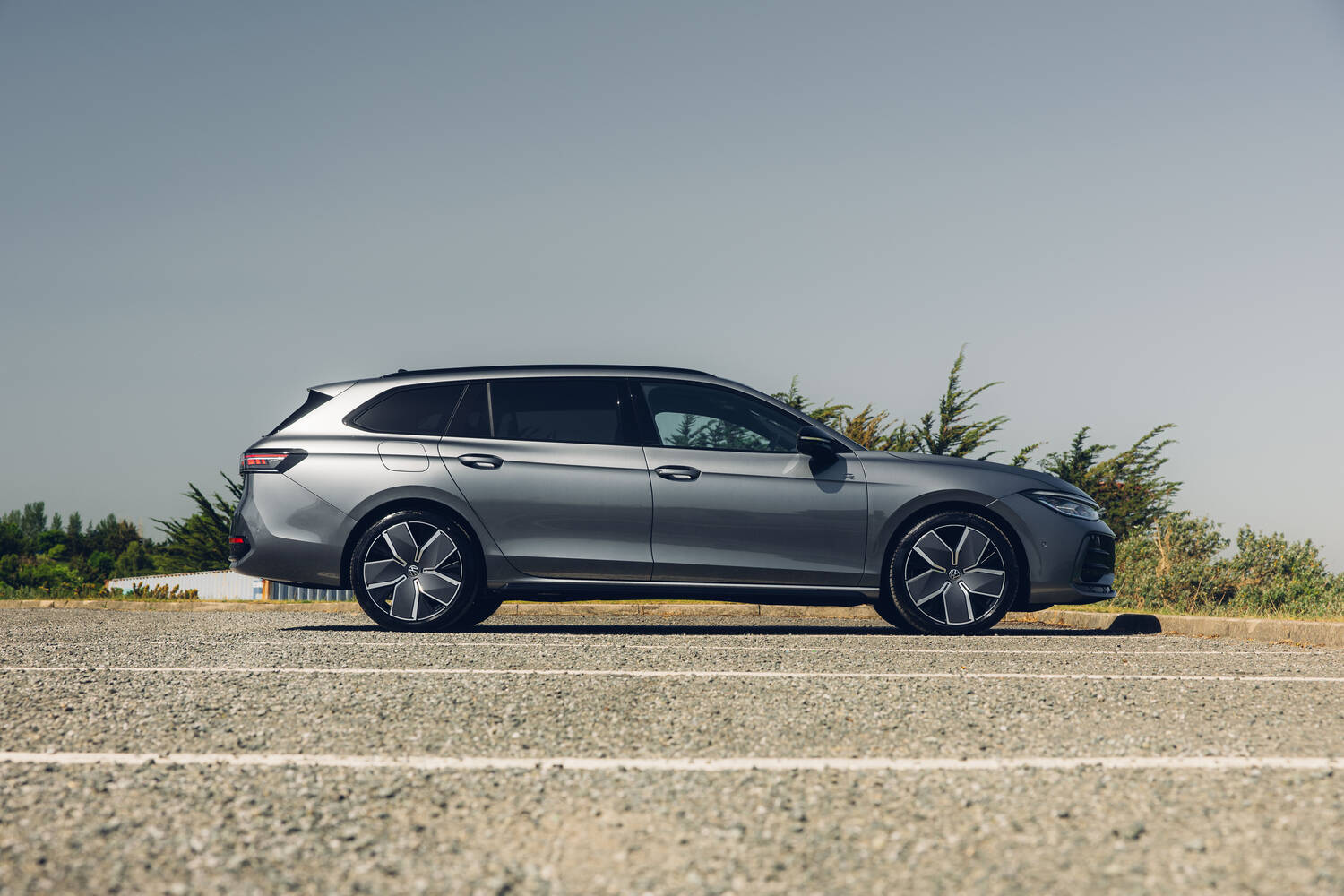
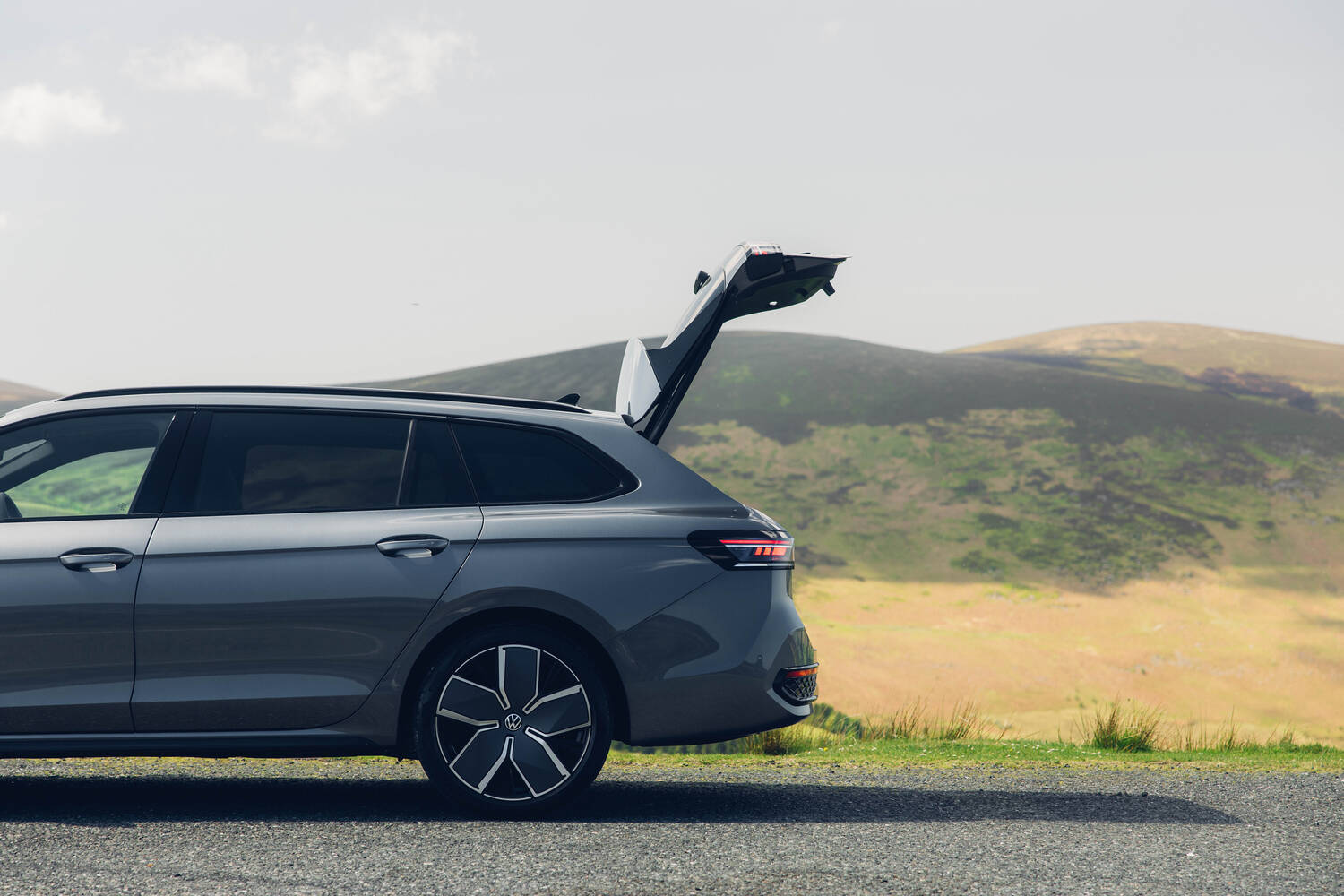
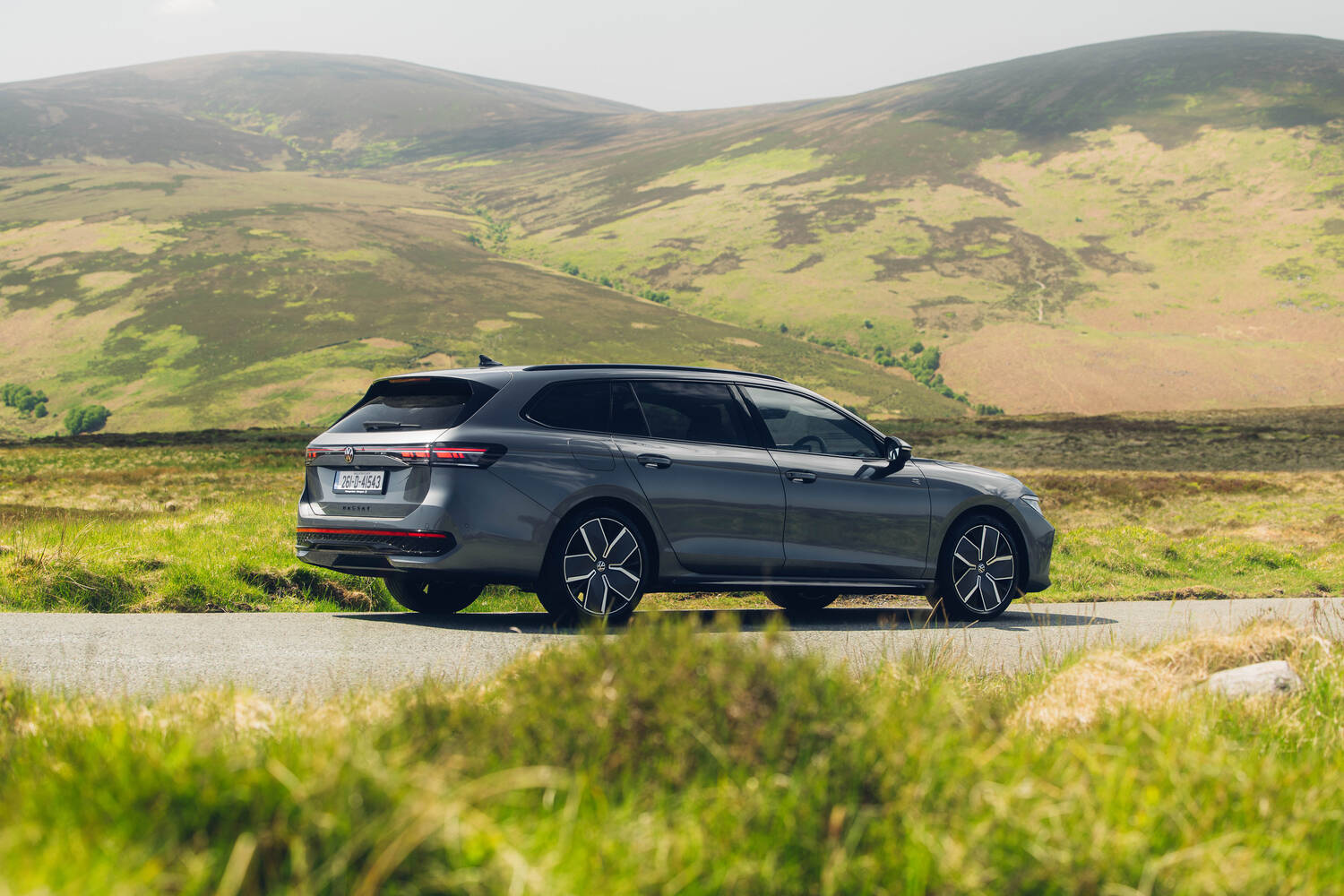
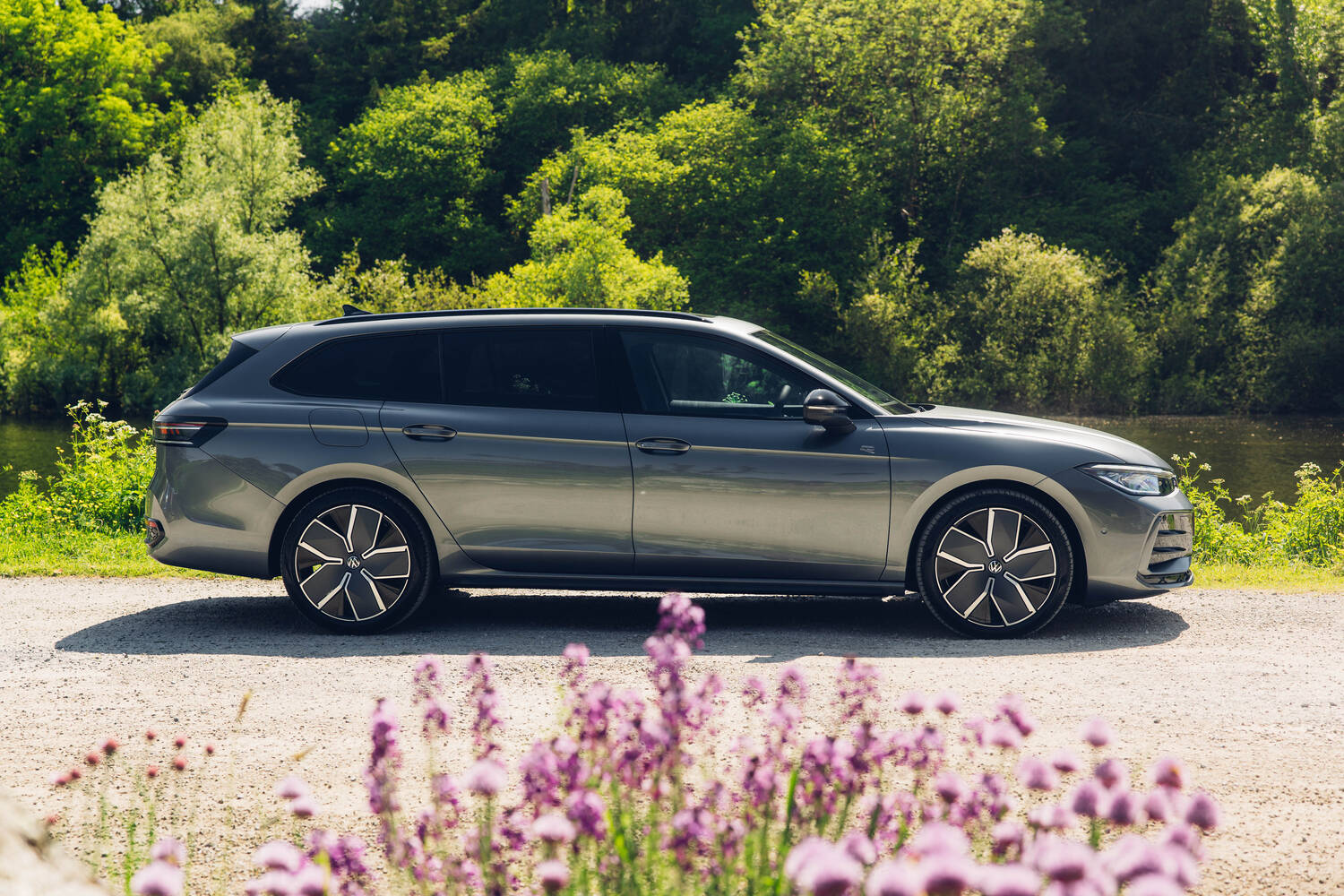
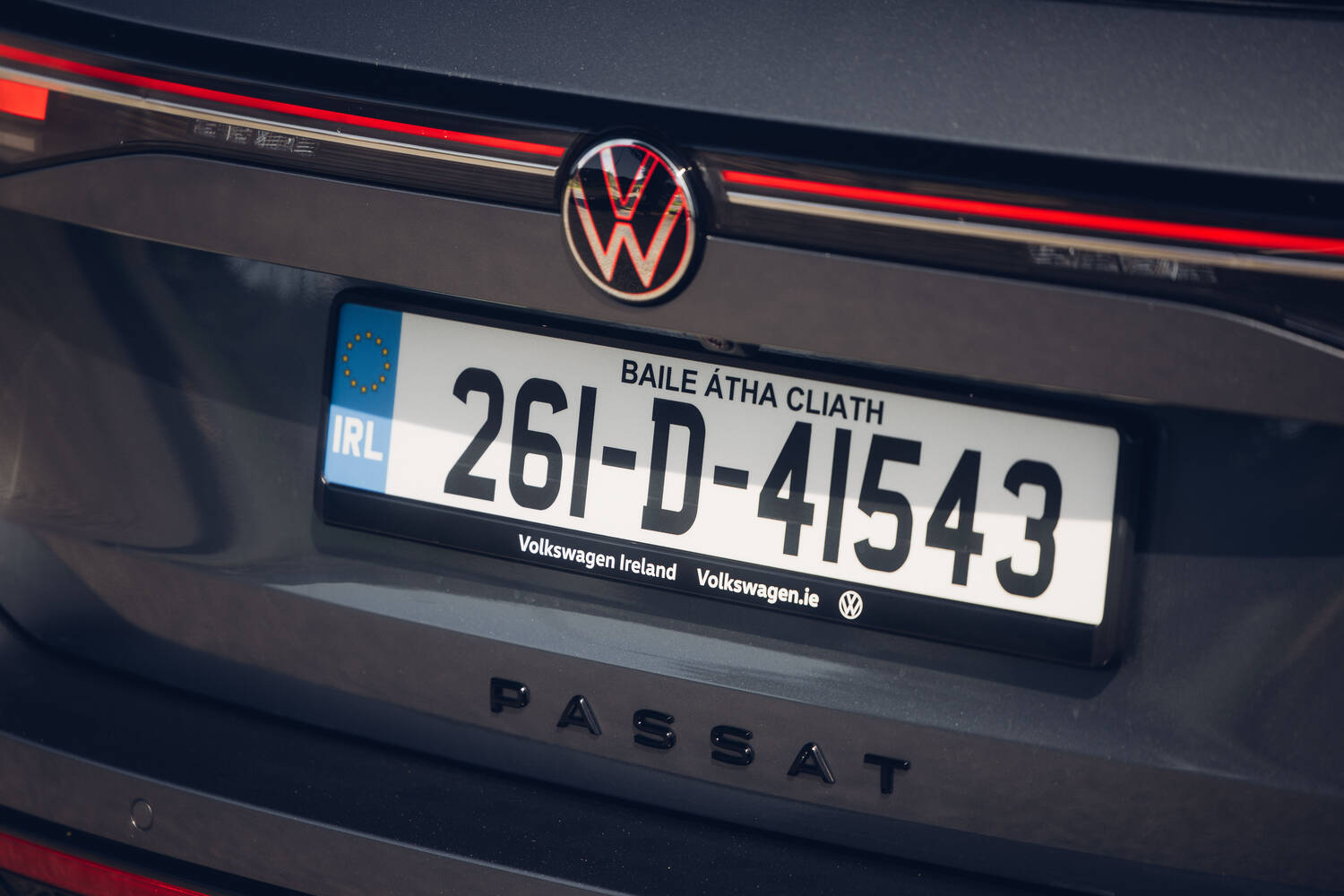
The sides of the Passat are again clean and lacking in ornamentation, and you can start to see the close kinship with the Skoda Superb Combi as you work your way further back. At the rear, there's an almost-inevitable full-width light bar, and a light-up VW logo.
So, not the most thrilling car to look at, the Passat, but one that nonetheless has an appealing shape, and is all the more refreshing for not being overly tall nor bulky.

Dimensions of the 2026 Volkswagen Passat
- Length:
- 4,916mm
- Width:
- 1,849mm (mirrors folded)
- Height:
- 1,521mm
- Wheelbase:
- 2,839mm
Paint colours for the 2026 Volkswagen Passat
The Passat's no-cost-option colour is Pure White, a solid paint finish, which looks a bit rental-car-spec. There's good value to be had in the €397 Tornado Red solid paint, which looks smart and striking.
If you want a metallic finish, Chili Red, Diabese Grey (the colour of our test car - a bit of a grey washout), Grenadilla Black, Mariposite Green, Oyster Silver and Reef Blue are all a €790 option. There's a final top-spec paint choice of Oryx White Mother-of-Pearl for €1,342.
If you're buying an R-Line version, those prices are slightly different thanks to higher VRT rates. Tornado Red solid now costs €454, while the metallic options are now €904.

With R-Line, all of the metallic paints come with the option of a contrast black roof, for the same €904, which looks like a bargain, until you realise that means upgrading to the €3,555 R-Line Signature Package.
The Oryx White Mother-of-Pearl paint costs €1,536 for an R-Line model, and again you need to upgrade to the Signature pack if you want a contrast black roof with that.
Interior, practicality, tech & comfort of the 2026 Volkswagen Passat
- Massive inside
- Mostly good quality
- Huge boot

The whole reason for buying a Passat is the car's practicality, and thankfully it doesn't shirk that responsibility. The cabin is well laid out, and exceptionally roomy, plus the quality levels are on the higher side.
Getting comfortable in the driver's seat
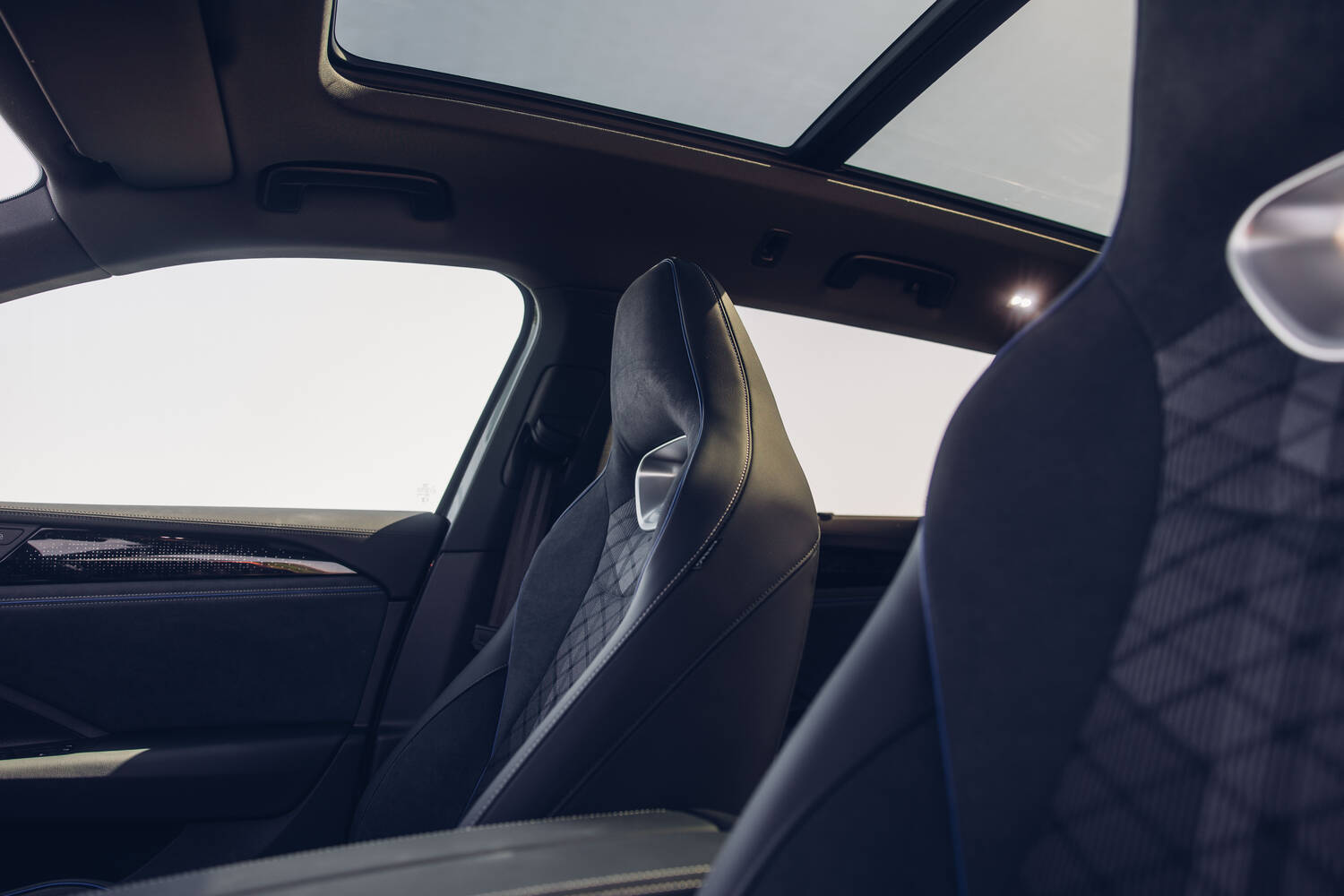
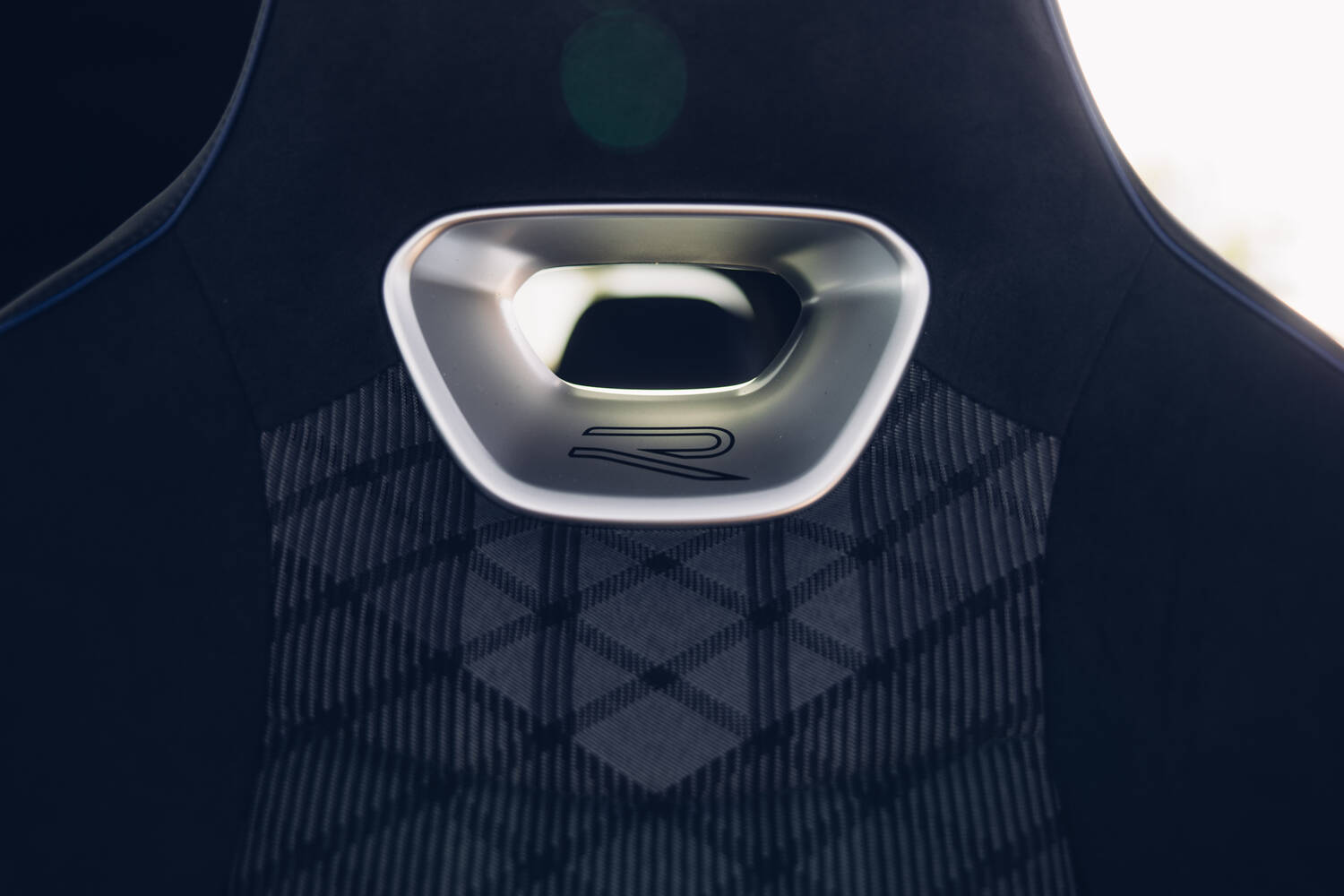
Our R-Line test car came with a set of high-backed bucket seats which proved to be very comfortable indeed.

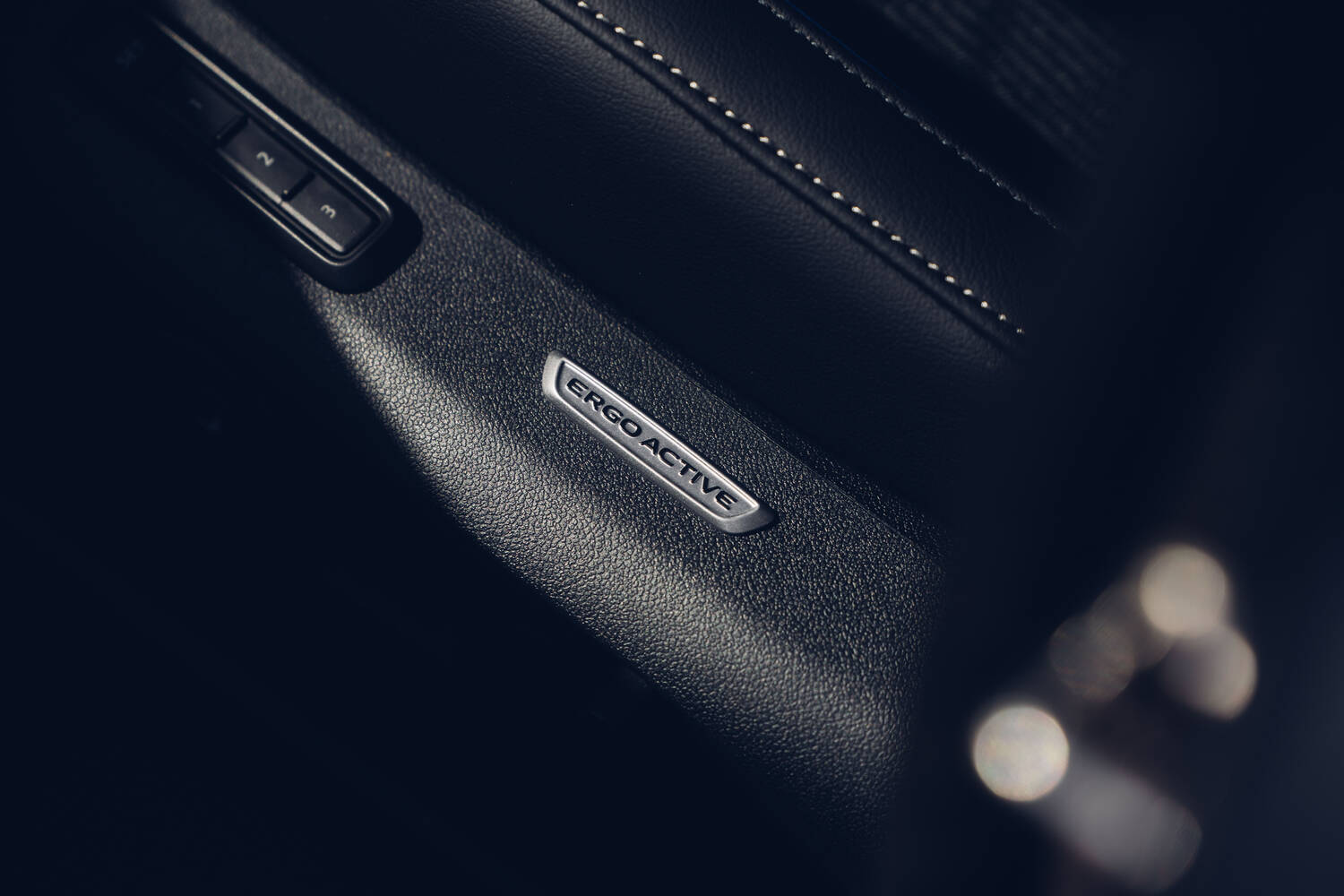
Power adjustment for the front seats is standard across both models, which helps when it comes to fine-tuning your driving position, and there's plenty of adjustment in the seat in all directions, and similarly in the steering wheel for most people to find a suitable position.
The only downside is that the tartan material used for the R-Line seat centres looks and feels cheap and uninspiring, but there's a bonus set of adjustable seat cushions up front so that you can find the ideal amount of under-thigh support.
Infotainment and technology
Volkswagen has been steadily updating its infotainment systems since the nadir of the early ID models, and the Passat has benefited from that.

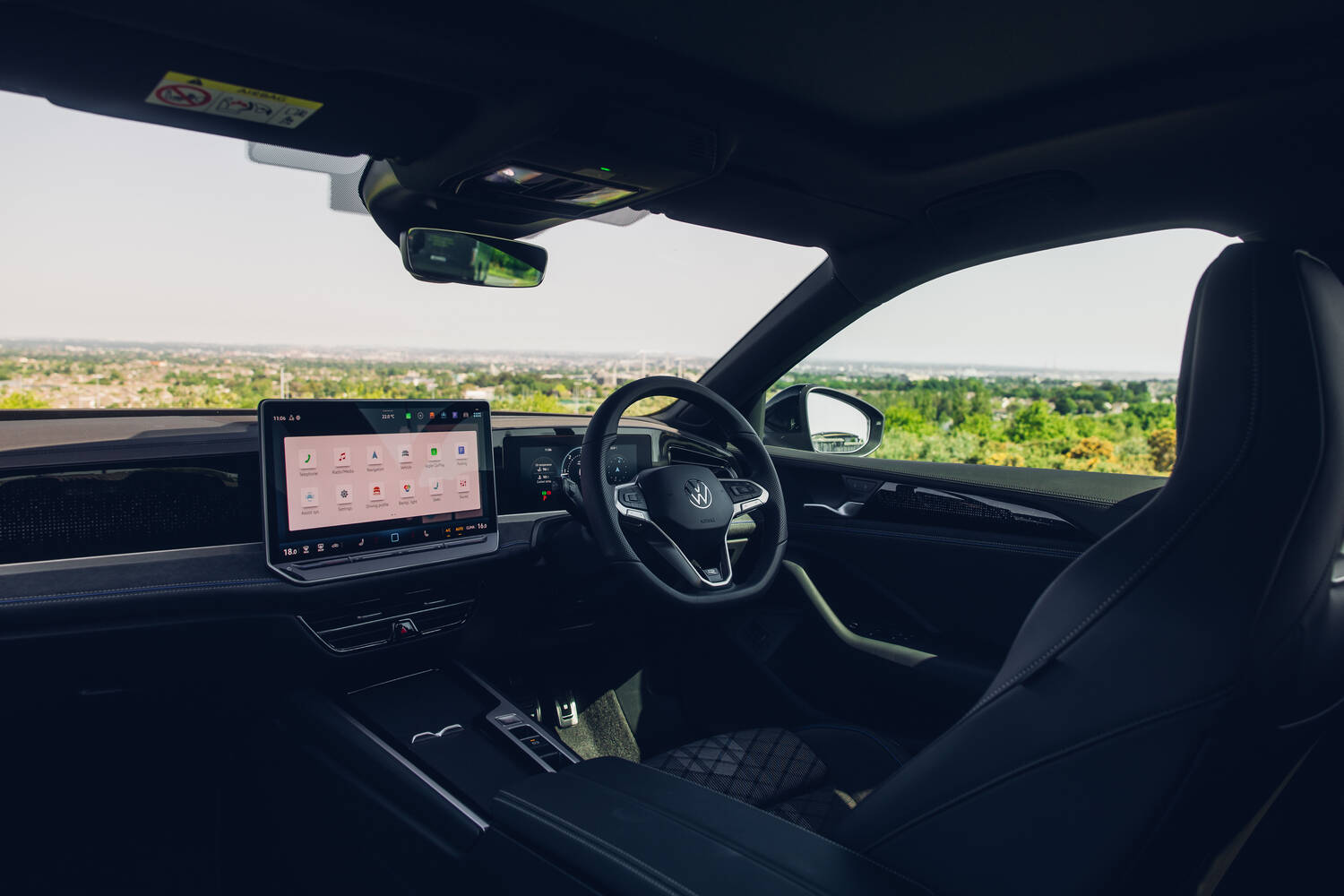
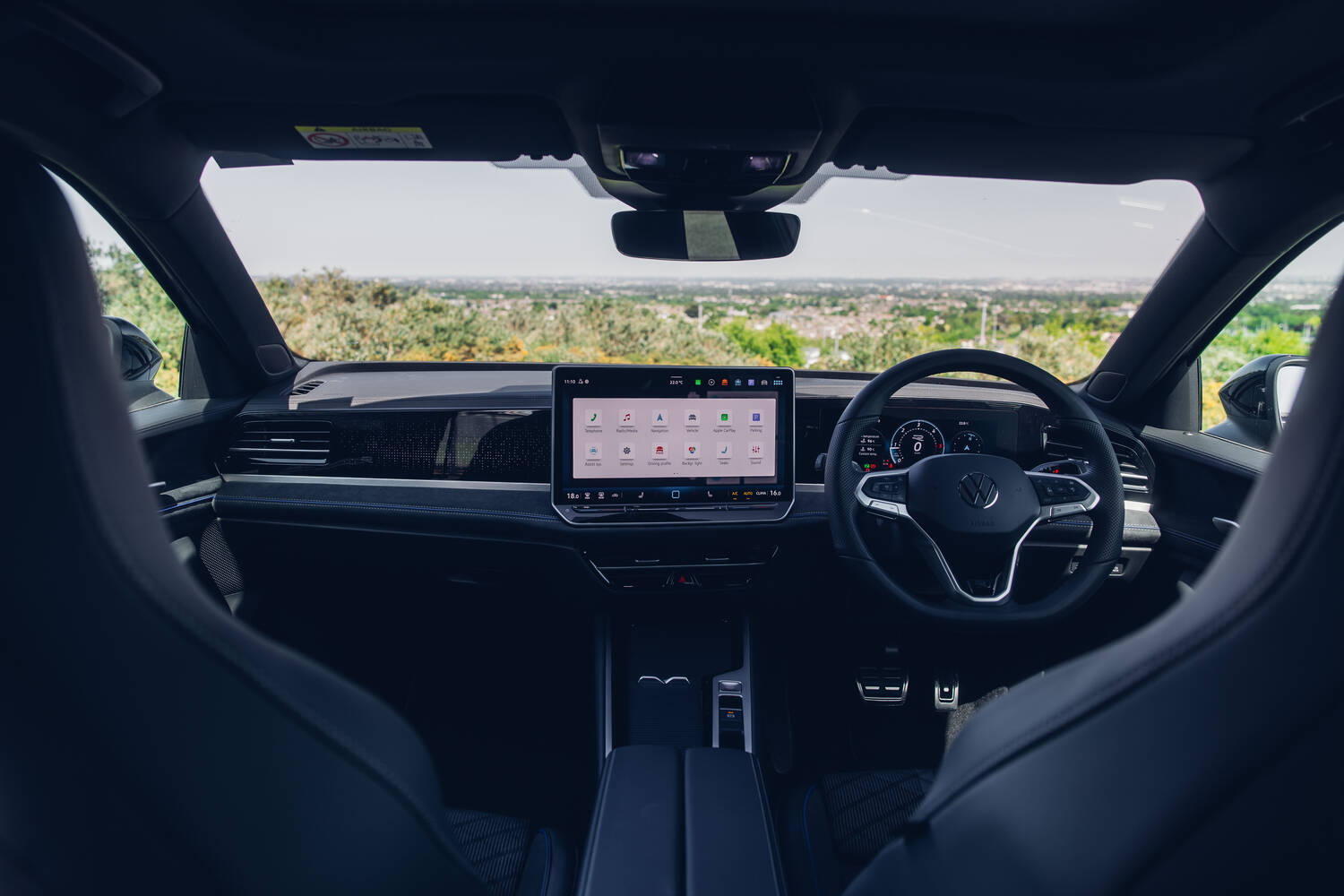
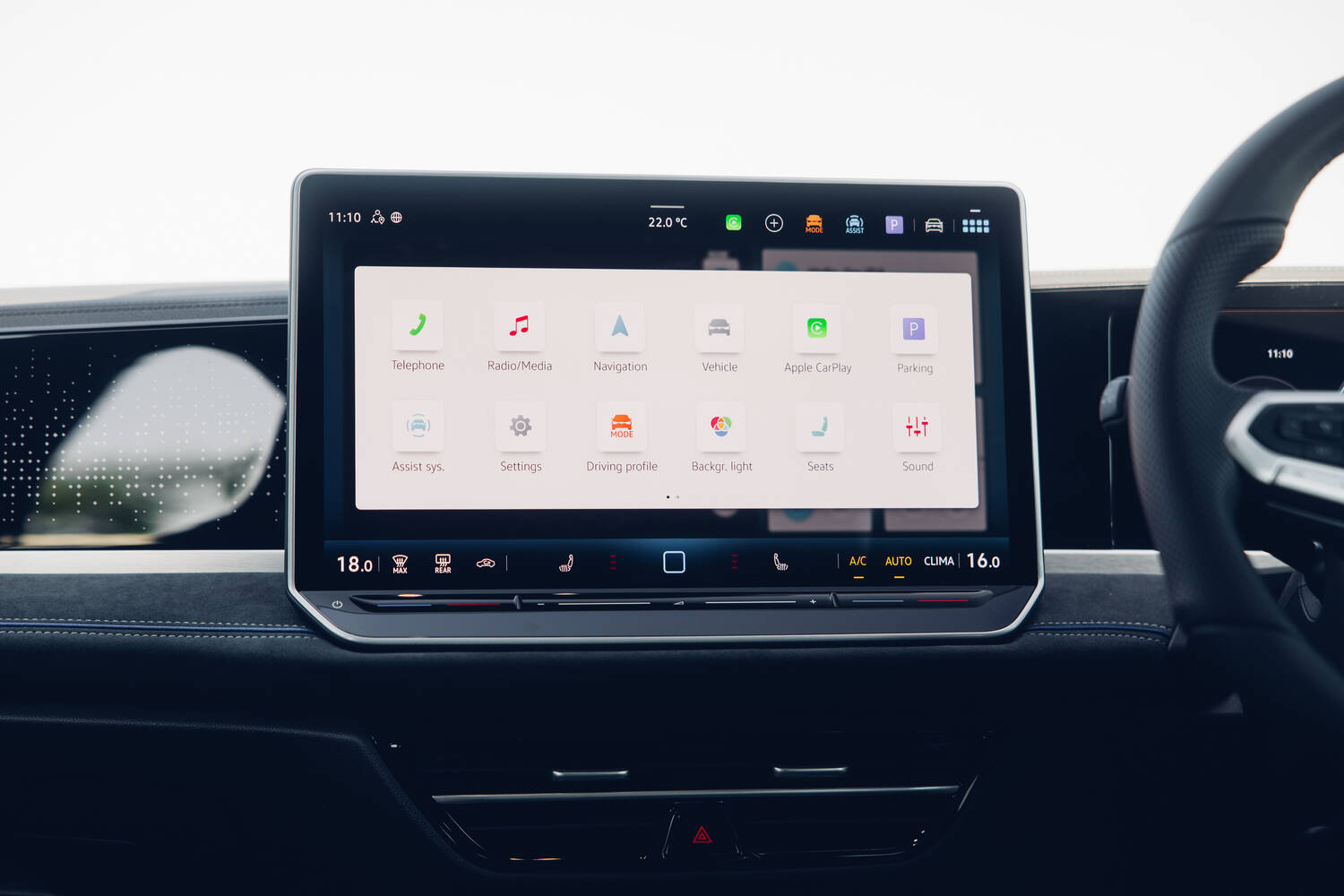
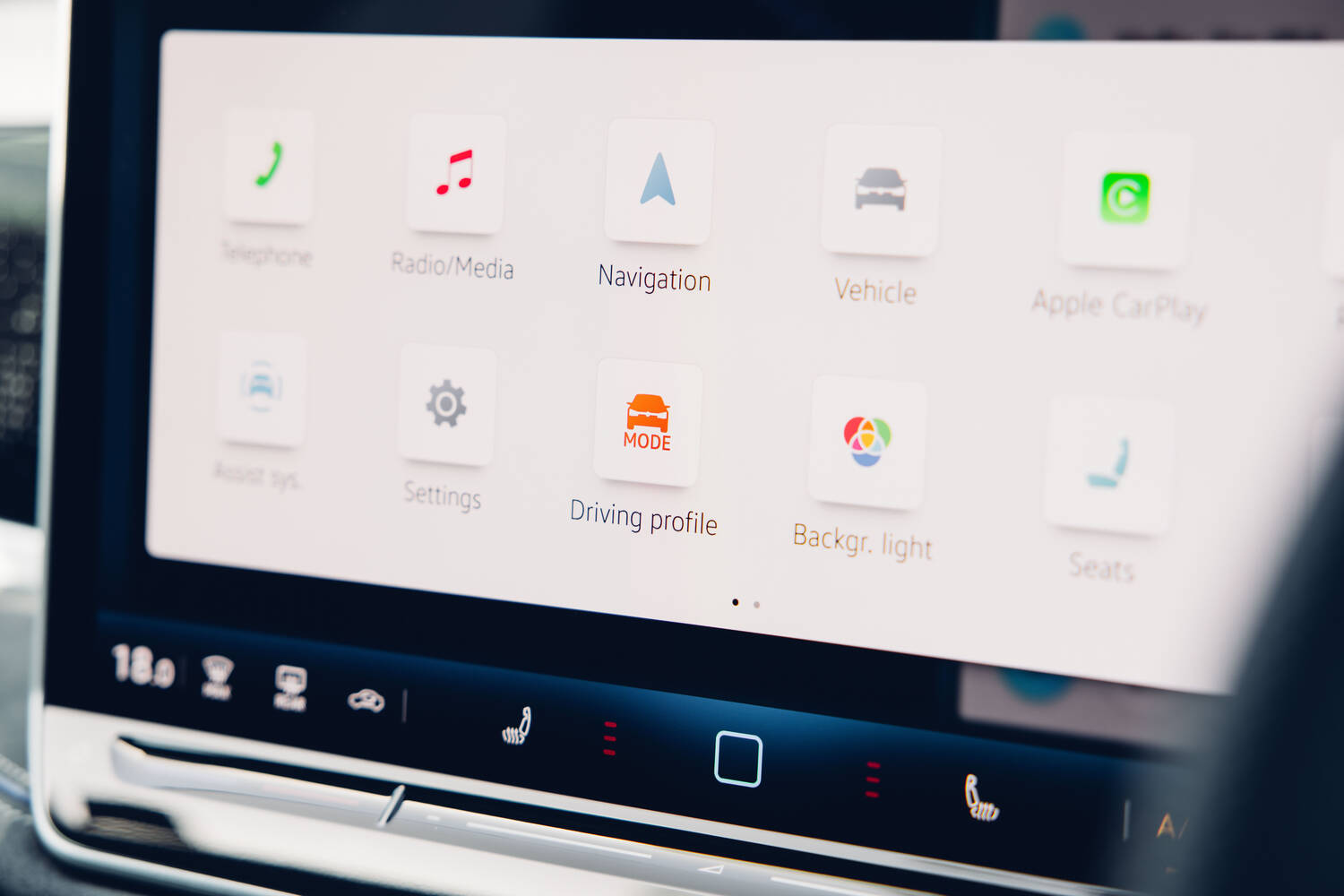
While it doesn't get the newer Google-based software, the Passat's big central touchscreen - 12.9 inches across for Business editions, 15 inches in this R-Line - is pretty simple to use.
Yes, you're still lumbered with the 'slider' controls for cabin temperature and stereo volume, which isn't great, but the on-screen menus are a bit more logical, and the ability to create your own lineup of shortcut icons at the top of the screen is helpful in accessing the most commonly used functions.
There is an integrated AI voice assistant, which Volkswagen calls IDA, but as ever with such systems it's very hit and miss as to (a) whether it understands your request and (b) is actually able to carry it out.

Ask it to do something simple, such as turning down the screen brightness at night, and it just gives you a shrug of its digital shoulders.
We reckon the 15-inch screen is just too big. In a relatively low-slung cabin such as that of the Passat, it dominates proceedings too much and is a massive distraction when driving at night in particular.
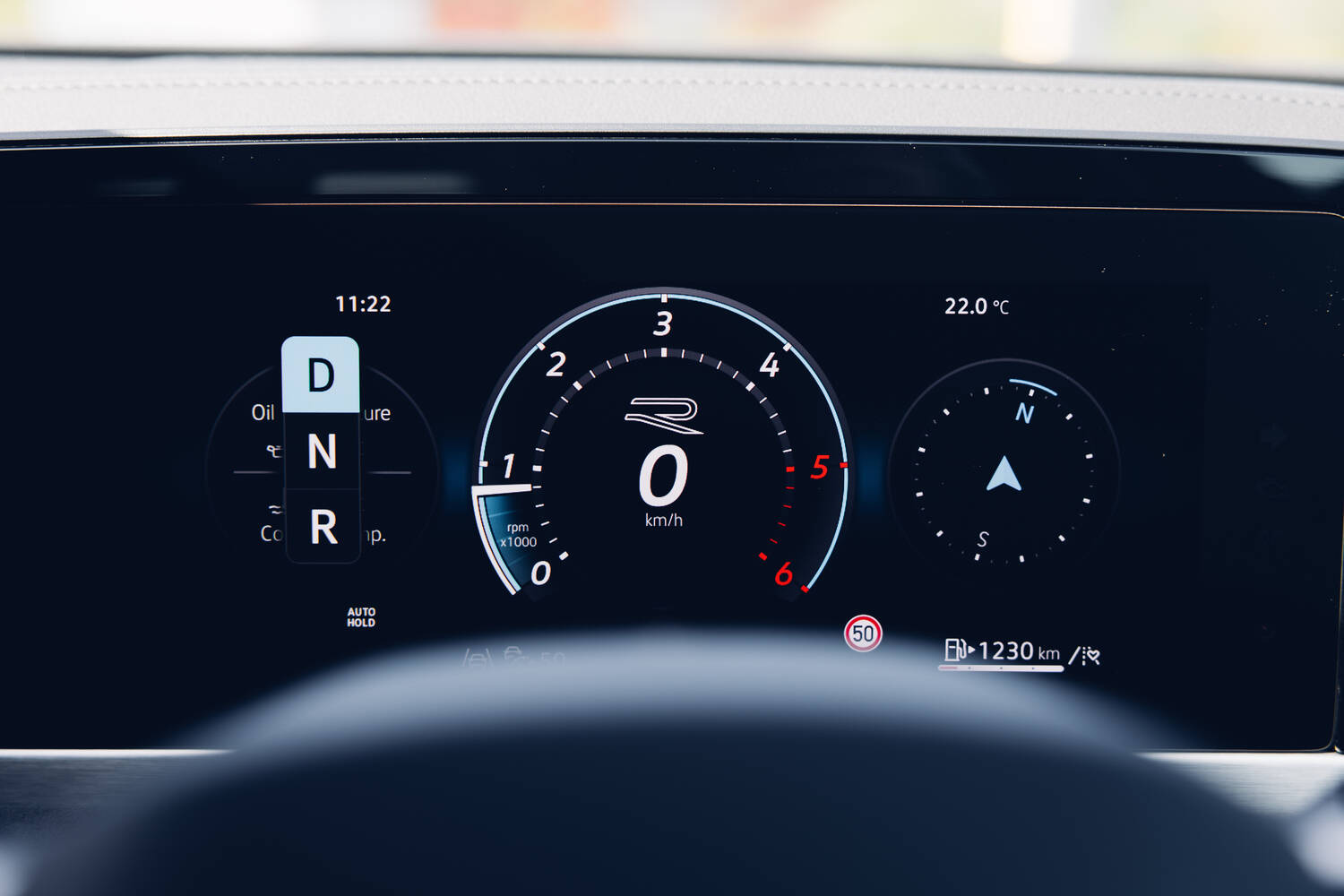
The 12-inch digital instruments are better, and allow you some customisation of their layout, but the background colours - you can choose those from an almost infinite palette - look cartoonish and not classy enough.
The head-up display, standard for the R-Line model, is good though, and looks sharper and clearer than it does in some other VW models.
Other tech includes wireless phone charging, four USB-C sockets, a top-down view camera system as standard and LED mood lighting.
Practicality around the cabin

This is why you buy the Passat... The front of the cabin is just as spacious as - as we shall see - the rest of the car, and there are copious storage areas.
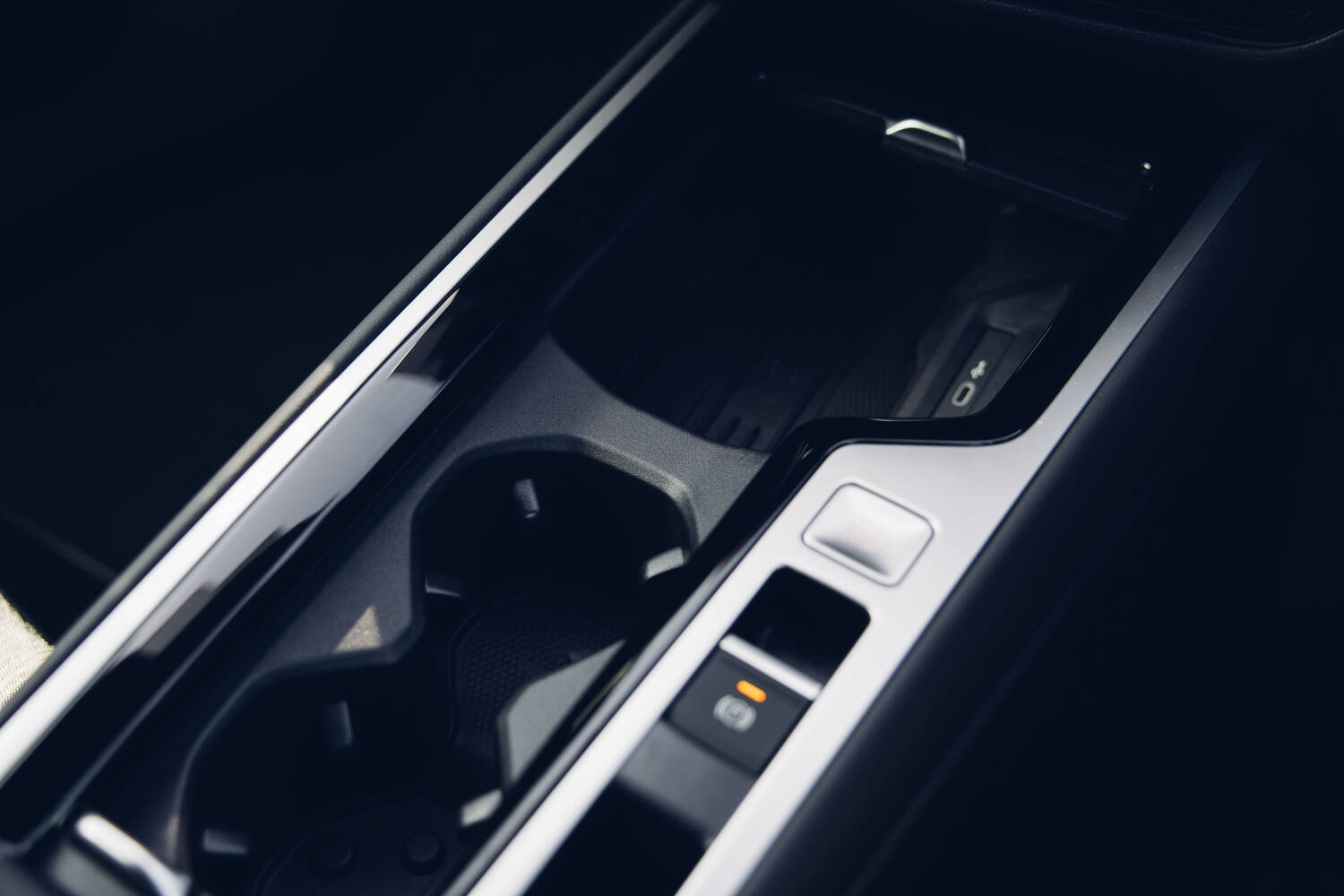
The door bins up front are not only massive, they're also flock-lined so loose items won't rattle around. On the centre console, there's a large storage area with two sliding covers (one slides forwards, the other back) which includes two cupholders and a wireless phone charger.
There's a handy 'butterfly' lid for the storage box under the centre front armrest too, which is a useful size. The glovebox is fine, albeit nothing more than that.
Rear-seat passenger space
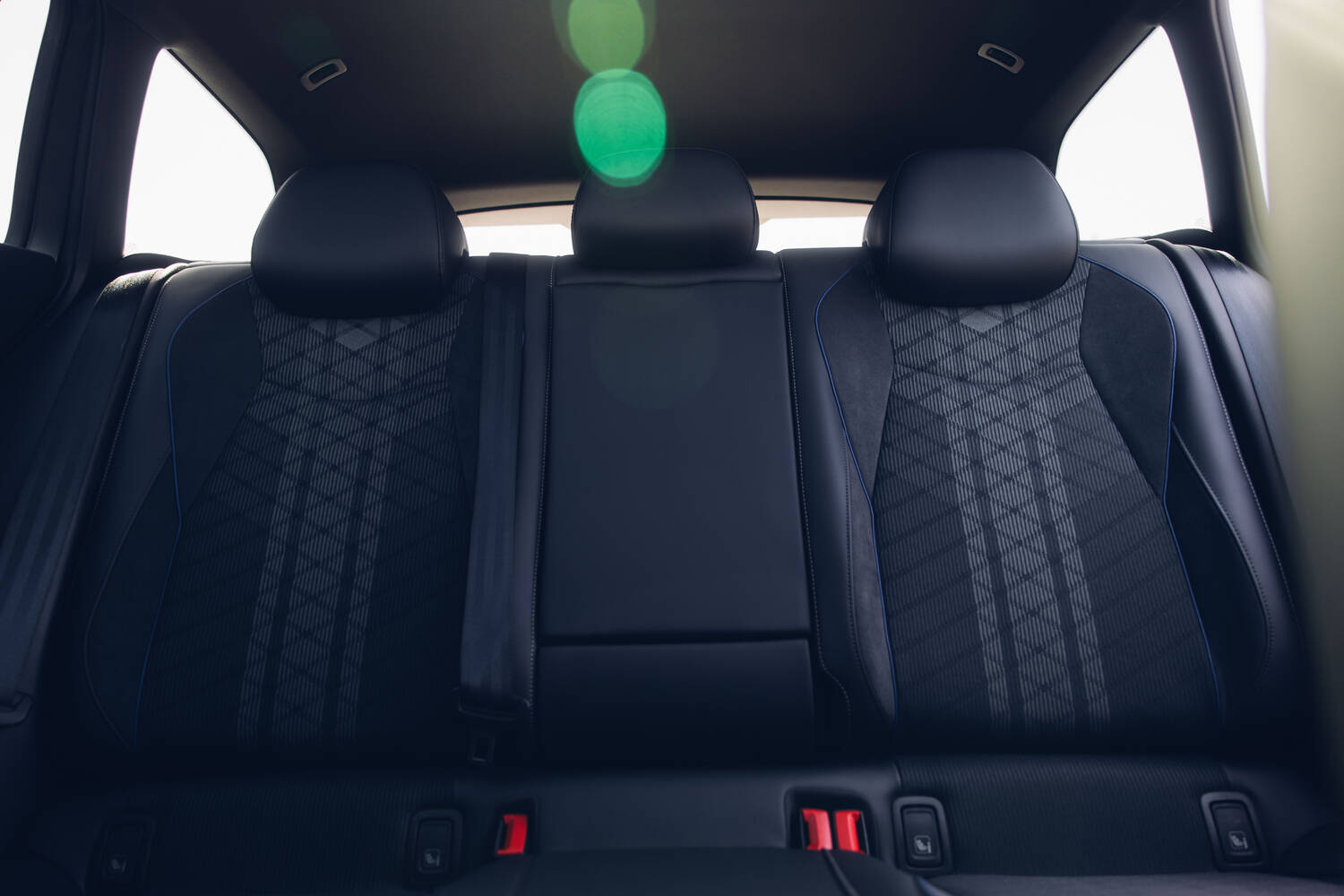
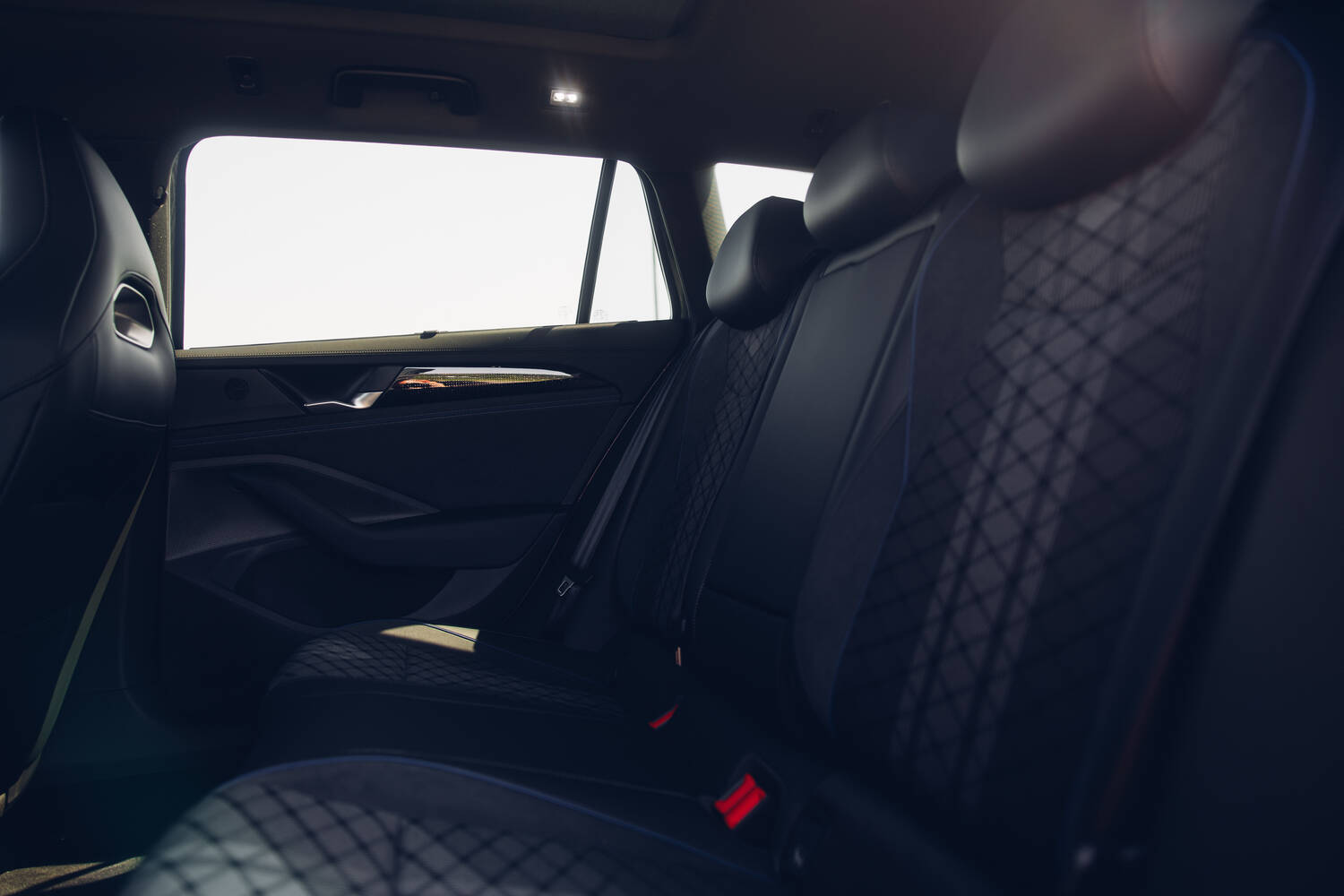
Previously, the Skoda Superb was always better for rear-seat space than the equivalent Passat. No more - now, the Passat uses the same massive 2,839mm wheelbase as the Superb Combi, and that opens up an utter acreage of rear-seat room.
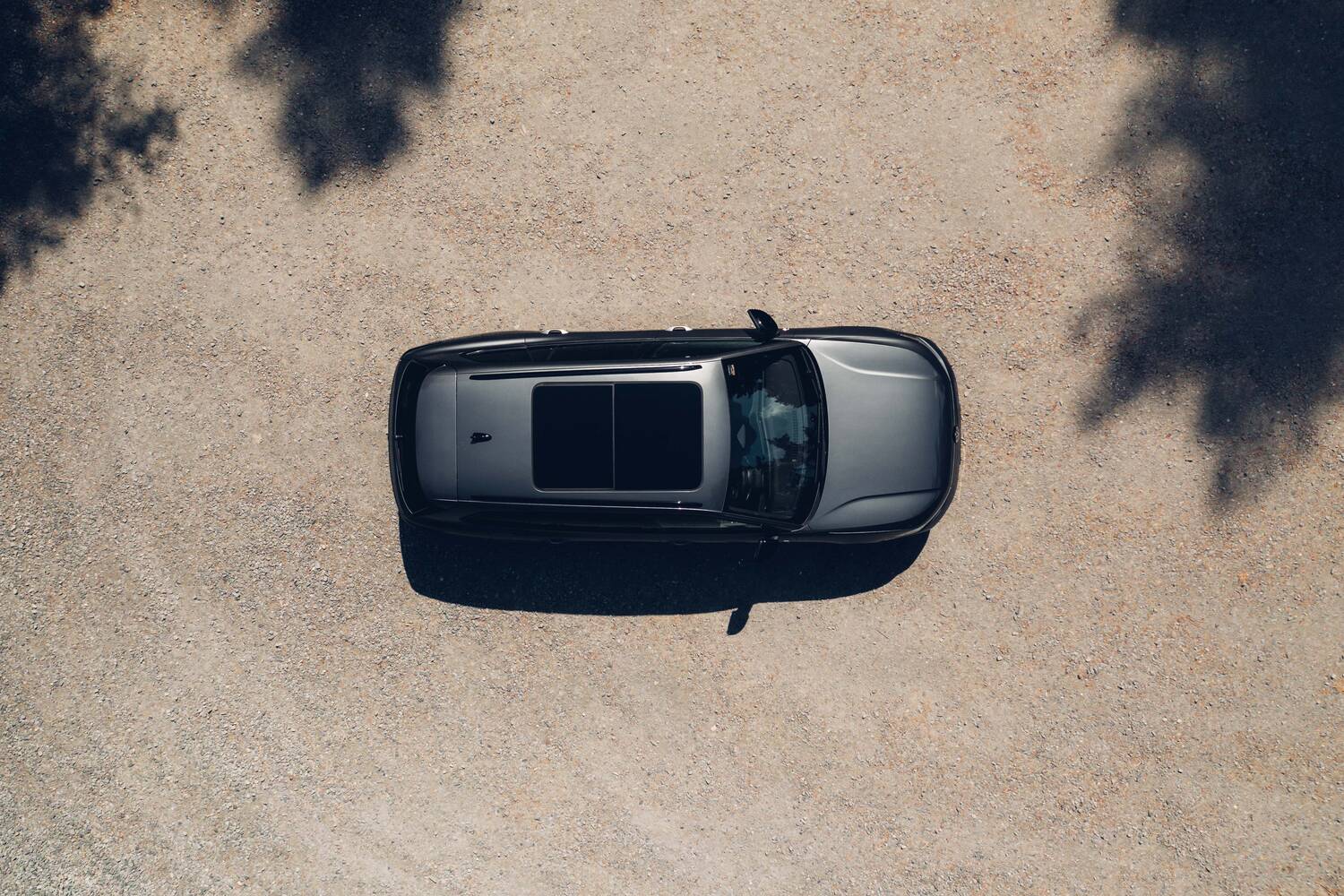
Even very tall passengers should be able to get comfortable when there are equally tall people sitting up front. There's also sufficient headroom, even with the optional glass roof of our test car.

True, it's not as much headroom as you'd get in an equivalent Tiguan, but how often are you going to need all that much space above people's heads?
There are useful (lined) door bins and seatback pockets, including smaller, high-set pockets for items such as ear buds. There's a centre rear armrest, with lidded cupholders whose lid does double-duty as a mobile phone holder.
The centre rear seat is reasonably flat and broad, so it's potentially useable, but it will be limited by the chunky transmission tunnel that will eat into space for feet.
Fitting child seats to the Volkswagen Passat

The VW Passat gets three ISOFIX anchor points - two in the back and one in the front passenger seat - and that centre rear seat should be just about wide enough for a booster cushion for an older child, although of course we'd recommend checking that out with your own seats before you purchase.
Boot space in the Volkswagen Passat
The Passat's boot is simply massive, although that does come with a small caveat. Up to the luggage cover, as standard, you get a whopping 690 litres of cargo space, matching that of the Skoda Superb Combi.
There are useful handles for tumbling the back seats which fold almost entirely flat, opening up 1,920 litres of space. The back seats only fold in 40:60 formation, but there is a 'ski hatch' load through for longer, narrow items.

There are also useful fold-out bag hooks in the boot, a 12-volt power socket and stowage spaces to either side. The boot floor is adjustable, allowing you to sacrifice a little depth to eliminate the load lip (although the rear bumper sticks out a bit, so you do have to load across that) and in the diesel model there's even space underneath for a spare tyre.
That does change a bit if you go for the plug-in e-Hybrid model as the battery has to take up space beneath the boot, reducing the volume to 510 litres up to the luggage cover.
Speaking of which, that luggage cover retracts electrically out of the way when you open the boot, but this makes it awkward to remove and store away when you want to fold the back seats and open out all of the available space.
Towing with the Volkswagen Passat
The diesel-engined Passat can manage a braked trailer load of up to 2,000kg, which is decent, but you'll have to knock 200kg off that if you've bought the plug-in-hybrid version.
Safety in the Volkswagen Passat
The Passat really is safe, taking home not only a five-star score from Euro NCAP, but also a 93 per cent rating for adult occupant protection, which is right up there with the best.
The Passat scored a mildly less impressive 87 per cent for child occupant protection, but a very good 82 per cent for vulnerable road user protection, and 80 per cent for its active safety systems which include, as standard for all models, front emergency braking with pedestrian and cyclist detection, front and rear cross traffic alert, adaptive cruise control, an intelligent speed limiter, a driver attention monitor, adaptive high beam lights and a memory feature for the automatic parking system.
Performance of the 2026 Volkswagen Passat
- Two powertrain options
- Both versions have impressive economy
- Smooth and comfortable

Volkswagen has almost ruthlessly pruned the broad Passat range of old and so now you can choose between only a TDI turbodiesel, or a plug-in e-Hybrid with an impressive electric range.
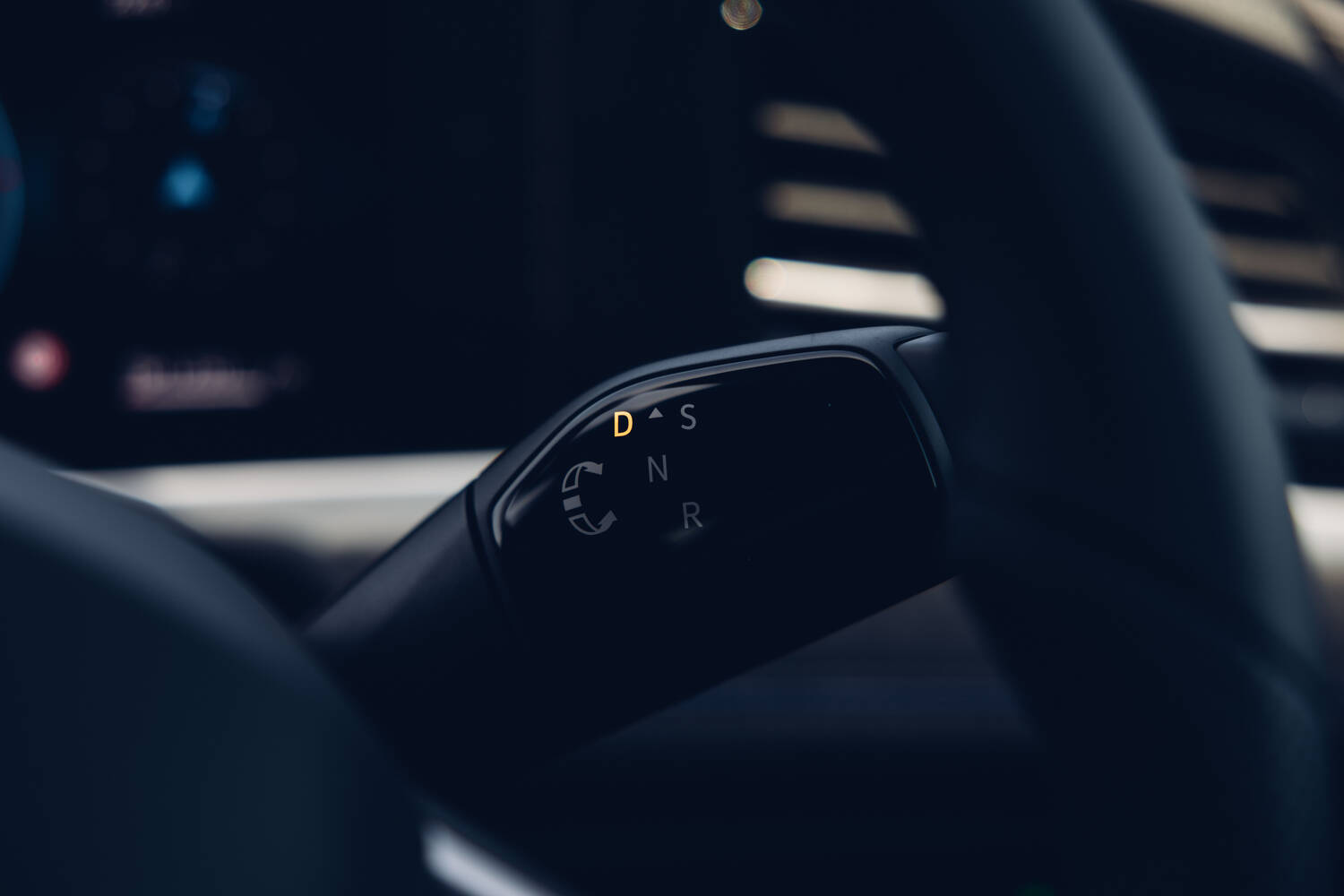
The TDI is the familiar 2.0-litre unit, developing up to 150hp and 360Nm of torque, and driving the front wheels by the equally familiar seven-speed, dual-clutch 'DSG' automatic gearbox, with the drive selector on the steering column. There's no manual option.
The e-Hybrid is based around Volkswagen's turbocharged 1.5-litre four-cylinder petrol engine, and combines its 150hp with an 85kW electric motor and six-speed DSG automatic gearbox, allied to a 19.7kWh battery which offers an official range of up to 134km on electric power alone, with a system maximum power output of 204hp.
Other European markets get a higher-powered e-Hybrid Passat with 272hp, and the option of a mild-hybrid version of the 1.5-litre petrol engine, plus extra diesel versions including a four-wheel-drive 4Motion model, but none of those models is offered in Ireland.
Driving the VW Passat 2.0 TDI on Irish roads
Words by Neil Briscoe on 24 July 2026
The 2.0-litre TDI engine starts with a familiar grumble and suddenly you're back in 2009, and diesel is still king.

I digress. It does feel a bit oddly old-school to be driving a turbodiesel at a time when diesel is supposed to be all but dead, but there are - as we shall see below - still some compelling reasons to reach for the black pump.
Outright performance isn't one of them. The TDI Passat just ducks under the 10-second barrier for its 0-100km/h run but in spite of a more than decent 360Nm of torque available, it never feels much more than just about adequate in its straight-line speed.
The Passat isn't a sparkling sort of car to drive when it comes to corners, either. The steering has pleasant weight and accuracy, but little in the way of true road feel.
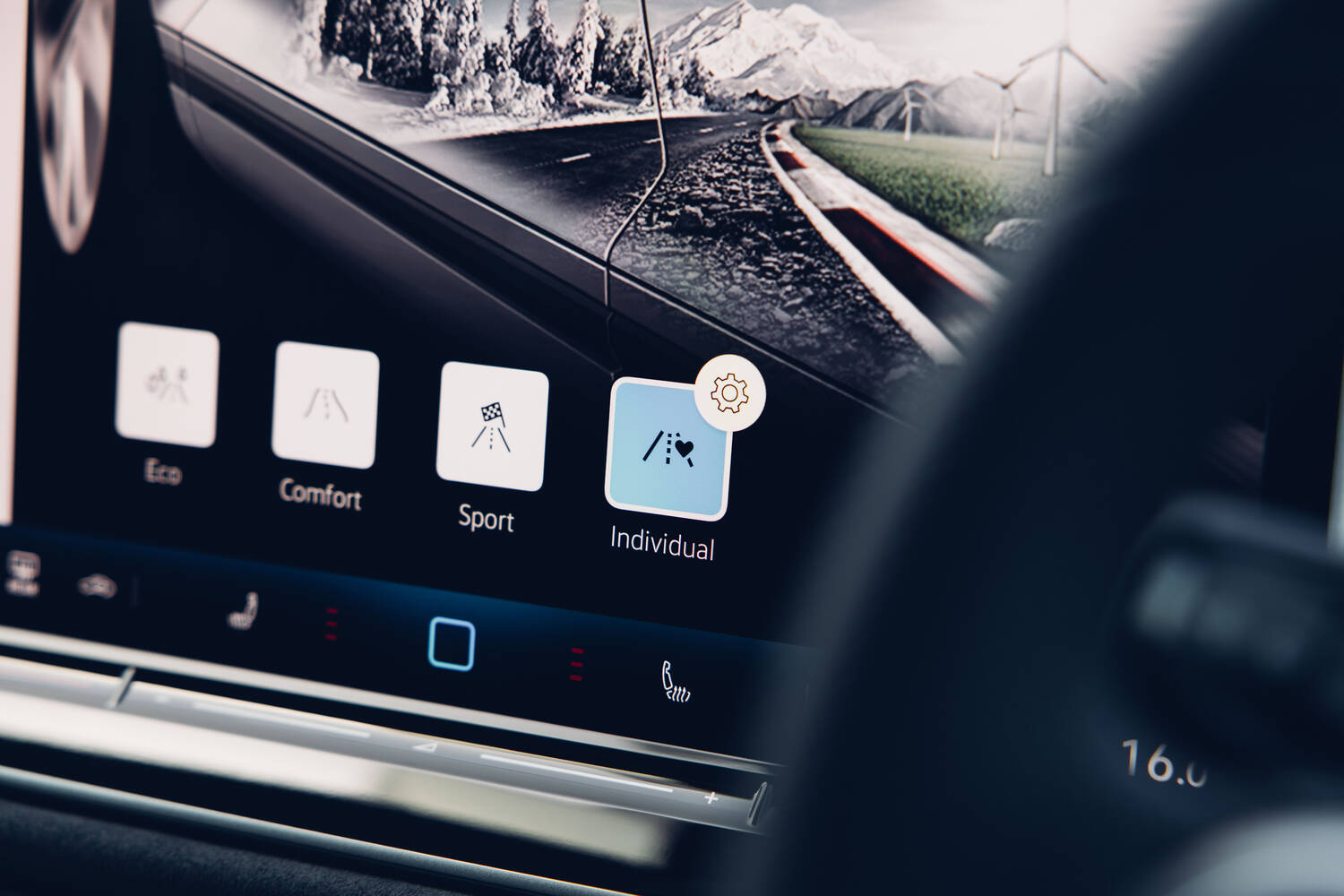
The Passat swoops easily around most corners, but it's never going to feel particularly sporty or even interesting. Our test car came with the optional DCC adaptive dampers, which can stiffen everything up for a sportier feel, but we found there's little benefit in that.
Much better to slide the on-screen control all the way in the other direction and set the dampers to their softest setting. Do that, and there is a slight touch of wallow to the way the Passat rides, but the comfort levels are worth it.
As a way to cruise up and down the motorways of this land, the Passat is pretty close to peerless, and a big part of that is down to the way it performs in our next review section...
Fuel economy and running costs of the 2026 Volkswagen Passat
- Great fuel economy
- PHEV should go far on a charge
- Fast-charging for the e-Hybrid

Officially, the e-Hybrid and TDI Passats have wildly different fuel economy figures, but in the real world they're likely to be much closer on a long run than you might expect.
Official emissions, electric range and fuel economy
Officially, VW quotes combined WLTP fuel consumption of 5.0 litres per 100km for the Passat TDI diesel, and just 1.3 litres per 100km for the e-Hybrid.
The e-Hybrid's electric range on a full charge of its 19.7kWh battery is as high as 134km.
Real-world fuel economy of the 2026 Volkswagen Passat
OK, so none of us should be driving diesels anymore, right? Well, yes, but... There is still a use case in which a seriously efficient diesel car, such as this Passat, can match or exceed the fuel economy of some hybrid models, and given that real-world CO2 emissions are directly linked to fuel consumption, that surely means diesel, with suitable exhaust gas treatment, still has a role to play for ultra-high-mileage drivers.
Put it this way - on our first long drive in the Passat TDI we averaged 4.7 litres per 100km, which beats the official figure by 0.3 litres per 100km.
That first drive, by the way, was a 120km/h cruise up the M1 with the air conditioning going. Over a mixed week of driving, including some slow stop-start traffic in town, that figure did creep up to around 5.3 litres per 100km on average, but on our last long motorway run to drop the Passat back to Volkswagen, it began to come back down again, dipping below 5.0 litres per 100km towards the end of our journey. This is a truly economical vehicle.
As for the e-Hybrid plug-in-hybrid version, we haven't had a chance to test that on Irish roads yet, but experience with the mechanically identical Skoda Superb Combi suggests that you can expect a realistic electric range of 90-100km on a fully charged battery, and fuel consumption of around 6.2 litres per 100km on a long journey.
Charging up the Volkswagen Passat e-Hybrid
The e-Hybrid version of the Passat is versatile when it comes to charging. It can accept as much as 11kW on three-phase AC, making for a very quick two-hour, 30-minute charge time, while on a domestic outdoor socket, you're looking at more like 12 hours for a full charge. On a 7.4kW home charging point, you should be all done in around four hours.
On top of all that, the car can be plugged into DC fast chargers, at up to 50kW.
Servicing the Volkswagen Passat
Volkswagen recommends that you have your Passat serviced every year, or every 16,000km, whichever comes first.
Volkswagen Passat warranty
All VW models get a standard three-year warranty. That comes with unlimited mileage in the first two years, but it is capped at 90,000km in the third year, meaning that it's among the less generous warranties available.
All cars get a 12-year anti-perforation warranty, and the e-Hybrid Passat comes with an eight-year, 160,000km warranty for its battery.
Irish pricing & rivals to the 2026 Volkswagen Passat
- Cheaper than the equivalent Skoda
- R-Line models are pricey
- ID.7 offers an electric alternative

Passat prices start from €47,995 for a Business model as an e-Hybrid. That makes it quite a lot cheaper than the equivalent plug-in-hybrid Skoda Superb, which is something of a turnabout, as traditionally the Skoda has always been the cheaper model.
There are some spec and equipment nuances in this, but the Passat is well-equipped as standard, and comes with 17-inch alloys, the 12.9-inch touchscreen, all-round camera view, LED Matrix headlights, illuminated rear VW badge, park assistance, wireless phone charging and a broad sweep of electronic safety aids.
You could, of course, go all-electric while staying within the VW family, and the ID.7 Tourer is a compelling alternative, with lots of space inside, and a long real-world range.
It is expensive, but you have to balance the potentially much lower running costs against that initial outlay and in basic form it's a price match for the R-Line versions of the Passat.
Speaking of which, these are significantly more expensive than the Business editions, and which don't actually add all that much more in real equipment terms, bar heated seats and the panoramic glass roof.
There are few other direct large estate car rivals from mainstream brands these days but perhaps it's also worth considering the excellent BMW 3 Series Touring, which is nowhere near as practical as the Passat, but which runs rings around the VW estate in terms of driver appeal and enjoyment.
Verdict - should you buy the 2026 Volkswagen Passat

The Passat is especially worth considering if you're in the market for a mid-sized family SUV, as it's most likely even bigger inside, but thanks to its lower shape will be more frugal and affordable to run in the long term. It will never be a huge seller in Ireland, the Passat estate, but we're glad it is available here.
FAQs about the 2026 Volkswagen Passat
Is there an electric Passat?
No. Well, there's a half-electric Passat - the e-Hybrid model - which has a 19.7kWh battery that's good for a 134km of range on a full charge, but there's no battery-only Passat. For that, you'll need to check out the VW ID.7 Tourer.
How big is the Passat's boot?
Massive - for the first time, the Passat estate matches the Skoda Superb Combi blow for luggage carrying blow. There's as much as 690 litres of space up to the luggage cover, and 1,920 litres with the back seats folded flat. Though be aware that the e-Hybrid's boot is smaller.
Has the Volkswagen Passat been assessed for safety?
Yes, it has and Euro NCAP awarded it five stars. You can read the full assessment here.
Want to know more about the 2026 Volkswagen Passat?
If there's anything about the Volkswagen Passat we've not covered, or you'd like help in choosing between it and other cars, you can avail of our expert advice service via the Ask Us Anything page.
Volkswagen Passat history
The first Passat, the B1 version, pre-dates the VW Golf by a year, having first launched in 1973. It had styling by the great Giorgetto Giugiaro, although you'd hardly call it one of his greatest designs - indeed the original five-door Passat fastback looks uncomfortably similar to the dowdy Chrysler Alpine of the same era, and no that's not a compliment.
You could buy an increasingly wide variety of versions though, with five-door fastback, two-door saloon (yes, really) and by 1980, a proper boxy estate version.
The engines were originally 1.3- or 1.5-litre four-cylinder units, and they were aligned north-south in the engine bay, with driveshafts leading forwards to the wheels from the gearbox thanks to the Passat sharing its mechanicals with the original Audi 80.
Yes, Volkswagen was at the platform-sharing game even then, although sadly that first Passat never got the Audi's muscular five-cylinder engine option.
The B2 Passat arrived in 1981, and this time around the Audi five-cylinder engine did become an option, although once again, you'd struggle to describe the Passat as sporty. That would come much later. The styling was clean, but clearly evolutionary.
The Passat B3 of 1988 was a clear break, in styling terms, with the earlier model, getting a very clean, but slightly blobby look with a blanked off grille at the front and oblong headlights.
It's not what you'd call a pretty car, but it is very distinctive. Interior quality and space took a big jump up, and latterly this was the first Passat - indeed one of the first VW models at all - to get the option of a six-cylinder engine, with the 2.8-litre VR6 arriving midway through this Passat's production to create something of a 225km/h Q-car.
The fastback model was no more, so your choice was now between a chunky four-door saloon and a chunkier five-door estate, known as the Variant.
The B3 was replaced - sort of - in 1993 by the B4 Passat, but this was just a facelifted B3, with a new grille and lights that made it look much less distinctive, and rather like a Polo that had let itself go a bit.
Such styling woes were eliminated in 1996 by the B5 Passat, which really made Volkswagen's mid-size four-door stand out in the then-staid world of family saloons.
Chiselled styling courtesy of American designer J. Mays (also the man who revived the Beetle in 1999) looked really sharp, and there was much more room inside, and in the big boot, than in a contemporary Ford Mondeo or Opel Vectra.
Better yet, the cabin quality was, at the time, out of this world with some of the first slush-moulded soft-touch plastics, damped grab handles (they were a big deal at the time) and soft blue backlighting for the instruments.
The Passat was now a classier alternative to the mainstream Fords, Opels and Toyotas and business buyers lapped them up.
There were also performance versions - even the humble 1.8 Turbo model felt sportier than most rivals, but the VR6 with up to 193hp was a serious speed machine.
That's to say nothing of the rare-as-rocking-horse-poop W8, which used a 4.0-litre W8 engine with four-wheel drive and up to 275hp. Few were ever sold, but the ones that did make it out into the wild are now proper collectors' items.
Things all got (mostly) sensible with the B6 and B7 versions (B7 basically being a thorough update of the B6) which had rather more sober styling, but even higher-quality cabins (this was the peak of the Piech era at Volkswagen) and diesel engines were to the fore - initially the rattly 'Pump Duse' 1.9- and 2.0-litre units, and later the 2.0-litre common-rail engine, as well as the early 1.6-litre common-rail diesels, including the ultra-frugal BlueMotion model, which was so economical that we were able to drive one from Galway to Glasgow and back without filling up.
Performance versions? There was an R36 model of the B6 Passat, with the latest 3.2-litre VR6 engine developing 300hp and with Haldex four-wheel drive, but it was a rare bird.
This was the generation that introduced the sleek Passat CC - a 'four-door coupe' with frameless doors and sleeker bodywork - and there was a four-wheel-drive Passat Alltrack, with raised ride height, for those who needed a bit of rough-road capability.
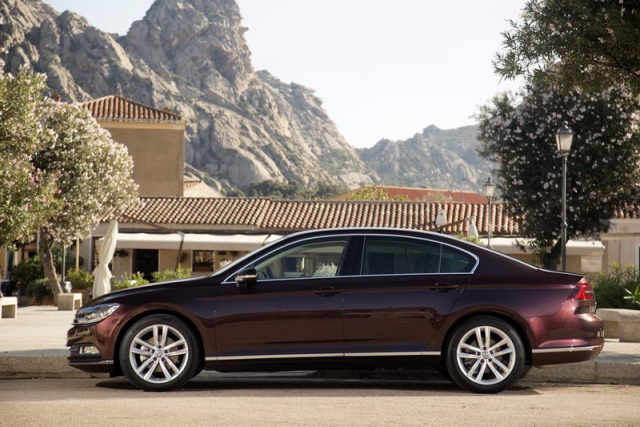
The Passat B8, which arrived in 2014, looked like a big facelift of the B7, but was actually all-new underneath, with the arrival of Volkswagen's ultra-flexible MQB platform.
Petrol engines made a comeback, with frugal 1.4- and latterly 1.5-litre turbocharged units, which was just as well as this Passat found itself smack-bang in the middle of Volkswagen's 'Dieselgate' scandal, which didn't do much for its sales.
No overt performance versions this time around, but the first plug-in hybrid Passat GTE did make its debut in the B8, with 218hp of combined petrol and electric power, and an official electric range of up to 51km.
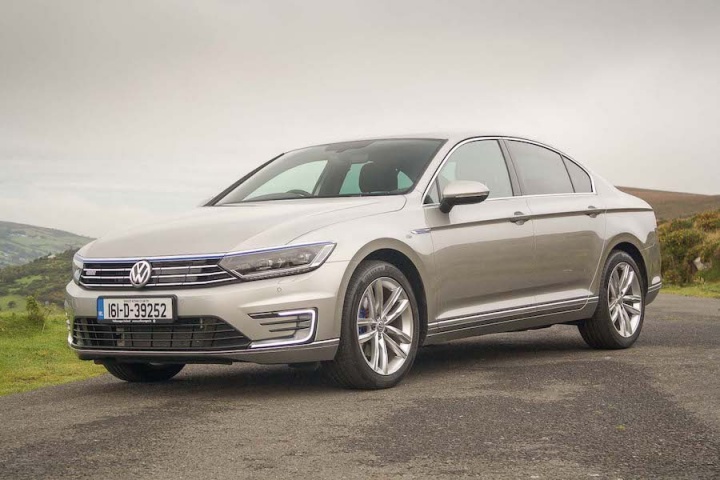
In December 2021, in response to falling saloon sales in Europe, Volkswagen pulled the plug on the four-door version of the Passat, leaving only the more popular estate version on sale, which leads us nicely to the B9 Passat.