

Exterior & design of the 2027 Range Rover Sport Electric
- Subtle changes boost aero
- Almost identical to other versions
- Plenty of customisation available
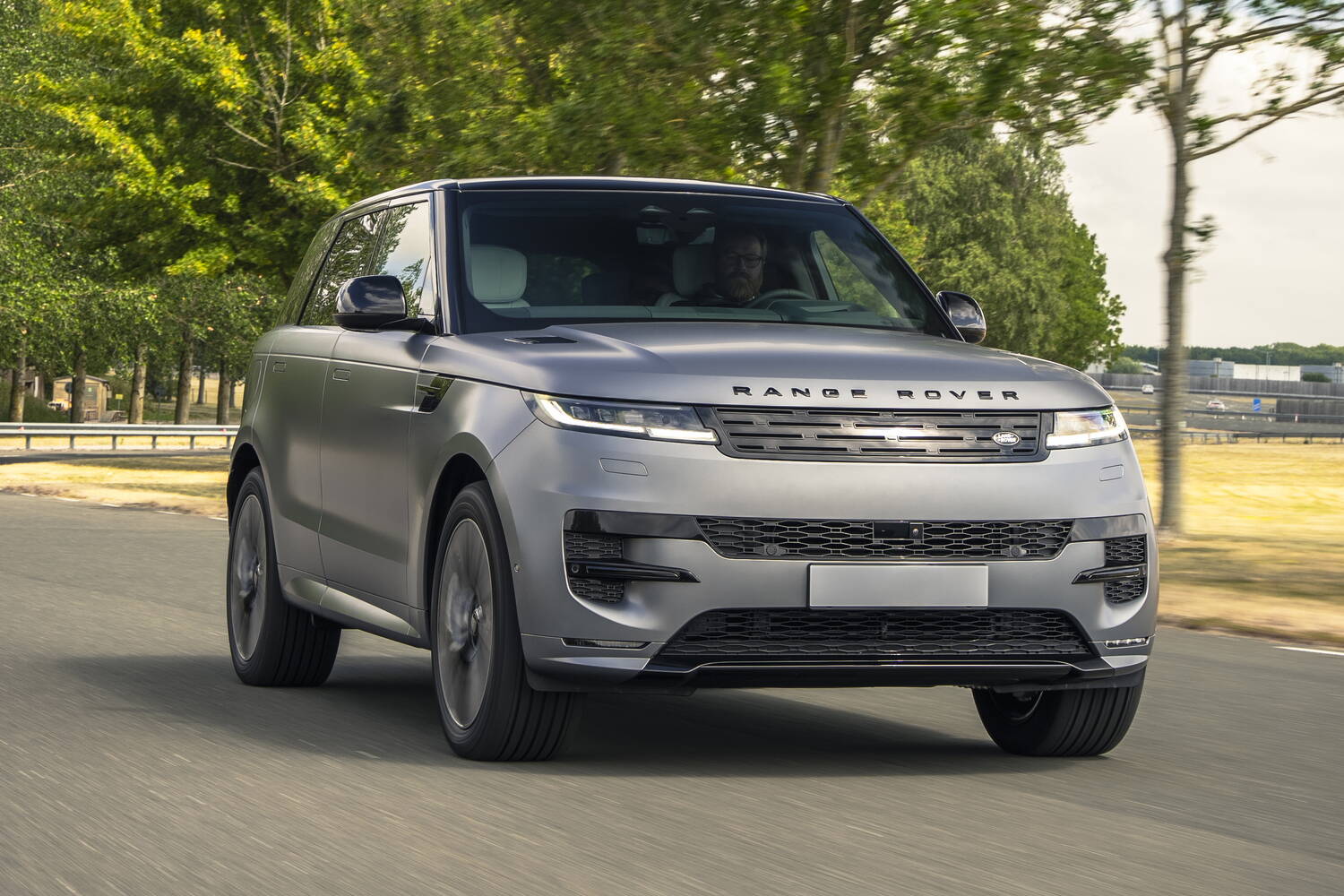
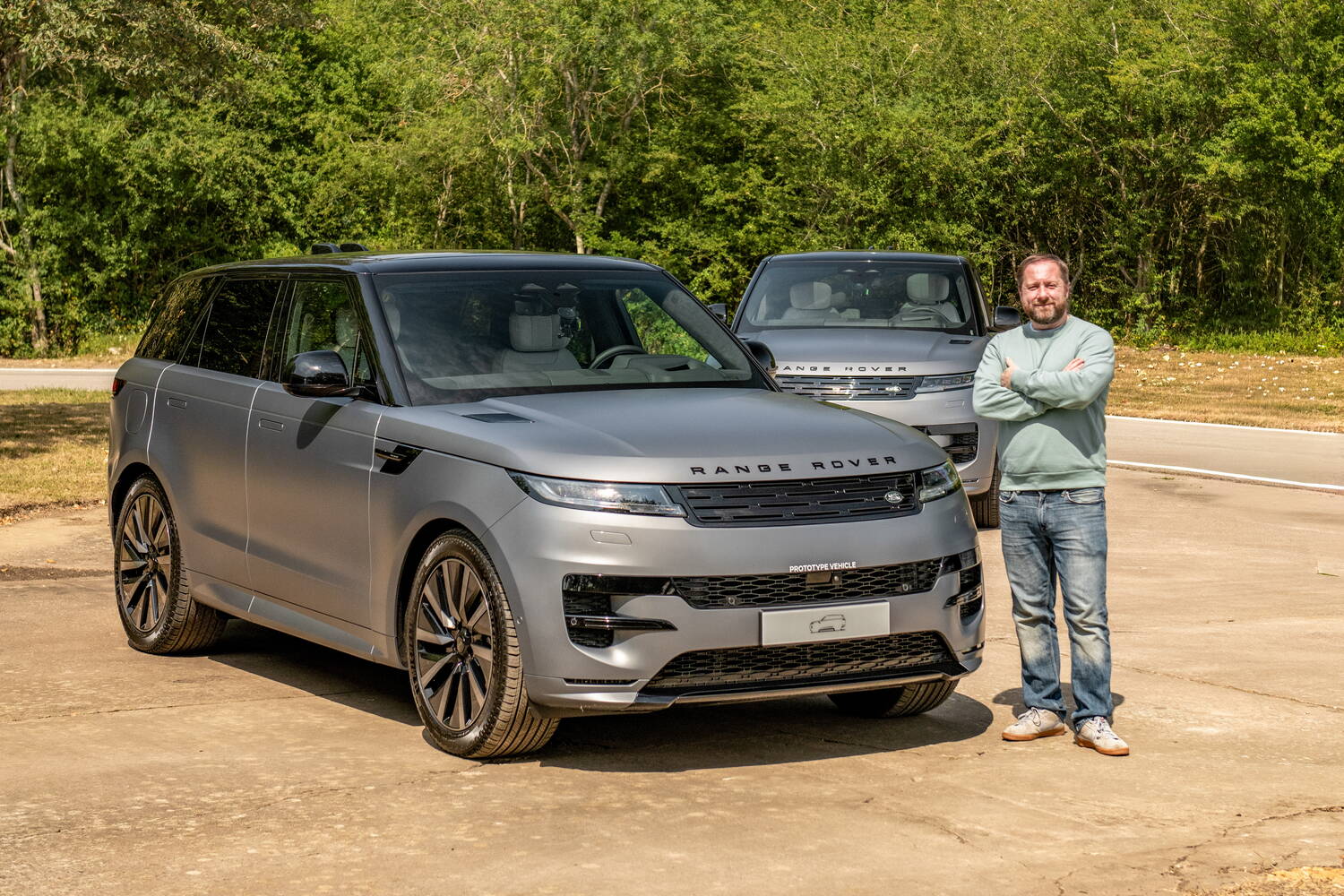
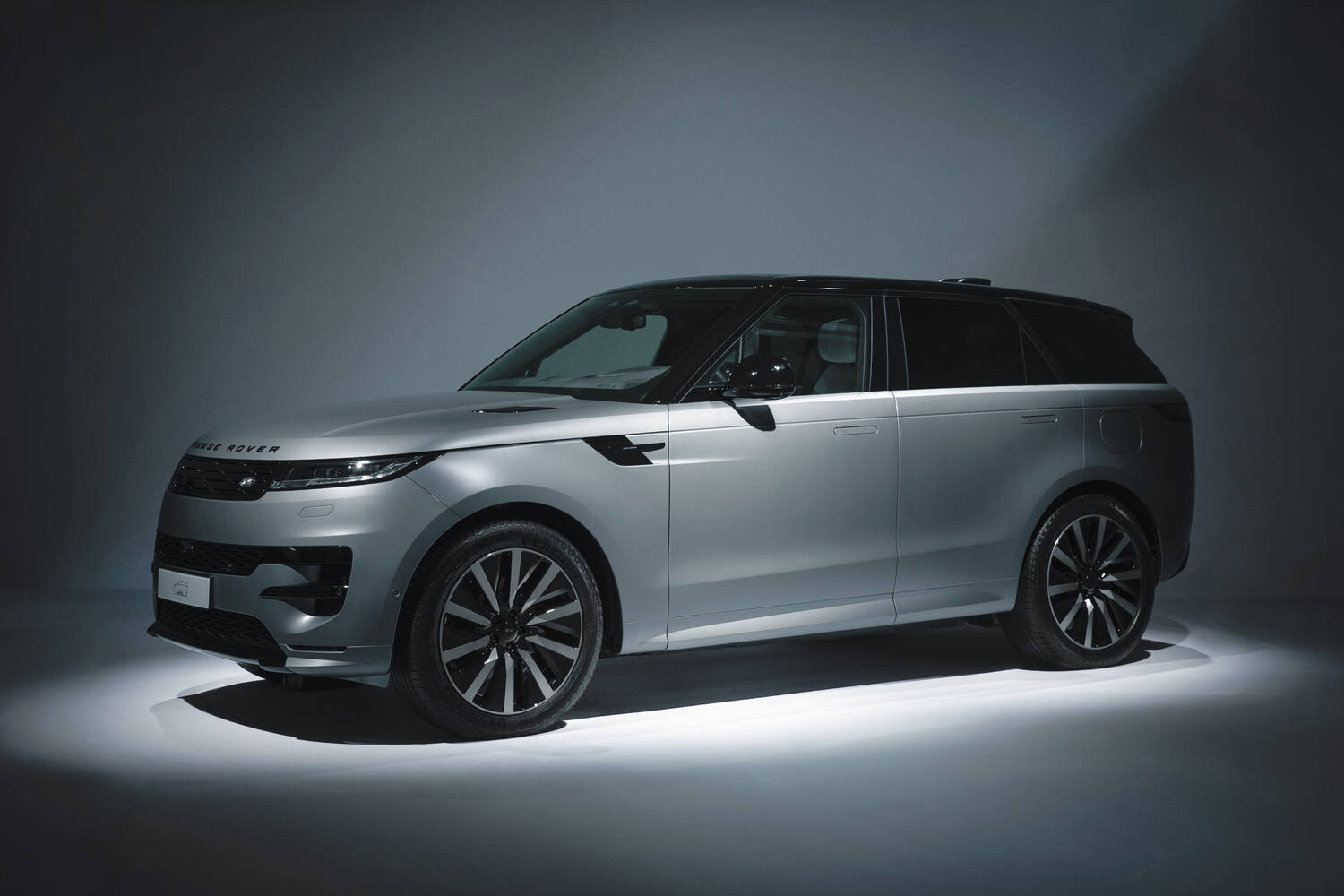
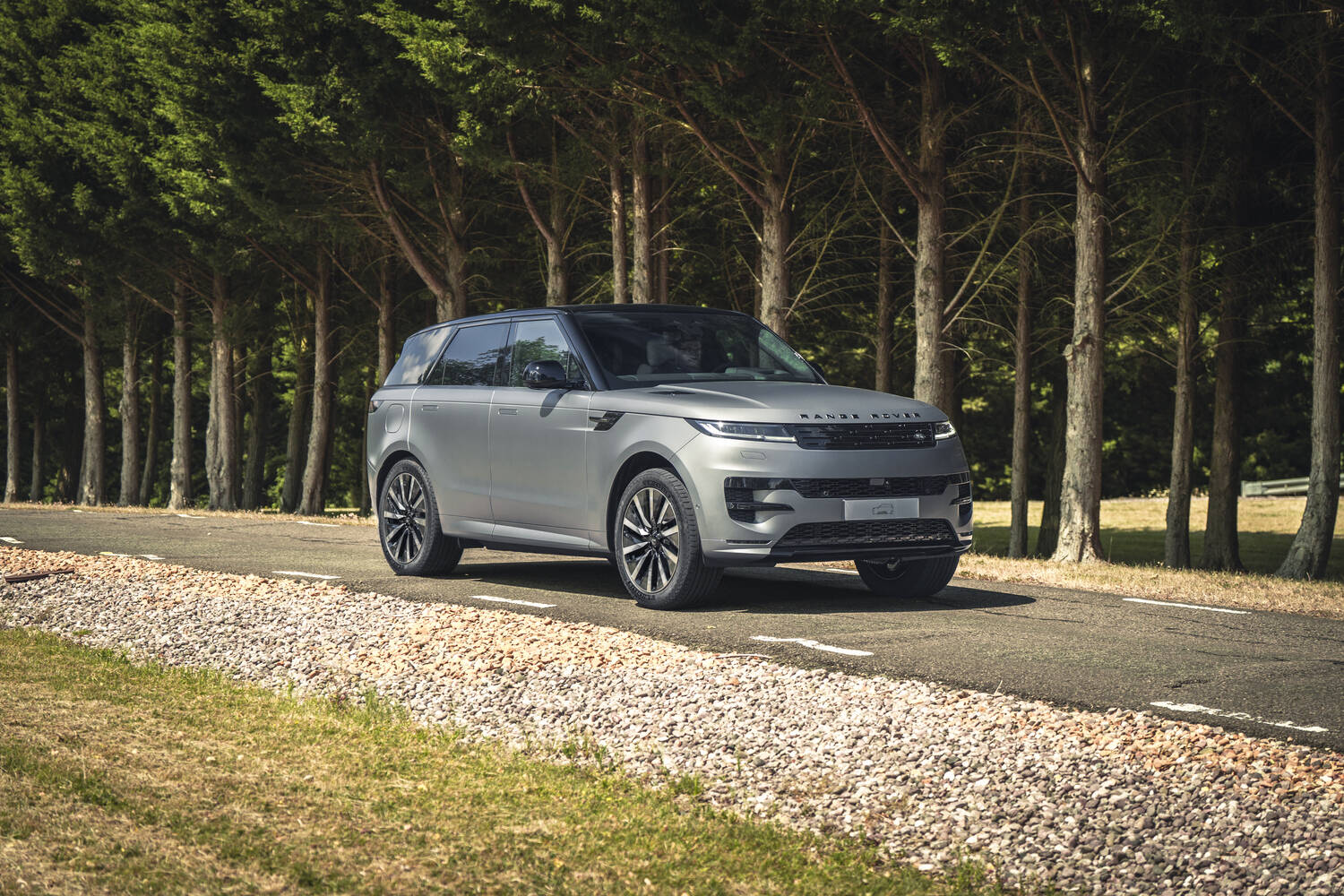
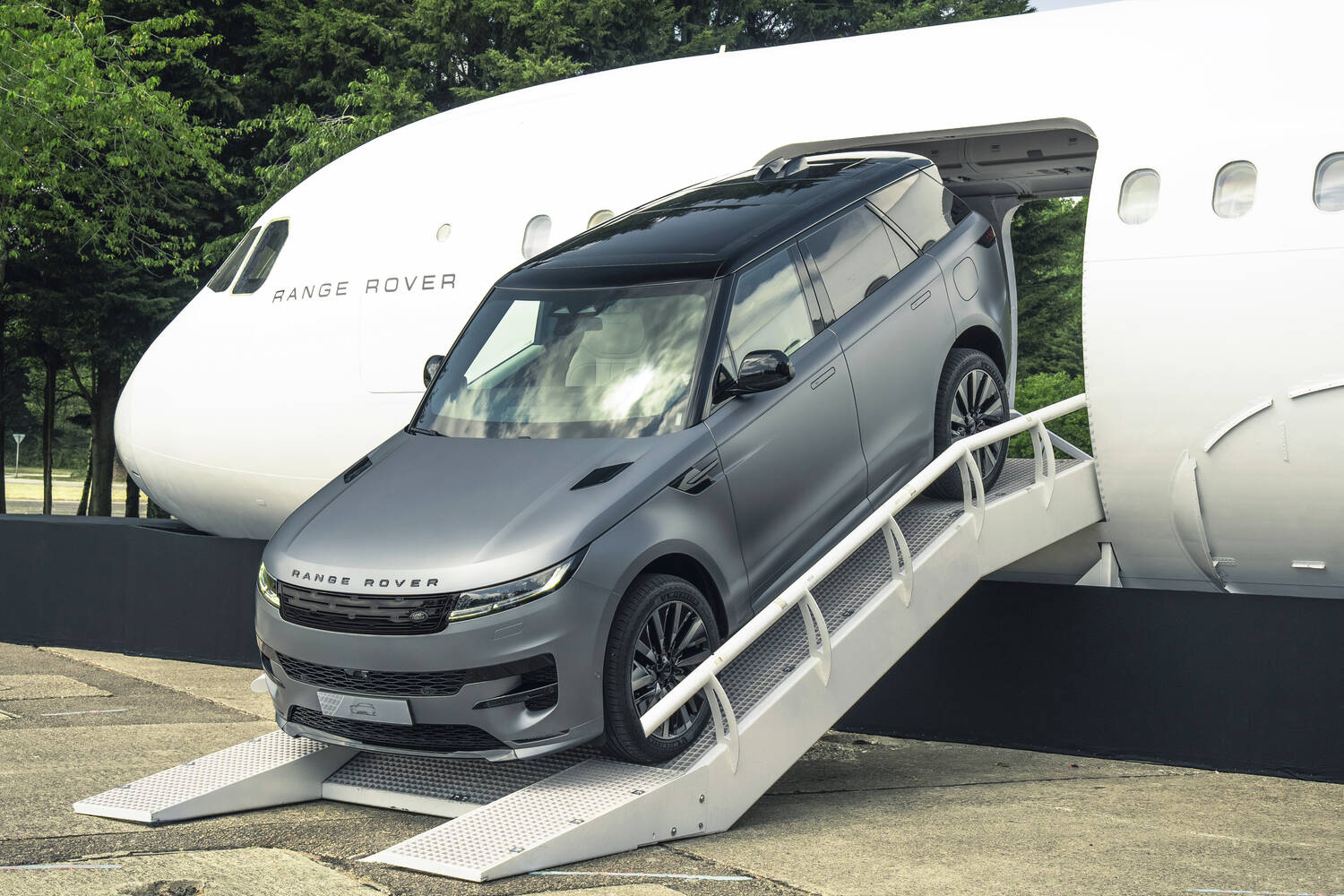
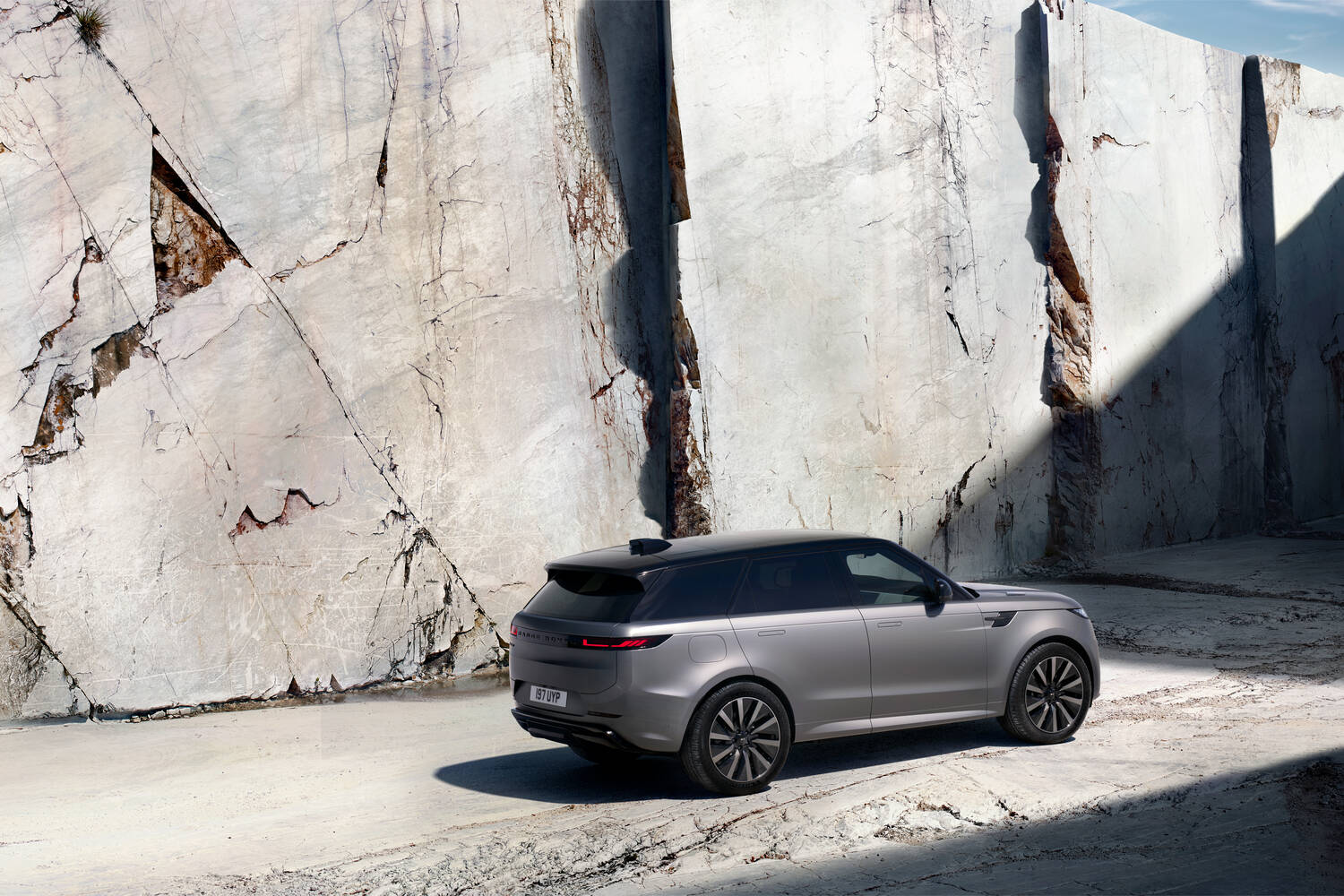
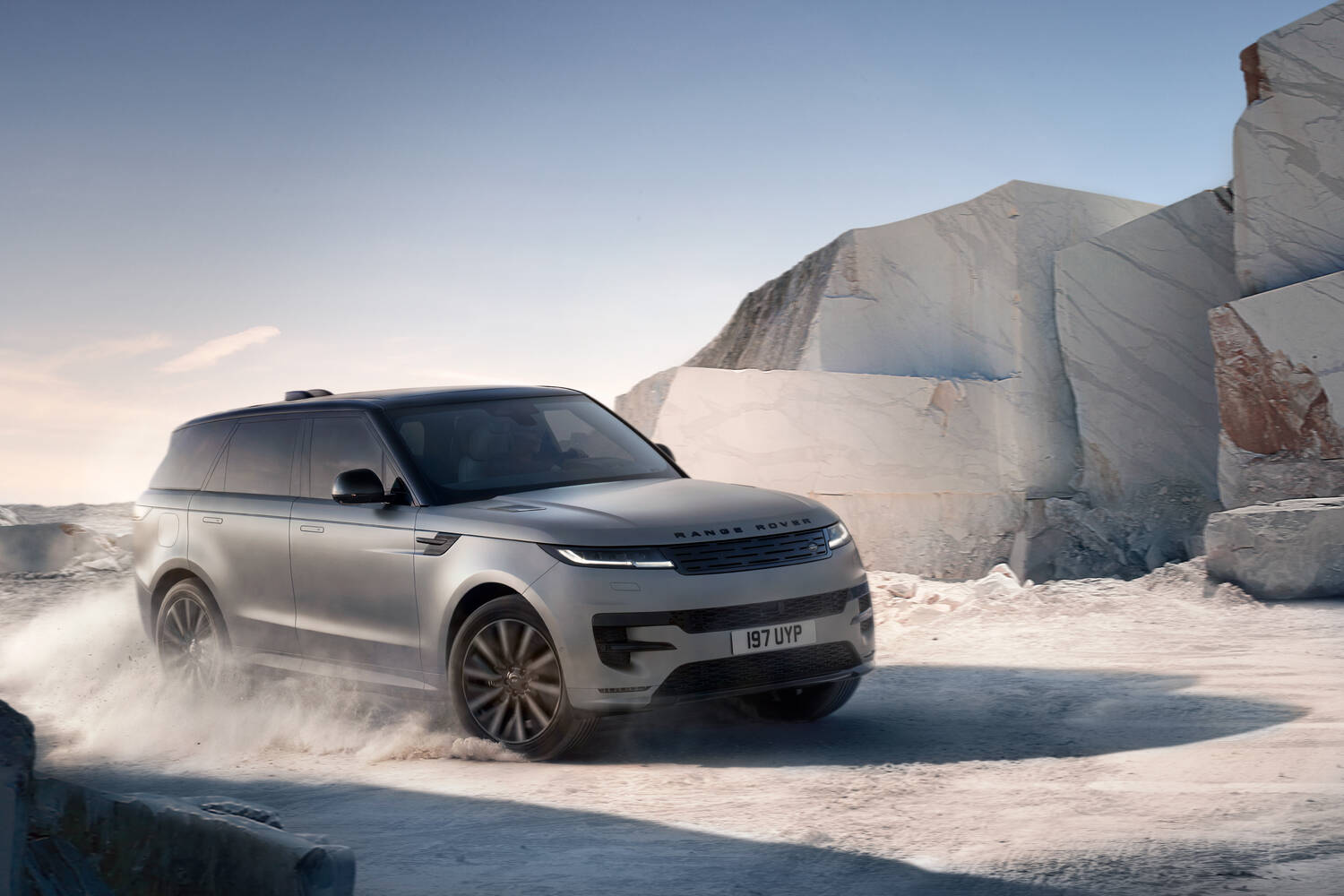
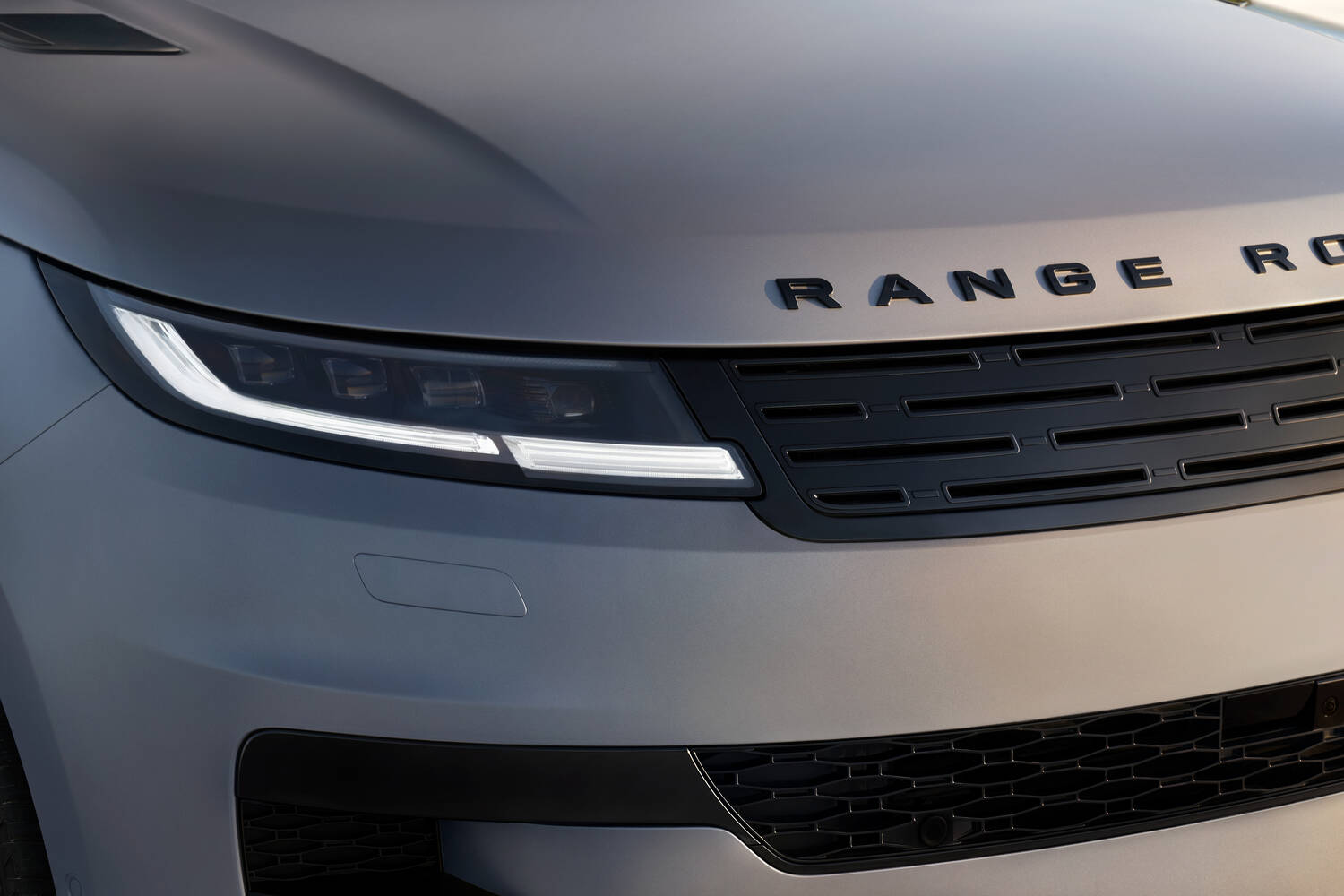
You will have to take a close look at the Range Rover Sport Electric to decipher the design differences between it and the petrol, hybrid and diesel variants.
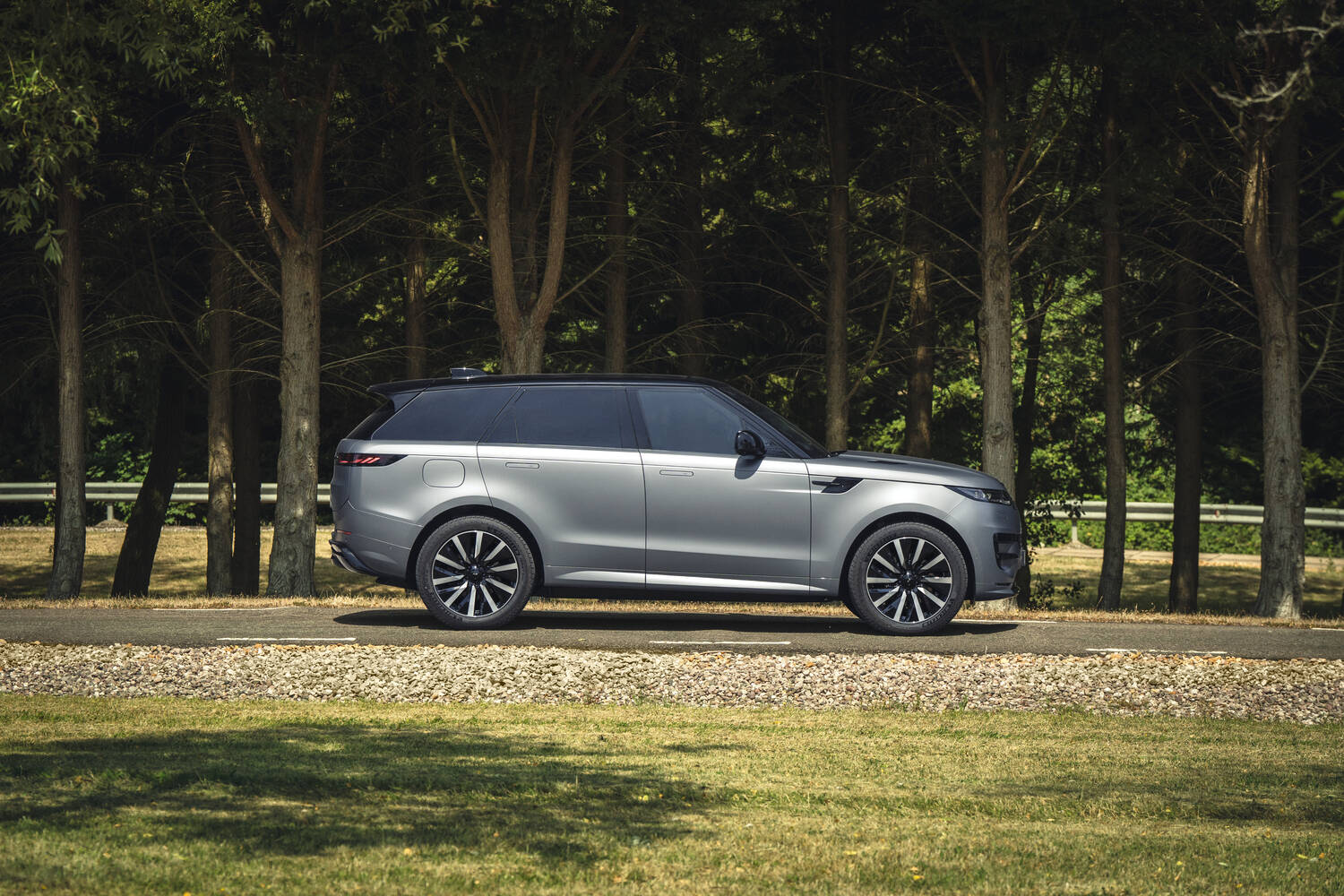
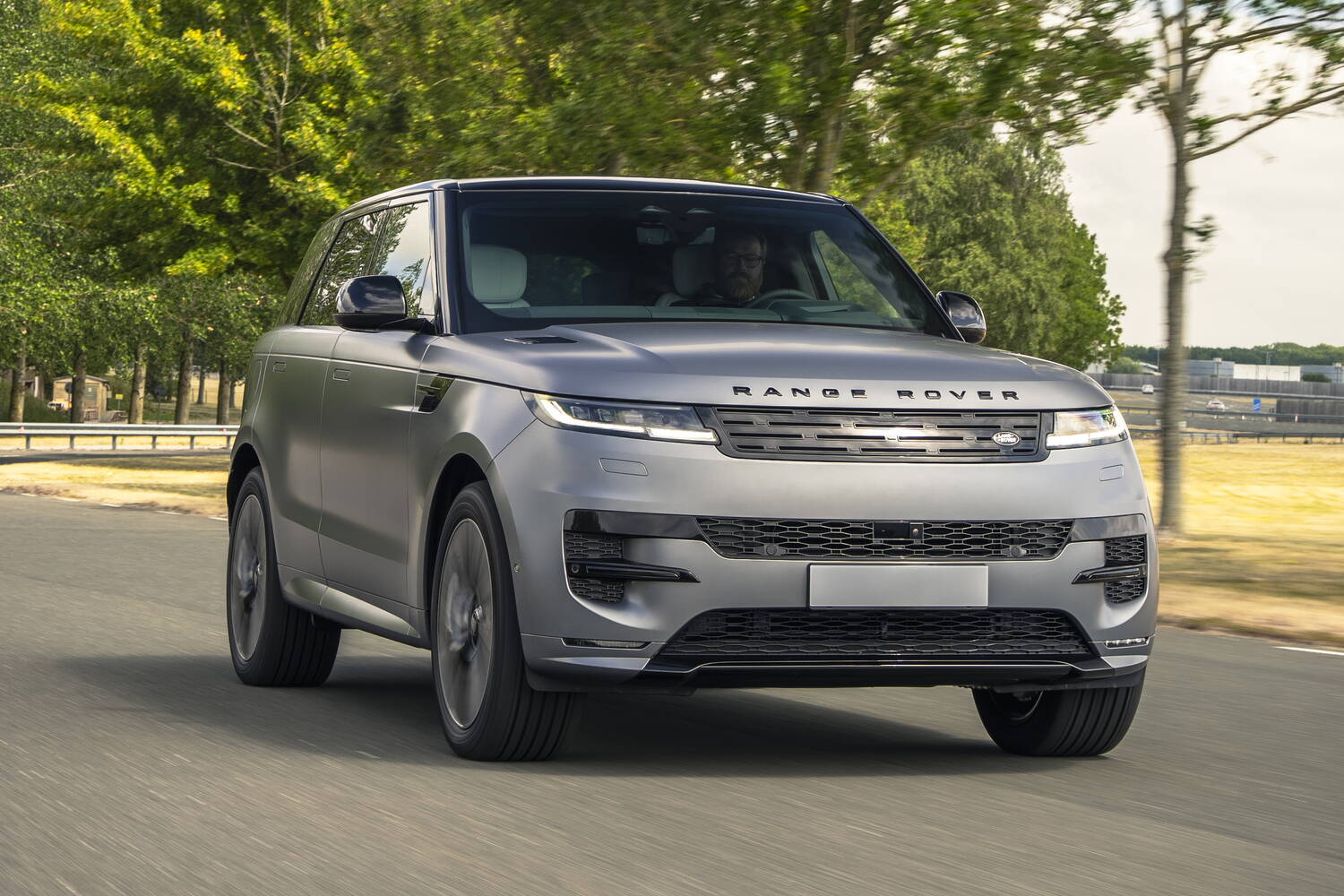
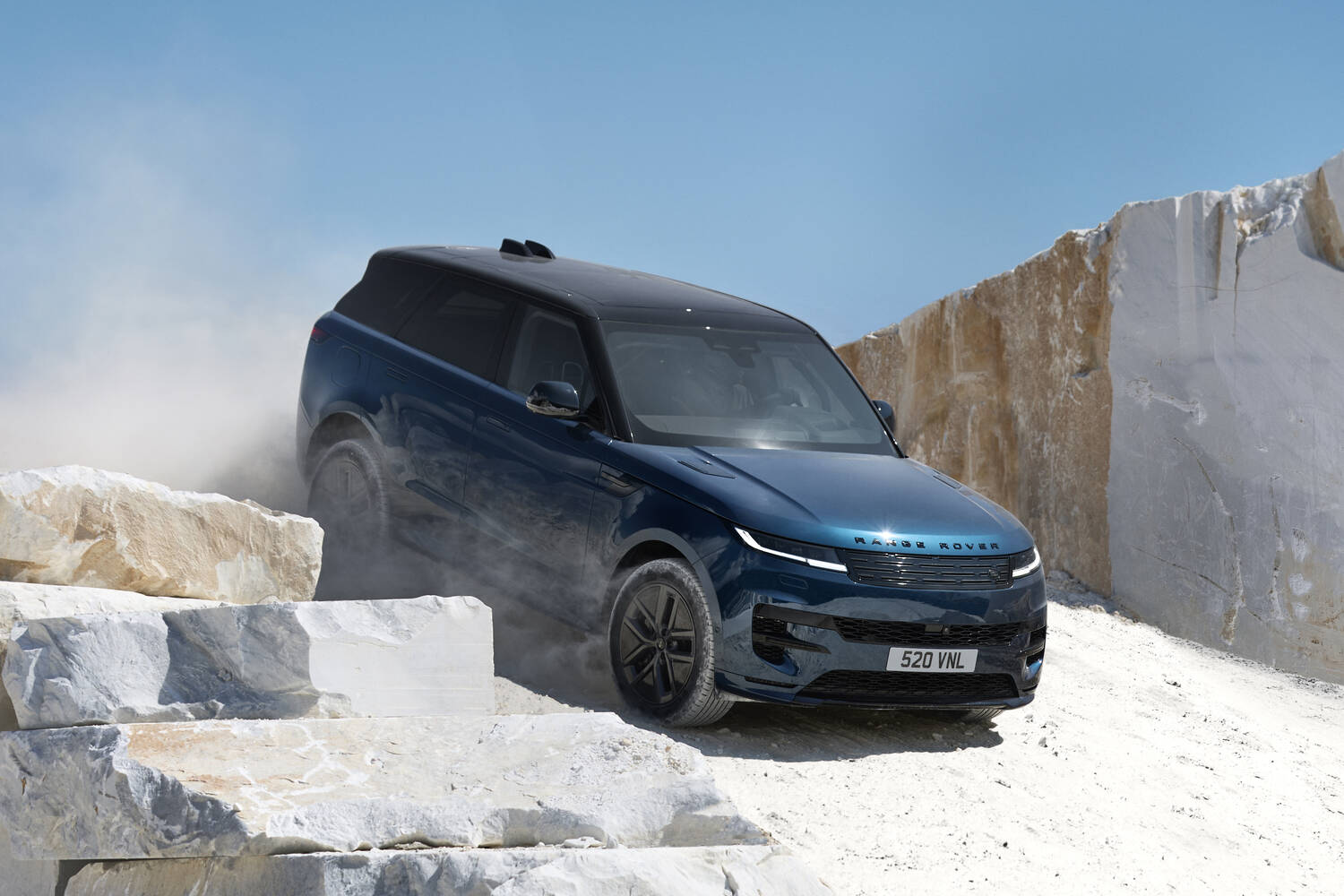
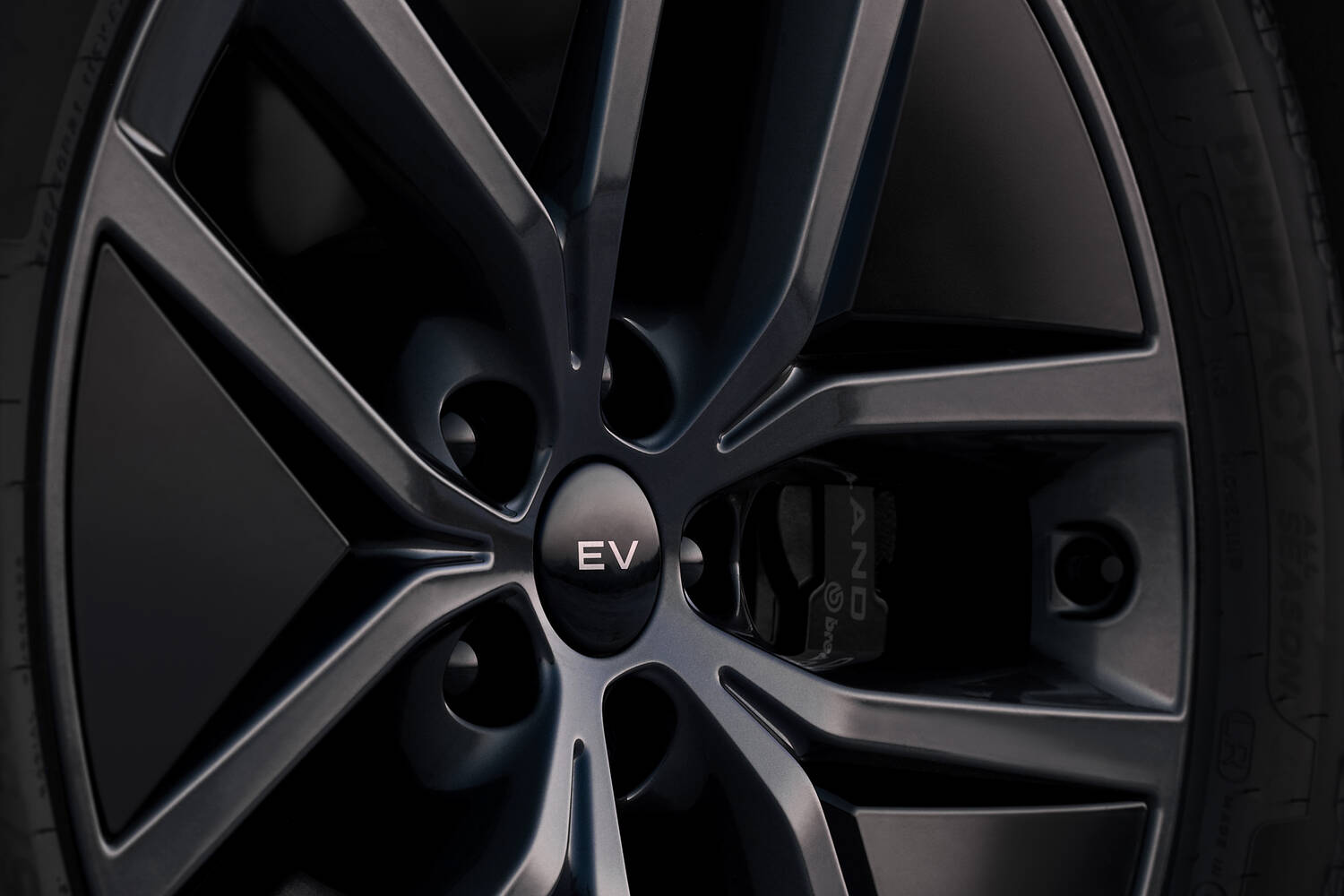
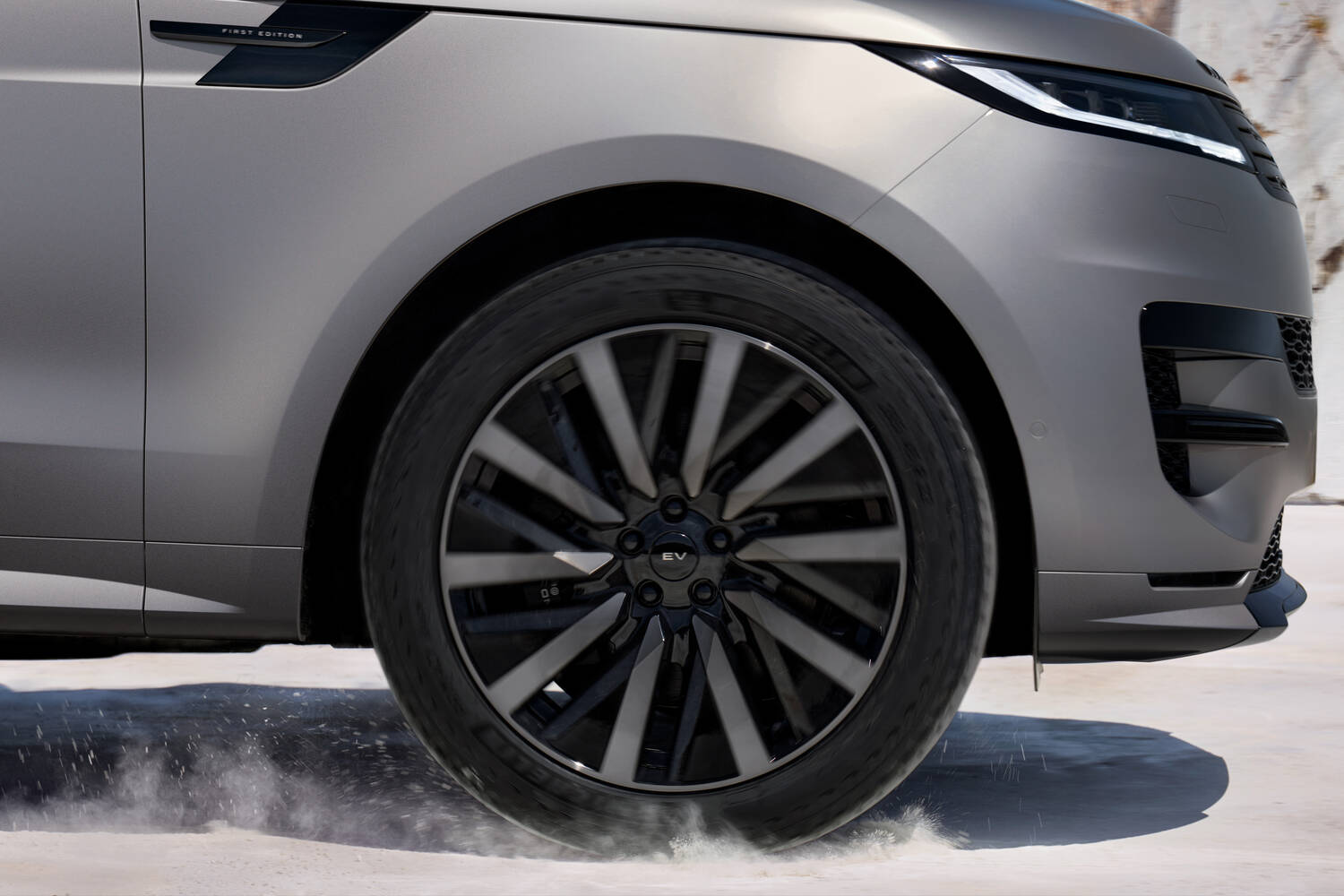
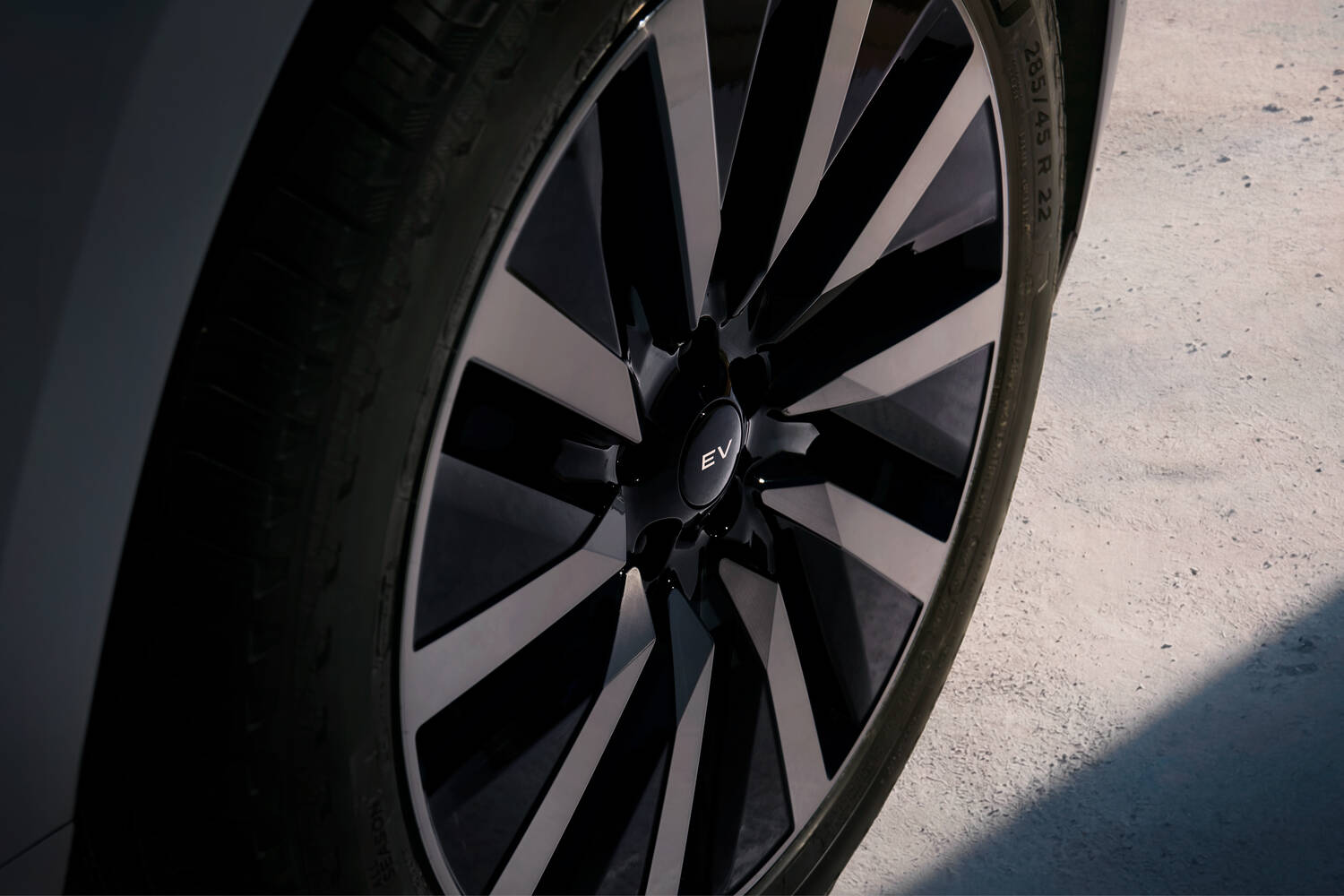
That's an aspect of the electric model that many buyers will probably like, and there are no major exterior design cues that stand out. There are 'EV'-branded centre caps on the optional 22-inch wheels, but if that's not your thing, you can opt for the new 'double R' logo instead.
The Range Rover Sport design isn't a new one, first revealed in 2022, but the reductionist exterior has helped it to become a hugely popular model.
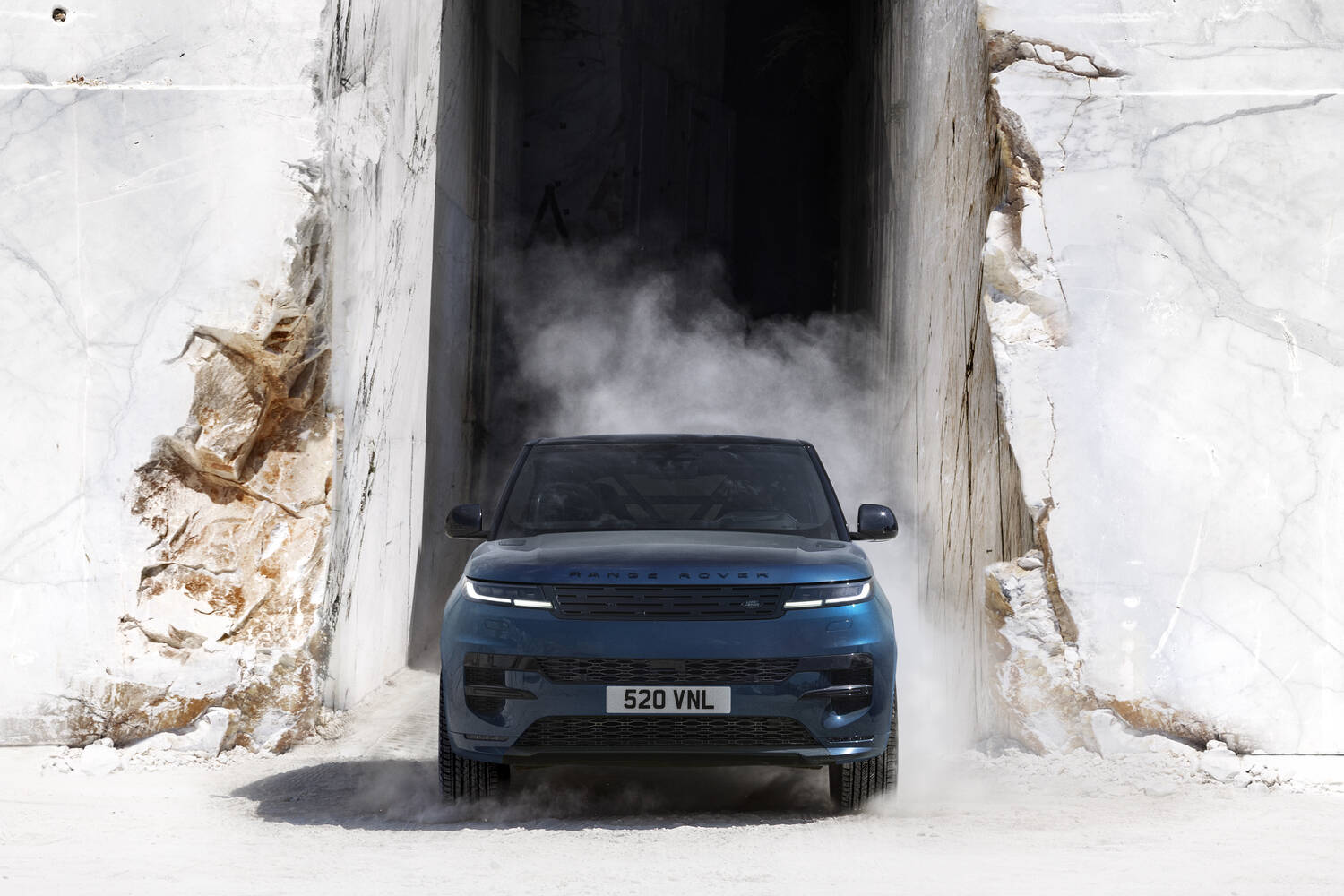
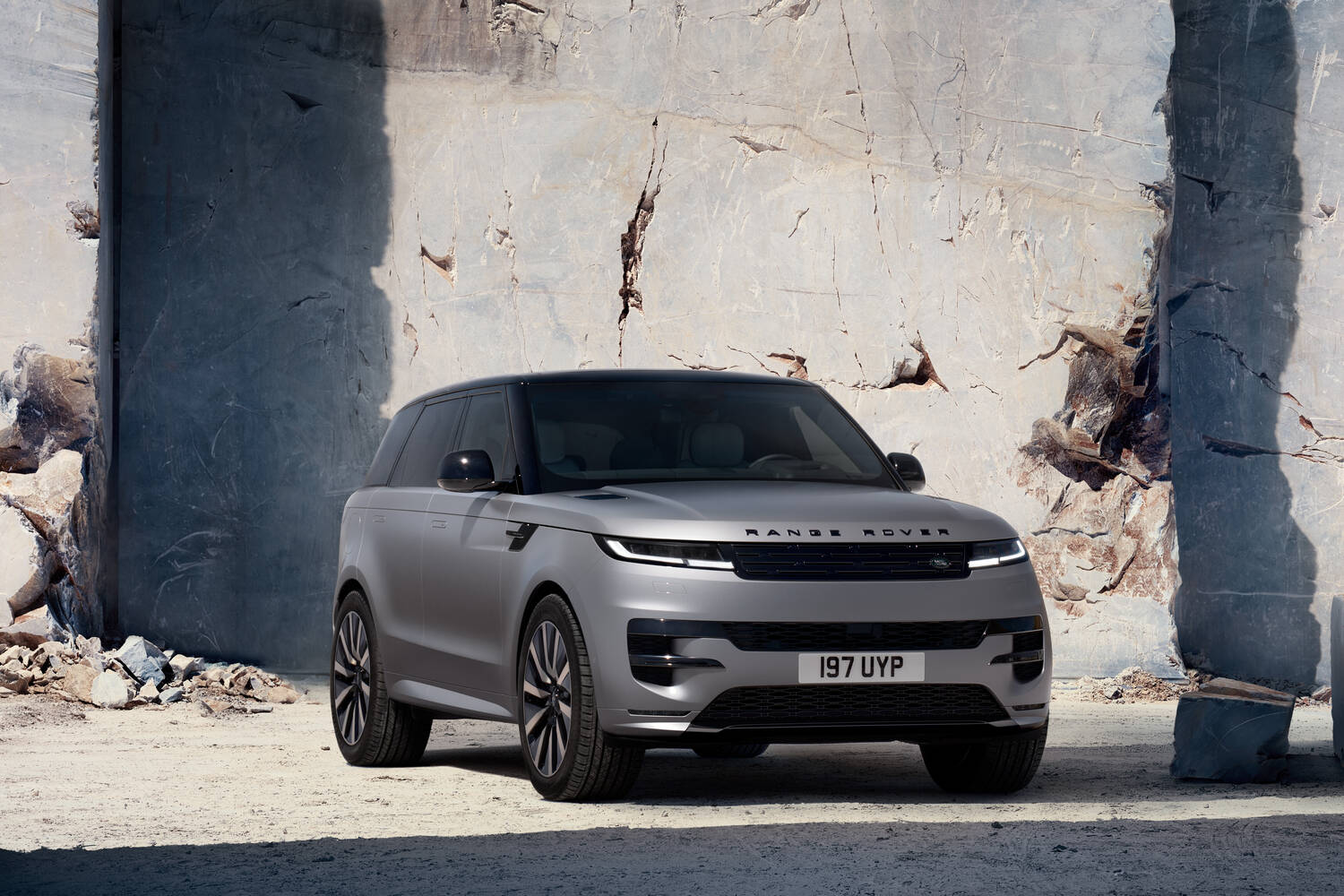
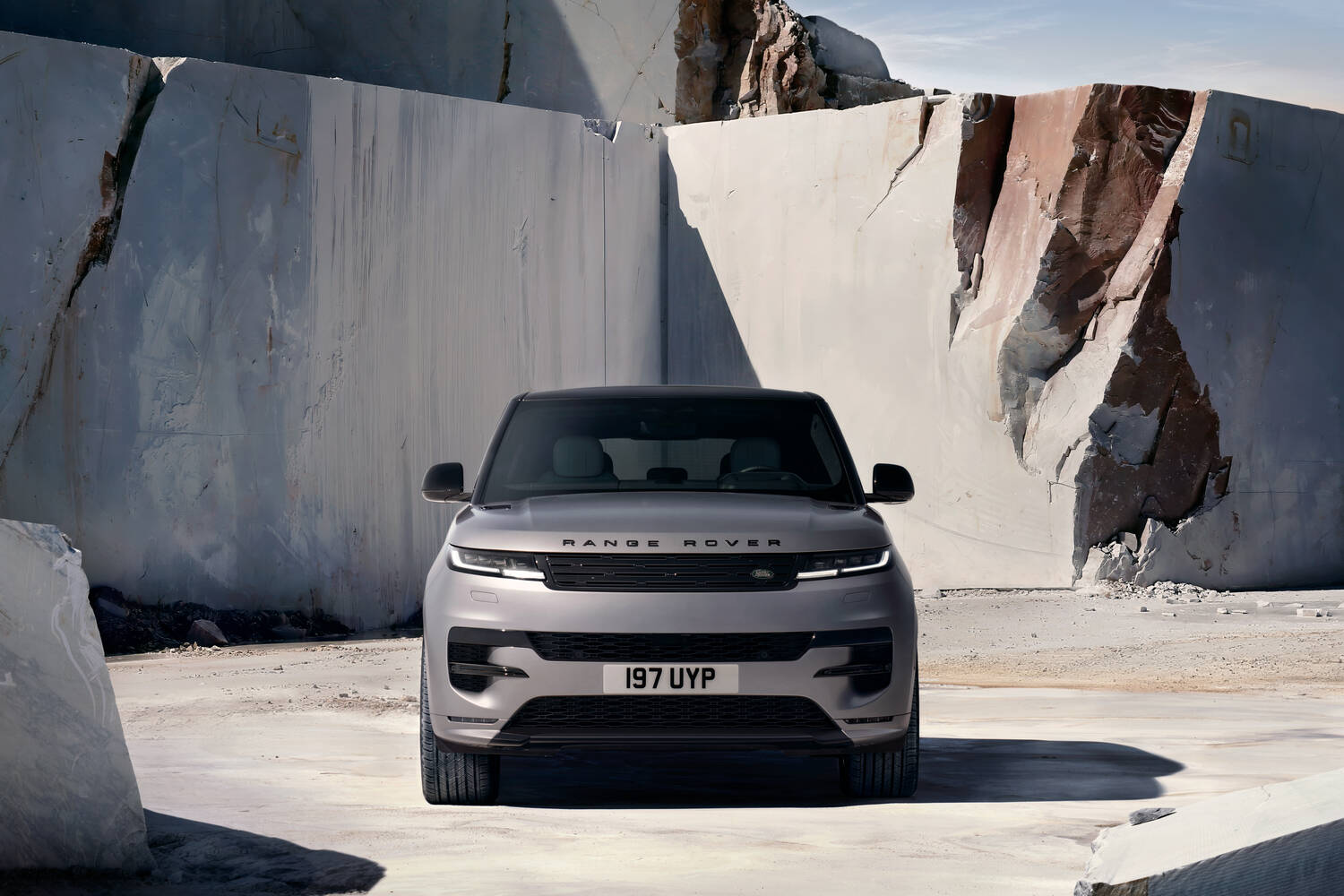
Its LED headlights are more slender than those of the larger Range Rover and, while the Sport retains the same grille outline as in other models, it is less open than the one used on the combustion-engined versions.
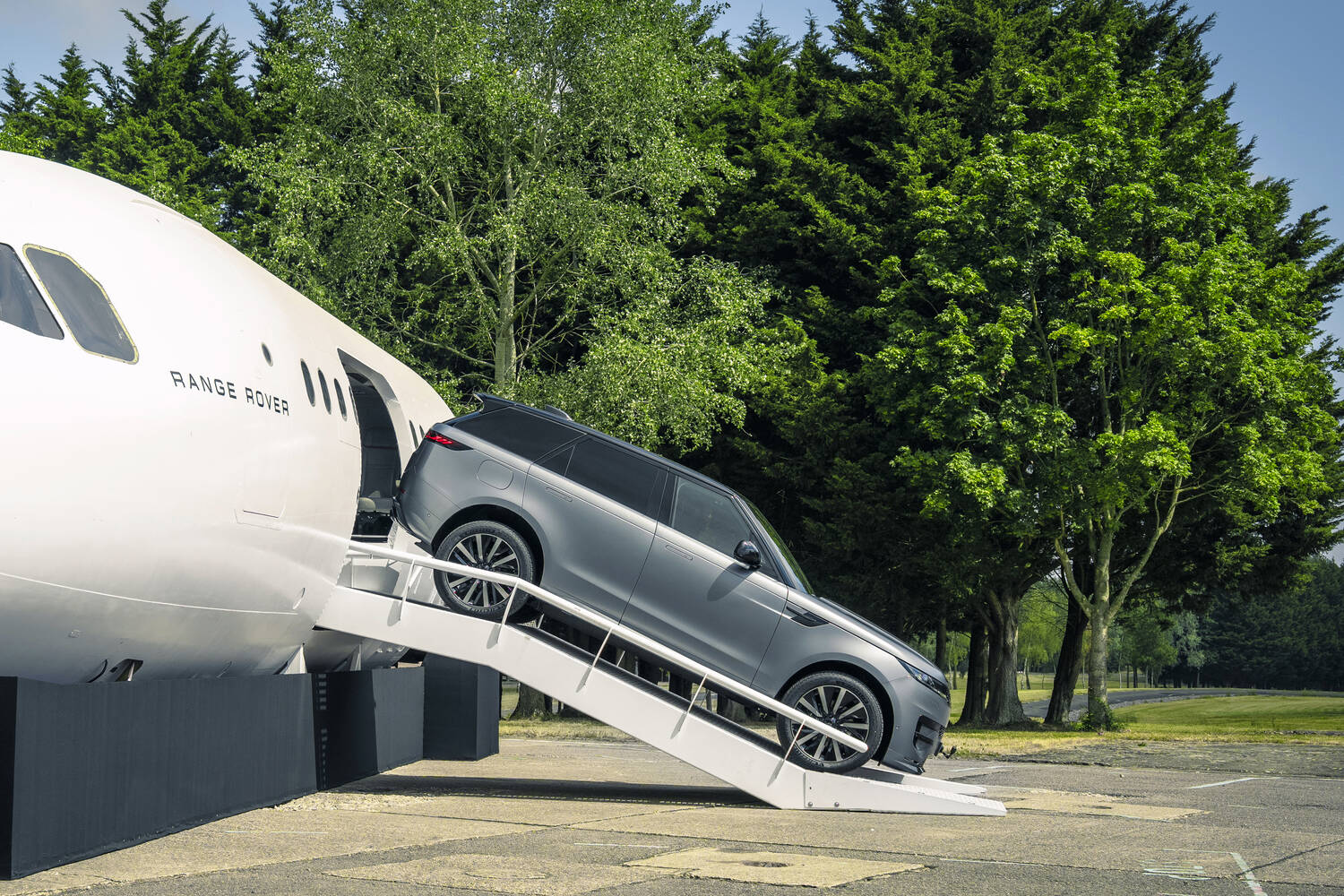
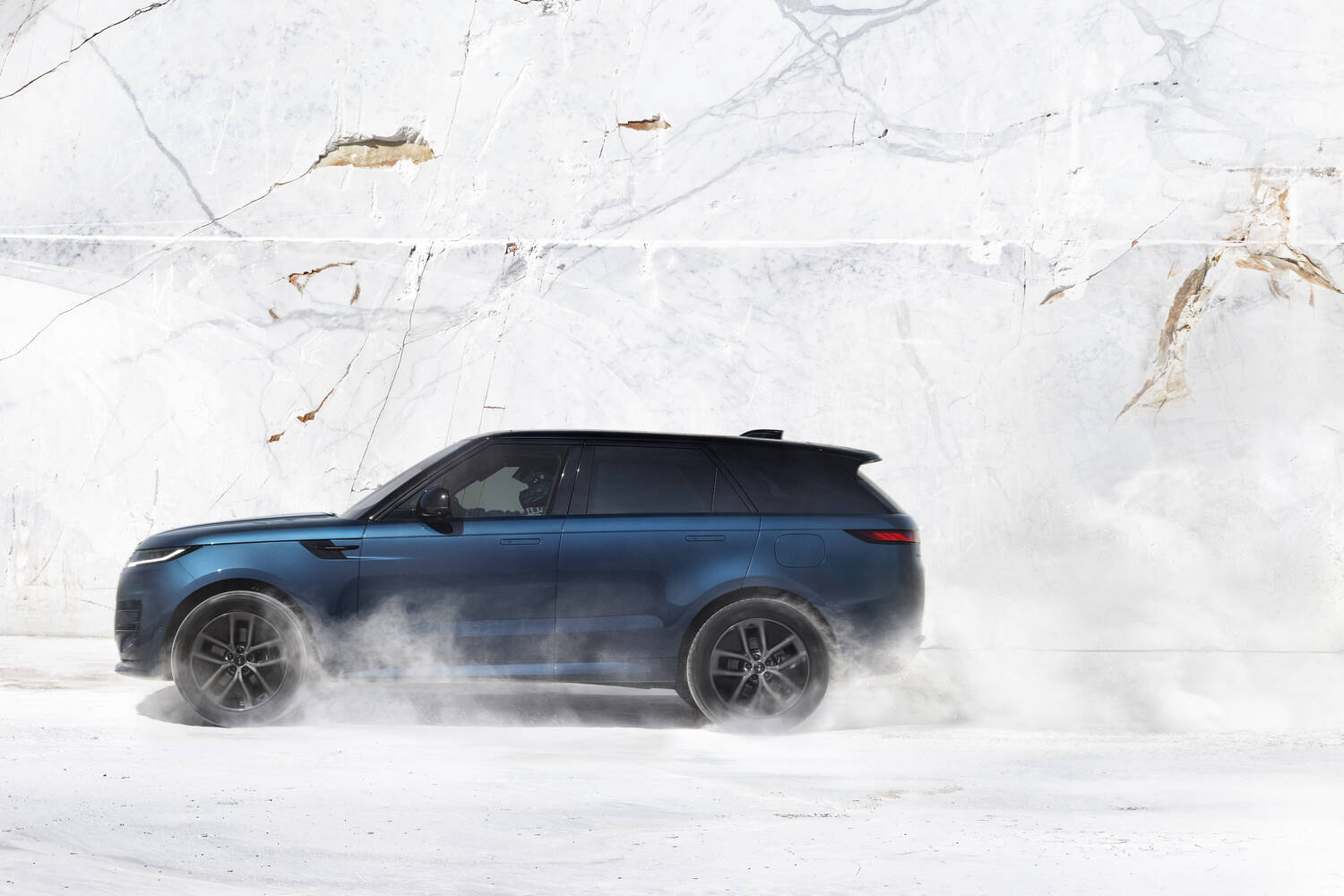
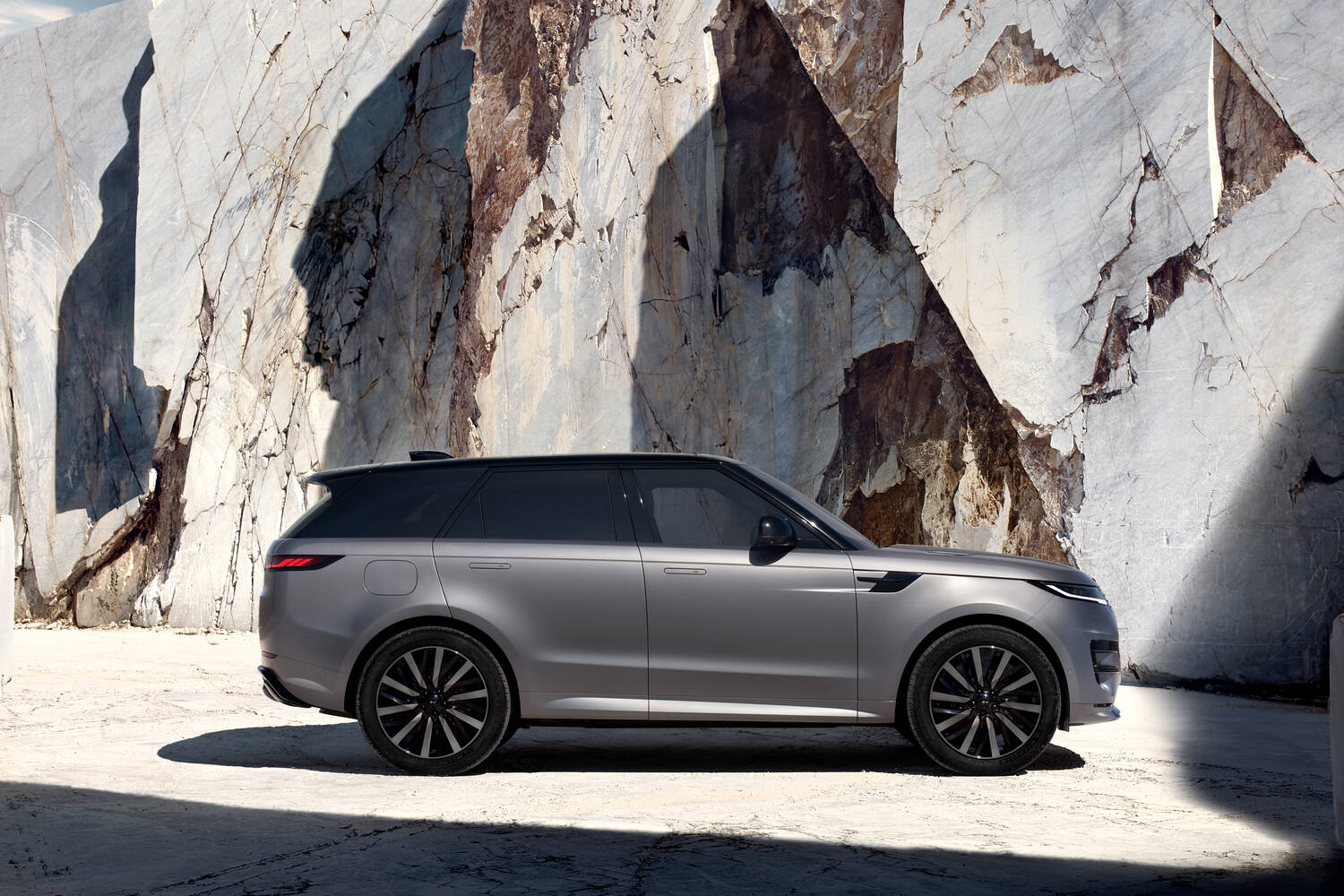
A high beltline does little to detract from something of a monolithic appearance, and flush-fitting door handles add to its clean look.
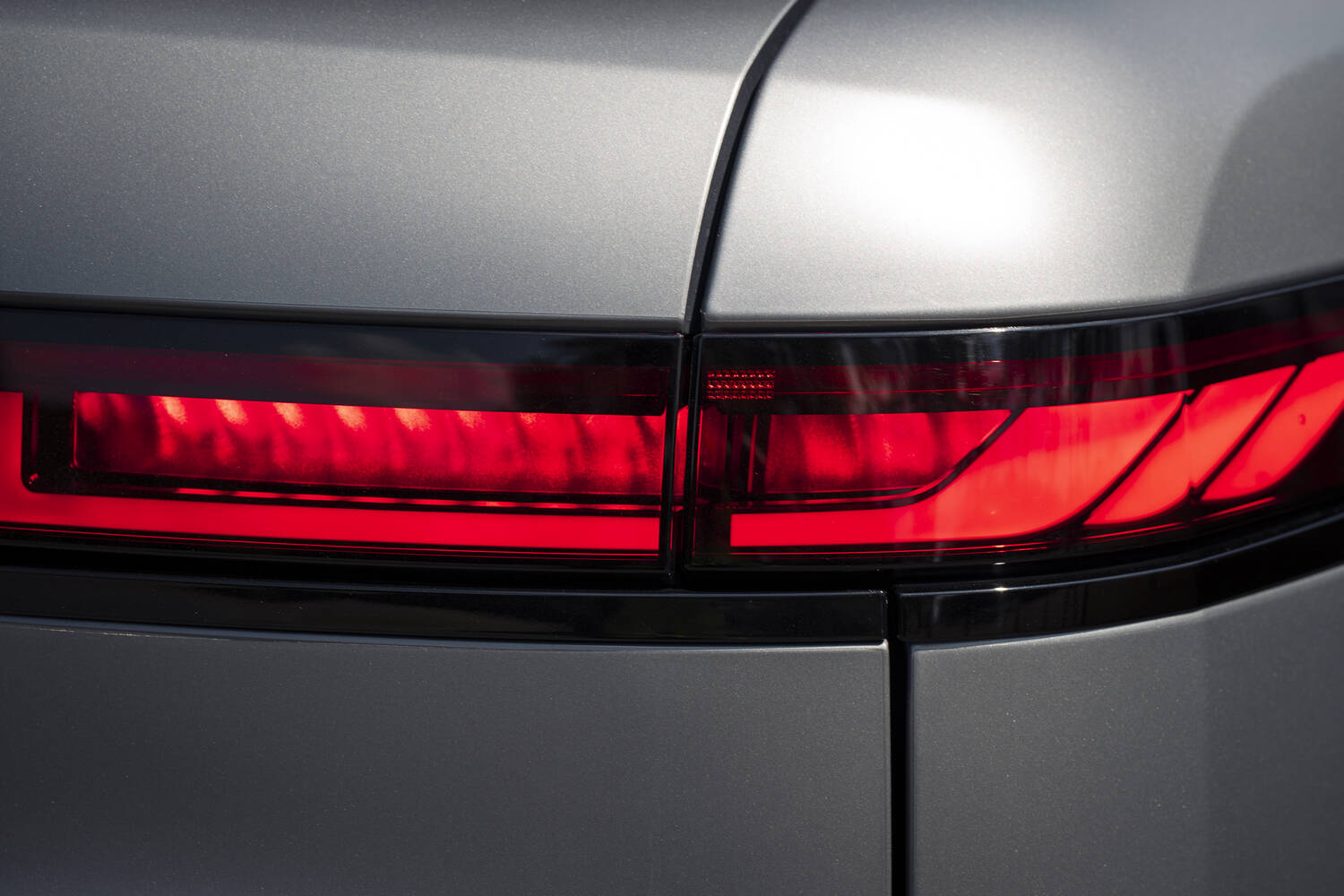
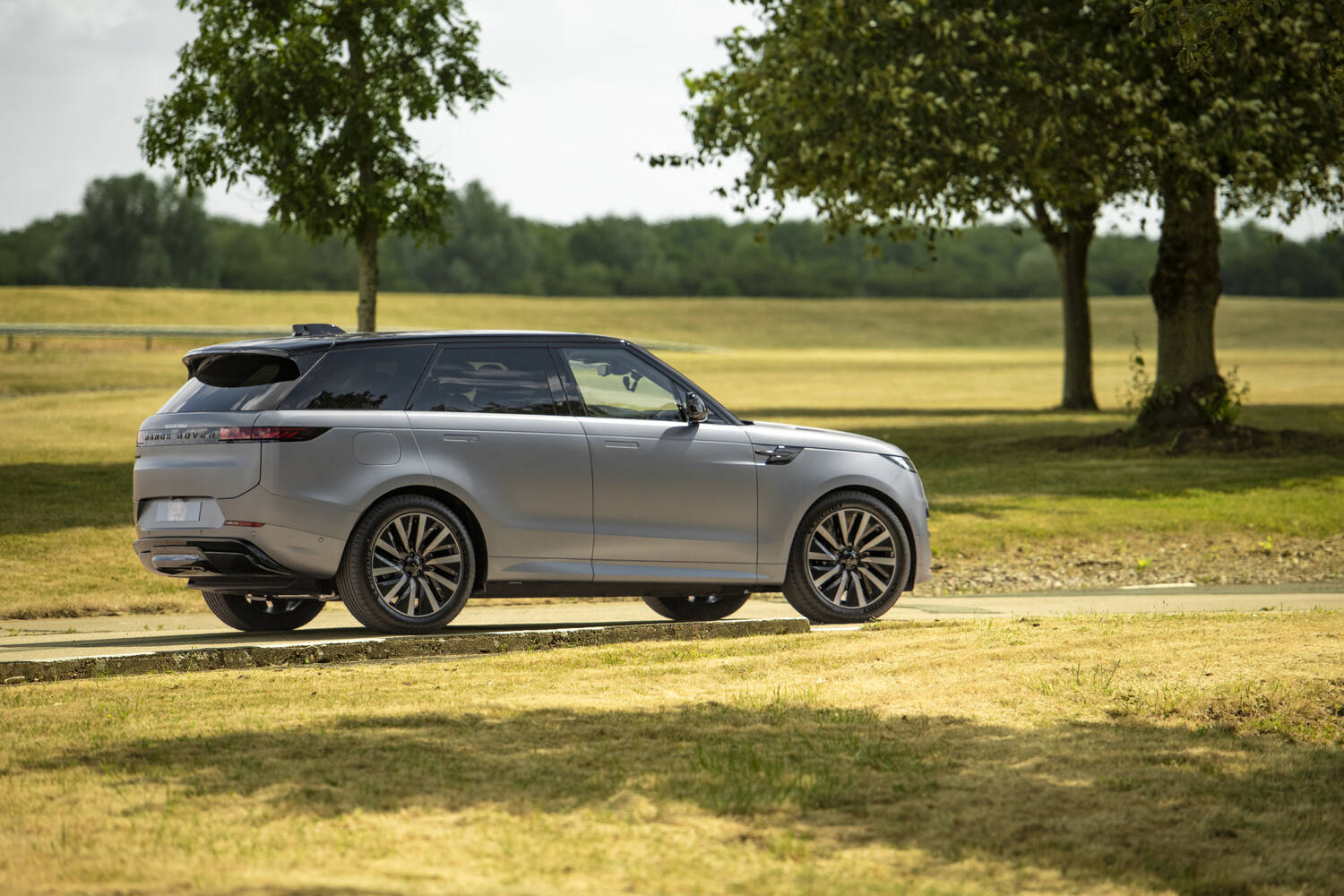
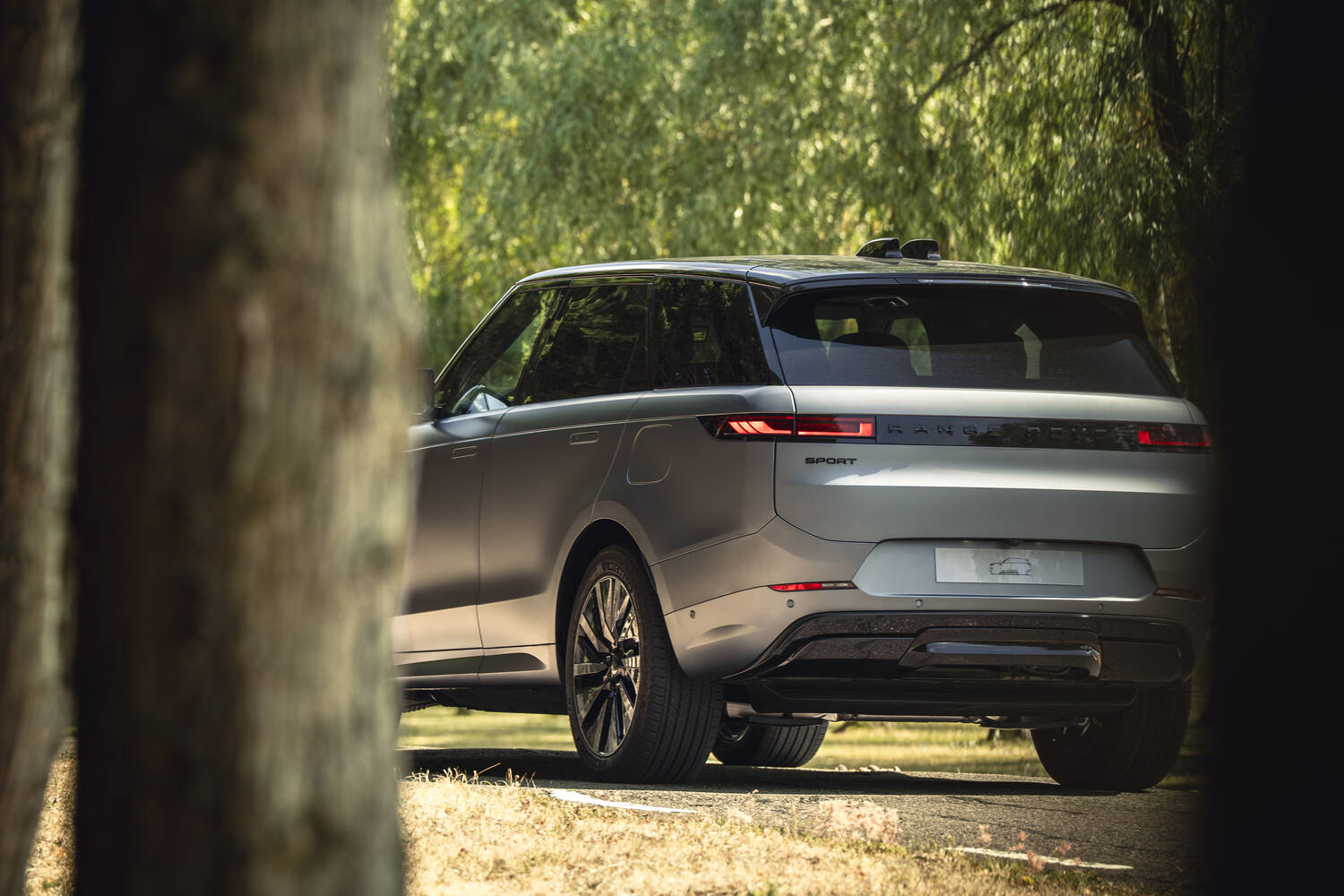
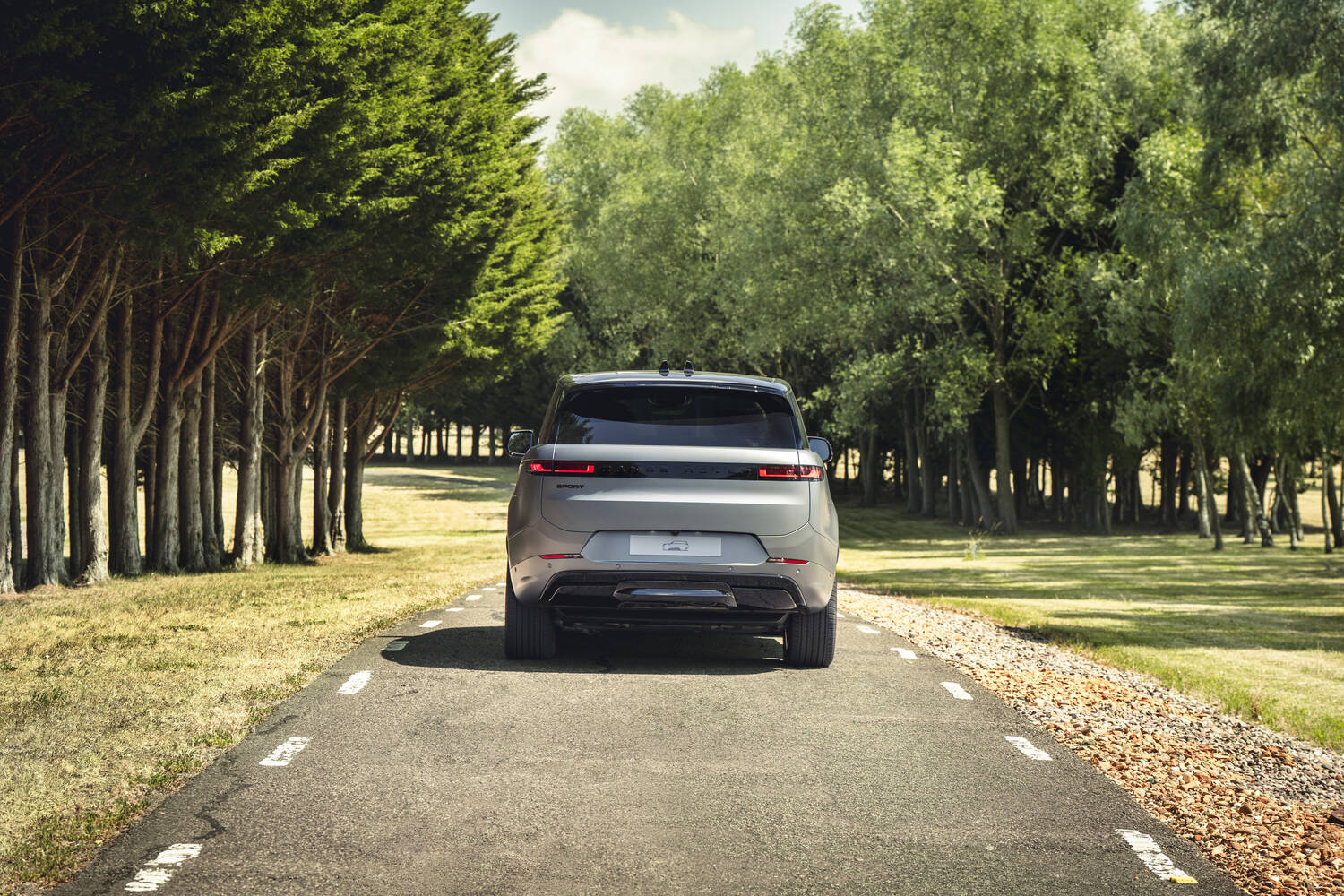
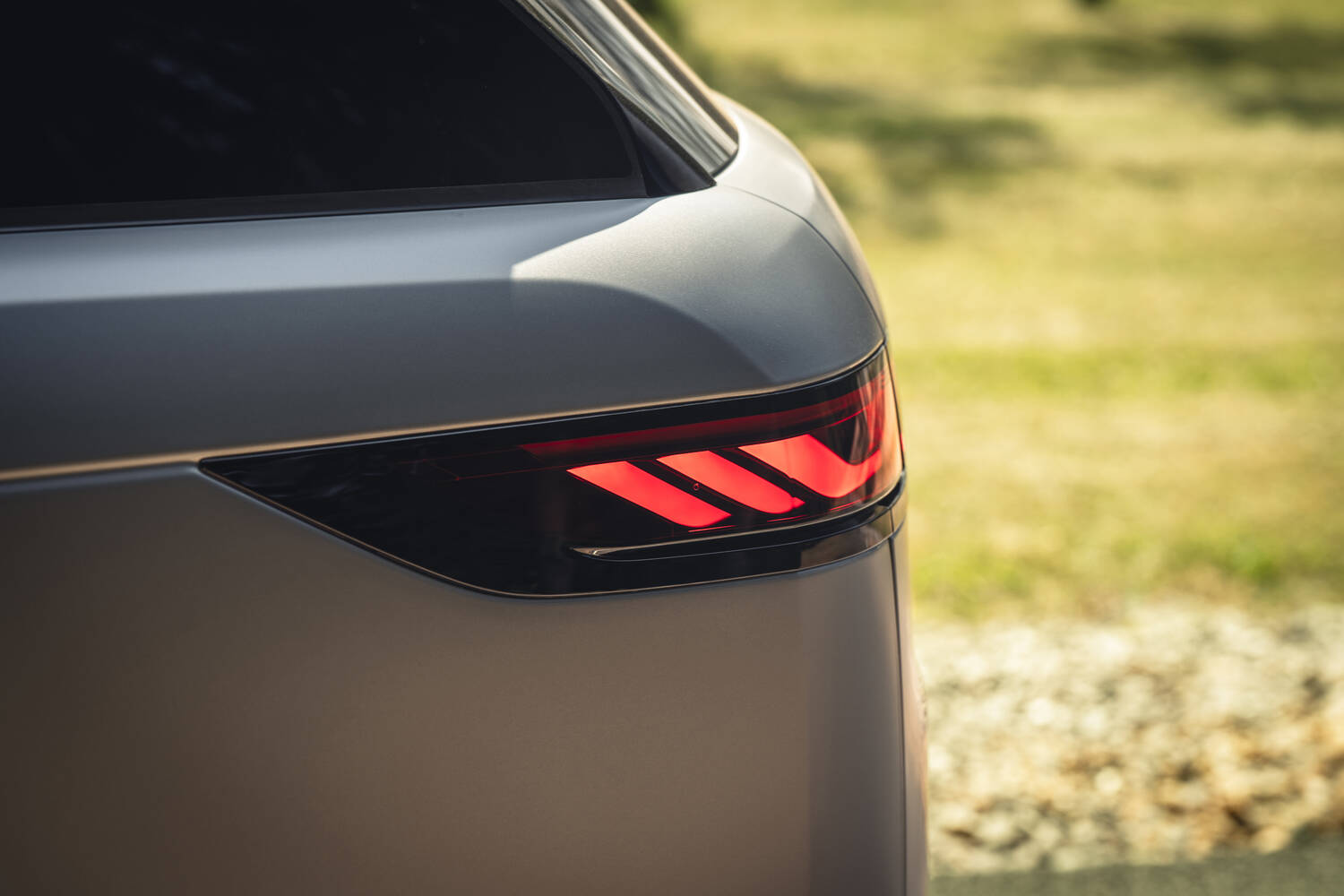
A contrasting roof option does help to transform the Range Rover Sport Electric's image and visually lowers the sloping roofline. A thin set of rear lights wraps around the back, connected by a gloss-black band that carries the Range Rover wordmark.
Perhaps the most obvious differentiator for the electric model is the lack of exhaust pipes at the back.
Dimensions of the 2027 Range Rover Sport Electric
- Length:
- 4,946mm
- Width:
- 2,047mm (mirrors folded), 2,209mm (mirrors out)
- Height:
- 1,819mm
- Wheelbase:
- 2,997mm
Paint colours for the 2027 Range Rover Sport Electric
There is a vast number of exterior colours available for the Range Rover Sport Electric, depending on the chosen specification grade - such as SV Bespoke Ultra Metallic and Satin finishes.
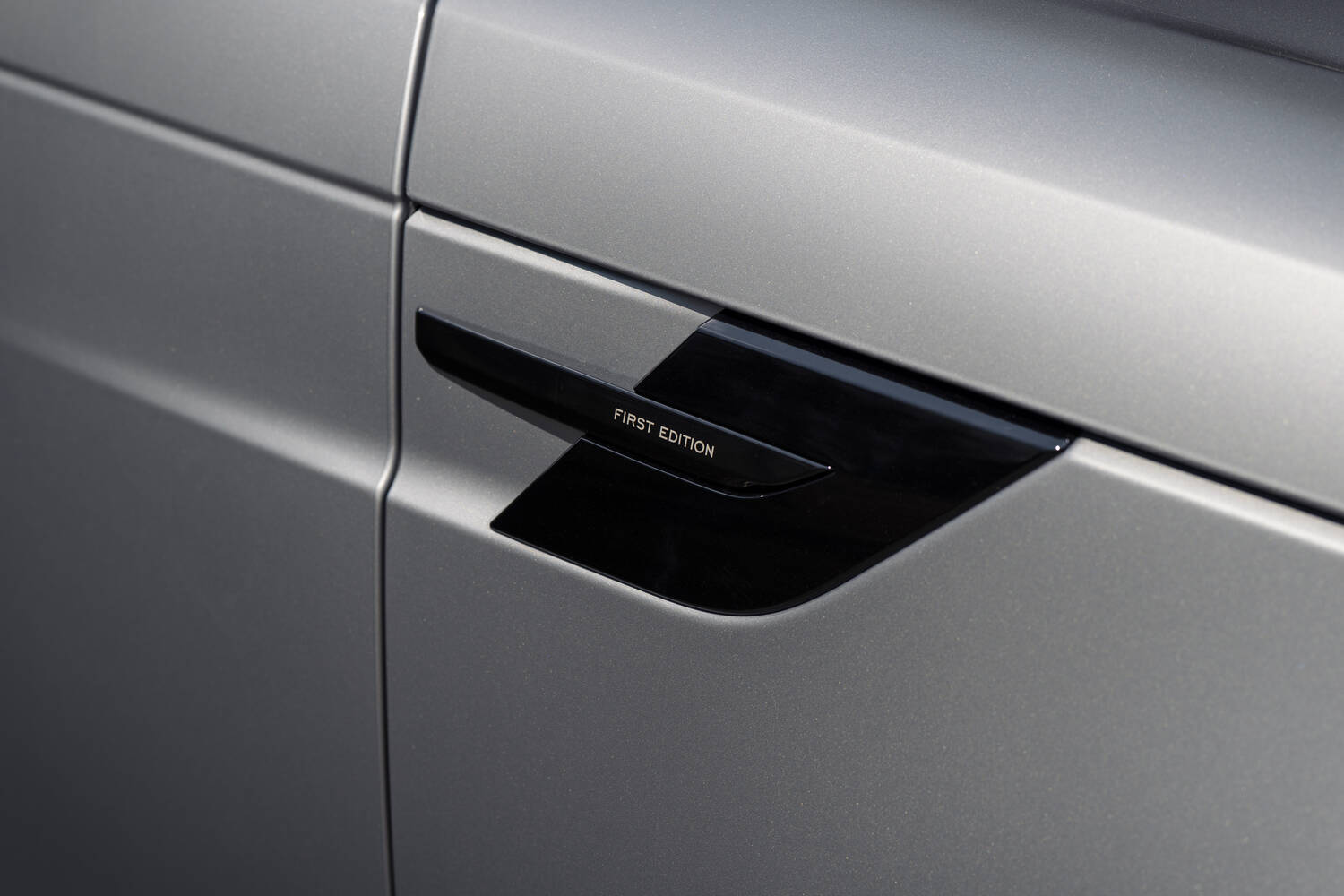
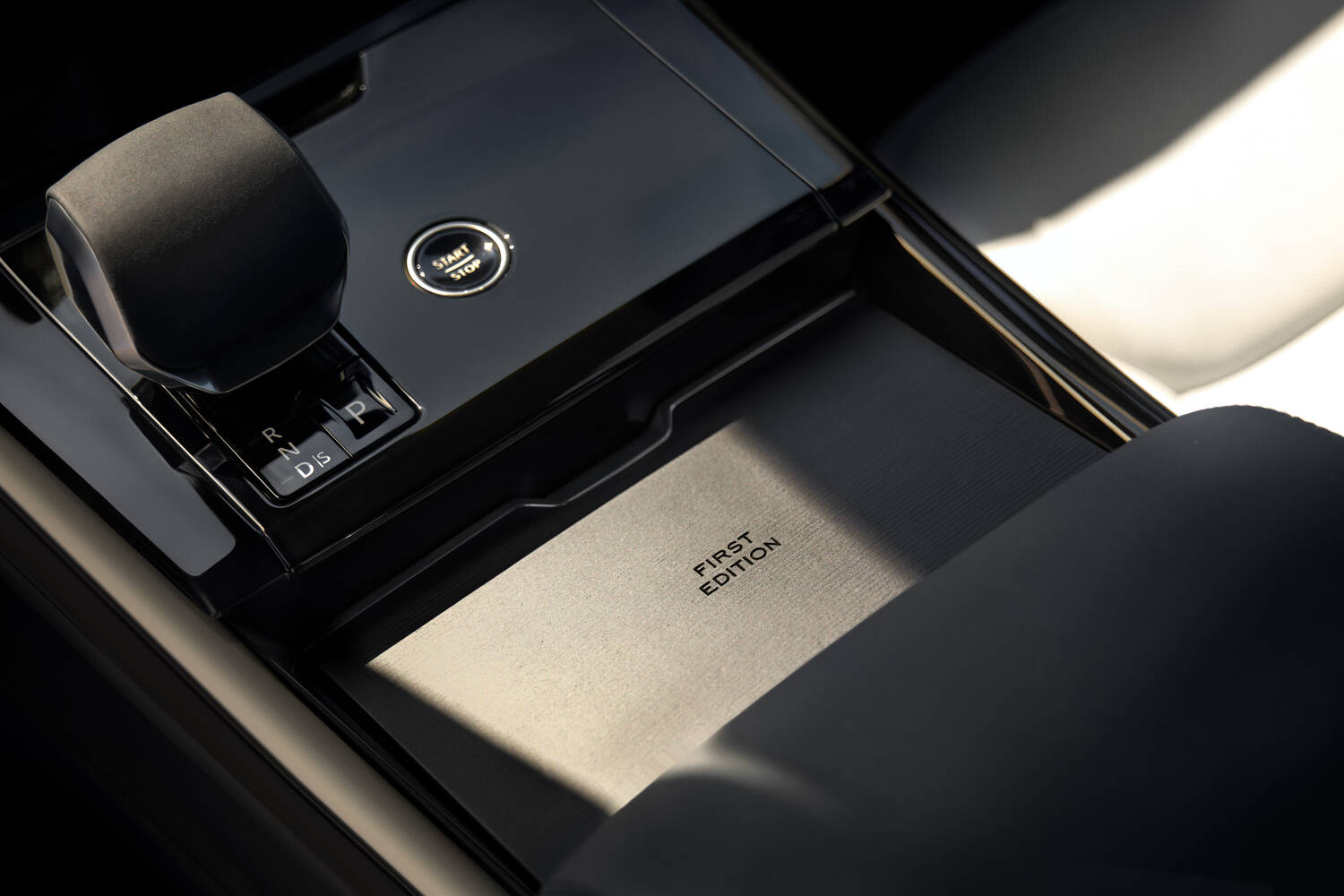
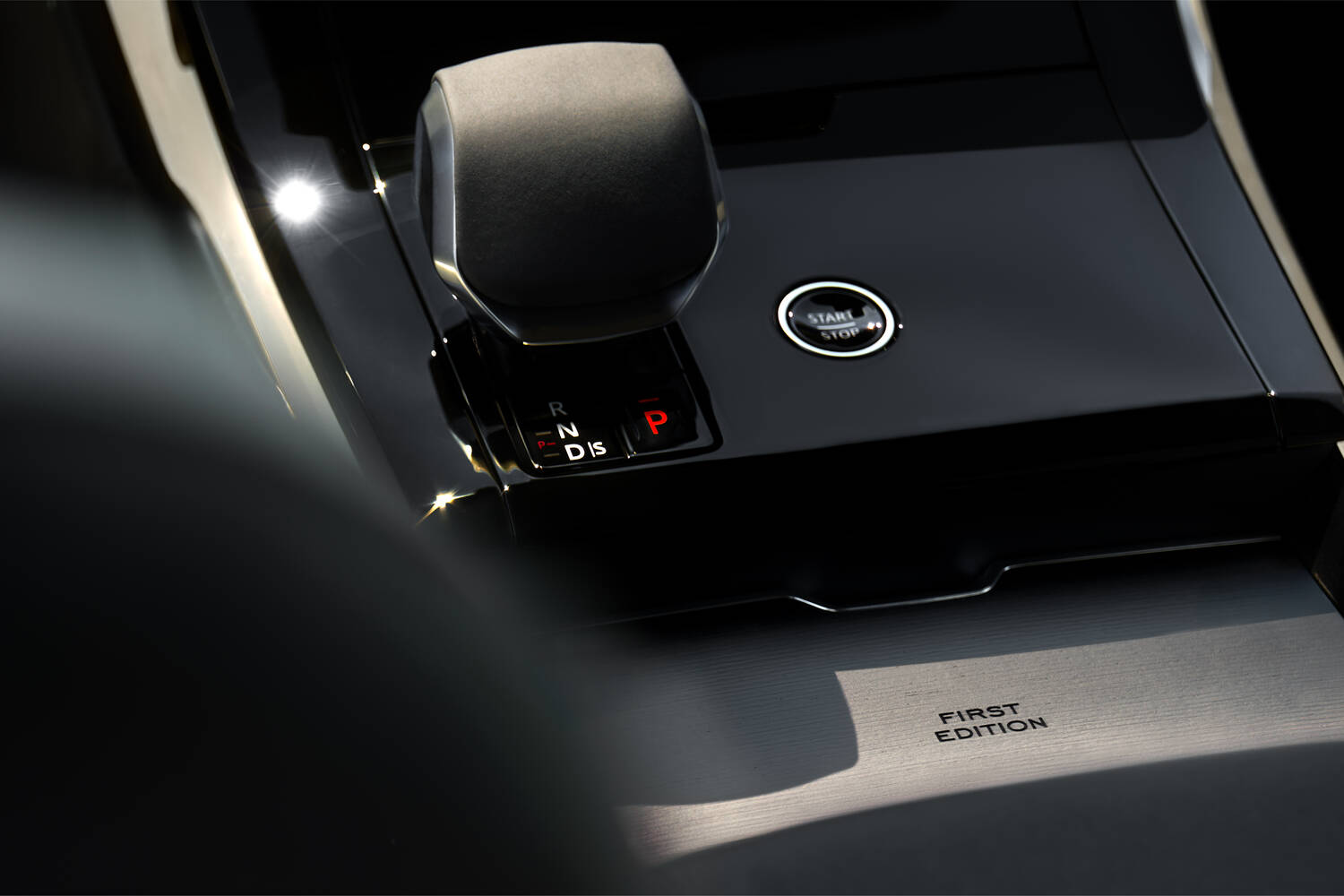
The First Edition model is finished in Zadar Grey with Satin Wrap or the option of Gloss Varesine Blue or Santorini Black. But if you prefer something more unique, Range Rover also offers truly bespoke options, including a Match-to-Sample service on Autobiography models.
Interior, practicality, tech & comfort of the 2027 Range Rover Sport Electric
- Good passenger space
- Clean, uncluttered design
- Almost all functions via touchscreen
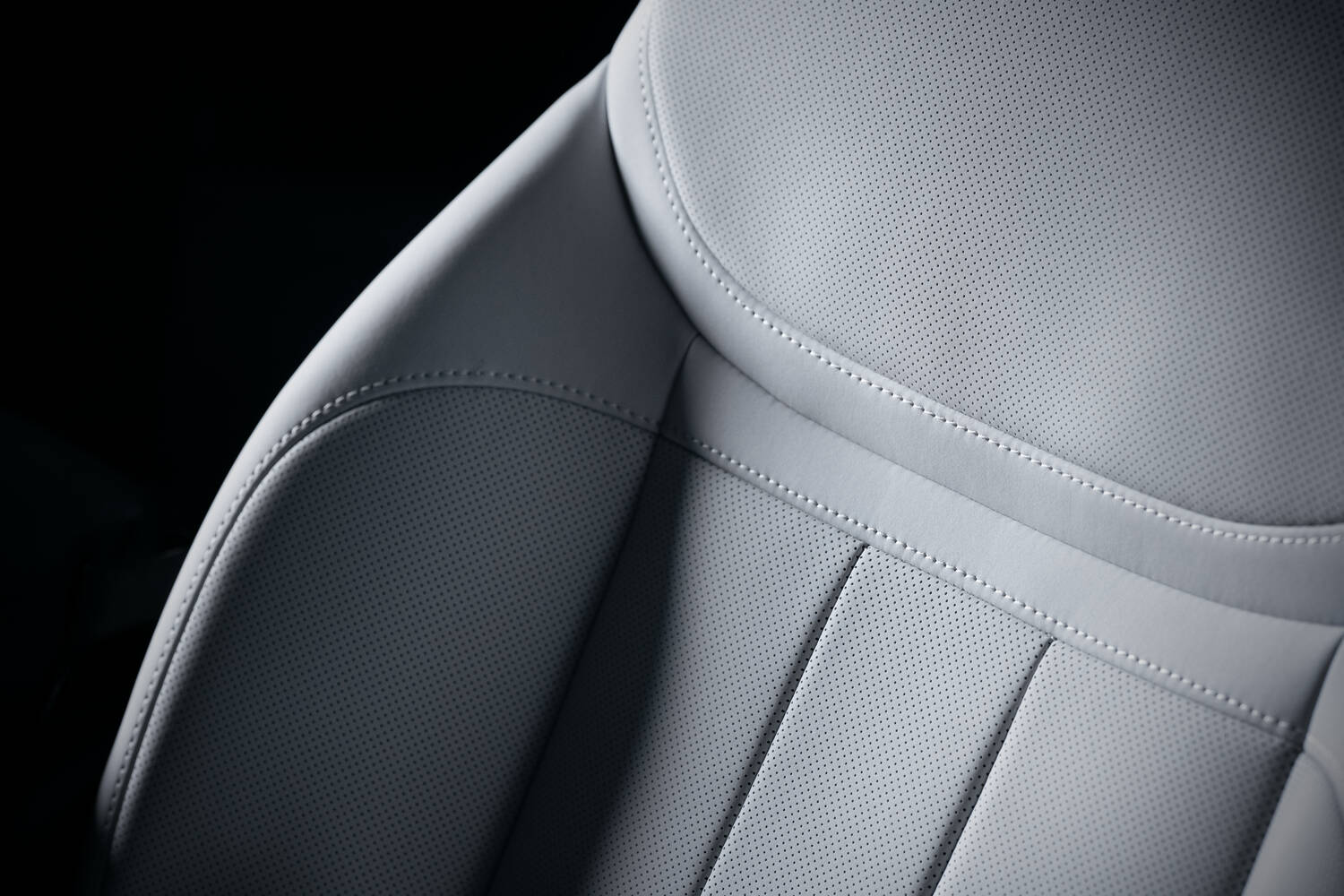
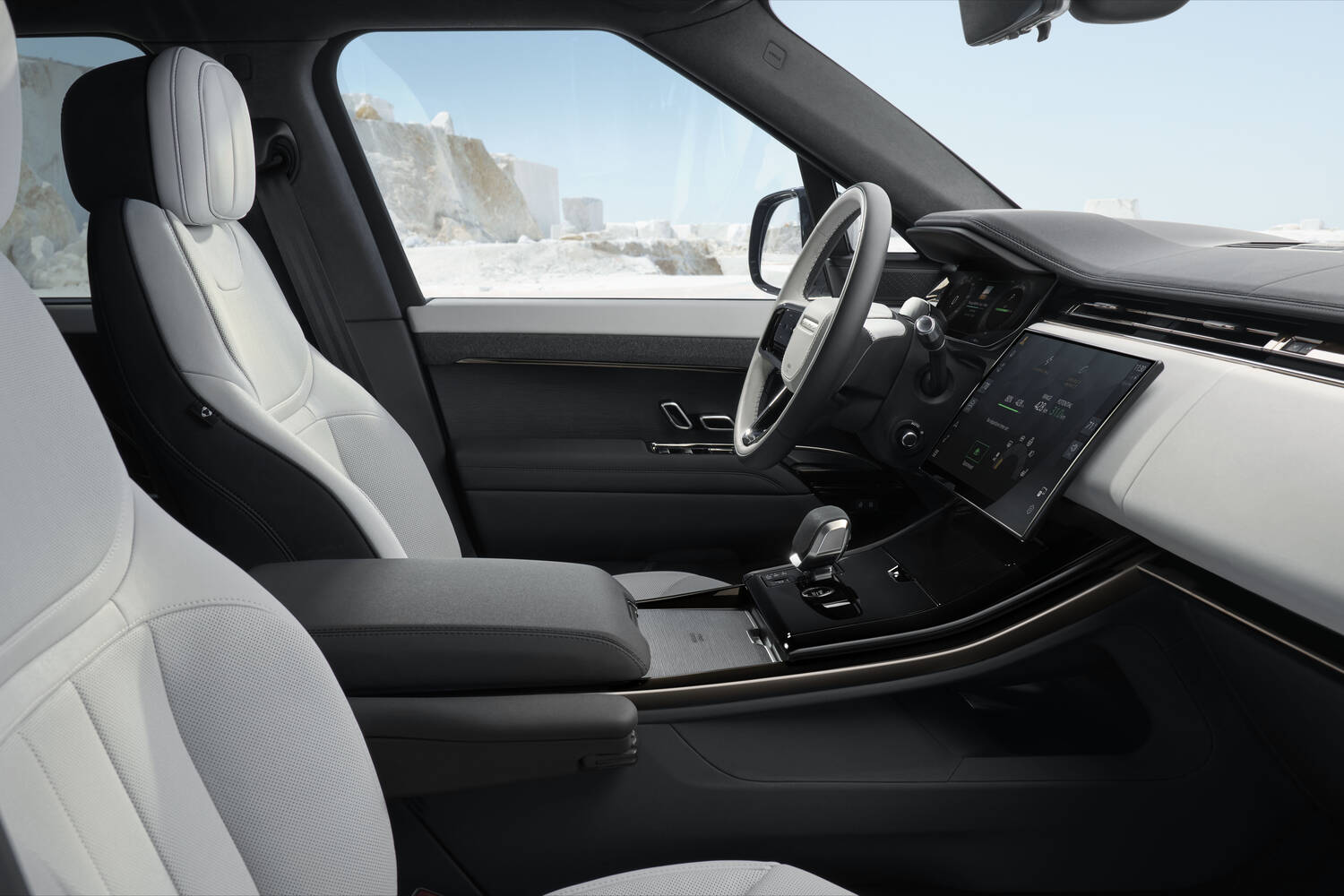
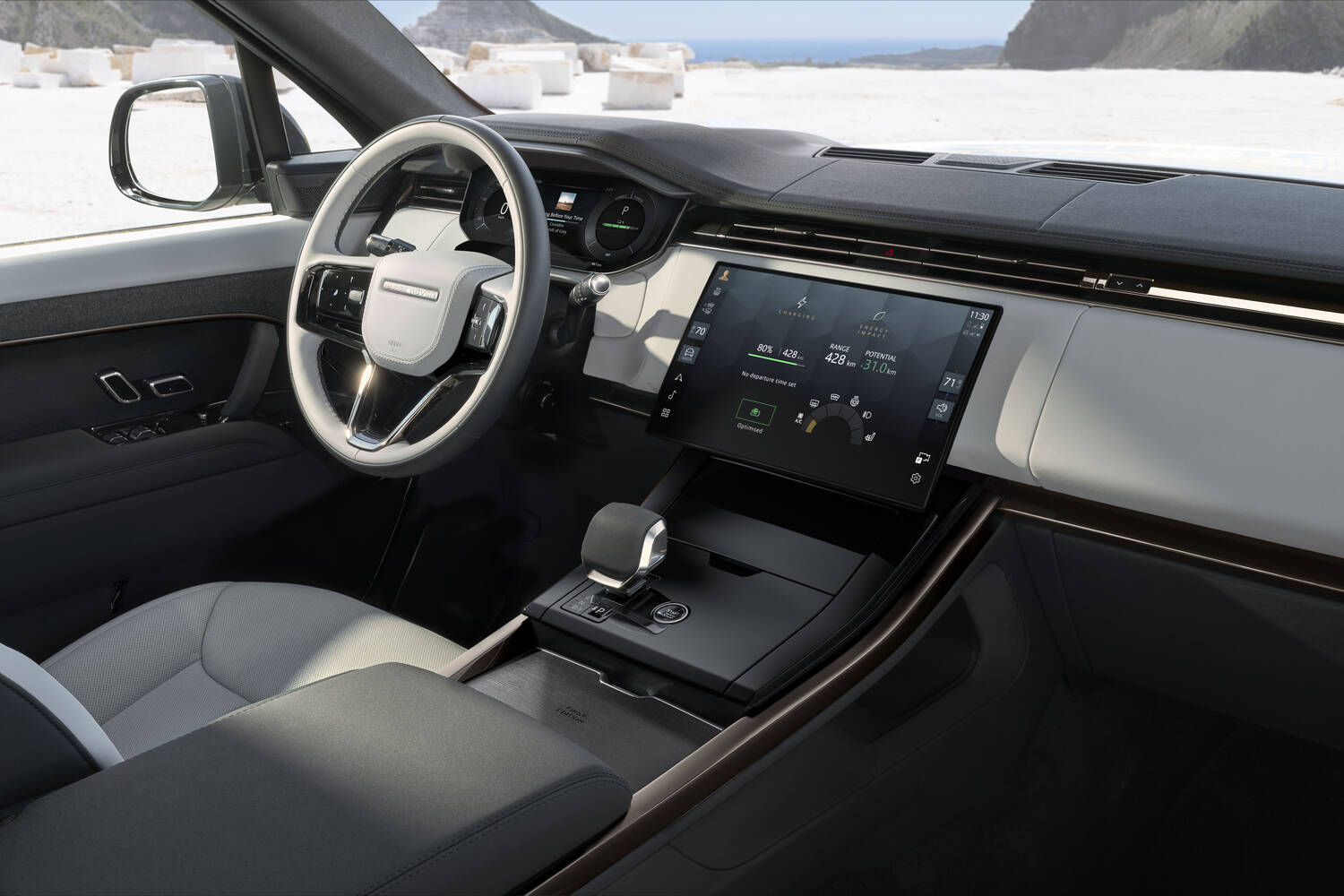
Material quality, as you might expect, is very good inside, though not everyone will like the curved Pivi Pro infotainment. A variety of upholstery options can be specified, including Windsor leather and soft semi-aniline leather. If you don't like leather, there are lightweight technical textile options from Ultrafabrics in Duo Tone Light Cloud/Ebony and Ebony colourways.
Getting comfortable in the driver's seat
You do climb up into the Range Rover Sport Electric, even though the seating position is 20mm lower than that of the Range Rover.
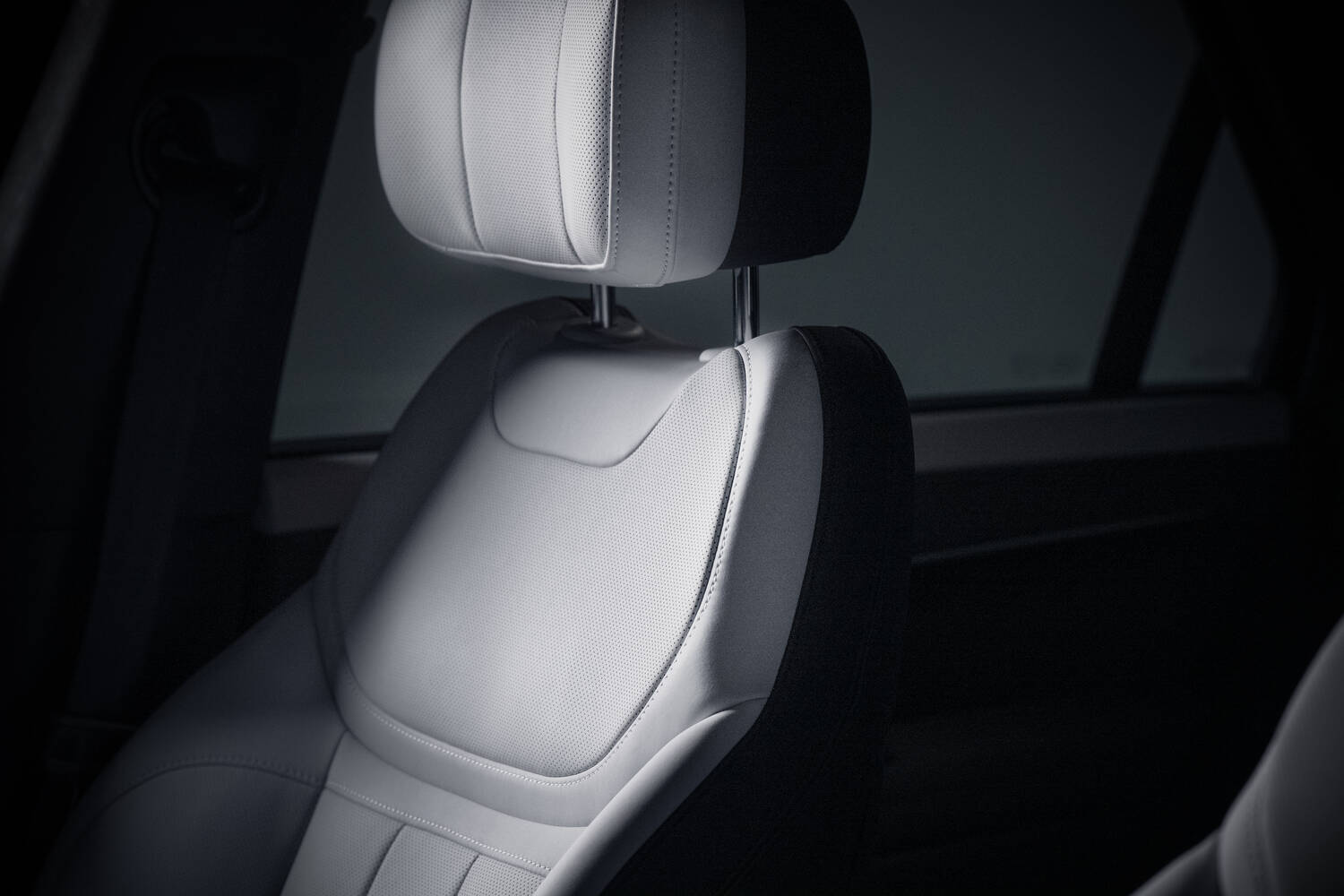
The driver's seat comes with a high degree of adjustability with up to 22-way electrical adjustment and, combined with the availability of heating, cooling and massage functionality, it's safe to say it's quite comfortable.
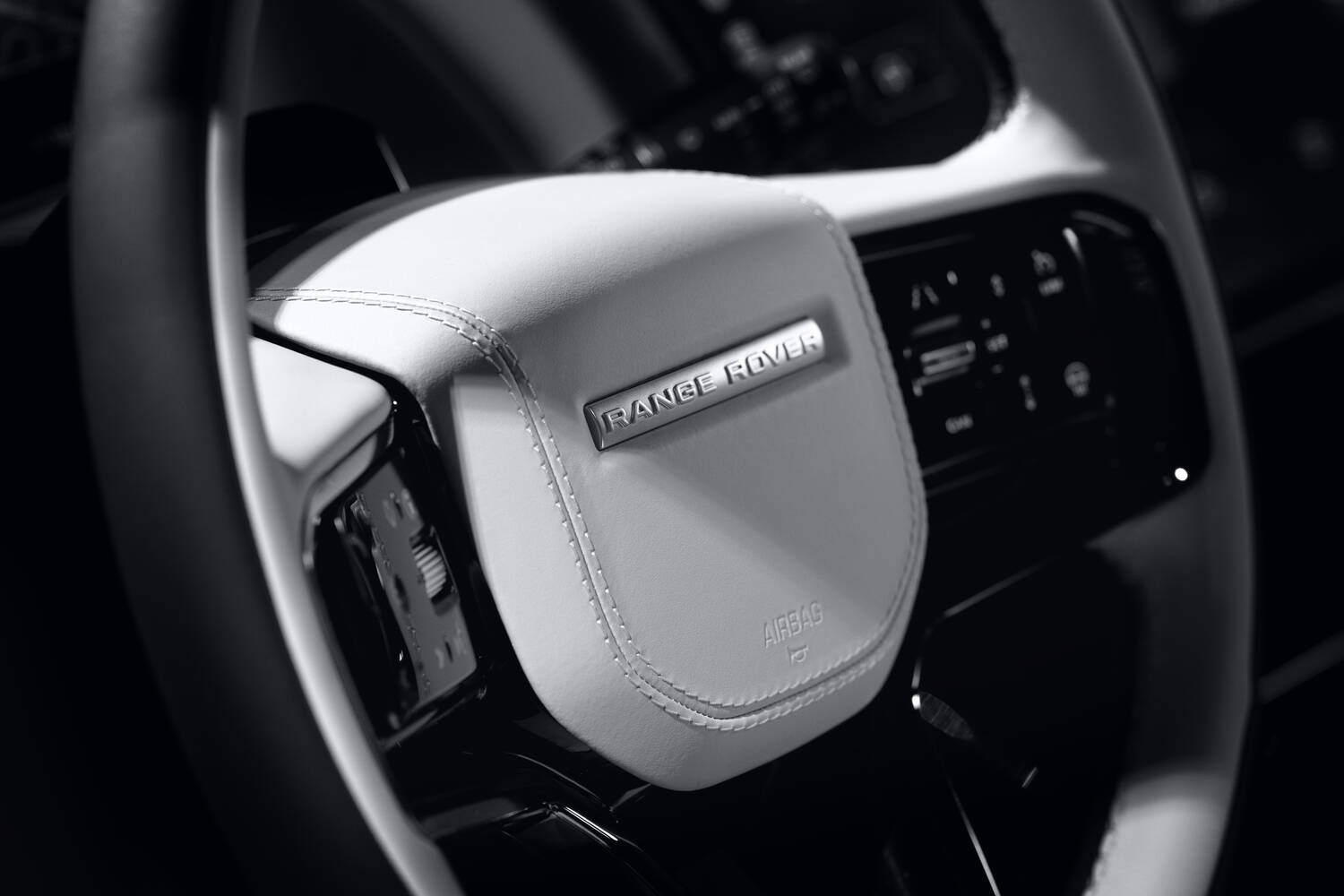
Furthermore, the steering column can be electrically moved for reach and rake. The steering wheel itself is a perfectly round affair - something of a novelty these days - and it feels good in your hands and can be heated, too.
As you might expect from such a large SUV, the visibility is very good and absolutely falls into the 'commanding' category. Large side mirrors are a welcome feature, as is the 360-degree camera system, especially when parking.
Infotainment and technology
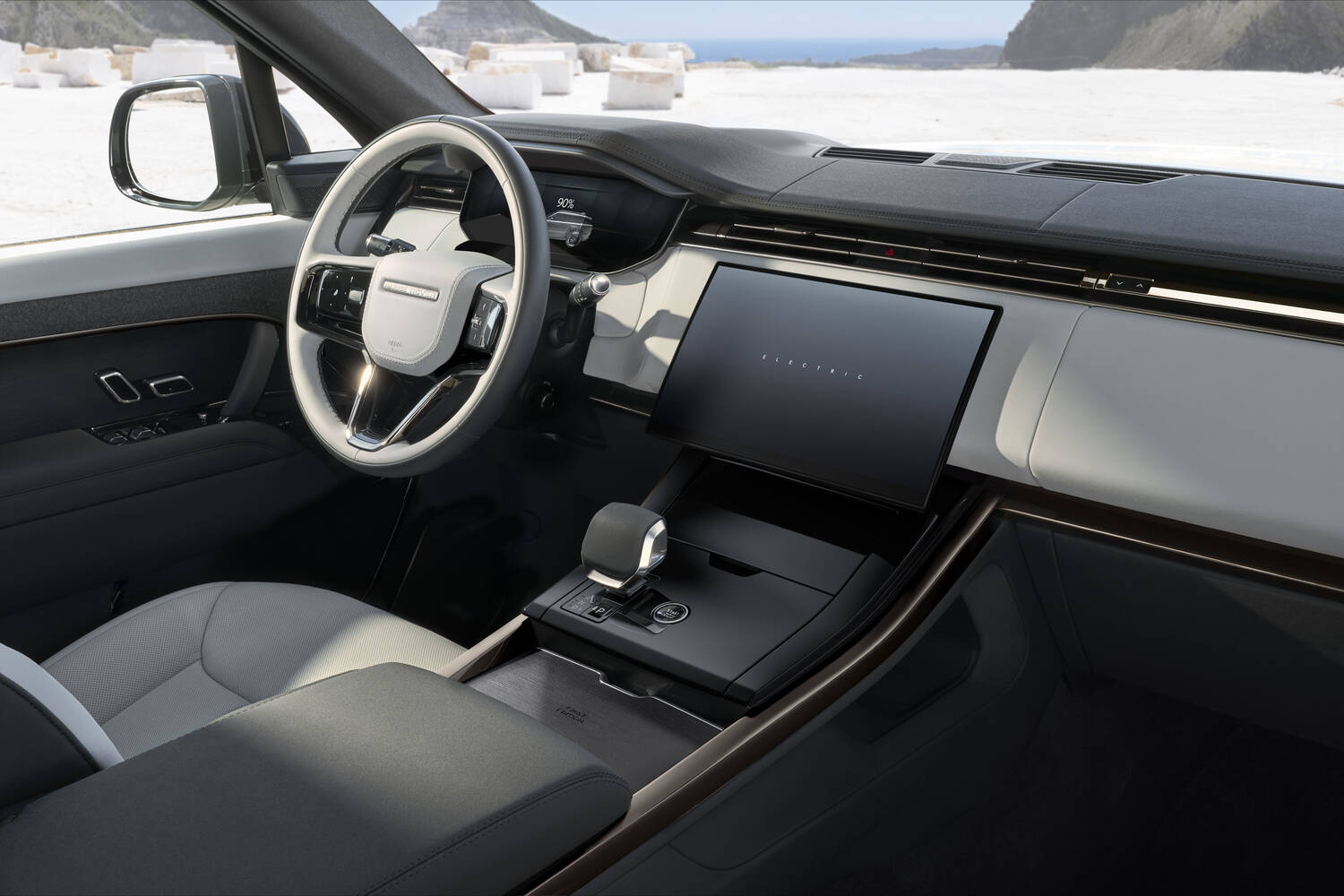
You get an all-digital setup for the Range Rover Sport Electric's dashboard, comprising a 13.7-inch Interactive Driver Display with some crisp graphics. It doesn't overload the driver with information, but everything that you'd need is there.
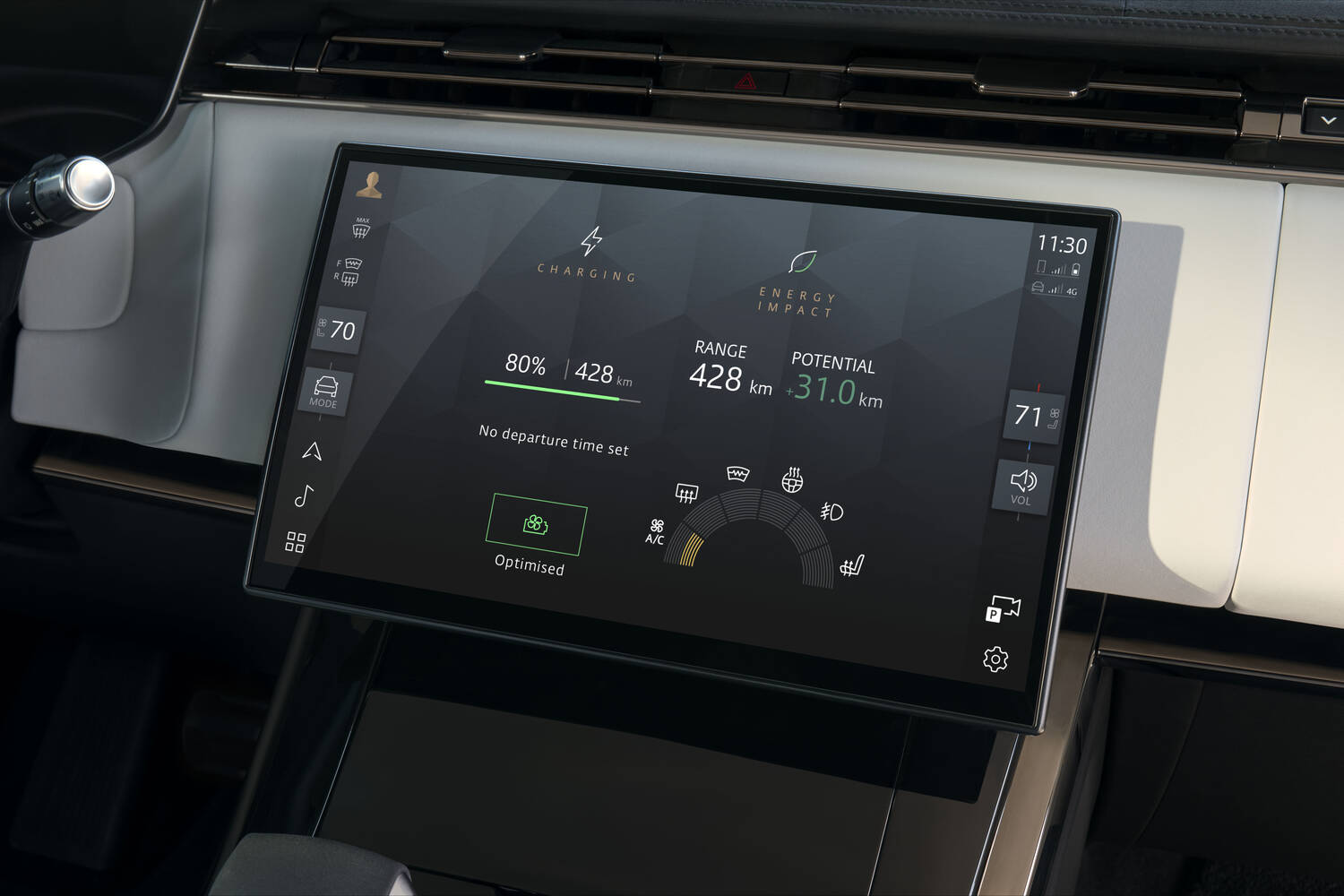
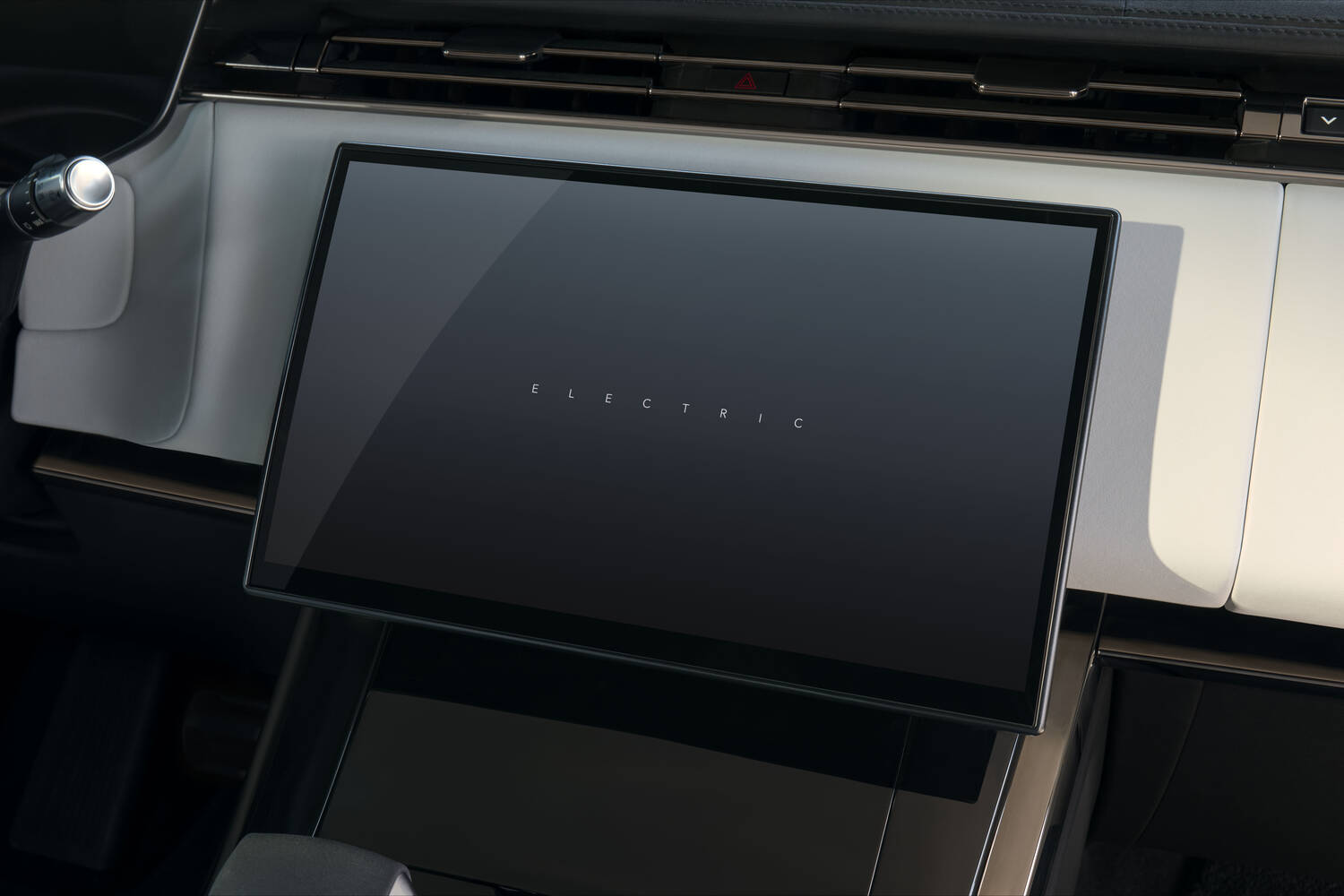
The Pivi Pro infotainment system runs through a 13.1-inch curved display that is well-proportioned for the car's interior. We like how it sits slightly proud of the fascia, making it appear to be floating.
The sidebars contain frequently used controls for climate and volume settings. While these aren't as good as proper physical switchgear, they are at least close to the steering wheel and easier to use than in some other systems.
Land Rover claims that as much as 80 per cent of tasks can be performed within two taps of the screen, demonstrating the layout of the menu system.
There is also a voice control system for major functions, and it uses an LLM (Large Language Model) and ChatGPT to provide users with a more conversational style of interaction with the voice assistant.
Smartphone connectivity is handled through Bluetooth and wireless connections with Android Auto and Apple CarPlay as standard. A 15W wireless charging pad can keep your smartphone's battery topped up, as can the numerous USB-C ports dotted throughout the cabin.
An advanced cabin air filtration system is available with PM2.5 filtration and nanoe X technology to provide the best possible atmosphere inside. This system can filter out bacteria and allergens such as pollen and odours. It continually monitors the level of carbon dioxide in the cabin and can enhance driver alertness by introducing fresh air during longer journeys.
Practicality around the cabin
Incorporating the electric powertrain hasn't had any significant impact on the practical aspects of the Range Rover Sport Electric.
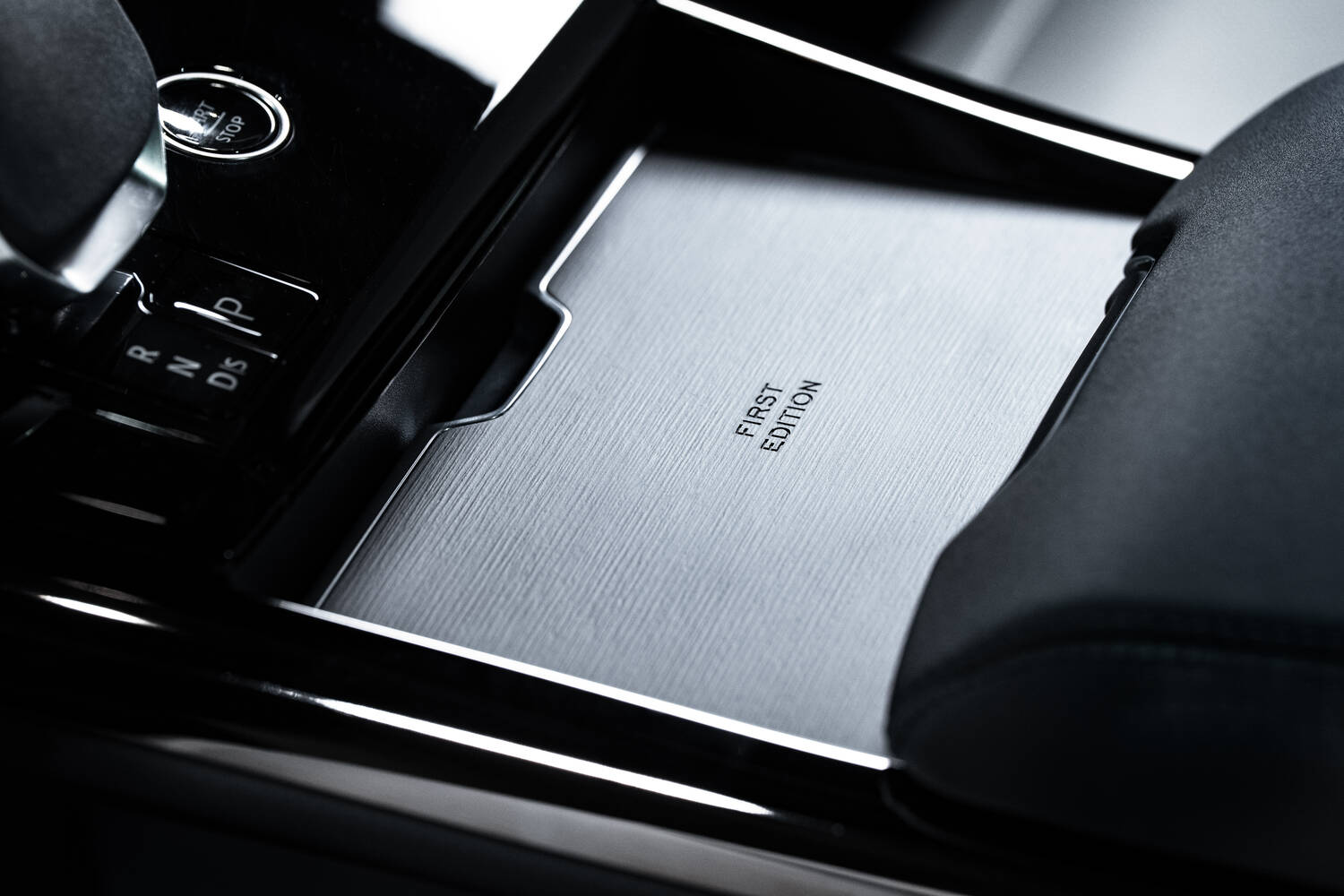
There is ample space for everyday items throughout the cabin, including cupholders in the centre console and a reasonably deep storage compartment underneath the centre armrest.
Rear-seat passenger space
Even though the Range Rover Sport Electric is styled with a sloping roofline, there is a spacious rear passenger compartment, including stadium-style seating in the second row that rises 11mm over the front seats to enhance the view out. That small lift also means better legroom and a squab that provides a more supportive seating position.
Both outer rear seats are sculpted in a way that's not dissimilar to the front seats, which outlines this as more of a four-seat car for the majority of the time.
These can also be heated and ventilated, while the powered recline function adds to the comfort, letting passengers stretch out that bit more. The middle seat is firmer and less comfortable, as usual.
Fitting child seats to the Range Rover Sport Electric
Each of the outer rear seats in the Range Rover Sport Electric is equipped with ISOFIX anchoring points for child seats. Depending on the size of those seats, it may be possible to fit a booster seat in the middle, though this is worth trying first before buying the car.
Boot space in the Range Rover Sport Electric
The electrically operated tailgate lifts to reveal a generous and useful load space. If using up to the top of the load area, there is 789 litres of room available and, folding the rear seats increases that volume to 1,814 litres.
Should you need to fill the boot all the way to the roof lining, you get 835 litres or up to 1,860 litres when the rear seats are down.
Towing with the Range Rover Sport Electric
The Range Rover Sport Electric is rated to tow up to 750kg with an unbraked trailer and as much as 2,500kg with a braked trailer. While that is less than its diesel counterpart can pull, it's still a useful amount, and the vehicle is equipped with some very helpful assistance software to make hitching and parking that bit easier.
Safety in the Range Rover Sport Electric
When the Range Rover Sport was launched in 2022, it was assessed by Euro NCAP and scored a maximum five stars, with an 85 per cent adult occupant protection rating, 85 per cent for child occupants, 69 per cent for vulnerable road users and 82 per cent for safety-assist systems.
Performance of the 2027 Range Rover Sport Electric
- Two power outputs
- All-wheel drive
- Very capable off-road
The Range Rover Sport Electric uses a dual-motor setup with the choice of two power outputs. In both cases, it uses the same battery, and its all-wheel-drive transmission can shift power around to maximise traction.
Power output starts at 450hp and rises to 550hp for the more powerful model, though both versions get the same peak torque output of 850Nm.
Driving the Range Rover Sport Electric prototype in Gaydon, England
Words by Dave Humphreys on 30 September 2026
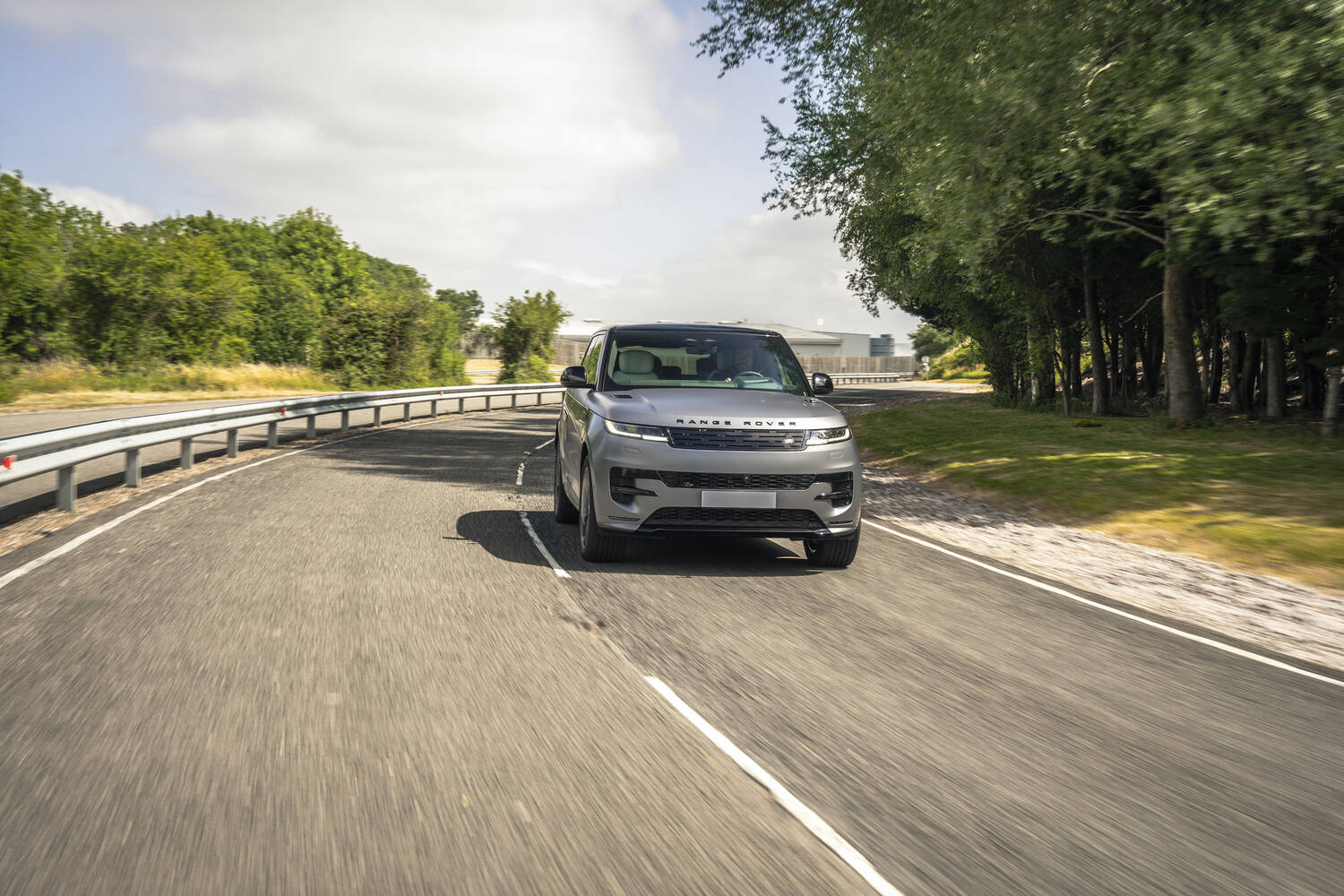
The warren-like road network of Land Rover's sprawling Gaydon proving grounds in the UK provided a chance to drive the Range Rover Sport Electric in a number of different scenarios, including road surfaces that are far from perfect.
The Range Rover Sport's large wheels may look good, but even with its advanced air suspension doing a lot of the heavy lifting, there is still a distinctly firm ride.
That's intentional on its maker's behalf, giving the Sport its own character, notably different to that of the full-fat Range Rover. Nevertheless, the Sport Electric makes progress effortlessly and, even though the sound insulation on its combustion-engined counterparts is good, the lack of gear changes and engine vibrations makes the driving experience feel even more sublime in the Electric. Those with traffic-heavy commutes will surely relish this.
When you are presented with an open stretch of clear road, you need only gently press the accelerator to ride the wave of torque towards the horizon.
The air suspension does suppress a lot of squat under harder acceleration, and through the bends you'll become intimate with the seat's side bolsters as the body lean is kept well in check.
The EV550 model gets a 48-volt active anti-roll control system that governs front and rear actuators to keep body movements in check.
Another reason to possibly consider the EV550 is the fitment of rear-wheel steering (it's optional on the EV450), a feature that has as much benefit for city driving as it does for high-speed stability.
At lower speeds (below 50km/h), the rear wheels turn up to 7.3 degrees to shrink the turning circle to under 11 metres, while at higher speeds they move in phase with the front axle to provide more stable lane changes.
The steering does feel quick and more alive than the Range Rover's, so if you like a more engaging feel the Sport is the one to consider.
A selection of drive modes affects how the Range Rover Sport Electric drives, and the onboard systems monitor driver inputs 100 times per second to predict and shift torque between and across the axles.
The result is the sense of always being in control and the vehicle feeling planted and surefooted. Braking performance is immense when required, but for the most part the efficient energy recuperation does an excellent job of slowing down the 2.7-tonne SUV.
While few may actually take the Sport Electric off-road, Land Rover's engineers have taken no chances and ensured it will be every bit as capable as any other vehicle in the range. The instant torque from the electric motors brings control to another level, and the underbody has been suitably reinforced to ensure it can take some rough and tumble.
Range, battery, charging and running costs of the 2027 Range Rover Sport Electric
- Single 118.5kWh battery
- 609-kilometre WLTP range
- 800-volt architecture for fast charging
Only one battery is available for the Range Rover Sport Electric, and it's the same 118.5kWh lithium-ion NMC pack that powers the Range Rover Electric. Thanks to its 800-volt electrical architecture, charging can be ultra-fast on DC outlets..
Battery options and official range
Land Rover has put a lot of engineering effort into developing the battery pack for the Range Rover Sport Electric. In addition to having one of the largest energy capacities in its segment, the battery has also been designed to have the durability expected for both on-road and off-road driving.
The WLTP combined driving range is 609 kilometres, though even Land Rover understands that the homologation process for this doesn't always reflect real life, so it also quotes an expected real-world range of 537 kilometres.
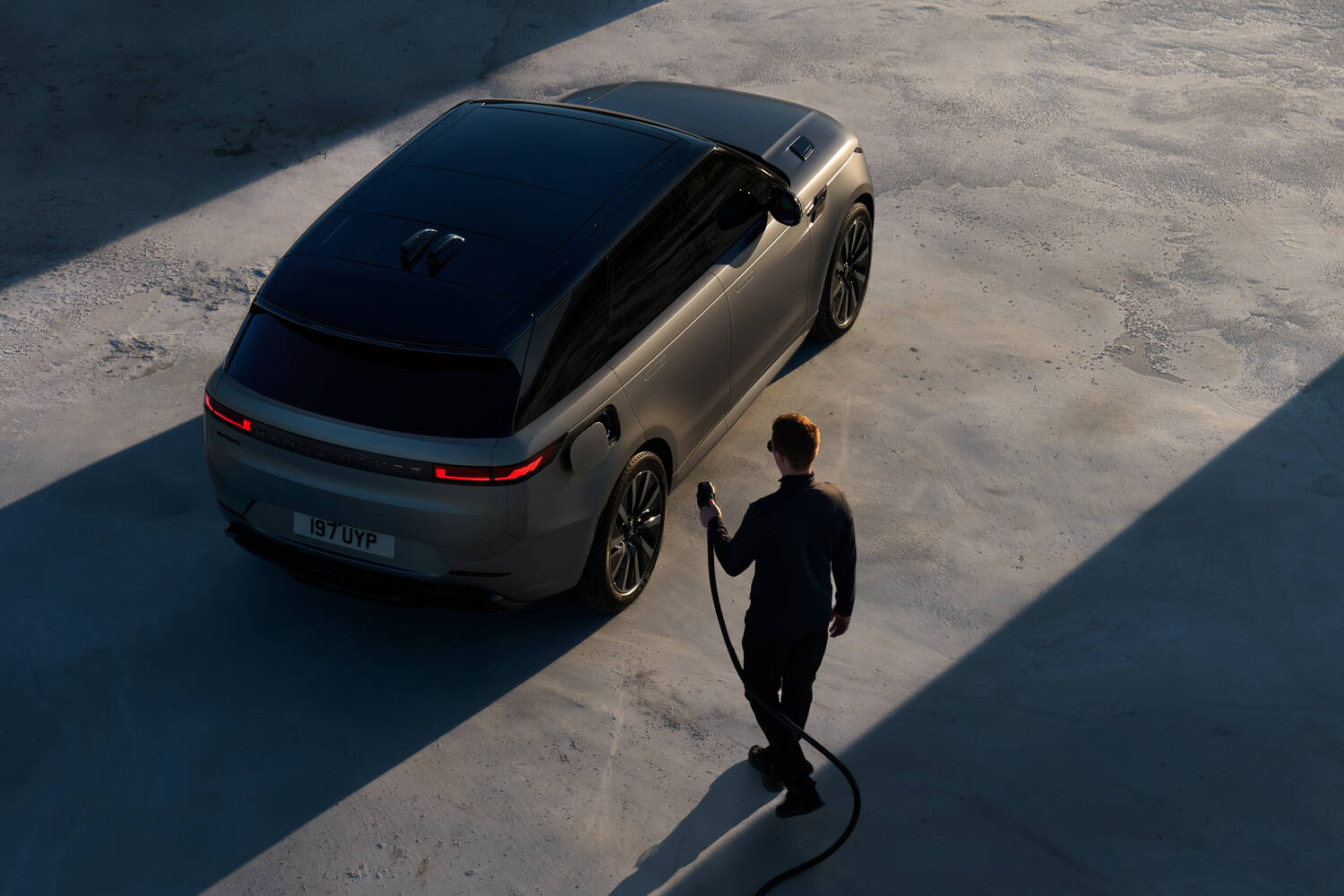
Charging up the Range Rover Sport Electric
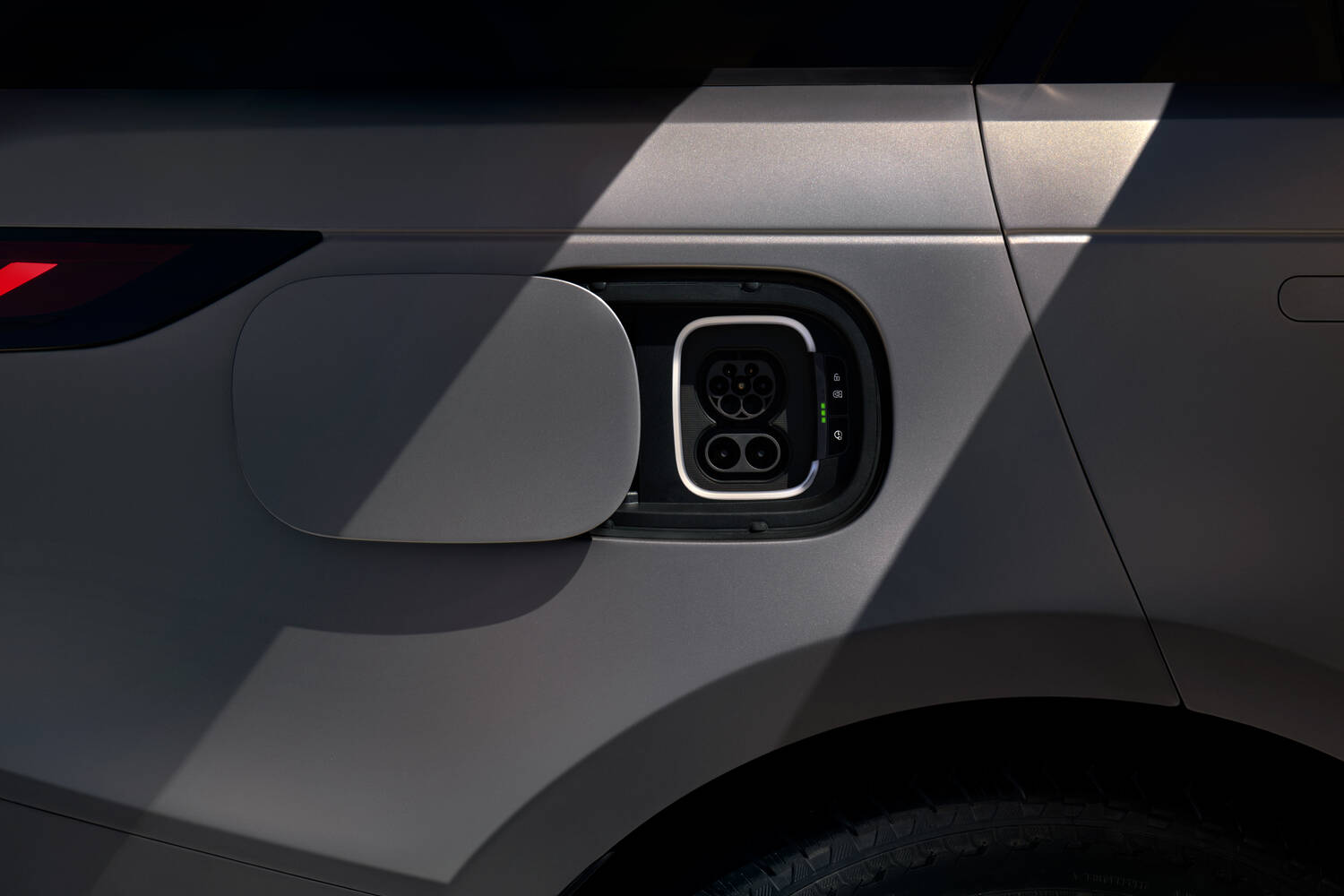
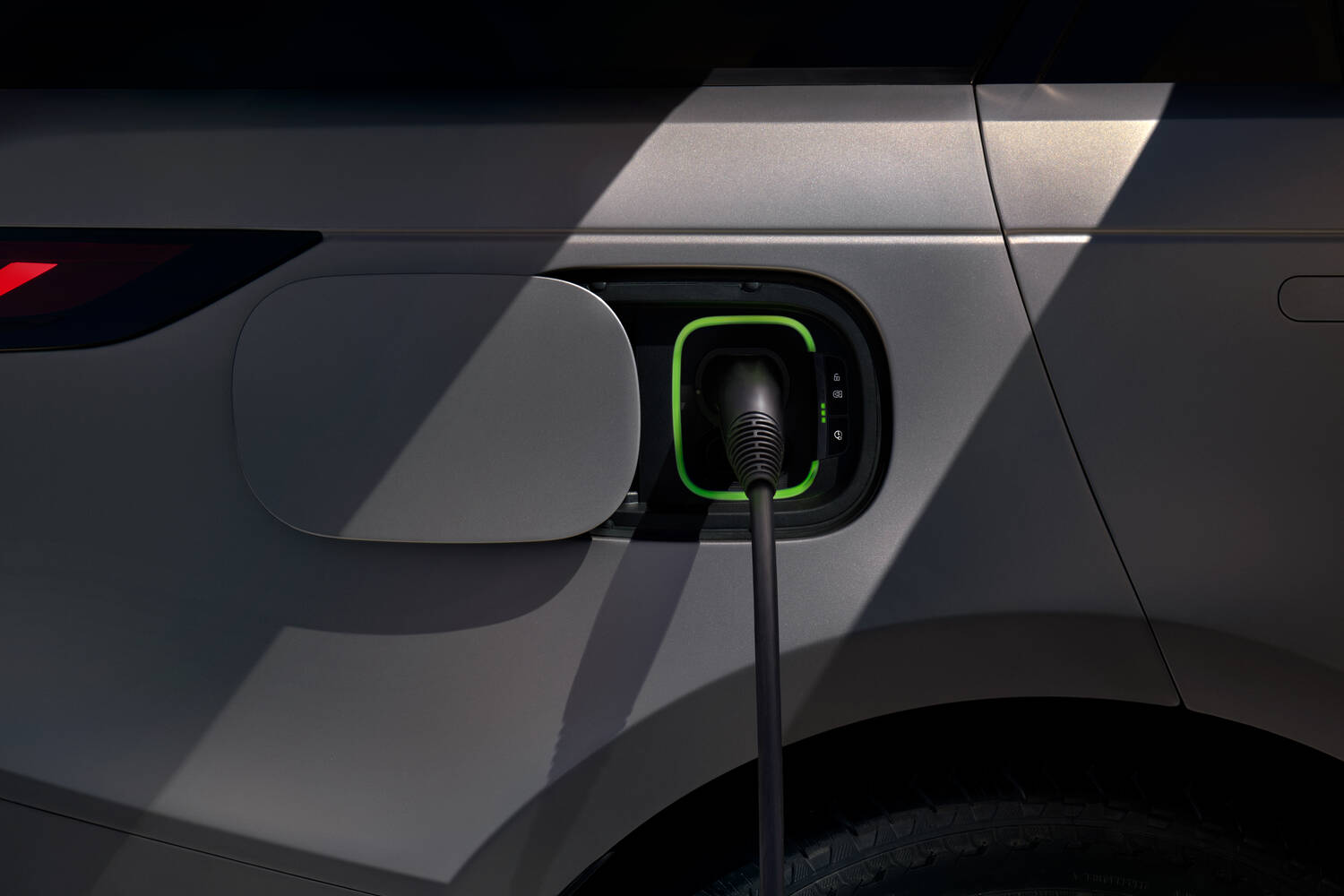
There is 11kW AC charging as standard, but Land Rover does offer the option of upgrading this to 22kW. Making use of that on a three-phase charger, it is possible to add up to 96 kilometres of driving range in 60 minutes.
While the 22kW option won't make a difference to people charging at home, if you happen to use public AC chargers or have access to three-phase chargers at work, it could be beneficial.
An 800-volt architecture means that it can fast charge at up to 350kW on DC, adding up to 220 kilometres of driving range in as little as ten minutes. When connecting to a 400-volt DC charger, it can still add 158 kilometres of range in ten minutes at a peak rate of 250kW.
Servicing the Range Rover Sport Electric
The service interval for the Range Rover Sport Electric is expected to be every other year or every 24,000 kilometres, whichever comes first.
Range Rover Sport Electric warranty
The Range Rover Sport Electric is covered by a five-year or 150,000-kilometre warranty from the date of first registration, while the high-voltage battery has a separate warranty lasting for eight years or 160,000 kilometres.
Irish pricing & rivals to the 2027 Range Rover Sport Electric
- Starts at €123,830
- Six model variants available
- No driving range difference
The Range Rover Sport Electric isn't as affordable as the plug-in hybrid, but it does undercut the petrol and diesel models, with a starting price of €123,830 for the EV450 Dynamic SE.
There are two other specification grades available with that power output: the Dynamic HSE at €132,790 and Autobiography at €143,050.
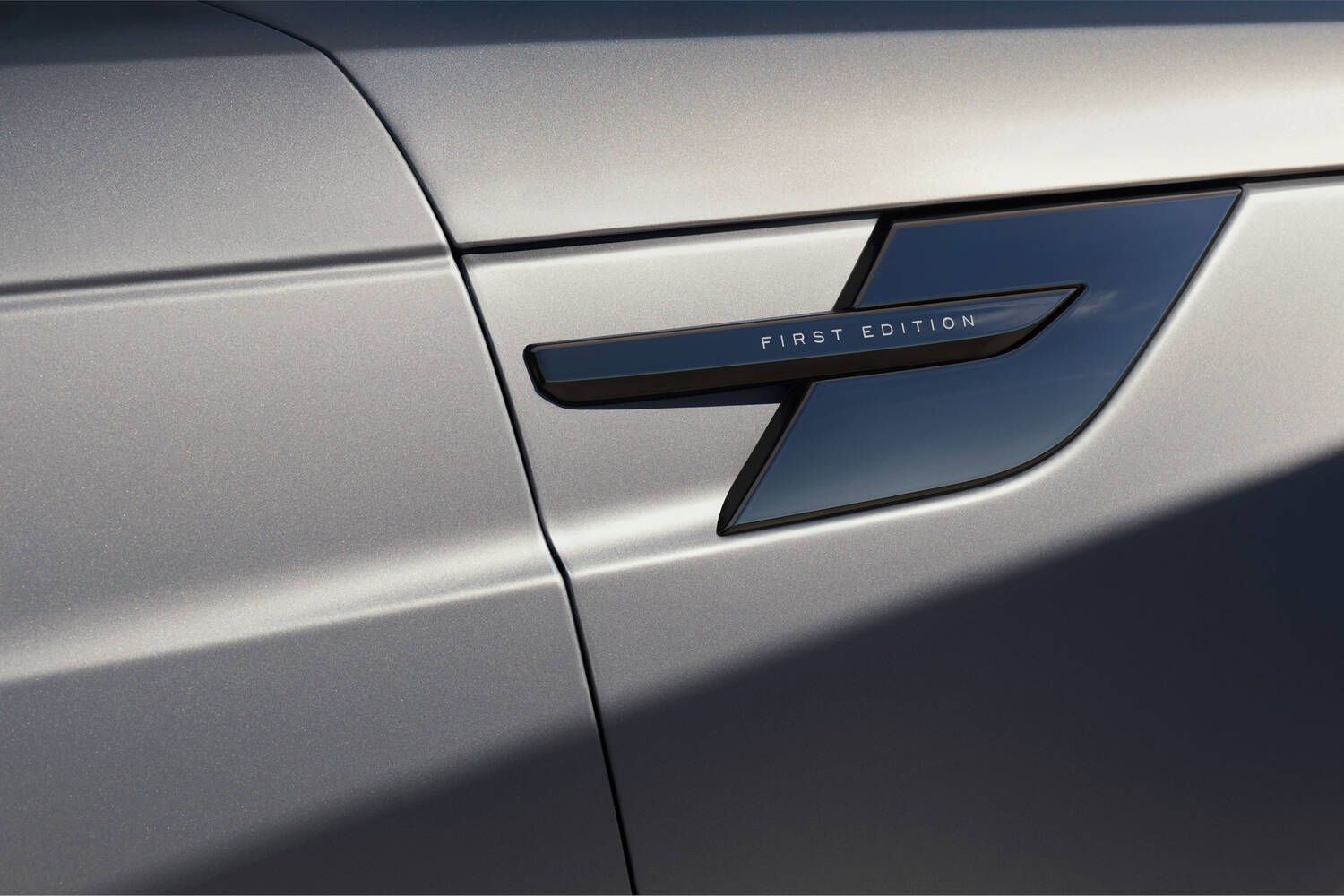
Three equipment grades are available for the EV550 version, starting at €145,750 for the Dynamic HSE, rising to €156,220 for the Autobiography and topping out at €159,570 for the First Edition.
Verdict - should you buy the 2027 Range Rover Sport Electric?
If you have the ability to charge at home - and let's face it, if you're considering a Range Rover Sport in the first place, chances are you can - then the electric version makes tremendous sense.
Not only does it retain all of the visual statement of its siblings, but its performance is unmatched in the Range Rover Sport range (with the exception of the SV, which can cost multiples). Much lower running costs post-purchase will undoubtedly make this the most appealing version yet.
FAQs about the 2027 Range Rover Sport Electric
Is the Range Rover Sport Electric the most powerful version?
If you're measuring horsepower alone, then it's not. The Range Rover Sport SV gets up to 635hp from its petrol V8, but the Electric does generate more torque, arguably a more relevant figure.
Is there a frunk in the Range Rover Sport Electric?
No, the Range Rover Sport Electric does not get a frunk.
Want to know more about the 2027 Range Rover Sport Electric?
If there's anything about the Range Rover Sport Electric we've not covered, or you'd like help in choosing between it and other cars, you can avail of our expert advice service via the Ask Us Anything page.