



Exterior & design of the 2027 Polestar 3
- Sleek, low body - for an SUV
- Elegant styling
- Alloys ranging from 20- to 22 inches

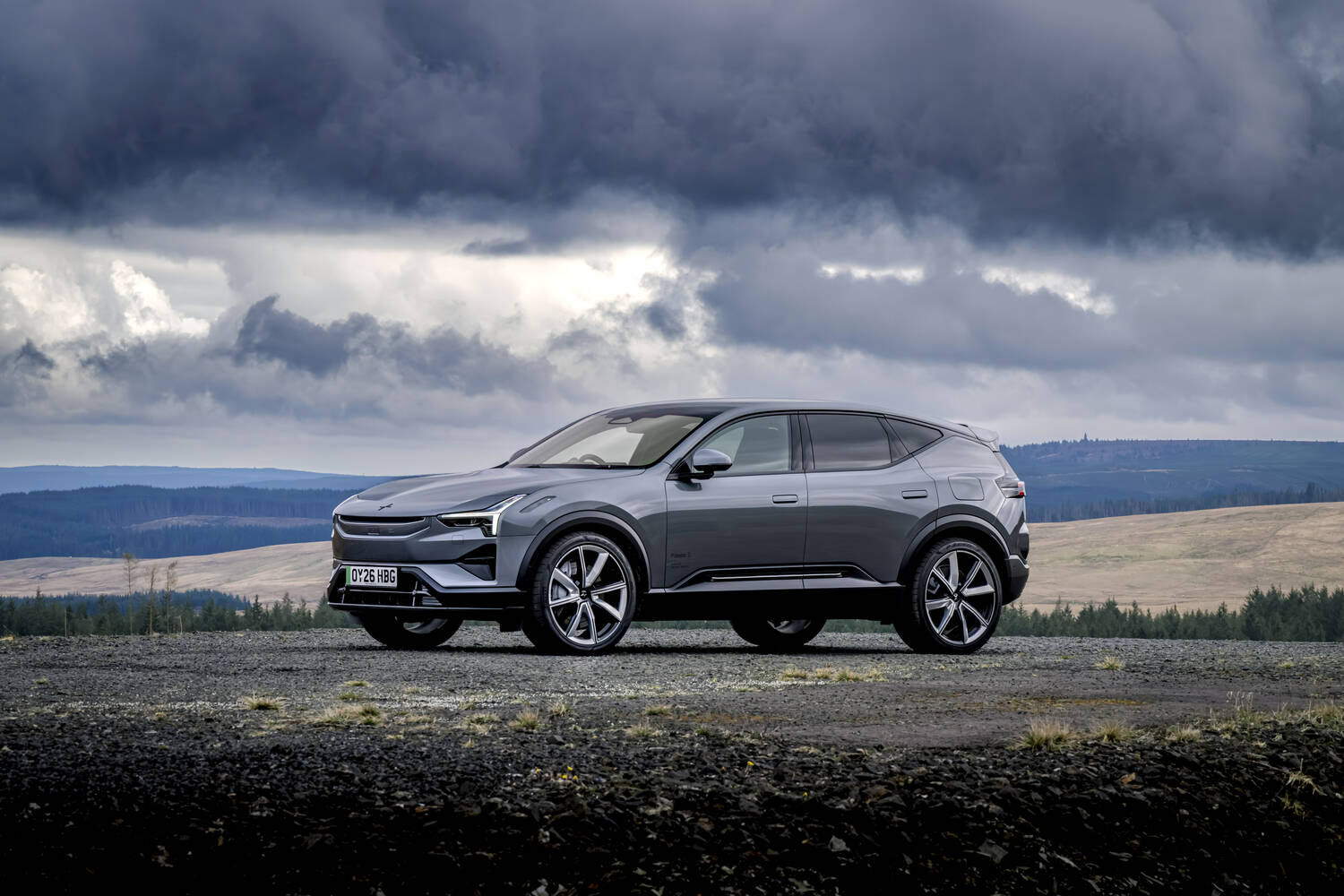
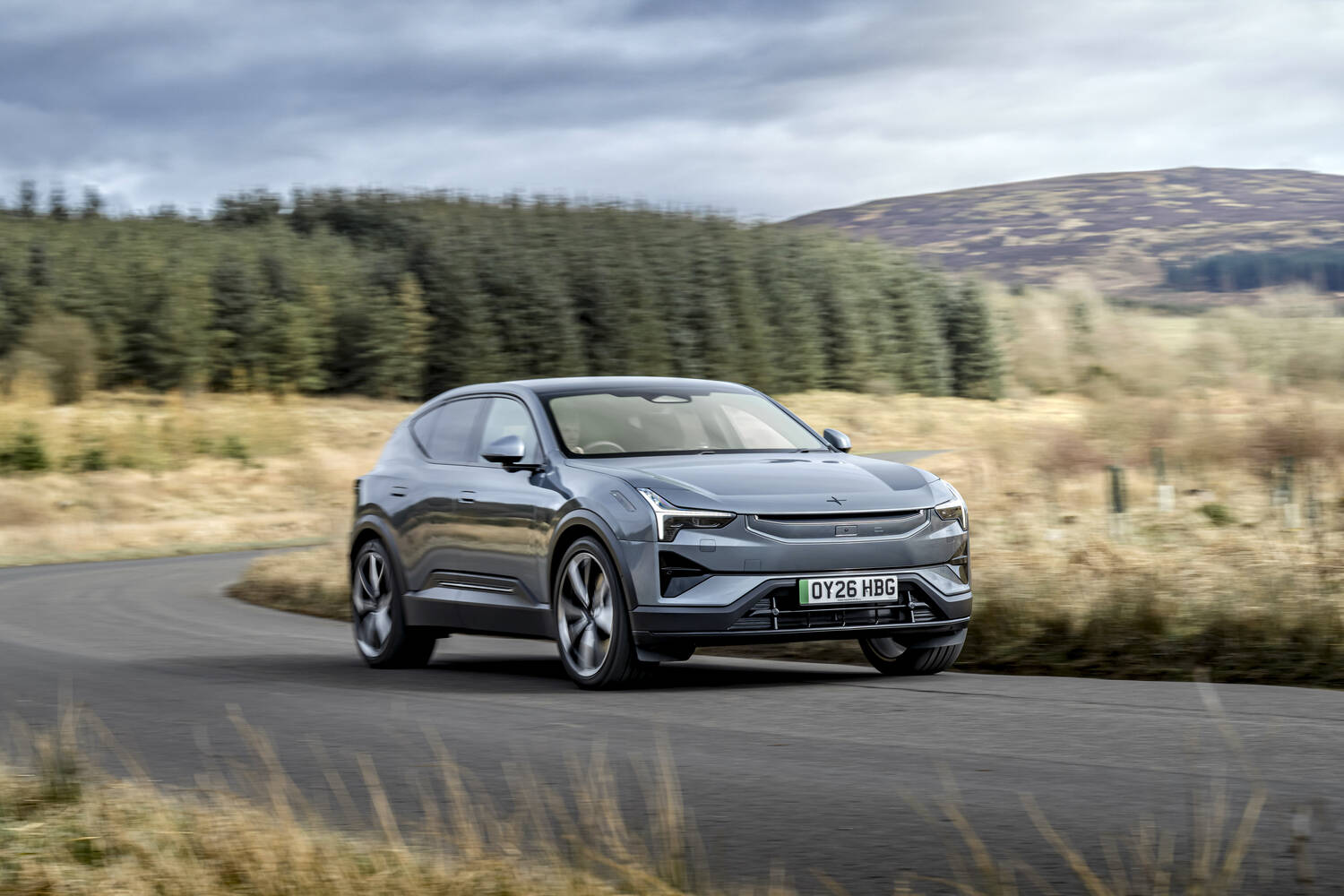
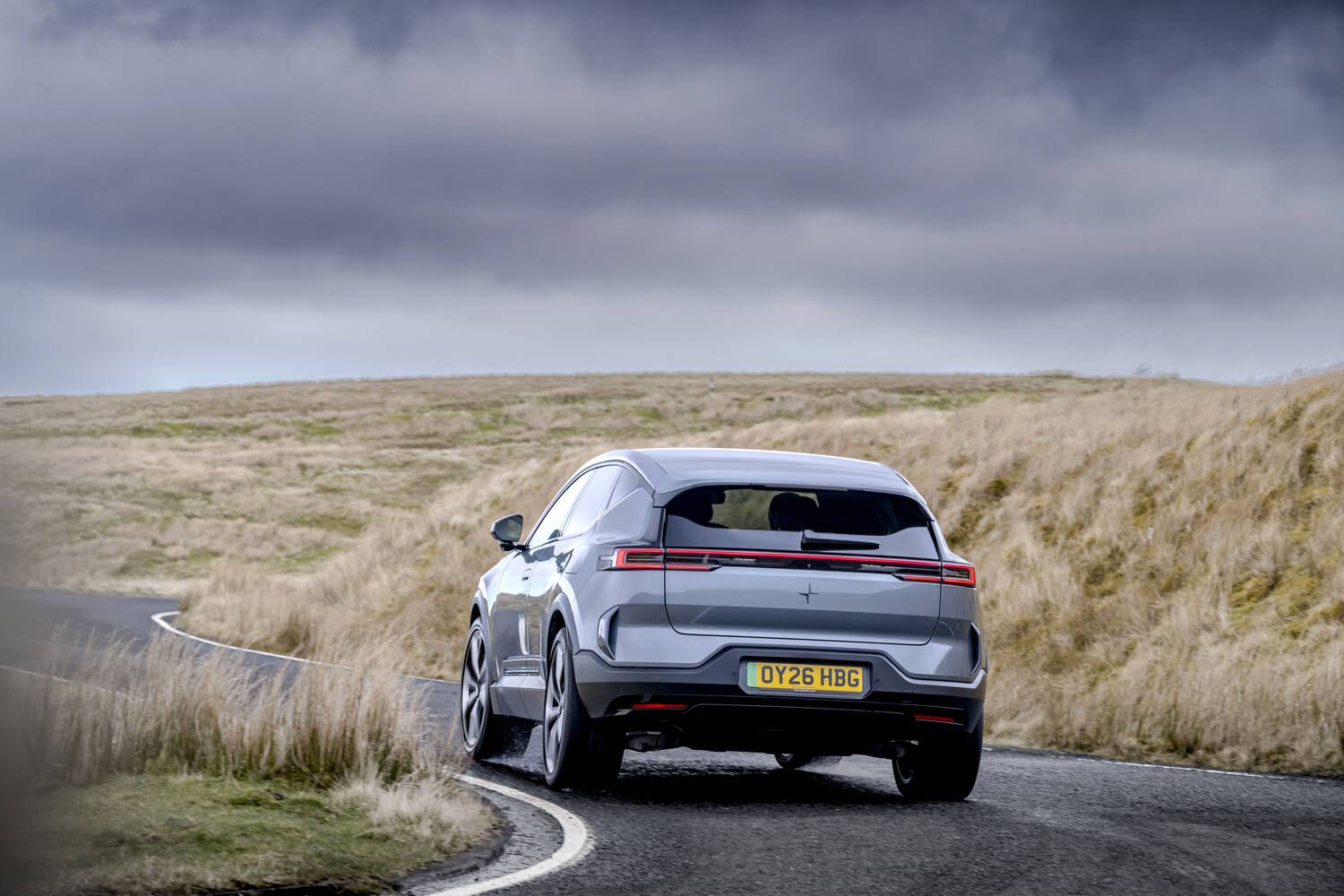
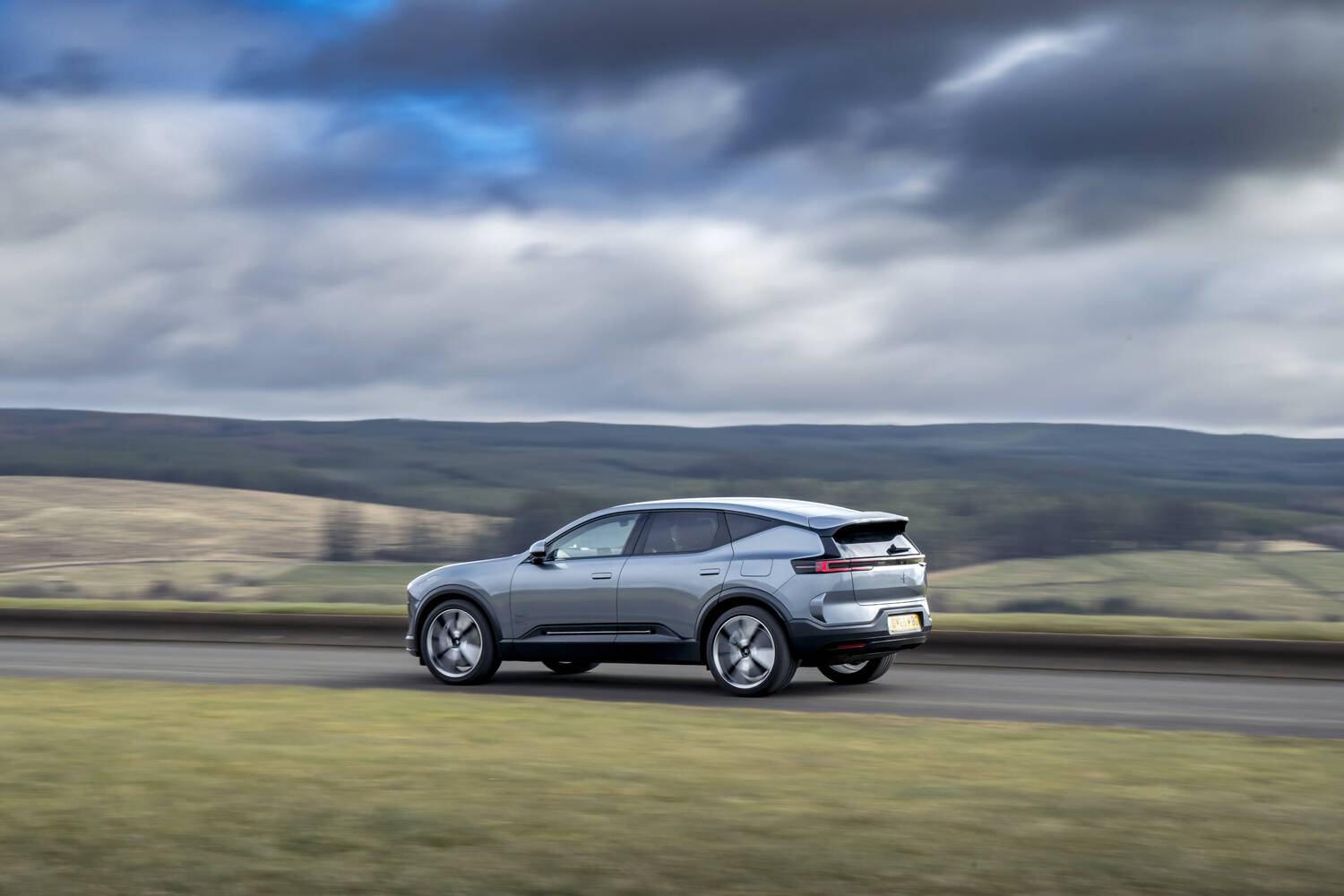
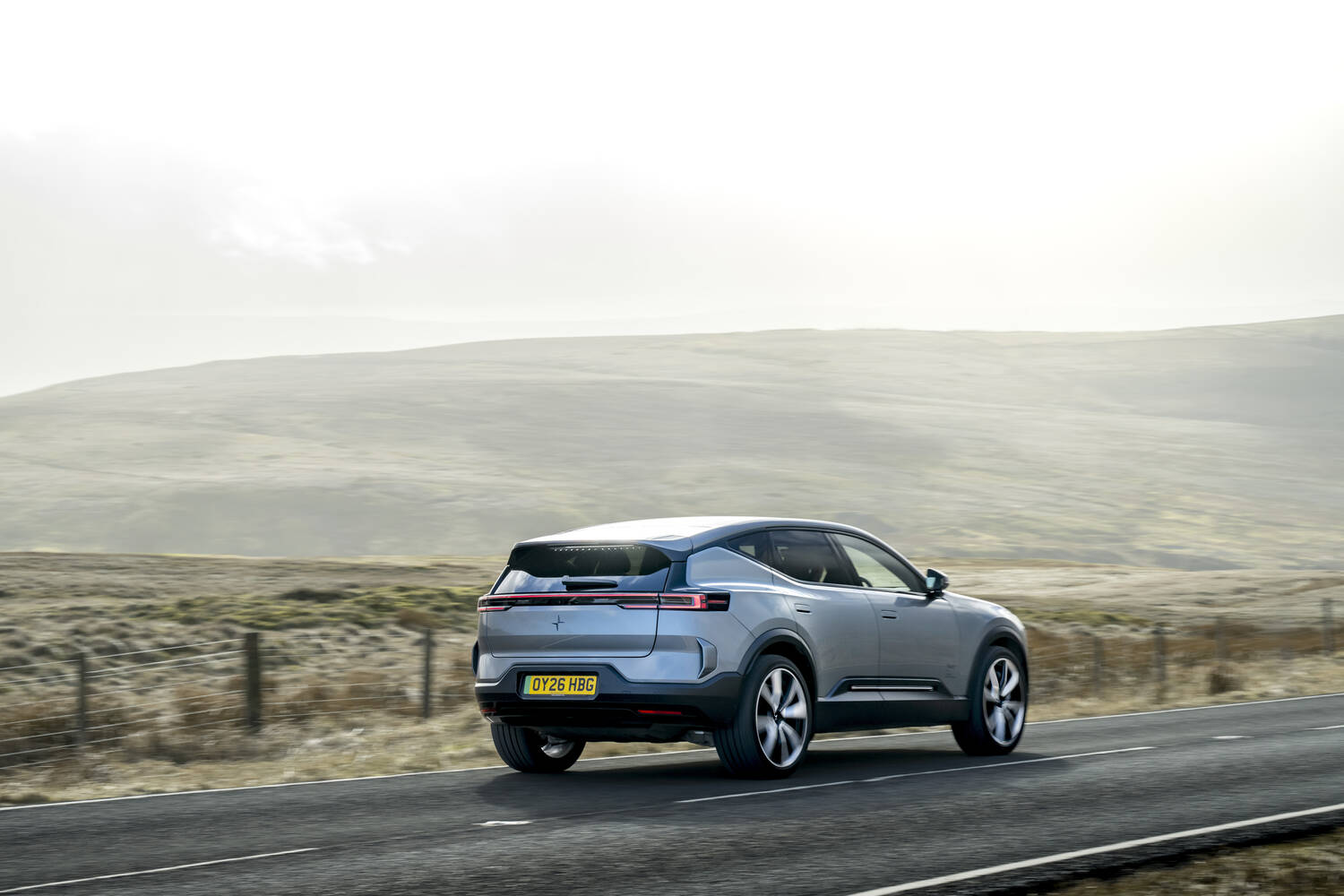
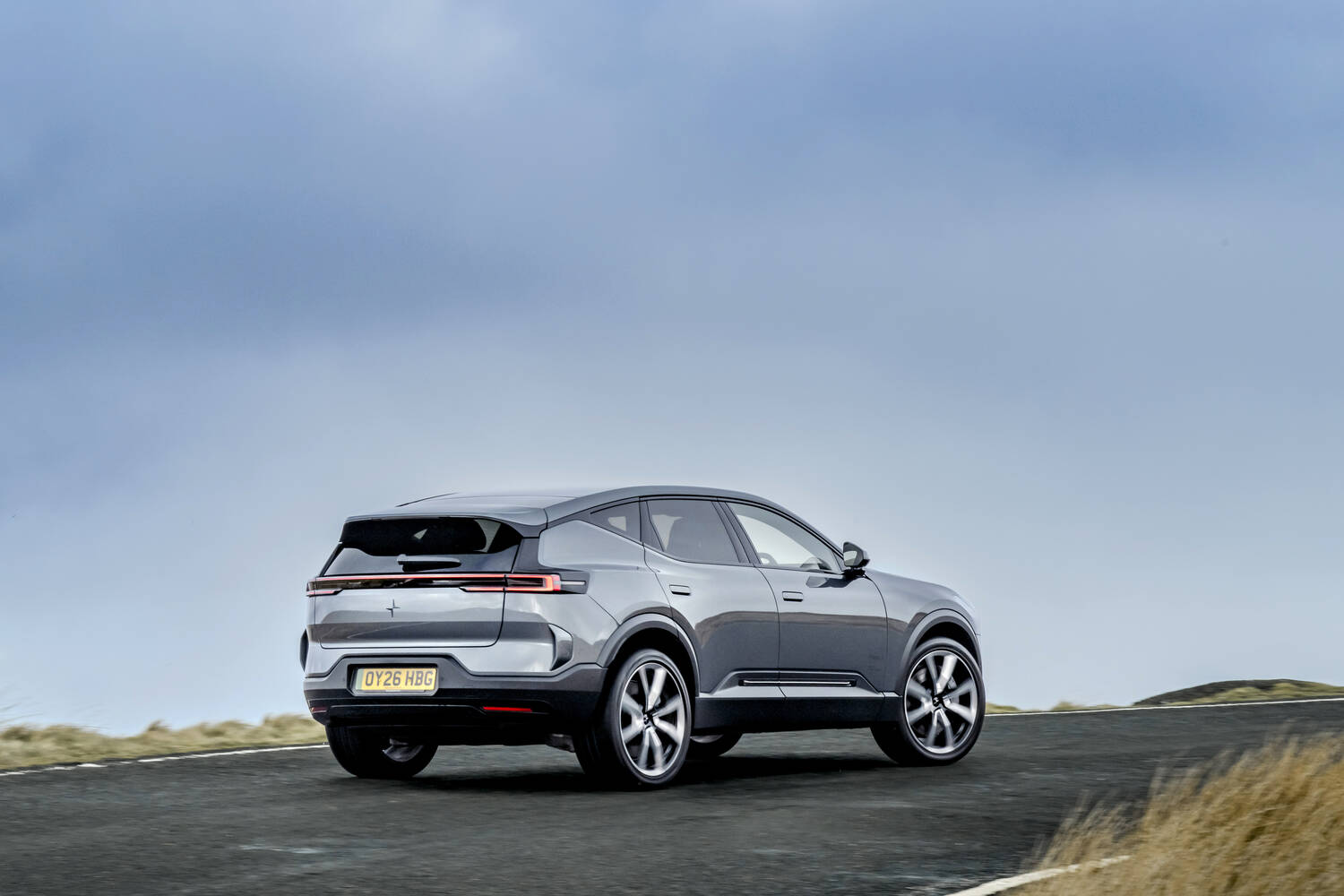
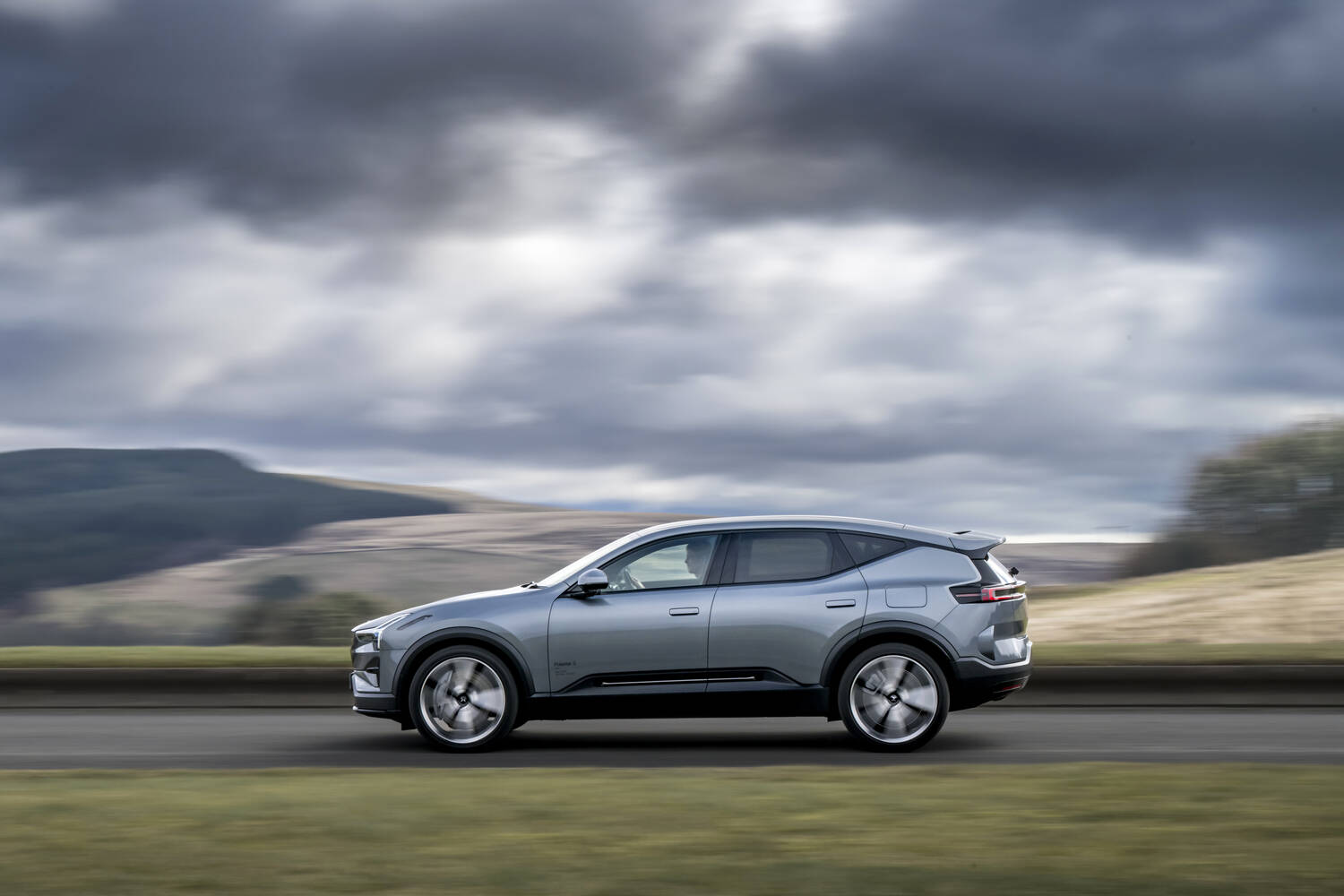
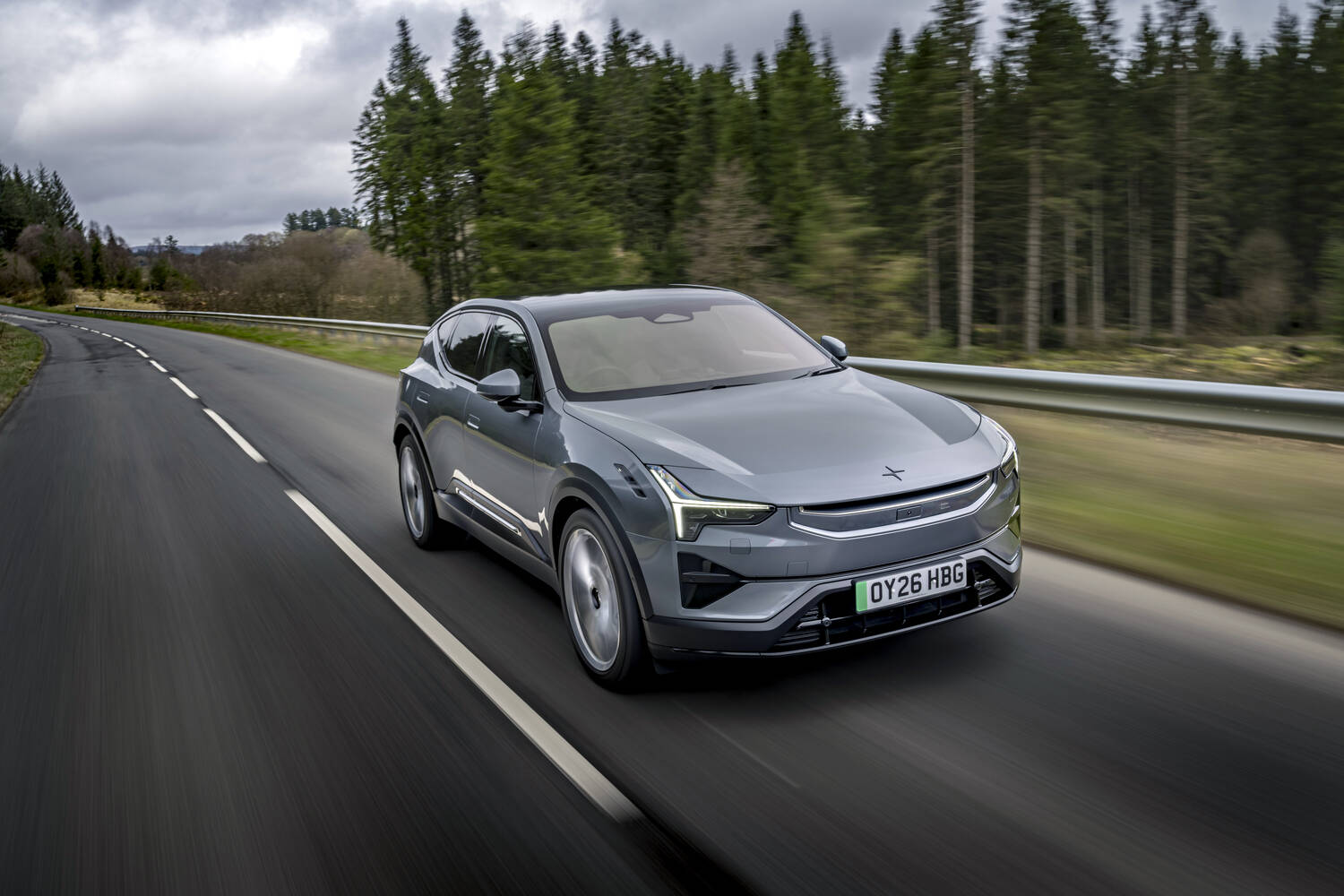
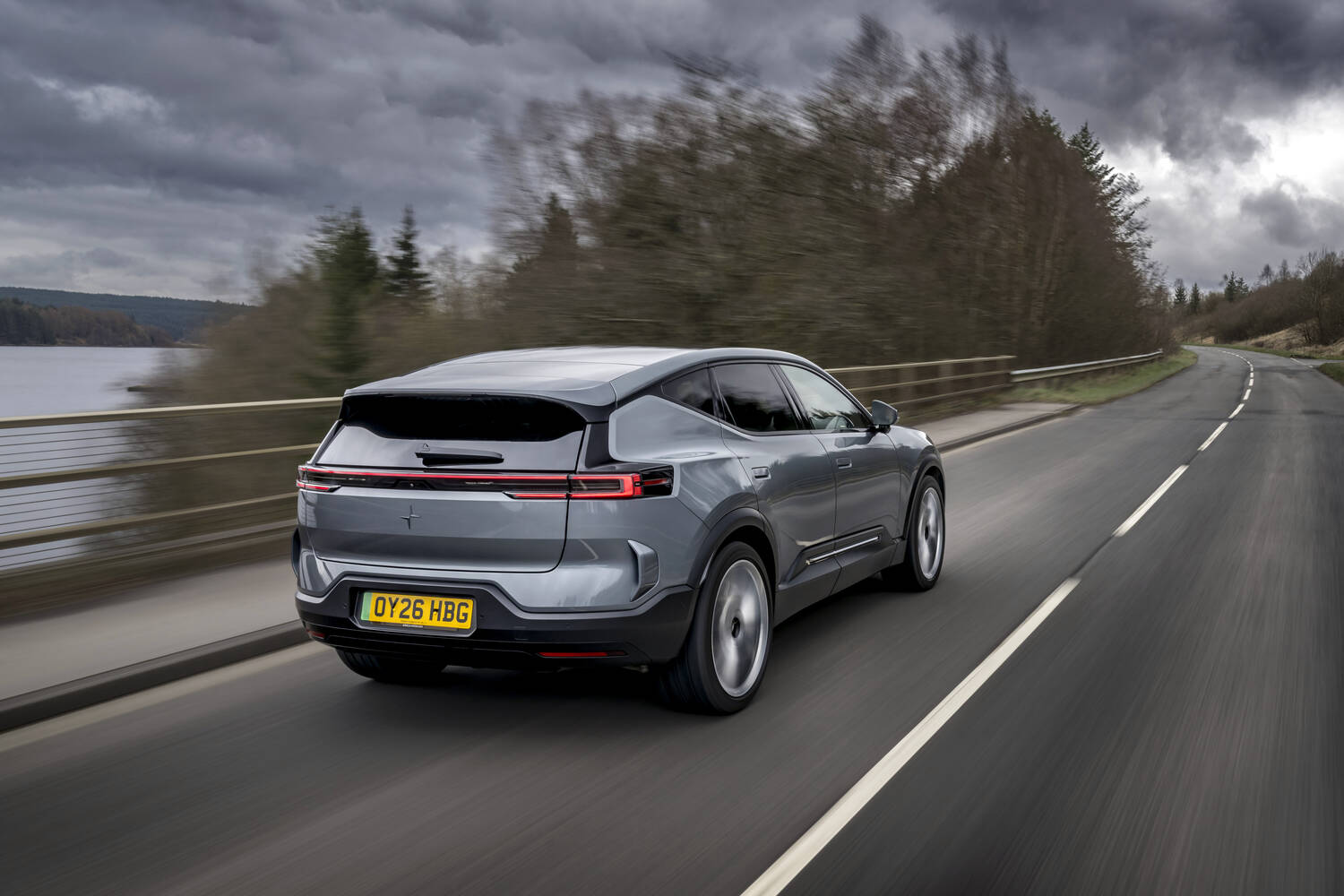
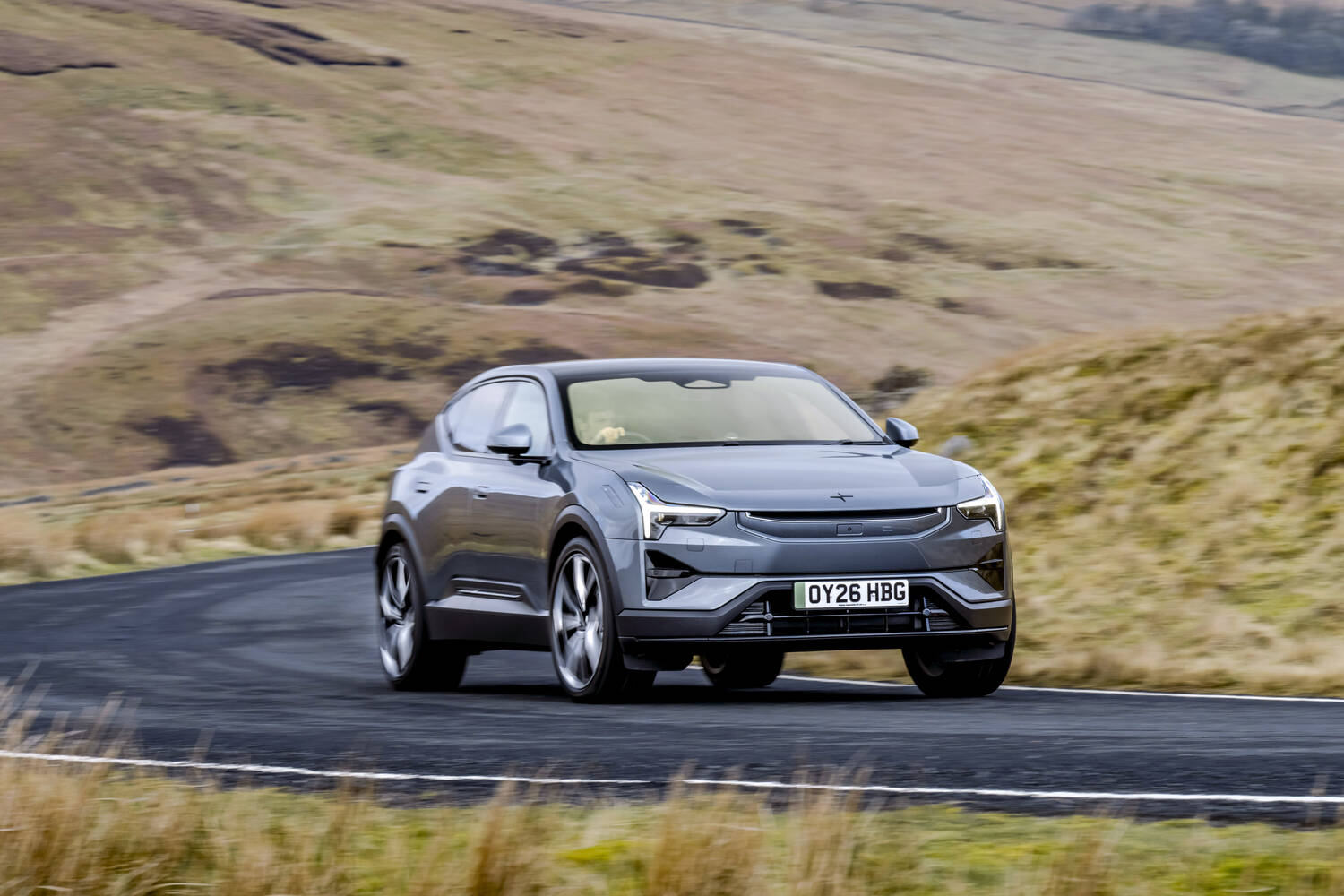
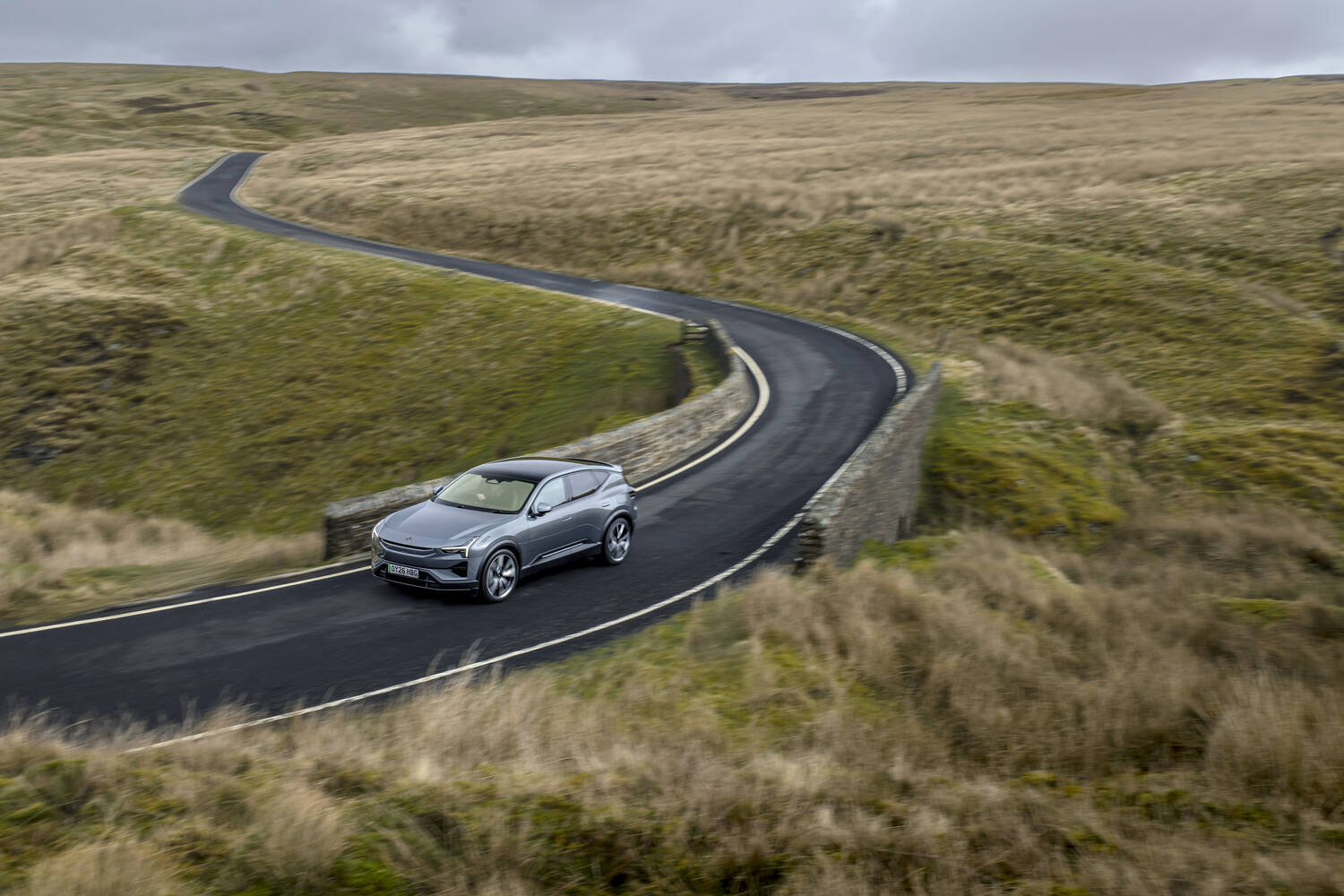
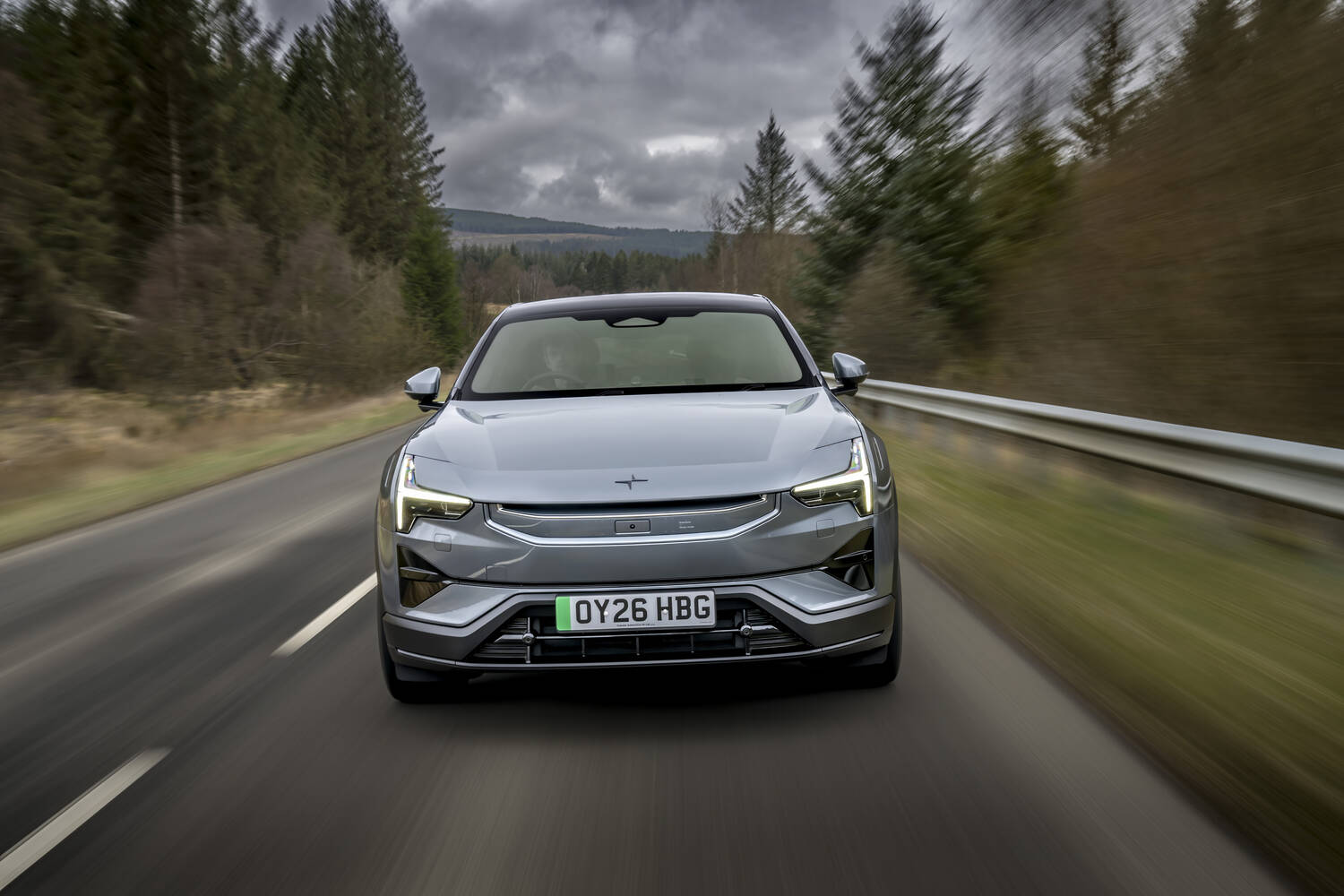
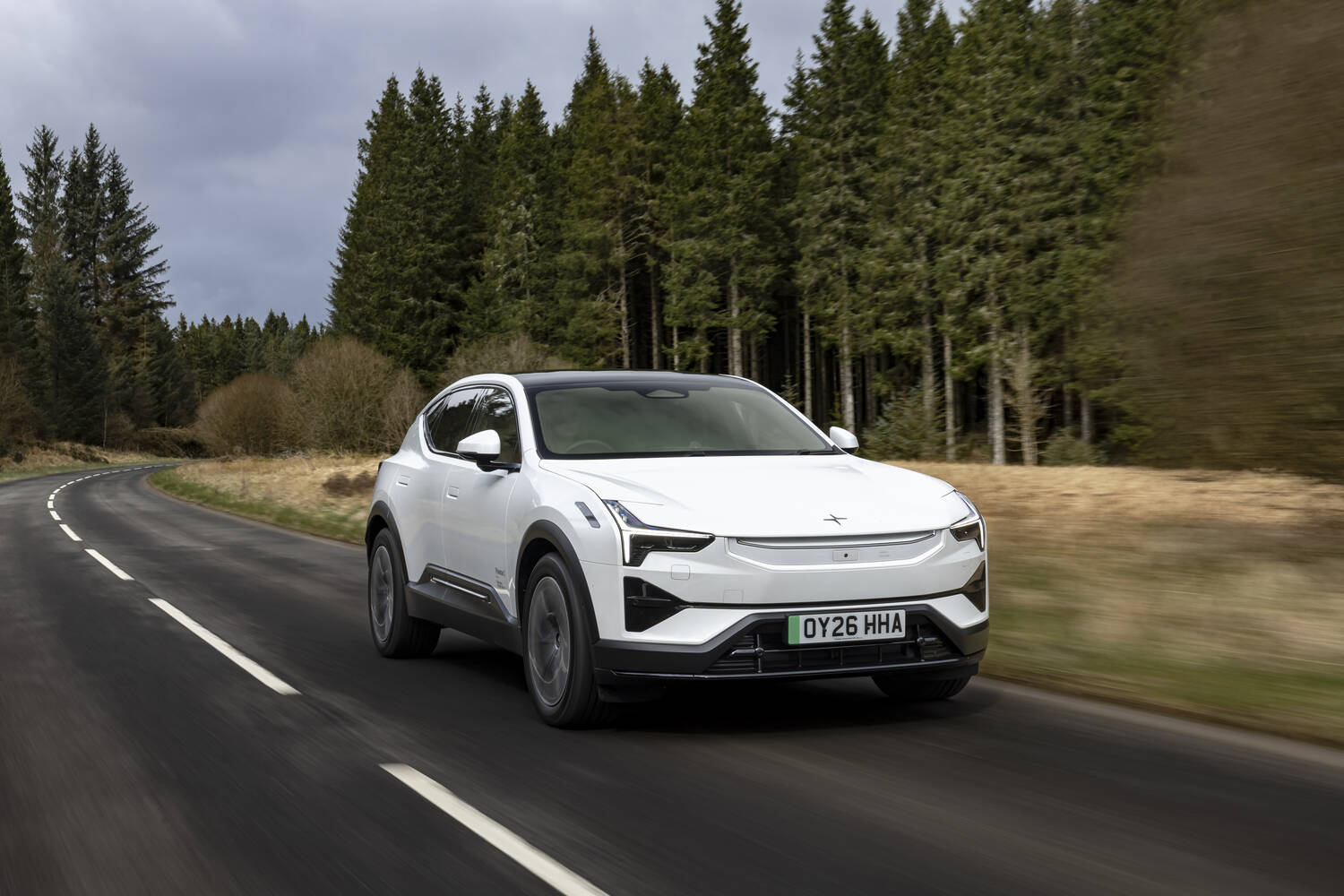
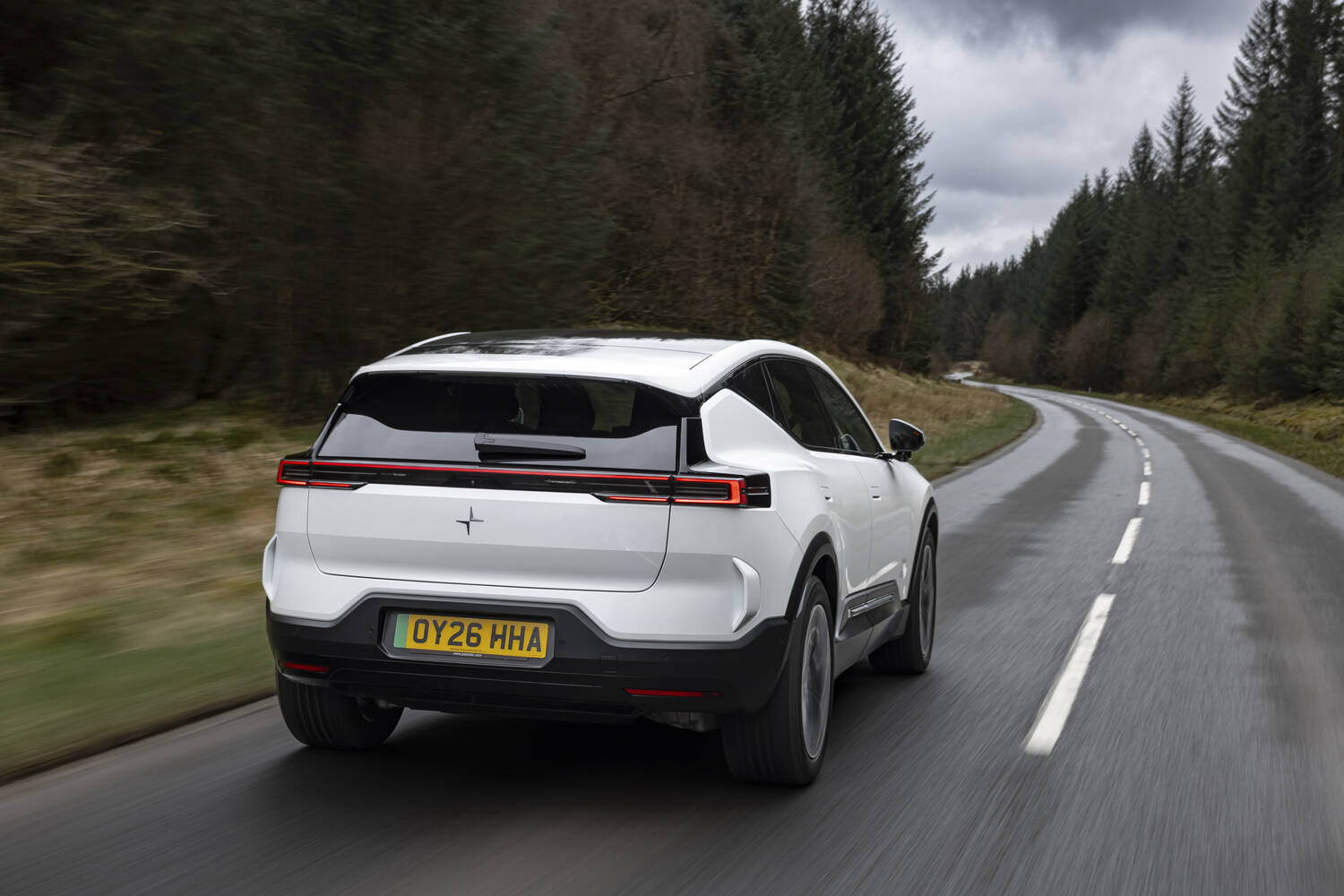
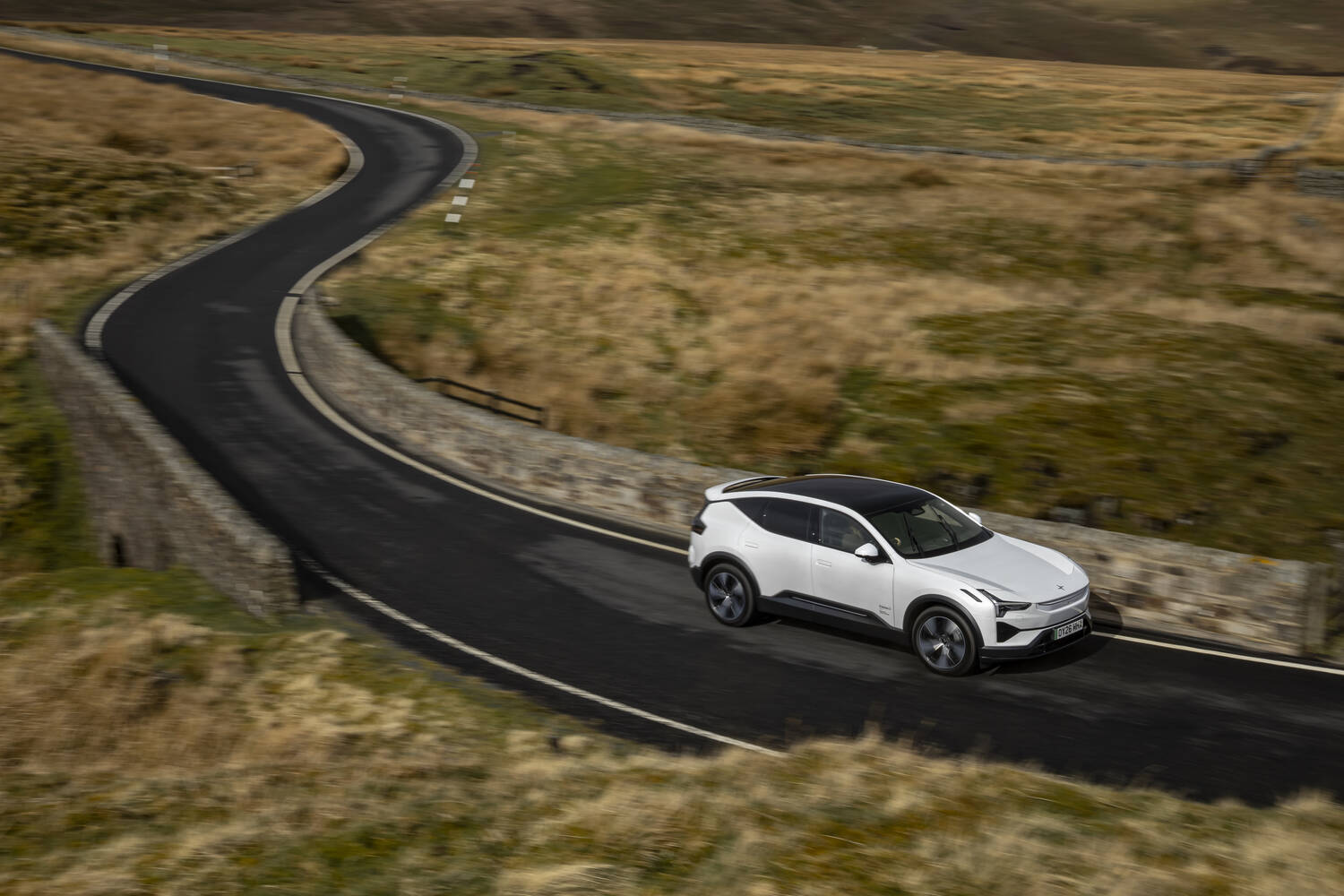
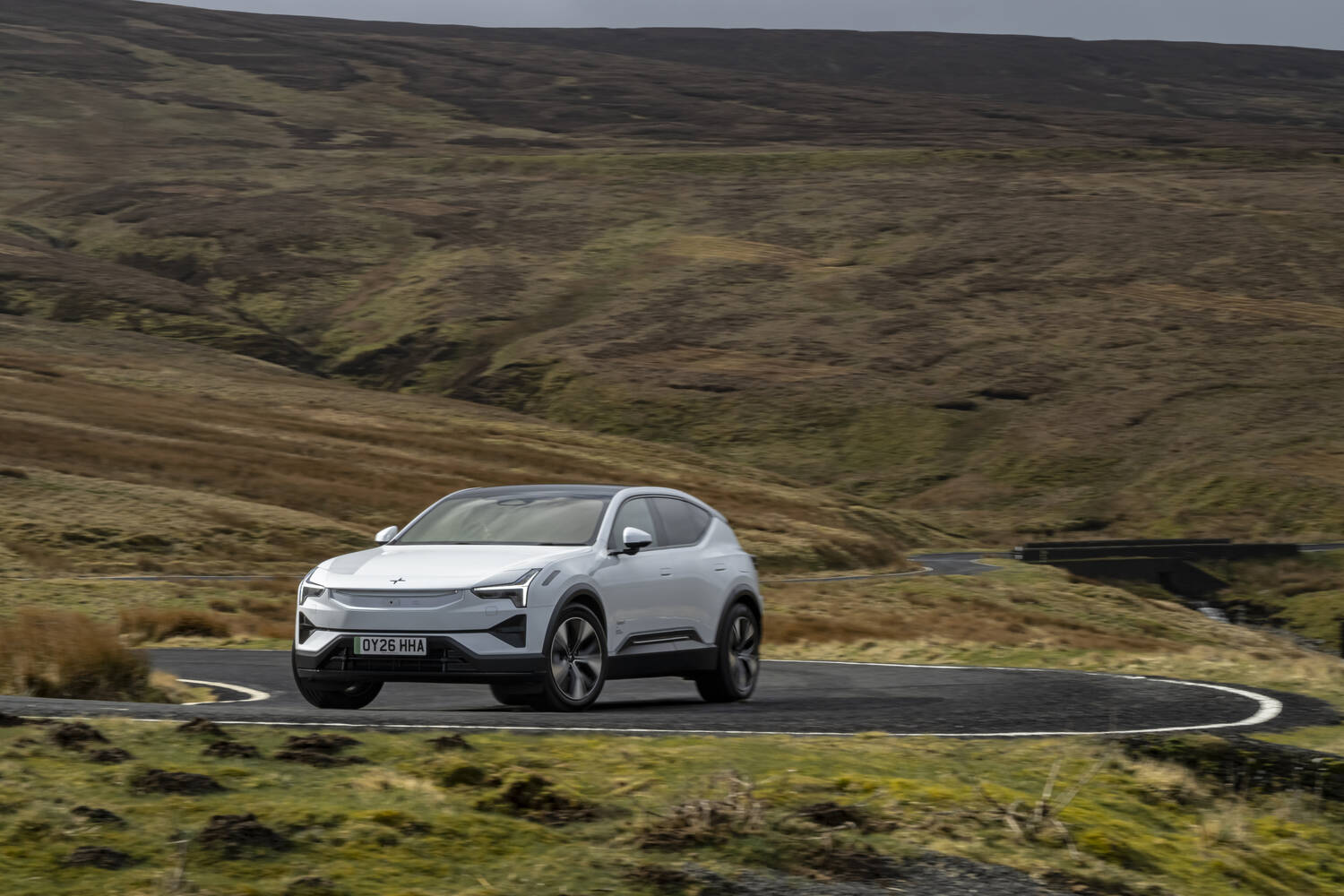
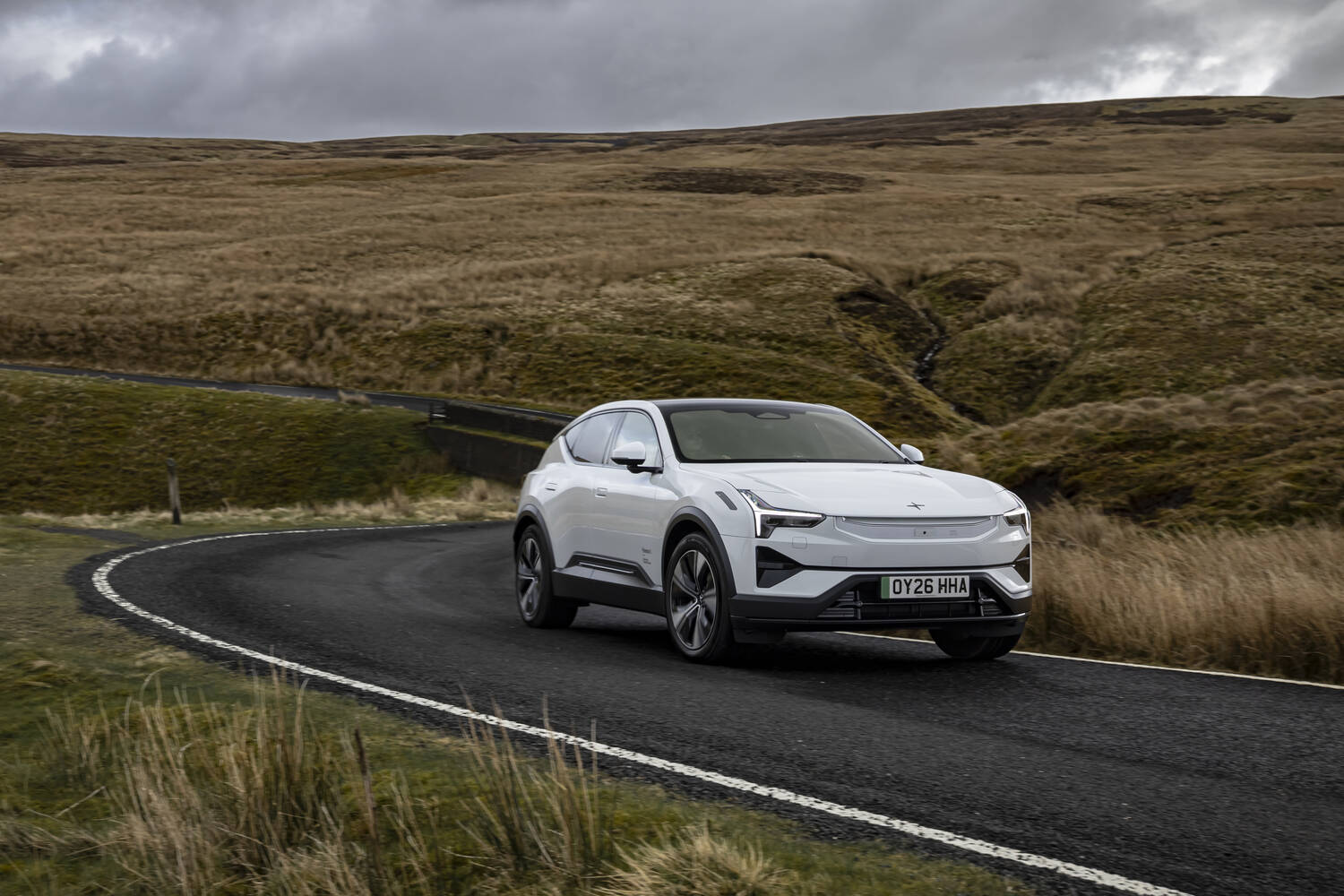
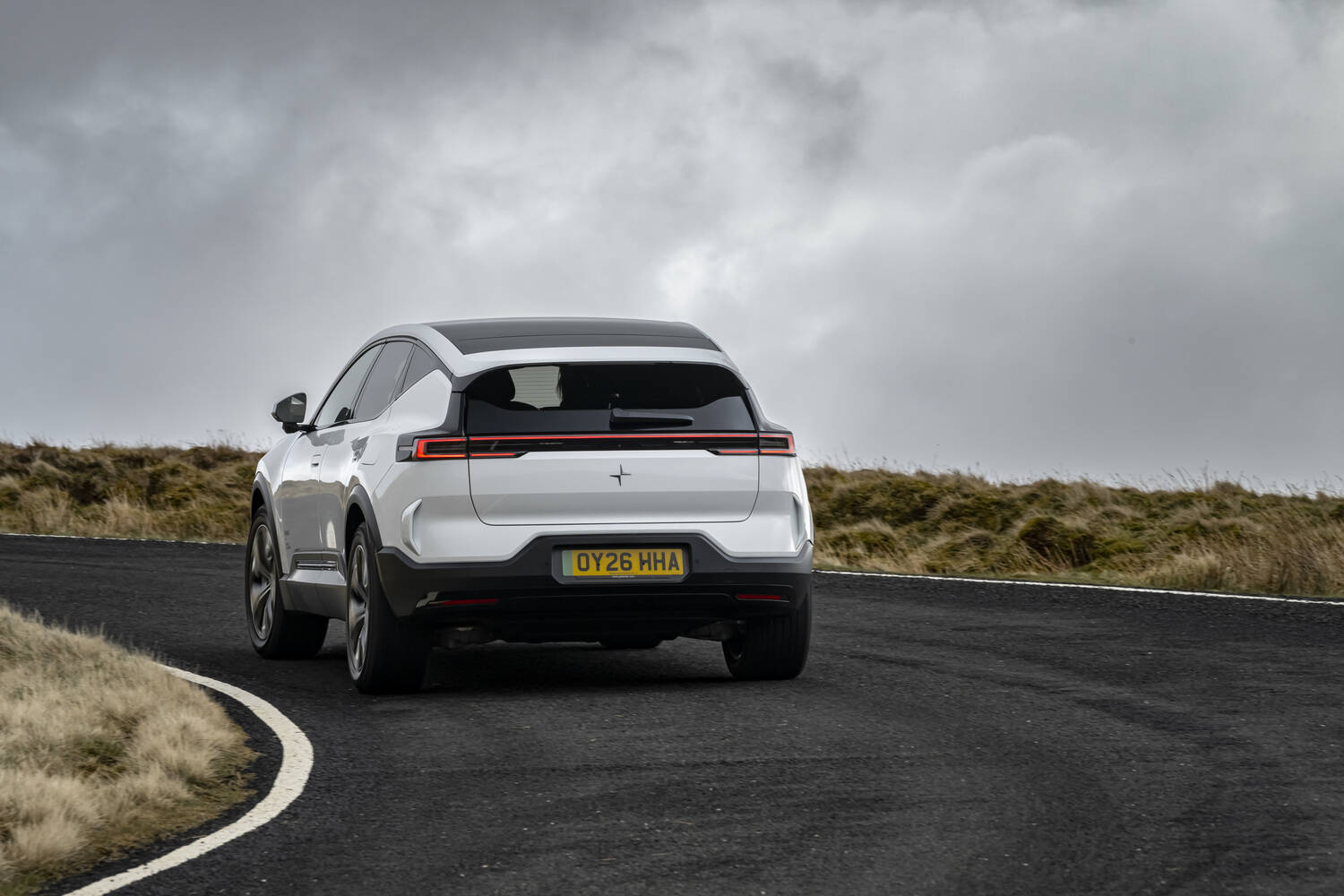
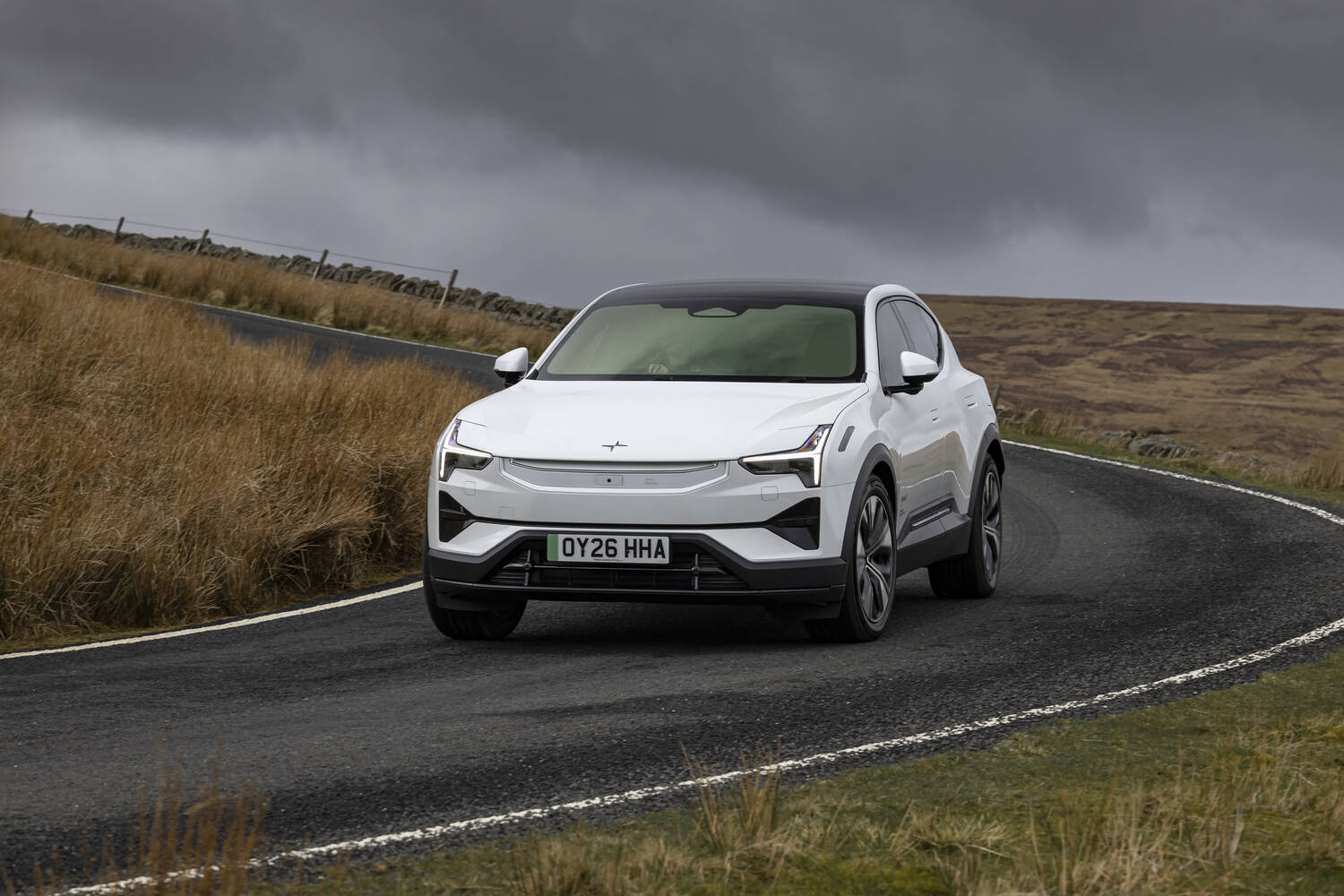
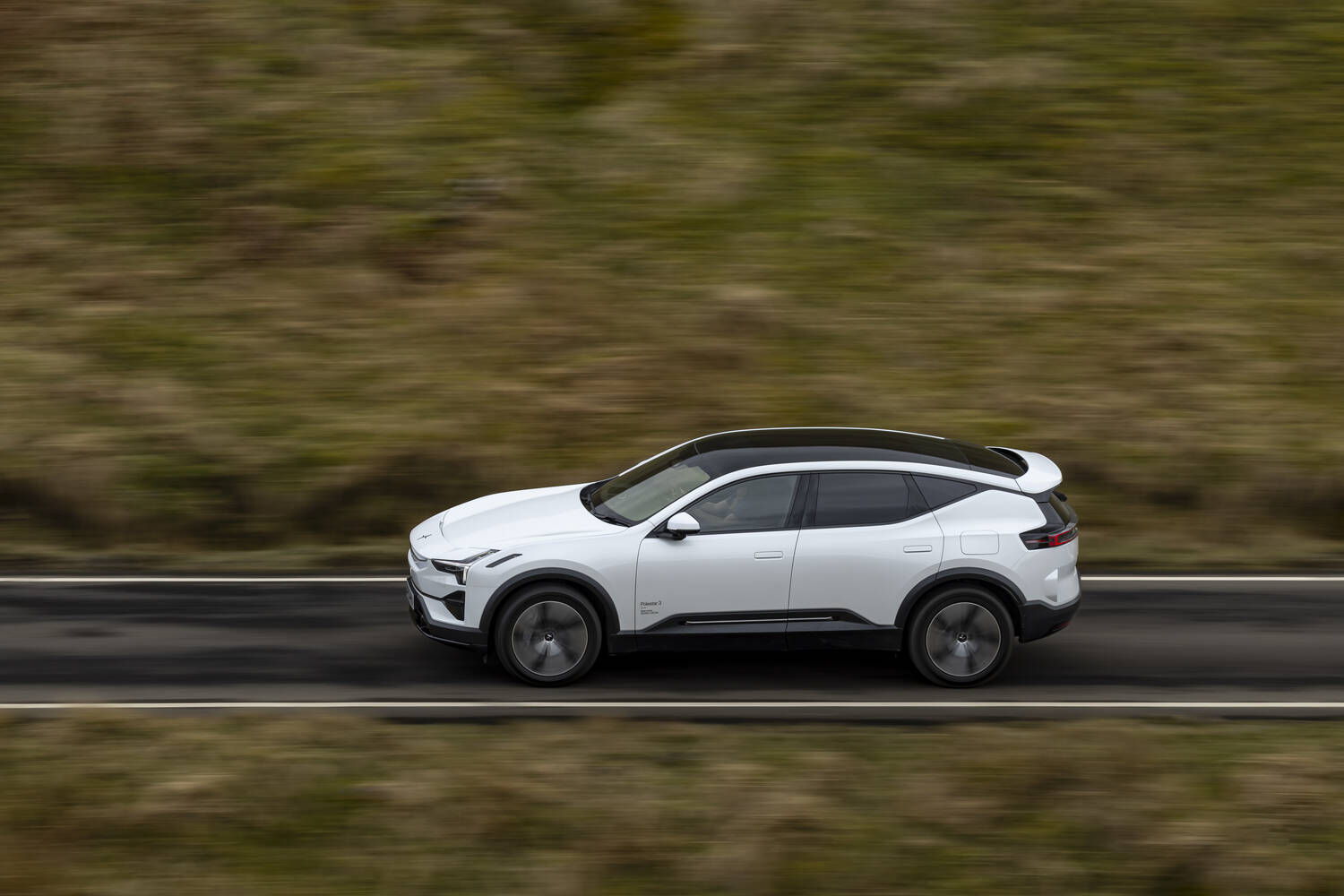
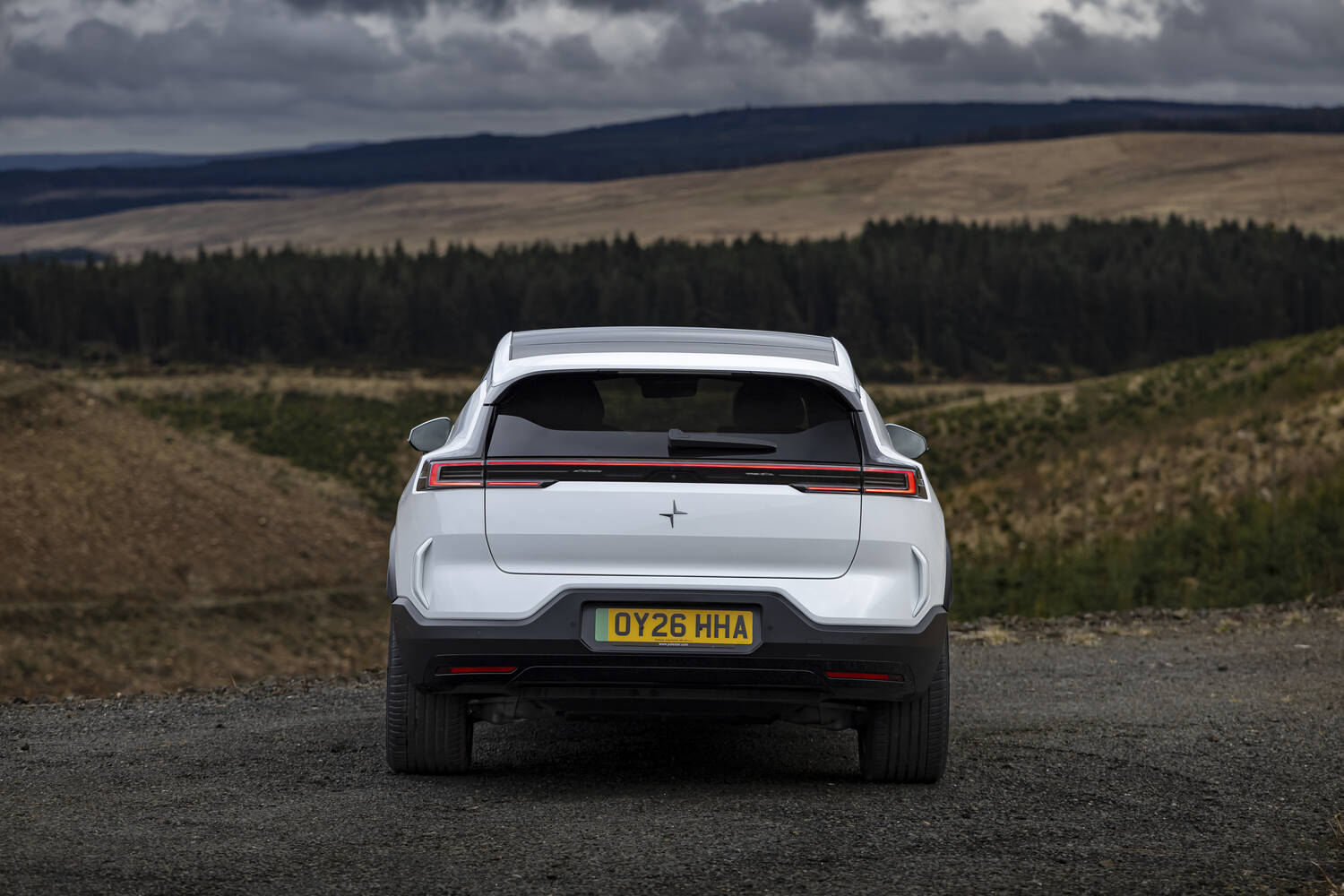
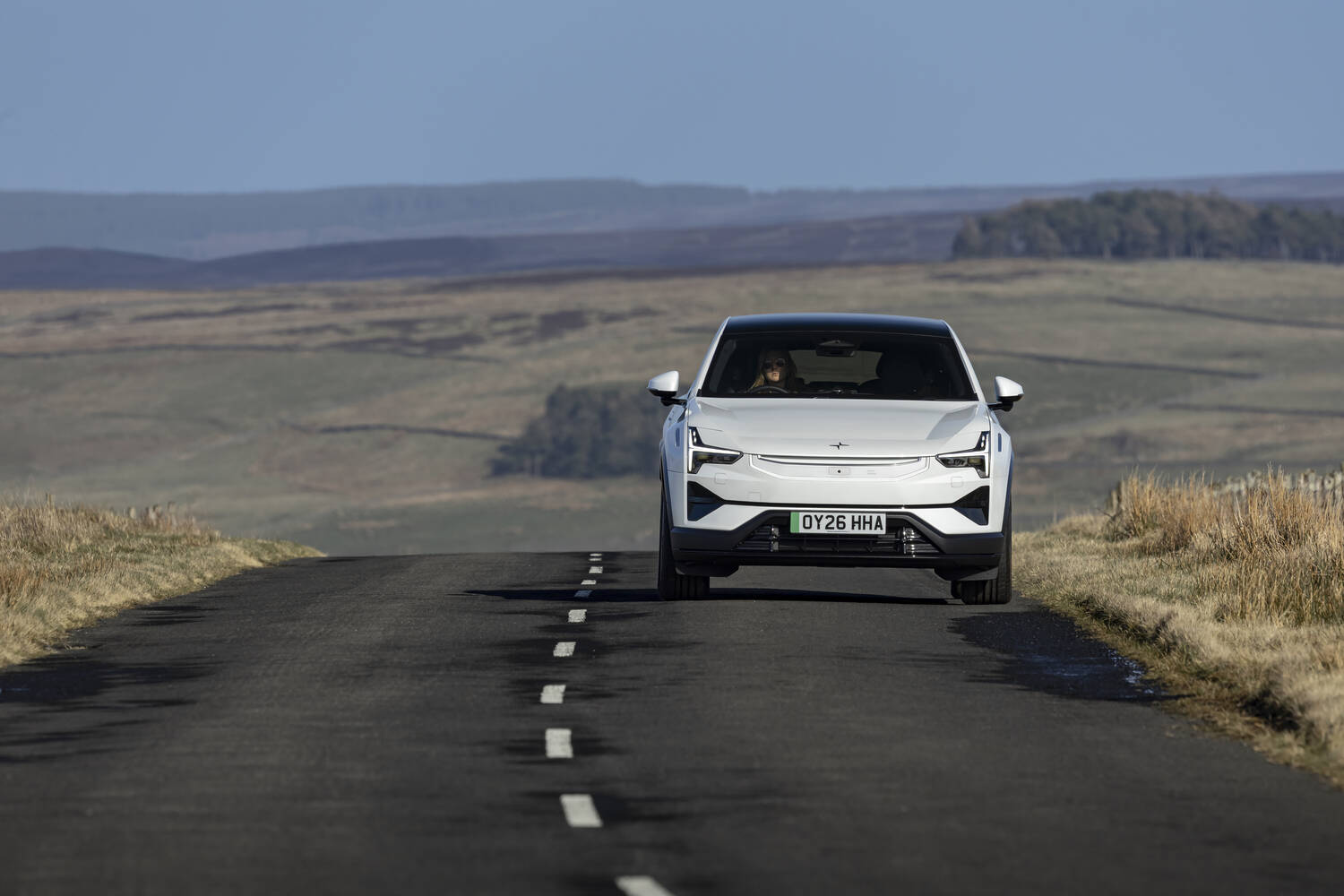
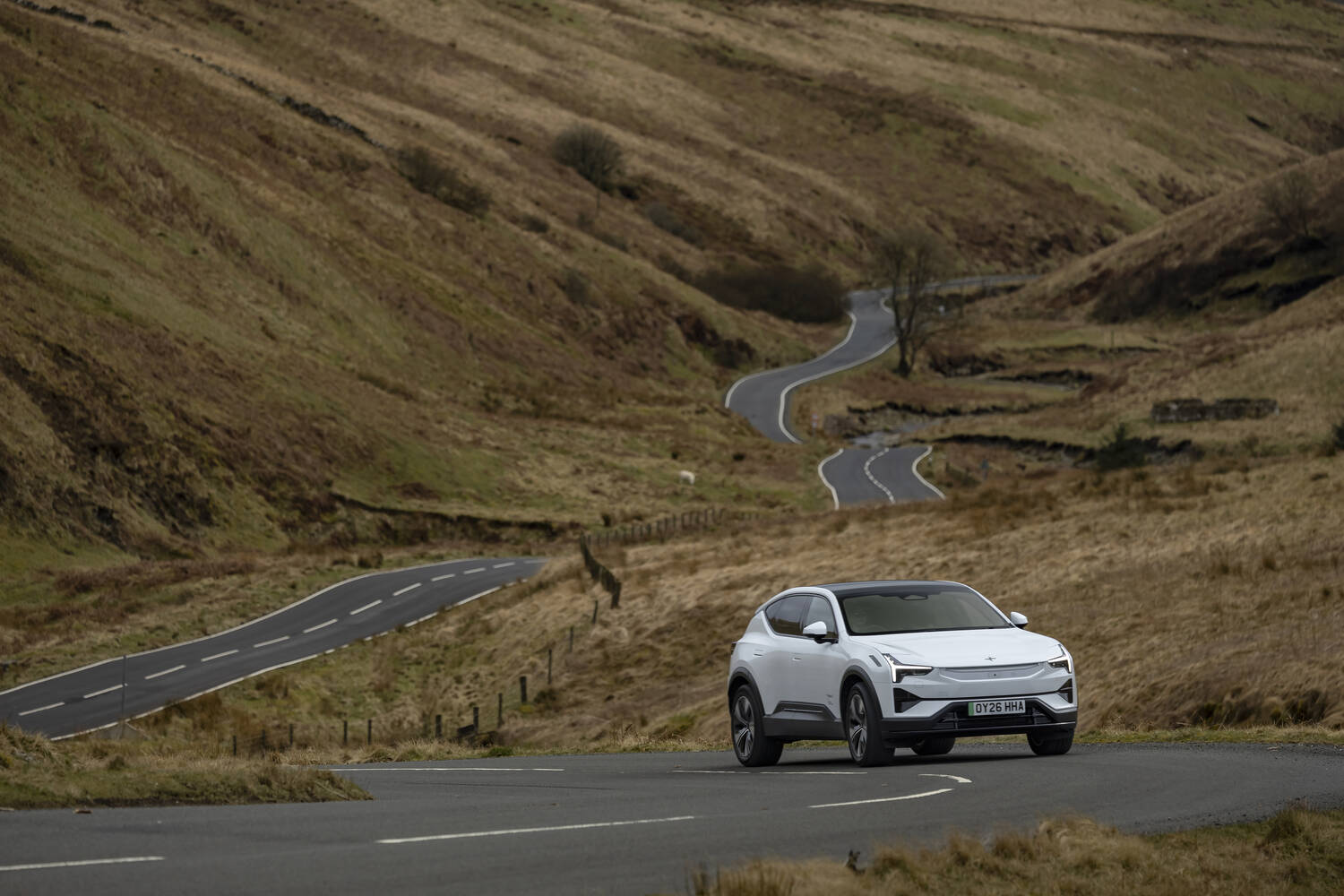
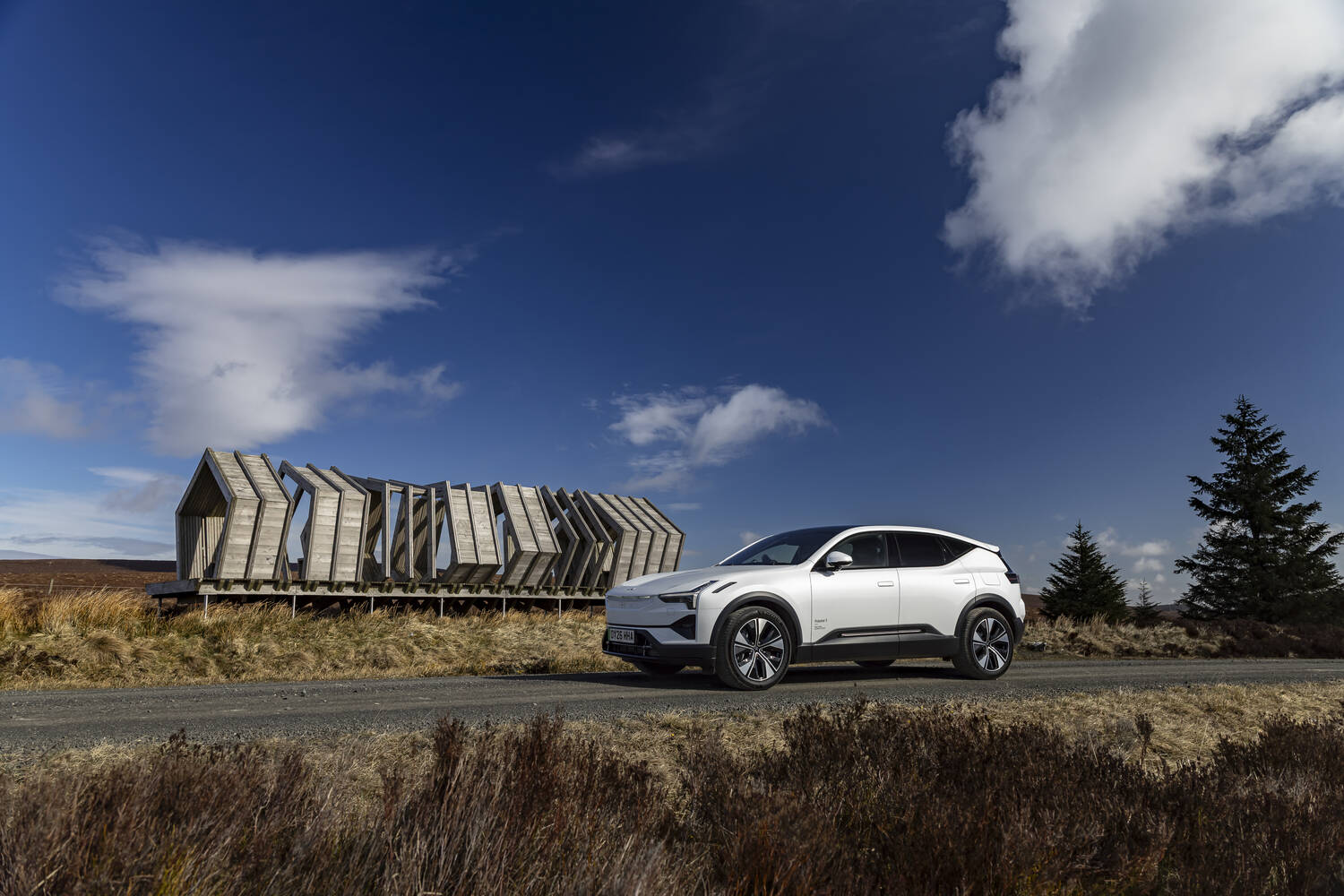
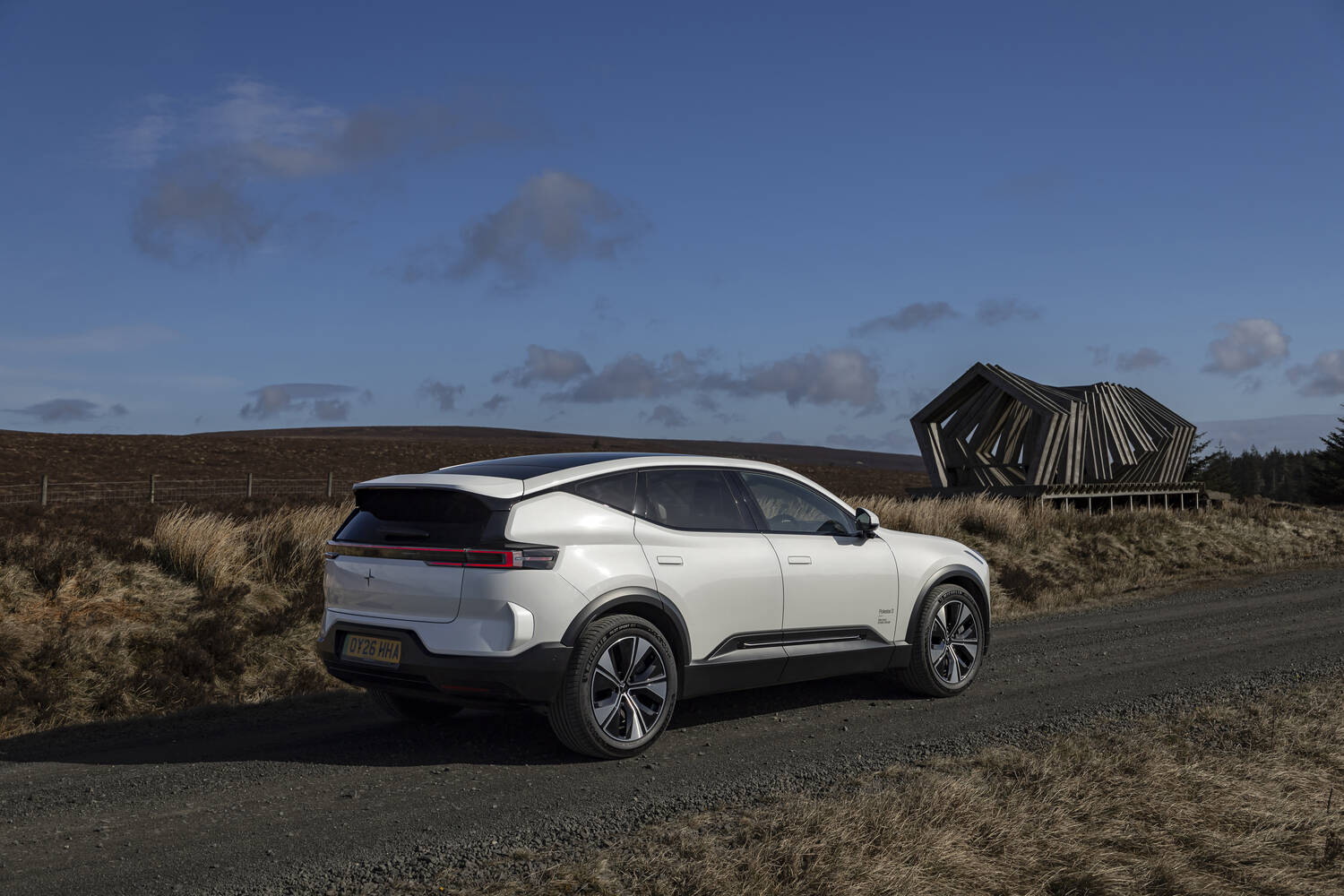
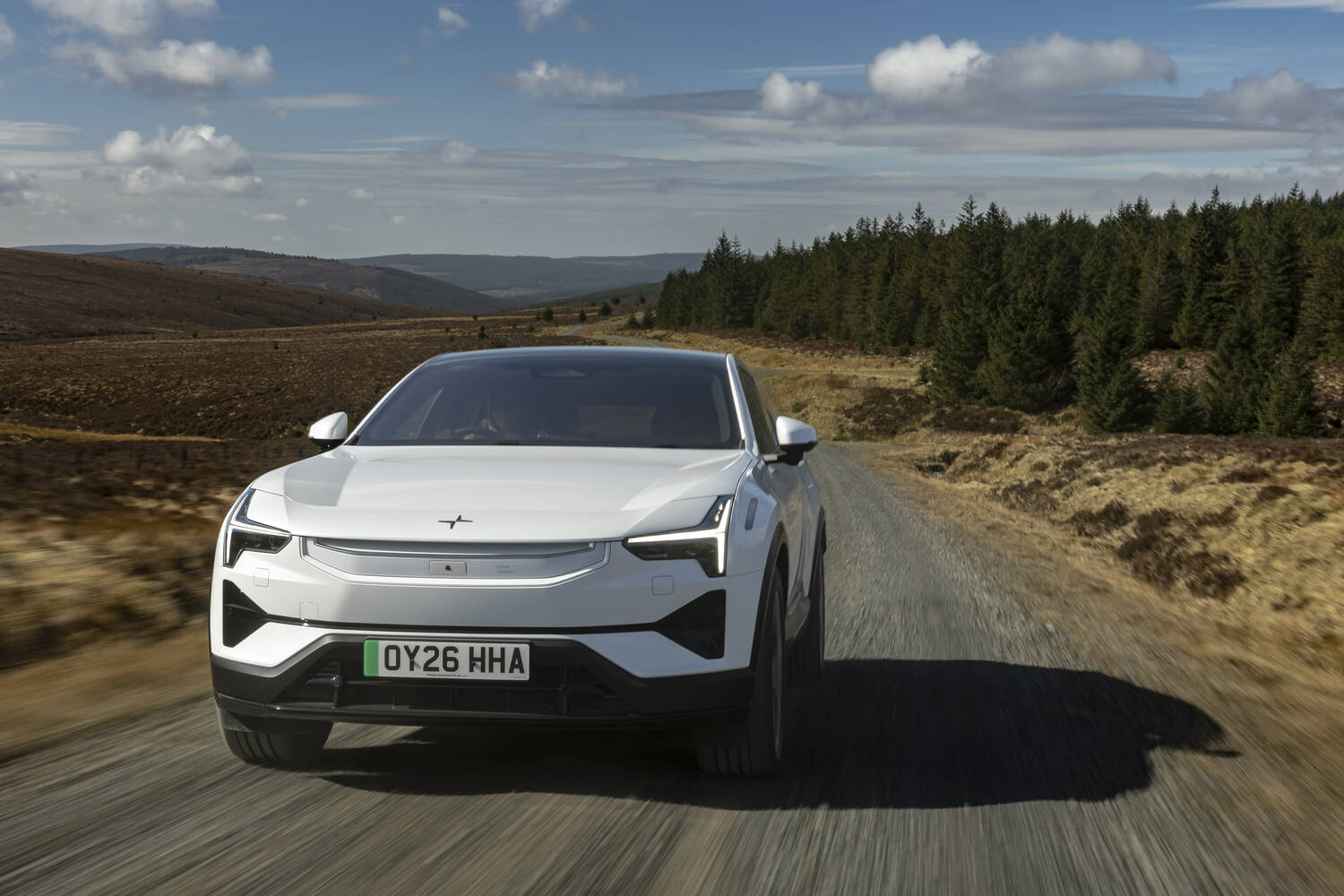
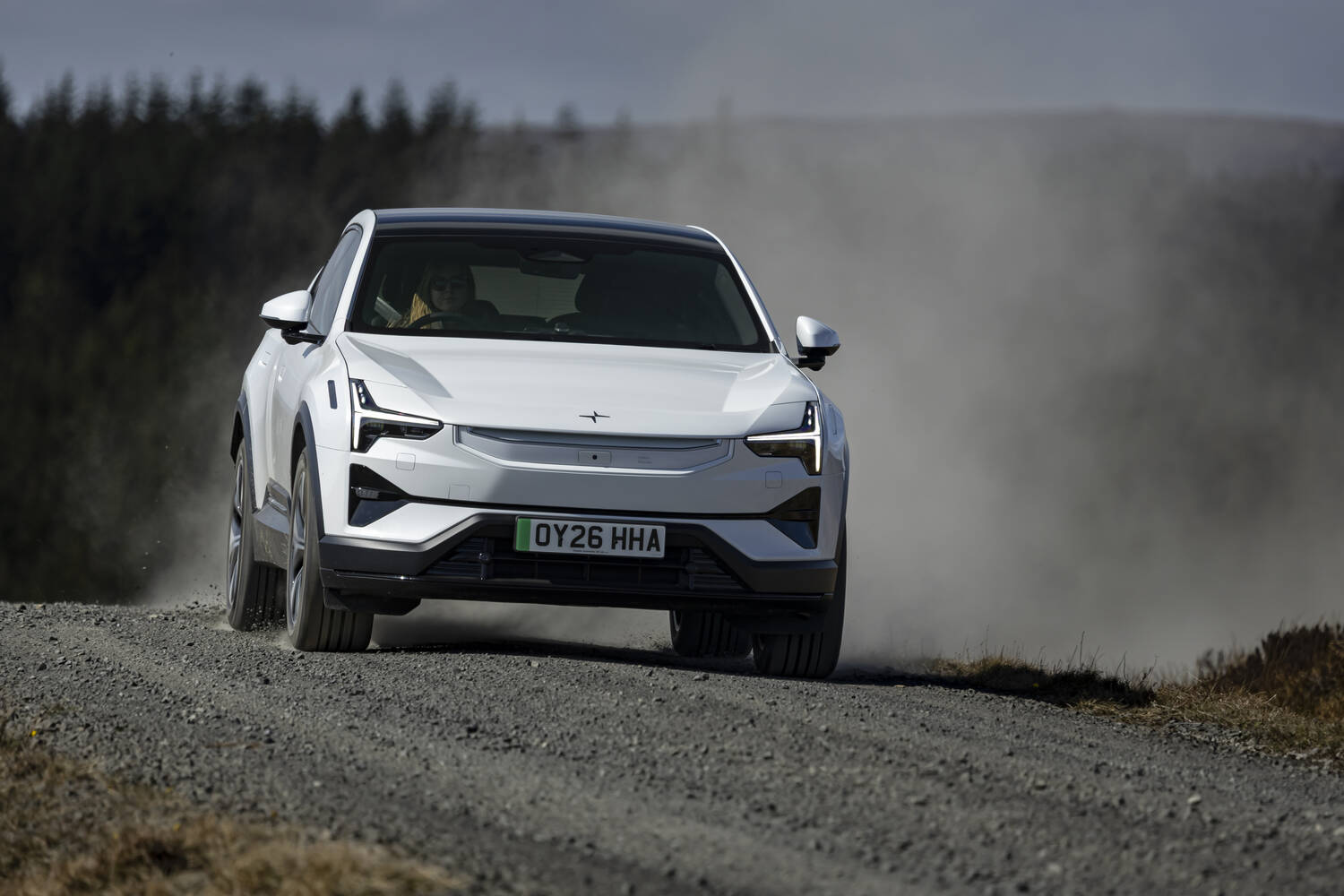
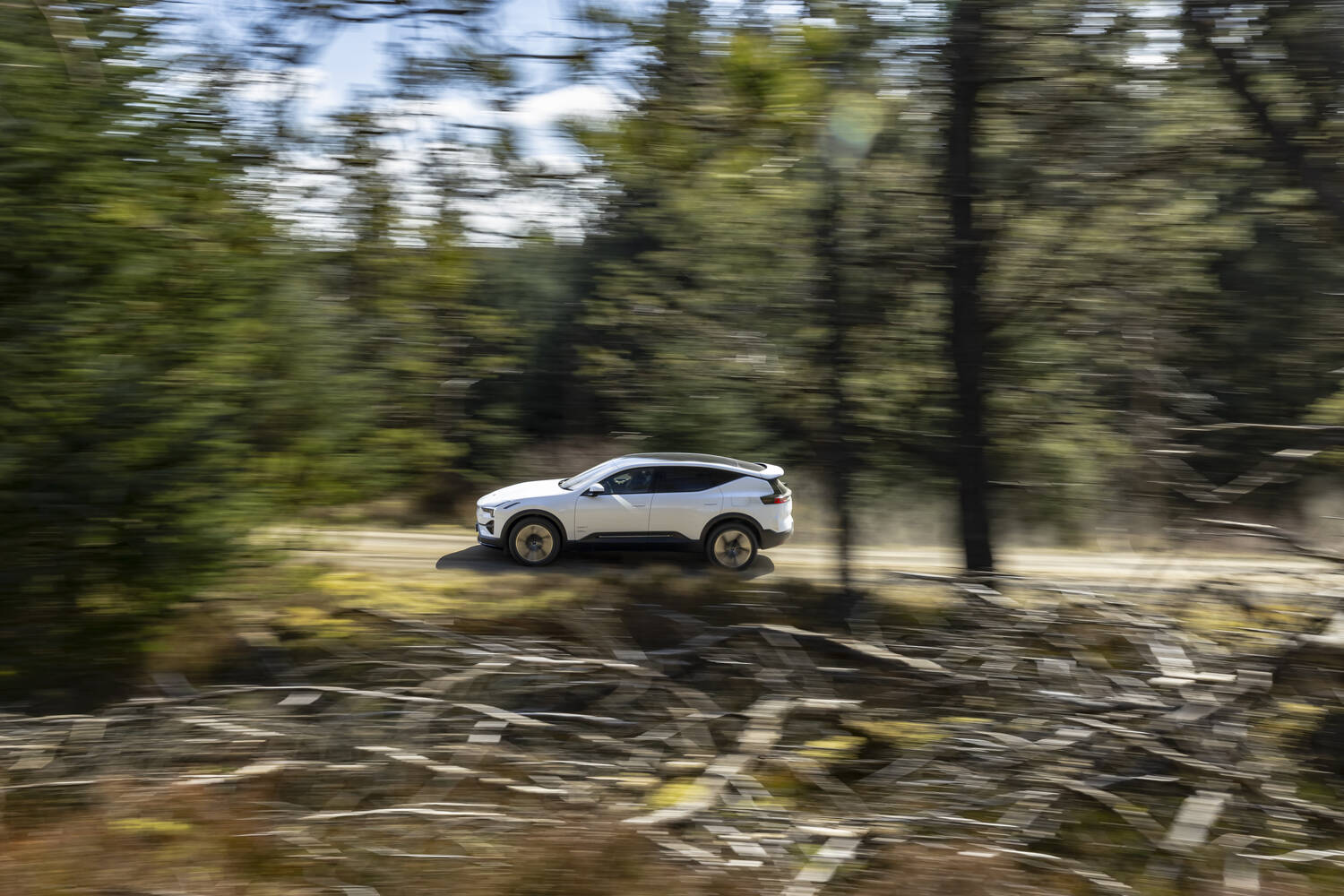
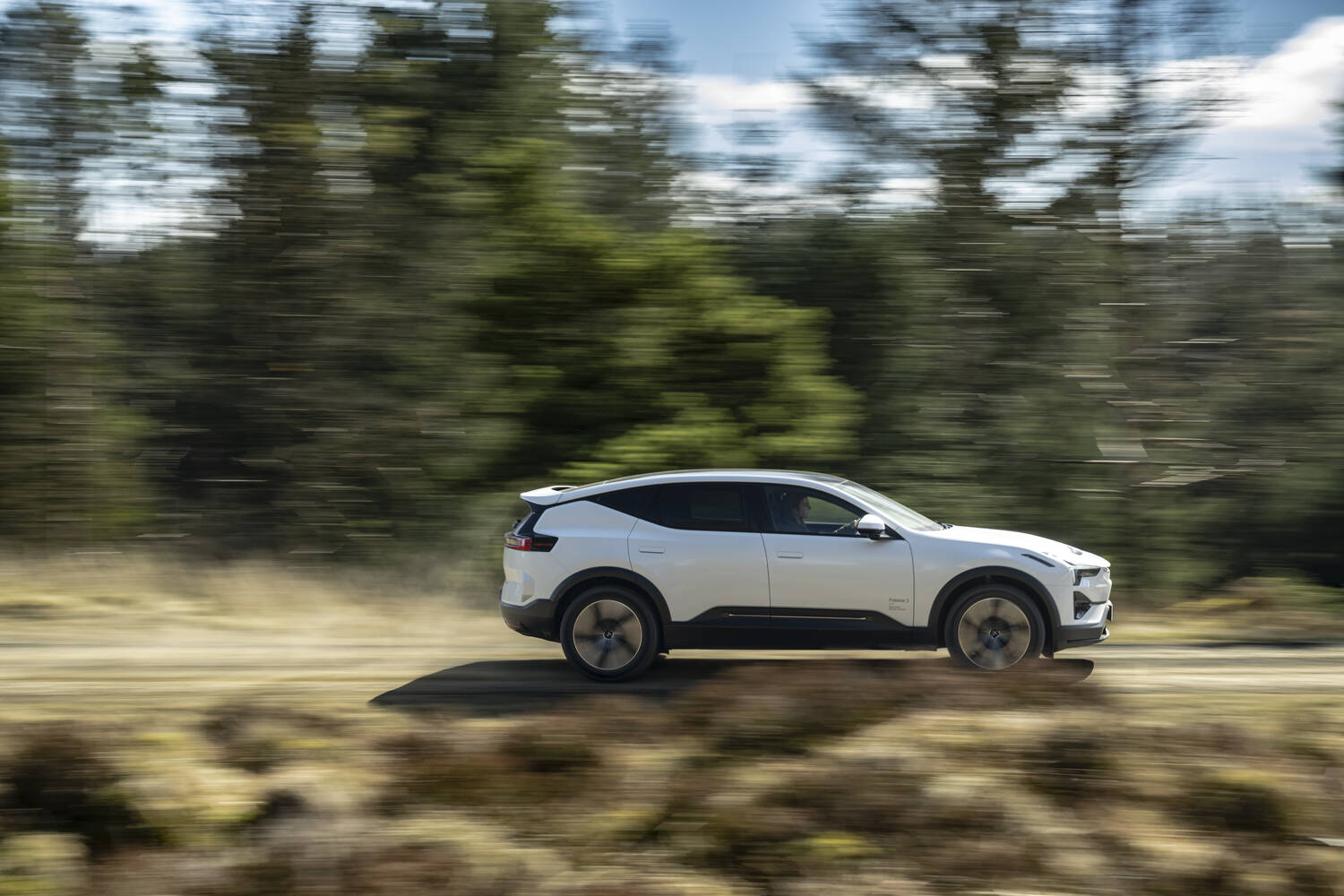
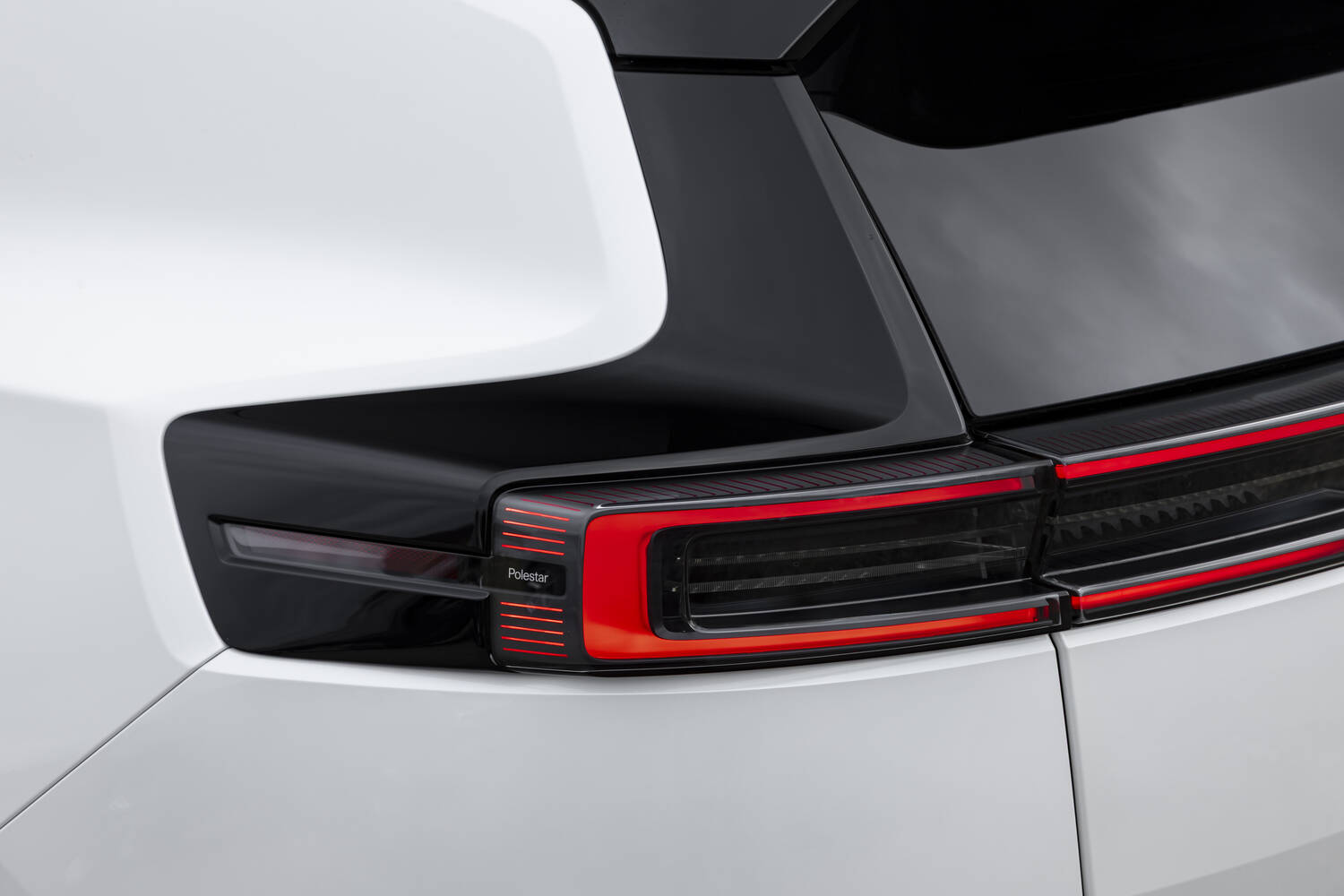
The Polestar 3 is a distinctive and attractive looking car thanks to a low roof, a kicked-up detail running to the D-pillar, a trio of backwards-facing vents at the leading edge of the bonnet and some appealing light clusters fore and aft, including the rear signature that is a squashed inversion of the band of light seen on the back of the original Polestar 2.
Although there was a big technical update of the Polestar 3 ahead 2027, its maker elected not to change anything about the visuals either outside or in. So apart from the newness of the number plate, you won't easily be able to discern an 800-volt Polestar 3 from its 400-volt predecessor.
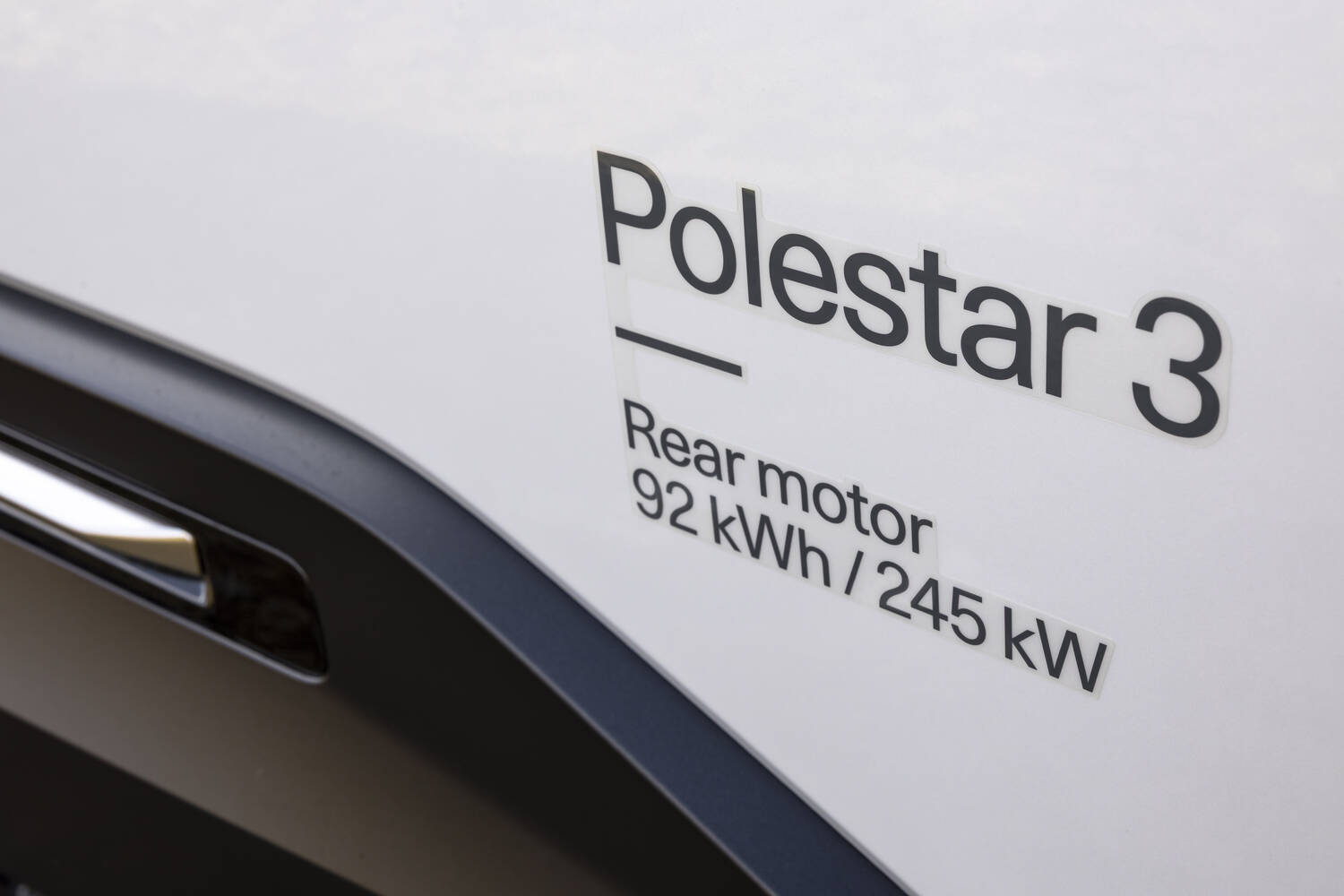
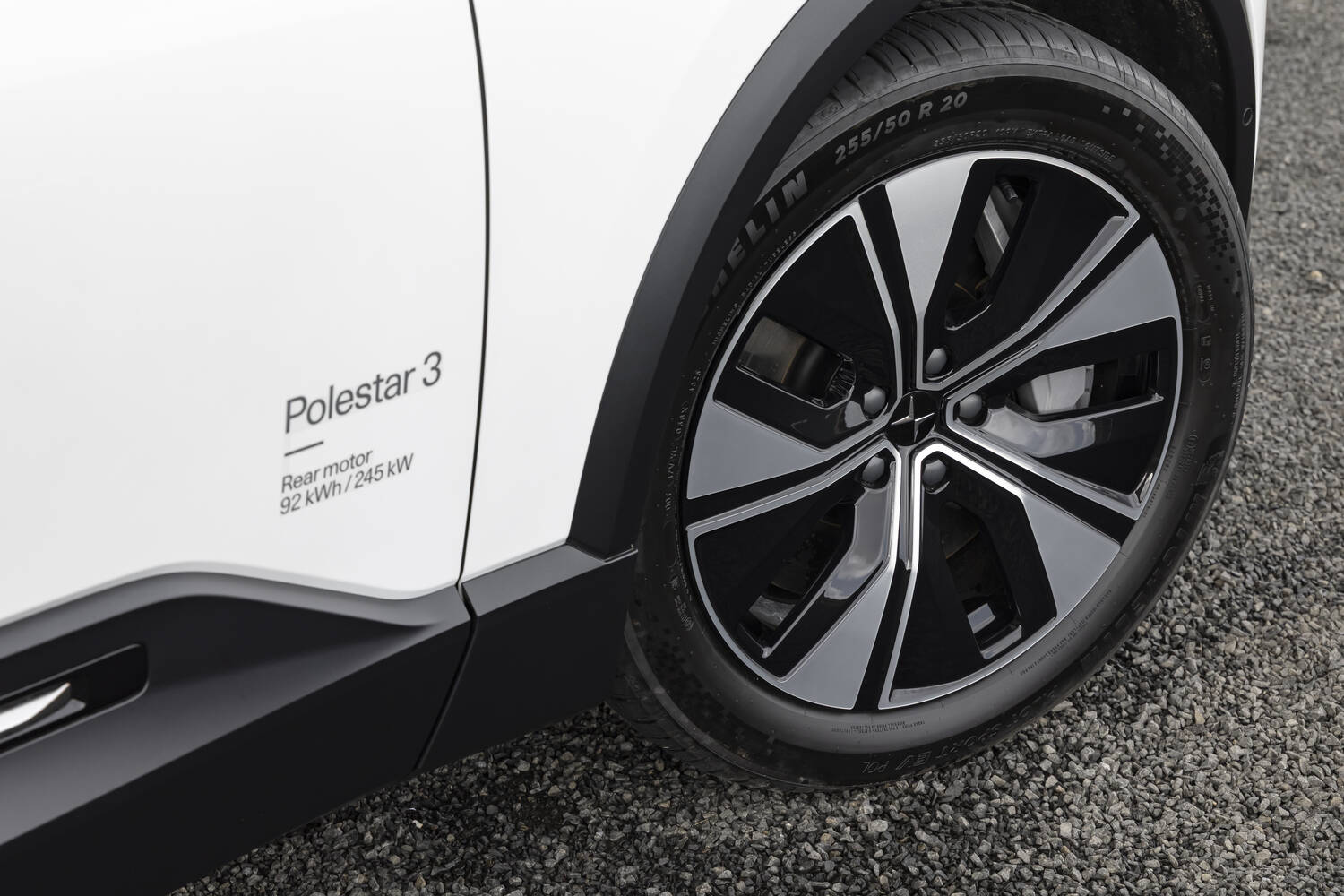
Further, if you're trying to identify which of the three distinct versions of the updated Polestar 3 you're looking at, the key giveaway is a graphic down just above the sills on the front doors - where you'll see the model's name, the battery size and the vehicle's peak power output in kilowatts.

The eagle-eyed among you might better spot the flagship Performance variant, though, because not only does it come on the biggest alloy wheels of the lineup but it has small white squares on its exterior to denote its 'Polestar Engineered' chassis, while it also has Swedish Gold detailing - externally, you'll see this on the callipers for the Brembo brakes.
One last point about the outside is that the distance between the wheels is nearly three metres in total, an observation which we'll return to for the interior space section. Anyway, the wheels are from 20 to 22 inches in diameter across the range.
Dimensions of the 2027 Polestar 3
- Length:
- 4,900mm
- Width:
- 1,968mm (excluding mirrors)
- Height:
- 1,614-1,622mm
- Wheelbase:
- 2,985mm
Paint colours for the 2027 Polestar 3

All of the paint choices are elementally descriptive, with Snow (white), Magnesium (silver), Jupiter (a sort of grey-brown), Midnight (dark blue), Thunder (dark grey) and Space (black) being your options.
Interior, practicality, tech & comfort of the 2027 Polestar 3
- High-quality fixtures and fittings
- Plenty of passenger space
- Some infotainment/control irks

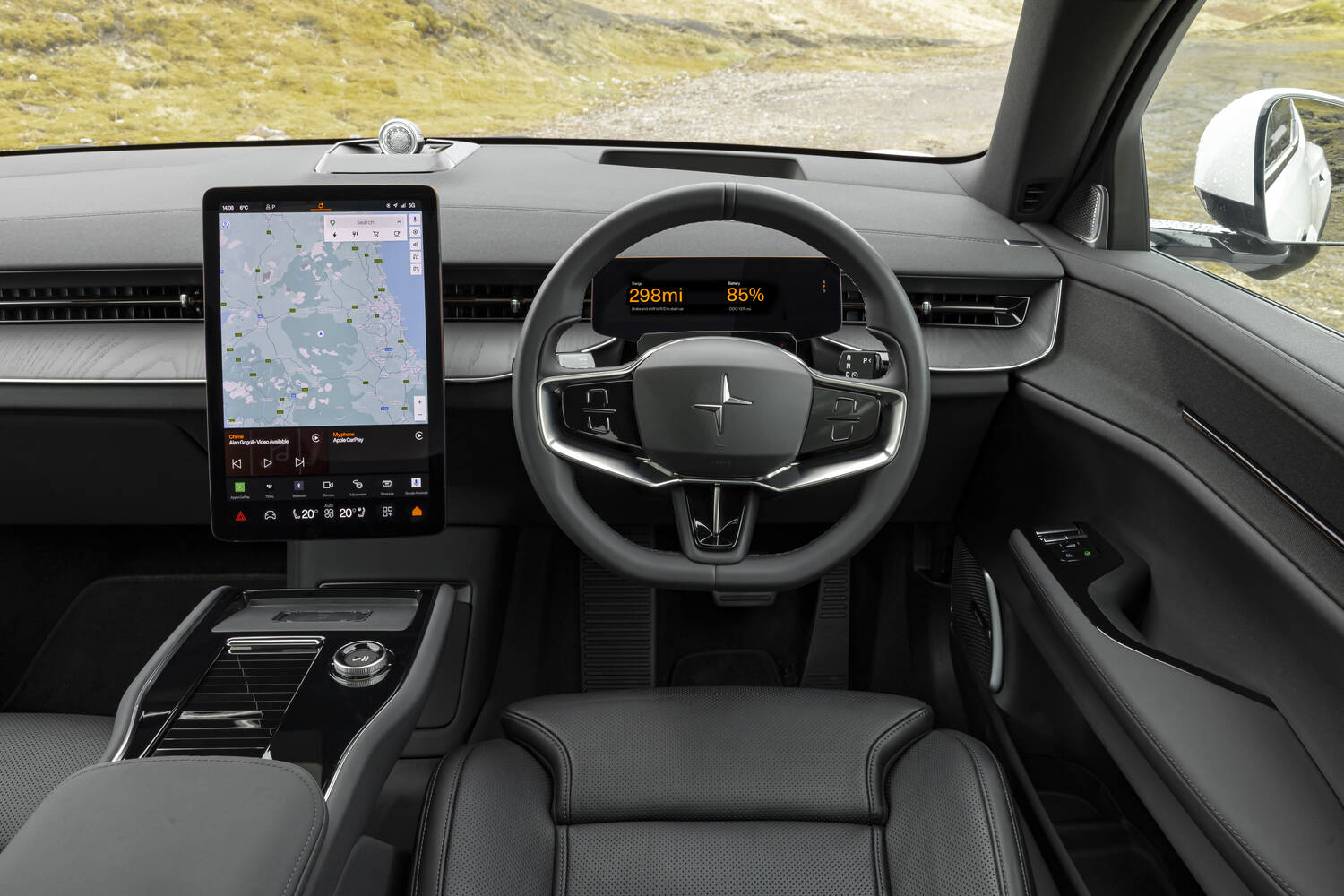
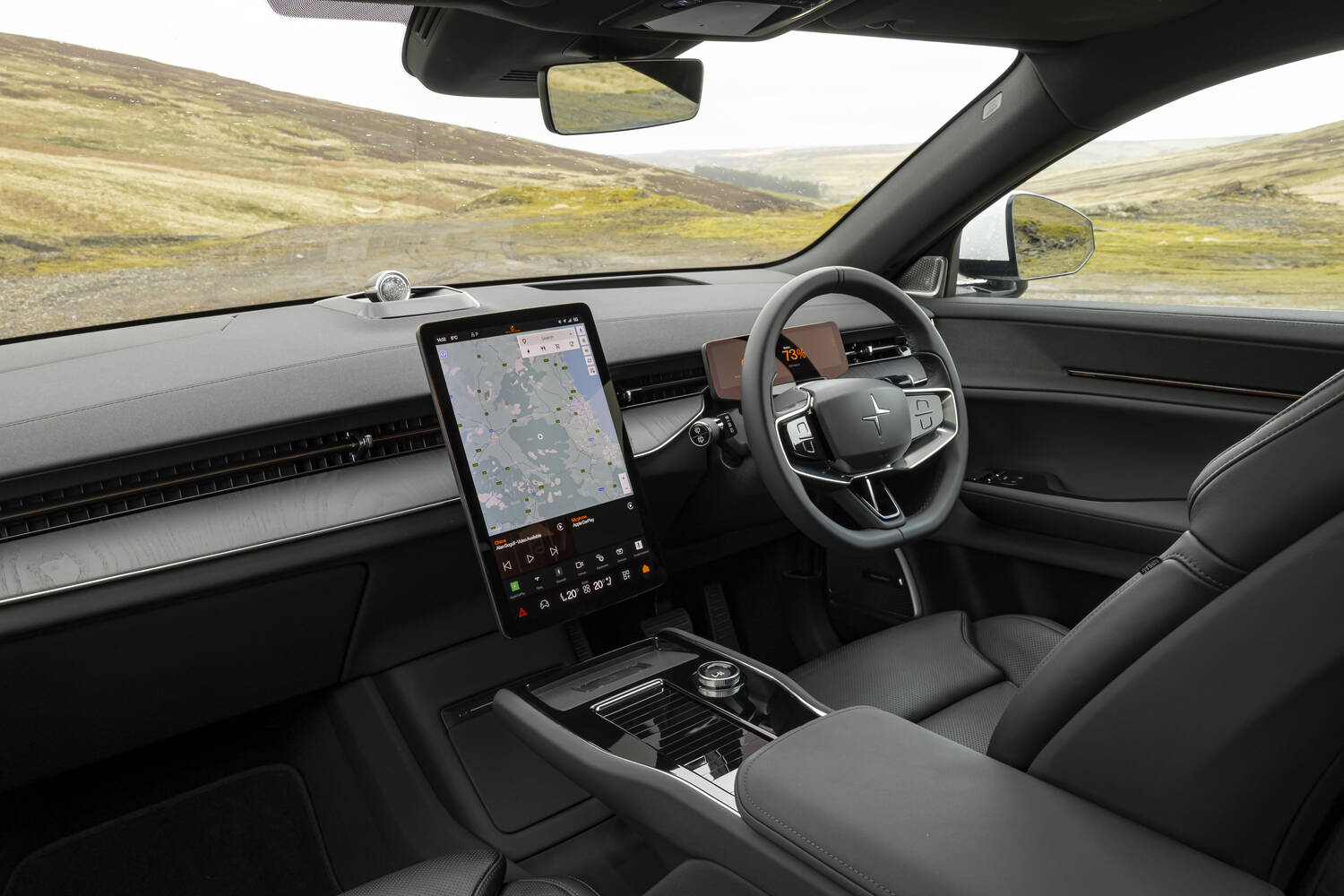
Build quality is excellent, passenger space is generous and an upgrade to the Polestar 3's processing power from late 2026 on improved the interface - but there are still too few physical buttons for our liking.
As a spotters' note, the Performance model gets Swedish Gold seatbelts.
Getting comfortable in the driver's seat
In terms of the comfort levels of the deeply sculpted seat itself, we have no qualms with the Polestar 3. There's also a full range of electric adjustment for both the driver's chair and the steering column.

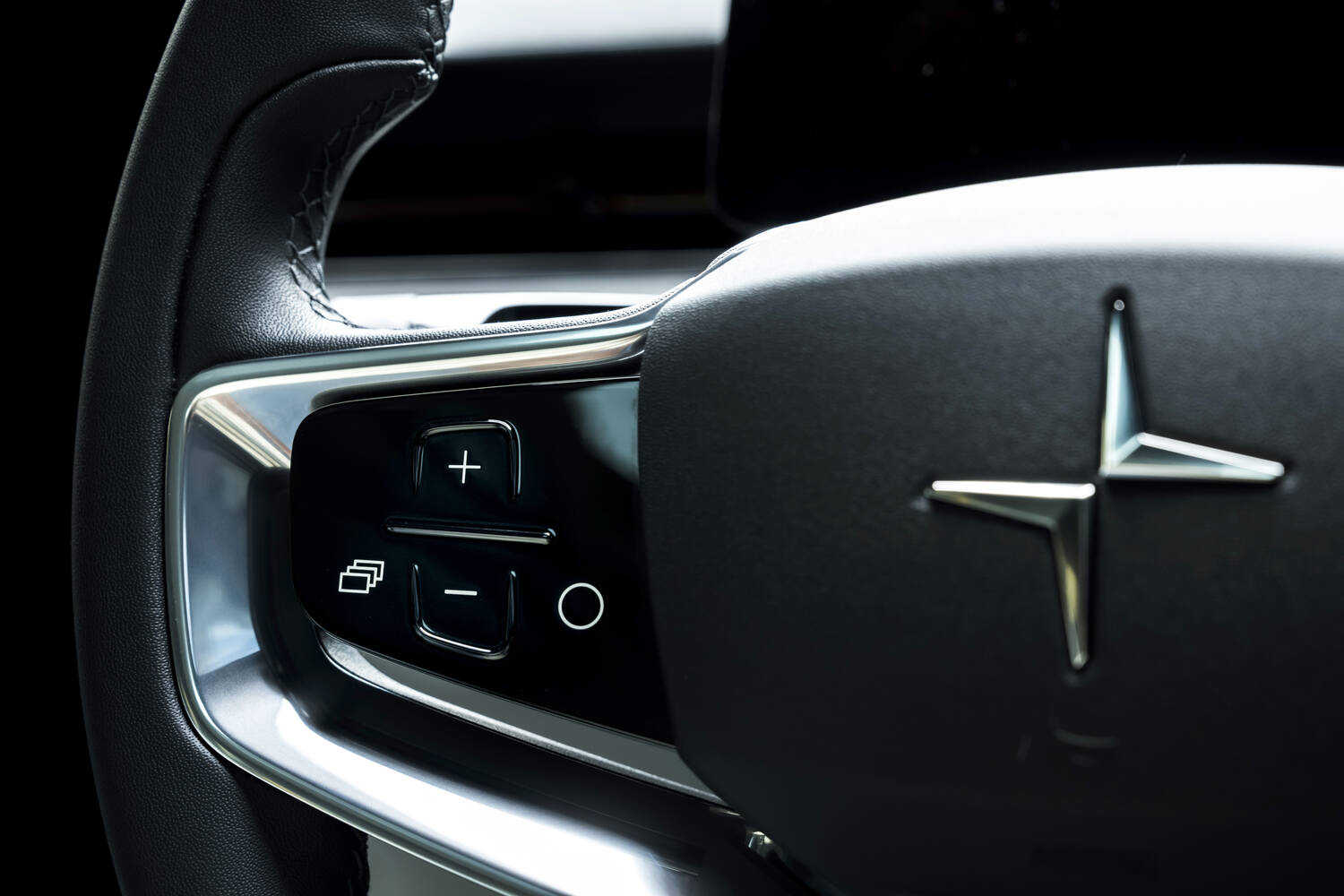
But while the former functions are almost all managed by a physical, squared-off knob on the side of the seat's base bolster (the exception being the thigh support, which is done manually), the latter is done through the haptic pads on the steering wheel's spokes and by tapping the infotainment screen. Ditto the electric exterior mirrors and the head-up display (HUD).
Polestar suggests that owners will have two keys and can use this infotainment-based adjustment set-up once to get their preferred positions for the seat, the steering wheel, the door mirrors and the HUD, and then save it to one key or the other, meaning two sets of driving positions can be easily accessed each and every time you get into the car.

But we still can't help feeling as if the entire automotive industry has collective memory loss: what was wrong with an electric control stalk on the steering column? A dedicated set of switches for the door mirrors? Adjusting these items on the fly is nothing like as intuitive in the Polestar 3 (and many other modern cars) as it really ought to be, and there are times - even with saved settings - where you might want to move a door mirror while parking, or change the steering column's angle, for example.
Visibility is good out in all directions, however, even with the upswept window line towards the rear of the car and the slightly shallow nature of the tailgate's glass. And once you have fiddled about with the infotainment and steering-wheel pads, the driving position afforded by the Polestar 3 is excellent.
Infotainment and technology
The 14.5-inch Google-empowered touchscreen for the infotainment, accompanied by a nine-inch panel for the instrument cluster and a big HUD for the driver, works reasonably well and looks sharp.

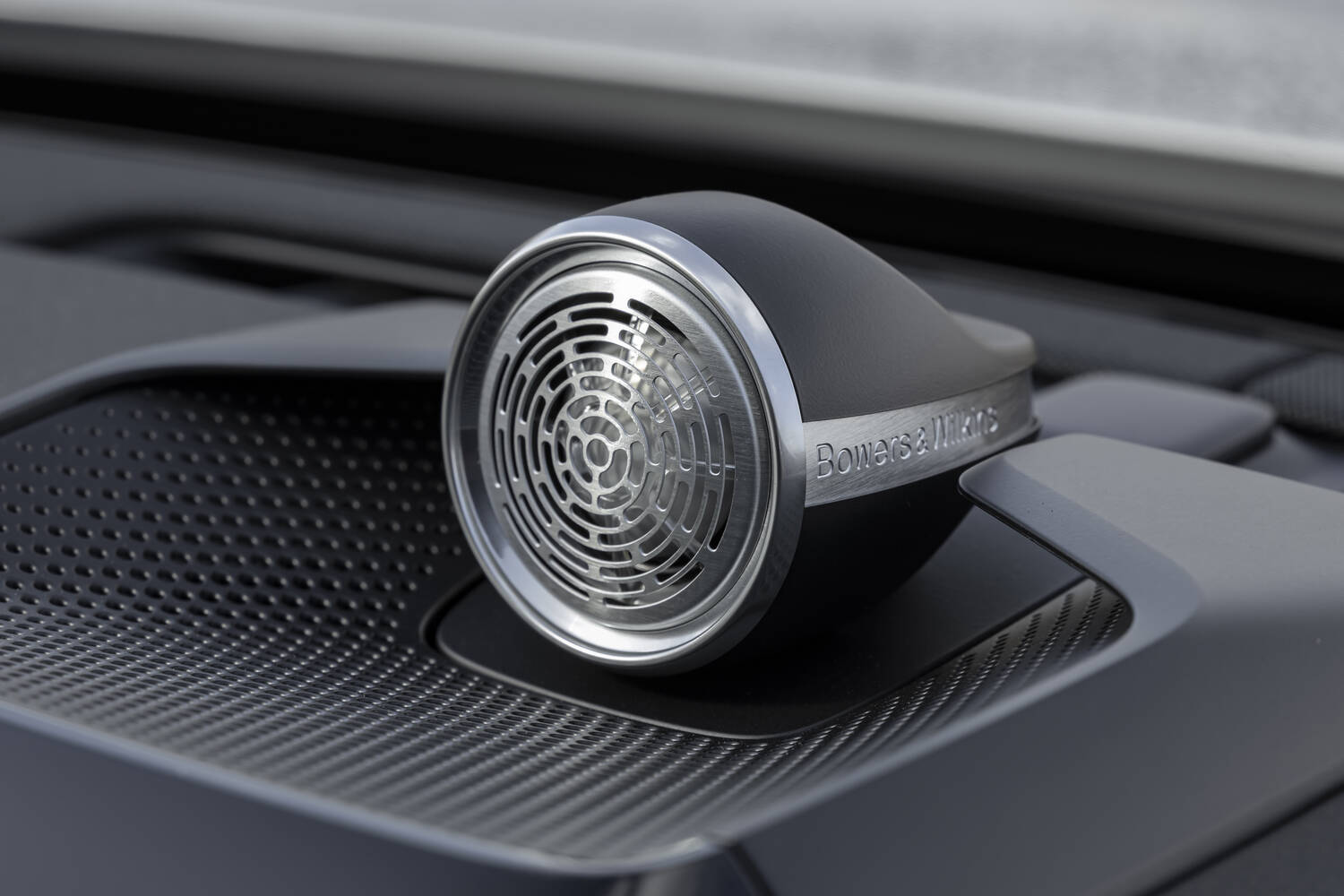
Audiophiles will love the superb Bowers & Wilkins sound system with full Dolby Atmos tech and even a function which replicates the sound of the Abbey Road Studios, which is a nice little nerdy nod.
And the processor in the 2027 Polestar 3 is an NVIDIA Drive AGX Orin unit capable of 254 TOPS (trillions of operations per second), allowing the manufacturer to claim its onboard computer is now eight times faster than before, leading to much crisper rates-of-response from the infotainment. It's hard to argue with that assertion.
Practicality around the cabin

Generally, the practicality of the 3 SUV is to be commended. True, you have to open the glovebox using the screen, which is just so counter-intuitive and needless tech for needless tech's sake, but otherwise there's a huge central cubby under a lid, a useful under-dash storage area and truly giant door bins - which are really wide, as well as deep and long.
Rear-seat passenger space
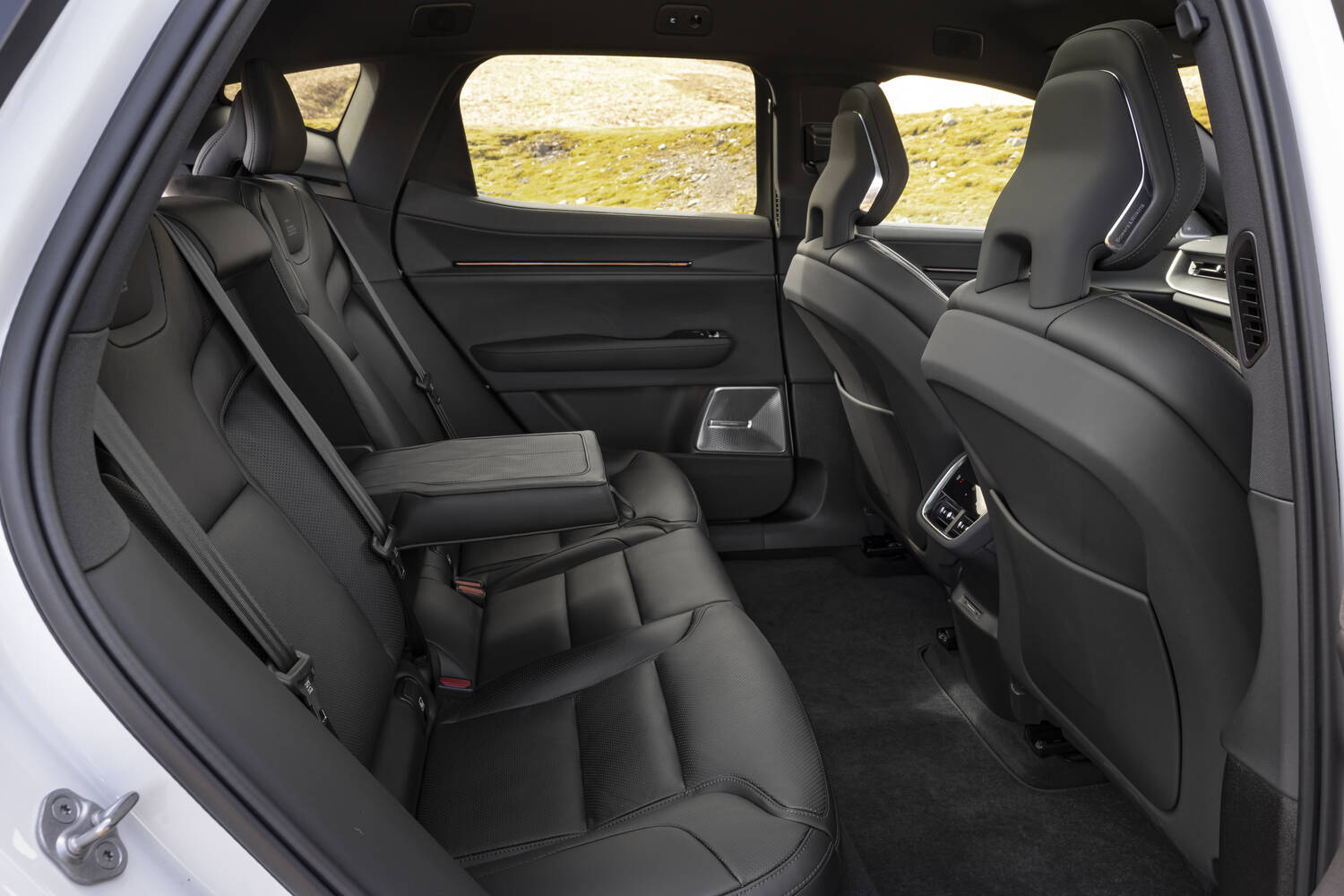
That long wheelbase we brought up in the exterior section pays dividends in the back, because there's plenty of legroom in the second row of the Polestar 3. A completely flat floor, as you'd expect of an EV, further bolsters the idea that five people might be able to sit onboard for shorter journeys, while even headroom is decent, despite the standard fitment of a panoramic sunroof and the low stance of the vehicle.

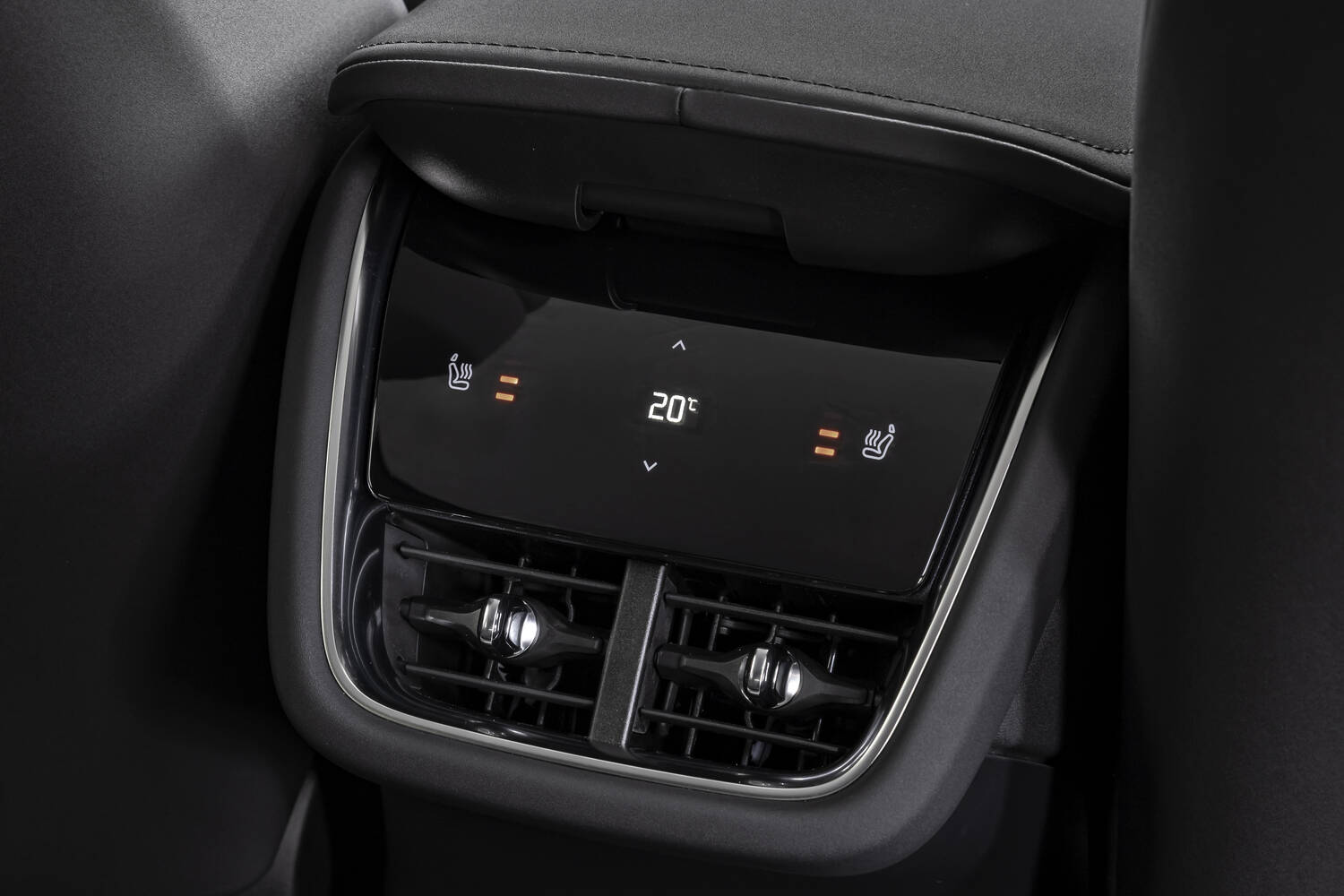
Other practicality touches in the back include a fold-down central armrest with two pop-out cupholders neatly integrated into it, a couple of air vents plus climate and heated seat controls, two USB-C sockets, a pair of hard-backed, elasticated pockets mounted on the rear of the front seats, and another couple of sizeable door bins for further stowage.
Fitting child seats to the Polestar 3
There are two ISOFIX positions complete with top tethers in the outer two seats of the rear bench in the Polestar 3, while the rear doors are of a decent size and swing open wide to make loading bulky child chairs into the back of the EV easy. It is also an area of the Euro NCAP safety test where the Polestar 3 scored remarkably highly, achieving a 93-per-cent rating for child occupant protection.
Boot space in the Polestar 3
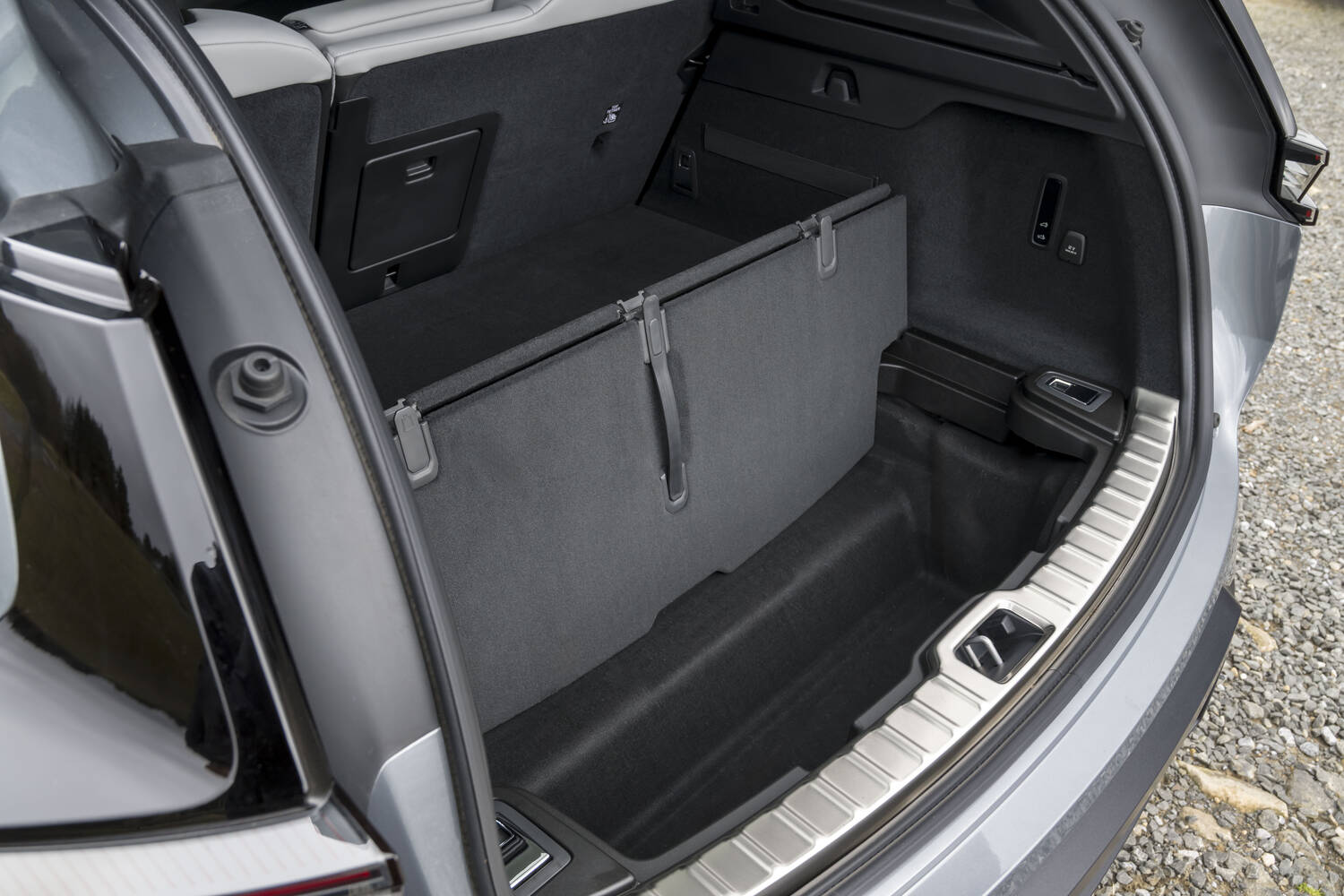
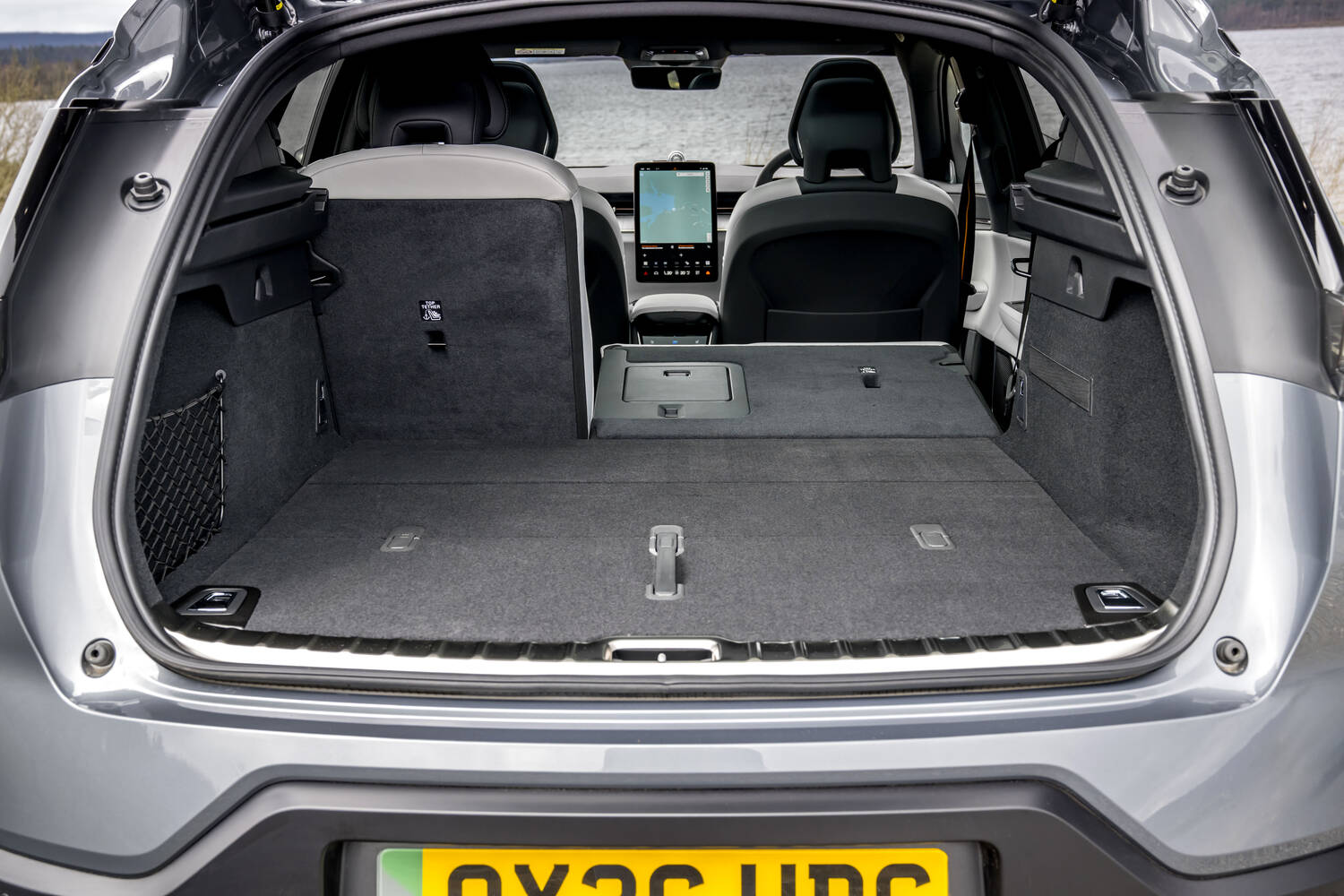
Although 484 litres of boot space is not a terrible figure in and of itself, by this standard of electric, premium SUVs, the Polestar 3 is not resetting any parameters of cargo capacity with its capacity - and that number includes 90 litres of underfloor storage, too.

The flat floor on top of the baseboard does make loading heavy objects into the boot relatively simple, at least, while there's a couple of buttons on the side of the cargo area on models with air suspension which can lower the rear of the car down to reduce the lip height.
Other points to note here are that the rear seats split-fold in a 60:40 configuration, and a maximum boot volume of 1,411 litres is quoted.

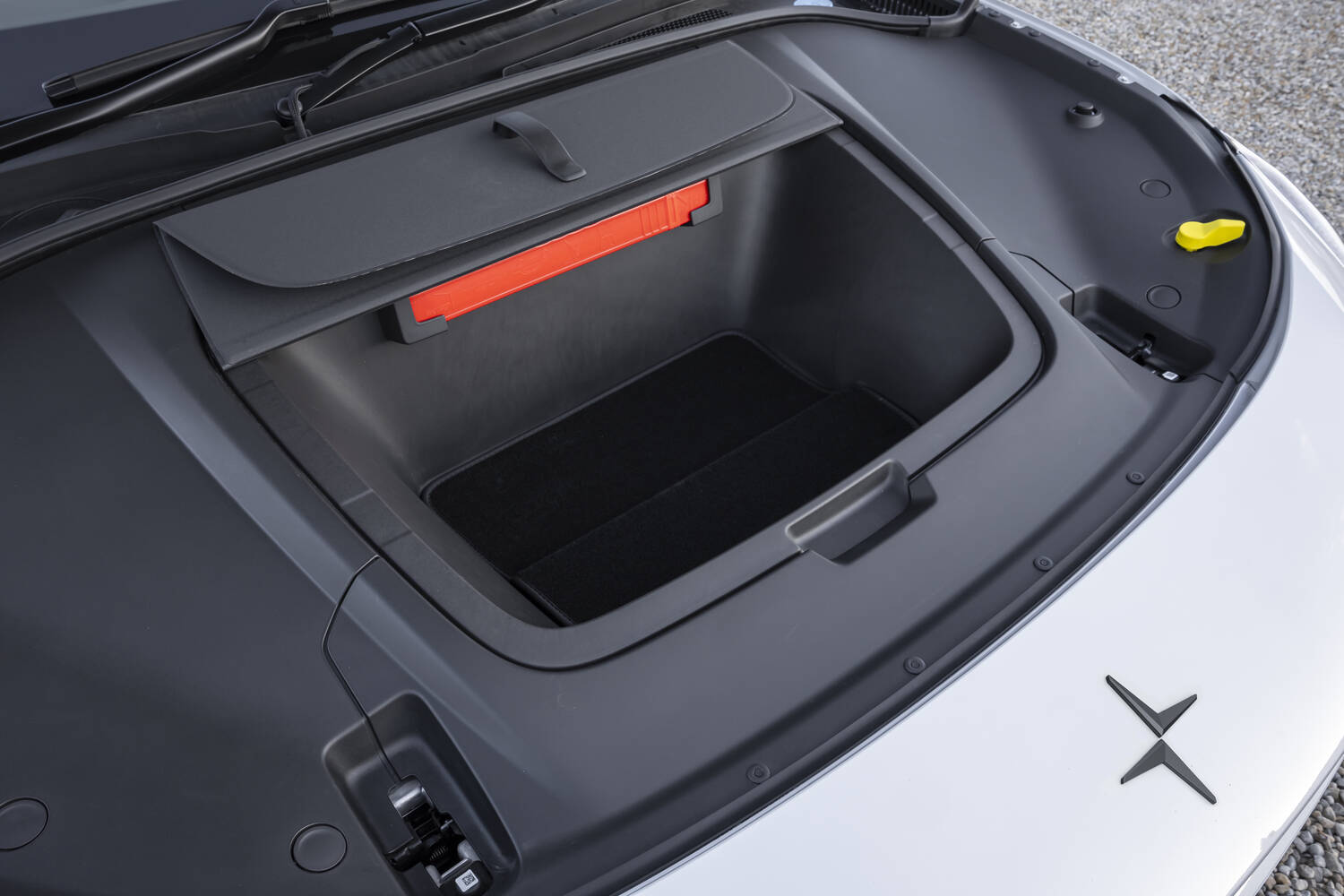
There are hooks moulded into the plastic trims at the top of the SUV's boot, while there's also a 12-volt socket in this zone. And up front under the bonnet is a 24-litre 'frunk', which is a great place to stash charging cables.
Safety in the Polestar 3
The Polestar 3 was assessed by Euro NCAP in 2025 and picked up the full five-star rating, recording superb subdiscipline scores of 90, 93, 79 and 83 per cent respectively for protection of adult occupant, child occupant, vulnerable road users and safety assist. You can read the car's full report here.
Performance of the 2027 Polestar 3
- Power increased on all models
- Performance flagship is supercar-quick
- Get air suspension if you can

There are three main versions of the Polestar 3, with the power of the models increased as a consequence of the upgrade to the underlying electrical architecture for 2027.
The opening salvo is the only single-motor P3 in the line-up, with its motor mounted on the rear axle. For this reason, it is known as the Rear Motor, but it still develops healthy peak outputs of 333hp and 480Nm, good enough for a 0-100km/h time in 6.5 seconds.
As standard, the Rear Motor sits on conventional springs with 'frequency selective' dampers, but stepping up to the Dual Motor model - which, as its name suggests, adds a motor on the front axle for all-wheel drive (AWD) - should bring in air suspension with adjustable dampers (Irish specifications have not been confirmed).
Power increases to 544hp, backed up by 740Nm of torque, and with the added traction and much more thump, this Polestar 3 is capable of 0-100km/h in just 4.7 seconds.

However, the Performance derivative offers its own bespoke chassis tune for the air-sprung set-up, as well as ramping up outputs to 680hp and 870Nm. Despite weighing more than 2.6 tonnes, this AWD P3 is capable of 0-100km/h in just 3.9 seconds.
For reference, prior to the update, the Polestar 3 line-up kicked off with the 299hp Rear Motor, followed by the 489hp Dual Motor and then it had the 517hp Performance sitting at the top of the tree.
All this means the Polestar 3 Dual Motor AWD Performance has a 41hp edge on even the mightiest Porsche Macan Electric, the Turbo - and that's when the German car is in its time-limited Launch Control overboost phase, too.
Driving the Rear Motor on UK roads
Words by Matt Robinson on 20 April, 2026

Changes to the weight distribution and a desire from the engineering team to make the 3 ride a little more softly than the pre-update models have resulted in thinner anti-roll bars, plus a softer front suspension set-up to attempt to make the car more driveable and avoid in-corner twitchiness.
In all fairness, the Rear Motor is by no means a bad car to drive. The steering is nice and positive, the body control is good, there's a feeling that the SUV is lighter on its feet than its 2.4-tonne kerb weight might have you believe and the fabulous rolling refinement plus general, secondary ride comfort are exceptional.
Even on a set of optional 21-inch wheels (the Rear Motor comes on 20-inch alloys as standard), for day-to-day driving duties, the Polestar 3 is rarely uncomfortable, though the standard suspension isn't the best when it comes to 'press-on' driving over challenging road surfaces.

Driving the Dual Motor AWD Performance on UK roads
Words by Matt Robinson on 20 April, 2026
Transferring over into the Polestar 3 at the other end of the range to the Rear Motor, it soon becomes apparent that this EV was born to run on air springs.

The Polestar 3 Performance is a much sharper, more rewarding thing to deal with than the passively sprung Rear Motor, because its body and wheel control are both operating at a higher level of ability.
Yet, with three suspension settings to choose from - Polestar doesn't do overarching drive modes, so you have to tweak the steering weight, powertrain response and firmness of damping individually - you need to pick carefully to get the best from the electric SUV on gnarly back roads.
And the best setting, certainly for the suspension, is 'Nimble'. In Standard, the 3's suspension is quite soft so it's great for long-distance motorway cruising but not so hot for keeping the heavy shell of the Polestar in check over crests and through compressions.

Going the other way, Firm is a bit too much - it'd be a mega setting for a billiard-table-smooth circuit or, indeed, one of those pristine-surfaced, sighted-for-miles country roads you get in parts of Spain.
But clearly, we don't have many routes like that in our part of the world, and in Firm, the P3 is a tad too abrupt in its vertical movements to be pleasant.
So Nimble it is, blending off enough wheel movement and pliancy to allow the SUV to breathe with rippled roads, while also keeping the cabin of the vehicle on an even keel. Throw in the sweet steering and the fact that the Performance rarely feels its mass, and it proves great to drive.

It is, naturally, every bit as comfortable, quiet and refined as the Rear Motor when you're driving it more sensibly, despite the fact it is on larger 22-inch wheels.
So, then the other consideration that might tilt you towards the Performance instead of the Rear Motor or regular Dual Motor AWD variants is, well, its performance.
Having driven the 333hp car earlier in the day, there's no way we'd call the base-spec Polestar 3 slow - but once you've experienced the effortless muscle of this 680hp/870Nm machine, you'll not be able to do without it if you can afford it of course.

For breezy overtakes on a two-way road or getting up to motorway speeds in the blink of an eye, the Polestar 3 Performance is an absolute delight - and its sheer power feels more fittingly 'premium' to match the whole EV's ethos as well.
Range, battery, charging and running costs of the 2027 Polestar 3
- Powerful 800-volt architecture
- Ultra-rapid charging times
- Dual-motor models less efficient

The major news for the 2027MY-on Polestar 3 range is that the cars have been upgraded to 800-volt architecture, rather than 400-volt as previously, and this sees not only the increases in power detailed above, but much faster DC charging times too.
Battery options and official range
For the updated cars, there's no change to the usable capacity of the battery packs - which have a nickel-manganese-cobalt (NMC) chemistry - for the Polestar 3. This means the Rear Motor uses a 92kWh unit, while the two AWD variants have a 106kWh battery.
Officially, the range figures for the Rear Motor and the Performance which form the bookends of the line-up are within a kilometre of each other. The former is said to do up to 602km between top-ups, while the latter stands at 601km; its extra battery capacity counteracted by the fact it has a pair of electric motors and more weight to move around.
Those wanting the Polestar 3 with the longest range need to therefore aim at the 544hp Dual Motor in the middle of the pack, as it is said to go up to 647km between charging cycles.
Real-world range and efficiency of the Polestar 3
In defence of the observed figures, we were driving on some brilliant, interesting roads and keeping up a high average speed over undulating terrain. The temperature was mild, around 12 degrees C, and we were constantly running the in-car climate control.
Thus, with around 60km of this sort of driving completed in each, the Rear Motor turned in an indicated 21.2kWh/100km, while the Performance was some way behind at 25.3kWh/100km.

At these rates of electrical consumption, the Rear Motor would be all done and dusted after 434km, while the Performance would need recharging within 419km.
Extrapolating from these figures, it should be much easier to get any Polestar 3 beyond 500km to a charge driven in a more reasonable, steady manner - all year round.
Charging up the Polestar 3
Improving from the old DC peak of 250kW, the 800-volt Polestar 3s can now all charge at more than 300kW in the right conditions.
For the 92kWh battery in the Rear Motor, the maximum is pegged at 310kW, but for the AWD cars there's a theoretical peak charging speed of 350kW.
However, for any car running at its maximum DC charging speed, Polestar claims the 3 will go from 10-80 per cent charge in just 22 minutes.
At 120kW, the same charging cycle would take 30 minutes for the Rear Motor and 32 minutes for the AWD variants, while a full 0-100 per cent top-up on an 11kW AC connection would require 10 hours for the Rear Motor and 11 hours for the Dual Motor cars.
You'd be looking at more like 13 hours and 15 hours, respectively, on the more commonplace 7.4kW domestic wallbox charger.
Servicing the Polestar 3
As a lower-maintenance EV, Polestar recommends you service the 3 SUV every two years or 32,000km, whichever arrives sooner.
Polestar 3 warranty

The Polestar 3 is covered by a three-year, 100,000km warranty as standard, with an additional level of eight years or 160,000km of back-up on the high-voltage battery.
Irish pricing & rivals to the 2027 Polestar 3
- New prices yet to be confirmed
- Not going to be inexpensive
- Rivals operating at the tops of their games
Polestar Ireland has confirmed the updated 3 will be available in the third quarter of 2026, so we don't have prices for the 800-volt cars as yet. Given the outgoing models were on sale from €73,590 to €96,690 in early 2026, it's unlikely the new cars will be any cheaper than that - and they could even turn out to be a little more, given the significant tech upgrades.
Being in the same sort of financial ballpark, though, would make the P3 competitive against the BMW iX3 (from €73,925) and the Porsche Macan Electric (from €88,546).
Verdict - should you buy the 2027 Polestar 3?
If you want a high-quality, satisfying-to-drive and stylish five-seat electric SUV with a prestige badge on it, you could do a lot worse than the updated Polestar 3. It's a good machine across the board. The plush and Scandi-cool 3 is an engaging and strong all-rounder, which is at its absolute best on air suspension and with the full potency of the Performance drivetrain installed.
FAQs about the 2027 Polestar 3
Is the Polestar 3 all-wheel drive?

It is in the upper two models of the range, the Dual Motor and the Dual Motor Performance, but the entry-level Rear Motor version only has one electric motor on the back axle, so it's rear-wheel drive.
How fast is the Polestar 3?
The slowest model, the Rear Motor, runs 0-100km/h in 6.5 seconds, which is pretty brisk and more than a second quicker than it was prior to the 2027MY update. At the other end of the scale, the mighty Dual Motor AWD Performance can achieve the same sprint in 3.9 seconds - and that's supercar pace, any way you look at it.
Is the Polestar 3 an SUV?

Yes, although it's quite low of roof and stance as these things go, so it cuts quite a dash at the kerbside. It's also not fitted with a particularly meaty four-wheel-drive system (as in, there are no locking differentials or special off-road accoutrements), so if you want a rugged 4x4 capable of venturing deep into the wilderness, the Polestar 3 is possibly not for you.
How many child seats fit into the Polestar 3?
There are two ISOFIX positions on the outer chairs of the second-row seating in the Polestar 3.
Is the Polestar 3 rated to tow anything?
Yes, in its base Rear Motor format it can haul up to 1,500kg of braked trailer, while those who will often be towing heavier loads will need one of the two AWD variants, both of which have a 2,200kg braked-trailer capacity.
Want to know more about the 2027 Polestar 3?
If there's anything about the new Polestar 3 we've not covered, or you'd like help in choosing between it and other cars, you can avail of our expert advice service via the Ask Us Anything page.