
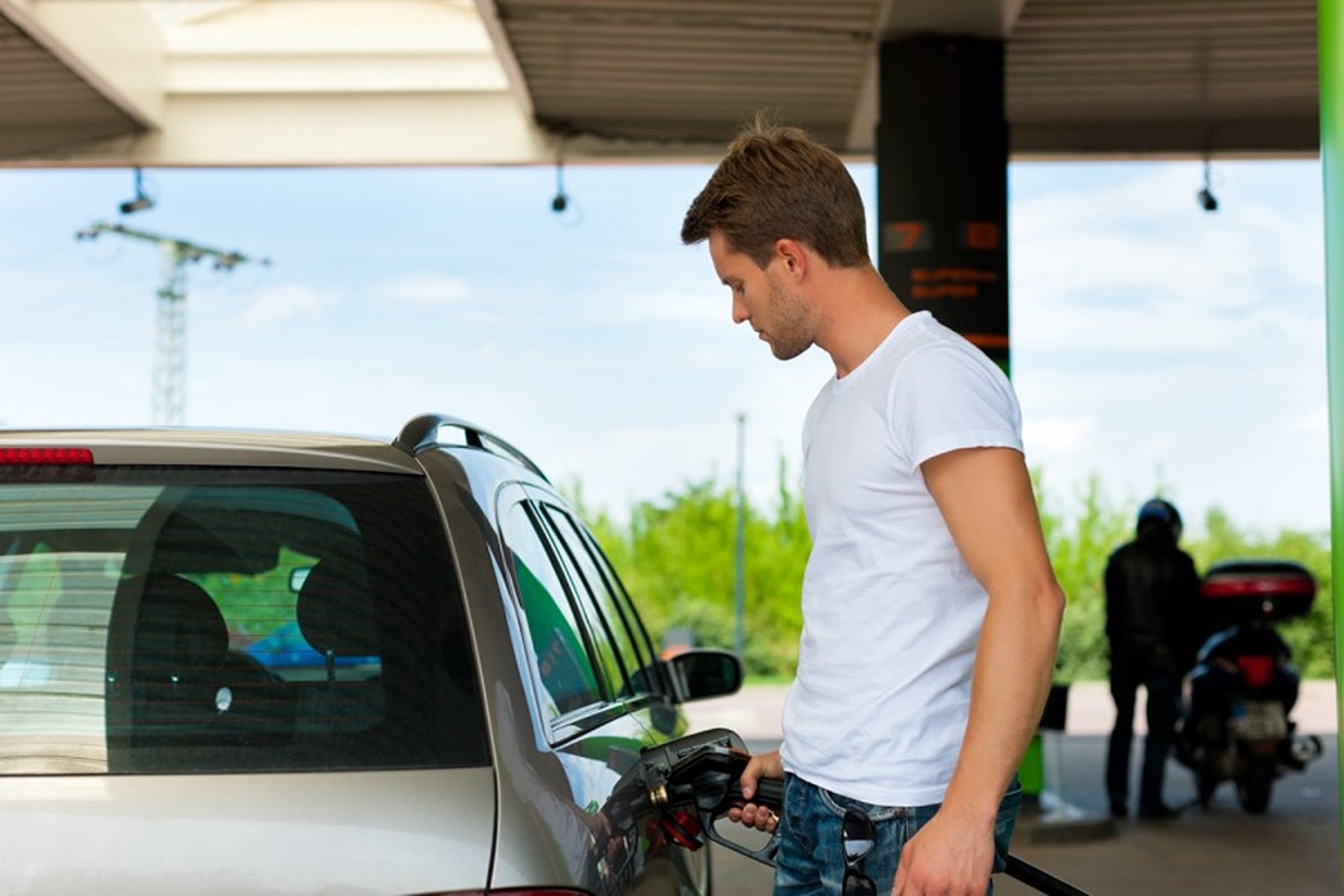
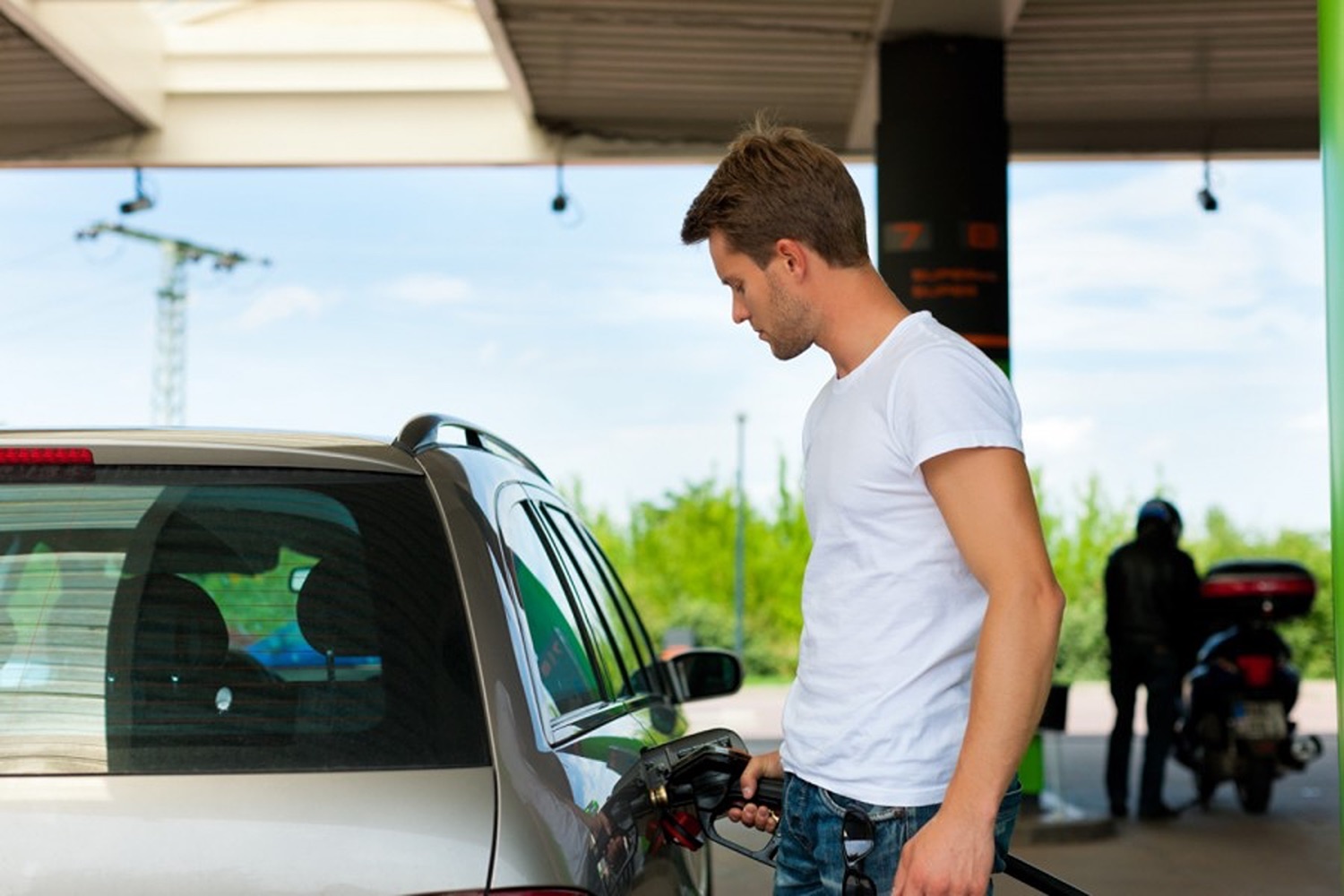
With this driving up pump prices, we should probably all be doing all we can to save on fuel, and that means bringing down our consumption. As ever, this is not necessarily an easy thing to do - many fuel consumption reducing techniques require quite a bit of skill, and the technique of ‘hypermiling' has been criticised by safety experts because it takes such intense concentration that drivers are focused so solely upon it that it distracts them from lots of other driving tasks.
However, there are some easy wins, and the first and foremost of them is to check your tyres. I know, we sound like a nagging Irish mammy when it comes to tyres, but you know the thing about Irish mammies? They're usually right, and so are we. Having your tyres in good condition and making sure they're at the correct pressure is not only good for safety, but it's good for your wallet too. How good? Well, to find out, we spoke to the experts at Bridgestone about how drivers can cut fuel costs.
How does tyre pressure affect fuel consumption?
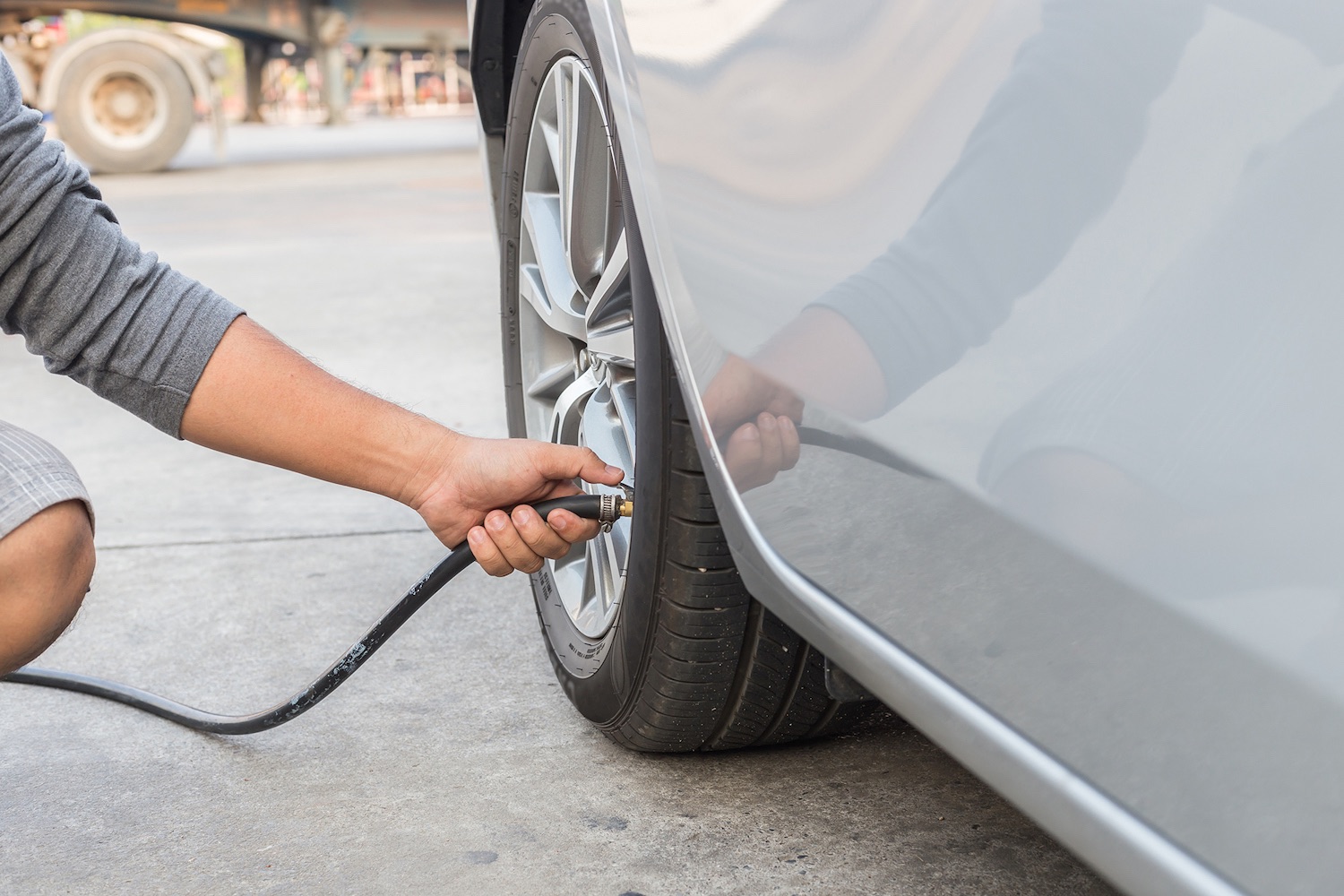
Bridgestone's technical manager Peter Moulding told us: "Many drivers don't realise just how much influence tyres and driving style have on fuel consumption. By making a few simple adjustments, motorists can improve efficiency, save money and drive more safely at the same time.
"Incorrect tyre pressure, whether too high or too low, increases rolling resistance and fuel consumption. Keeping tyres inflated to the manufacturer's recommended levels not only improves efficiency but also enhances braking and handling.”
How much fuel do you save by having the correct tyre pressure?
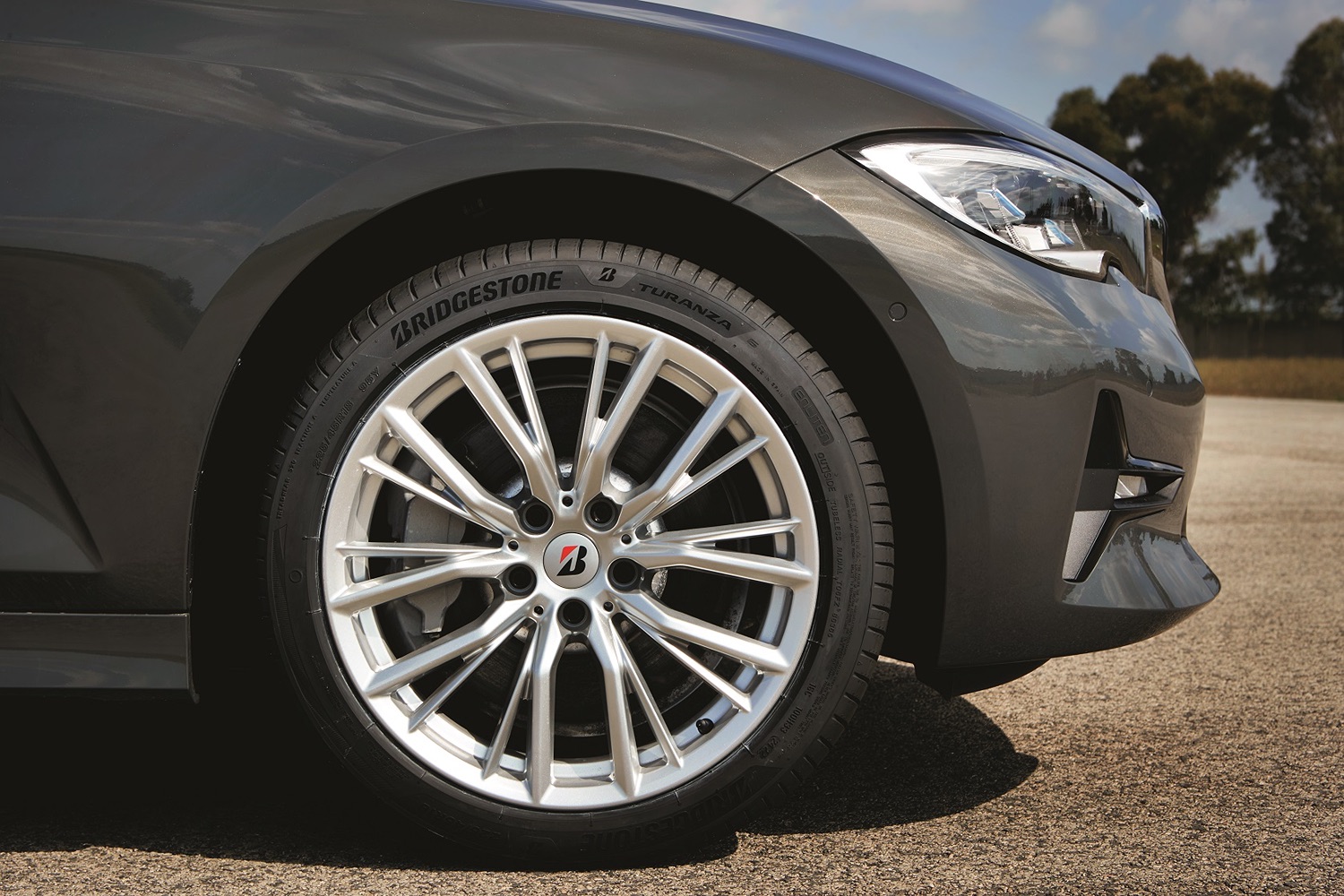
In fact, merely having the correct tyre pressures for your four black circles can save you as much as three per cent of your total fuel consumption. Petrol prices have gone up by something like 12 per cent on average since the Middle East misadventures began in March, so just by having your tyres correctly pumped up, you've cut that to nine per cent.
What are the dangers of over-inflating your tyres?
However, don't go assuming that more is more. Over-pressurising your tyres can impact the car's grip, its handling, and especially its braking, plus it can lead to excessive wear and tear, so whatever you save on fuel from having higher-pressure tyres, you're going to spend either on more frequent tyre changes or paying to have your car towed out of a ditch.
Do worn tyres use more fuel?
There are other tyre tips, though. Moulding told CompleteCar that it's not just about pressure: "Worn or uneven tyres can impact both safety and fuel use. Regular checks can ensure tyres remain legal and operating efficiently. Poor condition tyres can force the engine to work harder, increasing fuel usage.”
Are there any driving tips to help me save fuel?
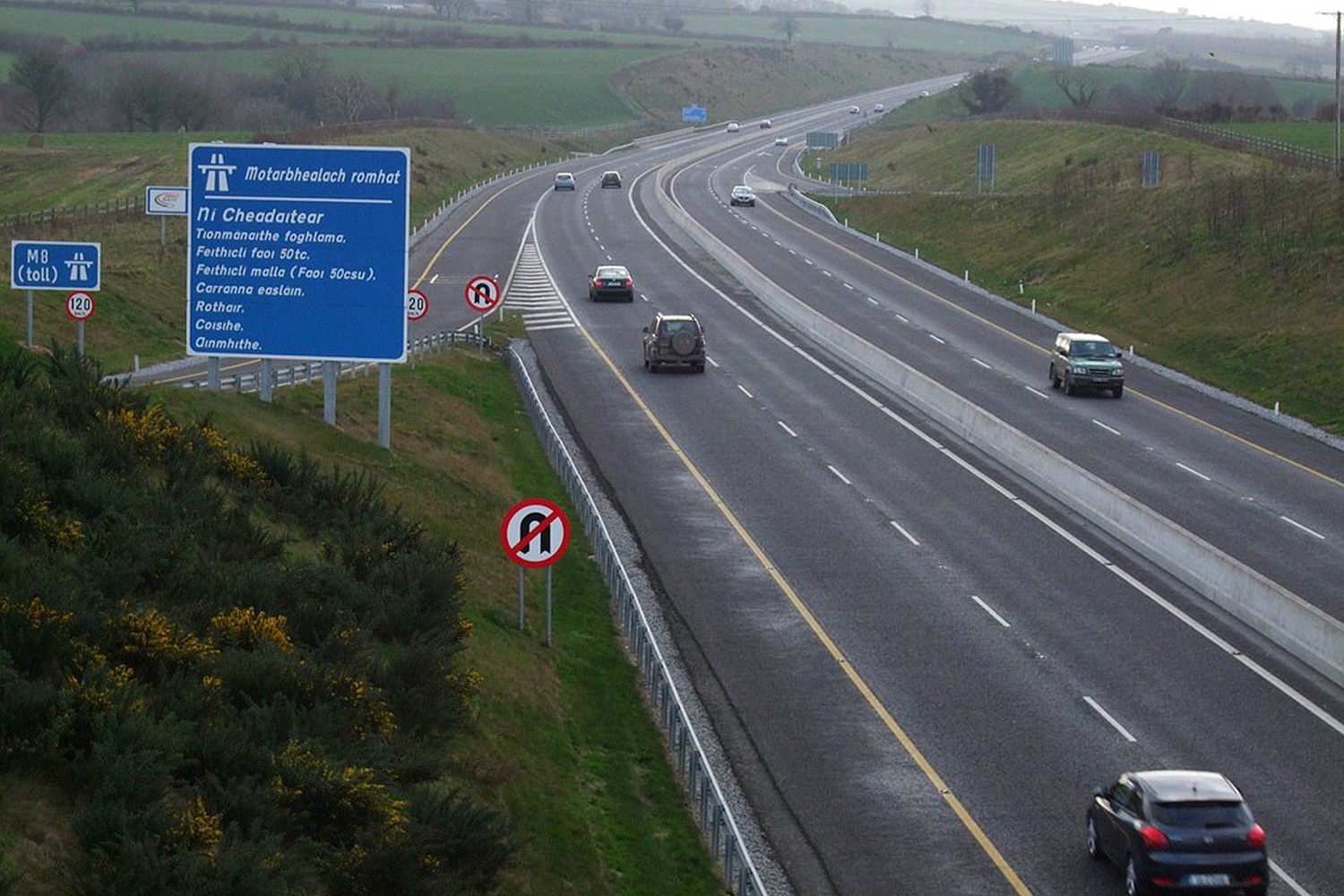
Moulding also had some more general advice for your driving style: "Aggressive driving is one of the biggest contributors to high fuel consumption. Gentle acceleration, maintaining a steady speed and using higher gears where appropriate can all help reduce fuel use. Looking further ahead and avoiding sudden braking helps maintain a consistent speed, which is key to fuel efficiency. Building momentum before hills and easing off the accelerator on inclines can also make a noticeable difference.”
Does cruise control save fuel?
Don't go assuming that technology is there to save you, either. According to Moulding: "On long, flat motorway journeys, cruise control can help maintain a steady speed and improve fuel economy. However, it's less effective on hilly or winding roads, where manual control is often more efficient.”
Does driving slowly save fuel?
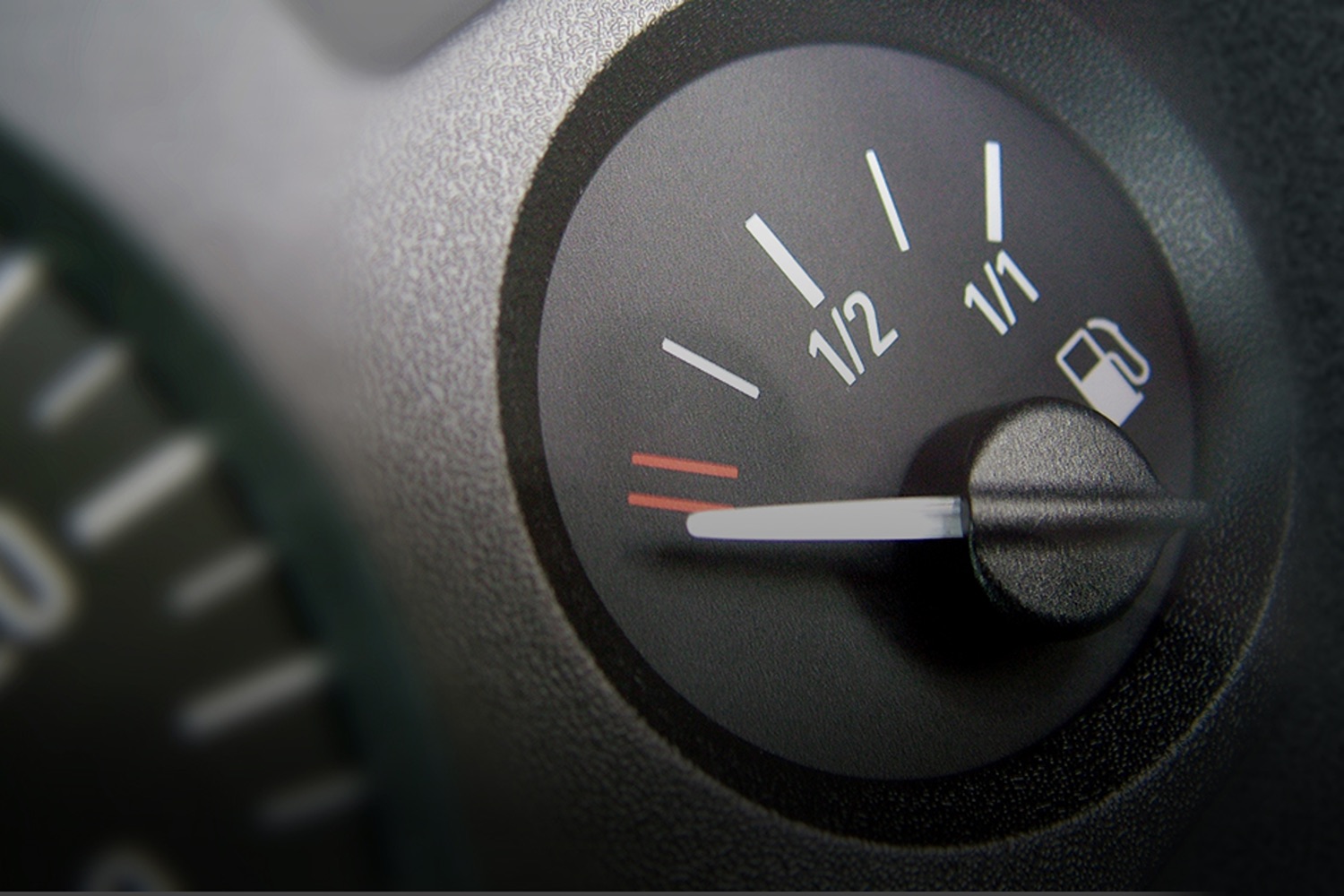
That's the tyre advice, but are there any other simple tricks we can use to beat the oil companies and the war-mongers? Thankfully, yes, there are. In fact, there's one easy way to improve your fuel economy. Slow down.
That sounds too simplistic, but it isn't. This advice counts especially for those who undertake regular long motorway journeys, as knocking 10km/h or 20km/h off your cruising speed makes a profound difference. You could boost your fuel economy by as much as 15 per cent just by sticking to the actual speed limit, and slowing down to 100km/h or 110km/h will boost that improvement to as much as 30 per cent.
Will it make you late? Not really. I've tried doing this on my Belfast-Dublin commute of around 180km, and it adds no more than about six minutes to my overall journey time, which is well within the ‘how busy will the M50 be?' margin of error.
Does driving in a low or high gear save petrol or diesel?
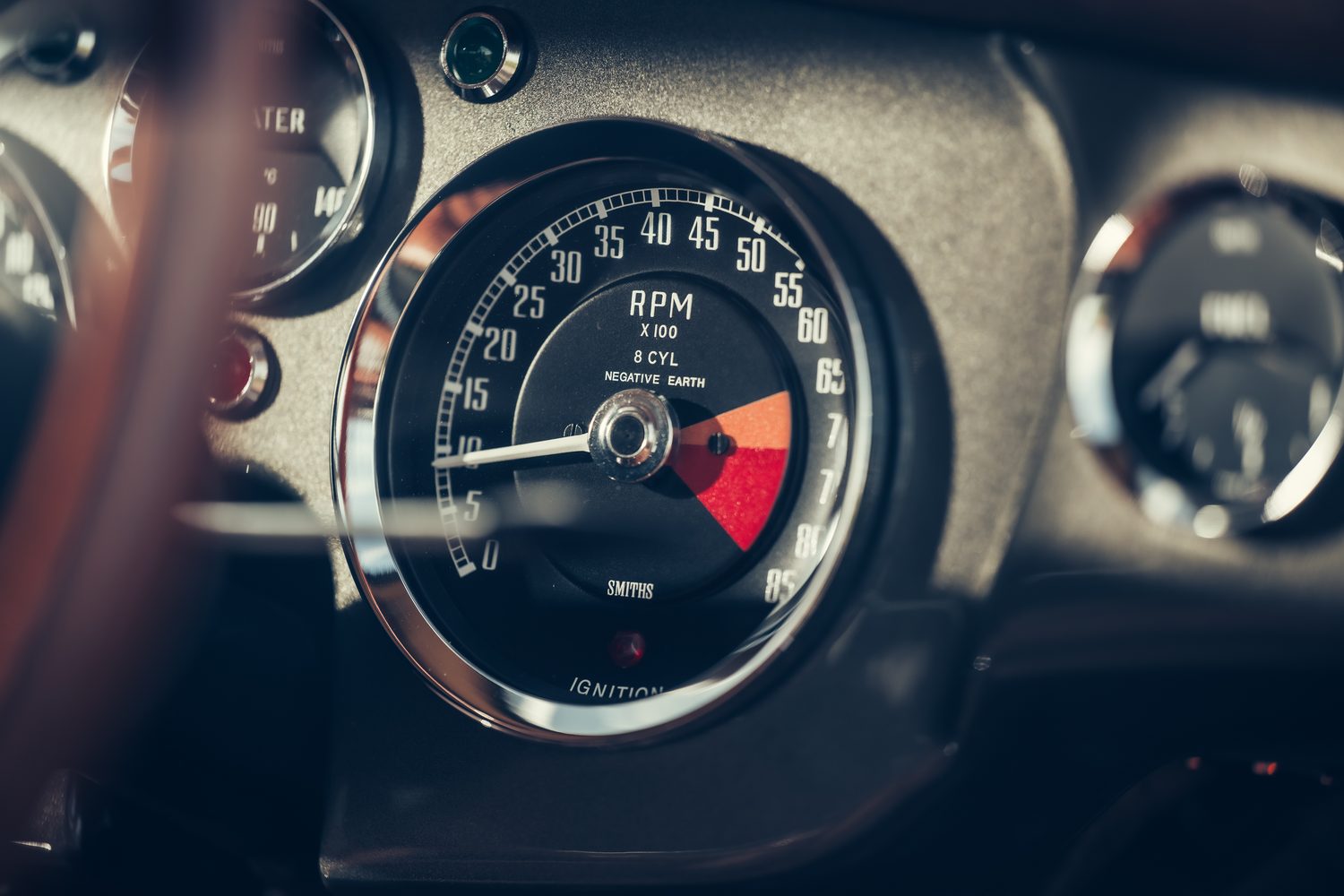
Using cruise control on long journeys also helps, as what a petrol or diesel engine likes best is as constant a speed as possible. If you drive a car with a manual gearbox, getting up into a high gear early on helps with fuel economy, but doing so too early will make the engine labour, wiping out economy gains. Practice makes perfect…
Are there any unusual ways to improve my car's MPG (km/L)?
Will extra weight in the boot use more fuel?

Taking needless weight out of your car also helps, but it's only really right in a technical sense. To be honest, most car companies have already done this - removing weight to improve their scores on the official fuel economy and electric range tests is why we don't get spare wheels anymore - and unless you're driving around with bags of cement in the boot, you're not going to gain a major economy benefit.
According to the US Department of Energy, removing excess weight from your car will give you a roughly one per cent fuel economy boost for every 45kg of weight you remove. Leave the kids at home, and you'll see a marginal difference.
Will washing your car actually save you money on petrol or diesel?
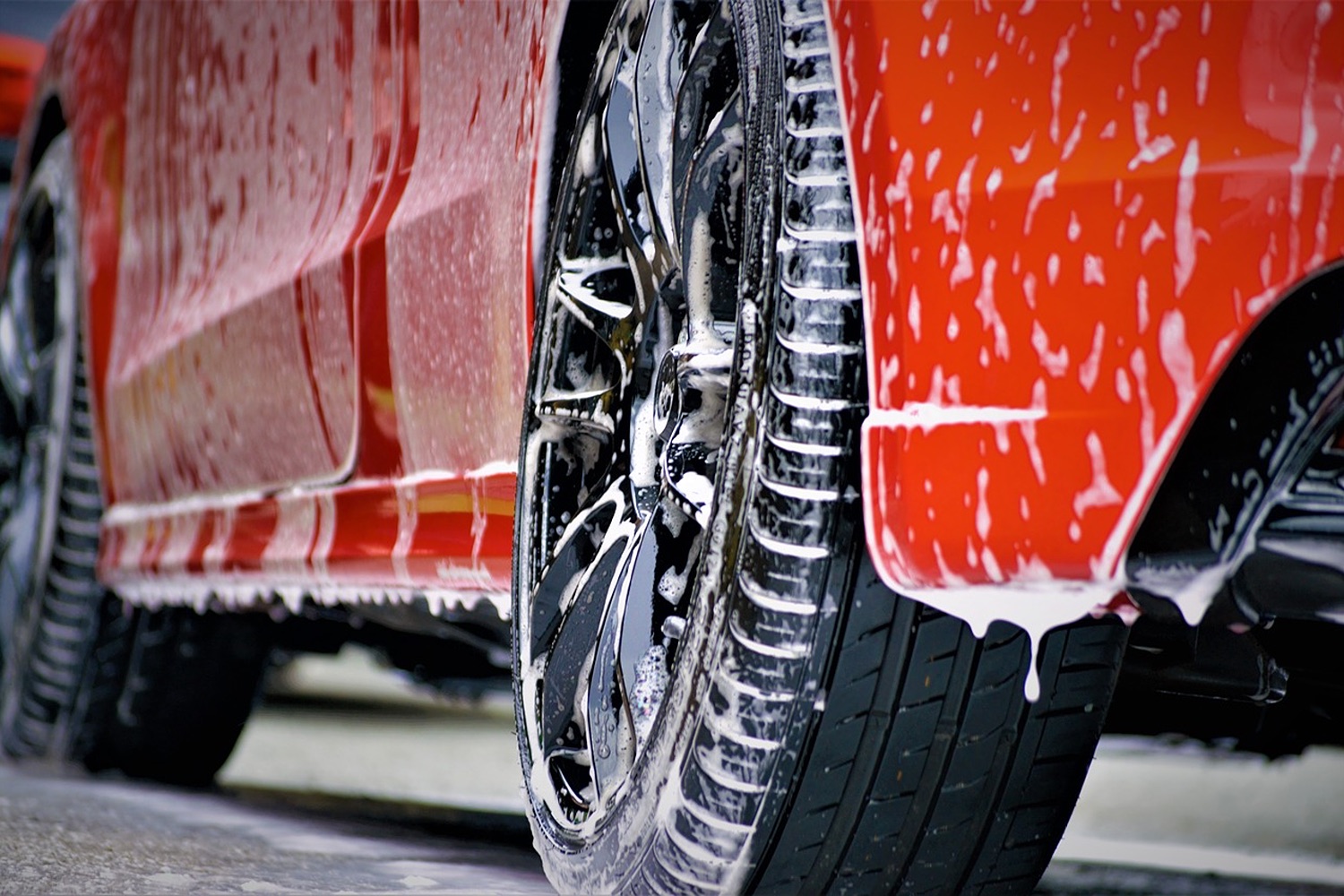
Taking that bag of gym gear out of the boot might give you a marginal economy boost, but actually cleaning your car might make a bigger difference. This goes back to the old - true -story from the Second World War, when squadrons operating the wooden-built De Havilland Mosquito aircraft found that there was a material difference in top speed if the wings and fuselage were carefully polished.
Efficiency is the flip side of speed, so cleaning all the dirt and grime off your car can make a slight difference. It's been estimated that you can improve your fuel economy by as much as 0.2 litres per 100km by making sure that your car is clean. Every little helps…
Is it worth walking or cycling or working from home to beat high fuel costs?

Or you could just get out and walk or cycle. Yeah, I know - active travel would be a much more viable policy in Ireland if only we could put a roof on the country. It is true, though, and the best way to ensure your car isn't costing you very much is to leave it on the driveway and walk or cycle to where you're going.
That's not useful advice for the very many of us with lengthy commutes, pushed further and further as we have been from our places of work by decade upon decade of appalling planning decisions, but as much as you can manage will be good, and your health will benefit too.
Appealing to your employer, where possible, for more time working from home isn't a bad plan either (although watch out for the effect on both your home heating bill and your home biscuit-purchasing bill - remember that all costs are fundamentally interlinked).
If there is anything about this story we have not covered, you can avail of our expert advice service via the Ask Us Anything page.