

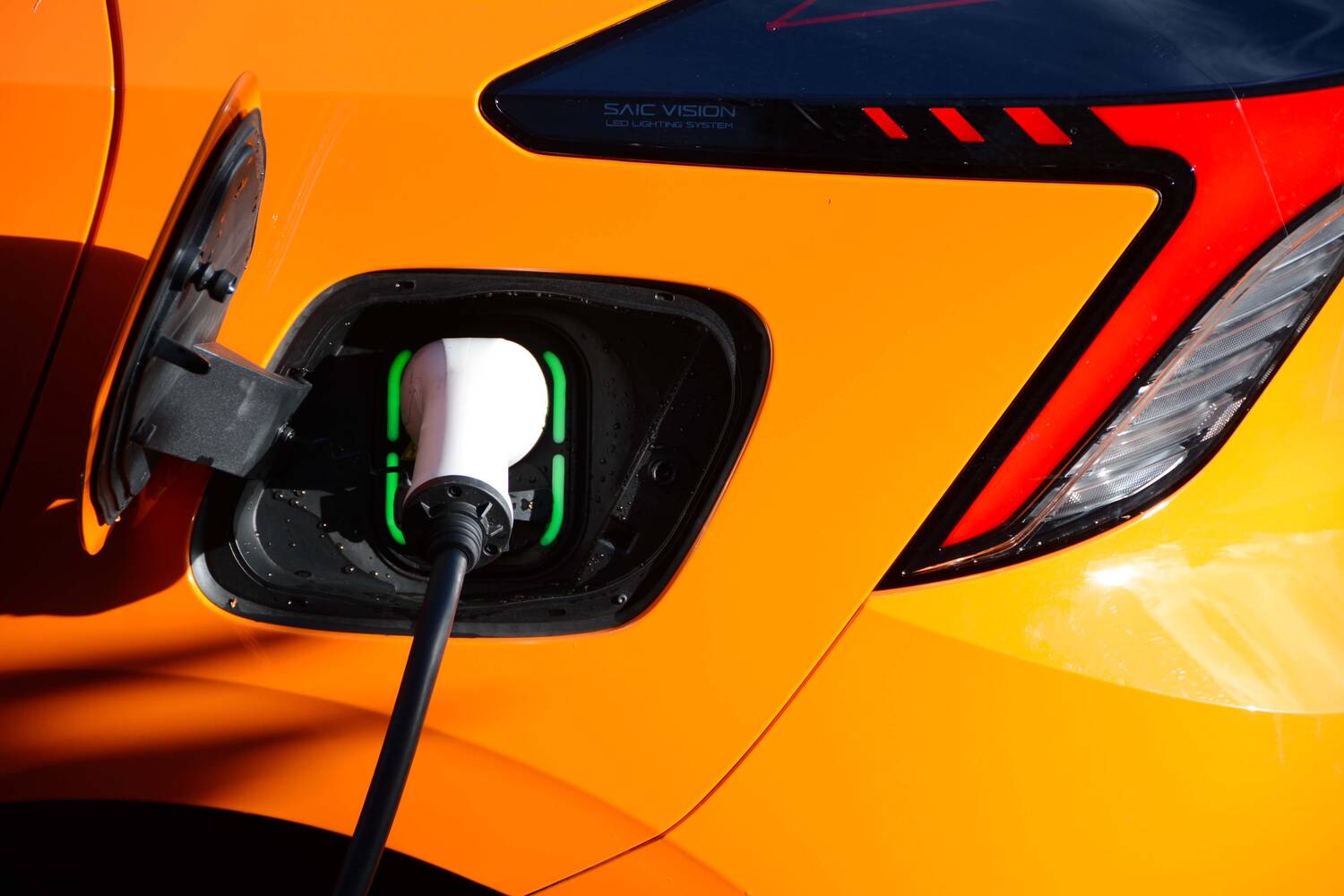
How much is the grant actually worth?
There were headlines proclaiming this as an €8,500 grant, but it's not. It's a €5,000 grant, on top of the existing €3,500 grant you get from the Sustainable Energy Authority of Ireland (SEAI) when buying a new electric car.
Unfortunately, that €3,500 is usually accounted for in the existing published prices of electric cars, so you're not getting €8,500 off the current price.
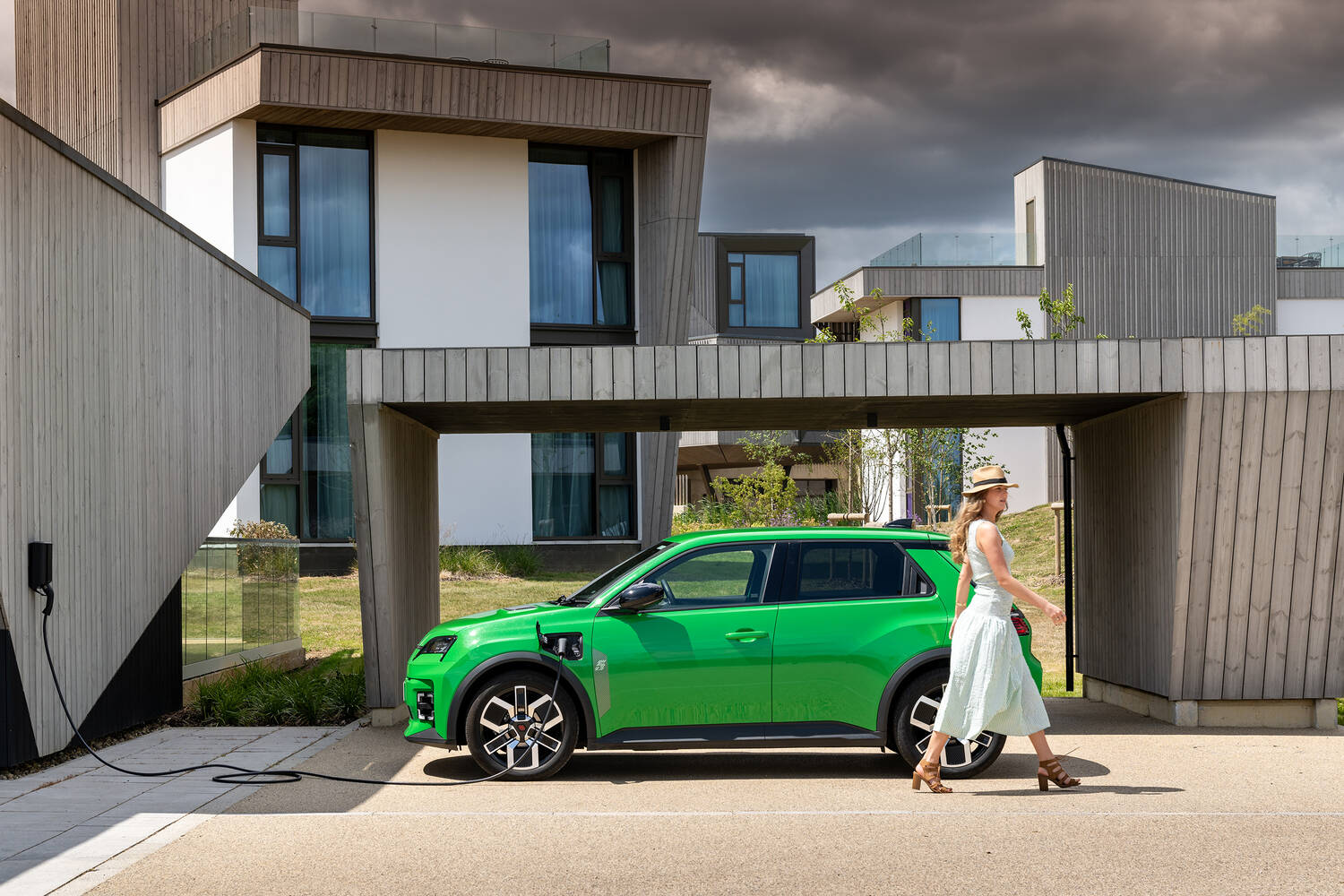
It also runs alongside the existing rebate on Vehicle Registration Tax (VRT) which again is usually accounted for in published prices, so in net terms, the new grant is worth €5,000.
Who qualifies for the grant?
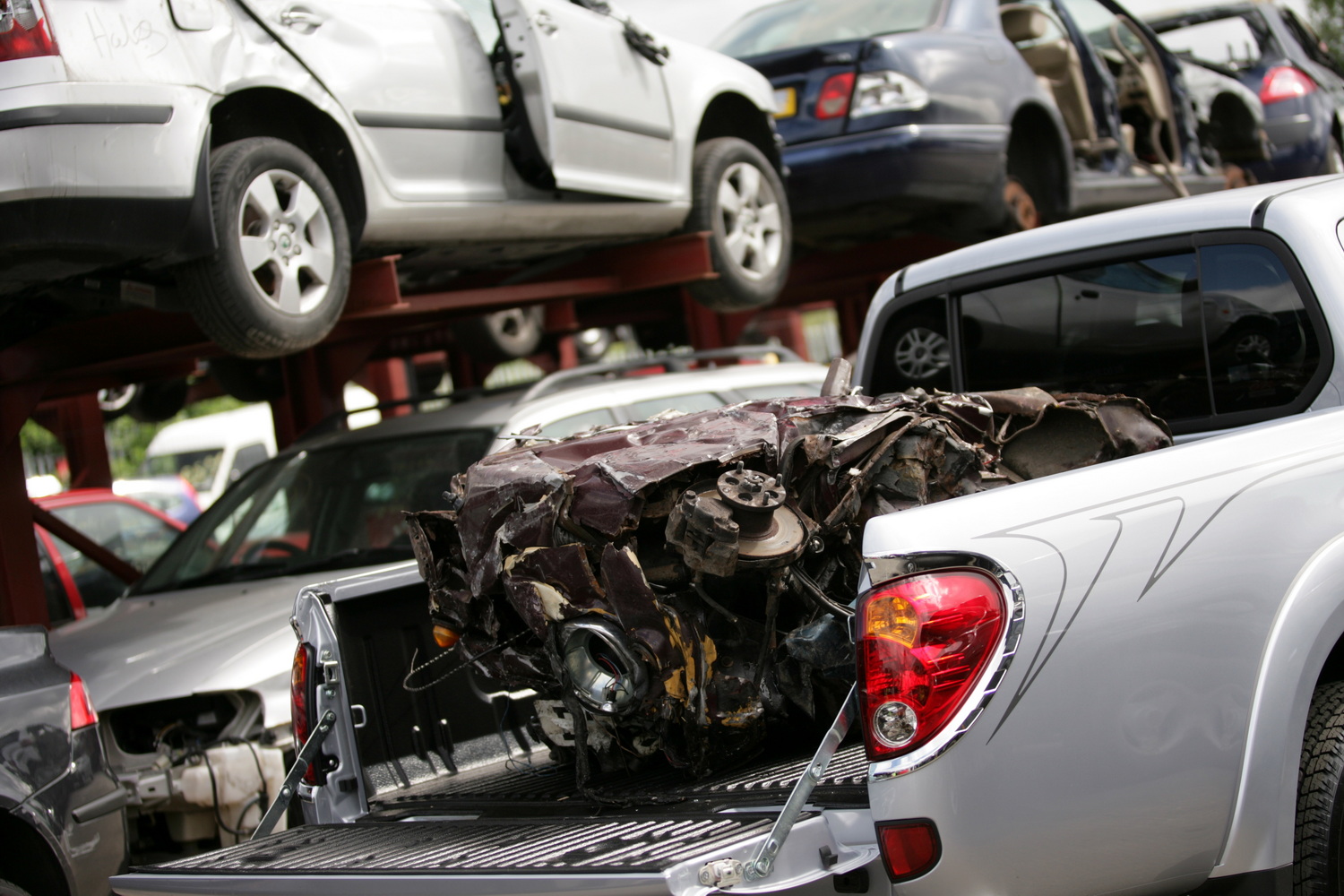
There are some simple headline criteria. You need to be scrapping (not merely trading in) a combustion-engined car that's at least 13 years old, and which has either current NCT, tax and insurance, or has had all three in the last six months.
However, a large chunk of the grant funding is set aside for rural drivers, rather than urban ones.
Do I have to live outside a city?
Sort of. ICE2EV is currently a pilot scheme, so it's being funded to the tune of €10 million. Of that €10 million, in theory, €6.5 million is 'ring fenced' for buyers who live outside of the cities of Dublin, Cork, Galway, Waterford and Limerick.
Why is that?
Basically because the government doesn't want to be seen to be encouraging people to actually buy cars but it's something of a tacit acknowledgement that rural public transport is never going to be enough for all needs, and so people who live in the countryside are always going to be more car-reliant.
So far, in general, rural car buyers have been less than keen to switch to electric power, so this grant is aimed at partially remedying that, as much through getting people talking about EVs in rural areas as anything else.
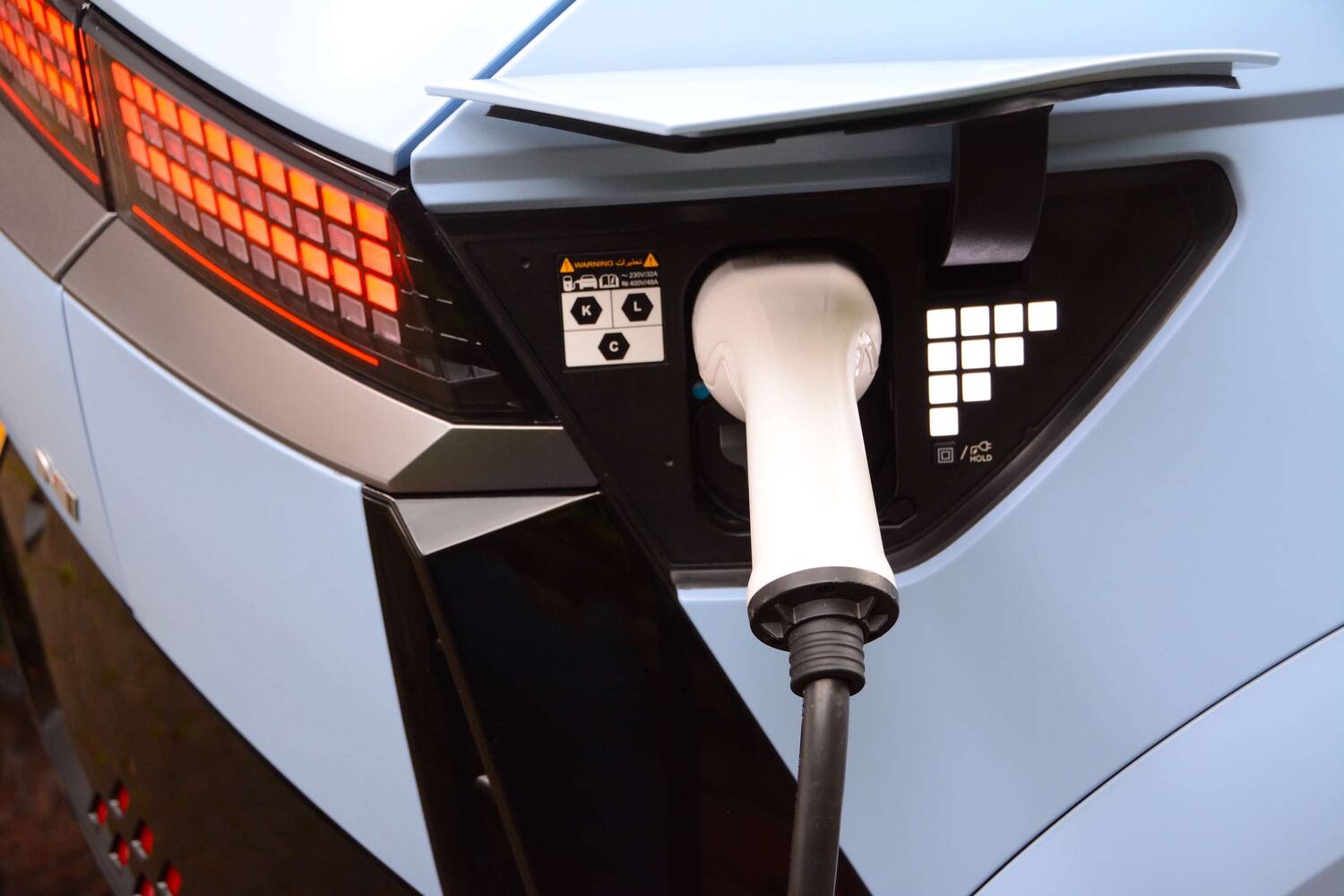
The remaining €3.5 million will be available to those living in the named cities, but you'll have to be quick with your applications, as the scheme opens for business on July 1, 2026, and it's expected that the money will be drained pretty quickly.
How many EVs will this actually put on the road?
Not many. When you divide that €10 million funding by €5,000 it comes out to a total of 2,000 cars, which given the stratospheric acceleration rate of increases in EV sales we've seen so far this year, doesn't sound like much.
There is already talk of expanding and extending the scheme into next year, so there's potential for more funding and wider availability in due course.
Does electric driving suit rural buyers?
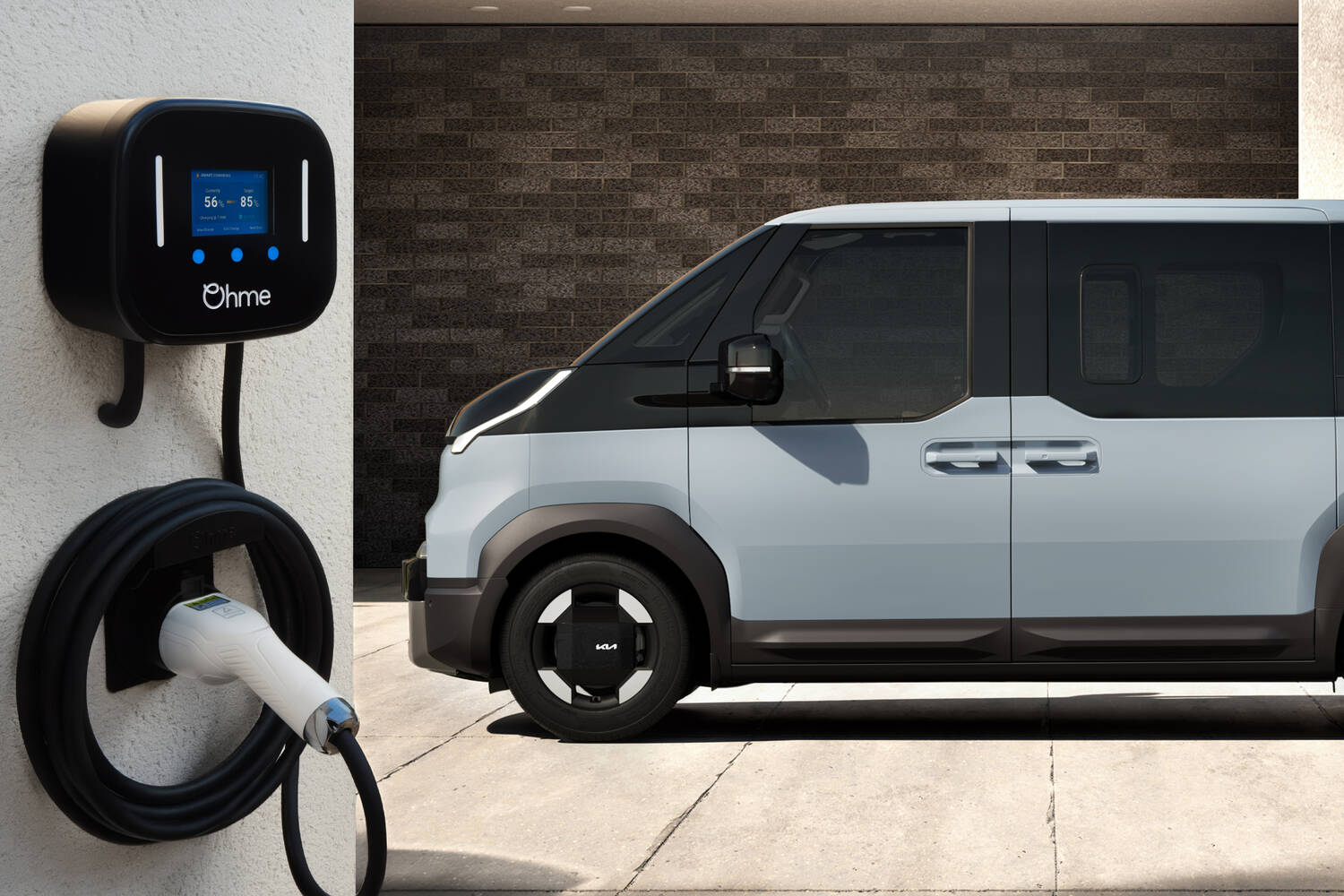
It should do, really. Even the more affordable electric models are now reaching 400km of WLTP range on one charge, and rural drivers are way more likely than urban dwellers to have a large driveway, with easy access for a home charging point.
Does the grant apply when buying a second-hand EV?
It seems not, but that's unclear. CompleteCar.ie has contacted the Department of Transport for clarification and we'll update this piece when we hear back. For now, though, the assumption is that the grant is available only for new car purchases.
Is the government taking anything away at the same time?
Well spotted. Yes, alongside the announcement of the new grant came confirmation that the existing €3,500 grant will, from July 31, apply only to electric vehicles with a maximum price of €50,000, down from the existing price cap of €60,000. That will mean an effective price increase of €3,500 for many popular electric cars, especially larger, family-oriented models.
Our Editor's take: Ireland's 2026 EV scrappage scheme is a waste of time
If there is anything about this story we have not covered, you can avail of our expert advice service via the Ask Us Anything page.