

The one line that I think has genuine profundity from the original Goon Show is this:
Secombe: Eccles? What are you doing here?
Milligan (thoughtfully): Well, everybody's got to be somewhere.
It's just a delightful little vignette, one that gains depth and meaning the more you think about it. It's also a fairly good way to think of Peugeot's first ever GTi. The great lineage of sporty French road cars may not have started where you expected it to, but hey - everybody's got to be somewhere.
What ARE you talking about?
In 1975, Peugeot's somewhere was eyeing up the growing success of Mercedes' luxurious mid-size saloons. We tend to think of 'premium' brand success as a modern thing, but back in the 1960s and 1970s, Mercedes - and increasingly BMW - was starting that long journey of nudging into everyday motoring life with high-quality cars that, if hardly affordable, were at least attainable.
Peugeot's jealousy can be easily understood. The Peugeot company was already more than 150 years old at this point, and its car manufacturing arm dates back to the earliest days of motoring, when Armand Peugeot convinced his siblings that the family firm should diversify from making kitchenware and into making cars.
In that mission, Armand was inspired by the work of none other than Karl Benz and Gottlieb Daimler, and the three men frequently corresponded about the burgeoning dawn of the automobile. Indeed, the first proper Peugeot car (well, the first that was not steam-powered), the 1890 Type 2, used a Daimler-designed two-cylinder V-style engine, built under licence. Little wonder, then, that Peugeot as a company, 80 years later, would be jealous of its erstwhile partner's success in making posh cars.
Are you going somewhere with this?
How to muscle in on Merc's territory, though? How indeed, especially for a company that was best known at the time for affordable small cars and solidly sensible family machinery such as the solid, stolid Peugeot 504 saloon. Peugeot was also keen to take on Citroen's legendary DS, still four years away from being replaced by the equally-avant-garde CX.
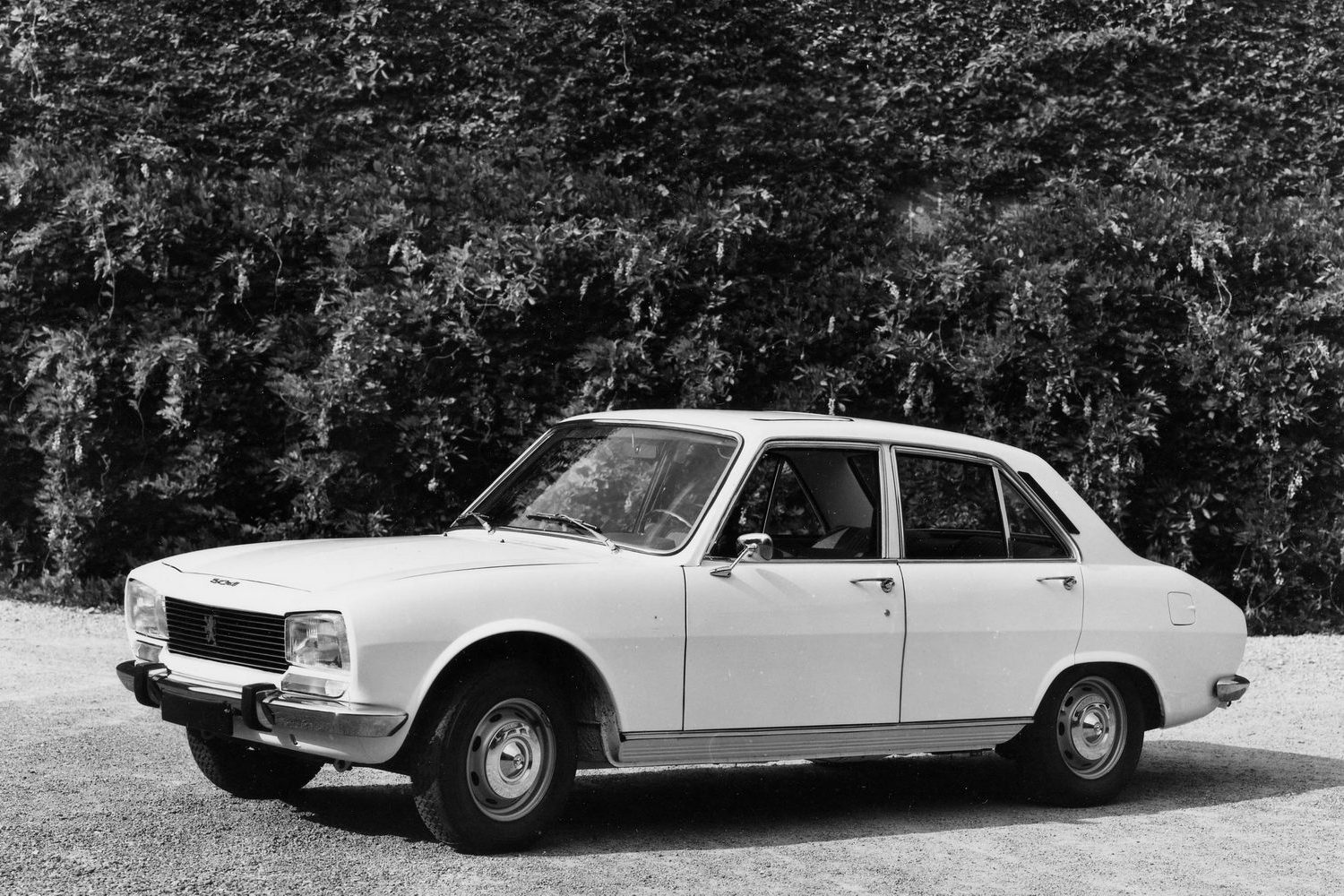
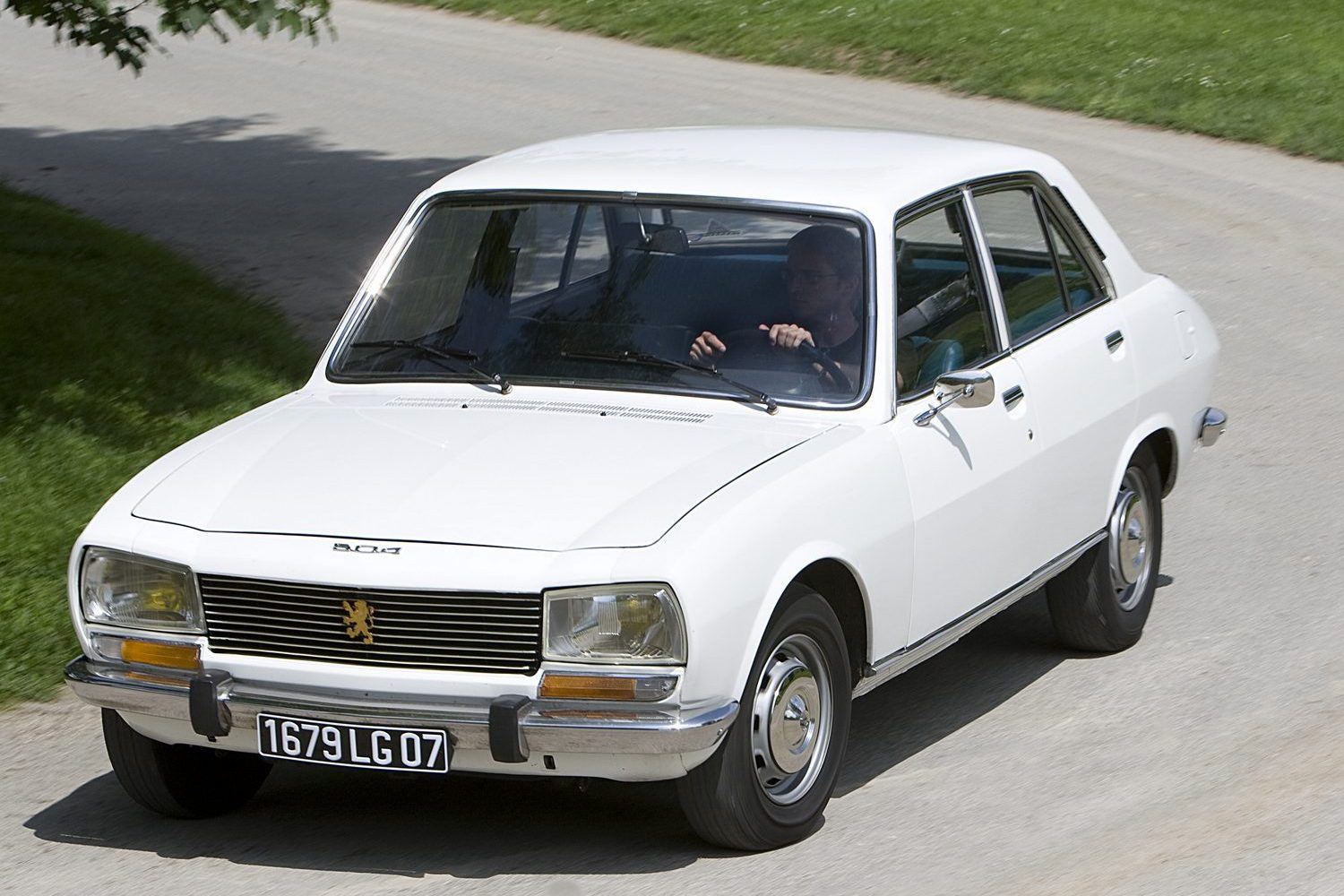
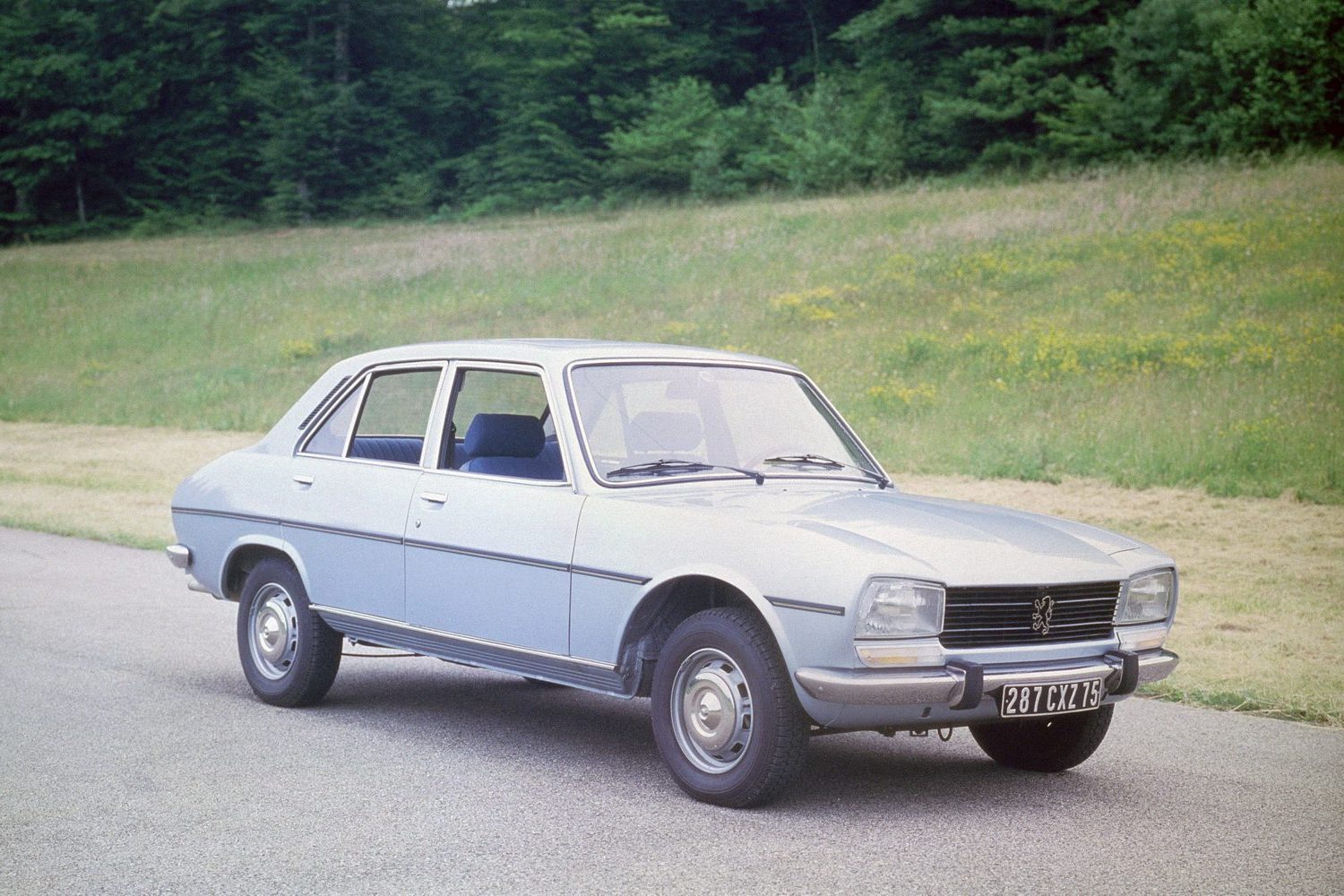
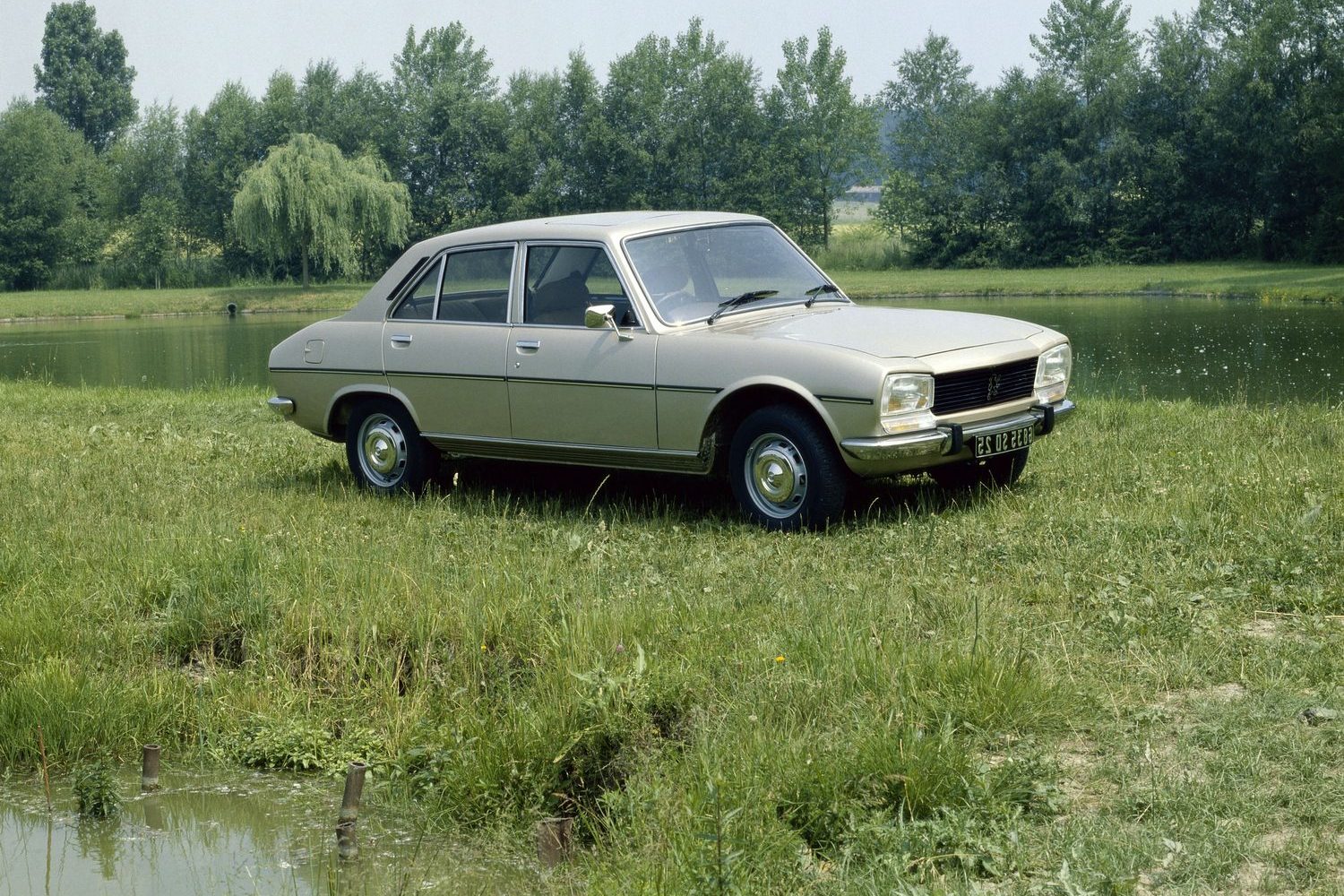
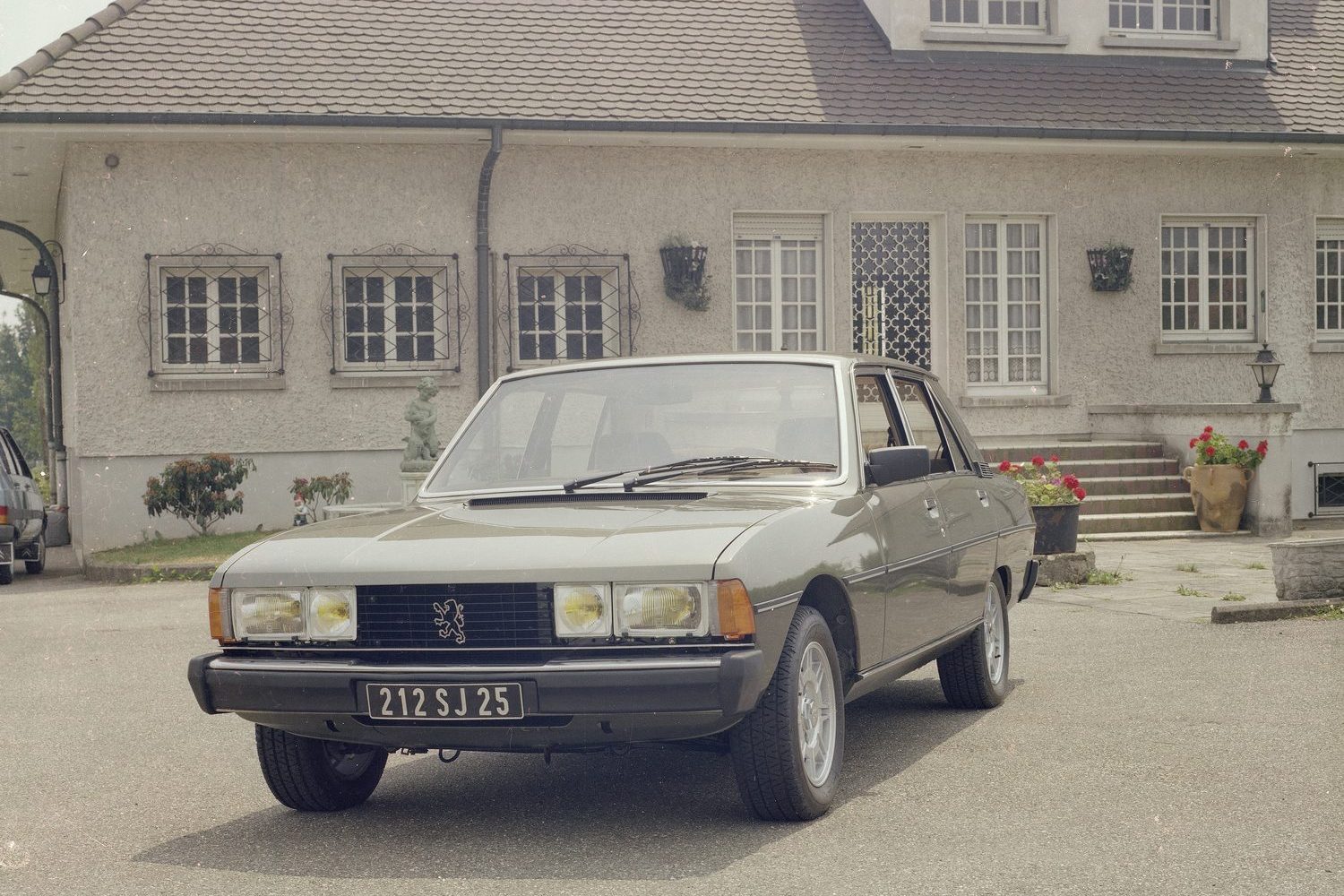
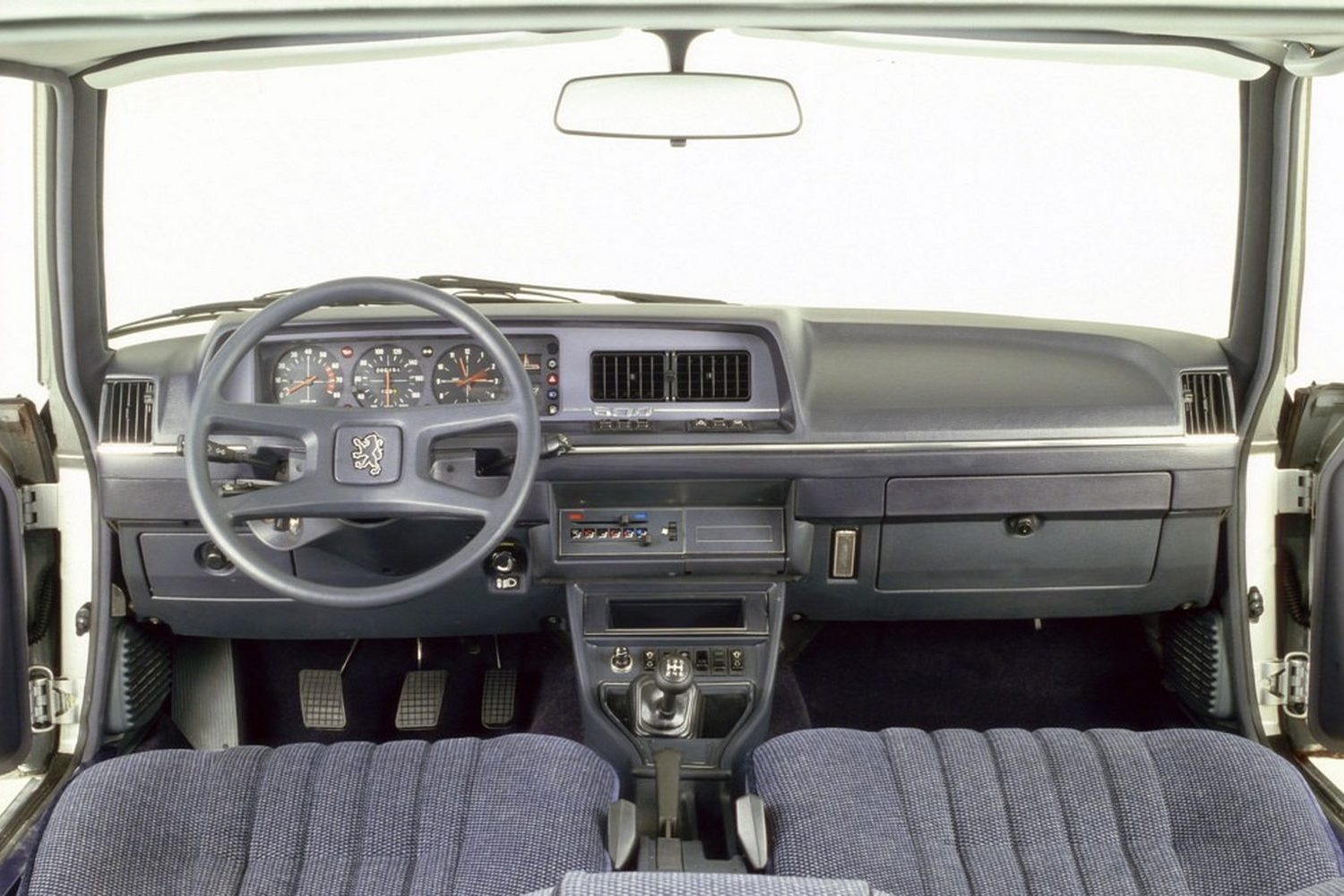
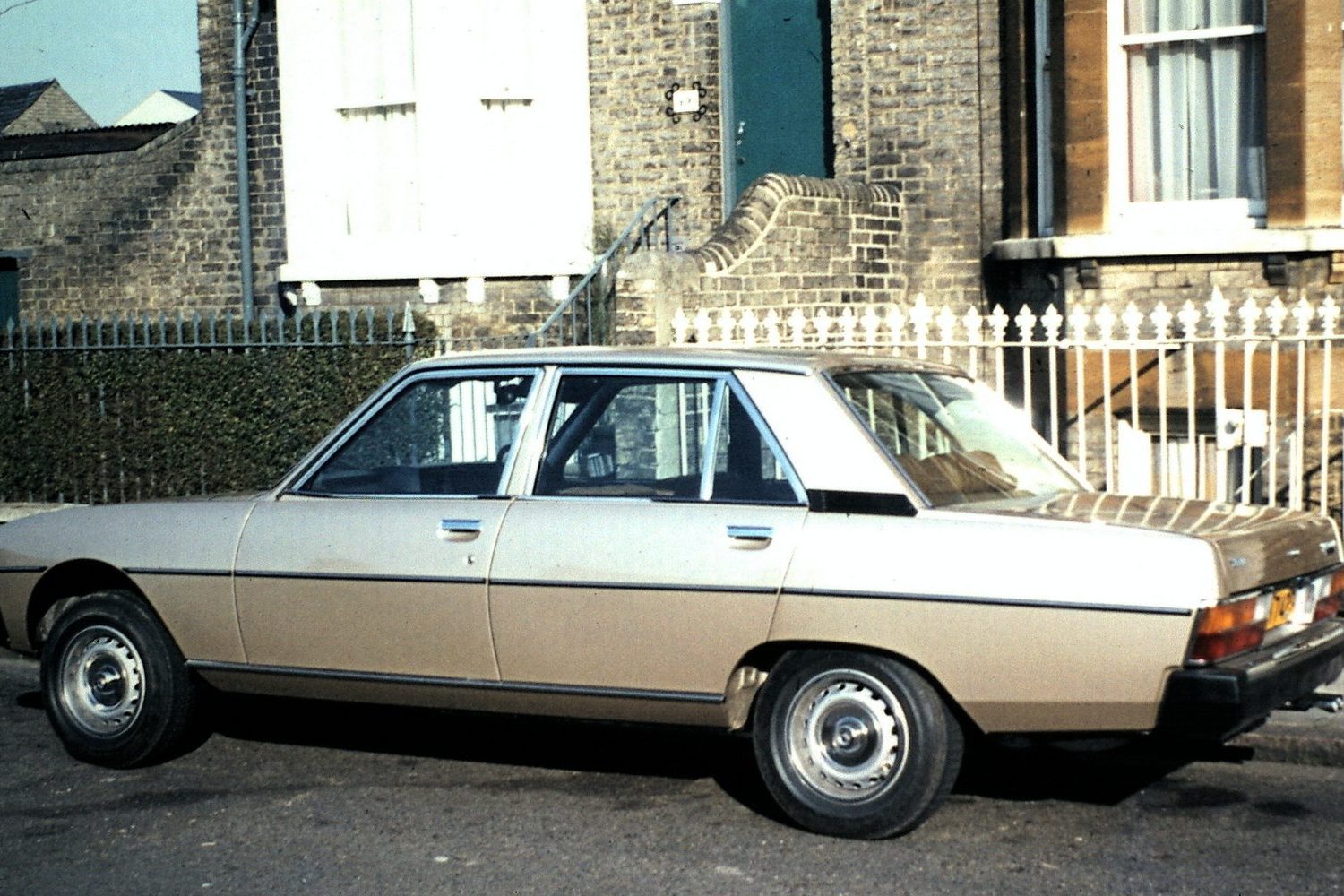
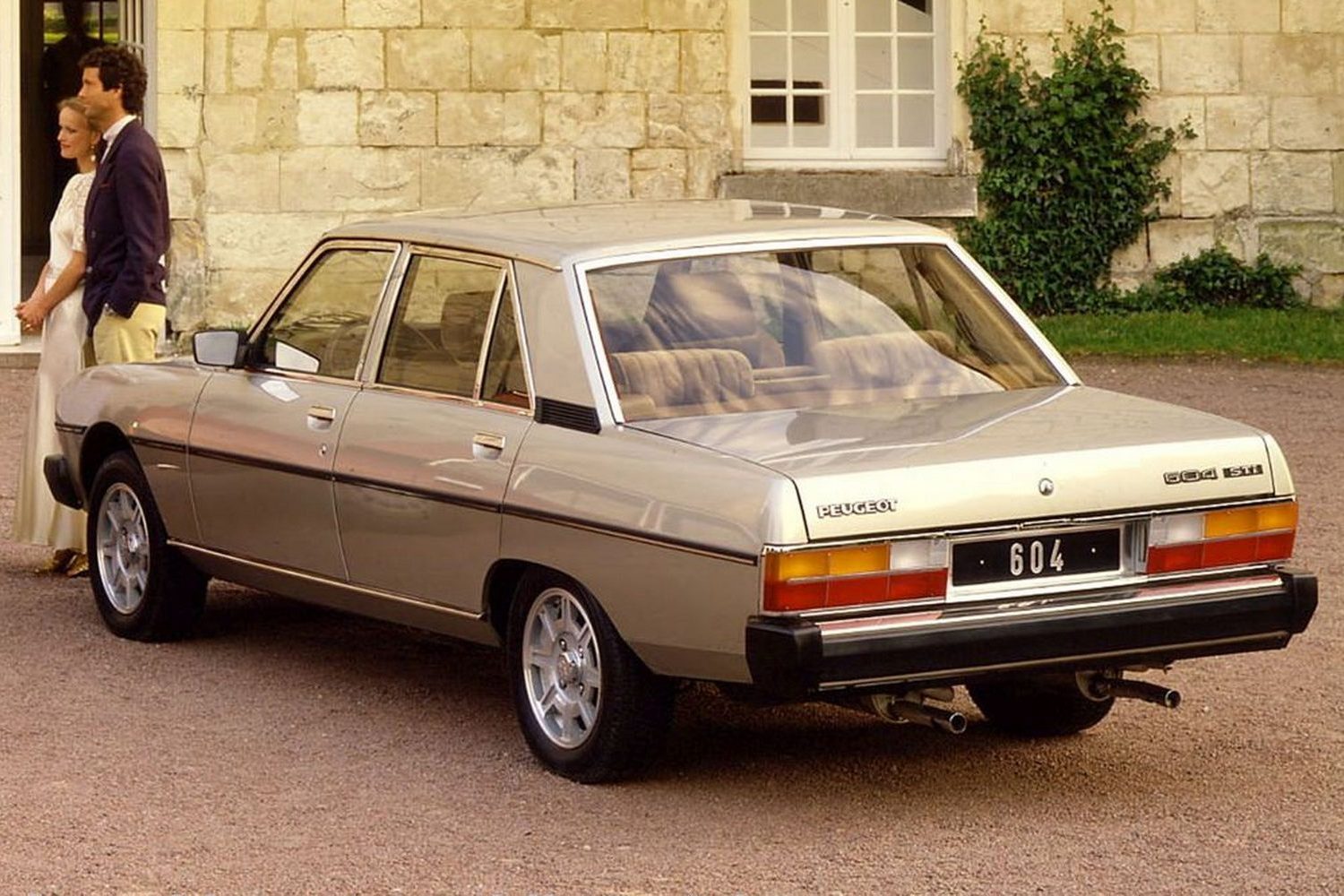
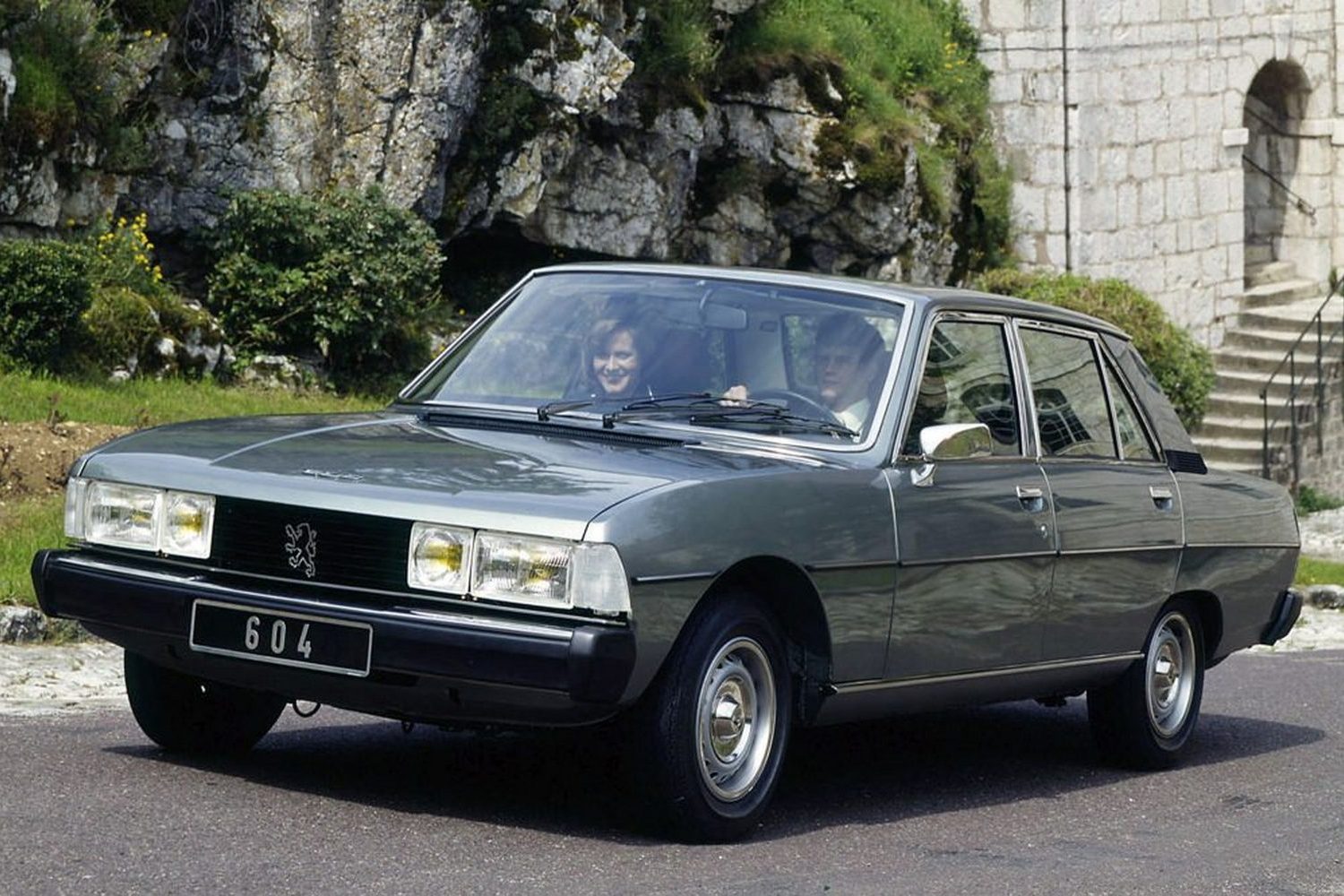
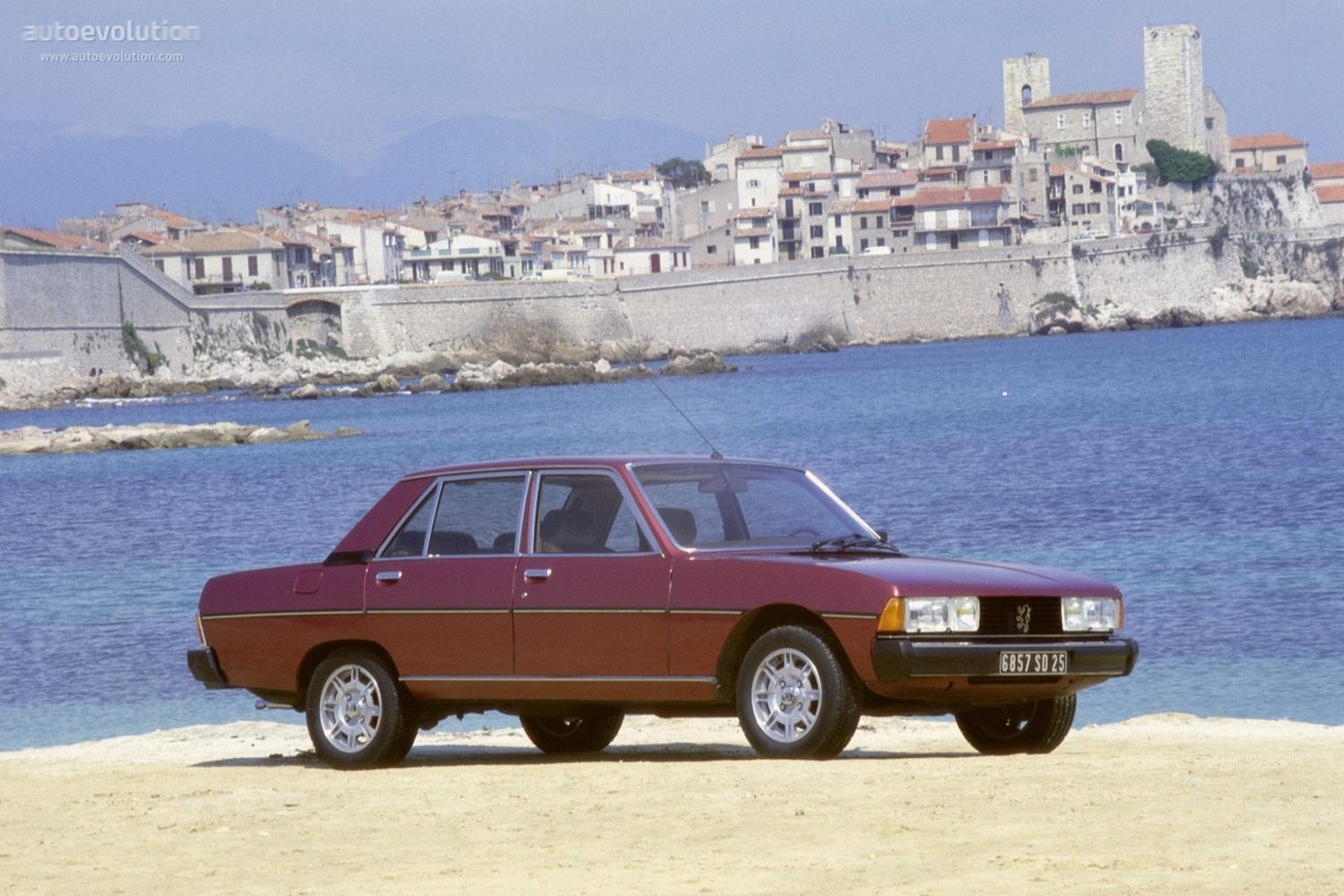
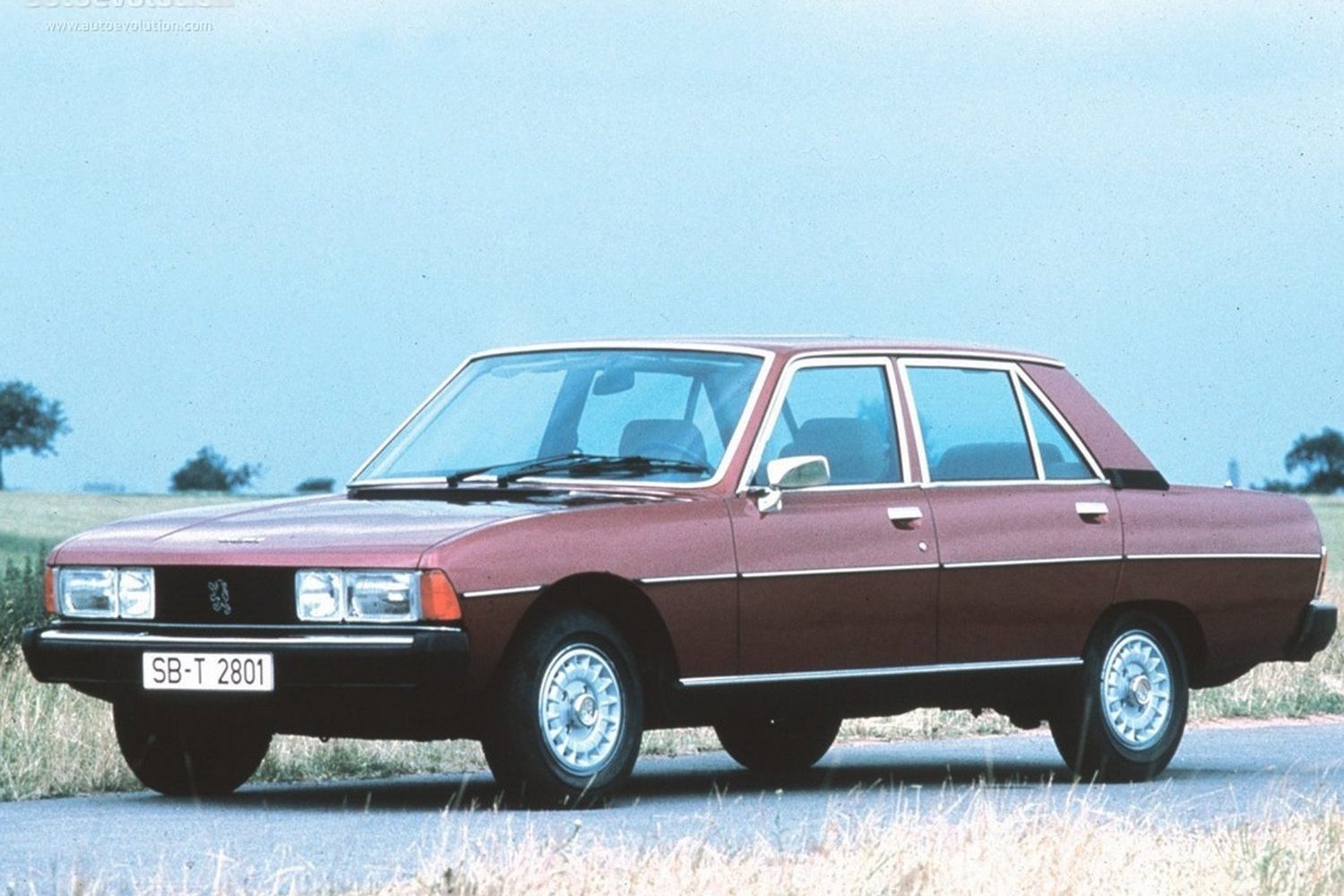
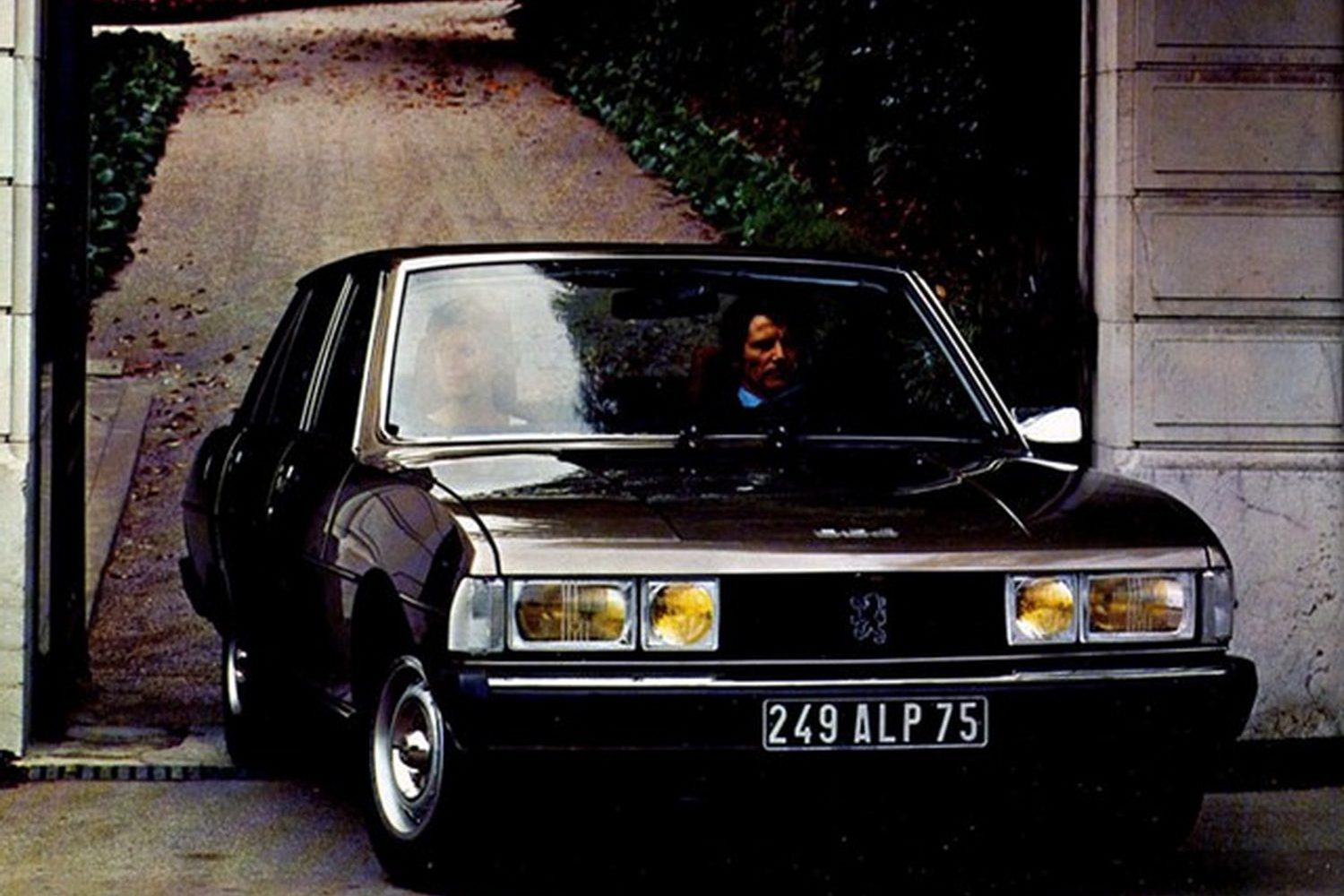
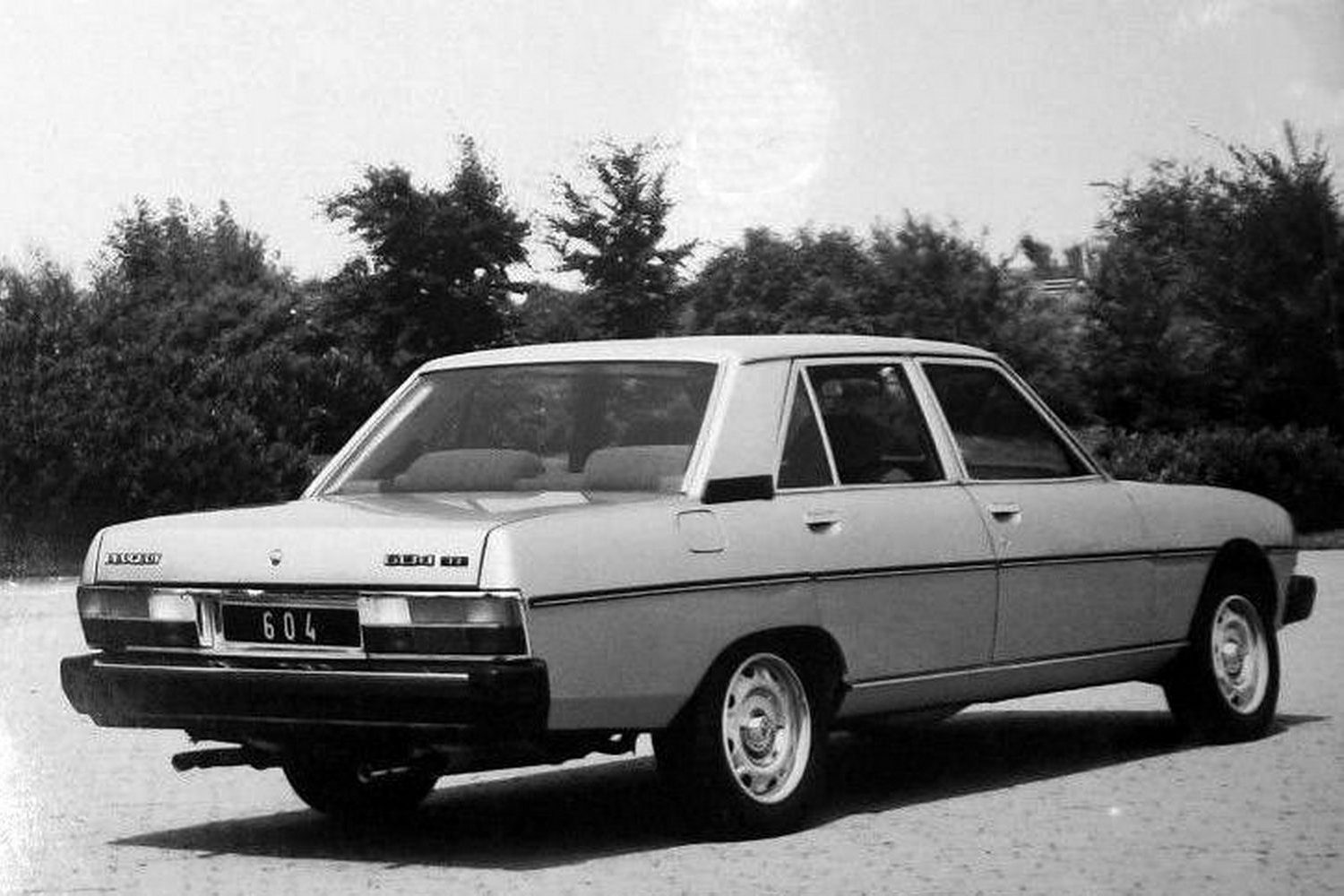
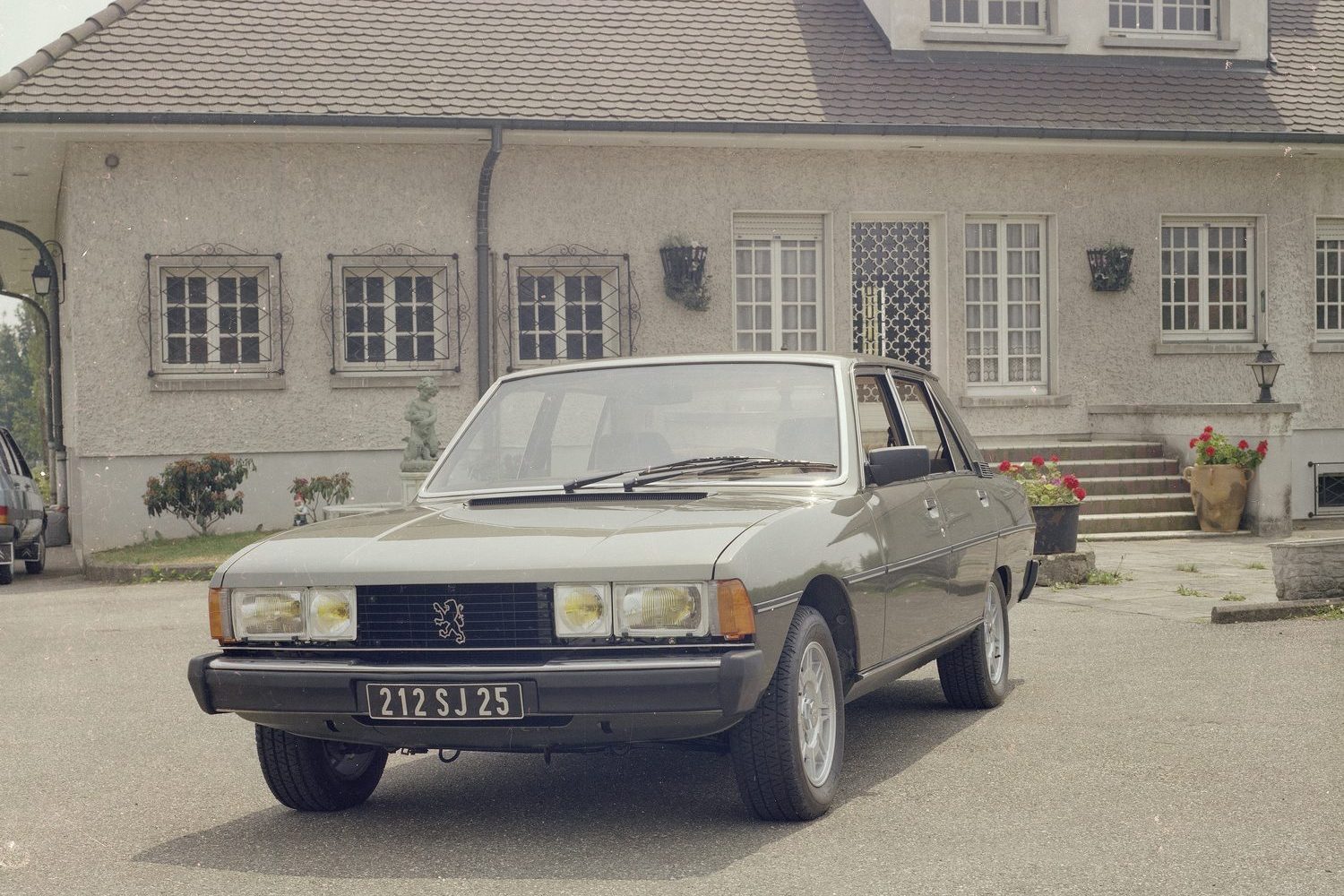
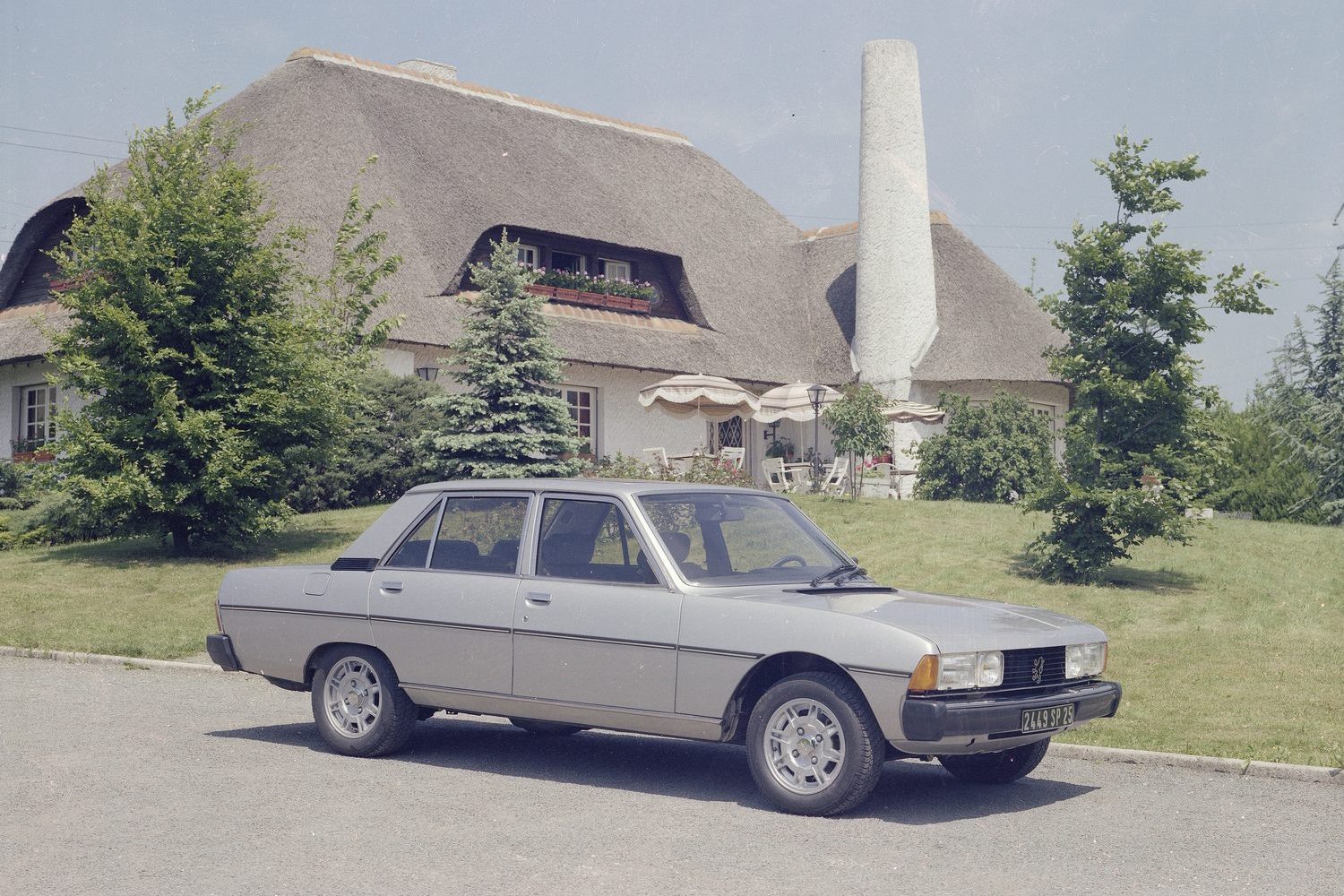
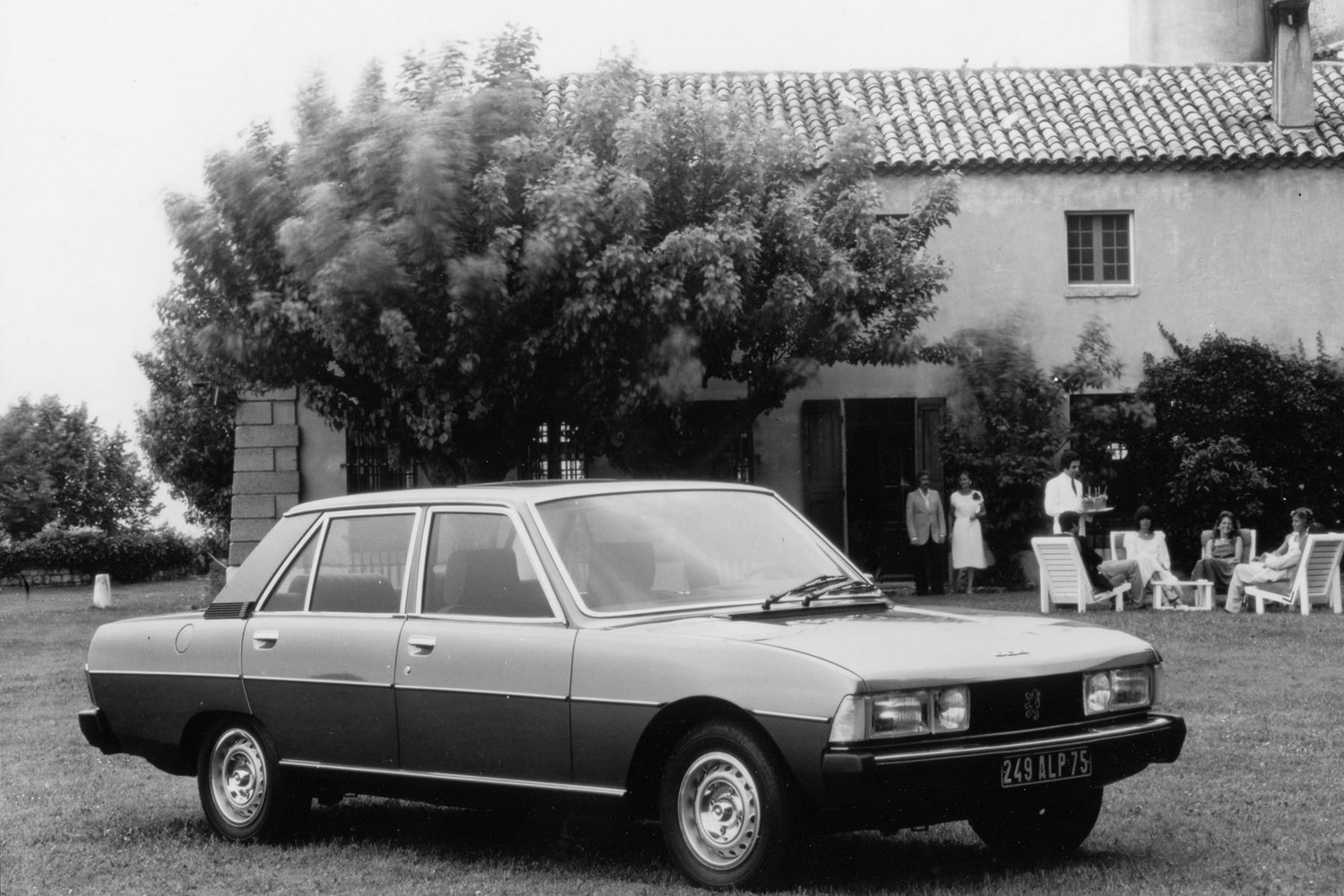
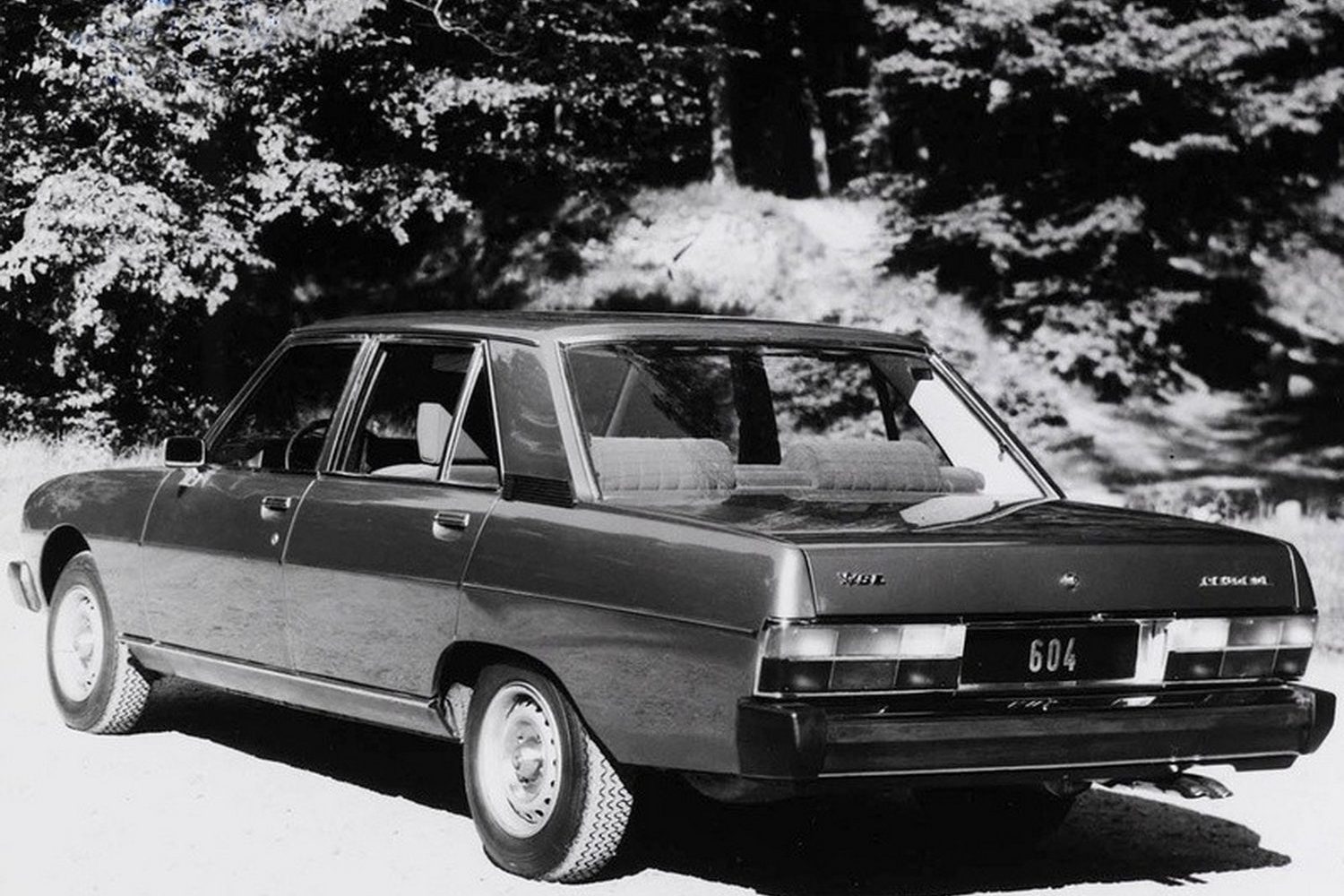
So, the Peugeot 604 was born. It may not look it from the outside - not with those squared-off lines, designed by Peugeot's own styling team and Italy's Pininfarina, led by the legendary Aldo Brovarone, to mimic the upright look of the Mercedes W108 and W113 models - but the 604 is basically a bigger 504. Again, platform engineering seems like such a modern thing, but really the 604 was a stretched 504, with more space in the back and a squared-off boot.
Ok, tell us more about this Peugeot 604
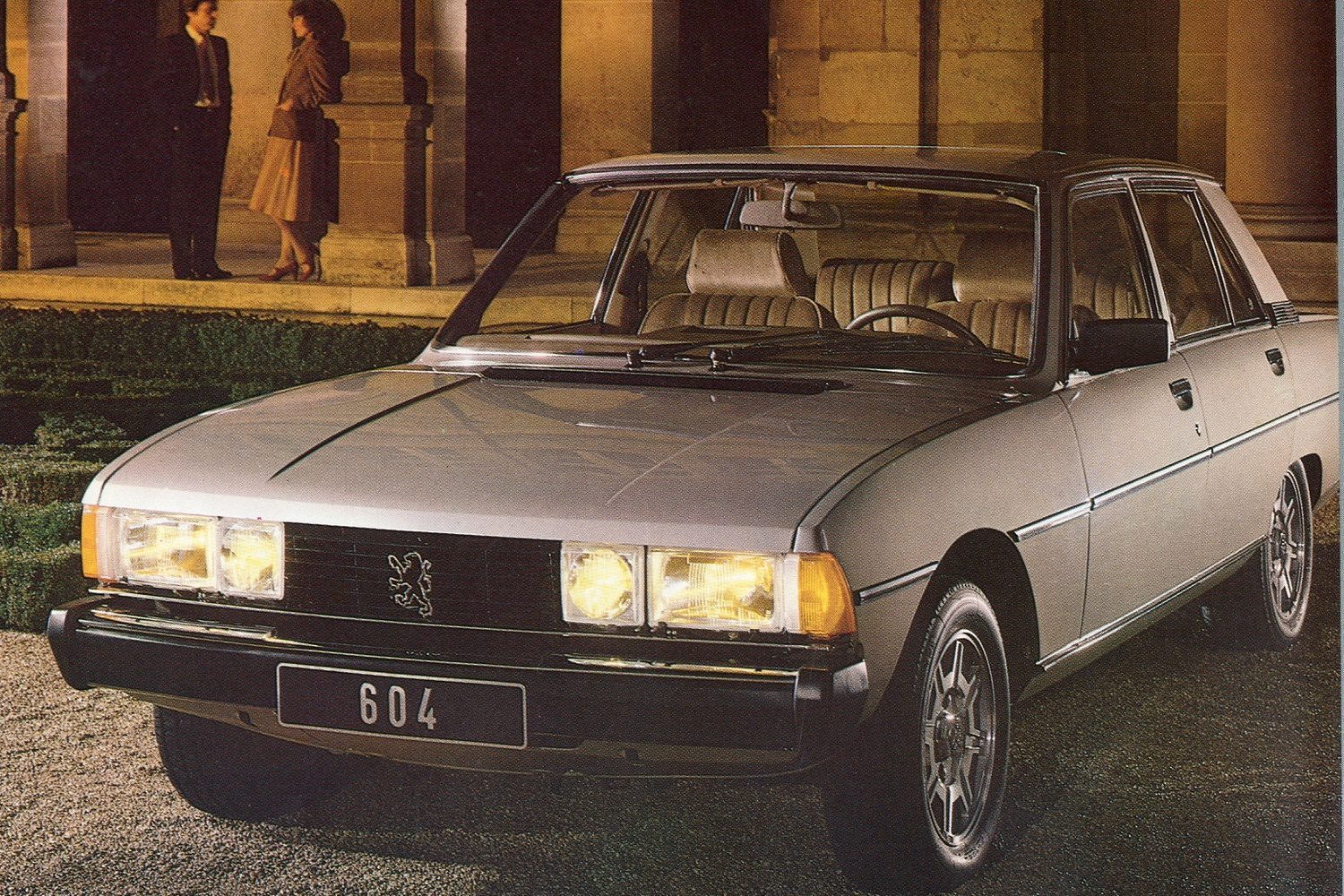
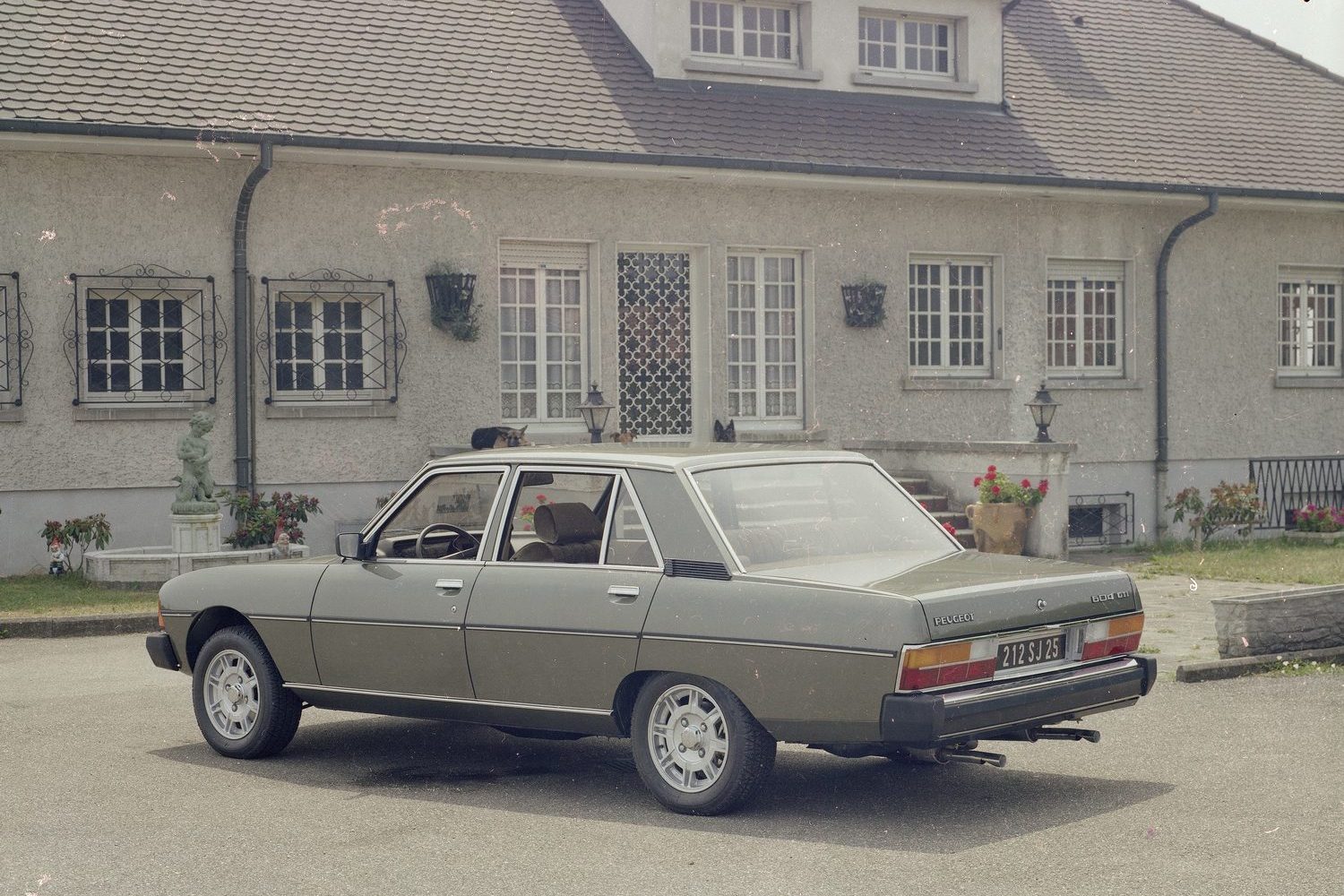
It's a very handsome car, the 604. Very seventies in its upright, rectilinear styling, but the chunky, lengthy boot section, combined with the surprisingly raked-back windscreen to give a sense that the whole car is leaning back onto its rear wheels slightly, like a speedboat dipping at the stern as it accelerates.
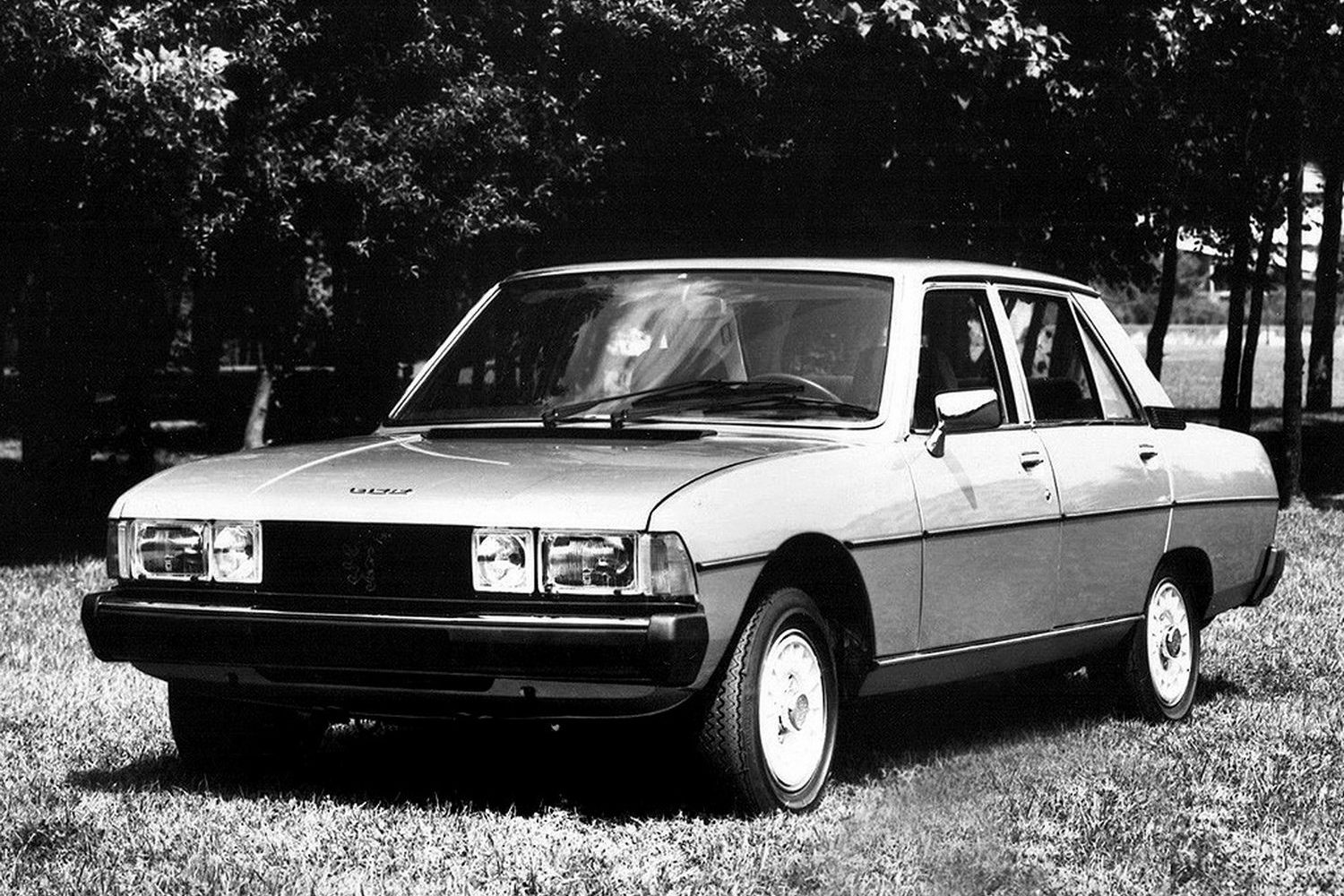
That, perhaps, is a hint as to the 604's unusual place in Peugeot's history. At first it was to some extent just another big saloon in a market that included such mainstream-brand 'executive' models as the Ford Zodiac and Granada, the Opel Senator and the Rover P6 (and latterly the SD1). The 604 was well-received in contemporary tests, with both Motor and Car magazines rating it highly, complimenting its handling, its overall sense of quality and even saying that it stacked up well against the Mercedes models that had inspired it.
What the 604 wasn't, especially, was a roaring sales success. Built between 1975 and 1985, the 604 only racked up 155,000 buyers worldwide (it was sold in America for a time), compared to the million-strong sales of the much more divisive Citroen CX. The two cars were, of course, technically stablemates as Peugeot bought a controlling interest in Citroen in 1974, but there was no mechanical commonality.
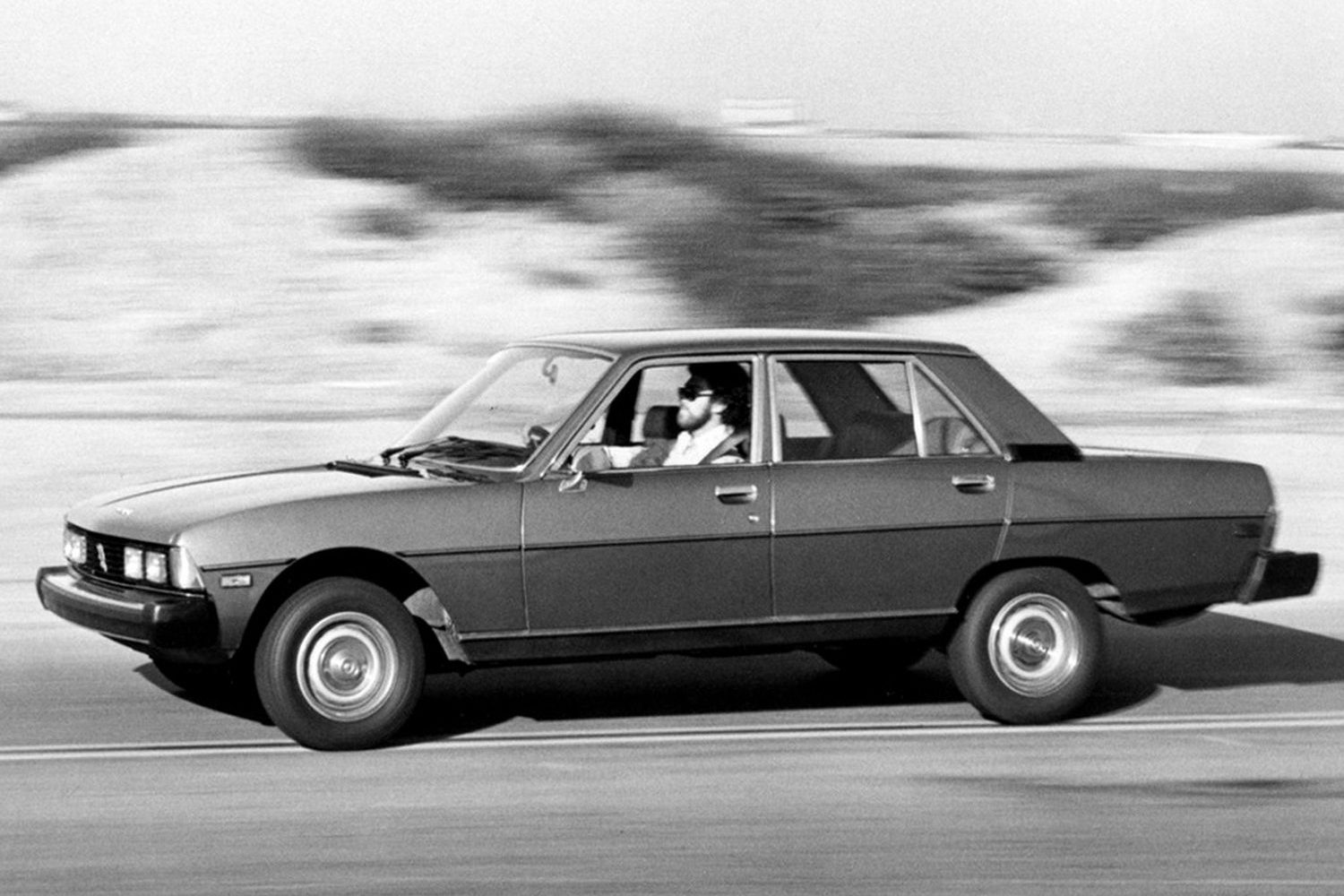
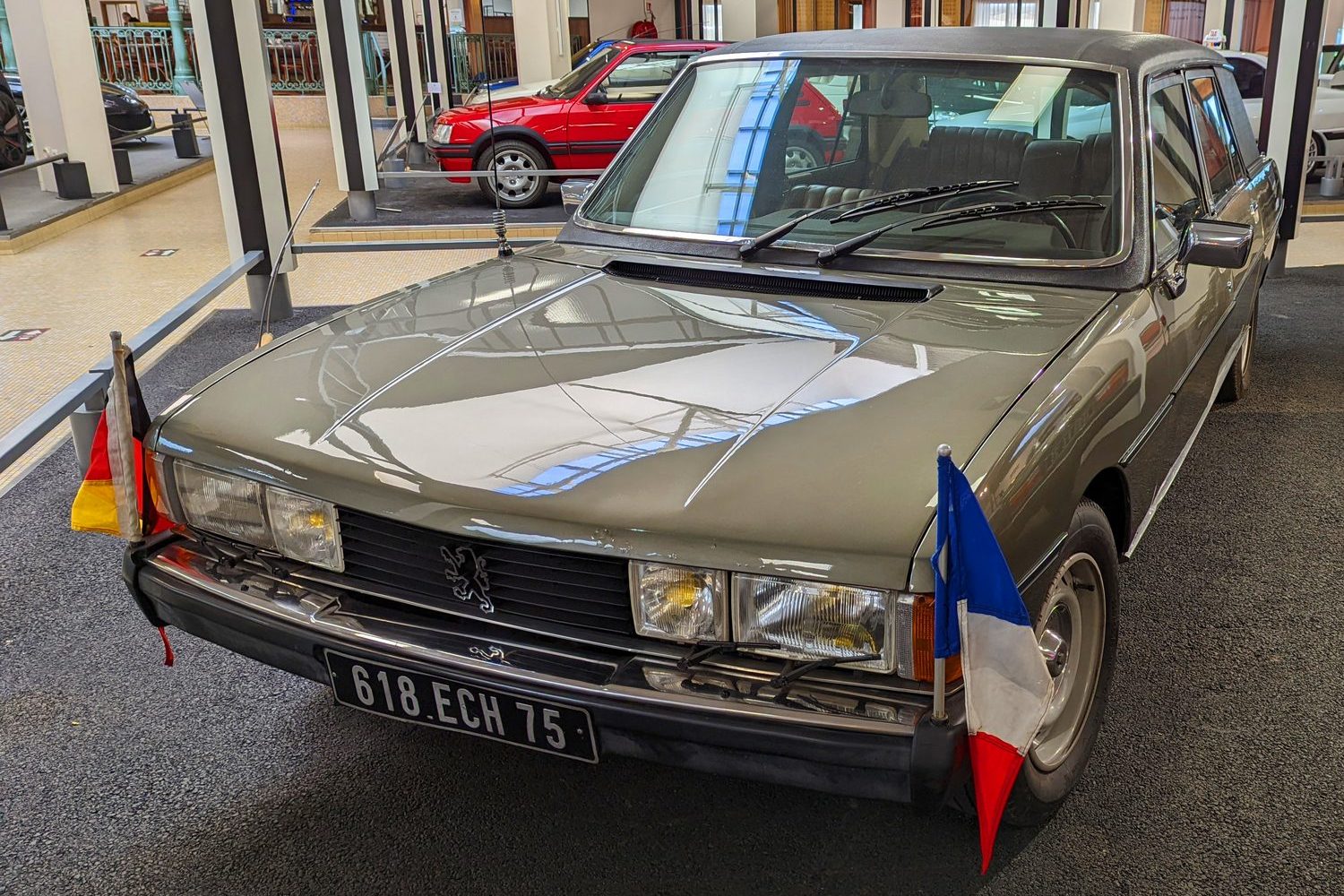
The 604 is primarily famous for two things. It ousted the Citroen DS as the official car of the French government - indeed, President Valery Giscard-D'Estang liked his official 604 so much that he kept a couple of them for personal use in retirement.
The 604 was also the first car to be sold with a turbodiesel engine, starting in 1979, and kicking off a dynasty of excellent fast-but-frugal Peugeots that would culminate in the V12 diesel-engined Le Mans 24 Hours win of 2009.
I didn't read this far to read about diesels...
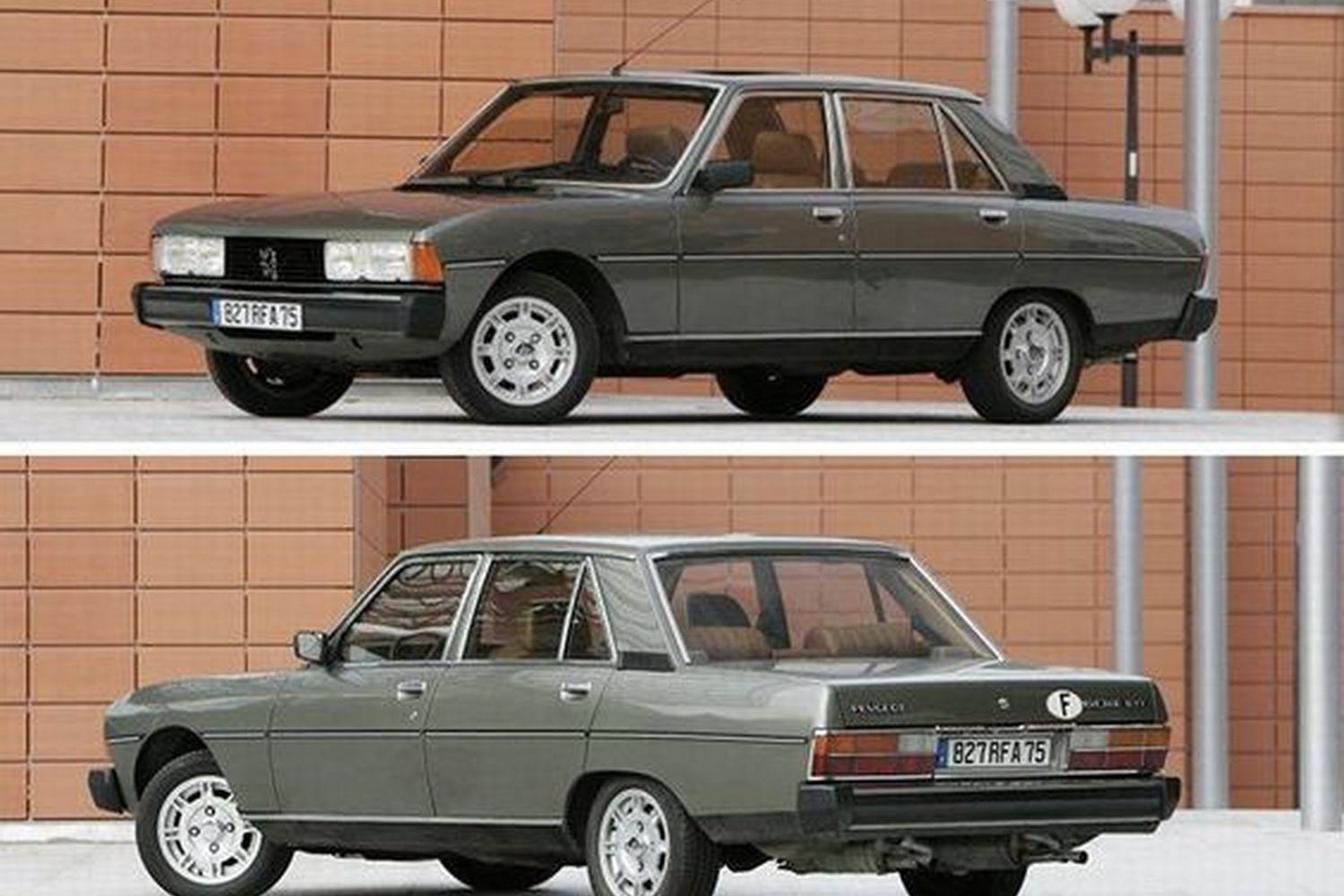
No, that's not why we're here. The 604's other legacy, much less well known, is that it was the first Peugeot to wear the coveted GTi badge, beating the much more famous (and beloved, let's face it) 205 GTi into production by a year, with the 604 GTi appearing first in 1983.
How did a badge now utterly associated with hot hatches first appear on the big saloon? Well, actually that wasn't so unusual at the time. Both the Peugeot 505 (a far more successful Peugeot take on a big saloon) and the Citroen CX were sold in GTi form. Indeed, the first-ever car badged as GTi was a big Maserati coupe from 1960, the 3500 GTi.
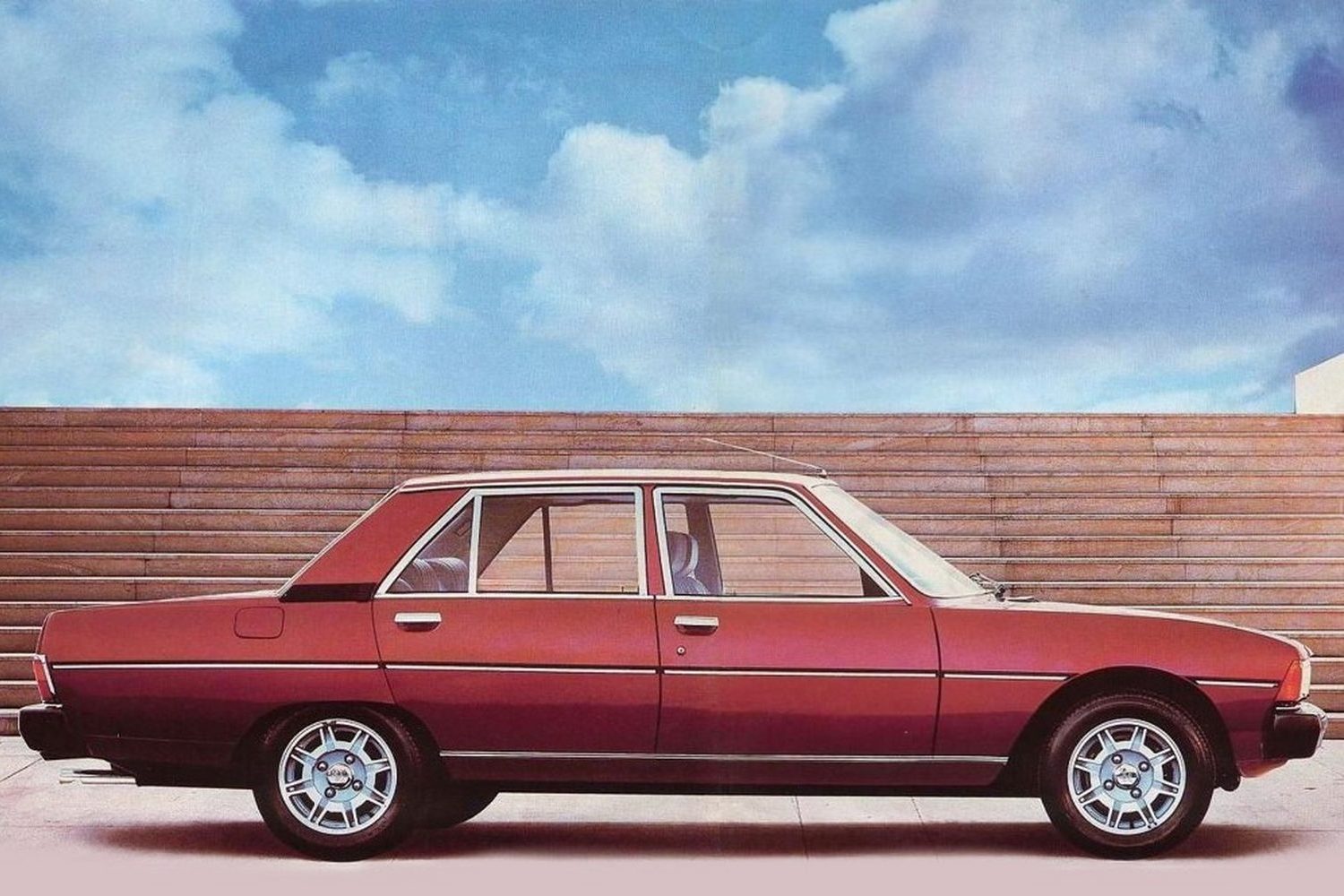
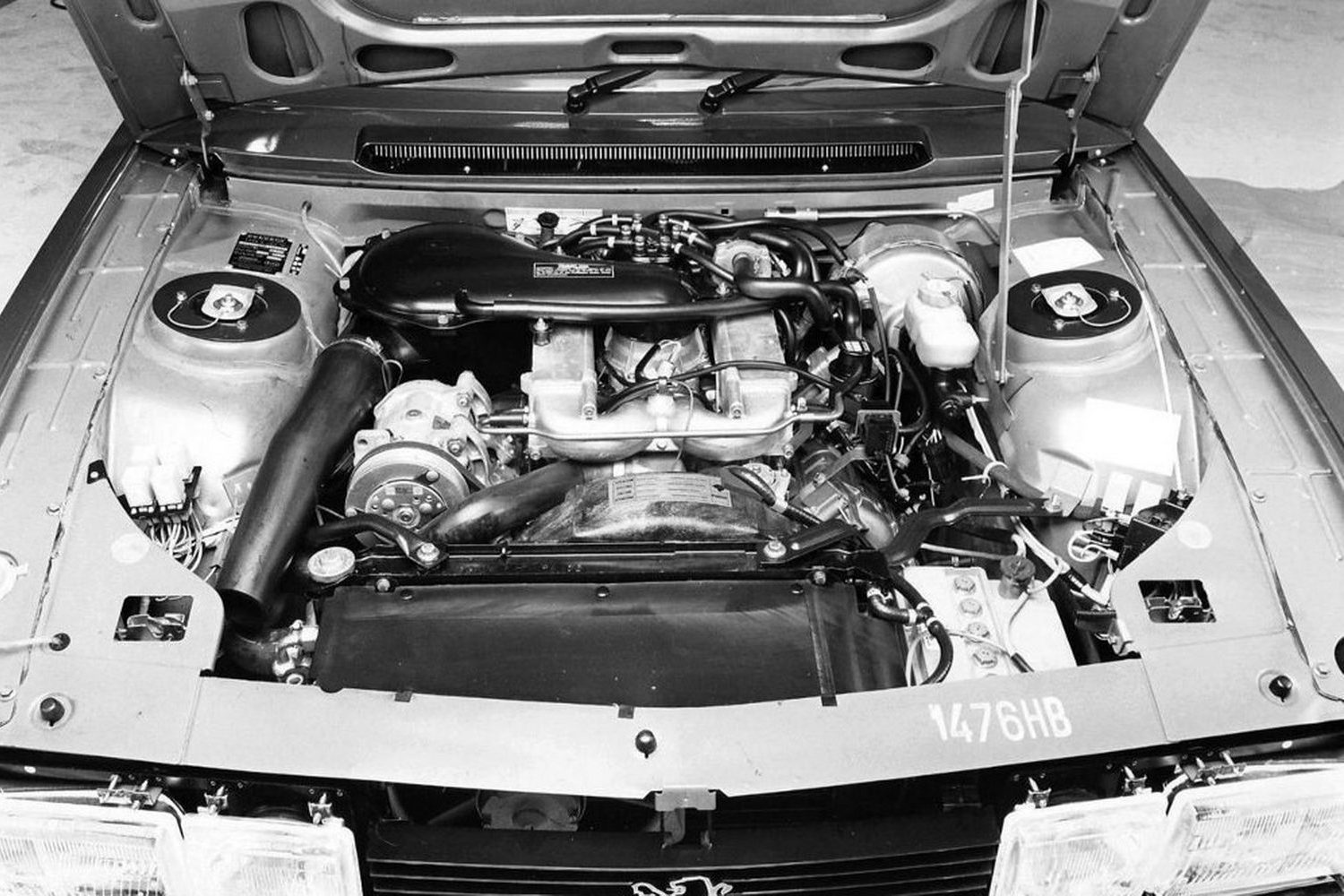
The Peugeot 604 GTi evolved from a previous, semi-sporting model, the 604 STi, which used the familiar - but hardly sporty - 2.7-litre 'PRV' (Peugeot-Renault-Volvo) V6 engine, which was never much of a powerhouse, even by contemporary standards. The STi had 144hp, thanks to the addition of Bosch electronic fuel injection. However, Peugeot's engineers felt that a bit more could be squeezed out of the 604.
So, in 1983, the 604 GTi was born, with the PRV engine now expanded to 2.8 litres thanks to 91mm cylinder bores, the Bosch fuel injection retained and a limited-slip differential added between the rear wheels (the 604 was the last rear-wheel-drive Peugeot, incidentally). There was a five-speed manual gearbox as standard, or you could have an optional three-speed ZF automatic.
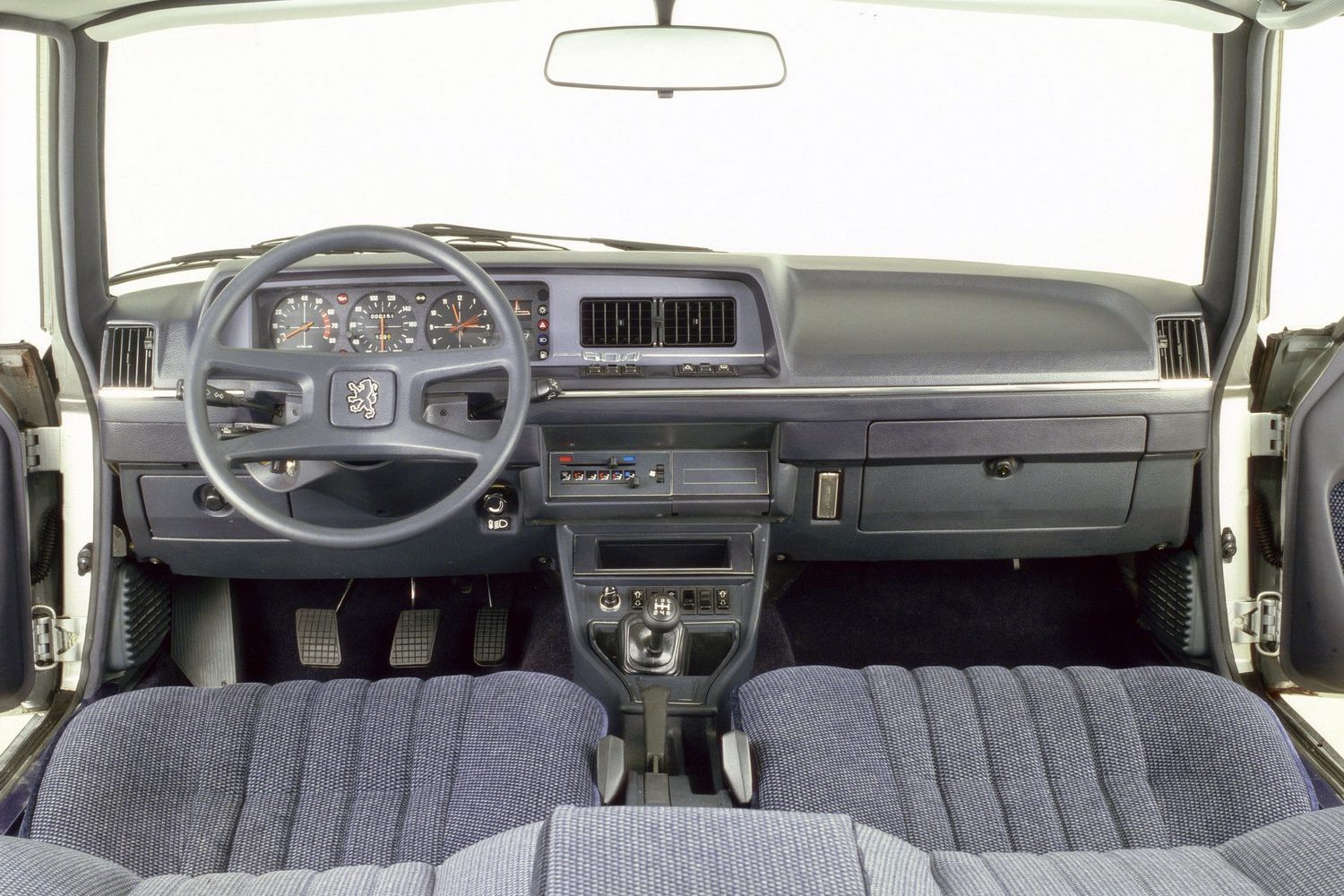
Was the Peugeot 604 GTi a powerhouse?
Peak power was up to 155hp at 3,000rpm, with 235Nm of torque, and this in a car weighing a fairly trim 1,450kg. Performance wasn't exactly Concorde-like - the 604 GTi took 11.8 seconds to reach 100km/h from rest and had a top speed of 185km/h - but that was still considerably quicker than the standard 'SL' model of V6 604. Bigger 15-inch wheels with 195-section tyres did a slightly better job of filling out the 604's rather gaping wheelarches with their handsome eight-spoke alloy finish, too.
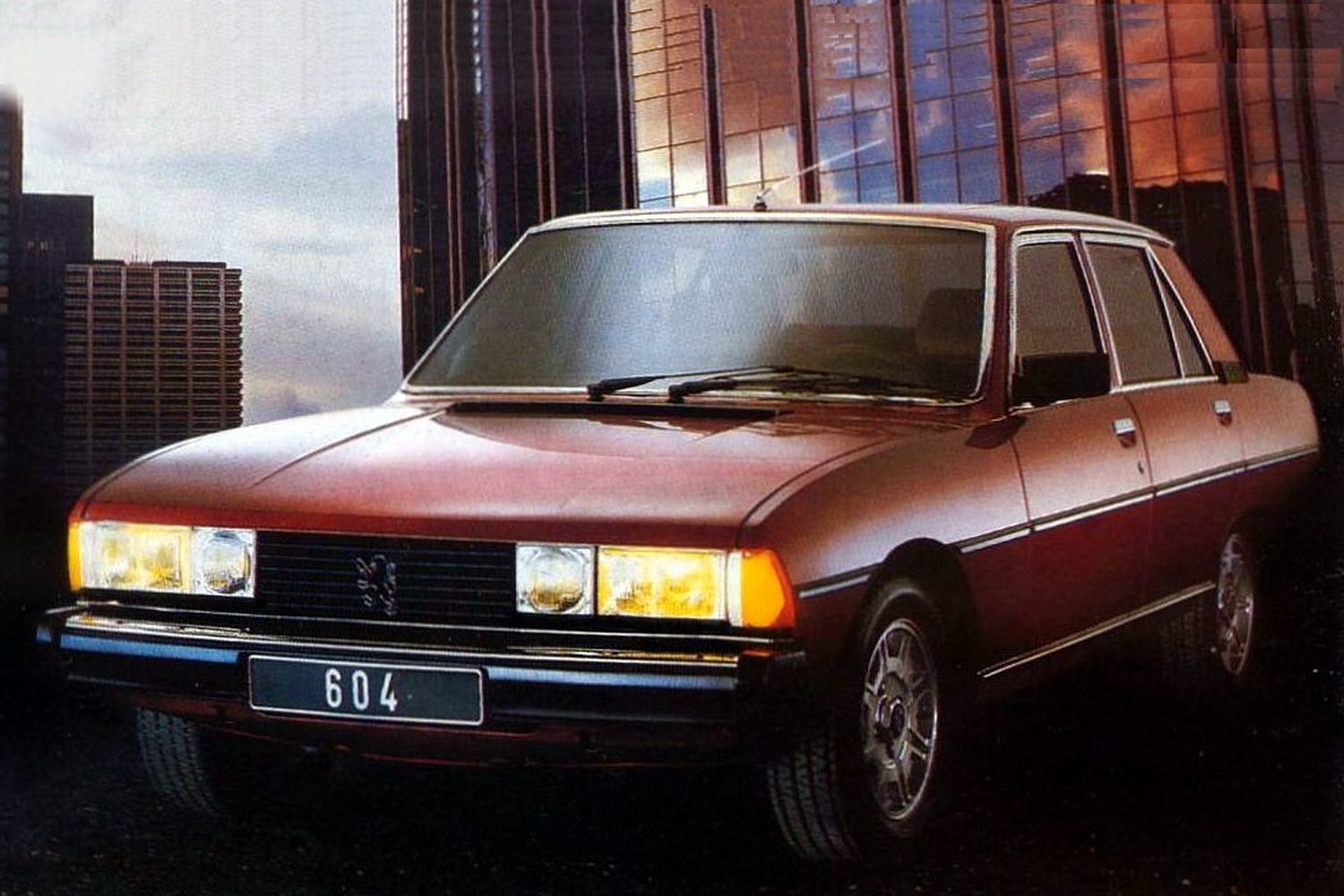
Was the 604 GTi a roaring success? A final lap of honour for the big 604 before it ceased production in 1985? Not really - only a handful were sold, and there are few contemporary road tests or reviews still available, although the influential French car magazine, Auto Hebdo, did put it on the front cover, and in the review by Michel Salusse, the 604 GTi was highly praised. The 604's relatively soft and relaxing suspension was little changed, but the steering was quite sharp, and the inherently good handling easily withstood the modest increase in power.
A year later, the 205 GTi arrived in a blaze of both publicity and glory, and went on to become, alongside its VW Golf namesake, and the Ford Escort XR3i, the defining car of the hot-hatch generation.
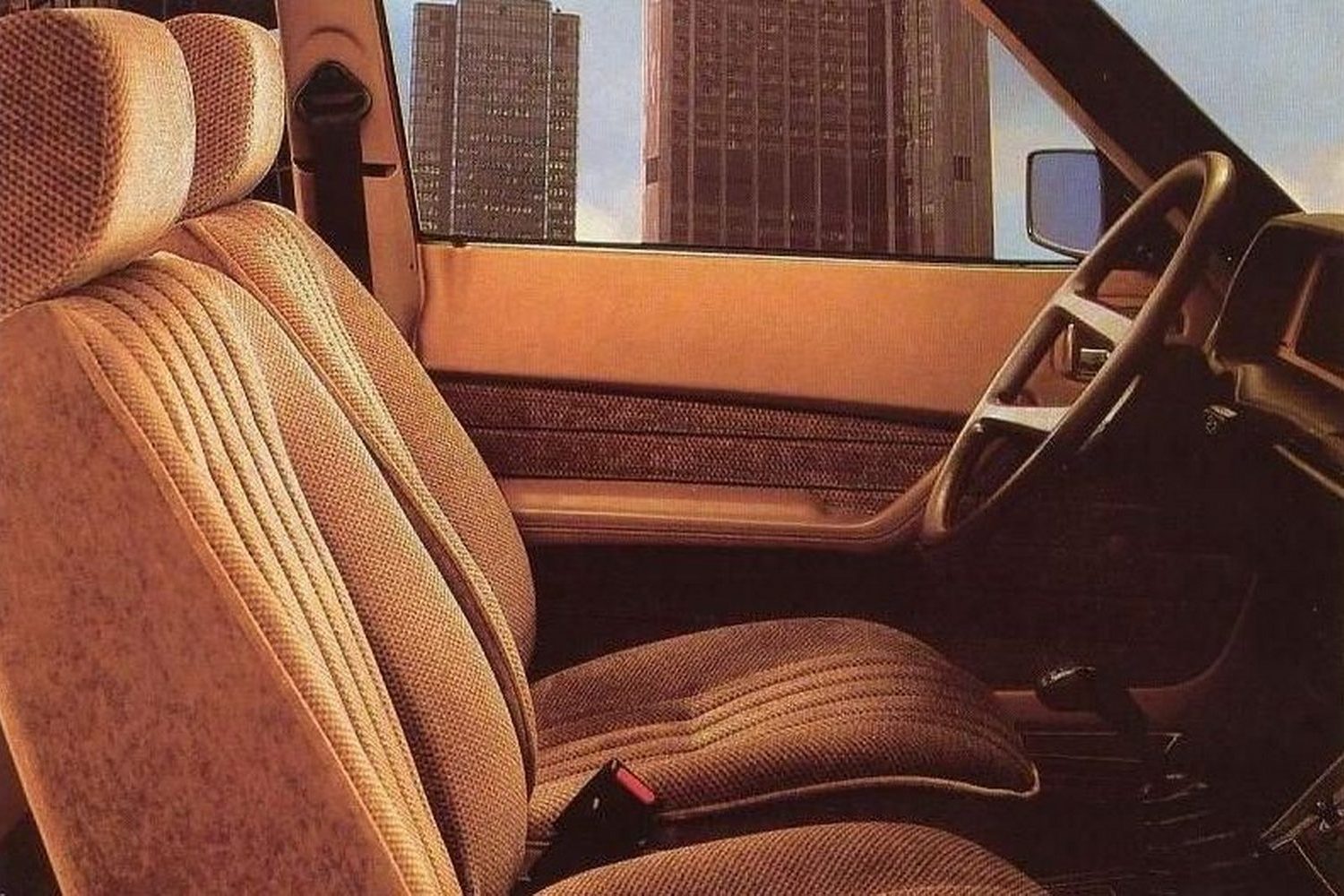
The Peugeot 604? It wallowed off to the great automotive graveyard in the sky, and it wouldn't be directly replaced until the 605 of 1989, which would eventually have a 24-valve, quad-cam version of that long-serving PRV V6 engine. It never received a GTi badge, though. Peugeot's lesson was learned - GTi belongs on small cars, not big executive barges.
Still, everybody's got to start somewhere.
If there is anything about this story we have not covered, you can avail of our expert advice service via the Ask Us Anything page.