



Irish pricing for the 2025 VW Tayron
The VW Tayron can be had either as a diesel with seven seats or an eHybrid PHEV with five. Just one 2.0-litre TDI engine is offered at the time of writing, producing up to 150hp and driving the front wheels via a DSG automatic gearbox.
At first glance, it appears that the diesel is cheaper to buy, which in a way it is, as the most affordable model is the Tayron Life TDI at €56,745 (that's the 'retail on the road' price), while the cheapest PHEV is the Tayron Elegance eHybrid at €57,645.

However, to get the Elegance trim level with a diesel engine actually costs €65,770, and the eHybrid's advantage increases as you go higher up the grades.
At the top of the range are the R-Line variants and the 'Edition 75' cars (celebrating 75 years of Volkswagen Ireland doing business). The most expensive eHybrid - as tested here - is €60,200, while the diesel version with the same level of equipment is €71,005.
Incidentally, it's more than a €4,000 price walk from an equivalent Tiguan diesel to a Tayron diesel, but a very modest ~€1,000 between the eHybrid Tiguan and Tayron.

Using Volkswagen's own finance arm, there's an offer in place to buy the very version we drove on Hire Purchase (HP) at 0.9 per cent APR, or on PCP (Personal Contract Plan) from €439 a month at 3.5 per cent APR.
Neil Briscoe's take on the 2025 VW Tayron
I've not driven the PHEV version of the Tayron as yet. I have driven the 'proper' Tayron which is not proper because it has a diesel engine, but because it has seven seats. Now, those seven seats are not perfect - the ones in the back are quite small, as tends to be the case for seven-seat SUVs, and really only suitable for kids - but if you're not buying the seven-seat Tayron, why are you buying a Tayron at all?
Video player loading.
Video unavailable. Watch on YouTube
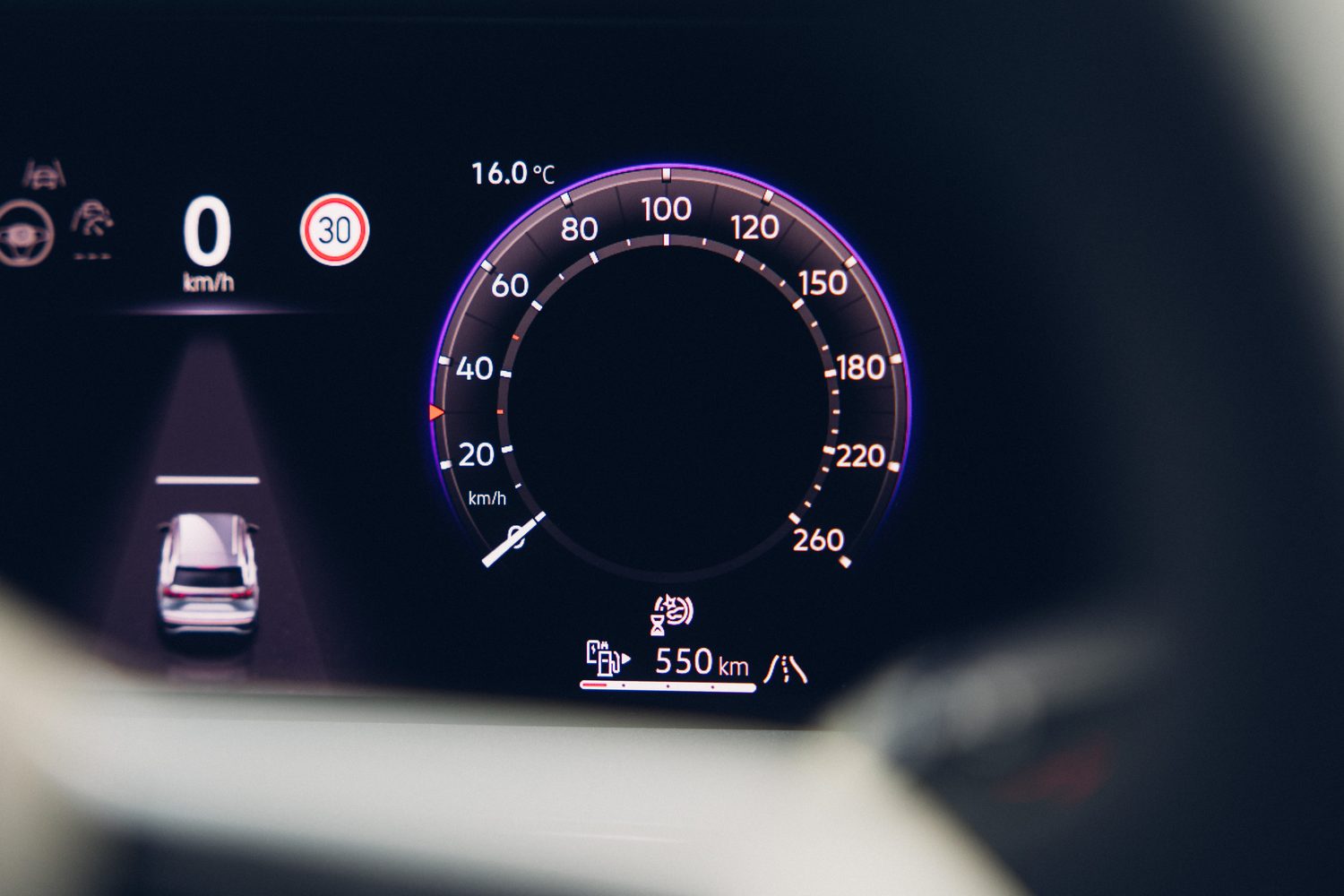
It's not that I don't think that the Tayron's PHEV powertrain is good. I've driven it in other applications, and it's both punchy in its performance and surprisingly frugal in its long-range cruising ability, but there is an undeniably good feeling of getting into a car, seeing a four-figure distance-to-empty reading on the dashboard, and knowing that empty doesn't mean frantically searching for a charging point. You just fill up in five and head on your way.
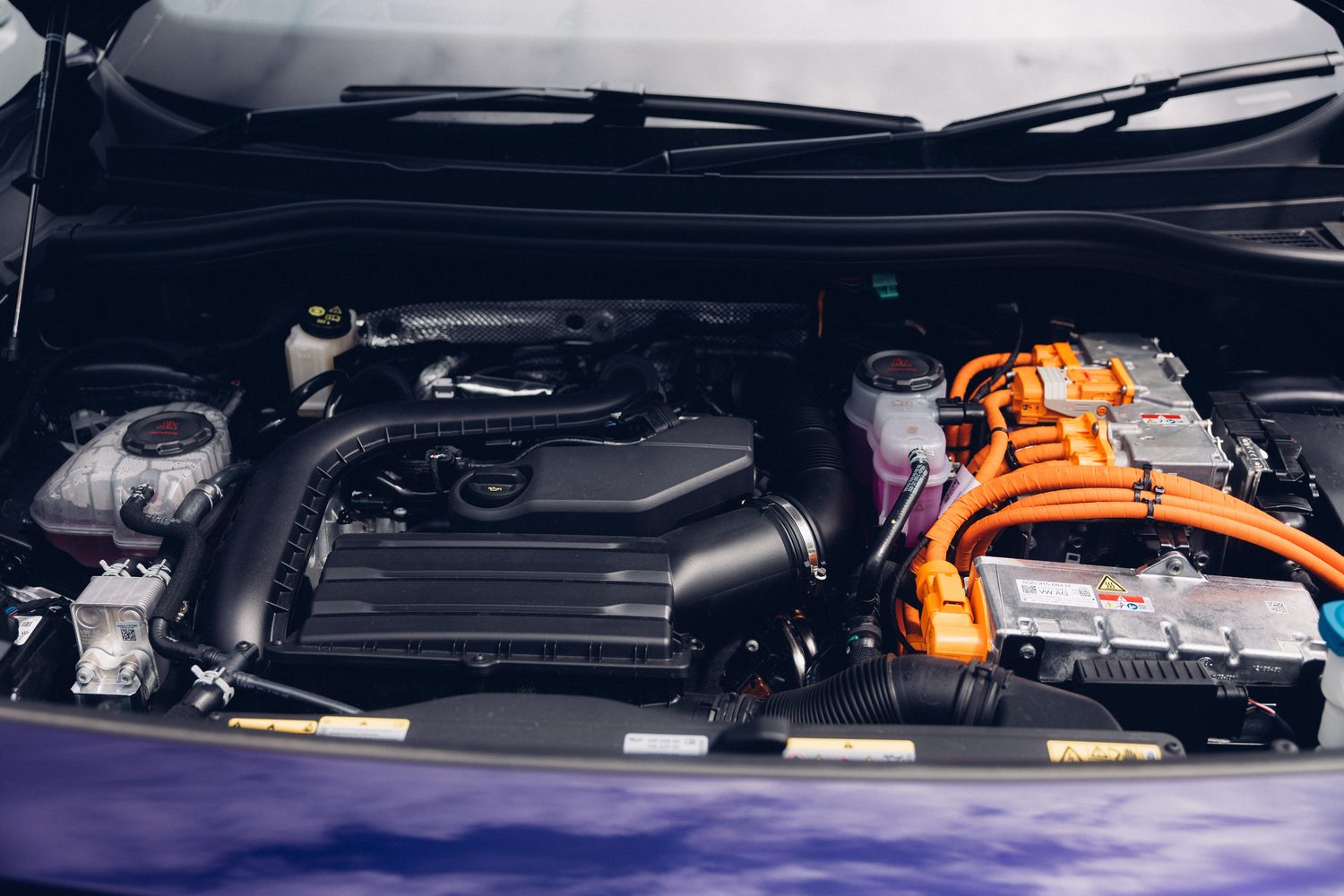
Of course, that's true of the PHEV version too, and as Shane recently found out with the plug-in-hybrid VW Multivan, the fast-charging ability means that you can maximise your efficiency even on long runs.
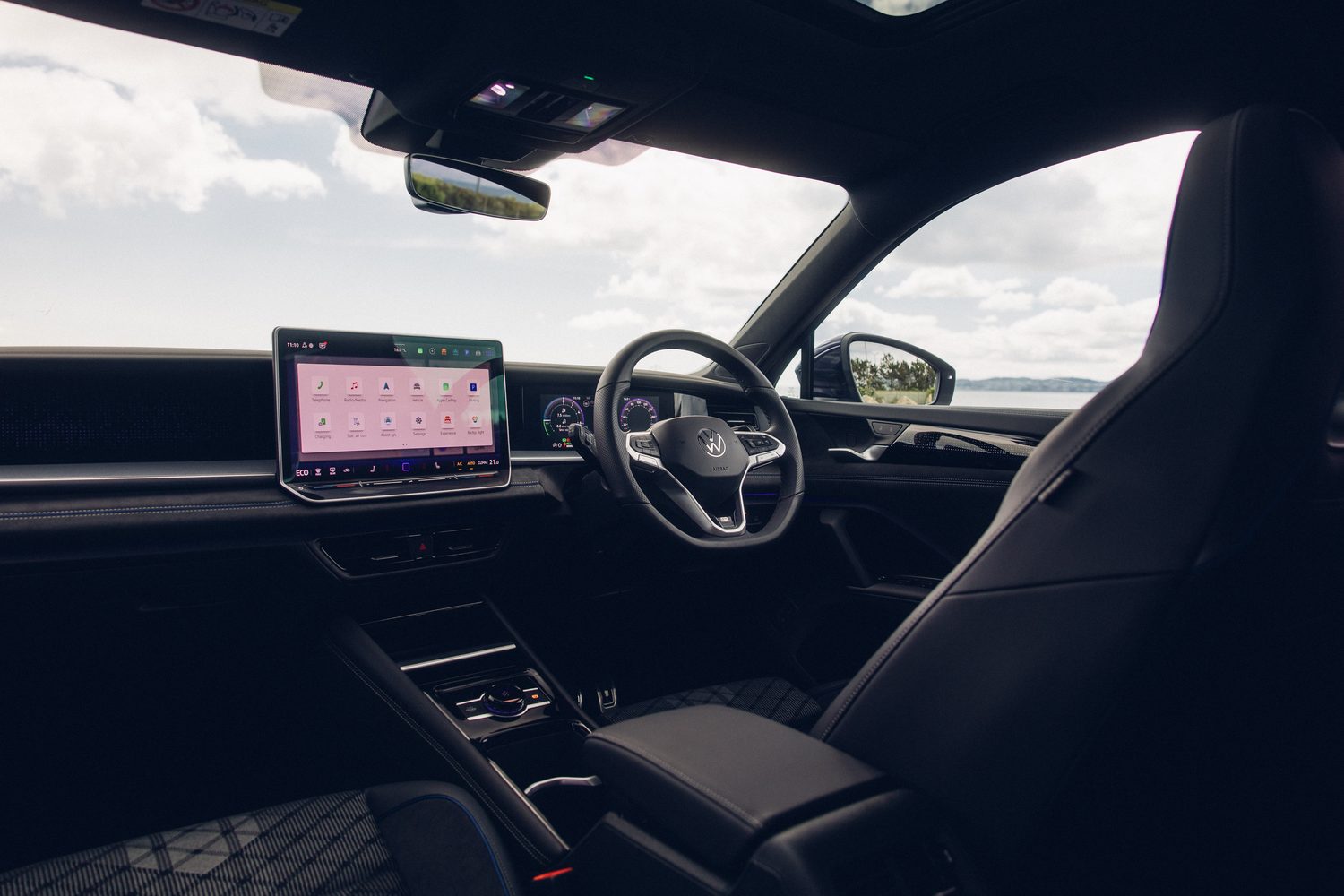
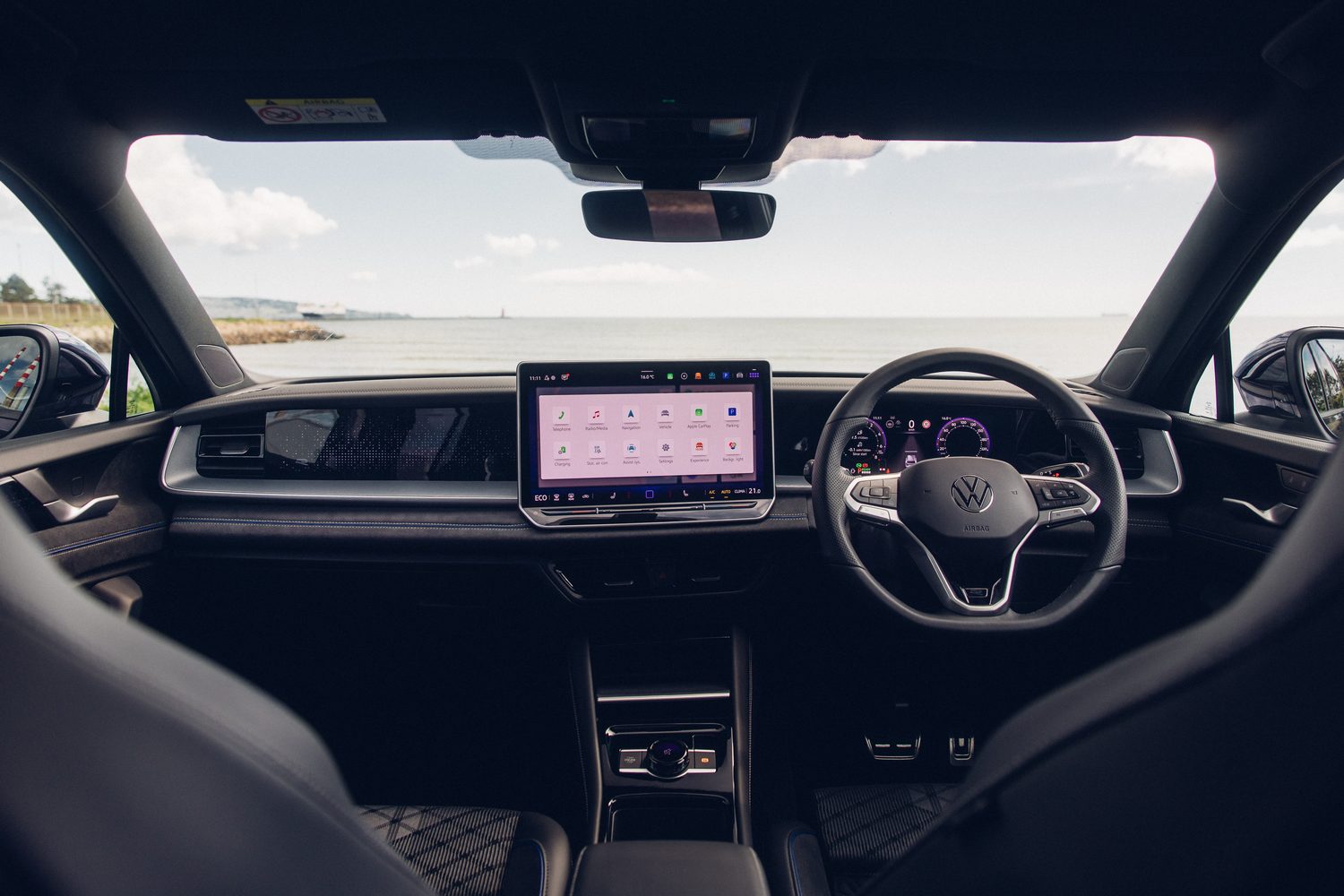
I think the Tayron is a perfectly nice car, though. It's smooth and easy-going to drive, comfortable, well-equipped and well-laid out, and certainly enormously practical. It's just a shame that you can't get the 'proper' one with the plug-in hybrid system.
Read Neil's review of the VW Tayron TDI with seven seats
Dave Humphreys' take on the 2025 VW Tayron
Driving the Tayron at its international launch helped to demonstrate how this latest generation of PHEVs has totally shifted the concept of that very powertrain technology. Being able to drive in excess of 100 kilometres using only the energy from its 19.7kWh battery changes the game from both a user perspective and an emissions one, too.
So long as you're able to charge daily at home or work, the Tayron eHybrid emphasises the EV part of PHEV. Sure, some people will say “you ought to just be driving a fully electric car”, but that simply isn't going to suit everyone. Yet the Tayron eHybrid lets you have your cake and eat it to a degree.
Besides the range, one of the game-changers for PHEVs now is being able to utilise fast DC charging to quickly recharge the battery on those longer journeys where people like us used to say, “that's when you'll use the petrol engine aspect of the powertrain”.
As Shane demonstrated during his European drive in the Multivan eHybrid, using the pubic charging network can be surprisingly effective at breaking up a trip while keeping emissions down. To me, the only downside of the Tayron eHybrid is the loss of two extra seats in the rear on account of its big battery.
Read Dave's detailed first drive of the VW Tayron eHybrid from its international launch
Shane O' Donoghue's take on the 2025 VW Tayron eHybrid
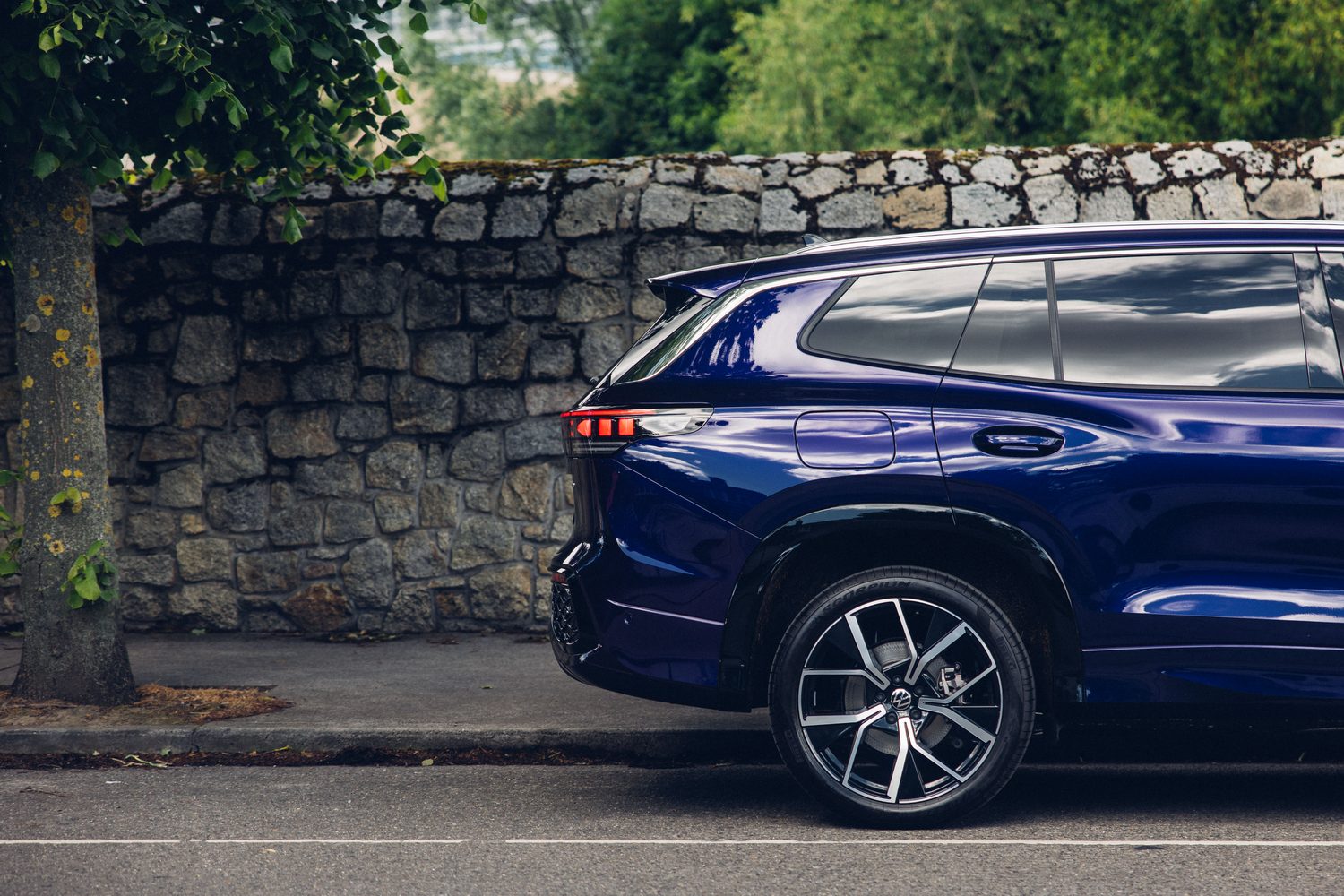
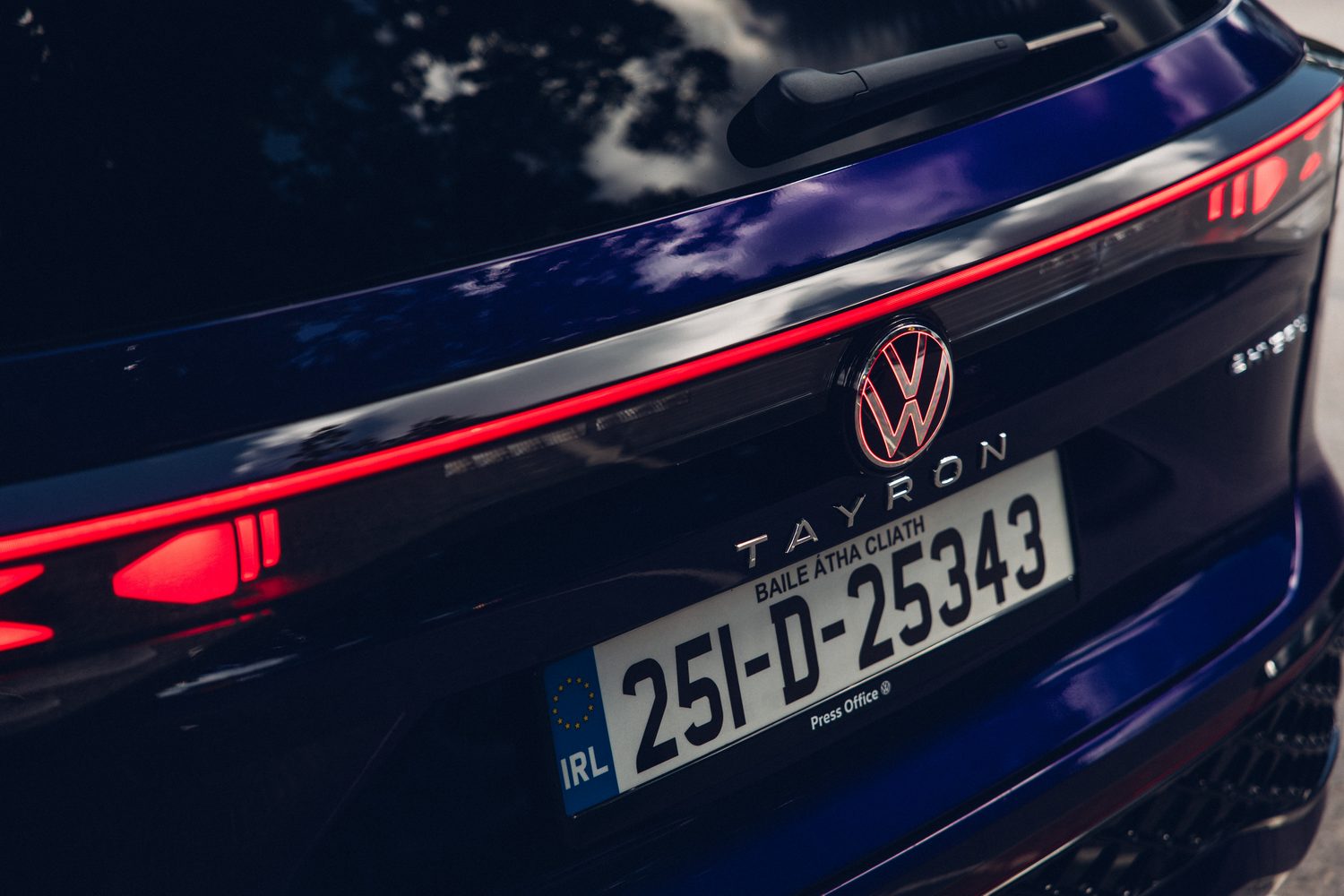
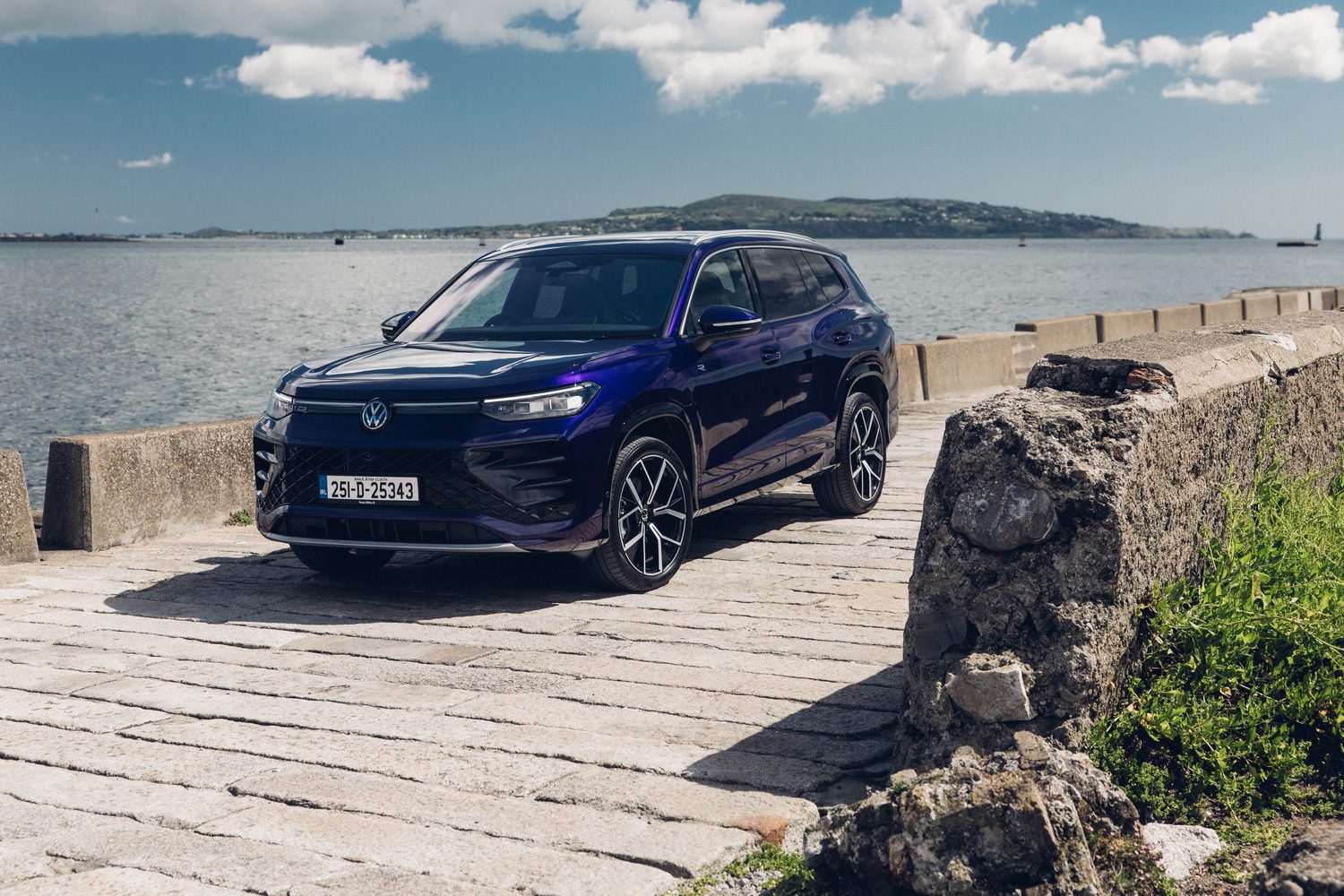
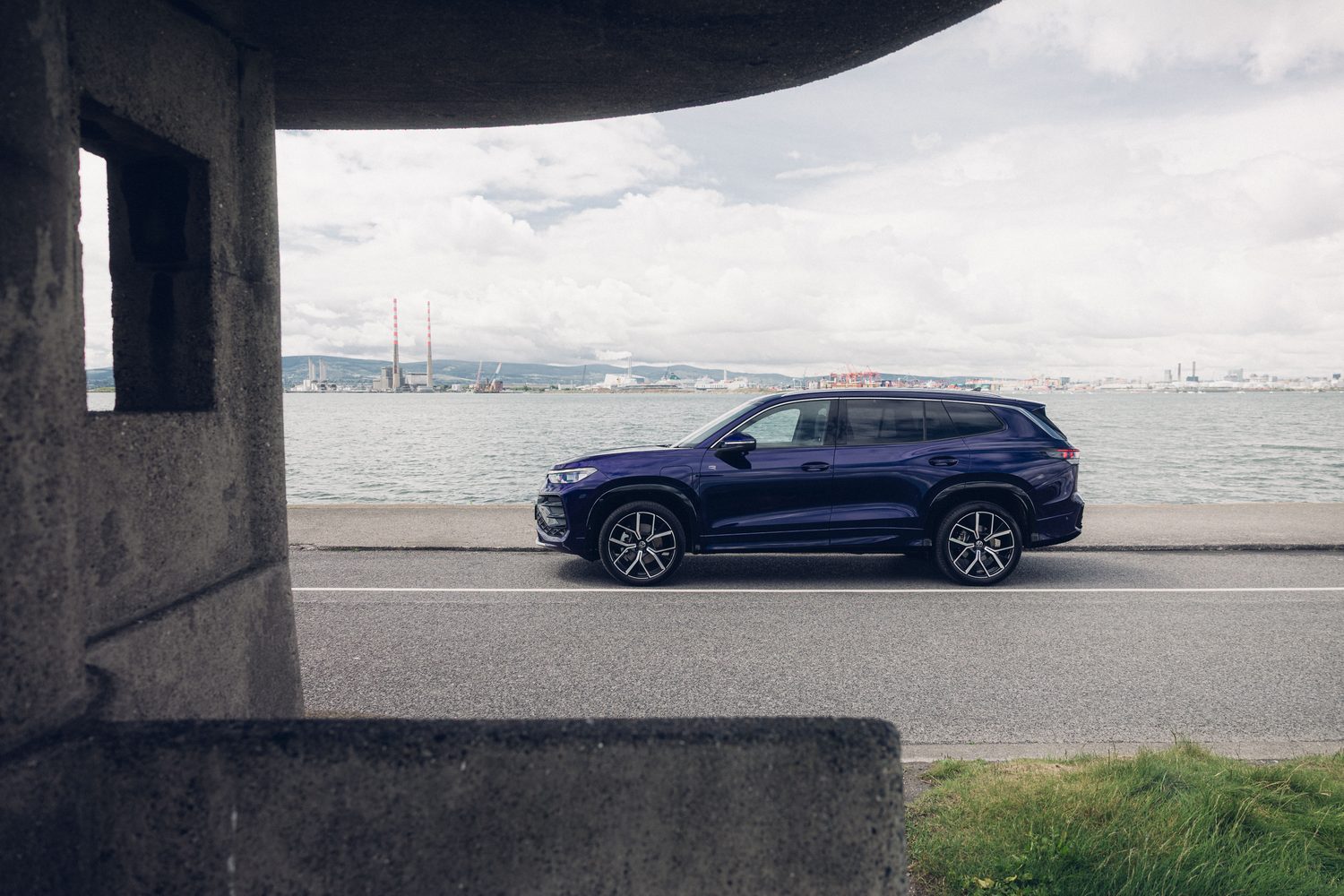
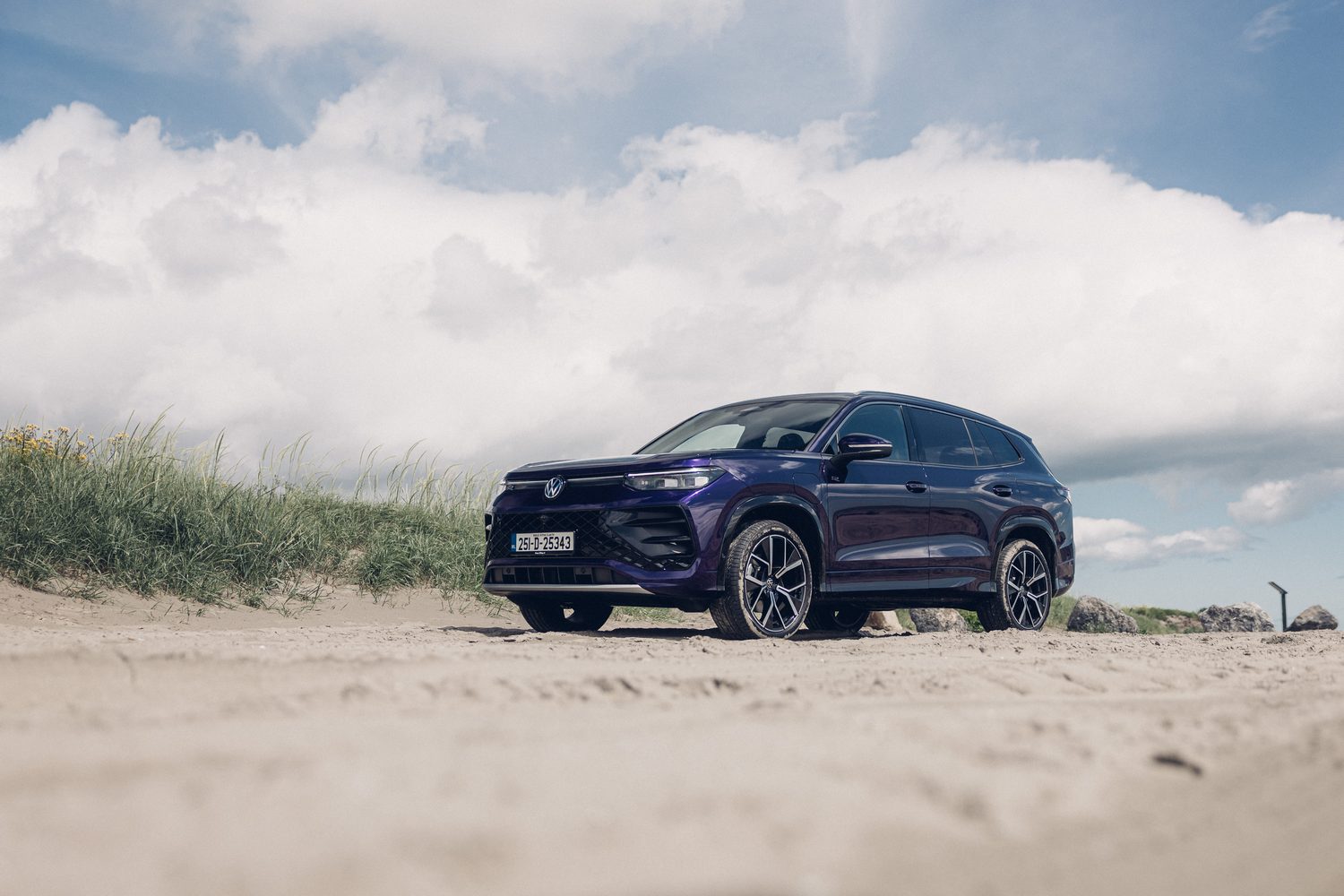
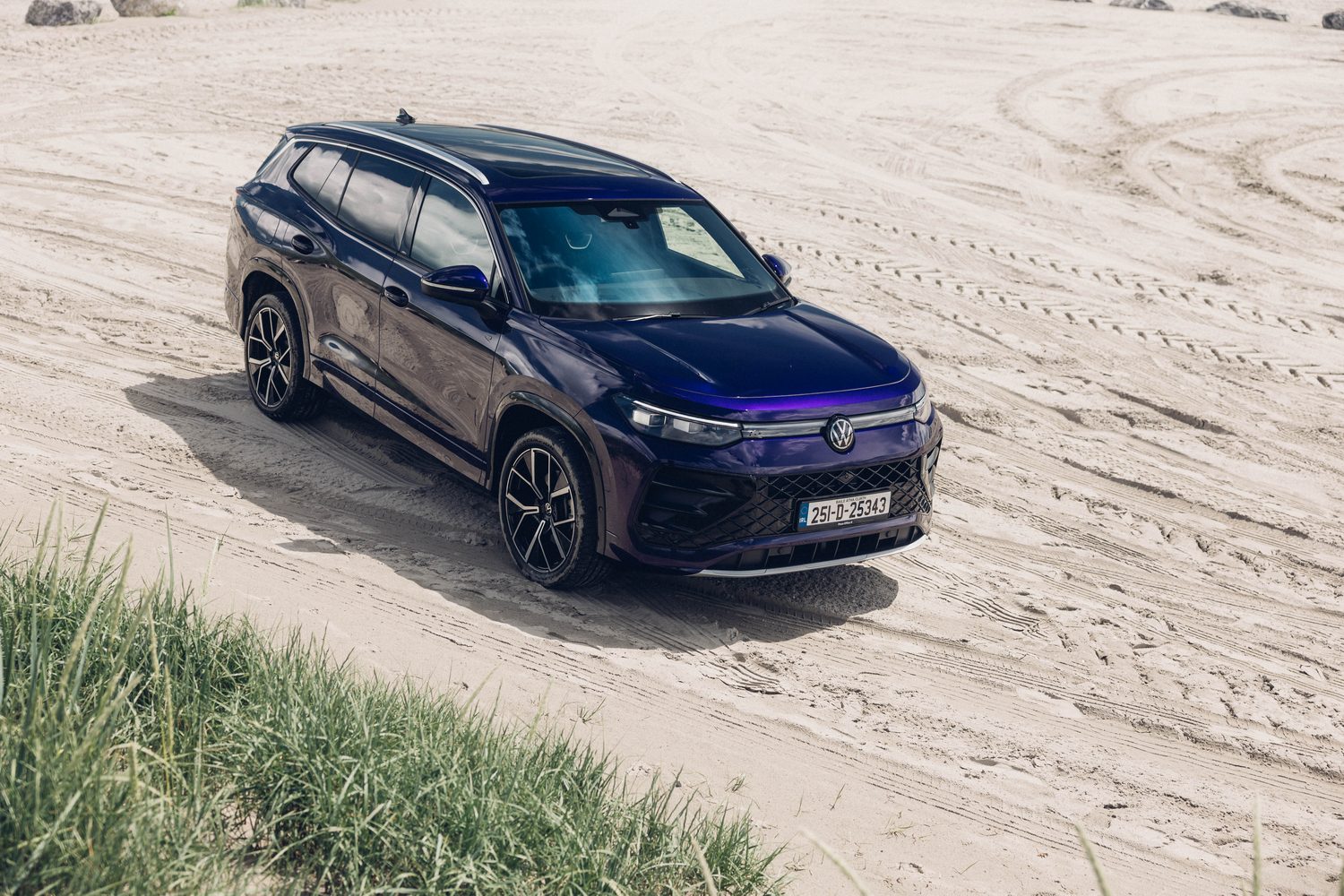
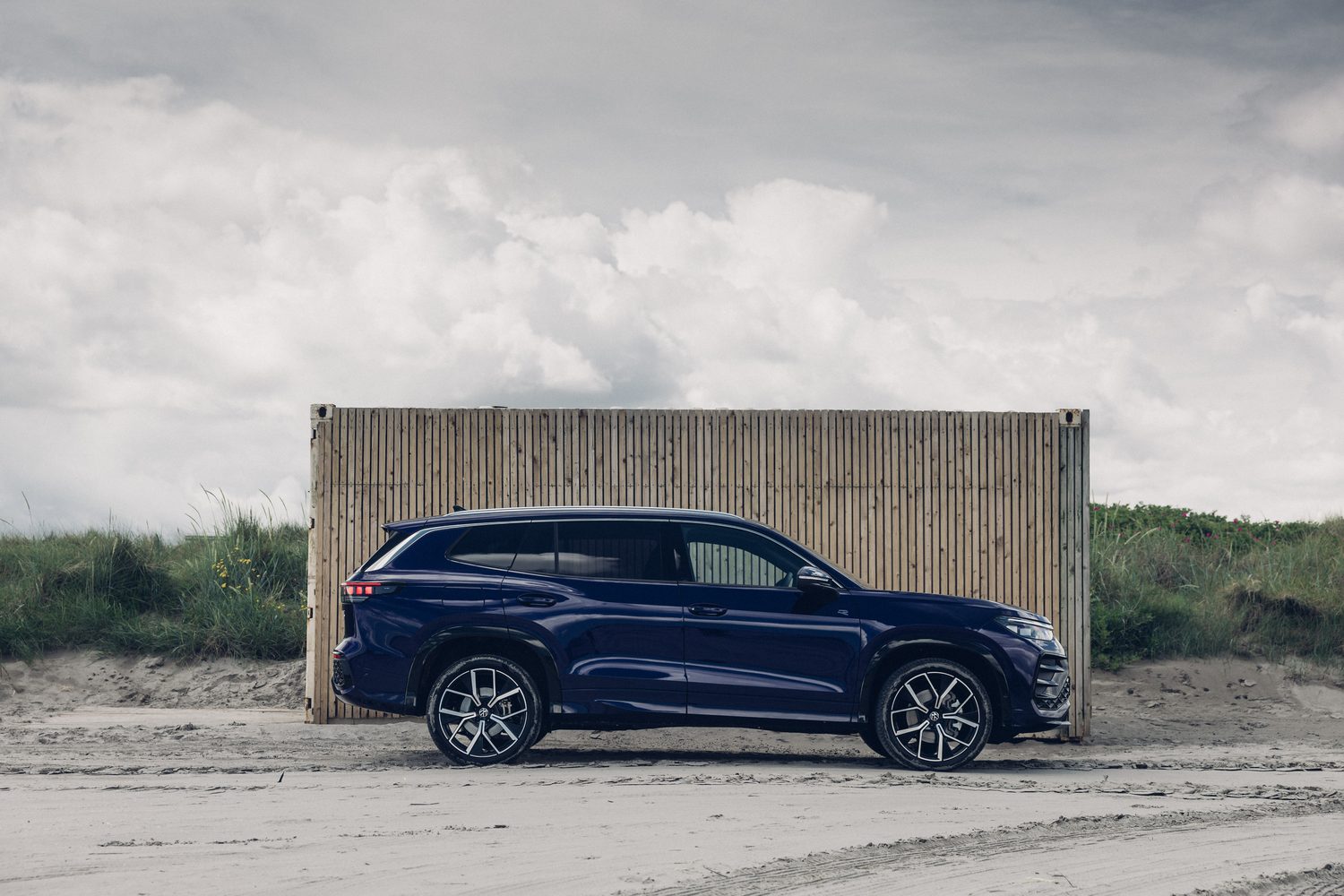
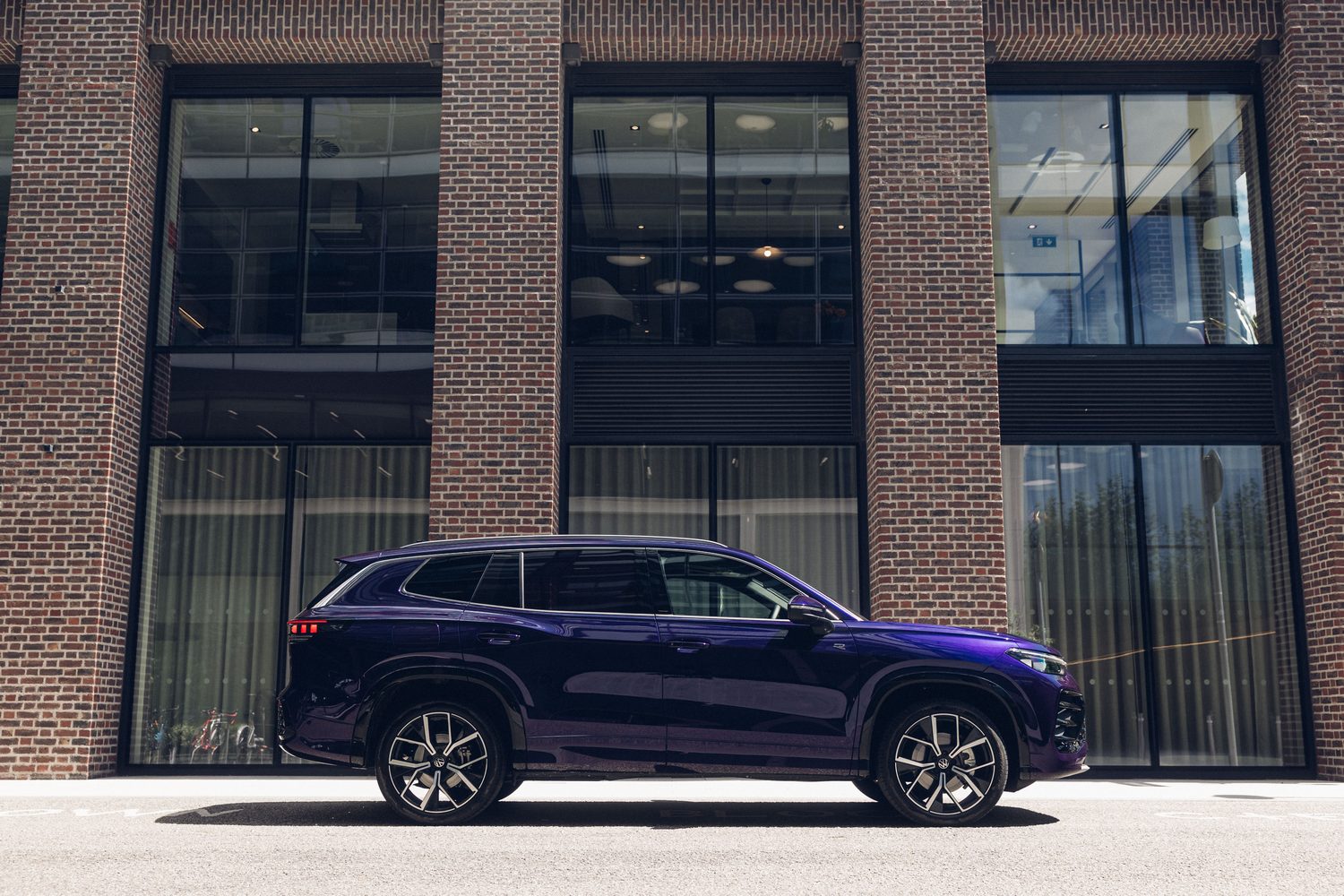
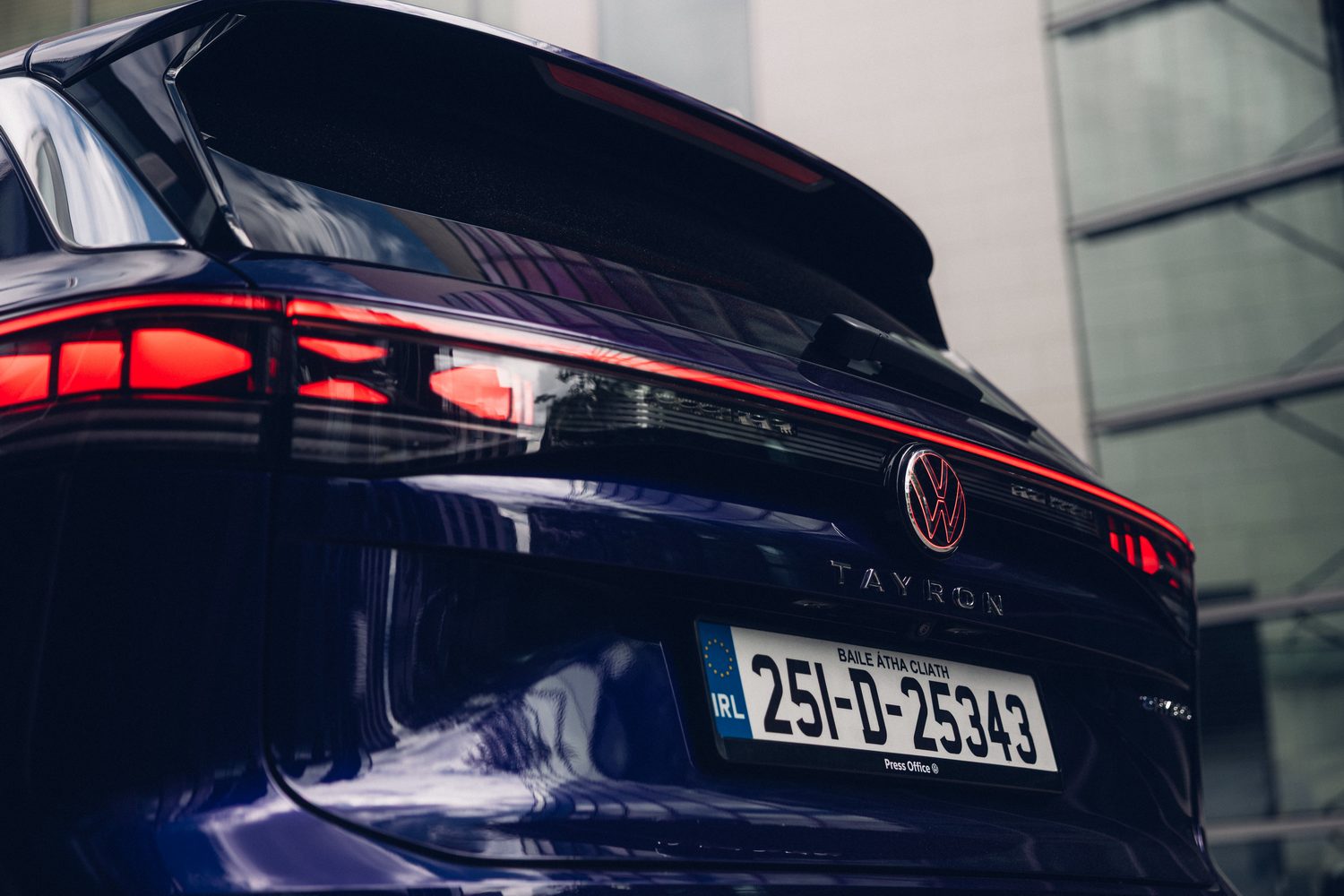
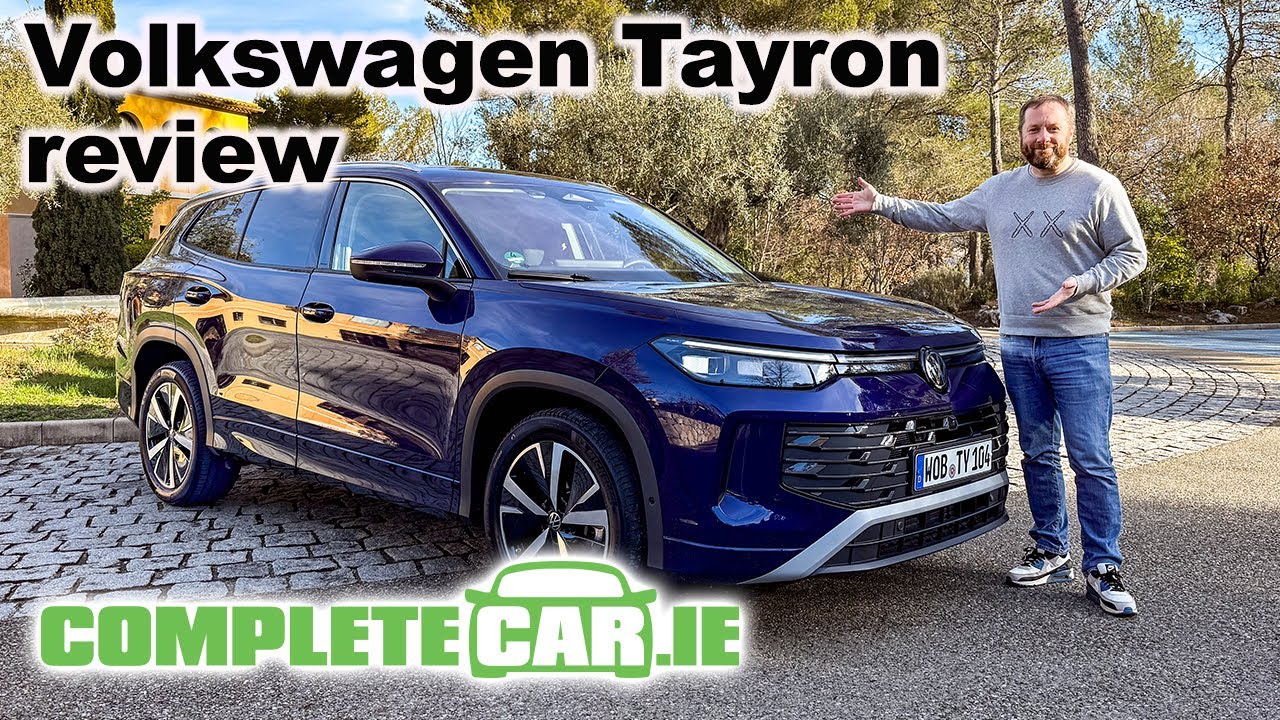
The Tayron has a bit more presence than the Tiguan, especially in R-Line spec and the purple paint colour shown here. So long as you don't actually need a third row of seats, the eHybrid is the one to go for, as it's better value, smoother and more powerful than the diesel, not to mention its ability to cover most daily driving on electric power alone.
Nonetheless, it's not out of its depth on longer journeys. I packed the family into it for a long weekend in Westport in Mayo and it coped easily with the journey there and back from Dublin.

Admittedly, I didn't get a chance to charge up the battery along the way and make use of the 50kW charging, but it was still pretty efficient. Starting out with a fully charged battery, I covered over 700km, averaging 6.1 litres/100km of petrol and 3.0kWh/100km on electric power. That translates into about 42 litres of fuel and 21kWh of electrical energy used.
You could massively reduce your fuel bills by maximising the amount of driving time spent on electric power, and the big battery and fast charging means it's easier than ever to do that. Yet you'll always have the safety net of the petrol engine and tank that takes minutes to fill.
Aside from the practicalities, the Tayron feels like a high-quality machine and while the eHybrid is at its best with some battery charge available, the petrol engine is barely audible unless you're looking for maximum performance. It's also comfortable, even on the stylish big 20-inch wheels fitted to the R-Line Edition 75 model.

Verdict - should you buy the 2025 Volkswagen Tayron eHybrid?
If you're eyeing up a plug-in-hybrid VW Tiguan, then it's effectively a no-brainer to upgrade to the equivalent Tayron instead given the minor price difference between them. That decision isn't so clear cut if you're sticking with diesel, of course. The only reason to do that in the case of the Tayron is if you really do need the extra rear seats, as the eHybrid is a superior car in every other way.
FAQs about the 2025 VW Tayron eHybrid
What is the electric range of the VW Tayron eHybrid?
On the official WLTP cycle, it's 116km for the model tested here and we reckon most drivers should see in excess of 90km at all times. The Tayron can travel at motorway speeds using just its battery, too, which enhances the experience no end.
How fast can the VW Tayron eHybrid charge?
On a typical 7.4kW home charger, the 19.7kWh battery should take no more than three years to charge up. It'll be a lot quicker at a public AC charger as it can recharge at up to 11kW there, while its 50kW DC-charging capability means you won't feel out of place plugging into a fast charger at the services, either. And the battery will be charged up again before you've had time to grab a coffee and go for a wee.
Why can't I have a seven-seat Tayron eHybrid?

Unfortunately, to give the Tayron a decent electric range, it needs a big battery, and to package that in, there wasn't room for the rear seating found in the diesel model.
Want to know more about the VW Tayron eHybrid?
If there's anything about the Volkswagen Tayron eHybrid we've not covered, or you'd like help in choosing between it and other cars, you can avail of our expert advice service via the Ask Us Anything page.