

At CompleteCar.ie, we've always taken a more balanced view, suggesting that PHEVs can make sense if your daily mileage fits within the electric range, you can charge regularly and you value the flexibility of an engine for longer trips.
That hasn't changed, but the latest generation of PHEVs - such as the updated Volkswagen Multivan eHybrid - is moving the game on. Bigger batteries mean longer electric driving between charges while faster charging, including DC capability, makes topping up more viable on longer journeys. That changes the cost equation and could make PHEVs more appealing to more buyers.
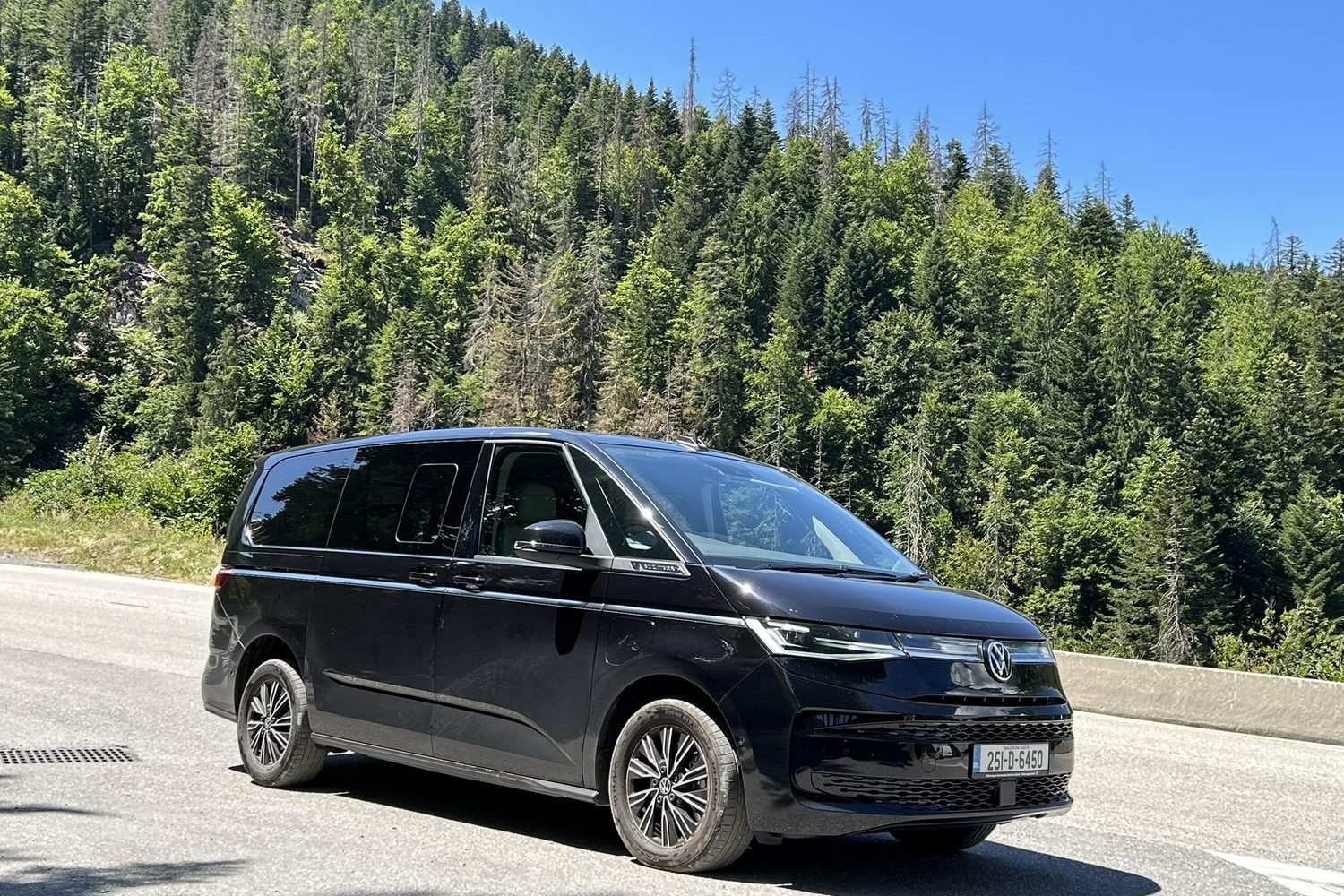
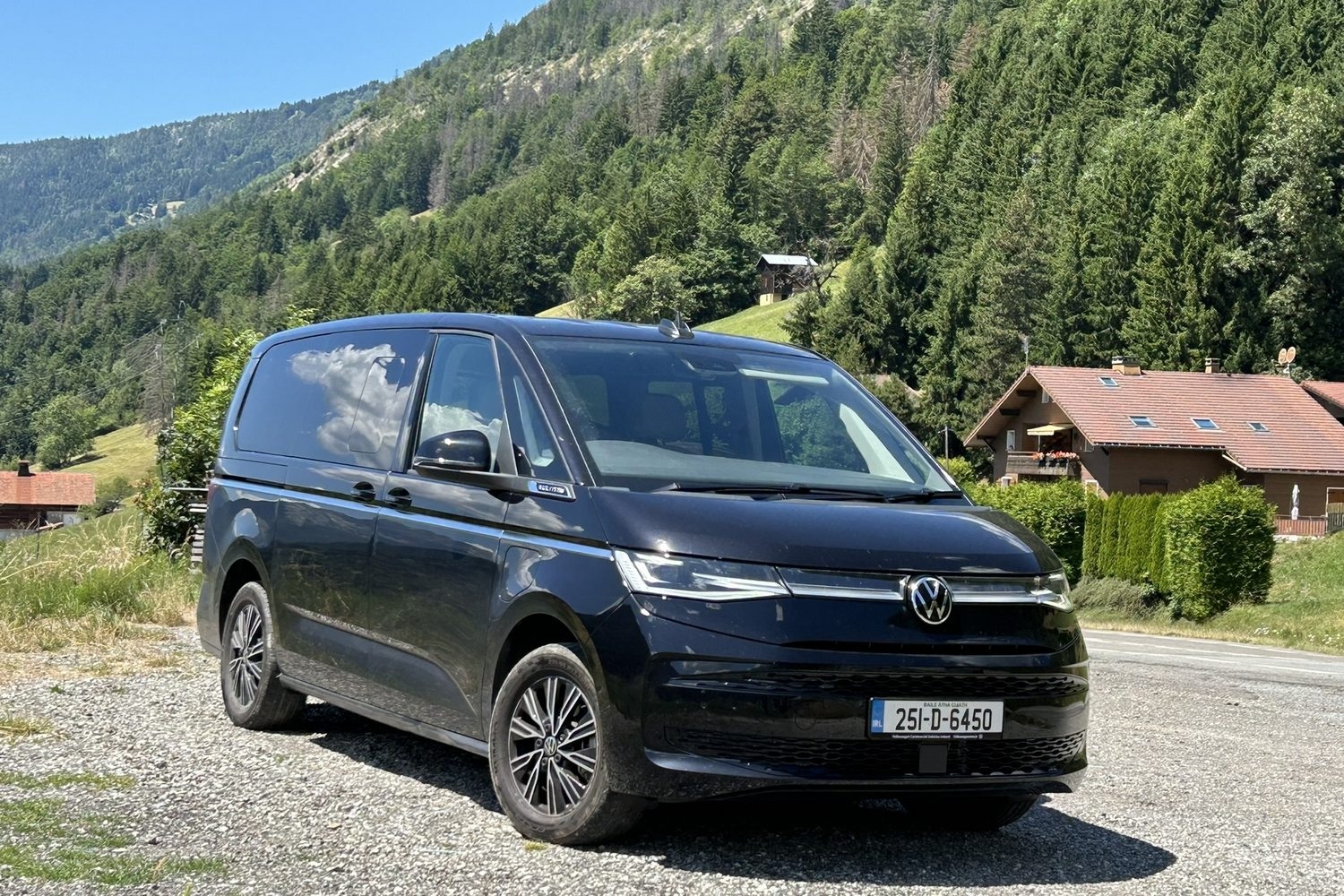
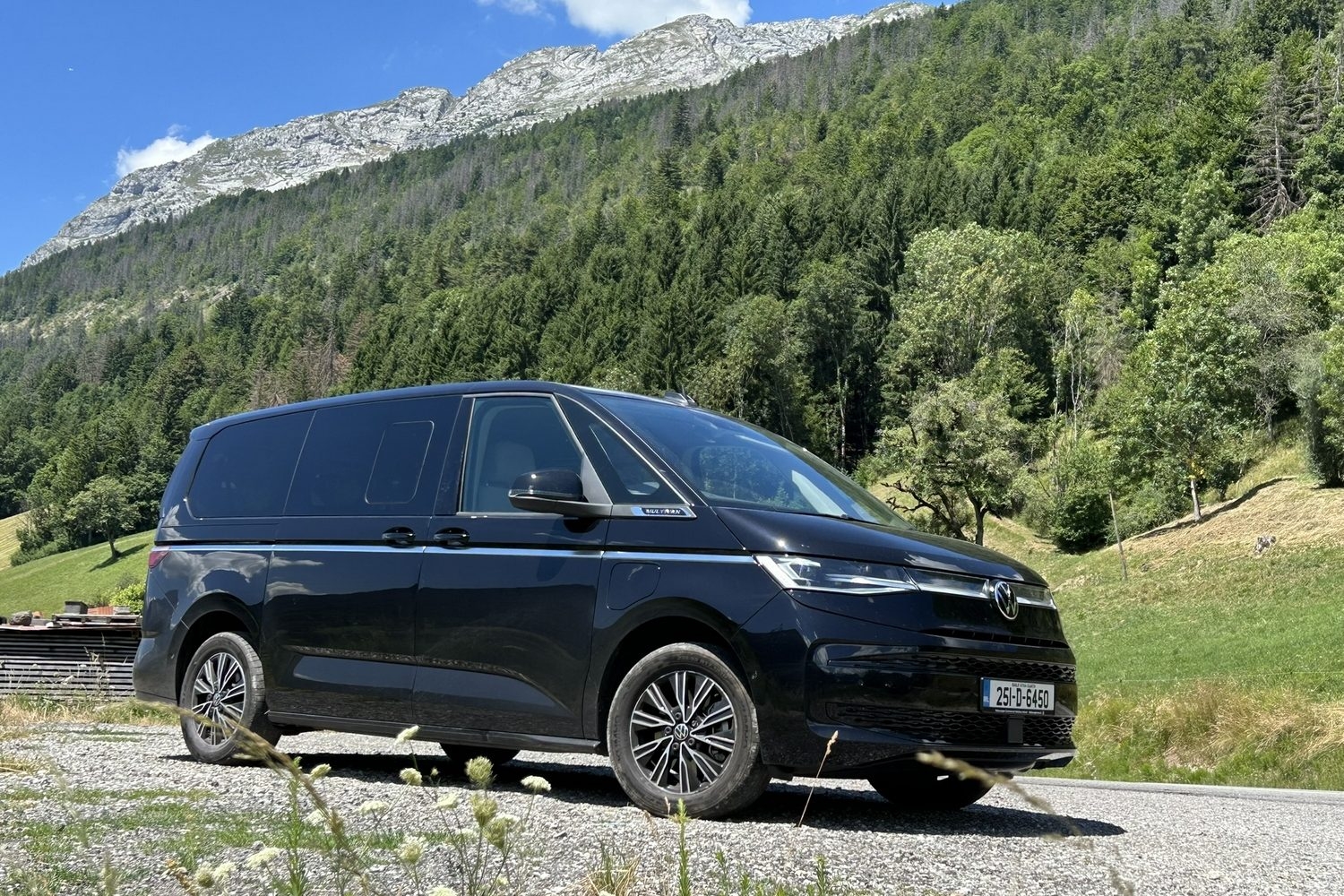
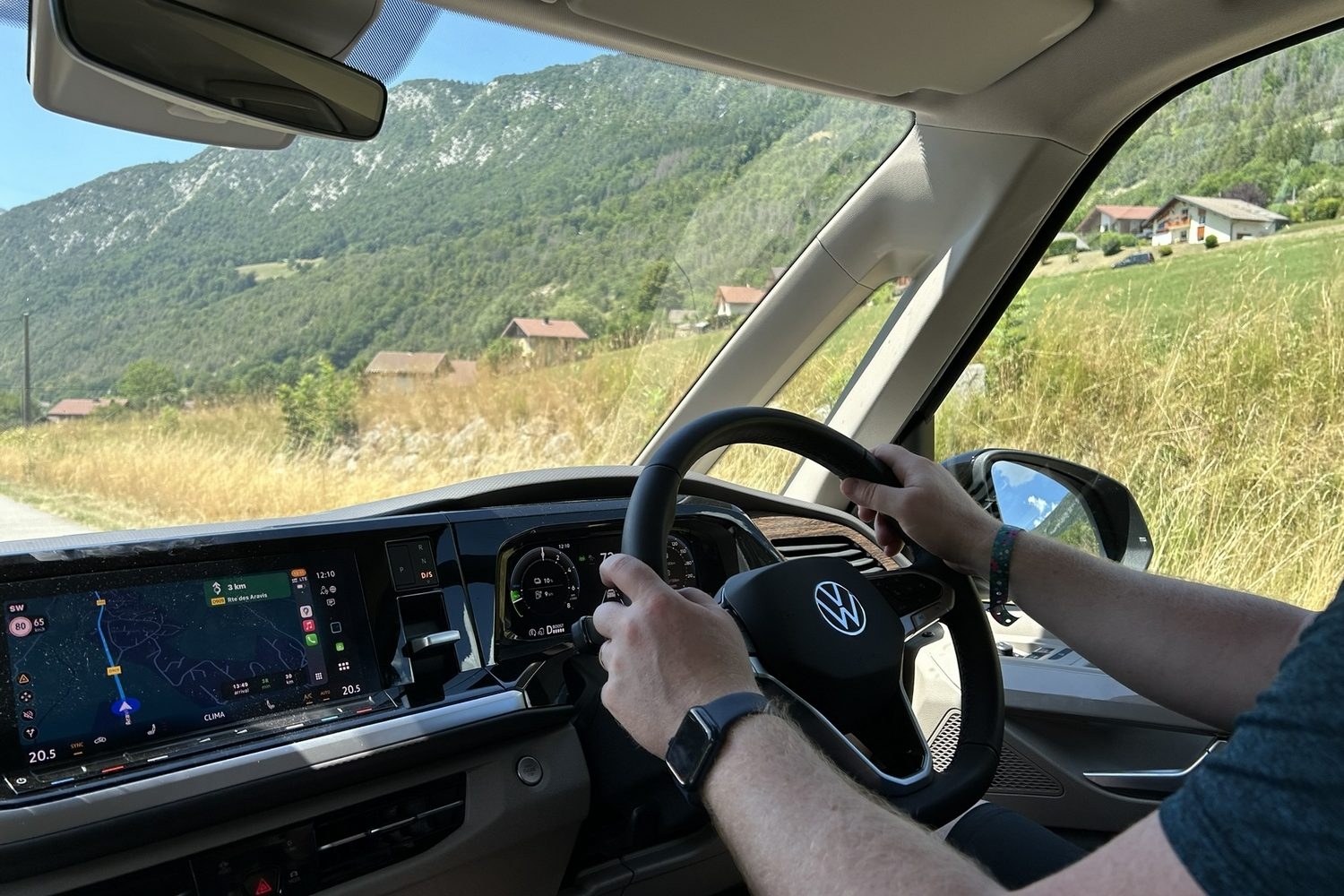
To put all this to the test, we took a Multivan to France and covered more than 2,400km, much of it at 130km/h on the superb French motorway network. Would public charging make sense, or would petrol be the better option? The results were surprising.
A recap on the Volkswagen Multivan
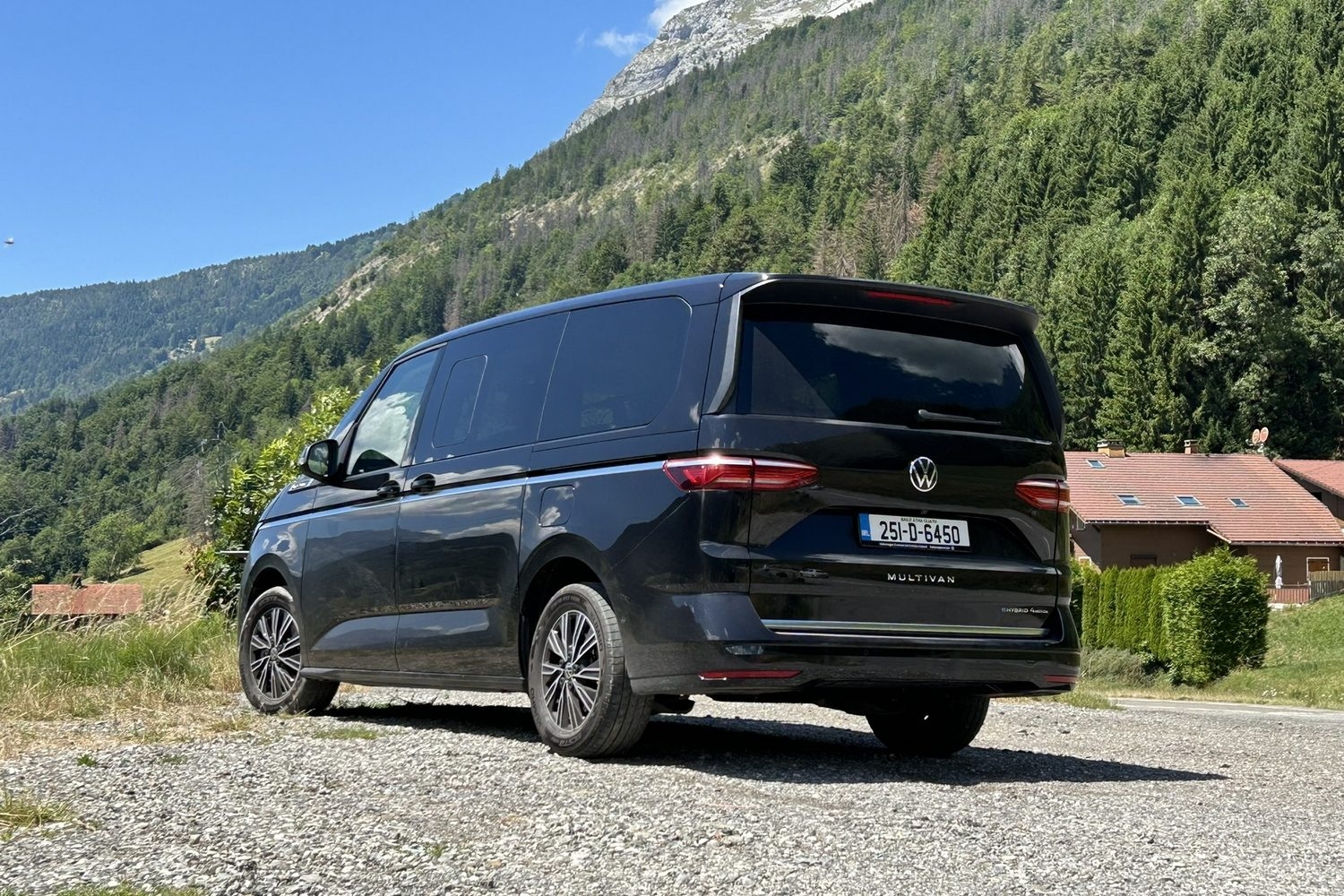
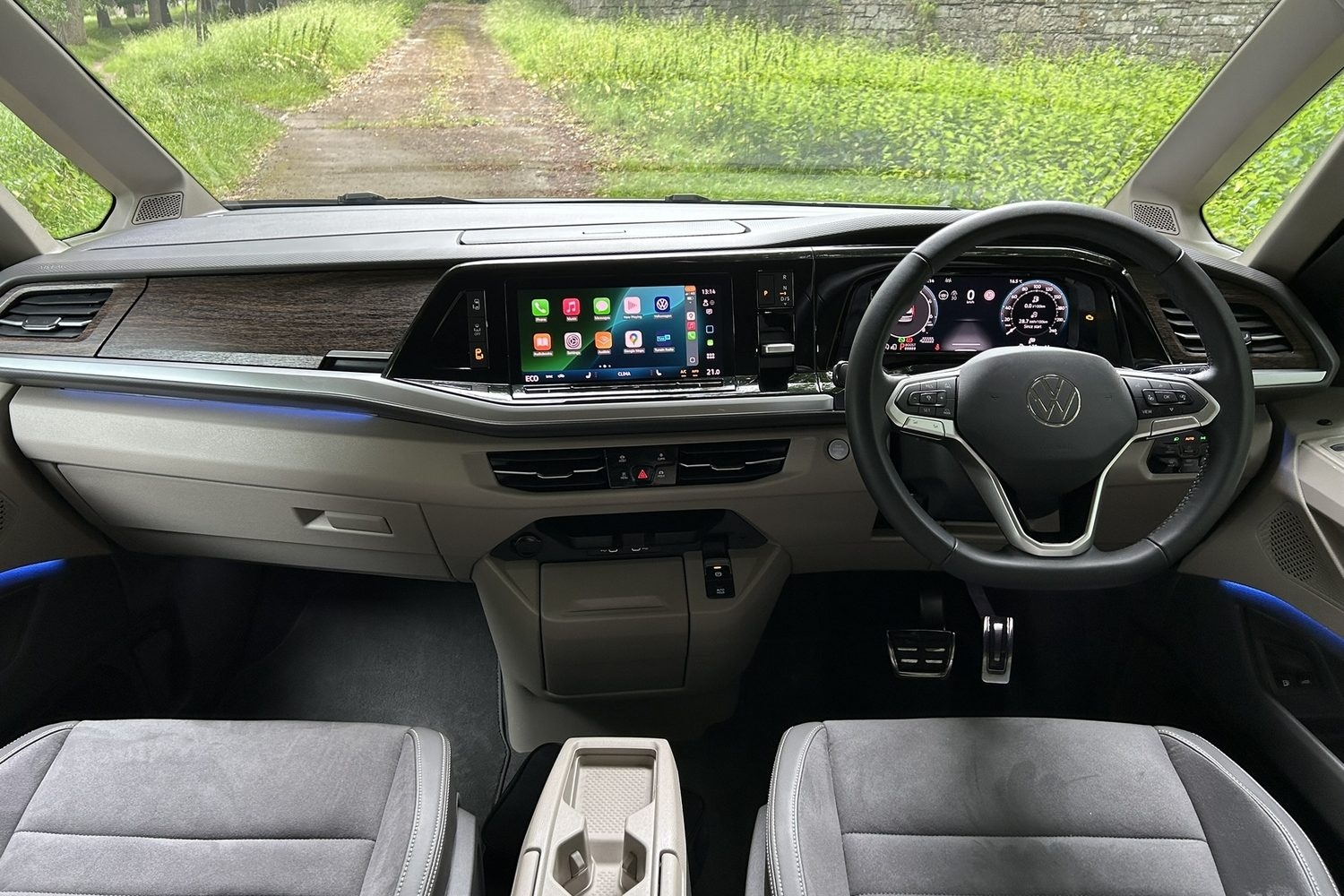
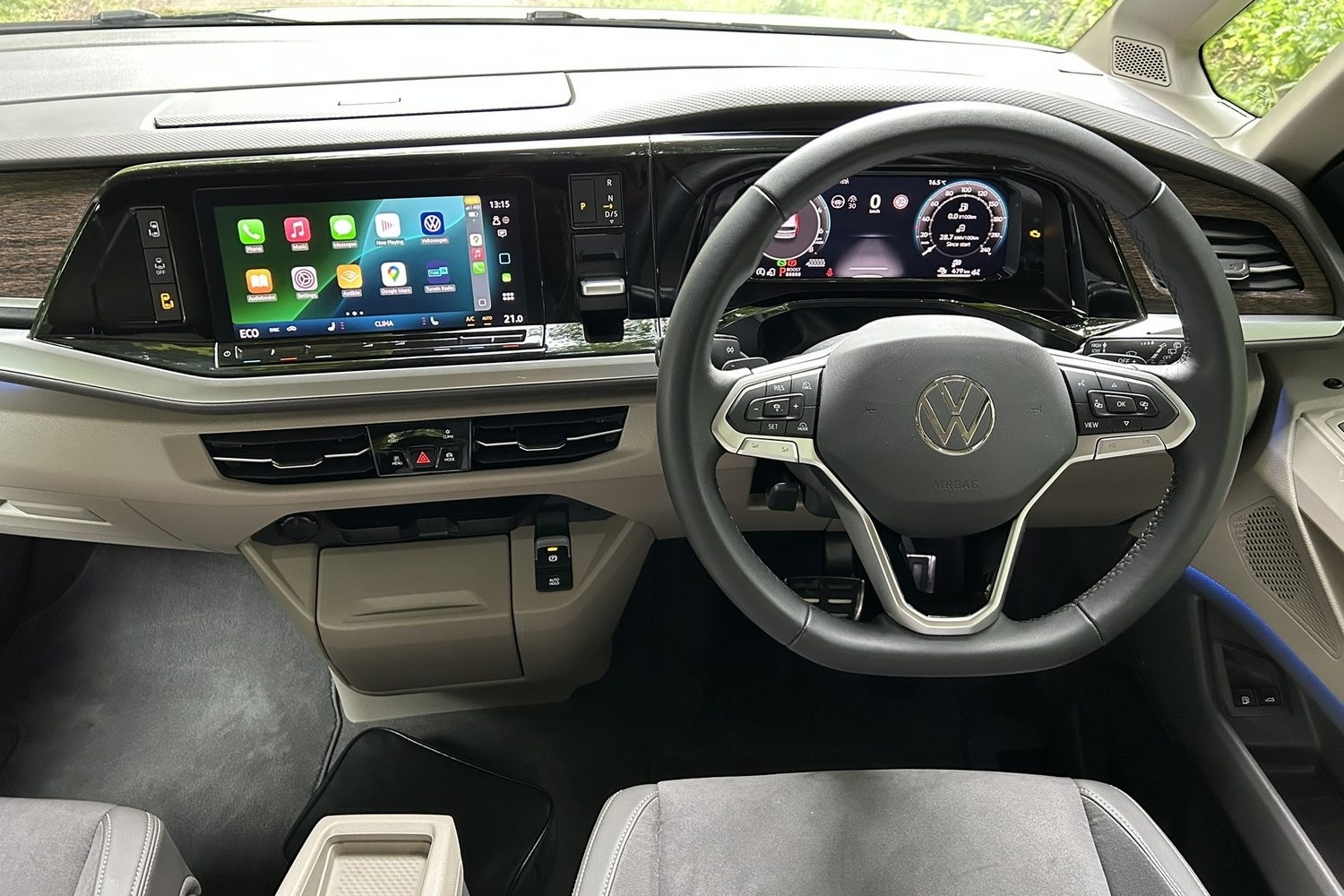
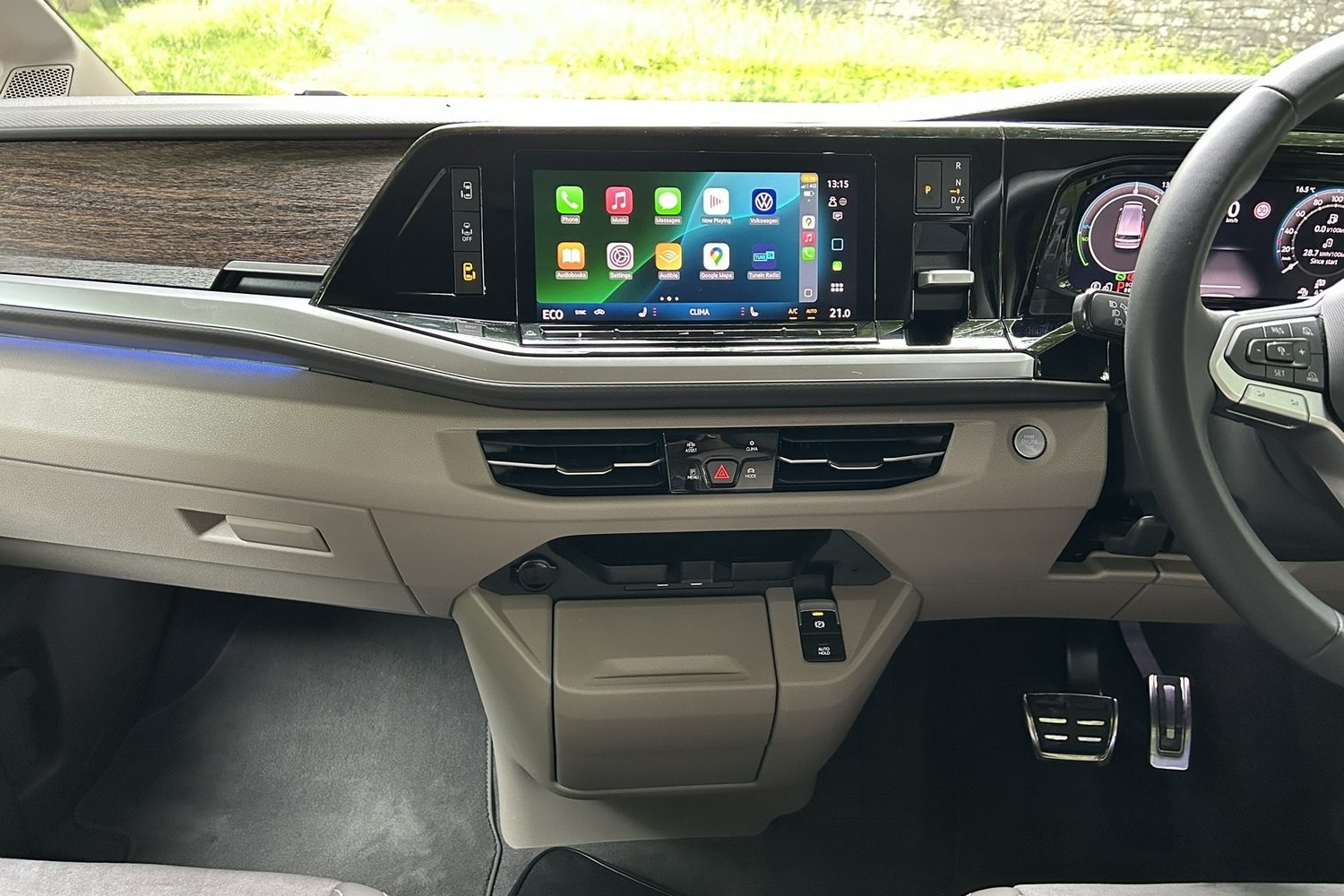
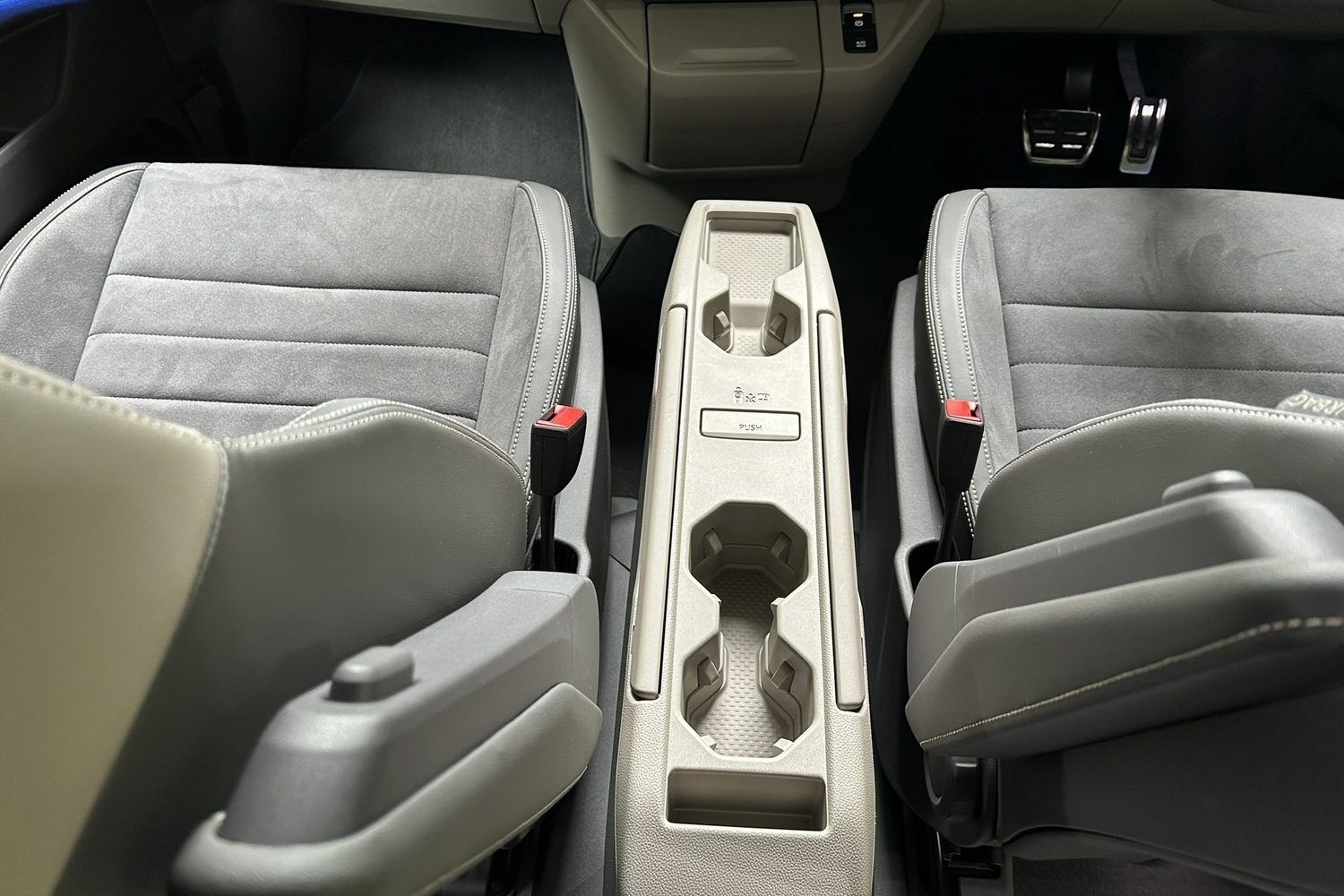
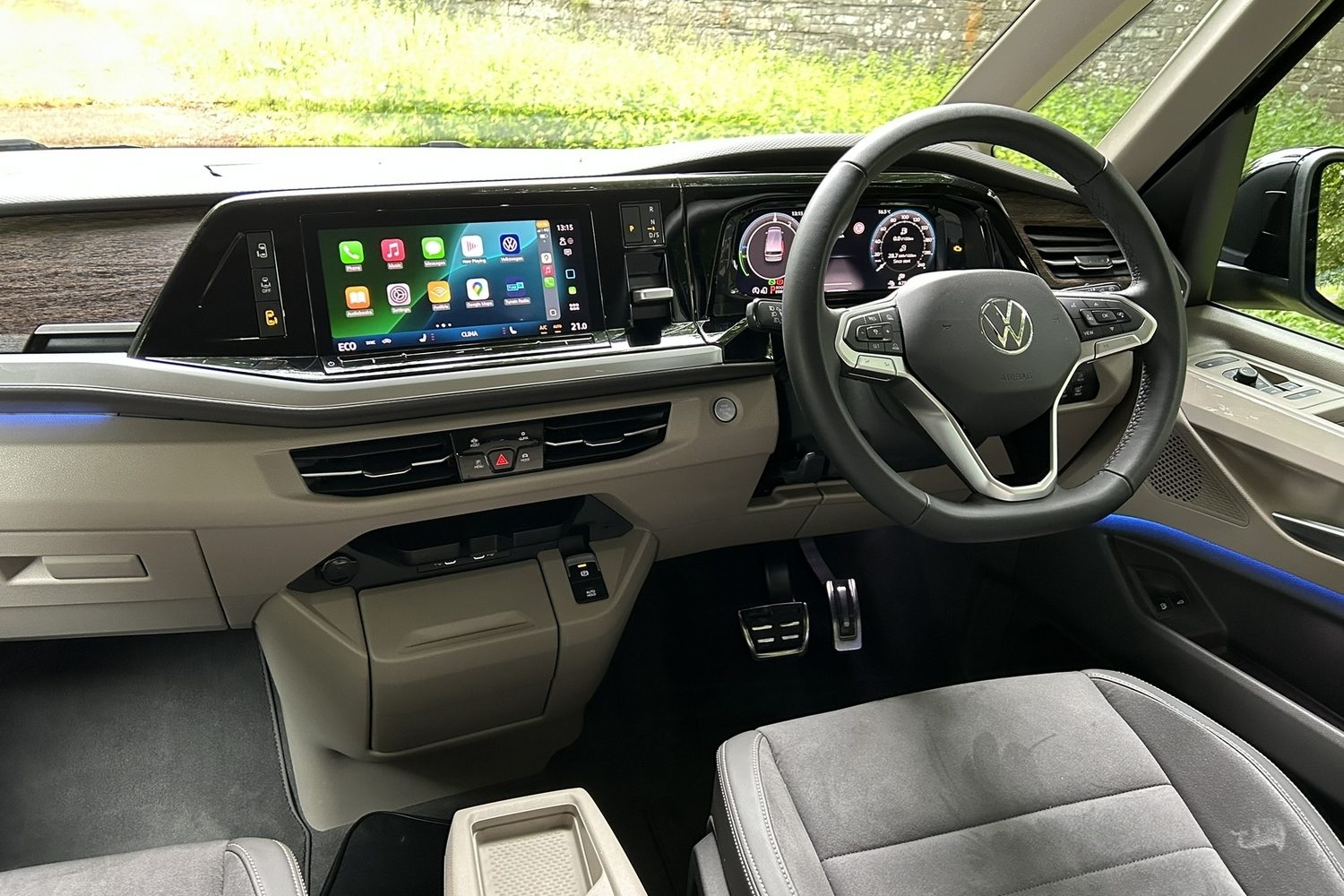
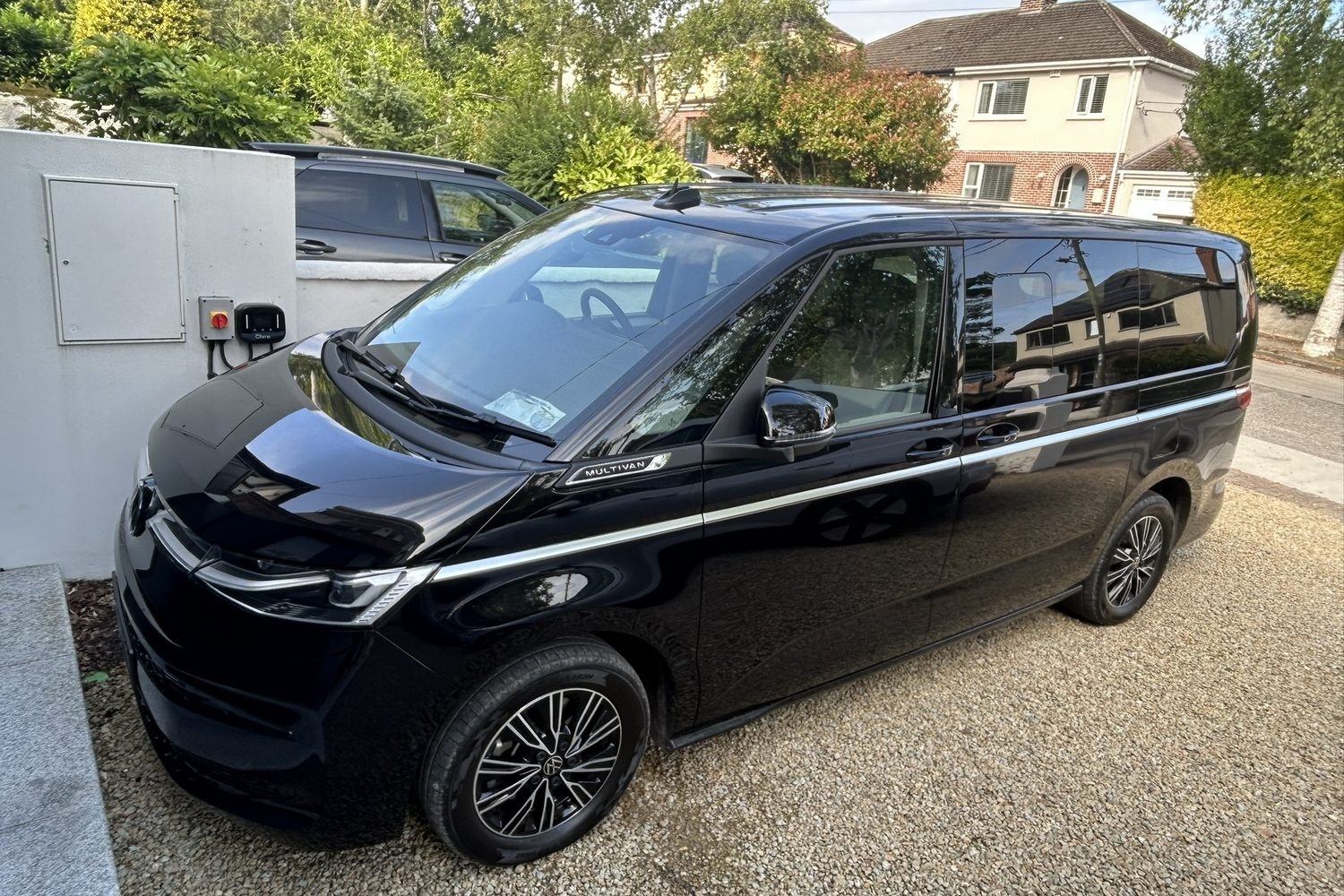
Before we get into the nitty gritty of the trip, it's worth a moment to take a look at the Multivan, as Volkswagen has quietly updated the big people carrier and I suspect many people still don't realise what it is.
First up, the Multivan has always been built on Volkswagen's 'MQB Evo' platform, which is the same foundation as underpins myriad Volkswagen Group passenger cars - such as the Cupra Terramar, Skoda Kodiaq, Volkswagen Tiguan and many more.
People often assume the Multivan instead shares its architecture with other Volkswagen Commercial Vehicle offerings, such as the new Transporter (itself co-developed with Ford). It does not. The Multivan is a car underneath, not a van.
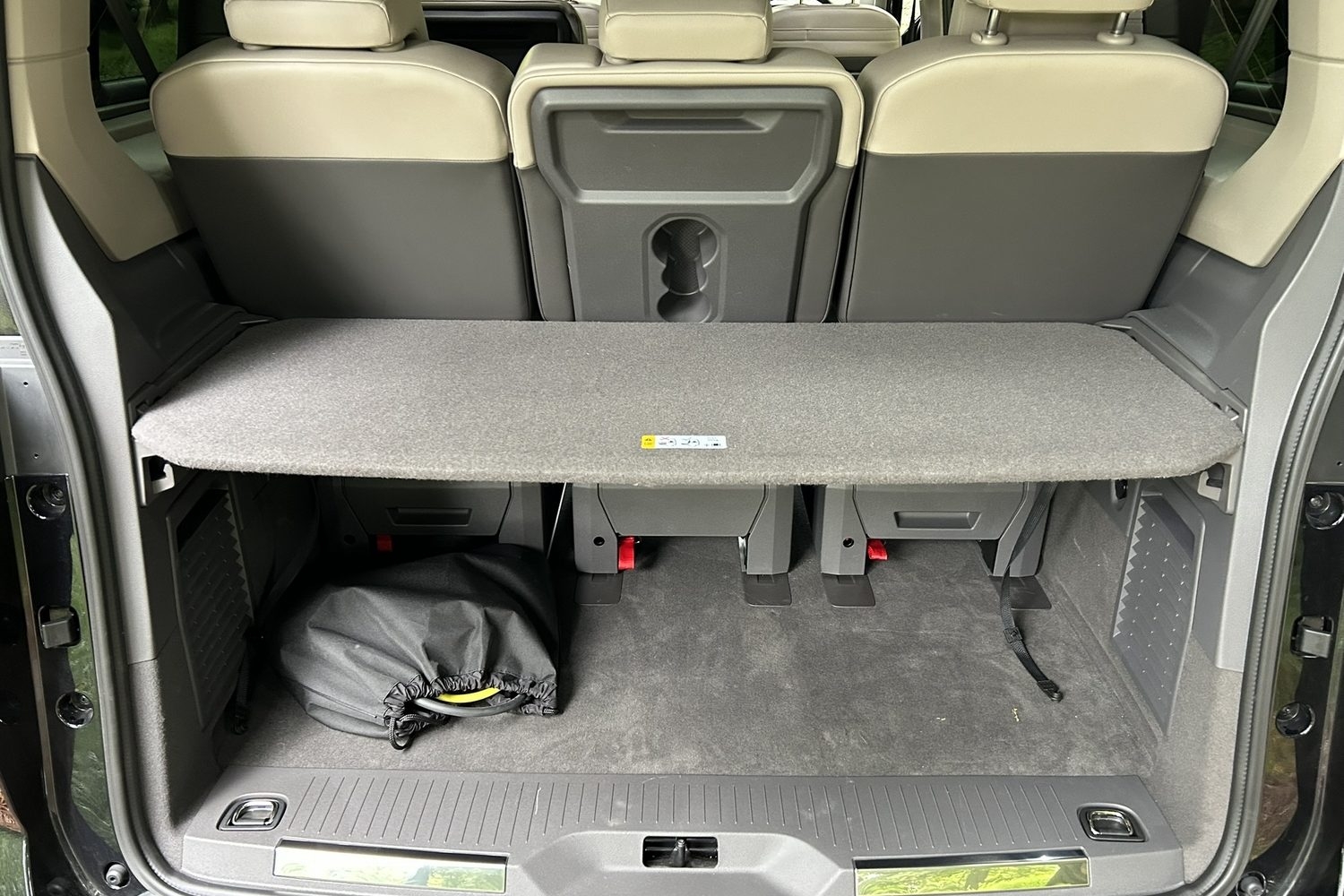
A large car, admittedly, especially in 'LOH' (Long Over Hang) guise as tested here. As the name suggests, it has an extended rear overhang, to accommodate a larger boot, and it's actually over 5.1 metres long.
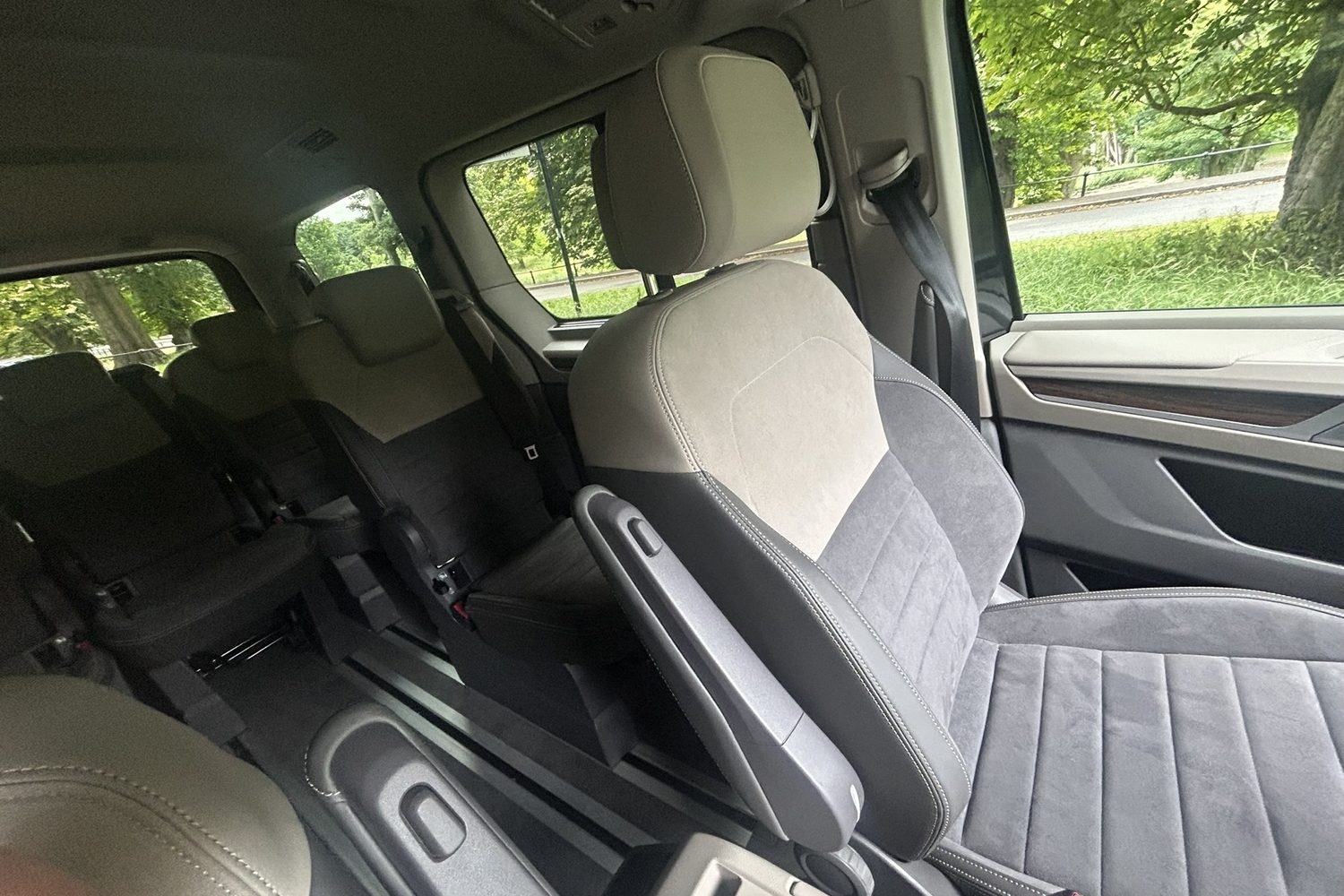
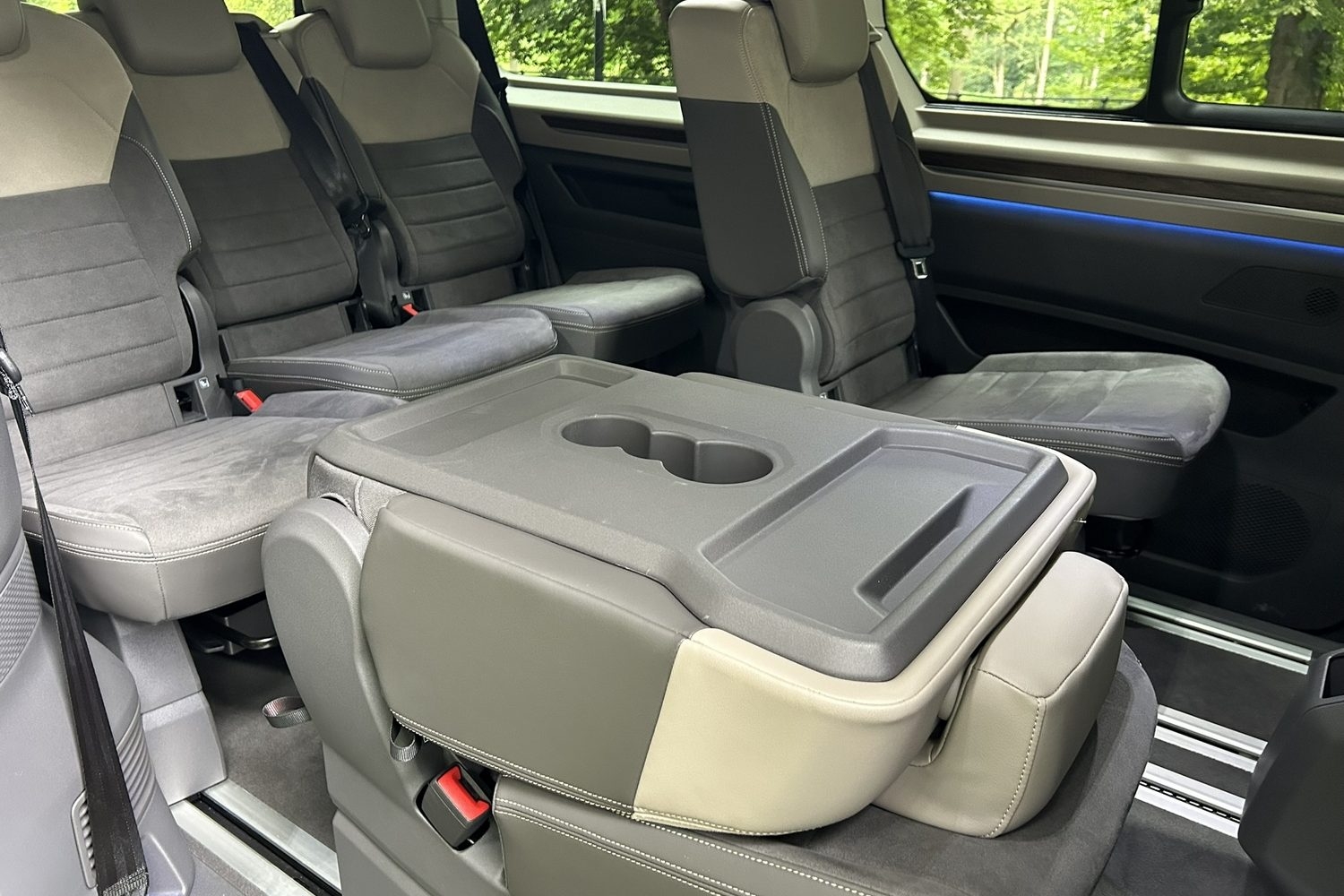
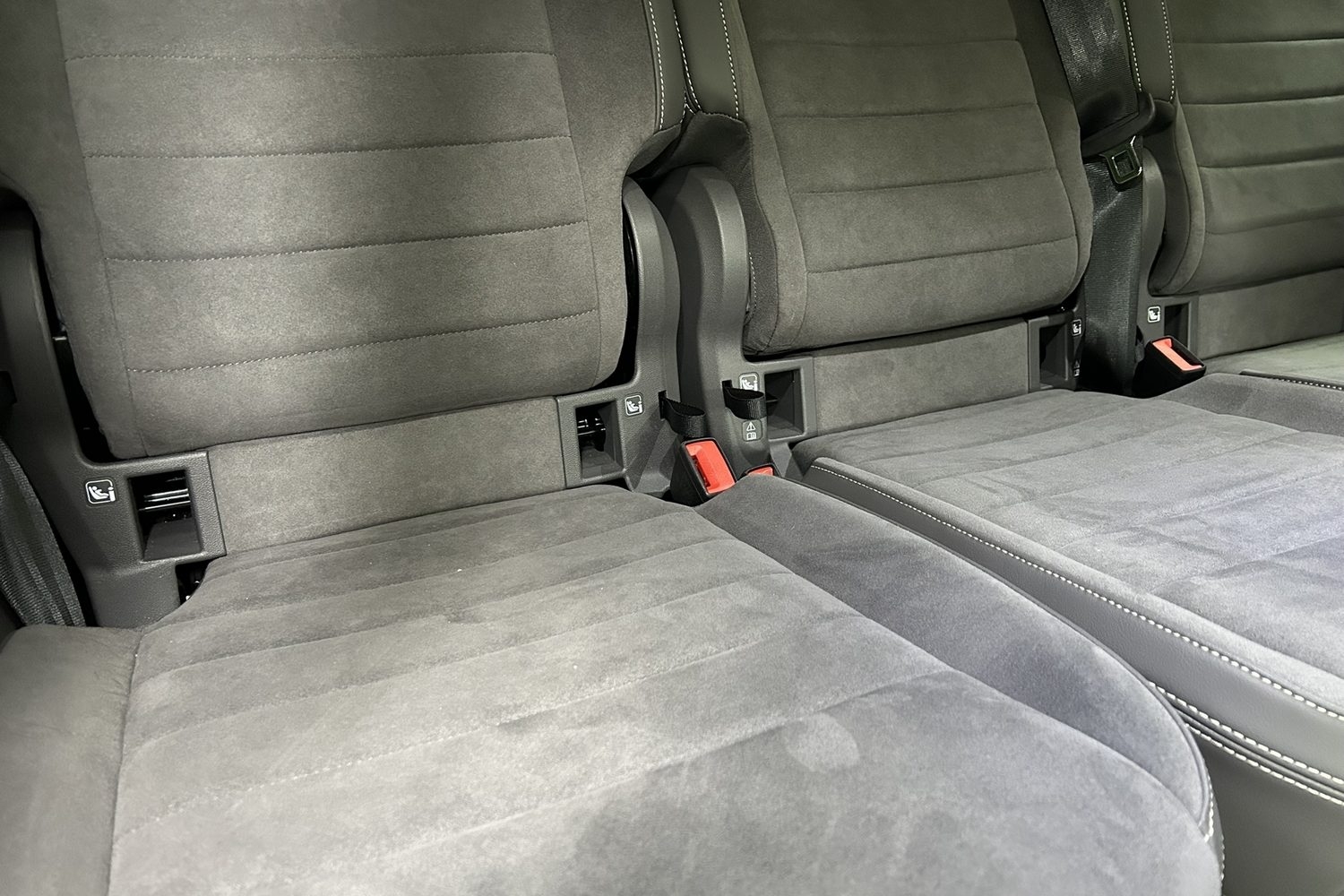
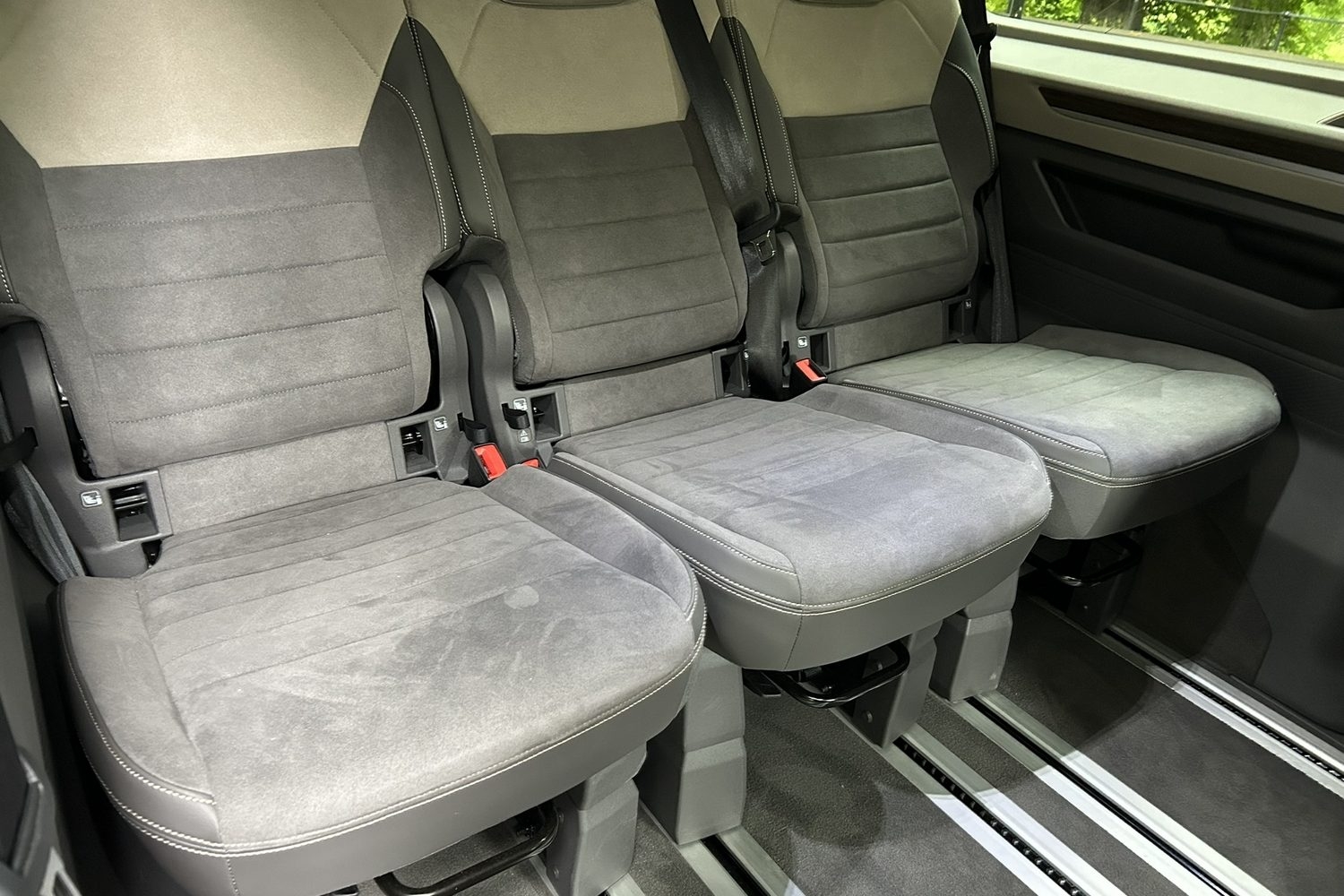
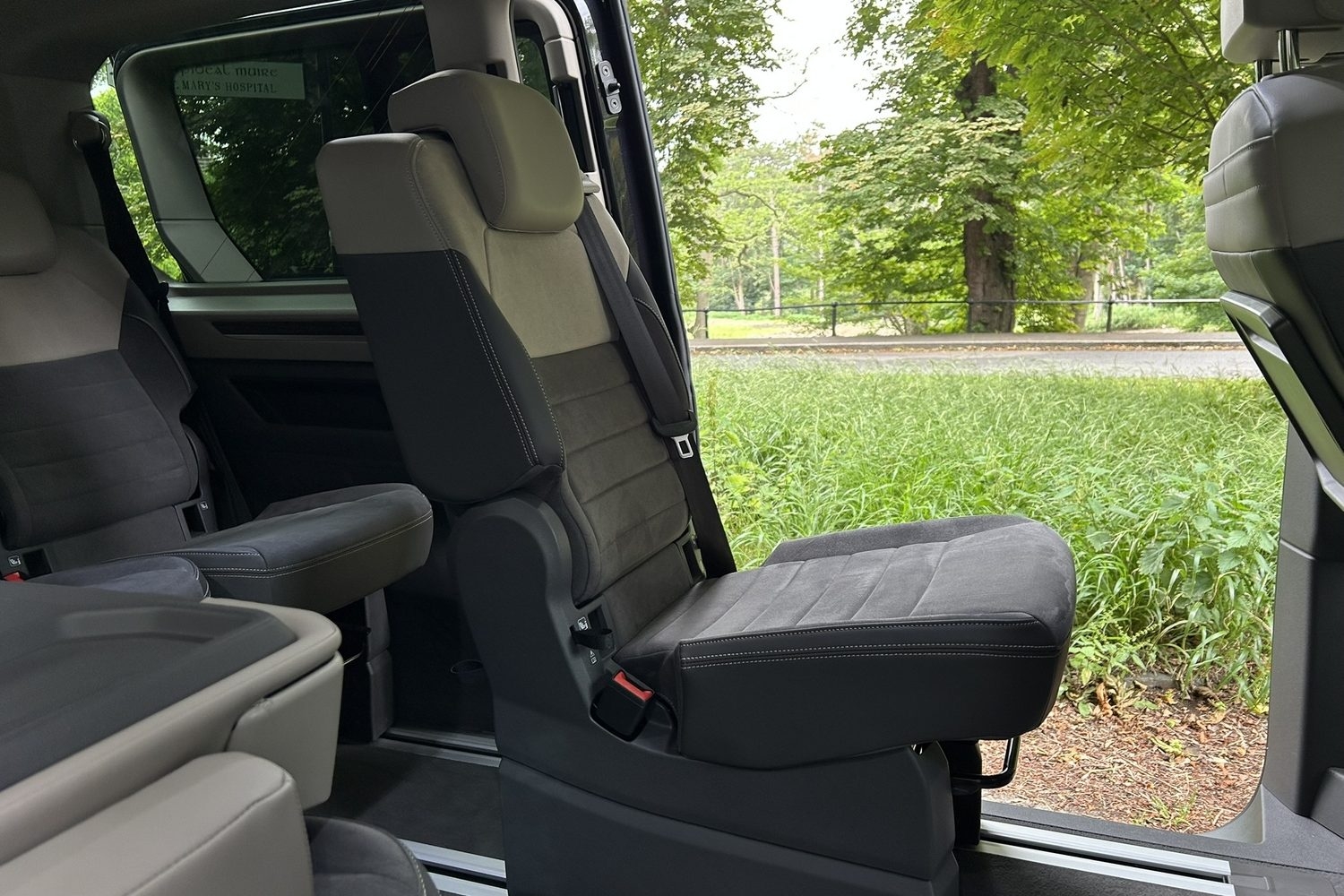
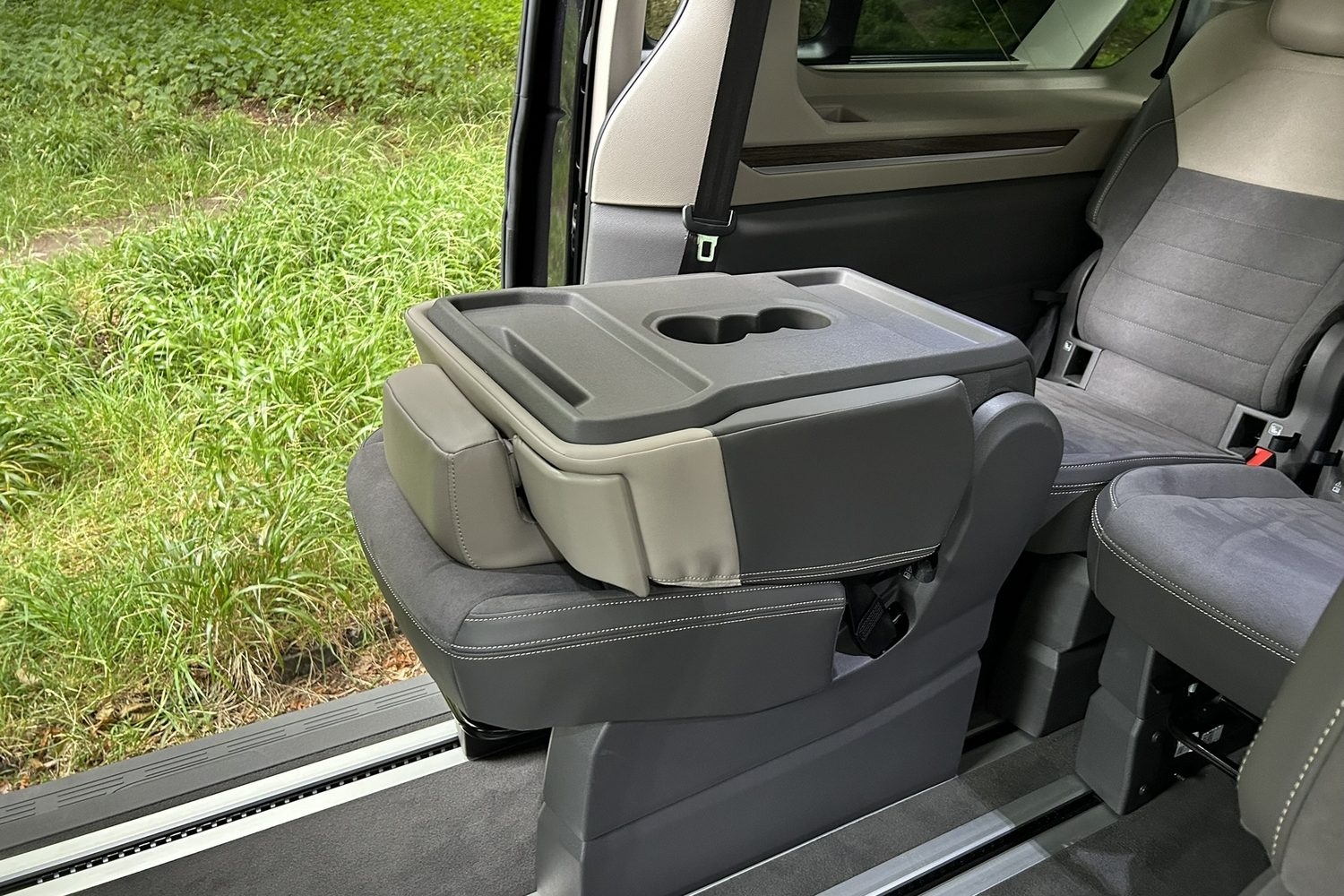
All examples of the Multivan on sale in Ireland today - regardless of the length of their rear overhangs - feature a seven-seat layout, with two chairs in the second row and three in the third. There's massive versatility built into this arrangement thanks to a flat floor featuring runners the length of the cabin and removable chairs. All of them have ISOFIX mountings as well as plenty of room for adult occupants in all directions.
The new Multivan eHybrid 4Motion
A plug-in hybrid variant of the Multivan has been on the market since the car was introduced here a few years ago, sharing its powertrain with the contemporary VW Passat GTE. The new one is far superior.
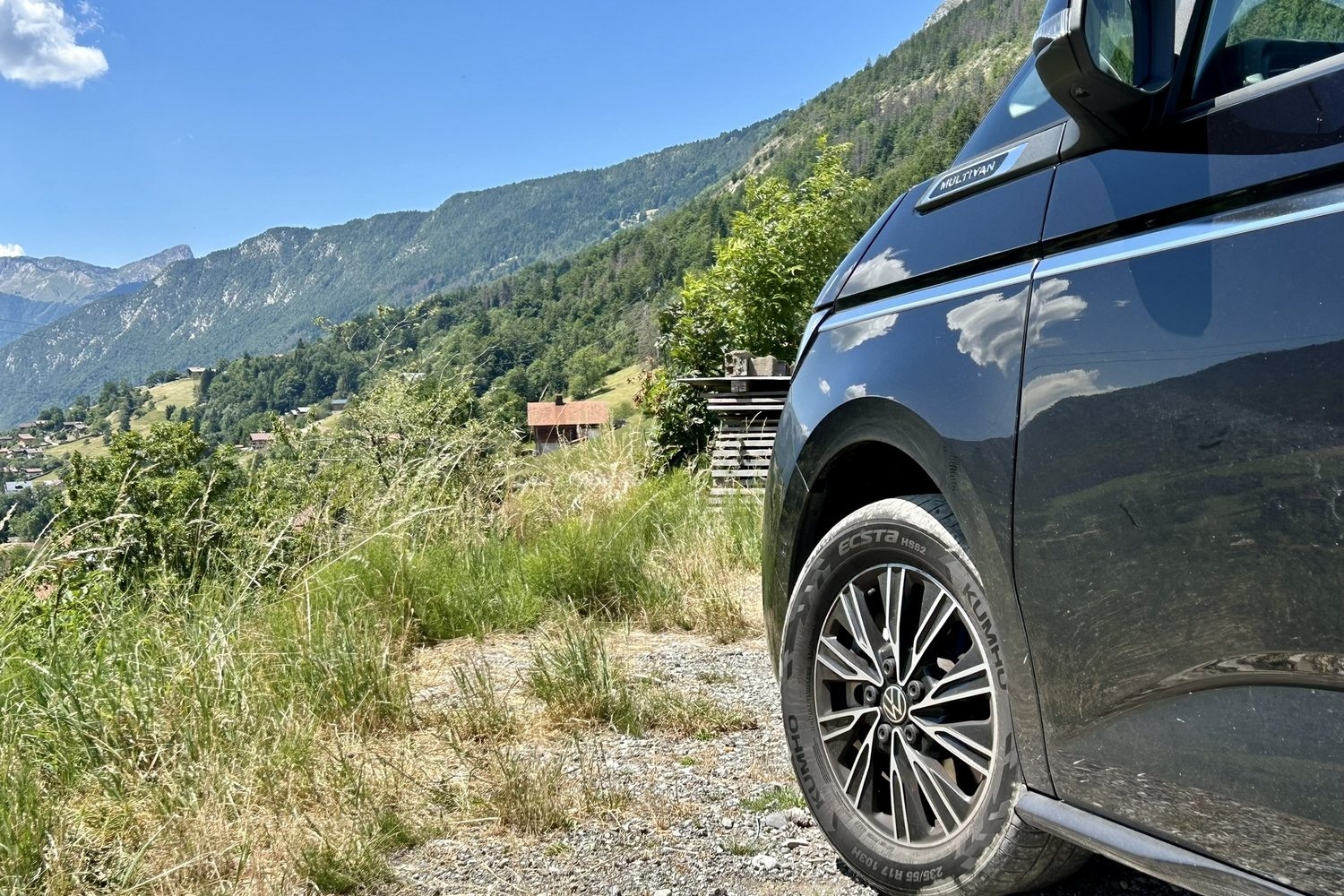
Under the bonnet is a turbocharged 1.5-litre TSI petrol engine mated to a six-speed, dual-clutch automatic gearbox (DSG) and an electric motor. There's a second electric motor now, fitted to the rear axle to allow for all-wheel drive and up to 245hp when the engine and the two motors are working at their hardest.
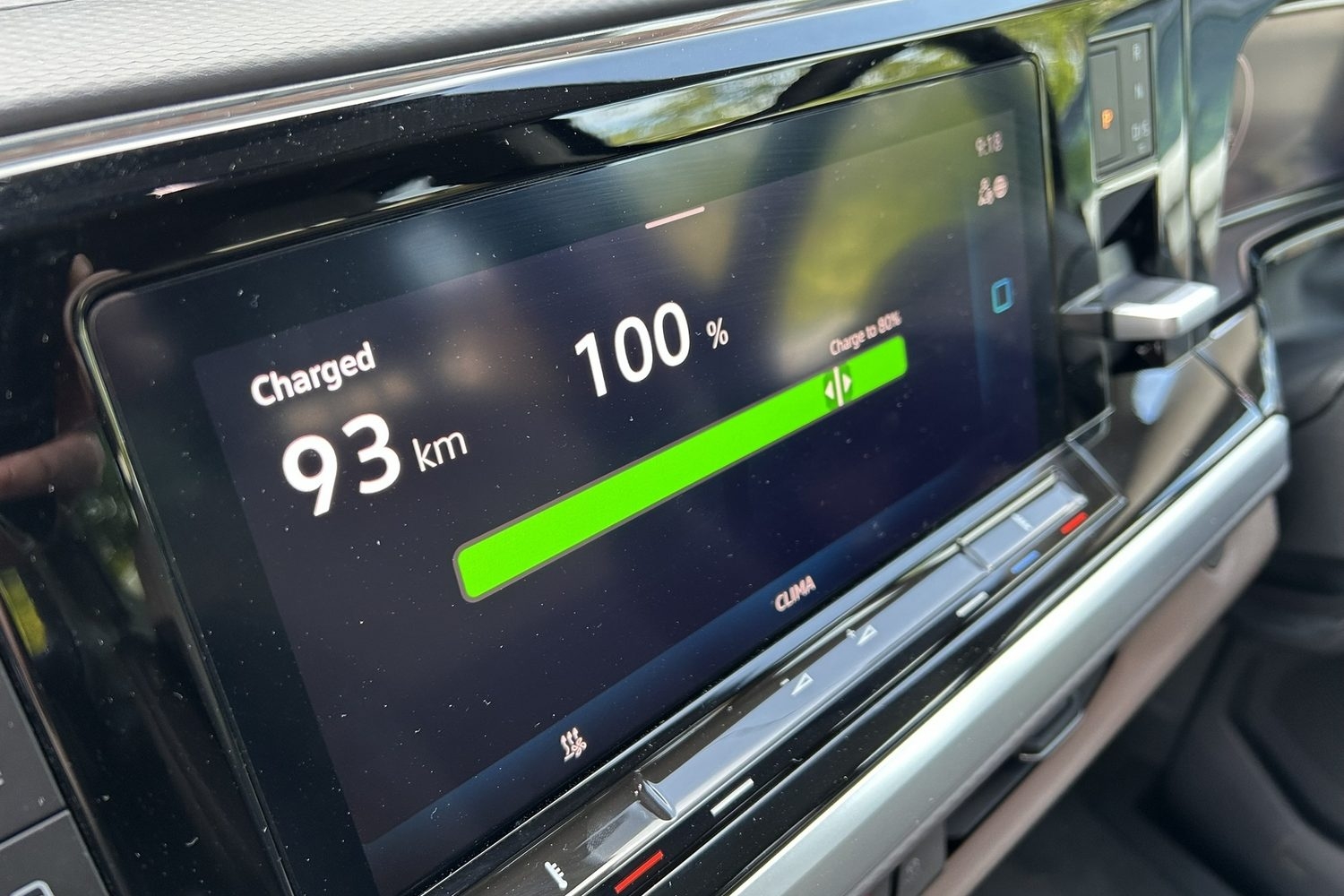
More pertinently to our story, the Multivan's battery has nearly double the energy capacity of its predecessor, at 19.7kWh. Officially that allows for an electric range of this massive car of up to 95 kilometres (the same setup allows for even longer on other, smaller Volkswagen Group models).
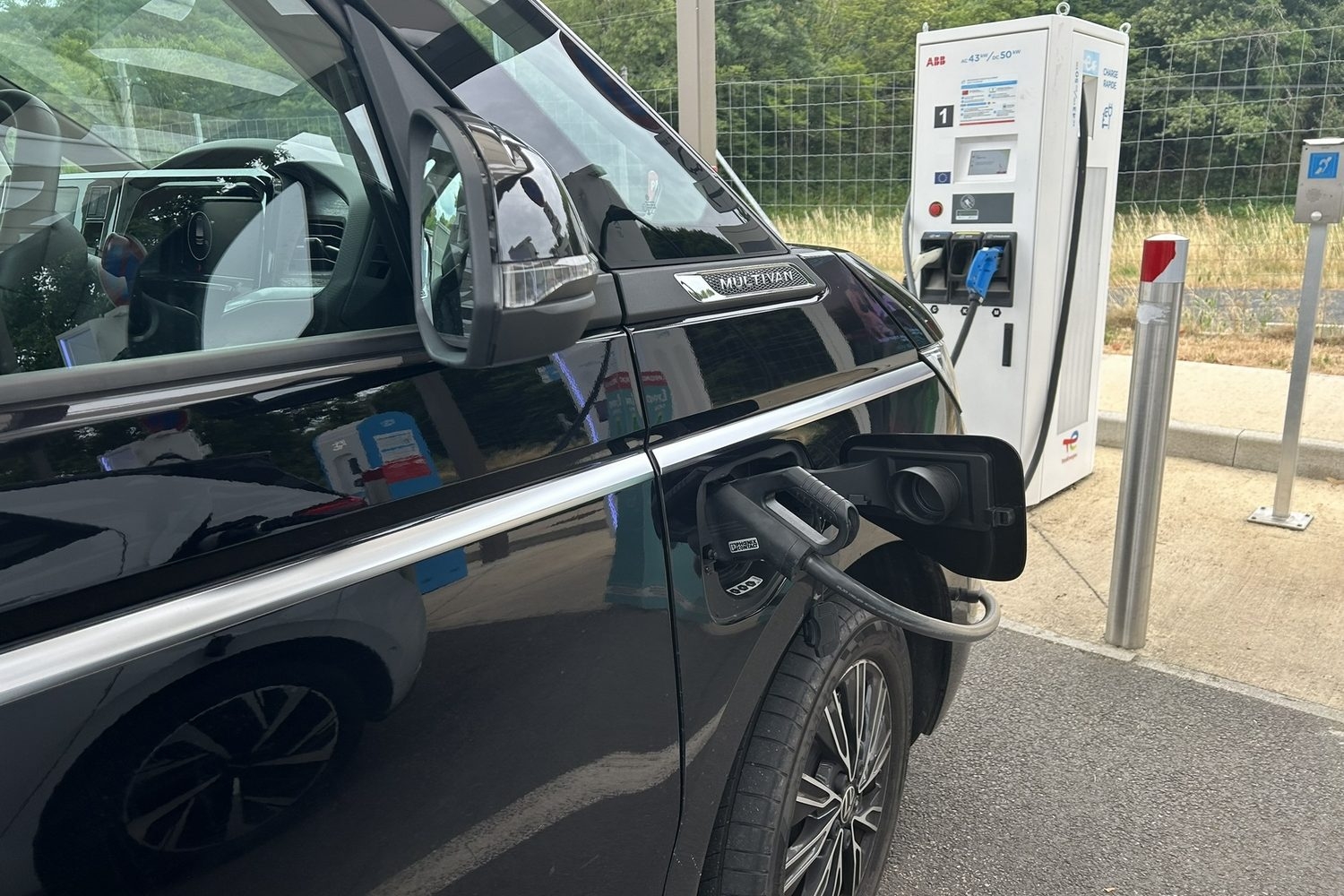
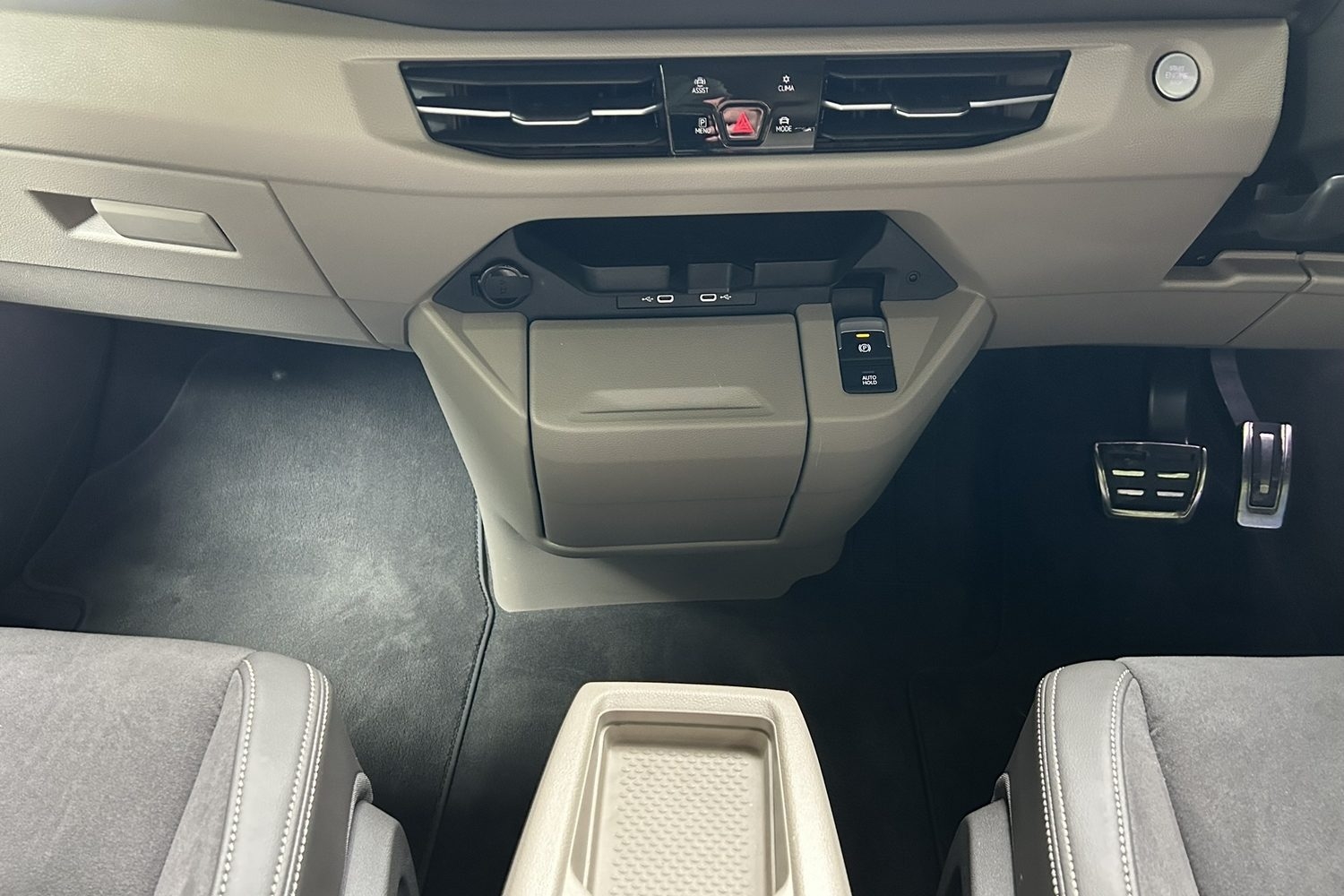
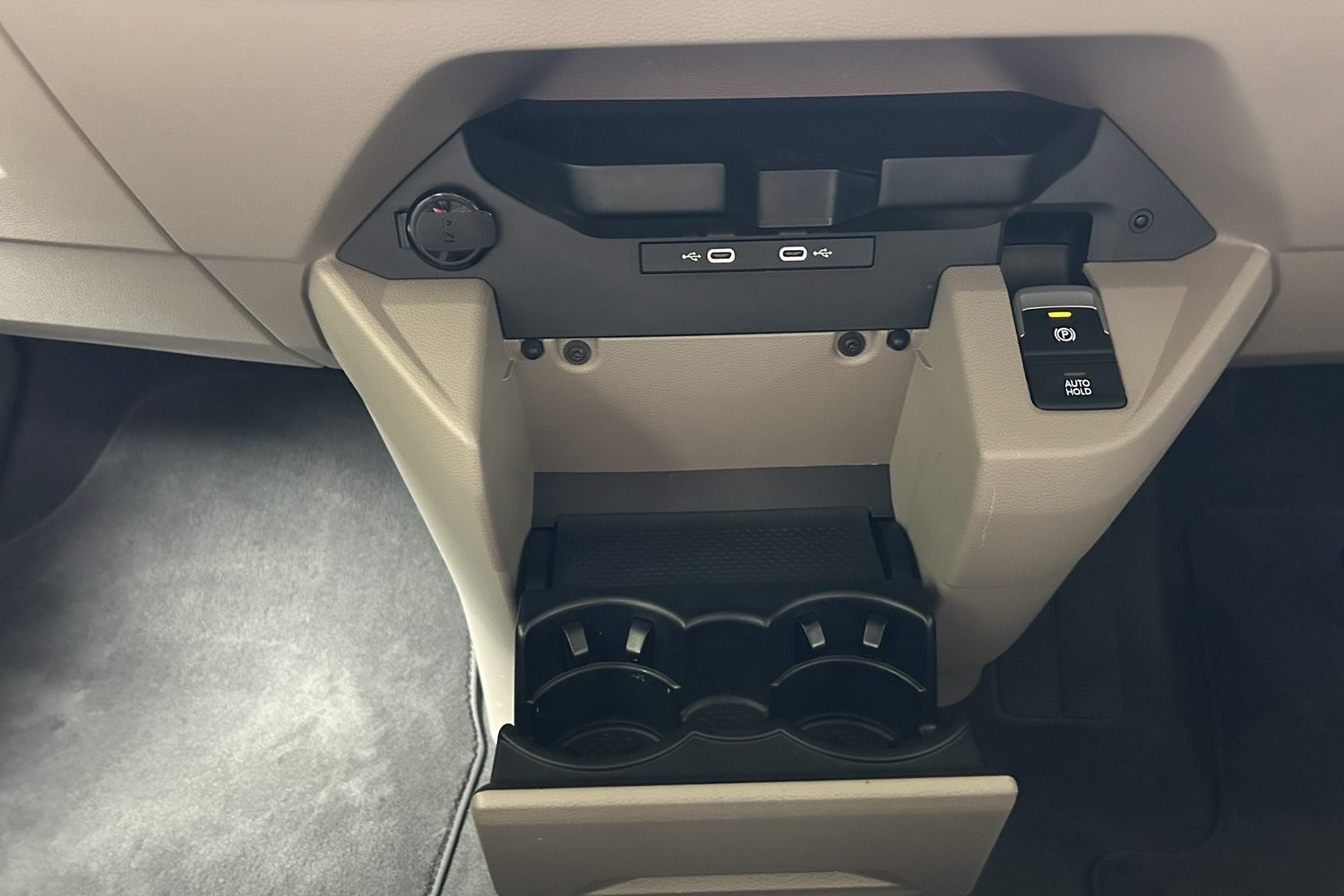
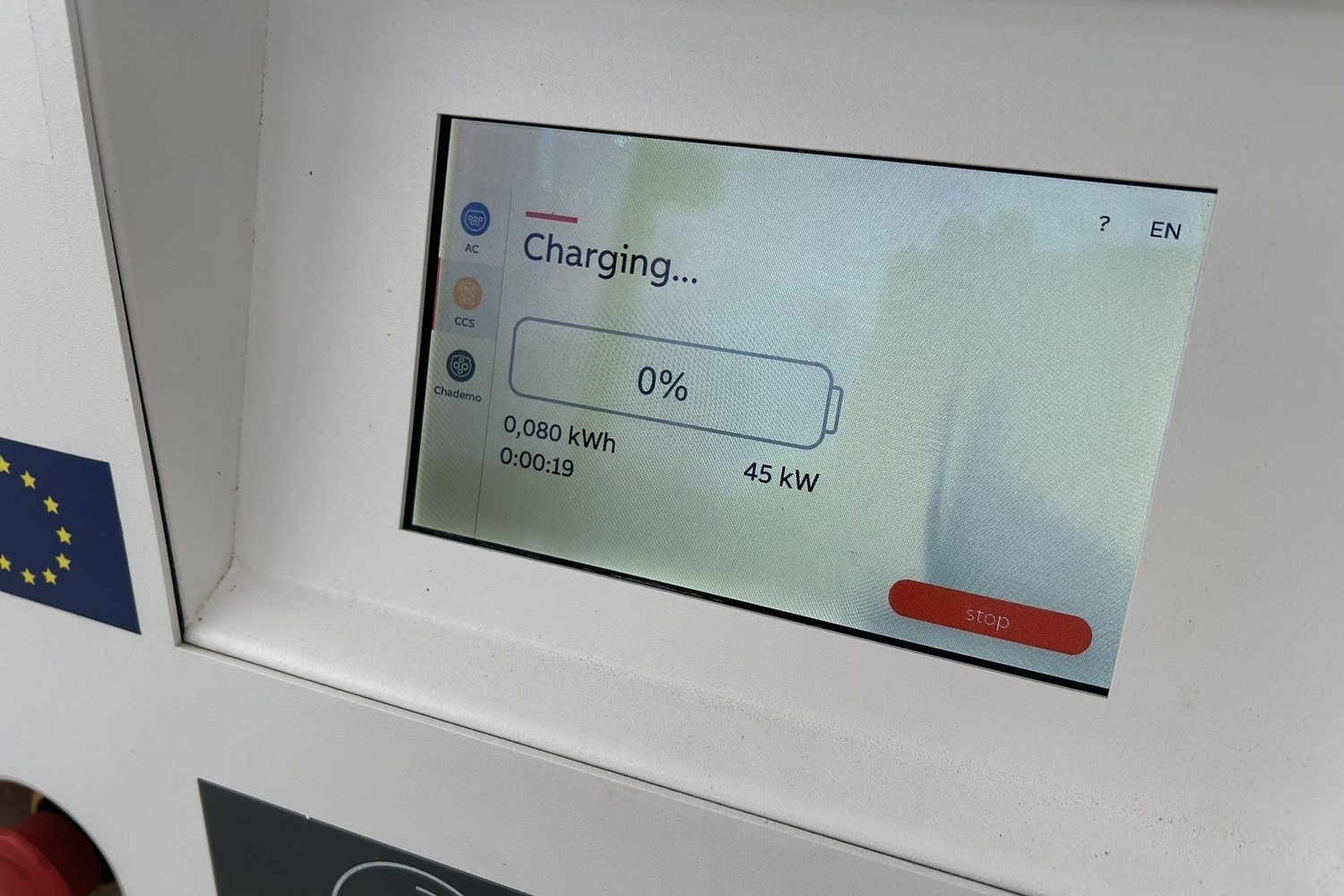
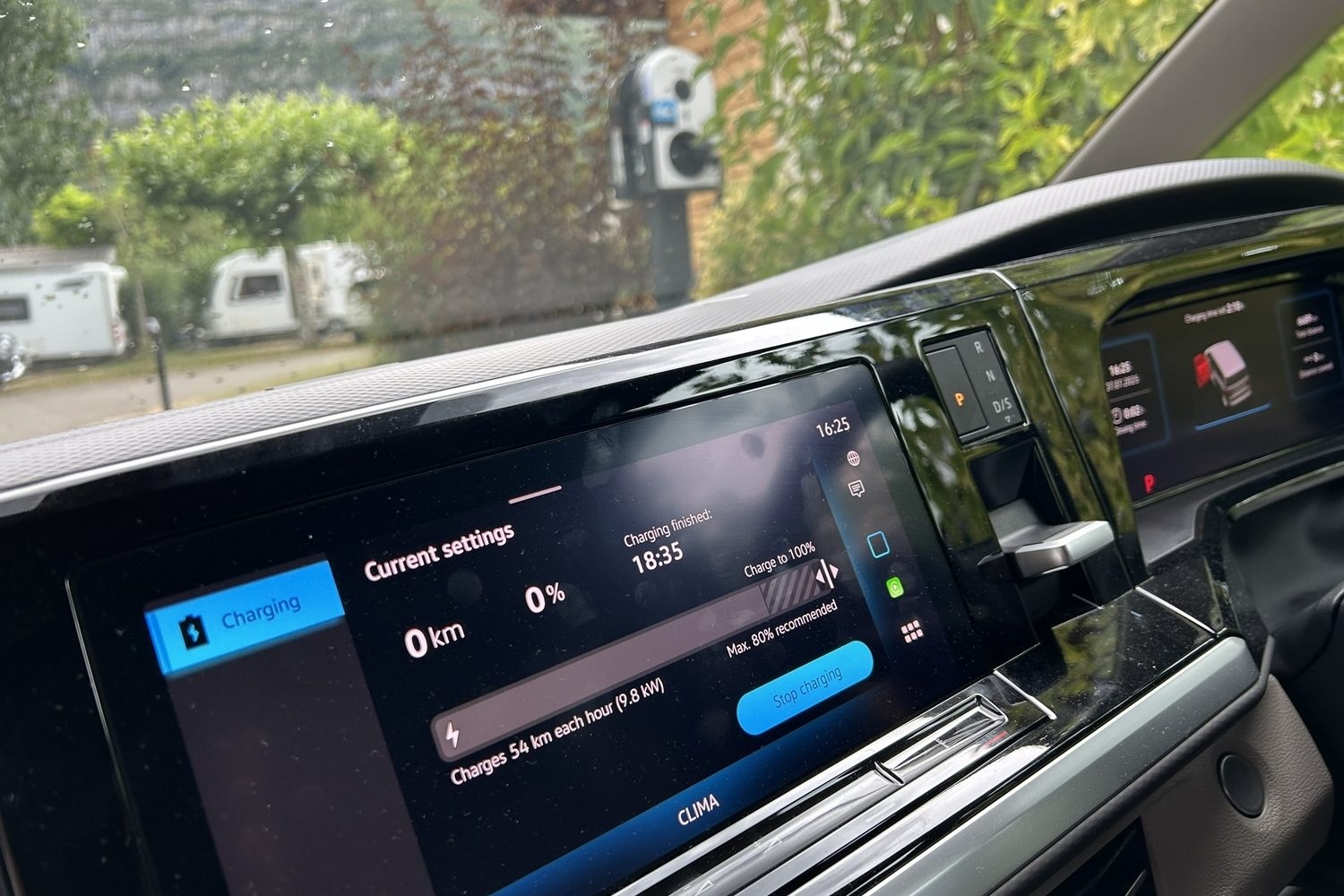
Just as importantly, this battery can be recharged at relatively high speeds, with up to 11kW on a three-phase AC charger or 50kW on a DC fast charger.
A charging network that's fit for purpose
Those charging speeds are of little use in a country with an underdeveloped EV charging network. In Ireland, public charging a PHEV can be awkward thanks to queues, limited chargers and some EV drivers unhappy to see a hybrid at a public point.
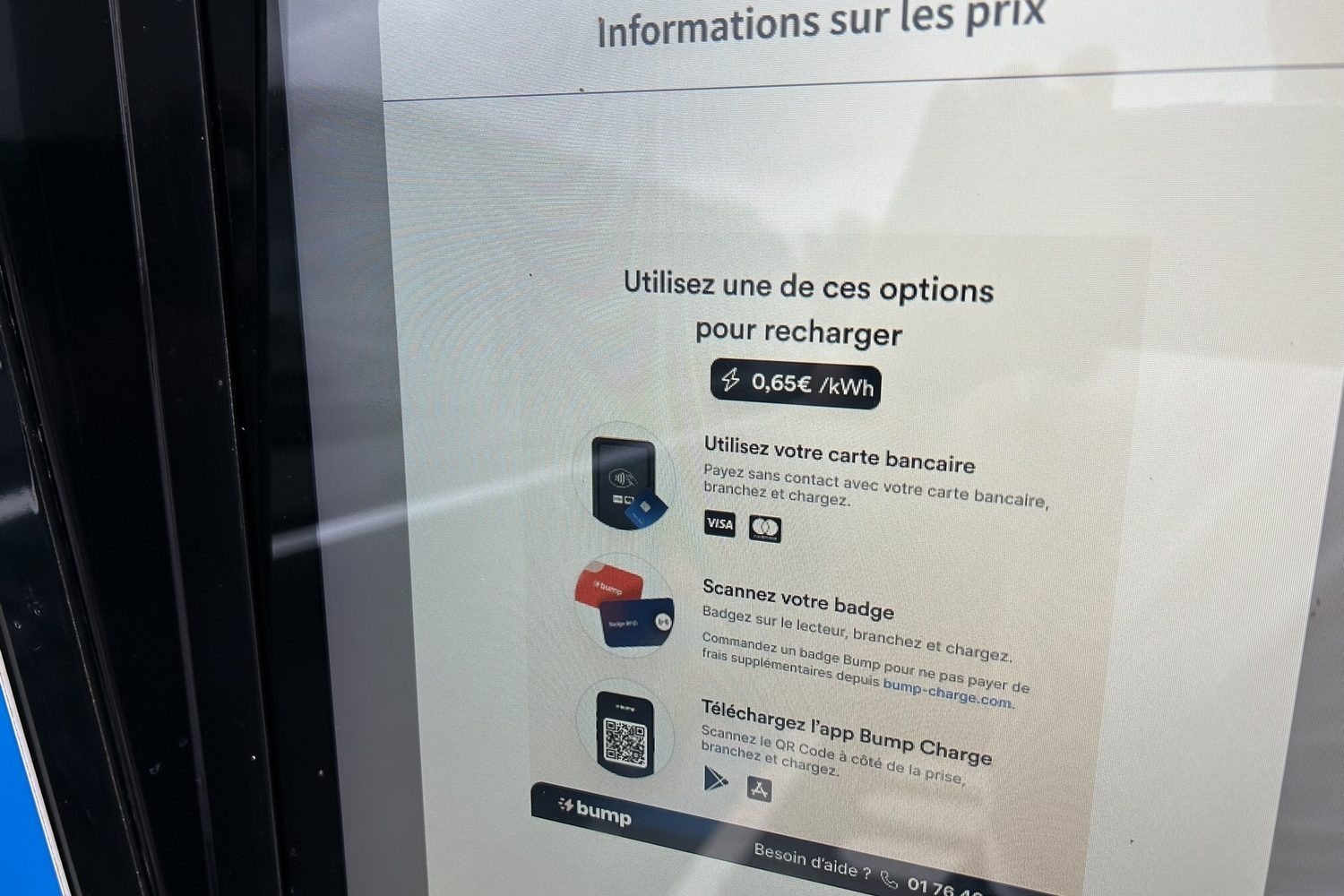
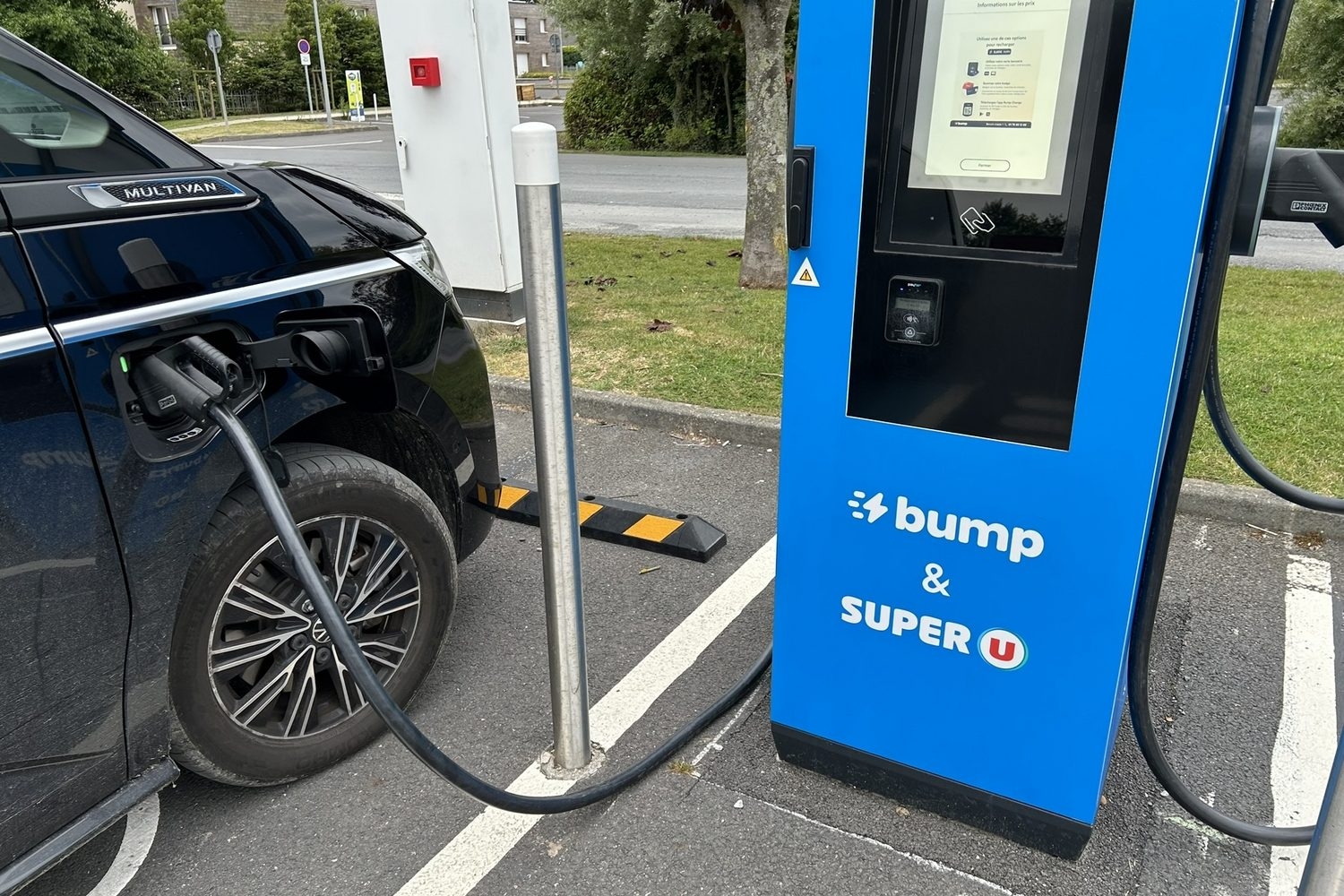
France is different. Every motorway service area we stopped at had banks of chargers, many rated at 350kW, usually with some 50kW units free. Charging the Multivan never felt like we were blocking a full EV, and at 50kW the battery was usually fully charged before we were ready to leave.
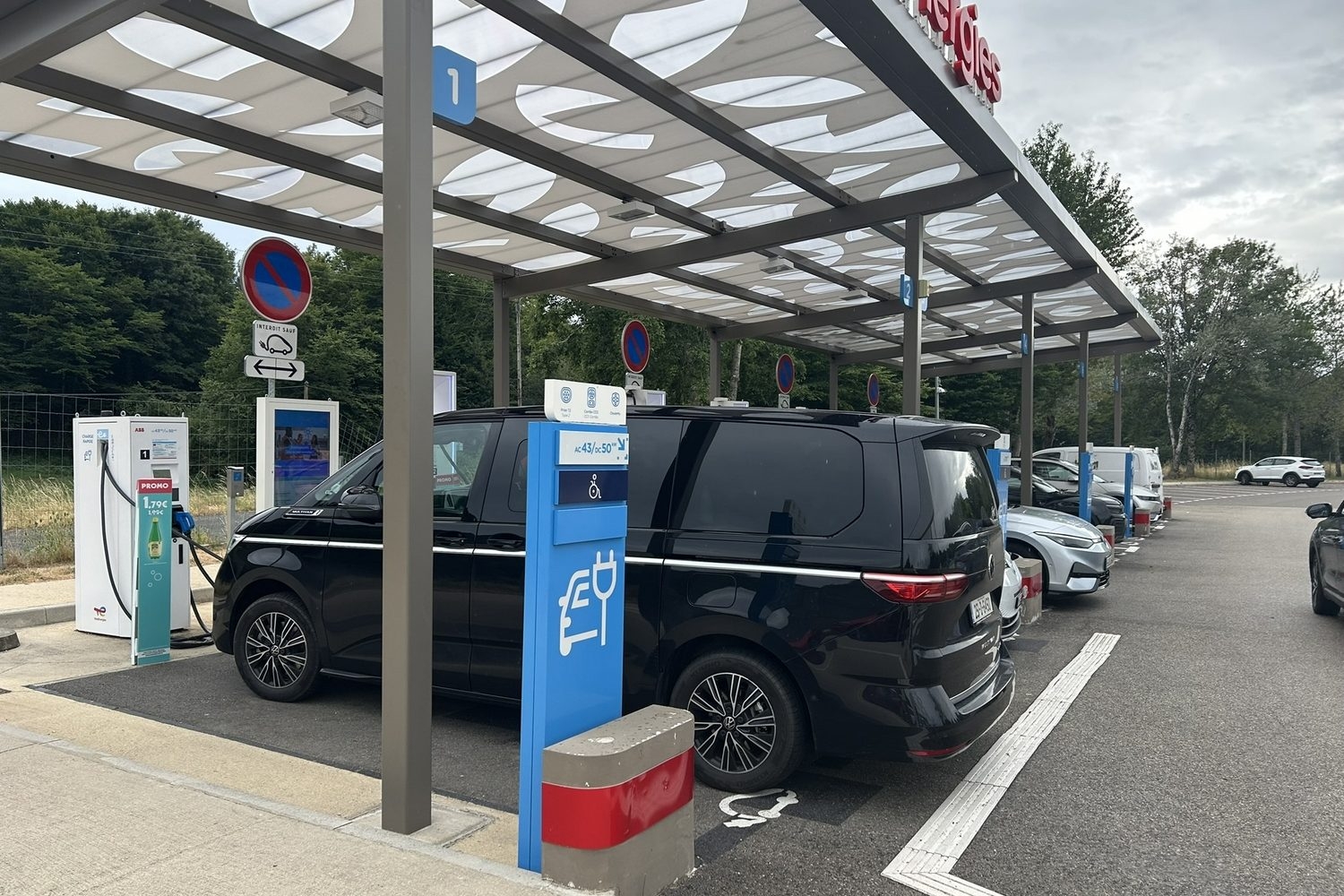
On this trip, obviously we didn't top up every 80km - at motorway speeds, that's roughly the electric range of this Multivan when heavily loaded - but we charged whenever it was convenient, using DC outlets on the motorway and 11kW AC charging at supermarkets or our campsite.
The more you charge, the more you save
We started the journey assuming that the fast charging would be quite expensive, but worth it from a research point of view. It also helped that the Multivan is at its best when its battery is fully topped up, feeling like a big, refined EV, even with the adaptive cruise control set to 130km/h.
Then we started to tot the numbers up. A representative recharge on the motorway at a service station costs 60 cent per kWh (sometimes a little less, sometimes more). A full charge therefore cost about €12. Yes, we know it's better to keep to 80 per cent charges on DC power for battery health, but this was an experiment.
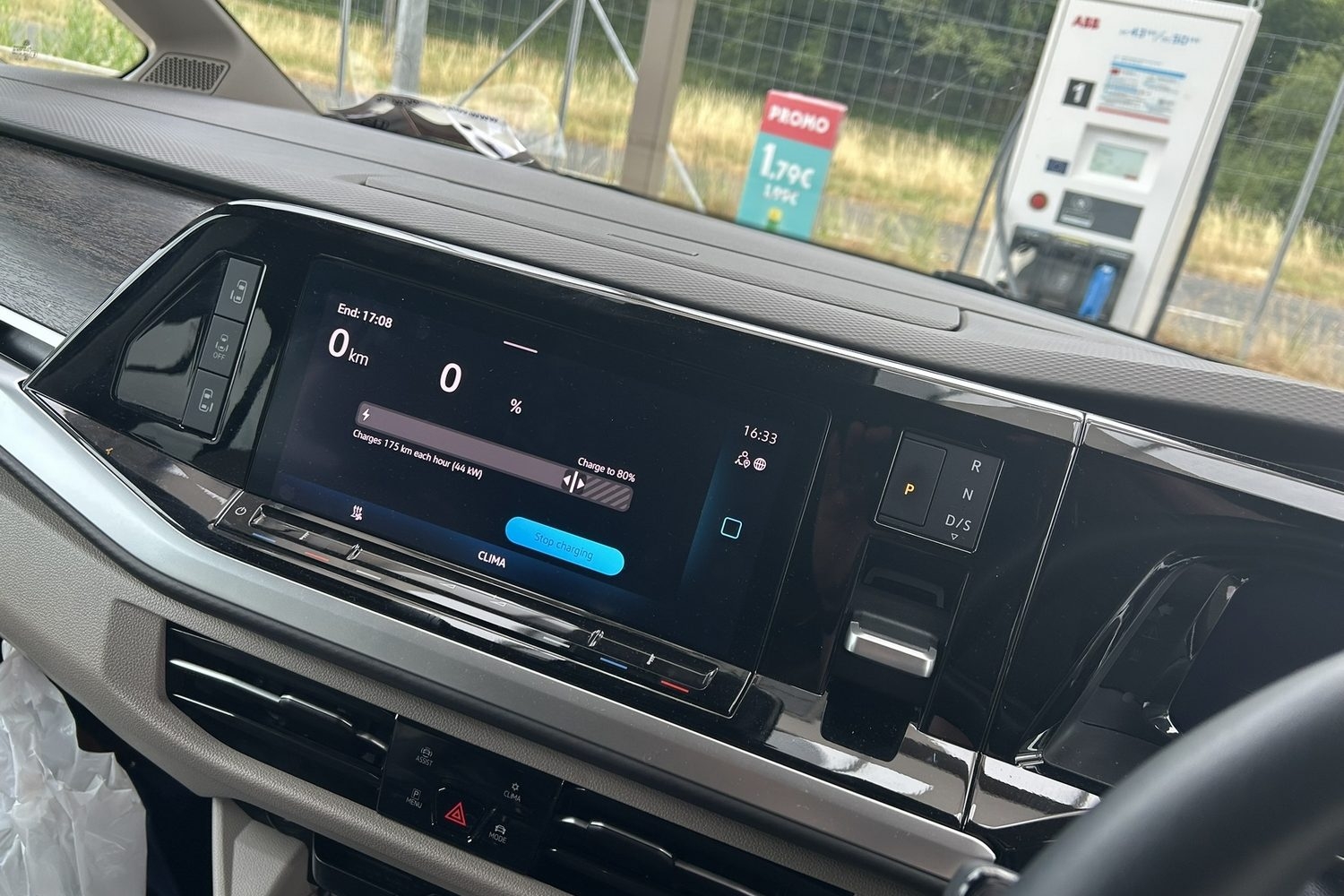
Conservatively, that allowed for an electric range of 75km on the motorway (though we managed much further than that on a charge when ambling about in between the longer sections of the journey), which equates to a per-kilometre cost of roughly 16 cent.
The price of a litre of petrol on our trip averaged €1.80. At that rate, the car would have to manage 8.9 litres/100km to achieve a 16-cent-per-kilometre cost. That's entirely possible, but not a given, certainly at such high speeds.
And the balance can shift one way or the other depending on the unit cost of the electricity or the liquid fuel. With cheaper AC charging at the campsite, we reckoned we were saving somewhere in the region of €5-10 every time we charged up - in comparison to using just petrol.
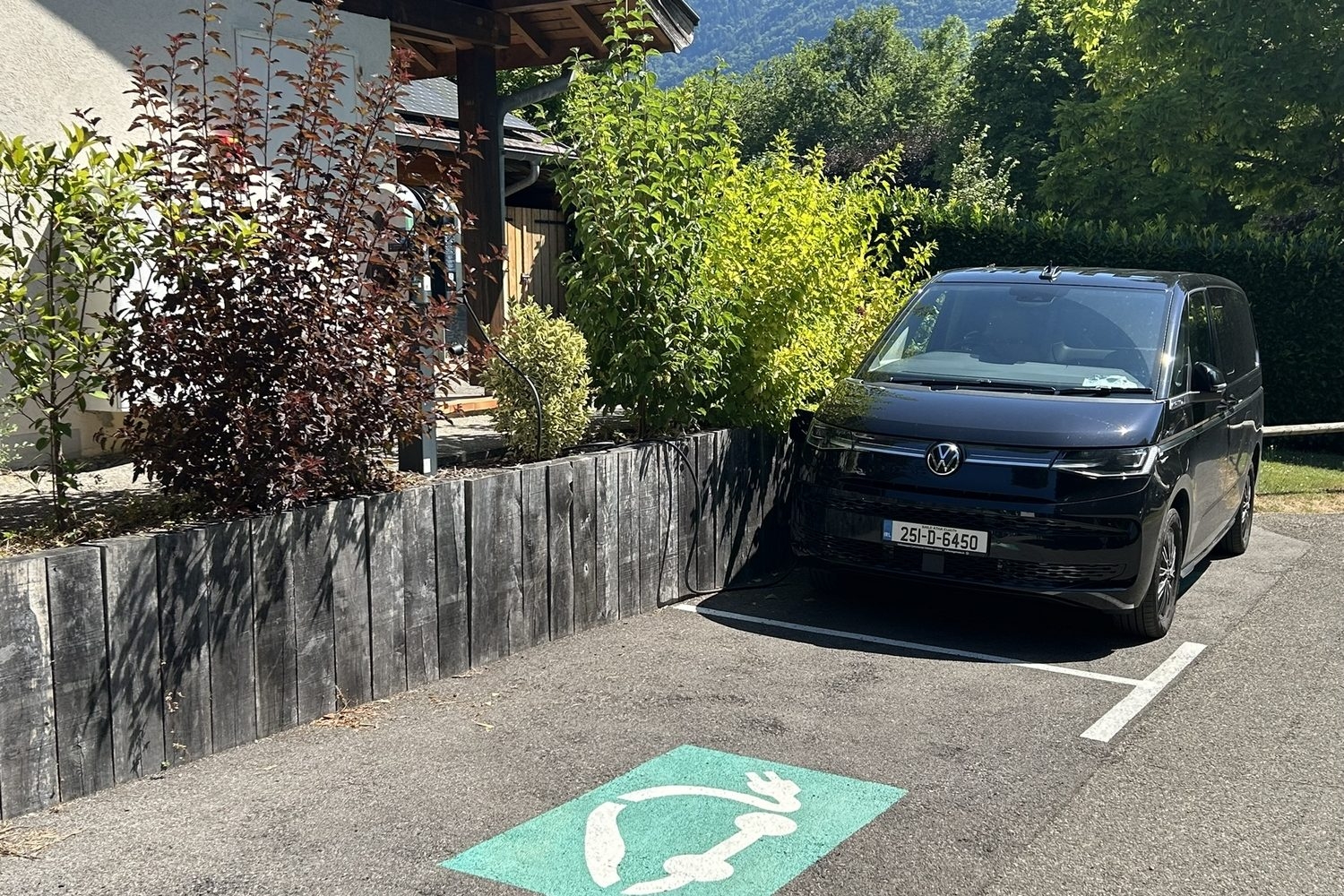
Imagine the savings if you charge up at home or work at a much lower per-kWh rate...
The results after more than 2,400km at the wheel
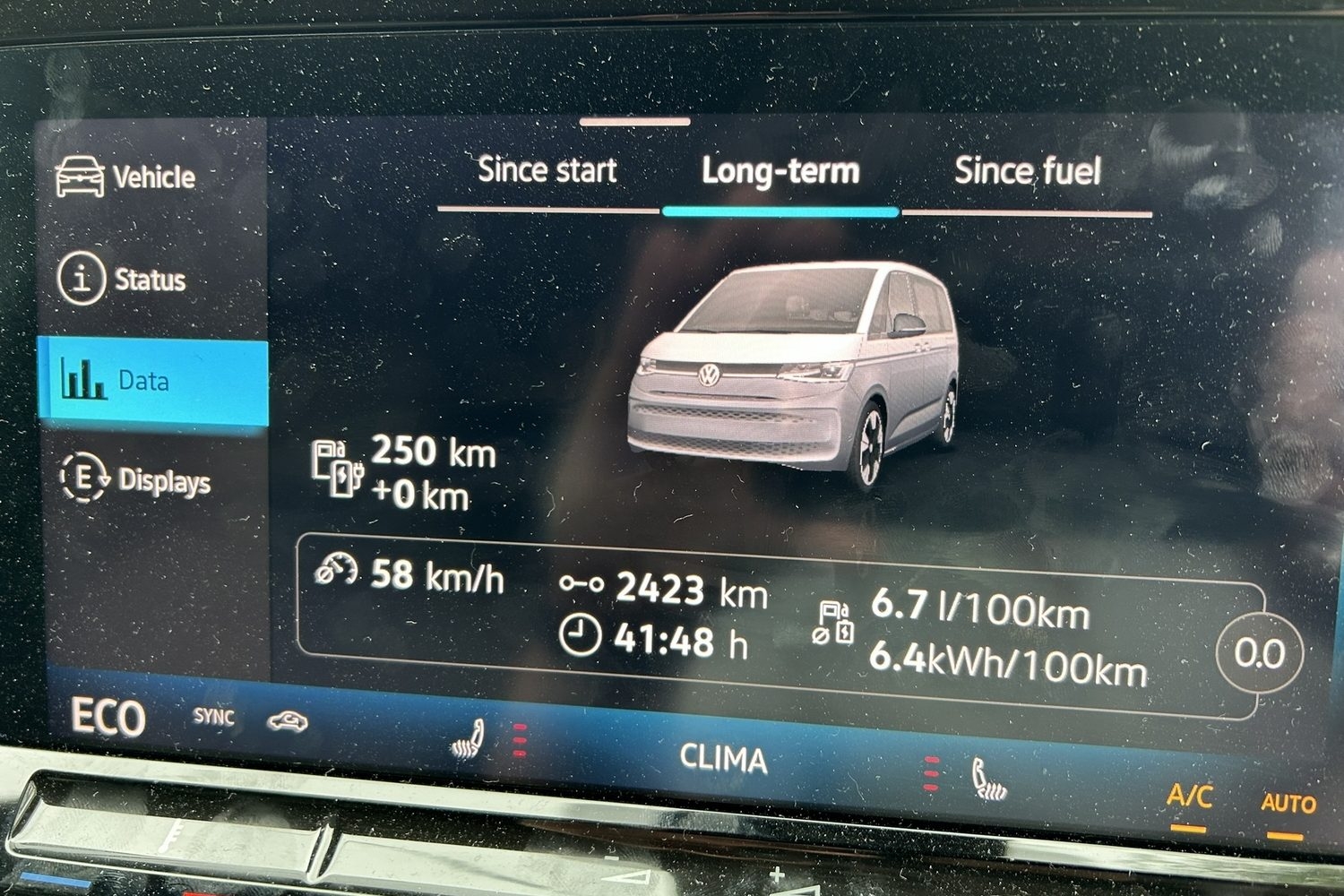
Interestingly, the Multivan's trip computer the end showed that, over 2,423km, the car averaged 6.7 litres/100km and 6.4kWh/100km. If our interpretation of those figures is correct, it indicates a total of 162 litres of fuel and 155kWh of electricity used.
That succinctly summarises how owners can make savings. The more you charge up, the larger proportion of your driving that is done on electric power, and if that electric power is at a low rate (but not necessarily just cheap nighttime electricity), then the savings mount up and make every charging session worthwhile.
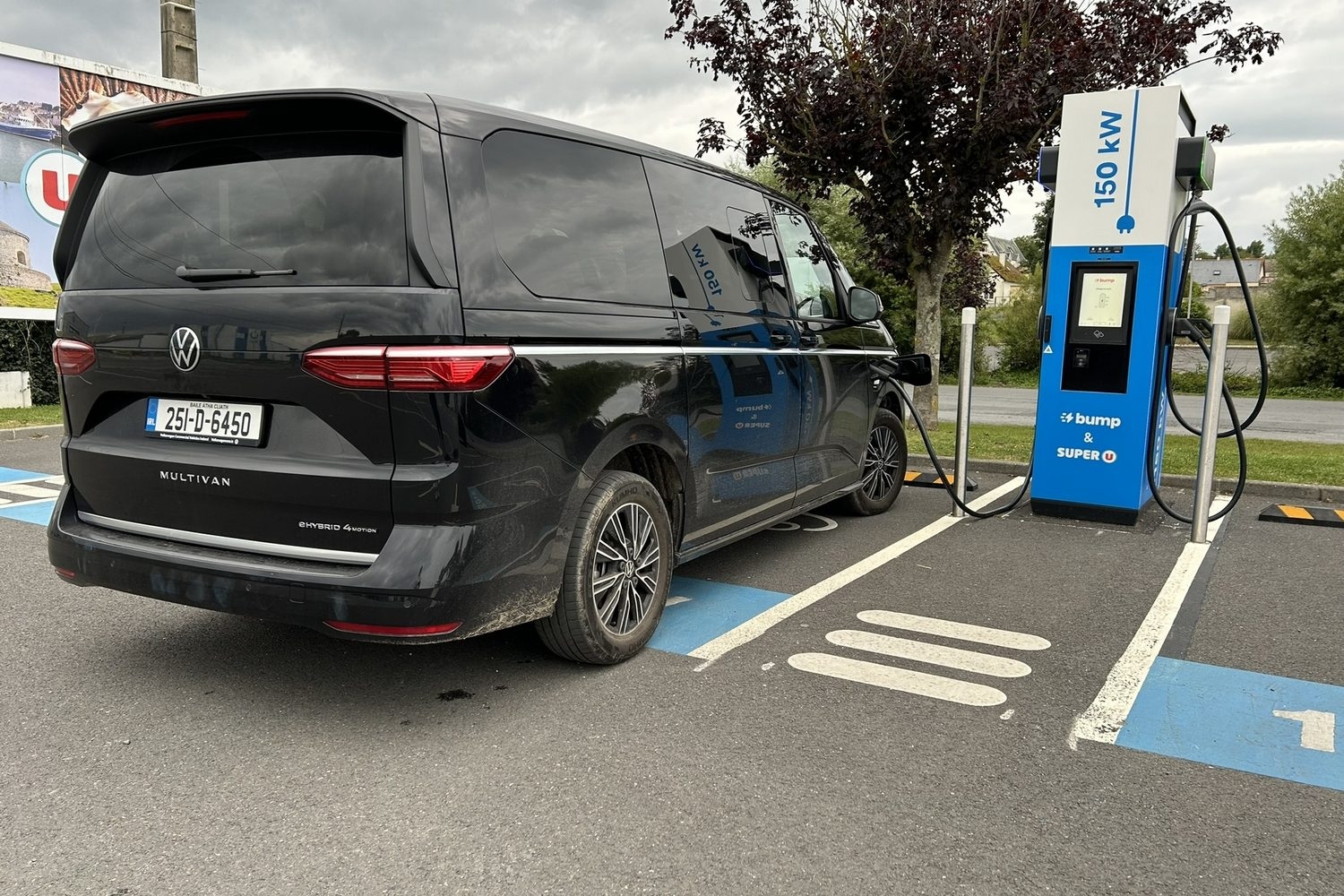
Using the same logic, a fully electric car offers potential for even greater savings, of course, but PHEVs undeniably offer owners additional versatility. This article isn't intended to suggest that PHEVs are better than EVs, just that they might suit more buyers than they ever have, certainly the latest generation such as the VW Multivan with a useful range and fast-charging capability.
If there is anything about this story we have not covered, you can avail of our expert advice service via the Ask Us Anything page.