



Exterior & design of the 2027 Renault Clio
- Eye-catching design front and rear
- Esprit Alpine trim gets unique bits
- Plenty of bright colours

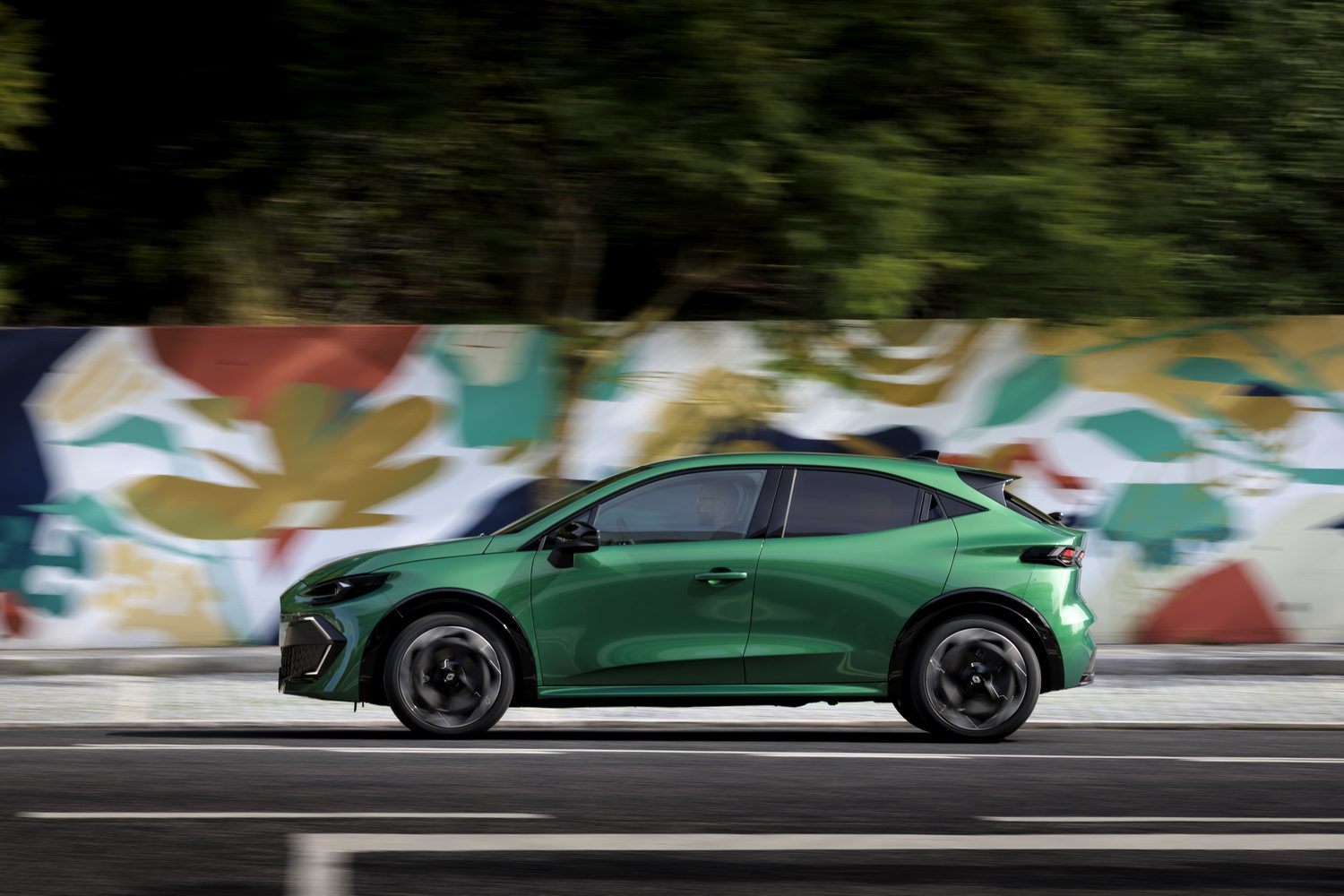
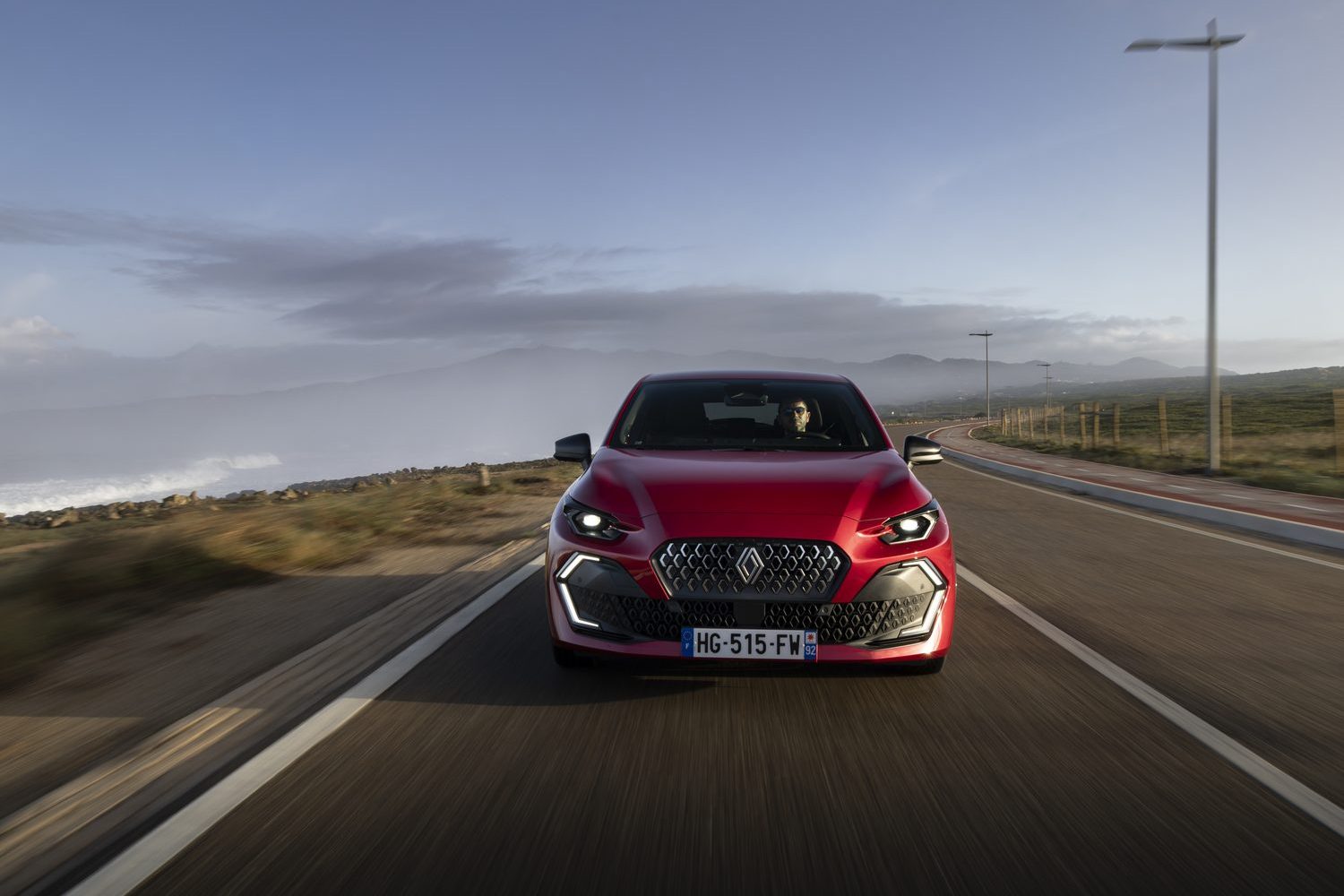
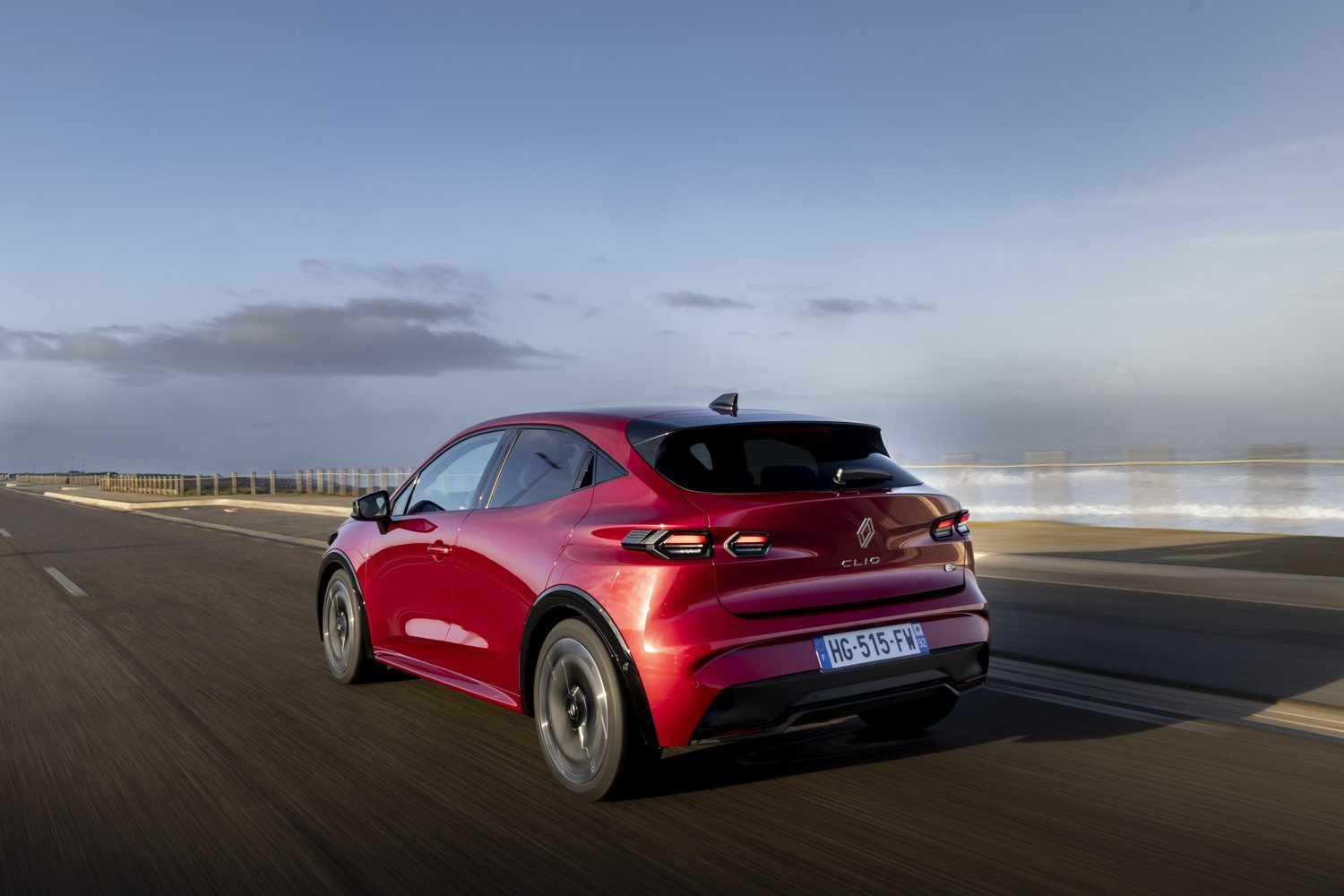
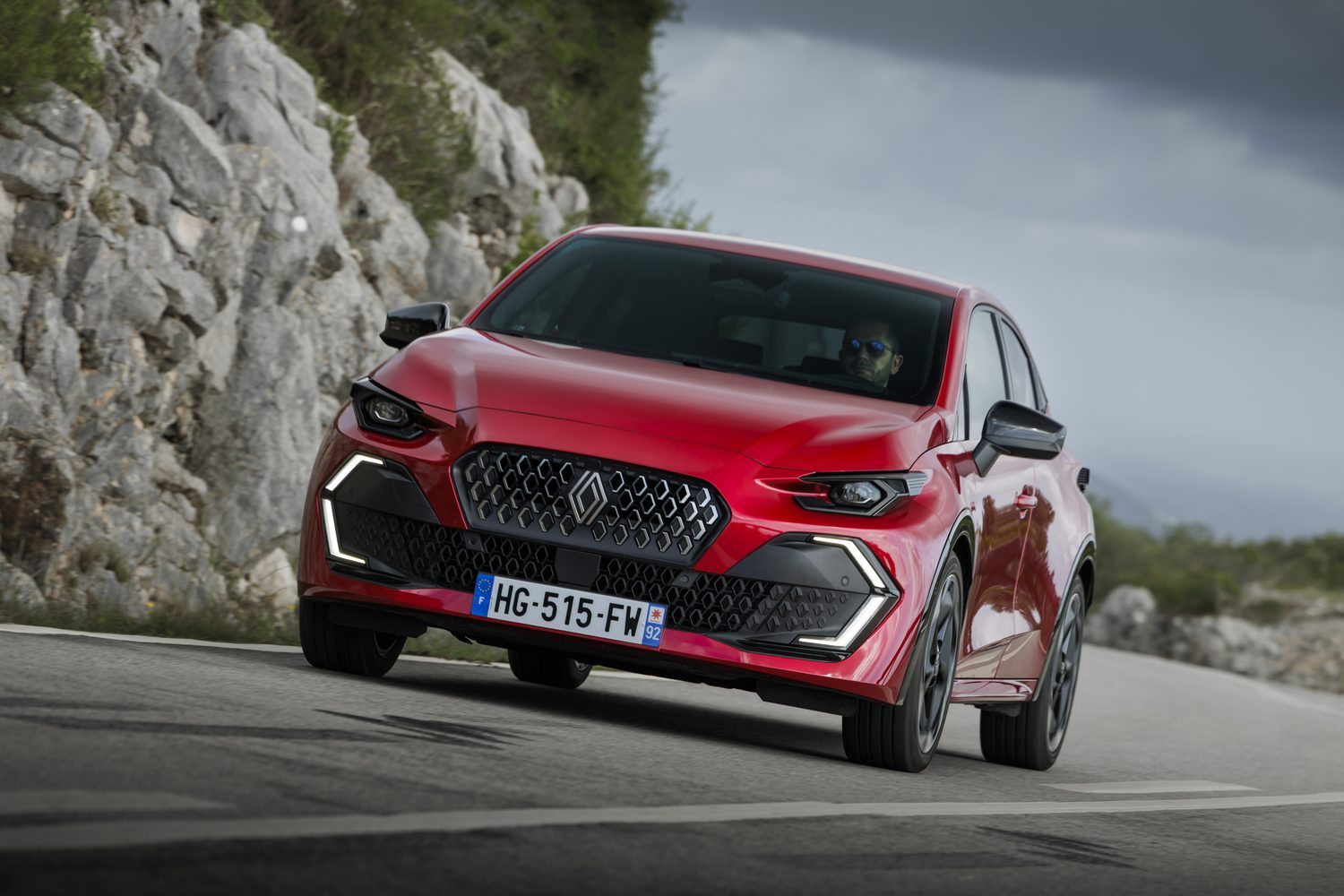
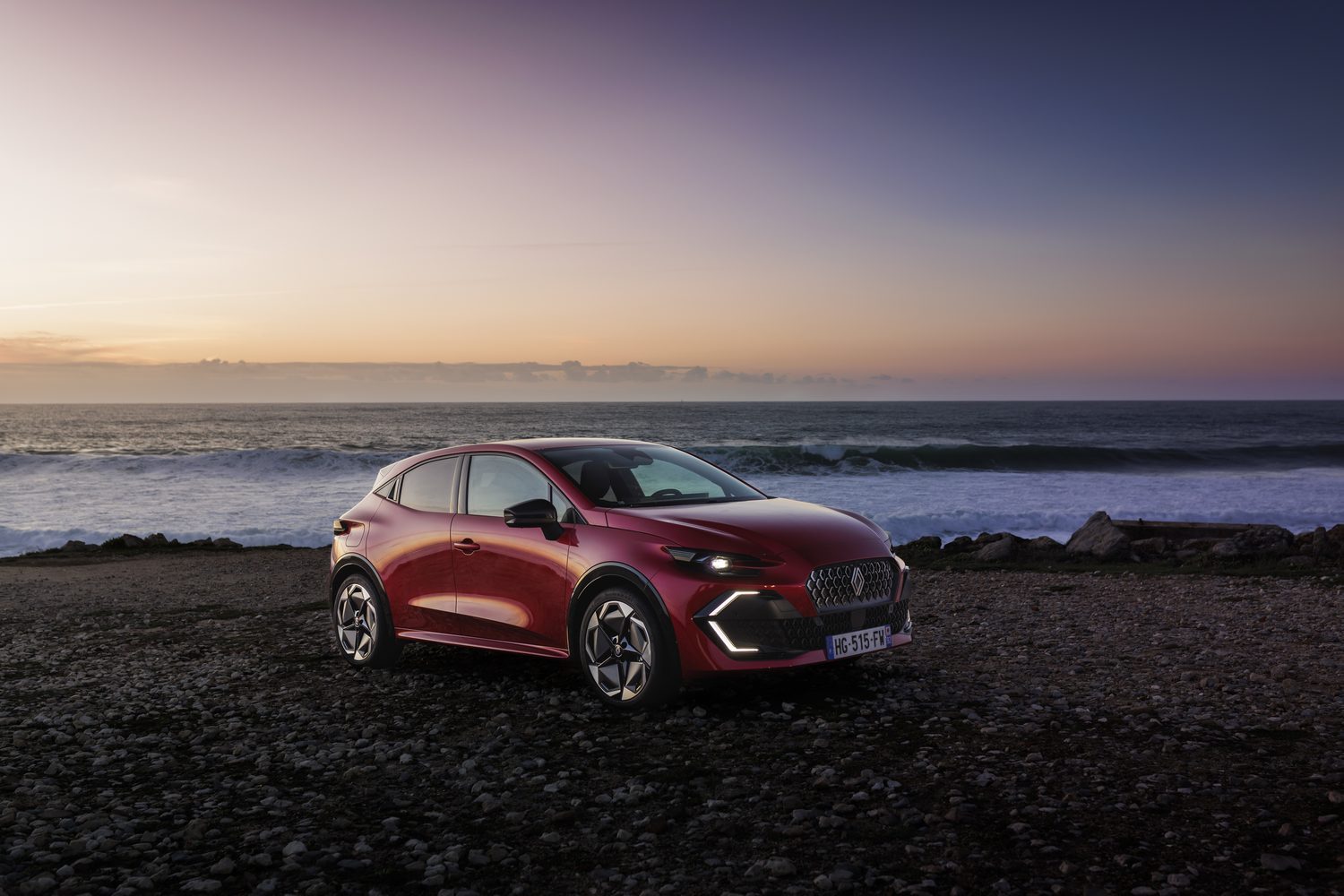
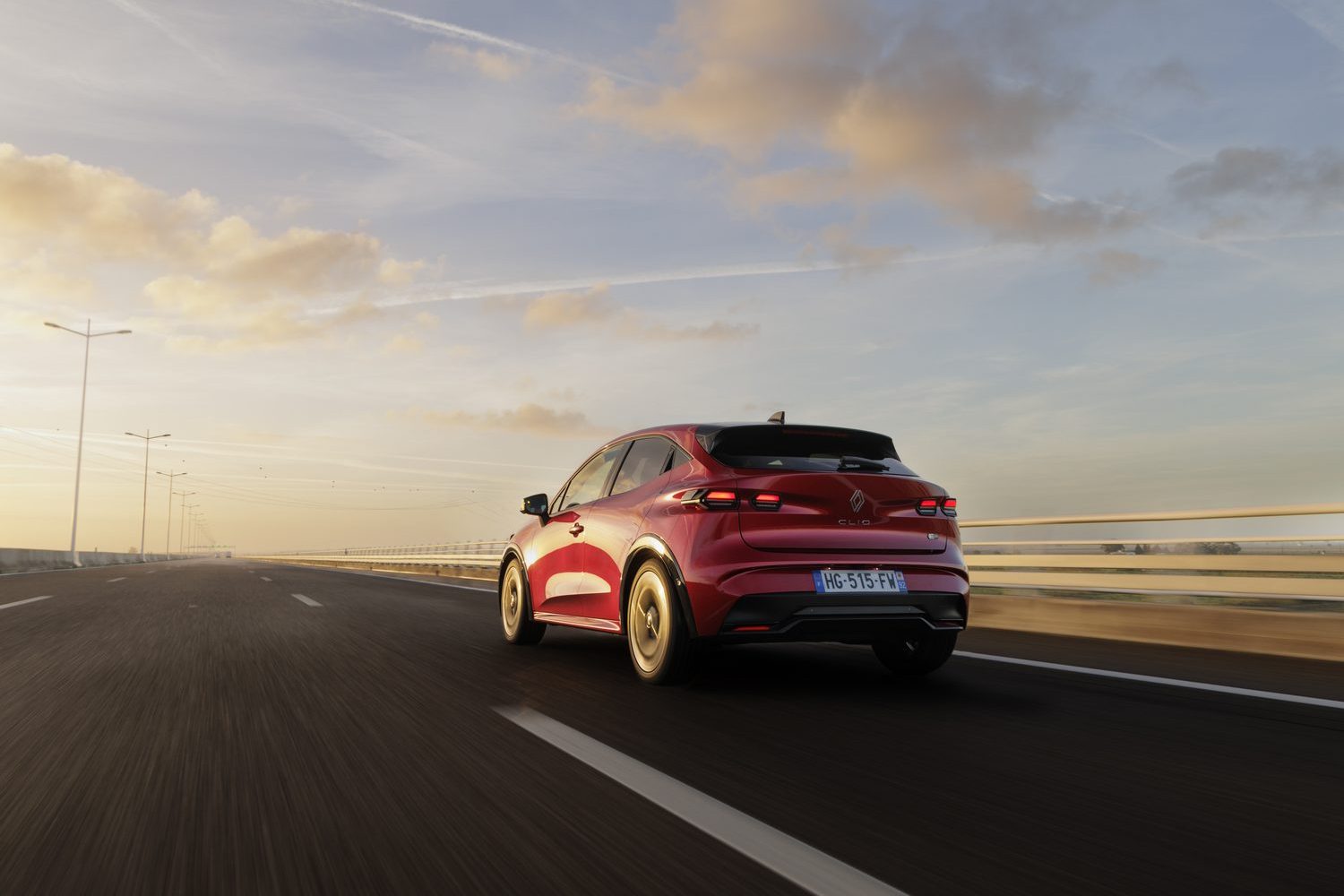
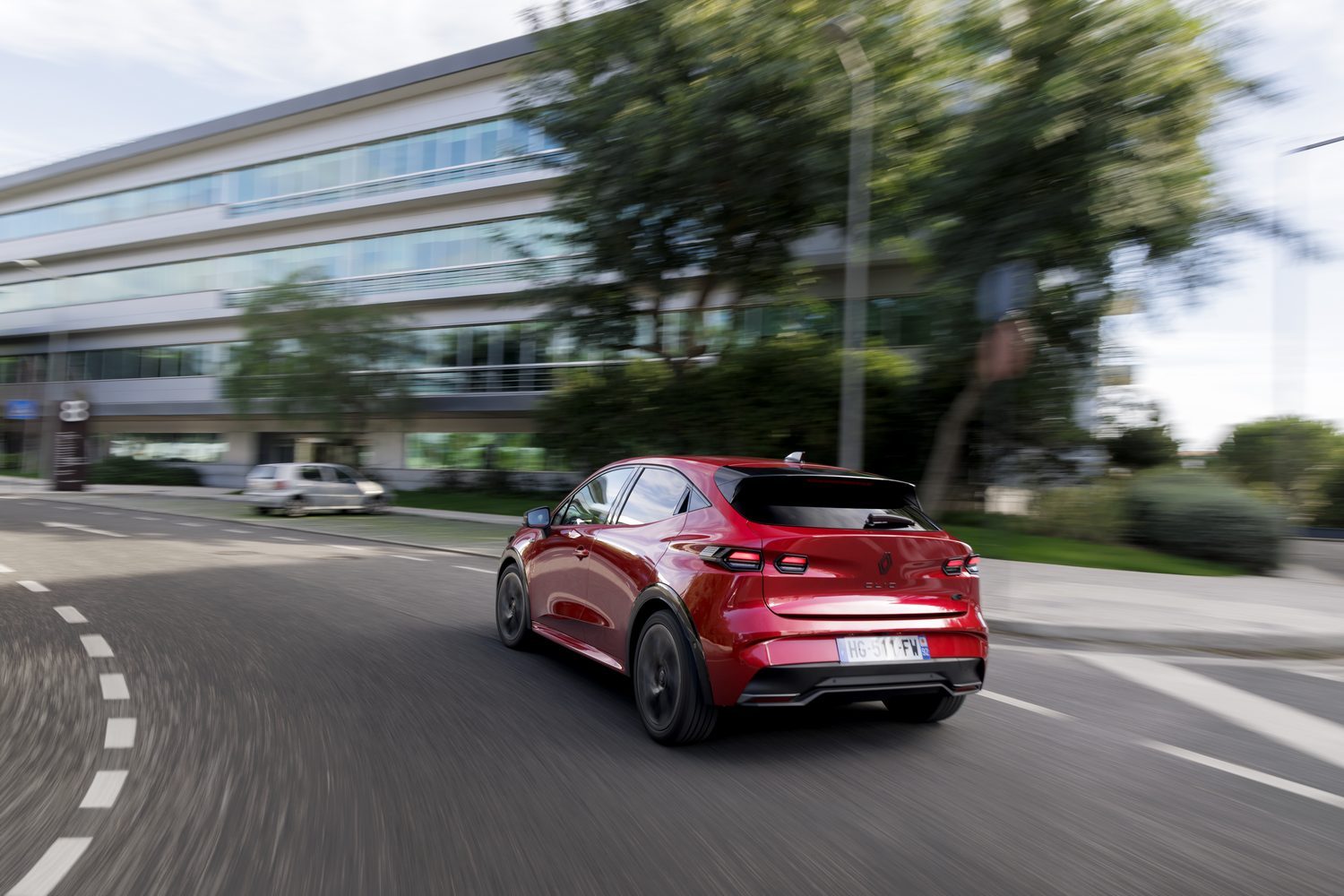
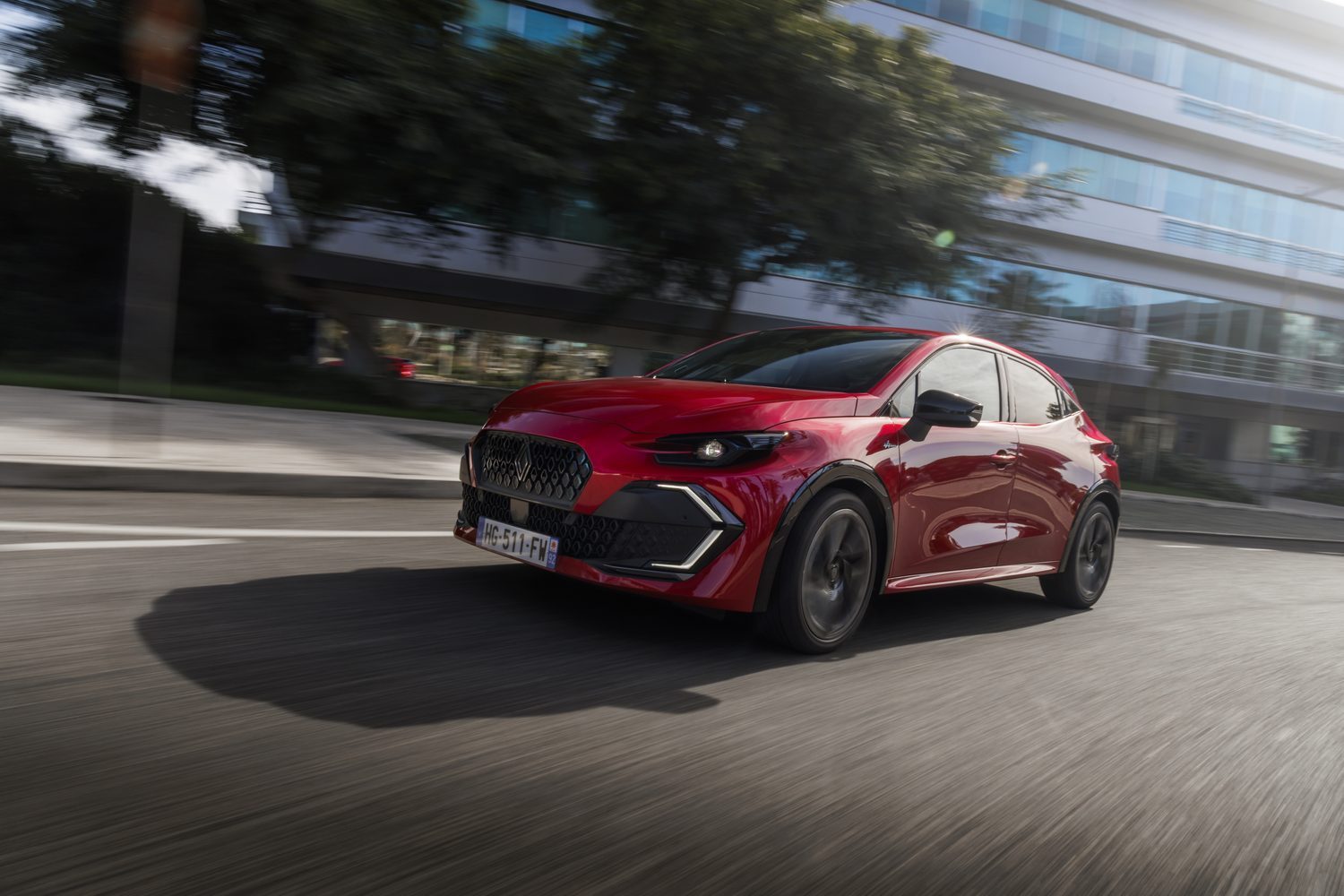
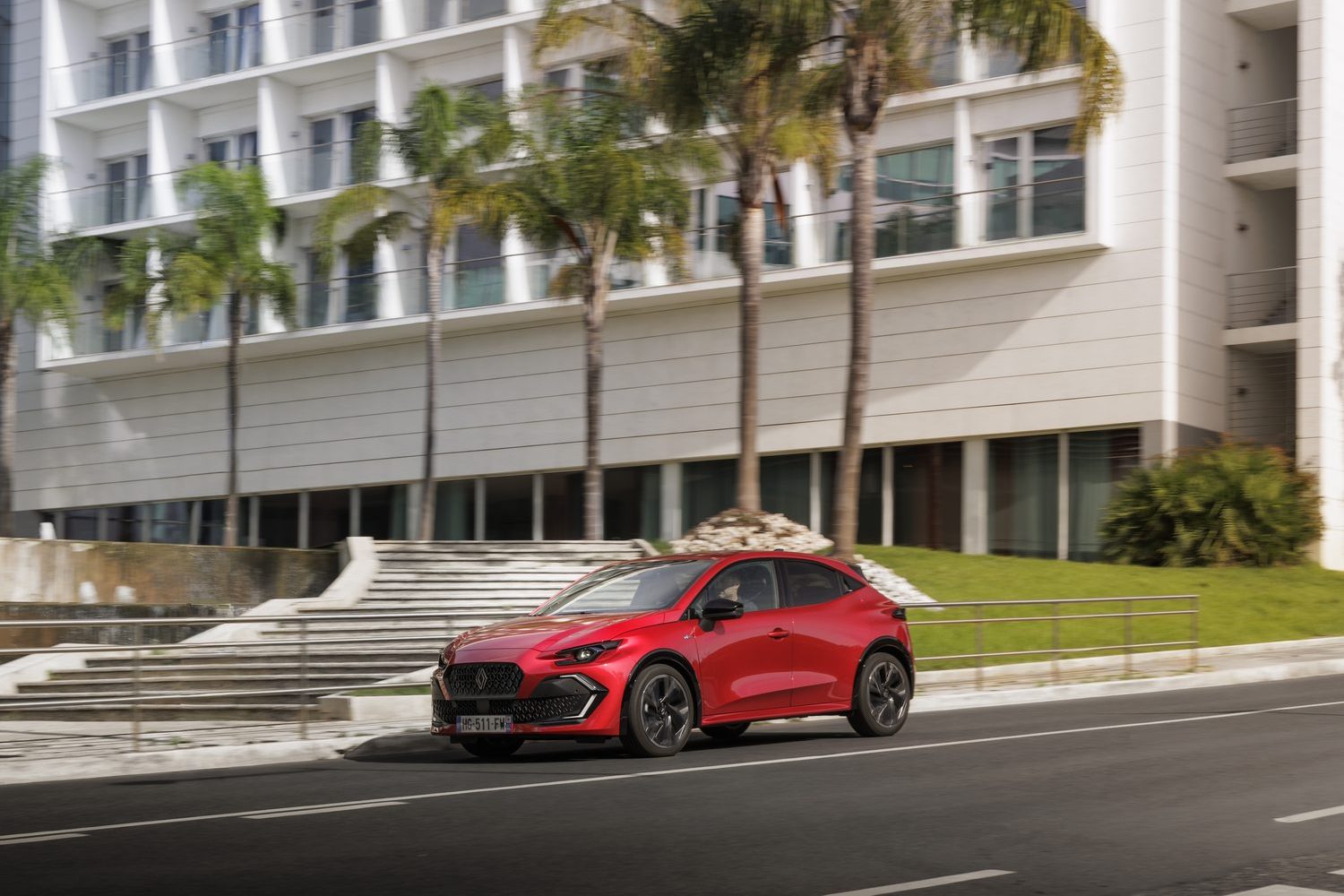
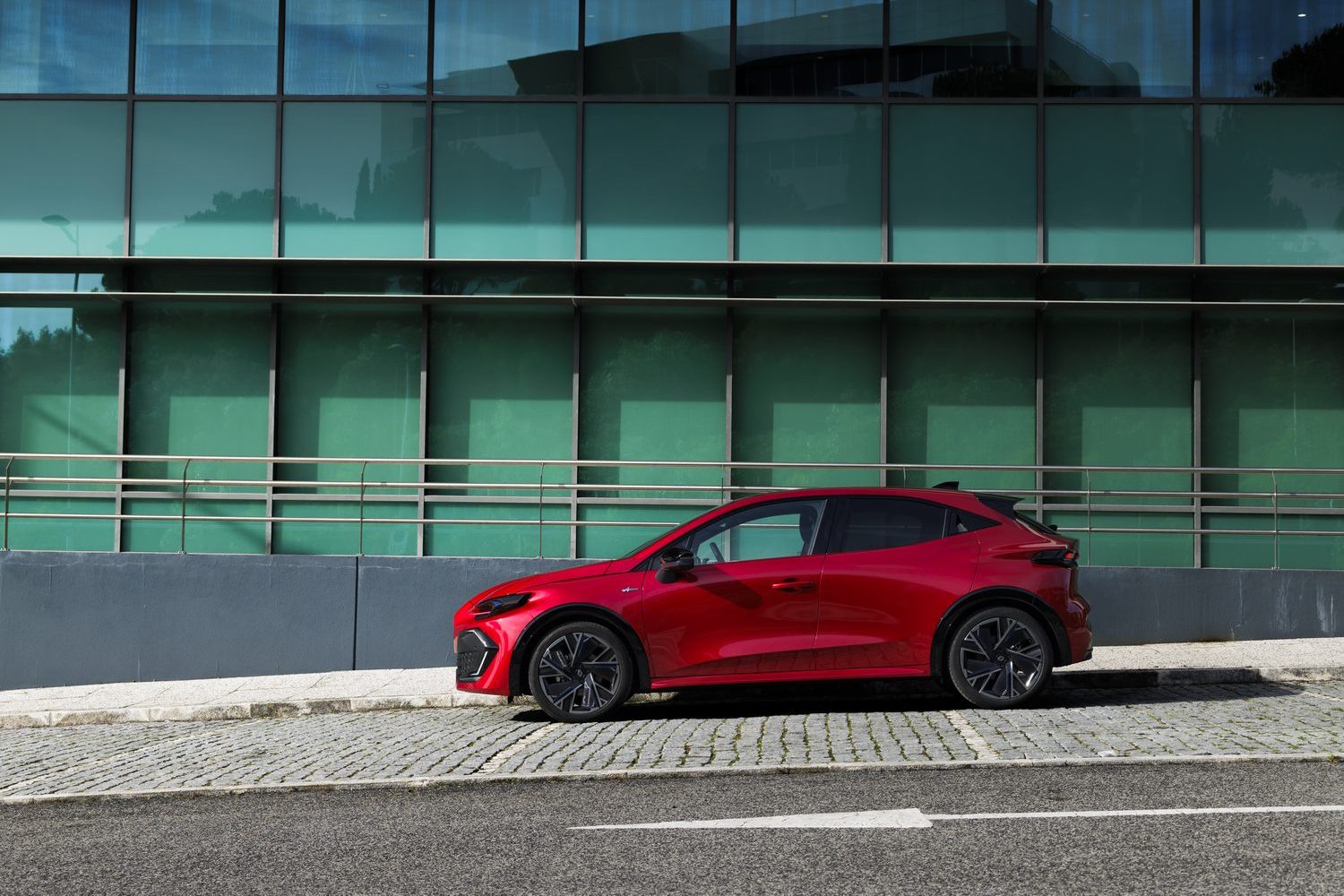
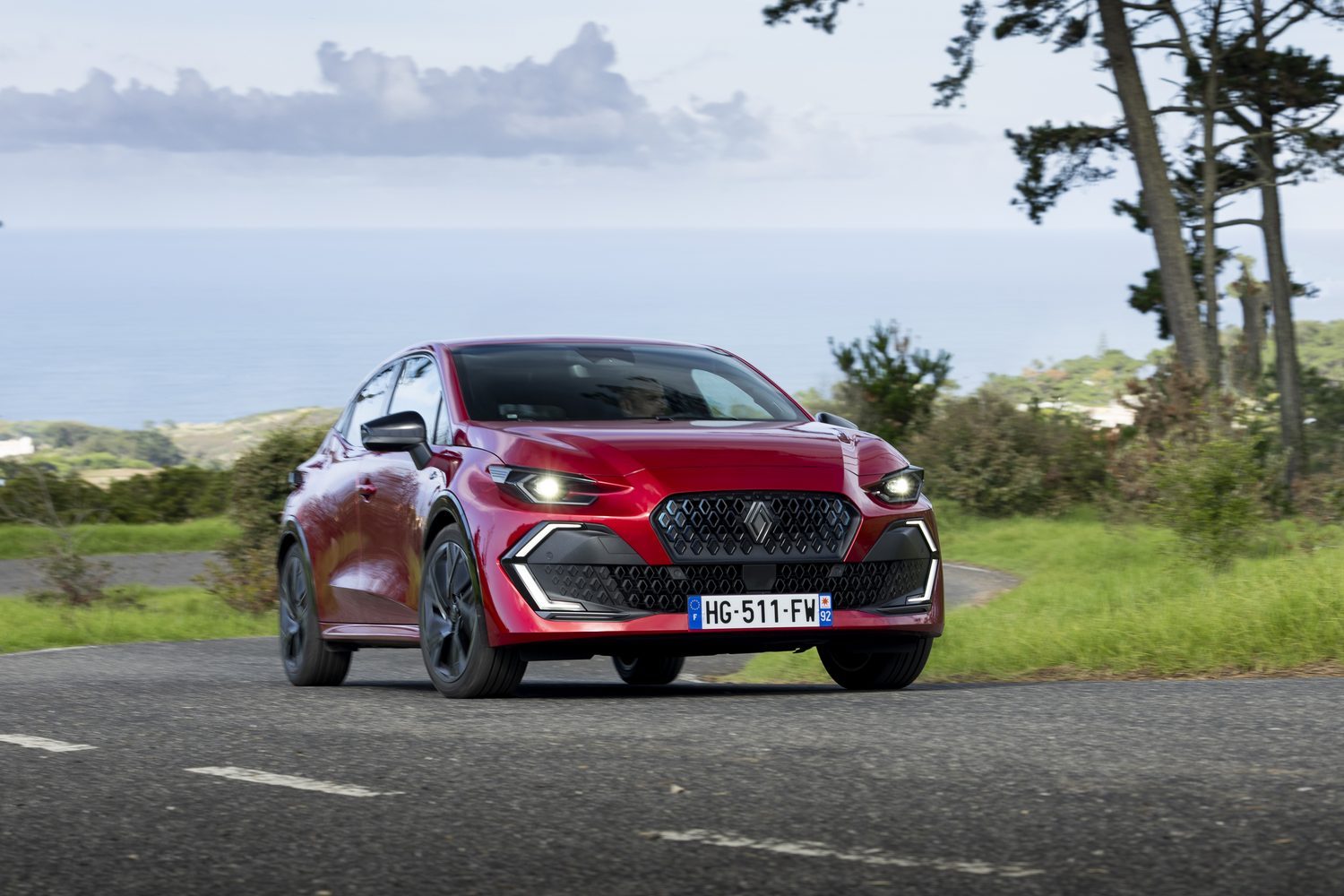
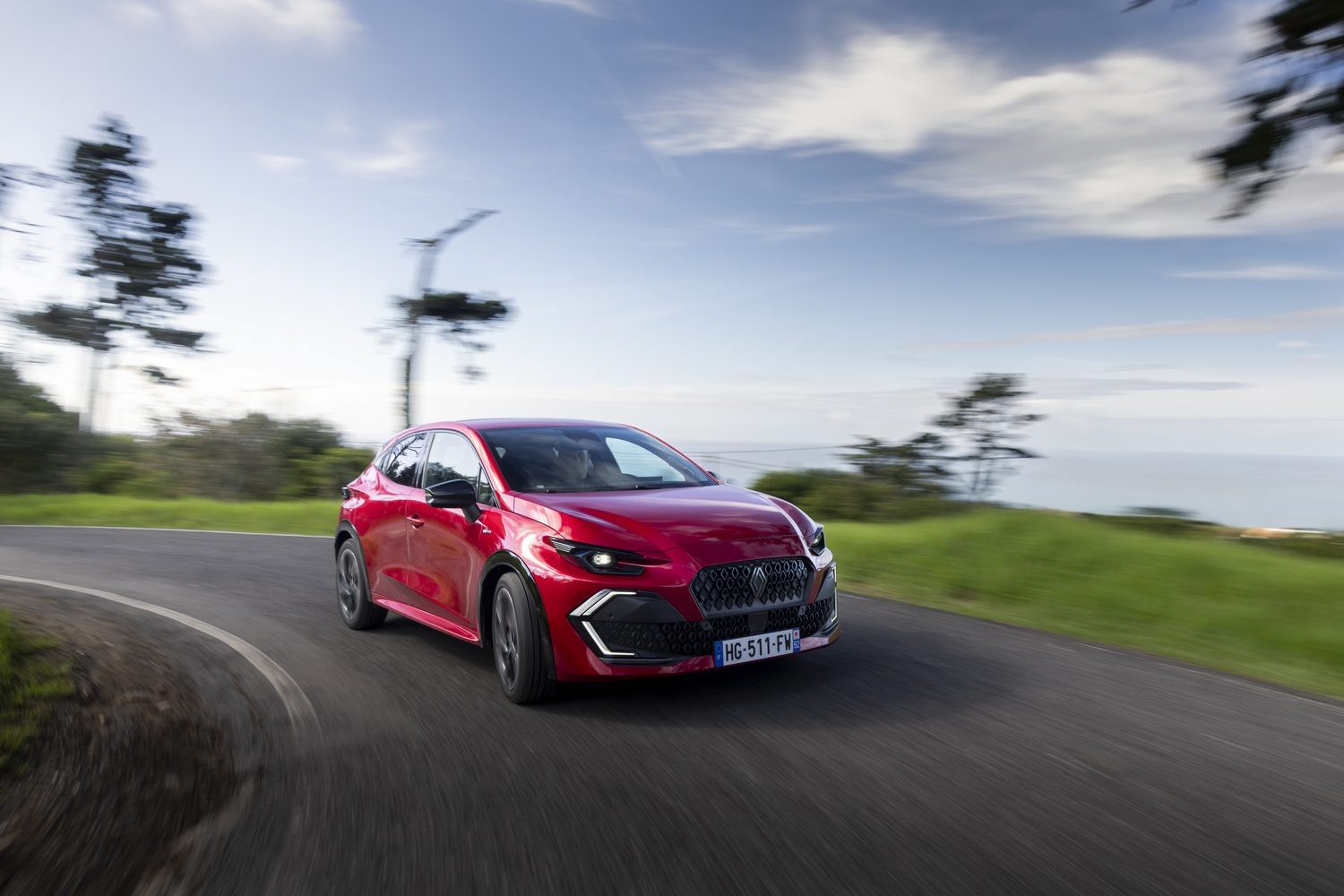
Renault's designers have given the Clio a dramatic new appearance seemingly like nothing else in the French manufacturer's lineup. This is quite the contrast to the recent 'retro-futuristic' approach to reinventing some of its iconic cars, but the Clio has always been a car that moved with the times.
The new Clio will be offered as a five-door hatchback only, and it's a little longer overall than its predecessor, though the design disguises that somewhat.

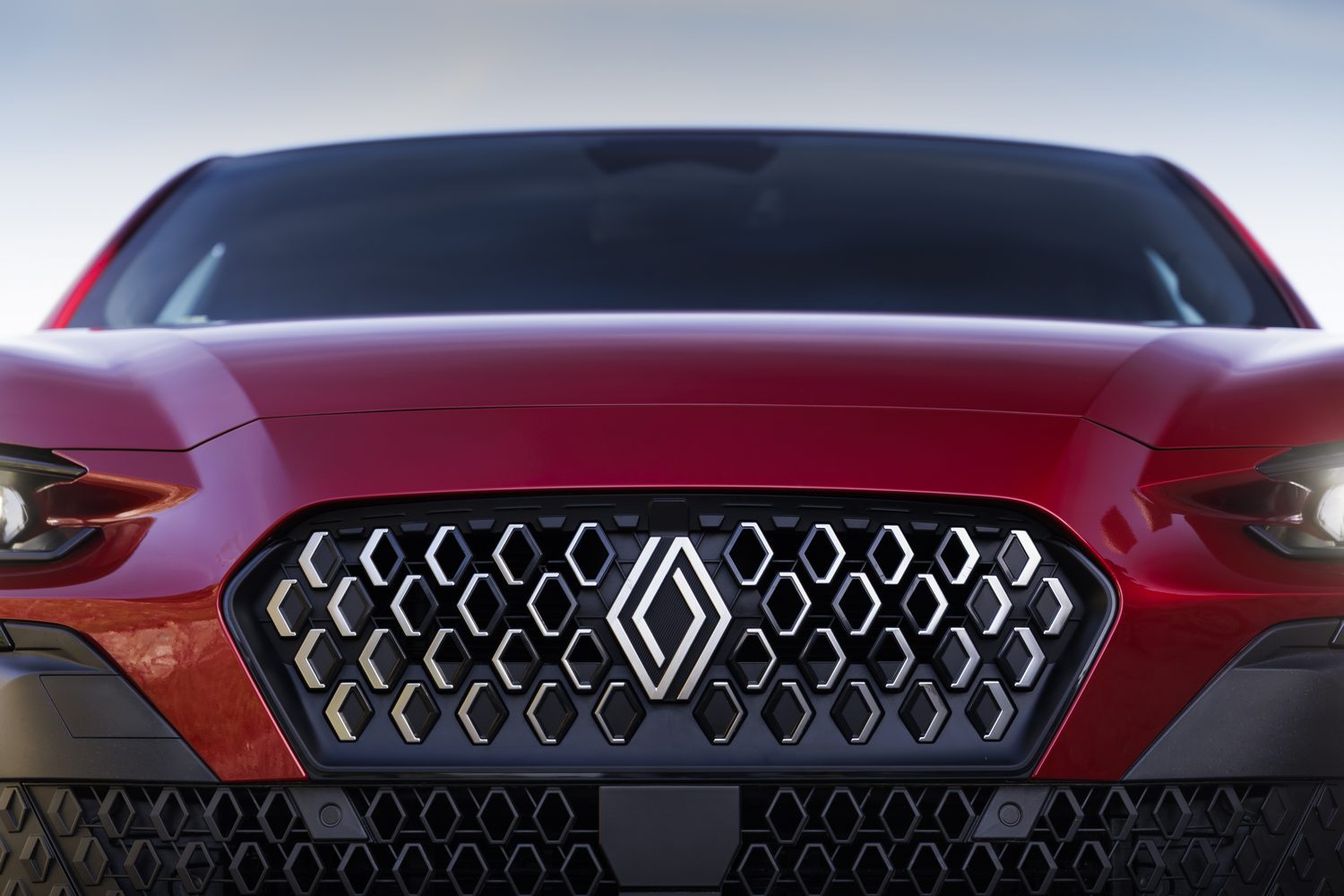
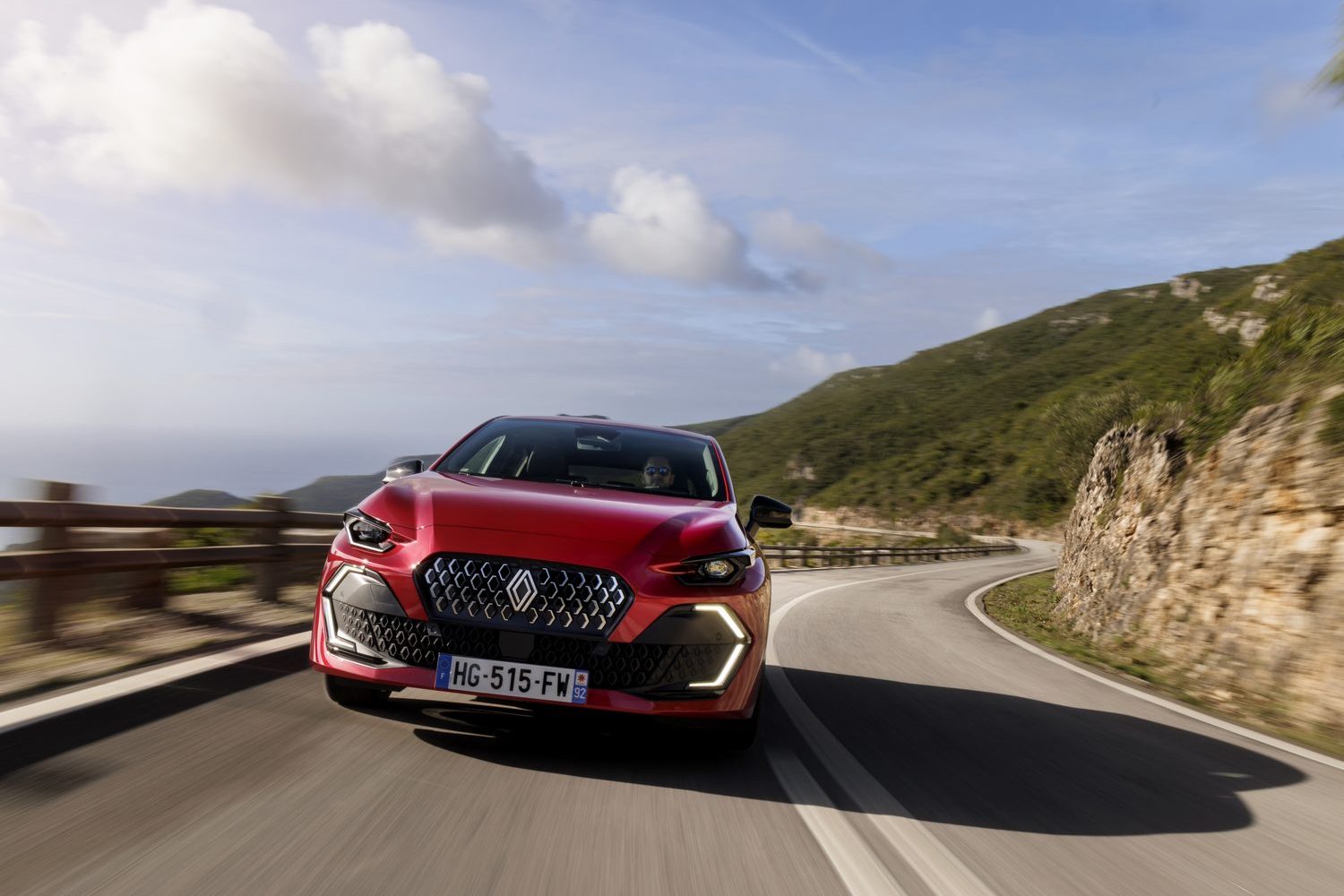
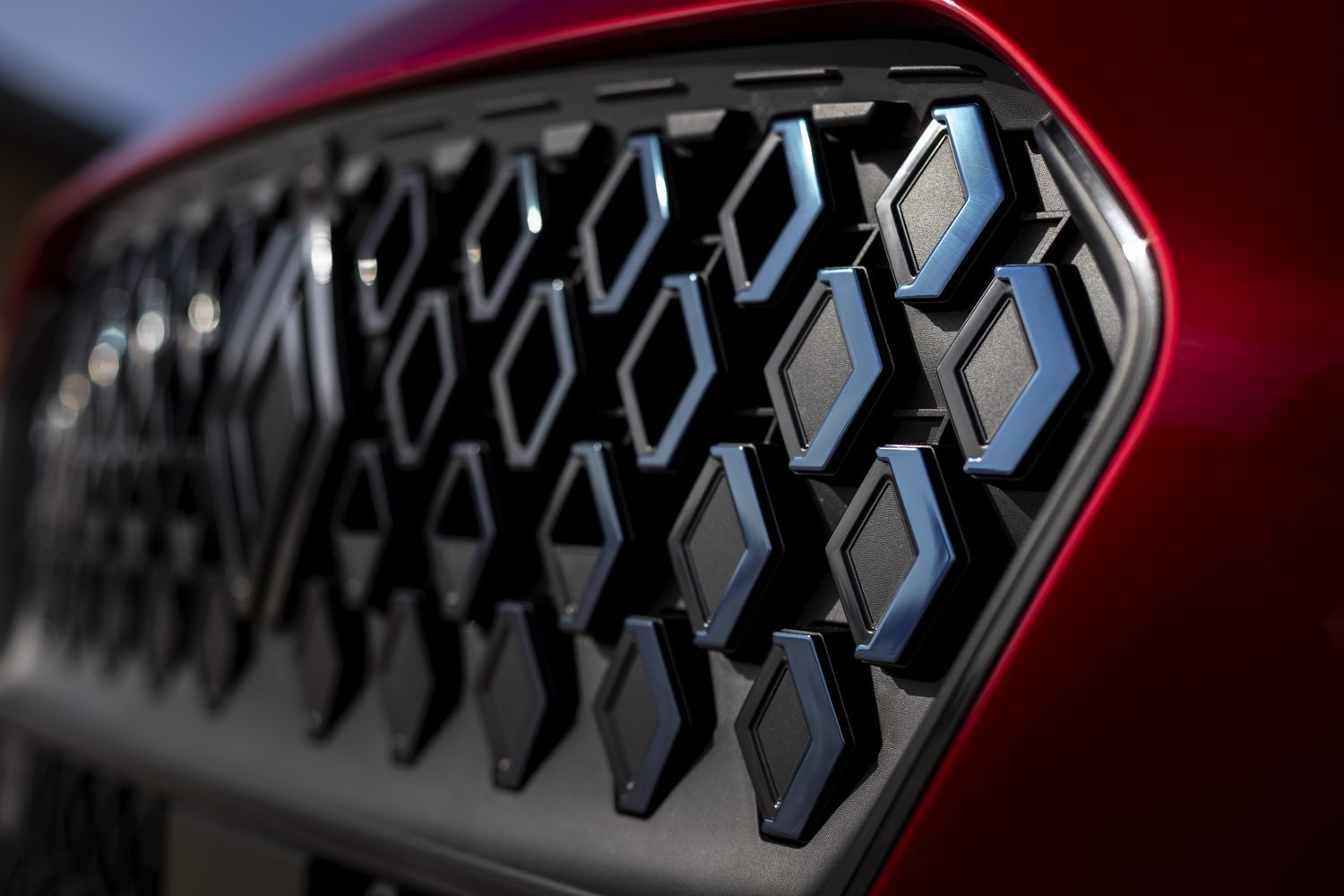
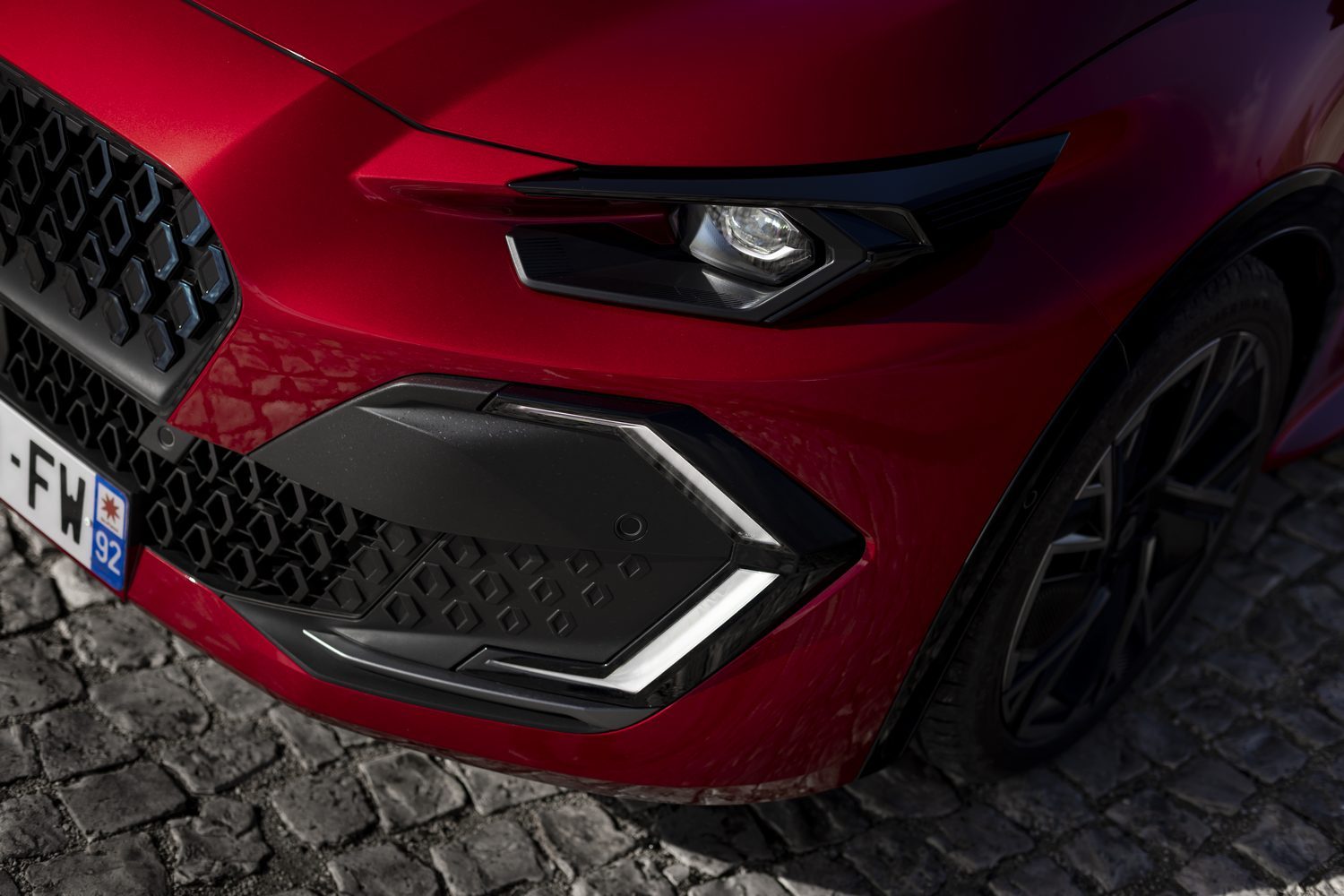
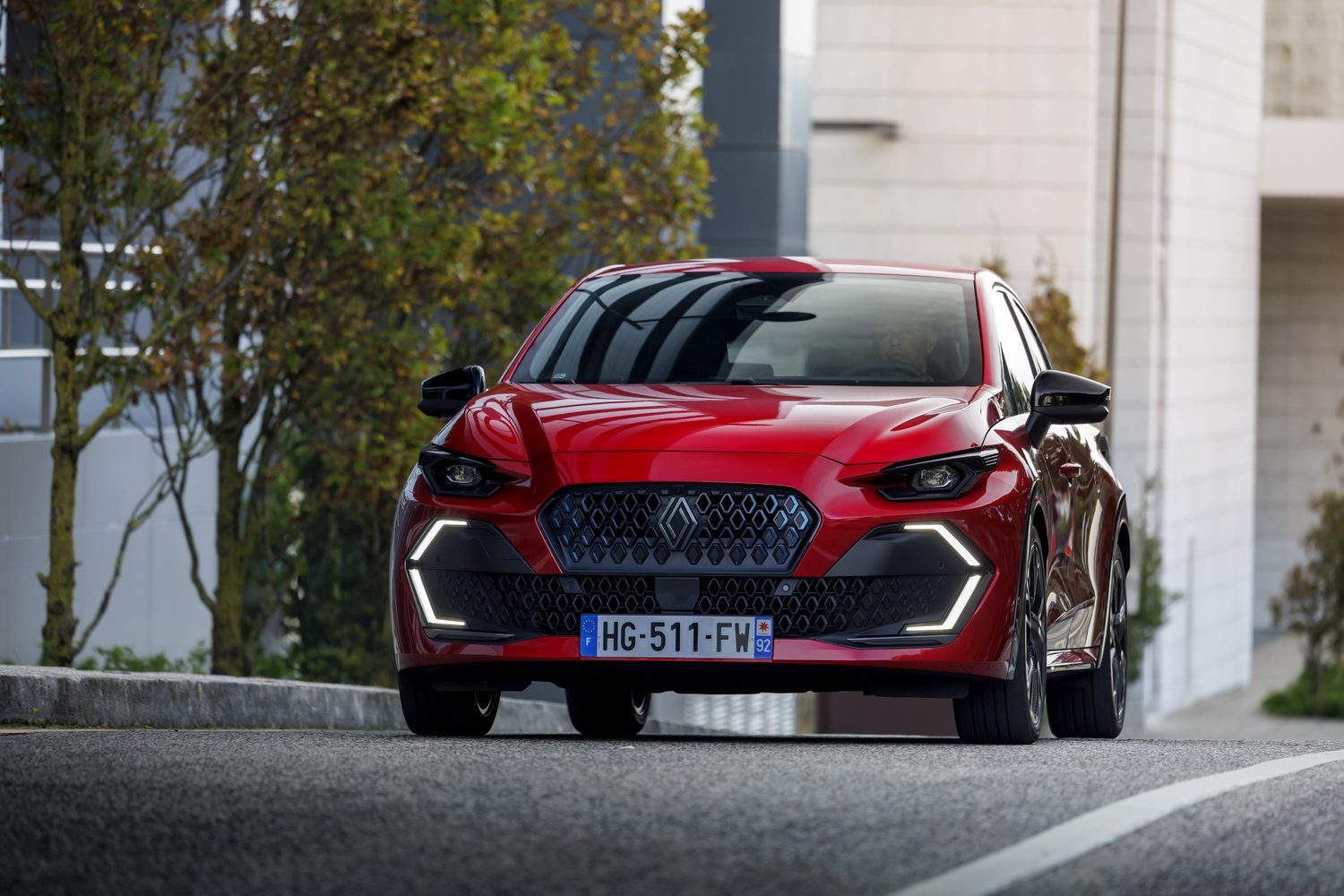
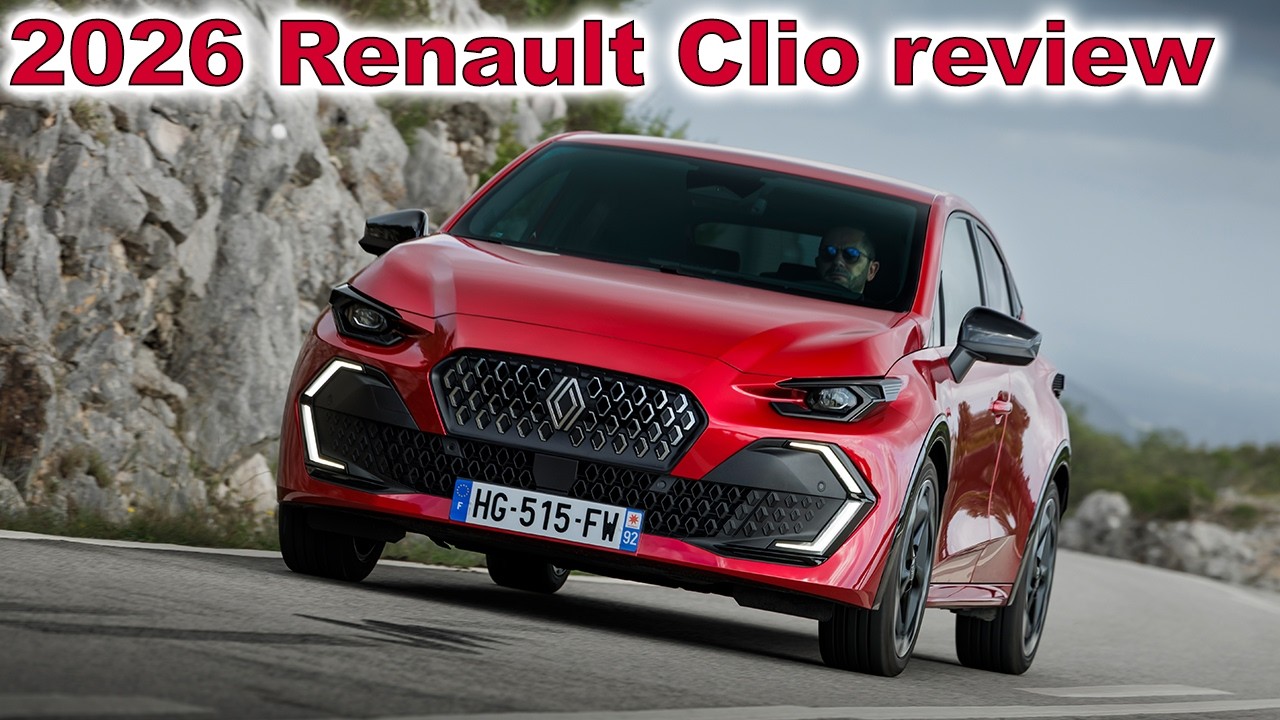
Up front, much is made of the Renault diamond logo. The LED daytime running lights, for example, use the shape, while little diamonds are found across the front bumper and throughout the slender radiator grille.
Either side are highly technical-looking headlights in a dark encasing, while the sculpted bonnet curves down to that low-set grille in quite a sporty manner.
Choose the top-ranking Esprit Alpine variant and there are blue highlights within the grille, as well as unique badging elsewhere.

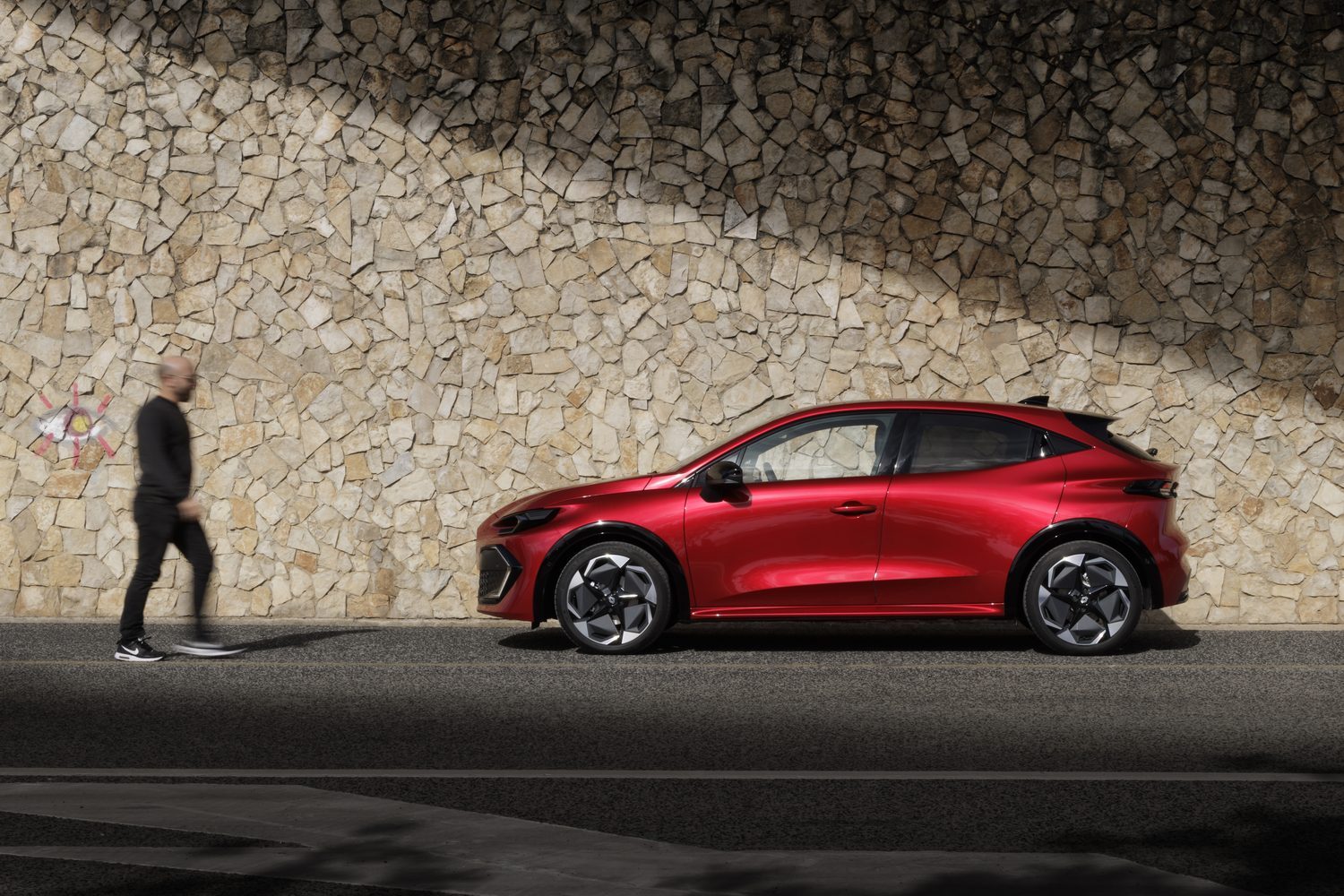
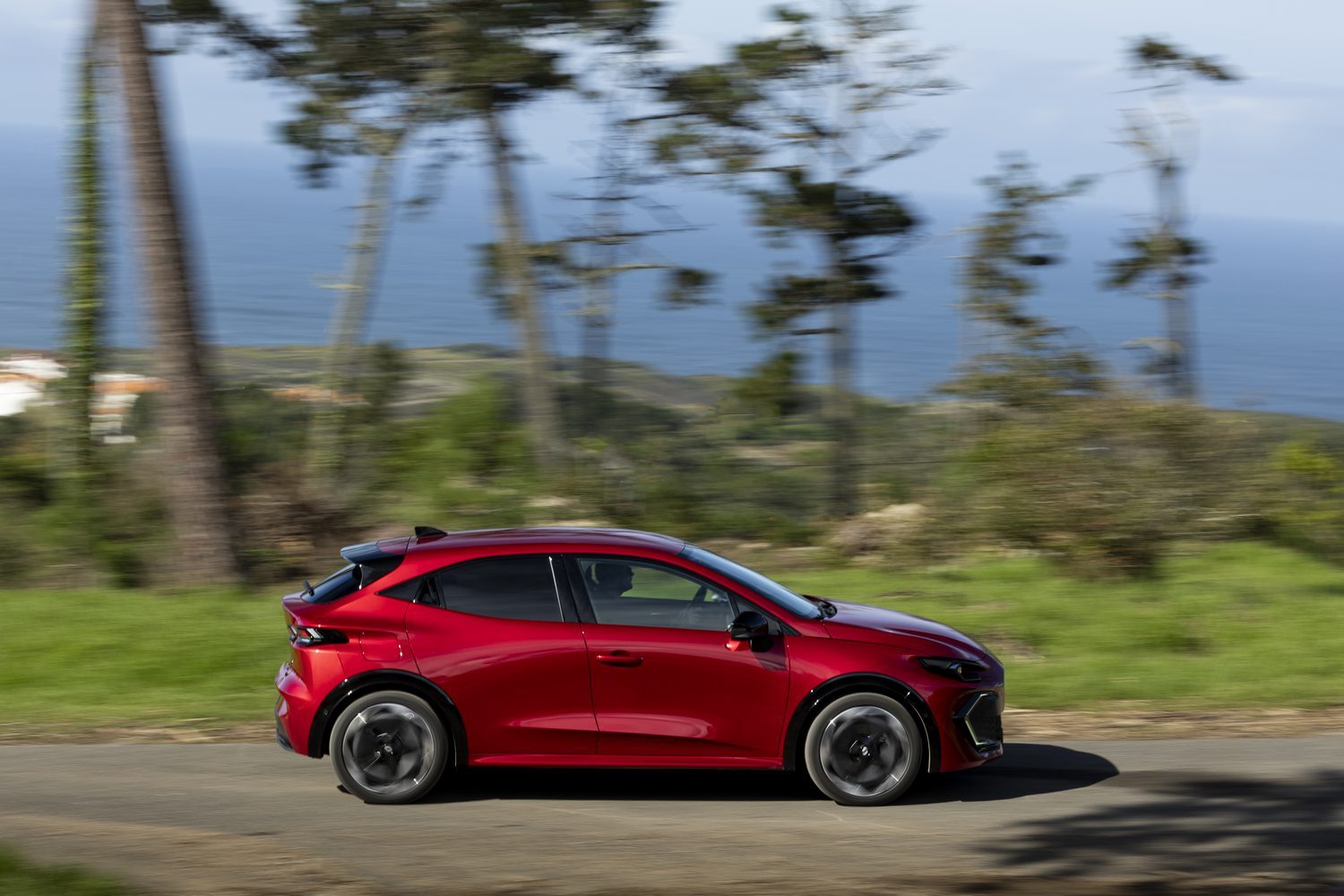
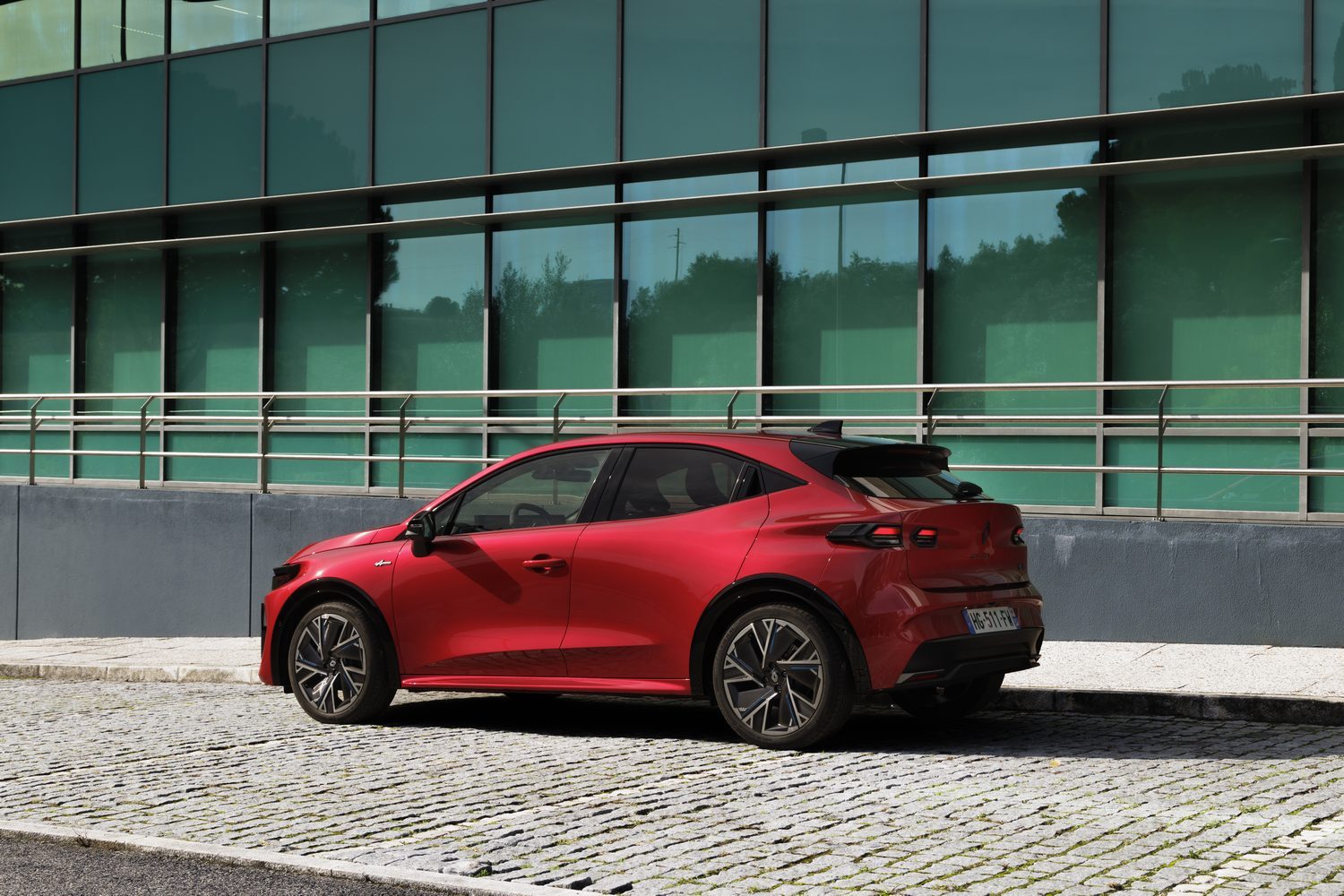
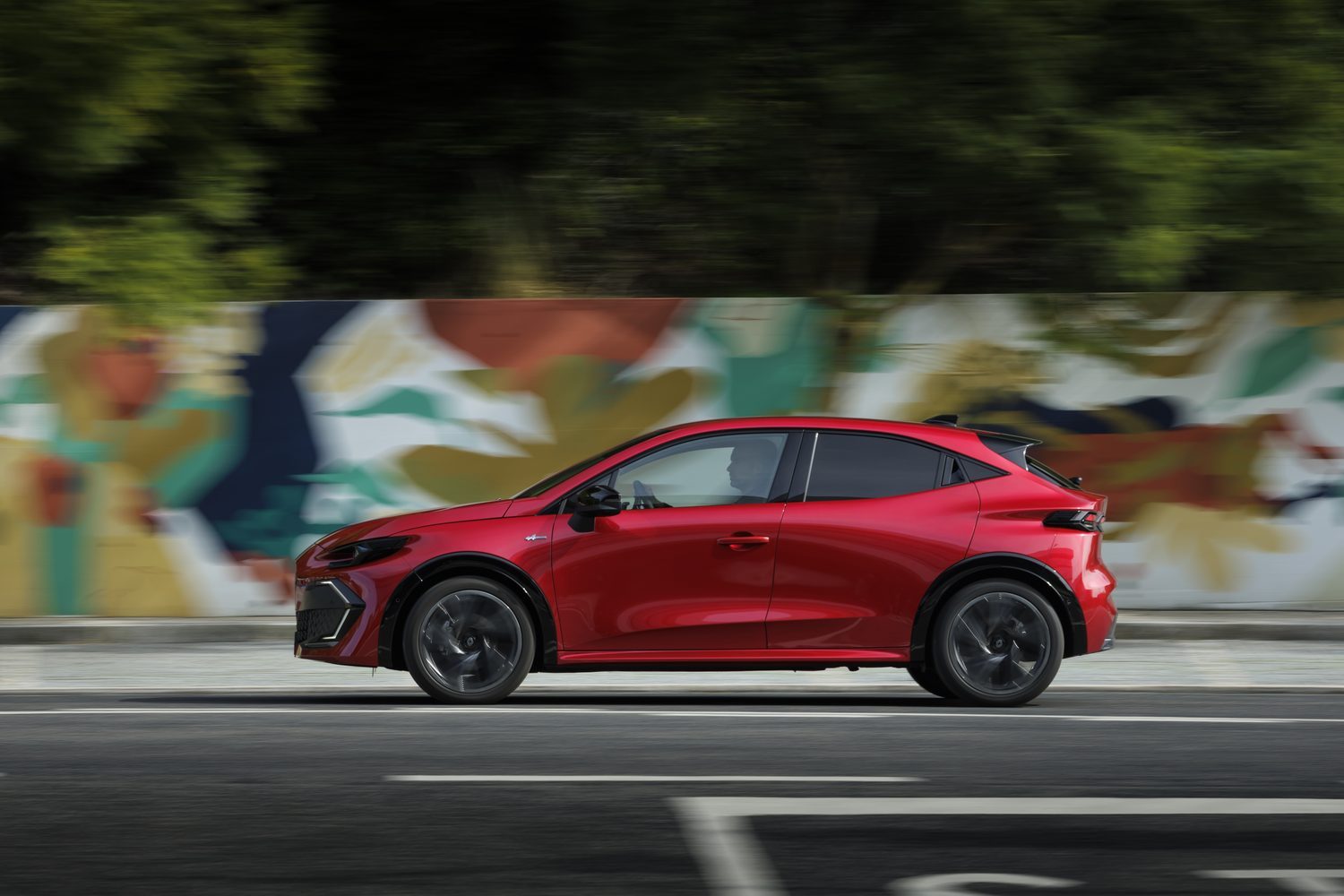
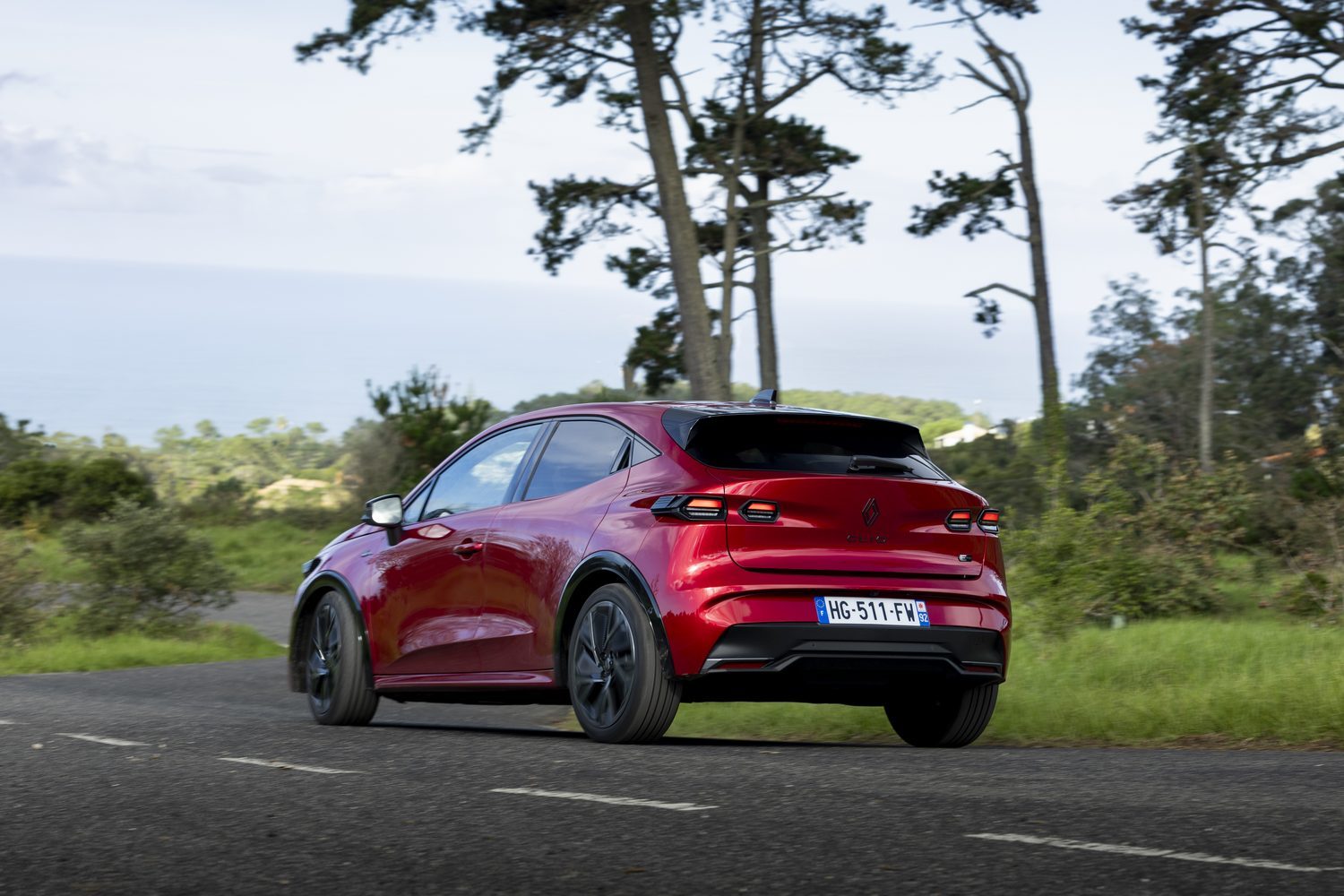
The side profile is livened up with bold shaping of the wings and where the lights protrude out of the bodywork. The rear door handles are hidden at the same level of the glass to give the Clio a coupe-like appearance, too.
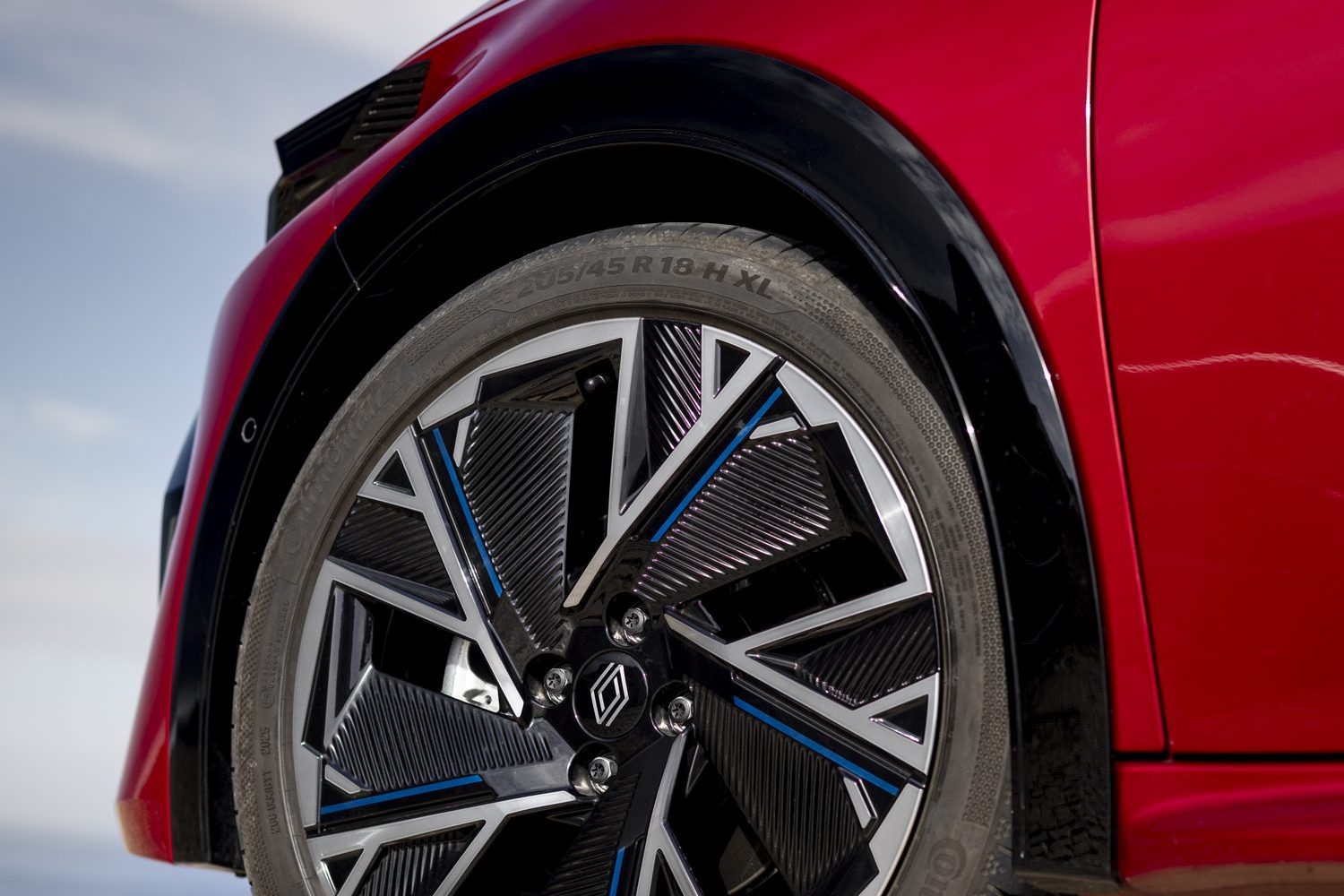
Meanwhile, black wheelarch extensions visually enlarge the wheels. There are 16- and 18-inch alloy wheels available, the latter with blue accents on the Esprit Alpine.
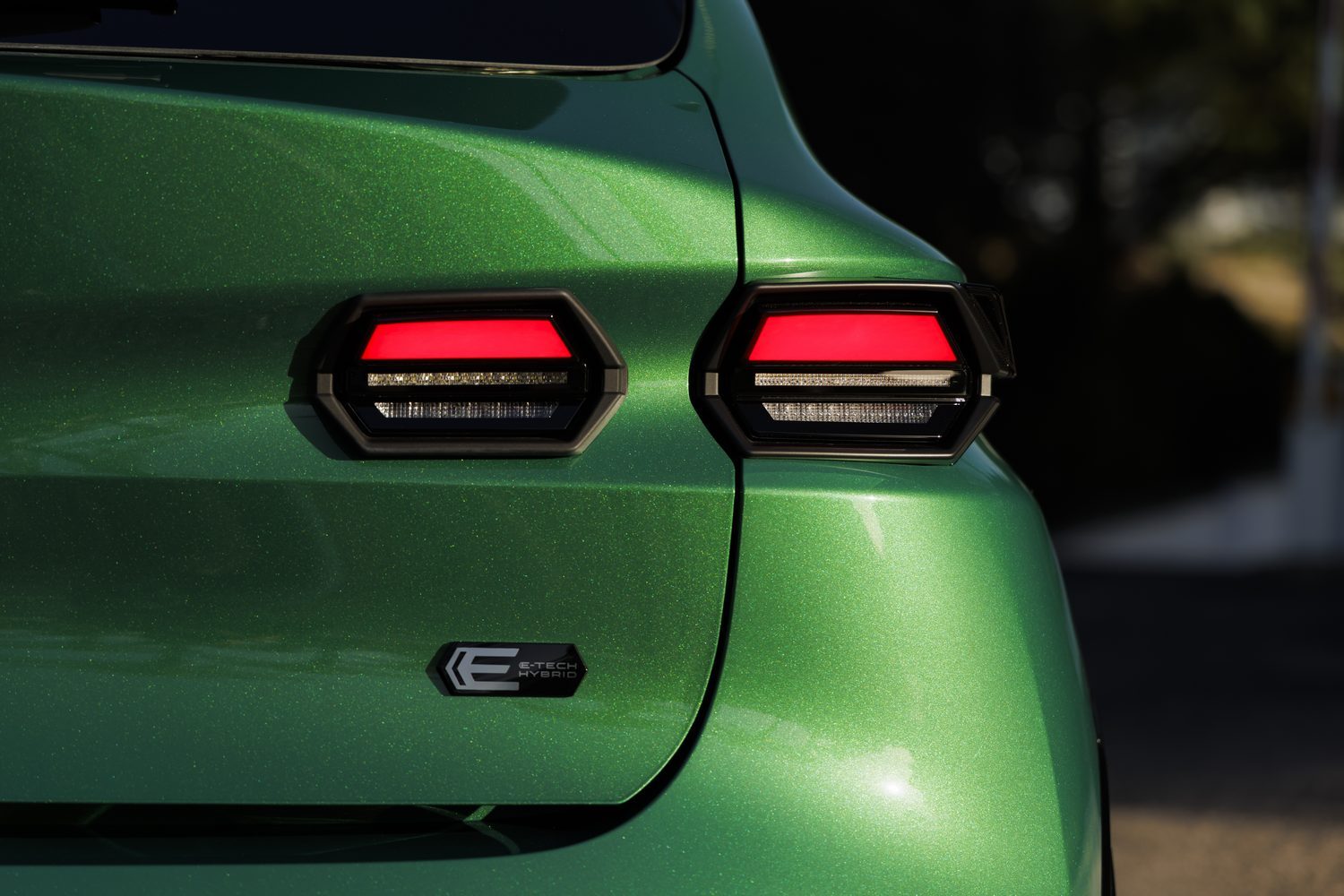
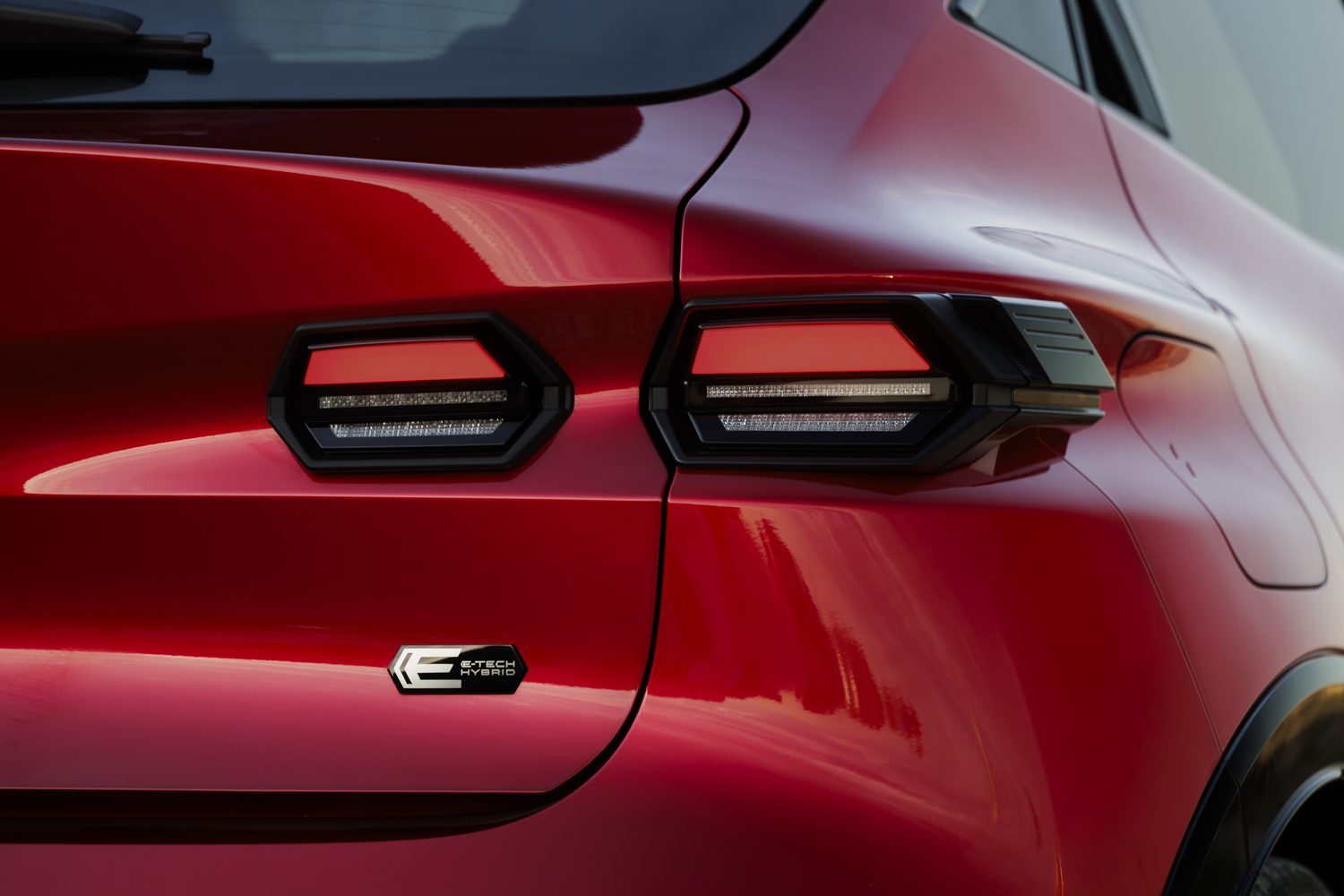
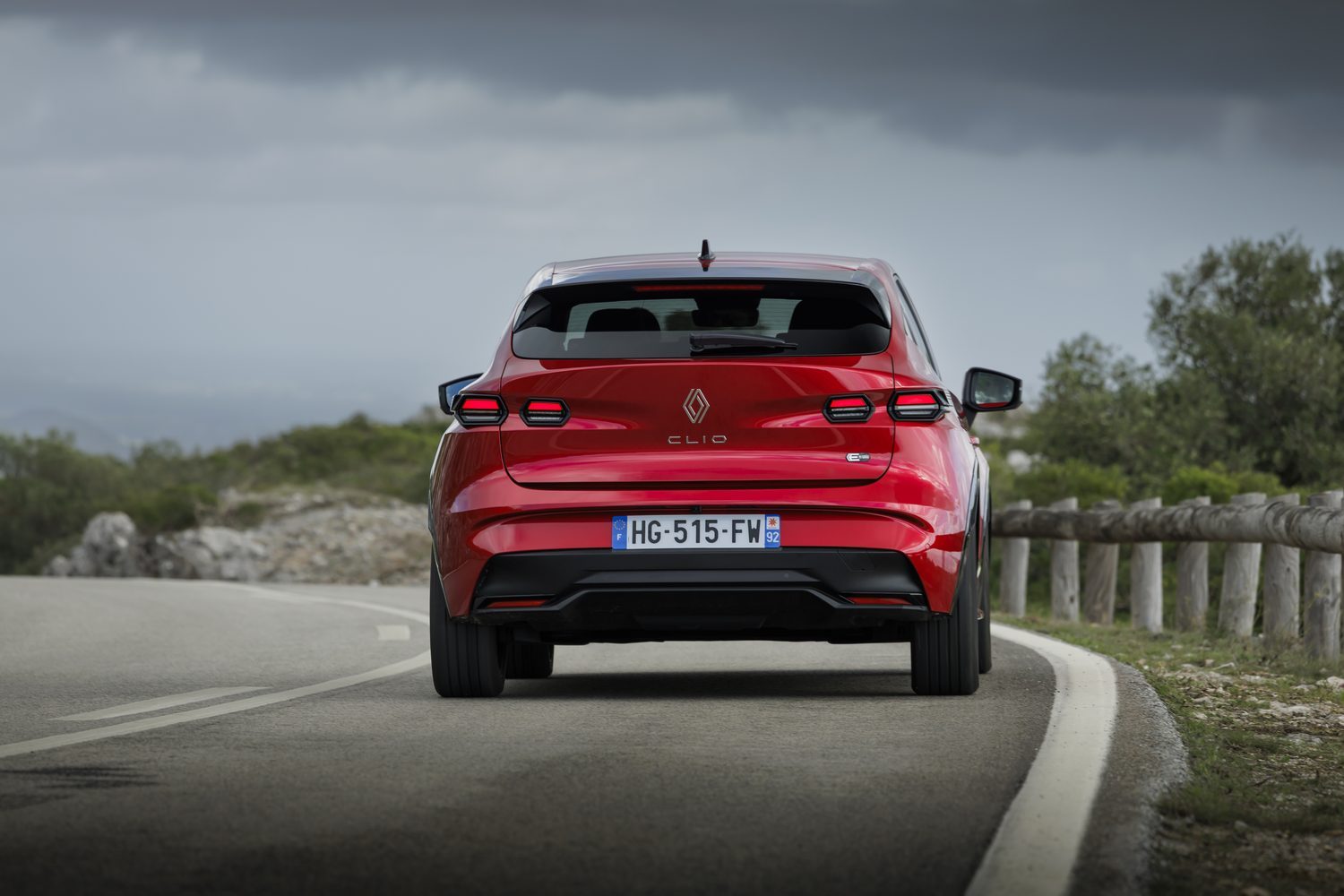
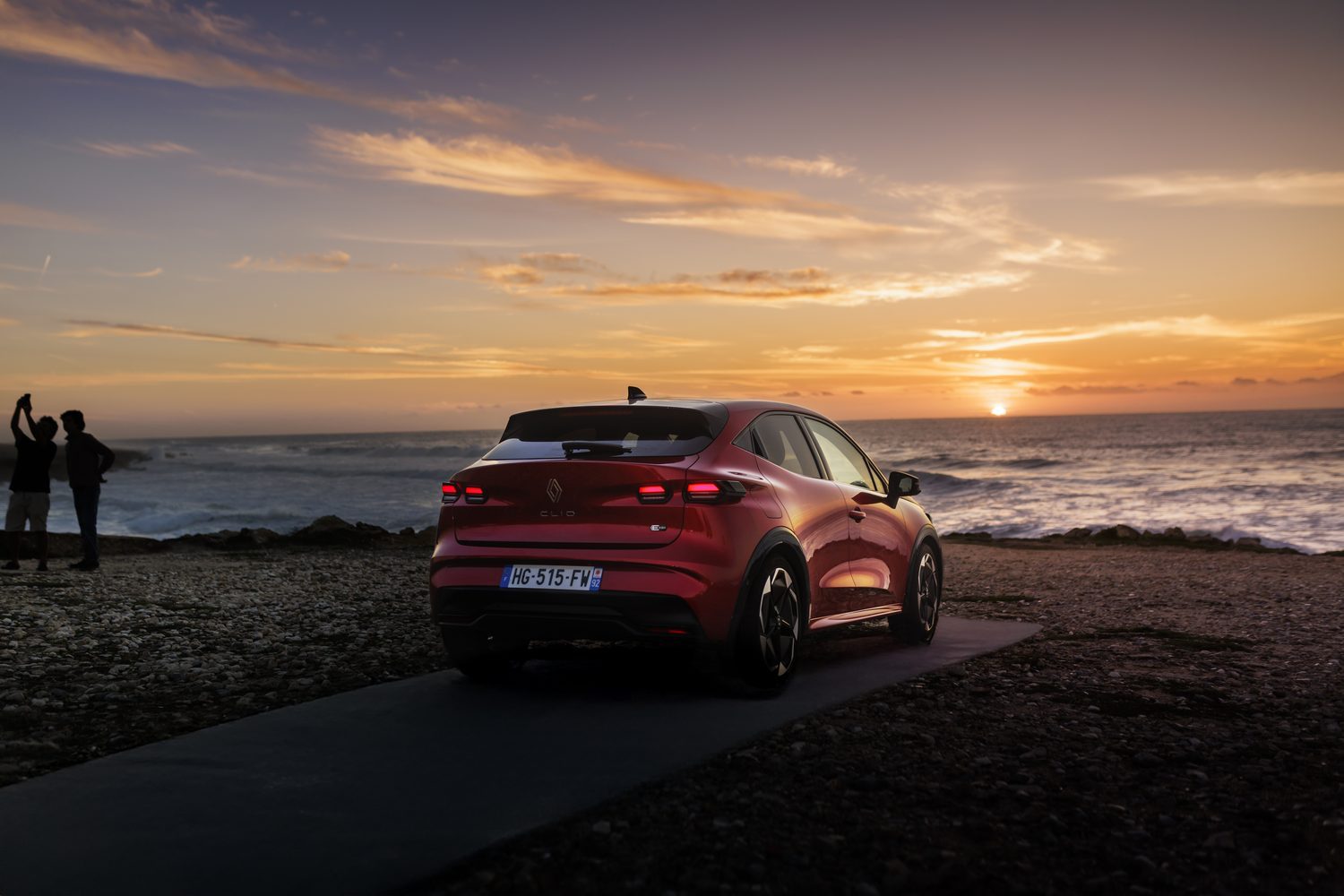
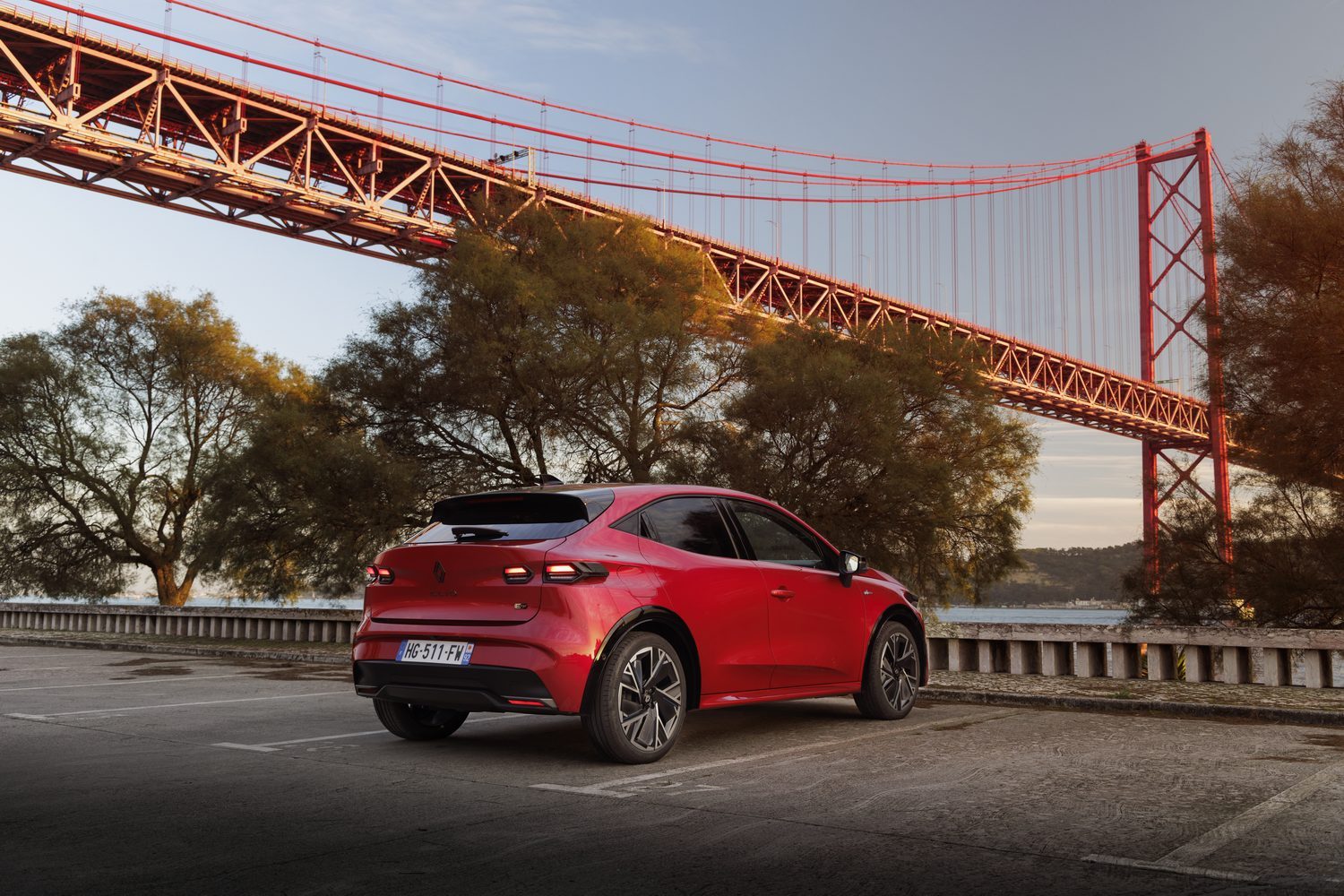
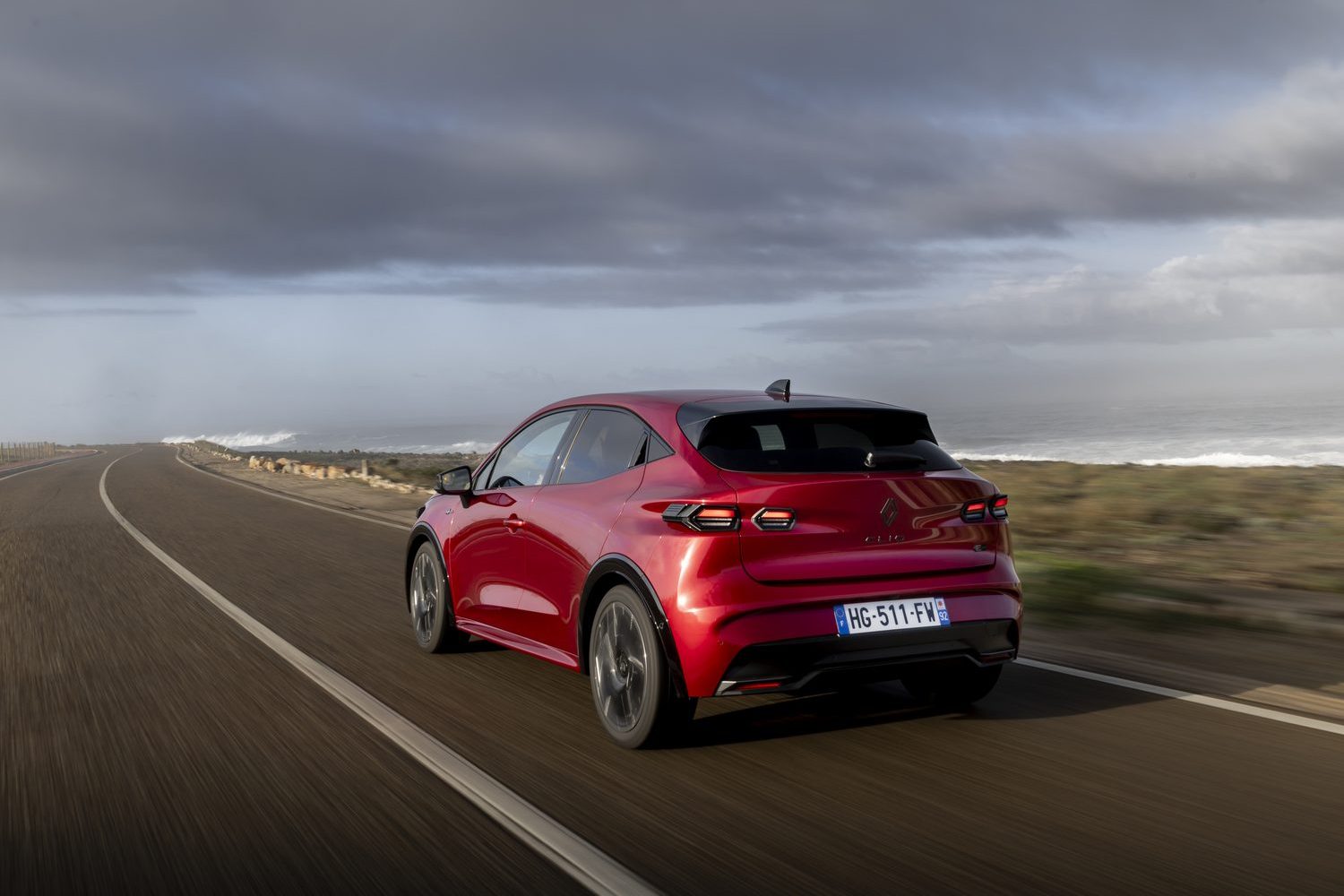
Our favourite view is that of the back, where there are two separate light units on each side, bucking the current trend of having a full-width LED light bar. The Clio is all the better for this, and highly distinctive.

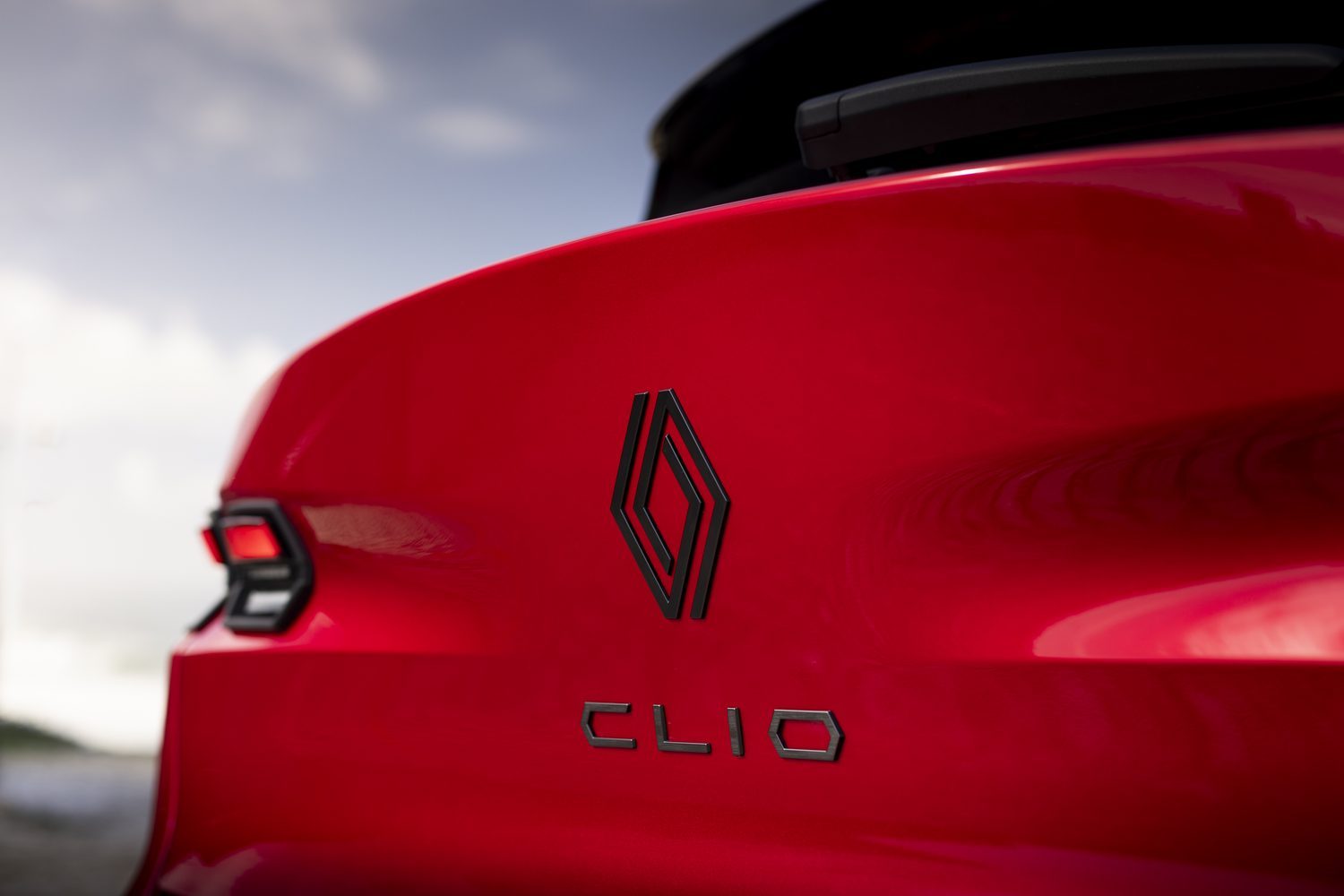
Adding to the effect is quite a large roof spoiler and a concave tailgate, while even the Clio badge is stylised using the Renault diamond as a starting point for some of the letters.
Dimensions of the 2027 Renault Clio
- Length:
- 4,116mm
- Width:
- 1,768mm
- Height:
- 1,451mm
- Wheelbase:
- 2,591mm
Paint colours for the 2027 Renault Clio

Seven paint colours are available for the Clio, including the sparkling Absolute Red and Absolute Green. The others are called Glacier White, Gunmetal Grey, Schist Grey, Starry Black and Iron Blue.
Interior, practicality, tech & comfort of the 2027 Renault Clio
- Google built into infotainment
- Supportive seats
- Plenty of physical buttons

The interior of the Clio is a little larger, more spacious and more practical than before, but it has long been one of the better cars in its class from that point of view. That Renault has managed to enhance that side of its character while improving quality, comfort and the technology on board is really good news for buyers.
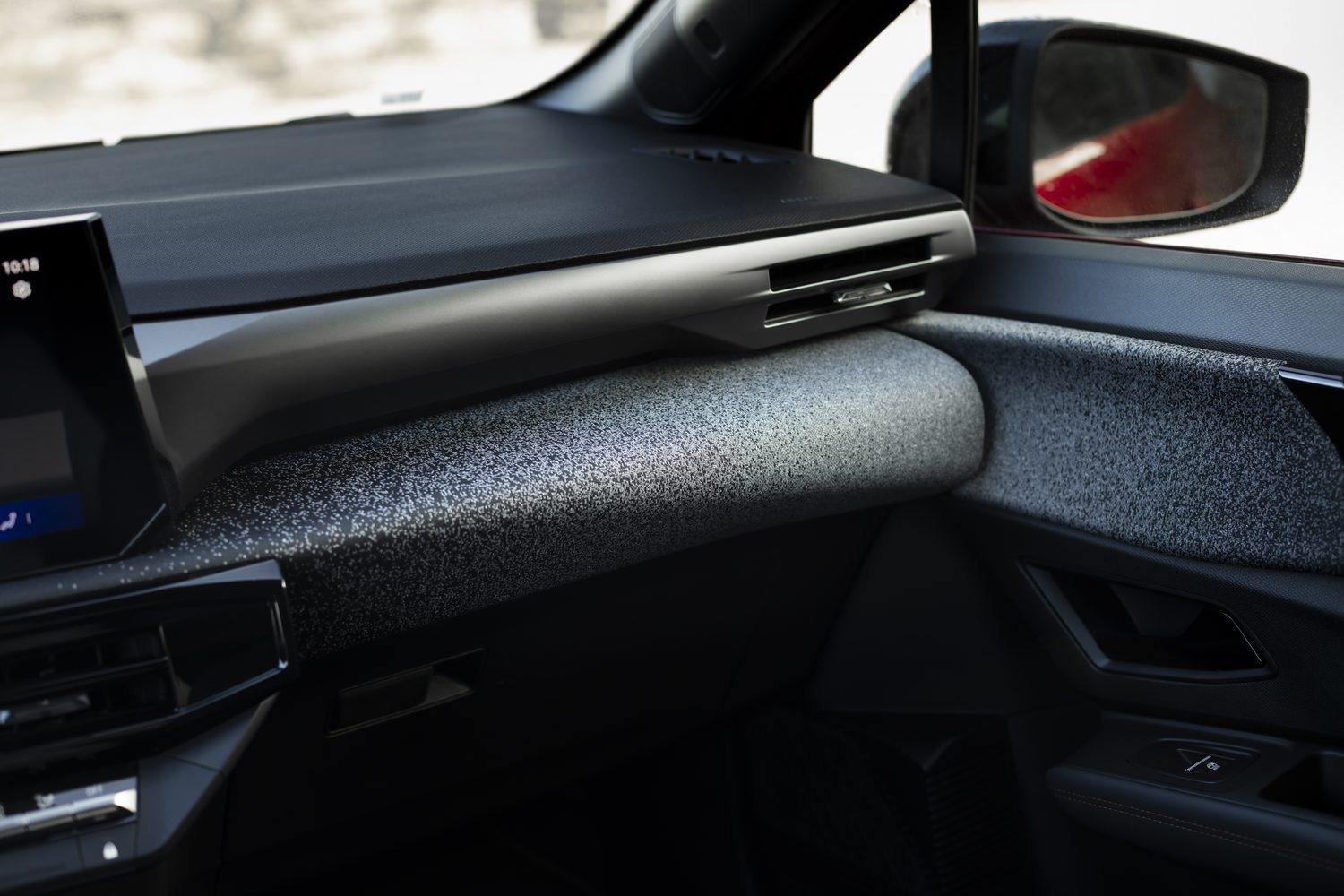
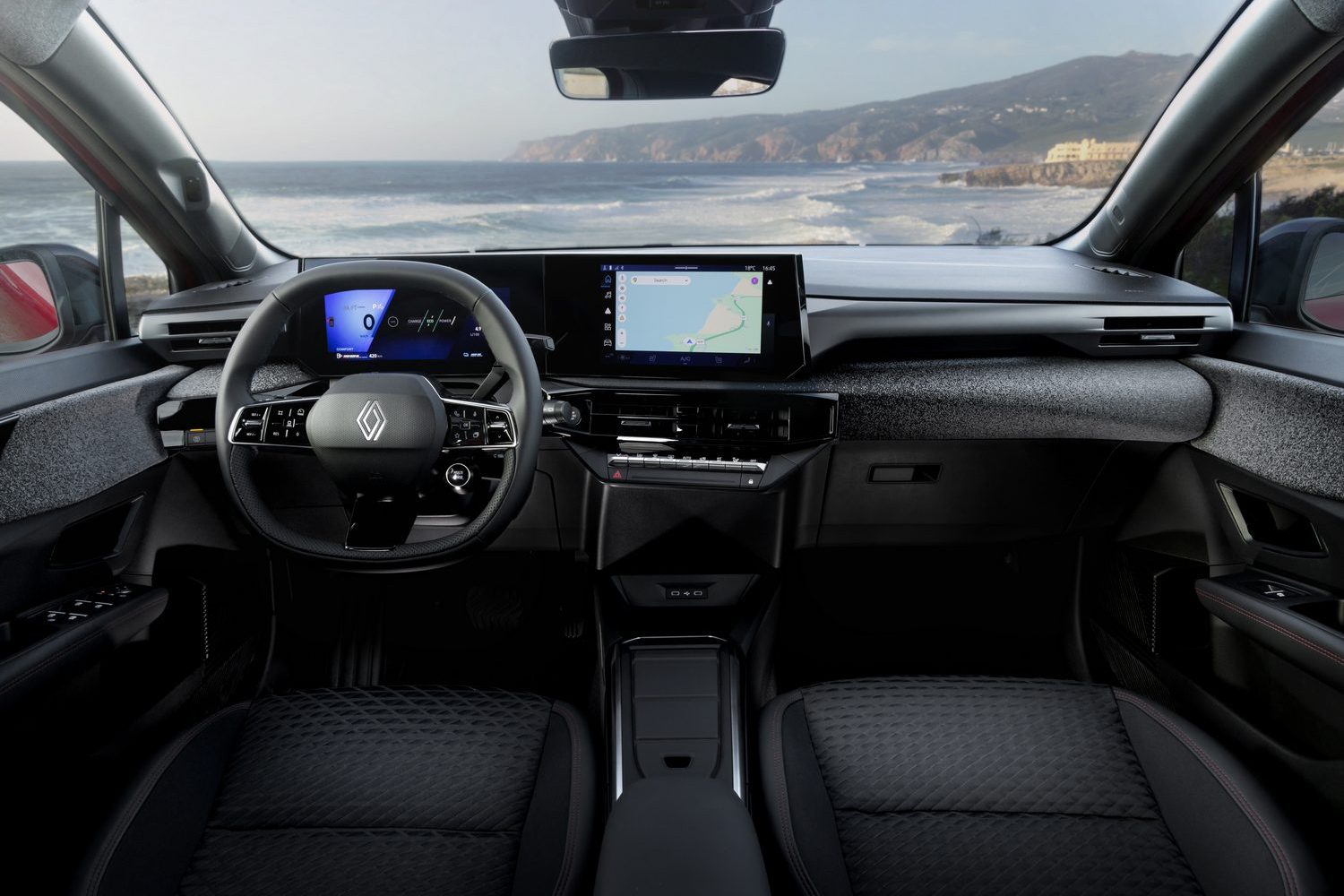
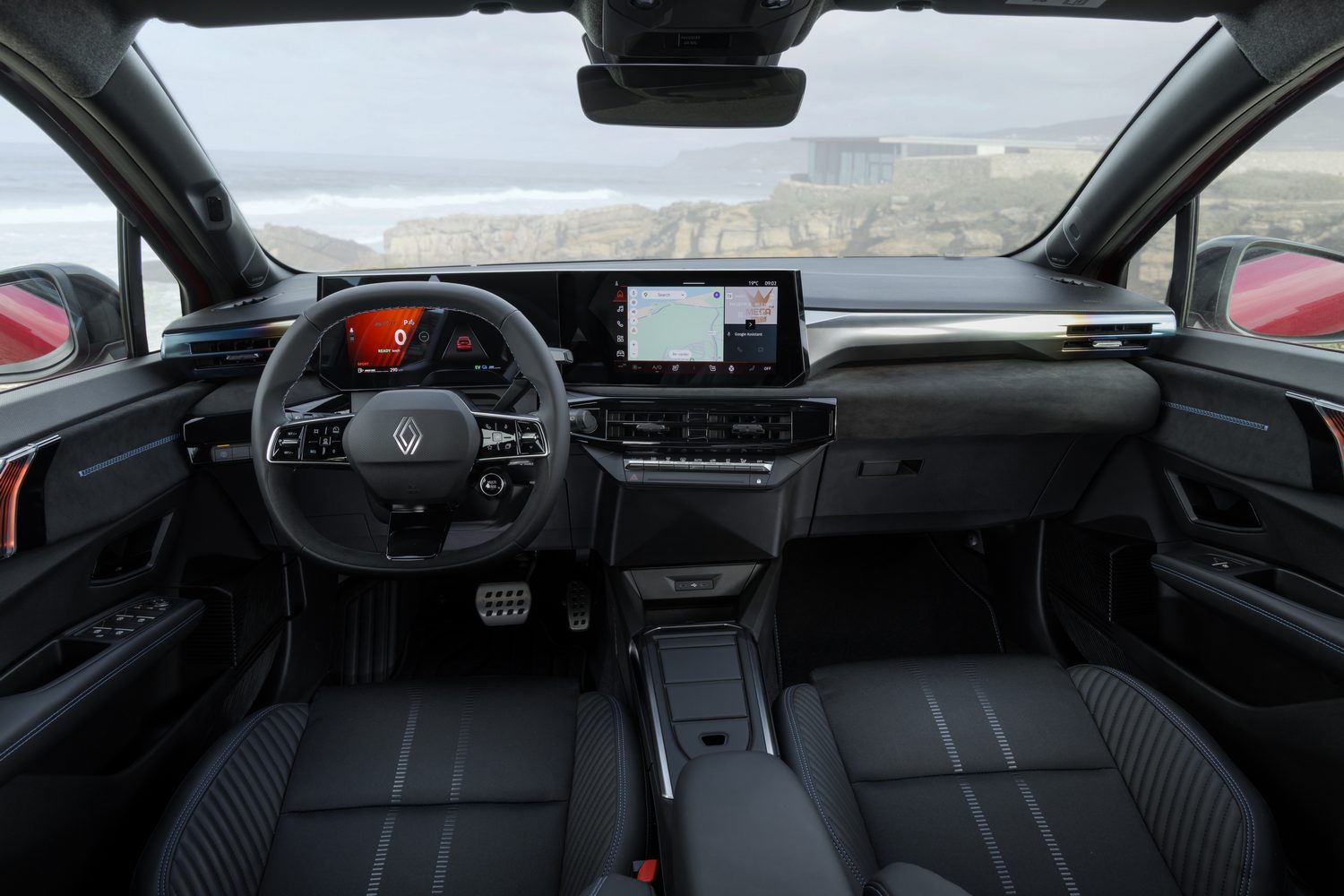
Even the mid-spec Clio gets a cool fabric-trimmed dashboard that looks interesting and feels good to the touch. It's complemented by 48-colour ambient lighting to good effect, linking up with illumination of the interior door panels.

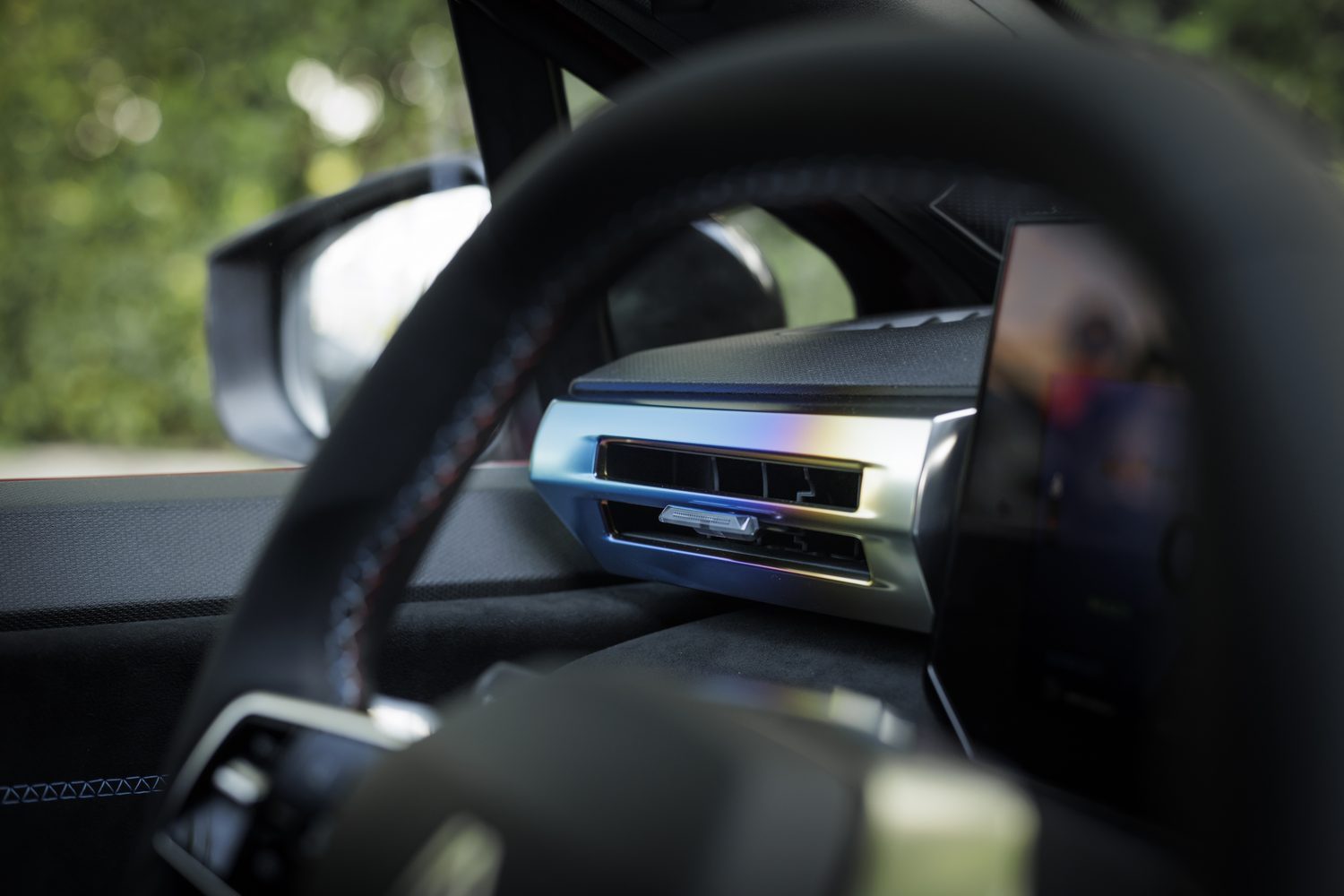
The fabric on the dash is replaced by Alcantara in the Esprit Alpine, which also gets an unusual finish around the air vents Renault refers to as "spectral titanium". It looks like metal that has been subjected to high temperatures.
Getting comfortable in the driver's seat
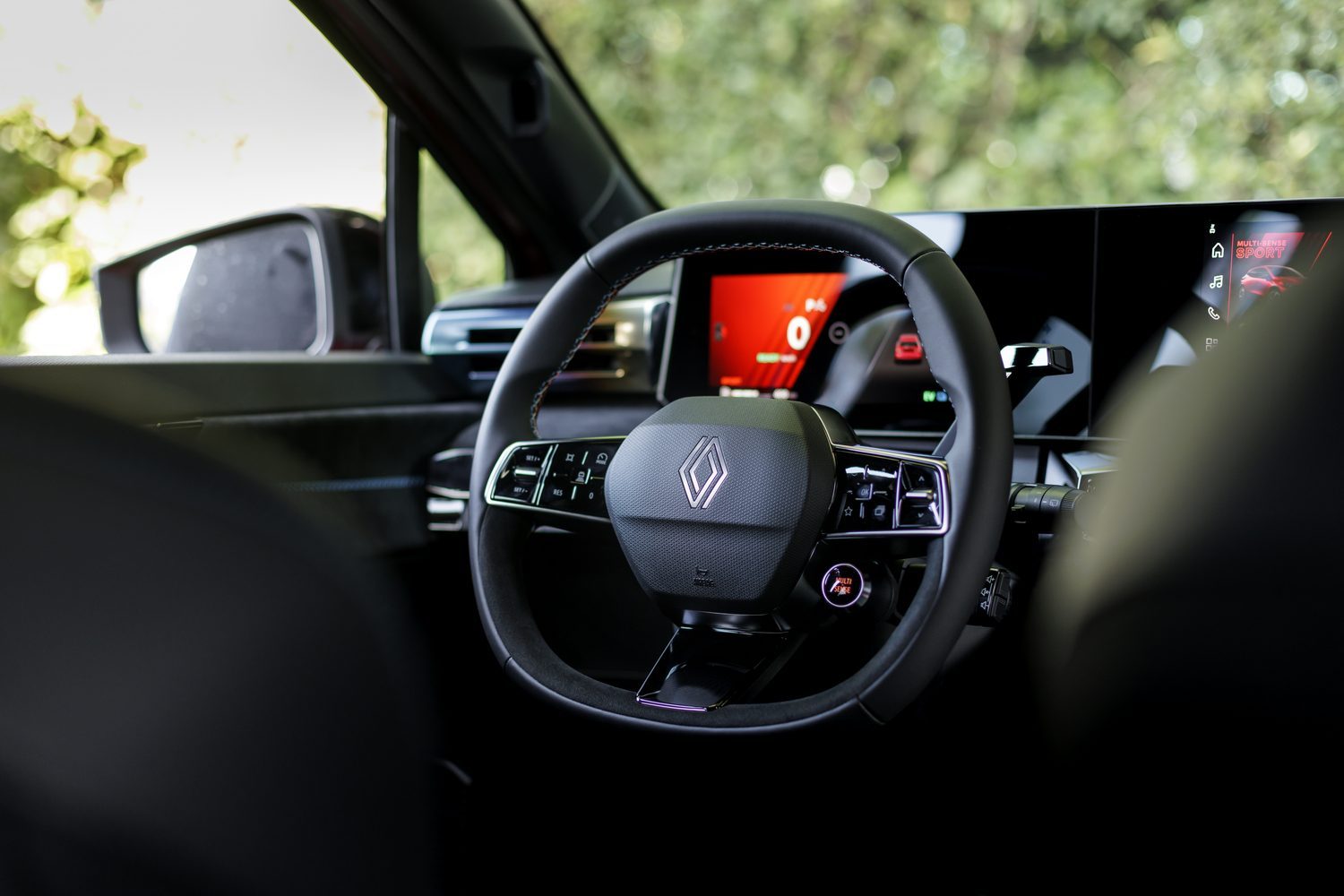
There's plenty of manual adjustment in all directions for the driver's seat and the high-quality steering wheel is also adjustable for reach (in and out) and rake (up and down), so people of all shapes and sizes will find a comfortable driving position in the Clio.

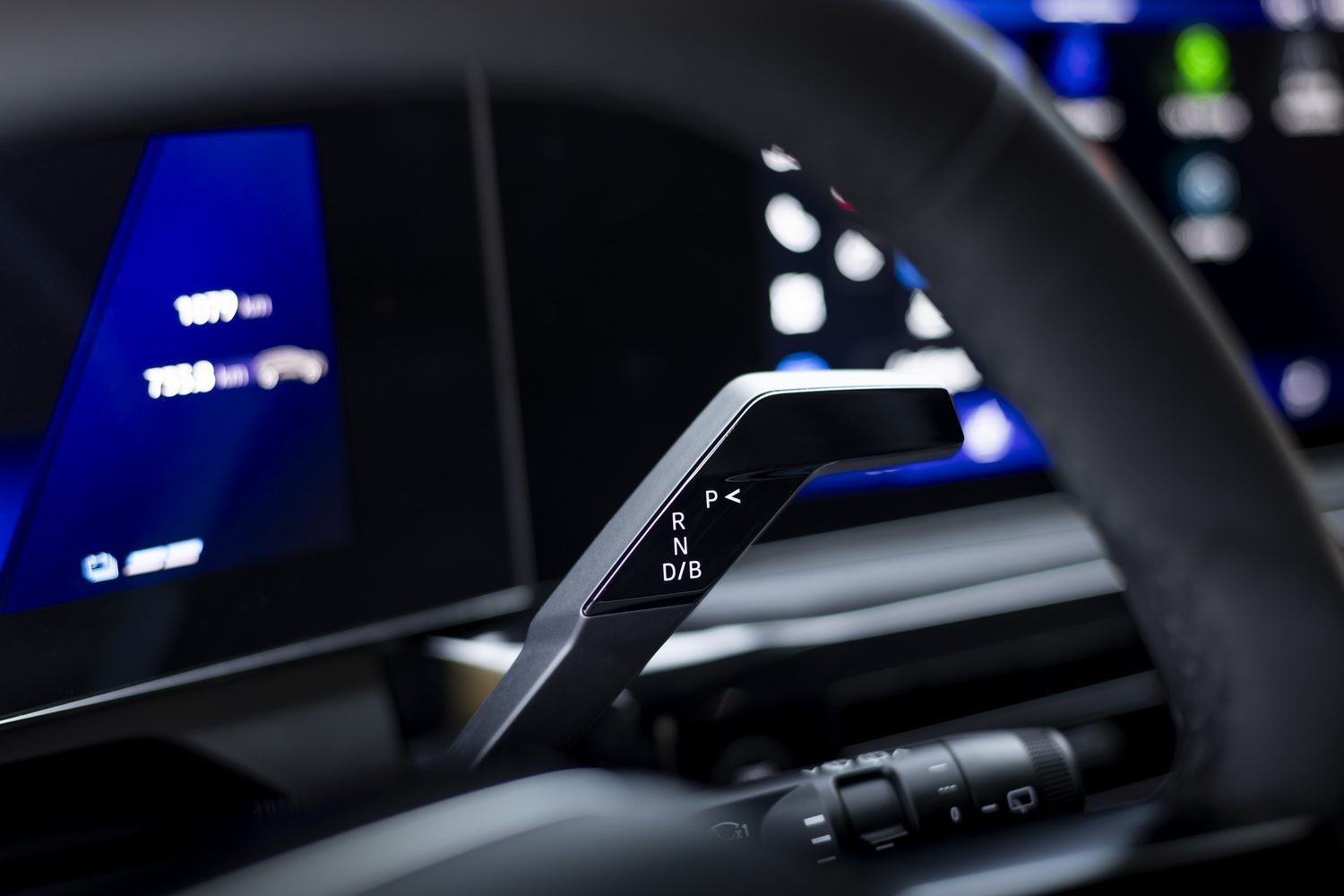
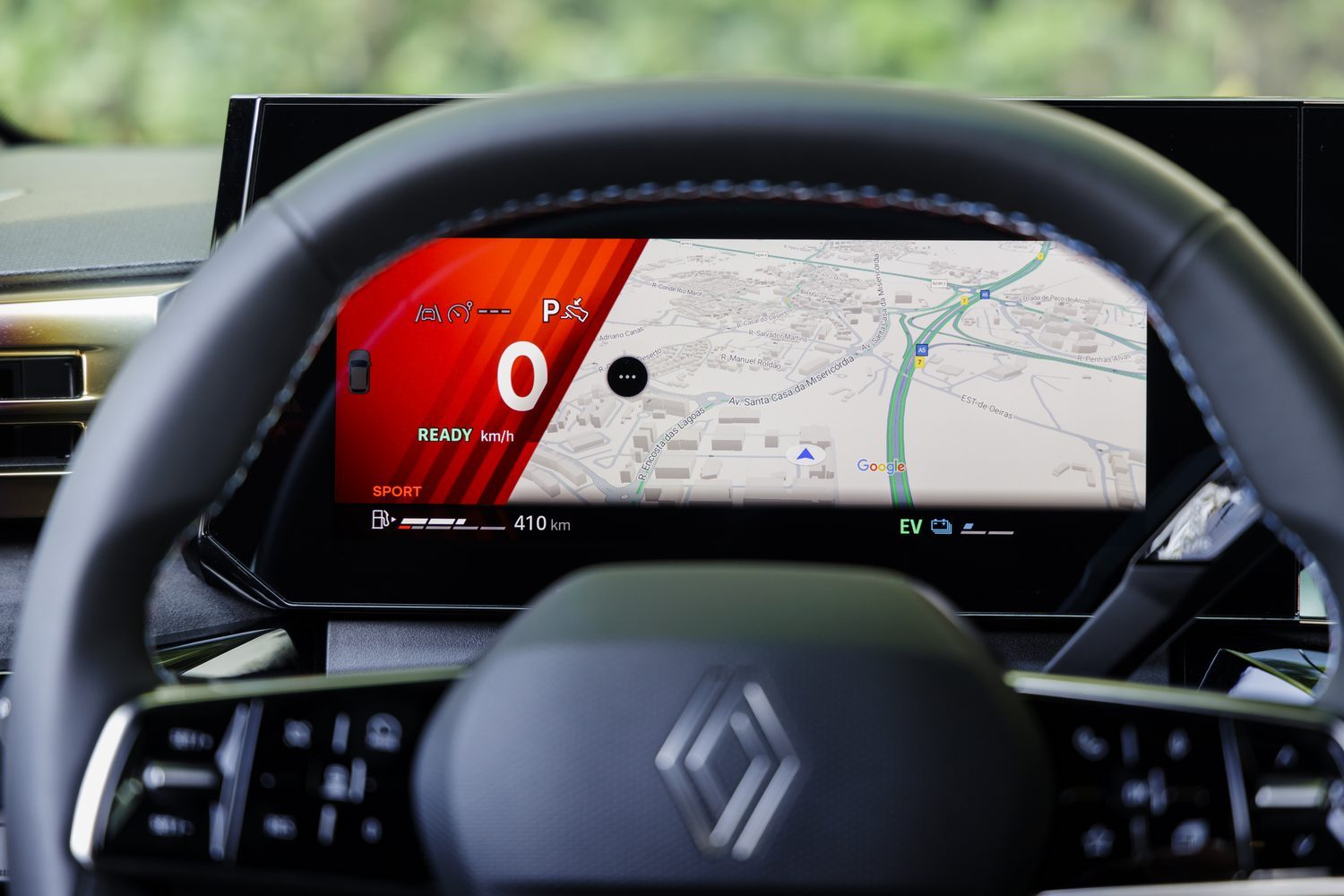
The steering wheel itself isn't a perfectly round circle but is good to hold and shaped to allow an unimpeded view of the crystal-clear digital instruments. While there are a lot of stalks behind the wheel, they're all of different shapes and sizes, so it doesn't take long to get used to the layout.
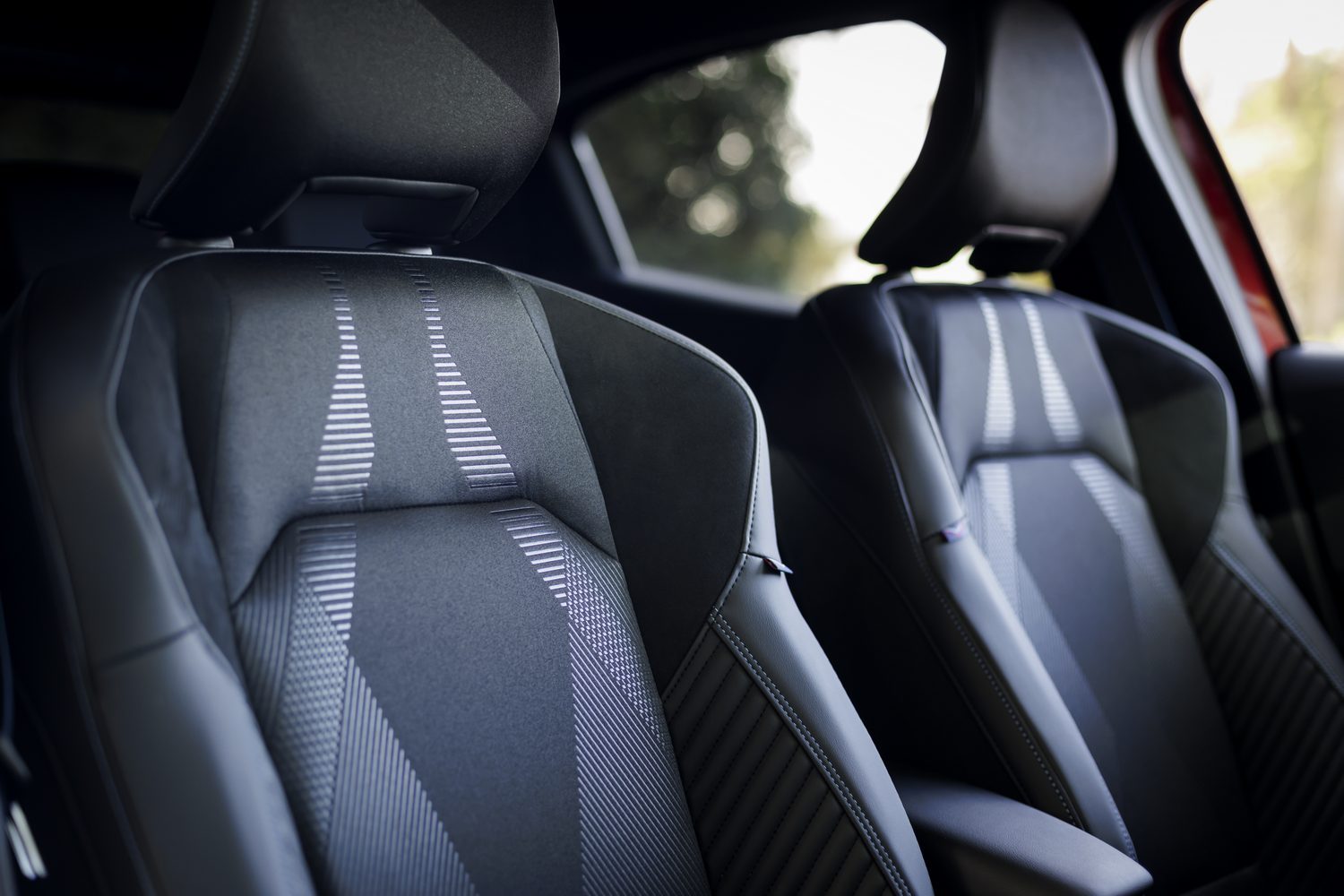
The seats deserve a special mention, as they're upholstered in high-quality materials and have noticeably good side support.

Infotainment and technology
The Clio used the same two-screen setup found across the Renault range, in this case with two 10-inch screens, one for the digital instruments and the other a centrally mounted touchscreen angled towards the driver.

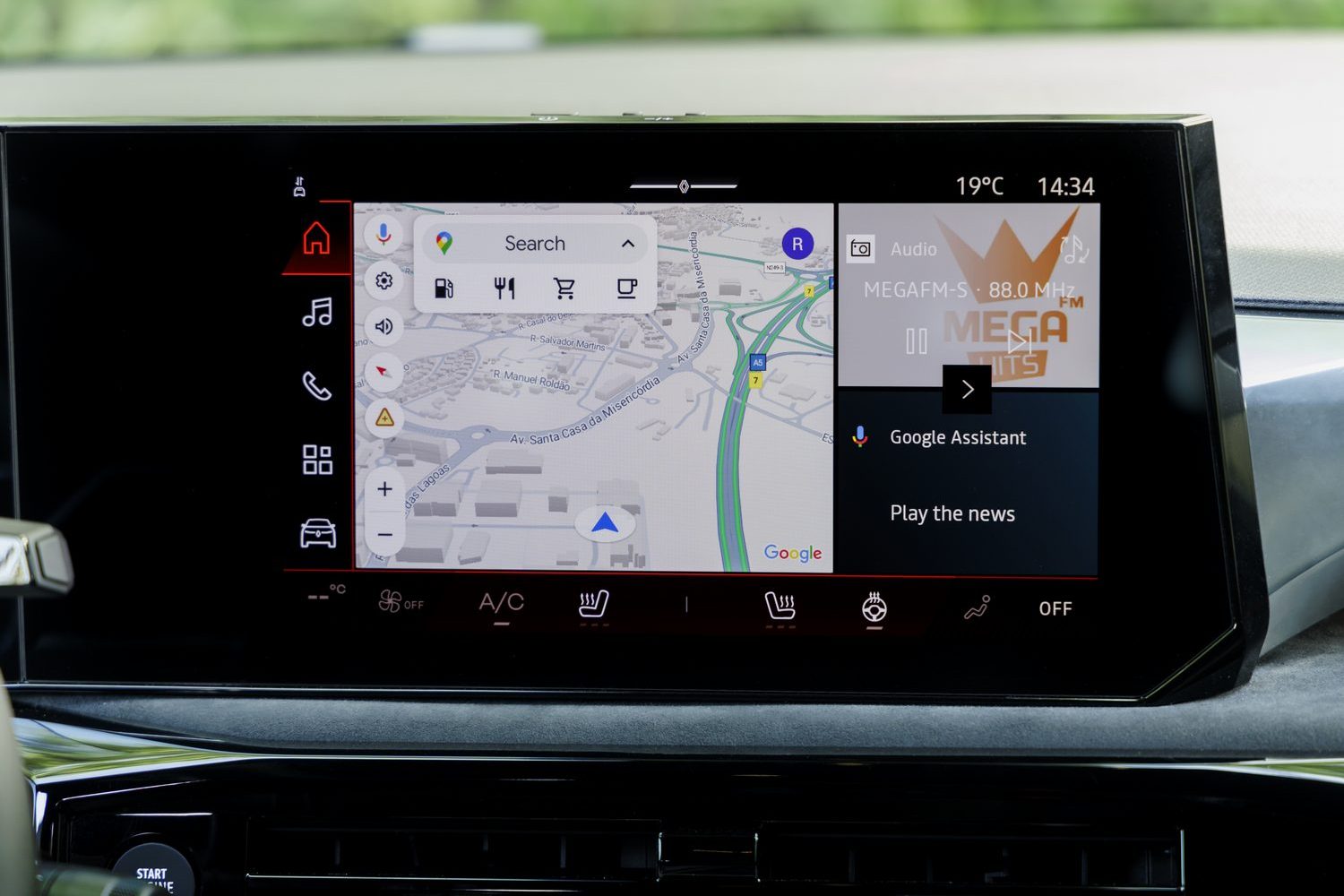
Renault calls it the OpenR Link multimedia system and though both the driver's instrumentation and the touchscreen are of high resolution and easy to read, the highlight is having Google software built in.
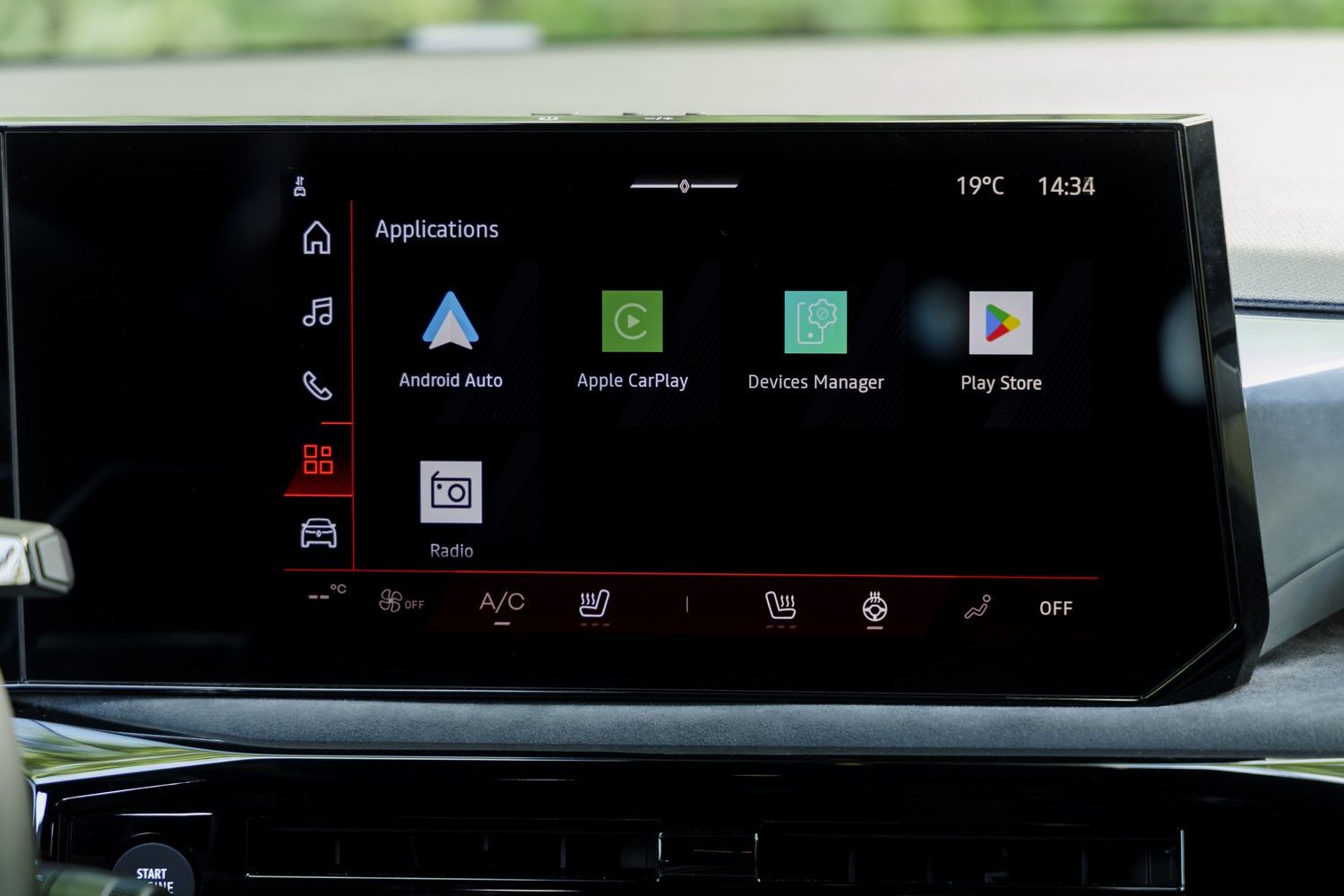
So yes, there is smartphone mirroring in the form of Android Auto and Apple CarPlay, but you don't even need those to use the car's integrated Google Maps, along with the Google Assistant tech.
The latter is due to be replaced by Google Gemini, a newer AI assistant from the company, in a future over-the-air update.

Audiophiles - and fans of late-seventies electronic music - will like the sound of the optional 410-watt Harman Kardon audio system with its five "soundscapes" developed with Jean-Michel Jarre.
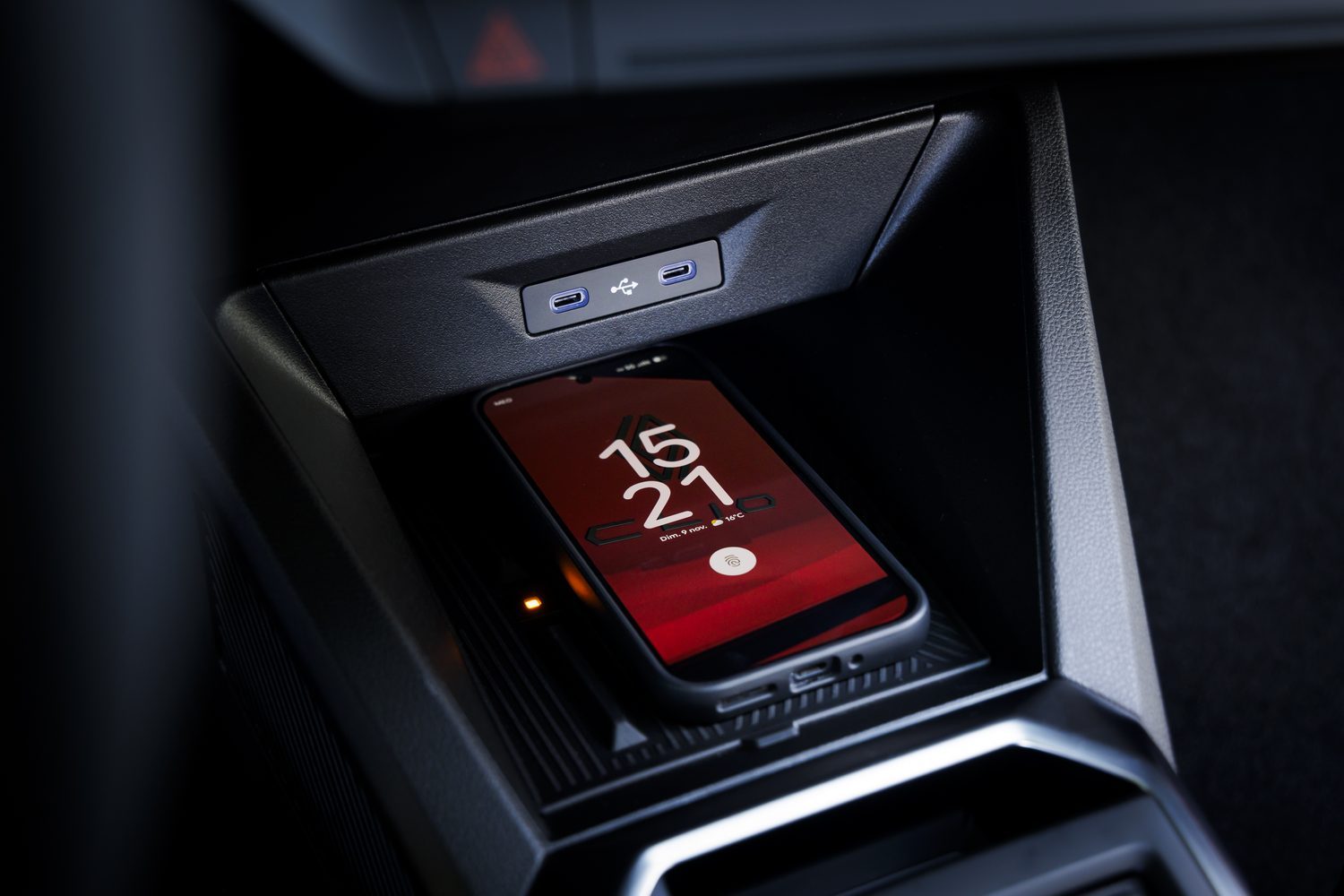
A wireless phone charger up front is supplemented by two USB-C ports, and there's a 12-volt socket in the back as well.

Practicality around the cabin
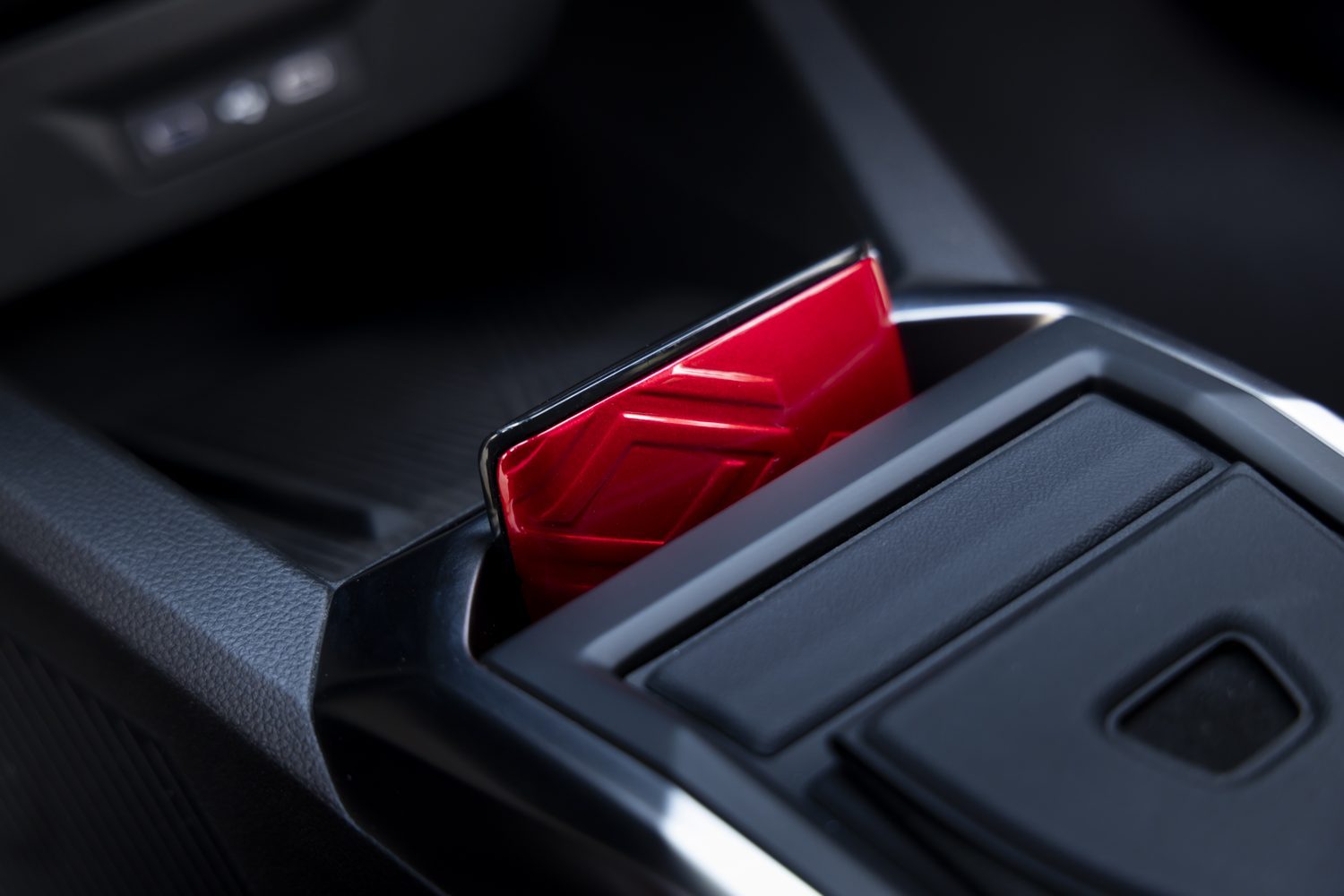
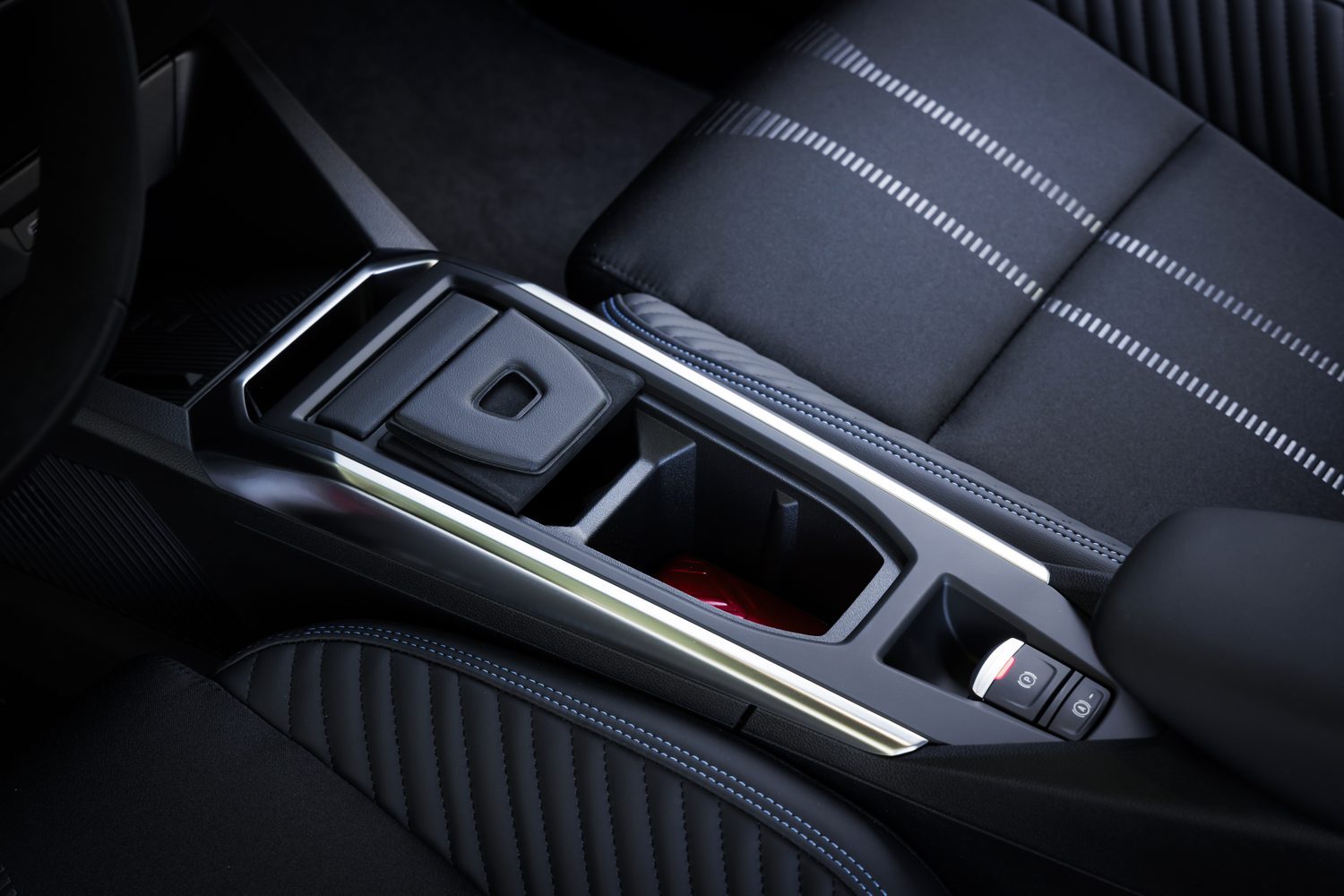
Between the seats is a relatively slender centre console, but it has plenty of practical touches. A folding semi-rigid lid that moves like an iPad cover reveals two cupholders, one of them elongated so it can carry other bits and pieces.

Ahead of this is where the wireless charger and USB ports are, while behind it is an armrest covering a hidden storage bin.
Elsewhere, the door pockets and glovebox are of average size for this class of car.
Rear-seat passenger space
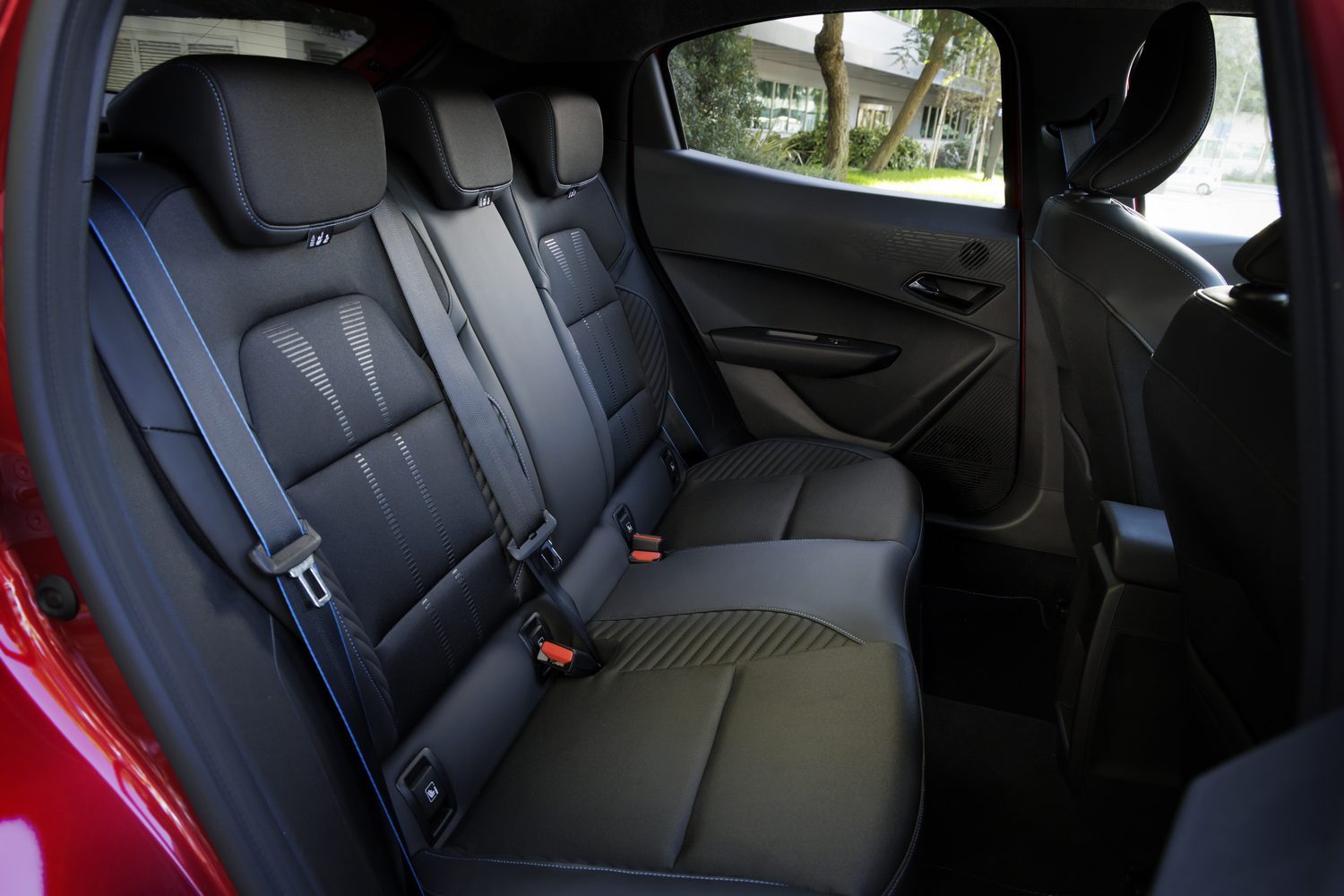
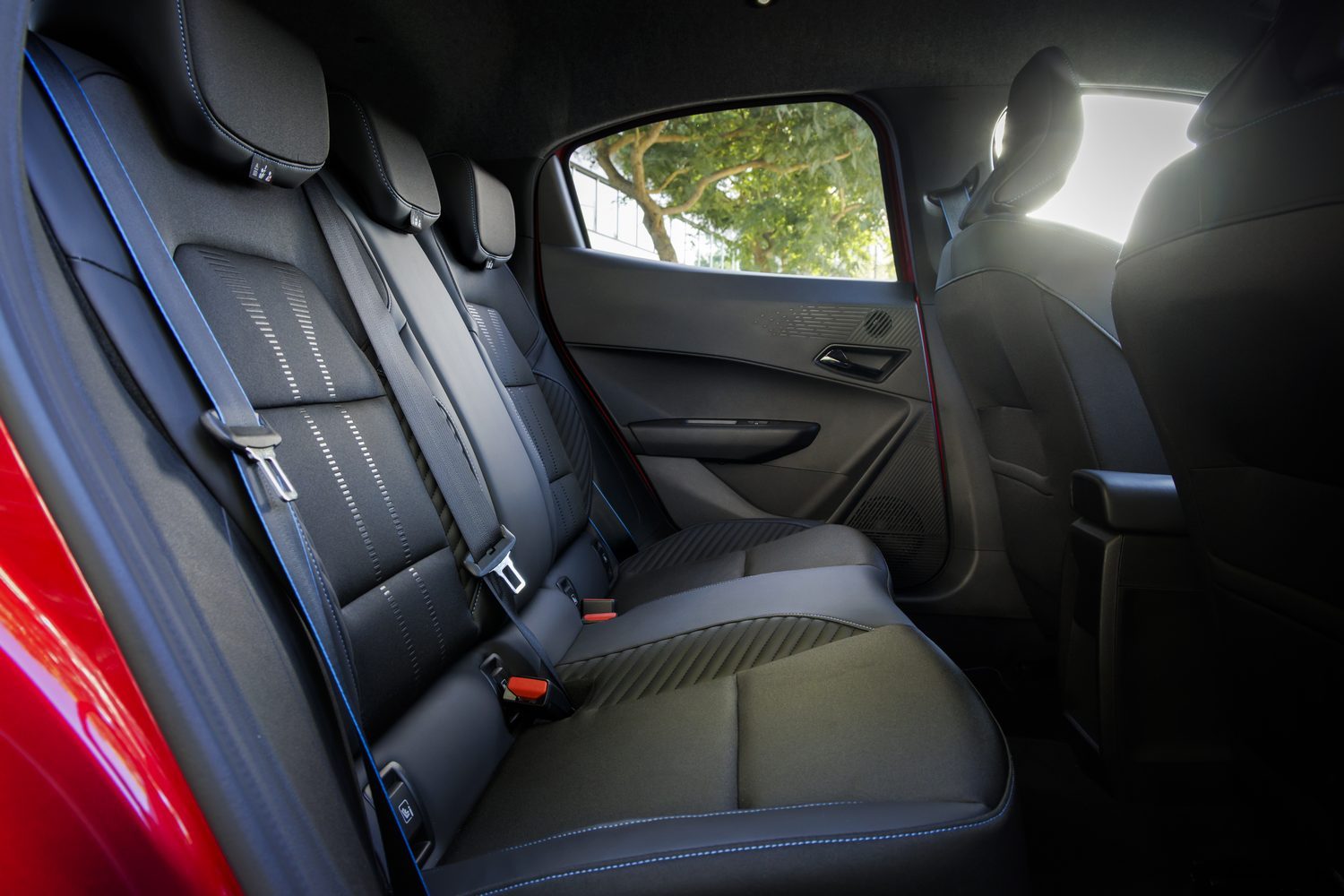
Buyers of superminis such as the Clio don't expect expansive space in the rear seats, but the Clio is better than most with relatively wide door openings and generous legroom and headroom in the back for average-sized adults.

It is possible to fit three people back there, but the centre-seat occupant would have to put up with an uncomfortable seat base and raised floor. At least there's room for feet under the front seats.
Fitting child seats to the Renault Clio
Small cars such as the Clio aren't great for accommodating big, bulky rear-facing child seats in the back, though there are ISOFIX mountings in the outer two seats as you'd expect. Probably just as useful is the set in the front passenger seat, so slide that back, turn off the airbag and a rear-facing seat can be mounted next to the driver.
Euro NCAP awarded the Clio a rating of 82 per cent for its child-occupant protection in the 2025 assessment.
Boot space in the Renault Clio

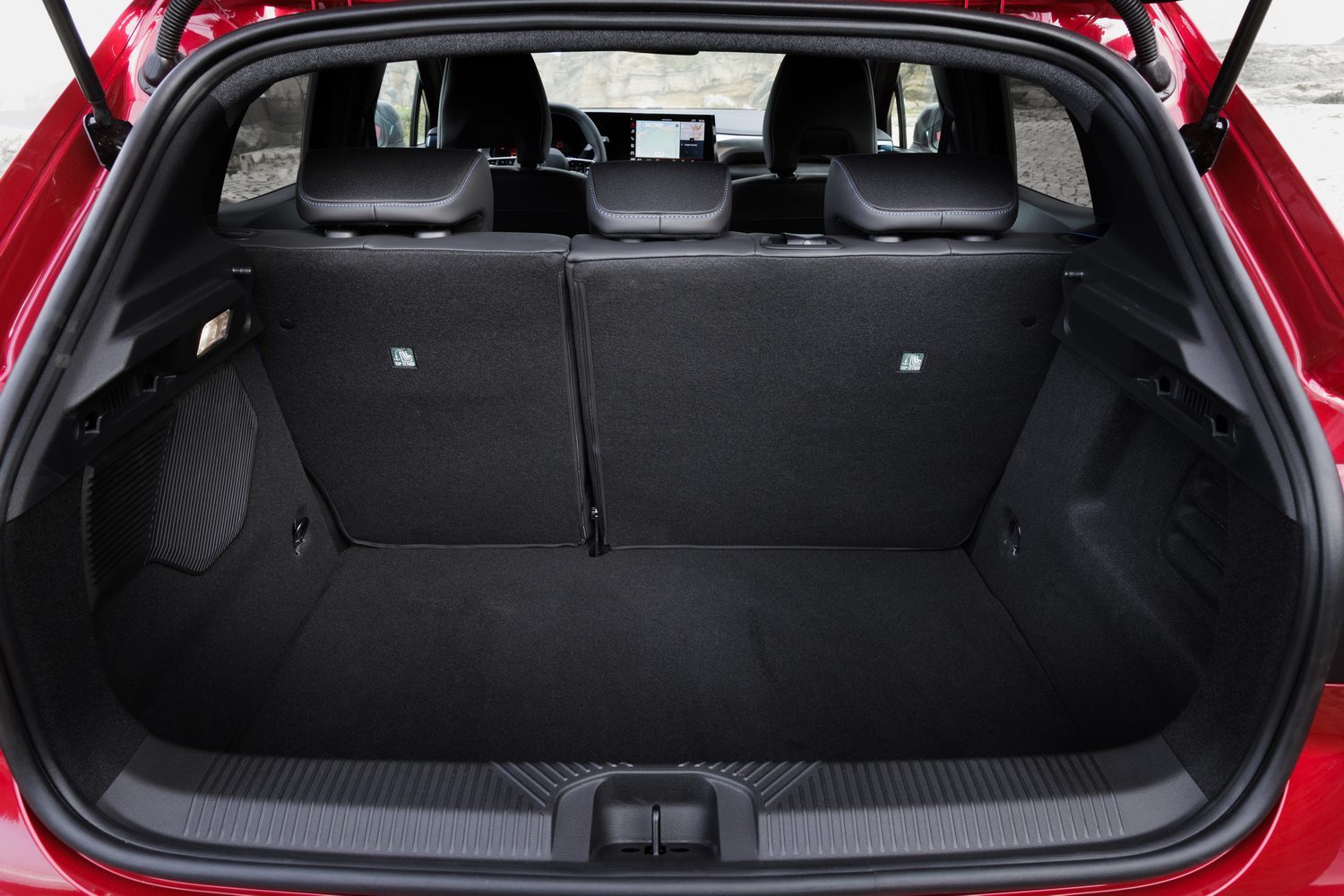
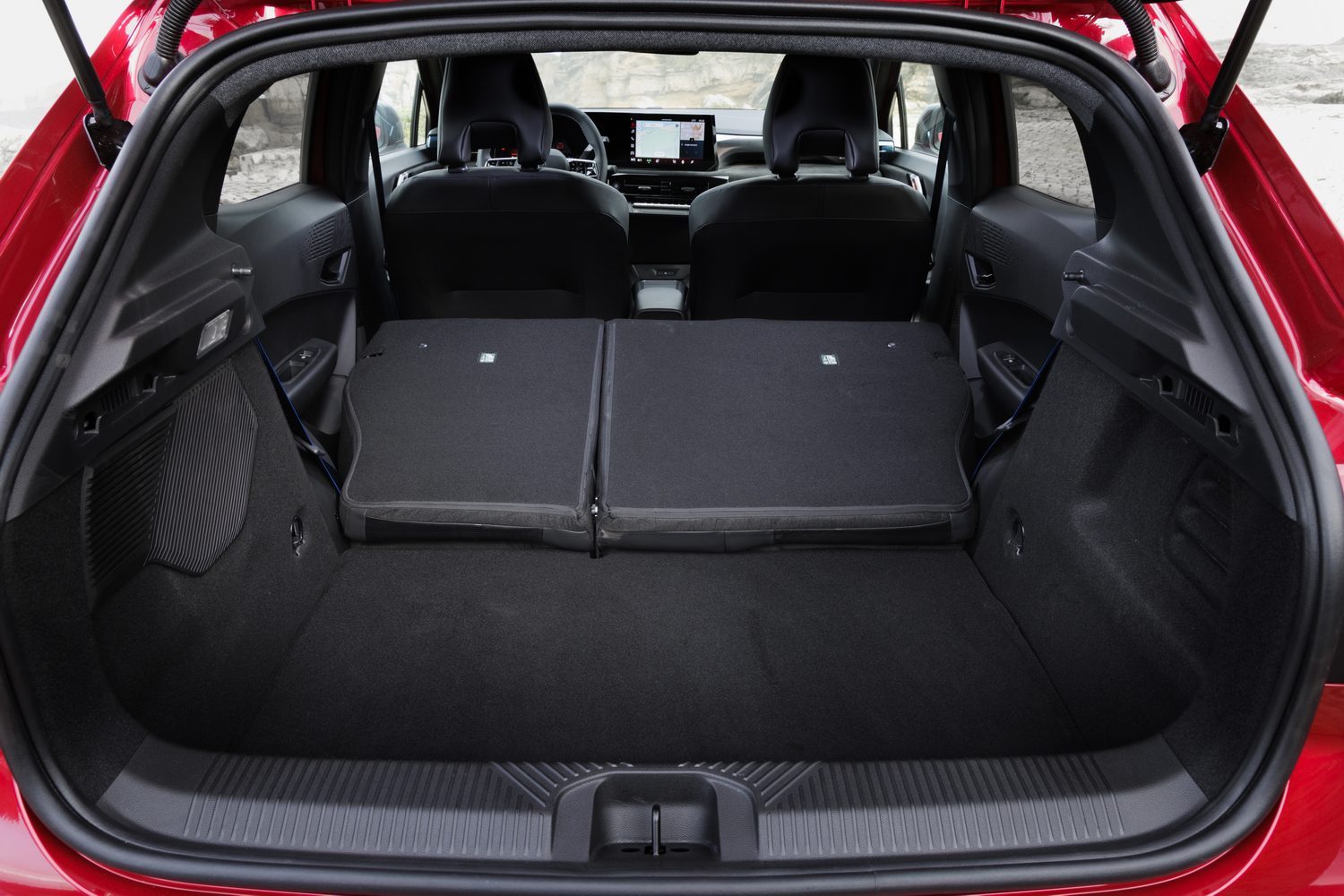
At a volume of 391 litres, the Renault Clio's boot is larger than those of some cars in the C-segment above it.
Alas, that figure only applies to the petrol model, as the hybrid Clio's battery is packaged in the back and reduces the boot capacity to 309 litres. That's still fine for the segment, but worth bearing in mind and checking if it's large enough for your needs.

It's easy to fold down the split rear seat back if you have something bulkier to carry.
Towing with the Renault Clio
The Clio is hardly a natural tow car, but it can manage up to 900kg of braked load, which is more than most owners would ask of it.
Safety in the Renault Clio
The sixth-generation Clio was tested by Euro NCAP in 2025 to the latest standards and it achieved four stars overall. This was made up of individual protection scores of 79 per cent for adult occupant, 82 per cent for child occupant and 80 per cent for vulnerable road users, along with 73 per cent in the 'safety assist' category.

Renault tells us there are up to 29 driving aids in the suite of ADAS (Advanced Driver Assistance Systems), some mandatory as part of European-wide legislation. The Clio allows owners to choose which of these they prefer not to use and, though all are reset to 'on' each time the car is started, a simple double-press of the 'My Safety Switch' button sets them to the driver's preference.
Performance of the 2027 Renault Clio
- Hybrid or petrol options
- Perky hybrid uses 1.8-litre engine
- Dynamic chassis setup

Two powertrains are available in the Clio. The entry-level option is a turbocharged 1.2-litre petrol engine making 115hp and 190Nm of torque. It's not the same unit as was in the previous-generation Clio, instead shared with the hybrid versions of the Renault Austral and Rafale. It will come with a six-speed manual gearbox and Renault quotes a 0-100km/h time of 10.2 seconds.
Likewise, the E-Tech Full Hybrid system is not the same as before. In place of the old 1.6-litre engine is a 1.8-litre unit, while the battery pack has been enlarged and the sophisticated multi-mode automatic transmission has been updated.

Peak power is 160hp, and though Renault doesn't quote a combined maximum torque figure, the engine itself makes up to 172Nm while the electric motor can produce 205Nm. Those things are unlikely to happen at the same time, though a 0-100km/h sprint of 8.3 seconds is more than adequate.
Renault tells us that the hybrid gearbox, which has no clutch and features two electric motors, actually operates over 15 different modes automatically, to balance performance, economy and smoothness.

The car can run on electric power alone for a short time thanks to its 1.4kWh battery pack. In energy-recovery mode, the wheels of the Clio turn the electric motor to generator electricity to charge up that battery, while slowing the vehicle.
In ICE mode (Internal Combustion Engine), the engine is running and it either turns the front wheels or charges the battery. Subtly differently, the E-drive setting means the engine only charges the battery while the electric motor drives the wheels.
Finally is 'Dynamic hybrid', which means maximum performance using the engine and the electric motor.

Thankfully, the driver doesn't need to know about any of these, as they're not selectable.
Driving the Renault Clio Techno E-Tech Full Hybrid in Portugal - Shane O' Donoghue
The various modes of operation of the gearbox may not be chosen by the driver, but the Clio does get Renault's well-known 'Multi-Sense' button on the steering wheel.
It works differently this time around, however, as Renault has replaced the configurable 'MySense' option with the so-called Smart mode. This automatically switches between Eco, Comfort and Sport, depending on the driver's actions.

We found it to quickly select maximum response through the Sport mode when you attempt to accelerate out of a tight corner, for example, though it soon reverted back to the Eco setting at a cruise. It's quite a slick system, especially for those unlikely to ever change the driving mode themselves. Others may prefer the consistency of sticking to a single mode, which of course is still possible.
There's ample performance on tap from the hybrid system and it responds sharply to input, with very little 'elasticity' in the acceleration. The refinement of this 1.8-litre hybrid is notably better than the 1.6 of old too, and the engine settles down to a distant thrum on the motorway. Only when you're accelerating or tackling steep hills do you really notice it at work.

The performance stats might not indicate the hybrid Clio is even a 'warm' hatch, never mind a hot one, but the driving dynamics of this car suggests otherwise. It has notably responsive steering that gives it a sense of real agility for a start.
At slow speeds - on 18-inch alloy wheels and low-profile tyres - the suspension initially feels a little too hard, and it does struggle to soak up big holes in the road surface and other urban pockmarks.
However, up the pace even moderately and it copes better, while providing the sort of body control not usually found in a 'normal' hatchback. It's a hoot through a sequence of tight corners, for example.

This all translates into safe and confident stability at motorway speeds or under braking, and it's perfectly comfortable over longer journeys, too, with good wind noise suppression as well.
Fuel economy and running costs of the 2027 Renault Clio
- Ultra-low CO2 emissions for the hybrid
- Good real-world economy
- Petrol model not bad either

The hybrid Clio is the efficiency champ of the lineup with an incredibly low emissions rating of just 89g/km. That means motor tax of only €160 a year and it aligns with an official fuel consumption figure of 3.9 litres/100km. Renault reckons it can do 1,000km to a tank of fuel.
Even so, the entry-level petrol model isn't exactly wasteful, using 5.0 litres/100km on the official WLTP cycle and emitting 114g/km. It's only €190 a year to tax. This version should also attract lower insurance.
Real-world efficiency of the Renault Clio
On a mild day in Portugal, spending about 50 per cent of our time in an urban setting, and the rest divided between quick motorways and hilly country roads, the hybrid Clio used an average of 4.7 litres/100km.

Servicing the Renault Clio
Details have yet to be confirmed for the new Clio, but an annual service will be required.
Renault Clio warranty
Renault offers a five-year warranty on its cars, the first two years of which are for unlimited mileage. Thereafter the car is guaranteed up to 150,000km. This warranty is transferrable to subsequent buyers.
Additional peace of mind comes in the form of five years of breakdown assistance, a 12-year anti-corrosion warranty and a three-year paint warranty.
Irish pricing & rivals to the 2027 Renault Clio
- Expected to start at about €27,000
- Three trim levels likely
- Will not launch in Ireland until 2027

As it's quite some time until the Clio arrives, Renault Ireland is understandably tight-lipped on pricing. Unless something dramatic happens in the market, however, we can't see there being a massive change from the current model, with the hybrid starting at about €30,000 and the petrol model a few grand less. Three trim levels are expected, called Evolution, Techno and Esprit Alpine.
Rivals are not as numerous as they used to be in this sector, certainly if we're only counting cars with internal combustion engines. Buyers will look not only at the likes of the SEAT Ibiza, Toyota Yaris and Volkswagen Polo, but also at small crossovers such as the Nissan Juke. Saying all that, the Clio will also be considered alongside fully electric cars, of which there are now many in and around the €30,000 mark.

Verdict - should you buy the 2027 Renault Clio?
While it's impossible to know with surety how good the Clio's competitors will be by the time it arrives in Ireland, judged by today's standards, the Clio is among the best cars in the sector. It's spacious, of high quality, features loads of useful technology and, as an added bonus, it looks great. The hybrid model seems to be the pick of the range, too, mixing good performance with excellent efficiency. Roll on 2027...
FAQs about the 2027 Renault Clio
Why is the Renault Clio delayed until 2027?
Blame the UK. You see, when Renault started planning the sixth-gen Clio, it appeared that there would be a strong ZEV (Zero Emissions Vehicle) mandate in the UK, dramatically shortening the length of time a new, non-electric Clio could be sold there. So, as the UK would be the biggest right-hand-drive market for the Clio, the decision was made not to bother.
By the time the political landscape in the UK had changed, the Clio project, not to mention Renault's manufacturing scheduling, was well underway and, despite efforts to minimise the delay, the Clio will arrive in the UK and Ireland over a year behind its introduction to left-hand-drive markets.
Is there going to be an electric Renault Clio?
No, there are no plans to make an electric Clio at this stage. The platform it's built on is not suitable for electric power. Saying that, it's highly likely that a future generation of the Clio will be all-electric.
Will there be a new Renaultsport Clio?
There are no plans to offer a sportier version of the Clio at this stage.
Want to know more about the 2027 Renault Clio?
If there's anything about the new Renault Clio we've not covered, or you'd like help in choosing between it and other cars, you can avail of our expert advice service via the Ask Us Anything page.
Renault Clio history
The very first Clio replaced the Renault 5 when it was launched in 1990 and sired the iconic Clio Williams in 1993.
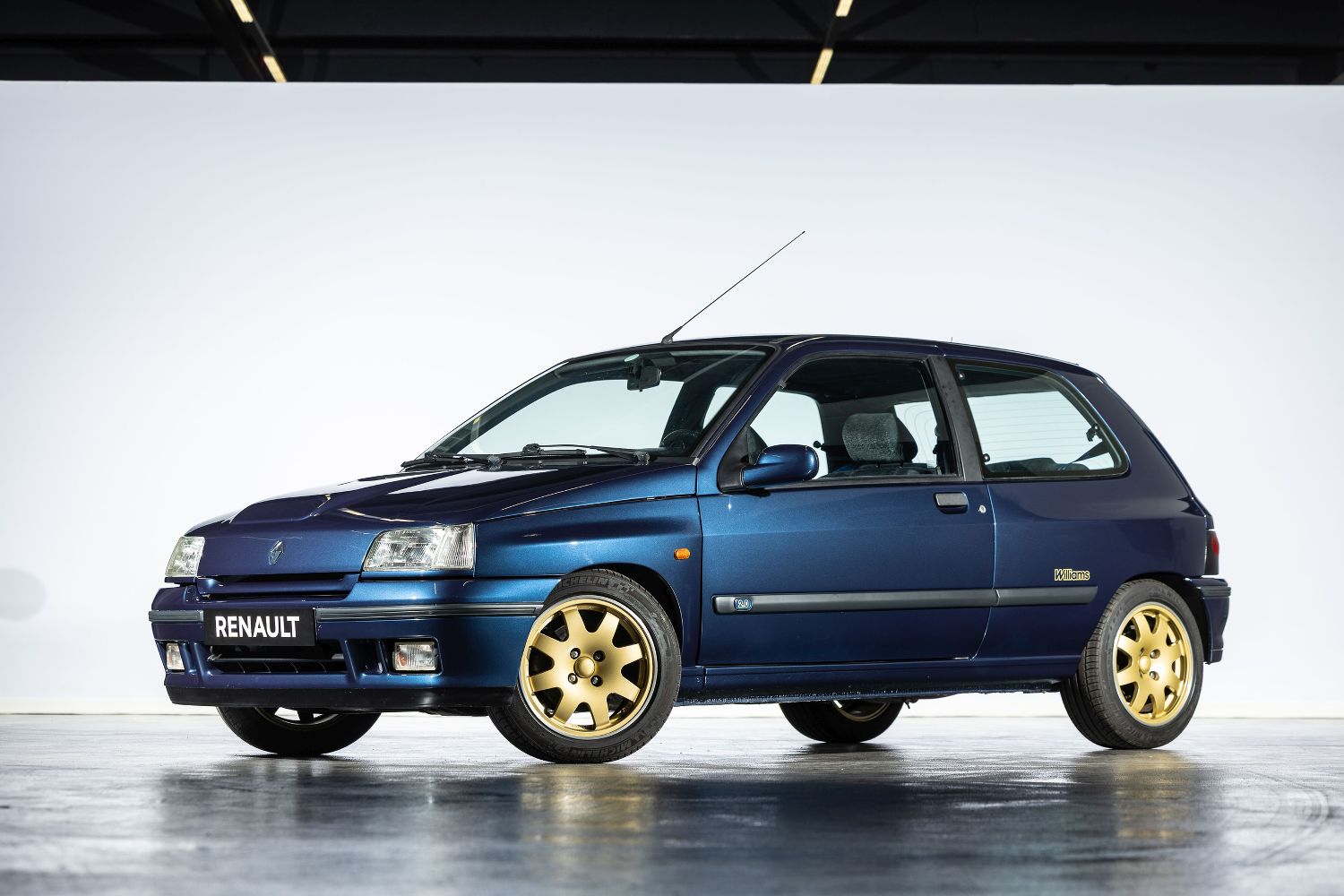
The second generation, introduced in 1998, was larger and set the template for the name from then on, offering big-car comforts and safety equipment. Renault didn't forget the enthusiasts, though, as evidenced by the sensational Clio Renault Sport 172 and the simply bonkers, mid-engined Clio V6.
The third-generation Clio, from 2005, shared its platform with Nissan, while for the fourth iteration, launched in 2012, the three-door body shell option was discontinued.
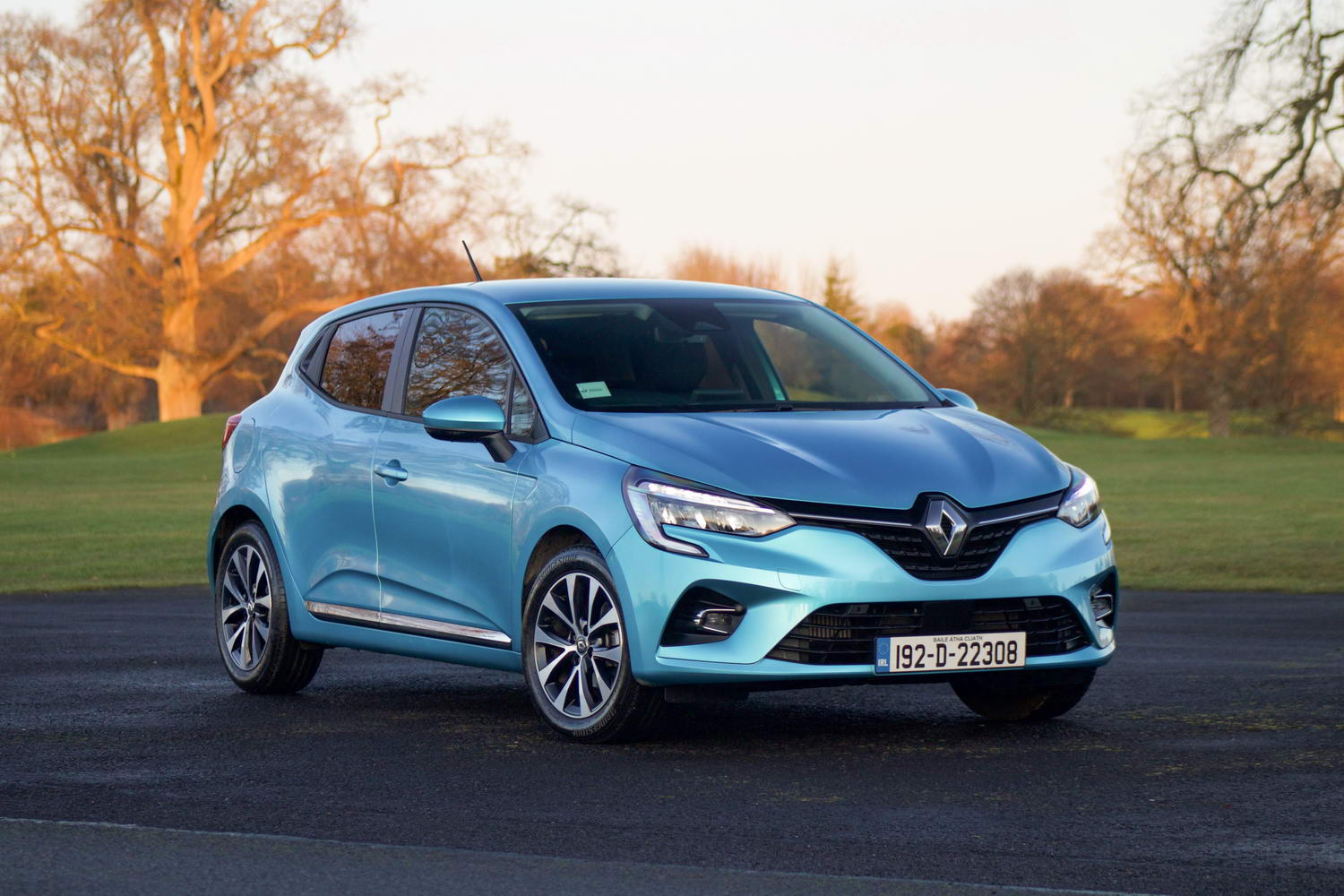
Next up, in 2019, came Clio V, the first available with hybrid power and also the first without a hot hatch derivative.