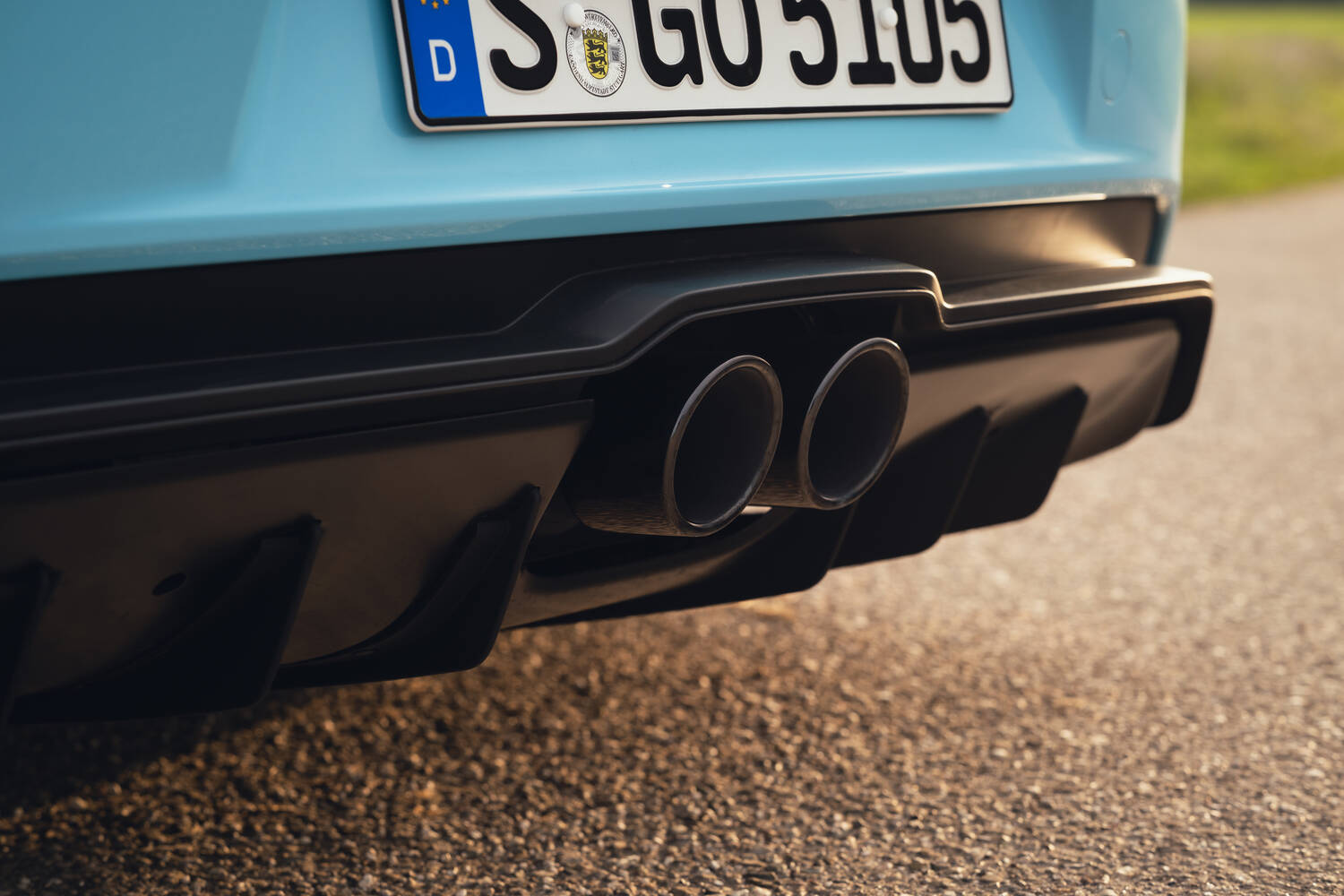
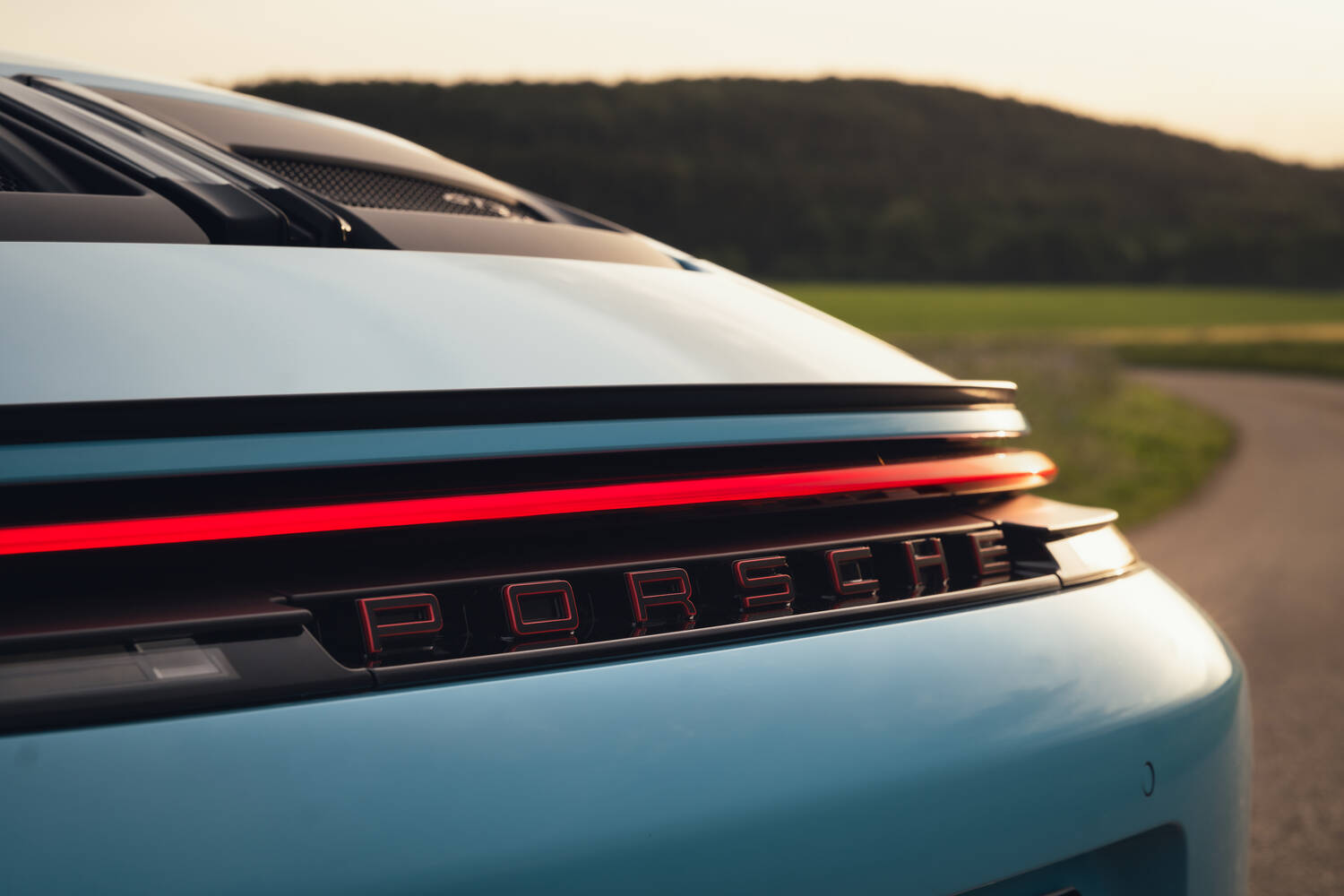
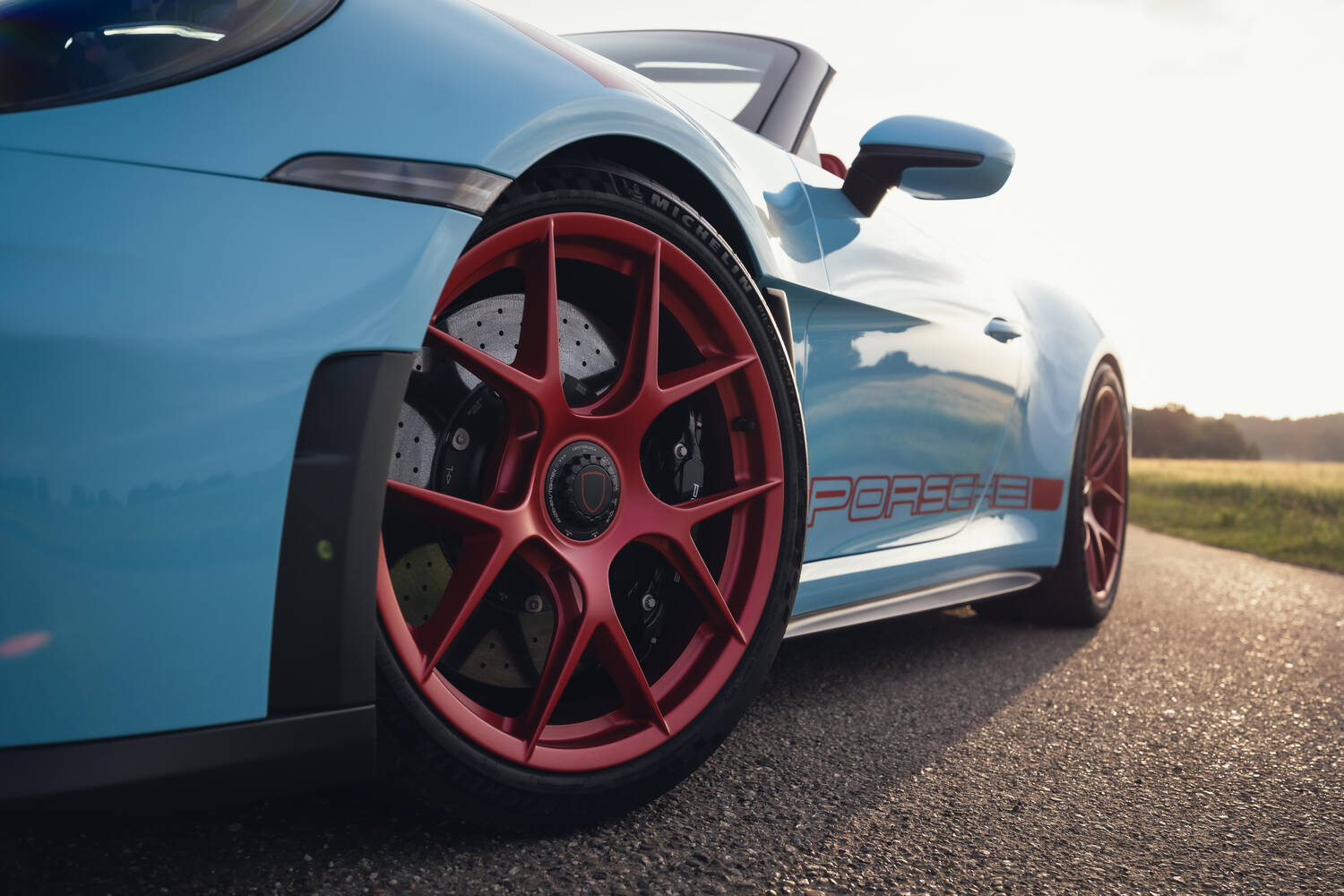
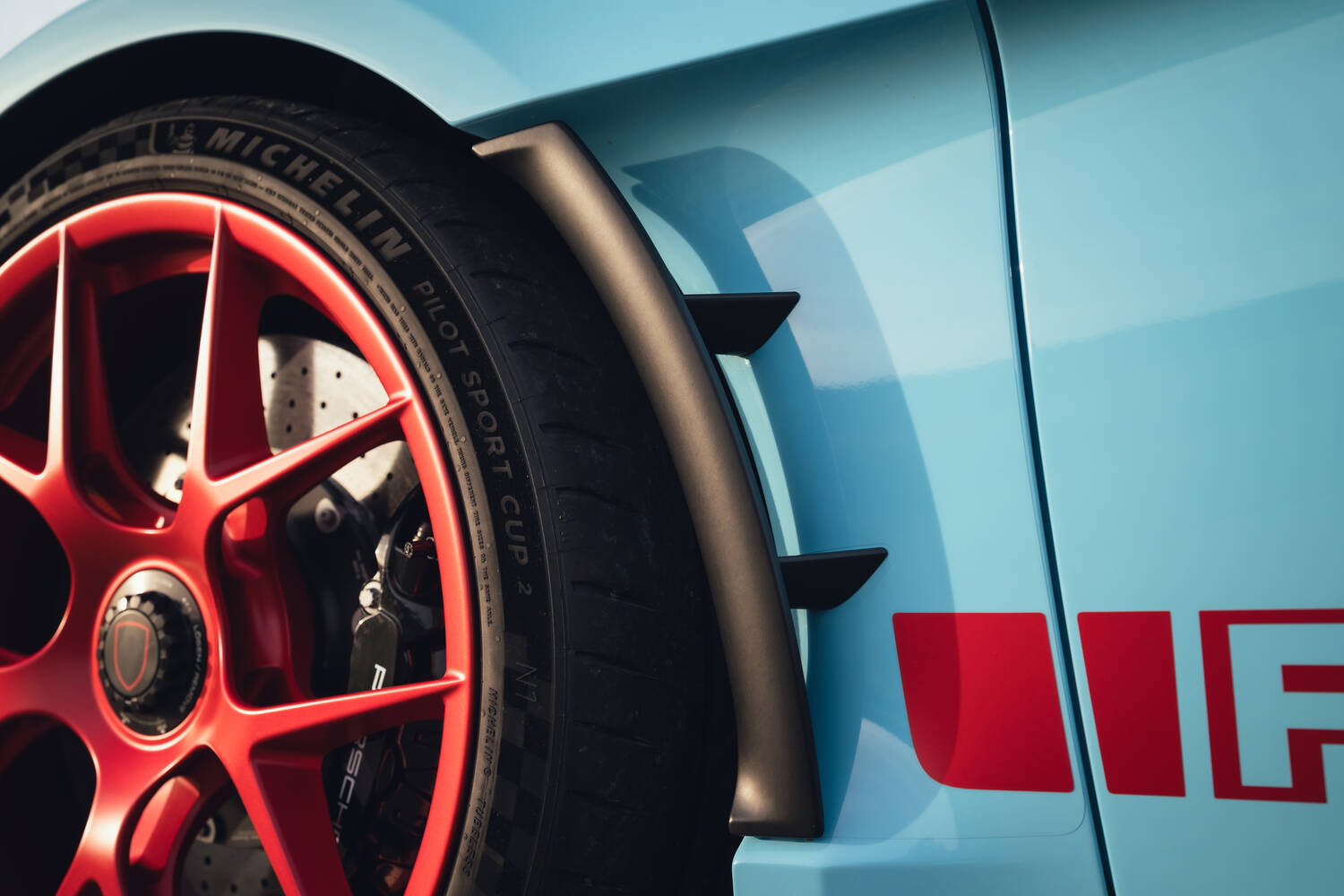
Introduction to the 2026 Porsche 911 GT3 S/C
It has happened: Porsche has responded to market demand by creating an open-topped version of the revered 911 GT3.
That sounds like a risky move. A modern performance-car icon, developed around track-focused handling, has potentially lost structural rigidity and gained weight in pursuit of open-air appeal.
Yet it is no mess. In fact, this could be the most enjoyable 911 GT3 of them all, certainly for drivers who want every road journey to feel special.

Pros & cons of the 2026 Porsche 911 GT3 S/C
Pros:
• Exceptional steering and balance
• Superb engine and manual gearbox
• Open roof amplifies the soundtrack
Cons:
• Extraordinary price and costly options
• Limited luggage space
• Bold colour combos
Exterior & design of the 2026 Porsche 911 GT3 S/C
• Distinctive but restrained GT3 styling
• Details inspired by the 911 S/T
• Forged magnesium wheels

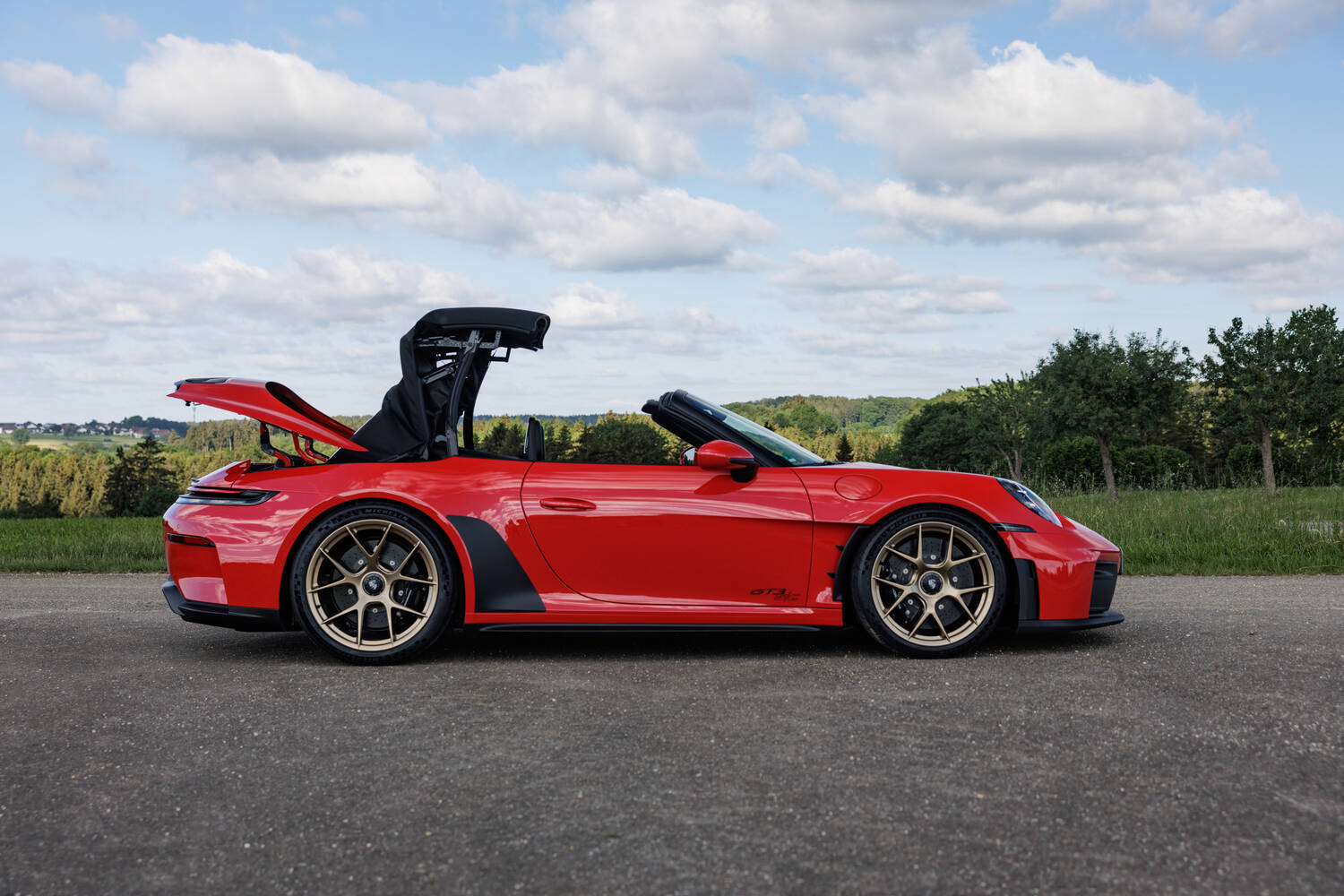
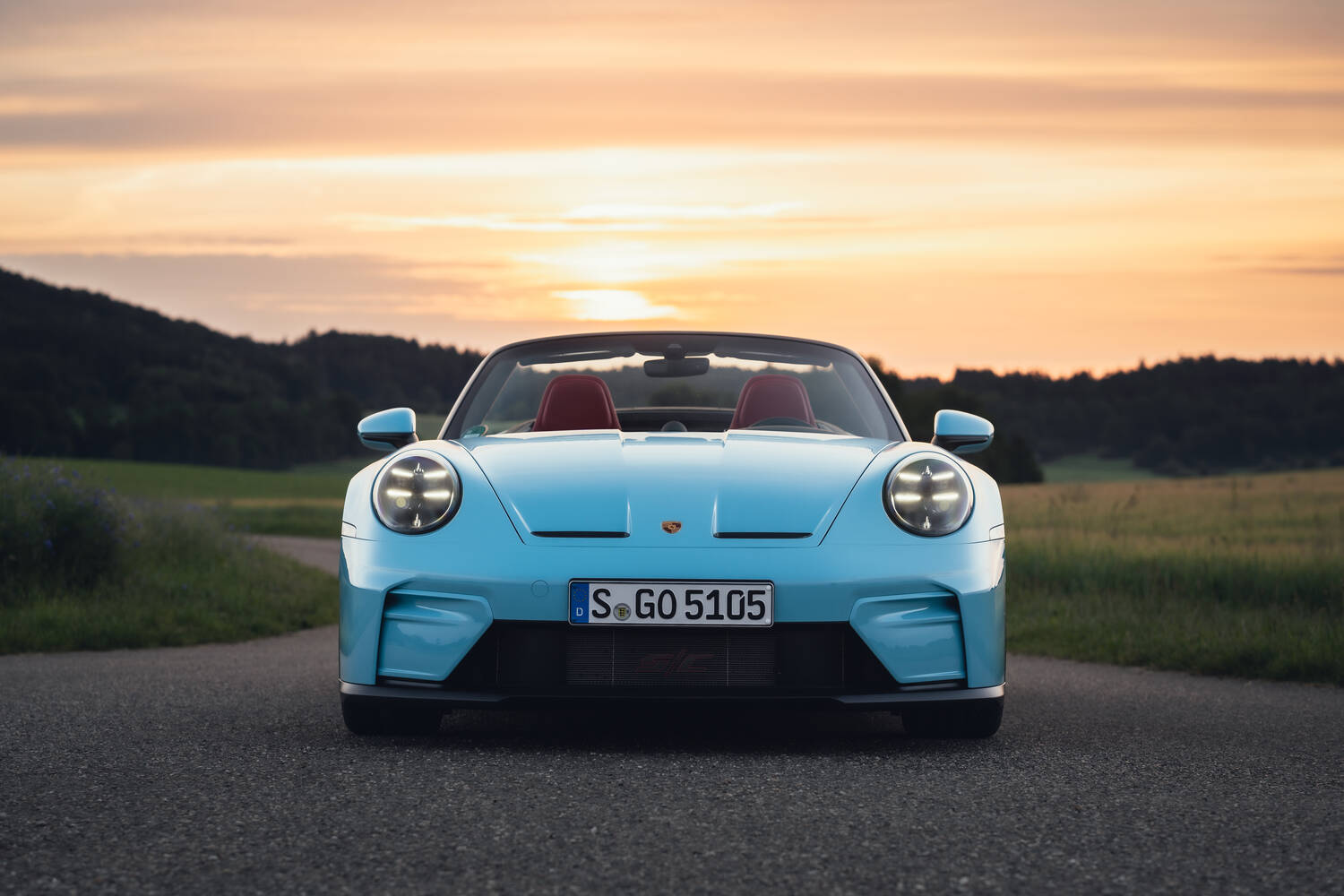
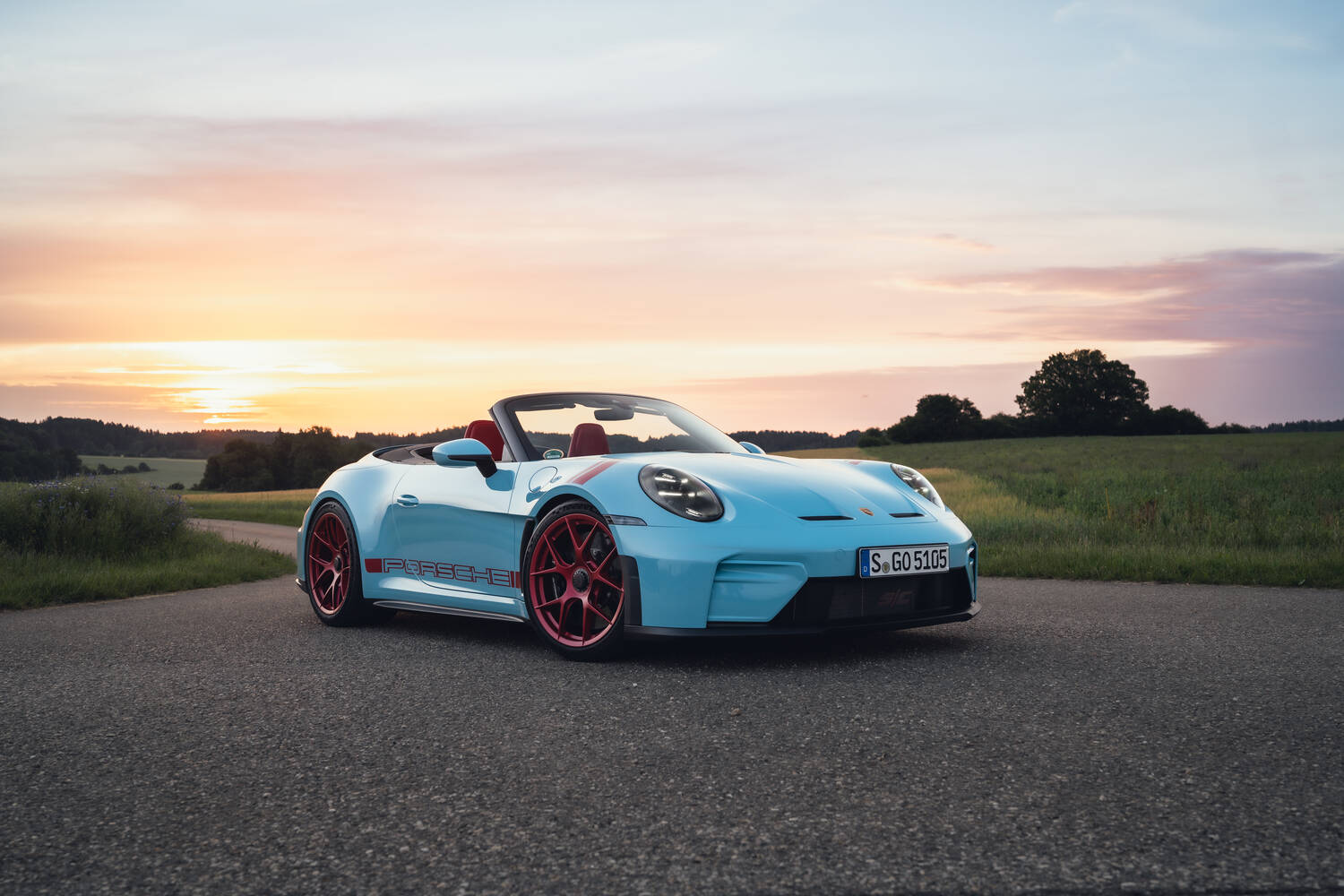
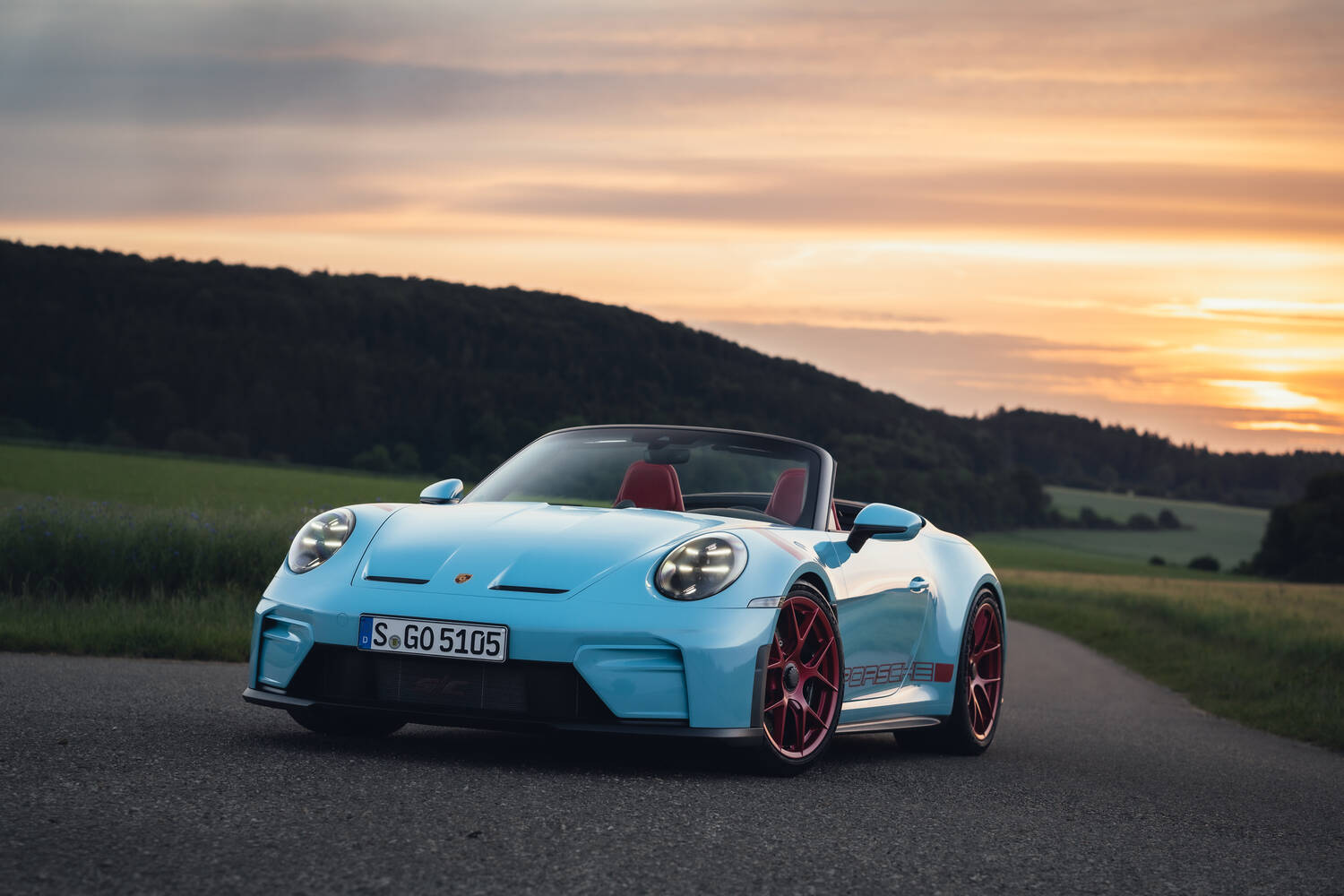
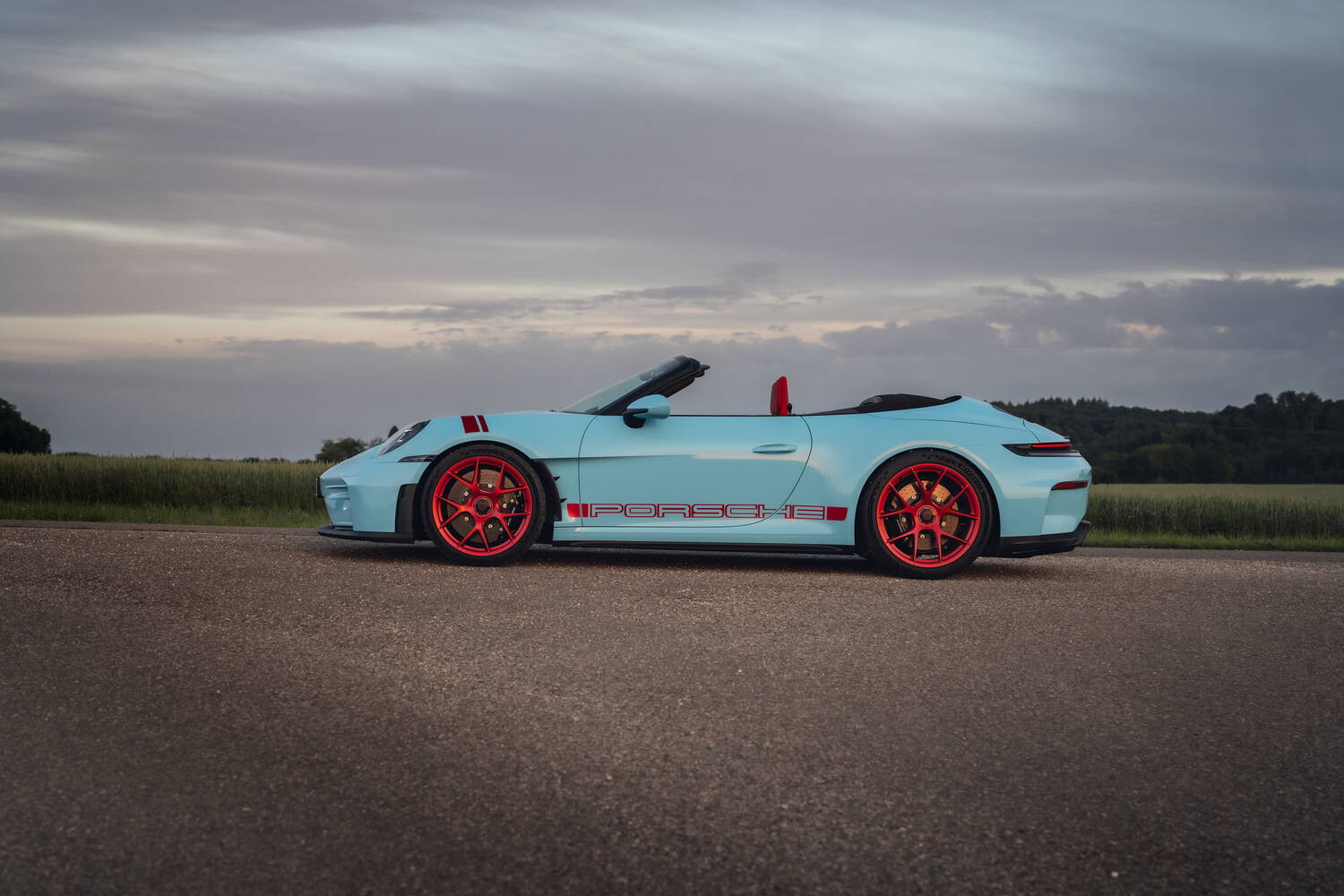
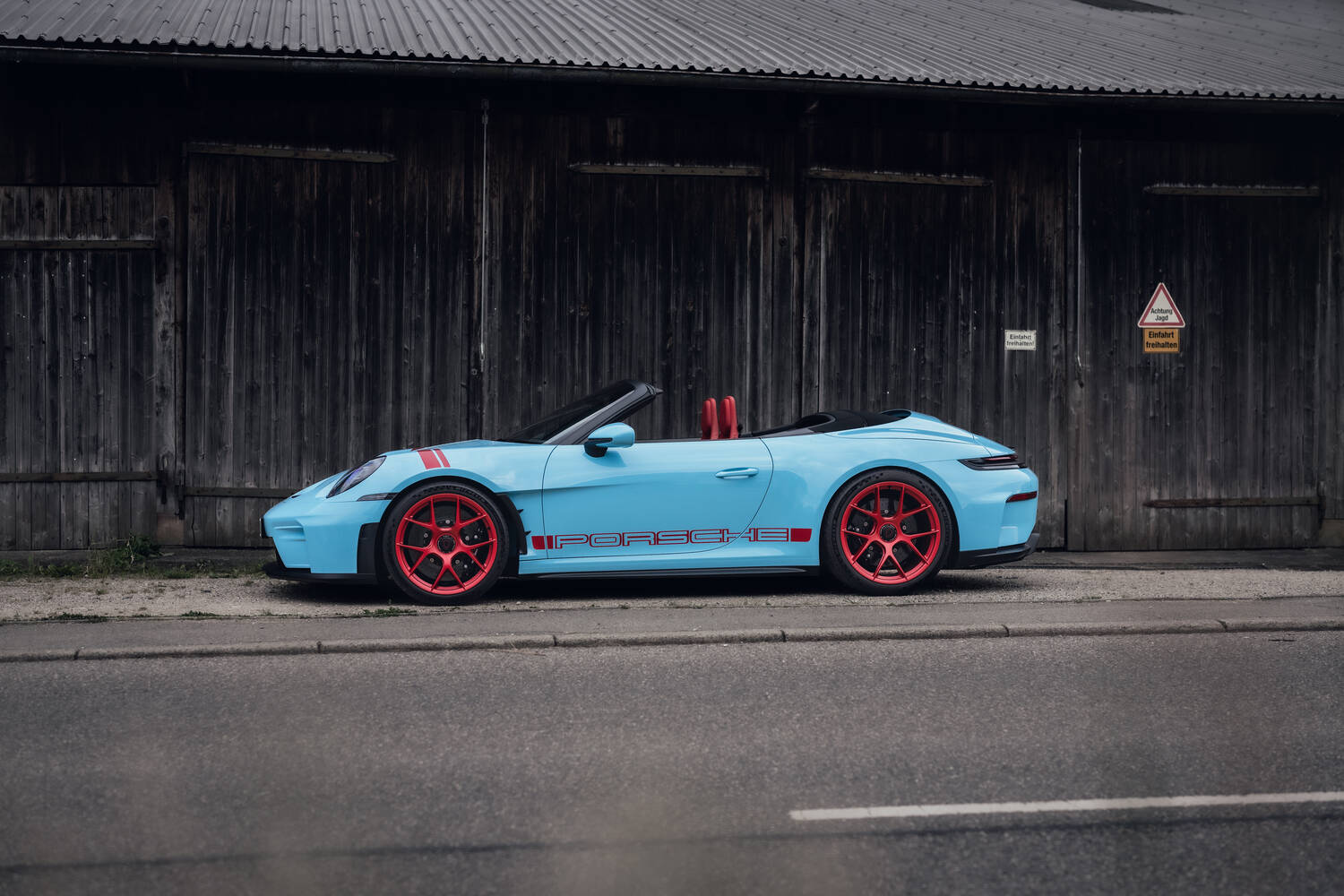
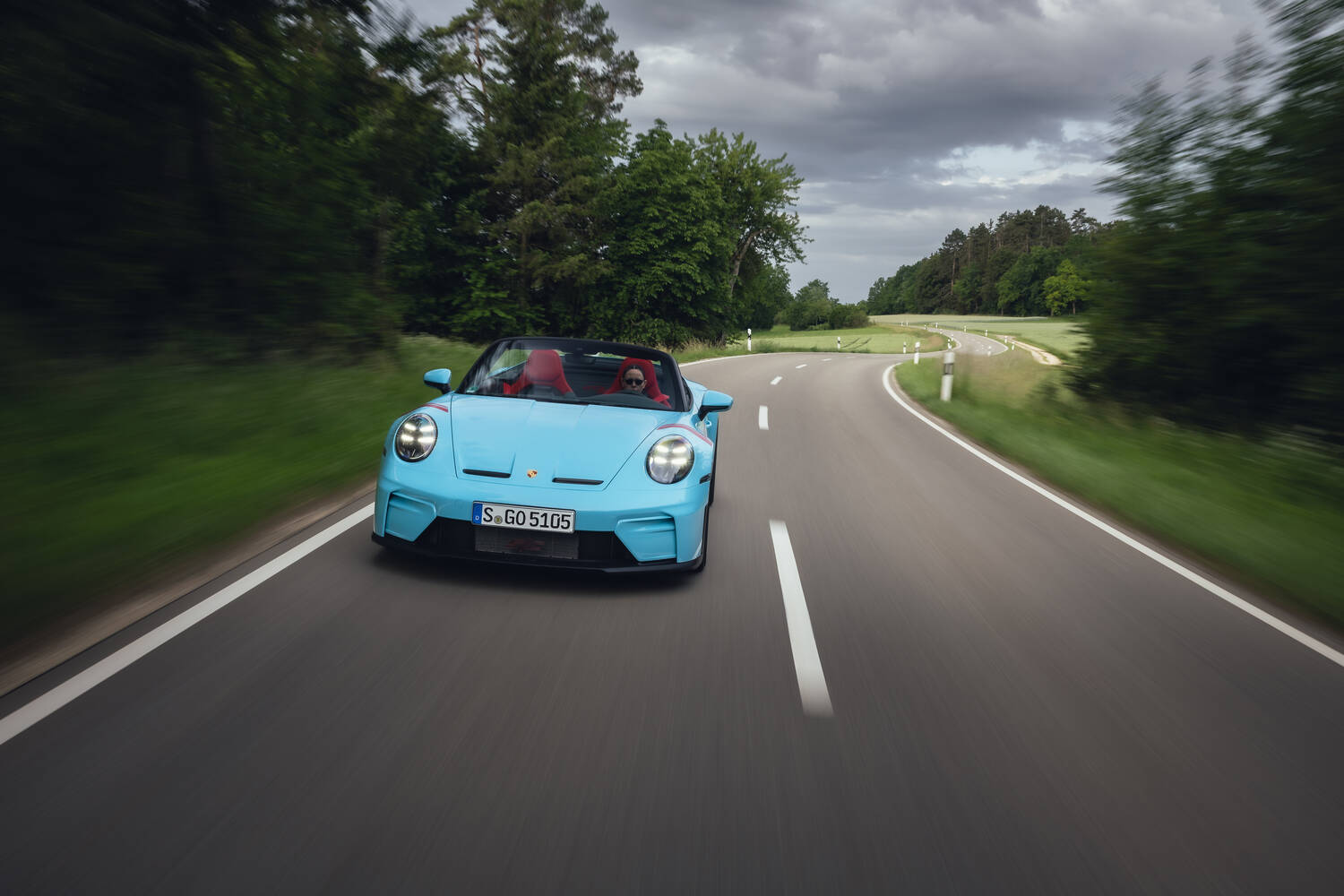
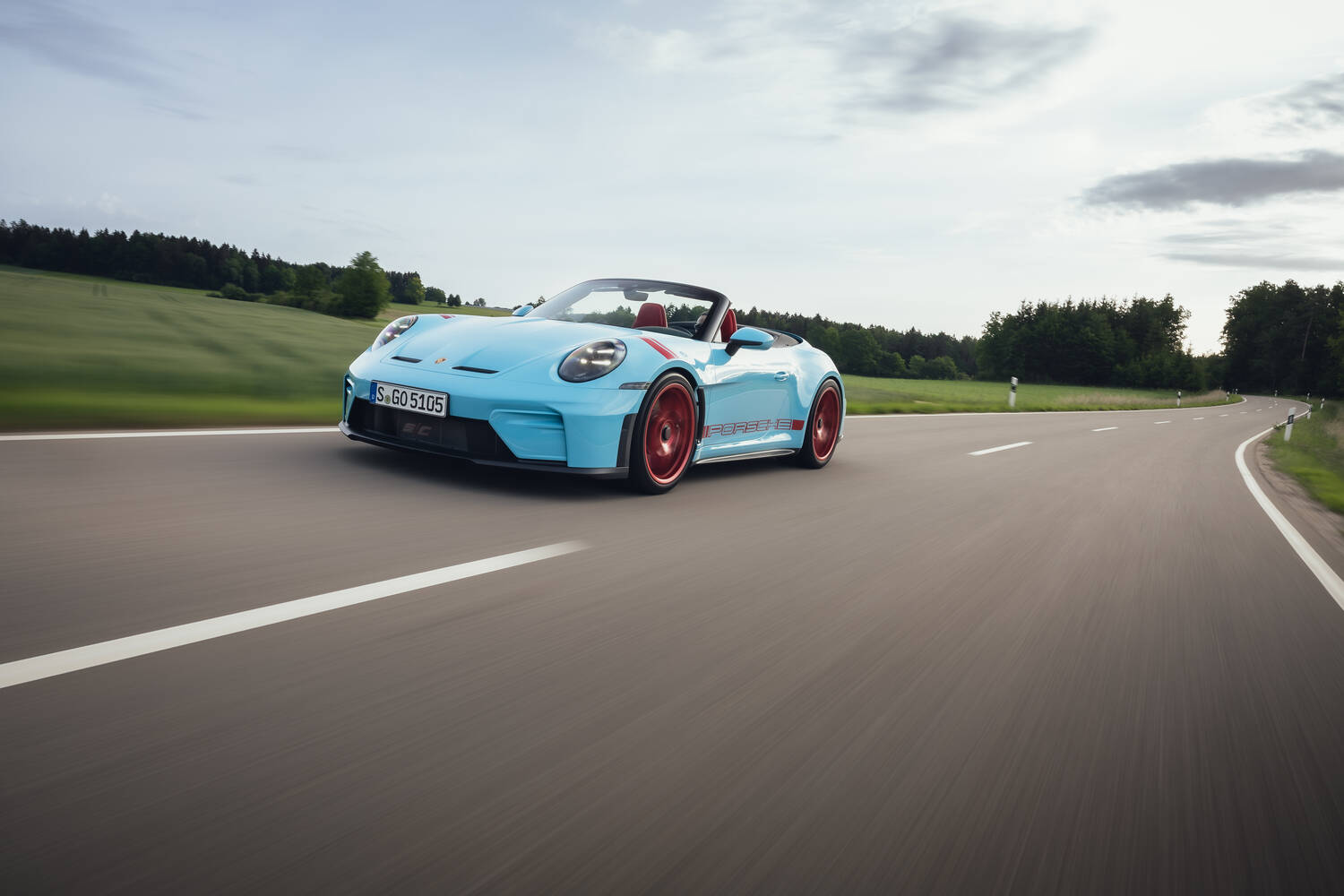
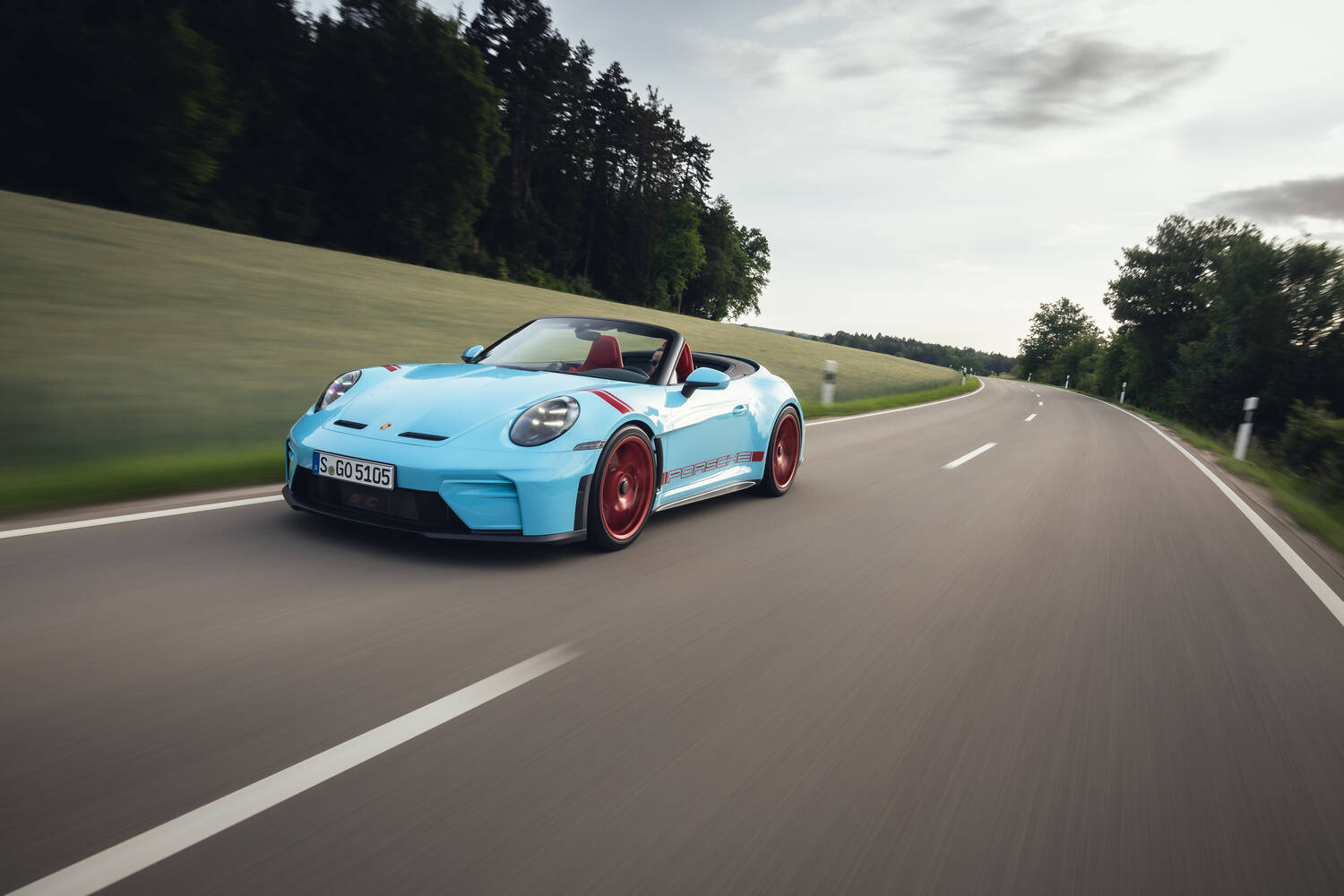
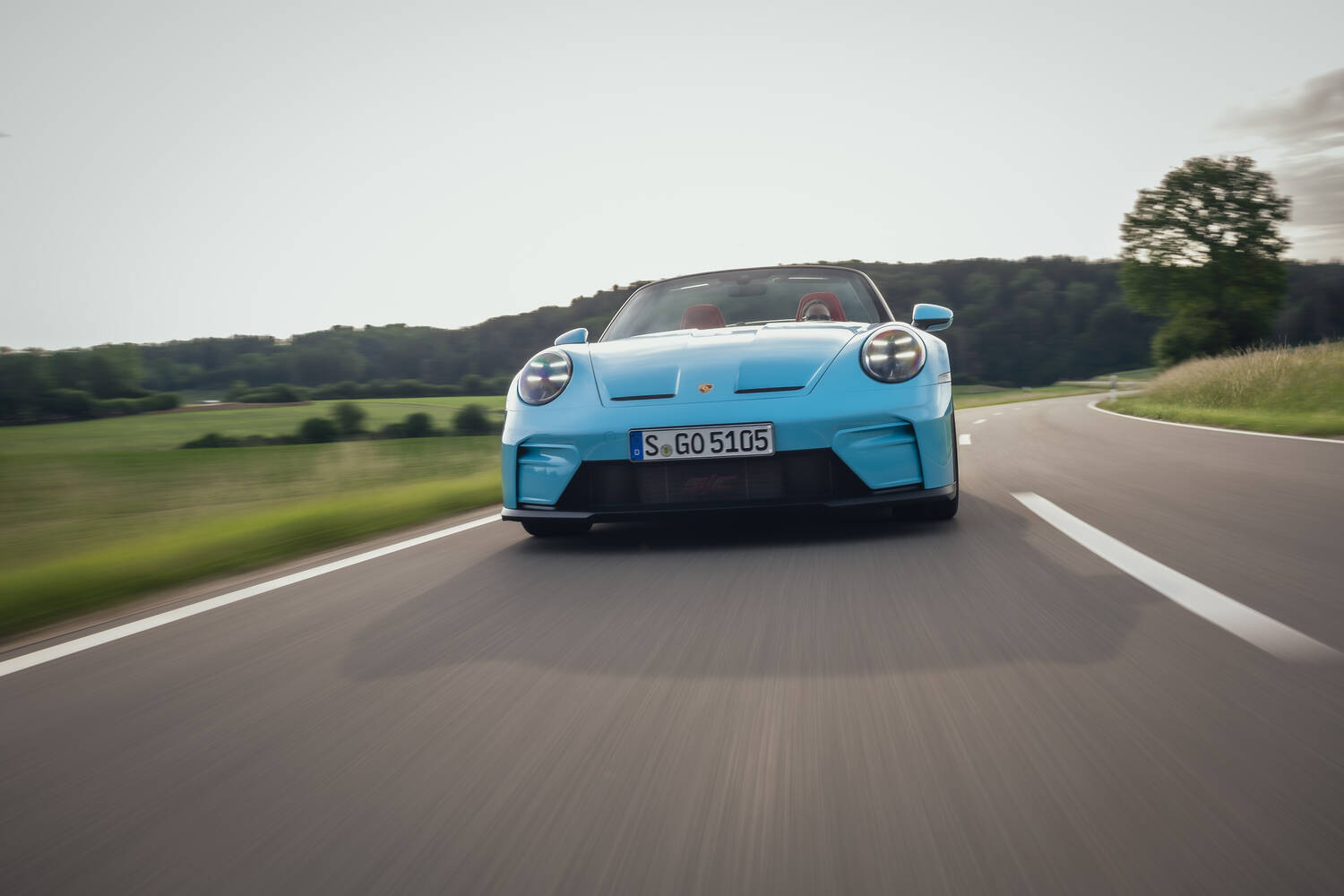
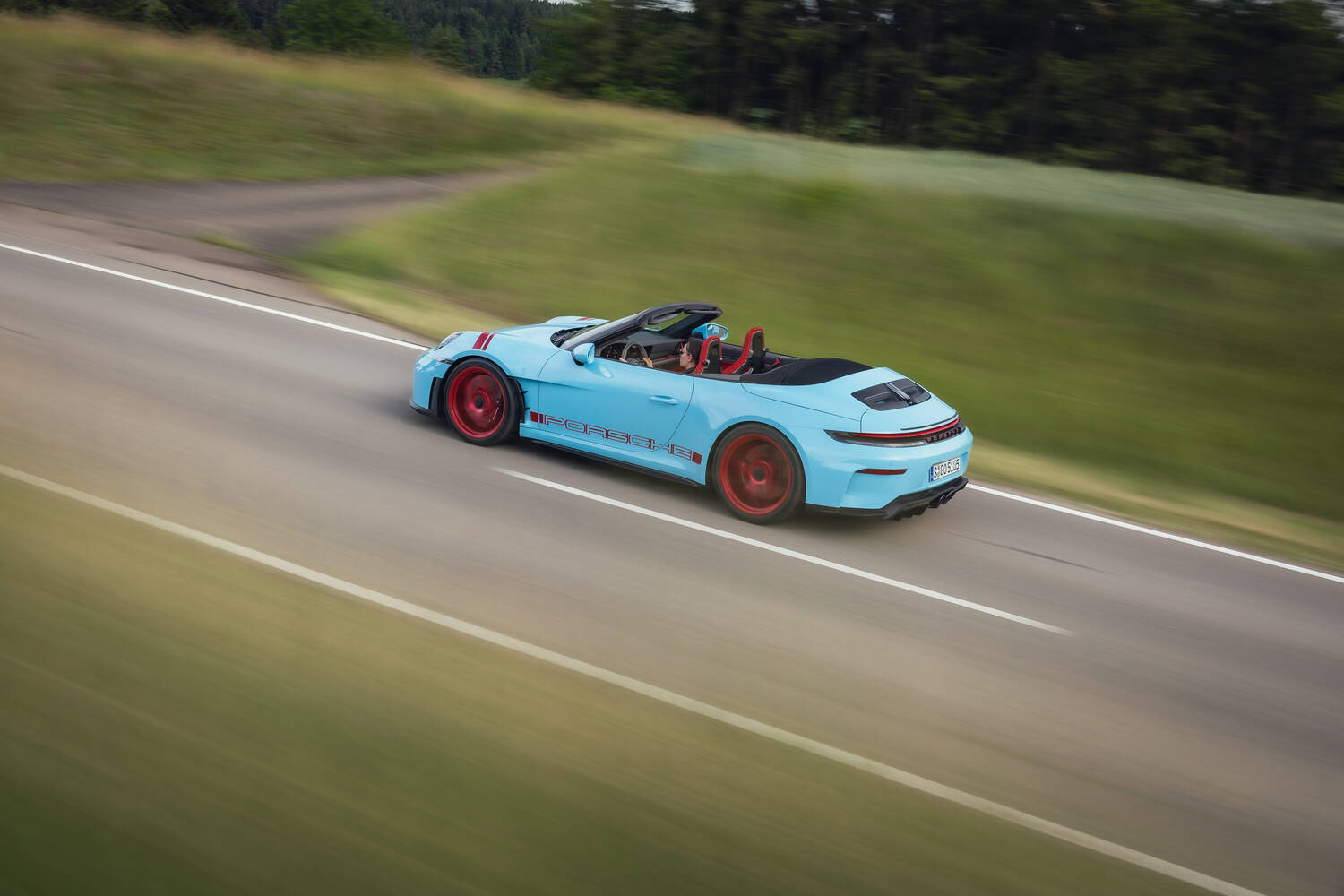
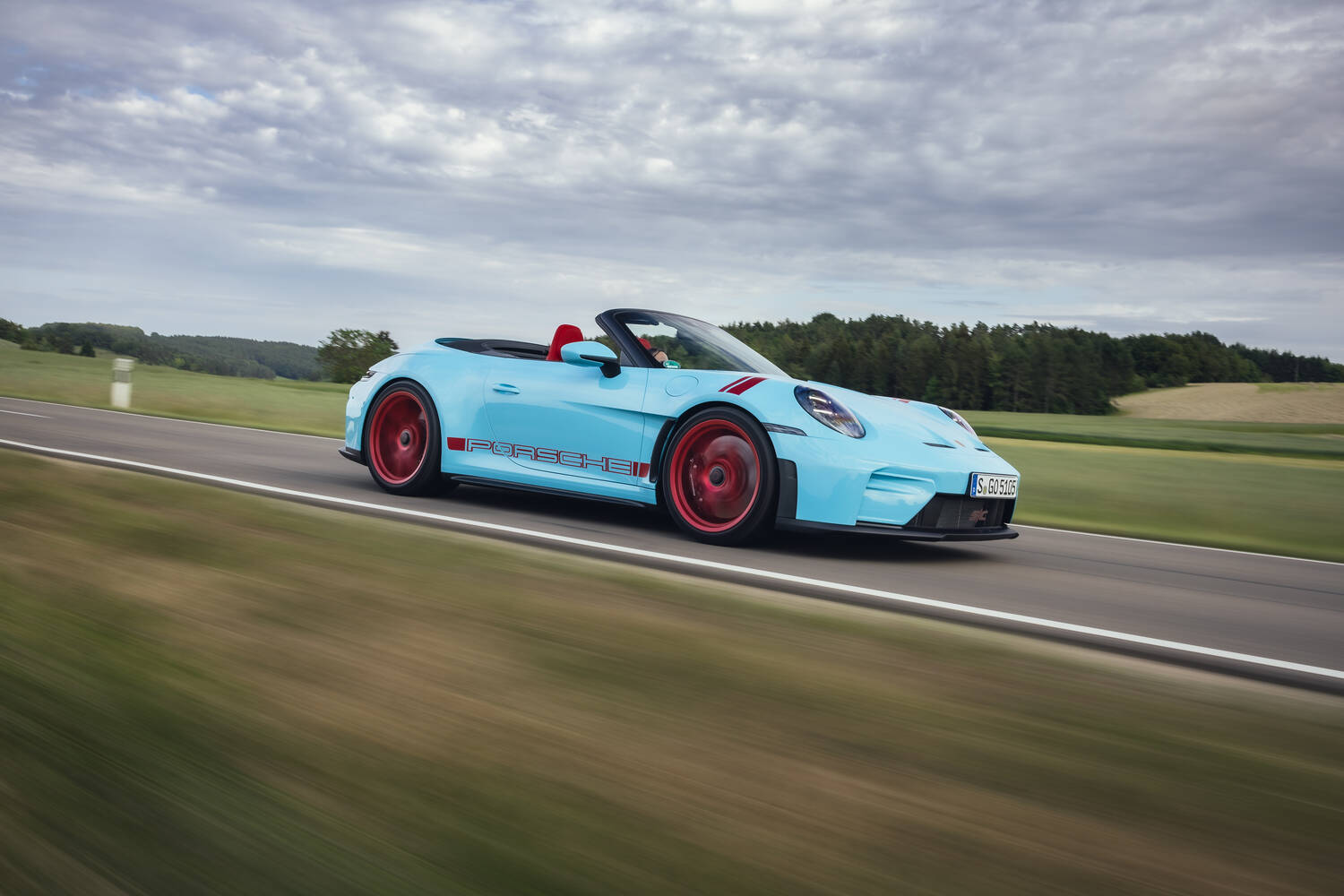
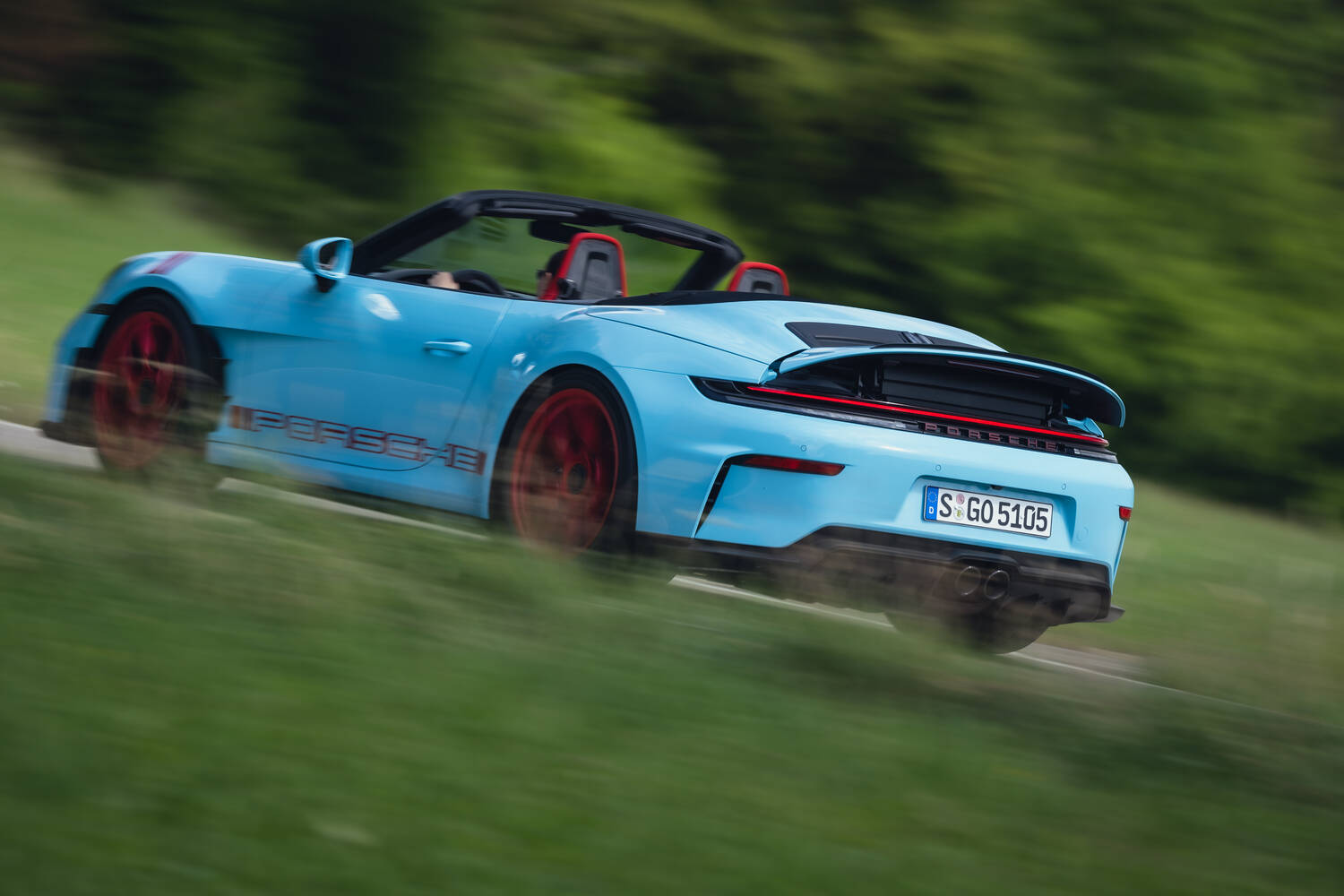
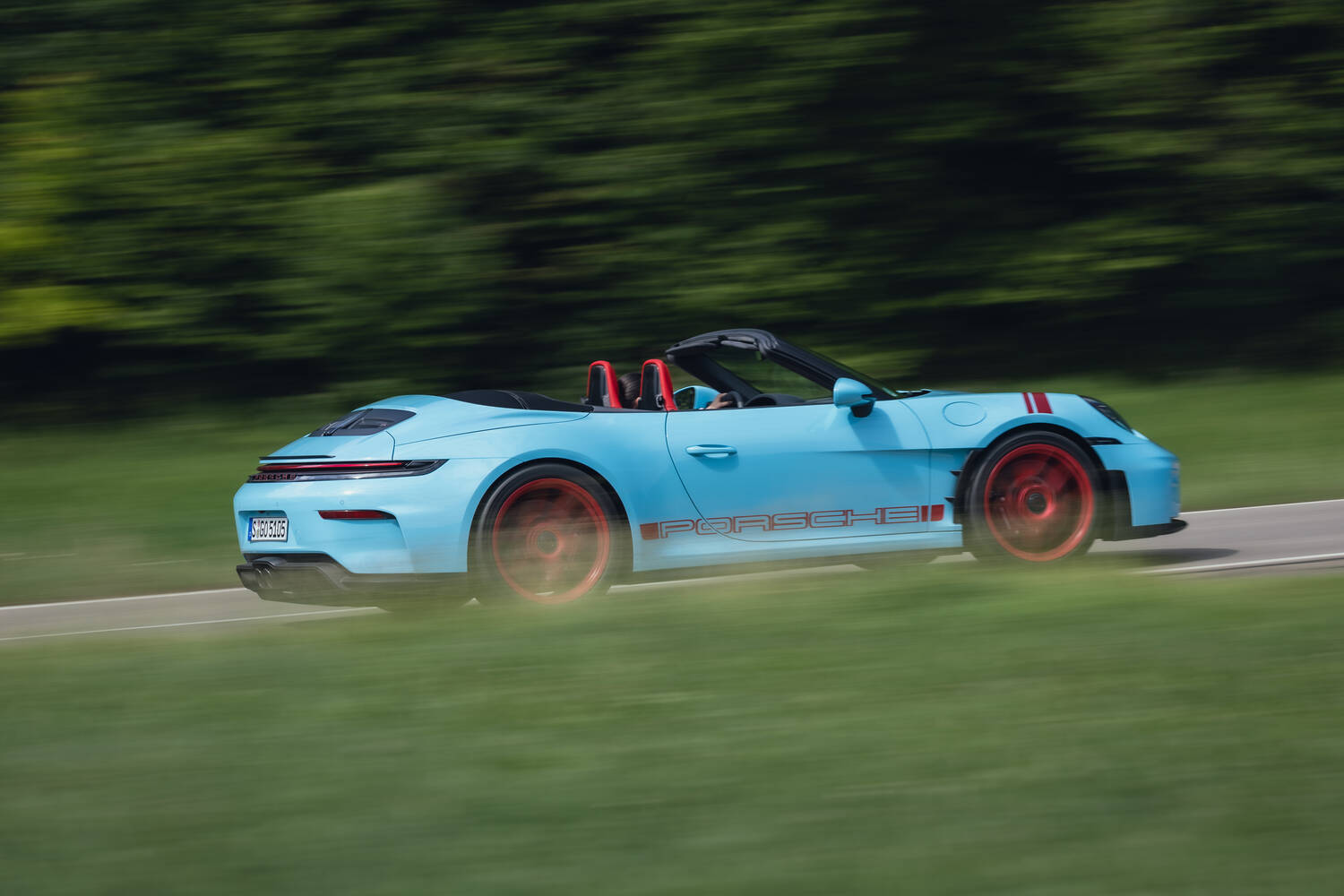
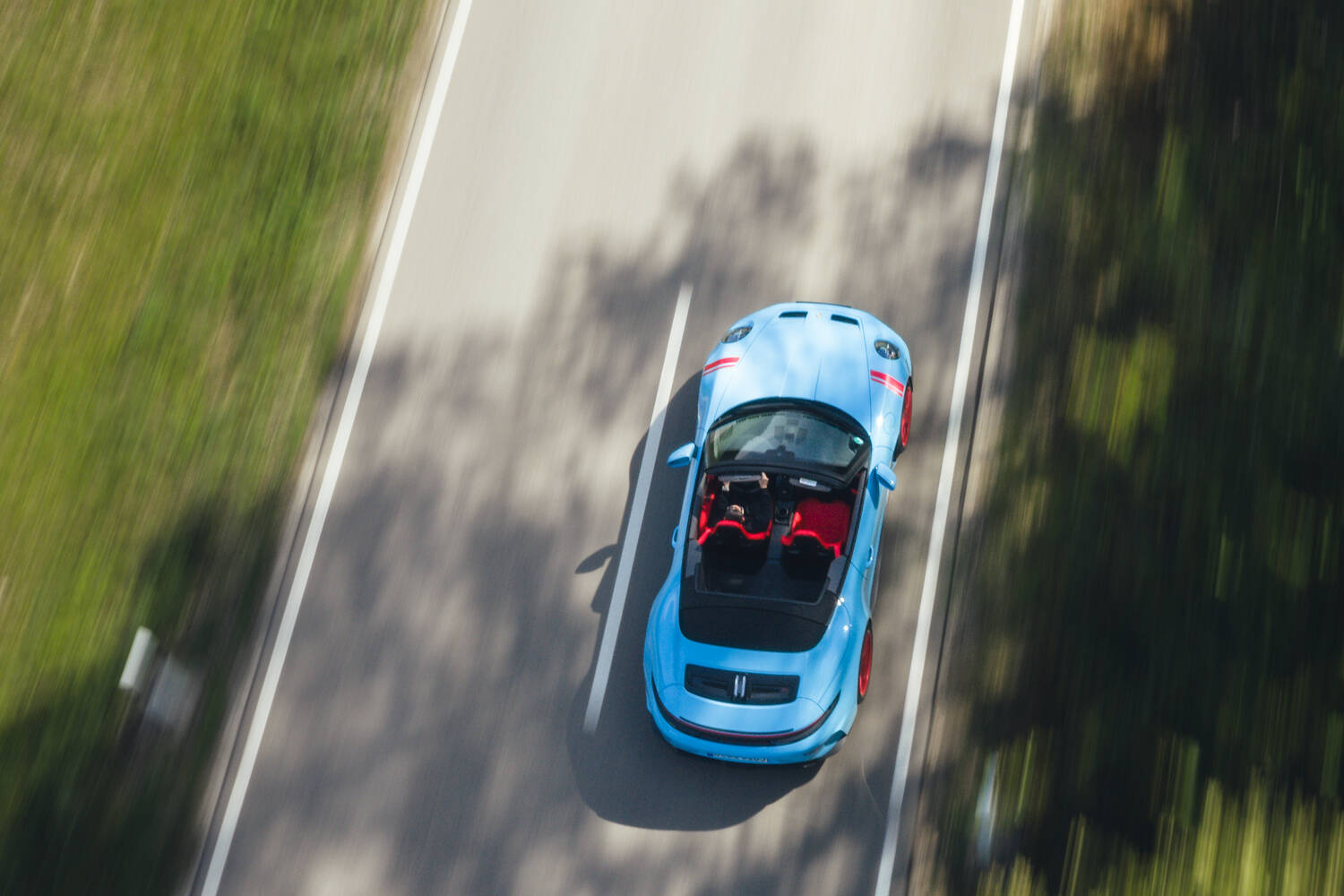
Take an eighth-generation Porsche 911 Cabriolet, add GT3 design influences and incorporate some of the best details from the limited-production 911 S/T coupe, and the result is a striking open-topped sports car.
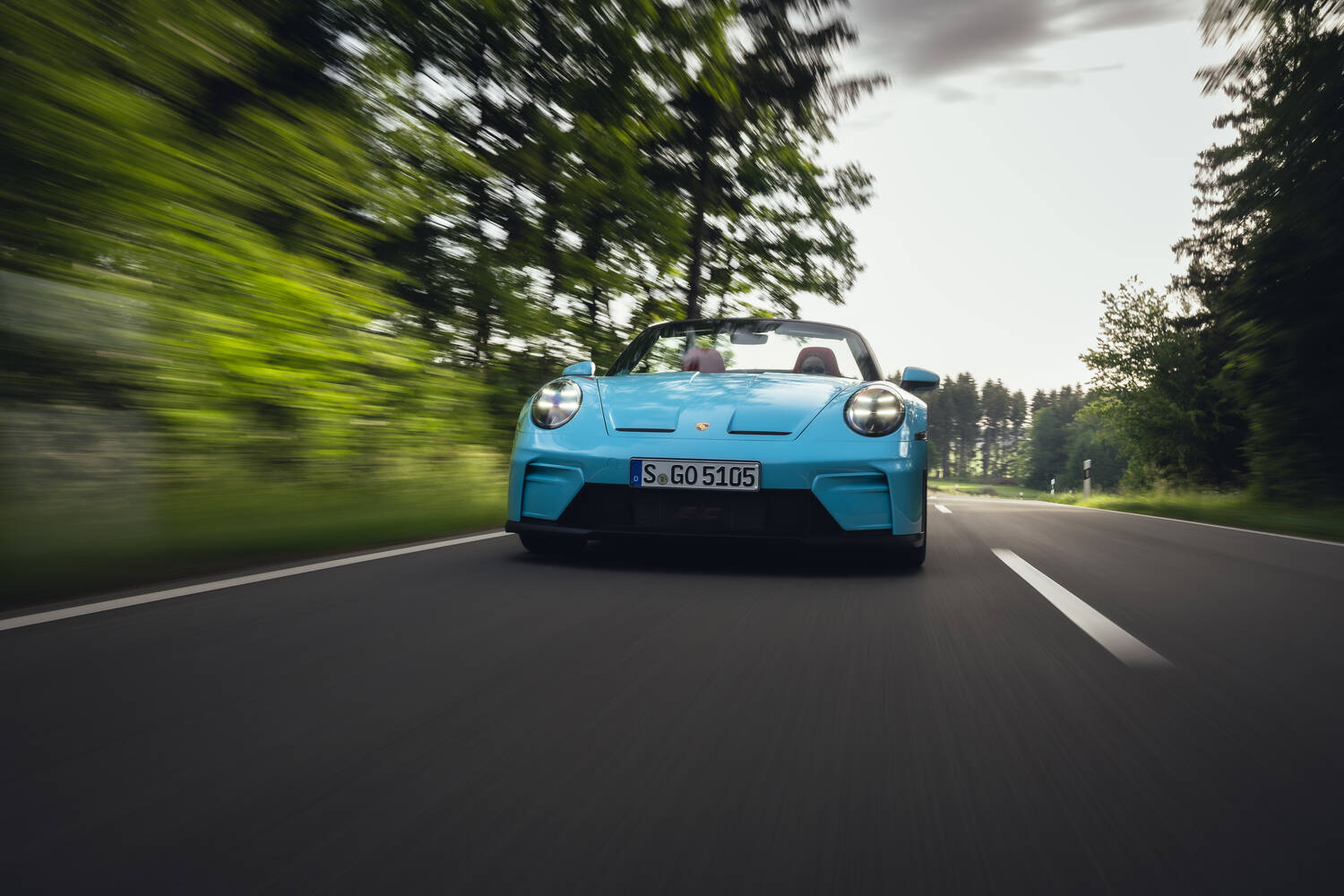
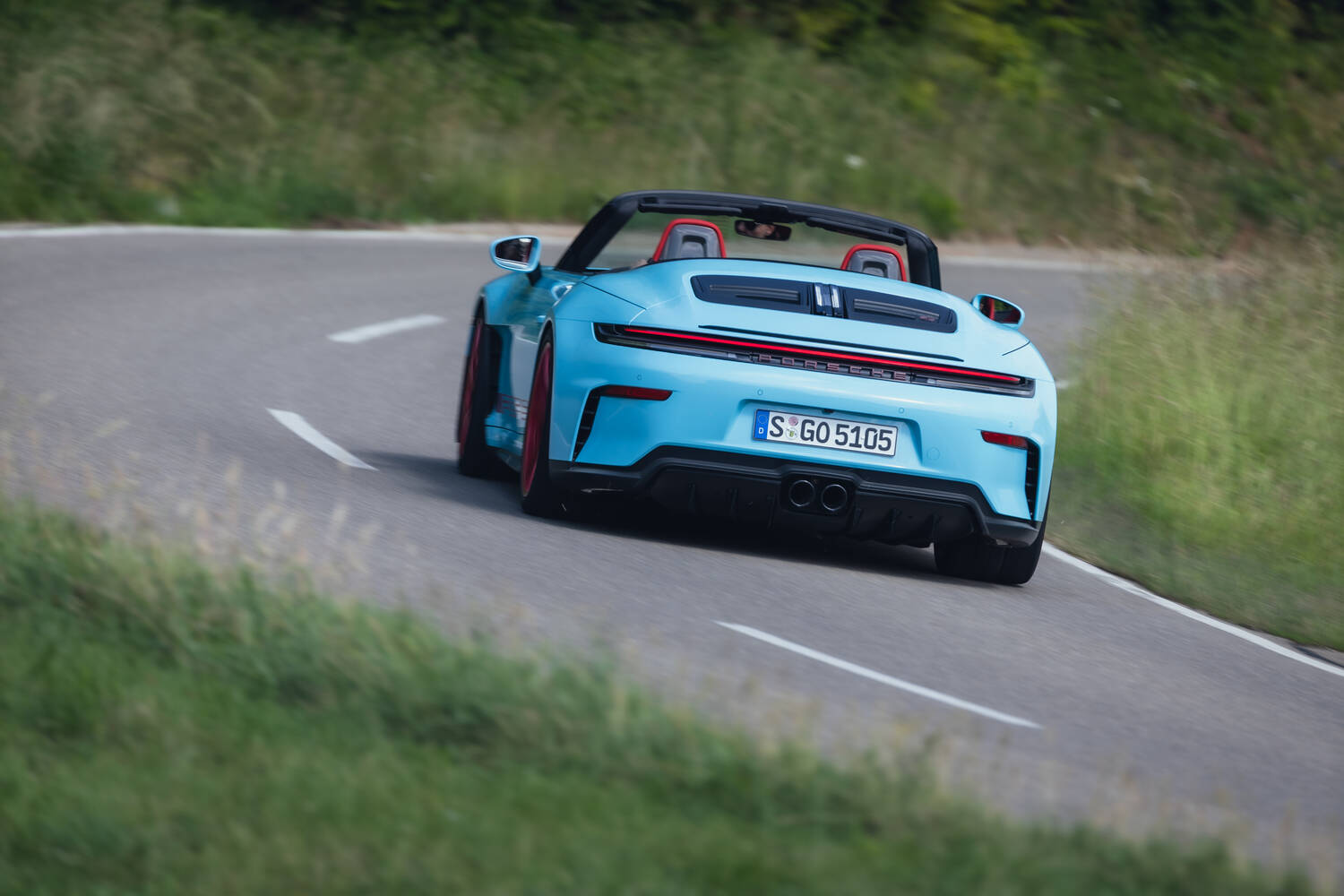
The 911 GT3 S/C has a lean, purposeful shape. Its body avoids the more dramatic stance of the wider Turbo S Cabriolet, yet it still looks suitably serious.

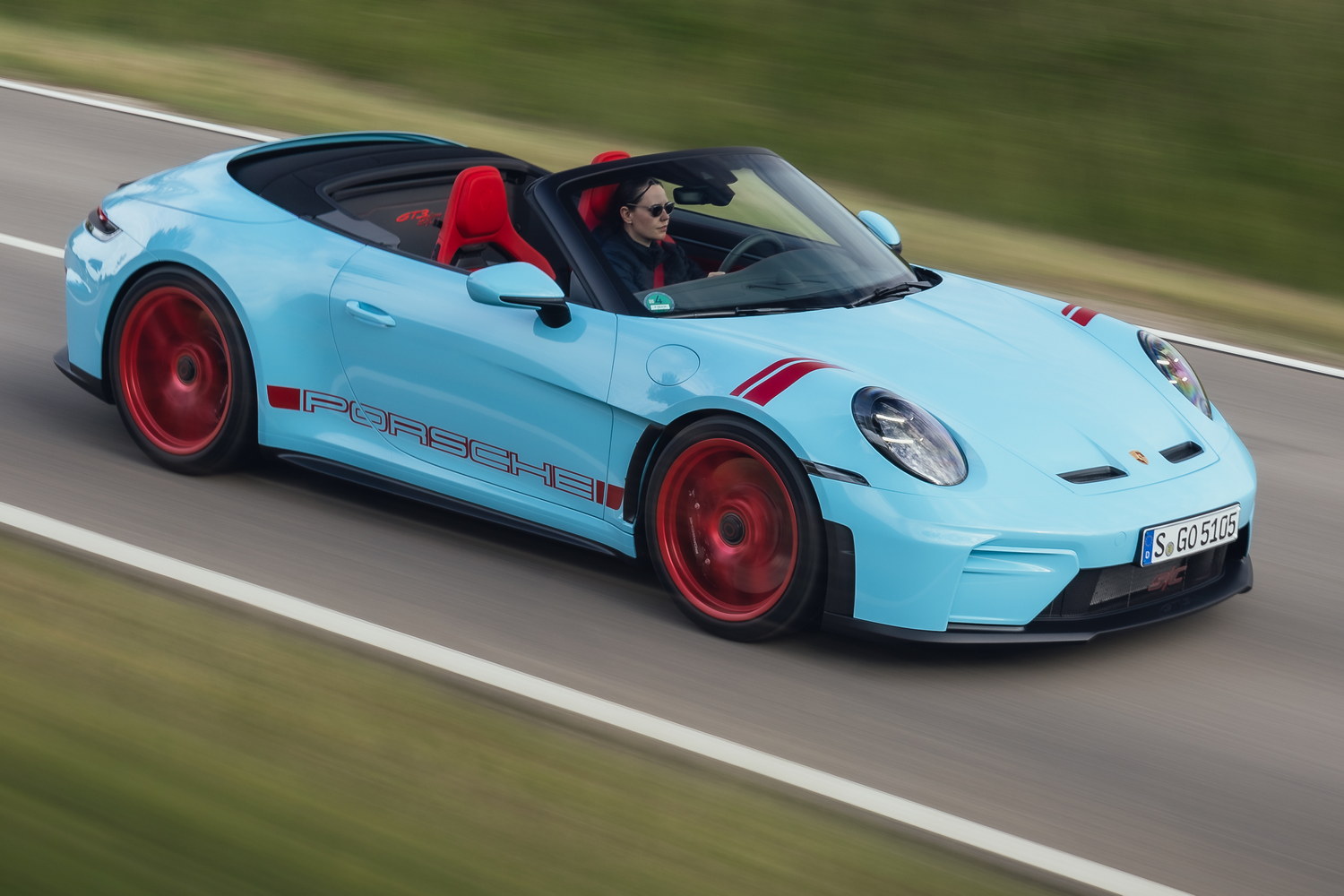
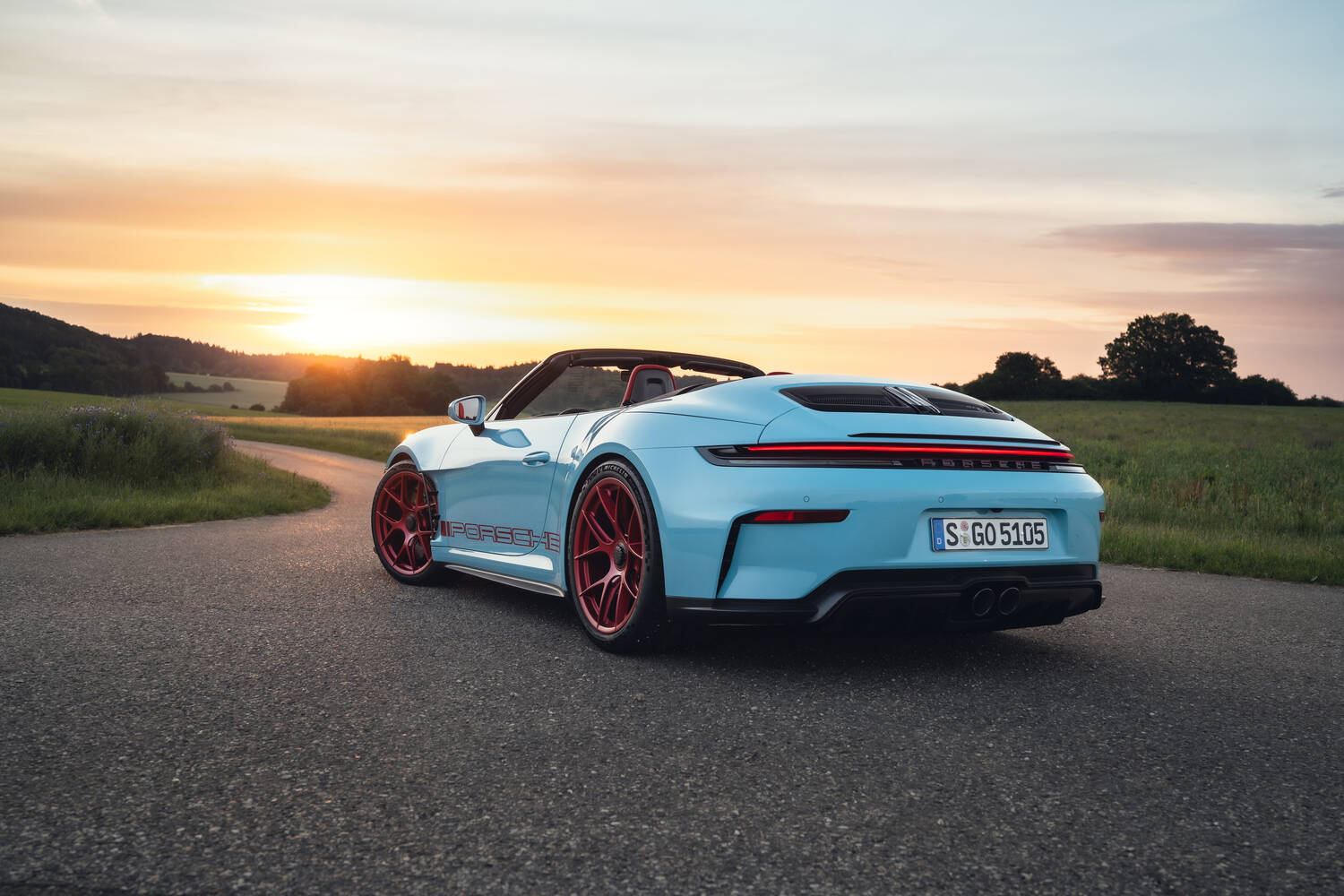
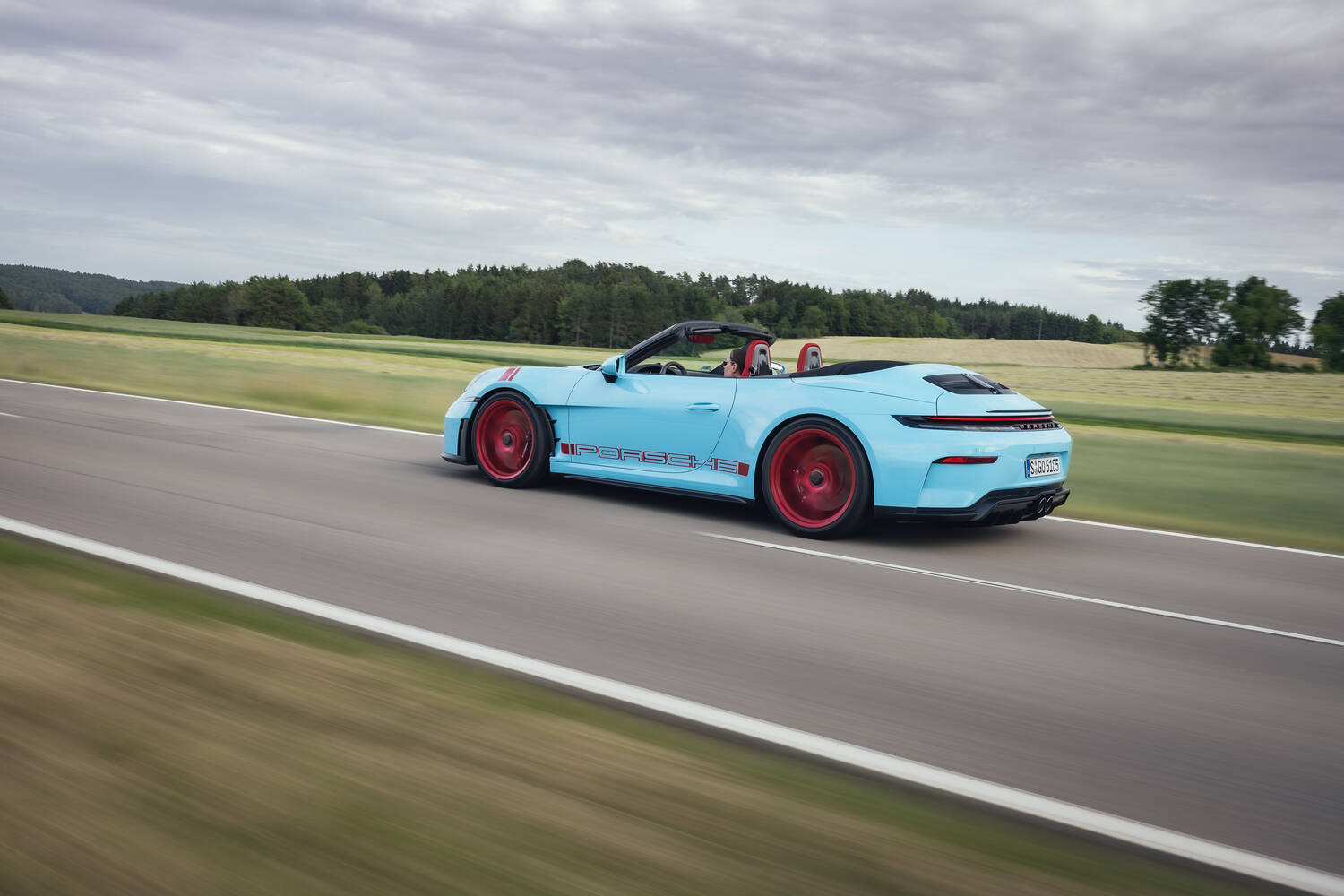
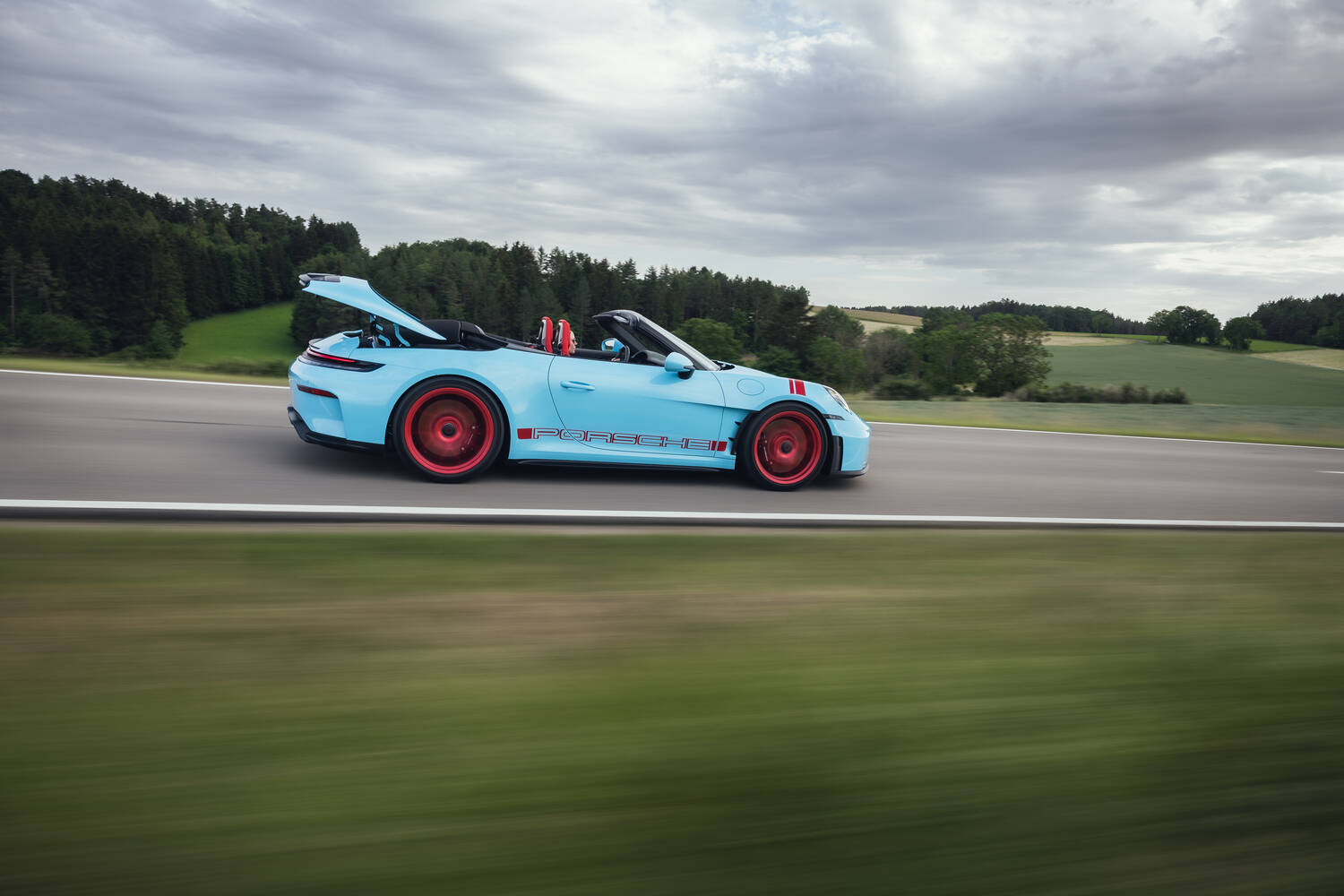
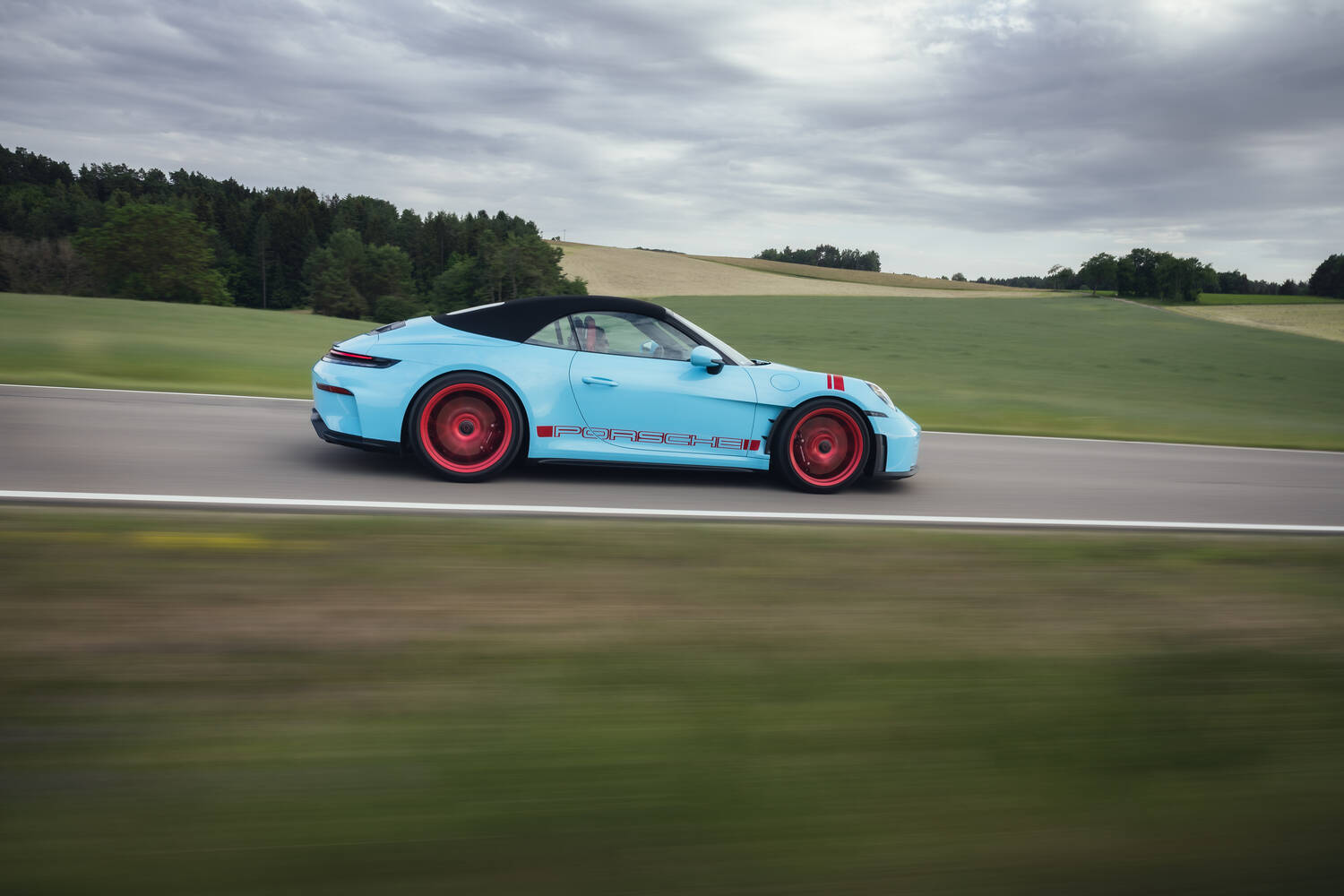
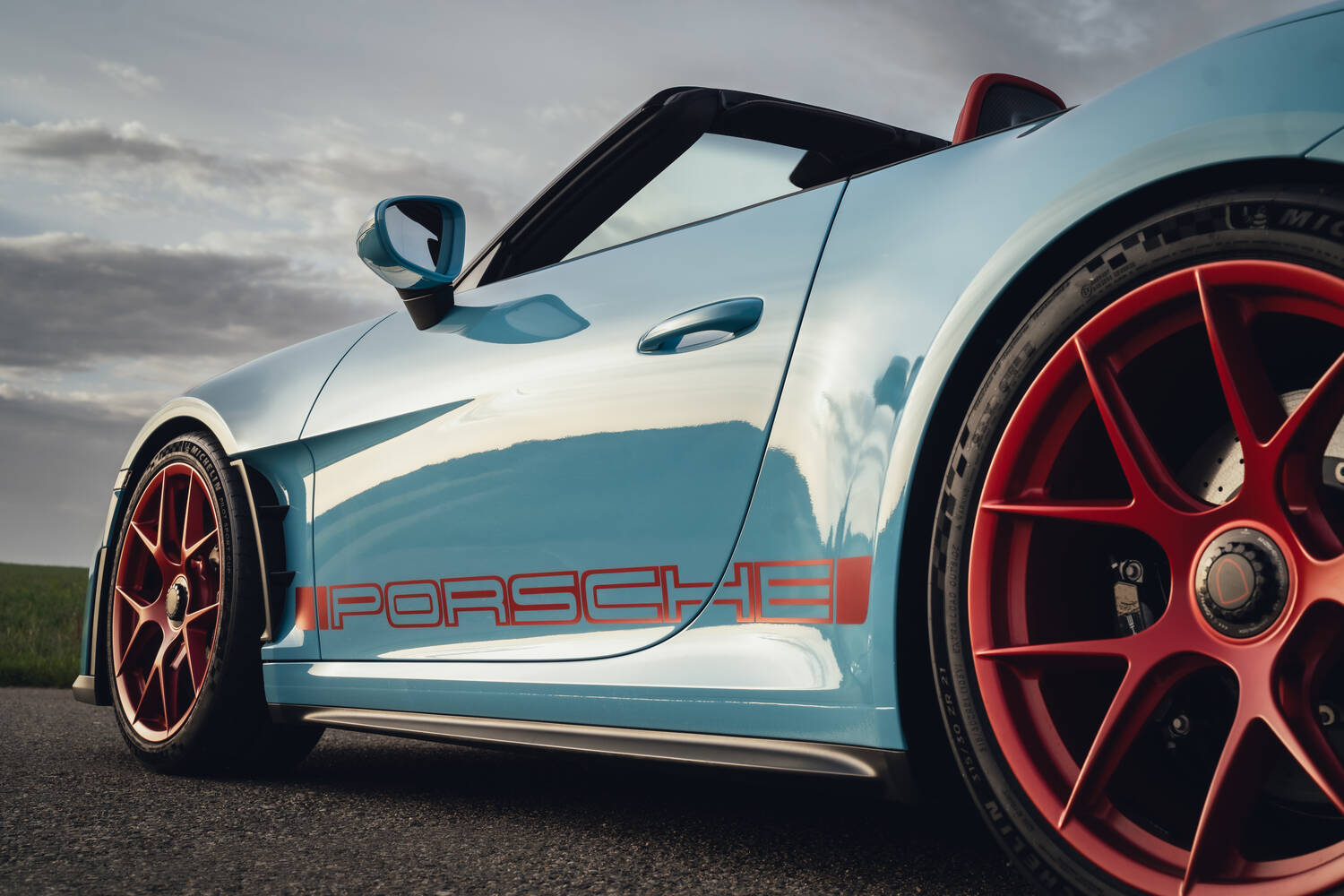
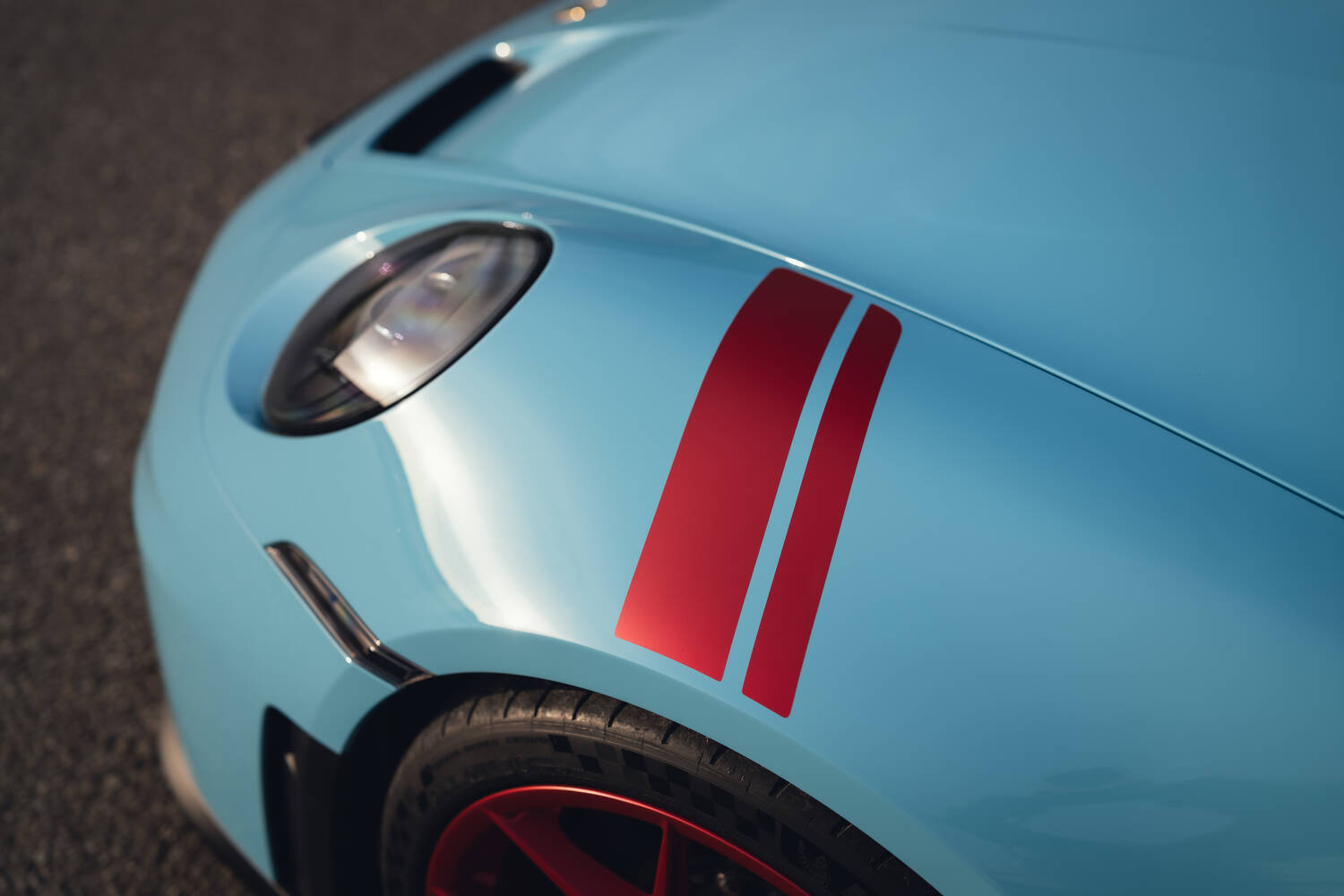
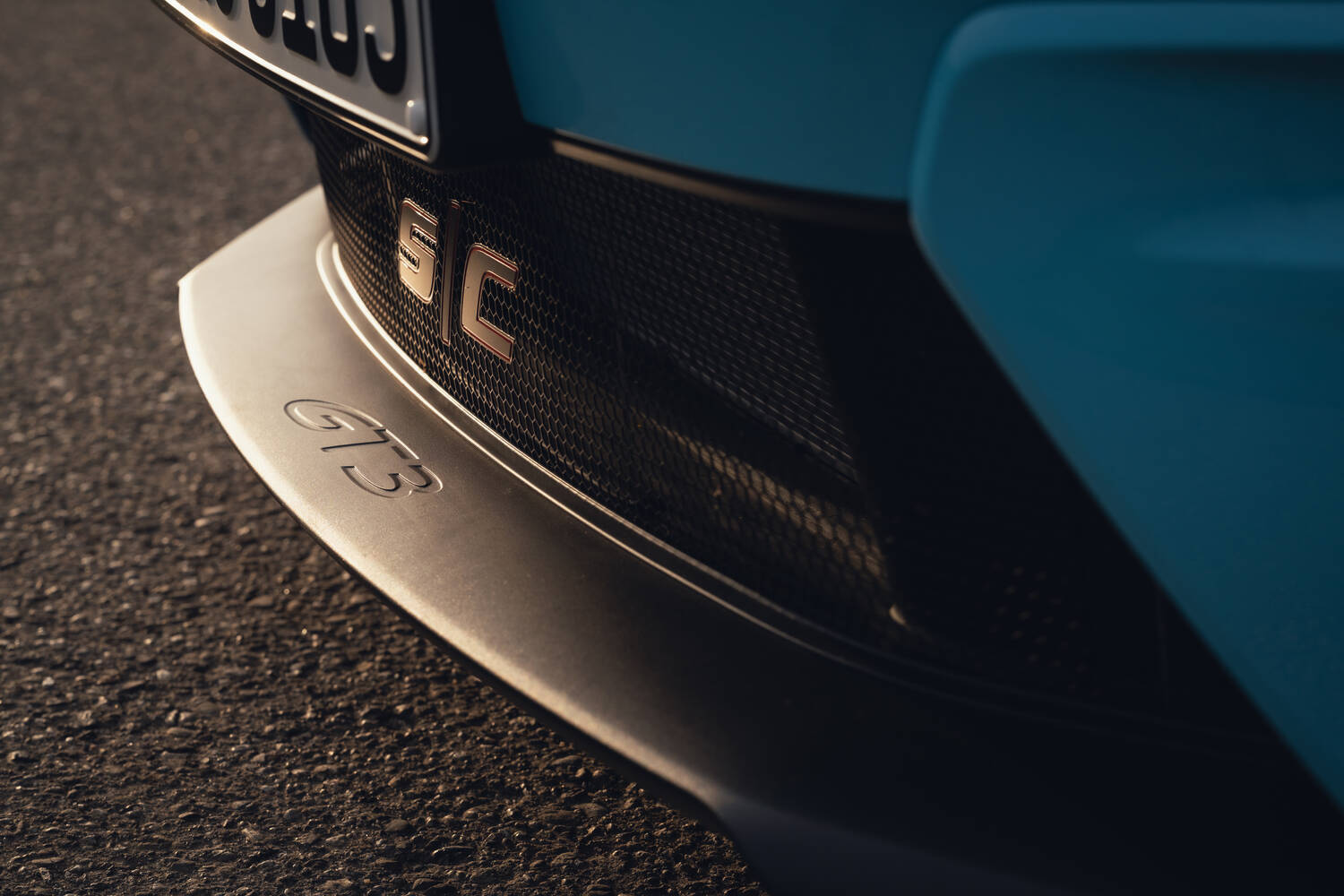
Its appearance is unique within the 992.2 Cabriolet range, with details inspired by the S/T. These include the strake running across the front wings and doors and open slats behind the front wheelarches, through which the tread of the Michelin Pilot Sport Cup 2 tyres is visible.
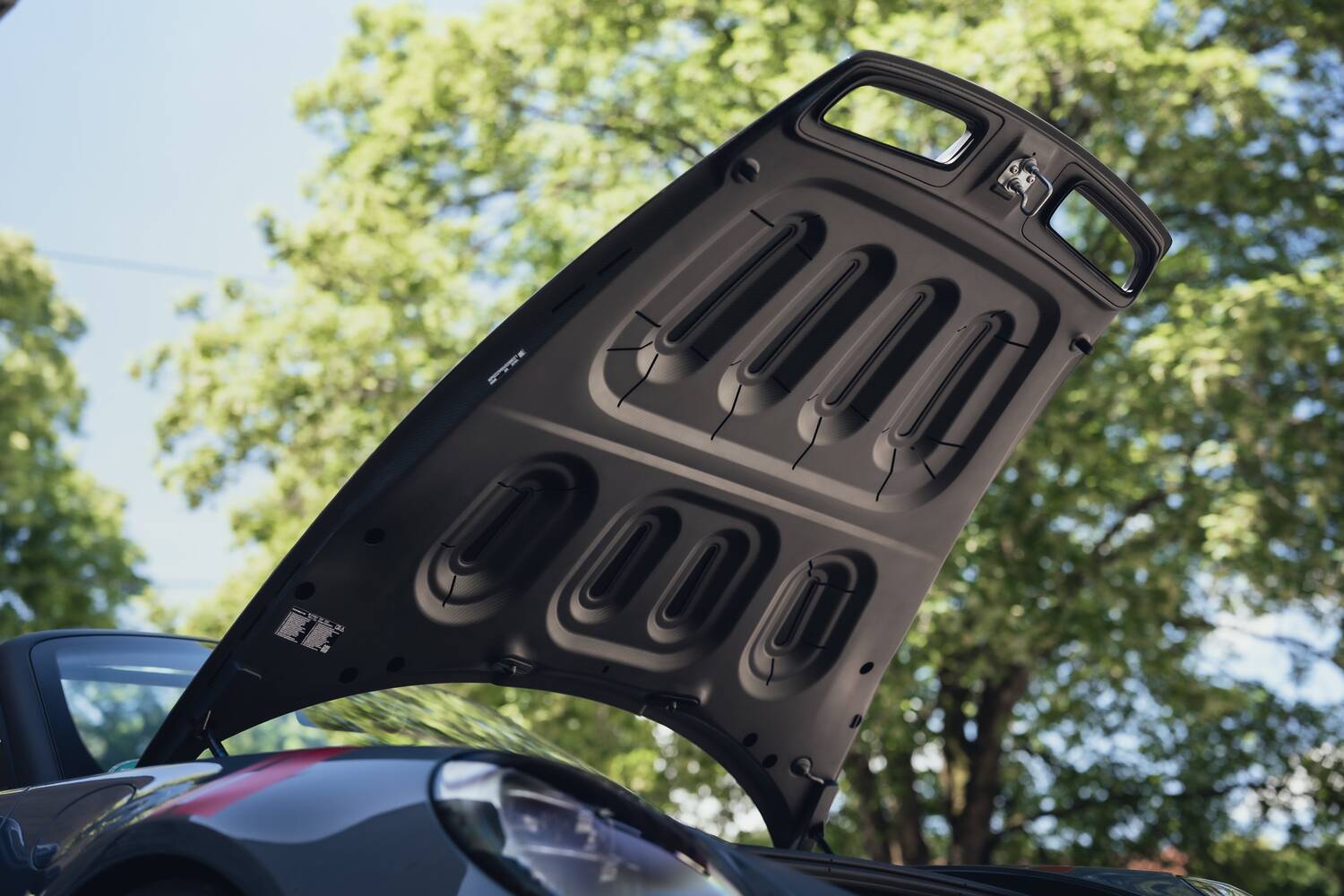
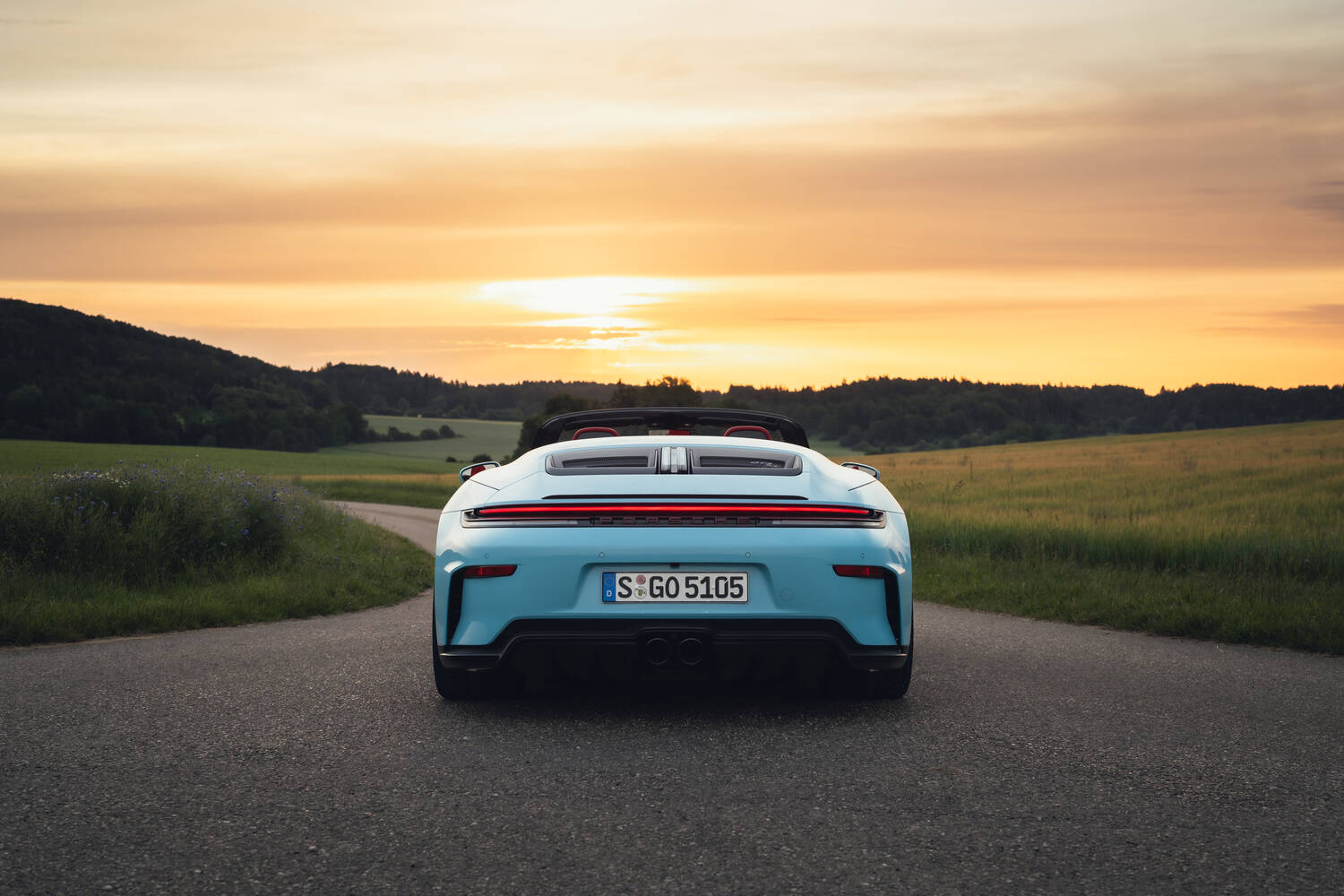
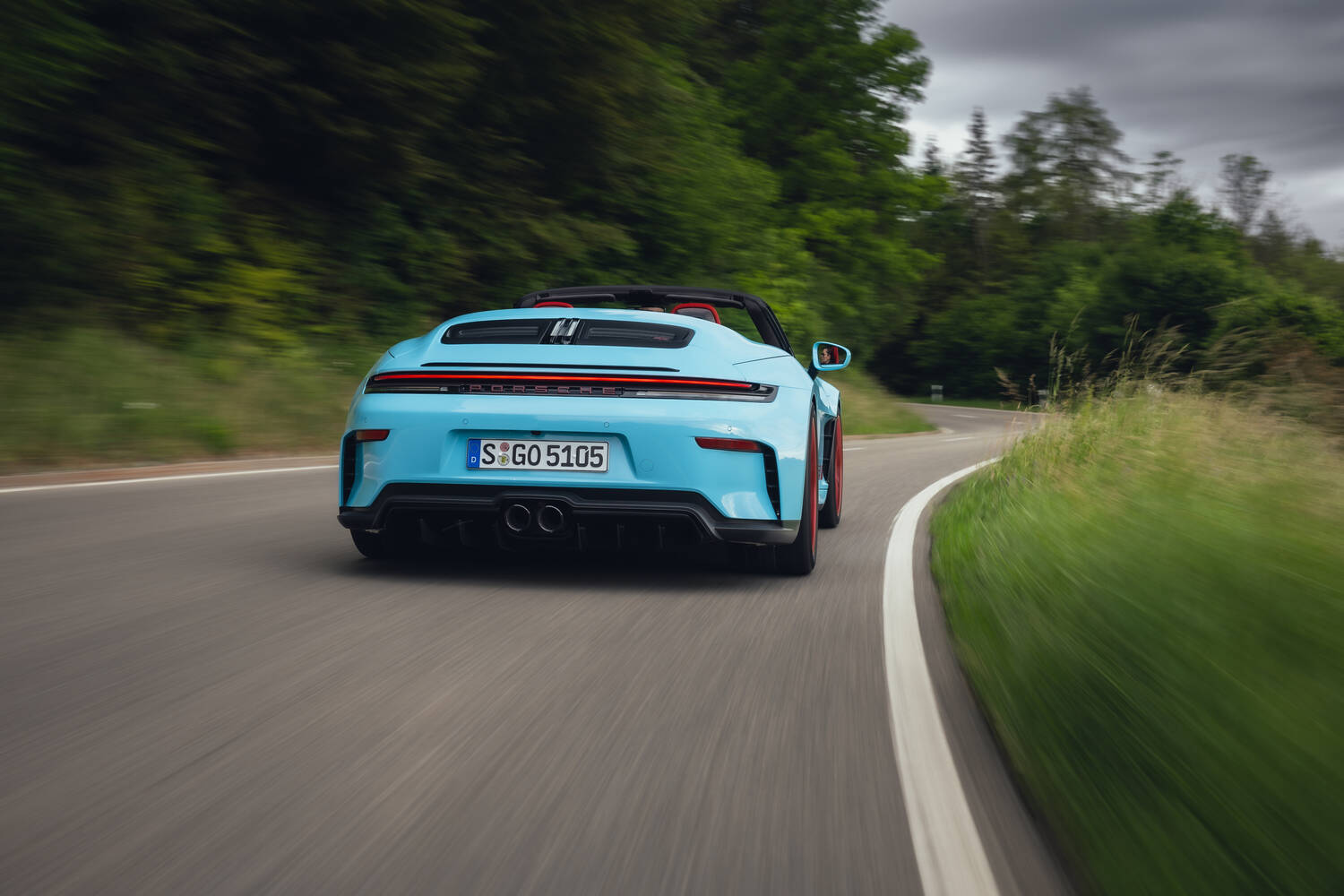
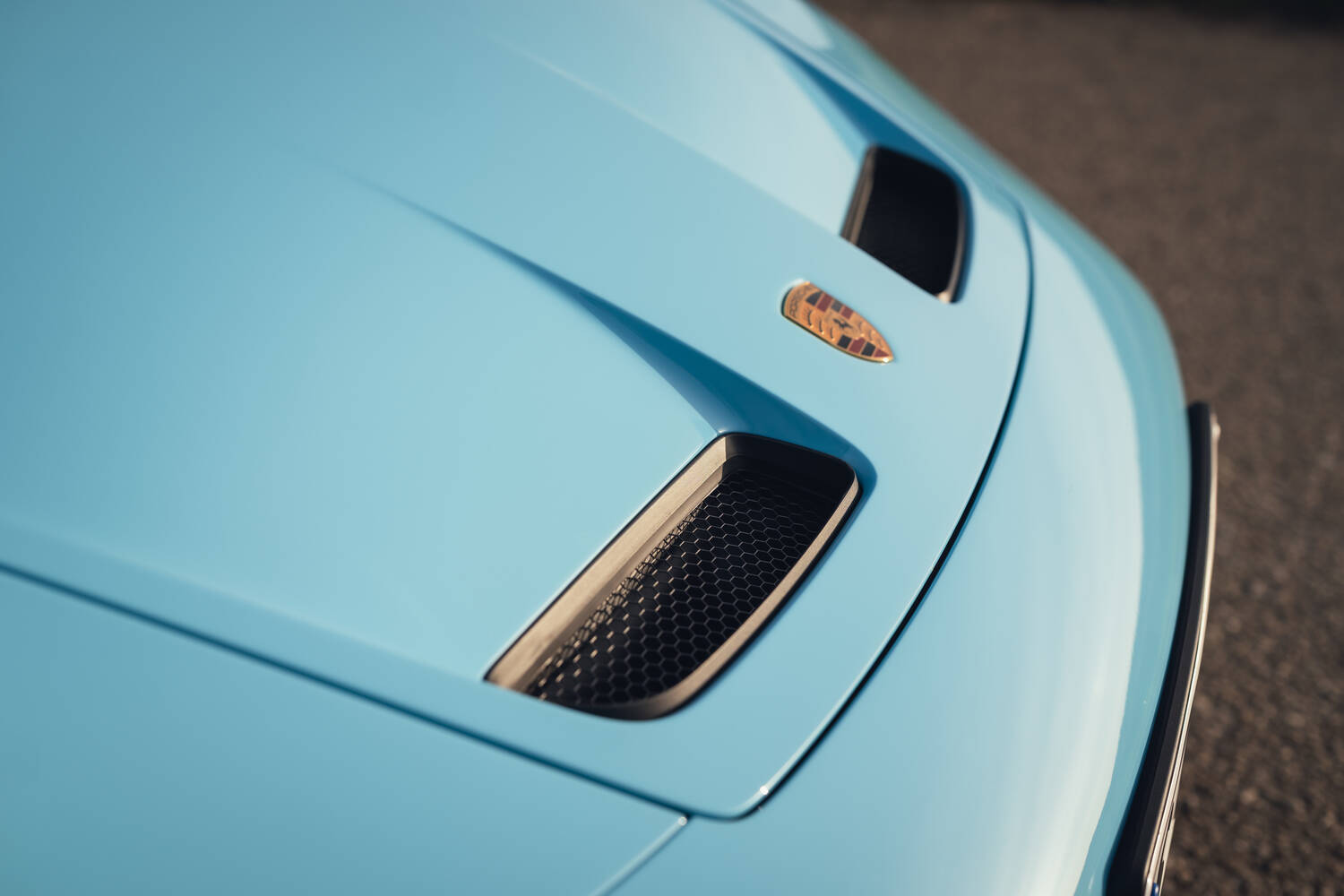
Other details include a tiny Gurney flap on the S/C's tail, while the bonnet, front wings and doors are made of carbon fibre.
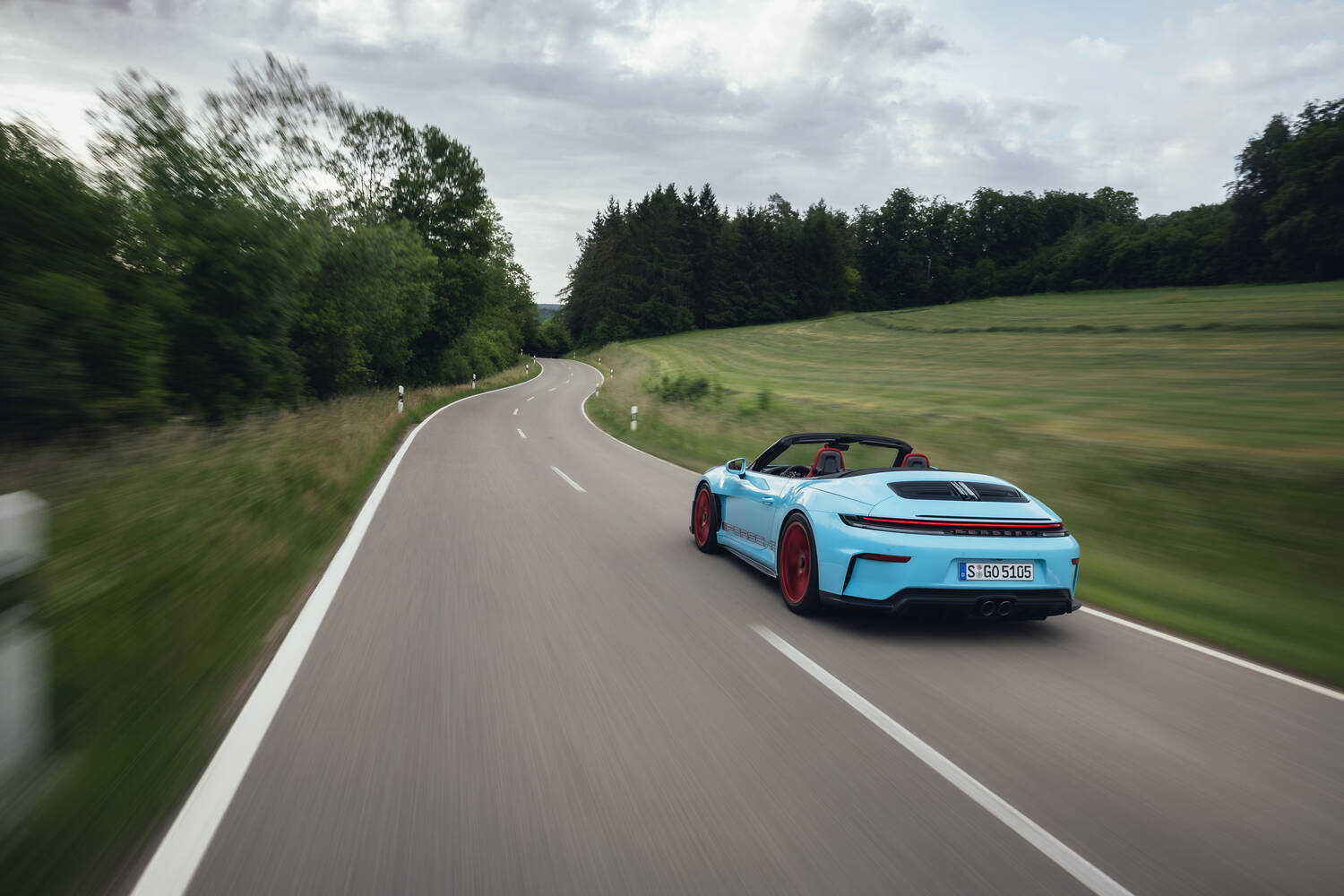
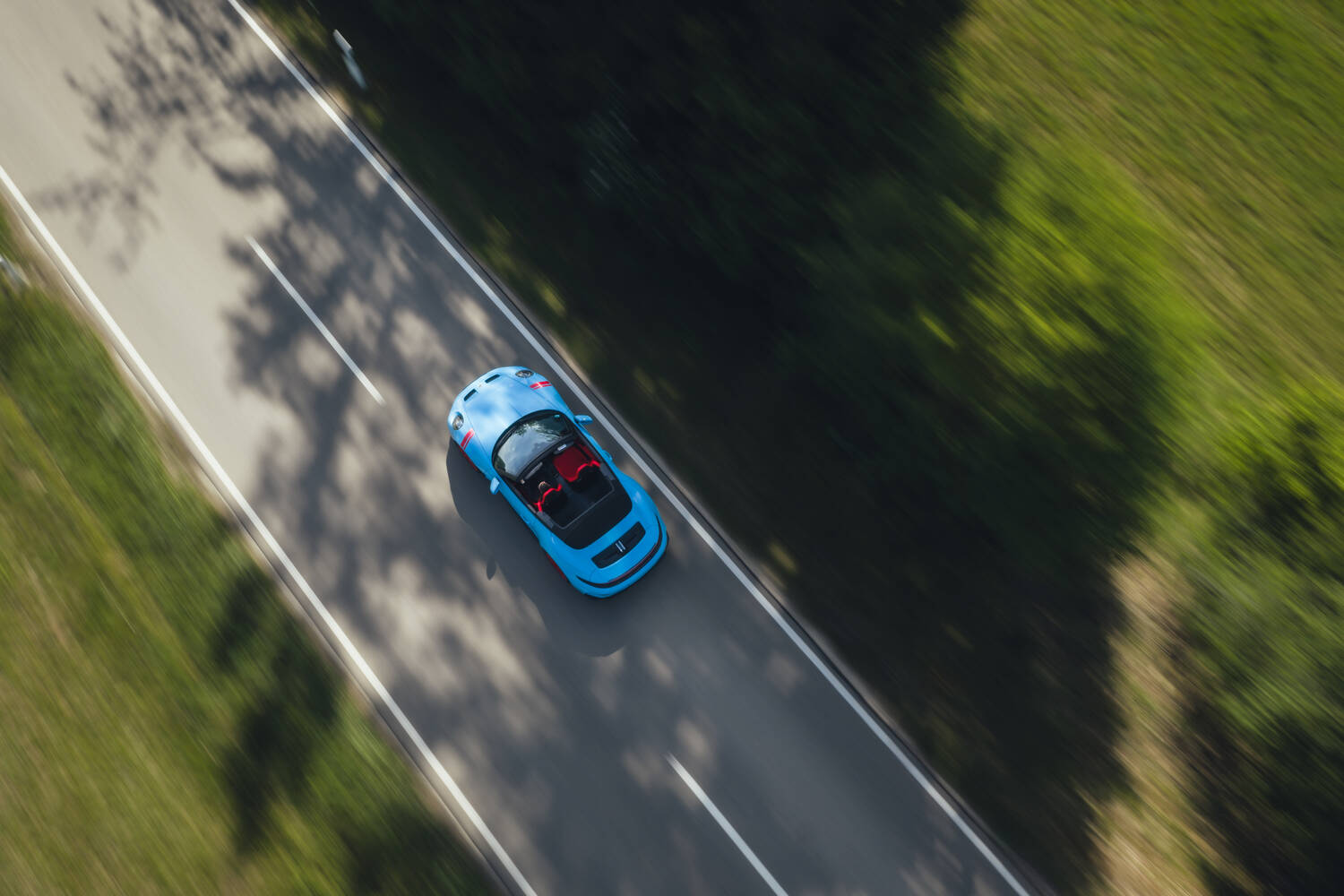
The fully electric roof opens or closes in 12 seconds and can be operated at speeds of up to 50km/h. Porsche has used magnesium components in the mechanism to reduce weight.

The forged magnesium centre-lock wheels are also derived from the S/T. Finished in California Gold, they save about 9kg in total and measure 20 inches at the front and 21 inches at the rear.
The S/C is captivating from the kerb, with no unnecessary detail or overblown flourish. It is a particularly successful piece of design.
Dimensions of the 2026 Porsche 911 GT3 S/C
Length: 4,570mm
Width: 1,852mm (mirrors folded)
Height: 1,279mm
Wheelbase: 2,457mm
Paint colours for the 2026 Porsche 911 GT3 S/C
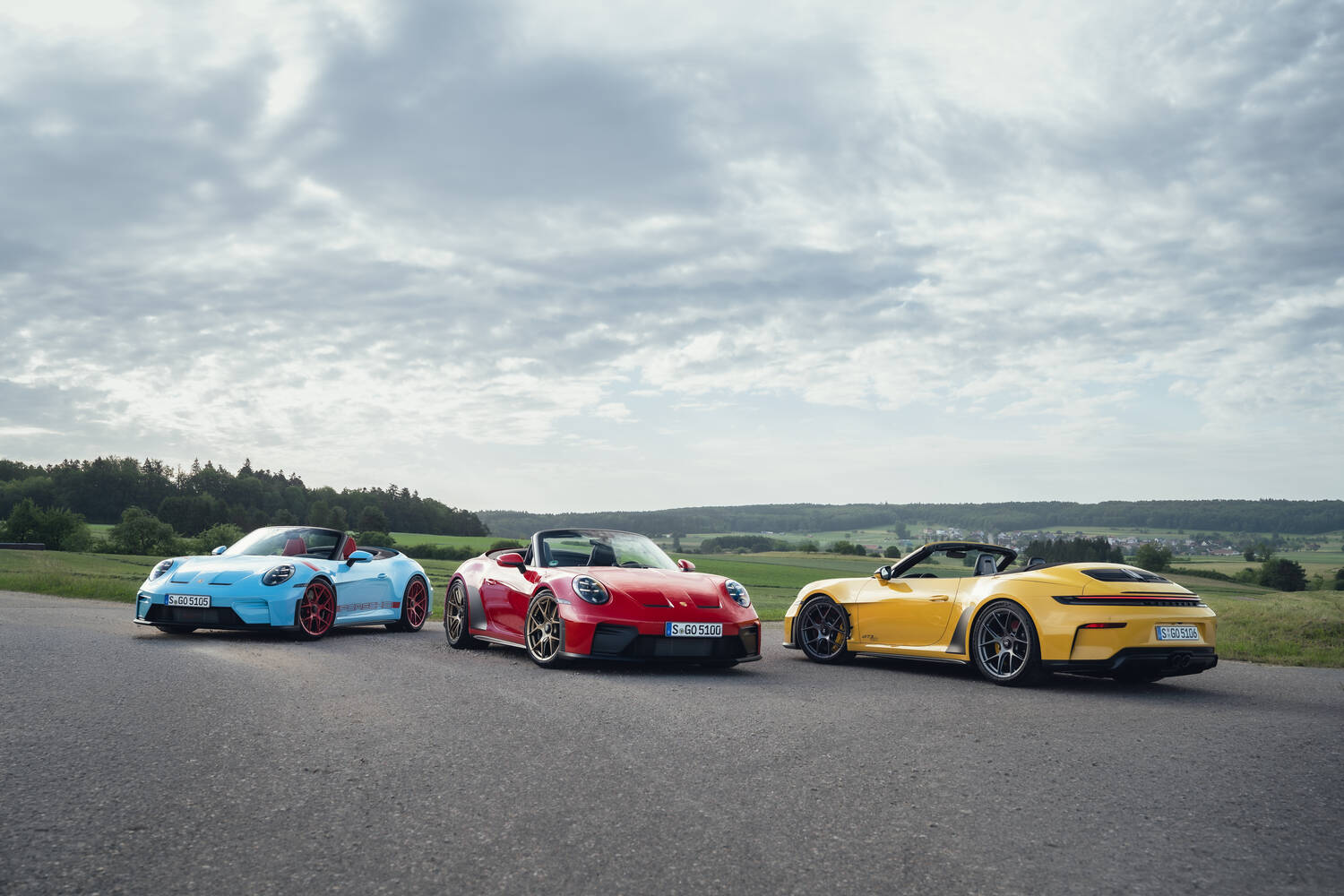
The S/C has a tighter colour palette than other Porsche 911 Cabriolets, sharing a selection of their finishes rather than the full range.

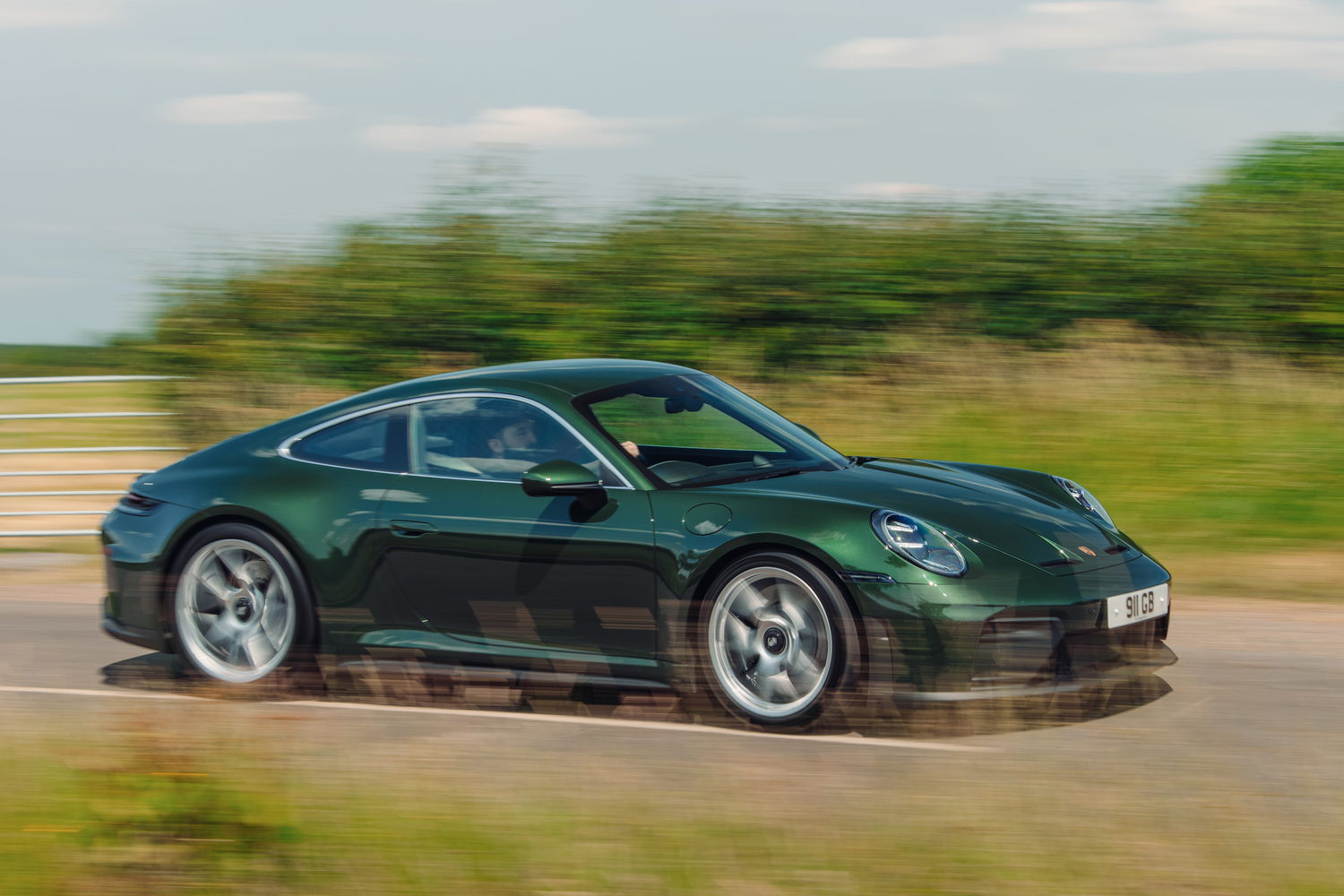
There are nine main colours. The no-cost Contrasts range consists of White and Black. The Shades selection (€1,787) adds GT Silver metallic and Ice Grey metallic, while Dreams (€2,853) includes Guards Red, Gentian Blue metallic and Lugano Blue. Finally, the Legends range (€5,414) offers Oak Green Neo metallic and Slate Grey Neo.
The range expands from there. The fabric roof is black as standard, though red is available at no extra cost with all nine regular paint colours.
The wheels can be finished in Silver or Pyro Red at no extra cost in place of California Gold, while Darksilver or satin-gloss Black costs €792.
Paint to Sample provides a choice of 150 historic colours, which suits the S/C's retro-influenced character, but it costs €24,545.
The S/C is also available with an exclusive Street Style Package. Most of its content is cosmetic. It adds exterior stripes and Pyro Red details and Slate Grey Neo wheels. It costs €40,359.
Although the breadth of personalisation is welcome, some combinations shown on the German test cars were exceptionally bold. One example combined 914 Olymp Blue paint, the Street Style Package and Pyro Red wheels, adding almost €65,000 to the price.
Interior, practicality, tech & comfort of the 2026 Porsche 911 GT3 S/C
• High-quality, driver-focused cabin
• Roof opens the interior to the elements
• Strict two-seat layout

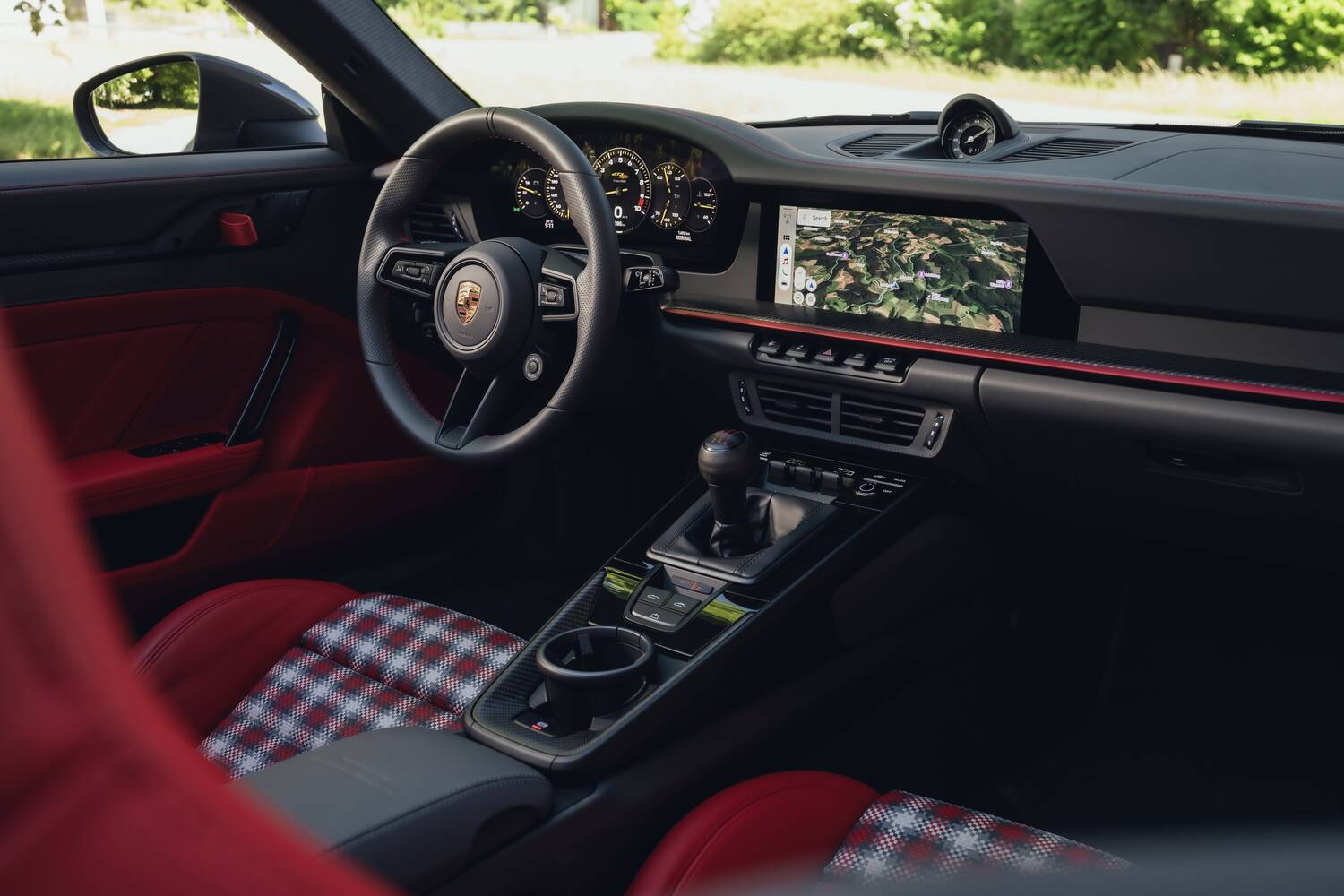
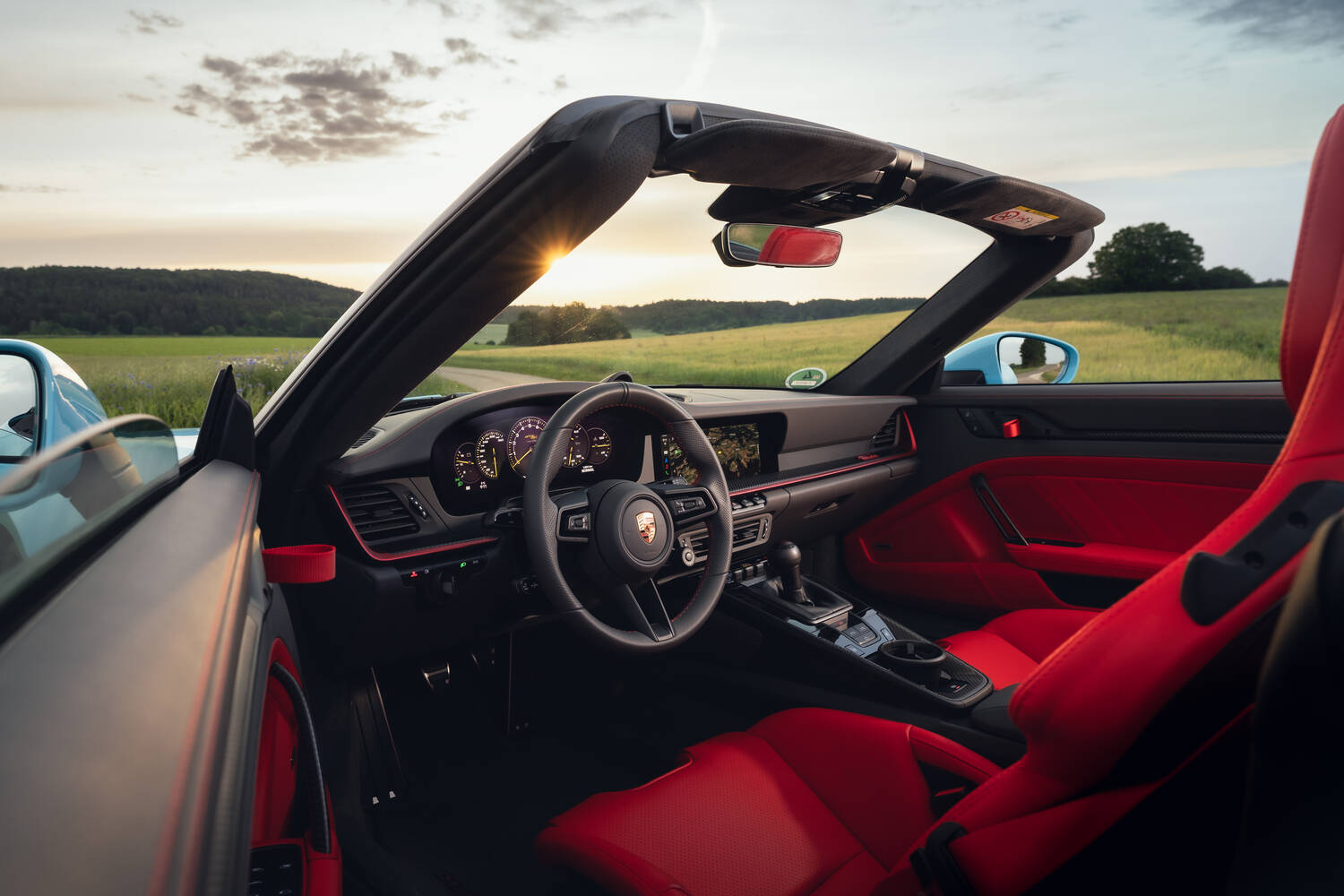
The cabin of any Porsche 911 Cabriolet combines sound ergonomics, high-quality materials and a strong sense of occasion.
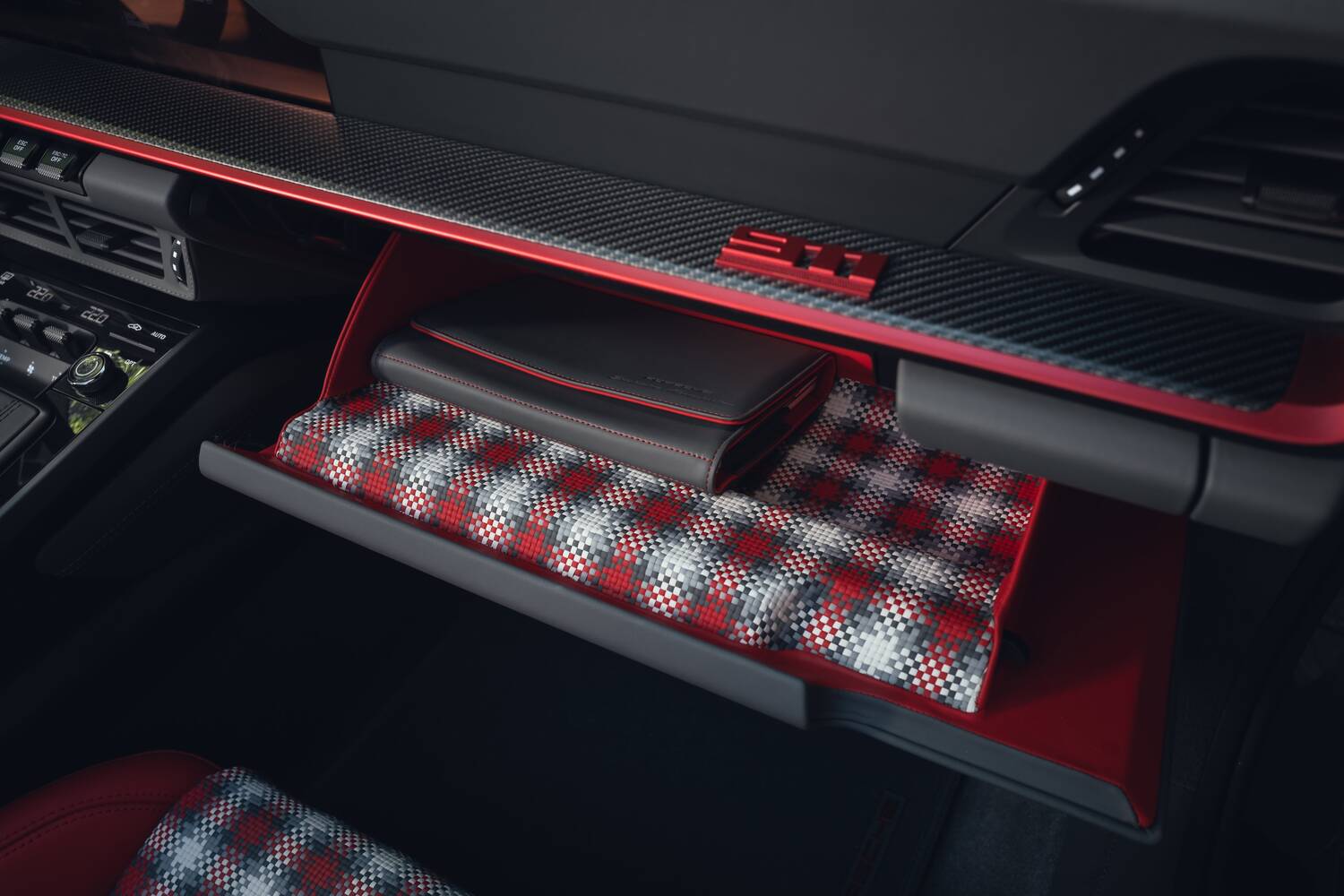
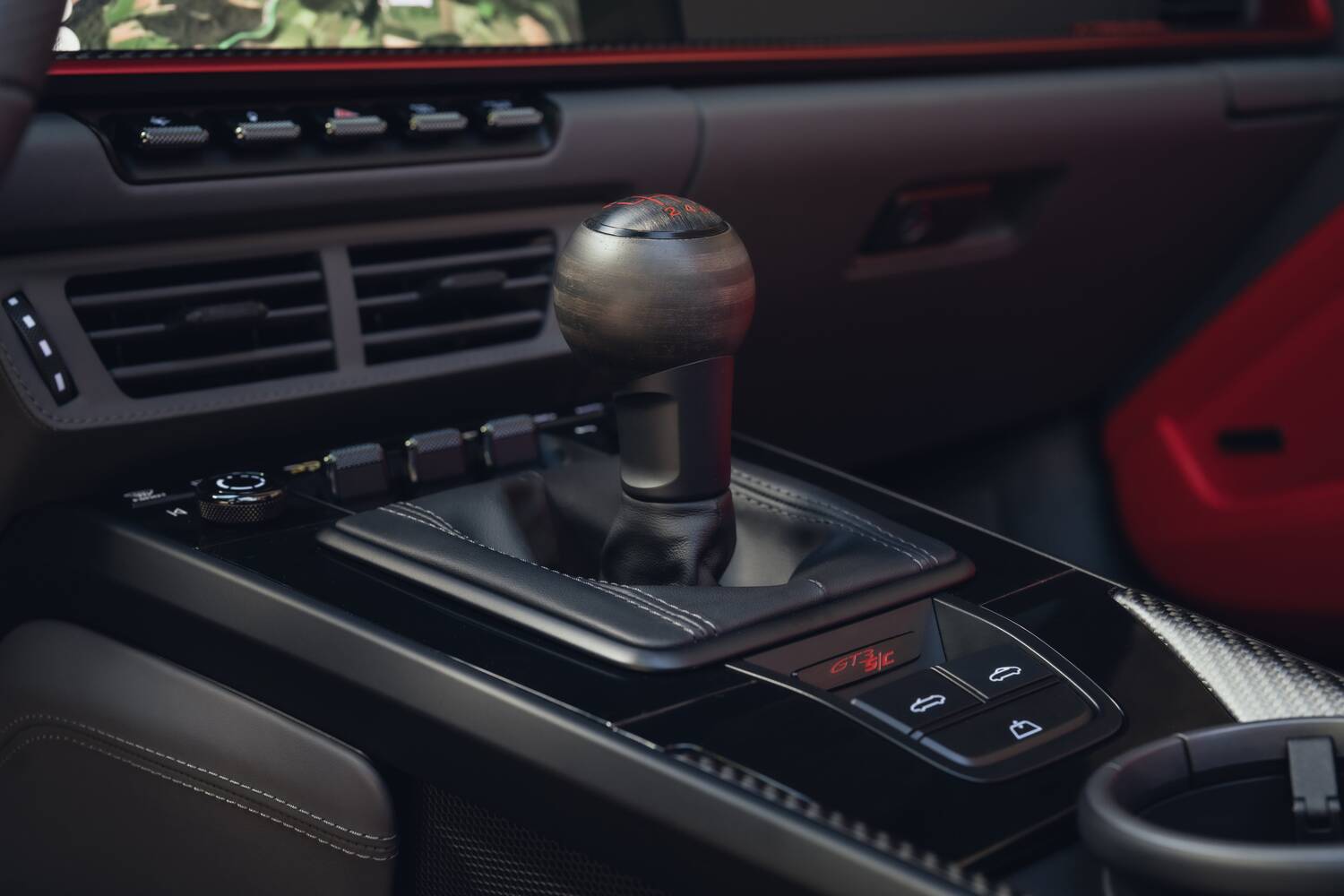
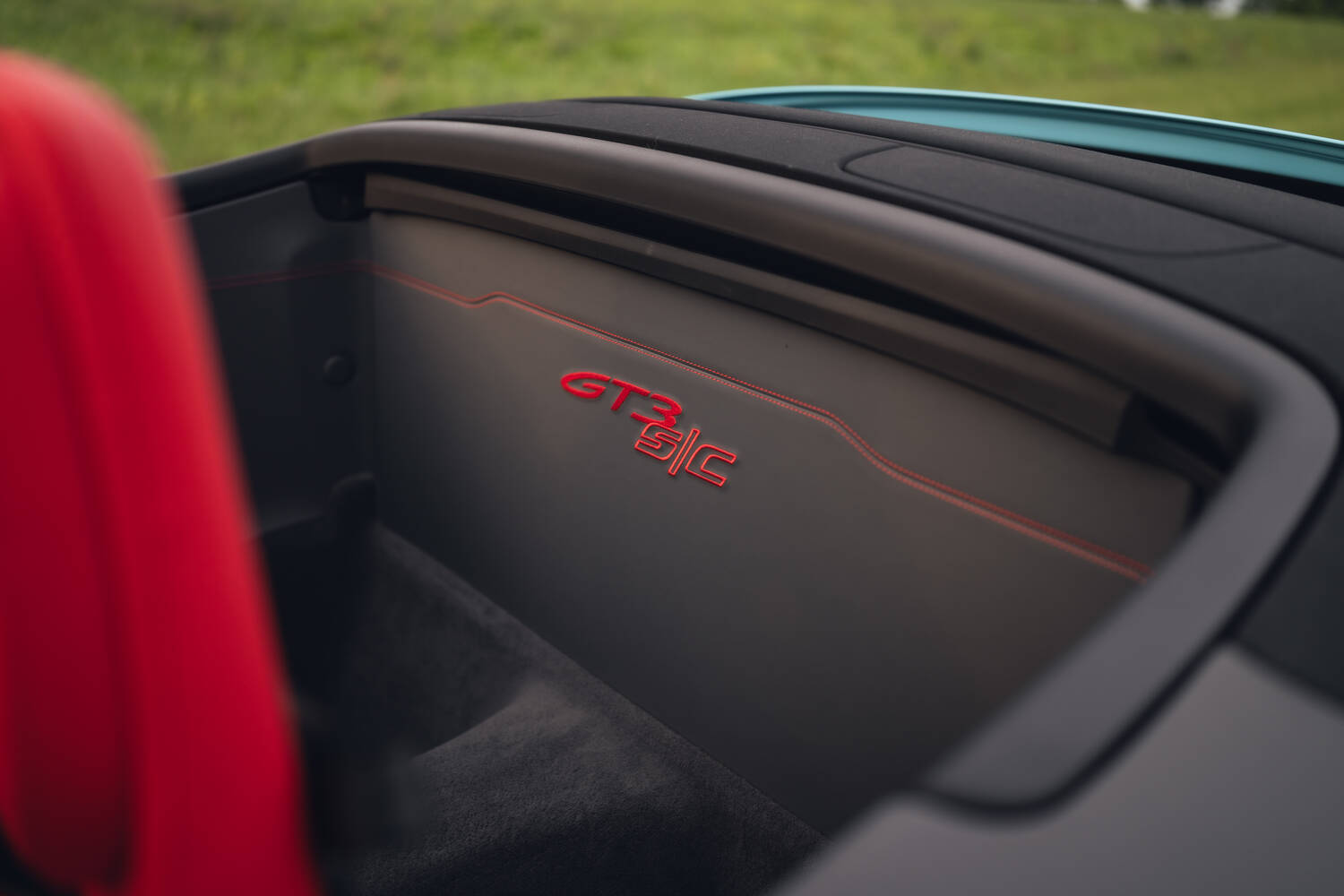
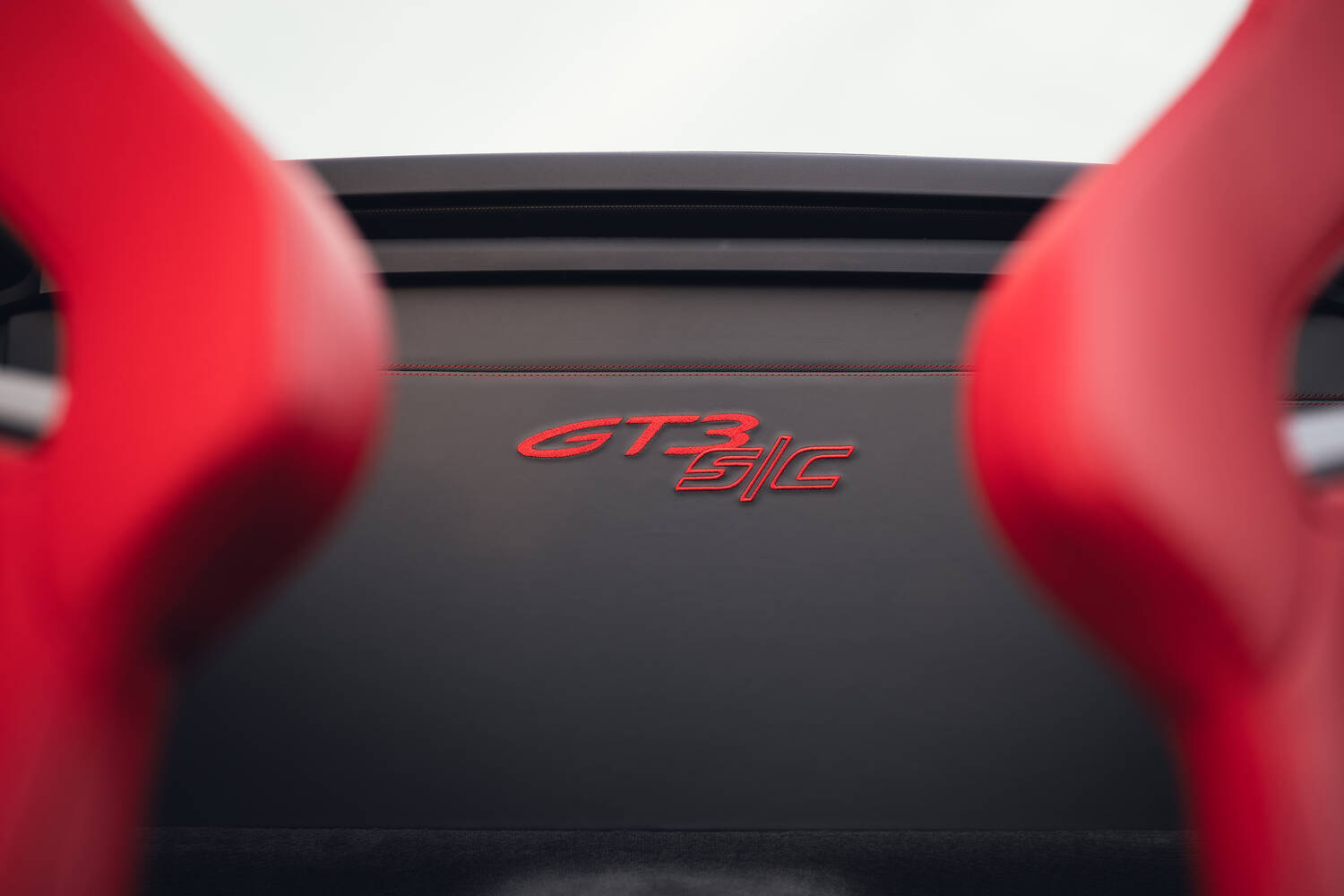
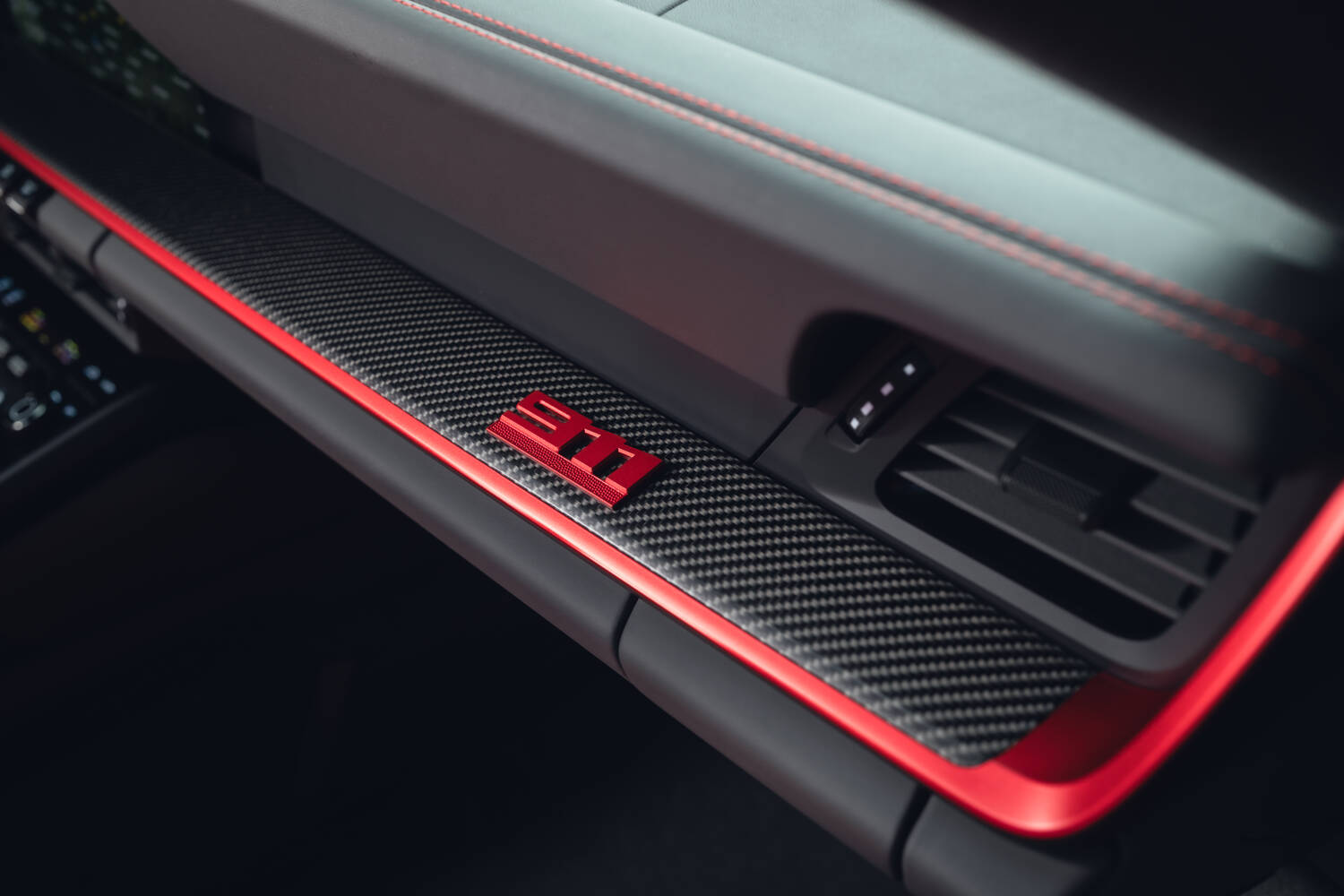
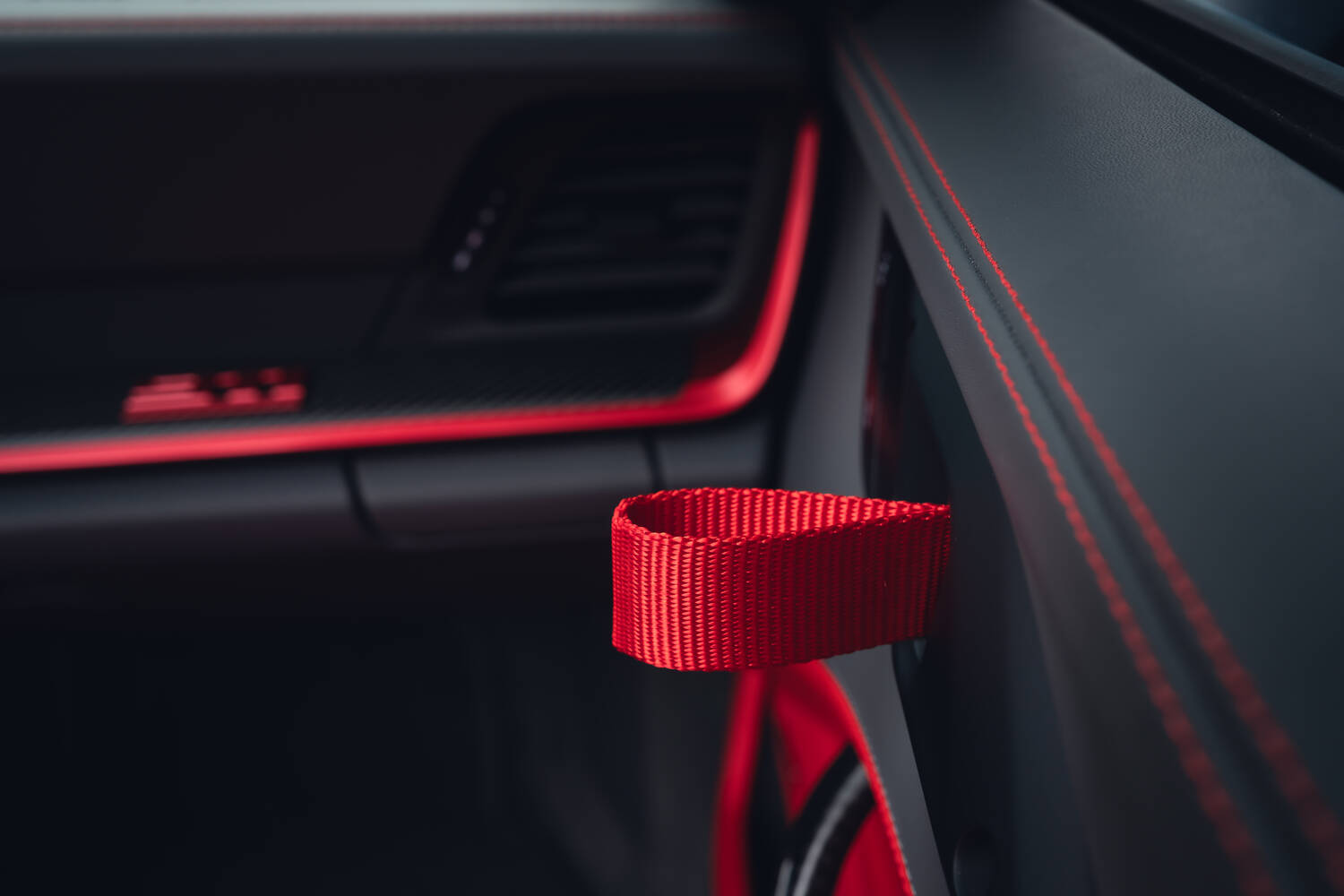
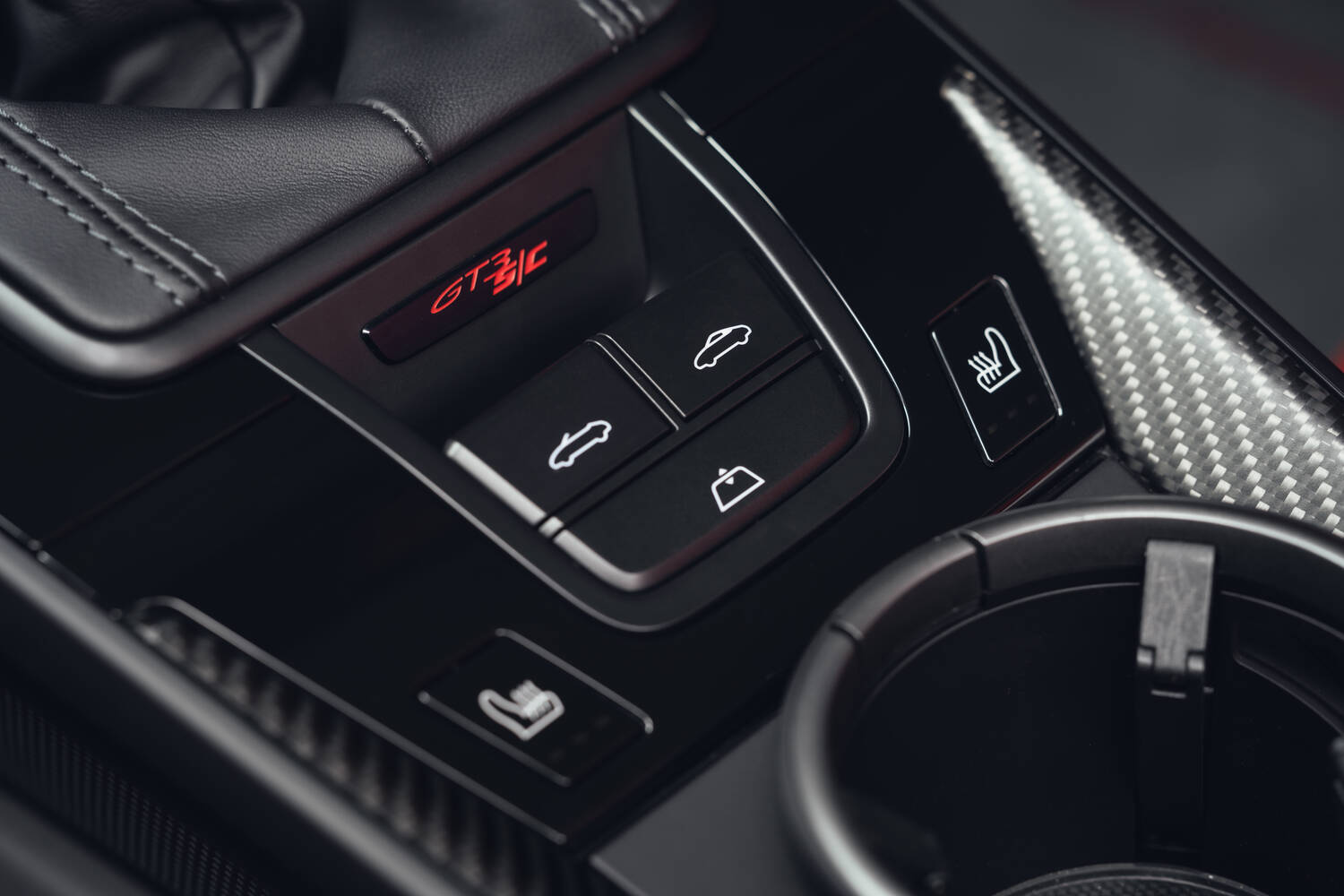
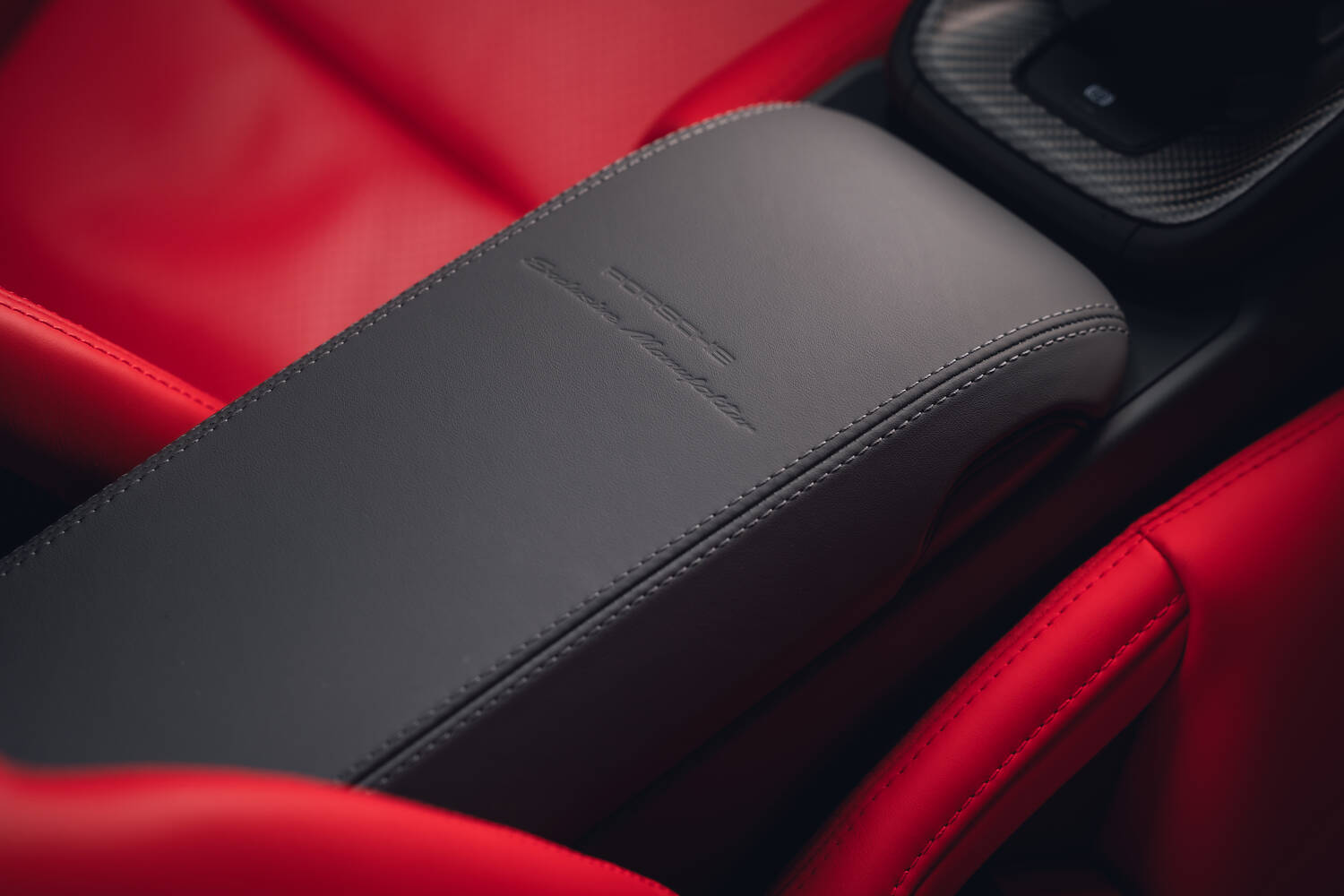
The S/C builds on that with details inspired by the 911 S/T, including fabric door-opening loops, carbon-fibre door pulls and bespoke badging behind the gear lever and on the rear bulkhead. Unlike other 911 Cabriolets, it is strictly a two-seater.
Getting comfortable in the driver's seat

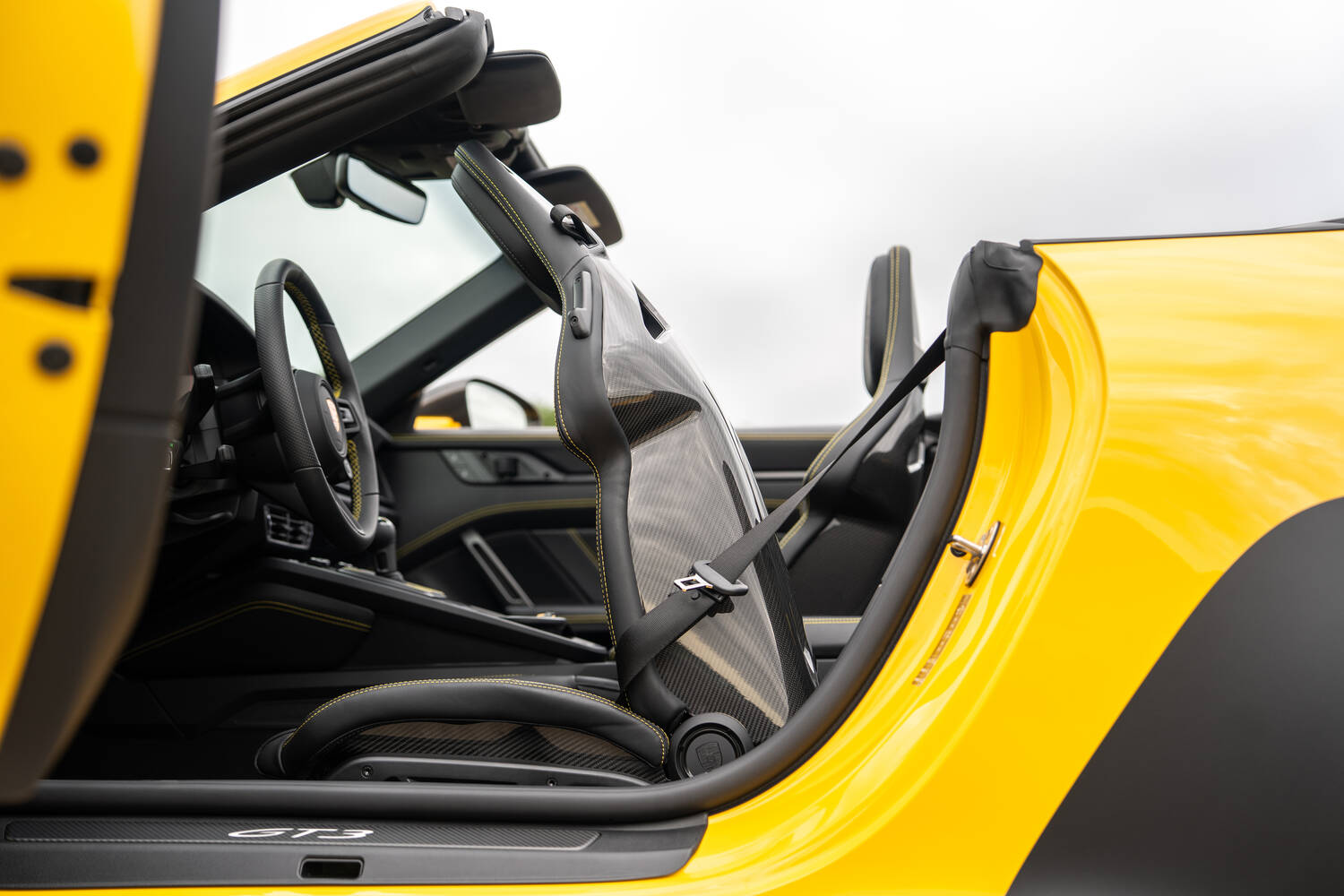
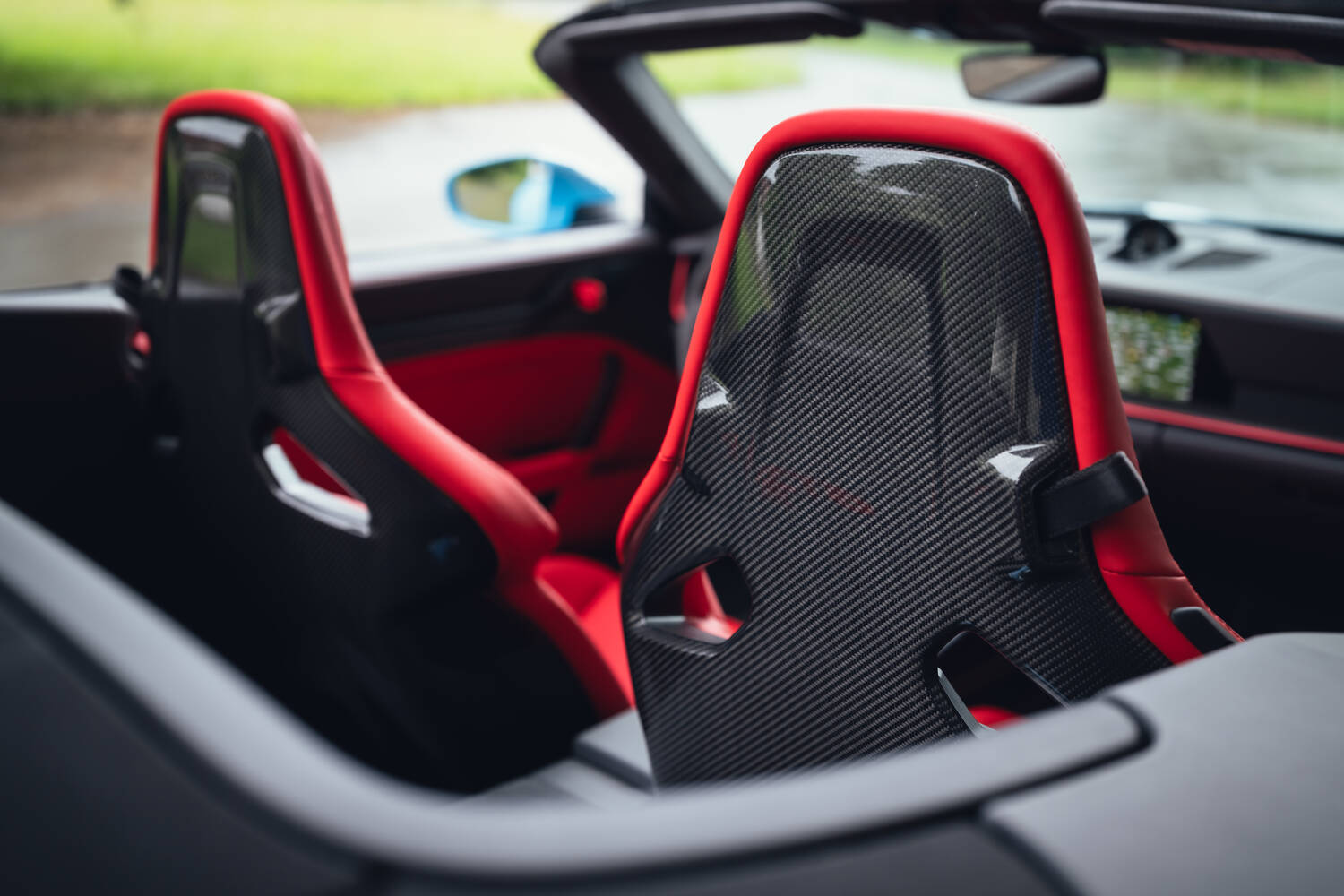
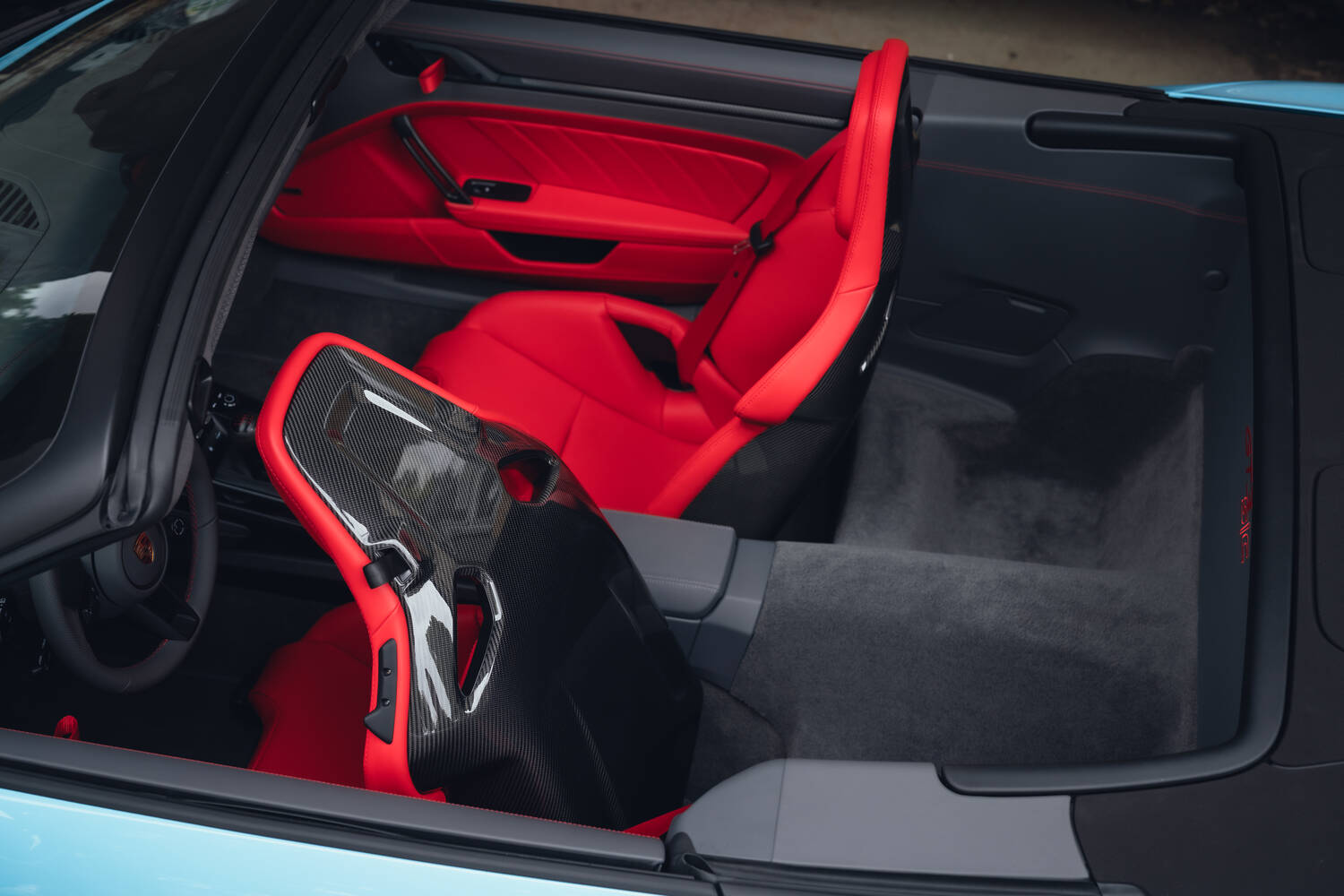
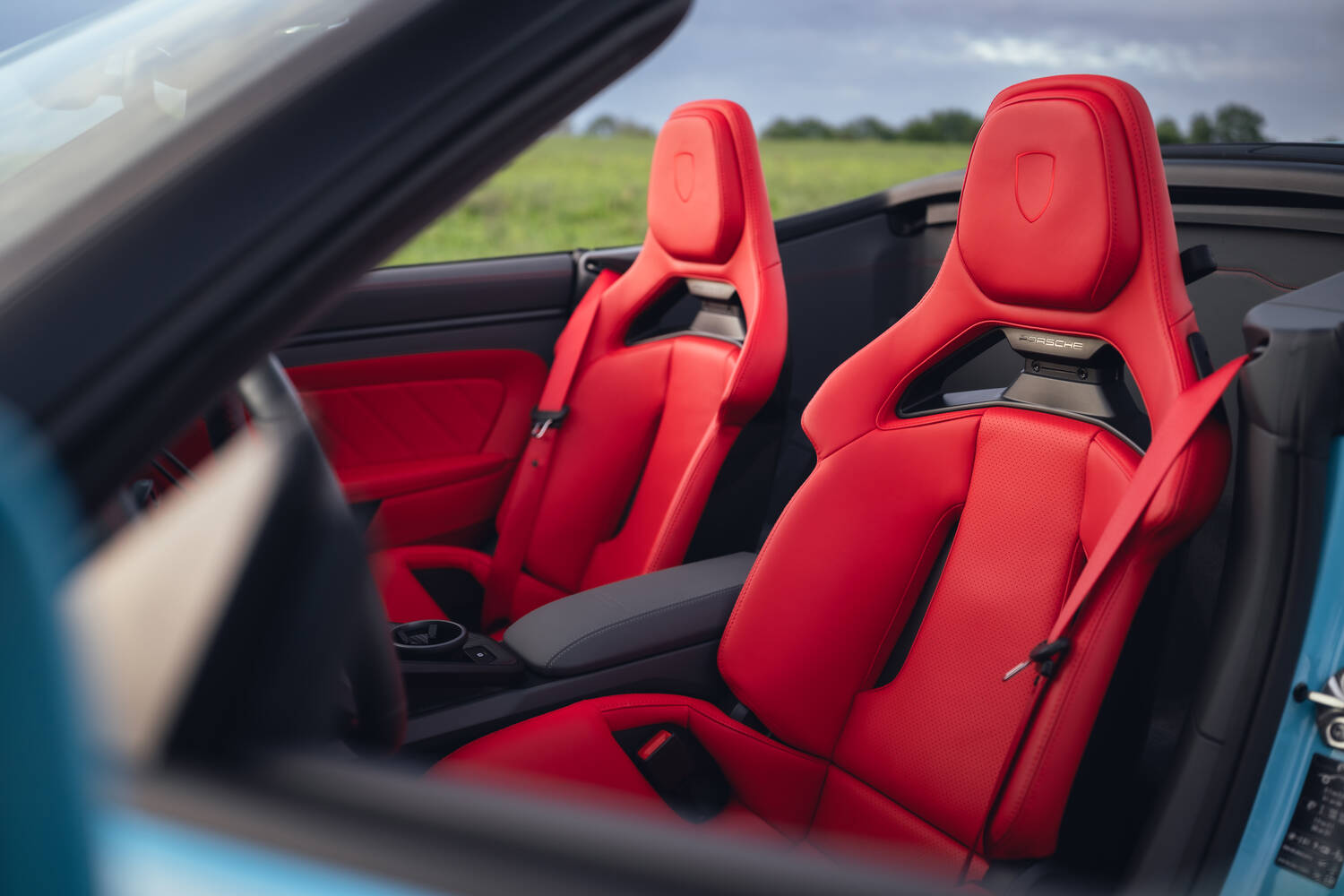
Four-way electrically adjustable 'Sports Seats Plus' are the standard fitment for the Porsche 911 GT3 S/C, although both 18-way adjustable Adaptive Sports Seats Plus (either €3,541 on their own, or fitted as part of the Street Style Package) or lightweight, folding bucket seats with carbon-fibre backs (€8,577) are offered. The steering column can be manually tweaked for rake and reach.
Getting into and out of the figure-hugging bucket seats can be awkward, particularly for larger occupants, but the driving position in the 911 GT3 S/C is otherwise excellent.
Infotainment and technology
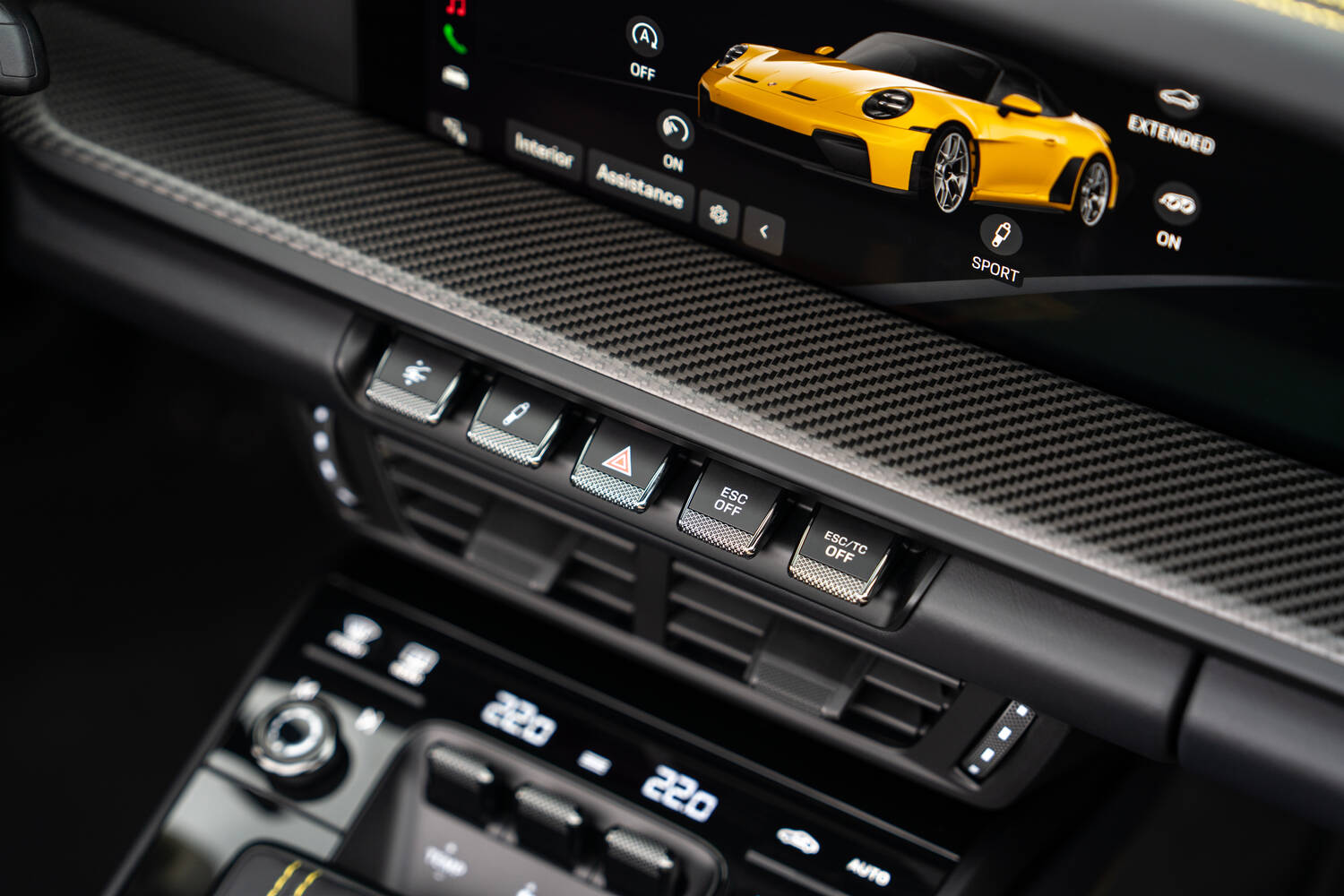
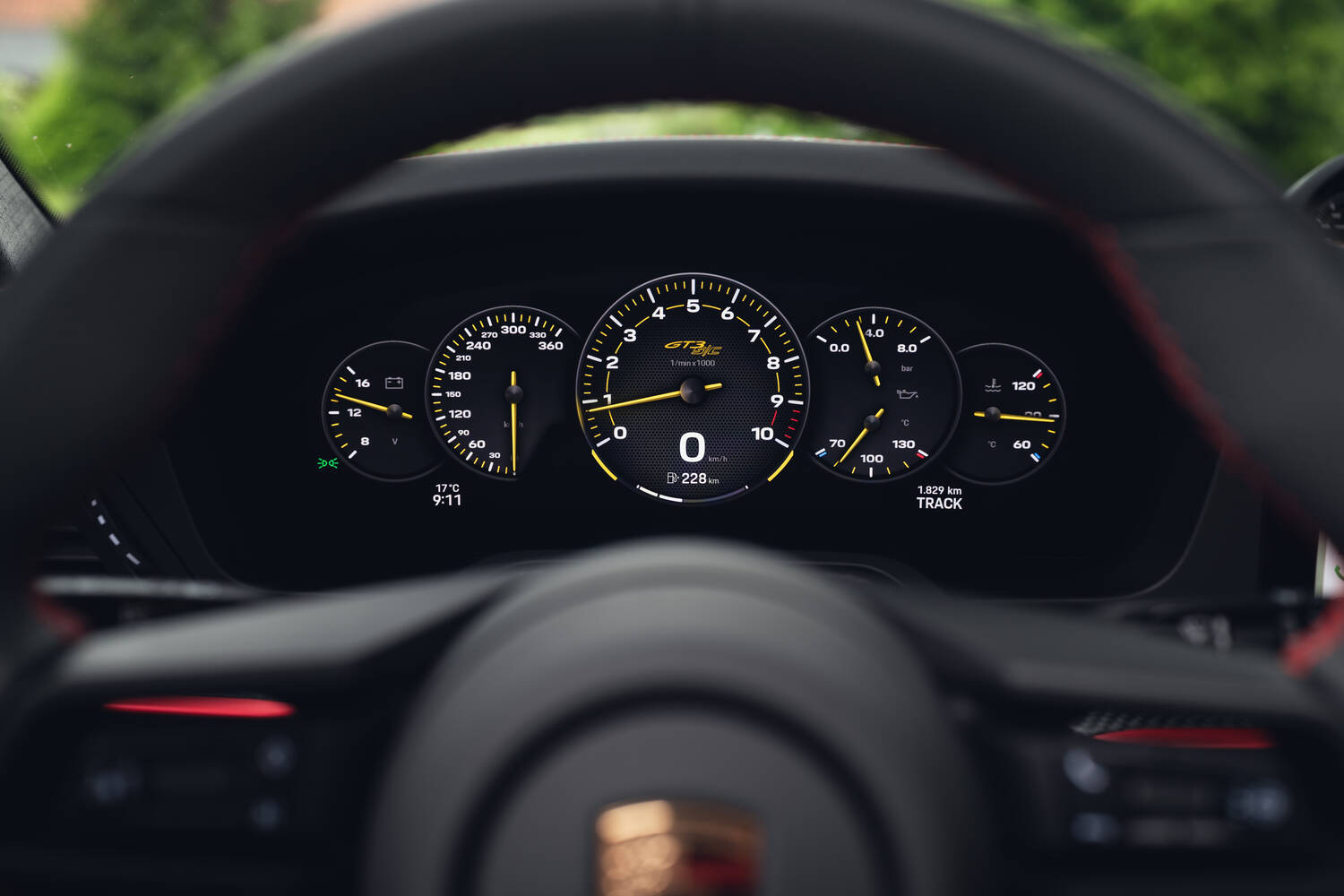
The S/C uses the same interface as other versions of the Porsche 911 GT3, comprising a clear 12.6-inch 'Curved Display' instrument cluster and a responsive 10.9-inch Porsche Communication Management (PCM) touchscreen.

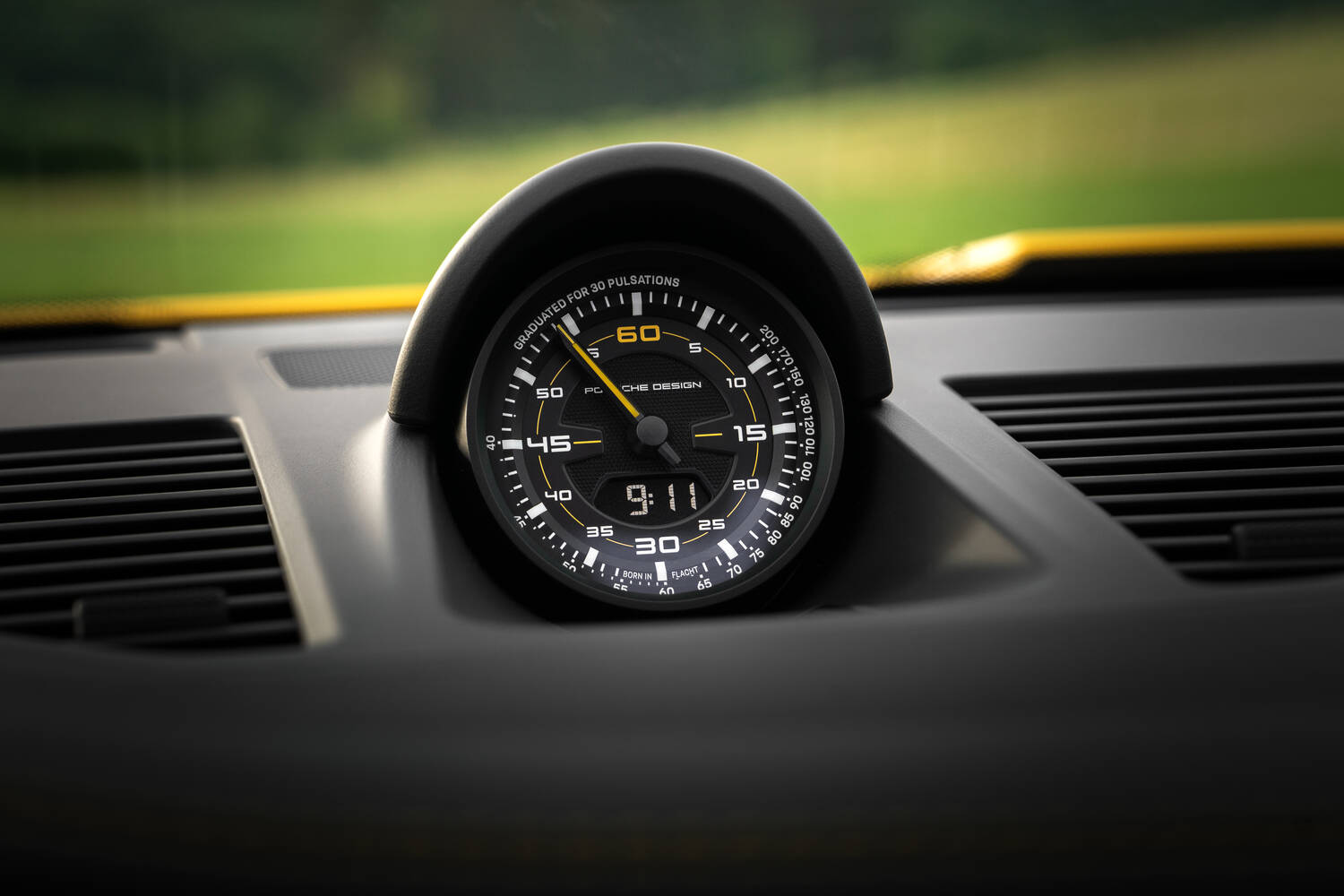
The instrument display also includes a retro-inspired five-dial layout with a yellow colour scheme referencing Porsche's traditional analogue gauges.
The rev counter did not rotate the 9,000rpm redline to the top of the dial when Track mode was selected in our test car. Porsche refers to this function in its documentation, so it may require activation through a PCM setting; in other GT3 models it happens automatically.
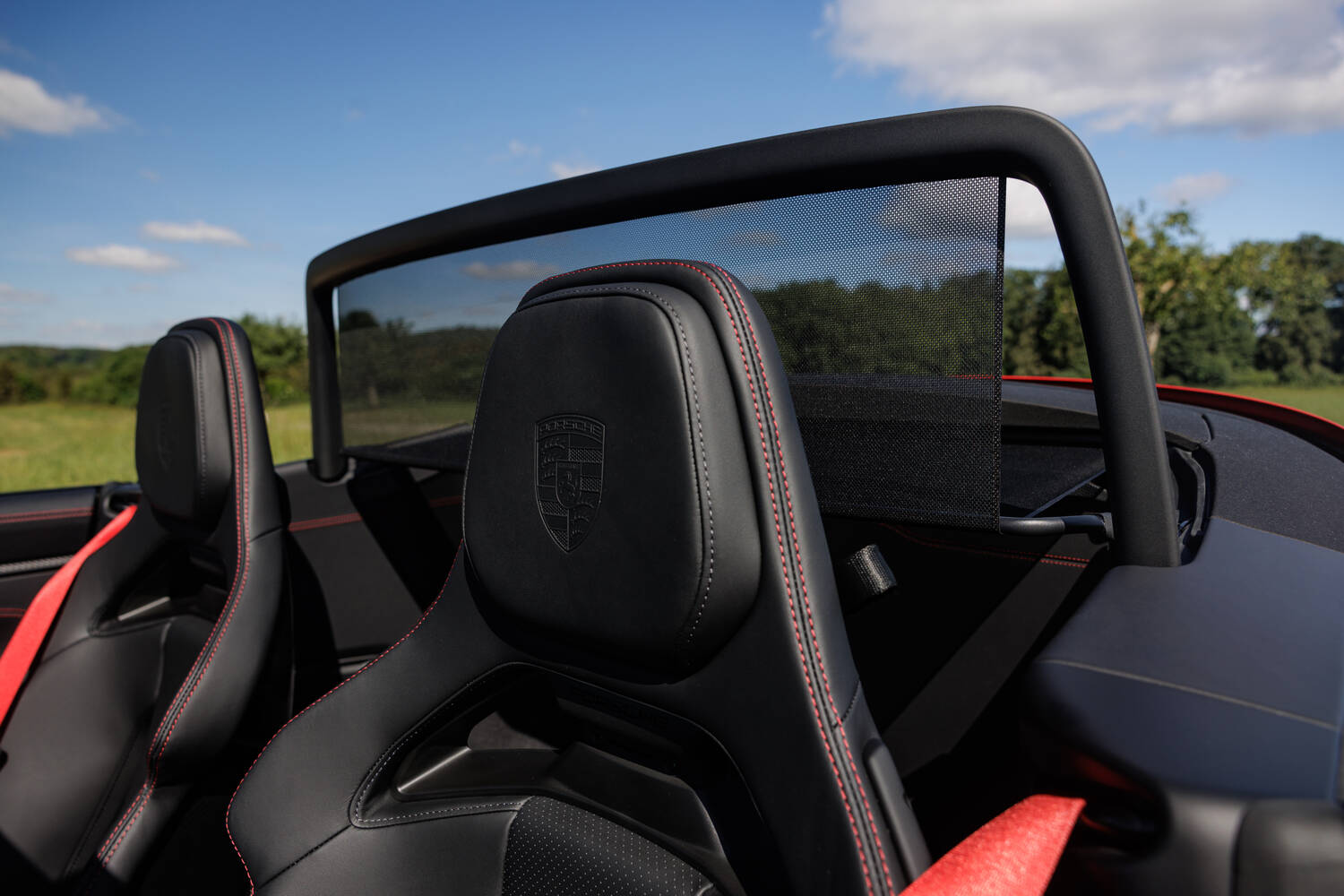
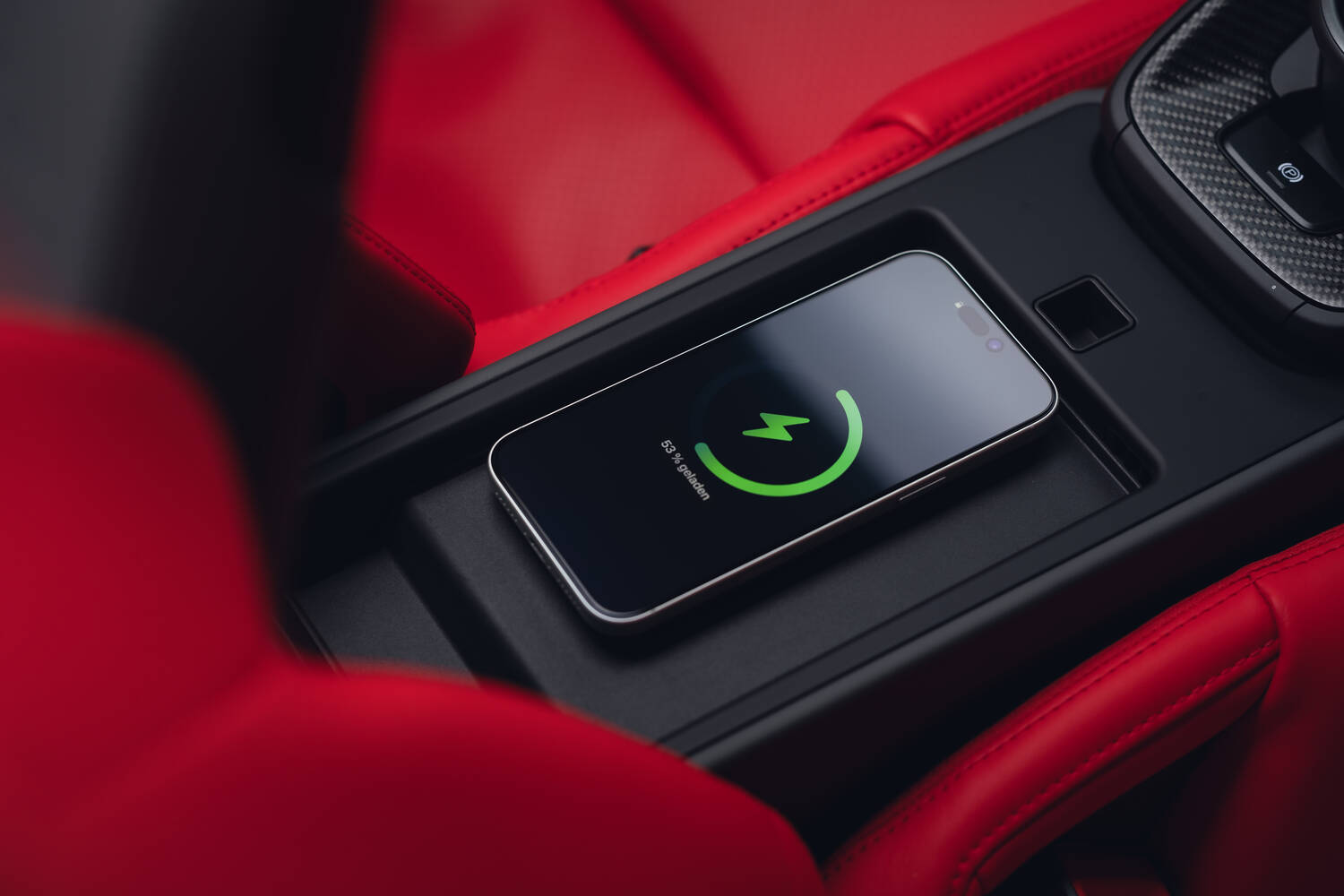
Further standard equipment highlights for the S/C include a 12-speaker, 570-watt Bose Surround Sound system complete with Dolby Atmos, a 25-watt wireless smartphone charging pad, HD-Matrix LED headlights, heated front seats, dual-zone climate control, an integrated and electrically deploying wind deflector in the rear of the cabin and cruise control, among much more.

Practicality around the cabin
Porsche makes sensible use of the available space, though practicality is not the S/C's priority. Storage includes a cubby beneath the centre armrest, a useful glovebox, two door pockets and two cupholders: one fixed in the centre console and another extending from the passenger side of the dashboard.
Boot space in the Porsche 911 GT3 S/C
Porsche quotes a combined 505 litres of luggage capacity. Instead of rear seats, there's 373 litres of open storage behind the front seats, supplemented by a 132-litre front boot.

Porsche plans to offer an 80-litre lockable storage box for the area behind the front seats. It should provide a secure place for valuables when the roof is lowered.
Performance of the 2026 Porsche 911 GT3 S/C
• Exceptional naturally aspirated engine
• Precise and communicative chassis
• Distinctive open-air driving experience

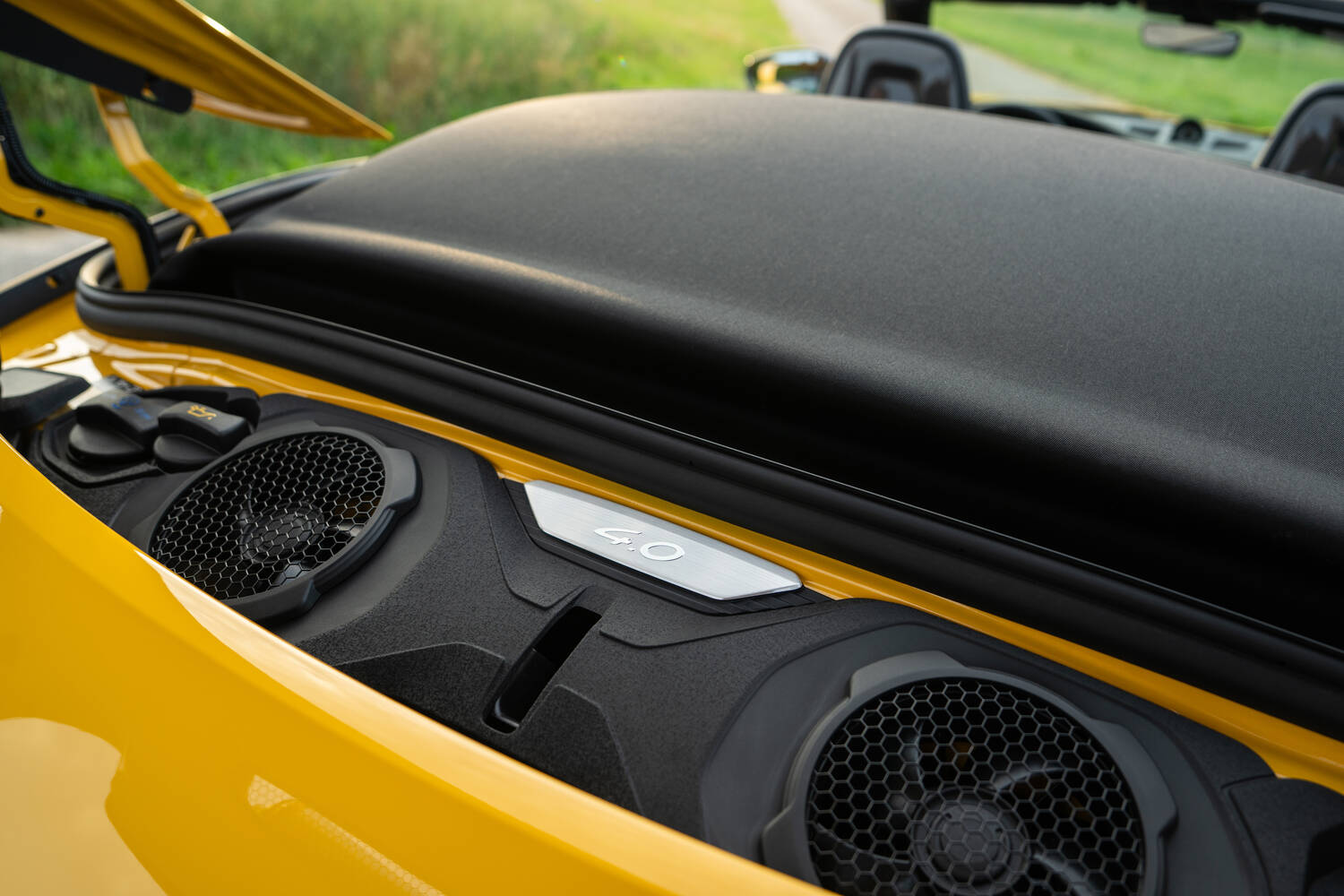
The Porsche 911 GT3 S/C is offered with one powertrain: a naturally aspirated 4.0-litre flat-six petrol engine producing up to 510hp and 450Nm.
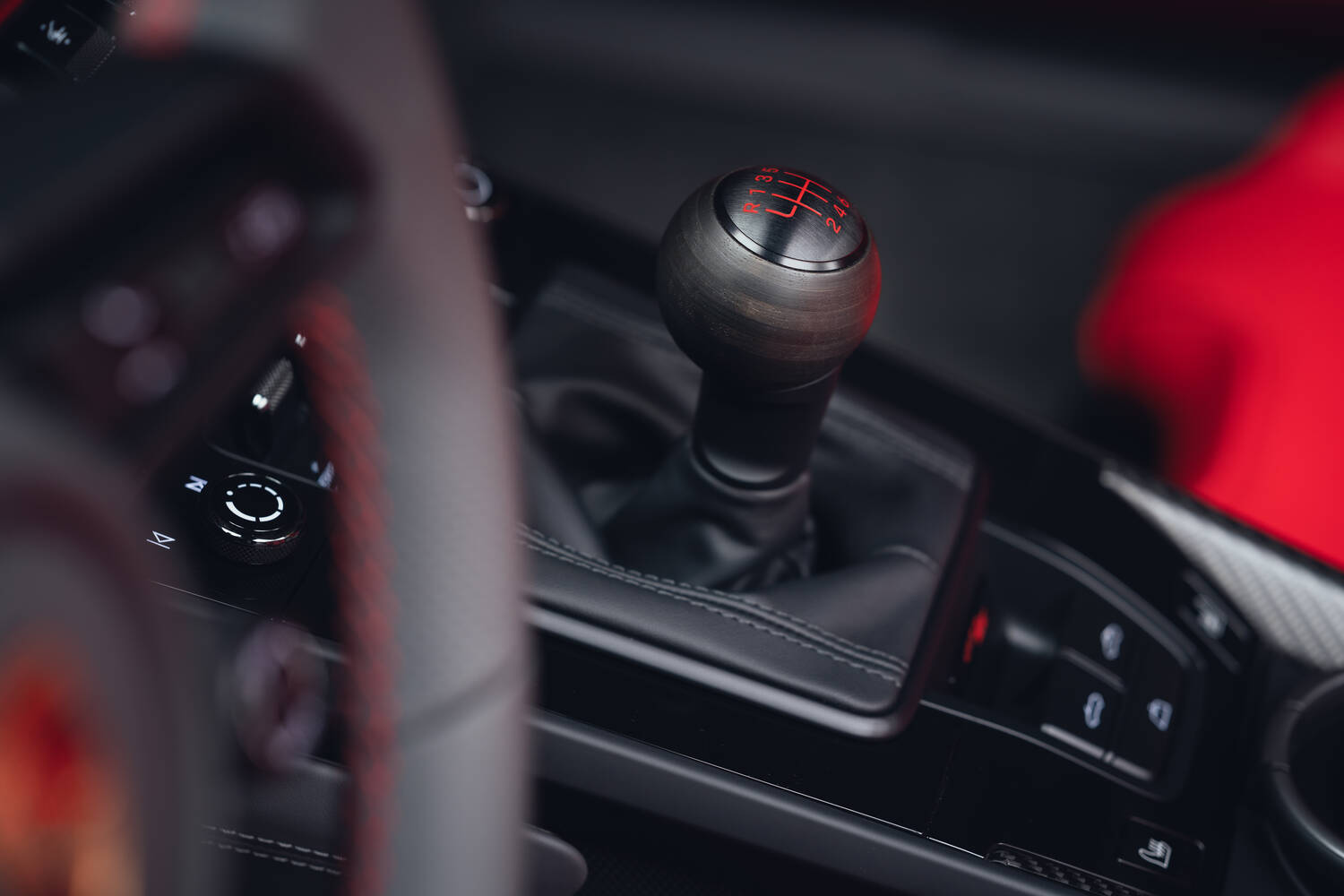
There is no PDK automatic option, so every S/C uses a six-speed manual gearbox and rear-wheel drive through a mechanical limited-slip differential. Its kerb weight is less than 1.5 tonnes.
The S/C accelerates from 0-100km/h in 3.9 seconds and has a top speed of 312km/h. It is not among the quickest 911 variants in a straight line, but outright acceleration is not the point of this model.
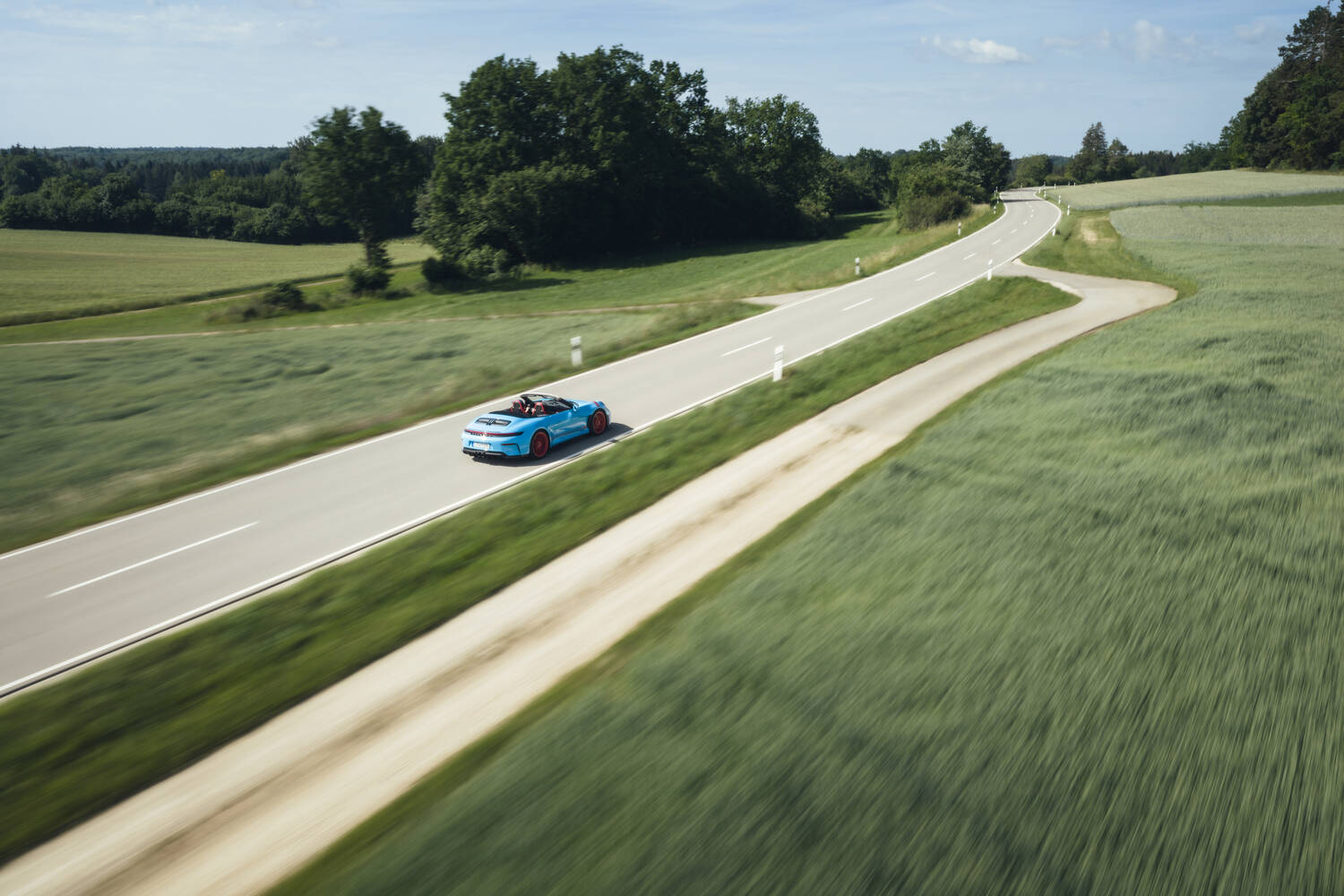
Driving the Porsche 911 GT3 S/C on German roads
Words by Matt Robinson on 15 July, 2026
The Porsche 911 GT3 S/C is an exceptional driver's car. It may be the most entertaining open-topped car we have driven to date.

Removing a fixed roof can add weight and reduce structural rigidity. Porsche counters both issues with extensive carbon-fibre bodywork, magnesium components and the deletion of the rear seats. Porsche Ceramic Composite Brakes (PCCB) also help to reduce unsprung mass.
As a result, the S/C uses the same suspension set-up as a manual GT3 Touring, including a Porsche Active Suspension Management (PASM) chassis lowered by 20mm. Porsche did not need to compensate for additional body flex or a substantially altered weight distribution.
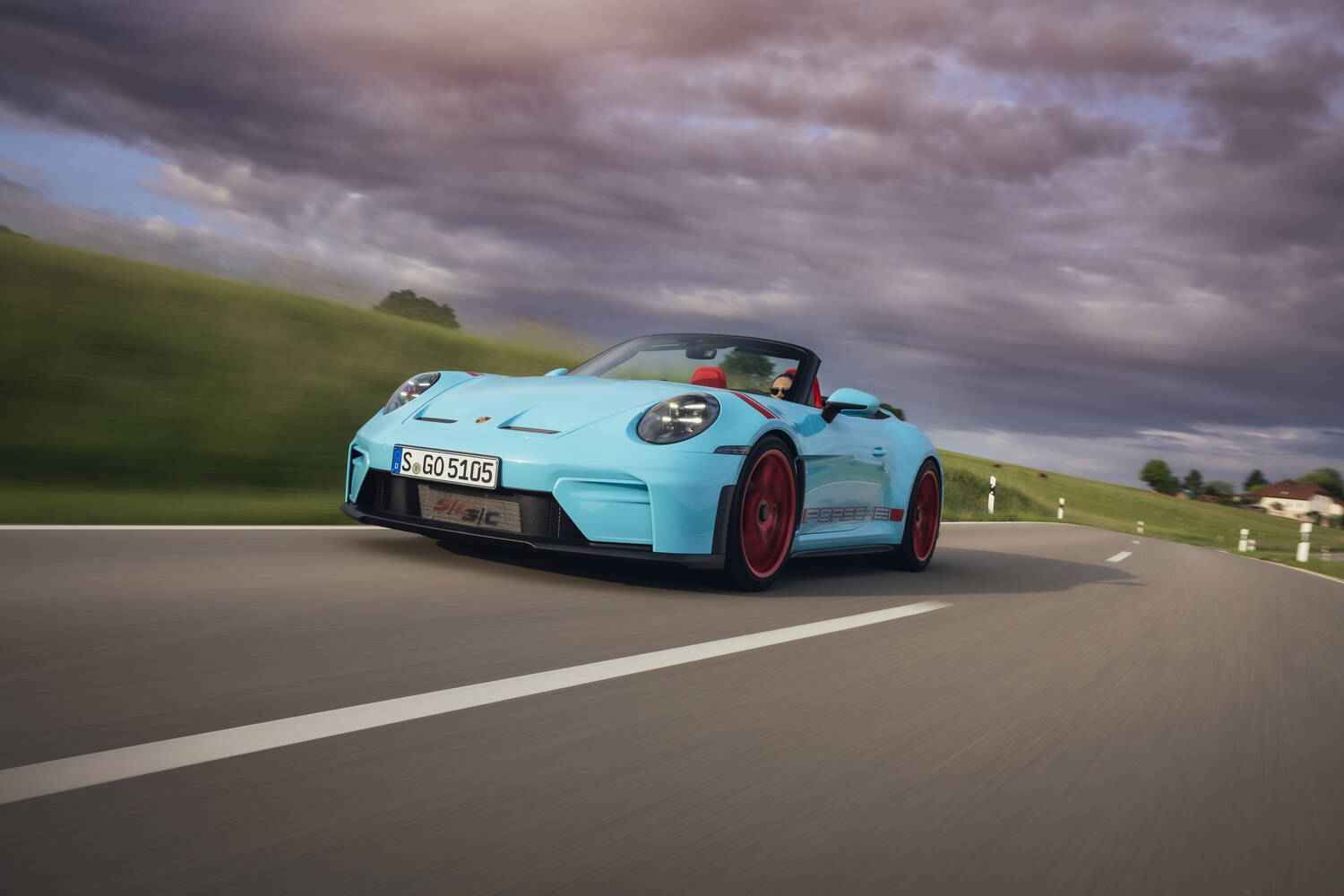
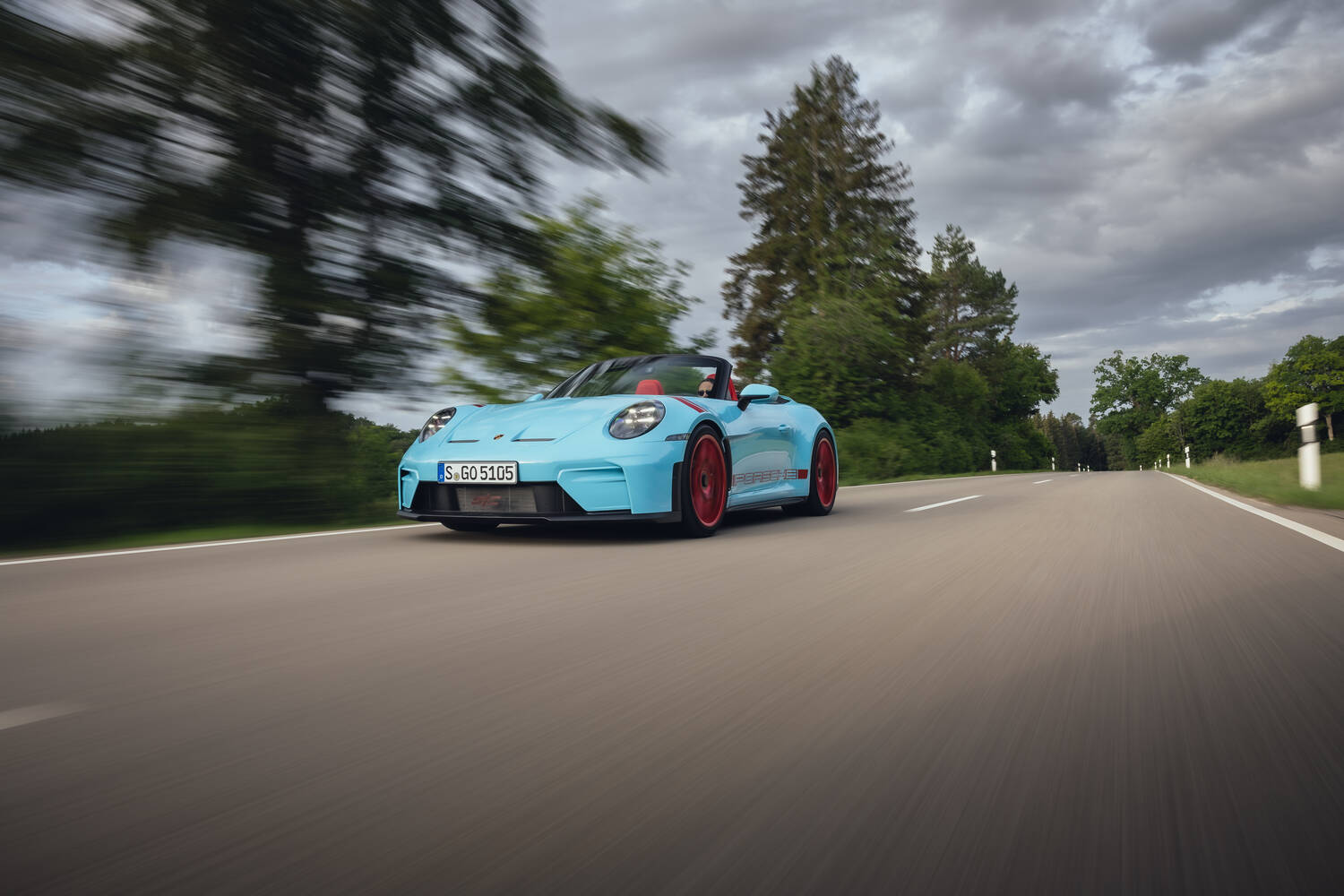
It delivers on its premise: the S/C drives with the precision and control expected of a GT3, while its opening roof makes the engine more audible. There is no obvious scuttle shake, the front end is eager and dependable and the balance is excellent.

Its damping is particularly impressive, combining close body control with an ability to deal cleanly with poor surfaces.
The S/C makes even an ordinary journey feel special. It remains engaging at moderate speeds and, although softer 911 variants are more comfortable over long distances, it rounds off sharp road imperfections with surprising composure.
Its agility, well-judged controls, disciplined body movements and low unsprung mass make it easy to enjoy in everyday driving.

The powertrain reinforces the GT3's reputation. The steering provides detailed feedback and natural weighting, giving the driver a clear sense of the front tyres' grip and attitude.
The short-throw six-speed manual gearbox is similarly impressive, with a precise and mechanical action. The pedal placement makes manual heel-and-toe downshifts straightforward, while the automatic rev-matching in Sport and Track modes is accurate enough to be left switched on.
The engine sounds gravelly below 3,000rpm, becomes harder-edged as it passes 6,000rpm and builds to a high-pitched crescendo at its 9,000rpm redline. With the roof lowered, the S/C makes that progression considerably more vivid.

Together, the steering, manual gearbox, linear throttle response, powerful ceramic brakes and naturally aspirated engine create a remarkably cohesive driving experience.
The S/C combines the precision of a GT3 with the added appeal of open-air motoring and ranks among the finest analogue sports cars available.
Irish pricing & rivals to the 2026 Porsche 911 GT3 S/C
• Costs substantially more than GT3 Touring
• Starts at more than €388,000
• Few alternatives match its character

Partly because of its carbon-fibre body panels, magnesium wheels and opening roof, the S/C costs considerably more than either the winged or Touring version of the Porsche 911 GT3.
At €388,267 before options, it is €83,833 more expensive than either. Within the wider 911 range, only the €389,118 Turbo 50 Years coupe and the €405,956 992.2 Turbo S Cabriolet cost more.
Saying all that, several open-topped supercars and hypercars at this price point offer stronger performance figures. Buyers seeking a more relaxed grand tourer might also consider a Bentley Continental GTC.
Few alternatives, however, combine the S/C's breadth of ability with such a focused and involving driving experience.
Servicing the Porsche 911 GT3 S/C
The Porsche 911 GT3 has a service interval of one year or 16,000km, with its engine oil and filter changed at each service. Other maintenance follows a four-year cycle.
Porsche specifies brake-fluid replacement every two years or 32,000km, a new auxiliary drive belt every three years or 48,000km and a major service every four years or 64,000km, including replacement spark plugs and air filters and a gearbox-oil check.
Those intervals apply to normal road use. Cars used on track may require servicing every 5,000-8,000km, with the brake fluid, discs and pads inspected more frequently.
Porsche 911 GT3 S/C warranty
In Ireland, Porsche provides a three-year, unlimited-distance warranty on its new cars. The cover is internationally valid, so it should remain in force if the owner moves abroad during the first three years, subject to the warranty terms.

Verdict - should you buy the 2026 Porsche 911 GT3 S/C?
The Porsche 911 GT3 S/C is extraordinarily expensive, but it delivers a rare combination of precision, involvement and open-air drama. It is one of the finest road-focused driver's cars available and may be the best GT3 yet.
Want to know more about the 2026 Porsche 911 GT3 S/C?
If there is anything about the Porsche 911 GT3 S/C we have not covered, or you would like help choosing between it and other cars, use our expert advice service on the Ask Us Anything page.
Porsche 911 GT3 history
Although the Porsche 911 dates back to the 1960s, faster and more focused derivatives have long formed part of its history, including the 1973 Carrera 2.7 RS and the original 911 Turbo of 1975. The GT3 arrived much later, in 1999.
The first GT3 was based on the fifth-generation 996, the first water-cooled 911. At the time, only the 911 Turbo used forced induction, so the GT3 represented one of the purest high-performance versions.
Its naturally aspirated 3.6-litre flat-six produced up to 360hp and 370Nm, allowing the lightweight, driver-focused car to accelerate from 0-100km/h in 4.8 seconds.
Porsche commonly identifies the original and facelifted versions of each generation with '.1' and '.2' suffixes. There have therefore been eight iterations of the GT3: 996.1, 996.2, 997.1, 997.2, 991.1, 991.2, 992.1 and the 992.2 introduced in 2025.
The formula has remained broadly consistent: a high-revving naturally aspirated flat-six engine, sophisticated chassis hardware and track-influenced styling. The GT3 has consequently become one of Porsche's most revered models.
Until now, the GT3 has always been a fixed-roof coupe. Porsche prioritised torsional rigidity and the Cabriolet body style remained unavailable.
The GT department, led by Andreas Preuninger, first tested the idea of an open-topped GT3 in 2018, Porsche's 70th anniversary year. The 991.2 GT3 formed the basis of the limited-production 911 Speedster, of which 1,948 examples were made to reference Porsche's founding year.
It used a 510hp, 470Nm 4.0-litre engine, suspension derived from the contemporary GT3 and a distinctive double-bubble rear deck with a partly manual roof.
The 991 Speedster did not use GT3 badging despite sharing much of its hardware. The 992.2 GT3 S/C can therefore be regarded as the first official convertible GT3: it carries the badge, uses a fast-acting fully automatic roof similar to that of other 911 Cabriolets and is not production-limited.