











Exterior & design of the 2026 Peugeot 308 SW
- Illuminated front-end stands out
- Several eye-catching colours
- 17- and 18-inch wheels

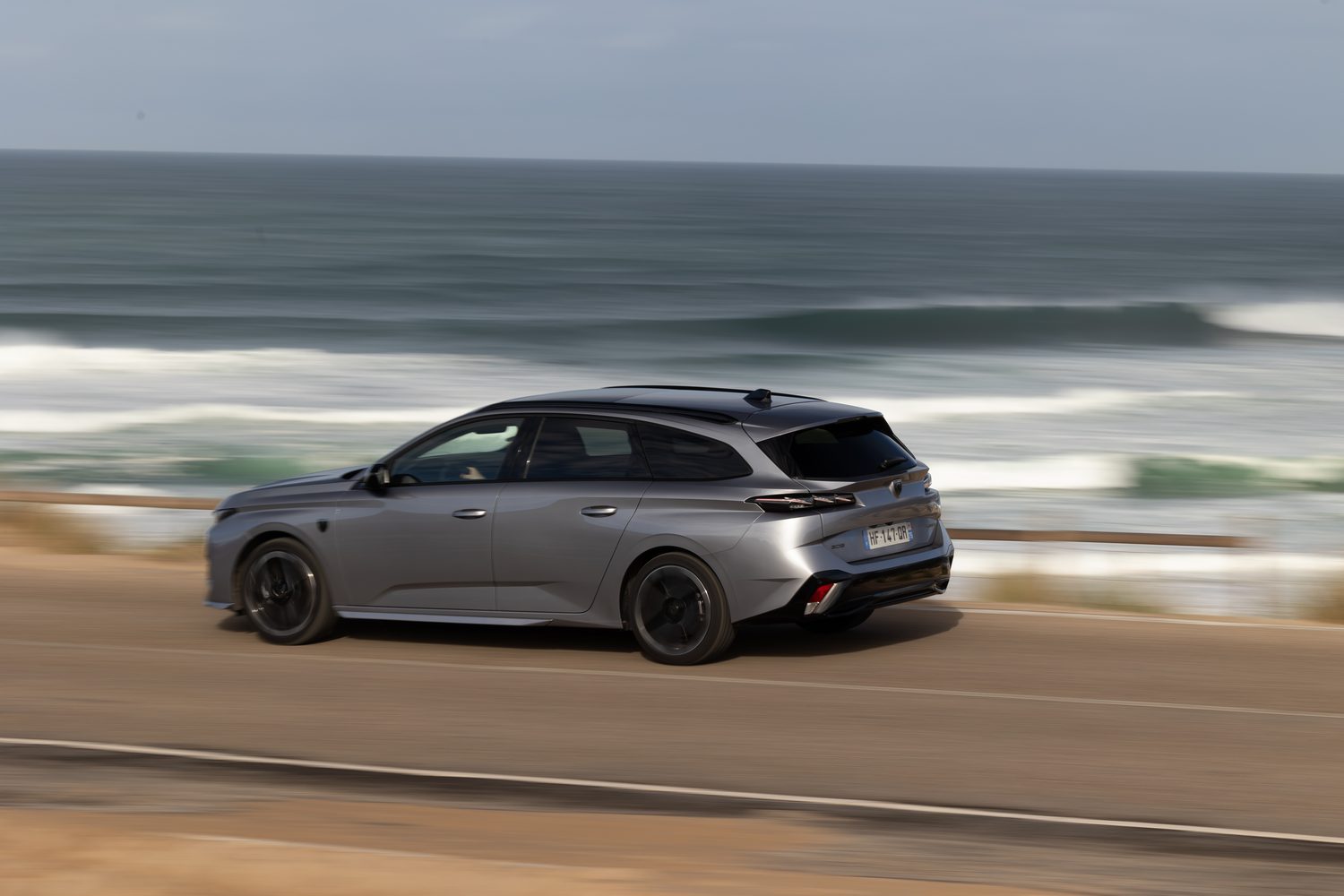
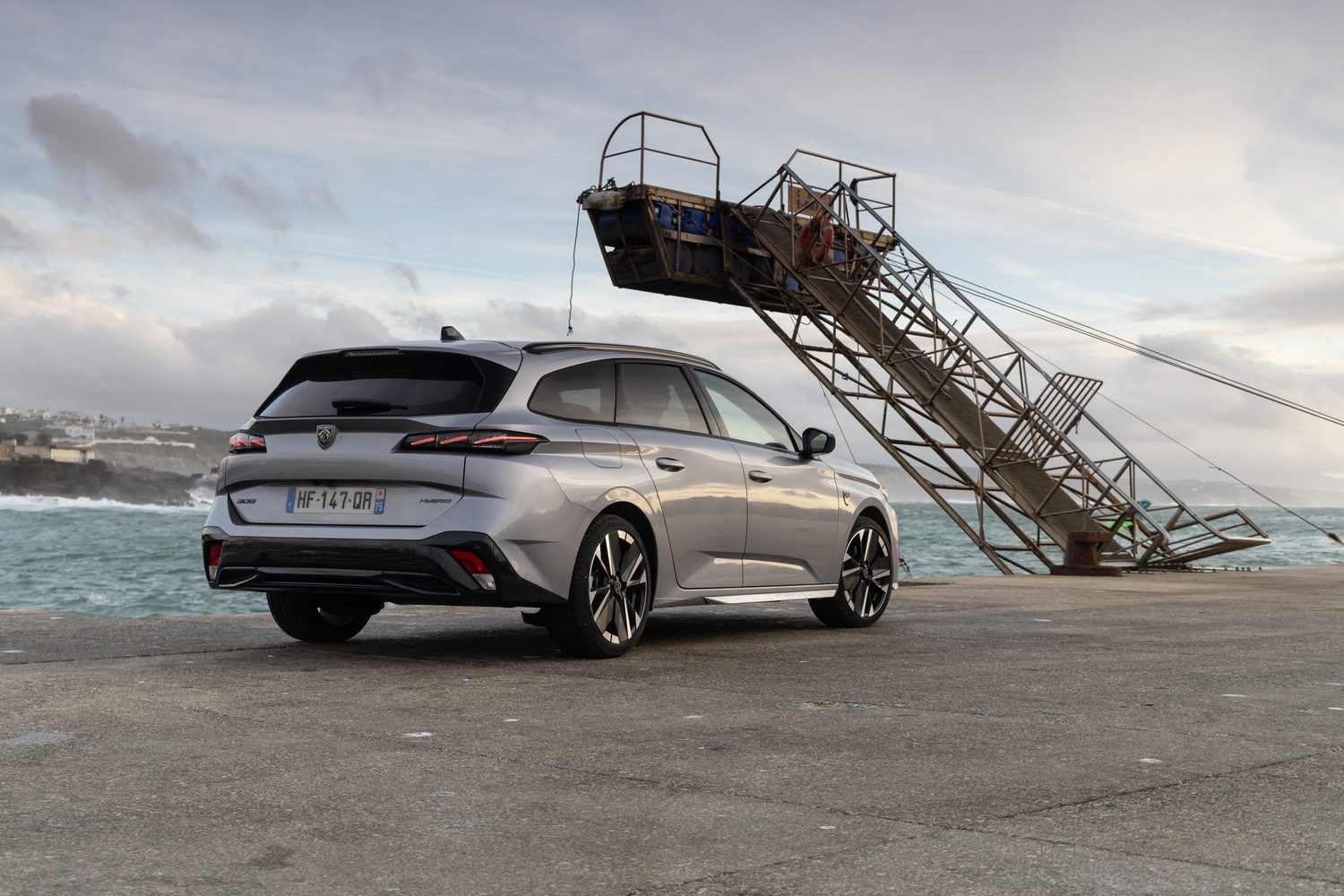
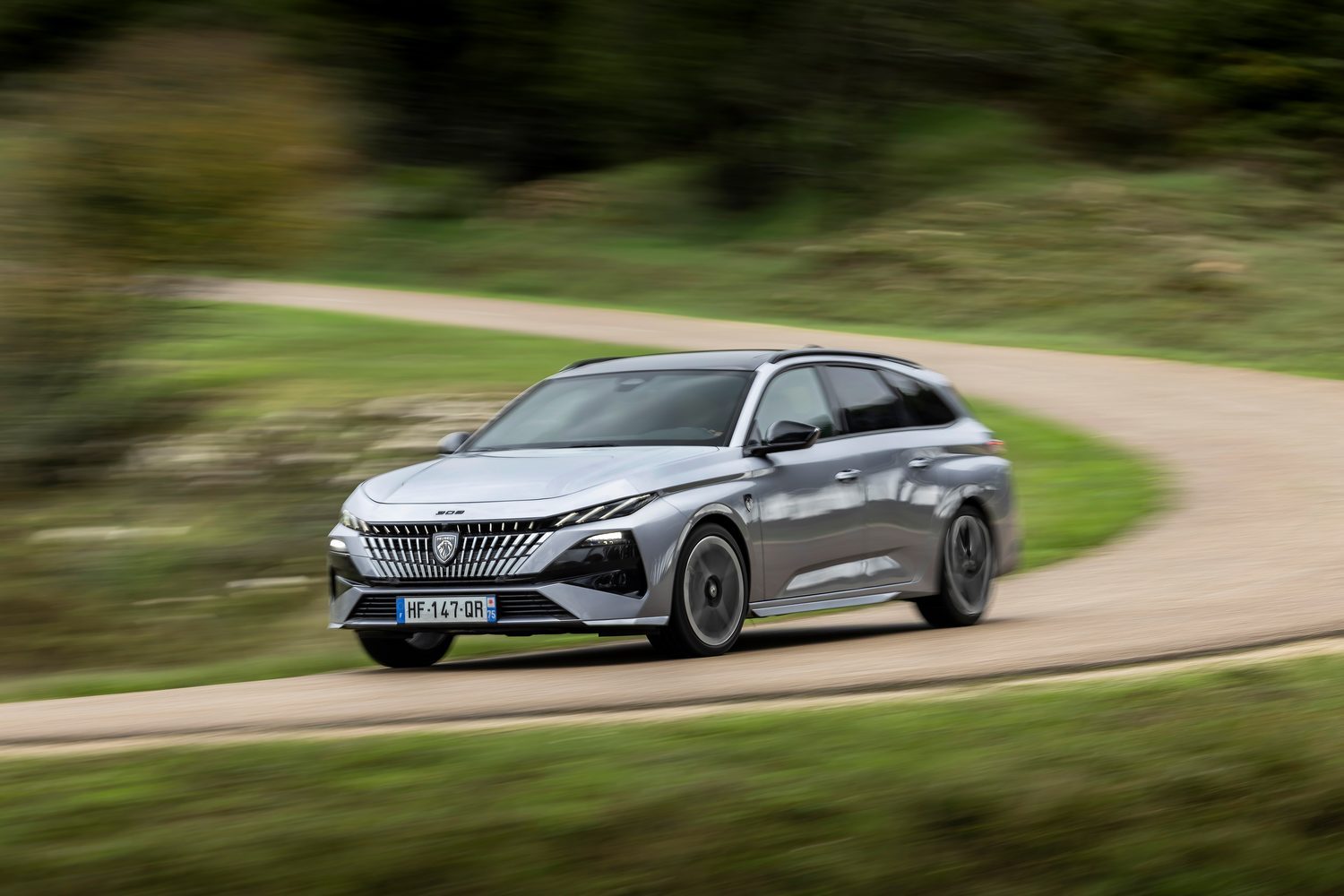
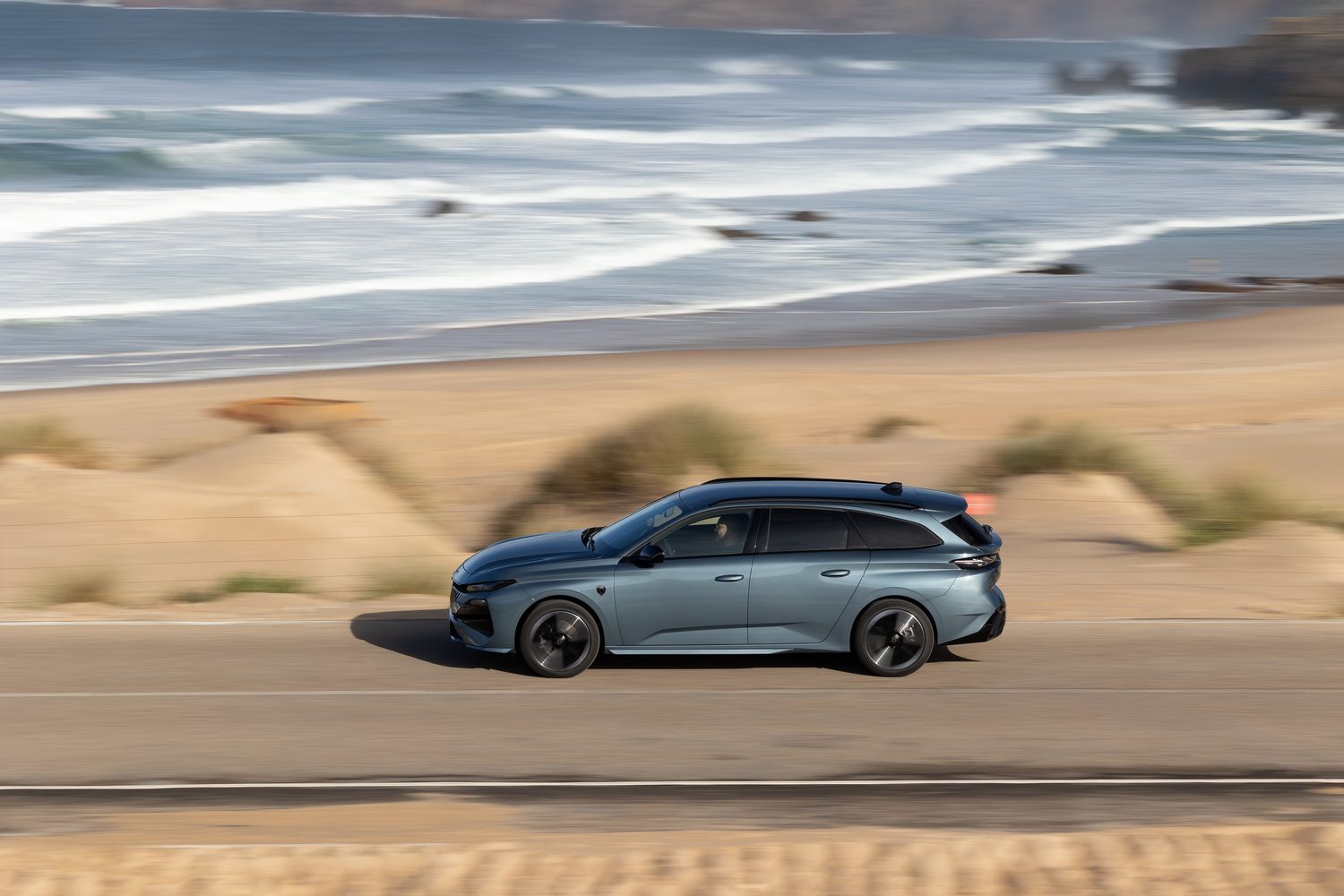
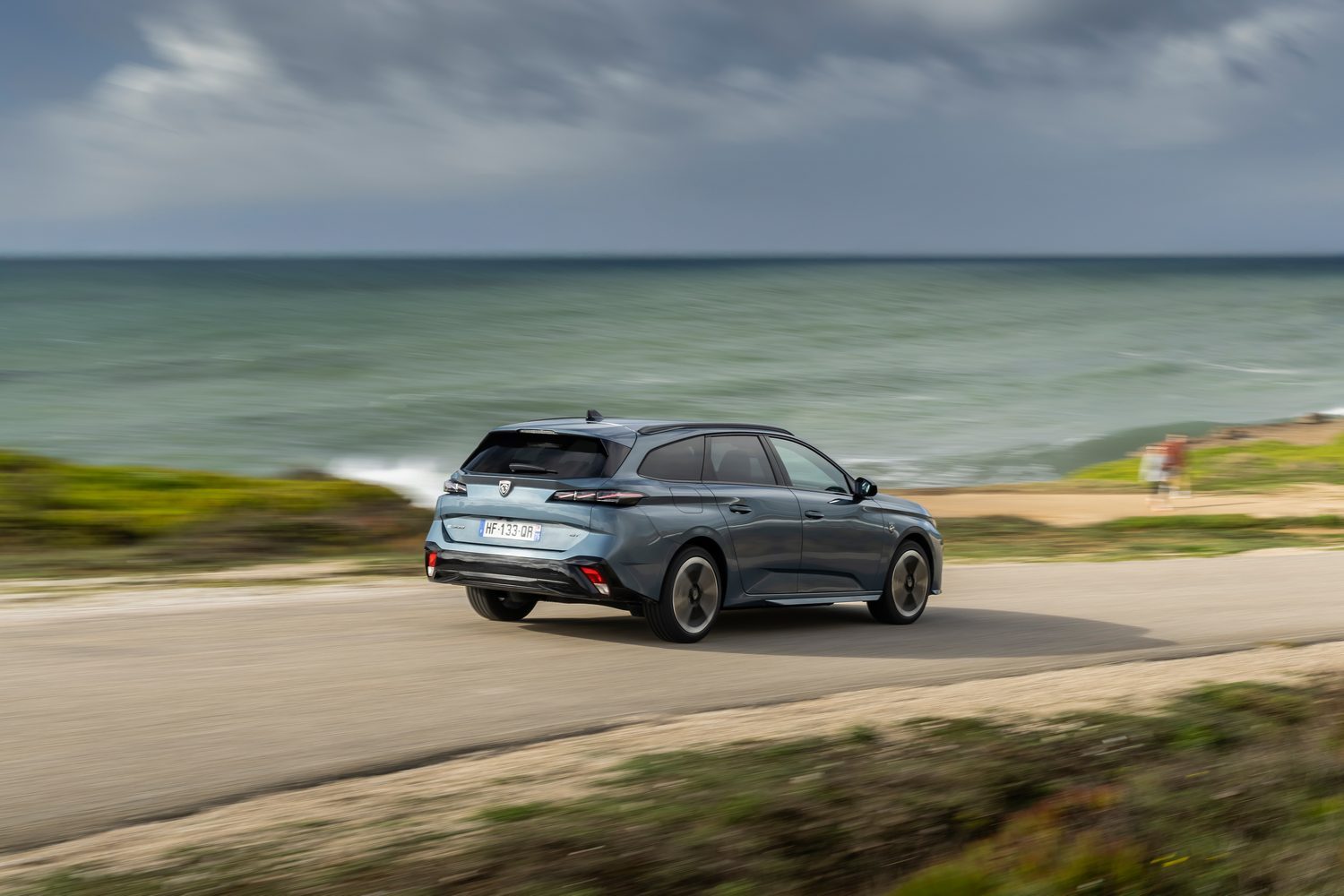
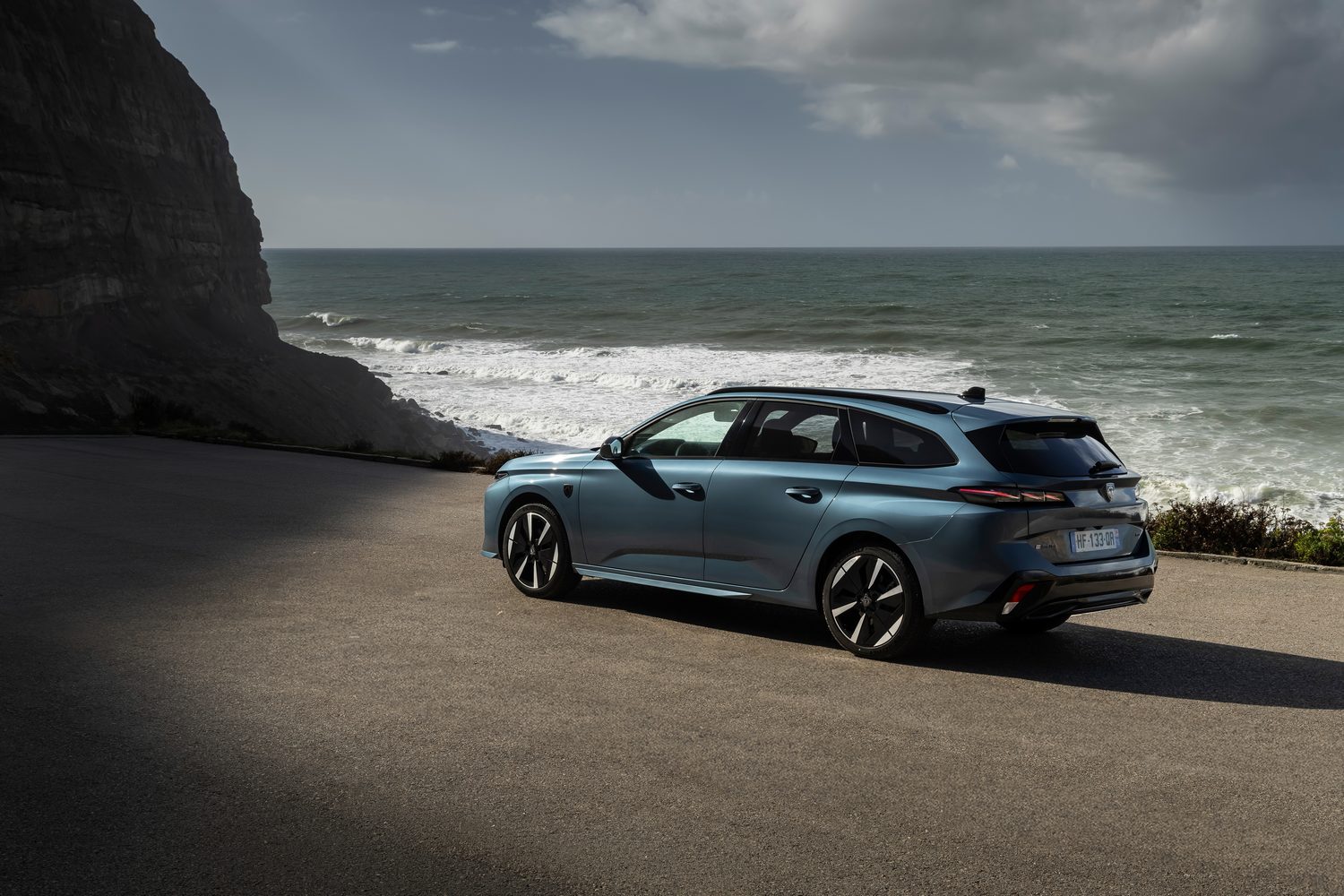
Peugeot creates the SW by grafting 269mm of extra metal into the overall length of the 308, with 57mm of that between the wheels and the rest coming at the back of the car - creating the big boot expected of an estate.
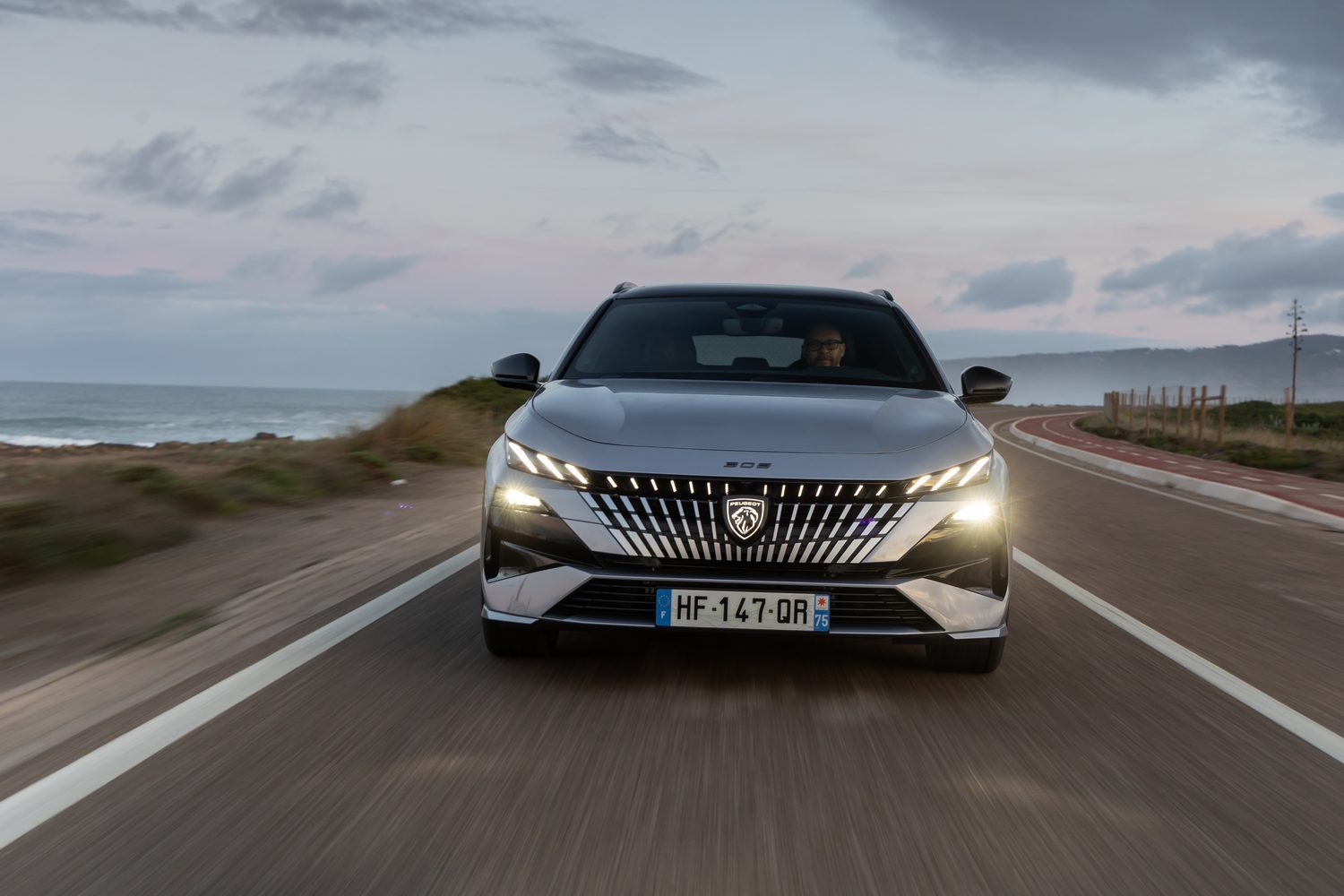
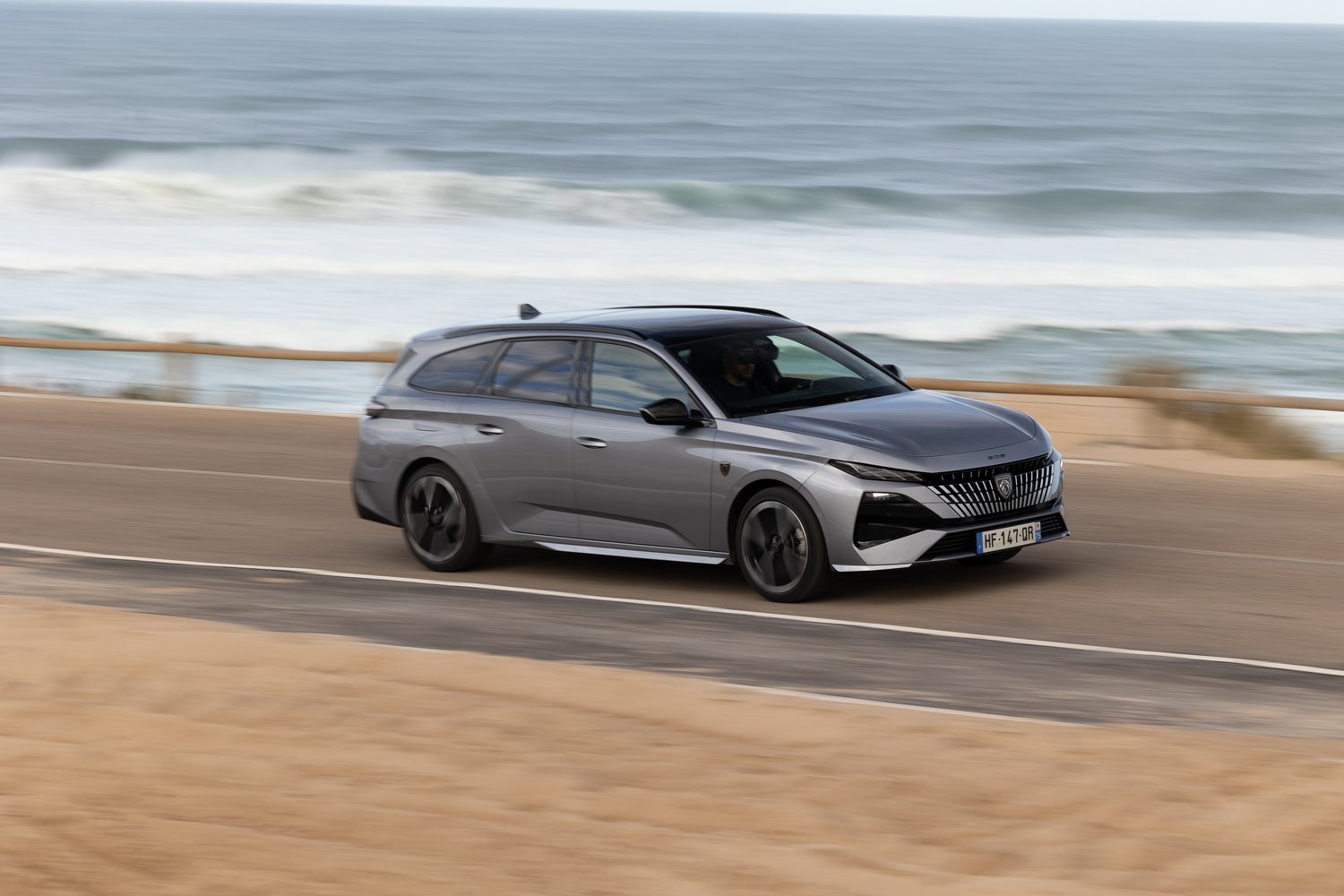
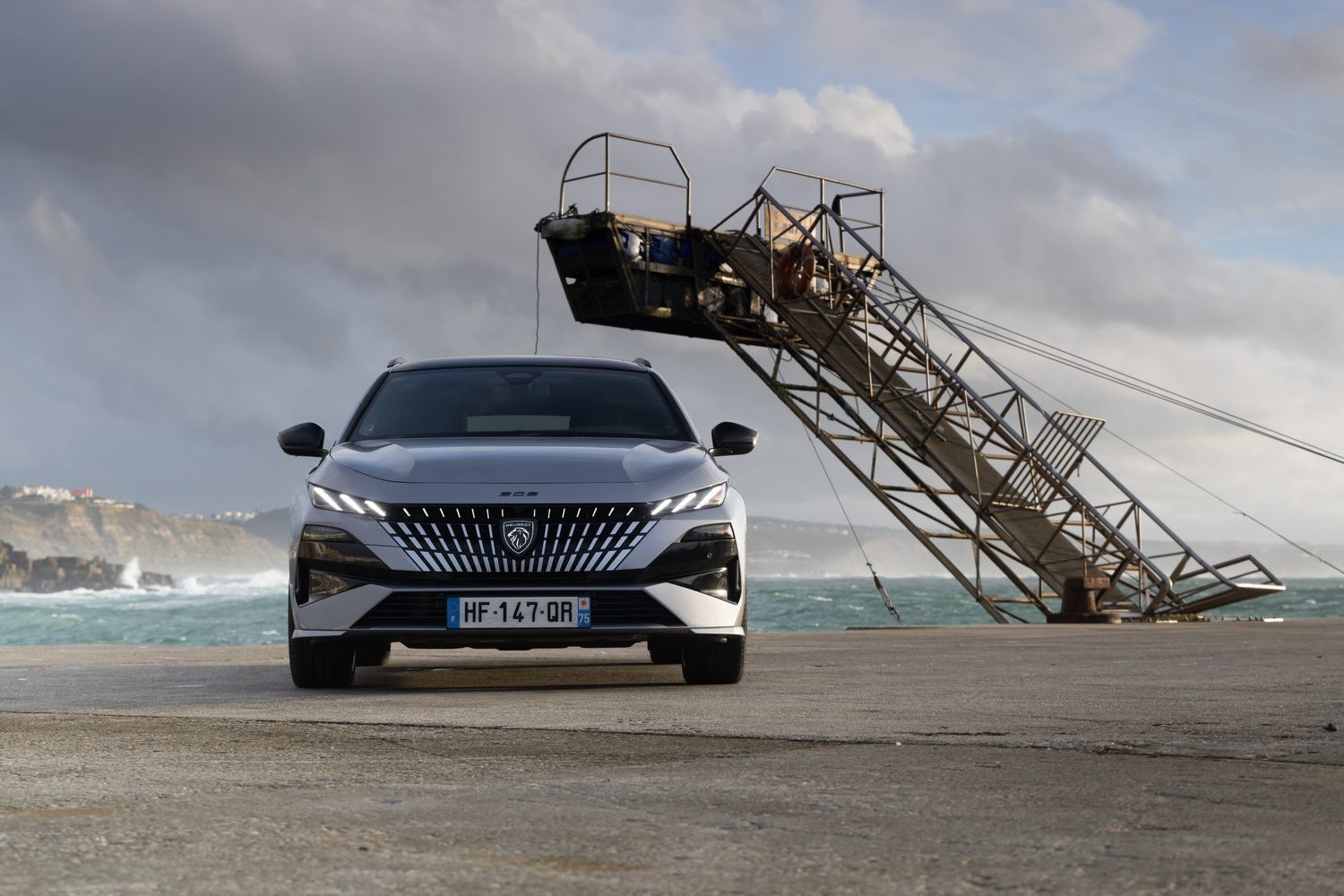
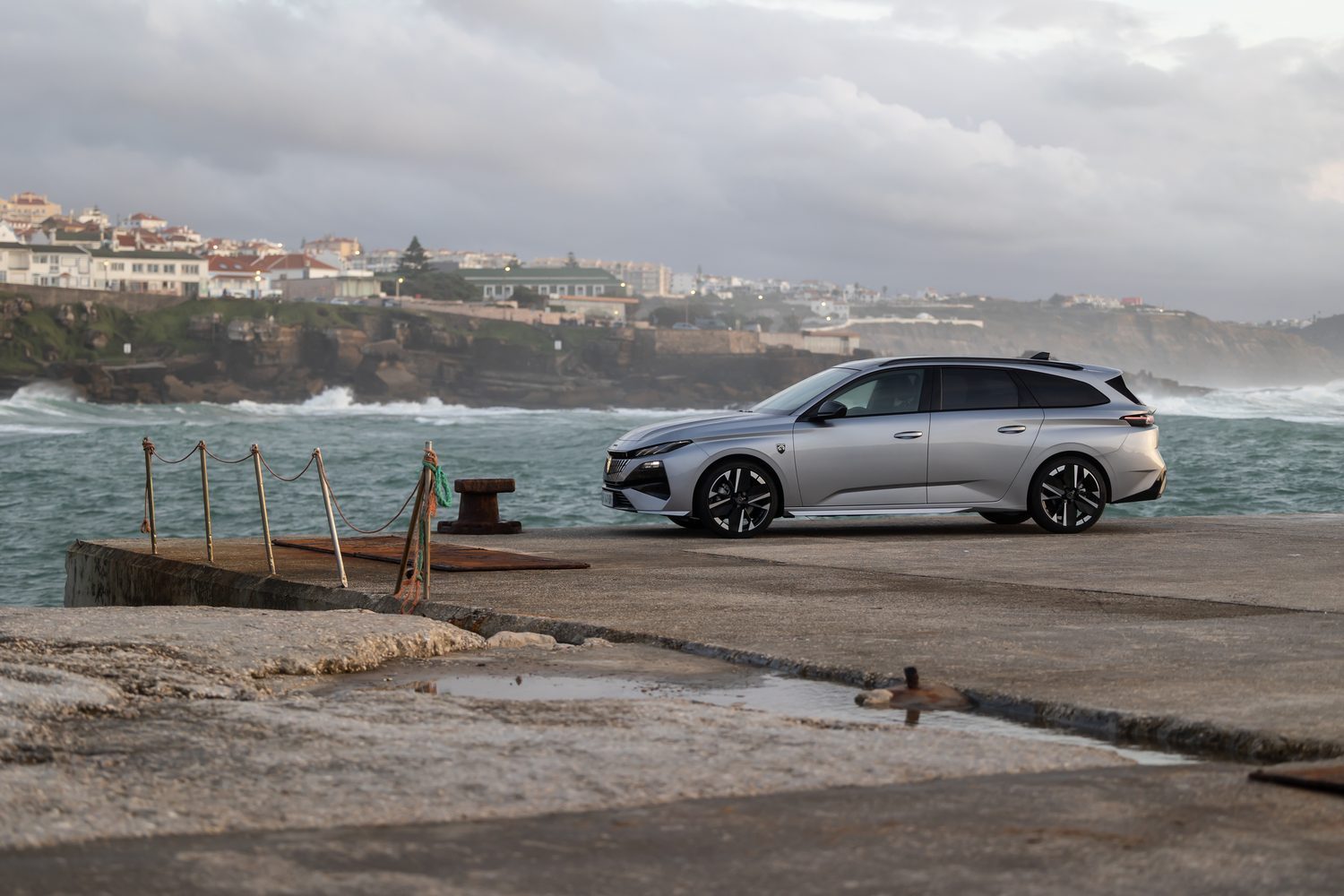
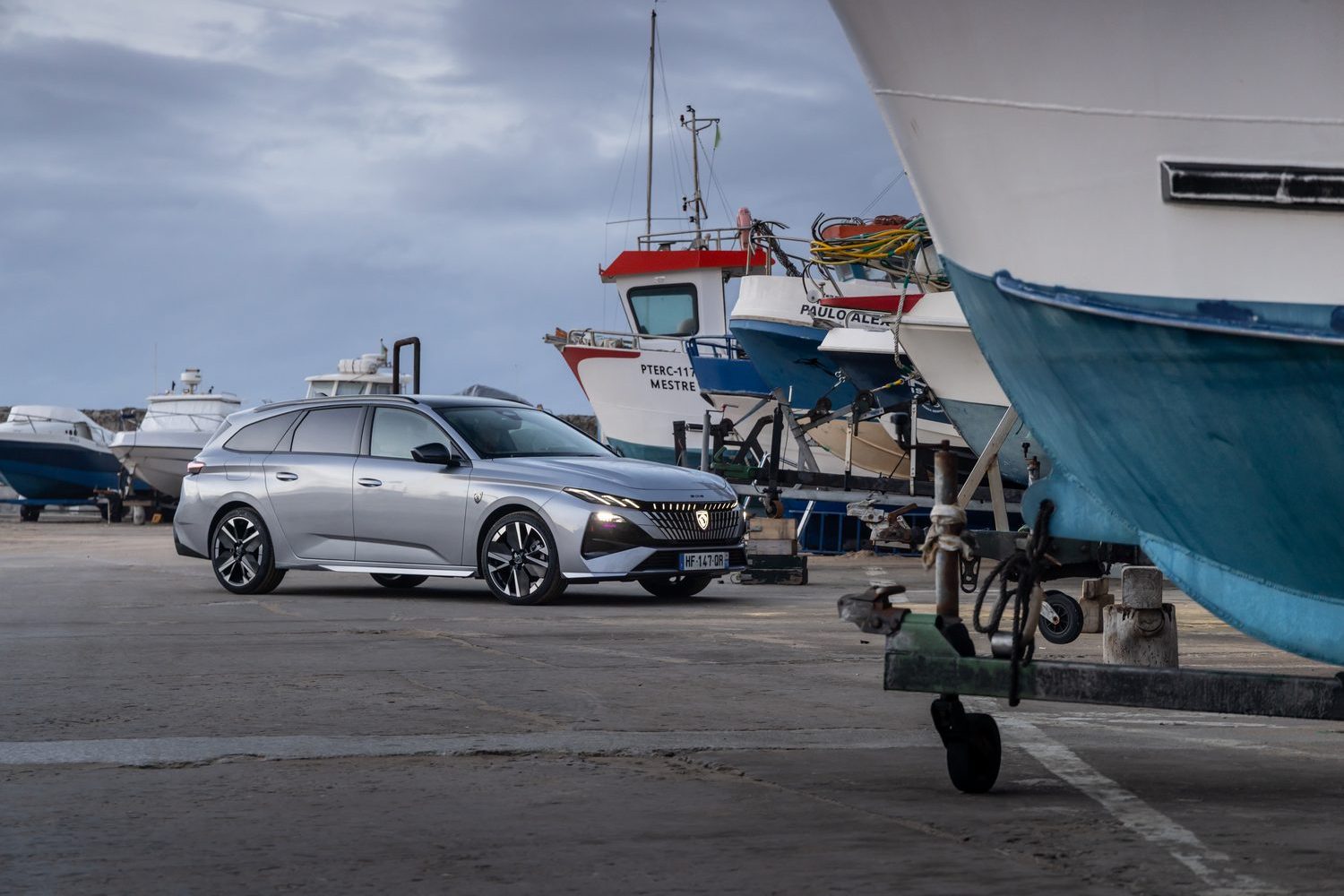
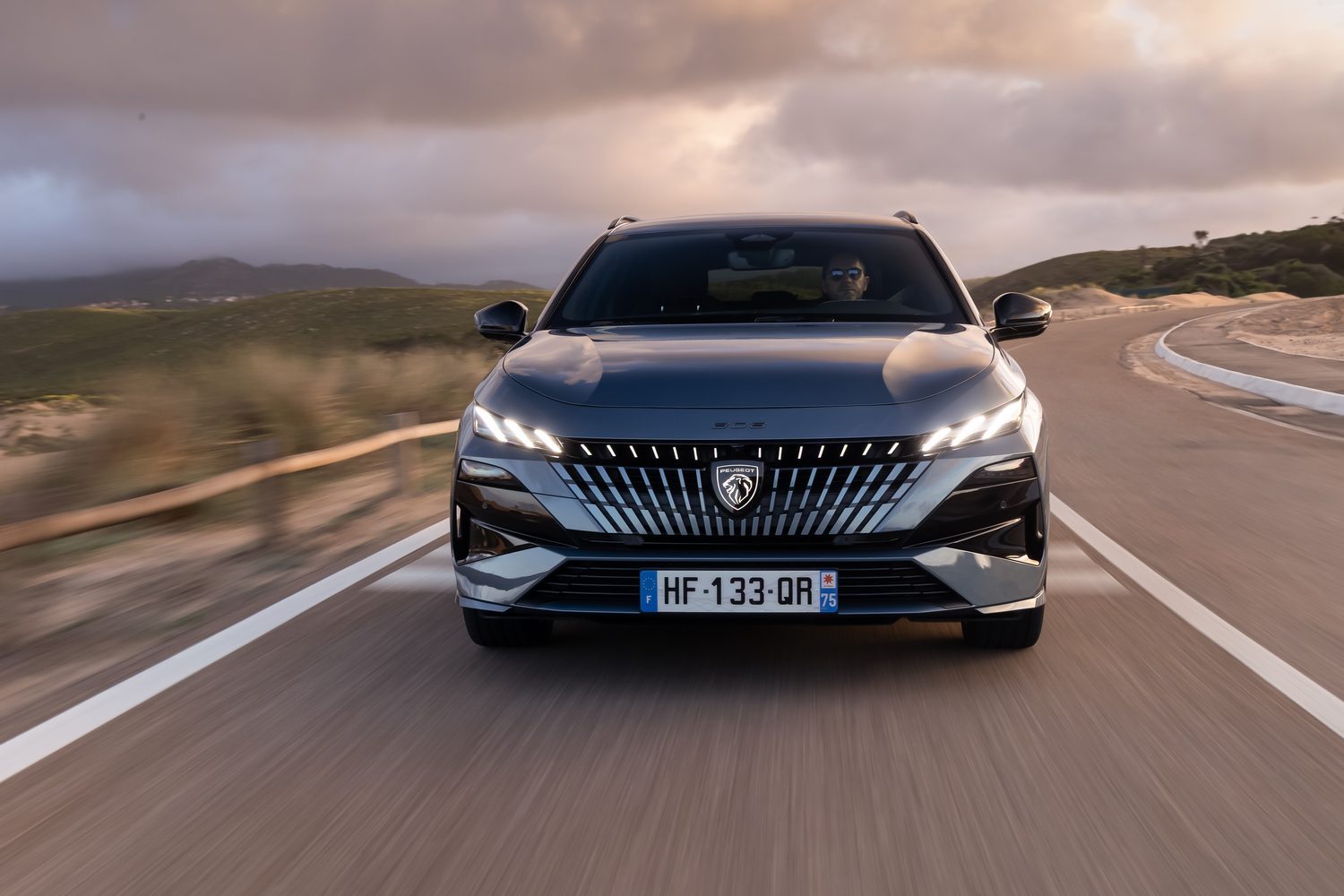
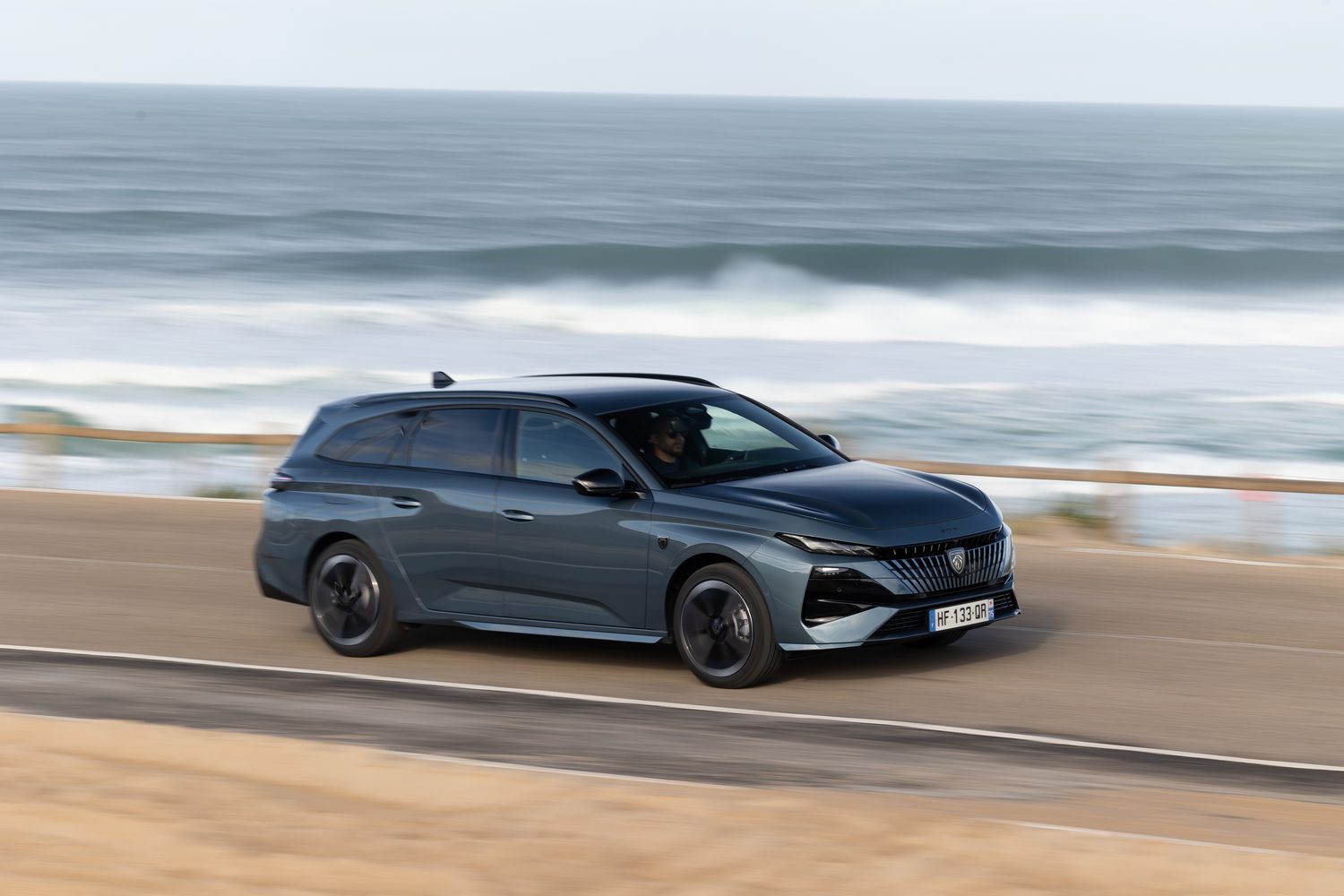
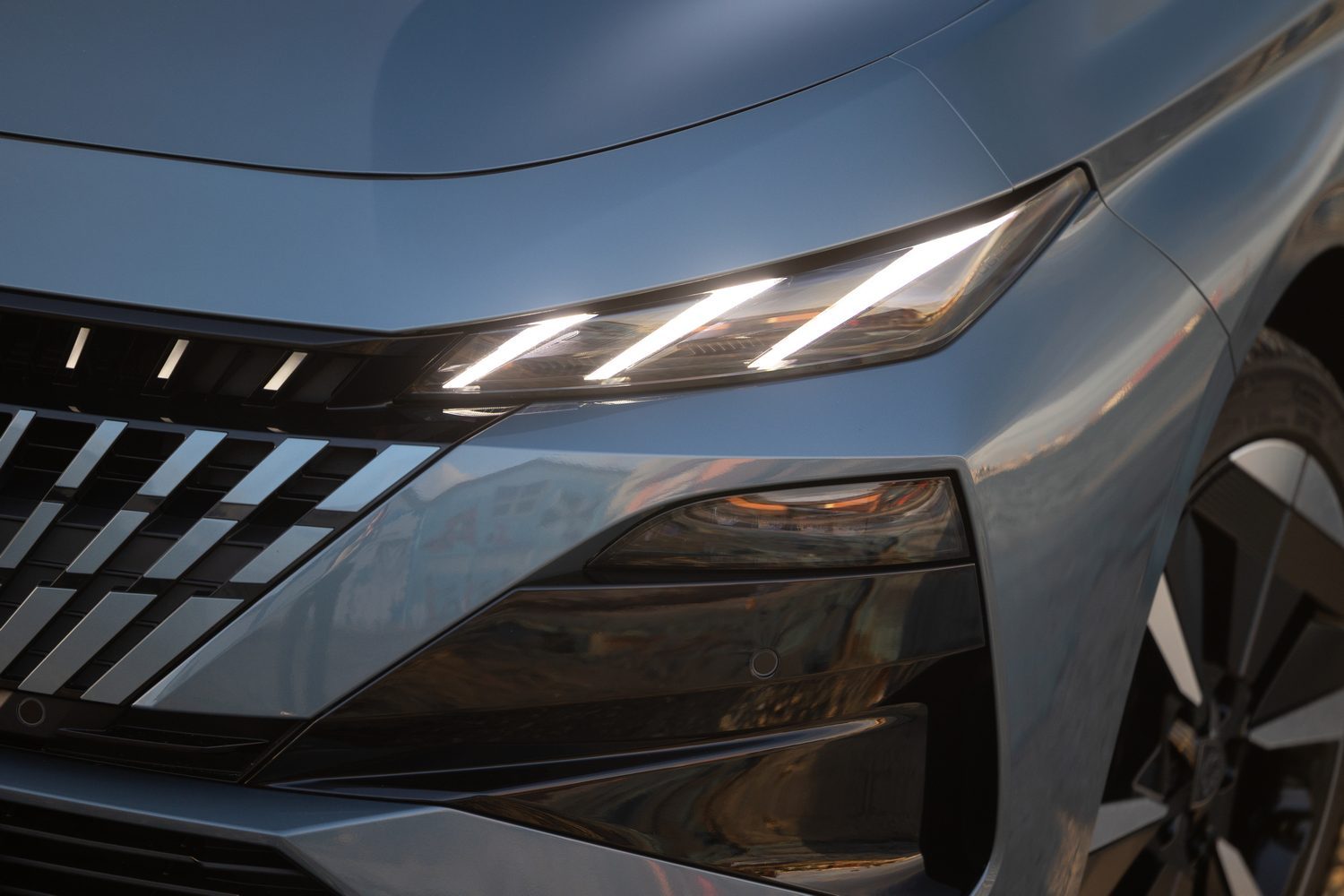
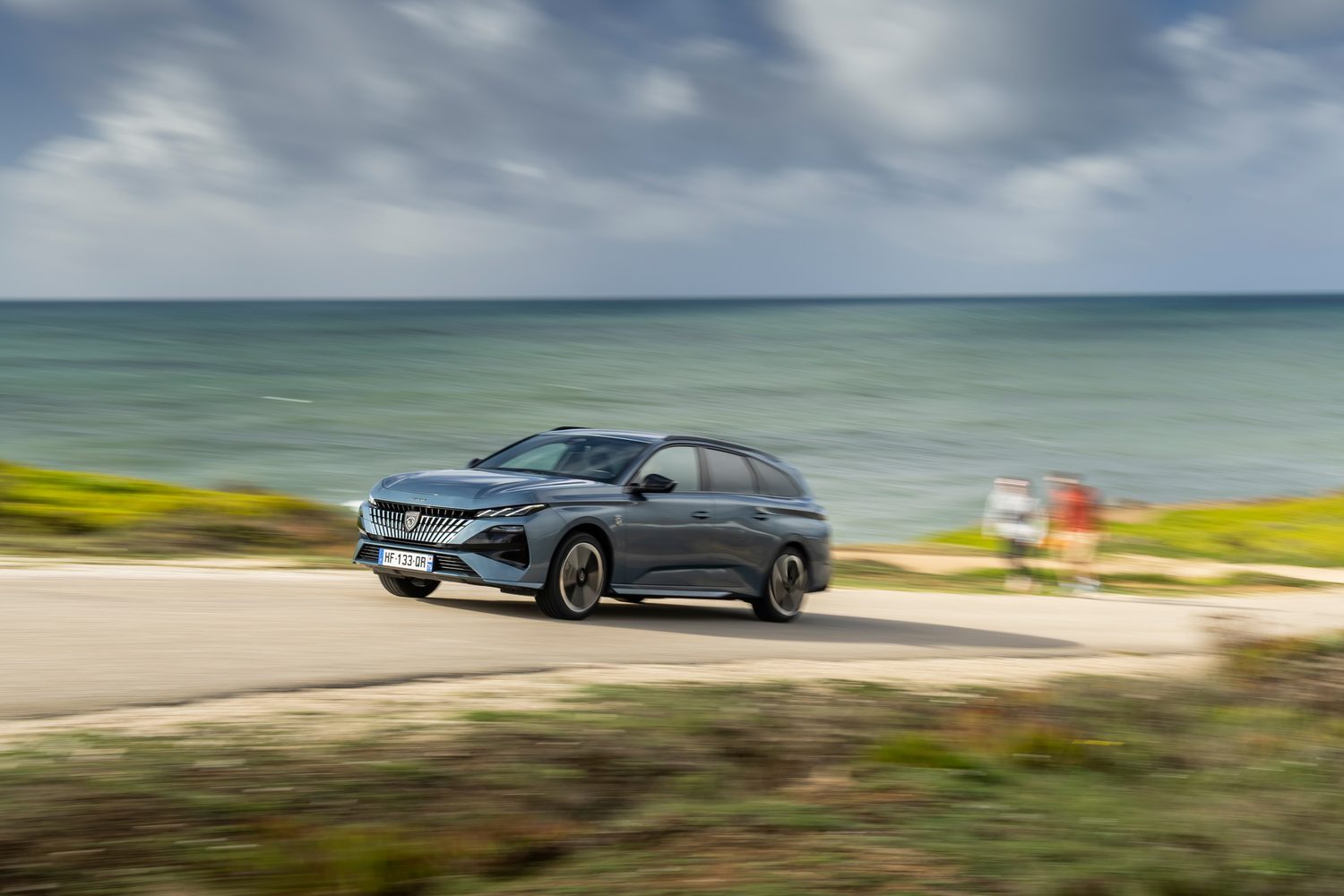
A visual update for the 2026 model year 308 SW revolves around an illuminated grille and front logo. However, this feature is only fitted to the GT specification of both the 308 SW Hybrid and E-308 SW.

Aside from the light patterns in the nose, the radiator grille of the SW has changed shape while the old 'fang' daytime running lamps that ran down either side of its face have been deleted.
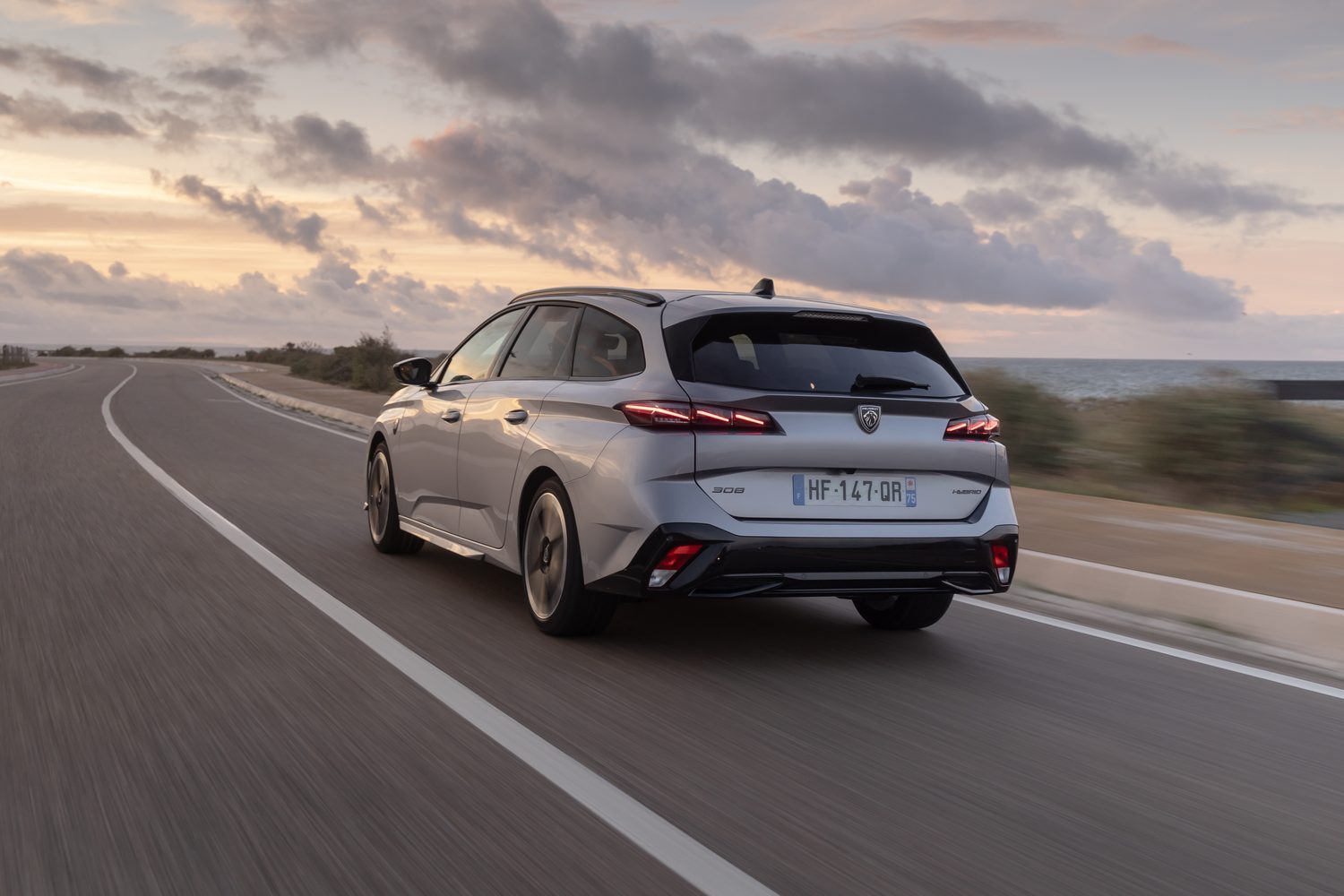
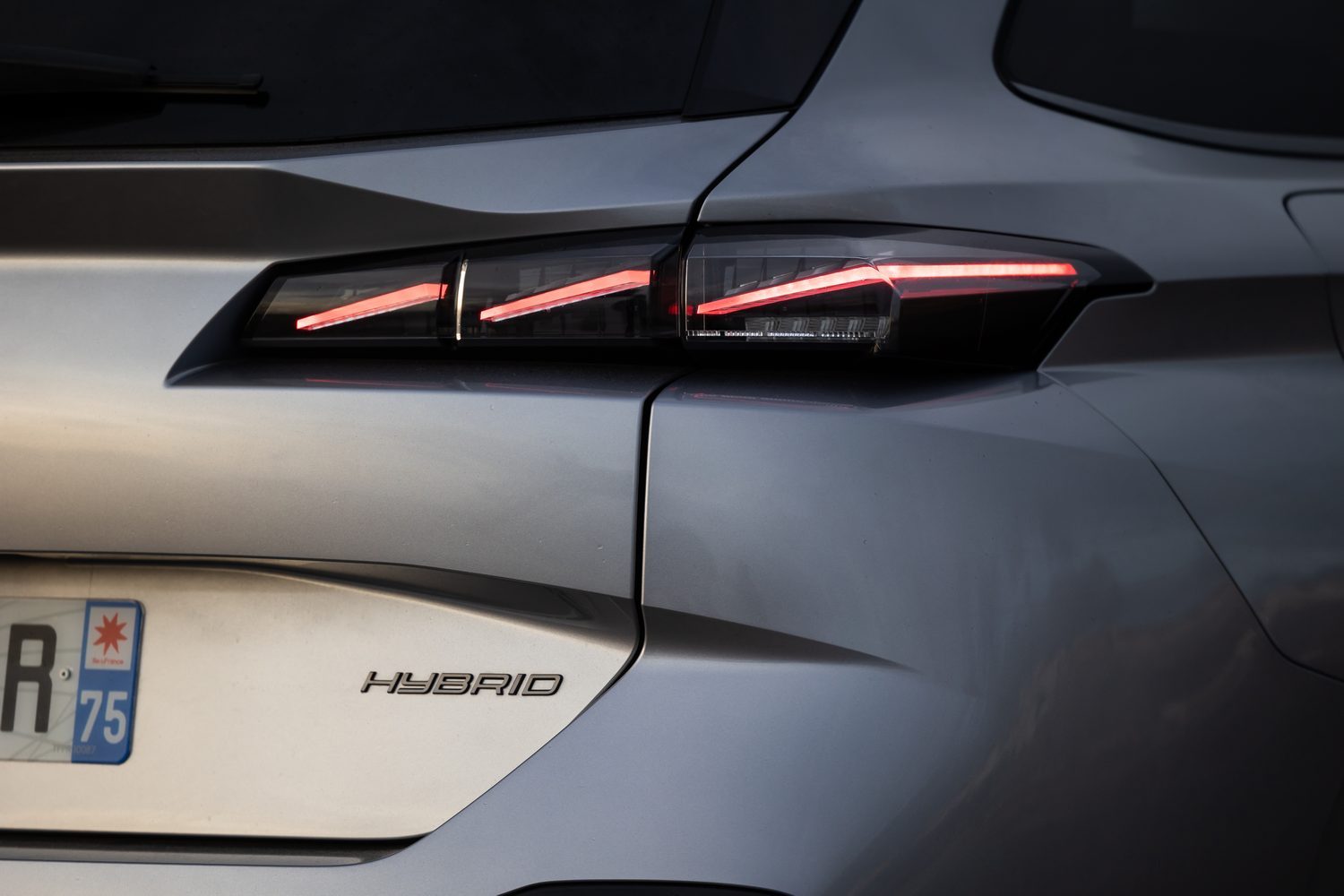
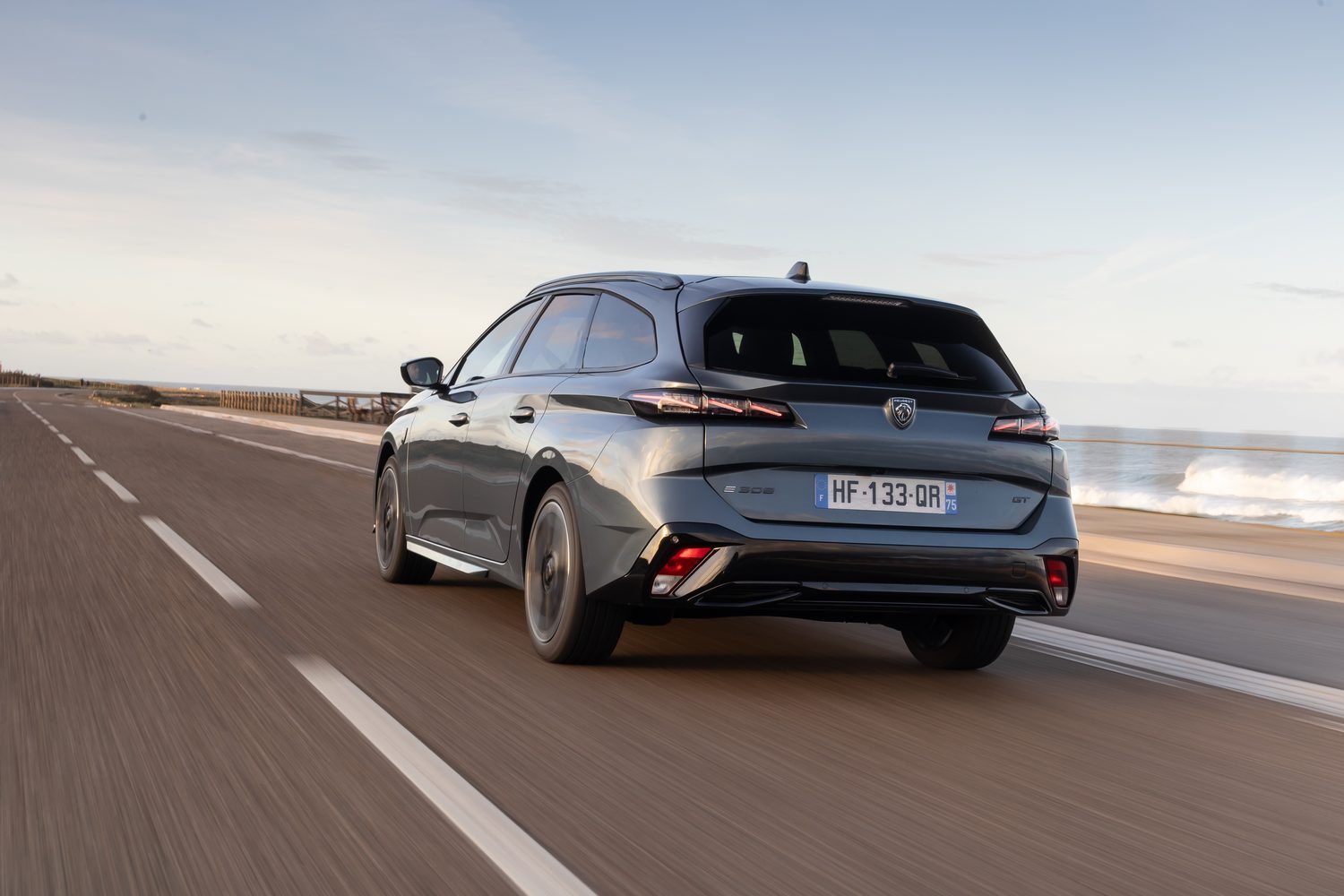
The rear light signatures have been tidied up, while fresh designs of 17- and 18-inch alloys plus a standard blue paint were added to the 308's repertoire in time for 2026 sales.

When it comes to those wheels, the Hybrid has 17-inch 'Bangkok' rims fitted as an Allure, while the GT sits on 18-inch 'Helsinki' items. For the E-308 SW, all versions have their own aerodynamically optimised 18-inch alloy called the 'Seattle', and these three designs of wheel for the Peugeot are all diamond-cut in finish.
Dimensions of the 2026 Peugeot 308 SW
- Length:
- 4,636mm
- Width:
- 1,852mm (excluding mirrors)
- Height:
- 1,454mm
- Wheelbase:
- 2,732mm
Paint colours for the 2026 Peugeot 308 SW
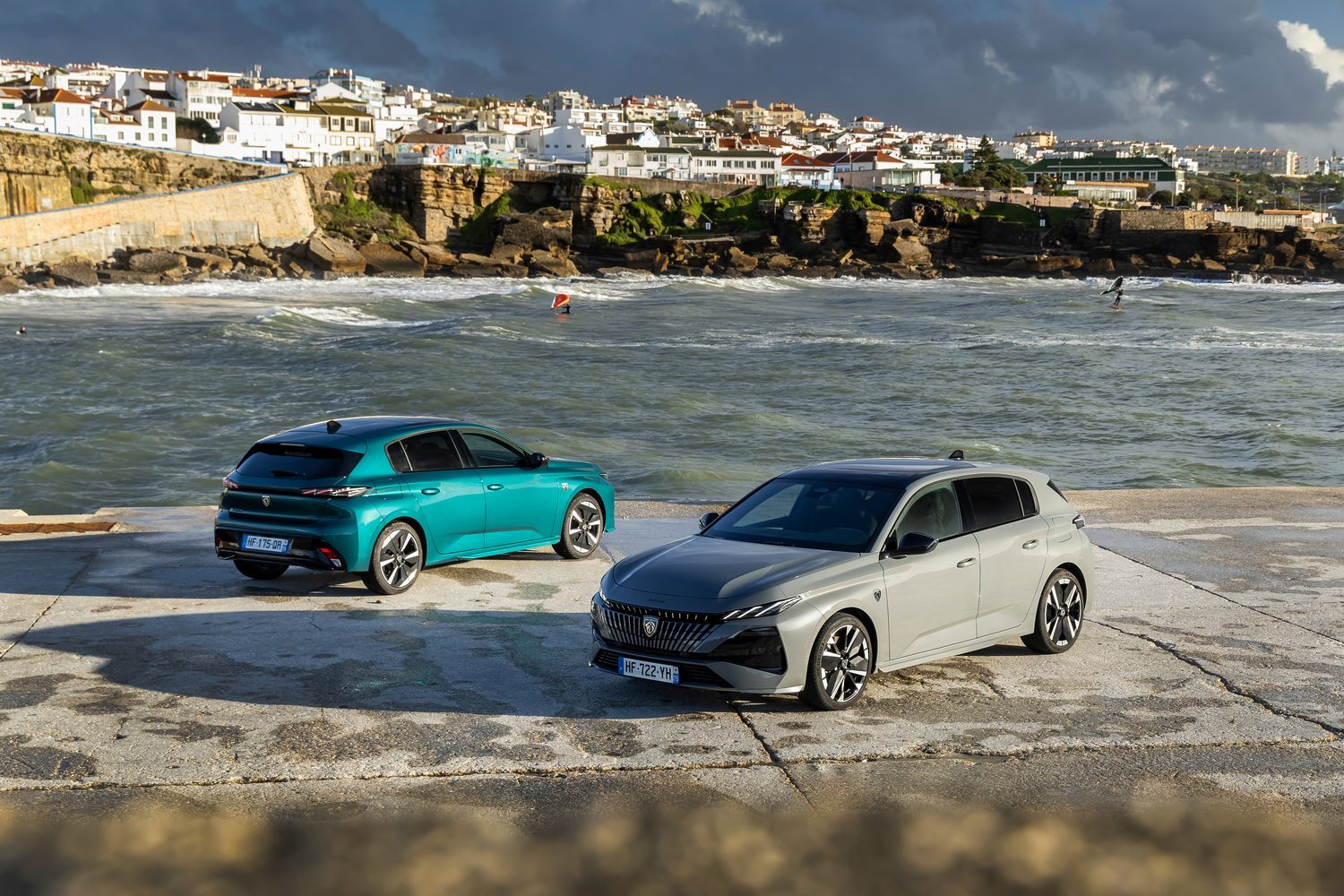
All paints offered for the 308 and E-308 SW cars are metallic, with the standard colour being Ingaro Blue, although there's a strong green tinge to it, and it's exclusive to the SW - the 308 hatch gets its own unique blue, called Lagoa.

If you want to change the finish of your 308 SW to something other than Ingaro, stepping up to Cumulus Grey, Nero Black, Okenite White or Selenium Grey will set you back €900 apiece. The most striking colour available for it, Elixir Red, is classified as a premium shade and is the most expensive paint at €1,200.
Interior, practicality, tech & comfort of the 2026 Peugeot 308 SW
- Large boot, bigger in Hybrid
- Lovely fixtures and fittings
- iCockpit doesn't suit all drivers

Material quality in the SW is excellent and its longer wheelbase and body results in a superior amount of passenger room in the second row, when compared to the hatch. However, the small steering wheel and high-set binnacle does not suit drivers of all heights.
Getting comfortable in the driver's seat
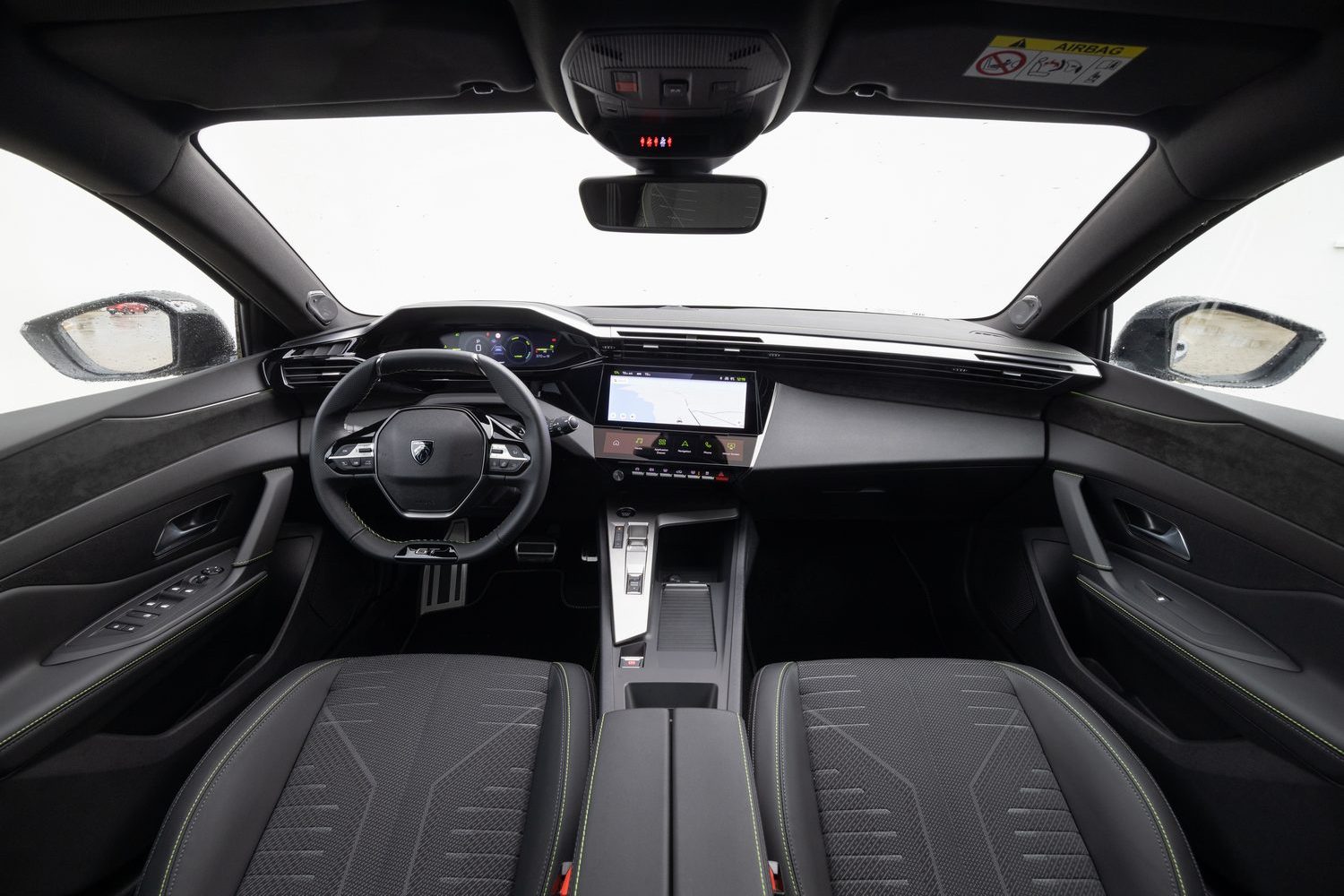
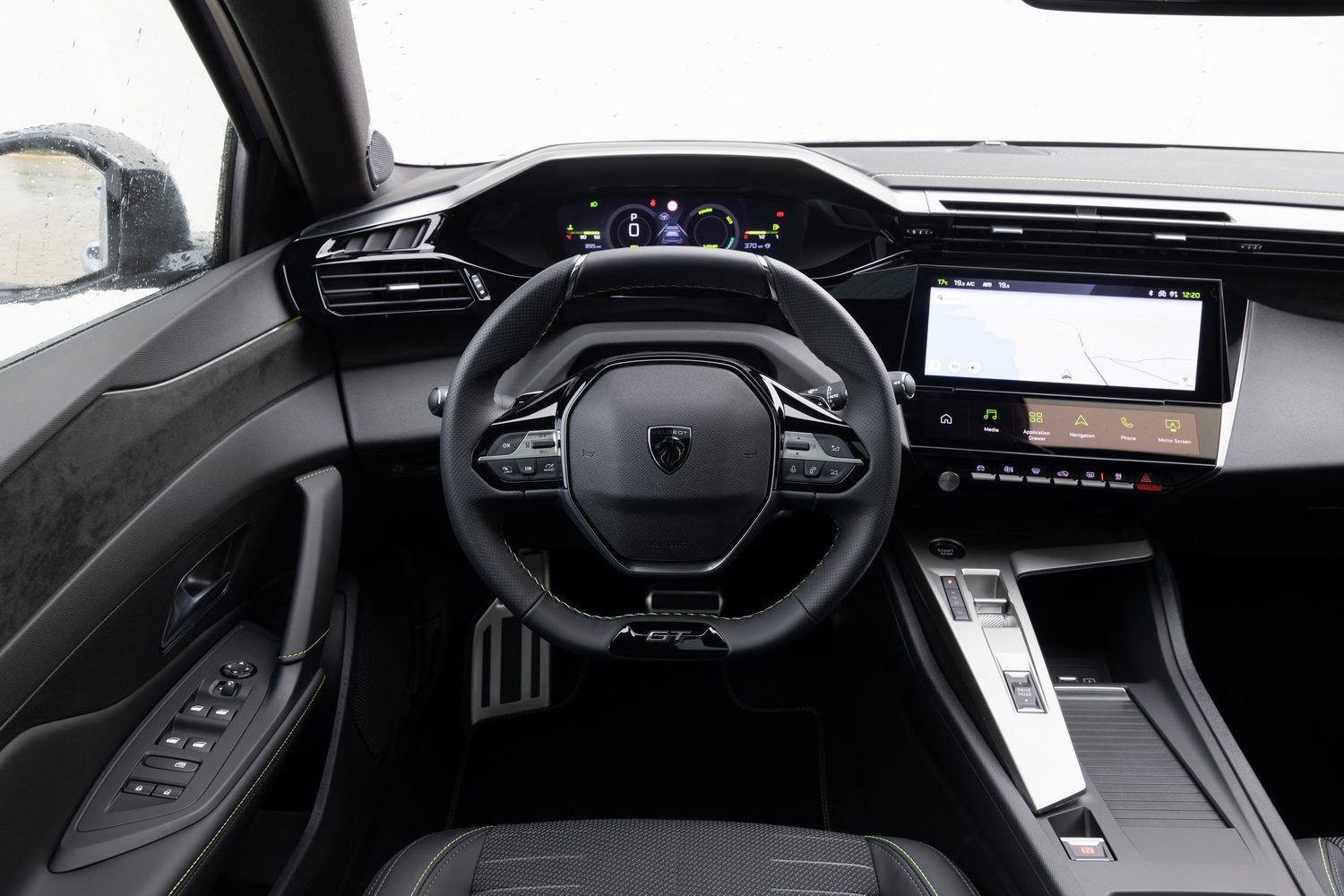
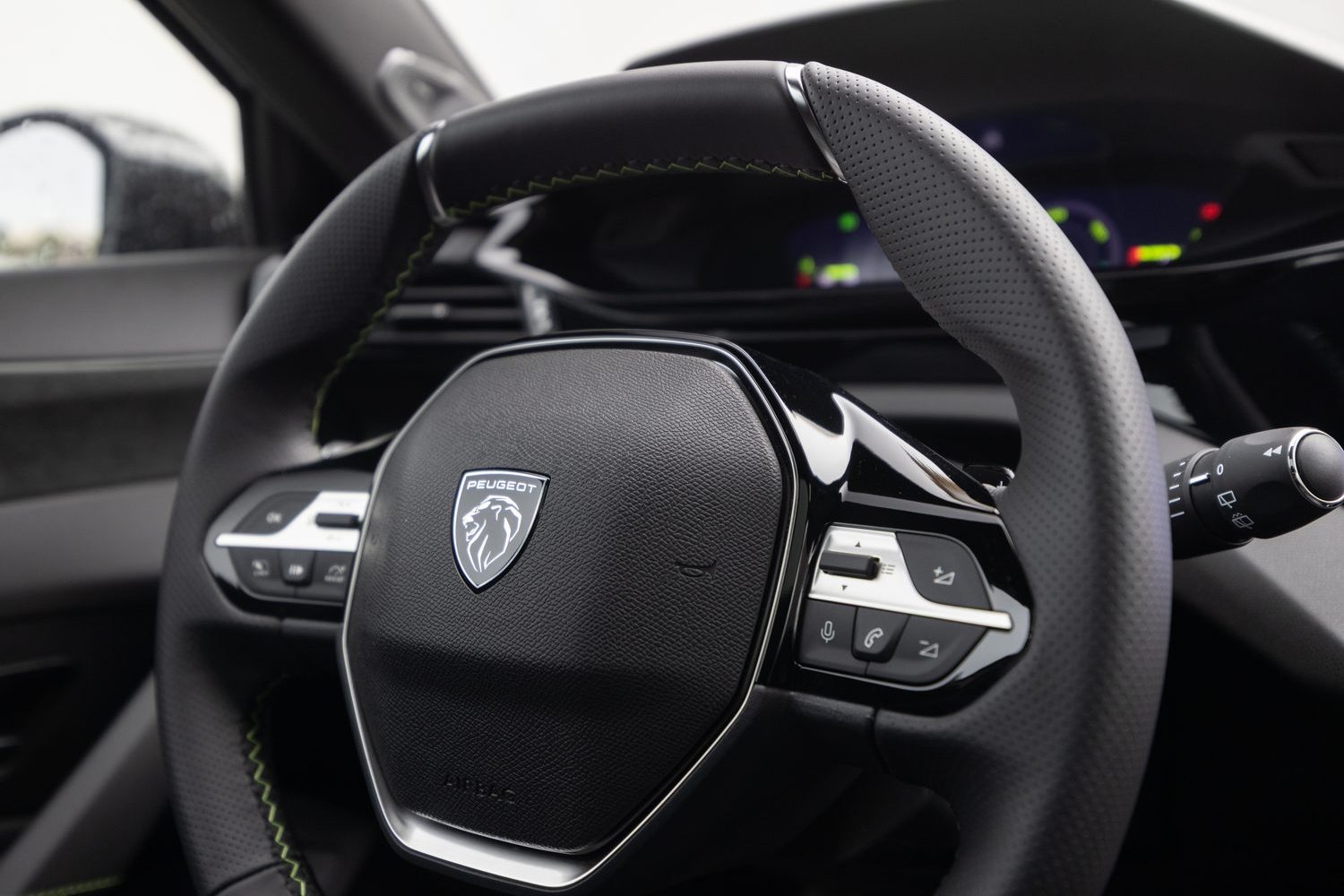
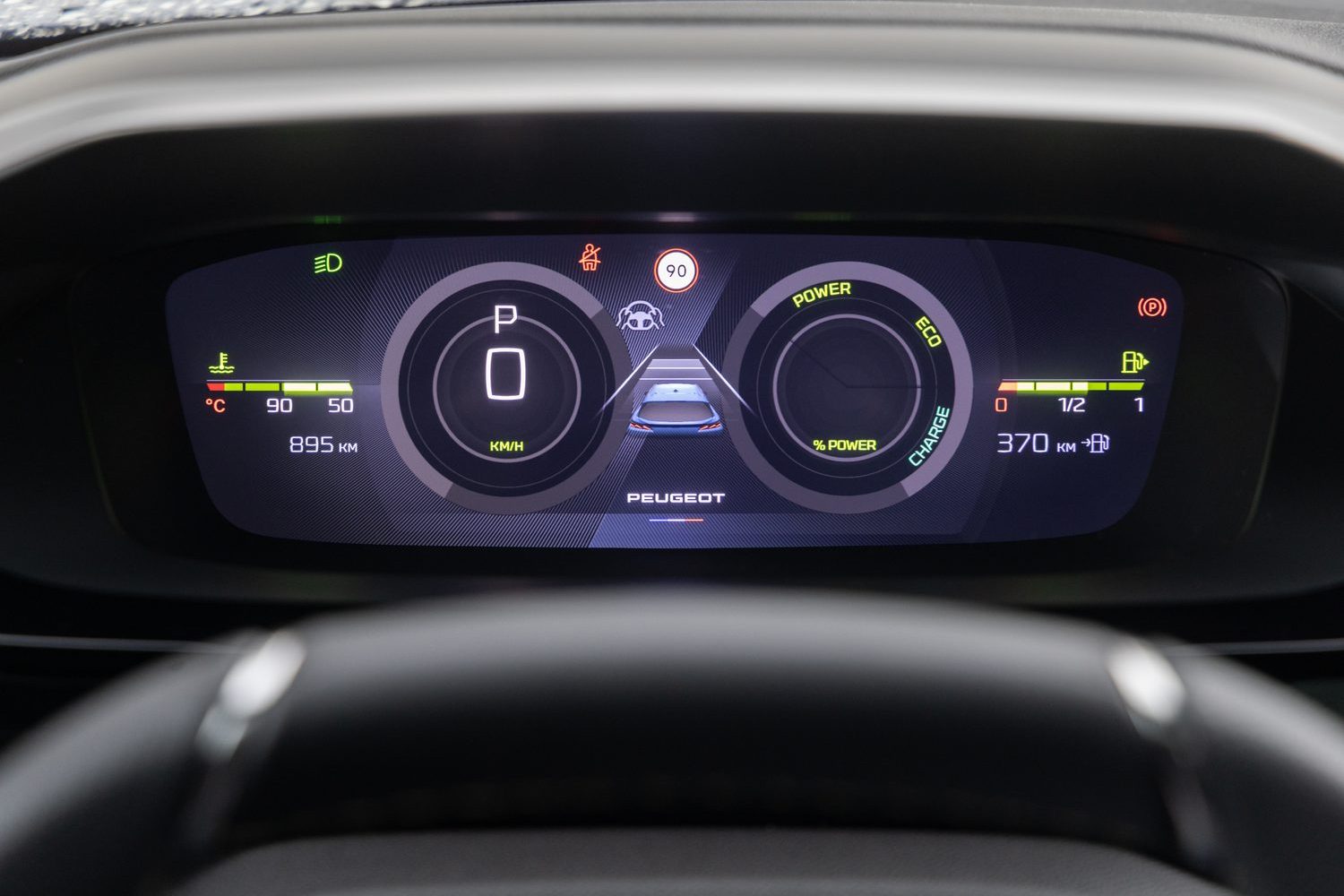
As long as you can get on with the low-set, tiny steering wheel coupled to the high-mounted digital instrument cluster in the Peugeot 308 SW - a combination the French firm refers to as the 'iCockpit' layout - then you should be able to attain a comfortable driving position in this family wagon.

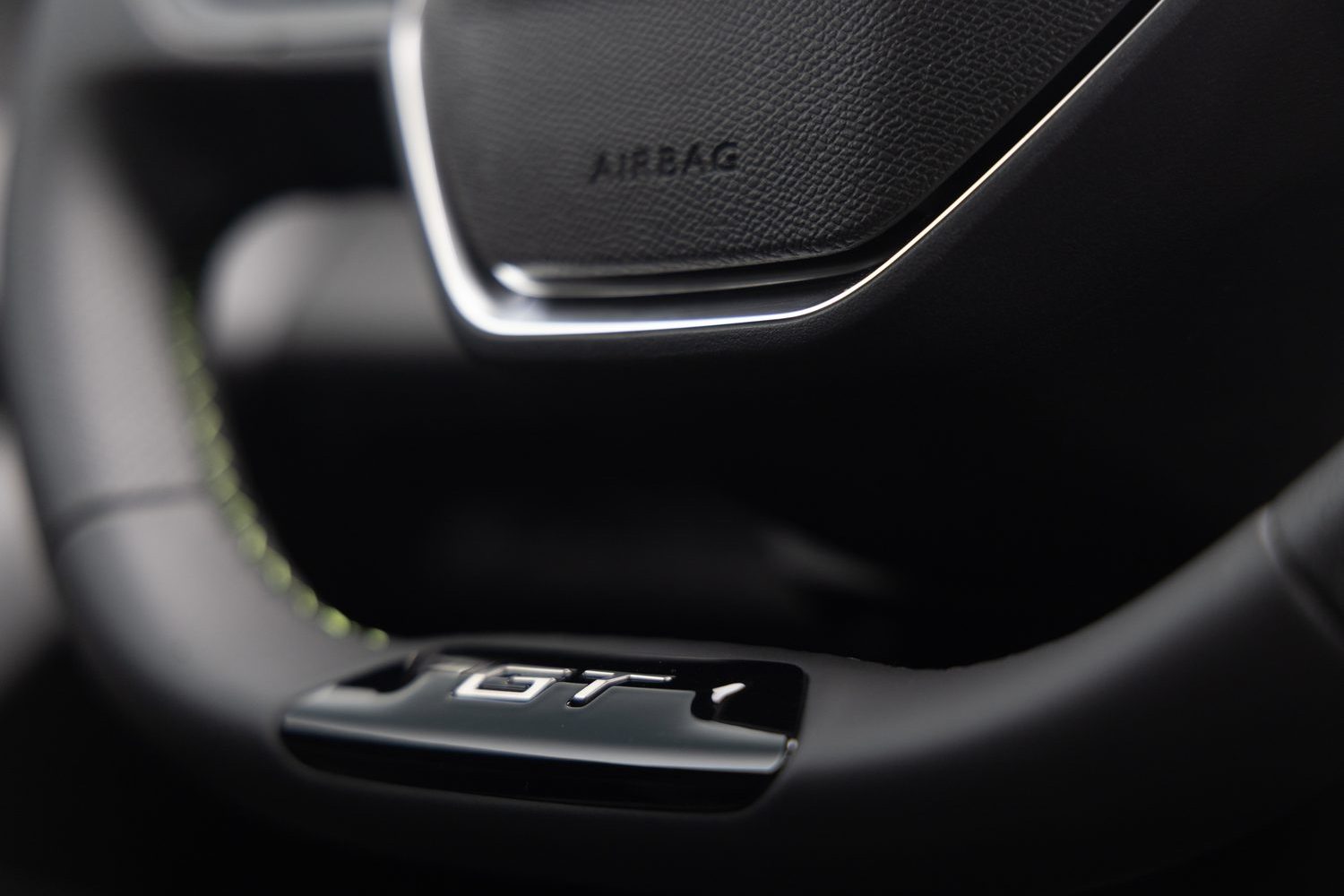
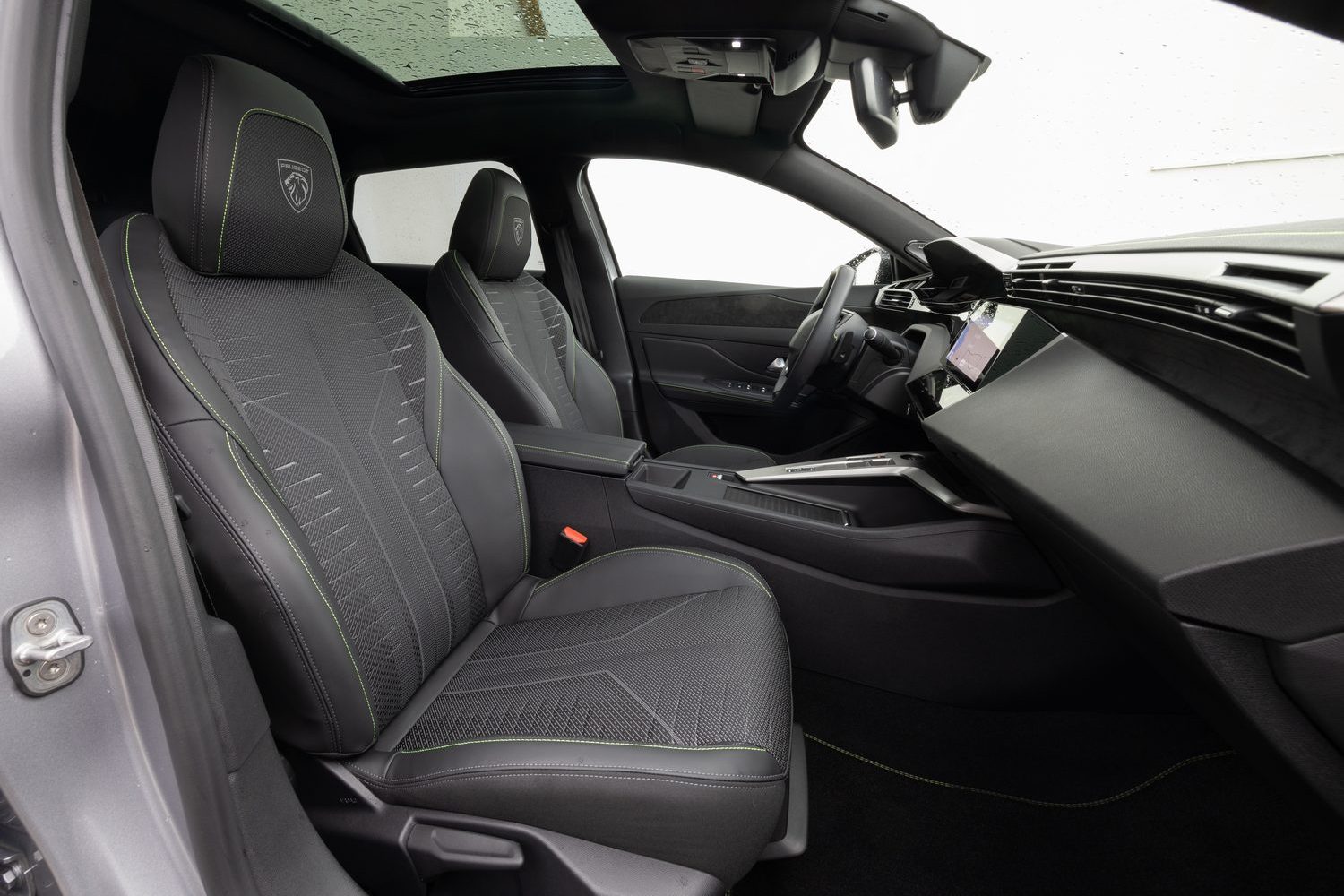
Allure SWs have manually adjusted seats, but on the higher GT grade the front chairs are fully electrically adjustable, while they have an extendable thigh support in the squab as well.
Coupled to reach-and-rake adjustment of the steering column, then unless you're very tall or perhaps what we might term 'vertically challenged', you should be able to get yourself into a position where the steering wheel falls naturally to hand, and you can see all the relevant dials and readouts in the cluster.

Visibility out of the car is excellent in all directions, helped by the fact the SW has a bigger glasshouse and deeper rear windscreen than the hatch, and the bucket-shaped front seats of the GT model are approved by the German body which promotes good back health - so you should find yourself getting out of the 308 or E-308 SW at the end of a long journey, feeling refreshed and pain-free.
Infotainment and technology
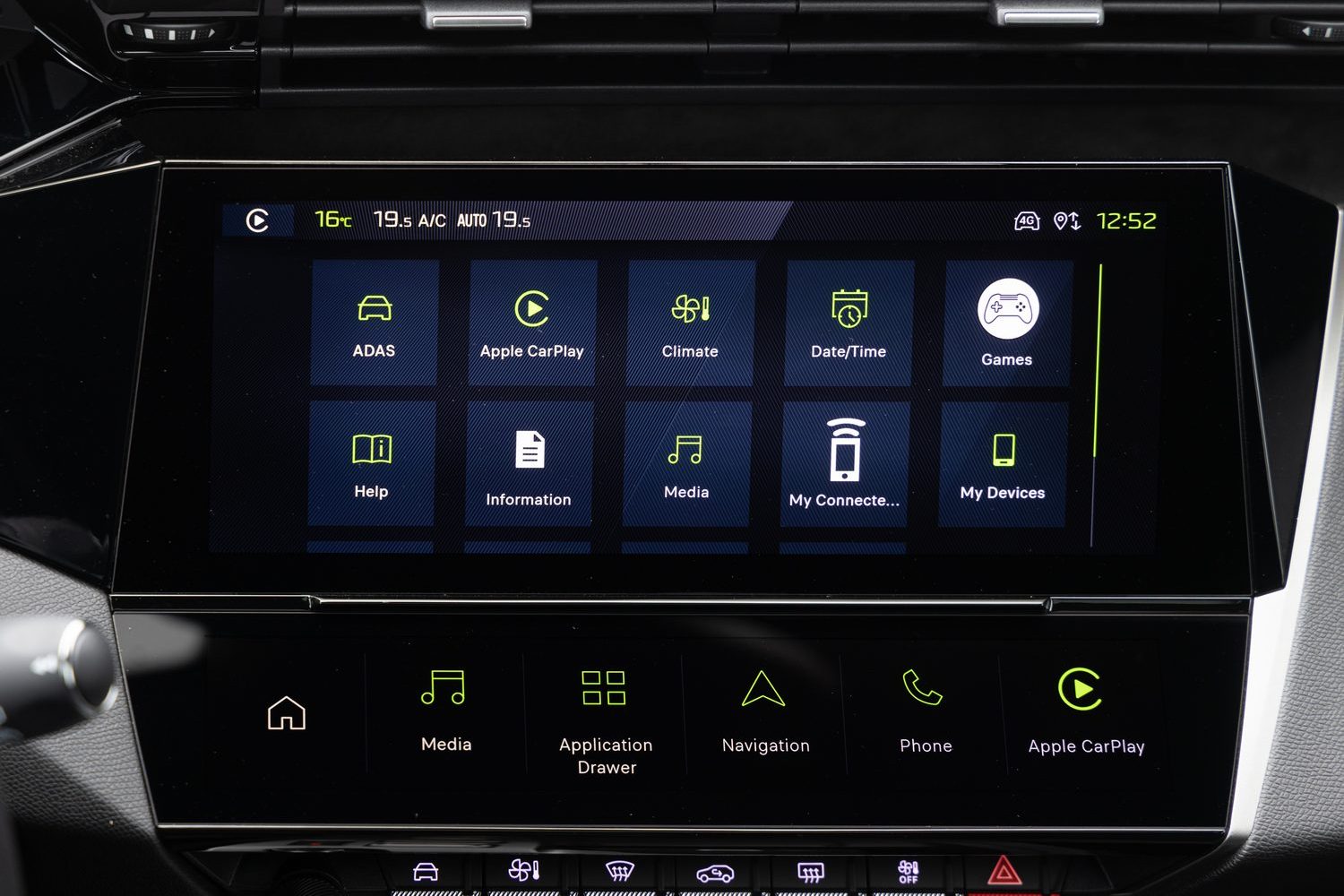
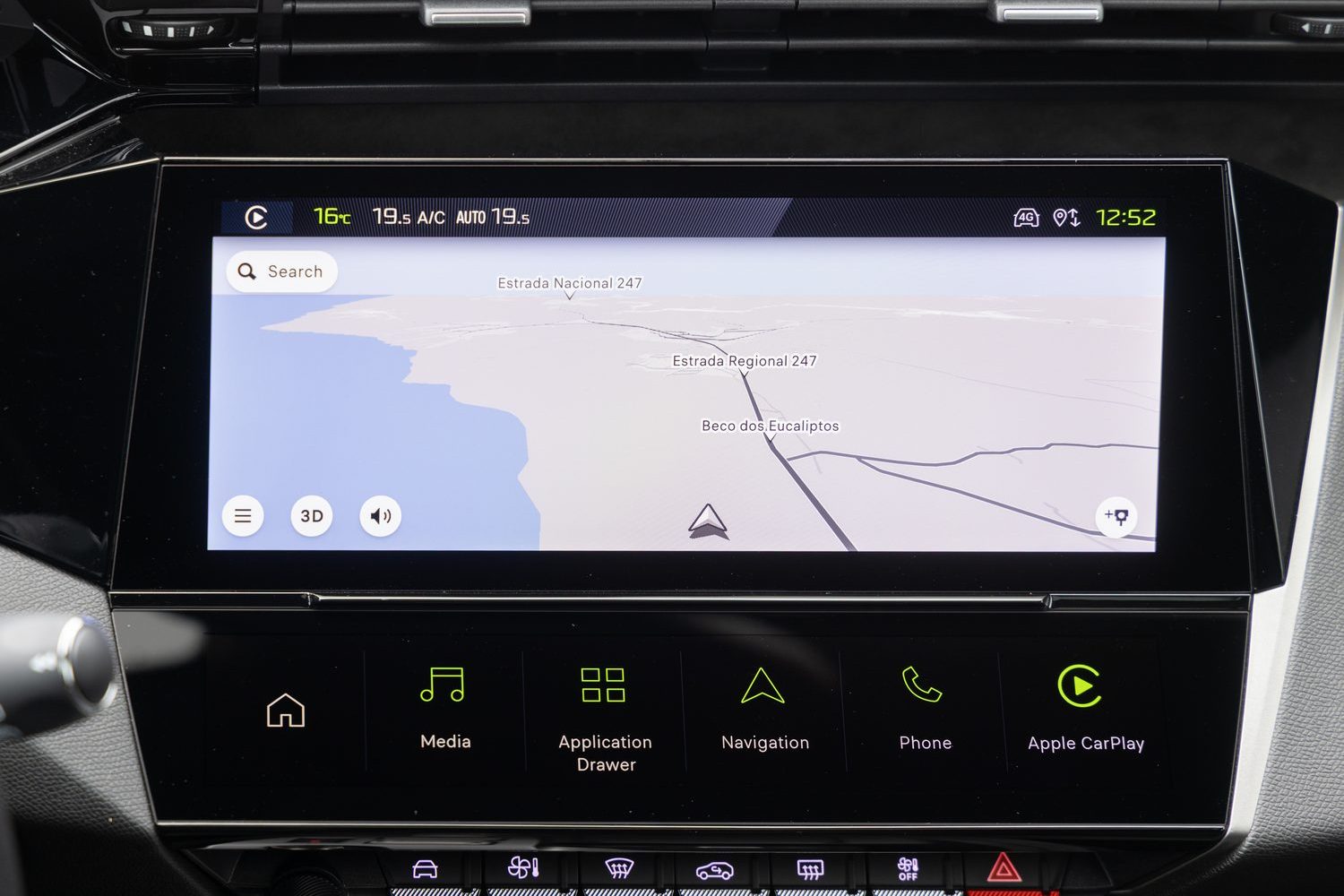
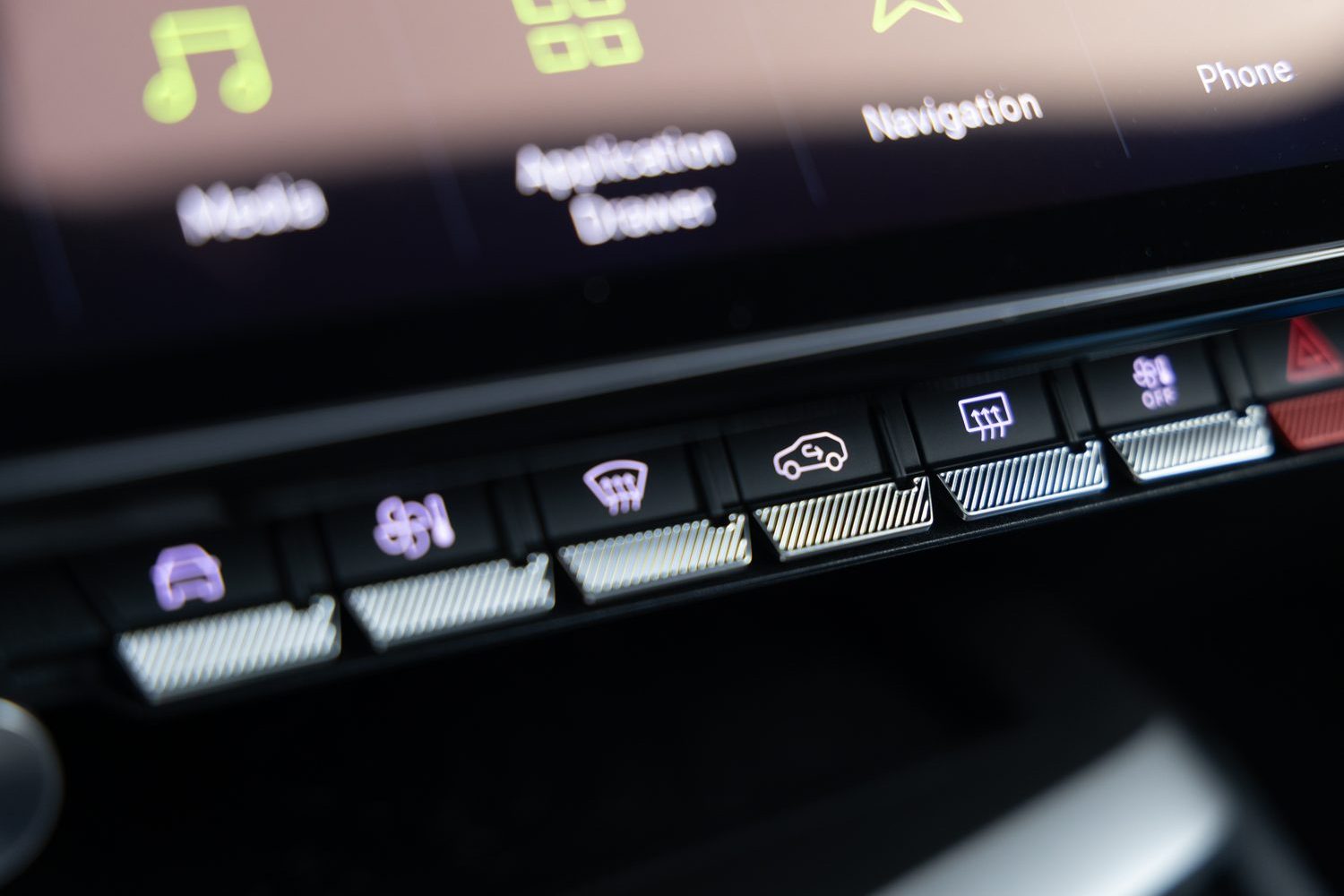
There are two 10-inch screens in the 308 SW, one touchscreen and one for the digital instruments. Unfortunately, as is too often the case these days, there are too many ancillary features, including the front heated seats, sequestered away on here, which means you have to press the screen to do even the simplest of tasks that would be better handled by physical buttons.

Still, the five configurable 'iToggles' and a bank of six shortcut buttons below those do their best to help out with the usability of the system, while further tech features in the SW include wireless Apple CarPlay and Android Auto, a 15-watt wireless smartphone charging pad, eight-colour ambient interior lighting and a Focal sound system.
Practicality around the cabin
Large door bins, a central stowage area, multiple pockets and USB sockets dotted about the interior, plus a reasonable glovebox are the hallmarks of the Peugeot 308 SW.
Rear-seat passenger space
The SW is the preferred body type out of it and the hatchback Peugeot 308 if you ever need to transport adults in the back seats, as it is a longer car with a greater amount of distance between its axles.

Therefore, the accommodation in the second row is slightly more generous, while headroom is boosted by the fact the roof of the car stays nice and high all the way back to the tailgate. A couple of air vents, two USB sockets and capacious door bins further aid convenience and comfort in the rear pews of the 308 SW.
Fitting child seats to the Peugeot 308 SW
The SW's physical size helps with fitting bulkier child seats into the second row of the Peugeot 308's cabin, with two ISOFIX mounting points to be found back there in the outer two bench positions. Furthermore, the highest individual score the 308 recorded in its Euro NCAP assessment was for child occupant safety, where it picked up a healthy 84 per cent mark.
Boot space in the Peugeot 308 SW
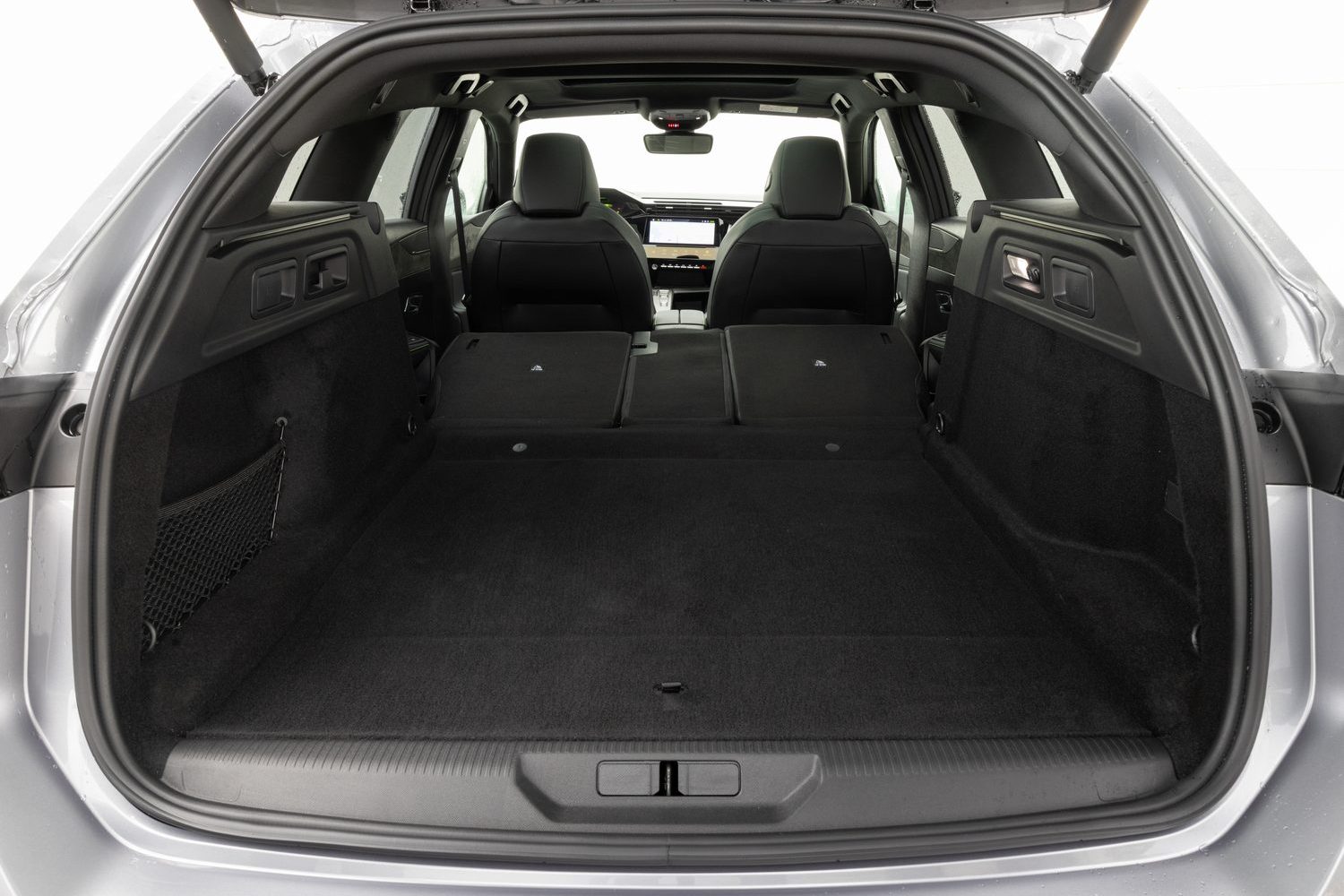
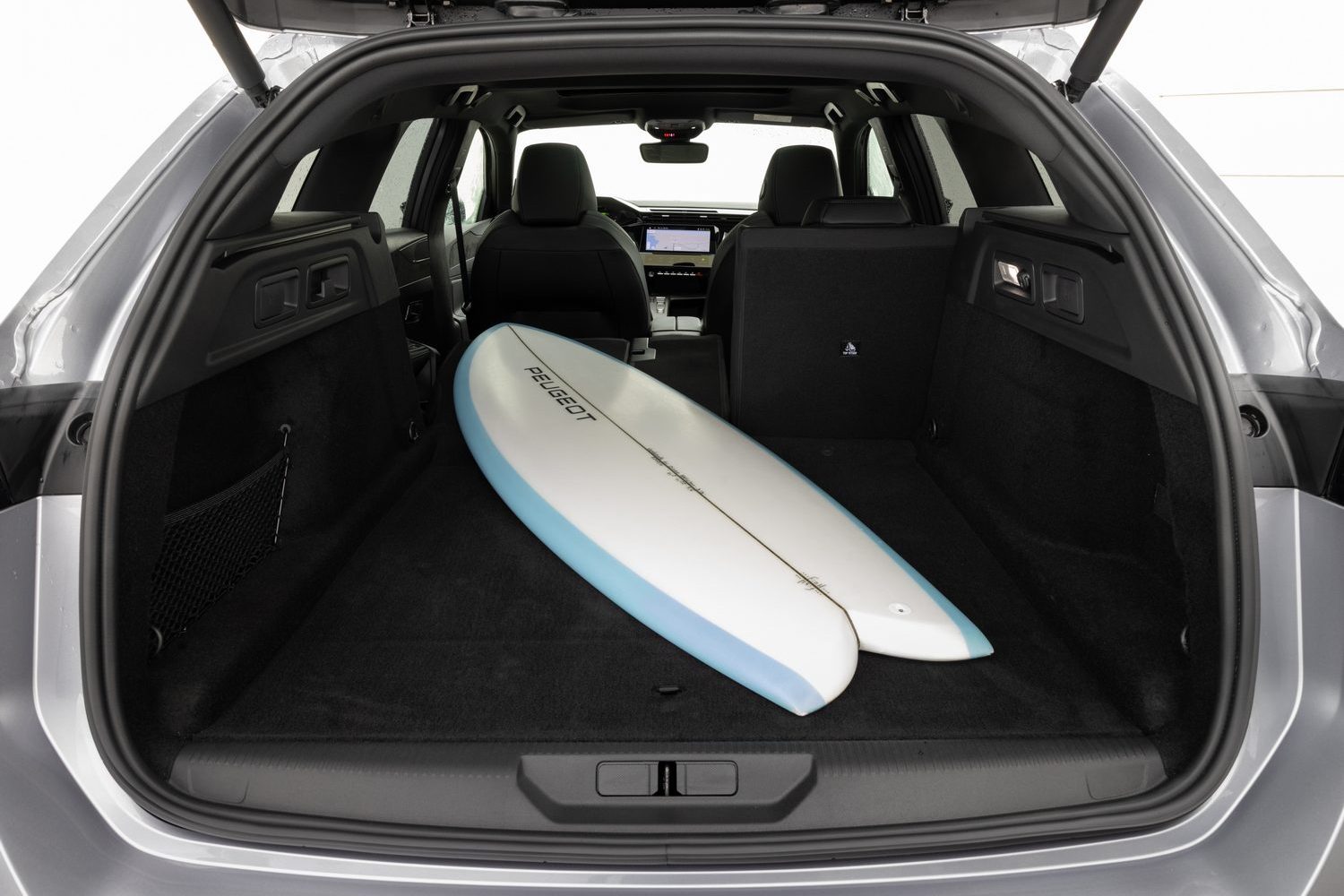
This is what you buy the SW for. In the E-308 SW, there's 505 litres with all seats in use and up to 1,402 litres with the second row folded down, but the 308 SW Hybrid goes even further - it can accommodate 599 litres with all five seats of the Peugeot occupied, rising to 1,487 litres with the 40:20:40 split-folding rear bench tucked away.

That 599-litre figure makes the 308 SW one of the most capacious cars of its type, albeit not quite the class-leader.
Towing with the Peugeot 308 SW
If you want to tow with your Peugeot SW, you'll have to avoid the E-308 model - it isn't rated to lug anything at all. The 308 SW Hybrid doesn't fare much better, with a restriction to 750kg of braked trailer. In its defence, that's at least 30kg more than the hatchback equivalent can tow, but it's still not brilliant and will limit owners to only the smallest of trailers as a result.
Safety in the Peugeot 308 SW
The Peugeot 308 SW has a four-star Euro NCAP overall rating, which breaks down into individual section scores of 76, 84, 68 and 65 per cent - for adult occupant, child occupant, vulnerable road users and safety assist, respectively.
This is despite the fact that a lot of advanced driver assistance systems (ADAS) are fitted to the base-spec Allure SW, with the GT building on the passive and active safety equipment from there.
Performance of the 2026 Peugeot 308 SW
- Choice of Hybrid or EV
- Hybrid offers sweetest driving experience
- All models are automatic

Peugeot Ireland offers the 308 SW with two drivetrain choices. The first is called the Hybrid 145 e-DSC6, which pairs a turbocharged 1.2-litre three-cylinder petrol engine with a mild-hybrid system made up of a 21kW electric motor and 0.9kWh battery pack located under its front-passenger seat.
Drive goes to the front wheels through an six-speed, dual-clutch automatic transmission, with peak outputs from the powertrain of 147hp and 230Nm.
Slightly larger and heavier than its hatchback sibling, the 308 SW Hybrid 145 is two-tenths of a second slower for 0-100km/h, running the sprint in nine seconds precisely.

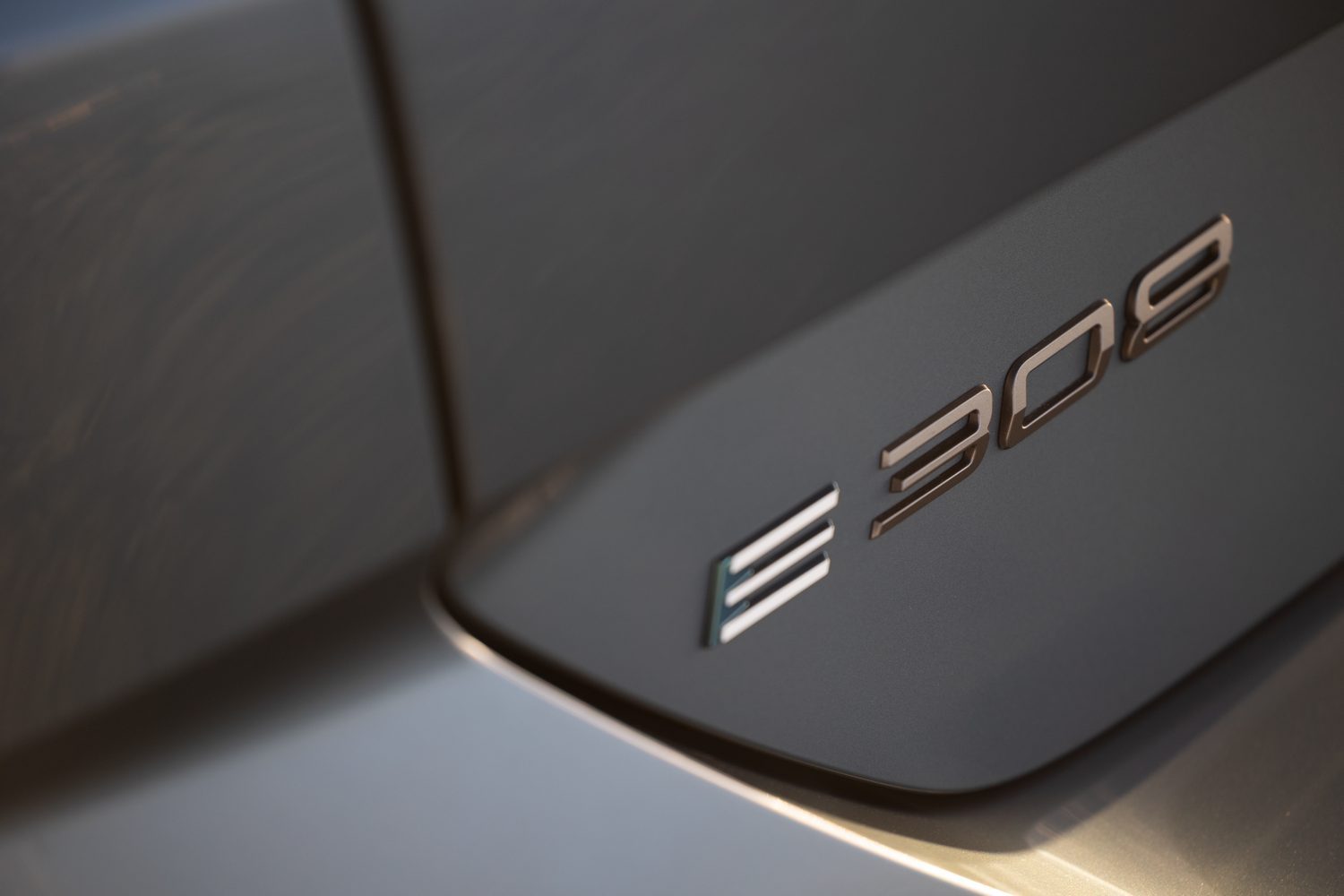
The alternative to the Hybrid 145 is the E-308 SW, with that capital-letter-and-hyphen signifying that this is the fully electric model. Up to 156hp and 270Nm are on tap - as long as you remember to engage Sport mode. Otherwise, the E-308 SW makes less power in the Normal setting, and even lower outputs in Eco.
As the E-308 SW is 276kg heavier than the Hybrid 145 estate, it's slower to 100km/h from a standstill - despite the fact it has greater power and torque - taking 9.5 seconds.

Driving the 308 SW Hybrid 145 GT on Portuguese roads
Our favourite model of the estate to drive is the Hybrid 145, mainly due to the fact it is considerably lighter and therefore more agile than its electric stablemate.
Peugeot, as a company, has a reputation for creating engaging cars for keener drivers, and some of that heritage has seeped into the 308 SW Hybrid 145. It's not out-and-out thrilling, you understand, and Peugeot certainly doesn't market it as a sporty model in any way, but the pleasing, progressive and accurate steering, impressive body and wheel control, and the car's overall willingness to make rapid direction changes at speed without fuss or drama all add up to the best 308 SW of them all to steer.

Thankfully, there isn't a toll to be paid for this entertaining handling in terms of reduced comfort and refinement because the Hybrid 145 is as plush and almost as hushed to travel in as its electric relation.
Rare are the occasions that you sense much of what is going on with the road surface underneath the 308 SW GT's 18-inch wheels, as it isolates the noise and discomfort of lumpy tarmac from its occupants quite brilliantly.
It's also assured and stable at speed on the motorway, giving a real big-car feel to the way it can soak up lots of kilometres.

True, if you work the little three-cylinder engine hard then it becomes quite vocal, but its soundtrack is not without appeal in this regard. Also, don't get confused by the 'Hybrid' bit of this SW's name: it's a mild hybrid only, so it won't ever drive on electric power alone, instead attempting to save fuel when it is coasting by switching the engine off for brief periods.
One of our few gripes with the Hybrid 145's drivetrain relates to the gearbox. It's OK, and better than it was when we first tried it some years back, but it can still occasionally display some hesitance to respond to sizeable inputs of the throttle, either taking too long to shift down or simply holding onto a lower gear at high revs when you want it to change up.

In the main, though, if you drive the 308 SW Hybrid 145 in a gentler fashion, the transmission remains smooth and unobtrusive.
Driving the E-308 SW GT on Portuguese roads
Broadly speaking, the E-308 SW feels a lot like its Hybrid relation to drive - and unless you're constantly looking in your rear-view mirror to see that the rear windscreen is a bit further away from you as the driver, then you can easily forget you're in Peugeot's electric estate and not the standard E-308 hatch, as well.

As we've alluded to above, the main difference with the E-308 is that you can always discern its increased weight. It's just always that bit heavier in feel, meaning the car is less nimble through a series of one-way-then-the-other corners, and it requires a firmer prod of the brake pedal when you're trying to scrub off speed approaching bends, junctions and roundabouts.
It's not fatally flawed in this regard, but that background sensation of bulk is always there.
It's massively refined, though, as it rides just as well as the Hybrid on its 18-inch wheels and it is of course much quieter in town, because it has no engine.

Just remember that to make the car its nippiest, you need to be in Sport mode, where it delivers its full 156hp and 270Nm. Switched into Normal (which is what the car defaults to, every time you turn it on), both the peak power and torque drop, while the electric powertrain's muscle is further denuded in Eco mode.
However, in both of the two lesser drive modes, if you flatten the accelerator pedal, there's a kind of 'kickdown' step to the end of the pedal's travel, and the E-308 GT will serve up maximum power regardless; this is a safety feature so that, should you need full torque quickly, you don't need to mess around with the mode switch to access it.
Otherwise, the E-308 SW is very conventional to drive, and we mean that as a form of compliment - it's the sort of car that will make transitioning to electric power feel more natural and less intimidating for anyone who's still somewhat undecided on making the switch from internal combustion.
Range, battery, charging and running costs of the 2026 Peugeot E-308 SW
- E-308 battery larger from 2026
- Official range stands at 444km
- DC charging speed only average
This section will look more closely at the E-308, as the less-than-1kWh battery in the Hybrid 145 is topped up from the 1.2-litre engine while the car is on the move.
From 2026 on, the E-308 SW used a marginally bigger battery unit than it had before, increasing its overall range.

Battery options and official range
Peugeot equips its zero-emission wagon with a 58kWh nickel manganese cobalt (NMC) battery, of which 55.4kWh is usable. The official range is 444km as a result, in comparison to 452km for the lighter E-308 hatch.
Real-world range and efficiency of the Peugeot E-308 SW
We drove the Peugeot E-308 SW for around 25km on a mix of urban and country roads, in warm conditions at the car's international launch in Portugal. We were driving it quite quickly, which perhaps accounts for a 17kWh/100km rate of electricity usage.
That's some way off the official 12.5kWh/100km and would result in the SW managing more like 330km to a charge.

For reference, driven in much the same style on the same sorts of roads in the same climate, the 308 SW Hybrid 145 used 6.7 litres/100km across 67km of testing, not far off its official figures of 4.5-5.8 litres/100km.
In the E-308's defence, though, the Hybrid had its numbers boosted because it spent a good portion of that 67km steadily cruising along a motorway at 120km/h, which is the sort of motoring that improves a combustion car's economy figure no end.
Charging up the Peugeot E-308 SW
Peugeot states the E-308 SW can charge up at peak rates of 11kW on AC and 100kW on DC. Admittedly, with only a modest 55.4kWh of capacity to top up, that means charging times aren't ridiculously slow.
A 20-80 per cent on a 7.4kW domestic wallbox would require a little more than five hours, at an 11kW AC connection that time would drop to around three-and-a-half hours, and at a 100kW DC charger the Peugeot would need 32 minutes to do the same job.
However, some rivals now charge in the 150-200kW DC zone, which makes their public rapid-charging times shorter than those of the E-308 SW. Still, most EV owners do most of their charging at home, so this is unlikely to be a dealbreaker for many buyers.
Servicing the Peugeot 308 SW
The E-308 has a recommended servicing schedule of 25,000km or two years, whichever comes sooner, while Peugeot puts the 308 SW Hybrid 145 on a shorter 20,000km or 12-month cycle.
Peugeot 308 SW warranty
Peugeot Ireland's standard warranty on all vehicles is five years or 100,000km, whichever is triggered first. The high-voltage traction battery and its associated systems in the E-308 SW are subject to their own eight-year, 160,000km level of cover.
Irish pricing & rivals to the 2026 Peugeot 308 SW
- SW range starts from €36,995
- Two specifications available
- Few direct rivals of this type

Peugeot prices the 308 SW Hybrid 145 Allure from €36,995 and the E-308 version of the same car - with the SEAI grant and VRT rebate applied - is a mere €625 more, at a price of €37,620.
At GT level, the E-308 is €550 cheaper than the Hybrid with the state incentives incorporated, at €40,145 versus €40,695. Remember, while a base-spec Allure 308 is well-equipped as standard, if you want the illuminated grille and front badge that is the hallmark of the updated Peugeot range then you need to opt for GT specification.
While there are plenty of combustion- and electric-powered rivals for the Peugeot 308 hatchback models, there are far fewer estate competitors. The Volkswagen Group offers most of the key alternatives, in the form of the VW Golf Estate, the SEAT Leon Sportstourer and the Skoda Octavia Combi, although only the latter two of those are sold here.

Besides these three cars, Toyota's evergreen, hybrid-only Corolla is available as an estate called the Touring Sports, while there's also the related-to-the-308 Opel Astra to consider. Of these, only the Astra is offered in a fully electric format.
Verdict - should you buy the 2026 Peugeot 308 SW?
We really wish Irish buyers would cotton on to the value of a good estate car in the face of a default SUV, but that's probably not going to turn out to be the case in this fashion-conscious day and age.
Shame, as that means Irish punters could miss out on an excellent family car, in the form of the Peugeot 308 SW. Petrol or electric, Allure or GT, this is a sophisticated, enjoyable and high-quality car that does lots of things very well indeed, and nothing notably badly at all.
Pick the Hybrid for the best all-round experience, but the E-308 - as a fully electric estate car - is the one which is the hardest to replicate from any other brand.
FAQs about the 2026 Peugeot 308 SW
How much bigger is the boot in an SW Peugeot 308?
As a Hybrid 145, the Peugeot 308 SW has 599 litres of space with all seats in use, rising to 1,487 litres with the second row folded down. That's the largest cargo bay of any 308 in the present-day family, as the E-308 estate sees the equivalent numbers decrease to 505 and 1,402 litres accordingly.

The hatchback versions of each of these drivetrains have 412 and 1,323 litres (Hybrid) or 361 and 1,258 litres (E-308), which means the SW version of each is bigger by 187 litres seats up and 164 litres seats down in the Hybrid 145, while the E-308 SW has 144 litres of extra space in either configuration when compared to its five-door relation.
Is the Peugeot 308 SW all-wheel drive?
No, the Peugeot 308 and E-308 SW send their drive exclusively to the front wheels. Even the Plug-In Hybrid derivative, which we don't get in Ireland, remains front-driven.
Does the Peugeot E-308 SW qualify for the SEAI grant?
Yes, both the Allure E-308 SW and the higher-spec GT would ordinarily be €43,695 or €46,695, respectively. However, the application of the SEAI grant brings those figures down to €37,320 and €40,145, which means the electric 308 estate is only a €625 price walk from the 308 SW Hybrid as an Allure - and it's actually €550 cheaper than its hybrid stablemate in GT trim.
Has the Peugeot 308 SW been assessed for safety?
The wider 308 family, including the SW, has achieved an overall four-star Euro NCAP rating, which it picked up in 2022. If you want to read the official report in more detail, you can do so right here.
Want to know more about the 2026 Peugeot 308 SW?
If there's anything about the new Peugeot 308 SW or E-308 SW we've not covered, or you'd like help in choosing between it and other cars, you can avail of our expert advice service via the Ask Us Anything page.
Peugeot 308 SW history
While the 308 hatchback can trace its lineage right back to the early 20th century of Peugeot's car-making era, the SW has a shorter history which essentially begins with the Phase 2 306 in 1997. There was, of course, an estate version of the 305 - one of the cars in the 308's wider ancestry - but the subsequent 309 broke the chain as it was only ever sold as a hatch, with no estate offered.
Therefore, a continuous family-car estate line starts with the wagon version of the 306, which went by the name of 'Break'. This continued into the 307's range (from 2001-2008), although there were actually two different estate options. The Break was the standard two-row, five-seat effort, but above it there came the first SW, which had the option of three rows and seven seats, and it also had a panoramic glass roof.
By the time the Mk1 308 arrived in 2008, Peugeot had dropped the Break name and just stuck with SW - which stands for 'station wagon', the American term for an estate - although this was still available with either five or seven seats; fulfilling the brief of the old 307 SW, which was offered with the option of seven seats because Peugeot hadn't yet got to grips with making MPVs or large SUVs by that point.
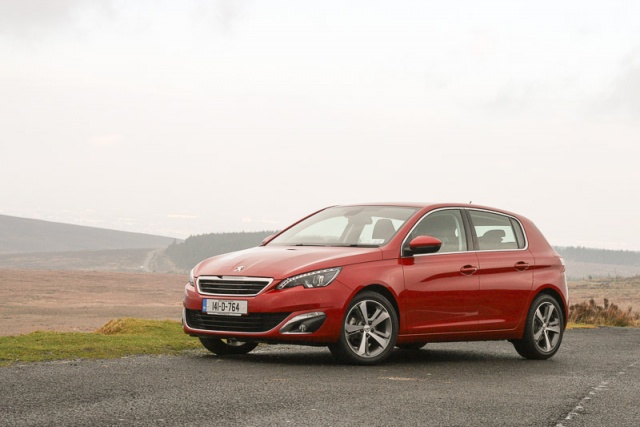
However, for the Mk2 308 SW of 2014, MPVs and SUVs were a large part of Peugeot's portfolio, so the estate became a five-seater only. And that has continued into the third-generation 308 SW, facelifted for the 2026 model year - although it is only this Mk3 308 which has ever been offered with a purely electric drivetrain, as found in the E-308 SW.