


Exterior & design of the 2027 Nissan Leaf
- It's now a crossover, not just a hatchback
- Actually shorter than before
- Smooth styling for aerodynamics
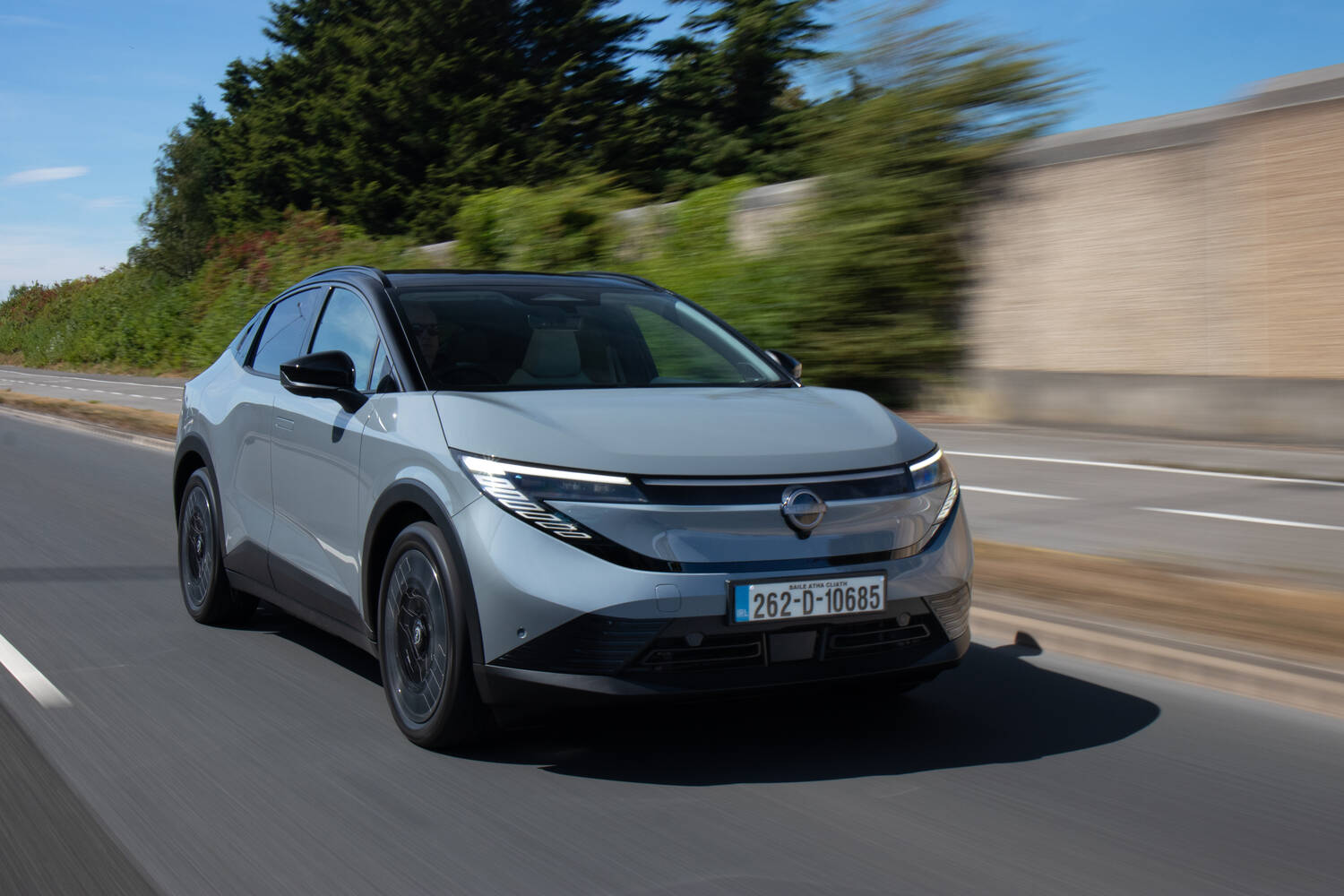
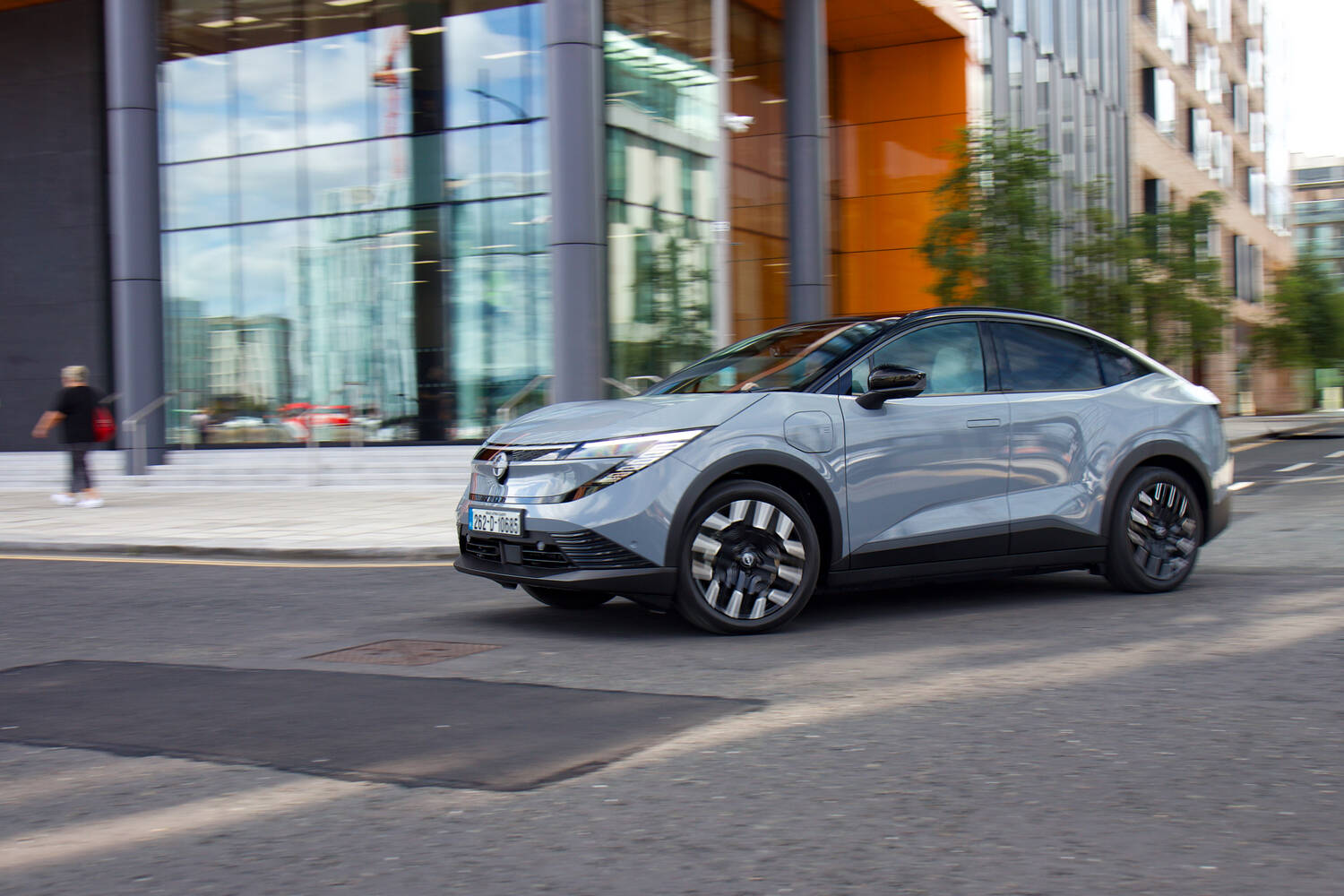
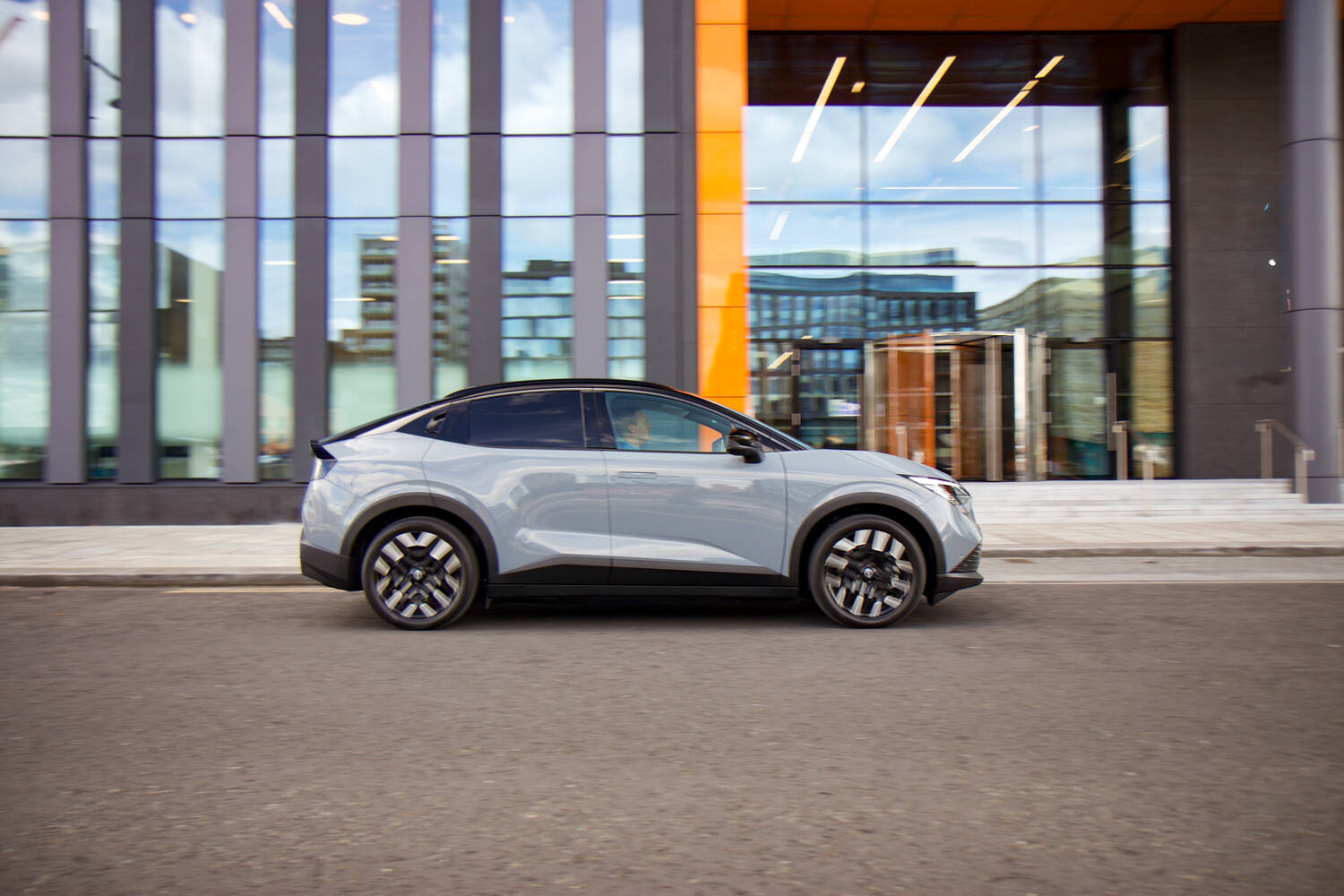
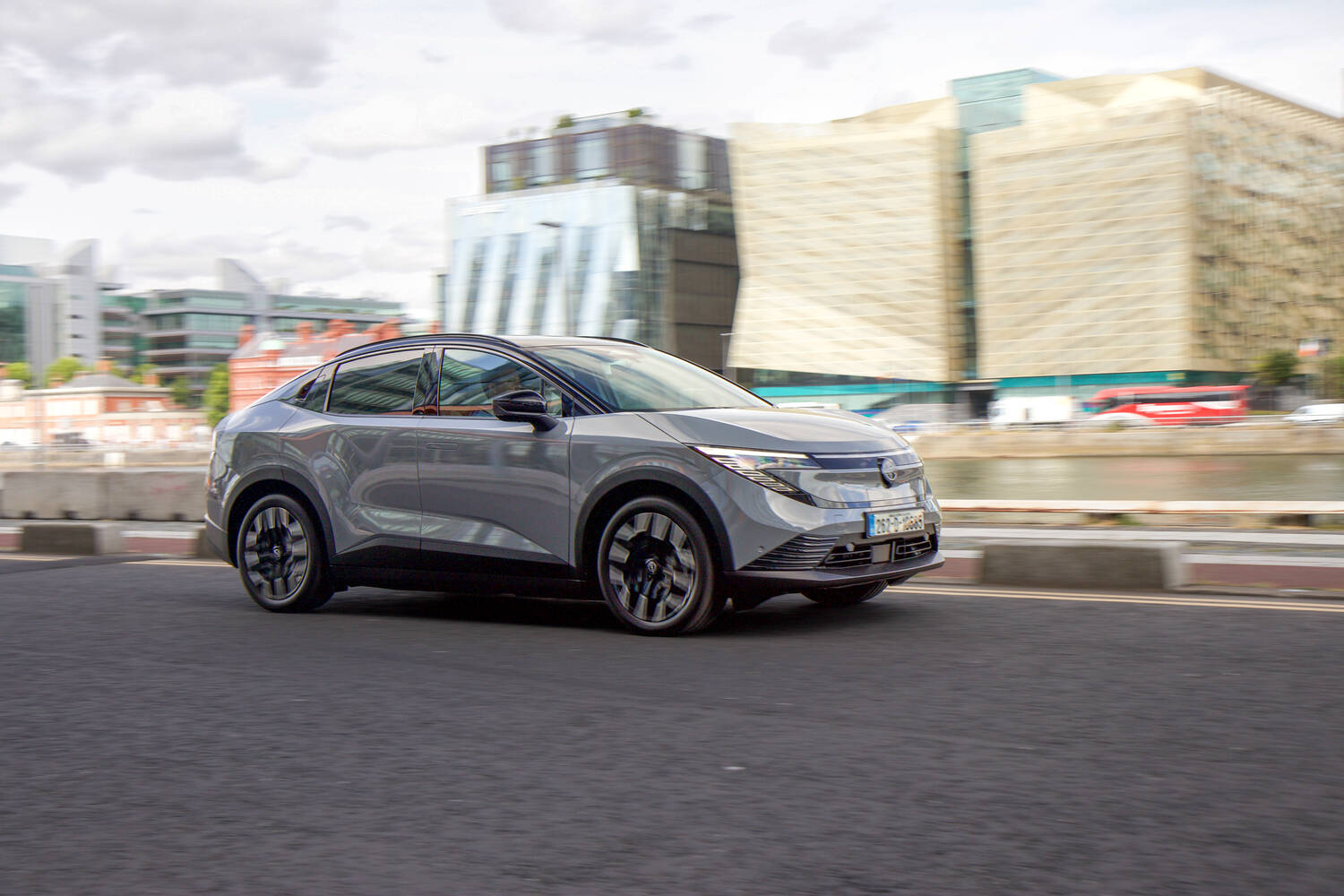
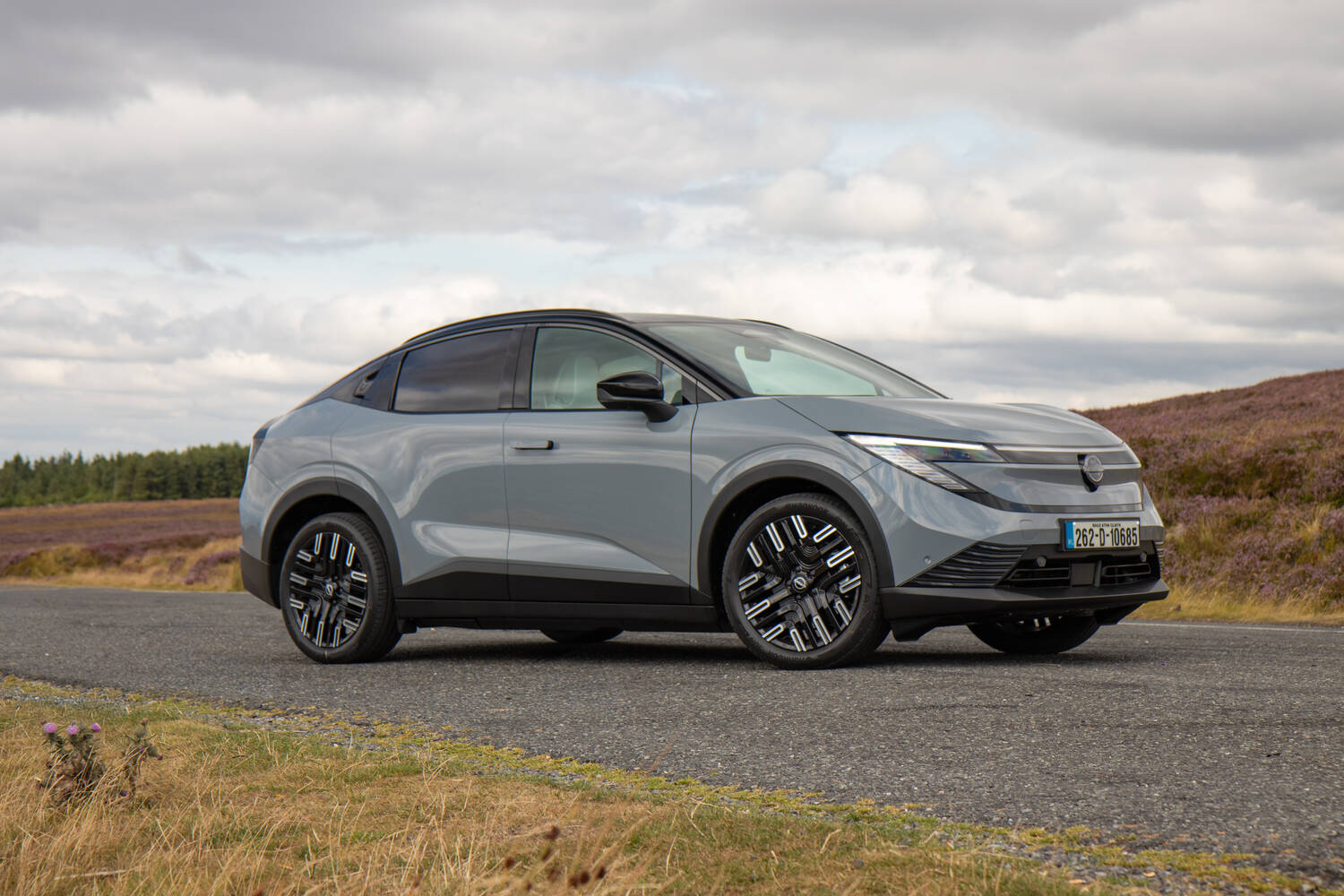
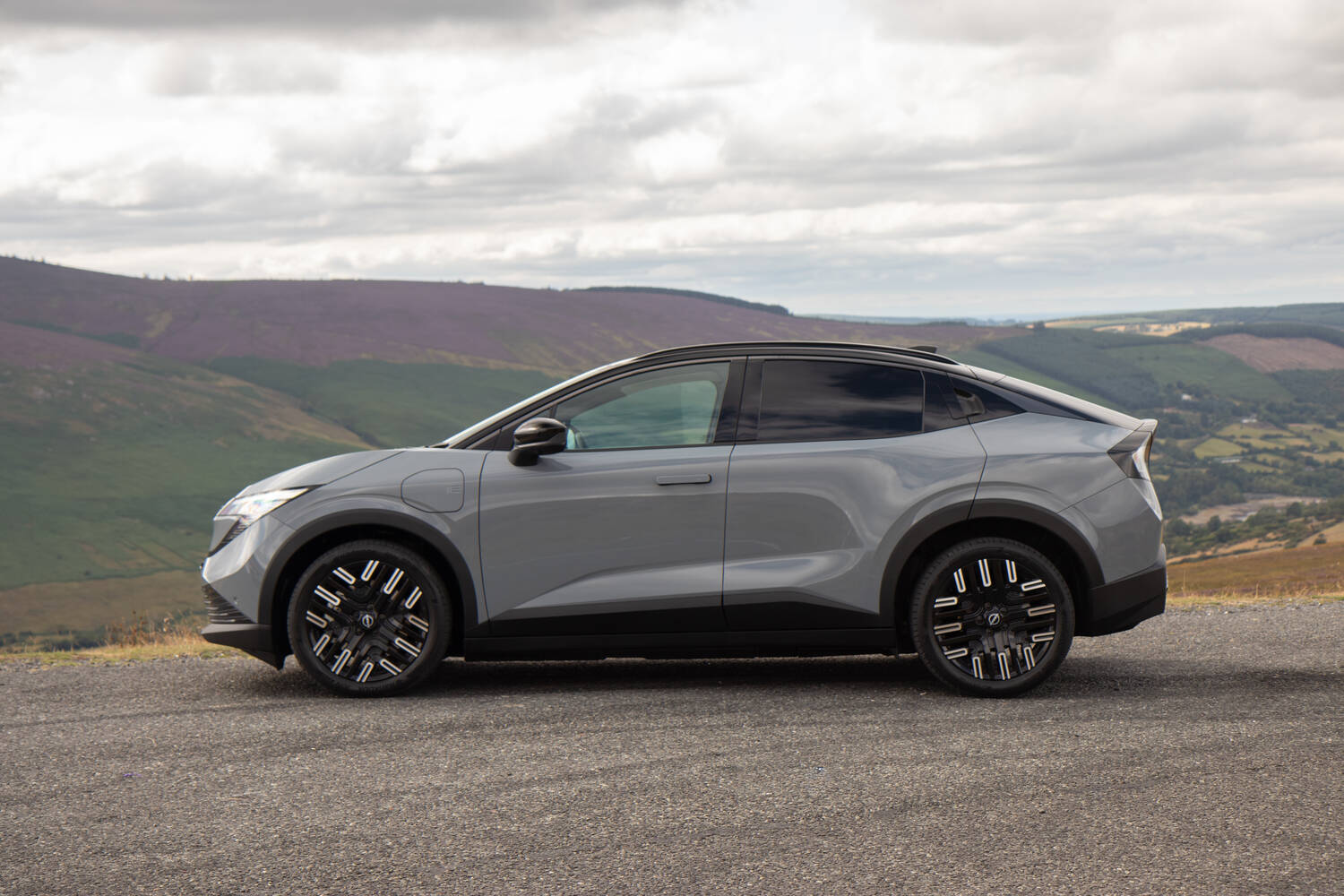
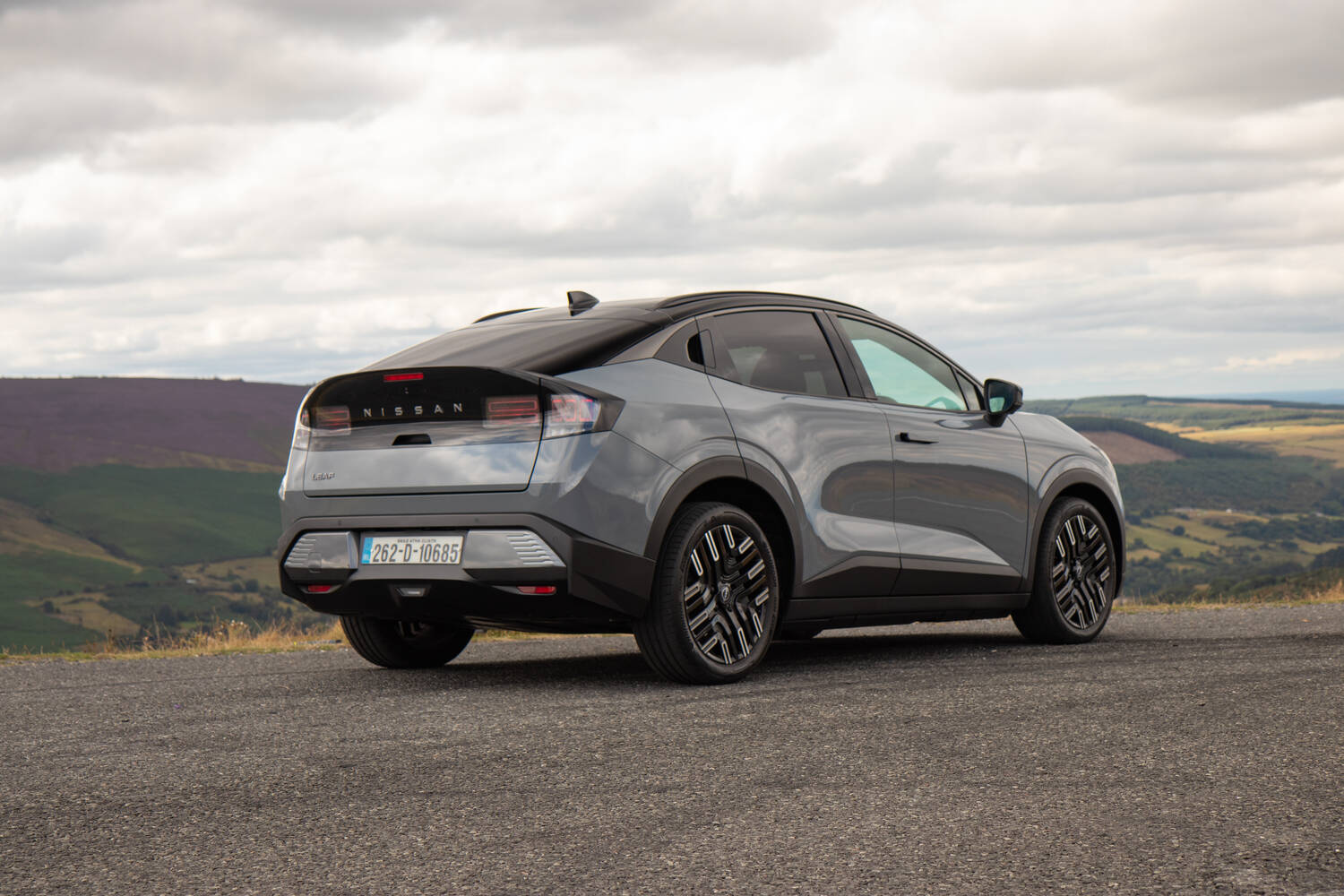
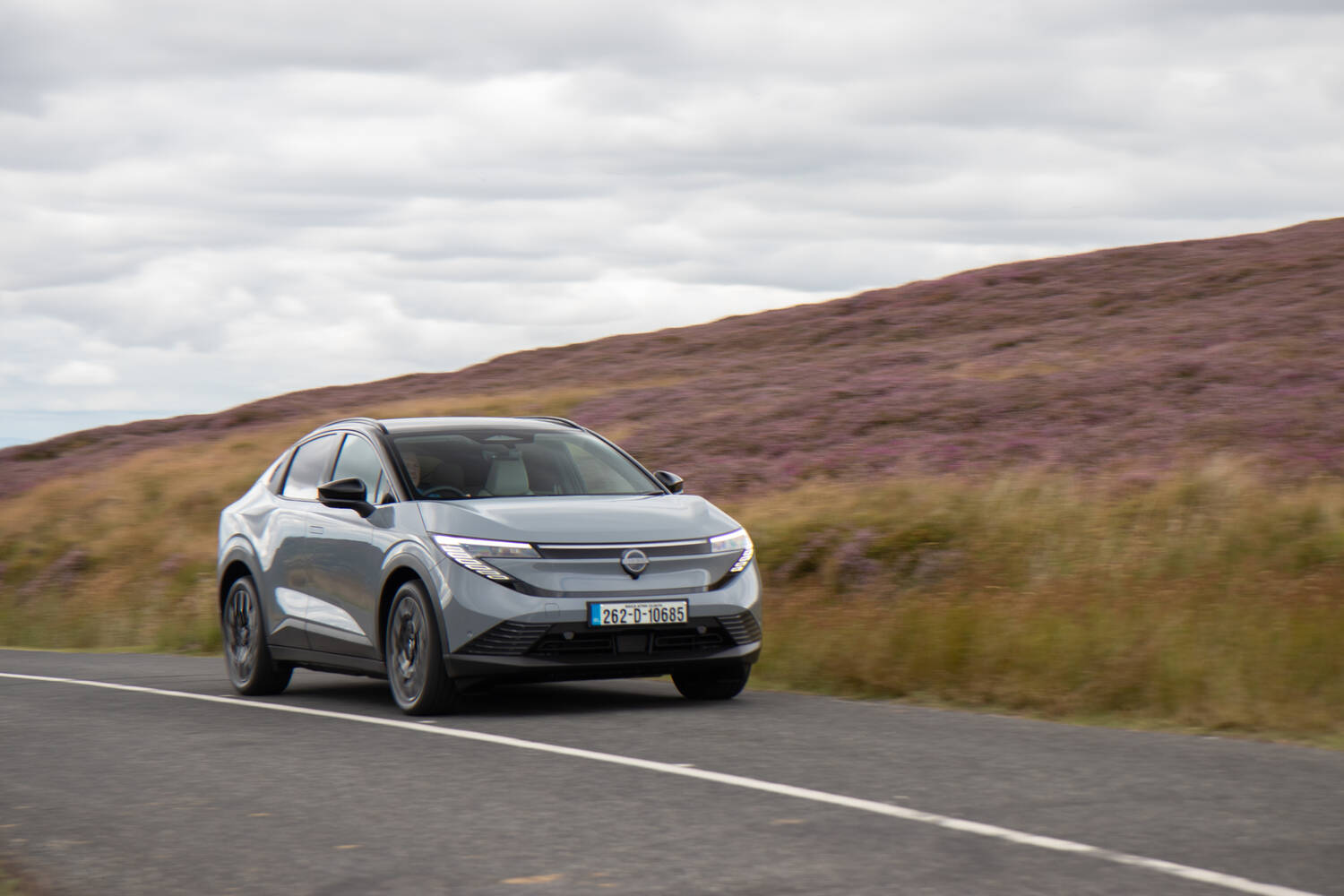
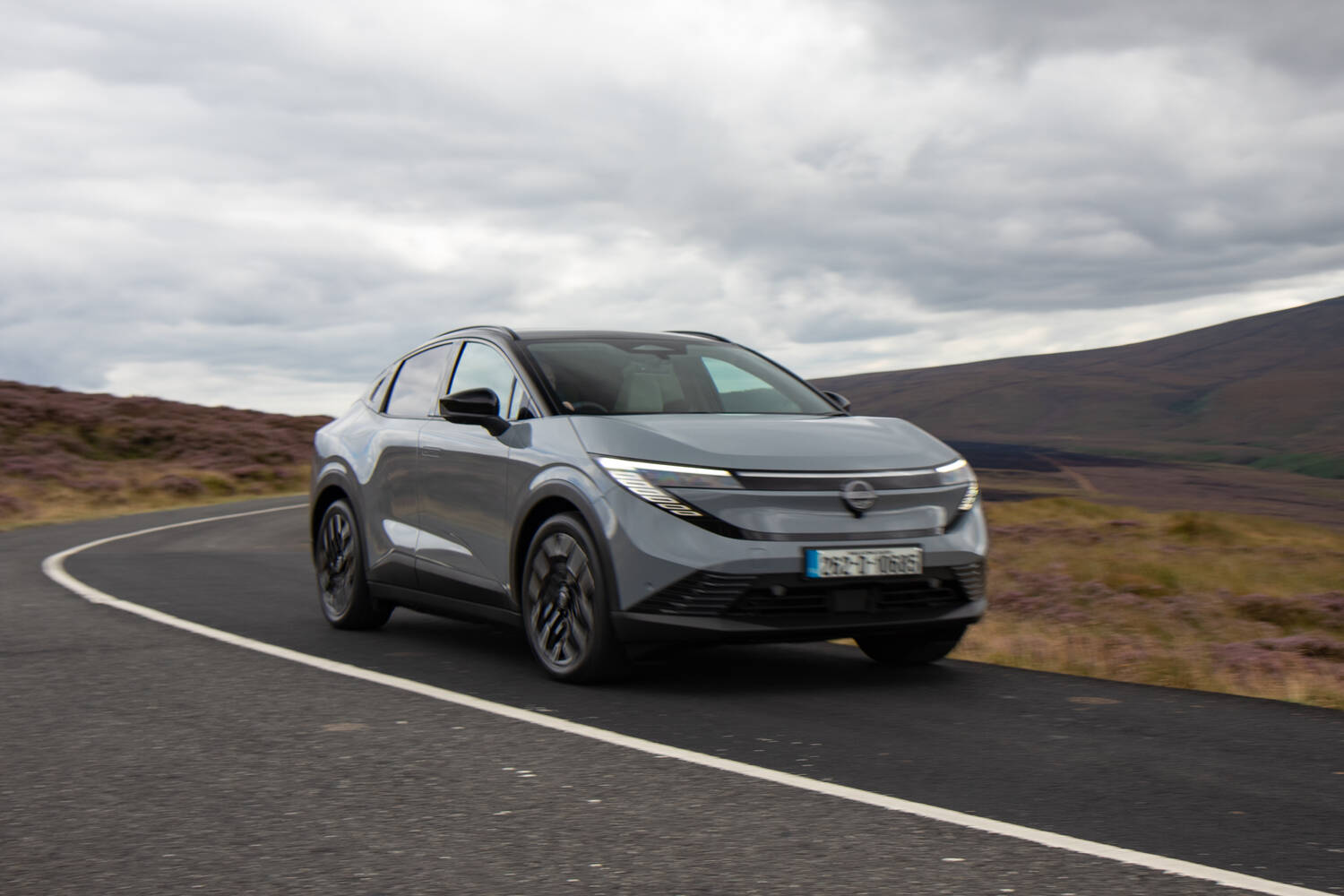
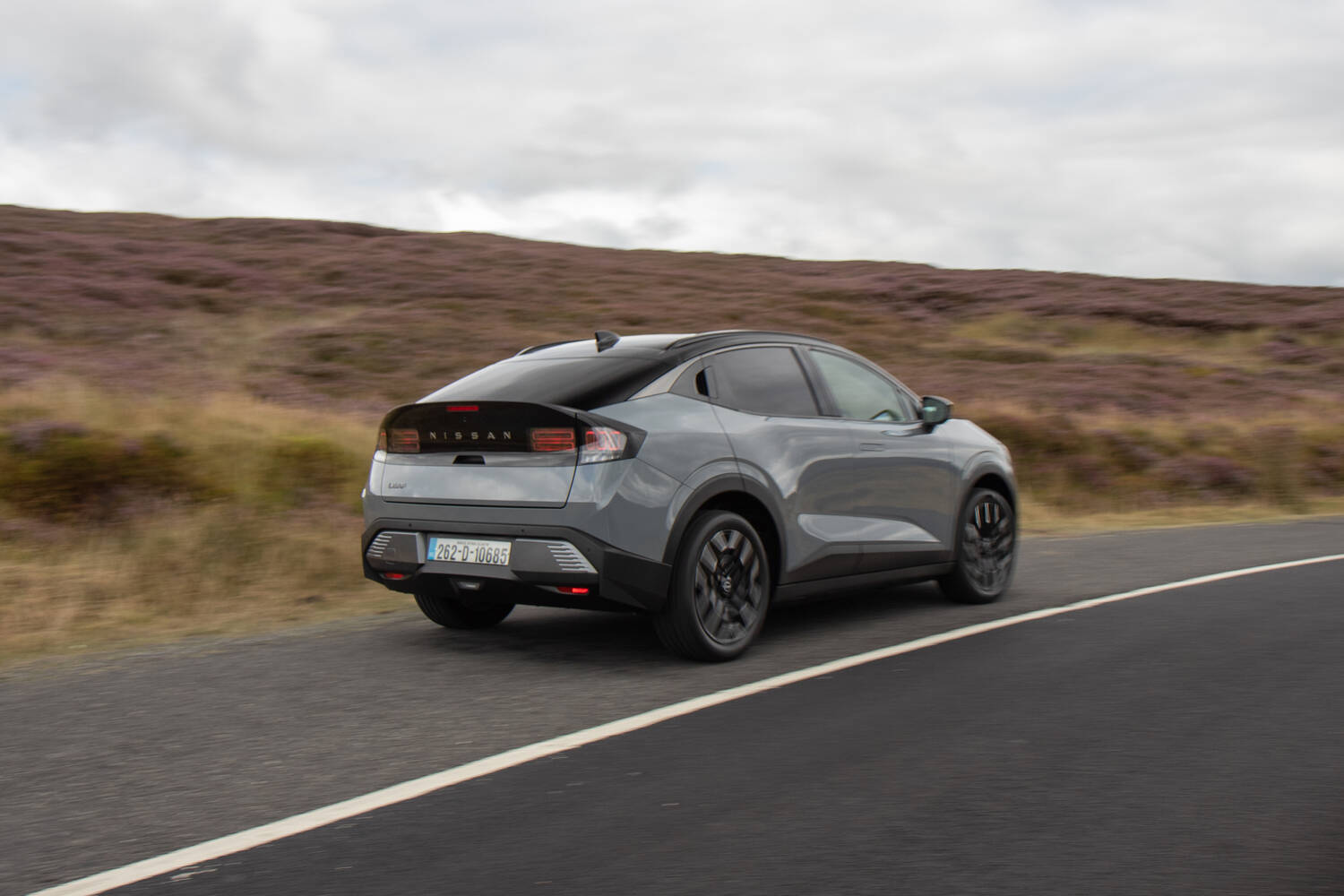
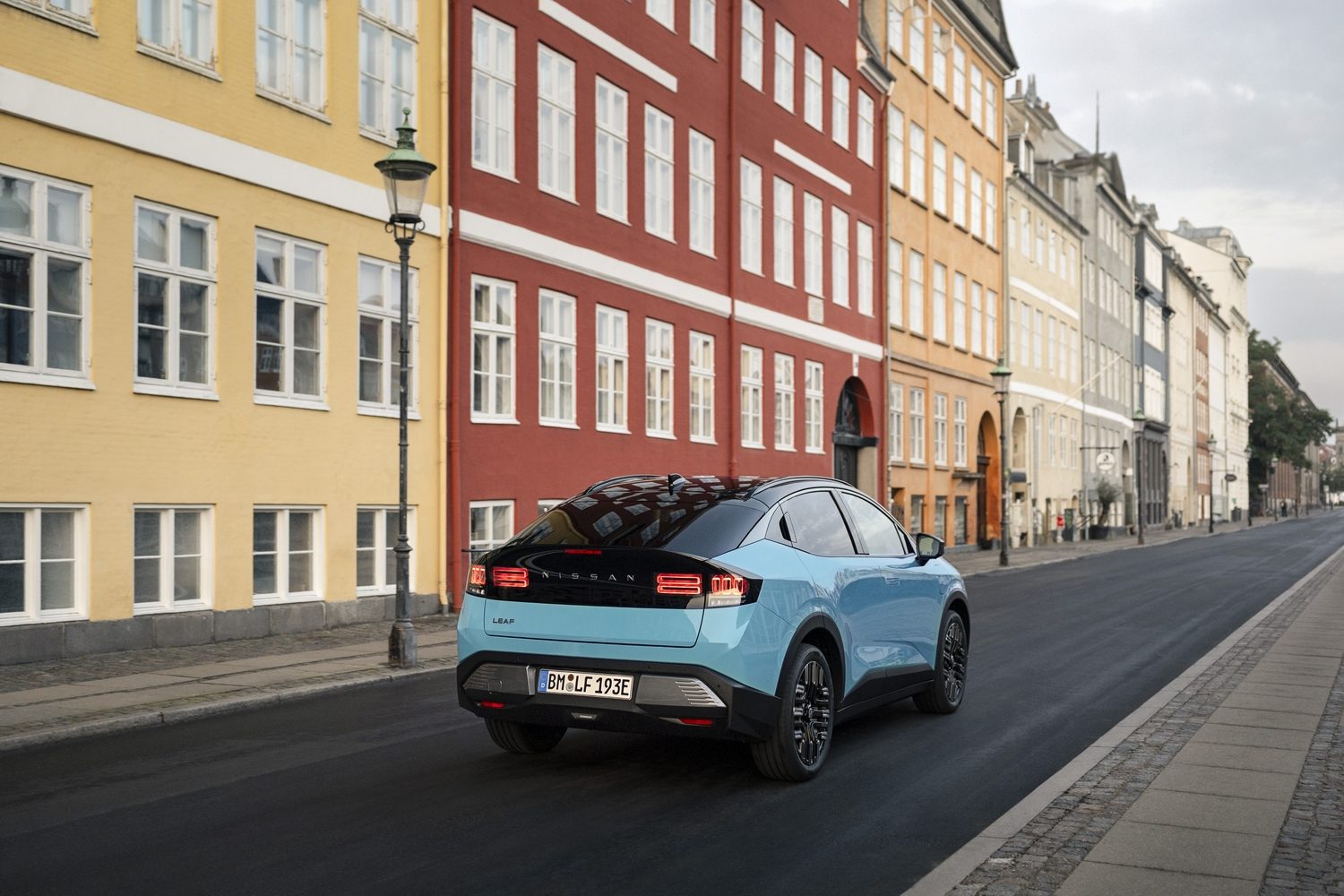
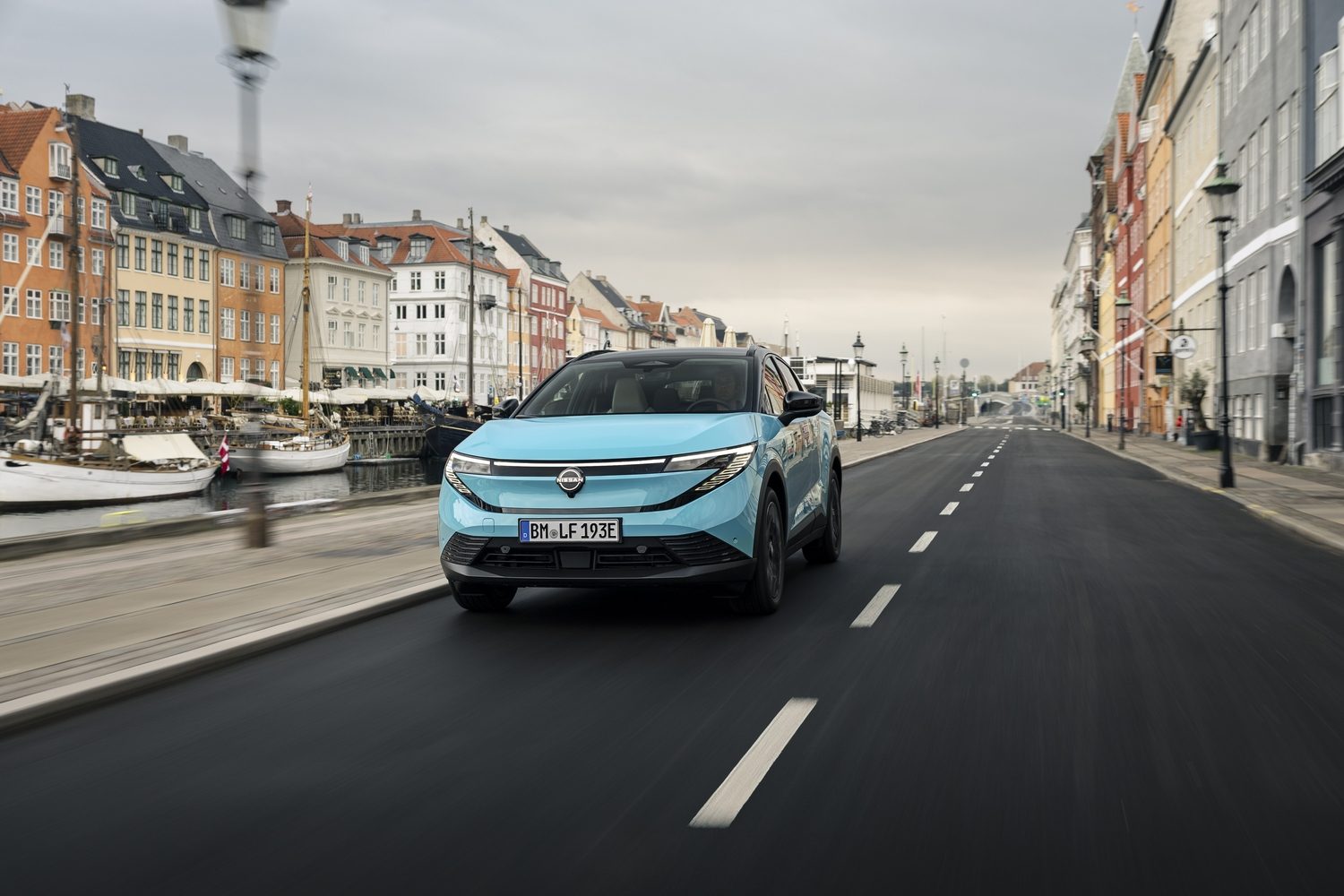
A glance at the exterior of the new Nissan Leaf might lead you to believe it's a far larger car than before, so it'll come as a surprise to learn that - in spite of the coupe-crossover-like profile - this model is a full 140mm shorter overall and only 10mm taller than its predecessor. In other words, it's a compact car, not a lumbering big SUV.
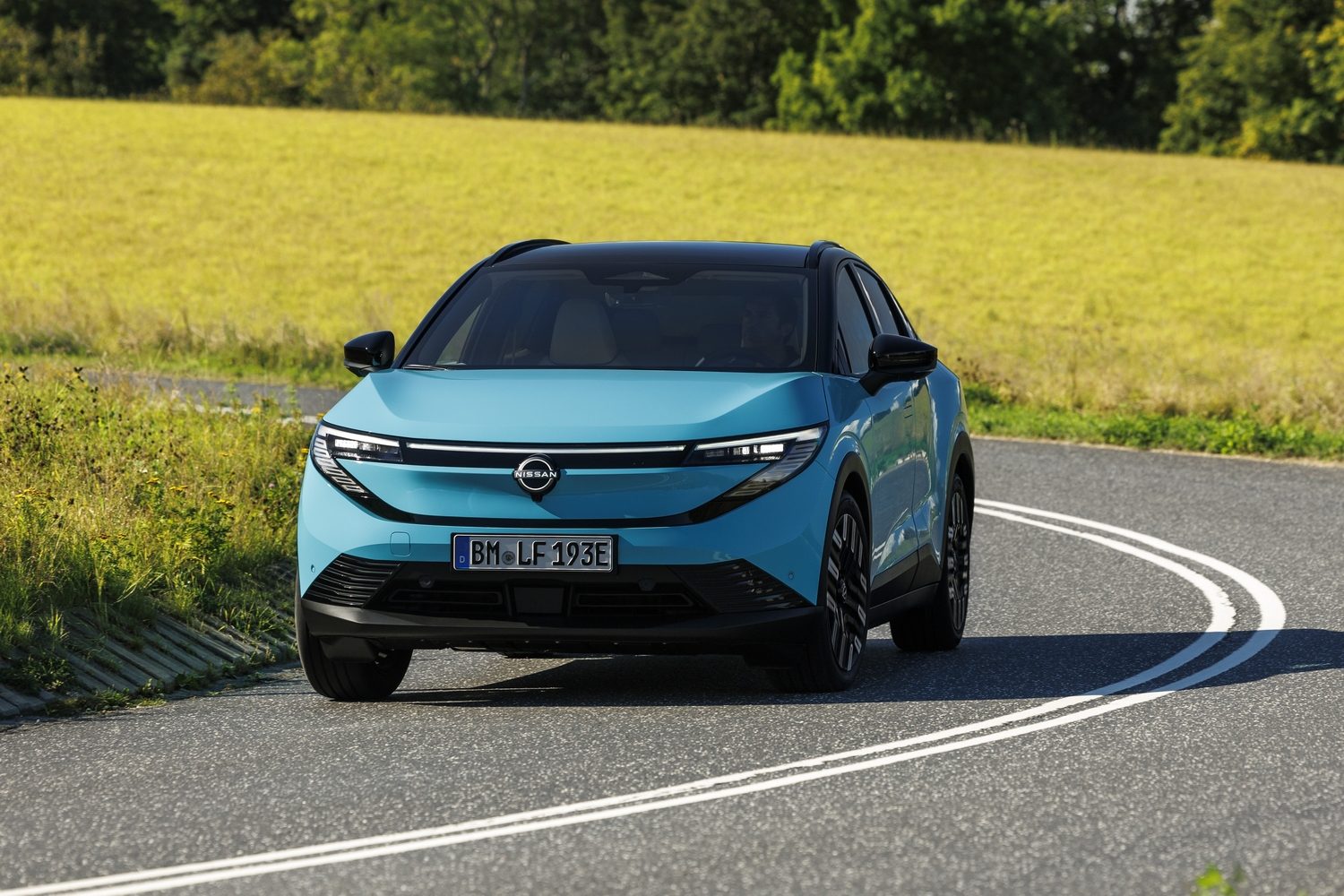
The styling is interesting, too, not just because of the crossover shape. Nissan has gone to great lengths to ensure the Leaf puts up as little resistance as possible to the air it's driving through, in the name of enhancing efficiency and extending its range.
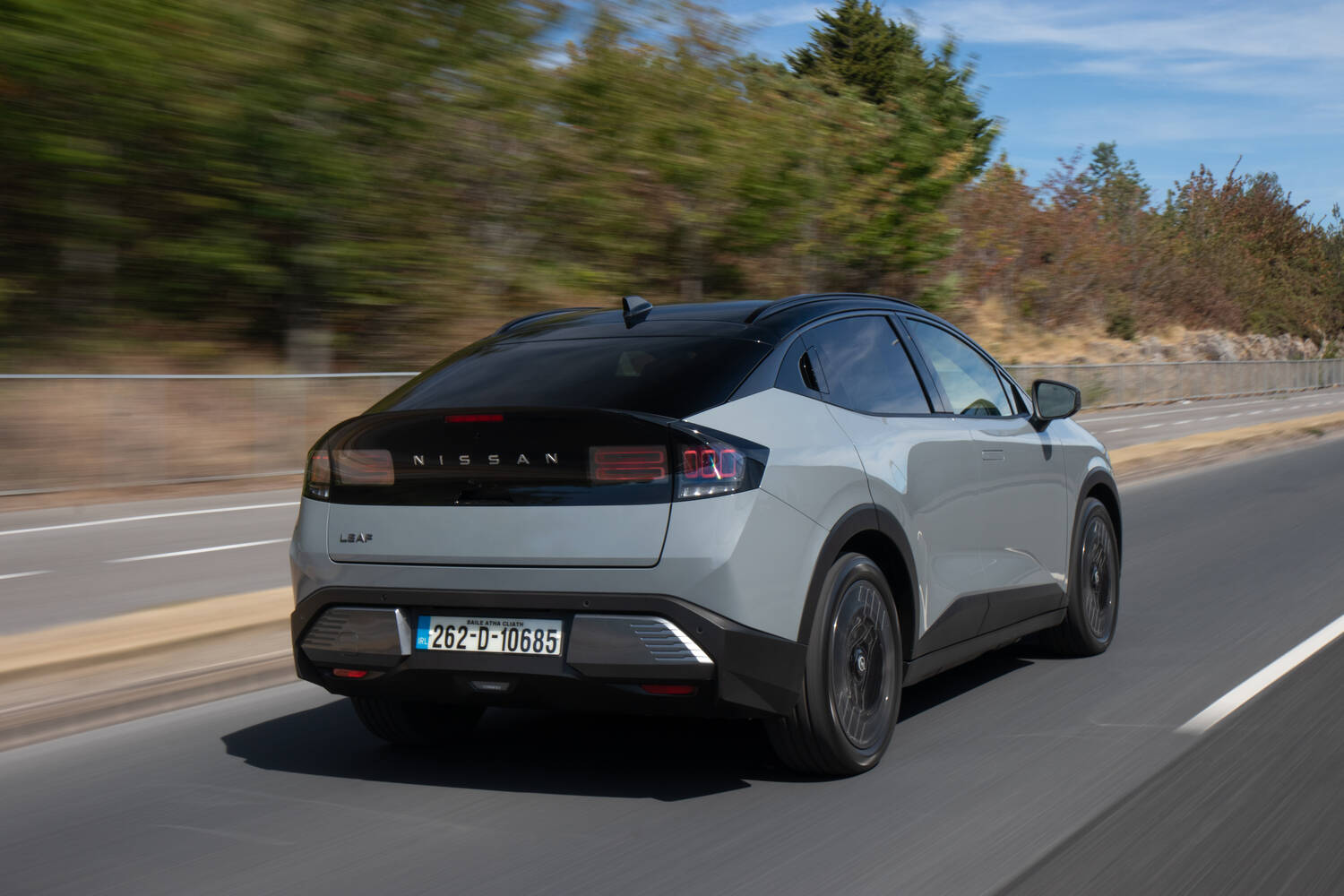
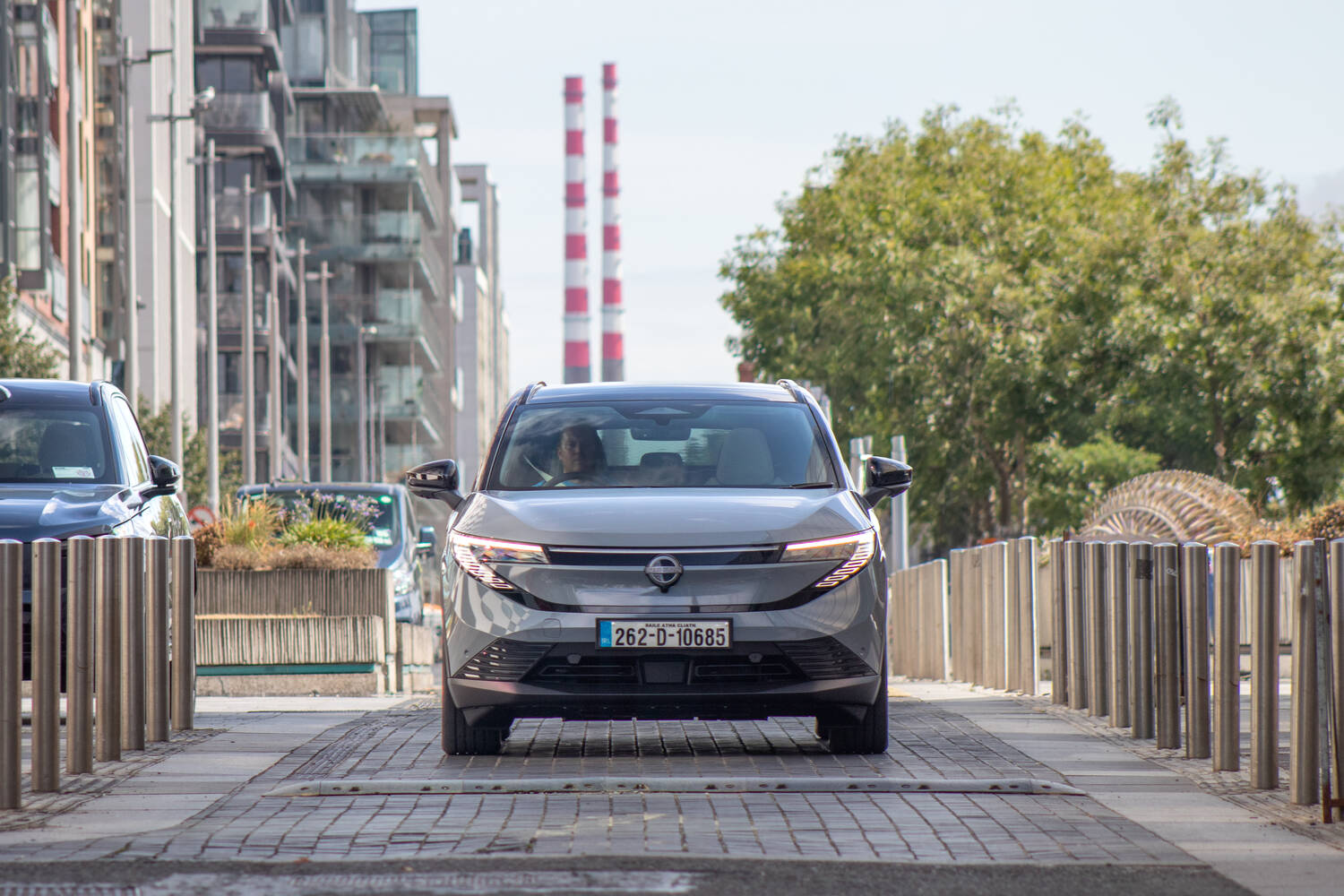
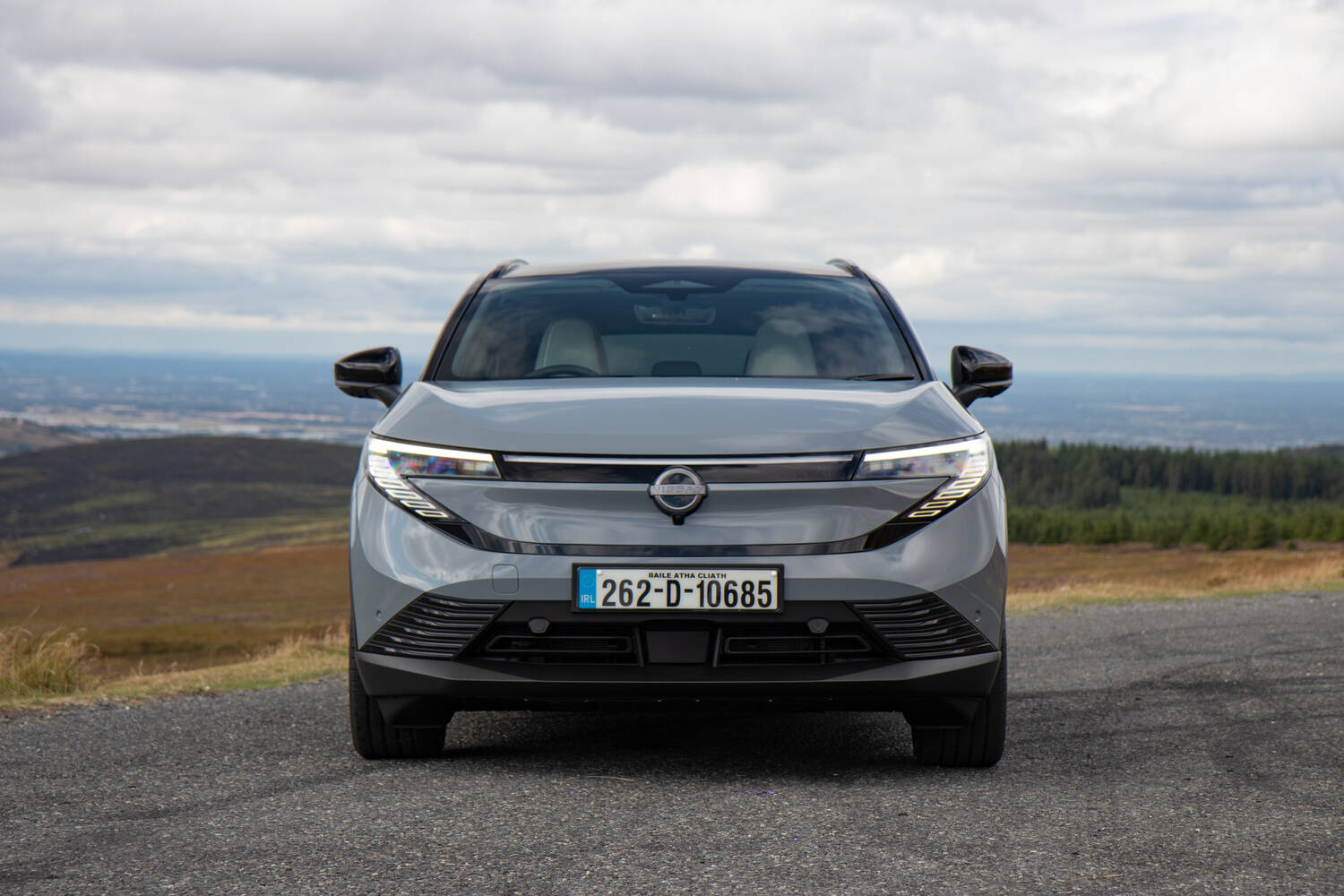
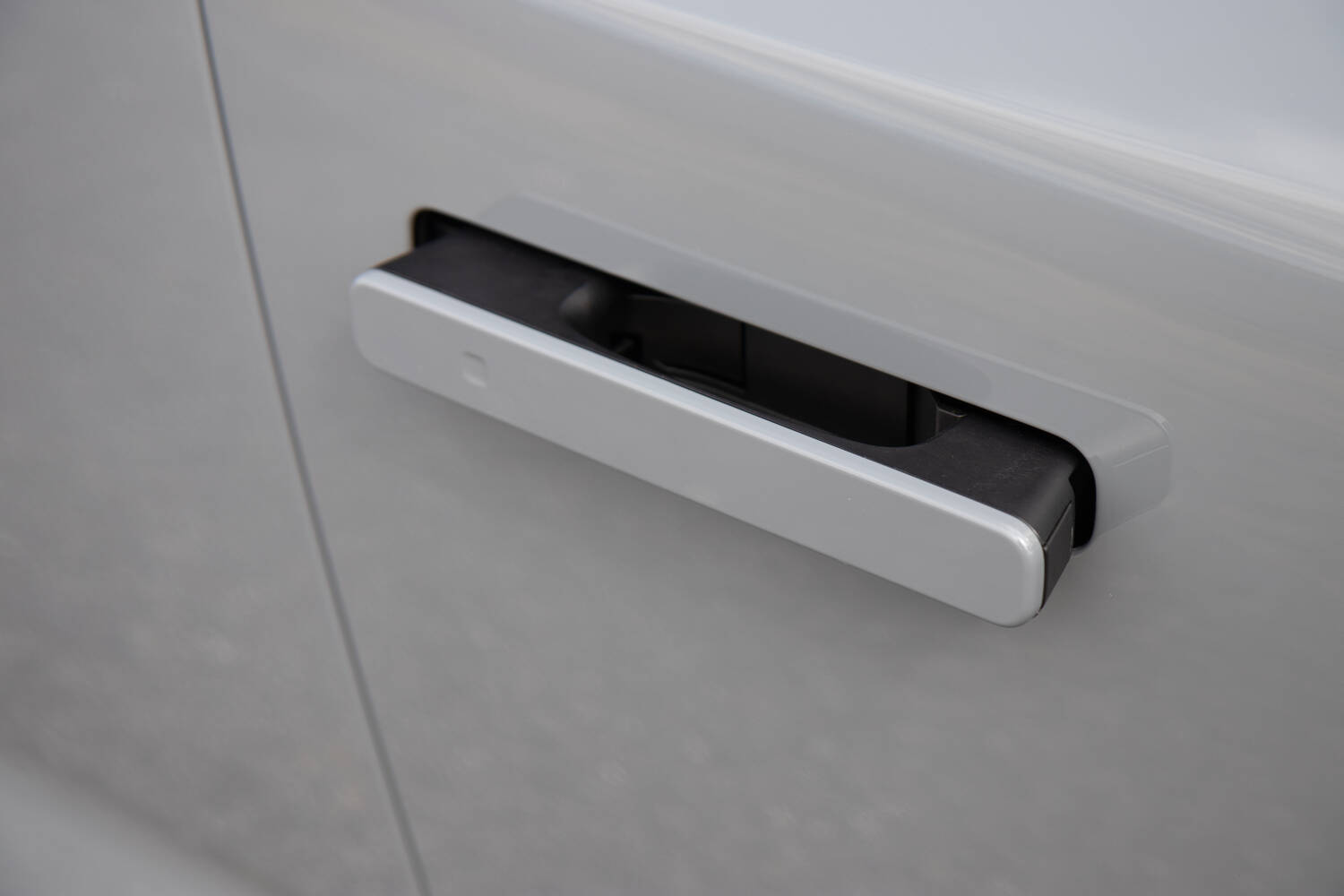
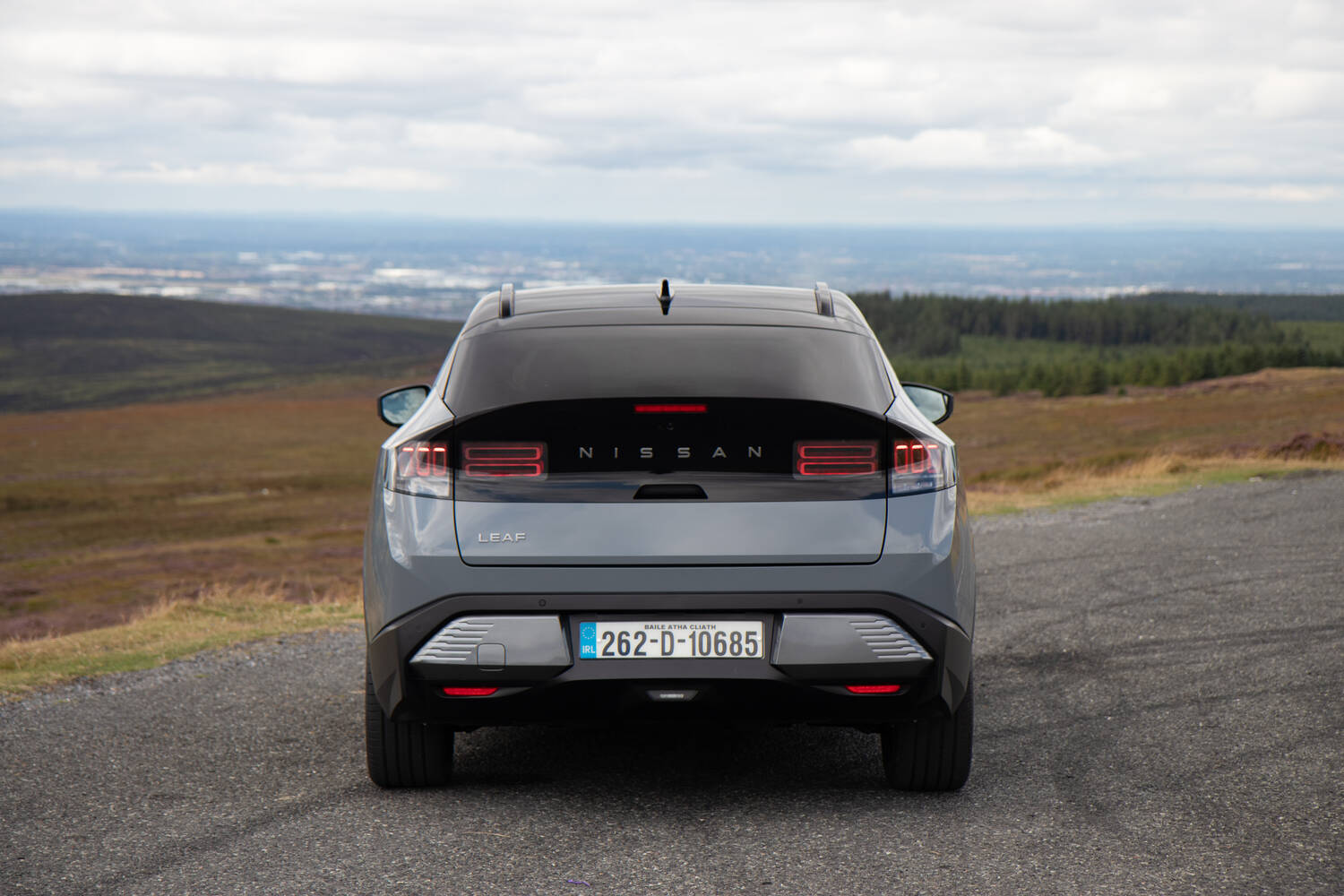
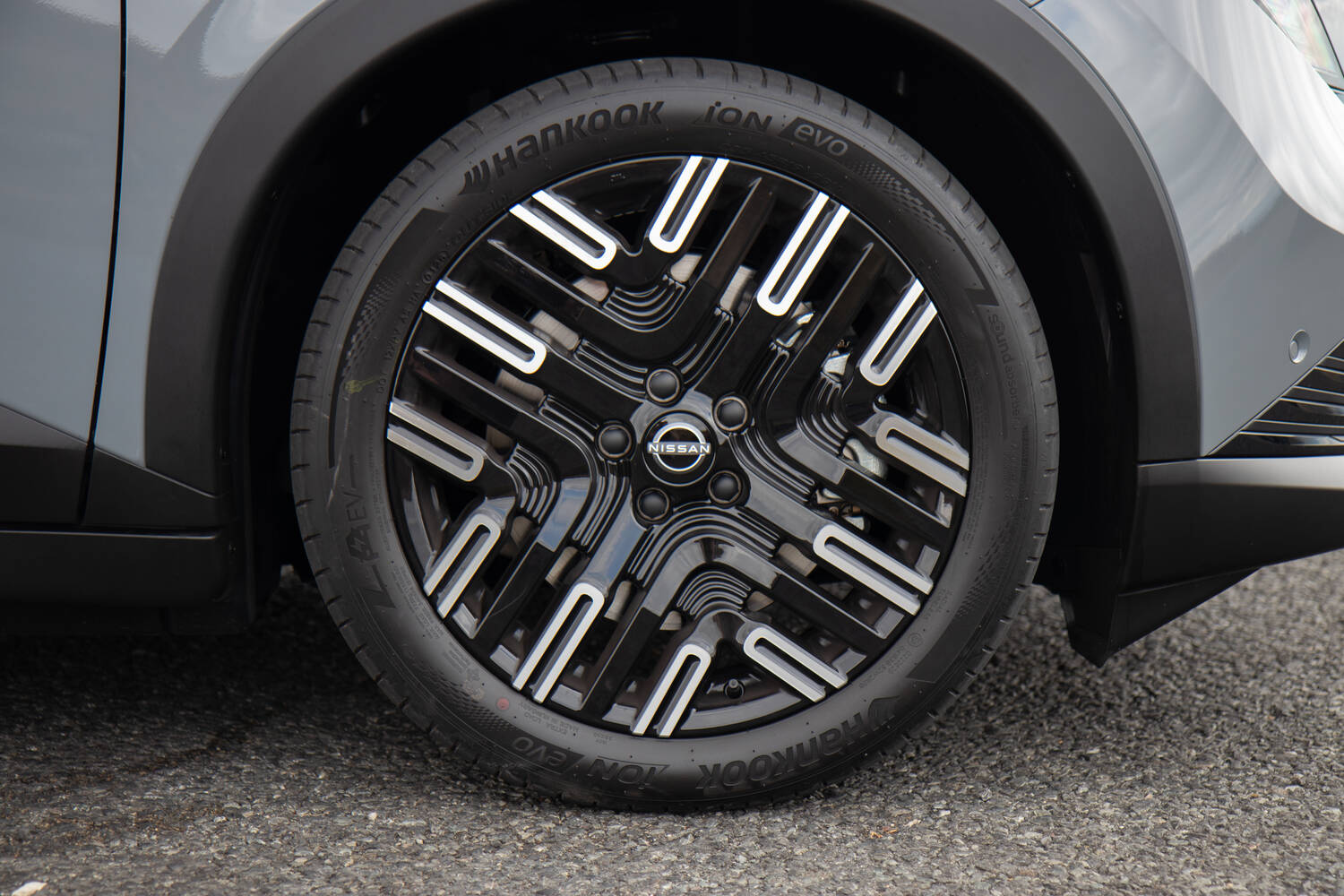
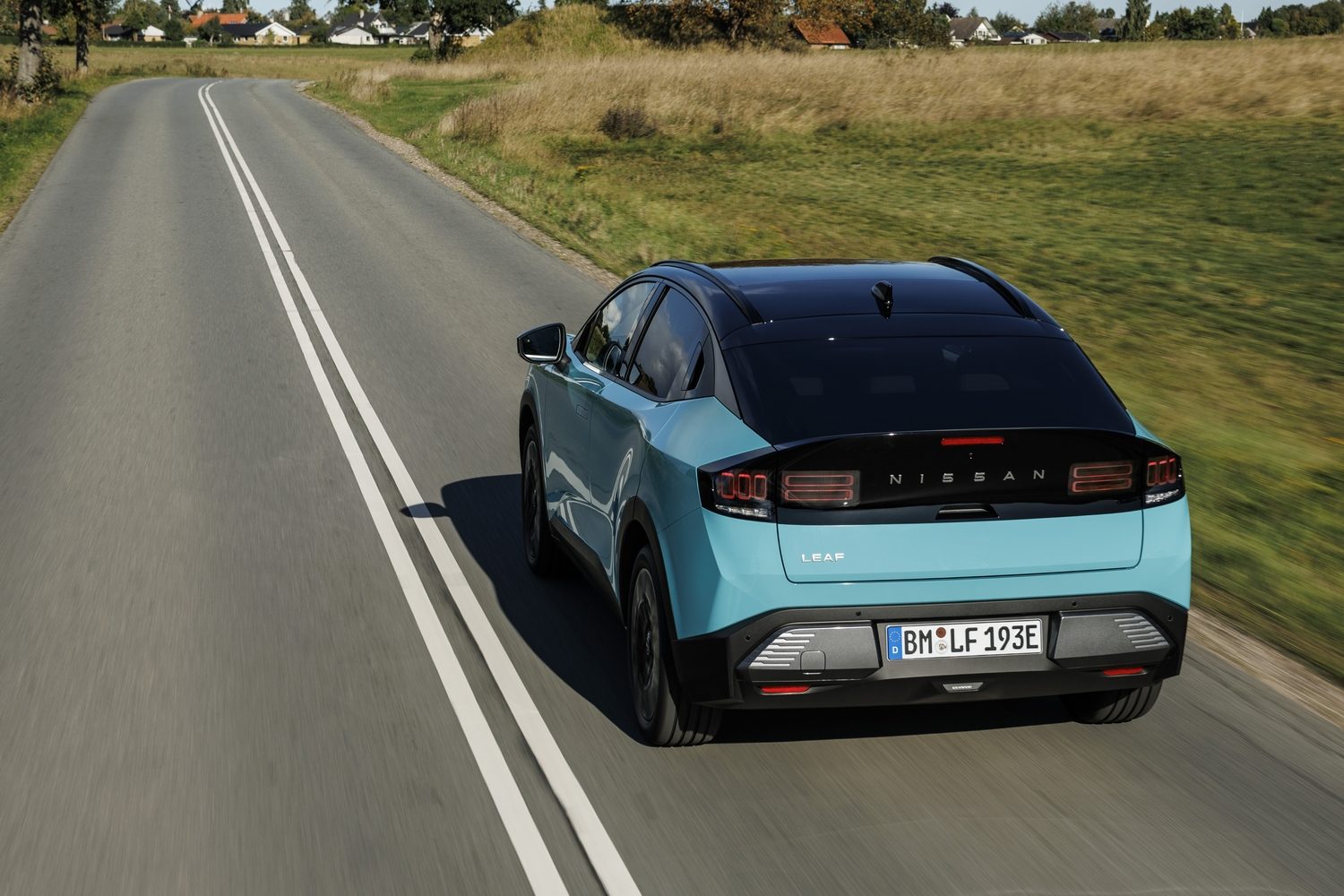
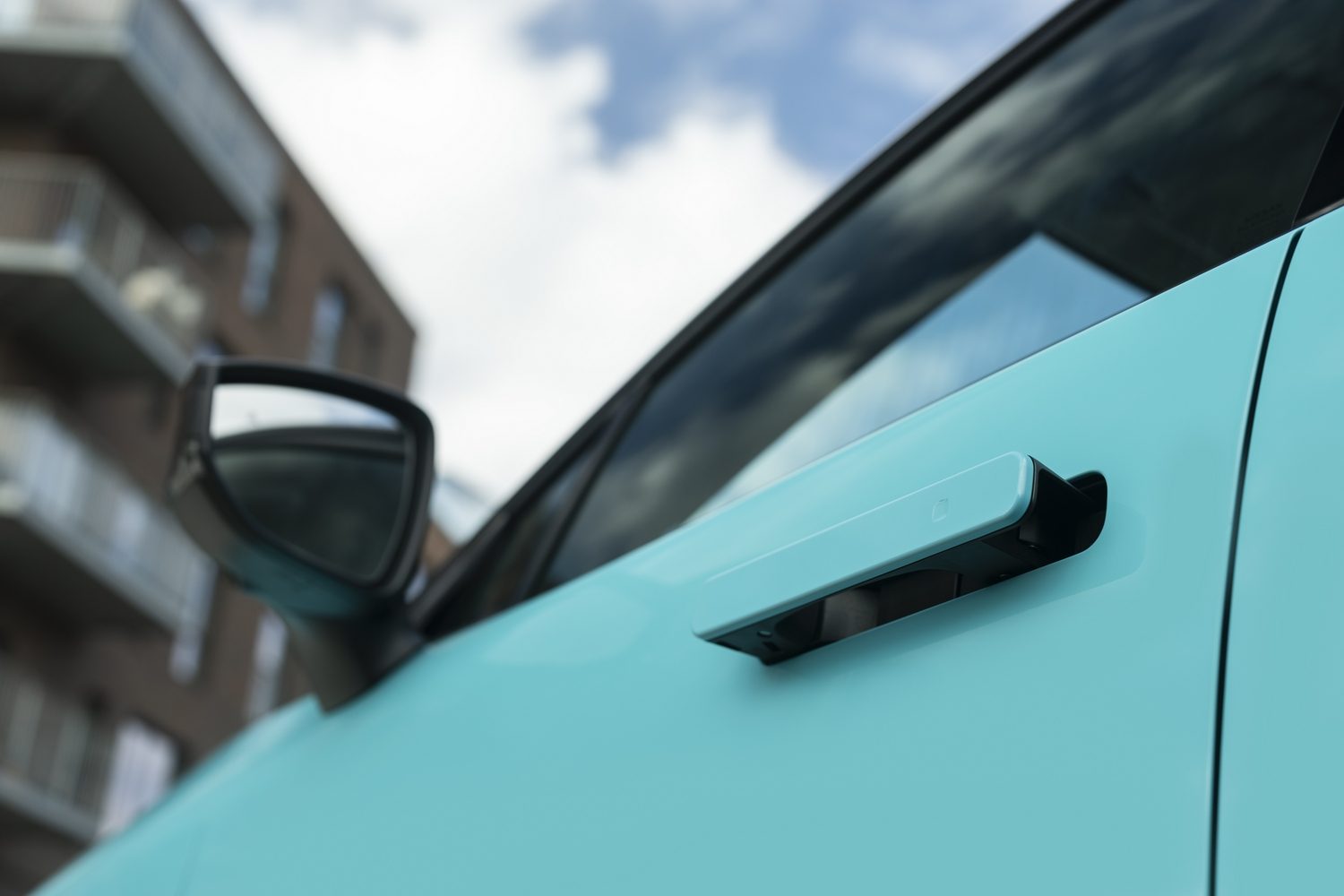
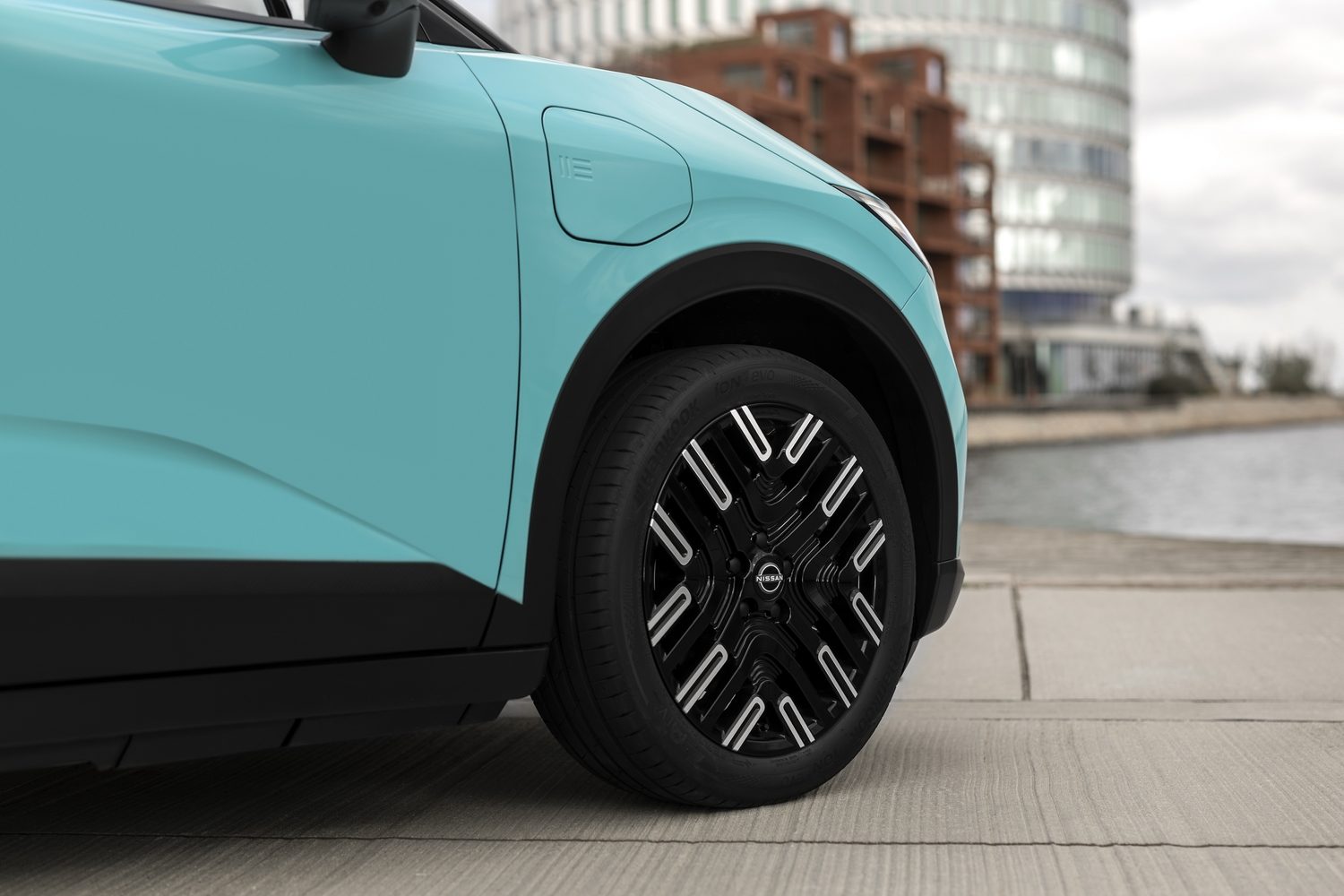
There are loads of aerodynamic touches informing the design, from the smooth front end - including an active grille shutter to allow cooling air in only when required - to the special door mirrors and wheels, retractable door handles and distinctive sharp edges found at the back of the roof and the rear of the car.
What you can't see is the detail design of the underbody. It's mostly flat, though features an aerodynamic diffuser and other complex shapes to direct the air in the most advantageous manner. Even the jacking points get their own little removable covers.
The end result is a coefficient of drag at 0.25. That won't mean much to buyers on its own, but it's a significant improvement over the previous Leaf's 0.28 figure and, as well as extending the range, it adds to refinement on the move.
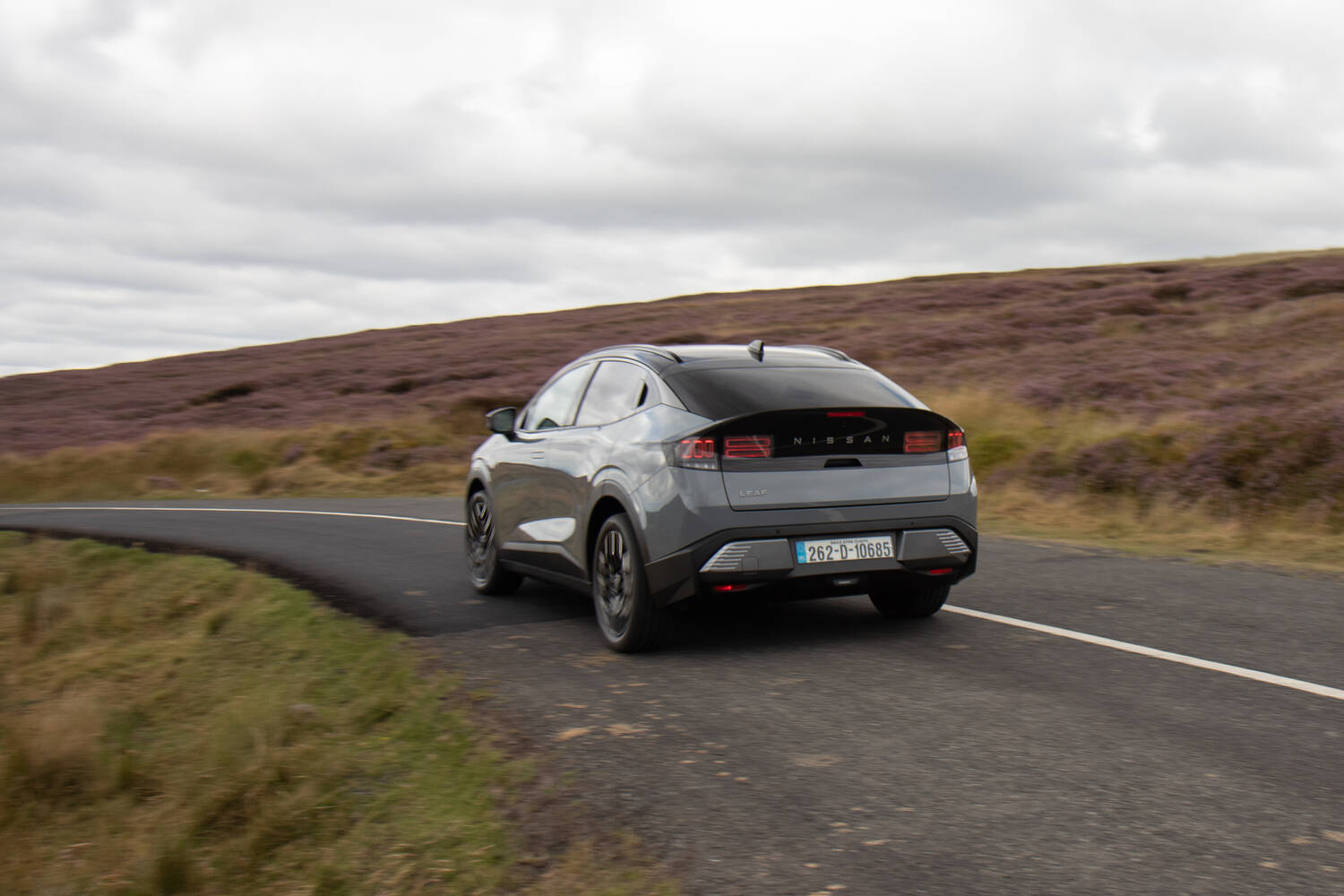
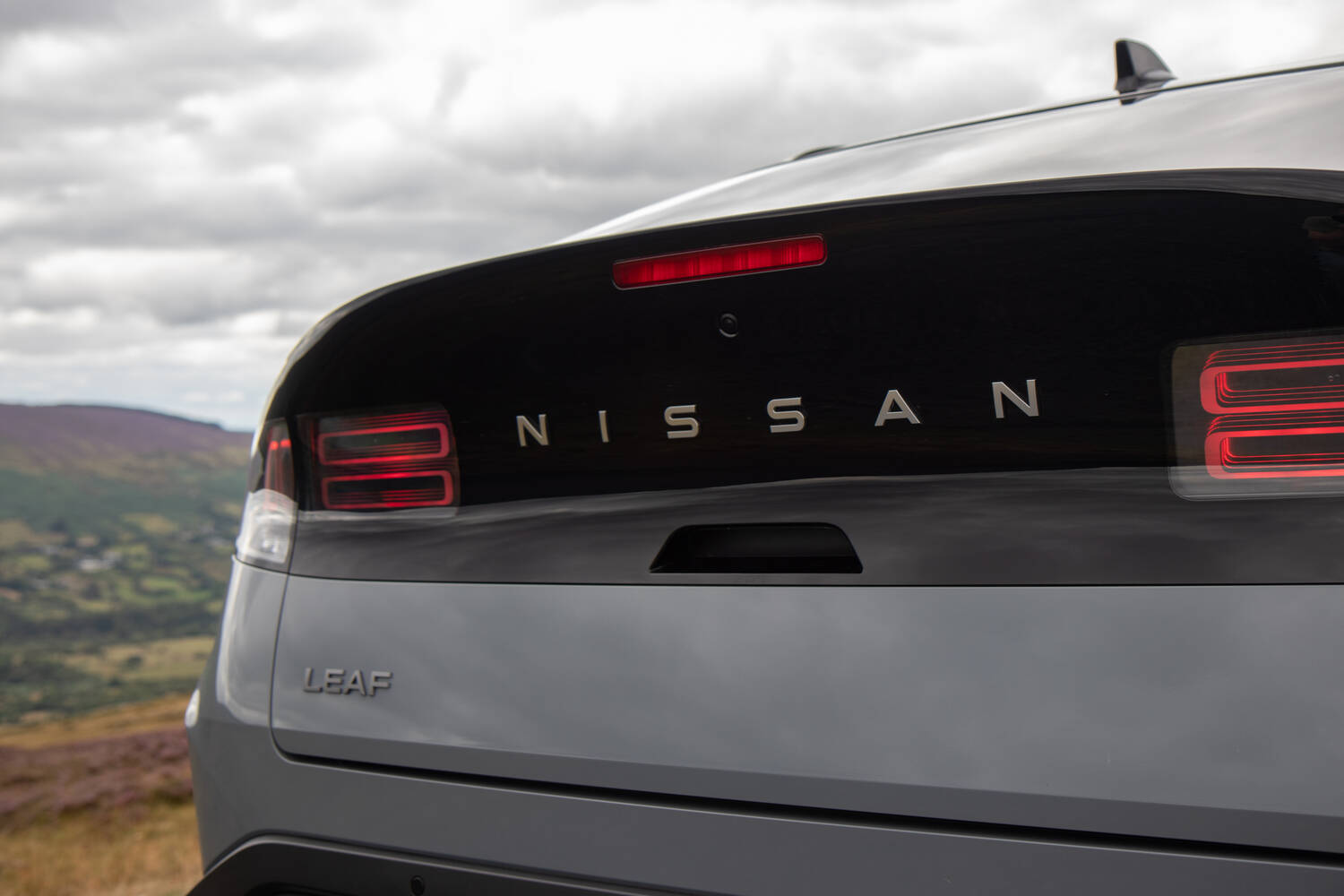
Arguably, the style of the car will matter as much to buyers, and for the record, we love the look of the new one, especially when viewed from the rear three quarters. There's something Datsun Z-car-like about the black section containing the distinctive back lights.
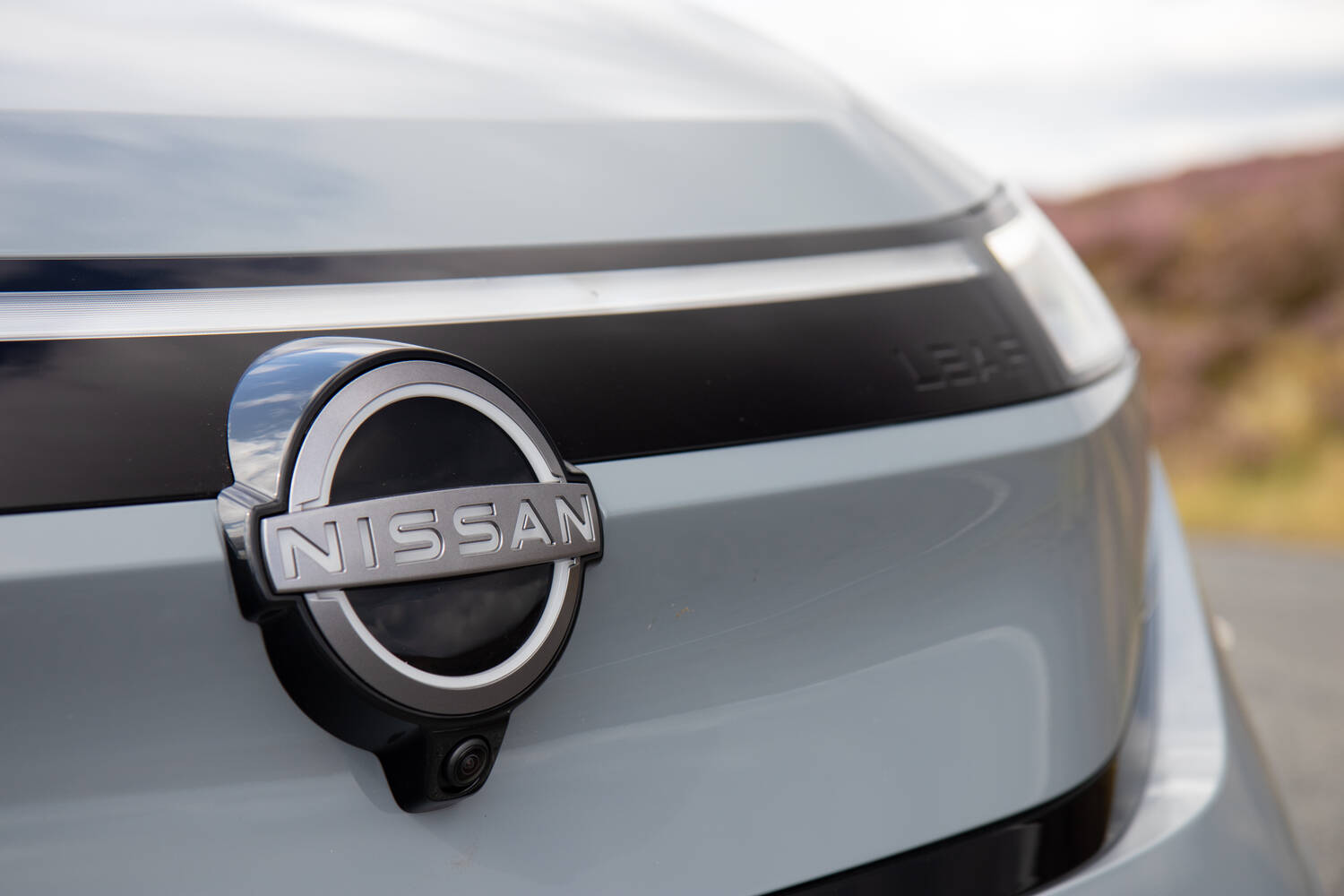
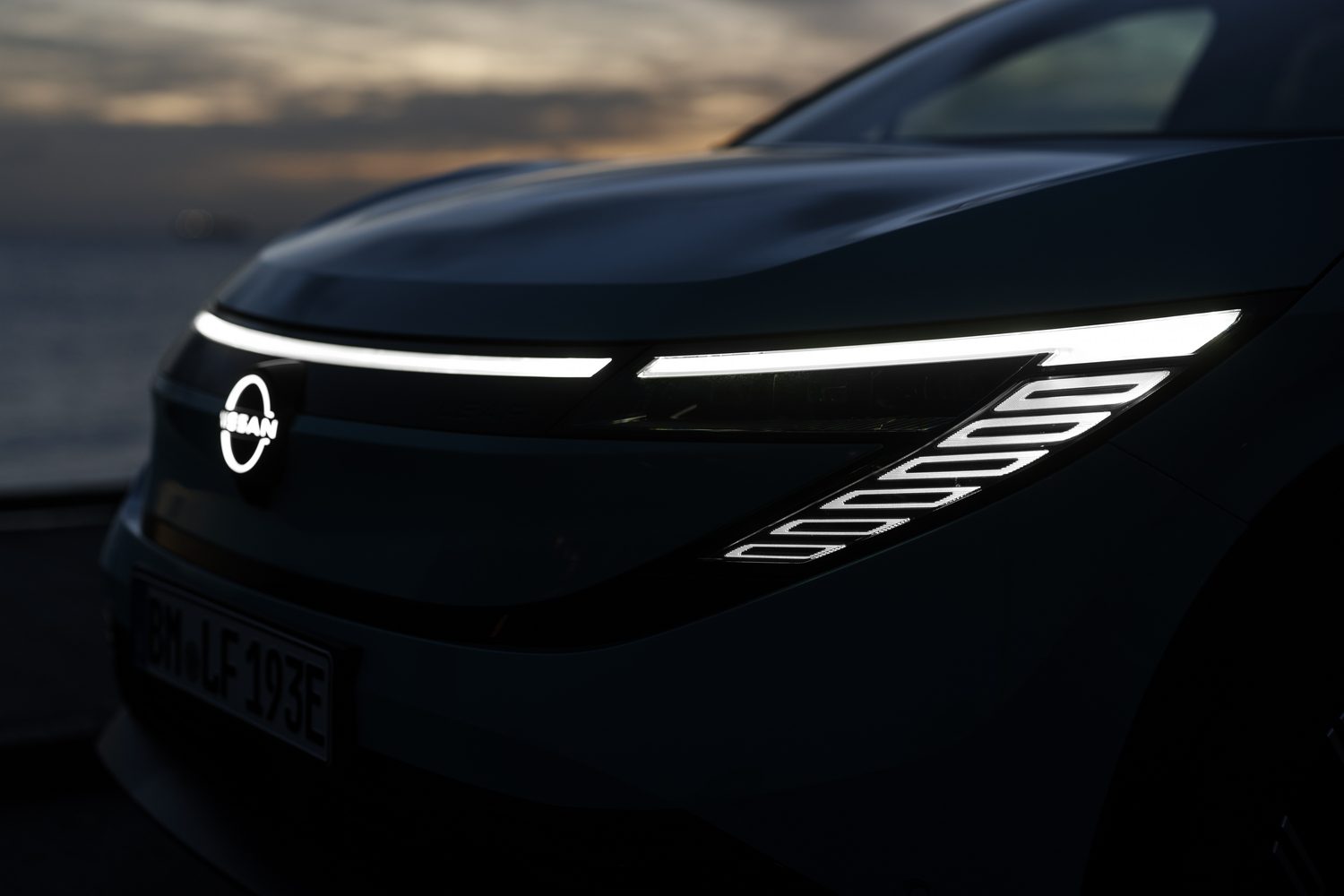
You'll appreciate them even more when you realise the relevance of the '2 and 3' motif, pronounced "Ni" and "San" in Japanese, although these are reserved for higher-spec models. That 2-3 Ni-San motif has been sprinkled throughout the car as a sort of Easter egg. Oh, and the Nissan badge up front lights up as well.
Dimensions of the 2026 Nissan Leaf
- Length:
- 4,350mm
- Width:
- 1,810mm (mirrors folded)
- Height:
- 1,550mm
- Wheelbase:
- 2,690mm
Paint colours for the 2026 Nissan Leaf
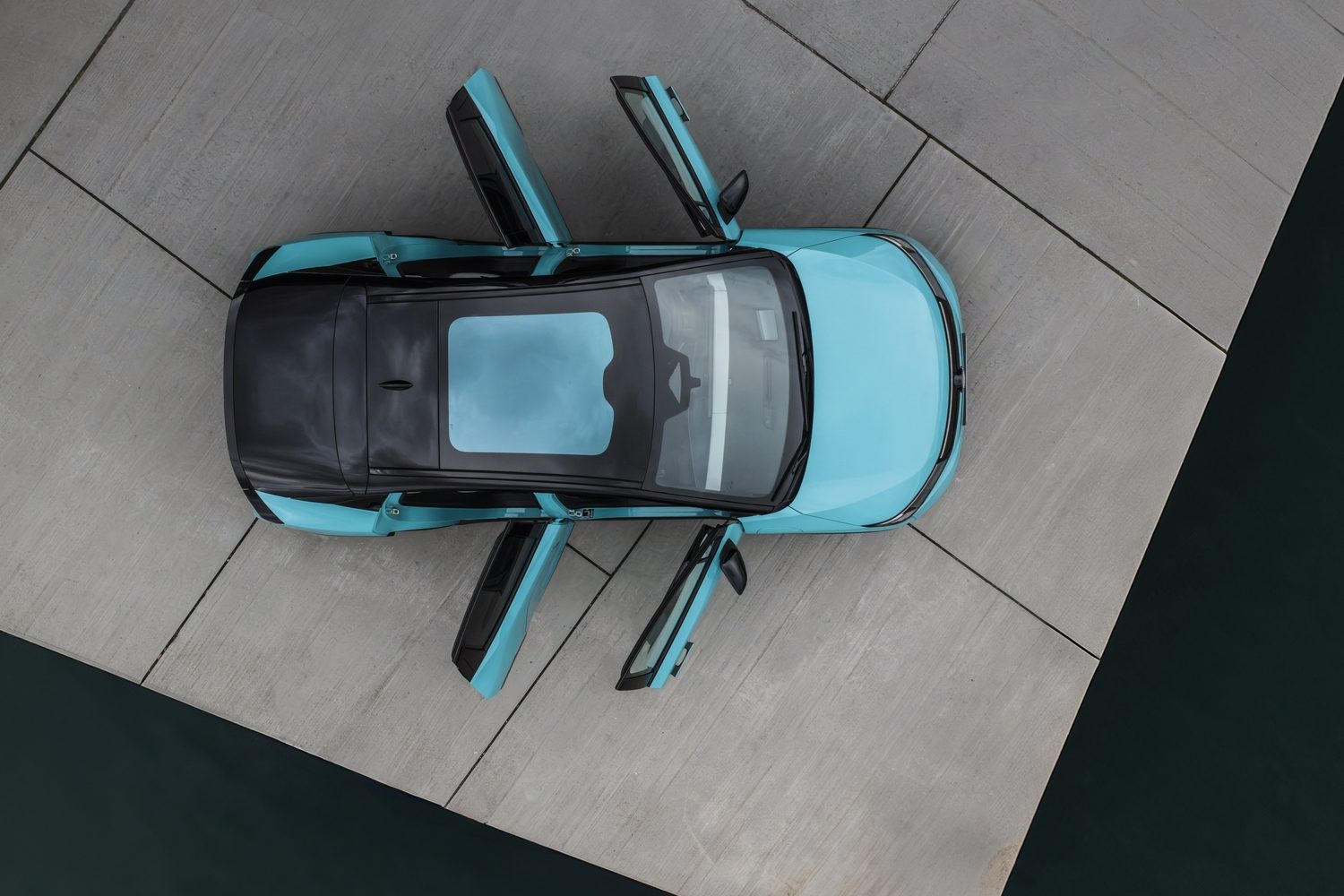
The Leaf's launch colour - the one you'll see in pretty much all of the publicity photos and videos - is called 'Luminous Teal', and it's a tribute to the bright blue most strongly associated with the original Nissan Leaf Mk1 from 2010. It's a strong colour, and it works well with the contrast black of the roof (that's an option) and the rear light surround. All of the metallic paints cost €600 for Engage and Engage+ models, while two-tone paint costs €900 for Engage+, Advance and Evolve cars.

The other colour options are Ceramic Grey (a pale, almost undercoat-style finish), Fuji Sunset Red (which looks pretty sharp), Pearl White, Sukumo Blue (a classy-looking dark blue metallic), Gun Metallic and Pearl Black.
Interior, practicality, tech & comfort of the 2026 Nissan Leaf
- More interior space than before
- Much bigger boot as well
- Inspired by the Nissan Ariya's cabin
While the new Nissan Leaf doesn't compete with large electric SUVs for interior space, it is - in spite of the reduction in length and wheelbase - more spacious inside than its predecessors. This is due to clever packaging of the heating and ventilation system under the bonnet, so it doesn't intrude on the cabin.
This solution may remove the option of an extra storage area under the bonnet ('frunk' if you're reading from North America), but it frees up room for passengers, most notably for those up front where the Leaf adopts the Nissan Ariya's open design, in theory allowing the driver and front-seat passenger to play footsie. Not that we'd advocate such behaviour while driving, of course.
Getting comfortable in the driver's seat
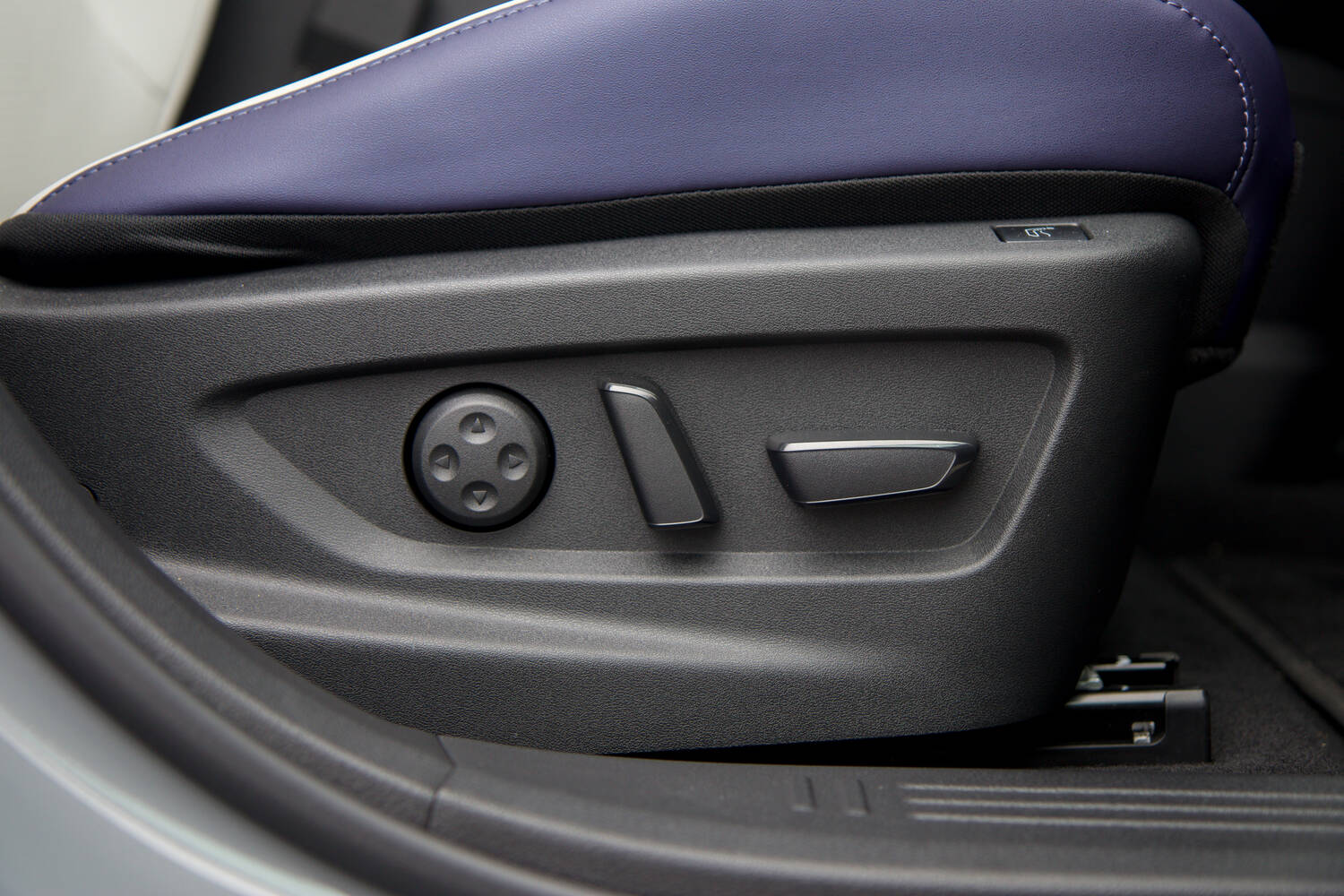
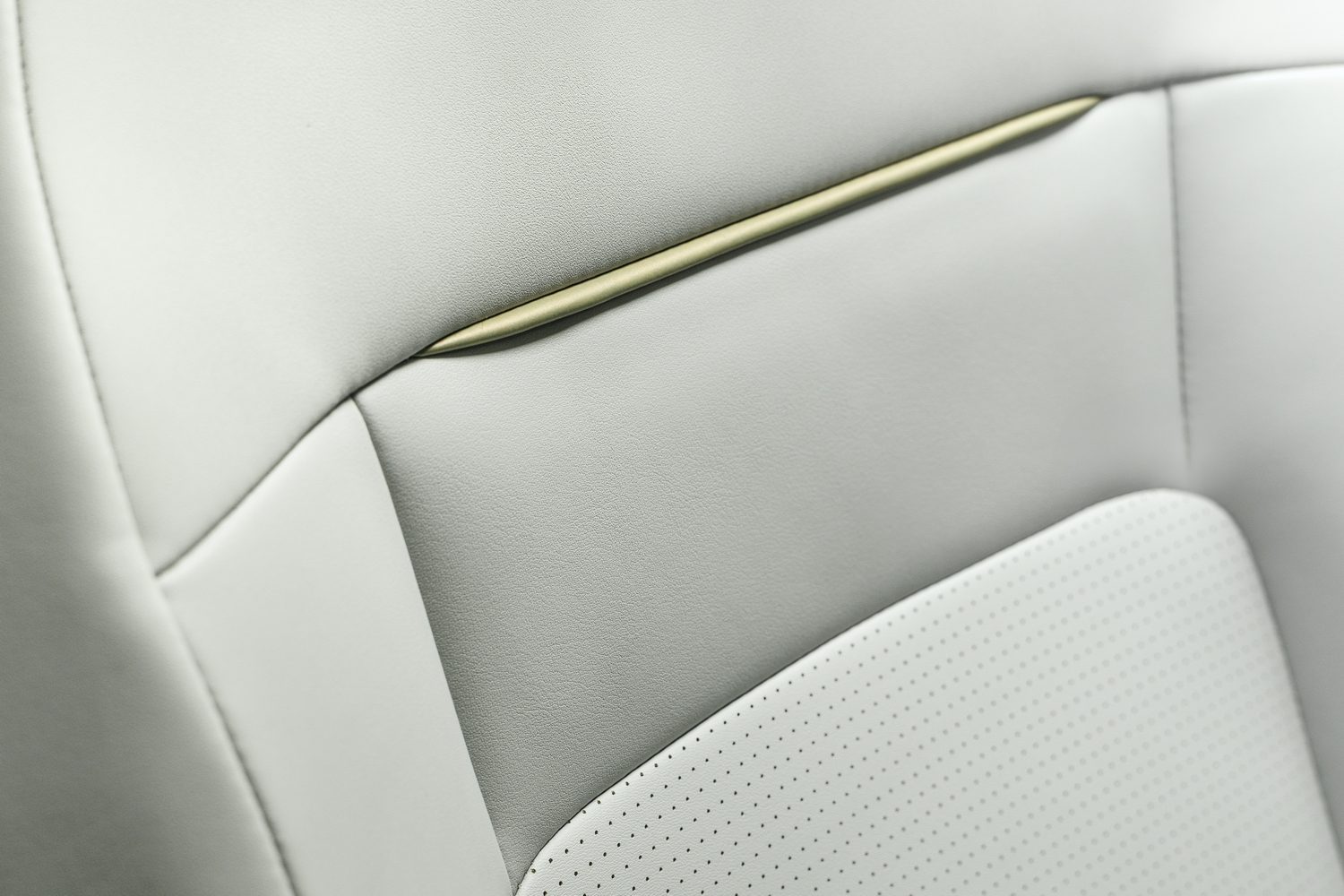
Our high-spec test car came with gorgeous two-tone, cream-and-blue-leather upholstery, which looks impressive, though the first thing you notice when you sit into the Leaf's driver's seat is that it's set high up. For shorter drivers, this won't be an issue, but if you're tall then you may feel a bit too perched up.
That apart, the seat itself is very comfortable and high-end versions come with a massage function which can best be described as 'vigorous'. There's plenty of adjustment in the neat two-spoke steering wheel's position, too.
The relatively low-set dash cowling, and the high-set seat, means that there's excellent forward visibility, although the chunky windscreen pillars may get in your way at angled junctions, as is often the case in sleek modern cars.
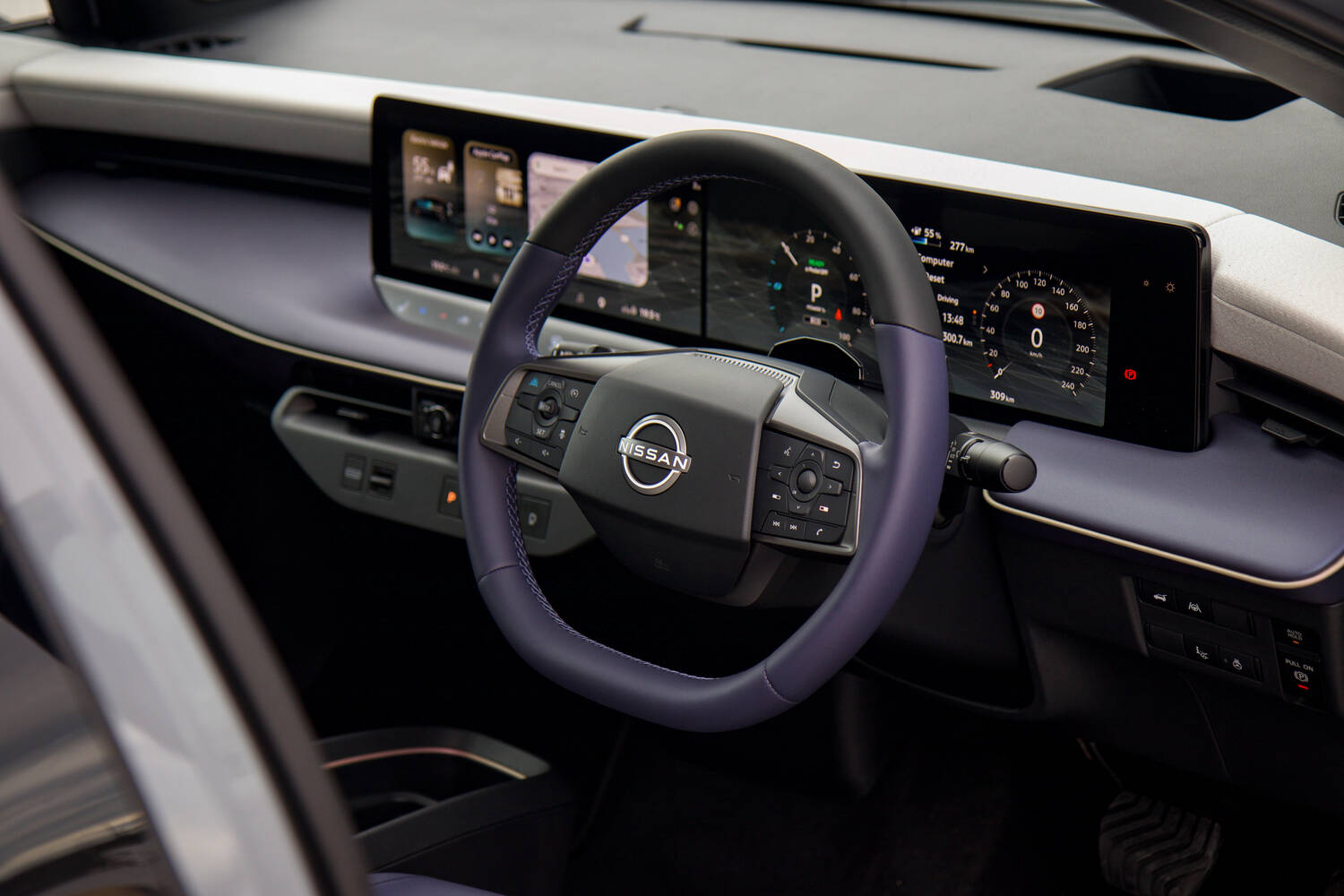
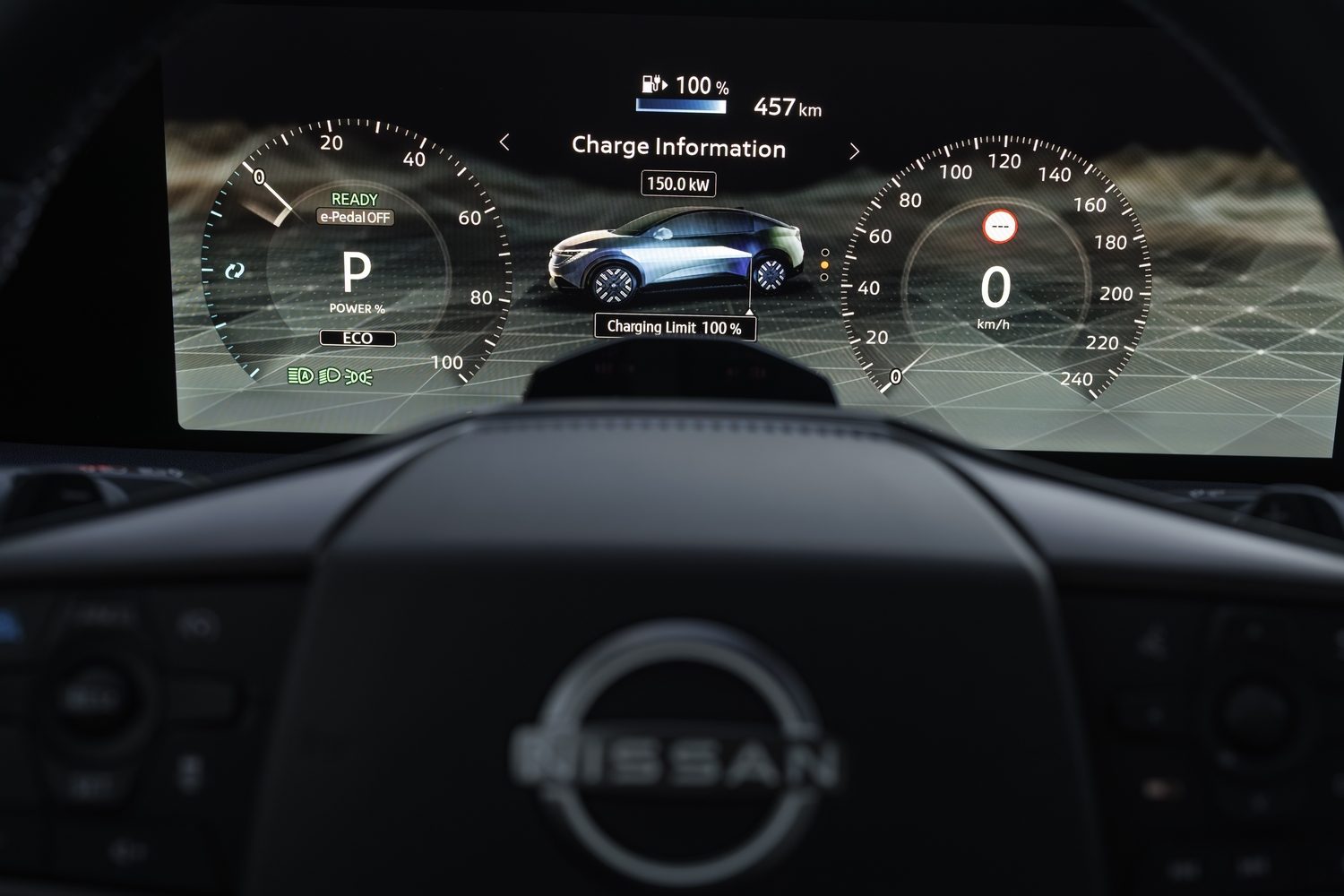
The digital driver's instruments are neat and clear, and the head-up display on the windscreen is especially useful.

Infotainment and technology
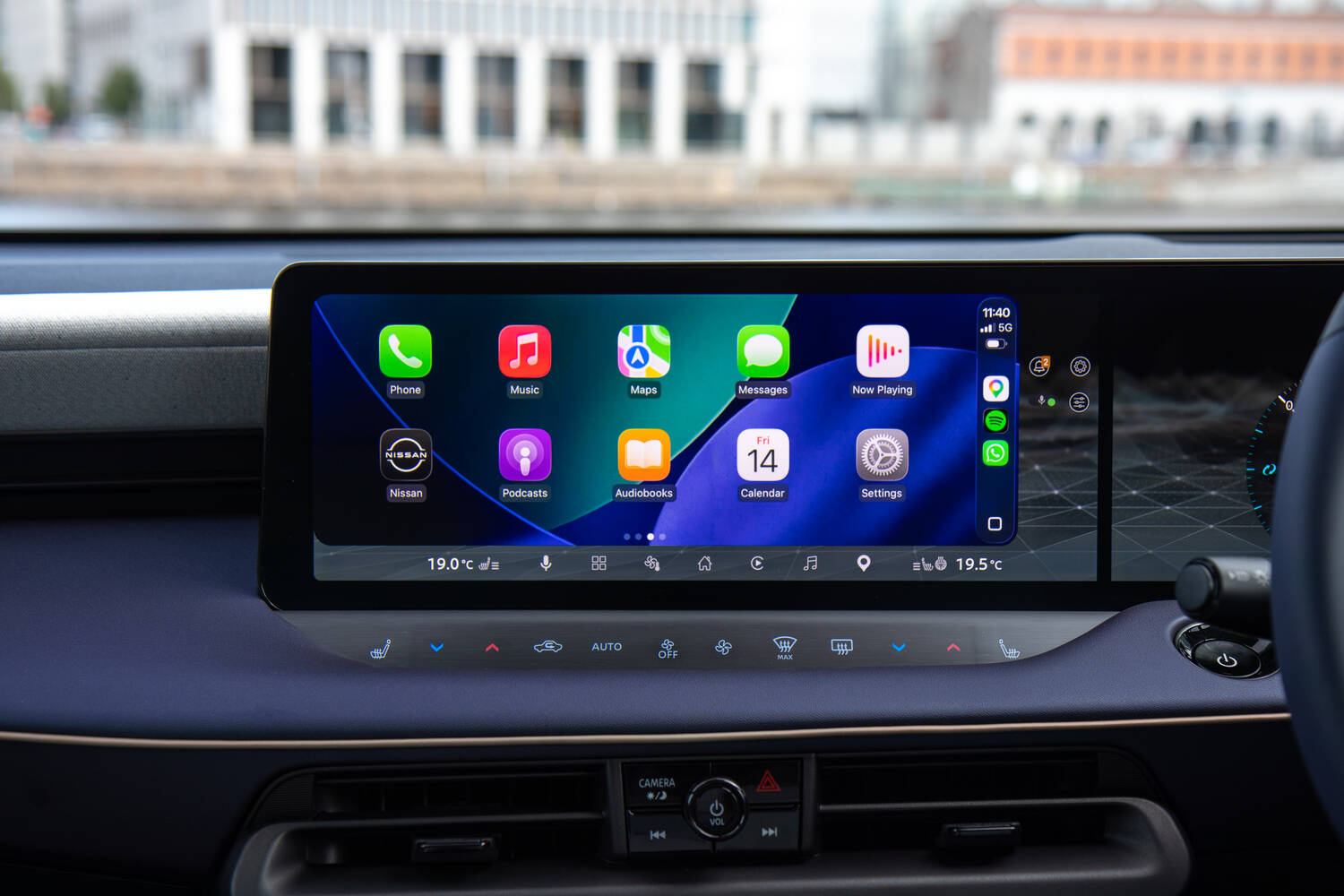
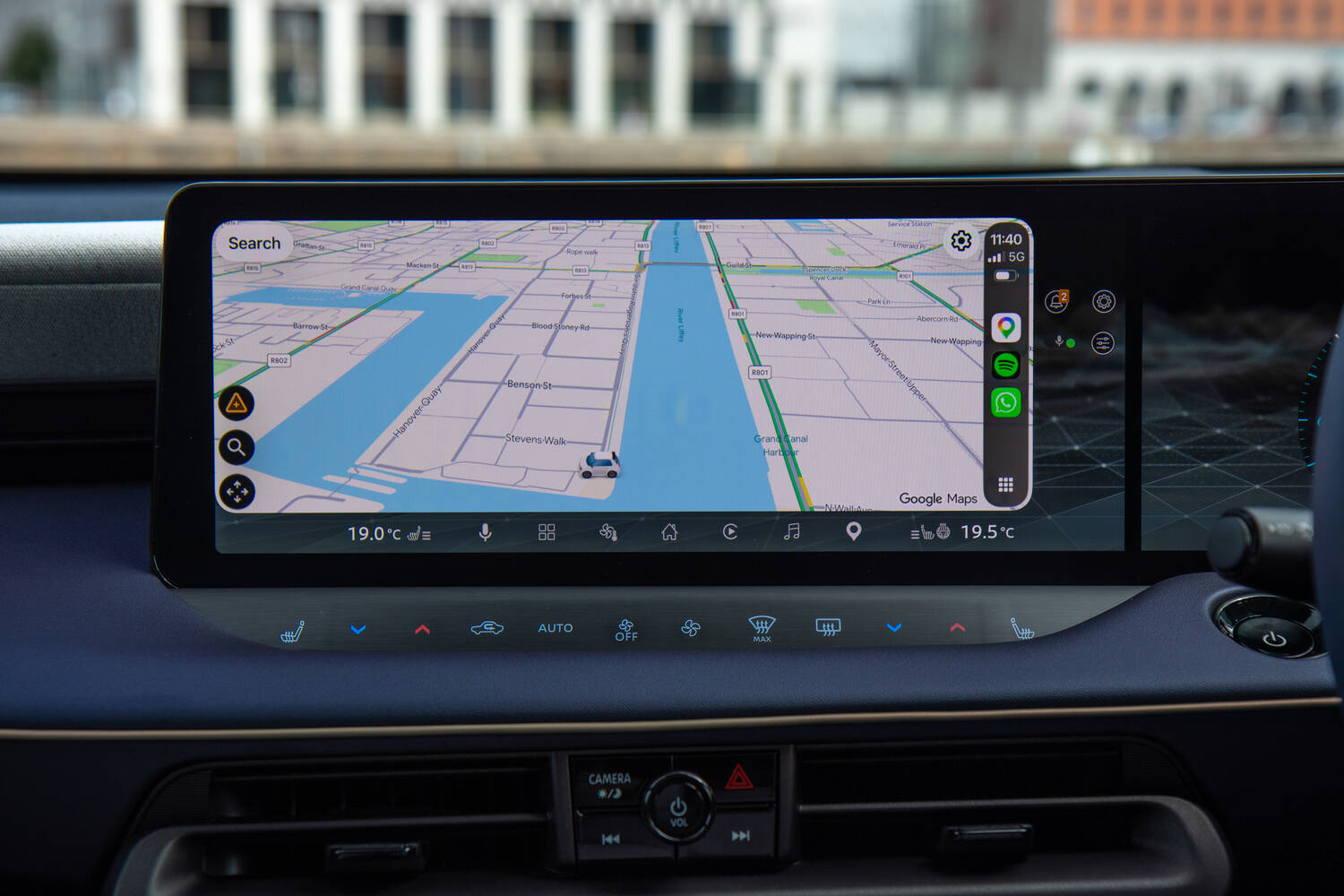
You get two 14.3-inch screens (12.3-inch on the Leaf Engage): one for the driver's instruments and one for the main infotainment touchscreen. Nissan and Google co-developed the software, so apps such as YouTube, Google Maps, Google Assistant digital voice control and the Google Play store are all native.
From there you can download a plethora of other apps - Waze, Spotify, Amazon Alexa, Amazon Music etc - which means that there's a huge level of customisation available to owners of the car.
Thankfully, in spite of the potential for complication, the system itself is spectacularly easy to use. The menu layout is pretty simple and easily understood and, while the main screen is a slight stretch away for taller drivers, the excellence of the Google voice control setup helps to compensate for that.
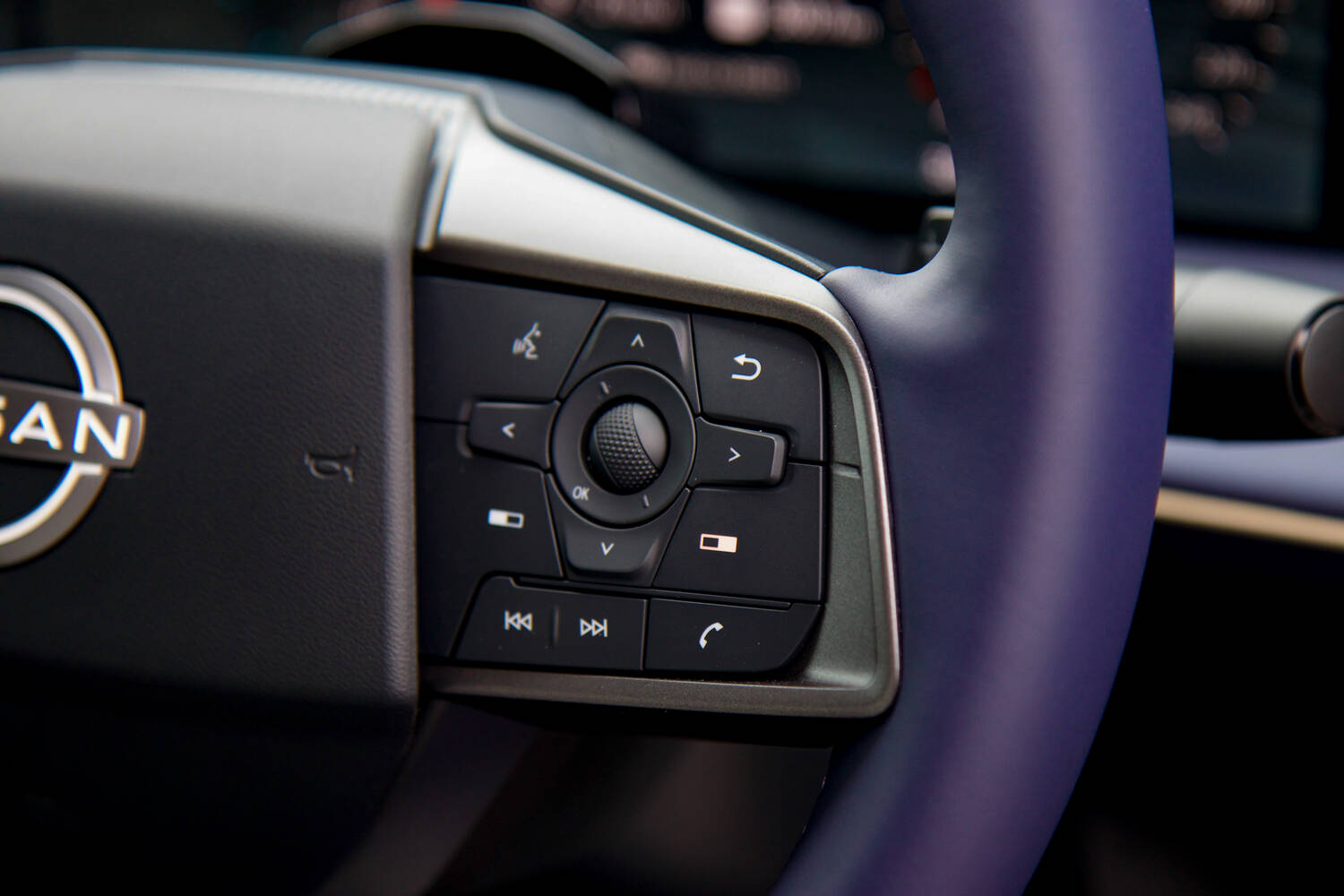
Even better, there are really good controls on the steering wheel - proper, physical buttons including a hugely tactile rollerball controller - which allow you to scroll through menus very easily without taking your hands off the wheel itself.
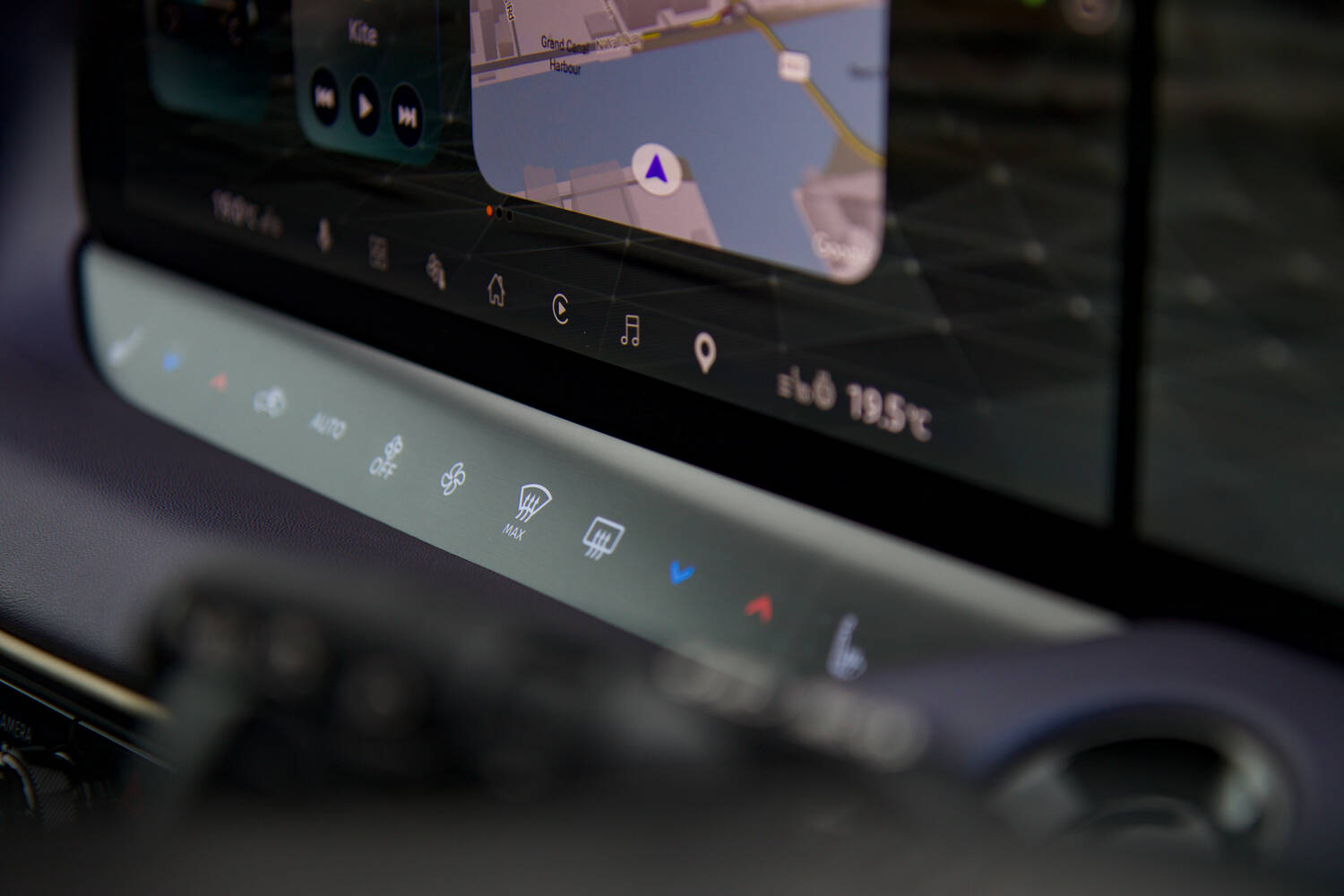
Plus, there is a handy bank of separate controls - touch sensitive, but not on the screen - which looks after the heating, air conditioning and heated seats, and that takes a huge amount of workload off the screen.
Kudos too to Nissan for not only providing proper buttons for all four electric windows and the door mirror adjusters, but also a simple touch-control at the corner of the driver's instrument screen, which allows you to dim the screen lighting easily and instantly at night. That's not just a convenience thing; it's a boon for safety too.
Needless to say, the Leaf can connect to your mobile phone through Nissan's own app, and that allows you to do the usual charging, locking and unlocking, and cabin pre-conditioning stuff. Immensely helpful is the inclusion of tyre pressure monitoring in the app, which will alert you if you have a flat or a slow puncture, so you won't walk out in the morning to an unexpected problem.
You can also pre-plan your journeys on your phone, and send those instructions to the Google Maps app in the dashboard before you leave the house, and not only will Google then work out when and for how long you'll need to charge on your route (assuming that you will need to), it can also provide handy information about which amenities - if any - there are at the charging points on your route.
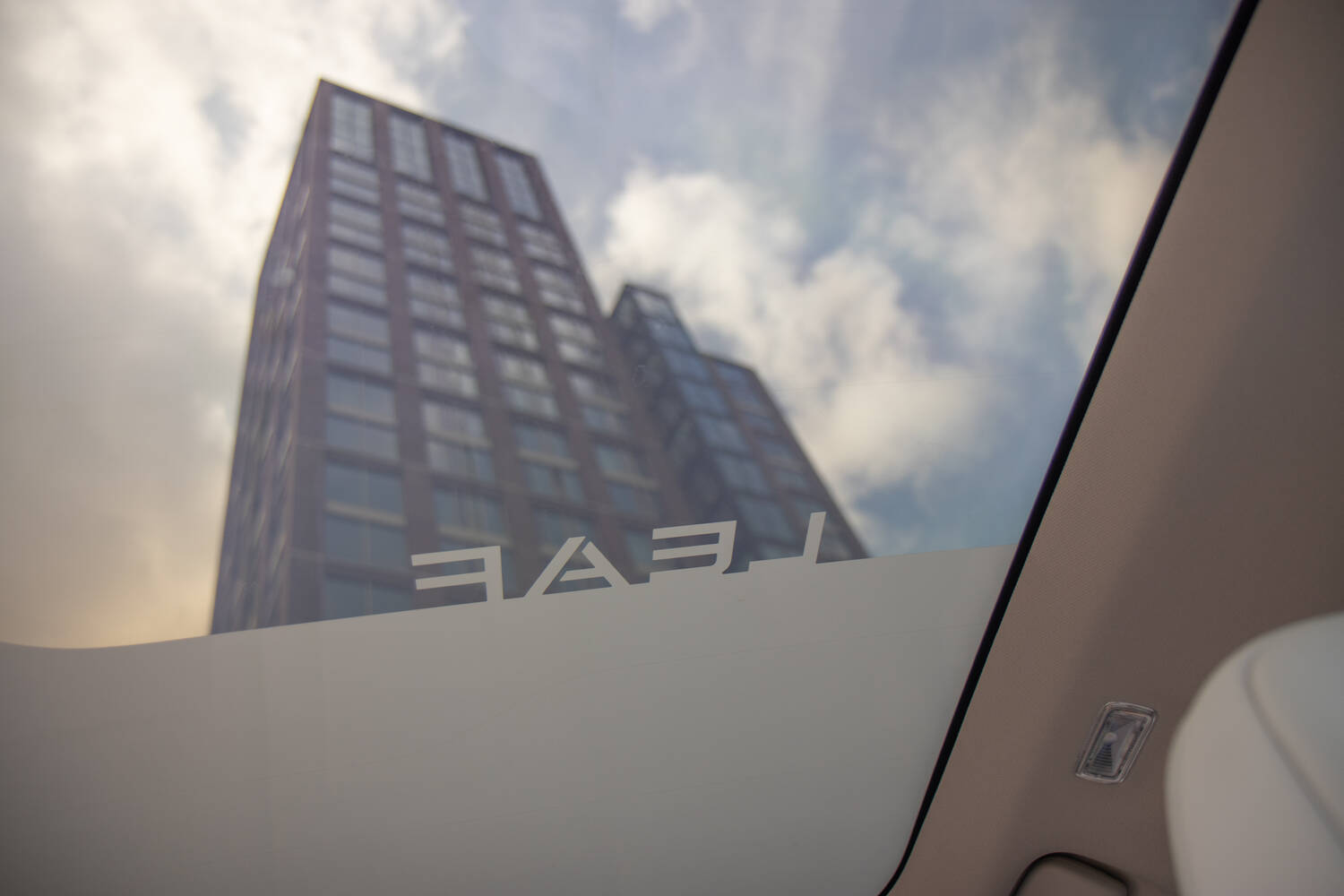
One of the biggest tech additions to the Leaf is the optional panoramic glass roof, which uses Solarbay technology, incorporating liquid crystals into the glass which allow you to dim it from transparent glass to opaque in front and rear sections. 'Close' the glass half way, and there's a neat Leaf logo, which, depending on the angle of the light coming in, can cast its shadow onto the seats below.
That roof isn't just for show, either. The dimming technology means that Nissan has been able to do away with a retracting roller blind which not only saves 7kg of weight, but it also means that the roof can be mounted lower without robbing too much headroom from those in the rear, aiding the aerodynamics.
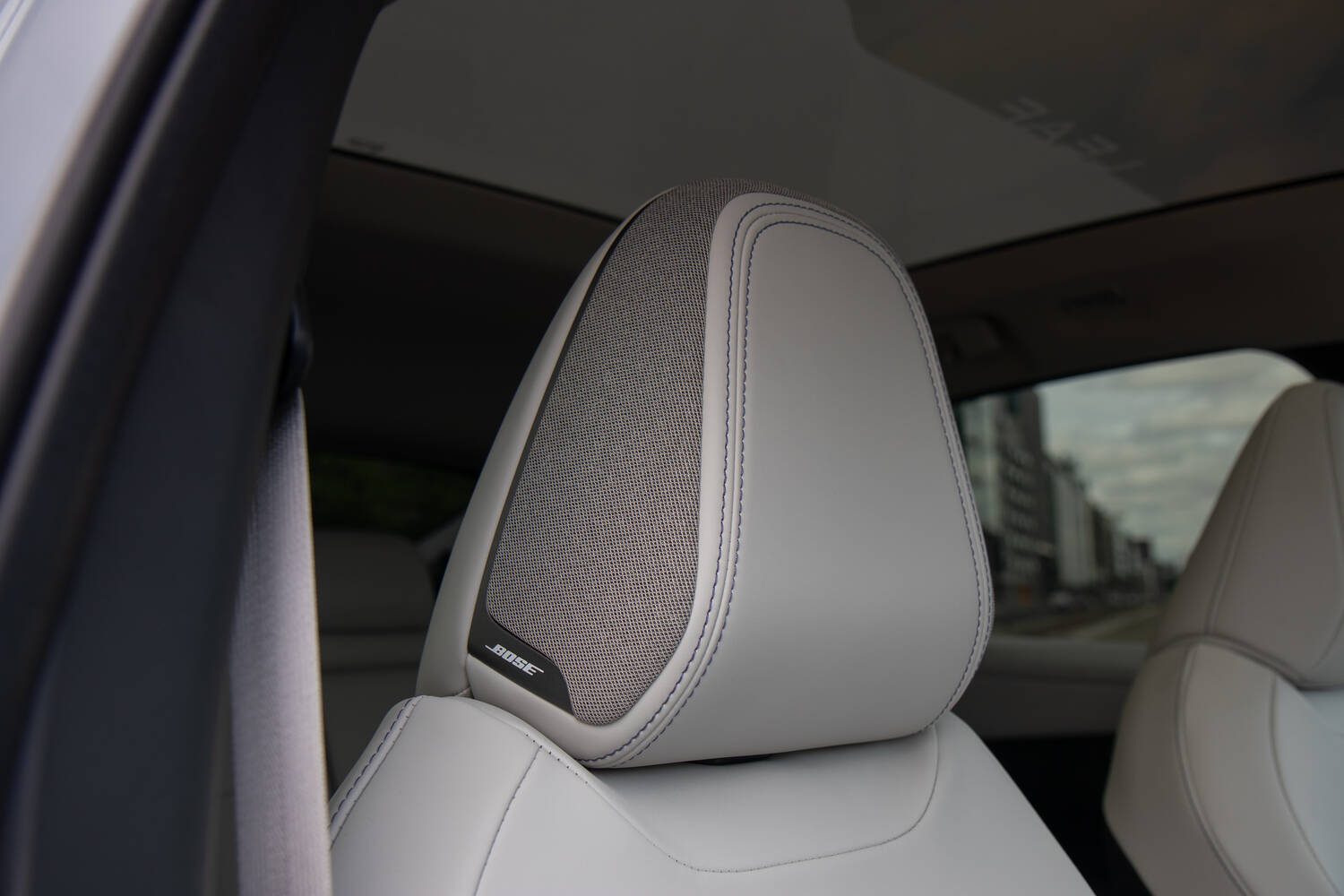
A special mention is needed here for the optional Bose stereo, which not only provides proper ear-bleeding sound quality, but which also comes with speakers built into the headrest for the driver, allowing you to receive navigation directions or issue orders to Google Assistant, while everyone else in the car keeps listening to music, uninterrupted.
Practicality around the cabin
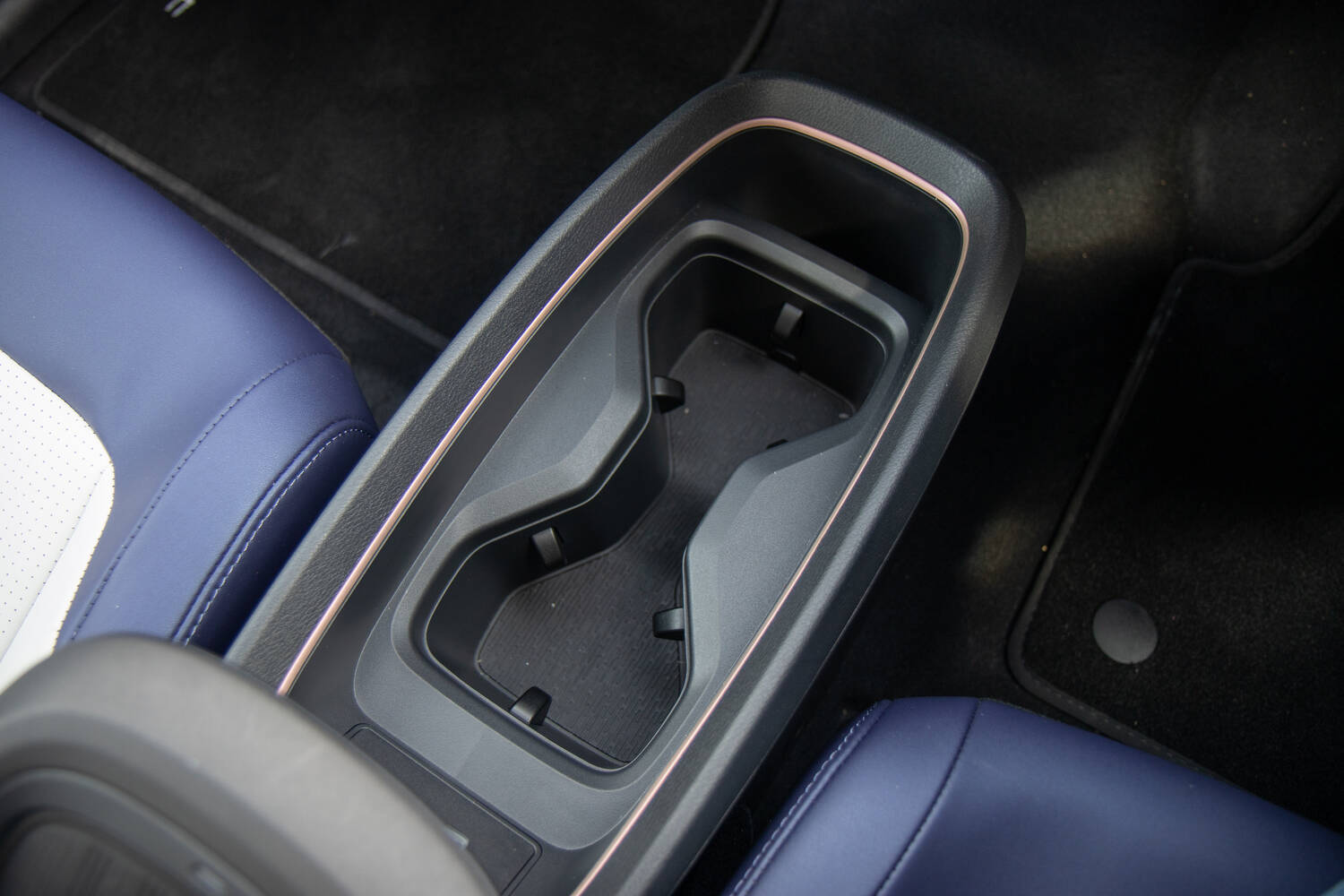
The front of the Leaf's cabin is bright, and airy (helped, unquestionably, by the light colour of our test car's upholstery and the panoramic roof) and there are copious storage options. The front door bins are a useful size, and there is a large cupholder section, mounted low down in front of the centre console. You'll find two USB-C sockets down there too.
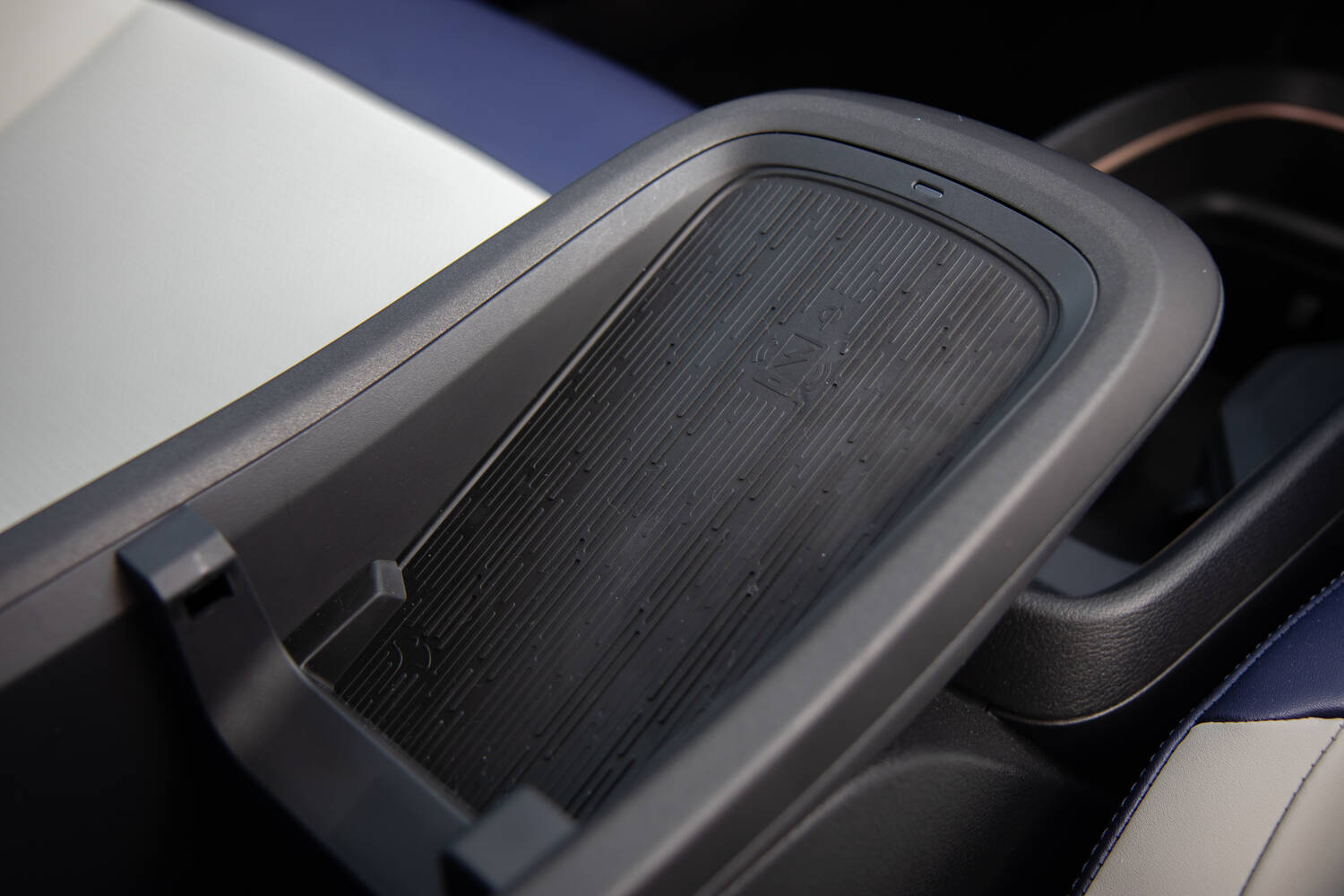
That console also contains a handy wireless phone charger, which is both angled upwards and coated in a grippy rubber finish to stop your phone sliding around. Behind that, there's a useful storage area under the armrest.
The Leaf also has two - yes, two - gloveboxes. There's a reasonably useful one in the standard position ahead of the front seat passenger, and a second, slightly smaller but still handy, one under the centre of the dash, beneath the screen.
It's also worth pointing out the really lovely, tactile quality of the cabin - it's a huge step up from the black plastic of the previous Leaf, and very much in lockstep with the slick cabin of the Nissan Ariya.
Rear-seat passenger space
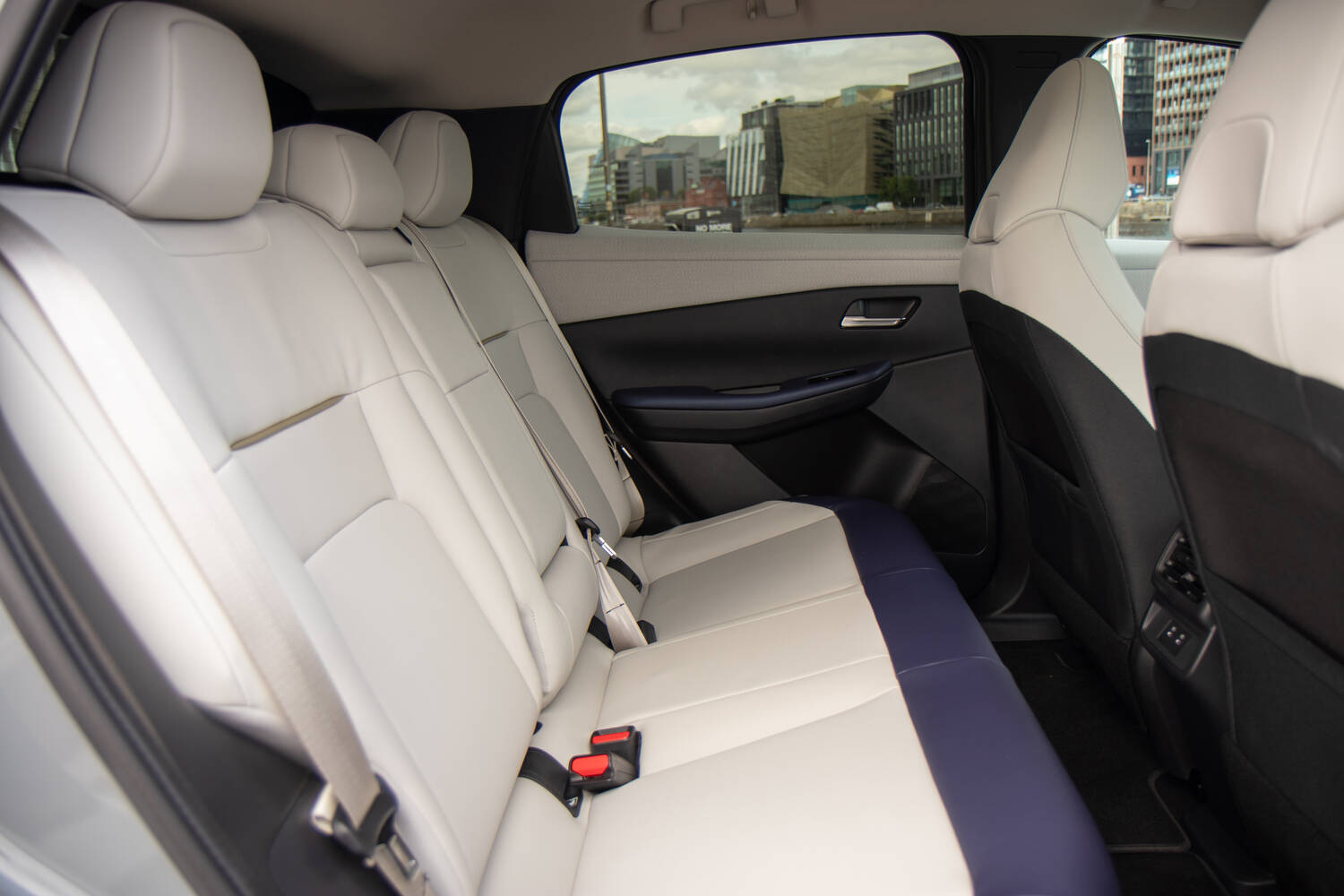
Those in the rear aren't as well catered for, but the Leaf can still carry four average-sized adults without too much compromise, though we did notice that there's not loads of room for feet under the front seats if they're set to their lowest position.
And the thing is, most will probably want to do that, as the seat is mounted quite high, presumably due to the packaging of the battery pack underneath.

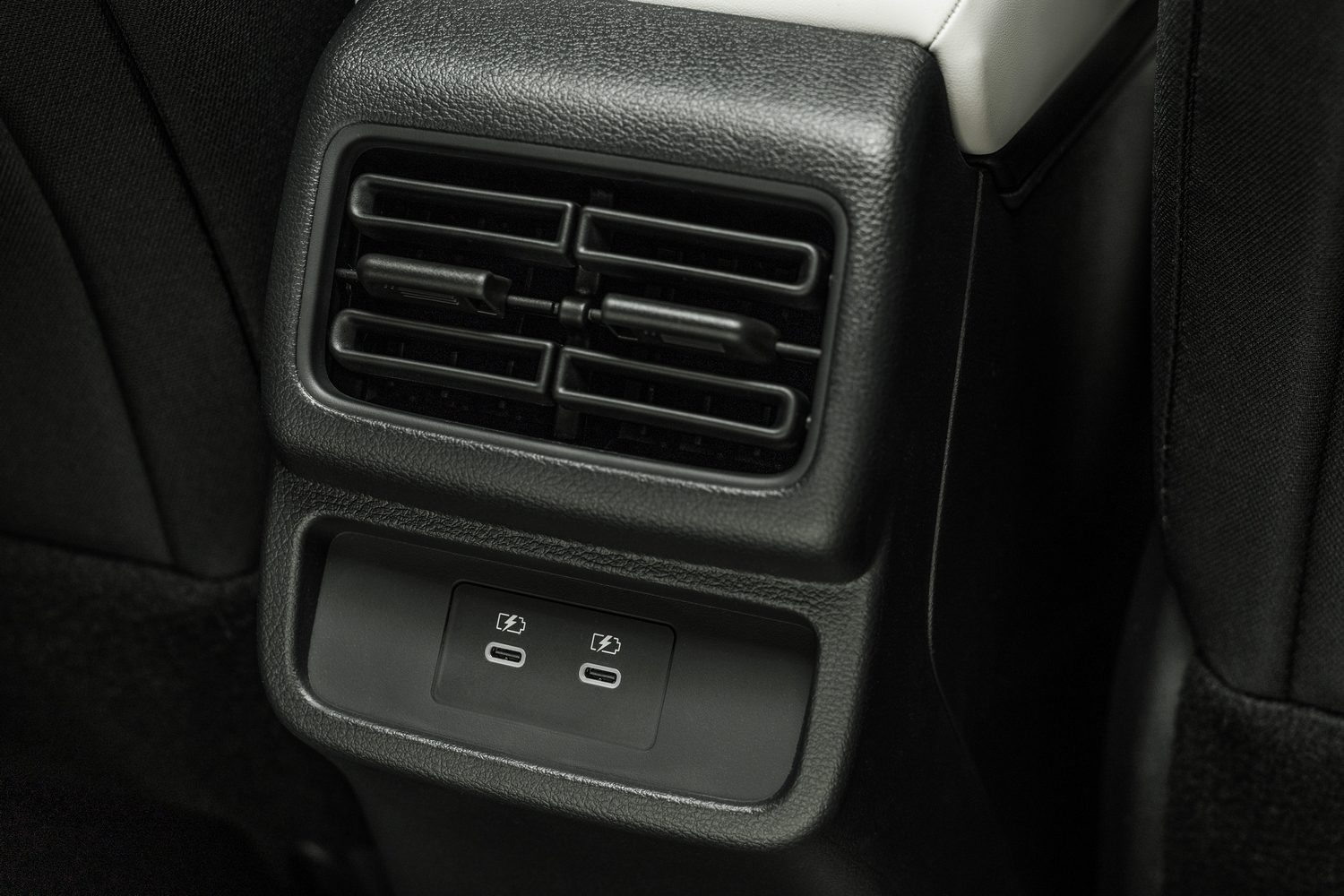
Headroom is fine, although if you're 1.85 metres or taller (that's six-foot tall in old money) you might find your hair just brushing the headlining. On the upside, there are useful seat-back pockets, USB-C sockets and, in spite of the low roofline, there's a nice big window which will allow everyone to see out easily.
Fitting child seats to the Nissan Leaf
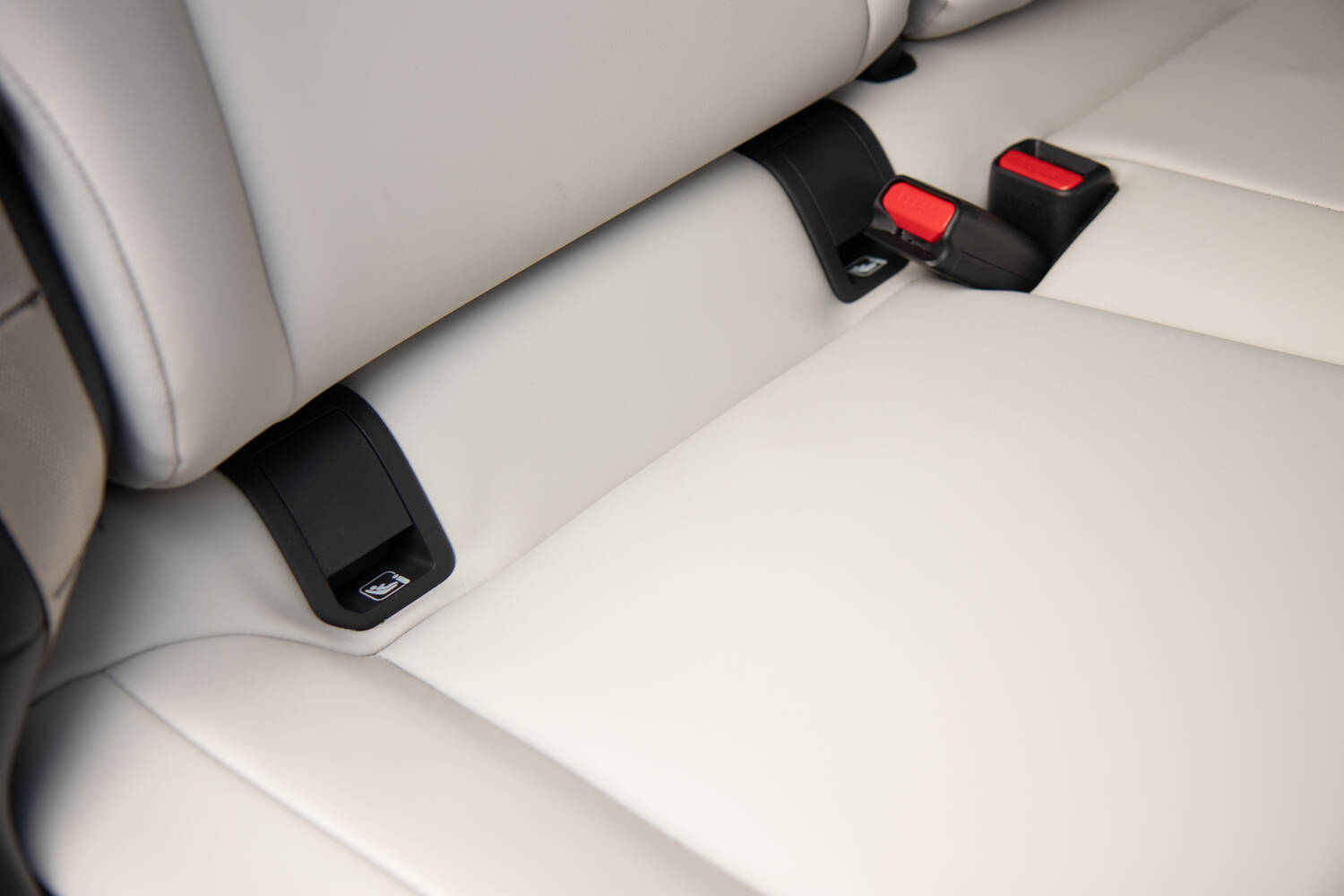
There are ISOFIX points only in the two outer rear seats, as is the norm, while the central position is relatively narrow, meaning it probably won't be possible to fit even a slender booster there. The rear door opening isn't as generous as it is in the bigger Nissan Qashqai, but then again, the Leaf is a smaller car, so what can you expect?
Boot space in the Nissan Leaf
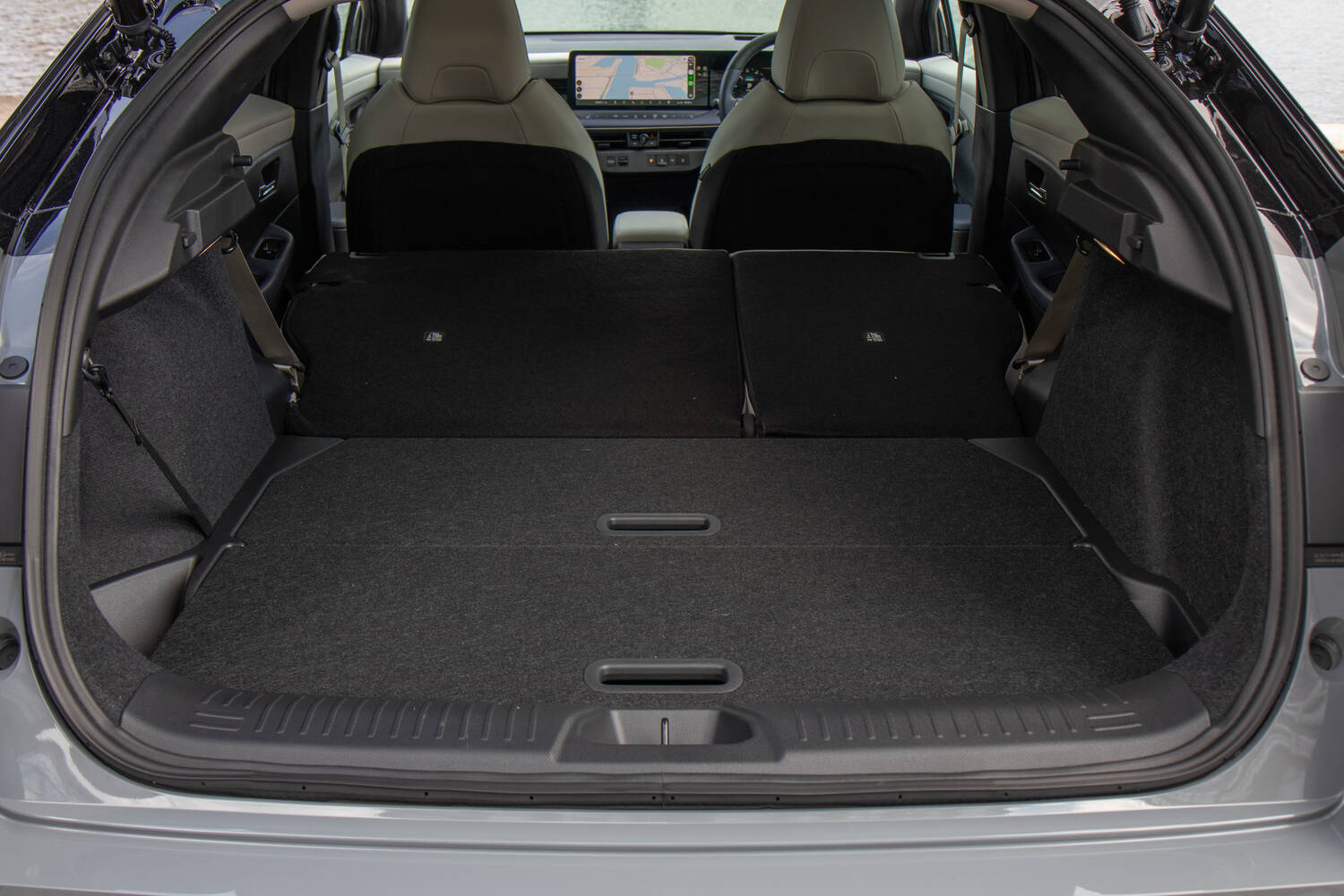
While the Leaf's 437-litre boot isn't class-leading, it's more space than there was in the back of the old Leaf, and the boot is well-shaped and laid out. The Leaf features the same neat adjustable boot floor of the Qashqai, so it has two lift-out sections which can either be set up high - to eliminate any loading lip - or set low for maximum volume.
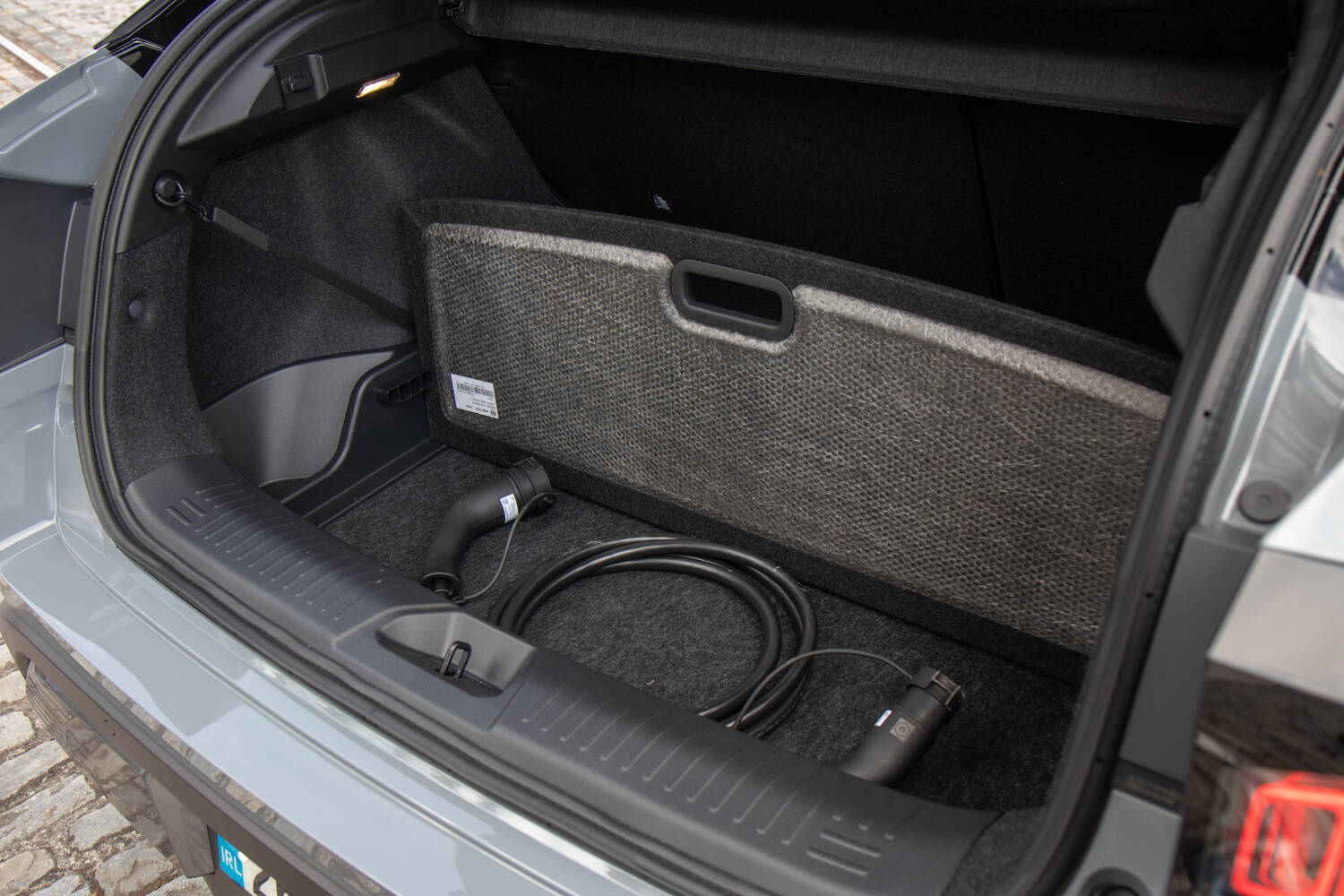
These sections can also be stood up vertically to partition the boot, if you wanted to keep muddy sports gear away from shopping, for instance. While there's no 'frunk' in the nose for storing charging cables, Nissan has dug out some useful space to the left of the boot, and added a restraining strap, so that you can stash your Type 1 charging cable there and get easy access to it even if the boot is packed.
The rear seats split-fold 60:40 to open up 1,176 litres of cargo space, although the fastback rear styling will inhibit loading in anything too big and bulky.
The seats don't fold entirely flat, leaving a slight up-angle in the cargo floor as you work your way forwards, but it's not too much of an issue.
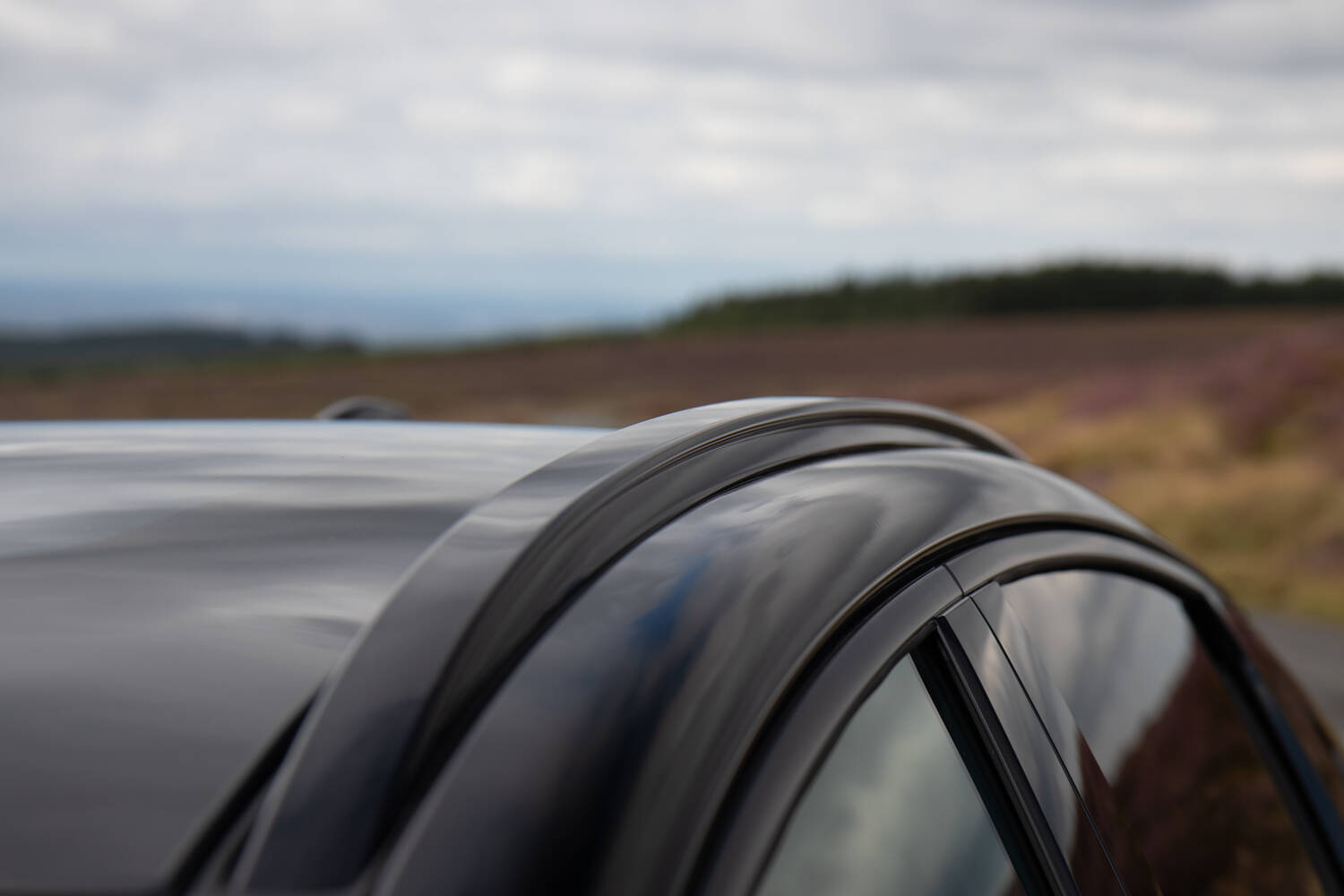
Nissan has pulled out one practicality advantage over the competition - unlike many similar EVs, the Leaf, in spite of its slippery aero, has built-in roof bars, so fitting a roof rack or roof box is a doddle. Sure, it'll cost you some range, but it's a useful feature to have as standard.
Towing with the Nissan Leaf
You can tow with the Leaf, but few expect a compact EV such as this to tow big loads. Above the standard unbraked 750kg weight, the Leaf can manage an extra 225kg - 975kg total - on a braked trailer.
Safety in the Nissan Leaf
Nissan is certainly pushing the safety boat out with the new Leaf, and while it hasn't (at the time of writing) been assessed by Euro NCAP, Nissan's engineers are quietly confident of a five-star rating.
The Nissan Pro Pilot system monitors your steering, lane centring and distance to the car in front when you're on the motorway, and it works well, aside from some occasionally over-enthusiastic steering assistance.

The 360-degree camera system is one of the best in the business, and that works with the Leaf's improved turning circle (thanks to Nissan having reduced the front and rear overhangs compared to the previous model) to make this an exceptionally manoeuvrable car.
Best of all, while Nissan has fitted the required speed-limit warning and driver-distraction monitor, these oft-annoying systems can be turned off with two easy clicks on the steering wheel. Bliss.
Performance of the 2026 Nissan Leaf
- Either 177hp or 217hp, both front-wheel drive
- Refinement is notable at speed
- Confidence-inspiring stability and handling
Depending on which battery pack is fitted (see below for more on that), the Leaf's electric motor maxes out at either 177hp or 217hp. Peak torque figures are 345Nm or 355Nm, respectively and, despite the 148kg weight penalty for the larger battery, that model records a 0-100km/h time a second faster at 7.6 seconds.
Driving a Nissan Leaf 75kWh prototype on track in France
Words by Shane O' Donoghue on 25 July, 2025
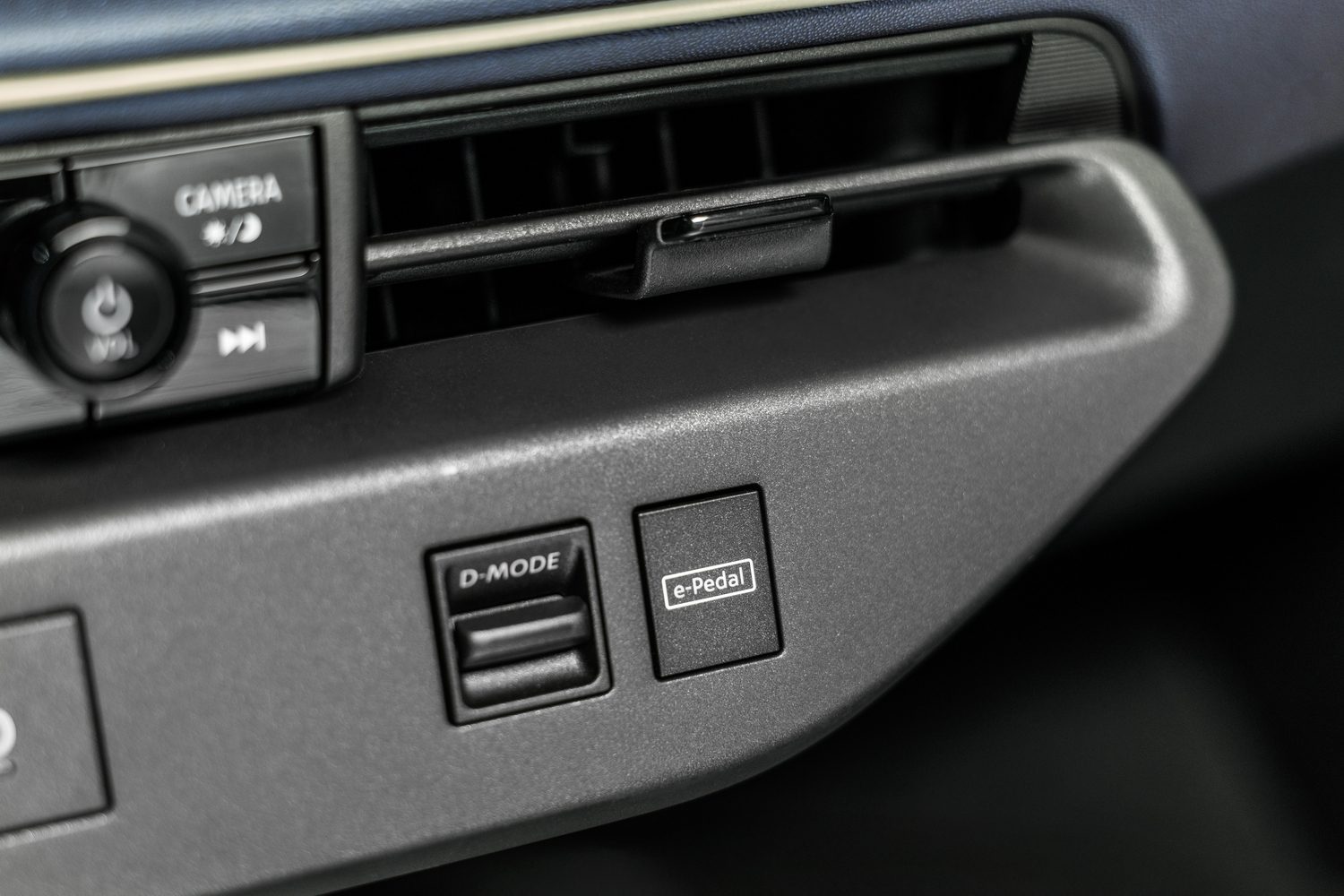
The Leaf feels perky and pleasantly fast without ever straining your neck muscles or making your passengers feel unwell. The range-focused Eco mode dulls acceleration a little, while the Leaf is obviously more responsive if you choose the Sport setting from the little "D-mode" toggle switch on the dashboard. Thankfully, there are no synthetic sounds accompanying all this.
In fact, the Leaf is notably hushed on the move, the slippery aerodynamics doing their thing in allowing the air to move around the car quietly. We got close to the Leaf's top speed of 160km/h on track, and it remained relatively quiet and civilised inside.
It was also unflustered in terms of its stability at such speeds. There's real poise and maturity in how this Leaf drives. Admittedly, the test track had very few bumps to speak of, with only one roughly surfaced section to test the suspension, but severe undulations and a sharp crest were potential challenges the car shrugged off capably.
Through long, fast sweeping corners, the Leaf remained composed and adjustable, imbuing the driver with plenty of confidence in its grip levels and stability, and while it was hardly exciting to thread the car through the tight chicanes of the circuit, the Leaf coped admirably with everything we threw at it, always remaining smooth and predictable.
When accelerating out of these tighter bends, wheelspin was quickly reined in by the electronic traction control system, keeping things on an even keel.
We found the brakes well-modulated as well, making it easy to place the car with accuracy, even when pushed faster than anyone will drive on the public road. The regenerative braking force can be tweaked to your liking using the paddles behind the steering wheel or put into one-pedal driving guise using the 'e-Pedal' button on the dashboard.
Driving the 2026 Nissan Leaf 75kWh on the road in Denmark
Words by Neil Briscoe on 17 October, 2025
Guess what? Out on the public road, the Leaf feels essentially the same. It has steering that, by the standards of this class, is notably well-weighted and balanced, and so the Leaf feels immediately confident and confidence-inspiring in your hands.

The compact dimensions mean it's easy to place, but on the larger alloy wheels - and hence lower-profile tyres - you can certainly hear the suspension at work. Irish roads will doubtless give the Leaf a stern examination.
Noise levels don't rise much on public tarmac, though, and the Leaf must surely be one of the most internally hushed cars in its class.

When hustled through some of the faster, more interesting corners we could find (Danish roads tend to be relatively straight, smooth and tightly speed-limited) the Leaf responded really well.
You'd never describe it as a hot hatch, but it has a pleasantly natural, almost analogue, driving feel that makes it more enjoyable than you'd expect.
Range, battery, charging and running costs of the 2026 Nissan Leaf
- Bigger battery charges at up to 150kW
- Official range is well over 600km
- Old CHAdeMO charging system ditched
As before, the Nissan Leaf comes with two battery options. However, these batteries are now considerably larger, and much more sophisticated in terms of how they're managed, leading to hugely extended ranges compared to the previous Leaf. Indeed, with the bigger battery option, the Leaf is now one of the most impressively-ranged cars in its class.
Battery options and official range
On the official WLTP cycle, Nissan recorded a range of 622 kilometres for the Leaf equipped with the 75kWh battery pack, and 440km for the 52kWh unit. It's worth bearing in mind that the smaller-battery model is actually the more efficient due to its lower weight, with an official energy consumption figure of 13.8kWh/100km.
Aware that trust in WLTP figures among car buyers is low, Nissan's engineers conducted their own non-official range test, too, driving at 130km/h on the motorway in 10 degrees Celsius. The 75kWh model managed 330km under these conditions, the 52kWh model 224km. Bodes well for average temperatures in Ireland and our 120km/h motorway speed limit.
Real-world range and efficiency of the Nissan Leaf
Nissan hasn't yet given us a chance to test-drive the Leaf with the smaller 52kWh battery, but the larger 75kWh unit certainly seems to live up to expectations. Our on-road test drive was conducted over 300km in and around Copenhagen.
Now, those roads - mostly smooth, with low-speed limits and with few hills - were clearly picked to show off the Leaf's efficiency at its best, so bear that in mind.
However, over a mixture of city, town, country and motorway driving, our experience suggests that the 75kWh Leaf should be able to put 500 real-world kilometres between charges, a genuinely impressive figure.
We drove in Eco mode most of the time but weren't really driving with economy in mind - Denmark's fantastic EV charging infrastructure encourages such insouciance - and we thoroughly stretched the Leaf's performance legs whenever the opportunity arose.
At the end, we'd averaged an impressive 15.5kWh/100km. While that means that the official 622km figure is likely out of reach unless you're spectacularly gentle with your driving, 500km in one go is surely enough for most.
It helps that the Leaf's battery - in stark contrast to that of the previous model - is cleverly managed. As well as the expected battery pre-conditioning to make it fit for fast-charging (which you can leave in an 'Auto' setting, or switch on and off manually) there's a clever four-way valve in the HVAC system that allows the Leaf to transfer heat between the battery, the motor, the charger and the cabin, meaning that it's far more efficient and able to cope better with noticeably high or low ambient temperatures.
Charging up the Nissan Leaf
The 52kWh battery comes with 7.4kW AC charging as standard and a peak DC charging rate of 105kW on fast public chargers. This means a 10-100-per-cent charge at a home wallbox in 8.5 hours and 20-80 per cent on a rapid charger in less than 30 minutes.
Thanks to a quicker peak DC charging rate of 150kW, the bigger battery can achieve the same 20-80 per cent recharge on a suitably powerful public charger, adding a potential 420km of range in just 30 minutes. It also comes with 11kW AC charging as standard (this is optional for the other model), meaning 10-100 per cent in seven hours at a kerbside charger.
Nissan says it has optimised the charging curve for less time stopped at a charger, further helped by the smart battery preconditioning setup.
The Leaf can be fitted with V2L (Vehicle-to-Load) with a 3.6kW output regardless of which battery you choose, at €450.
Servicing the Nissan Leaf
The Leaf should be serviced every year, or every 15,000km - whichever comes first.
Nissan Leaf warranty
The Leaf, as with all current Nissan models comes with a three-year, 100,000km warranty, and as with the old Leaf, has a separate five-year, 100,000km warranty for its electric powertrain, as well as the usual eight-year, 160,000km cover for the battery.
As standard, all Nissans have a three-year paint defect warranty and they all get an anti-corrosion warranty lasting between six and twelve years, too, depending on the model.
Irish pricing & rivals to the 2026 Nissan Leaf
- Priced from €36,495
- Much more sophisticated car than before
- New Micra takes up old Leaf's position
There's no question that, with a basic price of €36,495, the new Leaf is more expensive than the old one, which had been, at the end, one of the best-value EVs around. That position is now arguably taken by the new Nissan Micra, with its €25,995 starting price, and the Micra even has more range, model for model, than the previous Leaf.
The new Leaf's entry-level price puts it right in the mix with the likes of the hugely successful pair of the Skoda Elroq and Kia EV3, as well as slightly more affordable competition from its in-house rival, the Renault Megane.
You could also nominate the likes of Kia EV4 hatchback as a foil to the Leaf,. The Opel Astra Electric and Peugeot E-308 are also potential rivals.
The Leaf is notably well-equipped as standard, with 18-inch alloy wheels, cruise control, wireless Android Auto and Apple CarPlay, two-zone climate control, an adjustable boot floor, flush-fit door handles and a six-speaker sound system.
Go for the big 75kWh battery and up the spec levels and you can turn your Leaf into quite an expensive car, with the top-spec Evolve model almost reaching over €53,000.
Verdict - should you buy the 2026 Nissan Leaf?
Where once the Leaf was an odd, almost experimental, EV pioneer, this third generation lands right in the heart of the electric motoring mainstream, and it feels like an exceptionally well-thought-out, well-executed car.
True, there are more spacious cars on the market, but the Leaf looks really good, has a class-leading infotainment system, is comfortable and hushed, and drives with a surprising streak of enthusiasm.
FAQs about the 2026 Nissan Leaf
Does the Nissan Leaf have a 'frunk'?
Nope, it doesn't. The nose of the Leaf is stuffed full of the heating, ventilation and air conditioning controls, including a clever four-way system that transfers heating and cooling between the battery, motor, charger and air conditioning.
Should you charge a Nissan Leaf every night?
Probably not, although of course it will depend on your usage, and your electricity tariff. With an official 622km range (and the 500km real-world range we established on our test drive), an average Irish driver (who covers 44km each day, according to the CSO's figures) would only need to charge up every 11 days...
The Leaf's battery should be robust, and certainly it's watched over by a very clever battery management system, but as ever with Nickel-Manganese-Cobalt (NMC) batteries, charging only when you need to is a better strategy for long-term battery health.
How long will it take to charge the Leaf?
If you're fast-charging, then both the 52kWh battery and the 75kWh one take around 30 minutes to on DC power, running at 105kW for the smaller battery and 150kW for the bigger one. At home, on 7.4kW power, you're looking at around six hours for a 10-100 per cent charge for the small battery, or nine hours for the big one.
What kind of charger does the 2026 Nissan Leaf use?

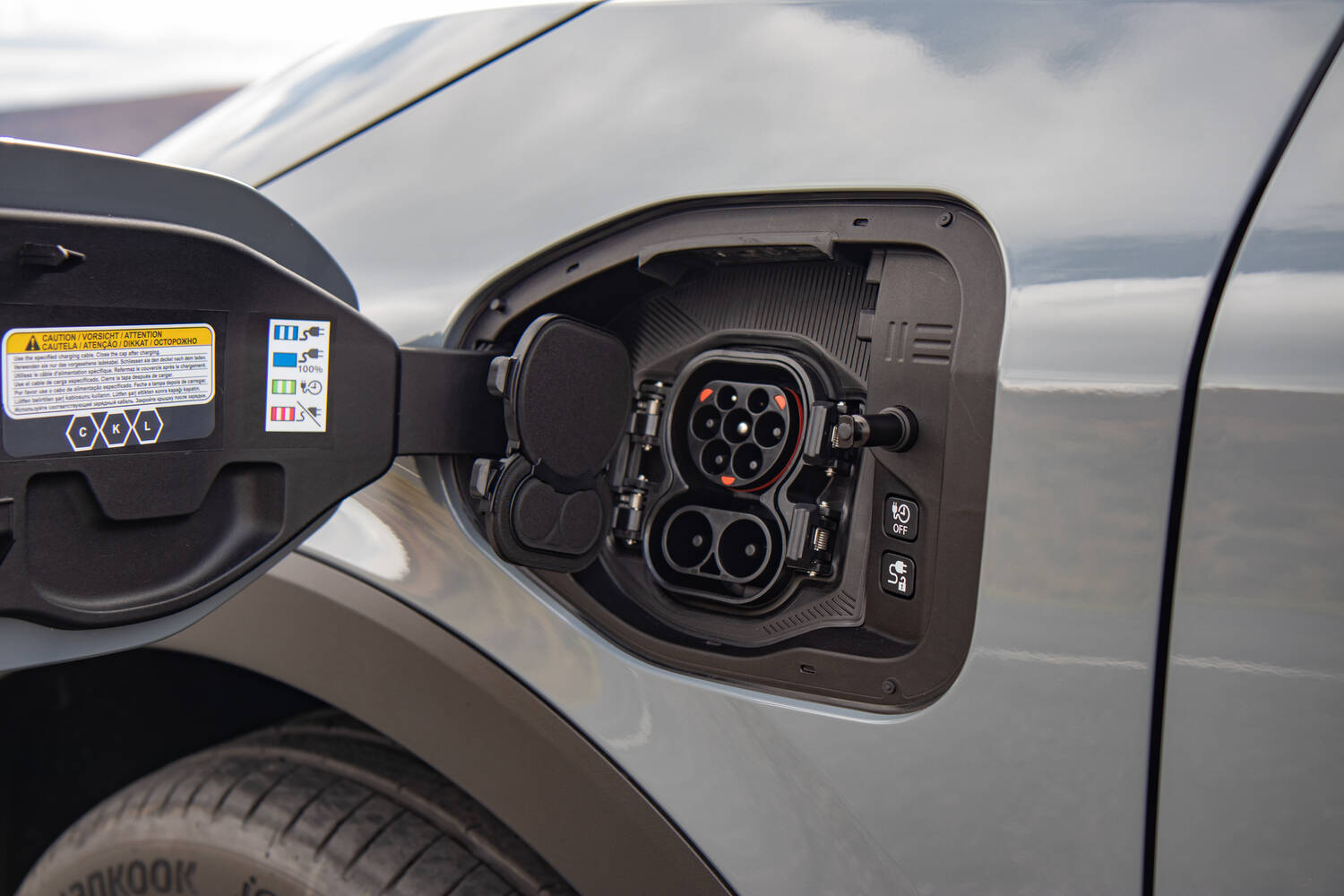
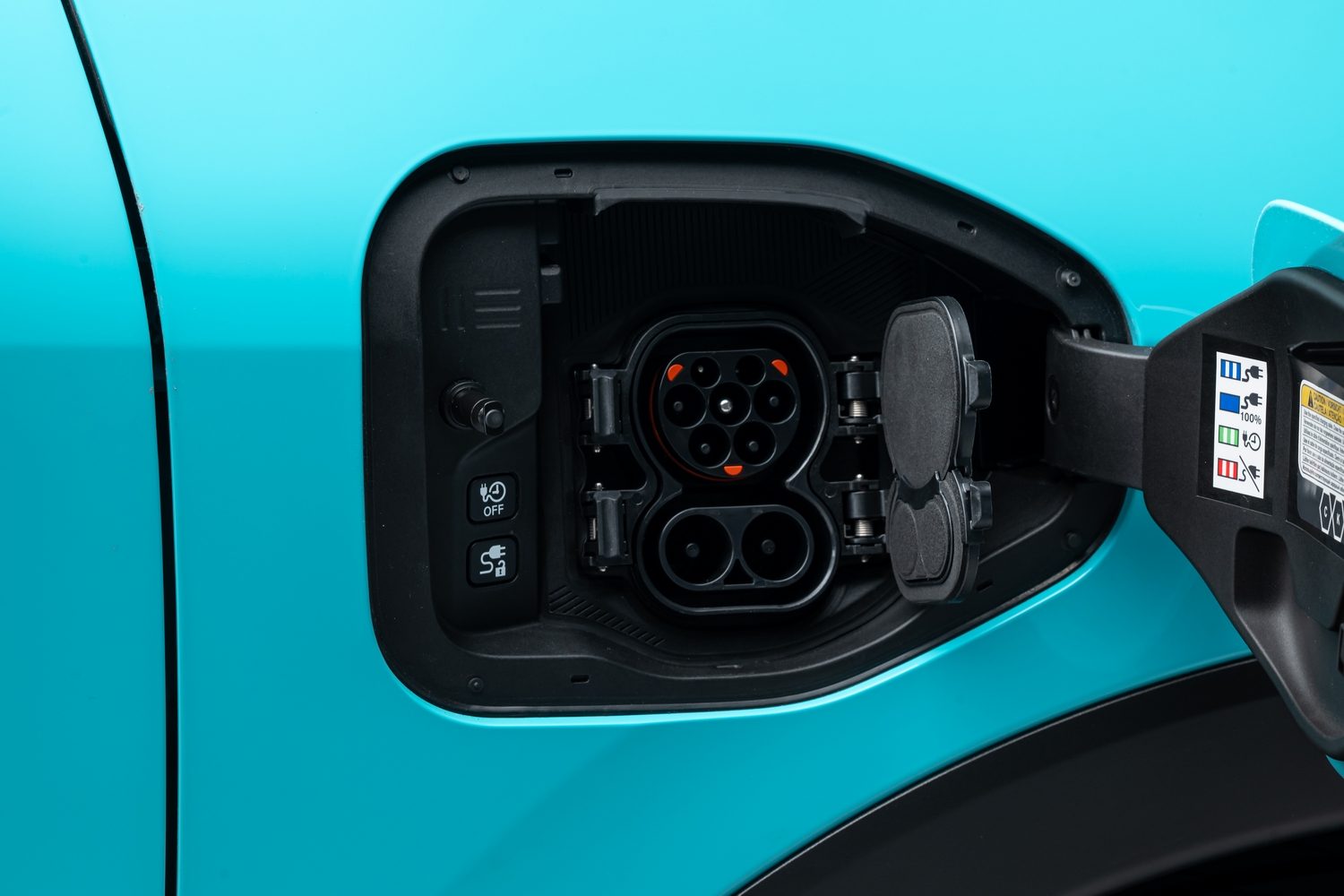
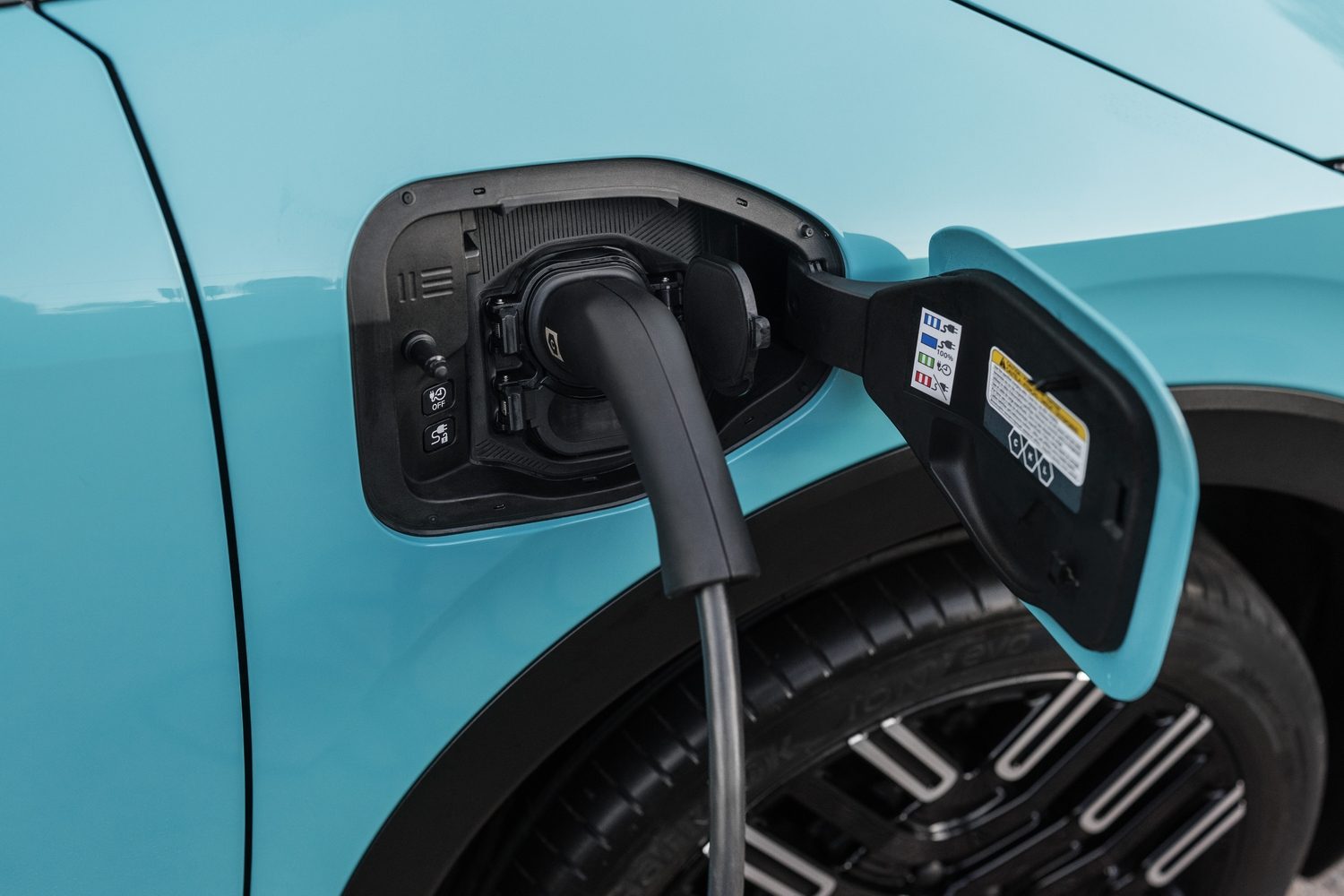
Thankfully, the old CHAdeMO charger (the hefty, round charger plug, limited to 50kW on DC power) has been binned, and as standard the new Leaf uses the same double-decker CCS fast-charging connector as everyone else, plus the standardised Type 2 connector for slower AC charging. The charging port is located on the front right wheelarch, incidentally.
Does the Nissan Leaf qualify for the SEAI grant?
It certainly does. Only three versions announced so far are over €50,000.
Has the Nissan Leaf been assessed for safety?
Not yet, at least not by Euro NCAP nor any of its worldwide spinoffs, but Nissan's engineers say they're expecting a full five-star rating once the Leaf has been assessed.
Want to know more about the 2026 Nissan Leaf?
If there's anything about the new Nissan Leaf we've not covered, or you'd like help in choosing between it and other cars, you can avail of our expert advice service via the Ask Us Anything page.
Nissan Leaf history
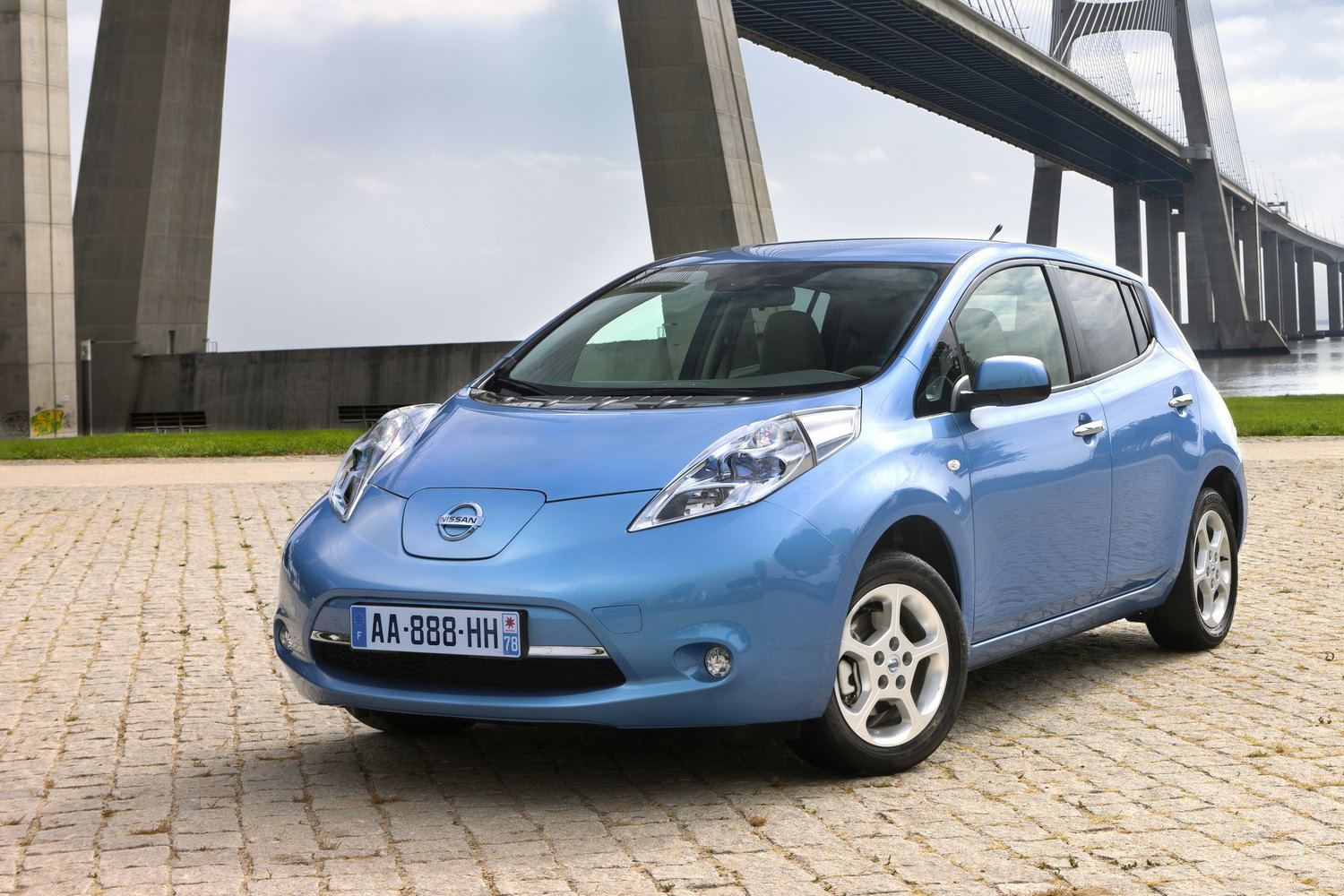
The first Nissan Leaf arrived in Ireland in 2011 and, in spite of a truncated range for that early 24kWh model, became an instant cult hit and put many drivers on the road to electric motoring.
Subsequent improvements with 30kWh and even 40kWh batteries with much more useable ranges arrived ahead of the second generation in 2016.
The second Leaf looked and drove much more conventionally, but its batteries hadn't kept pace with an evolving electric market, and Nissan kept it on sale well past its use-by date, although hefty discounts kept it in play to the end.