




















Exterior & design of the 2026 Hyundai Ioniq 6
- Inspired by Hyundai concept car
- N Line model looks superb
- All cars get 20-inch wheels

In hindsight, the original Ioniq 6's design - referred to as "Hyundai's Electrified Streamliner" - was a little too informed by aerodynamics and, while we liked its quirkiness, the highly unusual style is likely to be one of the reasons the car has never sold in vast numbers in Ireland. Well, that and buyers' obsession with SUV-shaped cars.
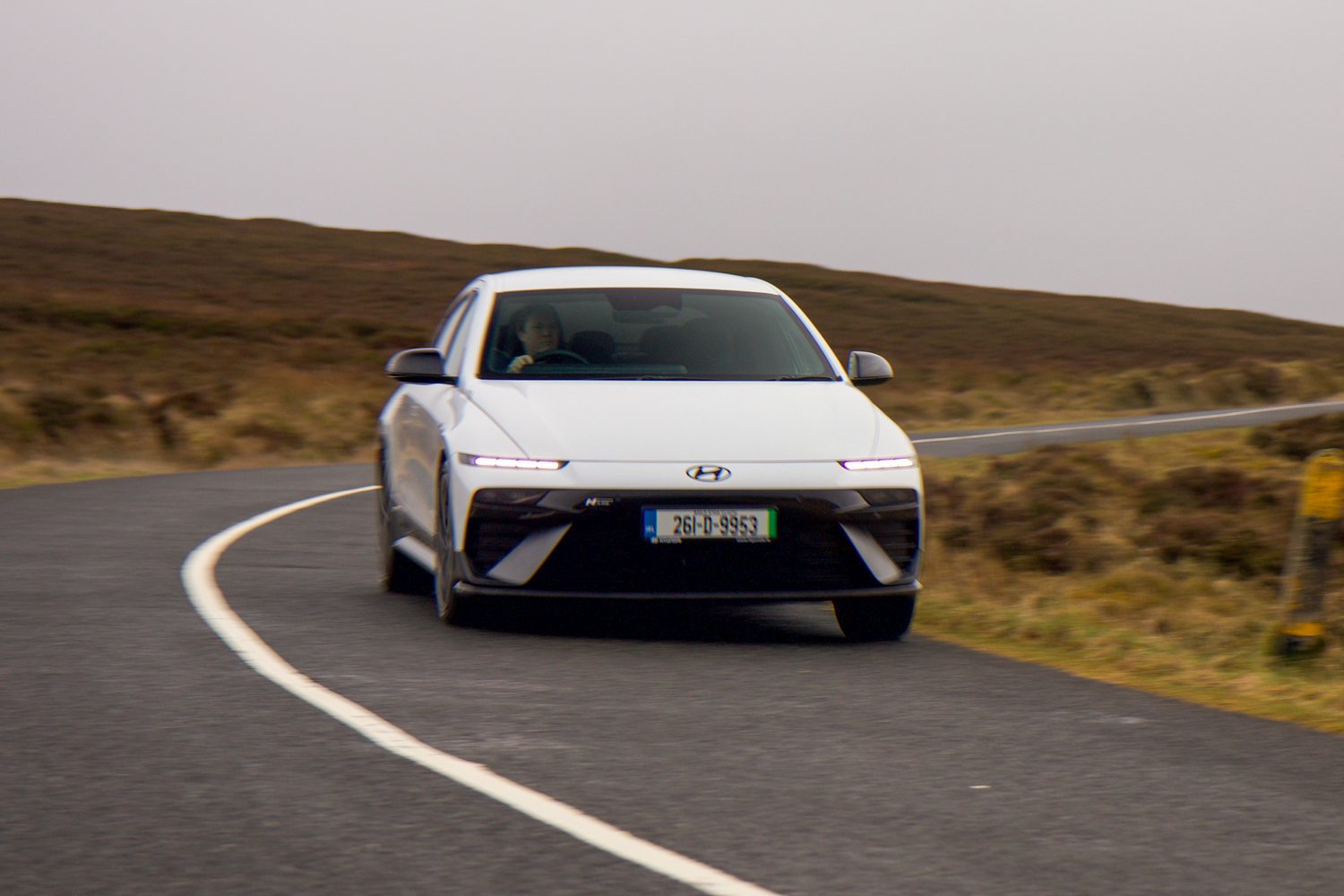
So, Hyundai went back to the drawing board to give the Ioniq 6 more universal appeal without completely dropping the focus on aerodynamics. Gone is the snub-nosed face with its 'cheery' headlights and in its place a higher, sharper look with ultra-thin LED daytime running lights and low-set headlamps almost hidden away in a darkened, more aggressively styled front bumper.

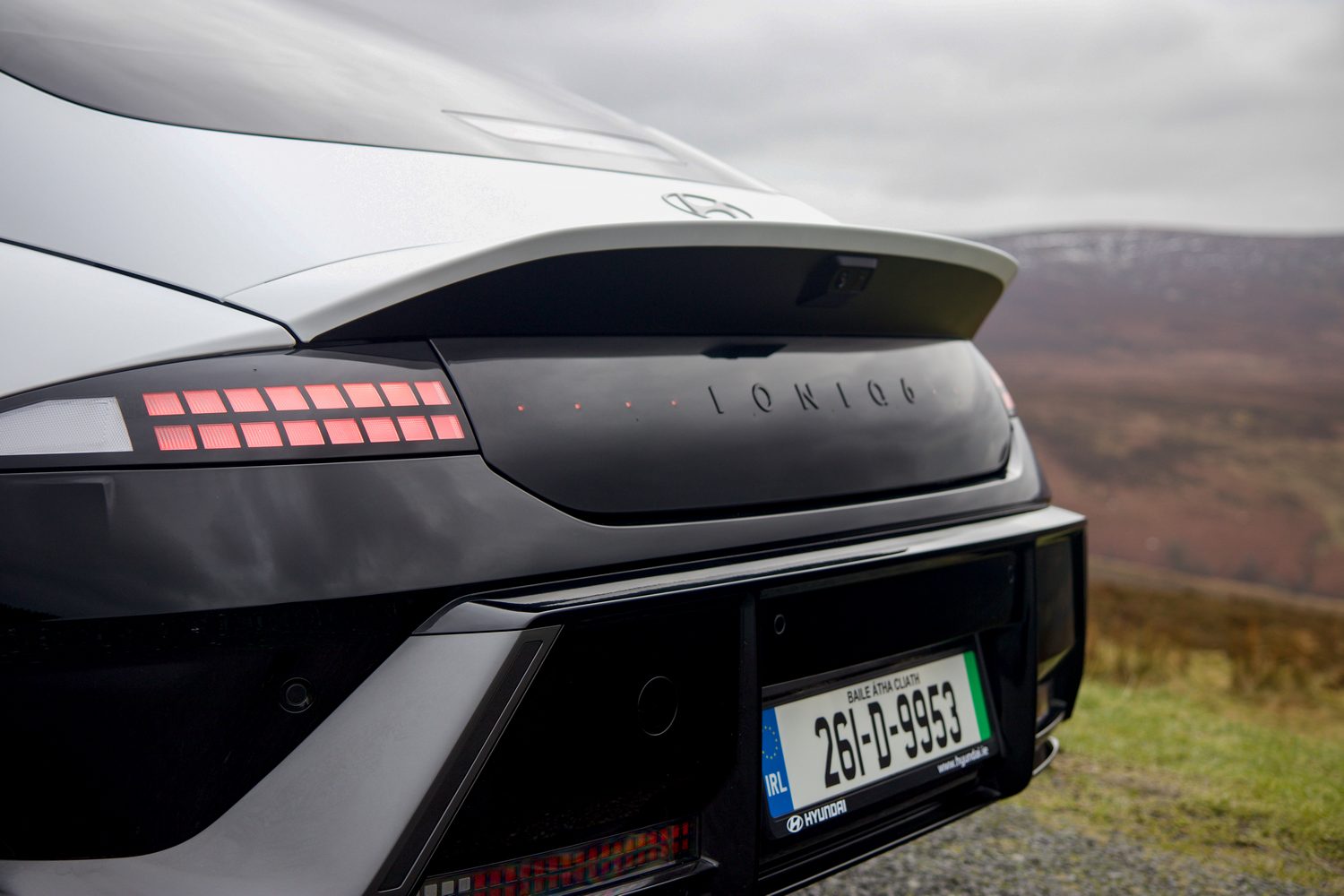
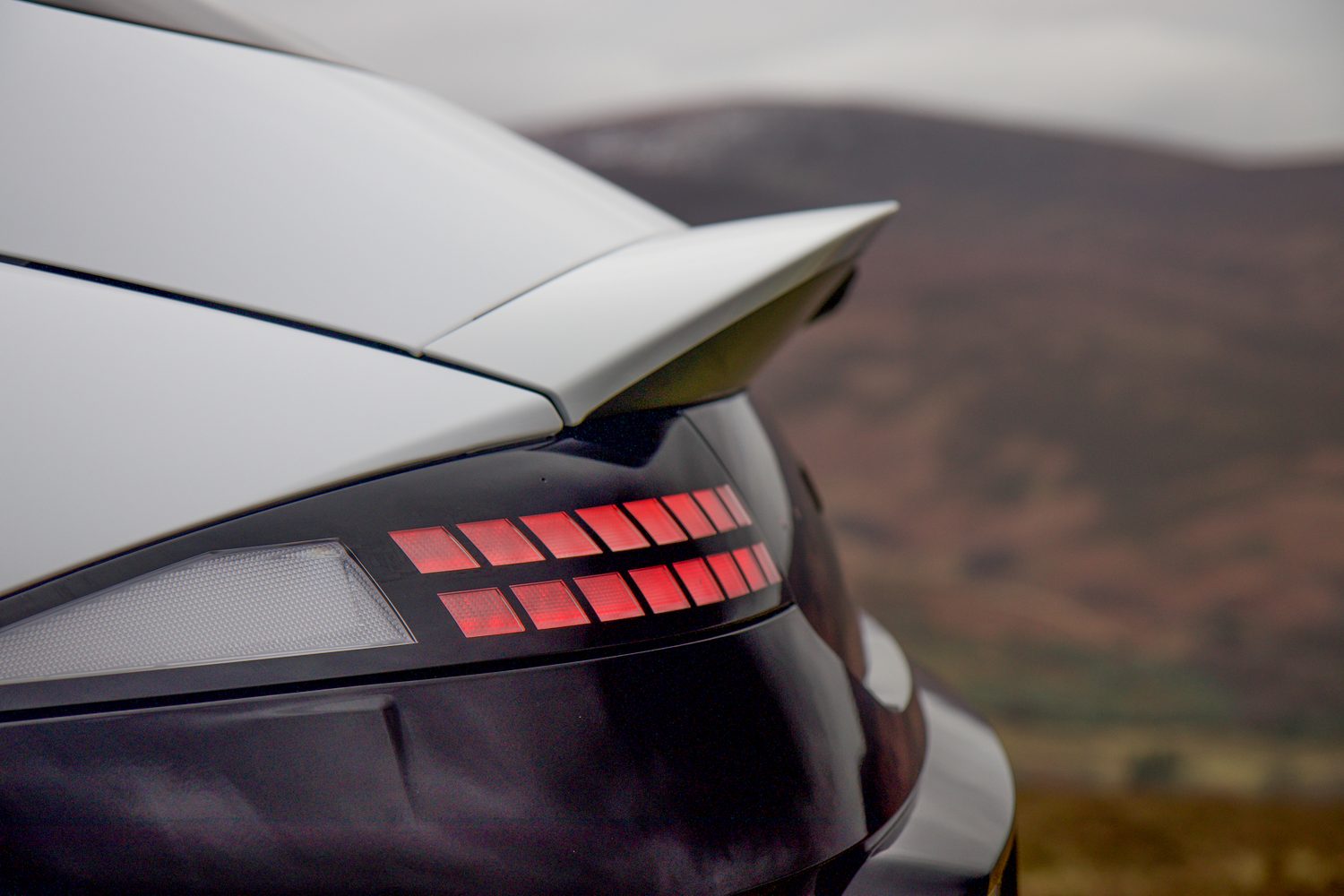
The rear end has had a more dramatic makeover, replacing the original, technical-looking, two-spoiler setup with a far smoother single aerodynamic addon. The back bumper is new, as well, and while Hyundai's distinctive 'Parametric Pixel' lighting concept is carried over, it's simplified and smoothened off.
Surprisingly, the rear light signature differs between the regular Ioniq 6 and the N Line car shown here, the latter featuring two banks of four red LEDs either side of the IONIQ 6 script in the middle.
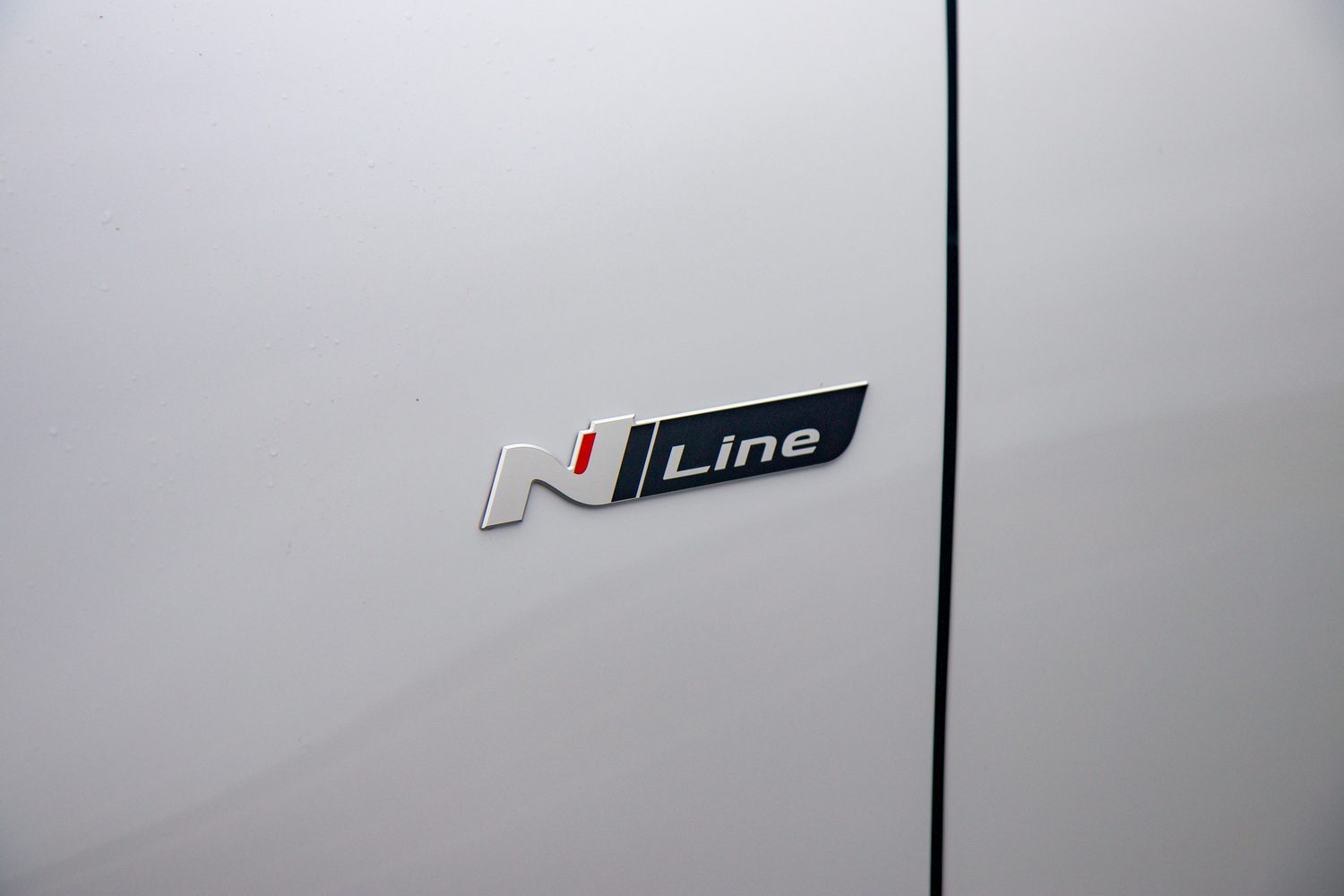
The N Line specification is inspired by the high-performance Hyundai Ioniq 6 N and also gets unique bumpers with much more contrast-black bodywork elsewhere, culminating in a daring half-black rear end and more pronounced ducktail spoiler. This may not be to everyone's liking, though its effect can be lessened if you go for black paint as the main colour.

Both models sold in Ireland sit on 20-inch alloy wheels, in two unique designs.
Dimensions of the 2026 Hyundai Ioniq 6
- Length:
- 4,930mm (4,925mm for Platinum)
- Width:
- 1,880 (mirrors folded)
- Height:
- 1,495mm
- Wheelbase:
- 2,950mm
Paint colours for the 2026 Hyundai Ioniq 6

There are seven different paint options for the Ioniq 6: Serenity White Pearl, Aero Silver Metallic, Transmission Blue Pearl, Nocturne Grey Metallic, Ultimate Red Metallic, Biophilic Blue Pearl and Abyss Black Pearl.
Interior, practicality, tech & comfort of the 2026 Hyundai Ioniq 6
- N-branded cabin for N Line
- High quality throughout
- Loads of space in the back seats

The Ioniq 6's long wheelbase makes for a spacious cabin and, while it adopts Hyundai's interior design language and switchgear, there are plenty of unique touches, too, giving this EV a bit of character. It pairs that with a sense of high quality throughout, and the buyer chooses whether they prefer the sportier ambience of the N Line car or the more luxurious Platinum specification.
The Ioniq 6's dashboard is split into three distinct sections, with the screens at the top above a full-width air vent section, then a cluster of controls below that, mixing touch-sensitivity with traditional push buttons to good effect. We're just happy to see the heating and ventilation switchgear kept separate to the touchscreen.
Getting comfortable in the driver's seat

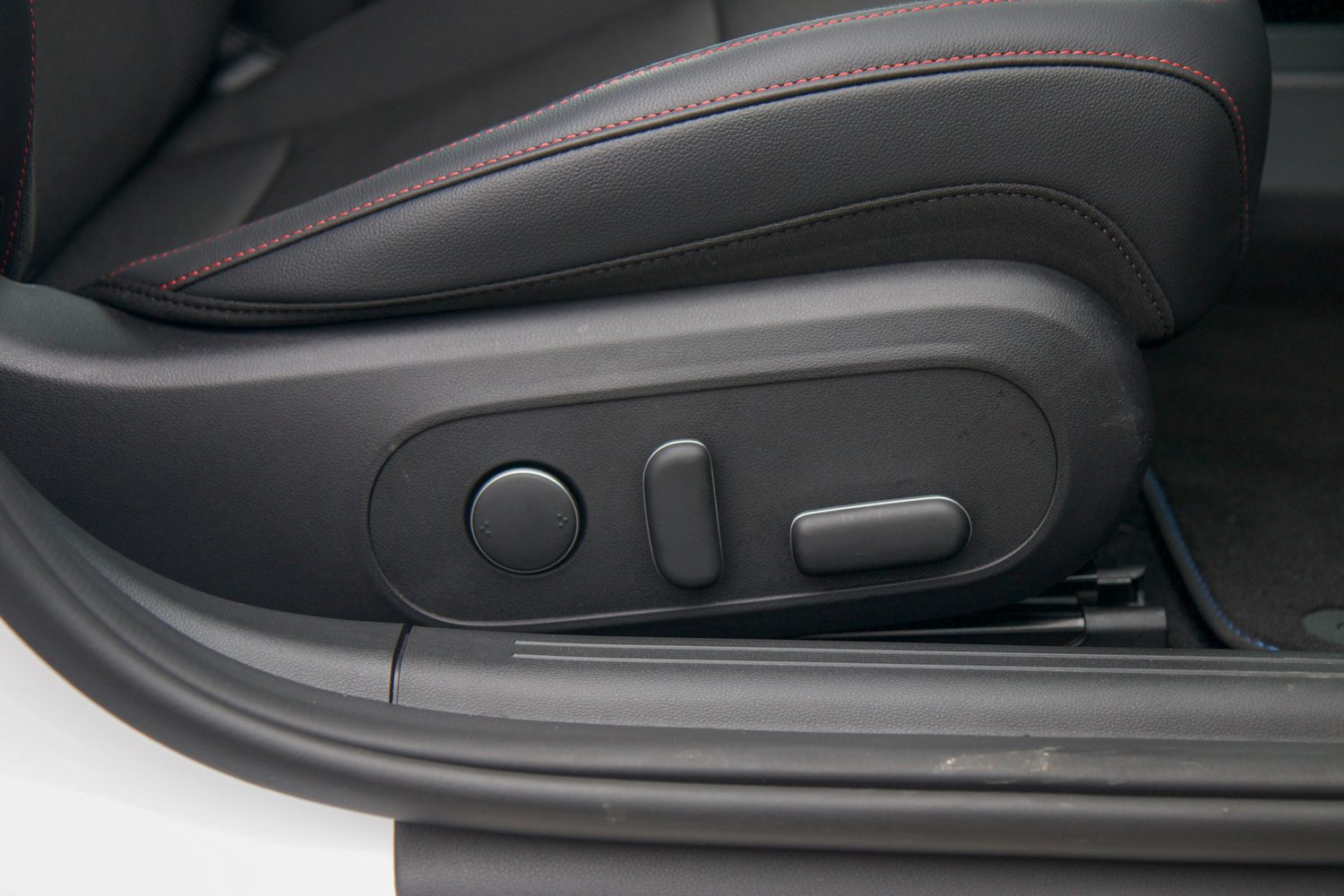
All versions of the Ioniq 6 get electrically adjusted front seats with the added bonus of electric lumbar support. This is especially useful on a long journey to help ease away any stiffness in your lower back.
The N Line seats are part-leather, while the Platinum's - referred to as Premium Relaxation Seats, designed for lounging in when the car is charging up - are fully upholstered in leather, though heating is standard, as is a manual height adjustment for the seatbelt anchor on the B-pillar. This makes it easier for all shapes and sizes to position the belt comfortably.

We found the N Line seats comfortable and easy to adjust over a wide range, though the upgraded seats in the Platinum model are undoubtedly tempting. They come with ventilation and a memory function, incidentally.
A leather-trimmed steering wheel is standard, but the N Line's item is a notably sporty design, inspired by that of the Ioniq 6 N. It features the 'N' logo in the middle, is perfectly round, has red stitching and a prominent red button to alter the drive modes. There are silver paddles behind it to allow for altering of the brake energy regeneration as well.

The driver of the N Line car is also treated to metal pedals in the footwell.
Infotainment and technology
Two 12.3-inch screens are seamlessly integrated behind one surface atop the dashboard. One of them runs the digital instrumentation in front of the driver, while the other is a touchscreen for the intuitive-to-use infotainment system.

Hyundai calls this setup the Connected Car Navigation Cockpit (ccNC) and, along with all its connectivity and other functionality, there are over-the-air updates. Unsurprisingly, wireless Apple CarPlay and Android Auto are included, and there are plenty of ways to recharge devices in the car.
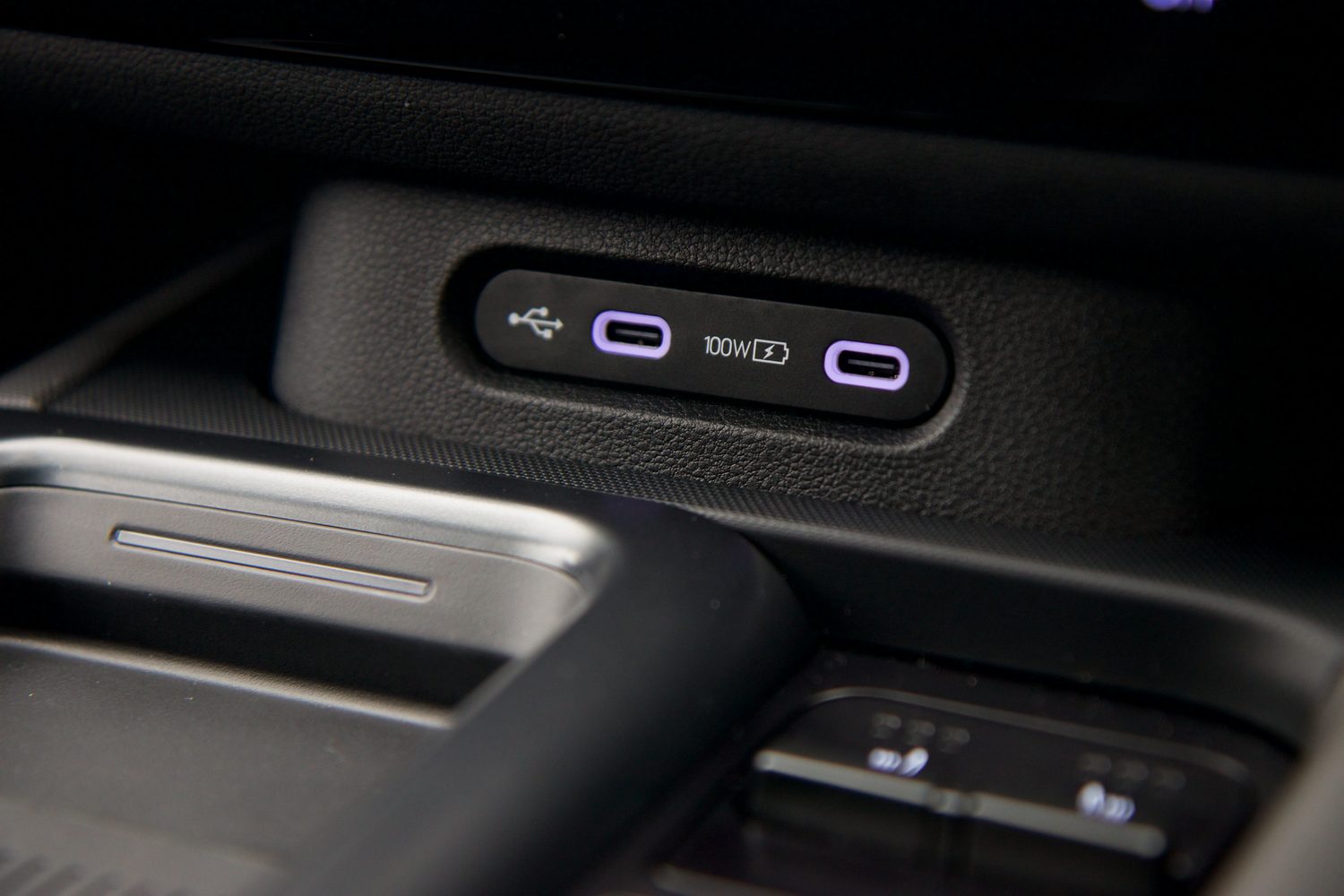
On the centre console sits a rubberised wireless charging pad, for instance, and we really like how the rear of this section curves down to naturally hold a phone at an angle when it's not being charged. There are two USB-C ports ahead of that, one of them rated to 100W, and another two at the back of the centre console for rear passengers to access.

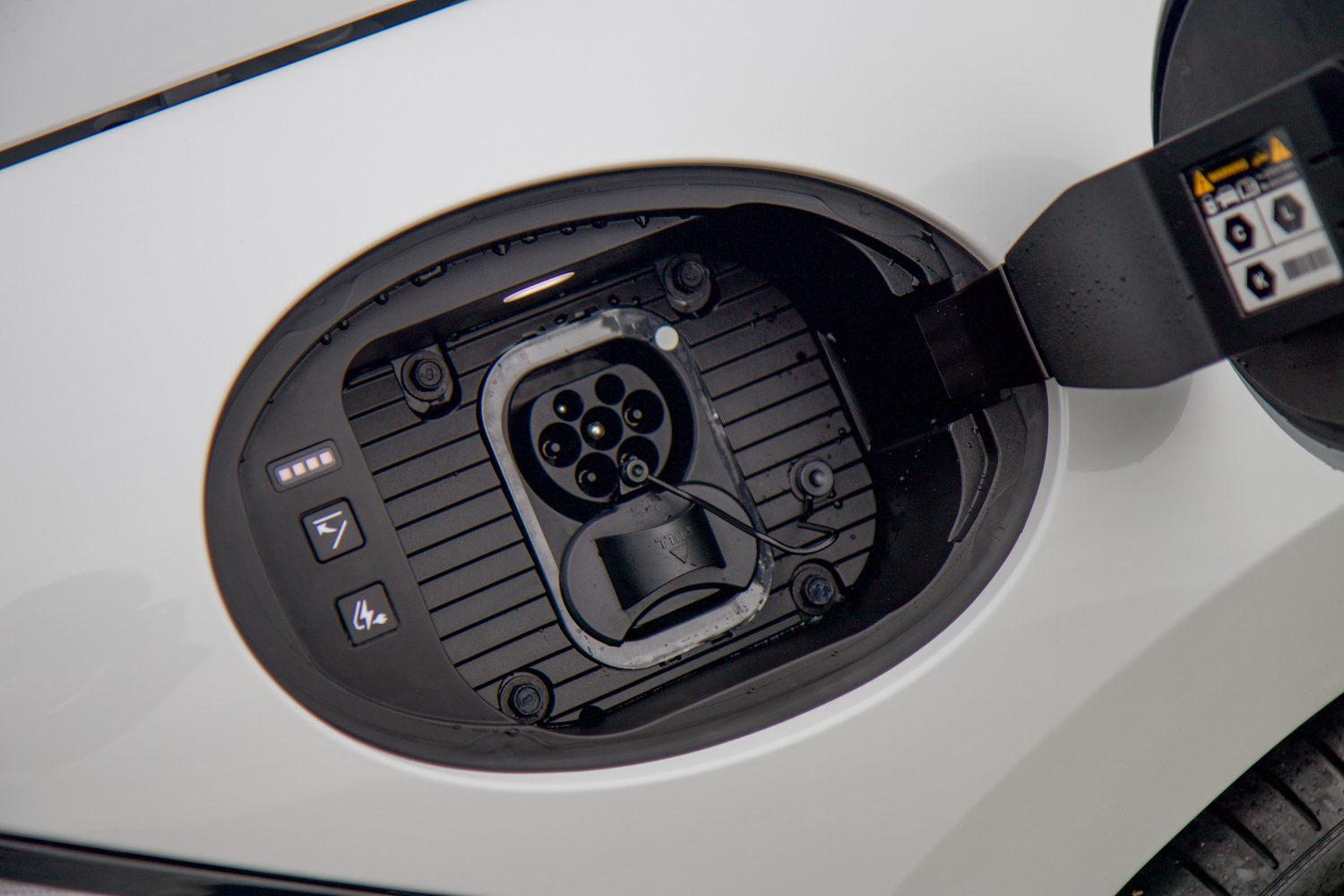
Under the rear seat there's also a three-pin plug socket as part of the car's Vehicle-to-Load (V2L) system, while the Platinum version additionally comes with an adaptor that plugs into the exterior charge port to allow you use the car's big battery to power or charge external devices - up to 3.6kW. That'll cover a wide range of small appliances.
Practicality around the cabin

Unusually, the Ioniq 6's electric window switches are sited between the front seats on the high-set "bridge"-style centre console. This does, however, free up space on the doors, giving the front-seat occupants notably generous elbow room, along with huge door pockets.
On top of the centre console, behind the wireless charger, are two cupholders and some other space for storage of smaller items, plus there's a spacious open shelf underneath as well. The wide middle armrest opens to reveal further storage, and the glovebox is a decent size.
Rear-seat passenger space

The low roof of the Ioniq 6 makes itself felt when an adult is getting into the rear of the car, but it seems to magically open up once you sit inside, as there's plenty of headroom. You'll be too busy admiring how much you can stretch out your legs on the fully flat floor to notice that anyway.
Practical touches include seatback nets, air vents and a small amount of oddments space, while an armrest folds down when the middle rear seat is not in use. The outer two seats are heated.
Fitting child seats to the Hyundai Ioniq 6

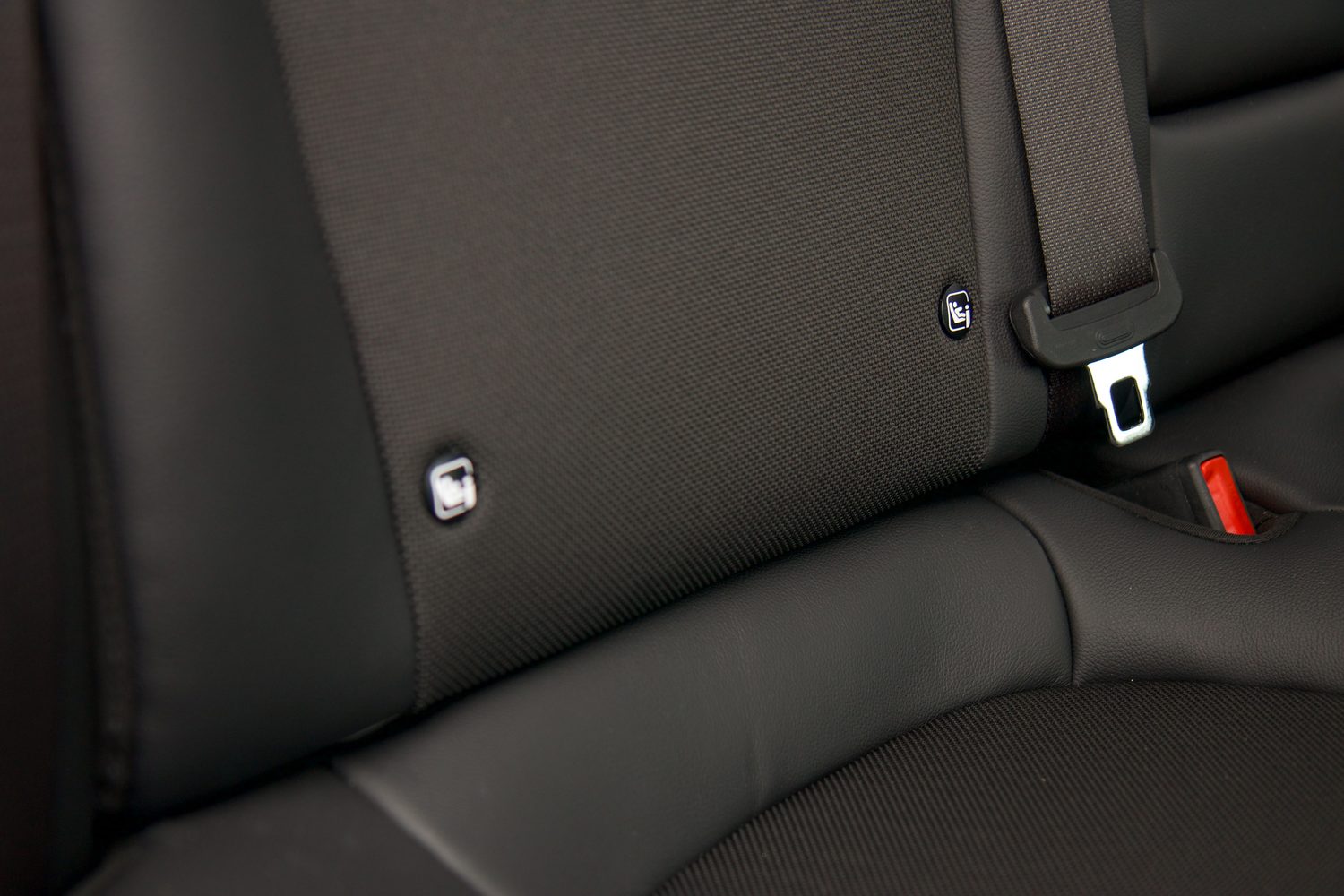
ISOFIX mounting points are included in those outer seats as well but there probably isn't enough room between them to get a booster or other child seat in, secured by the seatbelt.
Boot space in the Hyundai Ioniq 6

Pop the (electric) boot lid and you'll find a 401-litre space underneath, which is a decent enough volume, but as the Ioniq 6 is a saloon, it's not suited to carrying really bulky items. True, the rear seats can tumble forward if you tug the levers in the boot, but they form quite a step. Still, useful for accommodating longer items if needs be.
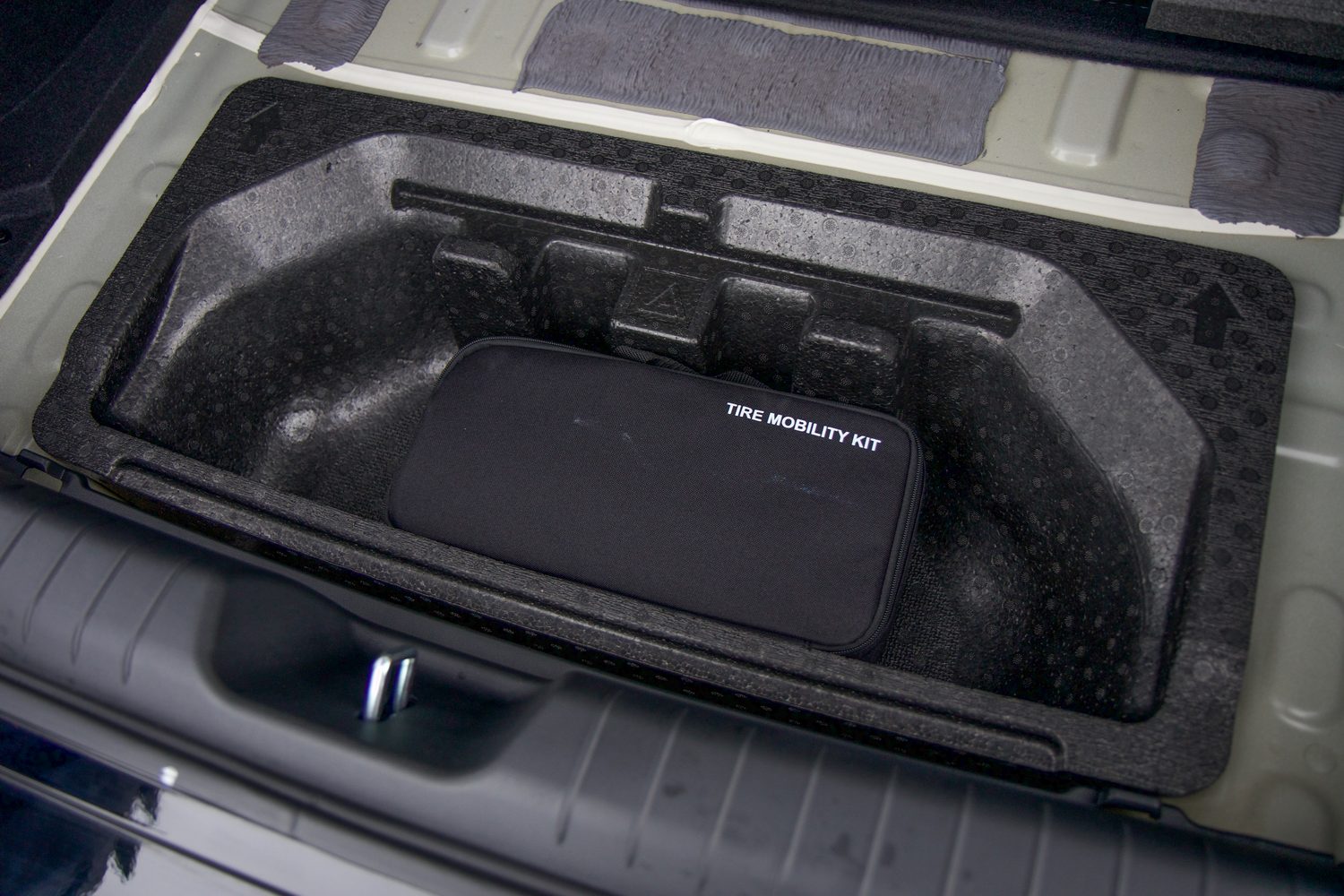
Under the boot floor itself is a small cubby that's filled by the puncture-repair kit, though thankfully there's a 45-litre 'frunk' under the bonnet up front, which is ideal for keeping charging cables away from the main luggage bay.

Towing with the Hyundai Ioniq 6
Although there's no all-wheel-drive version of the Ioniq 6 sold in Ireland, it still manages to tow a useful 1,000kg of braked load.
Safety in the Hyundai Ioniq 6
Assessed in 2022 when it was first launched, the Hyundai Ioniq 6 achieved the full five-star safety rating from Euro NCAP. Within that were individual scores of 97 per cent for adult occupant protection, 87 per cent for children, 66 per cent for protection of vulnerable road users and 90 per cent for safety assist. The Ioniq 6 comes with a vast array of advanced driver assistance systems (ADAS), including Hyundai's Highway Drive Assist Level 2. Read the full Euro NCAP report on the Ioniq 6 here.
Performance of the 2026 Hyundai Ioniq 6
- One battery and motor combo
- Smooth driving manners
- Lovely to drive

A single electric powertrain is available to Ioniq 6 buyers in Ireland, using a rear-mounted motor that produces up to 228hp and 350Nm of torque. That's enough for a 7.4-second 0-100km/h time, which won't win many races, but feels rapid enough for an everyday car such as this.
Driving the Hyundai Ioniq 6 N Line in Ireland
Words by Shane O' Donoghue on 11 March 2026
The Ioniq 6 has the ability to surprise people when they get behind the wheel, as it's a lot more interesting to drive than most electric cars at this price point. It does an incredibly good impression of a sports saloon, though without much compromise.

Key to its driving dynamics is its rear-wheel-drive layout, with a single electric motor turning the back wheels. The available performance is delivered in a notably smooth and quiet fashion. Even measured against other EVs, the Ioniq 6 is wonderfully hushed inside.
Most owners will appreciate this above the excellent body control and composure through a set of corners, though all drivers will enjoy getting behind the wheel. The Ioniq 6's suspension even copes well with poor Irish road surfaces, despite the standard fitment of 20-inch alloy wheels and low-profile tyres.

Happen upon an interesting road, however, and the Ioniq 6 has the ability to entertain its driver, too, with direct - but never nervous - steering, well-judged brakes and precise response to your inputs.
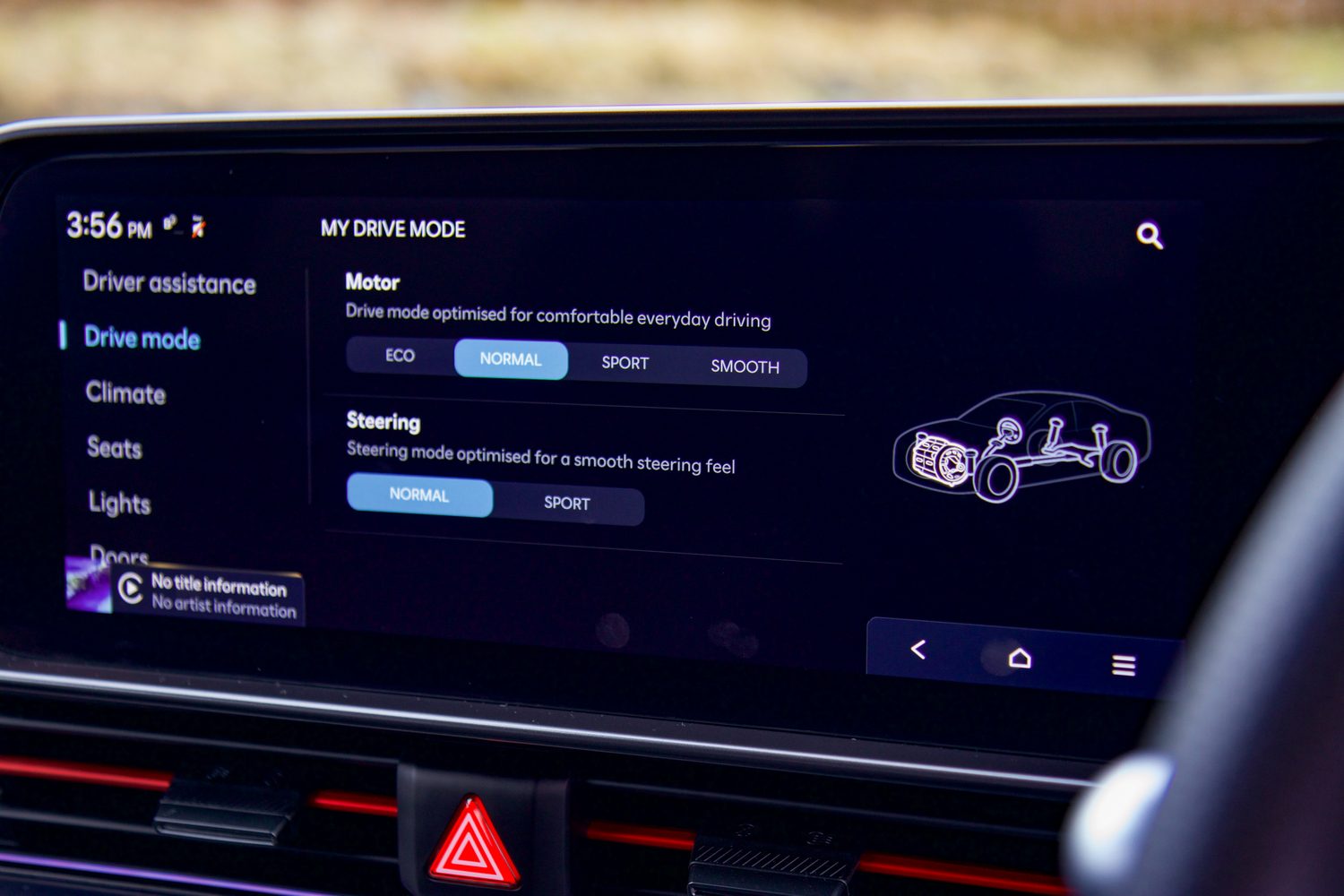
The driver can choose from Eco, Normal, Sport and Snow driving modes or customise the settings for the "My Drive" mode. In the latter, there are Eco, Normal, Sport and Smooth levels for the delivery of the electric motor, along with Normal or Sport settings for the power steering.

There's certainly a little more response from the motor at its sportiest, but it's not night and day and we suspect most owners won't bother changing from the default driving mode. The car operates perfectly well in that setting.
Range, battery, charging and running costs of the 2026 Hyundai Ioniq 6
- One big battery option
- Officially well over 600km range
- DC charging up to 350kW

As part of the 2026 updates, the Ioniq 6 received a new battery pack for a slightly longer range. Perhaps as importantly, the Ioniq 6 is built on a high-voltage (800V) electrical architecture, allowing for incredibly fast charging.
Battery options and official range
The Ioniq 6 has an 84kWh gross capacity battery, and 80kWh of that is usable. It's the only battery offered to Irish buyers, while a smaller item is available in some markets. Indeed, the Ioniq 6 can also be fitted with smaller wheels in some countries, to the benefit of the official range, but the 20-inch rims on Irish cars mean the WLTP range is quoted as 624 kilometres, with an energy consumption rating of 14.7kWh/100km.
Real-world range and efficiency of the Hyundai Ioniq 6
A heat pump is fitted as standard to the Ioniq 6, which should help with efficiency in the winter especially when you're making more use of the heating system to keep the cabin warm.
That was certainly the case during our test drive, during which the outside temperatures plummeted to freezing. Hence, we spent a lot of time with the car warmed up and at a standstill during photography and video, so we don't have a proper feel for its real-world efficiency.

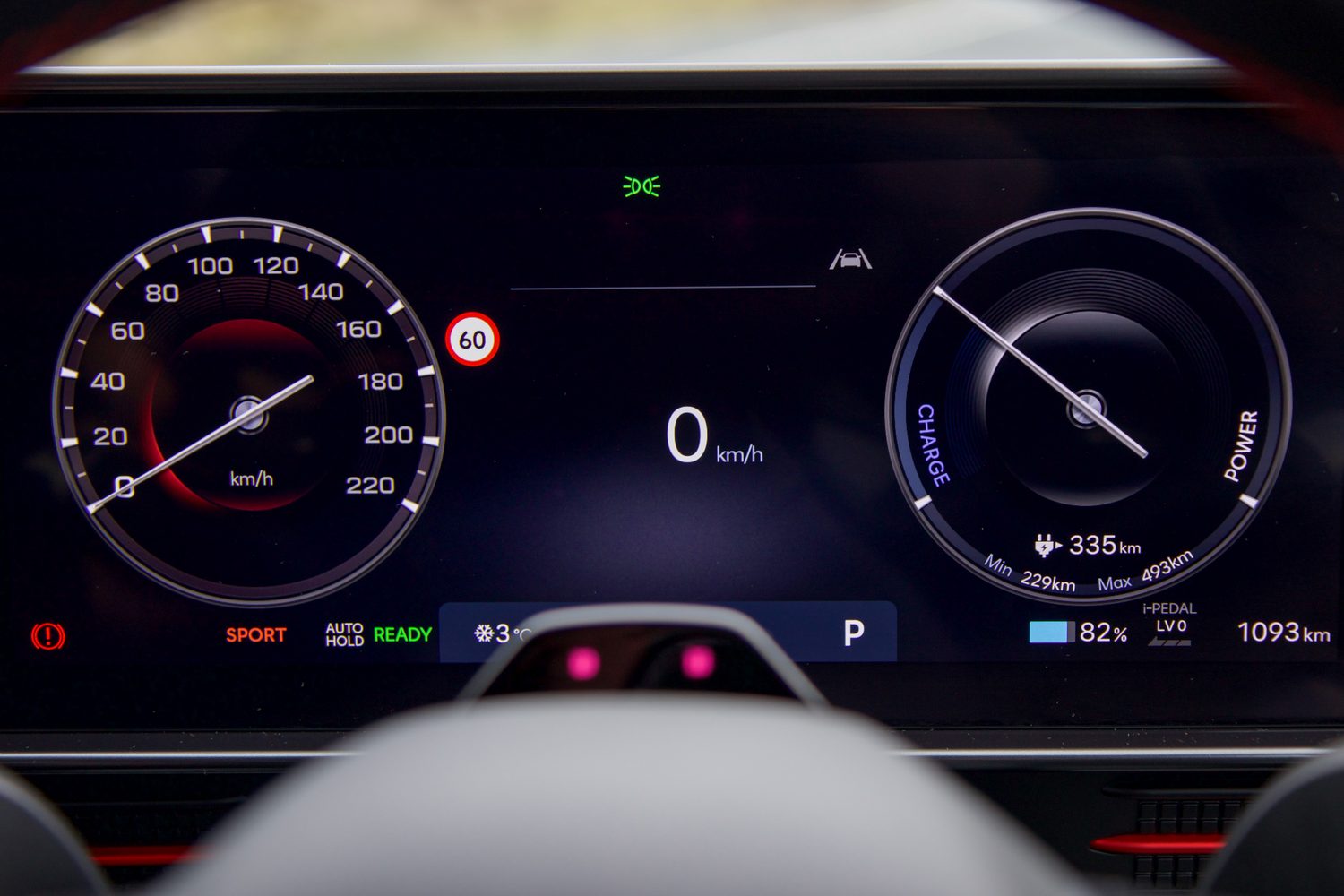
Nonetheless, with the battery pack showing 82-per-cent charge, the range indicator suggested a minimum of 230 kilometres was possible, and a maximum of 490km. That translates to 280-598km with a fully charged battery, depending on conditions and how the car is driven.
Charging up the Hyundai Ioniq 6
Even if you're regularly in a hurry and using the motorway a lot, the Ioniq 6 should minimise time stopped at a fast charger thanks to its high-voltage system that allows up to 350kW on a DC outlet. Hyundai hence quotes a potential for 10-80-per-cent charging in as little as 18 minutes.
Obviously, this takes longer at an AC charger. The Ioniq 6 can make use of 11kW three-phase AC outlets, though as ever, most people charge up at home overnight on a 7.4kW wallbox.
Servicing the Hyundai Ioniq 6
Like Hyundai's other EVs, the Ioniq 6's service interval is every two years or 30,000km - whichever comes first. This indicates just how little servicing and maintenance an electric car needs.
Hyundai Ioniq 6 warranty

The Ioniq 6 is covered by Hyundai's excellent standard five-year warranty with no limit to mileage. It includes annual health checks for the car and roadside assistance, too. The traction battery has a separate eight-year/160,000km warranty.
Irish pricing & rivals to the 2026 Hyundai Ioniq 6
- Compelling €41,435 starting price
- Tesla Model 3 is major rival
- Two trim levels to choose from

There are only two versions of the Ioniq 6 listed on the Hyundai Ireland website and, remarkably, it's the sporty looking N Line car that's the most affordable. It's excellent value at €41,435.
Included in the price are heated and electrically adjusted front seats, heated rear seats, dual-zone climate control, auto lights and wipers, heated and power-folding door mirrors, an electric-opening boot, heat pump, heated steering wheel, parking sensors front and rear, rear parking camera, adaptive cruise control, keyless entry and go, the 12.3-inch infotainment system with Bluetooth, over-the-air updates, Apple CarPlay and Android Auto, wireless charging pad and a massive suite of active safety systems.
The Ioniq 6 Platinum uses the same battery pack and motor but has a more subdued appearance than the N Line car, and some significant extra equipment as well, all for €44,435. Along with a few additional pieces of driver-assistance tech, the Platinum model has Hyundai's Premium Relaxation Seats that can recline fully, are upholstered in leather and are ventilated as well. It also comes with a sunroof, head-up display and a Bose sound system.

Verdict - should you buy the 2026 Hyundai Ioniq 6?
We liked the Ioniq 6 ever since it was first introduced, even if its slightly oddball styling wasn't to all tastes. The 2026 update remedied that for the most part, while ramping up the sporty image and enhancing what was already an incredibly good electric car underneath. This Hyundai betters most of its rivals in the metrics that matter most to buyers while being auspiciously good value at the same time. The hardest decision to make will be whether you go for the N Line car or the Platinum one.
FAQs about the 2026 Hyundai Ioniq 6
Isn't there a full-on Ioniq 6 N as well?
There certainly is. Its sporty looks inspired those of the N Line variant, but the full-on Ioniq 6 N has two electric motors for a massive 650hp and 770Nm of torque. It also features a seriously advanced chassis to turn it into a proper sports saloon for those that really love to drive.
Does the Hyundai Ioniq 6 have a frunk?
Yes, it does, accommodating up to 45 litres of stuff, which is more than enough to store charging cables and the like.
Can I fit three car seats in the back of the Hyundai Ioniq 6?
Sorry not to give a definitive answer, but we don't think so. The limitation - as it is in all cars that don't have separate rear seats - is the space between the seatbelt buckles for the middle spot. There are ISOFIX mountings on the outer back seats of course, and perhaps a slender booster could squeeze in between, but we would highly recommend trying it out for size before assuming so.
Want to know more about the 2026 Hyundai Ioniq 6?
If there's anything about the new Hyundai Ioniq 6 we've not covered, or you'd like help in choosing between it and other cars, you can avail of our expert advice service via the Ask Us Anything page.
If there is anything about this car we have not covered, or you would like help choosing between it and other cars, you can avail of our expert advice service via the Ask Us Anything page.