



Exterior & design of the 2026 Citroen C3
- Tinged with SUV theme
- Inspired by Oli concept
- 17-inch wheels on all versions

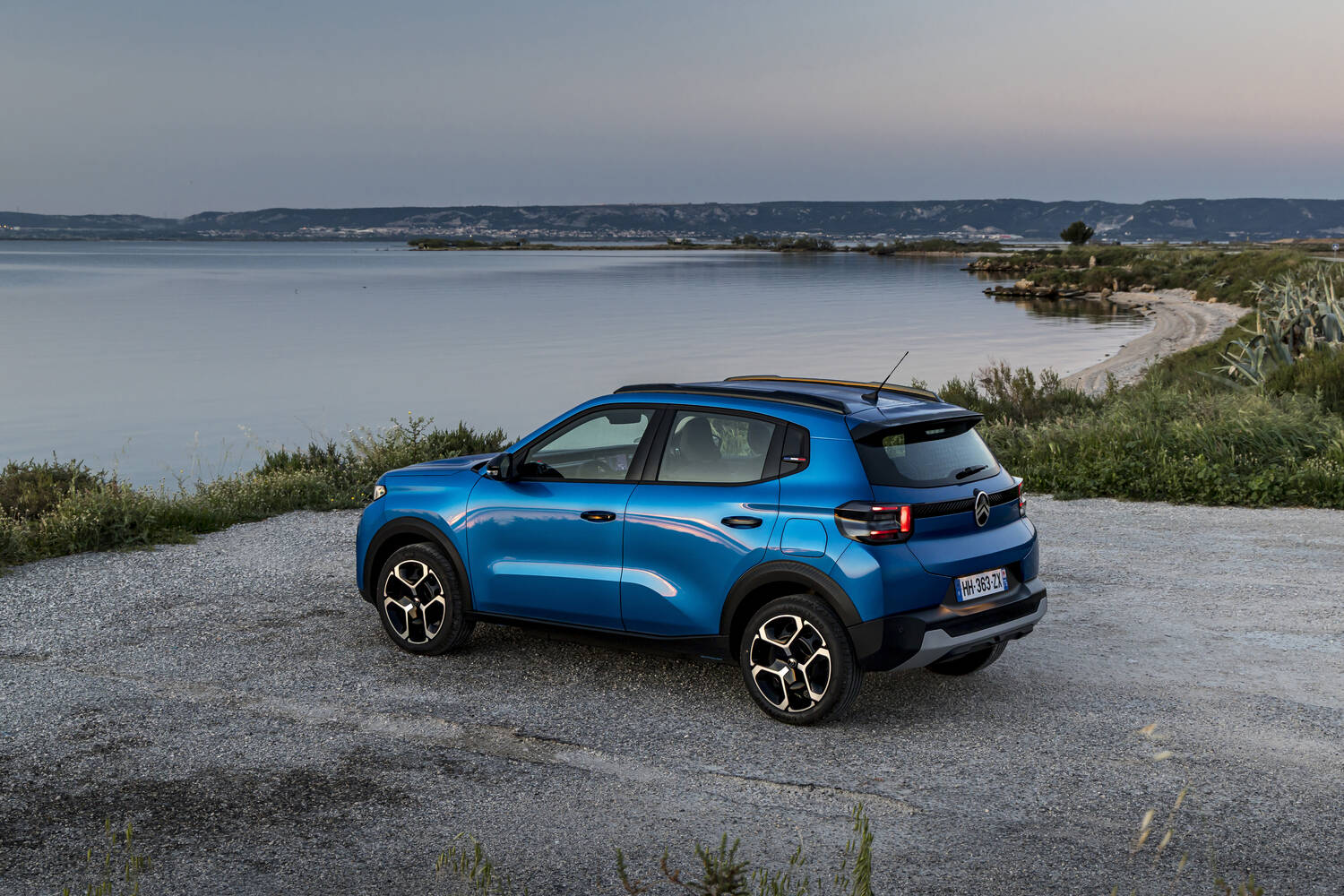
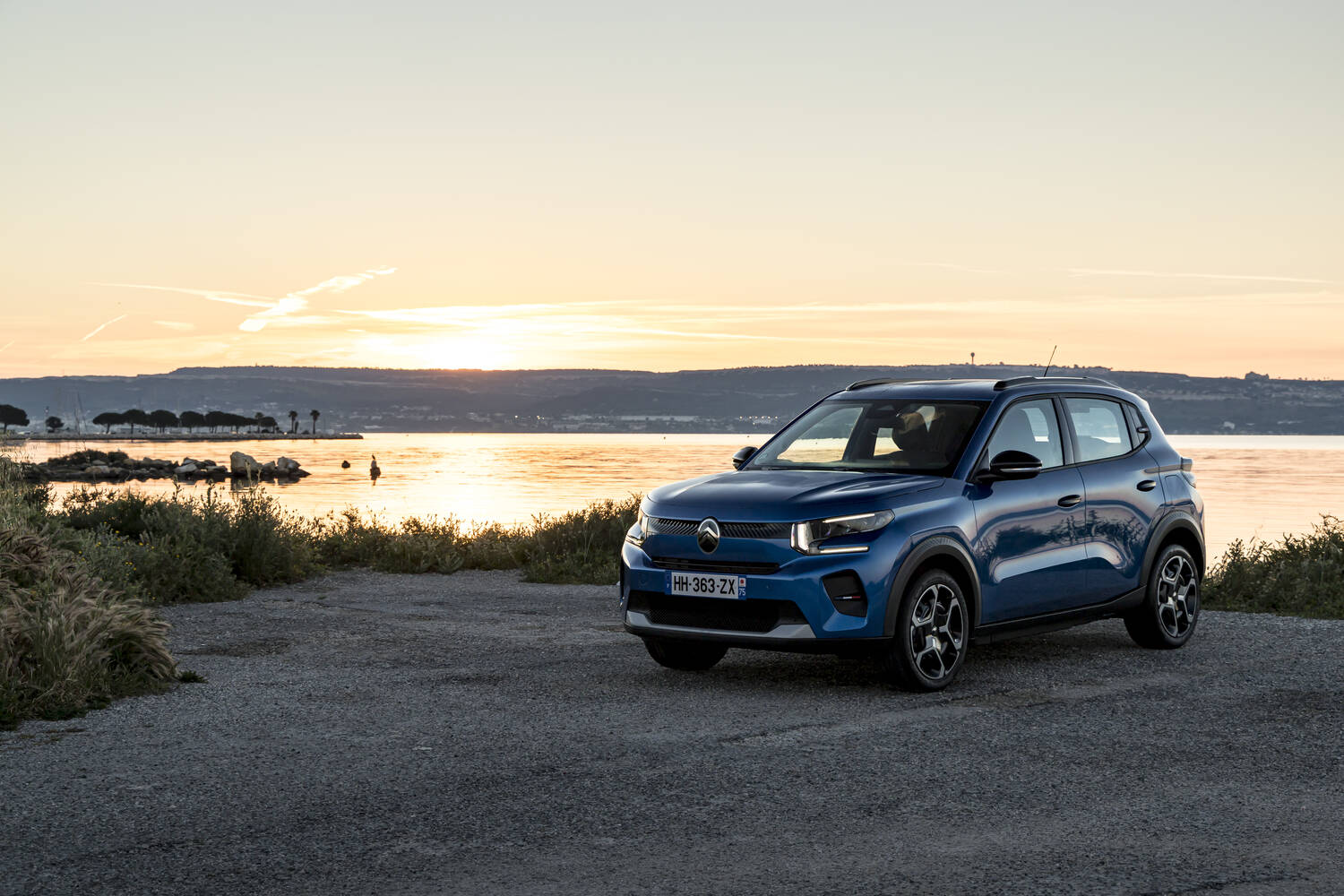
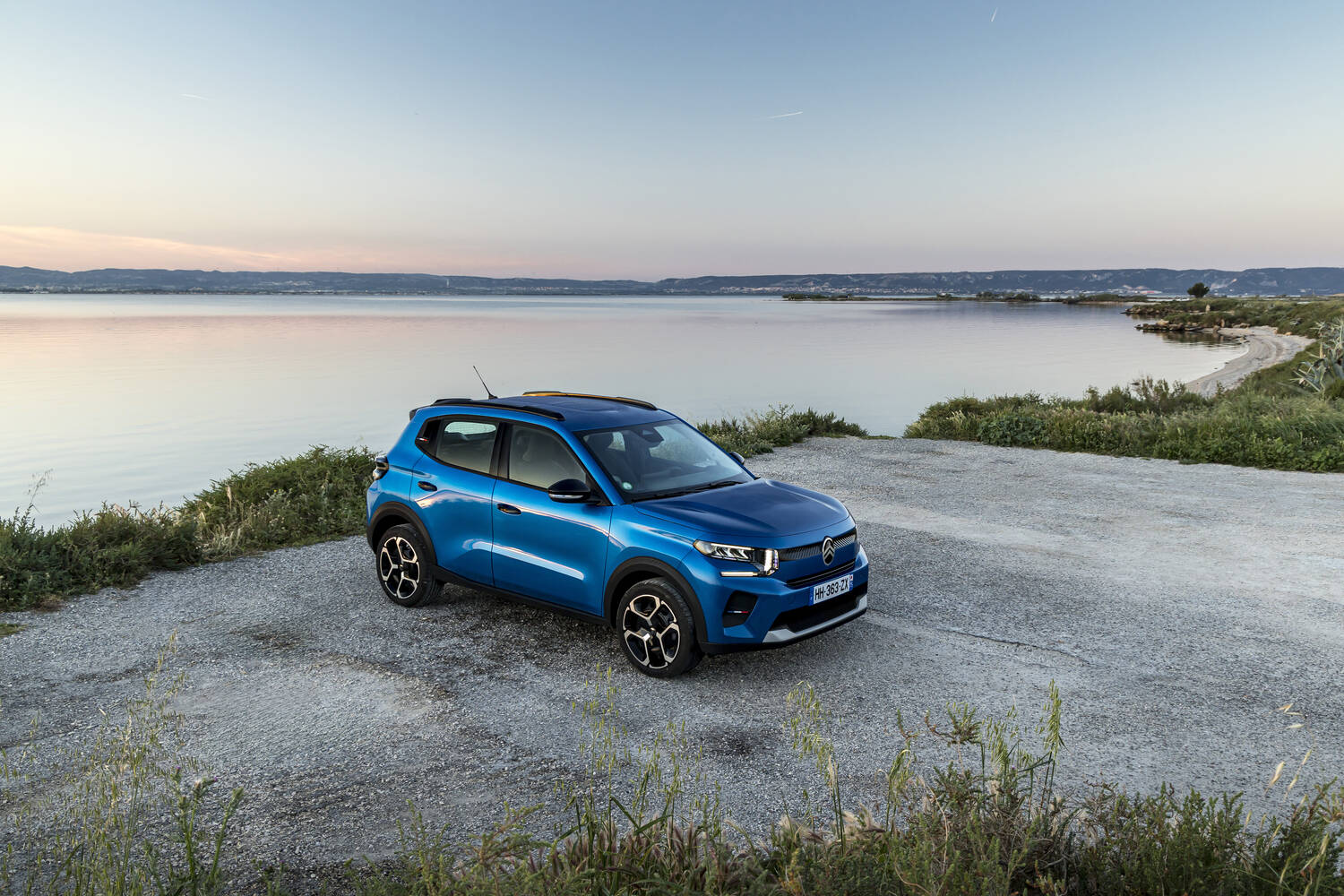
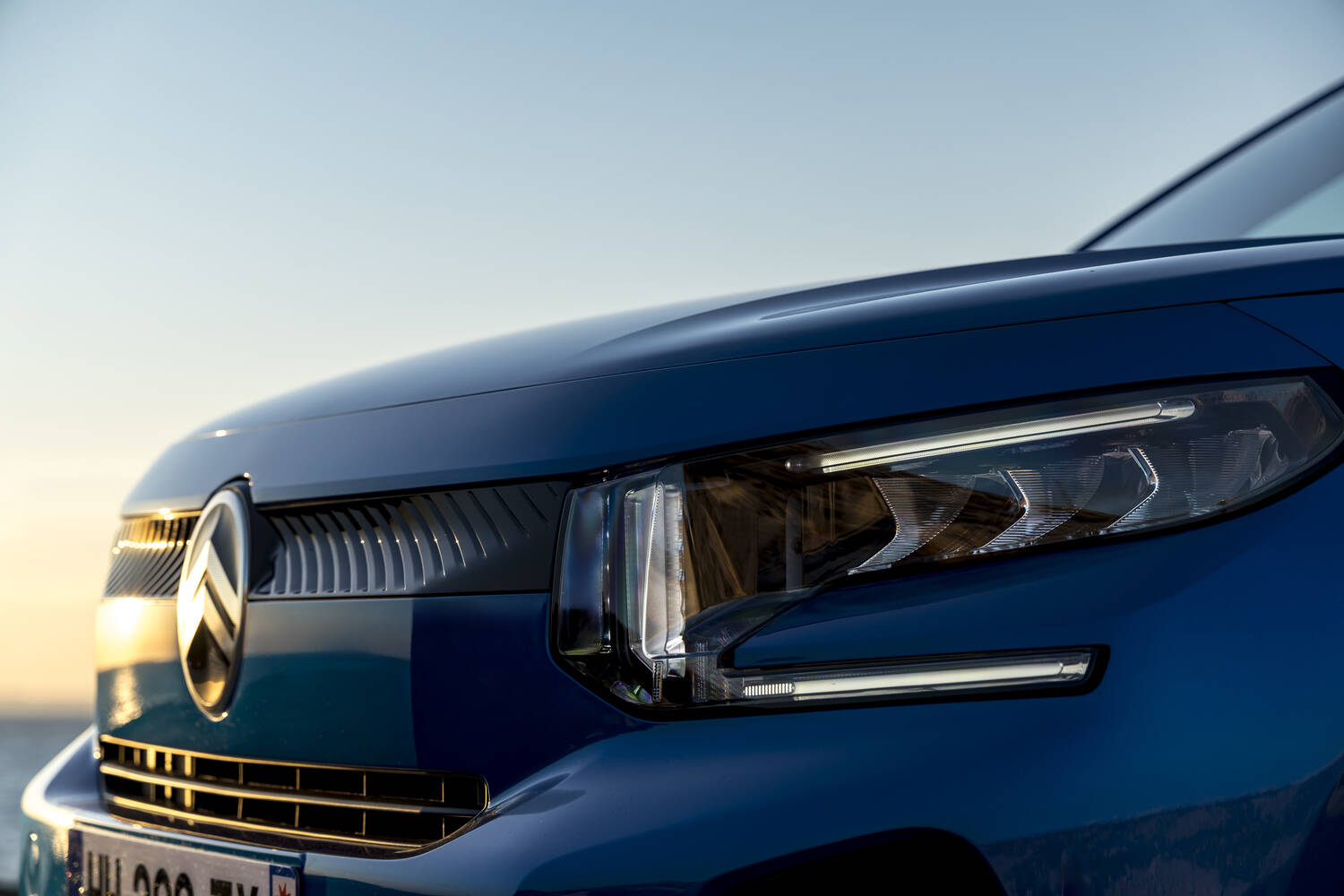
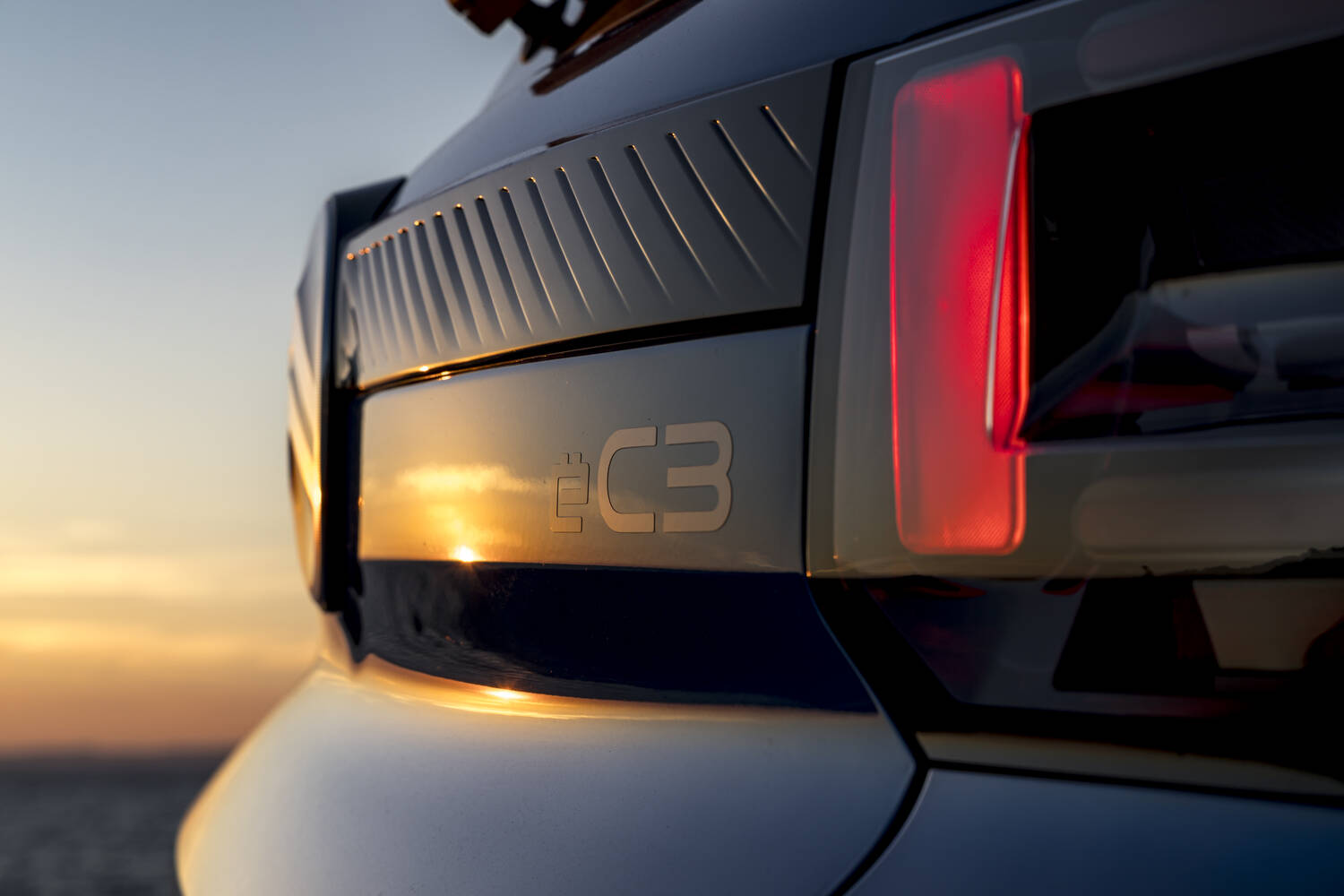
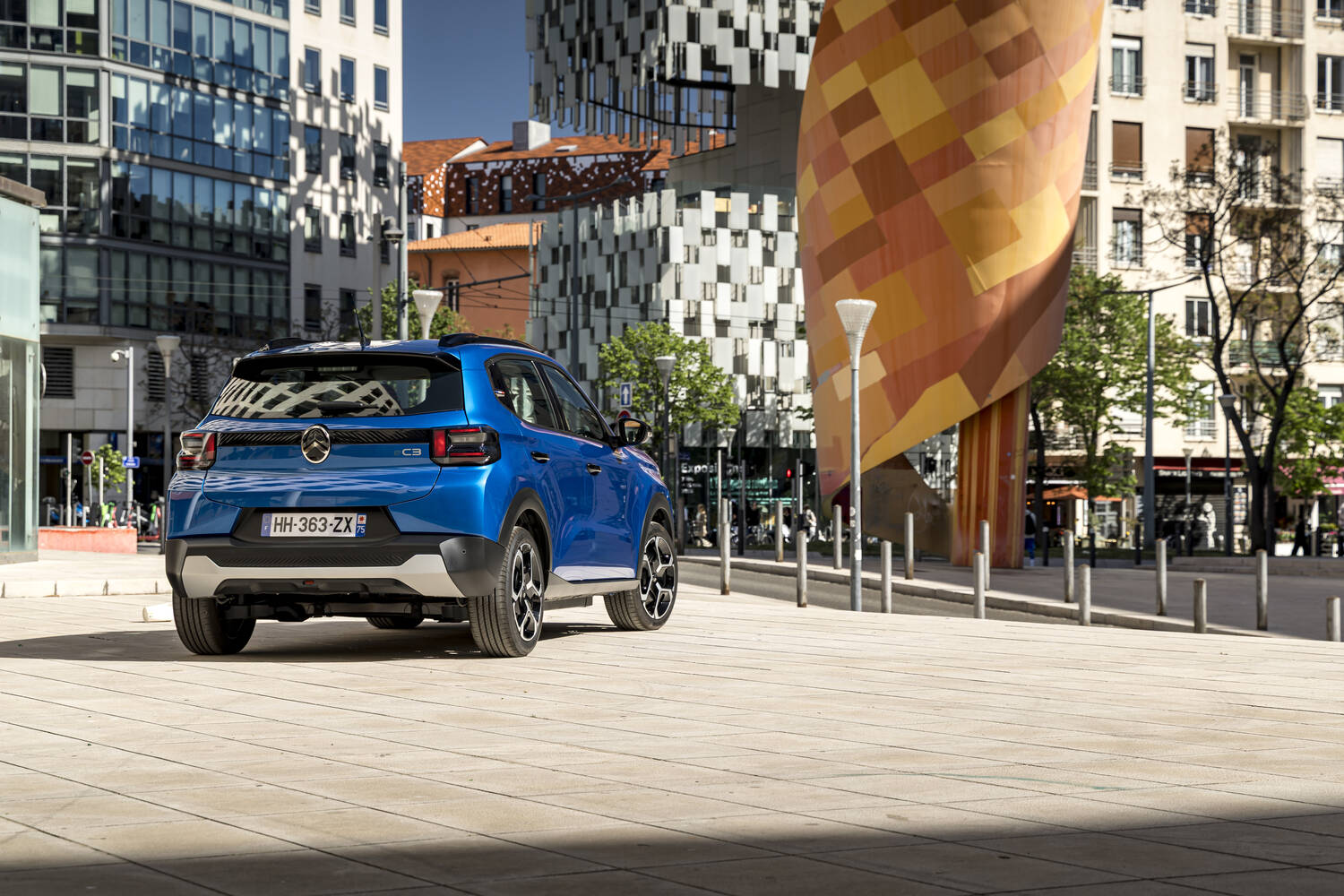
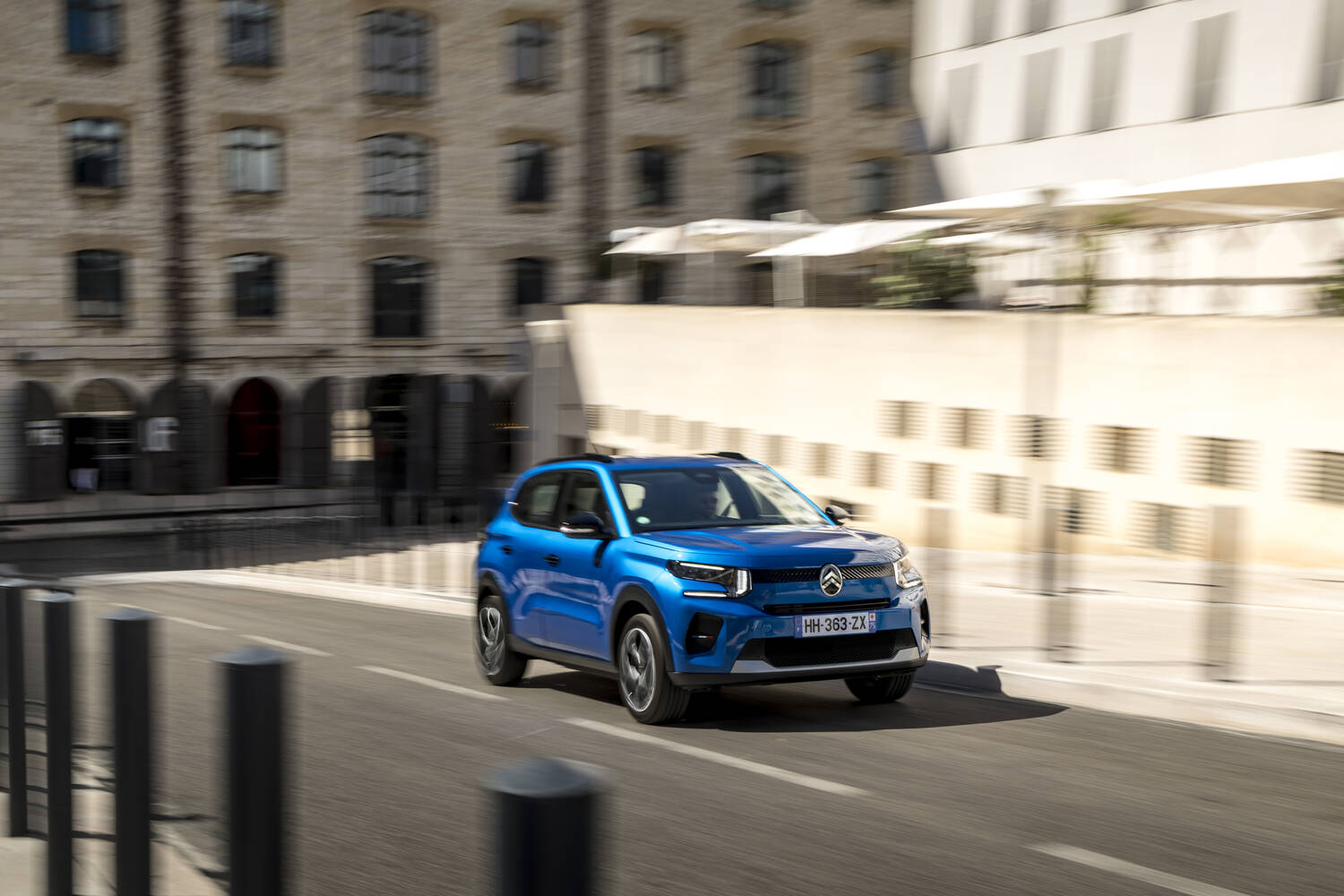
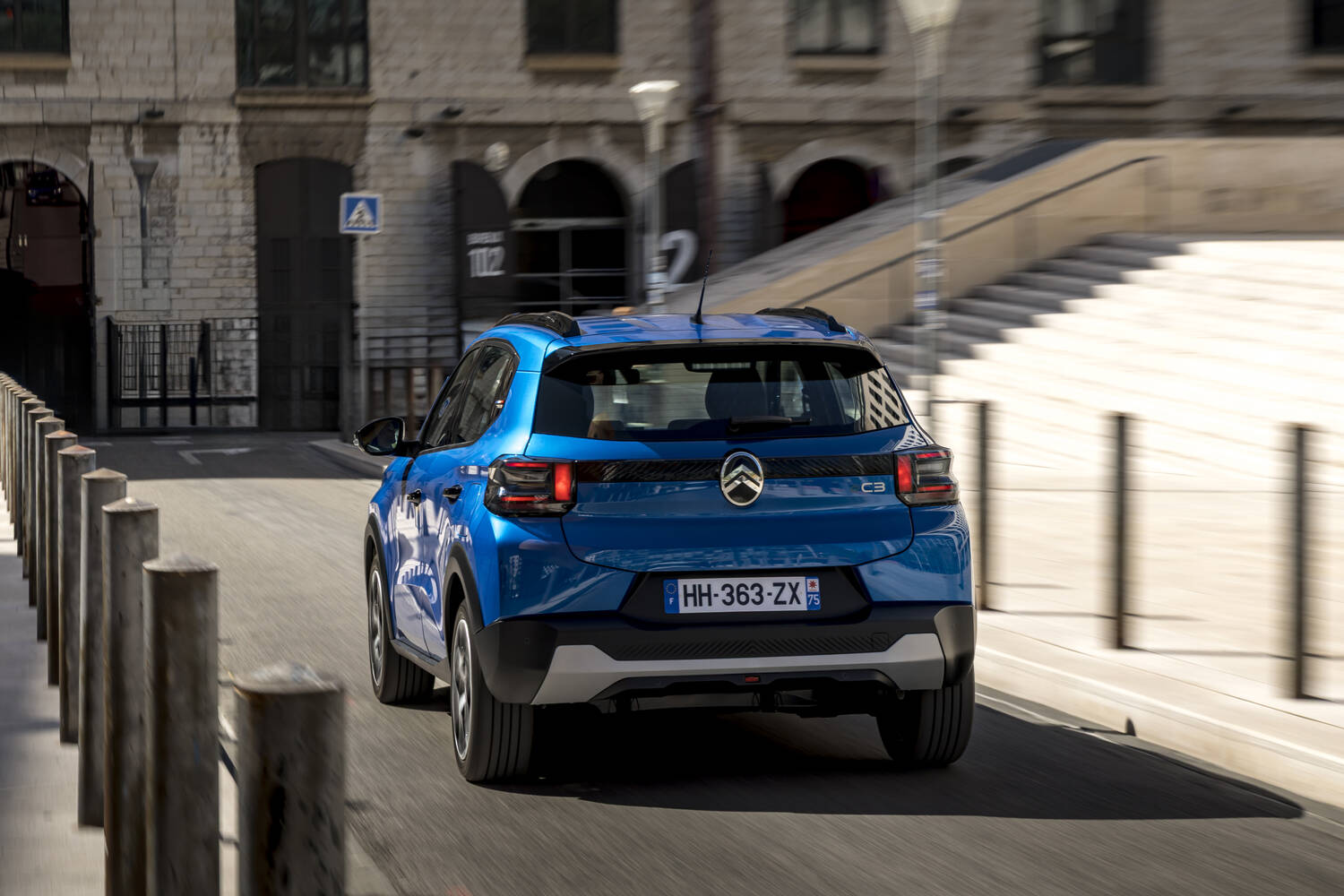
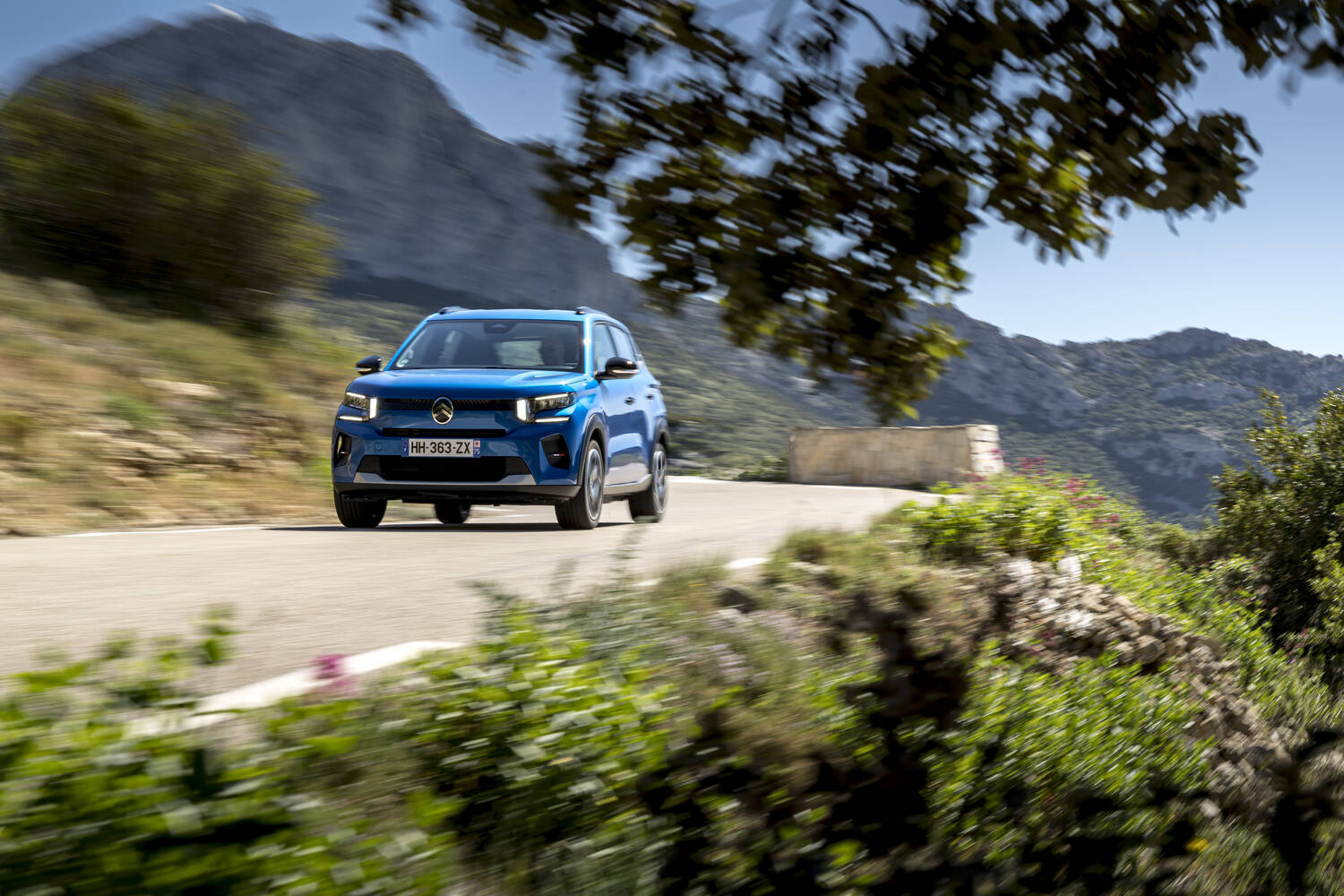
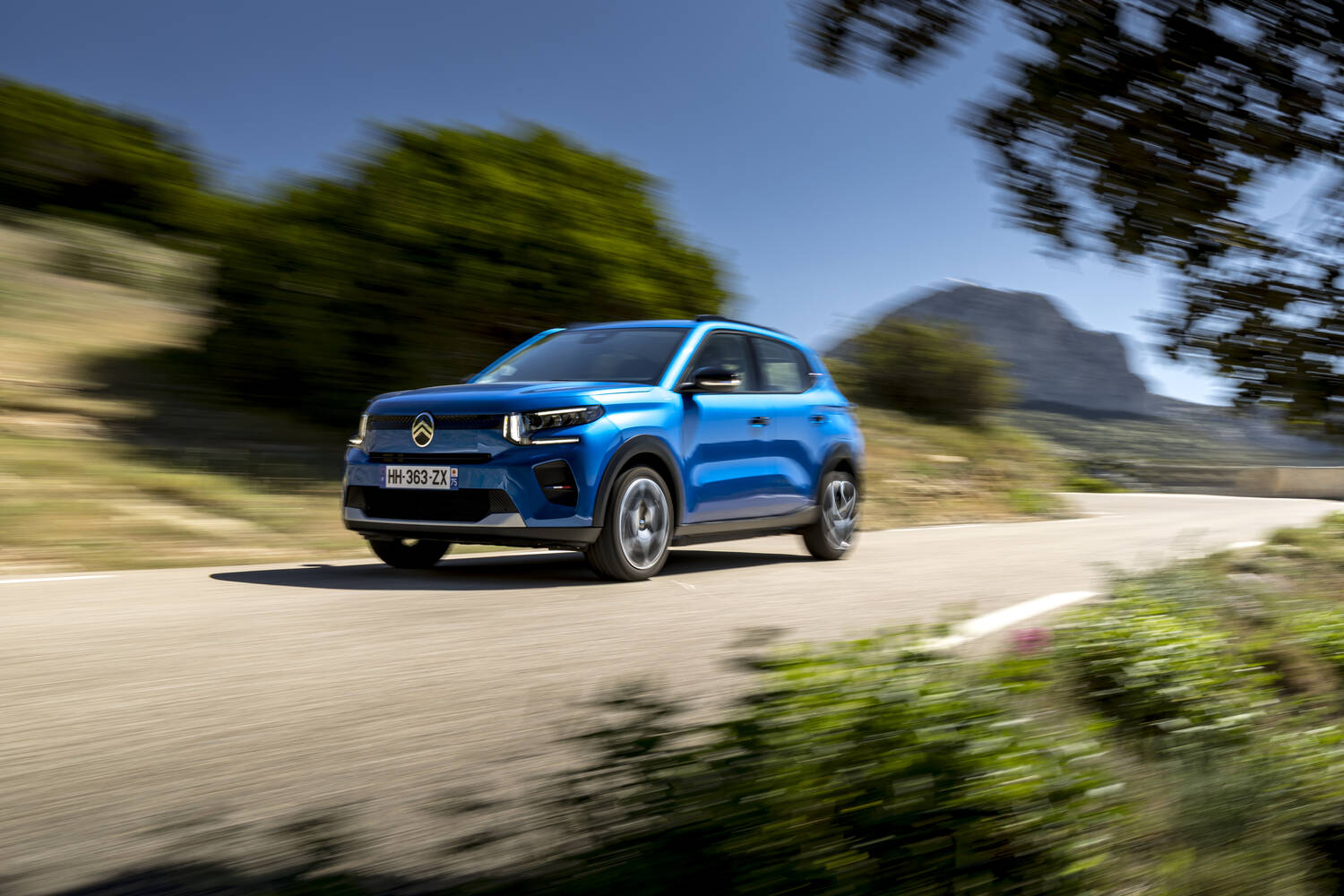
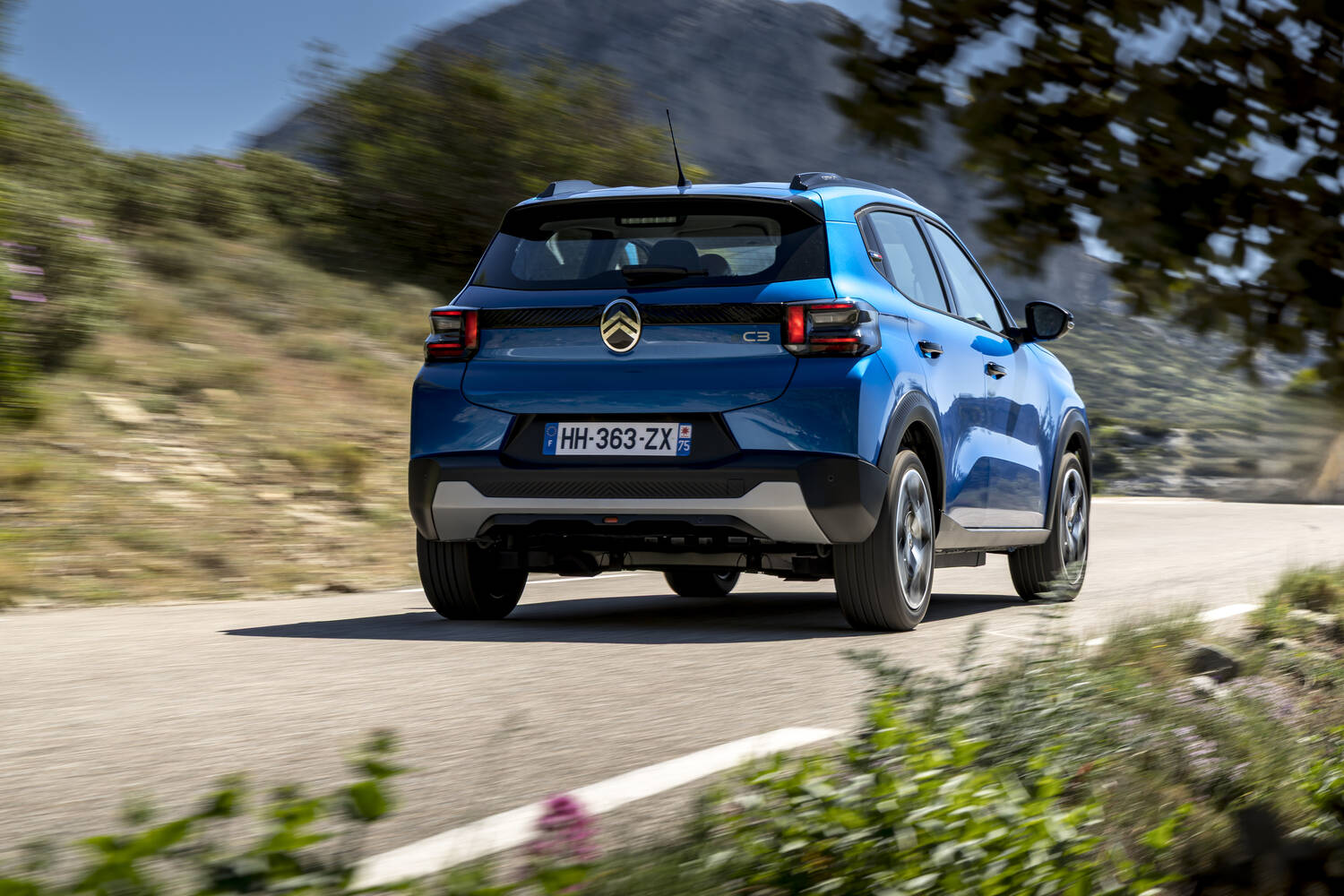
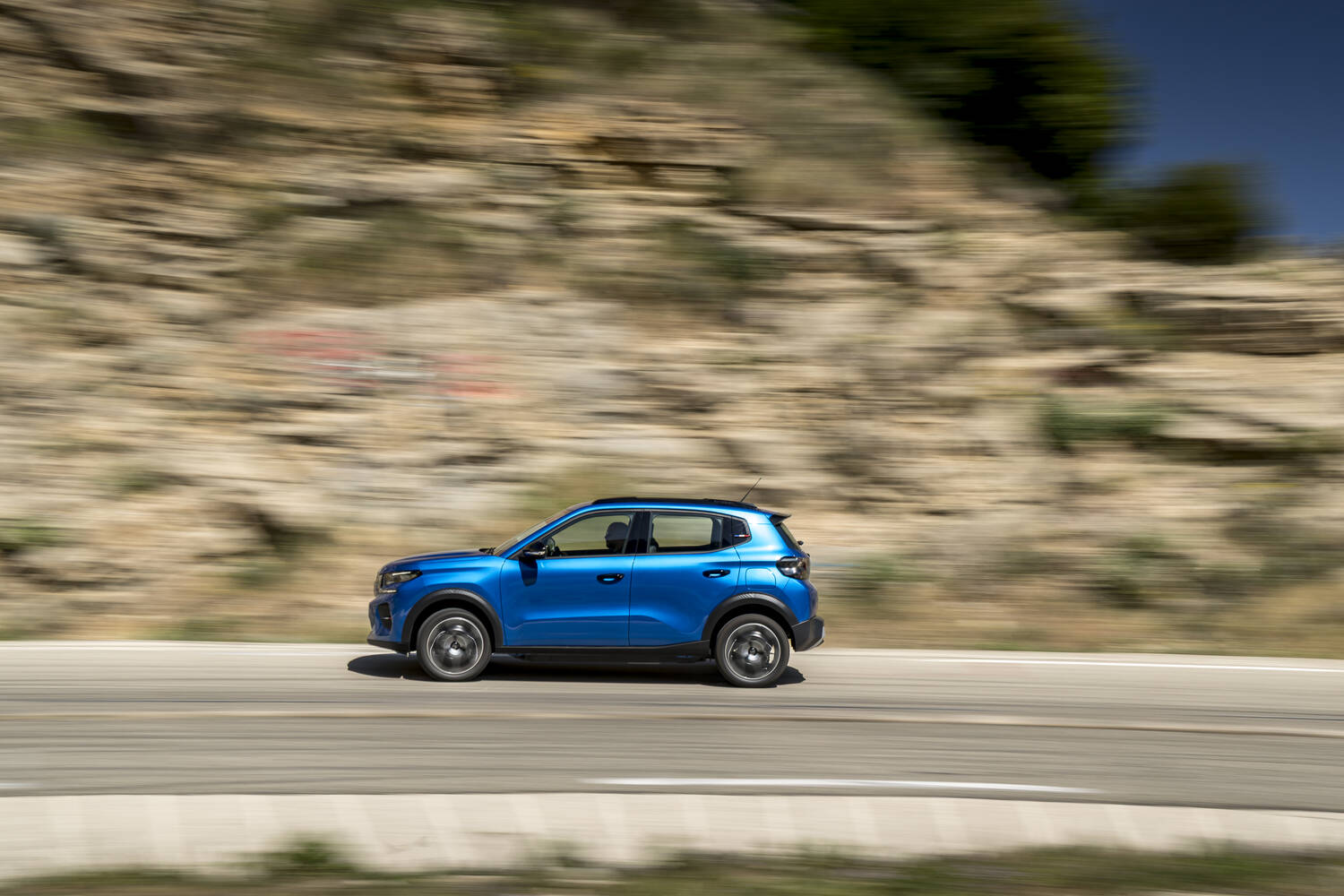
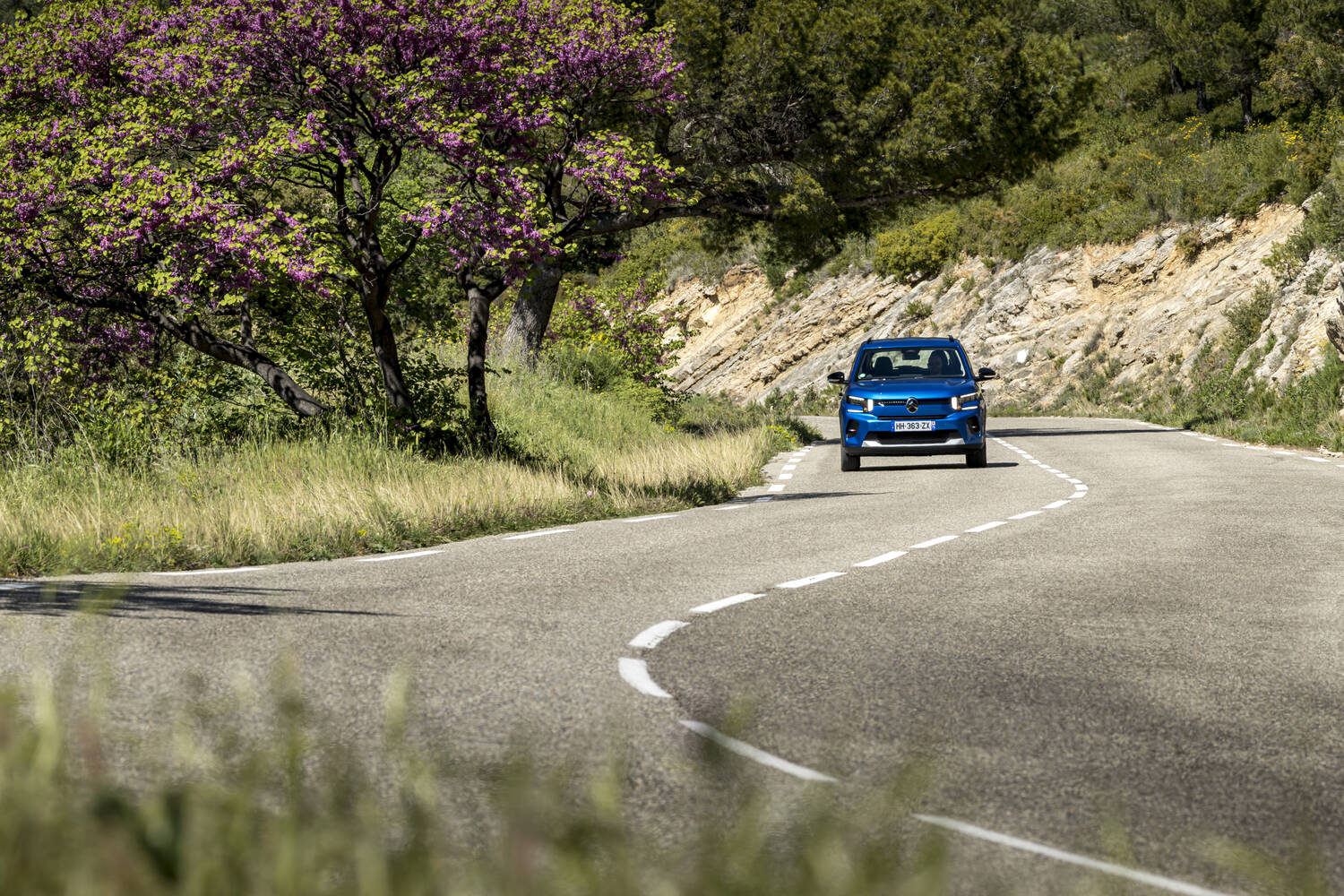
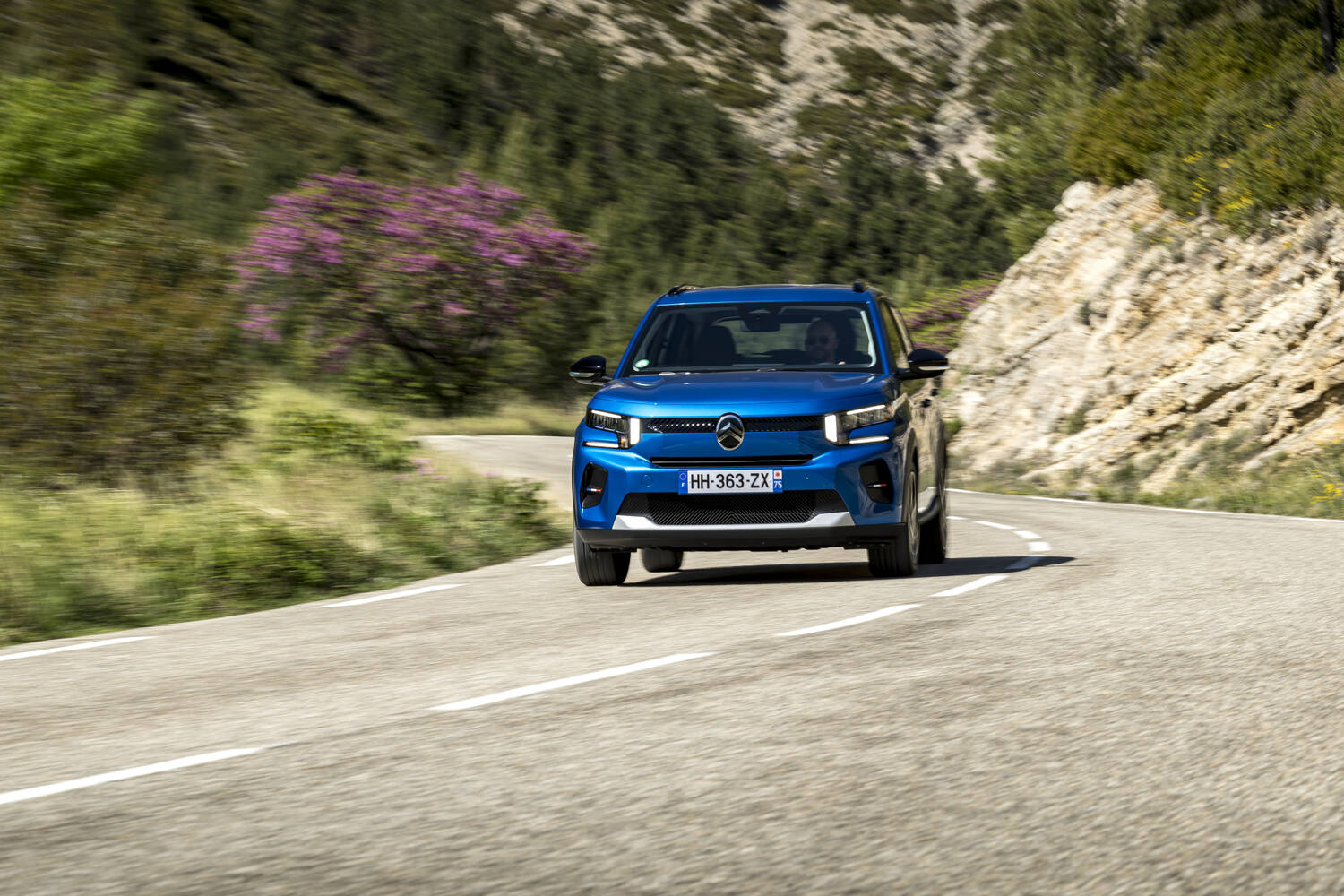
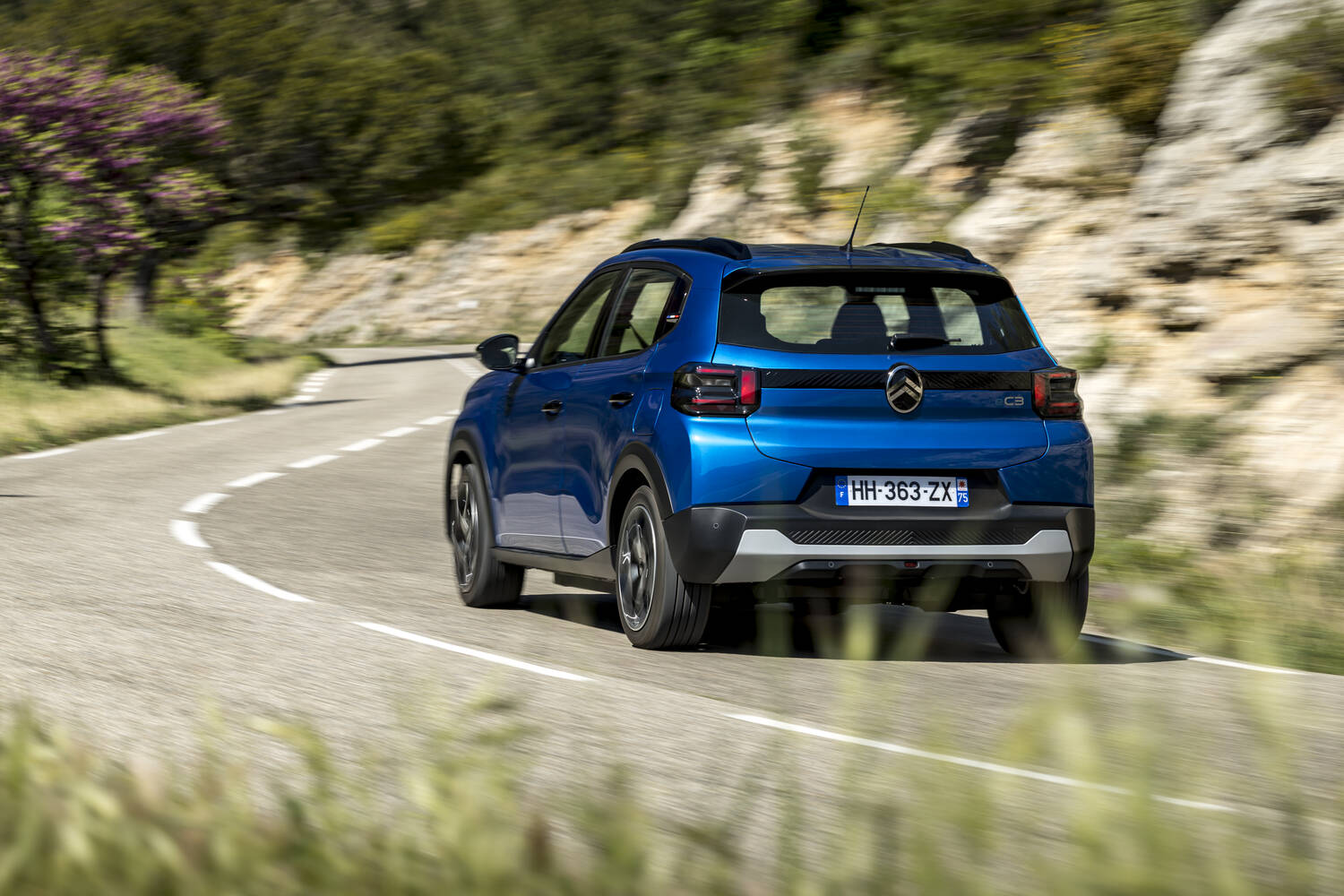
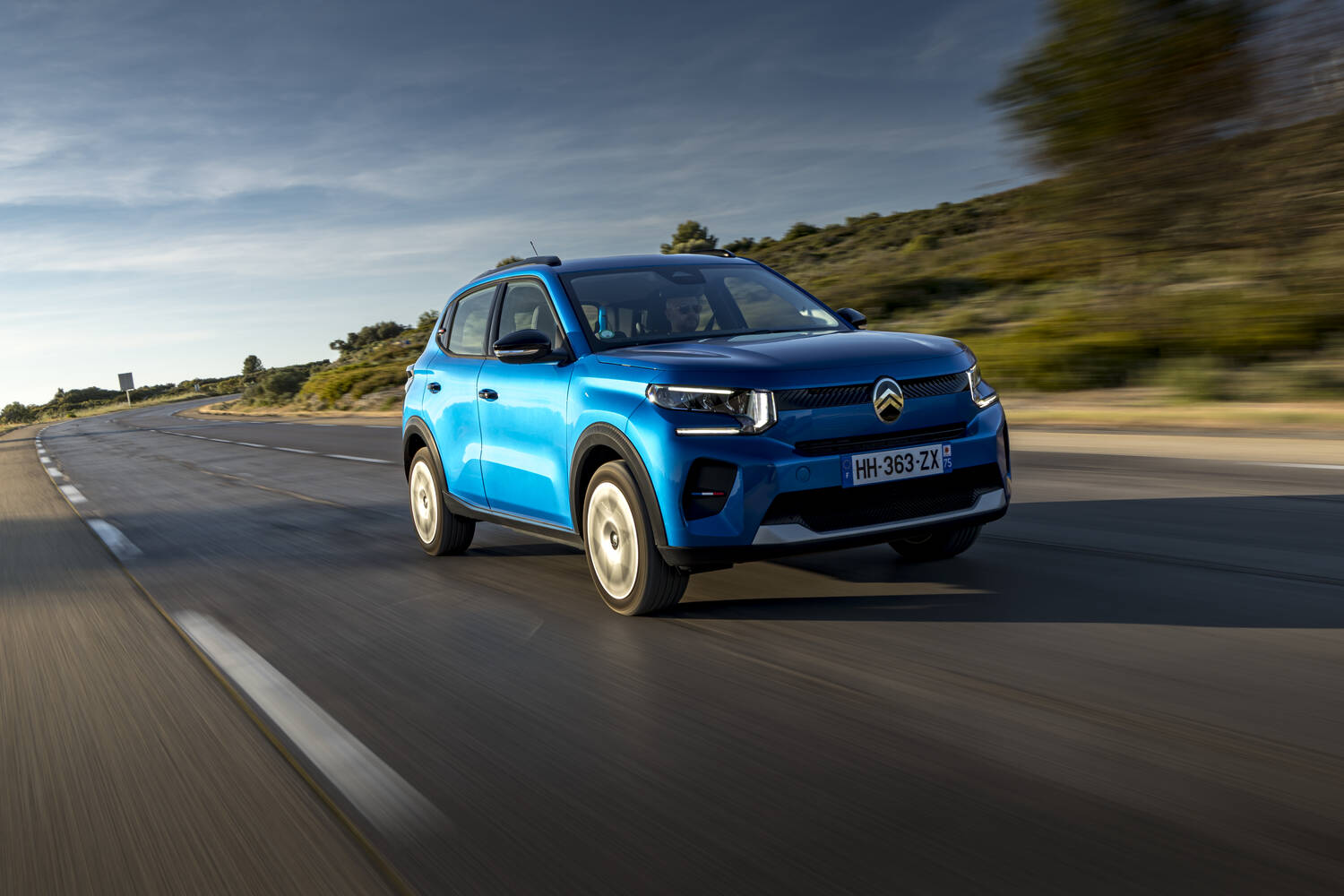
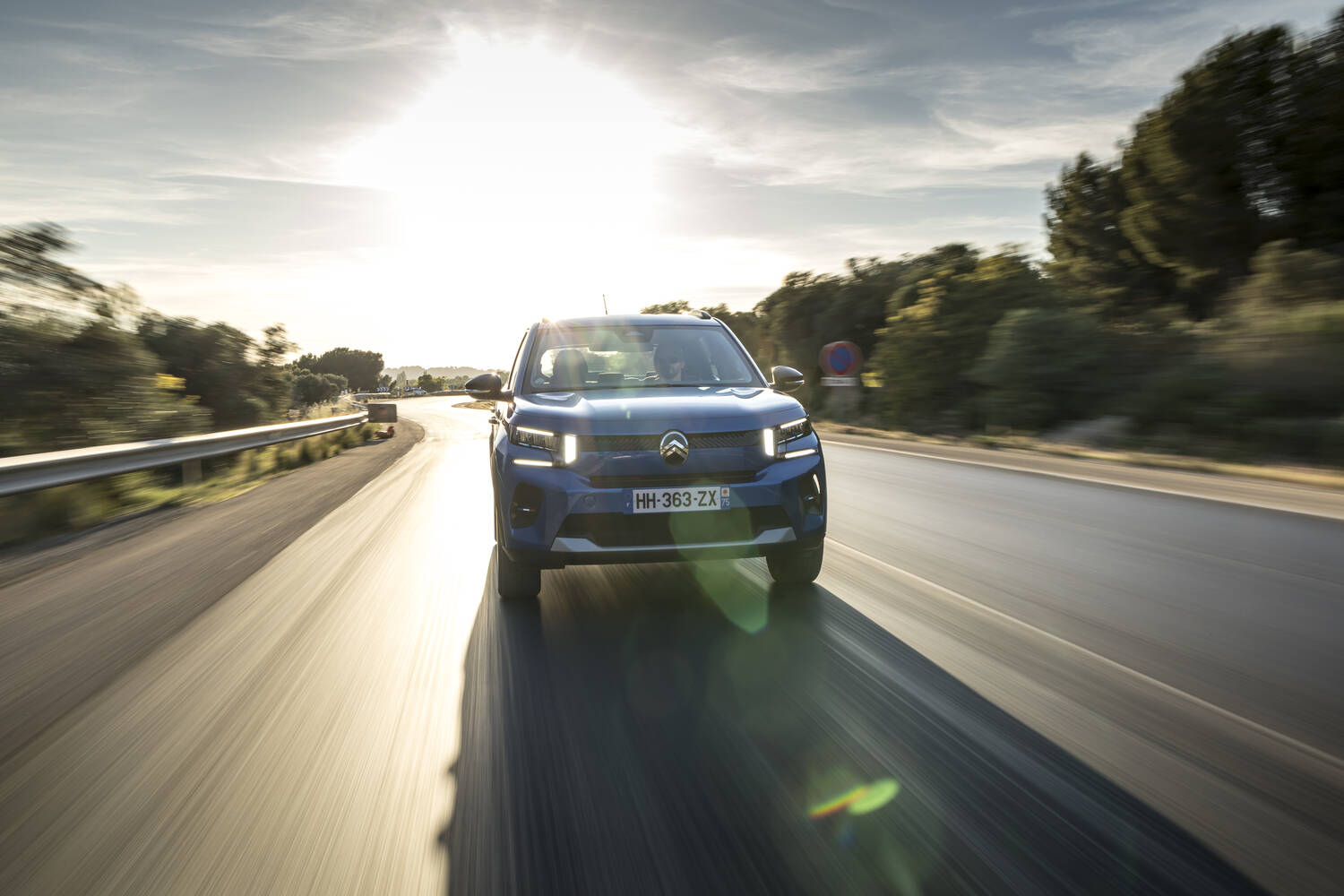
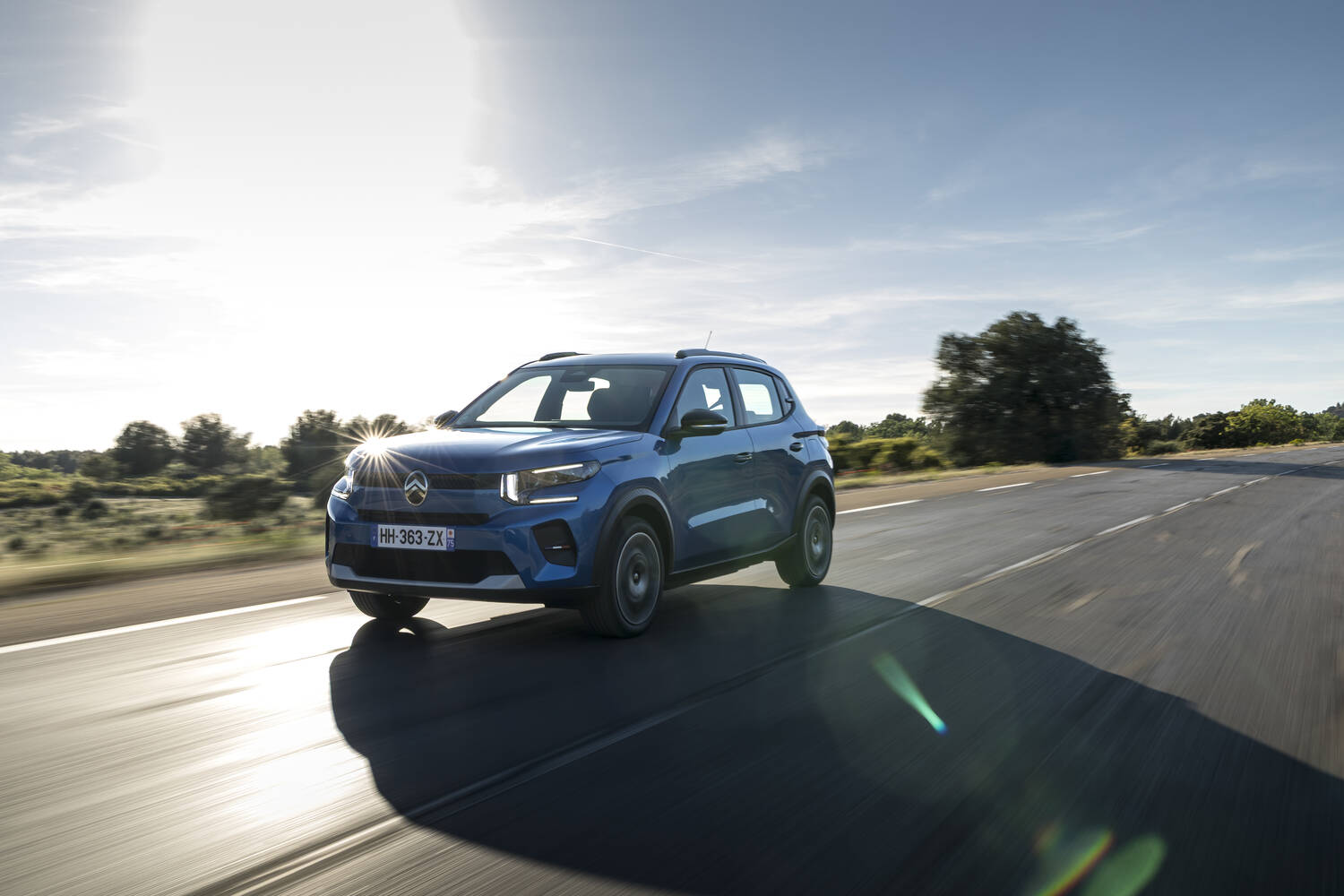
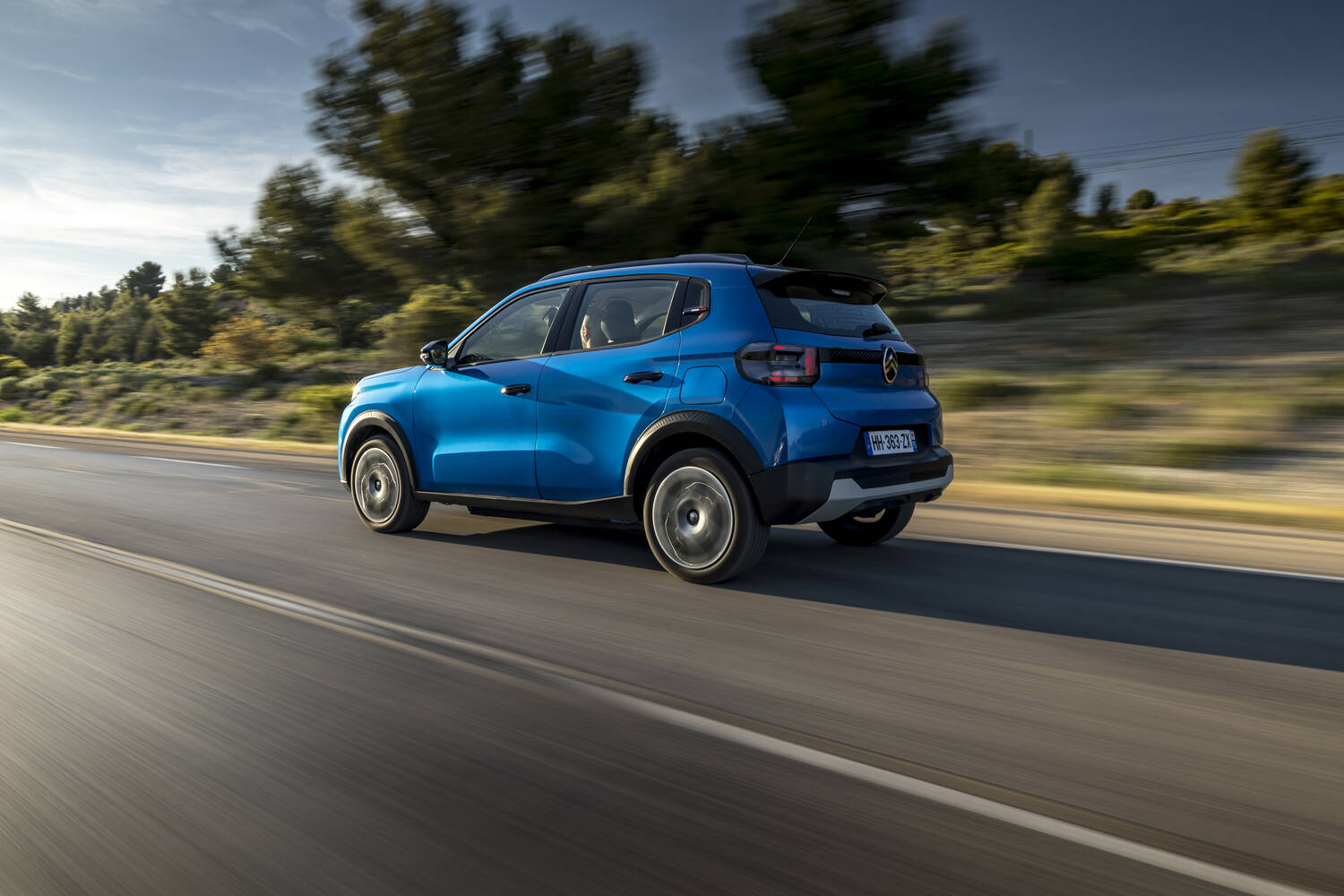
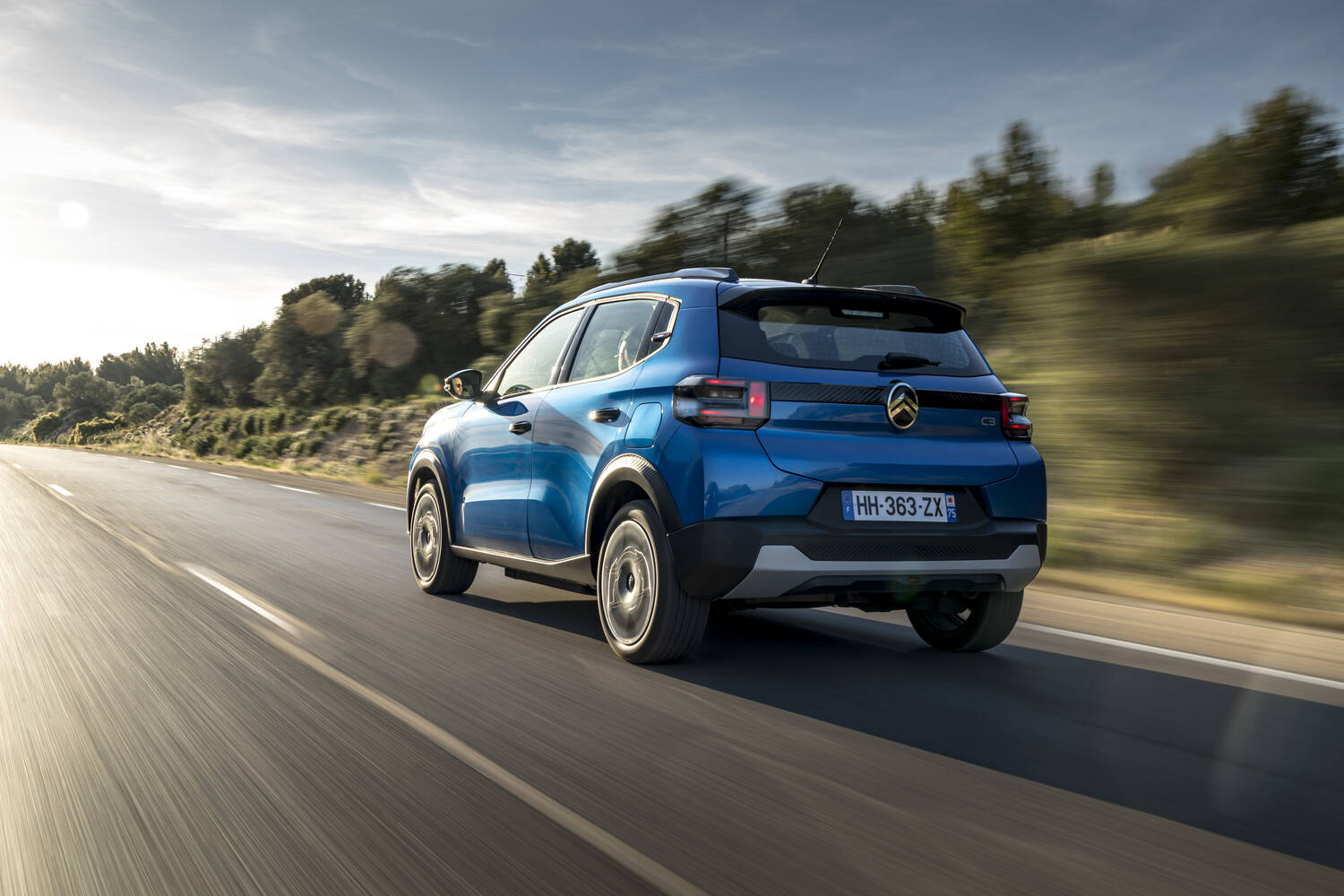
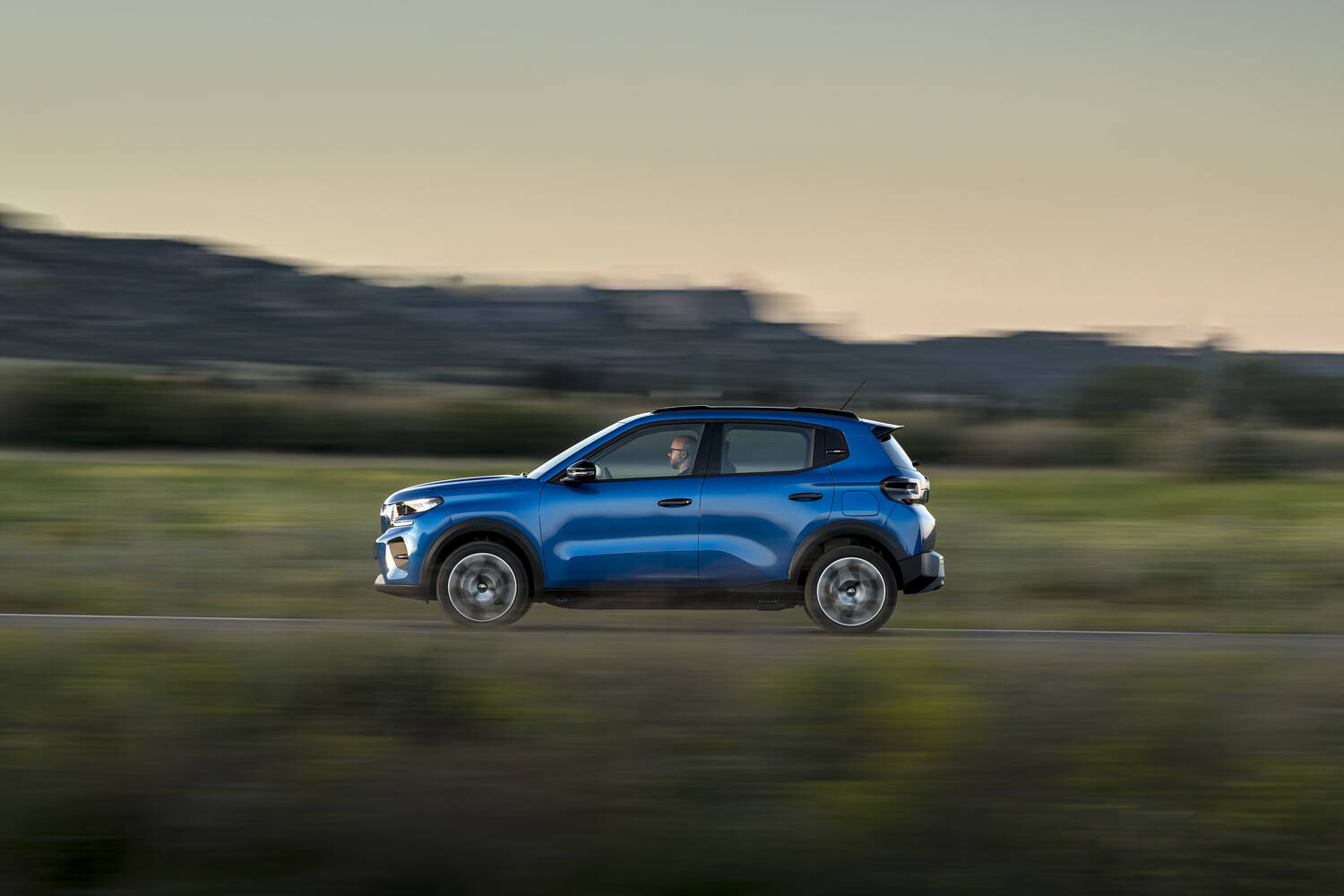
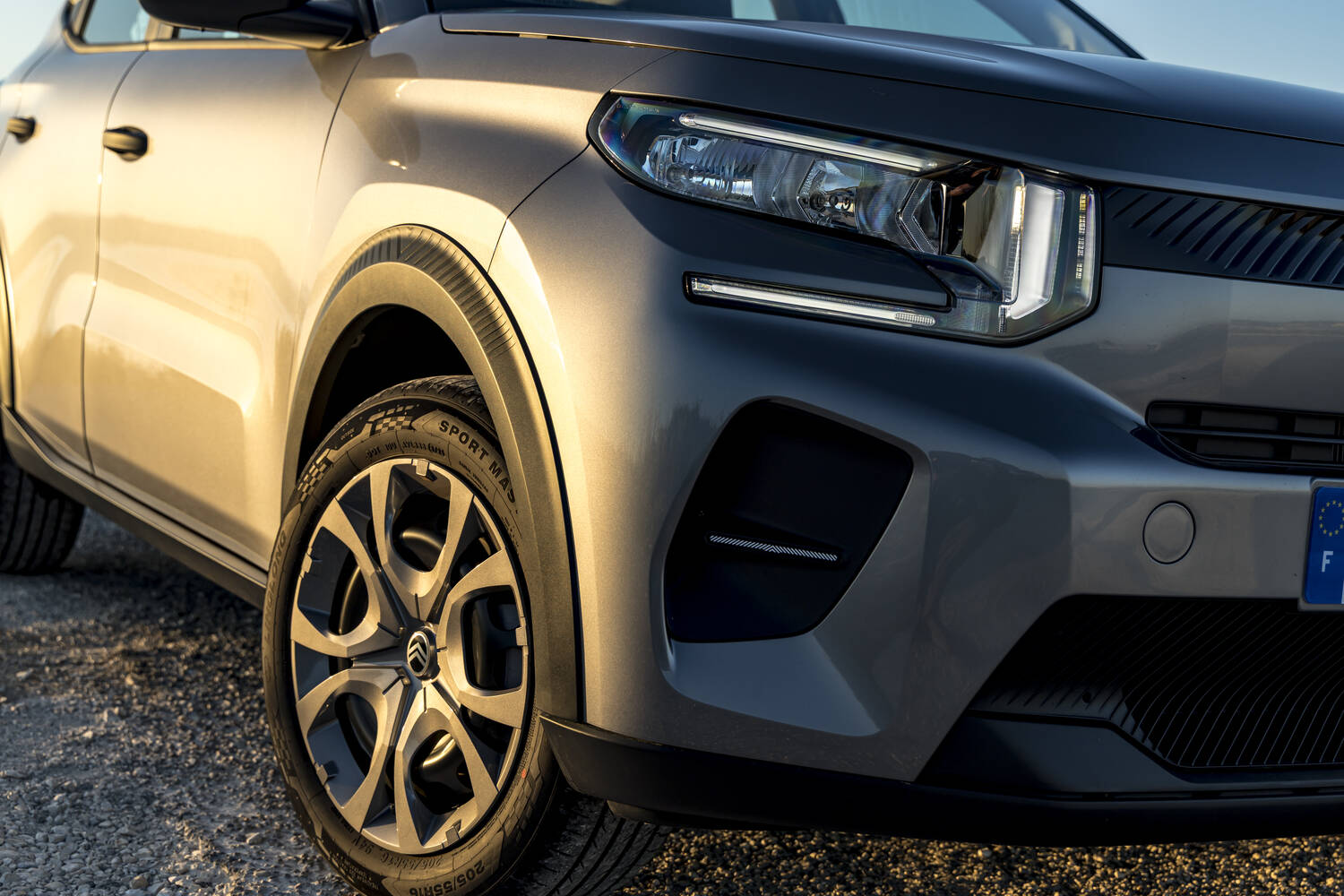
The appealing Citroen C3's angular exterior styling was informed by a concept car called the Oli, while the French company has also mixed in the slightly higher stance and rugged looks of an SUV to give the C3 plenty of presence - although remember the related C3 Aircross is actually the crossover operating in this segment.
Silver skid plates in the bumpers, black-plastic cladding over the wheel arches and roof rails up top all undeniably give the C3 kerb appeal, but it's perhaps not quite as fabulous to behold as some retro-inspired rivals such as the Renault 5 E-Tech electric and Fiat Grande Panda.

All grades and powertrains of the Citroen C3 run on 17-inch alloys of a design called 'Atacamite'.
Dimensions of the 2026 Citroen C3
- Length:
- 4,015mm
- Width:
- 1,813mm (excluding mirrors)
- Height:
- 1,577mm
- Wheelbase:
- 2,540mm
Paint colours for the 2026 Citroen C3
The standard paint for the Citroen C3 is Monte Carlo Blue. Polar White is the next option, and costs €200. Mercury Grey, Bright Blue and Perla Nera Black are €595, while Elixir Red is the most expensive choice at €795.

All C3s come with a two-tone roof paint scheme as standard. It's a black roof on all colours except black and Monte Carlo Blue, which instead get a white upper section.
Interior, practicality, tech & comfort of the 2026 Citroen C3
- Spacious for a small car
- Simple but tasteful dash design
- Cheesy 'happy' tags

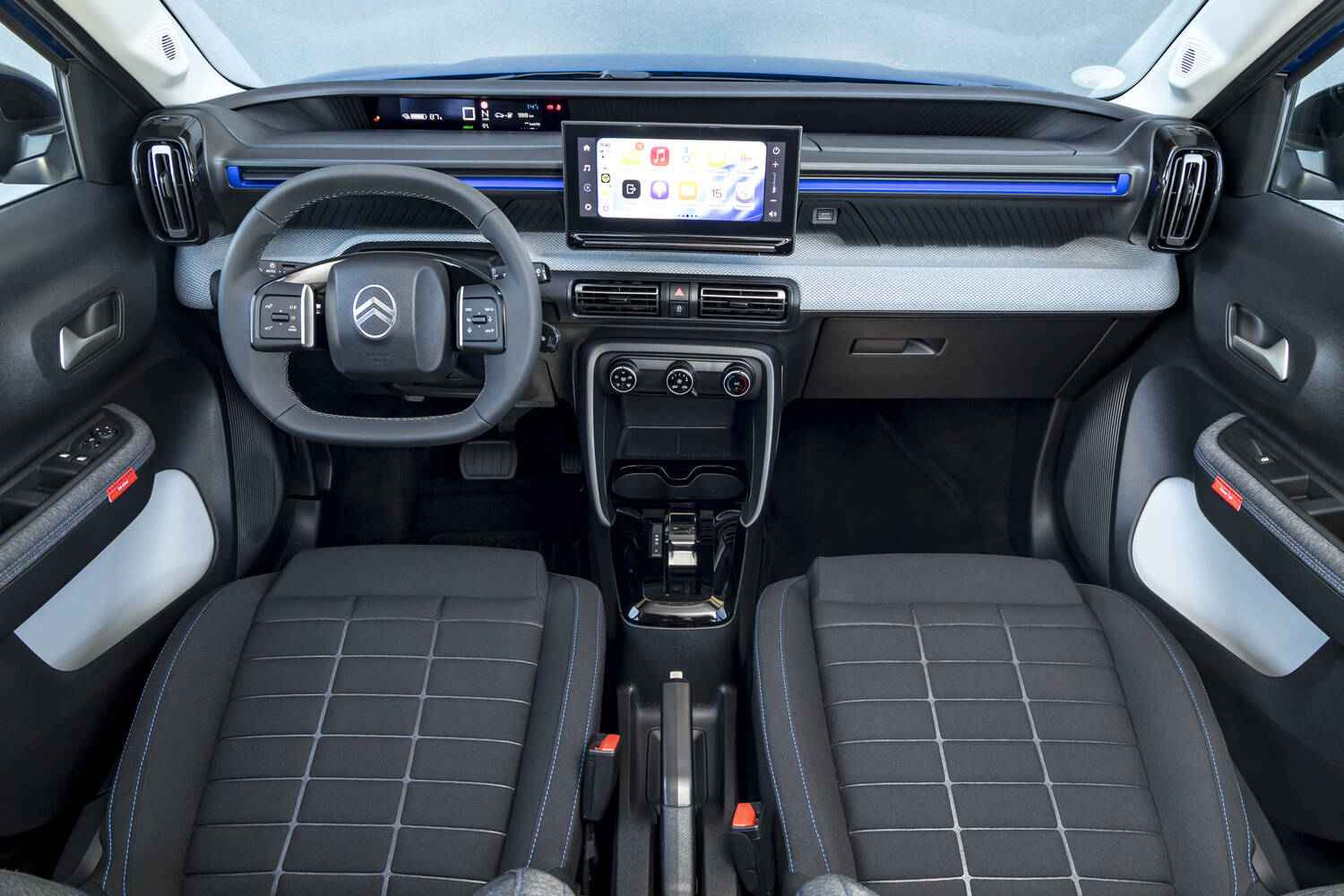
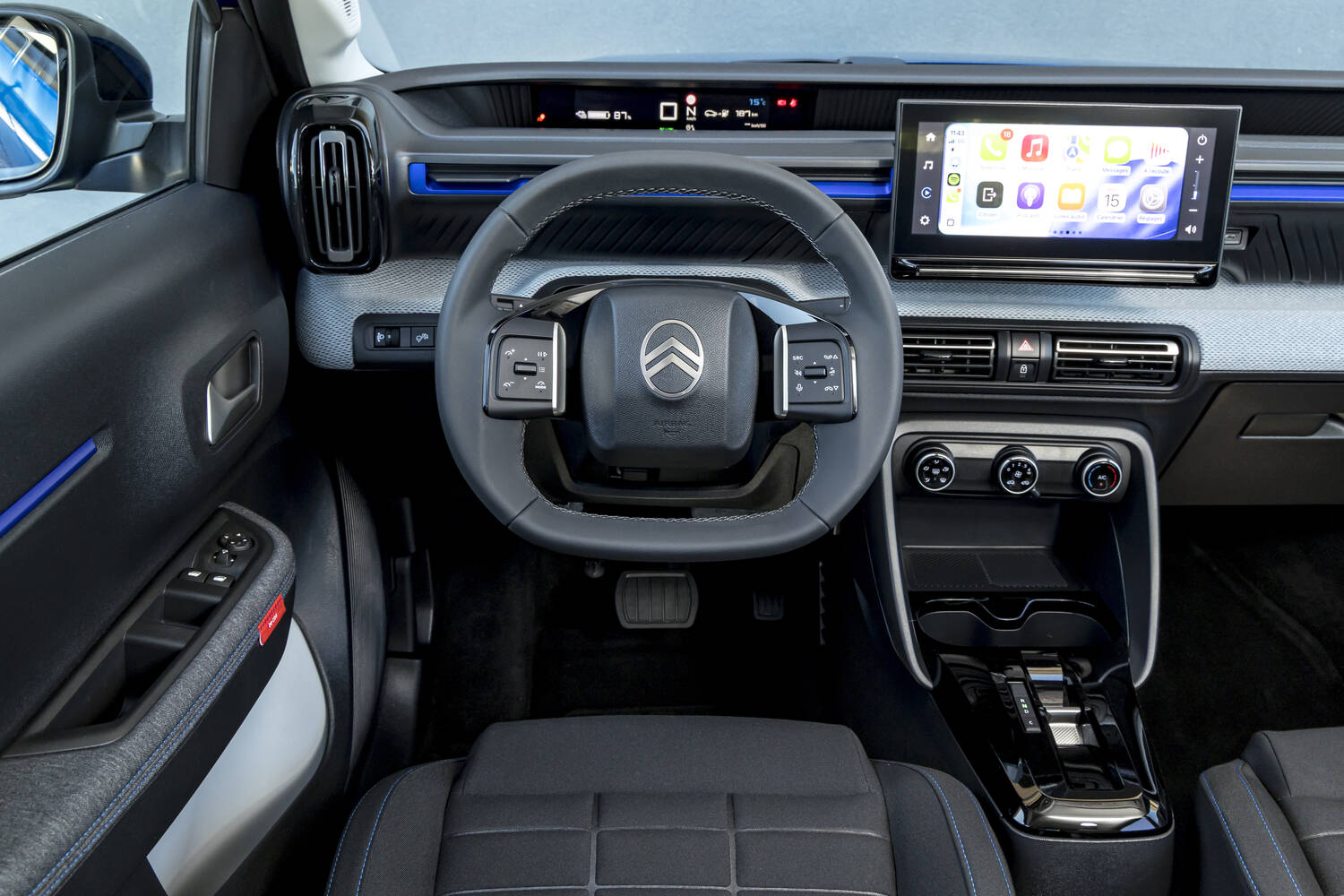
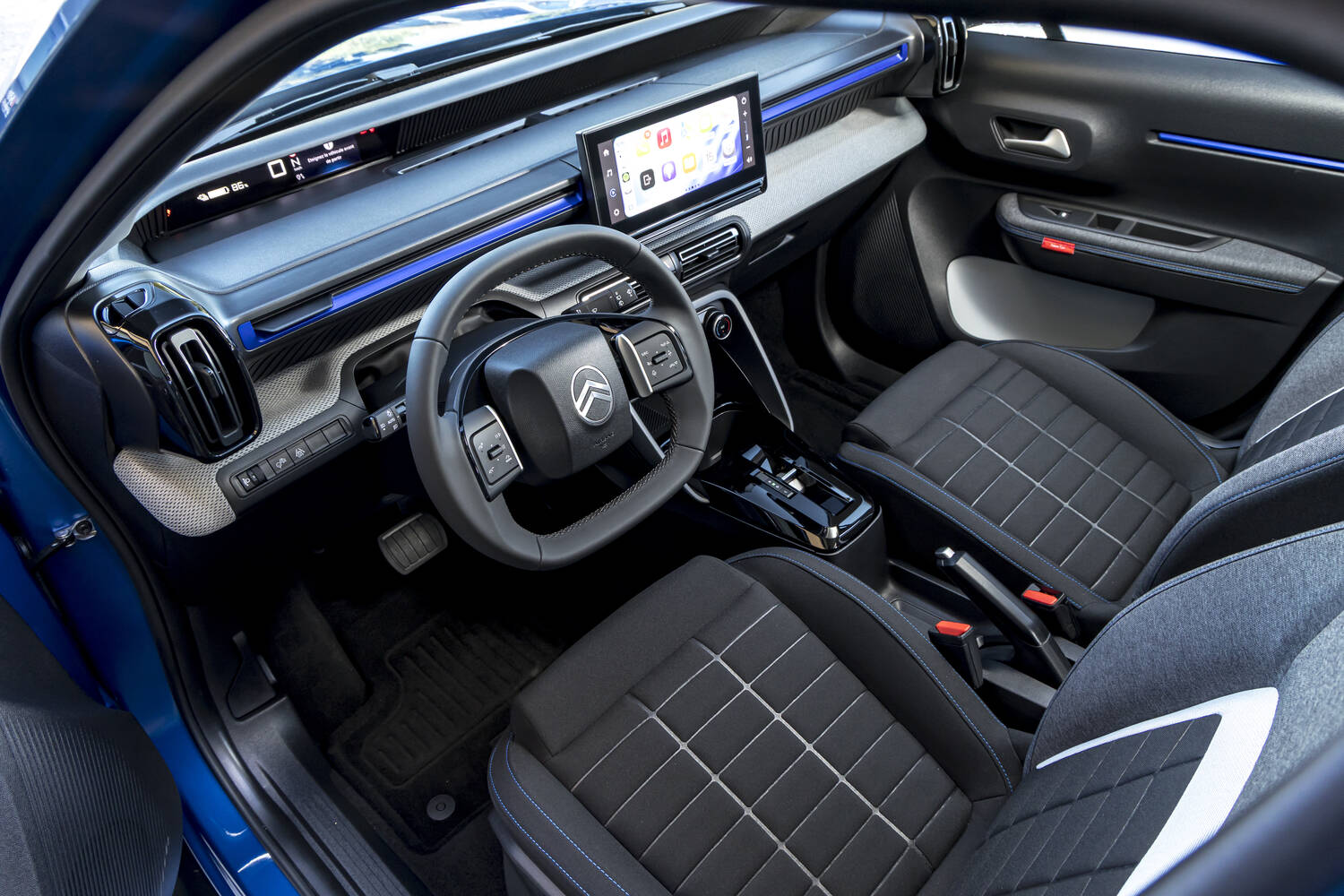
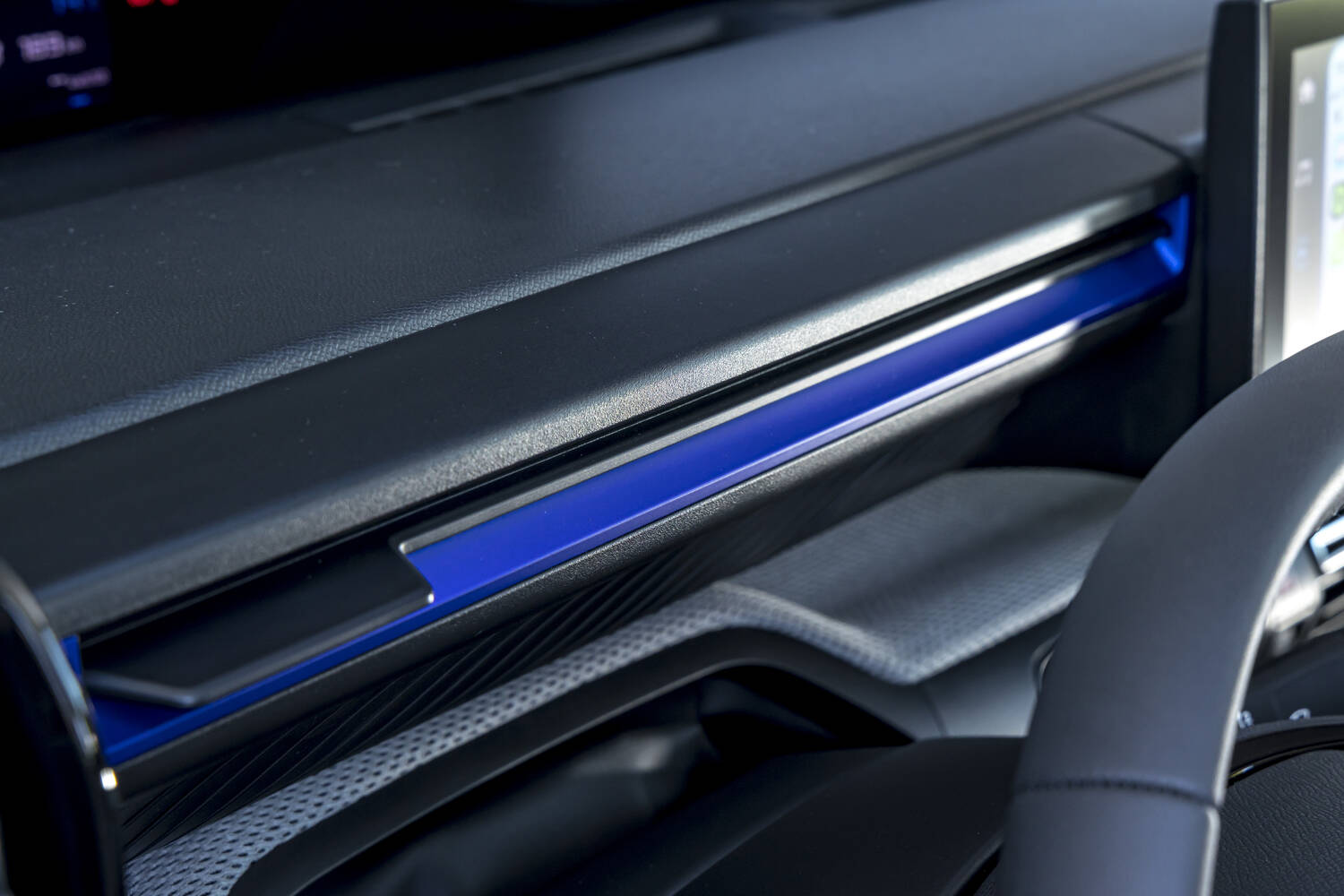
Citroen keeps costs down in the C3 by making some of the surfaces out of less-than-stellar plastics, but that's not unusual in this sector and, in the main, the cabin is a pleasant place to spend time. There's a healthy level of equipment in all versions and the onboard tech is easy to operate, while space in the back for passengers is generous.
Getting comfortable in the driver's seat
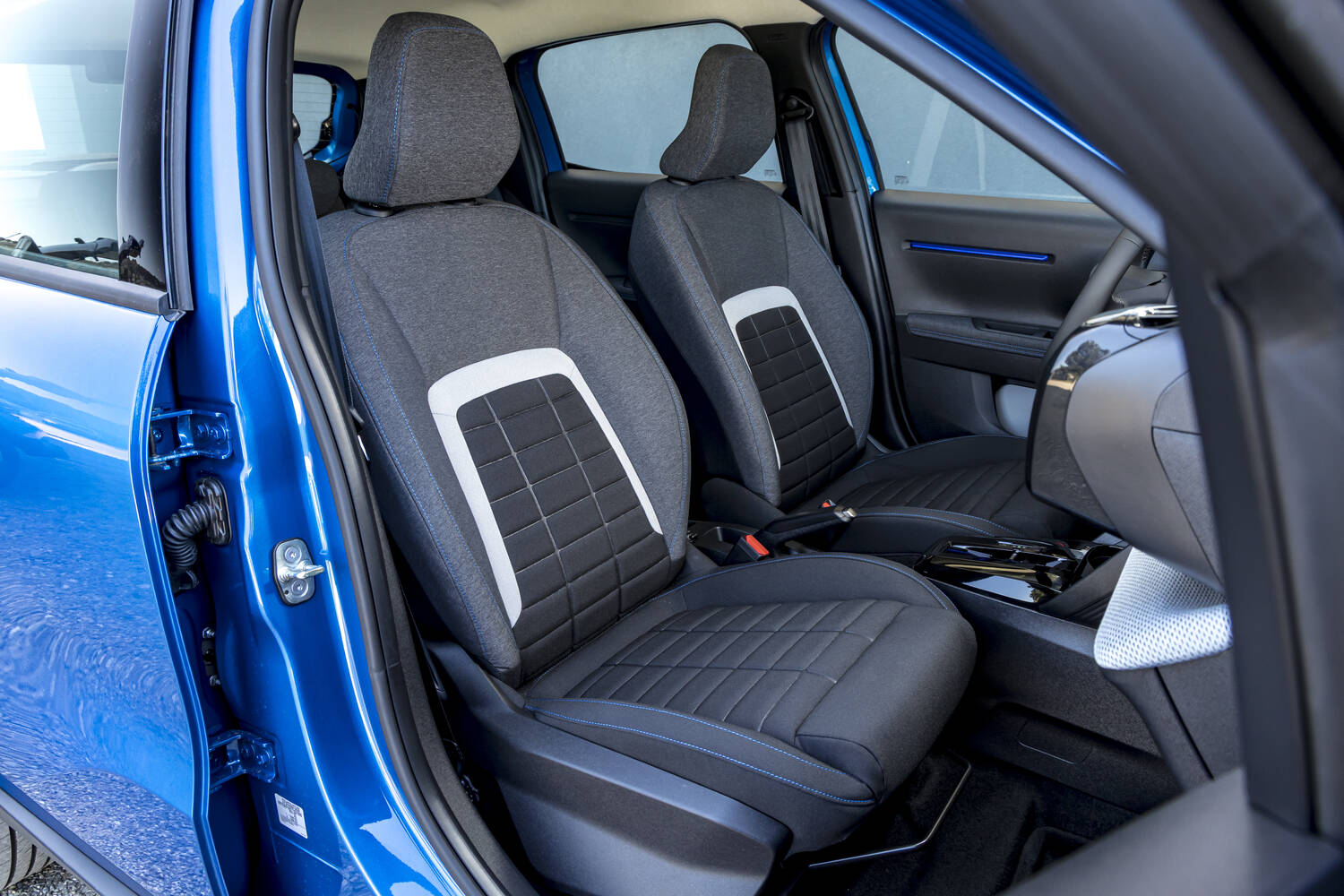
Both the driver's seat and the reach-and-rake steering column are manually adjusted, with the former moving for height as well as forward and backwards.

The resulting driving position is excellent, the front seats are very comfortable and supportive and the view out of the Citroen's airy glasshouse in all directions is as superb as you'd want for a city-based car like this.
Infotainment and technology
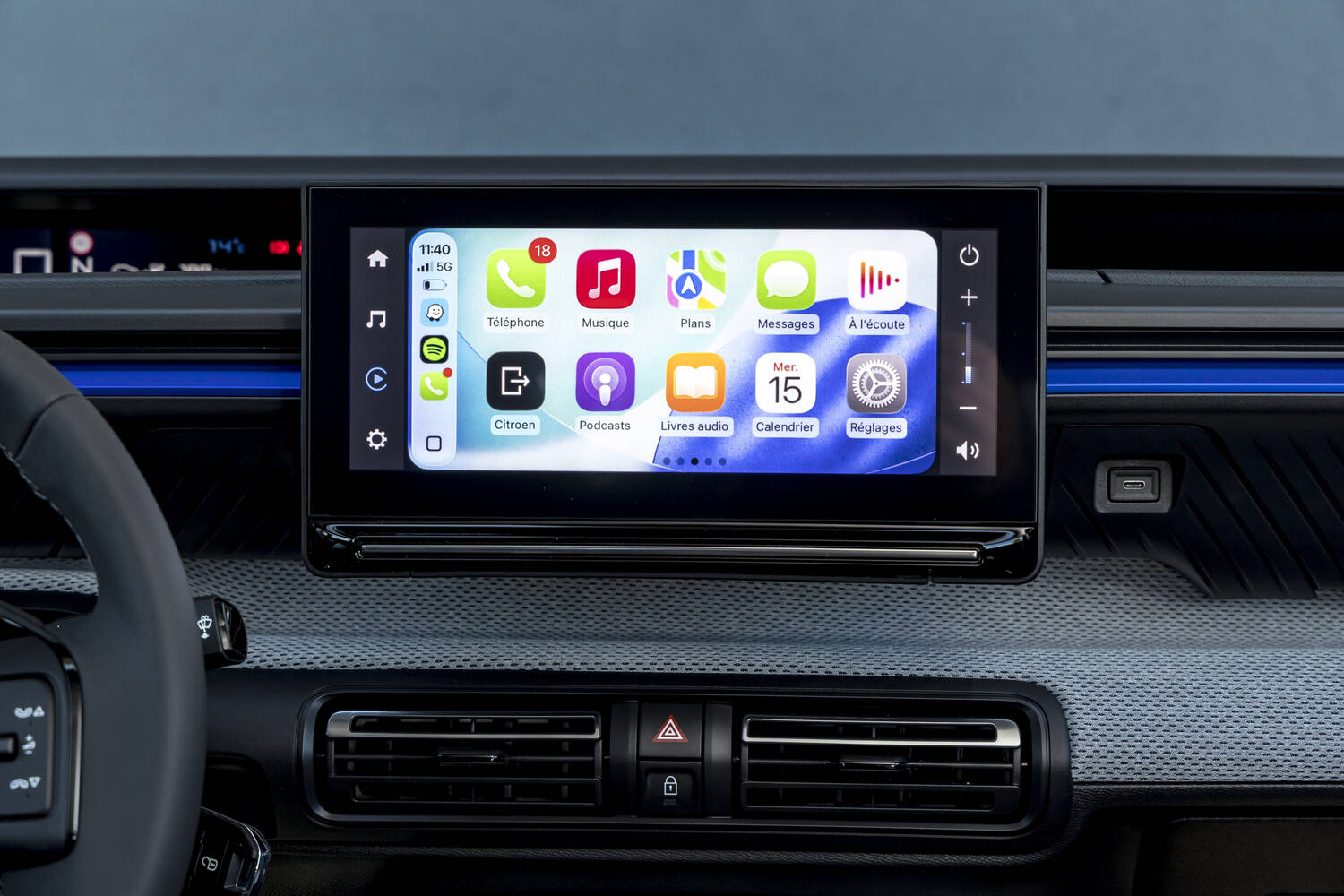
The main infotainment is a 10.25-inch screen mounted on the dash, which can run both Apple CarPlay and Android Auto wirelessly.

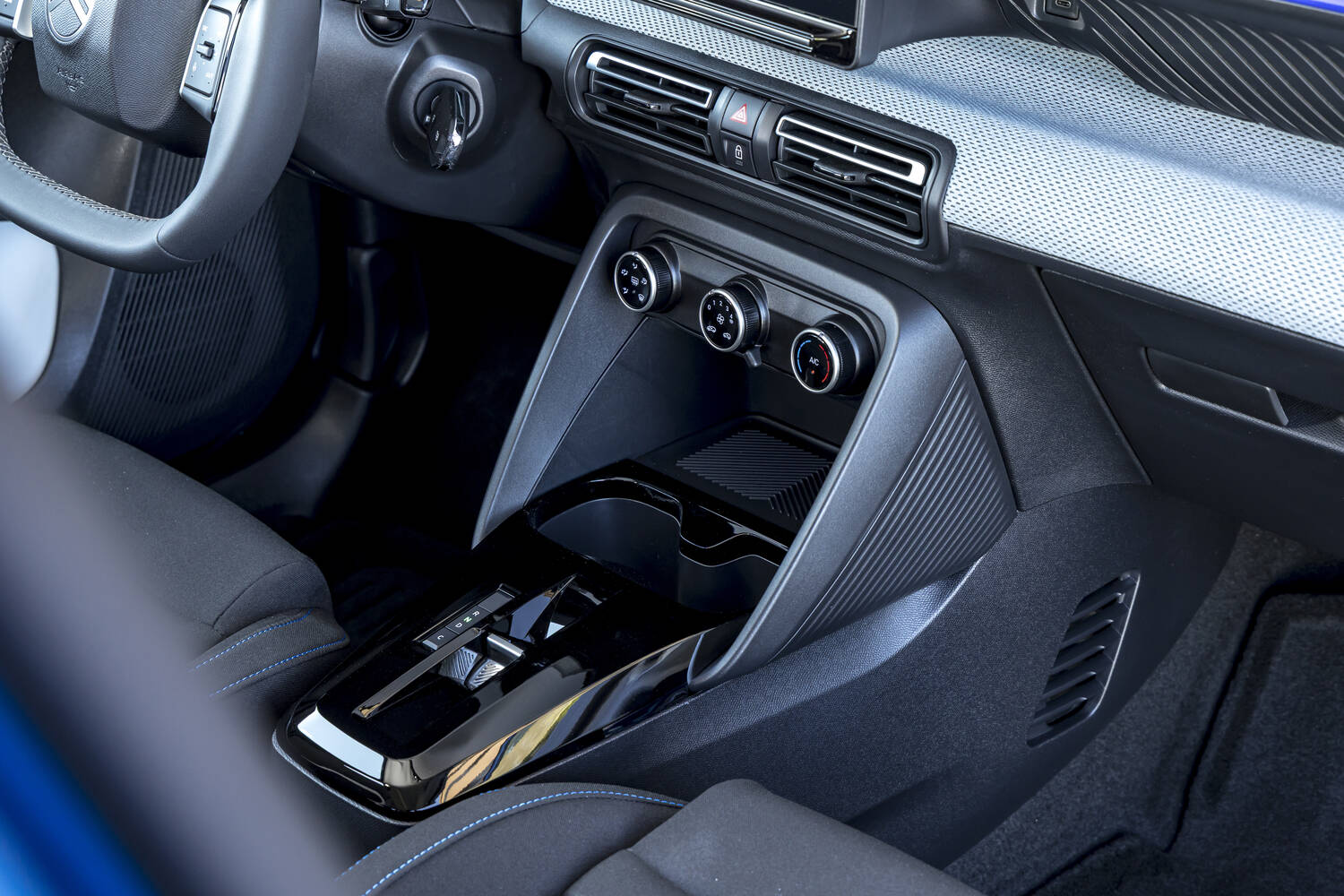
Both the proprietary graphics in this and the high-set instrument cluster, which negates the need for a driver's head-up display, are nothing special, but they both work OK, present all the necessary information they need to in a clear and concise fashion, and there's still plenty of physical switchgear dotted around the C3's interior to make operating its onboard ancillaries an intuitive process for the uninitiated.
Practicality around the cabin
Up front, the door pockets in the Citroen C3 are a reasonable size and there's a fair glovebox too, while there are two cupholders and then a storage tray situated just in front of those.

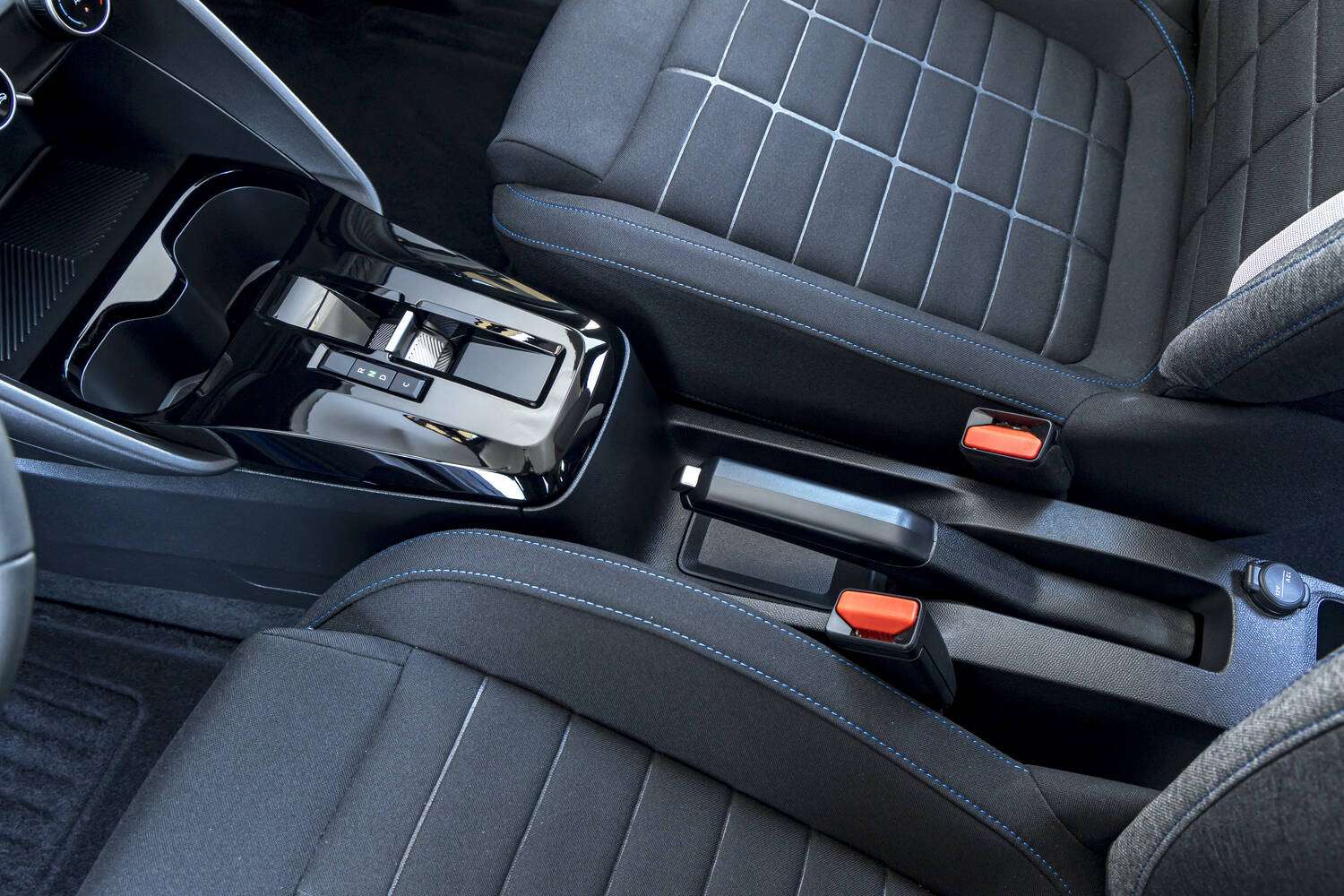
A manual handbrake on the petrol and 200km e-C3 variants, however, means there is no central stowage cubby between the front seats - but there is on the hybrid and 320km e-C3 cars, as they have electronic parking brakes instead.
Rear-seat passenger space
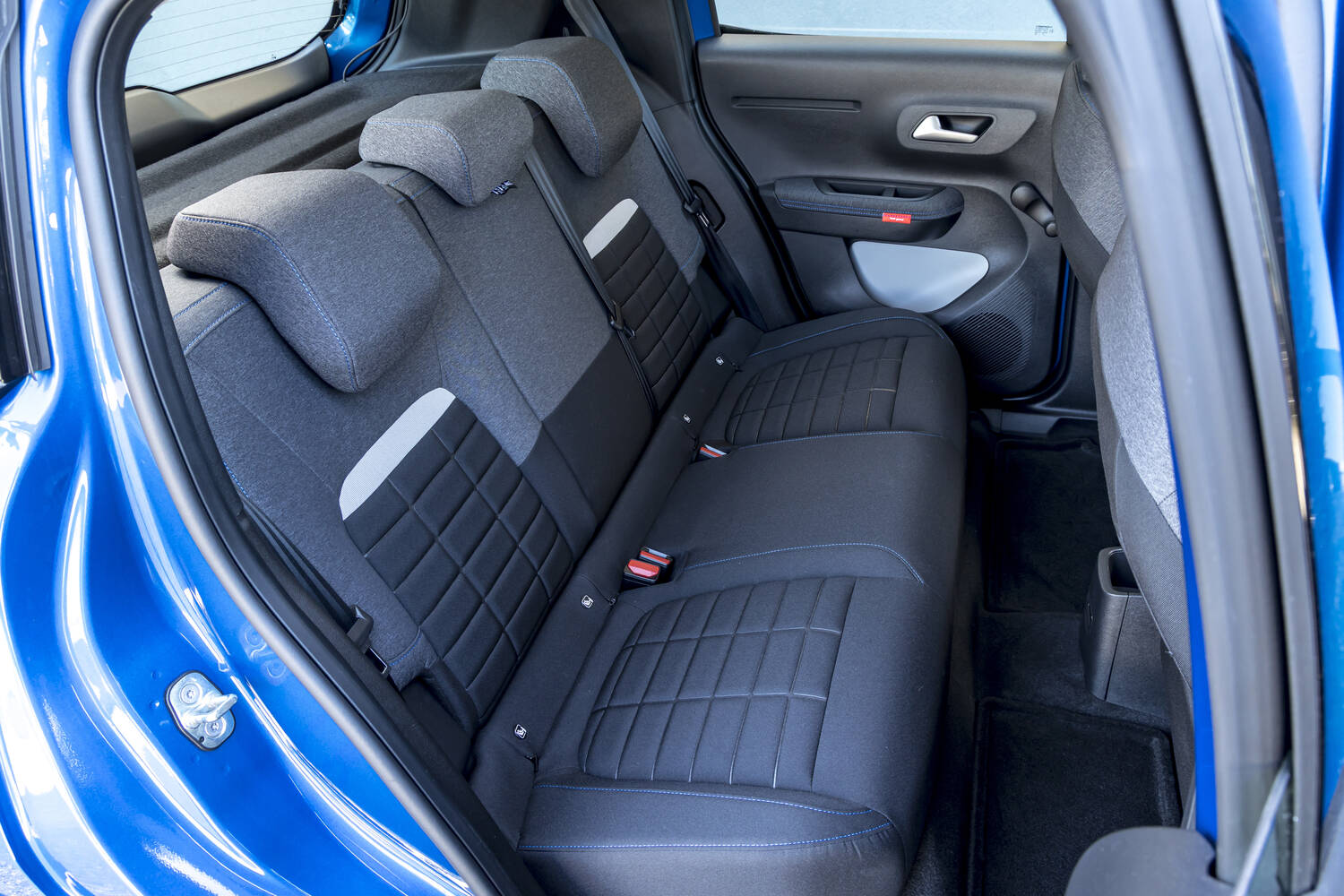
There's plenty of room in the back for even taller passengers to get comfortable in the Citroen C3, while an almost-flat floor means that accommodating three people across the back bench wouldn't be an impossibility.

Headroom is good too, while occupants in the rear have access to a USB-C charging port, decent door bins and a shallow storage tray located at the back of the centre console.
However, there's no central armrest or cupholders, although on the backs of the front seats are big pockets at the bottom and then a handy, smaller slot-like pouch at the top for smartphones and other devices.

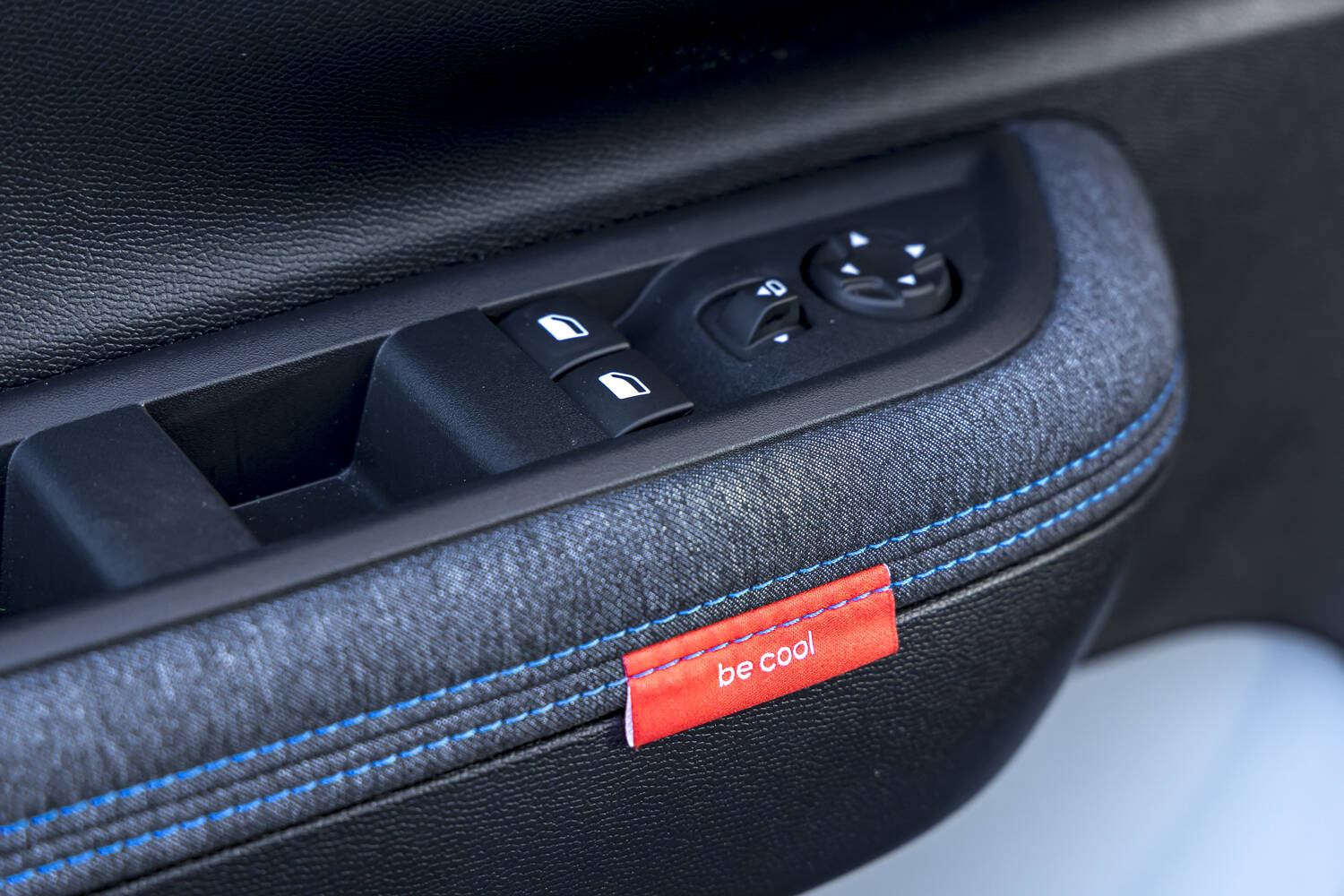
Perhaps the only issue with rear-seat accommodation is you more readily notice the try-hard red labels on the door cars in the back (they're found in the front, too), which sport cringey slogans like 'be cool' and 'feel good'.
Fitting child seats to the Citroen C3
There are two ISOFIX positions in the outer-two chairs of the C3's rear bench, complete with top tethers. Thanks to the wide-opening back doors and the legroom in the second row, fitting child seats in here shouldn't be a major problem, though bulky seats might require the parents up front to slide their chairs forward a touch.
Boot space in the Citroen C3

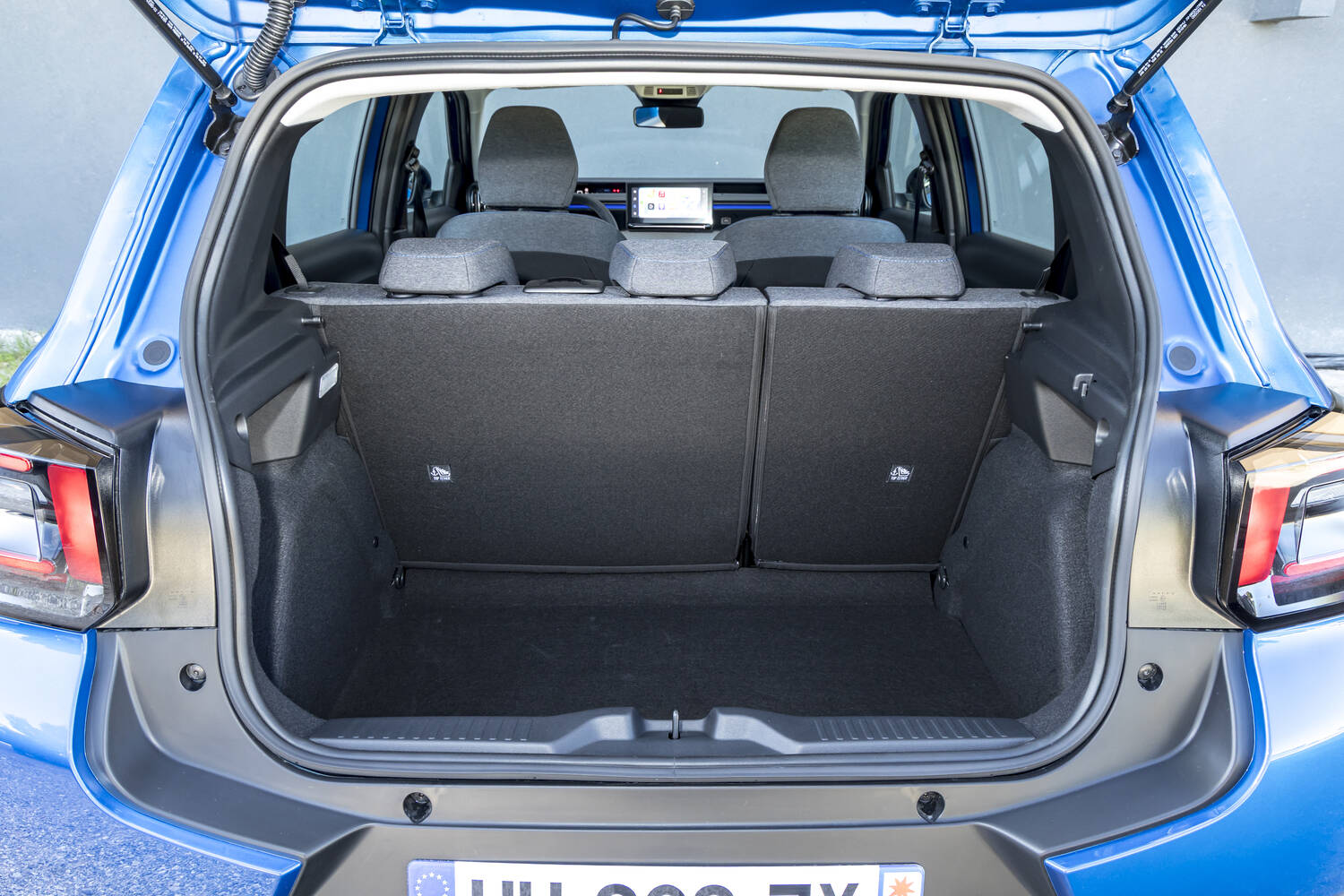
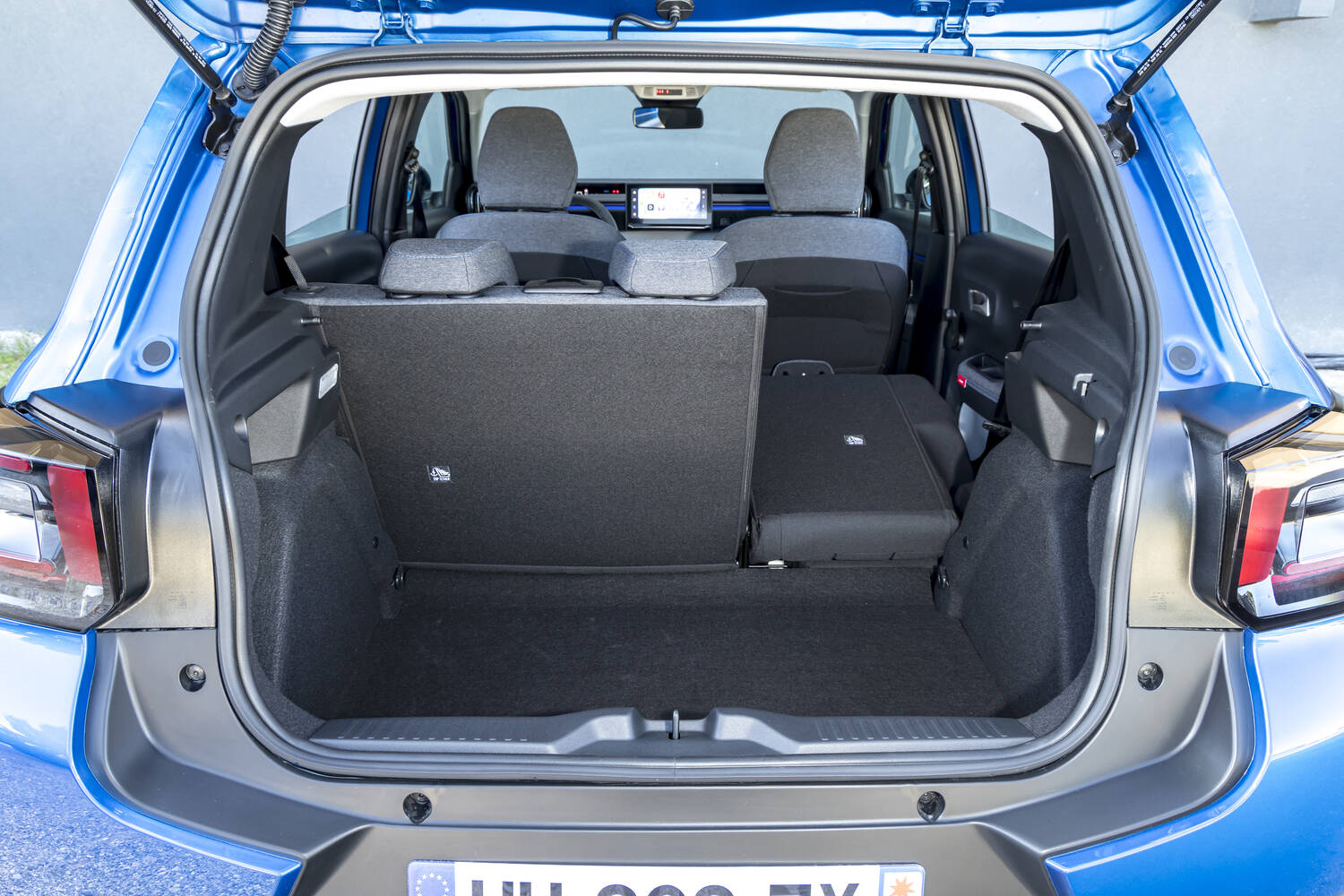
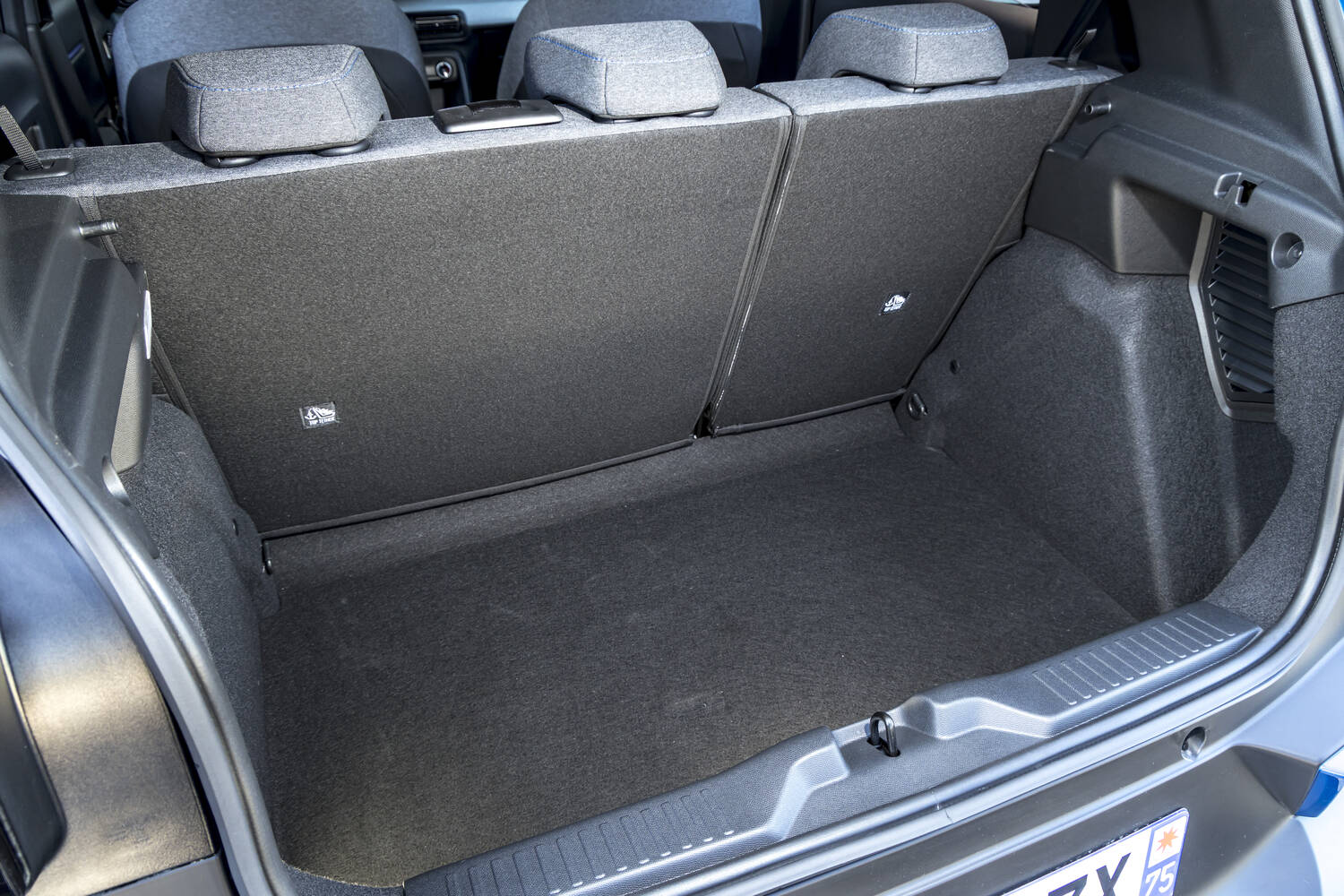
At 310 litres with all seats in use, the cargo bay in the Citroen C3 is a decent size and shape. The floor is quite low, though, creating a pronounced loading lip, and features in this area are limited to lashing eyes in the floor and a small hook moulded into the luggage cover's running rails. The rear seats, meanwhile, split-fold in a 60:40 arrangement.
Safety in the Citroen C3
The Citroen C3 has not been tested by Euro NCAP. It does have active lane departure warning, a driver attention alert, active safety brake and lane keep assist among its standard-fit advanced driver assistance systems, but it's unclear as to how it would perform in the latest, most stringent assessments carried out by Euro NCAP.
Performance of the 2026 Citroen C3
- Petrol, hybrid and electric options
- EVs are short-range
- Ride comfort and refinement excellent

The petrol and hybrid versions of the Citroen supermini are sold as C3s, and both use a turbocharged 1.2-litre three-cylinder petrol engine driving the front wheels.
For the standard petrol C3, this delivers 100hp and is linked to a manual gearbox, while the hybrid raises the power output to 110hp and employs an automatic transmission. These C3s do 0-100km/h in 9.8 (hybrid) and 10.6 seconds (petrol).

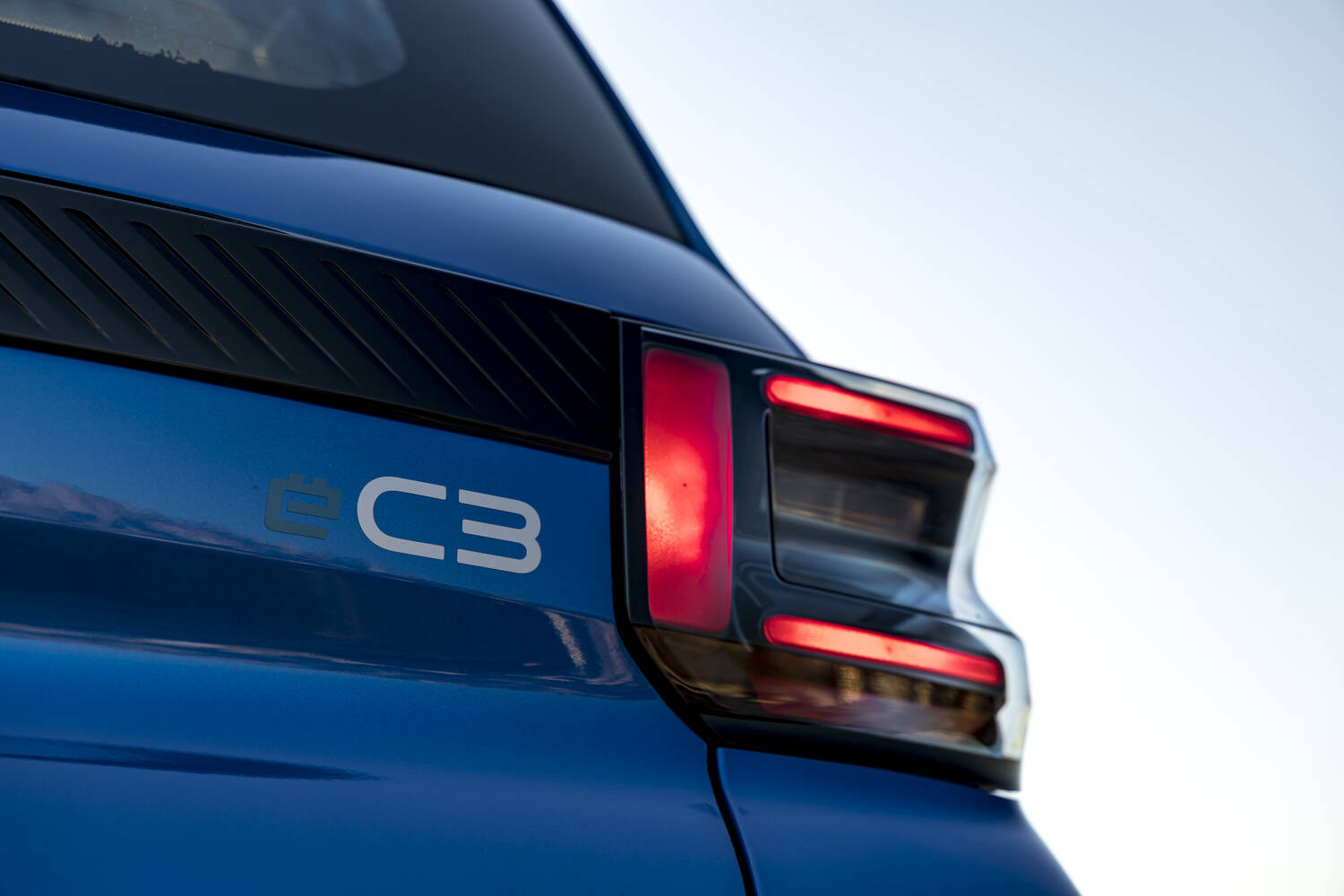
The electric variants go under the slightly different badge of e-C3, and they come in 200km and 320km formats according to roughly how far they can go on a charge.
Both, however, use the same 113hp electric motor and are officially claimed to perform 0-100km/h in 10.4 seconds. This is odd, as the 200km variant is about 78kg lighter than the 320km, due to its smaller battery pack.

Driving the Citroen e-C3 200km on French roads
Words by Matt Robinson on 2 May 2026
You'll discover the shortest-range Citroen e-C3 - called the 'Urban Range' in other markets but not here - is most happy in precisely that environment: urban streets.

Its wonderfully supple and forgiving suspension makes a mockery of cratered city roads, soaking up all but the very worst imperfections in the tarmac. When its simple torsion-beam rear suspension does get caught out, the resulting bounce from the chassis is slightly more uncomfortable for those in the back seats than it is in the front, but it's by no means terrible when it happens.
Remarkably, for a car centred entirely on town and city driving, the e-C3 200km is also thoroughly adept on the motorway, where its suspension gives a fantastic, controlled and comfortable ride at 110km/h, just as much as it performs admirably below 50km/h.

Furthermore, the electric Citroen is quiet at these speeds, so it can hold its own outside of built-up areas - despite the fact that's not what it was conceived for.
However, although it's peppy enough up to 100km/h, the 113hp and meagre 124Nm limitations of the electric powertrain mean the e-C3 is far happier when it's not being driven hard.

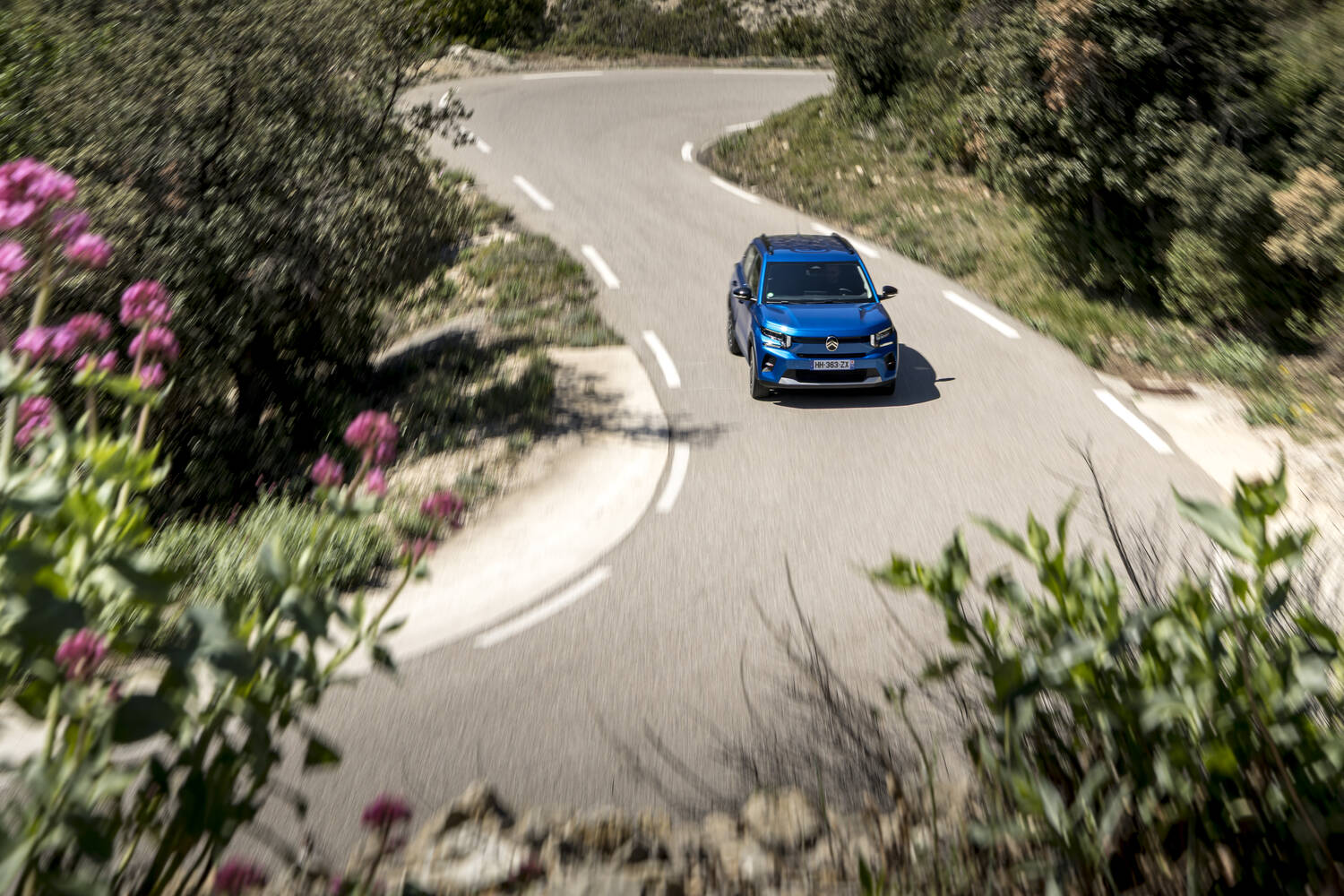
And this is good news, because the soft springs and cushioning dampers mean there's a considerable amount of body movement if you start driving the car enthusiastically on a twisting road, while the light, feel-free steering is not in the slightest set up for this sort of tomfoolery. There are better superminis available than this, petrol or electric, if you're a keener driver.
No, the kinematic strengths of this Citroen are that it is light on its feet, it's nimble and easily manoeuvrable and it's capable of offering big-car comfort and refinement levels if you treat it right.

Range, battery, charging and running costs of the 2026 Citroen C3
- All powertrains are efficient
- Two battery sizes for EV
- Up to 325km of range

Fuel consumption on the petrol and hybrid Citroen C3 derivatives sits in the band 4.8-6.1 litres/100km (or 46- to 59.2mpg), with CO2 emissions of 114g/km for the part-electric variant and 128g/km from the pure petrol model.
When it comes to the e-C3, there is just one electric motor used but a selection of two battery packs to go with it - ultimately leading to a four-powertrain family in the wider C3 line-up.
Battery options and official range of the Citroen e-C3
In 2024, the Citroen e-C3 was launched with a solitary 44kWh lithium-iron-phosphate (LFP) battery that provides up to 325km of range. It was joined in 2026 by a 200km alternative, which instead deploys a LFP battery of 30kWh capacity - which brings its outright range between charges down to 209km.

Real-world range and efficiency of the Citroen e-C3 200km
We drove the e-C3 200km for 90km, right through the middle of Marseille, up and down a twisting, narrow road to the coast, and then on faster suburban and motorway routes back to the city's airport. The temperature was warm, approaching 20 degrees C, and the climate control was running permanently to cool the cabin.
The overall consumption figure it ended up at, having run its battery down to less than 40 per cent indicated in the process, was 17.5kWh/100km, just 0.6kWh/100km off the official figure. That'd be a real-world 171km in total, assuming you ever drive it on motorways at more than 110km/h during your ownership.

Impressively, in the congestion of Marseille's maze of central streets, it was running at 14.3kWh/100km.
Citroen draws attention to the WLTP city cycle range of the car with the smaller battery, which stands at 300km. Something beyond 200km on a regular basis ought to be feasible if you stick purely to urban areas.
Charging up the Citroen e-C3
Both e-C3 models have 7.4kW AC charging as standard, with the option to upgrade to 11kW capability if you have access to three-phase electricity.
At the typical 7.4kW domestic wallbox, though, the 200km would require two hours and 50 minutes to go from 20-80 per cent of charge, while the 320km model would be hooked up for four hours ten minutes.
When it comes to DC charging, the car with the bigger battery has a peak DC rate of 100kW and thus would take 26 minutes for the same 20-80 per cent charging cycle.
The 200km e-C3, however, only comes with a CCS Combo 2 port as an option, and if you add it then the maximum DC charging speed is a mere 30kW. This means that, despite its battery being smaller, it takes ten minutes longer at its swiftest to do the 20-80 per cent top-up than the 320km Citroen. It's pretty much designed for those that can charge up at home.
Servicing the Citroen C3
Citroen recommends servicing hybrid and petrol models of the C3 annually or every 16,000km. When it comes to the e-C3, that schedule extends to every two years, or 25,000km, whichever comes sooner.
Citroen C3 warranty
The standard Citroen Ireland warranty is a competitive five-year level of cover, with no distance cap on that level of back-up.
Irish pricing & rivals to the 2026 Citroen C3
- Highly affordable across the range
- 200km e-C3 the entry point
- Lots of varied competition to see off

The whole point of the 200km e-C3 is to democratise EV motoring for those who want to adopt electric technology, but who don't need to go hundreds of kilometres at a time on a regular basis.
As a result, it is the cheapest C3 of them all, coming in just one specification of Plus, from €22,455 including the maximum SEAI grant of €3,500 and VRT relief too.
There are some budget EVs which are even cheaper than that, but not many - and they don't tend to drive as sweetly as the Citroen.
However, as even the most-expensive C3 is the hybrid 110hp model in flagship Max specification, and it's only €29,700, no version of the Citroen is going to break the bank to either outright purchase or finance on a deal.
Plus-specification C3s come with rear parking sensors, cruise control with a speed limiter, manual air conditioning, all-round electric windows, automatic lights and wipers, the Advanced Comfort Suspension with Progressive Hydraulic Cushions, eco-LED front headlights and LED daytime running lamps, high-beam assist, powered, heated and folding door mirrors, 17-inch alloys, a bi-tone exterior appearance and the My Citroen Play 10.25-inch infotainment system complete with wireless Apple CarPlay and Android Auto as standard.
Stepping up to Max grade brings in a reversing camera, automatic climate control, an auto-dimming rear-view mirror, a heated and acoustic windscreen (not on the petrol version), heated front seats (also not on the petrol car), a wireless smartphone charger, front fog lights, LED rear lights, rear privacy glass, a heated steering wheel and a different design of upholstery and cabin finishing.

Bear in mind, as we've already said, the e-C3 200km can only be specified at Plus level. All the other three drivetrains are available in both trim grades.
Stylish EV alternatives to the e-C3 include the likes of the Renault 5 E-Tech electric and Fiat Grande Panda Electric, while petrol-fuelled competitors include vehicles such as the Hyundai i20, SEAT Ibiza and Toyota Yaris, among much more. A good budget alternative would be the Dacia Sandero.
Verdict - should you buy the 2026 Citroen C3?

In either petrol C3 or electric e-C3 form, this small, affordable and well-executed Citroen is a charming companion. Don't go in for it if you need a 400km-plus EV that'll sit on the motorway for hours on end, or if you want to hustle it down your favourite country roads.
But do give the Citroen C3 line-up earnest consideration if you want a great-value, ultra-comfortable little runaround that'll get the job done in a thoroughly agreeable, fuss-free fashion.
FAQs about the 2026 Citroen C3
Can the Citroen e-C3 tow anything?
Not as the 200km variant, but the 320km e-C3 is said to be able to haul 550kg of braked trailer. The petrol and hybrid variants, meanwhile, can lug up to 600kg behind them.
Is the Citroen C3 all-wheel drive?
No, in all formats the French supermini sends drive to its front wheels alone.
Is the Citroen C3 fast?
Not really, as that's not its raison d'être. Power ranges from just 100- to 113hp across the board, with 0-100km/h times in the zone of 9.8-10.6 seconds.
Want to know more about the 2026 Citroen C3?
If there's anything about the new Citroen C3 we've not covered, or you'd like help in choosing between it and other cars, you can avail of our expert advice service via the Ask Us Anything page.