

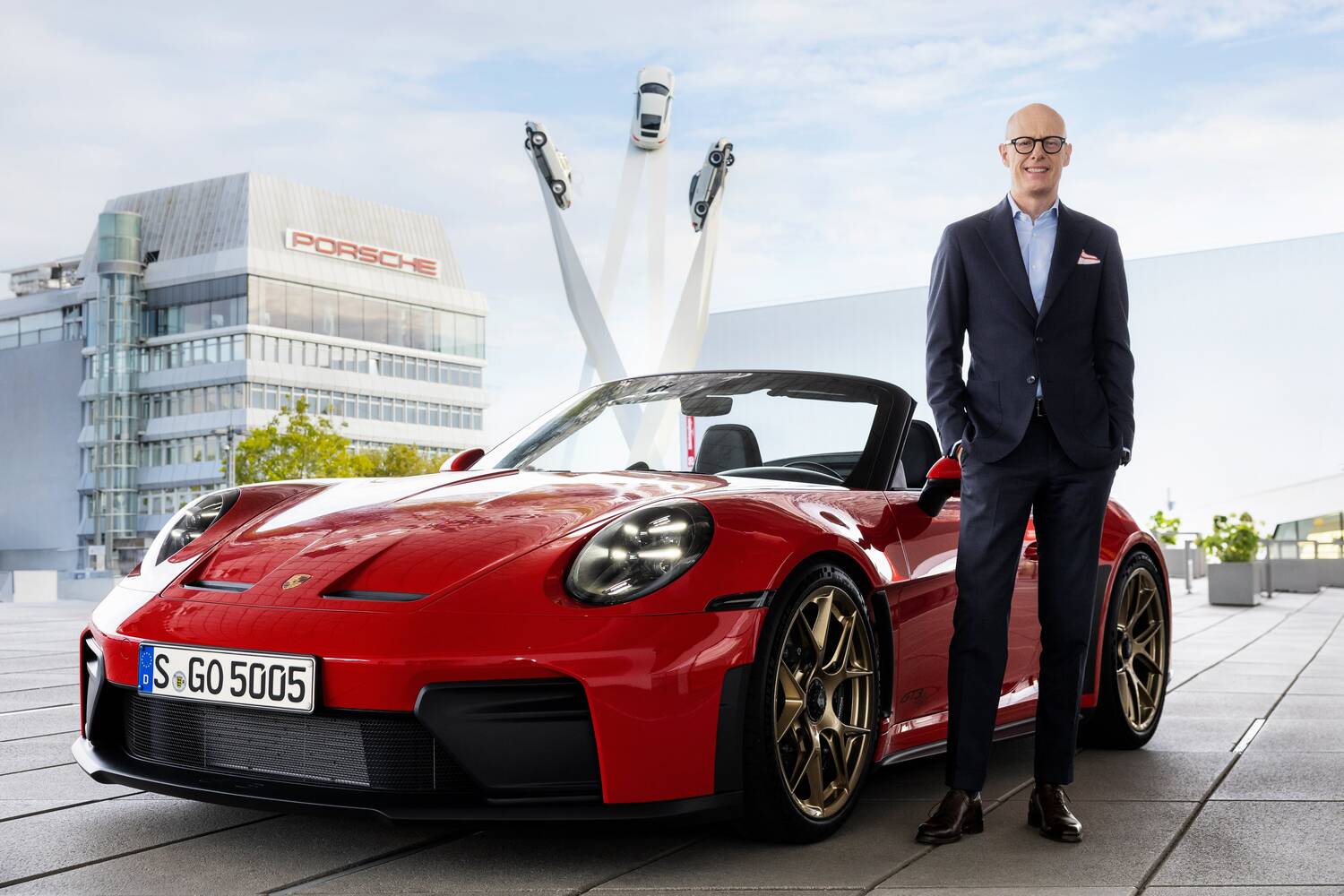
It’s a crisis that has rocked Porsche, and the wider Volkswagen Group of which it is part, but now the company’s recently-installed CEO, Micheal Leiters (formerly of McLaren) has announced a plan to bring profits back to Stuttgart. It’s time for “Sportwagenschmiede ’35”.
Can you translate that for us?
It literally translates as ‘Sports Car Workshop’ which is probably both a nod to the fact that while other models have suffered from falling sales, the classic 911 has been something of a financial rock for Porsche to cling to recently; as well as a reference to the original woodshed in Gmund, Austria, where the first ever Porsches were made in 1948.
Translation aside, what does it mean?
The basic premise behind Sportwagenschmiede ’35 is to make fewer cars, but to earn more profit from each one.
Porsche made 279,449 cars in 2025 but that made the company an operating profit of just €413 million — roughly 93 per cent less than in 2024, a disastrous number driven by the “China Crisis,” US import tariffs and a €2.4 billion write-down for “streamlining and reshaping strategy.”
Under Leiters’ new plan, Porsche will aim to hit its break-even point at less than 200,000 cars, and to push further into bespoke and more upmarket models in the search of higher profits. The abridged version is: value over volume.
Is that a momentous change?
Yes. Ever since Porsche launched the Cayenne SUV, and then the hugely successful Macan, it has essentially relied on big sales of those highly profitable models to subsidise the development and smaller sales of cars such as the 911, Boxster and Cayman.
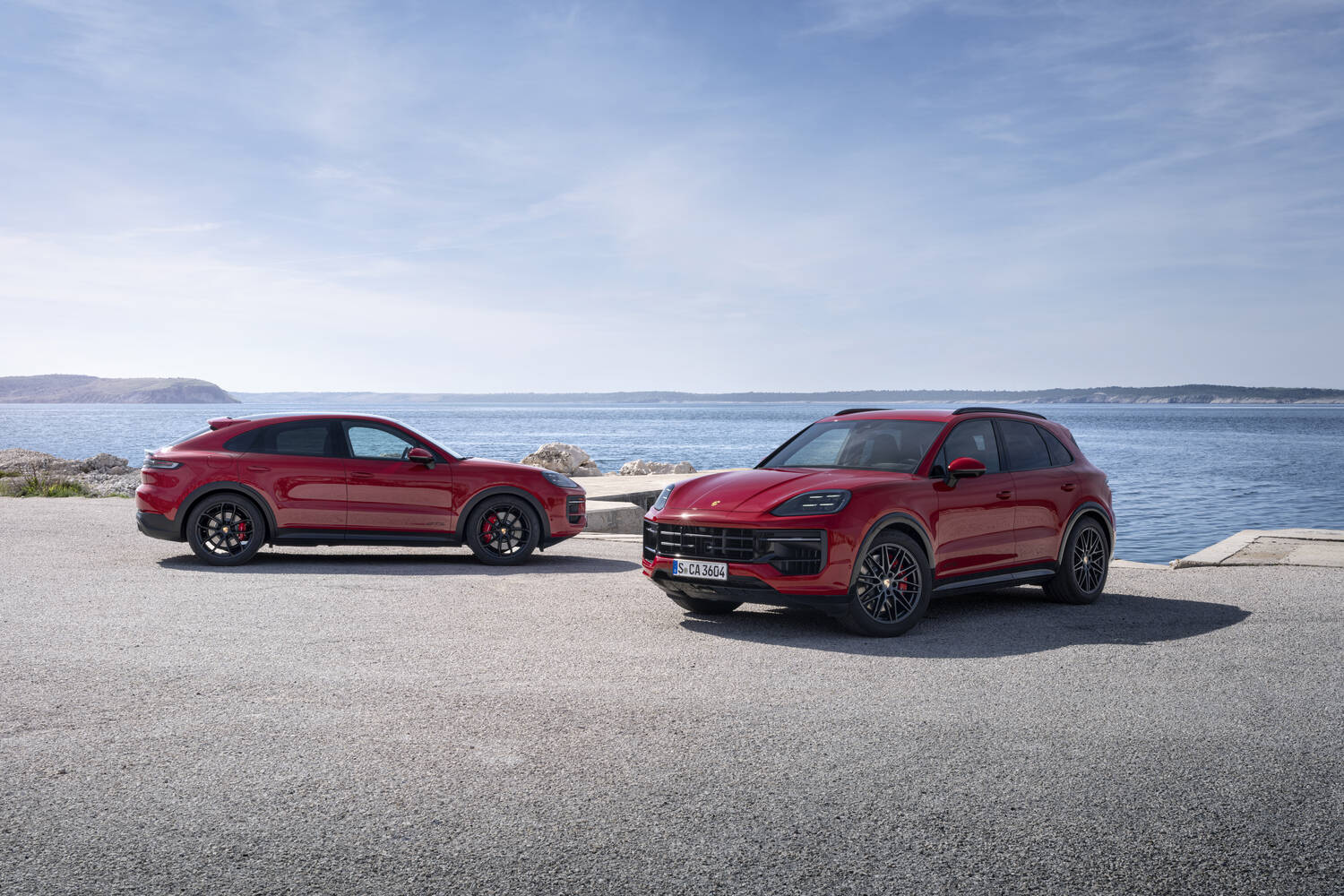
Now, that plan will be kind of (but not quite) reversed. Porsche’s model range will shrink, at least in terms of the number of different variants of each model, and it’s expected that one of the first big moves will be to combine the Panamera and Taycan lineups into a single car.
This will have the choice of combustion or electric power — just as Porsche currently does with the Cayenne. The launch of the all-electric Macan, with no combustion alternative, is now seen as a misstep, and so Porsche is racing to develop a new combustion-powered mid-size SUV to sell alongside the Macan.
Will that be the first new car we see under this plan?
No, that honour will fall to the replacement for the current 718 Boxster and Cayman - and the launch is imminent. Originally slated to be fully electric models, Porsche has decided that’s too brave a move — in spite of the recent dramatic climb in electric car sales — and so combustion-engined versions are also being engineered.
“We are pursuing a clear plan with our strategy Sportwagenschmiede '35. The ultimate goal is to further strengthen our unique sports car brand – across all model lines and with new, highly desirable models in particularly high-margin segments,” said Leiters.
“Our strategy will lay the groundwork to make Porsche significantly more efficient, productive and profitable in three phases. At the moment, the main focus is on reducing costs and making the company more financially robust. We have already achieved some important milestones.”
What are those milestones?
Sadly, one of the big milestones is job losses — an unpleasantly common refrain in the European car industry right now.
Porsche’s plan is to shed 9,000 jobs between now and 2035, with most of the axes falling in management offices, and somewhat fewer in manufacturing and engineering departments.
Porsche refers to this as “a socially responsible reduction” but that’s still 9,000 people now looking for new work.
There’s also been the sell-off of Porsche’s stake in both Bugatti and Croatian car maker and battery expert Rimac, which has already netted Porsche a handy €1 billion.
Leiters said: “Our strategy focuses very much on our medium-term ambition so that the measures and the associated results take effect as early as possible. The term 'Sportwagenschmiede' was deliberately chosen because it captures everything Porsche aims to stand for in the future: our aspiration to offer the sportiest vehicles in every segment, but also craftsmanship, down-to-earth thinking and entrepreneurial, business-focused action. Our goal is to be attractive to all stakeholders: our customers, our workforce, our partners and our investors.”
What new models might we see?
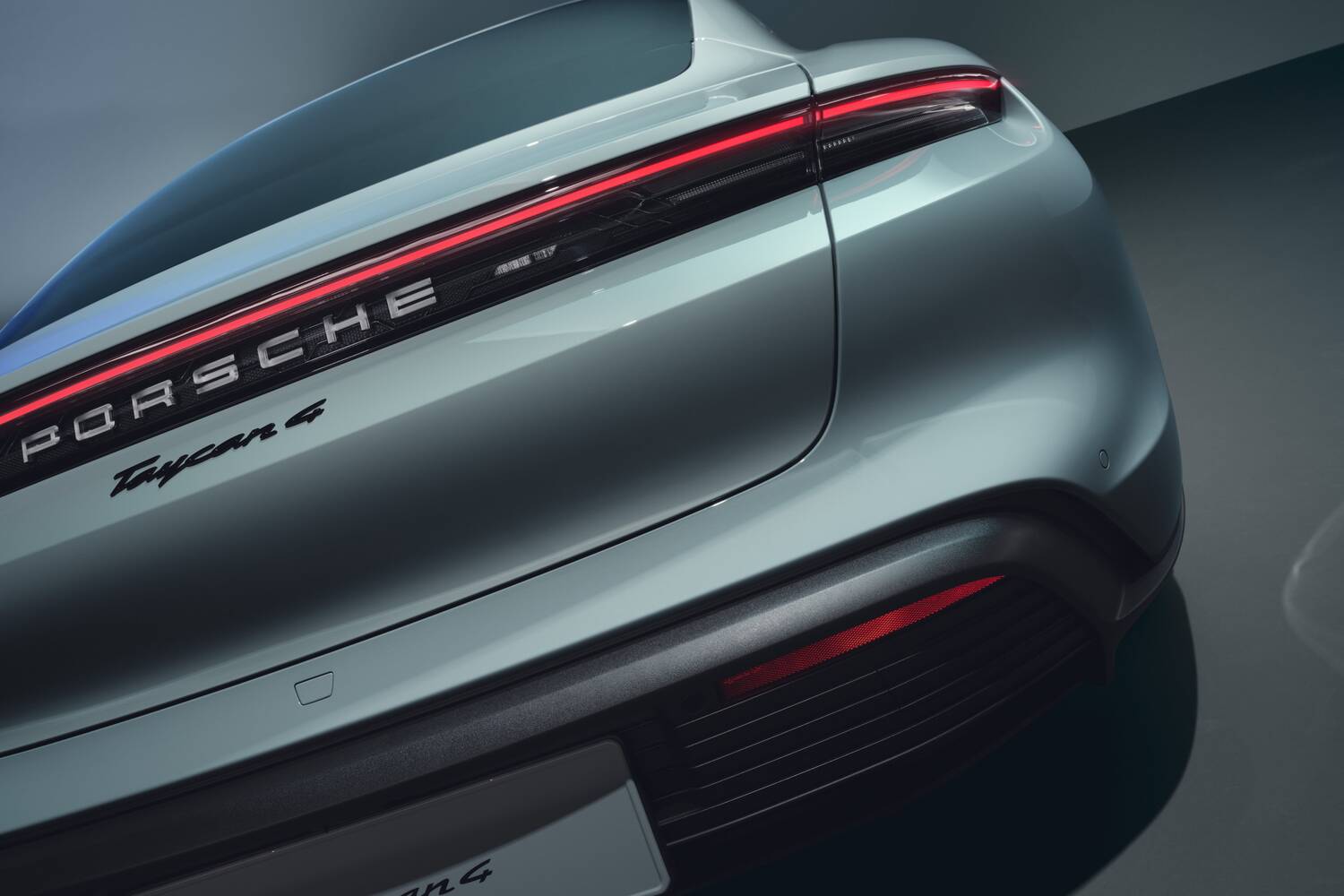
Good question. There will be some all-new models in this mix, and not just the new Macan cousin and the replacement for the Panamera/Taycan.
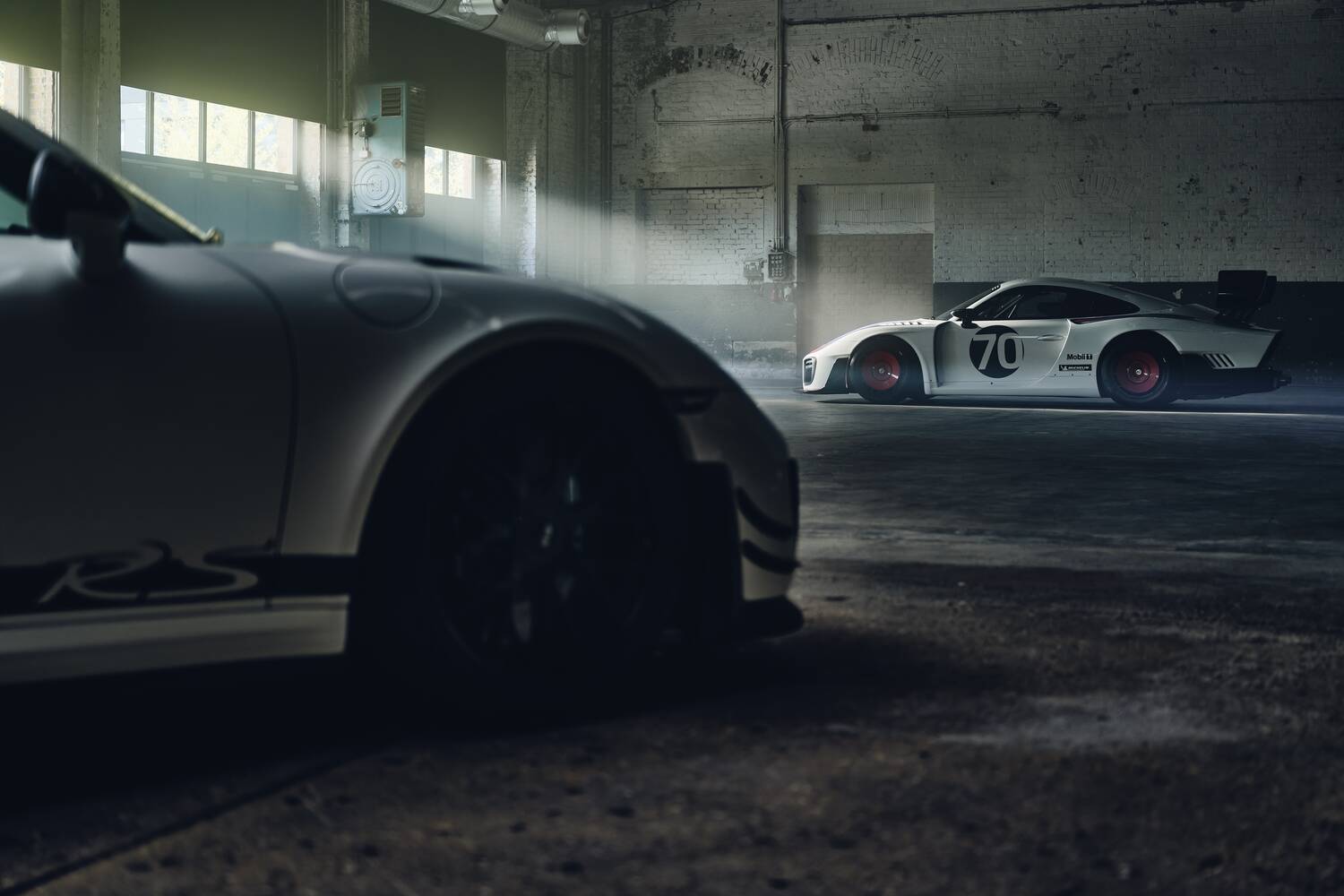
Porsche says that it is “planning to position the brand at a higher level” and means two things. On one hand, it means more high-end and bespoke versions of existing models, especially the 911 (we’ve already seen some of that in the shape of the recent one-off ‘Flatnose’). To do that, Porsche will expand its efforts with its in-house racing team, Manthey (it’s going to increase its ownership stake in Manthey to 67 per cent), as well as putting more effort into ‘Sonderwunsch’ and ‘Exclusiv Manufaktur’ options and models.
Yeah, but those are just variants. What about new cars?
There are some hints in the plan. Already Porsche is speaking of a model that sits above the Cayenne in the lineup, a super-luxury large SUV and, while that’s not a model we’re generally thrilled about, the Audi Q9 platform is sitting right there, waiting to be used.
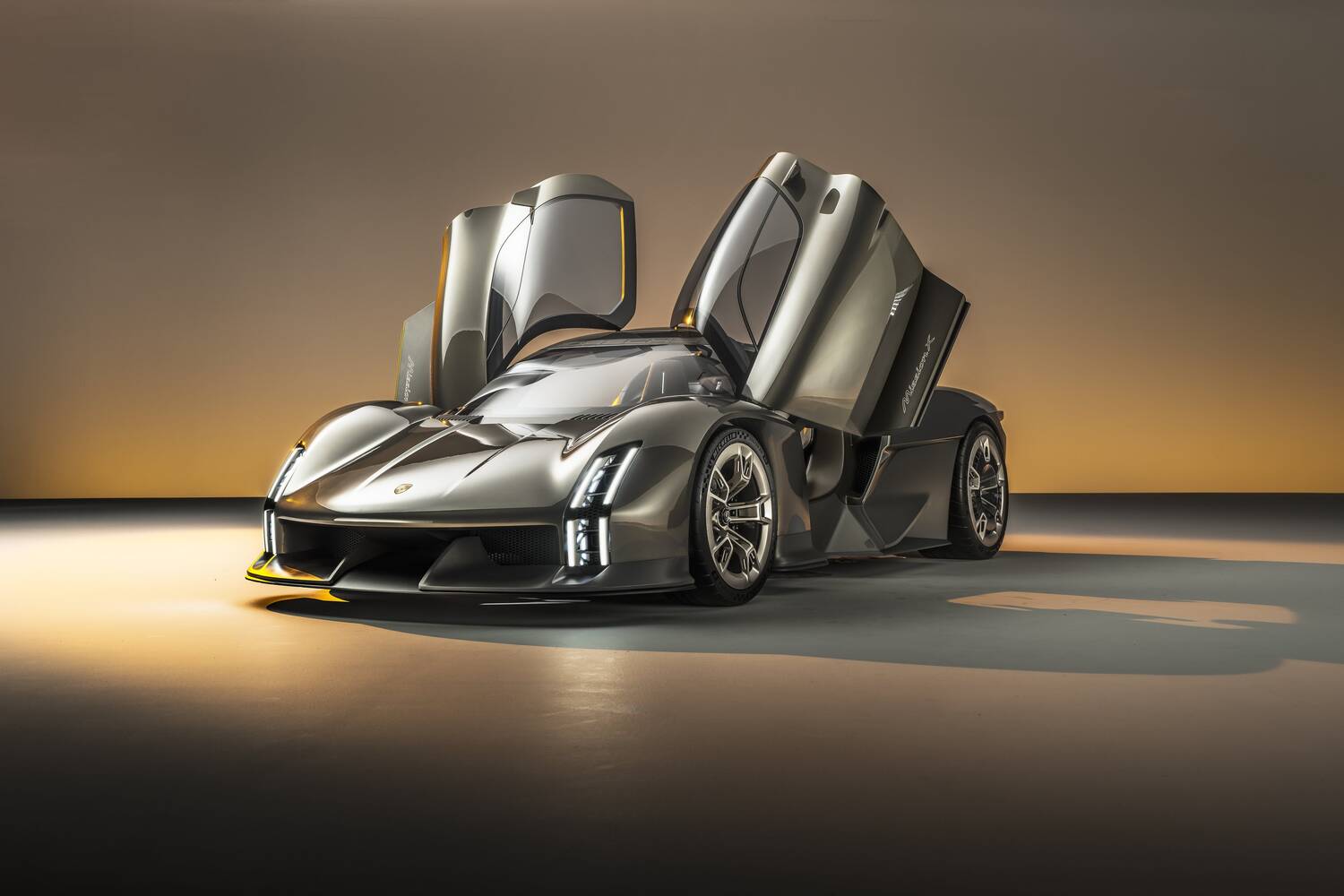
On a more exciting note, Leiters also mentioned a new model that sits above the 911 in the sports car lineup. Now, details on that are scarce-to-non-existent but Porsche has previously shown the stunning Mission X concept car.
While that was originally shown as an all-electric hypercar, expect (most of) the batteries to be ditched and a petrol engine parachuted in for a true successor to the legendary 918 Spyder.
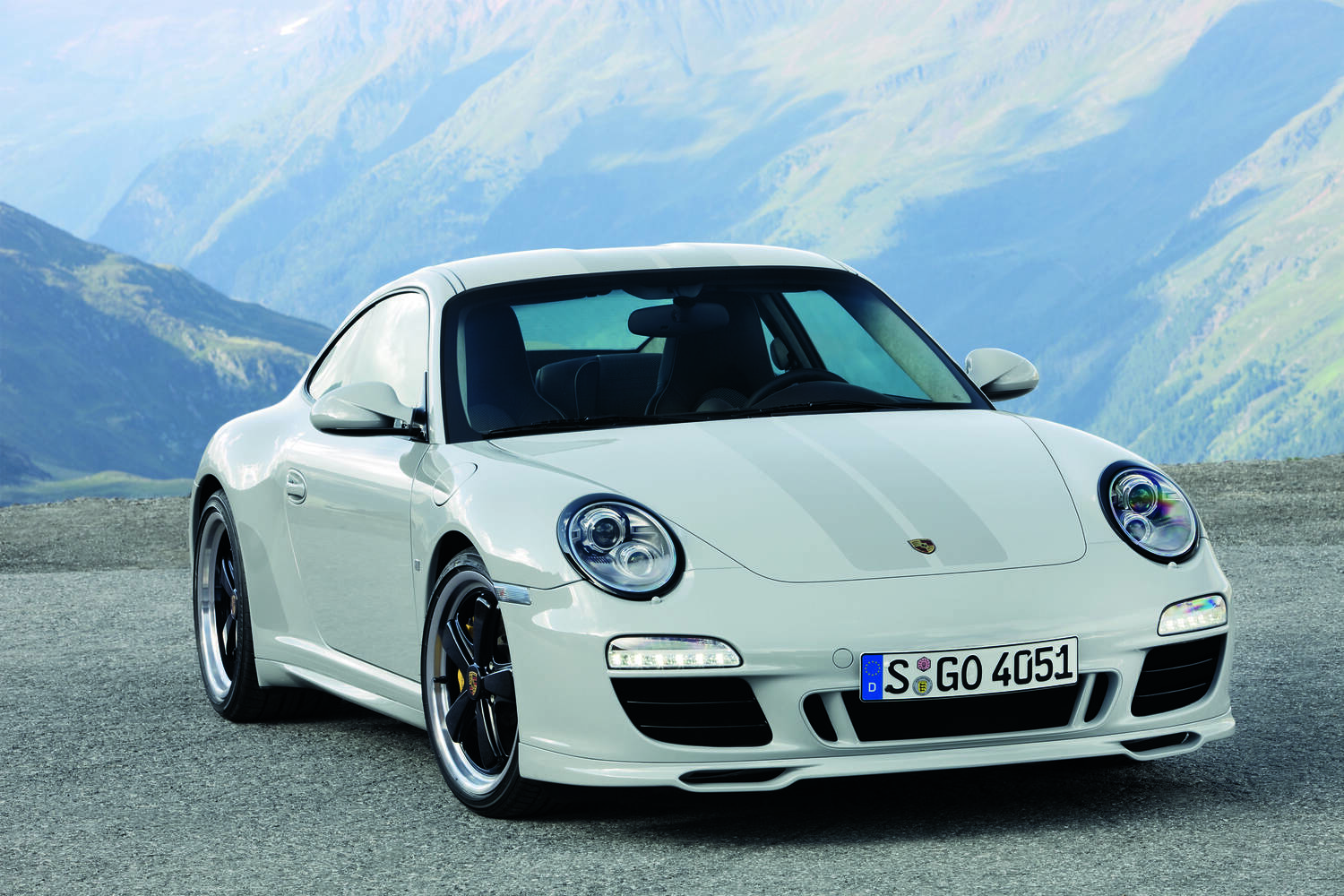
On top of that, Leiters confirmed that the 911 range “will be strengthened with highly emotive derivatives.” New Sport Classic anyone?
Whatever else, Porsche has committed to launching “at least one brand-defining new product every year” between now and 2030, so that’s at least three new Porsches over which to drool and debate.
Is Porsche going to abandon electric power?
No, of course not. It can’t do that, but what’s happening now is the pulling back from a rushed all-electric strategy into a potentially more sensible, nuanced plan of mixing electric and combustion options in each model lineup according to the needs of each market.
Porsche has said that investment will continue, alongside Audi, in the PPE and PPC platforms electric car platforms, so all-battery Porsches are definitely not dying off.
Will there be an electric 911?
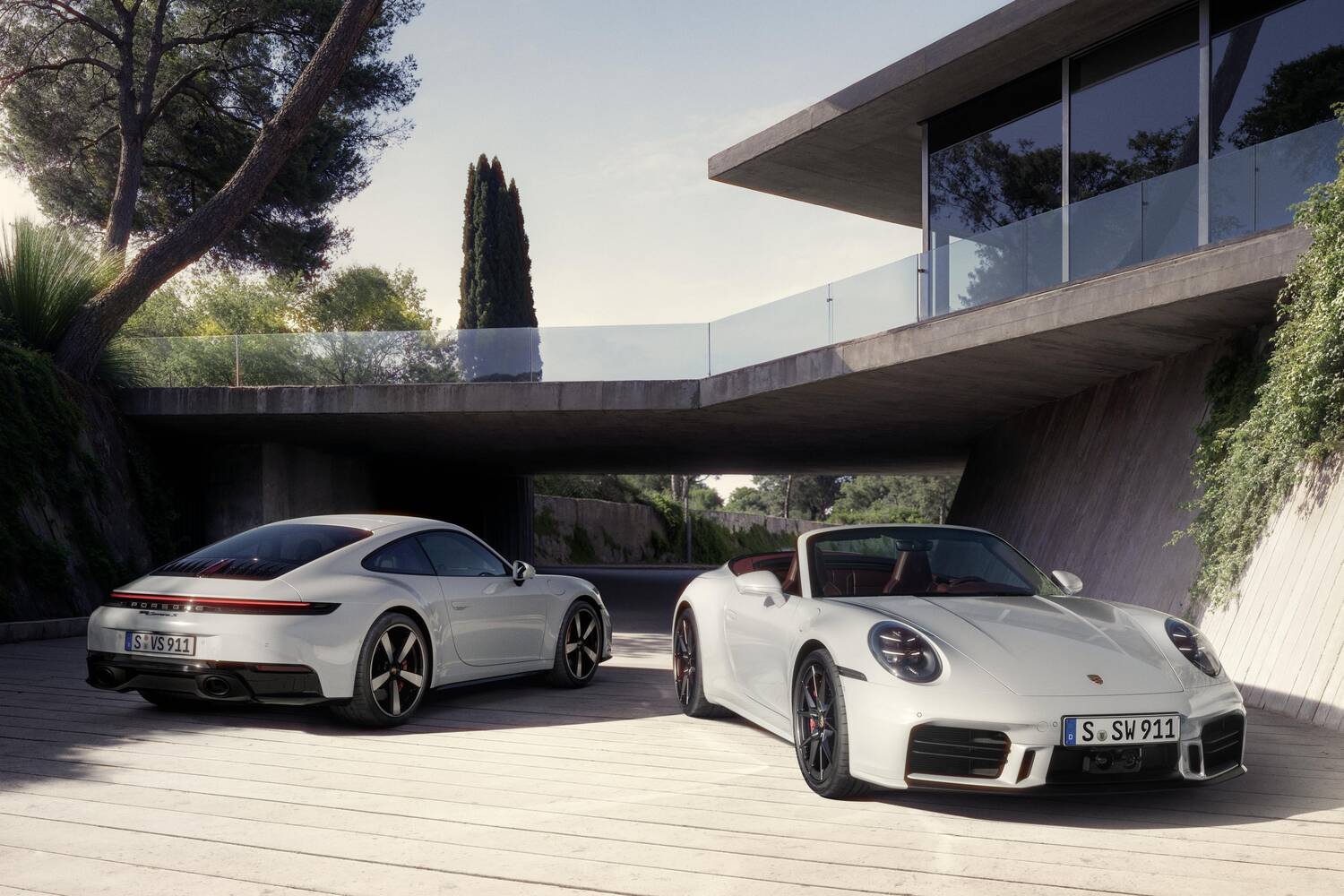
Porsche has consistently said that the 911 will remain a combustion model for the foreseeable future, and that hasn’t officially changed with this turnaround plan but that might become a problem in years to come.
Complete Car spoke to Peter Wells, Professor of Business and Sustainability at the well-respected Centre for Automotive Industry Research in Cardiff University, and his take was: “If anything, the resurgence of the 911 is a worry. Porsche has repeatedly said this will not be an electric model, but where does that leave market prospects in the future? Backtracking on strategy, especially on electrification, batteries and software, and reducing the numbers employed may cut costs but it does not cultivate the competencies needed for the future. Perhaps Porsche should think hard about the market signals and reconfigure as a smaller and more focused brand including an electric equivalent of the 911.”
Will all of this work?
It’s hard to create the typographical equivalent of a shrug, but that’s where we’re at. Porsche has gone from one of the richest and most profitable car makers on the planet to genuinely struggling, and that’s the kind of industrial shock we thought we’d never see.
‘Sportwagenschmiede ’35’ calls for around €45 billion in turnover and profit margins between 10 and 15 per cent on all models, which is potentially doable, but in an industry under daily assault from new Chinese competitors, and undermined by Trump’s tariffs, who knows what will actually happen?
If there is anything about this story we have not covered, you can avail of our expert advice service via the Ask Us Anything page.