

What’s under the skin of the Bentley Torcal?
Underneath is a Bentley-ised version of the PPE electric vehicle platform also used by Porsche and Audi. The closest relative to the Torcal, for now, is the Porsche Cayenne Electric, and like that car, the Torcal gets standard four-wheel drive thanks to two electric motors. The standard Torcal develops 821hp and 1,194Nm of torque, giving it a 3.4-second 0-100 km/h sprint time. It hardly seems necessary, but there’s an even more powerful Torcal S, which makes 888hp and 1,350Nm and does 0-100 km/h in just 2.9 seconds.
What is the range of the Bentley Torcal?
Bentley quotes an official 600km range figure for both models from a 108kWh battery, and the Torcal can charge at up to 400kW on DC, meaning one can put as much as 161km of range back in the battery in just seven minutes of charging. A 10-80 per cent charge takes just under 20 minutes at best possible power. To try and reassure Bentley customers about electric power, that battery gets a 10-year warranty.
How will it drive?
Good question. Bentley speaks a lot about careful tuning of the chassis for its own purposes, so it ought not to feel much like a Cayenne. There’s a claim of a ‘magic carpet’ ride quality, thanks to adaptive two-valve suspension dampers which not only react and respond in real time to the road surface, but which can also raise and lower the body as needed. In fact, the dampers are so clever that Bentley has done away with the active anti-roll system used by other high-performance SUVs in the VW Group. Underlining the expectation that this is the Bentley you’ll want to use around town, there’s also rear-wheel steering that cuts this big car’s turning circle to a mere 11.1 metres. Braking is by massive 420mm iron discs up front, which can be swapped out optionally for 440mm carbon-silicon-carbide (CSiC) ceramic discs.
What’s the styling like of the Bentley Torcal?
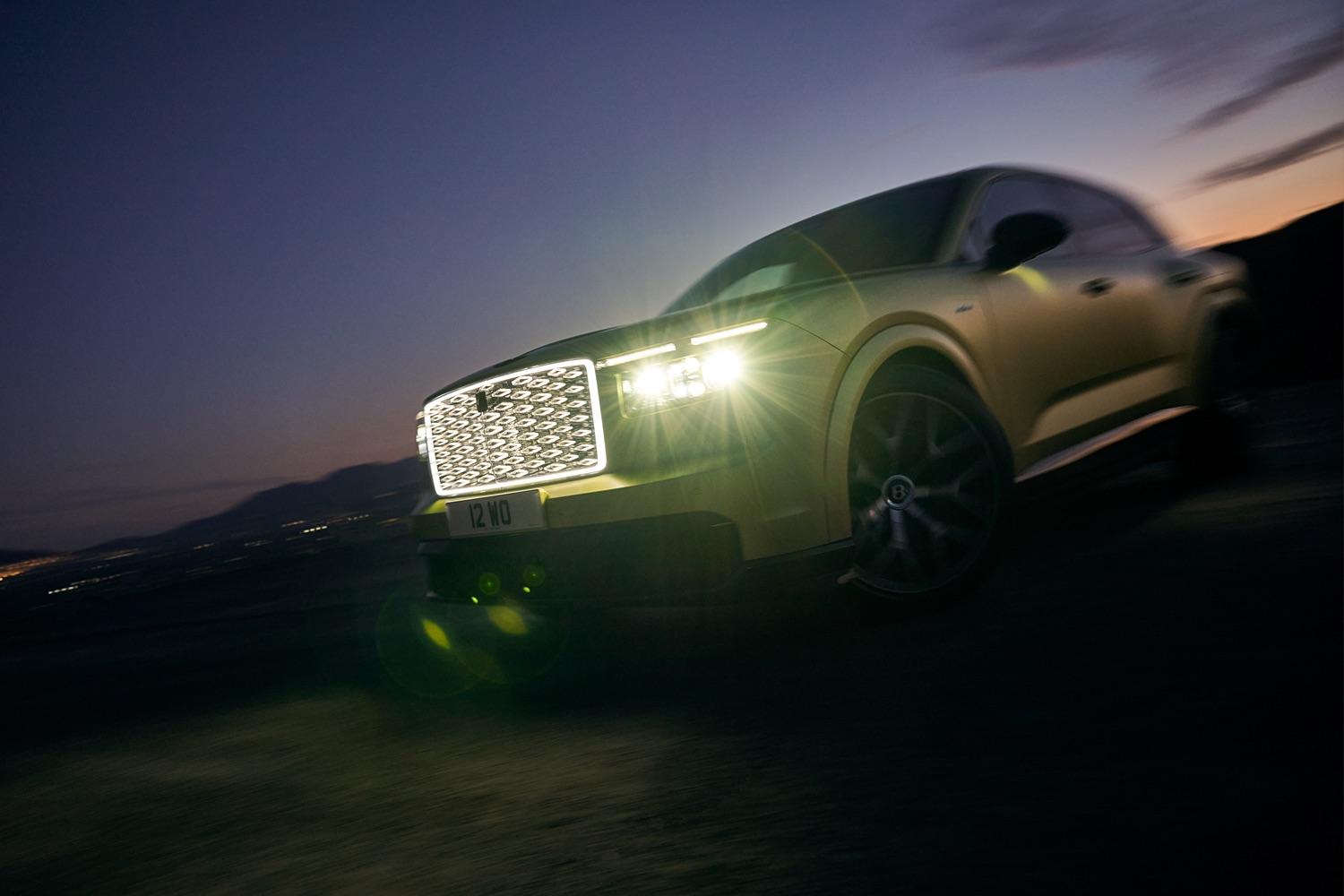
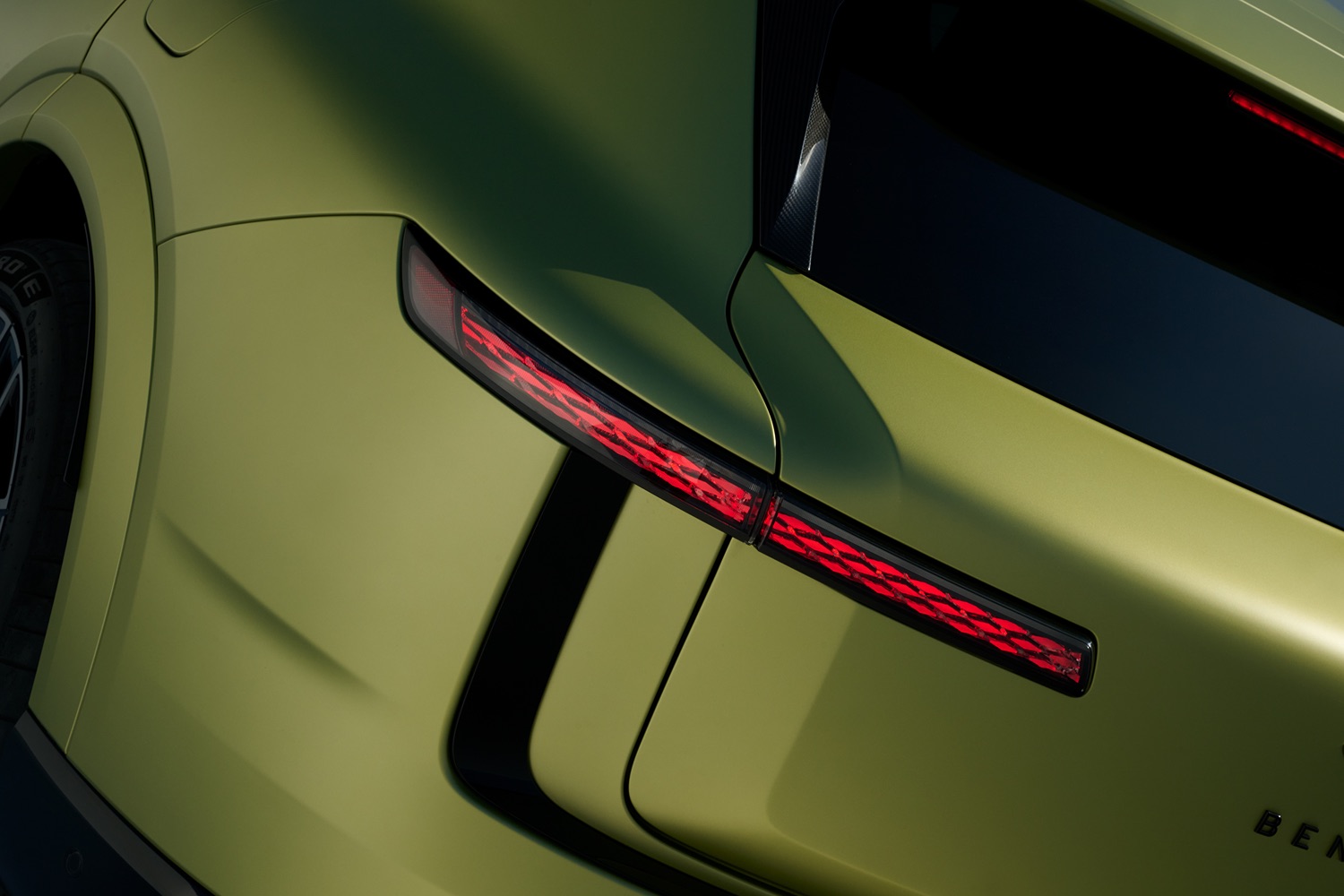
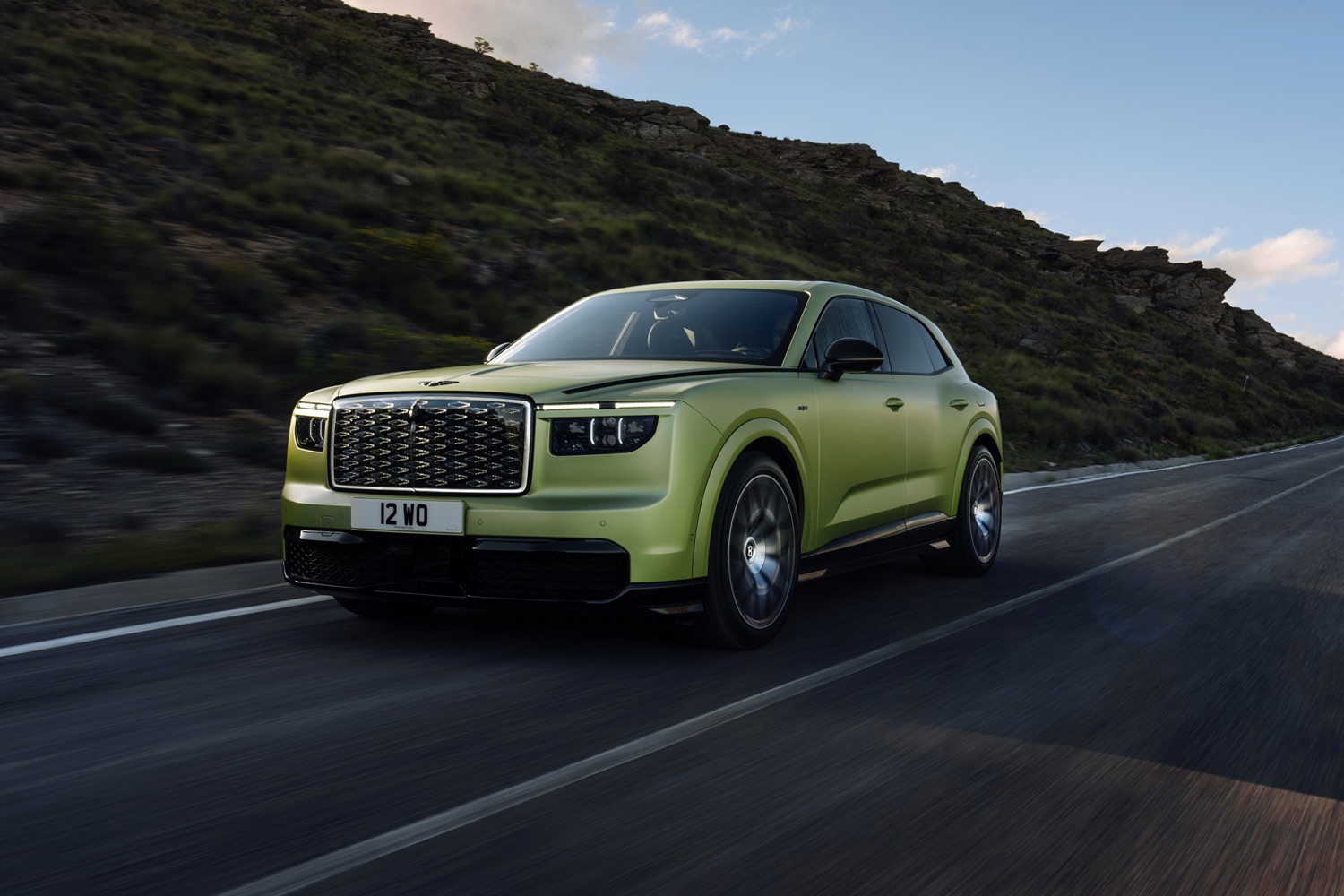
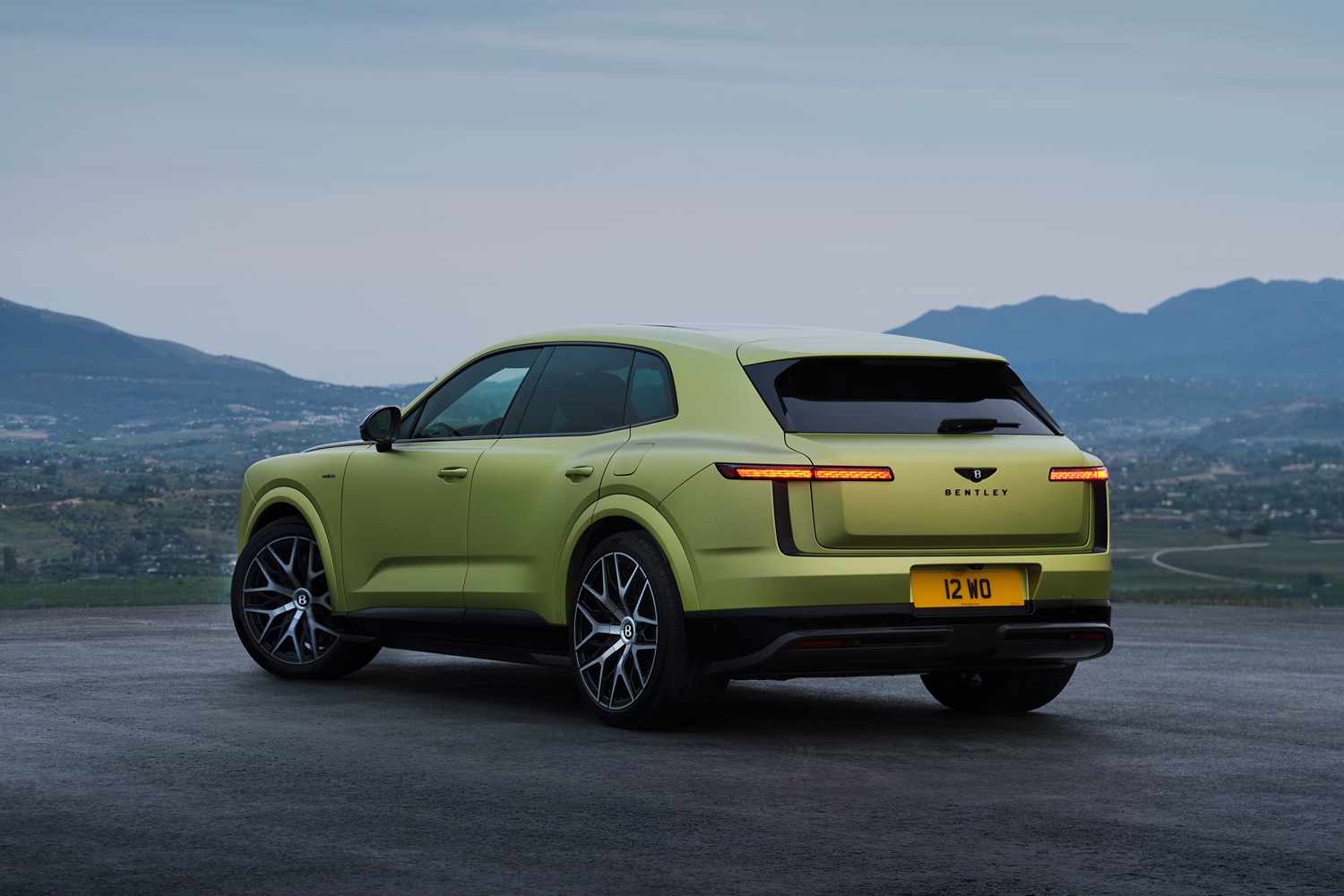
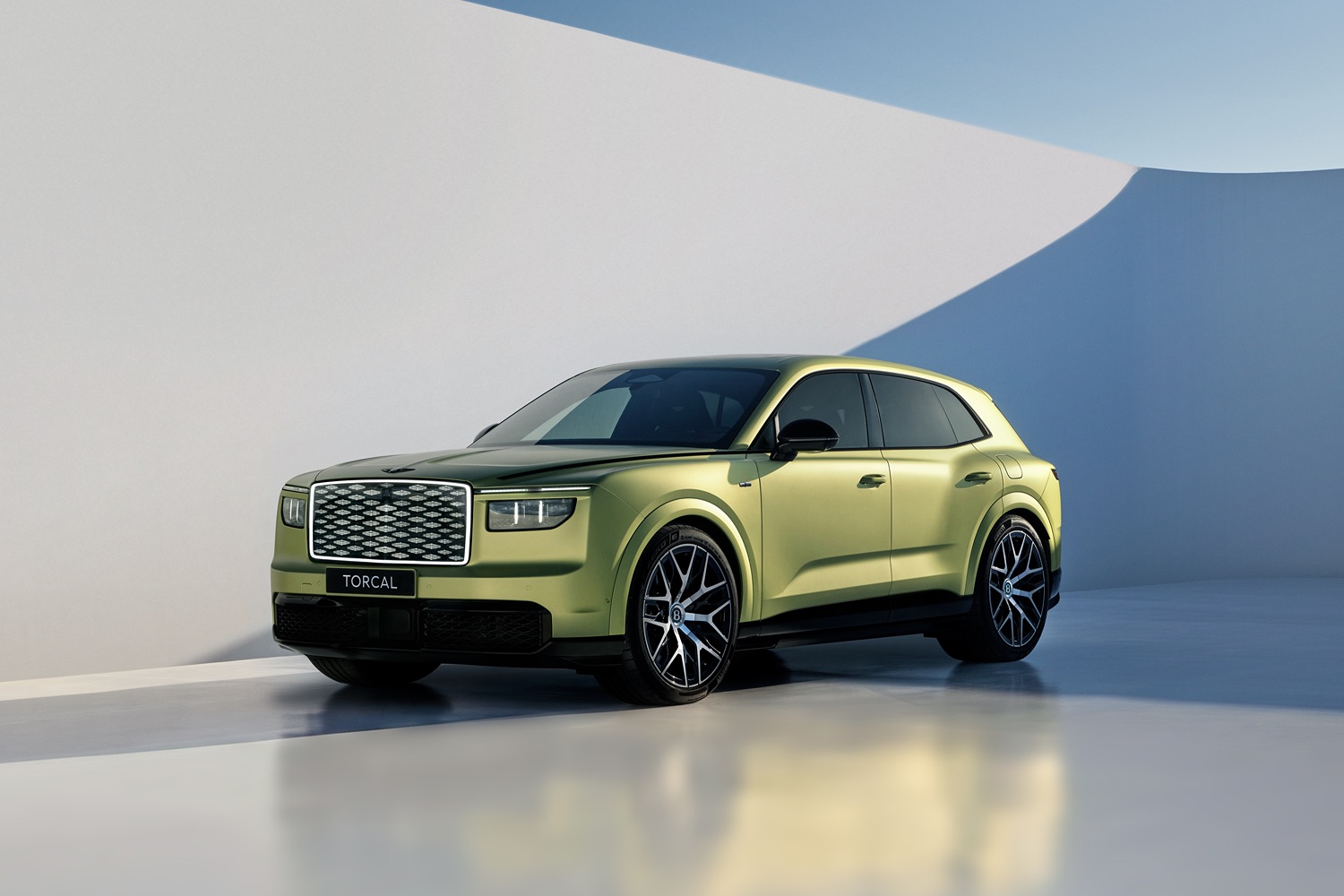
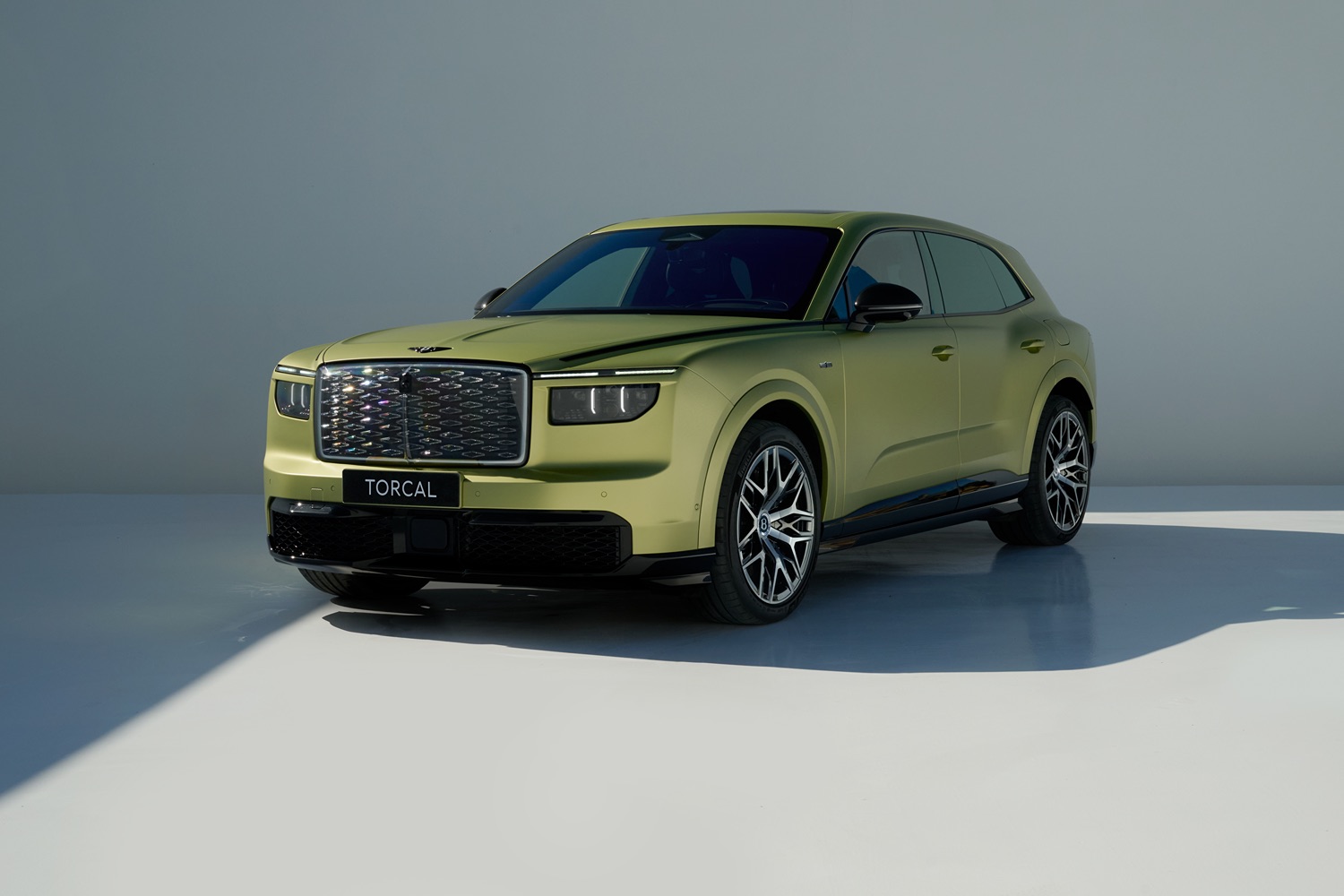
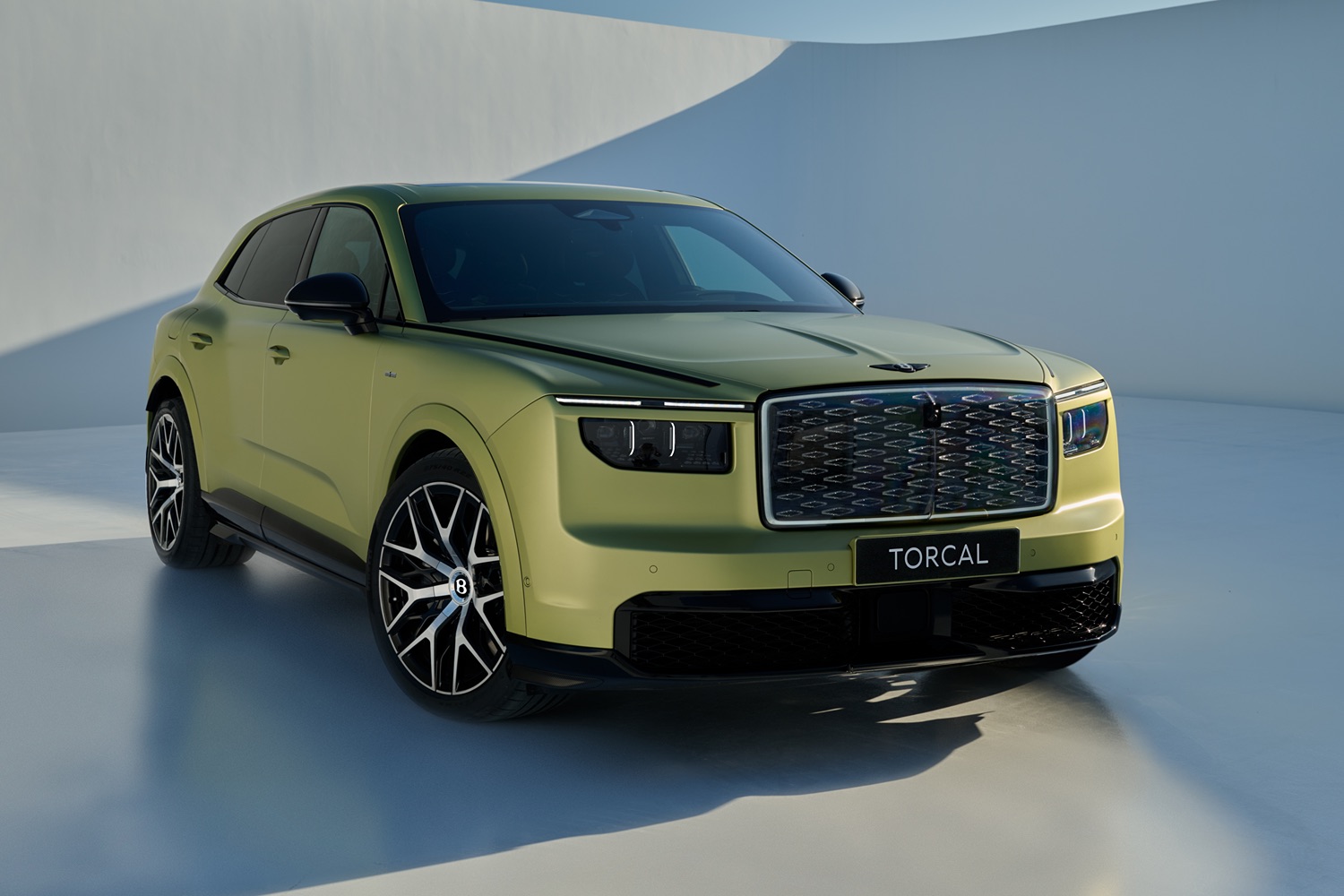
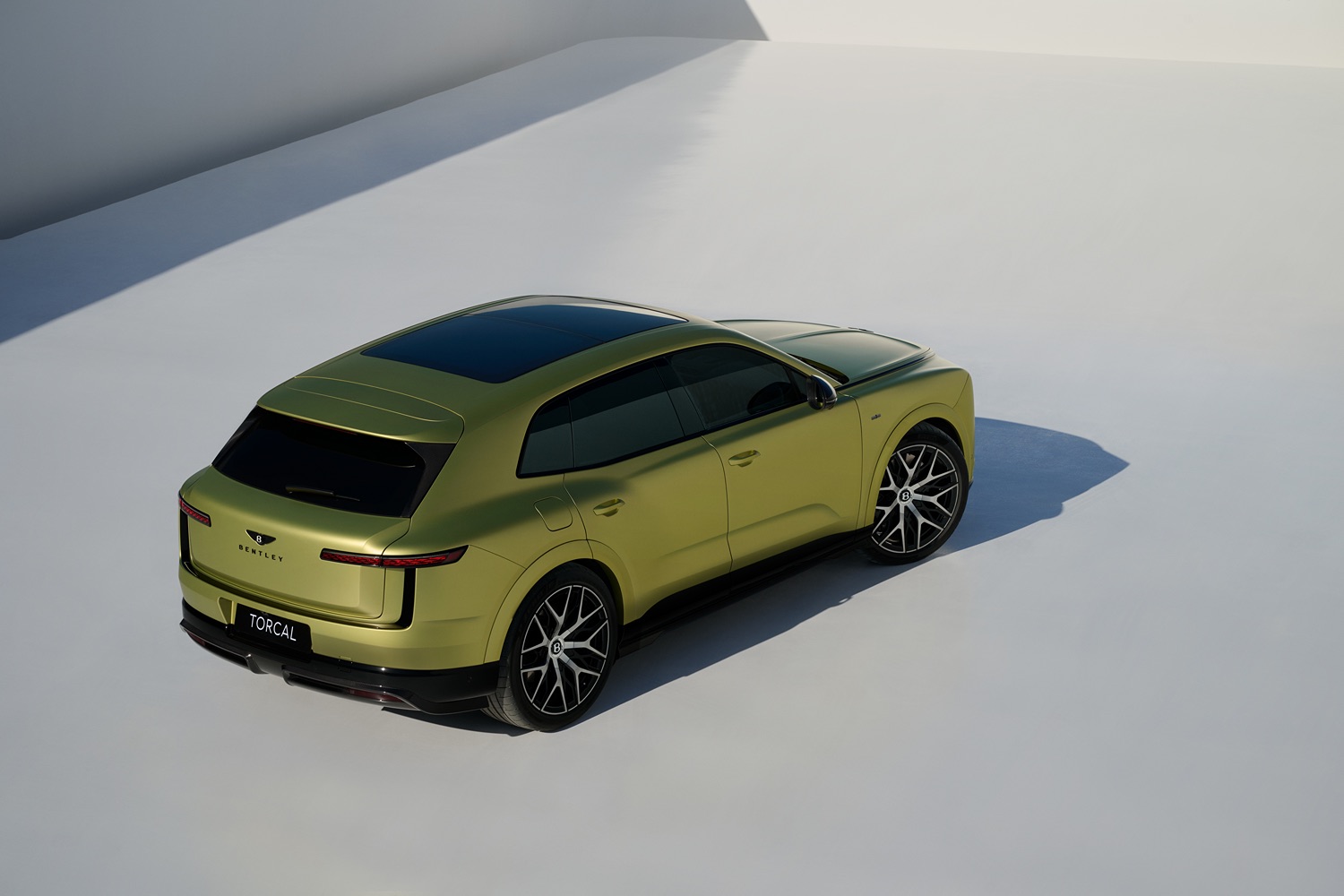
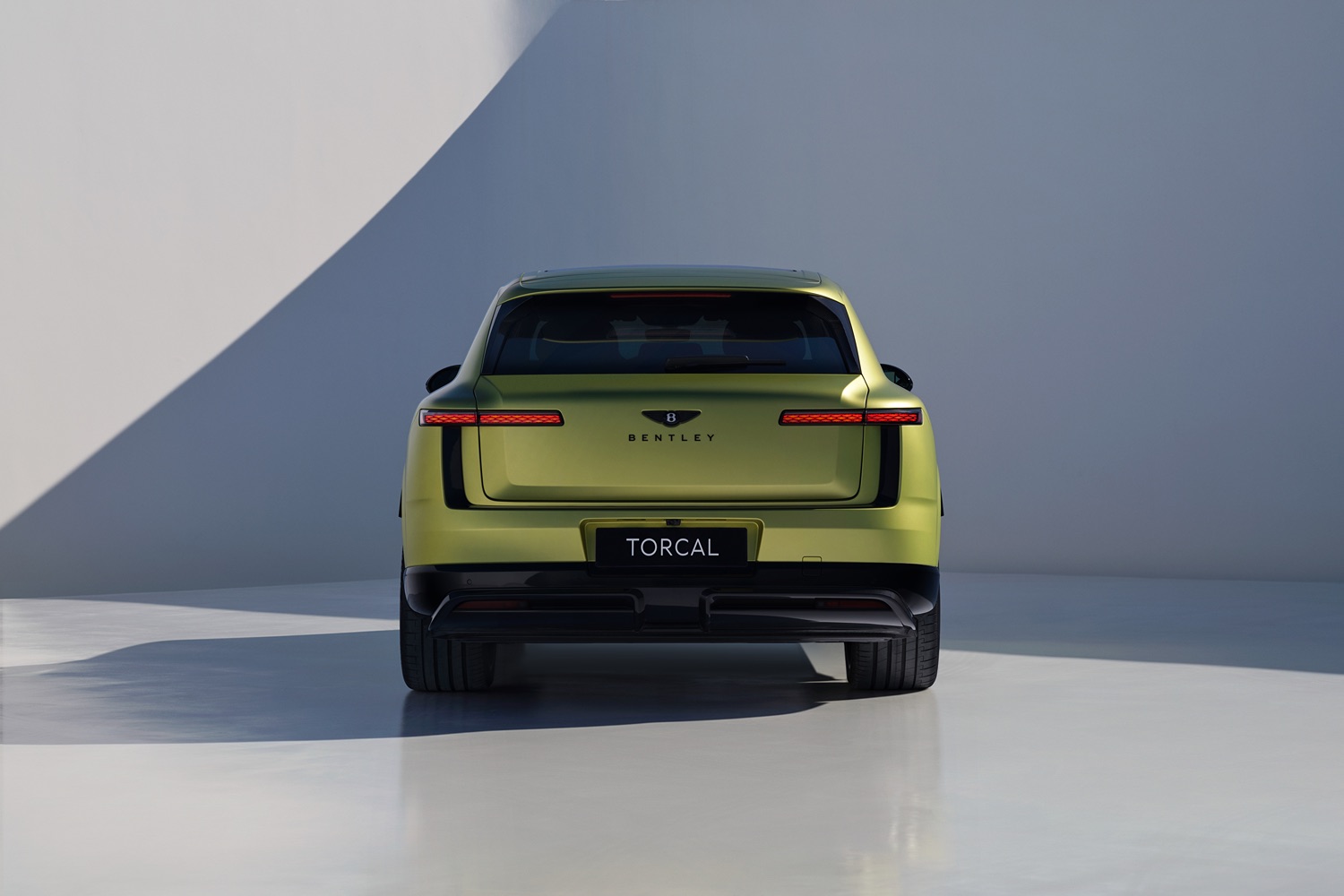
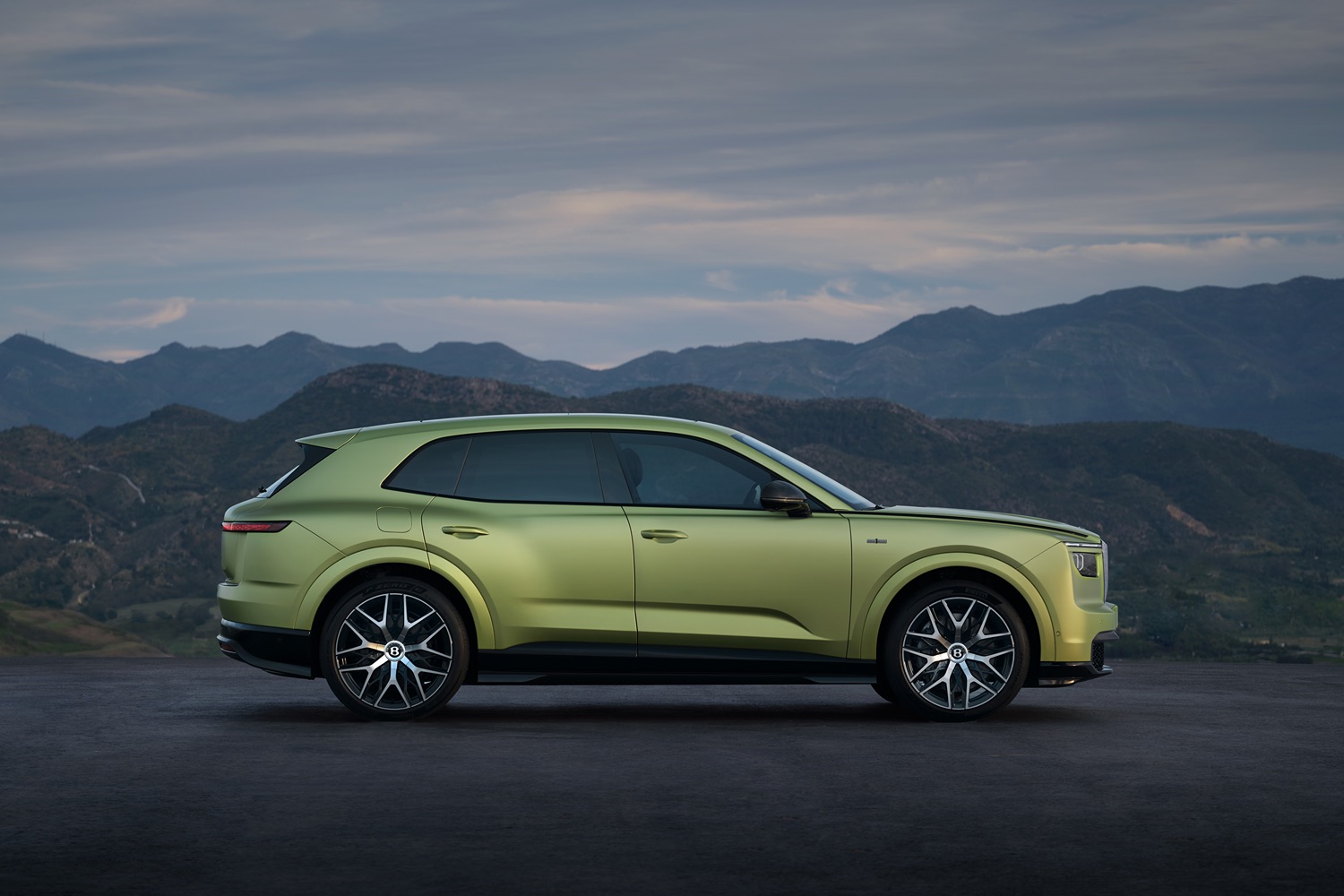
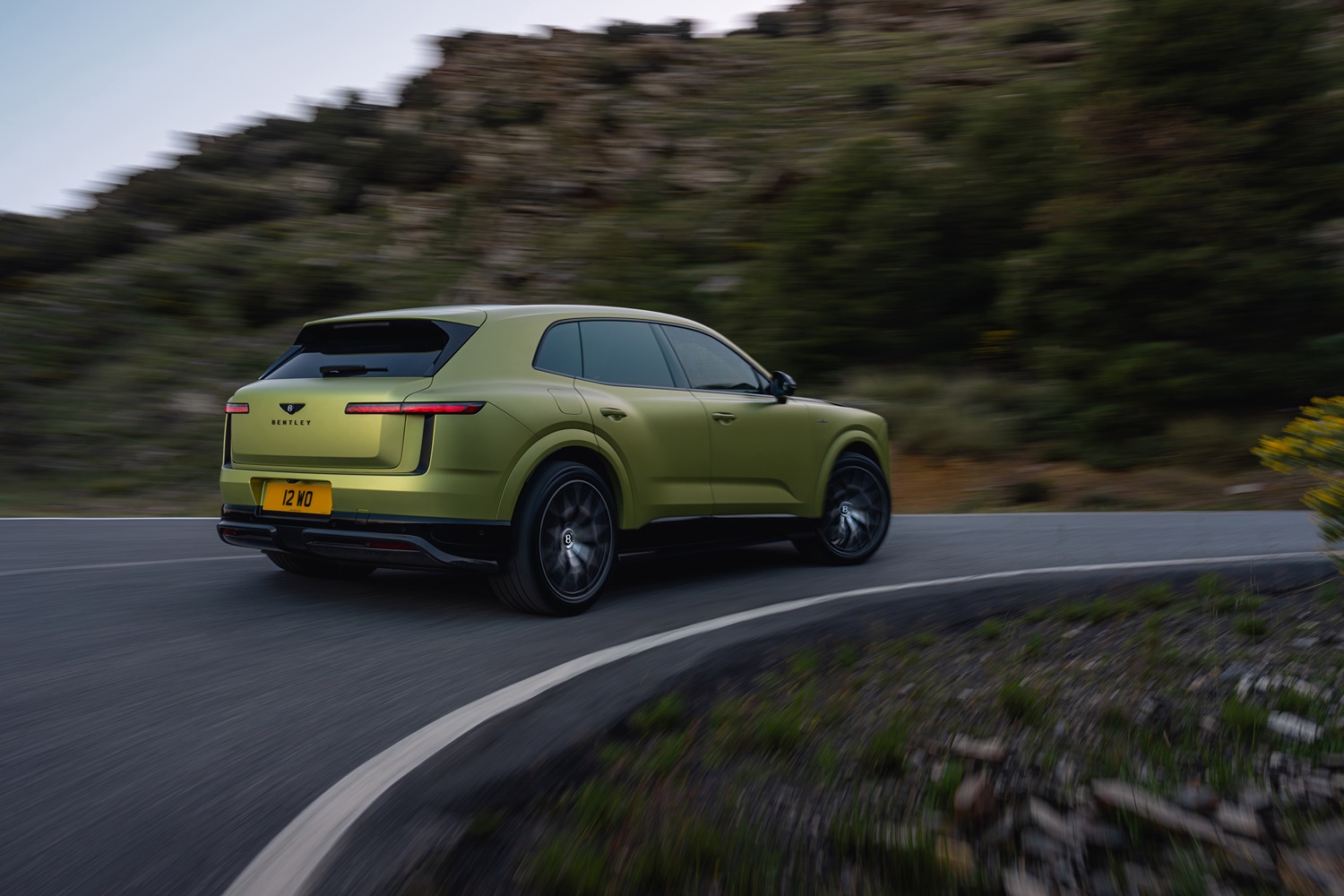
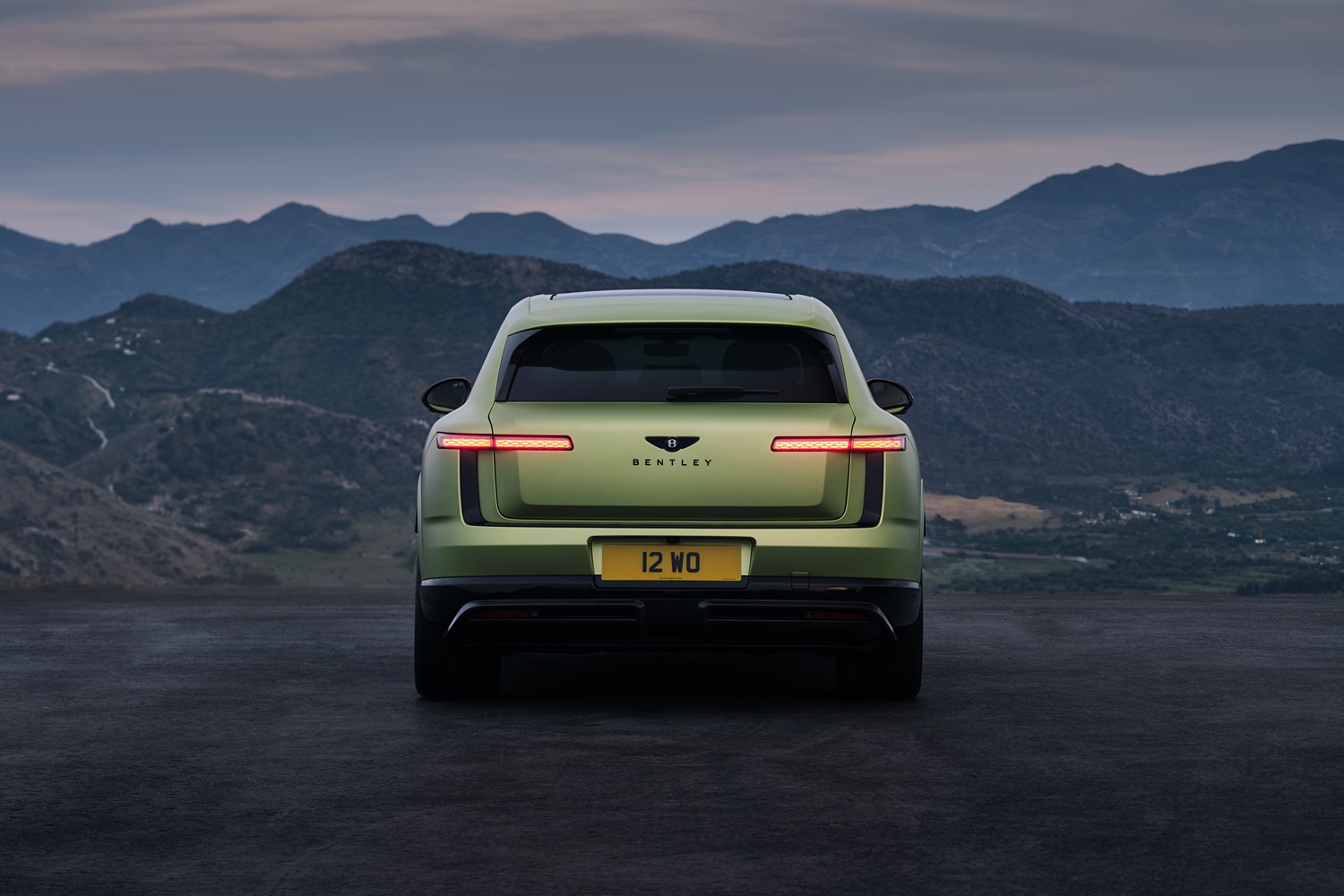
While the Torcal is obviously a Bentley, it does take some different turns in styling terms, compared to the Bentayga, Continental GT and Flying Spur. The most obvious change is the headlights, which, instead of being twin round lamps, are now large oblong units set up high in the front fascia. These get distinctive T-shaped LED signatures, and the shapes at the front of the Torcal are supposed to be reminiscent of the classic 1980s Bentley Turbo R saloon. The big grille is, of course, technically superfluous, but Bentley has kept it in the interests of visual character, and it now lights up with a diamond-like pattern at night. At the rear, there’s a bustle-like look to the boot lid which is meant to evoke memories of classic 1950s Bentleys, while the shape of the roof and pillars is meant to be a nod to the 1920s Barnato ‘Blue Train’ coupes.
What about inside?
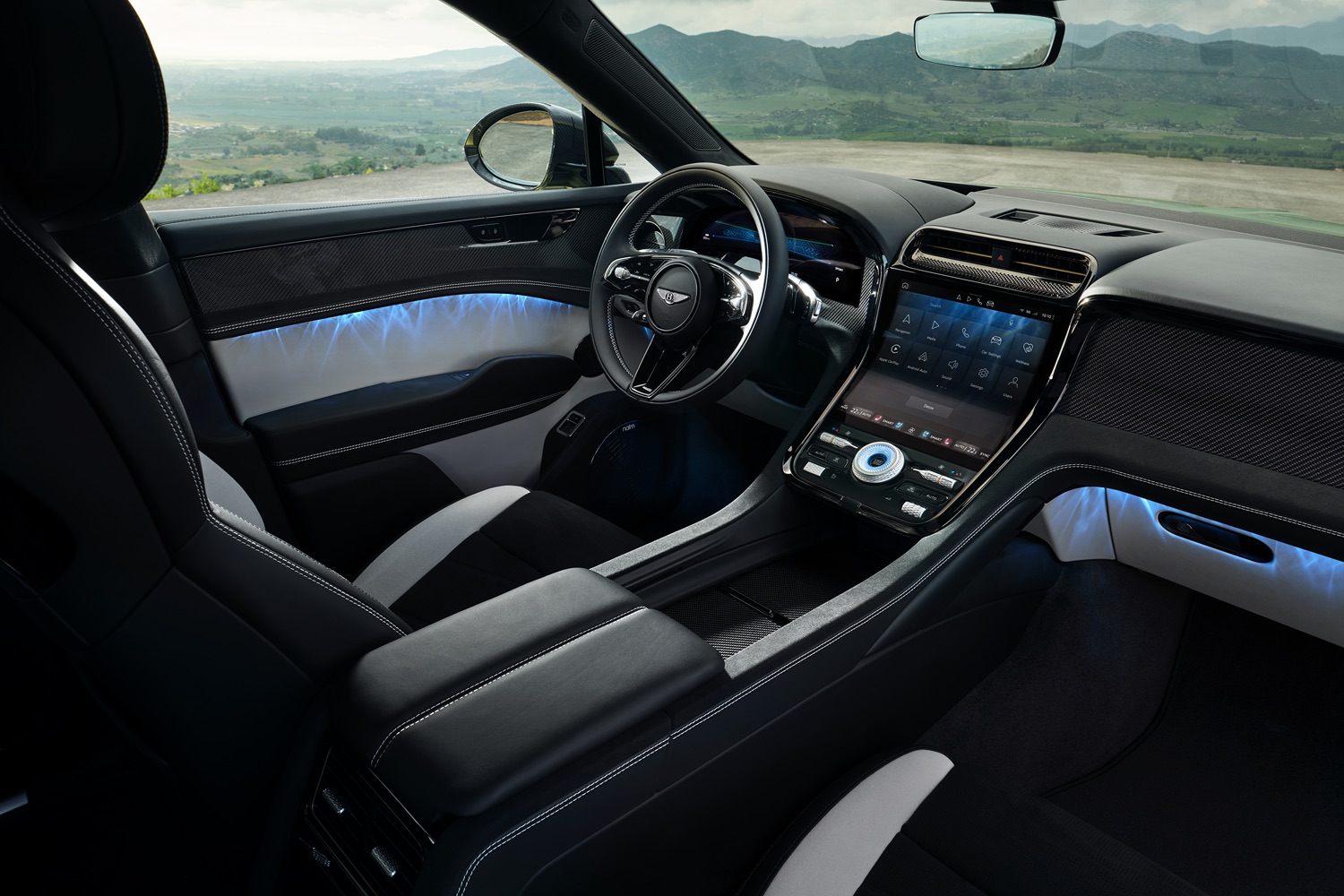
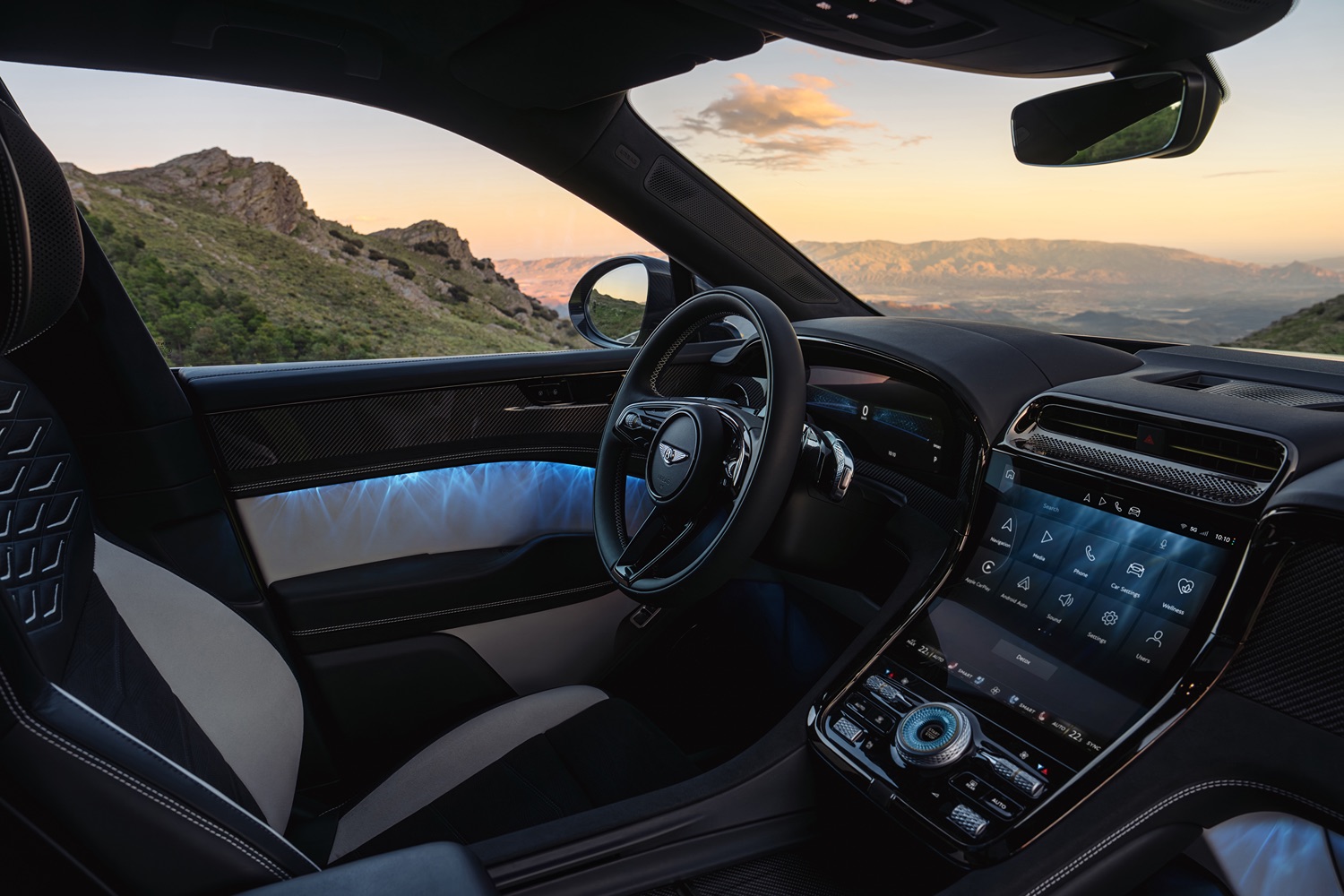
There is, of course, wall-to-wall leather, wood and aluminium inside. It’s a Bentley, after all, but there are some interesting touches. While the big central touchscreen is lifted from the related Porsche Cayenne Electric, Bentley has designed lots of proper physical buttons, keen that its traditionally-minded buyer base shouldn’t be put off by too much digital reliance. There are also some nods to sustainability — there’s a new optional merino wool trim from Fox Brothers, a Somerset firm that has been weaving fine wool fabrics since the 18th century and which uses the first automotive wool fabric to achieve certification by the Responsible Wool Standard (RWS). Meanwhile, the walnut trim isn’t solid wood — it’s a veneer made up of walnut off-cuts and even recycled craft paper, which is then compressed so that it’s just 1mm thick. It's also a reasonably practical car, with a relatively small 460-litre boot backed up by a large 90-litre ‘frunk’ in the nose.
What about tech?
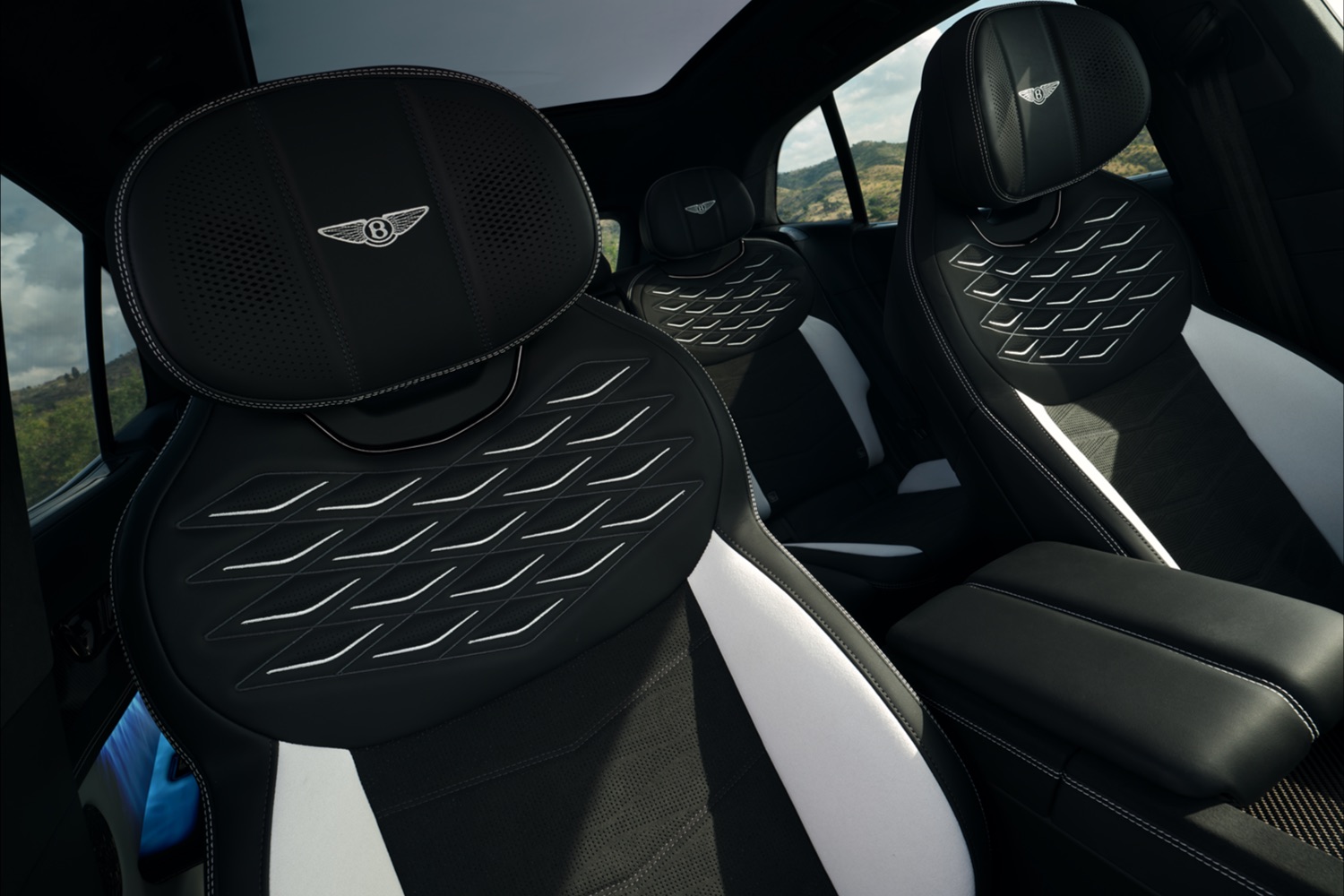
There’s lots, as you might imagine. There are four adjustable driving modes — Sport, Comfort, Refresh and Bentley — and the option of a 1,780W, 28-speaker package that includes kinaesthetic seat shakers and front headrest speakers, along with Dolby Atmos 7.1, developed for the Torcal by audio specialists Naim. Even the artificial engine sound is rather different — instead of just synthesising engine noises, Bentley has used real musical instruments to create what it calls a ‘Dynamic Symphony’ of sound that mimics the rhythm and flow of a petrol engine. Even the indicator tick is oh-so-Bentley — it’s based on a recording, taken in Bentley’s upholstery workshops, of a hammer striking a leather surface. Beyond that, all four doors are powered and can be opened and closed remotely, and there’s fully assisted parking, including using your phone as a remote control device.
Is this Bentley going fully electric?
Not quite. As with many car makers, Bentley had previously set out a plan to go all-electric by 2030, but uneven demand for electric cars since has triggered a change of heart, and so for now this Torcal will be the only all-electric Bentley, and the firm will concentrate on long-range plug-in hybrids up to 2030 at least. “For 107 years, Bentleys have been the most incredibly complete cars — effortless performance, outstanding comfort, exquisite British handcraftsmanship using the best natural materials and a soundtrack with soul. Our new Torcal sets extraordinary benchmarks in every area that matters,” said Bentley’s chief executive and chairman, Dr Frank-Steffen Walliser.
When can I have one?
You can already configure your dream Torcal on Bentley’s website, and the UK price starts at £173,300, so an Irish price of around €250,000 seems about right. First deliveries should start before the end of this year.
If there is anything about this story we have not covered, you can avail of our expert advice service via the Ask Us Anything page.