
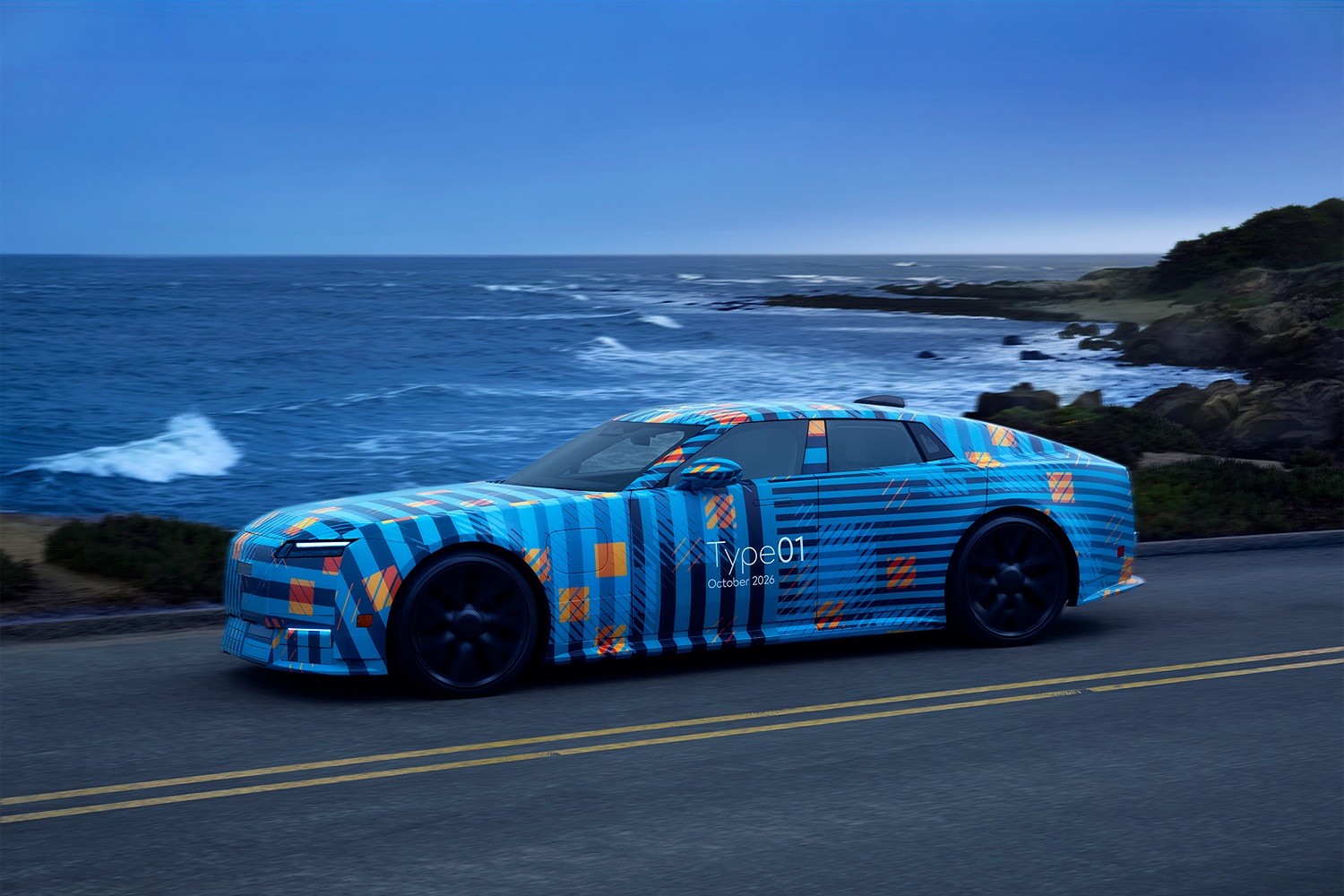
The heritage display centred on cars the brand says represent key "evolutionary milestones in aerodynamics, lightweight design and high-performance engineering."
The cars on show also leaned into Jaguar’s motorsport and cultural history with cars once driven by racing legends, a Hollywood star and a member of the British Royal Family, while giving guests their first proper look at what the brand's next generation of vehicles will feel like from behind the wheel.
1955 Jaguar D‑type ‘XKD 507’
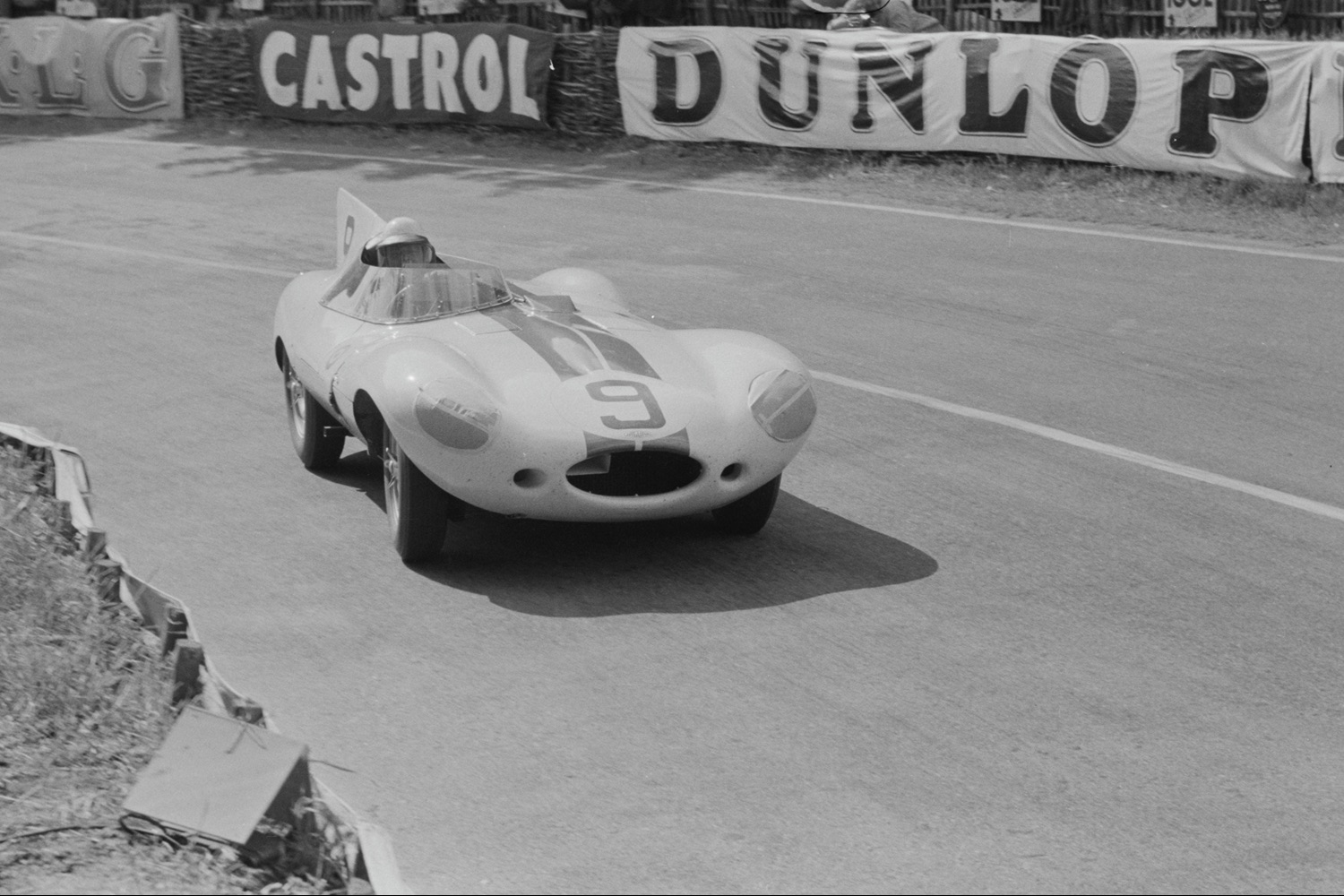
Leading the lineup was a 1955 D-type, chassis XKD 507, one of the cars most responsible for building Jaguar's motorsport reputation. The D-type won Le Mans three years running, from 1955 to 1957, thanks to aerodynamic ideas borrowed from aircraft design, including its distinctive vertical stabilising fin, along with a lightweight semi-monocoque chassis and, notably, disc brakes (advanced technology for the era).
This particular example raced at Le Mans and also took multiple wins in the United States under Briggs Cunningham's team, one of America's most prominent sports car racing outfits of the 1950s.
The Revs Institute, a preservation foundation, now cares for it, and it is considered one of the most original D-types still in existence.
1957 Jaguar XKSS
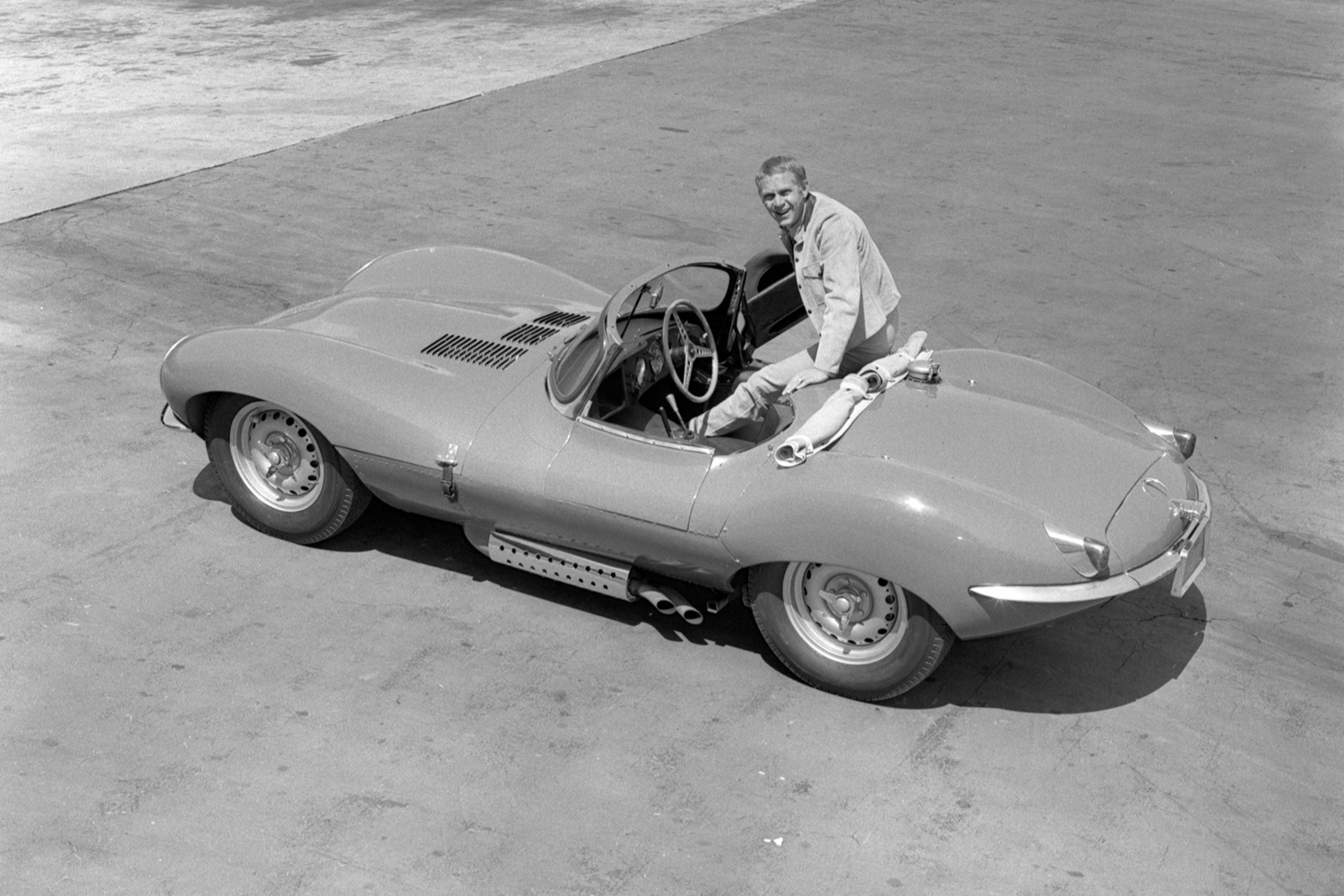
Parked beside it was the XKSS, effectively a D-type adapted for road use. Jaguar added a windscreen, bumpers and a passenger-side door to make it street legal. It's often described as one of the first true supercars. Jaguar originally planned to build 25, but a fire at the factory destroyed much of the remaining stock, and only 16 were ever finished, making it one of the rarest production Jaguars in history.
Steve McQueen owned this car, and he repainted it British Racing Green and added his own custom interior touches. The XKSS later appeared in a Life magazine shoot that helped cement its status as an icon of automotive pop culture. It's now part of the permanent collection at the Petersen Automotive Museum in Los Angeles.
1967 Jaguar E‑type 4.2 OTS
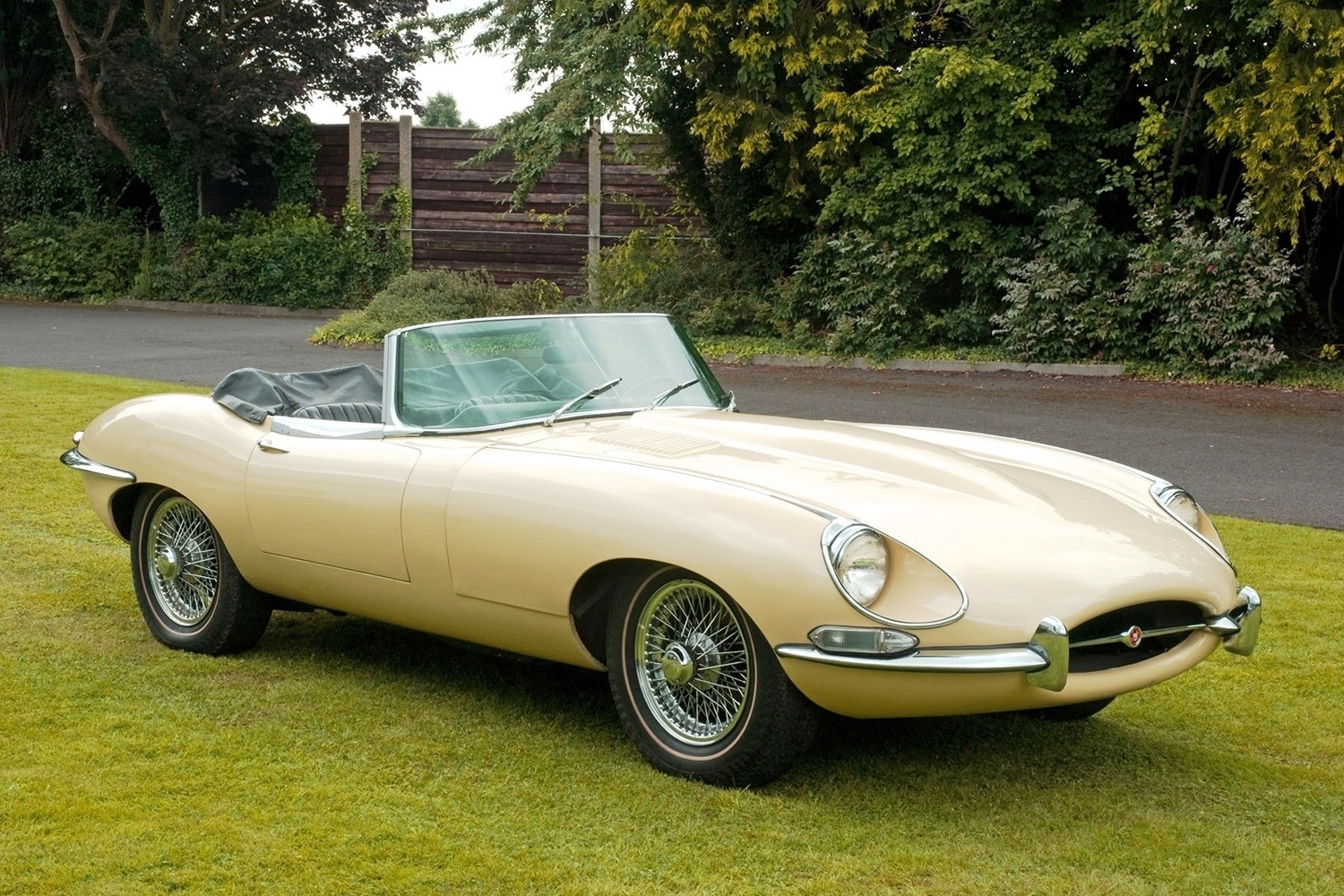
Also on show was a 1967 E-type 4.2, a car frequently cited as one of the most beautiful designs in automotive history. This particular example is in remarkably original condition, showing just 381 miles (613km) on the clock. It's finished in Primrose Yellow with North American-spec headlamp fairings and has a distinctive transatlantic history: it was once displayed aboard the ocean liner RMS Queen Elizabeth. This appearance at Pebble Beach marked its first time on American soil.
1987 Jaguar XJ‑S V12 Cabriolet
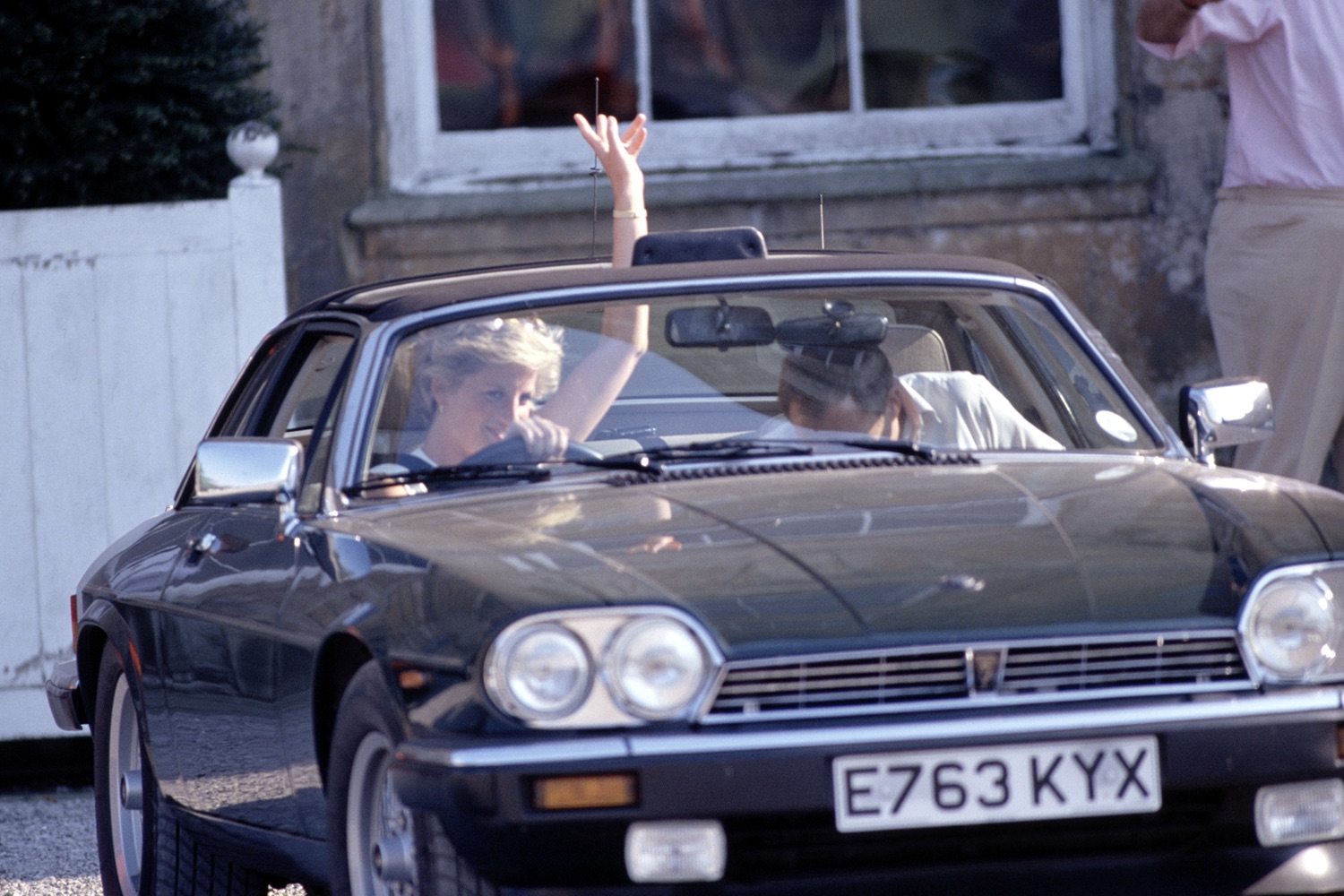
The Concours display also included two examples of the XJ-S, Jaguar's long-distance grand tourer of the late 1970s and 1980s, normally built for comfort rather than competition.
The first, finished in British Racing Green, was a bespoke cabriolet commissioned for Diana, Princess of Wales. Unlike the standard two-seat XJ-S, this one was modified with 2+2 seating and a fixed rear roof section so Princes William and Harry could ride along.
It features custom leather and Harris Tweed upholstery and distinctive export-style quad headlights. Diana reportedly drove the car regularly between 1987 and 1991.
1978 Jaguar XJ‑S V12 Group 44 Inc. Trans‑Am Series Champion
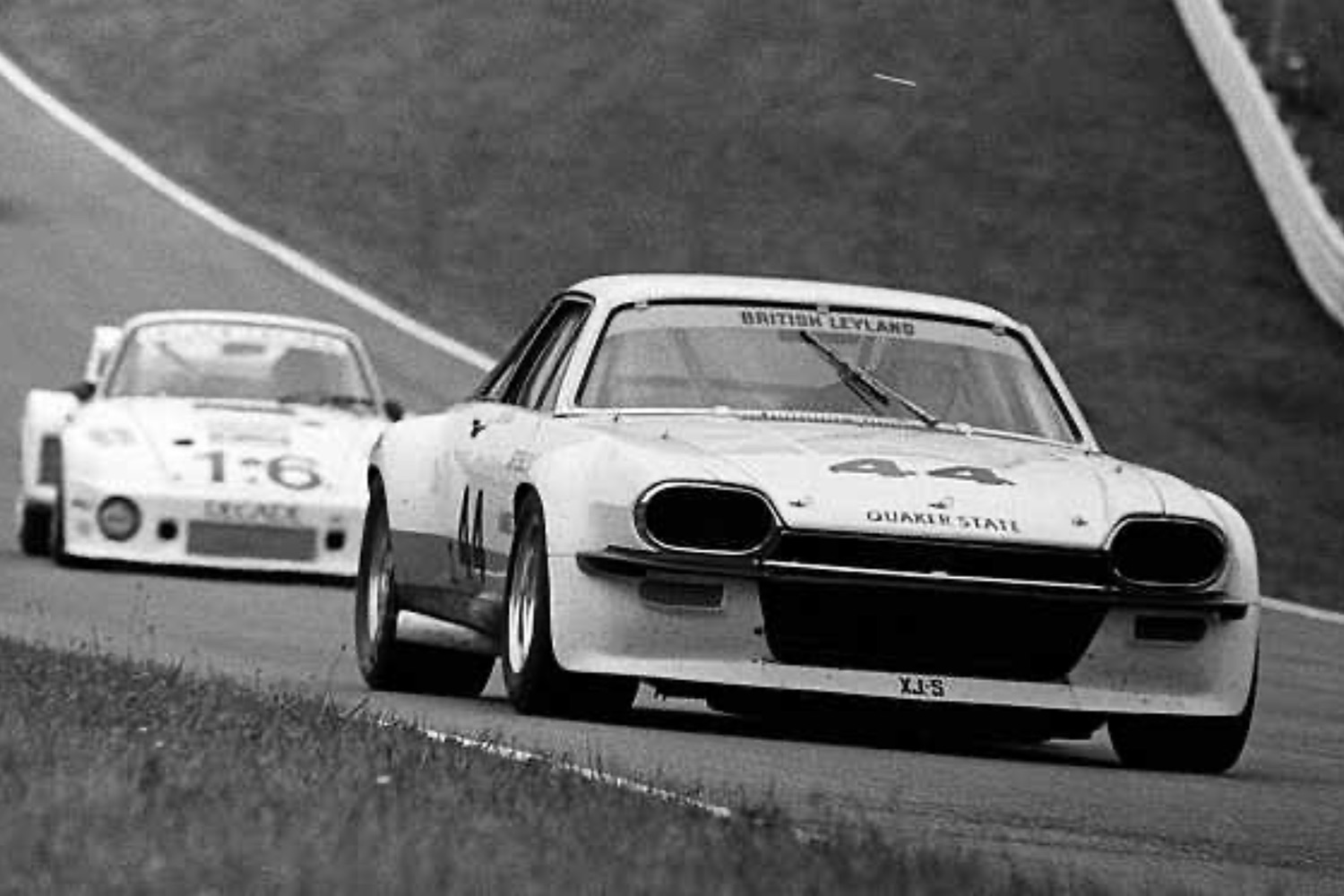
There was a second XJ-S display, but this one told a very different story. Campaigned by Bob Tullius' Group 44 team, one of the most successful privateer racing outfits in Jaguar's history, this purpose-built Trans-Am racer used a lightweight tube-frame chassis and a 5.3-litre V12 engine.
It dominated the 1978 Trans-Am season (one of America's best-known road-racing championships), taking seven consecutive wins on its way to both the drivers' and manufacturers' titles.
The car, also known as XJR-3, is considered a high point of XJ-S race development, and its display doubled as a tribute to Tullius, who passed away earlier this year.
Another look at Jaguar's electric future
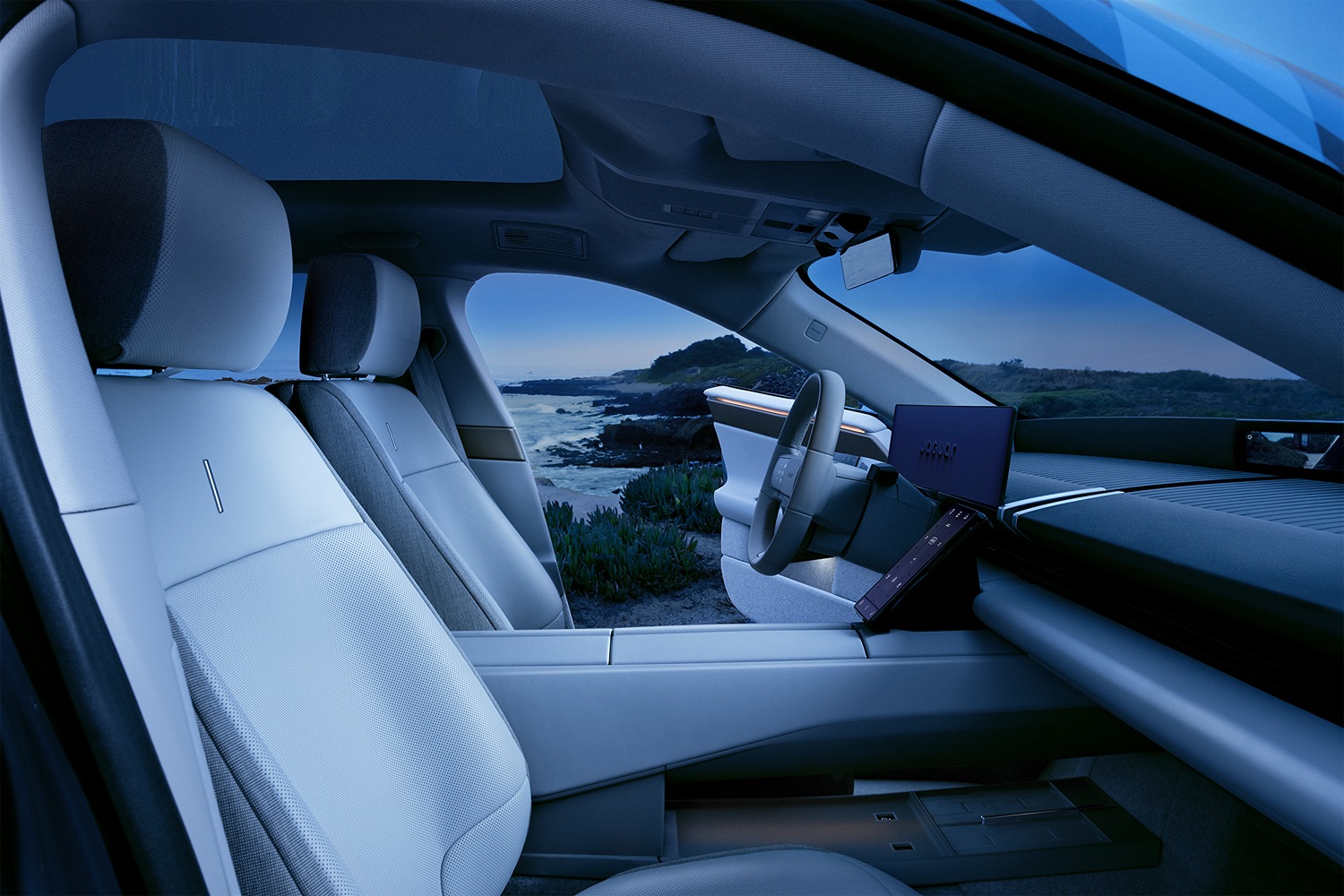
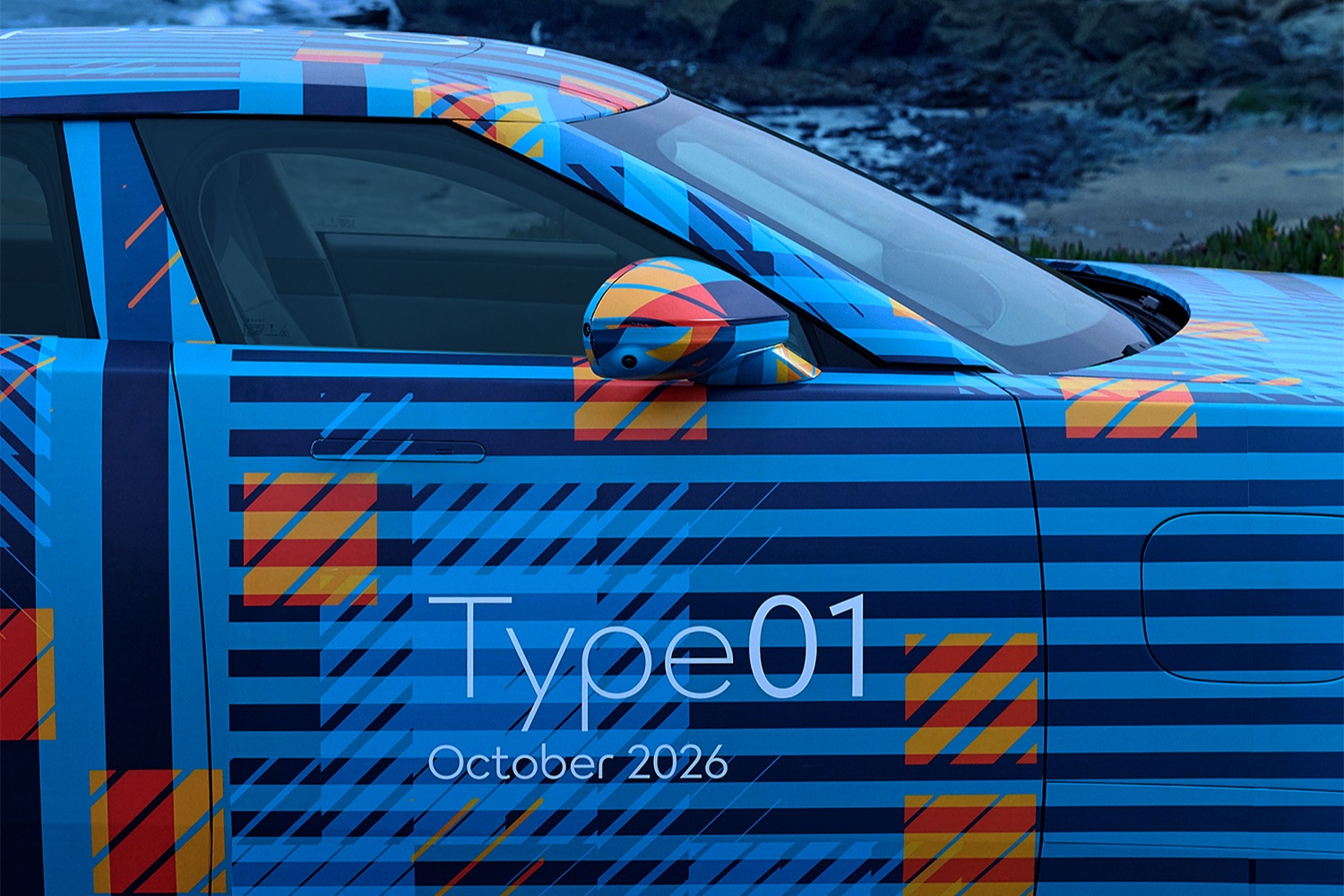
With no Jaguar models currently on sale, the brand used Pebble Beach to preview what's coming next: the Type 01, an all-electric four-door GT.
Its exterior remained wrapped in camouflage, but its interior was shown in full. The production-ready cabin combines perforated leather, cloth and carpet with a large panoramic display.
The standout feature is a semi-floating central console that runs the length of the vehicle, from beneath the dashboard through to the rear seats, effectively dividing the cabin into four individual spaces. Despite the heavy use of screens, Jaguar has kept physical buttons on the steering wheel and door panels.
Specs released alongside the preview point to a three-motor setup. There’s one at the front and two at the rear, producing around 1,000hp. There’s also four-wheel steering and adjustable air suspension with active dampers. Jaguar has confirmed the Type 01's full public debut, with the camouflage removed, will take place in October at the New York Auto Show.
We’re going to have a sneaky peek at it before that so watch out for our detailed video and news piece.
If there is anything about this story we have not covered, you can avail of our expert advice service via the Ask Us Anything page.