

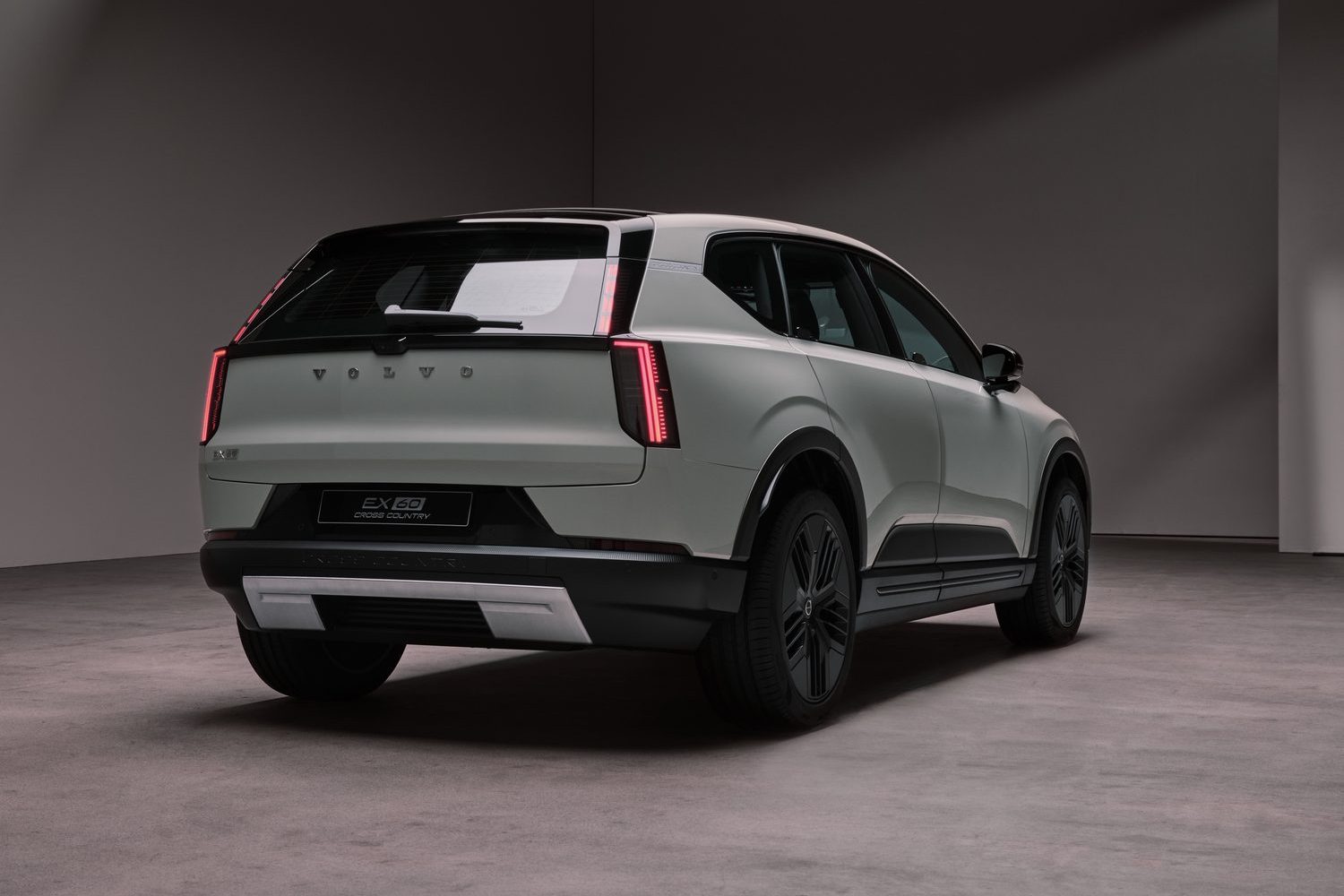
The EX60 will be built on Volvo's 'SPA3' platform architecture - which Volvo claims is its most advanced yet - using 'mega casting' production methods for the first time to reduce complexity and boost interior space.
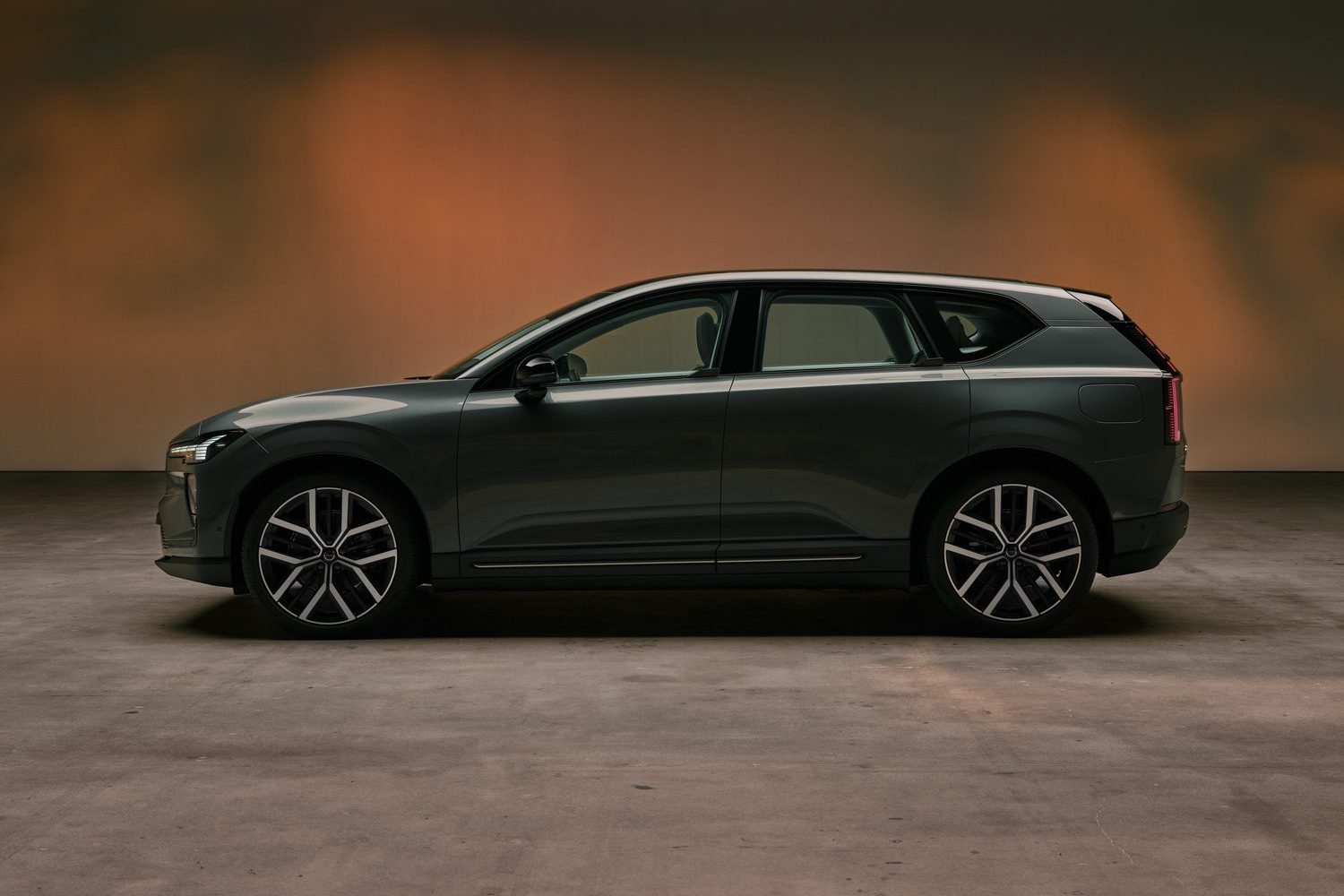
The Volvo EX60 will be available with three powertrain options with up to 810 kilometres of electric driving range, while the interior features more space than its predecessor and a reimagined approach to the design and layout.
How big is the new Volvo EX60?
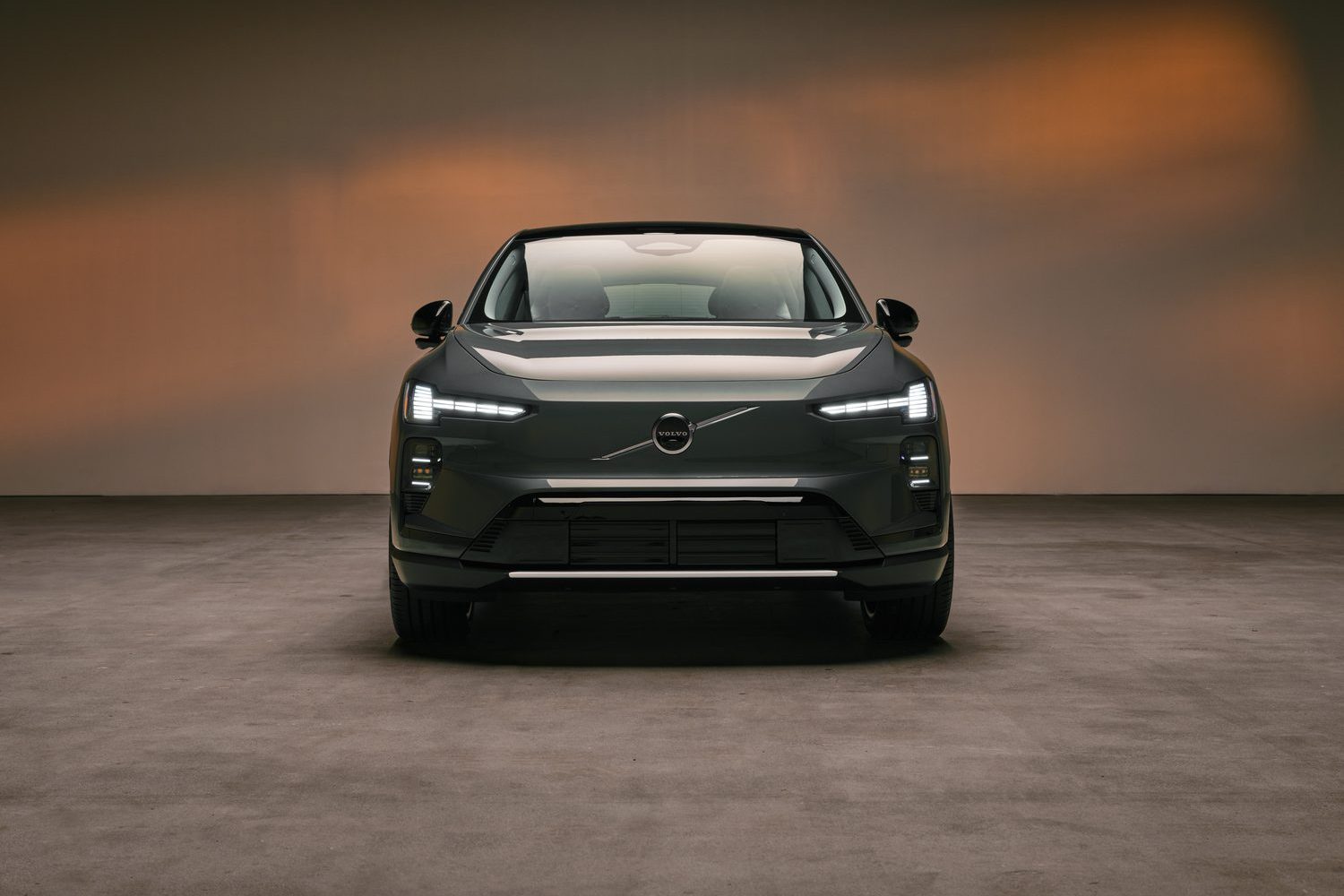
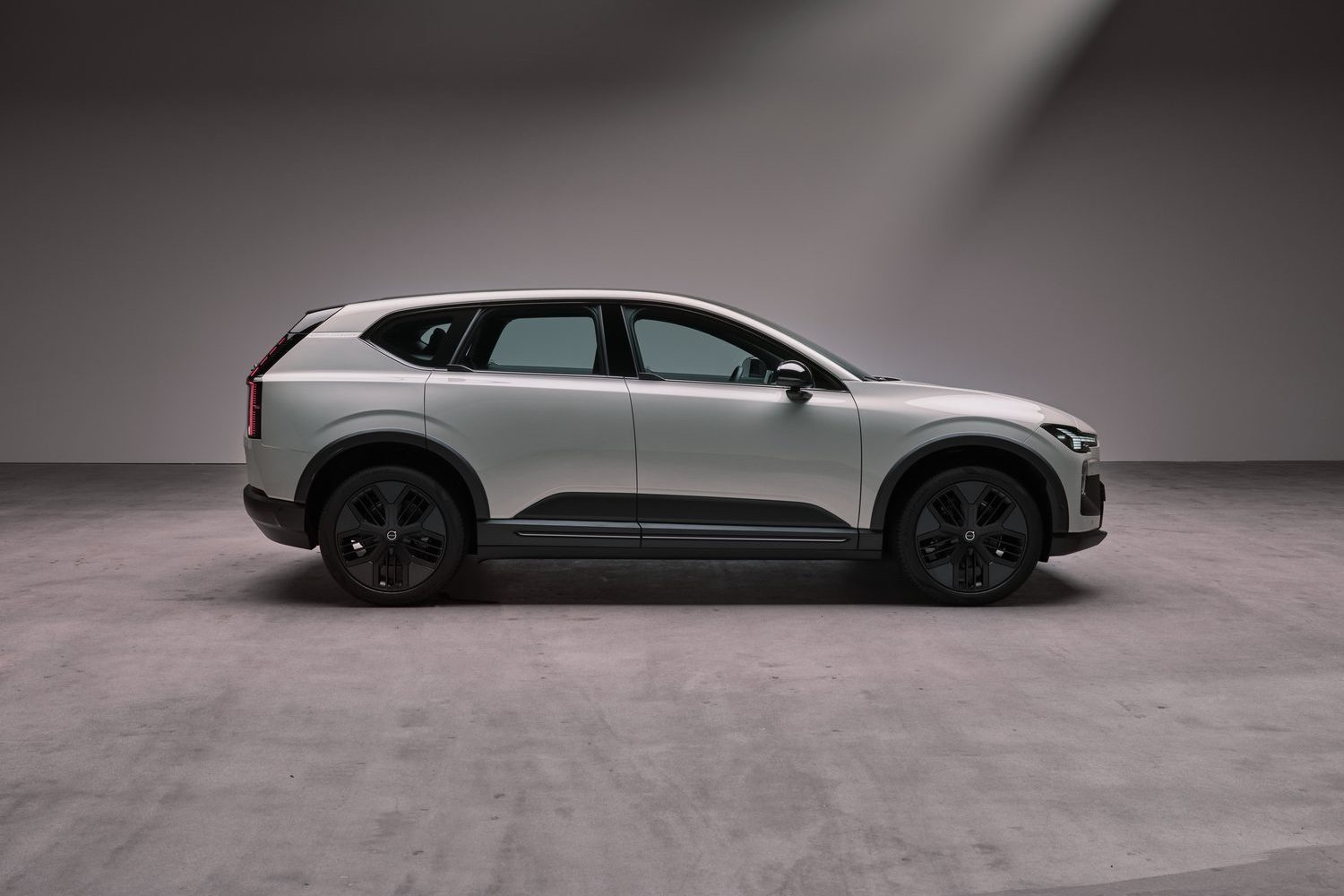
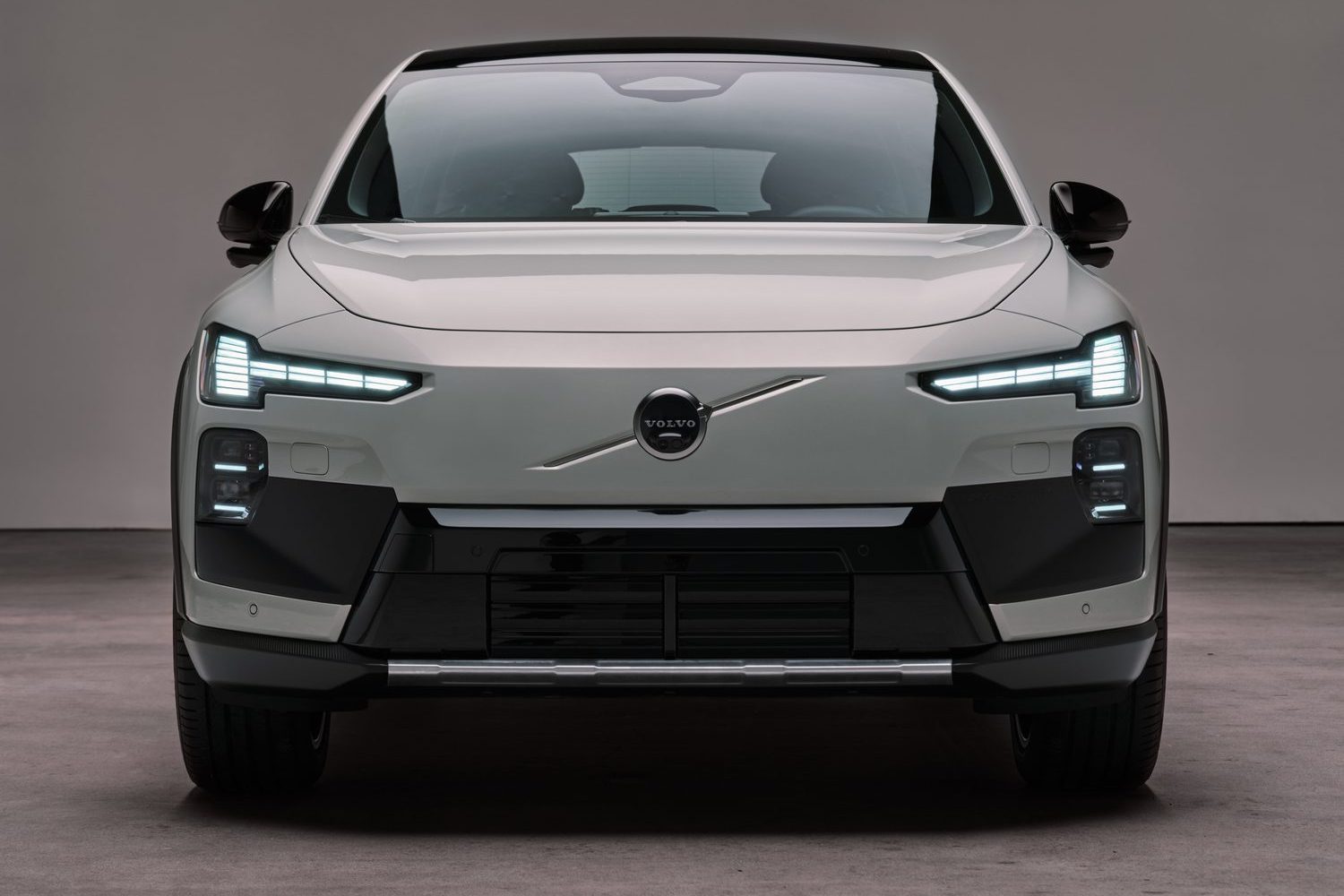
The EX60 is almost a match for the combustion-engined Volvo XC60 in size, measuring 4,803mm long and 1,908mm wide (including mirrors), but it is slightly lower at 1,639mm. Its exterior design takes some cues from both the larger Volvo EX90 and smaller EX30, though all of the typical signature Volvo design cues are present.
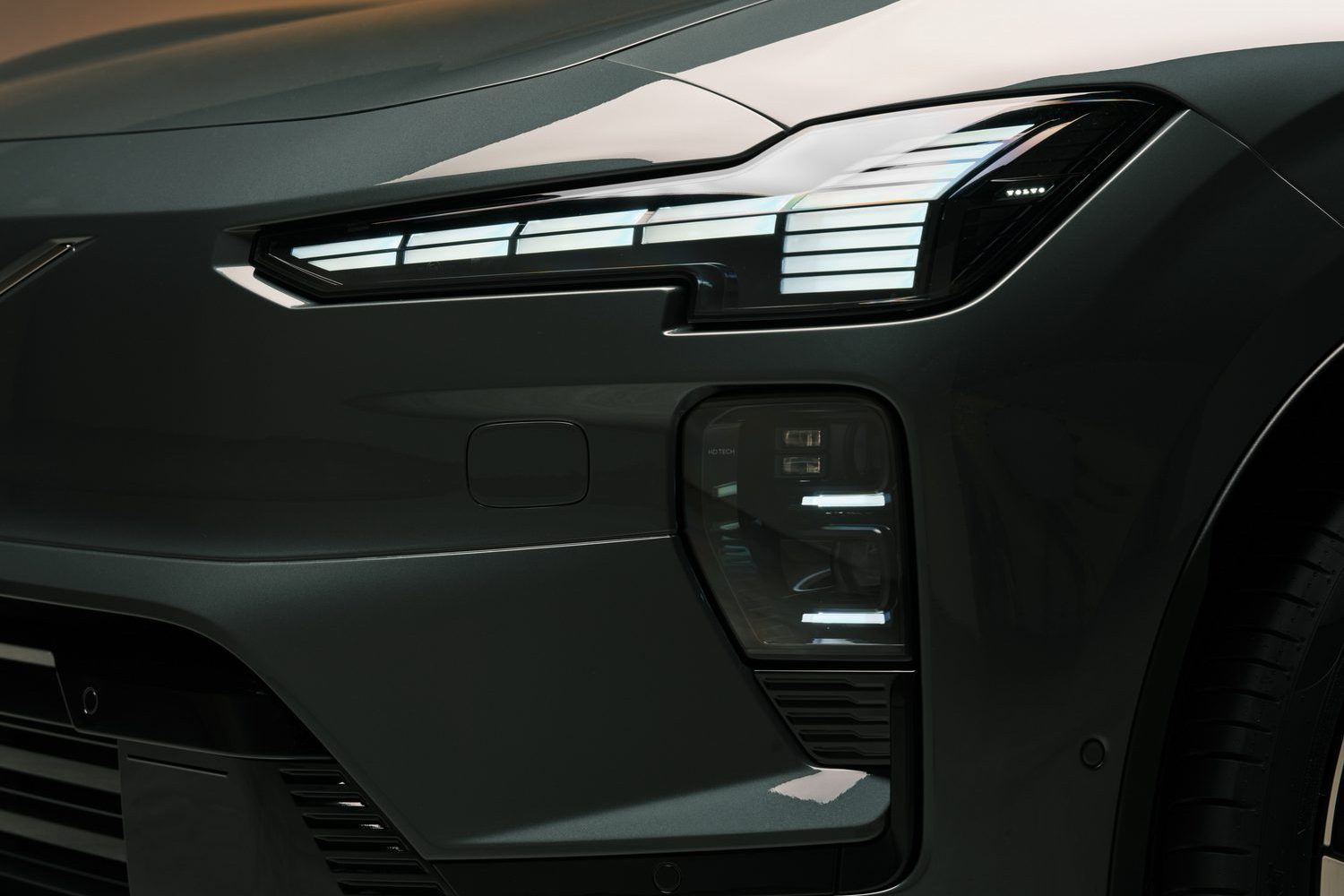
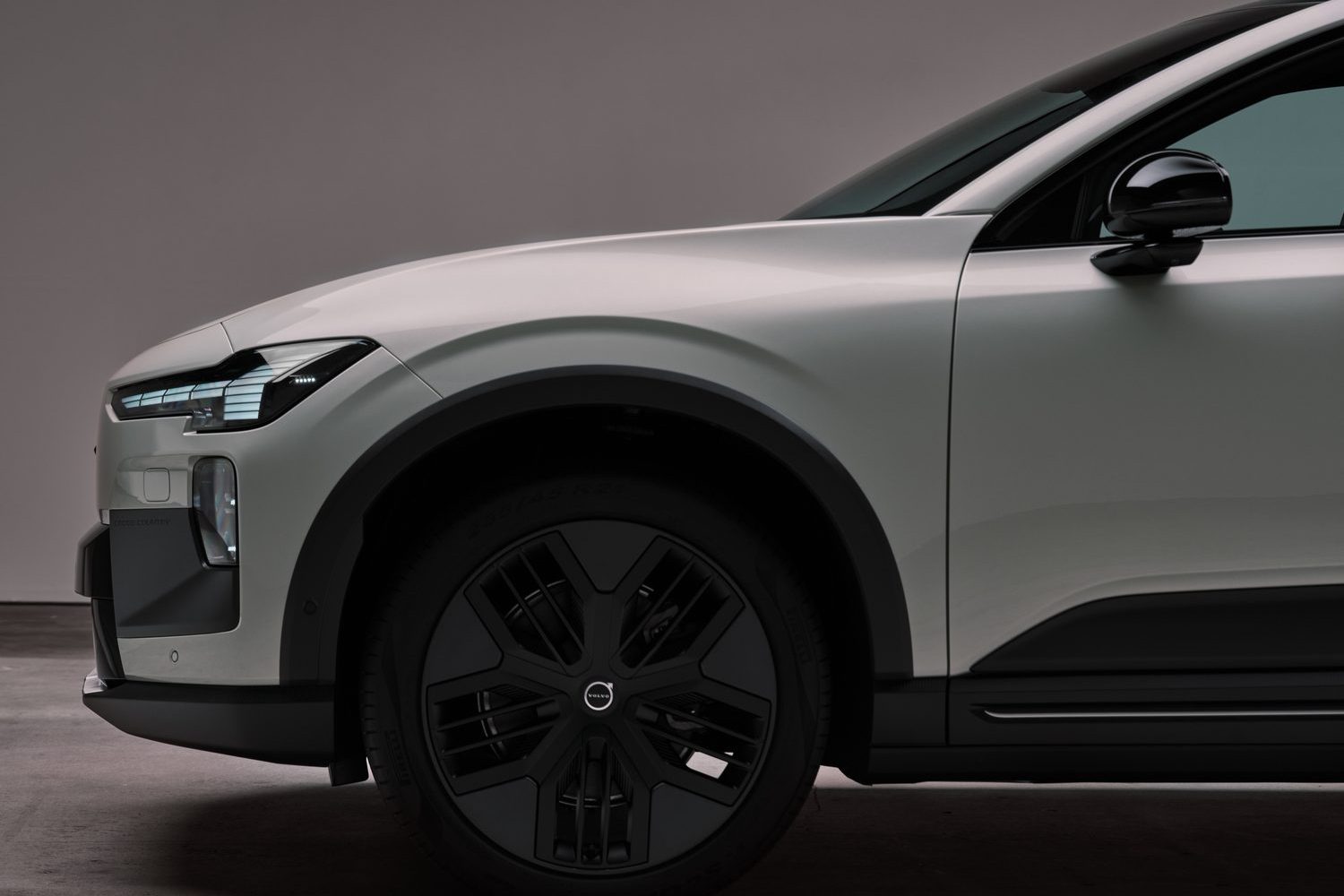
At the front, LED headlight units feature a fresh take on the company's signature 'Thor's Hammer' lighting signature, and while these do not physically move as they do on the EX90, an animated sequence runs when the car is locked or unlocked.
Volvo has placed the main headlight units lower down as is becoming the norm. Much of the front end is sealed, but there are active shutters in the lower section of the bumper to facilitate cooling as required.
A key part of the Volvo EX60 being able to achieve a long driving range is its aerodynamics. There are numerous minute details that contribute to a low drag figure, such as how well sealed the windscreen is against the A-pillars. This should also reduce noise levels in the cabin.
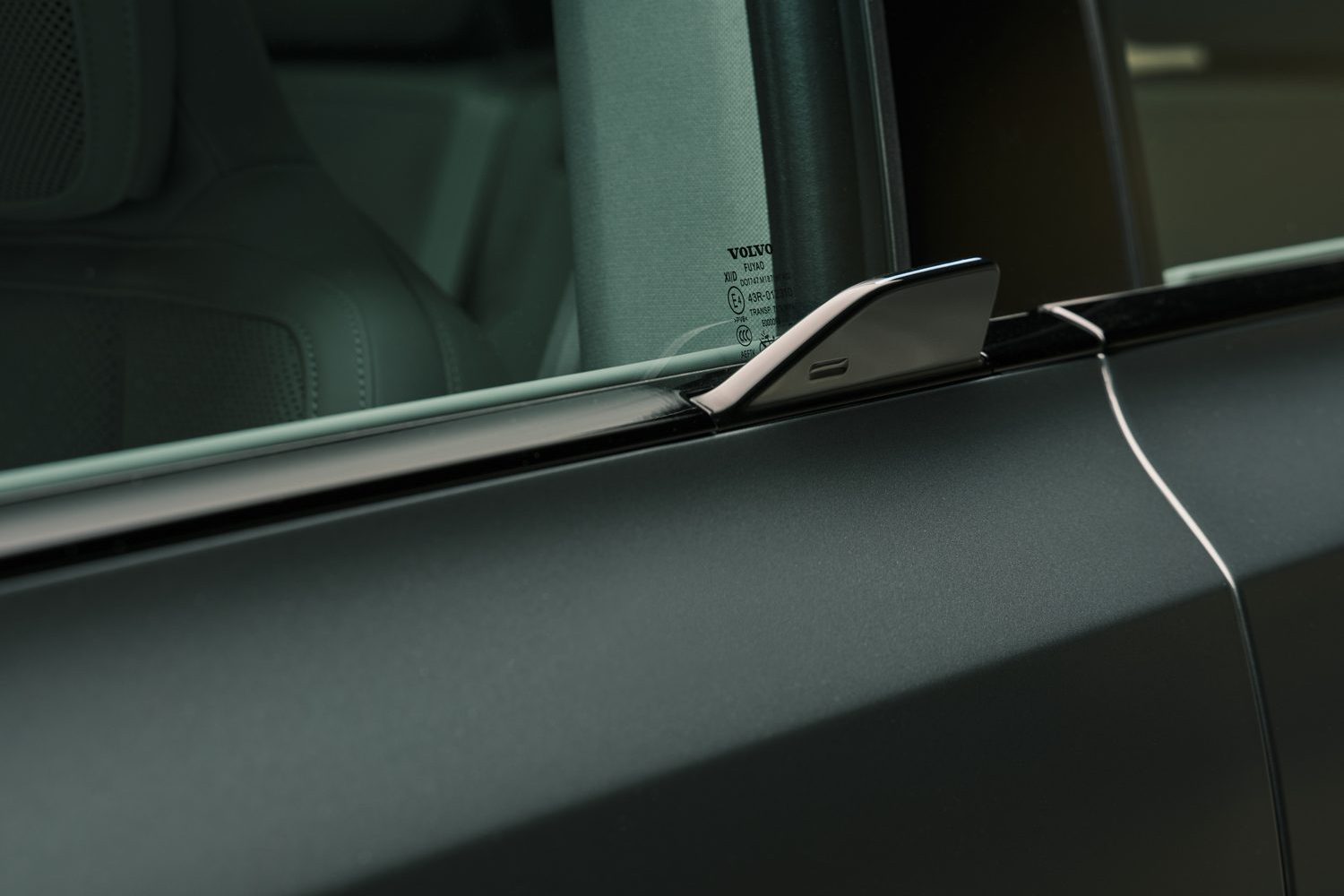
The same approach is taken to the sides of the car, including the use of frameless doors, which allow for a smoother fit between the glass and B-pillar, again reducing drag and wind noise. Whereas many car manufacturers now install flush-fitting door handles that pop out from the bodywork when needed, the EX60 is equipped with small tabs on the tops of the door.
These look almost like shark fins and have a button on the inner side that faces the glass. When that's pressed, an electronic actuator pops the door release.
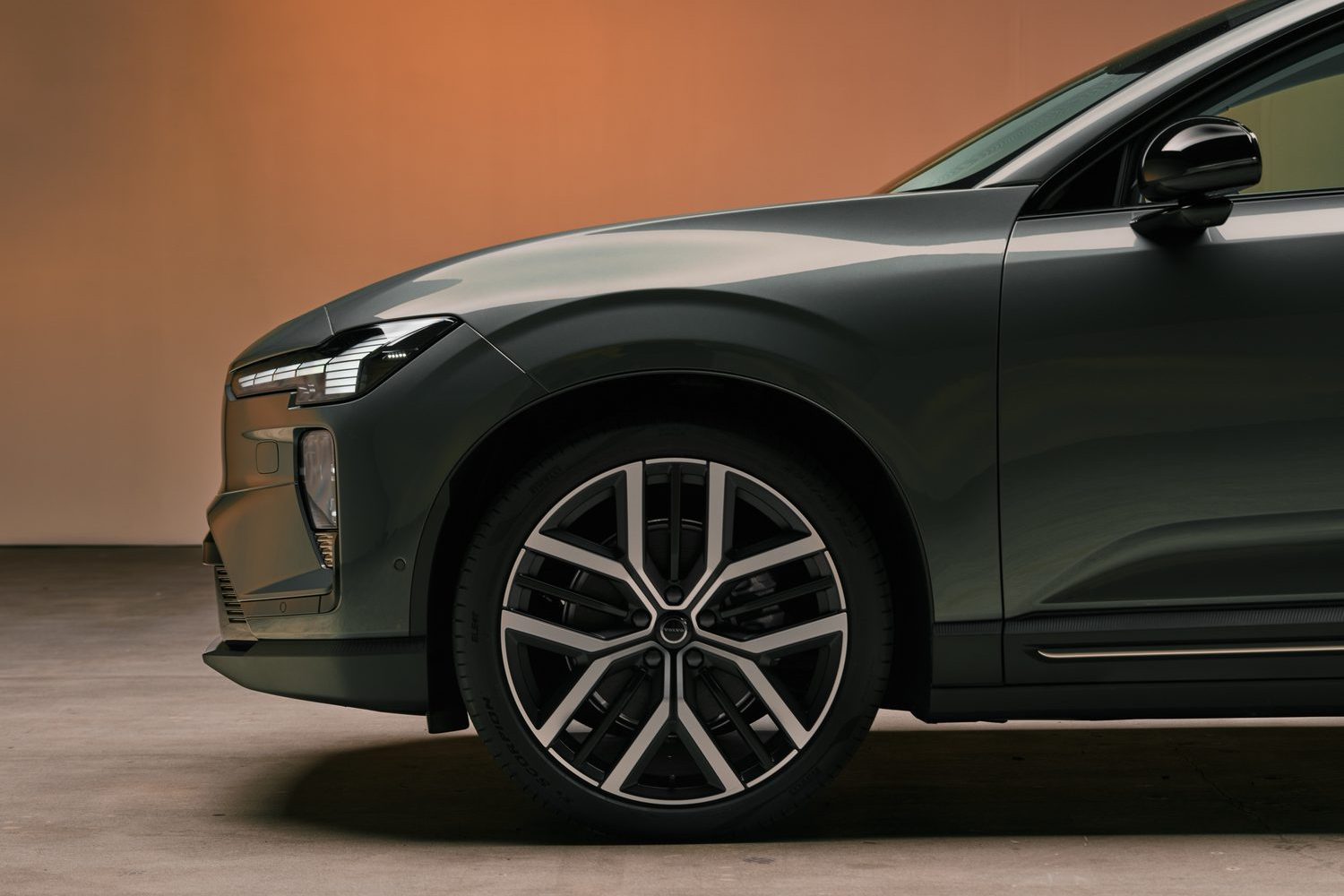
This design also contributes to a cleaner side profile where the gently sloping roofline and lower ground clearance become more evident. At 178mm off the ground, the EX60 rides lower than the Volvo XC60, and it also has a slightly longer wheelbase.
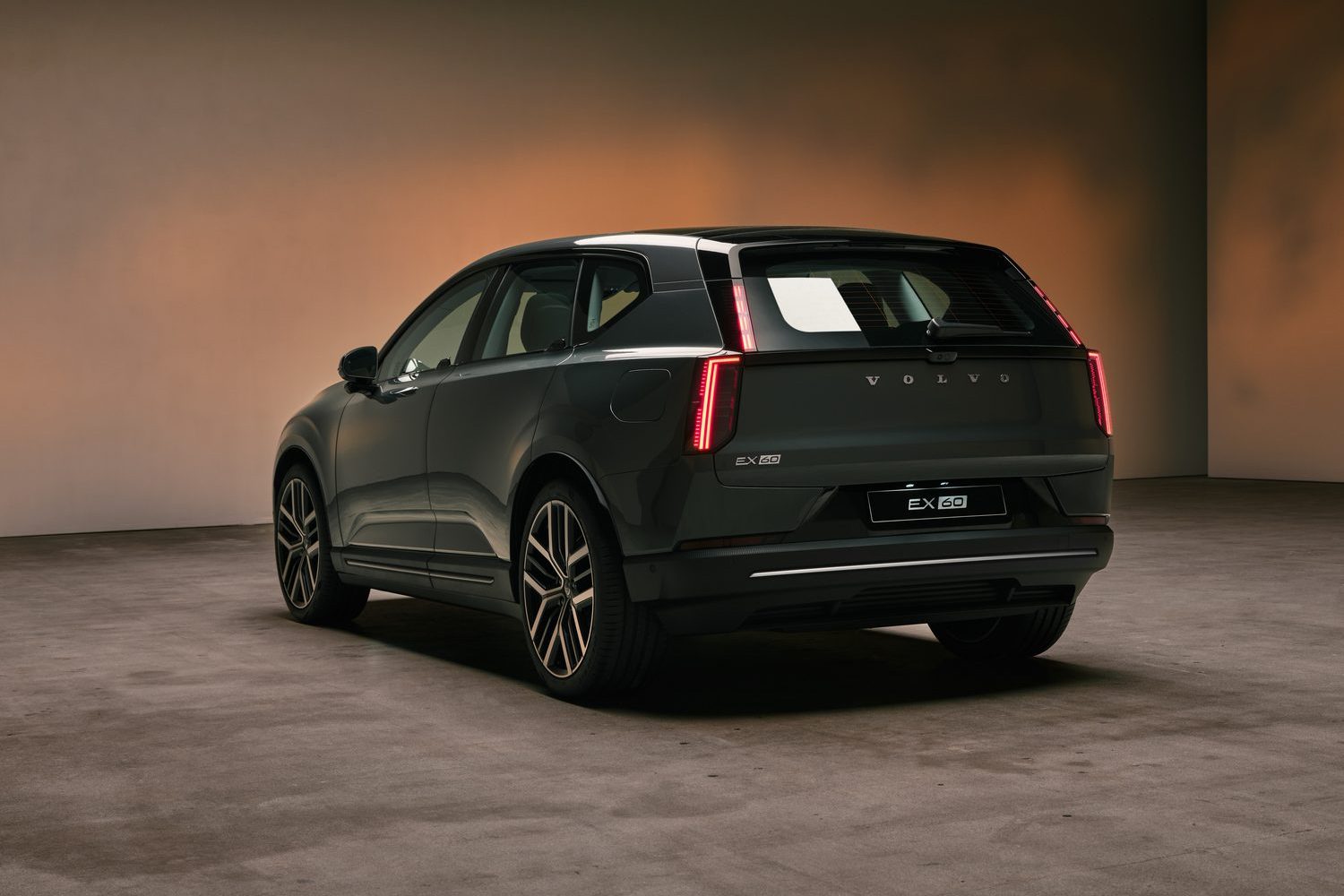
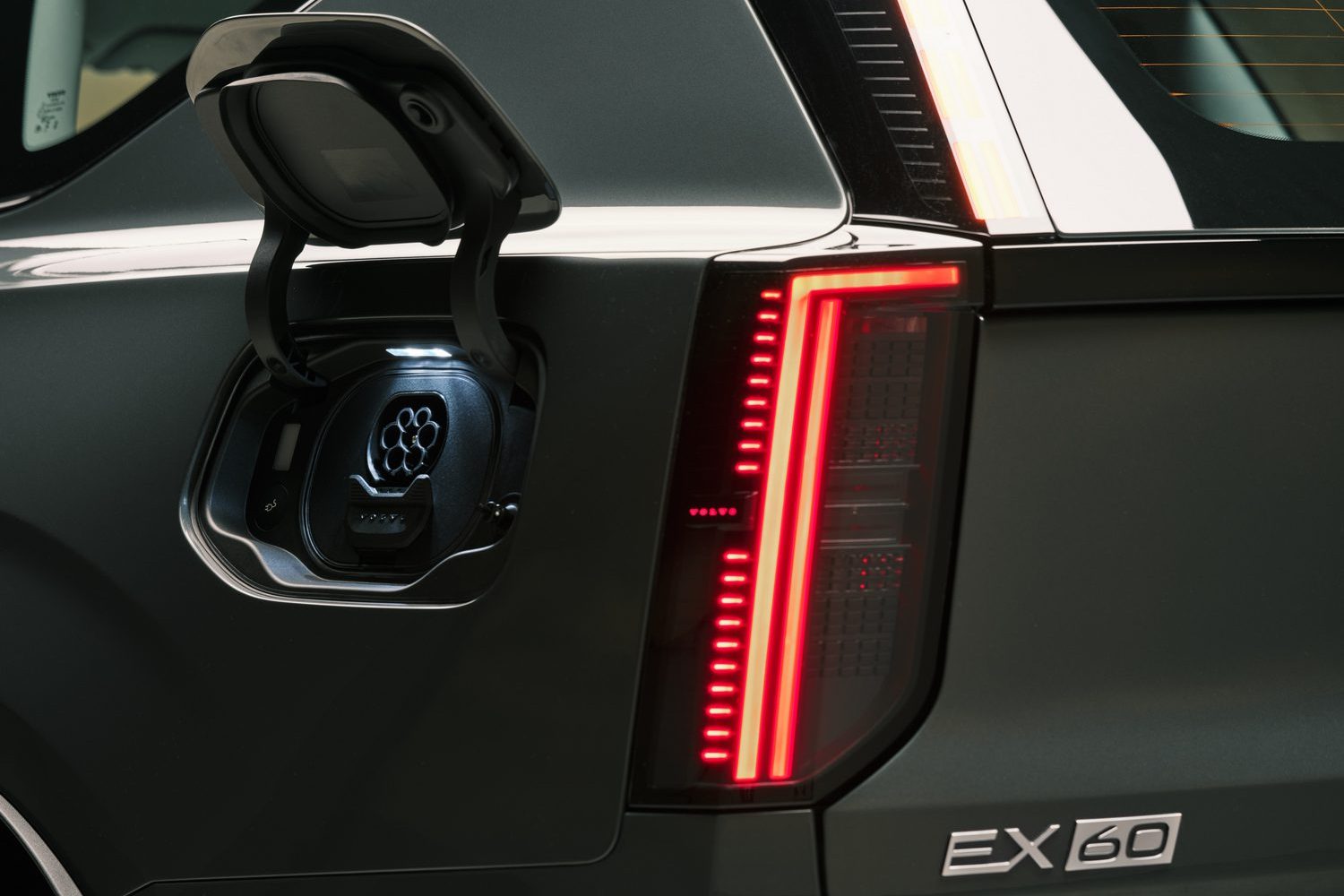
A short roof spoiler at the rear forms part of the aero package, while the rear lights follow a typical Volvo styling design.
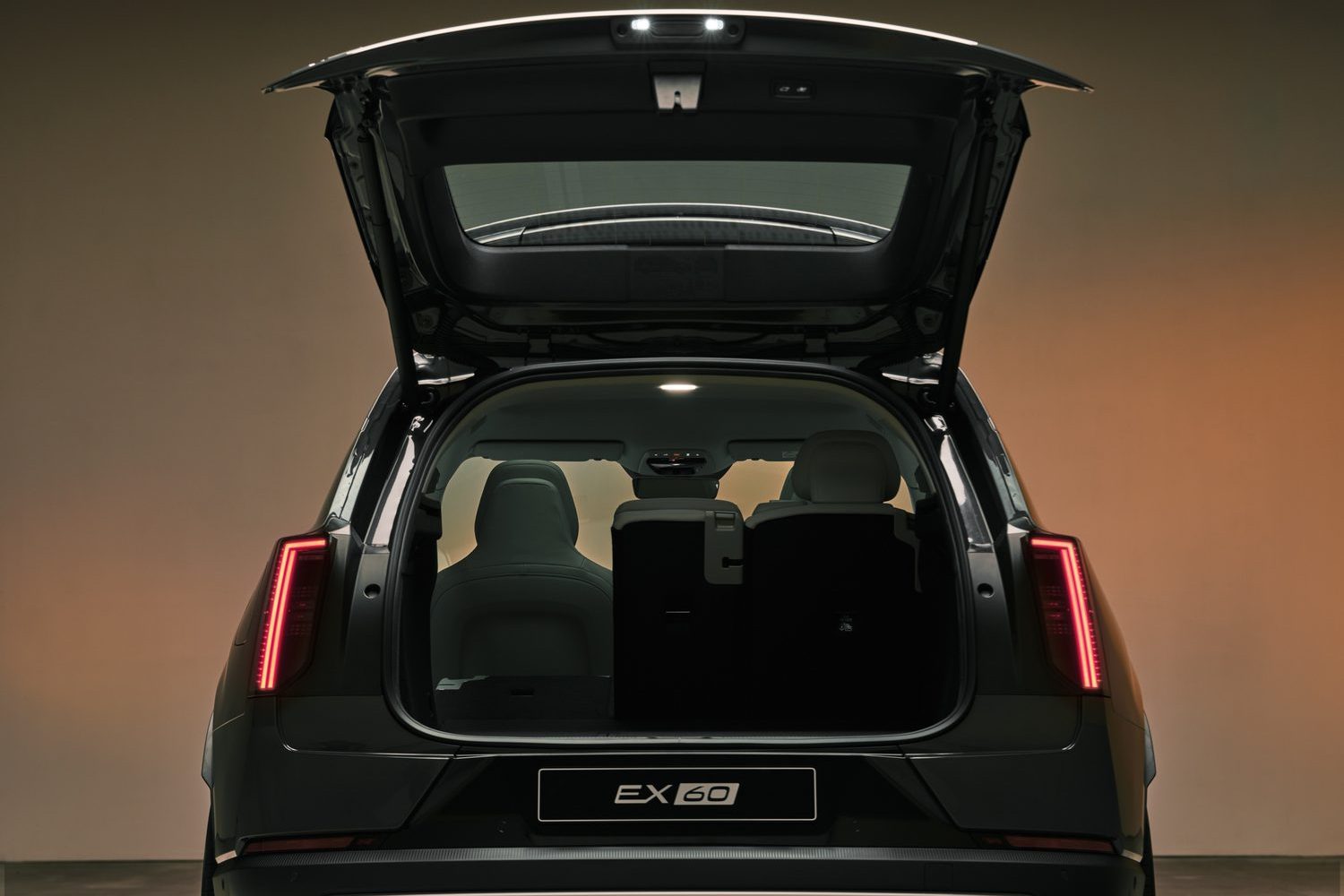
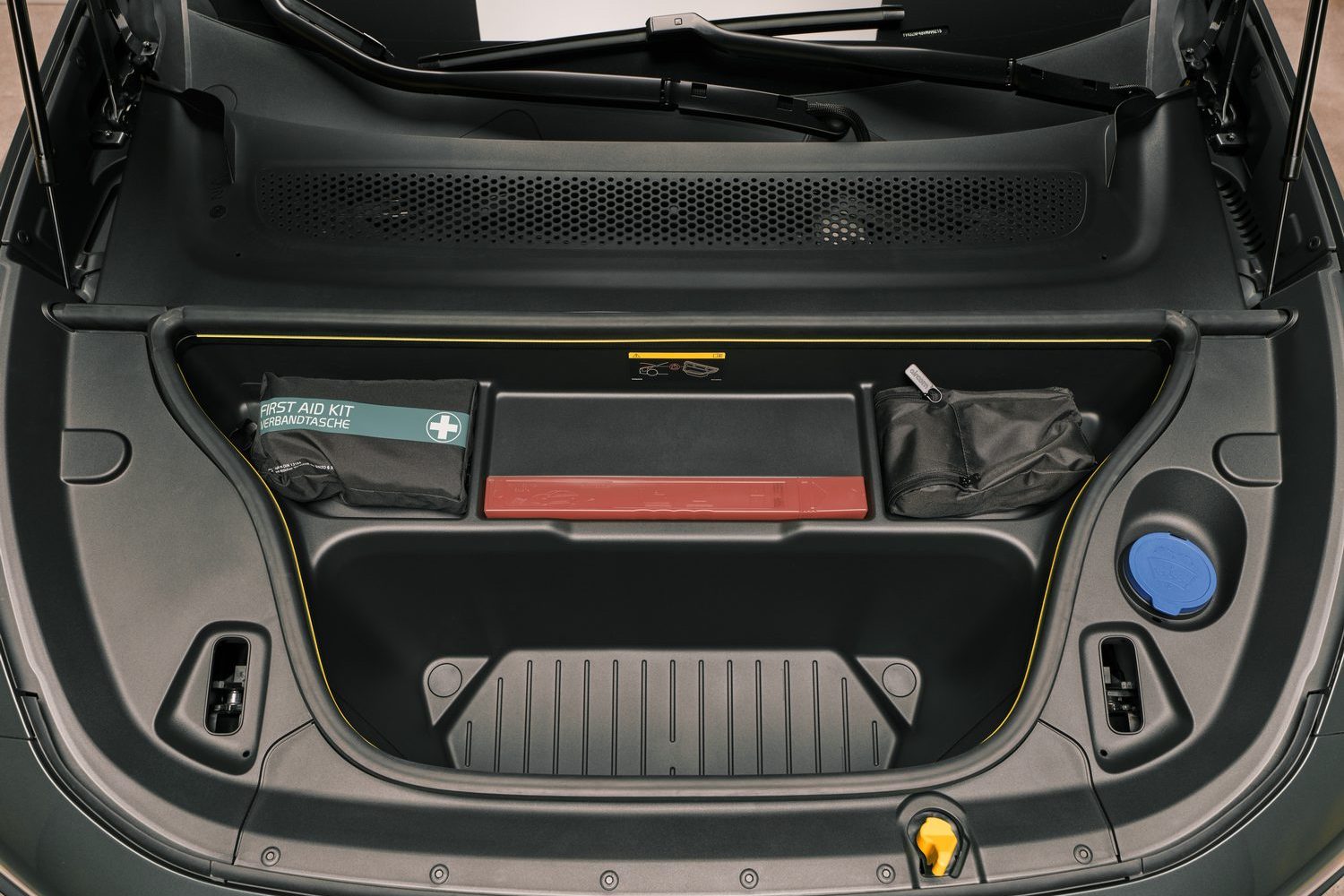
There are 634 litres of boot space (up to the roof lining) and a total of 1,647 litres when the rear seats are folded. Furthermore, the EX60 is equipped with a 'frunk' under the bonnet holding 58 litres - or as much as 85 litres if you remove the first aid kit and warning triangle.
What's the Volvo EX60 like inside?
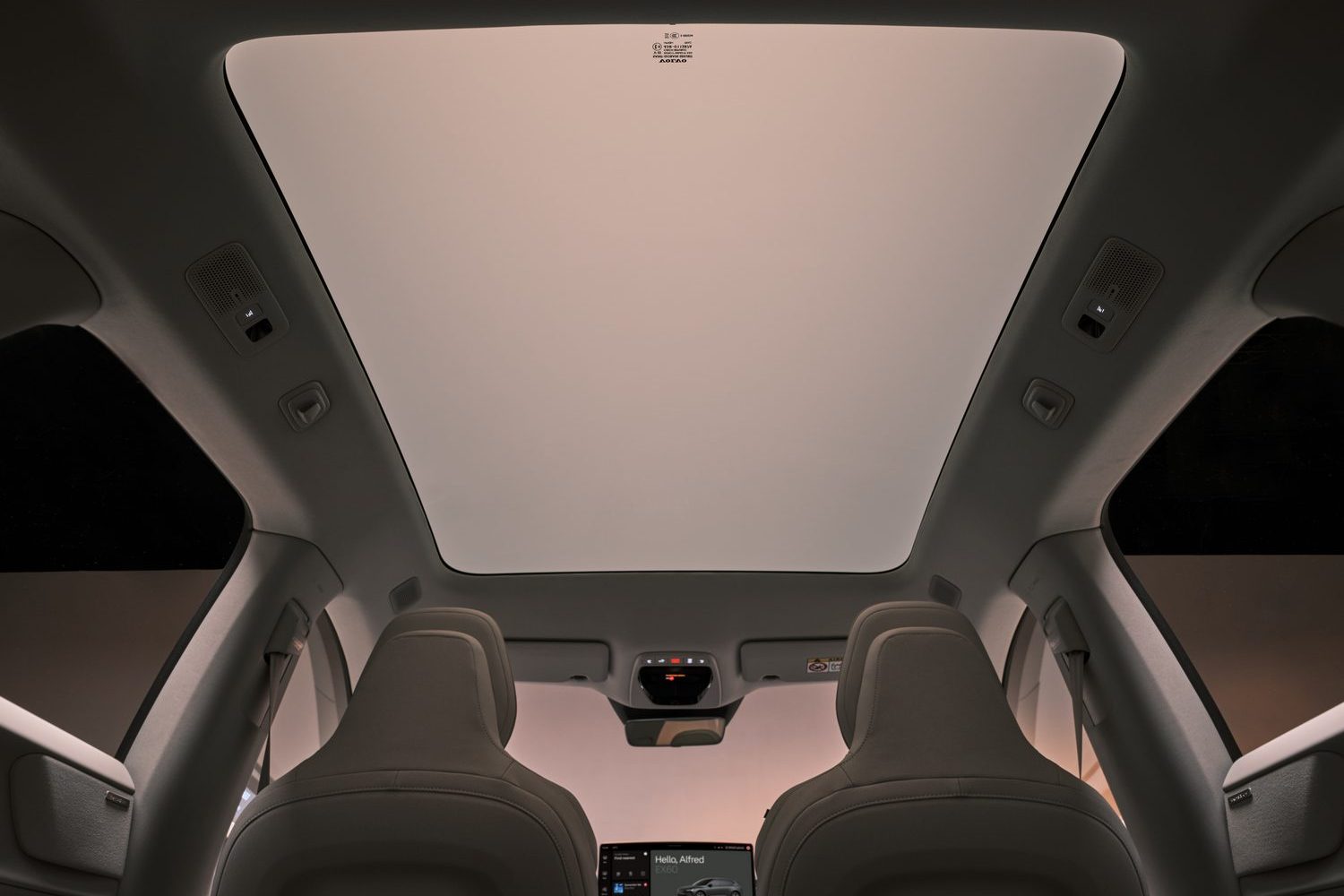
The EX60 presents a fresh take on Volvo's approach to somewhat minimalist Scandi design. The dashboard is a blend of tactile materials, many of which are recycled.
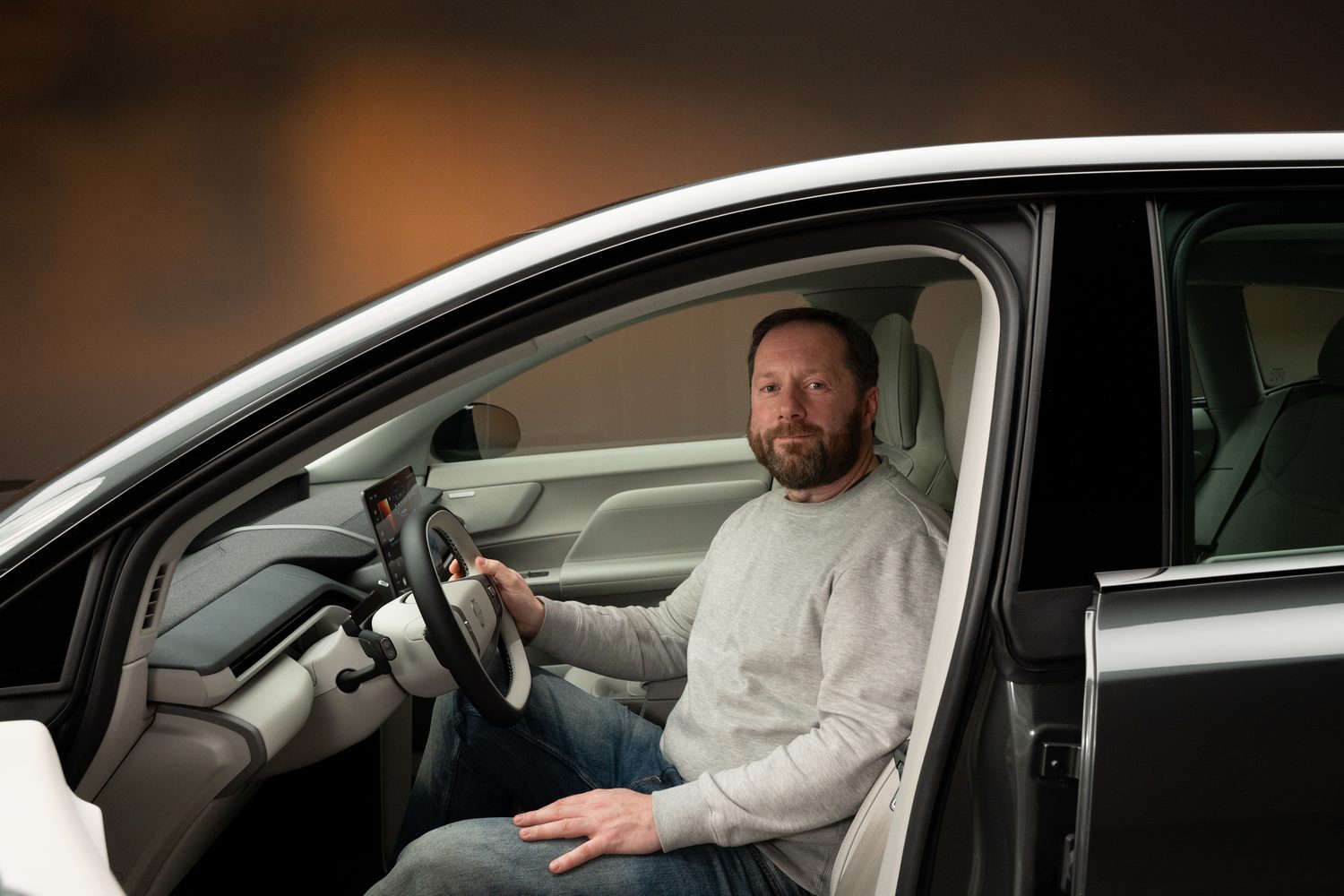
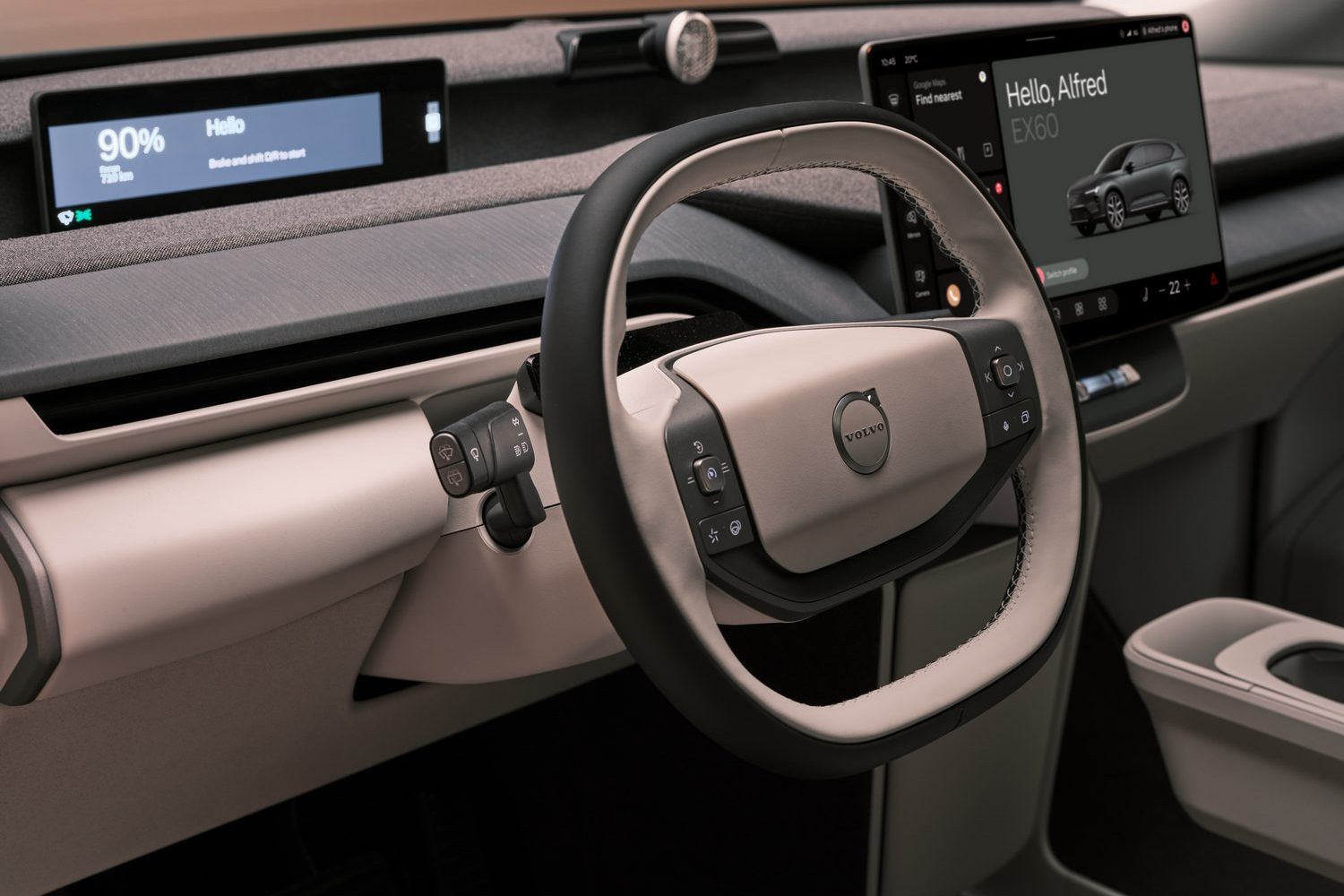
A new steering wheel design is smaller than we typically see in Volvos and has a more squarish shape. Its two-spoke layout features small square controls for adjusting various functions, including the reach and rake of the wheel - in conjunction with the infotainment system.
Ahead of the steering wheel and placed much closer to the base of the windscreen is an 11.4-inch digital instrument display. Volvo has simplified the layout of this display as much as possible to make it easier for drivers to read and understand at a glance, hopefully minimising time spent glancing away from the road. Due to its position, there is no head-up display system.
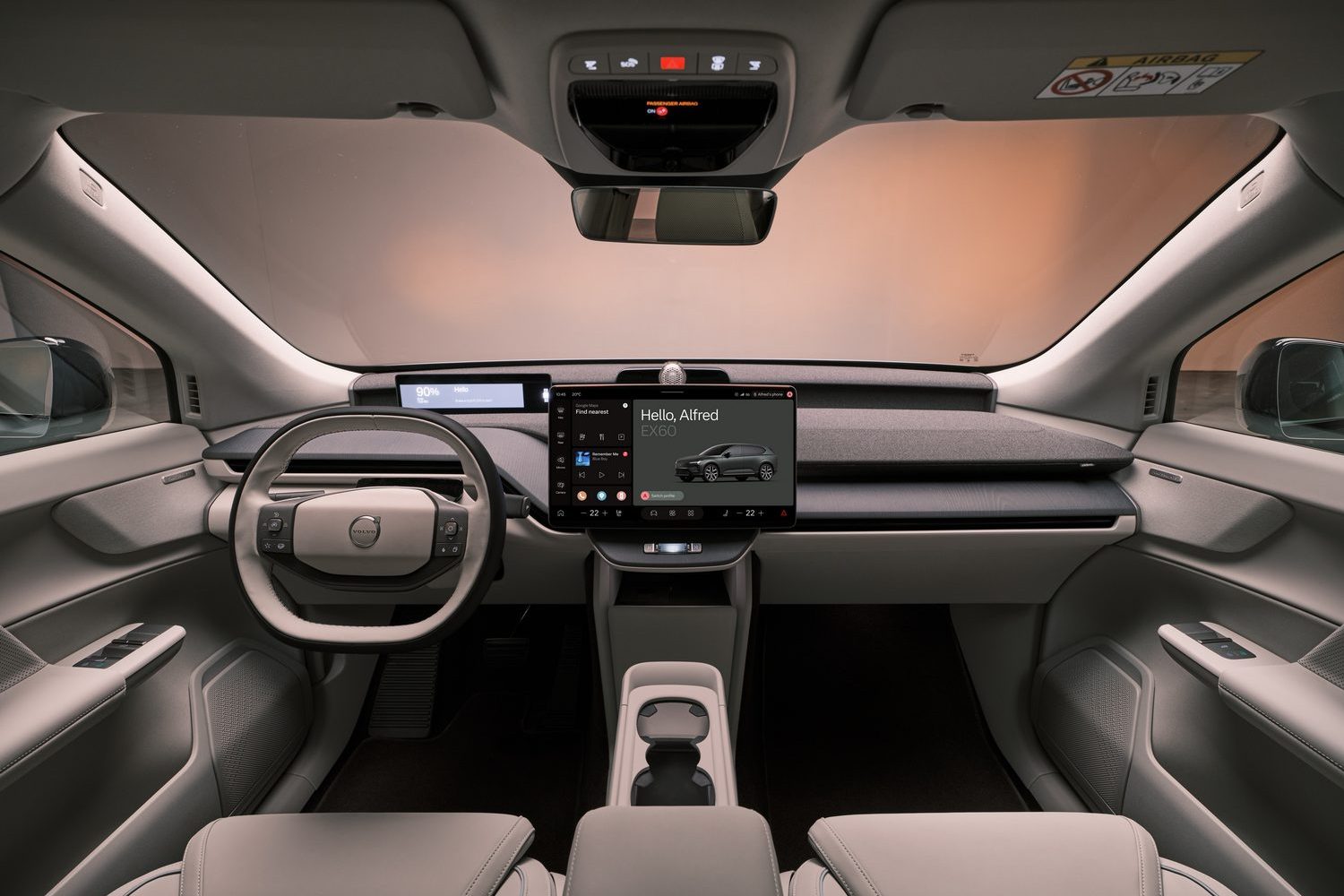
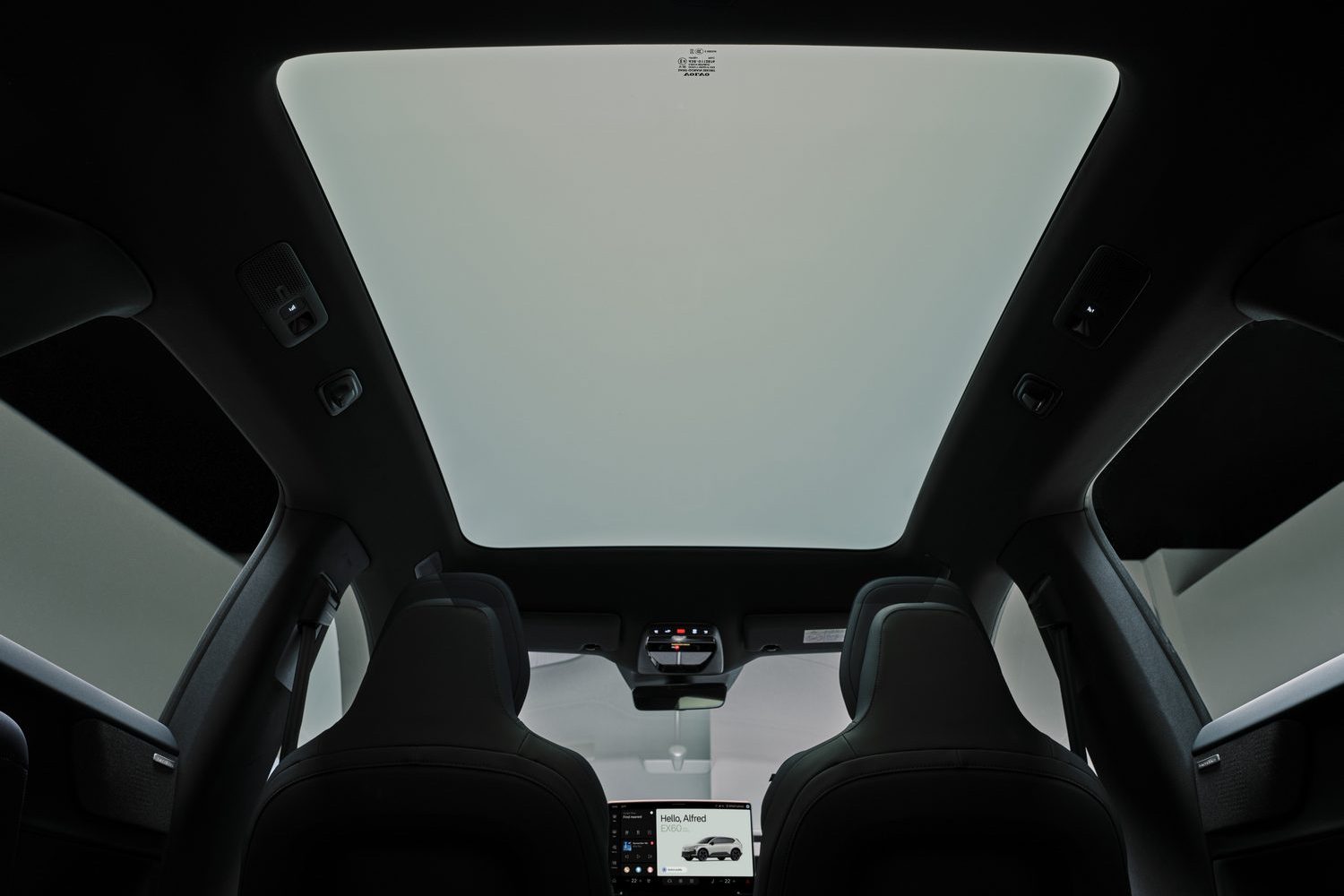
For a long time now, the infotainment systems in Volvo cars have used a portrait-style layout, but that all changes in the EX60. A new 15-inch touchscreen in landscape orientation is fixed to the centre console. The display is tablet-like with virtually no bezel and has a subtly curved surface.
It runs an entirely new and redesigned infotainment system that's powered by the latest Qualcomm 8255 CPU to give it ultra-fast response time to input and the kind of processing power that ought to future-proof the Volvo. In addition to Google Maps, it also has Google's Gemini AI technology baked in, which is said to provide a more conversational digital assistant.
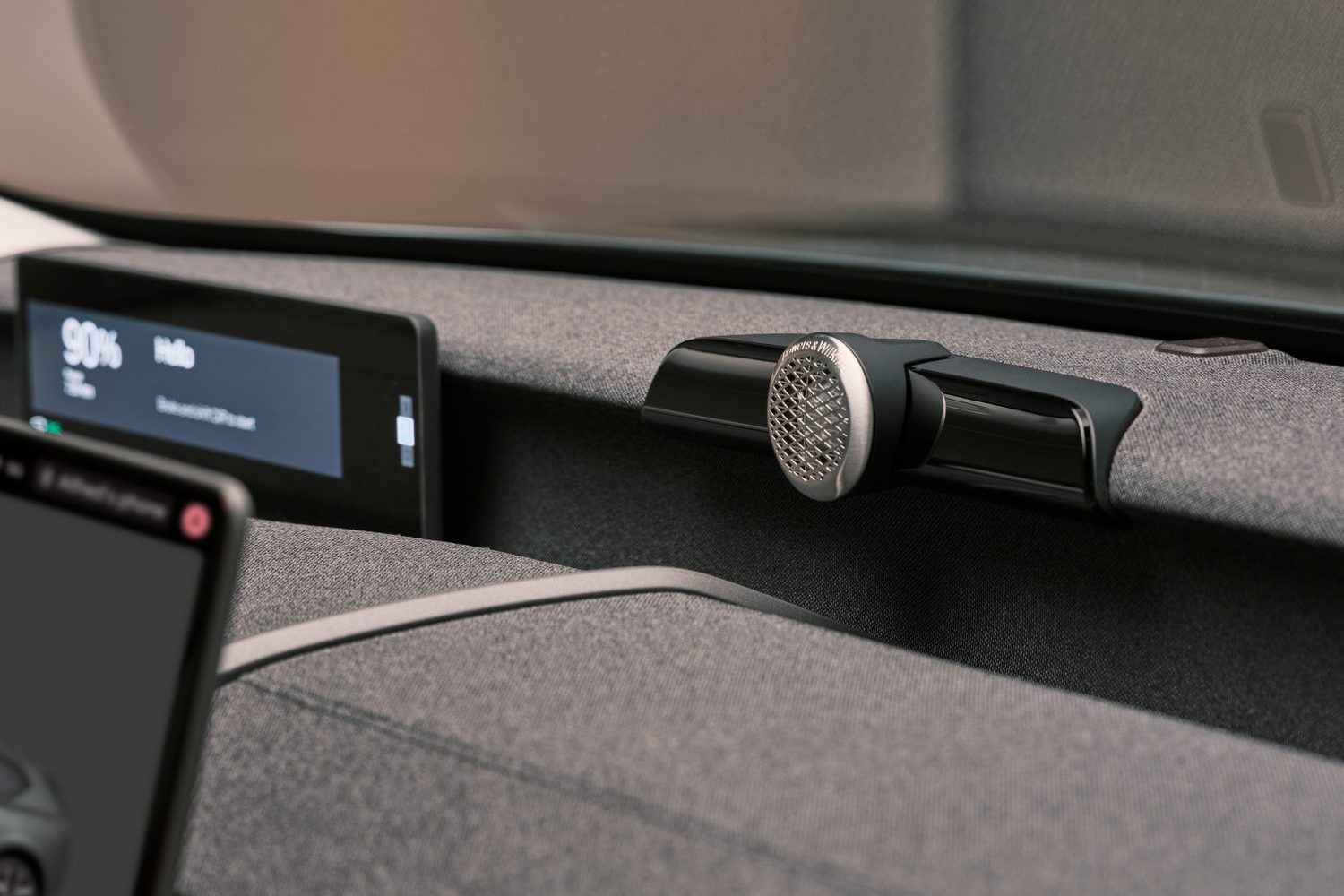
Other than a tastefully crafted crystal-like volume roller with metallic skip buttons on either side, virtually all functions are carried out via the touchscreen, which does somewhat go against Volvo's mantra of continuous safety improvements.
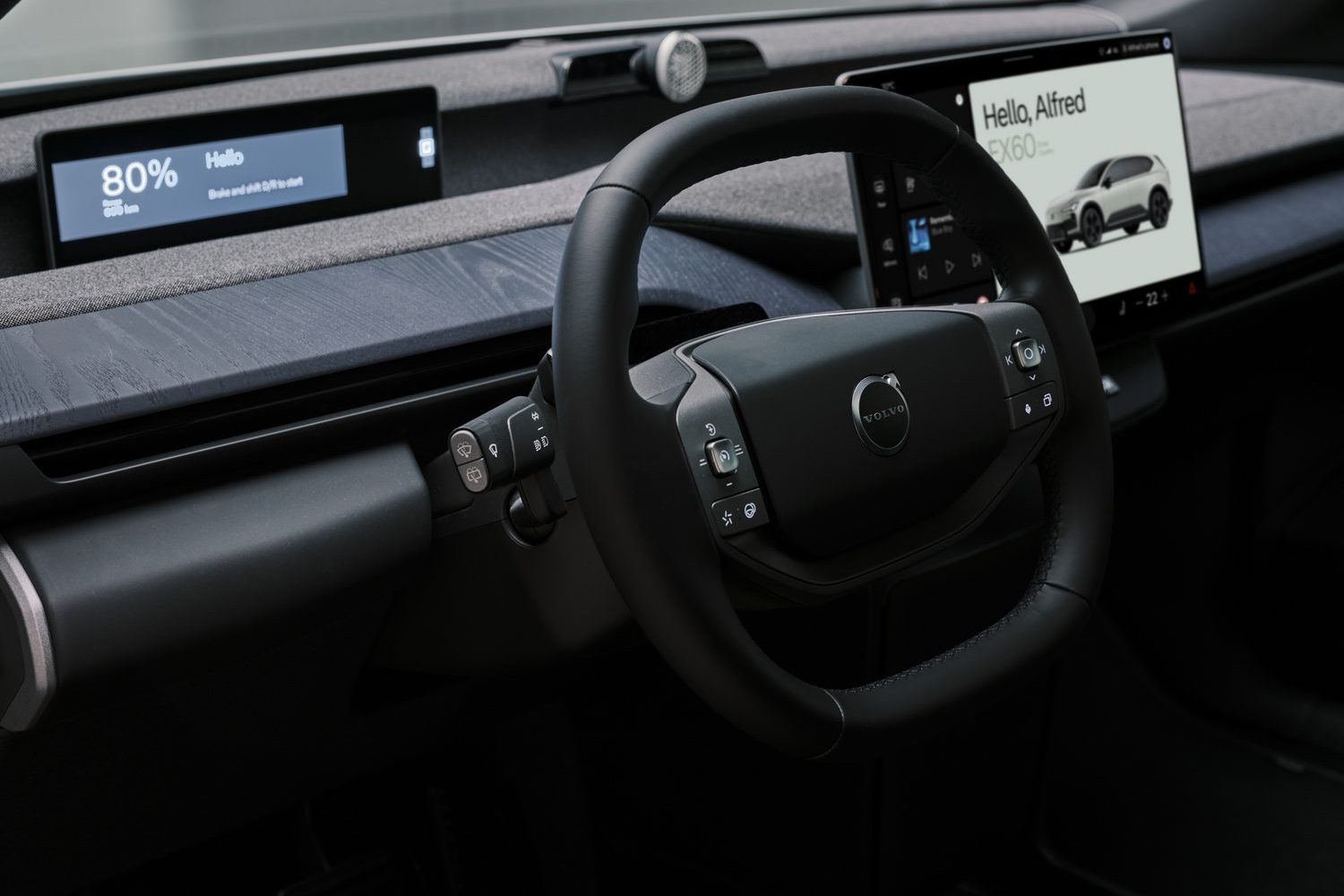
The temperature controls are always visible on the base of the display with other drive and car-related functions along the vertical axis nearest the driver.
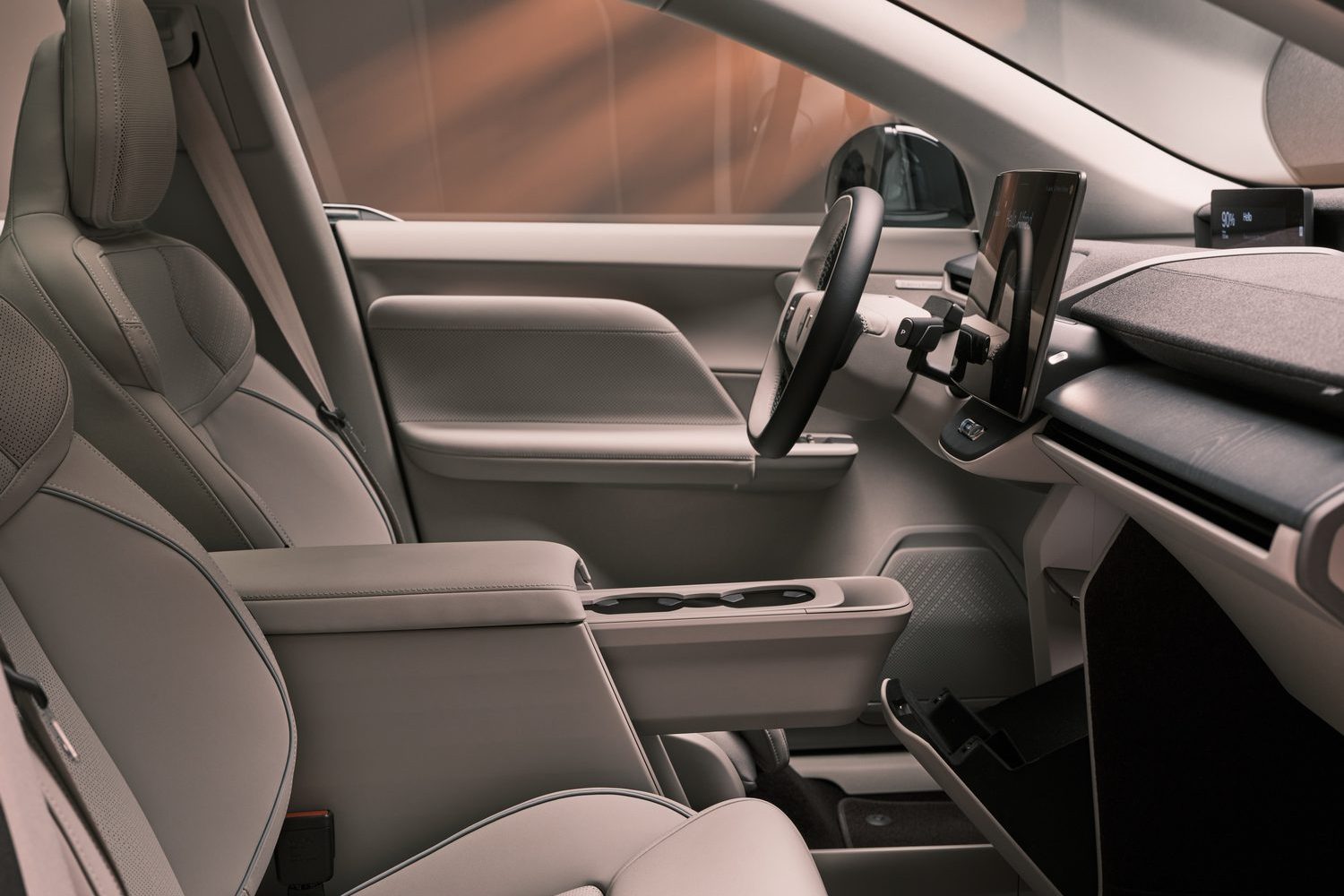
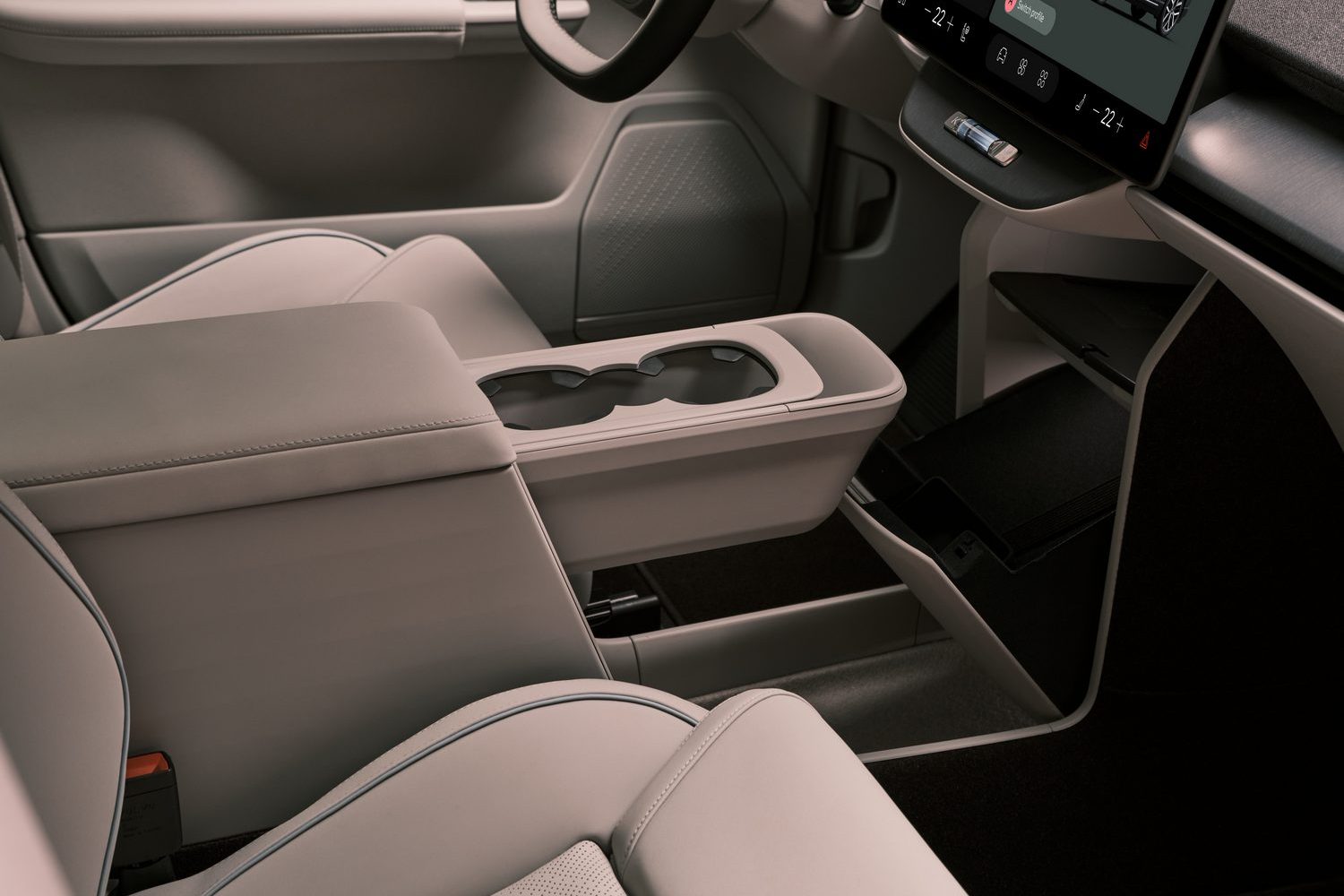
Capitalising on its electric underpinnings and associated packaging, the space between the front seats is open, while the glovebox has been moved from the traditional location in front of the passenger to the centre console, making it easier for the driver to access.
A wireless charging pad is available on top, along with USB-C charging ports. The central armrest is fixed, but as seen in the EX30, there is a pop-out cupholder section that can be retracted when not required.
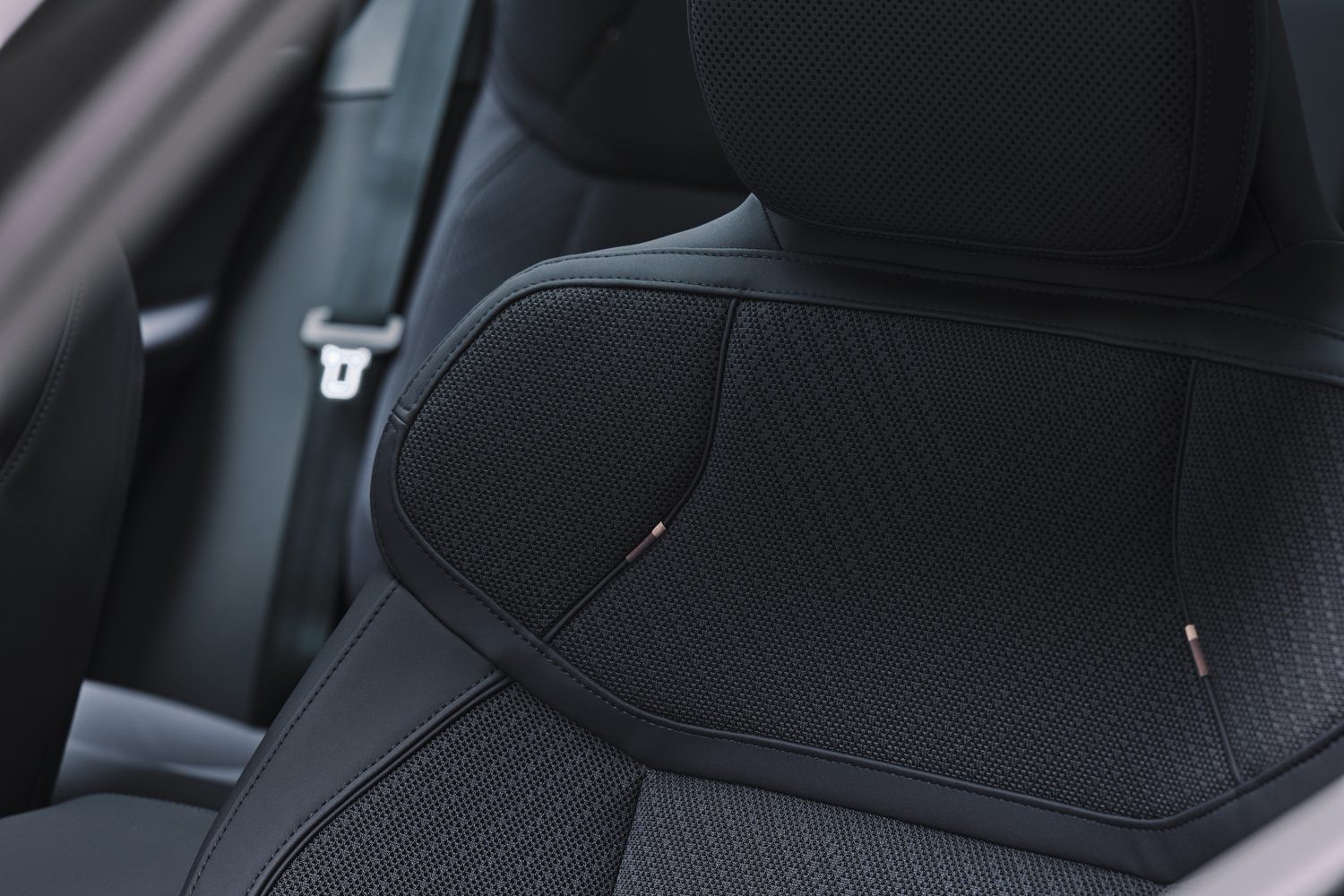
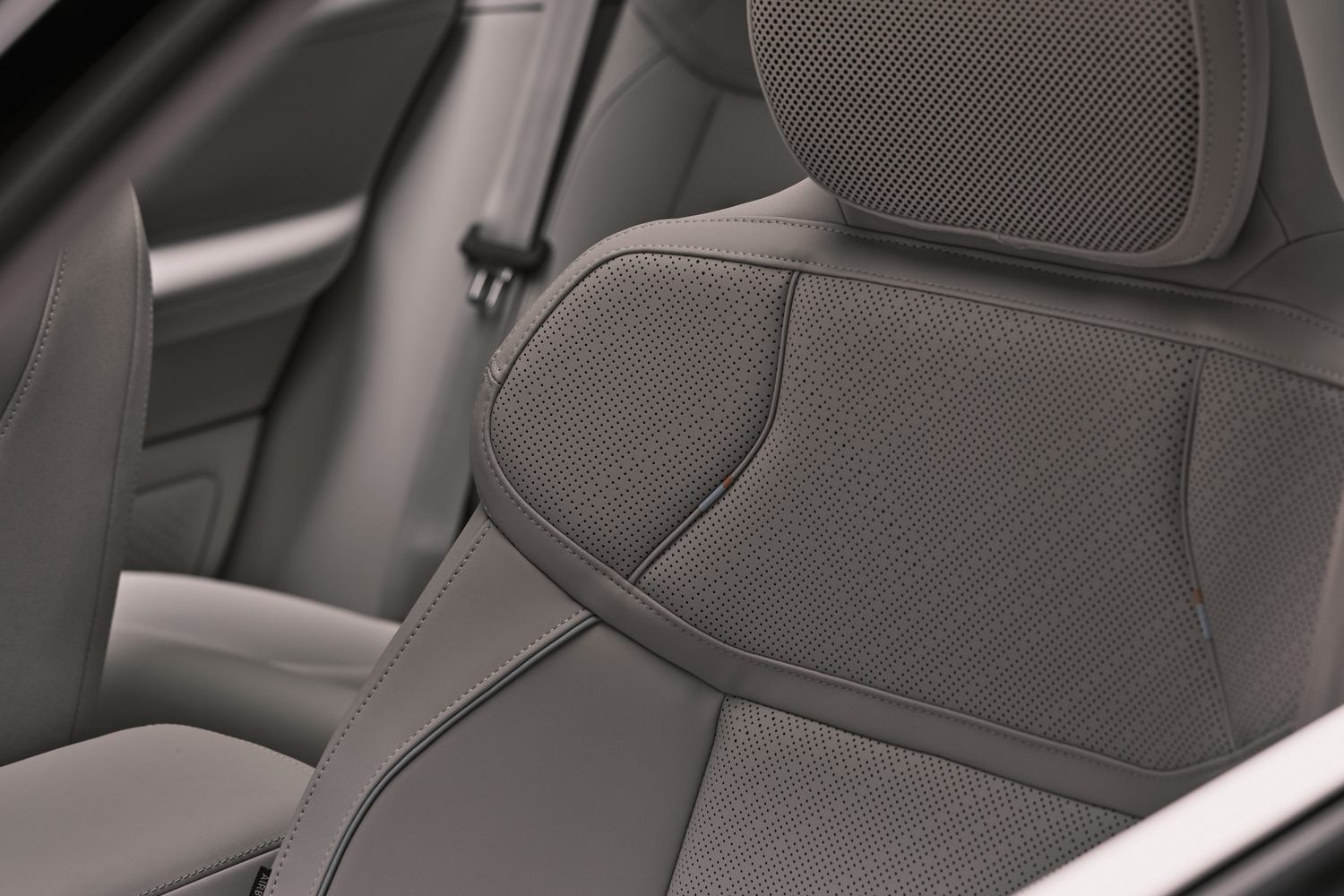
The electrically adjustable seats seem to be very comfortable, and the quality of the materials throughout the cabin underlines how Volvo is very much eyeing the premium segment with this car.
Any new safety features in the EX60?
The EX60 is the first model to use Volvo's multi-adaptive safety belt. It works in conjunction with seat sensors and a cabin-facing camera to determine how each seat belt should react in an accident.
According to Volvo: "The new multi-adaptive safety belt can use data input from interior and exterior sensors to customise protection, adapting the setting based on the situation and individual's profiles, such as their height, weight, body shape and seating position. For example, a larger occupant in a serious crash will receive a higher belt load setting to help reduce the risk of head injury. While a smaller occupant in a milder crash will receive a lower belt load setting to reduce the risk of rib fractures.”
What powers the new Volvo EX60?
Volvo will offer three variants of the EX60, called P6, P10 and P12, each with different battery and motor performance. A cell-to-body construction for the batteries is said to contribute to a 20 per cent weight reduction compared to previous electric Volvos. This approach also results in a 37 per cent lower CO2 footprint according to Volvo.
The EX60 P6 is the only single-motor variant of the line-up and uses an 80kWh battery paired with a 374hp electric motor that generates up to 480Nm of torque. It can accelerate from 0-100km/h in 5.9 seconds and is fitted with passive suspension. Despite being the smallest capacity battery, it still has a WLTP combined range of 620 kilometres and has a peak 320kW DC charging rate.
The P10 is the first of two dual-motor, all-wheel-drive (AWD) powertrains available for the EX60, and it also comes equipped with adaptive suspension. It uses a 91kWh battery to provide a WLTP driving range of 660 kilometres. Peak outputs of 510hp and 710Nm of torque are on tap, accelerating the car to 100km/h from rest in 4.6 seconds.
Topping the EX60 range is the P12 AWD, which gets a 112kWh battery and maximum outputs of 680hp and 790Nm, resulting in acceleration from 0-100km/h in 3.9 seconds - while the WLTP range is 810 kilometres.
Both the P10 and P12 are capable of charging at up to 370kW on DC power, which, in optimum conditions, can add 340 kilometres of driving range in 10 minutes.
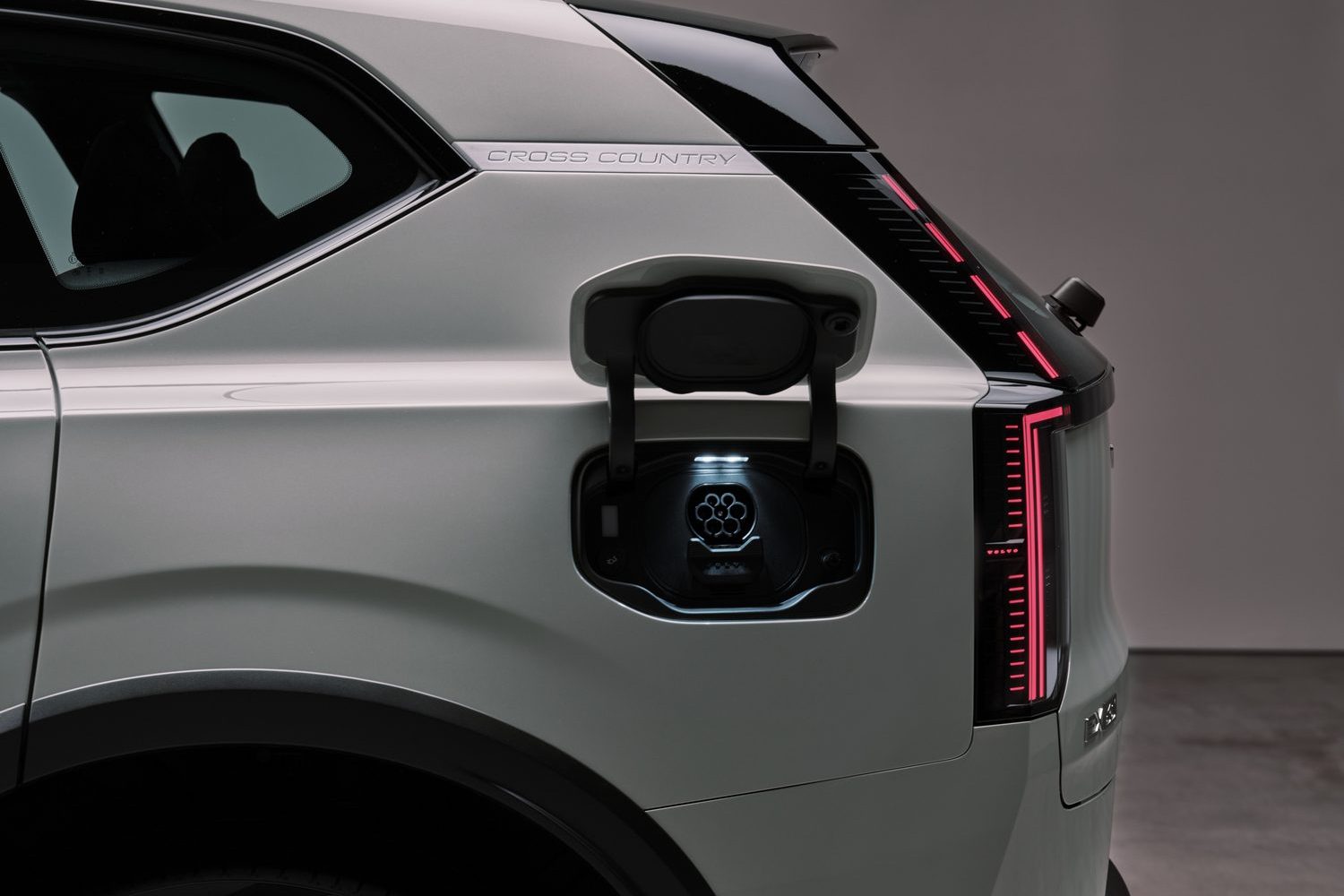
There will be 22kW AC charging, and the option of bi-directional charging.
EX60 drivers will also be able to tow, with the P6 capable of pulling up to 2,000kg, while the AWD P10 and P12 can tow up to 2,400kg.
All versions of the EX60 will be initially offered in Plus or Ultra specification grades. A more affordable Core equipment grade will be added to the range at a later date.
Are those 'Cross Country' badges I see?
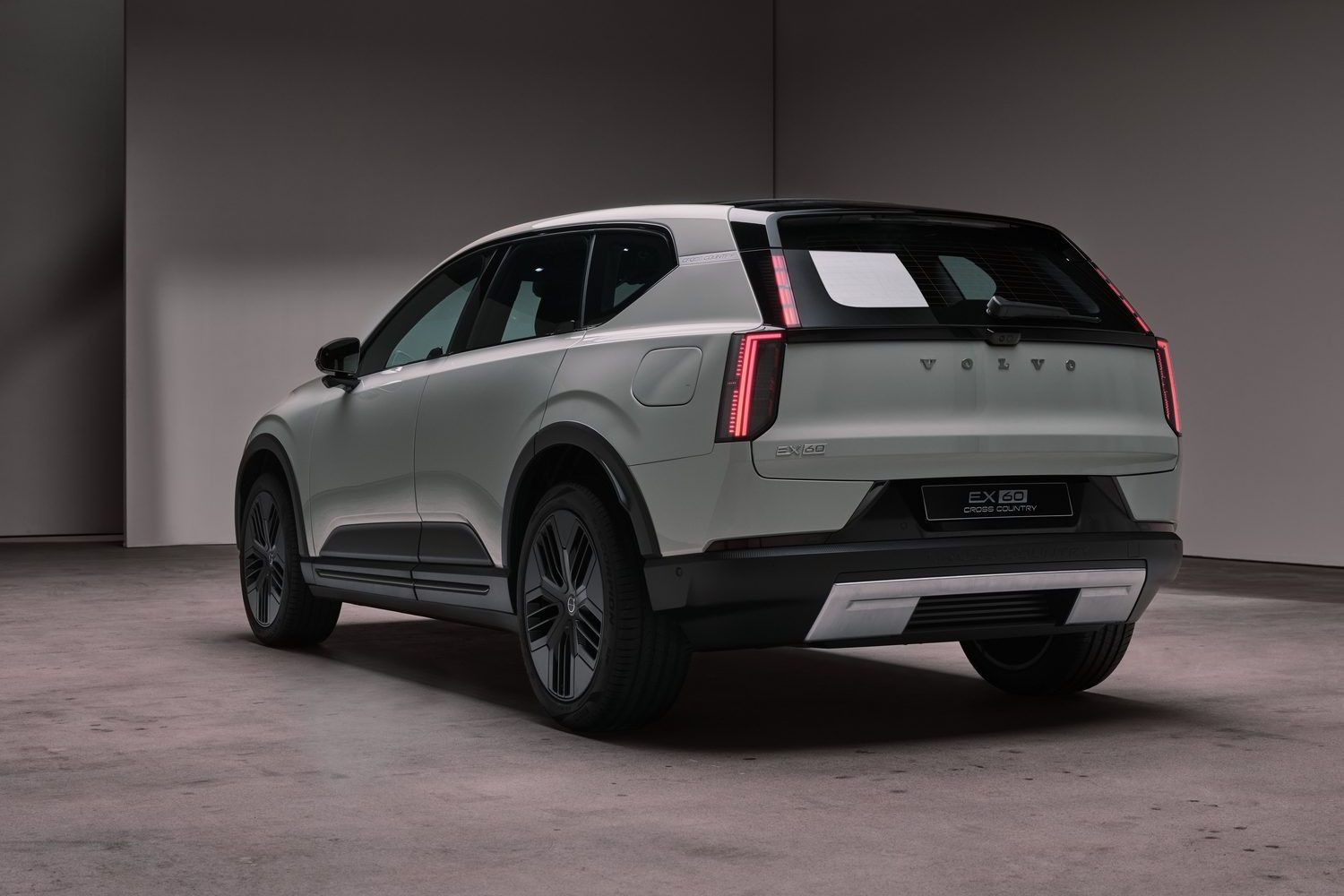
For those who want something a little more 'off-road', the Volvo EX60 Cross Country comes equipped with a wider track, 20mm increased ride height and air suspension that lifts the car a further 20mm when needed.
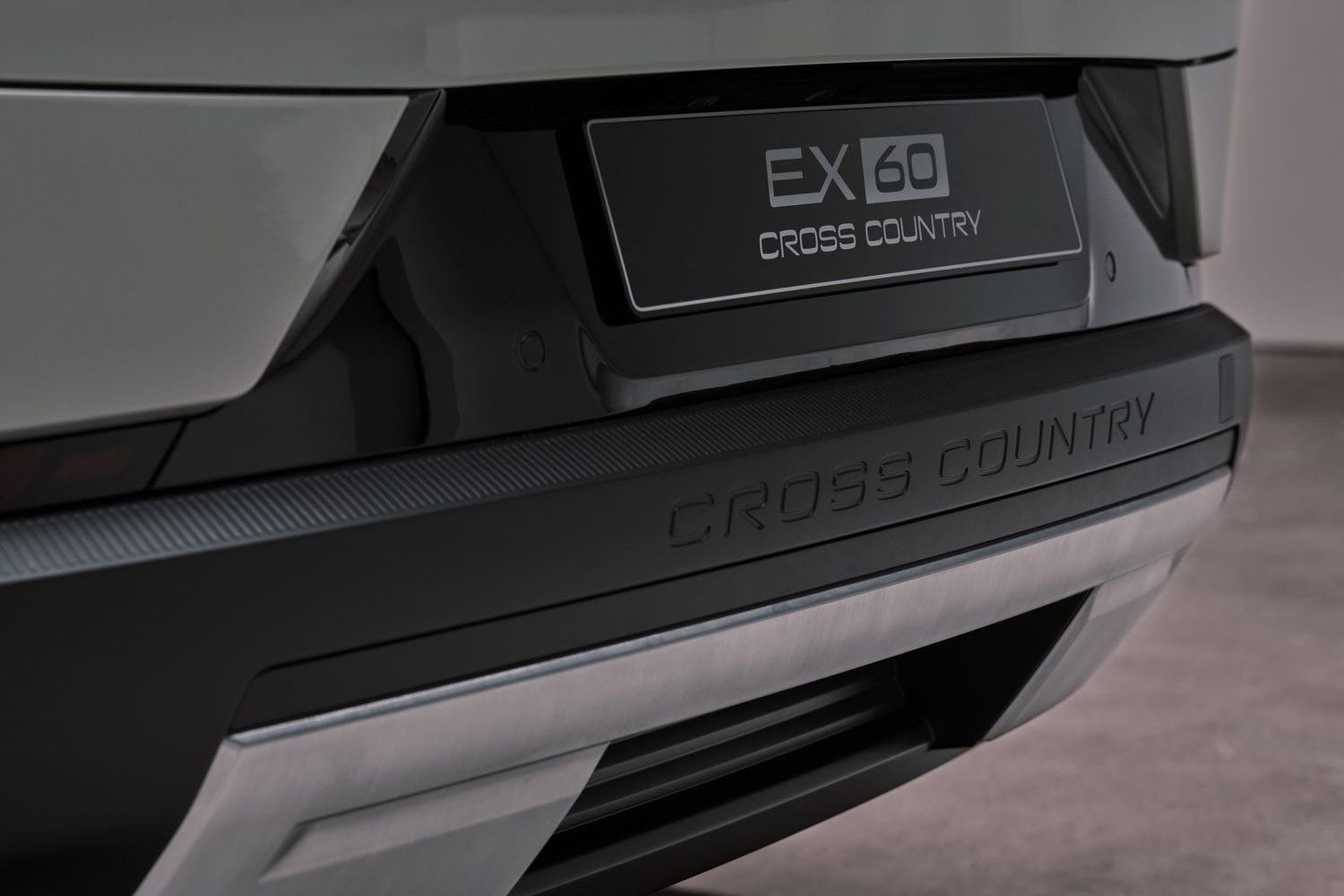
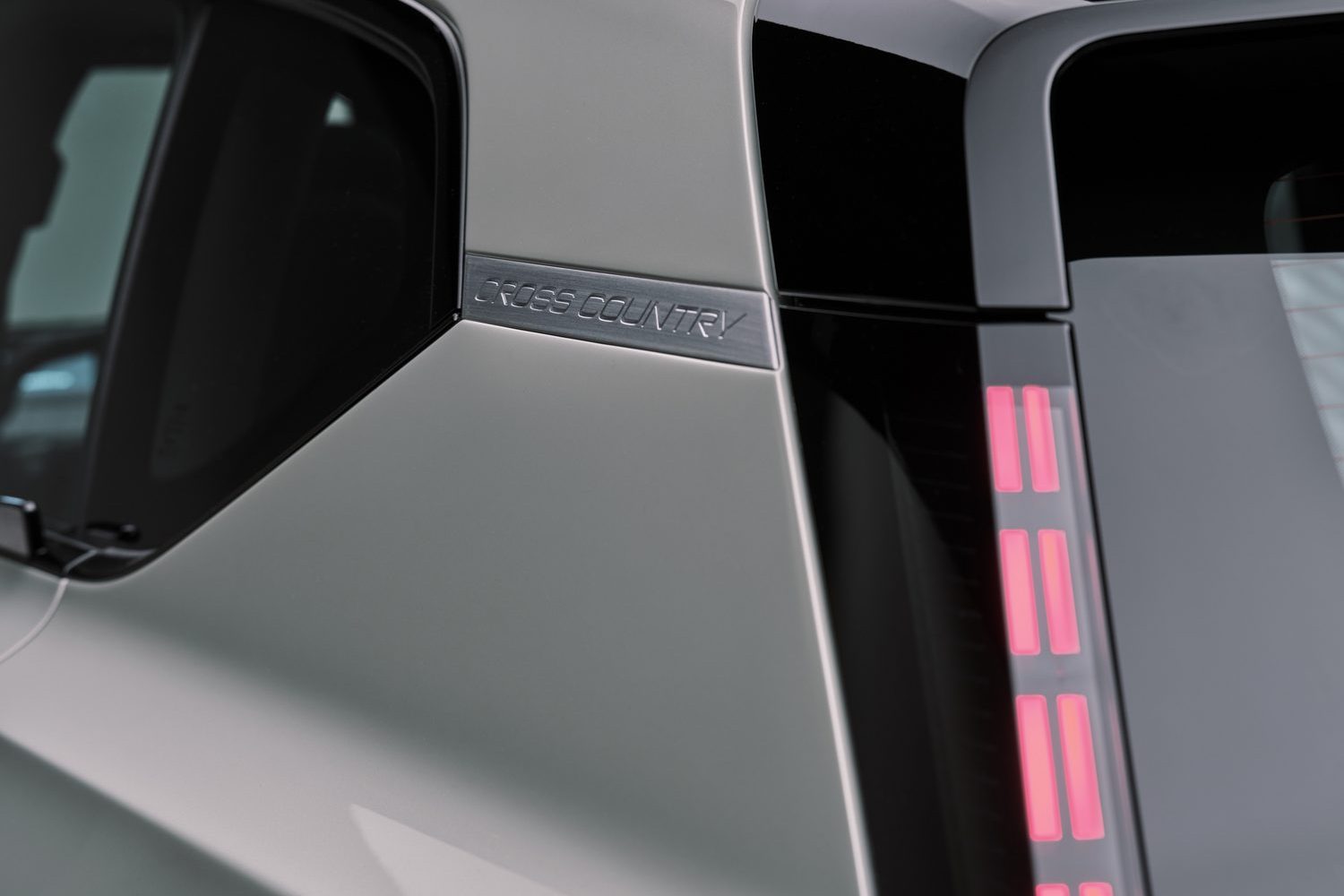
The EX60 Cross Country also looks the part, with unique front and rear bumper designs with contrasting black panels and embossed 'Cross Country' lettering, along with robust stainless steel skid plates. Along the sides, there is additional black plastic cladding, and the C-pillar includes a stainless-steel Cross Country nameplate.
Unlike the regular EX60, the Cross Country is only available with the P10 powertrain, so it gets a dual-motor setup with up to 510hp and 710Nm, while acceleration from 0-100km/h is only one-tenth of a second slower at 4.7 seconds.
Technical details aside, the EX60 Cross Country is also available with a unique dark blue upholstery that complements the new Frost Green exterior colour it introduces.
How much will the Volvo EX60 cost in Ireland?
Irish pricing for the Volvo EX60 P6 Electric will start at €66,695, and cars will be available from July 2026.
The EX60 P10 AWD Electric will cost from €69,995 and will also have availability from July, while the EX60 P12 AWD Electric will be available towards the end of 2026, priced from €76,595.
There is no pricing as yet for the EX60 Cross Country, as that will not be available until mid-2027.

Video player loading.
Video unavailable. Watch on YouTube
If there is anything about this story we have not covered, you can avail of our expert advice service via the Ask Us Anything page.