

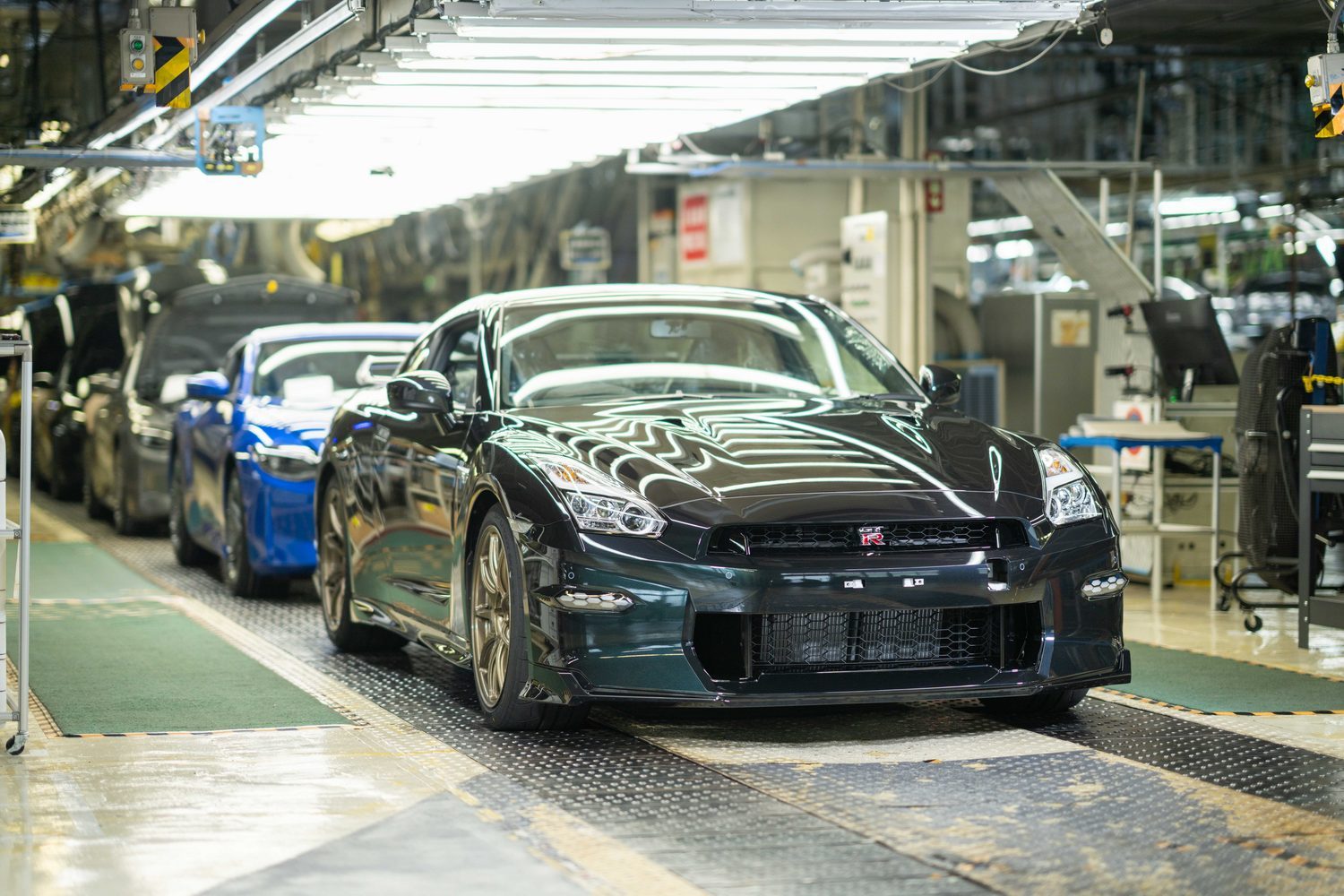
This is a sad moment, isn't it?
Yes, it really is. It's become almost a running gag, a meme featuring Grandpa Simpson, as to just how old the design of the GT-R is now, but this is still a car of rare and startling ability, capable of putting the likes of 911 Turbos and Ferrari Romas to the sword, especially on tricky roads, and especially at the Nürburgring, where the GT-R achieved pre-eminence.
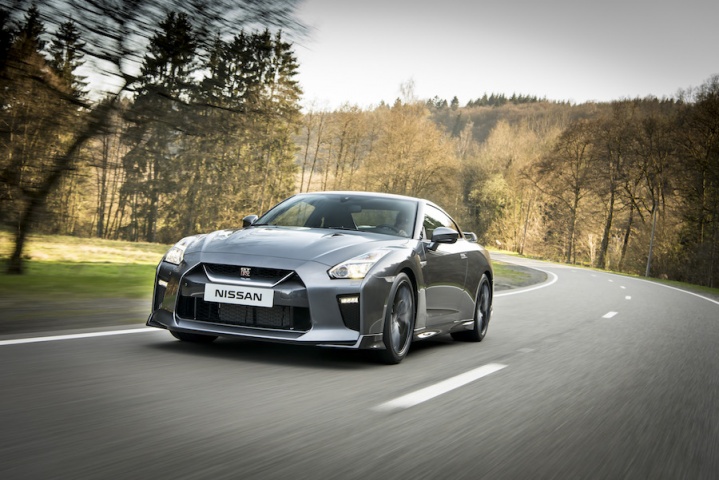
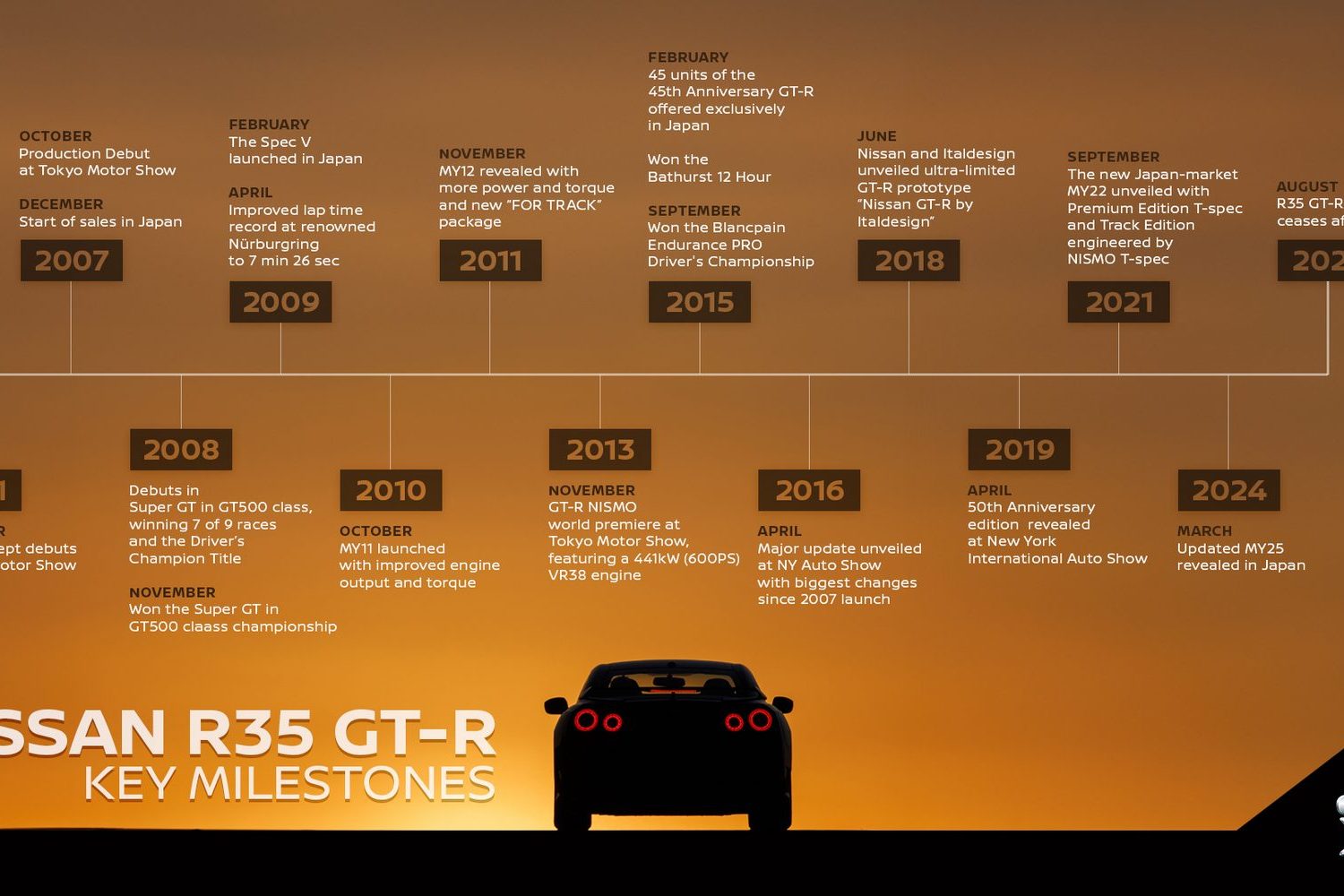
In fact, straight out of the box, an R35 set a production car lap record of 7mins 38secs at the Nürburgring Nordschleife. That record would be whittled away over the years, and later, even faster versions of the GT-R finally managed an apogee of 7mins 8.6secs around the fearsome north loop of the 'Ring, thanks to the car being lighter, having specially designed suspension, and thanks to the efforts of race driver Michael Krumm at the wheel.
What made the GT-R such a great?
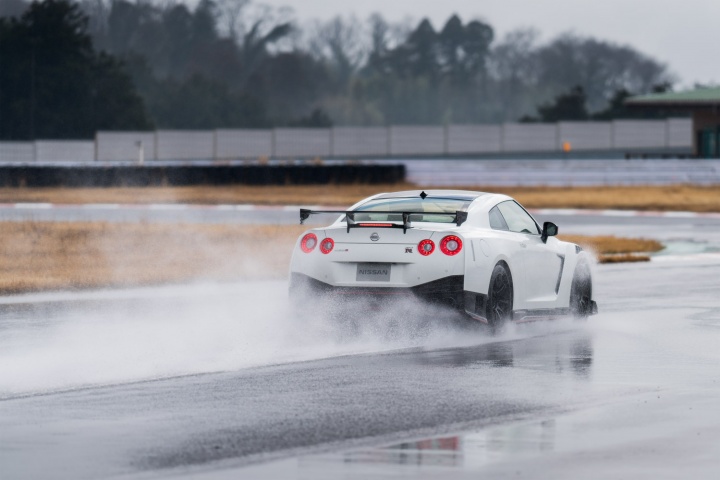
It was fast, unflappable in lousy weather and road conditions, and built like the proverbial brick outhouse. While other rapid cars might be fragile and require careful storage and maintenance during winter, the GT-R was hypercar-fast, but could be your commuting car, too. It also helped that the GT-R came of age at the peak of racing games, especially PlayStation's Gran Turismo.
Where will the last one go?
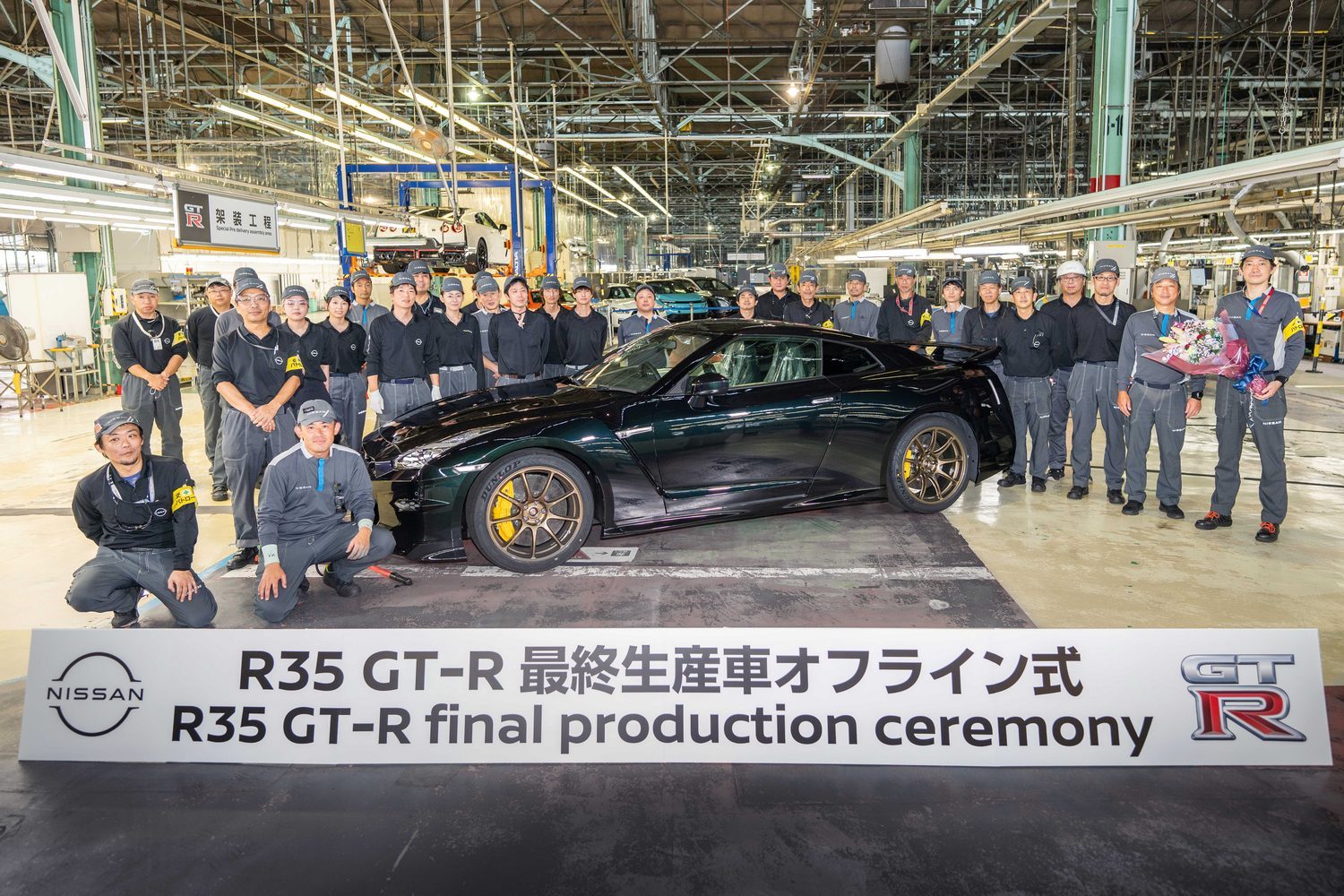
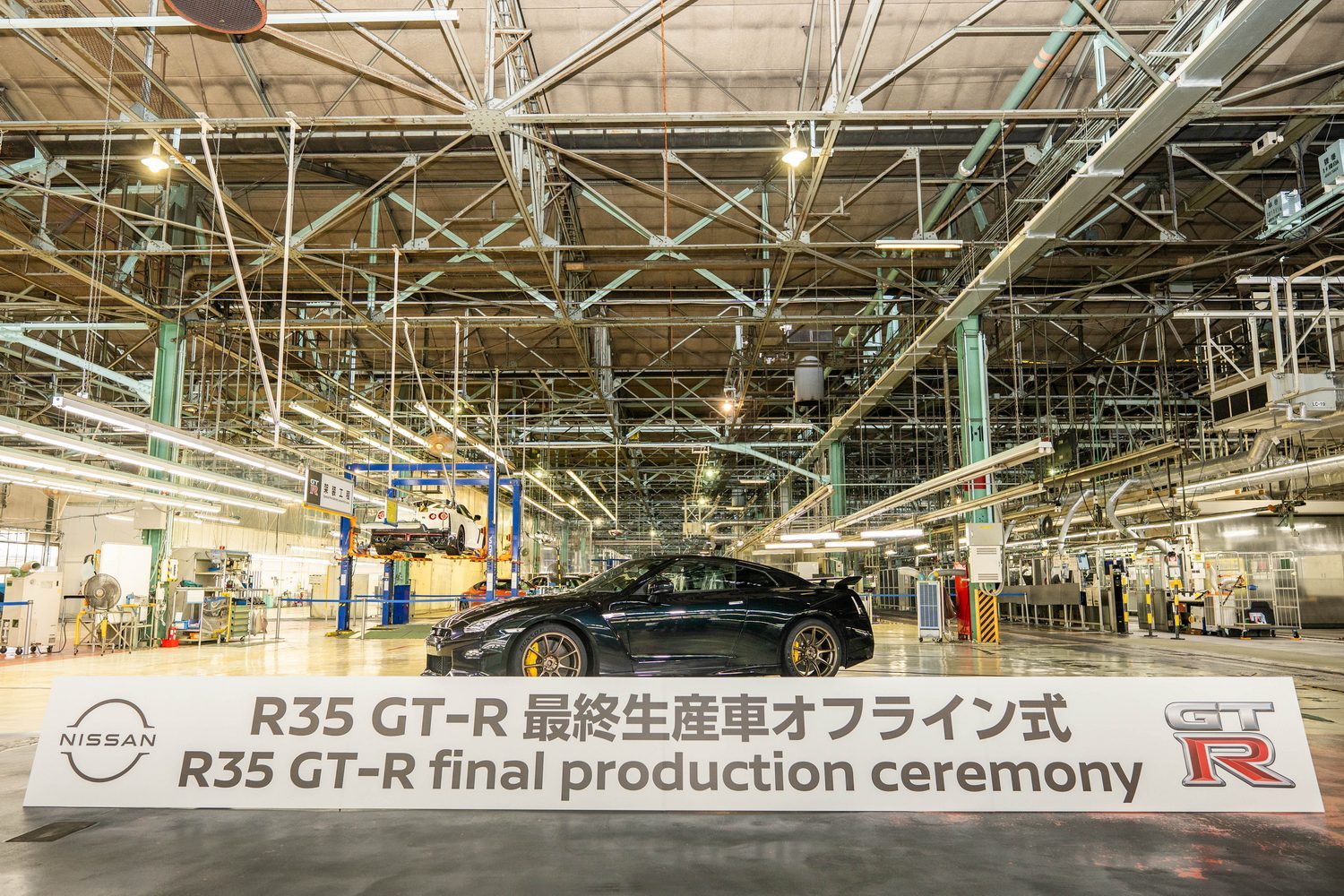
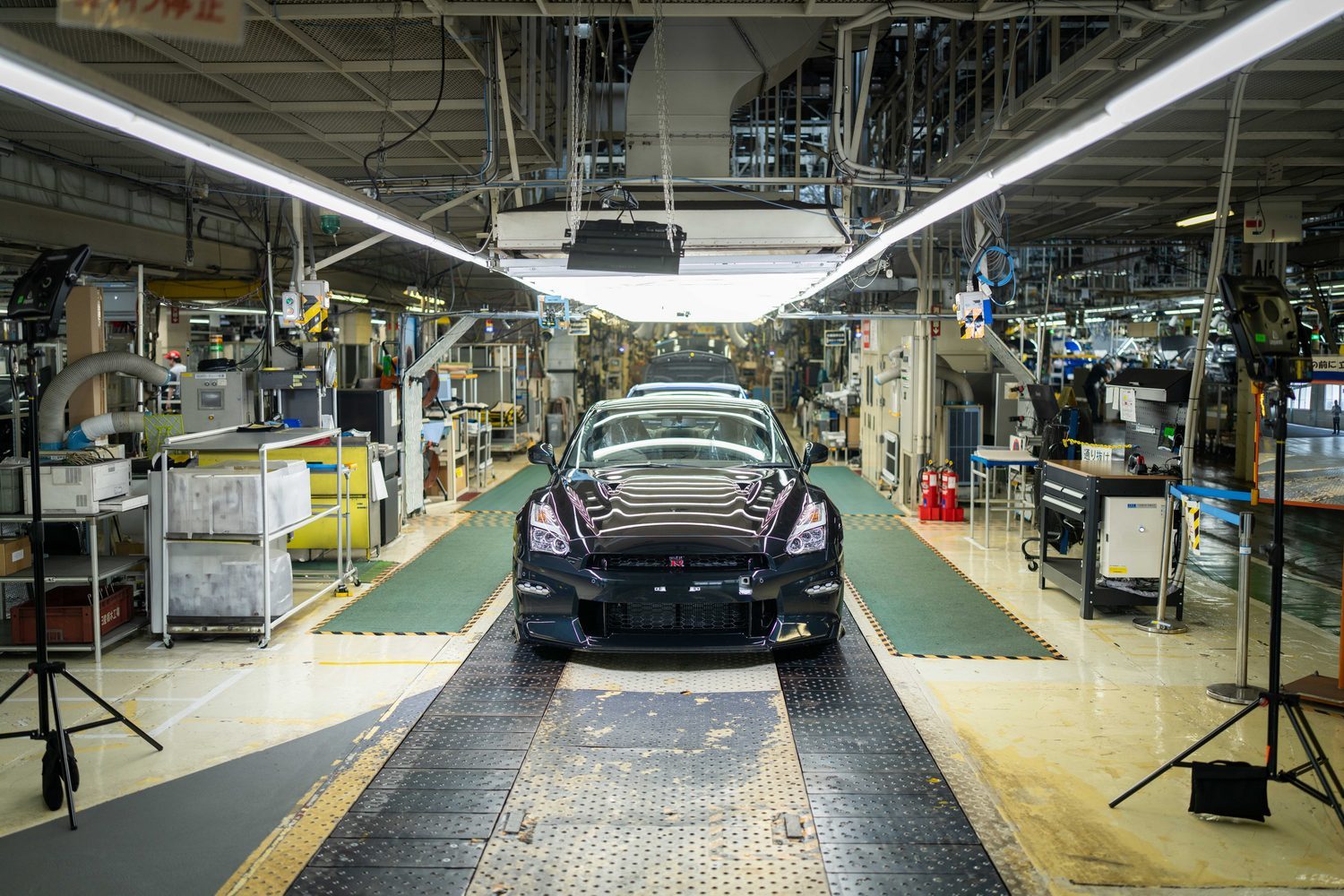
The last GT-R off the line isn't, as you might expect, going to Nissan's museum, but it's an actual customer car, a Premium edition T-Spec, finished in Midnight Purple paint, and sold to a buyer in Japan.
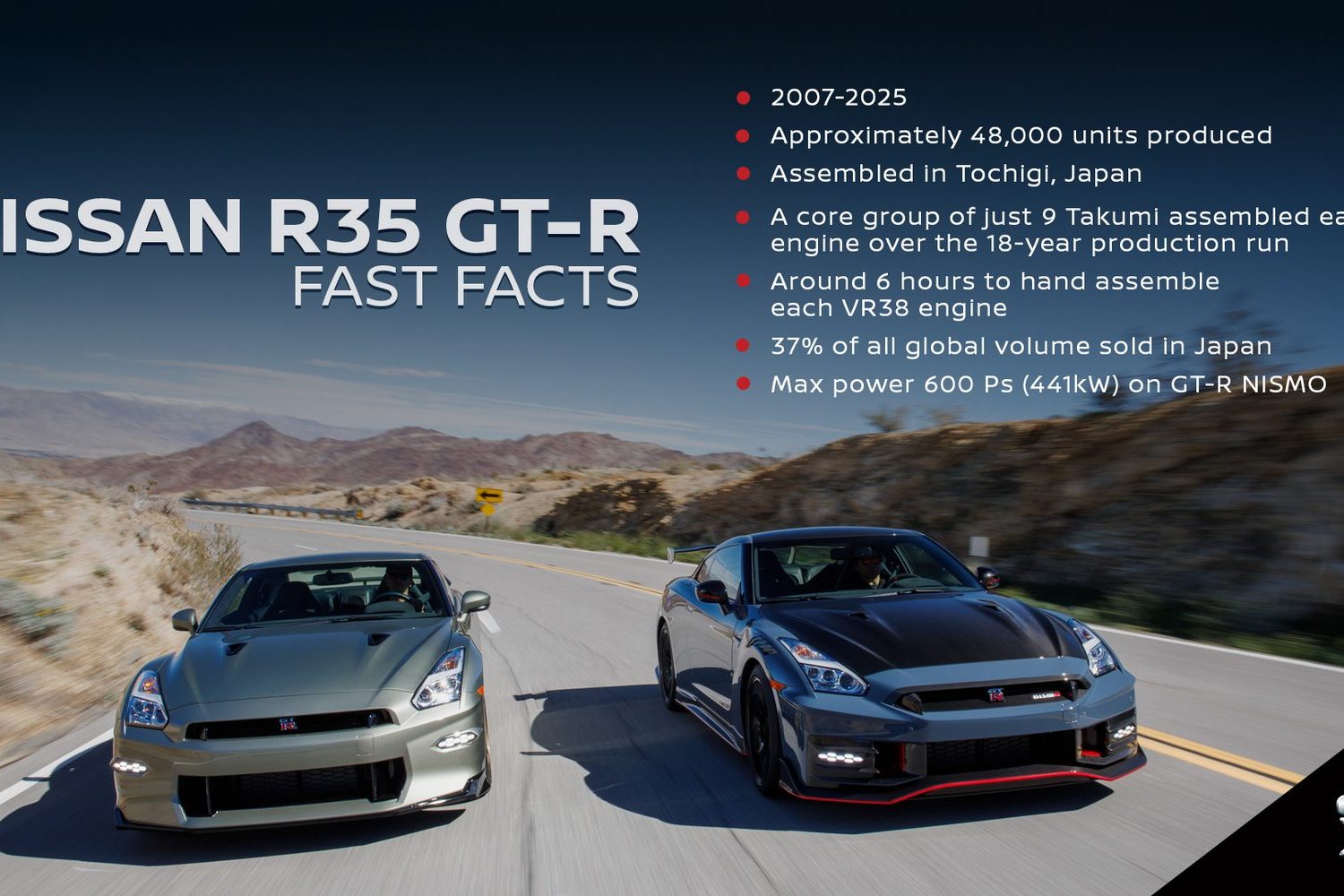
As with all of the R35 GT-Rs, the last car's engine - a 3.8-litre 60-degree V6 with two turbos - was handmade by nine specially trained 'takumi' craftspeople at the GT-R's factory on Tochigi, Japan.
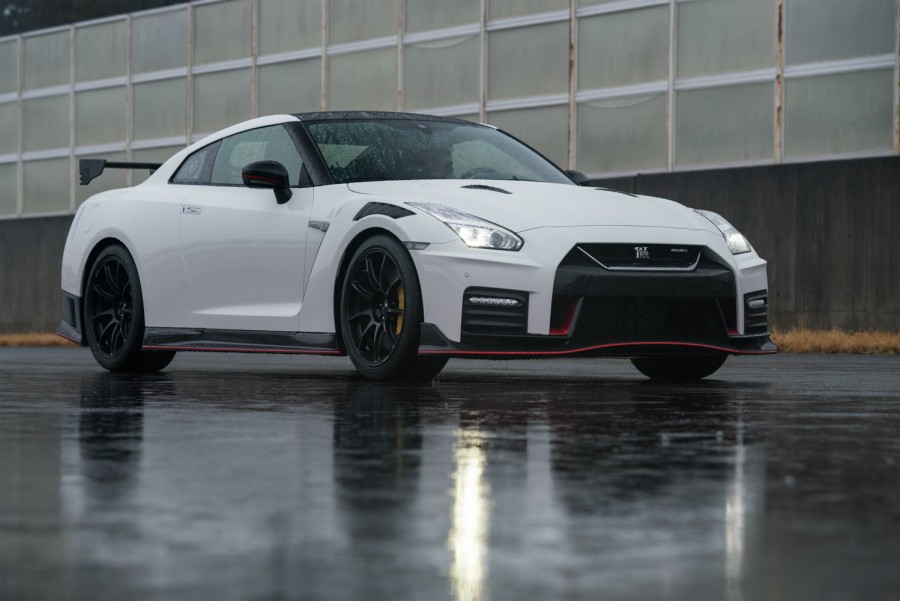
It started out with 480hp but finished - 18 years later - with 600hp for Nismo models, all channelled through a paddle-shift gearbox and the 'ATTESA ET-S' four-wheel-drive system. The engine was so tough that tuners were routinely able to push it well past 1,000hp.
What about its racing career?
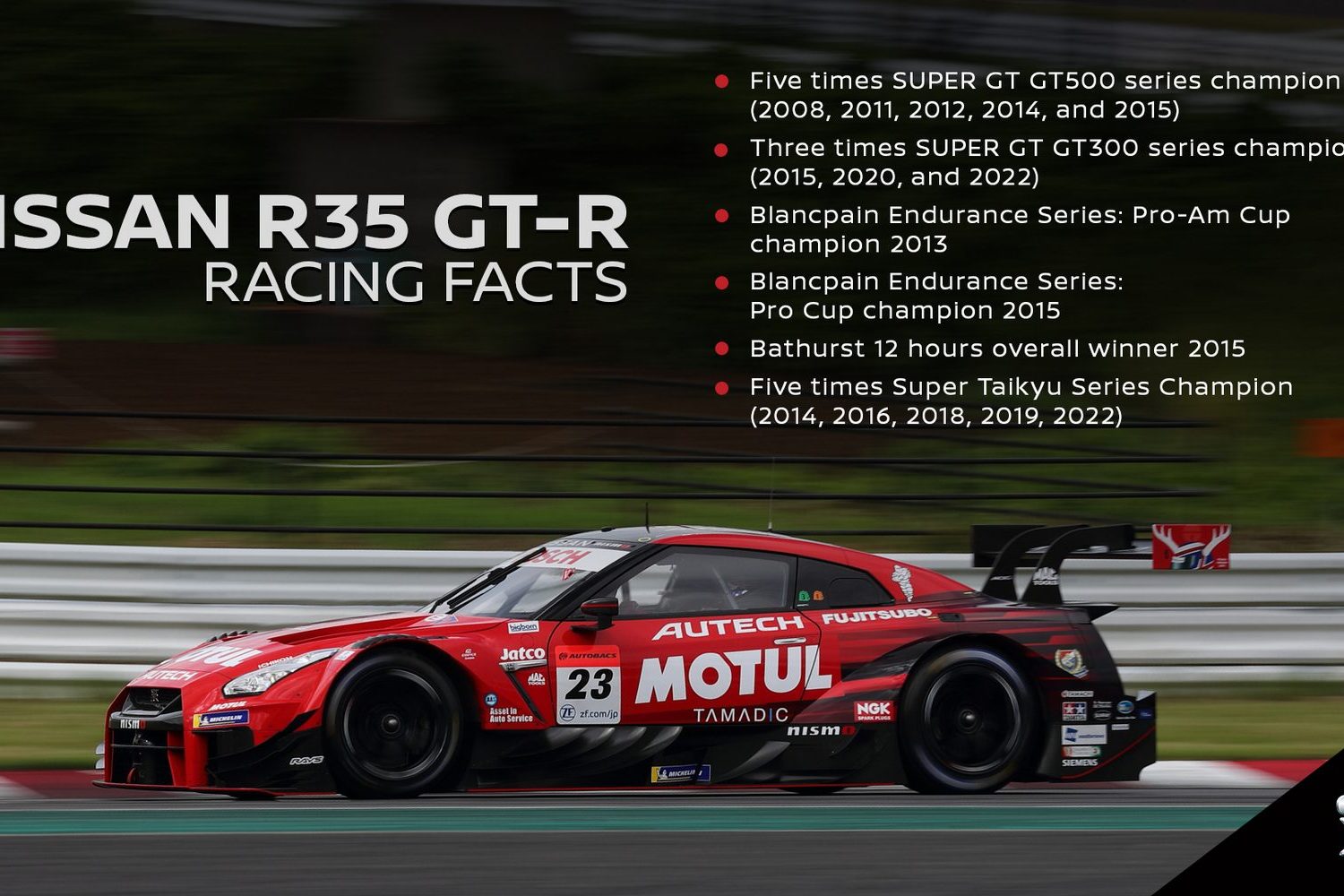
Oh yes, the GT-R was a racer too. It took the Japanese Super GT championship category title eight times, won the Blancpain Endurance series in 2013 and 2015, won the Bathurst 12 Hours in 2015, and was five times a Super Taikyu Series champ.
The experience from all that racing lead to direct improvements for the road car, including GT3 race-car-spec turbochargers as well as high-precision, weight-balanced parts including the piston rings, connecting rods, crankshaft, flywheel, crank pulley and valve springs for Nismo models.
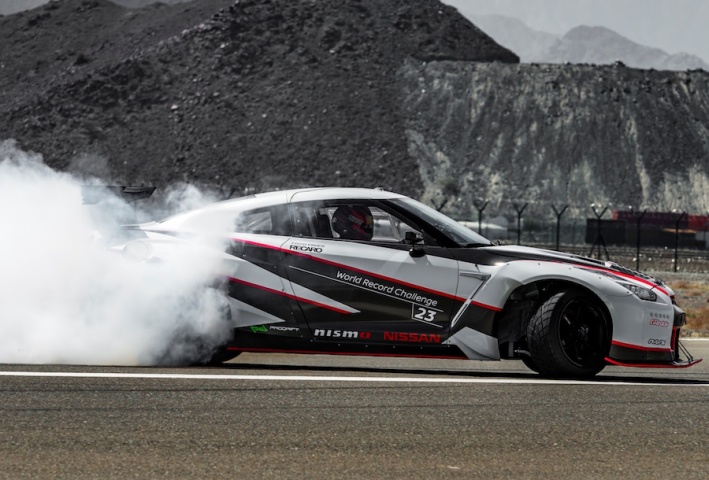
It has also set Japanese production car lap records, and even held a Guinness World Record for the fastest-ever drift, when at Fujairah International Airport in the UAE, a specially tuned 2016 R35 GT-R drifted at 304.96km/h and at a 30-degree angle.
What happens now?
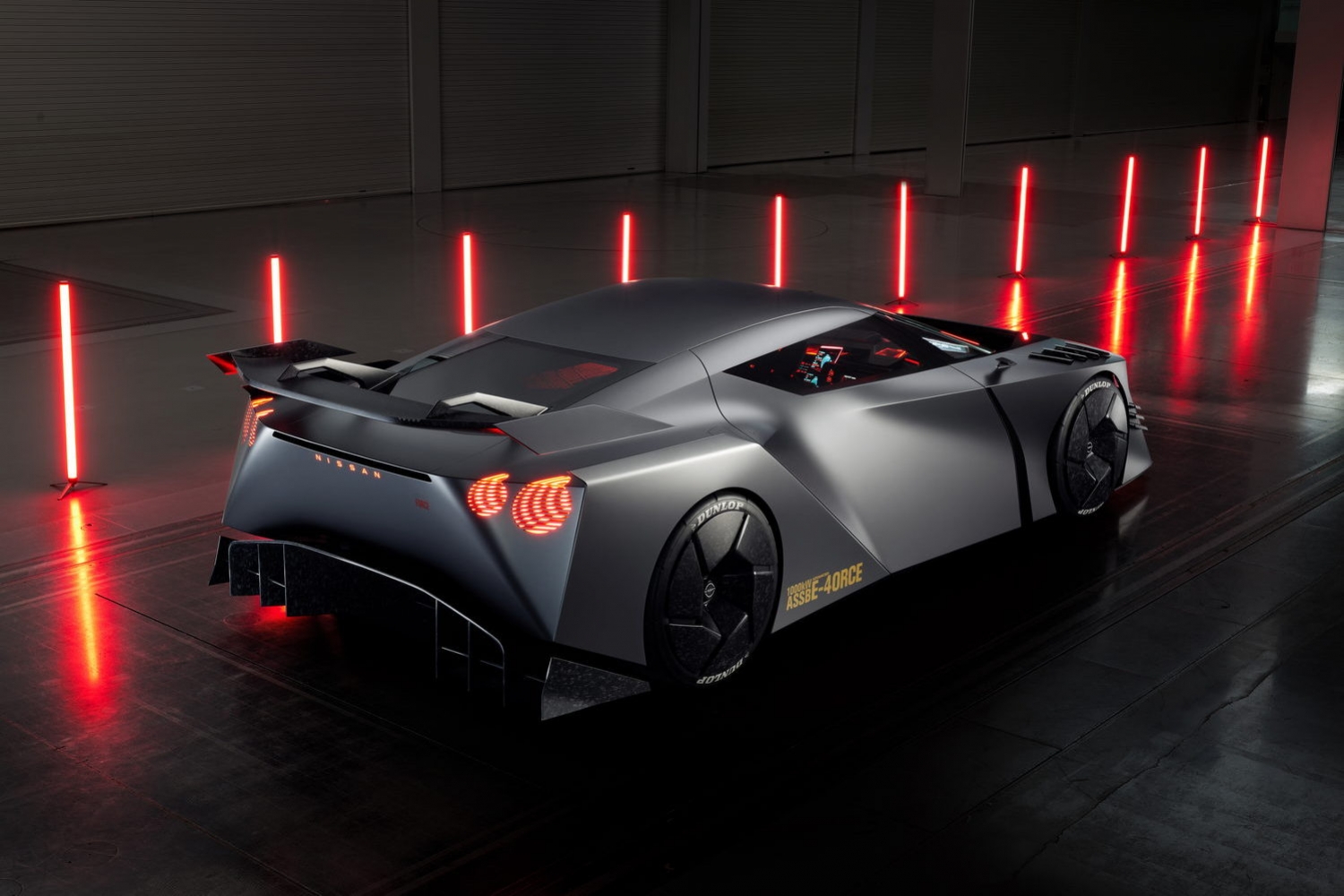
We don't quite know yet, but it seems Nissan isn't done making GT-Rs. The company has already shown off a dramatic, shovel-nosed all-electric GT-R concept, and Ivan Espinosa, President and CEO of Nissan, has said that while the current GT-R is done, the story isn't over yet.
“After 18 remarkable years, the R35 GT-R has left an enduring mark on automotive history. Its legacy is a testament to the passion of our team and the loyalty of our customers around the globe. Thank you for being part of this extraordinary journey. To the many fans of the GT-R worldwide, I want to tell you this isn't a goodbye to the GT-R forever; it's our goal for the GT-R nameplate to one day make a return,” said Espinosa. “We understand the expectations are high, the GT-R badge is not something that can be applied to just any vehicle; it is reserved for something truly special and the R35 set the bar high. So, all I can ask is for your patience. While we don't have a precise plan finalised today, the GT-R will evolve and reemerge in the future.”
CompleteCar.ie's take
A new GT-R might not seem the biggest deal for Nissan right now, as it weathers a financial storm and expands its all-electric car lineup (starting with the all-important new Leaf), but a next-gen Skyline (showing my age, there) is actually vital.
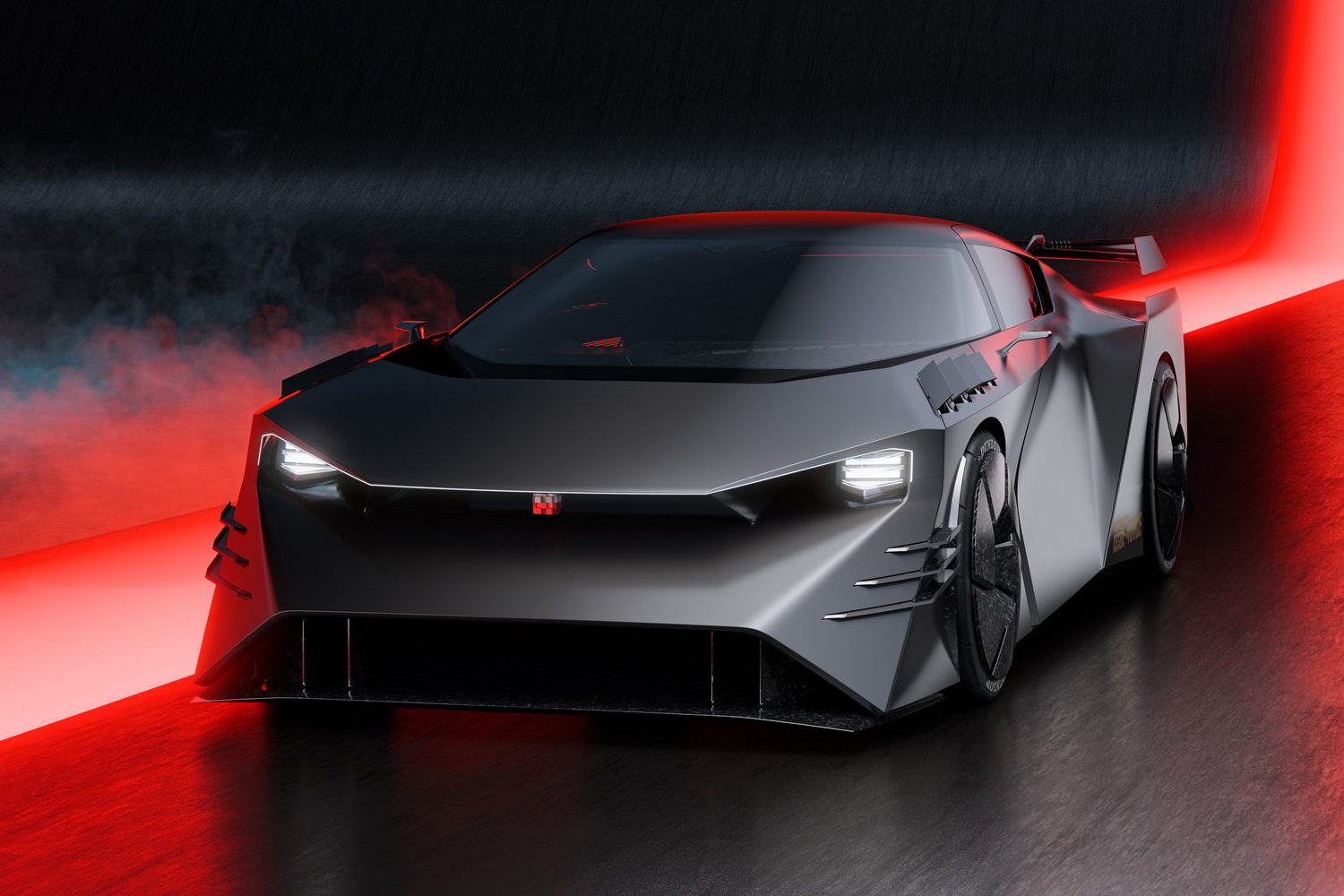
Why? For two reasons. One, a halo car is always a good thing to have, as it brings fans to the brand and makes them feel better about buying one of the company's more 'normal' cars, not to mention the excitement and buzz such a car can generate for a brand.
The second reason is more important, though. The exacting standards to which the GT-R was built, the astonishing technology that went into it, the almost heroic levels of race-car-style, nerd-pleasing tech that created each R35 was a crucial reminder that Nissan isn't just a big car company that makes the Qashqai and the Juke - it's an engineering and racing company, first and foremost. That's a legend that money can't buy.
Video player loading.
Video unavailable. Watch on YouTube
If there is anything about this story we have not covered, you can avail of our expert advice service via the Ask Us Anything page.