
Exterior & design of the 2027 BMW iX5
- X-shaped lights unique
- Tall grille not to all tastes
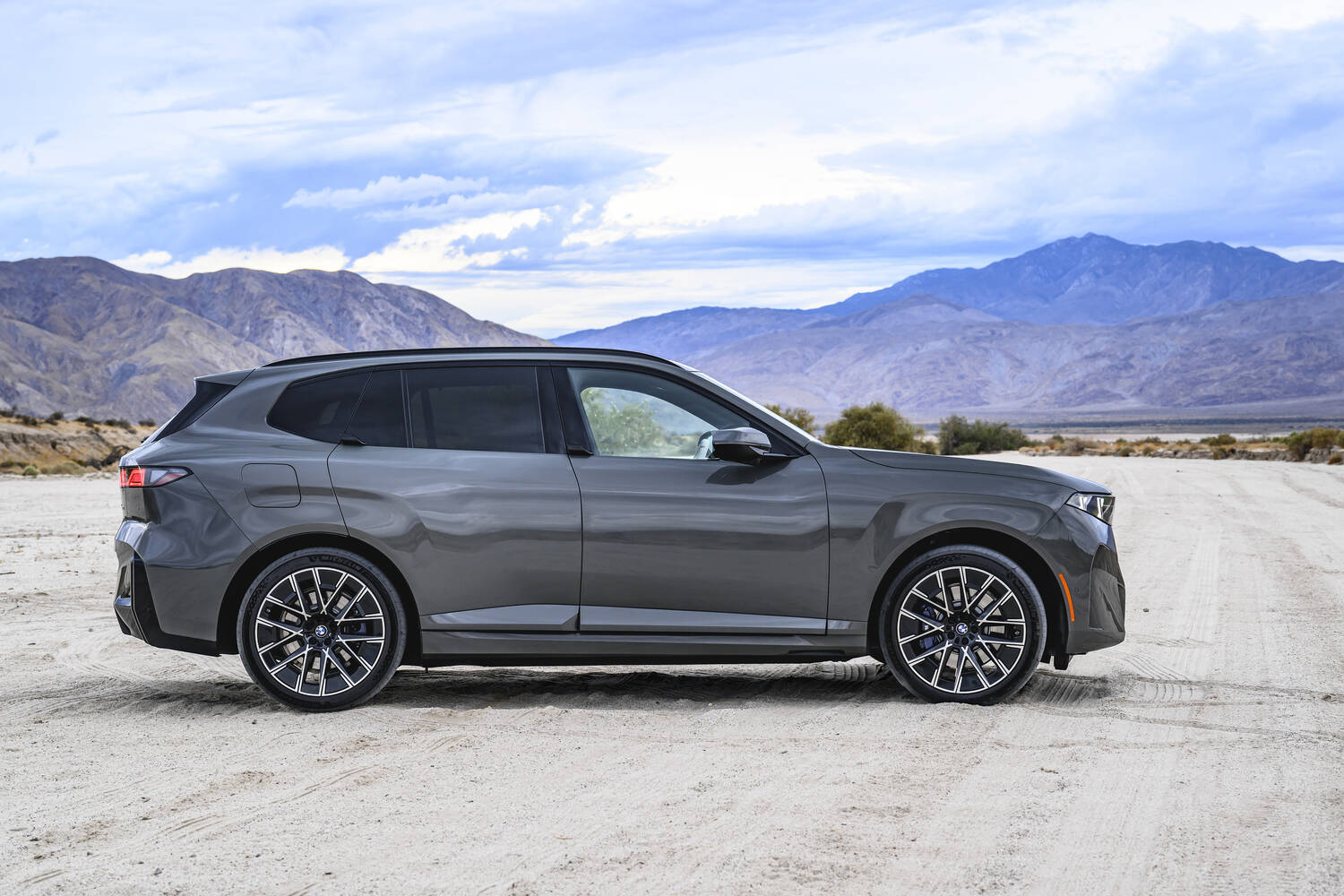
- Smooth side with no door handles
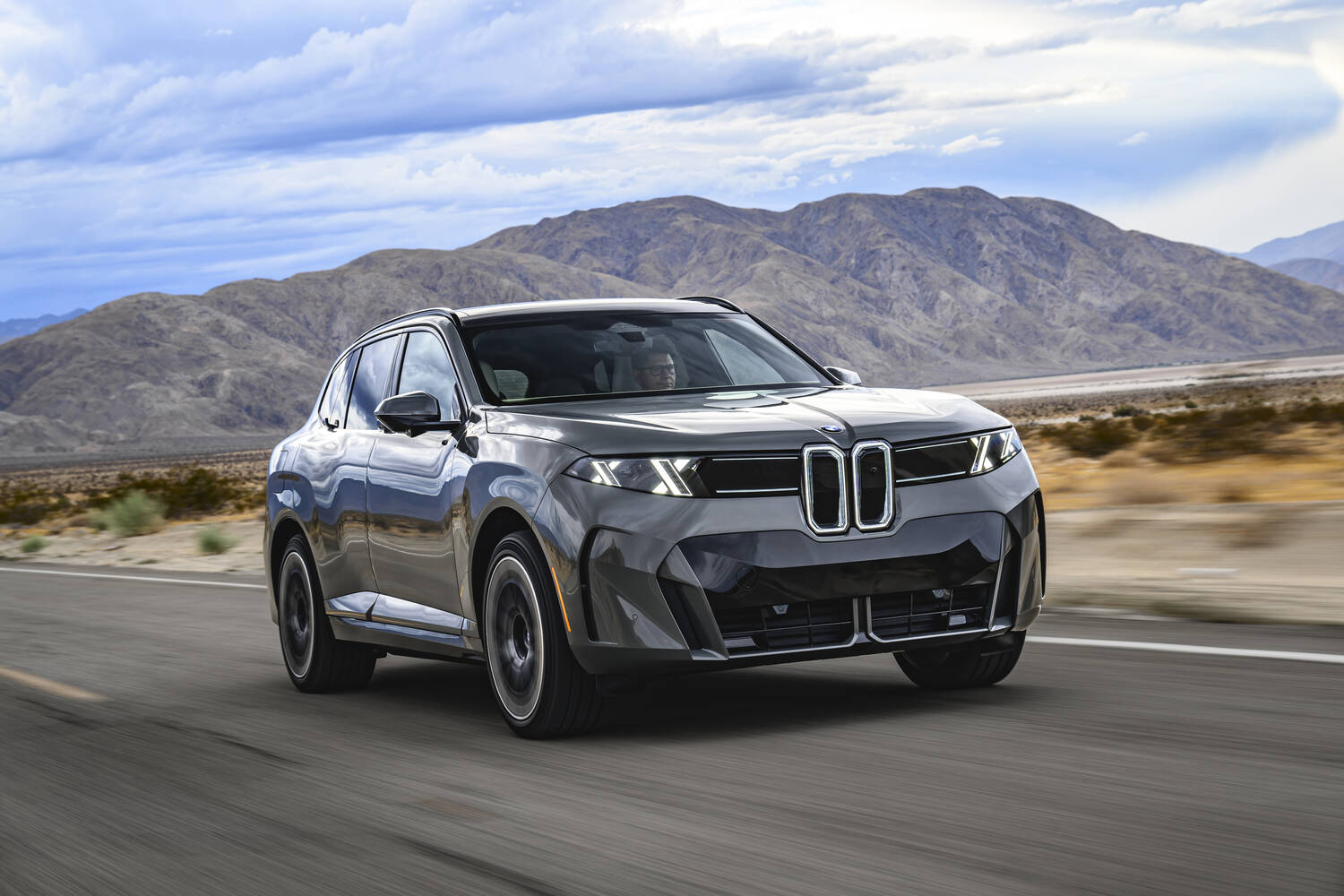
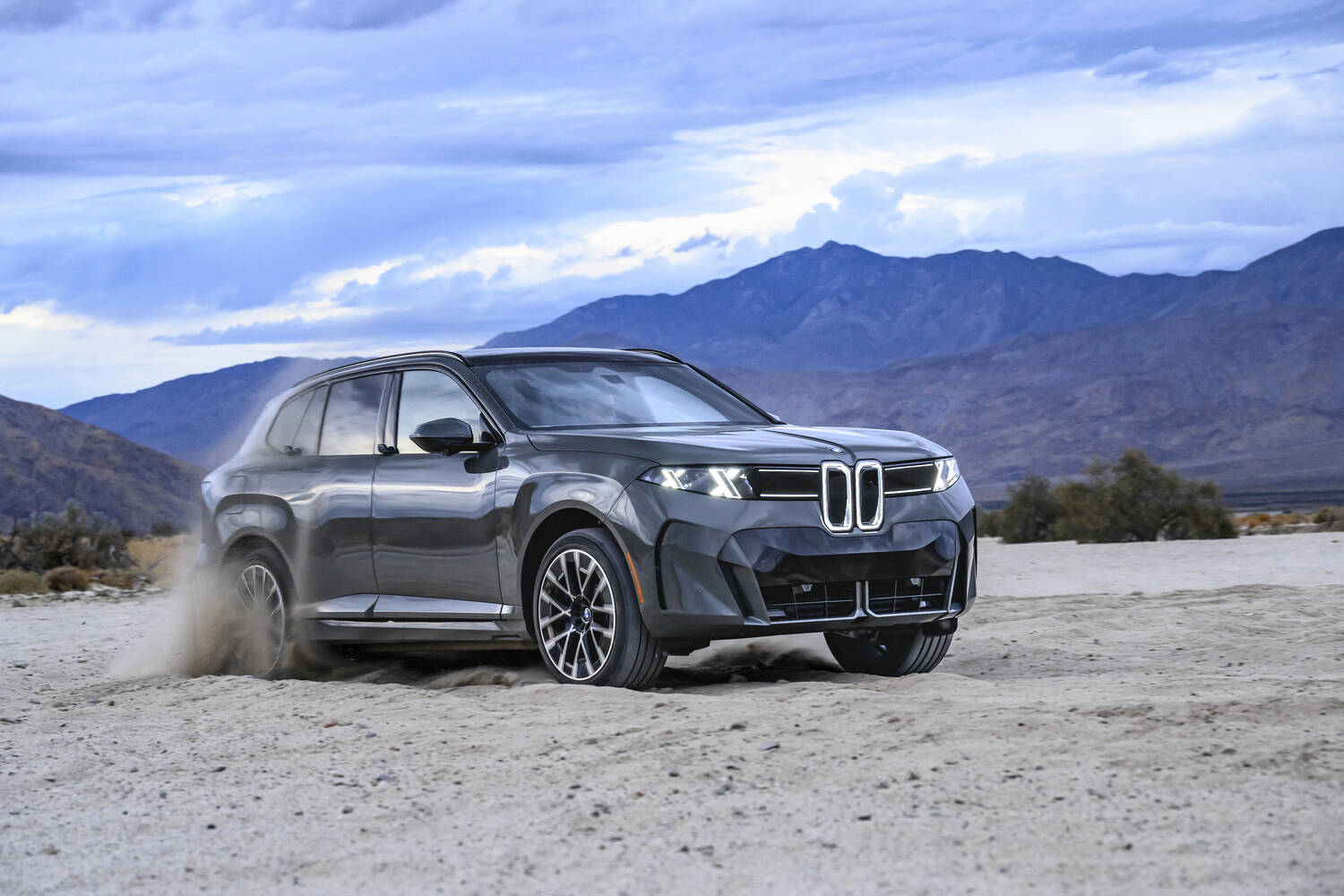
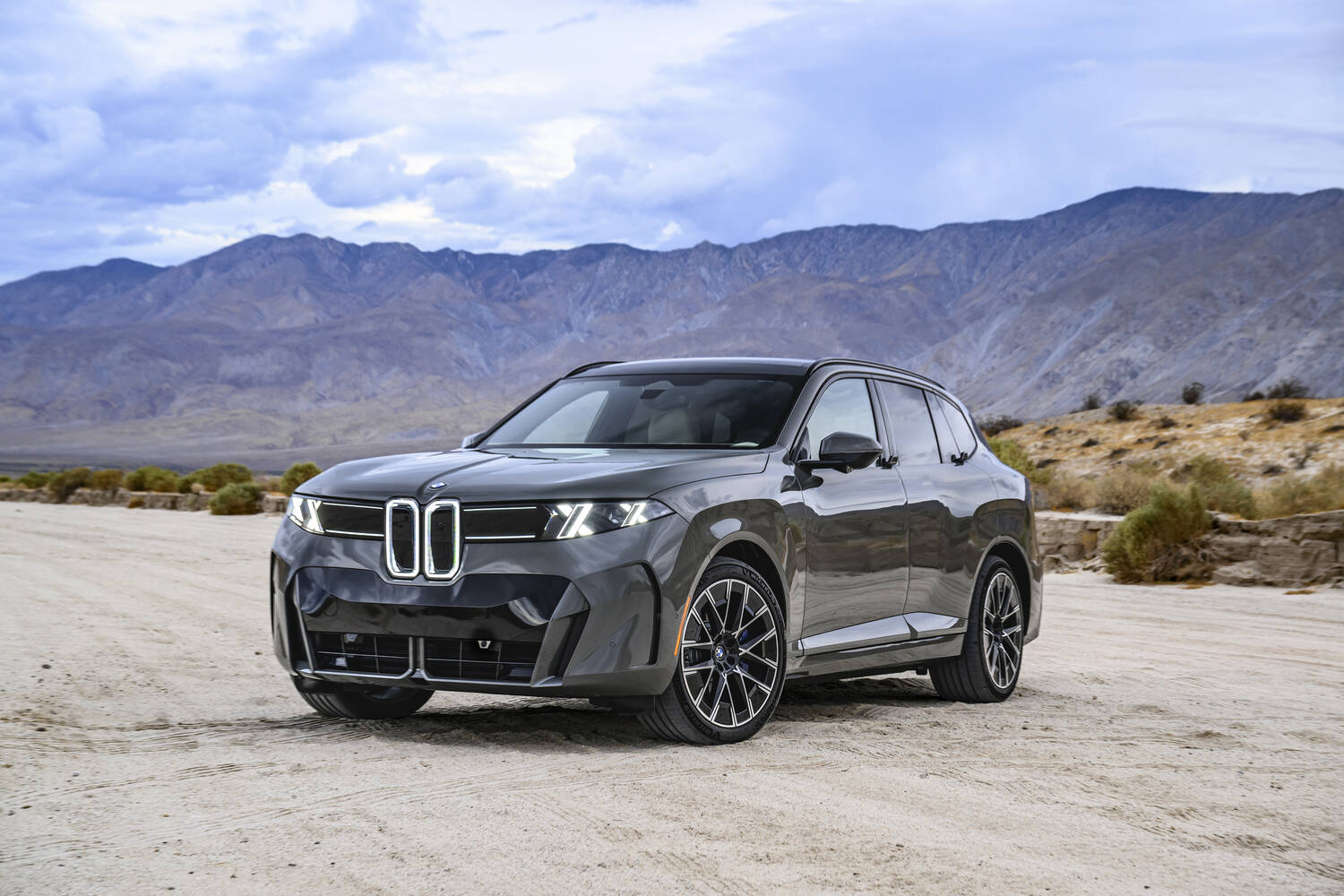
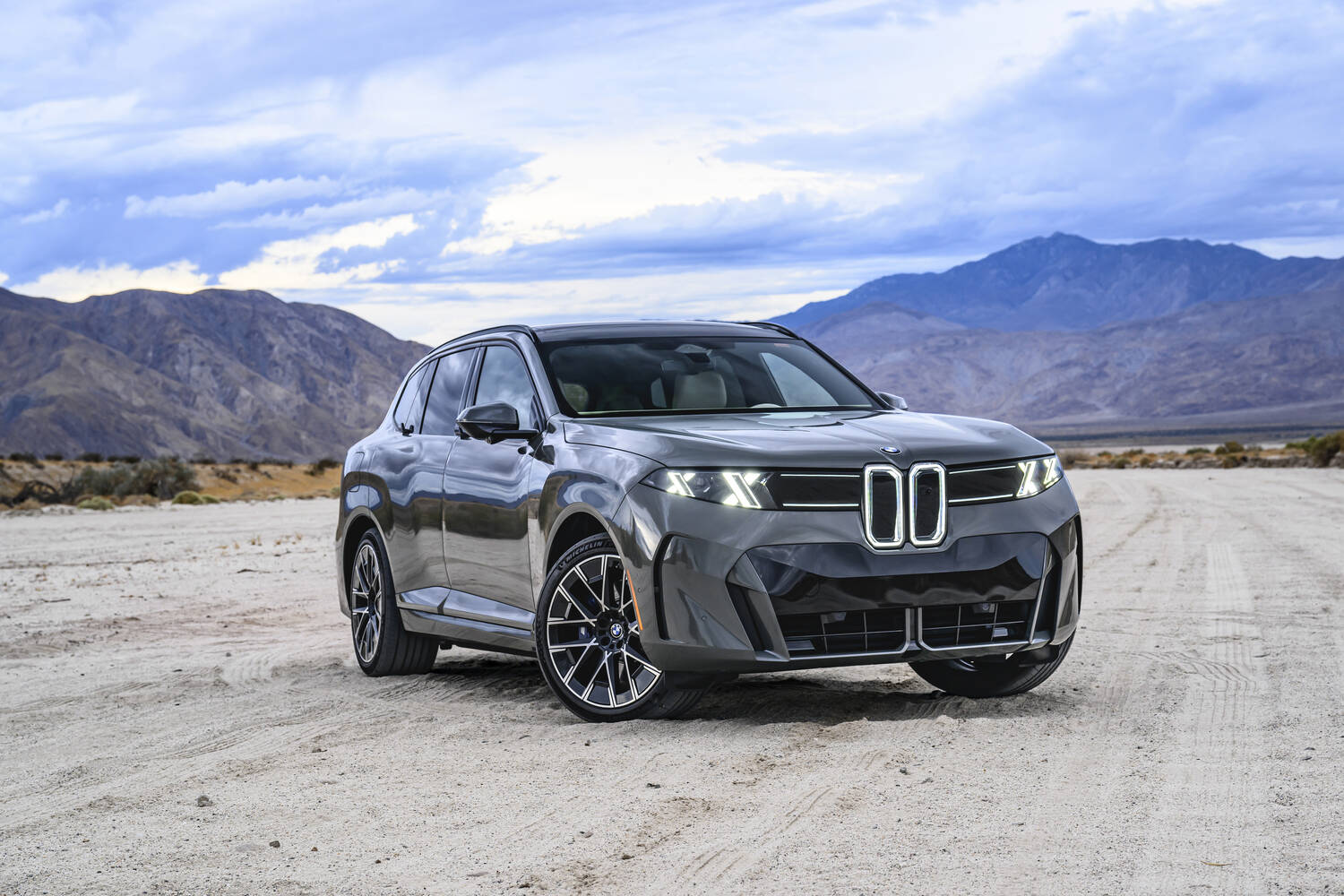
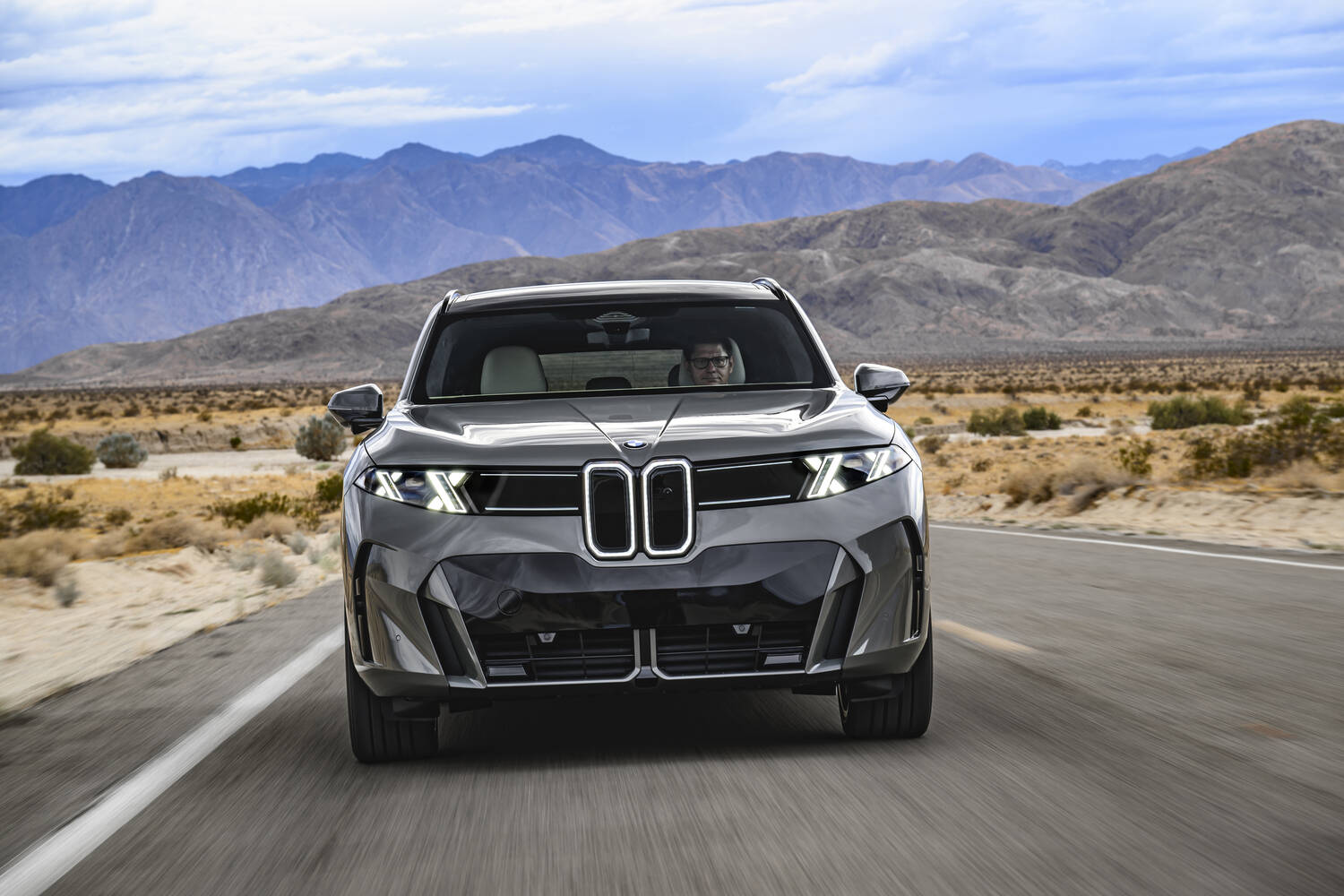
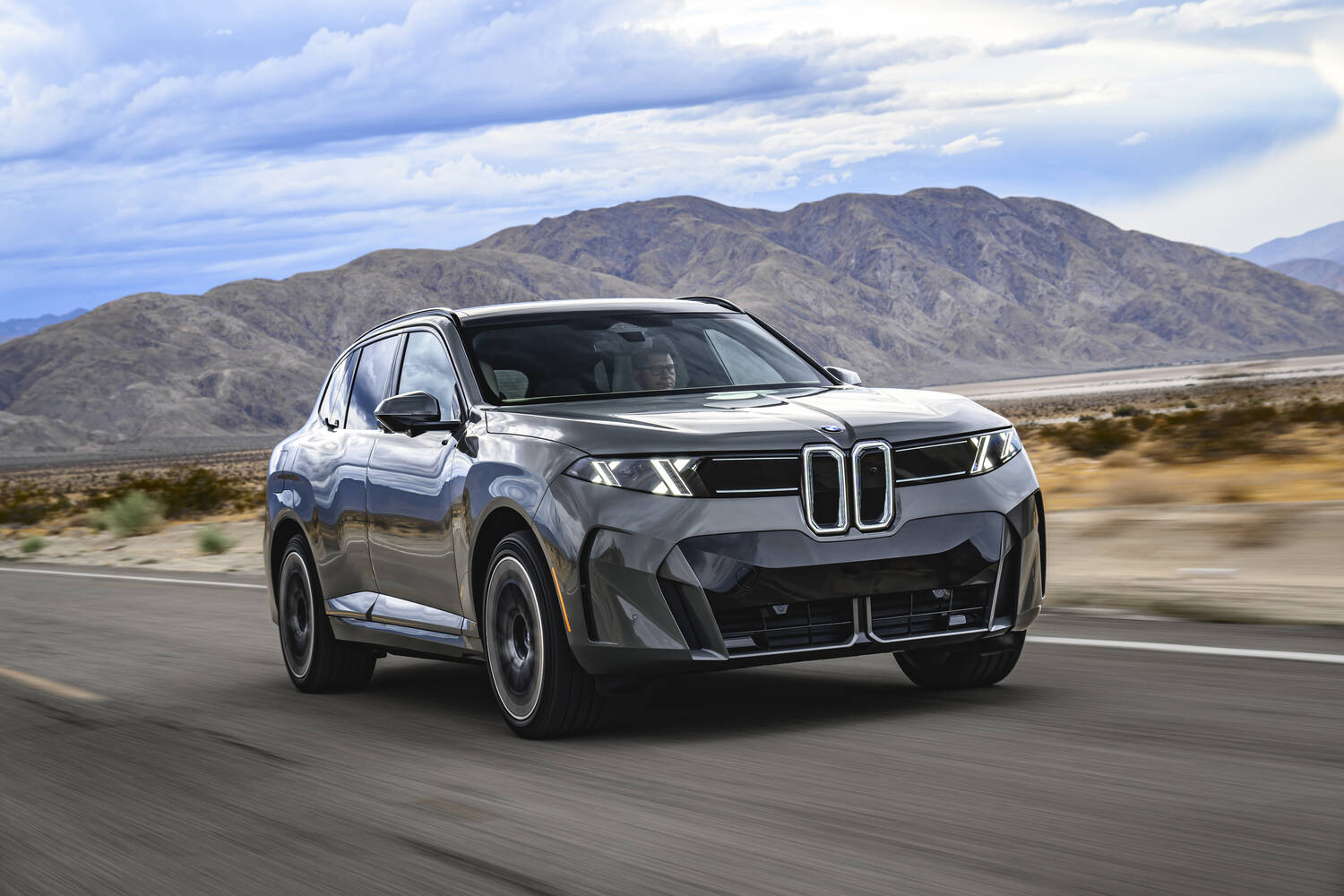
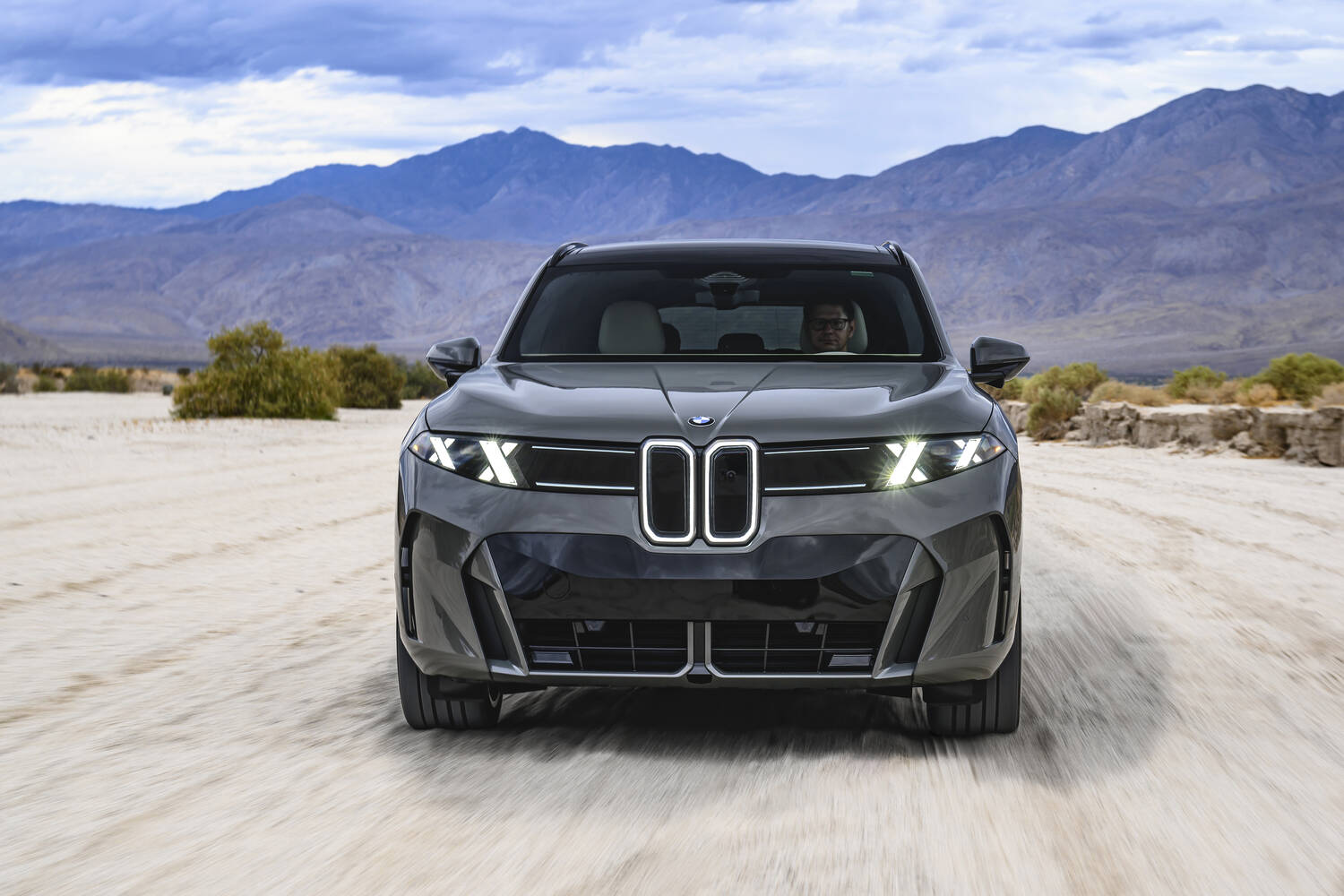
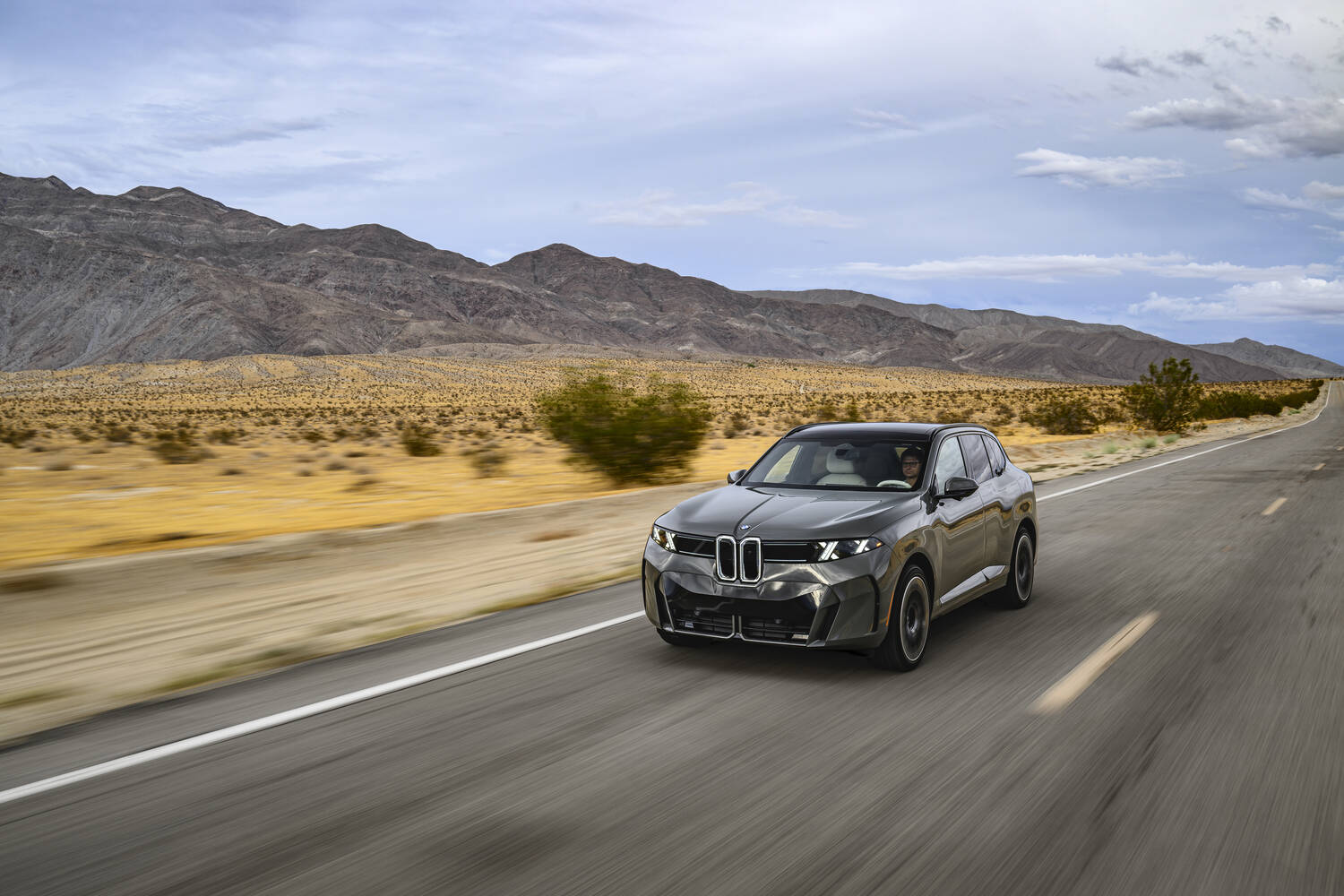
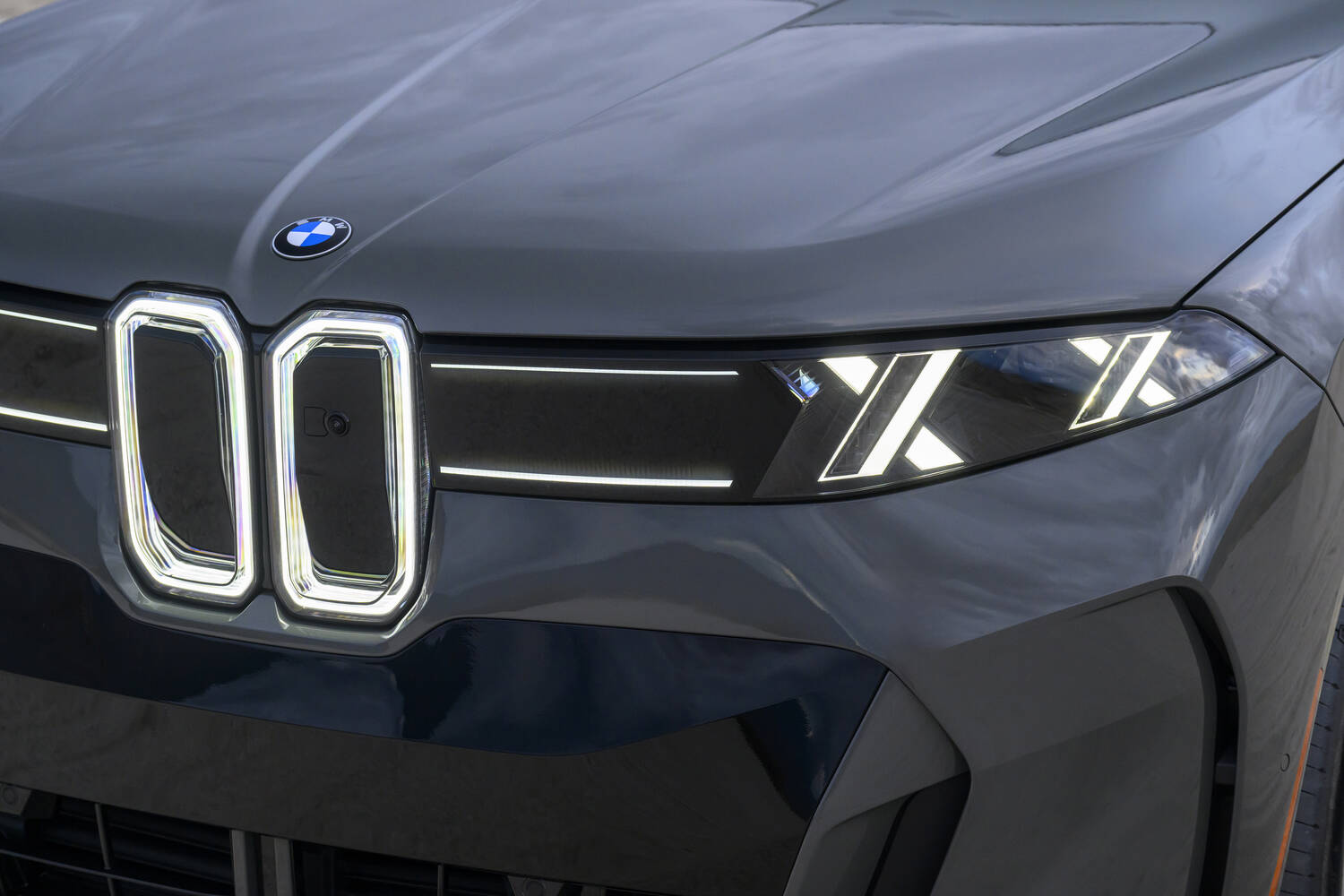
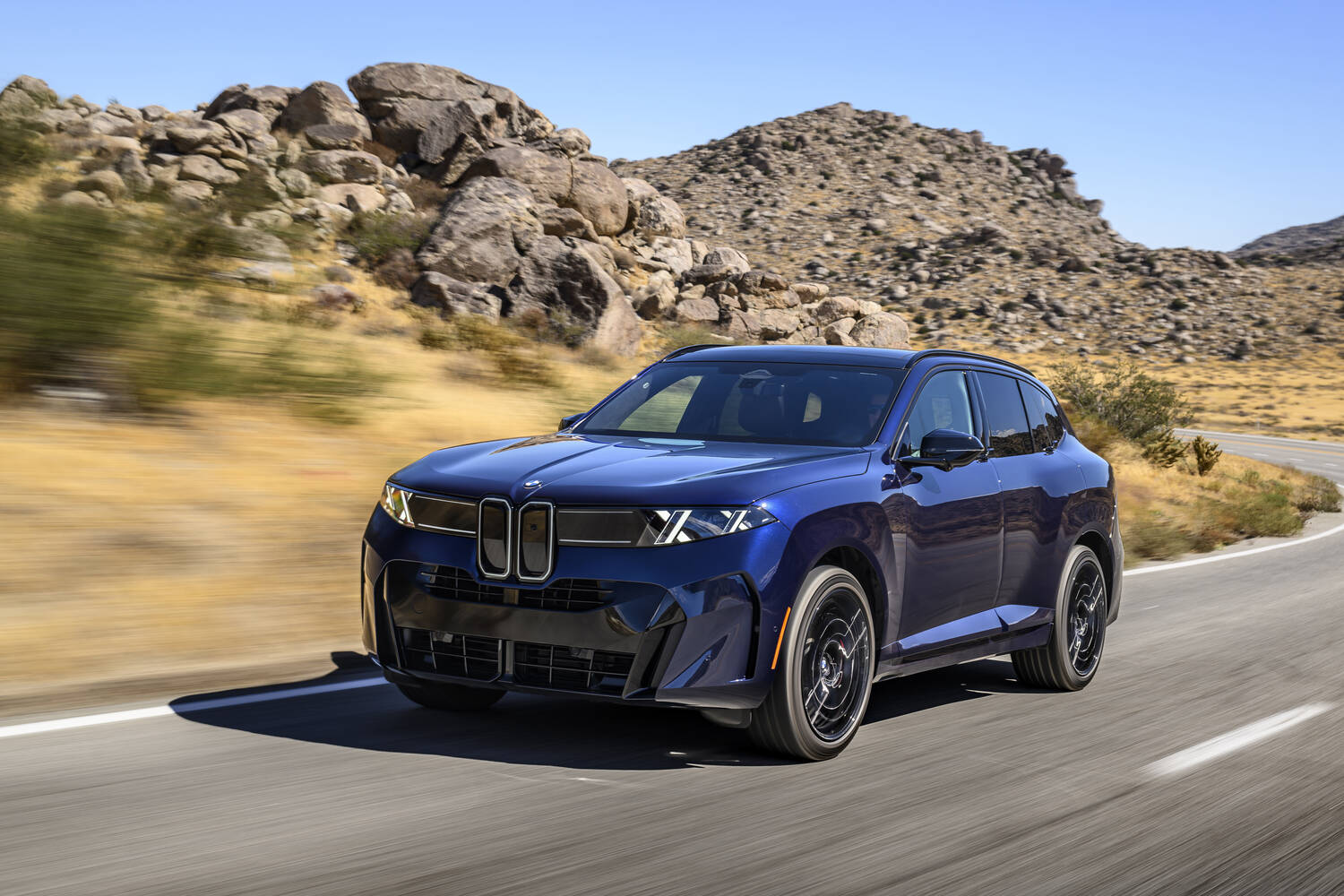
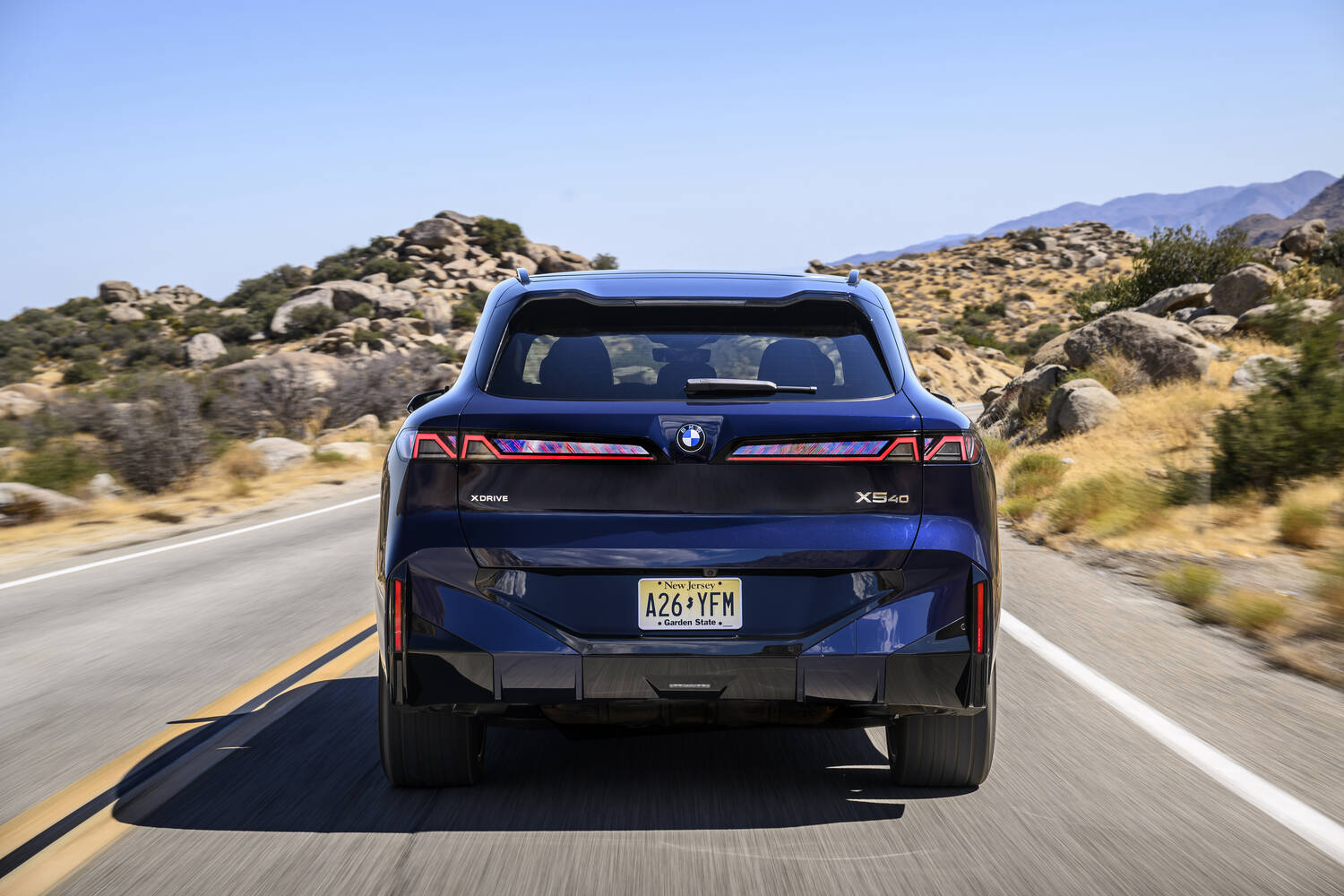
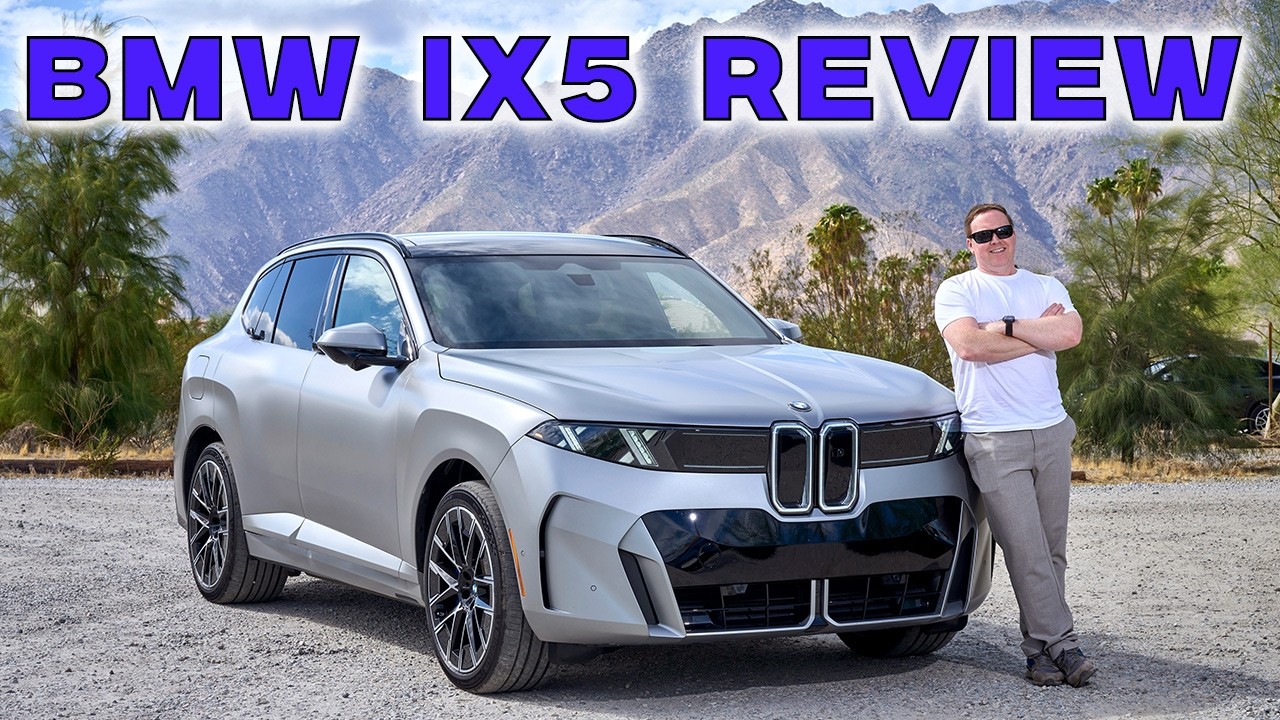
The BMW X5's 'double-X' daytime running lights (DRLs) and indicators are a big talking point, though they're not to all tastes, and some have pointed out that they're reminiscent of the look taken on by dead cartoon characters...
For what it's worth, we like them, immediately identifying the X5 as just that. If you don't like the design, it's easy to switch it off in the car's settings, in which case the DRLs revert to the same double-slash appearance of the BMW iX3.
Between the lights is the 'Neue Klasse' interpretation of the traditional BMW kidney grille, which can be illuminated - 'Iconic Glow' as BMW calls it. And the surface between that and the lights takes on a different appearance depending on model, too, though it's always a smooth continuous surface.
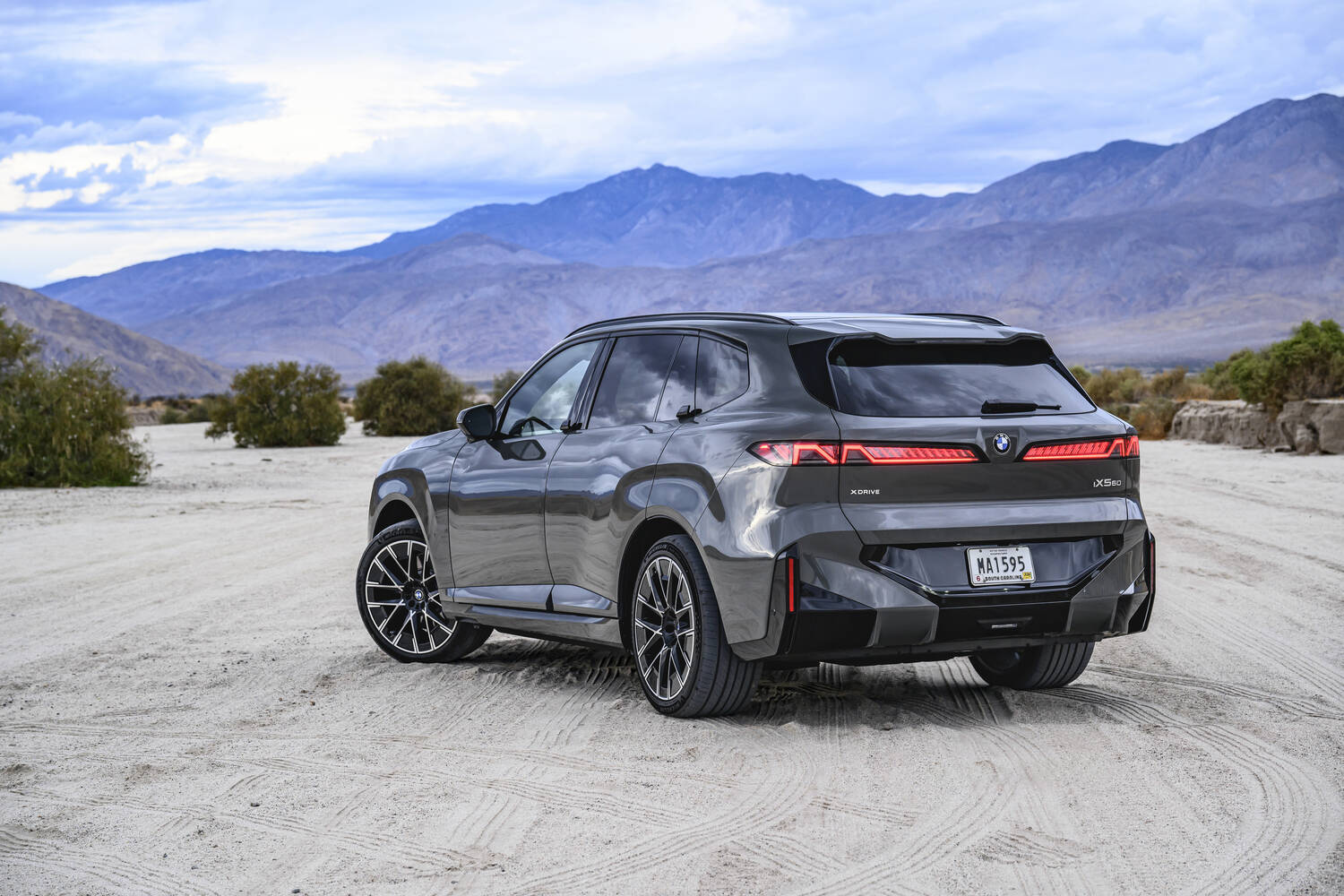
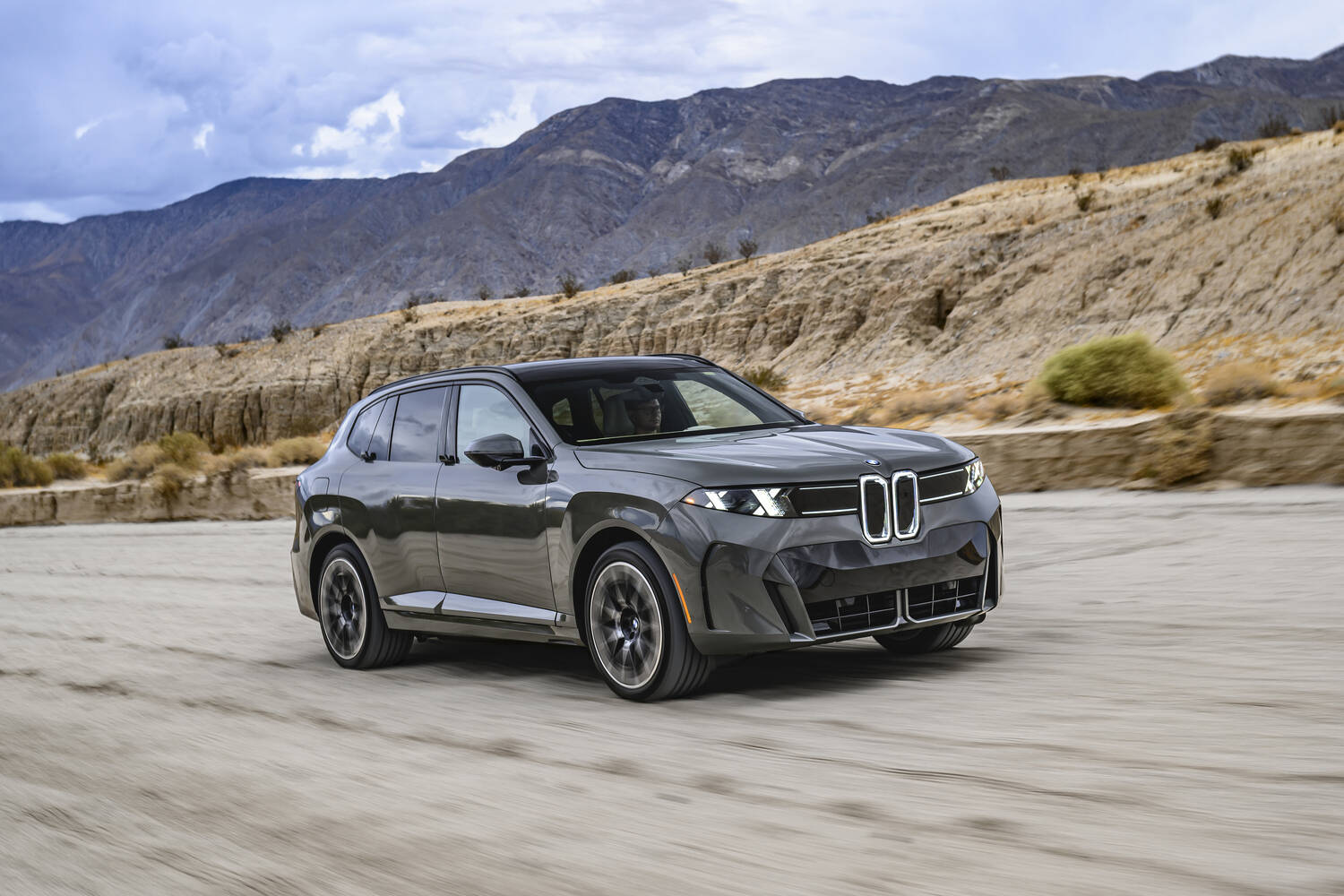
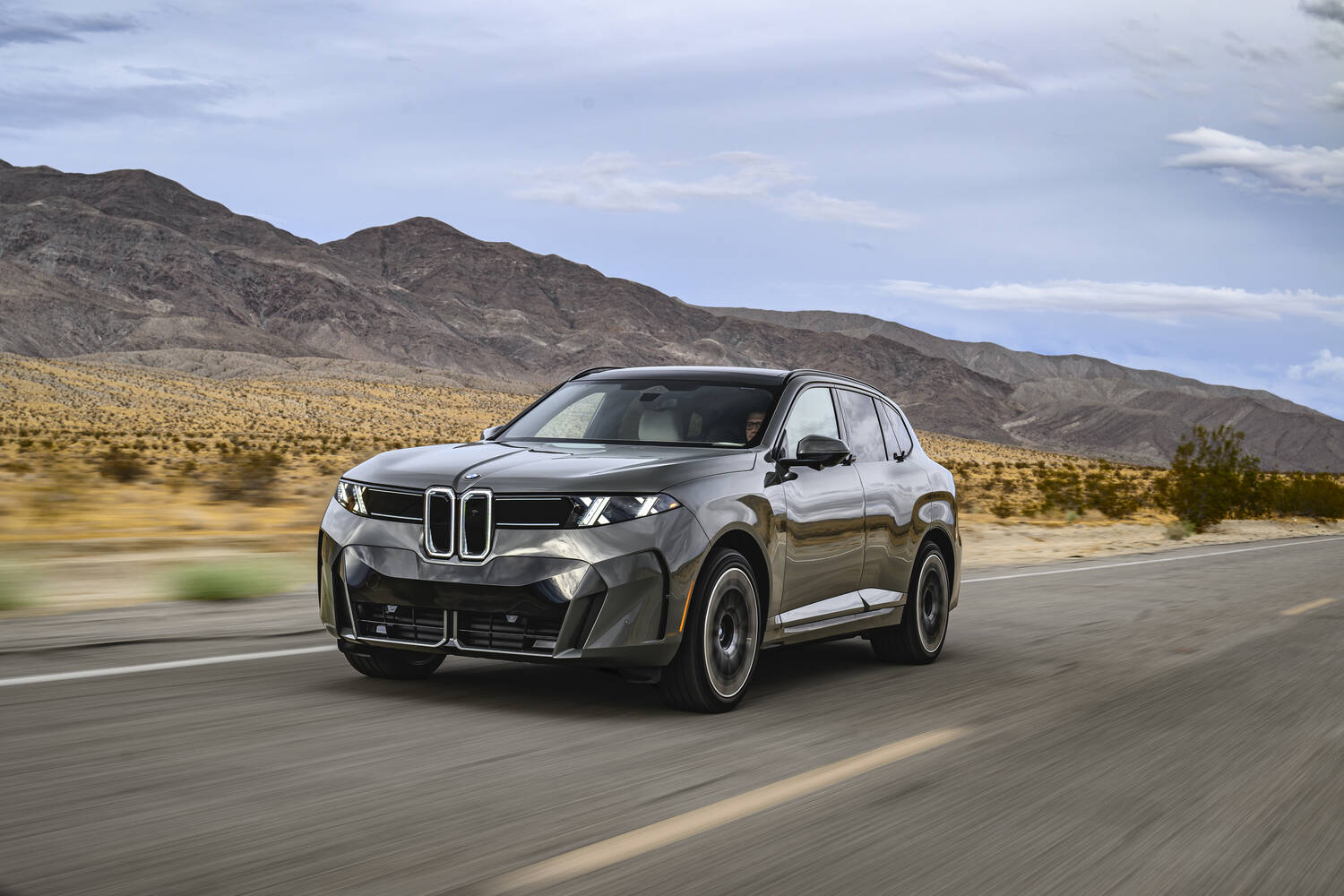
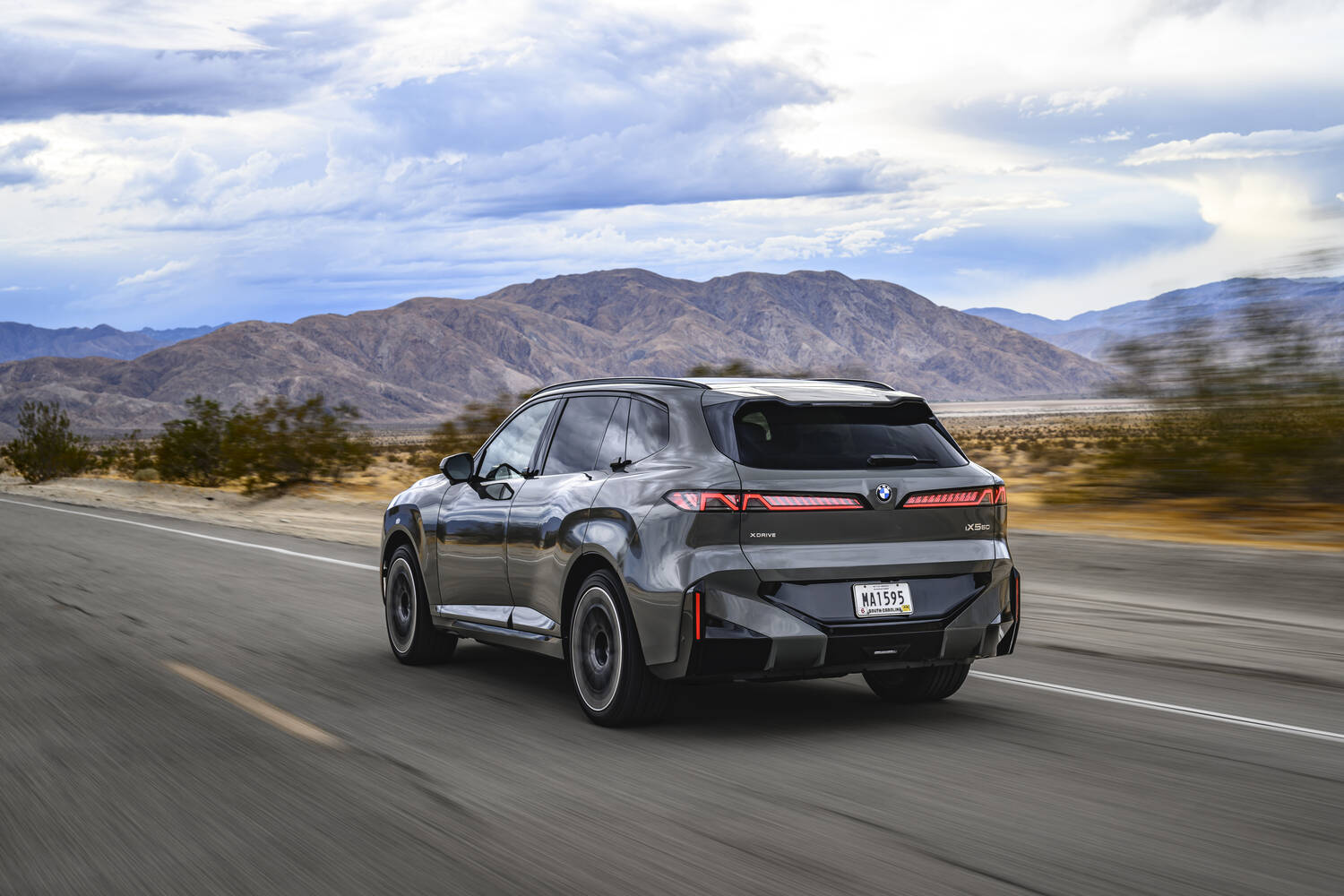
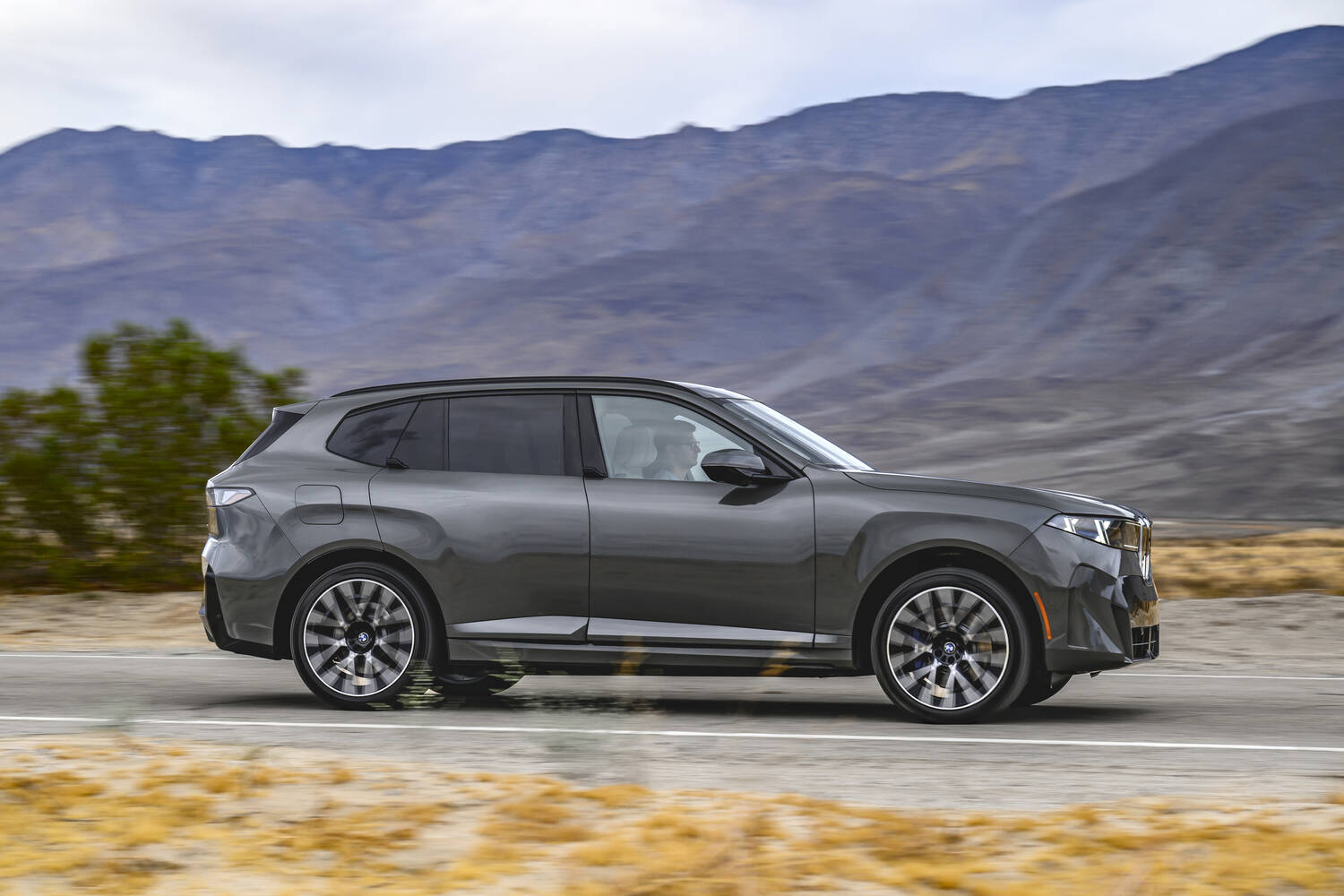
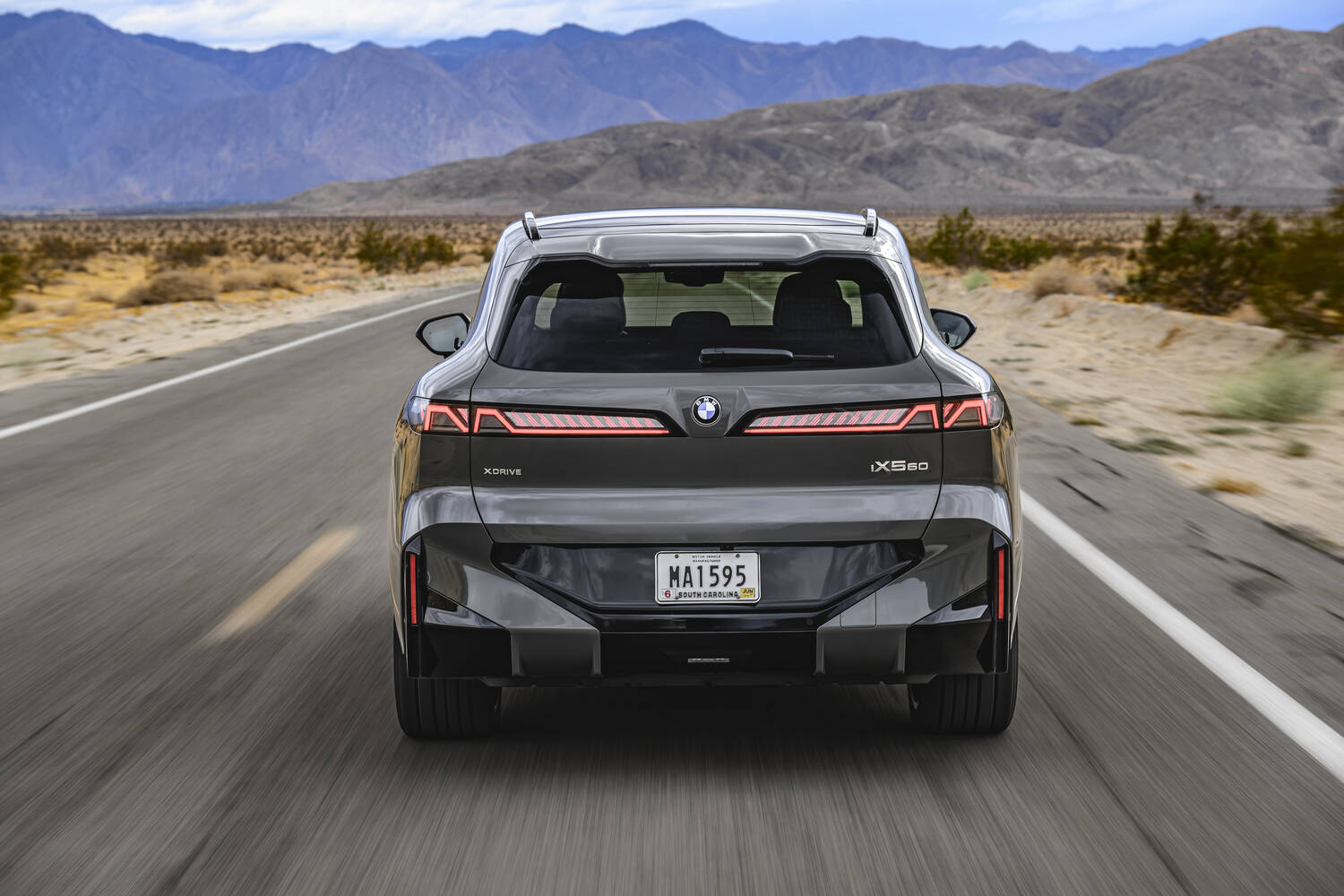
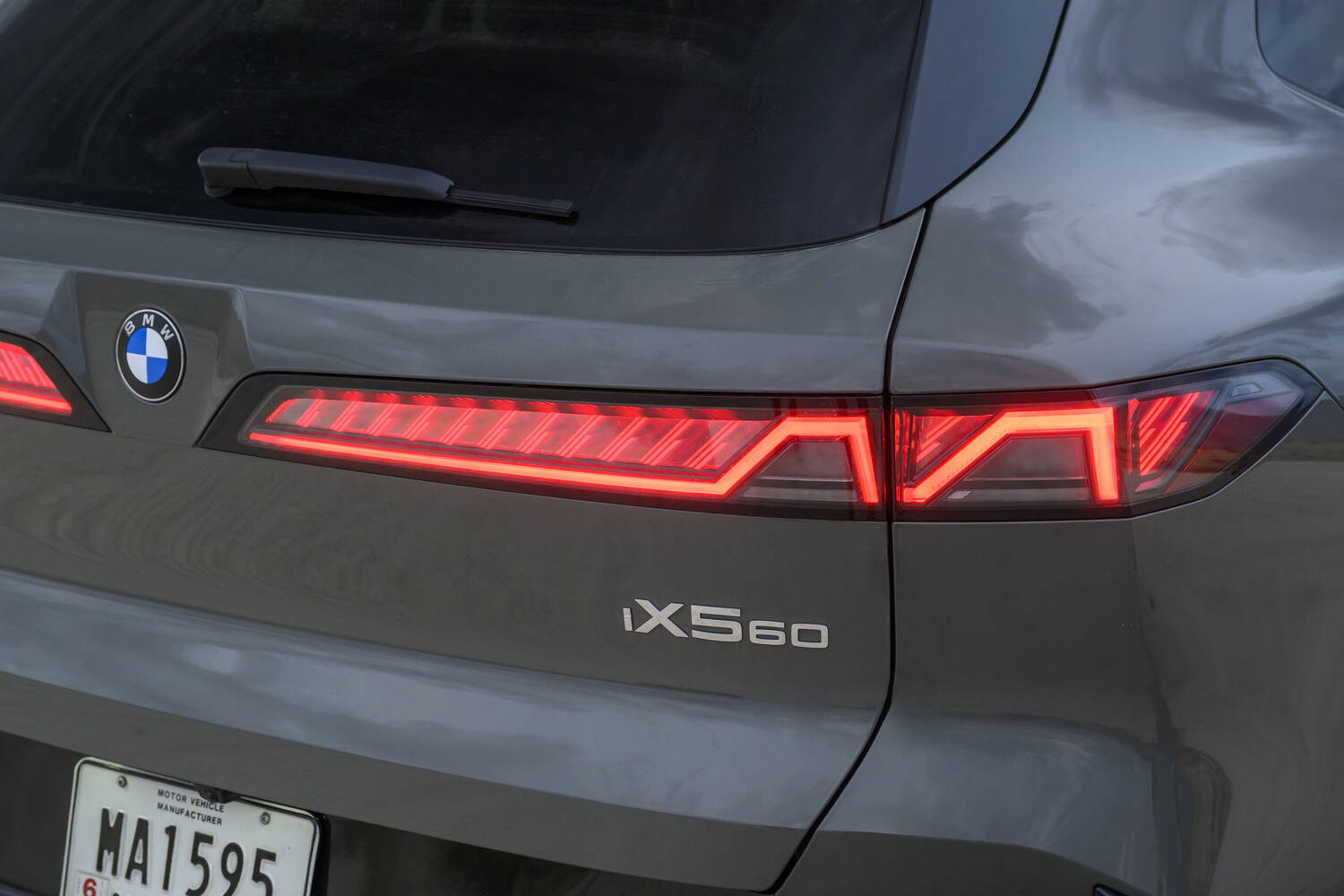
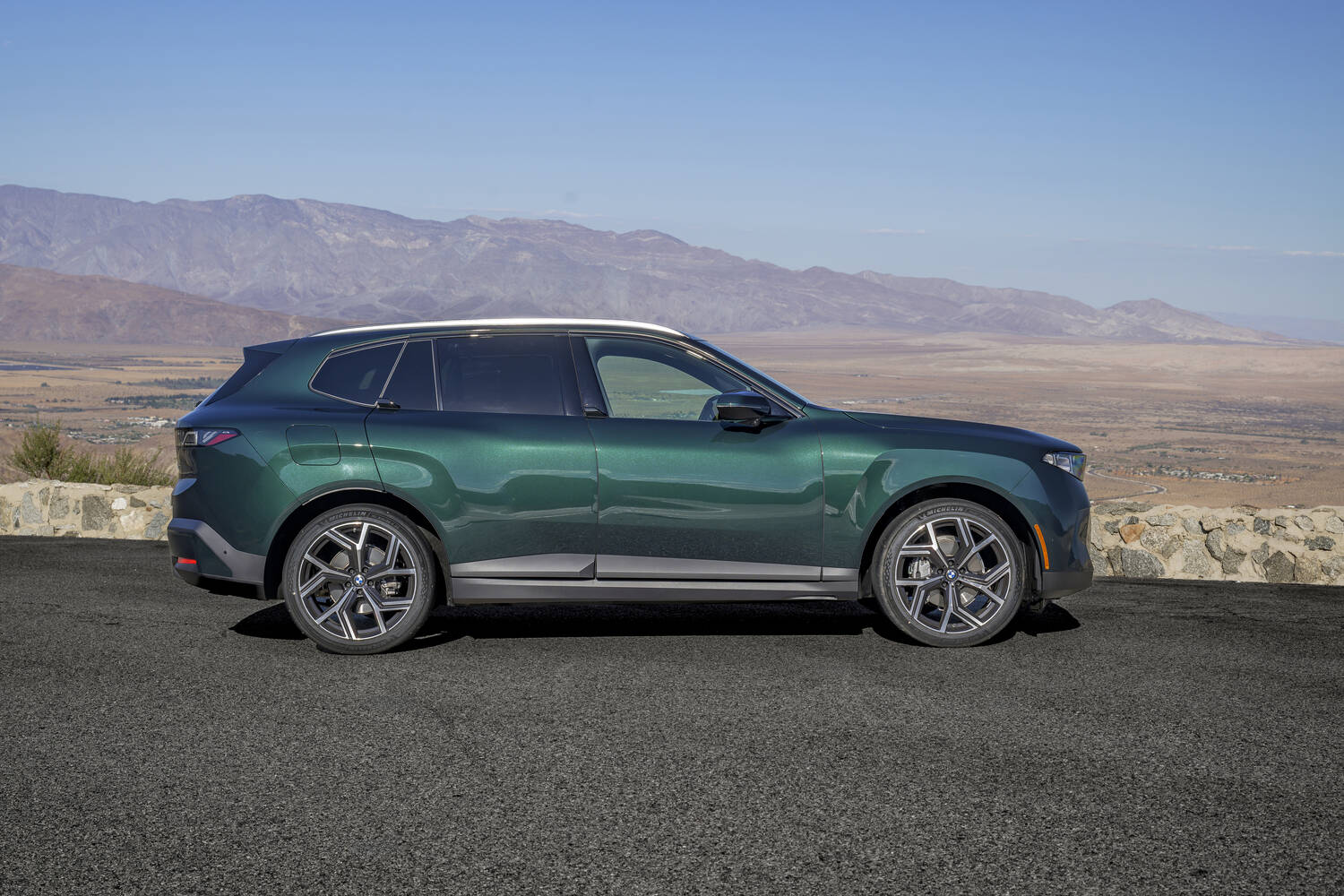
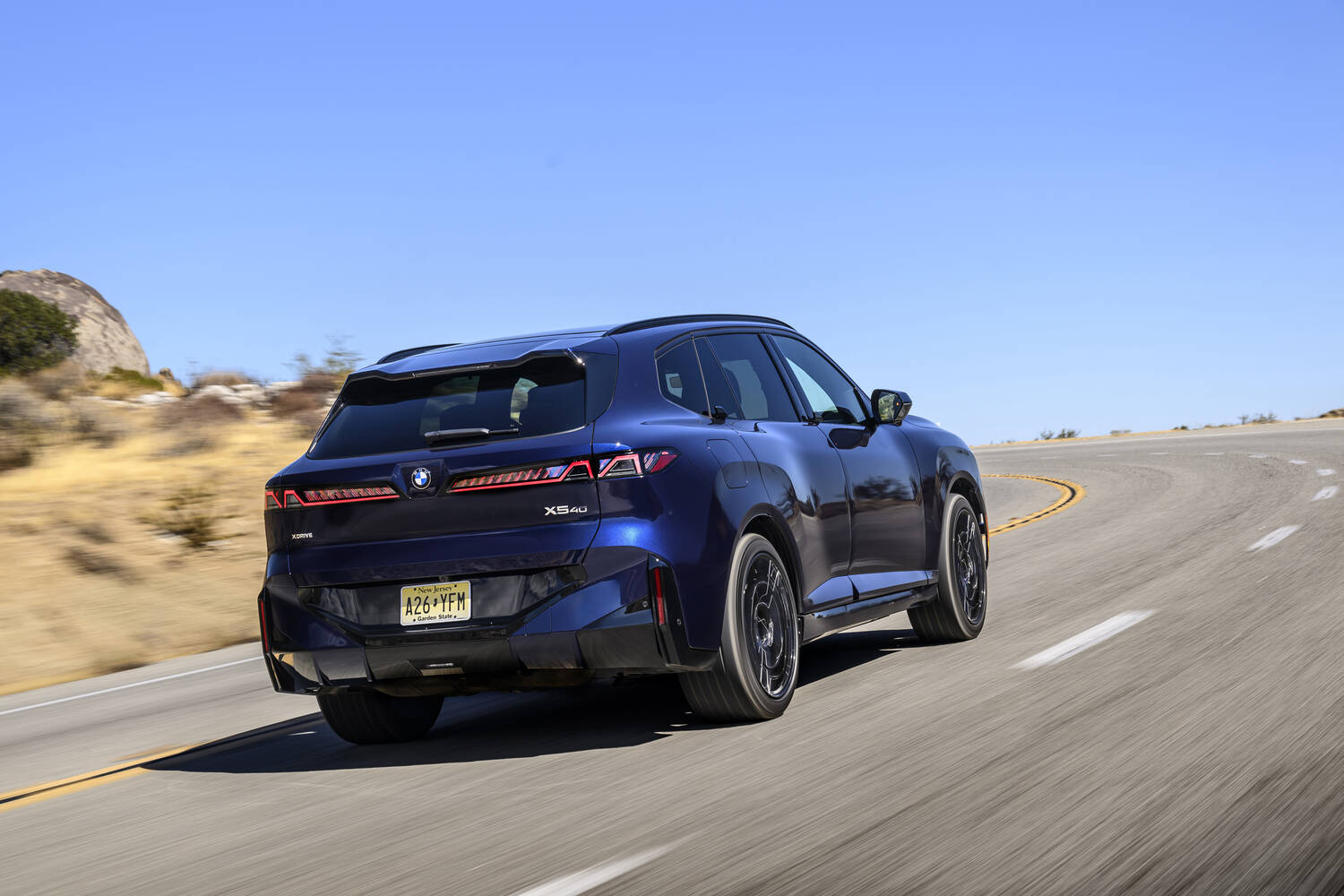
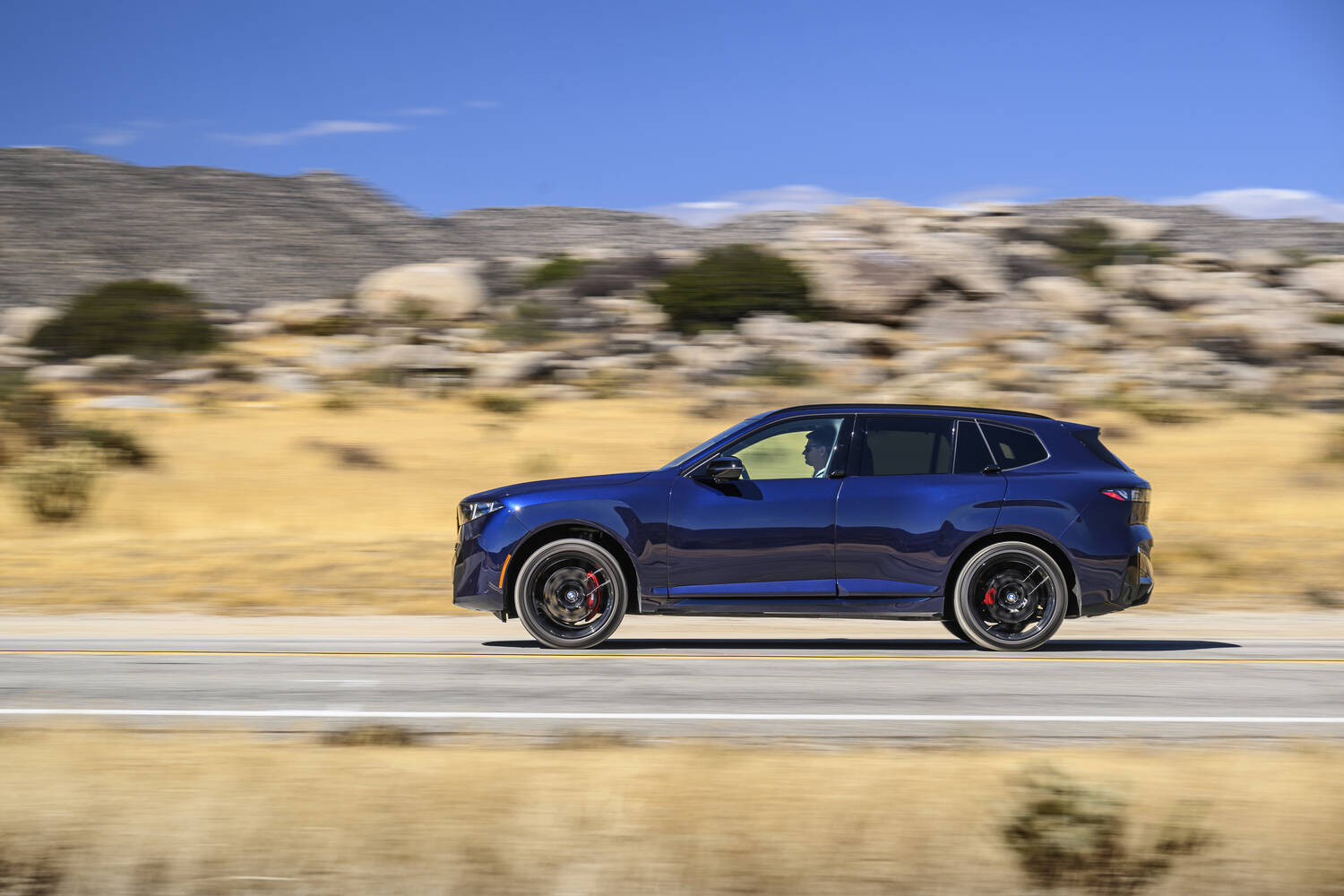
Viewed from the side, the X5 looks massive and, well, it is, at just a few mm shy of five metres long. The size is perhaps exaggerated by the lack of visible door handles, which might normally break up the expanse of bodywork, visually speaking.
Instead, there are slender 'BMW Winglets'. You touch these in the appropriate place to open or - if the auto doors are fitted - indeed close the doors. Soft-closing doors are standard, as are these winglets, while fully automatic doors are an option.
So equipped, these can be opened remotely or via the touchscreen and if the driver gets into the car and presses the brake pedal, the doors close, too.
There's no seven-seat option for the BMW X5 this time around, and most versions get the same large boot - aside from the PHEV.
Dimensions of the 2027 BMW iX5
- Length:
- 4,994mm
- Width:
- 2,000mm
- Height:
- 1,748mm
- Wheelbase:
- 3,035mm
Paint colours for the 2027 BMW iX5
Only Alpine White is available for no extra outlay on the iX5. It costs €1,196 extra if you want Black Sapphire, Vancouver Green, Pine Grey, Mineral White or Space Silver.
Carbon Black is €1,448, while either Tanzanite Blue or Dravit Grey are €2,392. Fancy a matt-effect finish? That'll be €4,218 for Frozen Tanzanite Blue or Frozen Space Silver - our favourite option.
Note that the pricing varies by powertrain due to VRT, but it's the same colour selection across the board in the non-electric BMW X5.
Interior, practicality, tech & comfort of the 2027 BMW iX5
- Huge interior space and boot
- Excellent Panoramic iDrive system
- Weird steering wheels
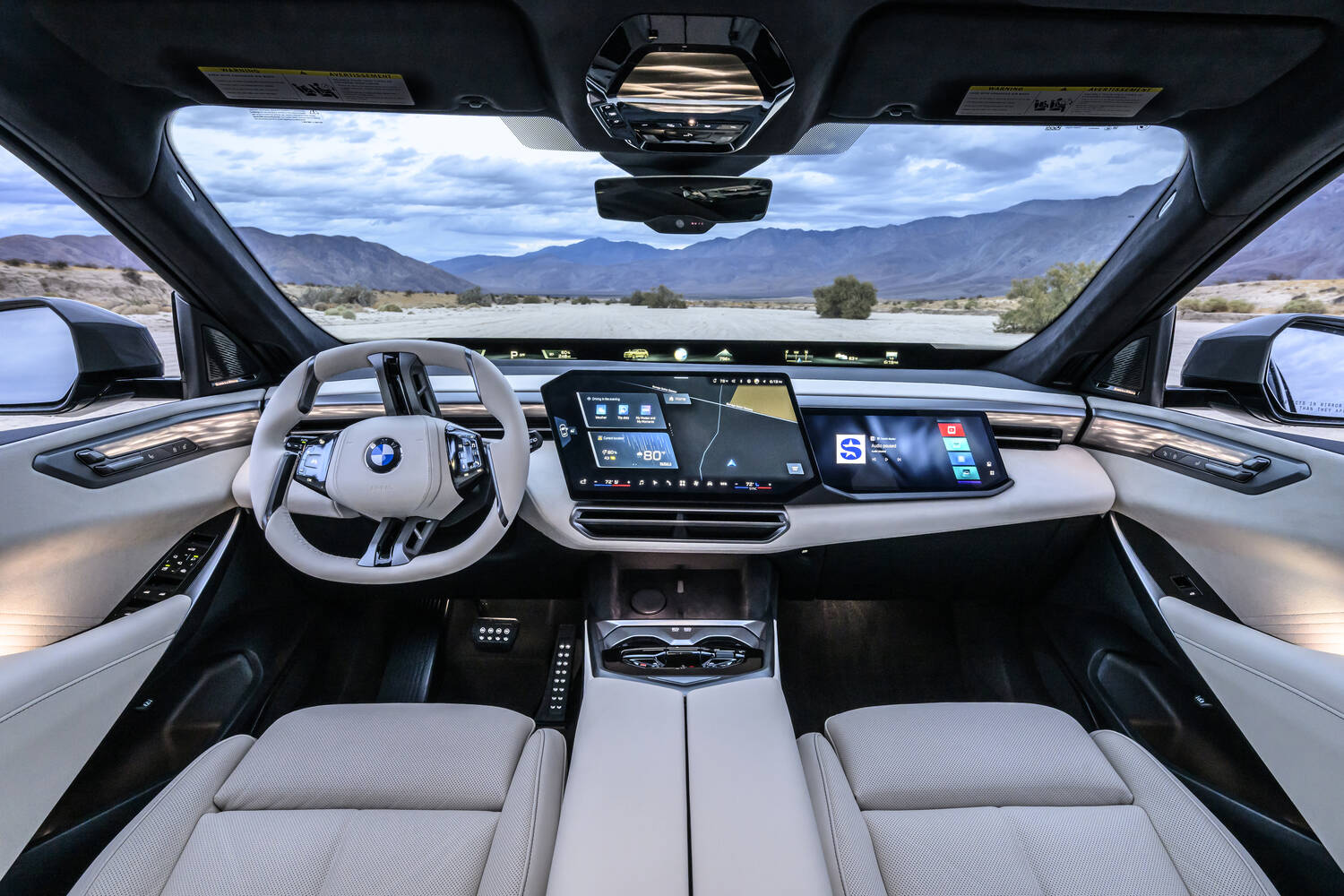
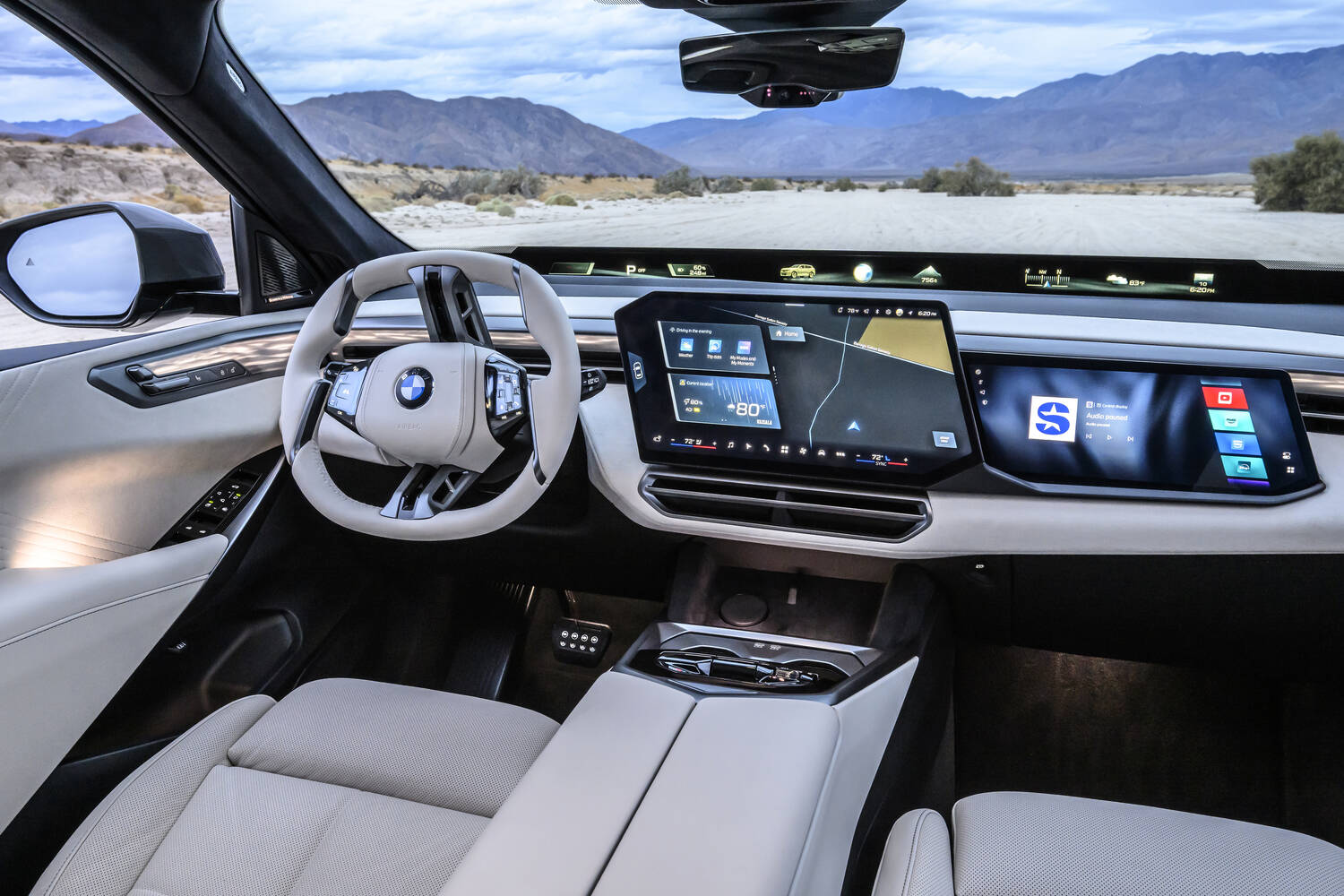
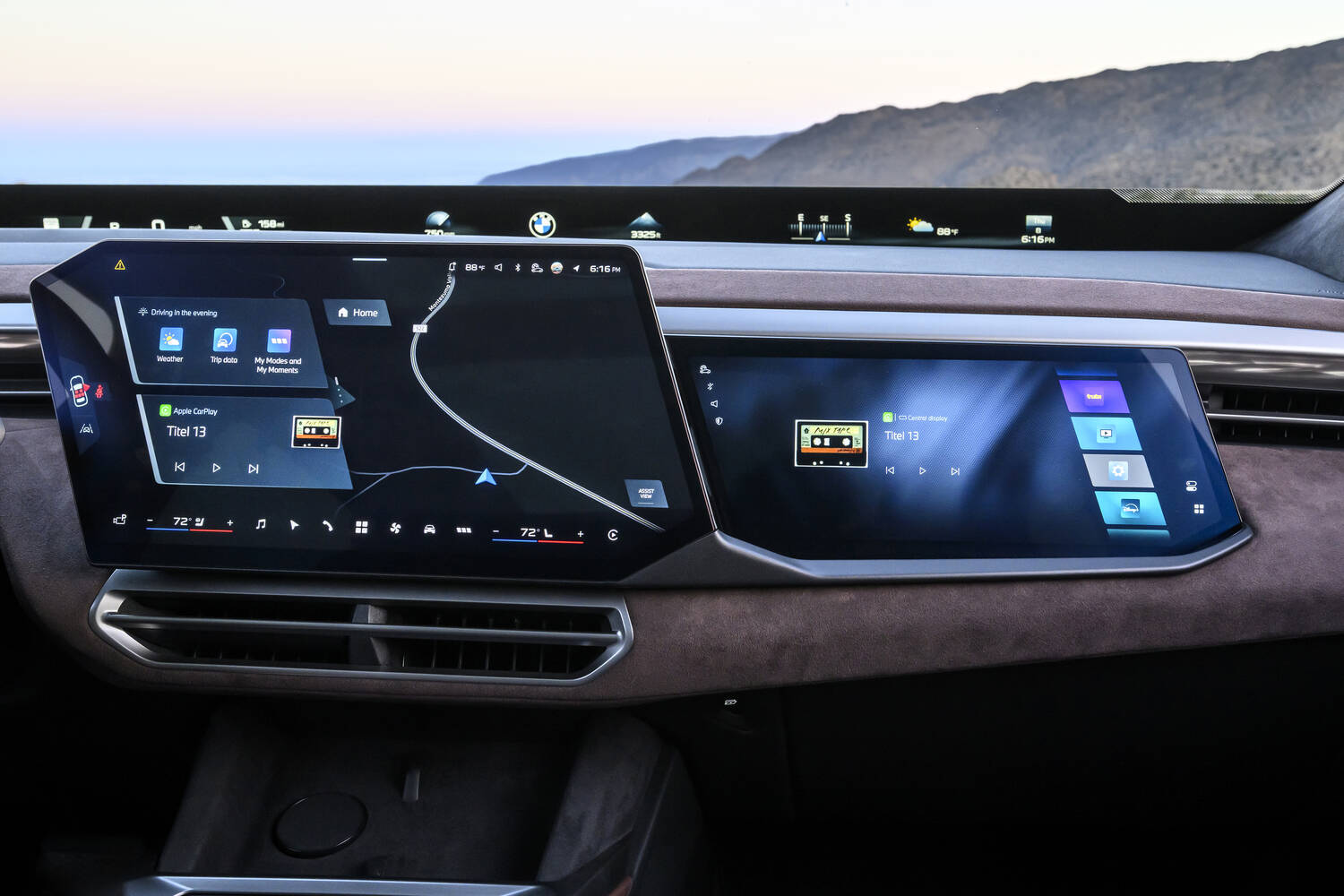
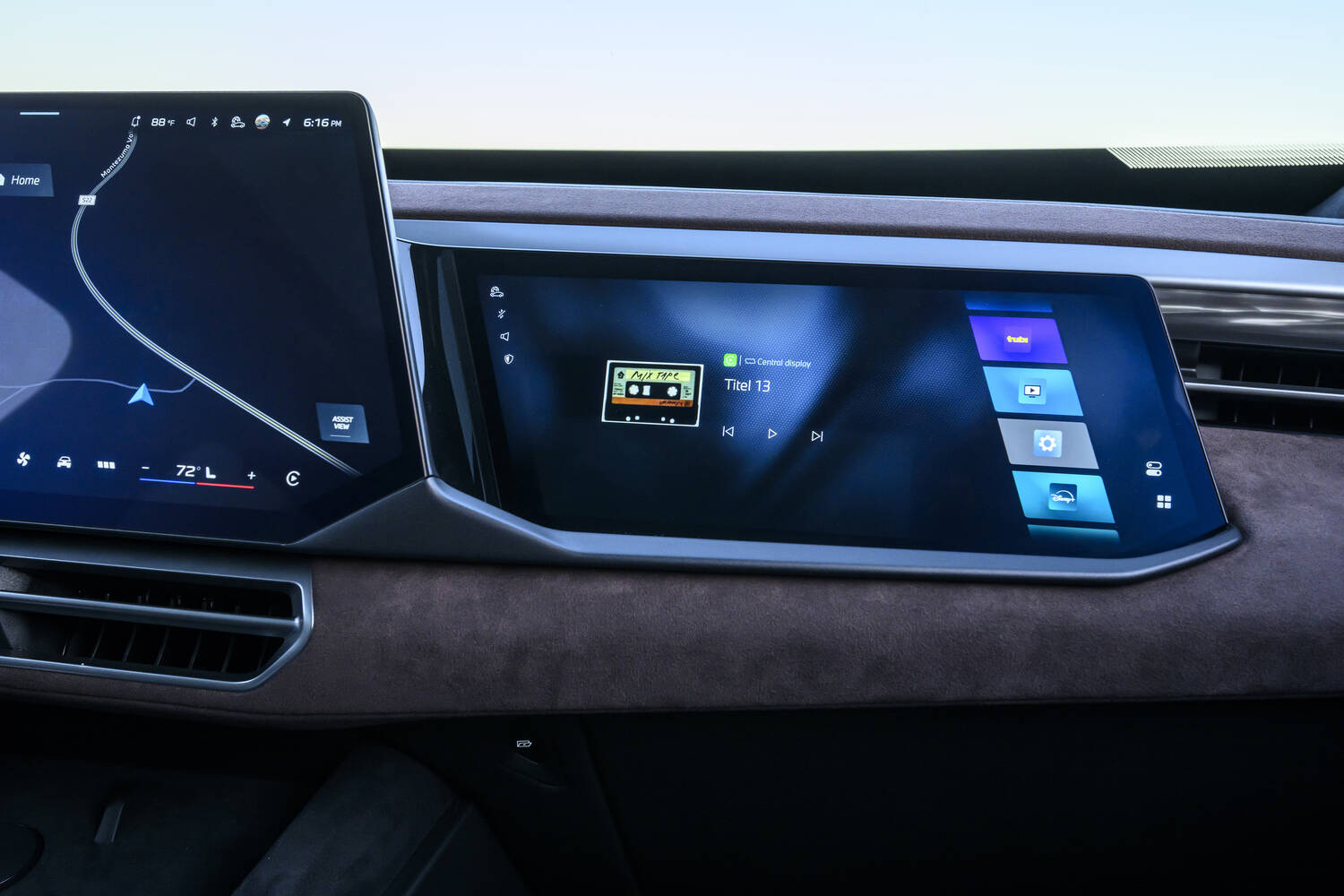
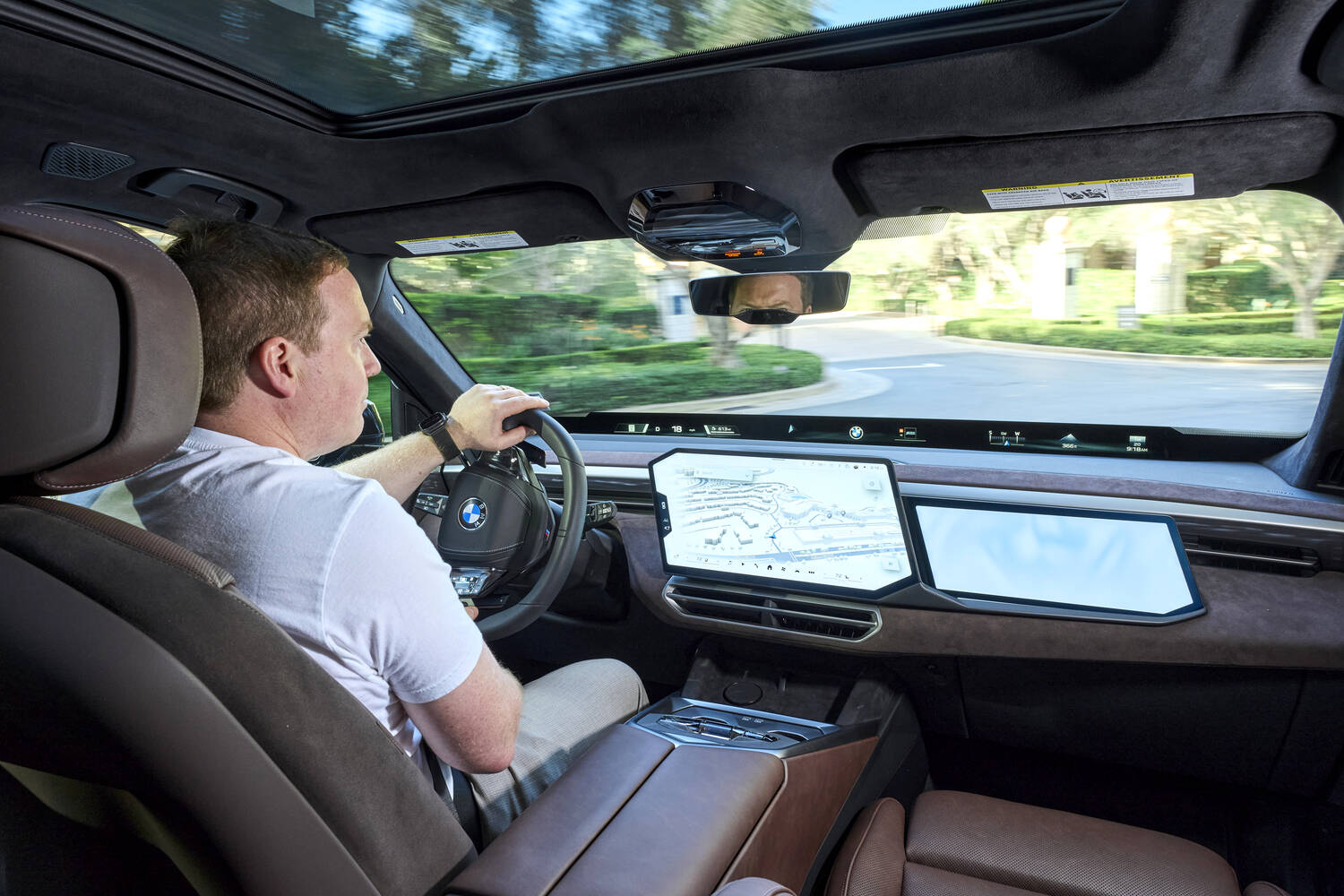
The BMW X5 wasn't the first car in the range to get the Panoramic iDrive layout, but that doesn't detract from how largely excellent it is, encompassing a display across the base of the windscreen, an angled touchscreen, head-up display and - optionally - another touchscreen for the front-seat passenger. Really, the steering wheel should be included in that as it has so much on it.
Now, this generation of BMW steering wheels feels good in the hand, and the switchgear on it mixes physical movement with haptic feedback to great effect, but we really don't like the overall design.
All are squashed circles, but it's the vertical spoke on some of the wheels that we find strange. And it'd be a brave person that specifies the 'Smoke White' option.
That's about the only bum note, however, as the interior quality is exceptional and all the technology is actually easy to use once you've had a bit of a play with it.
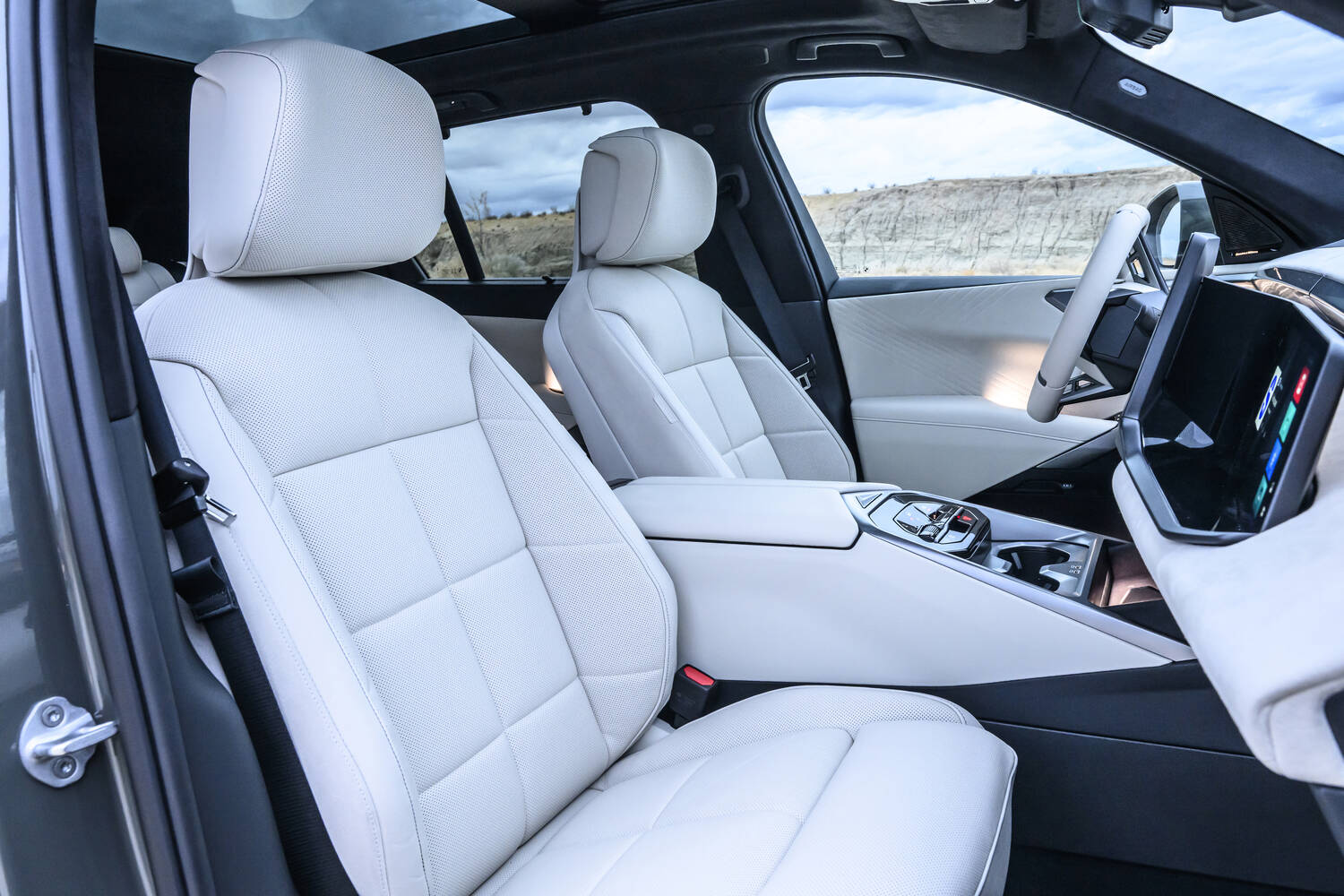
As standard, the upholstery is 'Veganza' synthetic leather, though buyers do get three colour choices as part of the 'Contemporary Interior Design' - Copper Brown, Silverstone and just black.
Actual leather requires at least another €5,824 spent on the BMW Individual Interior Design and again a choice of three colours - black, Adelaide Grey and Smoke White.
Tartufo leather is €6,107, while the gorgeous Vintage Coffee Leather - exactly as you'd picture it - is €6,705. These work particularly well with the optional 'Silver Bronze' accent trim.
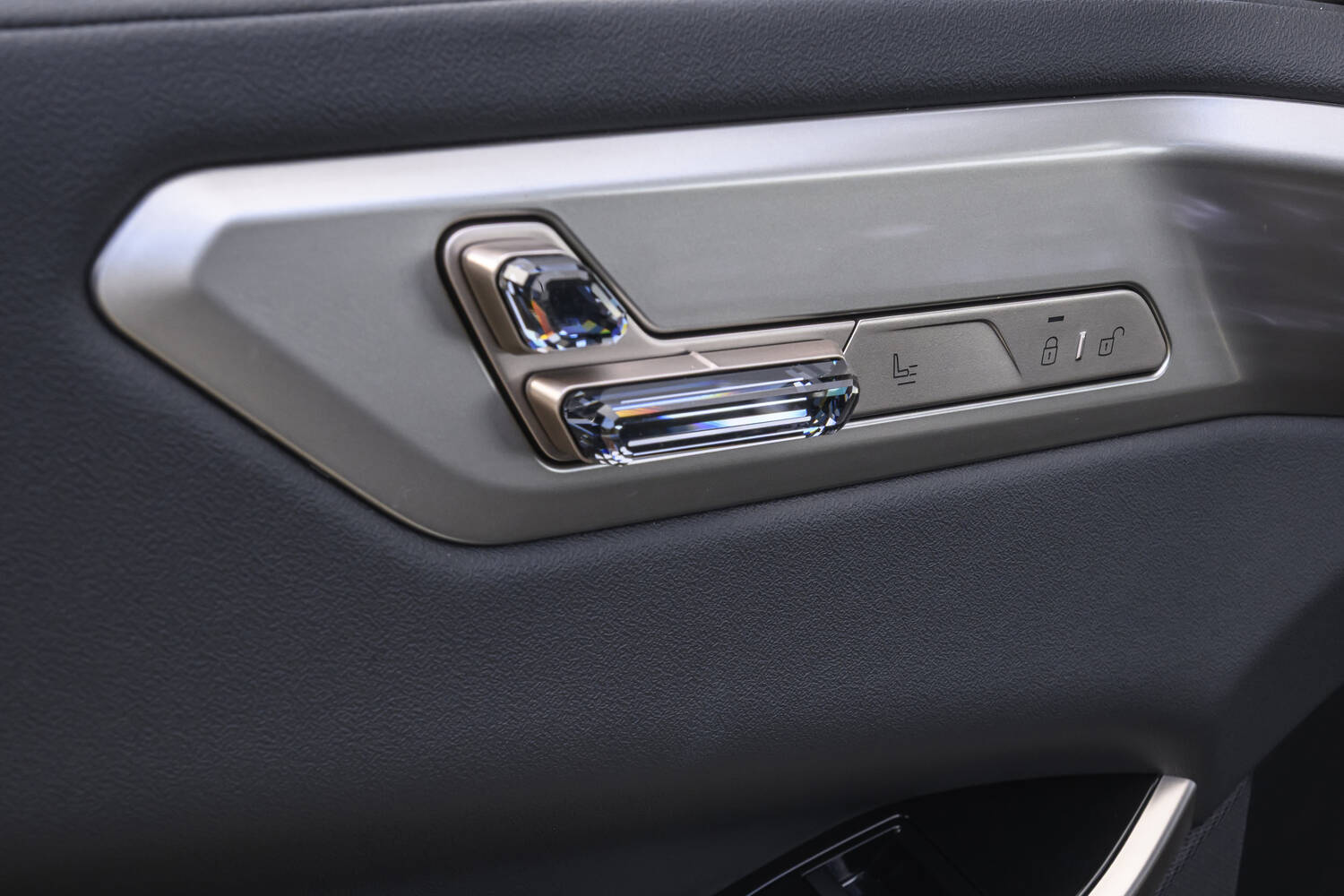
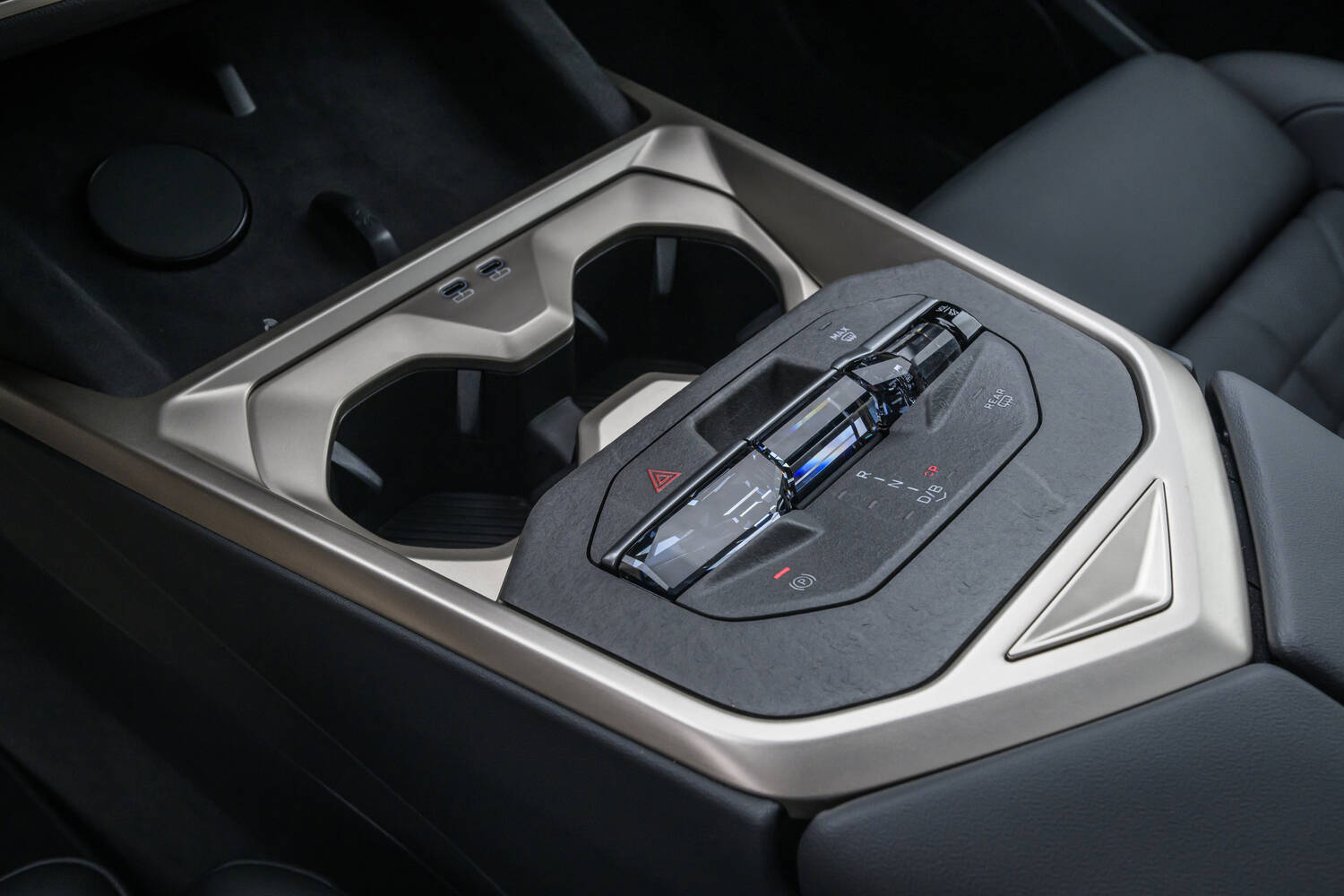
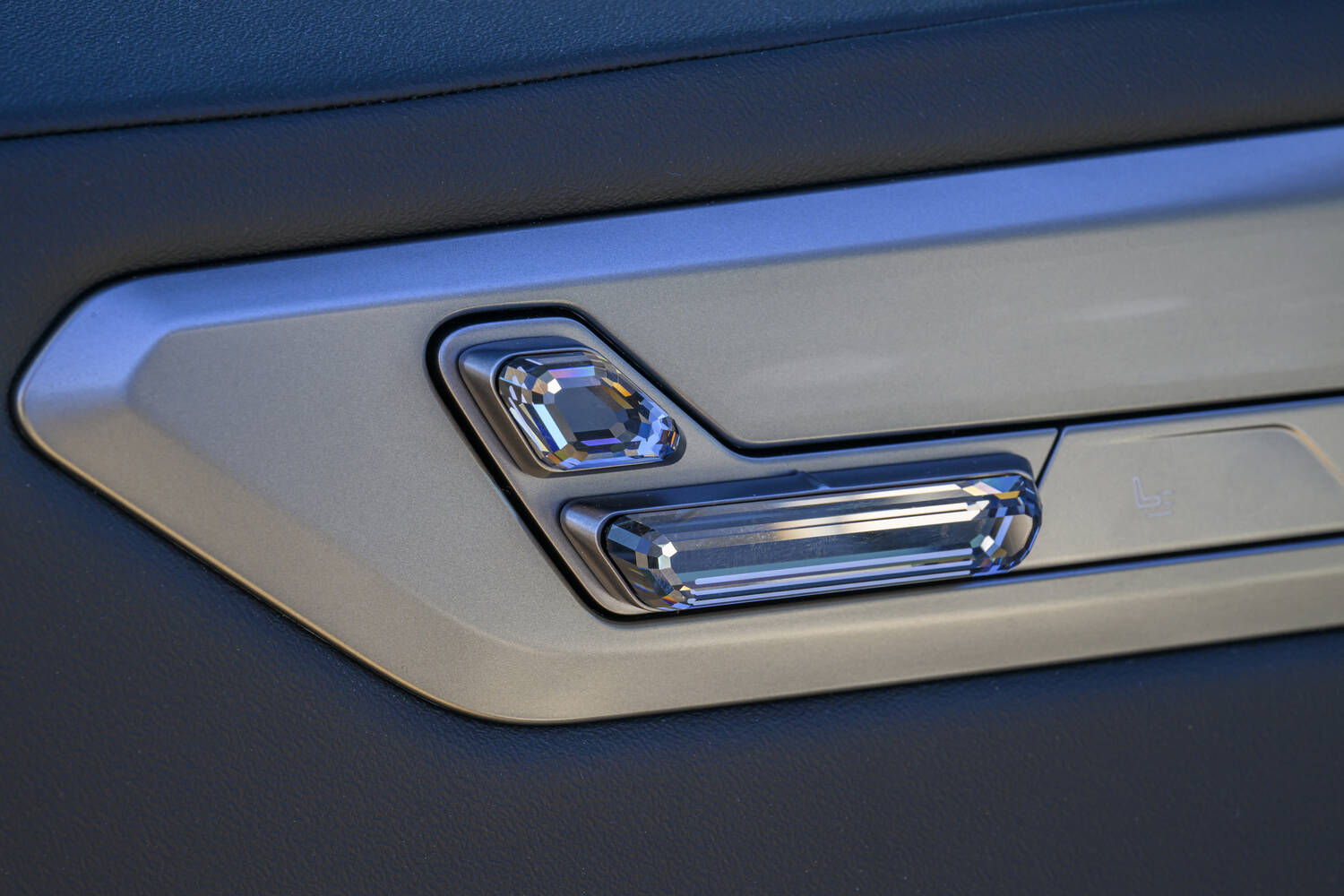
Though, to get that, you also need to have the 'Clear&Bold' option box ticked, which means actual crystal glass for some controls and a thin layer of slate elsewhere for a uniquely tactile finish.
Getting comfortable in the driver's seat
Even at their most basic, the front seats get electric adjustment, and they're very comfortable, with heating included. The steering wheel can be heated as well. You can pay for the Seat Comfort Package to bring in upgraded seats with a massage function and ventilation.
Automatic air conditioning is standard, though four-zone climate control is extra. Either way, we'd prefer to have visible, physical air vent controls up front. Unfortunately, they're all adjusted via the touchscreen. It's clever, sure, but entirely unnecessary - and a potential distraction when driving.
Infotainment and technology
Newcomers to the BMW Panoramic iDrive system won't know where to look, as there's a lot to take in, starting with the strip of high-res display that extends across the full base of the windscreen.
This is called Panoramic Vision and while you can take time to customise the layout and the widgets that appear, it's also quick and easy to choose a pre-set theme. This can even be done from the steering wheel without much difficulty, and we're pleased to see there's a minimal option to pare it back to the core driving information.
The unusually shaped central touchscreen measures 17.9 inches across the diagonal and runs BMW Operating System X; it is quick to respond and packed with connectivity and other features.
We're not convinced there's any need for the 3D head-up display.
The standard audio package includes a 280-watt system with 12 speakers, which is probably fine, but will sound weedy next to the optional Bowers & Wilkins system, featuring 18 speakers and a 775-watt amplifier. This also has Dolby Atmos built in.
Finally, there's advanced ambient lighting found enveloping the front of the cabin. It's full customisable, and it also adapts to the ambient light and aspects of the driving experience, so it's far from just a bar of light. Most of the time you won't notice it, as it takes on the appearance of a textured piece of trim. It looks good though.
Practicality around the cabin
For such a massive car, the X5 isn't exactly overendowed with storage cubbies in the front of the cabin. The door bins are fine, the glovebox the same and while the centre console itself is pretty chunky, access the butterfly-opening lid and you'll discover only modest space within.
There are two cupholders in front of that, with USB-C ports integrated into their housing, though at least the wireless smartphone charger is magnetic, so devices are held securely in place.
Rear-seat passenger space
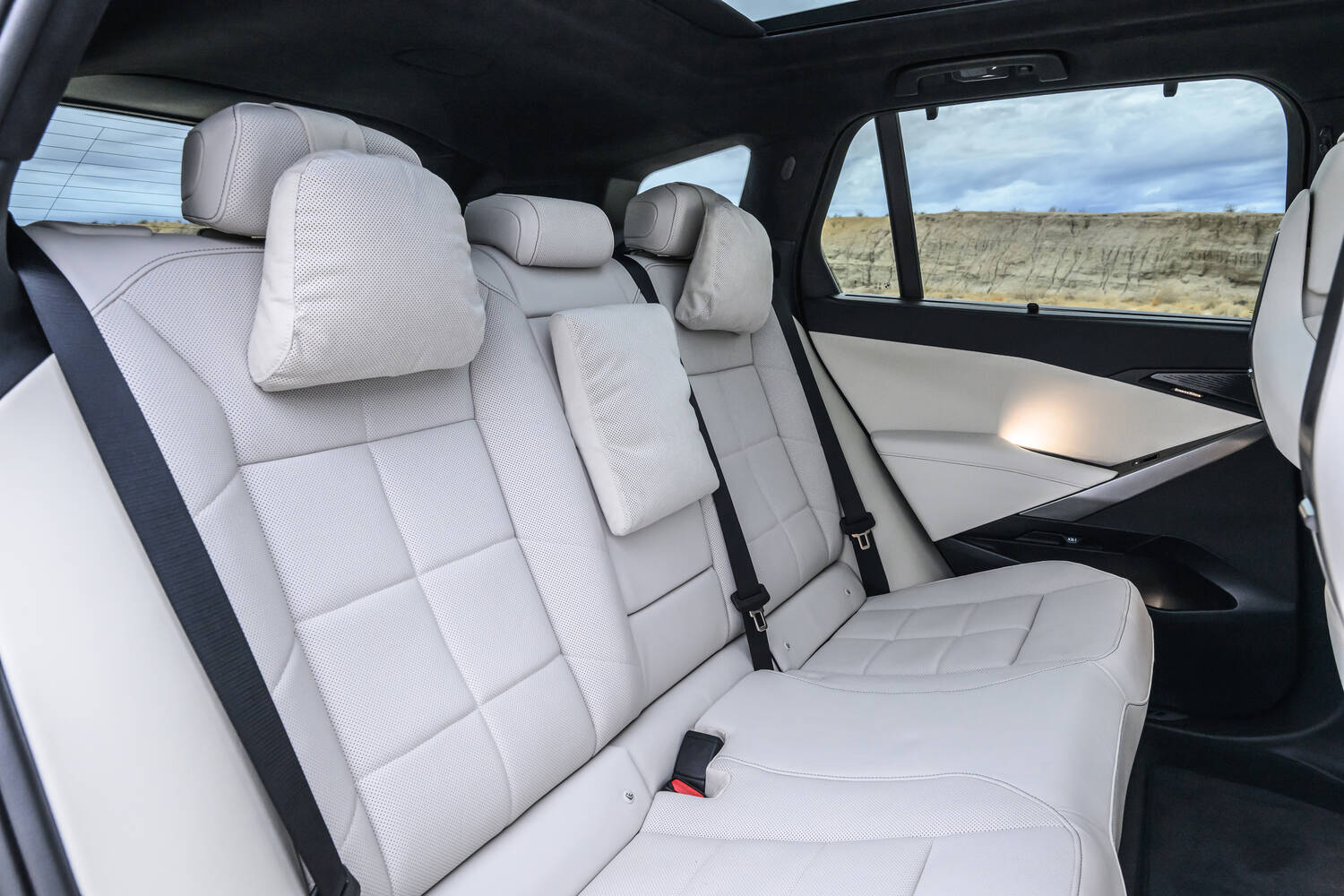
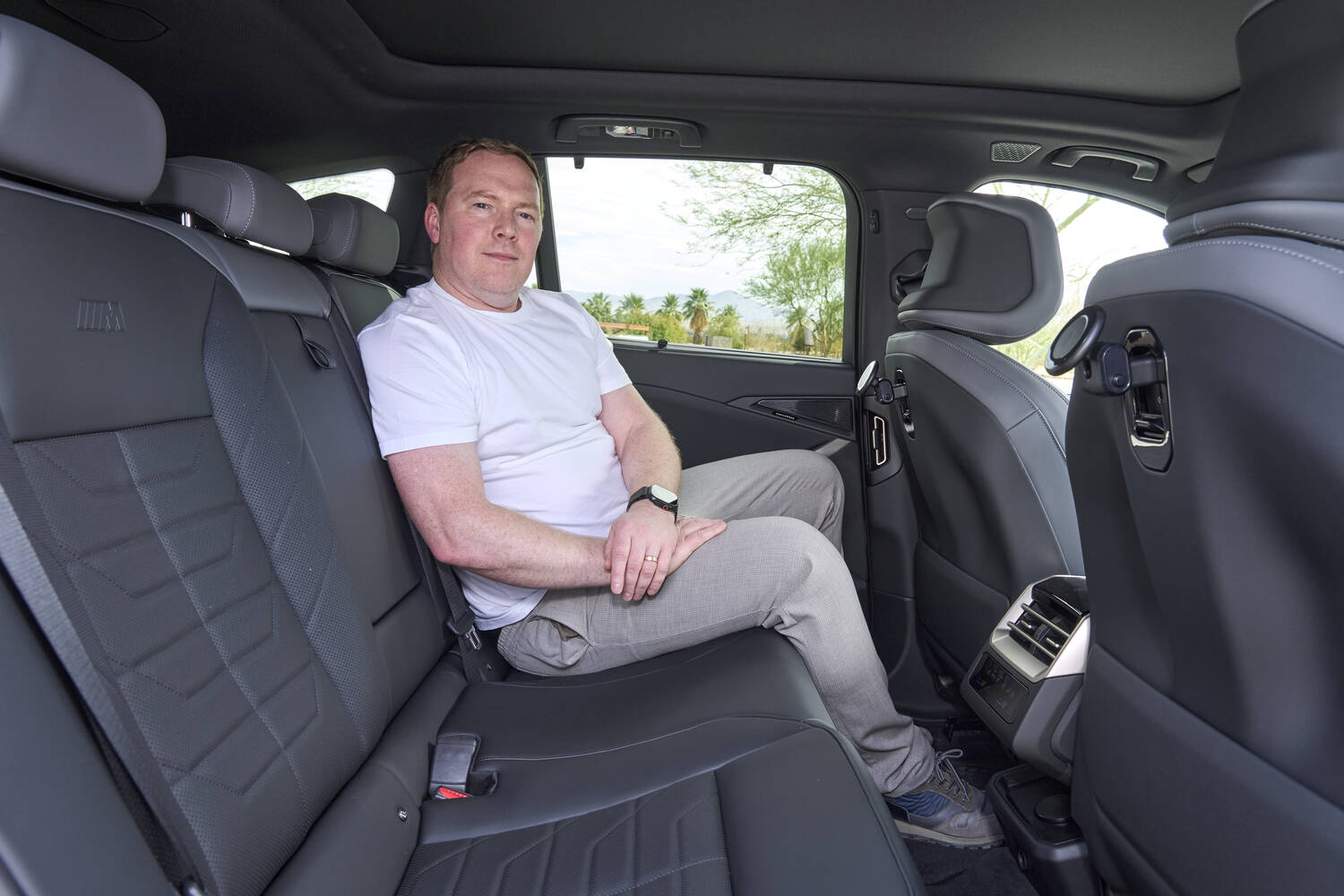
The rear doors open notably wide, and it adds to the occasion for them to close automatically behind you if that option is fitted. Within, there's generous space in most directions, notably upwards as, despite the fitment of a glass roof as standard, there's plenty of headroom.
Legroom is good rather than amazing, but at least the floor is flat all the way across, there's space under the front seats to stretch your feet out and the central seat - while not as sculpted or as comfortable as the outer two positions - is wide enough to accommodate an adult when required.
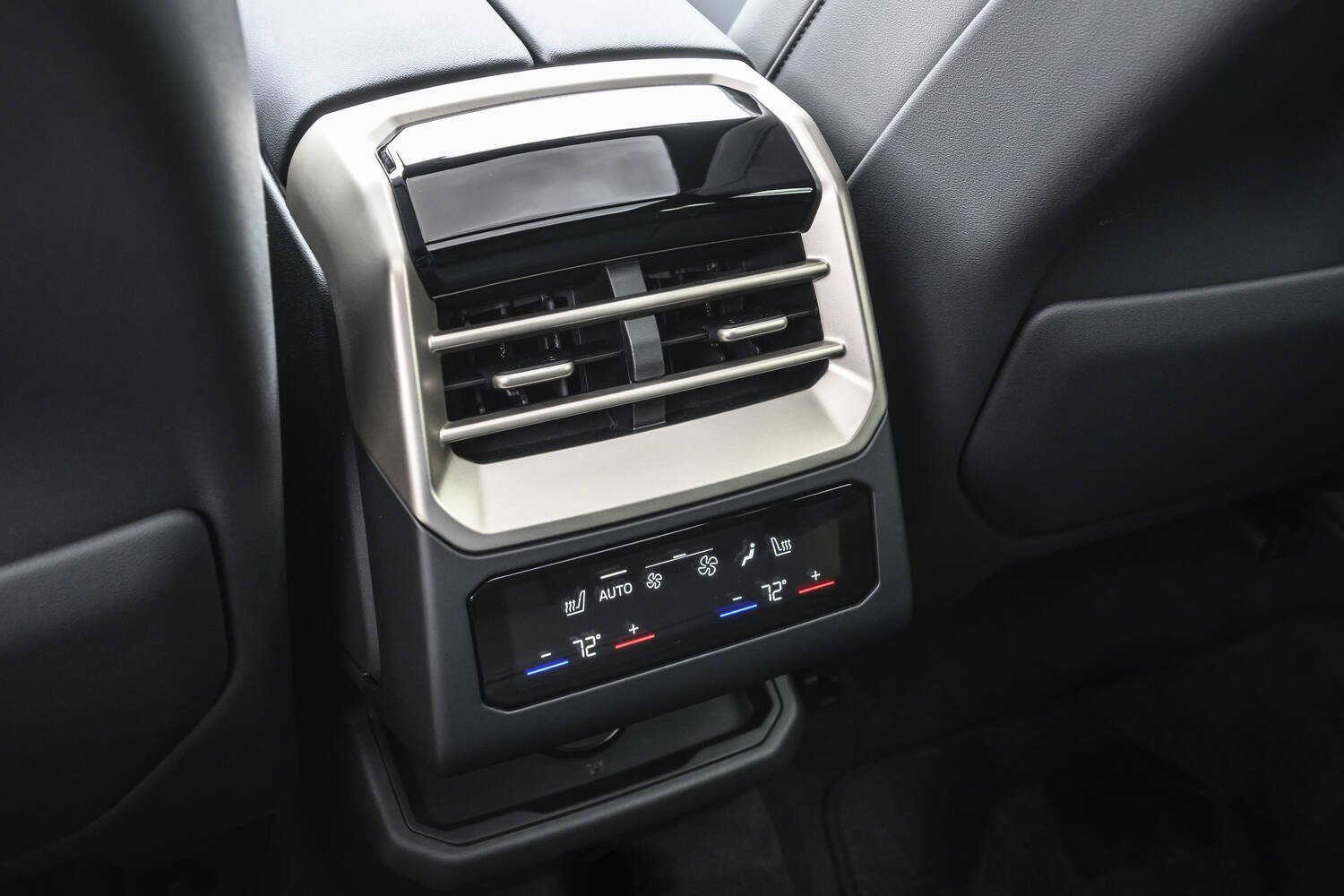
In front of them, at the back of the centre console, are air vents with good old-fashioned physical adjustments and there's another magnetic wireless charger underneath.
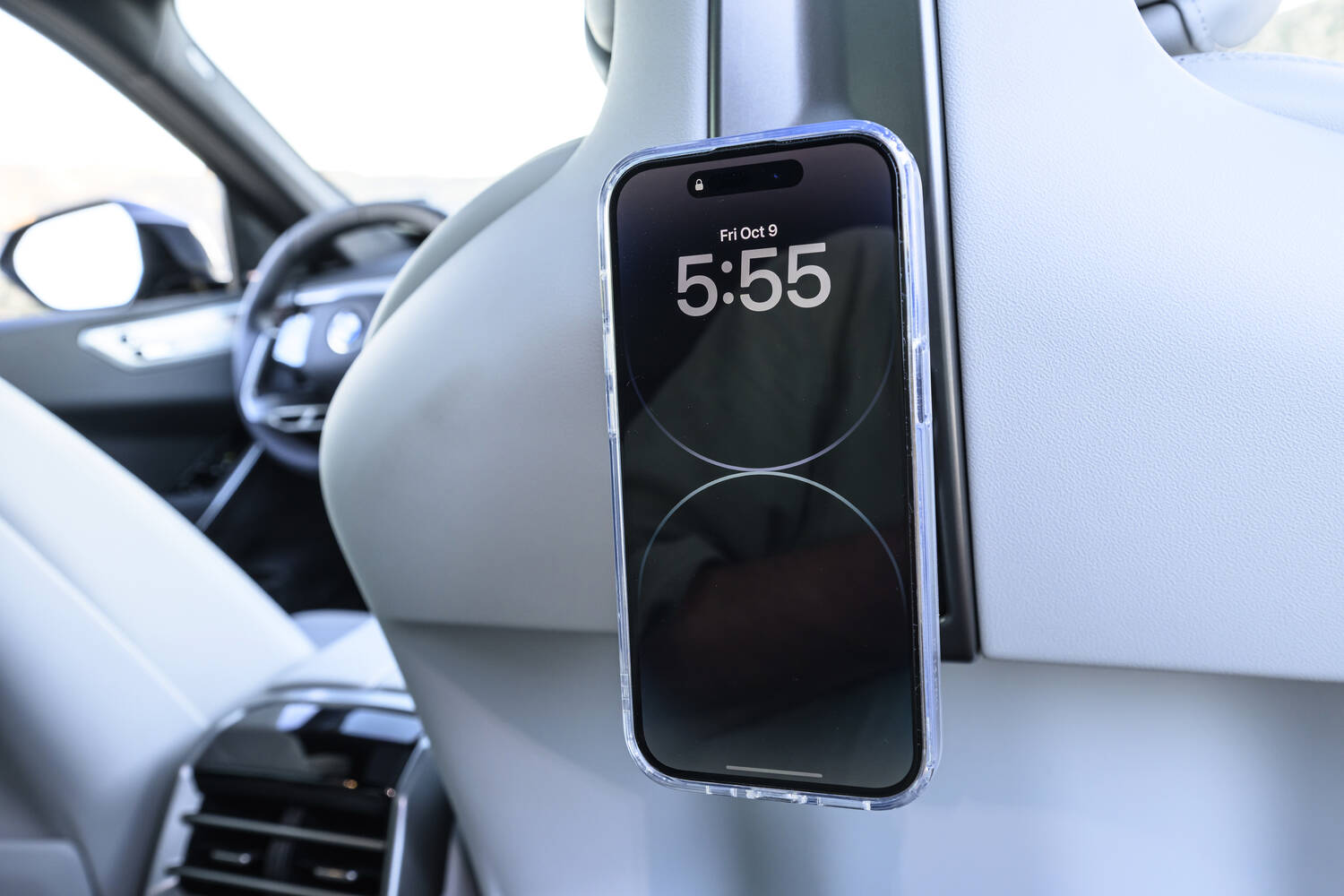
Indeed, the backs of the front seats can be fitted with USB-C ports and magnetic device holders as well, while sun blinds are also on the options list - and a worthwhile investment if you're planning on carrying kids in the back.
An armrest with moulded-in cupholders folds down from the middle of the backrest should there be nobody sitting in the centre.
Fitting child seats to the BMW iX5
Big and bulky child seats will fit into the X5 without an issue, with two ISOFIX mounting points on the outer rear seats. It might well be possible to locate a booster in the middle, too, though it's disappointing there's no ISOFIX for the front passenger seat.
Boot space in the BMW iX5
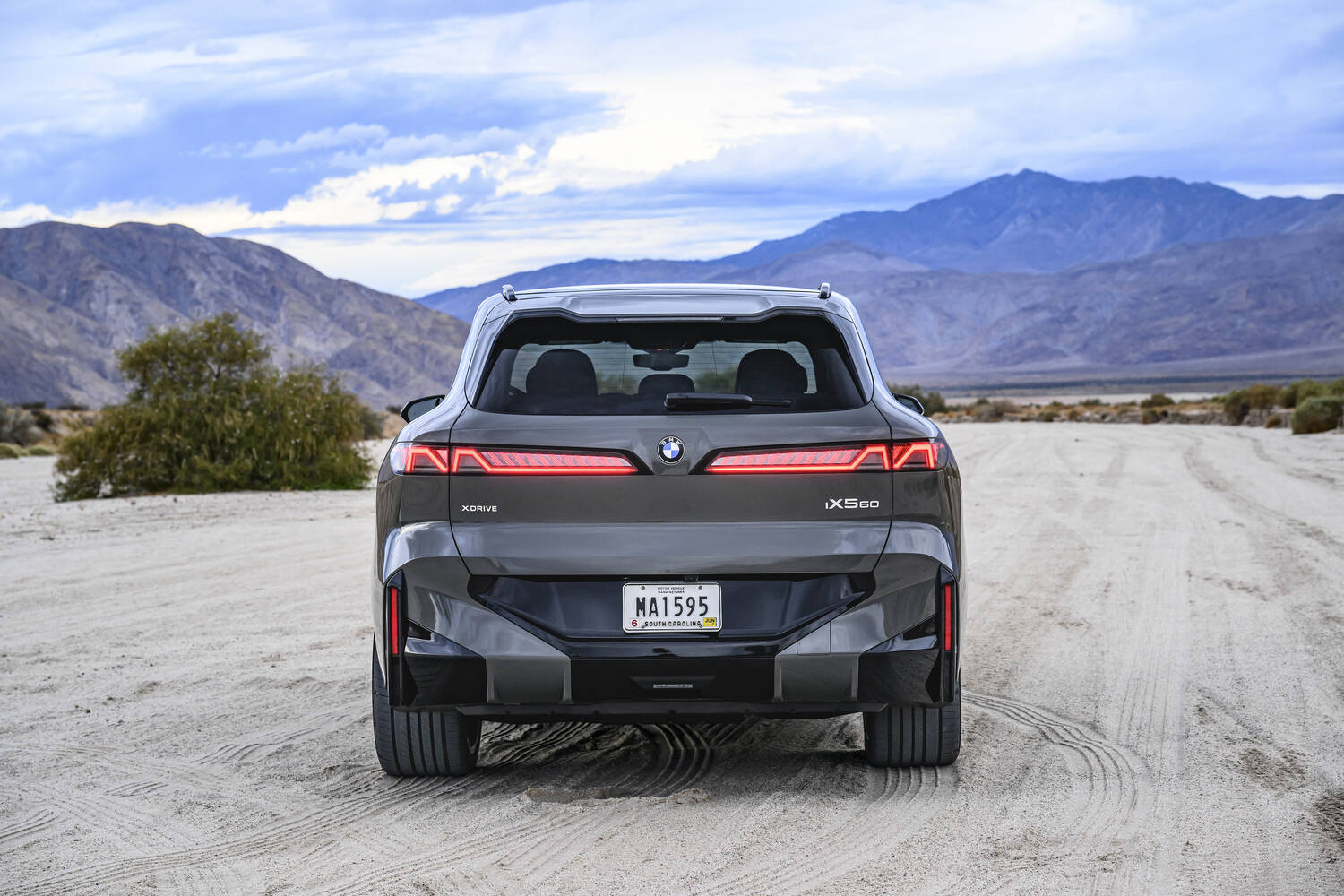
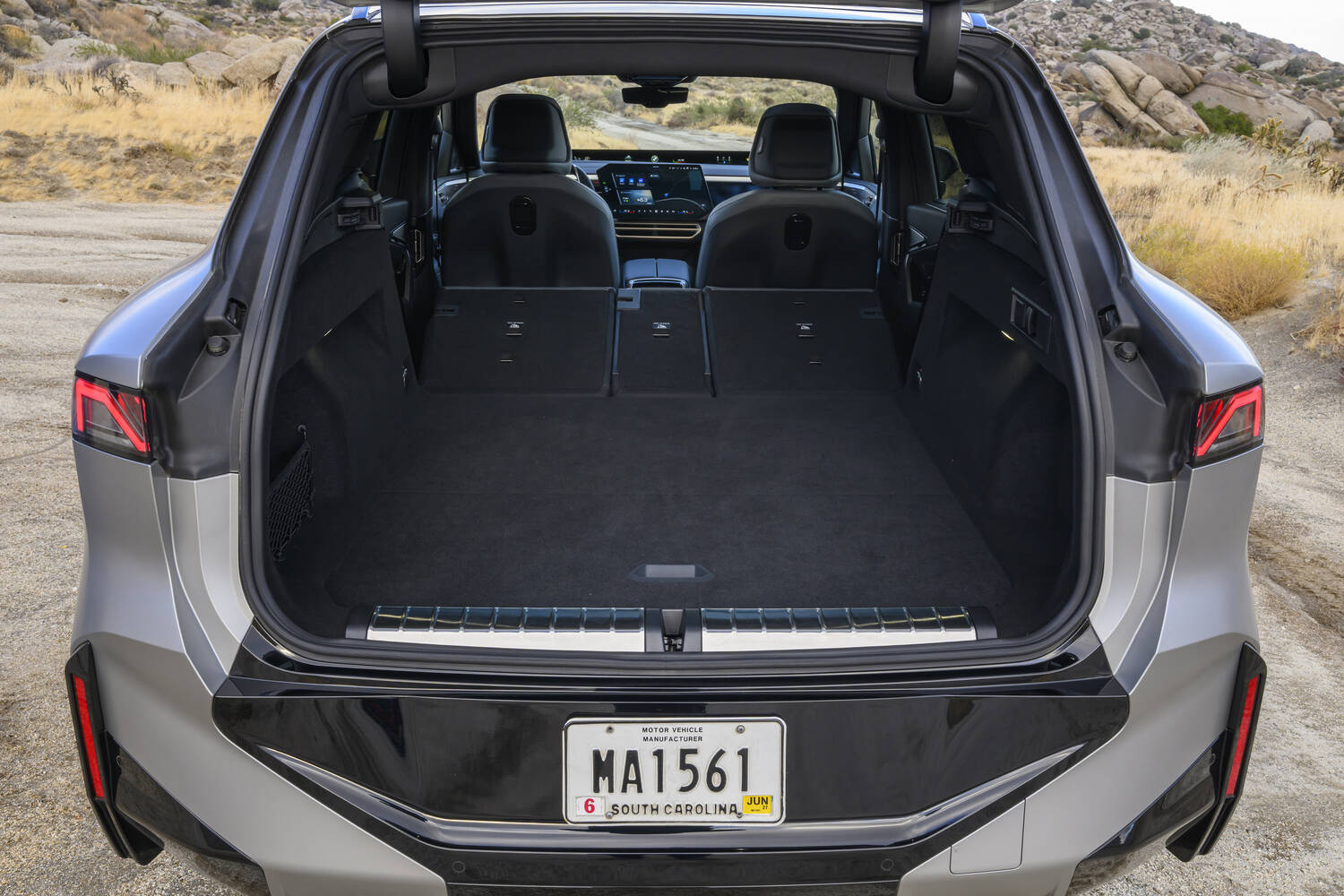
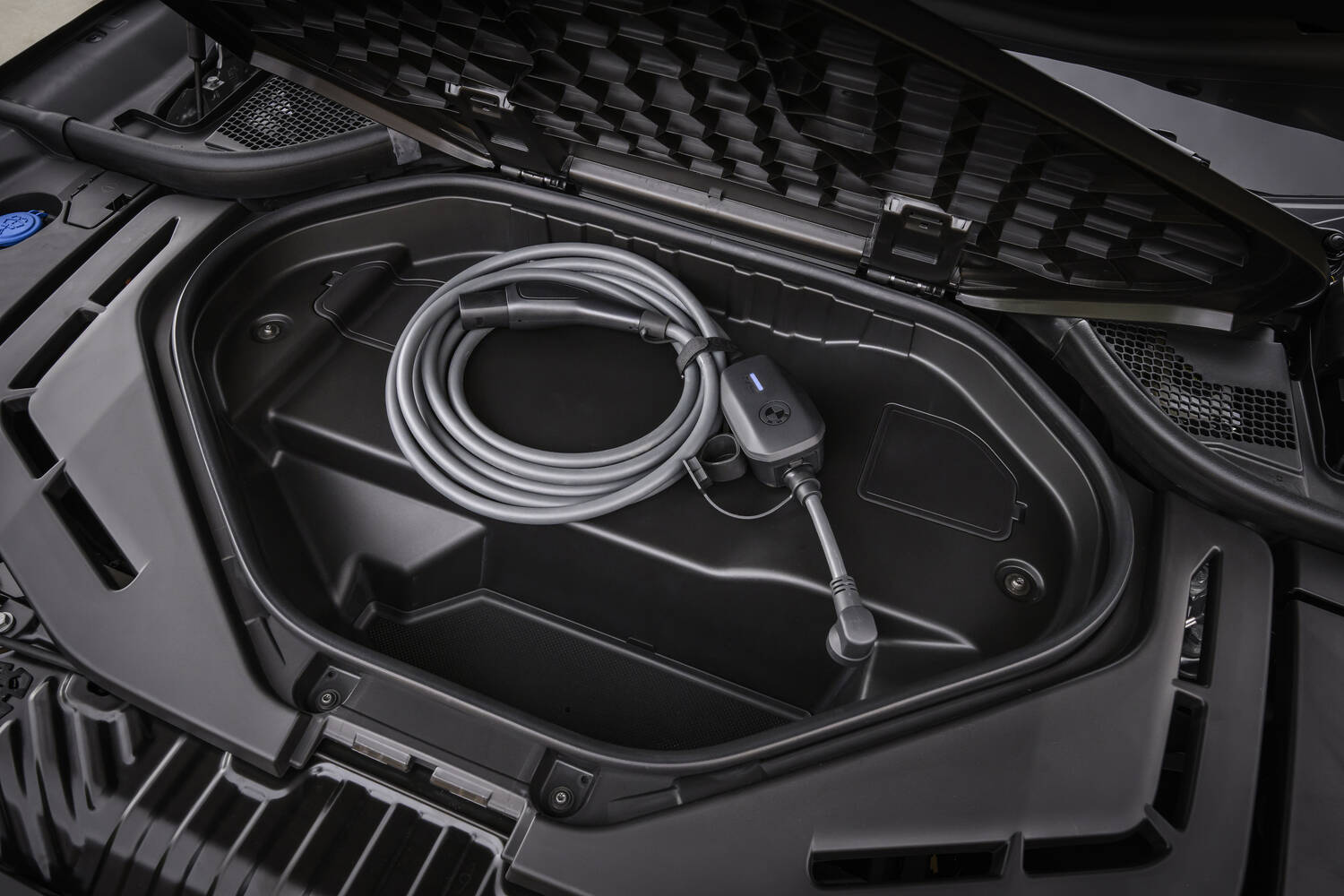
The iX5 has the most storage space of all the BMW X5s thanks to addition of the 'frunk' storage under the bonnet accommodating 53 litres.
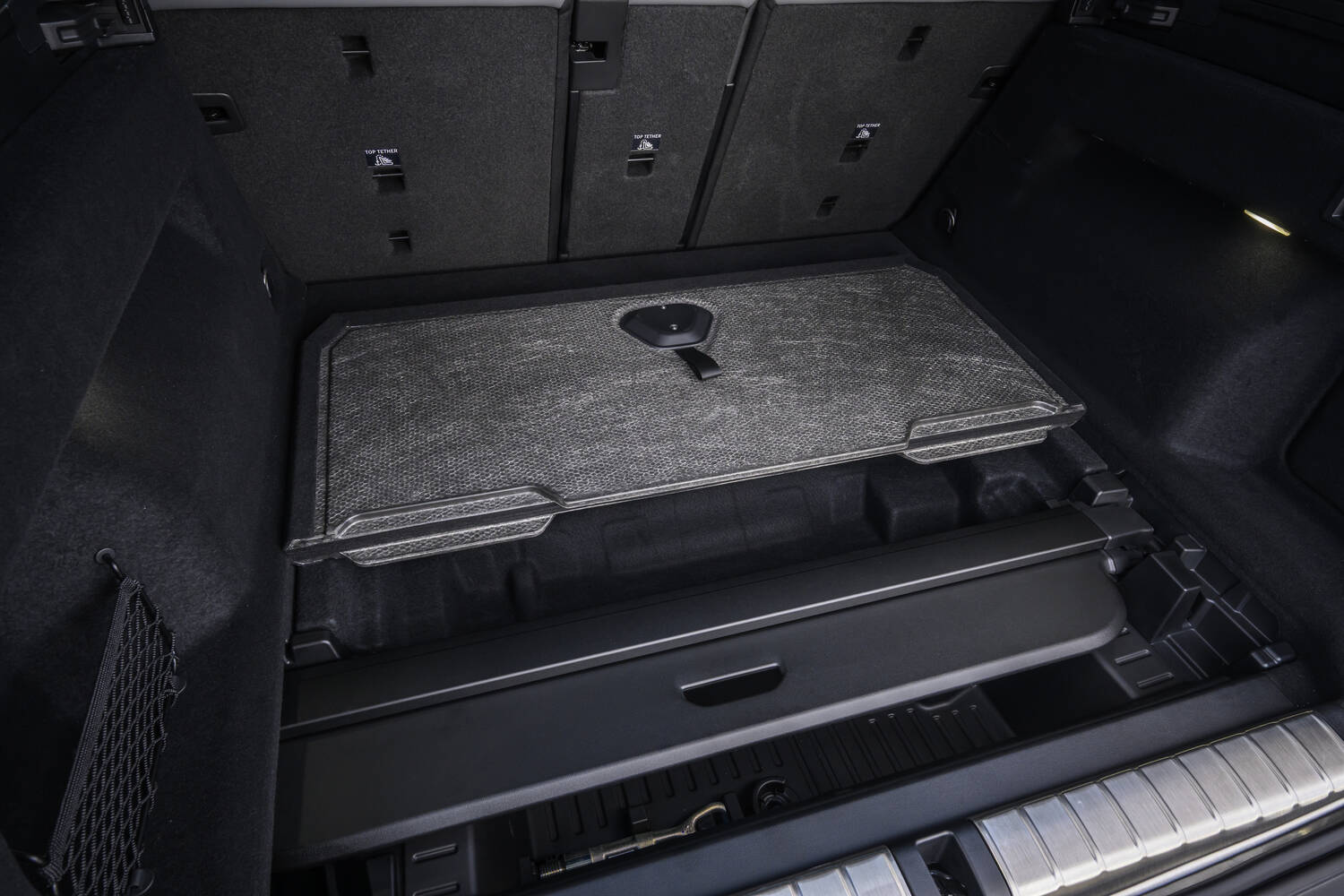
Like the petrol and diesel X5s, the BMW iX5's main boot holds 655 litres with all seats in place, expanding to 1,850 litres when you fold down the 40:20:40-split back seats. There's a through-load system for the middle of these, and a bit of room under the floor, too.
The plug-in hybrids, however, can only manage 525 litres with the rear seats in use, up to a maximum of 1,680 litres.
Towing with the BMW iX5
On one hand, the iX5 has the lowest towing rating of all the BMW X5s, but given it can still manage up to 2,700kg of braked trailer, that's not too much of a disability.
For reference, the petrol and diesel models are rated at 3,000kg and the two plug-in hybrids max out at 3,300kg.
As is the norm, the limit for all models is 750kg if there is no braking on the load.
Incidentally, there's something called Trailer Stability Control, too, which BMW reckons can detect and stop a swaying motion from a towed load before the driver realises there's a potential issue.
Safety in the BMW iX5
The previous-generation BMW X5 garnered a five-star Euro NCAP rating, and it would be a shock if this model didn't follow suit. There are airbags everywhere, including one between the front-seat occupants, along with a dizzying number of acronyms covering all the active safety systems.
Performance of the 2027 BMW iX5
- One battery and motor combo
- All X5s have all-wheel drive
- Disguises its weight well
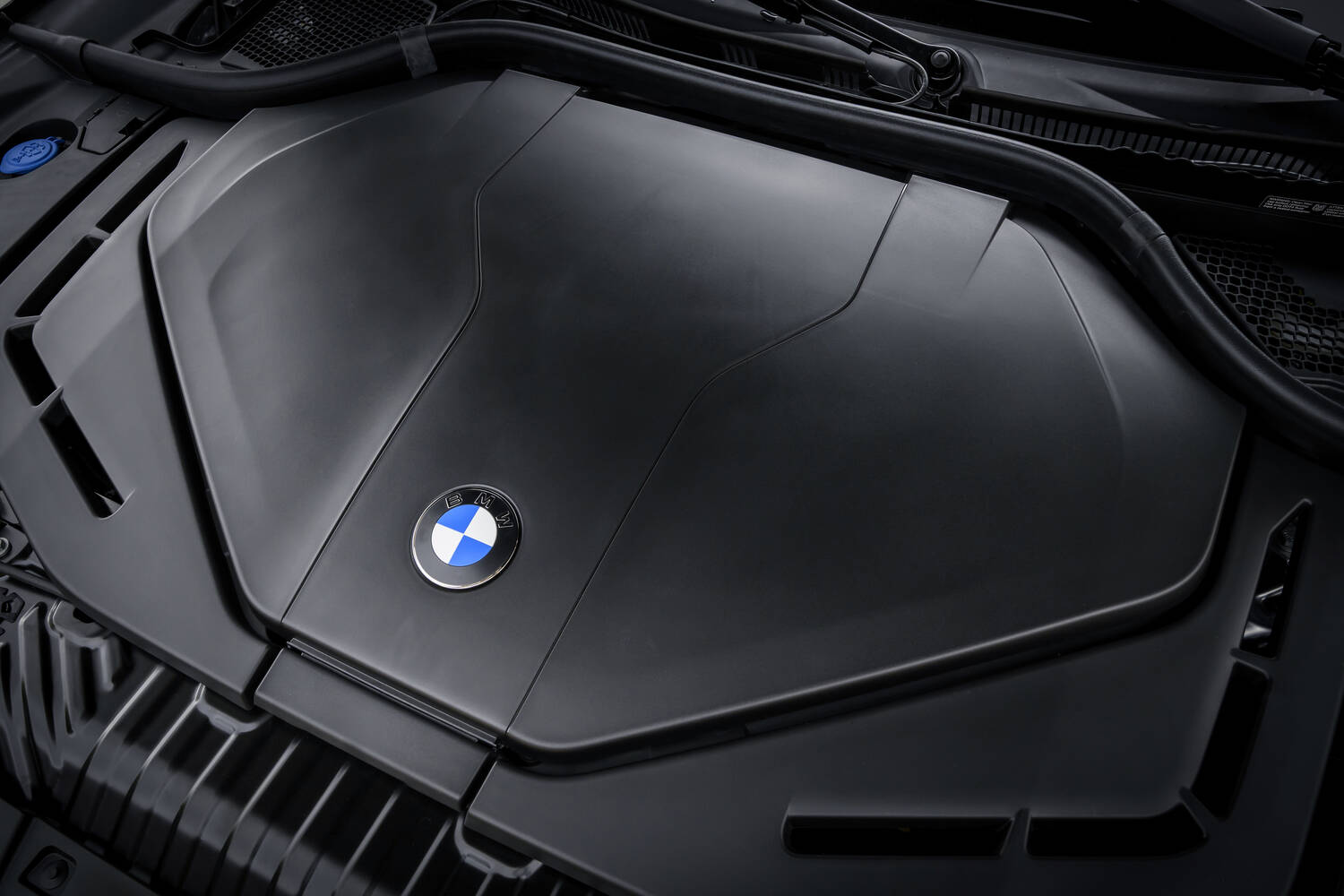
In the BMW iX5, there's a powerful electric motor on each axle, bundled in one housing with its electronics and reduction-gear transmission. Together they put out up to 578hp and 805Nm of torque.
Hence, despite the fact that this car weighs over 2.8 tonnes, it can still smash the 0-100km/h sprint in just 4.6 seconds.
It has a veritable army of electronic sub-systems to balance driving enjoyment and safety. Adaptive damping is fitted as standard to the X5 and BMW quotes a 50:50 weight distribution for the car.
From there, buyers can upgrade to Adaptive Chassis Control with air suspension front and back and Integral Active Steering. The latter is BMW's name for rear-wheel steering, enhancing agility and manoeuvrability at low speeds while helping with stability at a higher pace. Meanwhile, the air suspension allows for automatic and manual altering of the ride height.
A further upgrade is available to buyers of the iX5 and the plug-in-hybrid X5 models, called Adaptive Chassis Control Professional. This adds active roll stabilisation to prevent unwanted body movements, while enhancing comfort in a straight line.
Incidentally, the M Sport cars come with their own damping specification, referred to as Adaptive M suspension.
Driving the BMW iX5 60 xDrive in the USA
Words by Shane O' Donoghue on 22 October 2026
Following a morning of driving the petrol-fuelled BMW X5 40 xDrive, we hopped into the iX5 60 xDrive for the return leg of some three hours, starting in the mountains from southern California in the States.
While speed limits in general in America are low, and the local authorities are known for their lack of leniency, the initial section up from the valley floor to a peak at about 1,500 metres, and the run back down the other side to larger arterial roads, was carried out on mostly deserted single-lane roads, ribboning through the extreme terrain. This gave us a good opportunity to see if the new X5 lives up to BMW's billing.
Earlier in the day, the petrol model proved competent on the same roads, with strong front-end grip and a nice burr from the straight-six engine's exhaust when you asked for more performance.
It didn't feel slow exactly, but neither was it particularly sporty, and the (very plastic) gearchange paddles ultimately didn't reward enthusiastic driving. It's a lovely car, but not an exciting one. And anyway, all but irrelevant to the Irish market.
What it did show, is that the air suspension upgrade (called Adaptive Chassis Control in the configurator) is worth having, with great body control yet decent comfort and composure. Sure, there was plenty of road noise on the poorly surfaced American highways, but this chassis will undoubtedly translate well back to Ireland.
The iX5 test car, meanwhile, came with all the bells and whistles, including the Adaptive Chassis Control Professional system. This adds the active roll control function to the air suspension. It's not cheap, at over €8,500, but it's worth considering, as it's not just about keeping unwanted car body movements in check.
Most modern cars use steel anti-roll bars front and back to connect the suspension across the car. When the vehicle goes around a corner, the tendency to lean over has the effect of twisting the bar, making it stiffer and hence more resistant to further lean - also called body roll. The trade-off is that the same design increases stiffness and reduces comfort over bumps, so a fixed anti-roll bar is always a compromise.
With Adaptive Chassis Control Professional, the roll bars are split in the middle by a 48-volt electric motors. In a straight line, therefore, the sides of the car are decoupled, allowing freer movement of the suspension and hence, in theory a more comfortable ride over bumps.
In fact, on the X5, this is paired with active adjustment of the body height on a side-by-side basis via the air suspension, something BMW calls Active Roll Comfort.
In a corner, the motors quickly twist the anti-roll bars in response, adding stiffness across the car and acting like a traditional anti-roll bar - though to a greater extent as it's not a compromised setup.
We've driven cars with this concept before and it can result in quite an inorganic sensation through the bends, lending the car a wooden feeling, but BMW's system works a treat, and it allows for surprisingly high cornering speeds when the opportunity arises. It all feels wonderfully under control and highly competent.
And over bumps, the iX5 is a little better for sure, though it's not quite a fair comparison with the X5 40 we drove before it, as the iX5 is carrying quite a bit more weight, which will also influence how the car rides.
You soon get used to the weirdly shaped steering wheel, but the steering itself is bereft of meaningful feedback and communication and that more than anything prevents the iX5 from being engaging to drive in the manner many expect of a BMW.
It's far from just average, I'd like to clarify, but neither is it something you'd drive just for the sake of it. That's not just down to the weight of the electric model, either, as the X5 40 was no more involving, even on a really good driving road.
Leaving the mountains behind, we spent the rest of the day on a variety of massive highways, most of them with a shoddy and hard concrete-like surface.
It might be useful to relay our experience from a couple of days before on these roads in a big Cadillac Escalade SUV from the airport to the hotel. The wheels and suspension on this thumped and banged over the surface while my head was tossed side to side as it struggled to deal with all the bumps at speed.
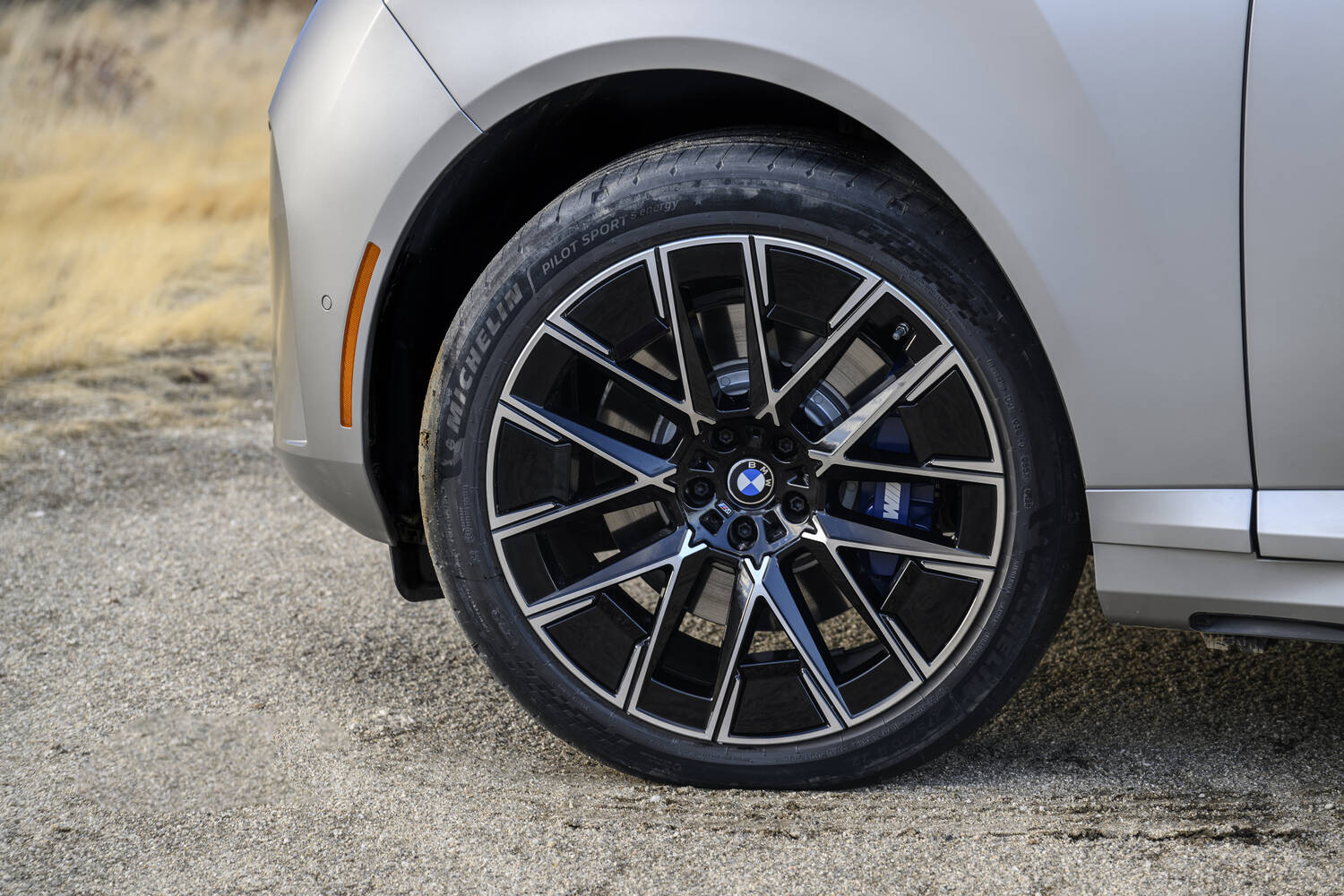
This does not happen in the iX5. Sure, you can hear and feel the rubbish surface underneath, and the suspension is firm (our test car rode on 22-inch alloys for reference), but it always feels controlled and polished.
Interestingly, we didn't feel the need to use the Sport driving setting, even in the mountains. For starters, there's so much performance on tap from the dual-motor setup that there's just no need for quicker response.
We have no doubt it produces the full 578hp and 805Nm of torque when required and it's available no matter which driving mode you have selected. The standard - 'Comfort' - steering weighting is spot on as well.
In fact, the only item we customised in the Personal menu was the level of brake energy regeneration. This is adaptive by default, which works cleverly enough, but results in inconsistent braking that I find really unsatisfying.
It's nicer to drive when at its lowest level. Use that and the brake pedal feels well-weighted and easy to modulate at speed, while simplifying smooth driving elsewhere.
This, and all other aspects of how the iX5 drives, point to a car that'll effortlessly slip into daily life, with more performance than anyone needs, but a clear bias towards comfort and quietness. Just as it should have.
Range, battery, charging and running costs of the 2027 BMW iX5
- One massive battery option
- Up to 850km of range
- Very fast charging
Although there's not much choice in the BMW iX5 in terms of battery size, nobody will complain about its ability to cover long journeys without the need to charge up. And even if you do have to use public chargers, the iX5's high-voltage system means you'll not be stopped for long.
Battery options and official range
There's just one battery option for the BMW iX5, but it's a whopper, using lithium-ion chemistry. Its net energy capacity is 141kWh.
No wonder BMW can quote an official, WLTP-ratified range between charges of up to 850 kilometres, depending on specification.
Incidentally, that's not a specification that's offered in Ireland, as it requires smaller wheels than are fitted as standard here. The highest number is therefore 824km.
Curiously, the M Sport cars are listed as more efficient than the entry-level option, presumably due to improved aerodynamics of their visual makeover.
Real-world range and efficiency of the BMW iX5
BMW Ireland quotes an energy consumption figure of 19.3kWh/100km for the iX5 in its most efficient specification, or 21.4kWh/100km at the other end of the scale.
Over a few hours of driving as described above, mixing a bit of mountain-road fun with generally relaxed cruising and relatively low speeds, we saw the iX5's average consumption vary from about 24kWh/100km at first to as low as 21.2kWh/100km.
Regardless of what the sums say, the range readout suggested that some 600 kilometres was possible in total that day. It'd likely be a bit lower on a cold winter motorway slog.
Charging up the BMW iX5
Using an 800-volt electrical architecture means the iX5 can accept charge on suitably powerful DC outlets at exceptionally high speeds, at up to 460kW in fact.
That translates to a 10-80 per cent charge in as little as 23 minutes, or 350km extra range for 10 minutes of charging at the peak rate.
All iX5s also come as standard with a 22kW AC charging limit on three-phase outlets.
Servicing the BMW iX5
BMW uses a built-in service monitor which tells you when the car needs a service. In theory, that can stretch as far as two years and 30,000km in the iX5, and there's not much that needs servicing in an EV anyway.
There is an optional inclusive service plan for electric BMWs, which covers all normal servicing needs for up to five years, with unlimited mileage.
BMW iX5 warranty
The standard new-car BMW warranty covers the car for three years and unlimited mileage, with roadside assistance included. Additionally, the iX5's battery is guaranteed for eight years or 160,000km.
Irish pricing & rivals to the 2027 BMW iX5
- Electric X5 is the most affordable
- Priced from €107,445
- Three trim levels to choose from
The BMW iX5 at €107,445 is the most affordable X5 there is, offered in '60 xDrive' format. It's well-equipped by any measure, though many buyers prefer the M Sport look.
That starts at €112,455, bringing with it 21-inch wheels, adaptive damping and a distinct makeover inside and out. The M Sport Pro looks more menacing again with even more black detailing, and it features 22-inch rims as standard, from €115,185.
Only the iX5 can be had without M Sport treatment, making the entry-level plug-in-hybrid version of the BMW X5 (the '50e xDrive M Sport') look expensive at €119,224.
The sole M Performance Vehicle in the range is the X5 M60e xDrive, a PHEV with up to 612hp, its own design features and a price tag of €144,729.
That makes the diesel-fuelled X5 40d xDrive M Sport look really expensive, at €145,001.
Verdict - should you buy the 2027 BMW iX5?
While we're all for choice in the car market, and delighted that BMW still offers X5 buyers petrol, diesel and plug-in-hybrid options, the iX5 seems to have all angles covered.
It's the most powerful and fastest model, the quietest, the most practical, the cheapest to run and on top of all that, it's also the most affordable. Sure, it's heavy and no, it can't tow as much as the PHEV, but it has a very long and usable range, super-fast charging and well, unless you have a strong dislike for EVs, or you just can't live with a car that needs plugging in, it seems to be the pick of the X5 lineup.
FAQs about the 2027 BMW iX5
Is there still a diesel BMW X5?
There certainly is. This generation of X5 is offered in '40d xDrive' guise, using a six-cylinder turbodiesel engine putting out up to 313hp. It starts from about €145,000 at the time of writing.
Does the BMW iX5 have a frunk?
It does, holding a useful 53 litres, which means it could be used for much more than just charging cables. Pop the bonnet and you'll find the storage area at the back, under another cover so whatever is within stays clean.
Can I fit three car seats in the back of the BMW iX5?
While there are only two pairs of ISOFIX mounting points in the back seats of all versions of the BMW X5, the middle seat is wider than in most cars, so, depending on the bulkiness of all the child seats being used, it may be possible to fit a booster in the middle secured by the seatbelt.
Want to know more about the 2027 BMW iX5?
If there's anything about the new BMW iX5 we've not covered, or you'd like help in choosing between it and other cars, you can avail of our expert advice service via the Ask Us Anything page.