
Exterior & design of the 2026 Aion UT
- Reasonably distinctive styling
- Almost the same wheelbase as bigger V SUV
- 17-inch six-spoke alloys the only wheel type
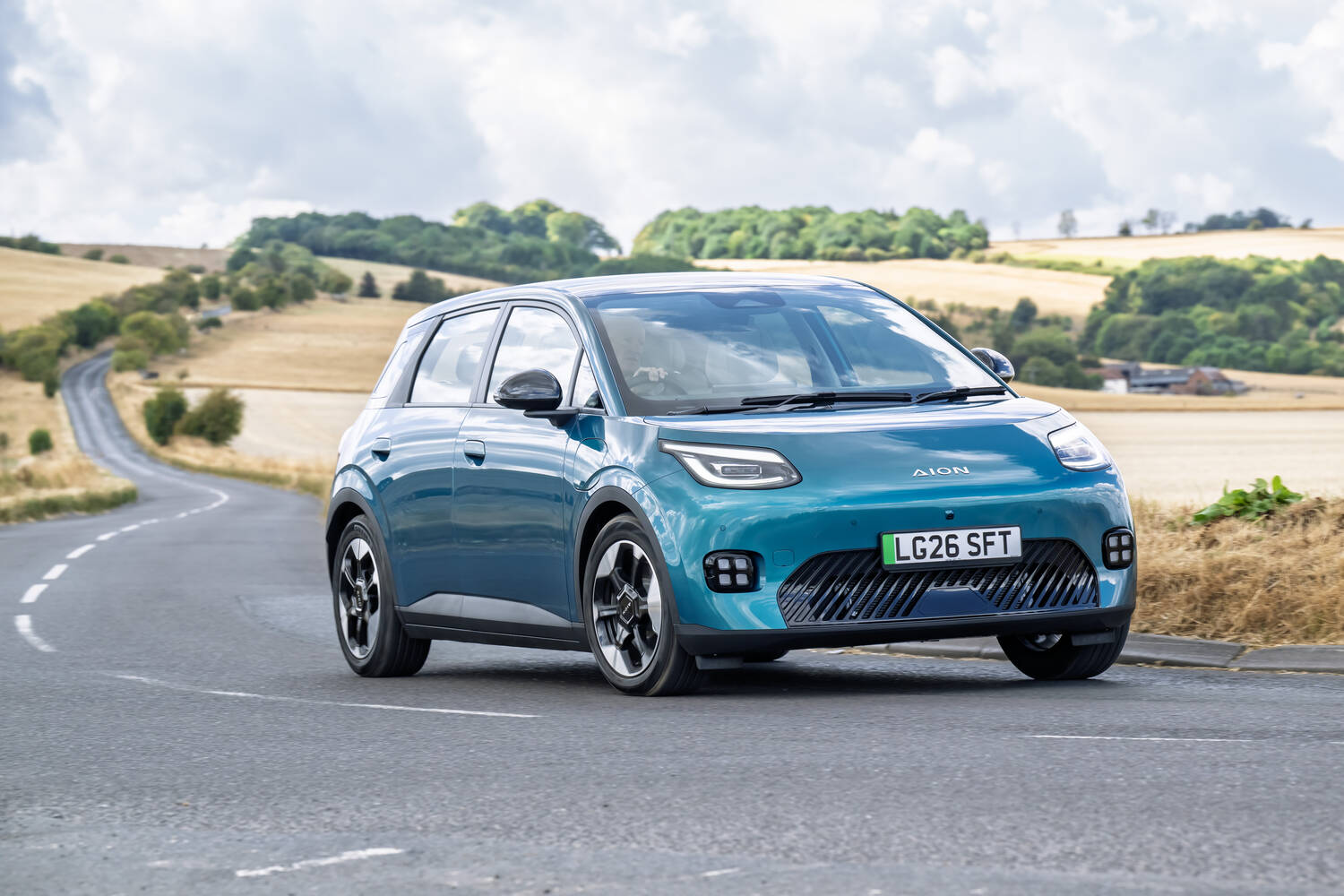
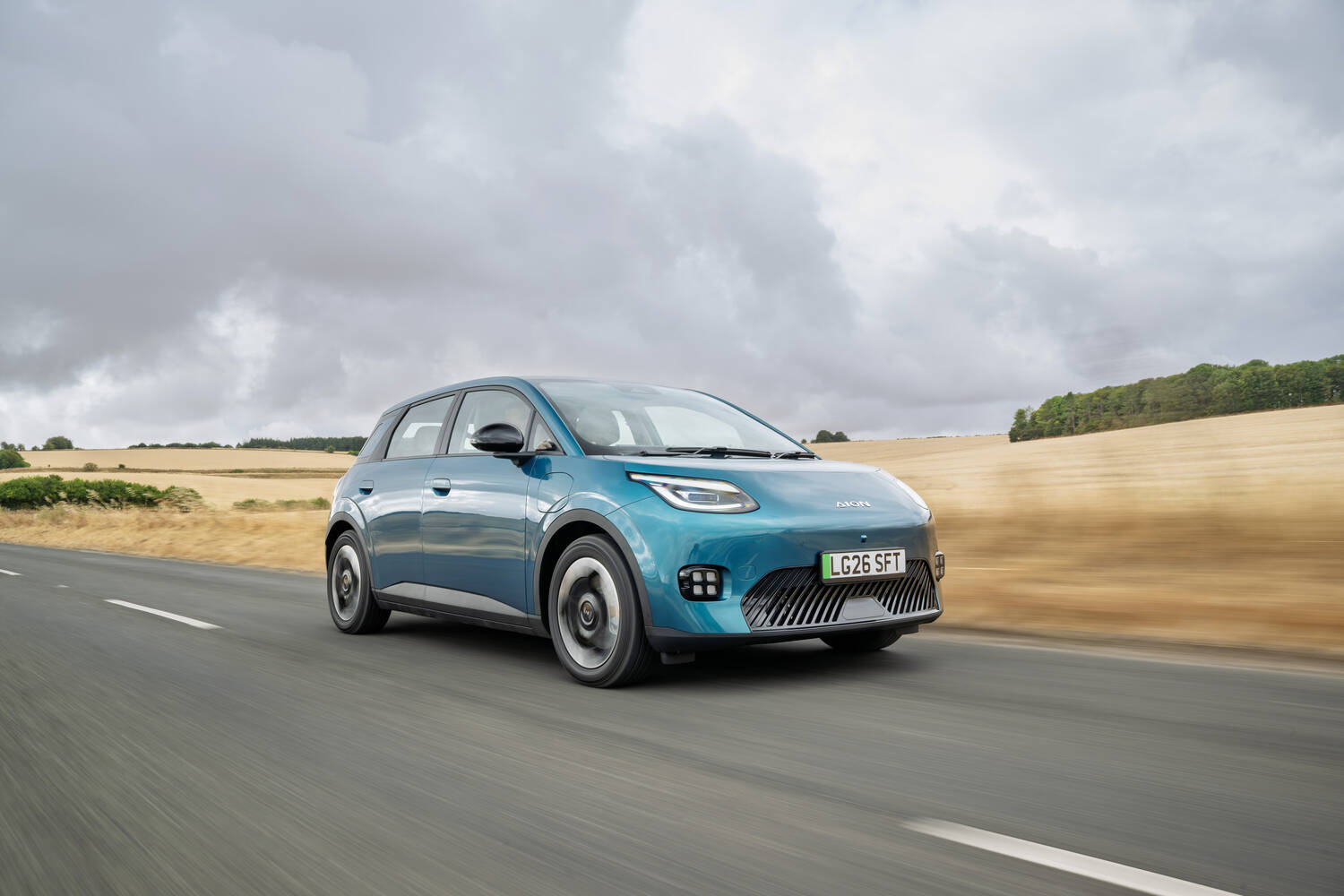
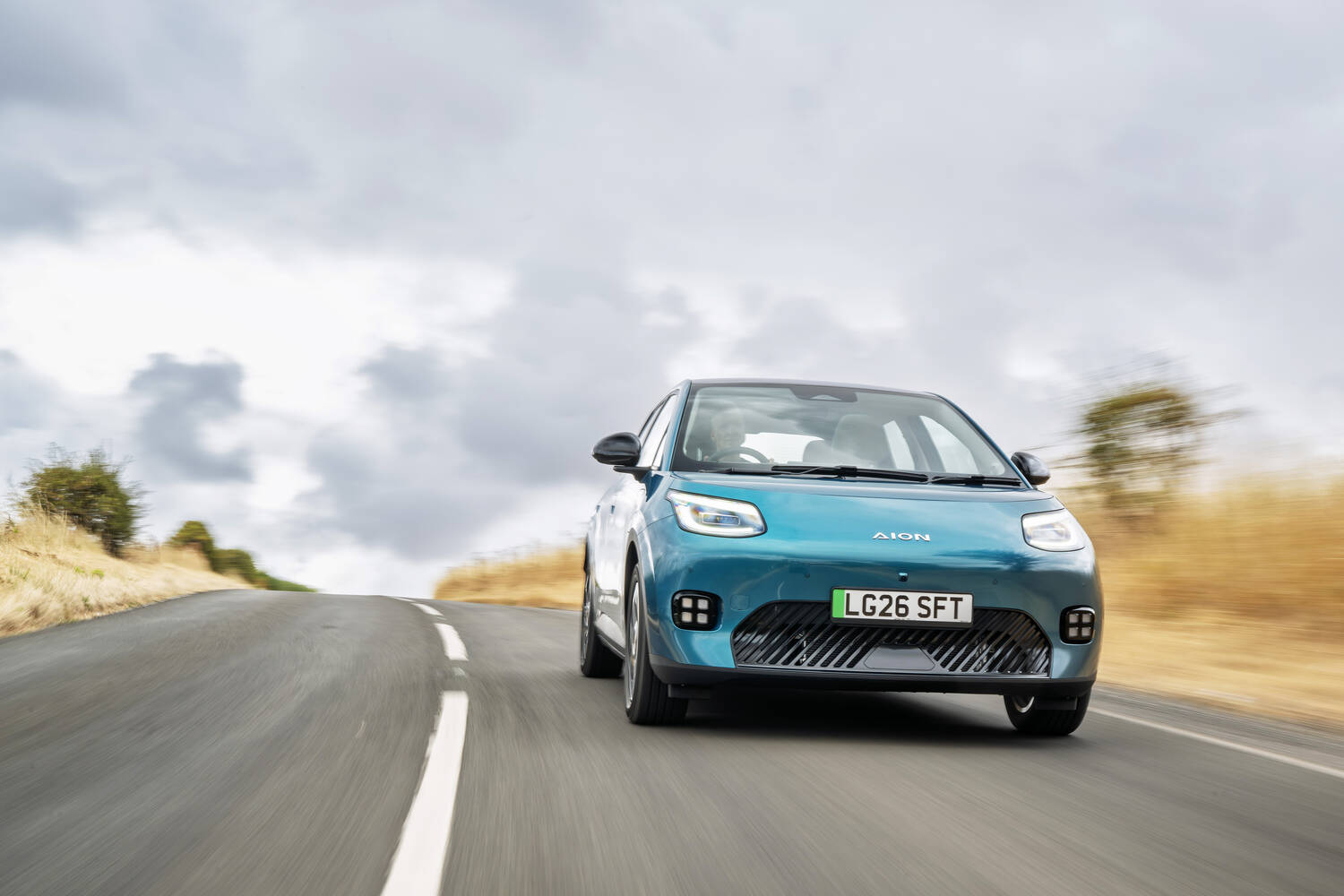
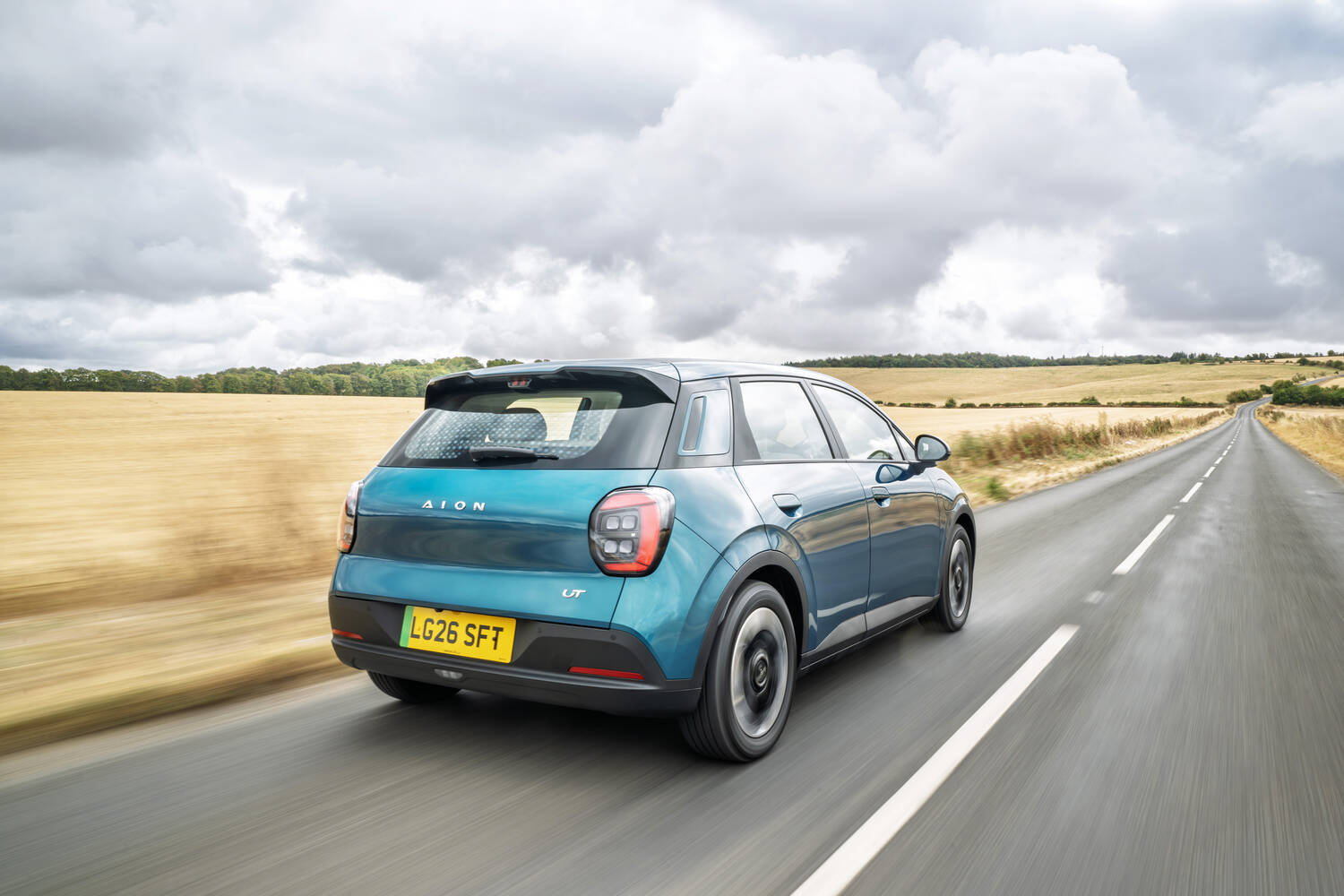
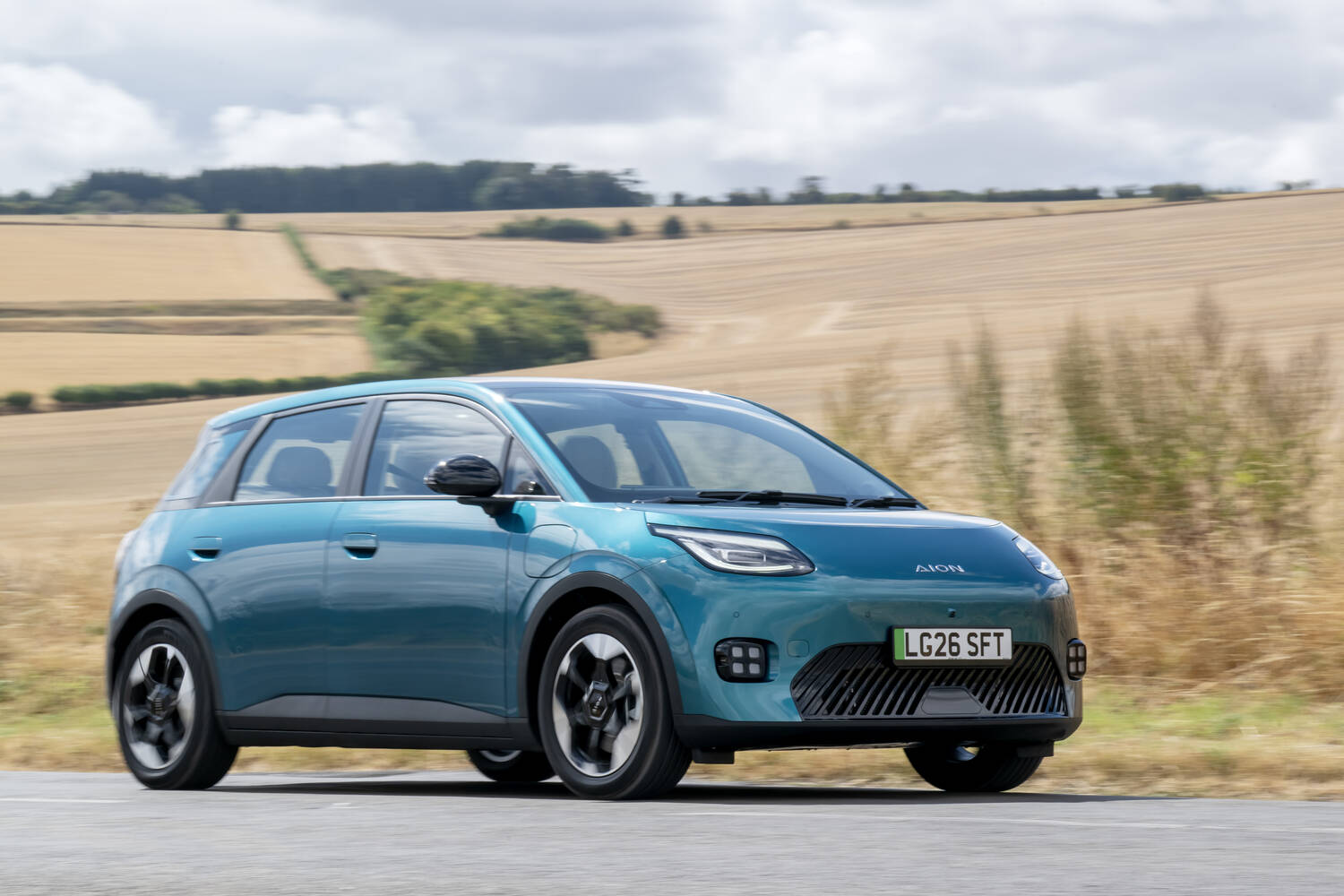
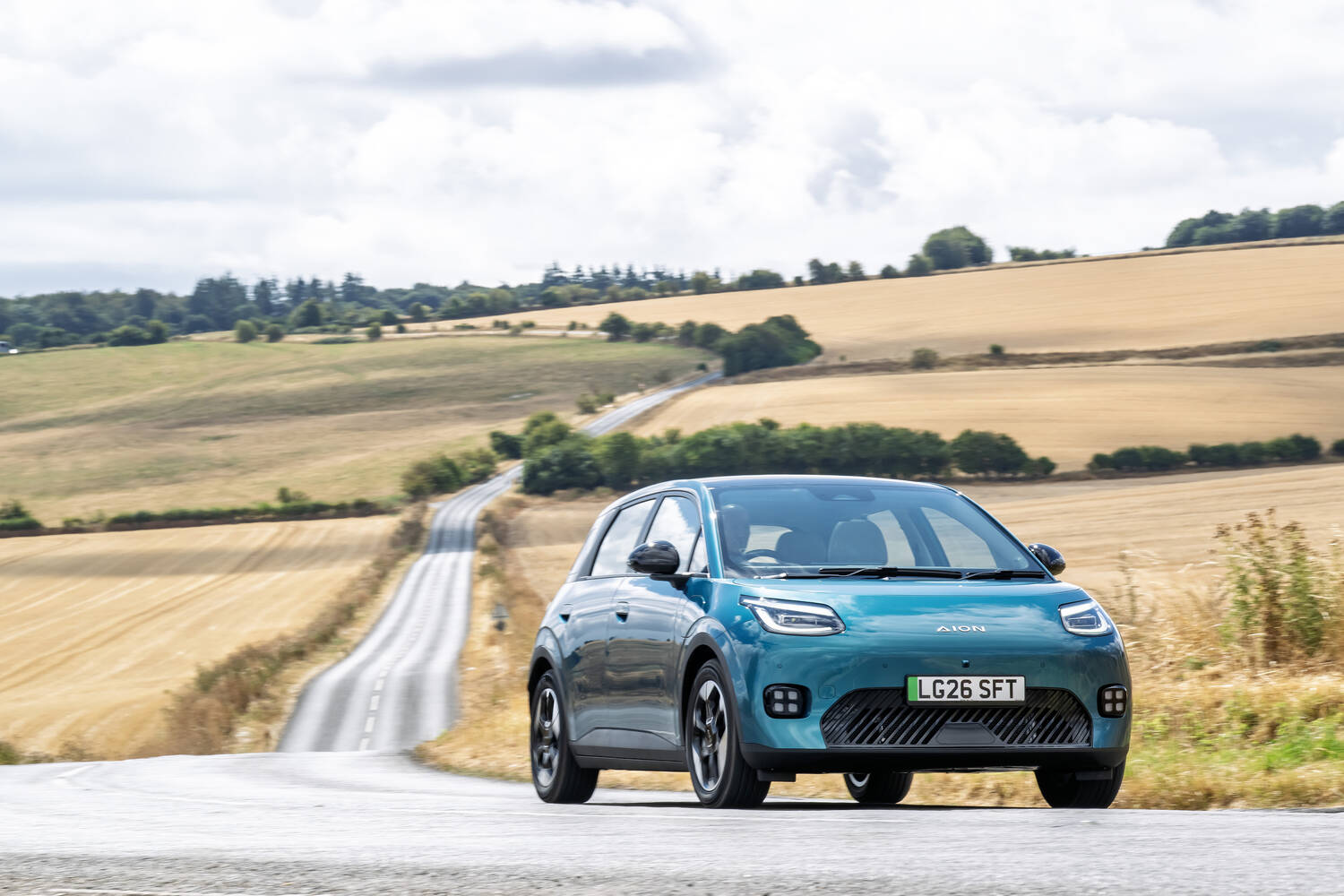
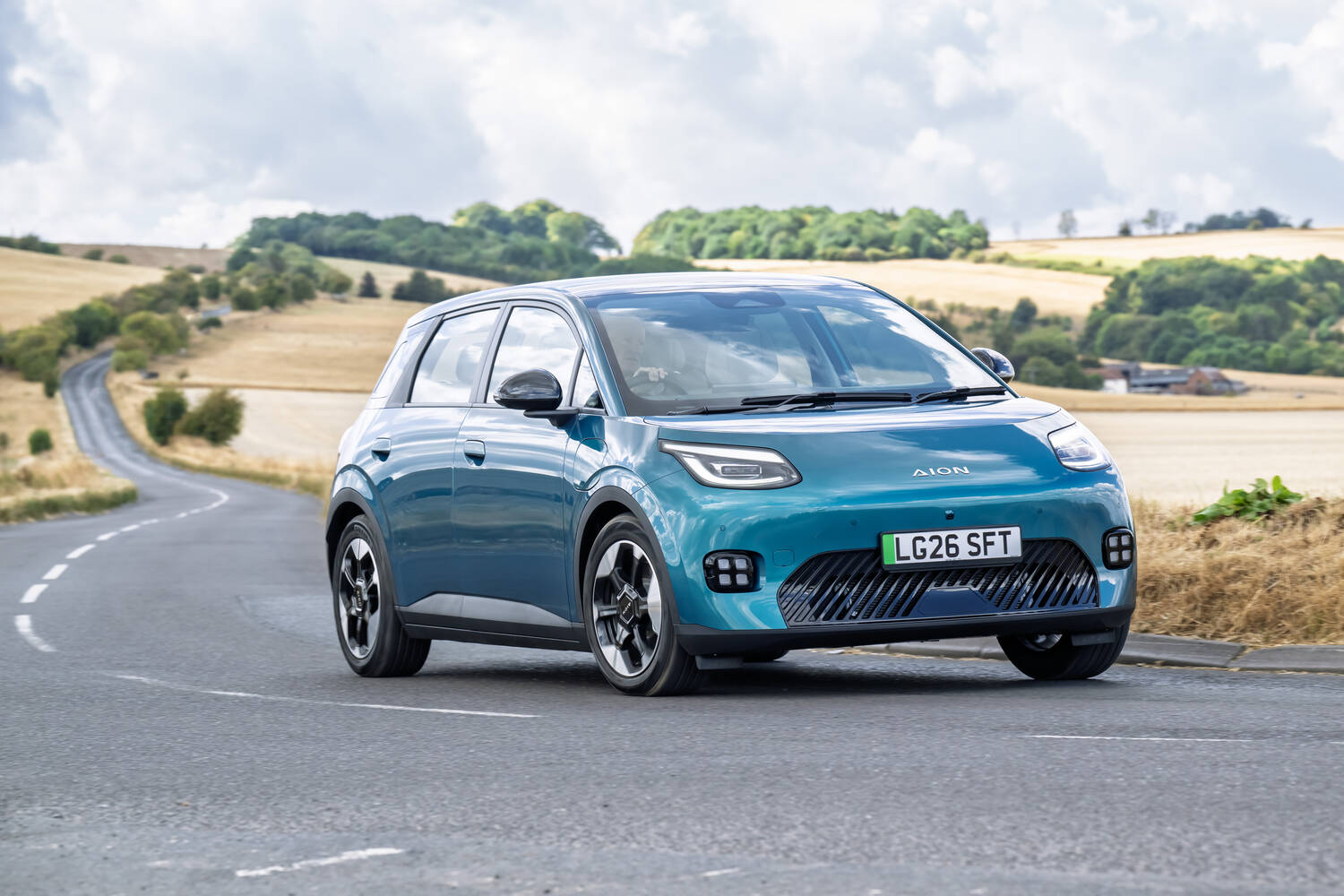
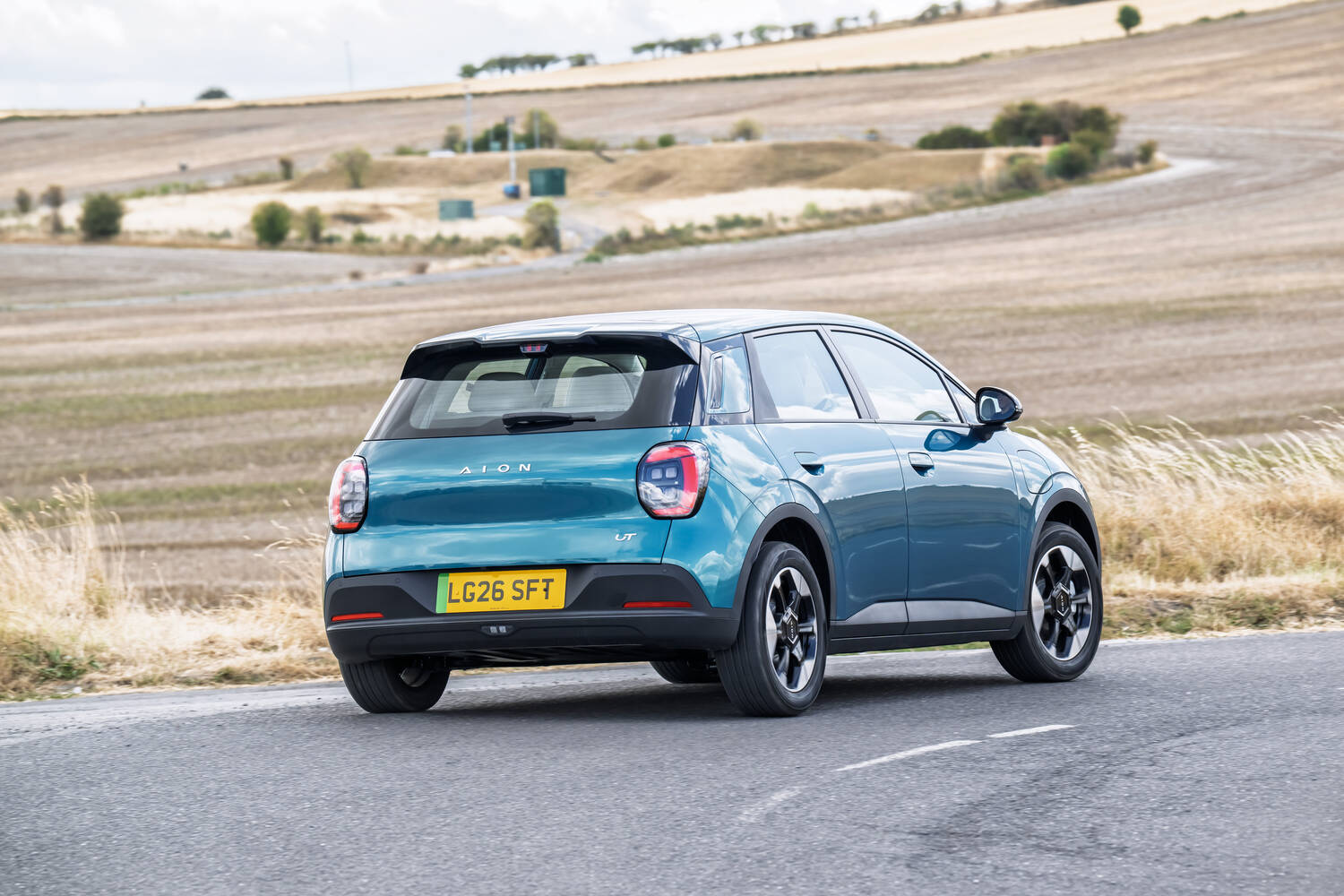
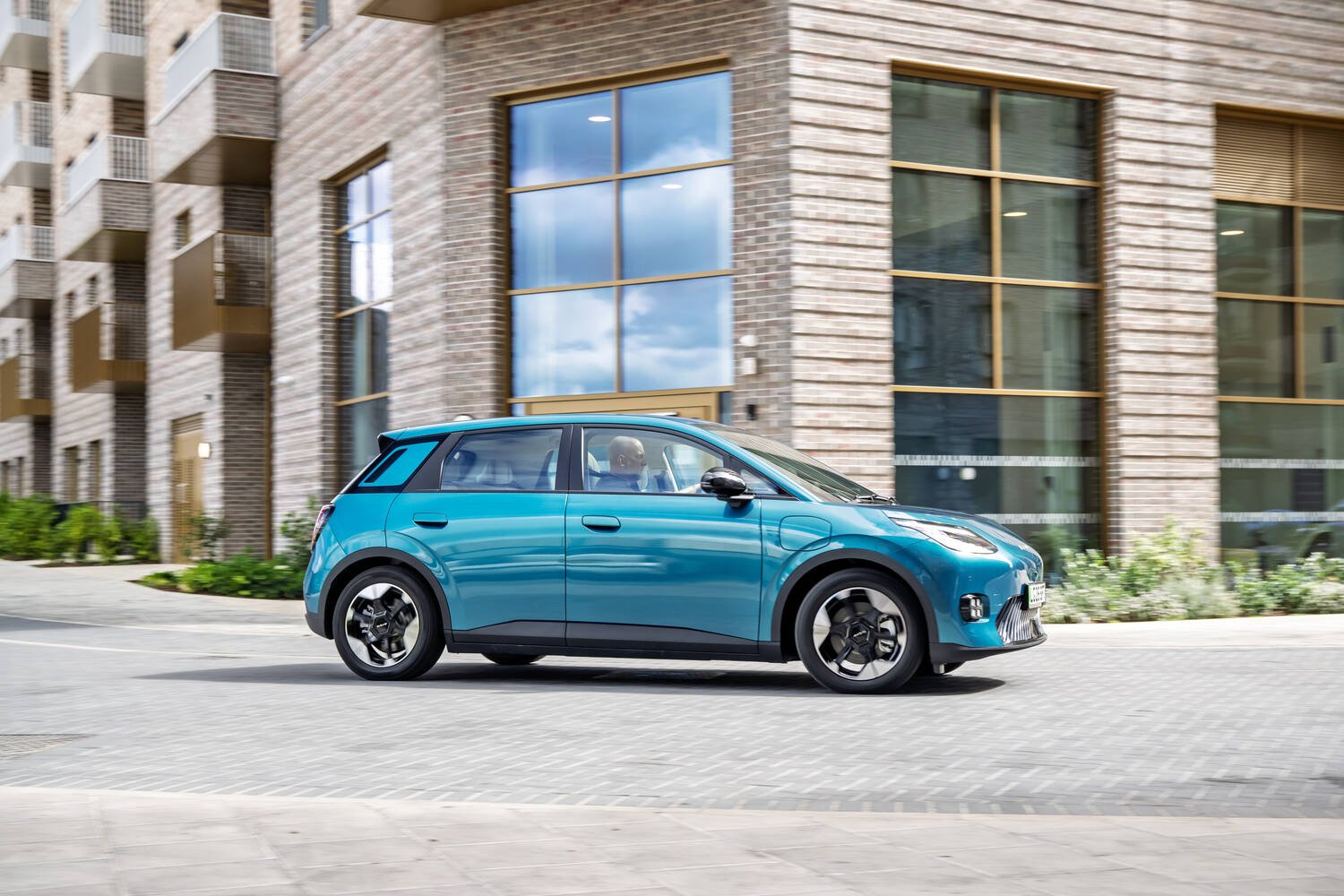
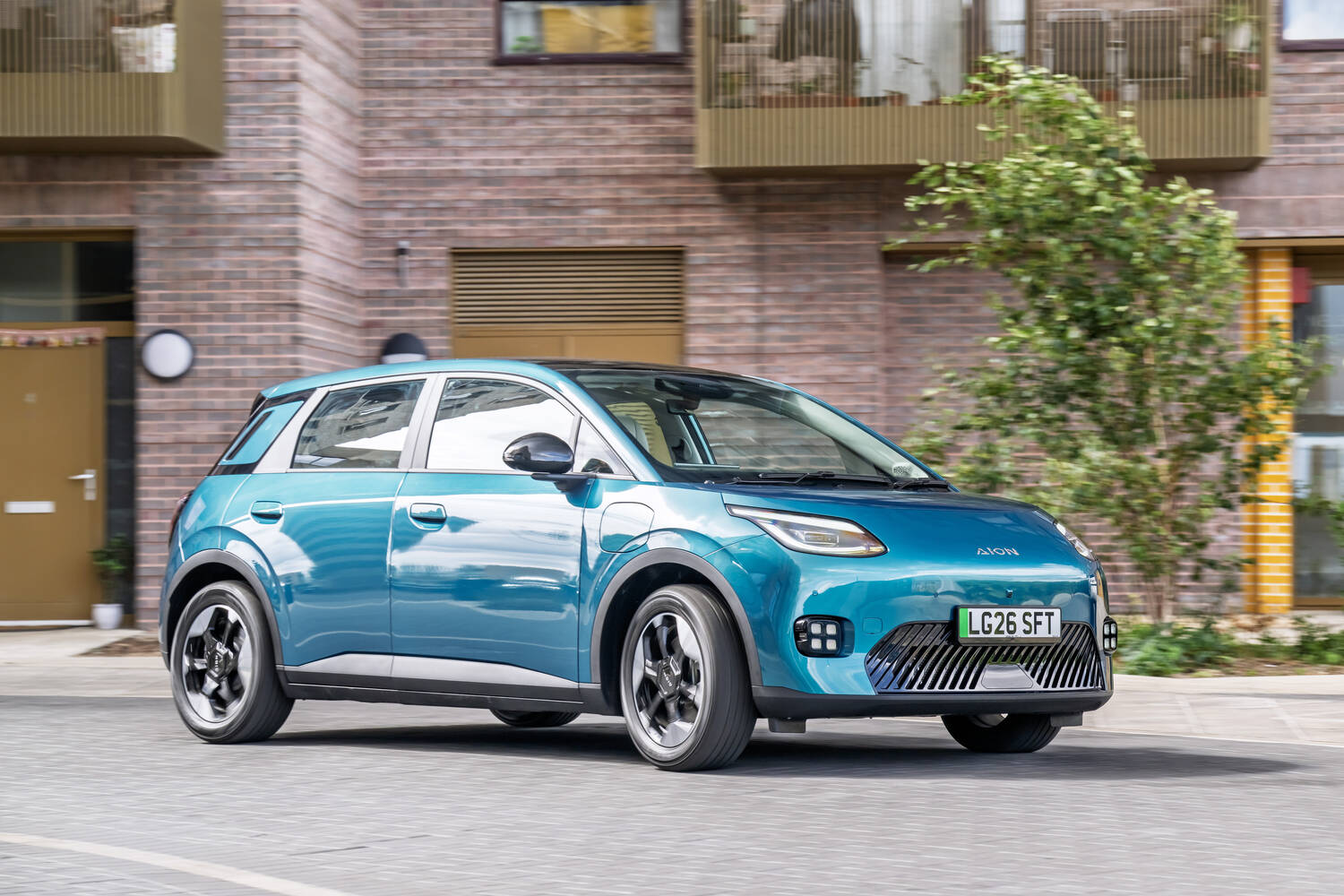
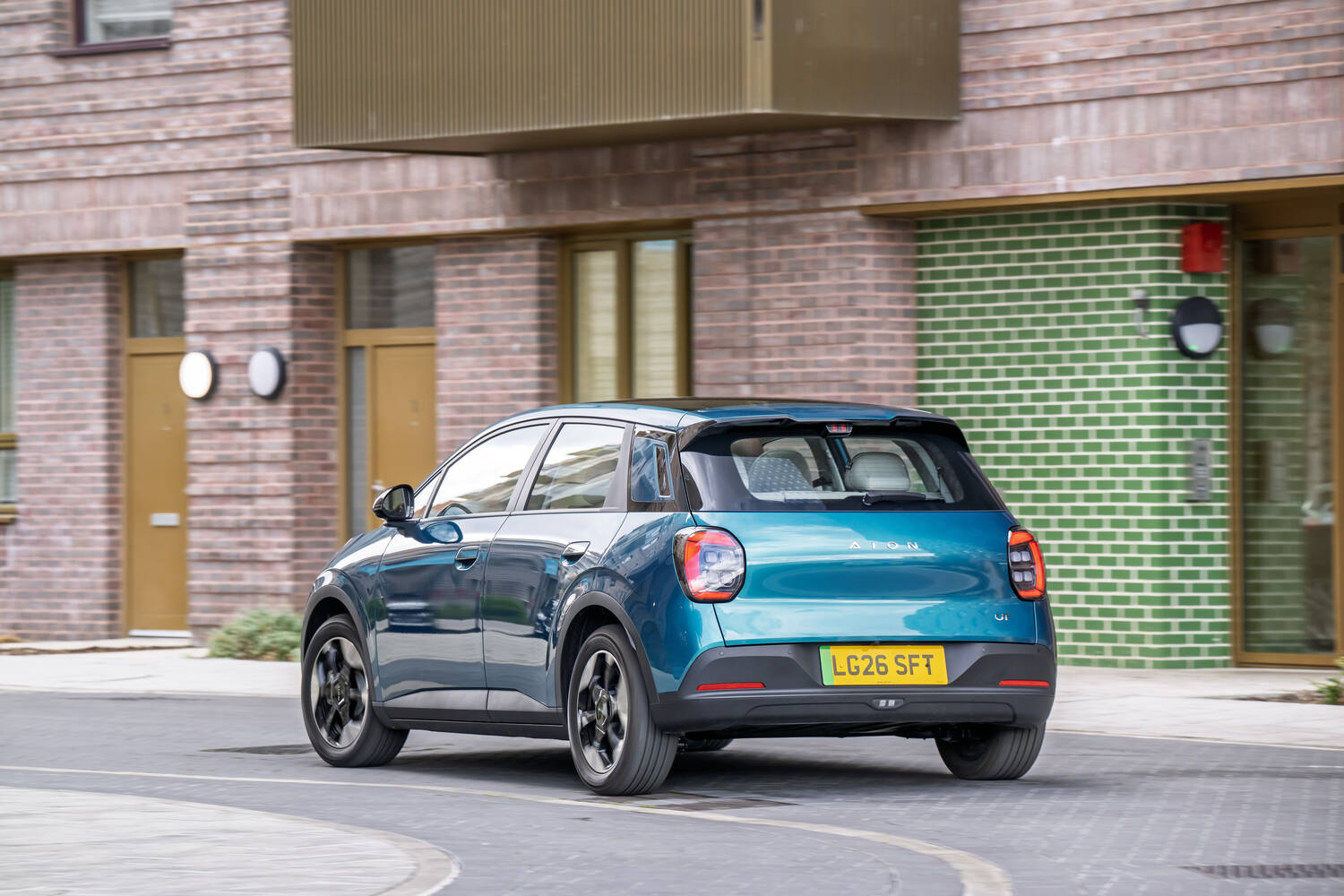
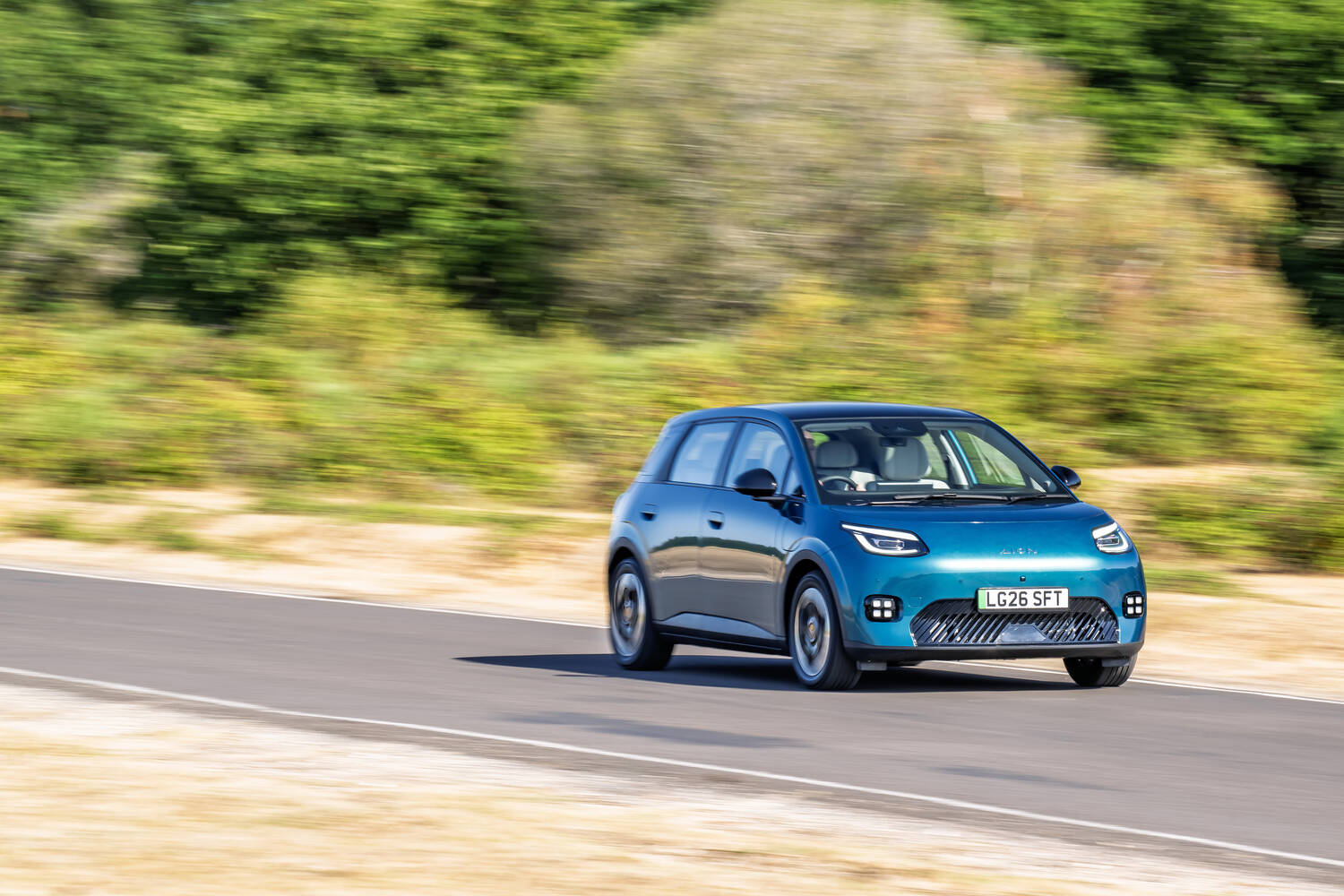
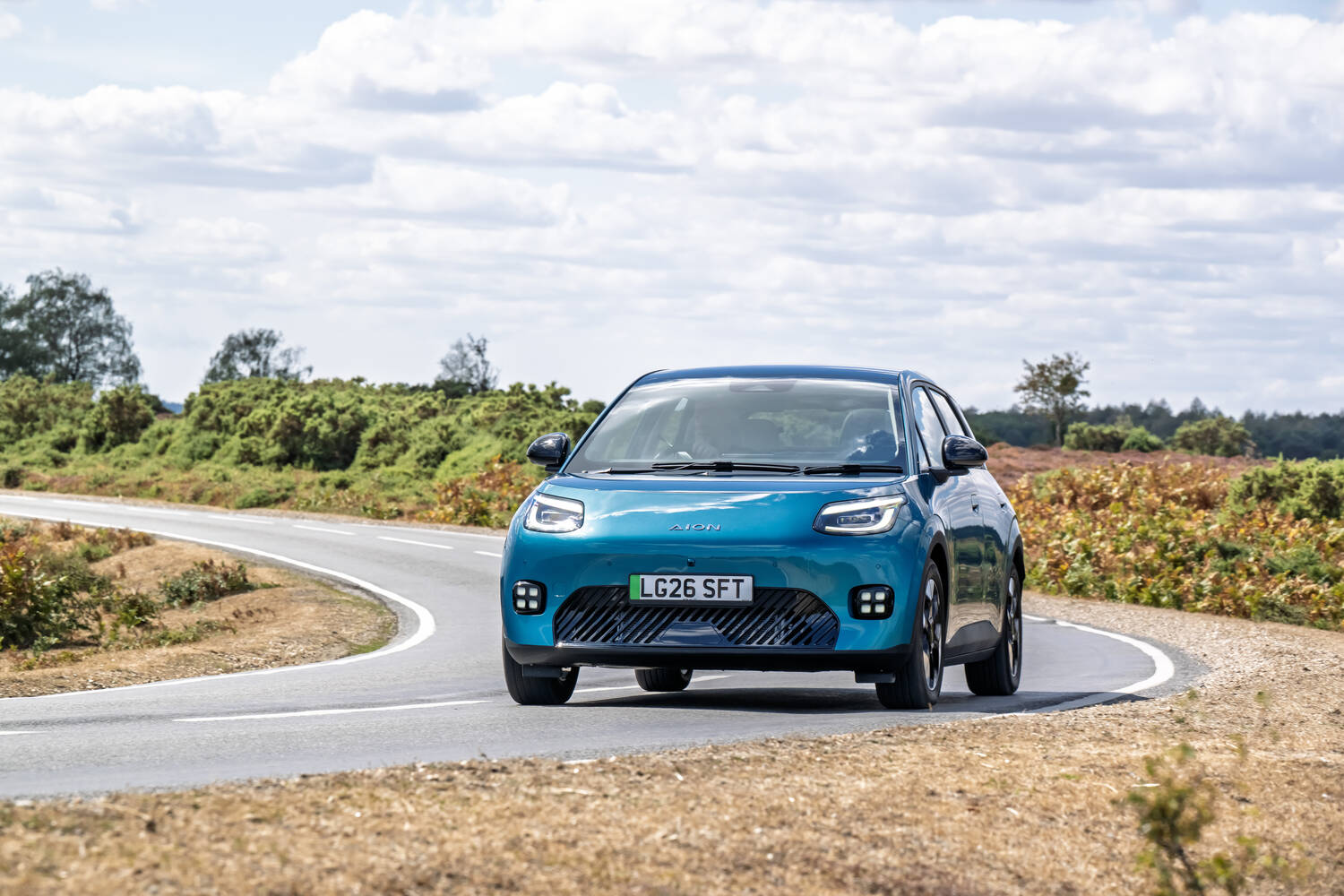
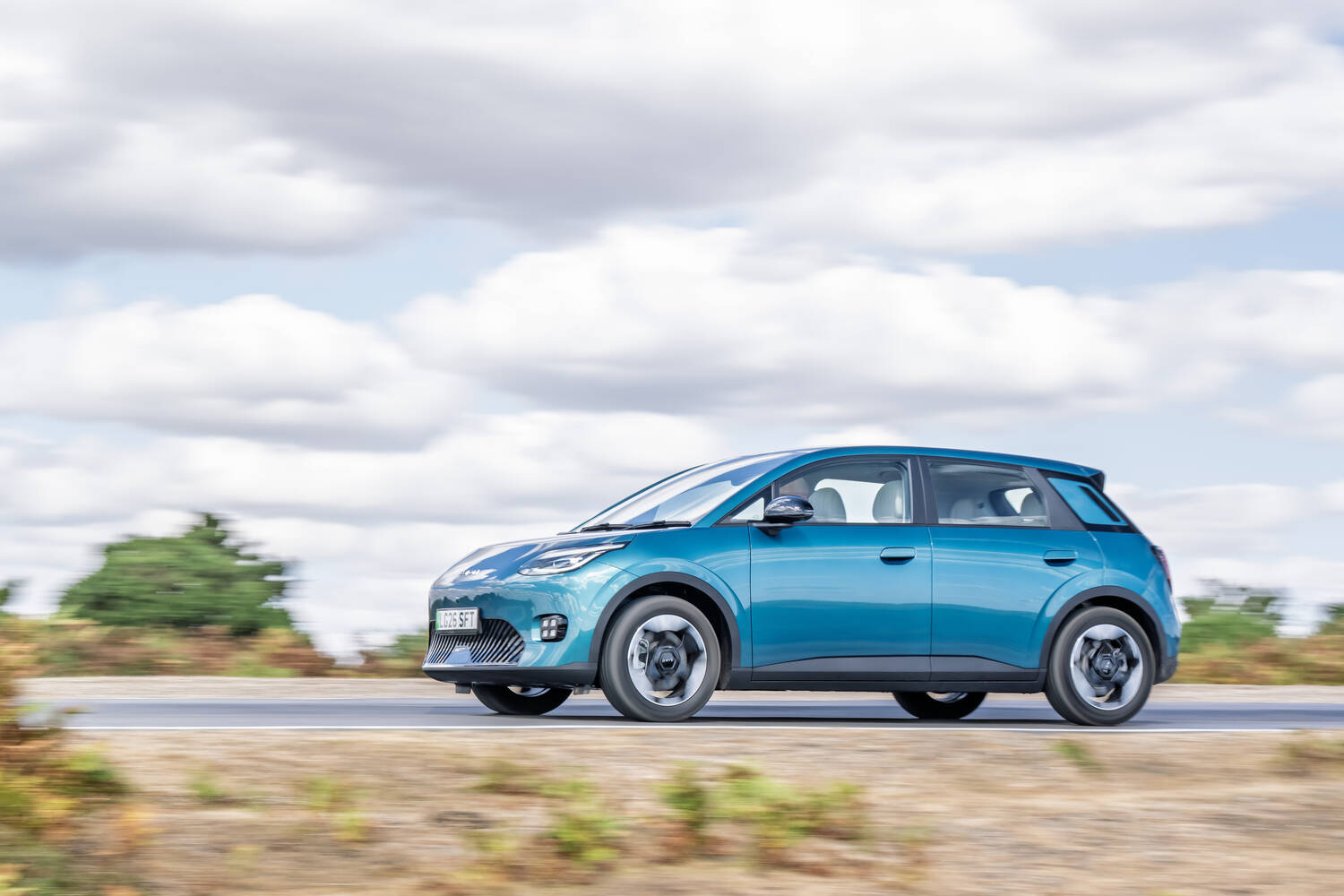
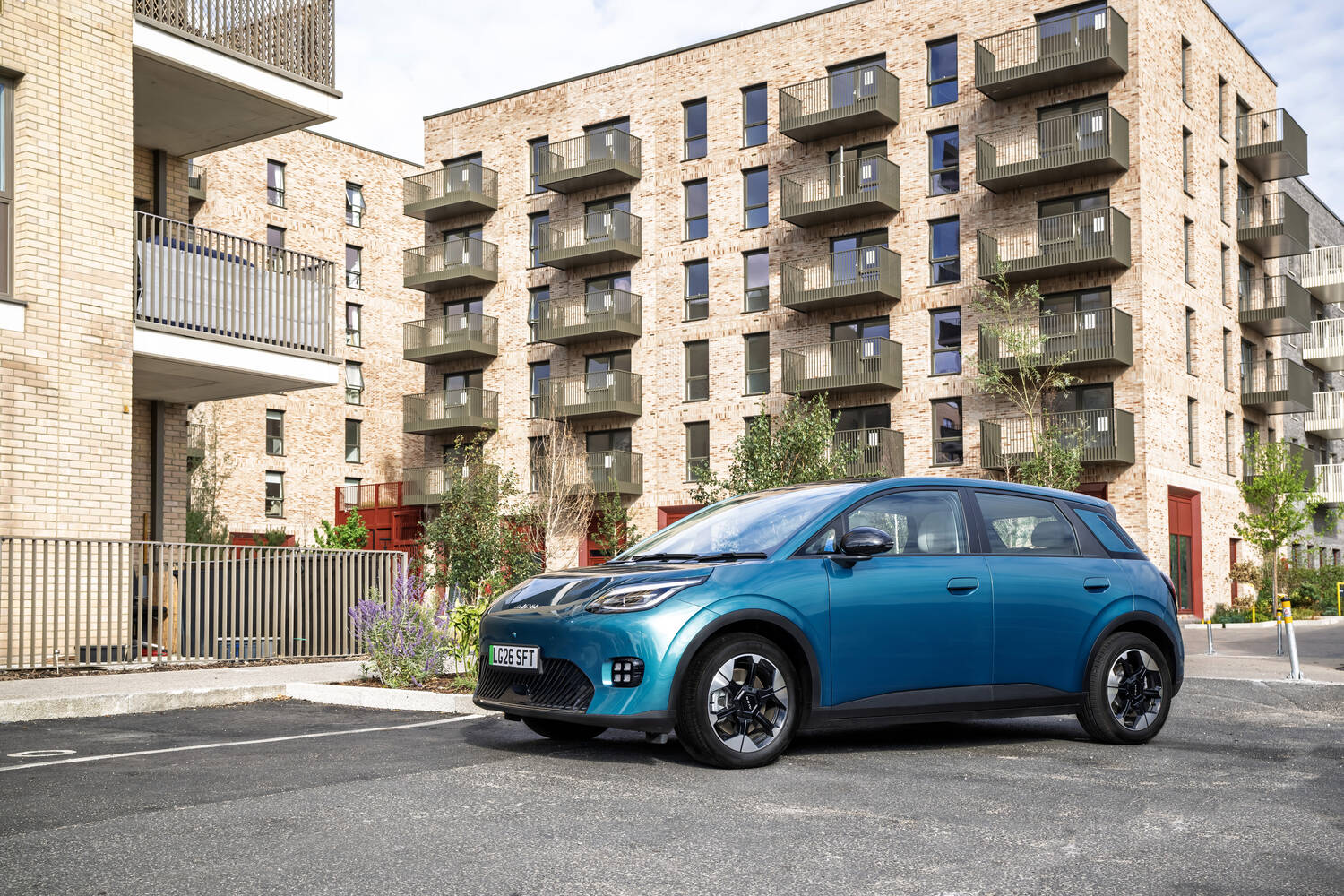
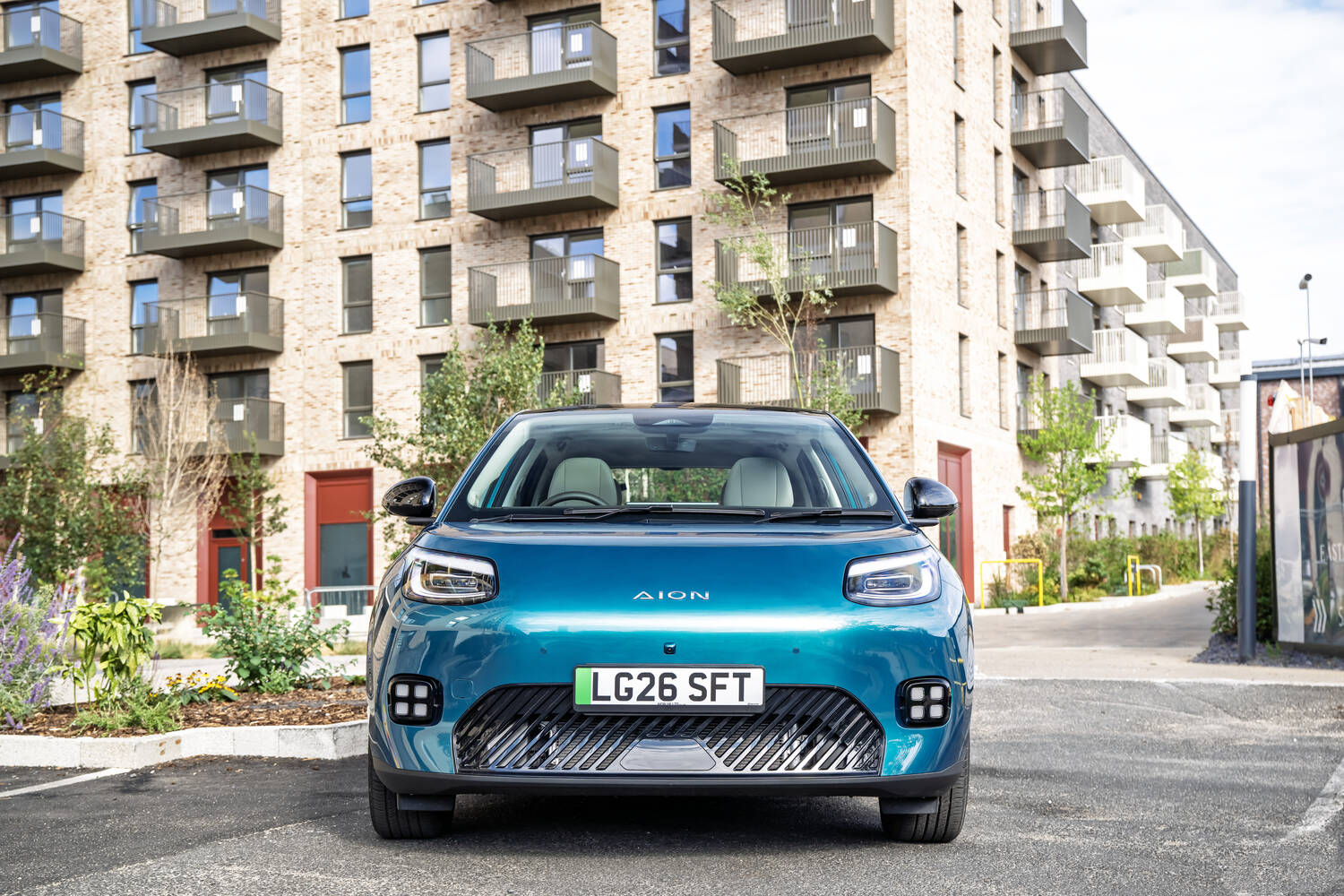
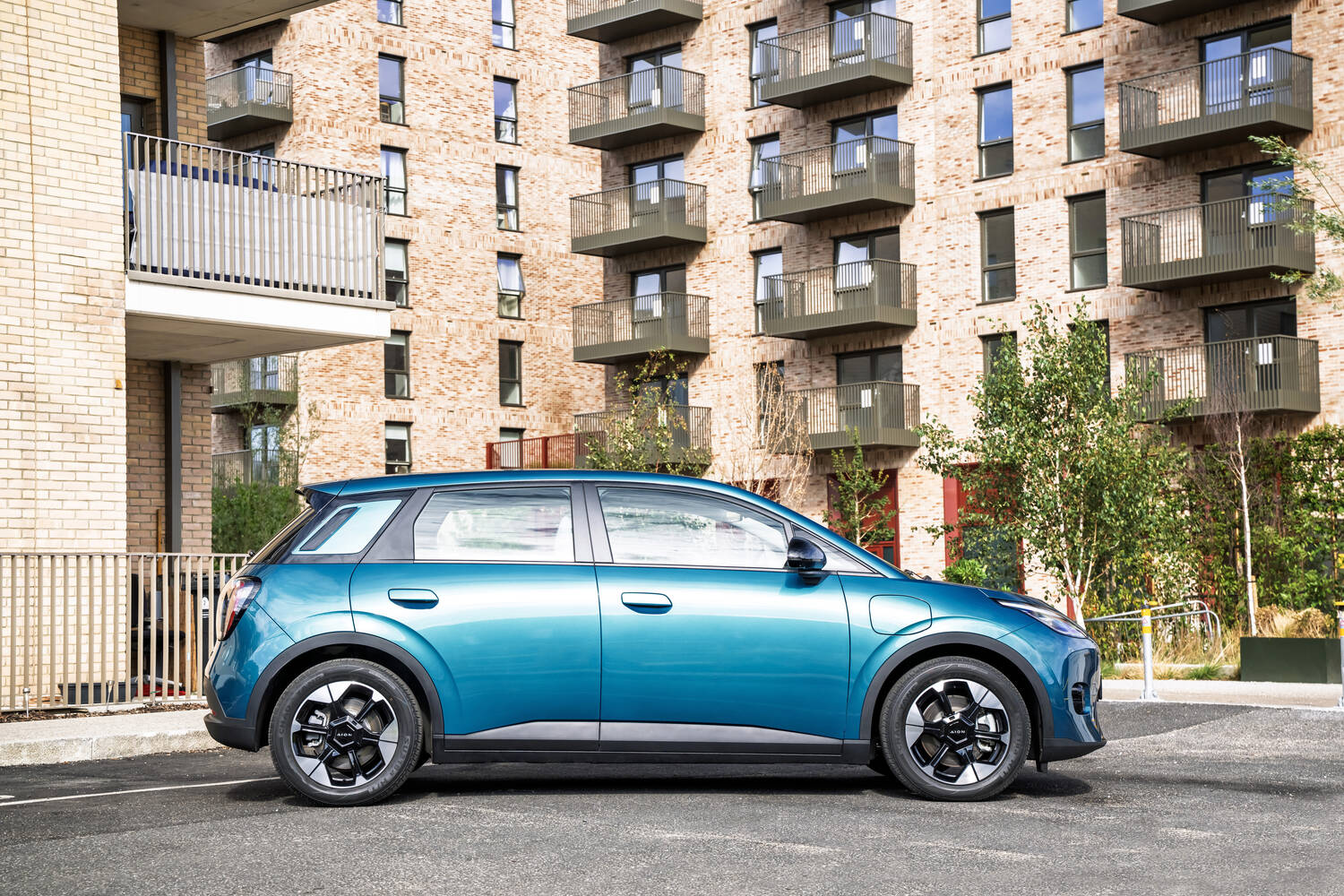
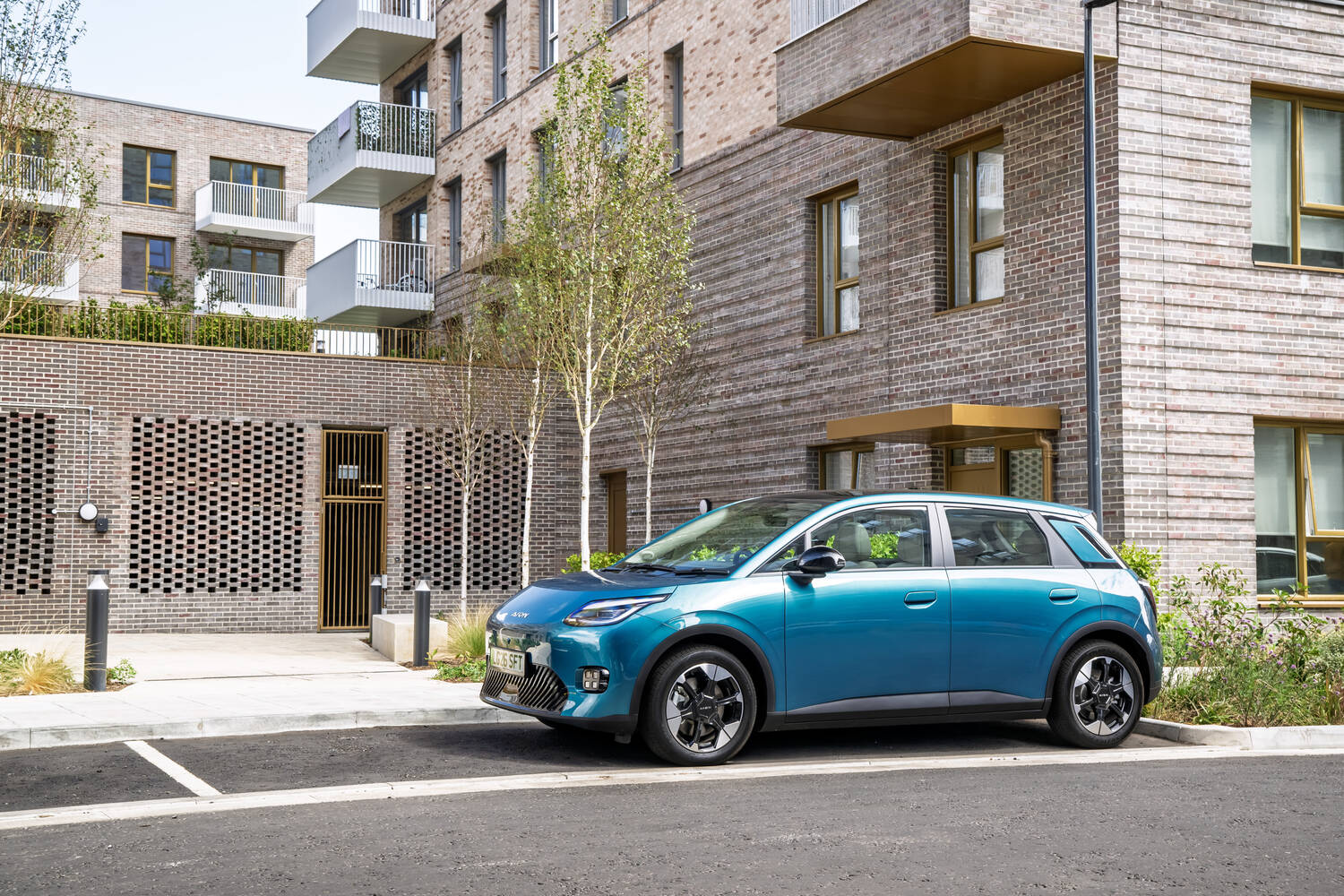
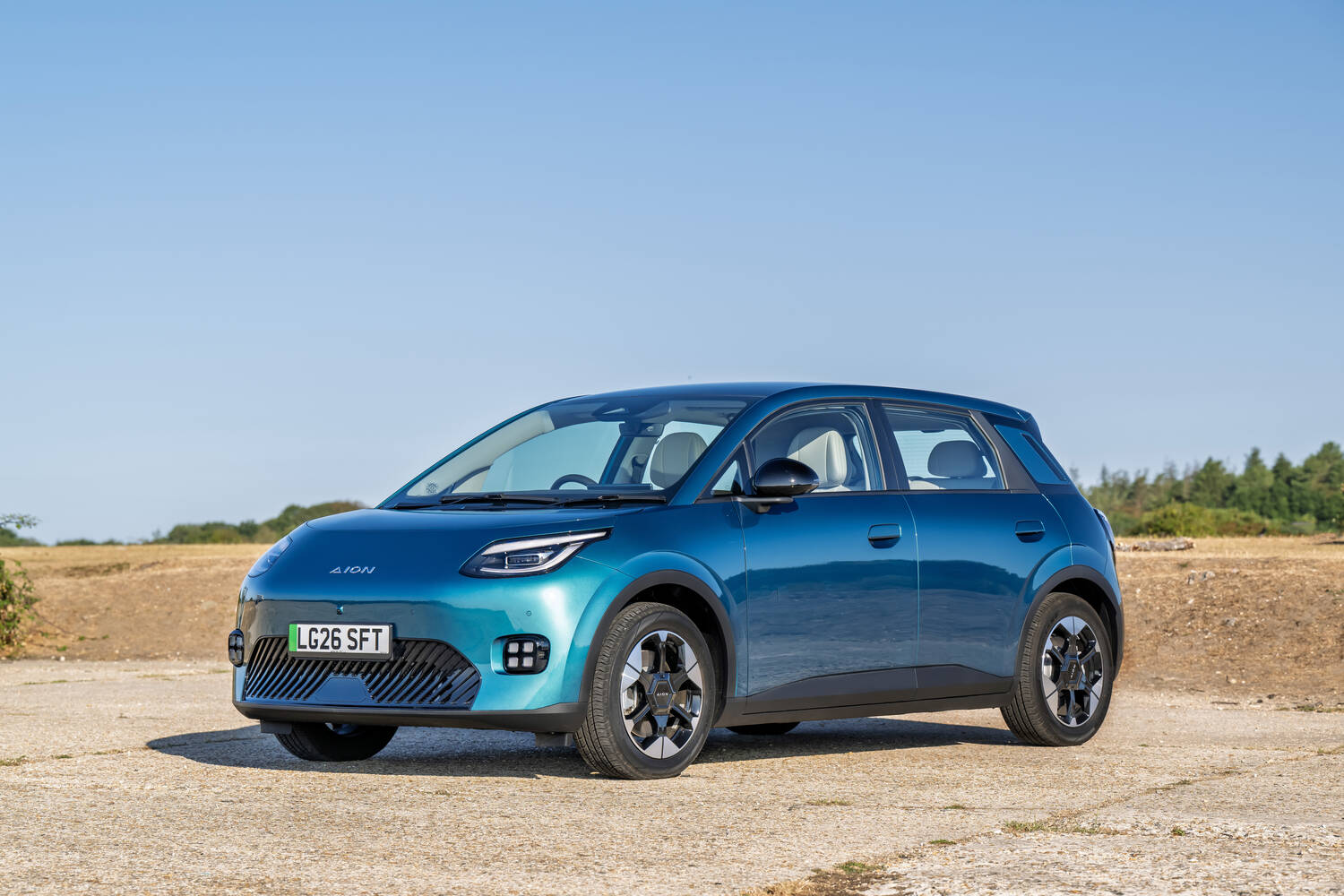
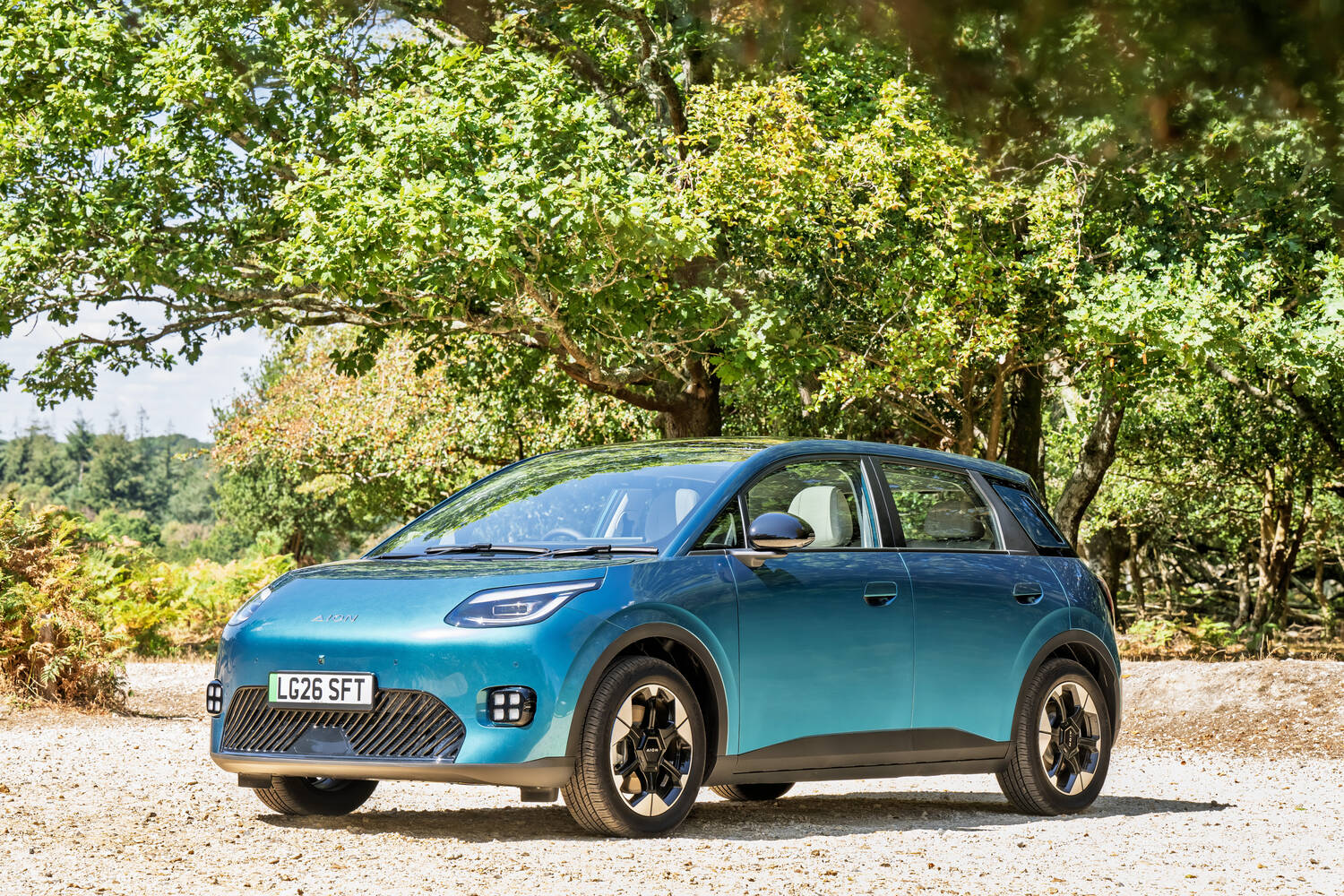
In its own way, the Aion UT is quite an eye-catching piece of design, because from the front it doesn't really look like anything else at all.
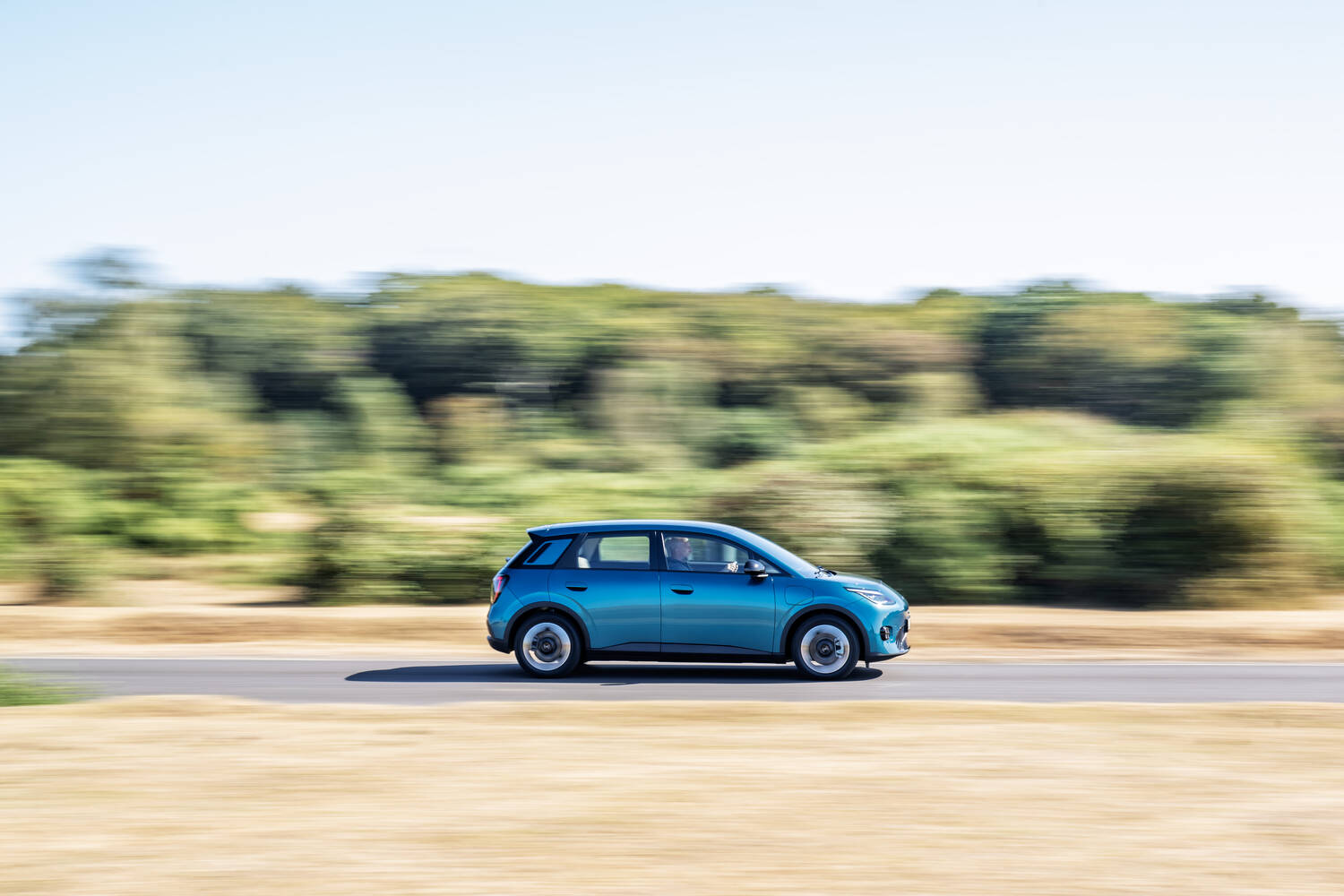
The headlight shapes are said to be inspired by owls' eyes, and the comparatively short, snub bonnet (when viewed in profile) is part of a completely smooth face which aids the UT's overall coefficient-of-drag, aerodynamic figure of 0.32.
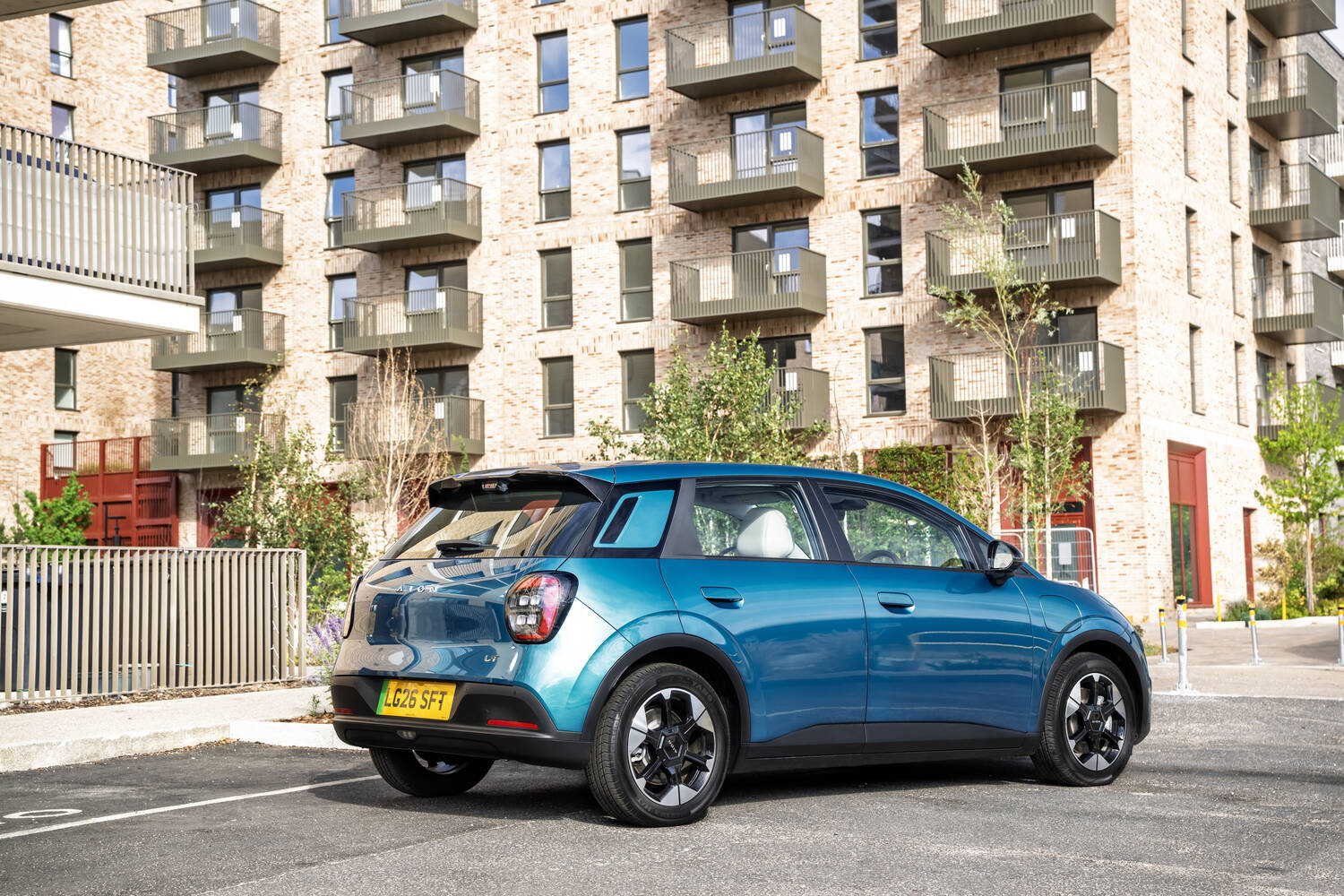
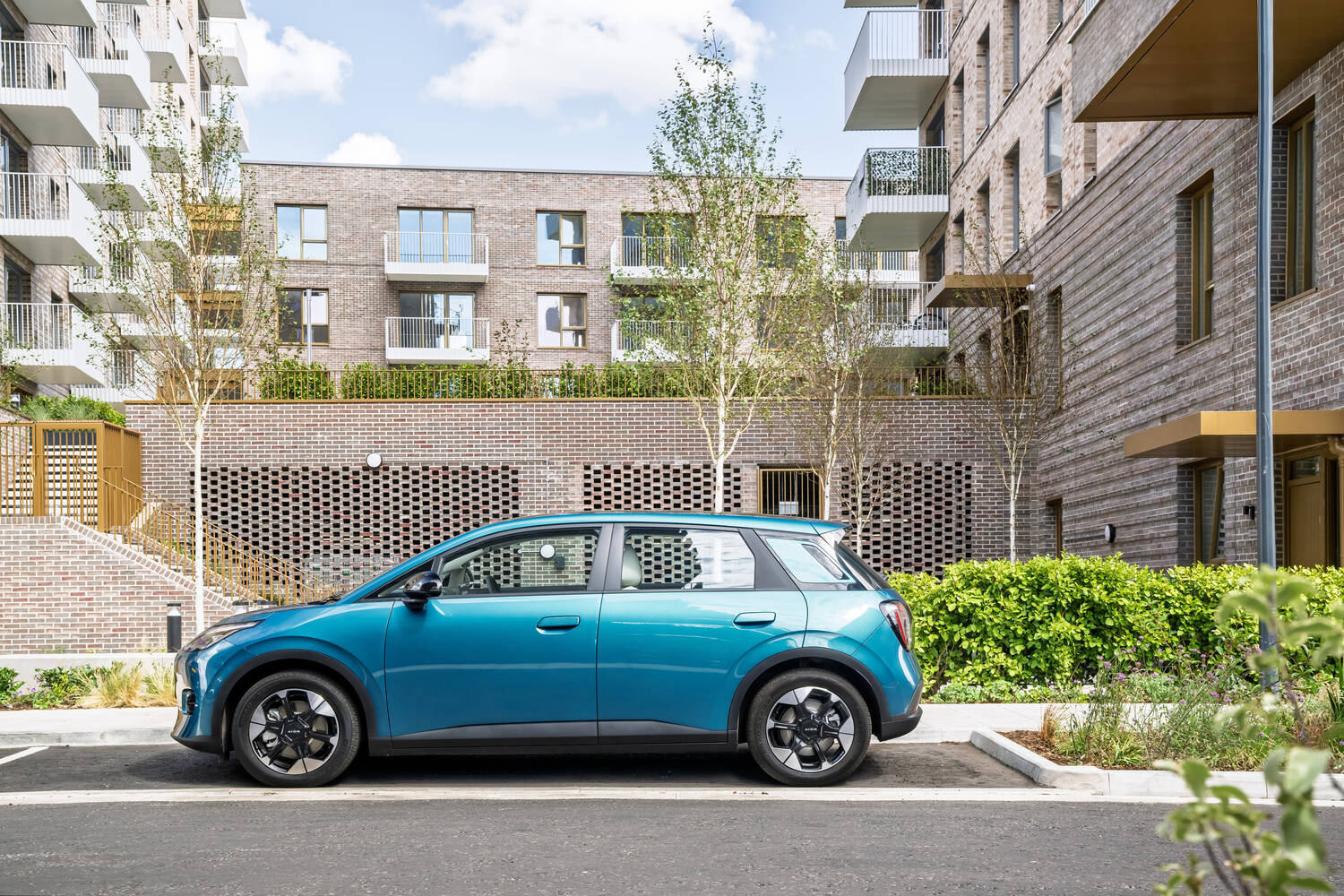
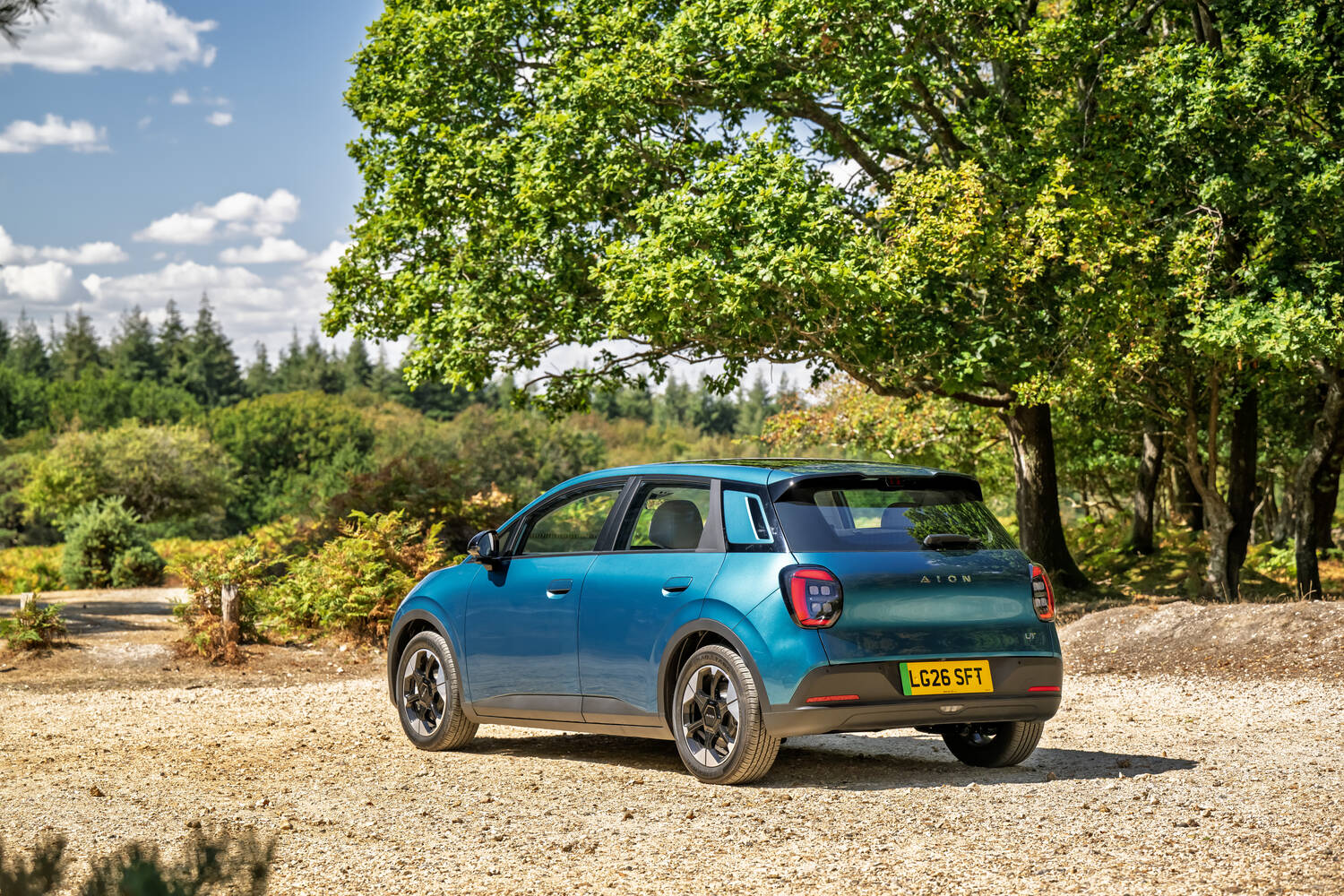
But the UT also not exactly pretty. It's quite a big, bulbous car in the round, with a wheelbase that's just 25mm shorter than that of the Aion - so it's massive for this class at 2.75 metres between the axles.
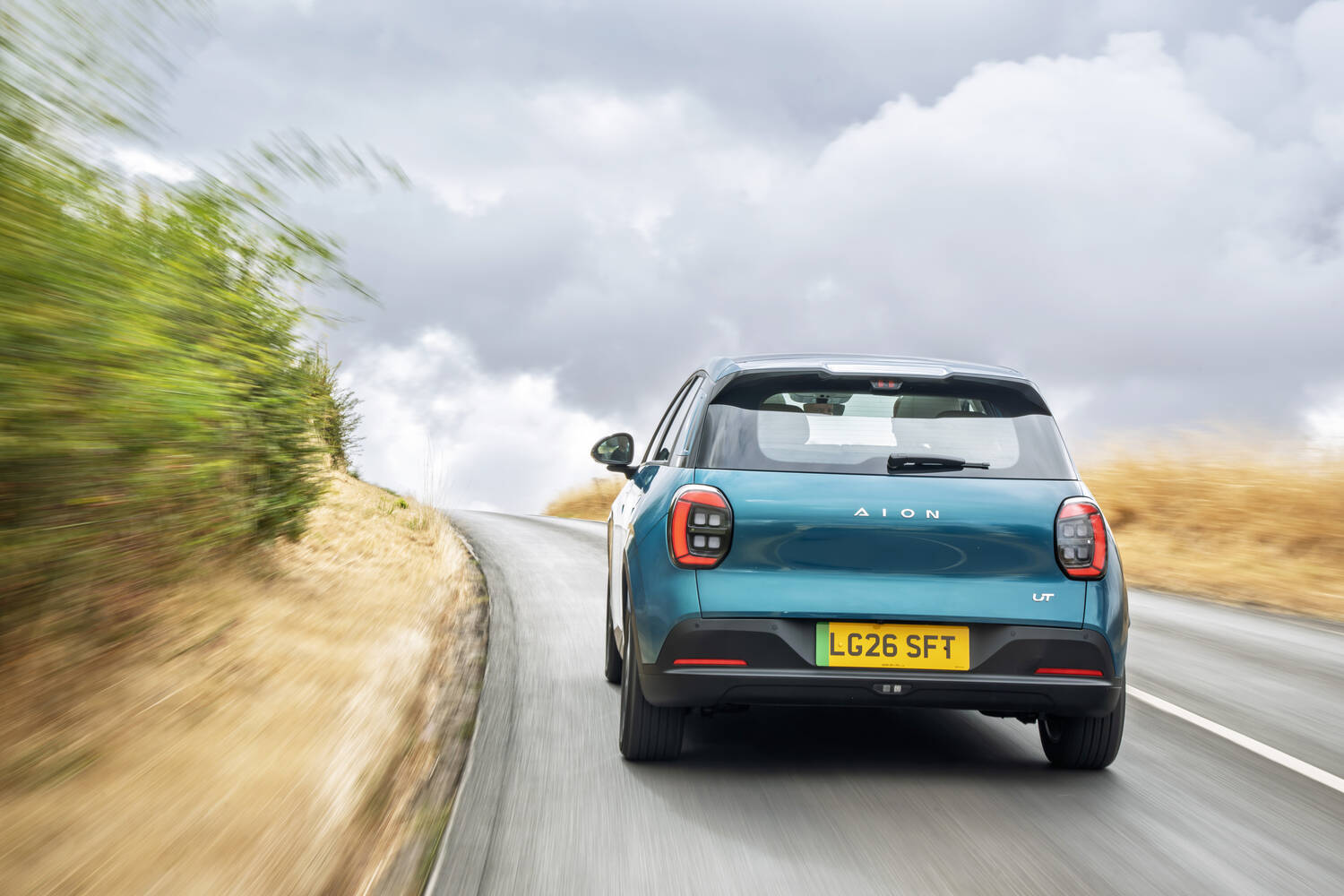
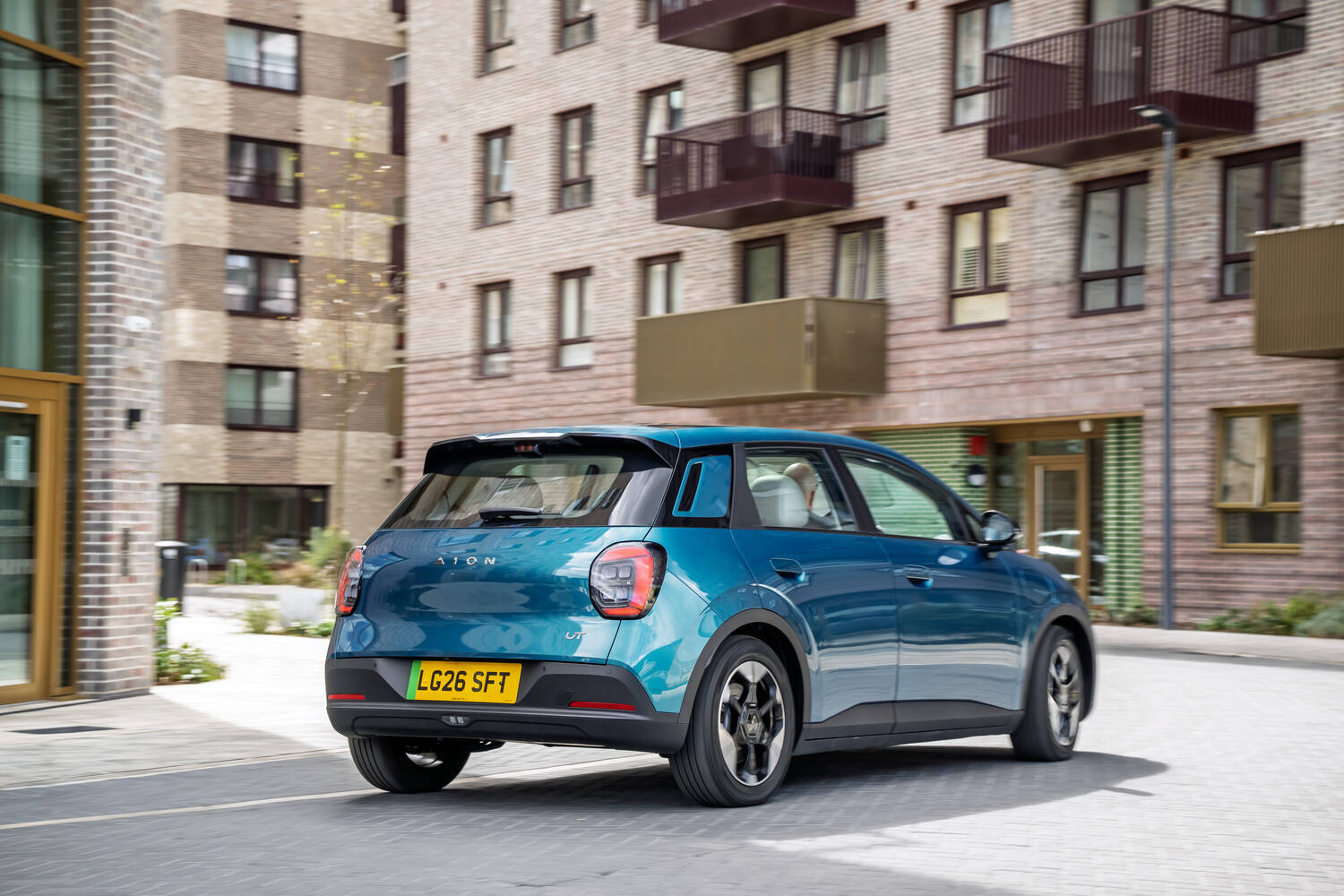
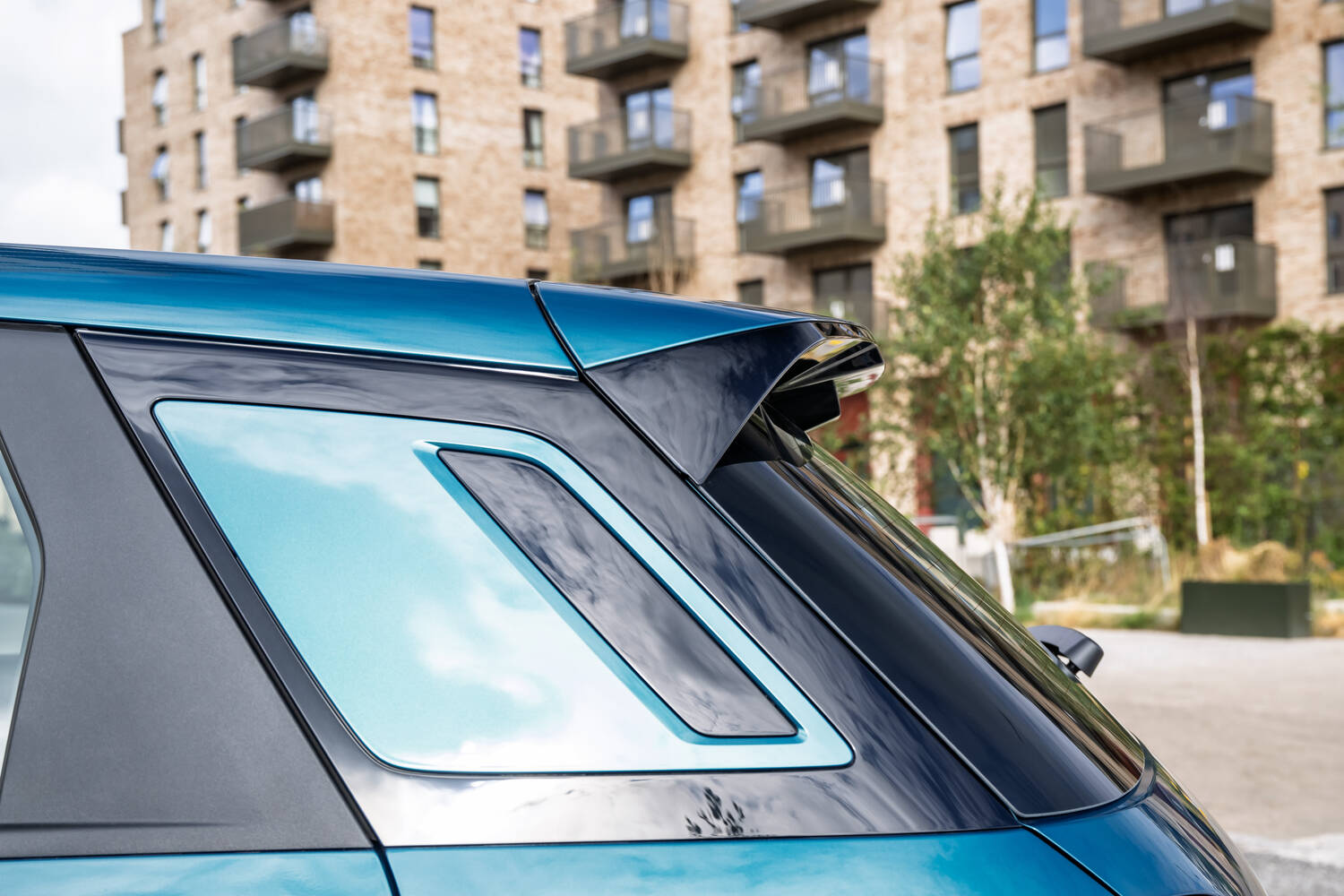
There's something about the back of it which reminds us of a Suzuki Swift that's been at the cookie jar once too often.
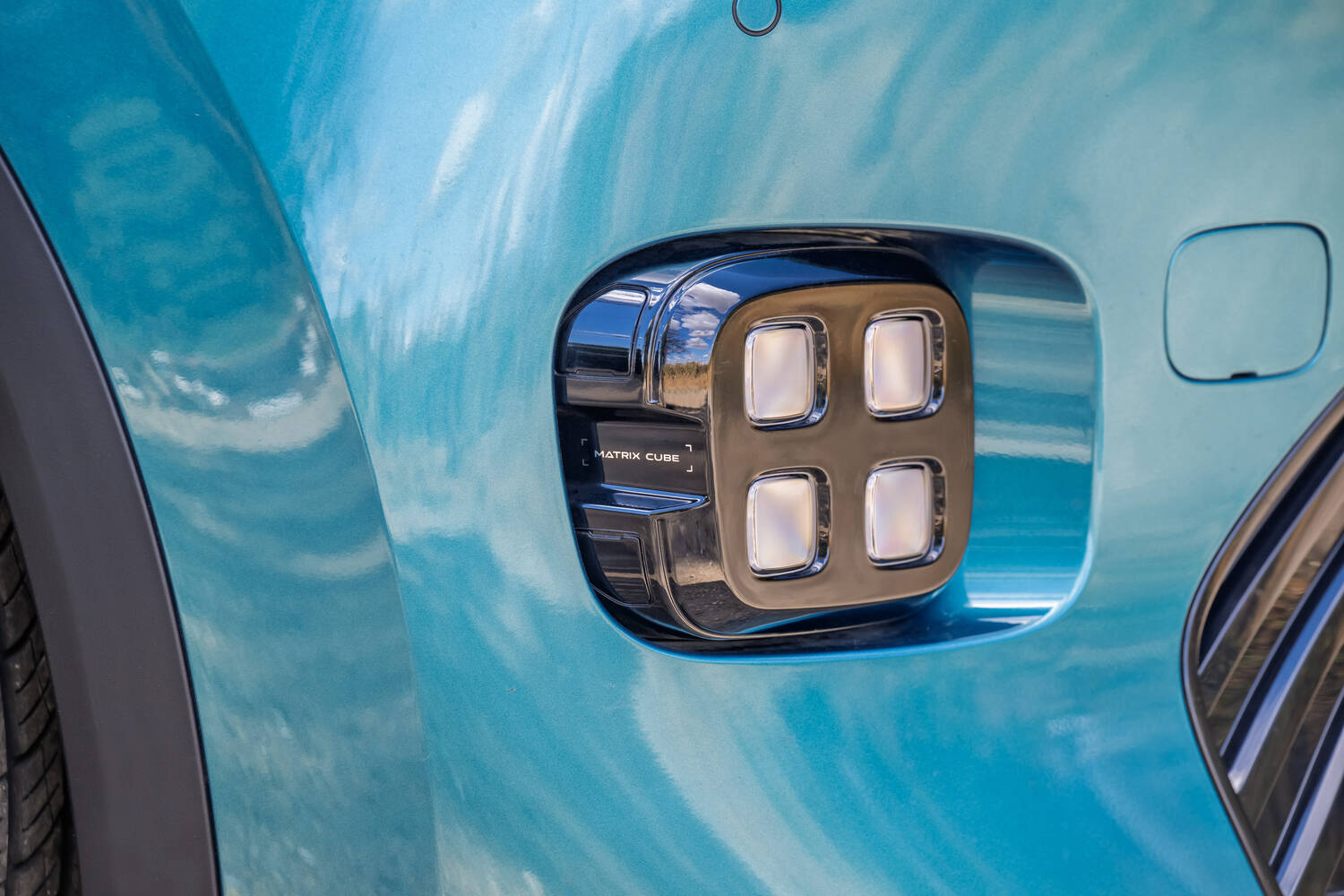
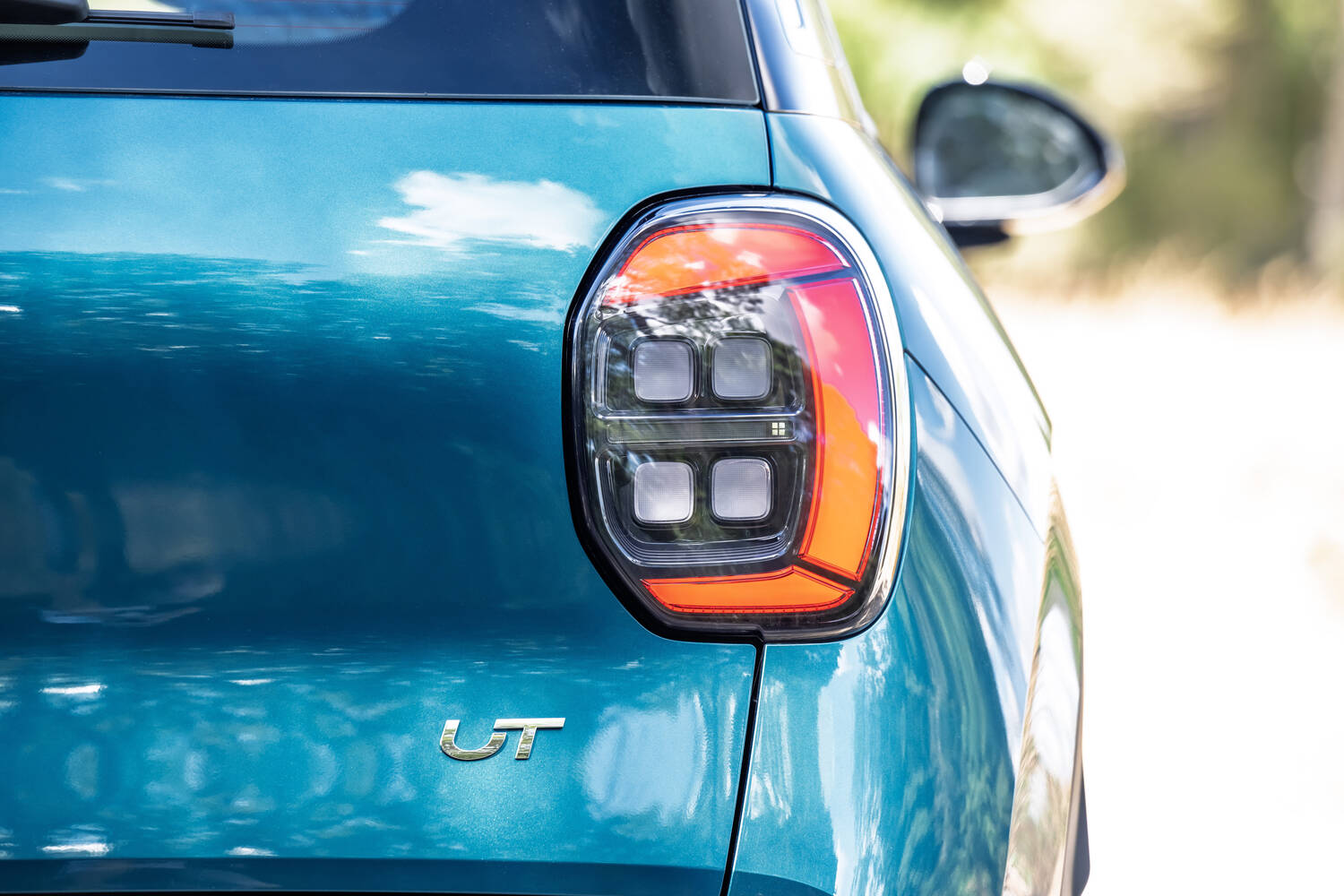
Also, Aion would draw your attention to the four-cube lamps in the front bumper, a motif which is echoed in the signature of the rear-light clusters. But Kia was doing 'ice-cubes' more than ten years ago on its GT-Line cars, so this is hardly a groundbreaking piece of aesthetic work.
All models of the Aion UT, regardless of their specification, run on a solitary design of six-spoke, 17-inch alloy wheels - there are no other options.
Dimensions of the 2026 Aion UT
- Length:
- 4,270mm
- Width:
- 1,850mm (excluding mirrors)
- Height:
- 1,575mm
- Wheelbase:
- 2,750mm
Paint colours for the 2026 Aion UT
Using UK specifications in the absence of Irish-market confirmation, the Aion UT has five body colours, but one of these is only available if you plump for the expensive Premium Pack. The two 'free' choices are Rocco White and Titian Red. Jade Green, Night Shadow Black and Seine Silver all command the same upgrade fee, but the last of these is the one 'unlocked' by opting for the Premium Pack. All five shades of paint for the Aion UT are metallic in finish.
Interior, practicality, tech & comfort of the 2026 Aion UT
- Lots of space inside
- Plenty of equipment
- Looks better than it feels
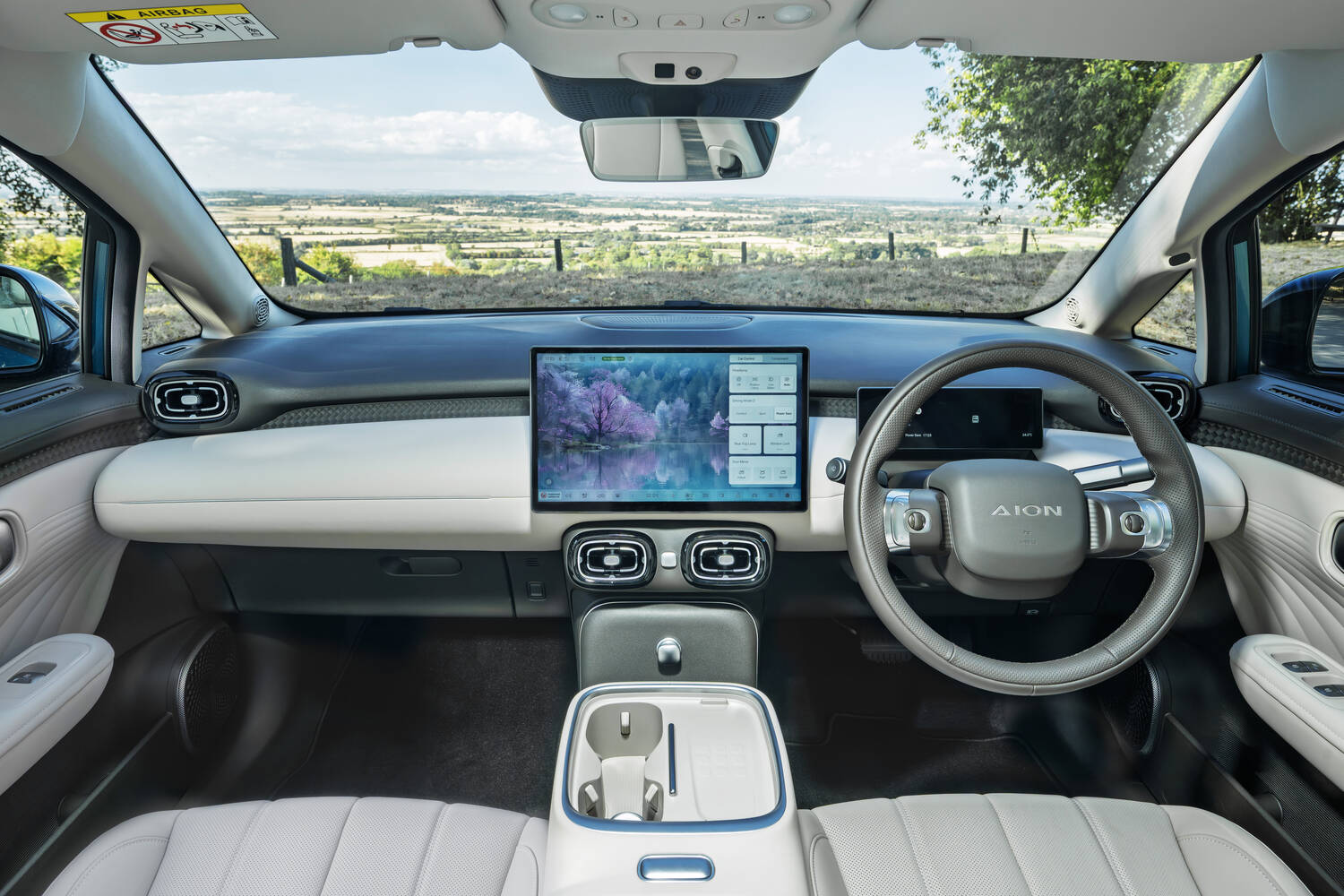
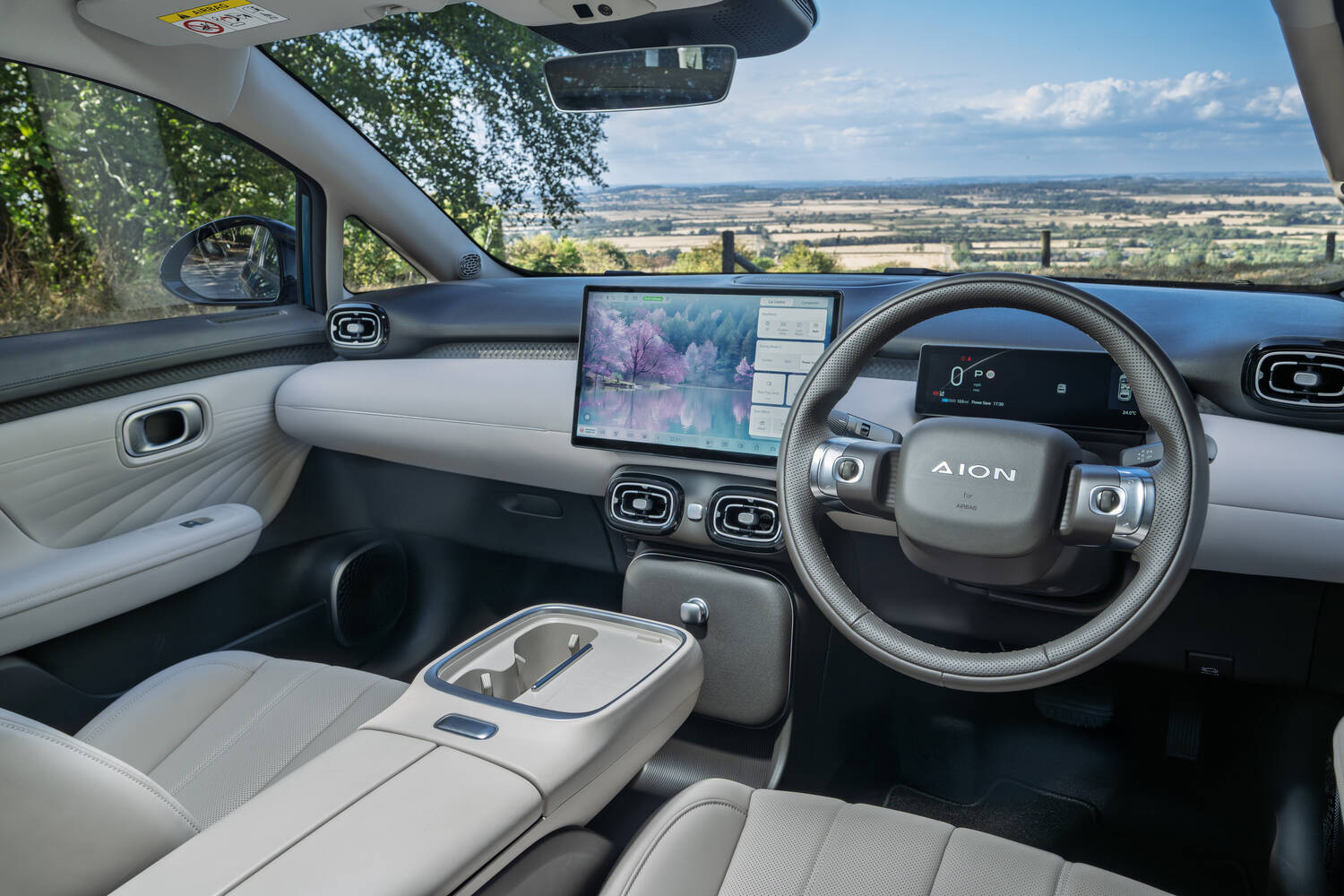
Aion makes a big play in the promotional materials for the UT about the EV's "exceptional quality and finish" inside, but we're not so convinced.
It's all pretty easy on the eye when you first sit down in the cabin, yet once you start touching and prodding surfaces, the lustre of the Aion's passenger compartment starts to dull.
Diamond-patterned trim, for instance, running across the beltline of the doors and dash, isn't the most prestigious of materials. The tops of the door cards look like stitched leather, but when you touch them you realise they are inexpensive plastic. There are a few other areas of the UT's interior which are less than spectacular, texturally speaking.
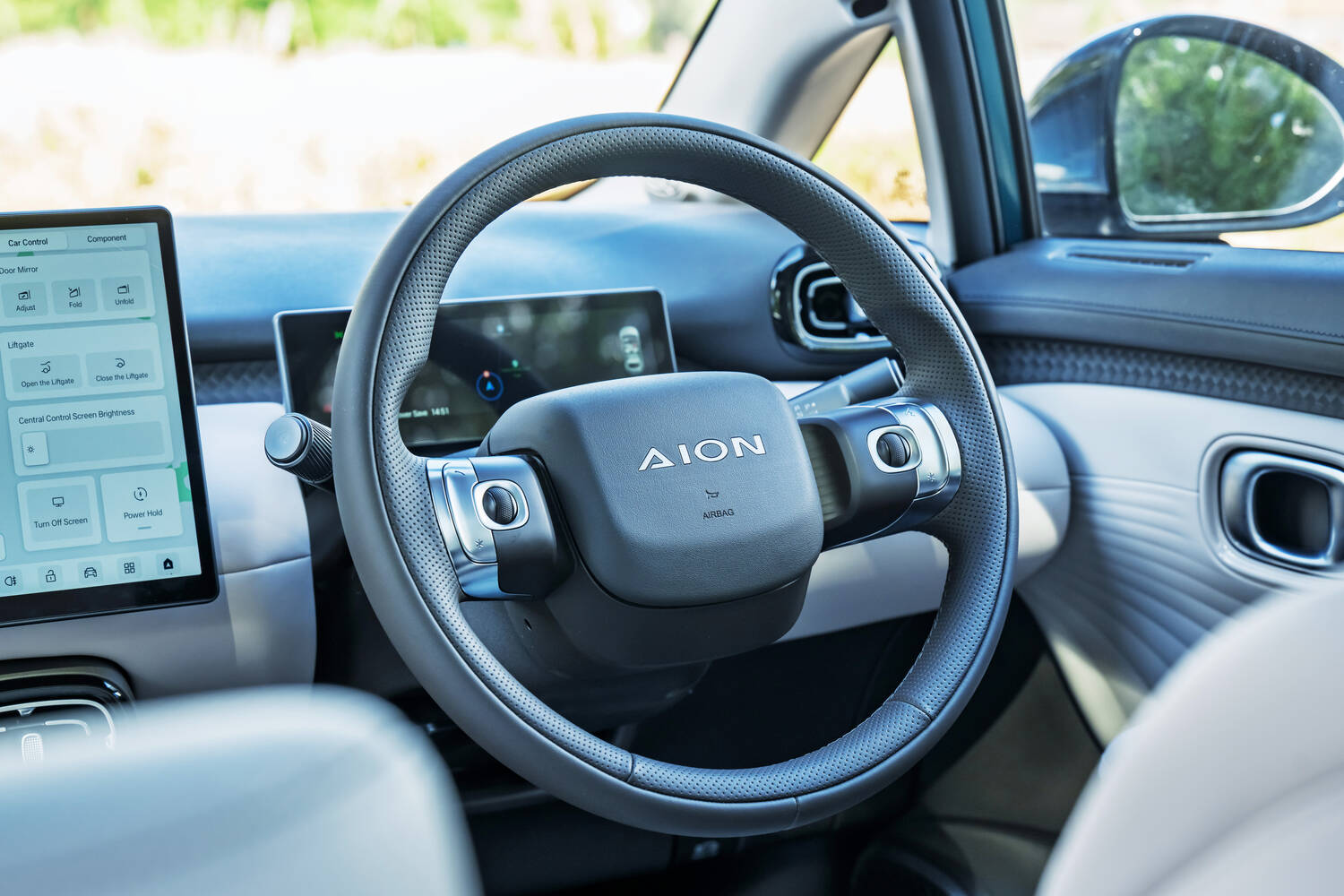
Also, like so many Chinese cars - the related Aion V included - the UT's cabin is almost completely bereft of physical switchgear, while what few actual buttons there are on the (mercifully perfectly round) steering wheel are poorly labelled (or just not labelled at all), so it's not immediately clear which functions they control or adjust.
Getting comfortable in the driver's seat
The front seats in all Aion UTs are electrically adjustable (six-way for the driver), so there is a fair range of movement for the person sitting behind the (manually adjustable for rake and reach) steering column, accommodating a wide range of physiques. Visibility out of the car in all directions is fine, too.
Infotainment and technology
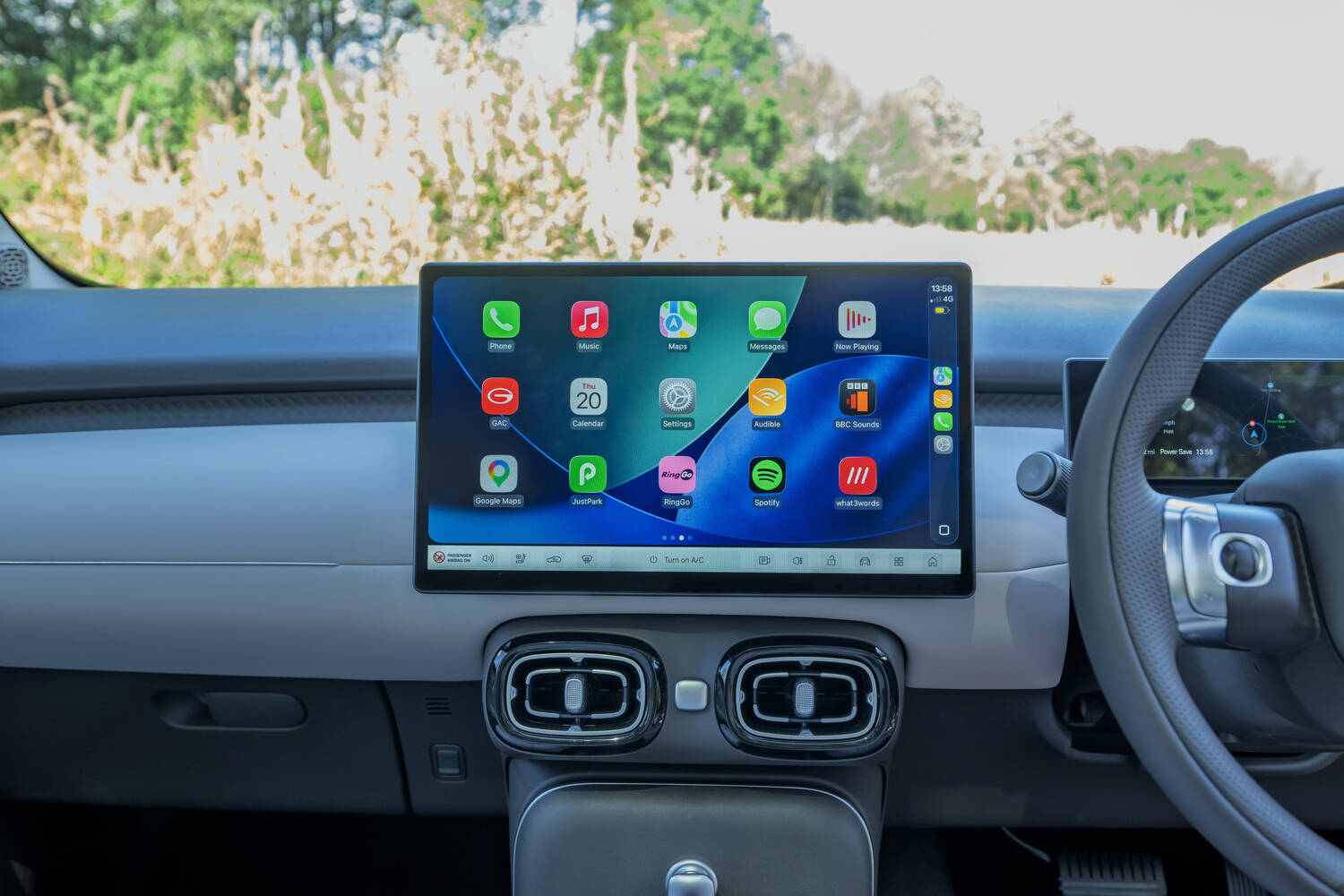
Almost everything onboard the Aion UT is run through the central 14.6-inch infotainment system, which is fitted with the company's proprietary 'ADiGO' operating system. The interface is annoying and, at times, baffling.
If you start running Android Auto or Apple CarPlay (which are wireless in the UT), for instance, and opt for full-screen coverage, these systems are overlaid on the climate controls, obstructing them. Adjusting the cabin temperature then requires a multitap faff just to get back to the climate display.
The heated and ventilated seat controls, plus the heated steering wheel control, are located in the touchscreen instead of on proper switchgear, as they should be for basic safety reasons. You have to open the sunshade for the Premium Pack's sunroof through the display as well.
There are also weird layouts of menus and shortcuts in the infotainment, and an overriding advanced driver assistance systems (ADAS) 'master control' which we could never get to operate, leaving various safety functions bleeping and bleating at us as we drove along.
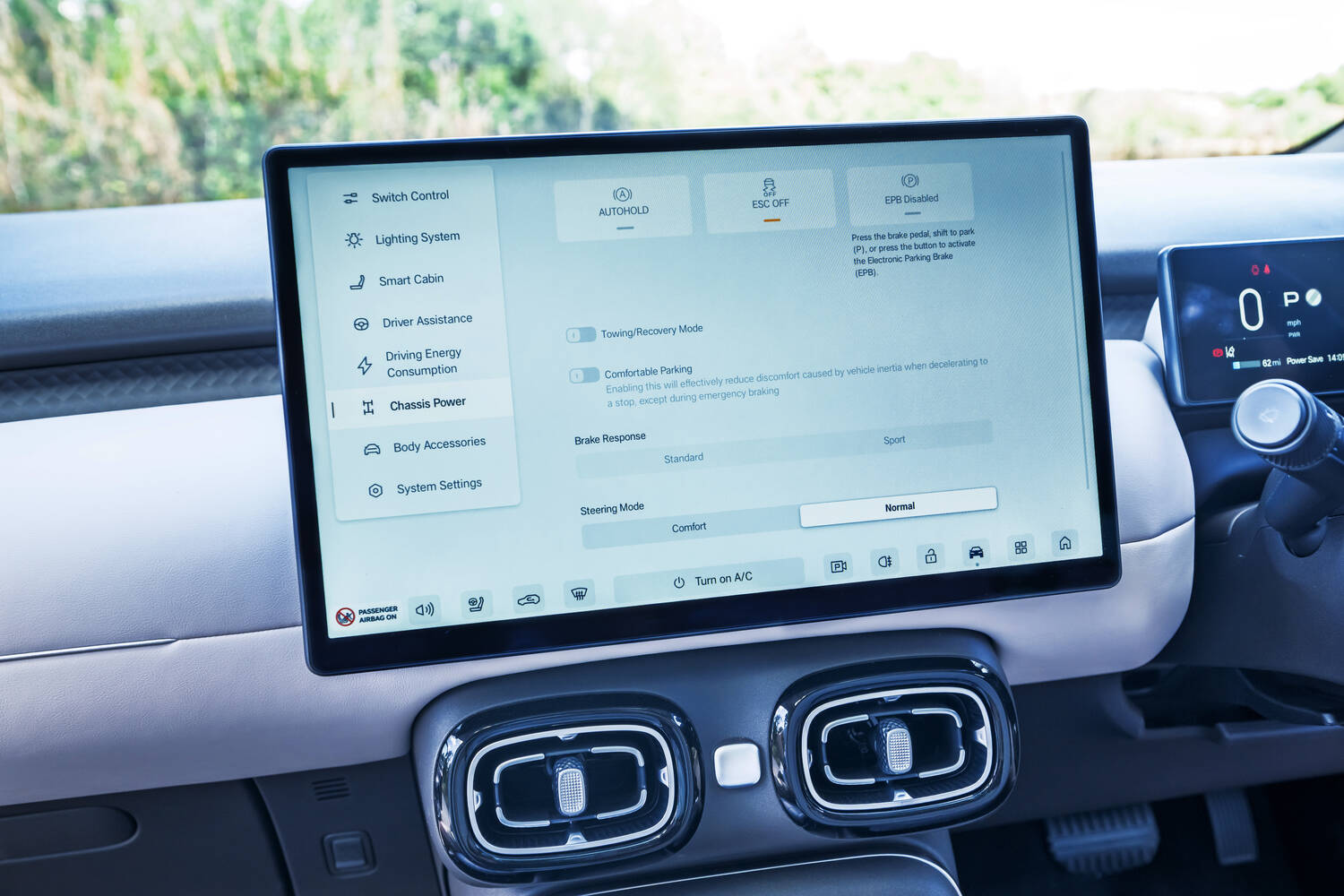
And some features are either plain odd, like motion sickness relief, or bizarrely named ('chassis power', which doesn't change the power of anything, and 'lifeform presence detection reminder' being two prime examples).
In short, the Aion's infotainment will require a large degree of familiarisation for anyone to operate it slickly, and even if they do get au fait with it, there are bound to remain some irksome procedures for activating various features.
Anyway, beyond the infotainment screen, the driver has access to an OK 8.9-inch instrument cluster, while an 140-watt six-speaker sound system is standard equipment.
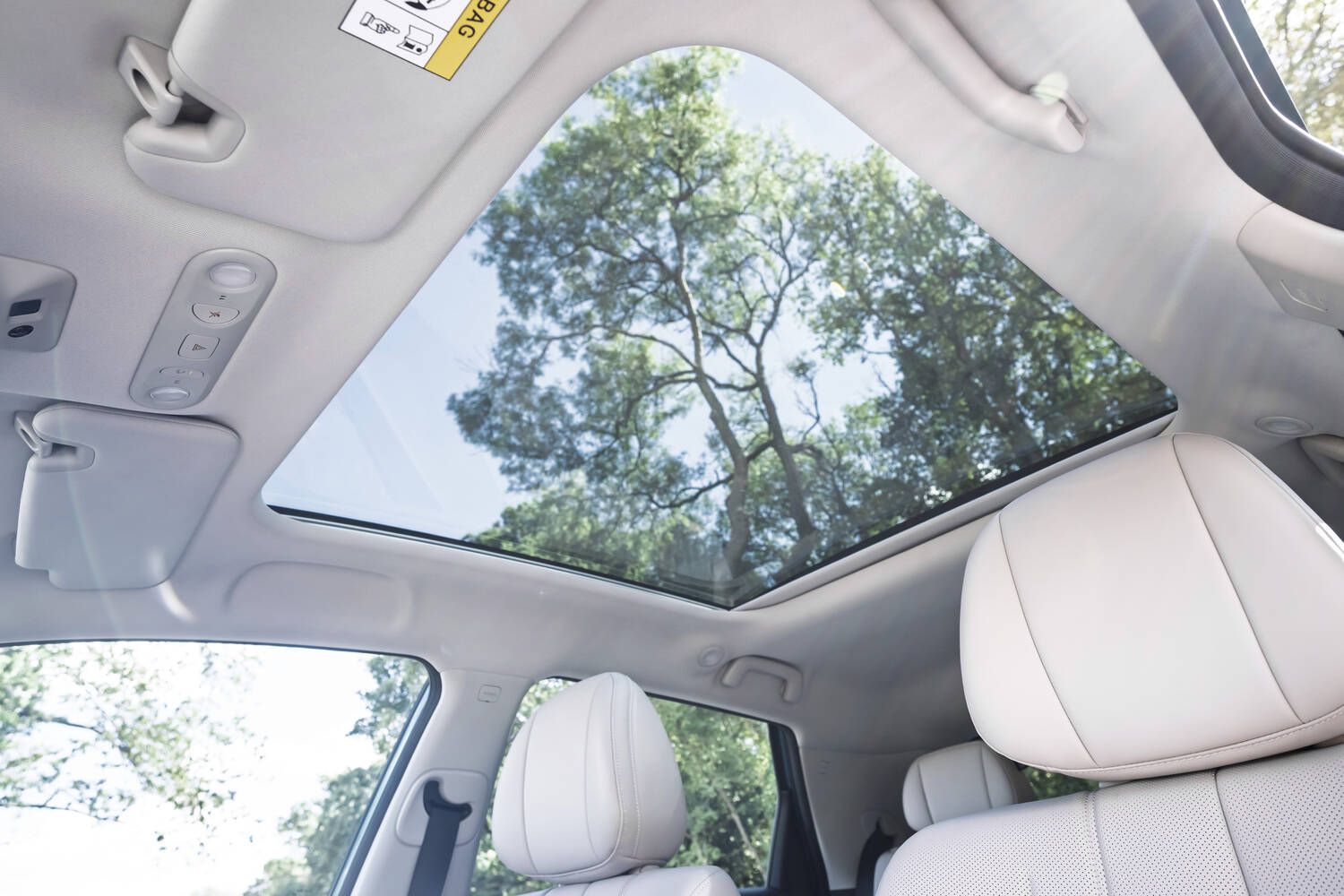
Items such as the panoramic sunroof, wireless smartphone charging and a powered tailgate are all part of the Premium Pack.
Practicality around the cabin
The door pockets in the front of the Aion UT are reasonable and have separators in their bases, which creates stowage large drinks bottles.
Moving to the centre of the car, the tunnel construct does not meet the main fascia, so rather than an under-dash storage zone, there's an open lower tray incorporating three power sockets - one USB-A, one USB-C and a 12-volt.
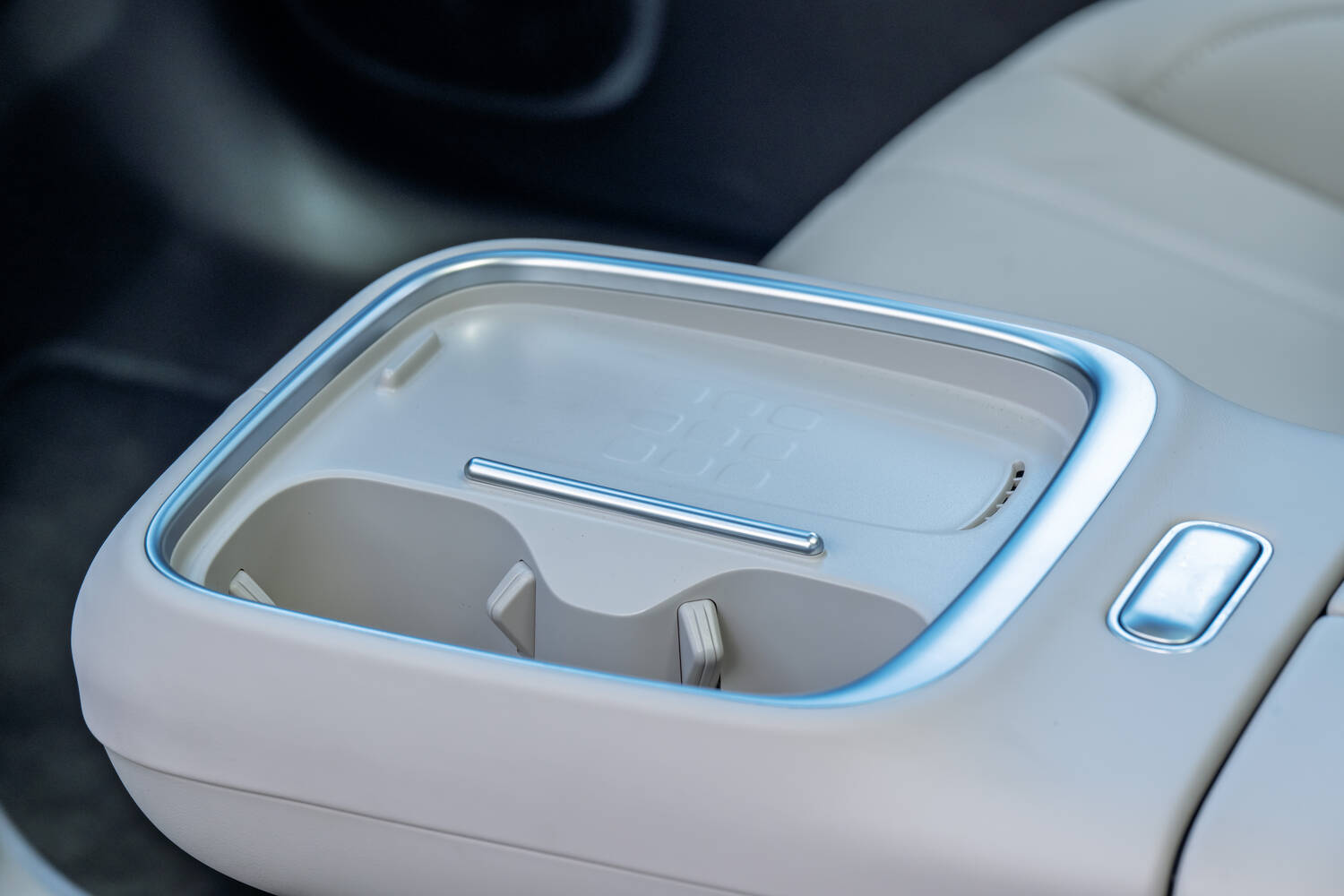
On the upper area of the armrest is a large central cubby with a split lid above it, but it's not the 'CoolHot Box' as seen in the Aion V - it's just a plastic box. Two cupholders sit ahead of this, as does the wireless smartphone charging pad if so equipped.
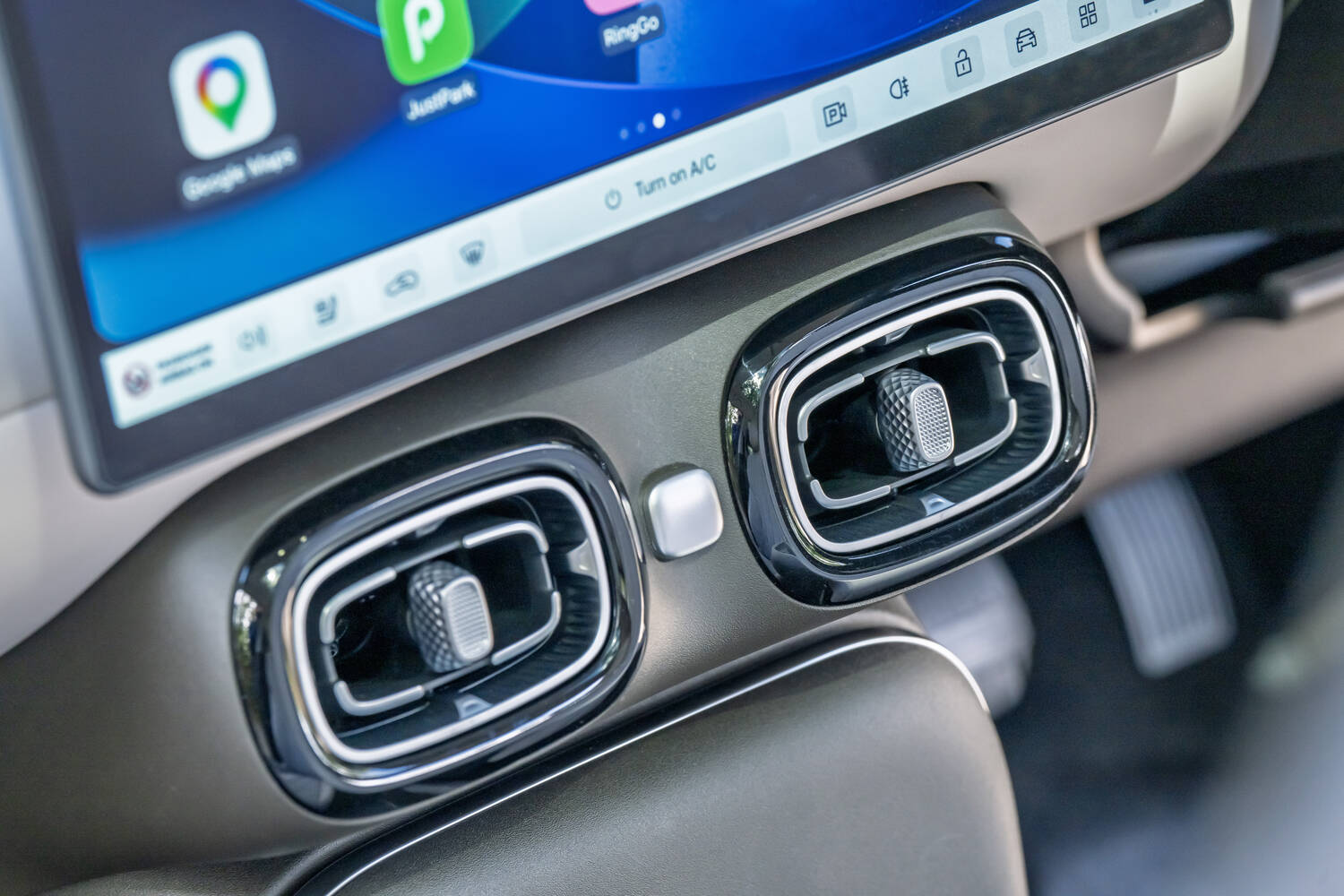
There's then what looks like a drawer beneath the centre screen and air vents. Twist the square knob at the top and its door tips forward, rather than rolling out, to reveal a narrow storage area with a netted lower half for stashing smartphones and etc.
Finally, the Aion UT at least has a glovebox, unlike its V relation (which makes do with two 'curry hooks' in this zone instead). The UT's effort is narrow, because one bag hook is retained to the right-hand side, and it's also fairly shallow once open, but we're glad it exists nonetheless.
Rear-seat passenger space
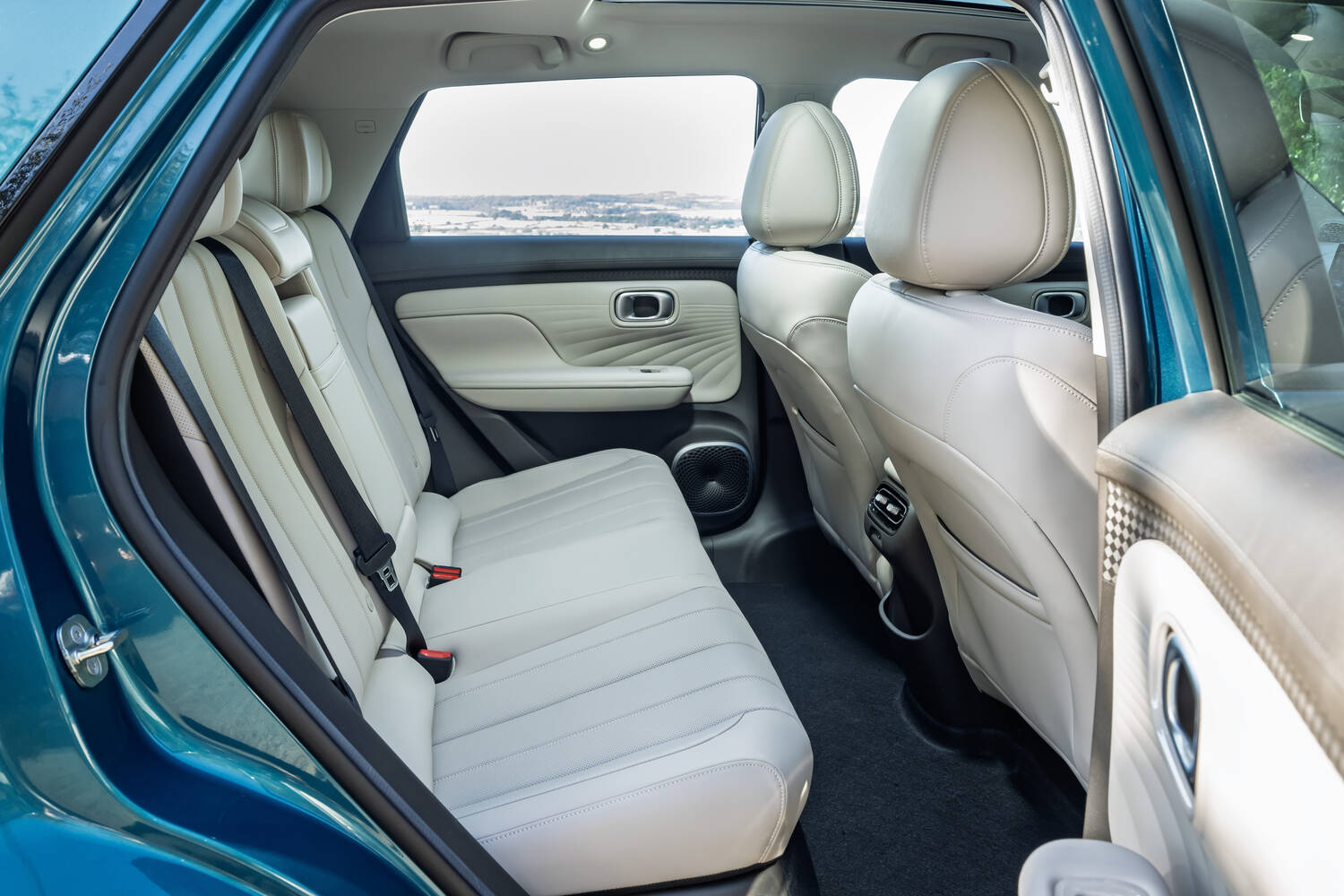
The Aion UT has a long wheelbase and thus enough rear-passenger leg- and headroom to put most of its style-conscious European competitors to shame in this regard. It's not quite as spacious in the back as the MG4 EV Urban, but it is well above the class standard.
On Premium Pack cars with the panoramic roof, the moulded hump in the headlining for the stowage of the electrically retractable sunshade impinges on headroom to a minor degree. It's worth bearing in mind if you have tall teenagers you plan on seating in the rear of the Aion.
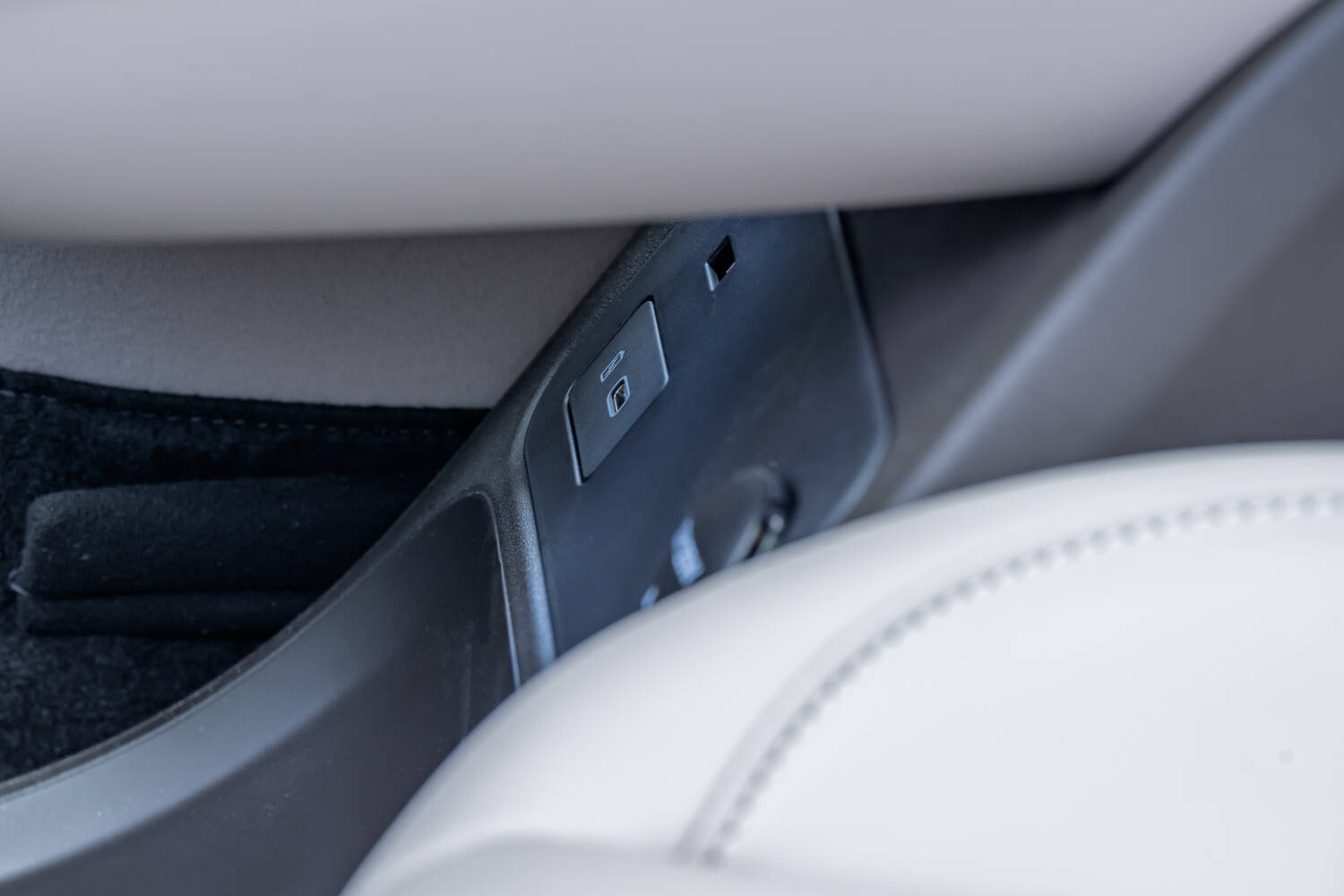
Creature comforts for those sitting in the back include two air vents and a moulded plastic pocket for holding smartphones on the back of the centre console, while Premium Pack cars gain a USB-A port too.
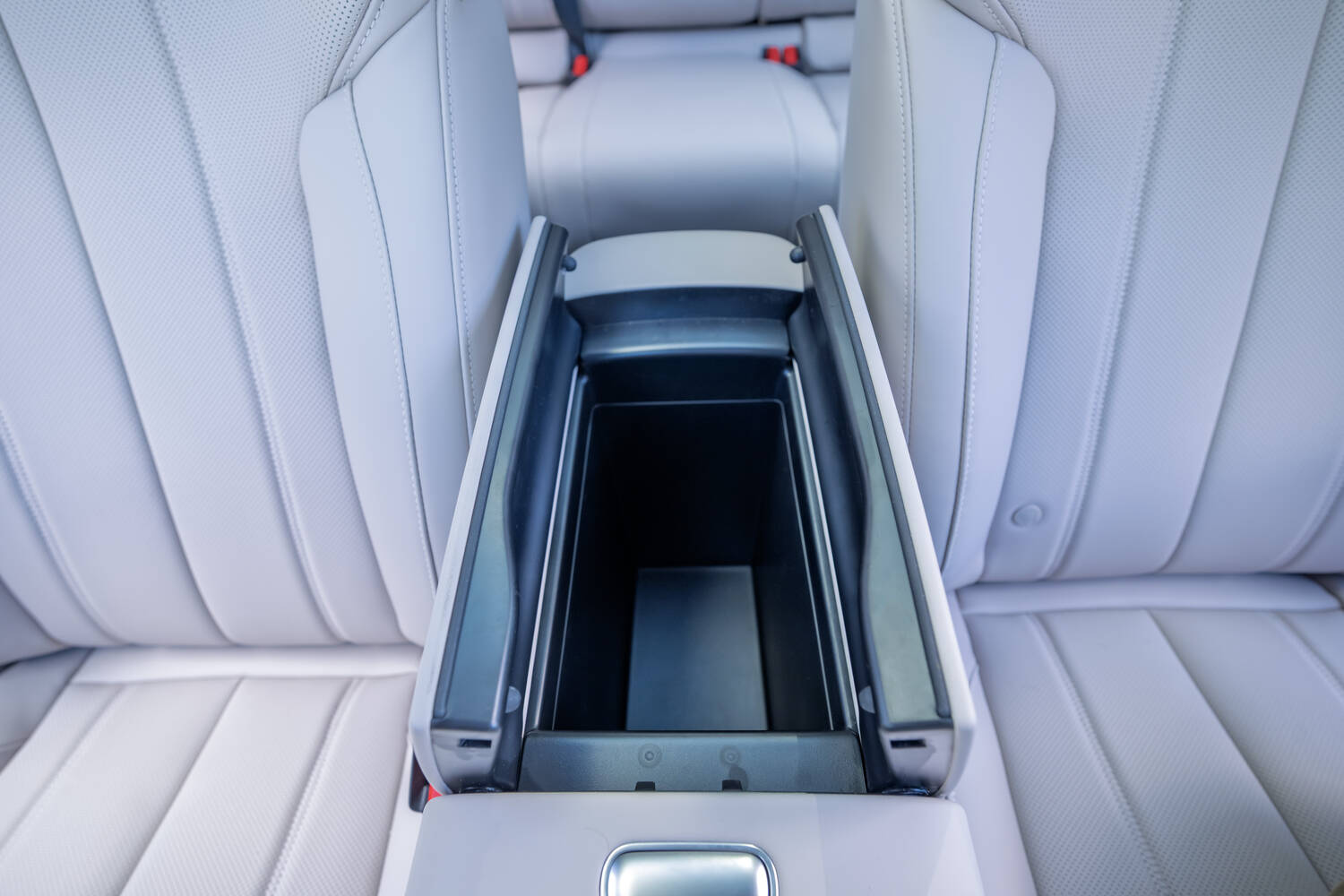
The door bins in the back are of acceptable size but don't seem to offer any specific space for drinks bottles, while a central armrest with two integrated cupholders folds down from the middle of the bench's back.
Elasticated map pockets on the backs of the front seats and a couple of coat hooks on the rear of the B-pillars complete the functionality touches in the back, along with roof lights and grab handles. As a final sop to practicality, the floor in the second row of the Aion is completely flat across its width.
According to its maker, there are said to be 24 distinct storage compartments and cubbies dotted around the cabin of the UT.
Fitting child seats to the Aion UT
There are three ISOFIX positions in the Aion UT, one in the front and two in the back. Aion says the good-sized rear doors open to almost 90 degrees to make getting bulky child seats in and out that bit easier, while the car picked up an impressive 91 per cent in the crash protection subdiscipline of the Euro NCAP assessment.
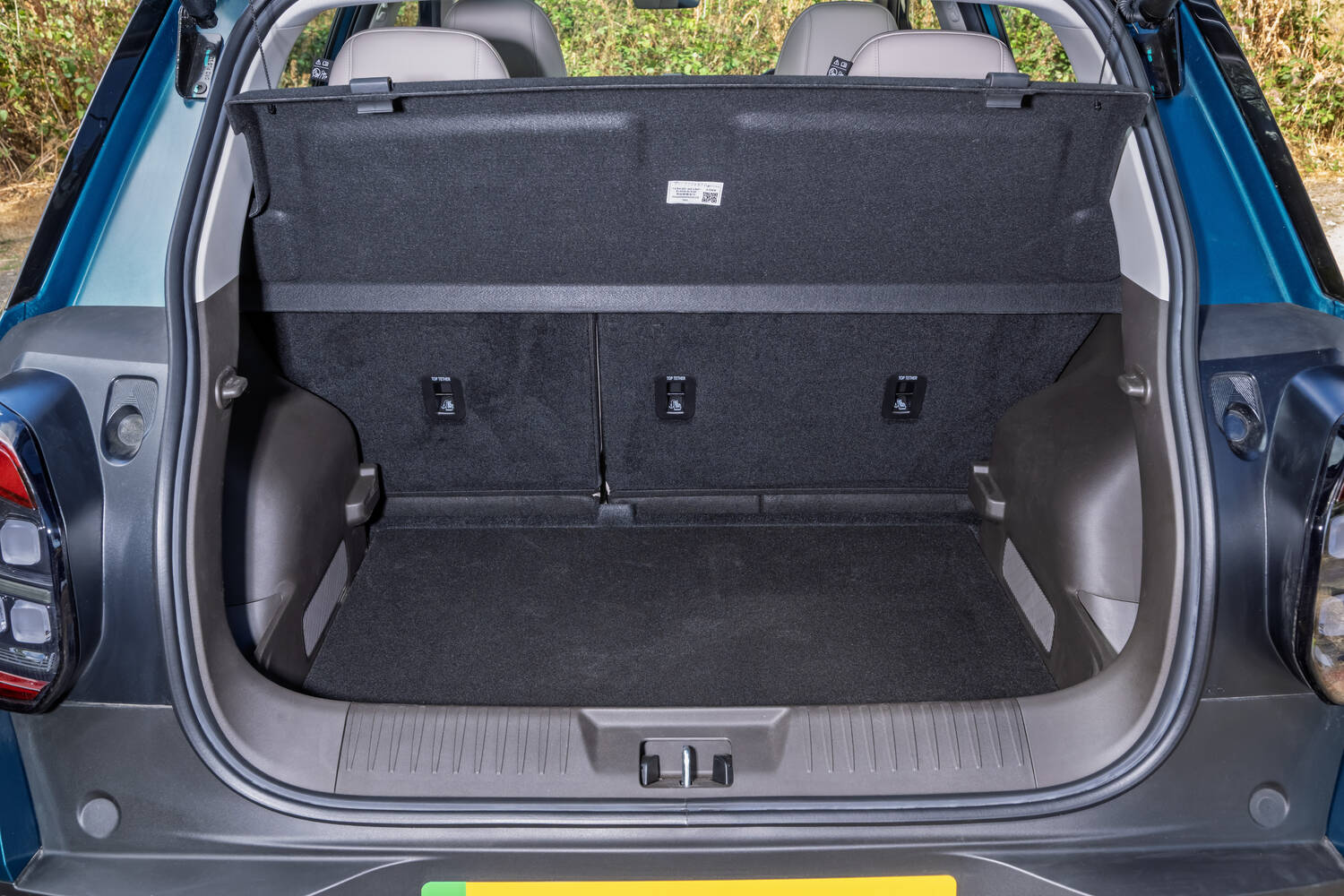
There is also a top-tether mounting point for the centre-rear seat in the UT, although there are no base fixings in the middle of the bench to go with it, and probably not enough width in the centre section to make use of it anyway.
Boot space in the Aion UT
Up to the parcel shelf, the Aion UT holds 321 litres of luggage, while its maker tells us it can accommodate up to 440 litres when filled to the roof.
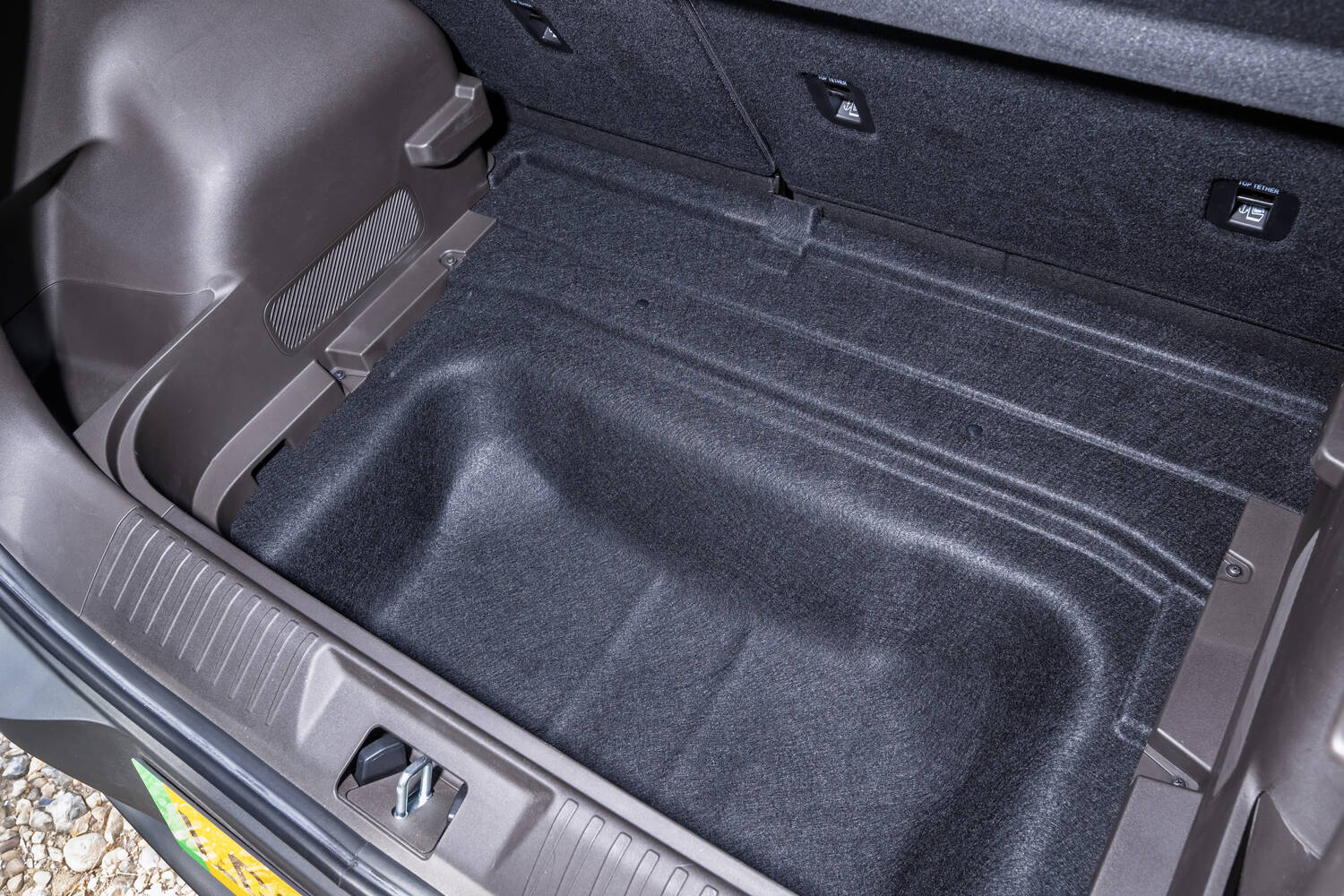
Part of that capacity is made up of a neat underfloor well, in which you could store charging cables, tyre mobility kits and the like, but there's not a lot of versatility to the Aion's cargo bay beyond that - aside from two moulded plastic pockets aft of the wheel arches on either side and a height-variable floorboard.
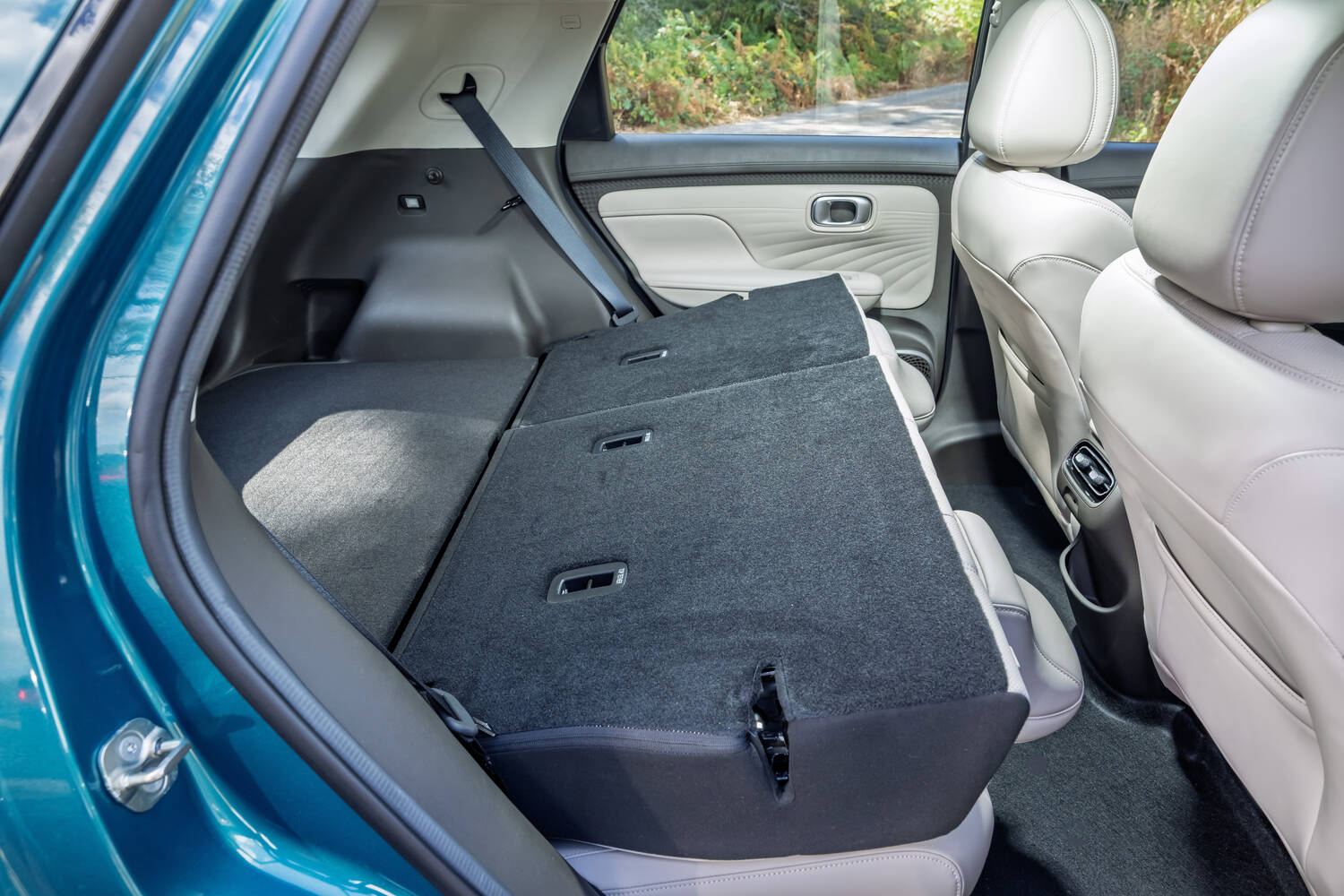
Tumble the 60:40 split-folding rear bench down and up to 1,600 litres of space is liberated, although there is no capacity for a 'frunk' in the UT as all the area beneath its stubby little bonnet is taken up by ancillaries for the electric-drive system.
Safety in the Aion UT
The Aion UT has picked up a full five-star Euro NCAP rating under the latest (at the time of writing), most stringent testing procedures of the safety organisation. This replaces the old four subdisciplines (protection of adult occupant, child occupant and vulnerable road users, plus safety assist) with a new quartet of categories: safe driving; crash avoidance; crash protection; and post-crash safety.
In these disciplines, the UT scored 66, 74, 91 and 88 per cent respectively, the five-star rating achieved because of the large amount of standard-fit ADAS the Aion comes with on all versions.
Called ADiGO Pilot, it includes items such as autonomous emergency braking with forward collision warning, lane departure warning and prevention, emergency lane-keeping assist, blind-spot detection, rear cross-traffic alert, rear collision warning, door open warning and a driver monitoring system, among more.
That you have to turn many of these ADAS overlords off because they are so annoying in action is unimportant - the Aion UT is demonstrably a safe car in the eyes of Euro NCAP.
Performance of the 2026 Aion UT
- Just one drivetrain offered
- Strong performance from the motor
- The chassis needs significant work
Aion has fitted the UT with the same 150kW front-mounted electric motor as its larger V SUV, although it has detuned the unit from 240Nm for that car to 210Nm here.
Nevertheless, as the 204hp UT only weighs 1,670kg without the Premium Pack (and 1,700kg with it), this model is Aion's quickest so far for 0-100km/h with a 7.3-second run.
Drive goes exclusively to the front wheels of the UT via a single-speed reduction-gear automatic transmission.
Driving the Aion UT Premium Pack on UK roads
Words by Matt Robinson on 16 September, 2026
Aion made a big spiel about the fact the UT has been tuned specifically for UK roads - which would ordinarily be great news for us here in Ireland, given our road surfaces, climate conditions and topography are so similar.
The thing is, we've had Chinese companies make this bold assertion about Europe-specific chassis tunes for their products before, and we've not been impressed. Well, the same fate befalls the UT - as we must ask very politely that, if this car has indeed been tuned to be at its best on UK roads, which roads, precisely? Because the ones we sampled it on very quickly exposed its limitations.
With MacPherson front and torsion-beam rear suspension, as long as you don't encounter tarmac which is too badly rucked up, or you don't start driving the UT like it's a hot hatch, it'll be bearable.
There's more tyre and wind noise than is desirable at all speeds, and while its ride comfort isn't ever exceptional, it's composed and comfortable enough that it won't alarm you on smoother surfaces.
However, on one particularly undulating section of back road, taken at no more than 80km/h or thereabouts, the Aion's suspension fast ran out of ideas as it reached the extent of its travel, to the point it felt as if the rear axle was hopping over the bumps like an unladen trailer.
It is a most disconcerting experience and does nothing for driver confidence, while also undermining the ride comfort the car has already demonstrated.
This then links to the handling, which is not the be-all and end-all for a B-segment electric car. Still, so many of the UT's rivals are better in the corners than this.
Both the brake response and steering weighting can be individually switched between two modes apiece, separate from the three overarching drive settings (called Comfort, Sport and Power Save). The brakes can be flipped from Standard to Sport and vice versa, while for the steering the choices are Comfort and Normal.
Well, with Standard brakes and Comfort steering, the Aion UT is little short of awful. The former items feel like they need about 50 per cent pedal pressure to even begin getting the car to start slowing down, while the steering is completely and utterly devoid of feel or weight in this setting and has far too much play before the nose responds to inputs.
Thankfully, things improve immeasurably with these facets in Sport and Normal, but by no means are either the brakes or the steering anything close to brilliant in such settings. And then there's the grip.
Or lack of it. This UT was fitted with tyres from Chao Yang - 215/55 R17 SU318a H/T items, to be exact. And they are not good. They're apparently durable, but they suffer badly with traction and grip and this, coupled with the lightweight steering and so-so body control, makes the UT feel little short of wayward in the corners. A Renault 5 E-Tech would run rings around it, despite being 54hp down.
The tyres also result in a lot of unwanted wheelspin out of side junctions if you're trying to smartly take a gap in traffic, even with the traction control active. Give it its due, once it is hooked up to the tarmac the Aion feels suitably brisk and muscular, as you'd expect of a 204hp supermini in this class. But it's the getting hooked-up part which presents the problems for the UT.
In short, it doesn't ride amazingly well, it can be noisy at speed, the handling is poor and it's severely traction-limited even in the dry. Avoid the lighter brake and steering settings at all costs. Aside from that, or if you never, ever use more than about 30 per cent throttle... the UT is all right to drive, we guess.
Range, battery, charging and running costs of the 2026 Aion UT
- One battery size
- More than 430km of range
- Average DC charging power
For an EV in this class, the Aion UT has one of the larger battery packs going, although there is only one size. The range is decent, but the 87kW peak DC-charging speed looks only average by modern standards.
Battery options and official range
The sole battery option in the Aion UT is an LFP lithium-ion pack of 60kWh usable energy capacity, which confers 432km of driving range on the hatchback, irrespective of whether it is fitted with the Premium Pack or not.
Real-world range and efficiency of the Aion UT
During a 50km test drive of the Aion UT across roads in the English heartlands that were neither particularly hilly nor challenging, on a warm day with climate control running, the car used an indicated 14.5kWh/100km.
That's better than the 16.4kWh/100km official figure, although bear in mind we didn't undertake any energy-sapping motorway driving as part of this journey.
On a real-world extrapolation, if you could maintain 14.5kWh/100km regularly, then around 414km to a charge would theoretically be achievable, which is impressive electrical efficiency from the UT.
Charging up the Aion UT
The Aion UT has maximum charging rates of 11kW on three-phase AC and 87kW on DC - the latter isn't amazing, even in a sector of the market where cars tend to have battery packs of around 50kWh. Most rivals will charge at 100kW if needed.
For a 10-80 per cent charge at its fastest, Aion says the UT will require 32 minutes connected to a DC charger capable of delivering 87kW.
An 11kW AC charger would recover the UT's 60kWh battery from 10-100 per cent in a little less than seven hours, and it'll be somewhere beyond eight and even approaching nine hours for the same thing on a typical 7.4kW AC domestic wallbox.
Aion UT warranty
Aion has a customer benefits bundle in the UK called the 'Great 8 Promise'. This incorporates an eight-year, 160,000km vehicle warranty, an eight-year, 200,000km battery warranty, eight years' worth of free servicing, eight years' roadside assistance and even MOT testing fees for up to eight years from the vehicle's first registration.
Irish pricing & rivals to the 2026 Aion UT
- Aion not confirmed for Ireland
- UT not exactly cheap in other markets
- At least comes with plenty of equipment
In the UK, the UT is not a conspicuous bargain. It's more expensive than the Renault 5 E-Tech, MG4 EV Urban, Peugeot E-208 and the Nissan Micra, although it is a little cheaper than the BYD Dolphin.
And when you add other tough challengers, such as the Kia EV2 and incoming Geely EX2, then the case for choosing the Aion starts to look shakier.
At least standard equipment is generous enough to mitigate the expenditure. There are just two versions of the UT, one without the Premium Pack and the other with it.
The regular Aion comes with, among other items, 17-inch alloys, LED exterior lights, auto wipers, the 8.9-inch LCD cluster, the 14.6-inch infotainment with navigation and wireless Apple CarPlay/Android Auto, a six-speaker sound system, a heated steering wheel and front seats, electrically adjustable front seats, synthetic leather upholstery, single-zone climate control, a heat pump, adaptive cruise control, a 360-degree camera system and front and rear parking sensors.
The Premium Pack requires a modest premium and adds a panoramic roof with electrically operated sunshade, electric-folding door mirrors, ventilated driver's seat, auto-dimming rear-view mirror, powered tailgate, wireless smartphone charging and a USB-A port in the back.
It also allows owners to specify either the Seine Silver paint or French Cream interior options, although these both command their own upgrade fees over and above the Premium Pack itself.
Verdict - should you buy the 2026 Aion UT?
It's not a terrible vehicle, but the Aion UT demonstrates how much variation there can be between products from a marque. The Aion V is a semi-passable car, so it comes as something of a shock that the UT falls short of even that standard in some important areas.
The UT is nowhere near as impressive as the V was on first showing, and the V was in turn nowhere near the front of its class either. While Aion's electric hatch is fairly quick, generously equipped and roomy in the passenger compartment, it has some cheap-feeling interior plastics, a truly infuriating user interface, driving manners which leave a lot to be desired in several key aspects and the sort of odd styling that doesn't even mean it'll look particularly appealing on your driveway.
If it were a conspicuous bargain, it could be considered a cheap alternative to the mainstream norm despite its shortcomings, but it doesn't even look as if the Aion UT will be that. So it might, one day, be an option for you if Aion does decide to come to Ireland and you want a small electric hatch for urban-driving duties - but it's not a particularly good option.
FAQs about the 2026 Aion UT
Is the Aion UT front-wheel drive?
Yes, it has a single electric motor driving the front wheels.
How many child seats can I fit in the Aion UT?
There are three ISOFIX positions in the car, two on the second-row bench and one on the front passenger seat, while there's also a top-tether fitting for the centre-rear seat, but probably not enough space there to squeeze in a booster.
Where is the charging port for the Aion UT?
It is situated on the car's front-right (driver's side) wing, just above the front wheel arch.
Want to know more about the 2026 Aion UT?
If there's anything about the Aion UT we've not covered, or you'd like help in choosing between it and other cars, you can avail of our expert advice service via the Ask Us Anything page.