

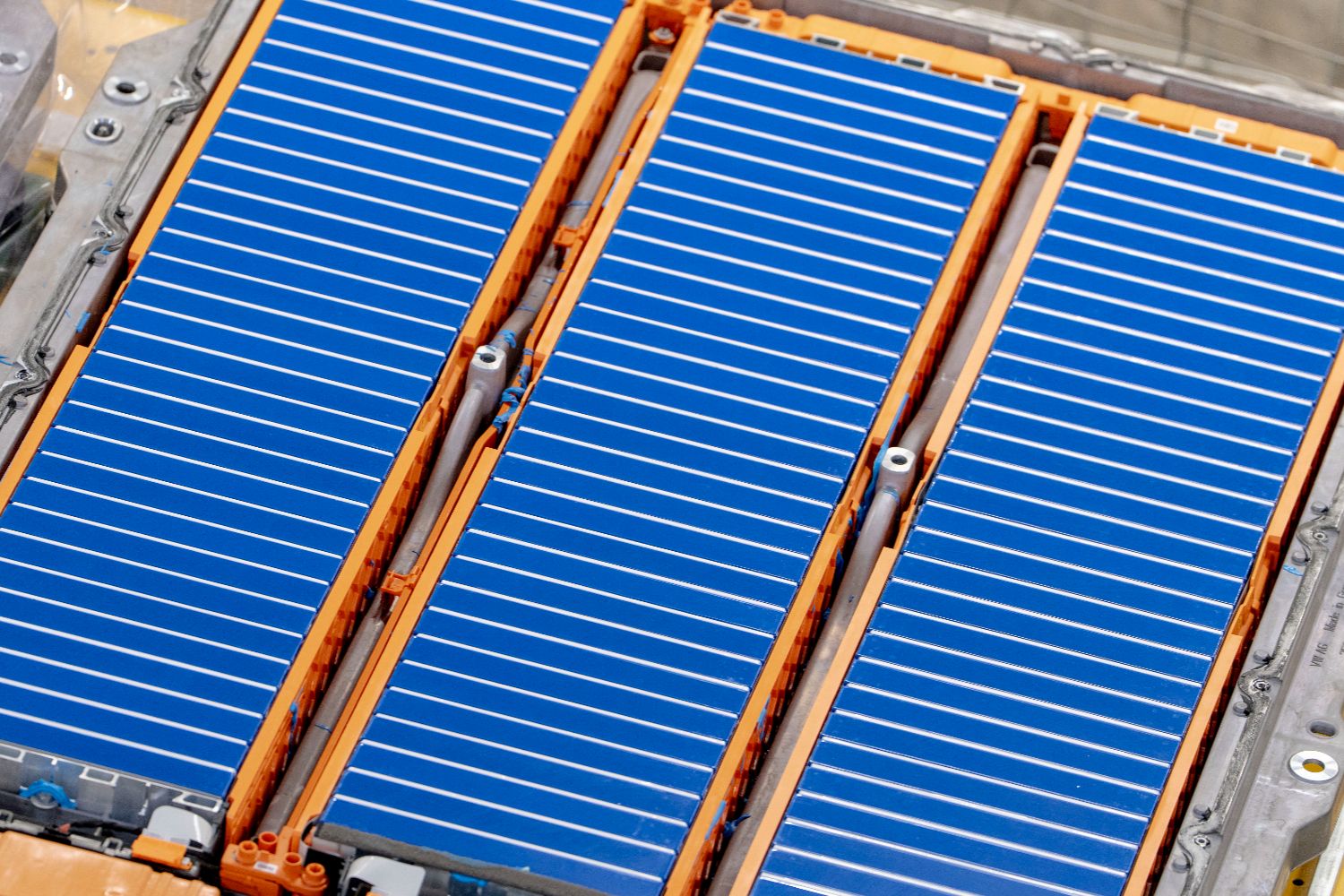
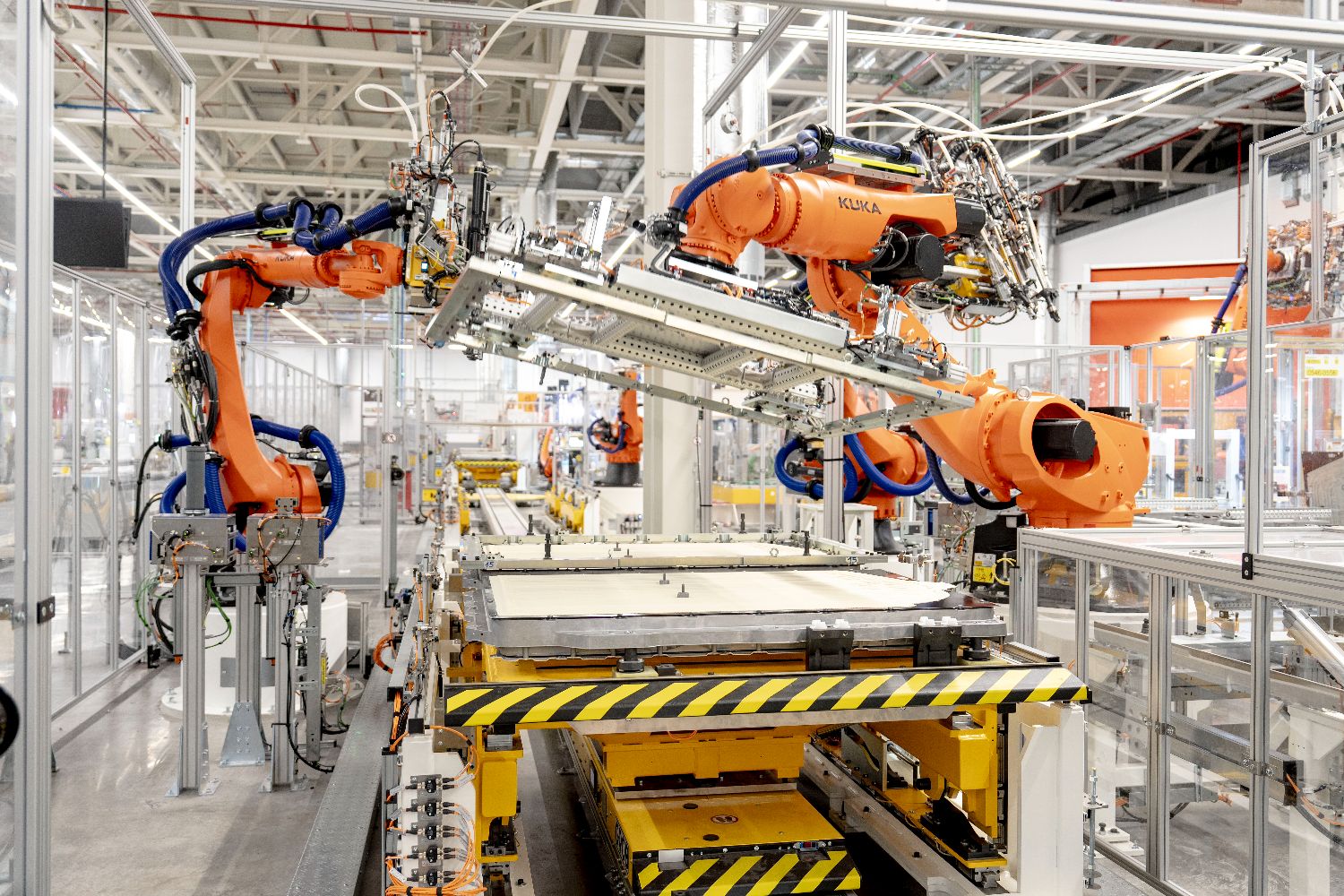

Where is this new factory?
It's adjacent to the existing SEAT and Cupra factory in Martorell, just outside Barcelona, where the new Cupra Raval and the VW ID. Polo - electric cars that share a common platform - will be built.
How big is the factory?
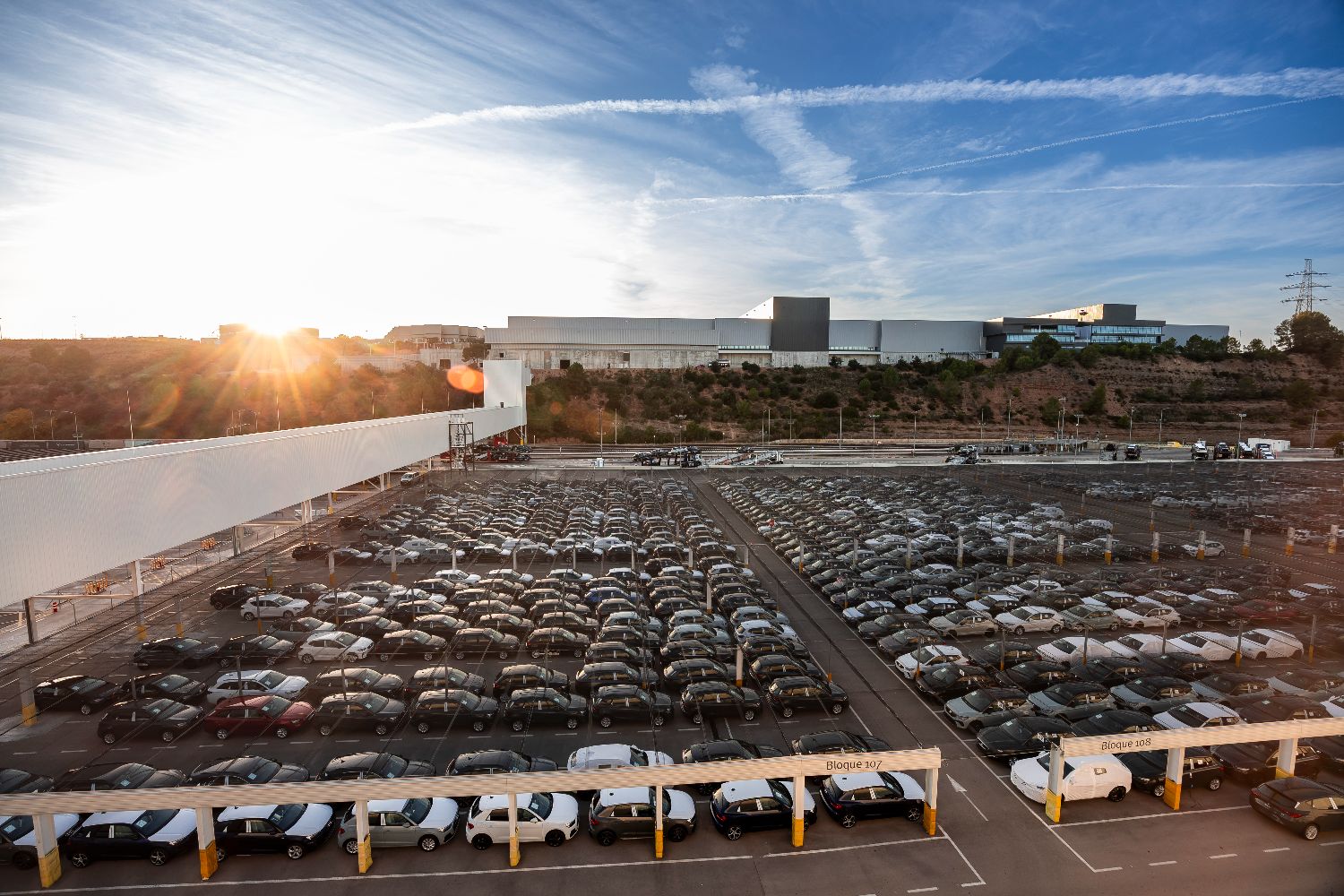
It's a bit of a whopper - 64,000 square metres, and there's the capacity to make one new battery every 45 seconds, which adds up to 1,200 batteries per day at full output. All of those batteries will be automatically shipped through a dedicated 600-metre bridge between the existing Martorell car factory and this new battery plant. That's 300,000 batteries per year, entirely dedicated to these two critical new electric models, which make up a big part of VW Group's Urban Electric Car Family plan.
Where does the factory get its power from?
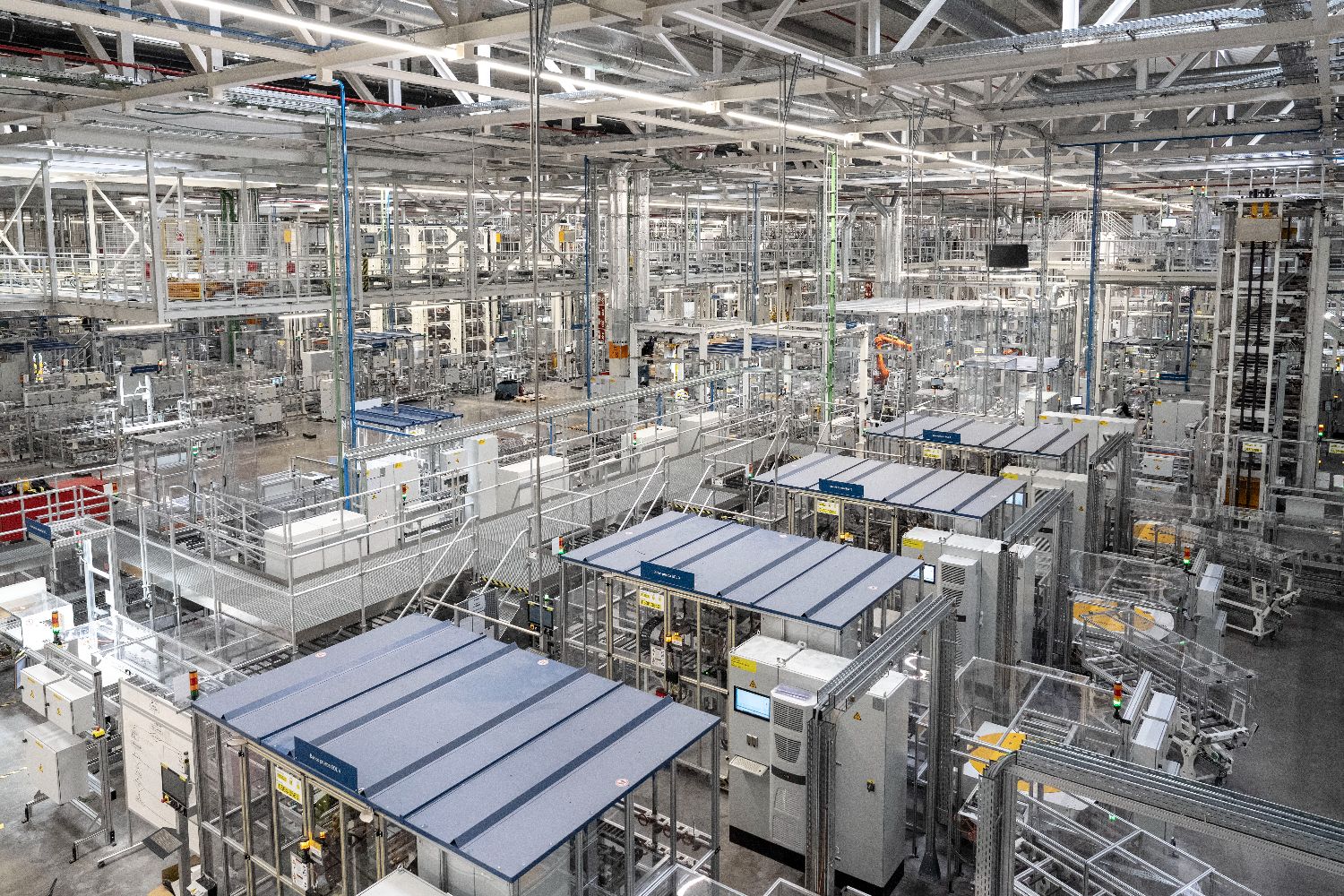
Well, there's not much point in making batteries for zero-emissions vehicles if you're powering your factory with coal, right? So the new SEAT and Cupra battery plant is powered by 11,000 solar panels on the roof, which will provide 70 per cent of the electricity required for the battery systems assembly process, and which dramatically cuts the carbon footprint of both the factory and the cars it's making.
There's also a clever water collection system with a capacity equivalent to three Olympic swimming pools, which will supply the plant's water needs.
How much has this all cost?

VW Group has invested € 3 billion in turning the Martorell complex into a factory ready for the electric era. Günther Mendl, Head of the VW Group's Centre of Excellence Battery, said: "Right now we are moving from the passenger seat to the driver's seat in the core technology of the electric world. The MEB+ battery system assembled at Martorell is fully competitive in all major aspects and a clear leap ahead as we introduce the unified cell, which is not just another battery cell but our global technology platform allowing unprecedented speed, scale, and flexibility across brands, regions, and segments. At the same time, we switch to compact cell-to-pack design and add lithium-iron phosphate as alternative cell chemistry. As we contribute to building the long-needed battery industry in Europe, we achieve less dependency and more grip on tech innovation and cost, making e-mobility still more attractive and affordable.”
How many cars will be built here?
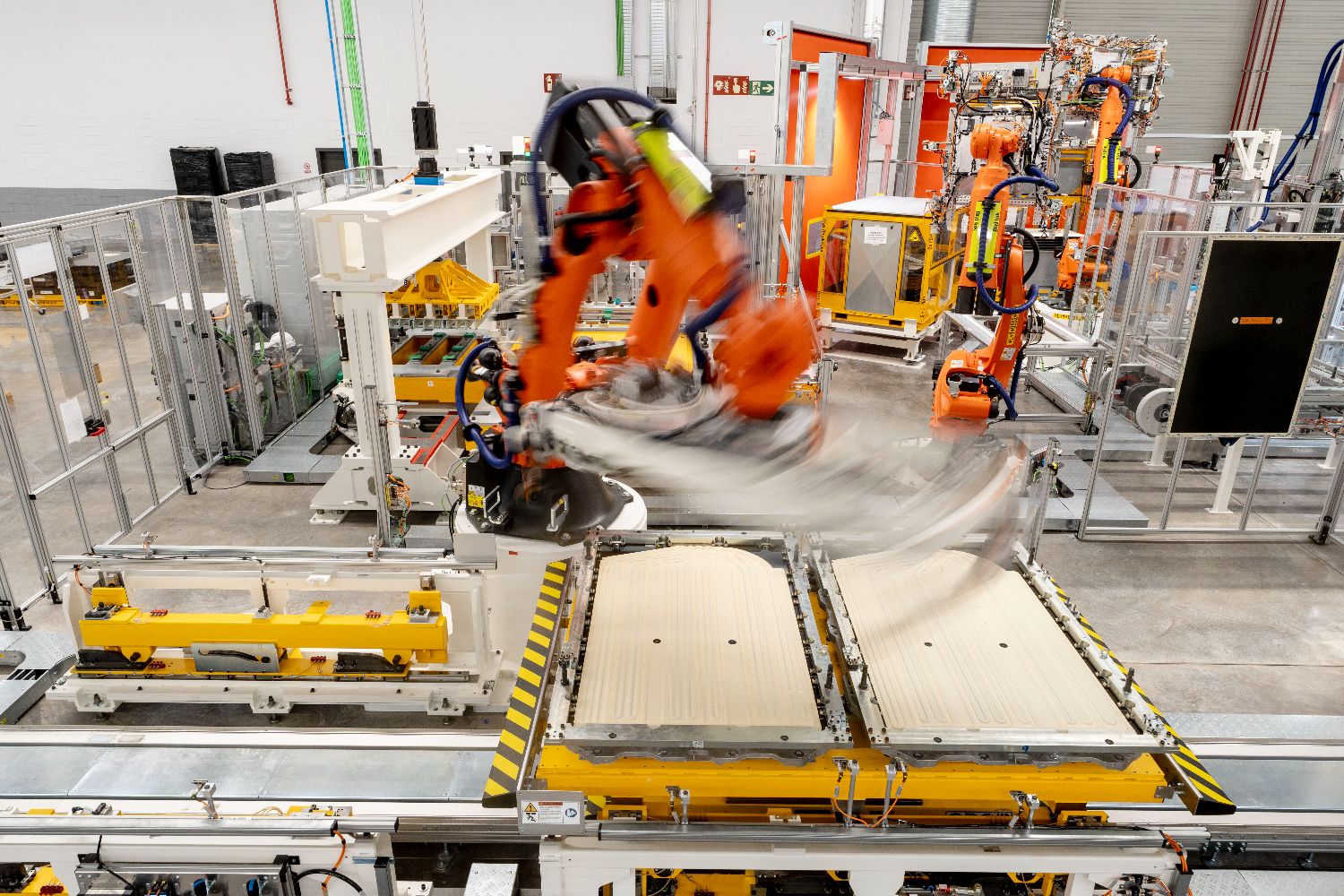
The Martorell factory has the capacity to build some 600,000 cars per year, which is one quarter of all the cars built in Spain. Of those, thanks to the new battery plant, 300,000 can now be fully electric.
"The opening of this battery system assembly plant is a turning point in the history of Seat & Cupra. Today we see how our ambition becomes a reality: we are ready to produce 100 per cent electric Made in Spain cars that will make electric mobility accessible across Europe,” said Markus Haupt, CEO of SEAT and Cupra. "Martorell is now the epicentre of the mobility of the future. We are proud to be leading the Electric Urban Car project for the Brand Group Core of the Volkswagen Group and to produce two of the models that will change the rules of the game in electrification, starting with the Cupra Raval.”
Tell me more about the Raval…
The Raval is a compact EV from Cupra, with sporty styling and handling, and with a potential one-charge range of up to 450km, depending on the model. You can read much more about that in Matt Robinson's early prototype drive of the Raval, here.
If there is anything about this story we have not covered, you can avail of our expert advice service via the Ask Us Anything page.