

Exterior & design of the 2026 Geely Starray EM-i
- Inoffensive appearance
- But perhaps a bit too generic?
- 19-inch wheels on all versions
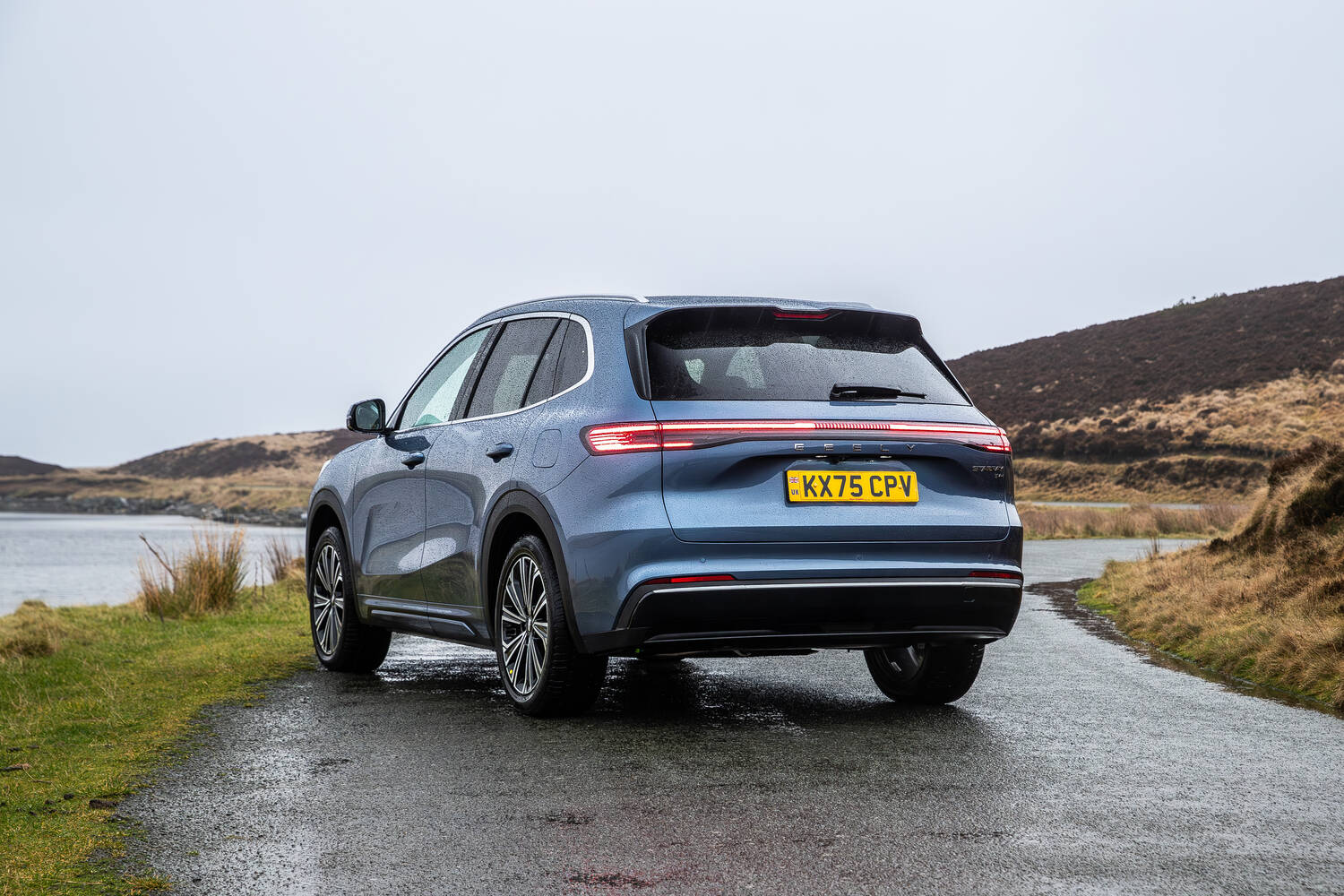
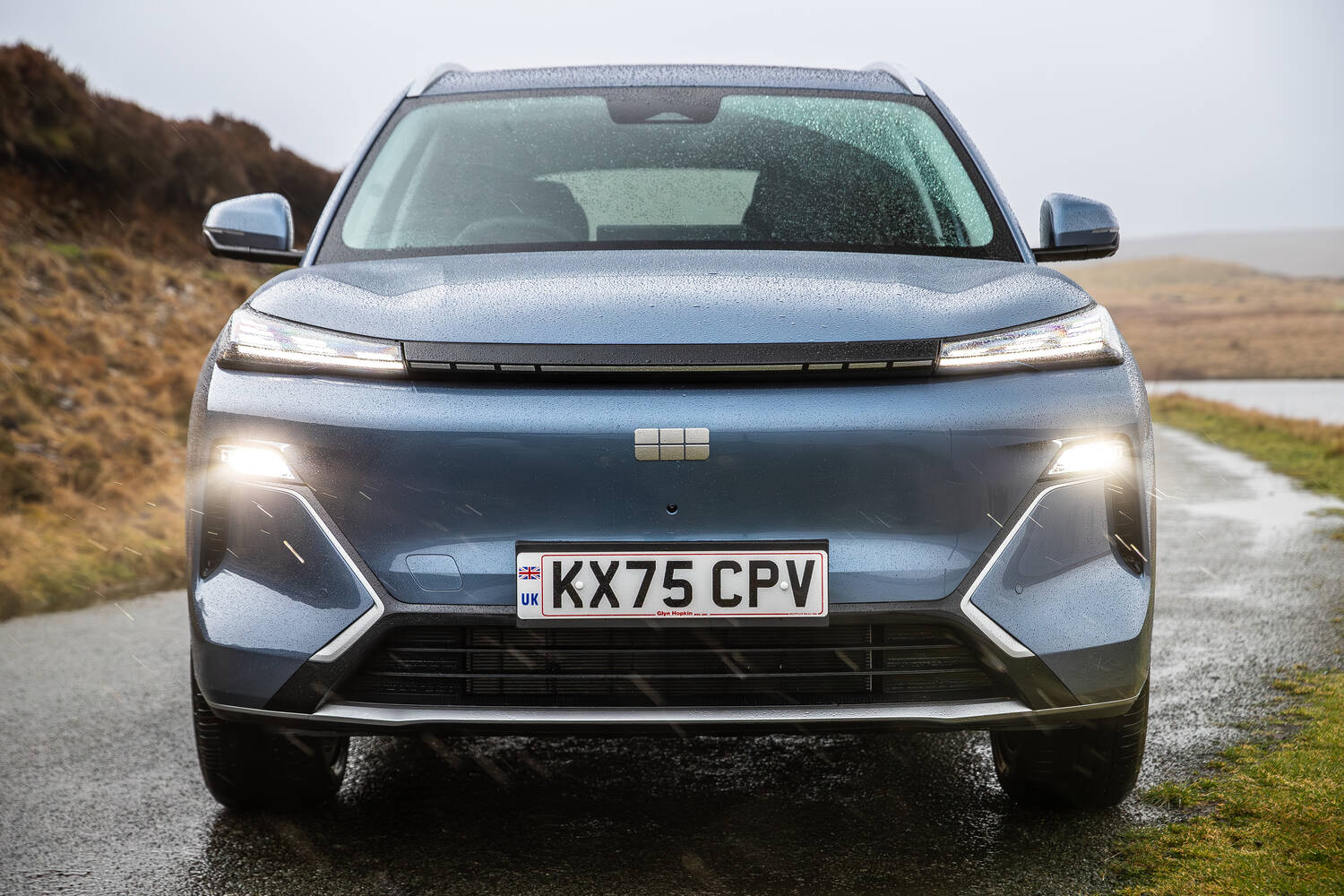
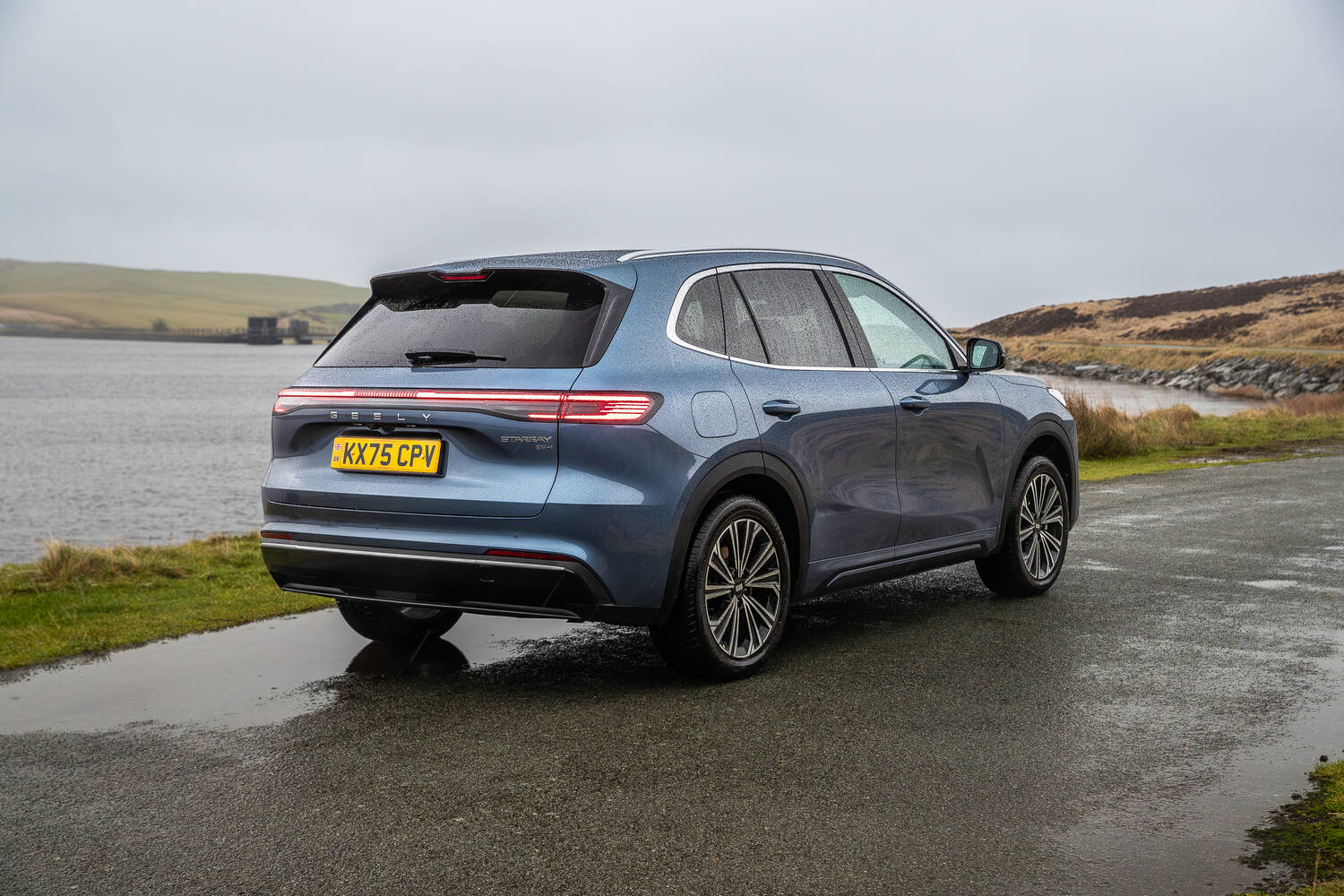
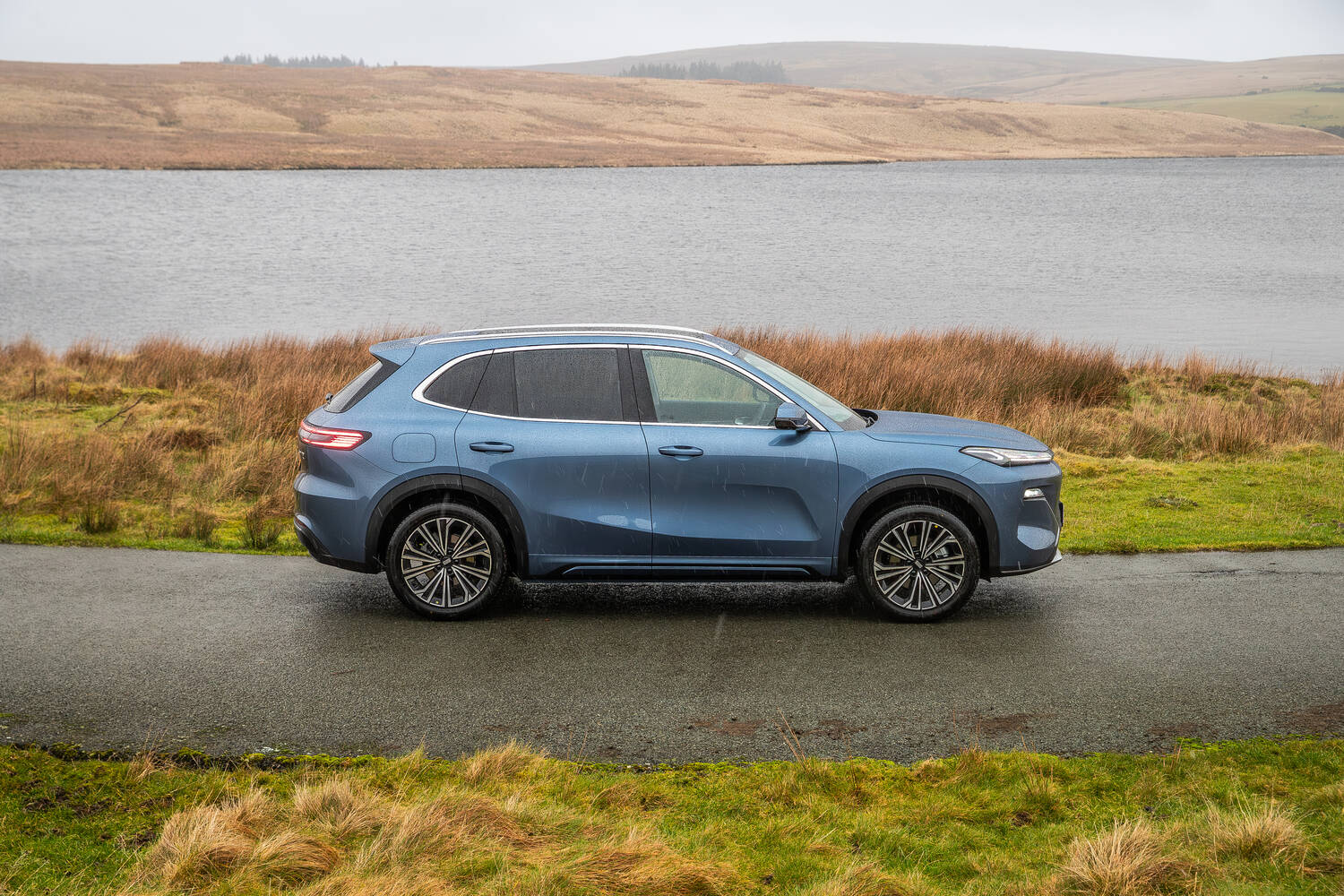
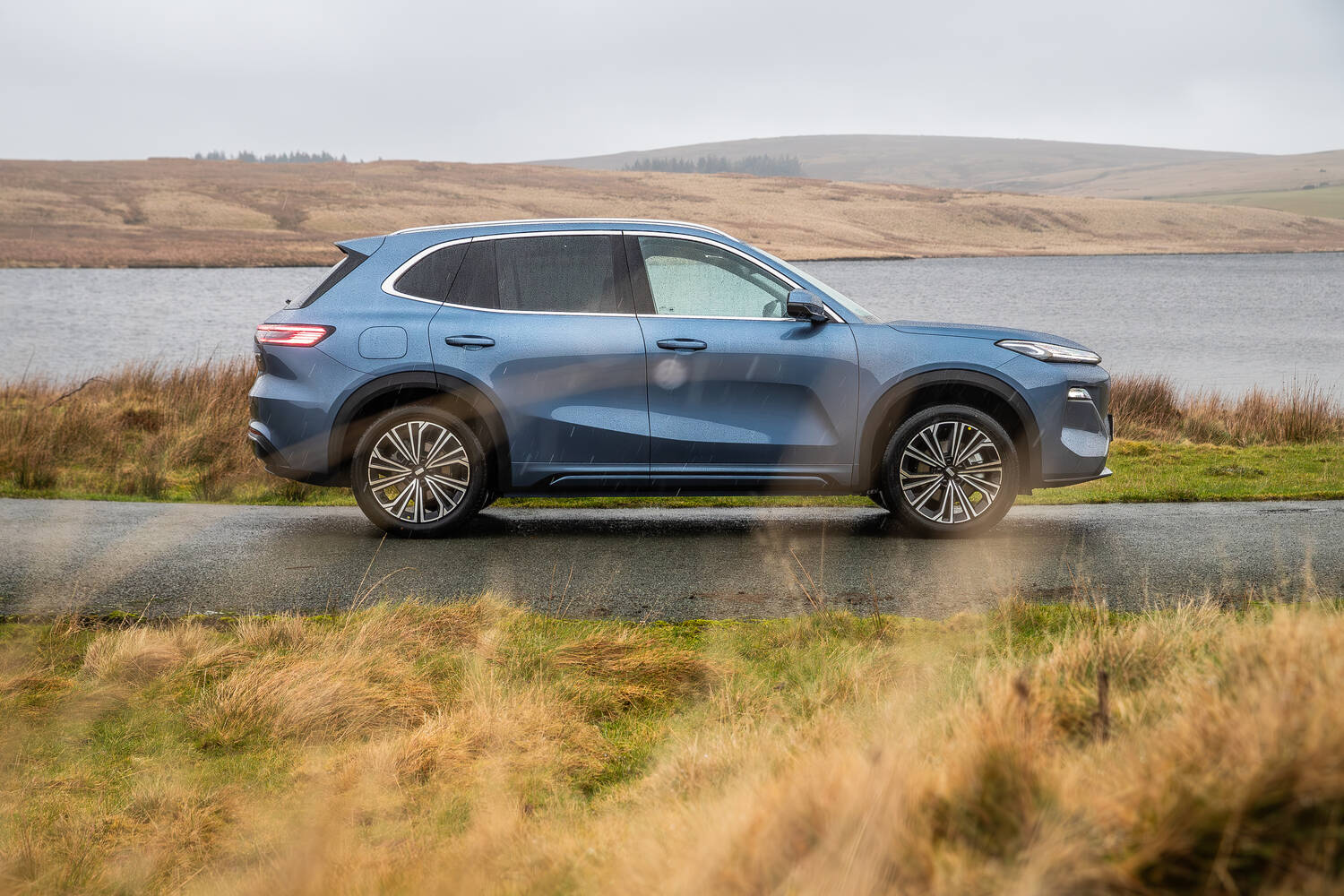
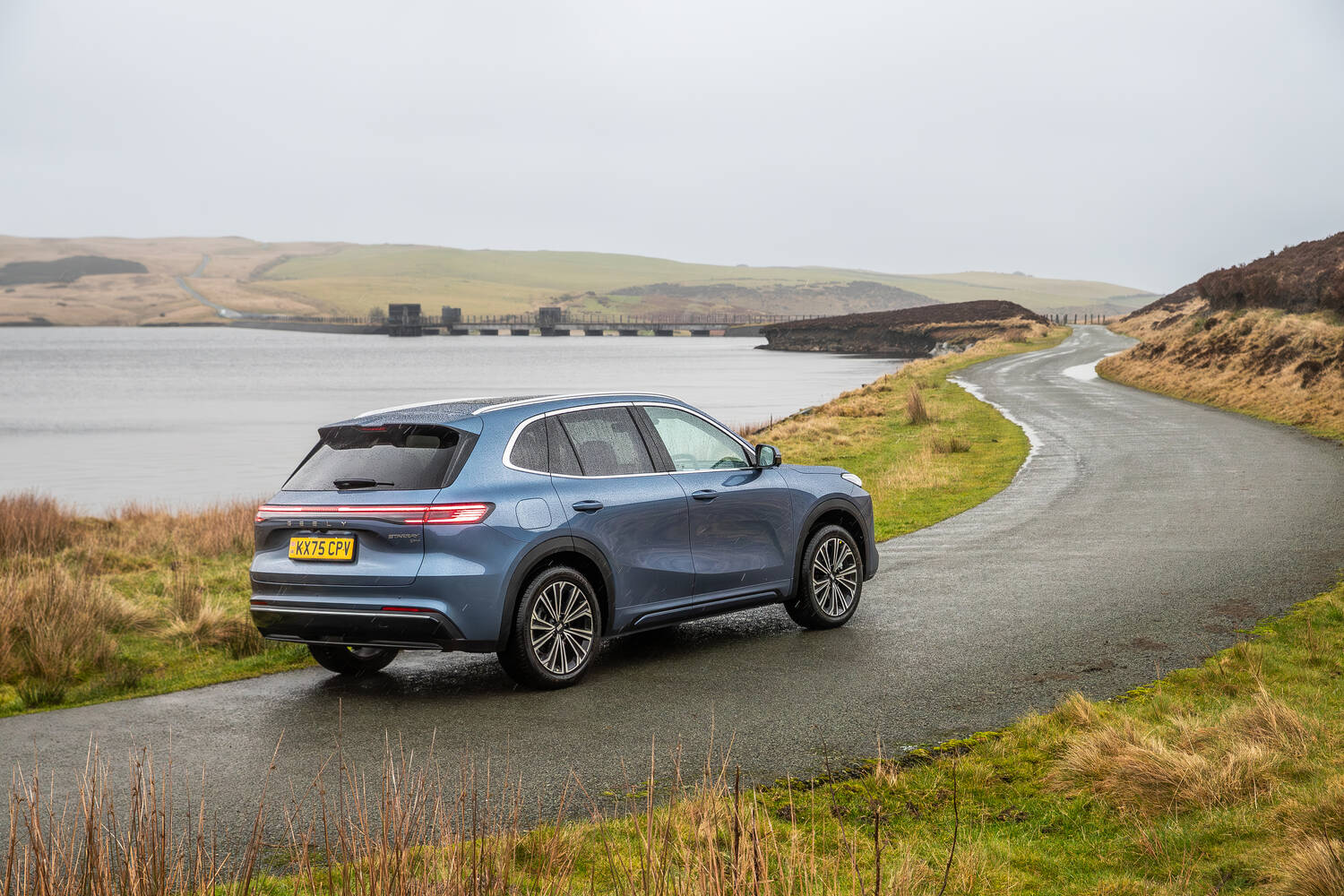
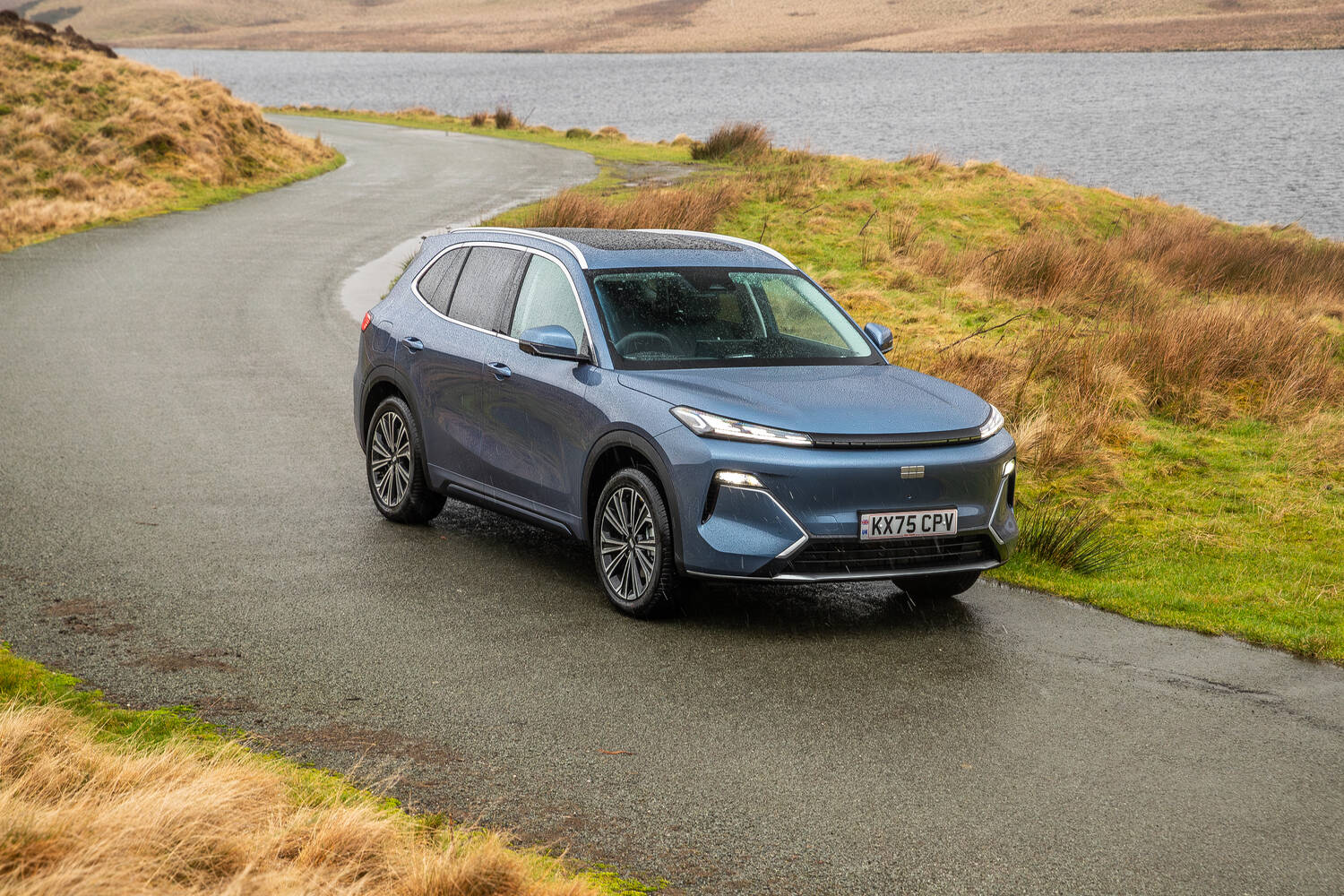
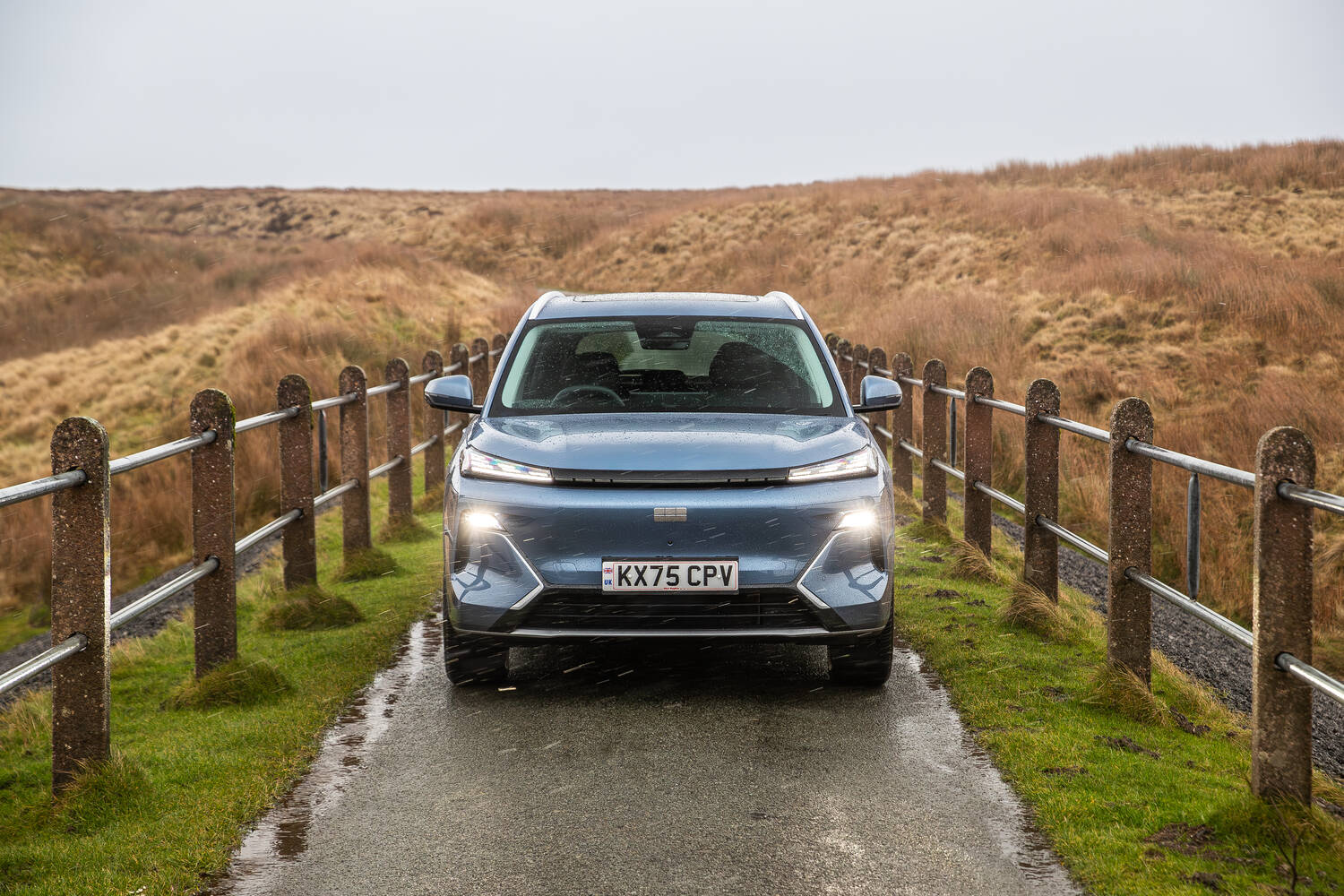
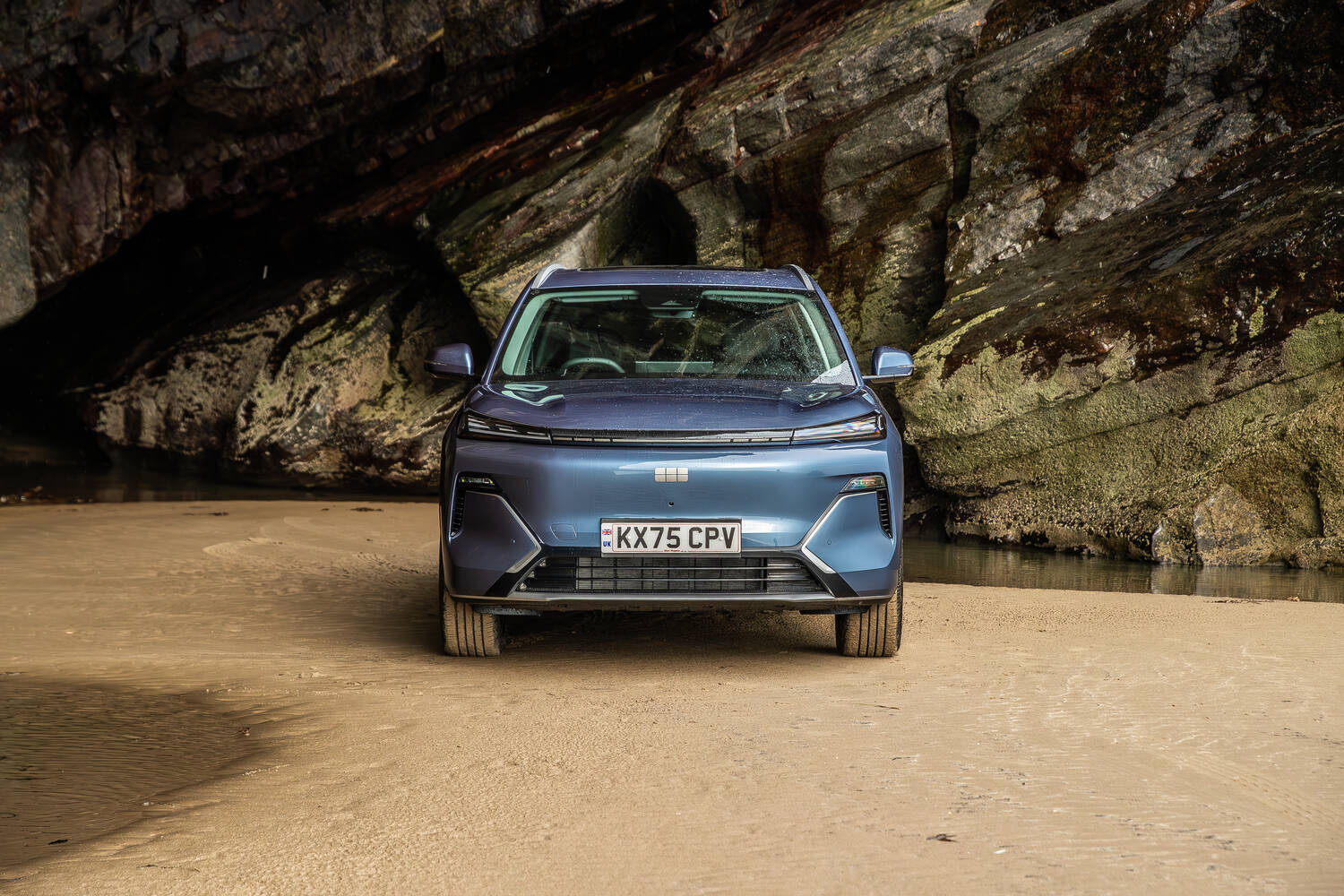
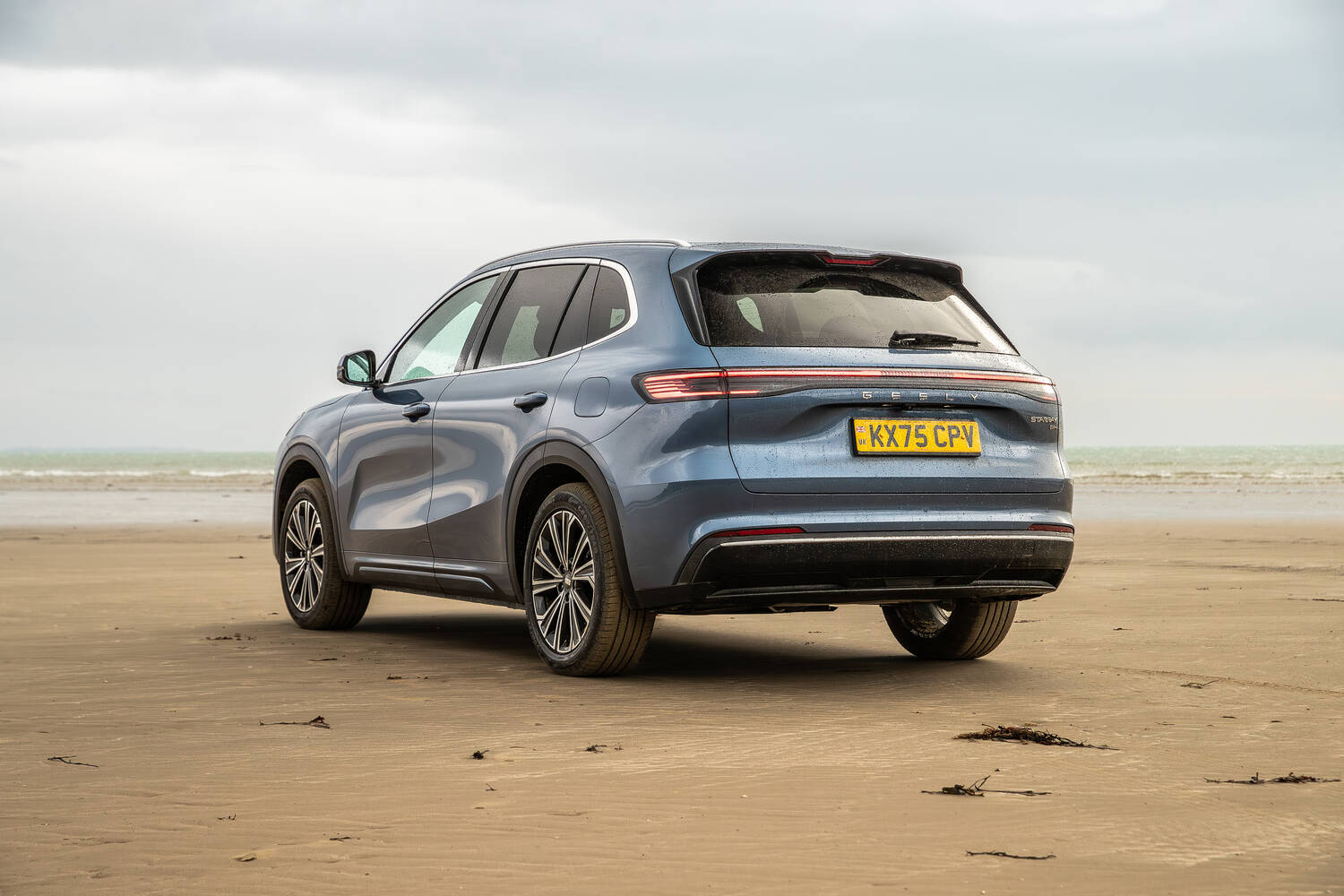
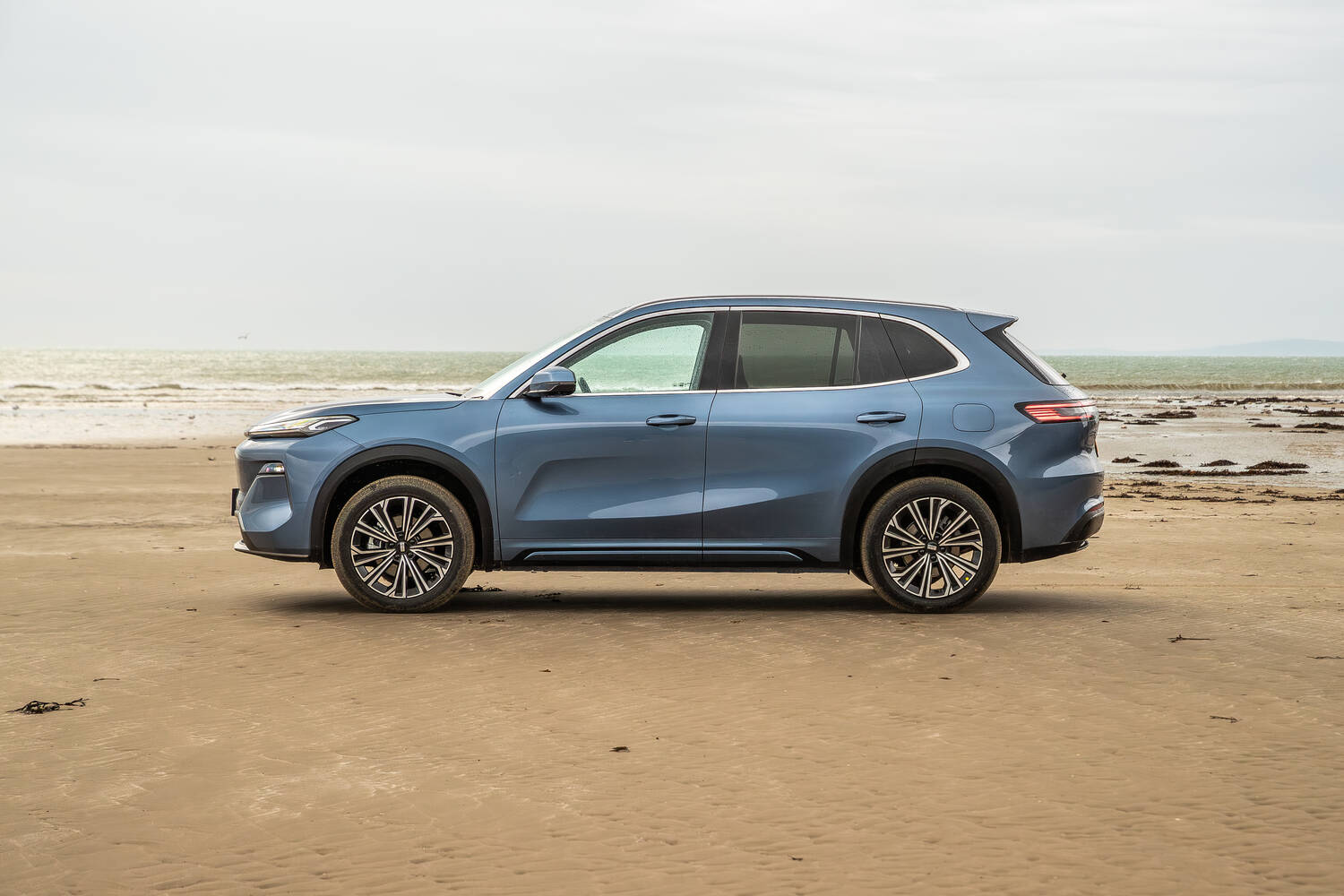
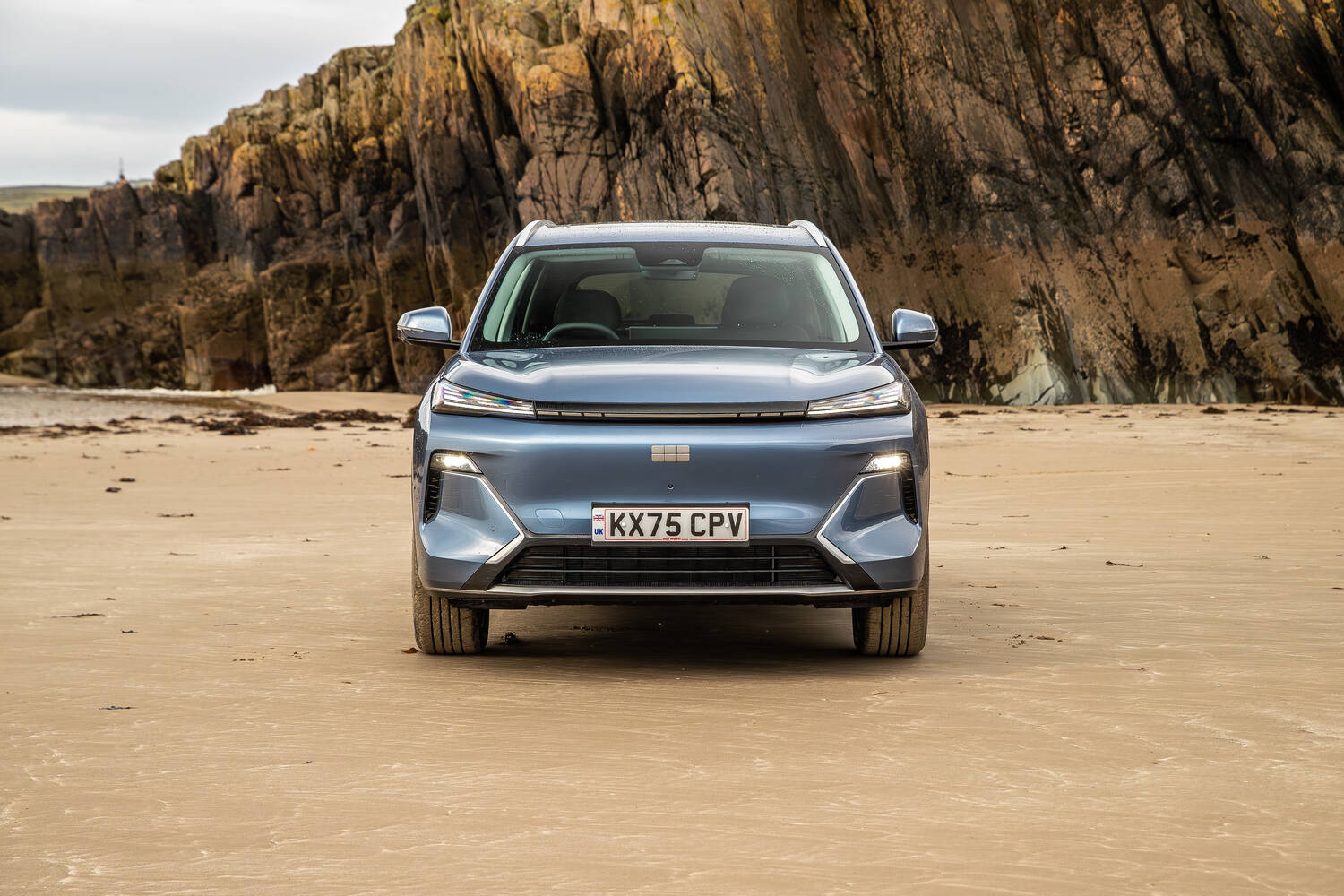
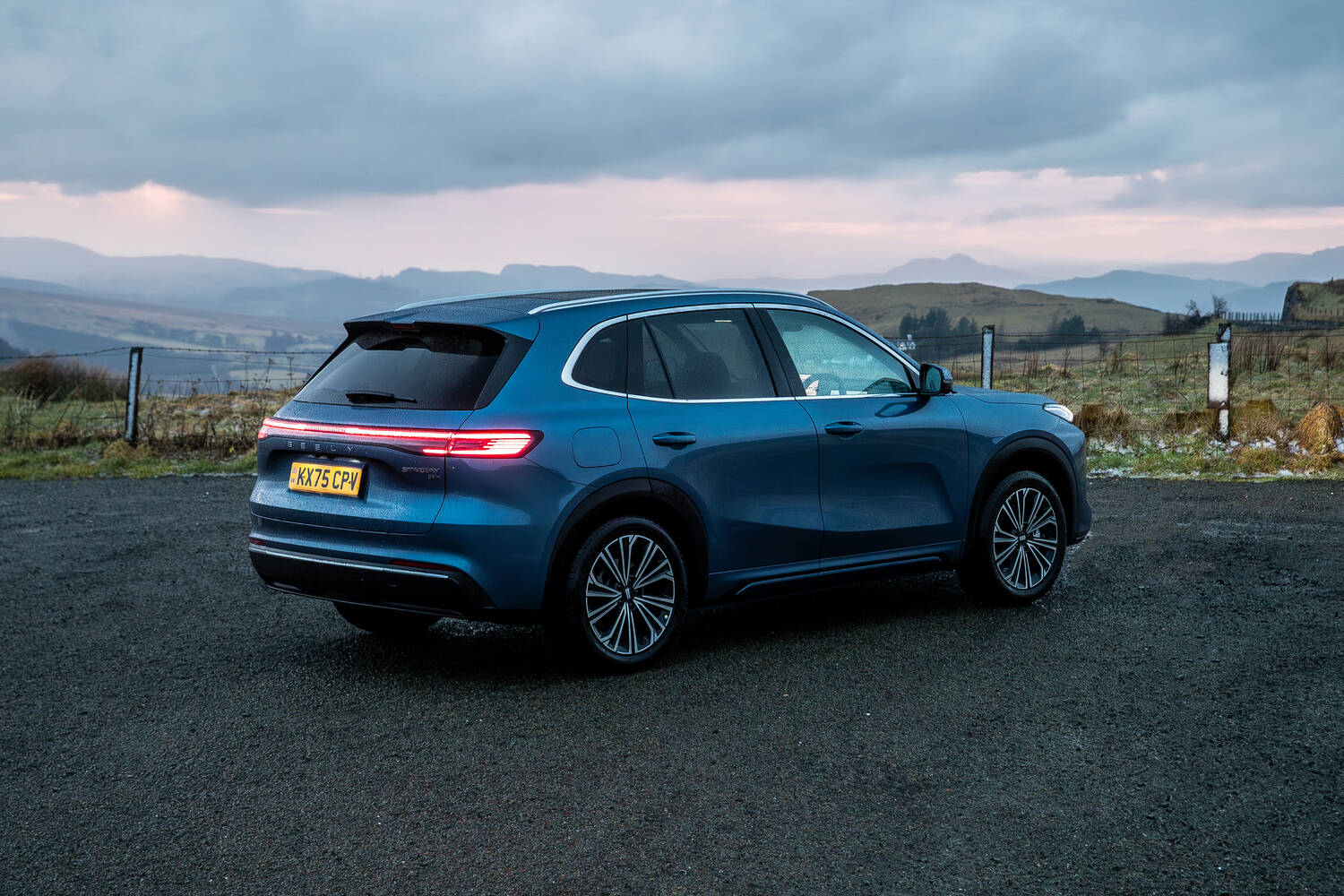
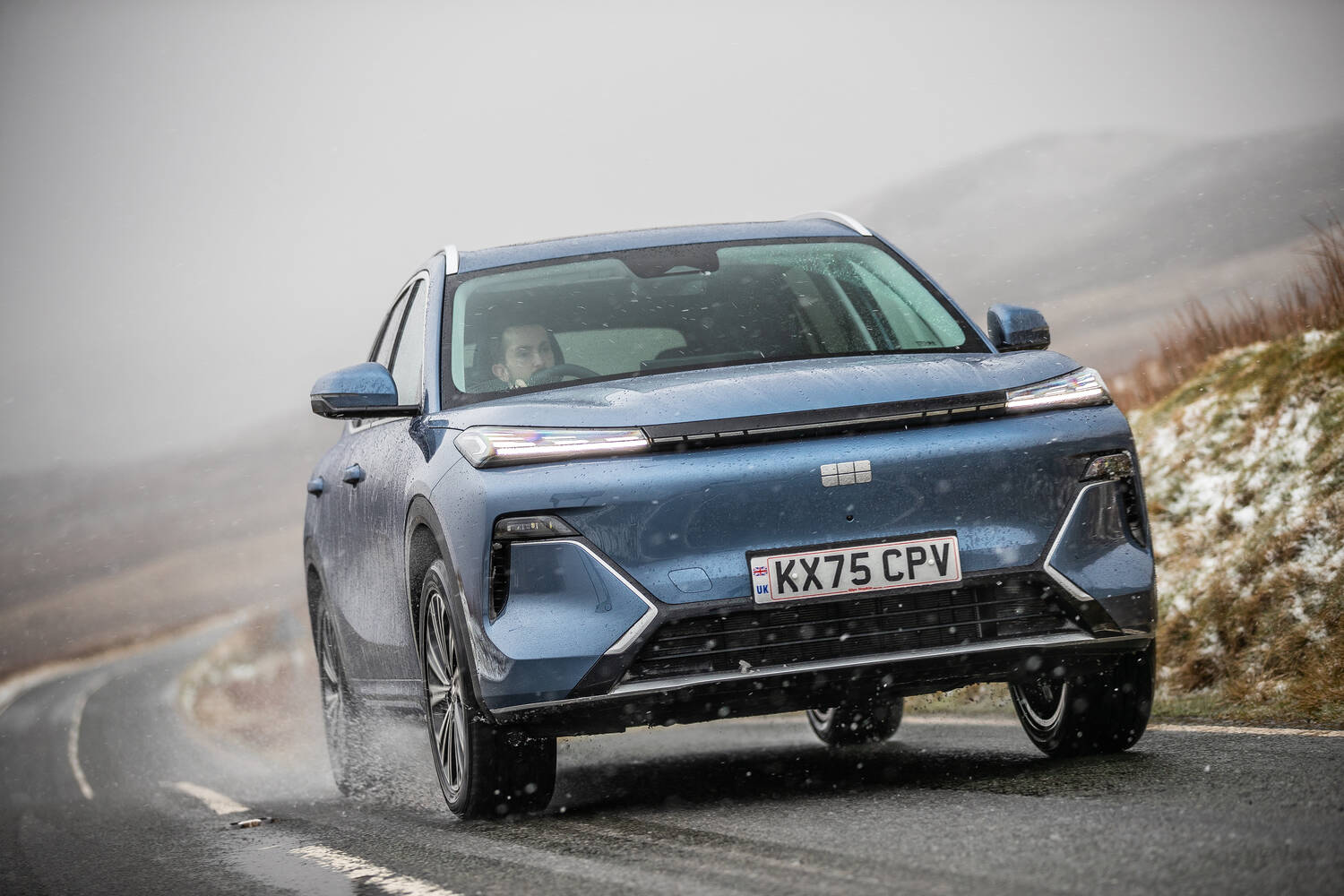
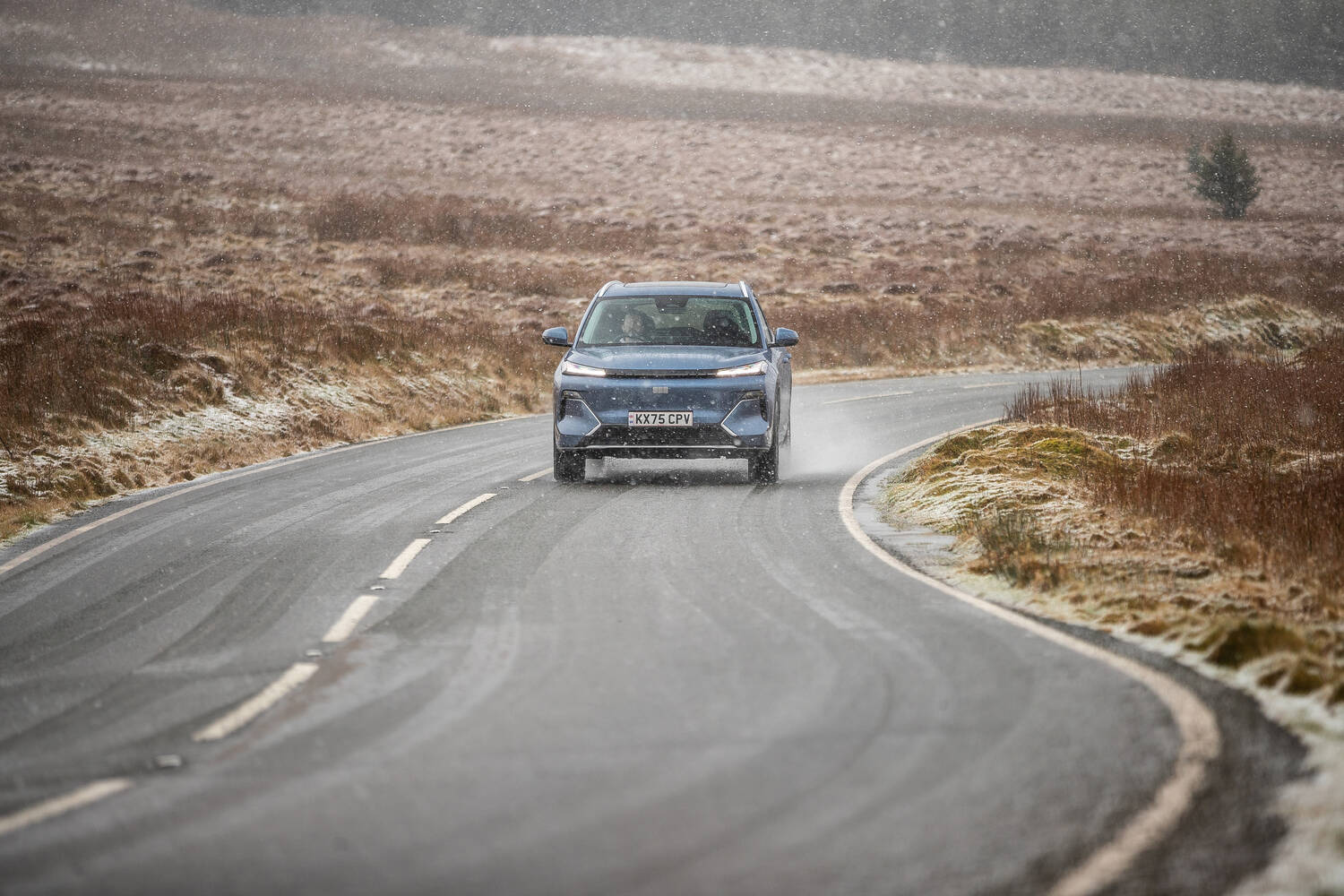
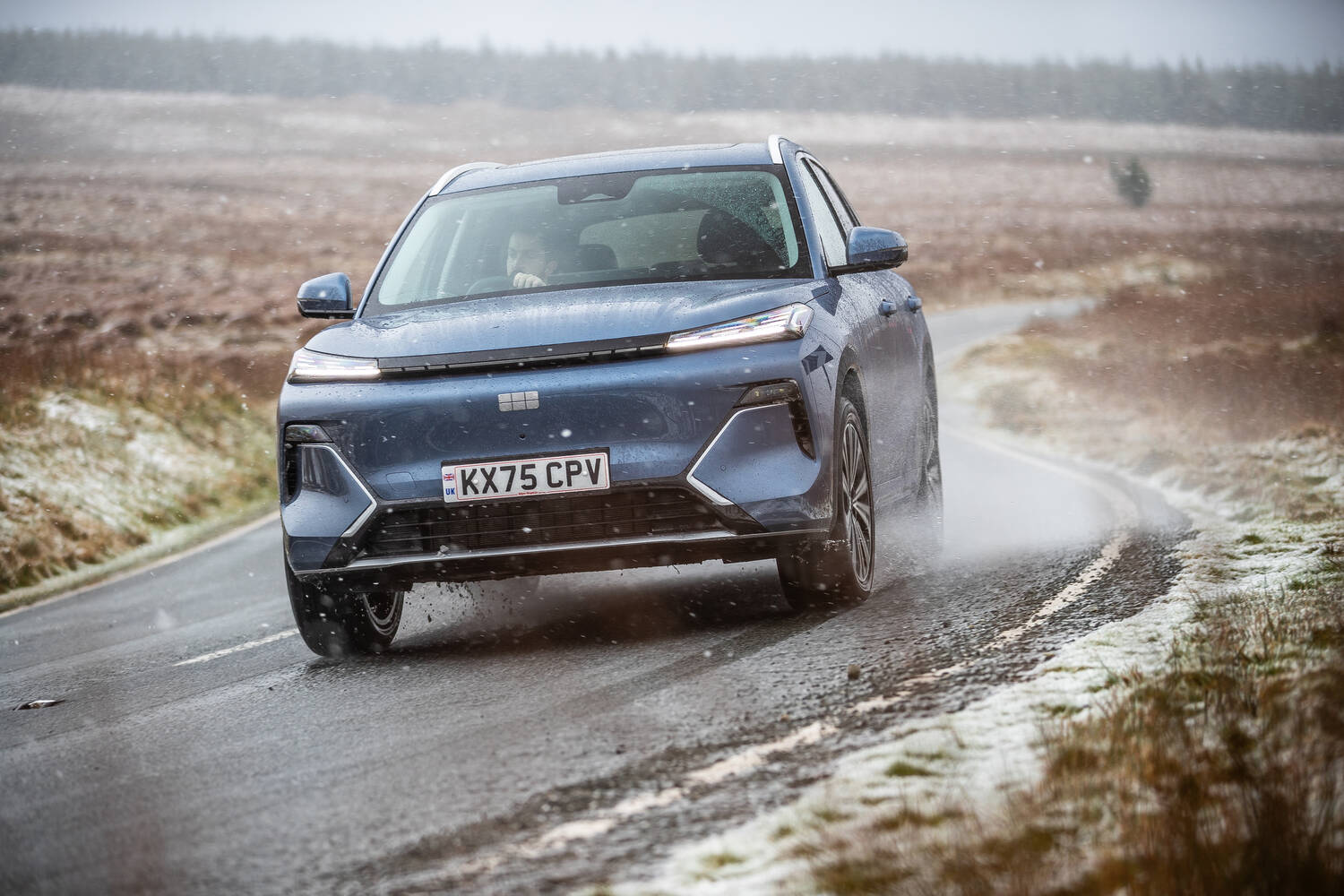
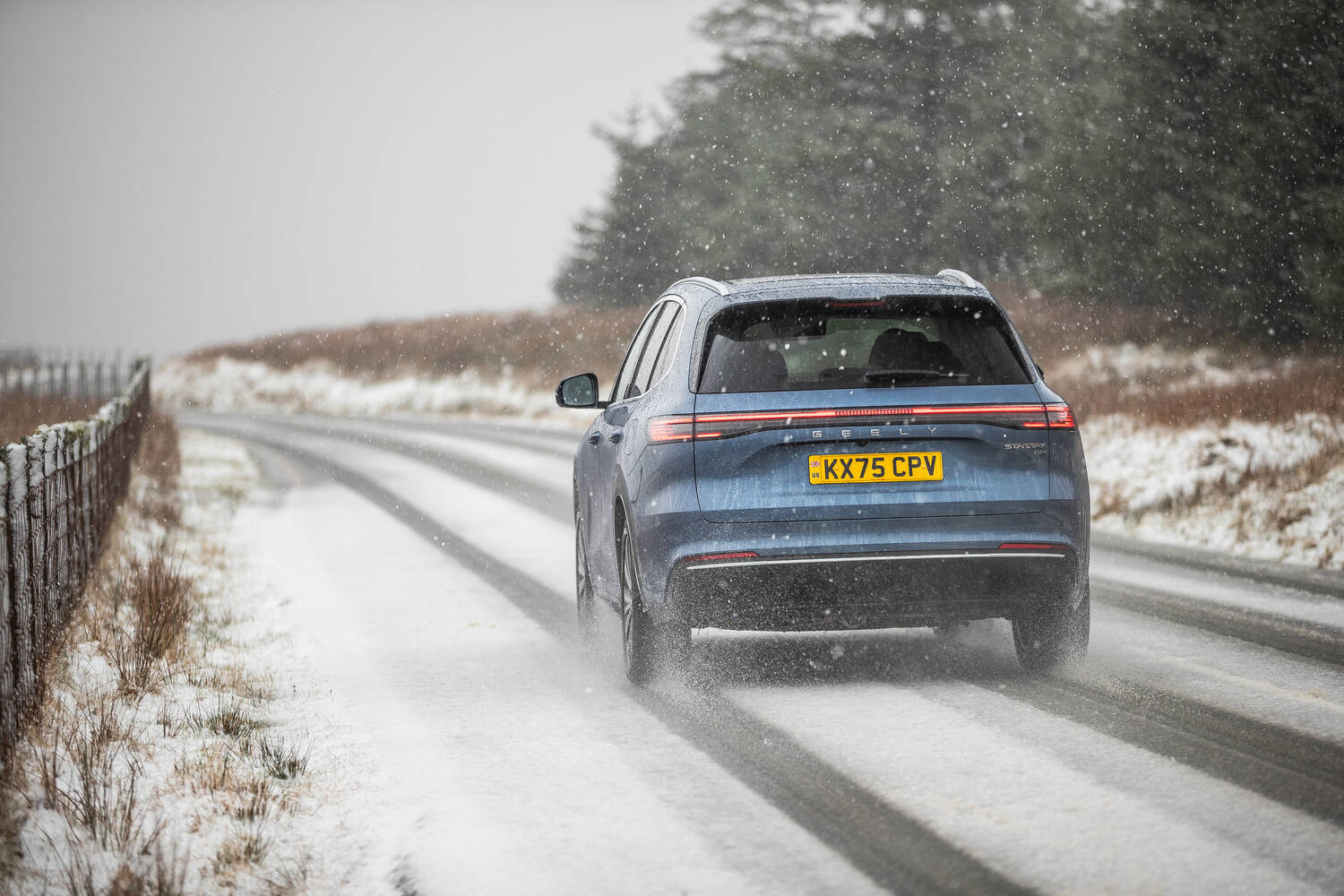
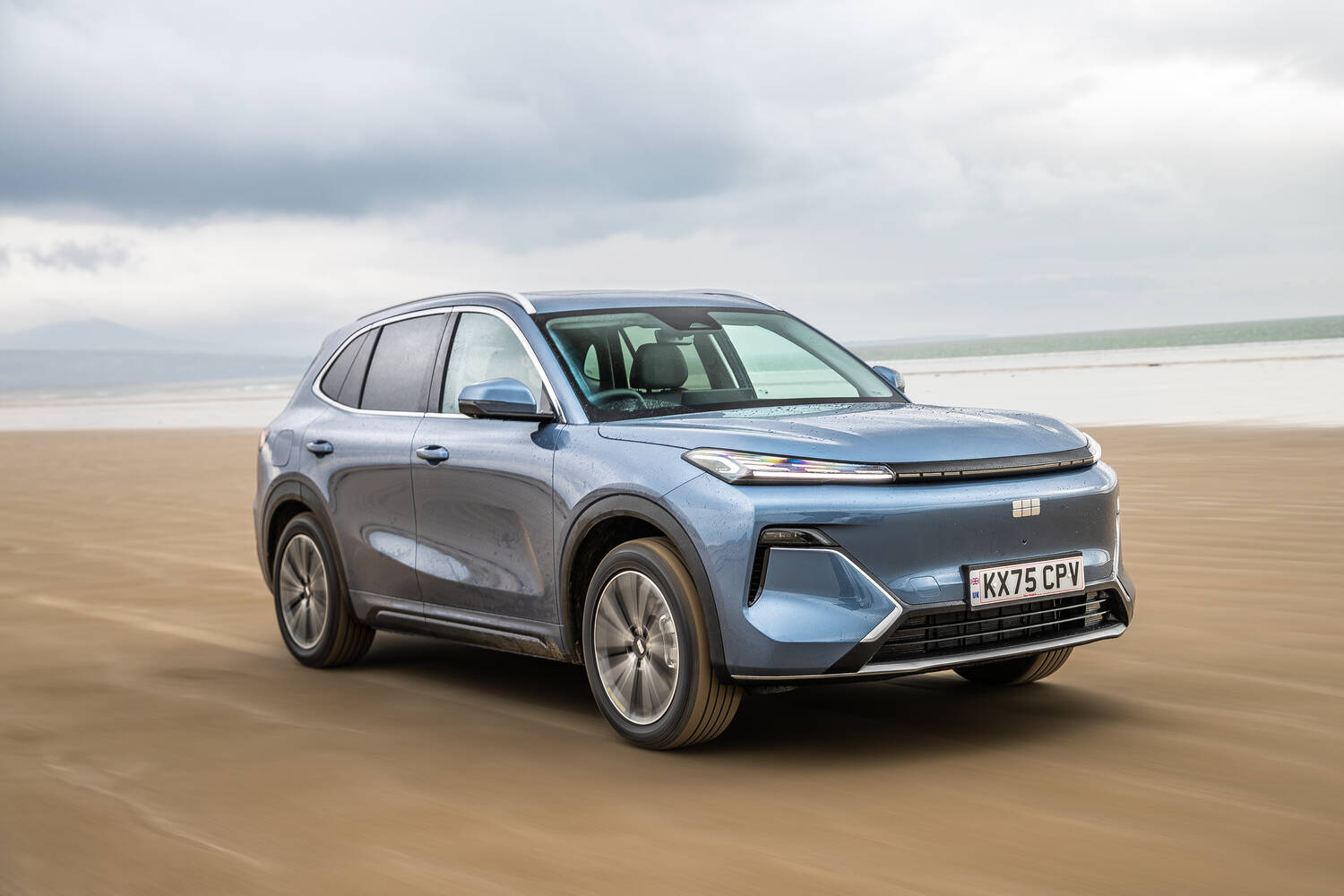
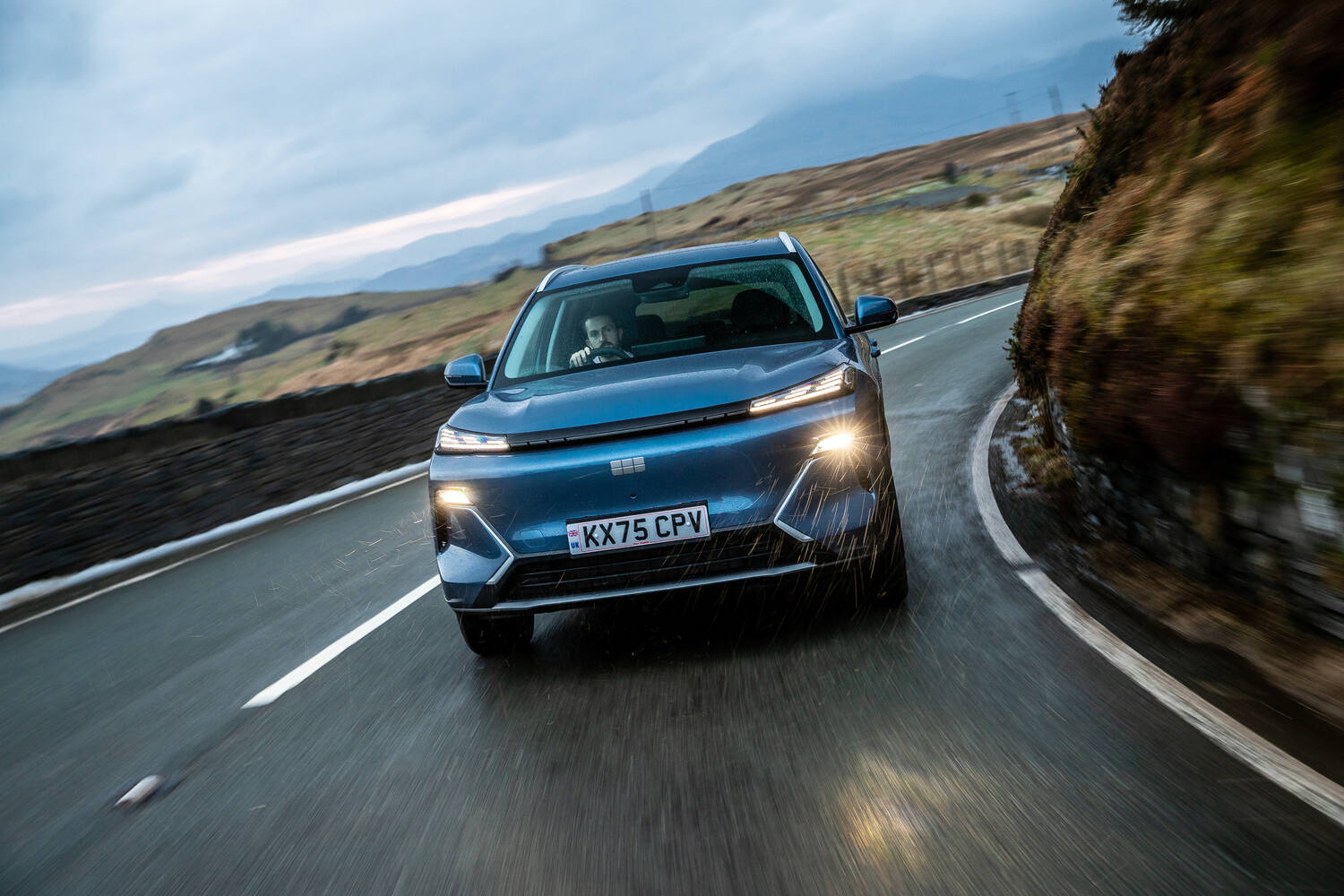
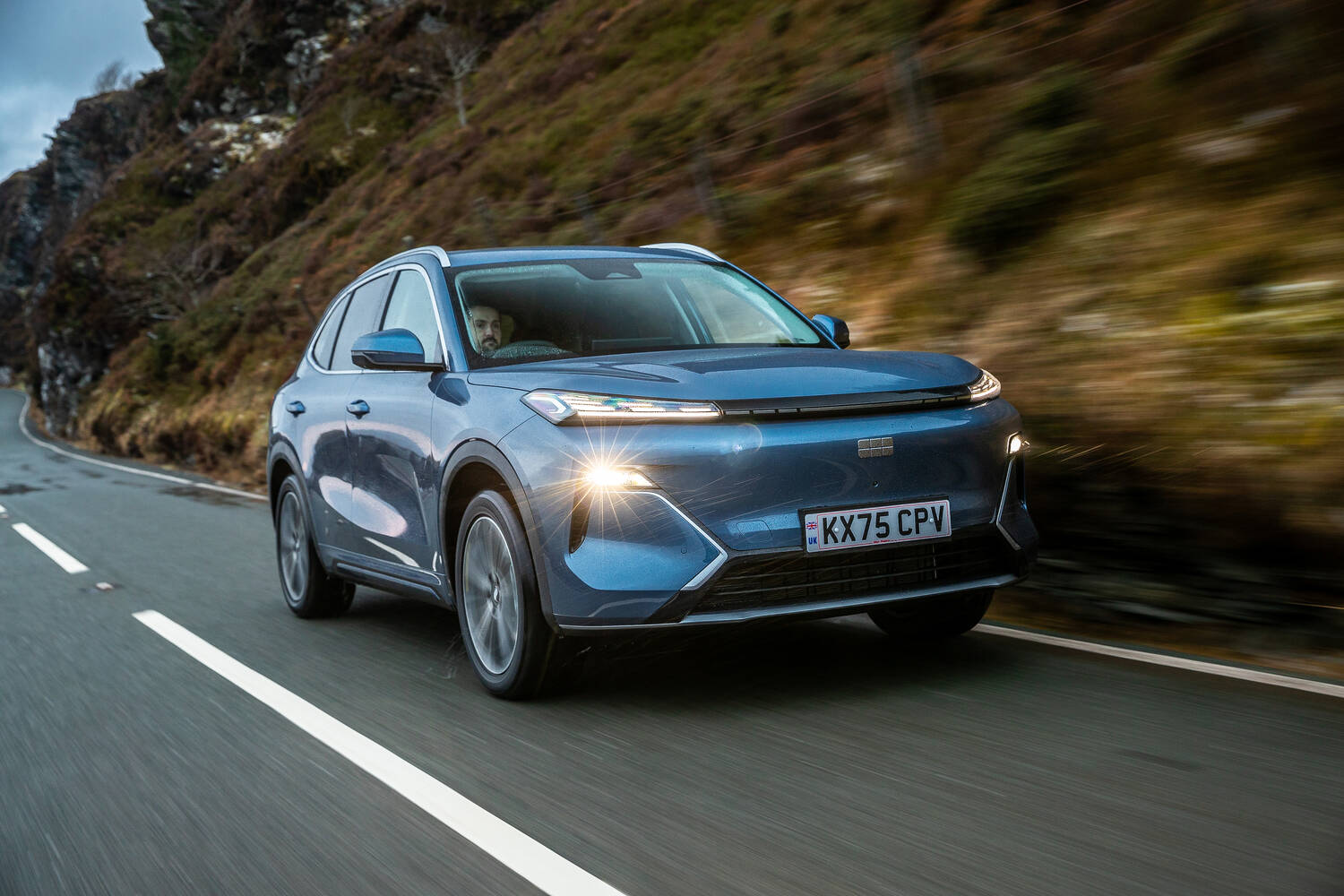
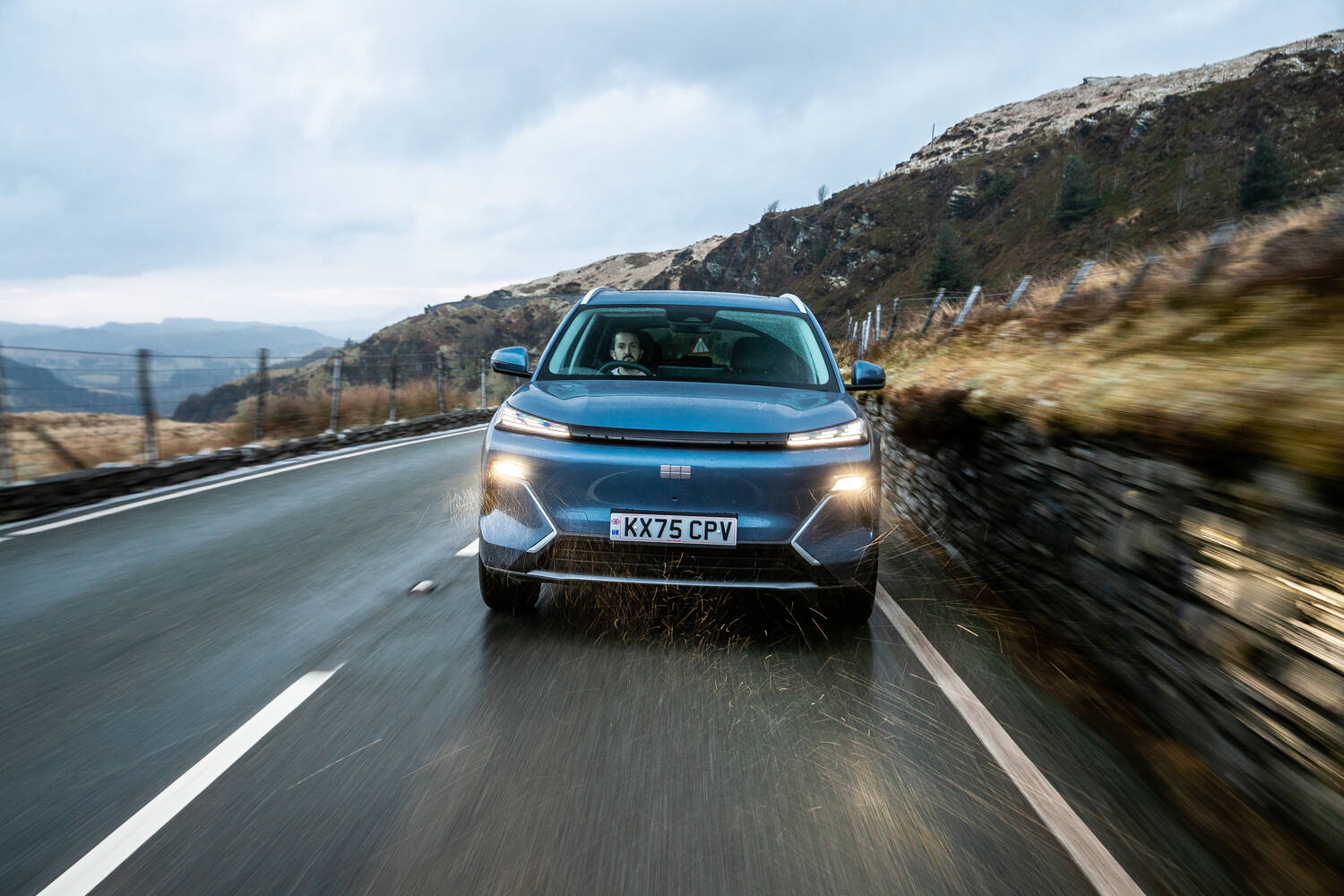
Playing it somewhat safe on the design front, the Geely Starray certainly isn't unattractive or without appeal.
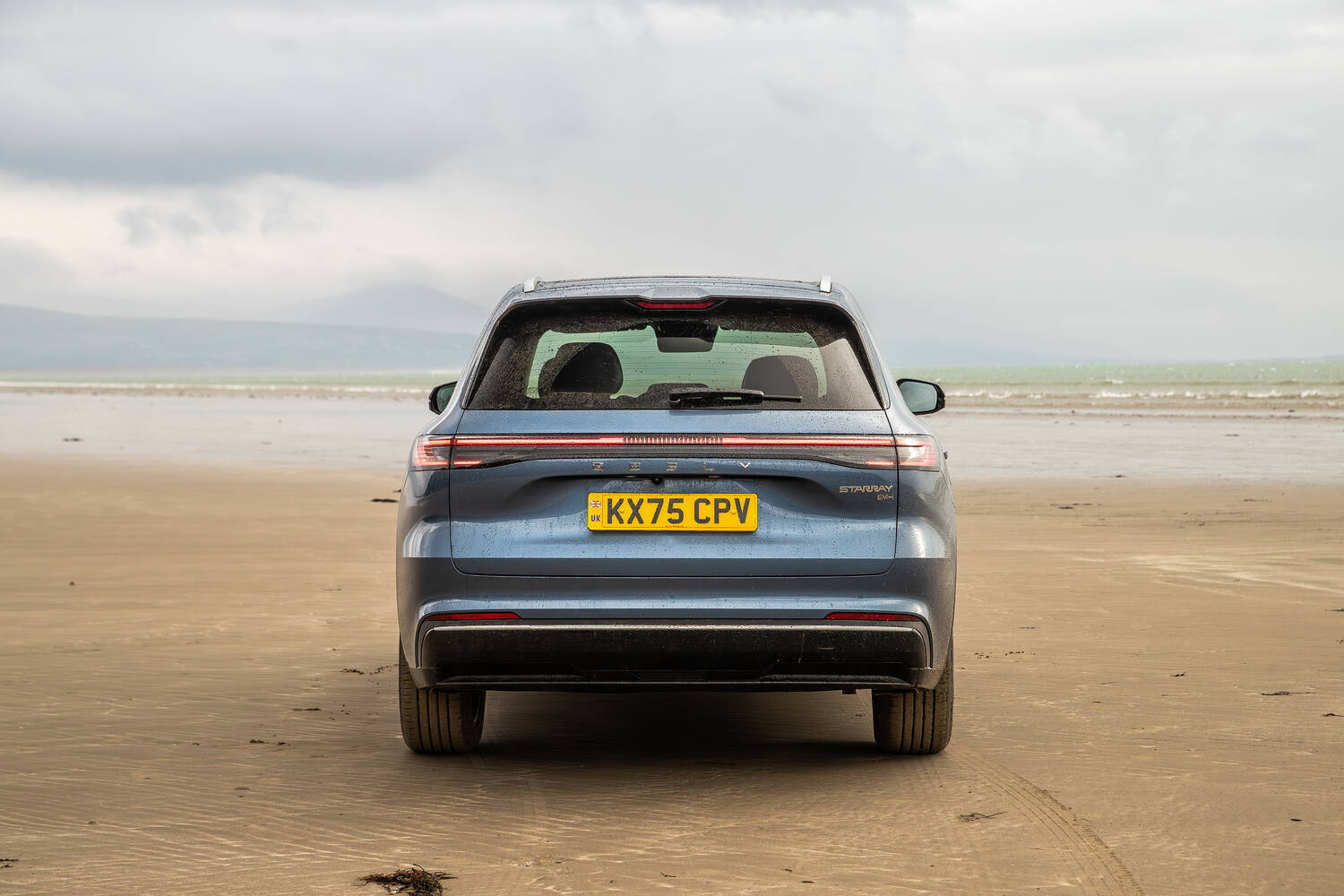
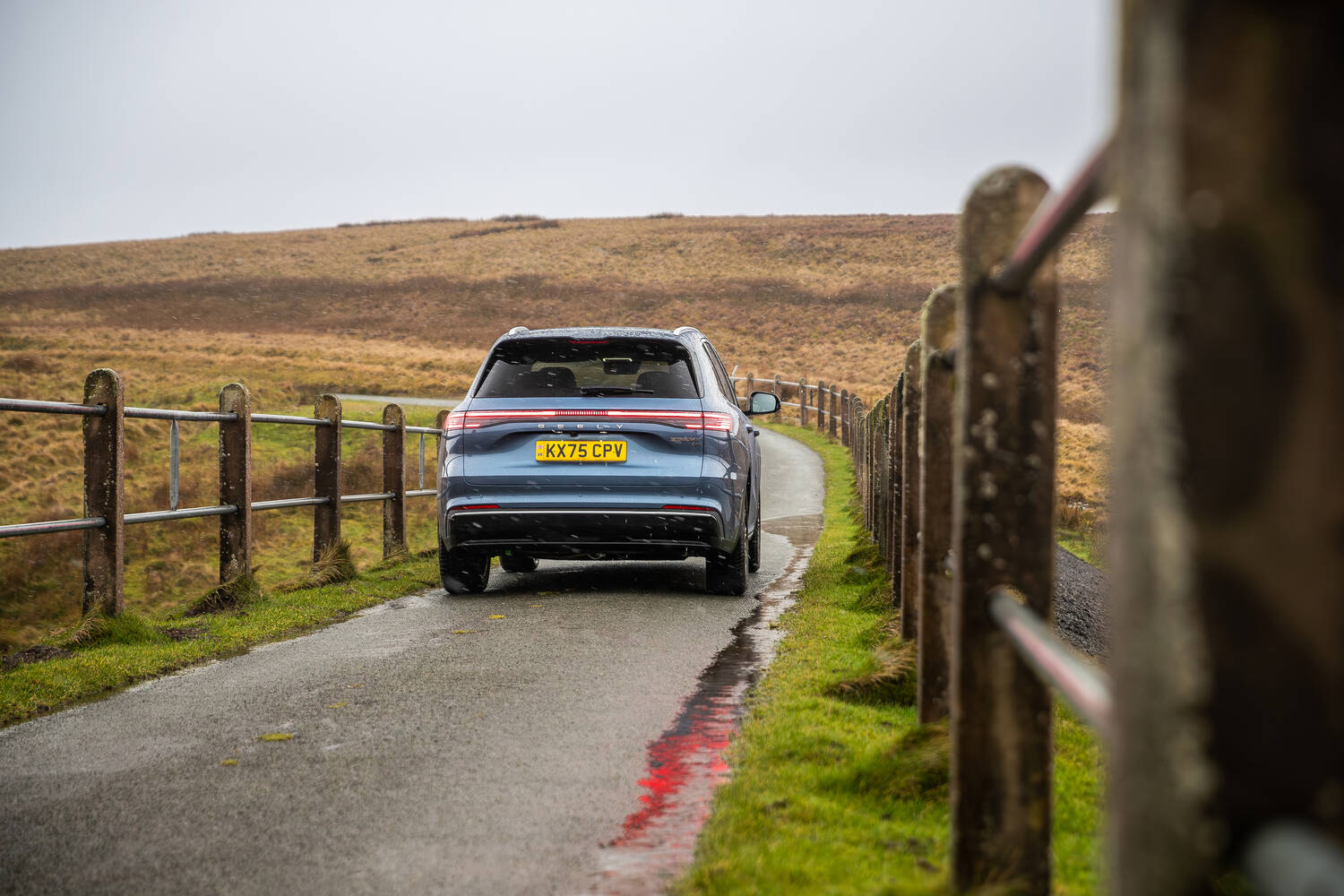
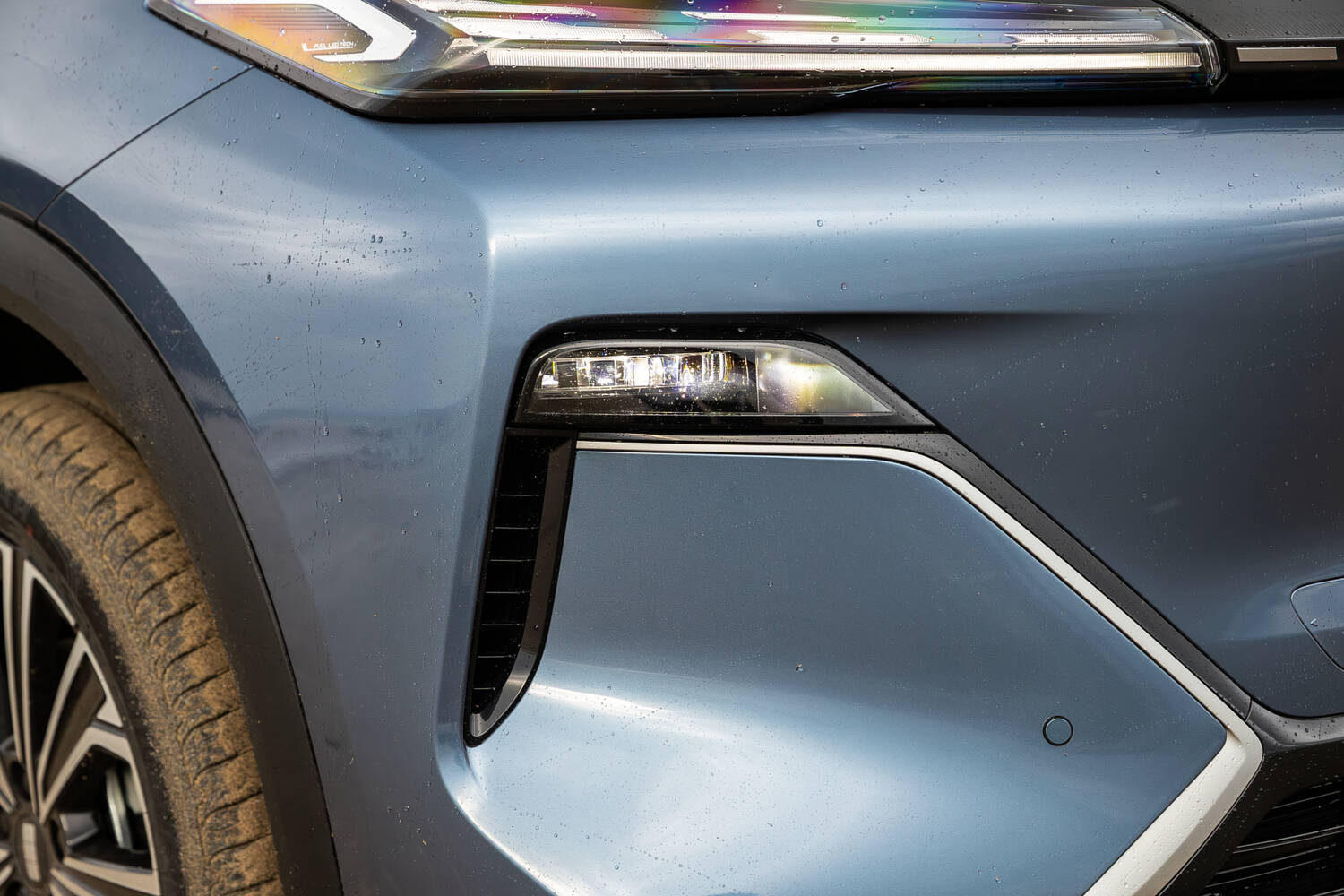
Its front has more definition than those of its all-electric EX2 and EX5 stablemates, as it needs to flow cooling air to a combustion engine, and there's a vague whiff of Volkswagen Tiguan about the rear.
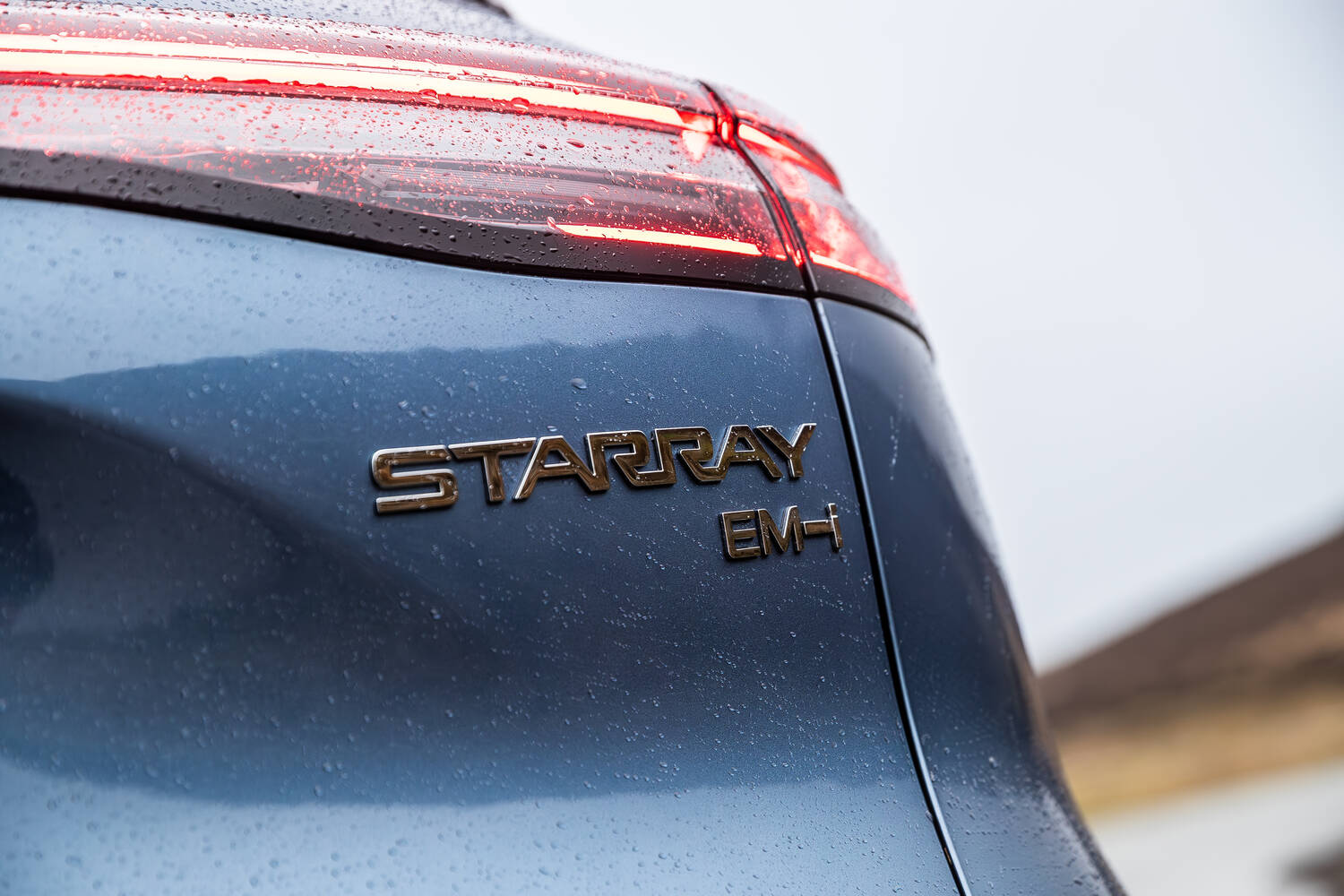
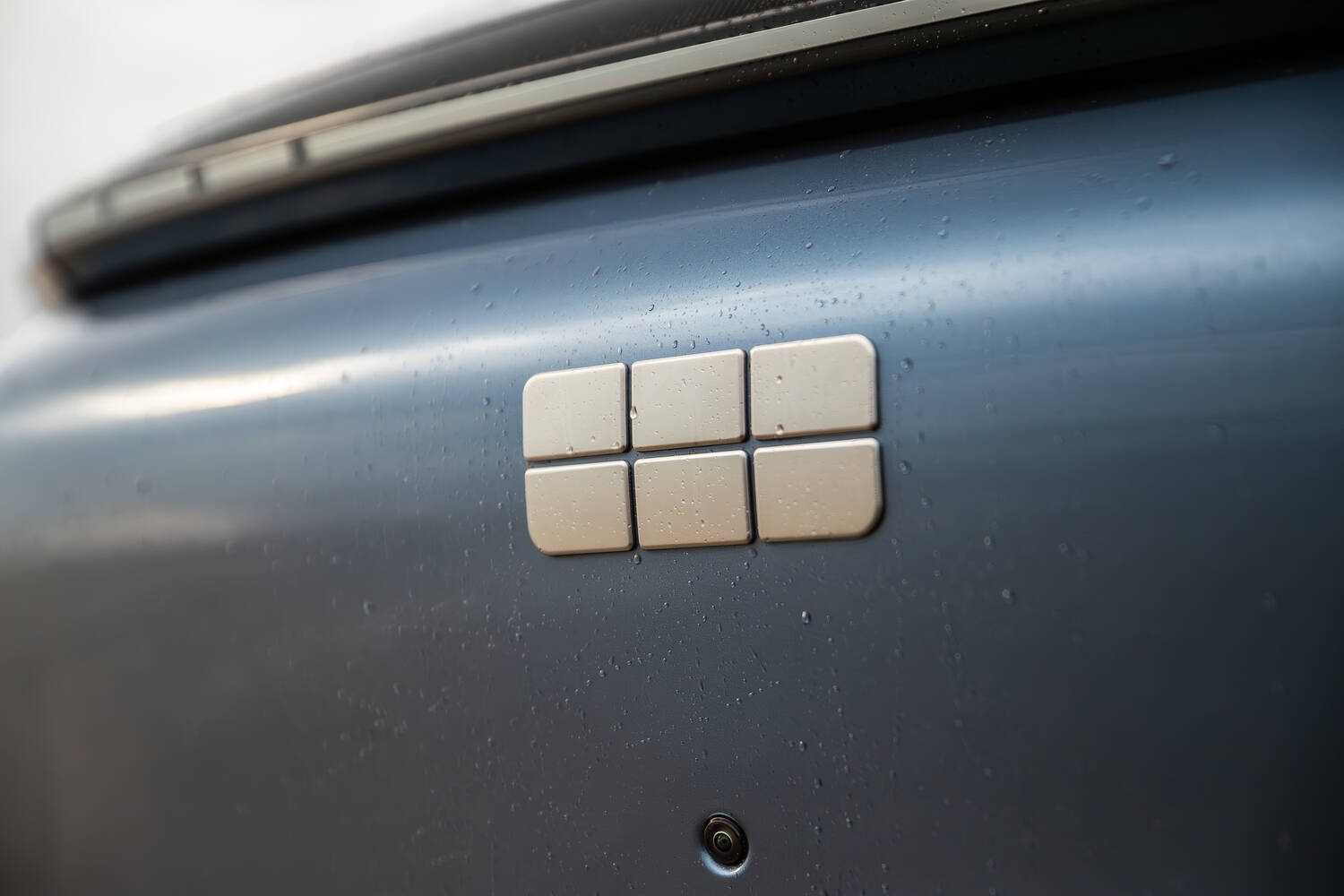
But while it is one of the more pleasant SUVs in this class to behold, strip all the identifying badges from its form and the Starray could have come from any one of about eight manufacturers.
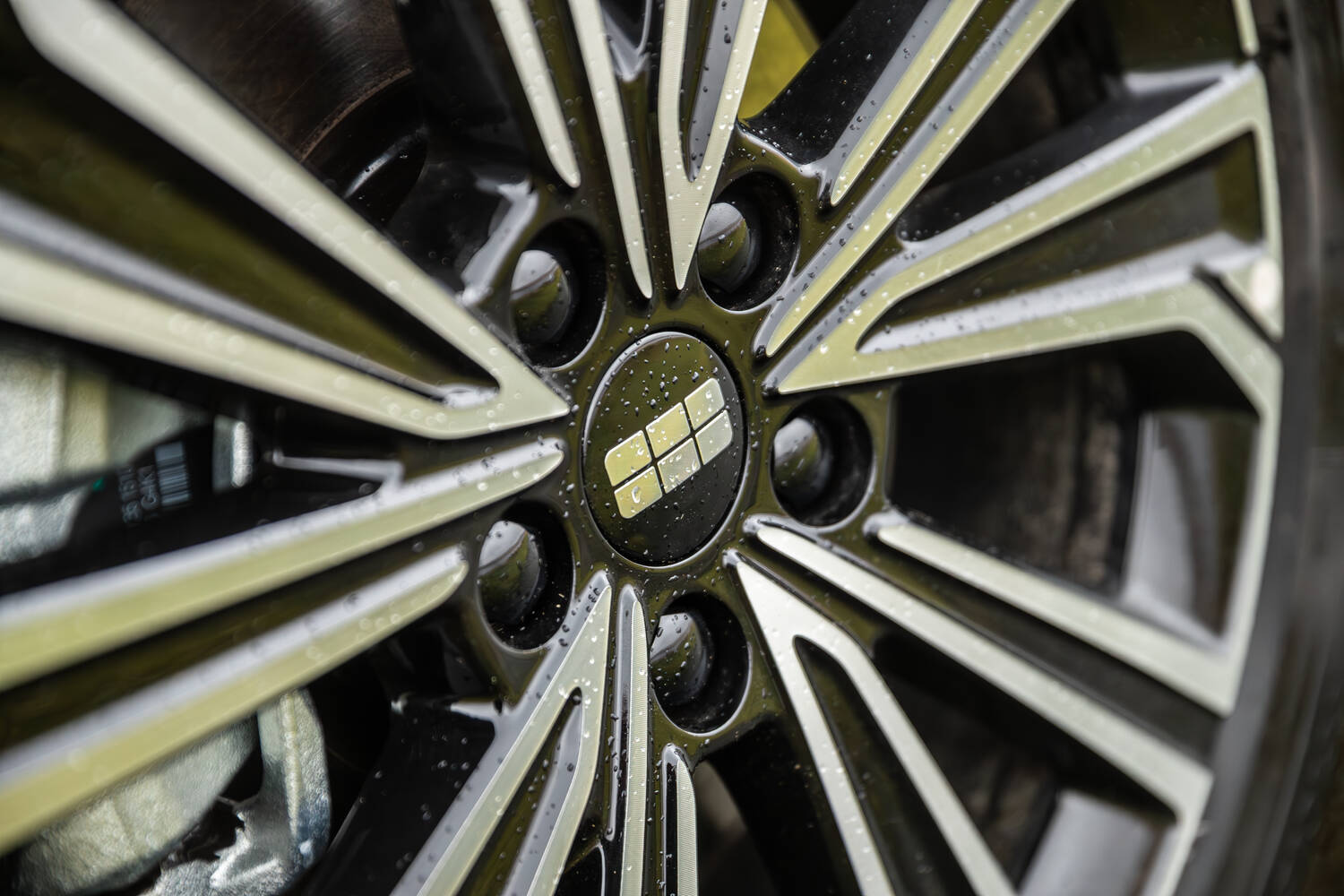
Physically, it's a big machine, almost 4.75 metres long, and that will be a benefit in the passenger compartment, which we'll deal with later in the review. The Starray EM-i comes exclusively on one style of aerodynamically optimised 19-inch alloy wheel.
Dimensions of the 2026 Geely Starray EM-i
- Length:
- 4,740mm
- Width:
- 1,905mm (excluding mirrors)
- Height:
- 1,685mm
- Wheelbase:
- 2,755mm
Paint colours for the 2026 Geely Starray EM-i
There are six colours available for the Geely Starray EM-i in the UK, although which one will be the standard colour in Ireland remains to be seen. It'll likely be Arctic White, but the other five options should be Rainforest Green, Volcanic Grey, Lunar Silver, Obsidian Black and Glacier Blue.
Interior, practicality, tech & comfort of the 2026 Geely Starray EM-i
- Masses of space
- Huge boot with seats down
- A few tech annoyances
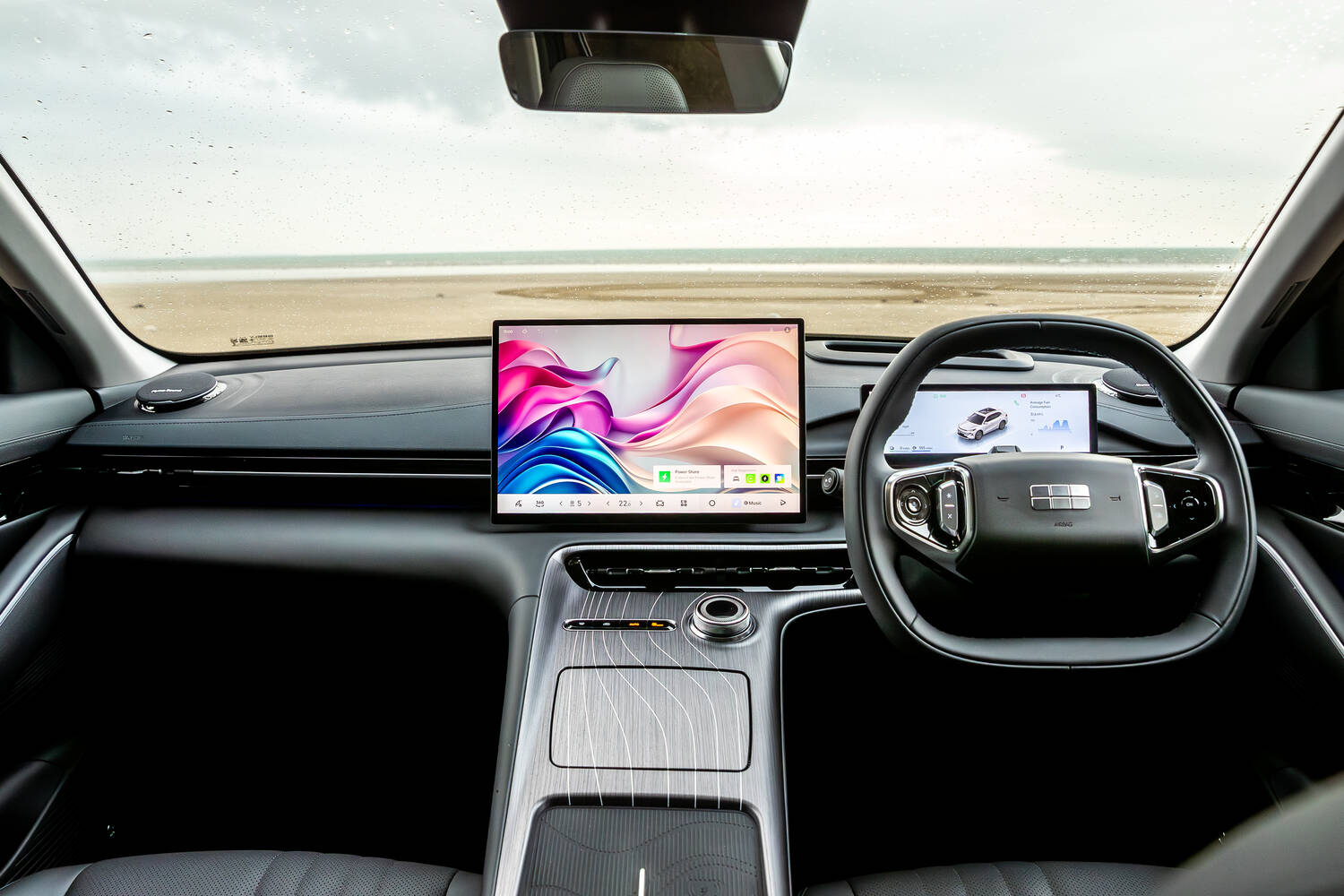
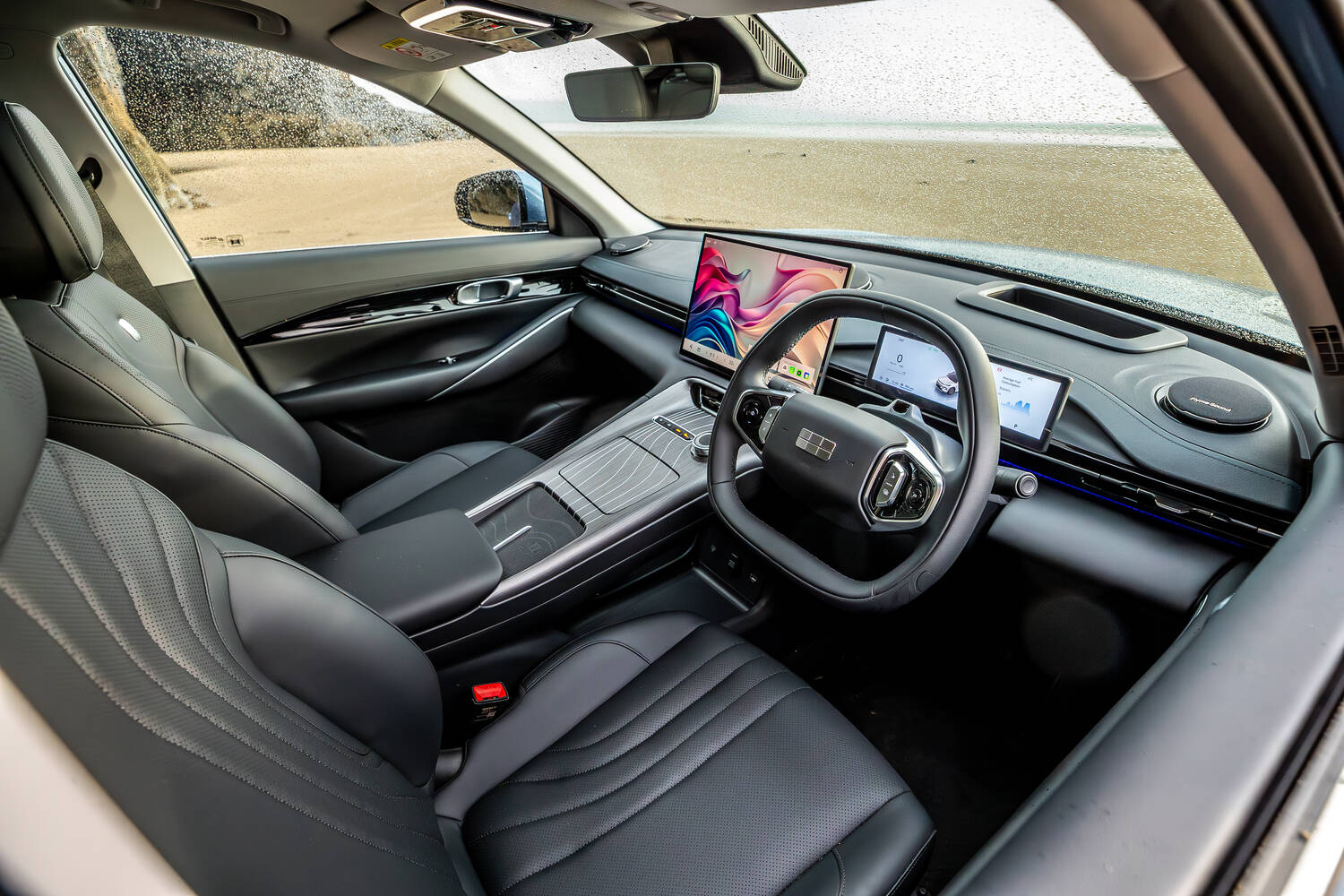
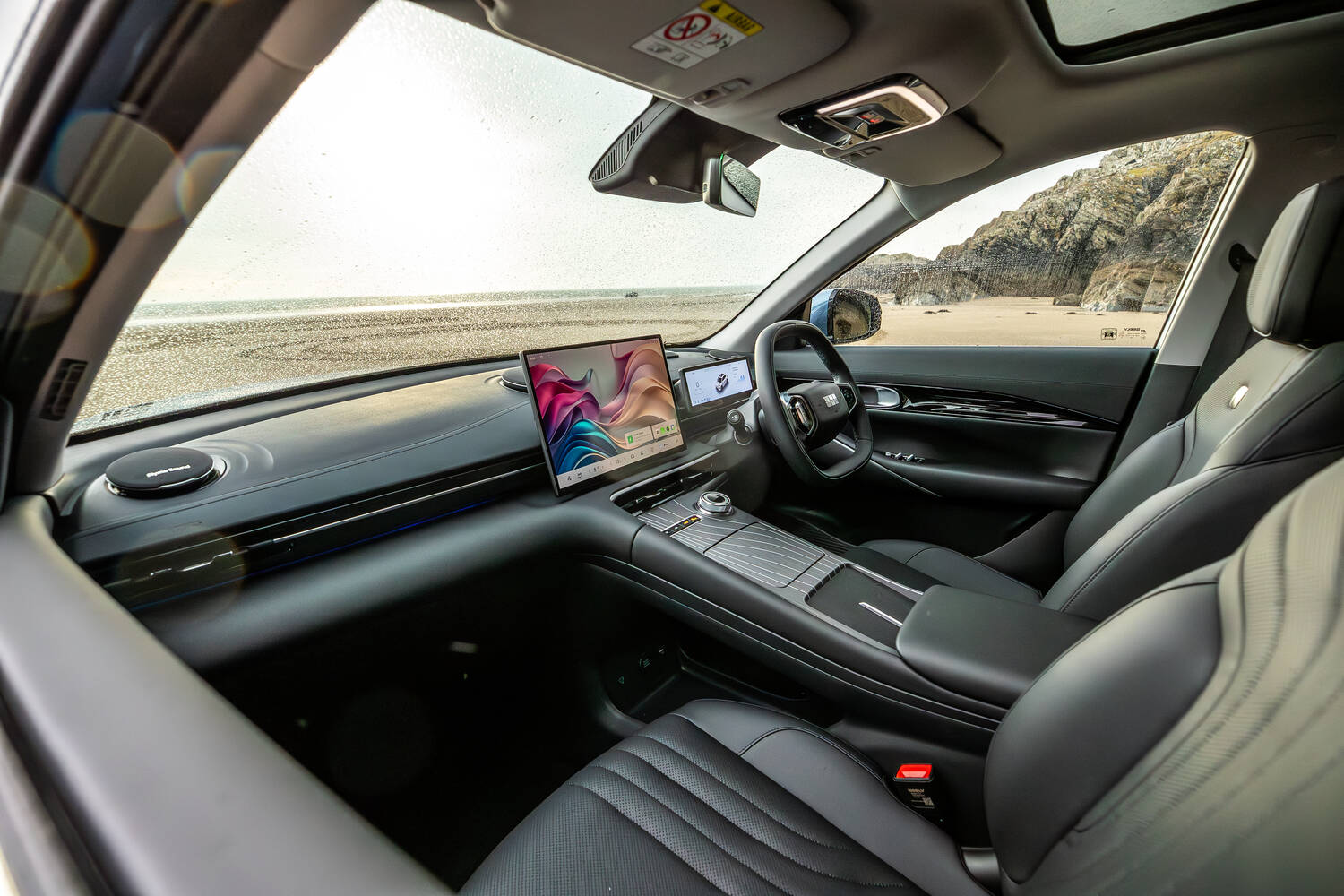
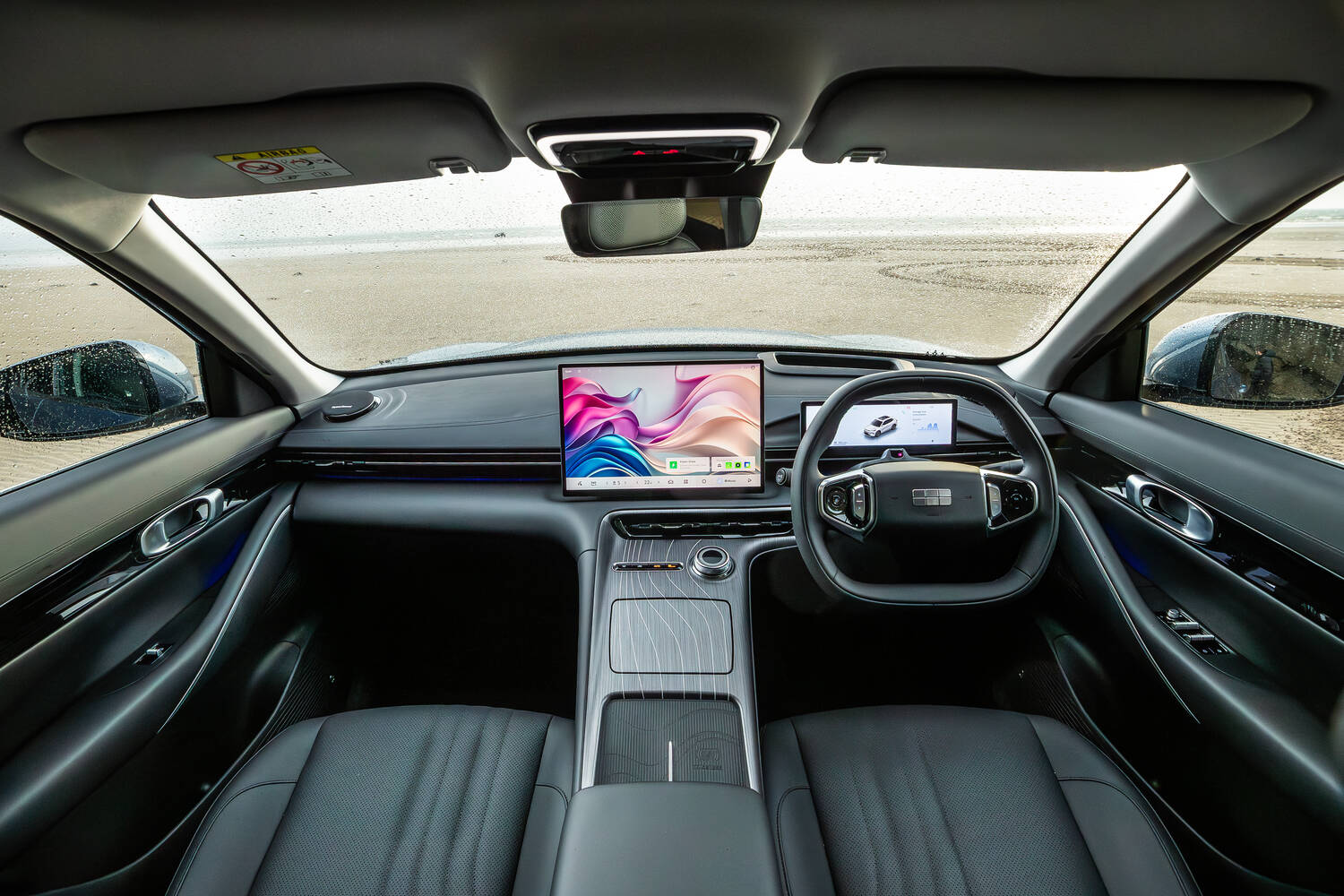
In terms of material quality and the attractiveness of the design, the Geely Starray EM-i has a solid cabin. It follows the usual layout format of seemingly all Chinese cars - large infotainment screen, strip-like digital cluster, few buttons and a column-mounted shift lever - but what it has on its side is sheer spaciousness and an associated impressive level of practicality.
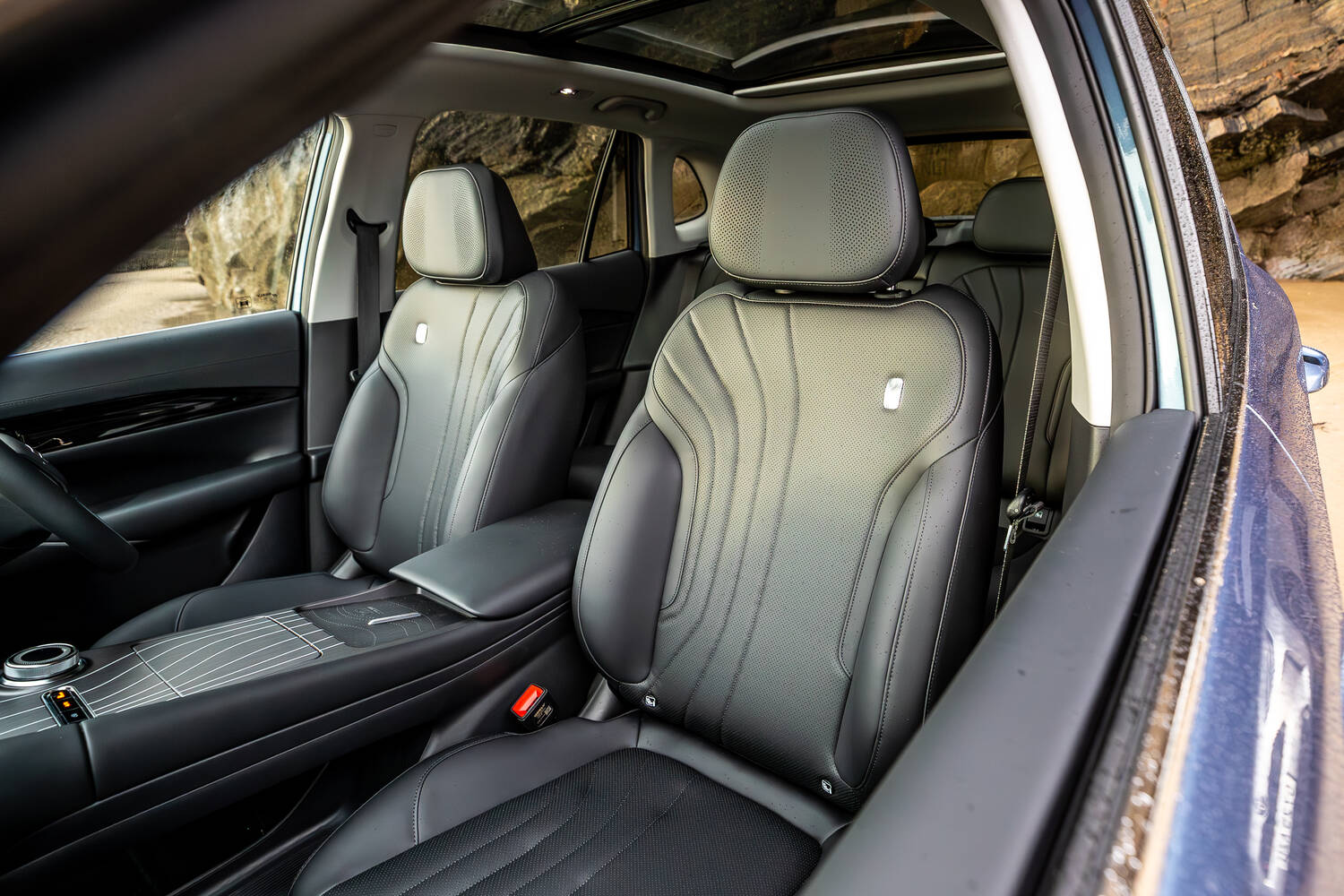
The standard cabin upholstery is Ebony (dark grey), but on the top-spec car there's the alternative option of Cloud (white).
Getting comfortable in the driver's seat
A six-way powered driver's seat and four-way reach-and-rake-adjustable steering column as standard on all versions ensure there's a wide range of driving positions available in the Geely Starray EM-i to cater for a spread of physiques, while there are no serious visibility issues in any direction.
You don't feel too perched or vertiginous behind the wheel of the Starray, yet it manages to preserve the commanding seating position relative to the road that SUV buyers tend to favour.
Infotainment and technology
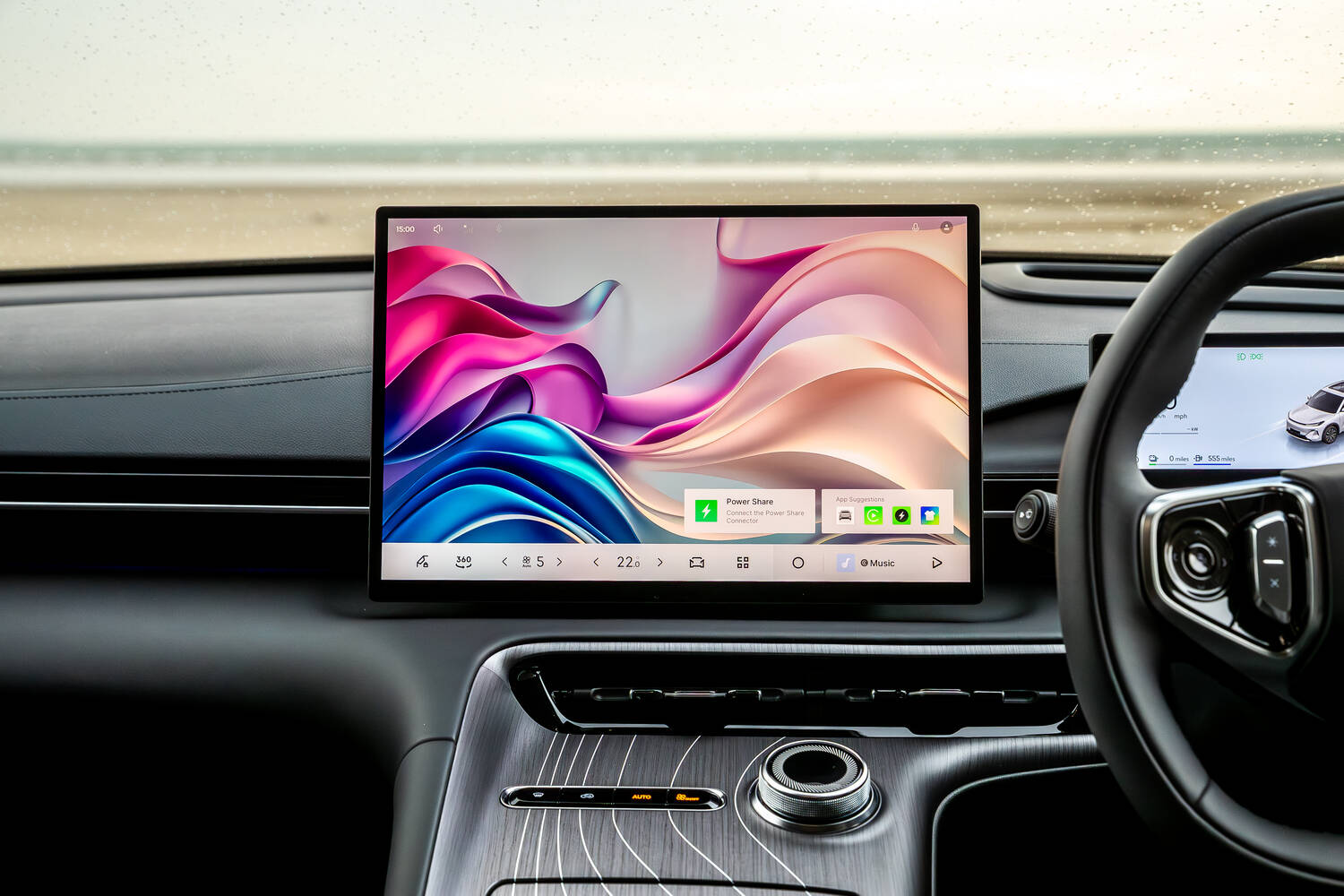
A screen-heavy layout is the hallmark of the Geely Starray's cabin, with the 15.4-inch infotainment panel the centrepiece. This runs the carmaker's proprietary 'Flyme Auto' control software, although you can bypass it with either Apple CarPlay or Android Auto if you prefer.
You probably will prefer to, as the layout of the built-in system is irksome and too much is sequestered away in it.
Opening the Starray's boot or its sunroof/blind (if fitted) requires tapping at the screen, while the advanced driver assistance systems (ADAS) feel like they're dotted about in random places - and you need to find them and turn them off, because one of the worst aspects of the Geely is its ludicrously OTT ADAS.
At one point on a country lane, its emergency lane-keeping assistance system (still operating as we'd forgotten to turn it off) tried to steer us towards an oncoming car because there were no central lane markings.
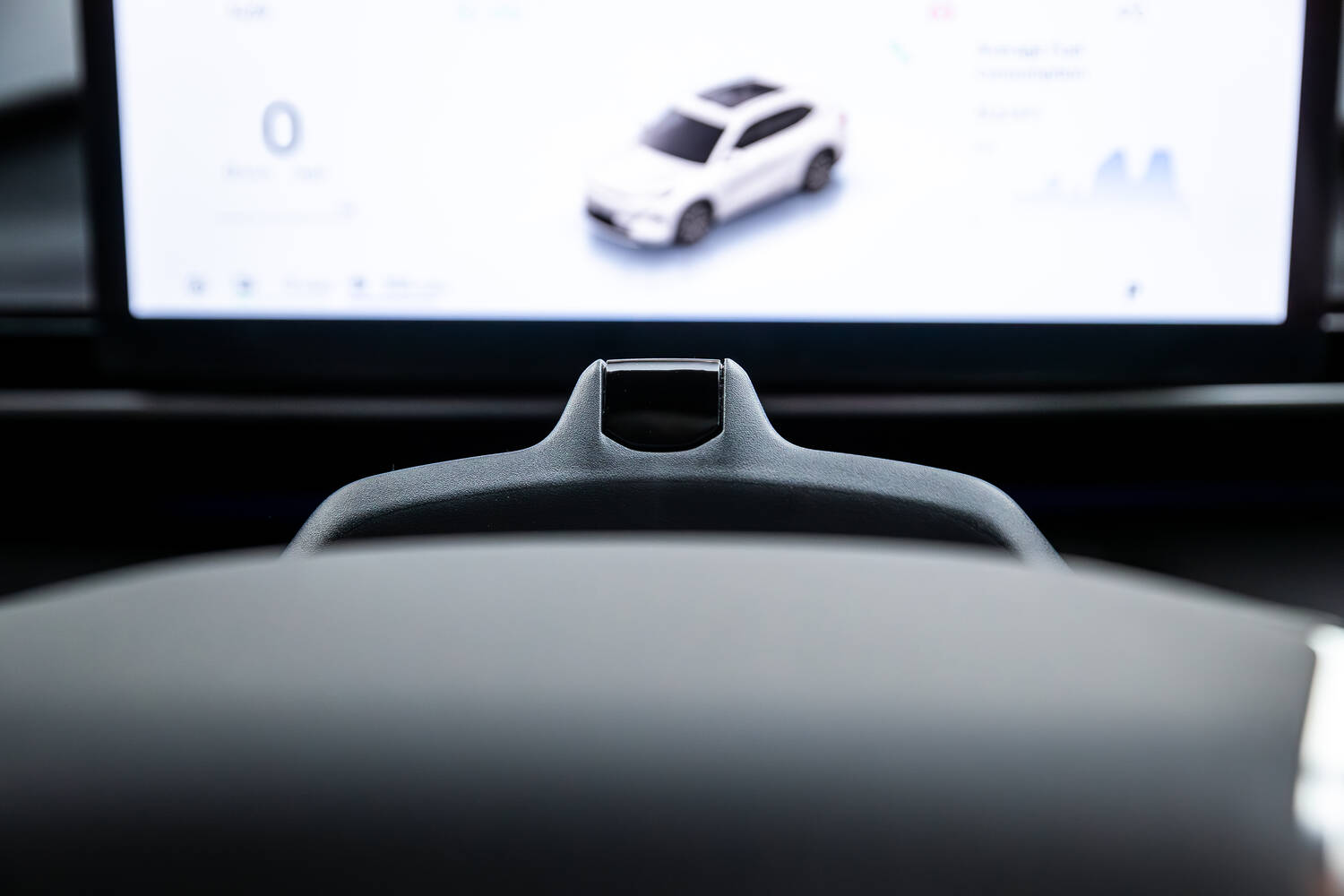
Aside from the infotainment screen, the Starray has a 10.2-inch instrument cluster and a 13.8-inch head-up display for the driver, both of which are serviceable, while the mid-grade Max, as tested here, also comes with an uprated sound system with 16 speakers in total (including one in the driver's head restraint).
Other range-wide standard kit includes vehicle-to-load (V2L) functionality, heated front seats, climate control, cruise control, keyless entry and go, rear parking sensors and a 360-degree camera system.
Practicality around the cabin
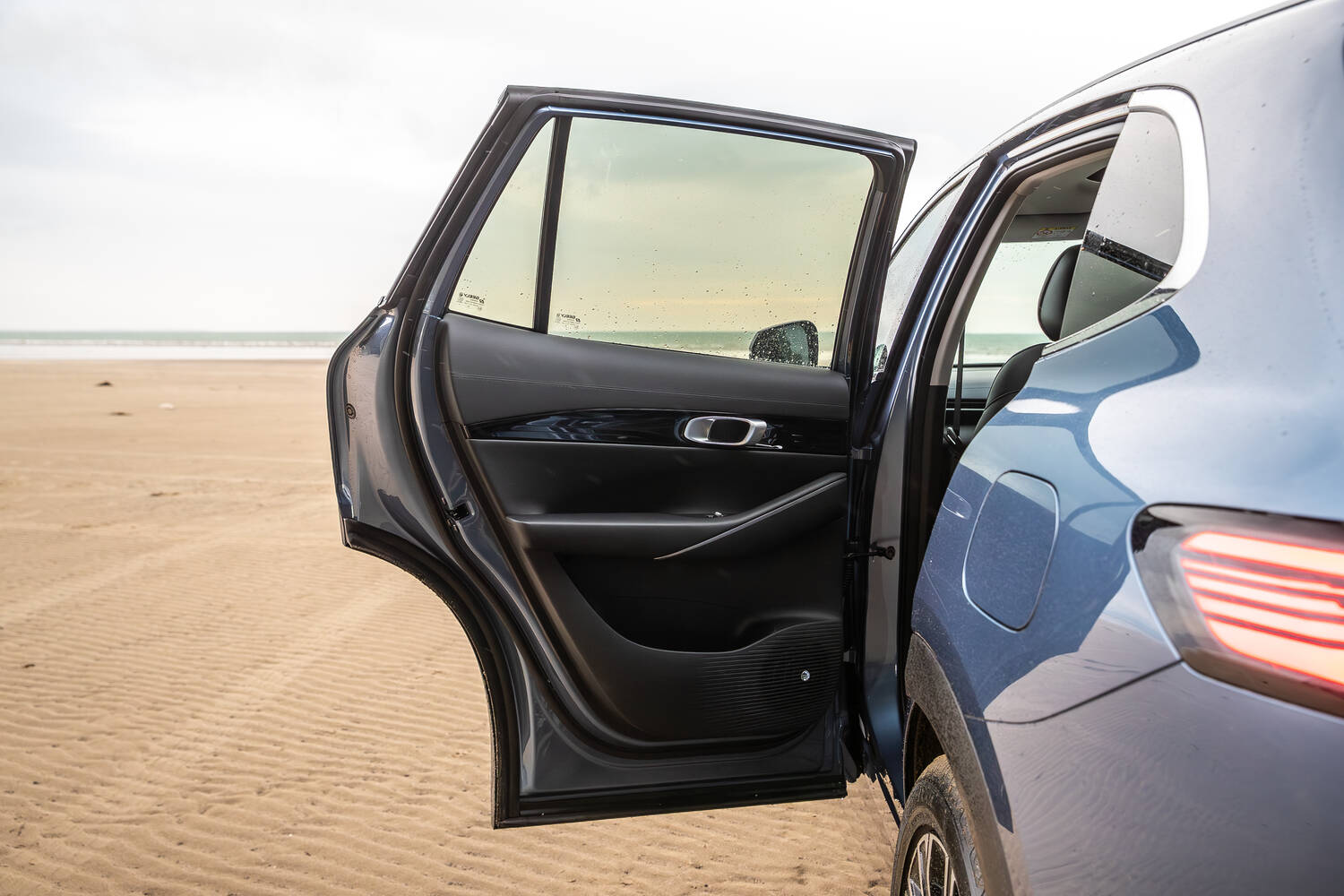
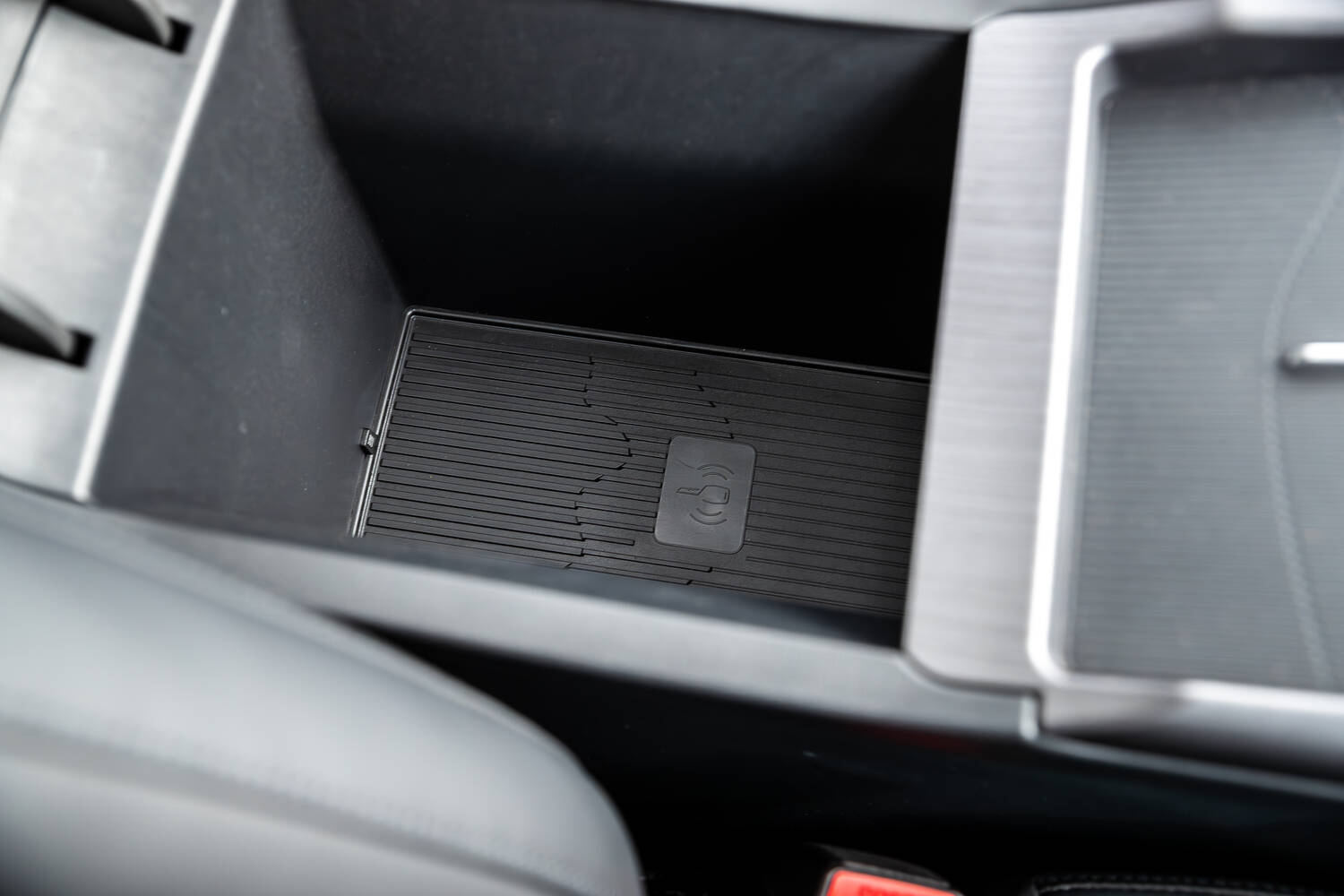
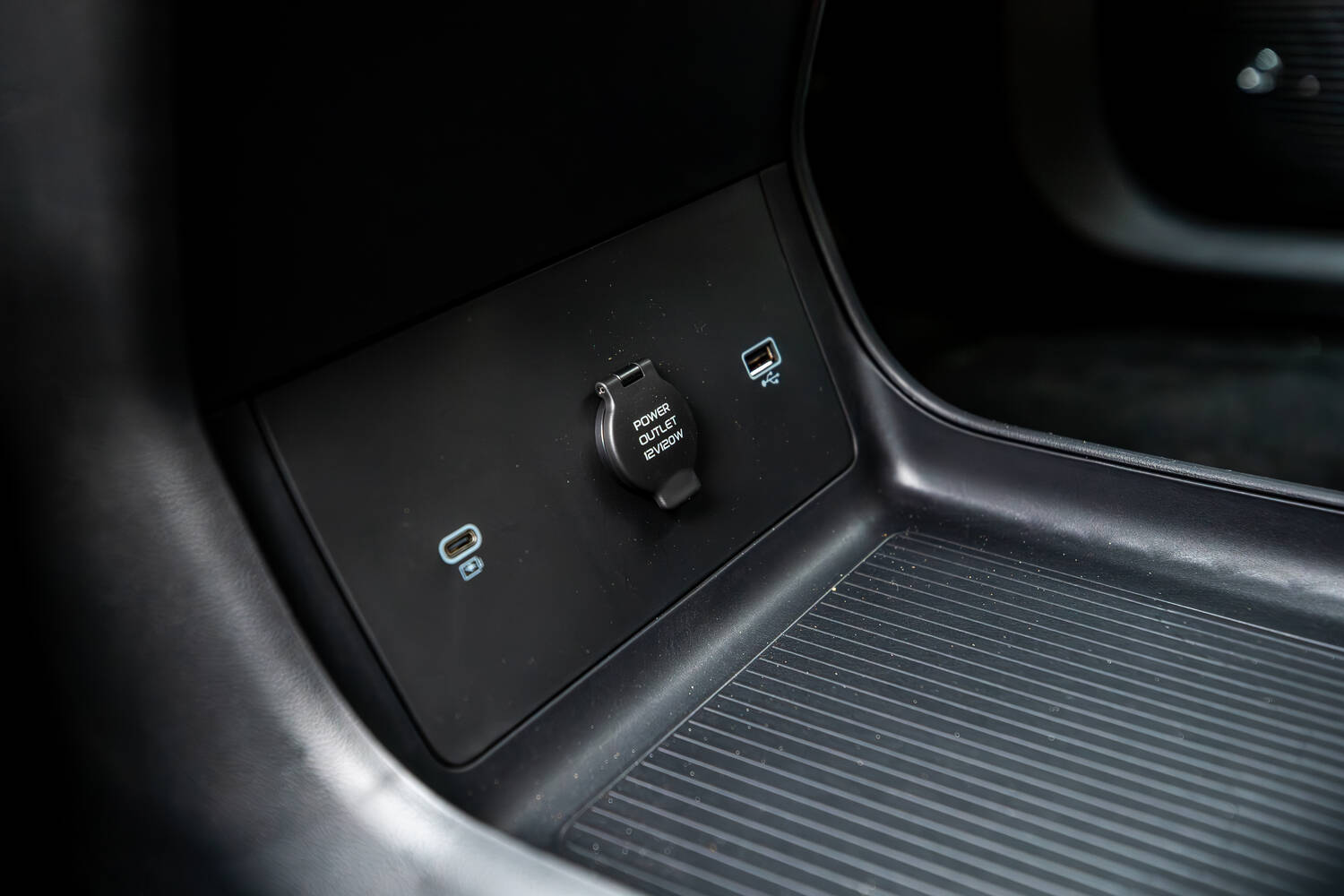
In the forward area of the Geely Starray EM-i's passenger compartment is a large under-dash storage area complete with USB ports, while above are two cupholders underneath a pop-up lid, a covered central-armrest cubby, huge door bins and a good-sized glovebox.
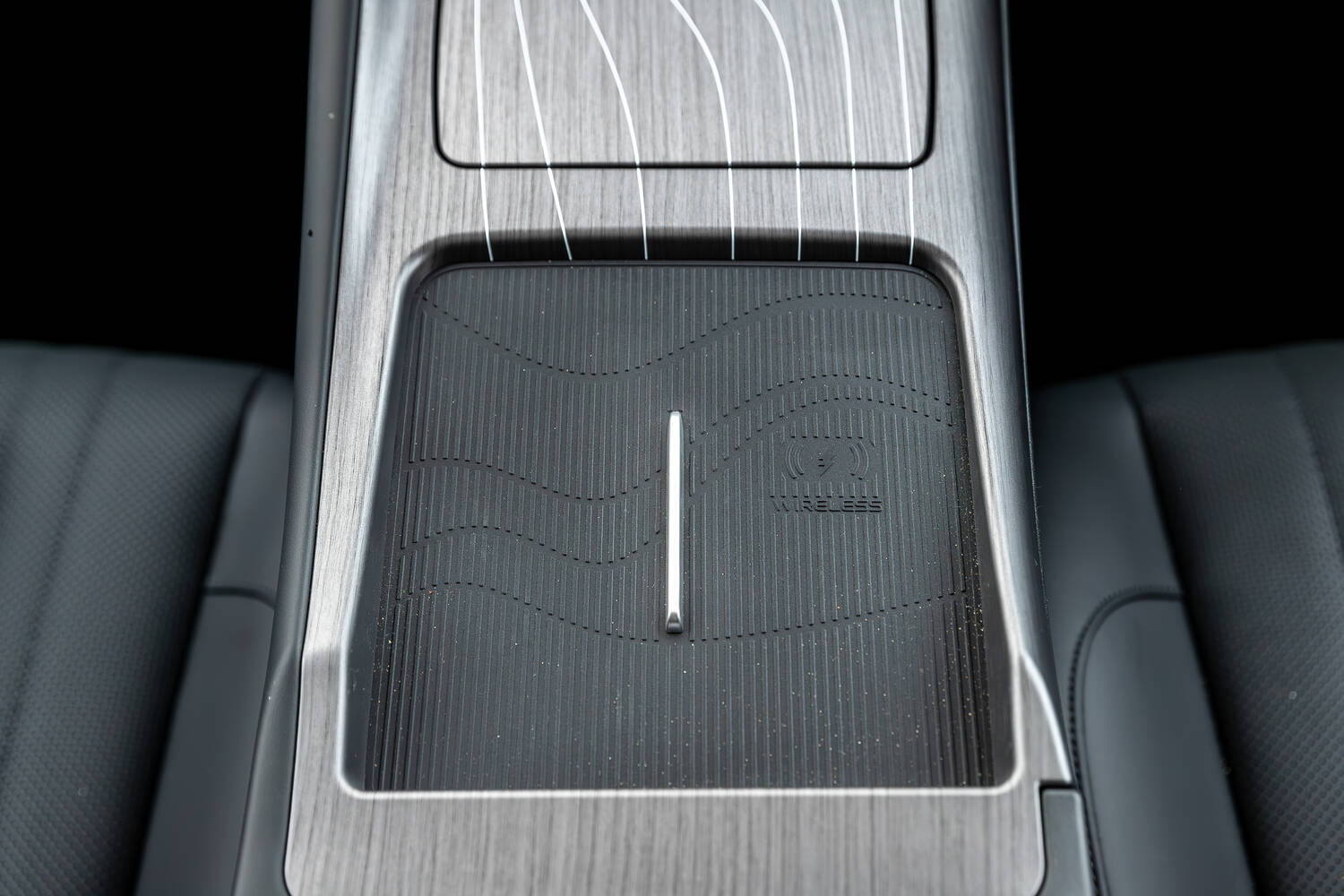
On models fitted with wireless smartphone charging pads, these are situated on top of the central tunnel between the cupholders and the armrest.
Rear-seat passenger space
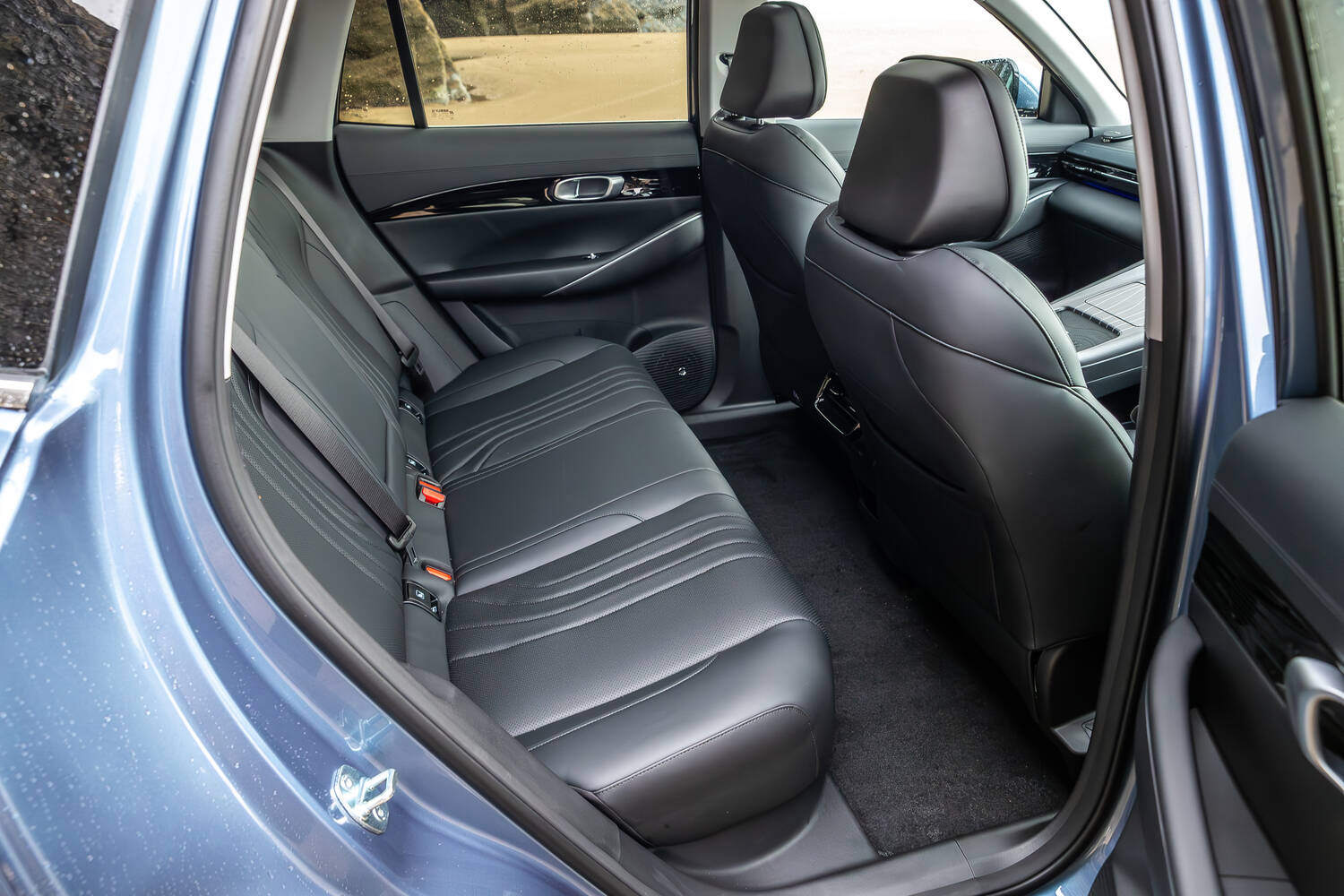
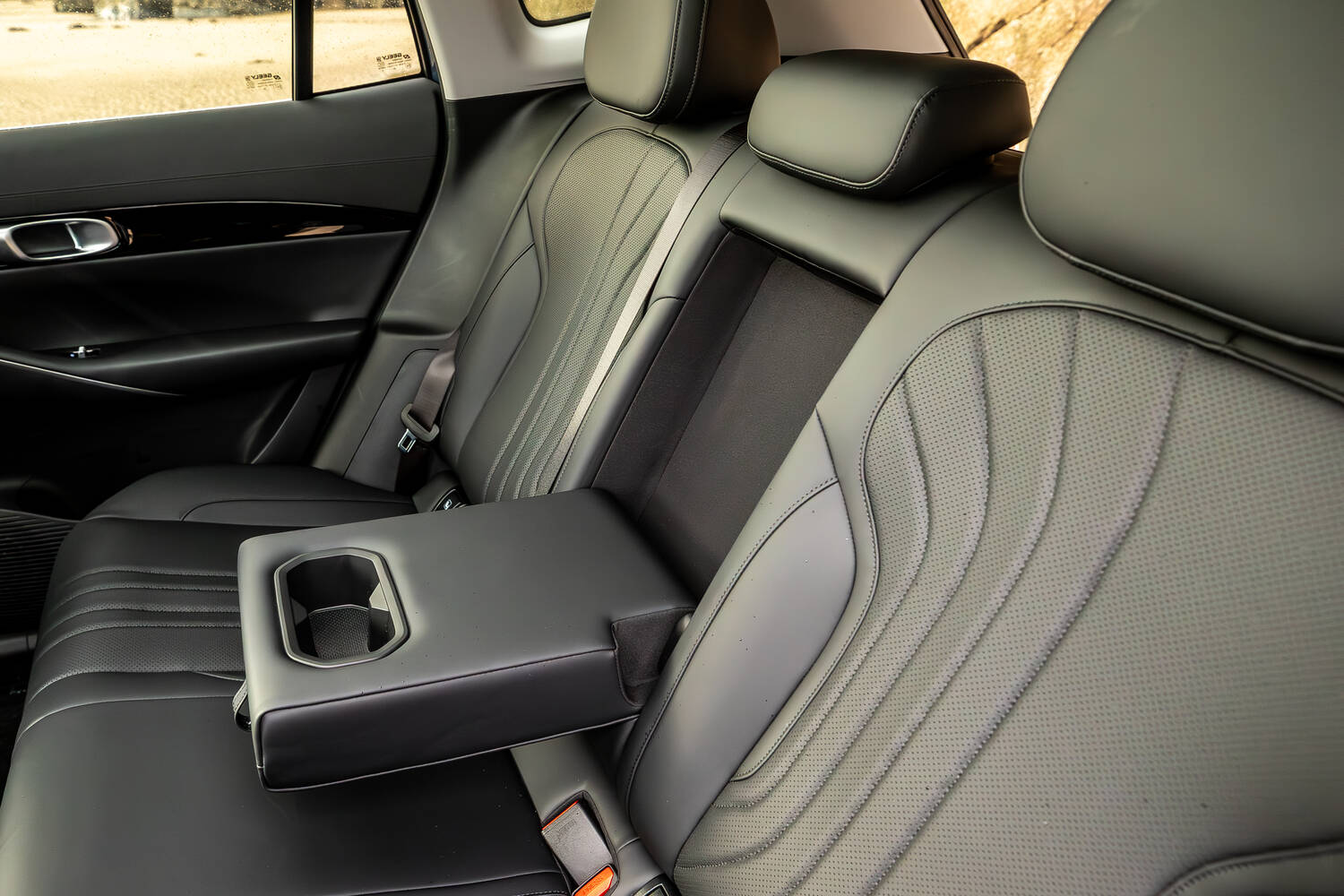
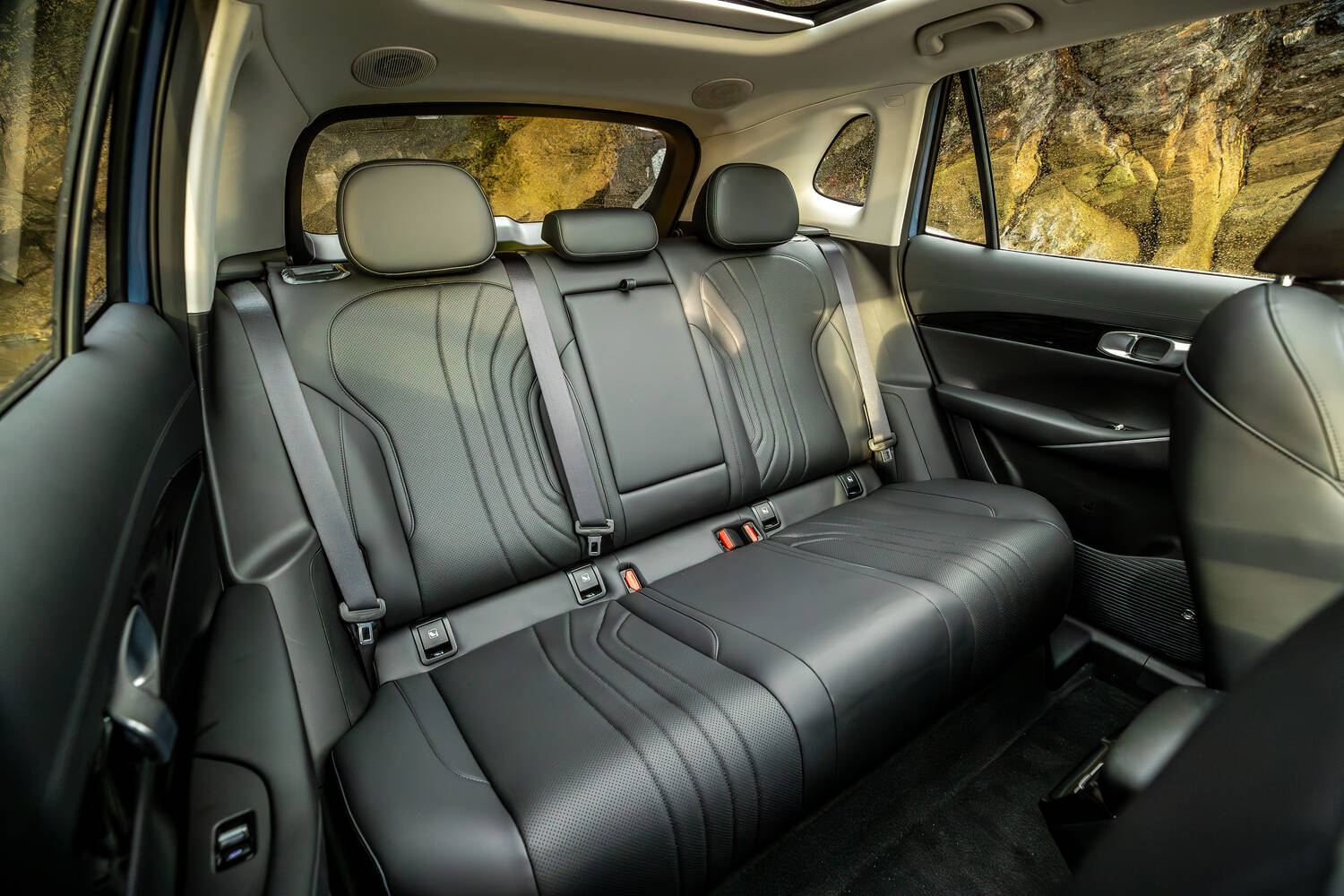
That long body we mentioned earlier, with a 2,755mm wheelbase in the middle, results in masses of passenger space in the back of the Geely Starray EM-i.
Both leg- and headroom are generous, and a flat floor all the way through the footwell, plus the SUV's 1.9-metre-wide body, means accommodating three people across the bench is entirely feasible.
Twin air vents, elasticated map pockets on the backs of the front seats and good-sized door bins further help with the comfort levels in the rear of the Geely, although a fold-down central armrest in the second row is only fitted on Max-grade cars and above.
Fitting child seats to the Geely Starray EM-i
There are three ISOFIX locations in the Geely Starray EM-i, with two on the outer positions of the rear bench and the third on the front-passenger seat.
The roominess of the cabin and size of the Starray's doors should ensure loading even larger child seats will be a simple enough process for parents, and it also scored highly in the child-occupant protection section of the Euro NCAP safety test, recording 87 per cent.
Boot space in the Geely Starray EM-i
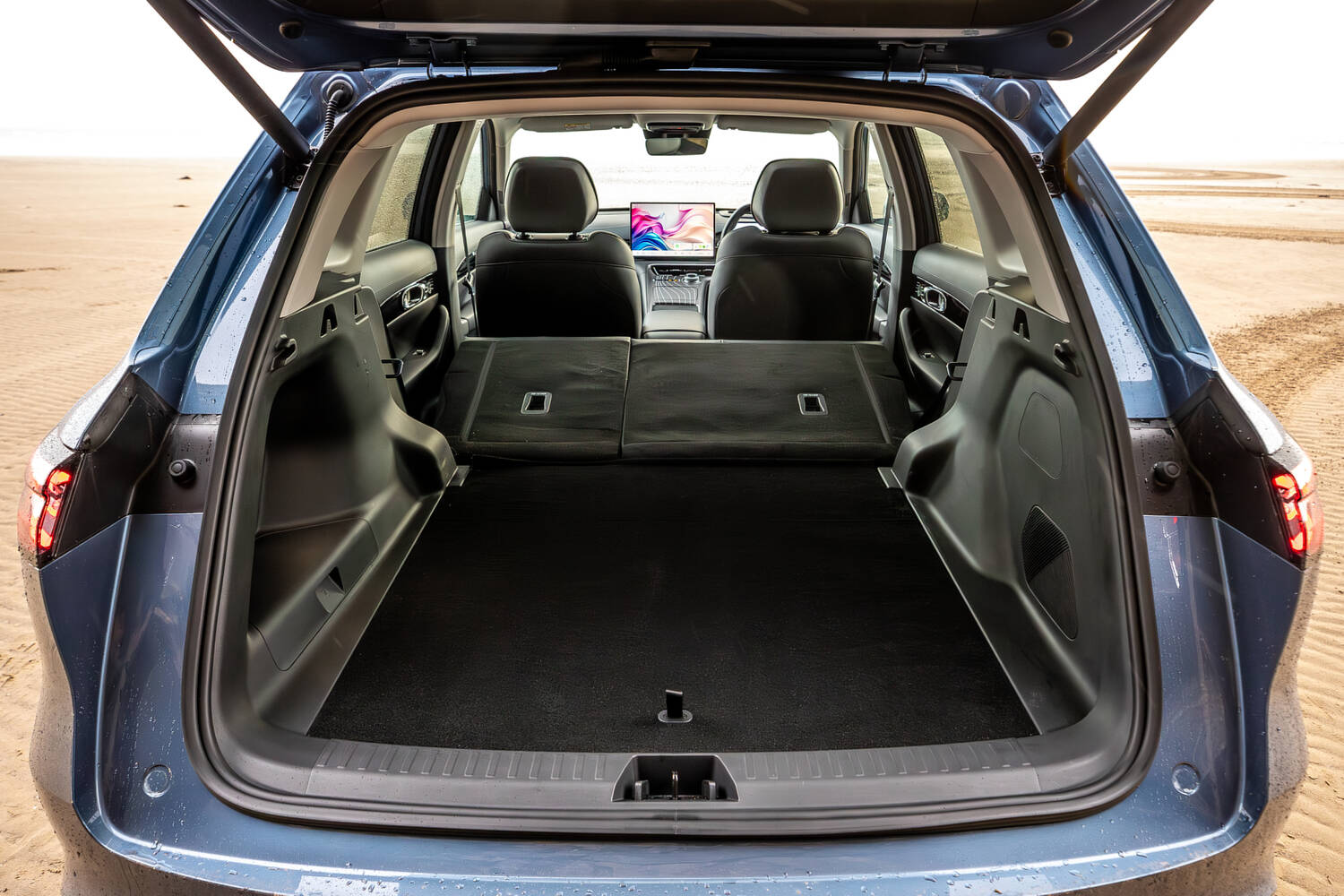
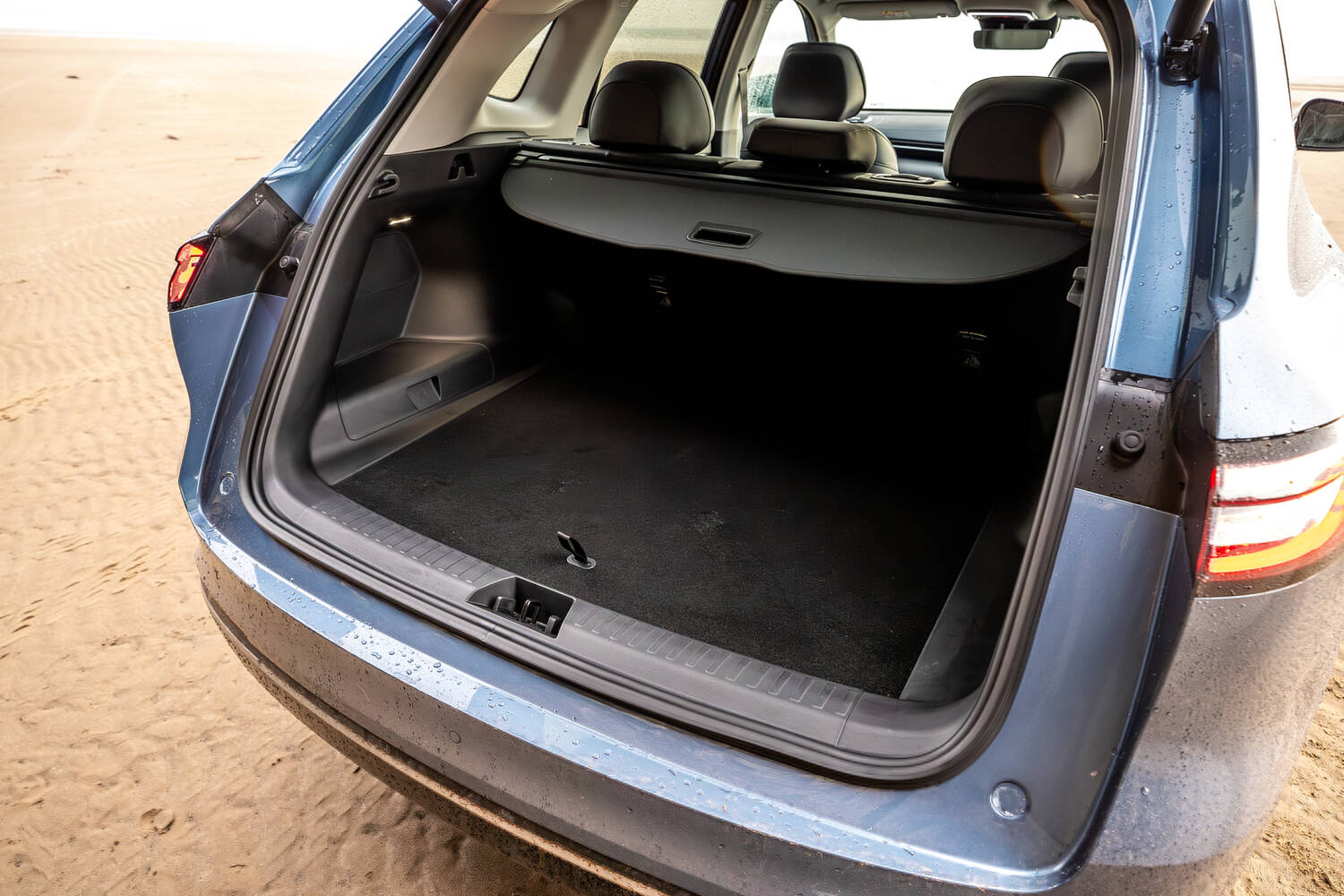
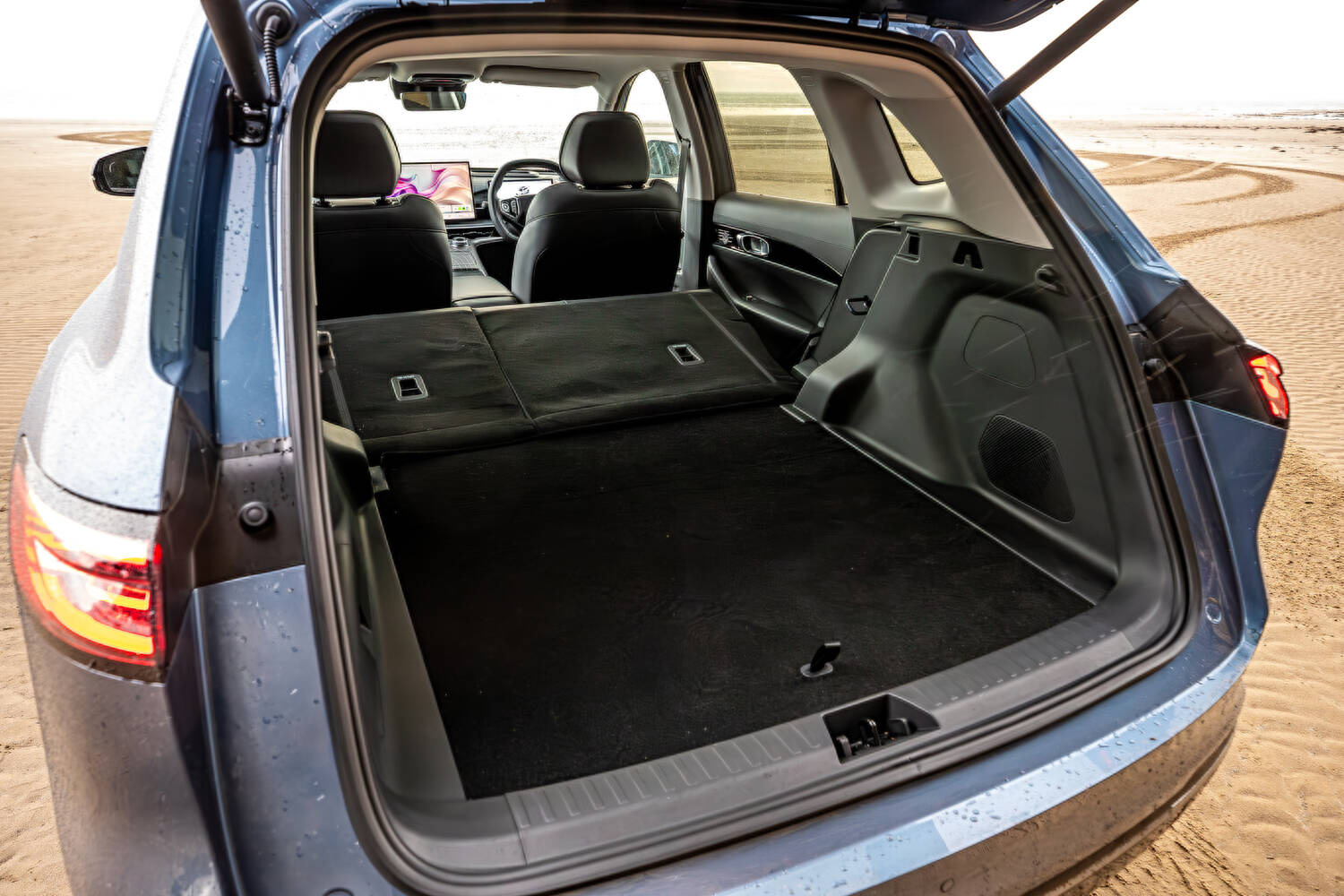
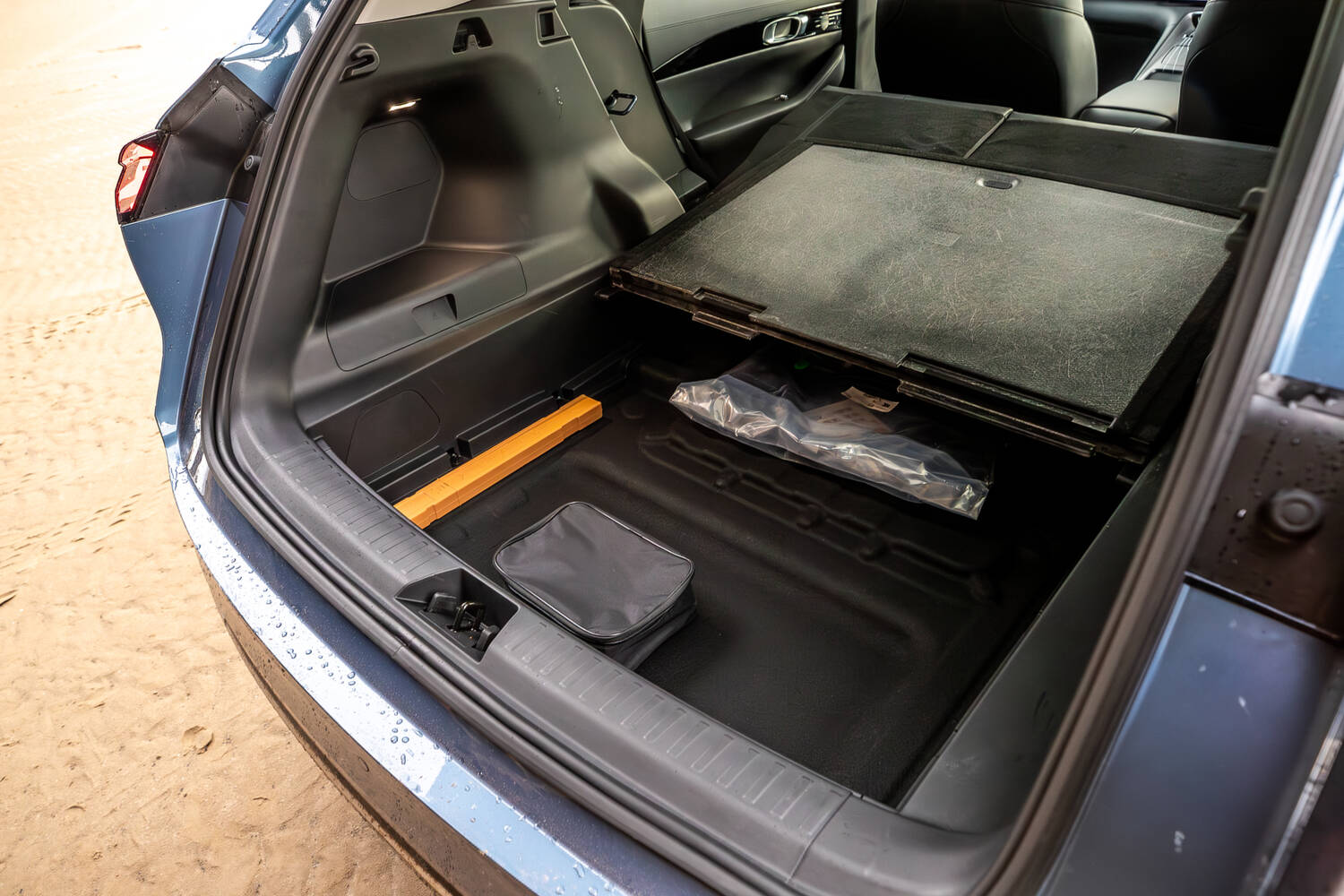
With a height-adjustable boot floor, you can set up the cargo bay in two configurations, with a total of 528 litres of volume in the Geely Starray EM-i's boot when all five seats are in use.
You can have a floor that's flush with the lower lip of the tailgate to make loading heavy items easier, and in this arrangement, you have 428 litres above the base and 100 litres hidden beneath. Or you can drop the floor right down, although then there's a pronounced step down into the boot from the tailgate area.
There isn't much more to its versatility than that, aside from some moulded plastic hooks in the sids, but when you drop the 60:40 split-folding rear seats, the amount of space on offer rises to 2,065 litres - a vast figure for a five-seat passenger vehicle.
Safety in the Geely Starray EM-i
The Geely Starray EM-i picked up a full five-star Euro NCAP safety rating in 2025, registering scores of 90, 87, 86 and 77 per cent respectively for adult-occupant protection, child-occupant protection, vulnerable-road-user protection and safety assist.
Its standard safety equipment includes automatic emergency braking, lane-keeping assist, emergency lane-keeping assistance, collision mitigation support (front and rear), traffic-sign information, intelligent speed assistance, intelligent high-beam control, rear cross-traffic alert, rear cross-traffic braking, lane-change assist, blind-spot detection, hill-start assist control, hill-descent control, an anti-rolling programme and a multi-collision braking system.
Performance of the 2026 Geely Starray EM-i
- Just one PHEV drivetrain offered
- Plenty of power at 262hp
- Commendably 'European' driving manners
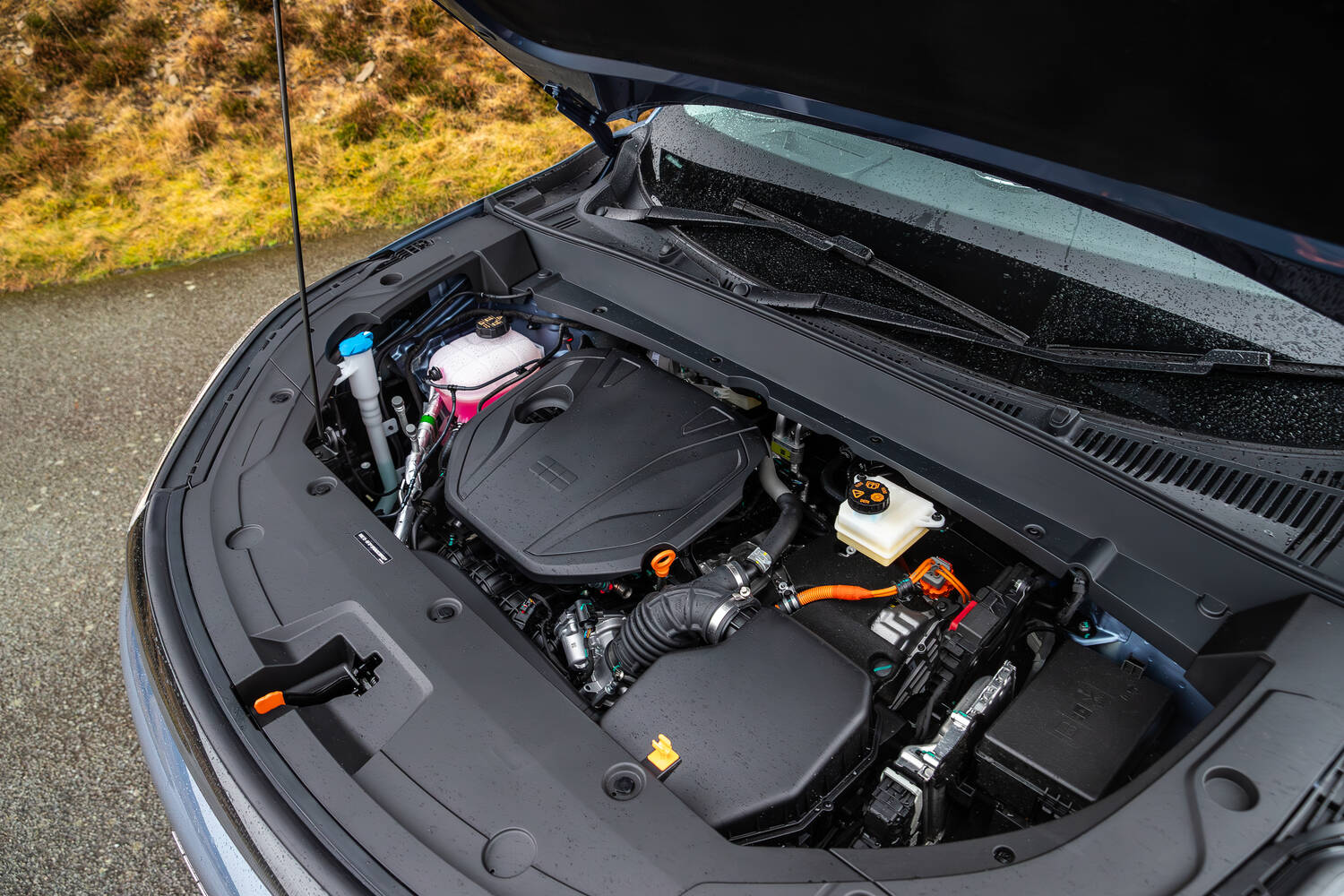
Geely's PHEV powertrain is called 'E-Motive Intelligence' (EM-i) and, in the Starray, is formed of a 99hp/125Nm 1.5-litre non-turbo four-cylinder petrol engine assisting a 160kW electric motor.
This is rated at 218hp, with the maximum system output of 262hp neatly matched by quoted peak torque of 262Nm, the latter of which is the electric motor's figure on its own.
The manufacturer says all three versions of the Starray EM-i can hit 100km/h from rest in precisely eight seconds, as they all weigh around 1.8 tonnes and send drive to the front wheels alone via a one-speed 'Dedicated Hybrid Transmission' (1DHT).
Driving the Geely Starray EM-i Max on UK roads
Words by Matt Robinson on 3 September 2026
Earlier mention of the related car brands in the wider Geely group was apt, because the company is keen to mention in its briefings that Lotus' chassis engineers have had some input into the Chinese firm's products.
That doesn't seem so hard to believe - not because vehicles like the Starray EM-i are amazing or sports-car-like to drive, you understand, but rather because, of all the mainstream Chinese vehicles we've tried in recent years, the Geely PHEVs and EVs have among the most well-sorted ride quality, as well as steering that's more detailed and user-friendly.
The Starray sits on the same Geely Global Intelligent New Energy Architecture (GEA) platform as the EX5. The company says this was designed from the outset to support electric, PHEV and range-extender powertrains for various applications worldwide, across different vehicle segments and body styles.
For the EM-i, its strengths are its refinement and comfort. Unlike other 1.5-litre engines from manufacturers hailing from the same part of the world, the unit in the Starray is never particularly rowdy or coarse, and because it has a good chunk of power courtesy of its relatively strong electric motor - at 262hp, the Geely nearly matches the higher-spec VW Tiguan eHybrid and its 272hp drivetrain - you don't often have to work the SUV as hard as some of its rivals just to keep up with traffic. So it seems more subdued and relaxing most of the time.
There are no significant issues with power delivery or throttle response, and the brakes are sound enough, although the pedal is a little over-assisted, so slowing down can sometimes feel a little grabby until you're used to modulating the Geely's deceleration. Once you've got the knack of that, the Starray is a smooth machine to operate and travel in.
The ride comfort is excellent, able to smother lumps and bumps in the road whether you're ambling around town, flowing along a faster country road or cruising on the motorway.
Tyre, wind, suspension and drivetrain noise are all suitably suppressed, so for day-to-day duties and long-distance treks, the Geely is a strong performer.
Its handling isn't too bad, either, but you're not going to actively have fun behind its wheel - Lotus might have polished the suspension as well as it can, but it can't work miracles.
At the end of the day, this is a value-oriented SUV, so while it is capable in the corners and limits excessive body movements to an acceptable degree, the slightly soft overall set-up ultimately restricts how involving the Starray can be. Also, while the steering is good by class standards, it's not brilliant or replete with feel.
Taken as a whole, the way the Geely has been set up dynamically is easy-going and amenable, so it fulfils its brief as undemanding family transport.
We'll end this section with the Starray's acoustic vehicle alerting system (AVAS). This is the noise the vehicle emits when travelling at less than 30km/h in electric-only mode, to warn nearby road users that it is on the move.
The three settings for AVAS on the EM-i are Classic, Milky Way and Constellation. The first is the usual ascending electronic 'keening', which you might have heard on something like a Nissan Leaf or Renault Zoe.
The last is more of the same, only a richer and more complex sound. But the middle one, Milky Way, was in operation when the car was delivered to us and it's almost a little ditty, rather like a ringtone for your phone.
When you select it on the touchscreen and the Geely plays a demo, it's quite loud, but in use, when projected outside the SUV, it's quieter. However, the first few times we pulled away in the Starray EM-i with the windows down, we kept thinking there was a distant ice-cream van within earshot.
We eventually cottoned on that the car was making the tune, but it's quite disconcerting the first few times you hear it if you're not prepared, as Milky Way is a series of notes rather than one solid tone. We switched it for Constellation pretty quickly, let's put it that way.
Range, battery, charging and running costs of the 2026 Geely Starray EM-i
- Two battery sizes offered
- DC charging on both
- Real-world efficiency seems competitive
There are two battery sizes and DC charging for all models in the Geely EM-i family, while a 51-litre fuel tank and reasonable real-world efficiency mean this should be an affordable and easy SUV to run - even if its official CO2 figure pushes it into a slightly higher motor-tax bracket than a full EV.
Battery options and official range
Geely provides two sizeable lithium-iron-phosphate (LFP) battery packs for the Starray EM-i, with the Pro and Max models using an 18.4kWh unit for an 82km official electric range, while the Ultra gains a giant (for a PHEV) 29.8kWh LFP battery - enough for 135km of zero-emission driving.
The associated fuel load the Starray can carry gives the Geely a decent combined-range capability, while the official fuel consumption figure is 2.4 litres/100km.
The associated CO2 figure is 54g/km, which just nudges the EM-i into the €150-per-annum tax rate, when most PHEVs have low-enough emissions to pay €140 every year.
Real-world range and efficiency of the Geely Starray EM-i
We drove the Geely Starray EM-i Max for 425km during our test, in which time we never topped up its 18.4kWh battery pack from the mains - and it didn't arrive for evaluation with much charge left in the battery either.
Despite all this, it returned a fairly healthy indicated fuel consumption figure of 6.1 litres/100km. Regular mains charging of the Starray's LFP battery should improve on that markedly.
Charging up the Geely Starray EM-i
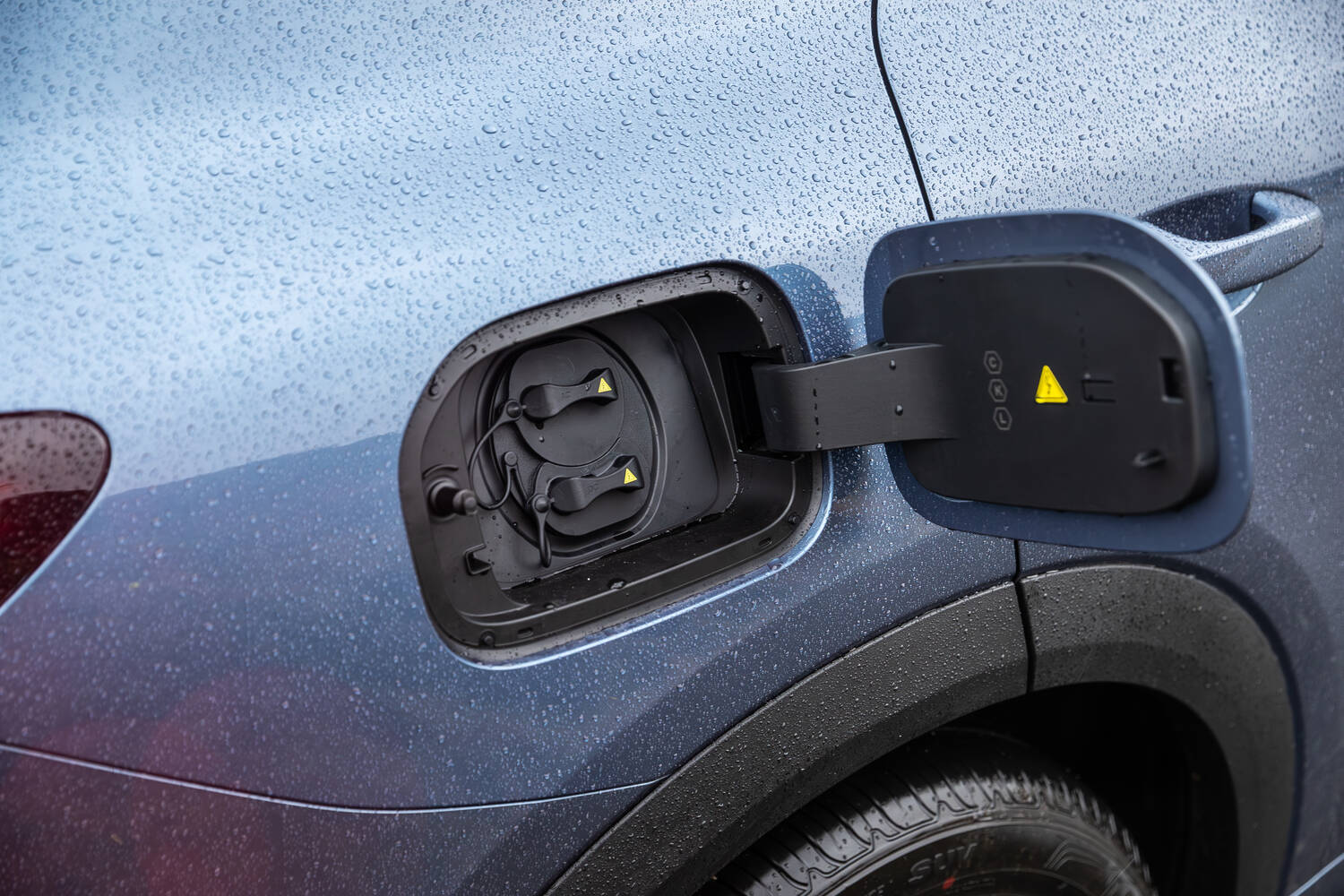
Although it is a PHEV, the Starray EM-i has the same architecture and platform as the Geely EX5, so it is capable of DC charging. For the 18.4kWh cars, the peak rate is 30kW on DC, while for the Ultra with its 29.8kWh unit, that figure doubles to 60kW on DC.
This means that, even with its larger capacity, the Ultra has the shortest 30-80 per cent top-up time on a DC connection, requiring 16 minutes for the task. With the cars using the smaller battery charging at 30kW on DC, the same cycle takes 20 minutes.
All three versions of the Geely Starray EM-i have a peak AC charging rate of 6.6kW, so on a typical 7.4kW wallbox you'd expect a 25-100 per cent charge of the 18.4kWh cars to take three hours, while the Ultra would need four hours and 36 minutes for the same job.
Servicing the Geely Starray EM-i
Geely recommends a fairly standard servicing interval of every 12 months or 16,000km, whichever comes first.
Geely Starray EM-i warranty
Geely UK's warranty currently stands at eight years or 125,000 miles (about 201,000km) for the vehicle. Whether the Irish-market warranty will match this remains to be confirmed.
Irish pricing & rivals to the 2026 Geely Starray EM-i
- No Irish prices yet announced
- Expected to undercut established rivals
- Plenty of competition out there
We don't have Irish pricing for the Geely Starray EM-i as yet, but it is expected to be priced competitively with similar Chinese vehicles and to undercut established PHEV rivals from Europe, Japan, Korea and the USA.
If the same three UK specifications make it to Ireland, you can expect masses of standard kit on the first of them (Pro), and pretty much everything you could want on the Max (including luxuries such as ventilated front seats and an opening panoramic roof).
The Ultra doesn't add any extra kit over and above the Max; it brings the bigger battery, 60kW DC charging and the option of the Cloud interior upholstery.
Obvious rivals to the Starray EM-i include PHEV models from established manufacturers in neighbouring Asian markets, such as the Hyundai Tucson, Kia Sportage, Toyota RAV4 and Honda CR-V, as well as the range-extender-style Nissan Qashqai e-Power.
Among European alternatives are the Peugeot 3008 PHEV, Citroen C5 Aircross PHEV and Opel Grandland PHEV from the Stellantis stable, while there are other strong contenders in this sector including the Volkswagen Tiguan eHybrid, Ford Kuga PHEV and Renault Austral.
Verdict - should you buy the 2026 Geely Starray EM-i?
With its lovely ride comfort and refinement, and a real sense of spaciousness in the cabin, there is much to recommend about the Geely Starray EM-i.
It's not flawless, as its ADAS can be infuriating, while the usual dashboard-interface issues we find in many Chinese cars are also present here. On top of that, the Geely isn't particularly distinctive in terms of its styling. But if Irish pricing is as competitive as expected, the Starray should be well worth checking out - even with its daft model name.
FAQs about the 2026 Geely Starray EM-i
Is the Geely Starray EM-i all-wheel drive?
No, it sends its petrol-electric power purely to its front wheels via Geely's '1DHT' gearbox.
How many child seats can I fit in a Geely Starray EM-i?
There are three ISOFIX positions inside the Starray EM-i, one in the front and two in the back.
Can I charge the Geely Starray EM-i up at public DC units?
Yes, all three versions can have their battery packs replenished at a public DC charger, but the peak rate depends on battery size. For the cars with the smaller battery, it maxes out at 30kW on DC, while the larger battery in the Ultra can be recharged at up to 60kW.
Want to know more about the 2026 Geely Starray EM-i?
If there's anything about the Geely Starray EM-i we've not covered, or you'd like help choosing between it and other cars, you can avail of our expert advice service via the Ask Us Anything page.