
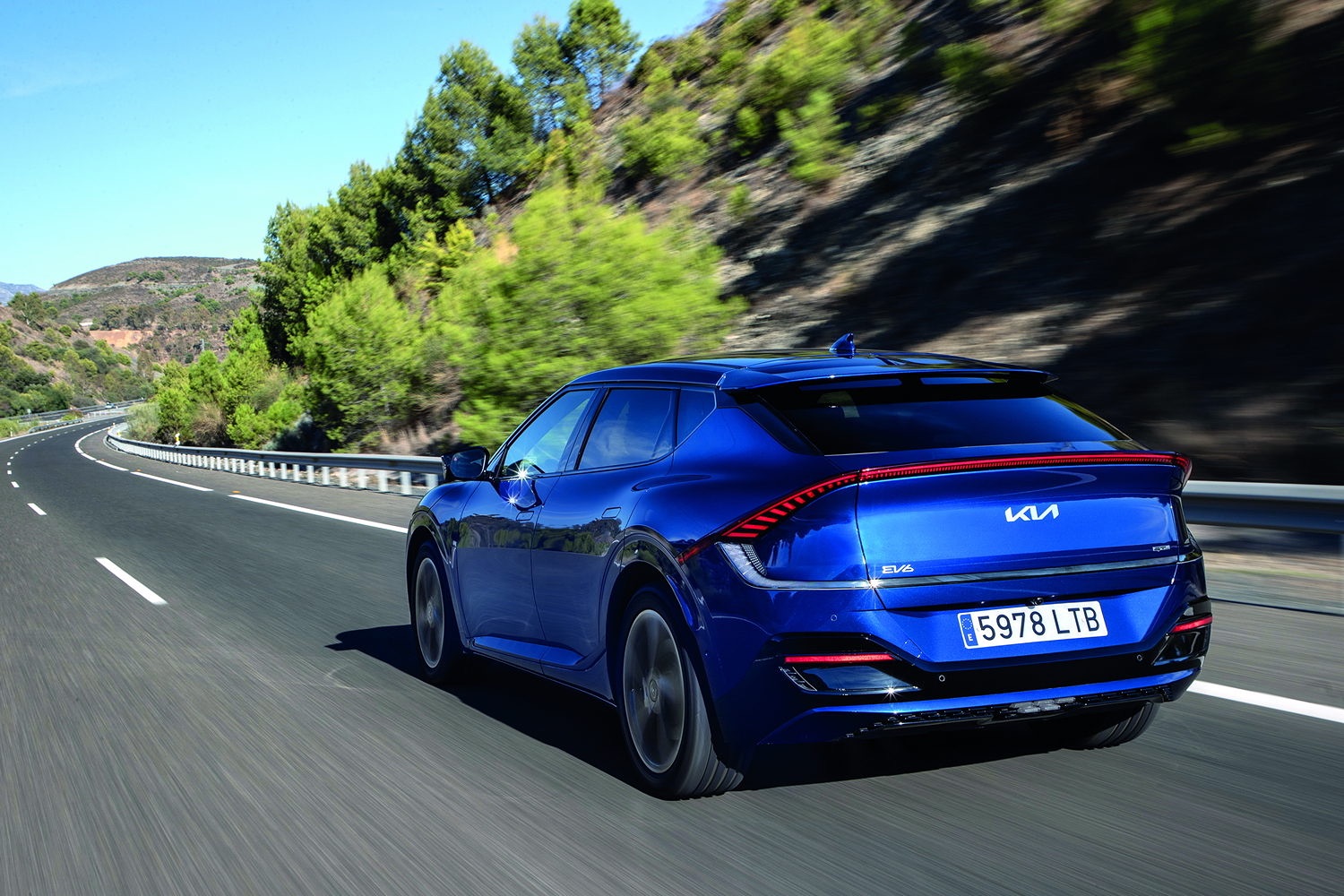
Pulling up at a set of traffic lights in suburban Lucan, I realised that the car in front was a 2007 Kia Ceed estate. Which seemed slightly odd.
You see, back in 2007, the Ceed SW was the best car that Kia - then still trying to shed its original bargain-basement image - was making. So, sitting behind that very car in a shiny new all-electric Kia EV6 in 2021, it was a little difficult to comprehend the journey that the Korean marque had made from one car to the other.
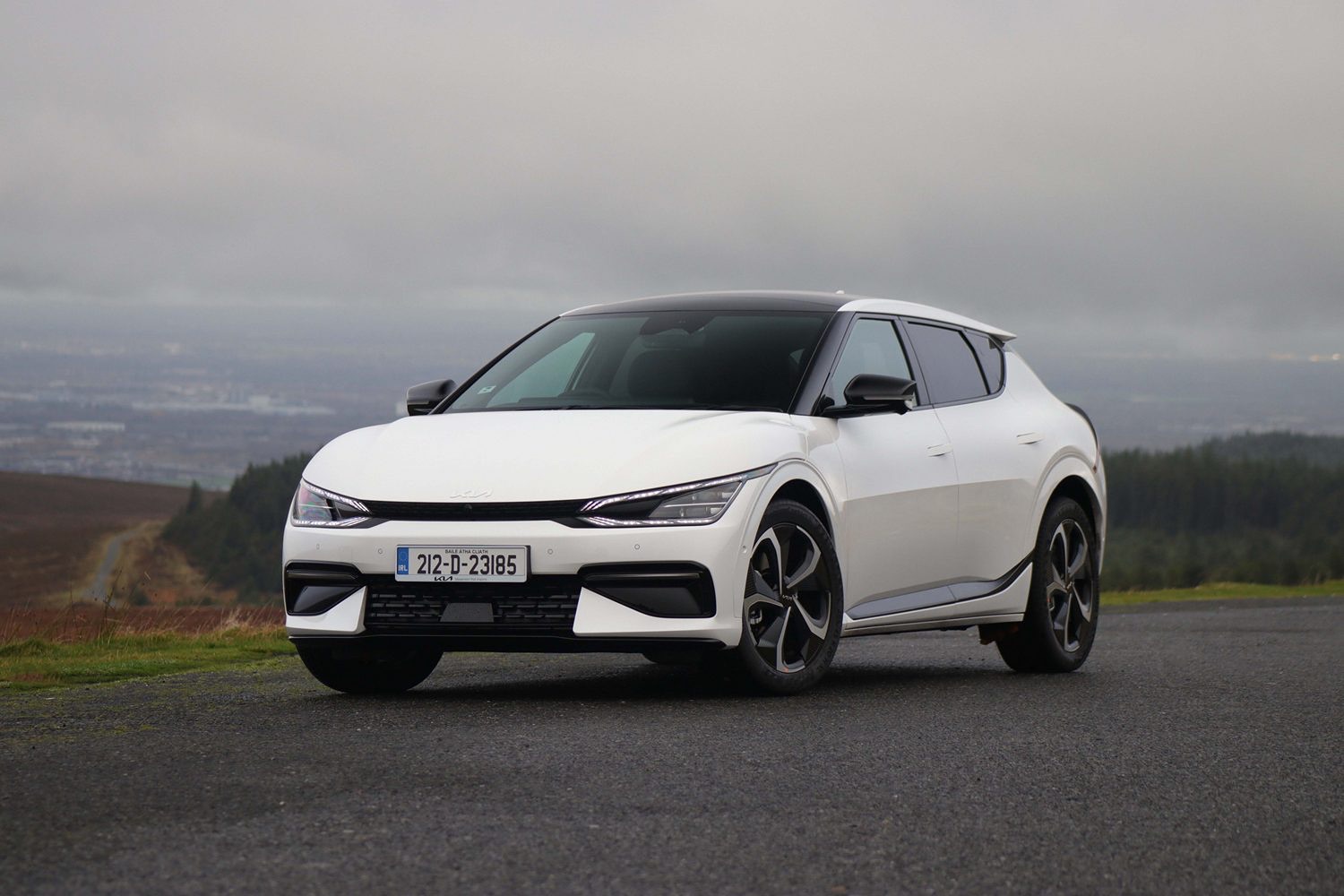
Which EV6 was that?
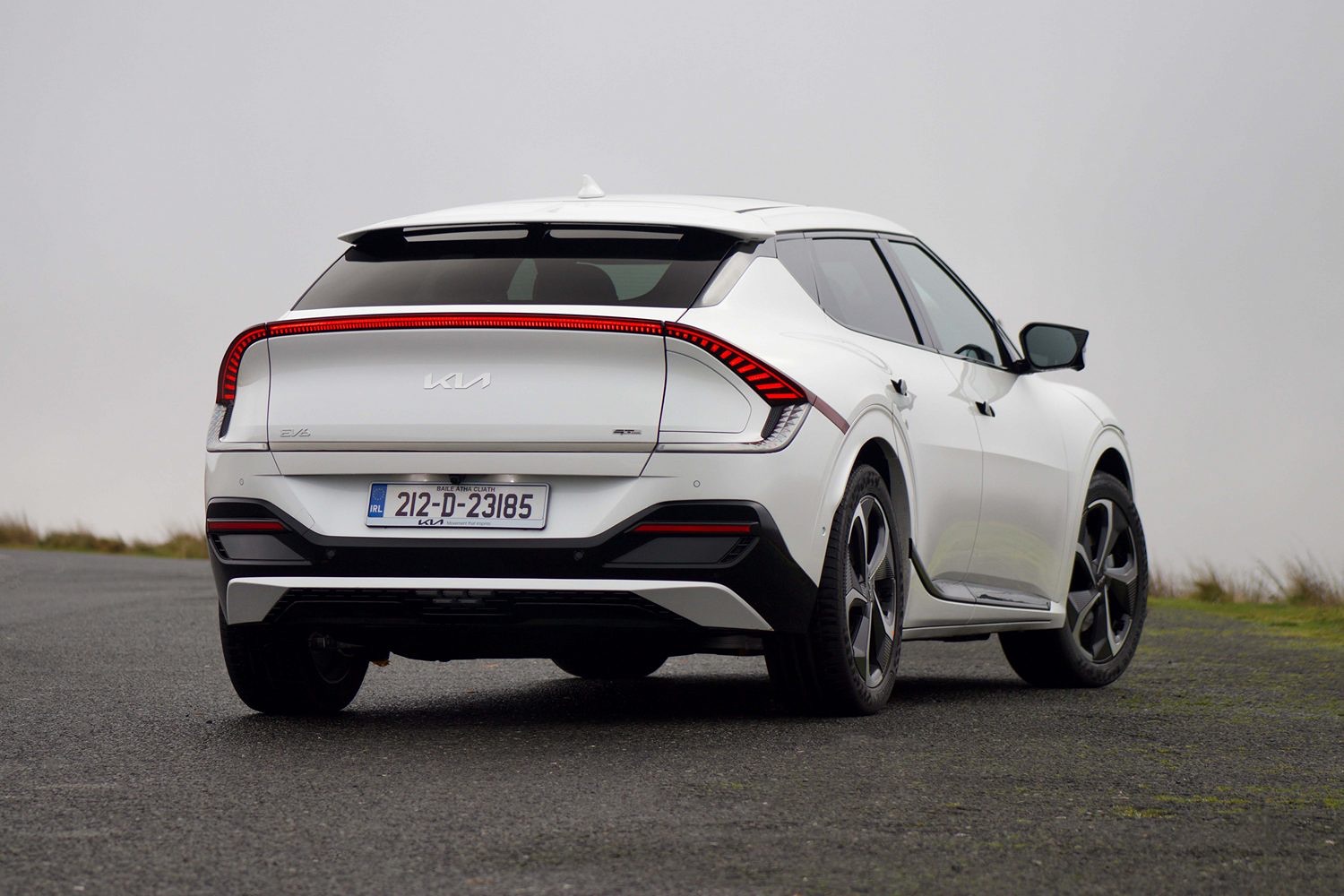
That was the first-generation Kia EV6, but the current model is merely an upgrade of what was already quite a futuristic car when it was launched.
The EV6 is a big, five-seat electric car that’s, in terms of size and bulk, an SUV, but which has been styled to look rather more like a five-door hatchback.
Although its designers claim that it draws some aesthetic inspiration from Lancia’s legendary needle-nosed rally car, the Stratos, I reckon it’s another seventies motoring star that it most resembles: a Rover SD1.
Not in quality terms, you understand. An SD1, fresh from the factory, would rust so hard that you could hear its metal panels dissolving, while parts of the interior would randomly disassemble themselves when in motion. No such danger of that with the Kia.
Are we drifting from the point already?
Possibly. Whatever its stylistic inspirations, that EV6 looked and felt like a Space Shuttle compared to the humble 2007 Kia Ceed’s Cessna. It felt like a staggeringly long journey compressed into an almost alarmingly short time.
So how, then, do we digest the fact that it’s a mere 40 years since Kia made its first ever electric car?
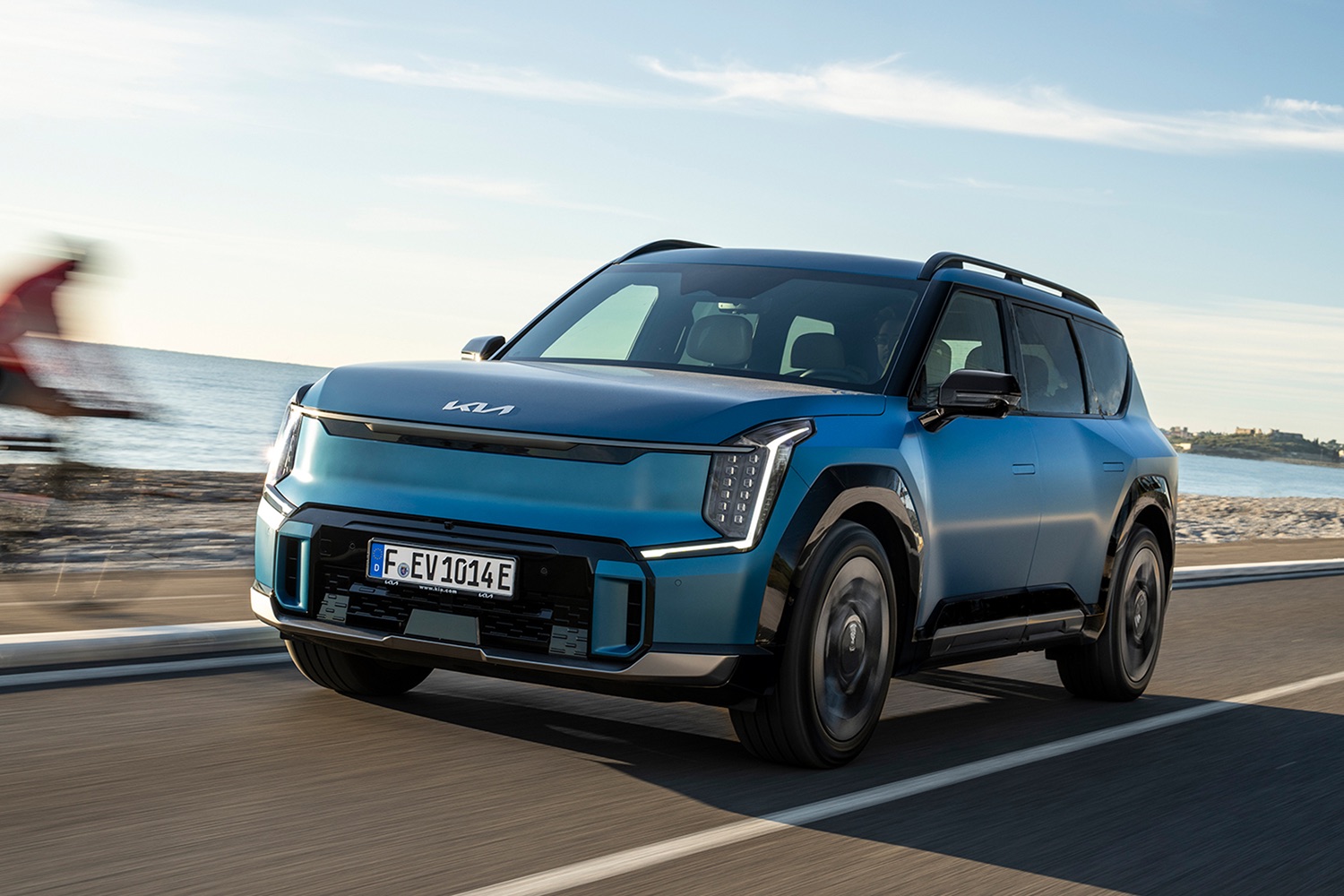
Four decades have passed, during which time Kia has made the EV6, the EV2, EV3, EV4, EV5, and even the Range-Rover-bothering EV9, not to mention the electric versions of the Soul and the Niro.
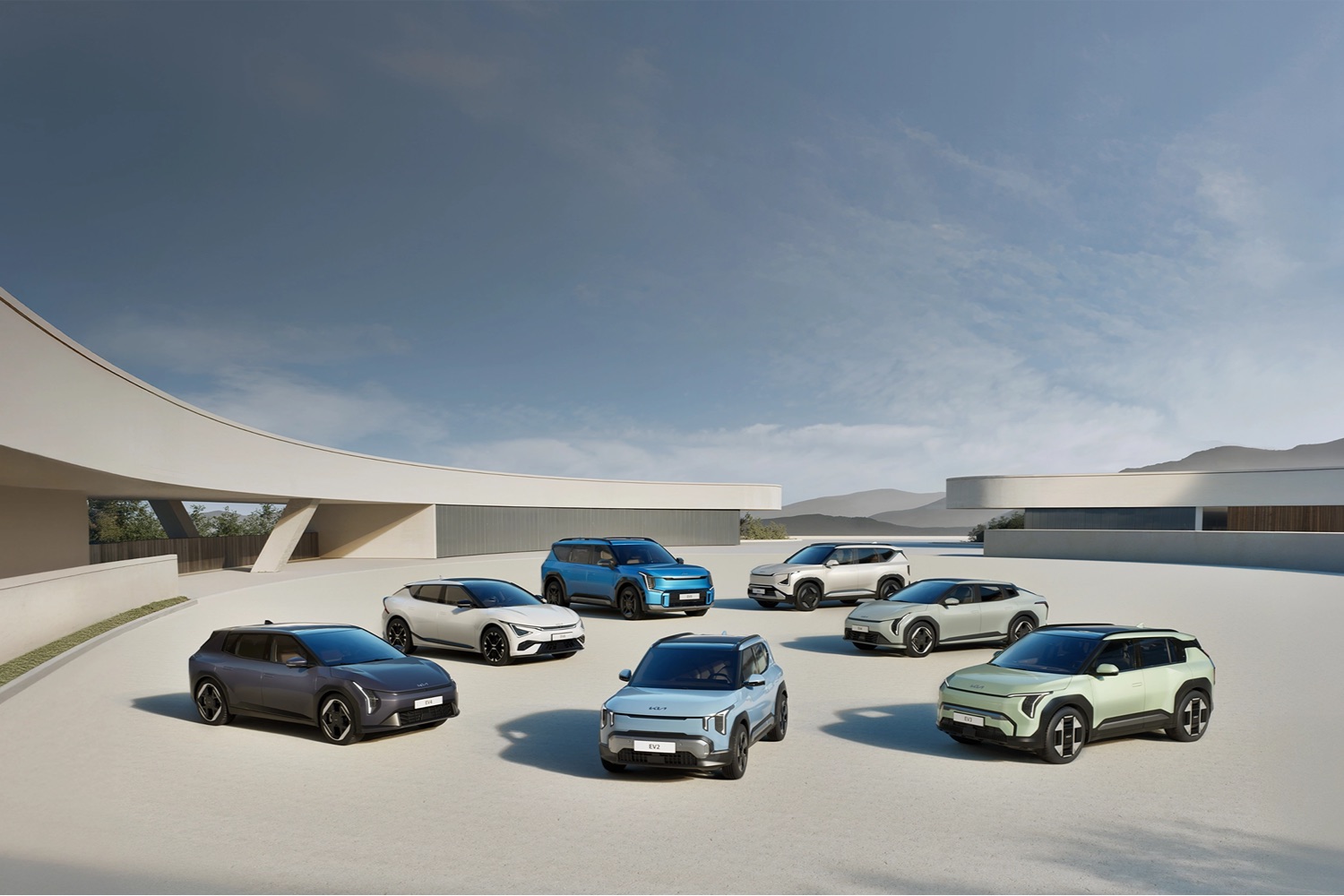
It’s a dramatic enough journey if you just take it as having begun with that 2007 Ceed, but it becomes a positive odyssey if you trace it back to the Besta EV.
Who or what is a Besta EV?
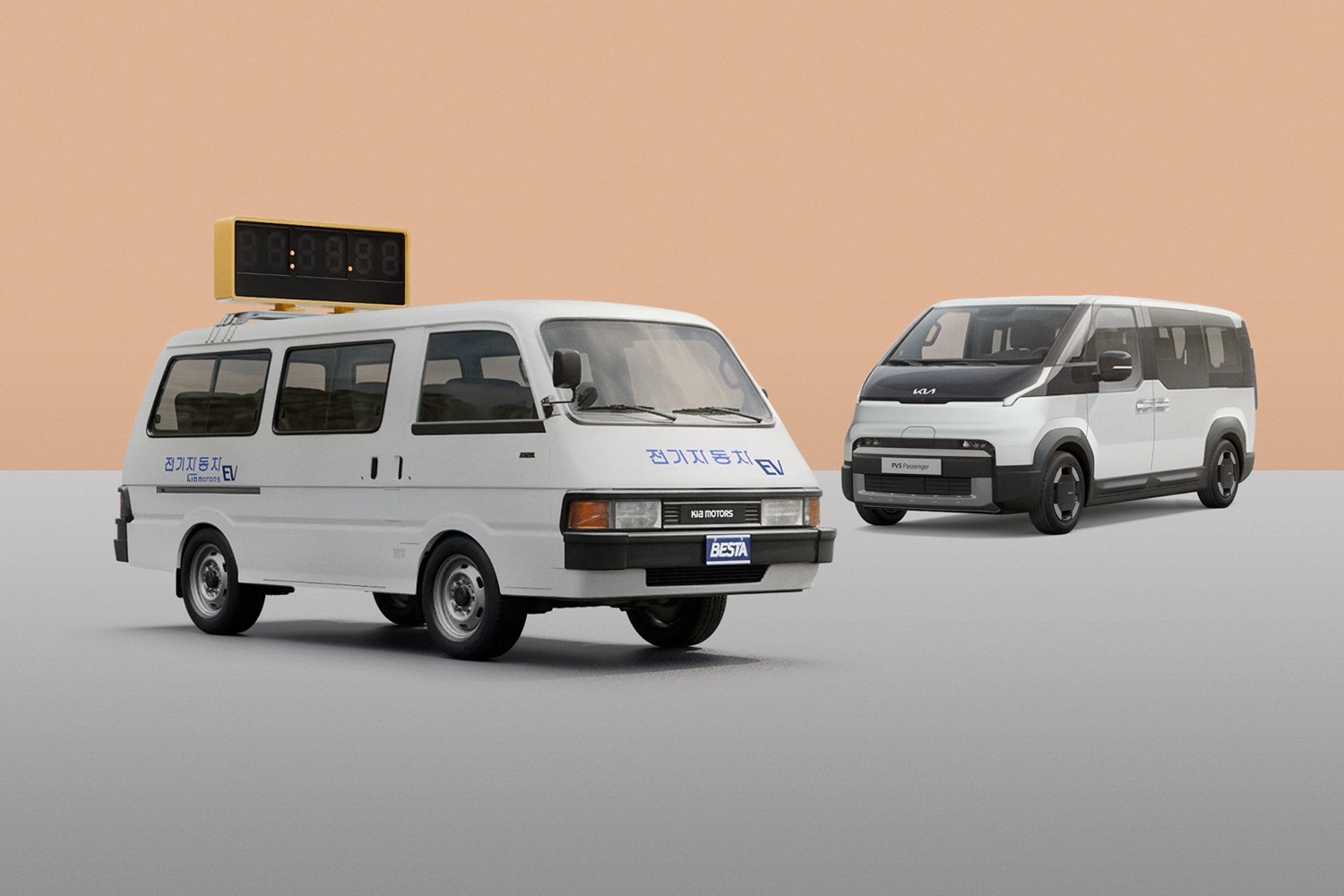
Like I said, this was Kia’s first EV, although it was purely an experiment in battery powered motoring, rather than anything that would or could be sold to customers.
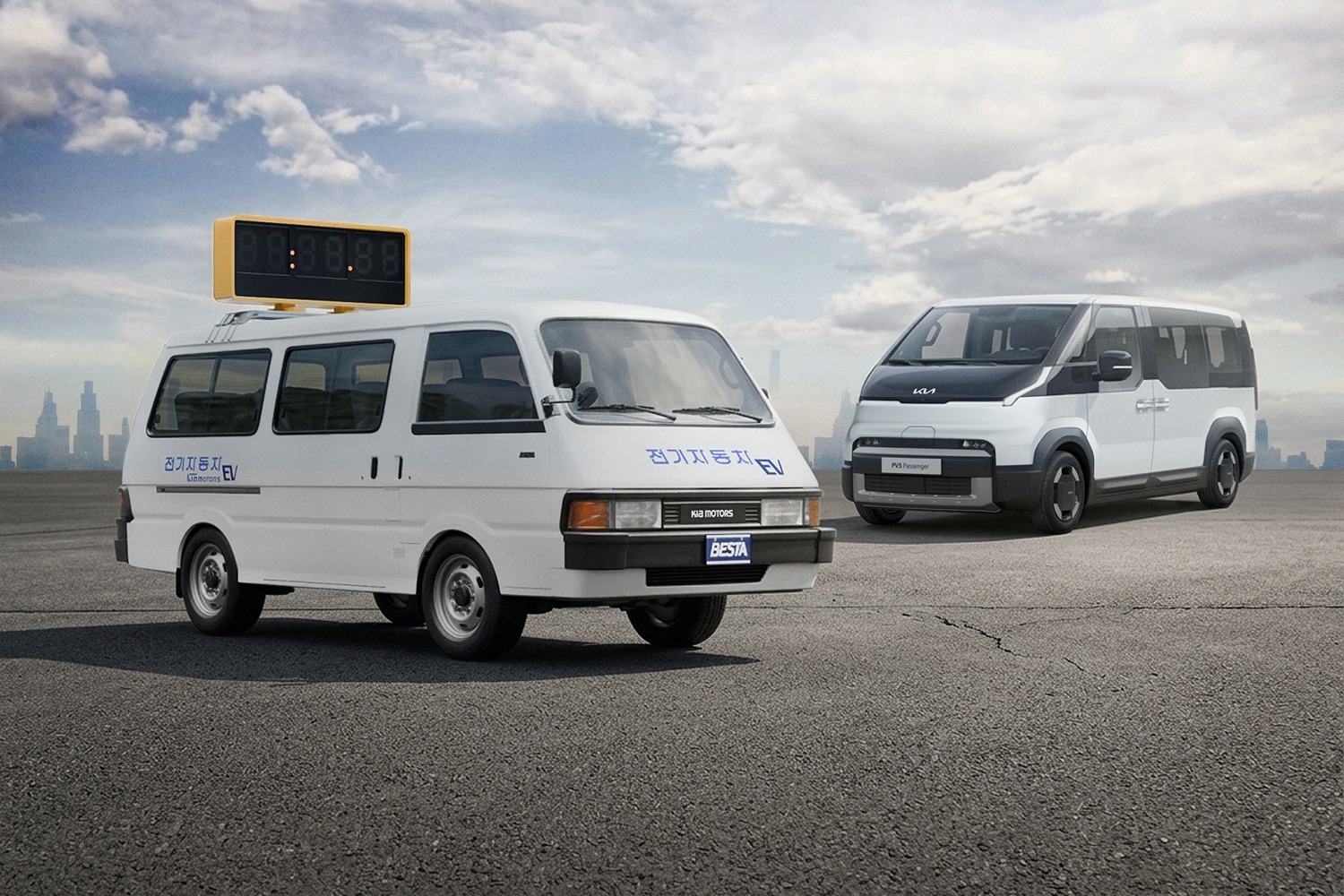
If it looks a bit like a mid-eighties Toyota HiAce, that’s precisely the car (OK, van) that the Besta was designed to compete with. And the Japanese connection doesn’t stop there, either. Kia’s original mid-sized van, named Bongo, was badge-engineered from the Mazda Bongo van.
The Besta was actually the Korean company’s first all-its-own-work van. If that sounds surprising, you have to remember that the Korean car industry, and Kia in particular, was still in its infancy then.
In fact, in the year the Besta EV was made, Kia had only just returned from a government-enforced five-year hiatus in car making, after South Korean politicians directed the company to focus on making vans and light trucks, and not cars.
So why go making an electric car at all?
Kia’s jumping-off point for the Besta EV was that it was going to be seen by the world. In 1988, the global broadcasting and print media would be descending on Seoul for the summer Olympics, and Kia wanted to be front and centre when it came to the wave of publicity that would follow.
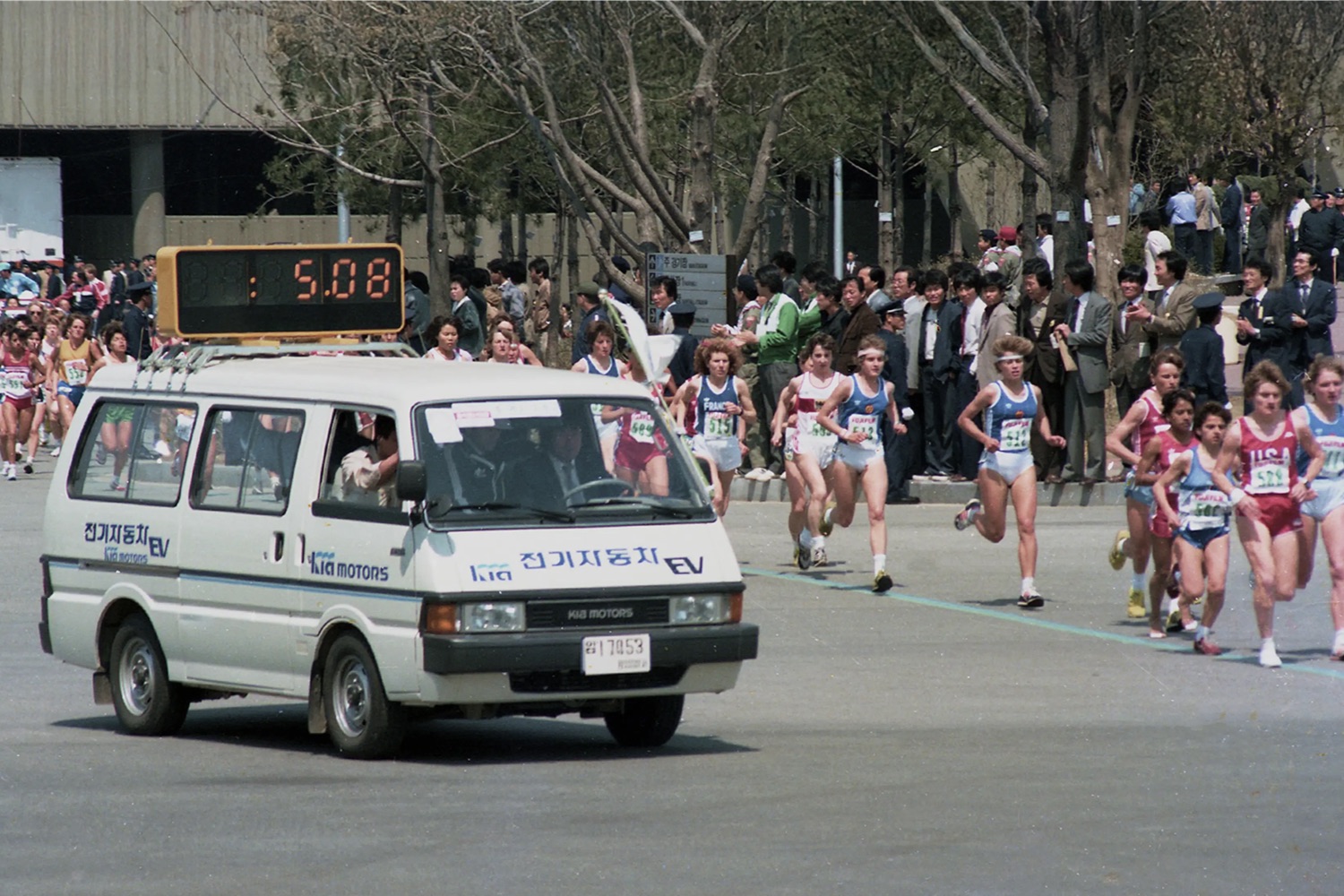
There aren’t many events for cars in the Olympics but one way to get a four-wheeled car onto people’s screens would be to use it as a camera-and-commentary vehicle for the marathon.
With the 1986 Asian Games athletics championship acting as something of a dry run for the Olympics, Kia got to work.
The 2.0-litre four-cylinder diesel was taken out, mostly because you don’t want marathon runners choking on diesel exhaust fumes while they’re running behind the camera car. Instead, a 35kWh battery pack was installed, along with a pretty basic electric motor.
How far would the Besta EV go on one charge?
It would go just far enough. In fact, at 42km, the Besta EV’s range was designed to precisely cover the distance that runners would run in the marathon.
Fitted with timekeeping and camera equipment on the roof, the Besta EV became something of a cult star of both the 1986 Asian Games marathon and the 1988 Olympics.
What happened next?
Kia linked up with Ford for a bit (the original Kia Pride was also sold as a Ford Festiva) before being bought by Hyundai in 1998.
Since then, the pedal has very much been on the metal. Kia arrived in Ireland in 2001, and five years later it launched that original Ceed, which showed that Kia and Korea could compete head-on with the best that Europe and Japan could offer.
It also came with a seven-year warranty, which quickly became what Kia was known for. Kia’s rise since then has been dizzying, as it’s now one of the best-selling car brands in Ireland, and it has a lineup of all-electric vehicles which is pretty hard to beat, not least because Kia is one of those car makers which seems better able to live up to official battery-range figures than most others.
And is there a modern equivalent of the Besta EV?
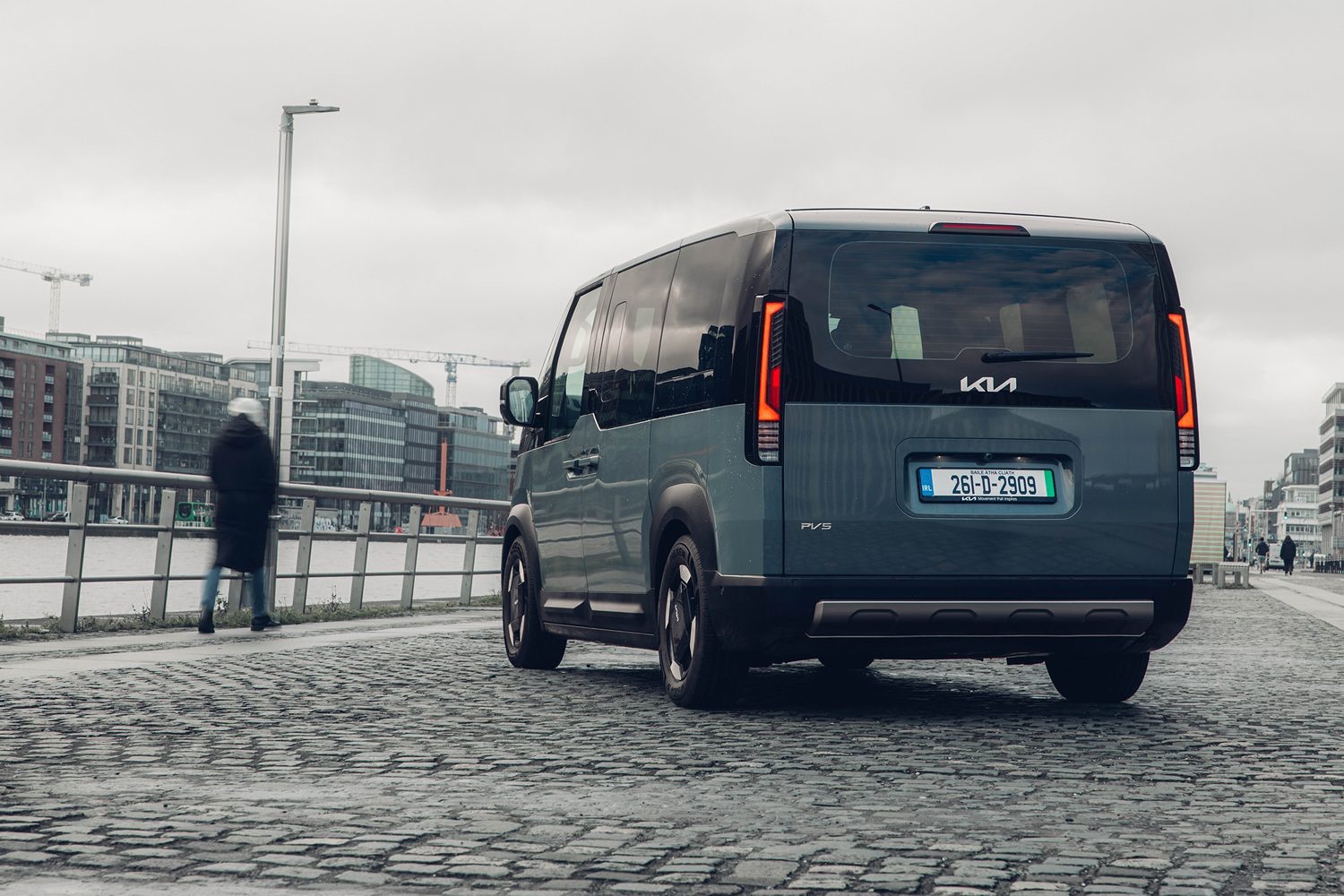
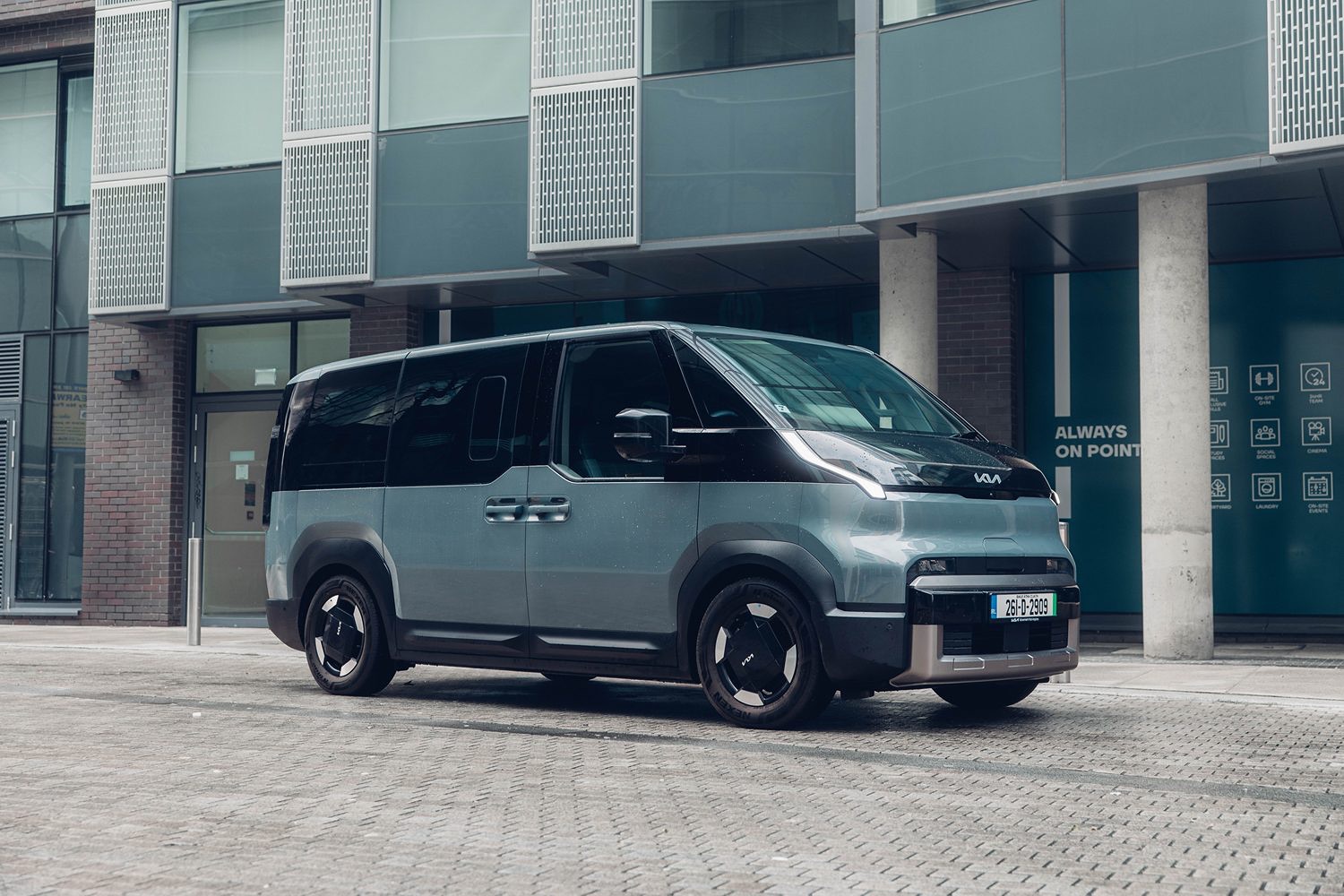
There is, and it’s been one of the stand-out stars of 2026. It’s the Kia PV5, which, yes, is a van, but which also comes in passenger form.
Arriving initially as a five-seater, and with a seven-seat version just hitting Irish shores around now, this big, practical, van-shaped electric car kind of stunned us with just how good it is.
Not only is it big and roomy inside, and comfortable too, but it feels sophisticated to drive, has a decent real-world range and feels about half its size in town traffic thanks to an absurdly tight turning circle. It’s even very reasonably priced.
How many marathons could it cover?
That’s the hilarious part. In the 40 years since Kia made that Besta EV, the PV5 has been able to benefit from battery tech that’s improved to the point where its range has increased by almost tenfold, even though the battery itself is only just over twice as large in terms of stored energy.
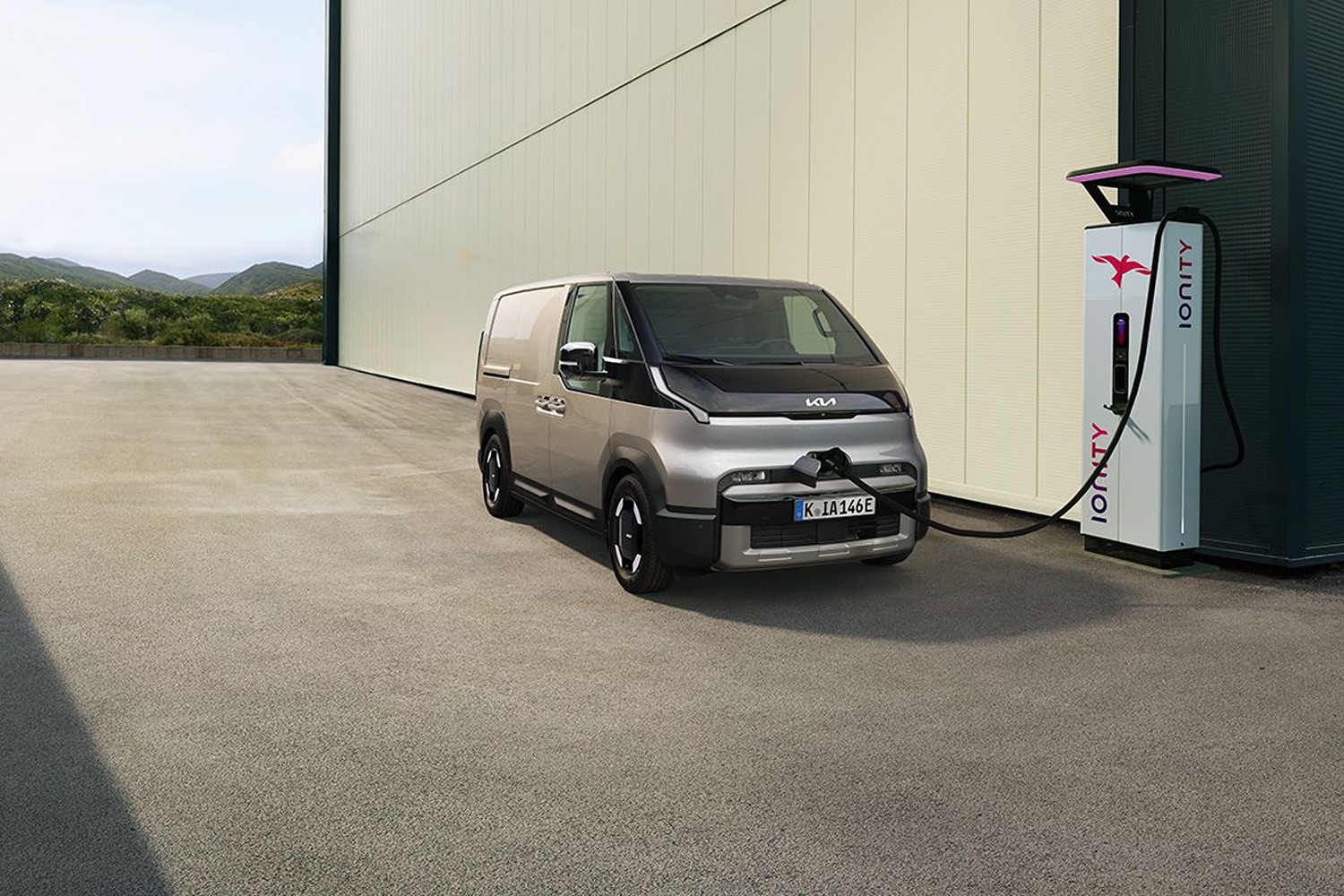
The PV5’s official 412km range would, in theory, allow it to be the camera and timing vehicle for 9.8 consecutive marathons, without a break.
If I was blown away by the traffic-lights comparison between an EV6 and a Ceed in 2021, I wonder how I’d have felt if I’d nosed up behind a Besta EV while driving a PV5, in 2026.
If there is anything about this story we have not covered, you can avail of our expert advice service via the Ask Us Anything page.