
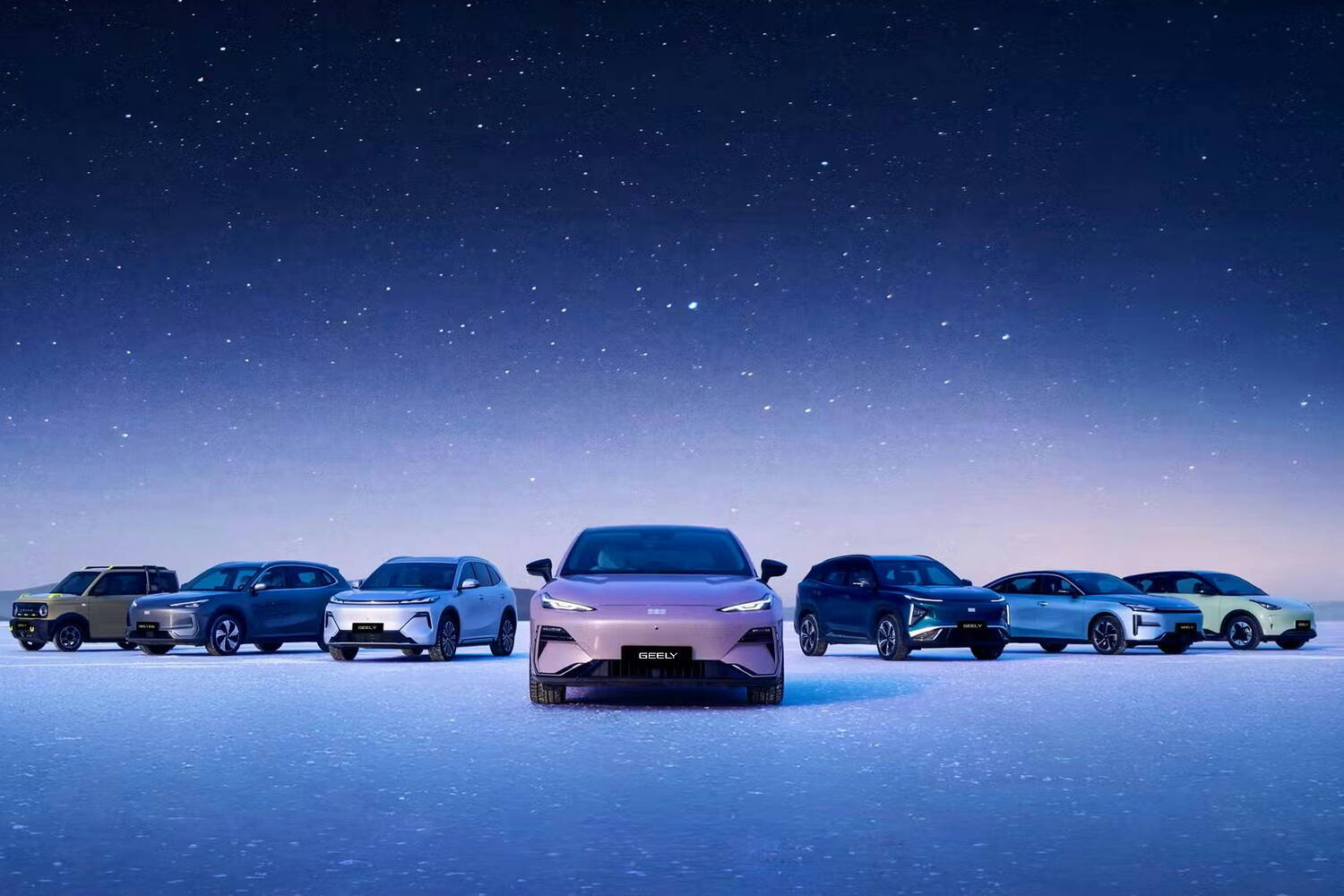
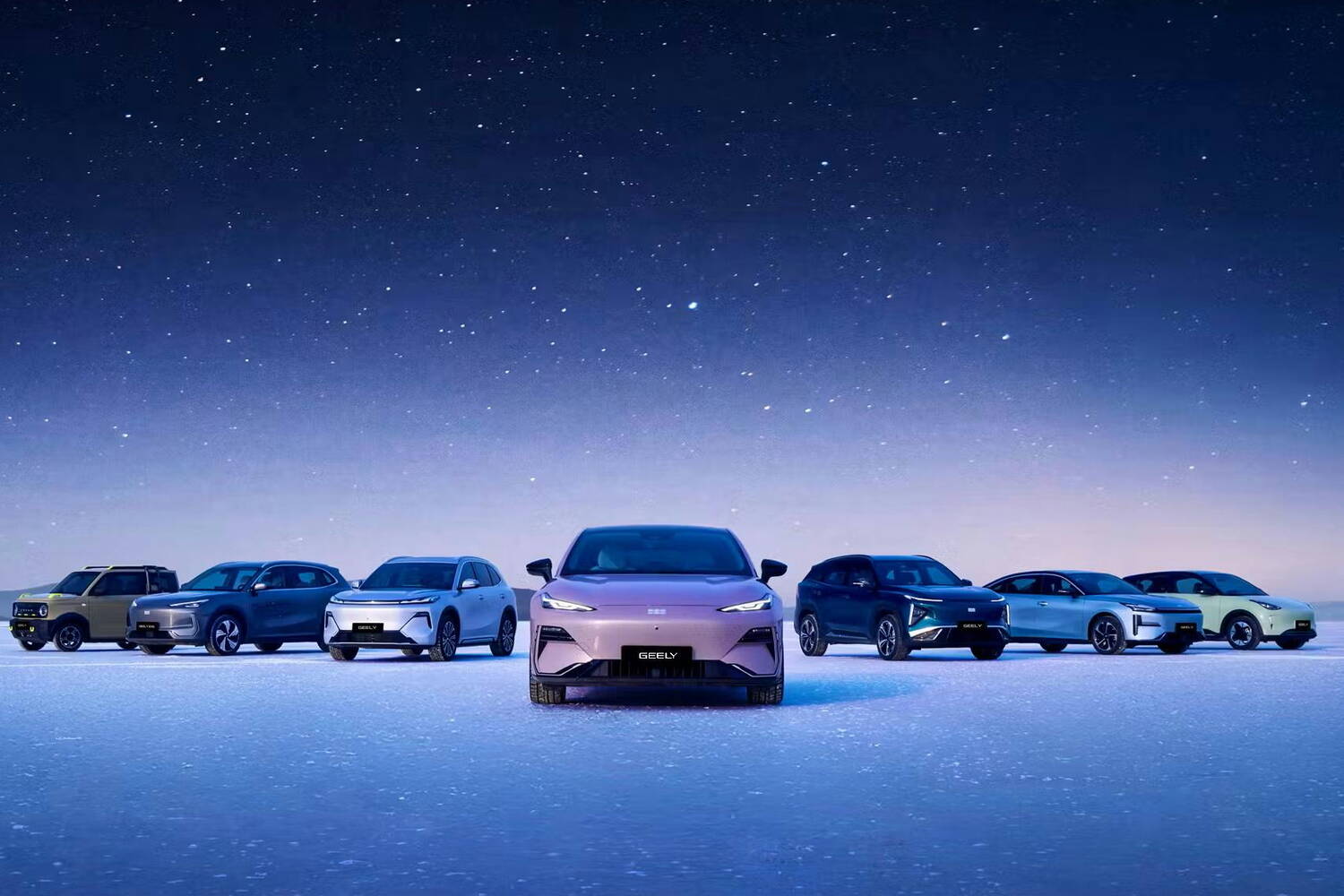

However, in a wider context, Geely the car brand is part of the much larger Zheijang Geely Holding, a massive conglomerate that has interests in not only Geely and its compatriot manufacturers, Zeekr and Lynk&Co, but also a slew of top-notch European companies – namely, Volvo, Polestar, Lotus and Smart.
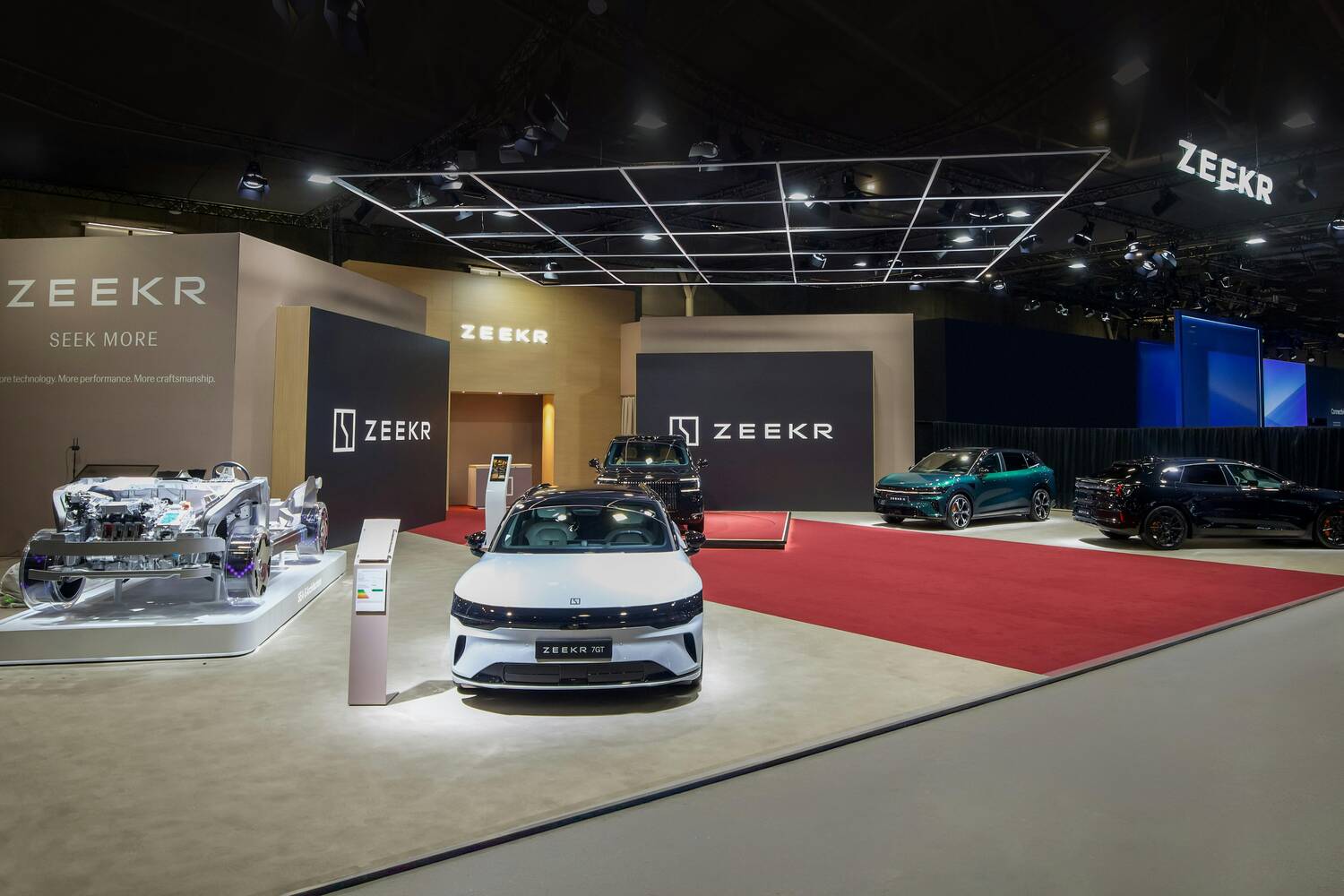
Thus, as more and more Chinese carmakers arrive on the European automotive scene, looking to make inroads into the sales of established heritage manufacturers who have been operating in the zone for decades, we’re often told by each of these disruptor companies that its products have been “adapted for specific European tastes.”
But what does that actually mean? How much of a car is adapted from the Chinese-developed product sent over from its homeland? And is Geely ahead of the curve, thanks to its associations with outfits like Volvo and Lotus?
We sat down at the Paris Motor Show with two of Geely Europe’s big cheeses, to find out more about what goes on behind the scenes in ‘Europeanising’ a Chinese car for local markets.
“Bringing in products fit for Europe”
Serino Angellotti is the lead for Geely Car Line in Europe. The affable Italian has an enviable record in the automotive industry, having worked within Lotus, Maserati, Alfa Romeo and Magneti Marelli, among more, across a long and illustrious career.
He and his team have one main task: listen to customers across Europe and then develop the raw Chinese materials into something that is better suited to those tastes.

Alongside Angellotti, and working closely with him, is Dennis Weinel. He is the Product Definition Director for Geely Europe, the man who is mainly responsible for looking at the models European customers say they want and then lobbying the company’s HQ in China to get those products over here where they’re required.
The first question we ask of Angelloti is the broader concept in mind: just how does the European arm of a Chinese company adapt a product developed thousands of kilometres away in a different part of the world entirely?
“The ambition that we set with the foundation of the Geely technology department here is to bring to Europe products that fit for Europe,” he explains.
“It is not the whole vehicle we are adapting. Not all areas have the same relevance for Europe. There are areas of the vehicle that can stay as is, because of the maturity that the product has in China is absolutely OK. There’s no need to spend effort on that.
“But there are areas where there is a clear need – not because China is wrong, but because Europe is different. We believe that we have set in Europe the right level of expertise, with a pool of engineers and the product experts that can manage that.”
Angellotti makes it clear that, of course, his team in Europe are not leading the development of the cars. But there are specific areas that they target.
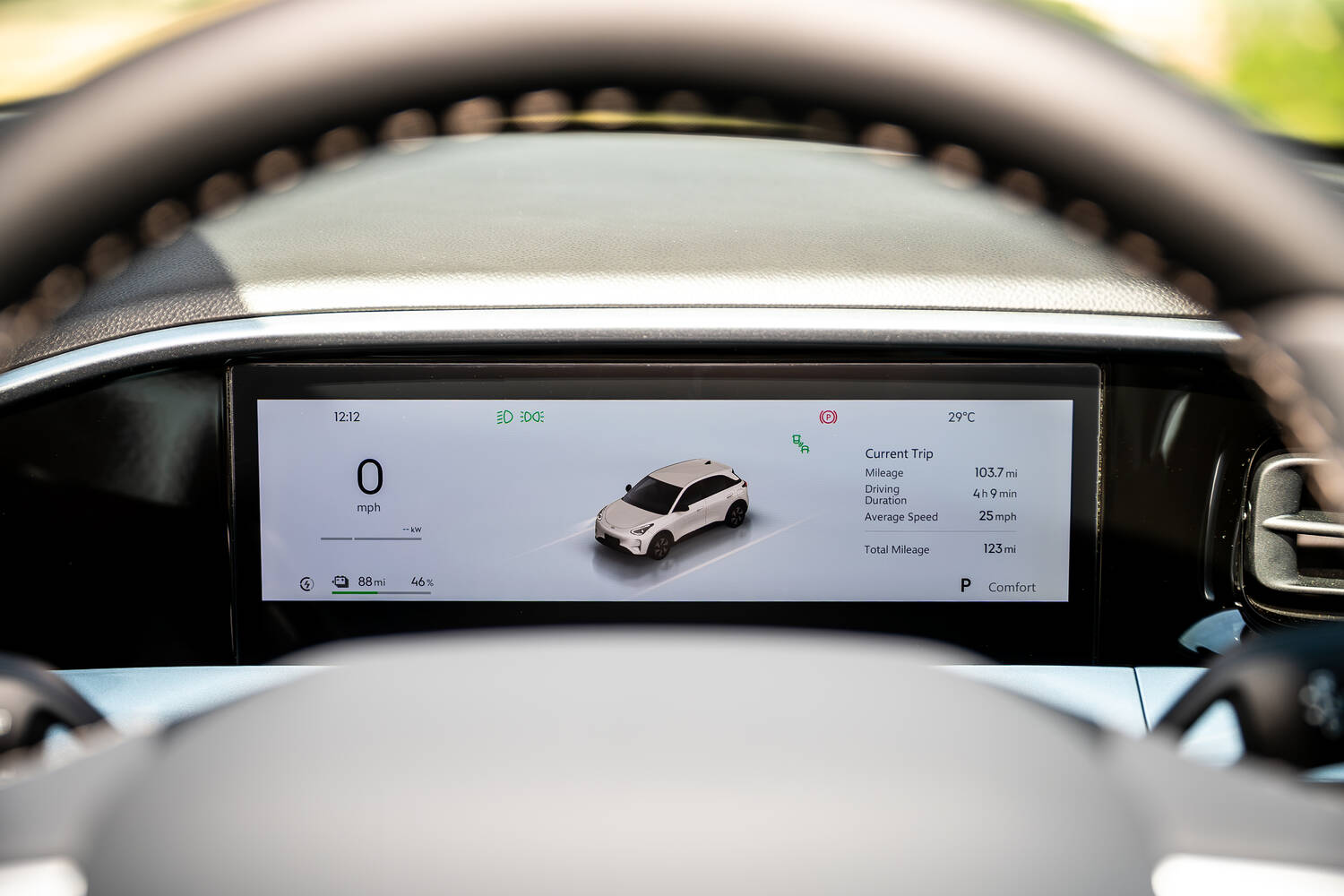
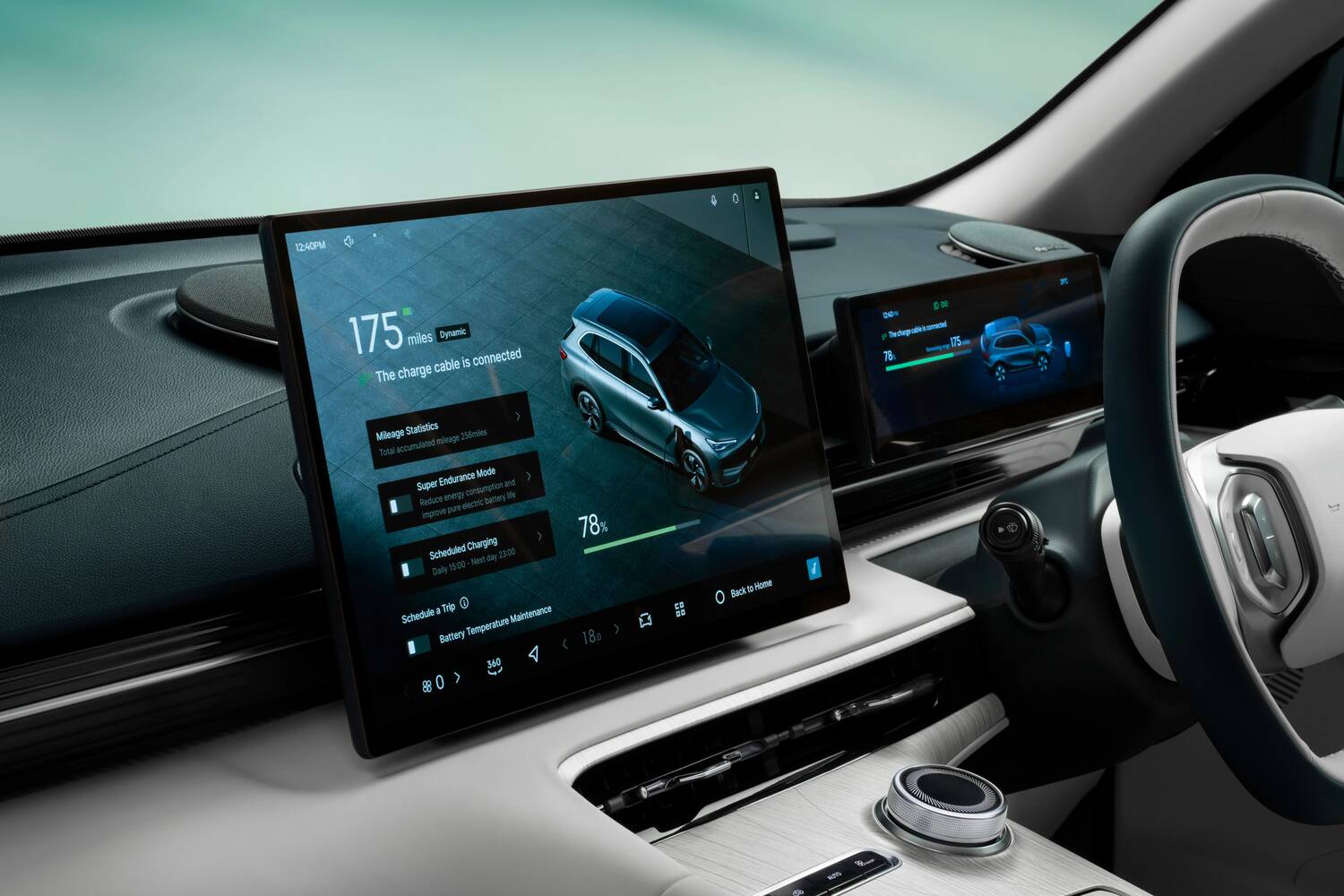
Primarily, and this echoes our own experiences of driving a variety of Chinese cars from all manufacturers in recent years, it is the way you operate the onboard systems, as well as attention spent on fine-tuning the steering, suspension and the brakes.
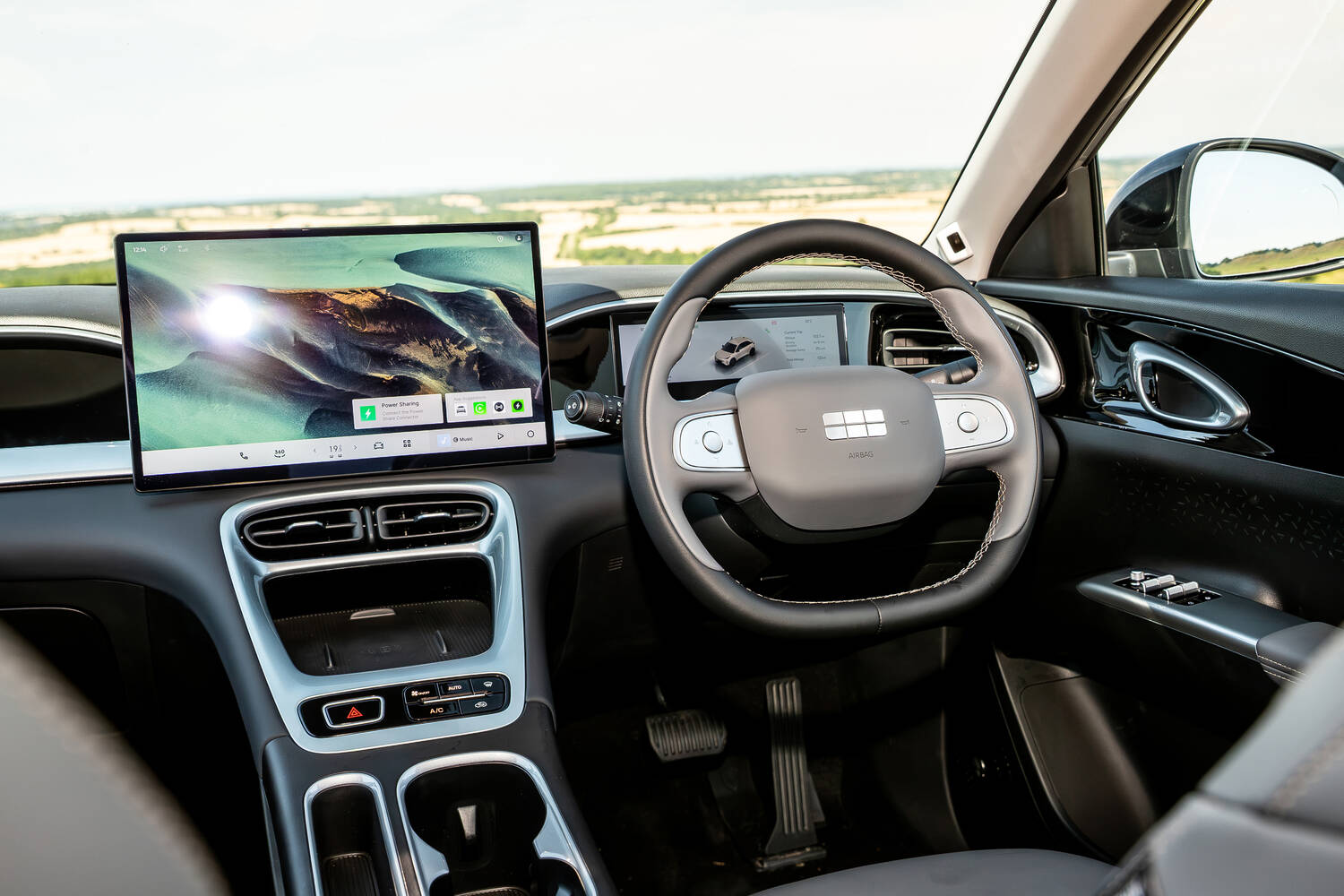
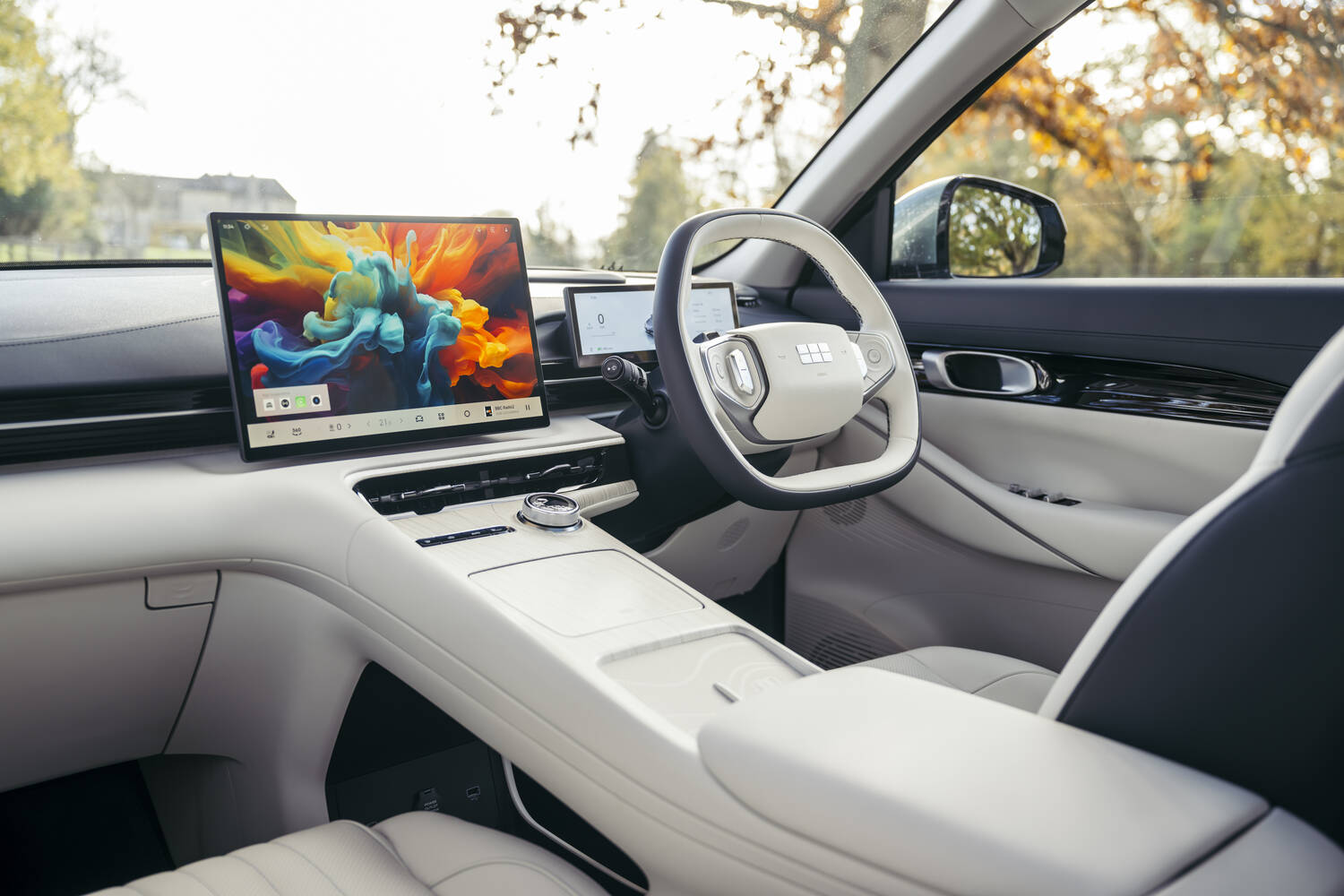
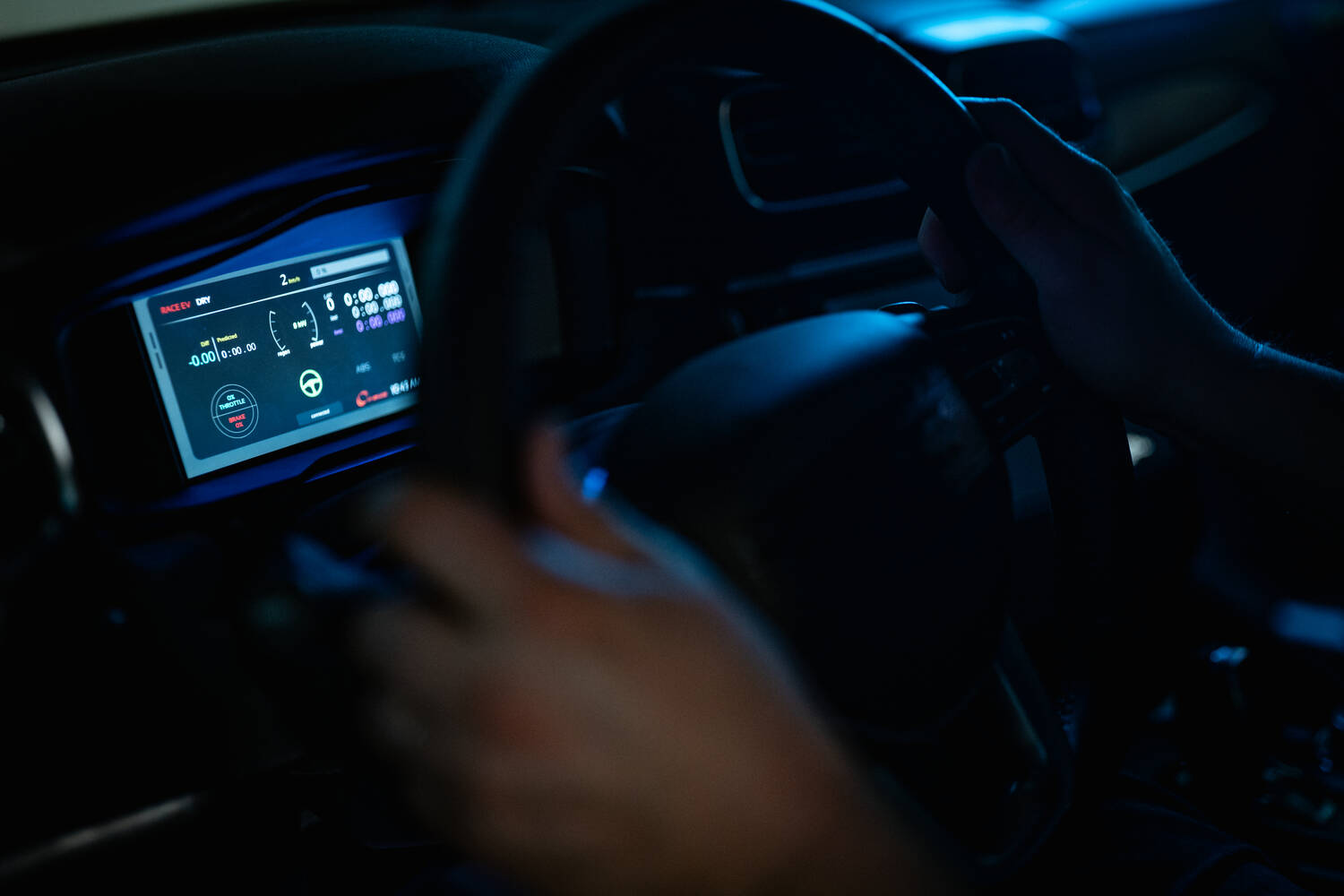
By all accounts from the European side, it’s the digital experience which needs the most work, and Chinese cars are defined by their lack of physical buttons and switchgear. That’s a framework Angellotti and his team must work within.
“The digital experience in China has a very different ecosystem, a very different requirement,” he says. “The Chinese love lots of interruptions and busy systems, but I would say that can be annoying for a customer in Europe.
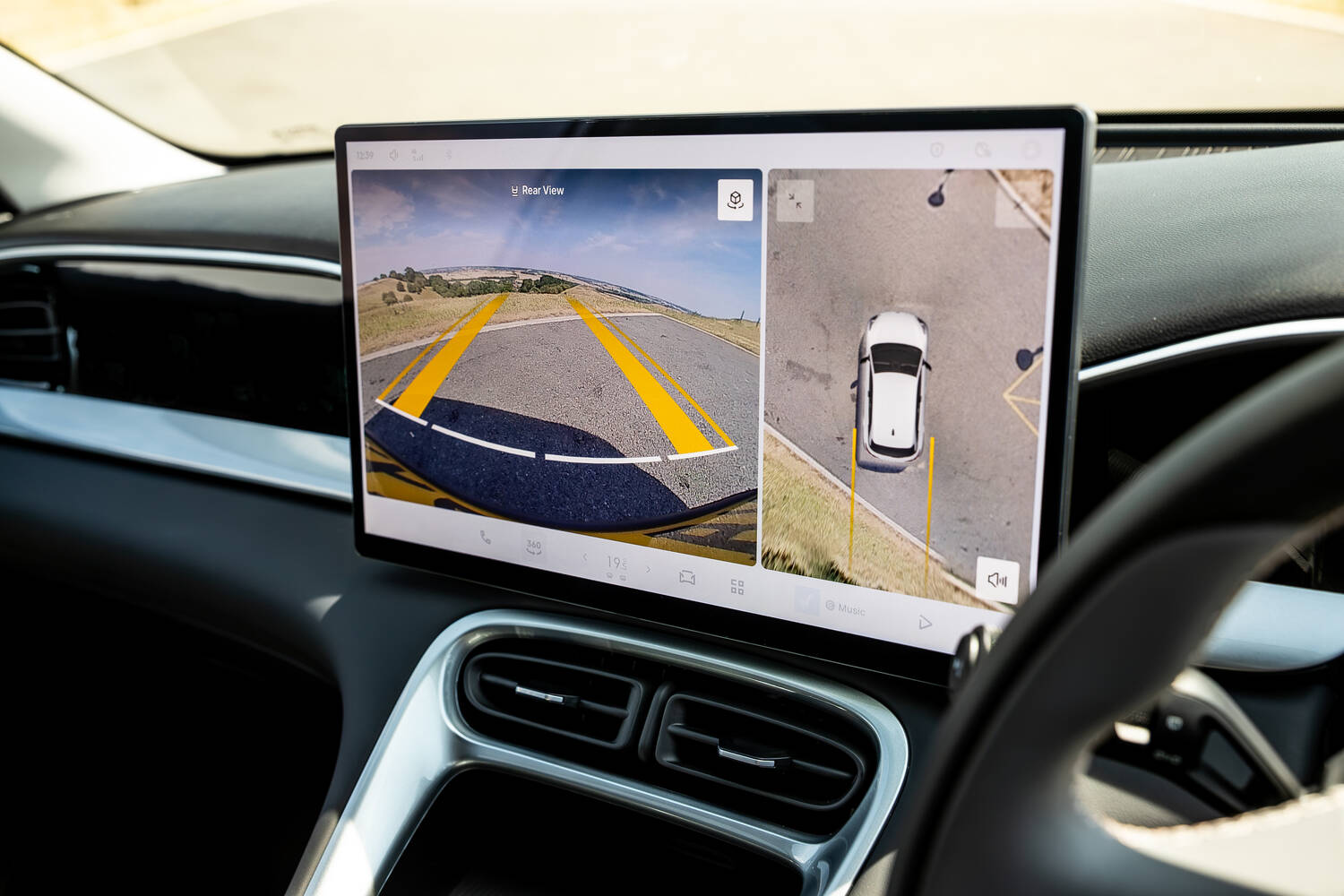
“Therefore, in the case of the digital experience, a large part of this development is happening in Europe. This can even be with the intelligent response to a type of function. China is very keen, for example, to have quick early intervention [with lane-keep assist], whereas a European wants the car to move to the centre and wants the car to arrive at the line before you feel something that is trying to take control away from your side.”
This is all music to our ears, as over-zealous ADAS is one of the bugbears of many Chinese vehicles.
In the Geely cars, more efforts have been made to tone down the electronic safety overlords to more bearable levels, and from our experiences in the three products the company already has on European roads, we can tell the programme is working.
Same architecture, different tuning
But perhaps the best area where we have sensed Geely’s European-tuning efforts coming to the fore is in the way its cars ride.
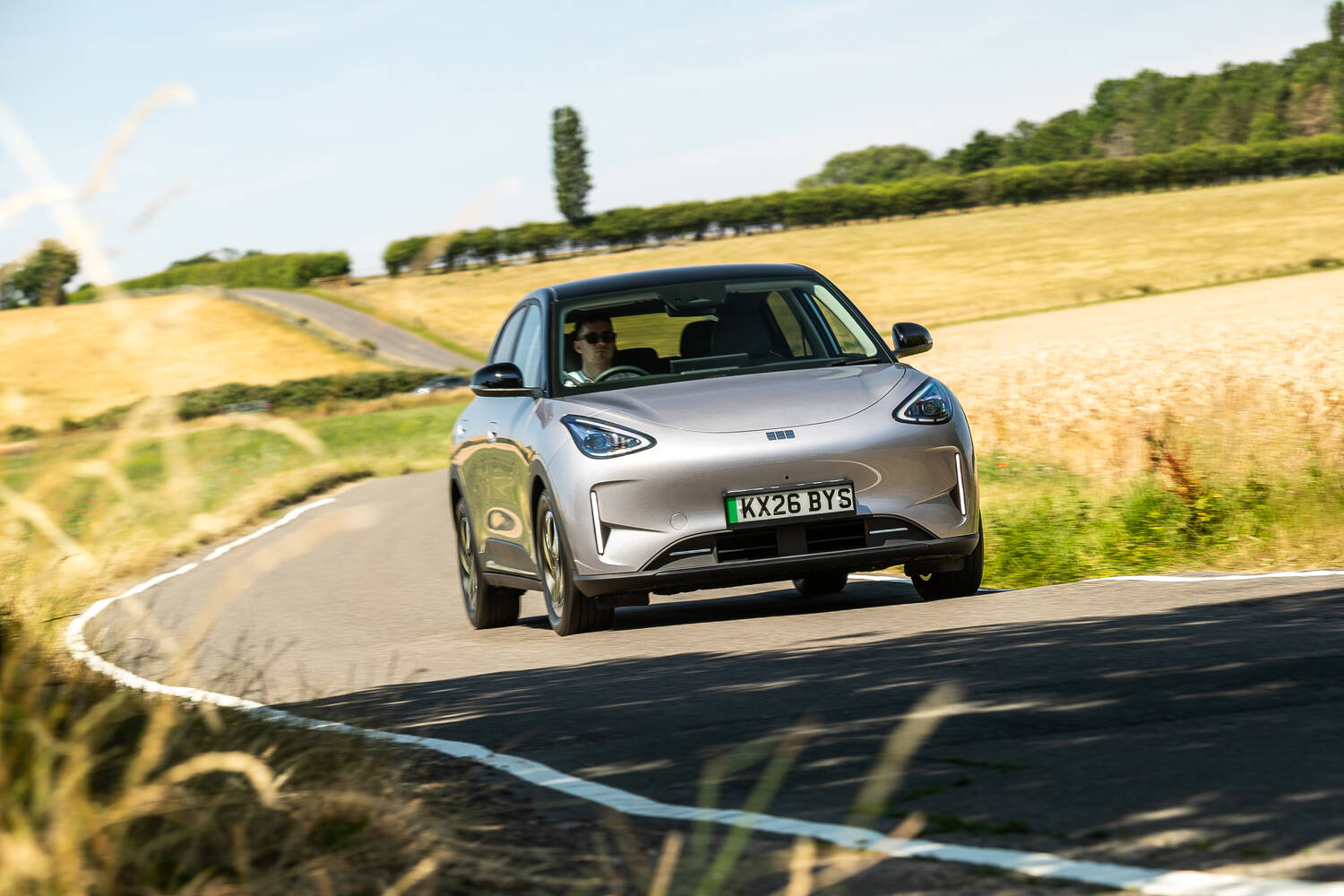
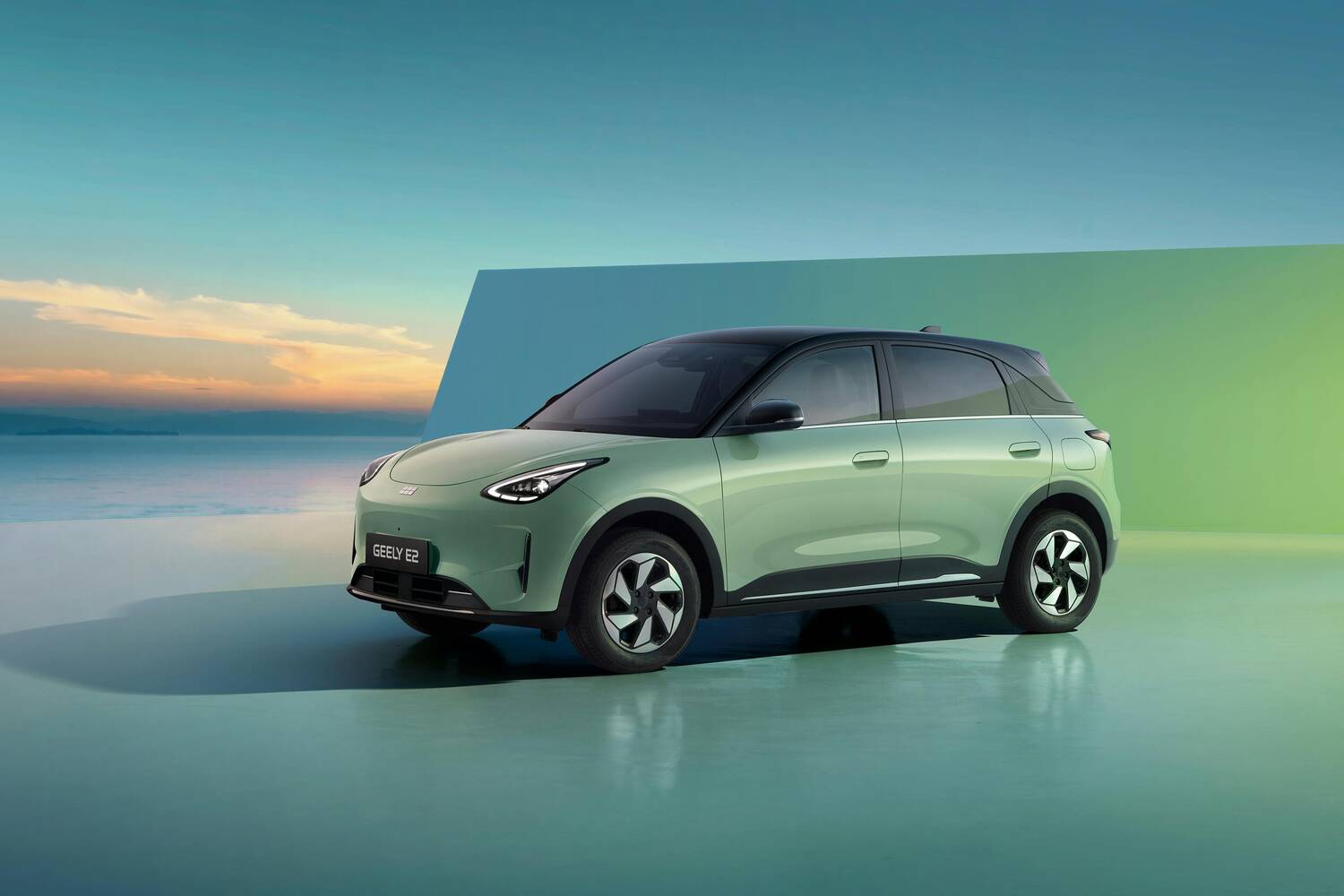
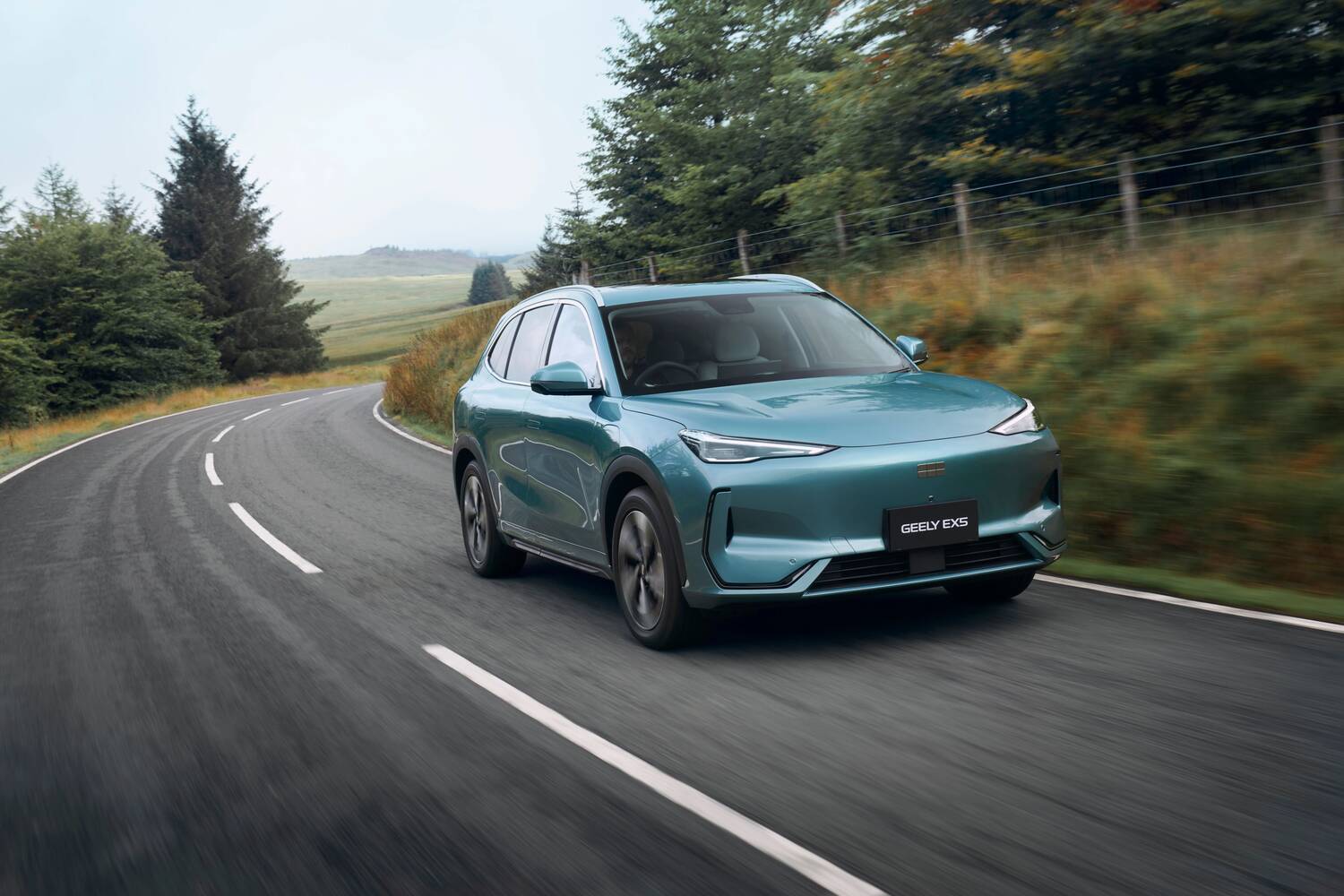
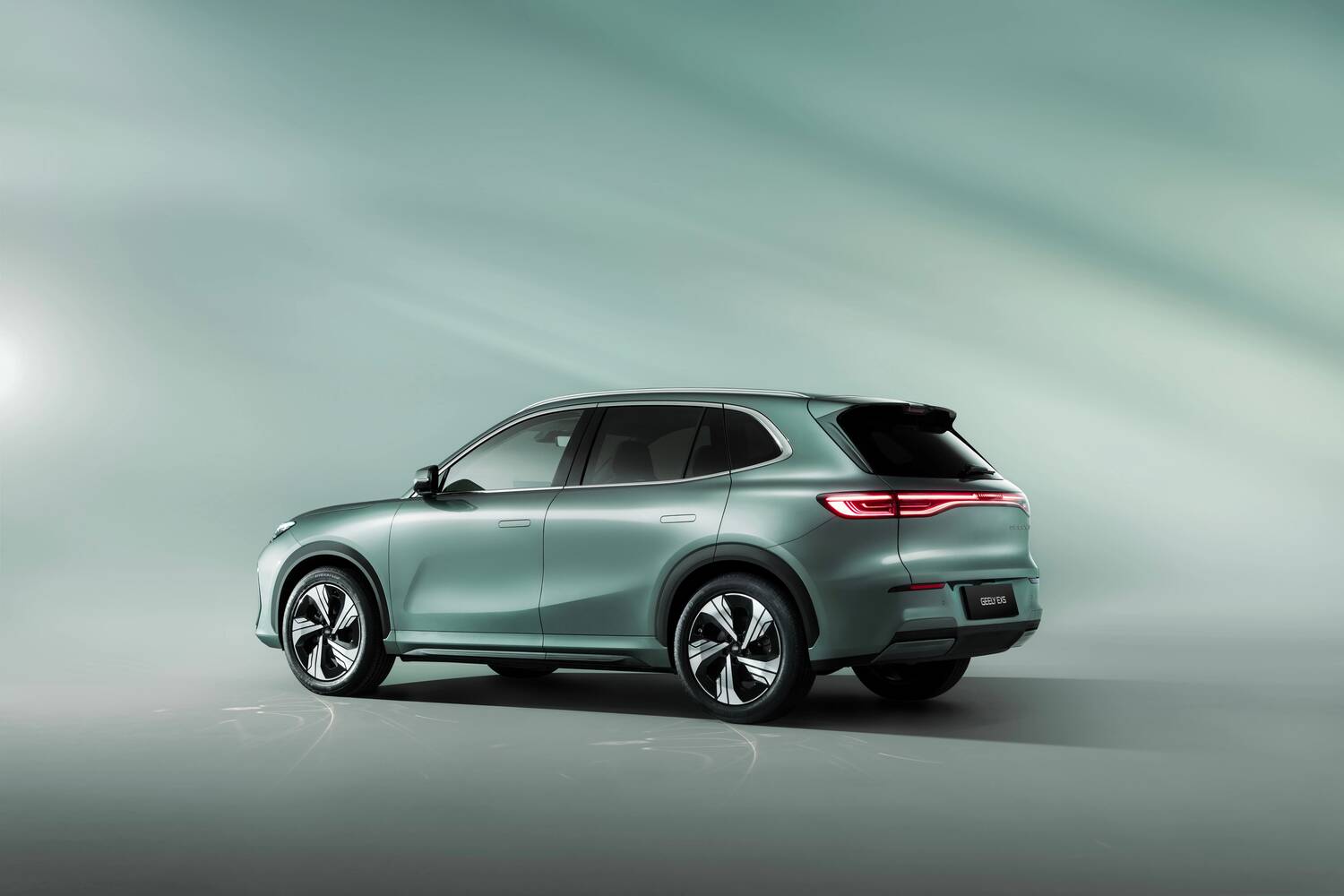
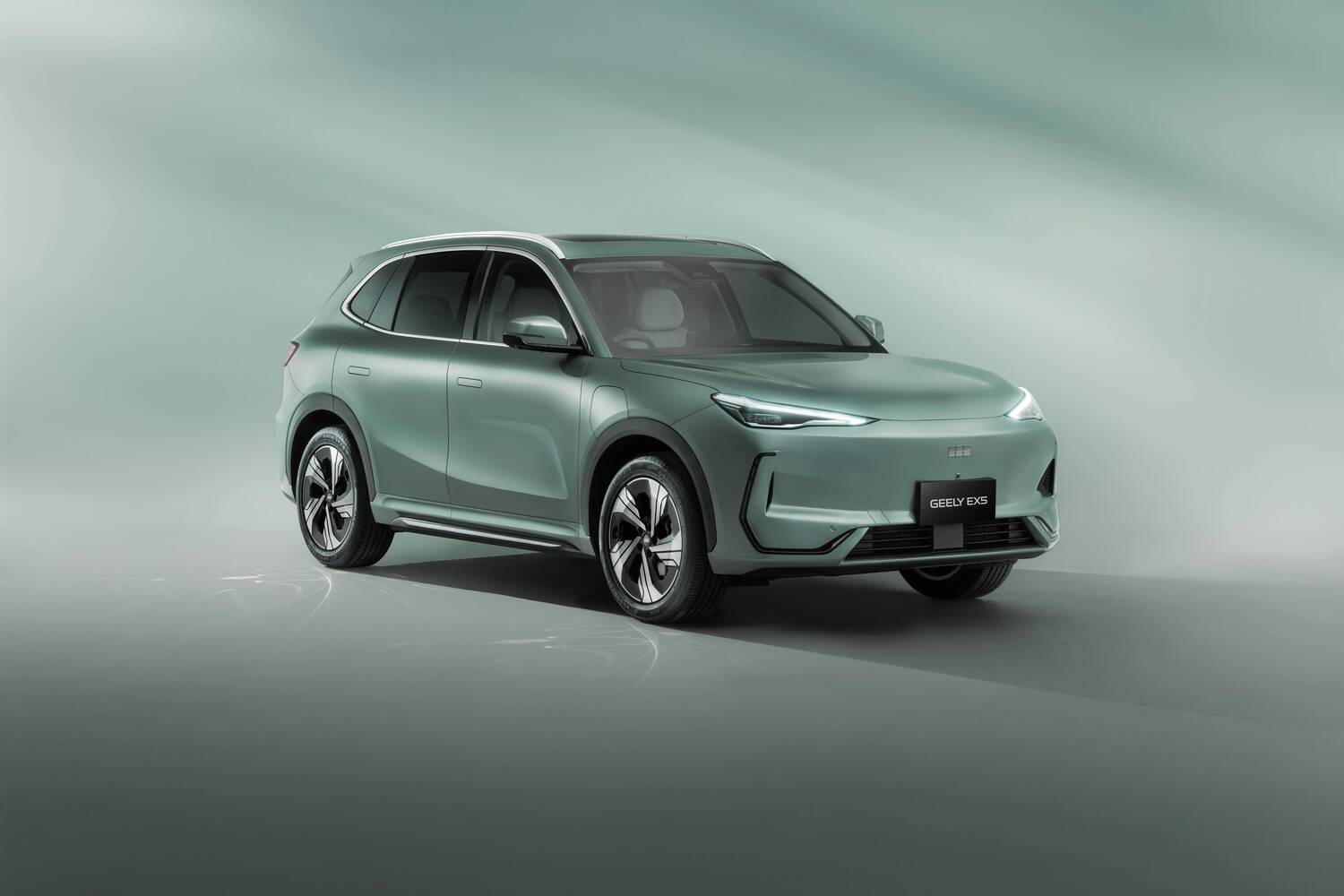
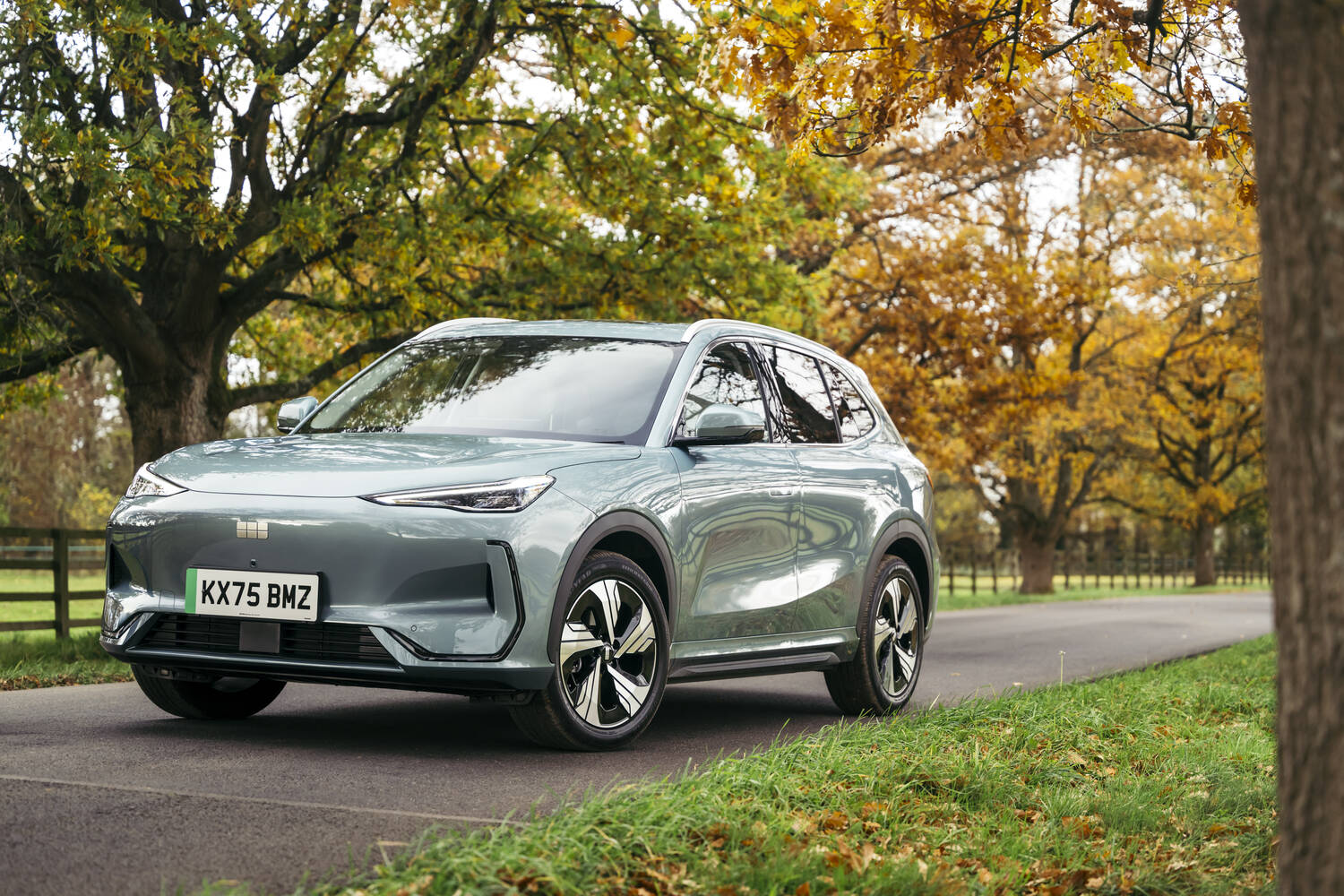
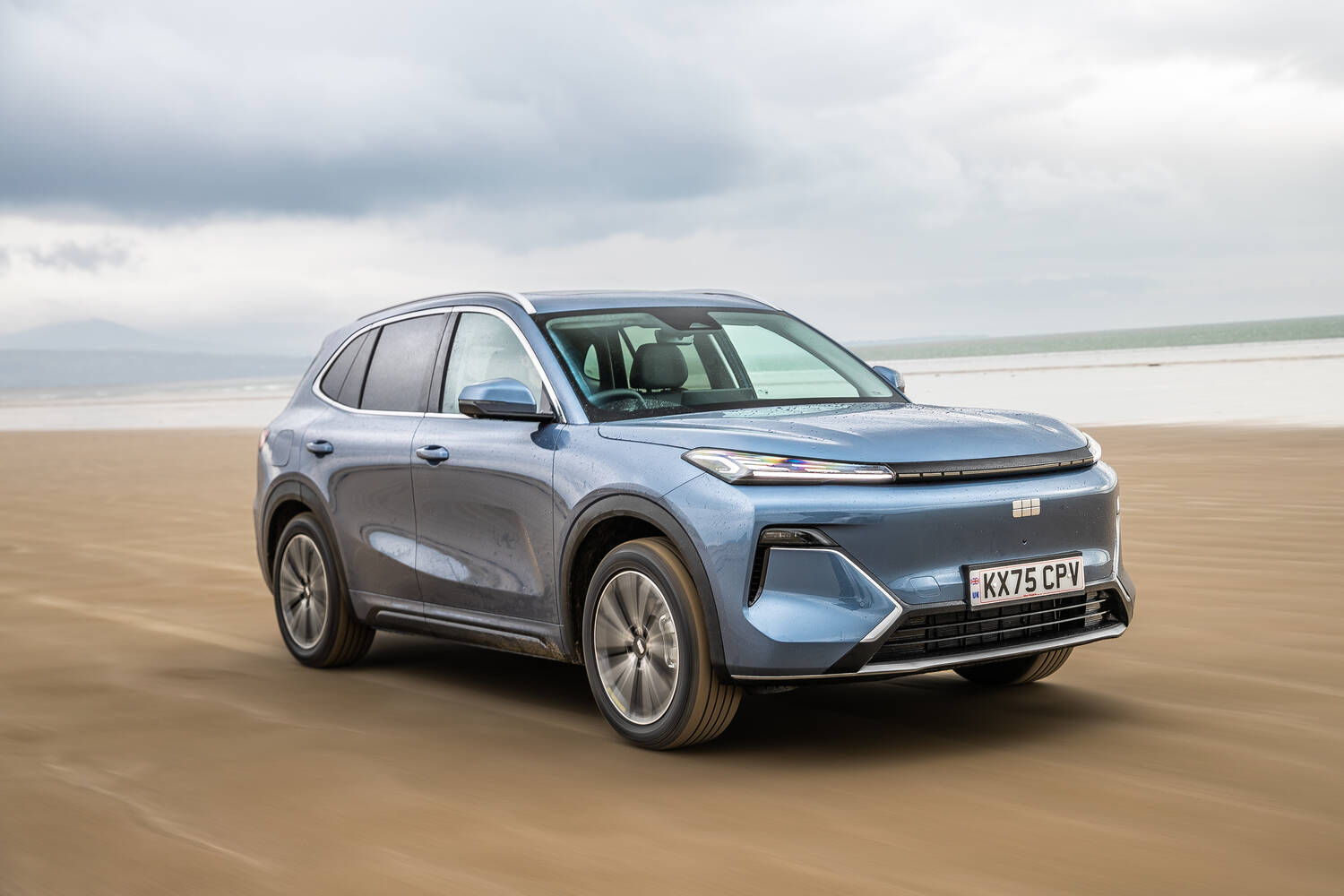
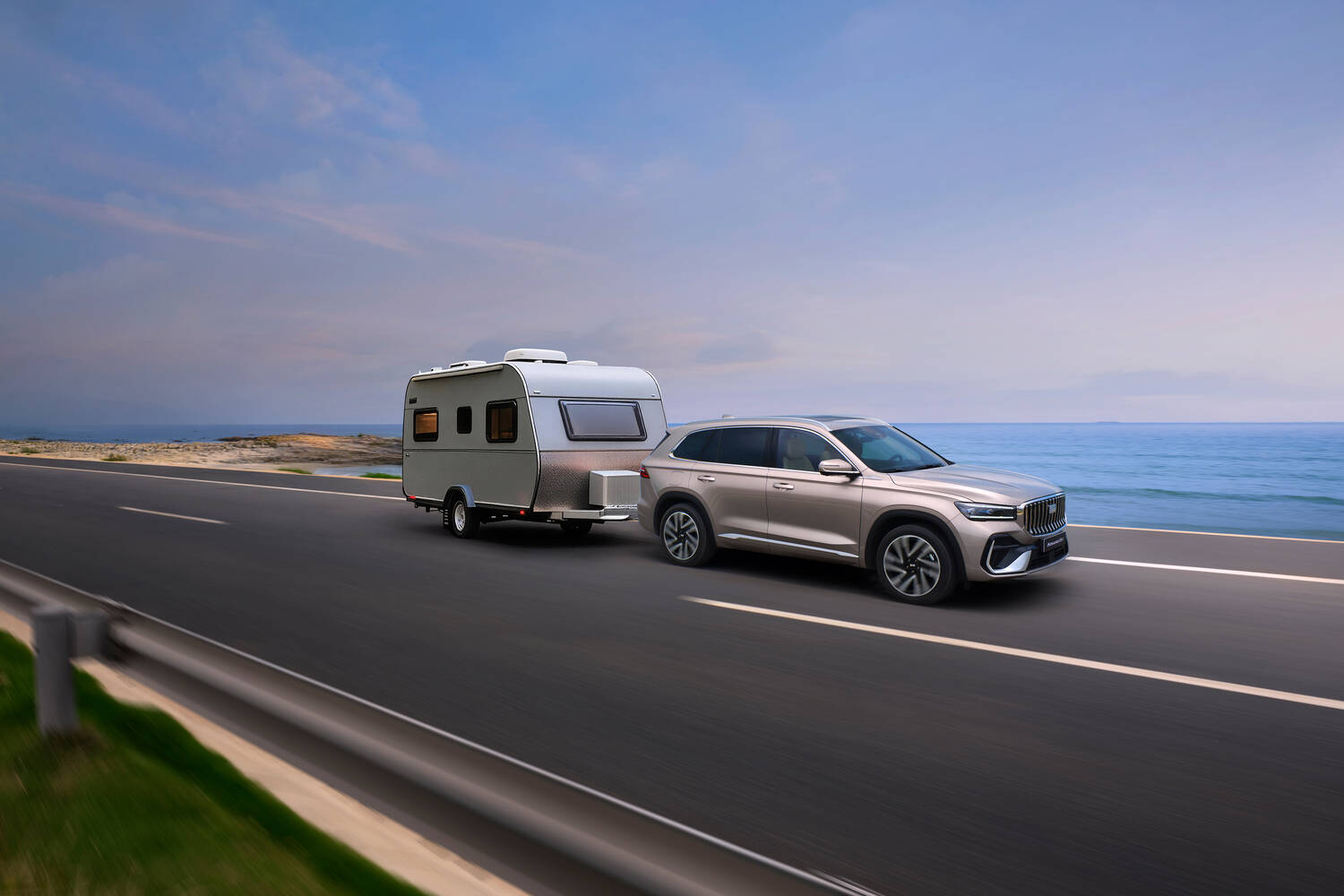
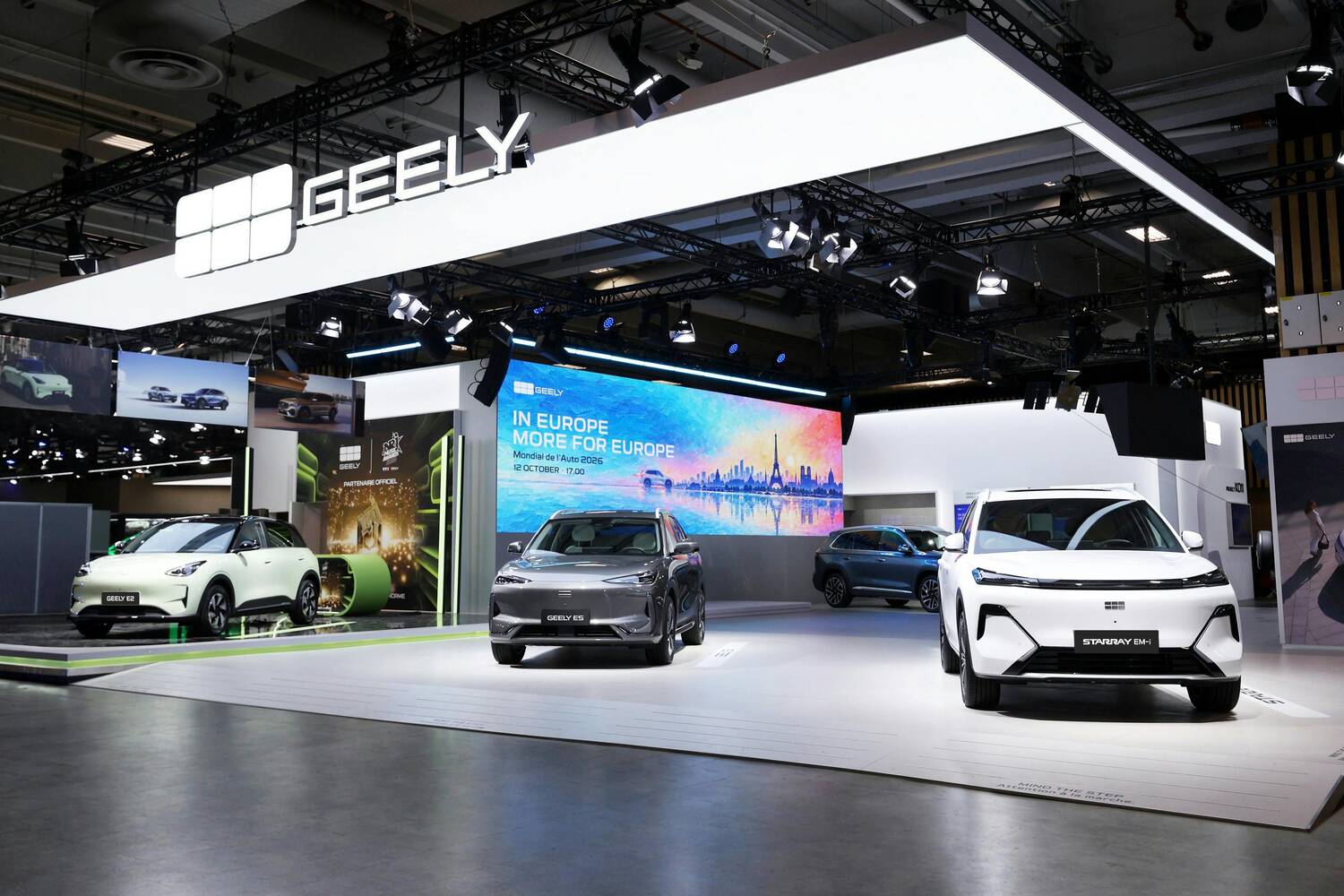
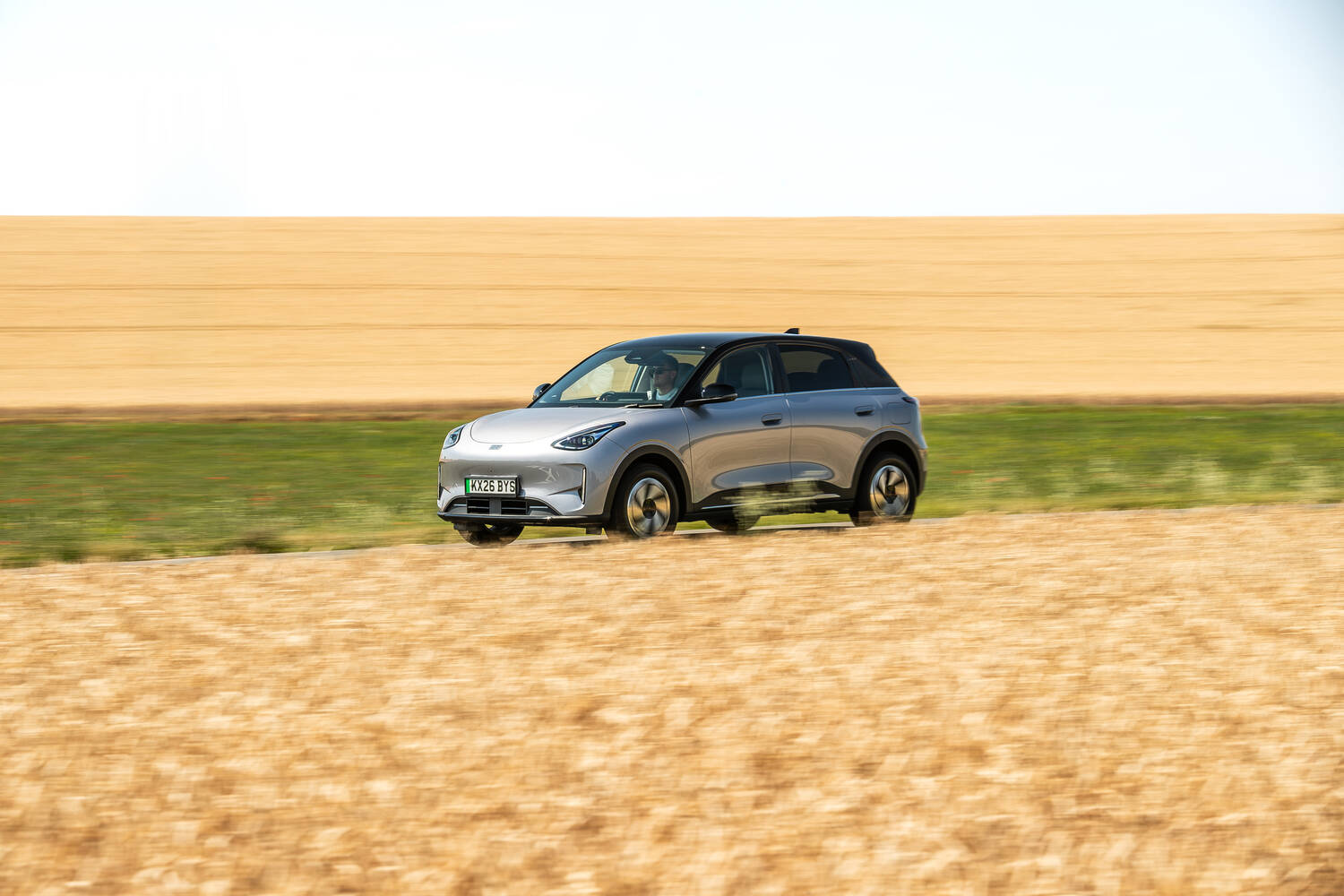
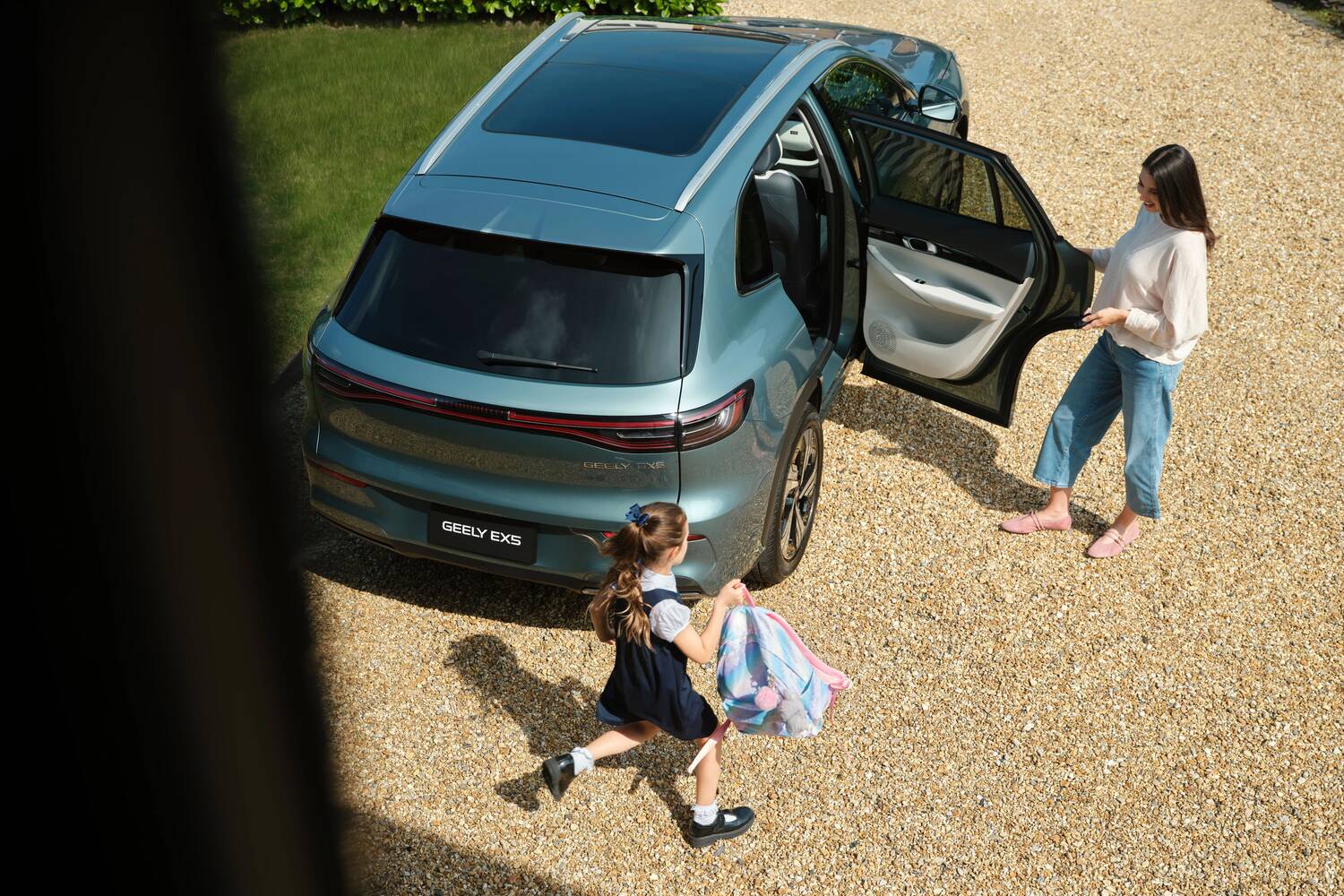
We’ve had time behind the wheel of the Geely EX2, EX5 (both of which are simply sold as the ‘E2’ and ‘E5’ on the continent, incidentally) and Starray in recent months – indeed, we drove to and from the Paris Motor Show in the latter, giving us comfortably more than 1,000km in its company over the course of a couple of days.
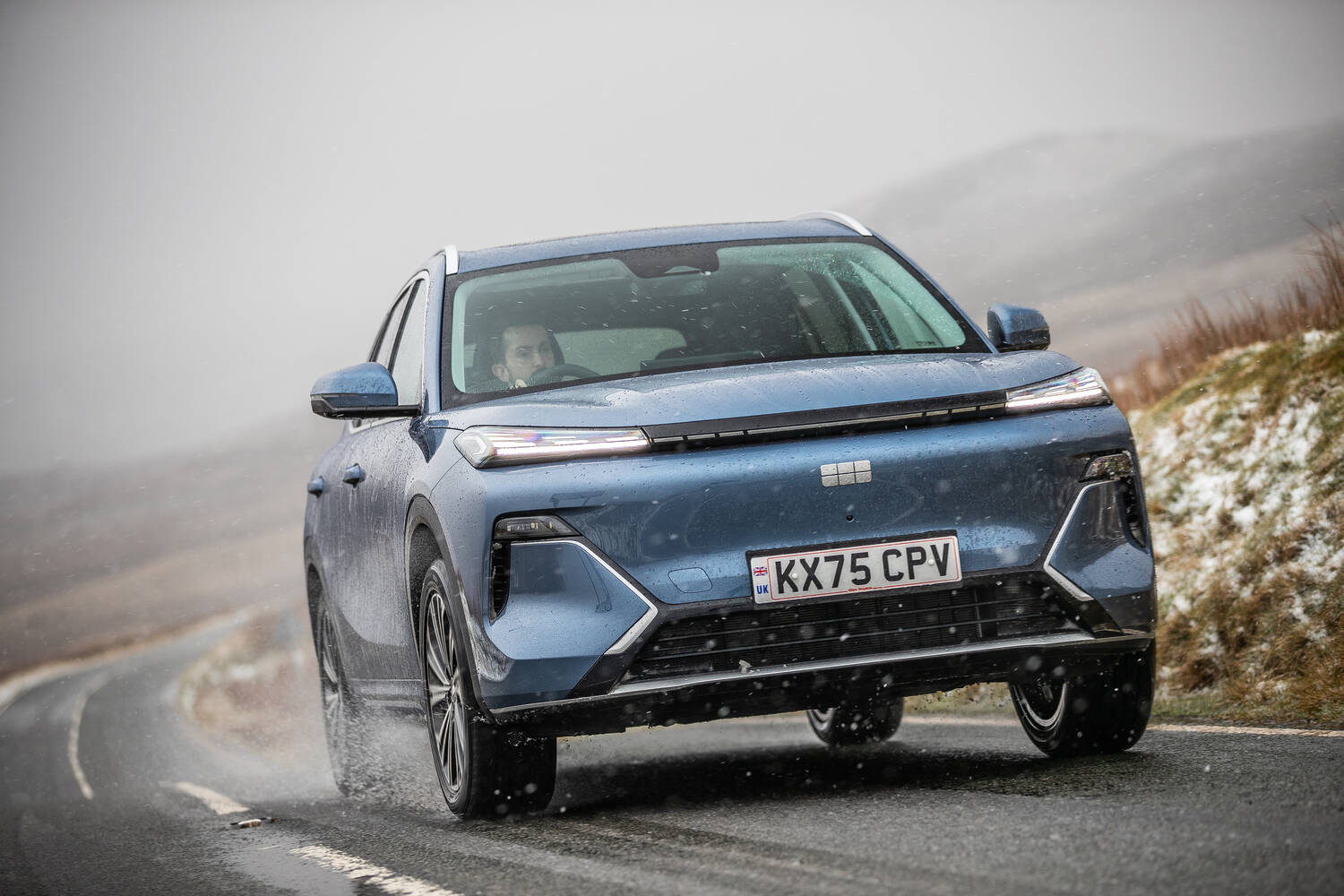
And all of them are, in our opinion, some of the best-riding Chinese cars we’ve yet sampled. They’re not perfect, you understand, but they are a lot closer to European sensibilities than the products we’ve tried from Geely’s rivals.
We did suspect that was due to some input from related firms like Lotus, a company known for its ride and handling prowess – and there’s some truth in that, confirmed by Angellotti.
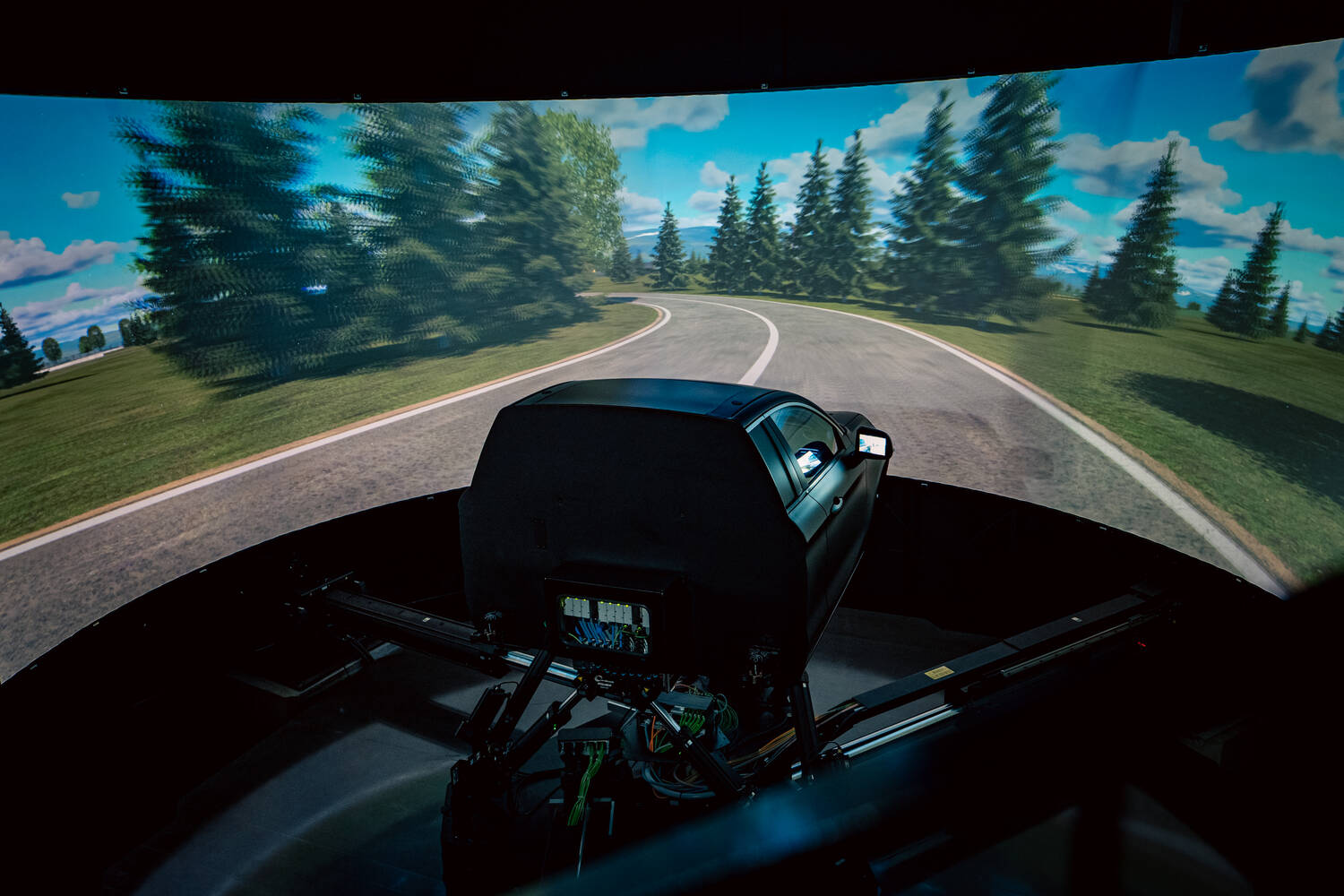
But it’s down to the diligence of his team, primarily: “We’re focused on the geometry over the street. Not only just testing but developing part of the product in co-creation with China.
“The area where this is important is the vehicle dynamics. Again, China loves a lot of comfort, pretty soft control in the steering, that we would define as sort of artificial.
“But European customers, even for mainstream vehicles, appreciate more control, more direct steering, more hard suspension – although in a sense that is not discomfort. China doesn’t want that.
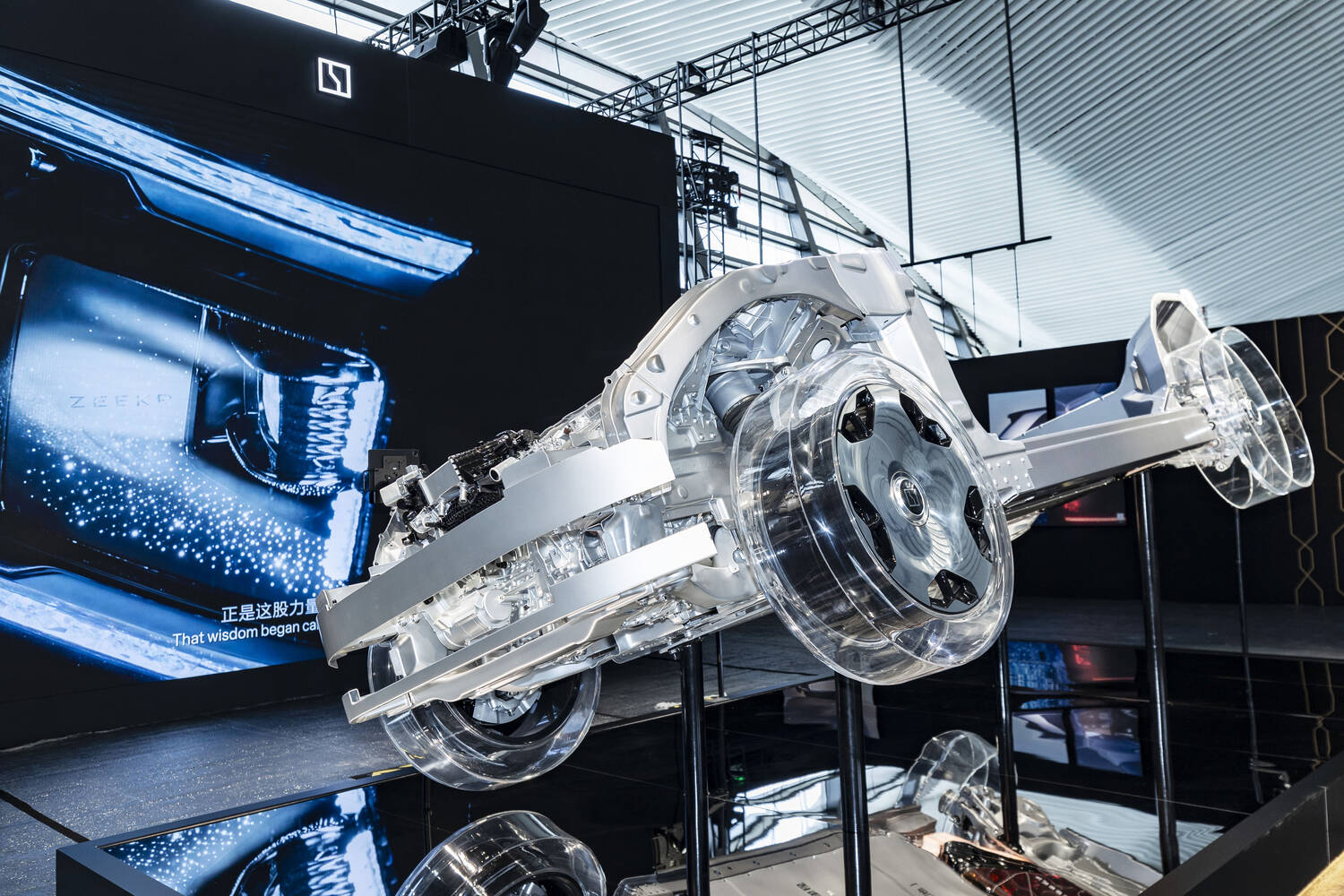
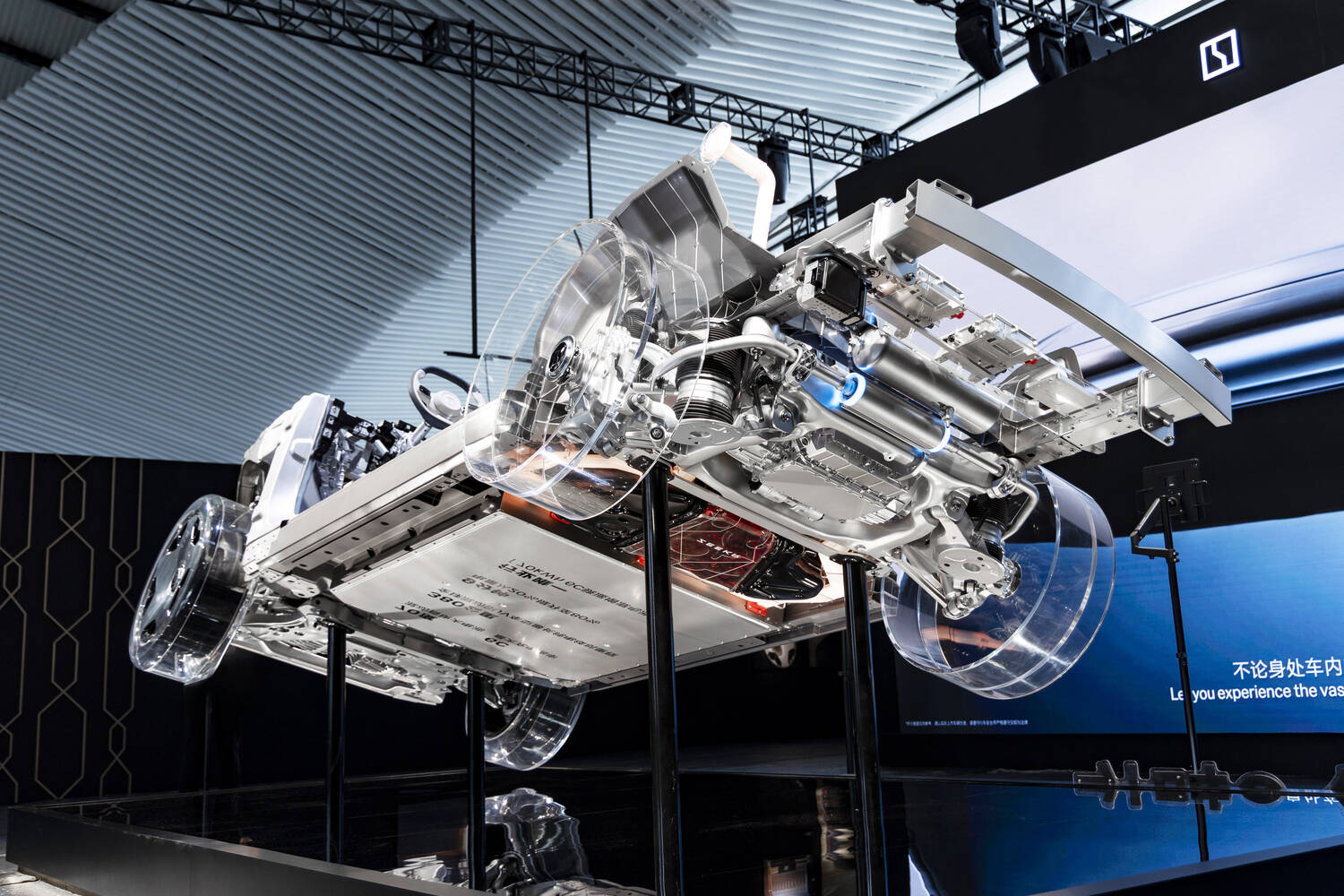
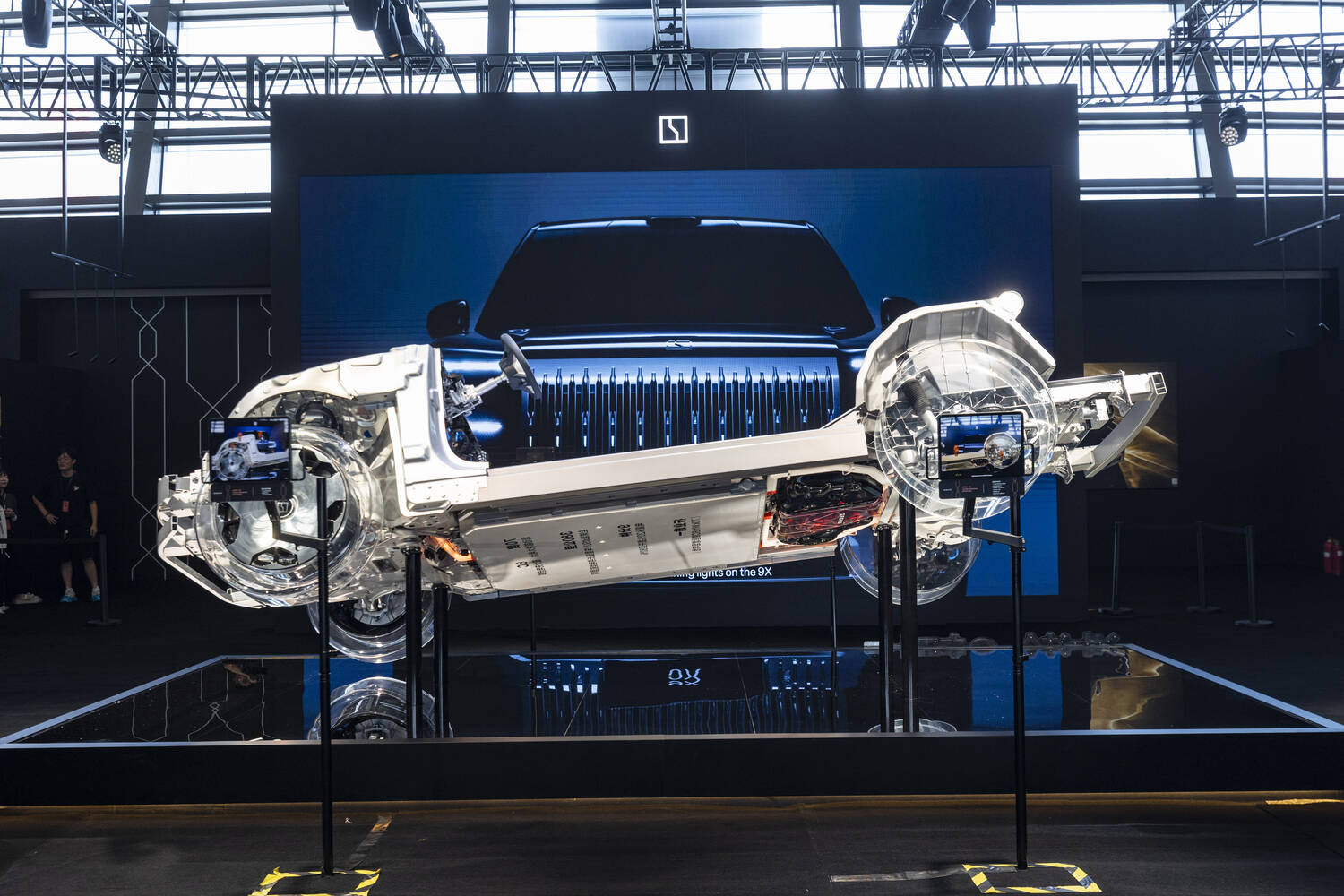
“So we arrive on an agreement that we develop together the architecture, allowing us to have a different type of [chassis] tuning for China and Europe.”
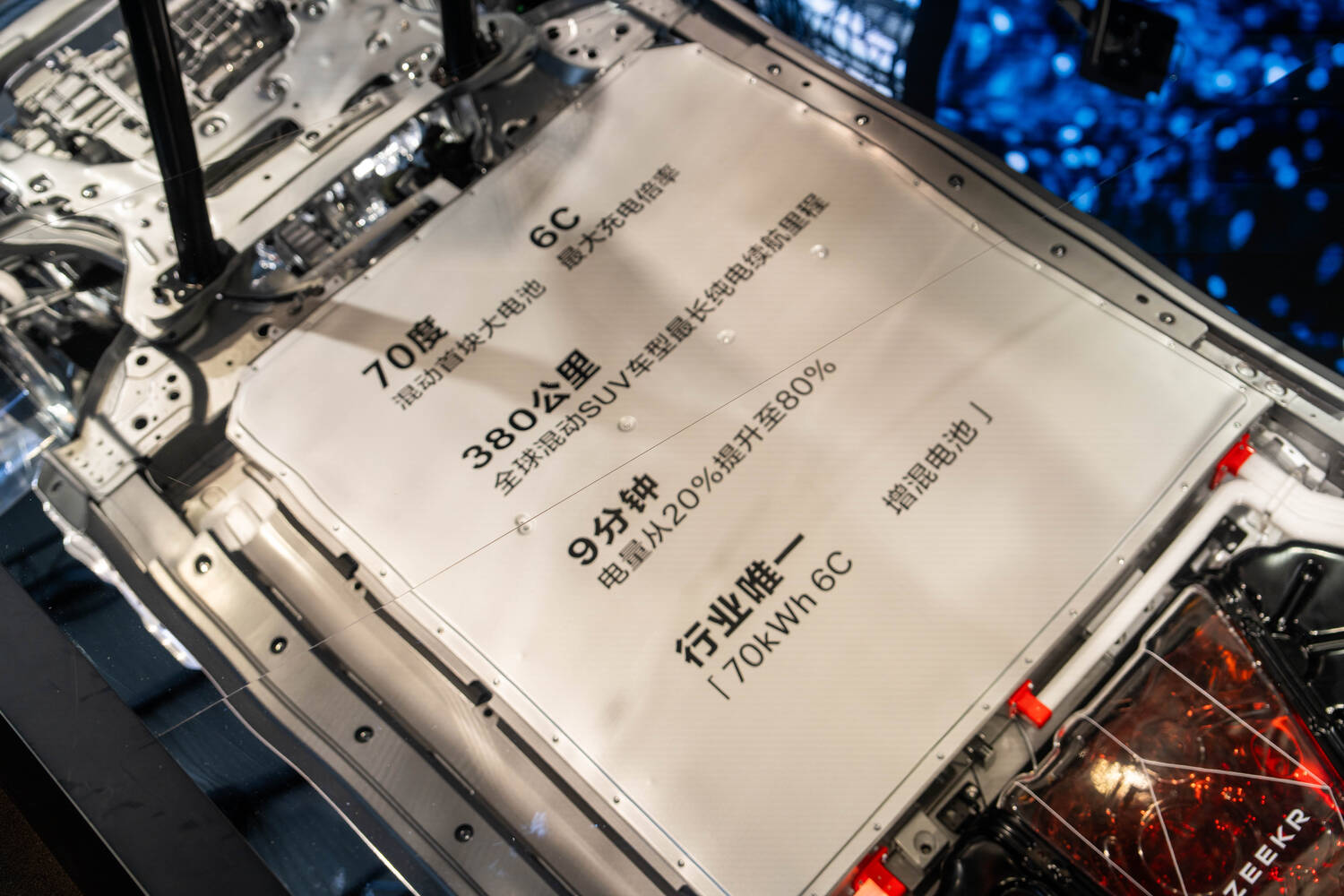
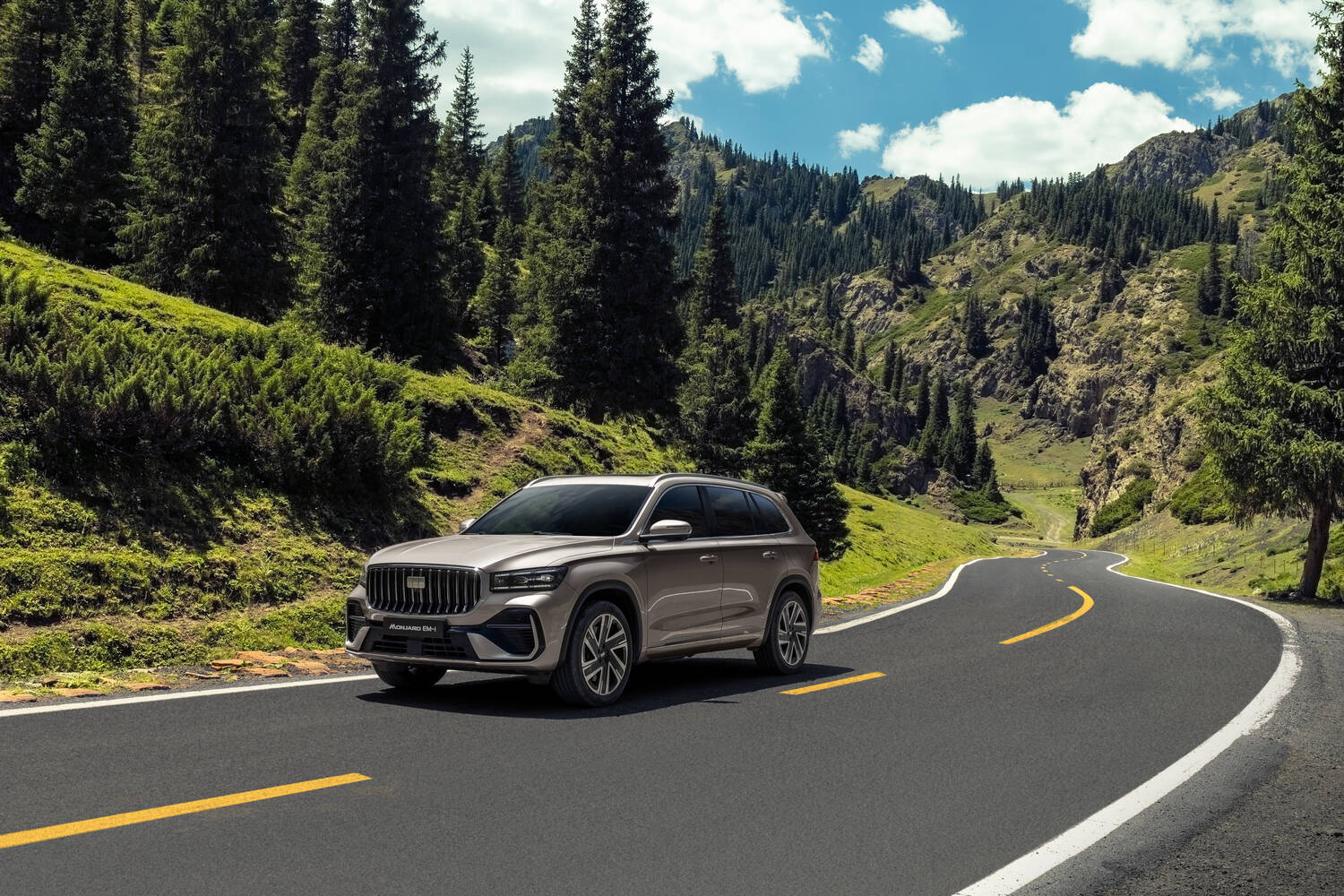
This collaborative work between Geely’s European and Chinese arms has already got well under way with the next product coming down the pipeline, the Monjaro EM-i plug-in-hybrid SUV the company unveiled at the Paris show.
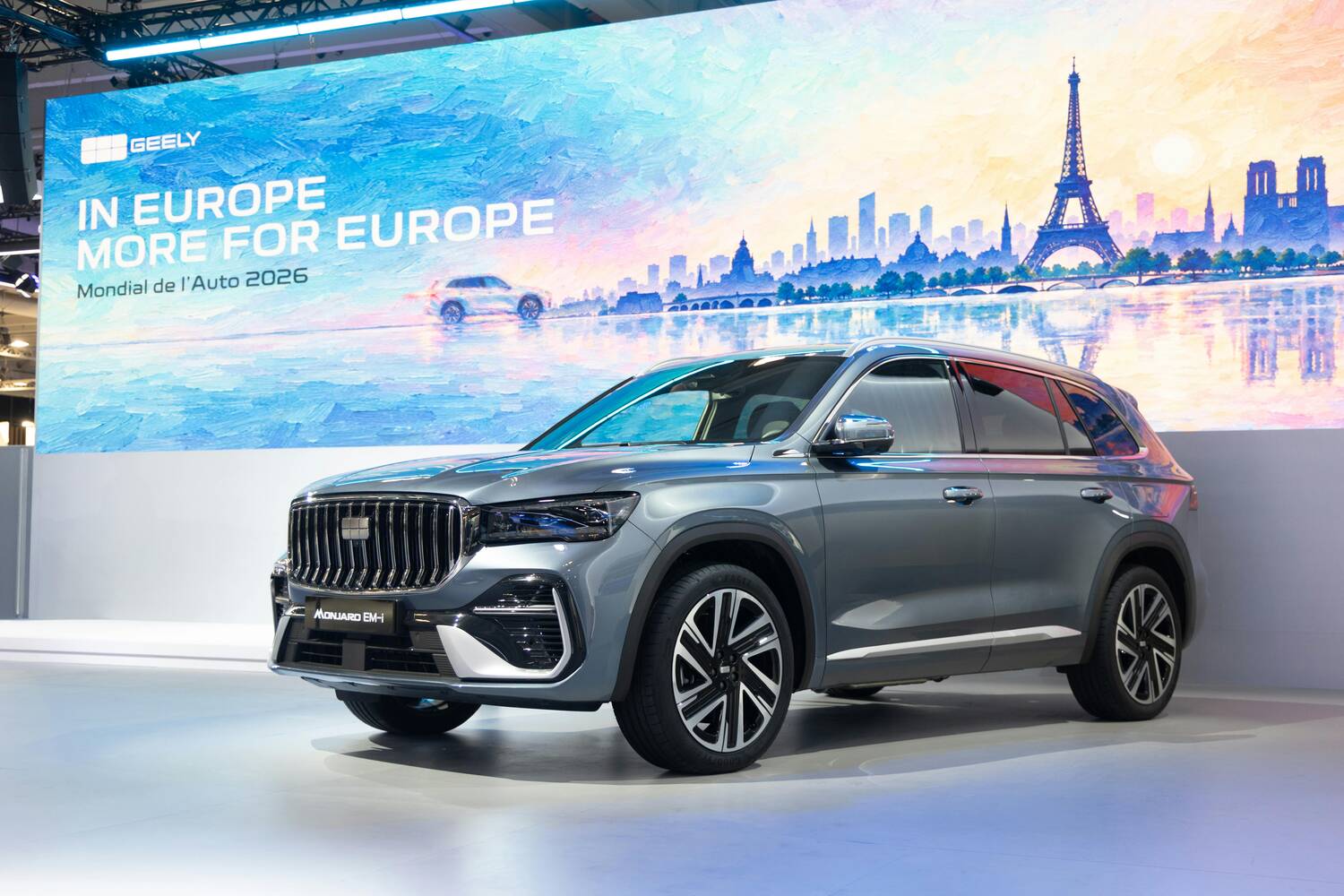
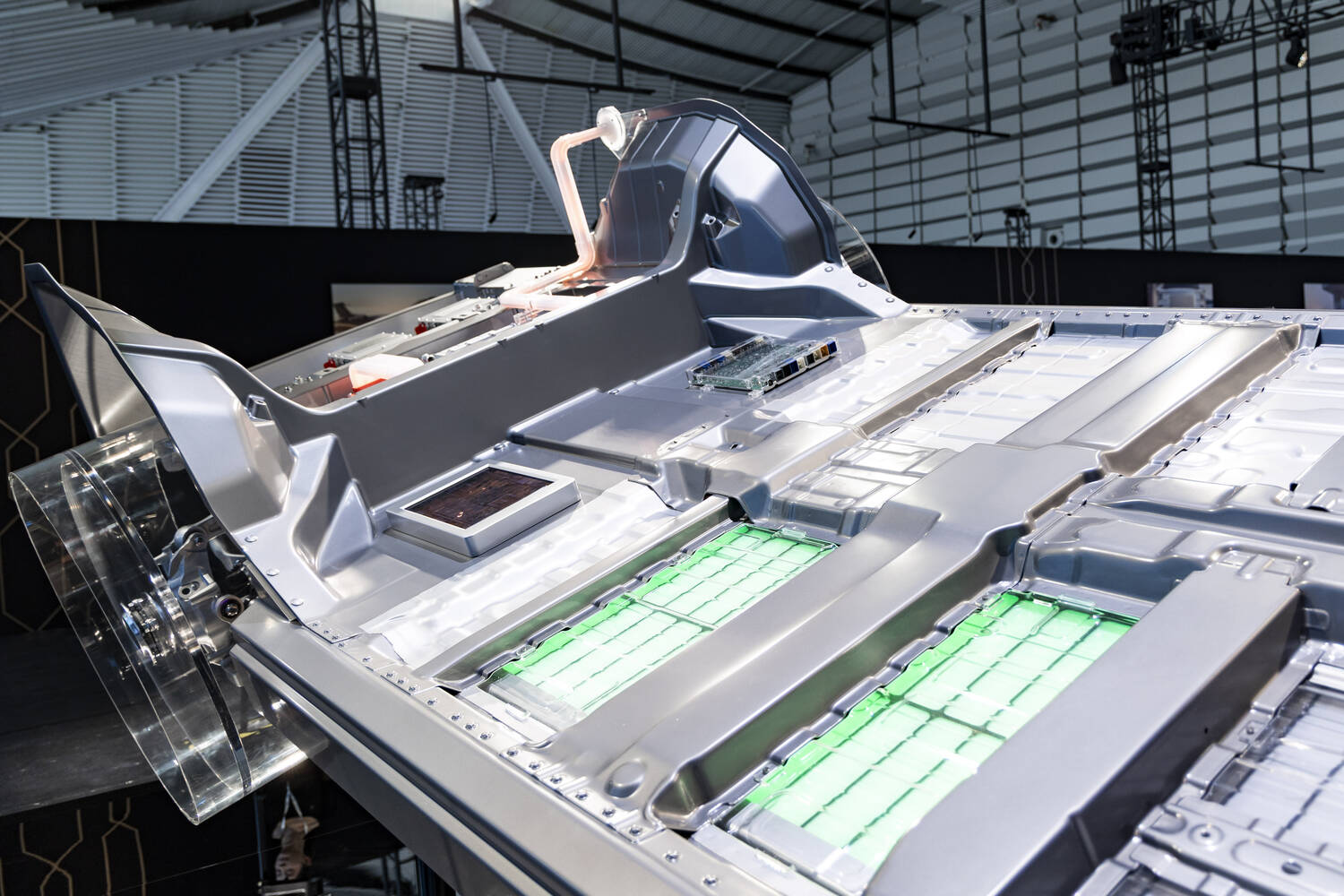
Extensive developmental testing of the Monjaro has already taken place in Germany and Sweden, for instance. This includes changing the suspension settings – and the Monjaro will have Continuous Damper Control (CDC) variable shocks, a first for the company in this part of the world.
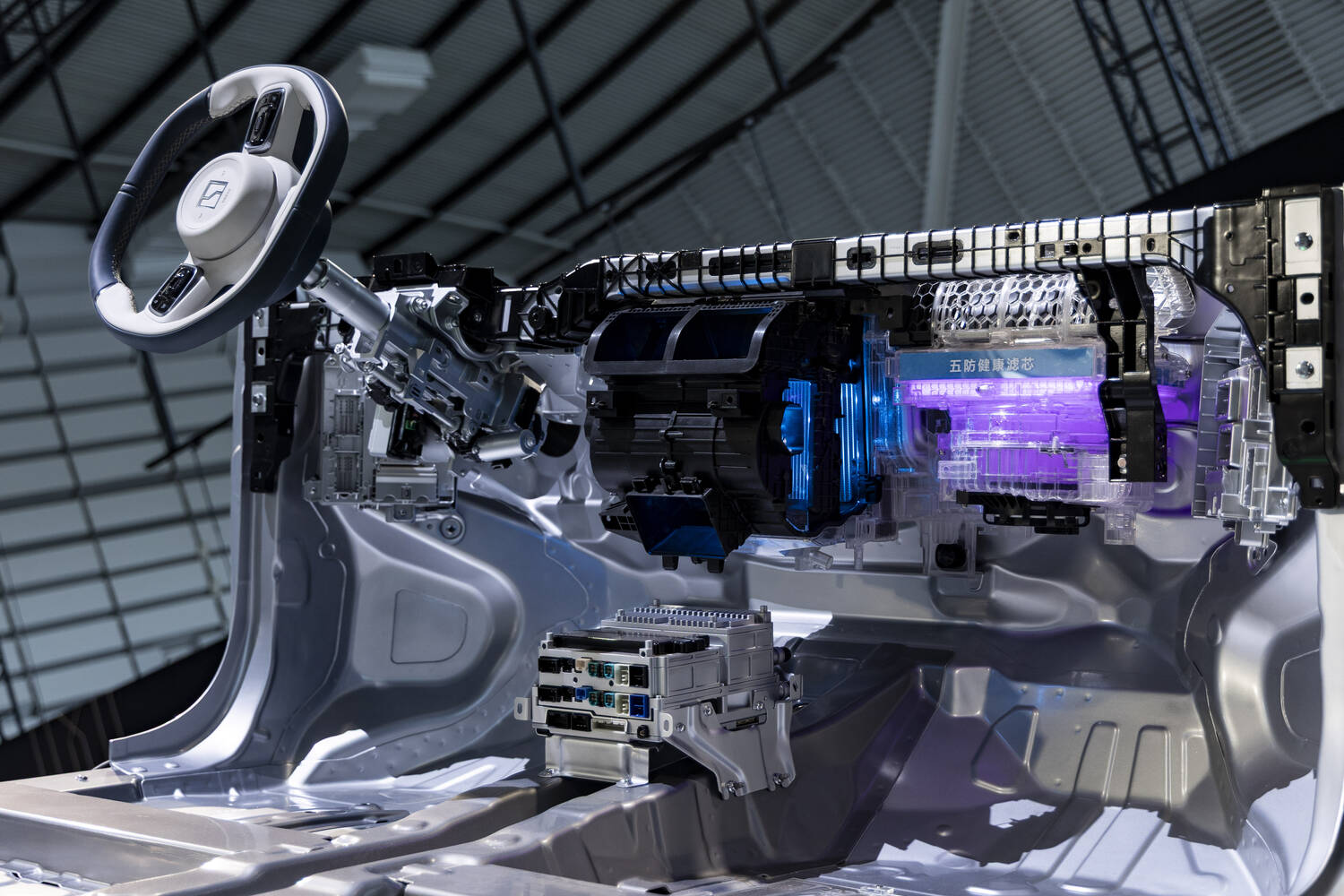
“With the [testing] activity done, the first part in China and then the final set in Europe, we’ll be changing the suspension tuning, exchanging the steering and even working on the brake system tuning – same architecture, different tuning,” Angellotti adds.
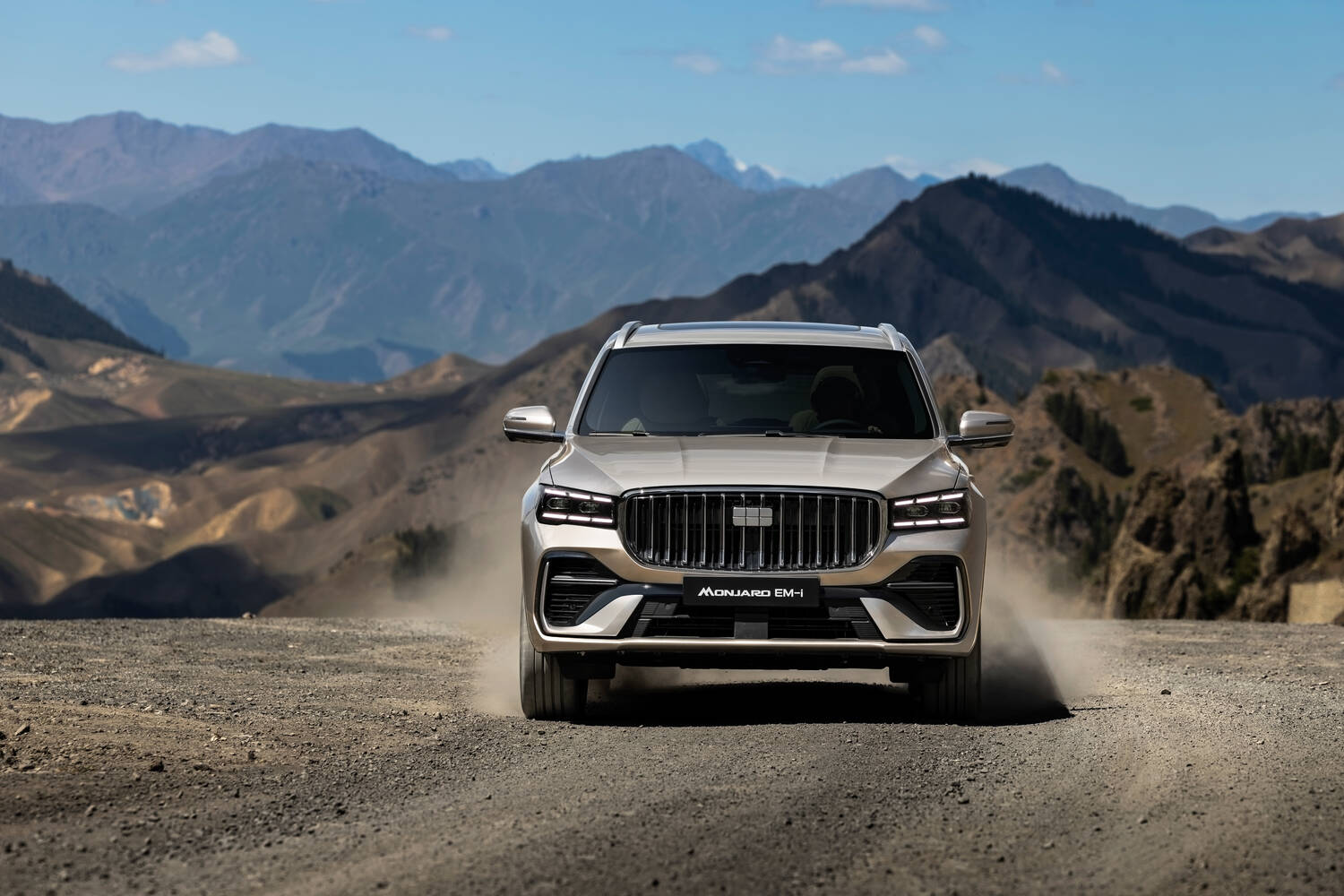
The brakes is an interesting admission. The Monjaro is going to be a large SUV, so making its suspension too firm would perhaps be a misstep by the European team, although added weight and feel in the steering is always most welcome. But how do you specifically retune the brakes on a car?
“The brake intervention, especially in low-speed manoeuvres, the way that you feel the response of the vehicle, so you feel in control,” Angellotti outlines. “The time reaction of the vehicle is more immediate, where in China it is more delayed, I would say, the type of intervention.”
The Lotus link
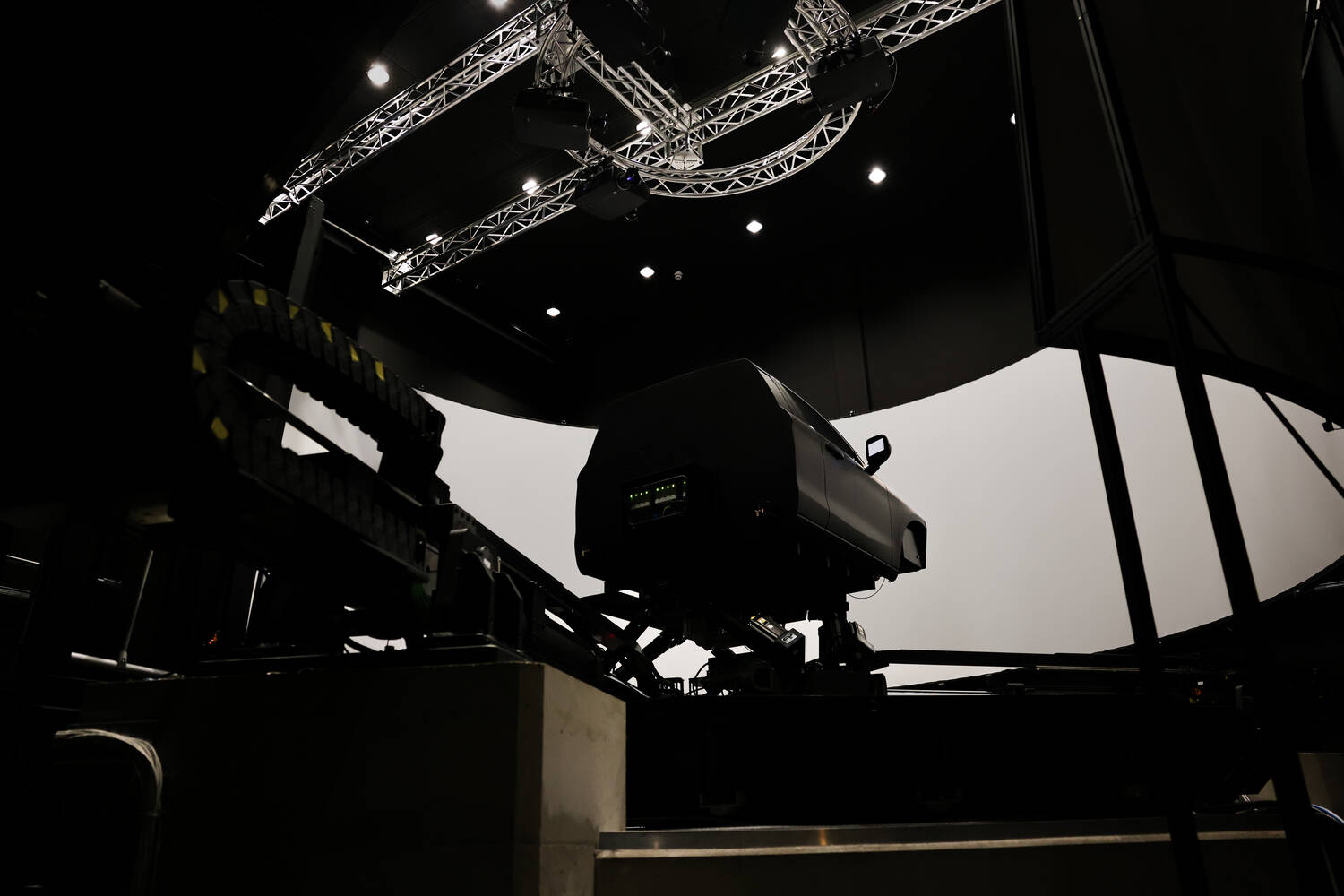
While Geely is in a ‘house’ of manufacturers with the likes of Lotus, Volvo and Polestar, Angellotti is quite firm when he says he and his team are developing cars branded explicitly as Geely, Lynk&Co and Zeekr for Europe, and not anything else.
And they’re apparently not working arm-in-arm with the other marques in the wider conglomerate, either.
That said, both he and Weinel both worked for Lotus in the past, so they are bringing their expertise with them to the chassis-tuning aspects of Geely cars.
“The team is now fully dedicated on Geely, but I think you cannot cancel the past. For me, this is an advantage,” Angellotti says, proudly.
“Coming from mainstream to premium is one move you can make. But coming from premium and going to mainstream, you carry also the attention on the thing [you are developing]. A mainstream [vehicle] that you want to be premium and you want to feel by content, you need to take this attention.”
So there is a bit of Lotus in all Geely’s products? Angellotti smiles enigmatically. “If it’s a positive, yes.”
The Italian is also frank when asked if there are any changes his team have requested to which the Chinese bosses have baulked, and apparently there are.
There has to be, he says, a “rationale” for any changes the European teams want to make to the existing Chinese products, rather than just redeveloping everything for the sake of it.
And, of course, there are budgetary constraints – it’s a case of choosing the right battles, such as the infotainment, the suspension, the steering and the brakes.
Big-power machines in the future
Throughout all of our chat with Angellotti, Dennis Weinel has been listening intently and chipping in with his thoughts.
He’s a key part of the conversations within the European team, but the most exciting aspect of his role is that he has his eye on future products coming down the line.
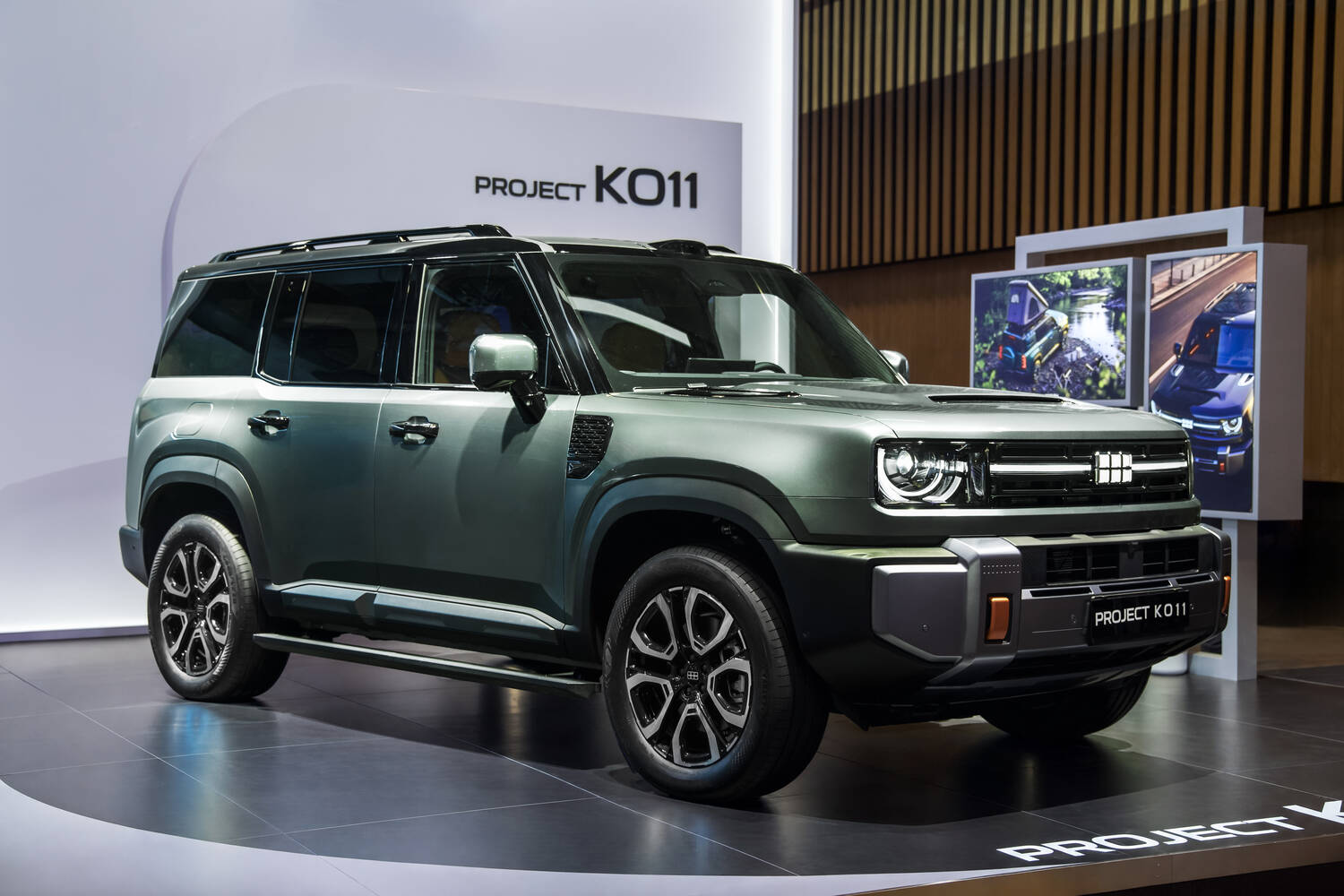
That includes not only the Monjaro, but also the Project KO11 4x4 from which the company removed the covers in Paris.
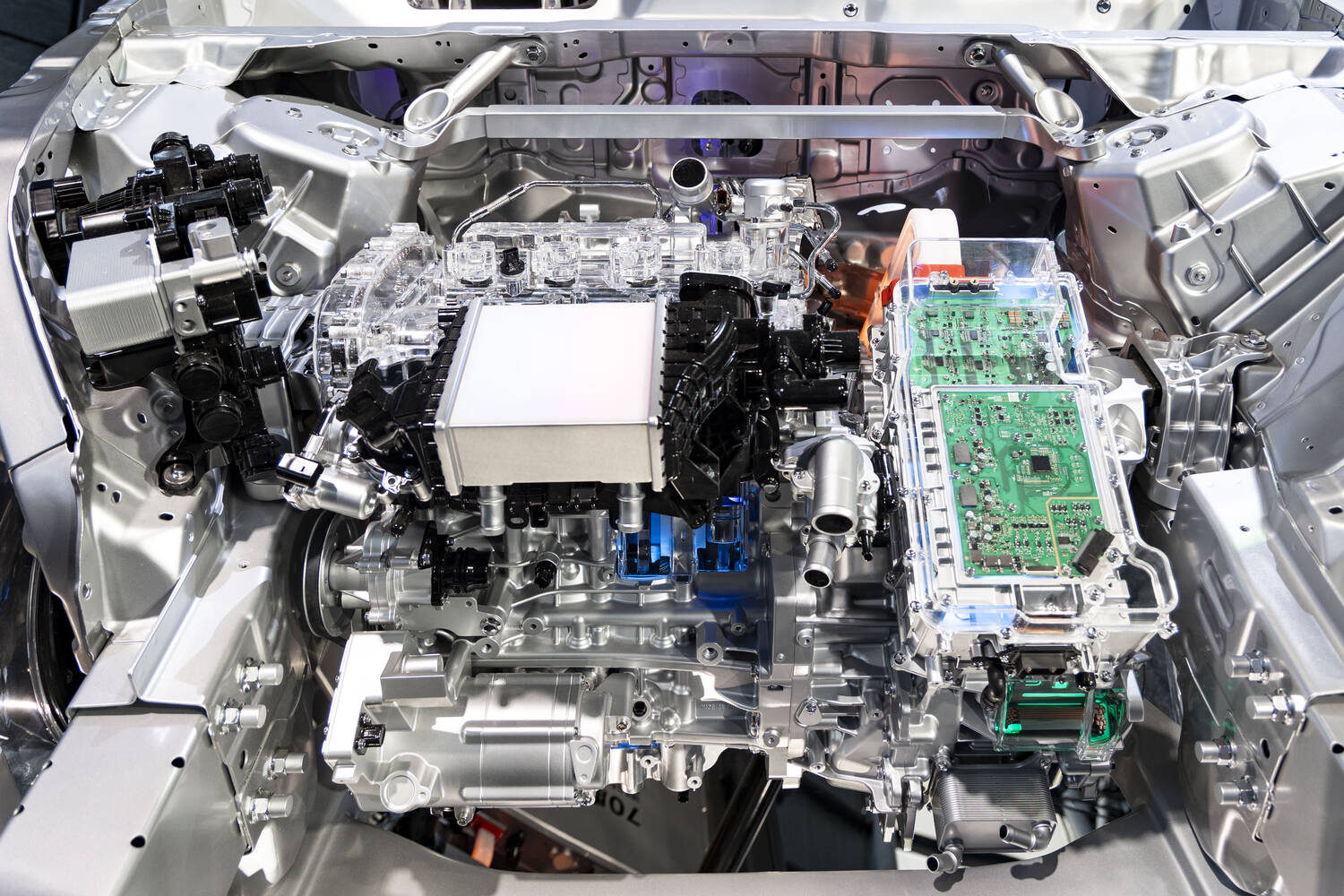
In China, that vehicle has more than 1,100hp and 1,300Nm of torque in one PHEV application, where it uses a 2.0-litre engine as its basis – so is that likely to come to Europe?
“The 2.0-litre model? Yes, it is planned,” he says, matter-of-factly. “It’s a halo car. I think this model is really impressive, and what it will deliver and show all the capabilities in the technology.
“The KO11 is, in reality, truly an off-road vehicle. But the trend we see right now is moving away from pure SUV design and towards more of a boxy car which is a bit of a lifestyle vehicle too.
“Within the portfolio, I think it’s a product that is well-deserved to bring it to Europe. Of course, this is not the segment which is a big volume driver, but it doesn’t need to be. It’s a vehicle that will surely fulfil the demands for people that require an off-roader.”
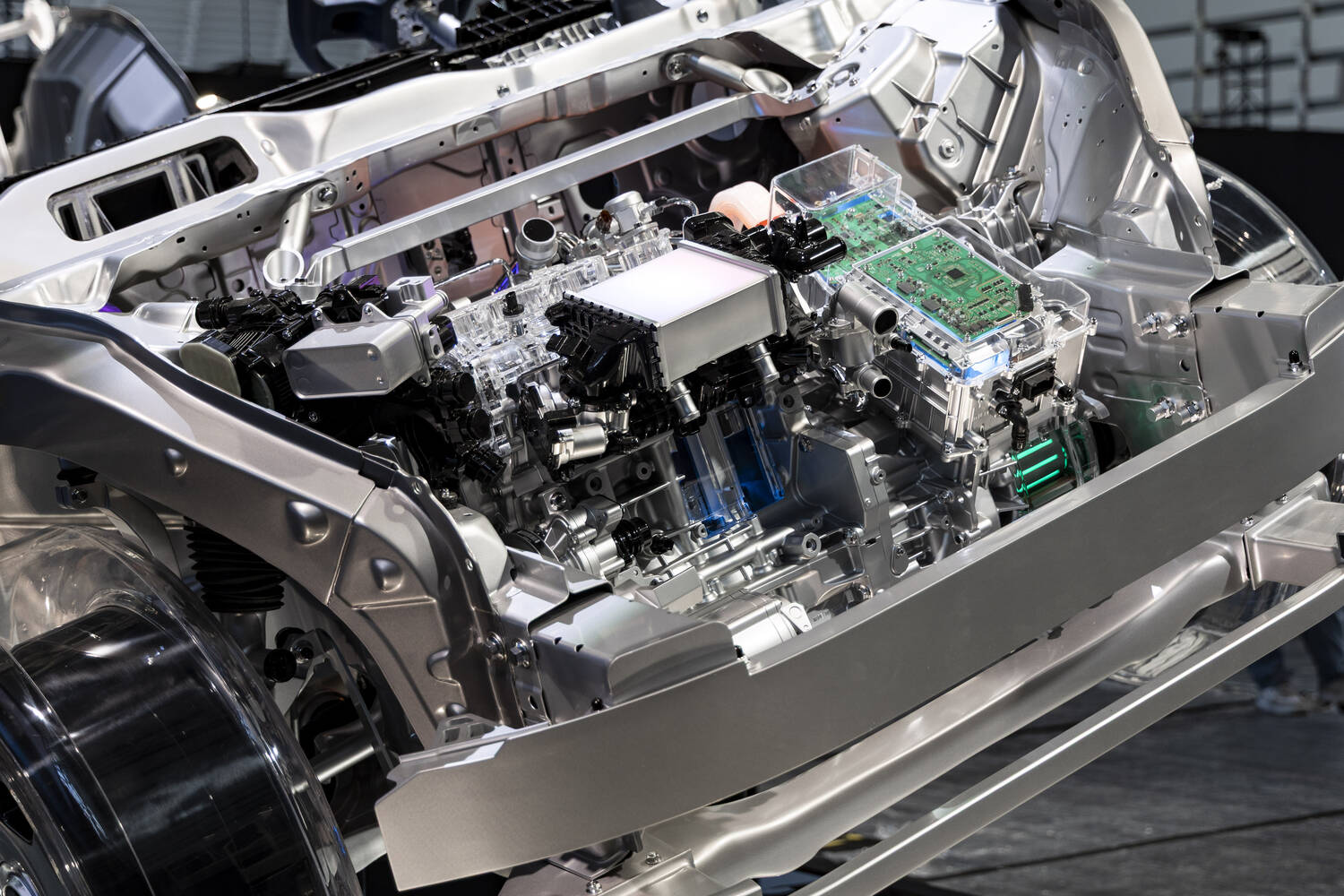
Perhaps the most interesting development in talking to Weinel, though, is his admission that it will be a “multi-energy approach” to powertrains going forward, and not just a focus on pure EVs, and also that you might see some more car-shaped vehicles from Geely in the near future.
So far, with the exception of the EX2 hatchback, both the Geely EX5 and the Starray already on sale in some countries are SUVs, while the incoming Monjaro and Project KO11 continue that trend. But Weinel is working on changing that body-type bias going forward.
The idea of Geely perhaps expanding into sportier areas of the market, using the European-tuning expertise outlined here – and already clearly demonstrated in the assured trio of products the company has on sale in this part of the world – fills us with hope and anticipation.
And a Europeanised 1,100hp-plus PHEV 4x4? Well, that’s going to be a lot of fun to drive, one way or the other, right?
If there is anything about this story we have not covered, you can avail of our expert advice service via the Ask Us Anything page.