

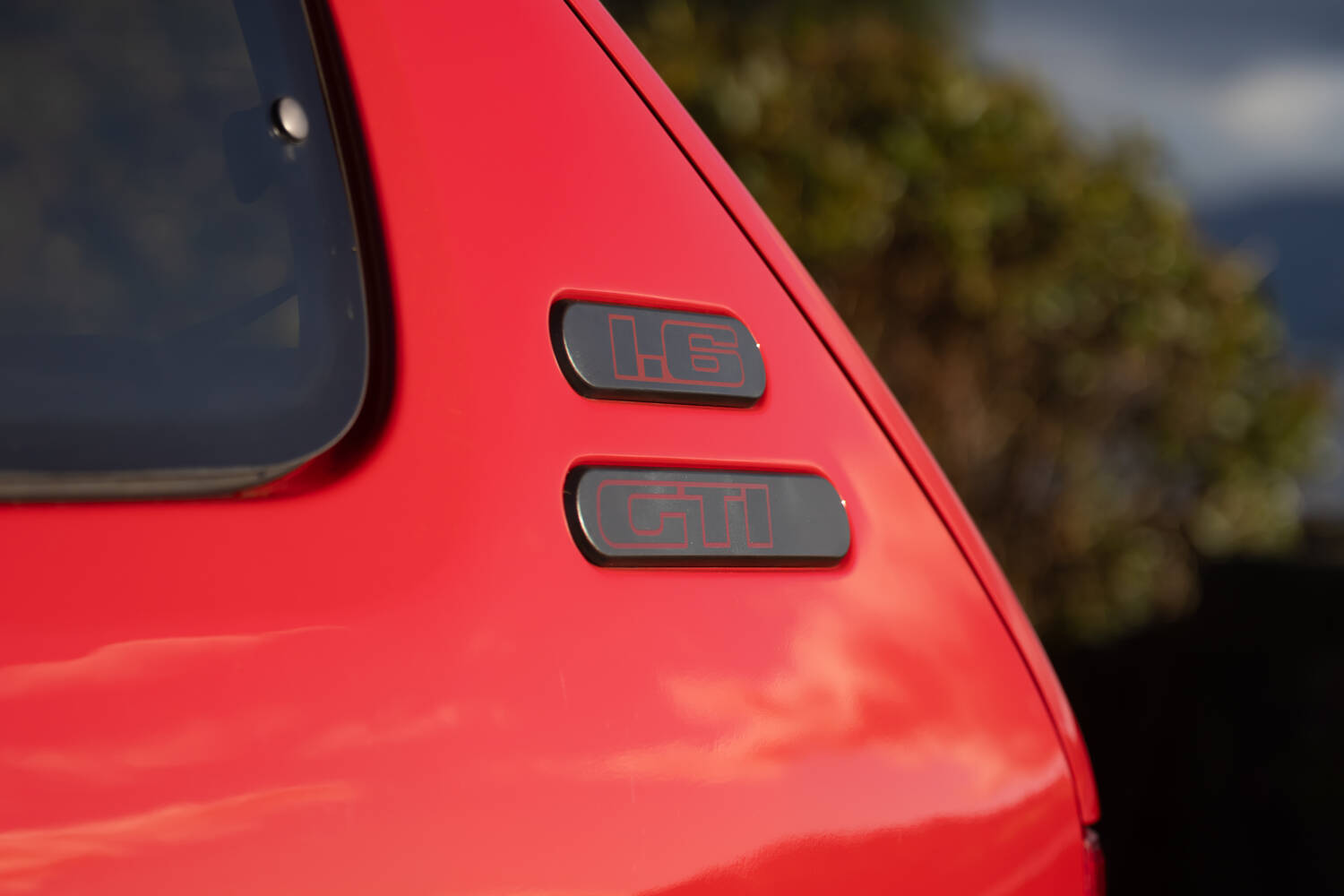
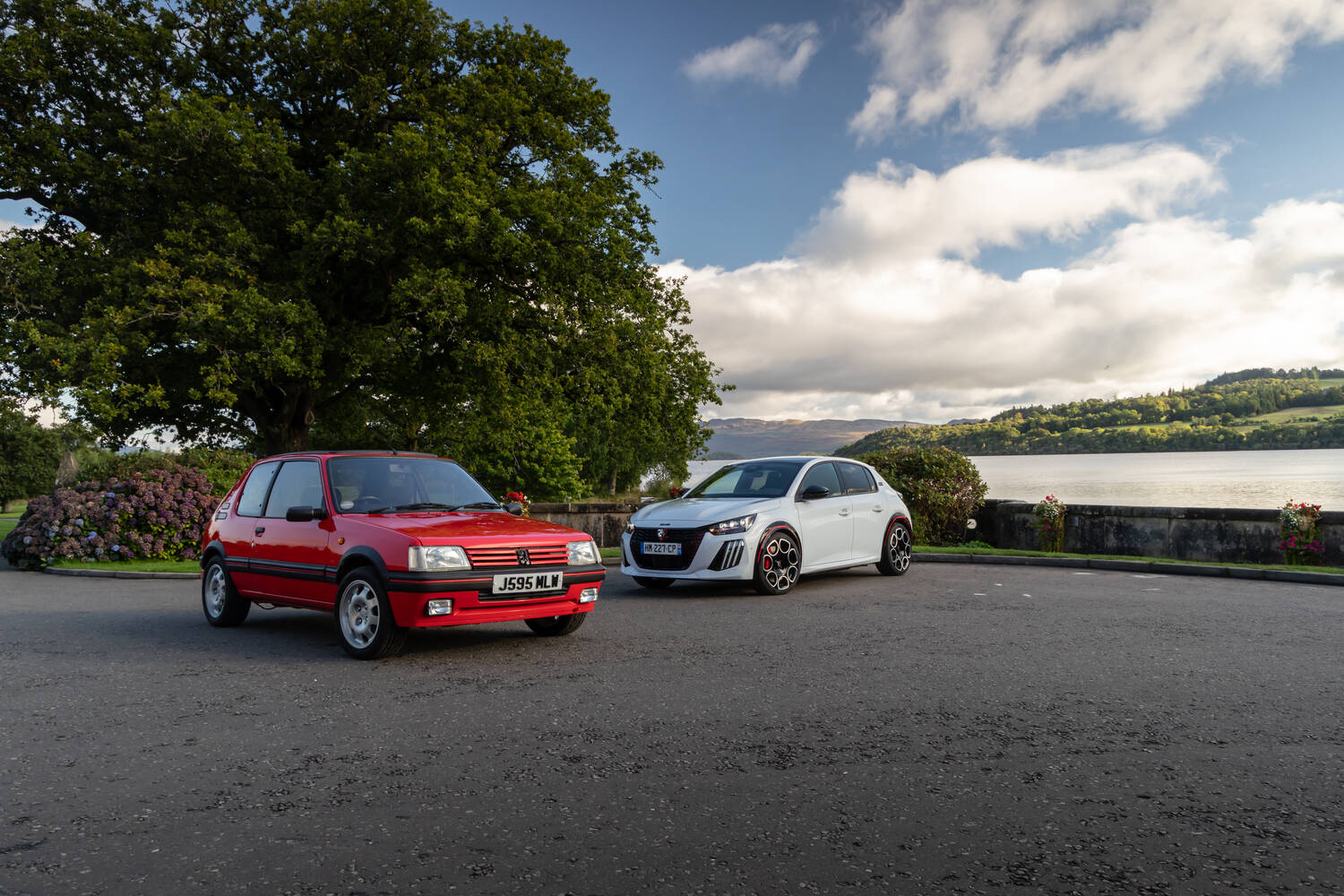
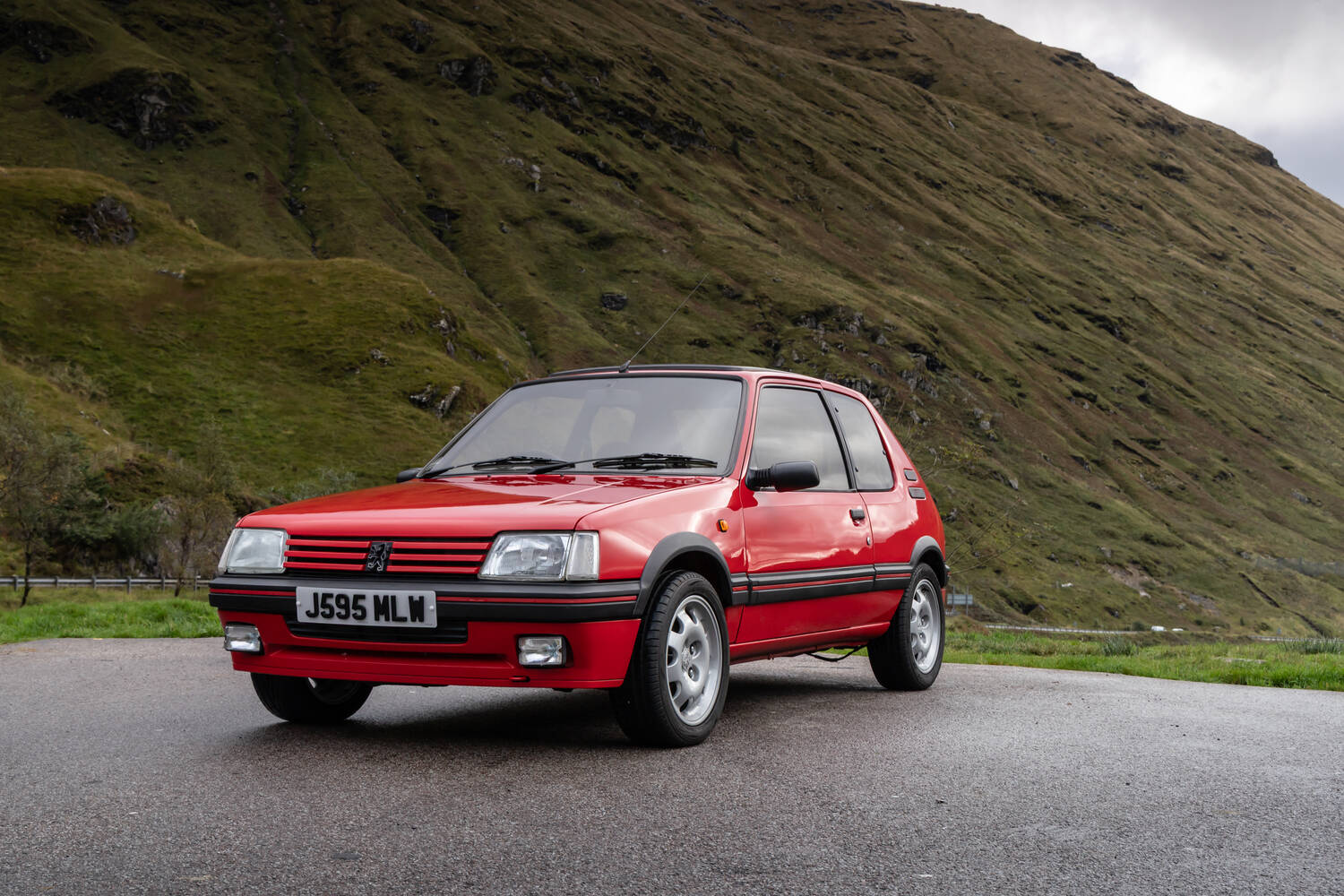
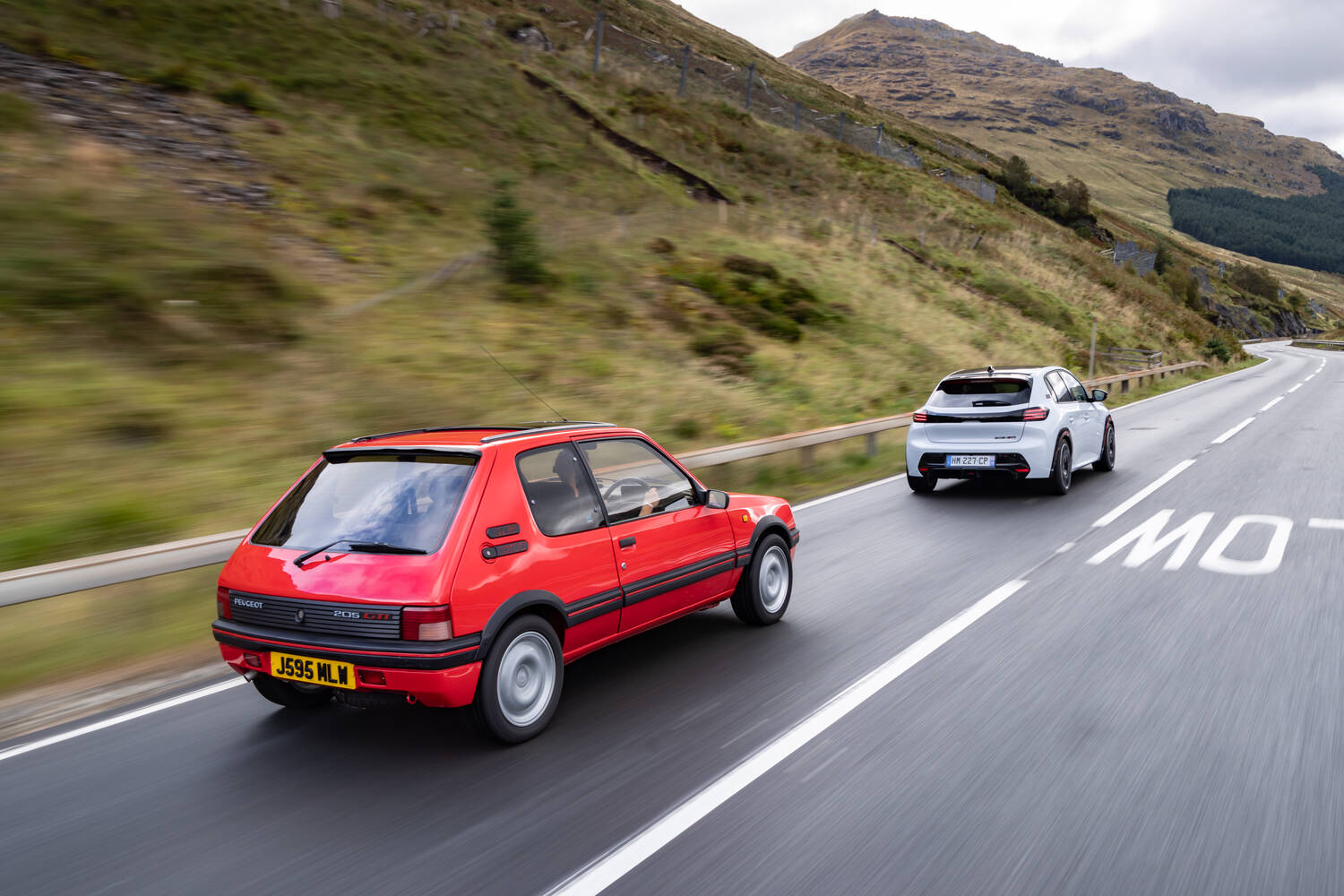
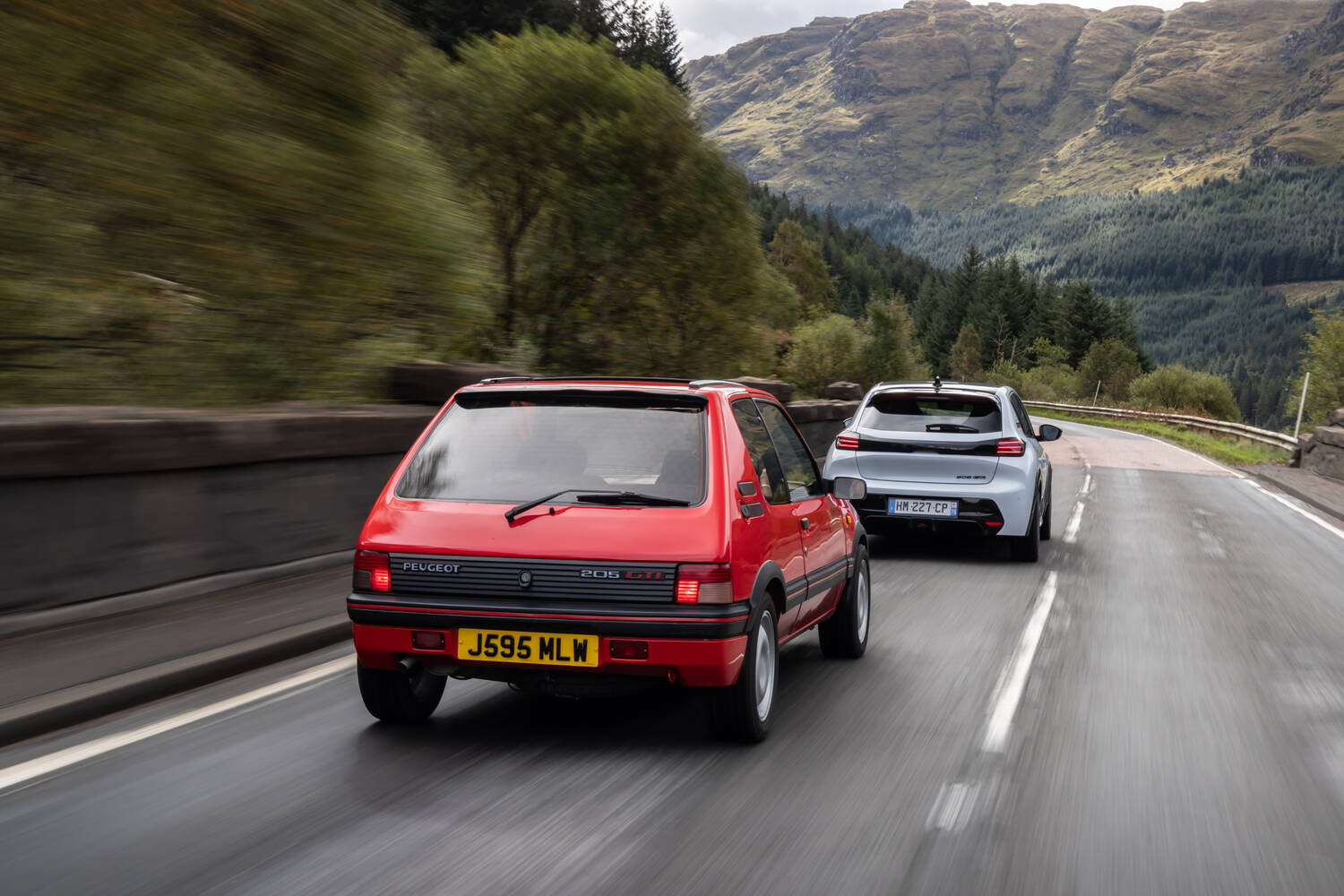
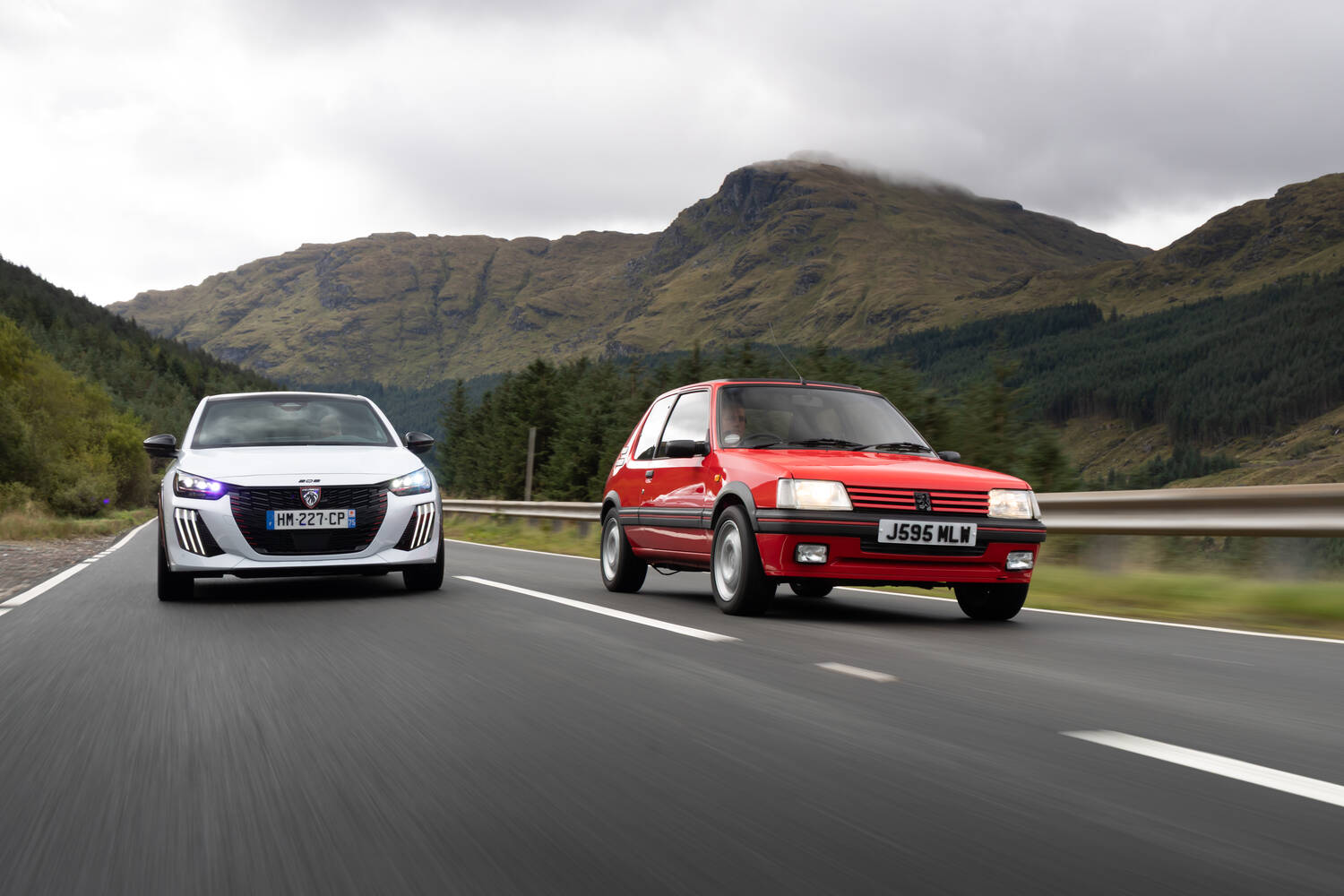
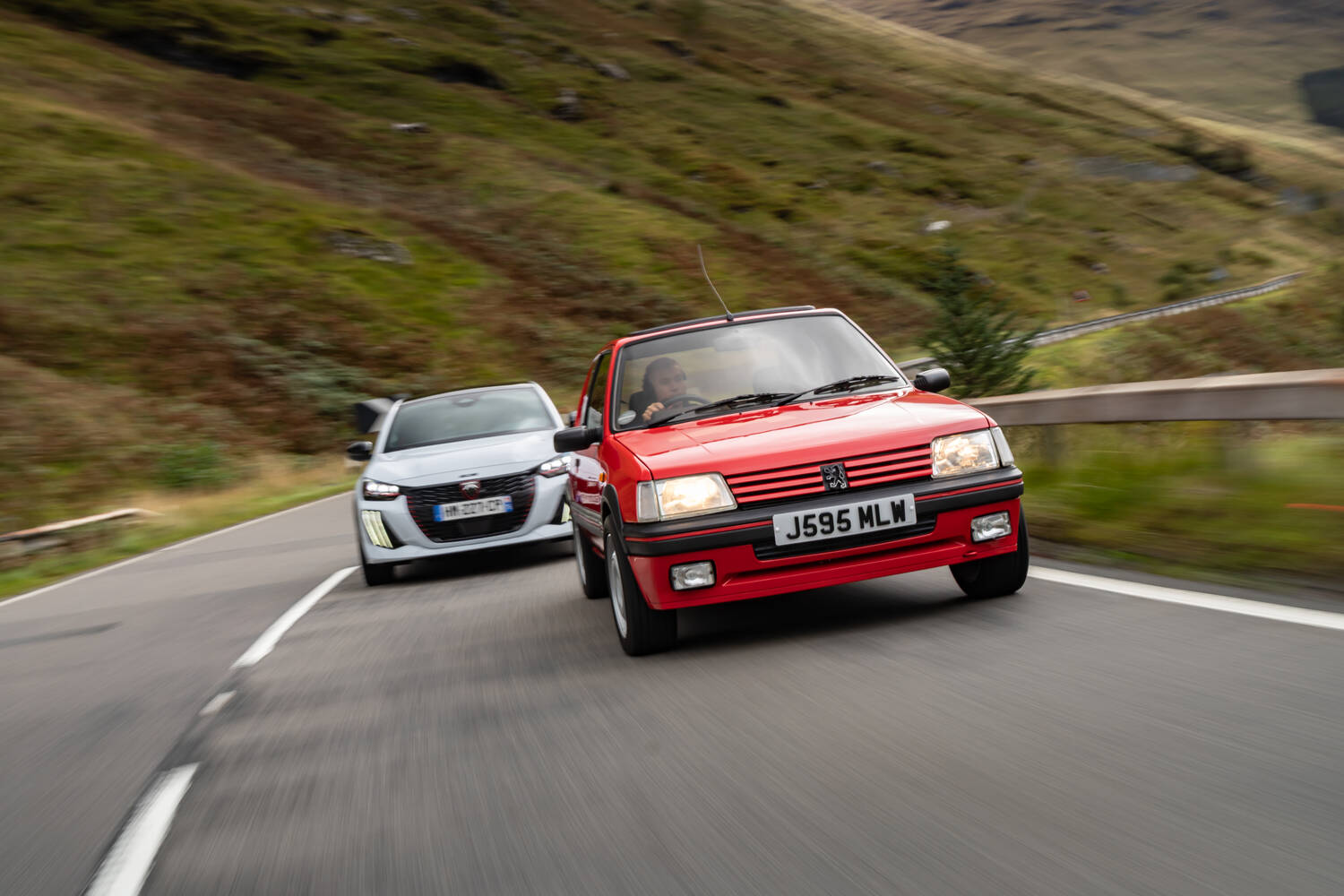
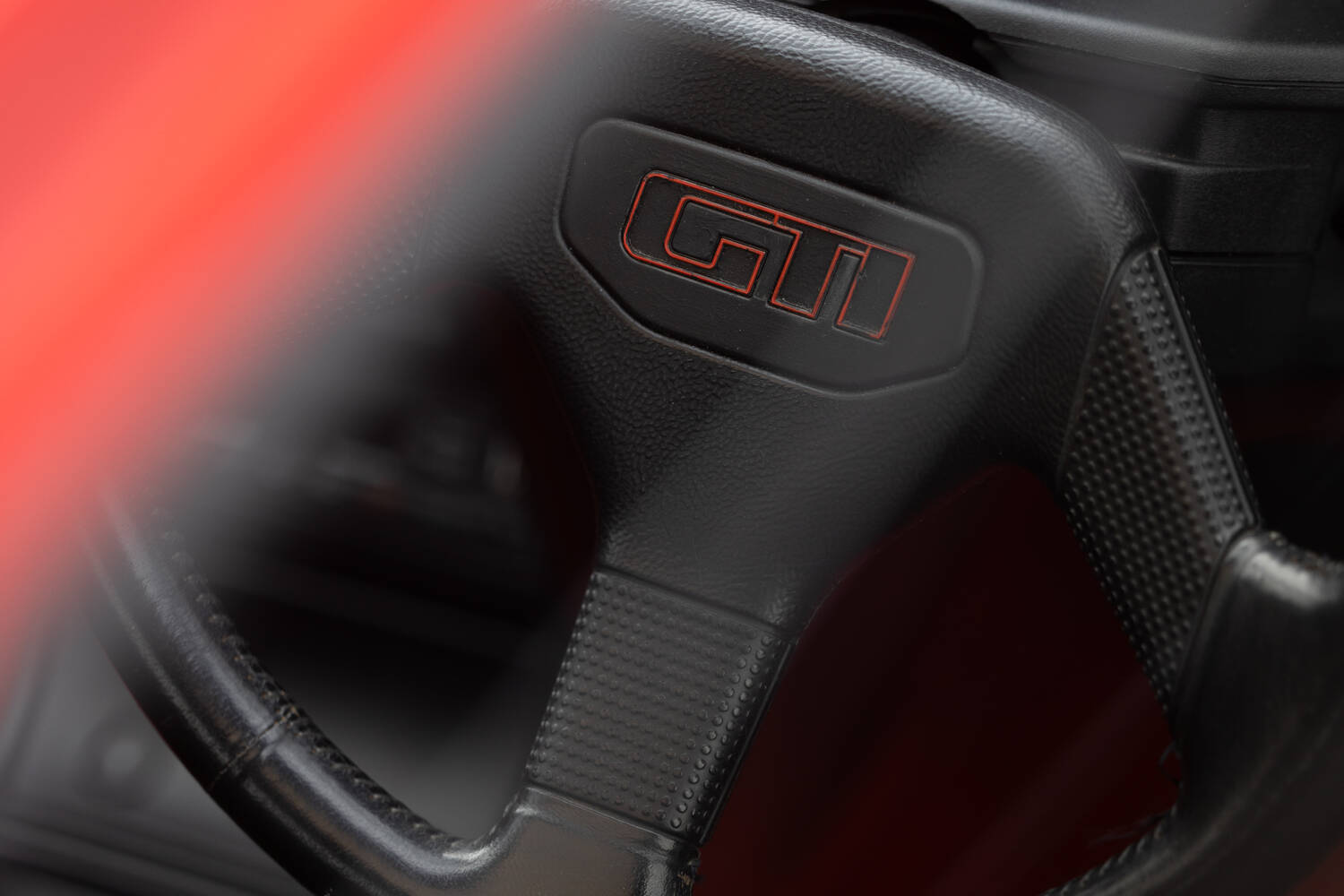
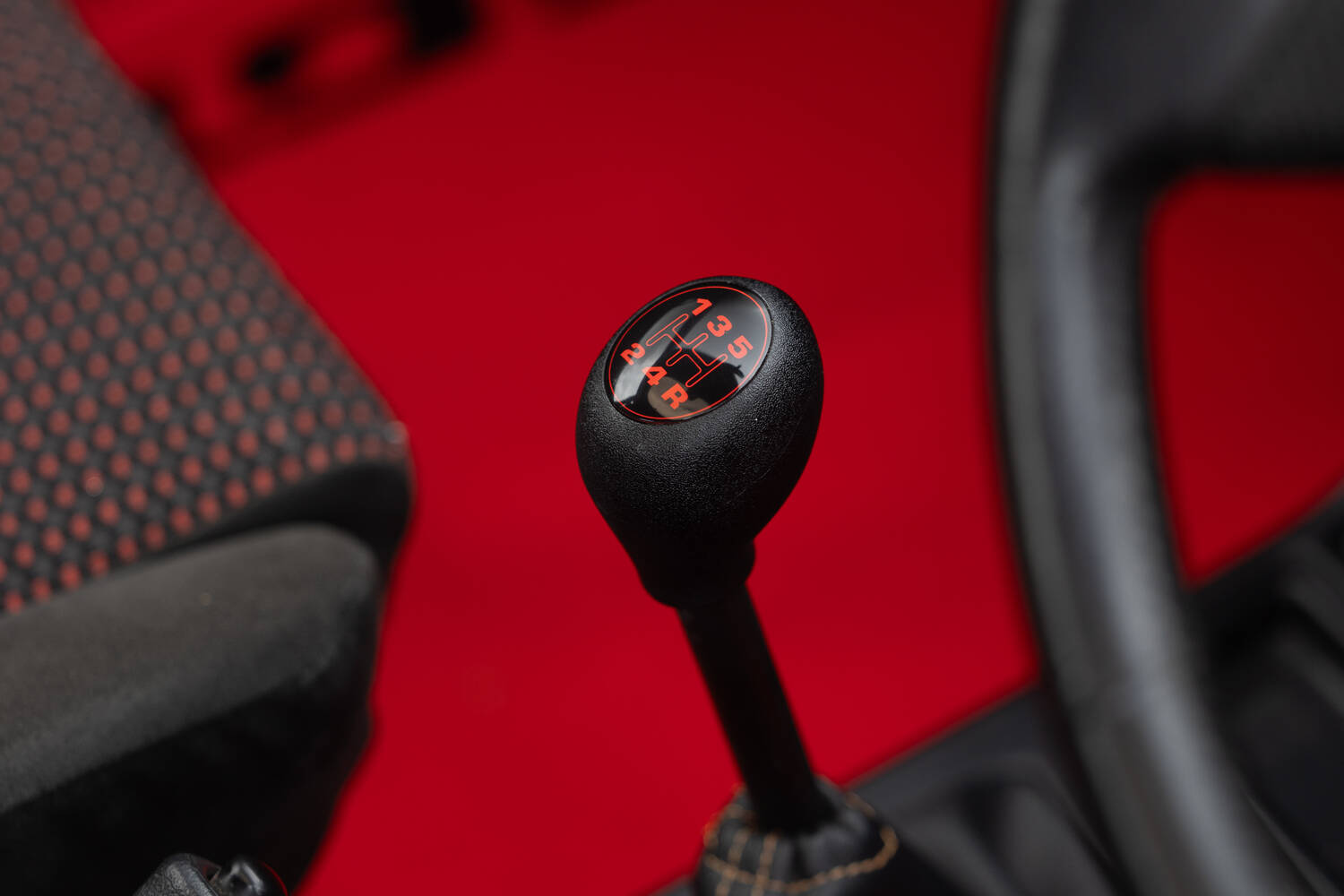
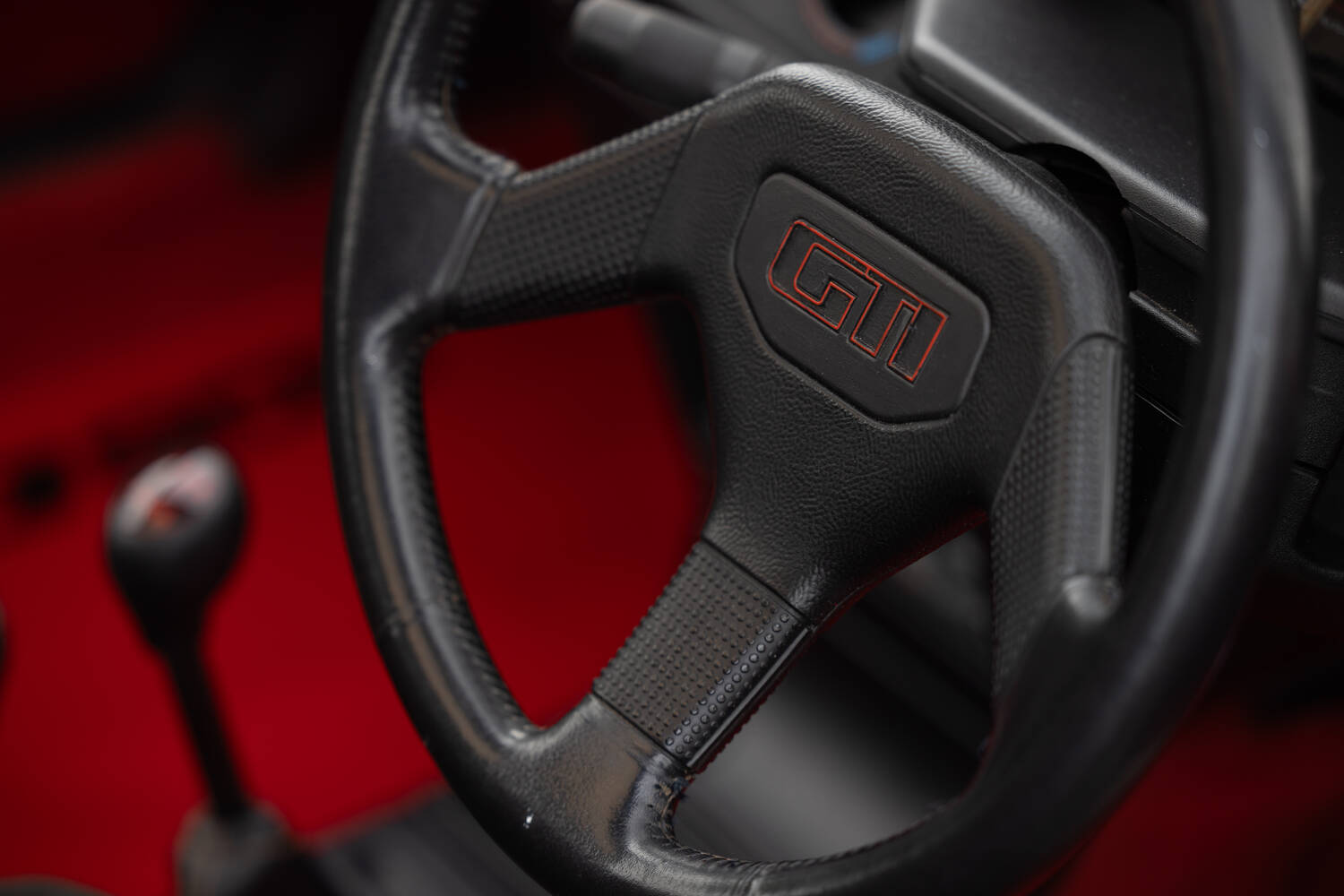
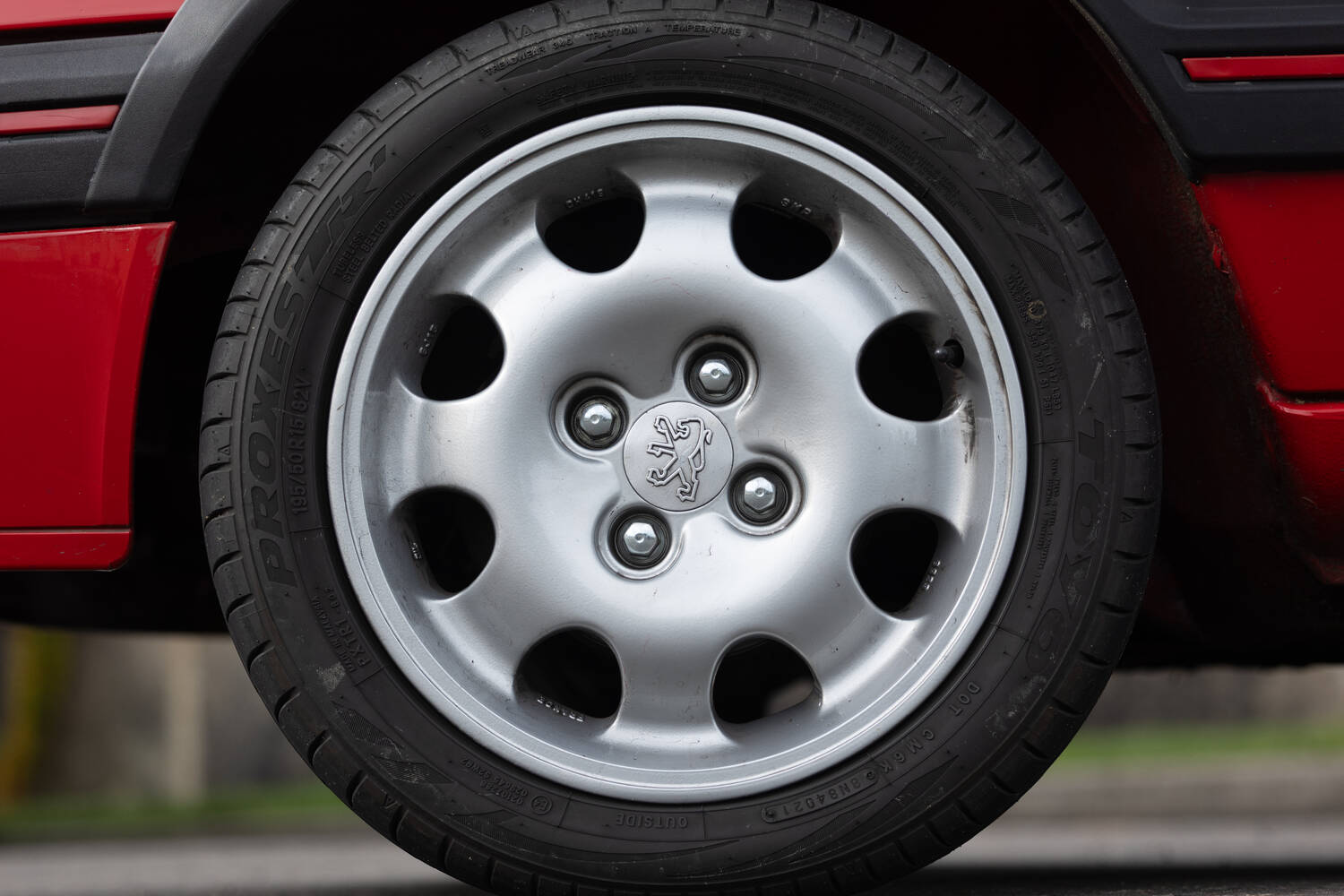
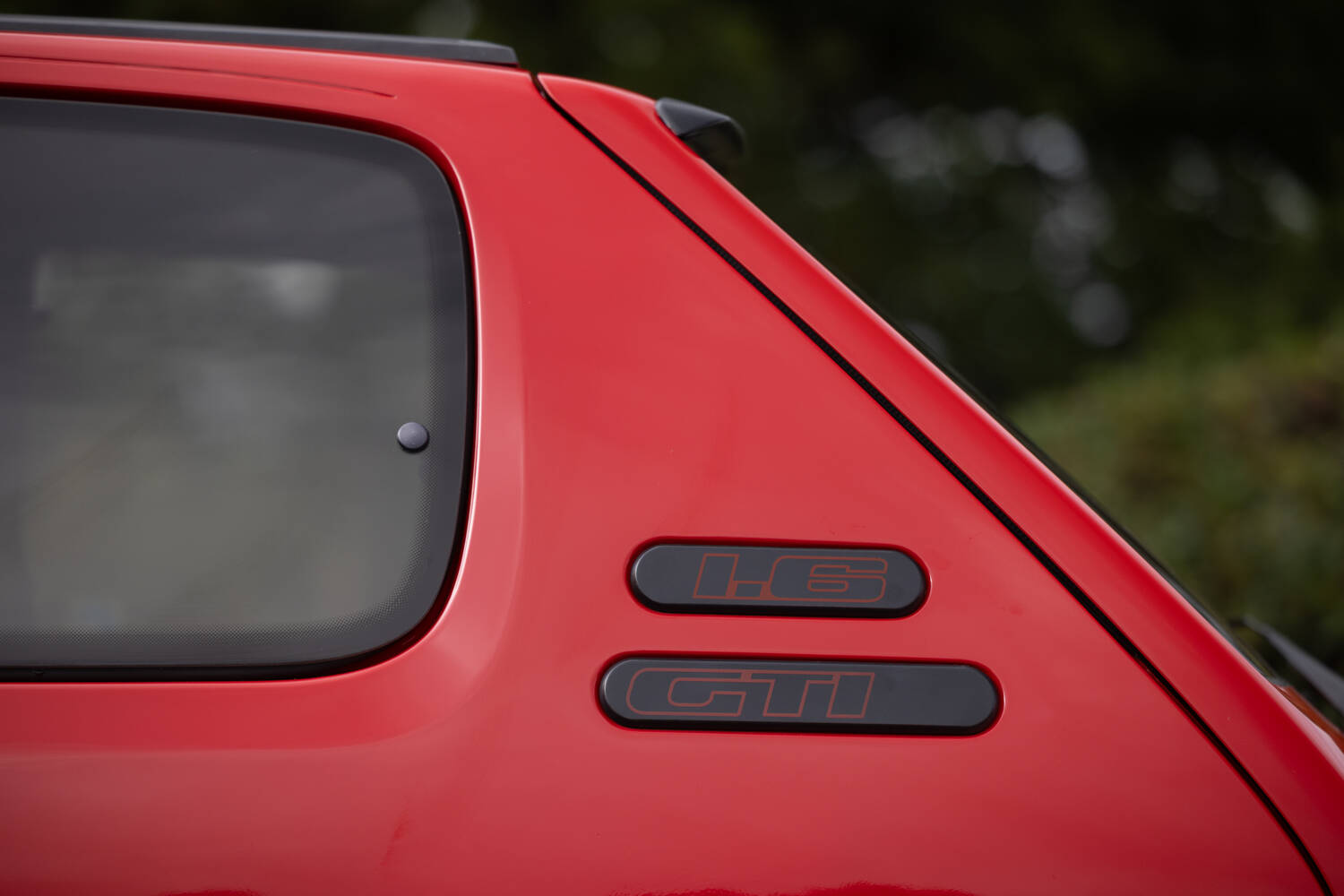
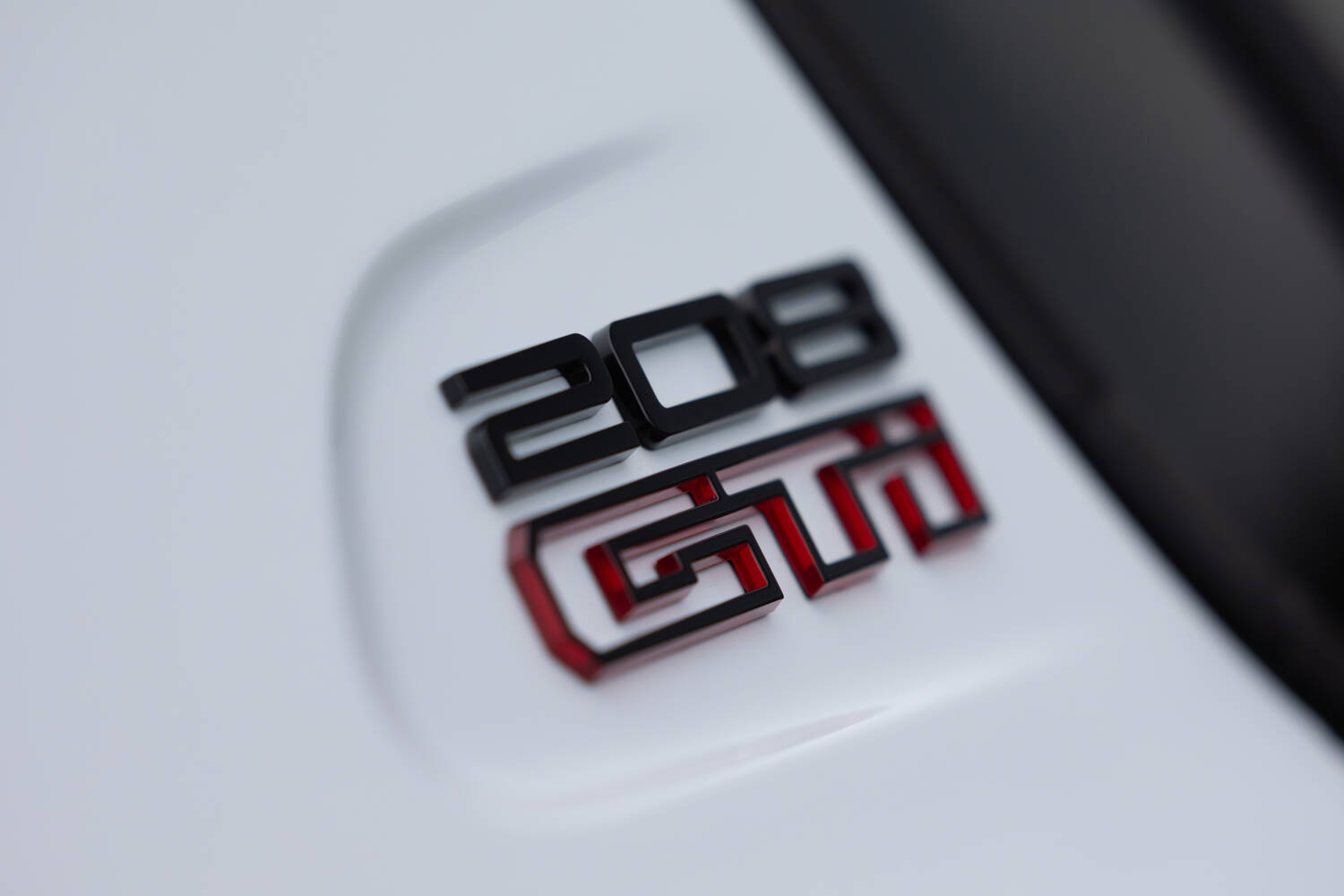
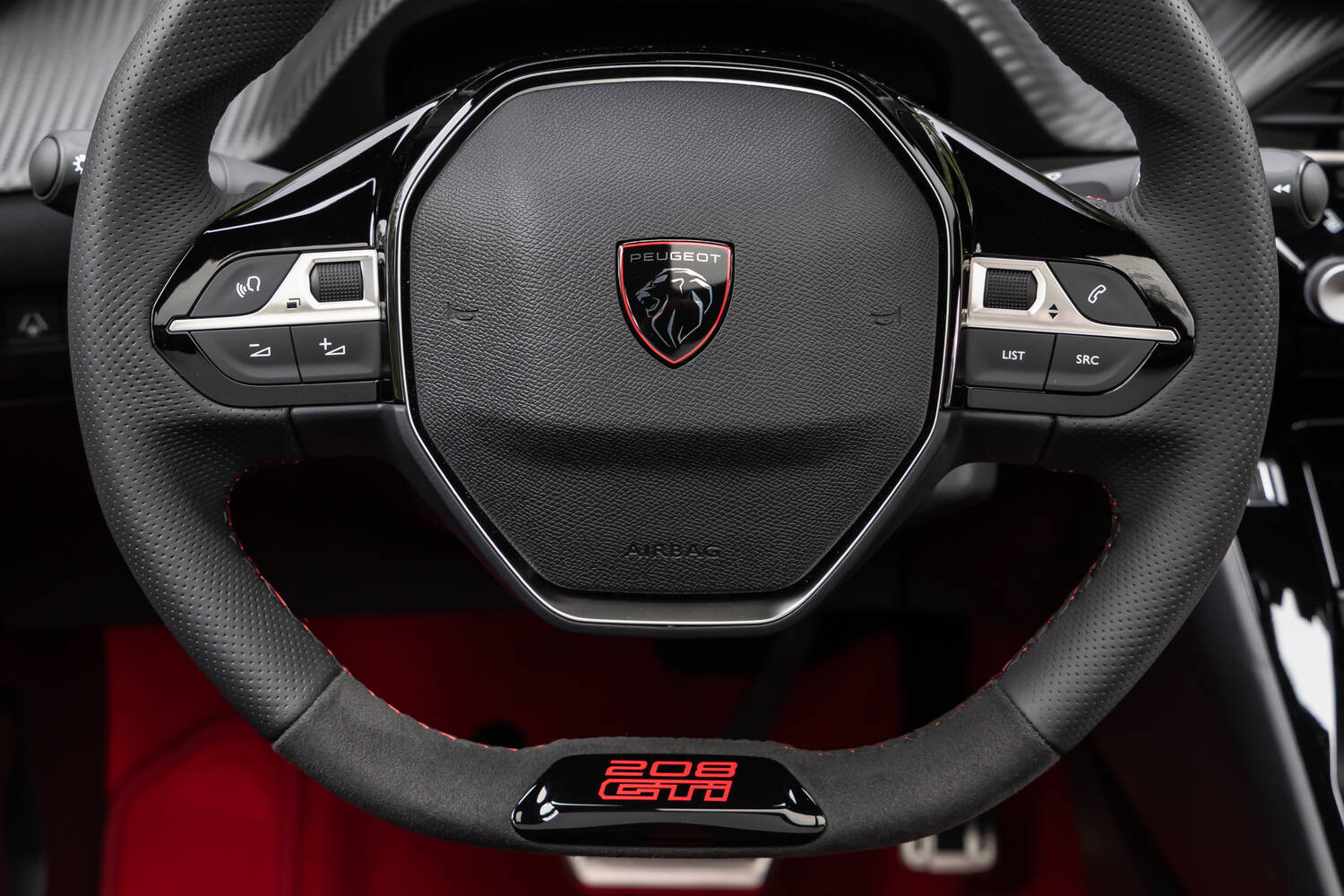
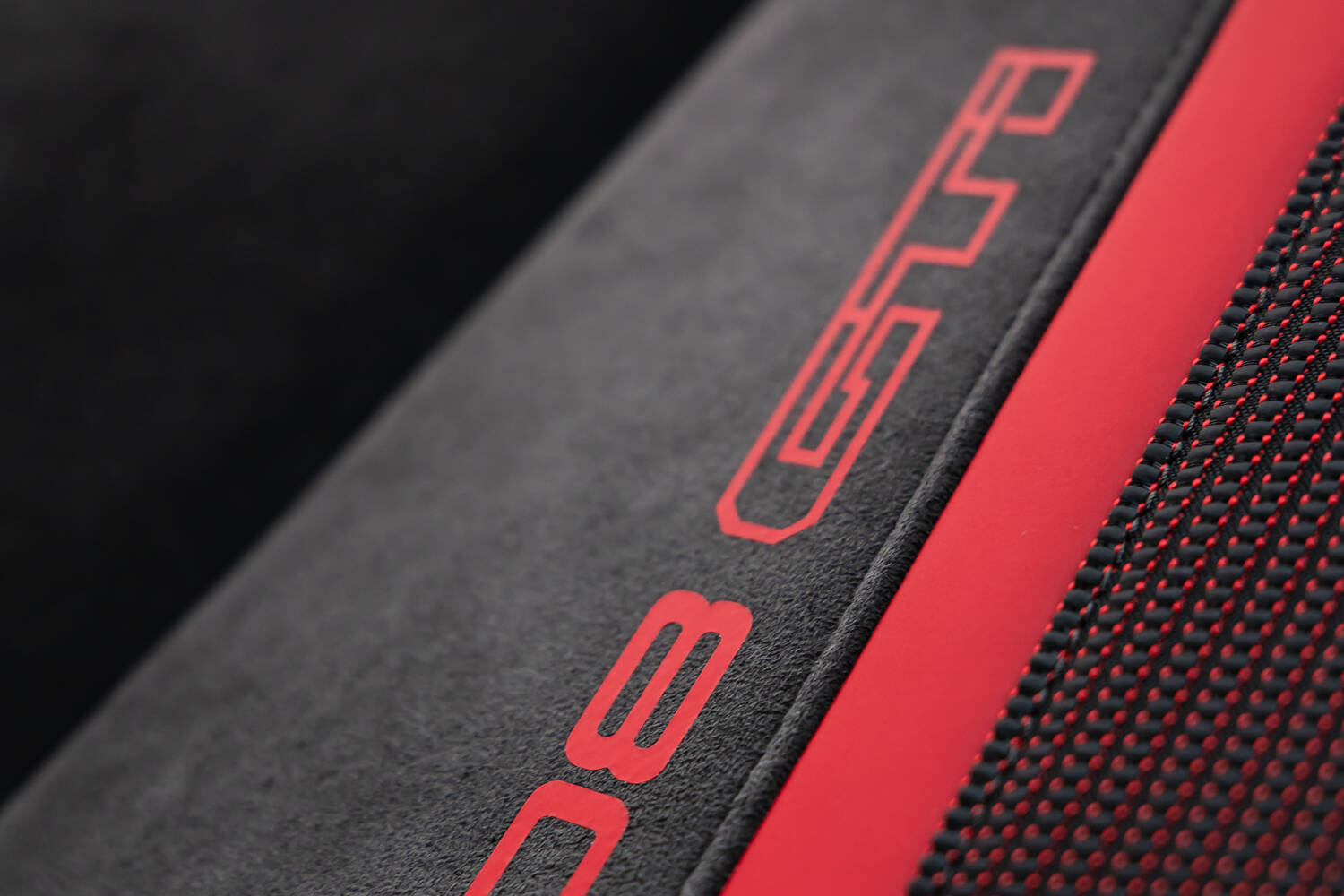
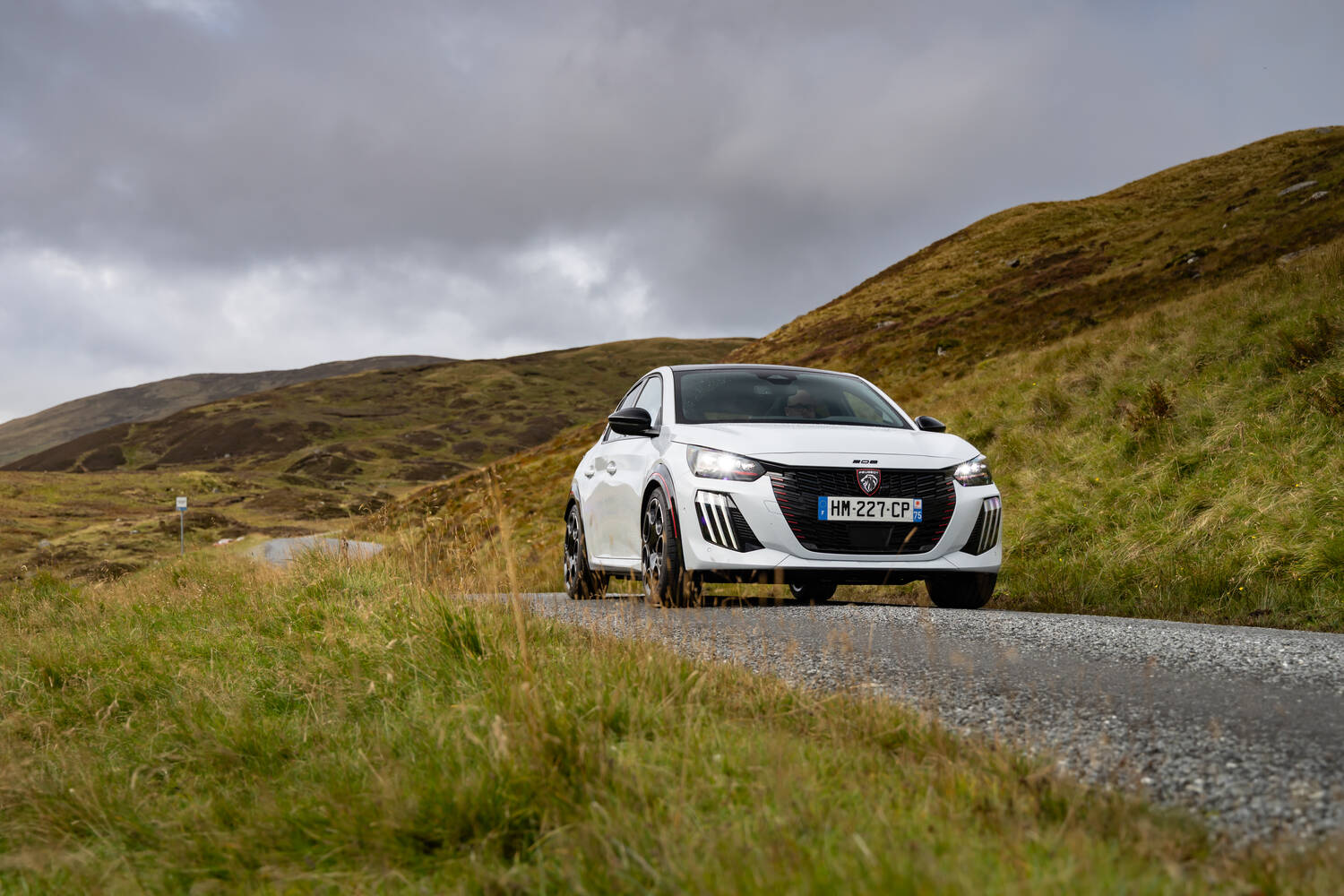
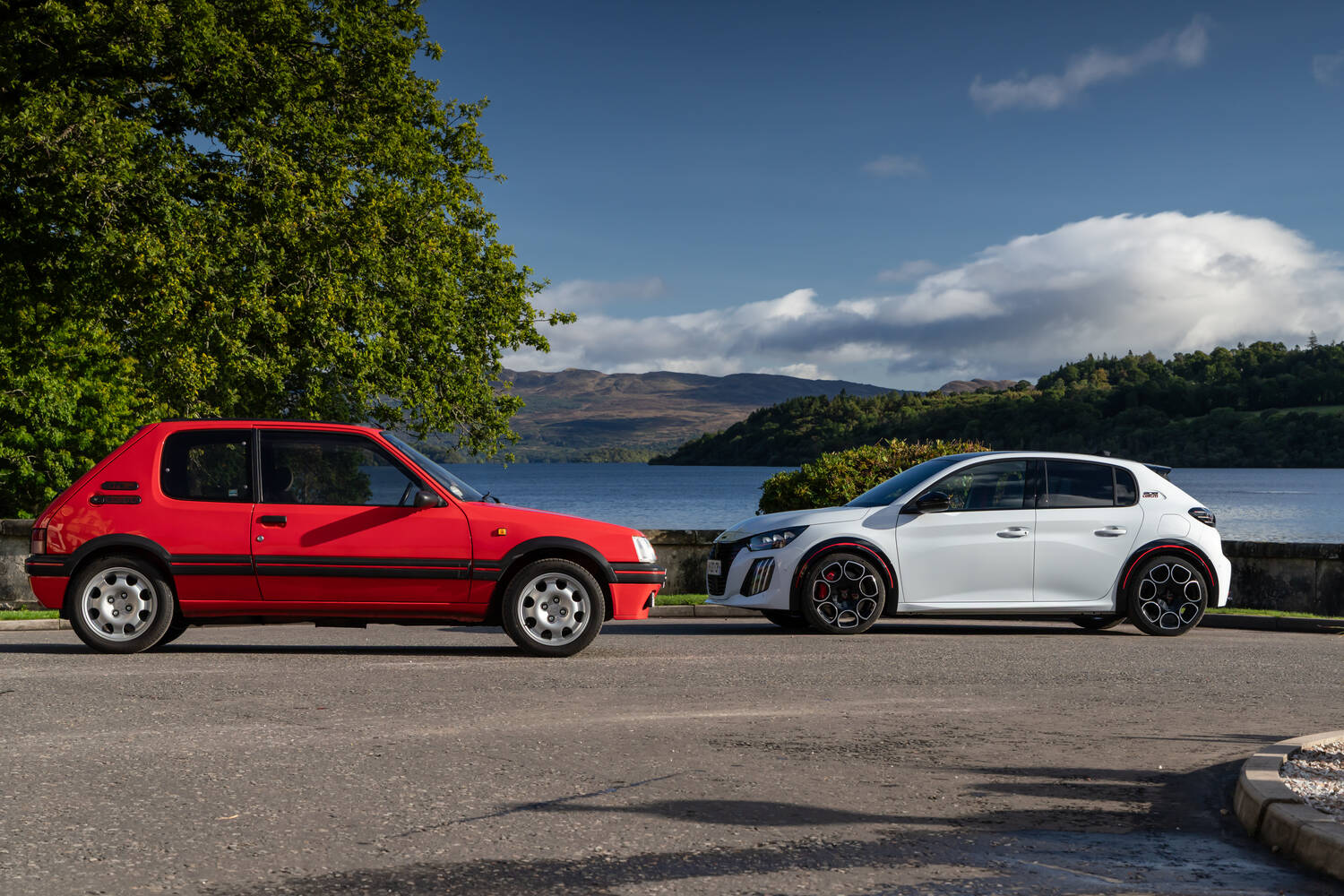
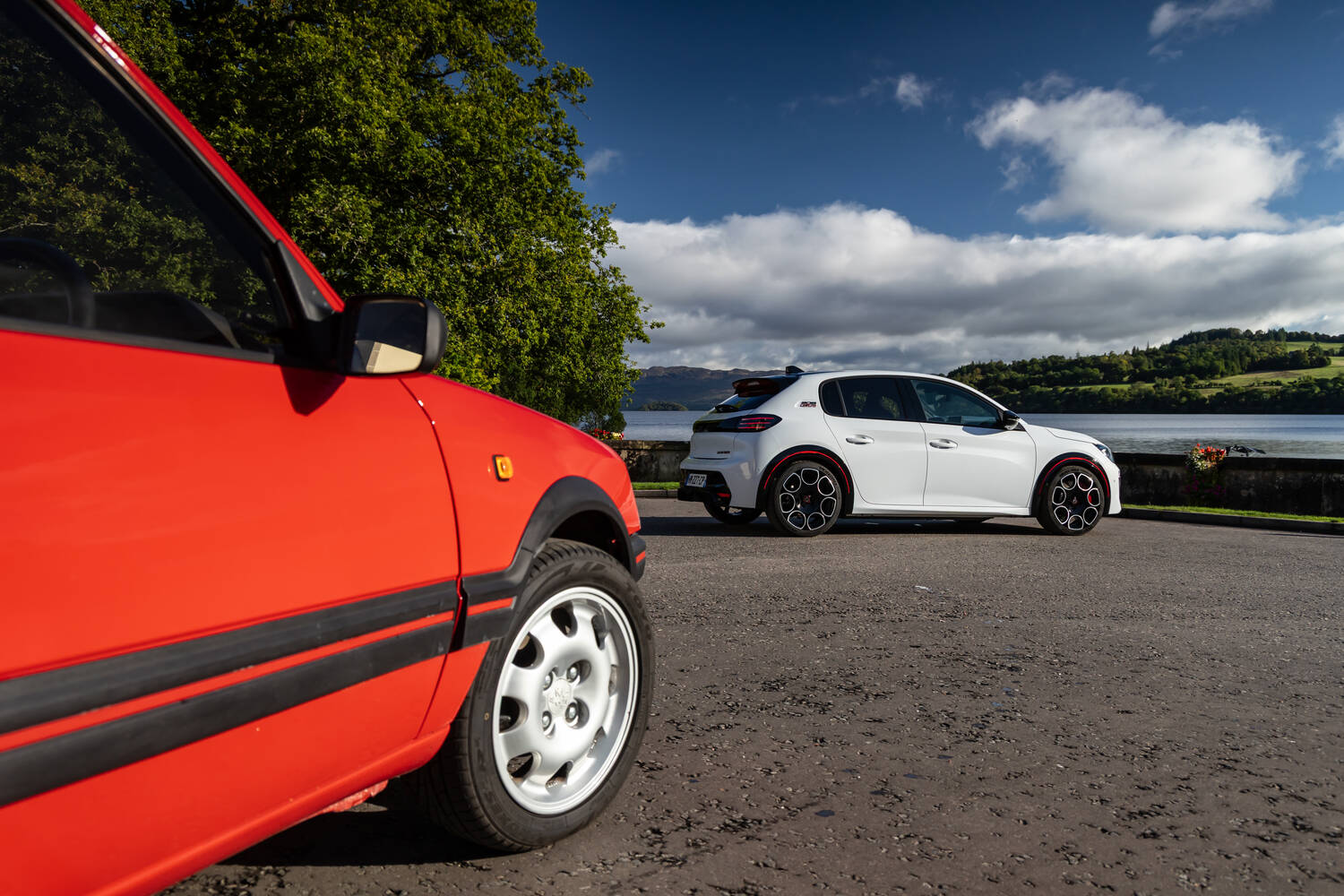
Peugeot, then, was playing with fire at the recent E-208 GTi launch, when we got to drive the company’s first-ever all-electric GTi. To hammer home the fact that Peugeot has an impeccable GTi lineage, an immaculate, bright-red 1980s 205 GTi was parked alongside a brand-new E-208 GTi.
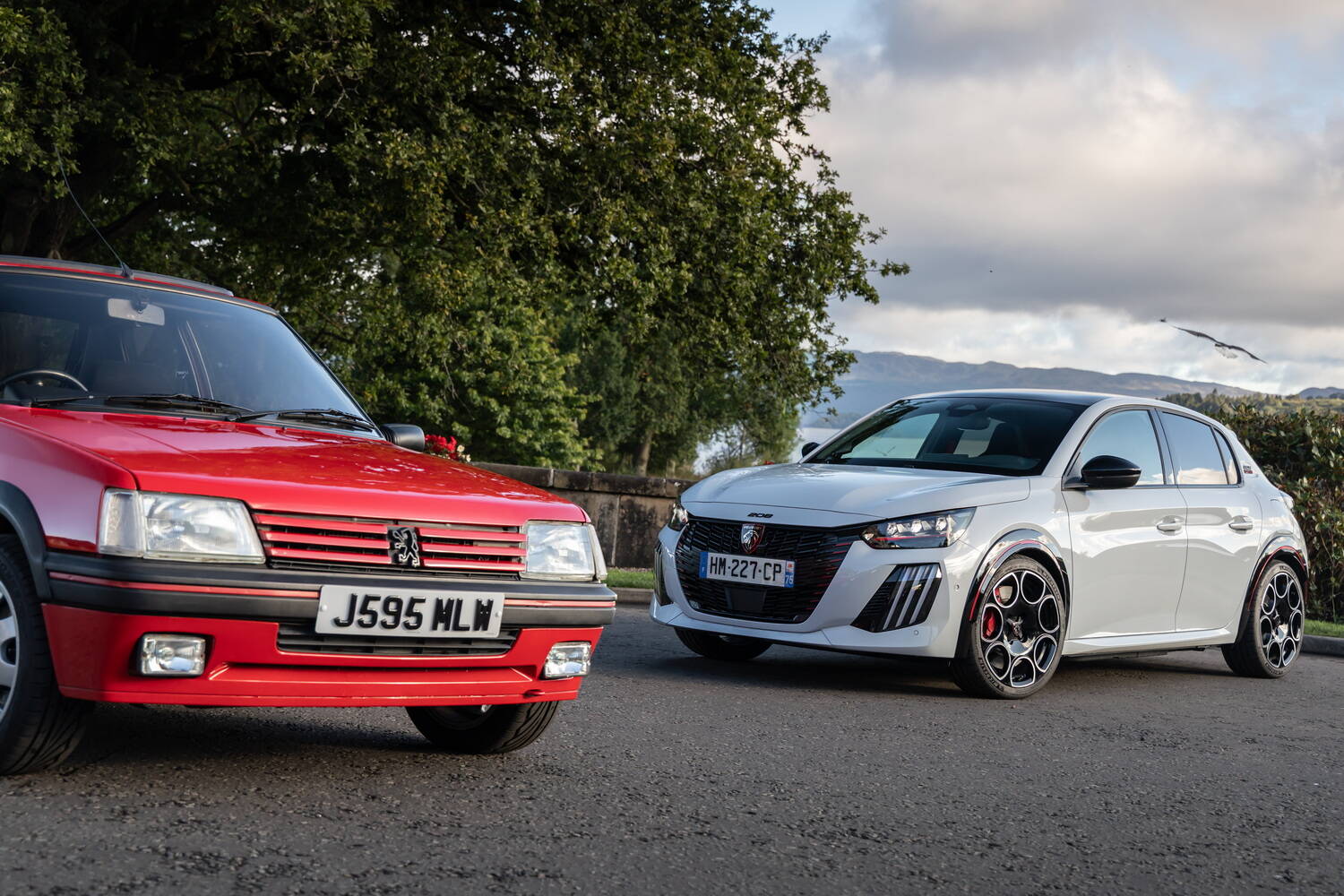
The comparison could have been a painful one — the 205 GTi is rightly regarded as a design classic after all — but the E-208 GTi is just so darned good looking that actually the combo worked in its favour.
Instead of just fawning over the old car, we started to pick up on the subtle nods to the original that have been worked into the styling of the new one.
Let’s talk to the man in charge
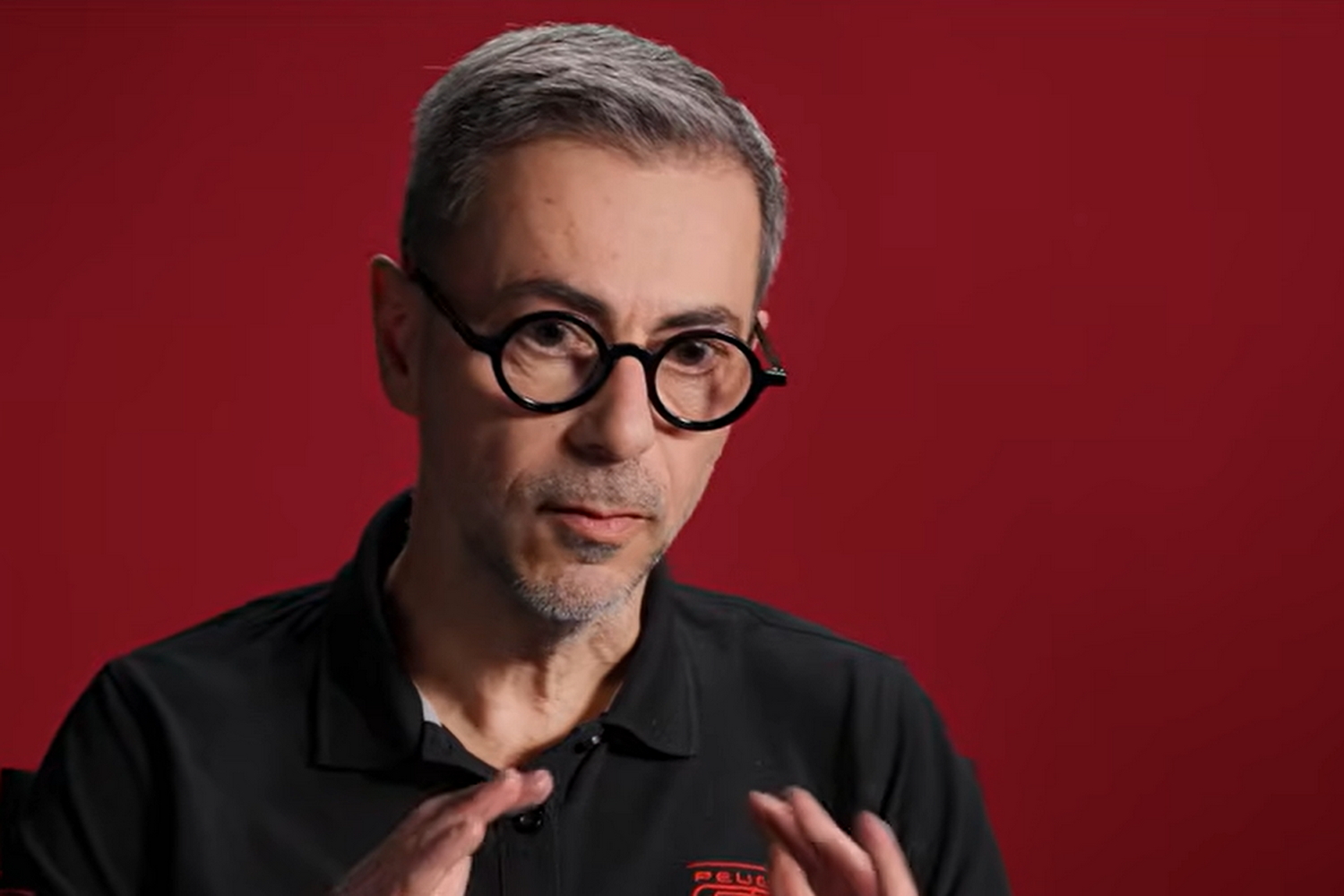
Keen to know more about how you create a brand new all-electric GTi for 2026, while honouring that 1980s heritage, I spoke to Michaël Trouvé, who was the design project manager for the E-208 GTi.
“We always try to find this balance of being influenced, nourished by our heritage, and keep the best of this strong DNA,” said Trouvé.
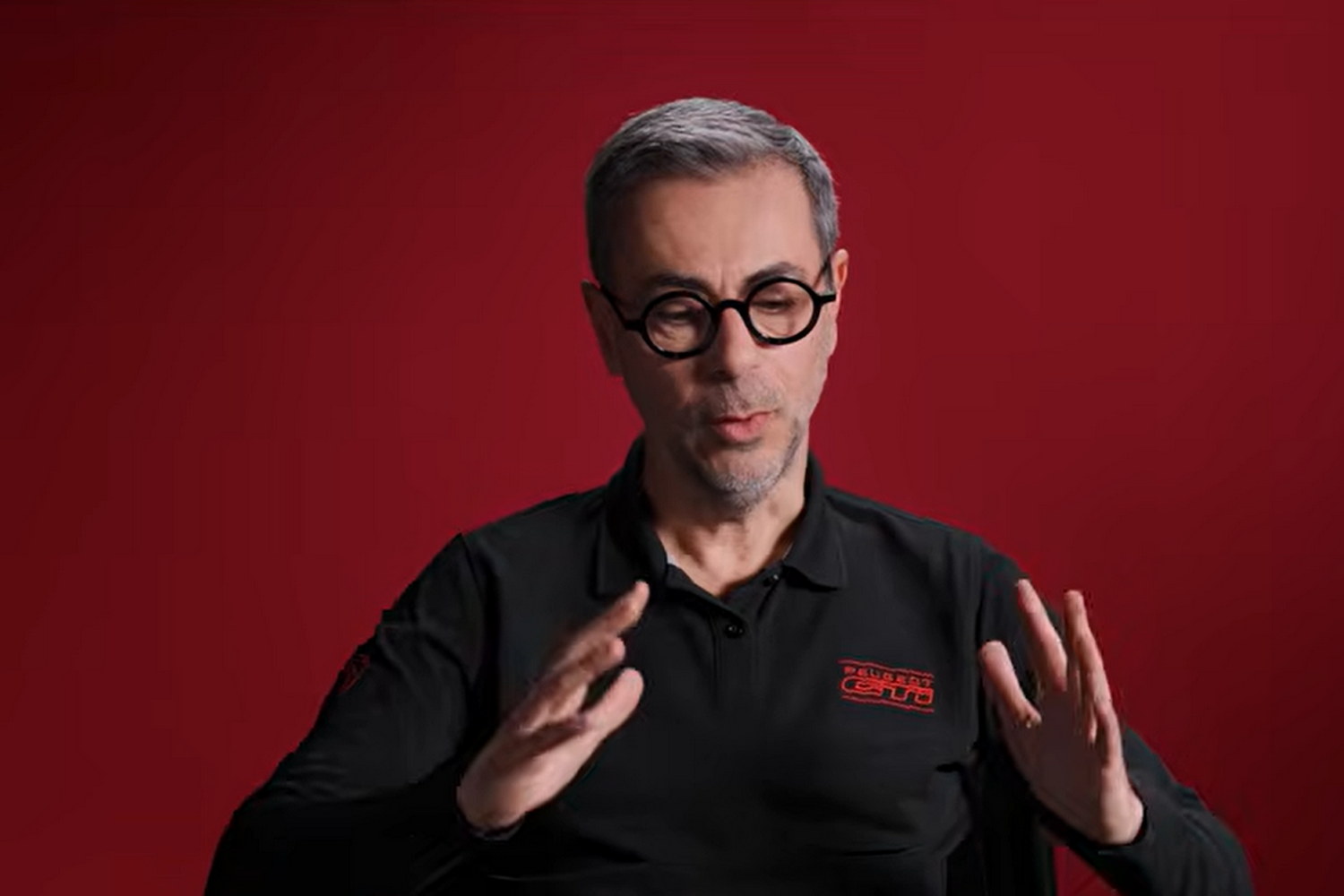
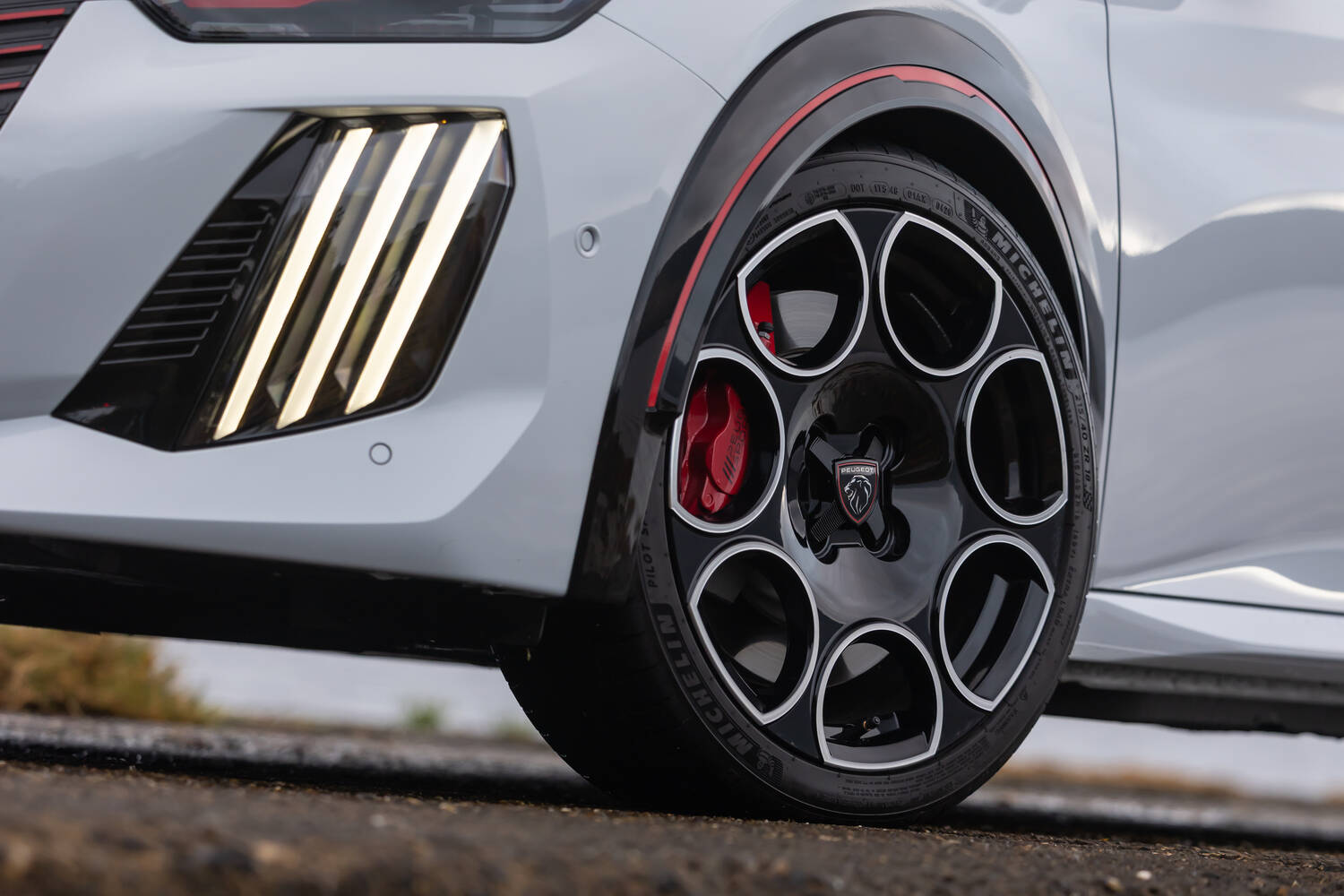
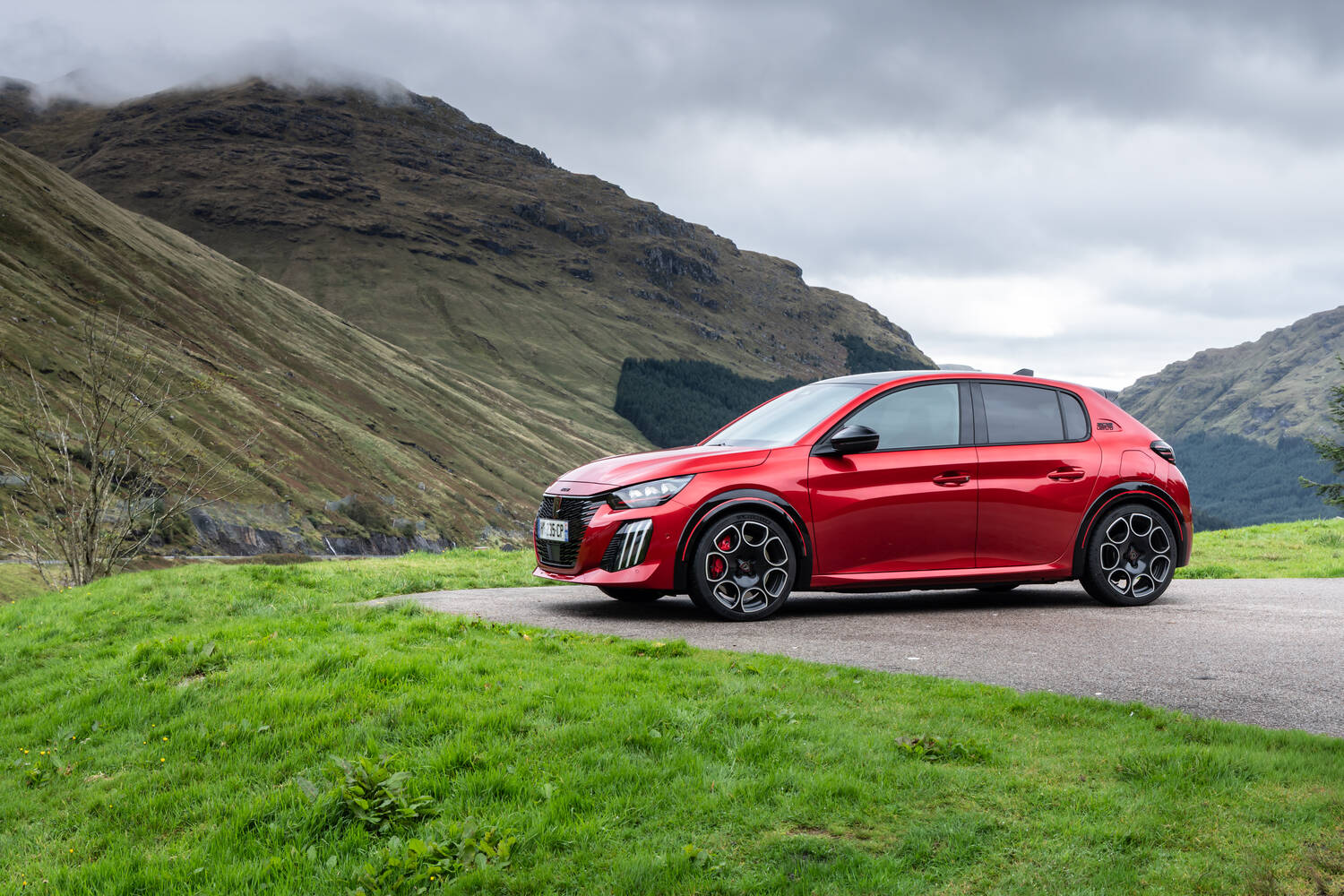
“But always with a futuristic or contemporary vision. It's never nostalgia. It's never revival. We try to keep what makes the DNA of a GTi. For example, for this one, it's first about the stance of the car, which makes it easily recognisable at first glance, even from far. We can easily recognise that it's not a common 208 because the car is lowered with wider tracks, bigger wheels.”
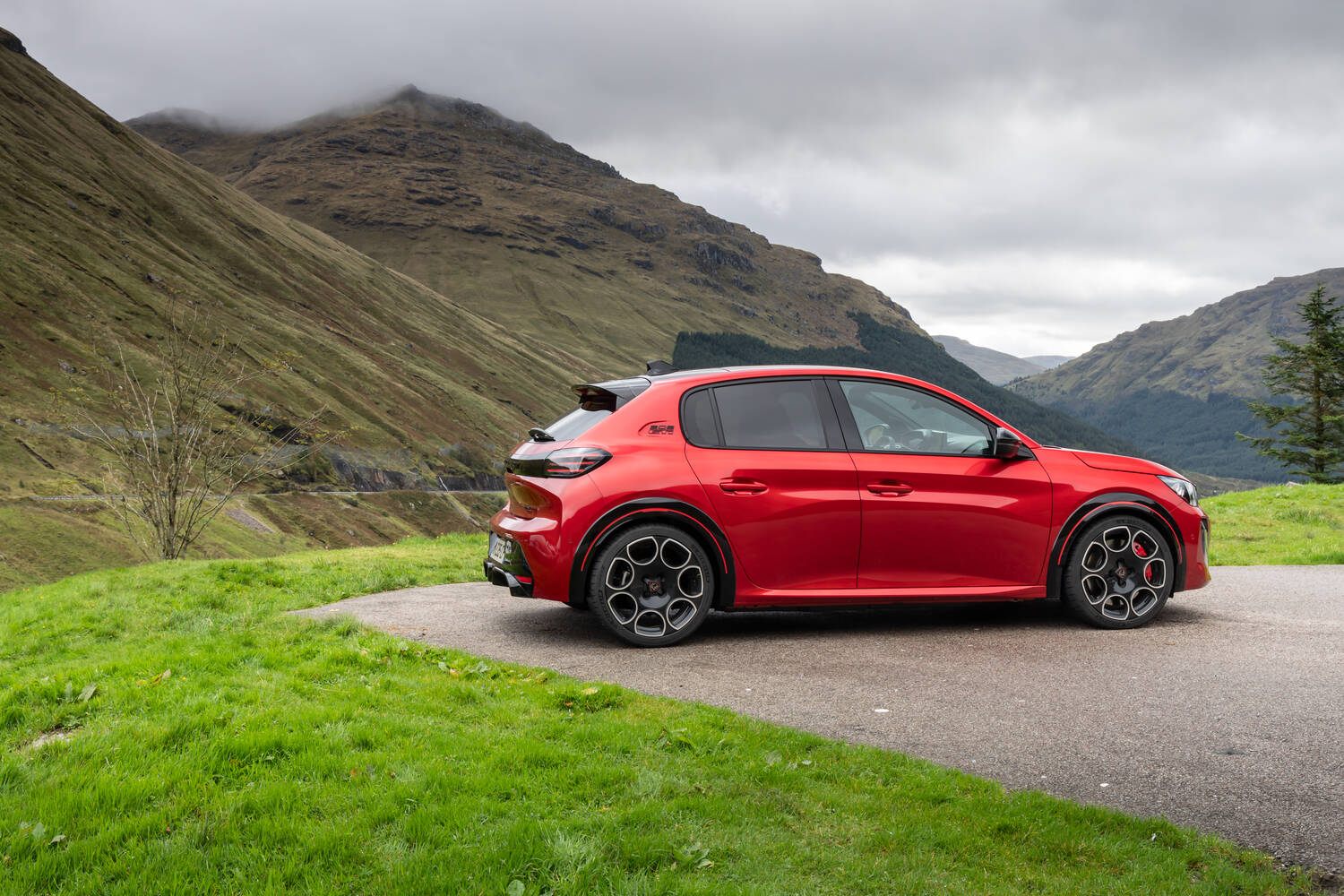
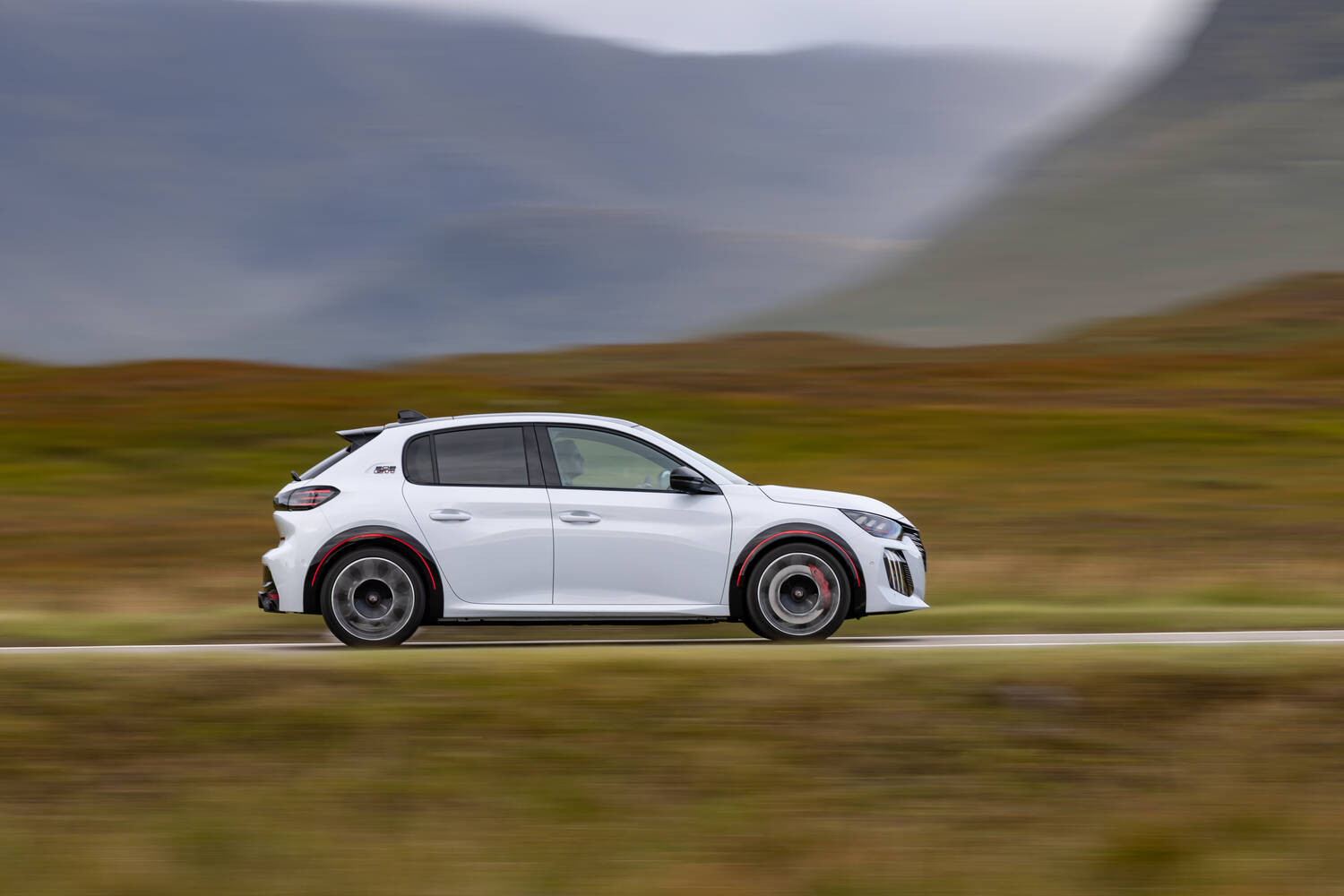
It’s true — the E-208 GTi sits some 25mm lower on its springs than the standard model, which makes it look far more planted to the road surface, while the extra width of the suspension track — 58mm wider at the front, and 28mm wider at the back — gives the little Peugeot a properly pugnacious hot-hatch stance. For Trouvé, this is the first key to making the new E-208 a true GTi.
“So this is really what made a GTi back in the day, for example, with the 205,” he told Complete Car.
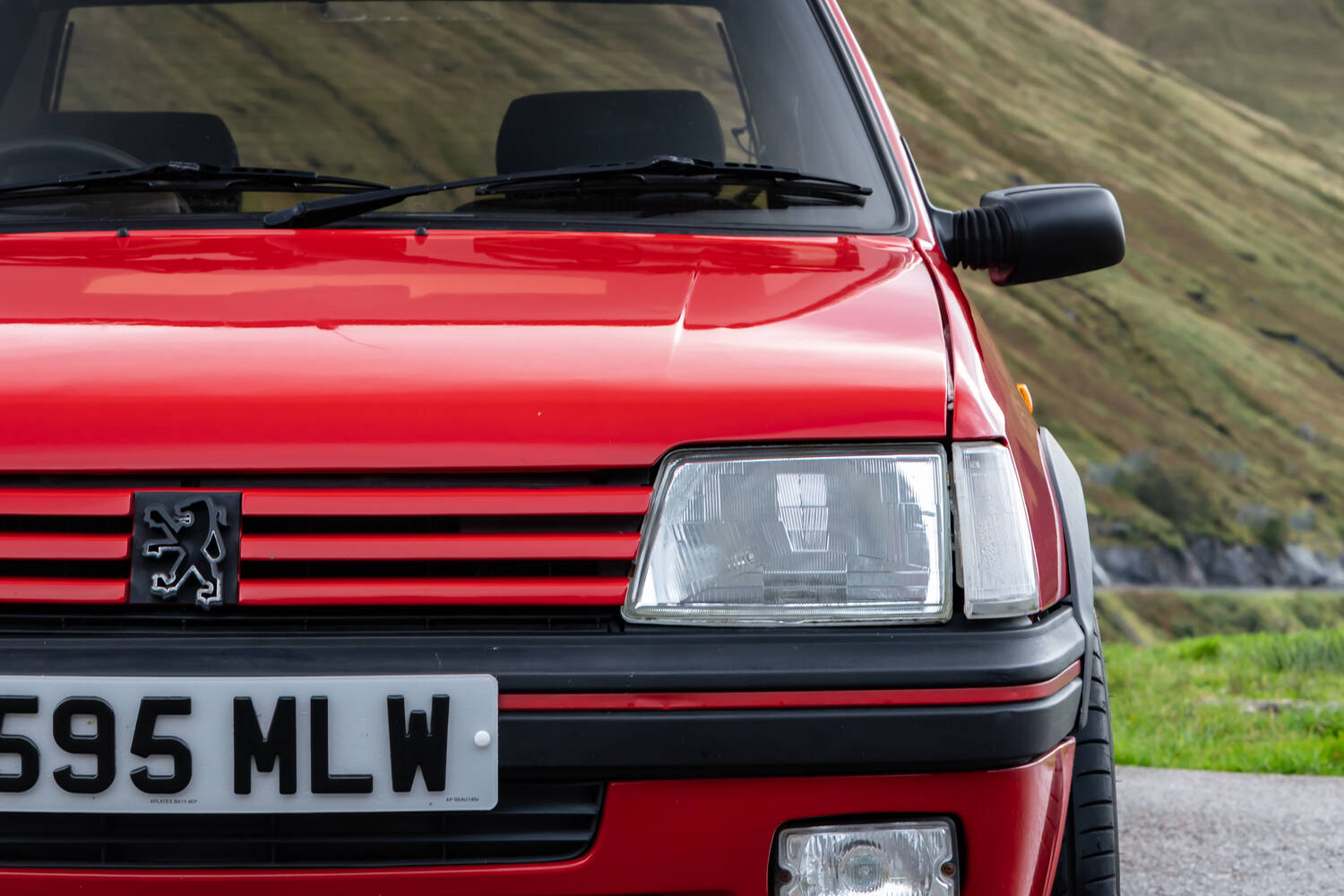
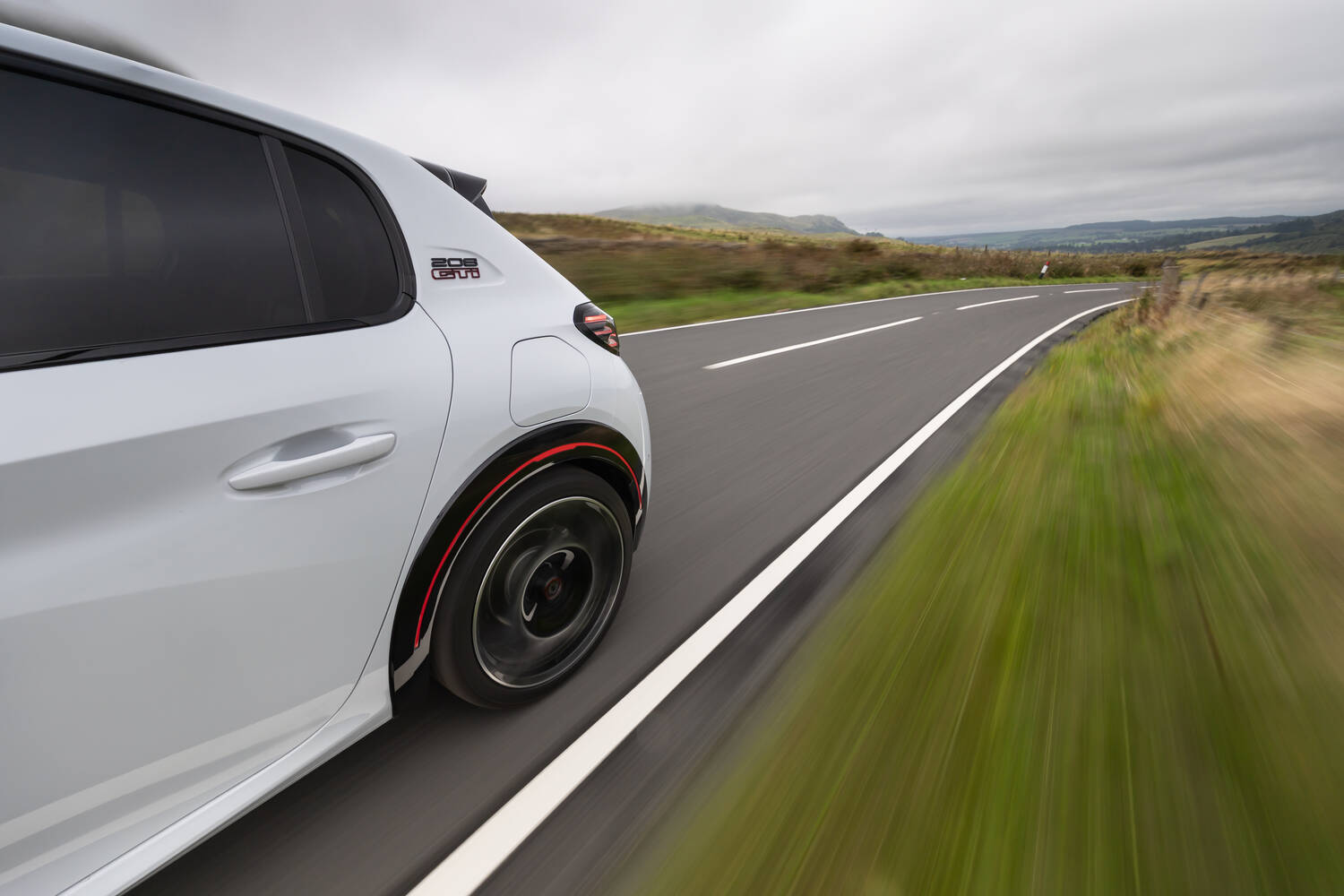
“So first you have the stance and then very simple, but very impacting and memorable design cues. Like for example the red edging on the black parts, which is reinterpreted in this one. It's really not the same as the 205 GTi, but it's here anyway, and here it visually amplifies the diameter of the wheels, making them feel bigger, and the car as a whole is intentionally kept quite simple, nearly understated, which is also something from GTi DNA. It's a car that is a ‘who knows, knows’ car. The people who are interested in sporty cars immediately recognise it, but it's not over styled.”
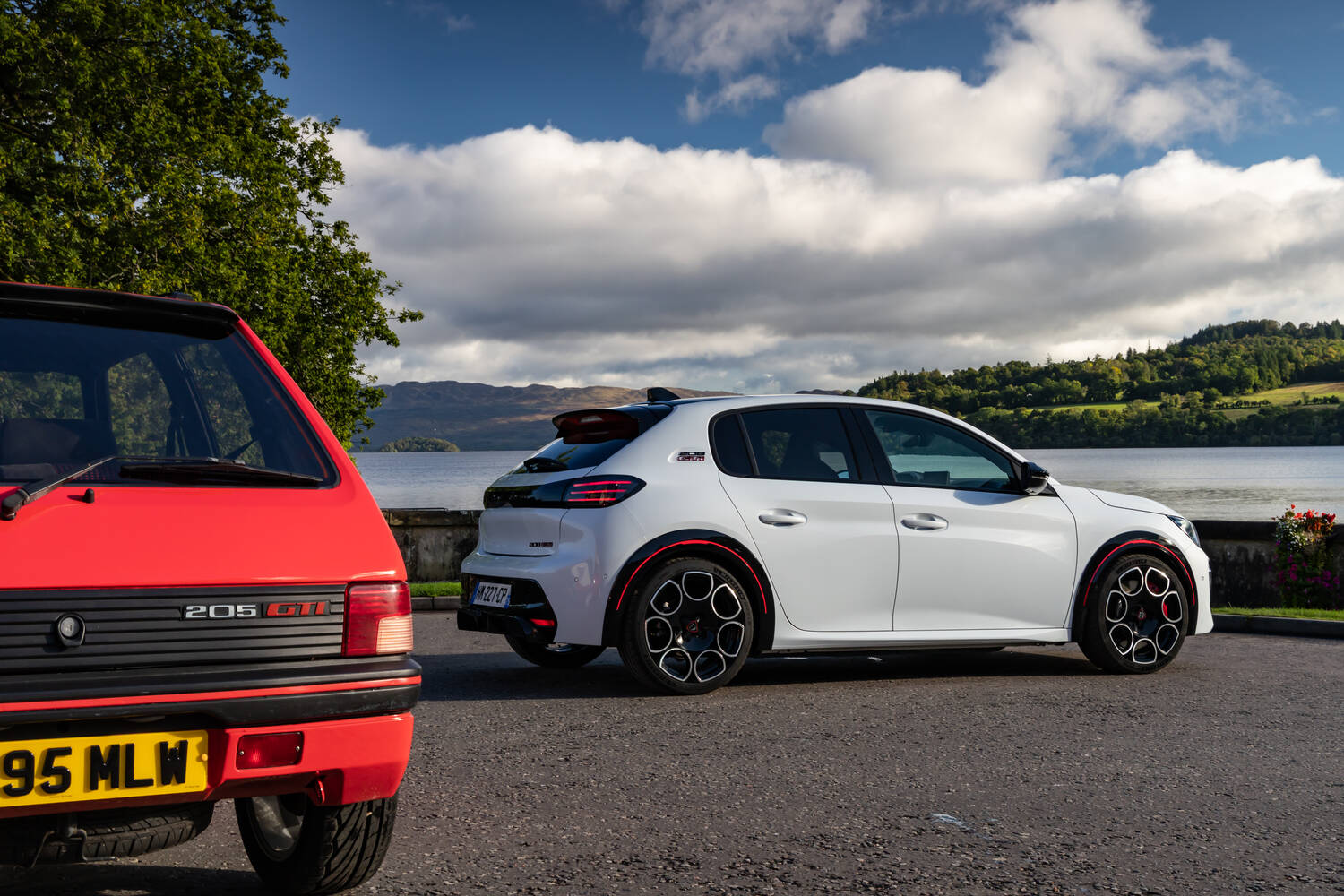
That’s the grand hot-hatch tradition. Uninterested passers-by will just, well, pass on by but the genuine car nuts will know what the E-208 GTi is and will, hopefully, nod appreciatively.
It’s not just about the exterior design of course
There’s also an interesting compromise to be made between styling the car and getting the engineering right. The E-208 GTi is not a mere stickers-and-paint model — the suspension, steering, brakes and even the battery and electric motor and its differential, have all been worked on by the experts from Peugeot Sport, the brand’s in-house racing team.
How does Trouvé find the balance between the demands of the engineering department and what he wants to do in design terms?
Surprisingly, the answer is it’s pretty easy, thanks to both sides of the equation ultimately working towards the same goal — a car that drives as well as it looks, and vice-versa.
“We are quite used to working together with Peugeot Sport, and we know each other very well, and so they know what we ask for, and everything is dedicated to performance above all,” Trouvé told Complete Car.
“So we discuss it all at the beginning of the project. We ask for the biggest wheel possible, to lower the car as much as possible, to widen the tracks as much as possible, and then they give us the best they can give. It’s either a distinctive daily car, or an engaging and rewarding sporty car, and the car really does both very well. This is the target, and this is a consequence of all the choices that Peugeot Sport made on the suspension, on the tracks, and so on. So at the end, it is a compromise, but we are always confident that our colleagues from Peugeot Sport give us the best they possibly can.”
Would a blank page have been easier?
However, the standard Peugeot 208 is still - even though it has been around since 2019 - quite a striking car to look at, so I wondered if it was harder to turn something so familiar and distinctive into a GTi, than it would be to have started with a blank page.
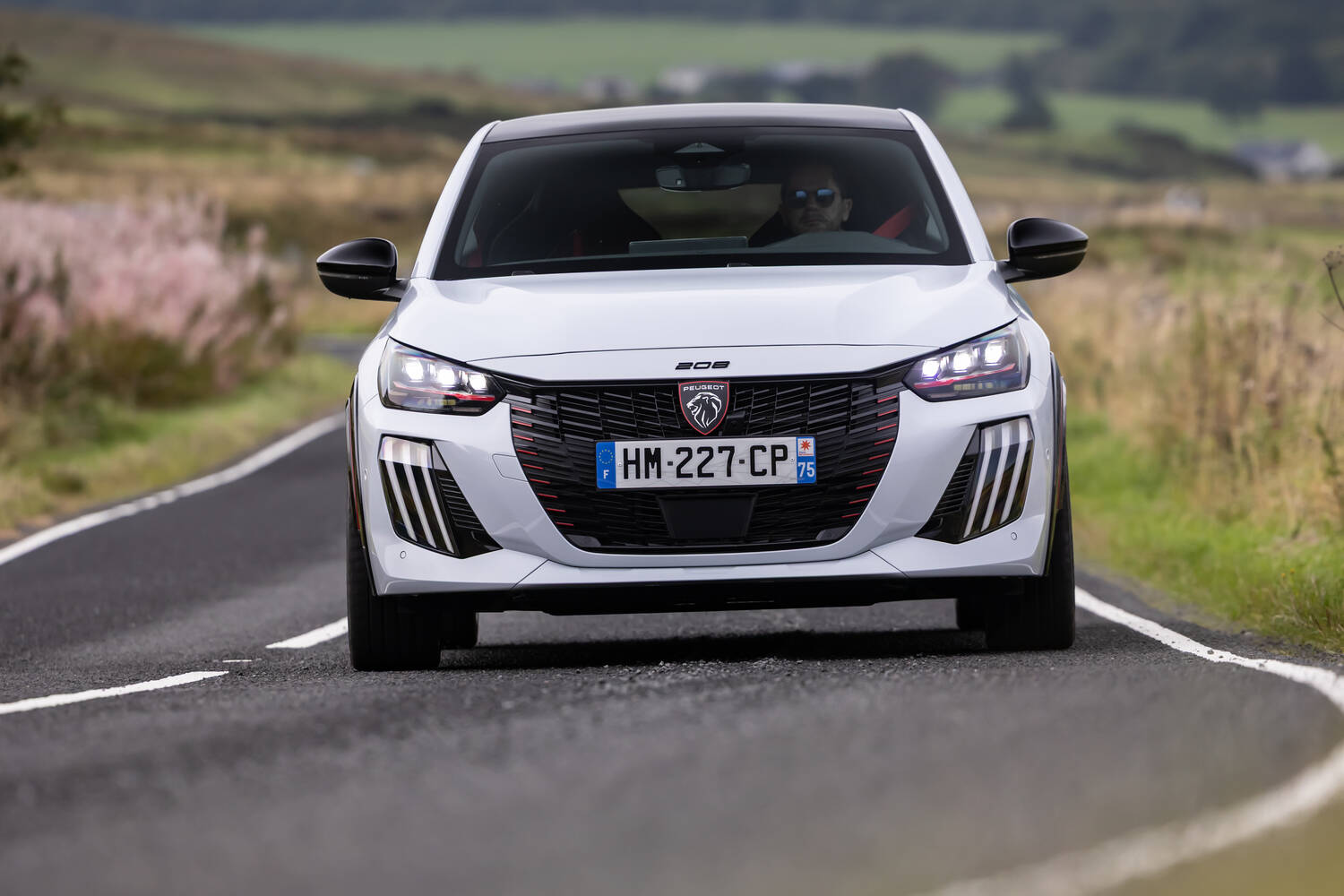
“Both are easy to work with,” said Trouvé. “When we have such a strong history and heritage to work with, it's really good. It's sometimes a little intimidating because we have to be worthy of this icon. But as you can imagine, there is a great enthusiasm for this. In fact, the basis we have here is a very good basis for us because the 208 is a little bundle of energy. It's like bouncing even when it stands still. It's really muscular, and we just need to push everything a little further to make it a GTi once again with the stance, with the headlights’ gaze that we underline with red edging and things like this. Even inside, the basis with this current 208 is really a good basis with the i-Cockpit, the little steering wheel, which is really kind of magic. It’s very playful, very addictive, and so it's the best we could have for a GTi. So yes, we know this car already, but it's the ultimate expression of this generation.”
Are there more Peugeot GTis on the way?
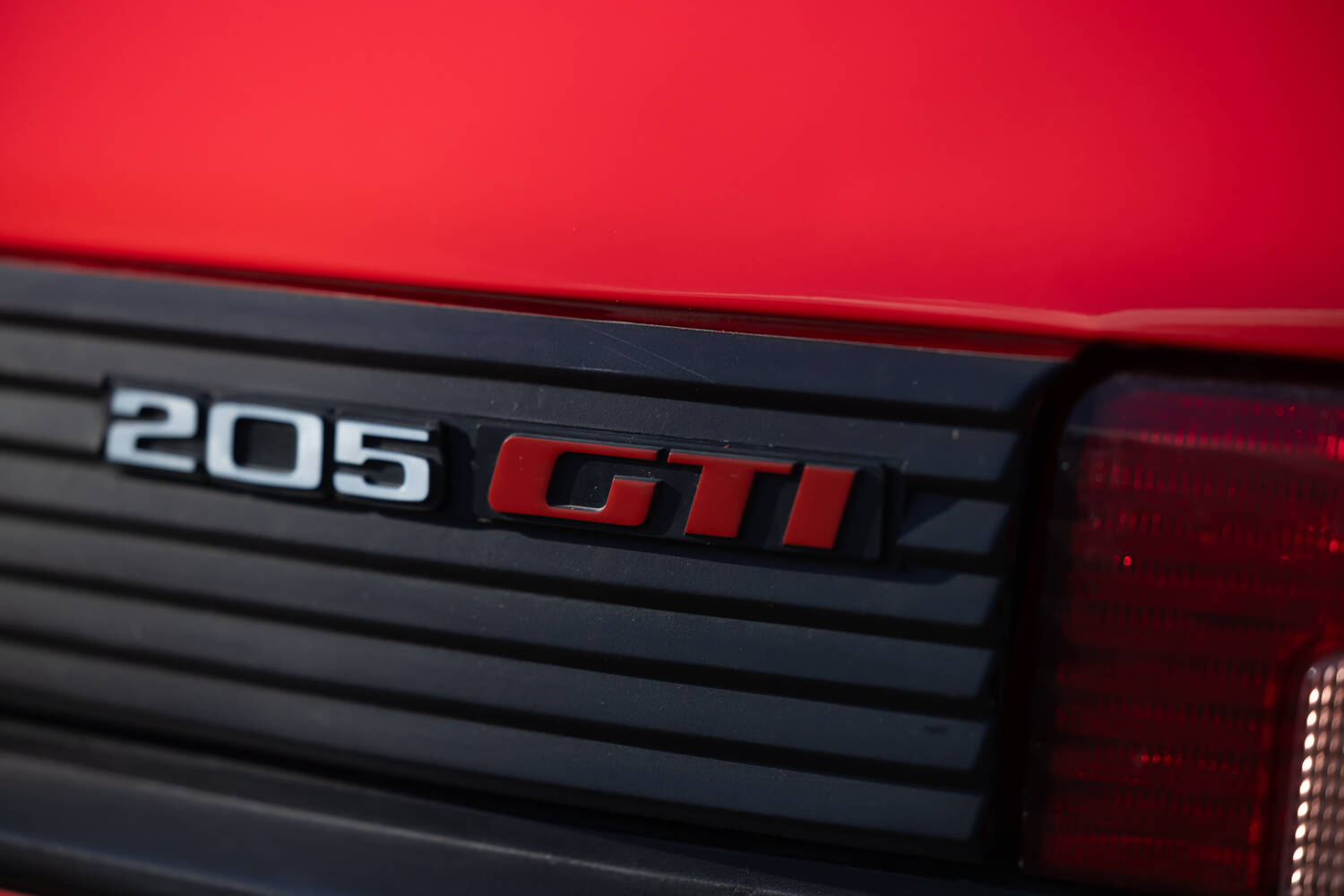
The words “this generation” kind of begged another question. We know Peugeot has an all-new 208 in the works, and while Trouvé was certainly not going to let any cats out of the bag as far as future GTis are concerned, I asked him what might be more important for a possible next-generation GTi — leaning into the heritage of the badge, or looking more to the future?
“Heritage is really important for us because we are, I think, one of the oldest automotive brands still in activity today. So more than one century of history, with many icons like milestones in this history,” said Trouvé.
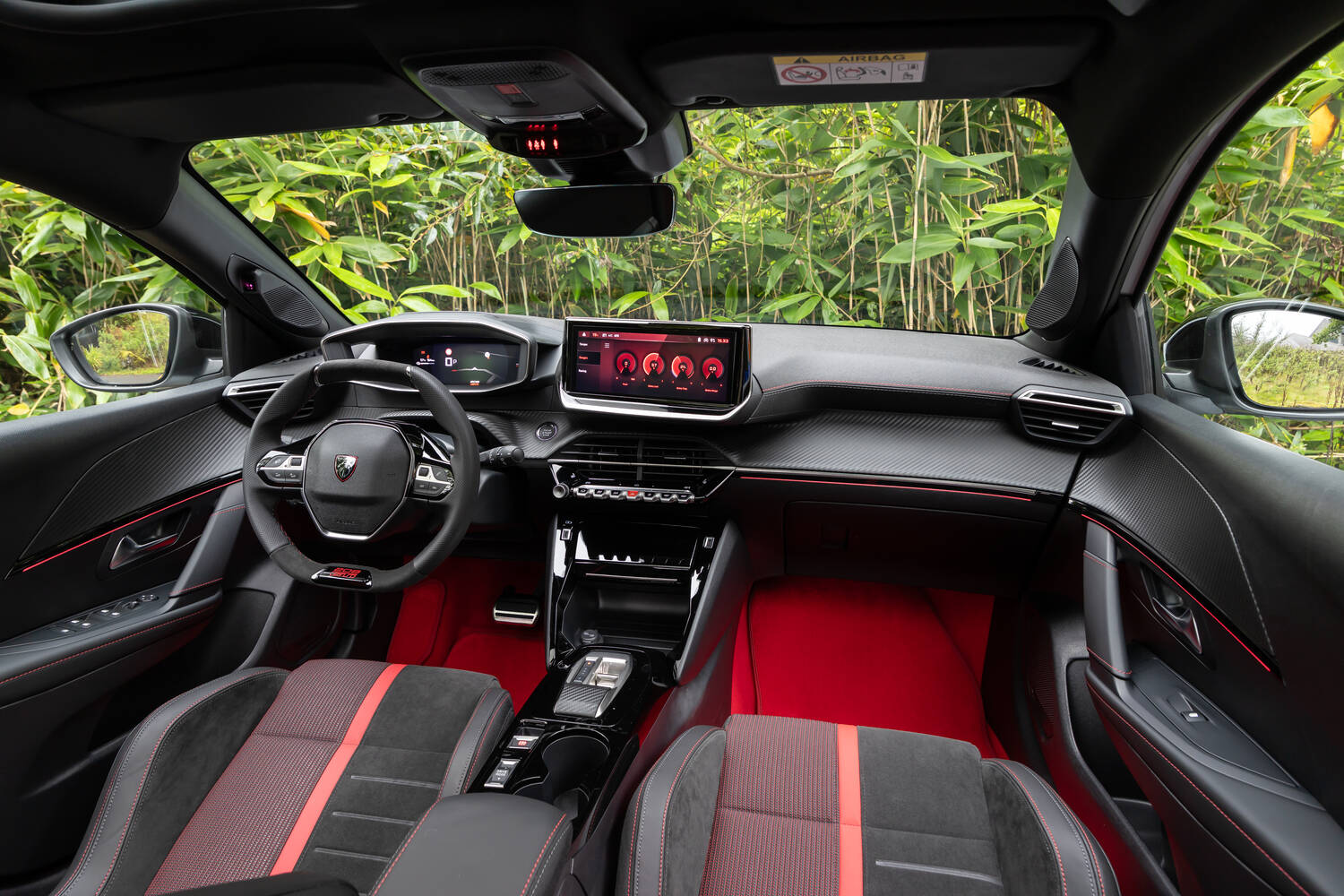
“So of course we are influenced by this history, by this heritage, but never with a nostalgic philosophy. It's always… we always try to put it in a more modern way, to a more ‘throw it into the future’ way. You can see, for example, with the i-Cockpit, and next with Hyper Square steering wheel, that we are always dedicated to the future, to improvement. So this is Peugeot DNA being influenced by our heritage, which is something very strong, but always with a futuristic vision. And if we want to create new icons for the future, new milestones in our history, we cannot just look at the past, but we must be focused to the future.”
What’s his favourite bit?
I couldn’t let the moment pass without asking Trouvé what his favourite styling touch on the new E-208 GTi is. The neat boot spoiler? the gorgeous black-and-silver alloys? The subtle red pinstripes? No, none of that…
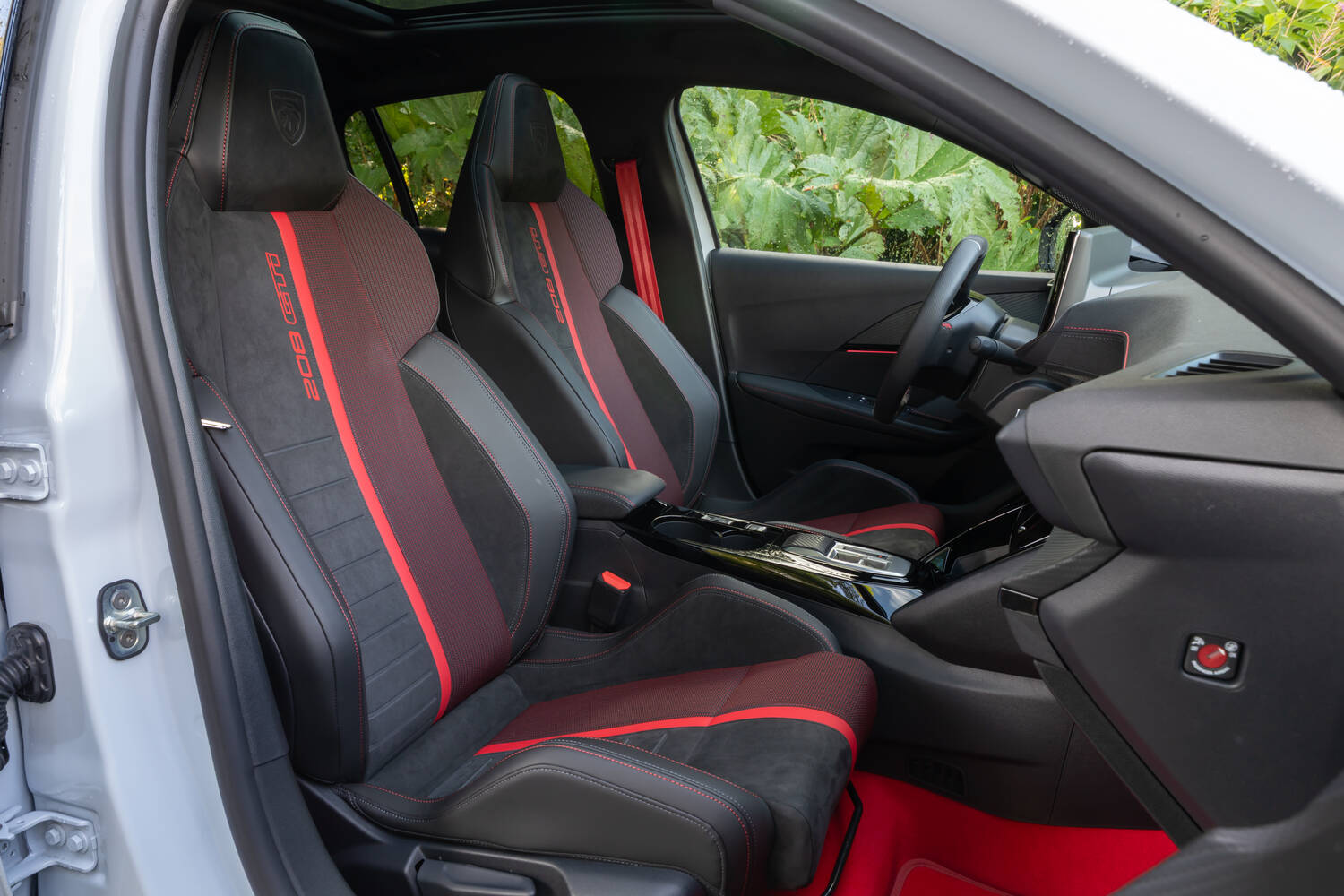
“Personally, I really love the new seats with the integrated headrests and reinforced bolsters with this red stripe in the middle and with the two-sided trims,” said Trouvé. “So yes, I think it's a good sum up of our GTi philosophy — something that is quite strong and impactful, but also easy to use in everyday life.”
Since this interview, Peugeot revealed the stunning E-T16 concept car at the Paris Motor Show, drawing inspiration from the 205 T16 WRC racer. We reckon it gives more than a few hints at the look of the all-new Peugeot 208 coming down the line.
If there is anything about this story we have not covered, you can avail of our expert advice service via the Ask Us Anything page.