
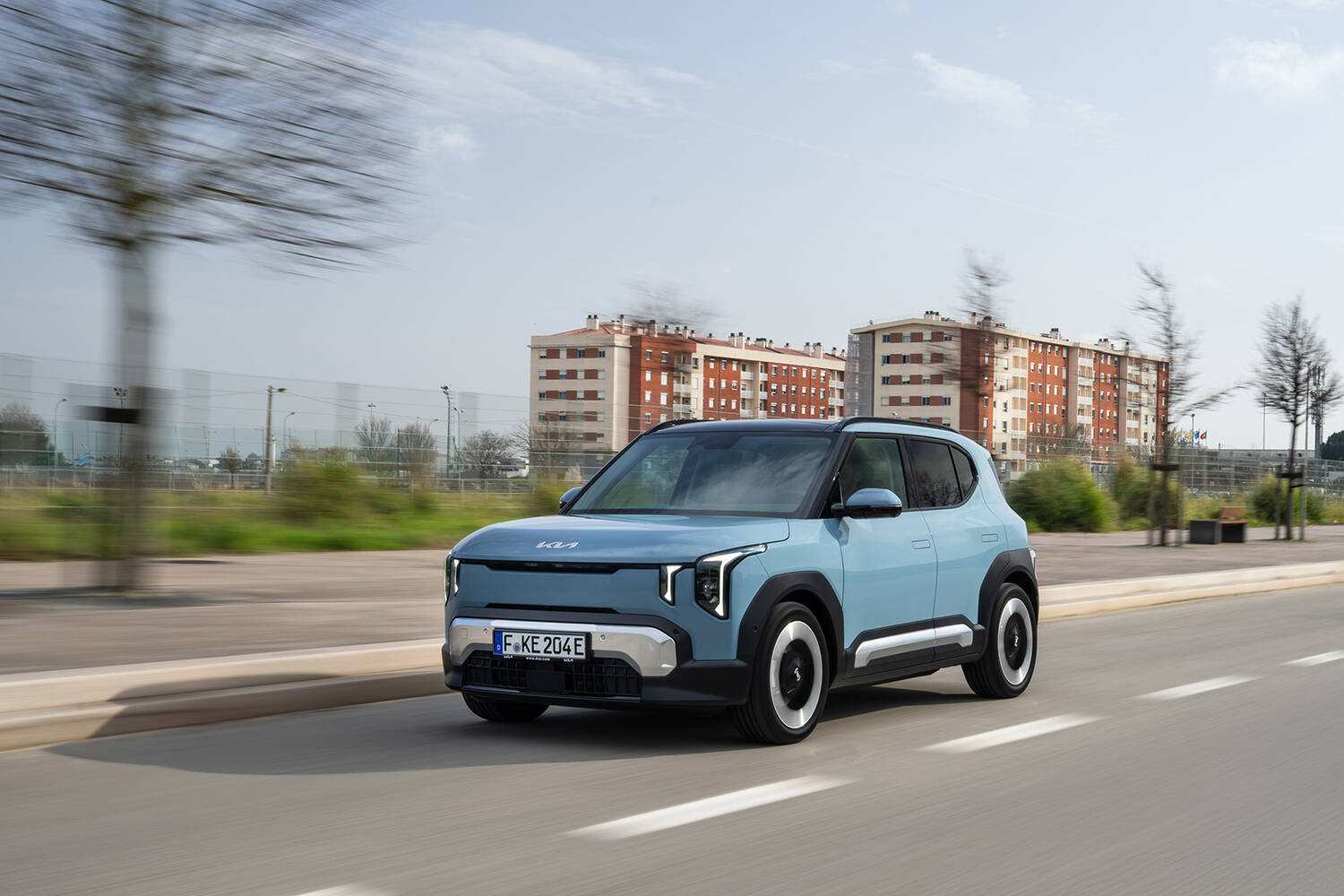
At first, the answer seems obvious. One is smaller and cheaper, the other is bigger and more expensive. Decide how much space you need, check your bank balance and off you go.
Except it isn't quite that simple. Start comparing individual versions and you'll find that their prices overlap. You can spend more on an EV2 than on an EV3 if you want to, and the smaller car can even have a longer official range than the bigger one.
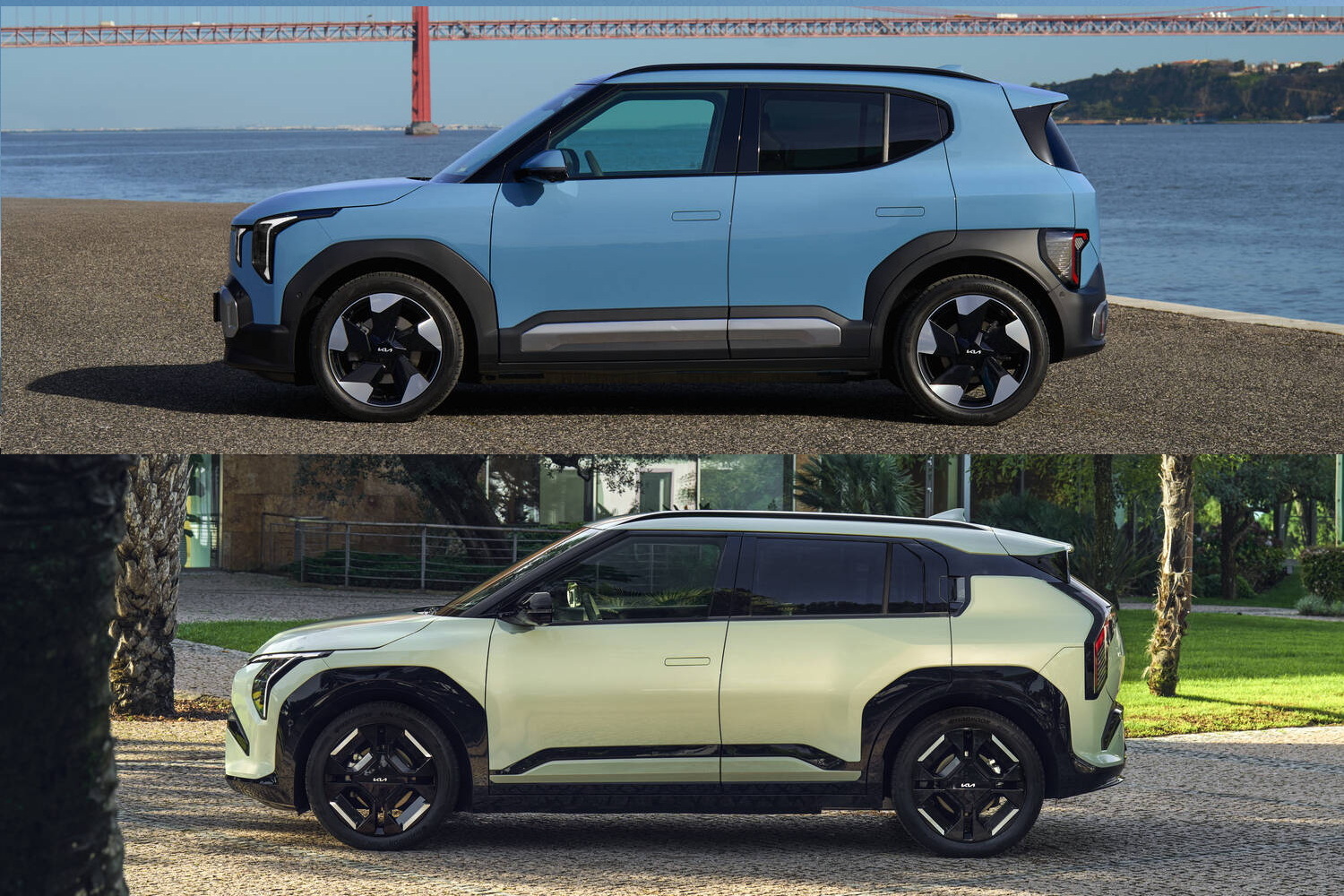
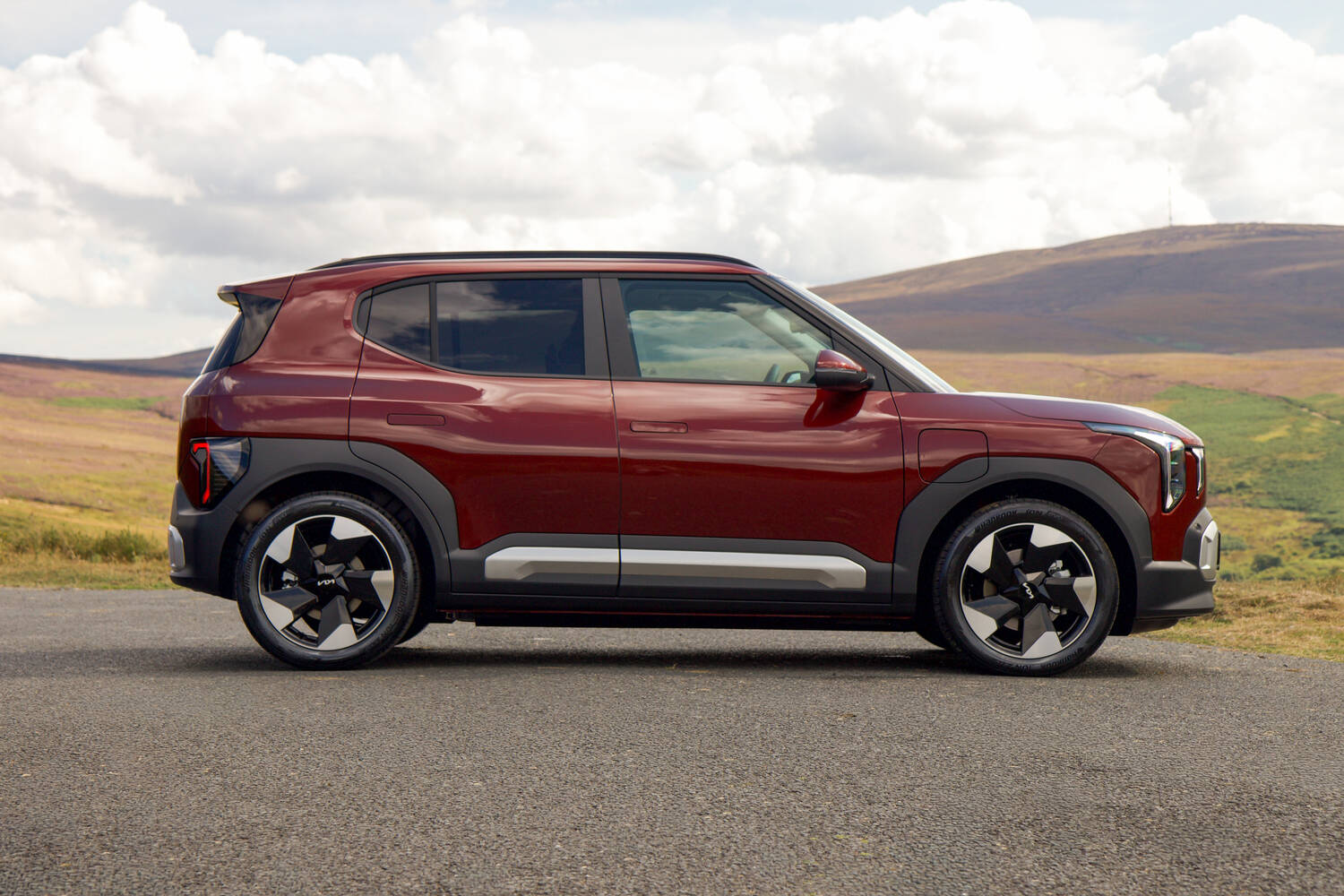
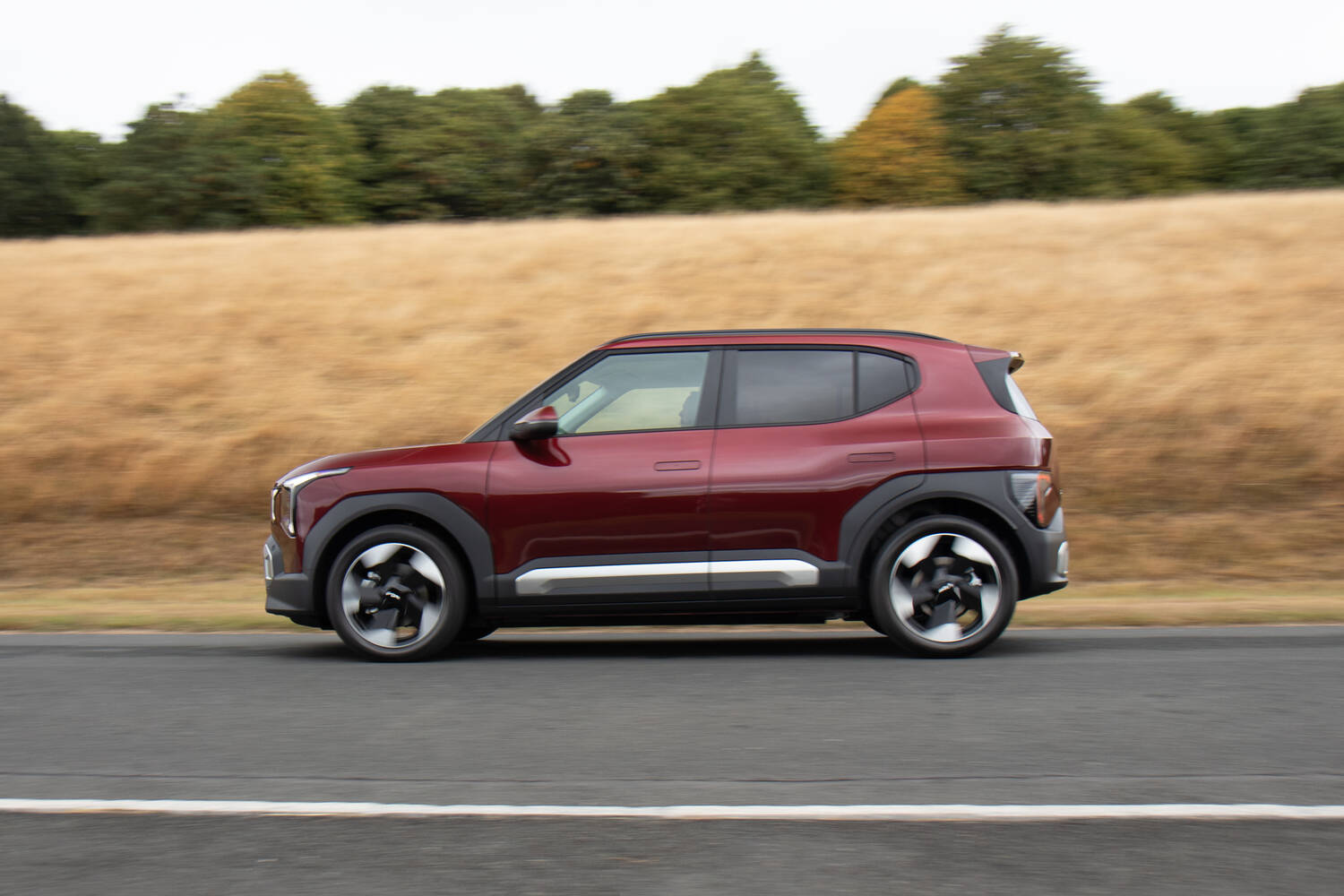
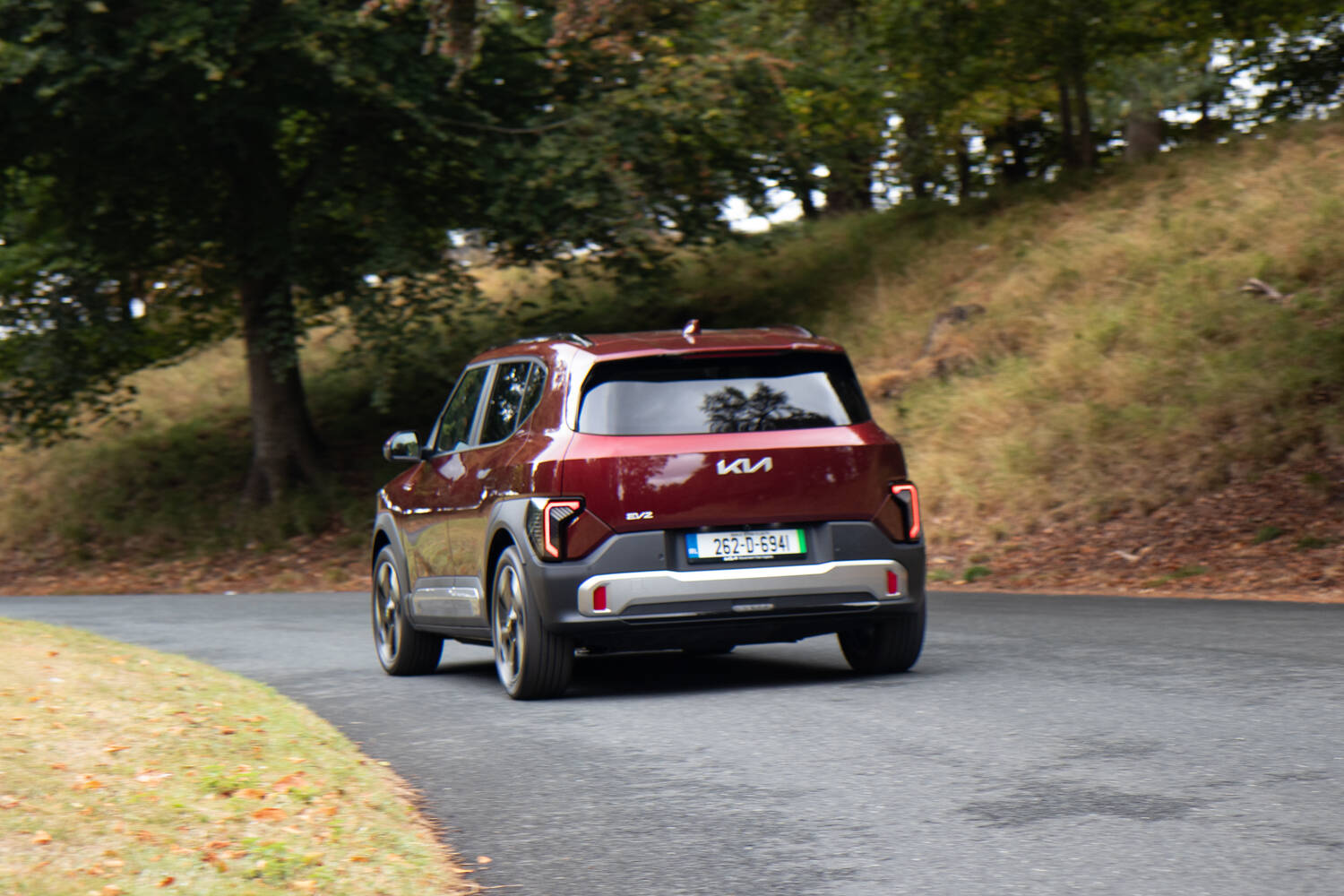
Then there's the less scientific bit. We prefer the design of the EV2. Its upright, boxy shape has plenty of character and, to our eyes, the proportions work particularly well. You might prefer the EV3, of course.
What does need a bit more thought is whether the EV2's smaller rear seating and boot will suit your needs. And whether your money is better spent on extra equipment, a bigger battery or a bigger car.
Size, boot space and practicality
The EV2 is the smaller car, but how much smaller? In regular form, it measures 4,060mm long and 1,800mm wide, against 4,300mm and 1,850mm for the EV3. That's an extra 24cm of length and 5cm of width for the EV3.
Those aren't enormous differences, probably not enough to be choosing the EV2 over the EV3 because you don’t have a very big parking space outside.
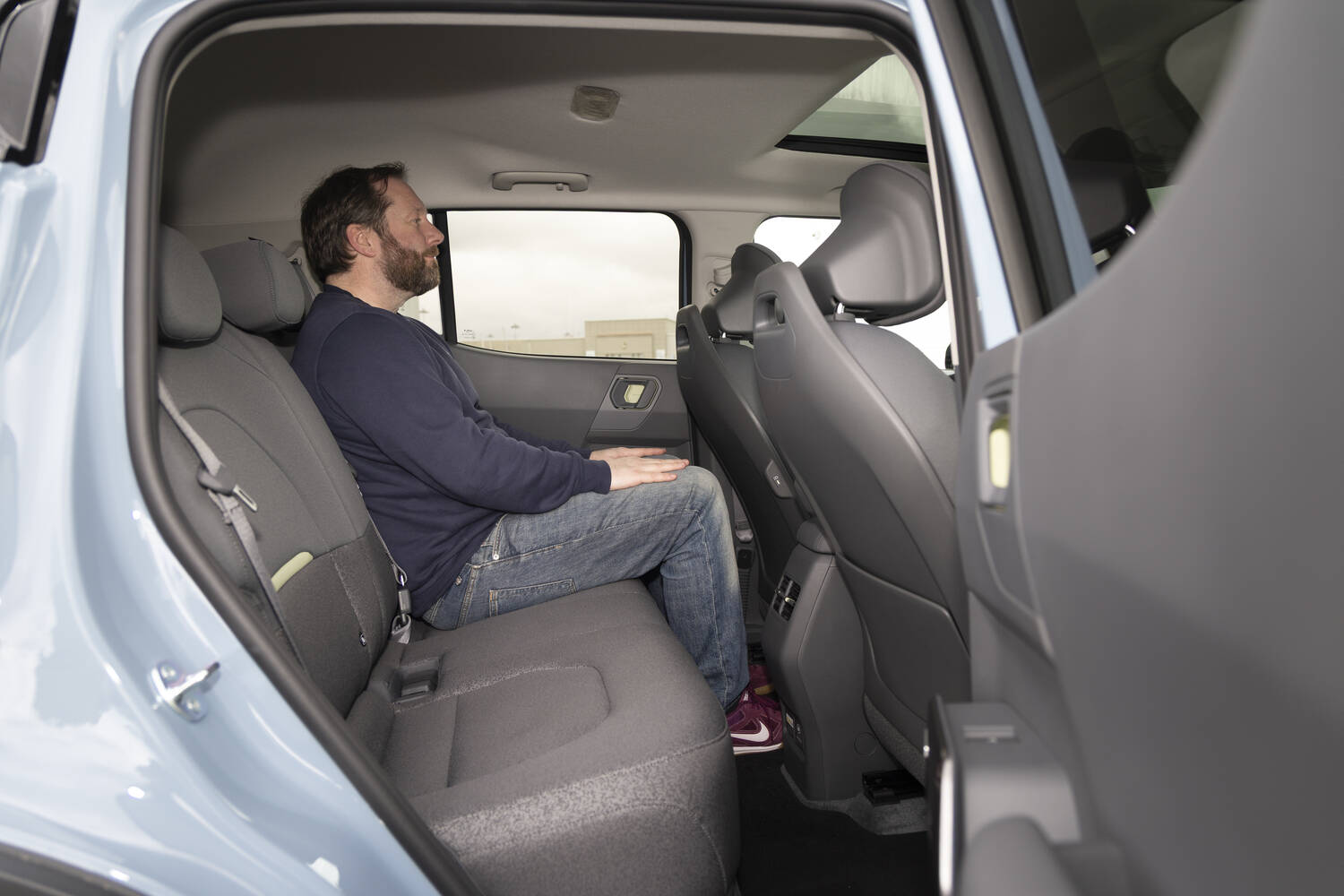
Nevertheless, the exterior dimensions define the interior space, and the EV2 is certainly a little less spacious in the back. The EV3 gives rear passengers more room for sure.
For a couple who mostly travel on their own, that might make very little difference. For a family with teenagers, or someone who regularly carries adults, it could be the deciding factor before we even get to batteries and pricing.
Top tip: don't judge this by sitting in the back of a car in the showroom with the driver's seat pushed right forward. Set the front seat for your own comfortable driving position, then get in behind it. Better still, bring whoever normally sits there along for their opinion.
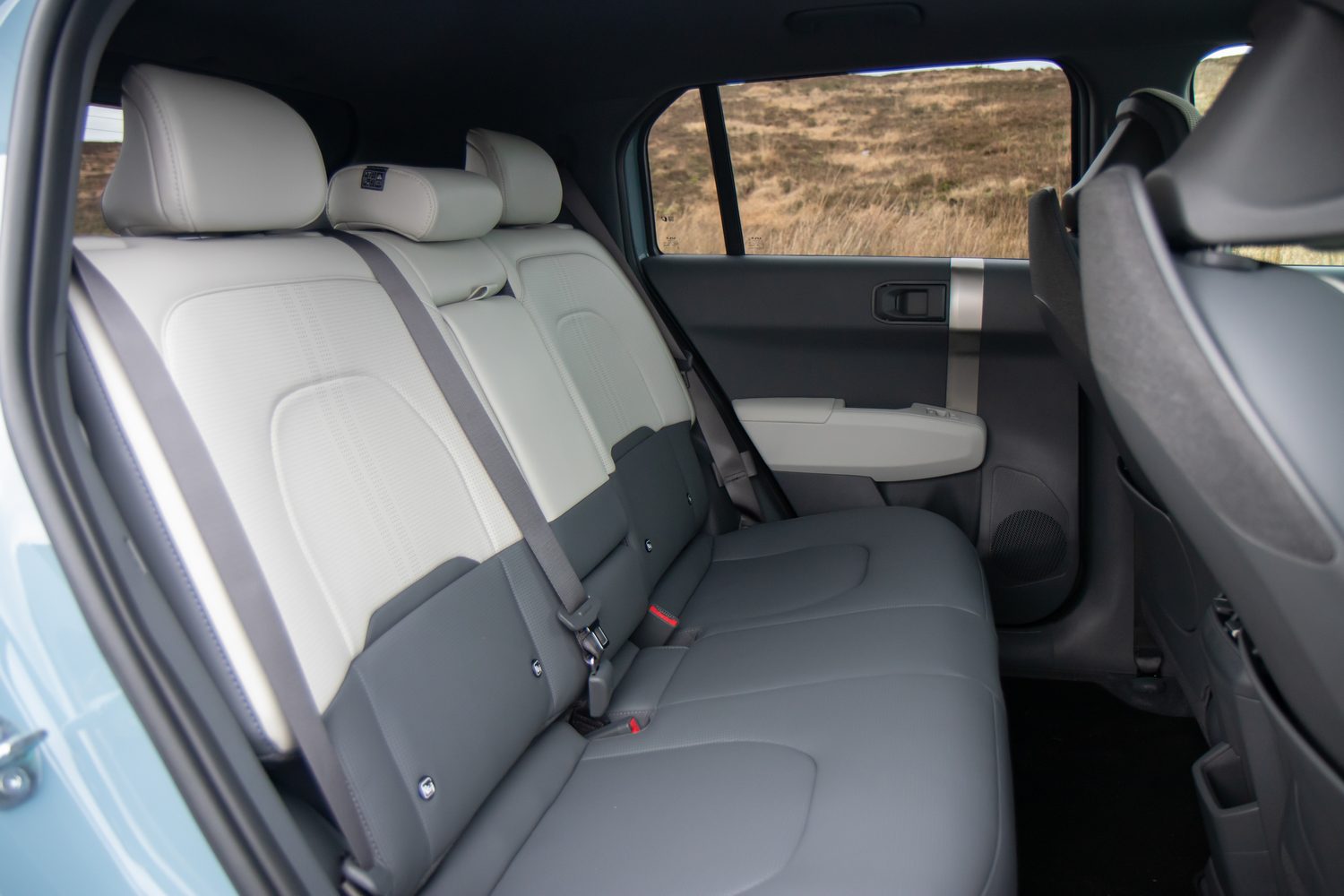
The same applies to child seats. Bring yours along and check how it fits, particularly if it faces backwards. A car can have perfectly reasonable rear legroom and still require a compromise in the front once a bulky child seat is installed.
Neither of these cars will fit three baby seats in the back, though they do both have three seatbelts back there. And while you might squeeze three young teens in for the occasional lift home from GAA training in the EV2, the EV3 is better on those occasions.
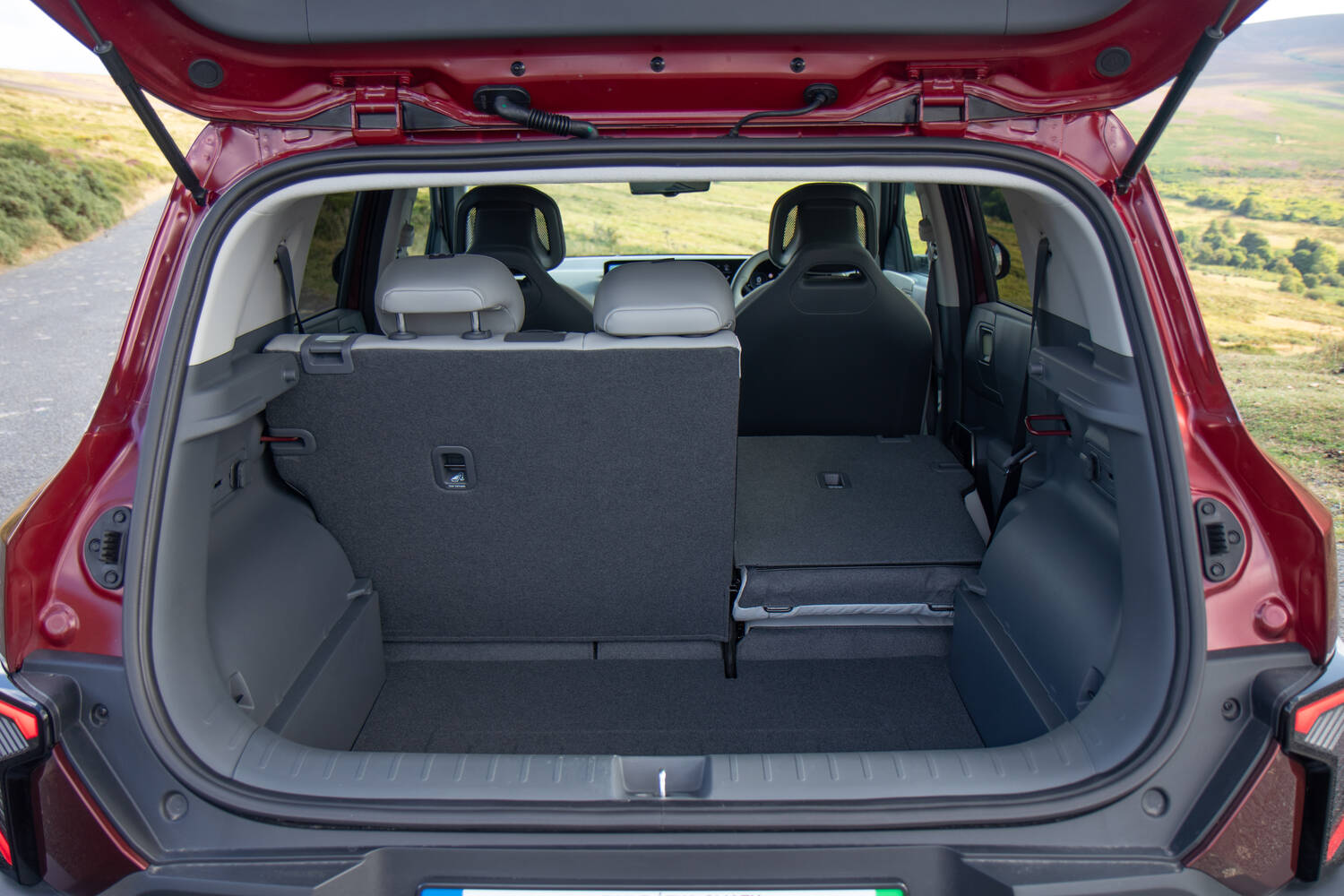
Unsurprisingly, the EV3 also has the bigger boot: 460 litres with the rear seats upright, against 362 litres for the EV2. That's nearly 100 litres extra where most people will use it most often, with the seats in place.
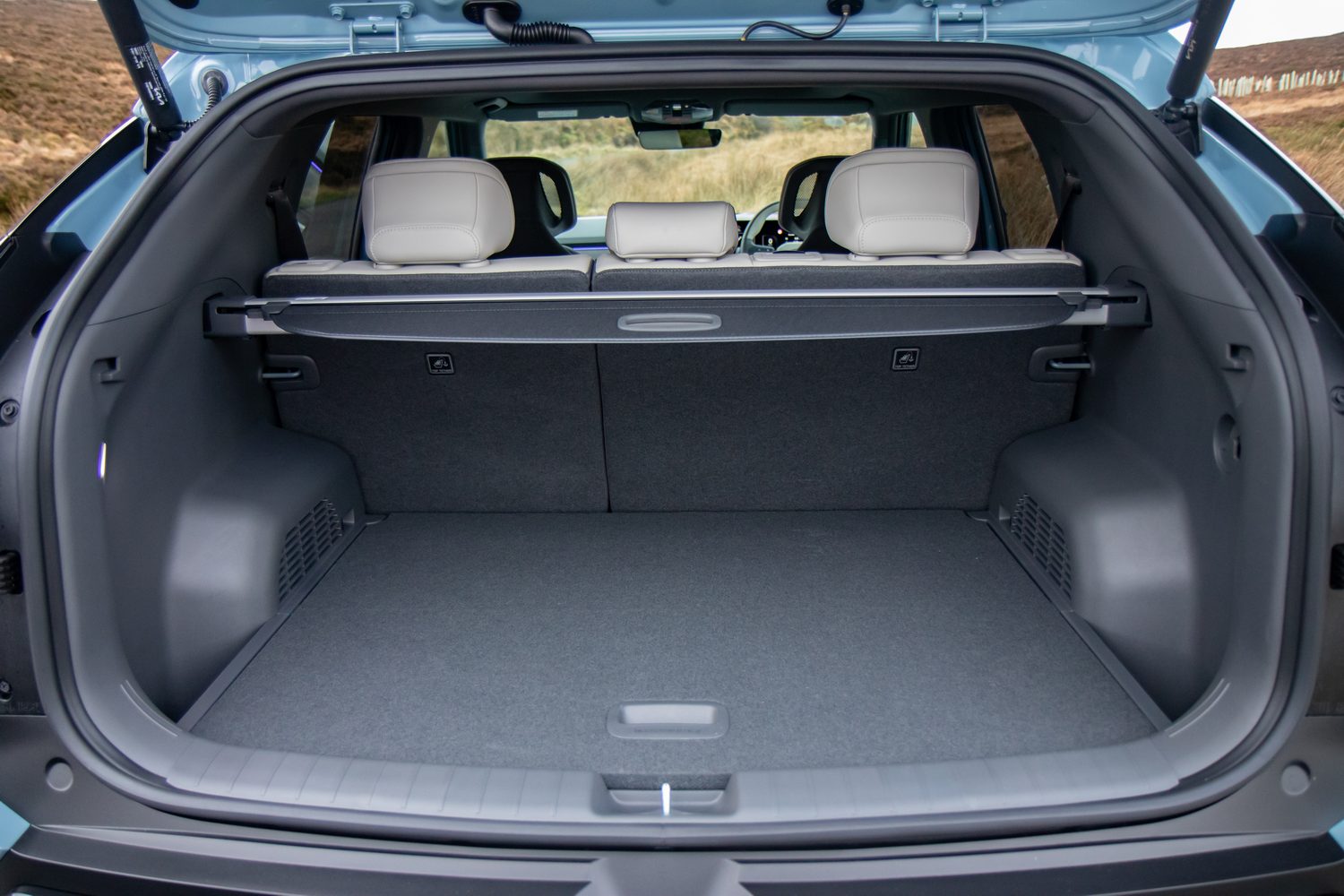
We wouldn't dismiss the EV2's boot as too small without trying it though as the EV3’s boot is large for this size of car. We’d expect a modern ‘travel system’ buggy to fit in the EV2, for example, though there won’t be much space left after. Again, bring anything like that you need to fit in along with you to the Kia showroom. They really won’t mind.
If you need to take a wheel off or leave the parcel shelf out, then that’ll just be annoying in daily life, so go for the bigger car if you can afford it.
Folding the rear seats increases luggage capacity to 1,201 litres in the EV2 and 1,251 litres in the EV3. That gap is much smaller, but it doesn't cancel out the EV3's advantage when you're travelling with people on board.
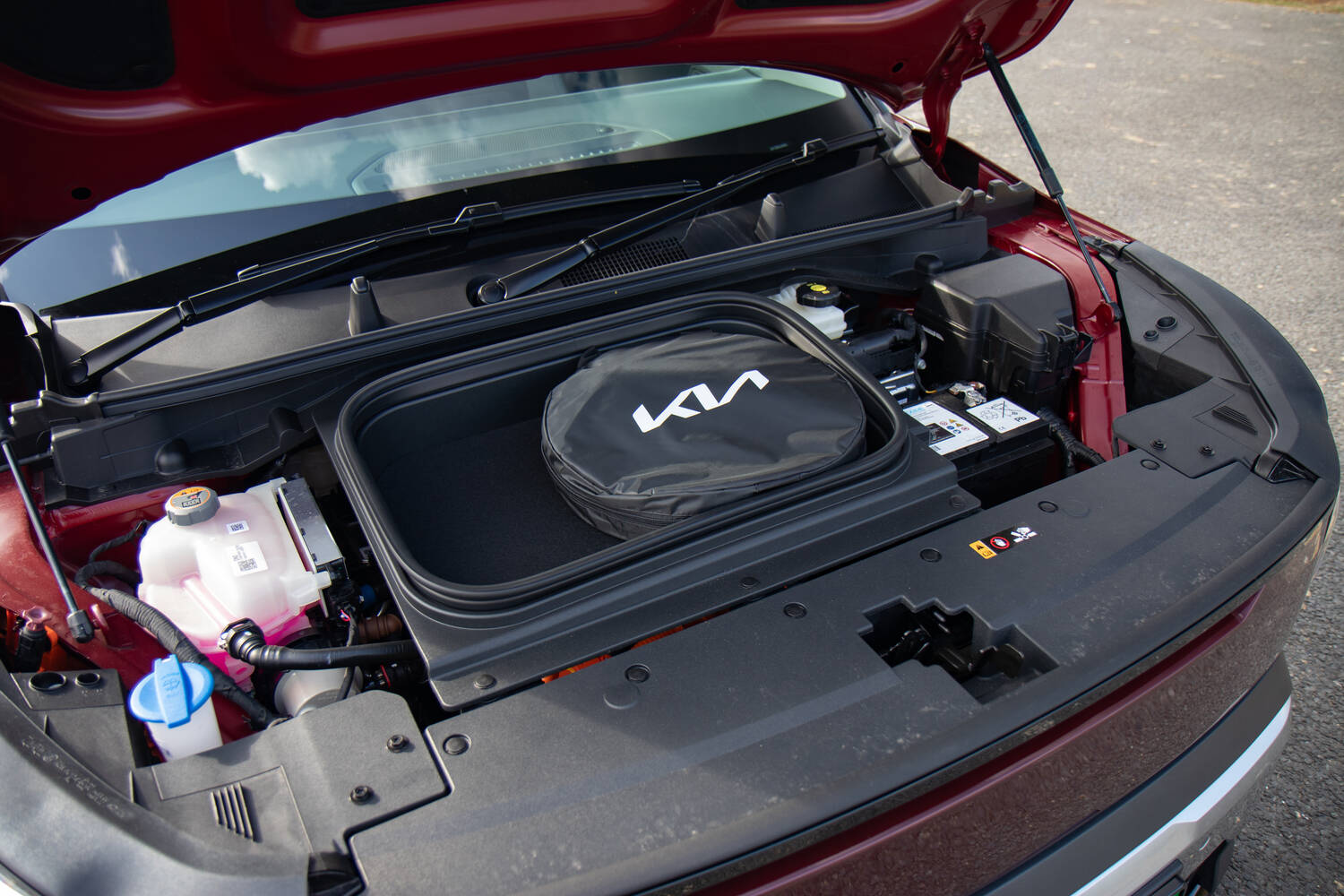
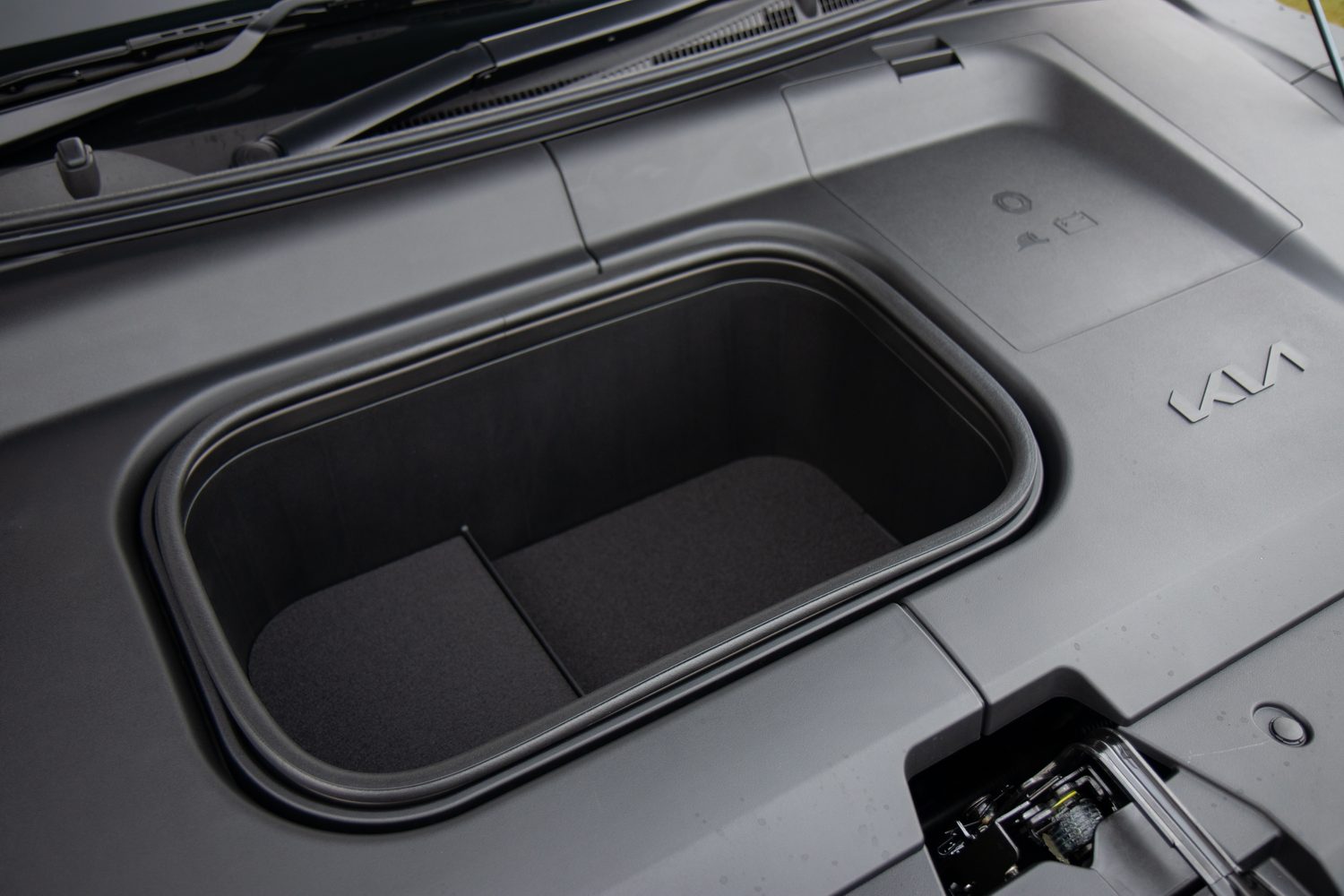
There are small storage compartments under the bonnet as well (called ‘frunks’ by the Americans, a word we’re adopting on this side of the Atlantic as well): 15 litres in the EV2 and 25 litres in the EV3. These are useful for keeping charging cables out of the main boot, rather than somewhere you'd put holiday luggage.
If you regularly use the rear seats and fill the boot, the EV3 seems to be the best bet of the two.
Performance and range
Both cars are front-wheel drive, with a single electric motor and a choice of two battery sizes.
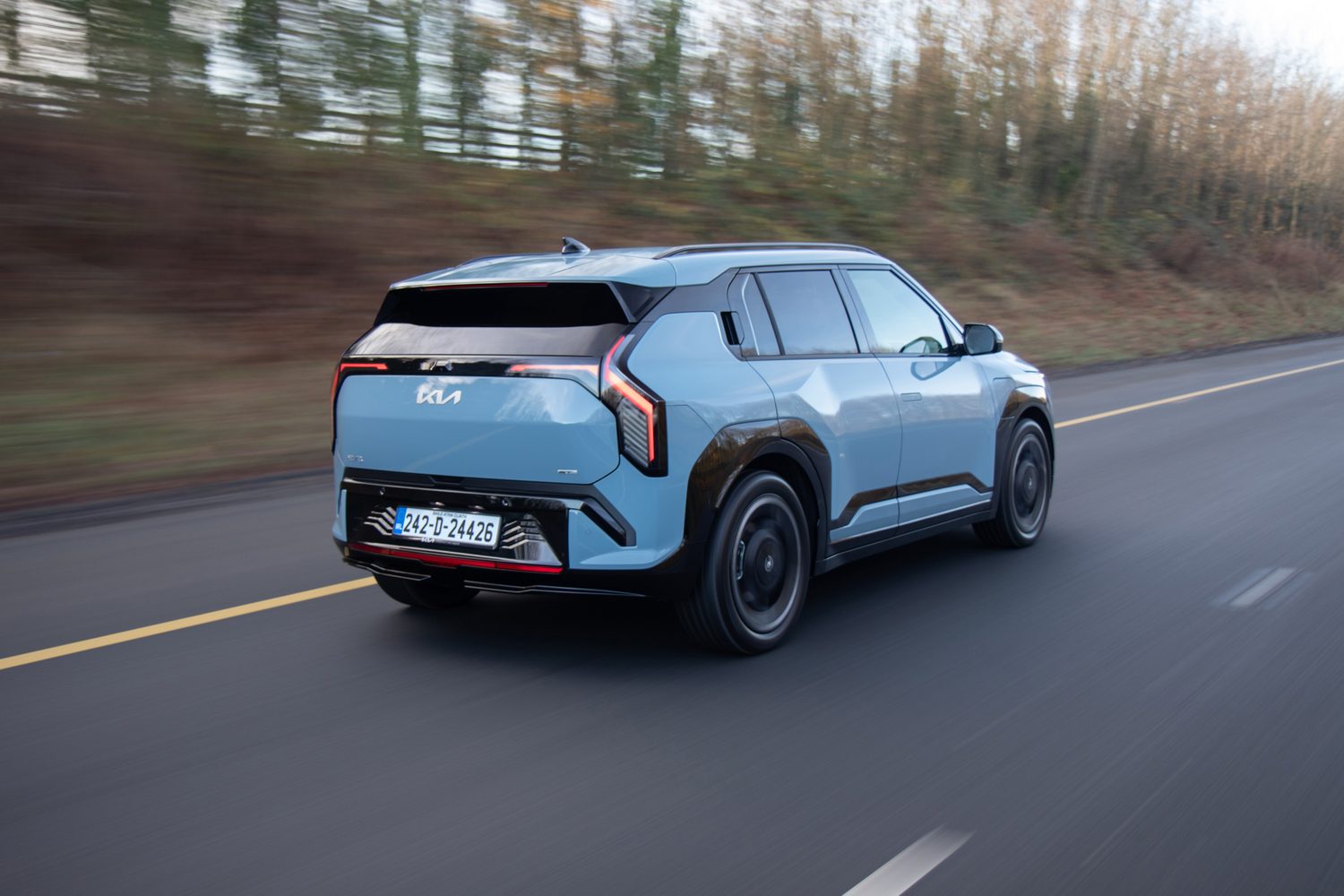
The EV2 comes with either a 42.2kWh or 61kWh battery. The smaller battery is paired with a 147hp electric motor, while the Long Range model’s peak power is pegged back to 135hp. The maximum torque is 250Nm in both cases, so they don’t feel very different in performance terms, though the EV3 is faster.
For reference, the EV2 Air takes 8.7 seconds to reach 100km/h with the smaller battery and 9.5 seconds with the larger one.
The EV3’s 150kW motor produces 204hp and 283Nm with either battery. The Standard Range EV3 covers 0-100km/h in 7.5 seconds, with the Long Range version taking a little longer.
That extra oomph is worth experiencing on a test drive if you regularly join busy motorways or overtake on main roads. But we'd be slow to spend thousands more purely to shave a couple of seconds off an acceleration figure. For most buyers, the battery choice is more important.
Kia advertises up to 317km of official WLTP range for the Standard Range EV2 and up to 453km for the Long Range model. The Standard Range EV3, with its 58.3kWh battery, is rated at 436km.
So you can buy a Long Range EV2 with a slightly higher headline range than the entry EV3, while spending less.
Move to the EV3's 81.4kWh battery, however, and its maximum official range increases to 605km. If you regularly make long journeys, particularly on motorways, the Long Range EV3 makes a stronger case for itself than the Standard Range car.
Be careful with those 'up to' figures. They apply to particular versions, rather than every car carrying the same badge. Trim and wheel choice affect the range, and the EV2 GT-Line versions don't get the 453km headline figure.
But that may be irrelevant to your buying decision, depending on how much you drive. If you cover say 50km a day and can plug in at home, you will get little benefit from paying for the biggest battery.
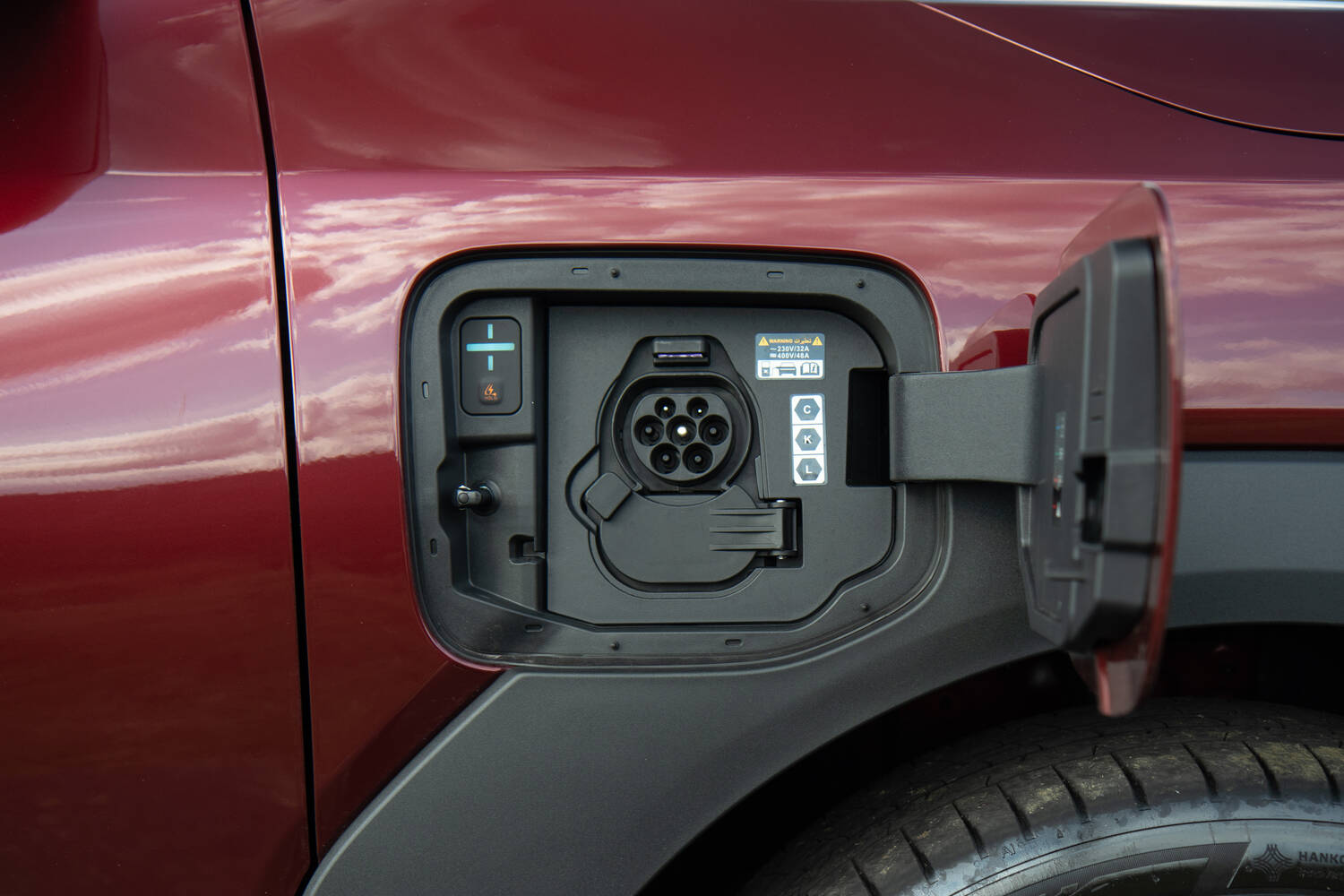
If you drive much further regularly, or simply want more flexibility, a Long Range model is tempting. An occasional long trip down the country to see family doesn't warrant spending more on the biggest battery, but a long trip every week is a different kettle of fish.
Pricing for the different versions
At the time of writing (October 2026), the Kia EV2 starts at €28,660 in Air Standard Range guise, rising to €37,280 as the GT-Line Plus Long Range.
The EV3 is at its most affordable as the Earth 2 Standard Range, priced from €36,790, while you could spend €50,690 for the GT-Line Long Range.
At the bottom of the ranges, there's a clear separation. The entry EV2 is €8,130 cheaper than the entry EV3. If the smaller car fits your needs and the Standard Range battery suits your driving, that's a substantial saving.
The Long Range EV2 Air is €31,940. It's €4,850 cheaper than the Standard Range EV3, despite having the higher maximum advertised range. For someone who doesn't need the extra space, that's a sensible version to start with.
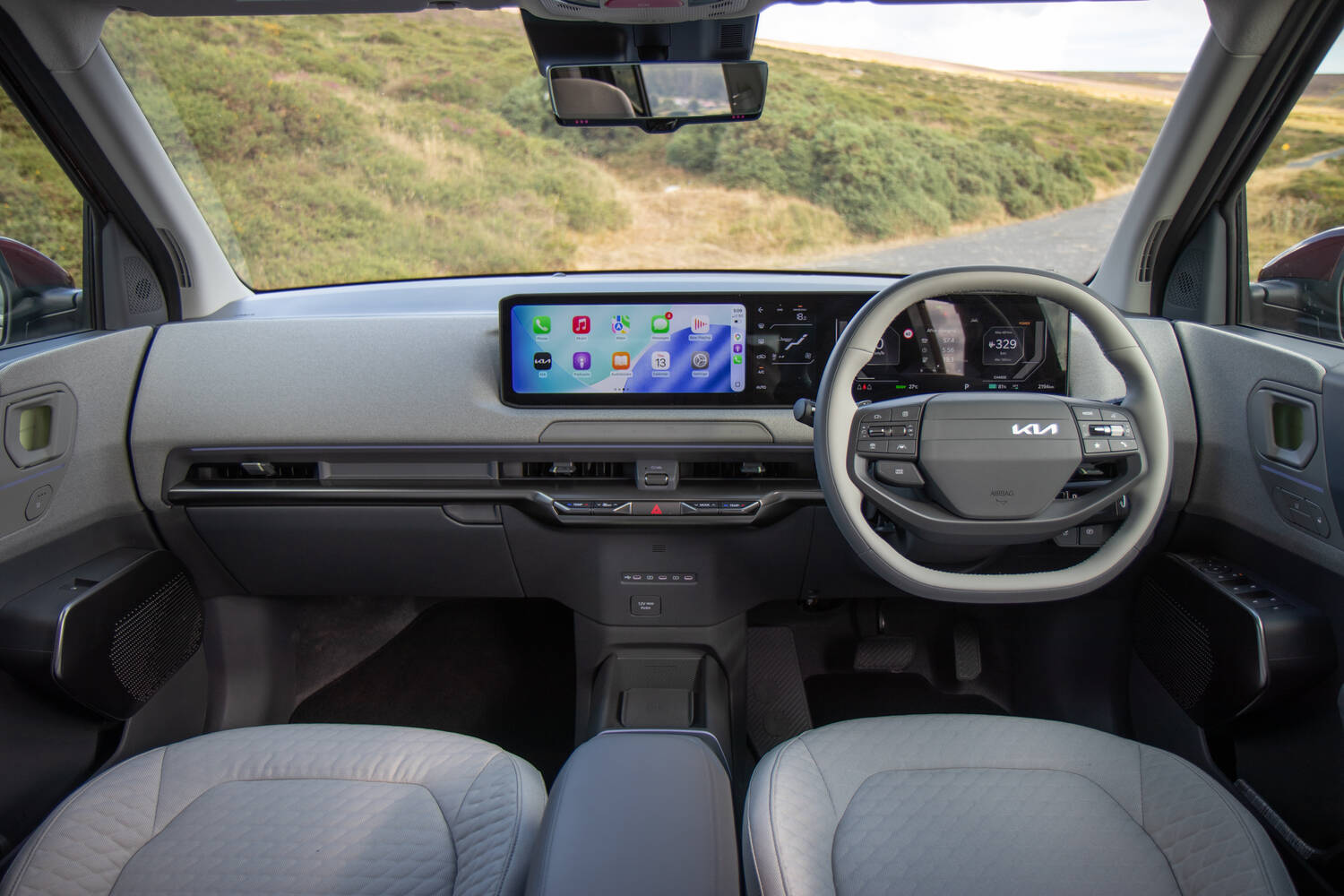
Don't assume Air means you'll be doing without the basics. The EV2 Air includes heated front seats and steering wheel, dual-zone climate control, adaptive cruise control and wireless Apple CarPlay and Android Auto.
Moving to Earth adds things such as 18-inch alloy wheels, privacy glass and wireless phone charging. Whether they're worth paying for is up to you.
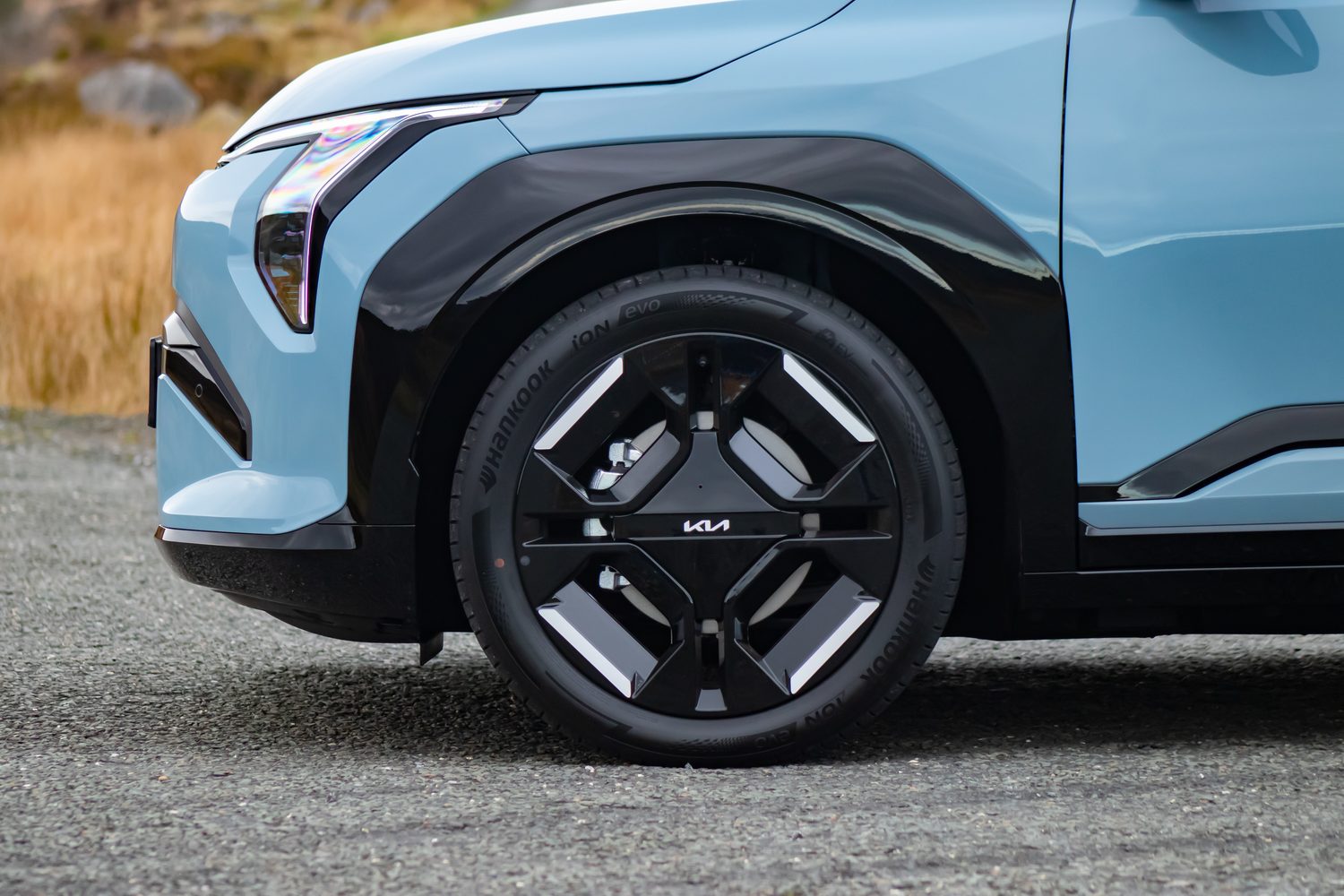
The EV2 Earth Long Range costs €33,810, still €2,980 below the entry EV3. We can see this version appealing to someone who wants the smaller car with a few more comforts, without spending close to €40,000.
Then we reach the overlap. The EV2 GT-Line Plus is €37,280, just €490 more than the EV3 Earth 2 Standard Range.
Now you're choosing between a smaller car with lots of equipment and style and a bigger car in a lower trim. The EV2 GT-Line Plus brings a heat pump to assist with efficiency in winter, built-in navigation, a sunroof and a premium sound system, and a few more bits and pieces. The entry EV3 already has heated front seats and steering wheel, navigation and wireless phone charging.
There's a technology difference worth knowing about further down the EV2 range, though. Its lower trims use Kia's ‘ccNC Lite’ system without built-in maps. You can use your phone’s navigation software through wireless Apple CarPlay or Android Auto, of course, but it’s worth knowing that the infotainment systems do vary.
For buyers who need the space, we'd put the entry EV3 ahead of a top-spec EV2. Equipment won't make the rear seats or boot bigger. For buyers who don't need that space, choosing the better-equipped EV2 is definitely an option, especially if they prefer its design.
The EV3 Earth 2 Long Range costs €40,350, a €3,560 increase over the Standard Range version. That buys a meaningful increase in range rather than mainly a change in appearance. For frequent long-distance drivers, this is the EV3 we'd suggest.
Earth 3 moves the price to €42,840, while the GT-Line is listed at €50,690. At that point you're well beyond the main EV2-versus-EV3 dilemma. Make sure you want those additions enough to pay for them.
Admittedly, finance can alter the comparison so keep an eye on the whole deal. Use the same deposit, term and annual mileage when comparing quotes, then check the final payment and total amount payable.
So which one should you buy?
For us, the EV2 is where we'd start if you don't need the EV3's extra space. We prefer its design, its smaller dimensions have everyday benefits and you don't have to stretch to the most expensive version to get a useful specification.
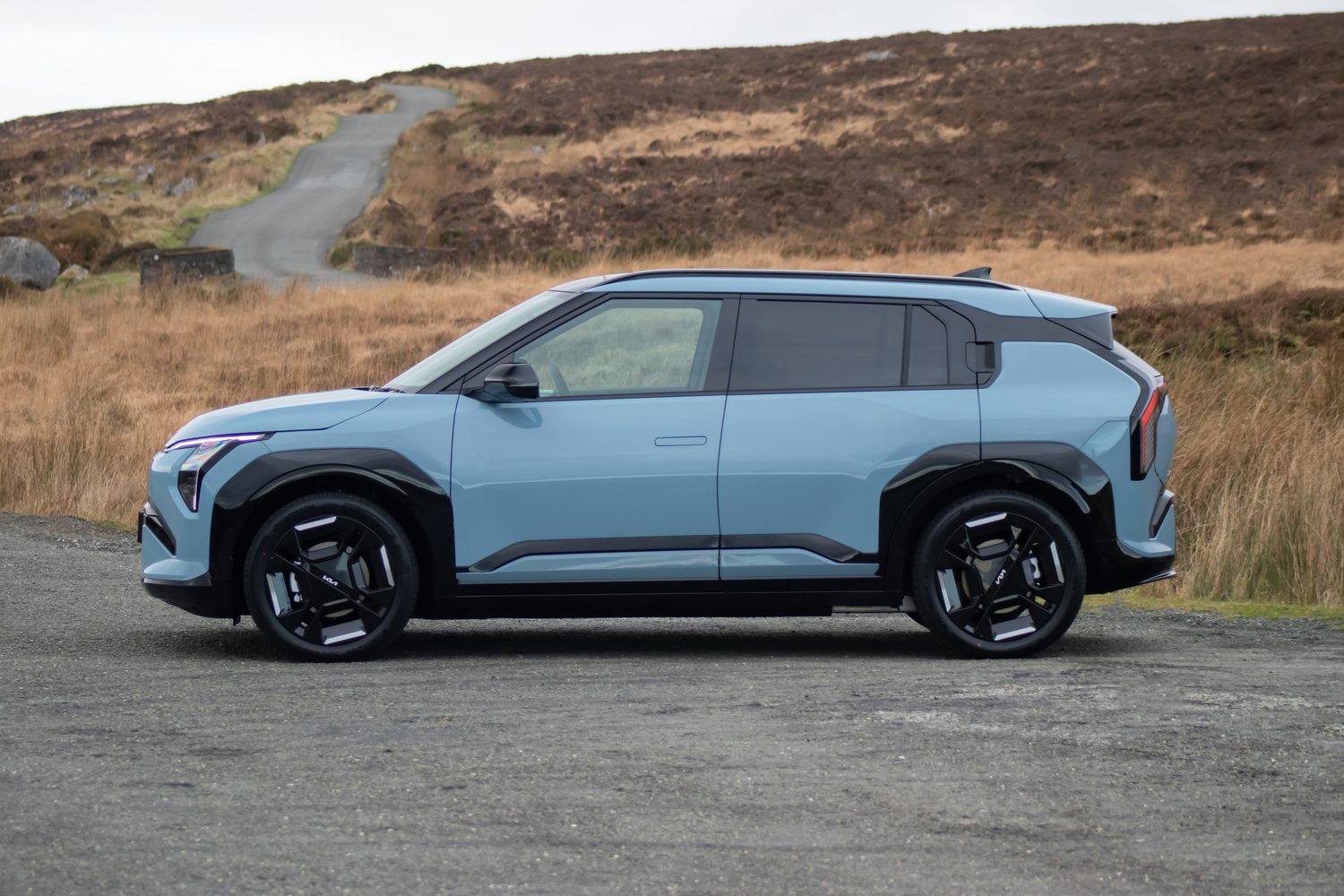
The Air Long Range looks particularly worth considering: plenty of equipment for normal use, the EV2's highest range and a price comfortably below the entry EV3. If your driving is mainly local and you can charge at home, the cheaper Standard Range car could make more sense again.
Choose the EV3 when the extra room will make life easier or consider its Long Range version if you regularly need to cover more distance between stops.
But our best advice is to go and test drive both cars for yourself, ideally on the same day, and try versions close to the ones you can afford if there’s a choice. Bring the family, bring the buggy and include some of the roads you normally use if at all possible.
Still not sure?
Read our Kia EV2 review here
Read our Kia EV2 review here
Feel free to Ask Us Anything else we’ve not covered