

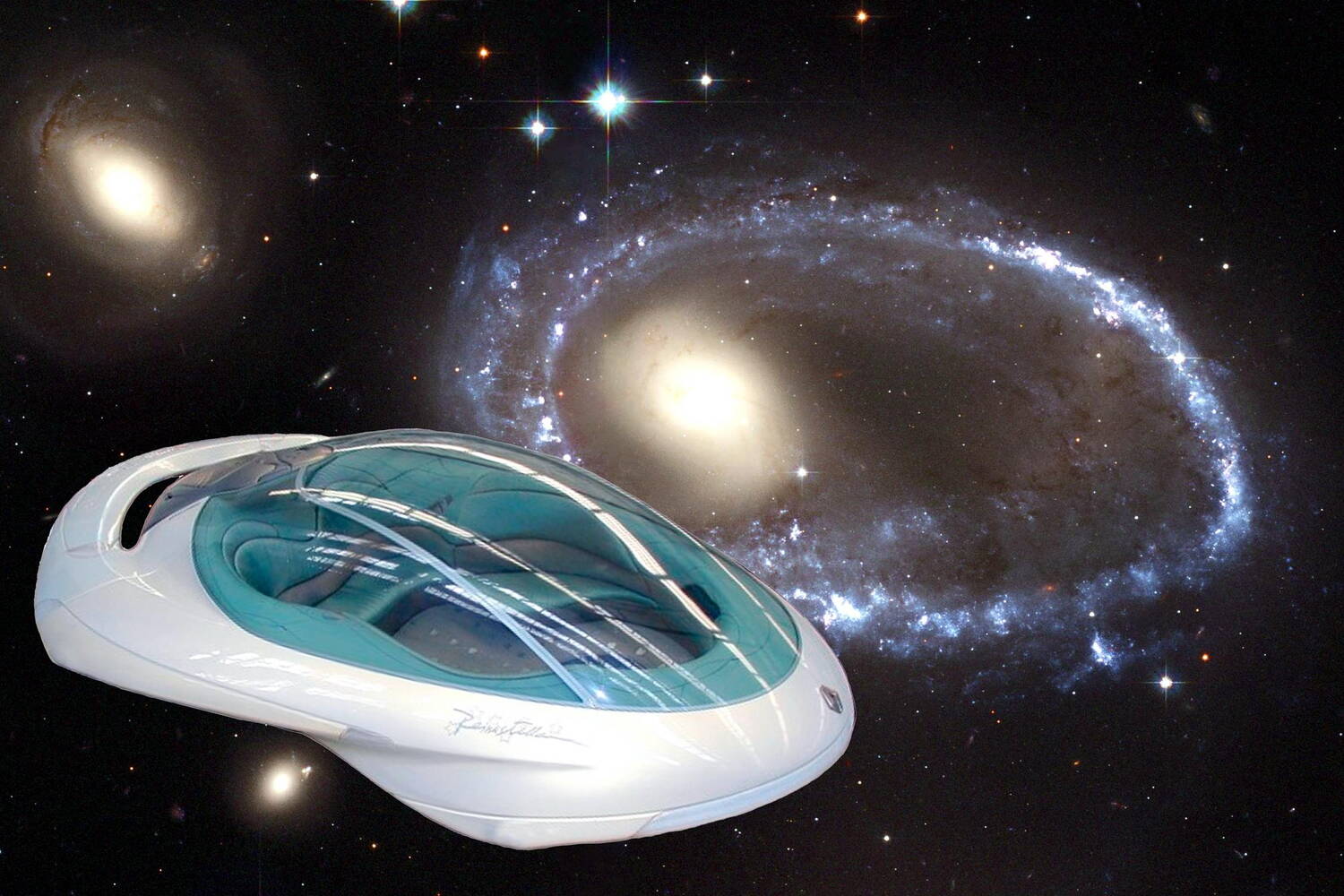
Renault has an incredible record when it comes to concept cars, having shown some of the wackiest and wildest of all time. Remember the one Renault made to mark the opening of Euro Disney (as Disneyland Paris used to be known), which had bodywork based on the principles of human skin so that it could expand and shrink as needed? No? Probably for the best, to be honest.
A Renault Laguna but not as you know it
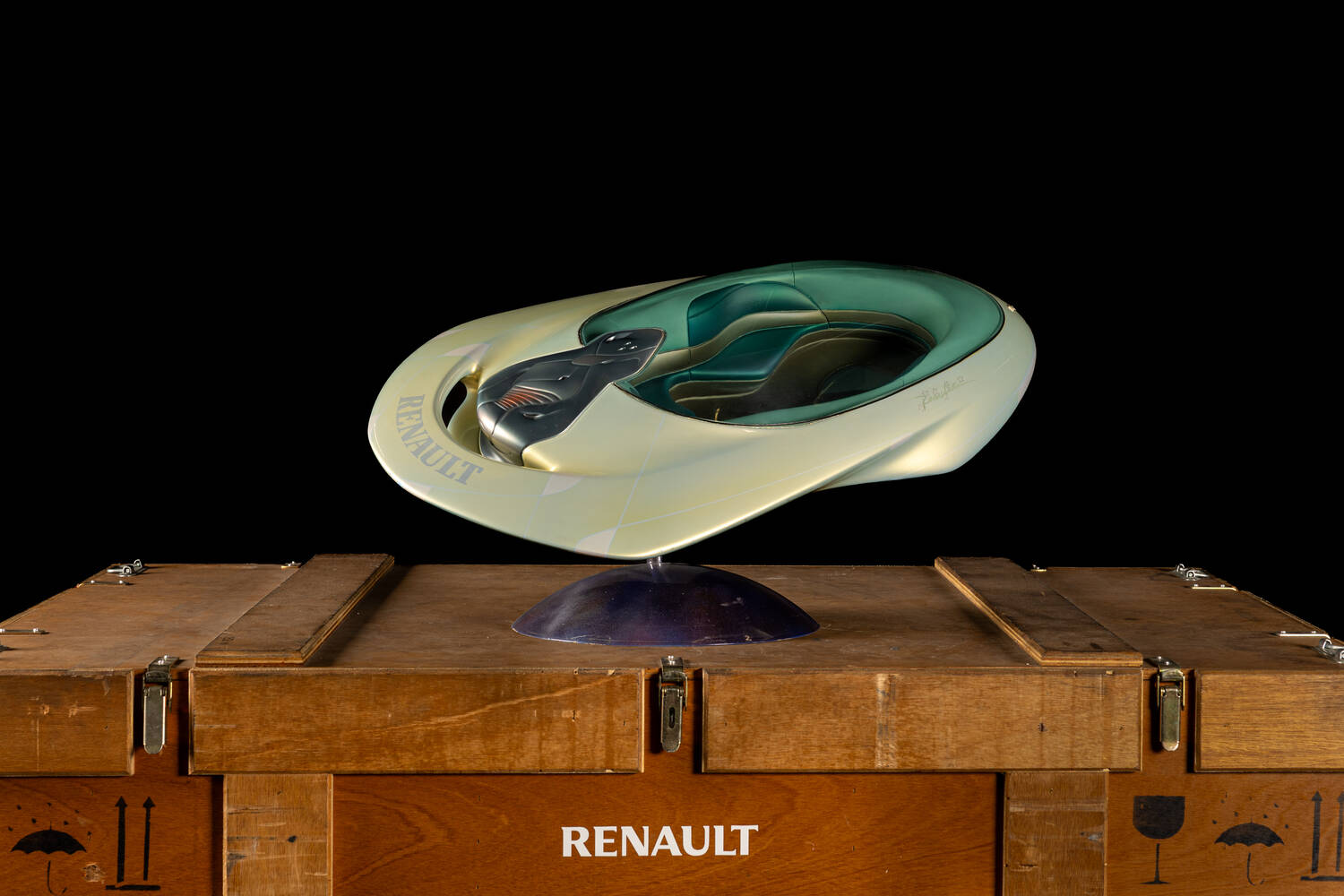
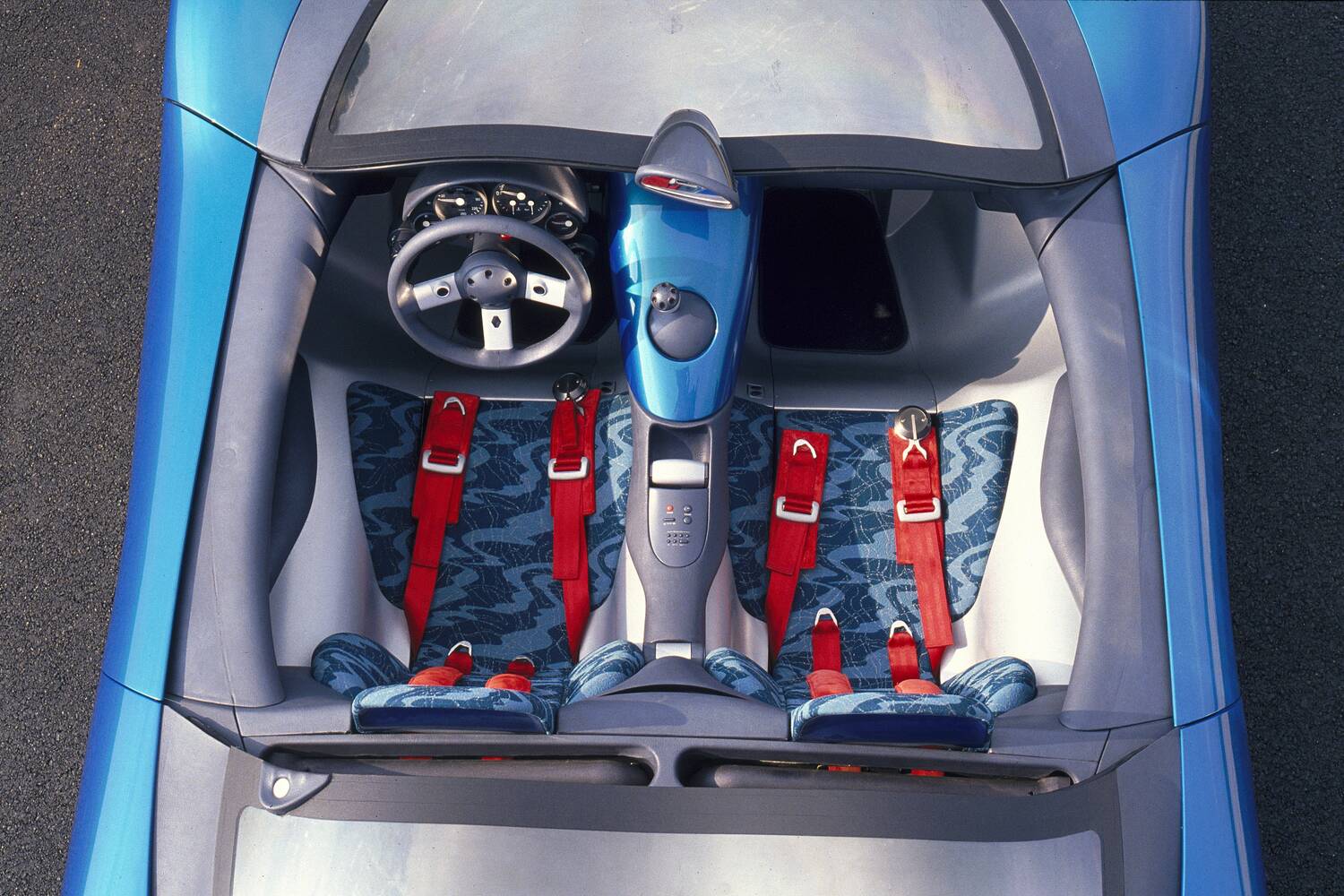
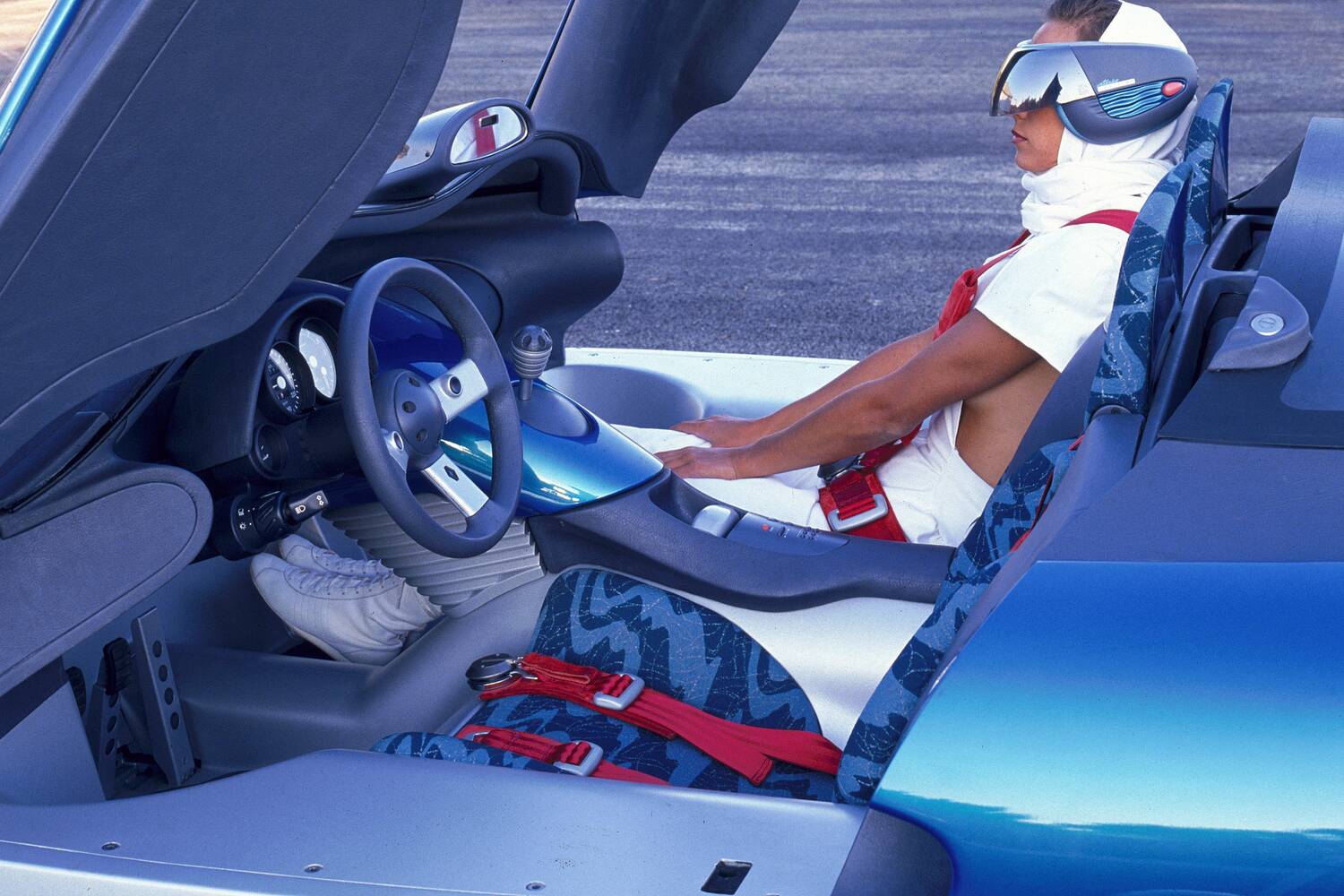
Some of Renault’s better concept car work was poured into the 1990 Roadster Laguna concept, a totally roofless two-seater which had a turbocharged 2.0-litre engine and weird helmets for the two occupants.
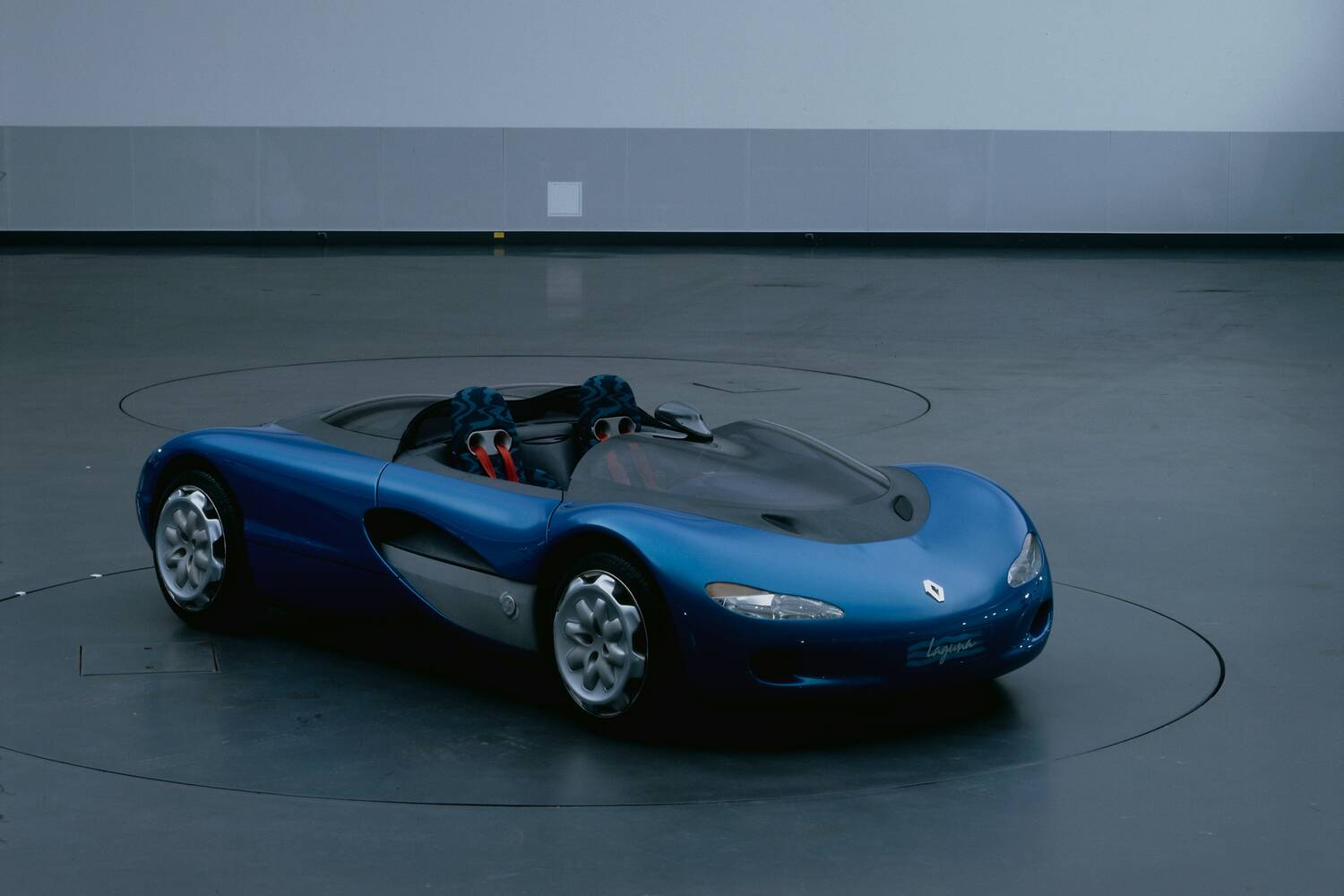
Sadly, the Laguna which made production a year or two later included precisely none of the elements of the concept’s swoopy design, but we guess you could say it at least influenced the later Renault Sport Spider.
If Batman was French
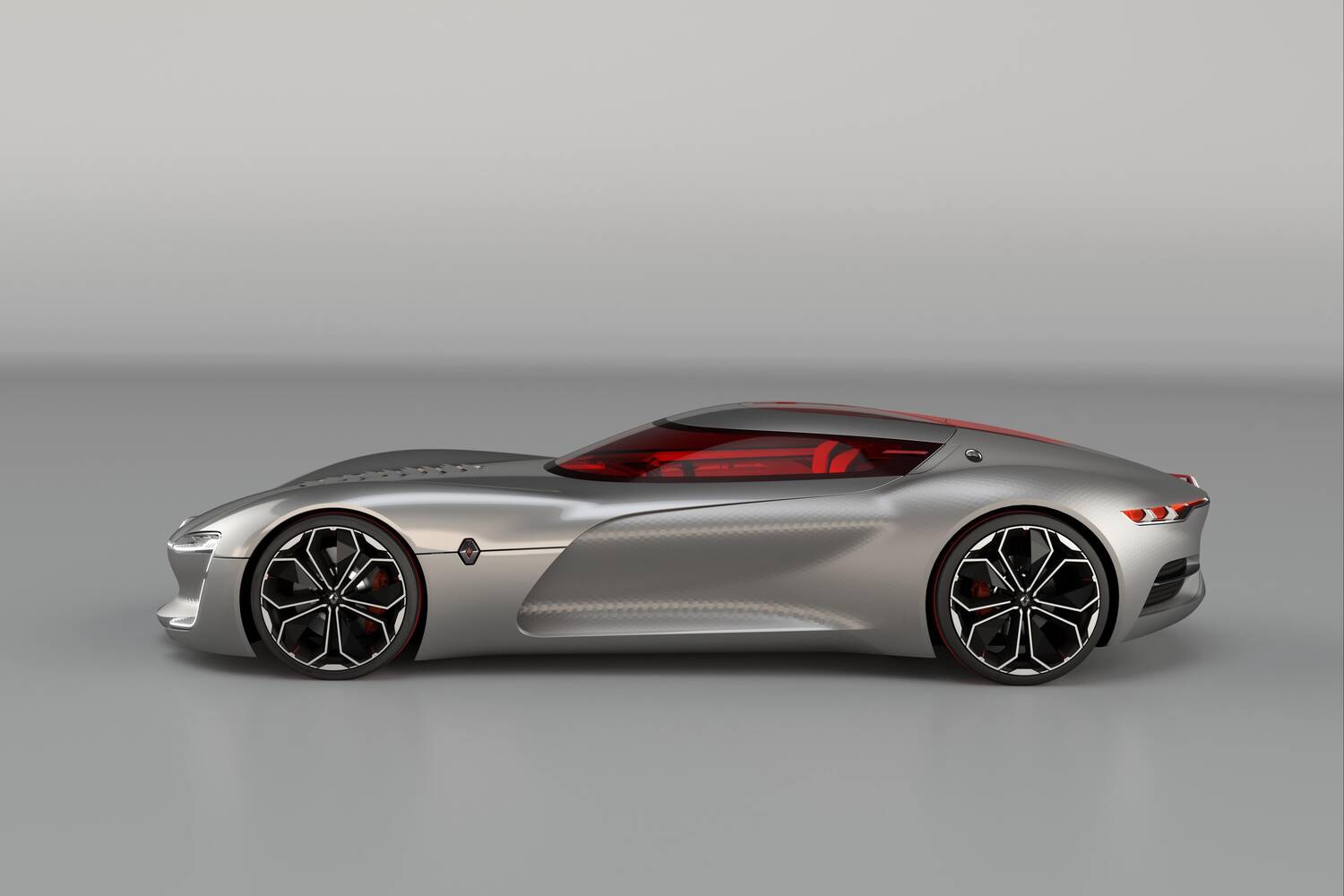
Maybe that’s a bit of a stretch, but if you’re looking for a concept car that had a genuine influence on future production models, then how about Renault’s amazing Trezor from 2016?
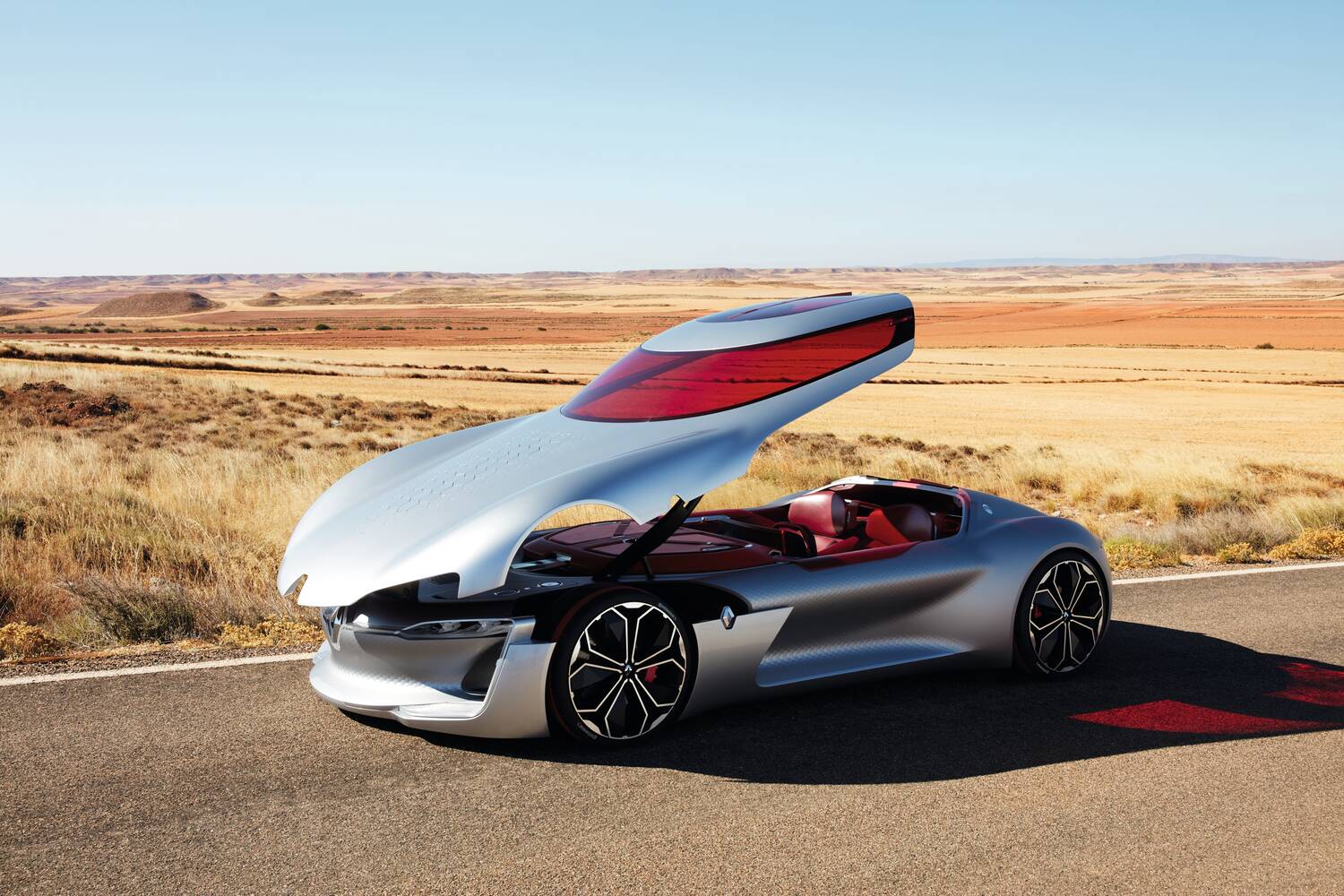
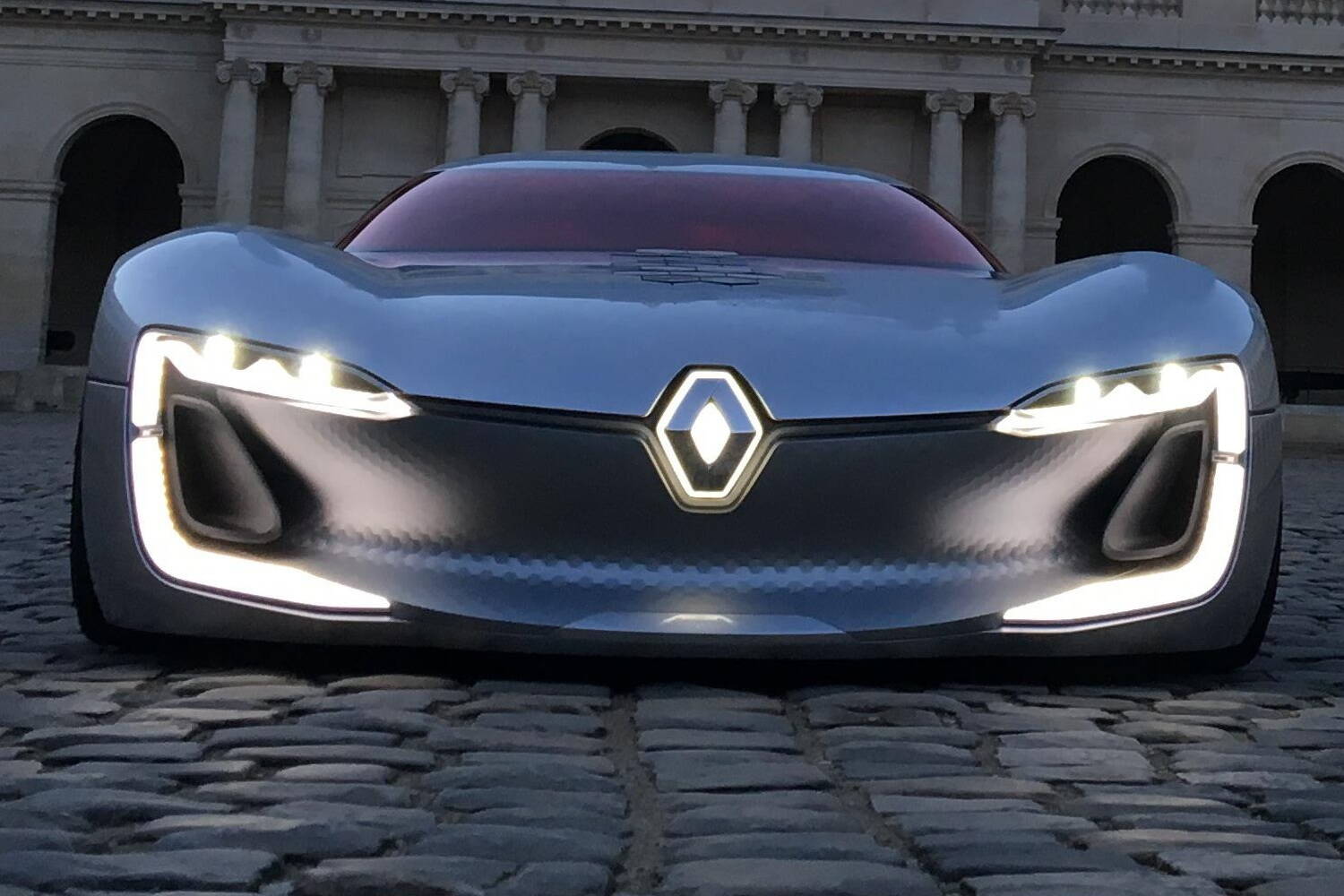
Looking as if it just rolled straight out of Gran Turismo, the Trezor has an endless nose that speaks of a V12 or a V16, but was actually designed to be fully electric, with a massive canopy style roof that hinges open from the front, instead of doors.
Just paint it black and call it Le Batmobile, please. Renault sadly never made a production version, not even for Bruce Wayne, but the style of the Trezor definitely influenced Renault’s production models.
Ferrari: take note
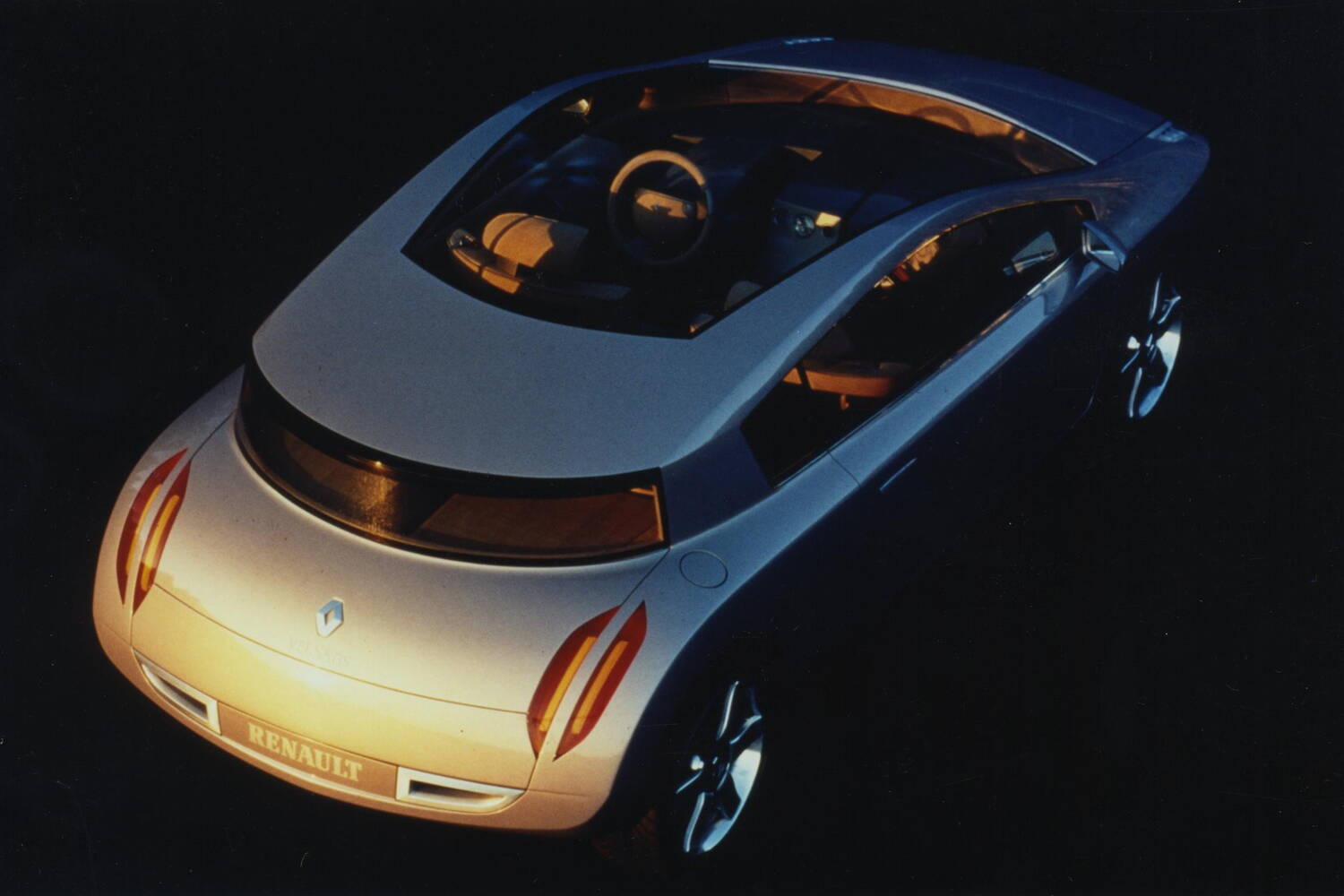
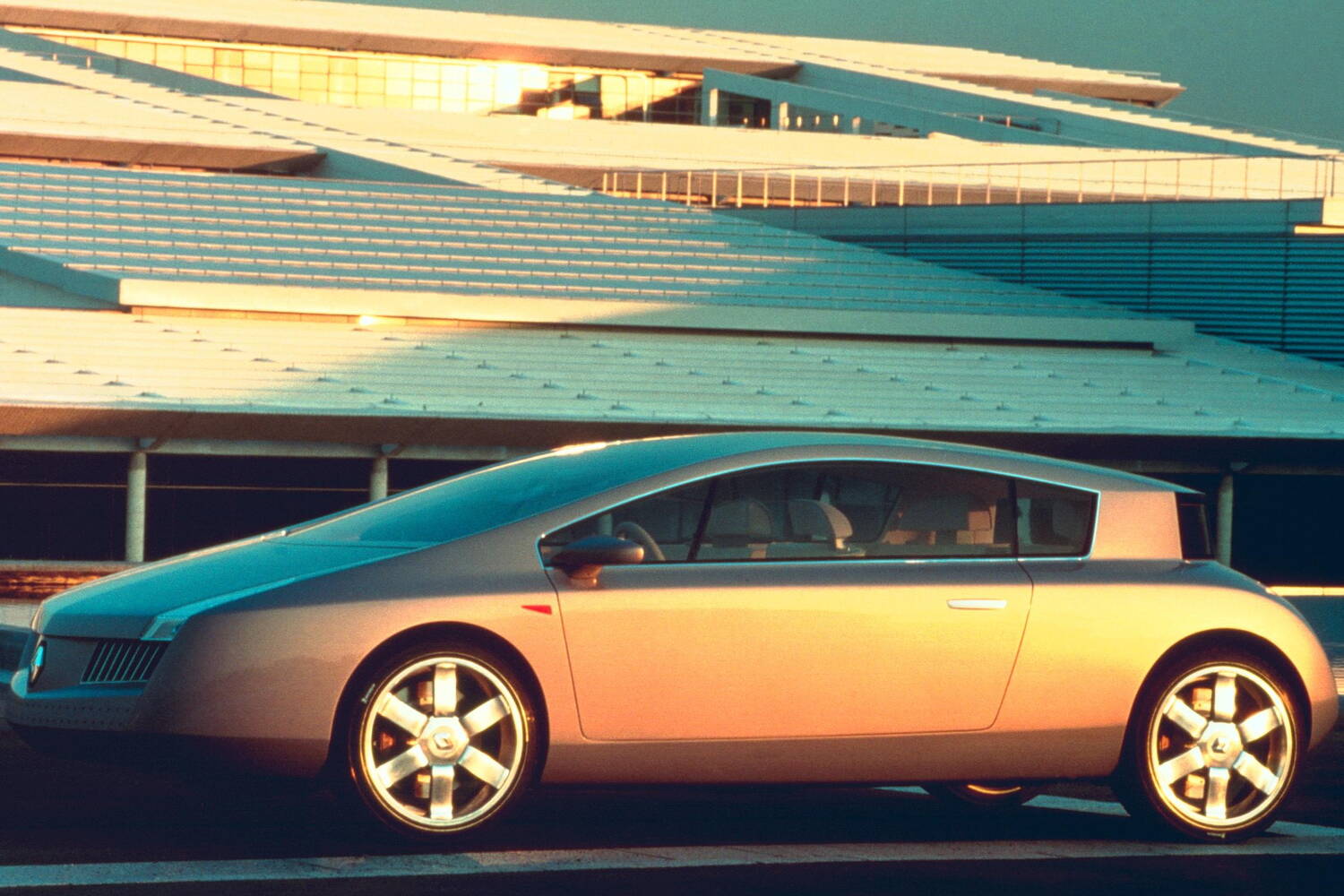
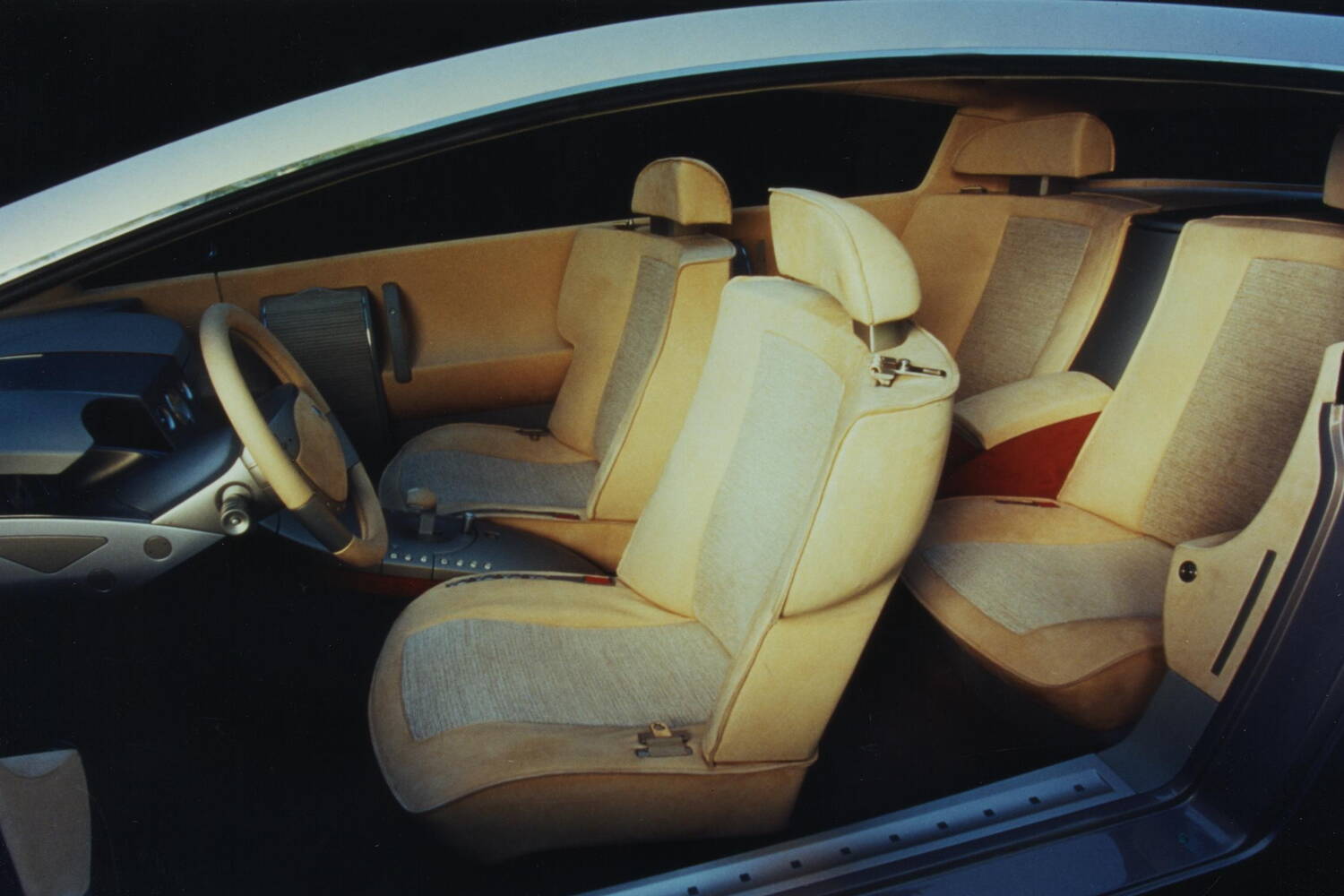
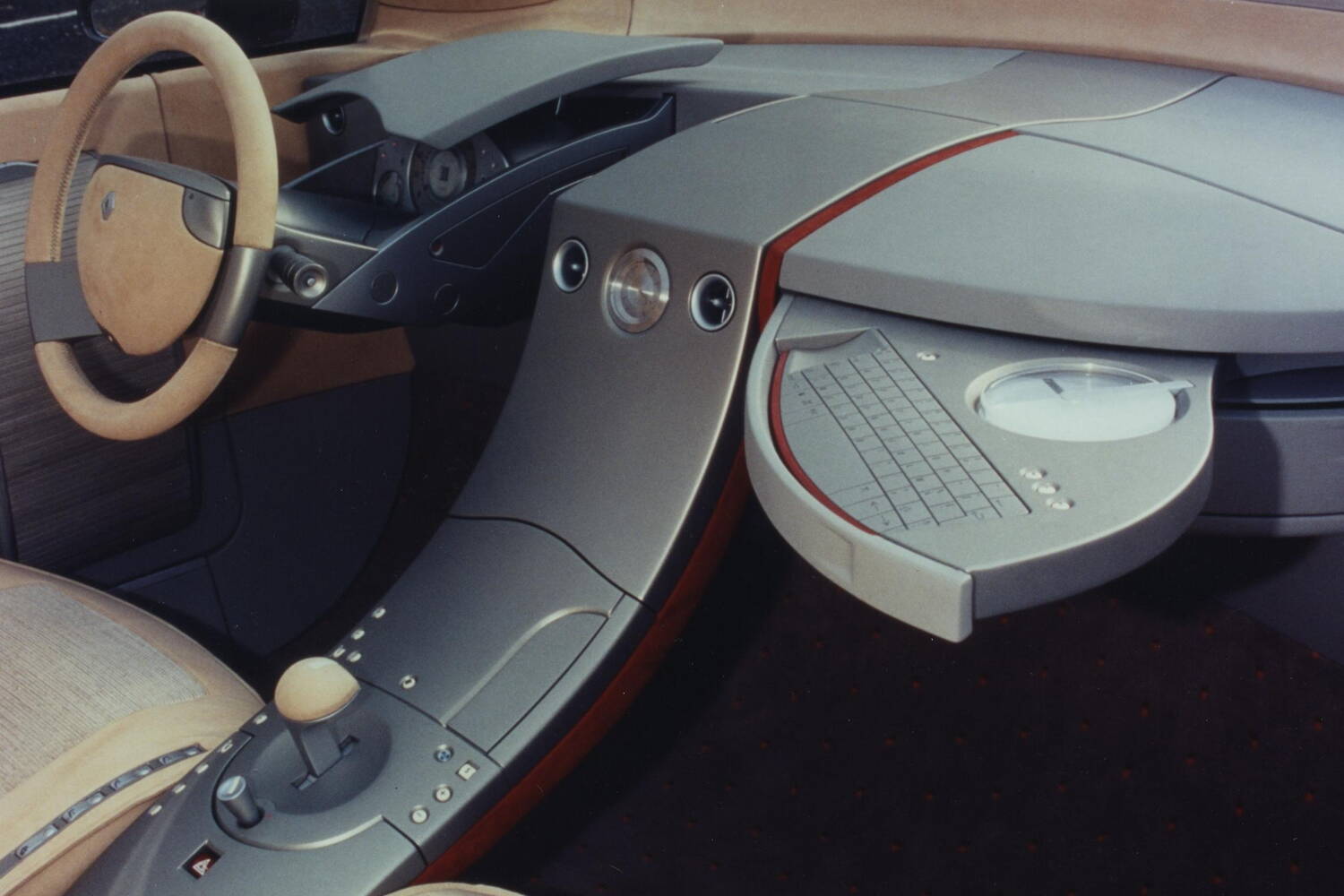
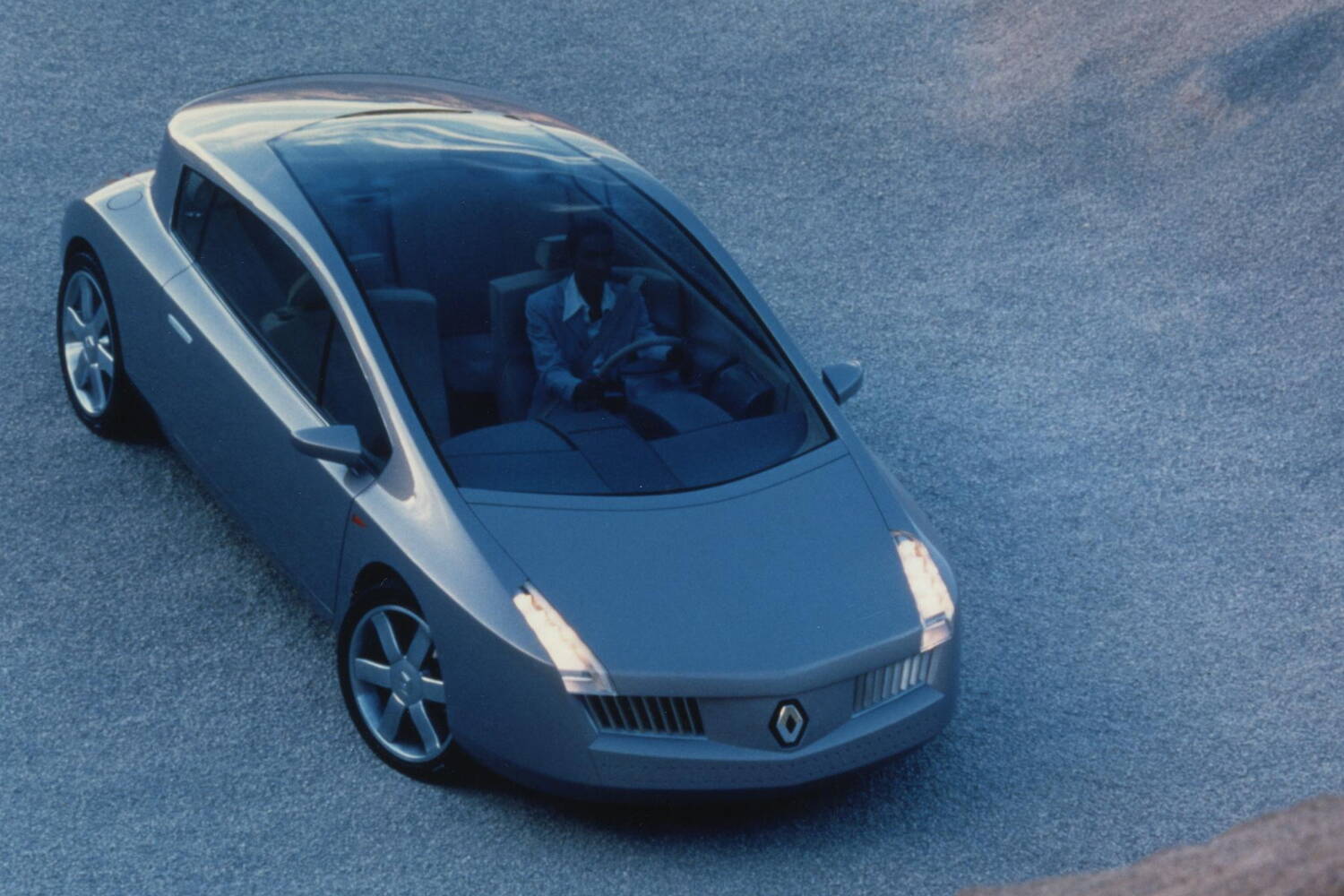
Of course, if it’s a big avant garde coupe you fancy, then maybe consider the original Renault Vel Satis concept. This one dates back to 1998, and while it did lead to a production model - the 2001 Vel Satis saloon, which we loved but which, alas, buyers rather ignored - the original concept was a lower, sleeker, more cutting-edge coupe, with a vast glass roof (a novelty at the time) and a bonnet that blended almost seamlessly in with the front bodywork.
We reckon the Vel Satis concept is the car the Ferrari Luce could have been - it was a stunner.
Art Deco Filante FTW
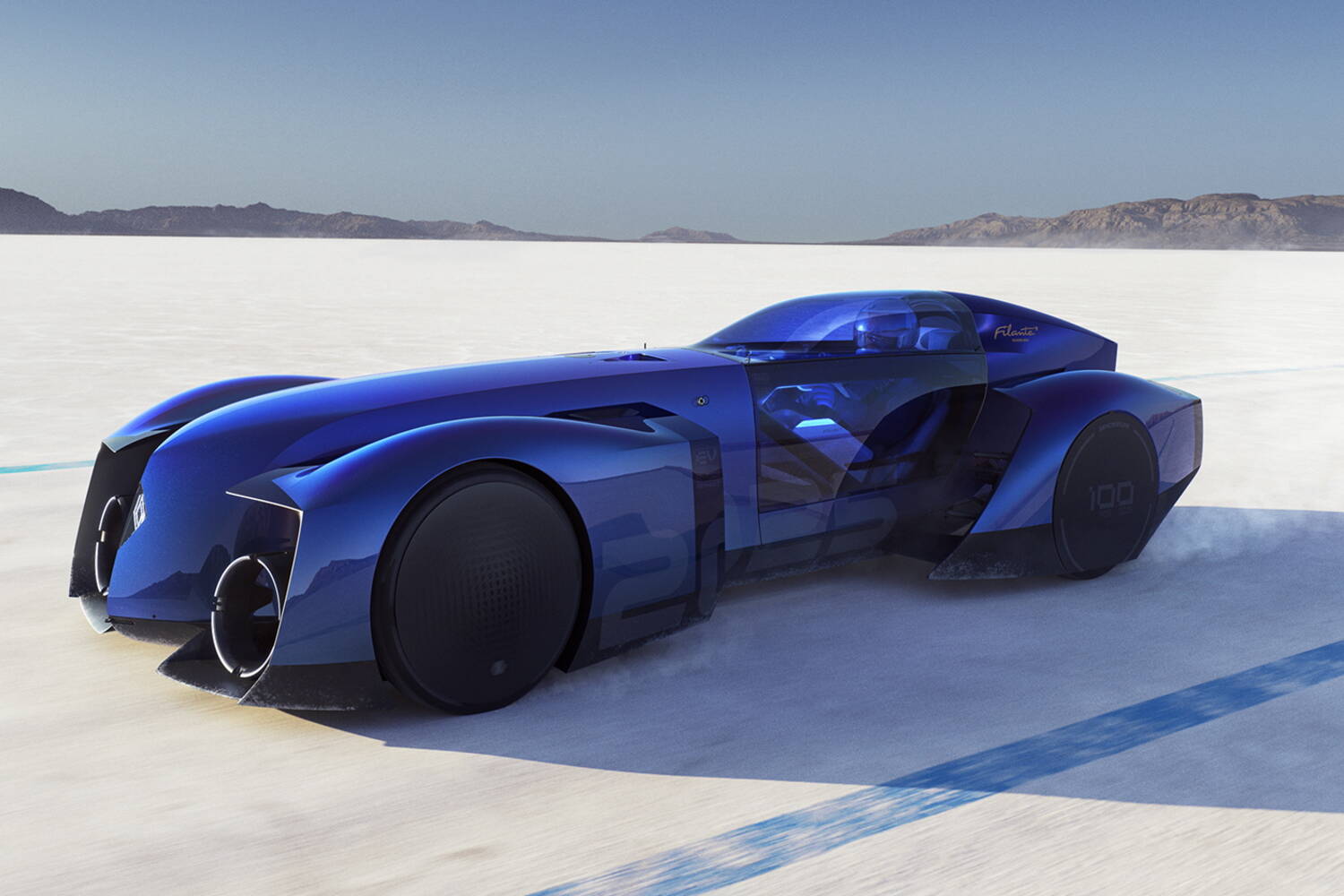
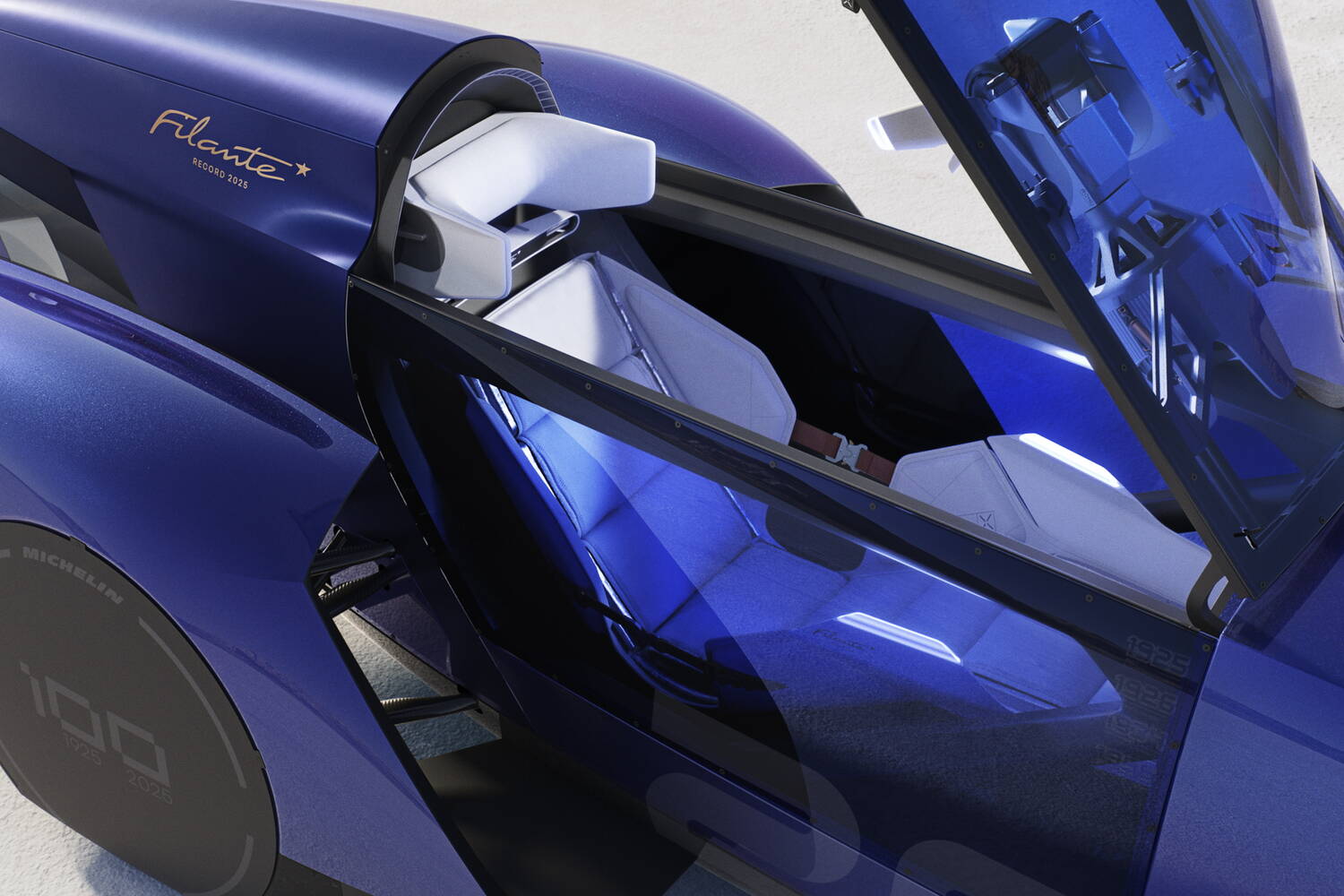
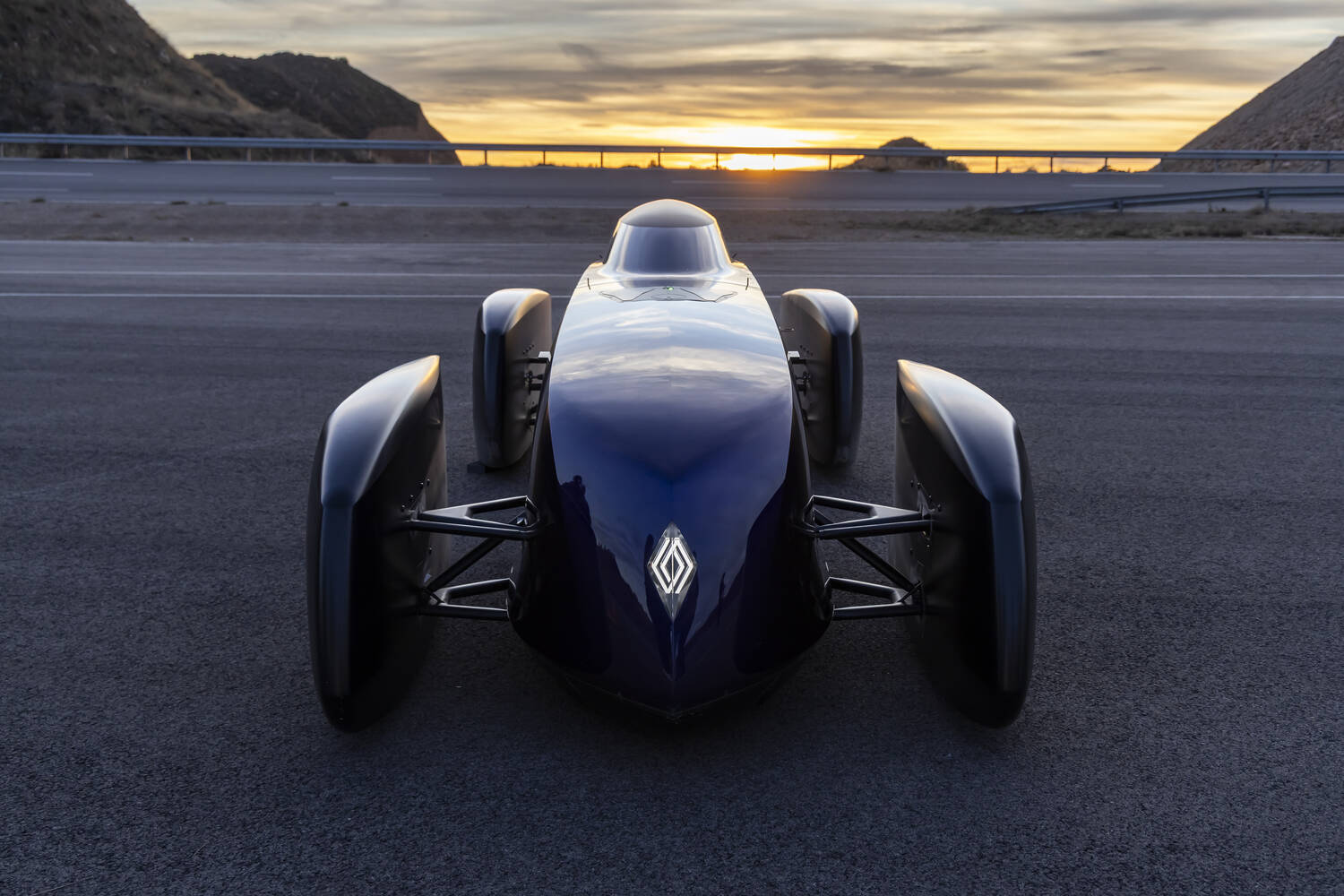
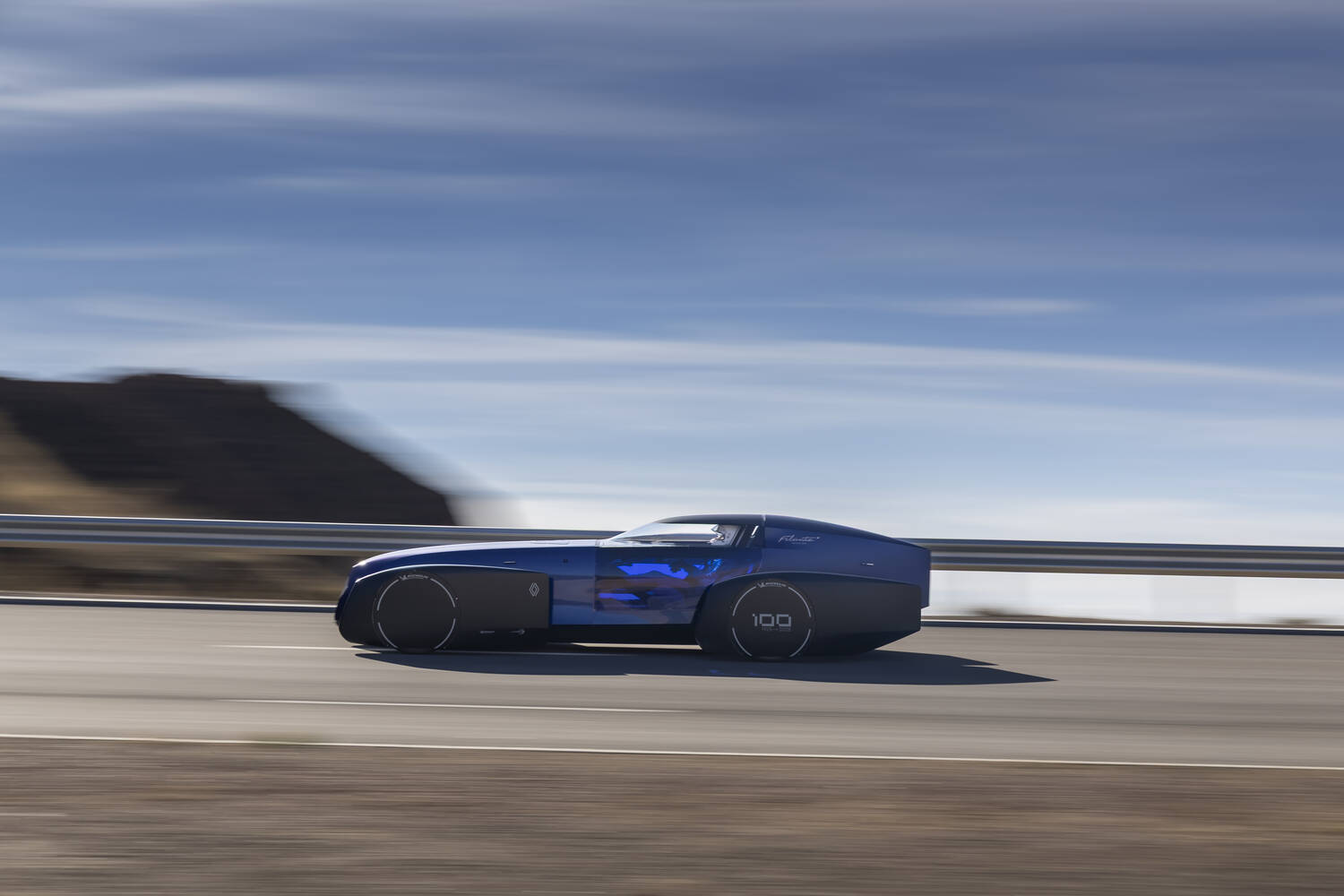
More recently, Renault really stunned us with its Filante concept. This one is really wild, taking inspiration from the company’s 1920s and 1950s record-setting cars.
The Filante looks like someone has emptied a while library’s worth of books on Art Deco design into the computers of the people who do the special effects for the Dune films and this was the result - a pencil-slim design with a cockpit way at the back like an old racing aeroplane, and outrigger wheels.
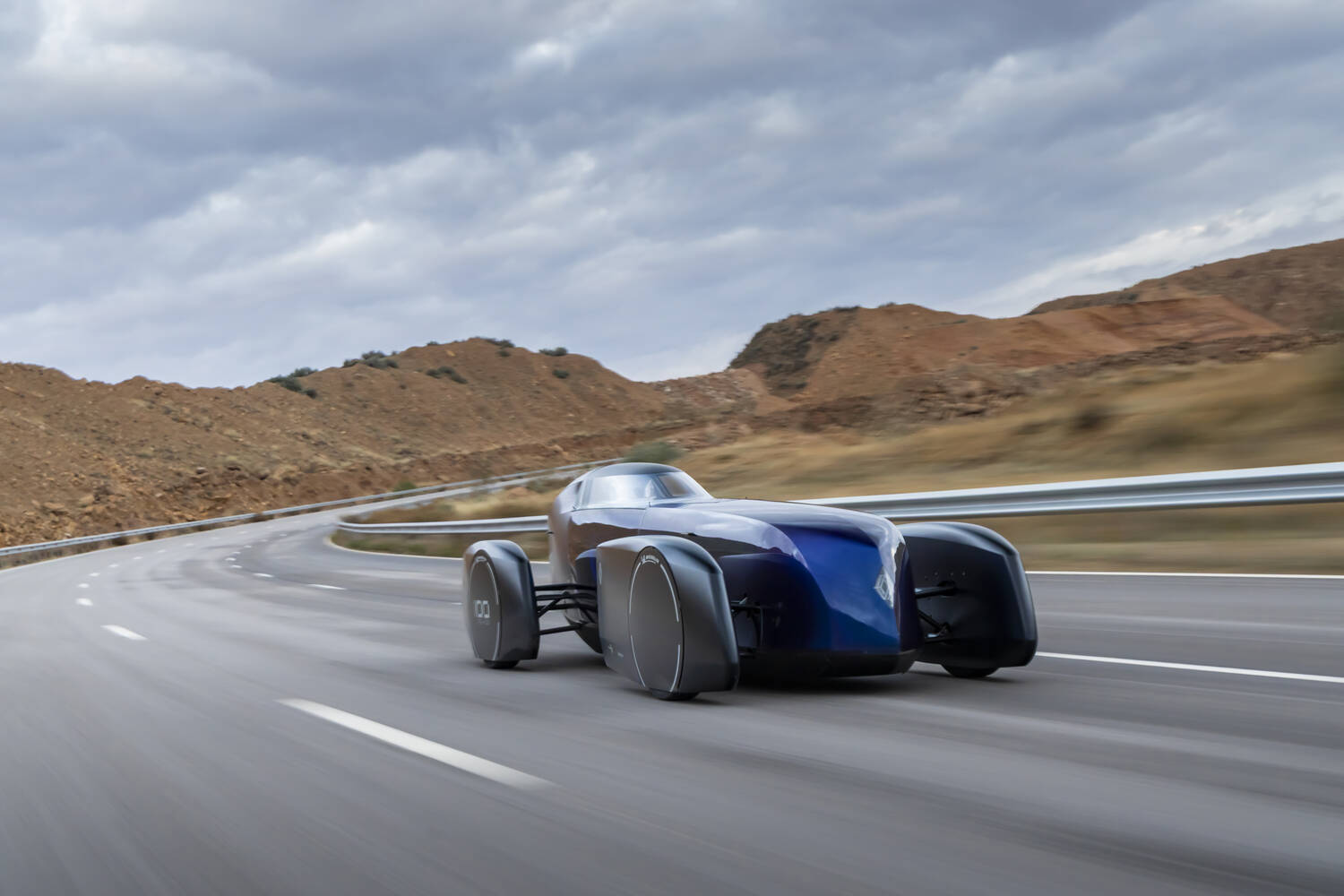
Best of all, while the Filante is, strictly speaking, a concept, it does actually work. Underneath is, more or less, the same battery pack you can buy in the Renault Scenic, and that was put to good use as Renault took the Filante record-setting - following in the footsteps of its ancestors - and managed to cover 1,000km in ten hours without any recharging.
A V10-engined people carrier
What about the ultimate Renault concept, though? No, not the Kangoo Be-Bop; I’m talking about the ultimate mash-up of racing car and family transport. I’m talking, of course, about the Renault Espace F1.
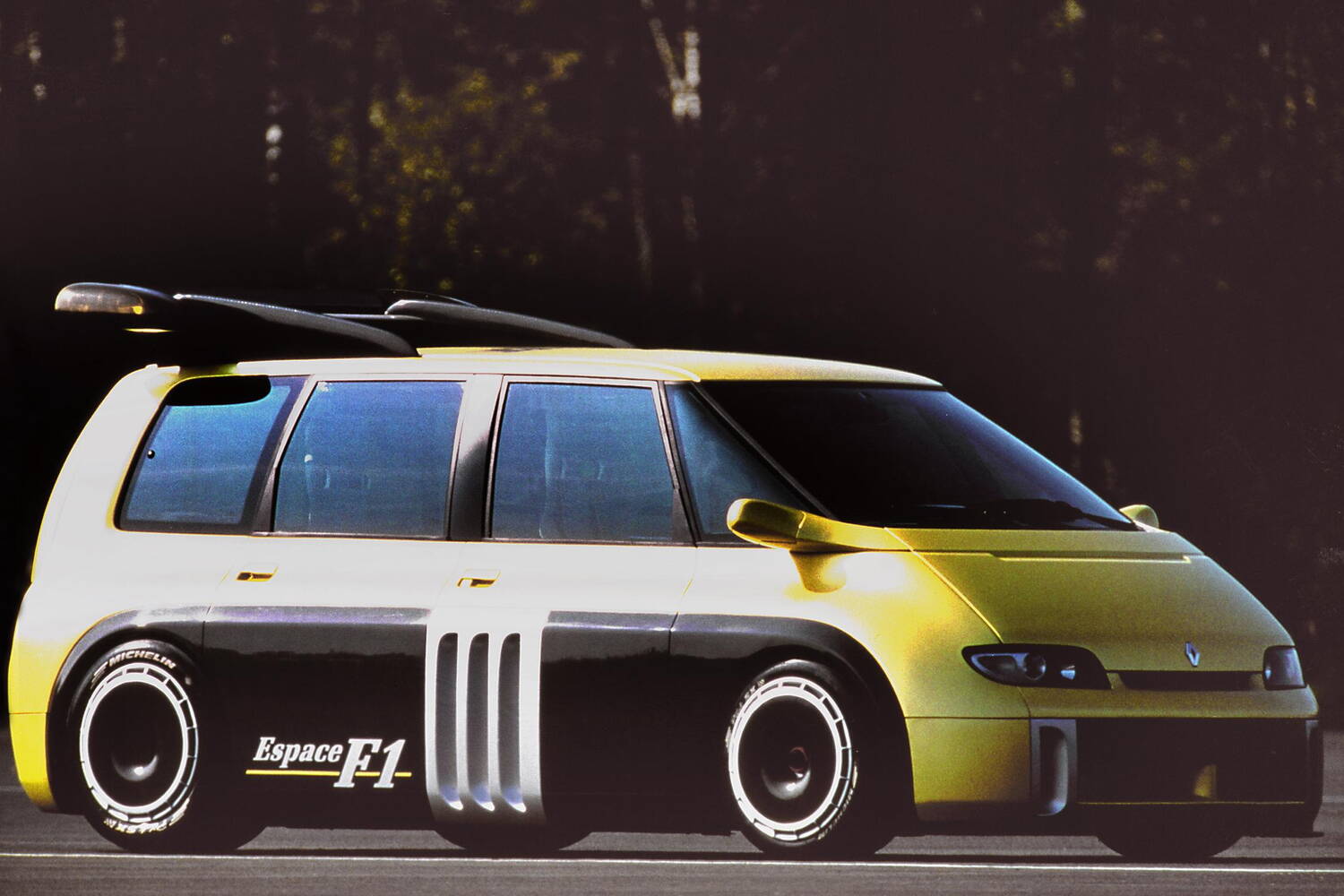
Back in the early 1990s, the Williams F1 team was dominating Formula One (I know, sounds weird now, right?) with championship wins for Nigel Mansell, Alain Prost, Damon Hill and Jacques Villeneuve.
The Espace F1 showed up in the middle of that purple patch, taking the chassis and Renault V10 engine from the 1993 title-winning Williams FW15C (arguably the most technically advanced F1 car ever made) and mating it to a much-modified Espace MkII body.
Yes, there really were four seats inside; yes, it really did have around 700hp; and yes, Frank Williams himself, then wheelchair-bound following an awful road car crash in 1986, finally got to feel what a ride in one of his eponymous F1 cars would have been like.
Well, close enough anyway: the Espace F1 was reckoned to do 0-100km/h in about 2.8 seconds, and run on to a potential top speed of 312km/h.
Honey I shrunk the Renault
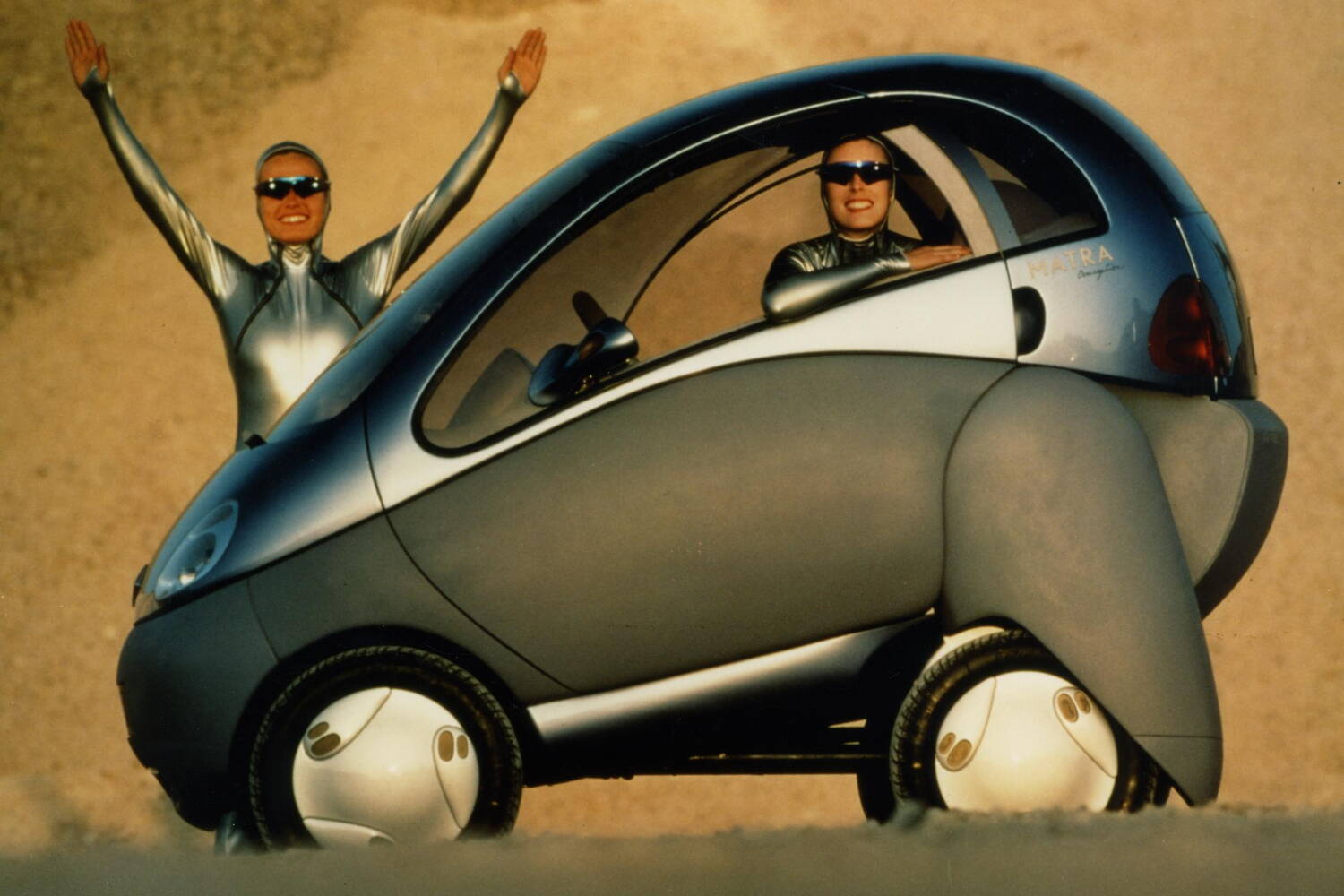
We’ll leave you with the tantalising thought that Renault could have created a rival to the original Smart ForTwo - and potentially bettered it by making its two-seat city car even smaller when the occasion demanded.
Occasionally? Oh yes. This was the 1992 Zoom concept, which Renault made with the help of its old friends over at Matra. The Zoom was, like the Smart ForTwo, a cute take on the two-seat city car idea and mostly measured 2.6 metres in length.
Mostly because, at the touch of a theoretical button, the Zoom’s rear axle and bodywork could fold up under the back of the car, cutting the length to just 2.3 metres; ideal for those super-tight Parisian parking spaces.
Even though this is the early 1990s we’re talking about, the Zoom was also supposed to be electric, with a dinky 34hp motor powering those rear wheels.
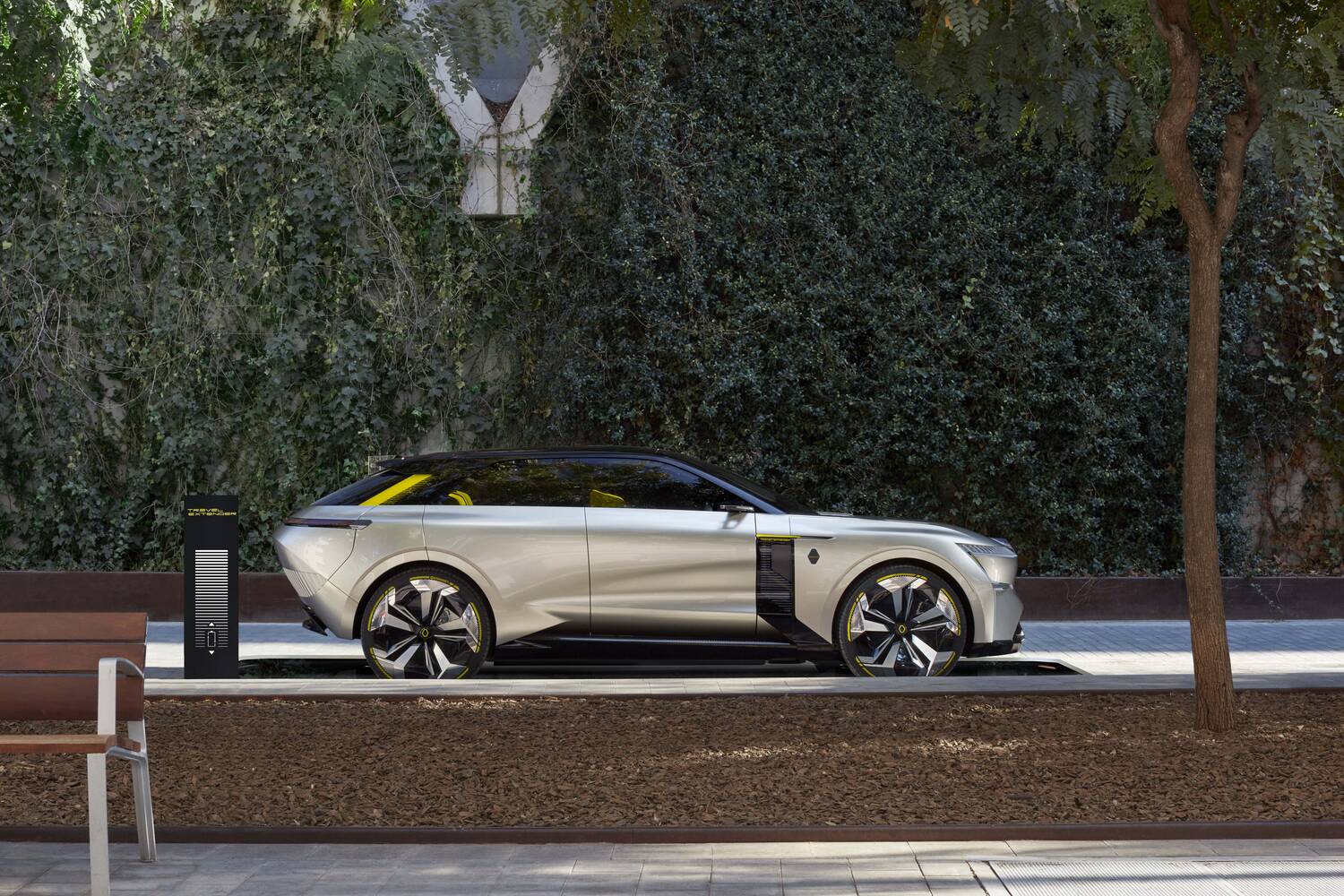
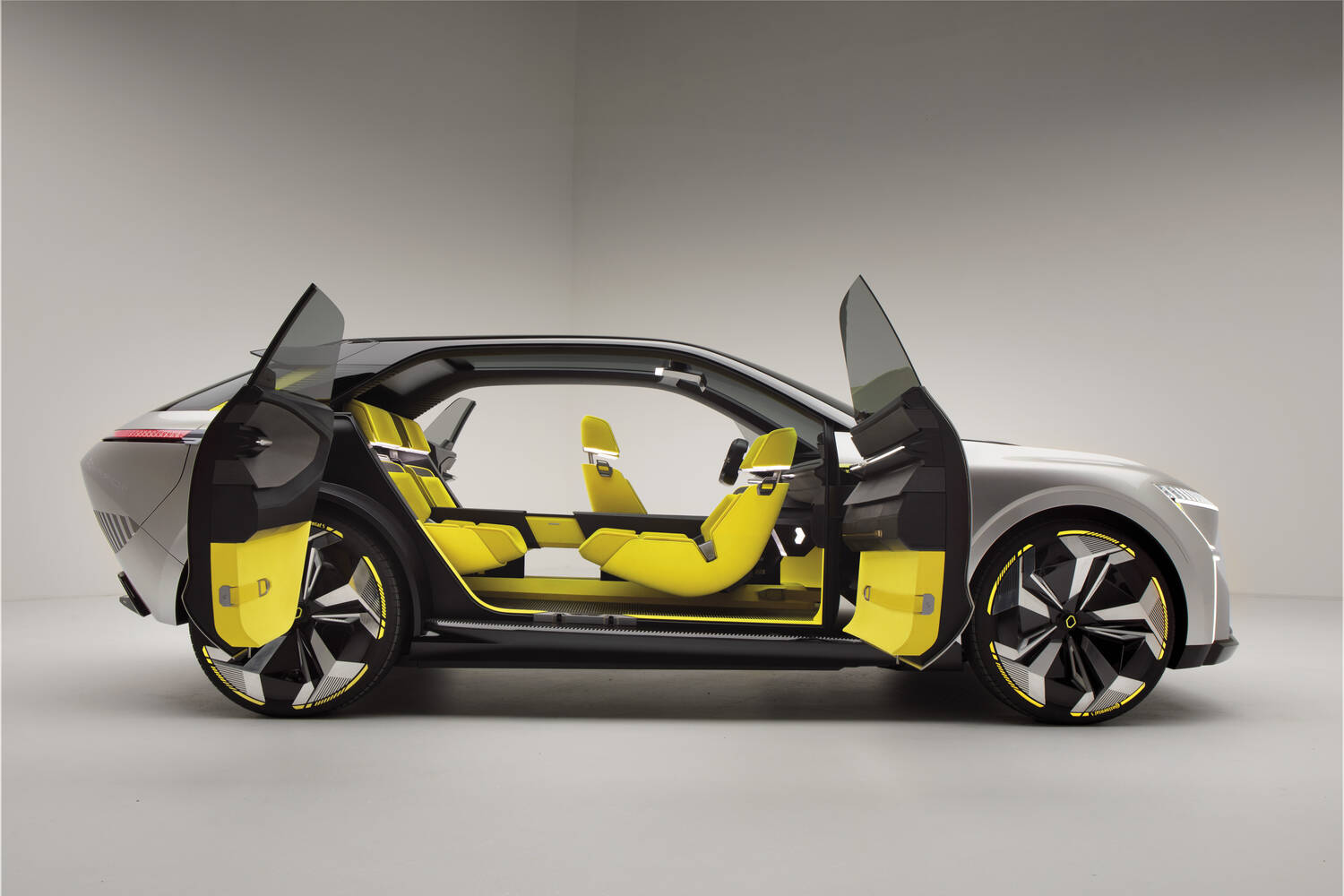
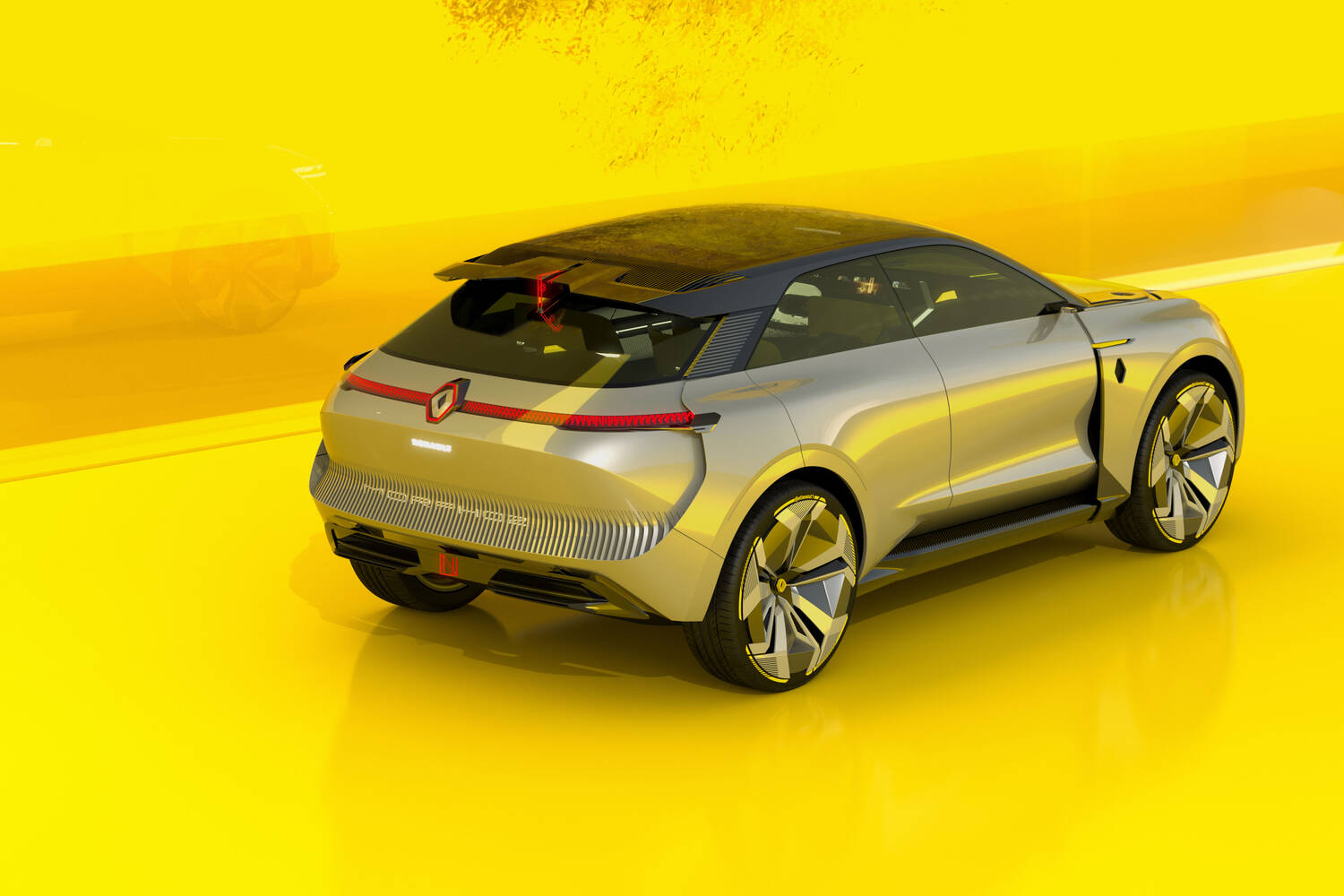
It’s an idea - a car that shrinks when you want it to - that was recently revived on another Renault concept, the Morphoz. Minus the weird shiny onesies...
If there is anything about this story we have not covered, you can avail of our expert advice service via the Ask Us Anything page.