

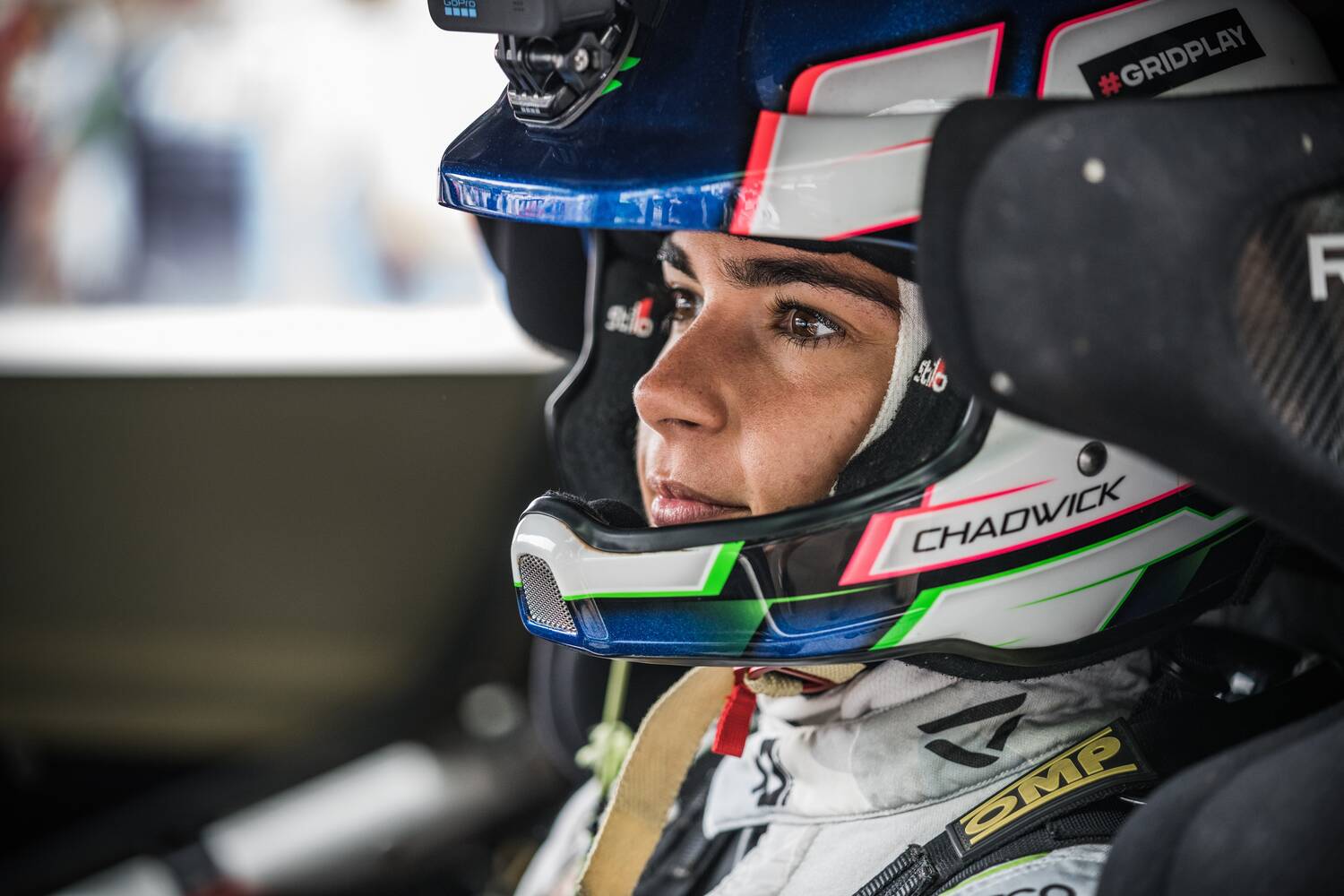
She switched to Haas, helping Romain Grosjean to some of that team’s best-ever results, before joining Sauber. After her stint in Switzerland, Buscombe left the grid and instead became a broadcaster and a strategy expert for both Formula One’s own broadcasting team, and for its technology partner, Amazon Web Services (AWS).
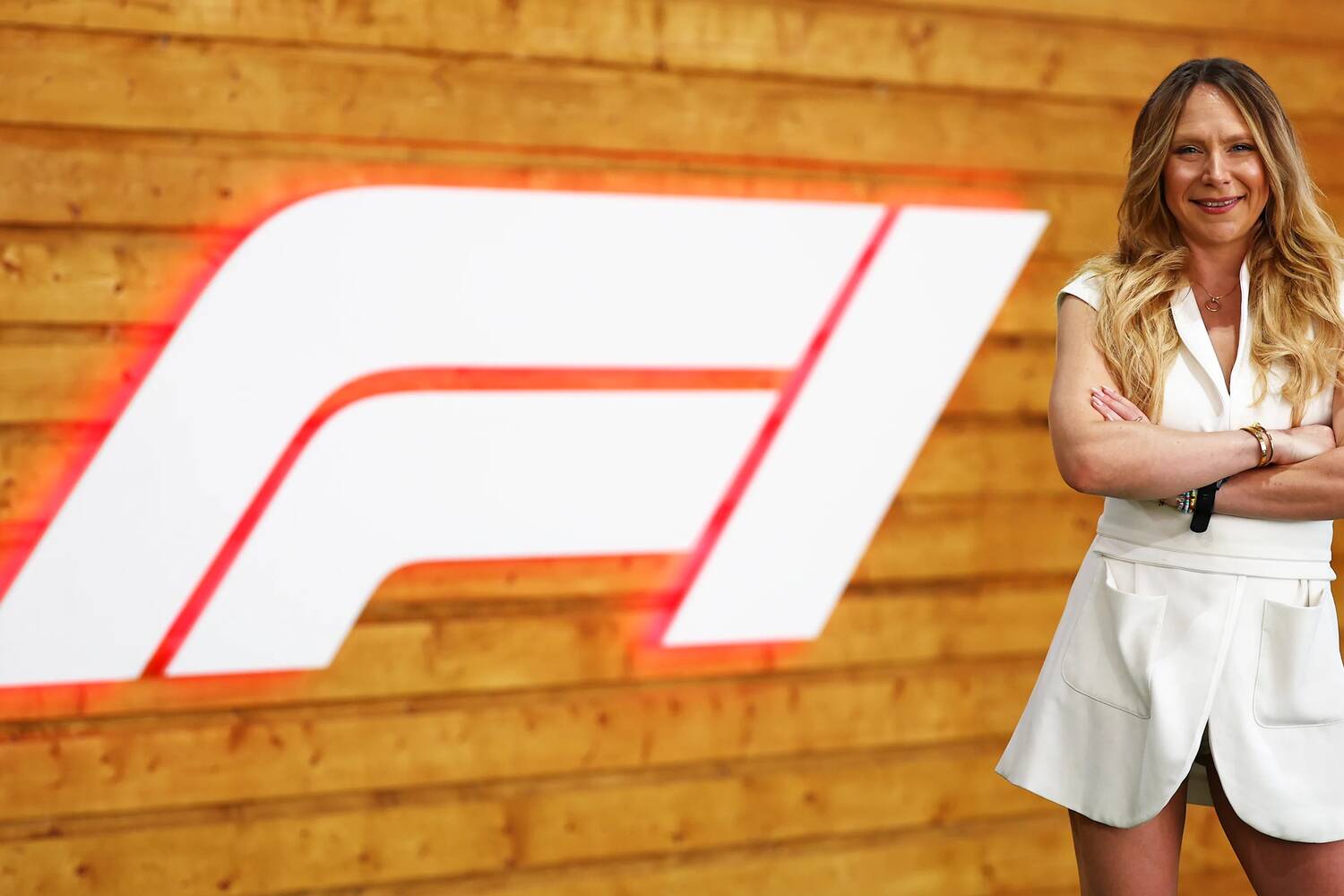
It’s in her capacity as a speaker and roving expert for AWS that Complete Car spoke to her on the eve of the British Grand Prix at Silverstone.
As a woman who has reached the pinnacle of a sport that’s still male-dominated, yes, Buscombe must have heard this question a thousand times before, but until it gets answered on the track, it’ll have to be continually asked and answered elsewhere - so, why no women behind the wheel in F1?
Simple stats to start with
“From my perspective, I can only speak about my example which is on the engineering side,” said Buscombe. “When I studied engineering at Cambridge, there was only a nine per cent female intake on that course. I've never seen any great evidence that says that women are better than men or men are better than women, so if you’ve only got nine per cent of the intake as an engineer, the chances that you're going to hire a woman into an F1 team runs, you know, over ten to one.”
Buscombe tells us that both her parents were doctors and, when she was growing up, the ratio of female to male doctors would have been pretty similar to that nine per cent university intake, but nowadays it’s much closer to a 50:50 split in the medical field - so there’s hope.
Certainly, alongside Buscombe, women working in the engineering side of F1 have risen to prominence. Lena Gade blazed a trail in the early 2000s as one of the senior strategists for Audi’s all-conquering Le Mans squad, even getting a starring role in a Jason Statham-narrated documentary on the 2010 running of the 24-hour race (it’s called Truth In 24, and if you’ve not seen it, it’s a must-watch).
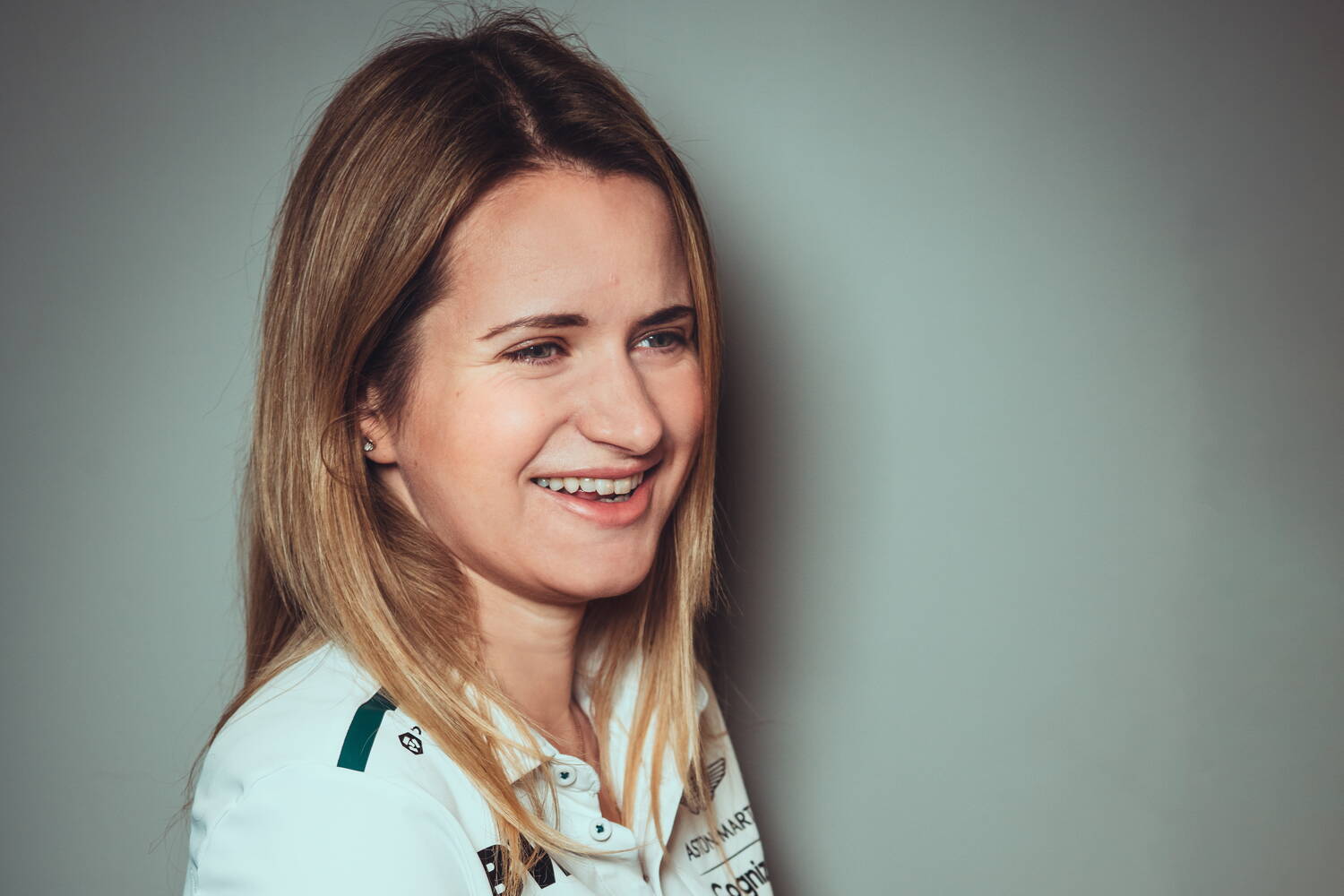
More recently, Bernie Collins - from Fermanagh - became the top strategist at the Aston Martin F1 team, before leaving to pursue a hugely successful career as a strategic expert pundit for Sky Sports.
Hannah Schmitz currently is the Head of Strategy for the Red Bull team and was pivotal in Max Verstappen’s dominant 2022 and 2023 championships.
So women are making an impact on the sport...
It must at least be pleasing for Buscombe to see women in her particular area of expertise not only reaching the top, but actually becoming semi-famous at the same time?
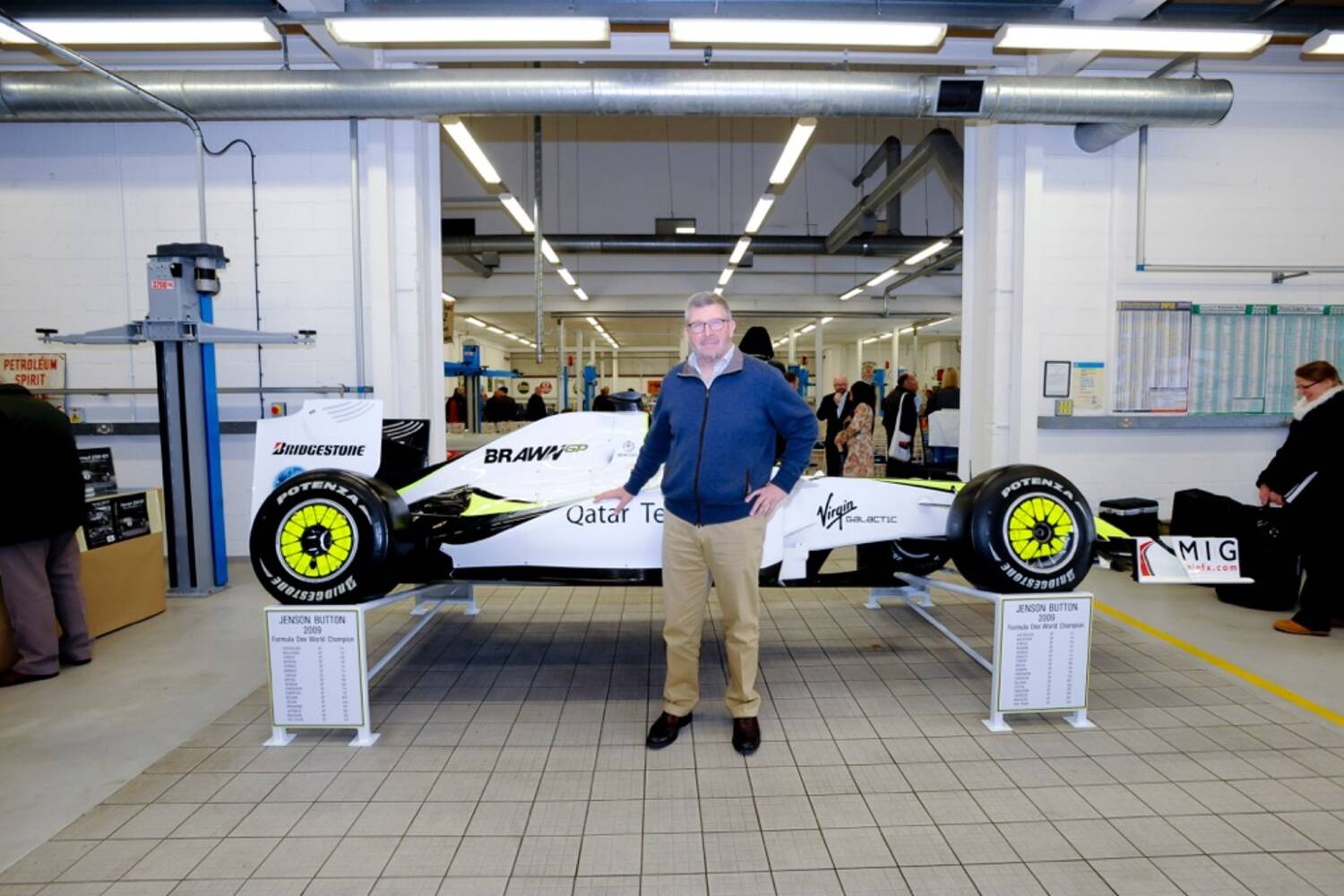
“Yes! We can charge more” said Buscombe, laughing. “Actually, it’s always been present. If you look back, the strategist that inspired me was a man named Ross Brawn, and some of his strategies that he did in the 1998 season. Silverstone was a great example, taking the penalty in the pits, and then Hungary, a week later, adding an extra stop at one of the tracks where it's hard to overtake, so I think it's always been there.
“What I love about modern day Formula One is that, you know, we're now at one in eight people on Earth watching Formula One. We have, I think, it's a 22 per cent new fan base in South America, for example. You know, with what we can do now with Formula One, with the data stories we're able to tell, we're able to engage properly for a four-quadrant audience.
“Some 42 per cent of our audience are female, 43 per cent under 35, and so actually getting more eyes on it, I think helps of course, the F1 Movie, which I did consult on, so I'm also an unreliable narrator, but it's great to see female strategists on pit walls being celebrated for making great engineering decisions.”
Famous enough to be played on the big screen
Good point. Kerry Condon played a senior strategist character in the F1 Movie, not unlike Buscombe, but with an accent closer to that of Bernie Collins (well, as far as people outside of Ireland are concerned - we can tell the difference between Condon’s Dublin accent and Collins’ Nordie twang).
As Buscombe puts it, being effectively played on screen by Condon was brilliant because “I’m a massive narcissist!” - also delivered with a laugh.
Still, the question dangles in the air: why no women drivers?
“It’s a numbers game. If you look at the statistics of karting, if you look at the kind of kids that go karting, the chances of being good are really, really small. There are a lot of rubbish men drivers out there, and there's also a lot of female drivers, and if you look at the pyramid, there's thousands of kids that try, but look at the percentages.
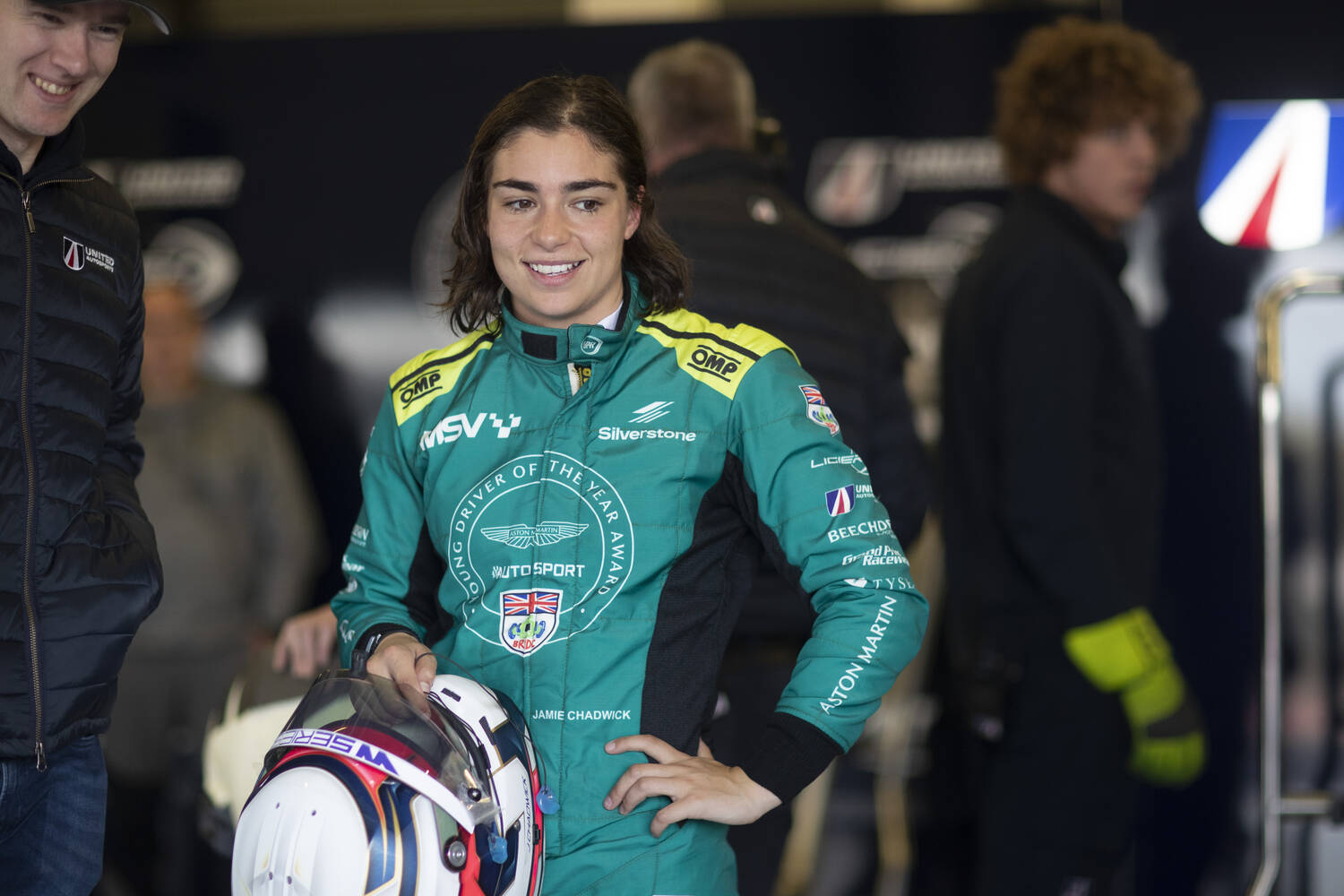
“I think that's why it's so important to make sure that through what we're doing with Susie Wolf's FIA Girls on Track, what we're doing with the F1 Academy, is to encourage mums and dads to take their daughters and their sons. David Coulthard is a good friend of mine and speaks very openly about the fact that his sister was a better driver than him, and that his parents chose to invest the money in him, because they don't have infinite resources. So through no other reason than he was a boy, and you know he's obviously incredibly passionate about equal opportunities, but he got the chance.”
There’s change in the air
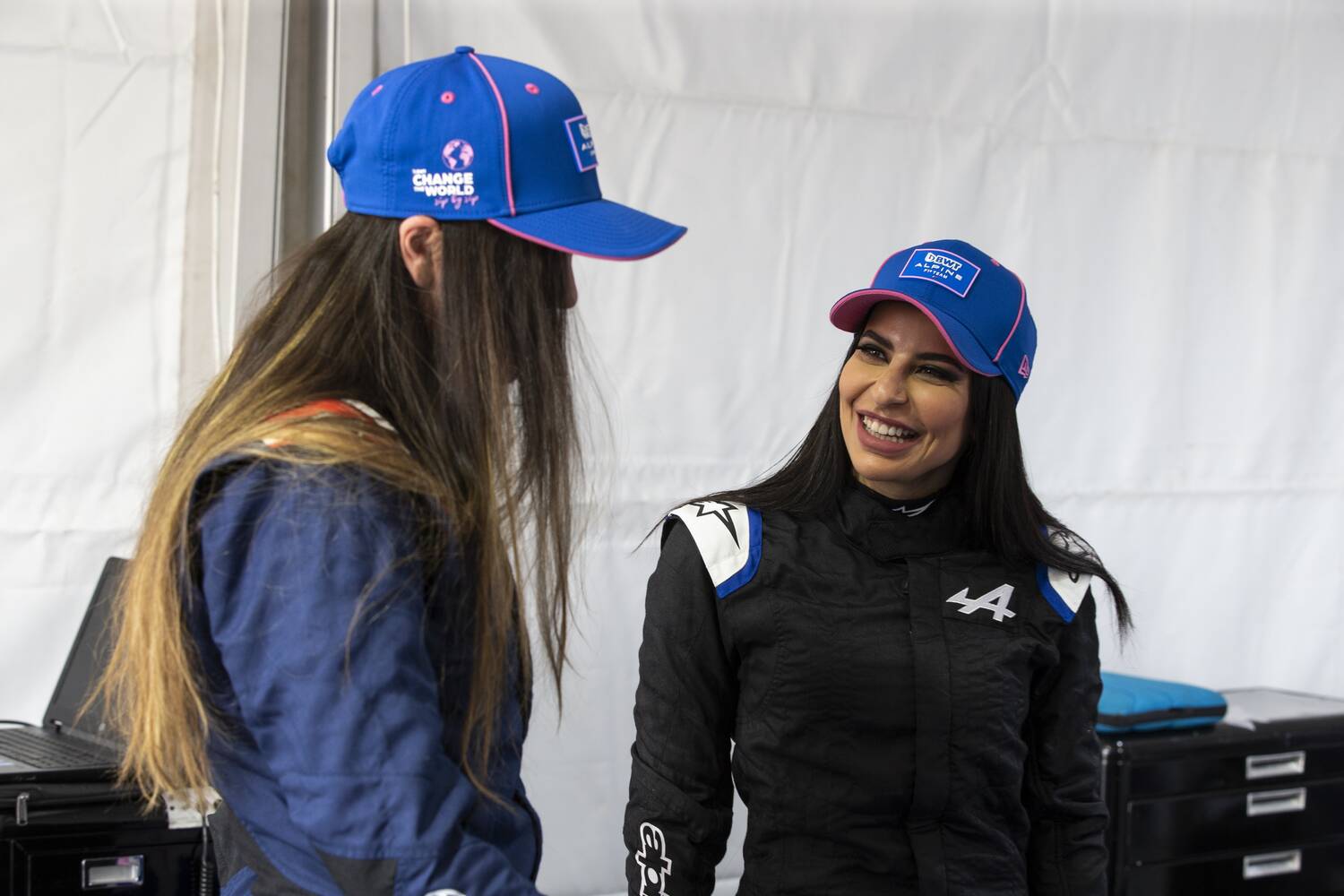
There does at least seem to be some change in the air. Alpine, for example, has a programme called Race{H]er, which sets out to encourage more women to get behind the wheel of a racing car.
![Race[H]er](/img/galleries/15085/cms_000007.jpg)
According to Alpine: “Internally, the programme is deconstructing prejudices and changing our corporate culture by encouraging gender equality. On the circuit, Rac[H]er identifies, recruits and accompanies promising young women towards victory. With Race[H]er, we are reinforcing our commitment to winning on merit, with the target of 30 per cent women within five years.”
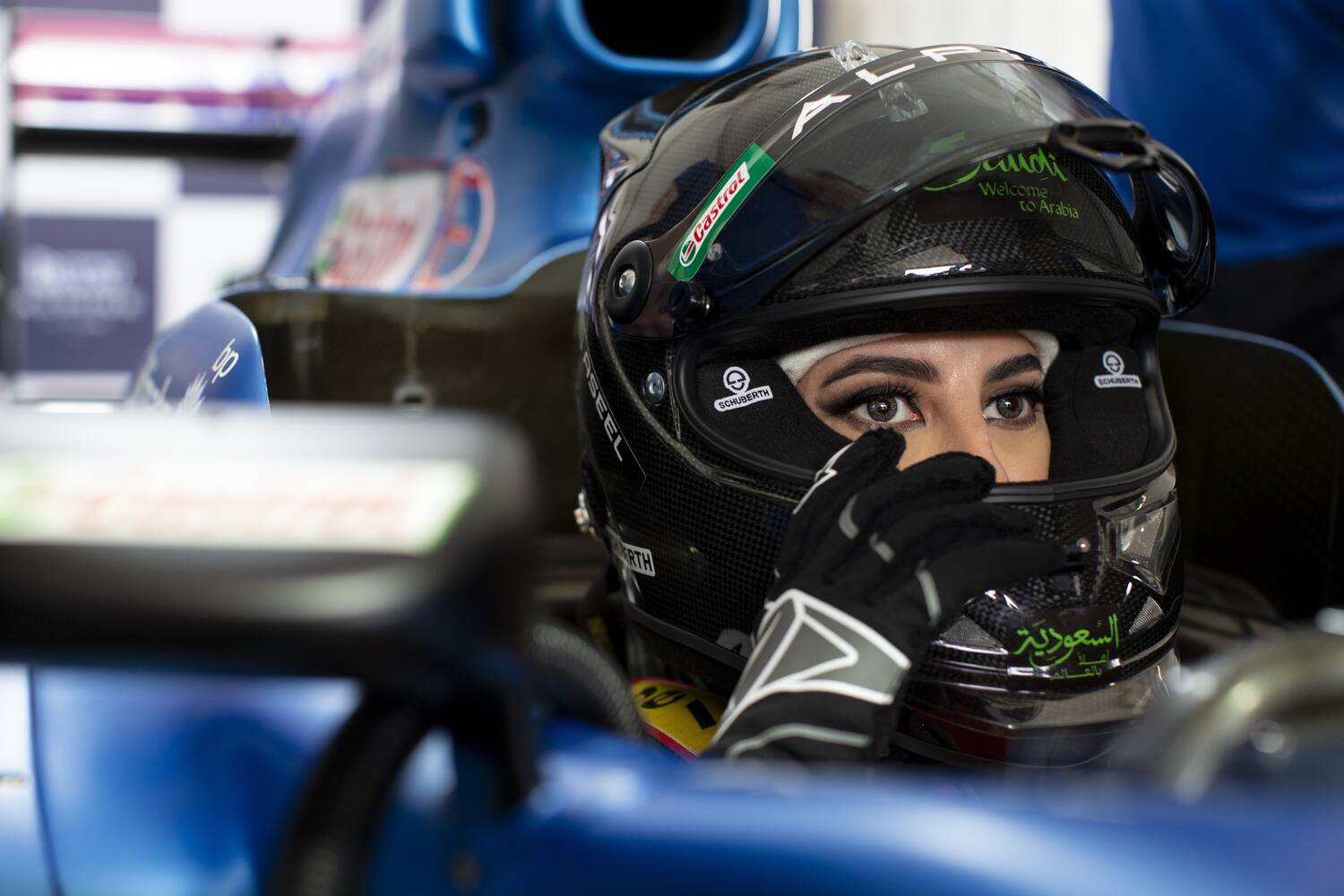
Alpine hasn’t actually entered a woman racer for an F1 race just yet, but it has scored some notable successes in other areas. Back in 2022, the team broke new ground in Saudi Arabia, putting two women racers - Aseel Al Hamad and Abbi Pulling - behind the wheel of an F1 car for demonstration runs through the streets of the capital, Riyadh.
![Race[H]er](/img/galleries/15085/cms_000002.jpg)
At the time, Alpine said: “The statement of having two women driving an F1 car through the capital of Saudi Arabia, past treasured historic monuments and into the heart of the city, shows that anyone with enough drive can follow their dreams in motorsport. Aseel shows that women of all backgrounds are welcome, while Abbi demonstrates motorsport is a genuine career path for women. We hope that this action will inspire girls from the younger generation that anything is possible.”
Still not happening...
Well, it’s possible, but it’s still not happening. Chatting to a former F1 team boss ahead of the race (he asked not to be named...) his response to the question of why no women was nuanced: “I’ve spoken to Jenson Button about this, and he has both a boy and a girl, and he’s brought them karting of course. The boy was immediately into it, but his daughter was less keen. And that’s part of the problem - when girls get into motorsport, they tend to be older, and that means they’ve less of a chance. I remember when Nico Rosberg told me he thought he started in karting maybe a year late, and he was only seven when he started.”
Just for rich boys?
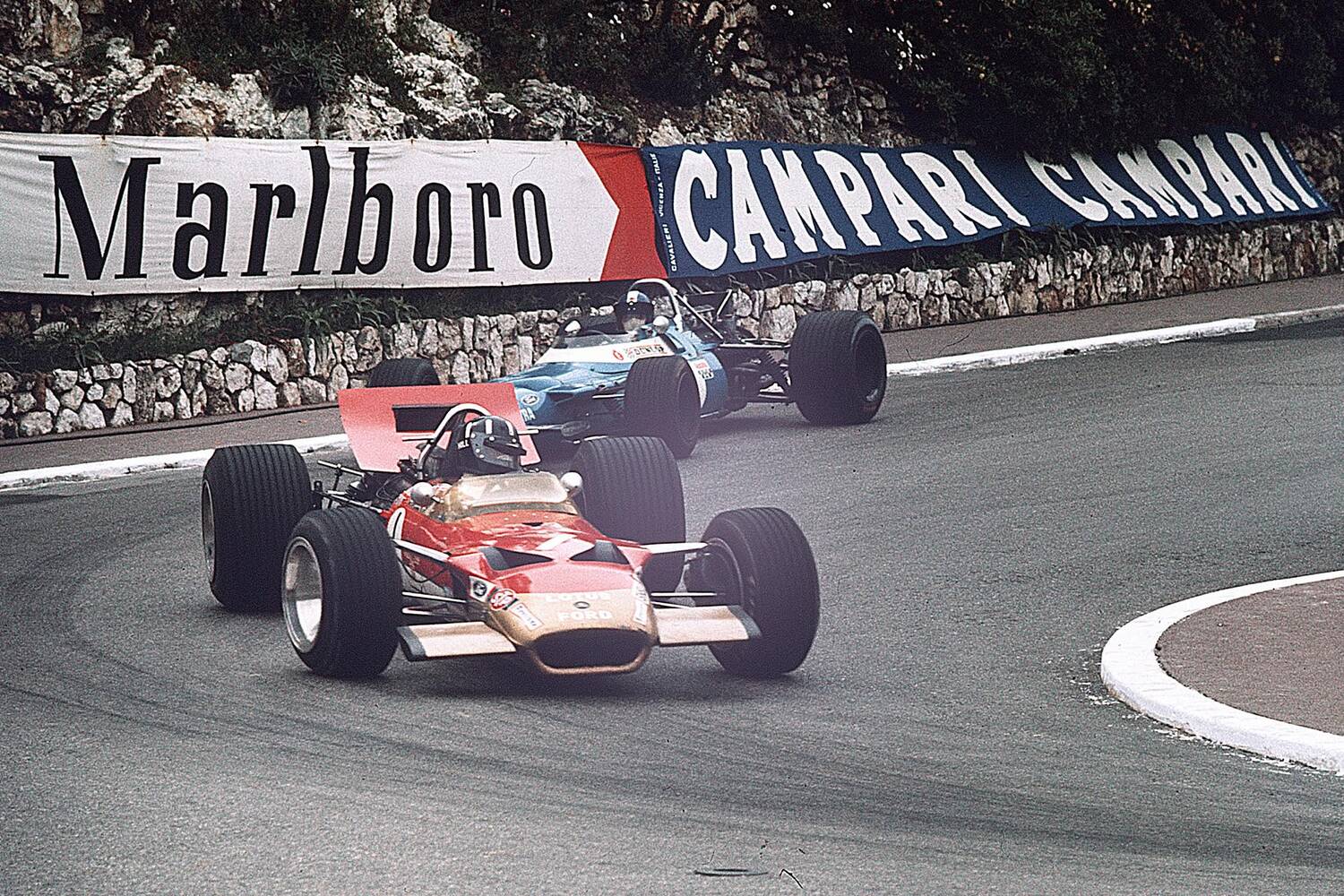
Perhaps, then, it’s the structure of the sport and the ‘ladder’ of the junior categories that needs to change to allow for that later start in life. After all, the great Graham Hill won two F1 world titles, the Indy 500 and the Le Mans 24 hours, becoming the only person to achieve the unofficial Triple Crown of motorsport (not to mention five wins at the Monaco Grand Prix) - but he didn’t even have a driver’s licence until he was 24. Surely if Hill Snr can make that late a start in motor racing, anyone can?
Anyone is an interesting word there, and it’s something Ruth Buscombe picked up on in our chat with her. Theoretically, anyone with the right talent and skills can become an F1 world champ, but mostly the people who get through to the top of the sport are, let’s face it, rich boys.
“It’s not just a female thing,” said Buscombe. “The intake into Formula One, if you look at the kind of average salary of the families, it's fairly rare that we get somebody coming through the system who doesn't come from an affluent background. For a long time there was Fernando Alonso and Lewis Hamilton, were two kinds of mainstays in the paddock who came from what you might call regular backgrounds.
“Actually one thing that I'm hopeful for, looking in the future, is the democratisation of data and analysis, and the onset of being able to analyse data; drivers using AI tools, for example, and being able to spot the great drivers coming through from a young age. The barrier to entry in terms of that, in terms of the data analysis, in terms of getting a basic race engineering feedback, hopefully that lowers that ceiling in terms of being able to first access it and then spot it.”
If there is anything about this story we have not covered, you can avail of our expert advice service via the Ask Us Anything page.